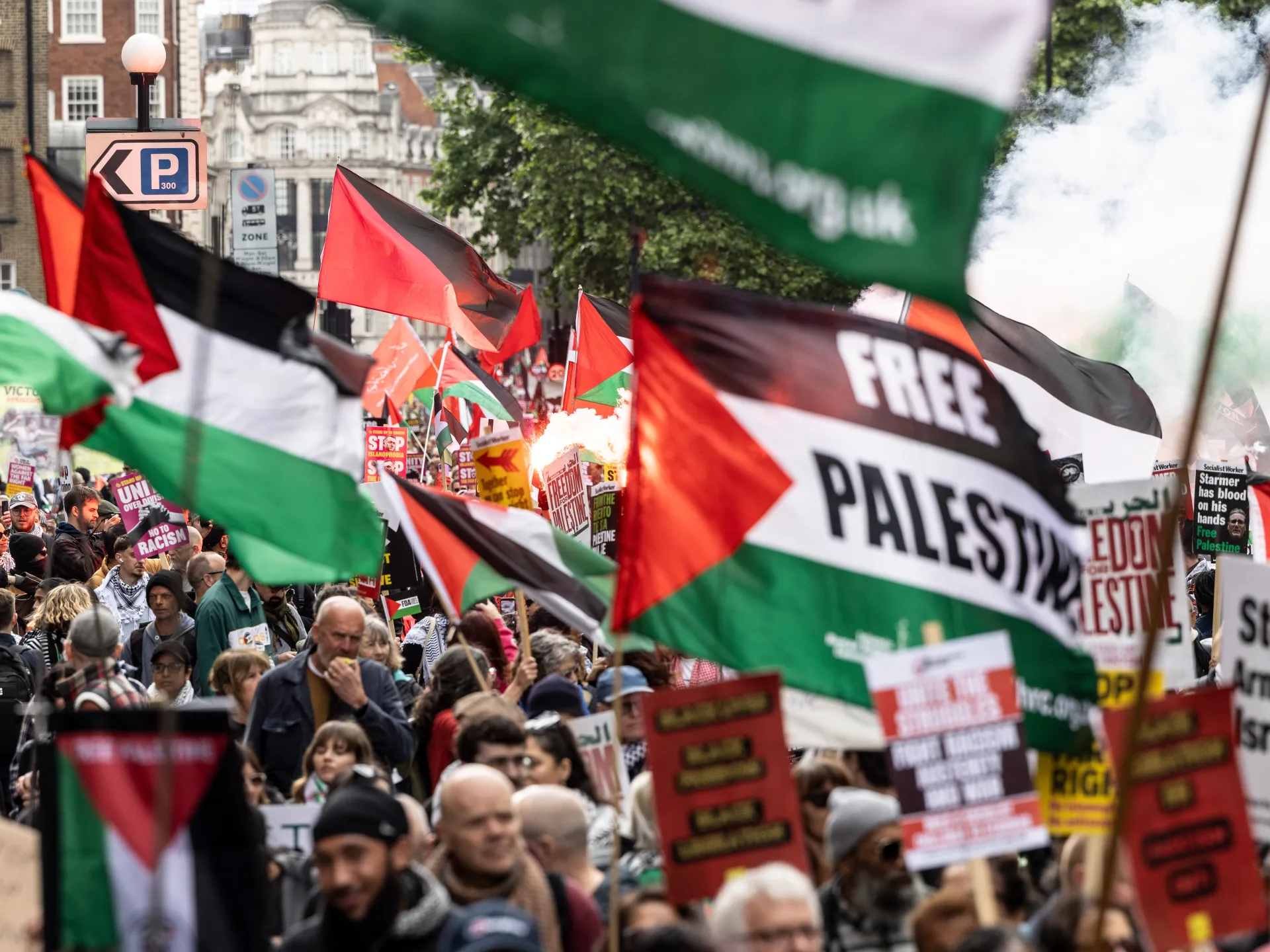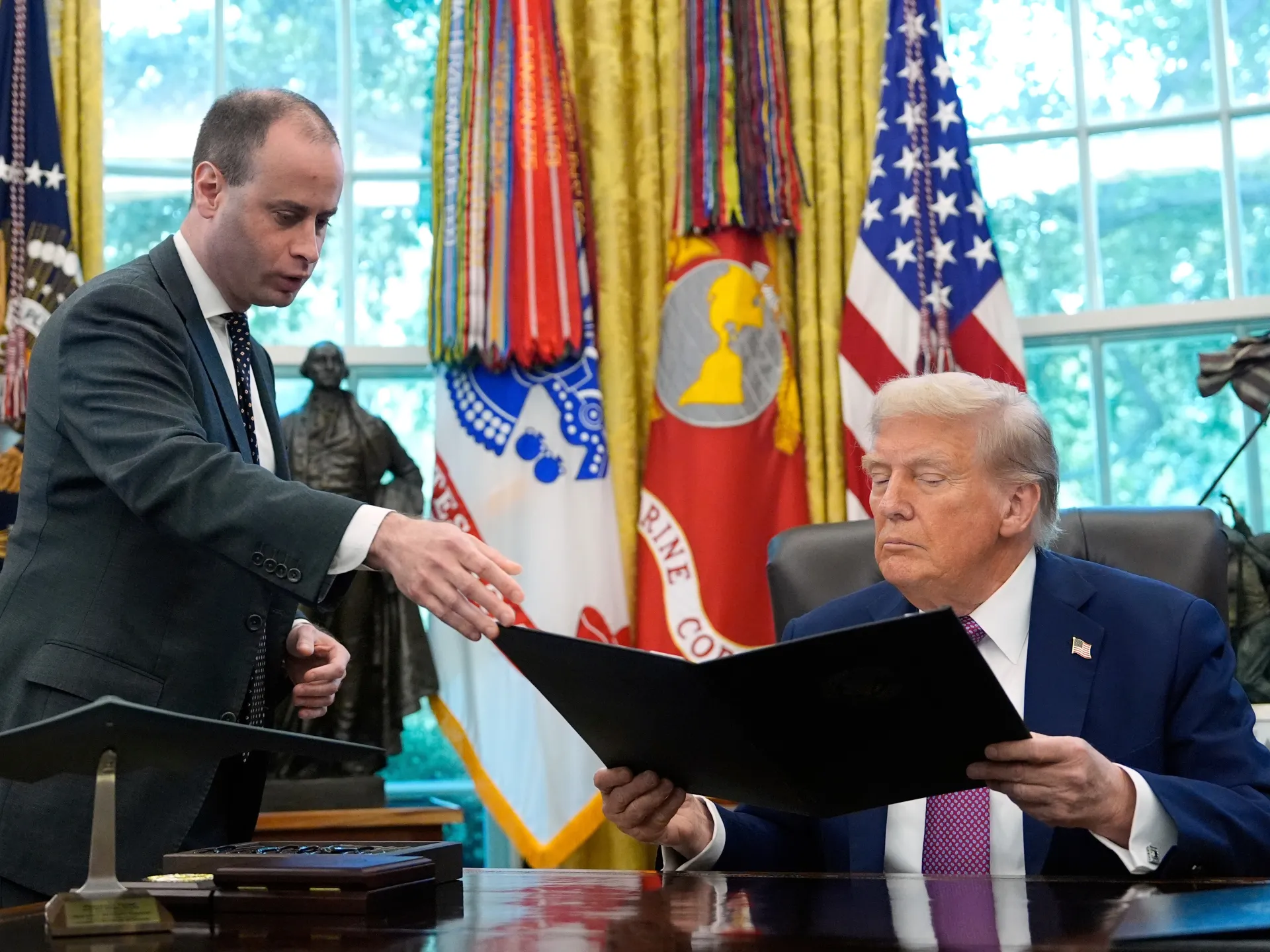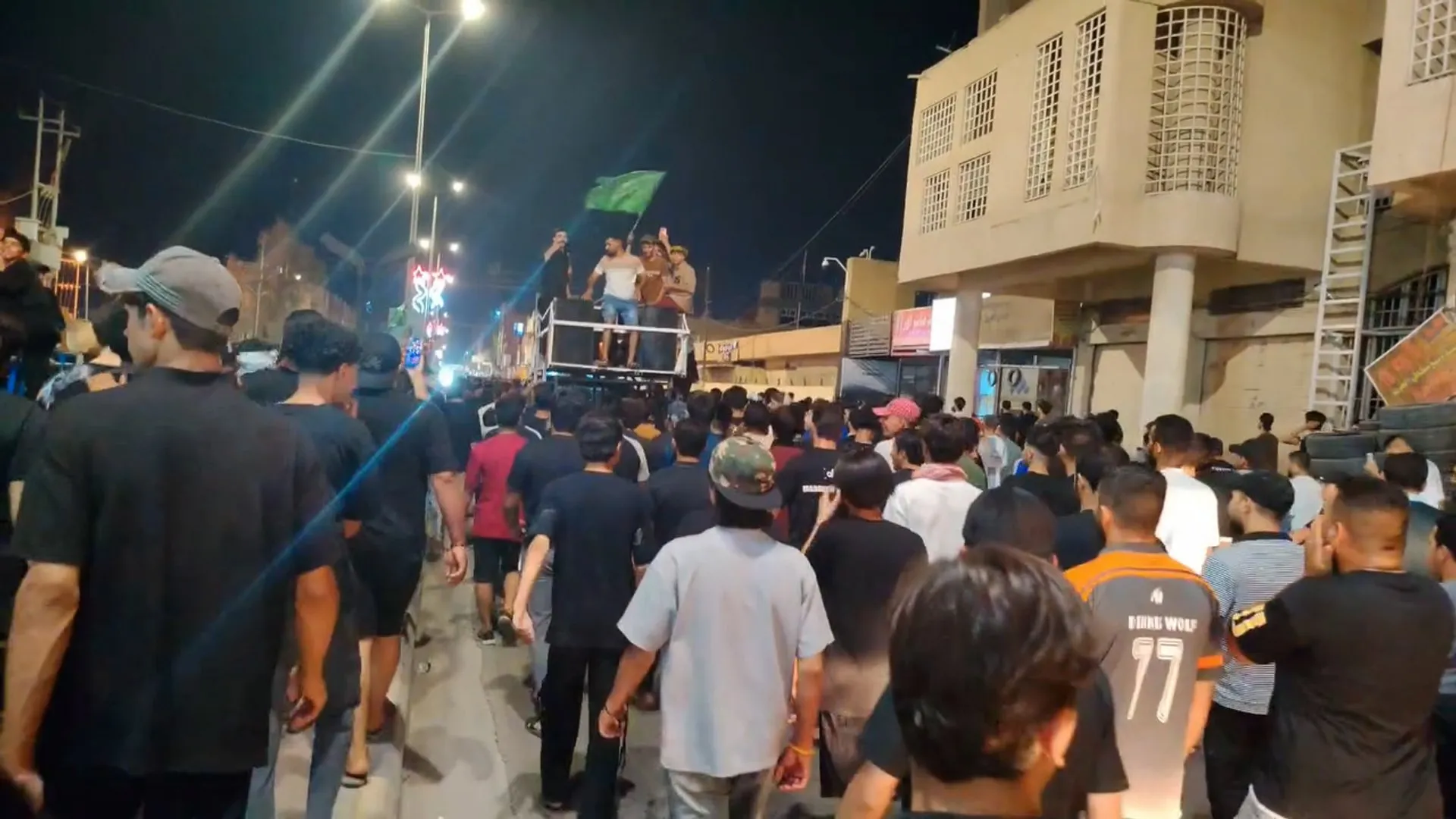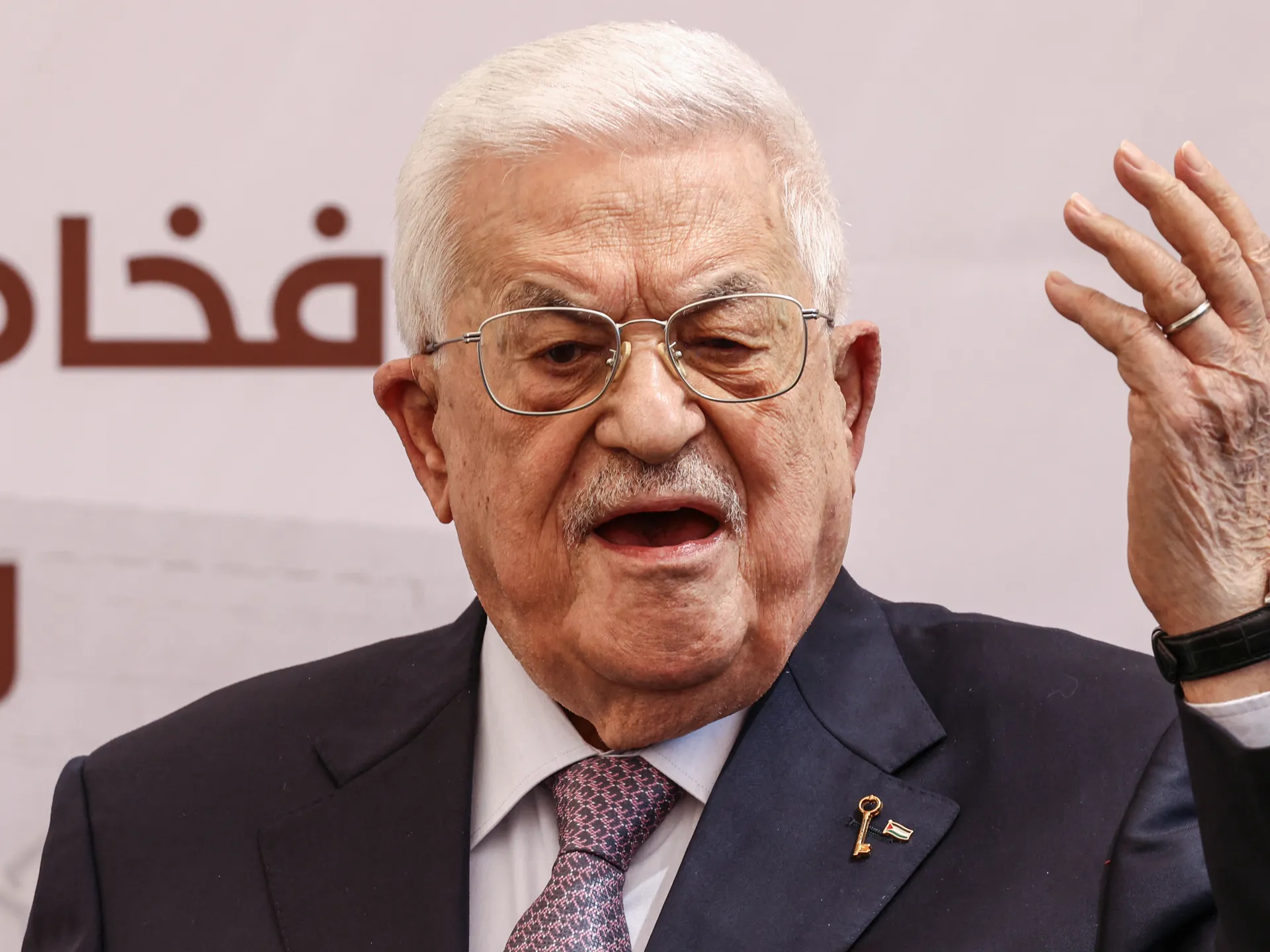
European officials are calling on Washington to reverse visa bans on Palestinian leadership as the 81st UN General Assembly session commences in New York.
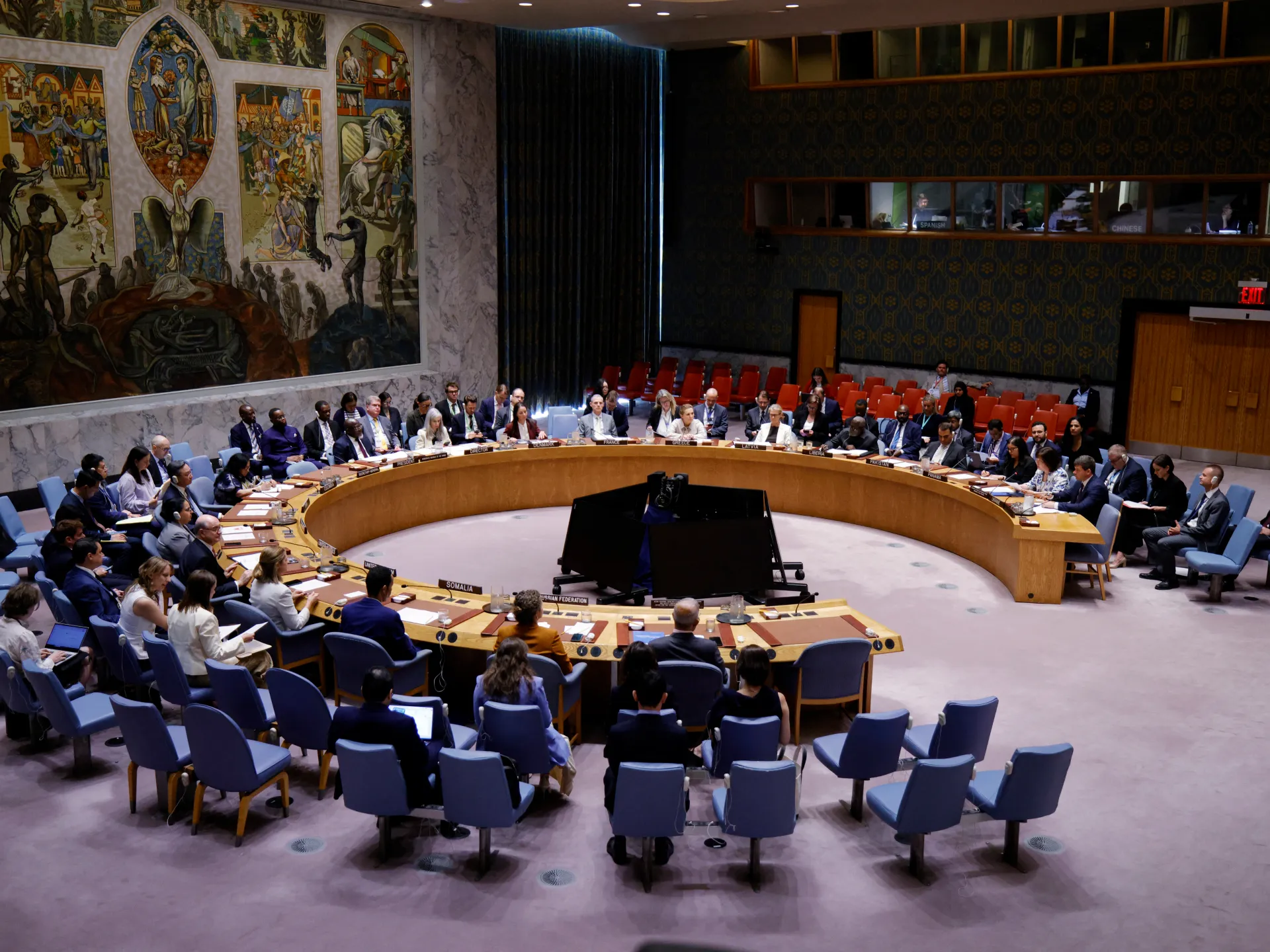
The denial of visas to Palestinian Authority (PA) and Palestine Liberation Organization (PLO) officials represents a significant strain on the intersection of international diplomacy and host-nation sovereignty. ing the boundaries of the UN Headquarters Agreement. This move not only complicates the Palestinian delegation’s ability to engage in multilateral dialogue during the 81st session of the UN General Assembly (UNGA) but also highlights a growing divide between Washington and its European partners. As the US prioritizes its bilateral disputes regarding Palestinian governance and judicial actions, the international community is left to grapple with the precedent set when a host country restricts the participation of a recognized UN observer state in global proceedings.
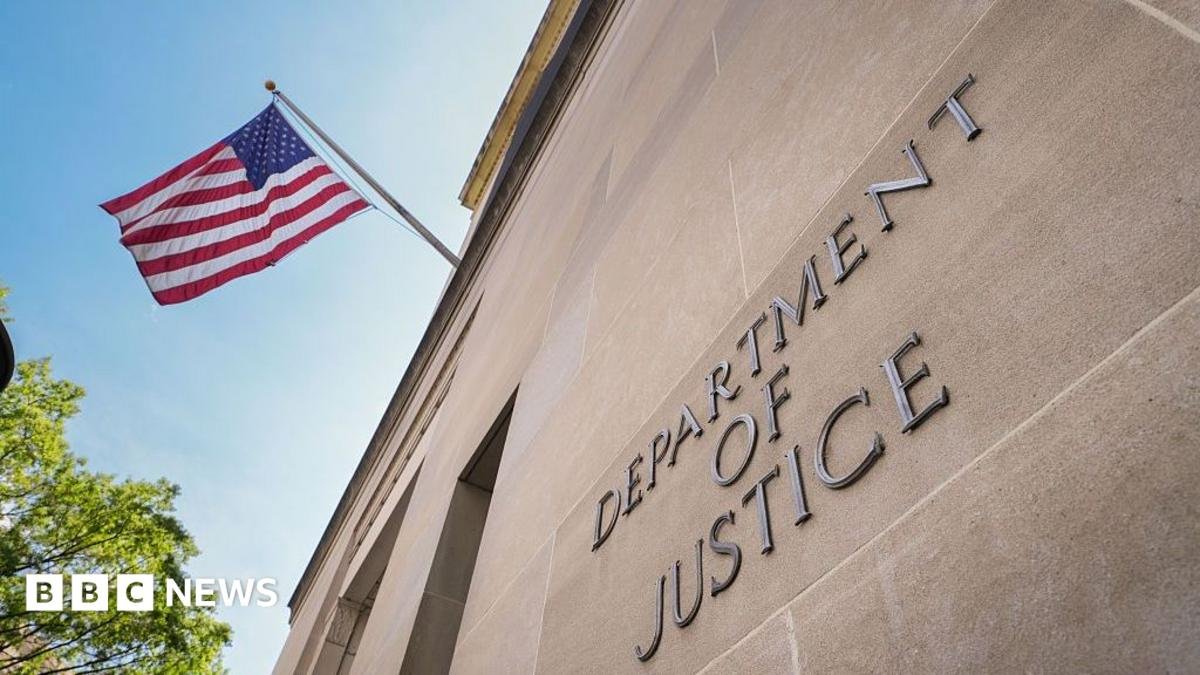
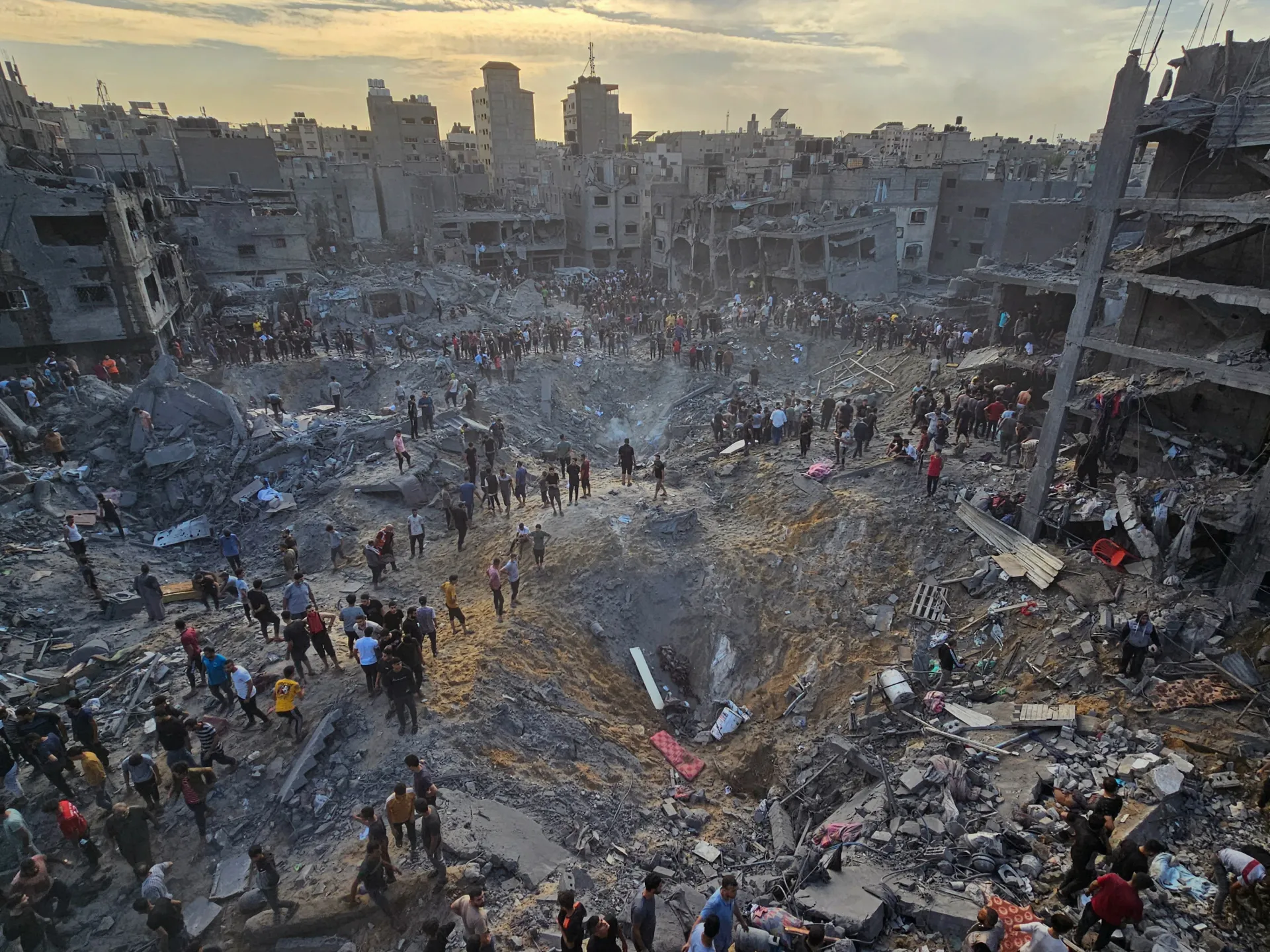
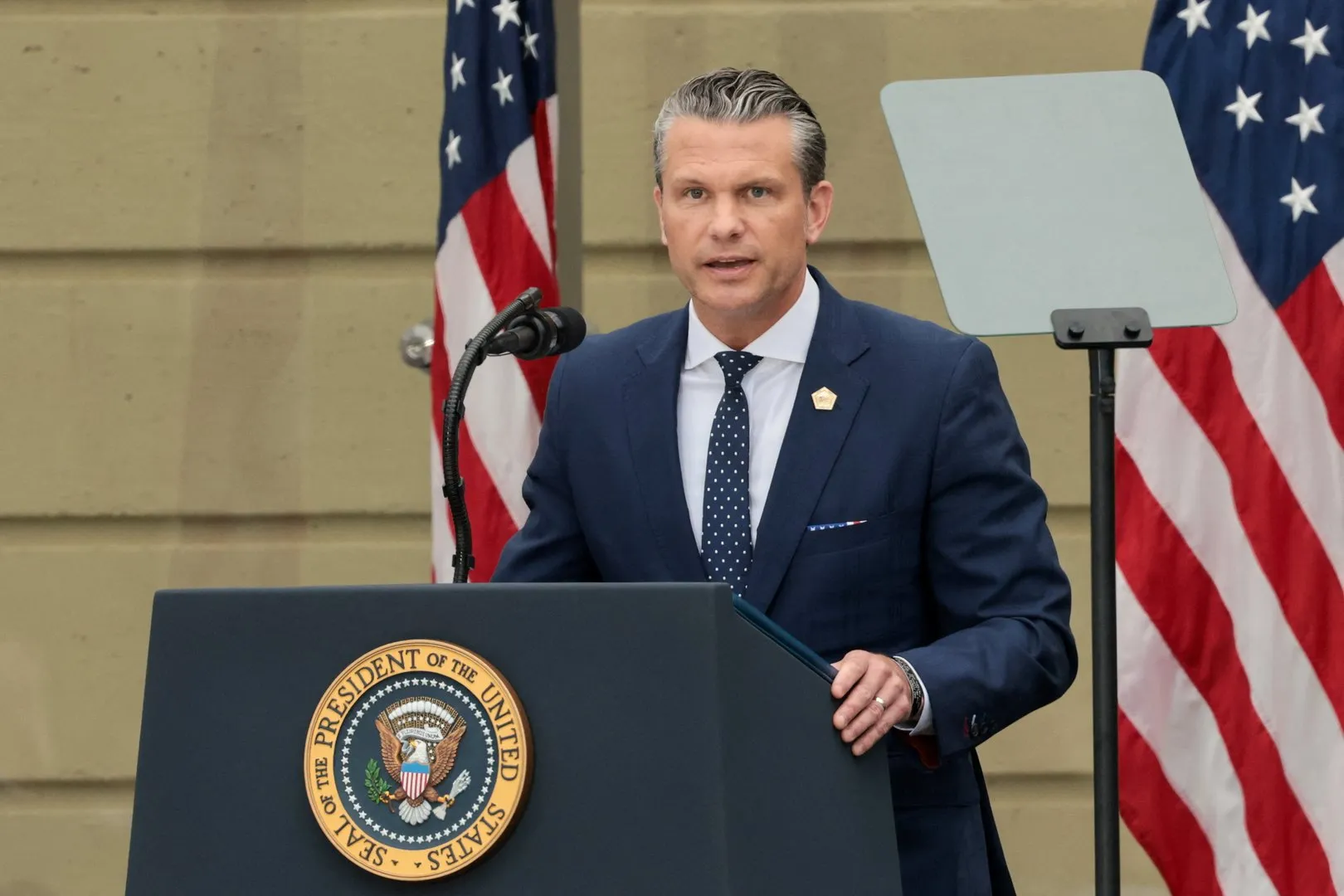
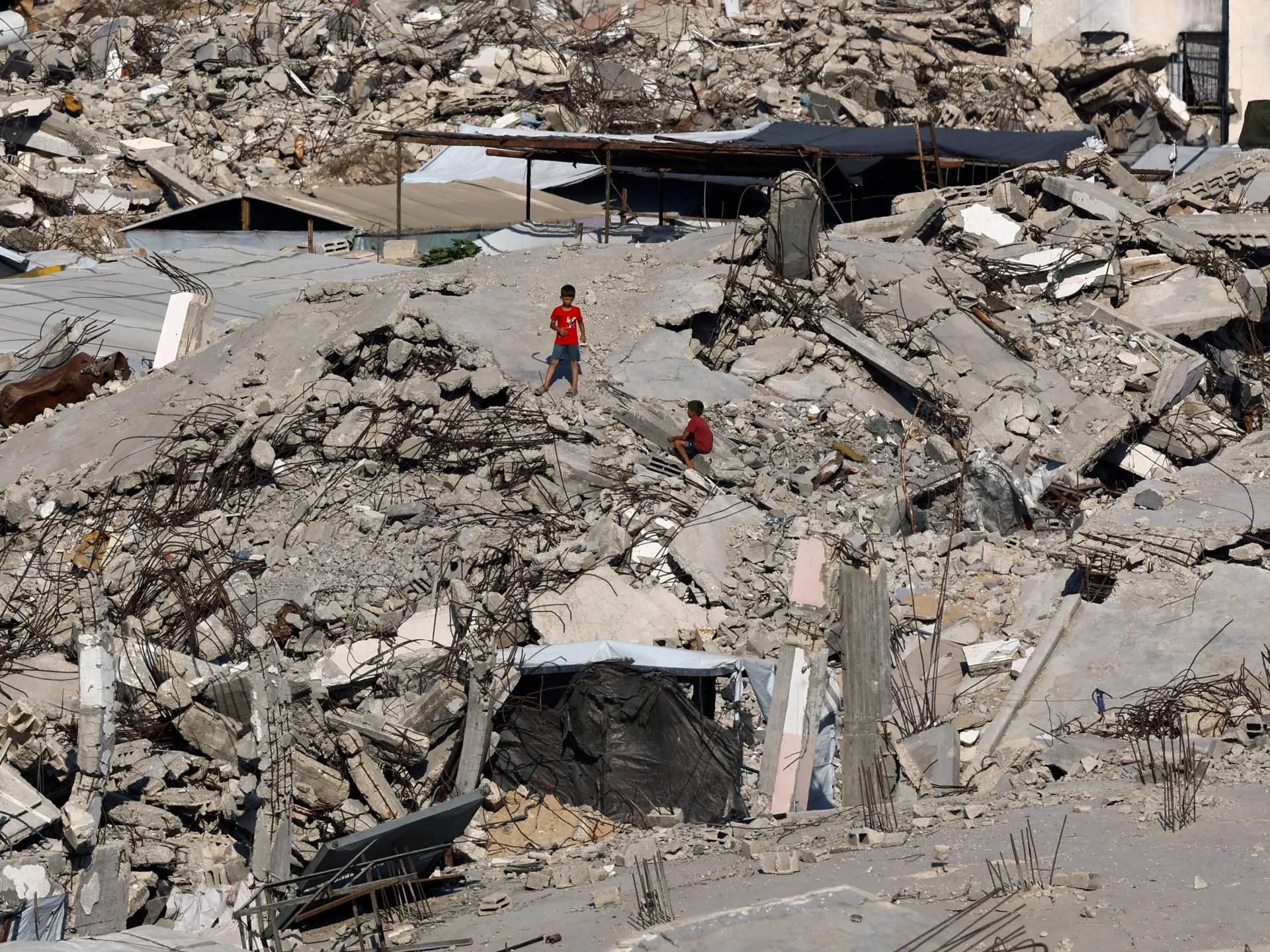
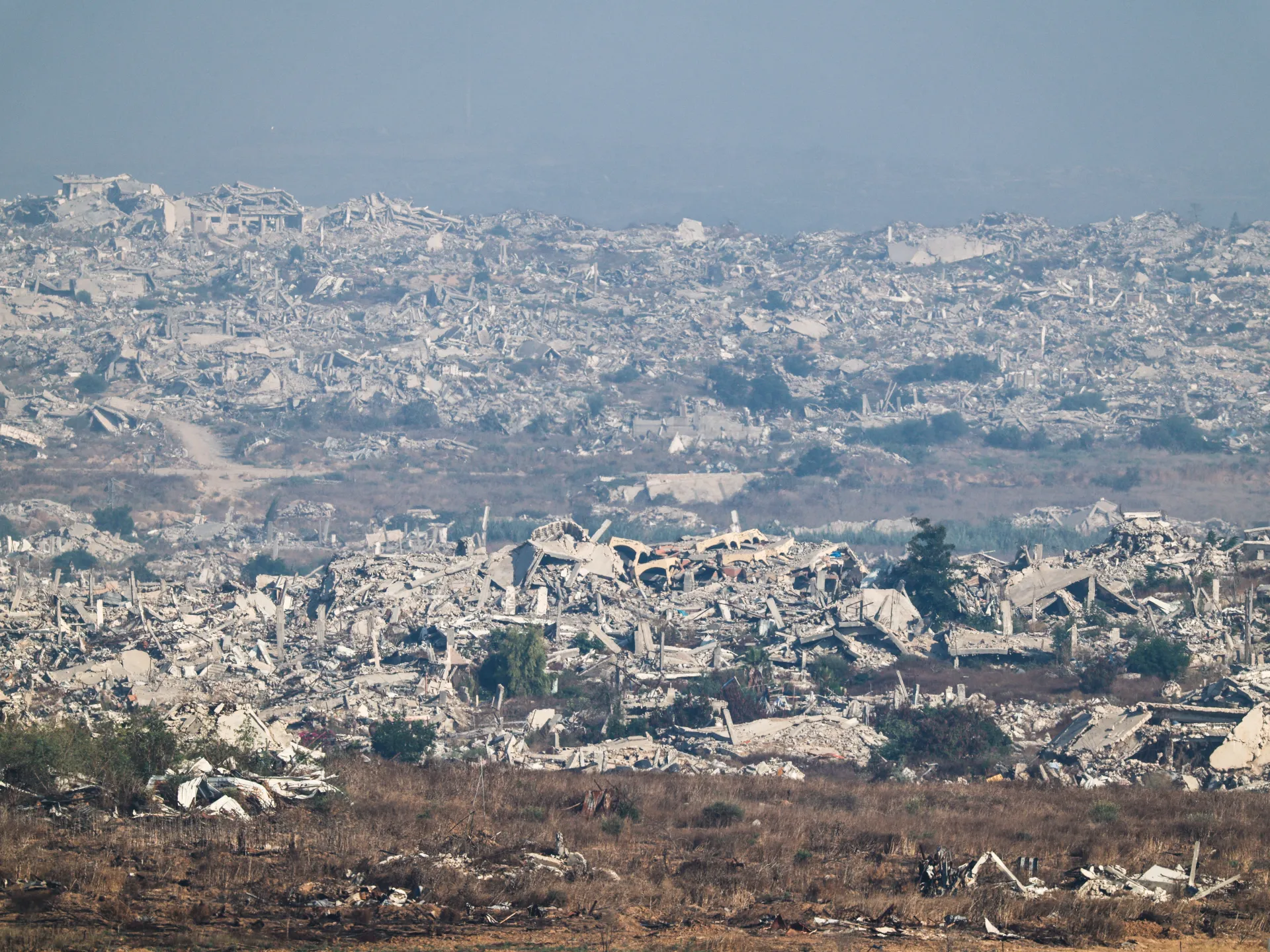
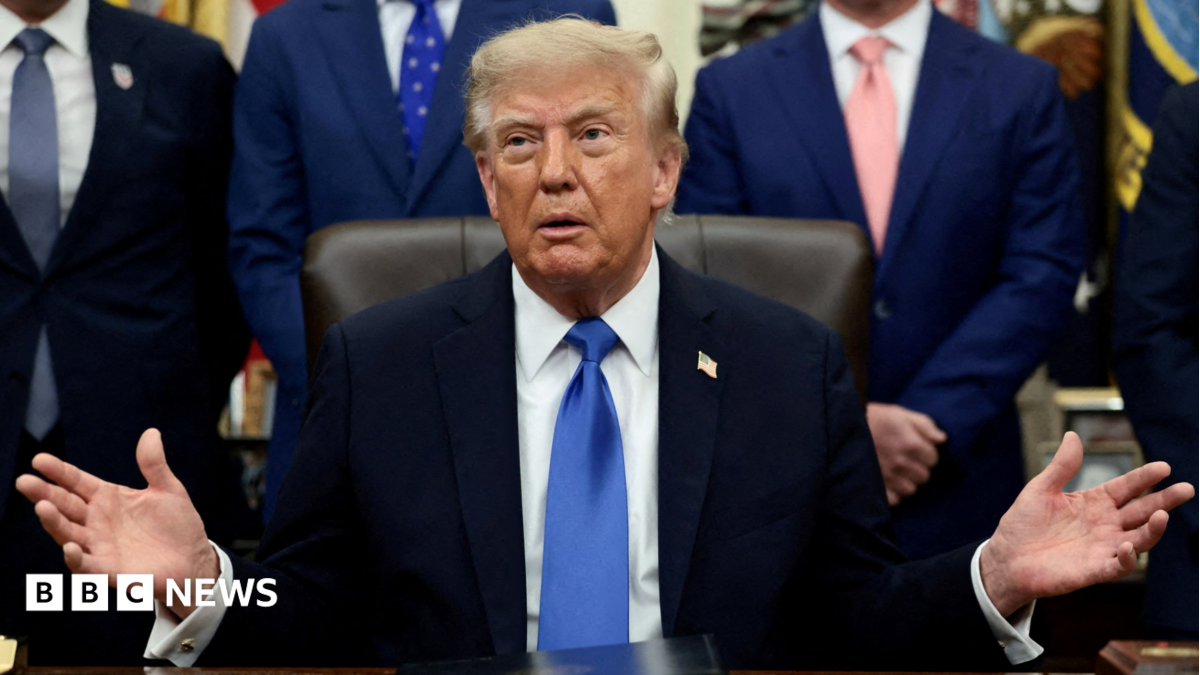
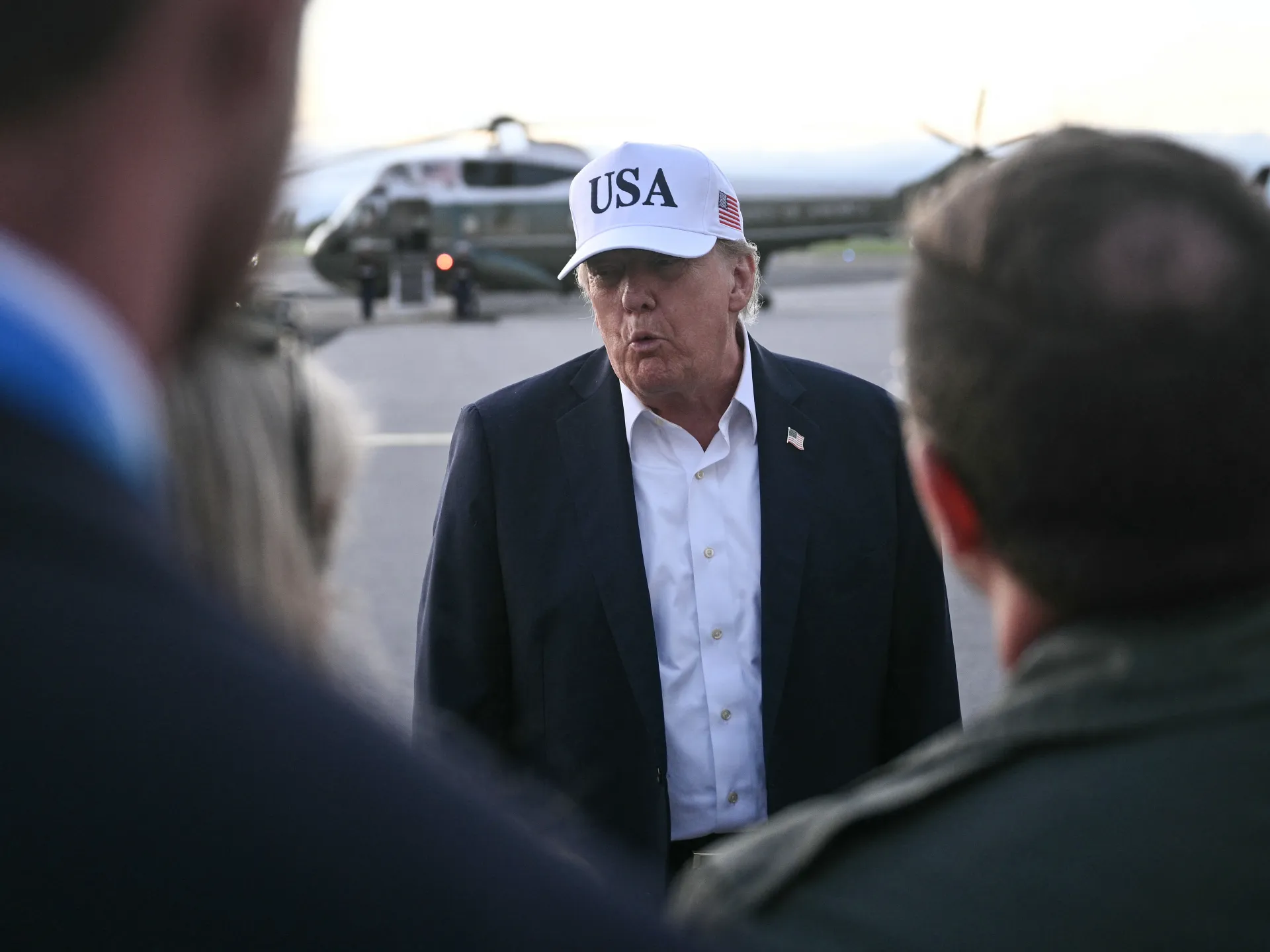
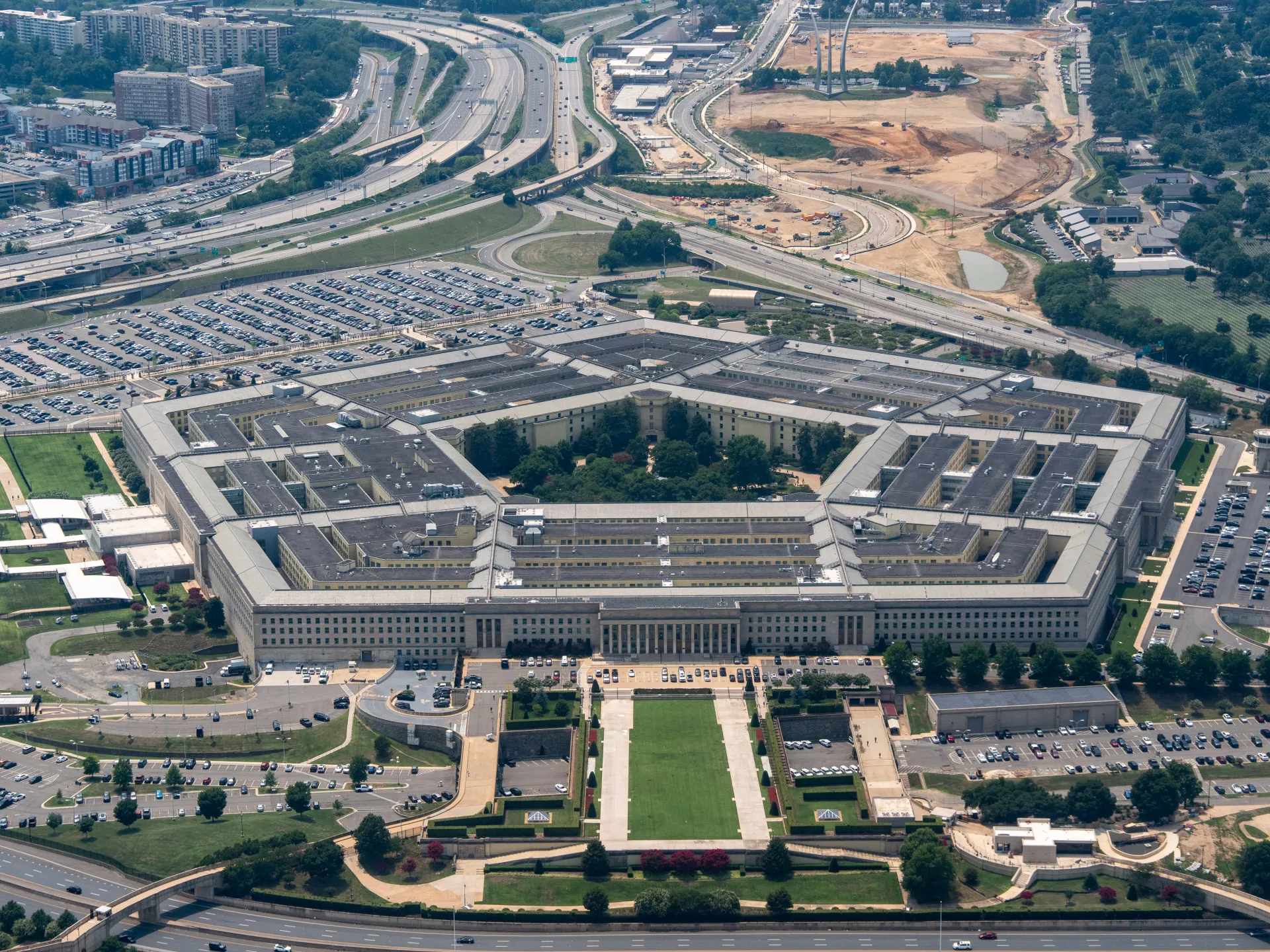
The United States Department of State confirmed on Wednesday that it would maintain and expand visa sanctions against members of the PLO and PA officials. Washington justified the decision nal reforms. Furthermore, the State Department pointed to the PA's active efforts to escalate international legal disputes against Israel and its ongoing financial support for families of individuals labeled international scrutiny intensifies regarding the humanitarian situation in Gaza and the expansion of settlements in the West Bank.
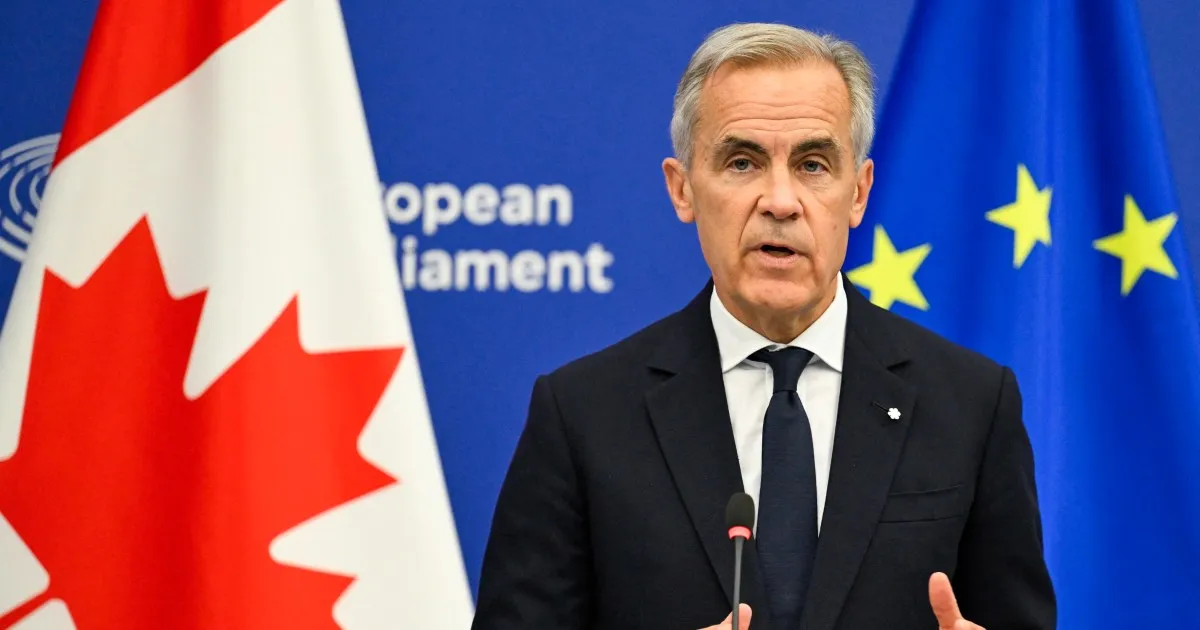
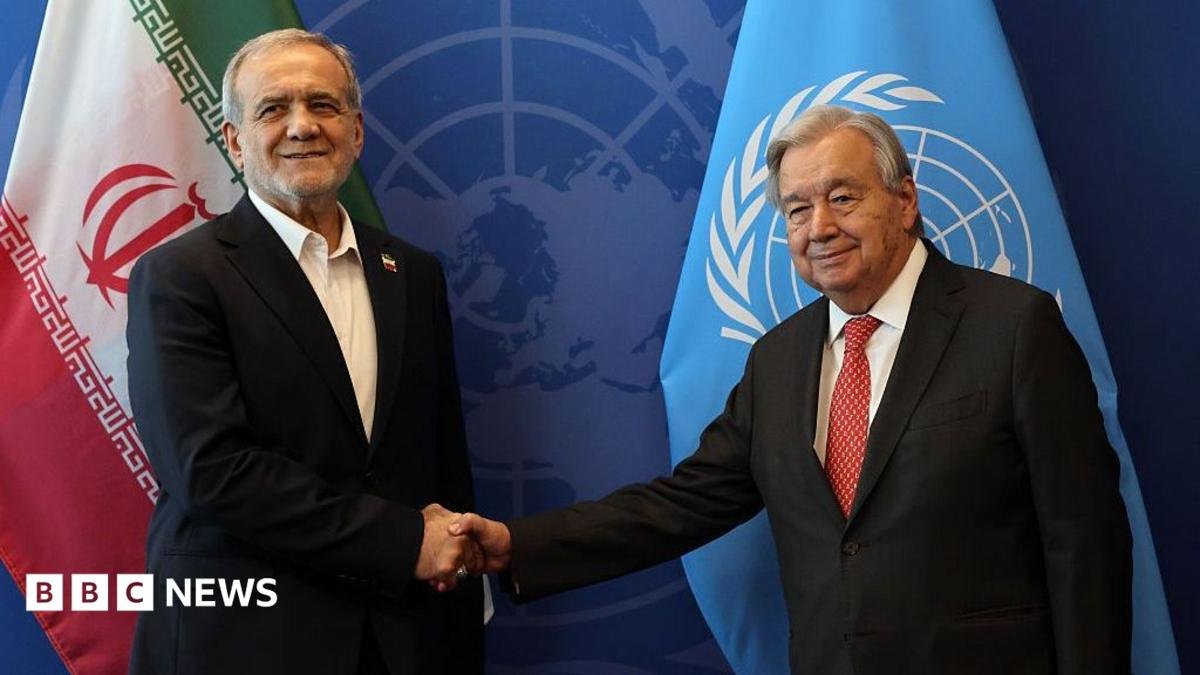
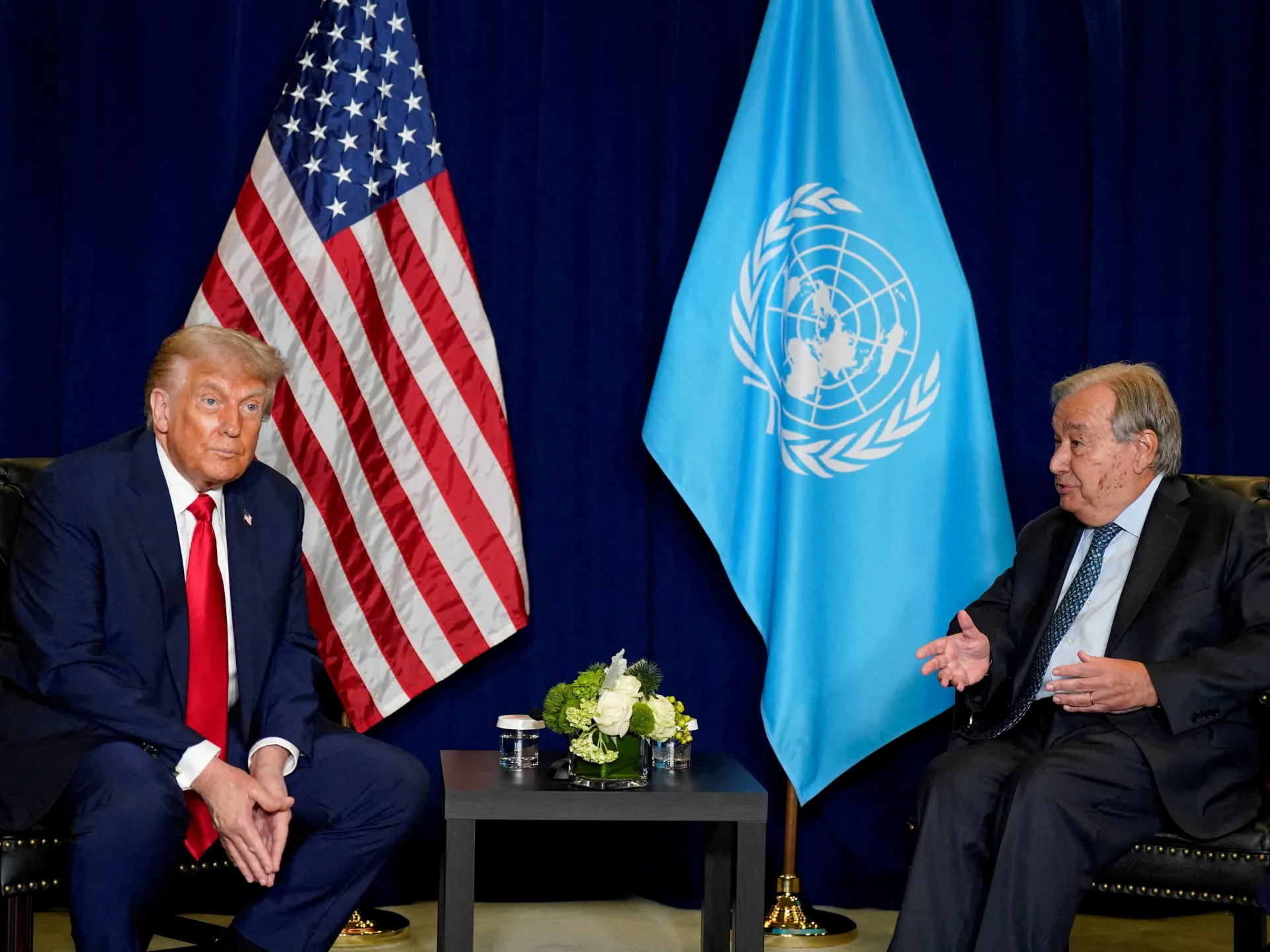
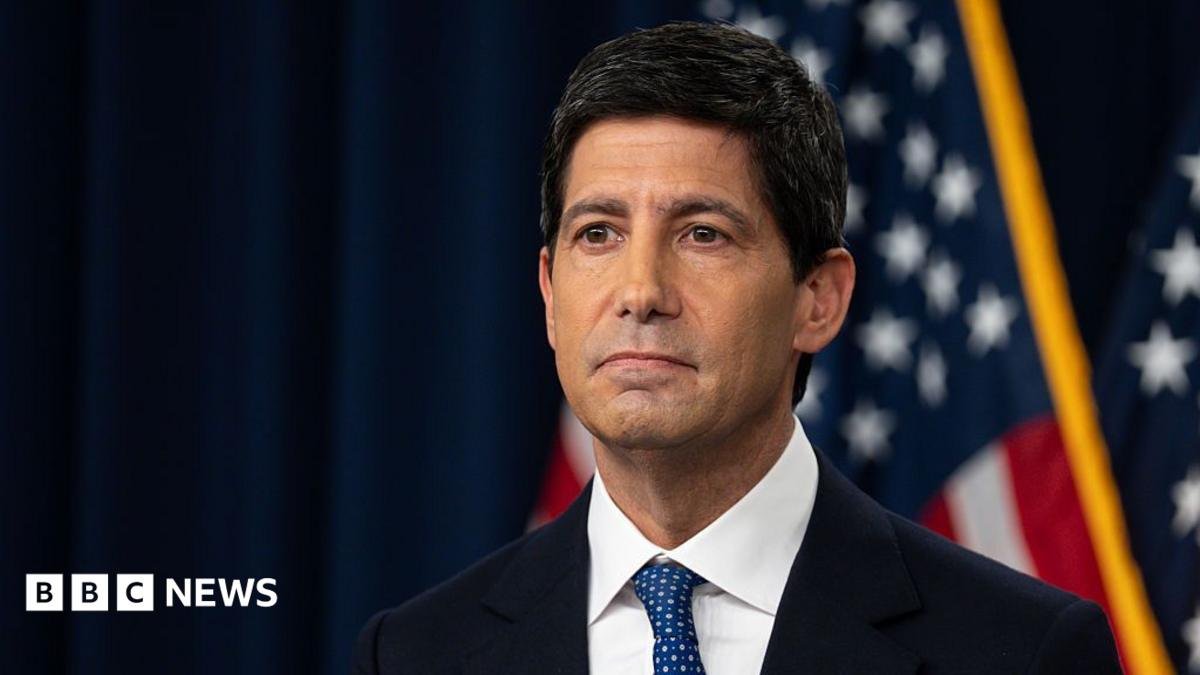
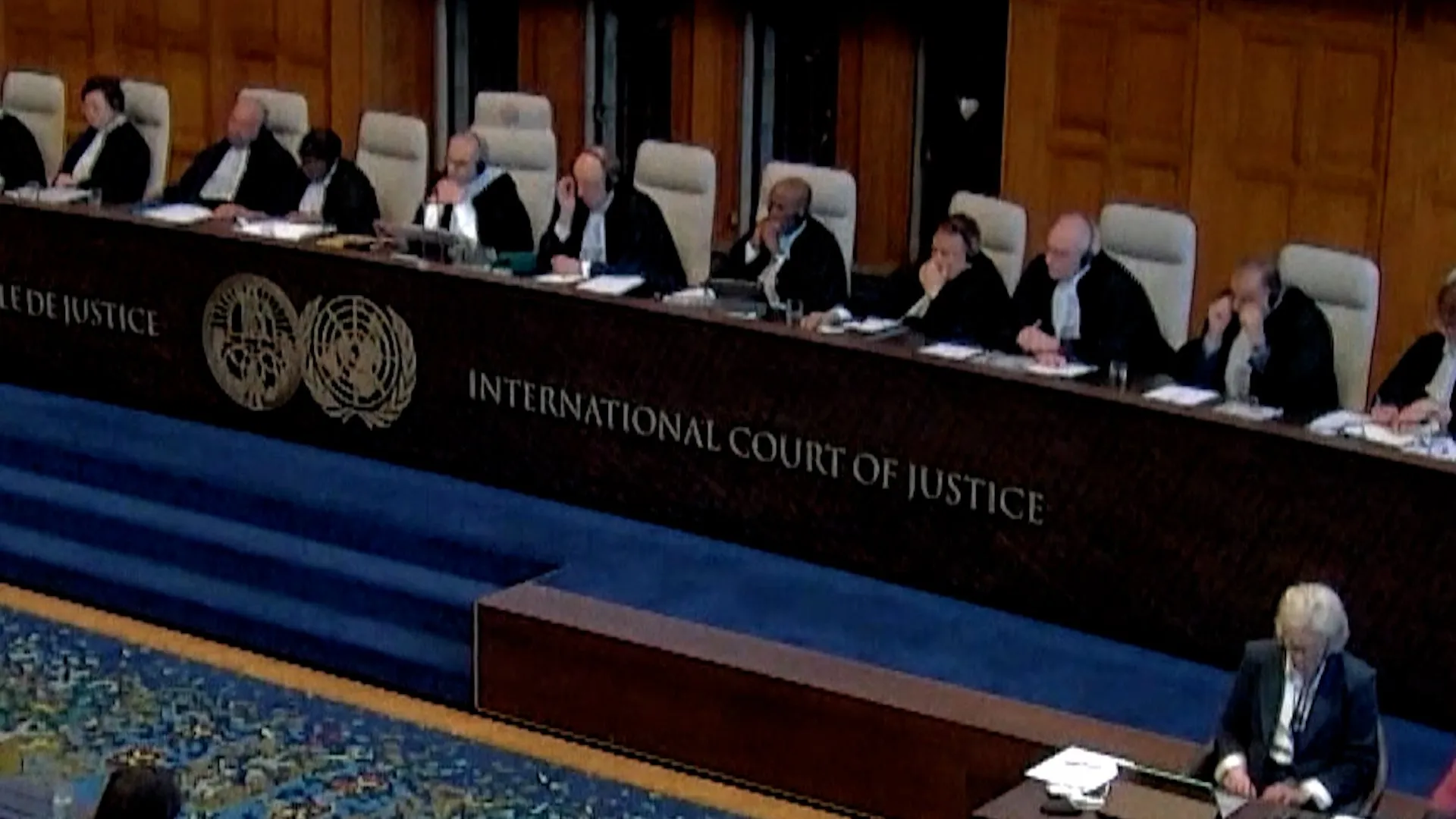
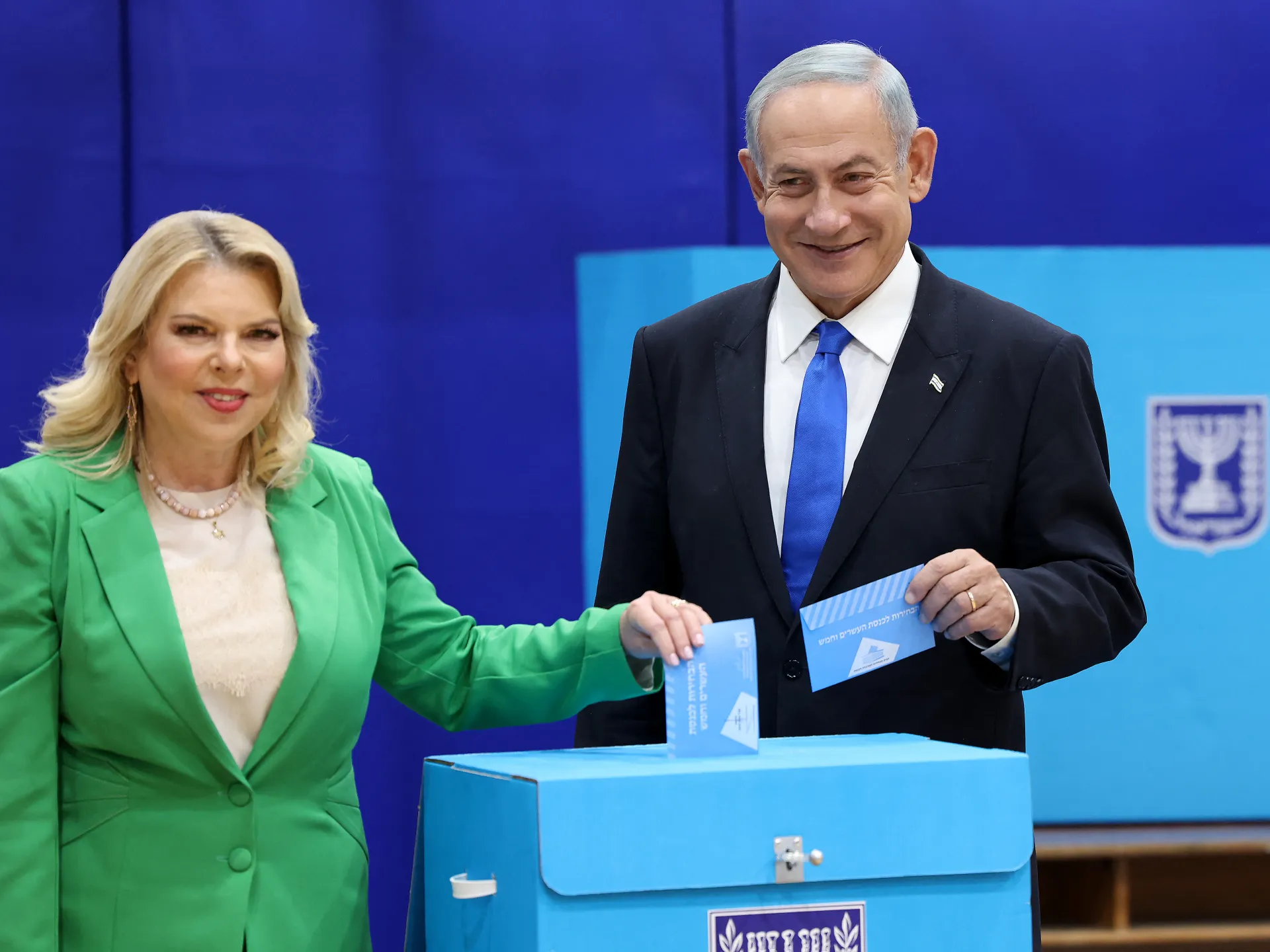
The European Union has publicly voiced its disapproval, with diplomatic spokesperson Anouar El Anouni calling for a reconsideration of the decision. The EU emphasized that the denial of access interferes with the obligations of the United States as a host state under existing agreements with the United Nations. UN Secretary-General Antonio Guterres echoed these concerns, expressing worry that the sanctions undermine the State of Palestine’s capacity to participate fully in the assembly’s vital work. Notably, these restrictions have drawn attention to an apparent disparity in US policy, as no equivalent travel bans have been applied to Israeli officials, despite the existence of an International Criminal Court arrest warrant for Prime Minister Benjamin Netanyahu concerning alleged war crimes in Gaza.
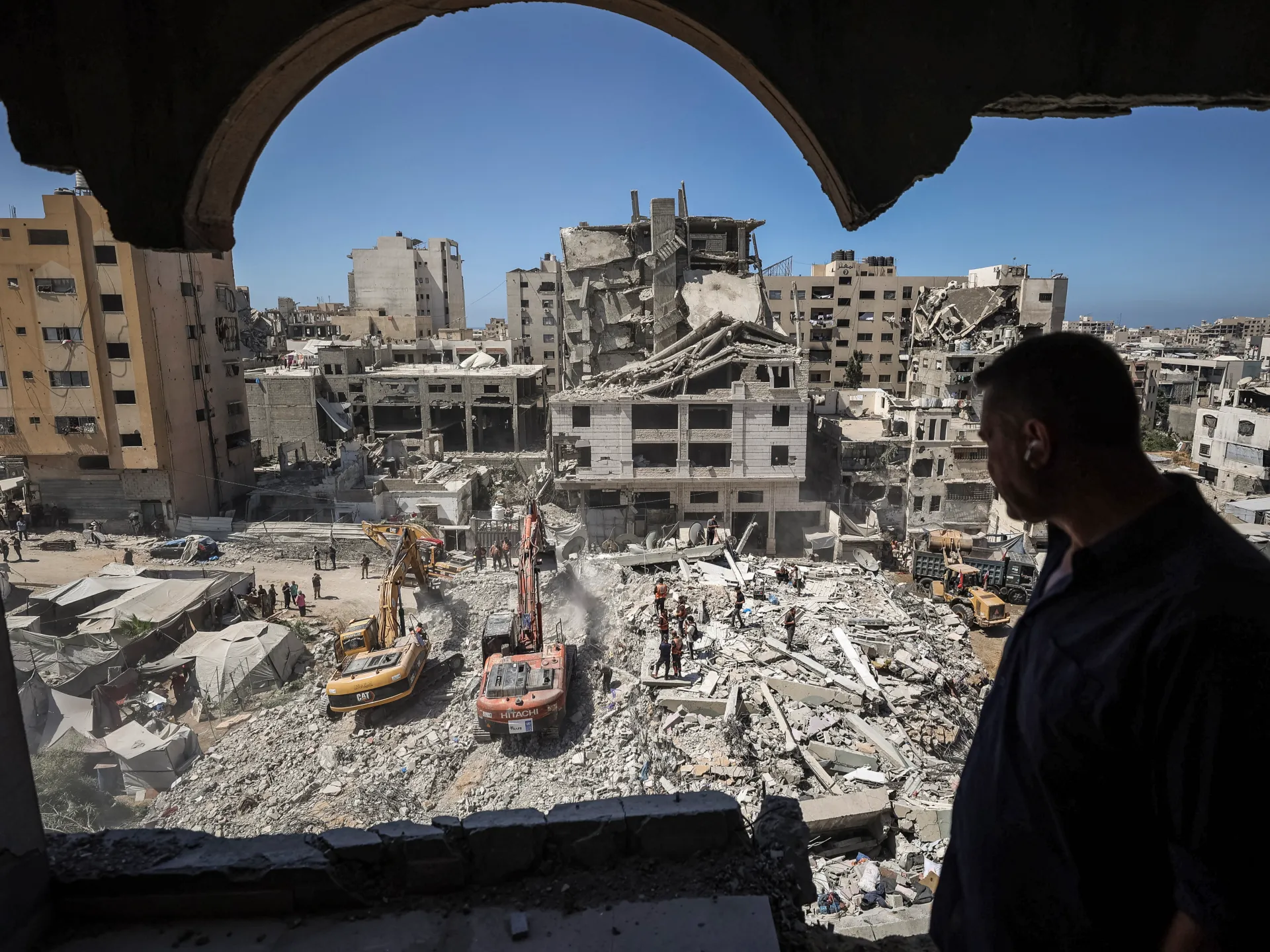
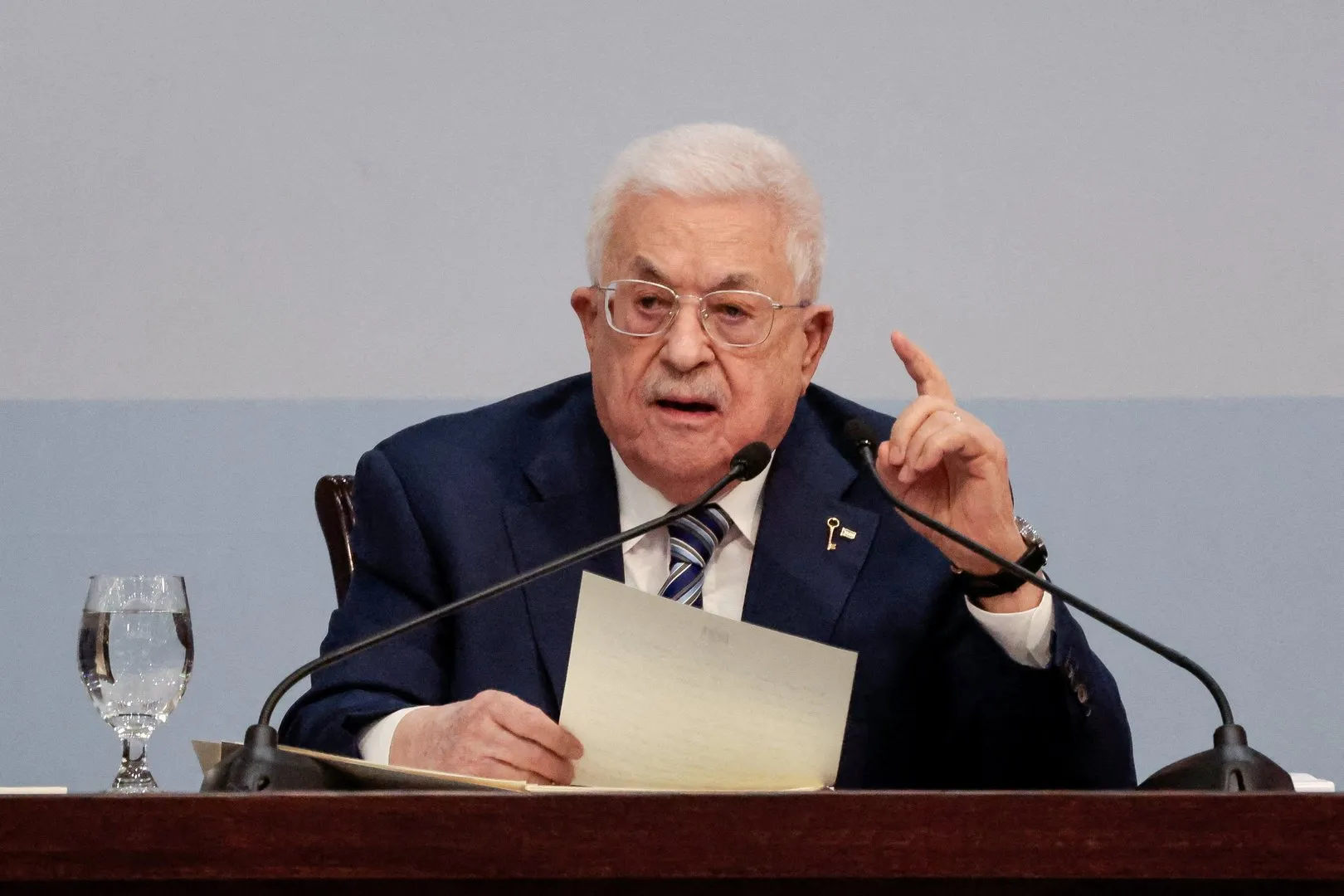
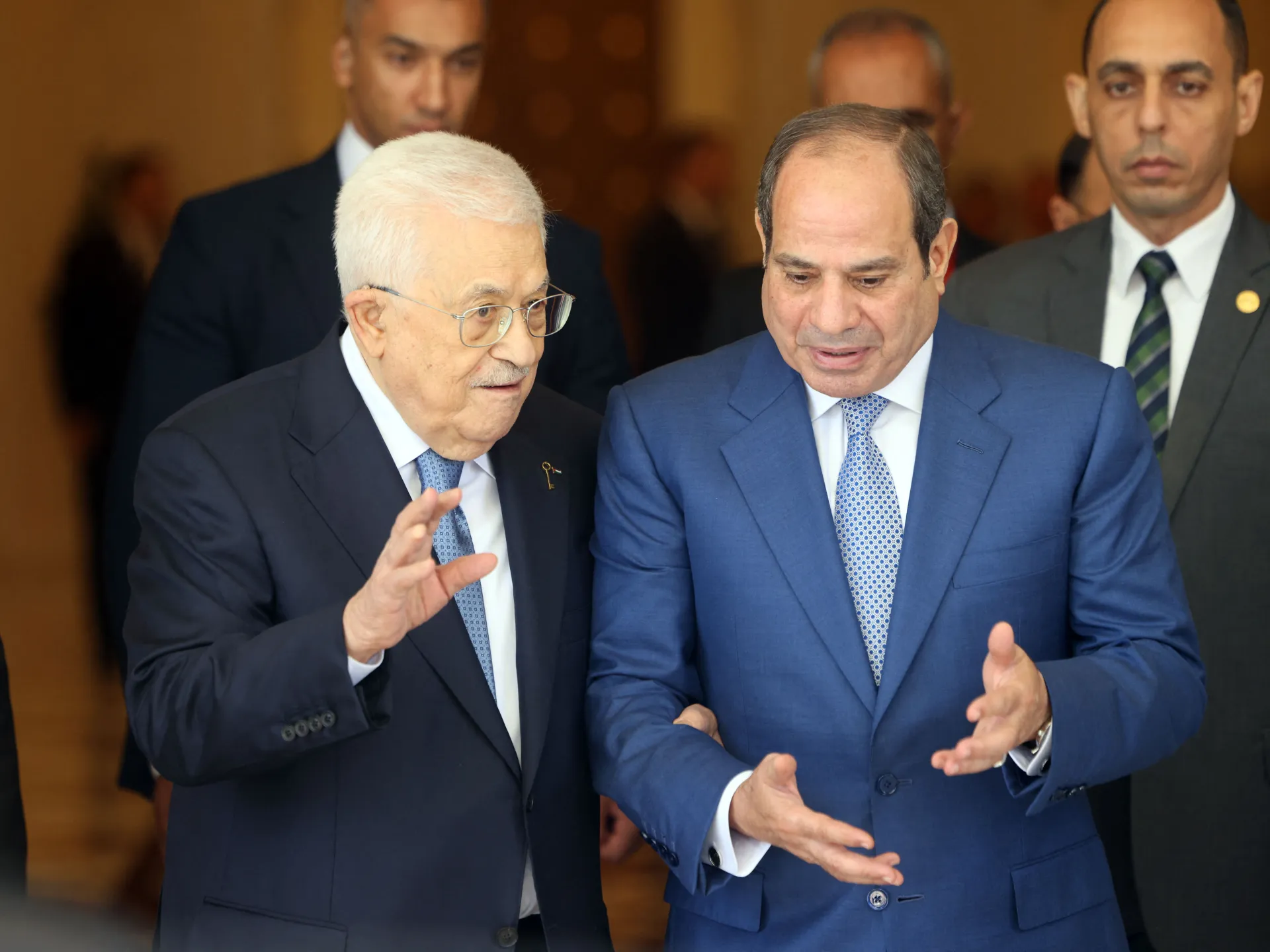
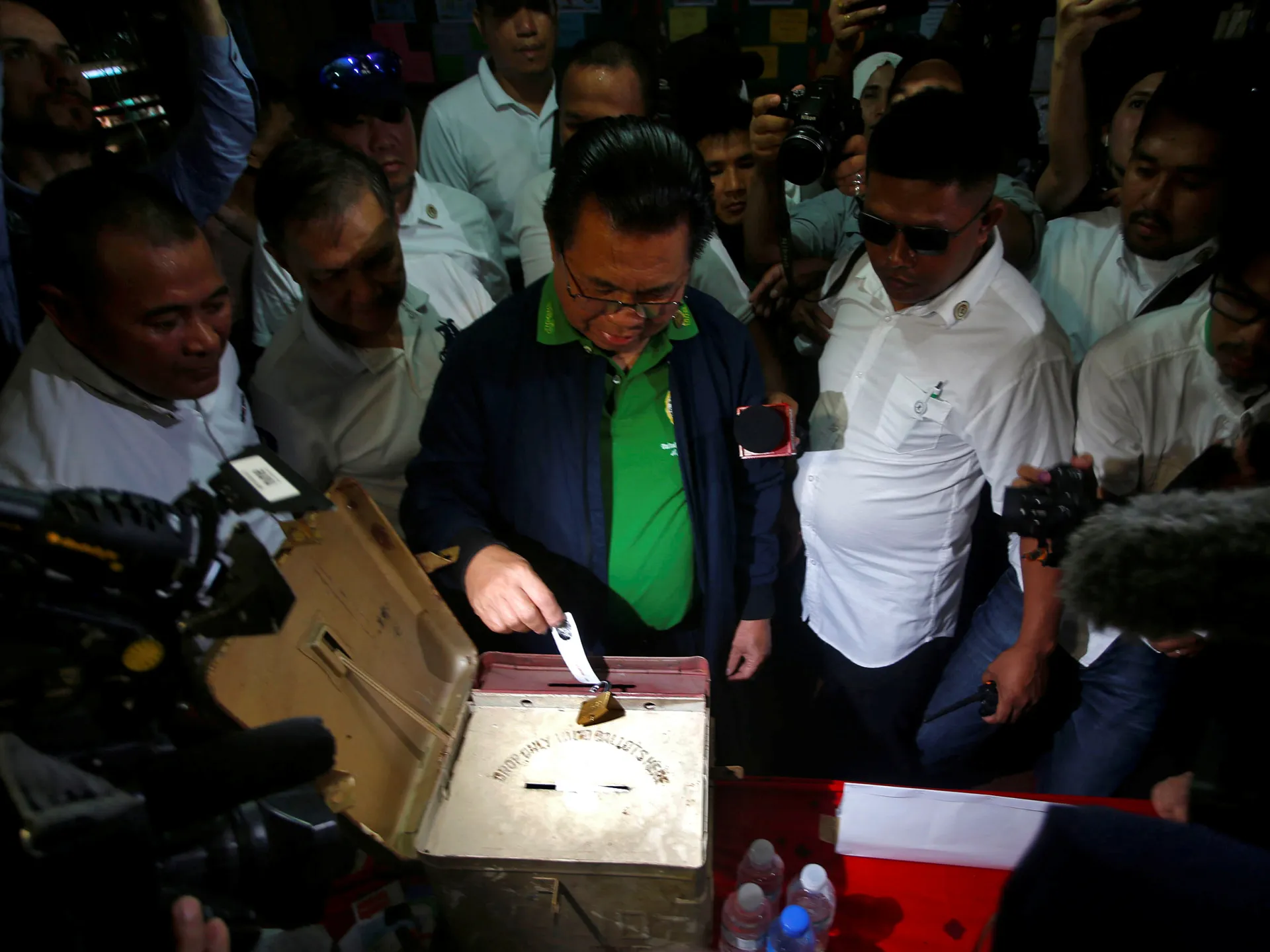
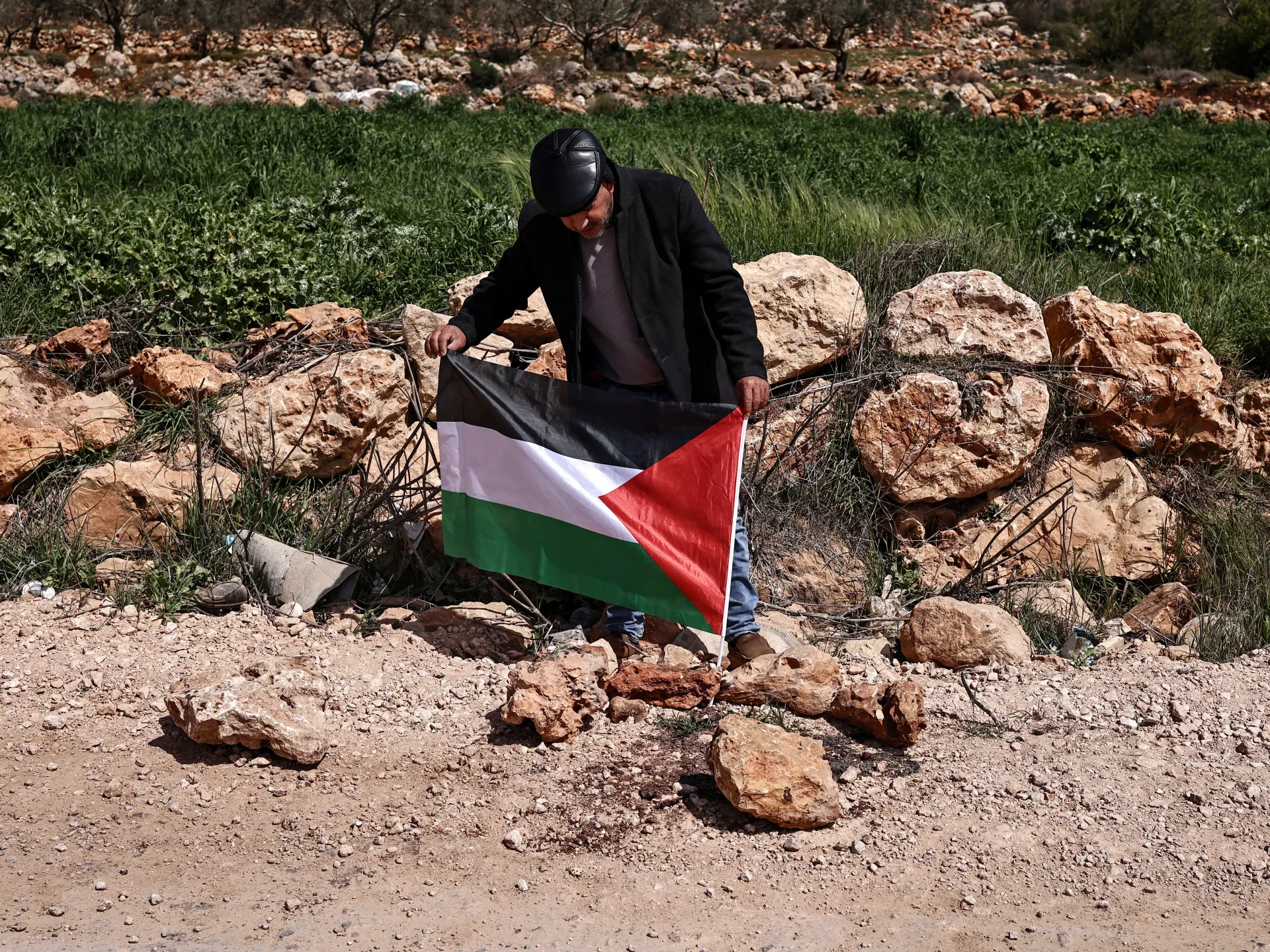
Despite the travel restrictions, the Palestinian delegation has secured a path for its voice to be heard. The UNGA recently voted to allow President Mahmoud Abbas to address the body through a prerecorded statement. This resolution was welcomed efforts to silence Palestinian representation. Abbas is expected to utilize his allotted time to advocate for the formal recognition of Palestinian statehood and to seek a revival of the two-state solution. His address will likely emphasize the worsening humanitarian crisis in Gaza and the proliferation of settler activities in the occupied West Bank, ensuring that these issues remain at the forefront of the global diplomatic agenda despite the physical absence of the leadership in New York.
The immediate path forward appears to be a continued reliance on hybrid diplomatic formats. While the prerecorded address ensures that the Palestinian narrative will be presented, the inability of officials to attend in person severely limits the informal lobbying and bilateral meetings that are essential to UNGA proceedings. Observers expect that the US will likely stand iscretion rather than a global mandate. Meanwhile, the EU’s intervention suggests that this issue may serve as a recurring point of contention in future diplomatic summits, potentially forcing a broader conversation about the criteria for host-state cooperation and the rights of observer states to engage in international forums without the threat of unilateral travel restrictions.