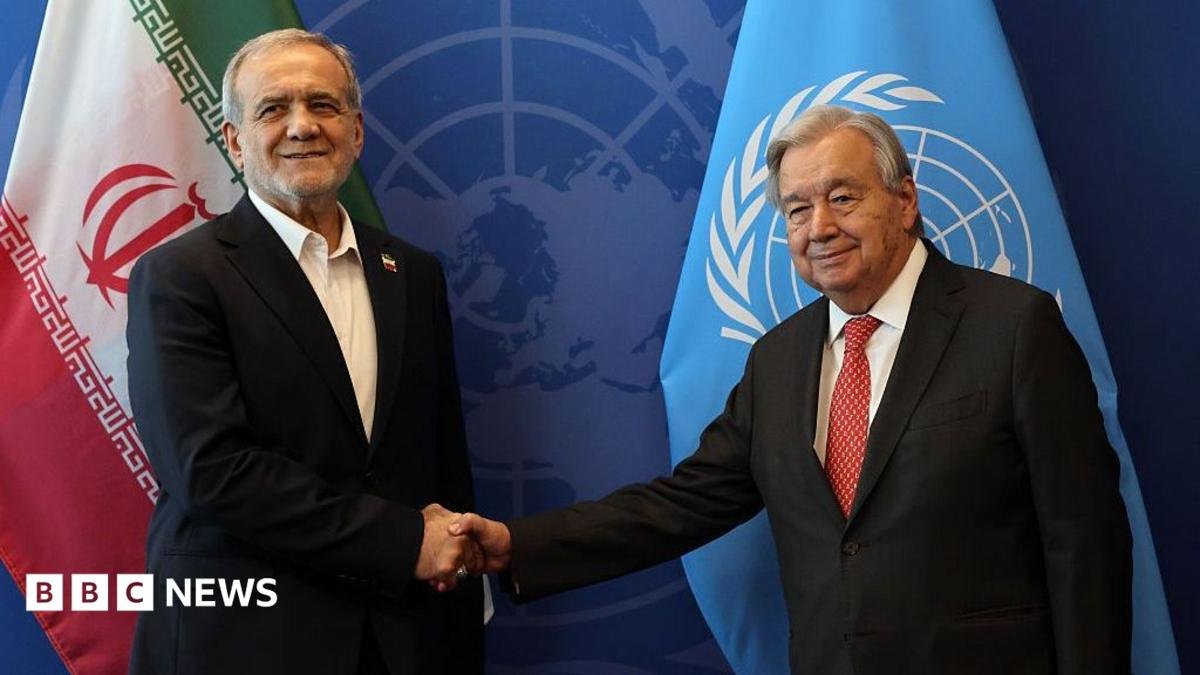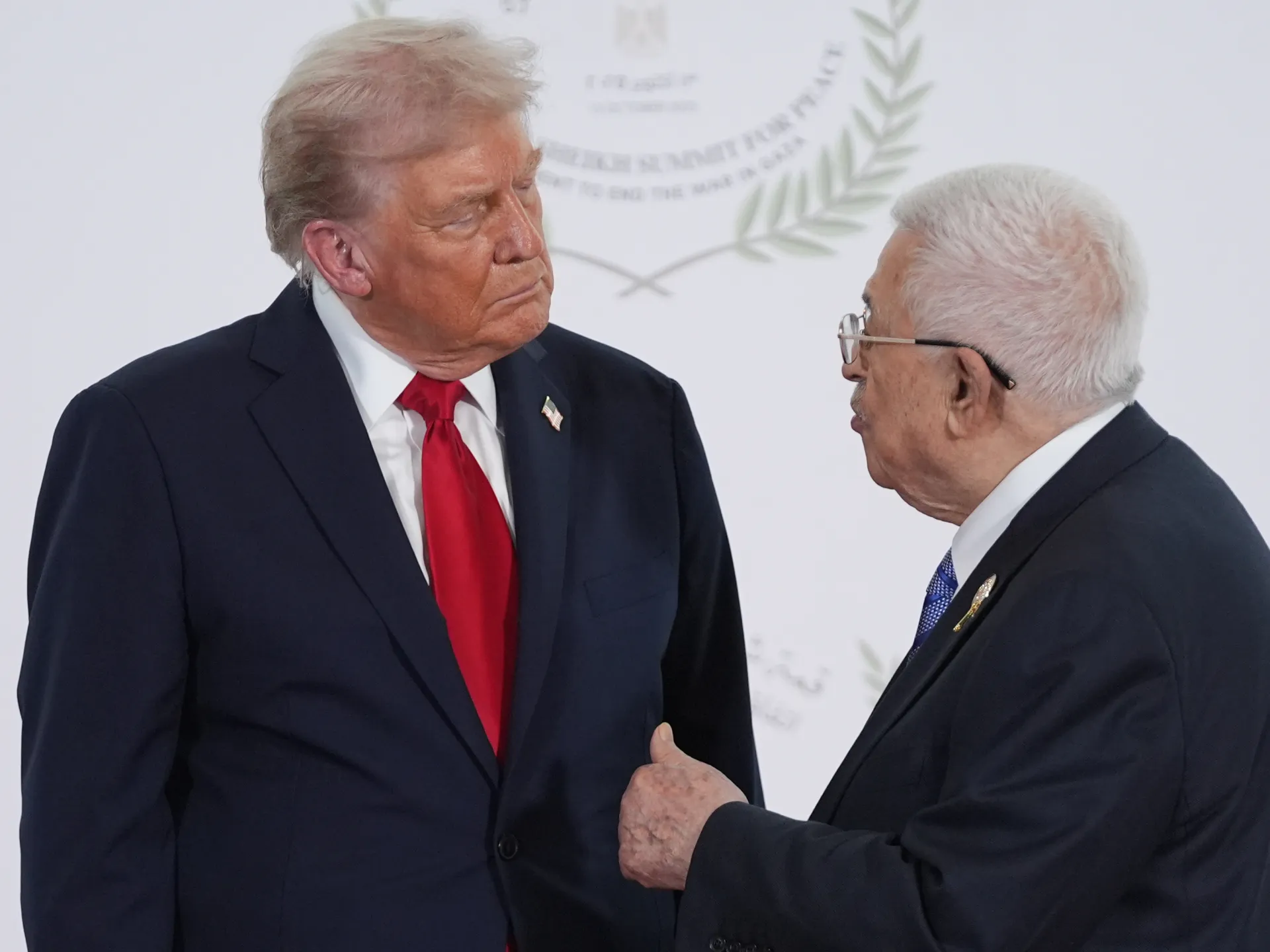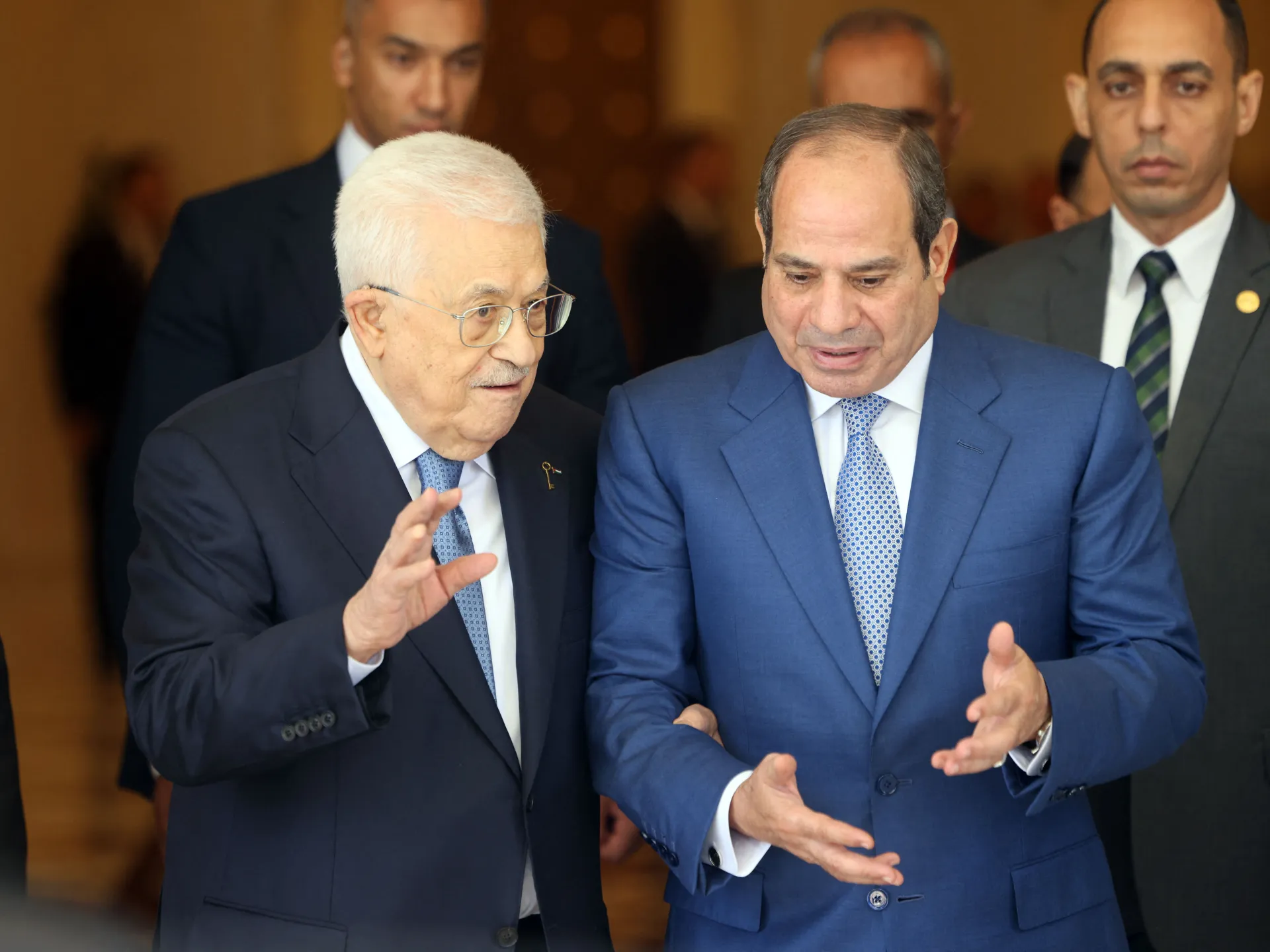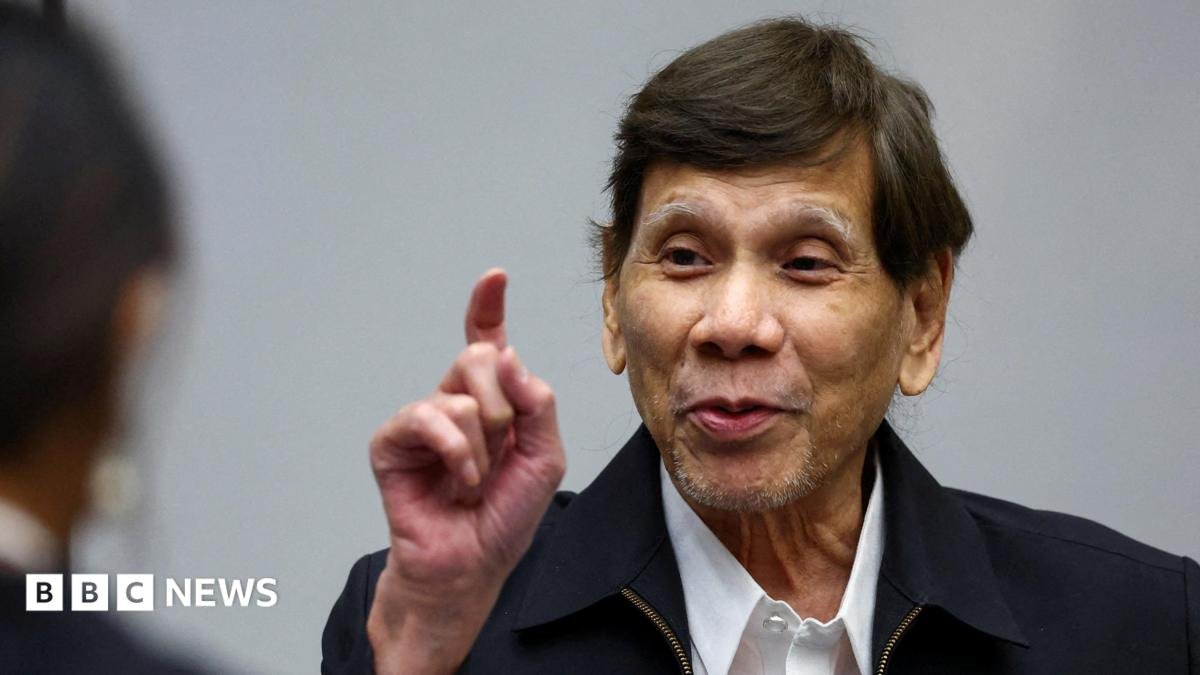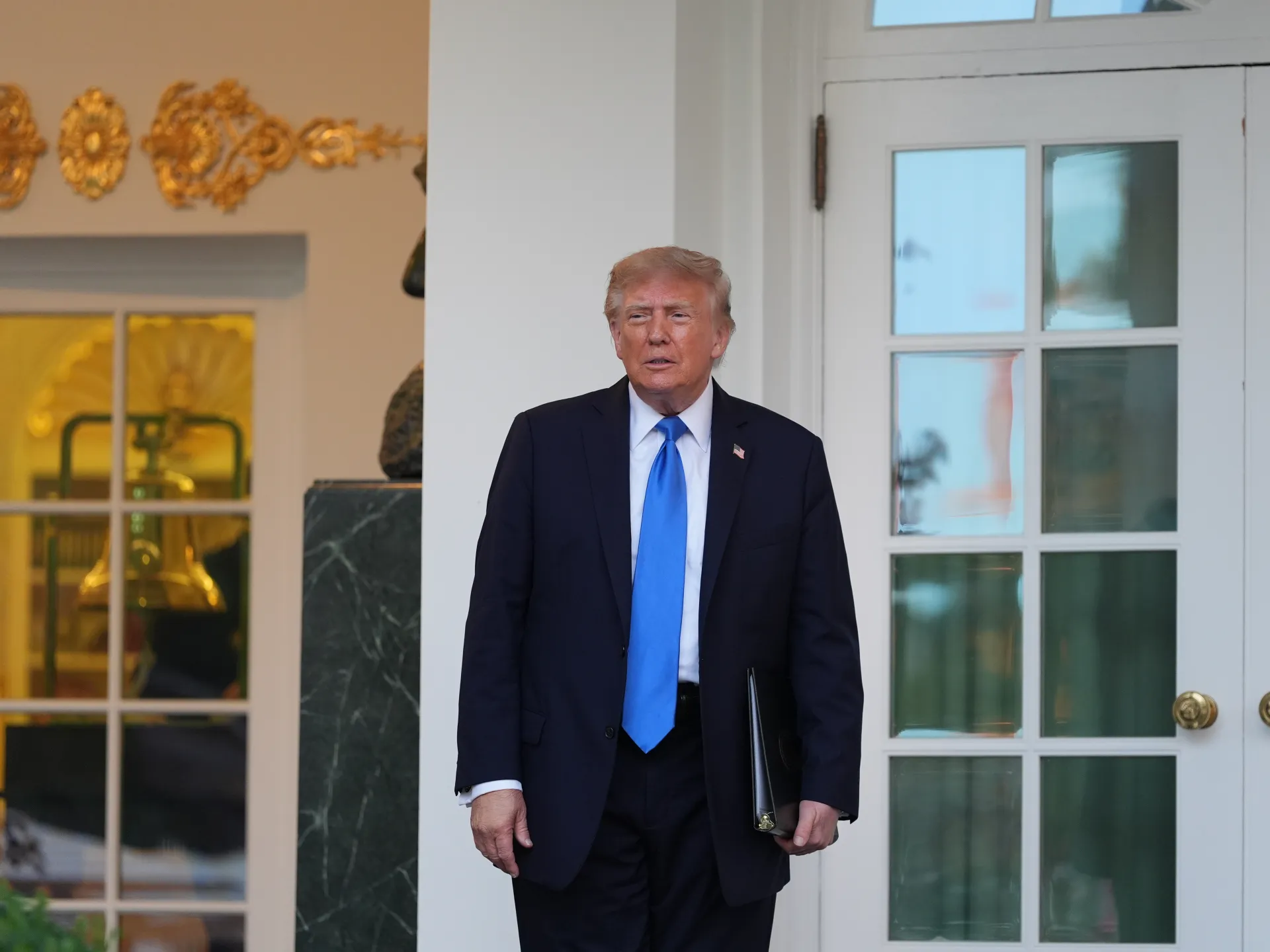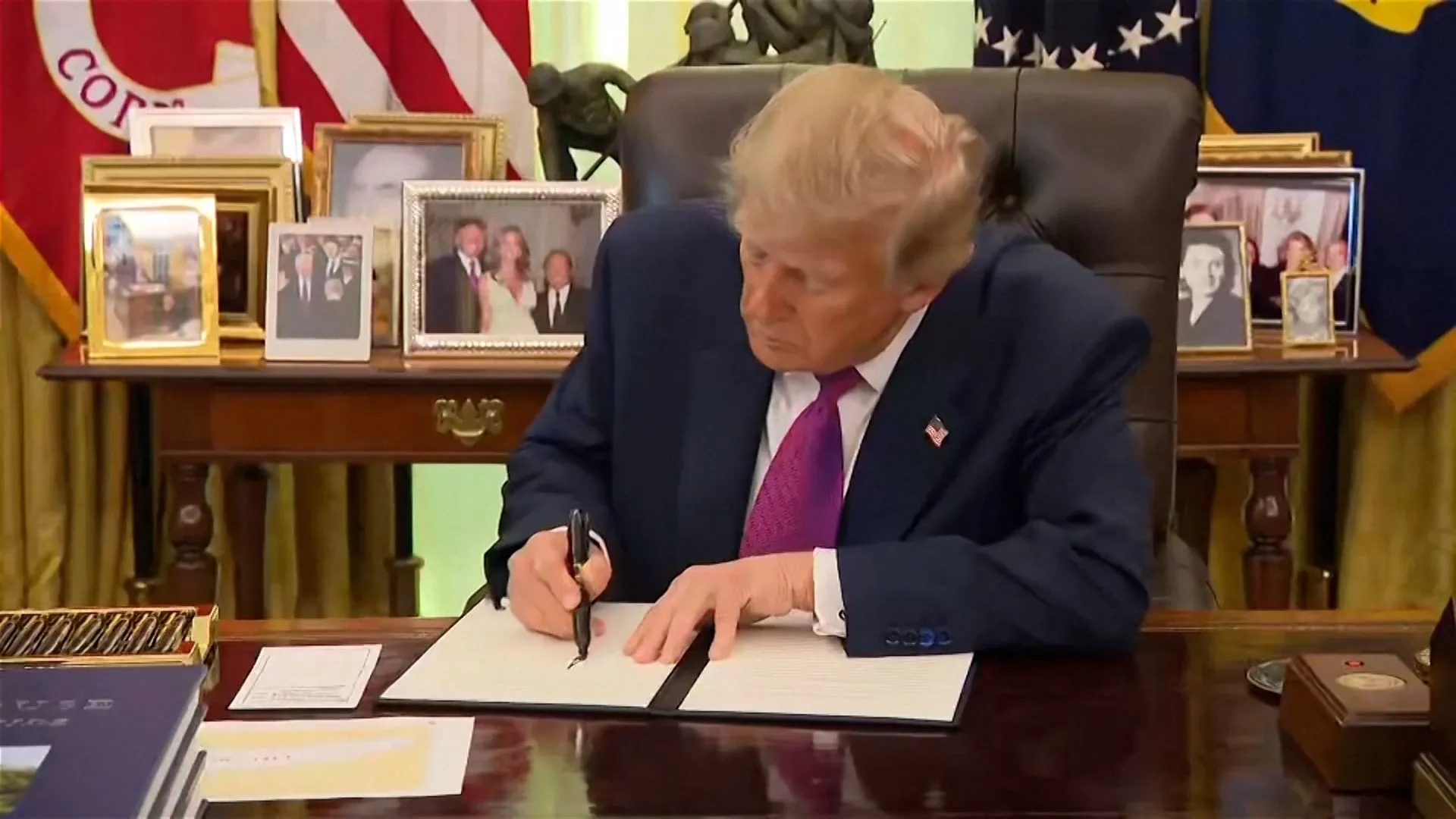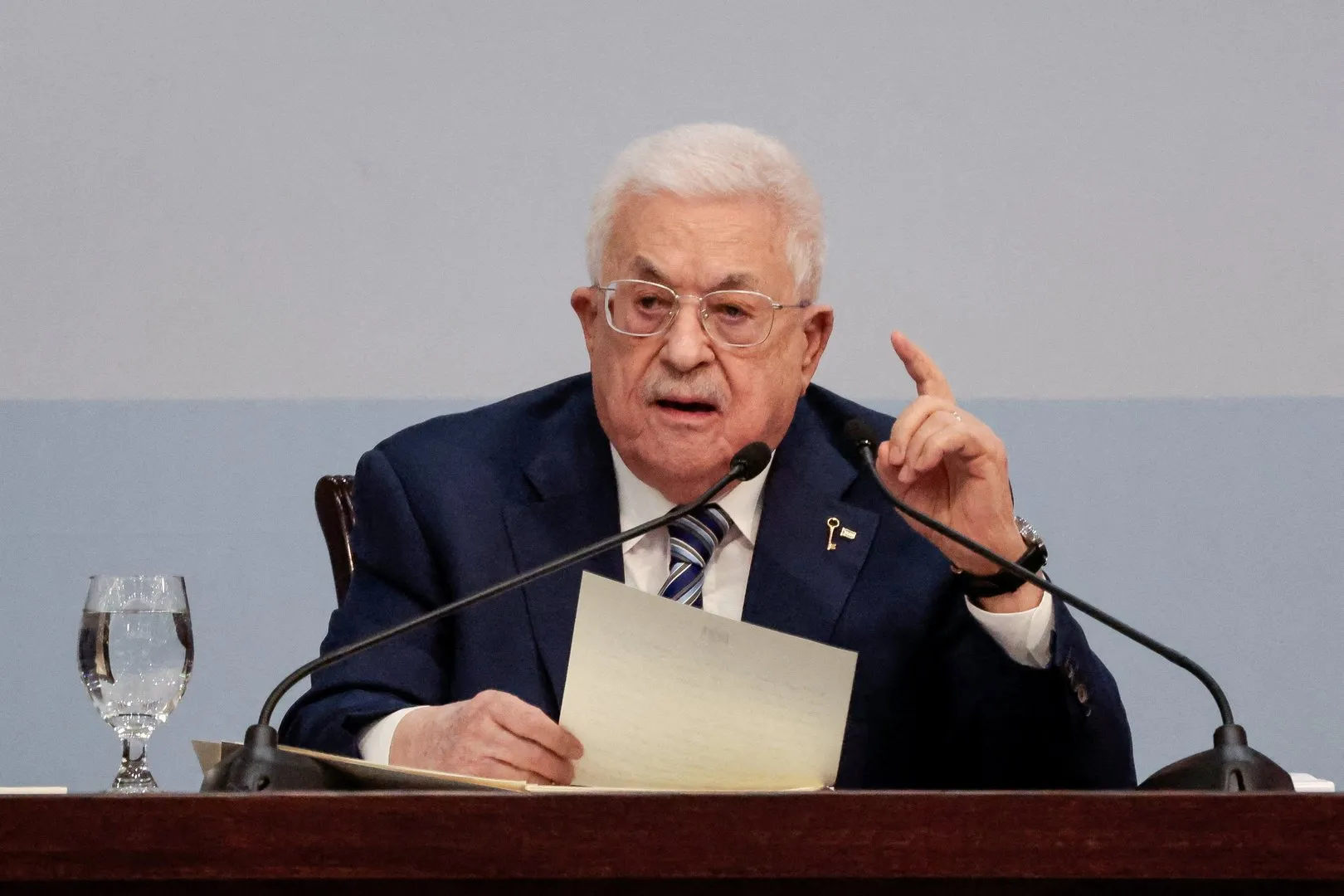
For the second year in a row, the United States has denied entry visas to Palestinian President Mahmoud Abbas and his delegation for the UN General Assembly.
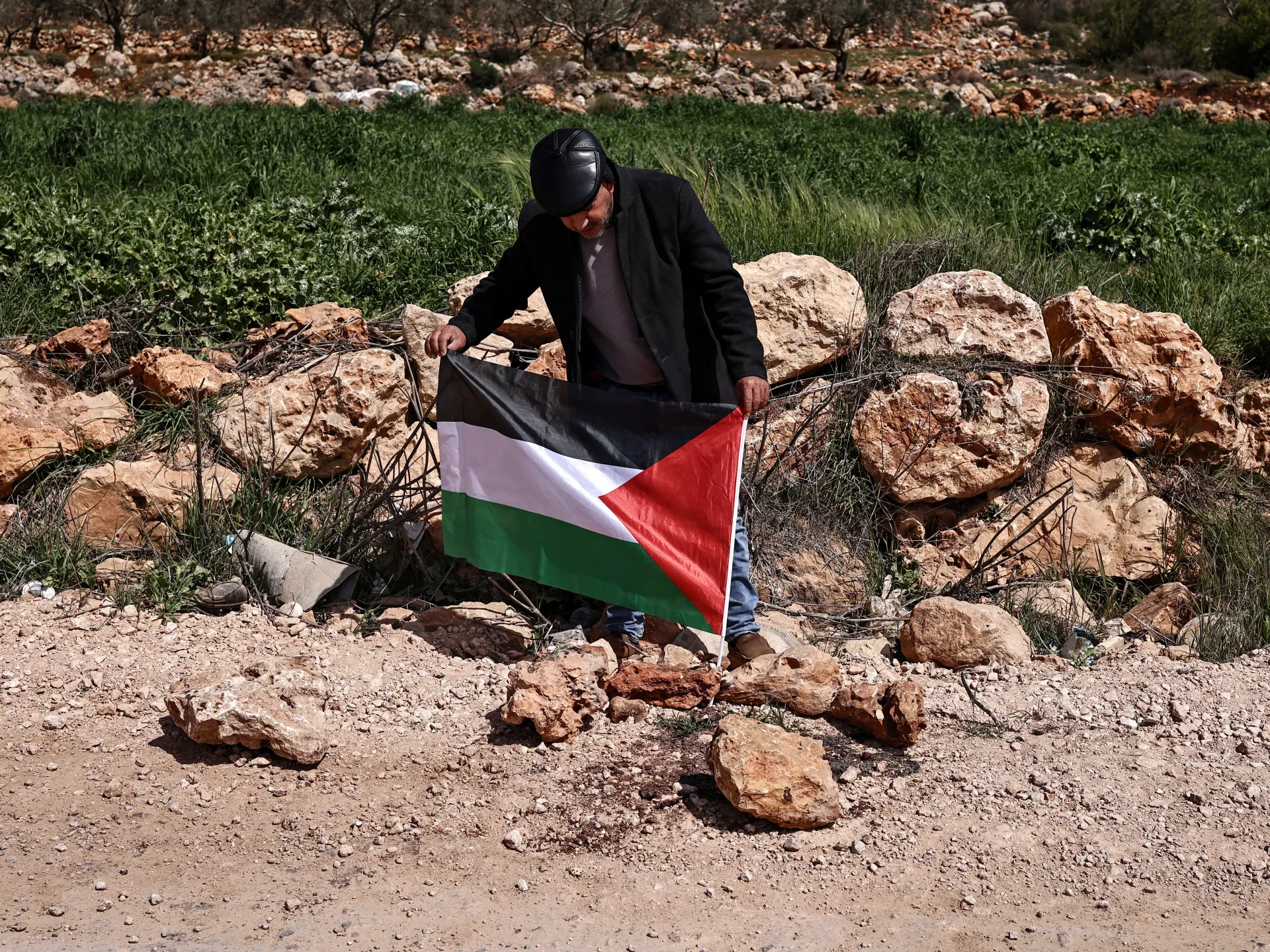
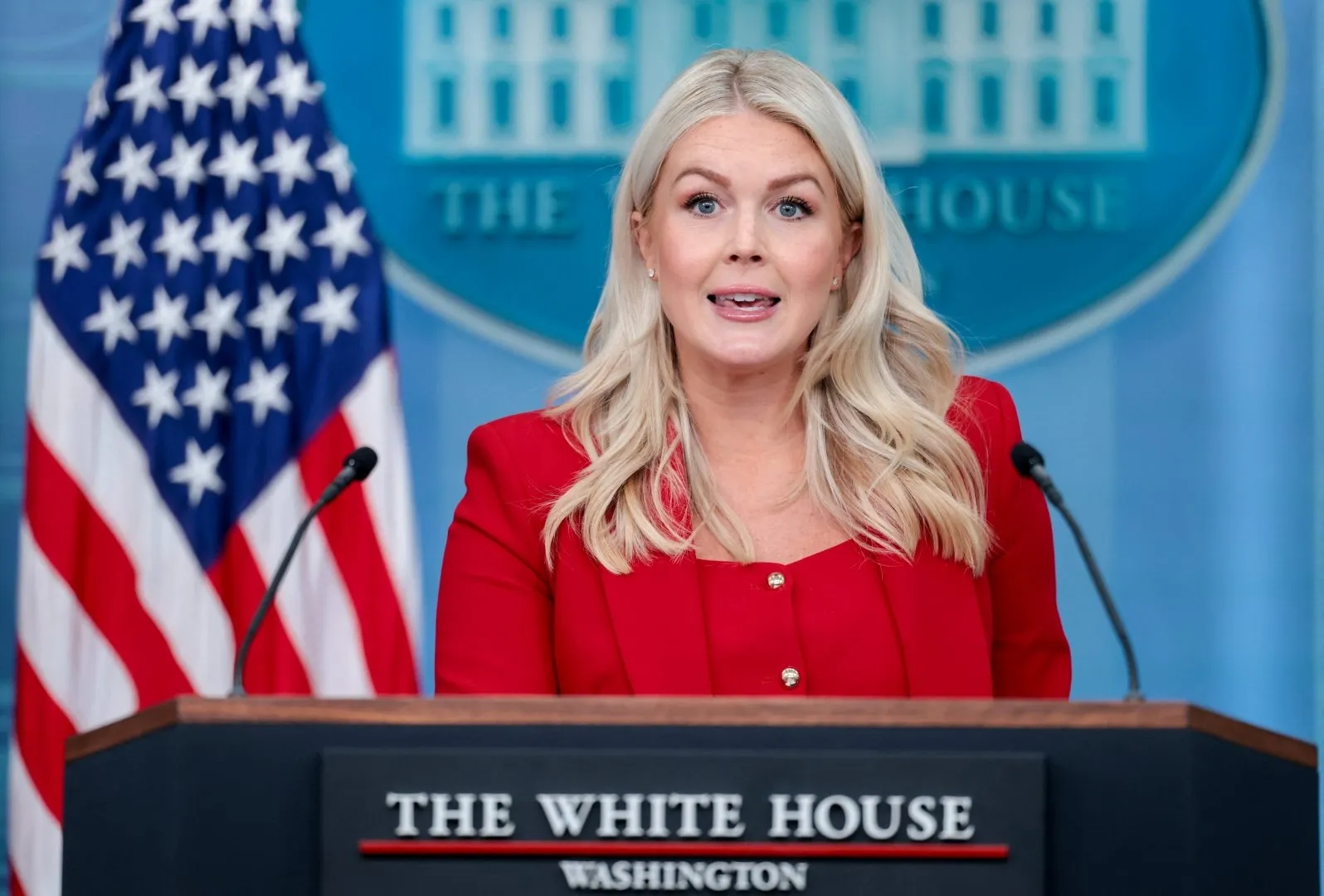
For the second consecutive year, the United States government has withheld entry visas for Palestinian President Mahmoud Abbas and other high-ranking officials of the Palestinian Authority. This decision prevents the leadership from traveling to New York to participate in the annual United Nations General Assembly (UNGA), a global forum where heads of state typically gather to address pressing international concerns and advocate for their respective national interests.
The refusal to grant these travel permits marks a significant continuation of a restrictive diplomatic stance. y limits the ability of the Palestinian Authority to engage in direct, high-level multilateral diplomacy on American soil. The UNGA serves as a primary stage for international discourse, and the absence of the Palestinian president highlights the deep fractures in the ongoing political engagement between Washington and the Palestinian leadership.
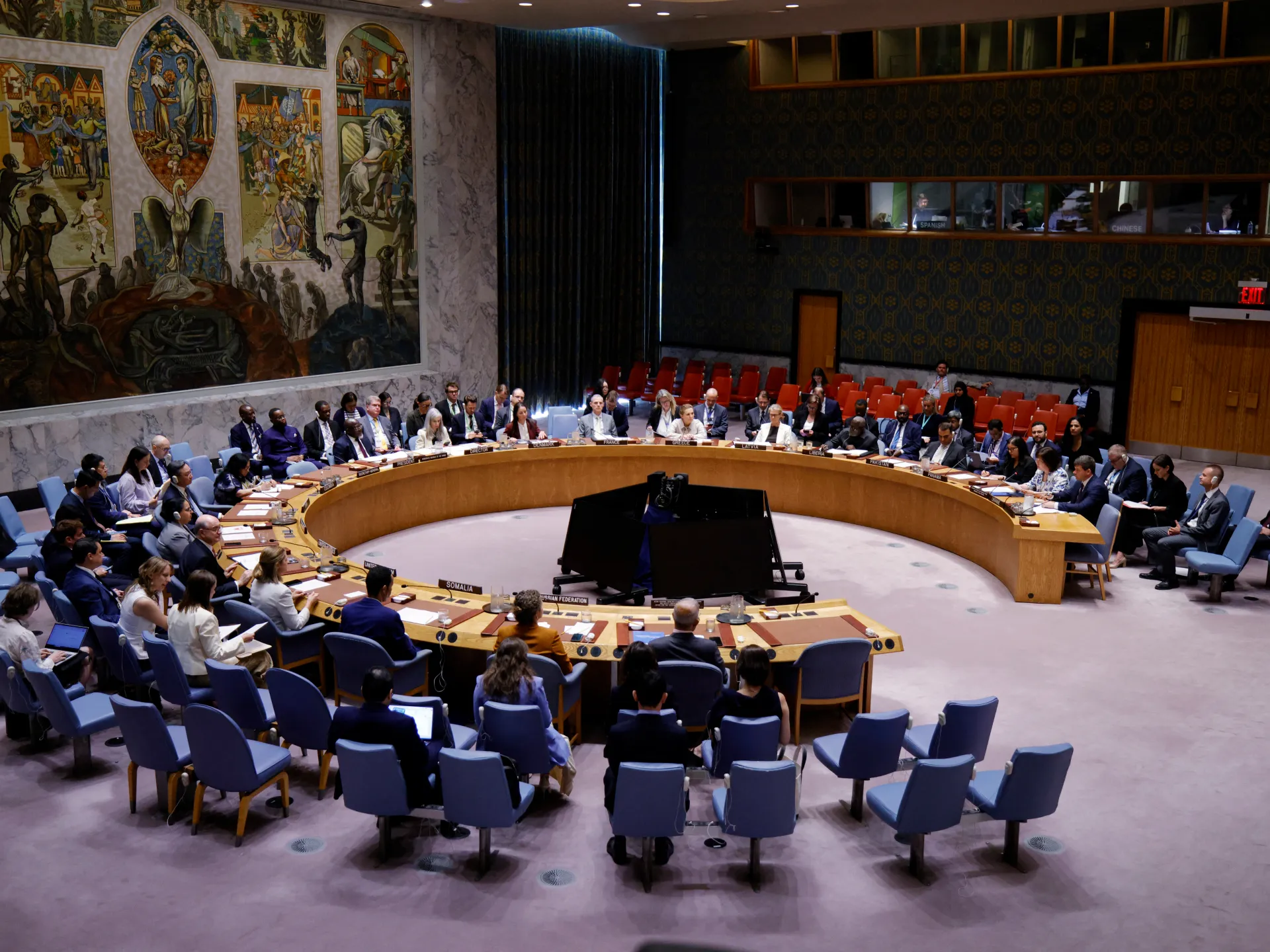
The exclusion of Palestinian officials from this major diplomatic event carries substantial weight regarding how the international community perceives the current state of Middle Eastern negotiations. Attendance at the UN General Assembly is generally viewed as an essential component of statecraft, providing a venue for bilateral meetings and informal discussions that often shape foreign policy trajectories. When a host nation like the United States denies entry to recognized or representative officials, it complicates the standard protocols of international cooperation.
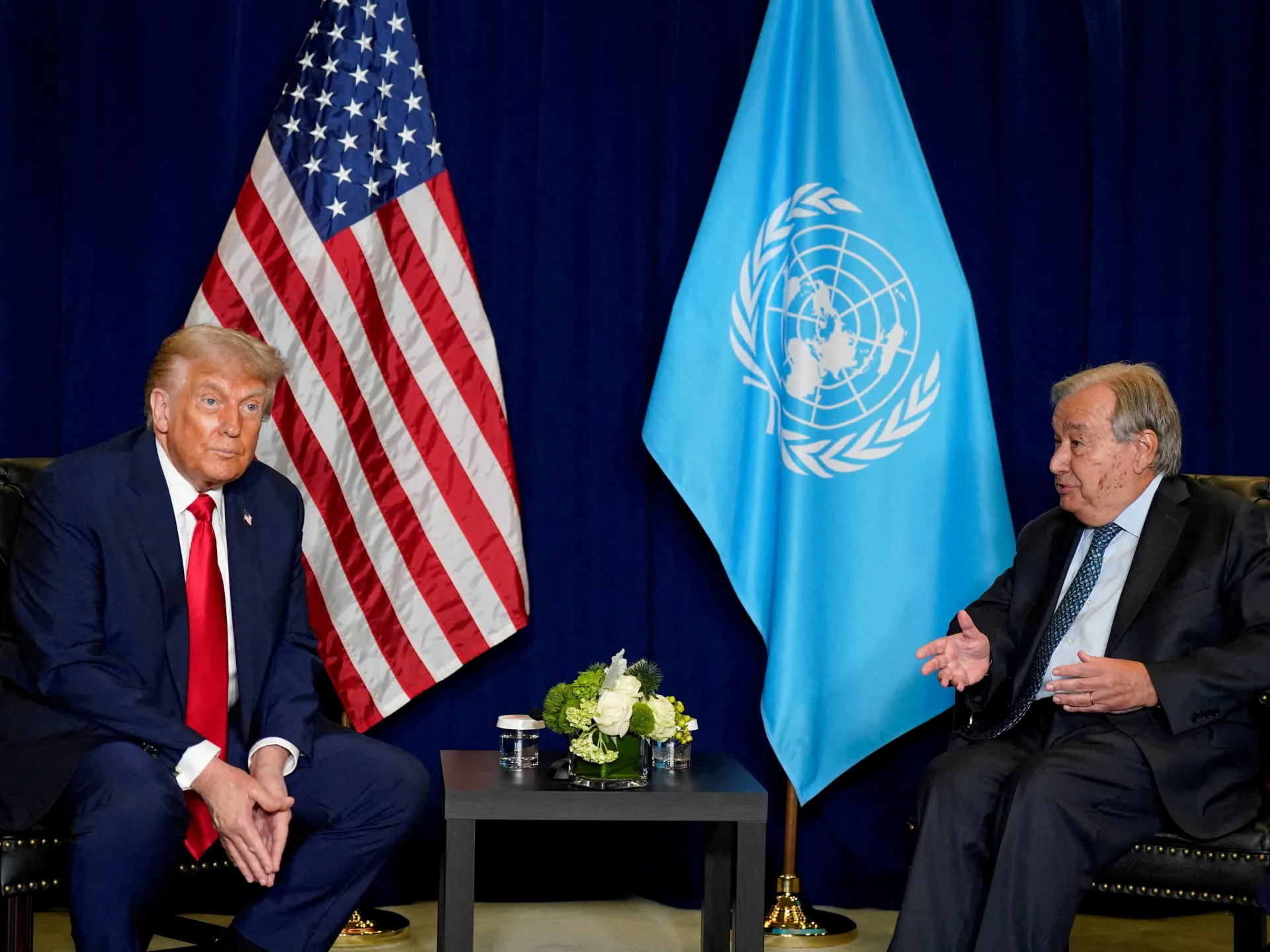
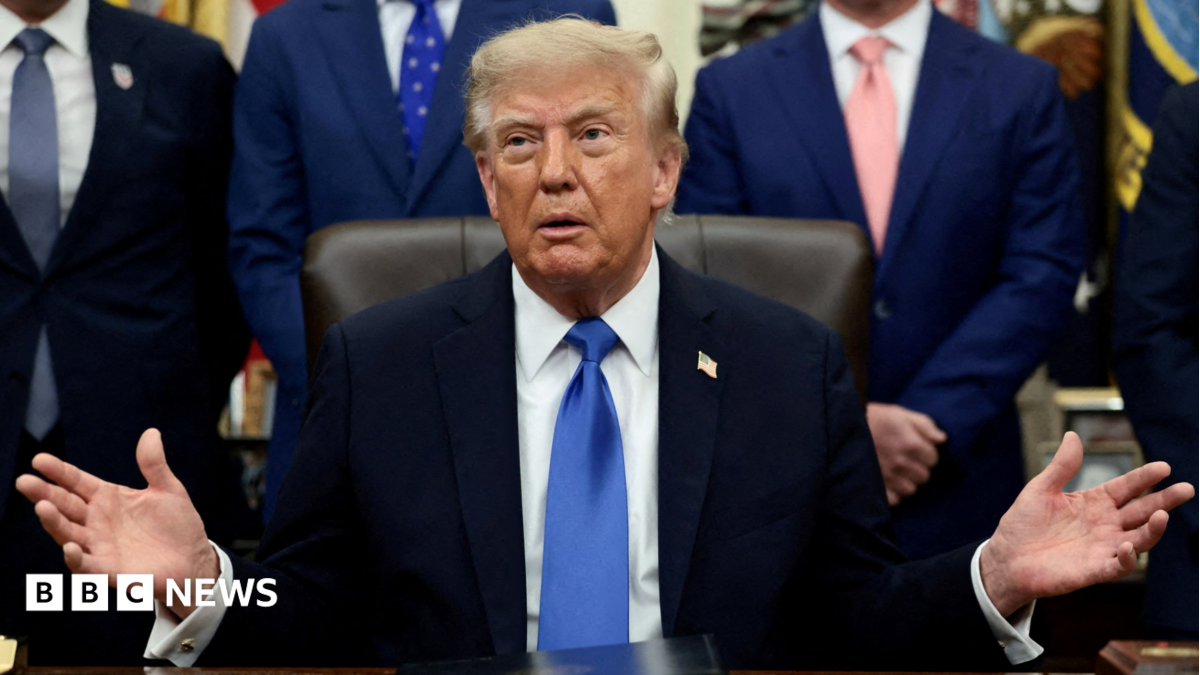
Analysts suggest that this decision underscores the strained nature of the relationship between the current US administration and the Palestinian governing body. While the United Nations operates under a host-country agreement with the United States that is intended to facilitate access for delegates, Washington maintains certain authorities regarding entry, often citing security or political considerations. This recurring denial suggests that these justifications are being applied to exclude the Palestinian delegation, effectively sidelining them from the primary diplomatic proceedings of the assembly.
The United States' role as the host nation for the United Nations headquarters in New York brings with it specific obligations under the 1947 Headquarters Agreement. This legal framework requires the US to ensure that representatives of member states and observers are granted access to the UN district. However, the interpretation of these obligations has frequently been a point of contention when domestic security concerns or political sanctions are invoked
aling a firm policy position. Critics of the decision argue that it undermines the neutrality required of a host nation and disrupts the principle of universal representation within the United Nations. Supporters of the administration's policy, conversely, often point to broader geopolitical strategies and the complex legal status of the Palestinian Authority in the eyes of US federal law, which dictates how the executive branch manages diplomatic interactions with non-state actors or specific political entities.
As the international community watches these developments, the long-term impact on the diplomatic standing of the Palestinian Authority remains a subject of intense debate. The inability to present their platform personally at the UNGA forces the Palestinian leadership to rely on alternative methods, such as video addresses or delegating their message to other representatives who are permitted to enter the country. These methods, while functional, lack the symbolic power and networking opportunities inherent in physical attendance.
Looking ahead, this pattern of exclusion suggests that the diplomatic impasse is unlikely to be resolved in the near term. Unless there is a significant shift in the strategic alignment or a change in the administrative policy toward the Palestinian Authority, the annual UNGA cycle may continue to be characterized of the ongoing challenges in reconciling national foreign policy objectives with the protocols of international multilateralism.