Syria’s parliament has officially abolished the notorious Counter-Terrorism Court, while new protests erupt in the northeast over economic and linguistic policies.
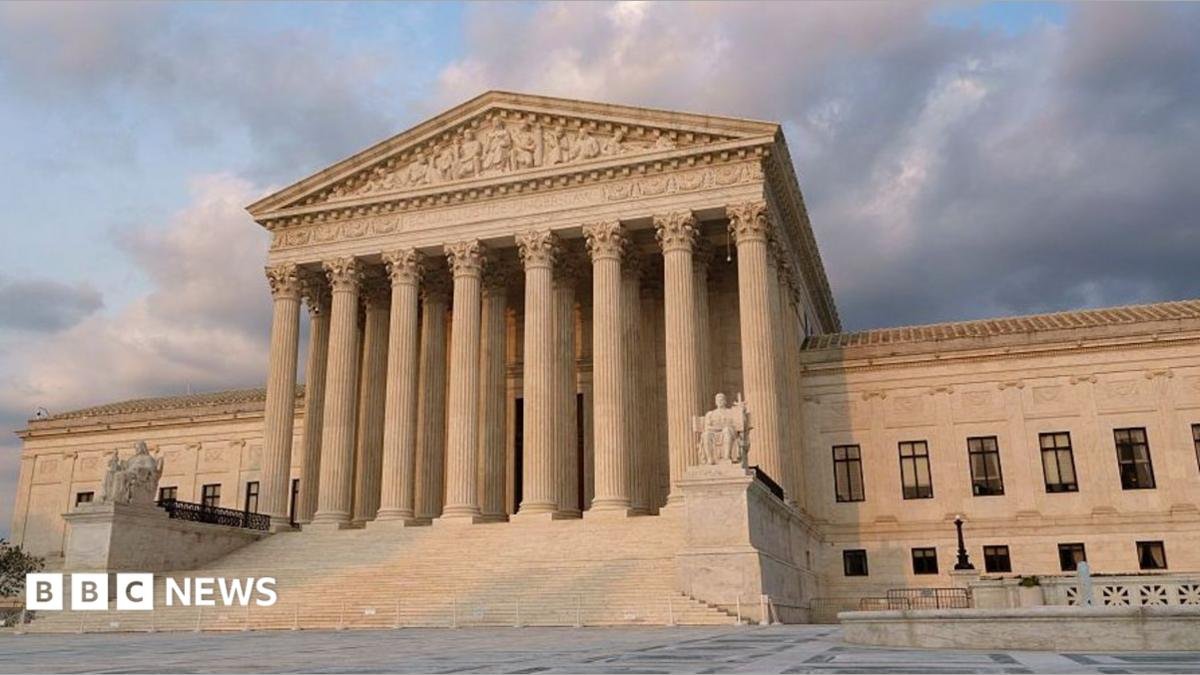
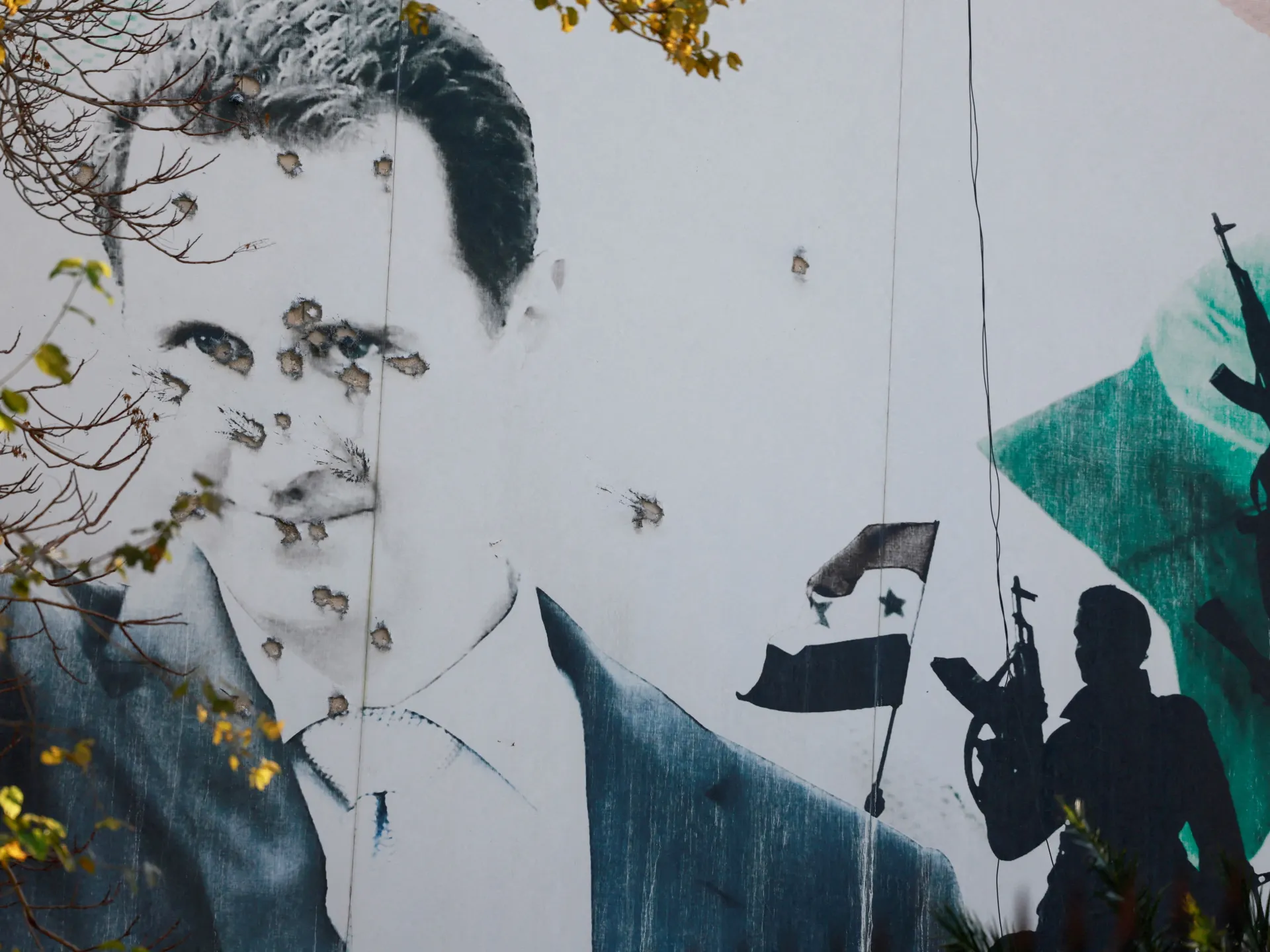
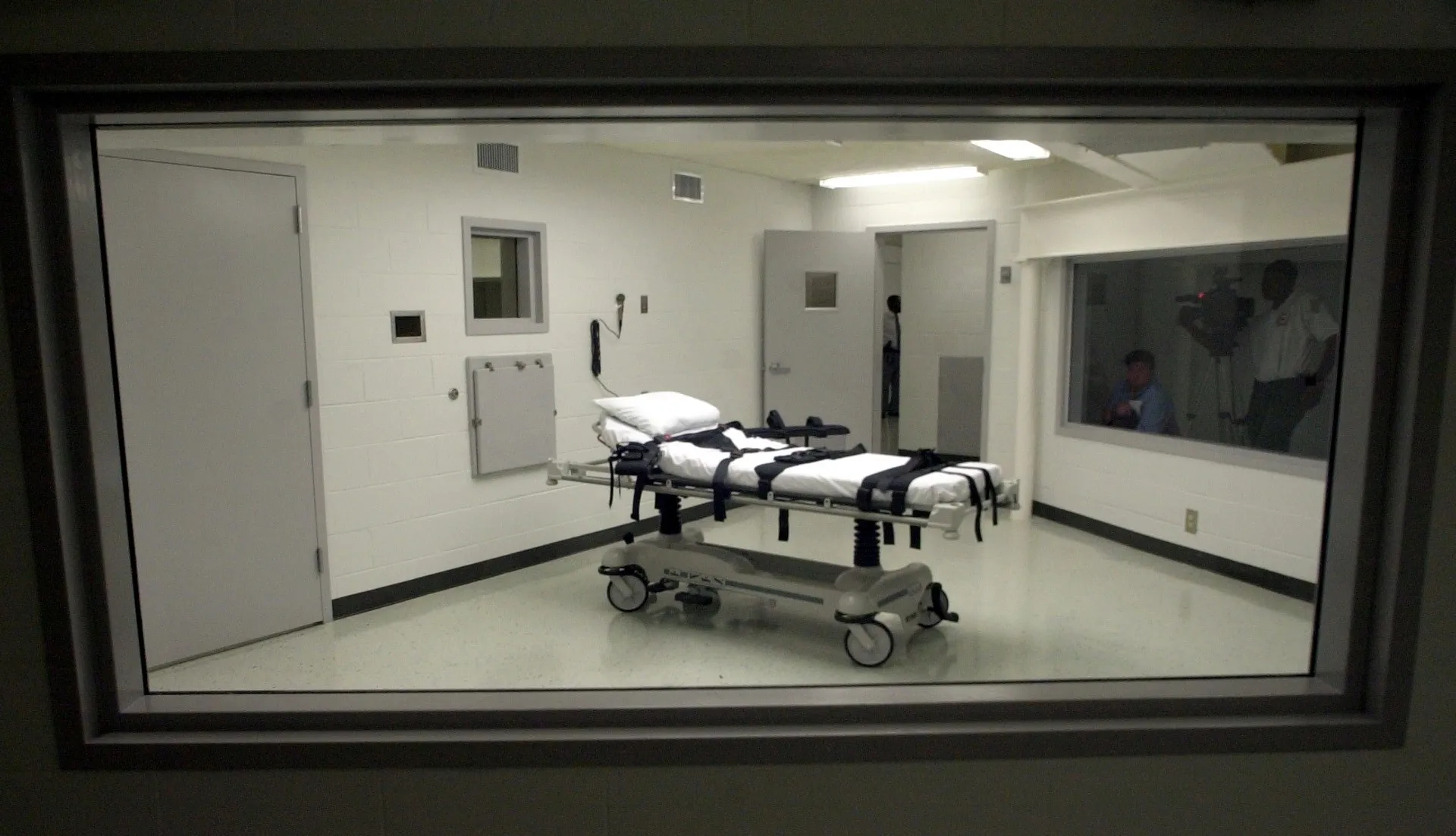
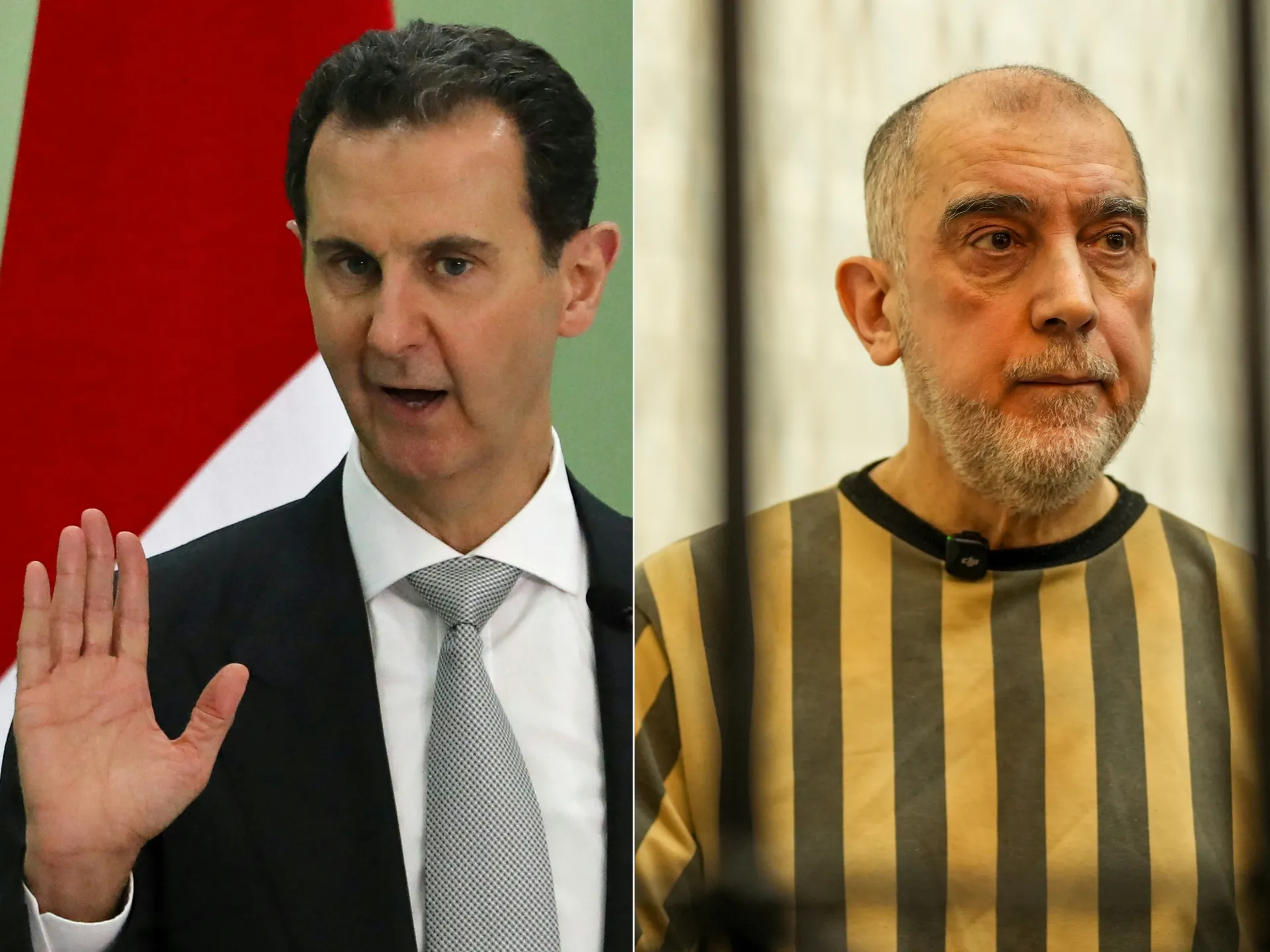
The Syrian parliament has officially voted to abolish the controversial Counter-Terrorism Court, a judicial body established in 2012 that served as a hallmark of the former al-Assad administration. This legislative move effectively nullifies the legal standing of all rulings previously issued t defined the country's long-standing autocratic rule. State-run media confirmed that the vote formalizes the status of the court, which had already been considered defunct following the ouster of the previous regime.
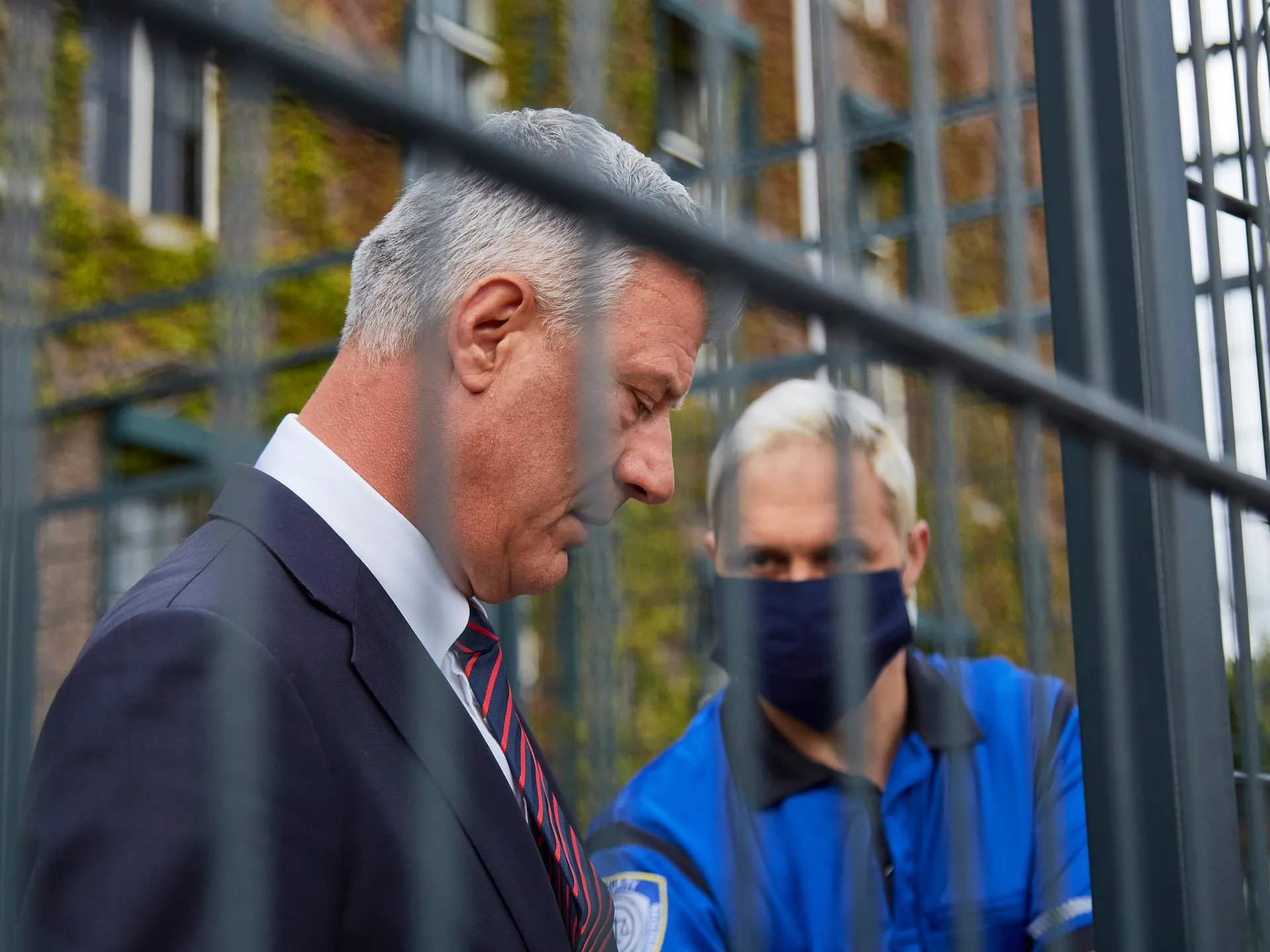
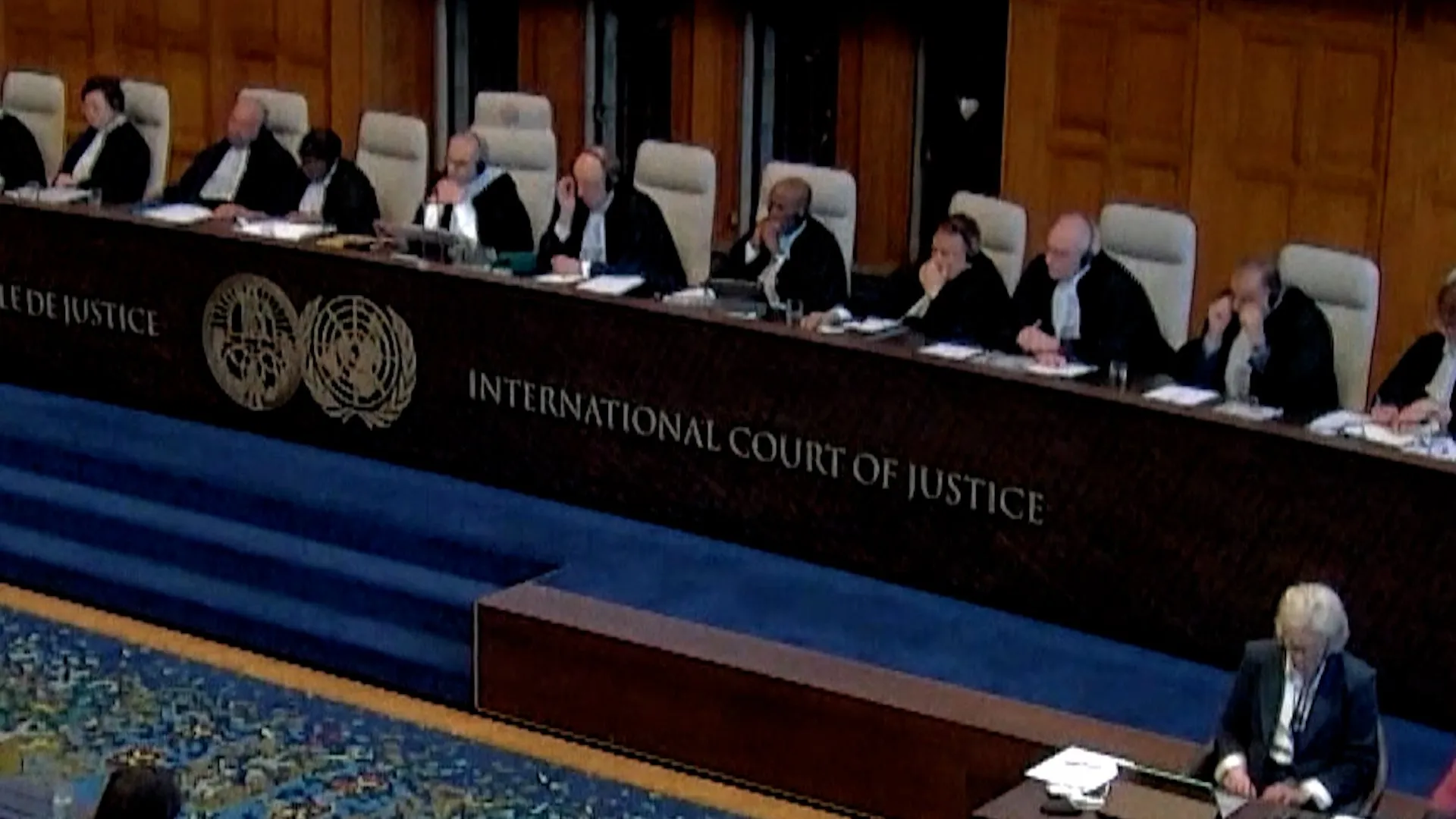
Established during the early years of the civil war, the court was frequently utilized to prosecute thousands of citizens on charges vaguely classified as terrorism-related. International observers, including the United Nations Human Rights Committee, had long criticized the body for failing to provide fundamental judicial guarantees. The committee raised persistent concerns regarding the lack of independence within the court, as well as its involvement in cases of arbitrary detention, systemic torture, and the denial of due process for defendants.
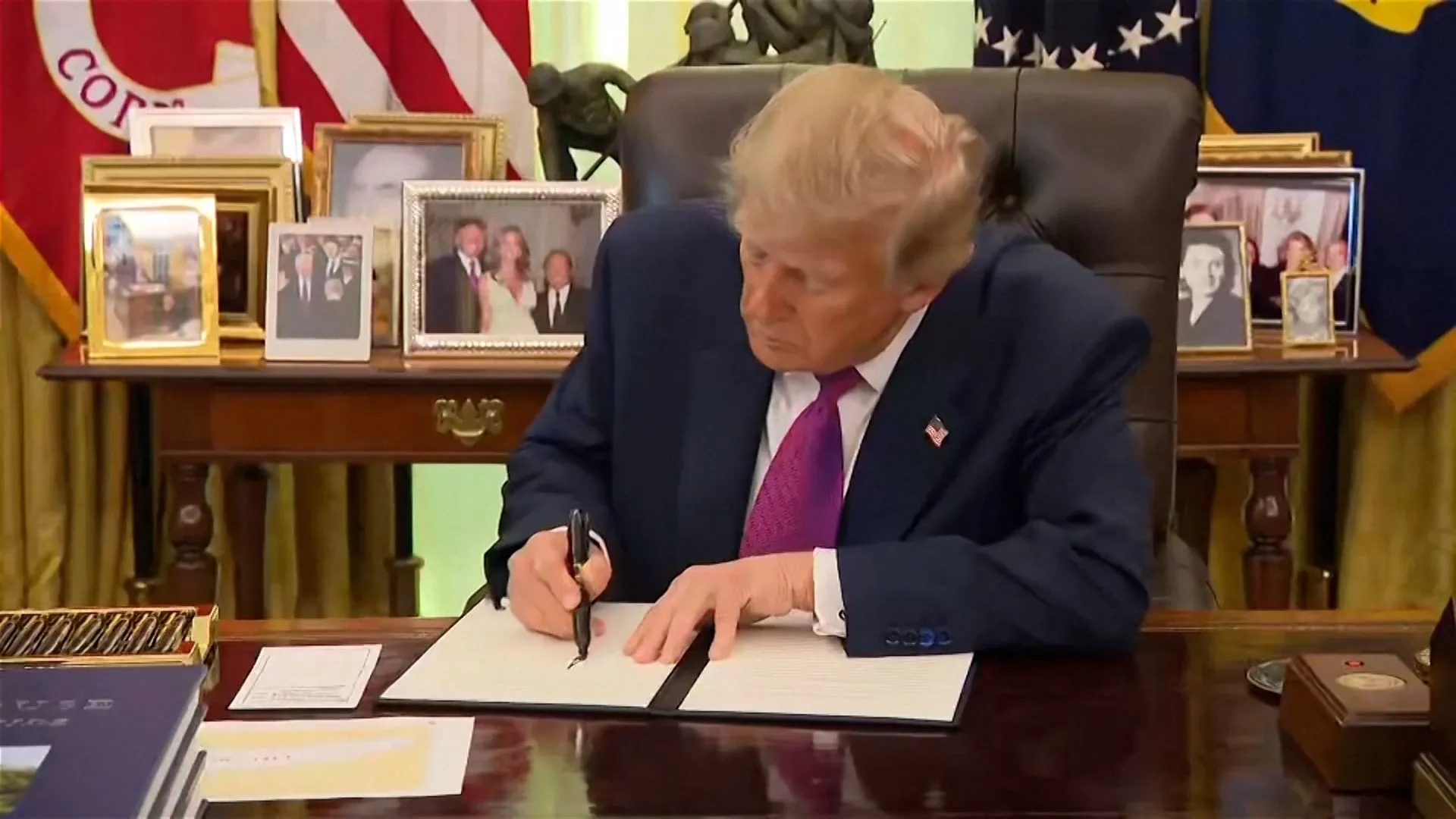
The decision follows a series of earlier efforts to dismantle the legacy of the previous government. In June 2025, President Ahmed al-Sharaa issued a formal decree dismissing 67 judges who had been associated with the court. Furthermore, the constitutional declaration of March 2025 specifically mandated the abolition of the effects of unjust rulings. As the newly formed parliament moves past its initial organizational phase, this vote stands as one of its most consequential actions to date in the post-conflict era.
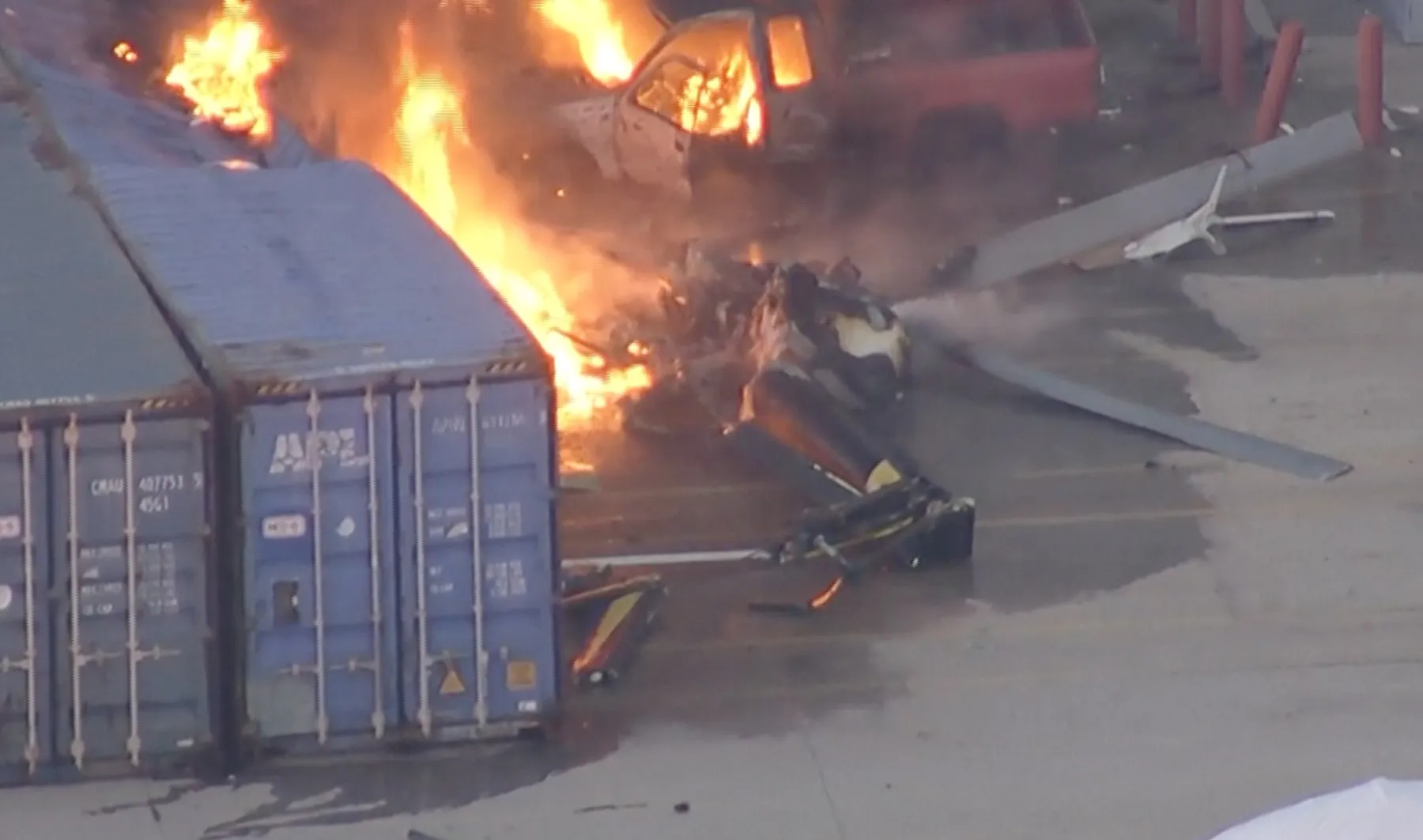
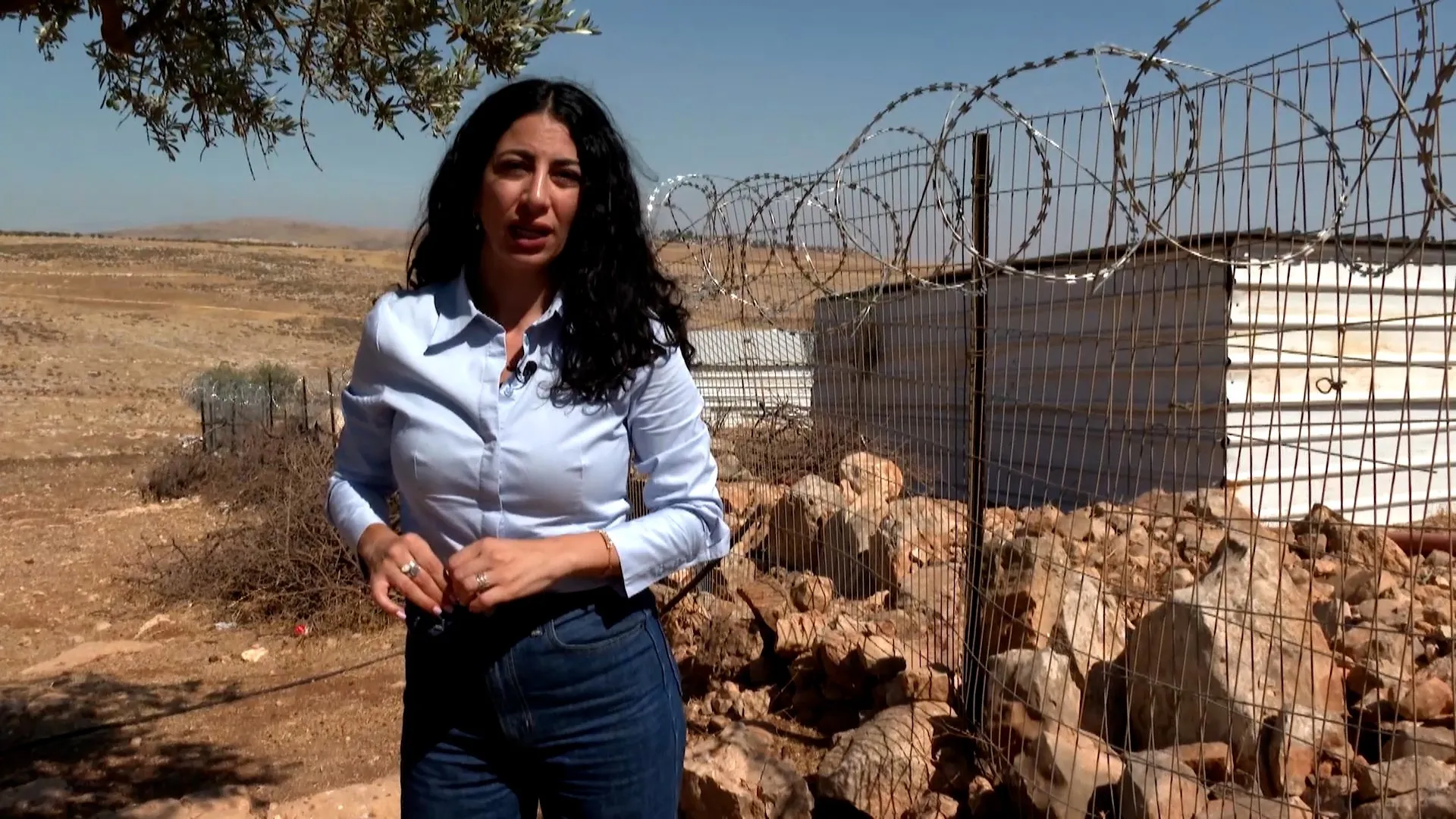
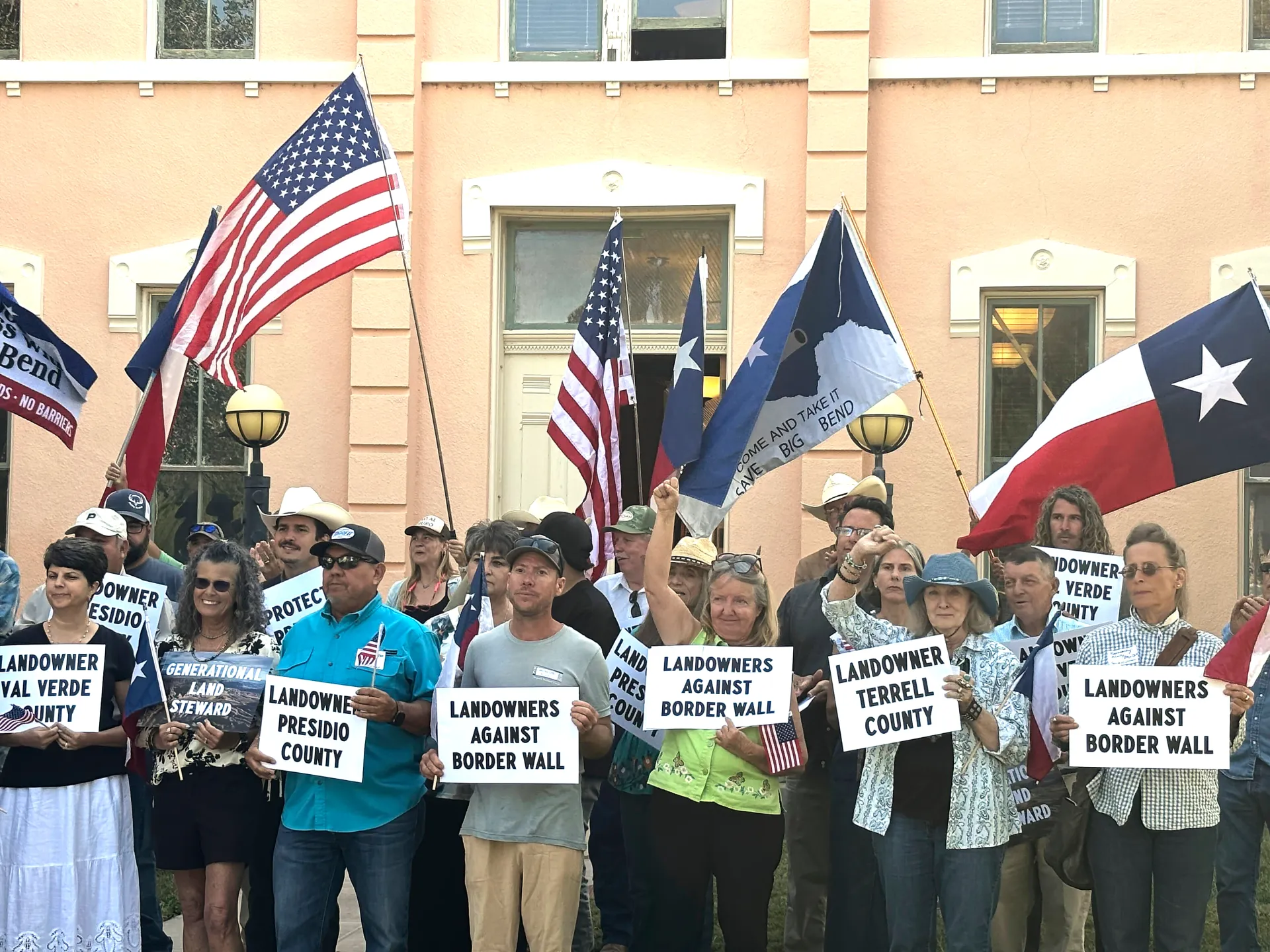
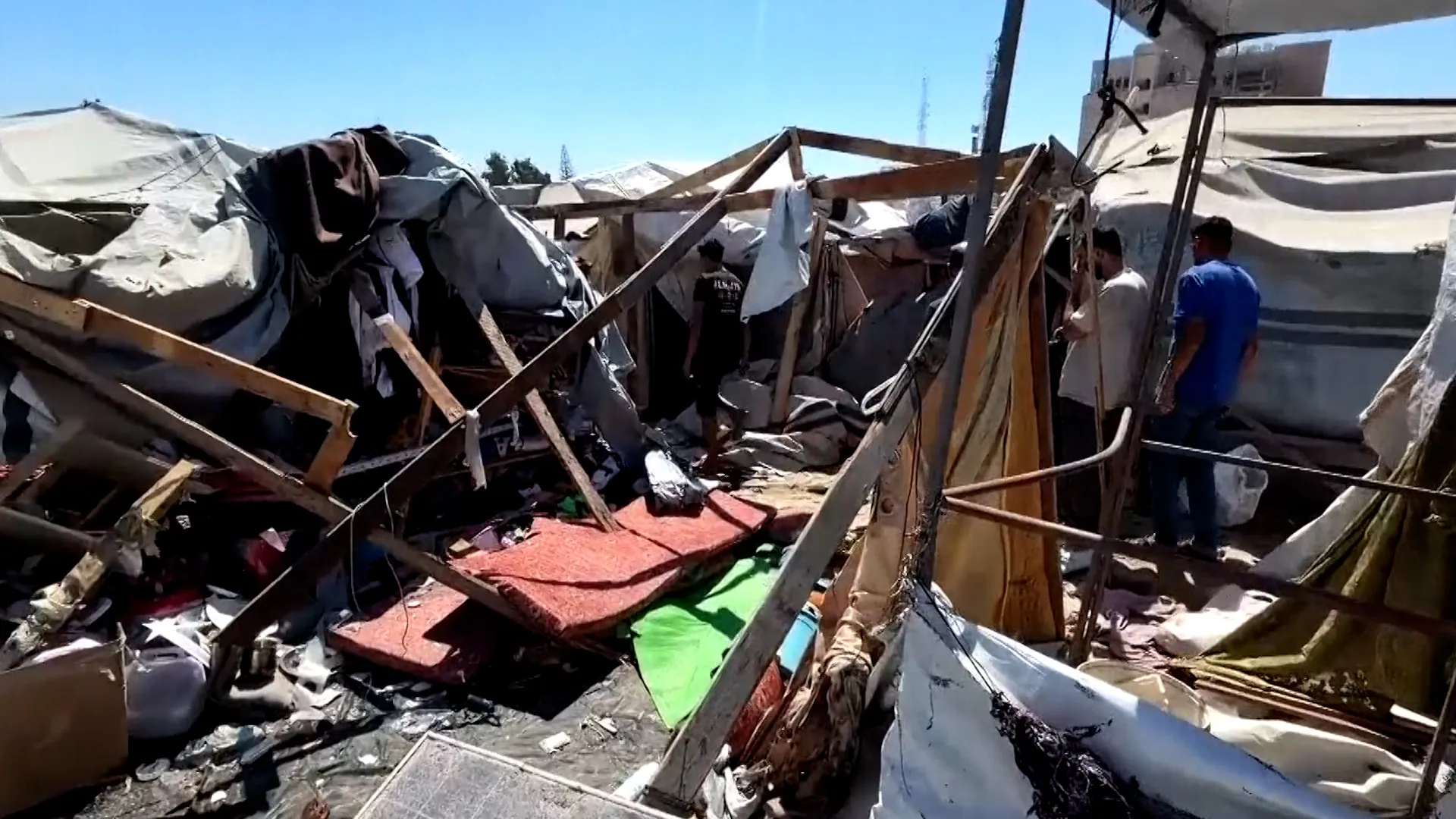
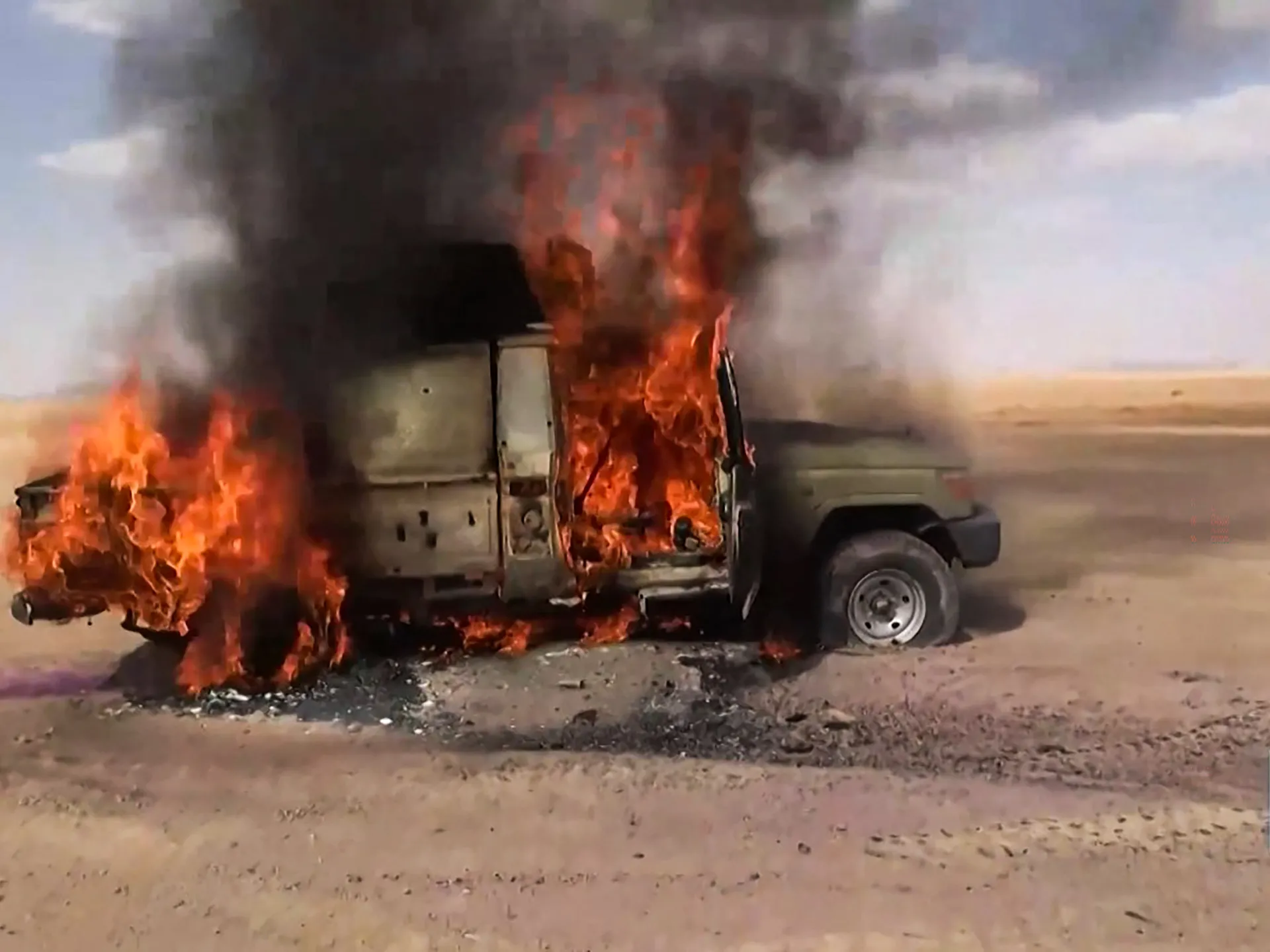
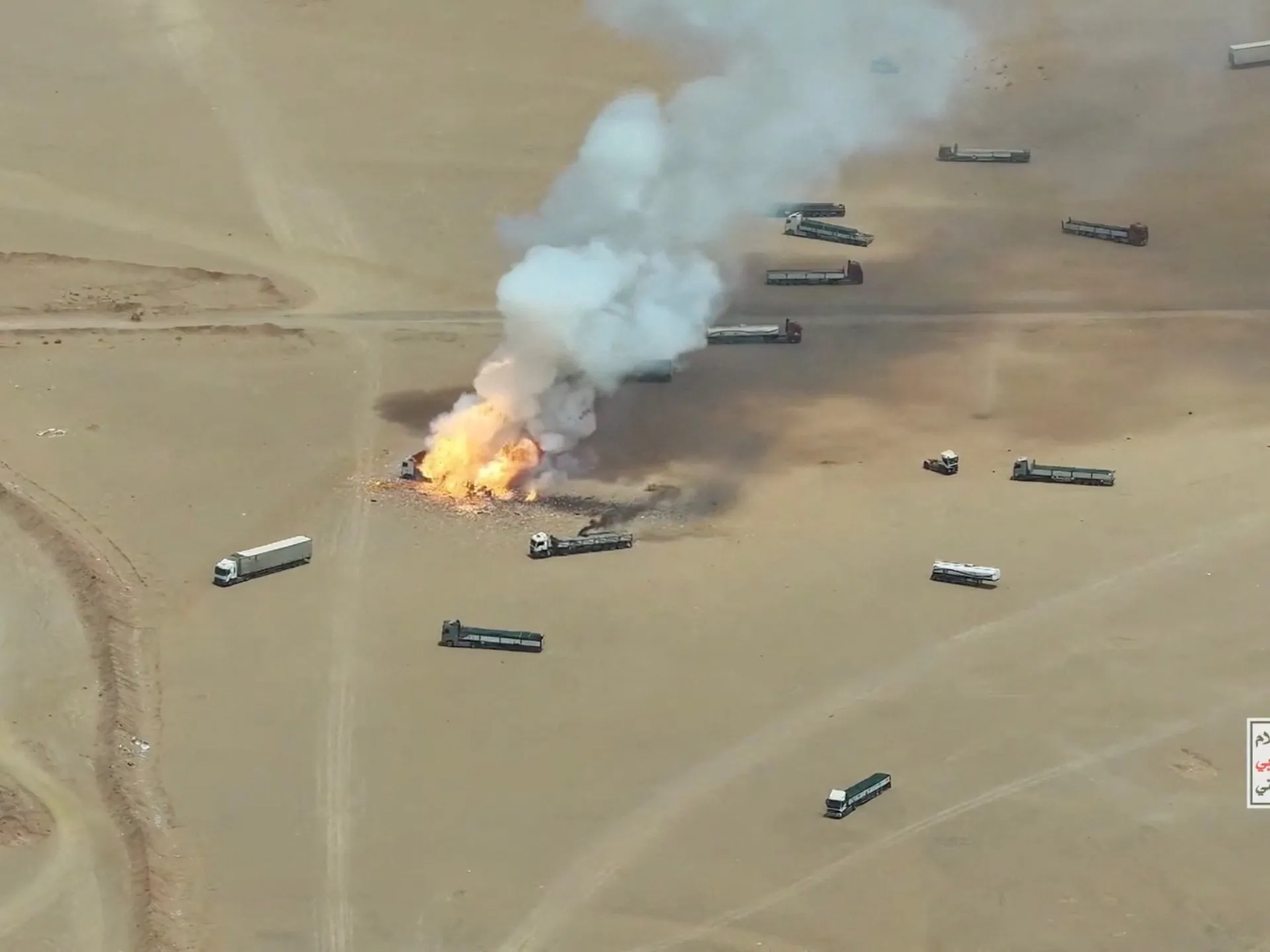
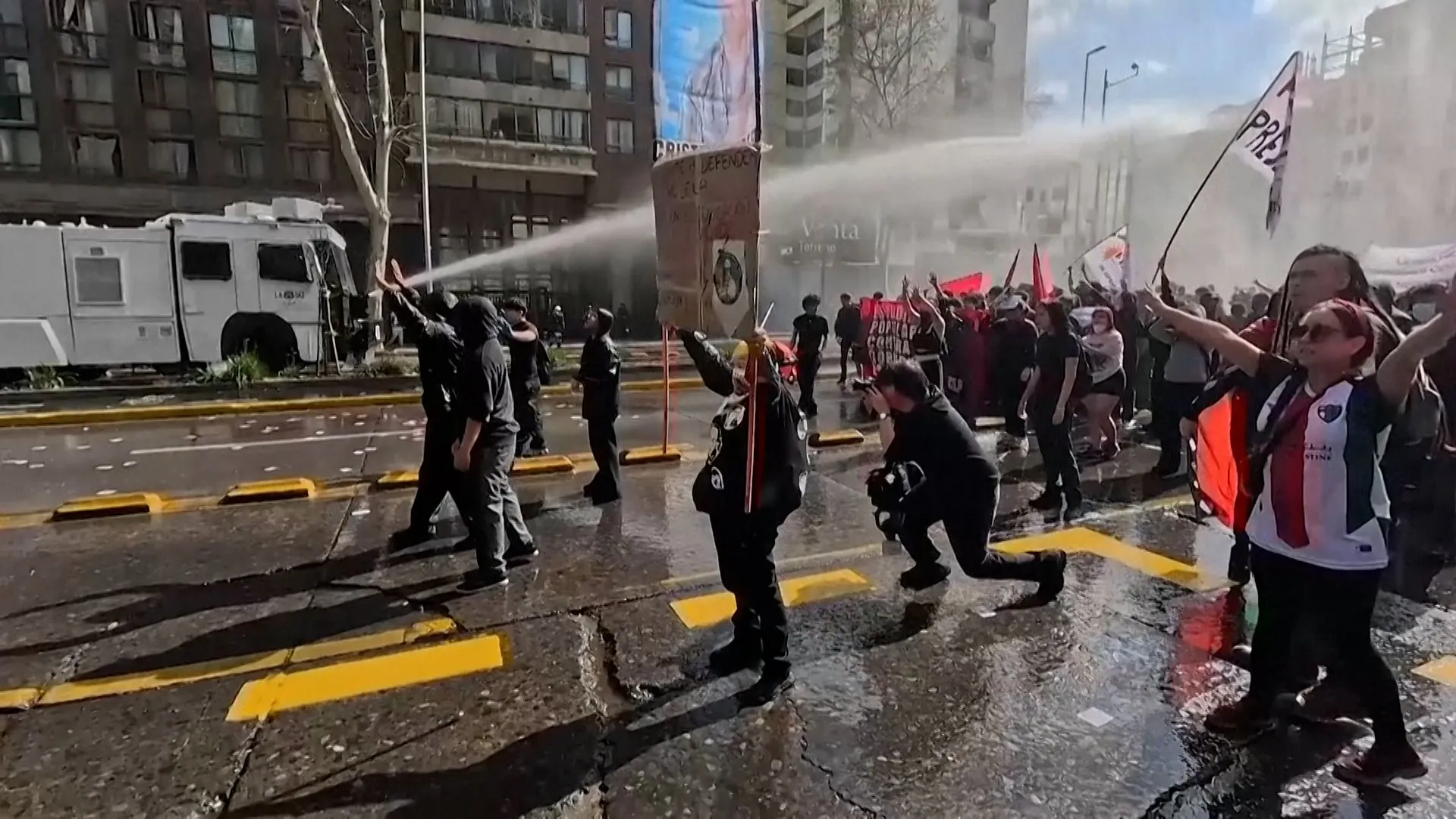
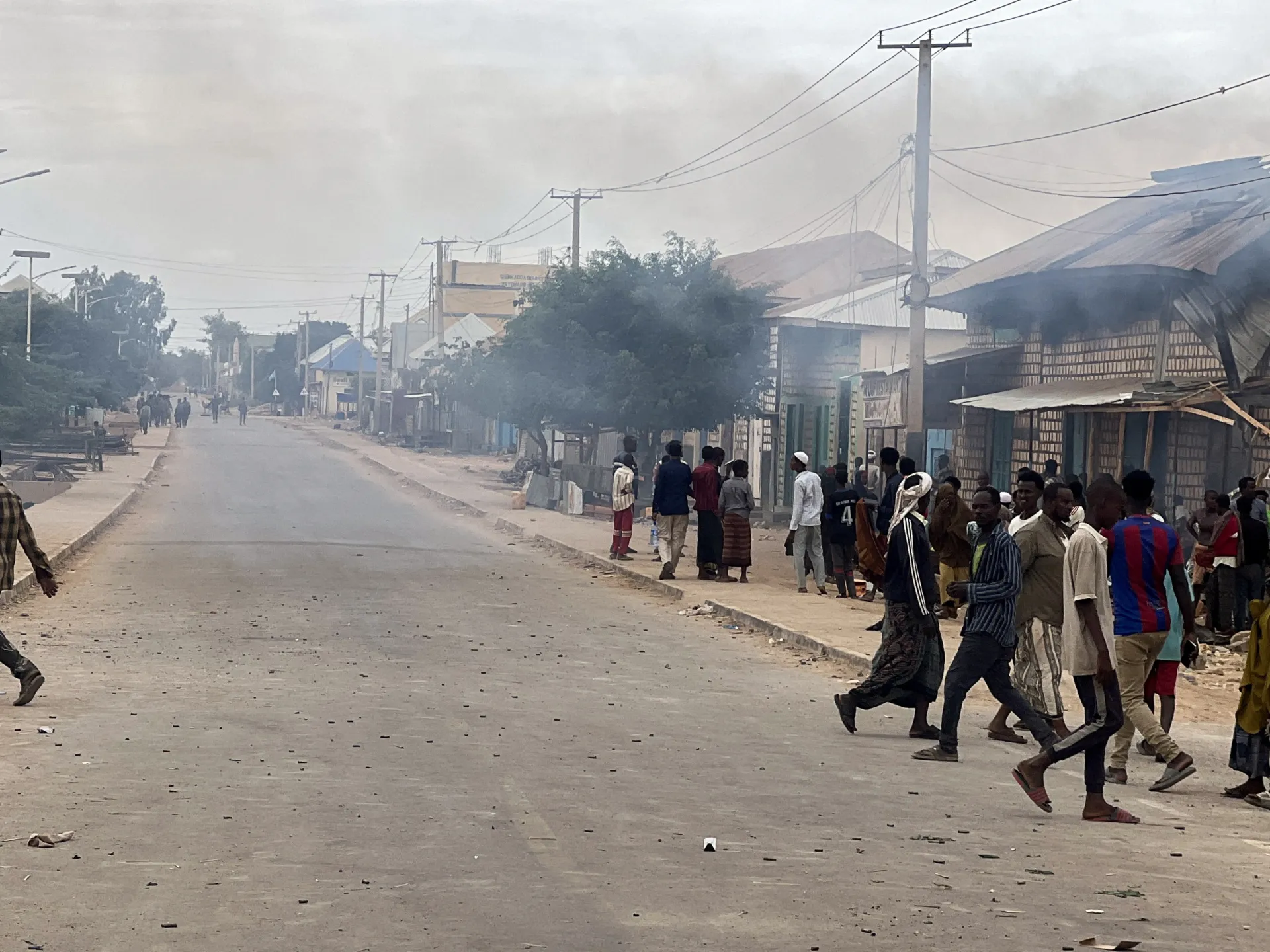
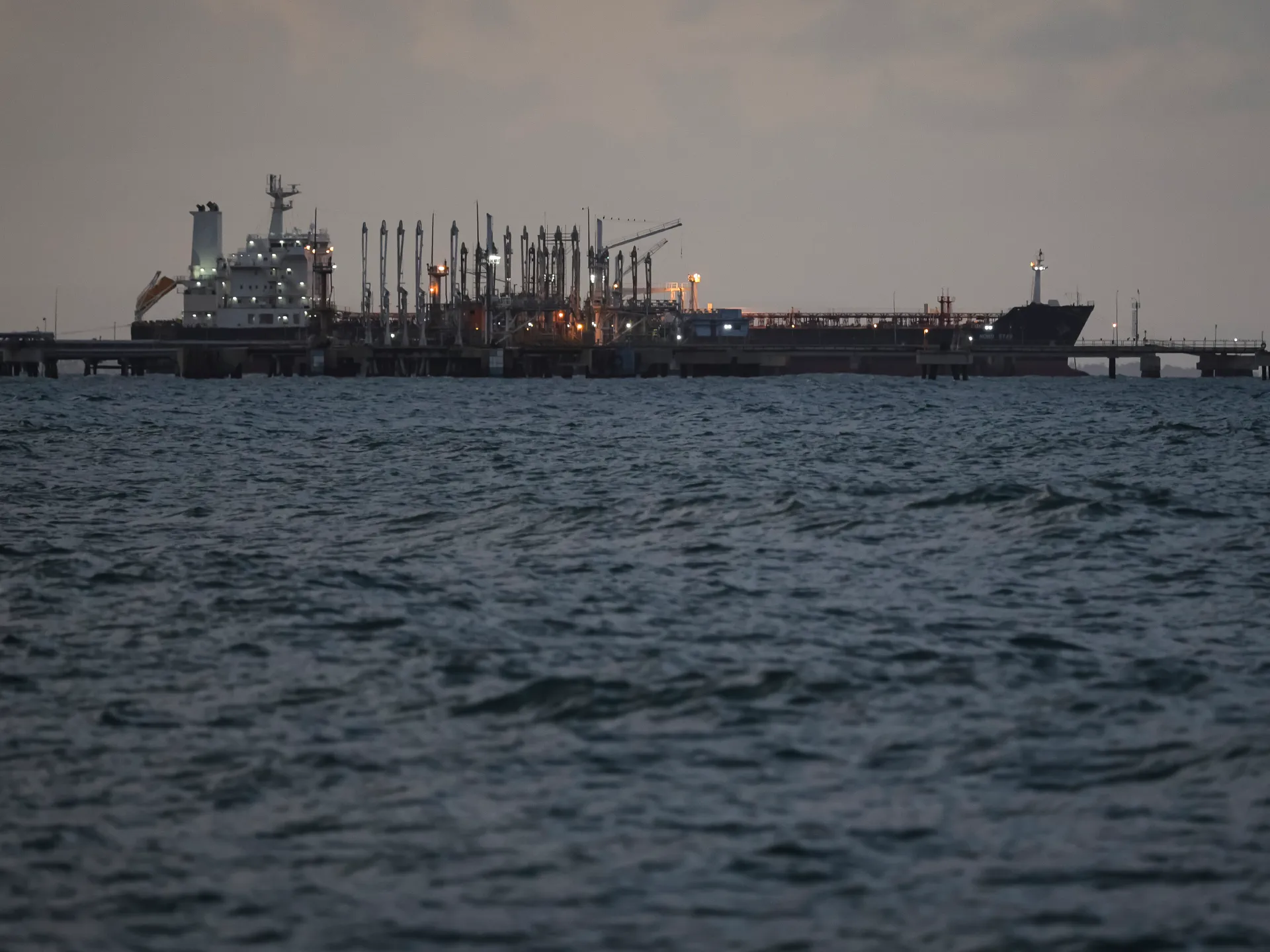
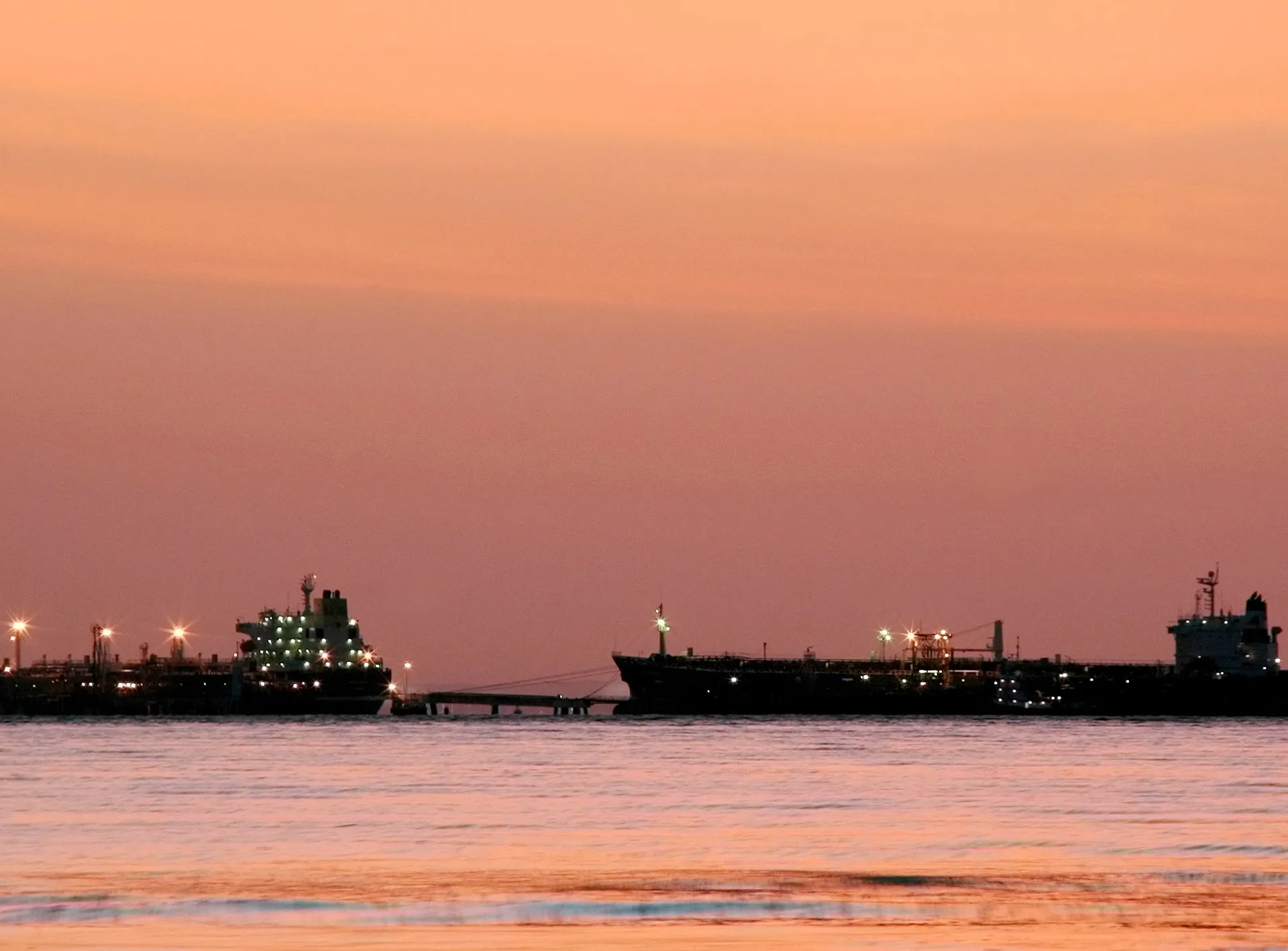
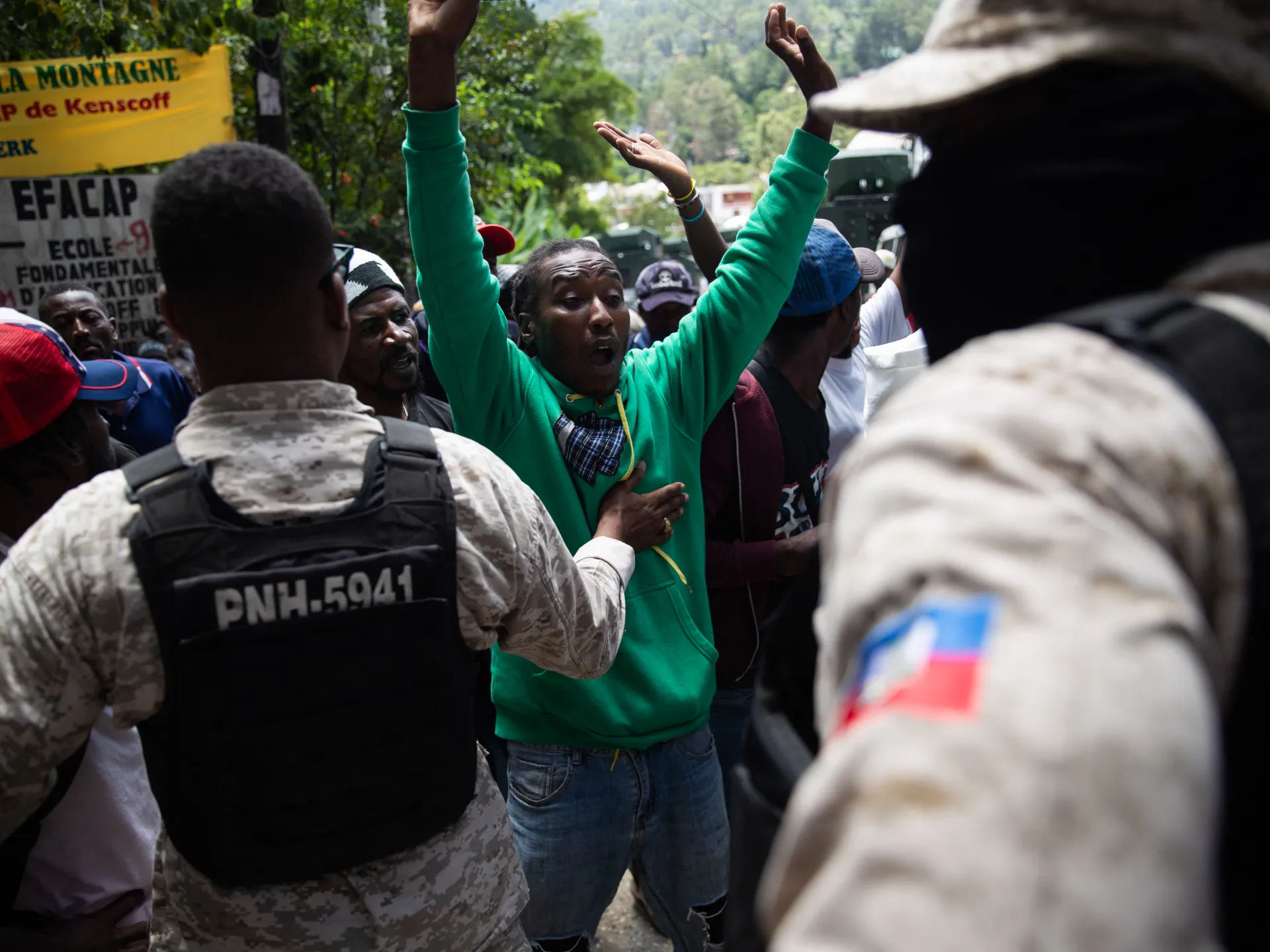
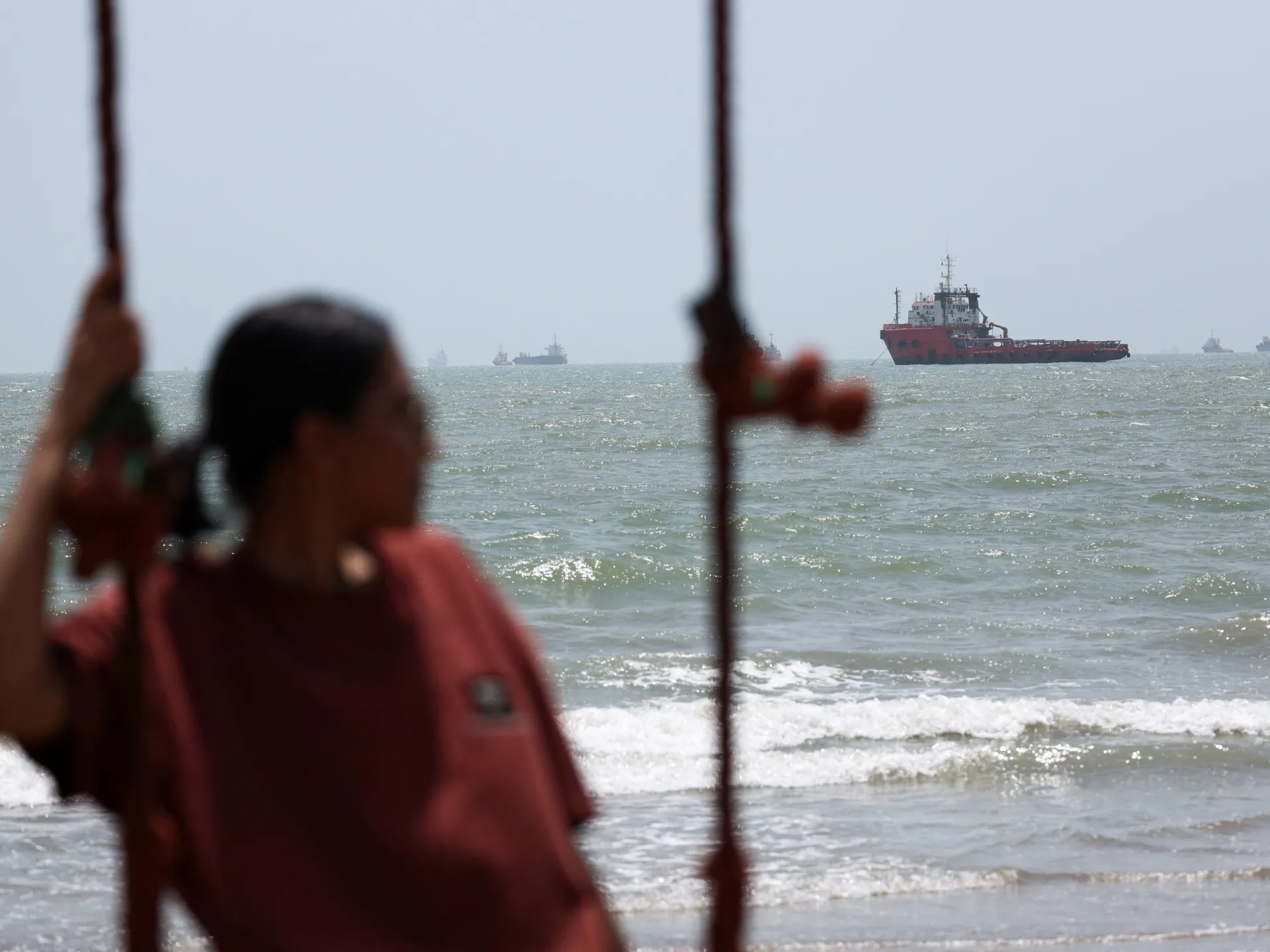
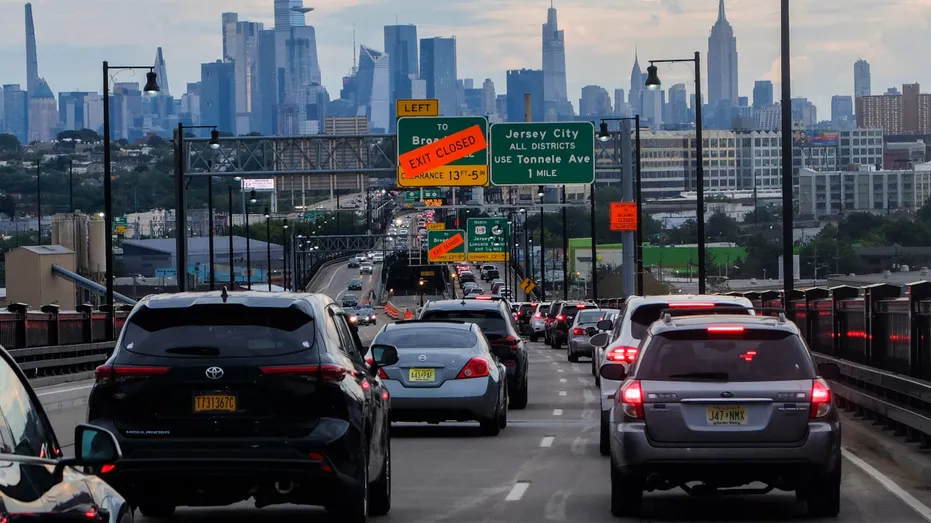
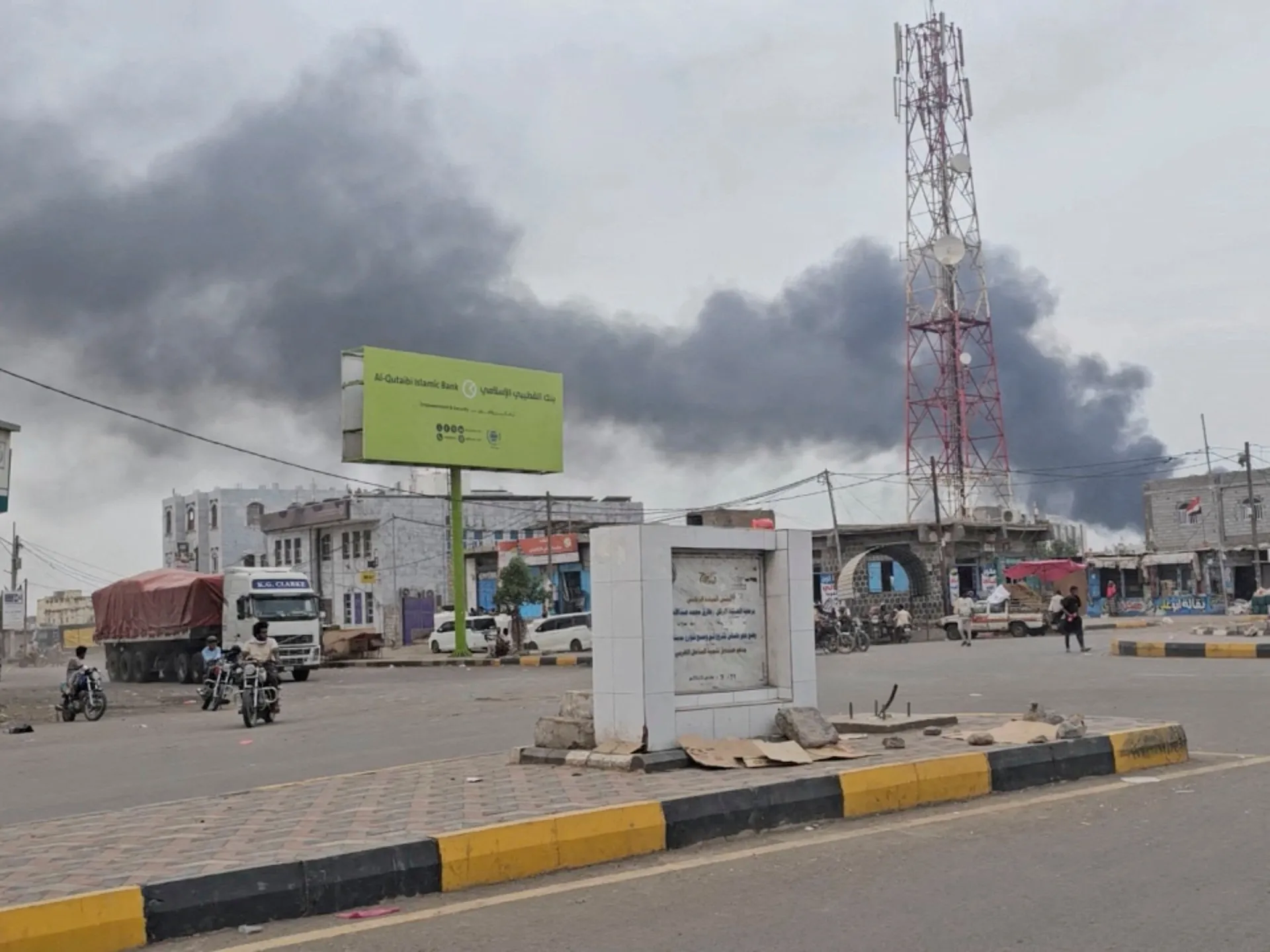
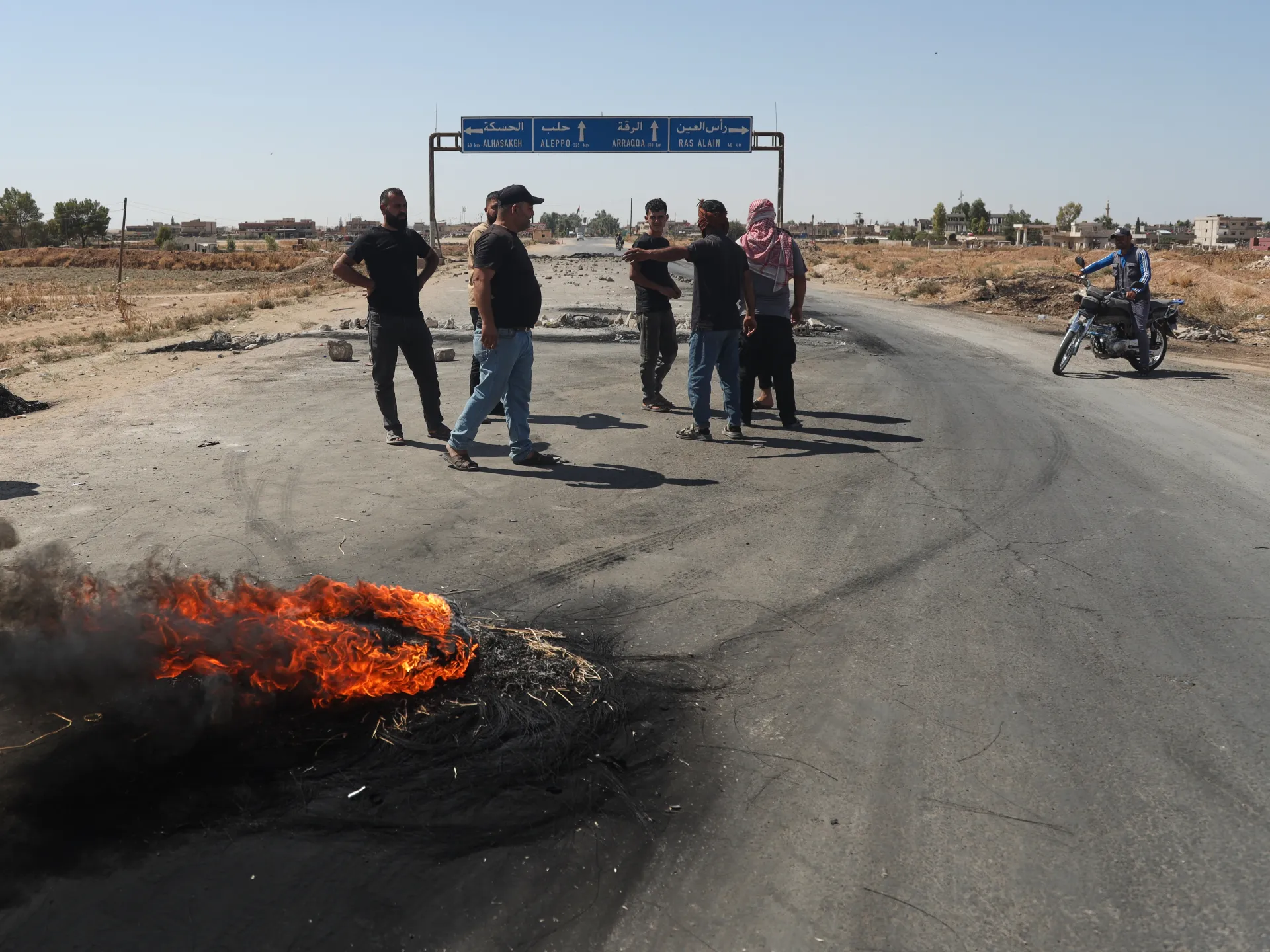
While the government in Damascus seeks to reform its legal framework, it faces immediate challenges in the northeast, where the Kurdish-led regions are experiencing significant social and economic unrest. Hundreds of oil tanker trucks were recently left stranded after demonstrators occupied a major highway near the town of Tal Tamr. The blockade is a direct response to the government’s decision to remove fuel subsidies that had been in place during the period of autonomous rule.
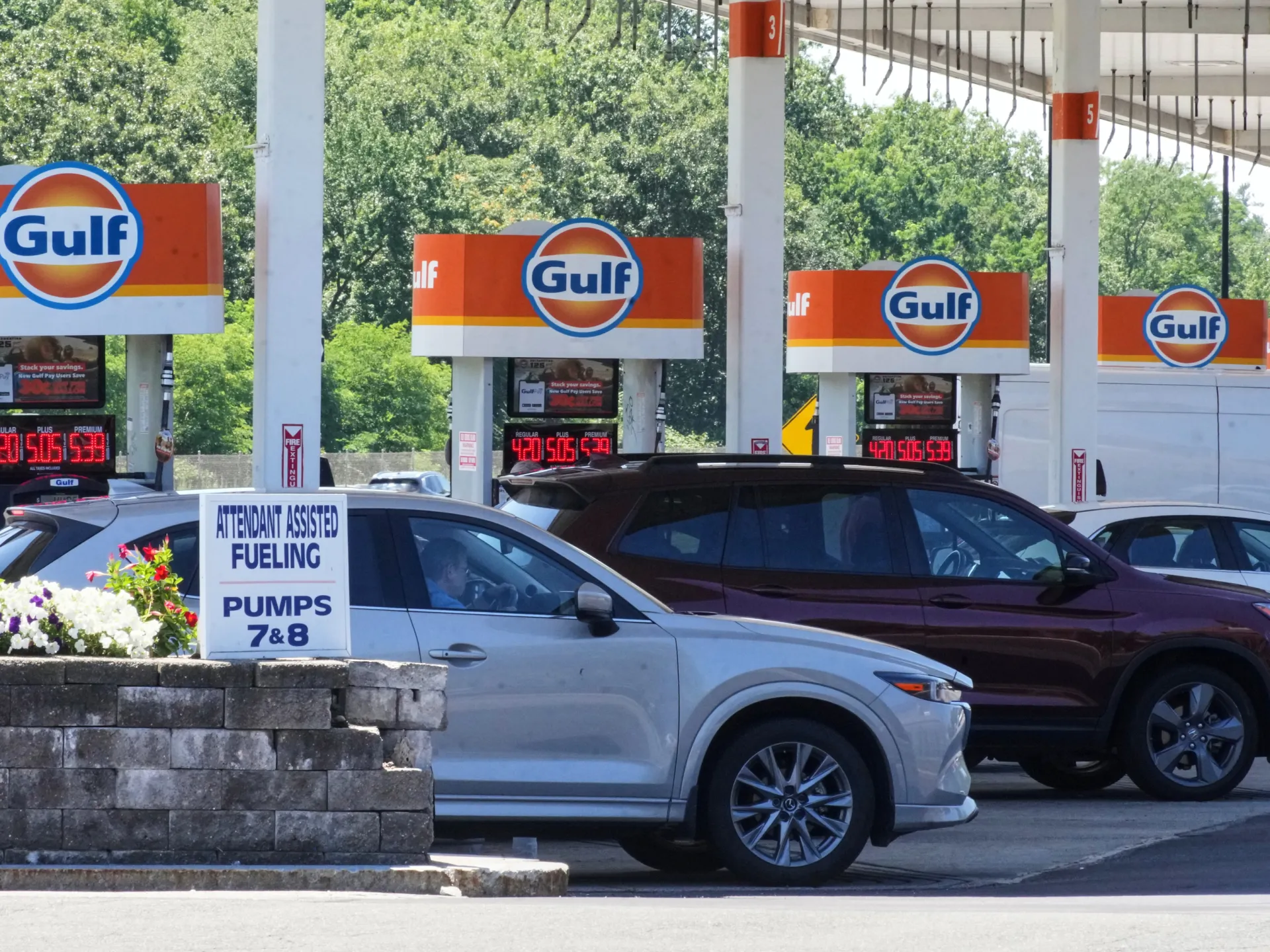
The economic friction stems from the transition of power in the region. Under the control of the Syrian Democratic Forces (SDF), residents in the northeast previously benefited from heavily subsidized fuel derived from local oilfields. Following the central government's reassertion of authority, these subsidies were eliminated, resulting in a sharp increase in costs for local residents. The fuel crisis has been further exacerbated , prompting the government to raise petrol prices again in recent days.
The parliamentary response to this unrest has been swift, with the Minister of Energy scheduled to face questioning regarding the pricing policies. Meanwhile, the protesters have remained steadfast, declaring that the M4 highway will remain closed to oil transport until the government reverses the price hikes. This standoff highlights the difficulty of integrating a resource-rich region into a centralized economic system that has been struggling to recover from over a decade of devastation.
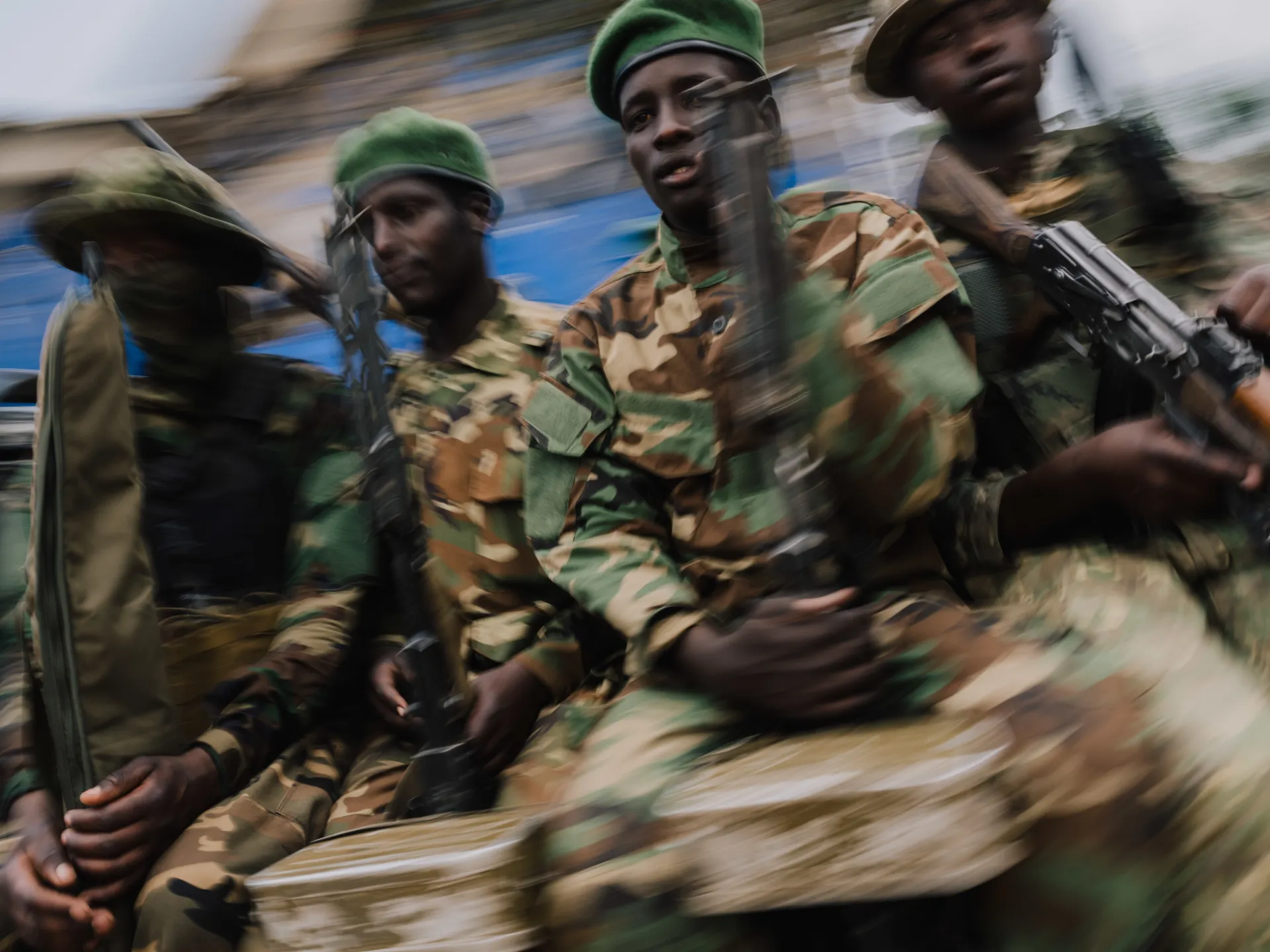
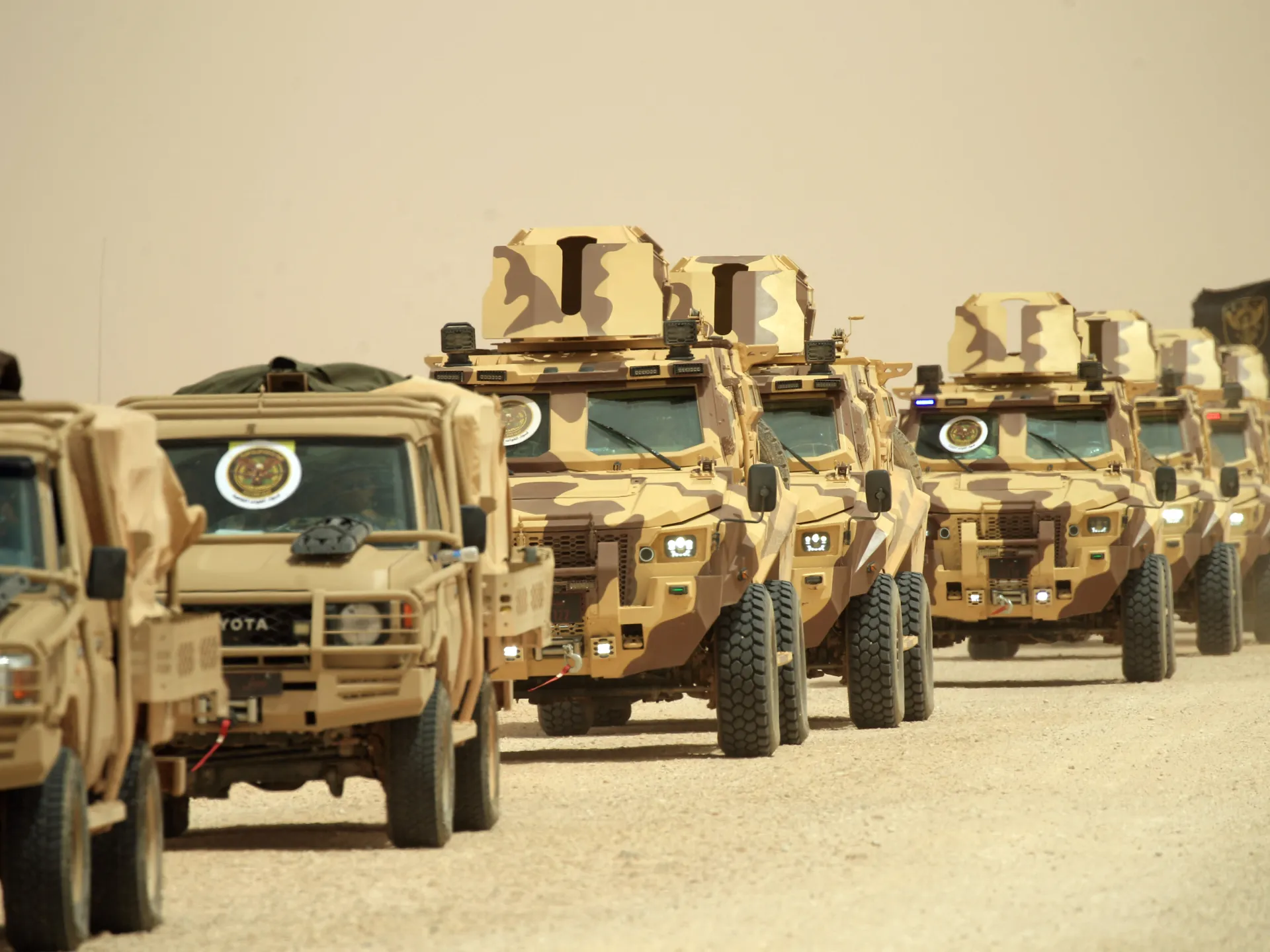
The integration of the SDF into the national military remains a delicate process, testing the stability of the new administration. While the agreement reached in August was framed as a victory for national unity, it has deepened anxiety among Kurdish communities who fear the erosion of the self-rule they cultivated during the war. Kurdish populations, which represent a significant minority, are wary that the central government may prioritize political pressure from international actors over the protection of minority rights.
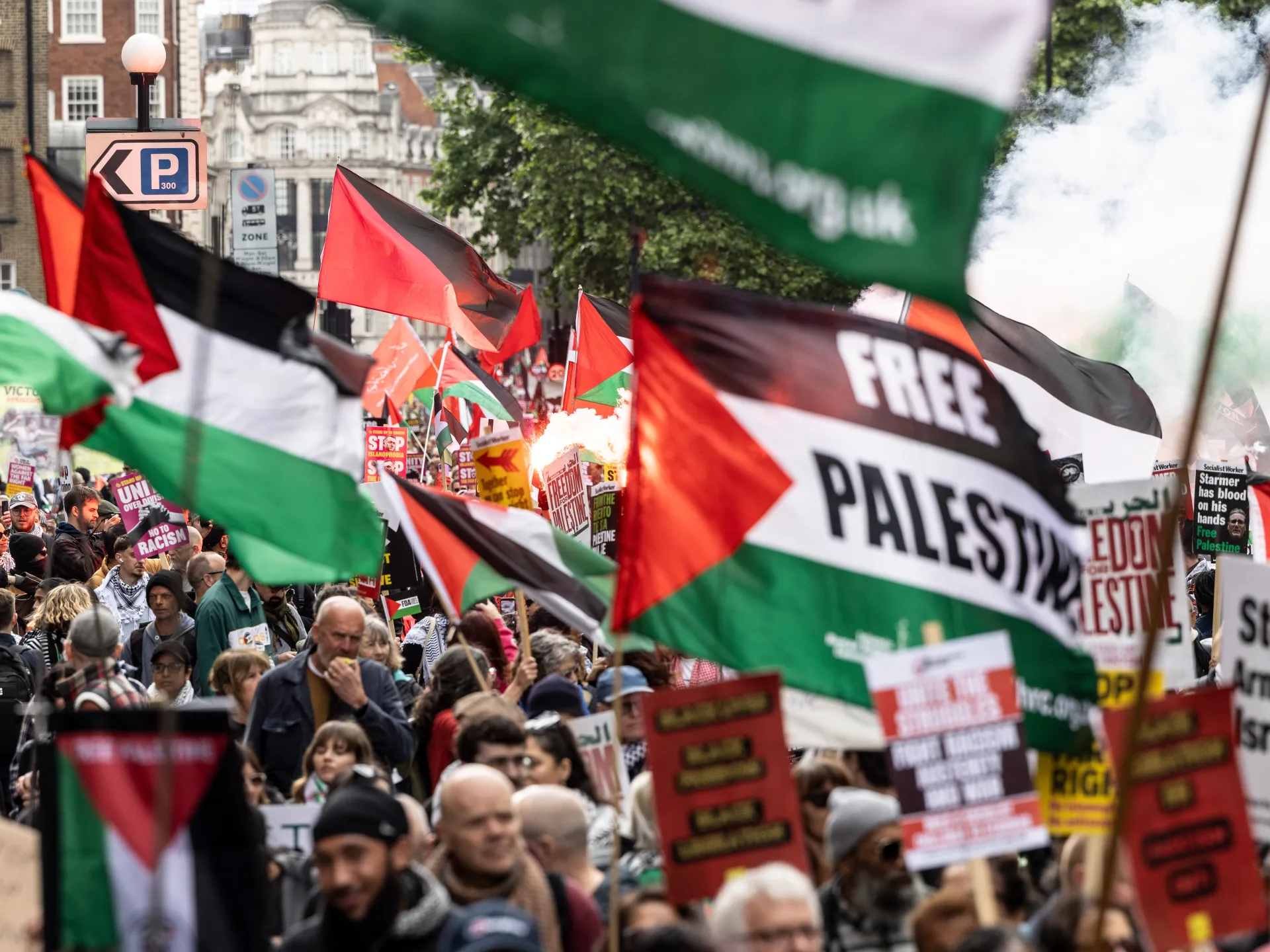
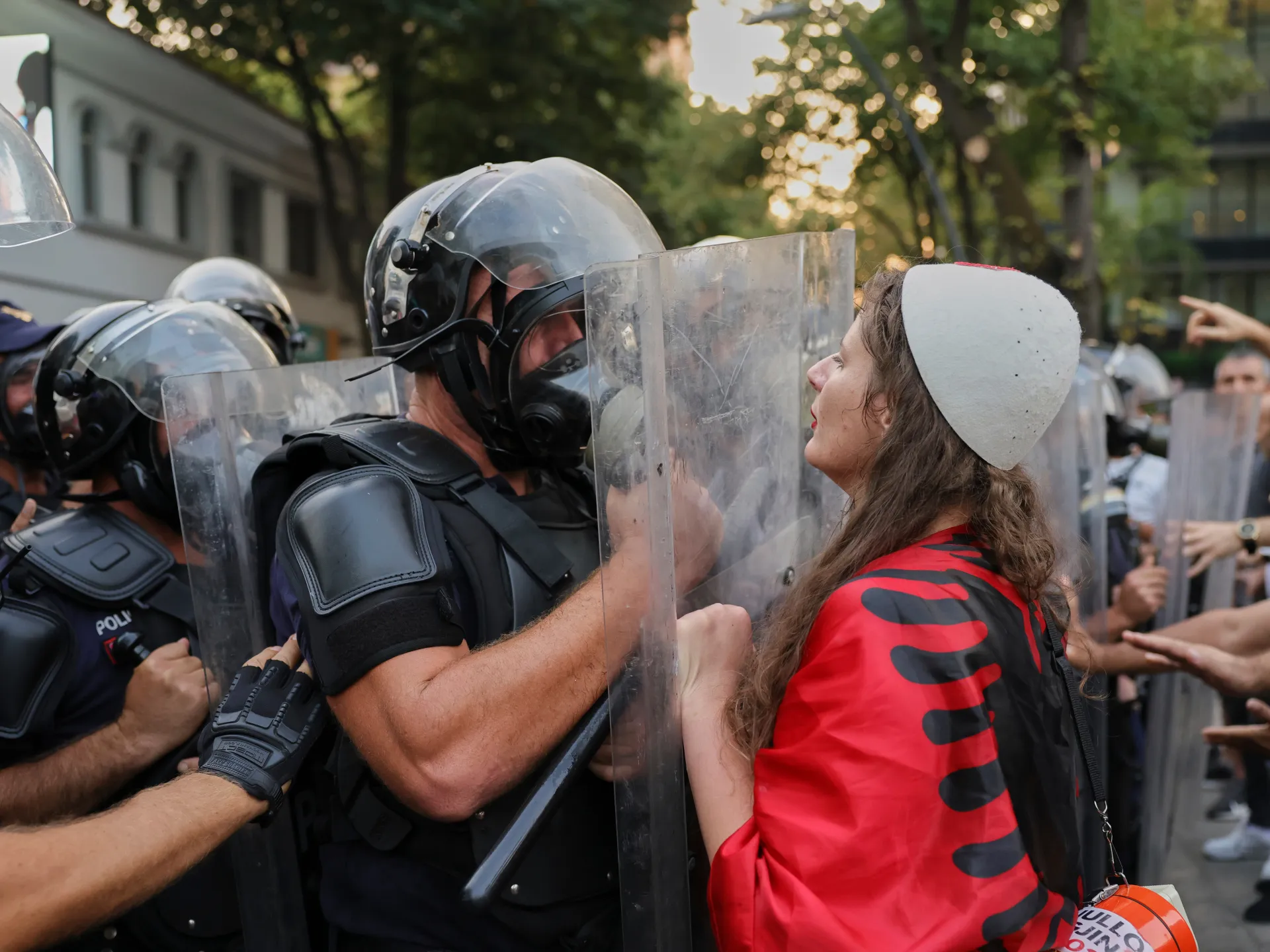
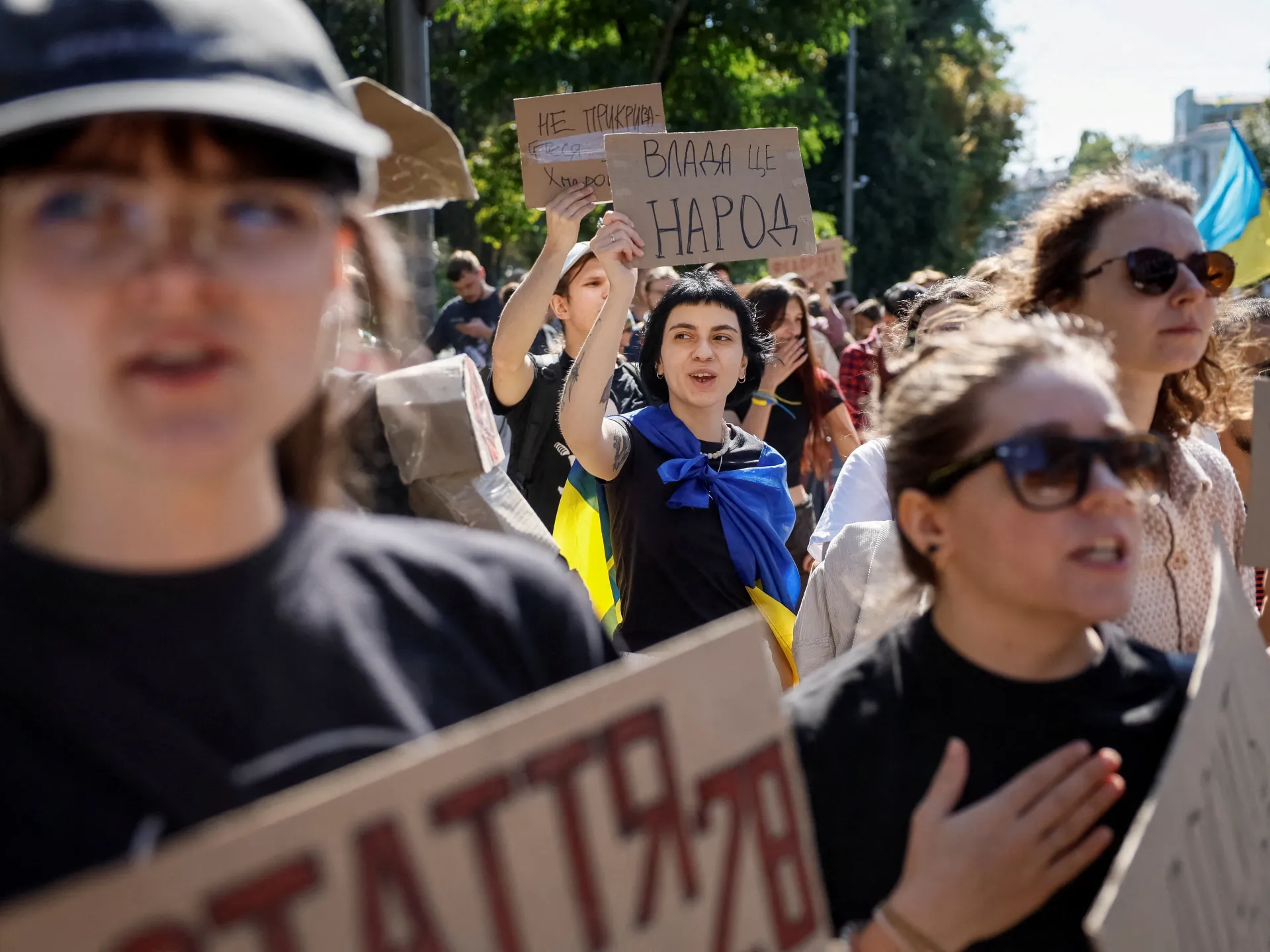
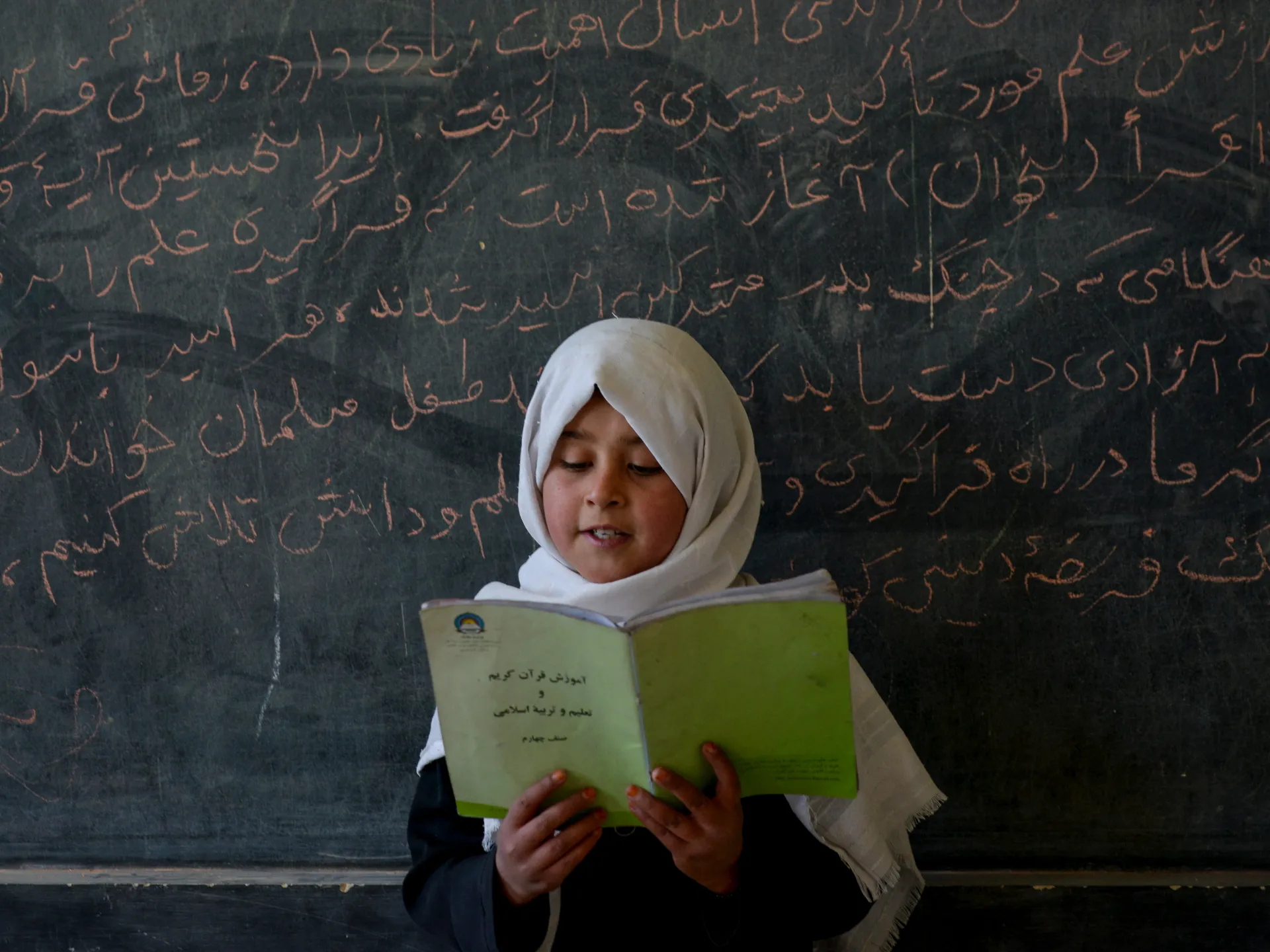
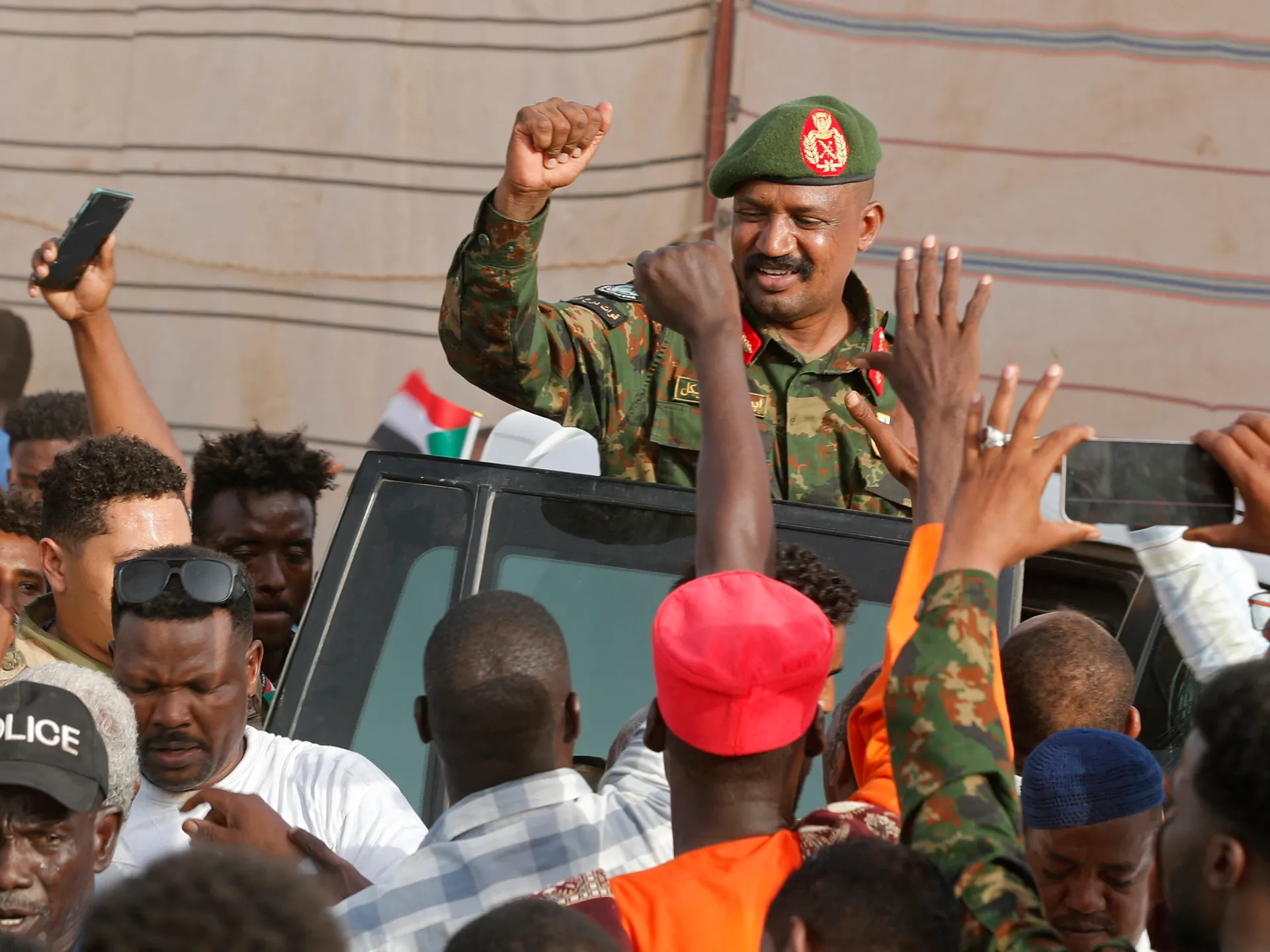
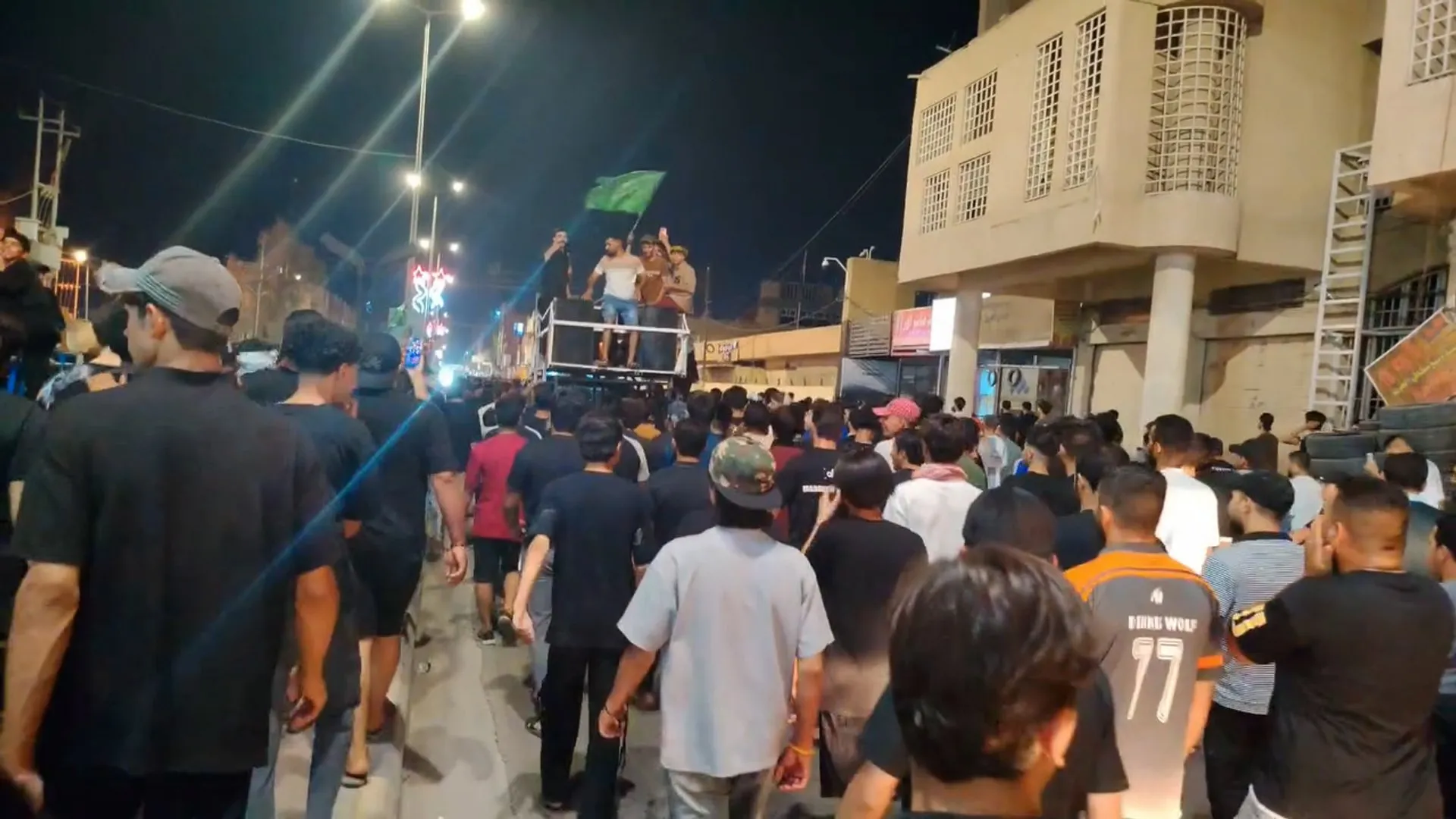
Cultural and linguistic rights have also become a flashpoint for local grievances. Although the government recently issued a decree recognizing Kurdish as an official language of instruction, the implementation has been met with mass protests in cities like Qamishli and Hasakah. Students and activists have expressed frustration that the current provision allows for only three hours of Kurdish instruction per week, viewing this as an insufficient gesture that fails to honor the depth of their cultural identity.