New York City finalizes a record $131M settlement with DoorDash over worker pay as Nigeria's Dangote refinery opens a historic public share offering.
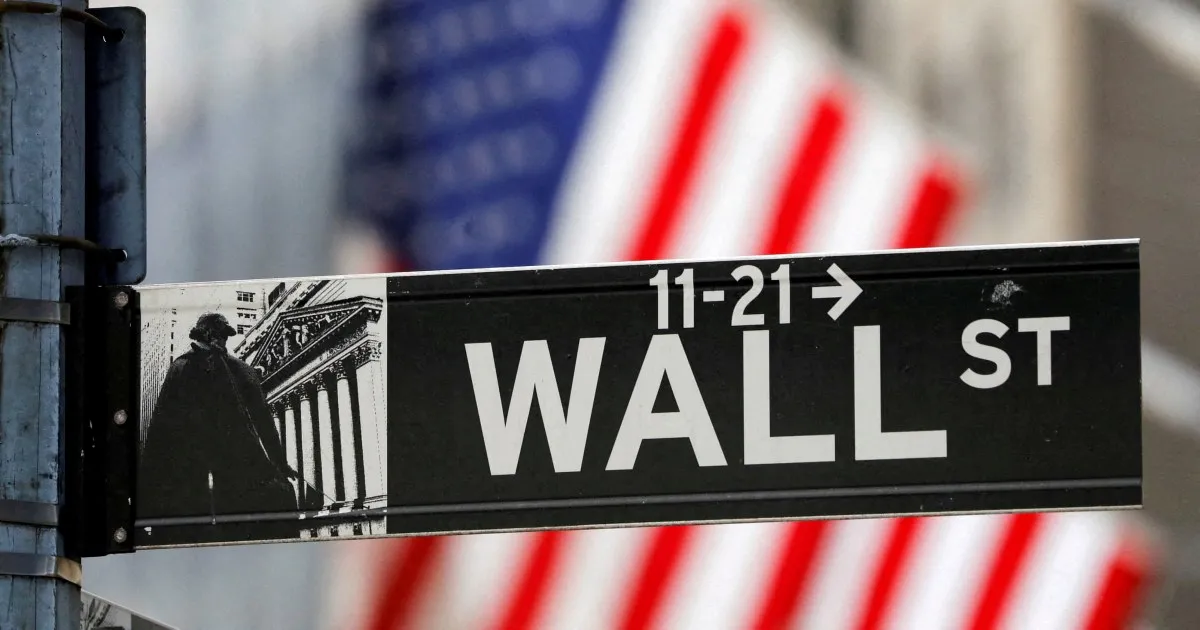
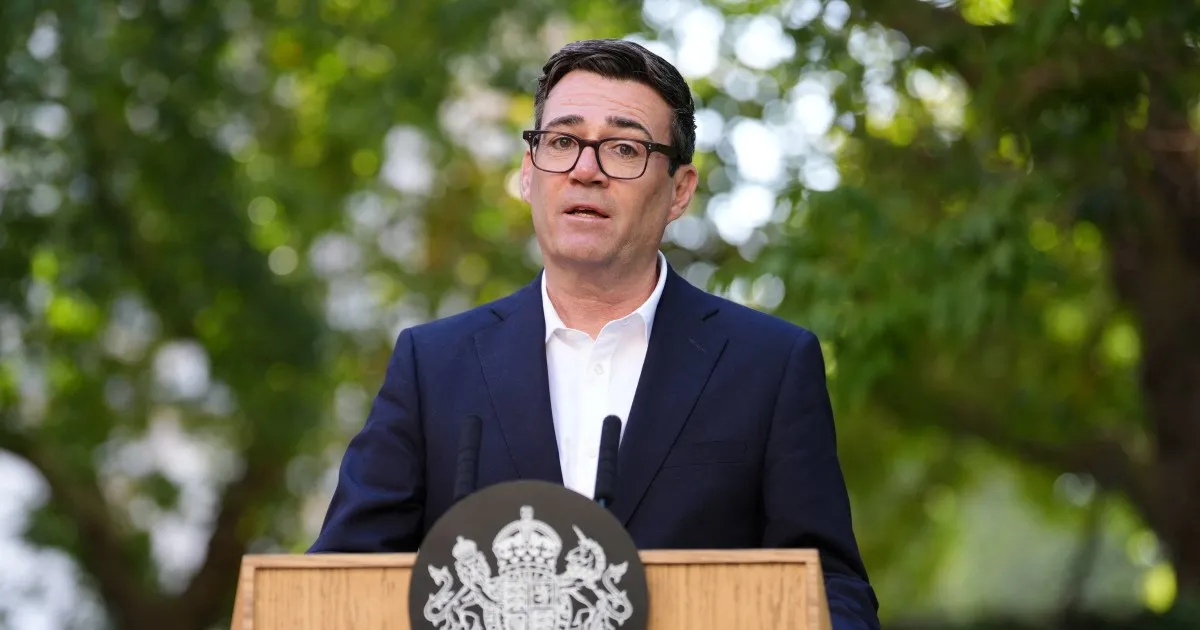
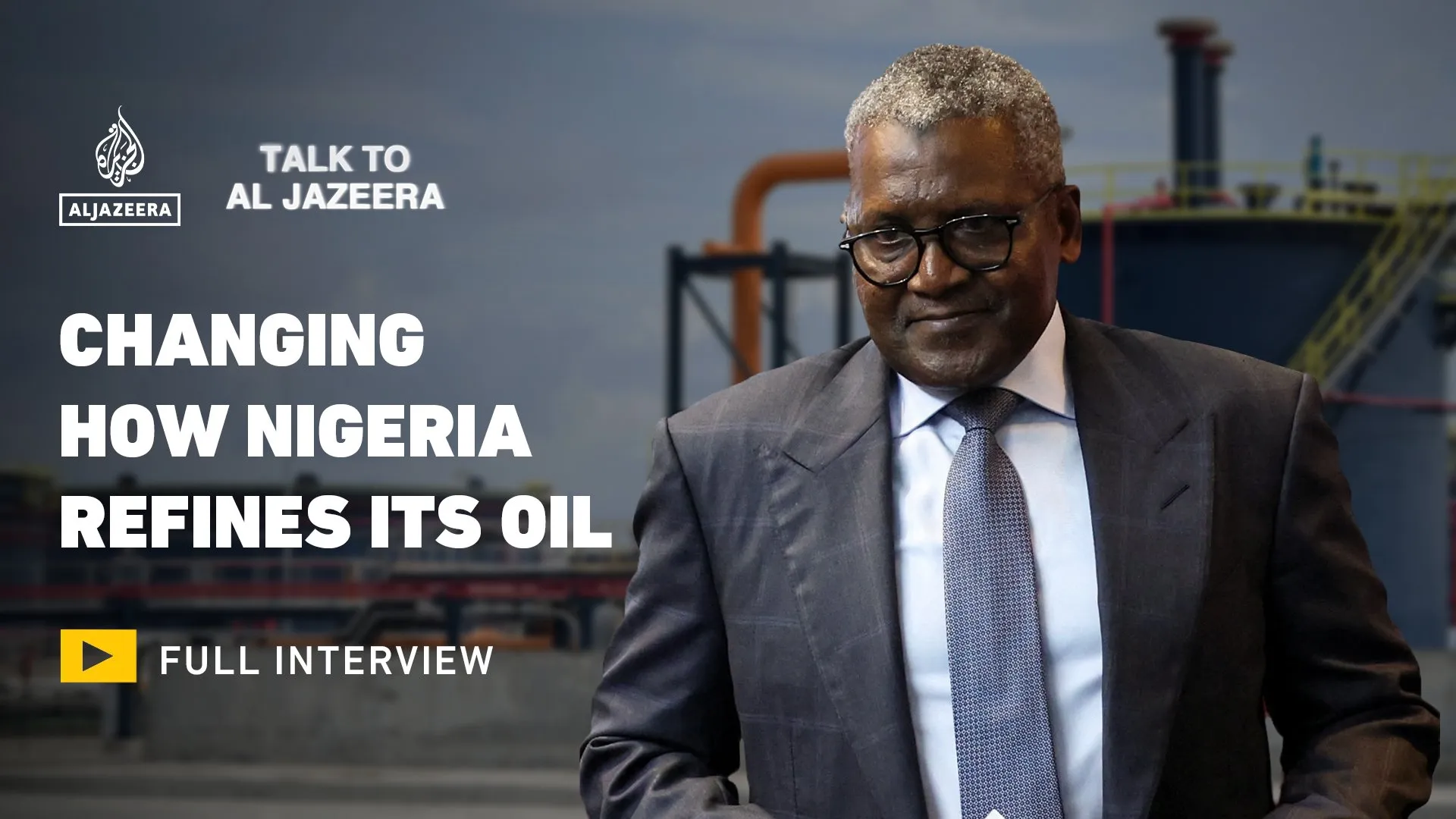
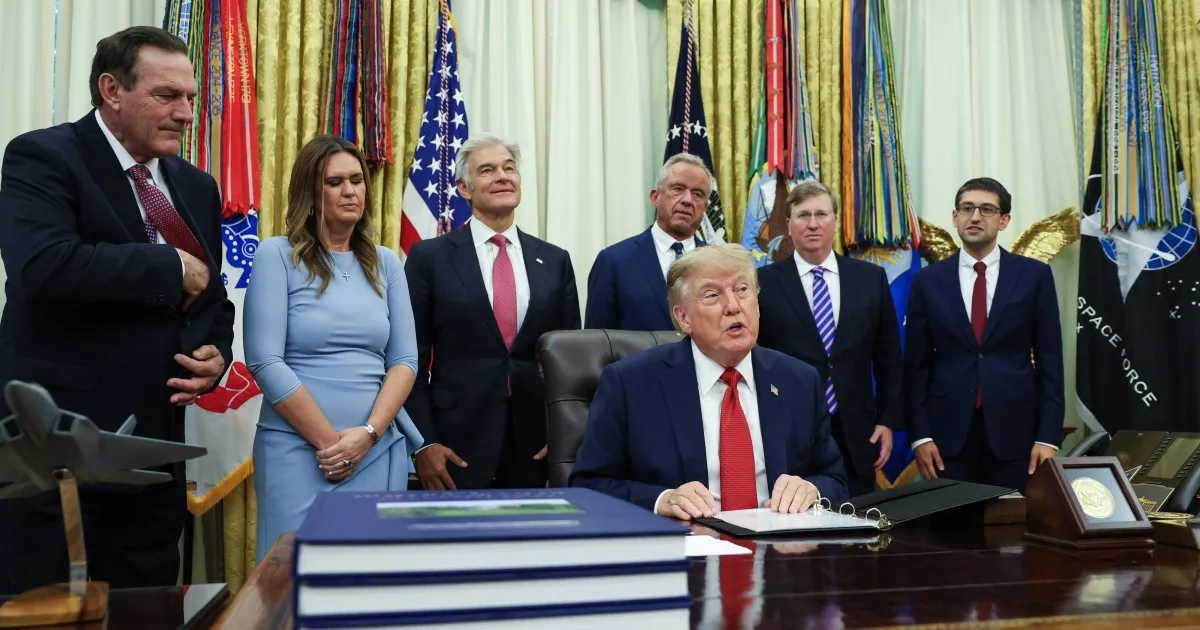
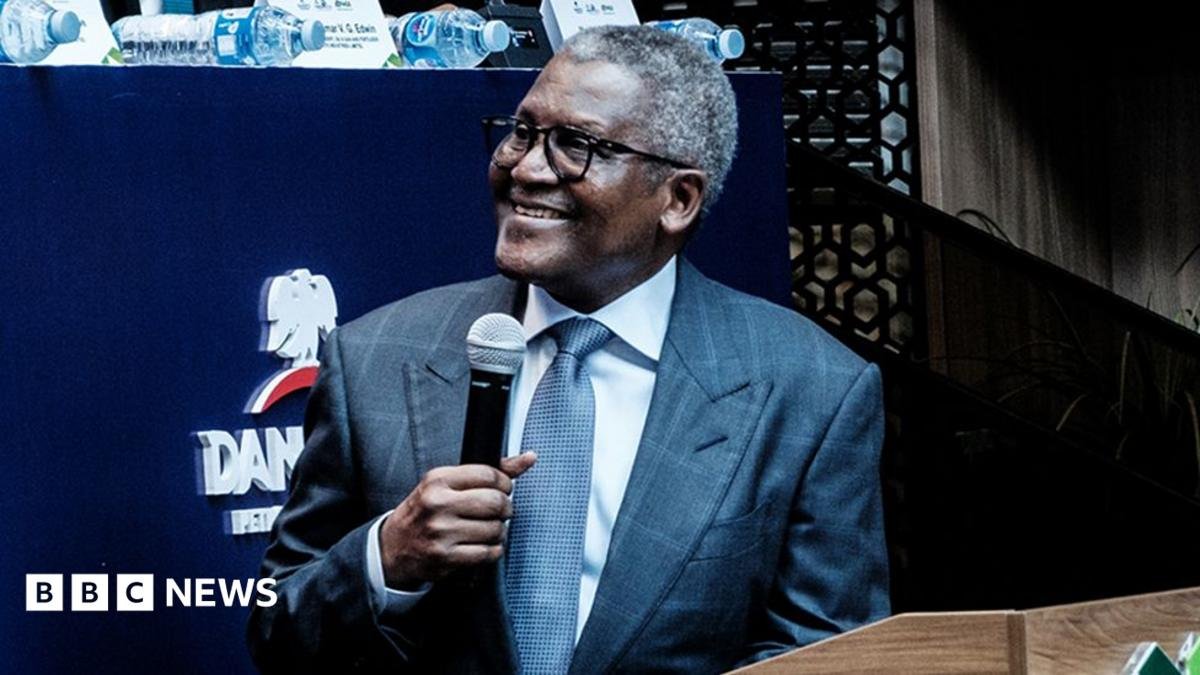
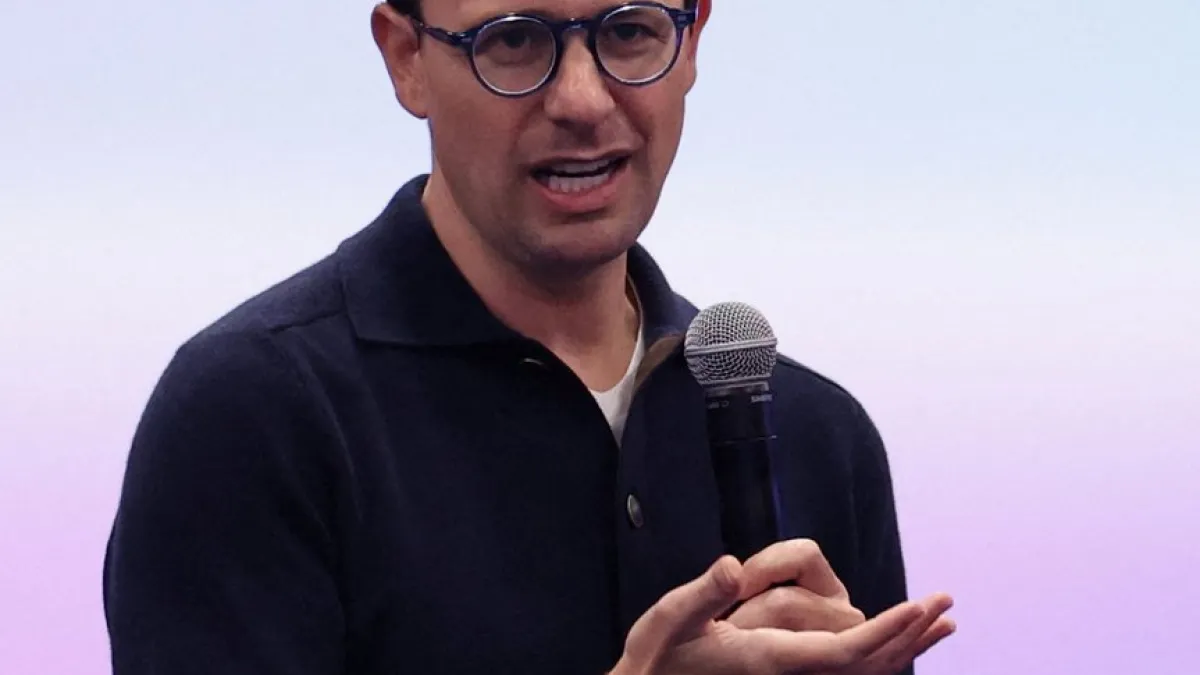
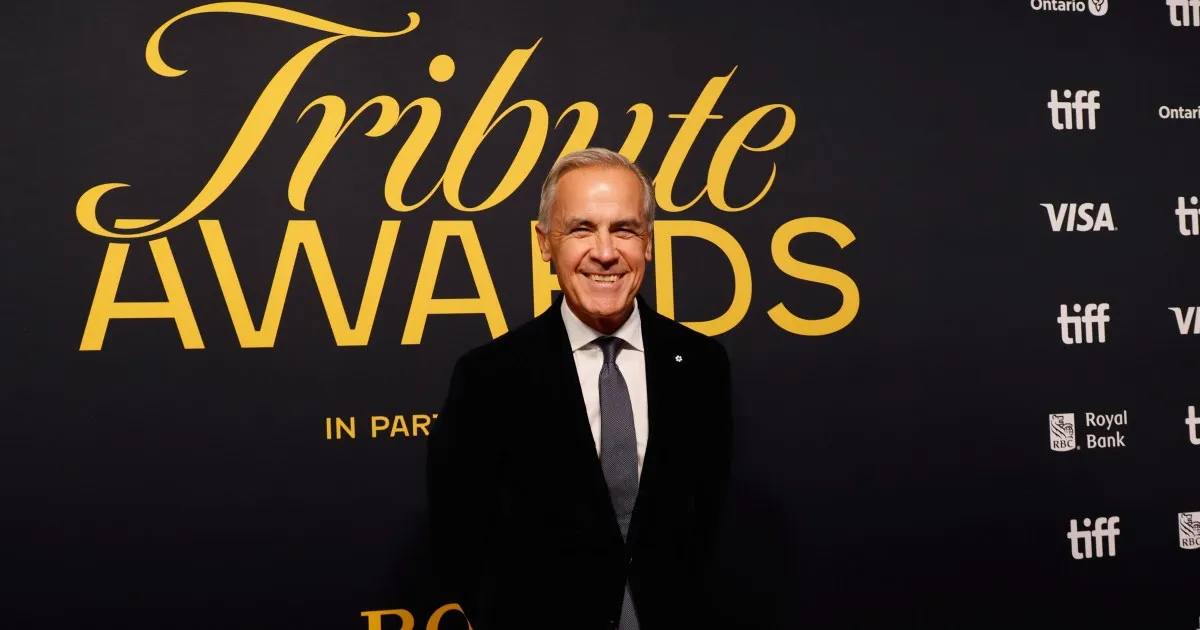
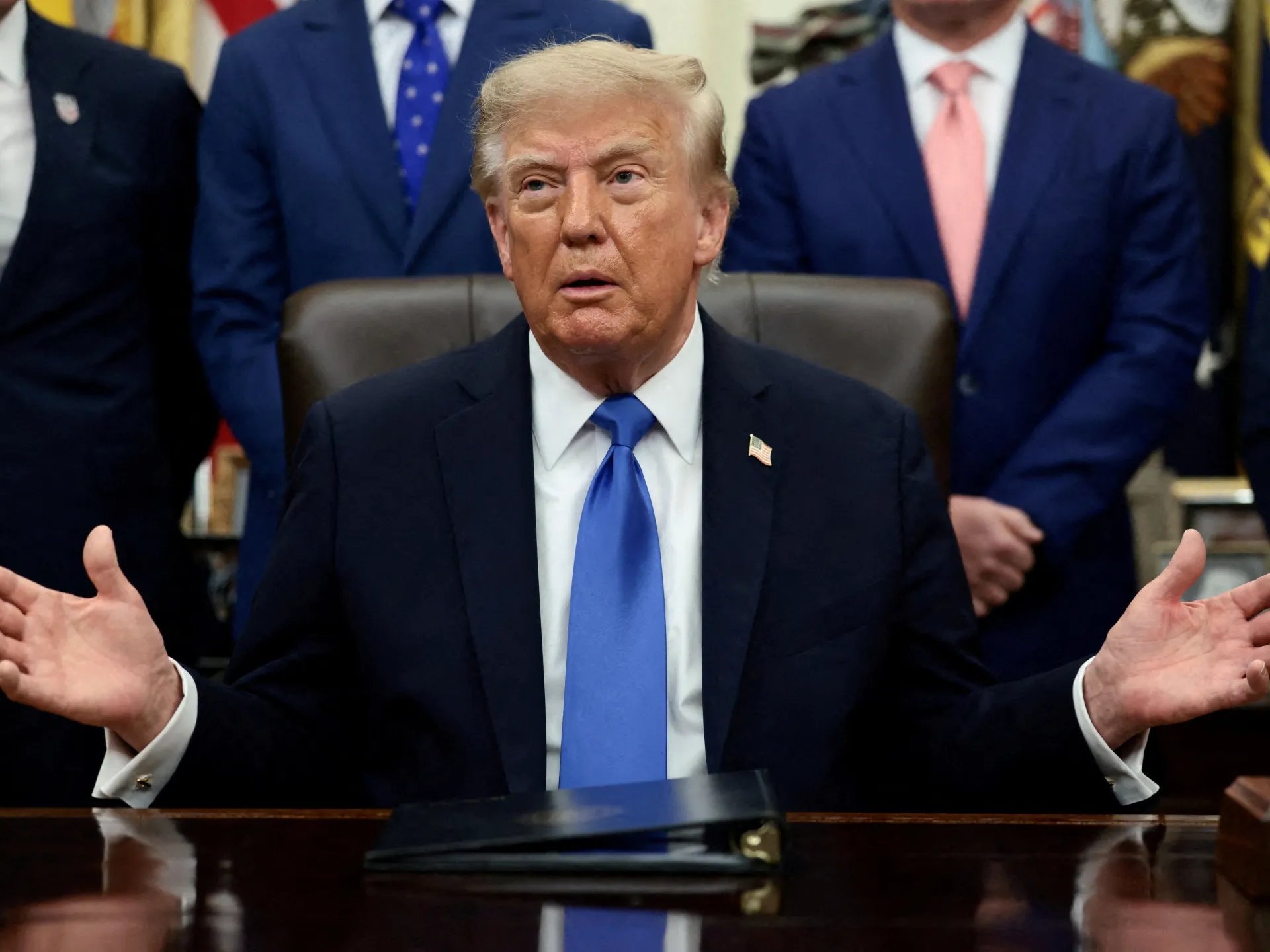
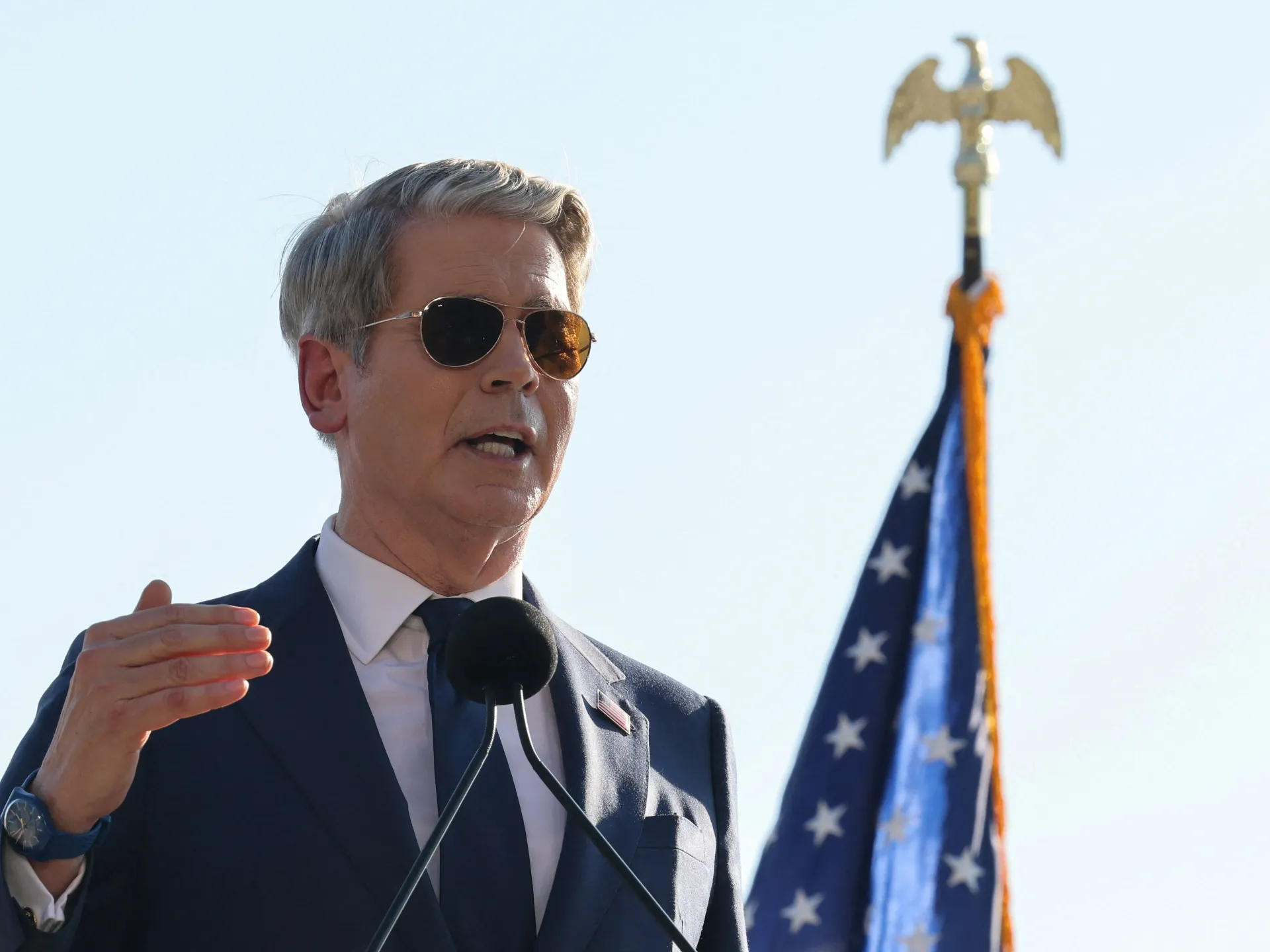
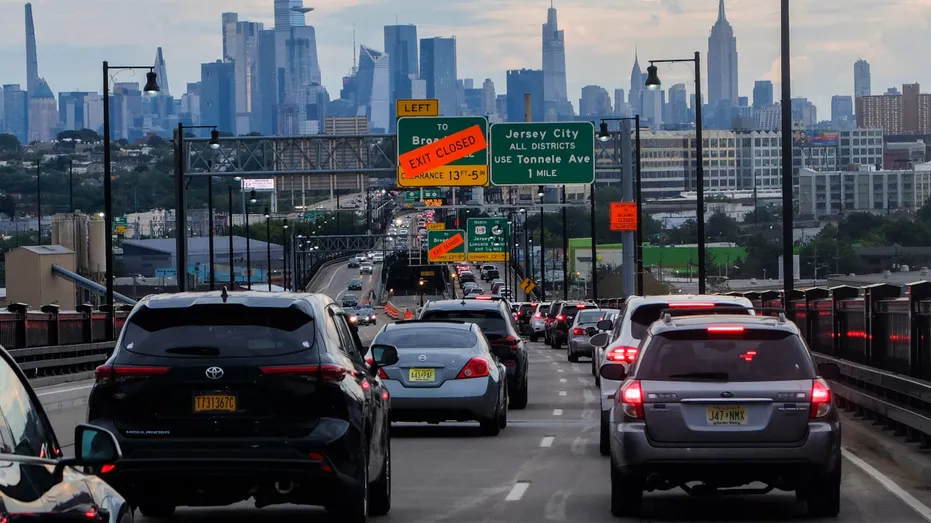
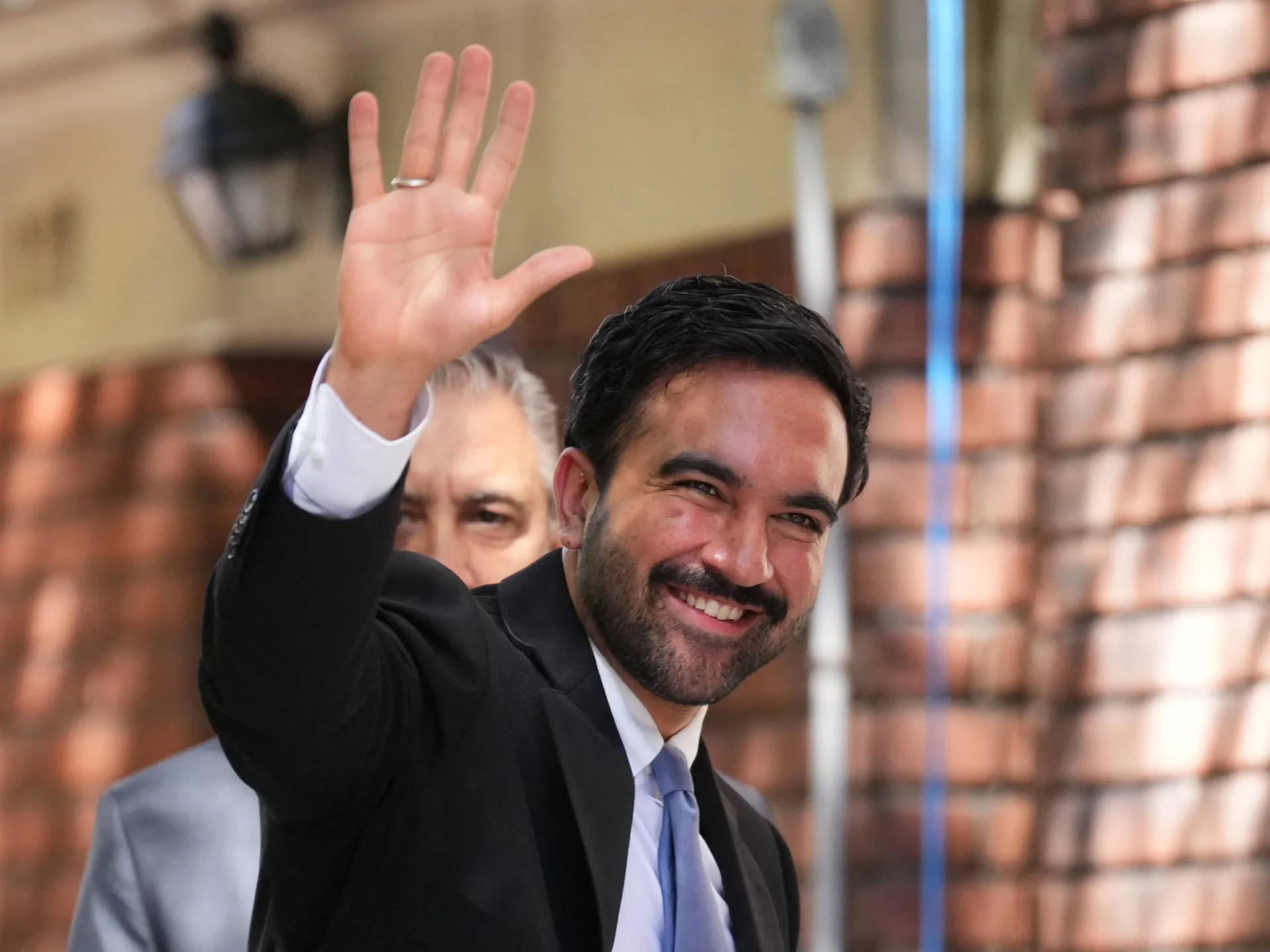
A pair of distinct economic milestones arrived this week, signaling significant shifts in both urban labor enforcement and continental industrial investment. In New York City, Mayor Zohran Mamdani announced the finalization of a $131 million settlement with DoorDash to resolve allegations of systemic underpayment of delivery workers. Simultaneously, thousands of miles away in Nigeria, billionaire Aliko Dangote has initiated a record-breaking public offering for his massive oil refinery, opening the door for average citizens to acquire a stake in the infrastructure project.
These developments represent two sides of the modern economic coin: one focused on the regulatory correction of gig-economy labor practices, and the other on the democratization of large-scale industrial assets. While the New York settlement addresses the immediate financial grievances of 260,000 workers, the Dangote refinery IPO seeks to reshape the relationship between national energy production and individual wealth accumulation.
The dichotomy between these two stories highlights the evolving nature of public-private accountability. The New York City action establishes a high-water mark for municipal oversight of digital platforms, proving that local governments are increasingly willing to leverage heavy fines to mandate compliance with labor minimums. Conversely, the Nigerian IPO reflects a strategic pivot toward public involvement in critical national infrastructure. to hedge against the volatility often associated with private monopoly control, while simultaneously providing a necessary infusion of capital to double the facility's production capacity.
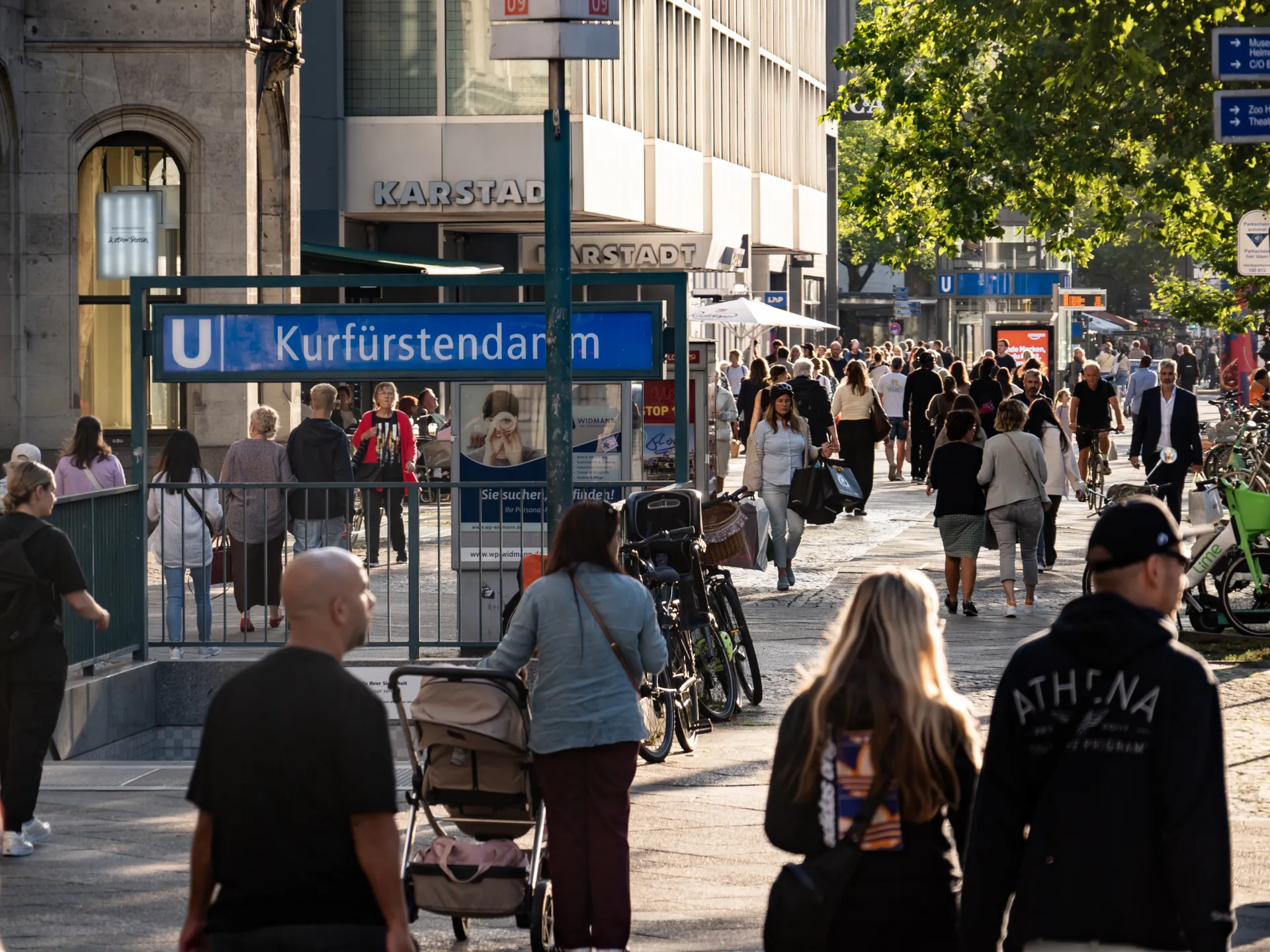
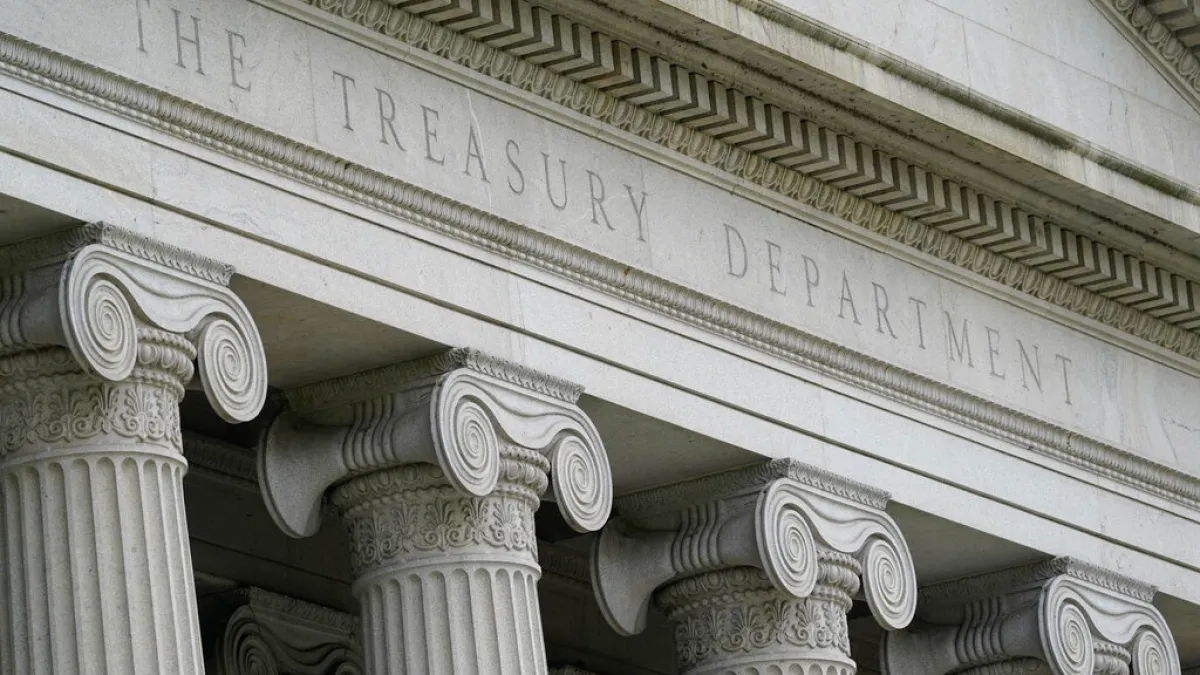
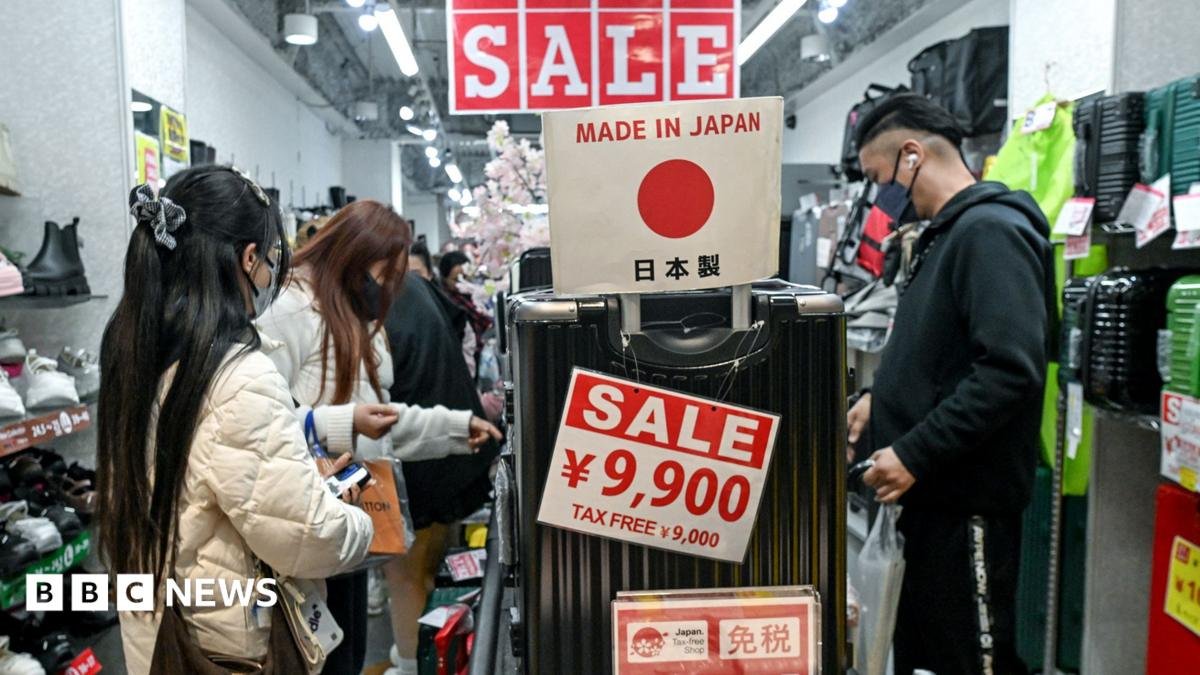
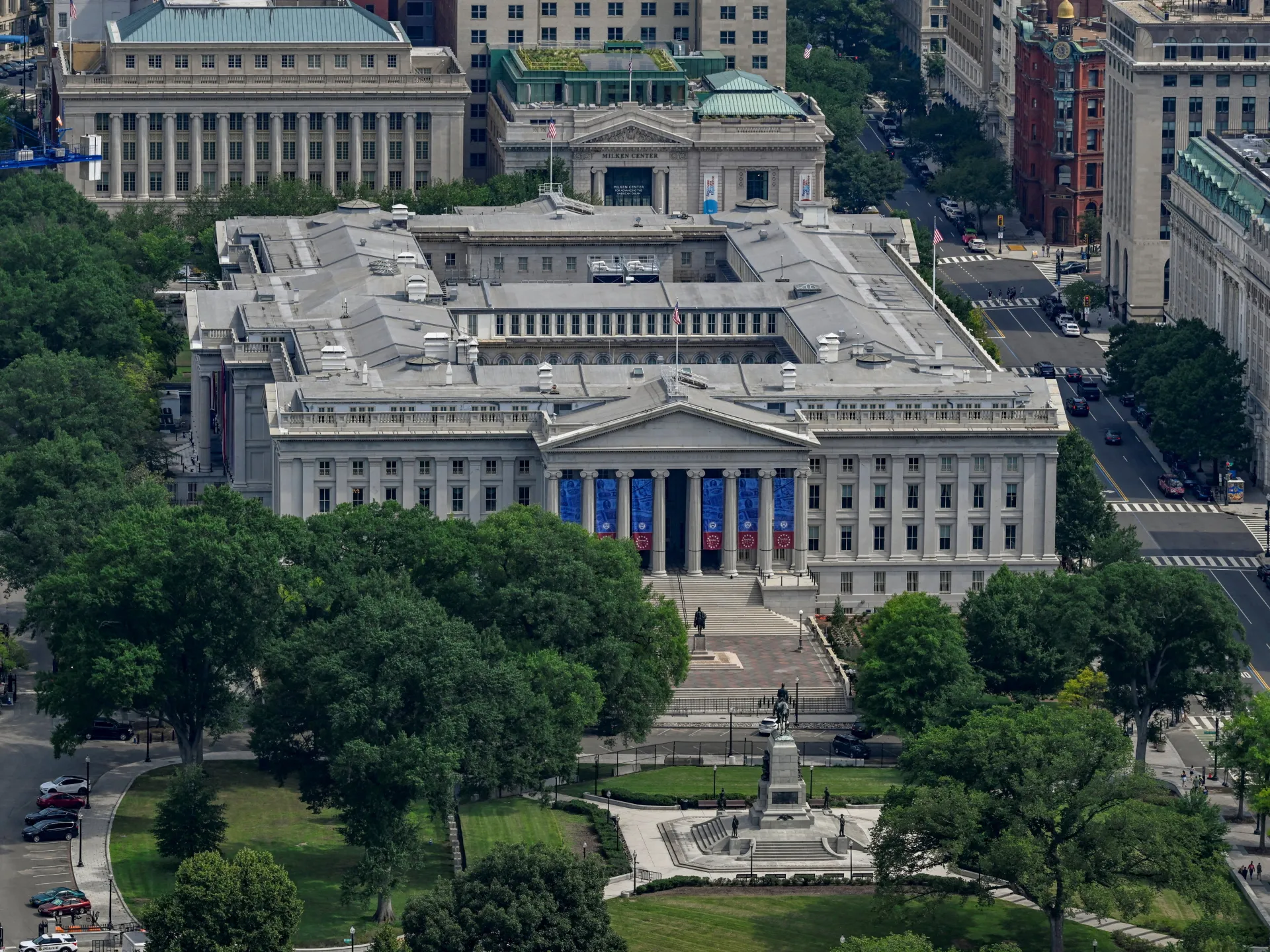
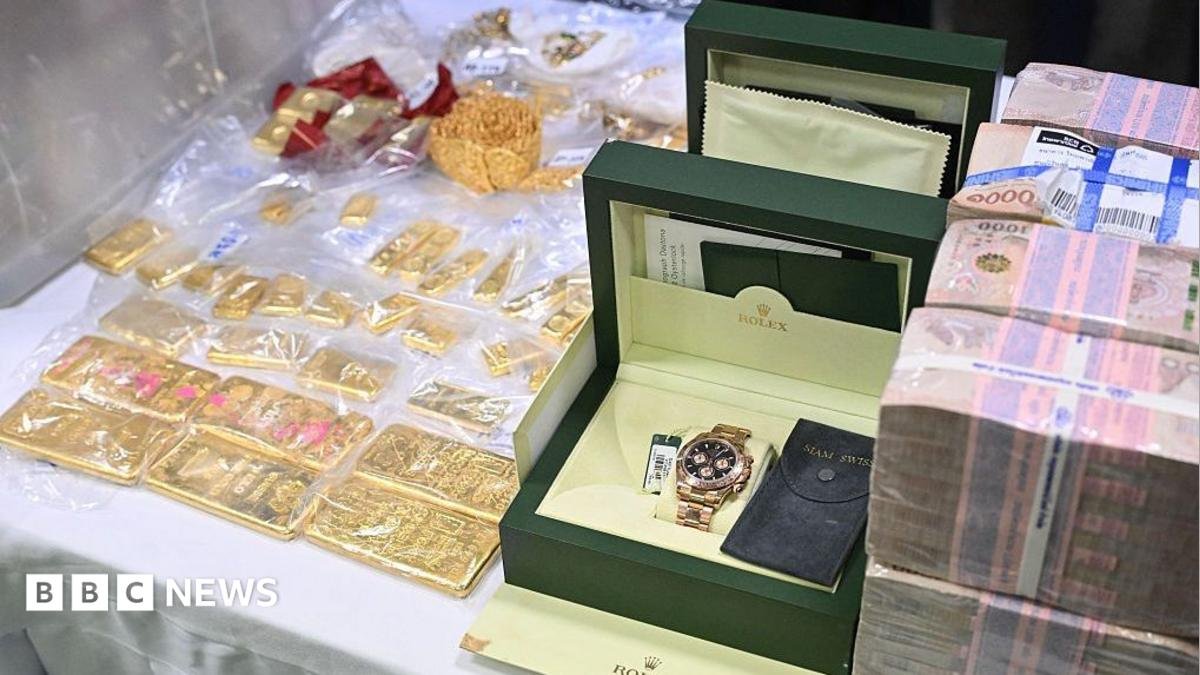
The settlement announced adhere to the city's minimum-pay standards. Of the total $131 million, $115 million is earmarked for direct distribution to workers, while the remaining $16 million covers civil penalties and associated administrative costs. Under the terms of the agreement, the city is mandating that affected workers receive 200 percent of the wages originally owed to them, effectively serving as a punitive multiplier for the missed payments.
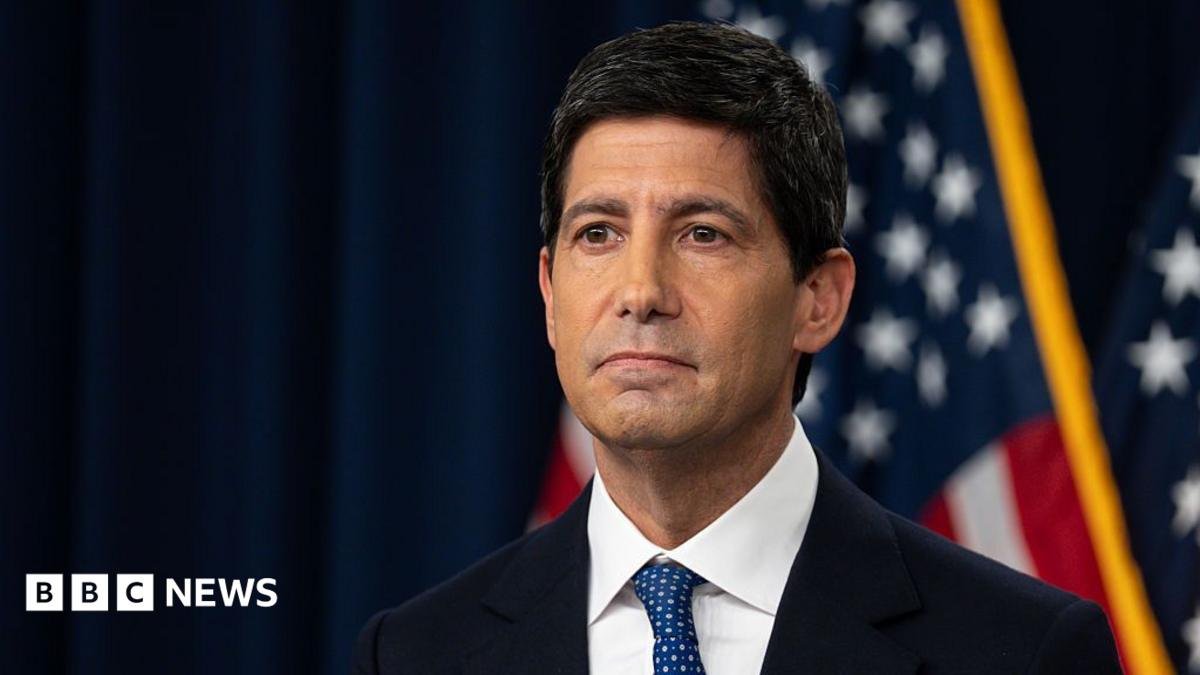
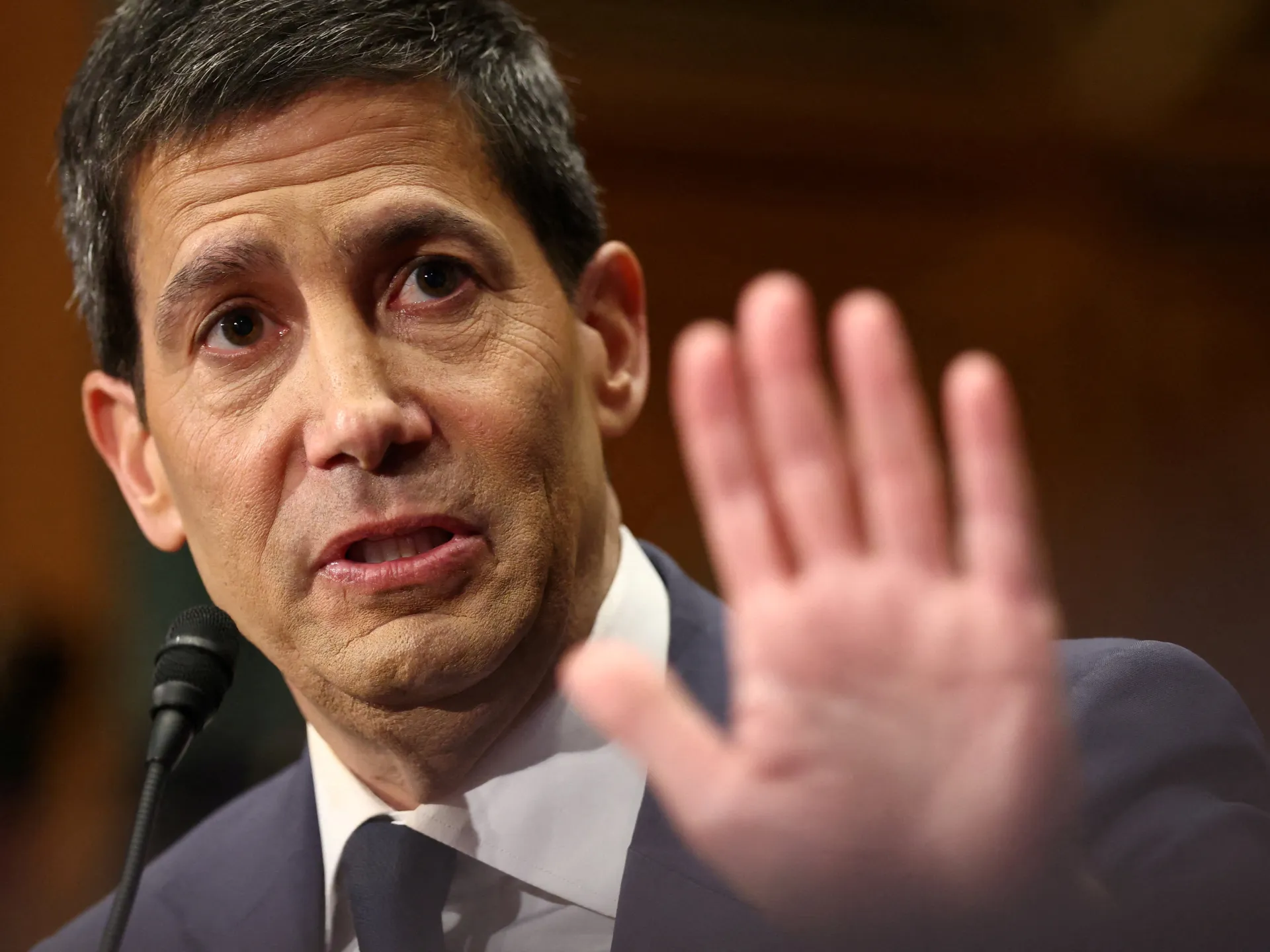
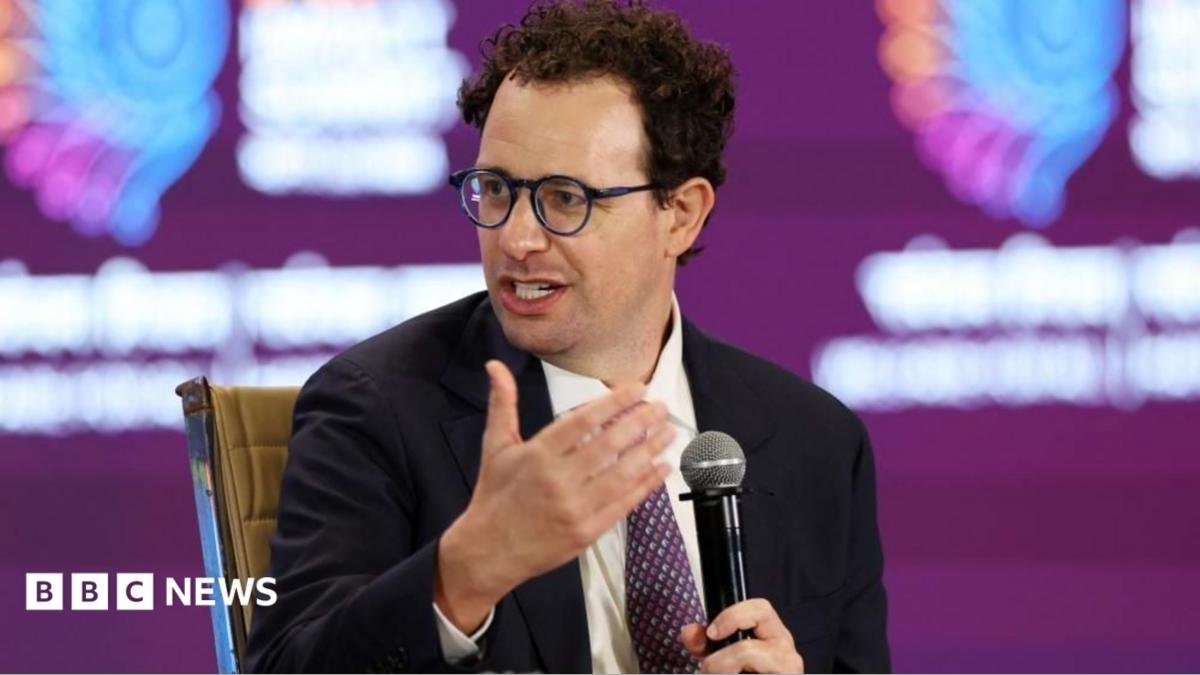
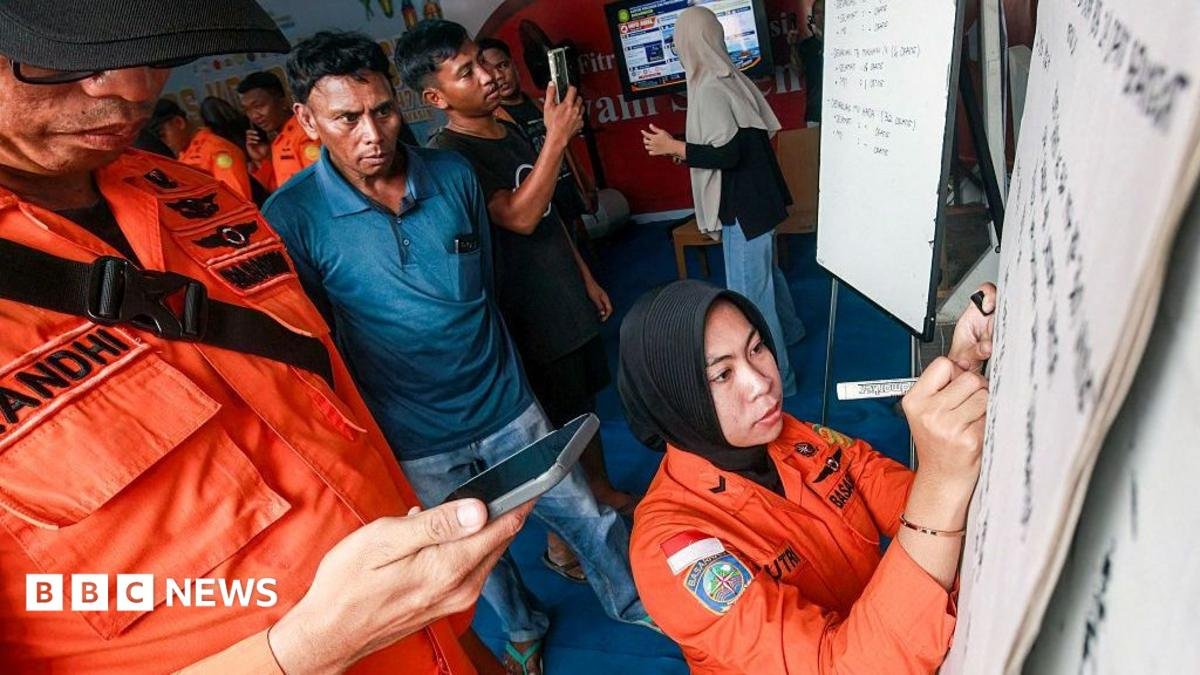
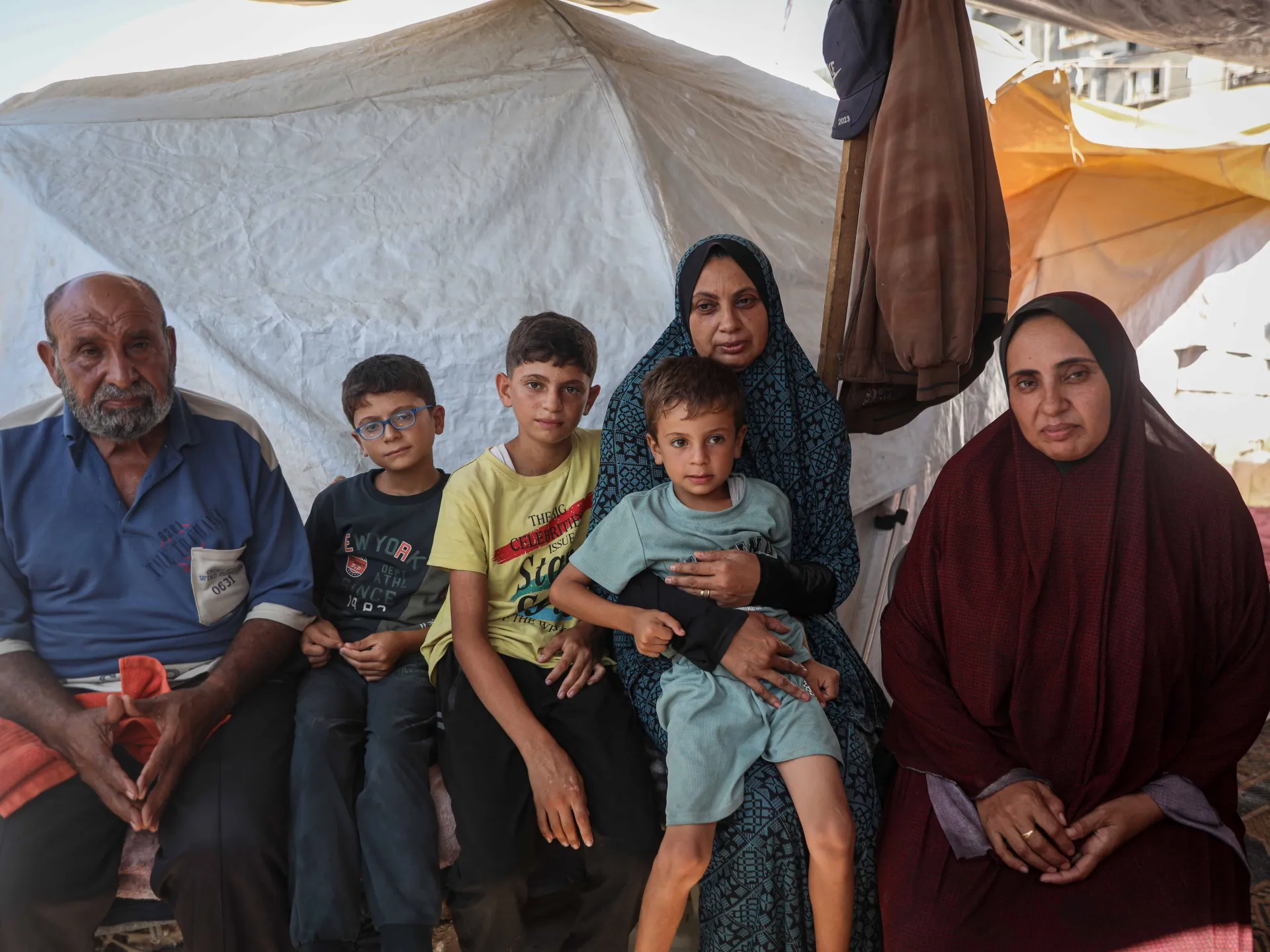
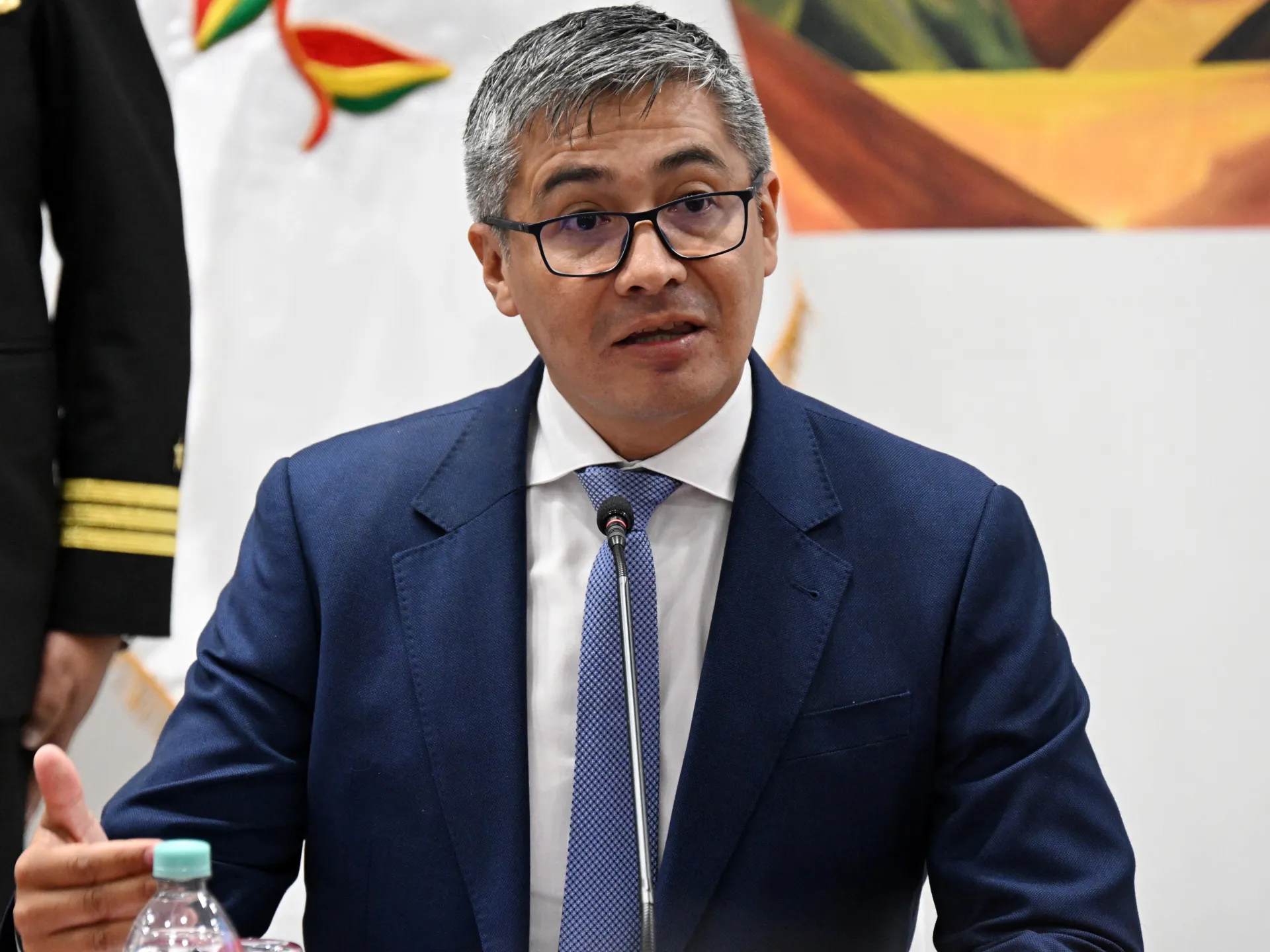
Samuel Levine, representing the Department of Consumer and Worker Protection (DCWP), attributed the success of this action to an expansion in the department's enforcement capabilities. The city utilized internal records to identify the 260,000 workers entitled to compensation. DoorDash has acknowledged that approximately $6.6 million in payments failed to reach drivers, with an additional $5.7 million classified as late payments, and the company has pledged to notify affected individuals in the coming weeks.
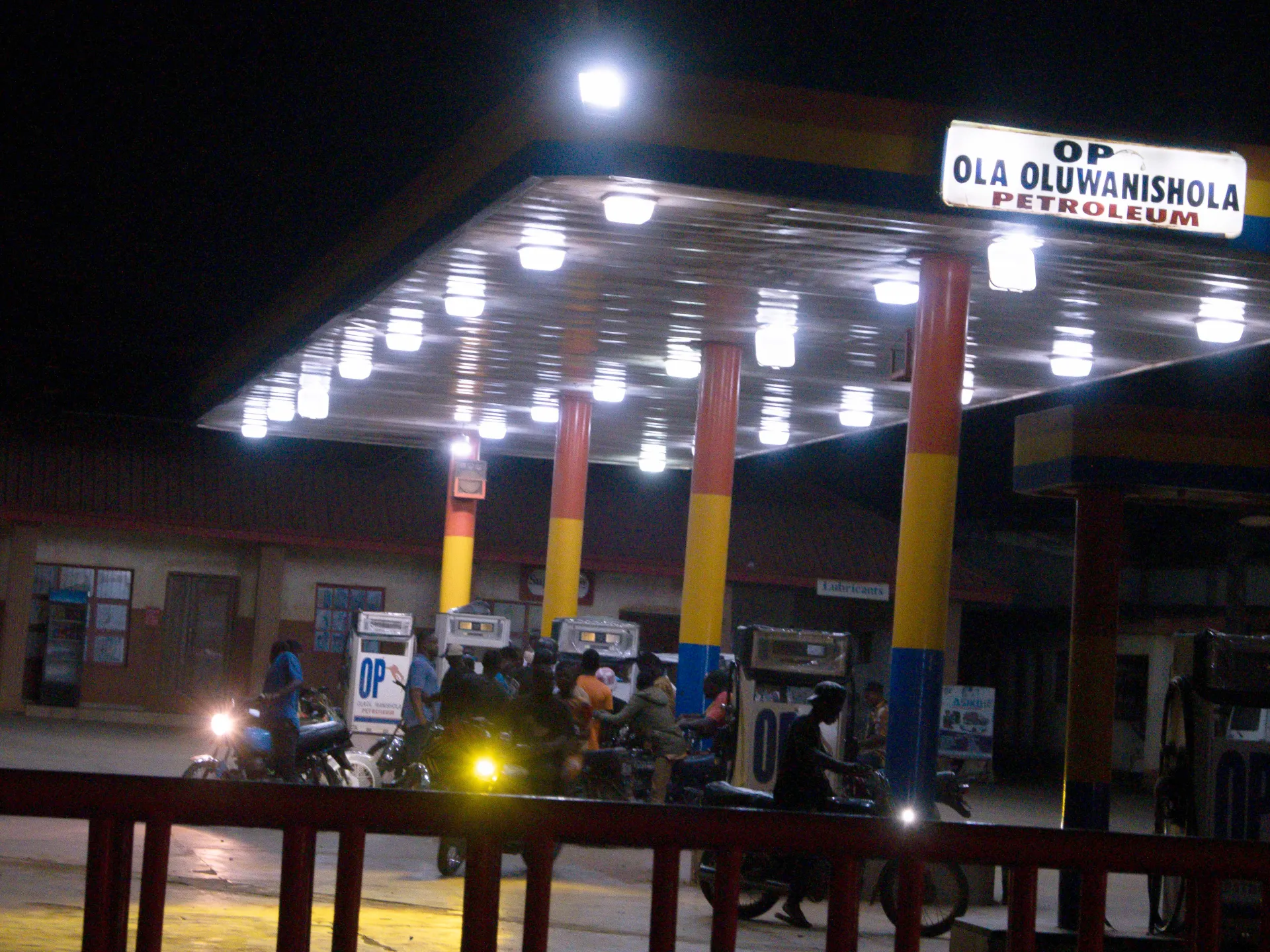
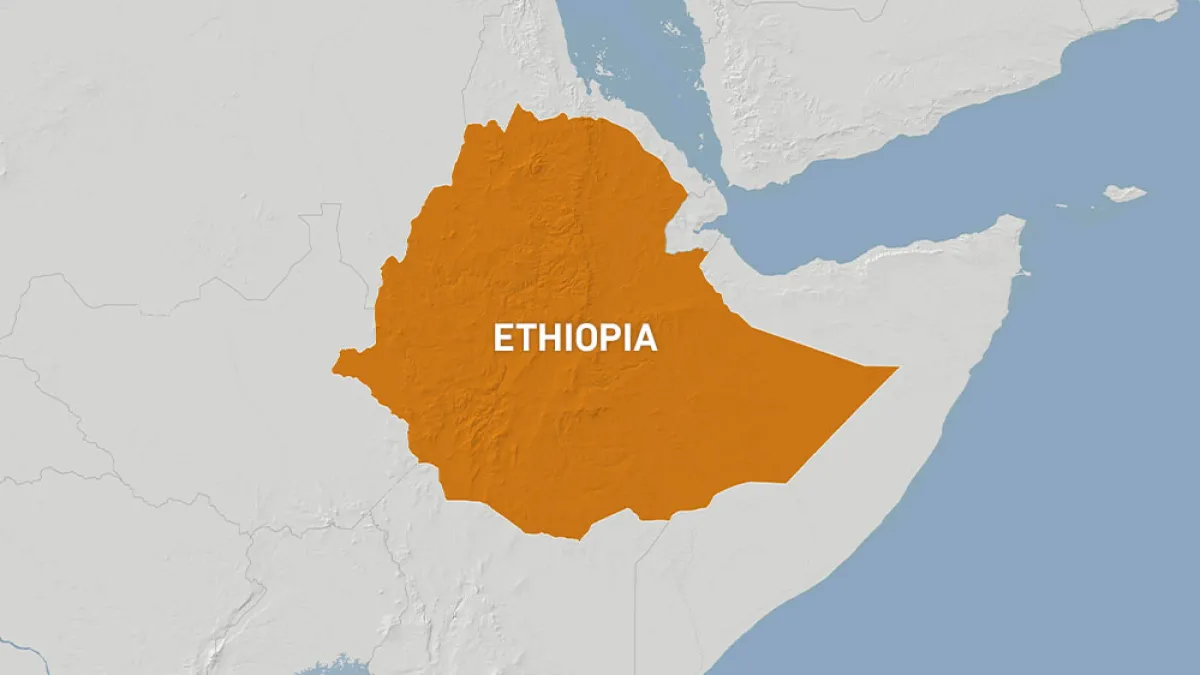
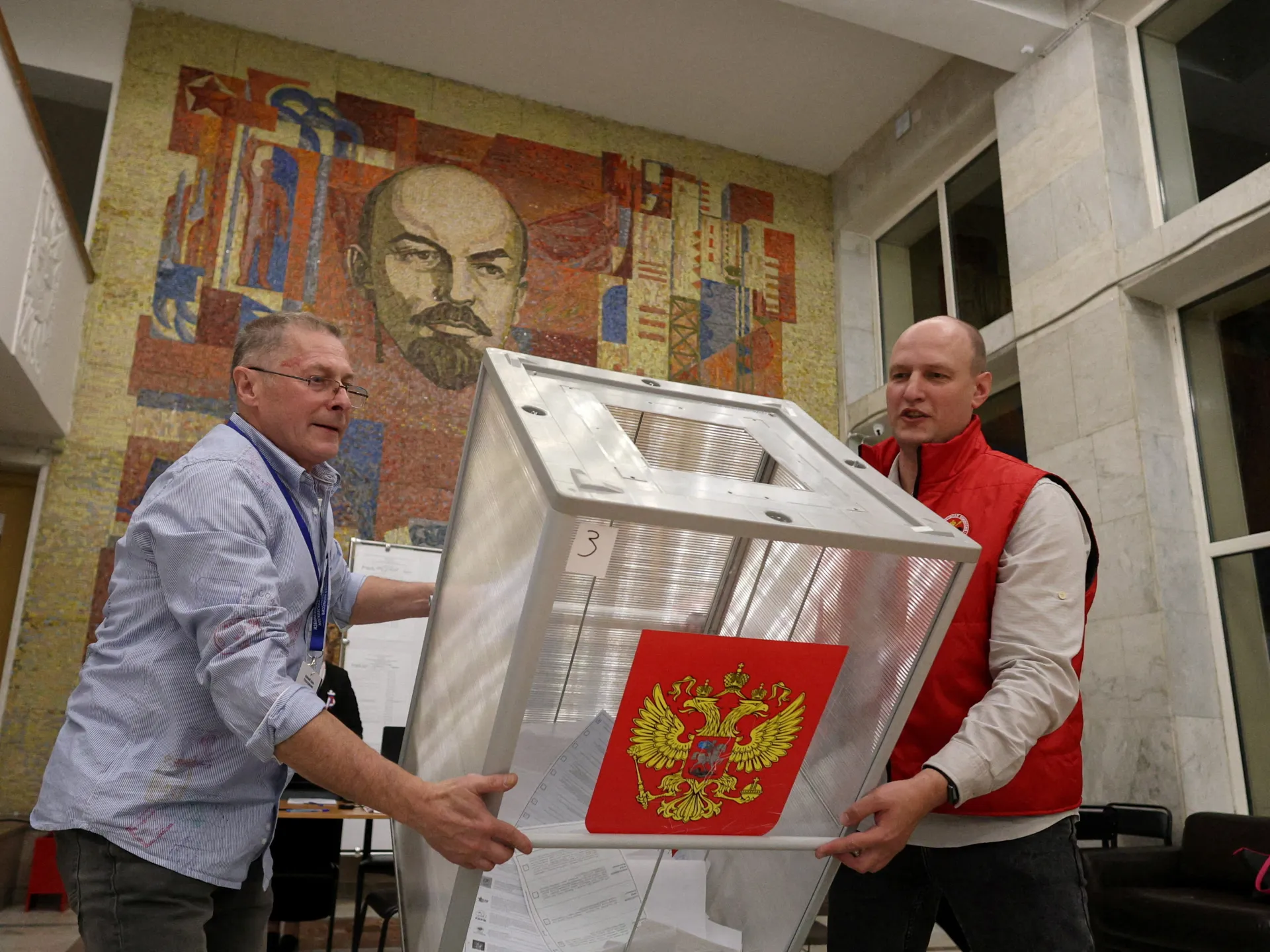
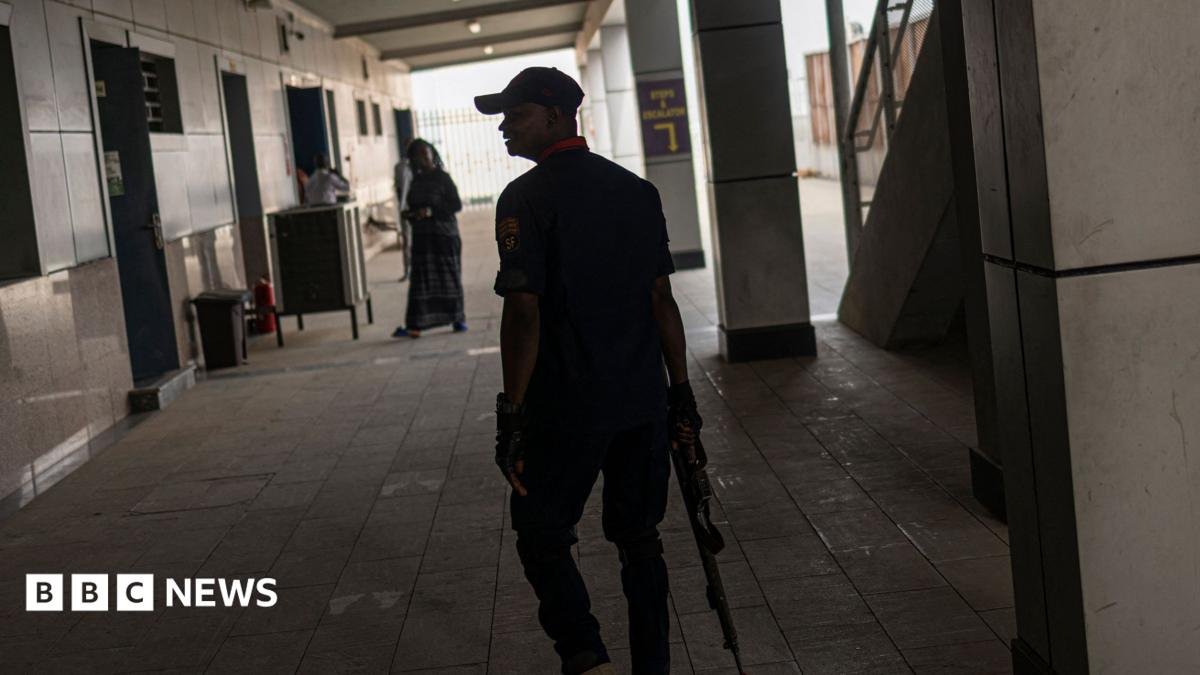
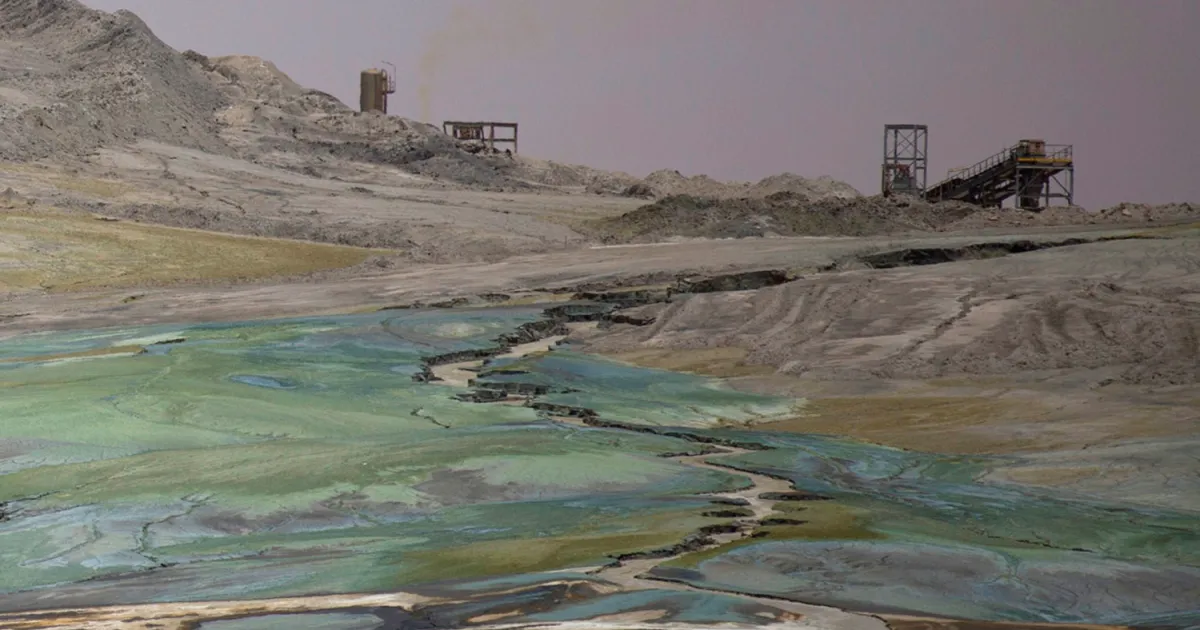
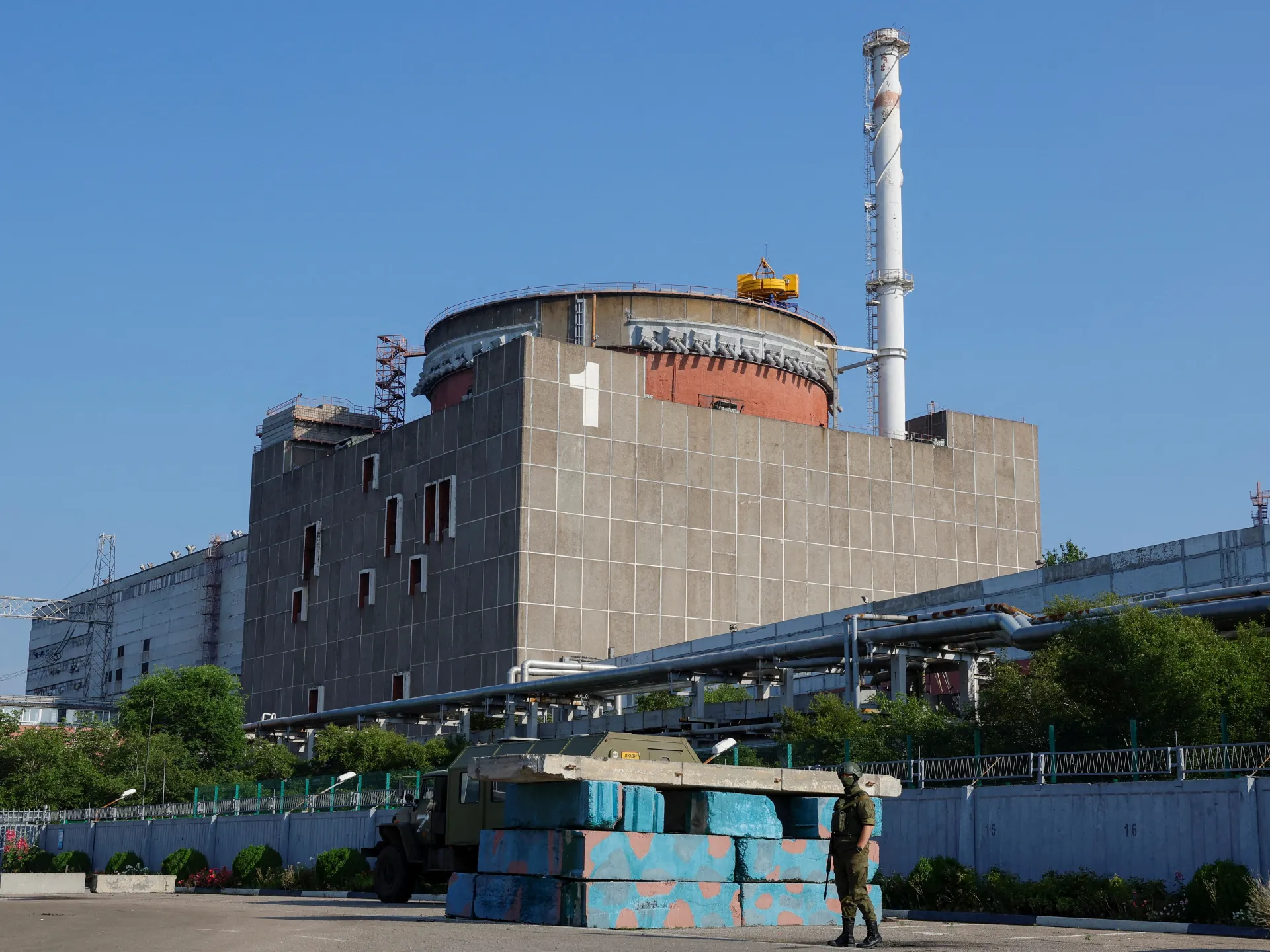
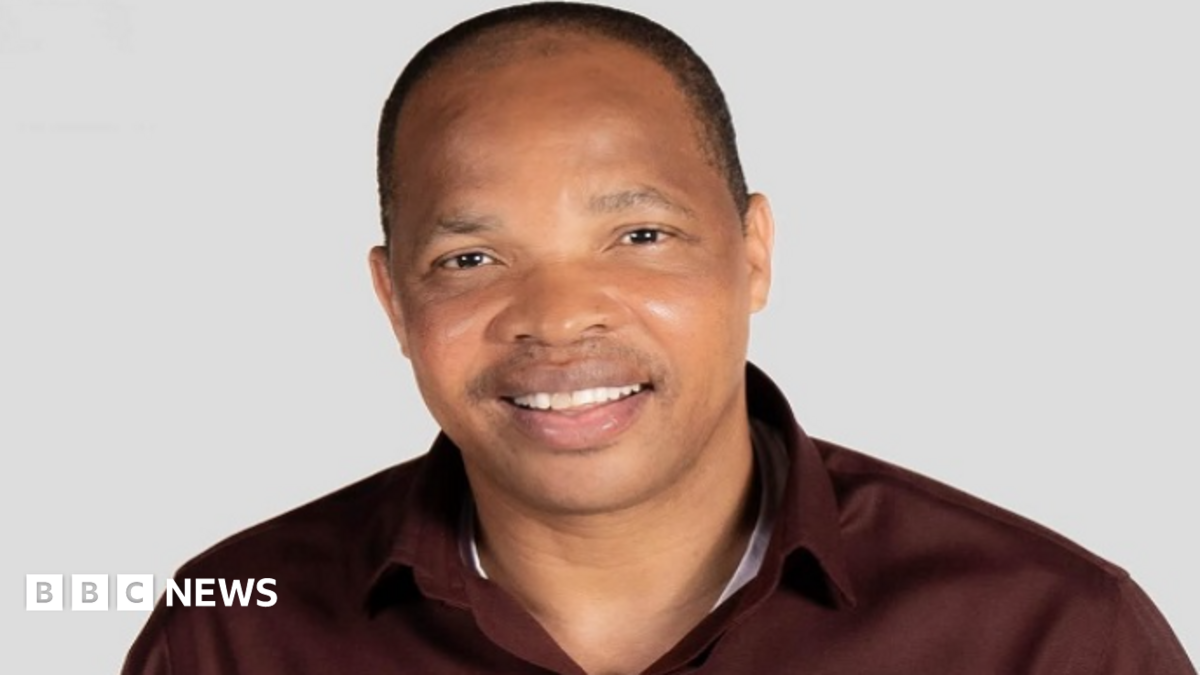
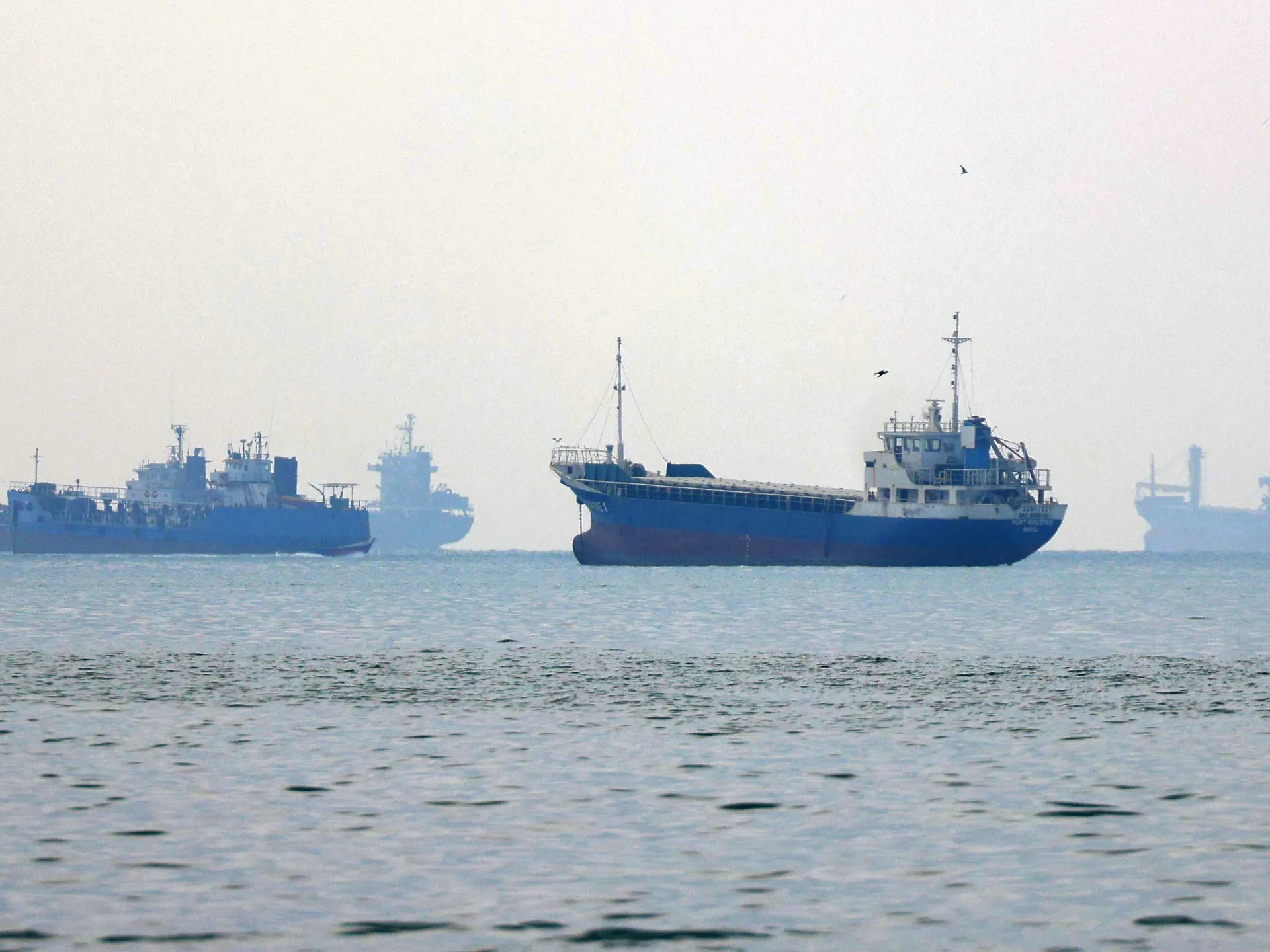
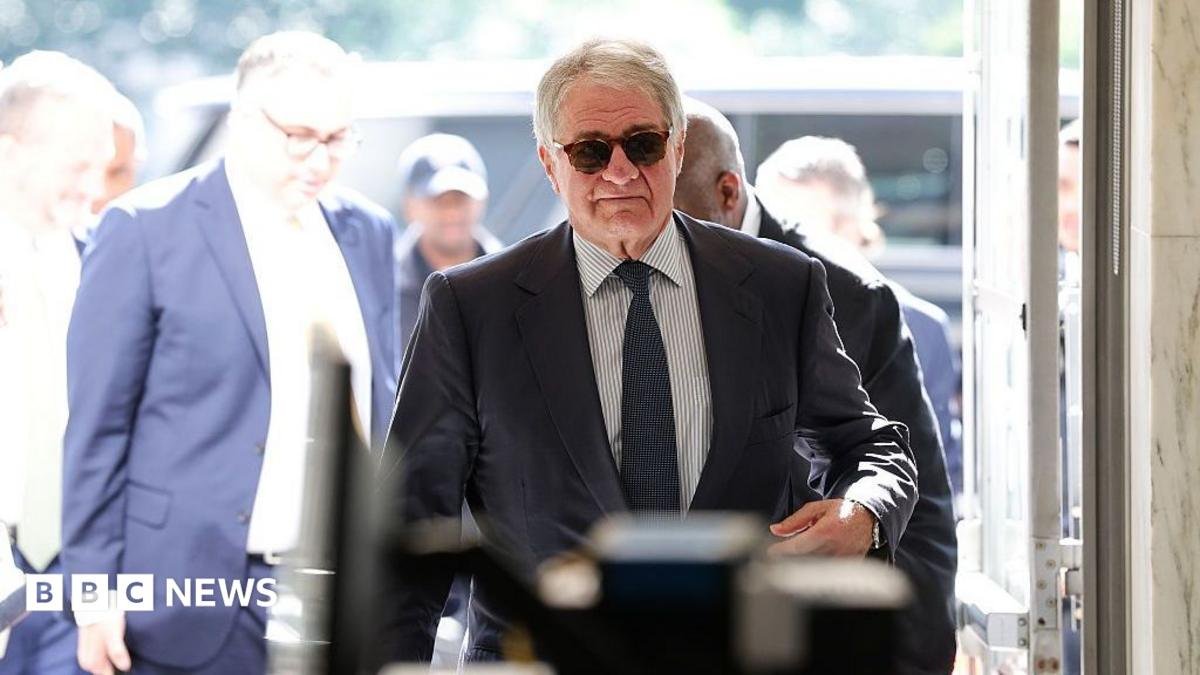
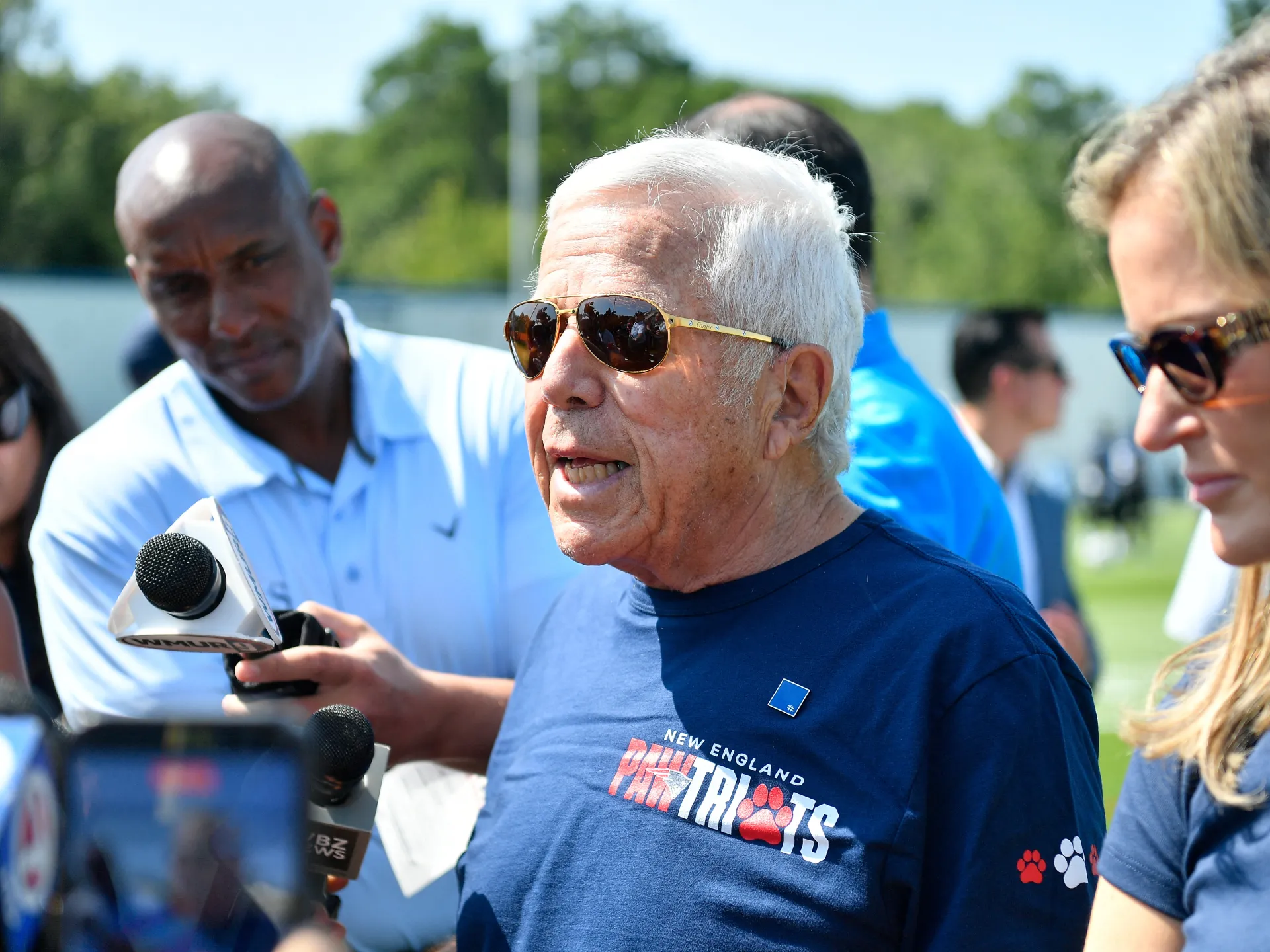
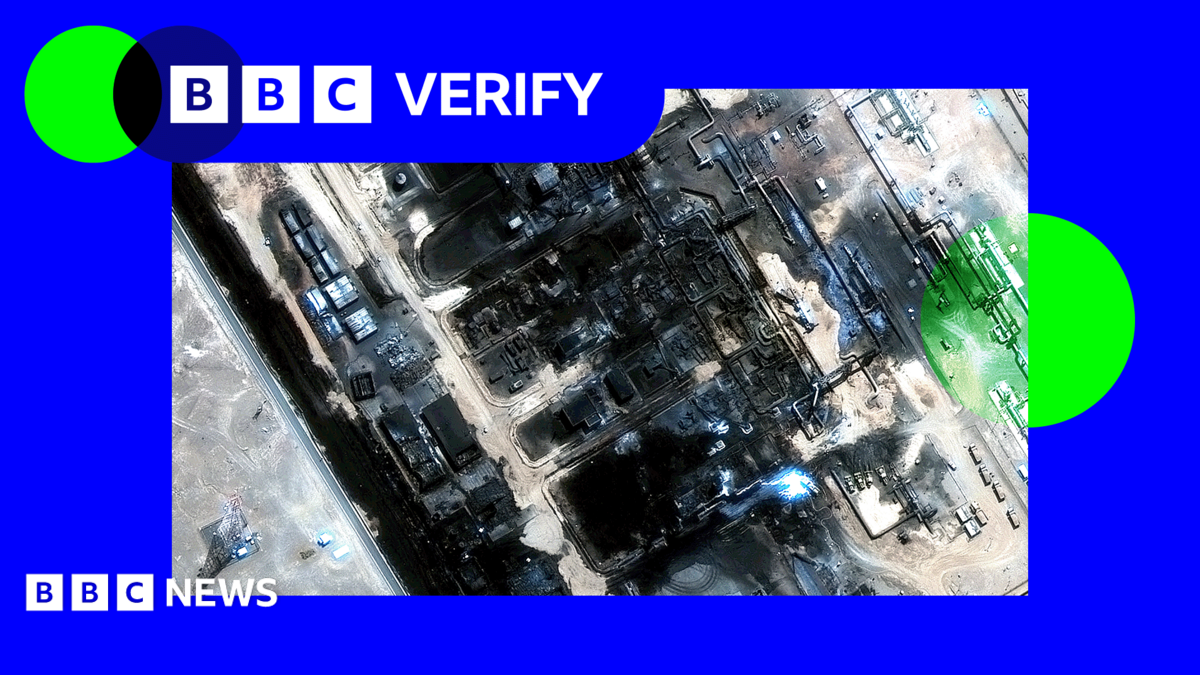
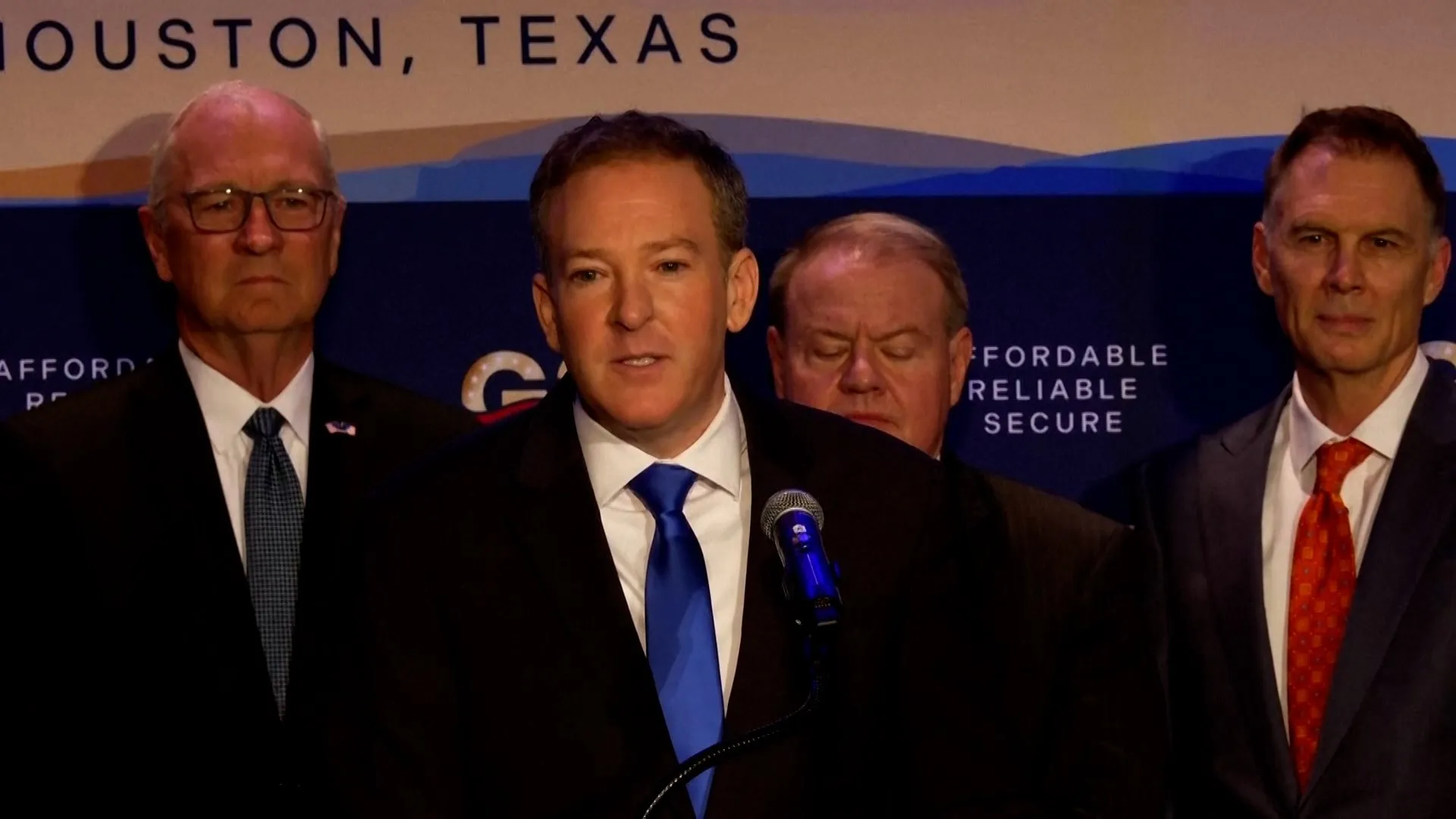
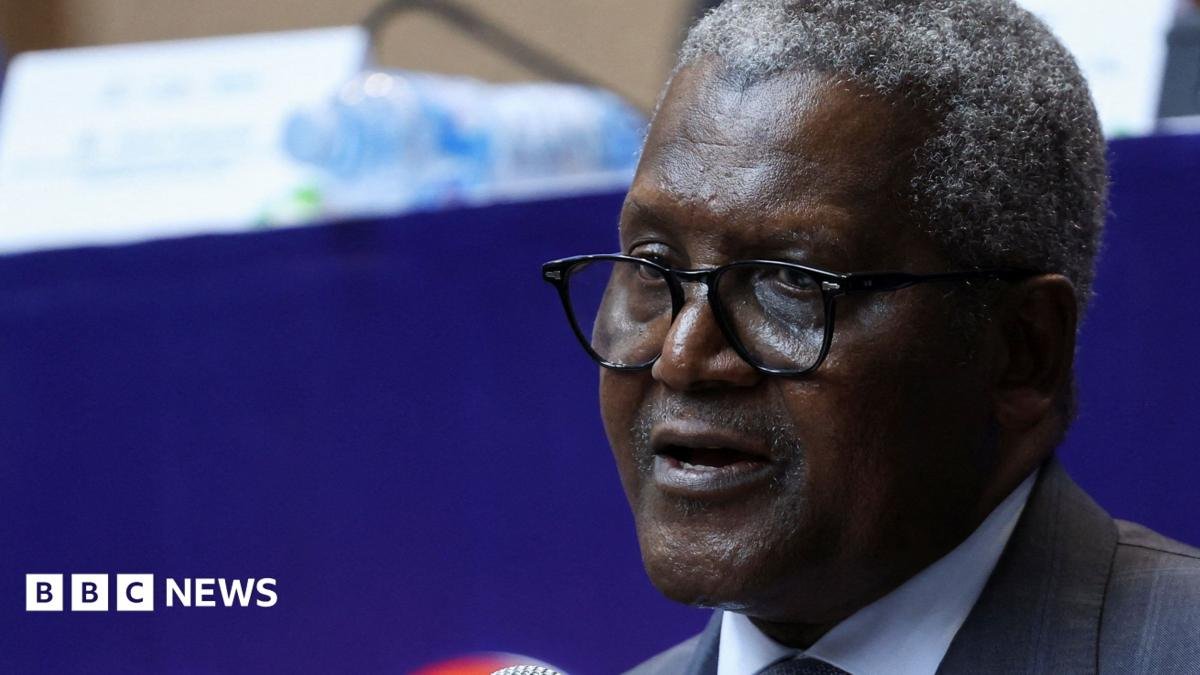
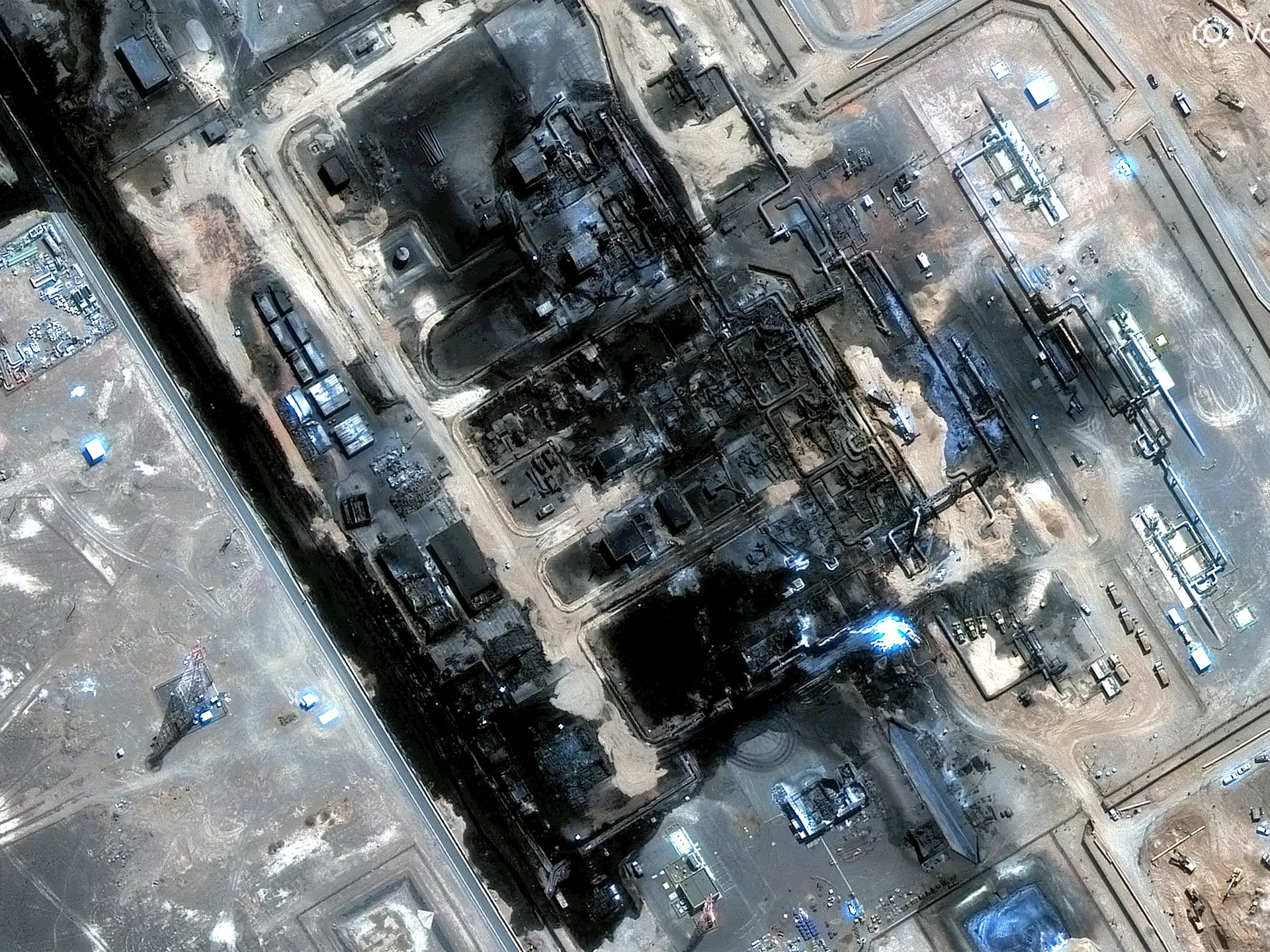
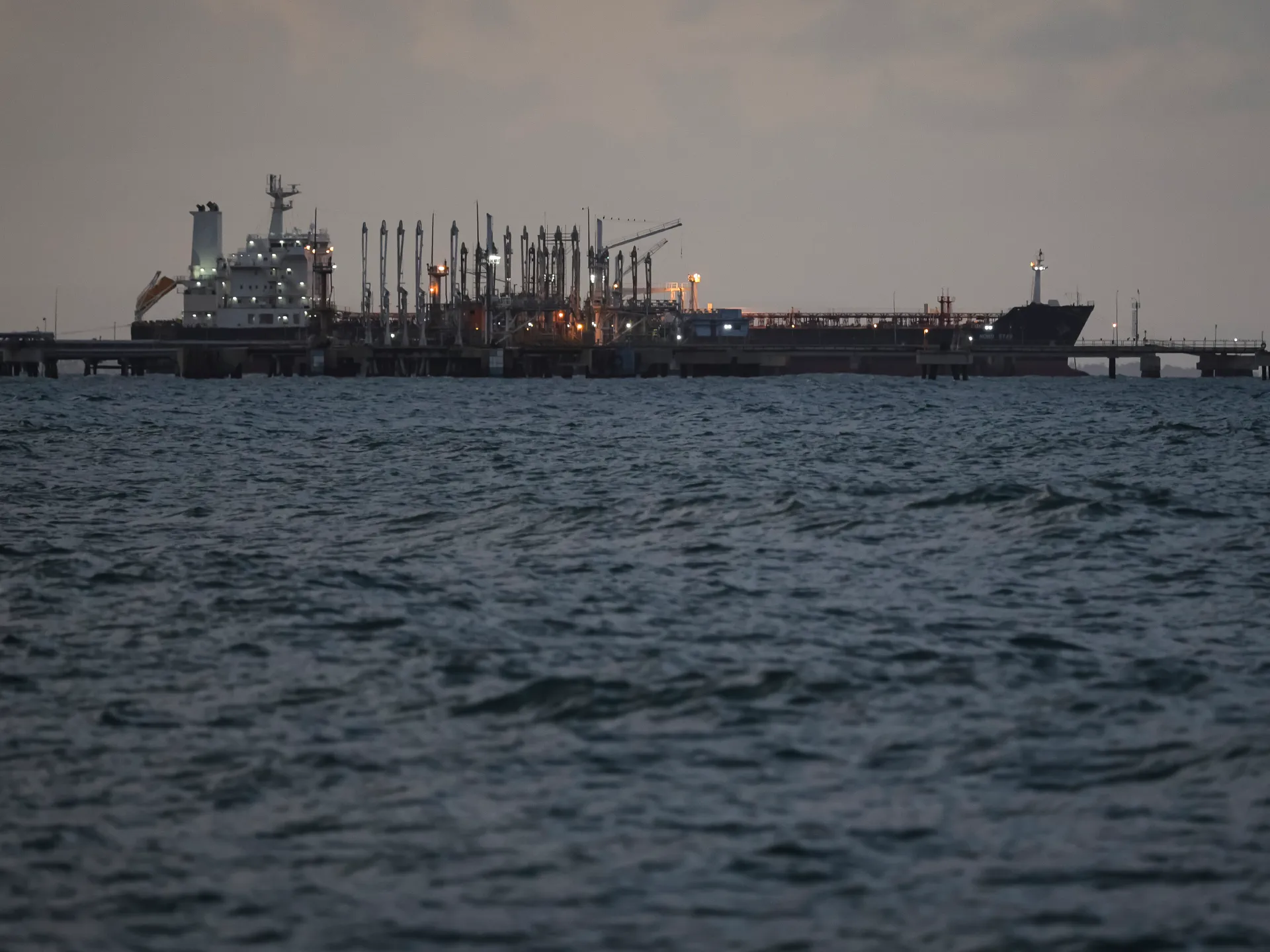
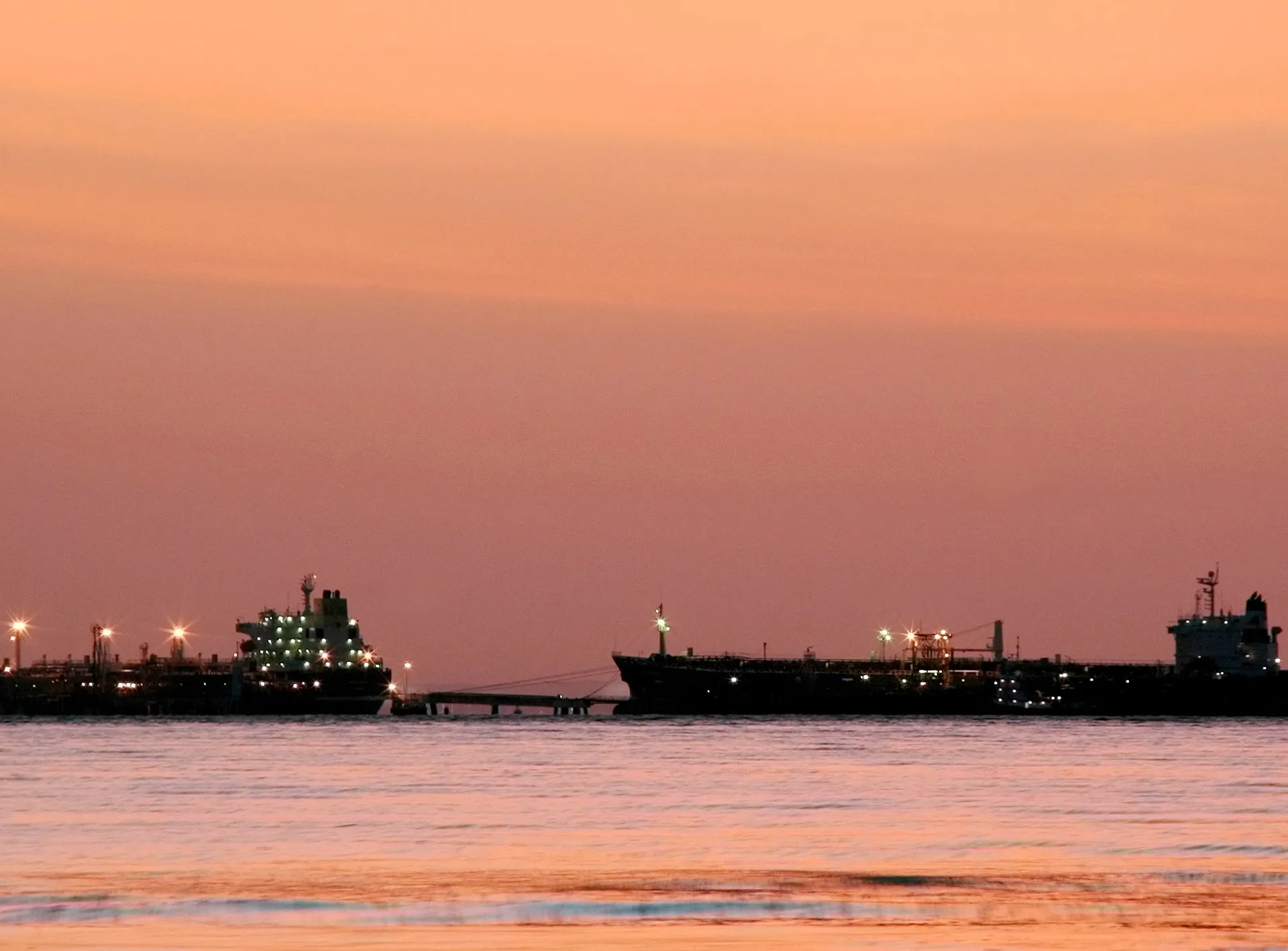
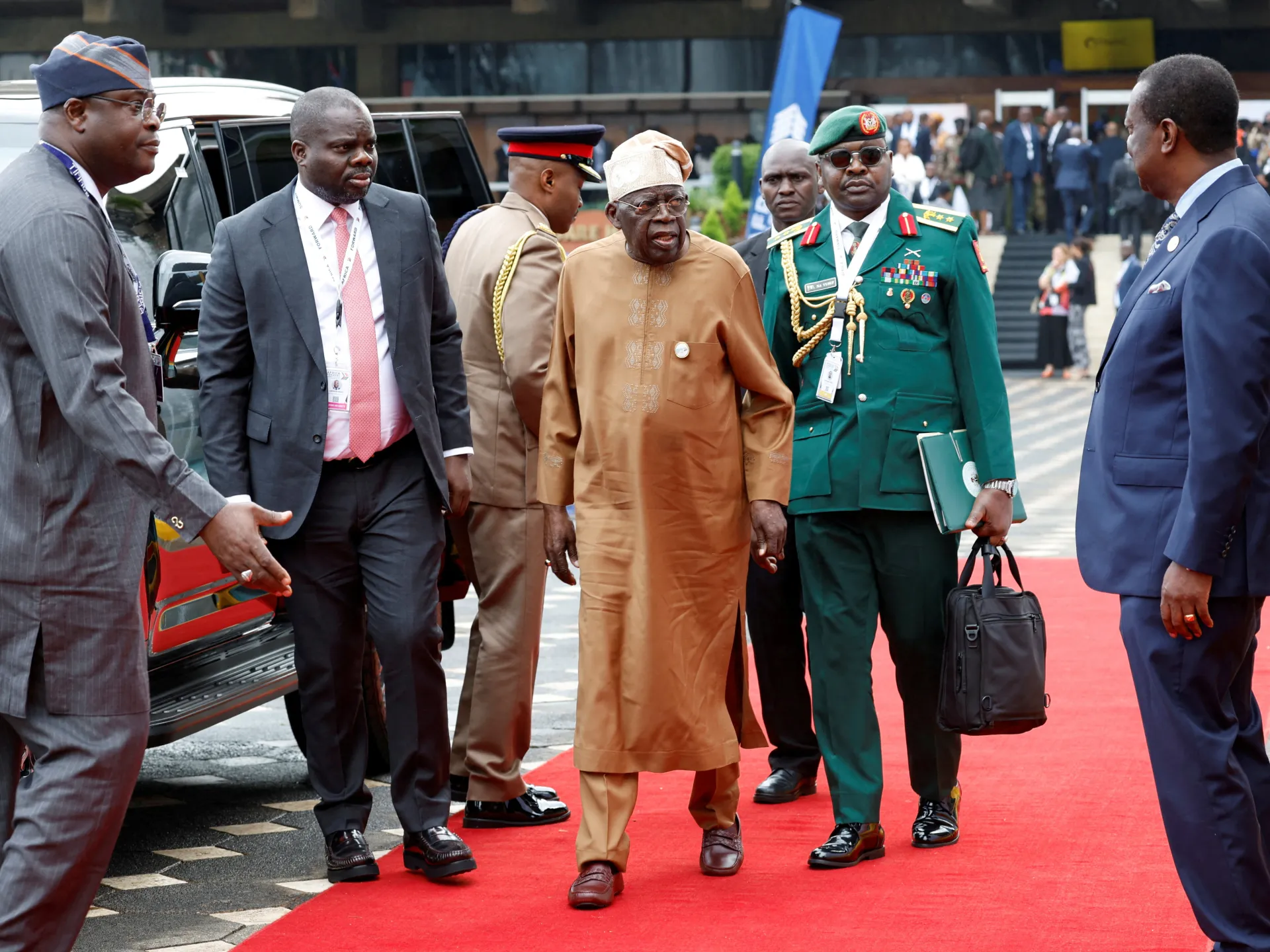
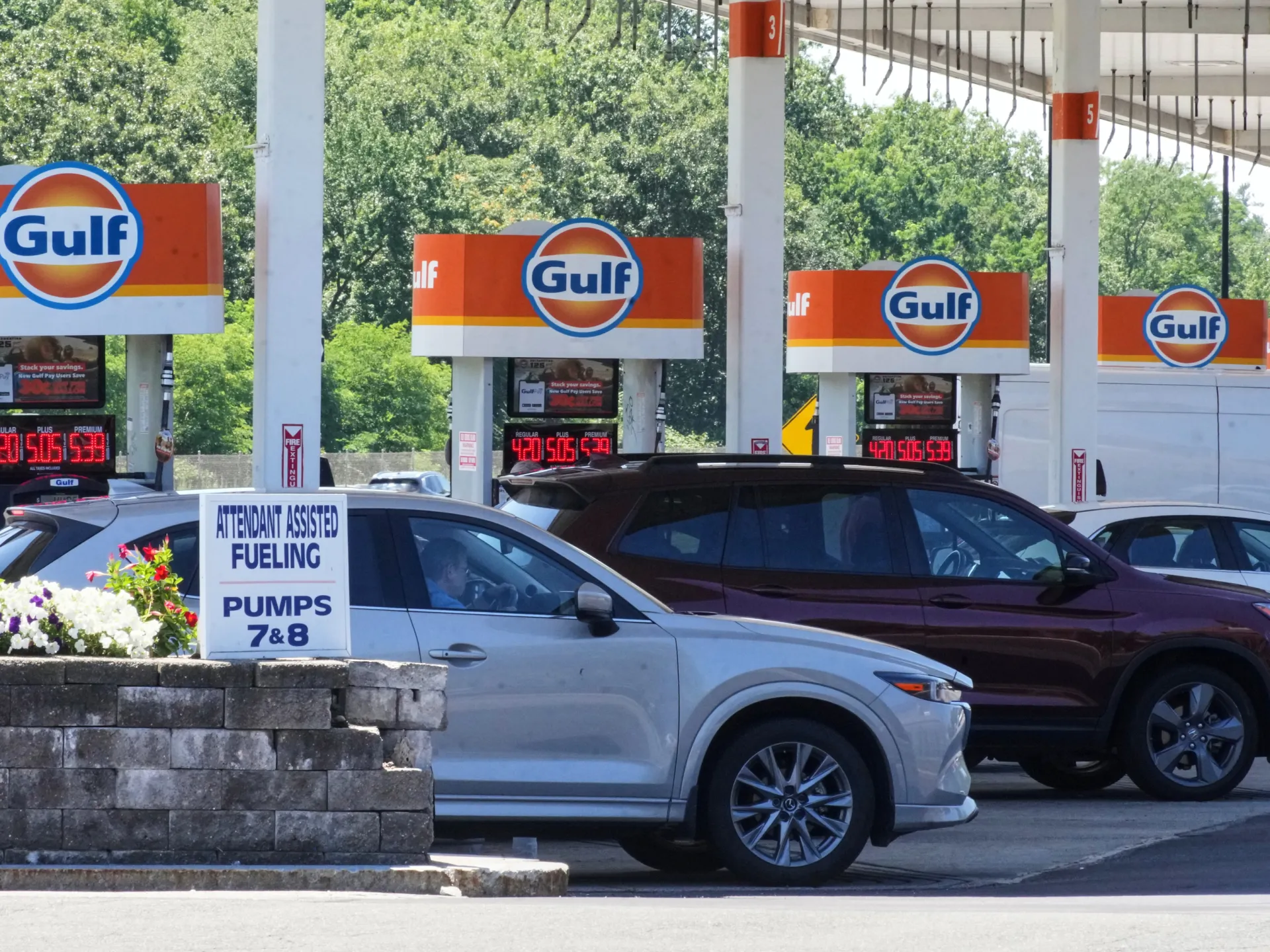
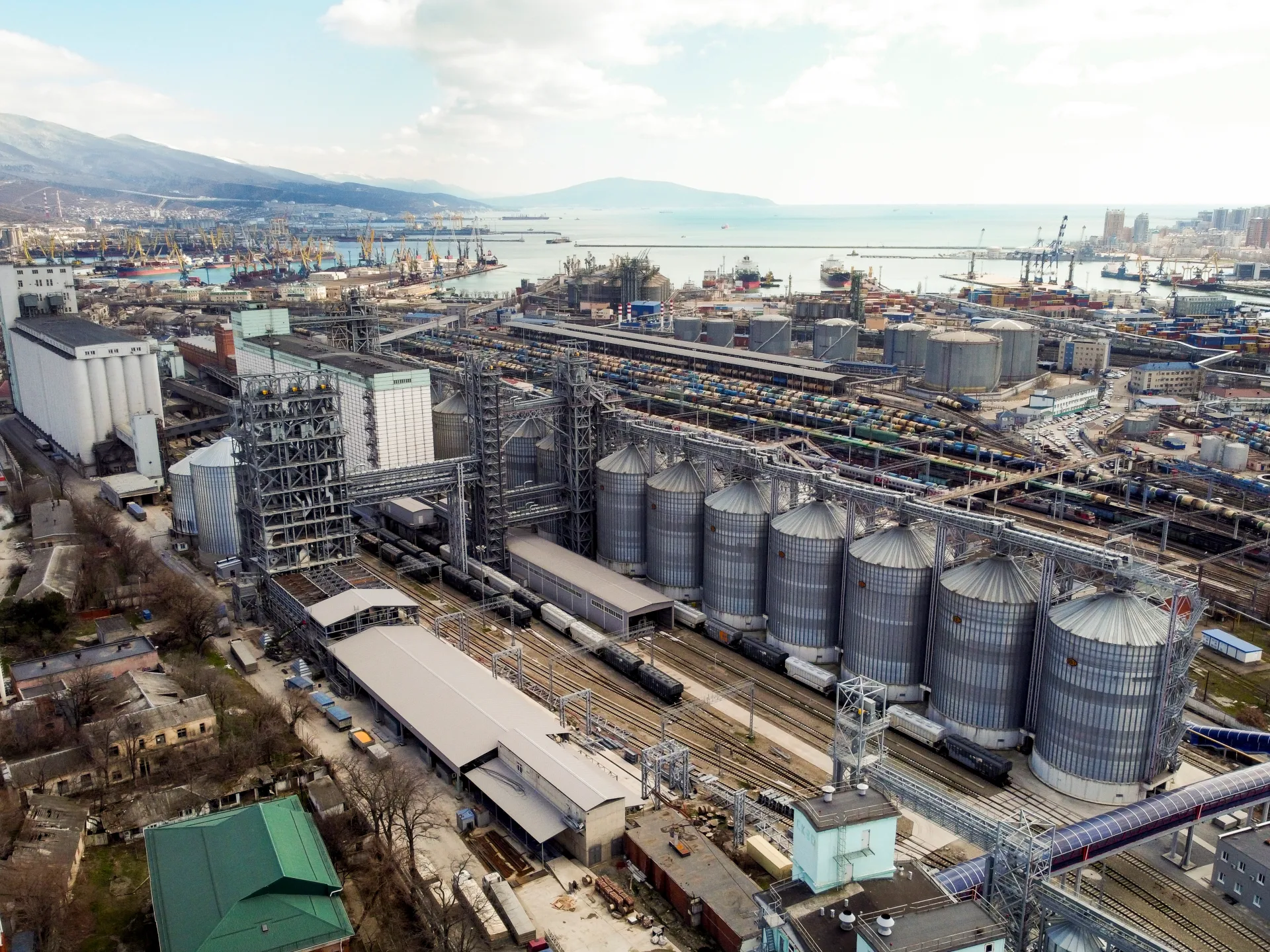
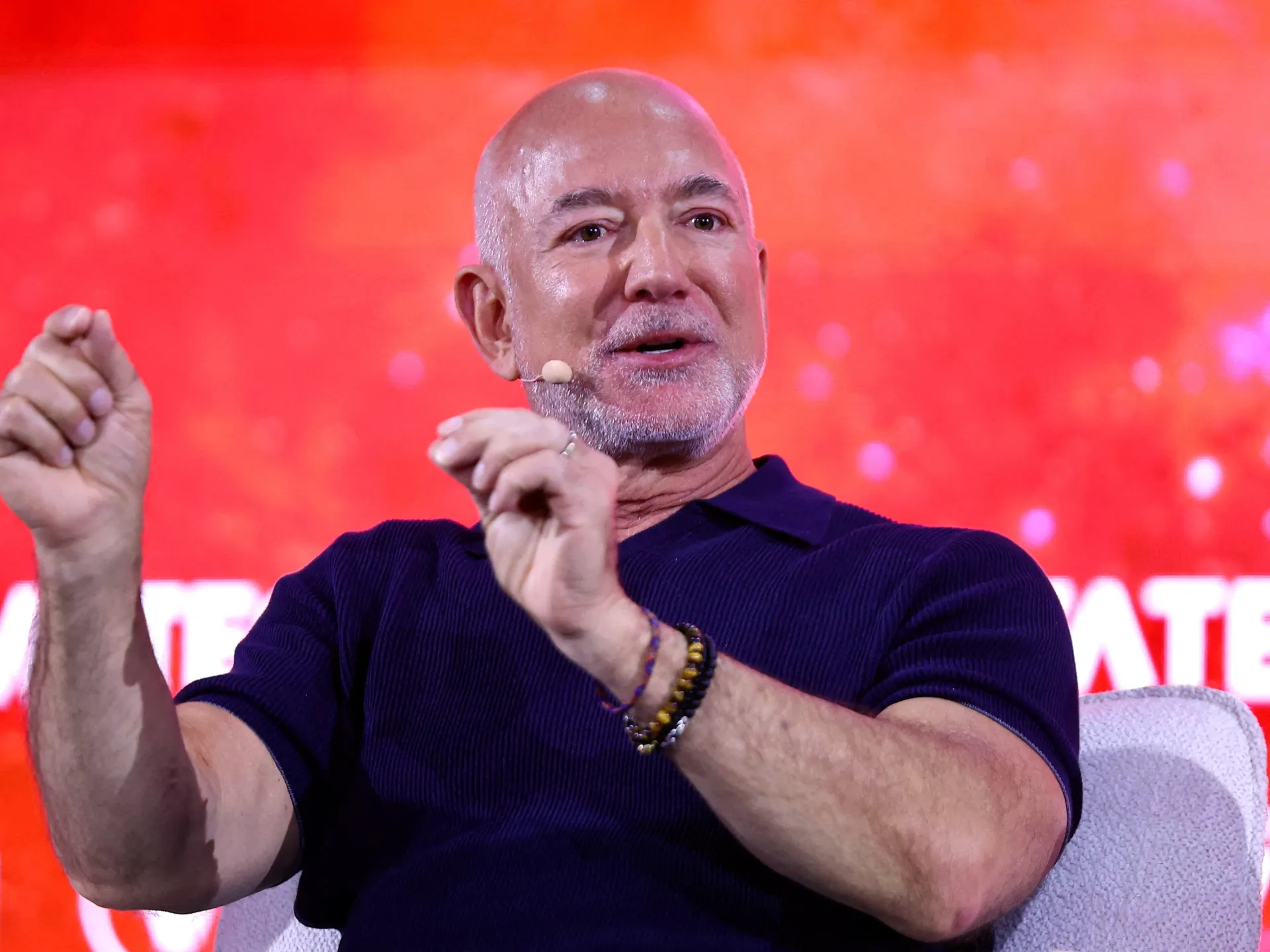
In Nigeria, the Dangote refinery—the seventh-largest globally—has launched an IPO aimed at raising $2.1 billion. The offer covers roughly 3 percent of the refinery’s equity, a move Aliko Dangote described as a method to distribute the success of the plant among the Nigerian public. Since beginning production in 2024, the refinery has become essential to the nation's energy security, currently supplying over 70 percent of Nigeria’s fuel consumption.
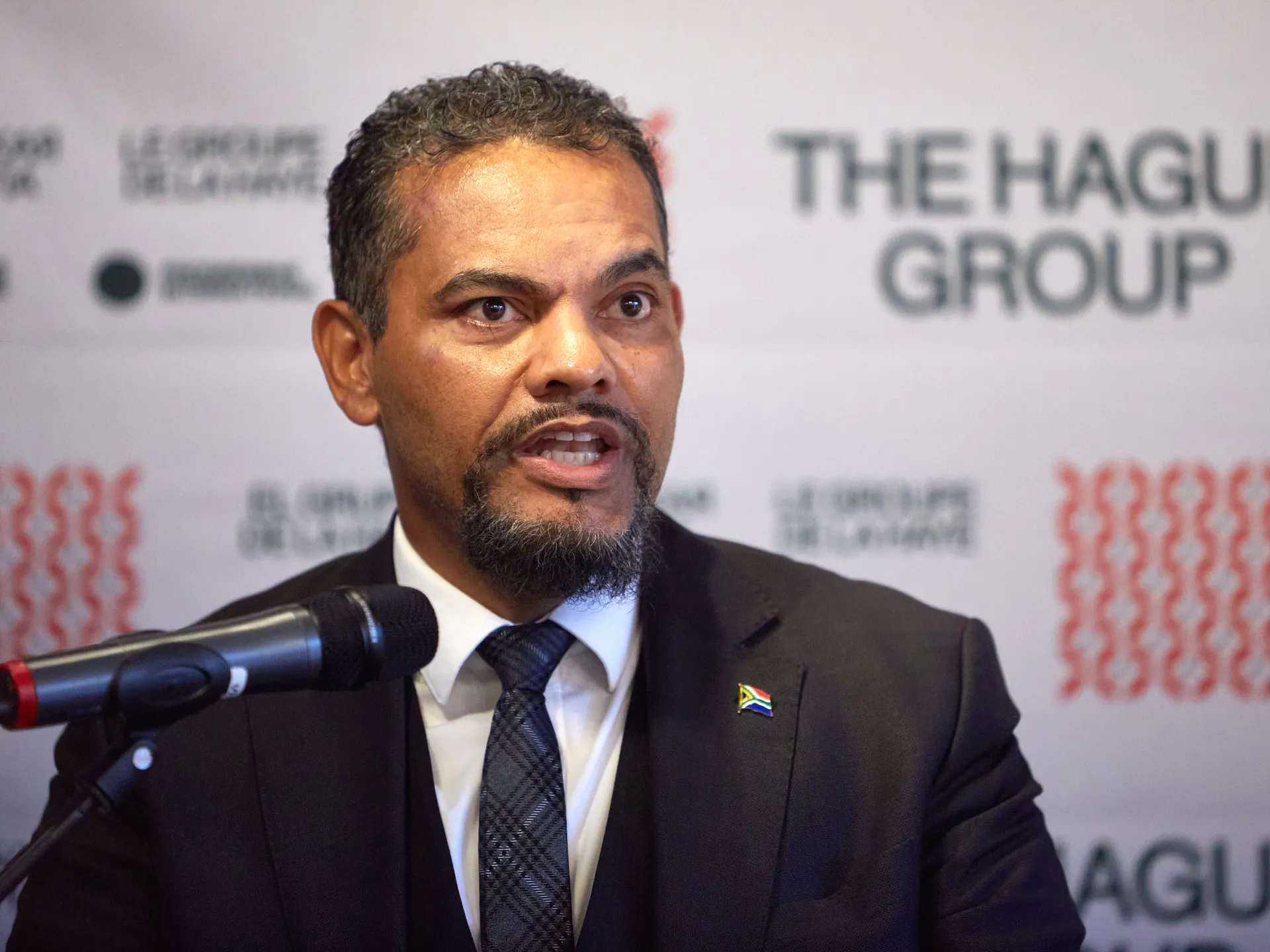
Financial experts, including Dr. Abdulrazak Ibrahim Fagge, have cautioned prospective retail investors regarding the risks inherent in such a large-scale offering. While the minimum entry point is set at 10 shares, valued at approximately $1, there are significant warnings about market volatility and the potential for predatory scams targeting inexperienced buyers. Economists are advising citizens to treat the investment as a long-term hold rather than a short-term liquidity play.
In New York, the immediate focus shifts to the disbursement of funds. With the DCWP having identified the affected workers, the city expects the distribution process to unfold through November, at which point new, more stringent corrective measures will be fully enforced to prevent future underpayments. For DoorDash, the challenge will be implementing the operational changes required to maintain compliance with the city's $19.96 per hour pay rule scheduled for full implementation
Regarding the Nigerian refinery, the next month will serve as a critical testing period for the IPO. If successful, the $2.1 billion raised will be directed toward doubling the refinery's capacity, potentially cementing its role as the primary energy hub for the region. However, the long-term impact on the individual Nigerian investor will depend heavily on the refinery’s ability to maintain its production volume and navigate the complexities of global oil price fluctuations.