North Korean lifter Ri Song Gum set three world records in Nagoya, while logistical strain continues to overshadow the 2026 Asian Games.
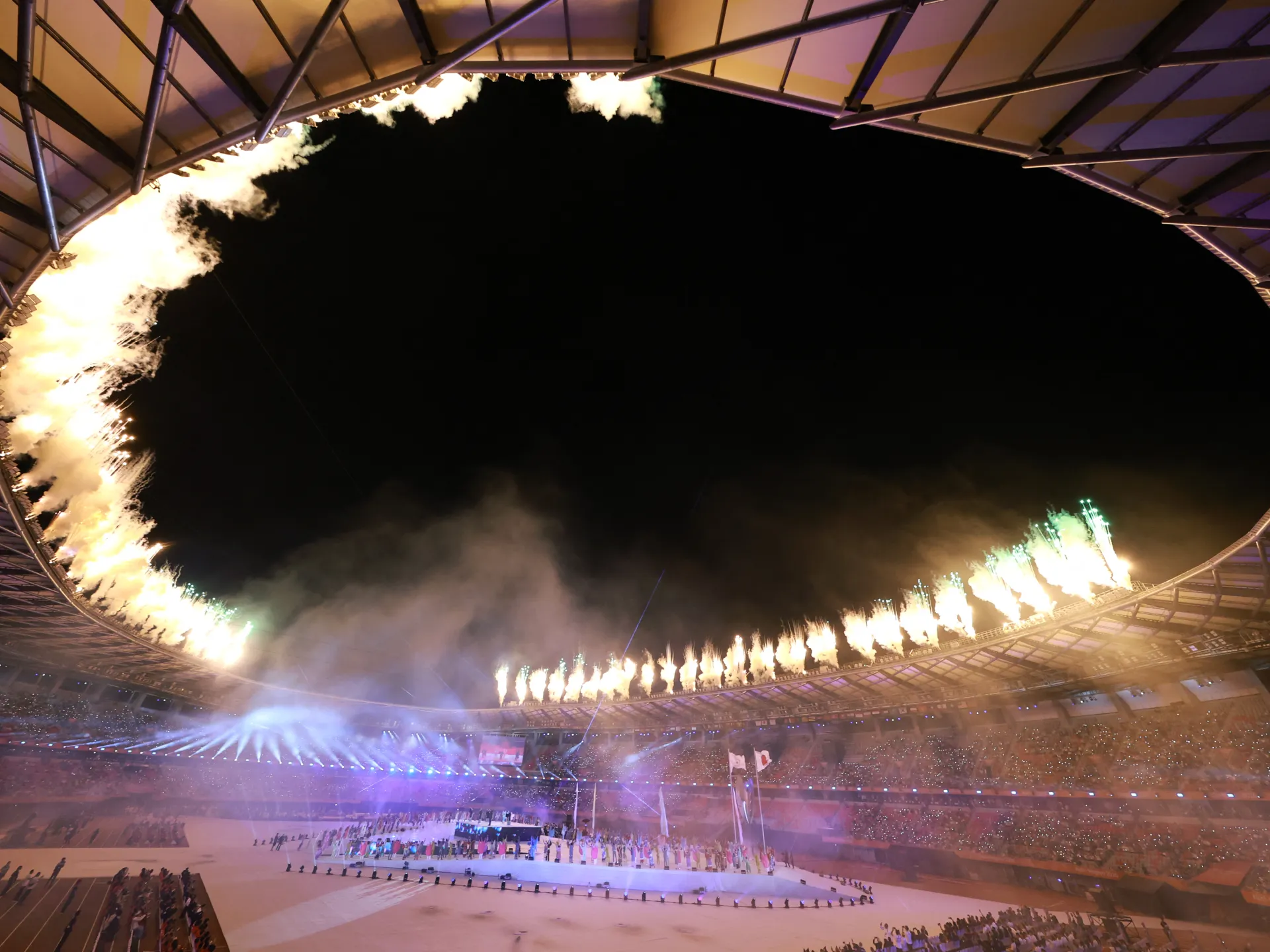
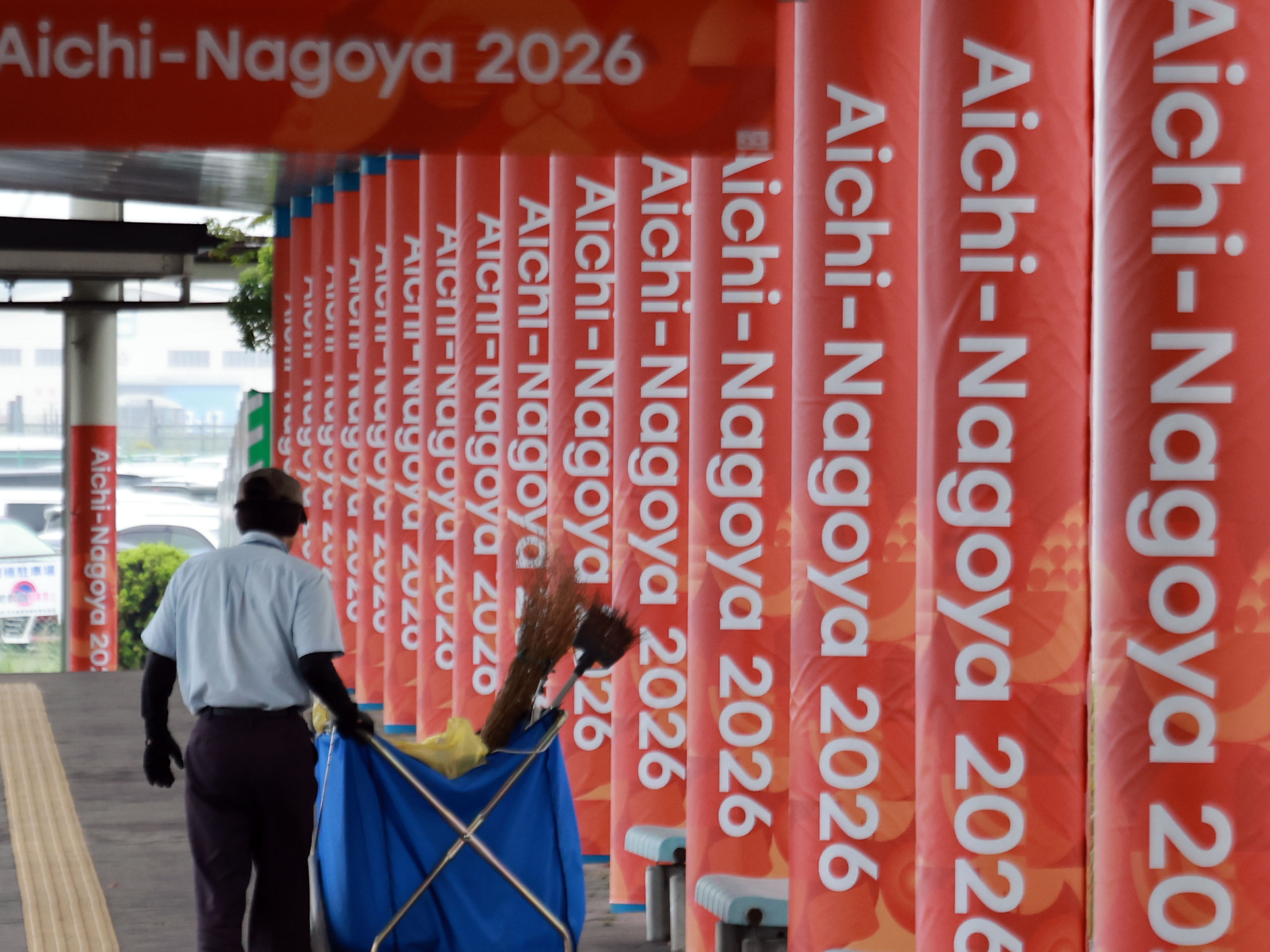
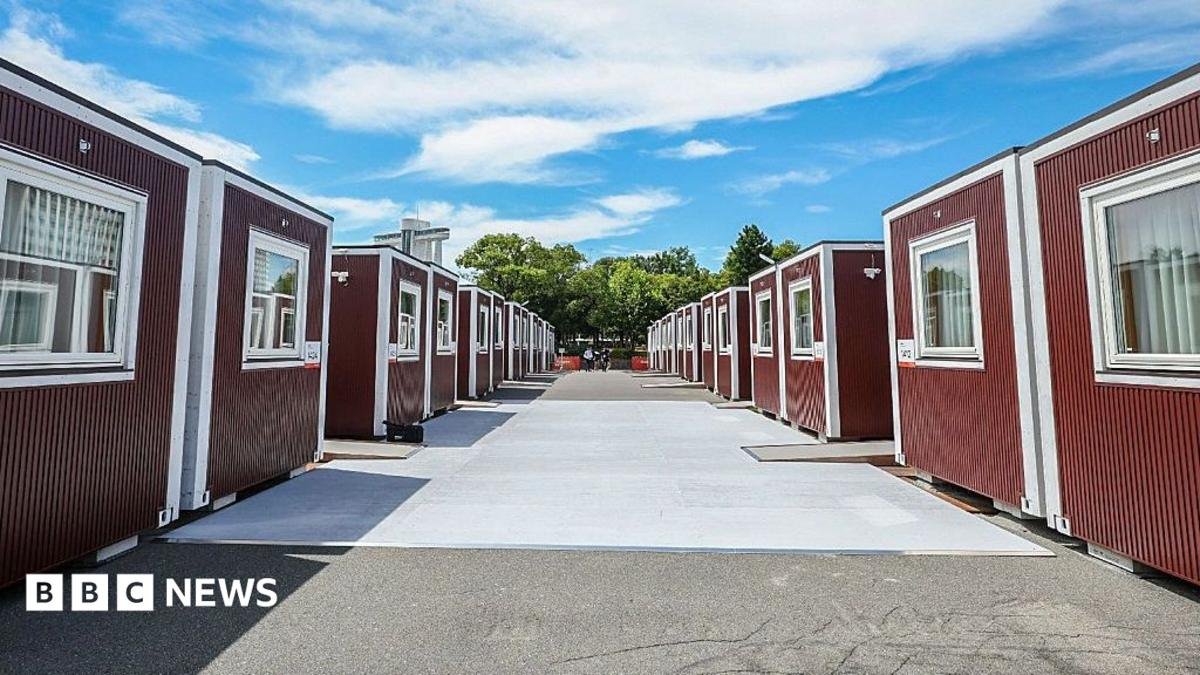
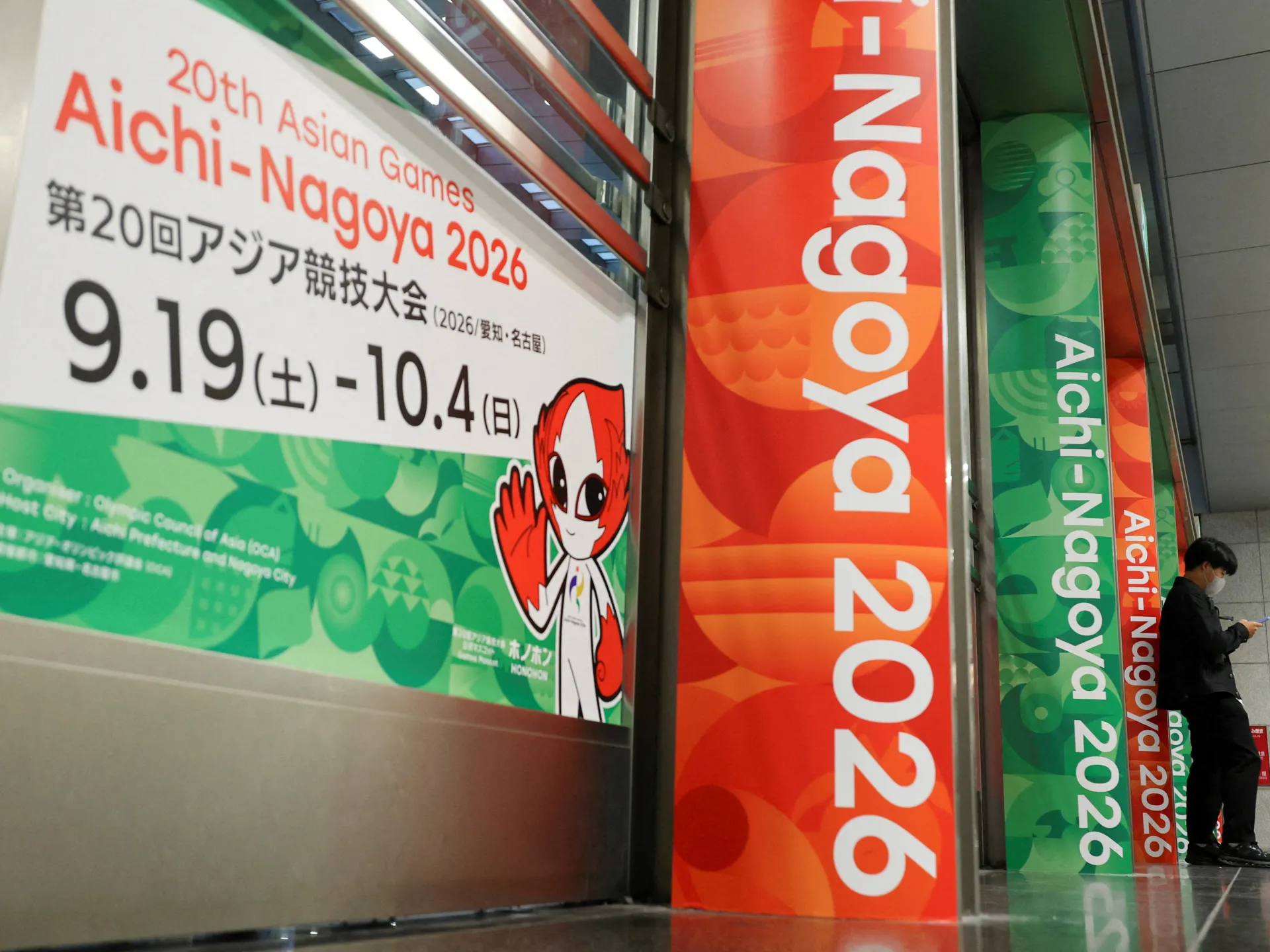
The 2026 Asian Games in Nagoya have become a lightning rod for the growing tension between the scale of international athletic ambition and the practical limits of host-city infrastructure. While the headlines are currently dominated dercurrents suggest a fundamental shift in how multi-sport events are organized. ry solutions—such as modular container housing and cruise ship accommodations—organizers are testing the limits of athlete welfare.
This experiment in "pop-up" infrastructure creates a precarious environment where the quality of an athlete’s recovery—critical for high-impact sports like weightlifting—is directly compromised king performances occurring in the arena and the reports of leaking ceilings and cramped quarters outside of it highlights a growing disconnect between global sporting organizations and the lived reality of those competing at the highest level.
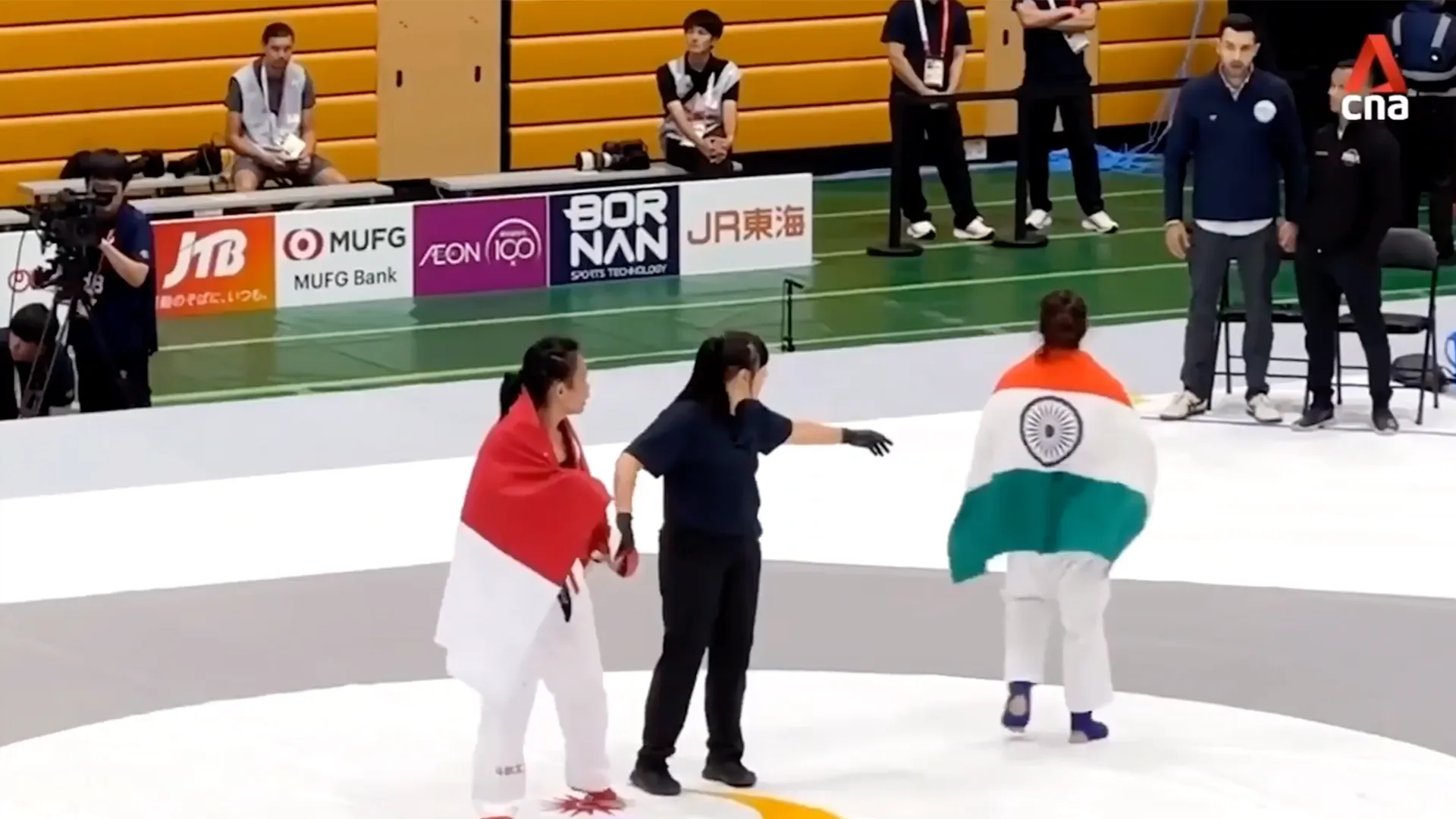
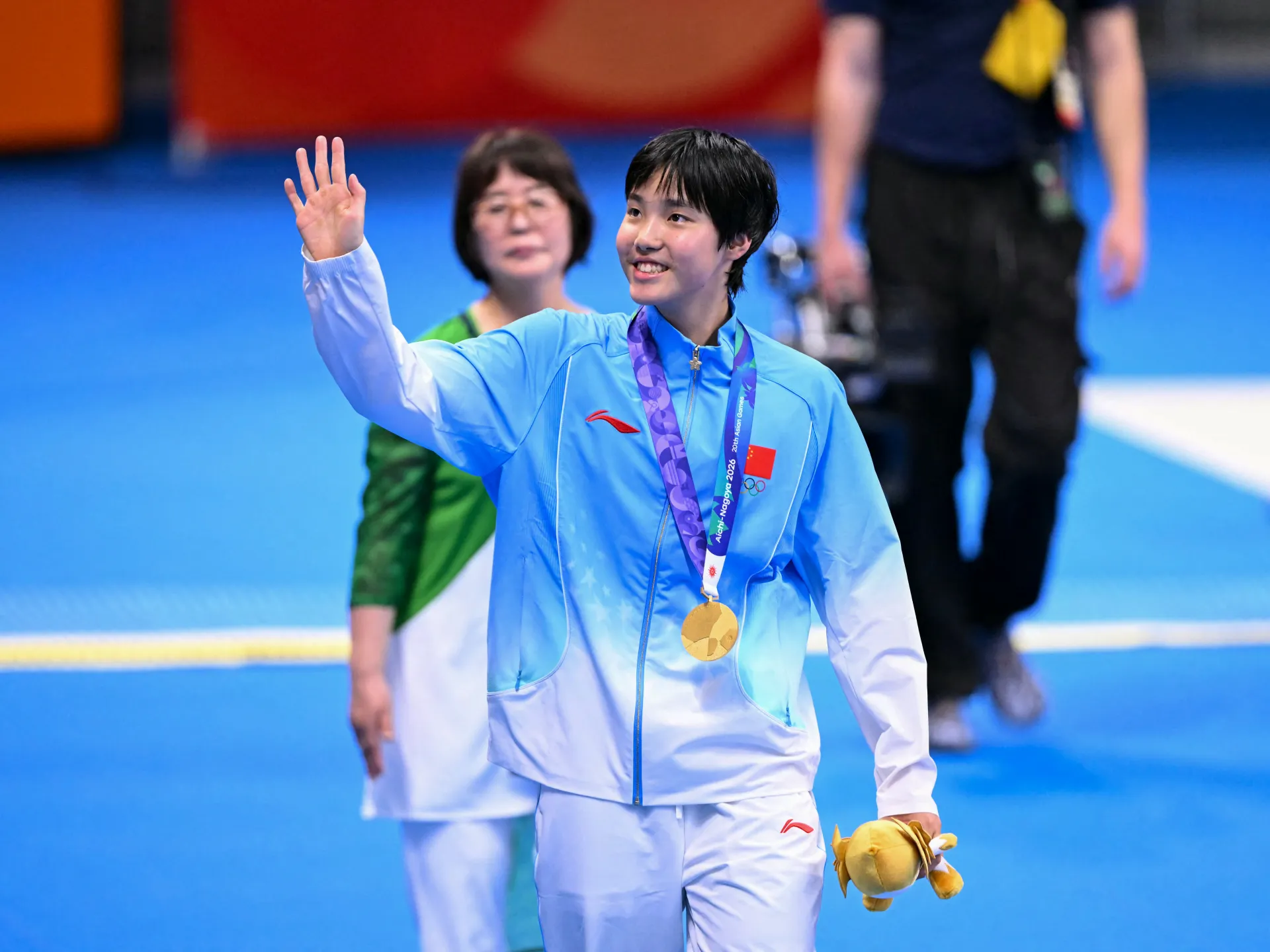
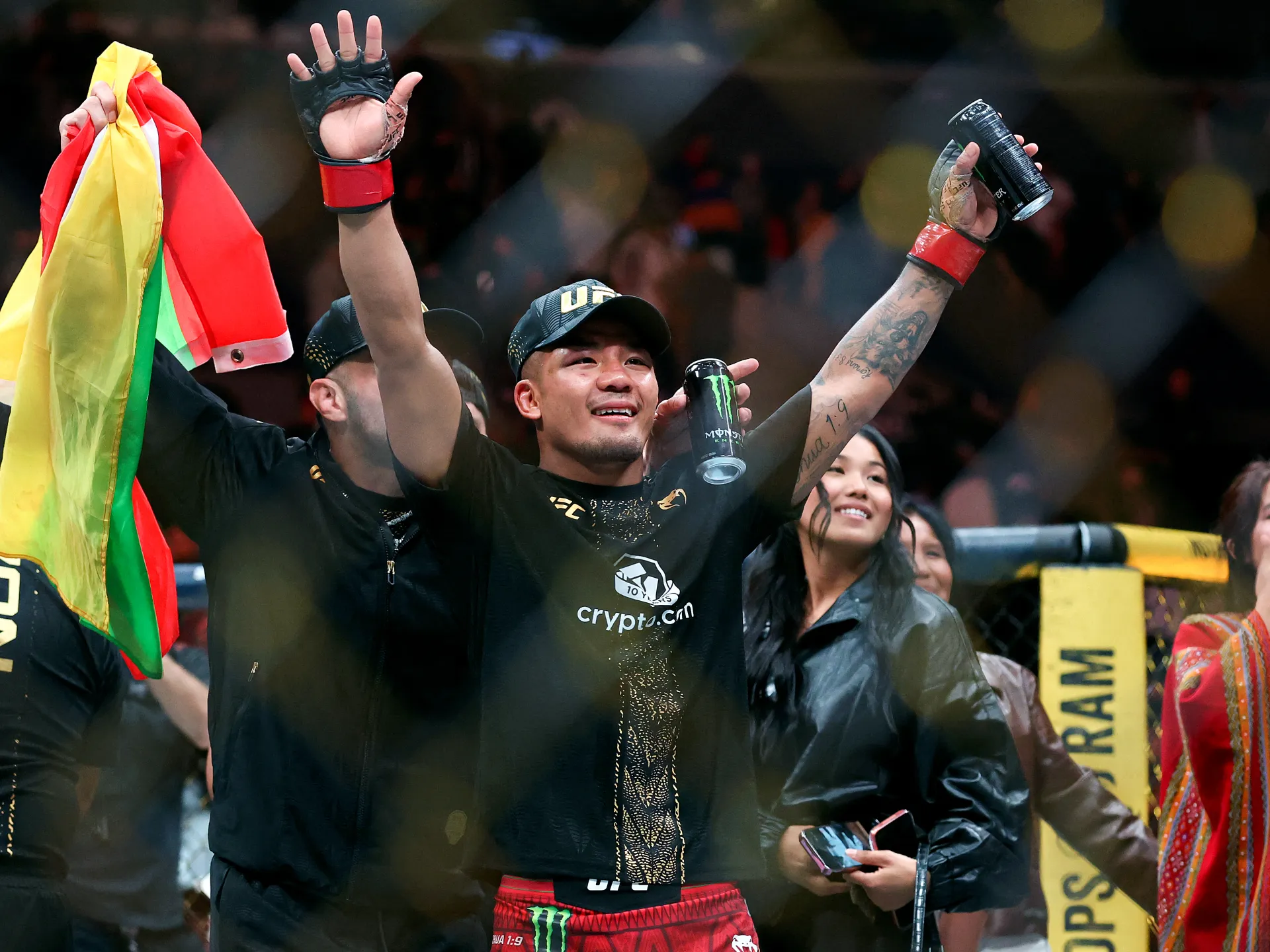
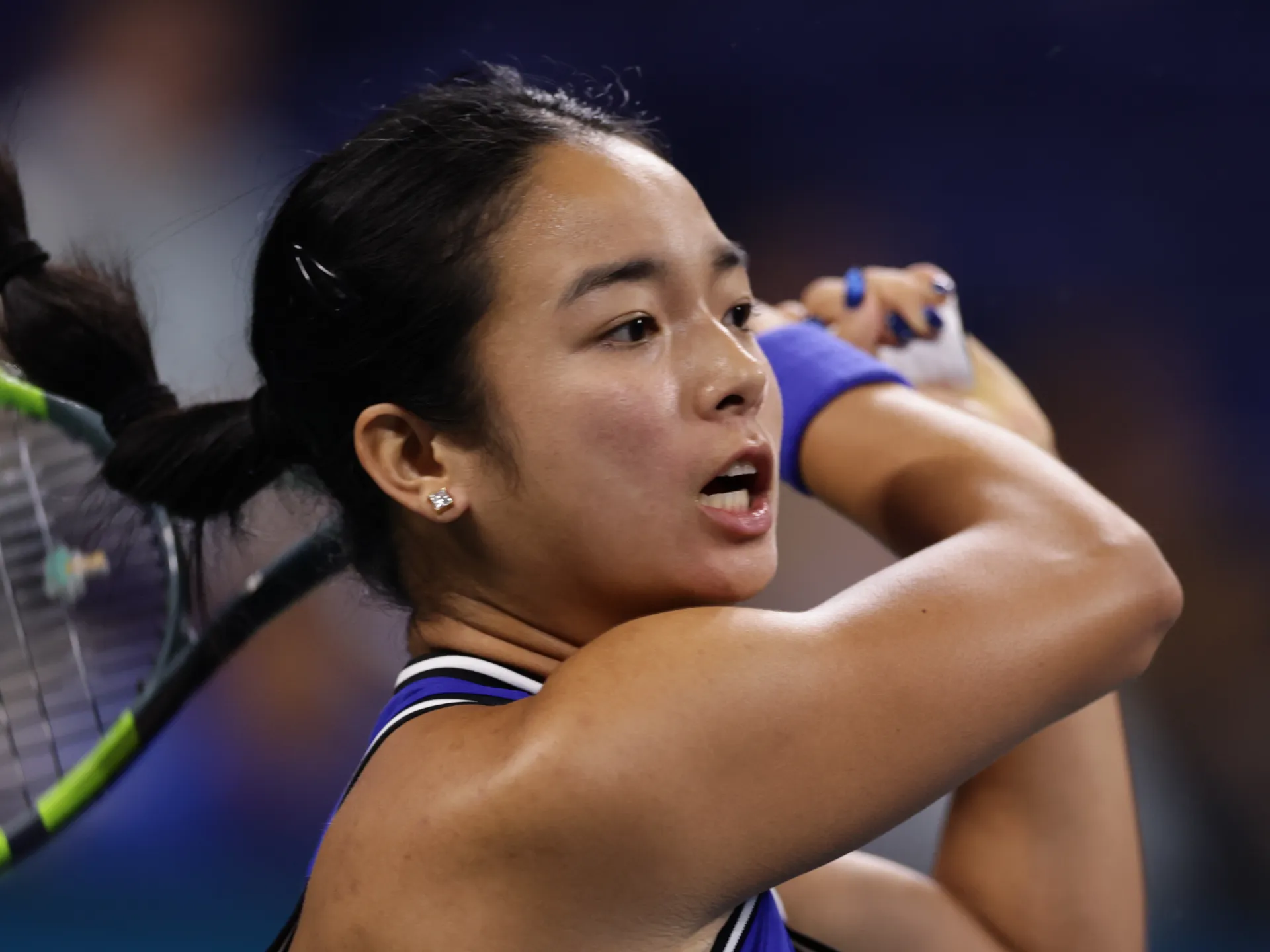
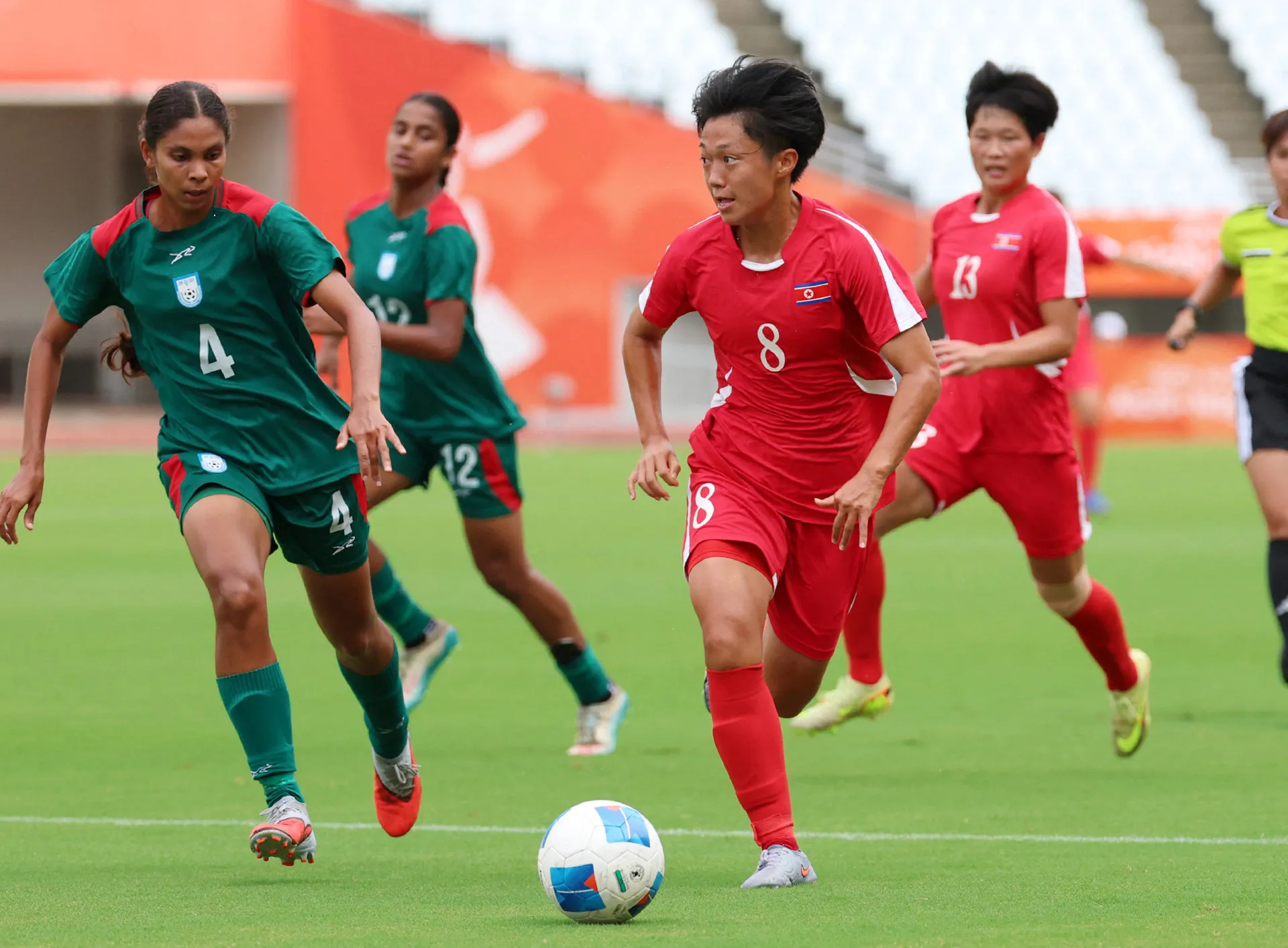
The women’s 49kg weightlifting competition provided a stark contrast between athletic mastery and the harsh conditions facing the broader delegation. North Korea’s Ri Song Gum solidified her place in history s as one of the most decorated weightlifters to ever participate in the Asian Games. With a total lift of 215kg, Ri surpassed her previous benchmarks and became the first woman to secure three gold medals in the sport at these games, joining an exclusive cohort of athletes who have achieved such a feat.
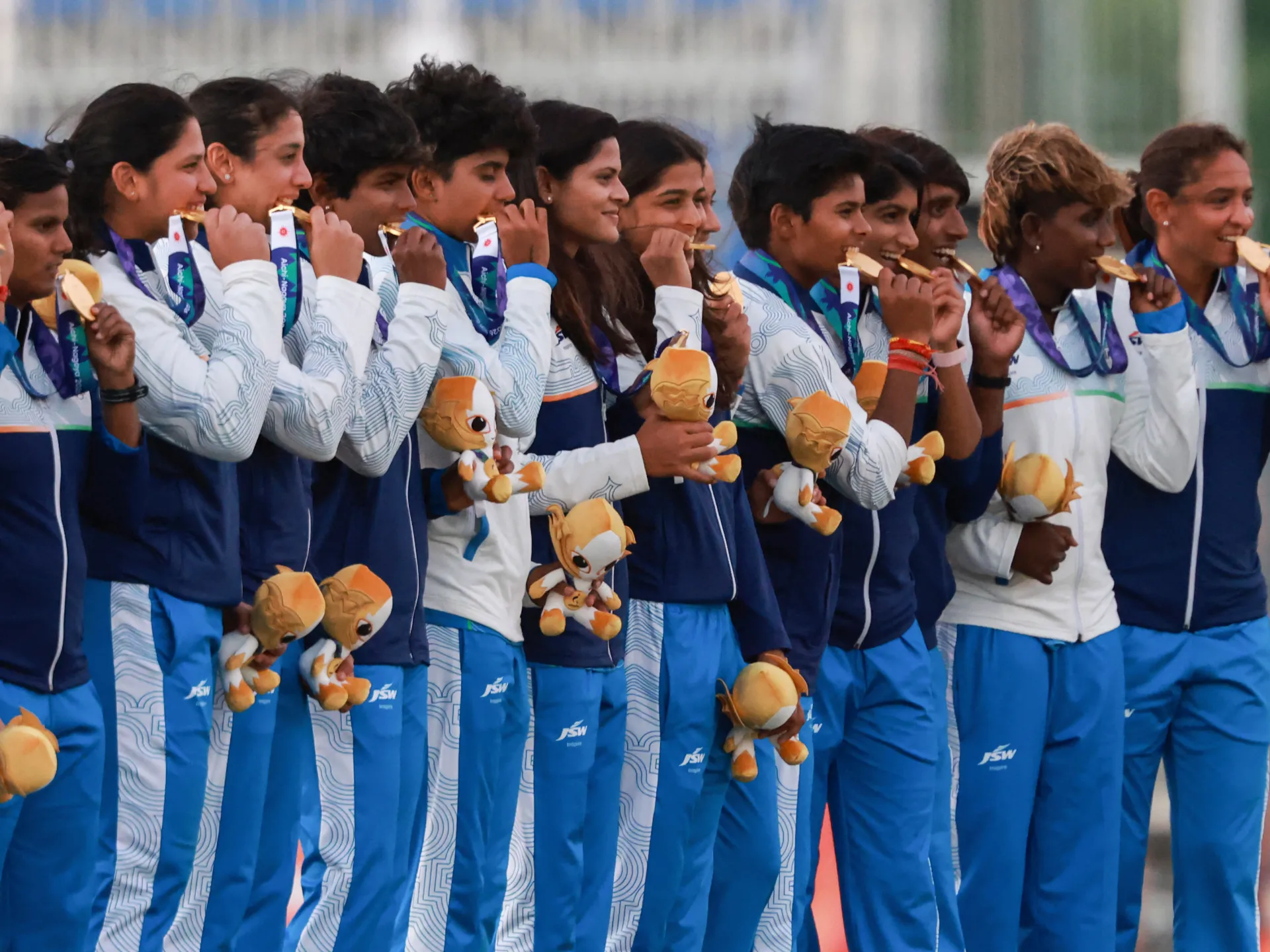
For India’s Mirabai Chanu, the event marked a historic personal and national milestone. ensive collection of Commonwealth and Olympic accolades but also ended a 28-year drought for Indian weightlifting at the Asian Games. The last time an Indian athlete reached the podium in the sport was in 1998, when Karnam Malleswari claimed silver. Indonesia’s Diana Tri Wijayana rounded out the podium, taking the bronze with a total lift of 191kg. Despite the prestige of these accomplishments, the athletes performed under the shadow of ongoing infrastructural complaints that have plagued the Nagoya event since its opening.
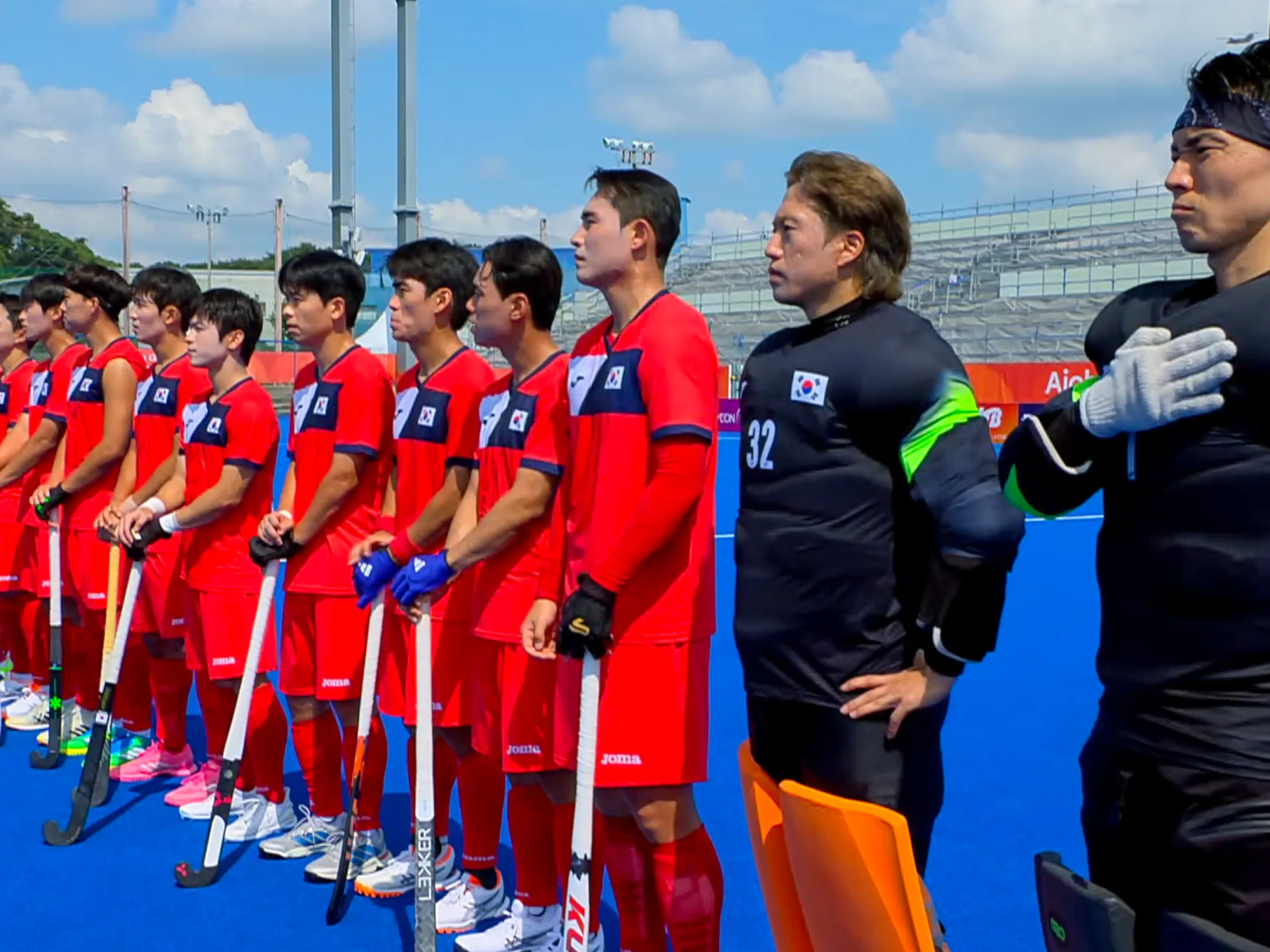
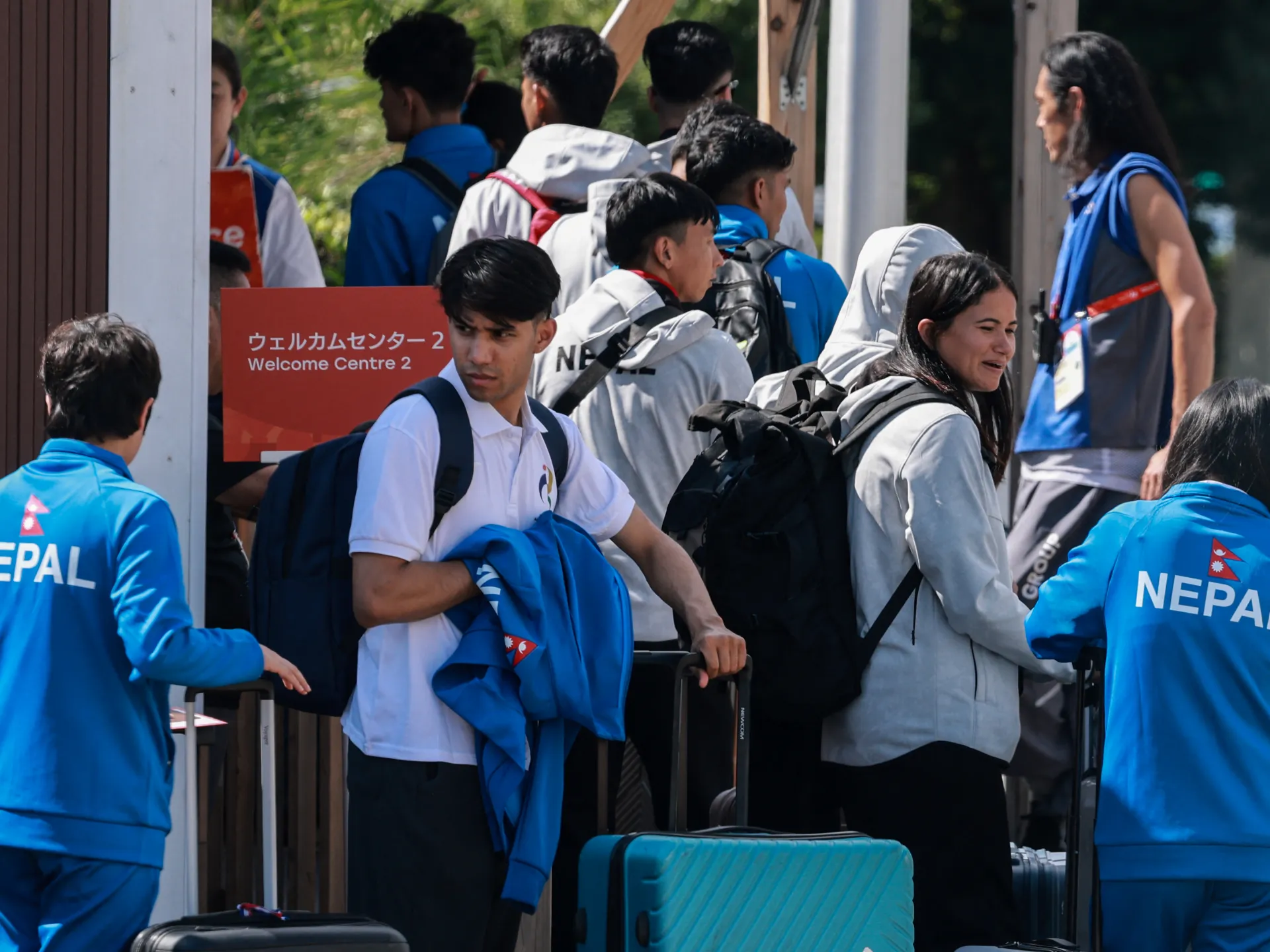
The decision to house roughly 2,000 athletes in wooden container huts has drawn sharp criticism from international sports associations, most notably the Korea Basketball Association. Vice-president Jung Jae-yong described the living conditions as the worst he has encountered, citing significant issues with space—notably that the beds are insufficient for athletes taller than two meters—and severe maintenance problems. Reports of leaking pipes and saturated flooring have exacerbated the frustration, leading some delegations to take extreme measures, such as the Indian team’s decision to construct their own replicas of the units to better prepare their competitors for the environment.
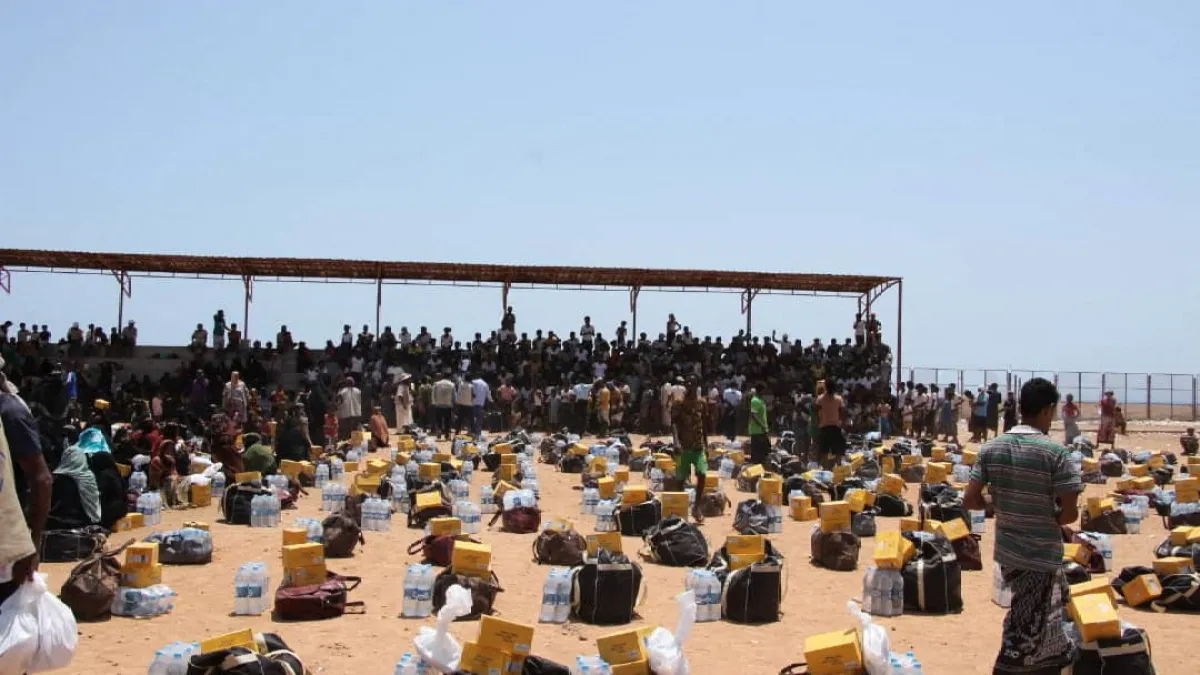
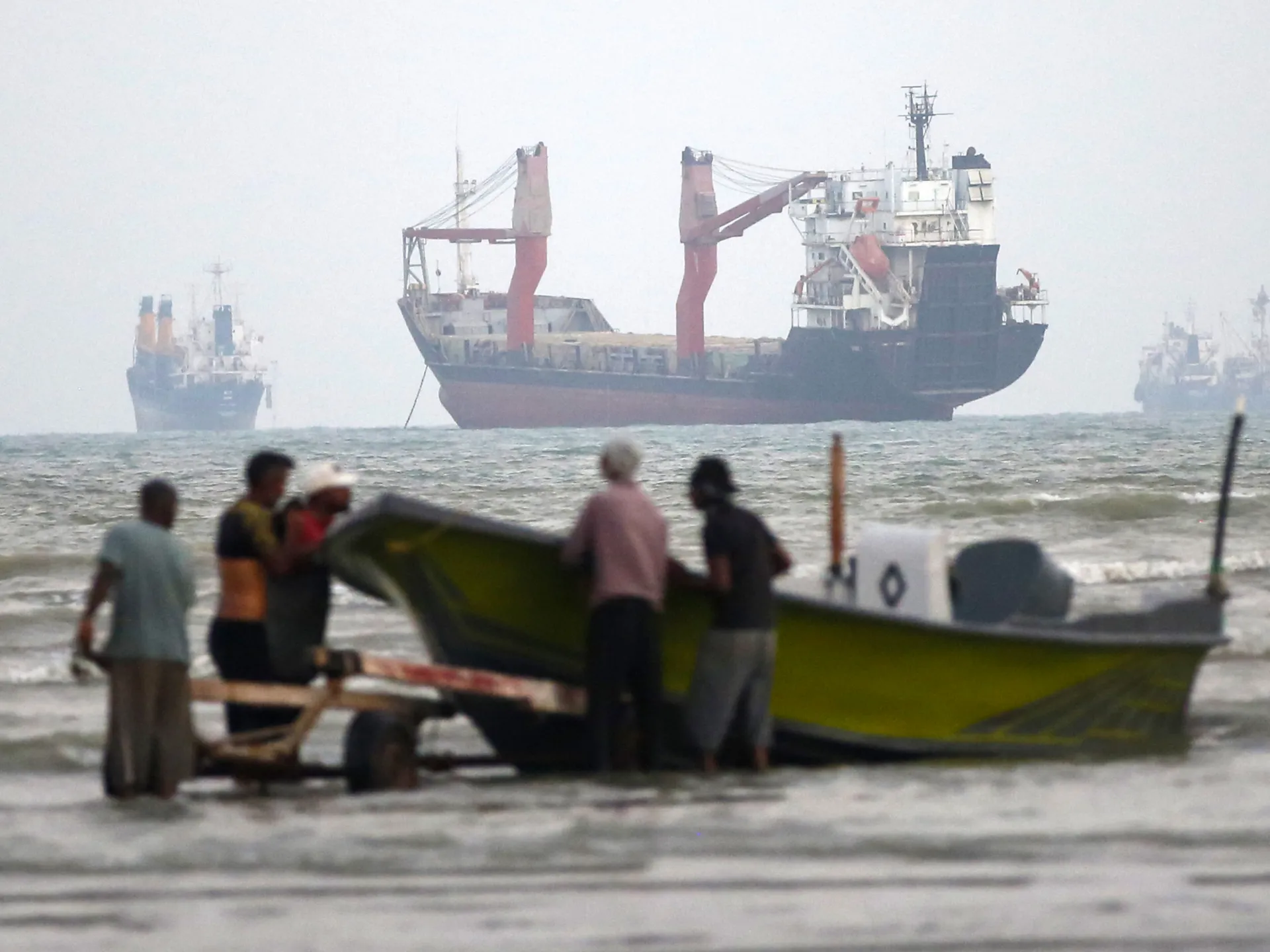
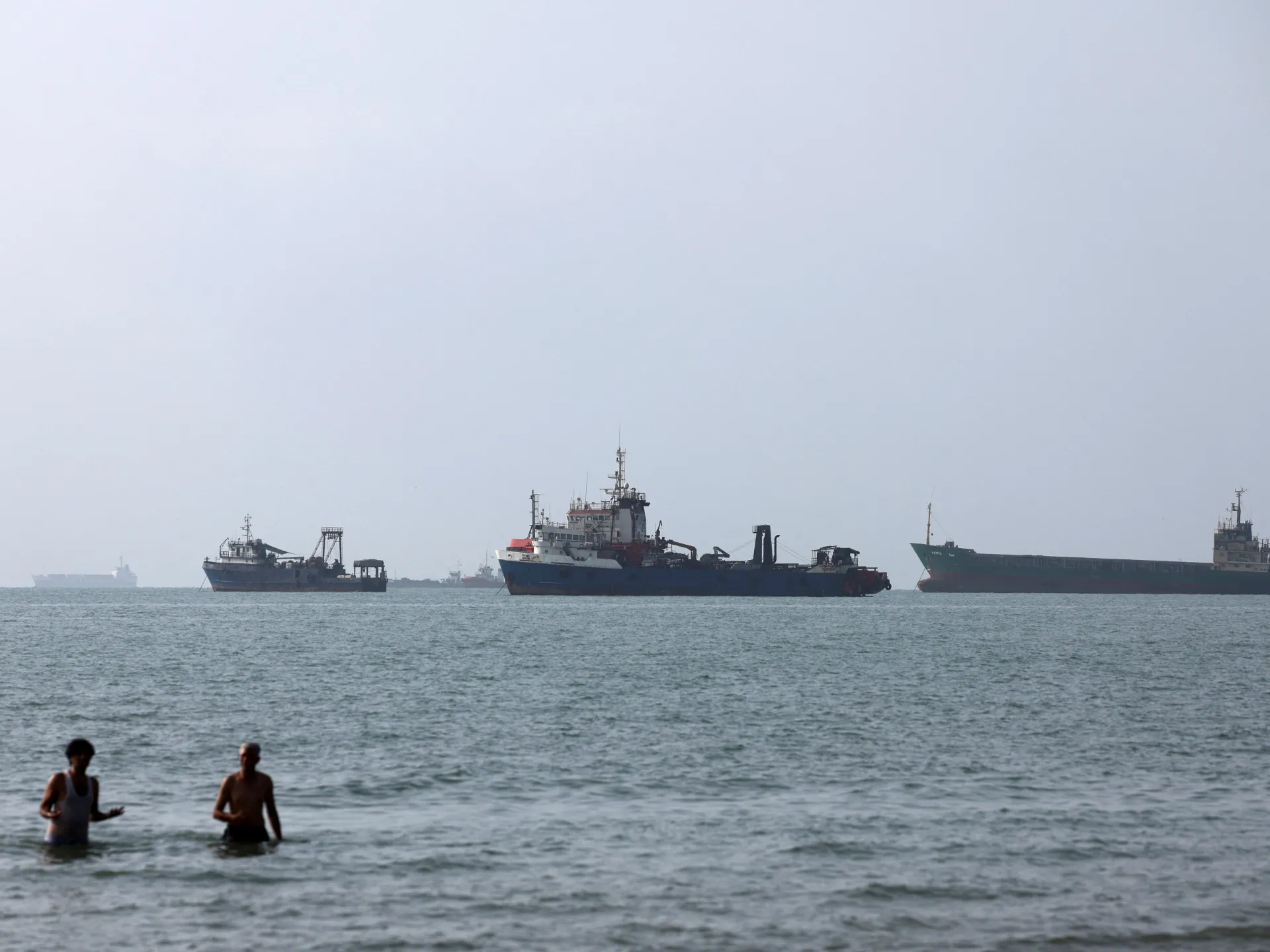
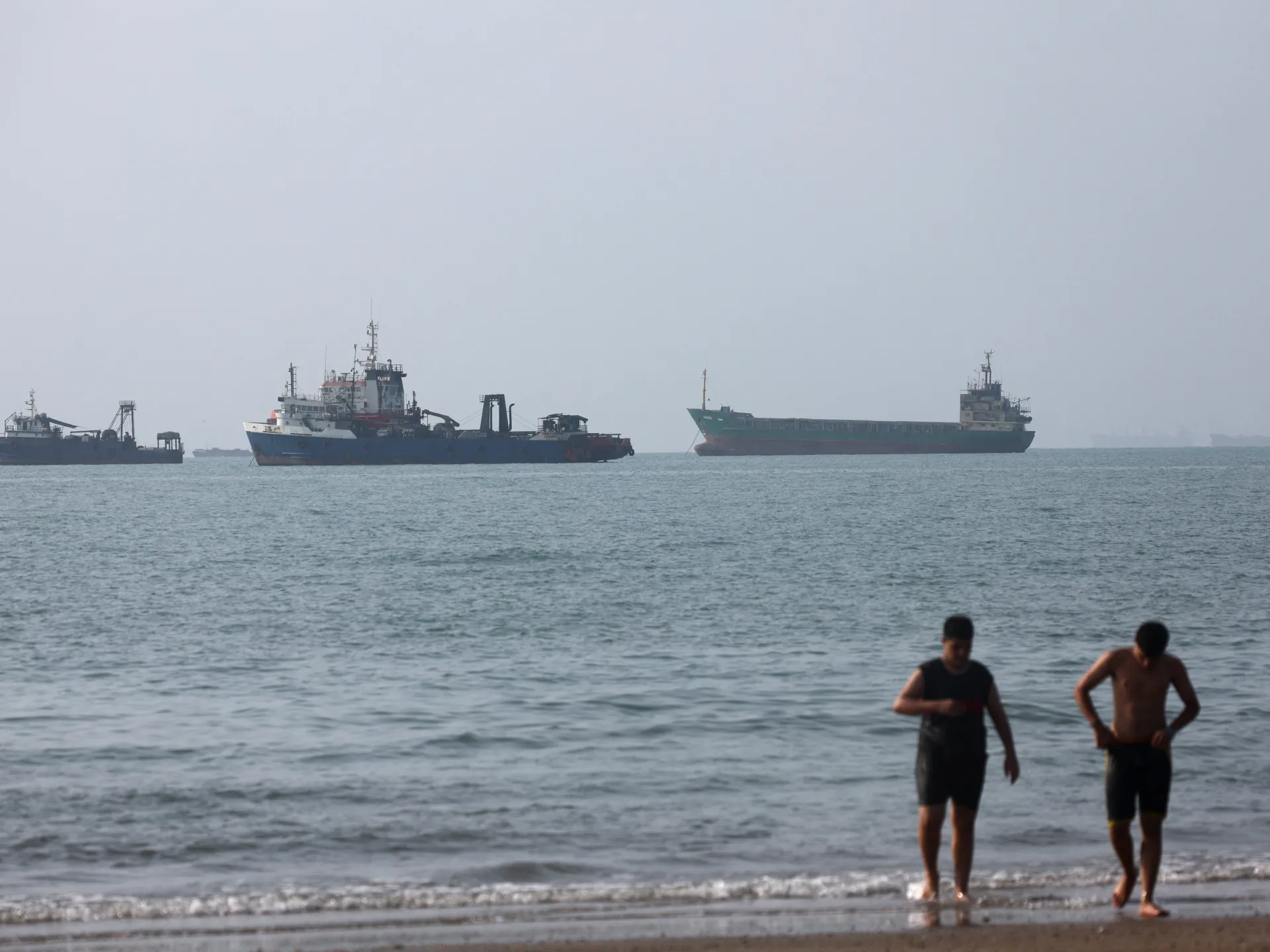
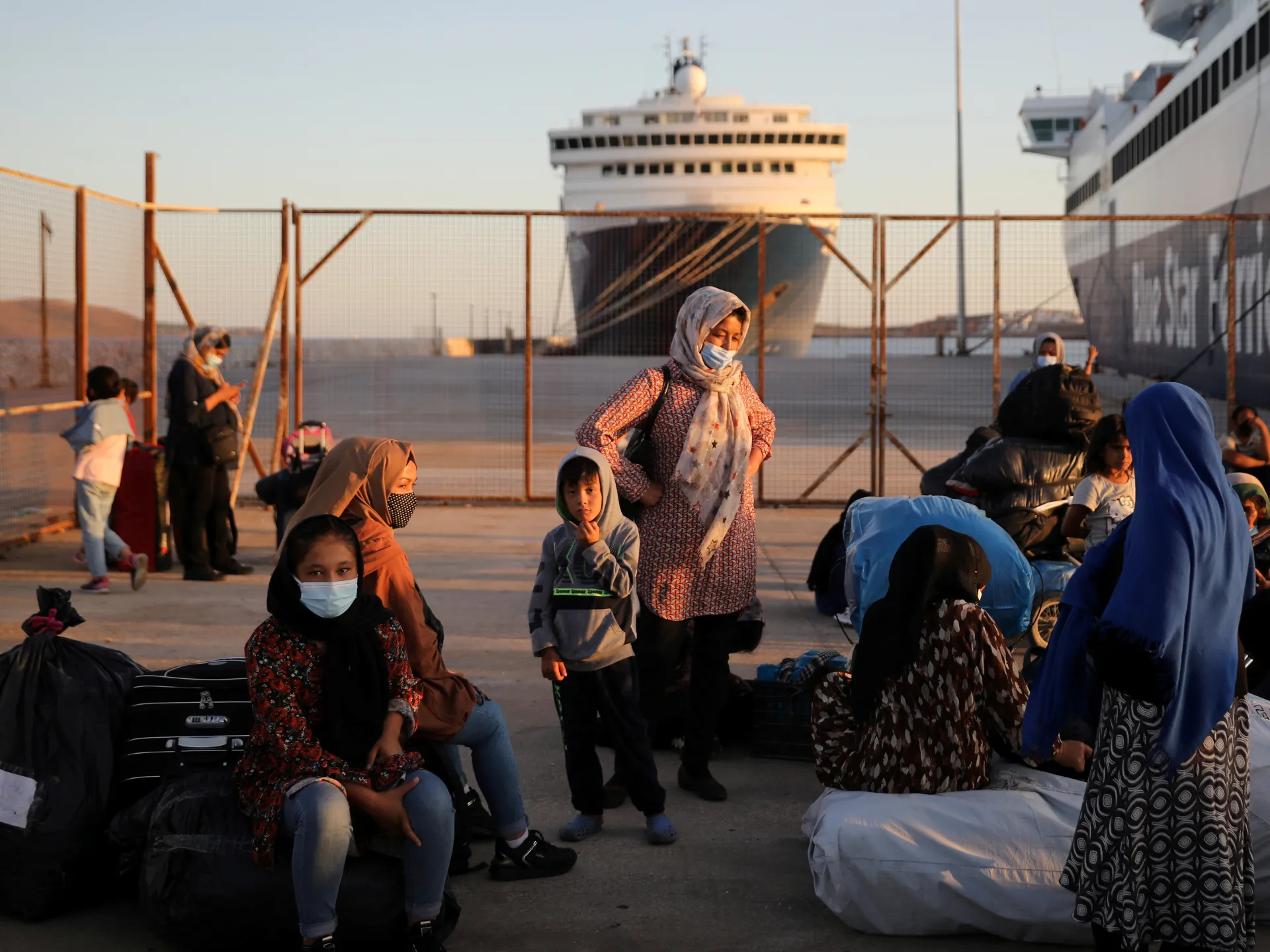
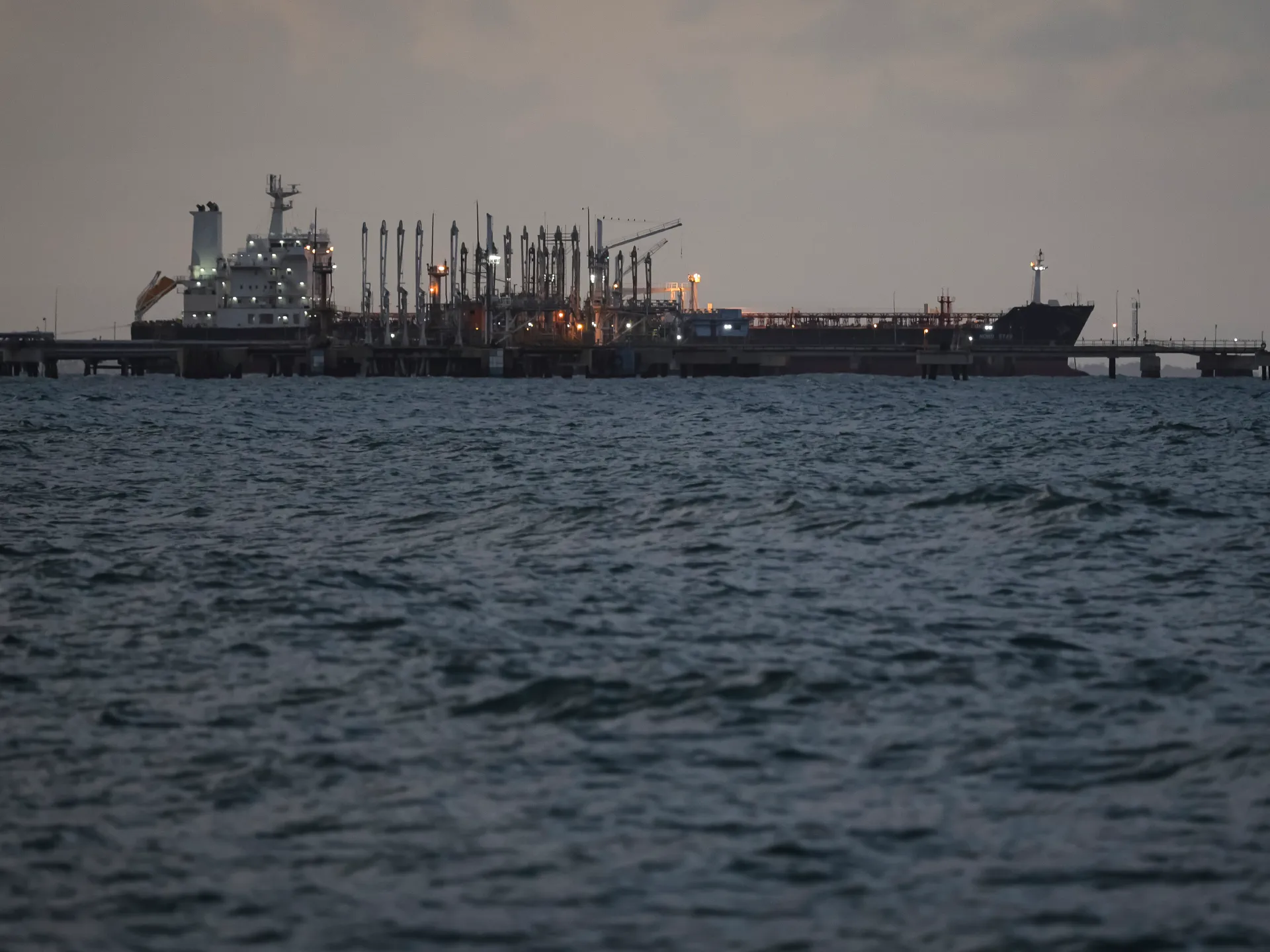
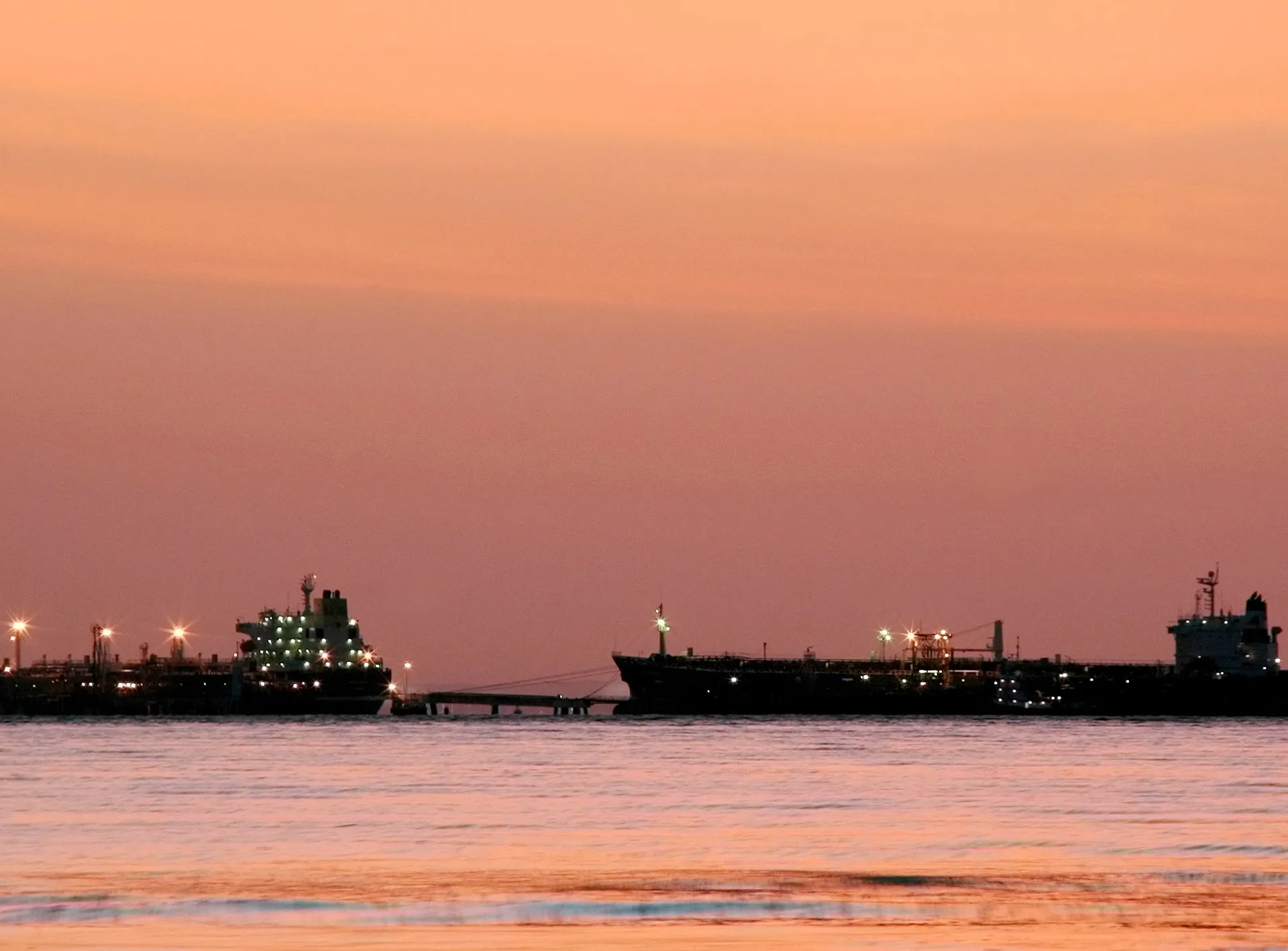
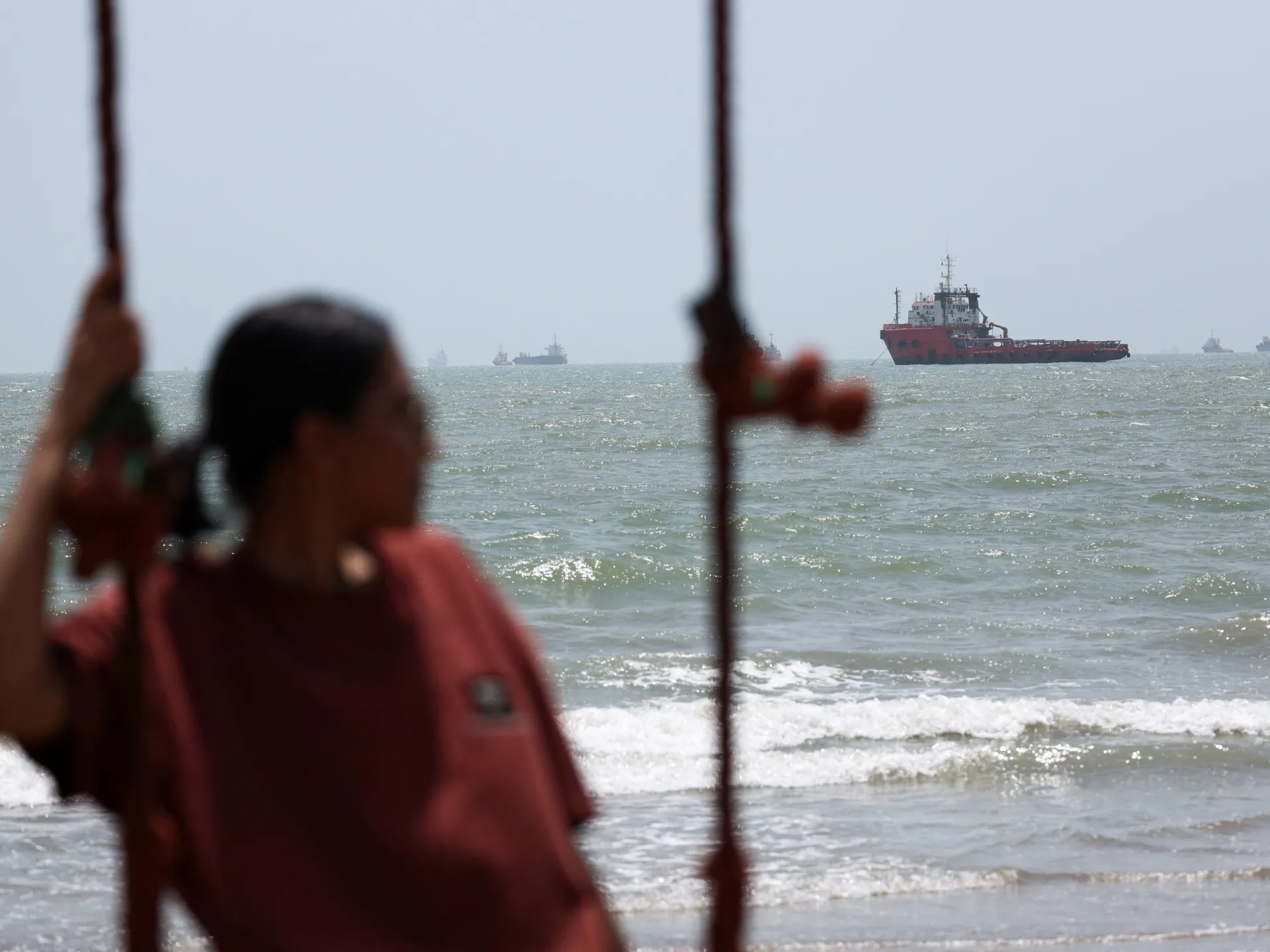
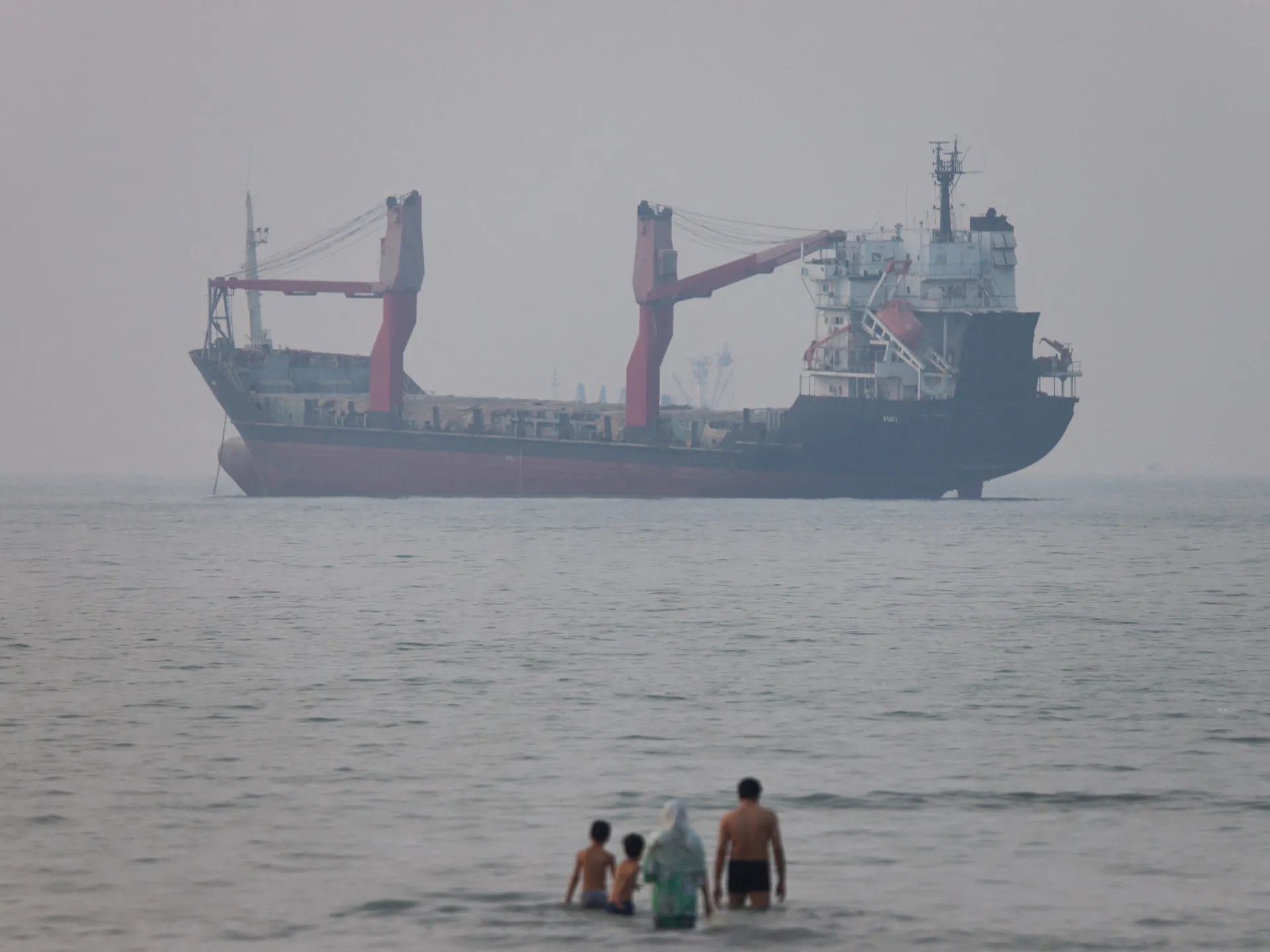
The strain on resources stems from an unexpected surge in attendance. Originally budgeted for 15,000 participants, the event saw its numbers climb to 17,000 following the late inclusion of sports like teqball and padel. Hideaki Omura, the president of the organizing committee, has been vocal about the limitations facing the Aichi prefecture, admitting that the current budget and staffing levels were never intended to account for the additional 2,000 guests. Beyond the container units, thousands of athletes have been diverted to an Italian cruise ship docked in Nagoya, a move that highlights the decentralized and improvised nature of the current accommodation strategy.
As the games progress, the organizing committee faces the difficult task of balancing immediate, emergency repairs with the long-term goal of disaster-resilient housing. With thousands of athletes still housed on the cruise ship and in the controversial container huts, the pressure will remain on Yuta Matsuo and the management team to provide tangible improvements. It is likely that the scrutiny surrounding these facilities will serve as a cautionary tale for future host cities, potentially forcing a return to more traditional, purpose-built athlete village designs to ensure that the physical well-being of competitors is not sacrificed for cost-saving measures.