A volatile mix of regional conflict in Ethiopia and pipeline sabotage in Saudi Arabia coincides with a major U.S. court ruling on deportation protections.
The convergence of infrastructure disruption and shifting migration policy highlights a period of intense volatility across the Middle East and the Horn of Africa. As regional actors move to consolidate power—whether through the seizure of northern Ethiopian transportation hubs or the tactical targeting of energy corridors in the Arabian Peninsula—the international community faces a compounding crisis. These events represent more than localized skirmishes; they signify a breakdown in the post-conflict stability that international stakeholders have sought to cultivate. For the United States, the domestic response—specifically the legal resolution regarding Temporary Protected Status (TPS)—underscores how foreign instability forces immediate shifts in federal policy, effectively closing legal pathways for nationals from countries experiencing renewed violence.
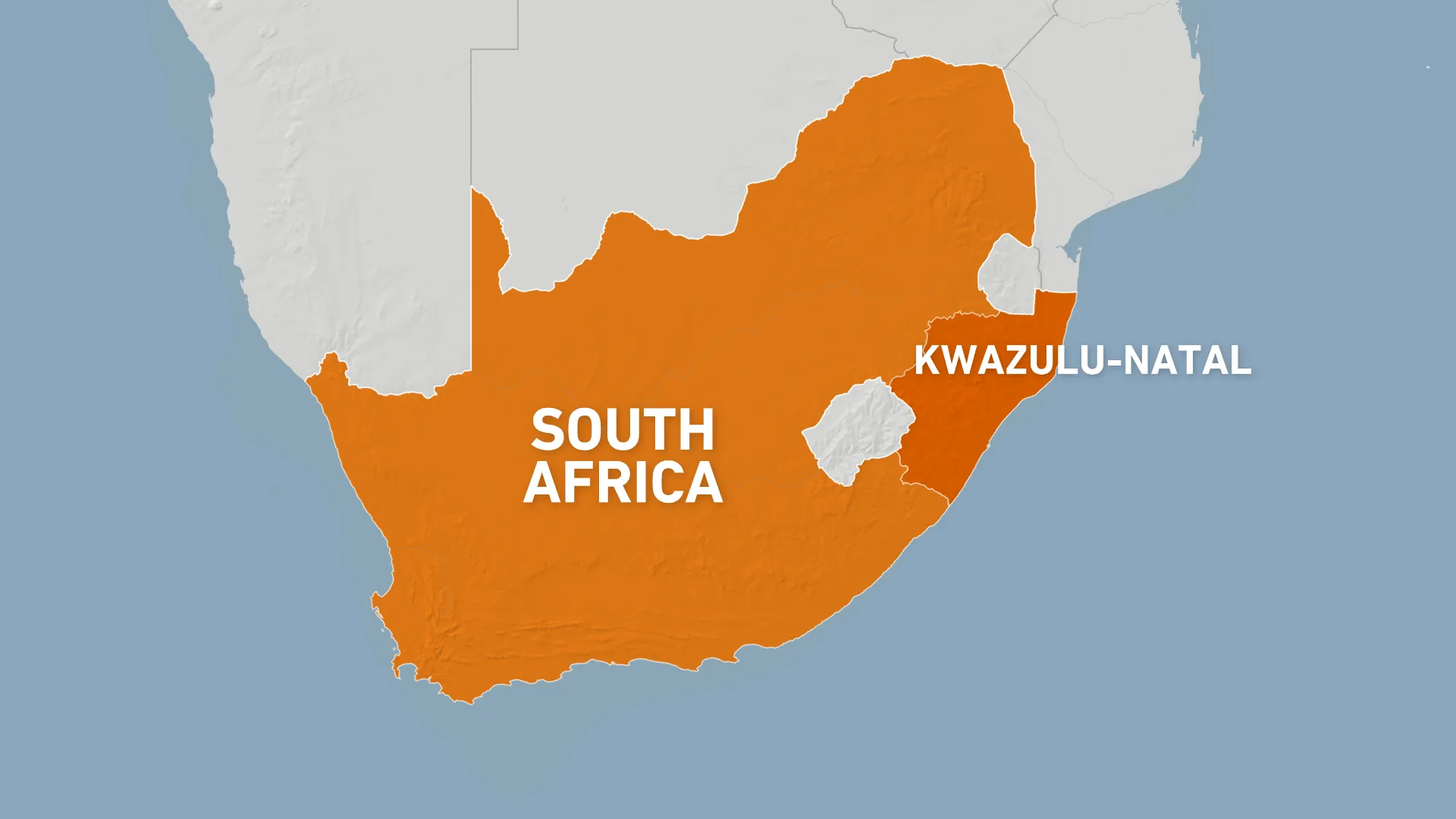
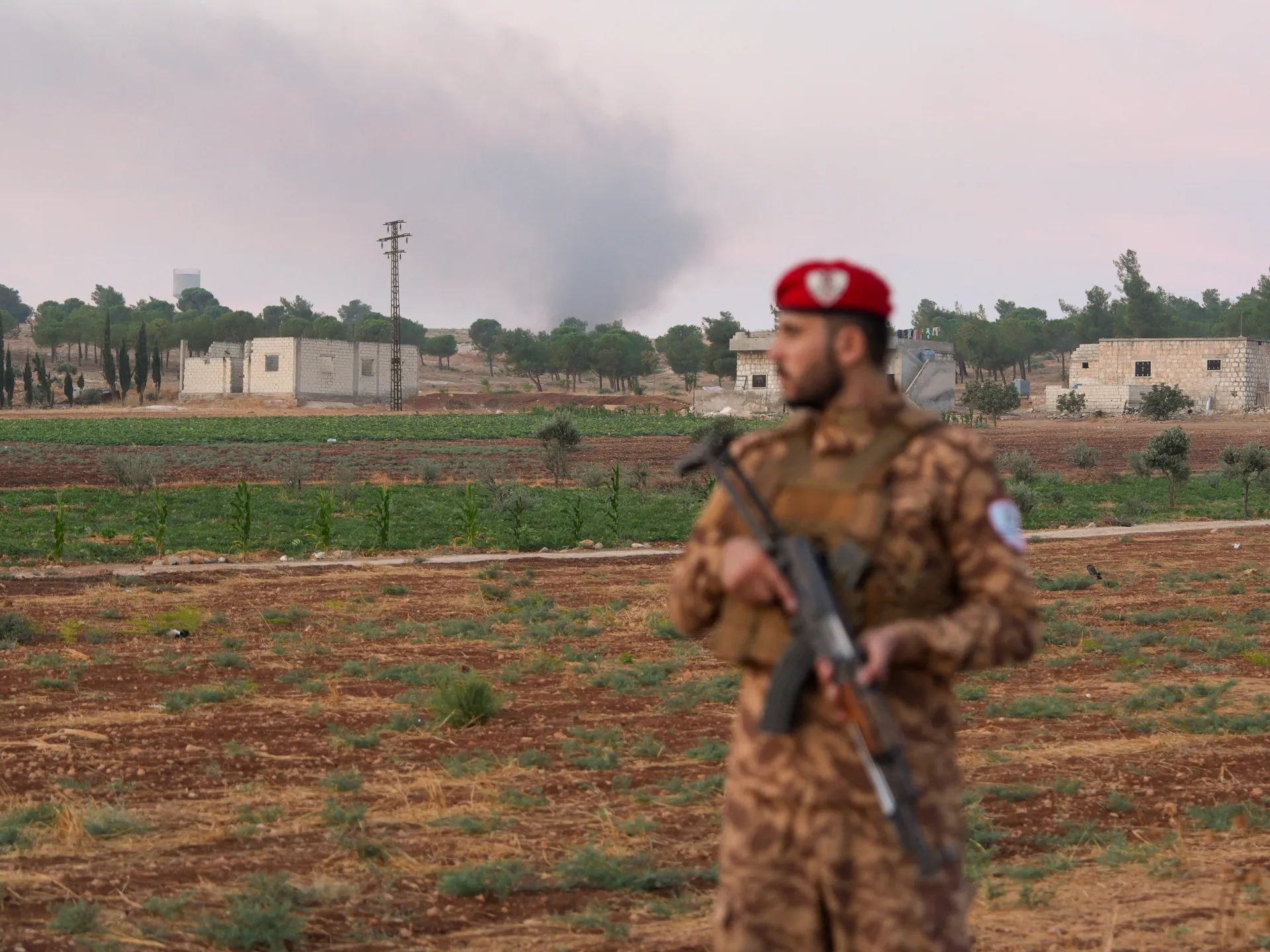
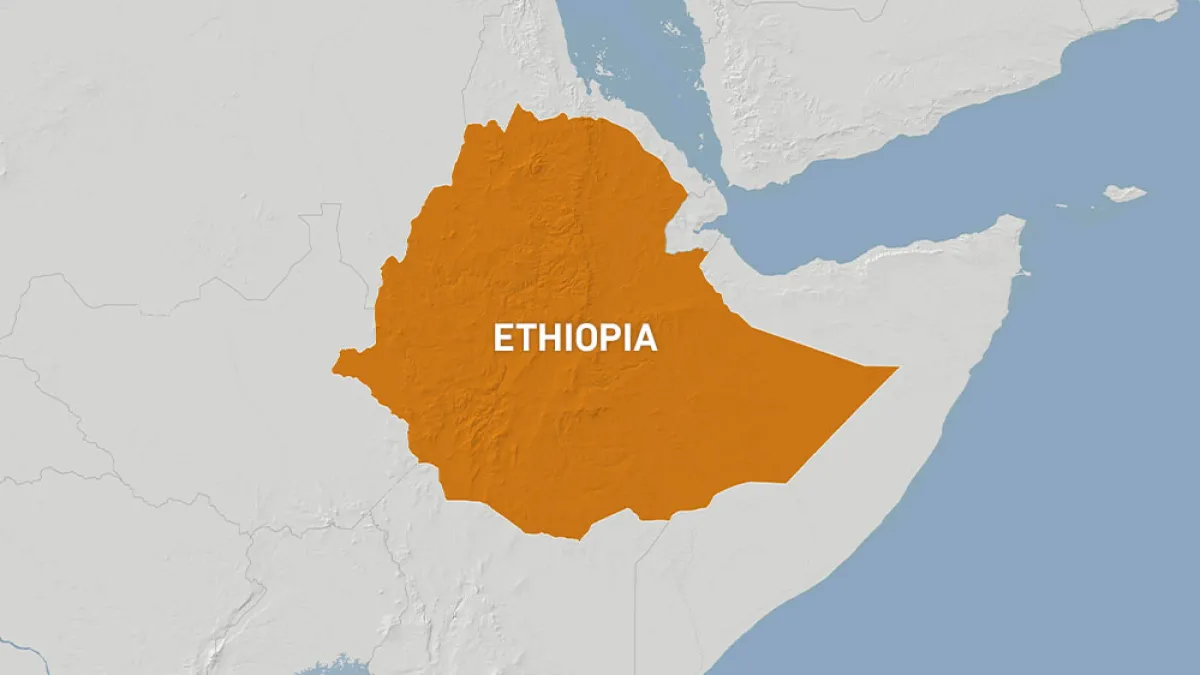
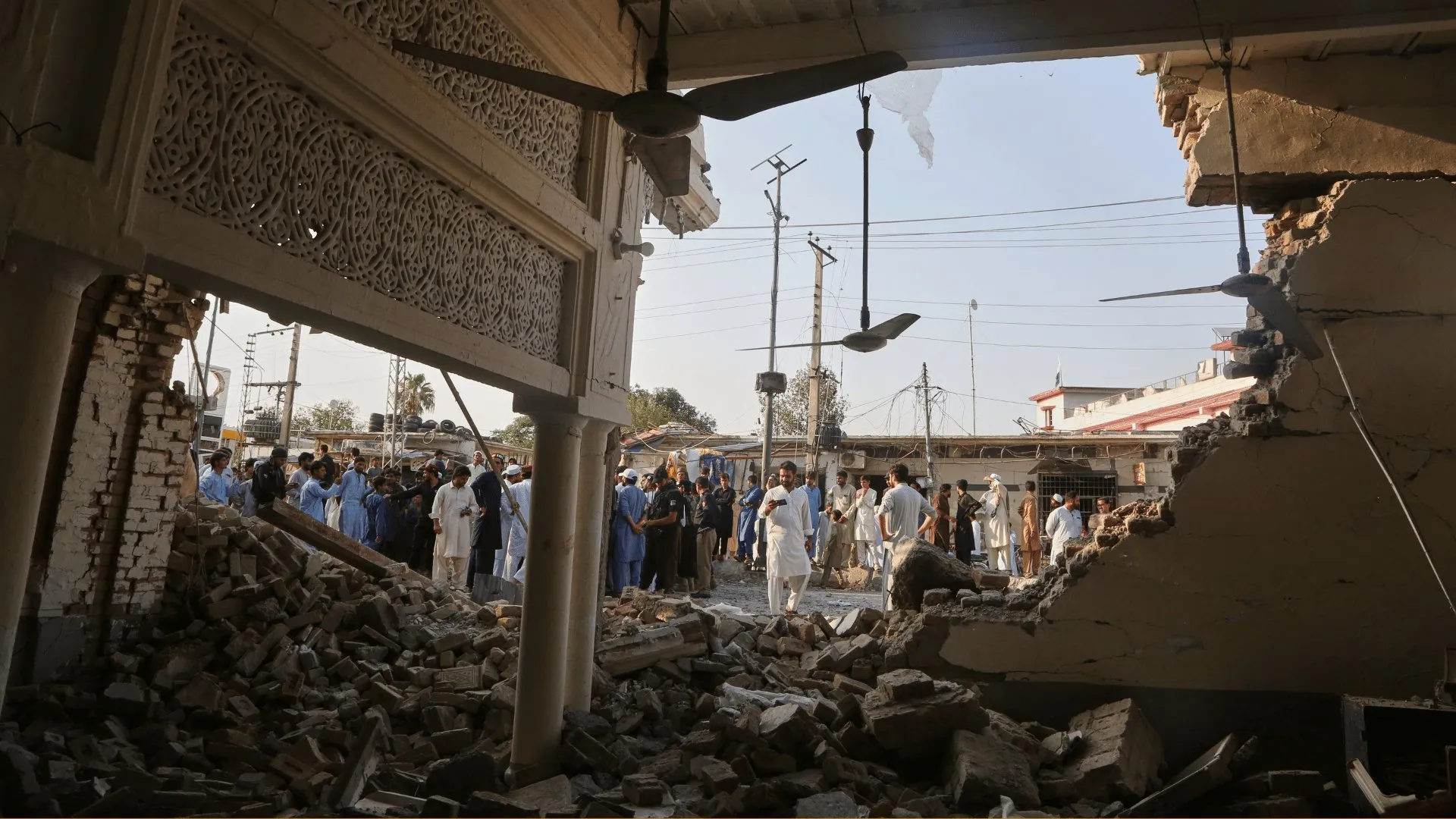
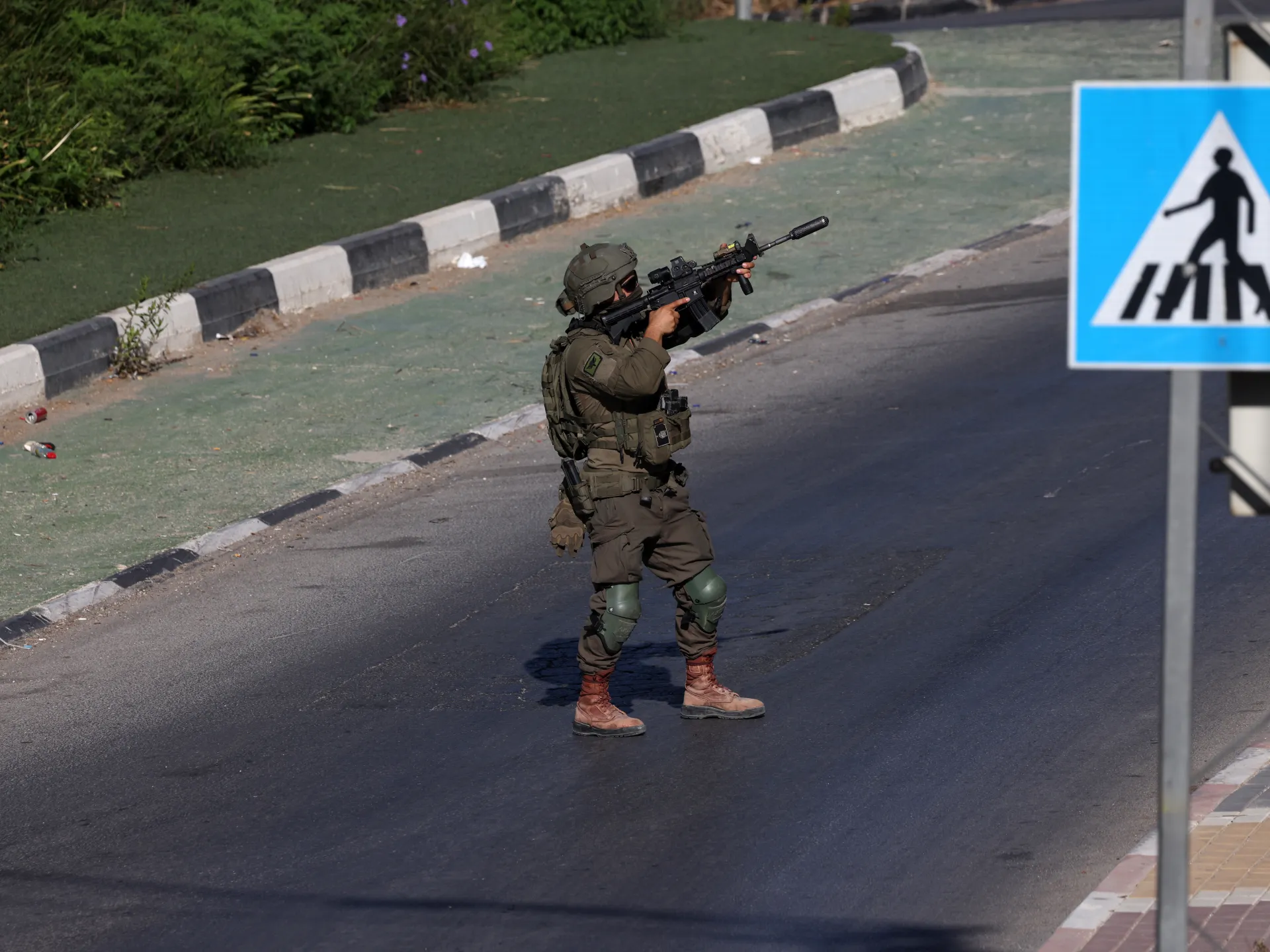
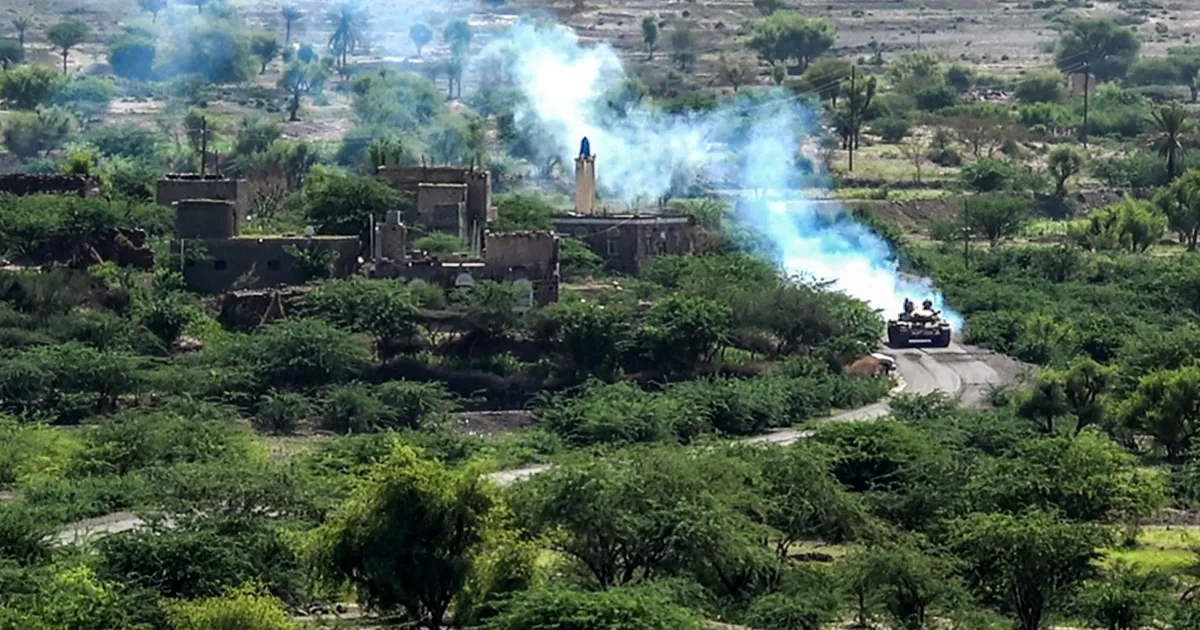
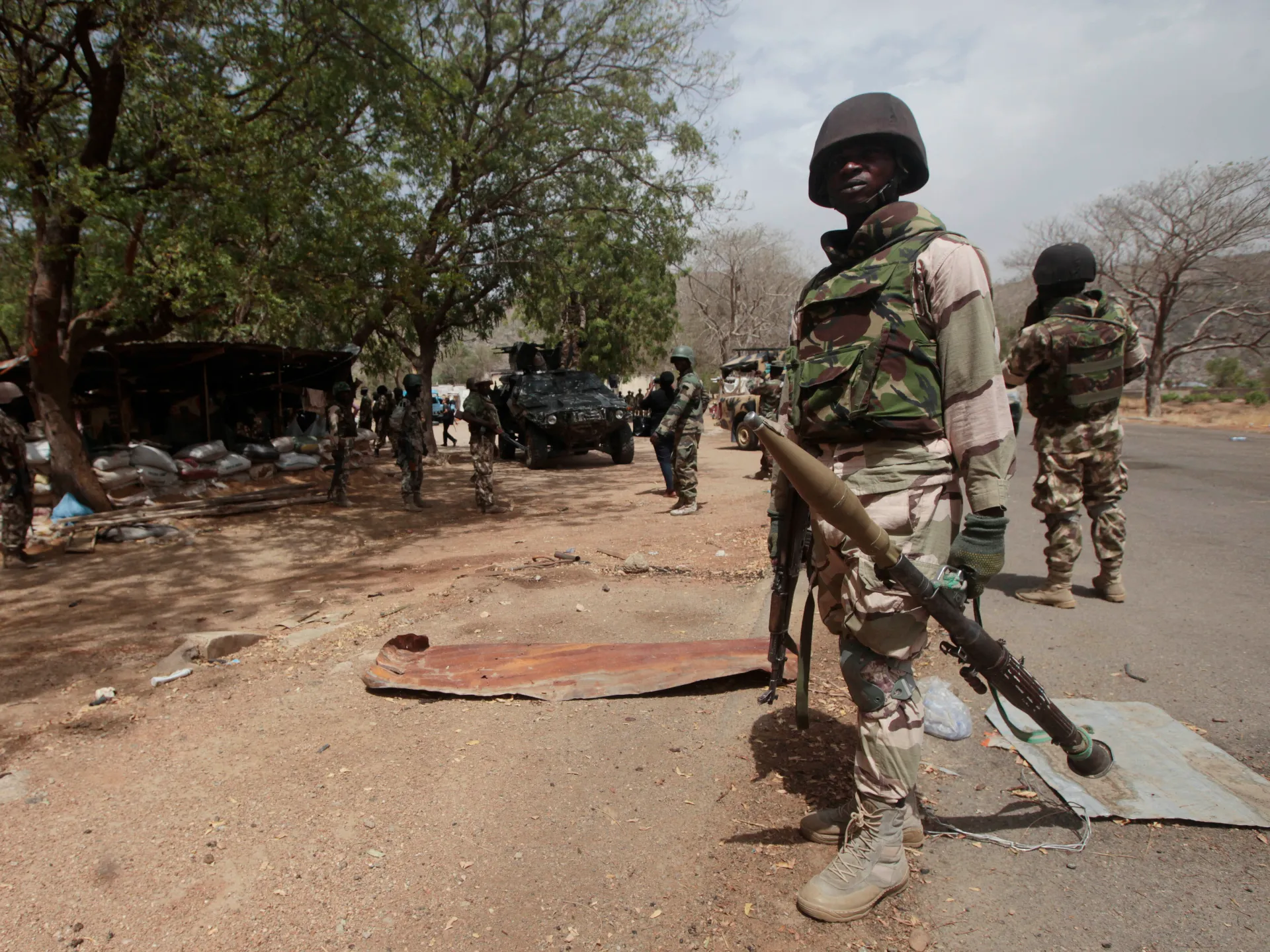
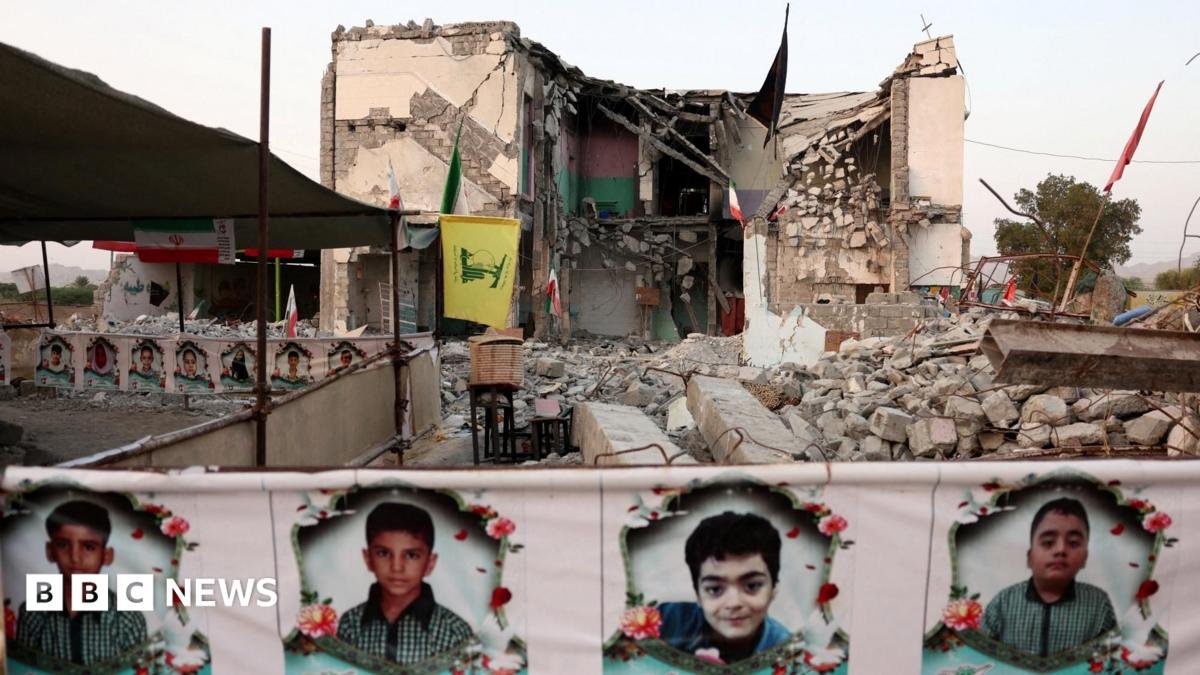
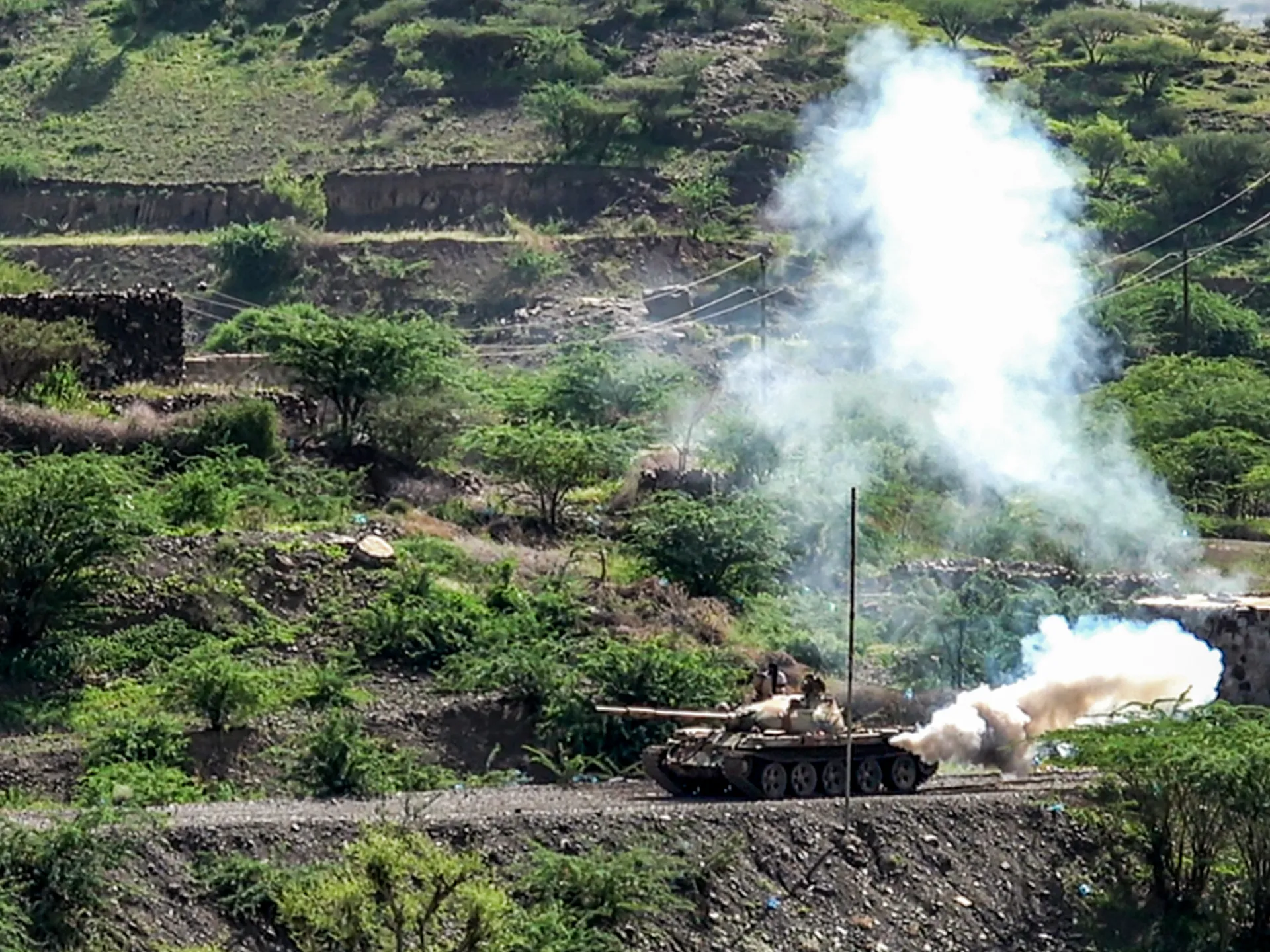
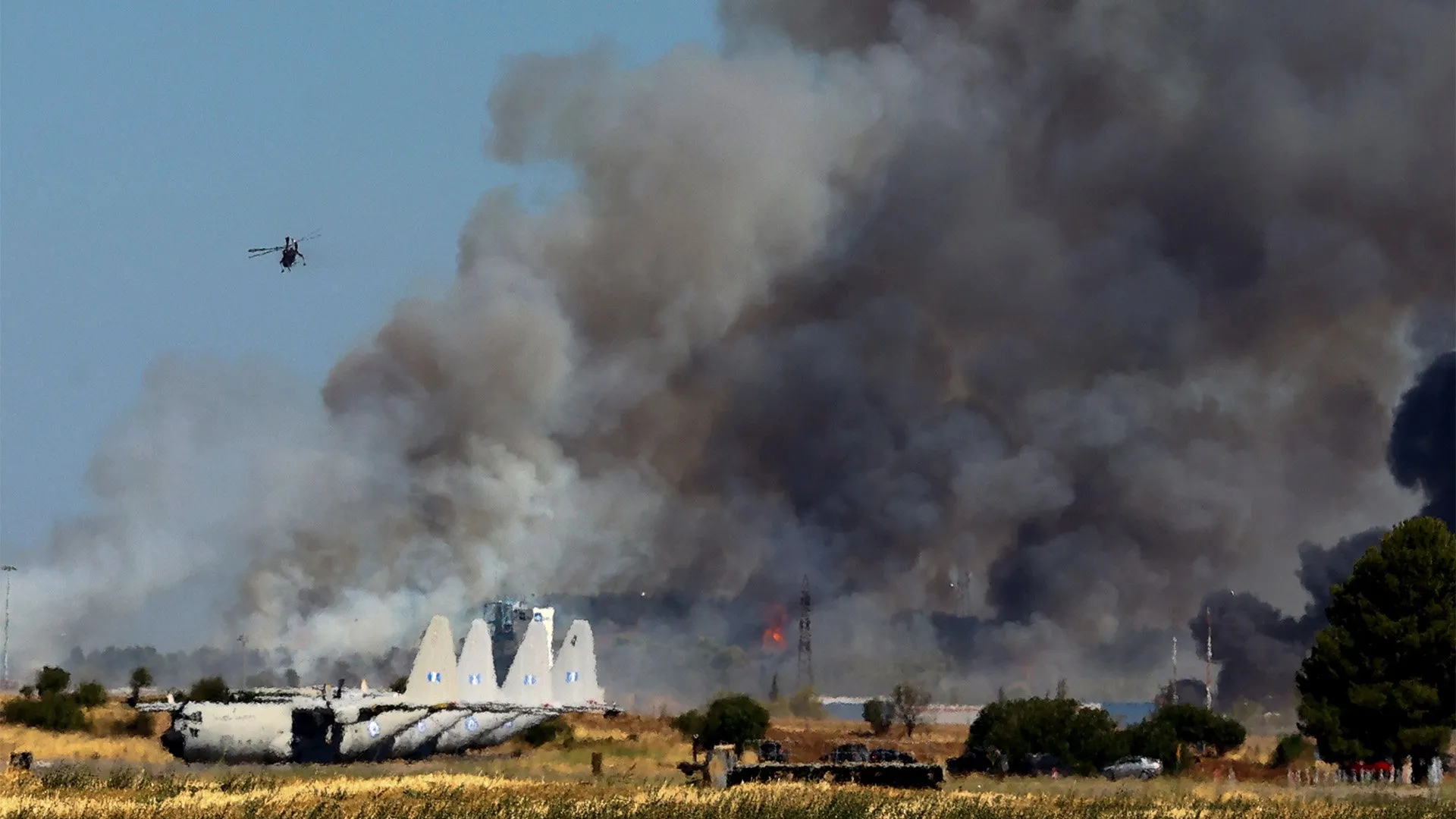
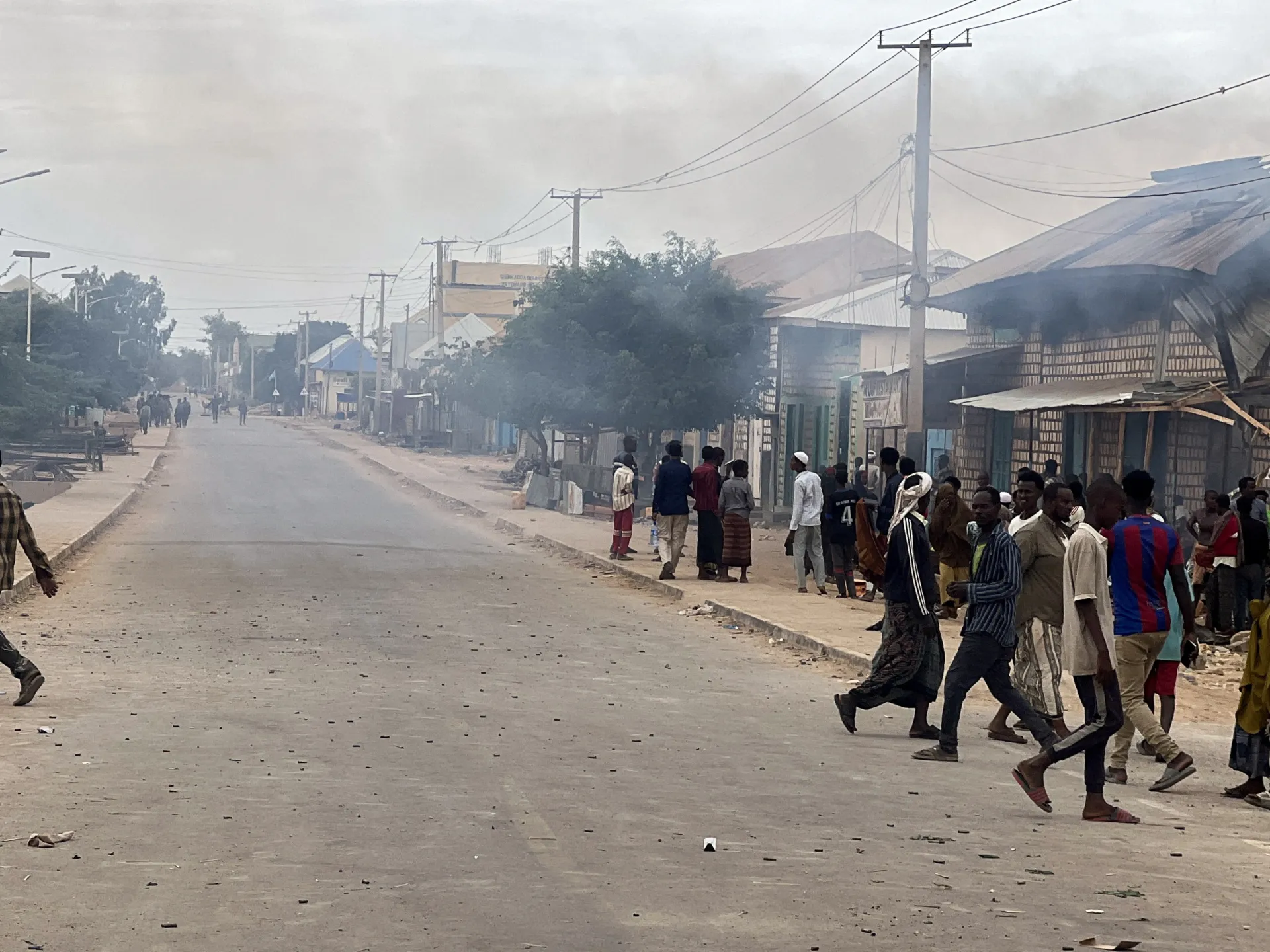
Ethiopian Airlines has officially suspended all commercial flights to the northern Tigray region, citing the increasingly volatile security environment. The carrier ceased operations at airports in Mekelle, Axum, and Shire following reports that Tigrayan forces had seized control of the Alula Aba Nega Airport in Mekelle. Employees arriving for their shifts on Wednesday morning were reportedly turned away, with supervisors confirming that the facility was no longer under federal police control.
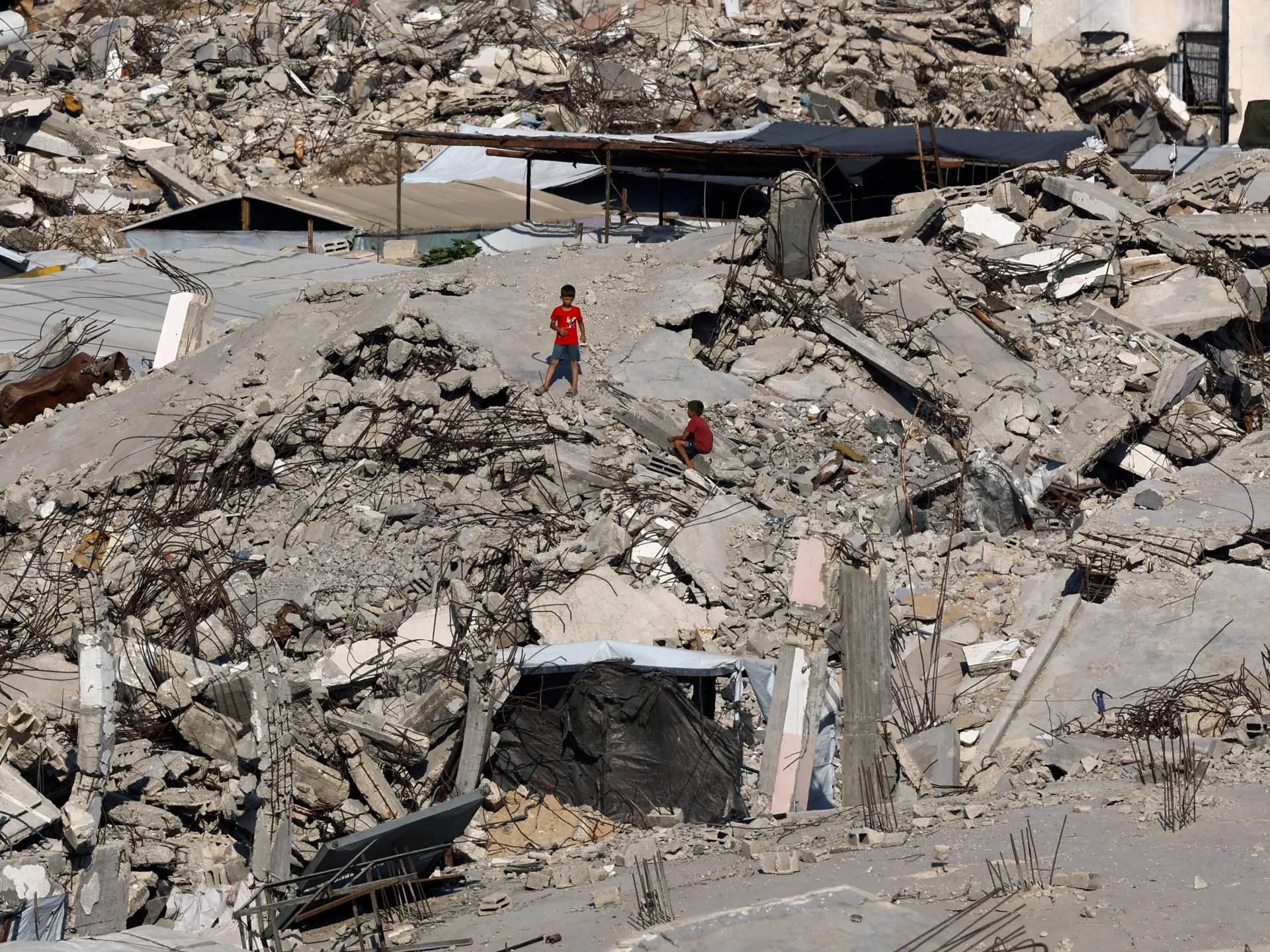
This disruption occurs against a backdrop of deteriorating peace conditions. The Tigray People’s Liberation Front (TPLF), which held power in Ethiopia for nearly three decades, recently announced a coalition with six other armed factions, explicitly stating an intent to challenge the current administration. While a 2022 peace agreement officially concluded the devastating civil war that resulted in hundreds of thousands of casualties, the resurgence of violence suggests that the fragile calm has been shattered. The region remains burdened suggest forced recruitment efforts are underway as both sides prepare for a potential return to full-scale mobilization.
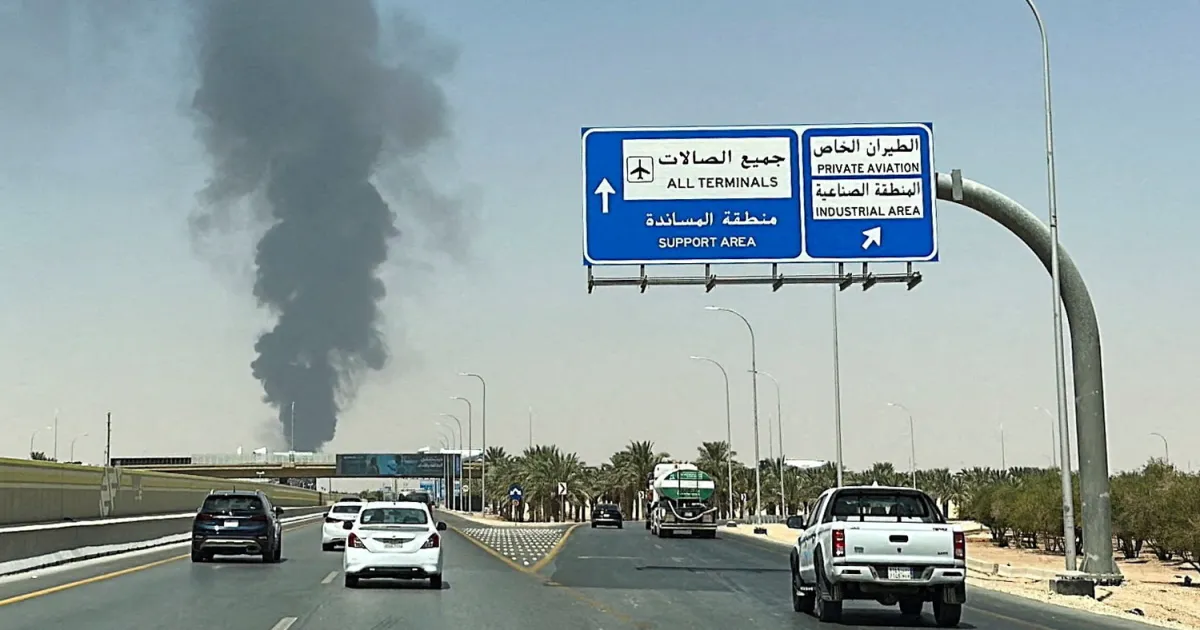
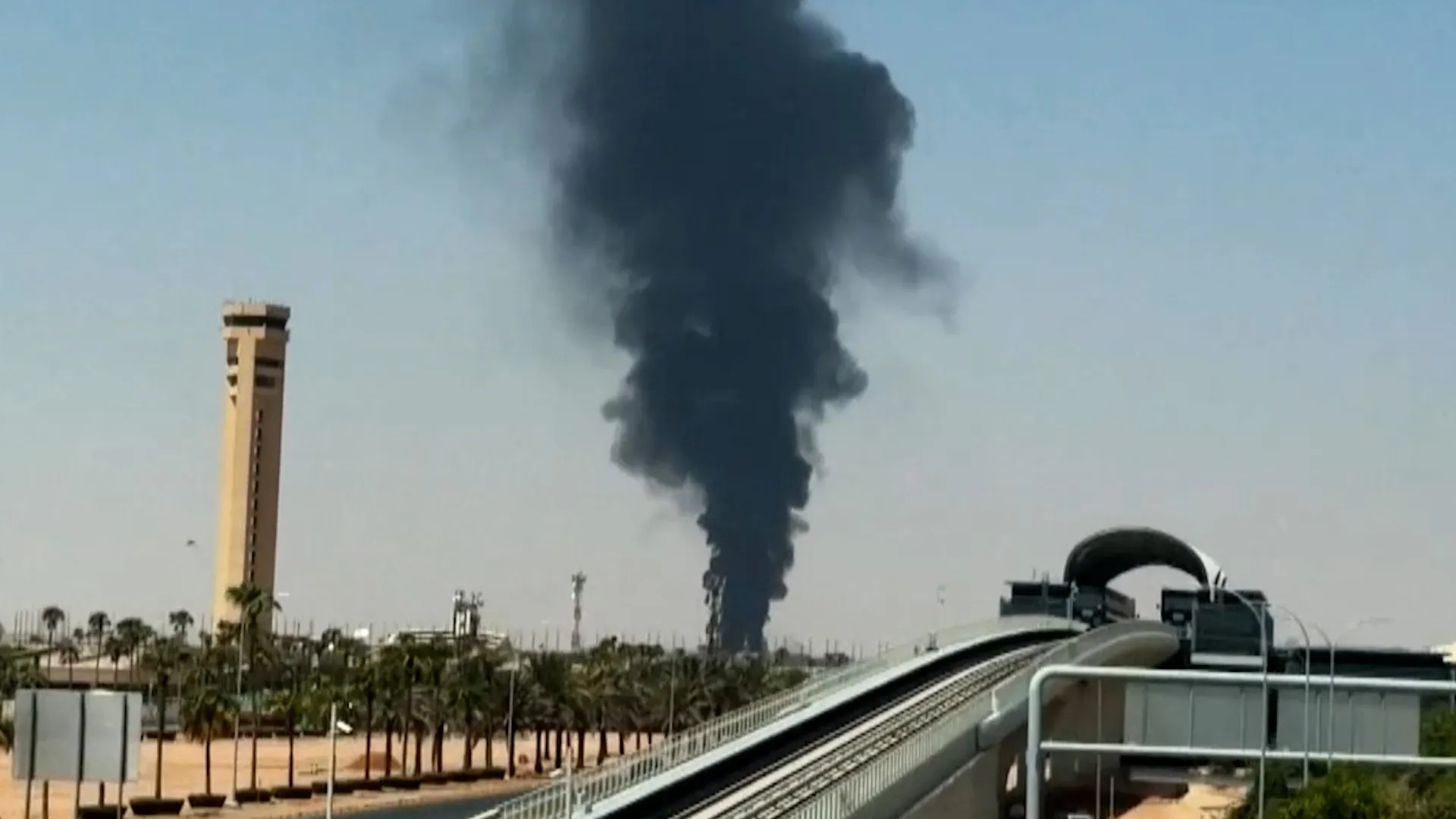
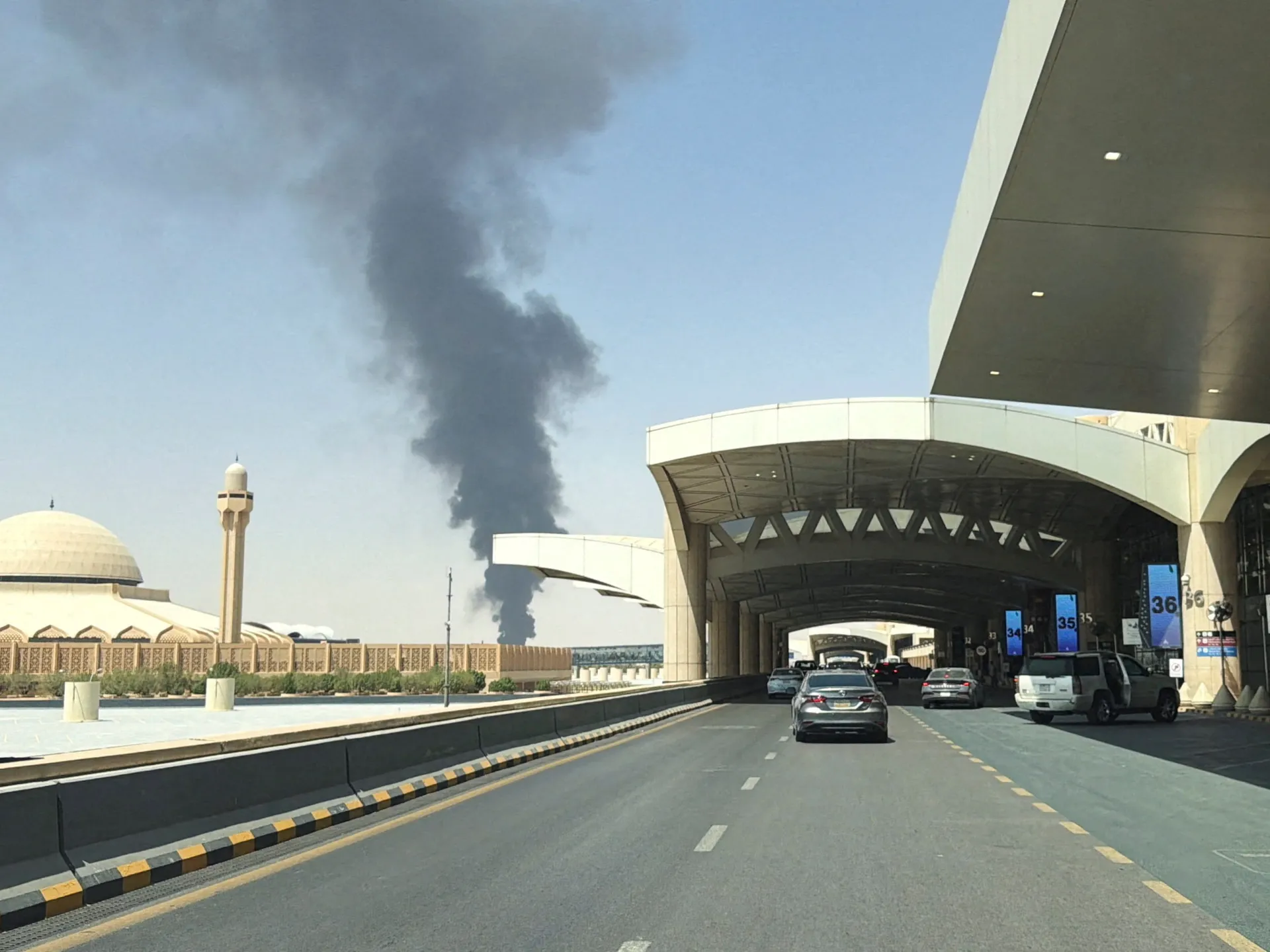
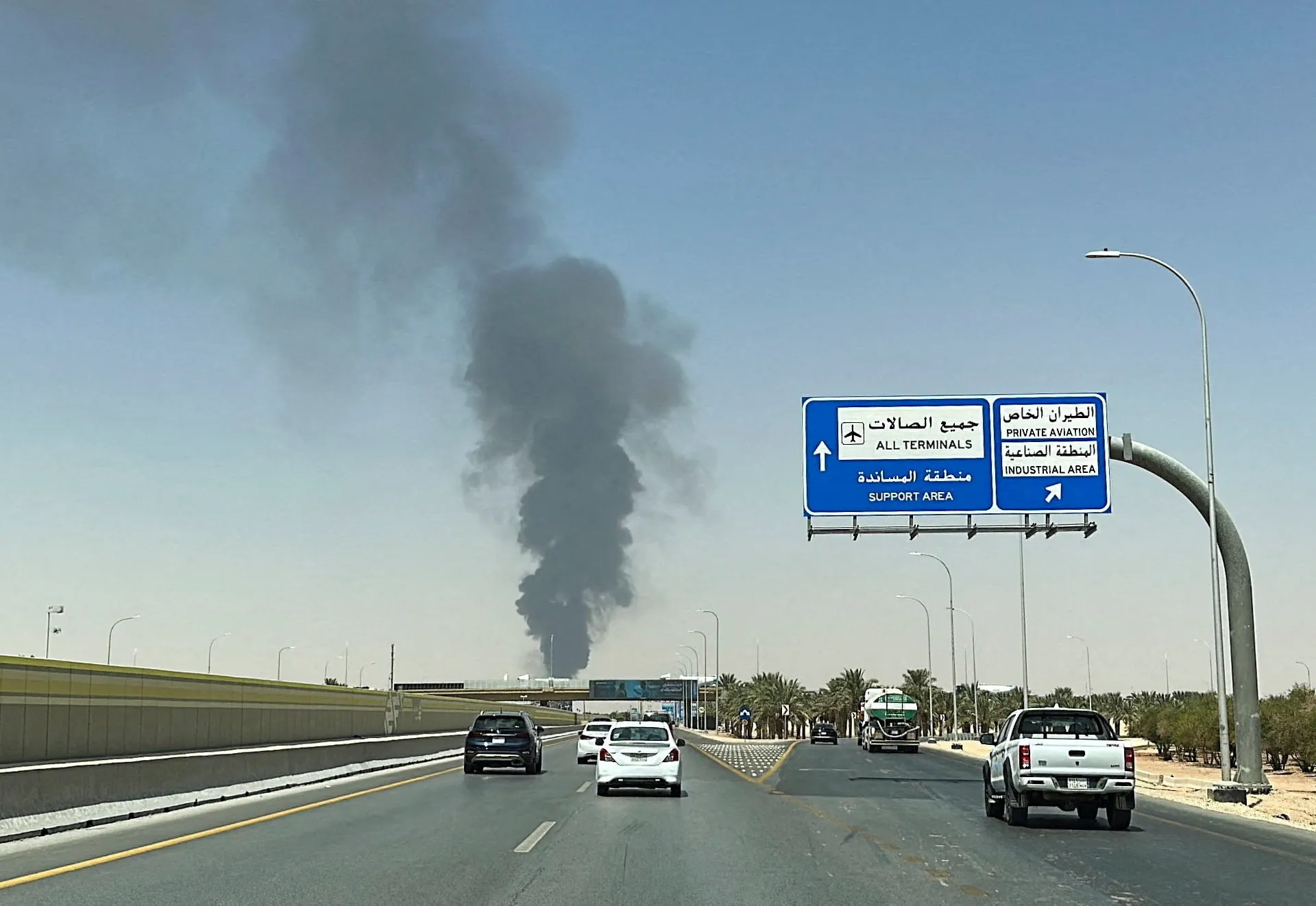
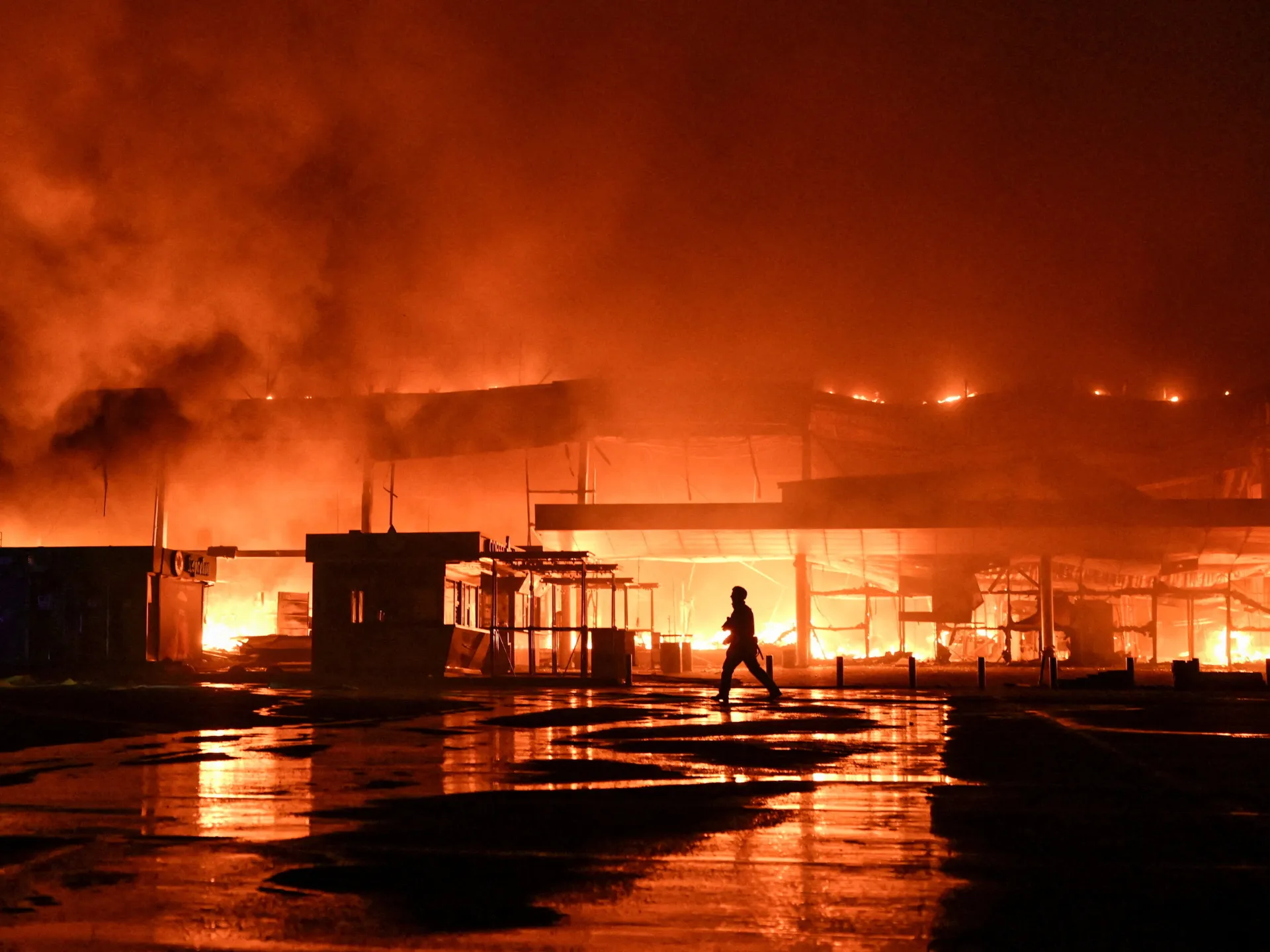
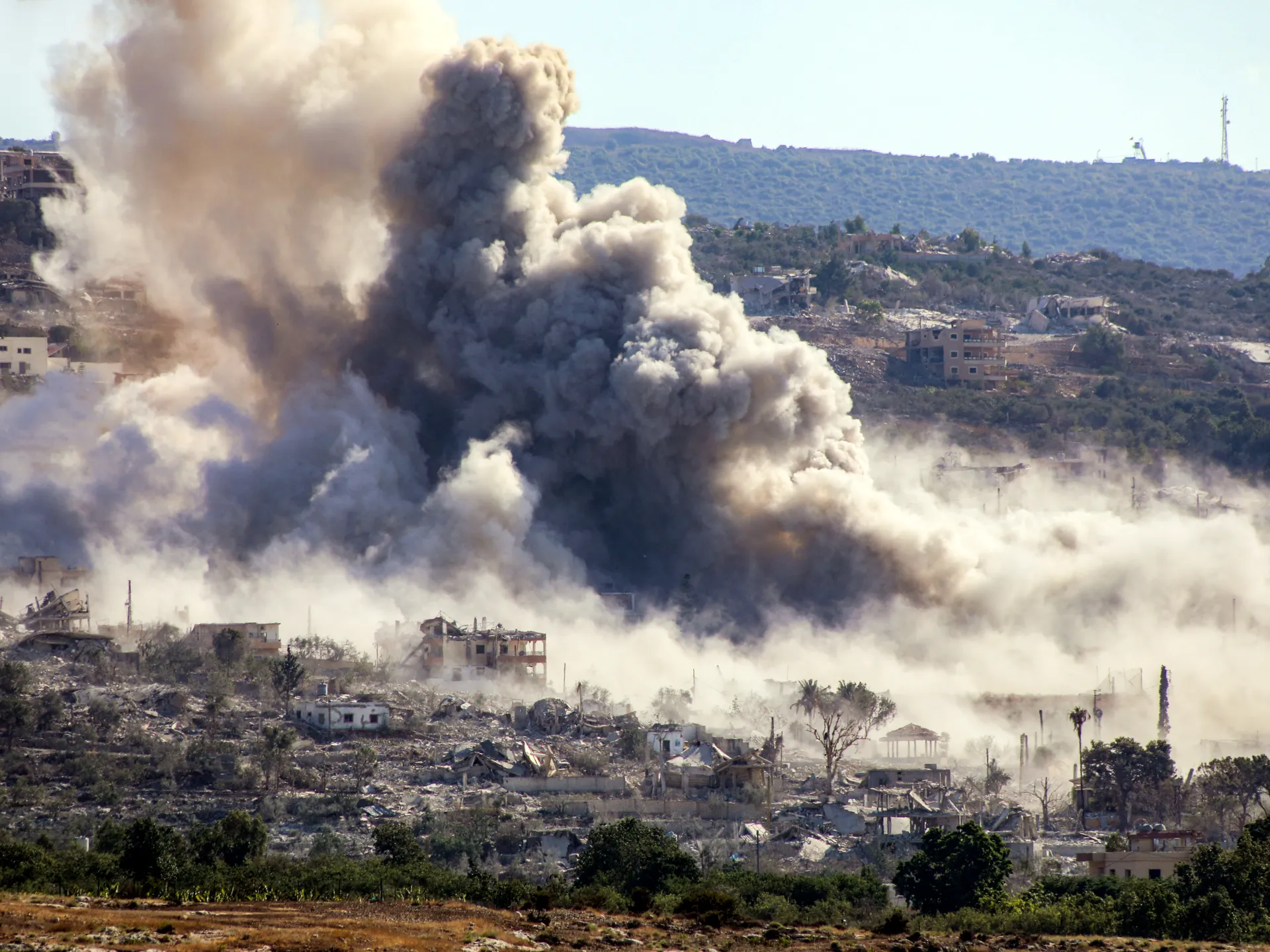
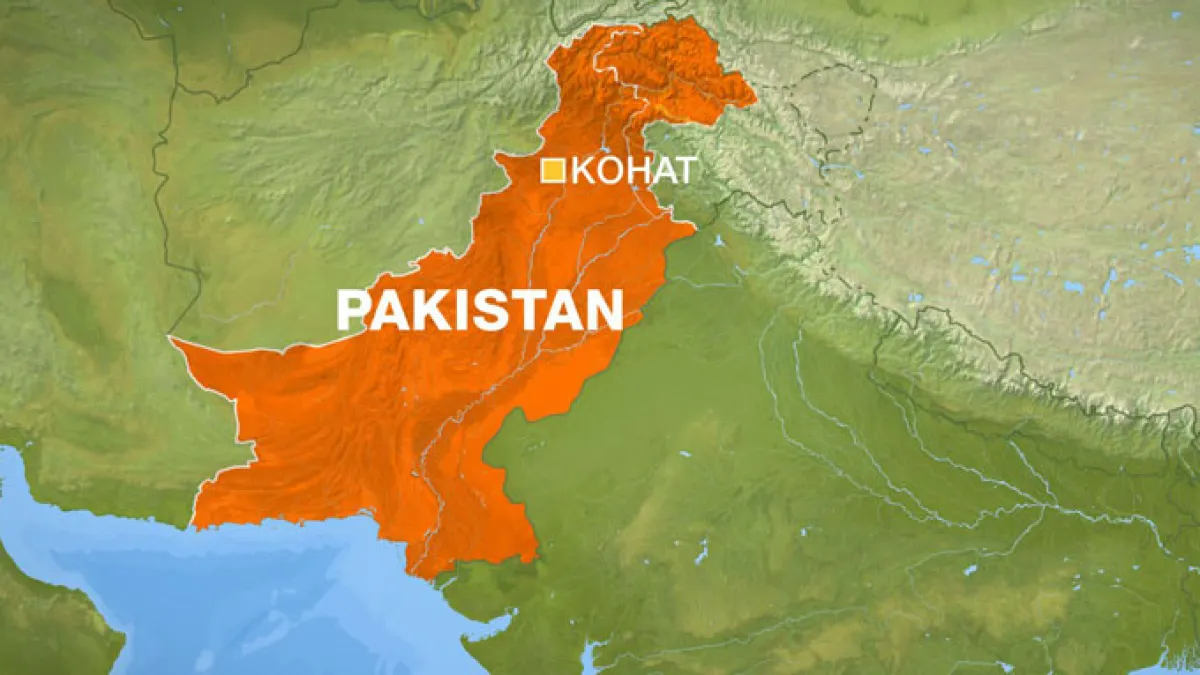
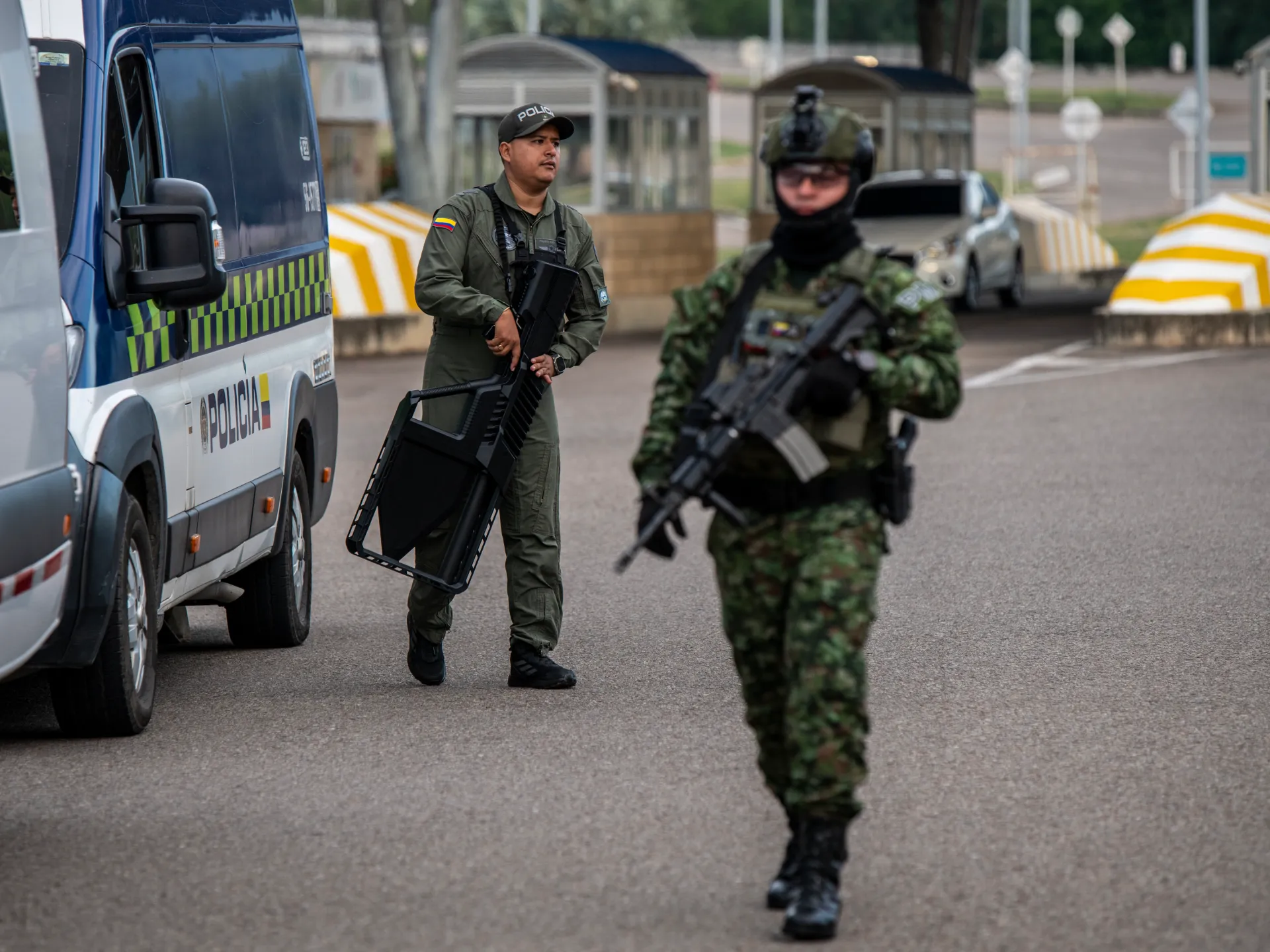
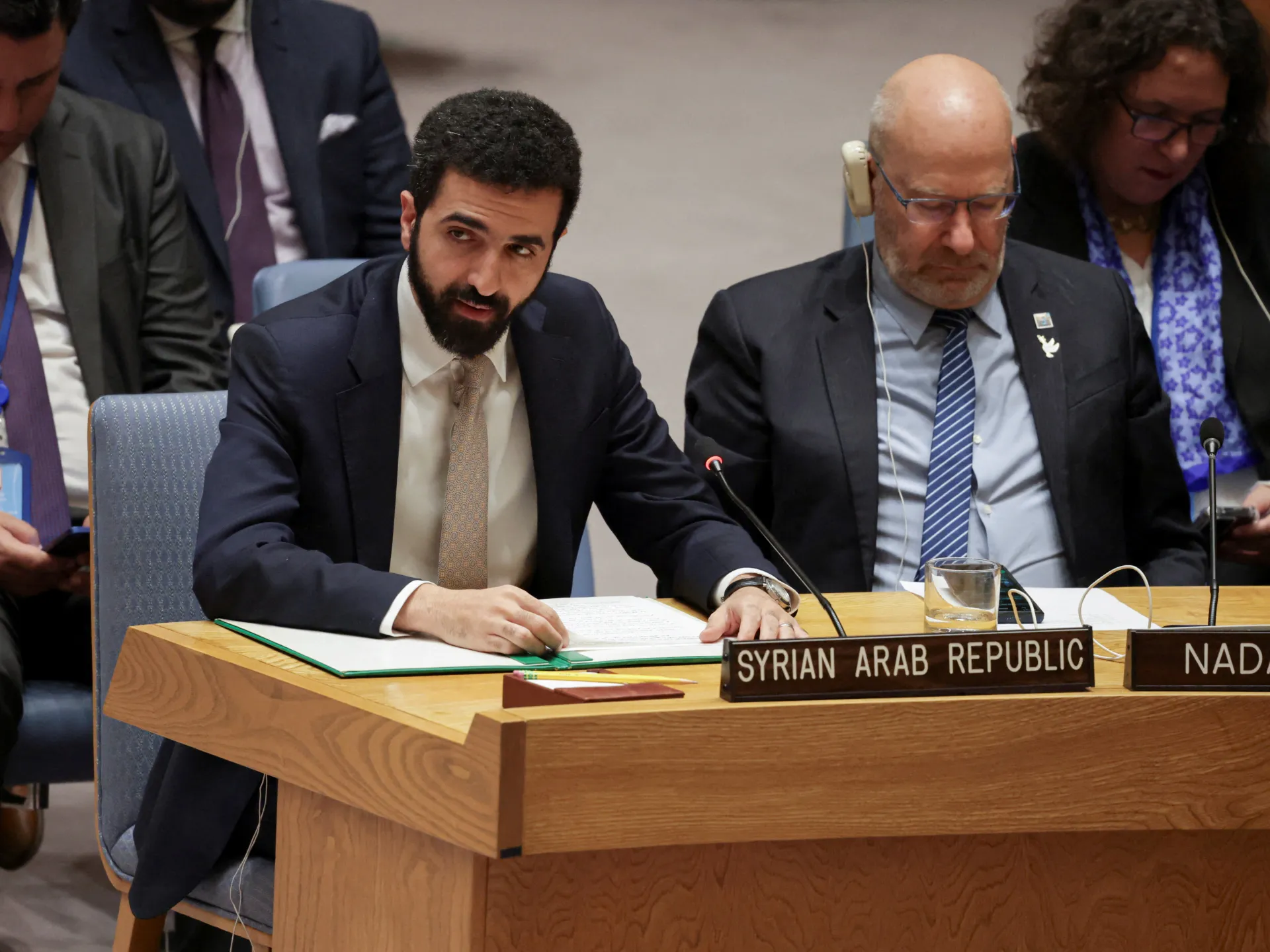
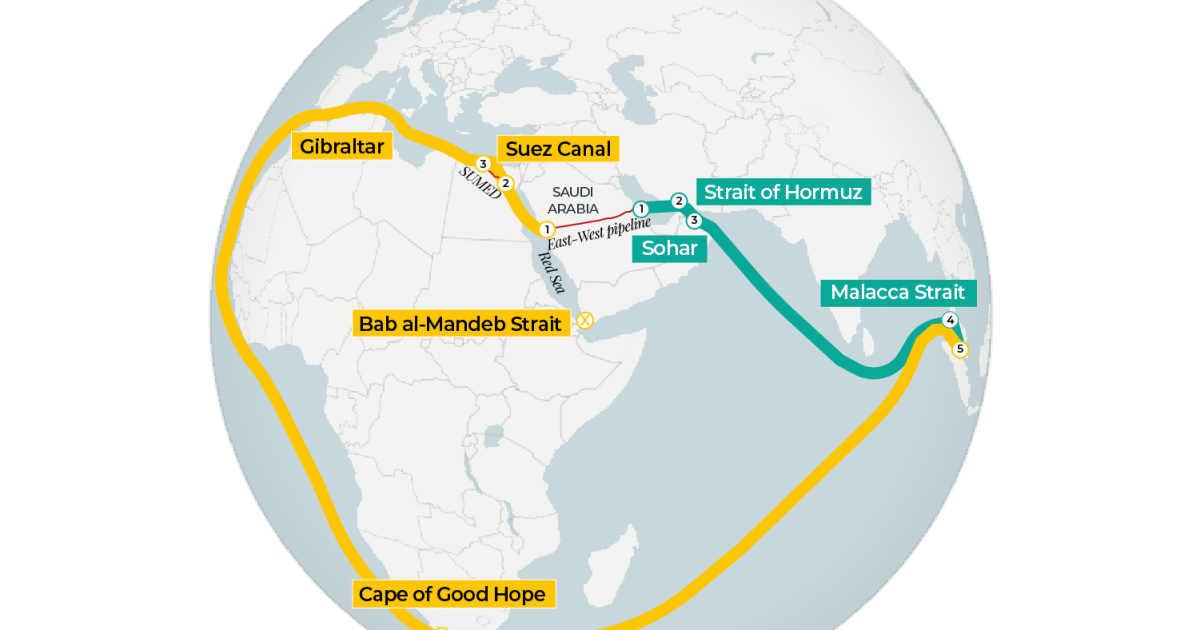
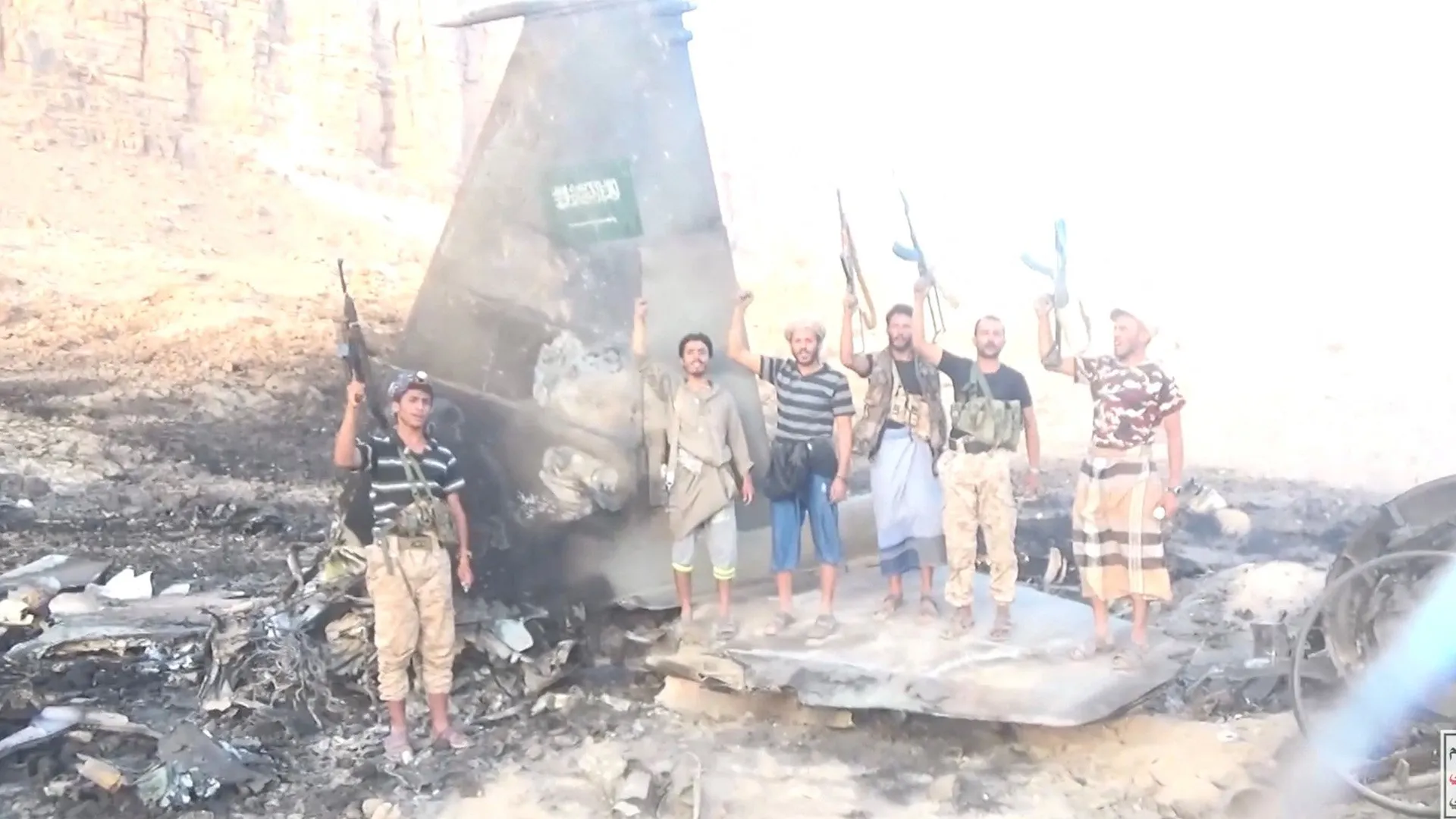
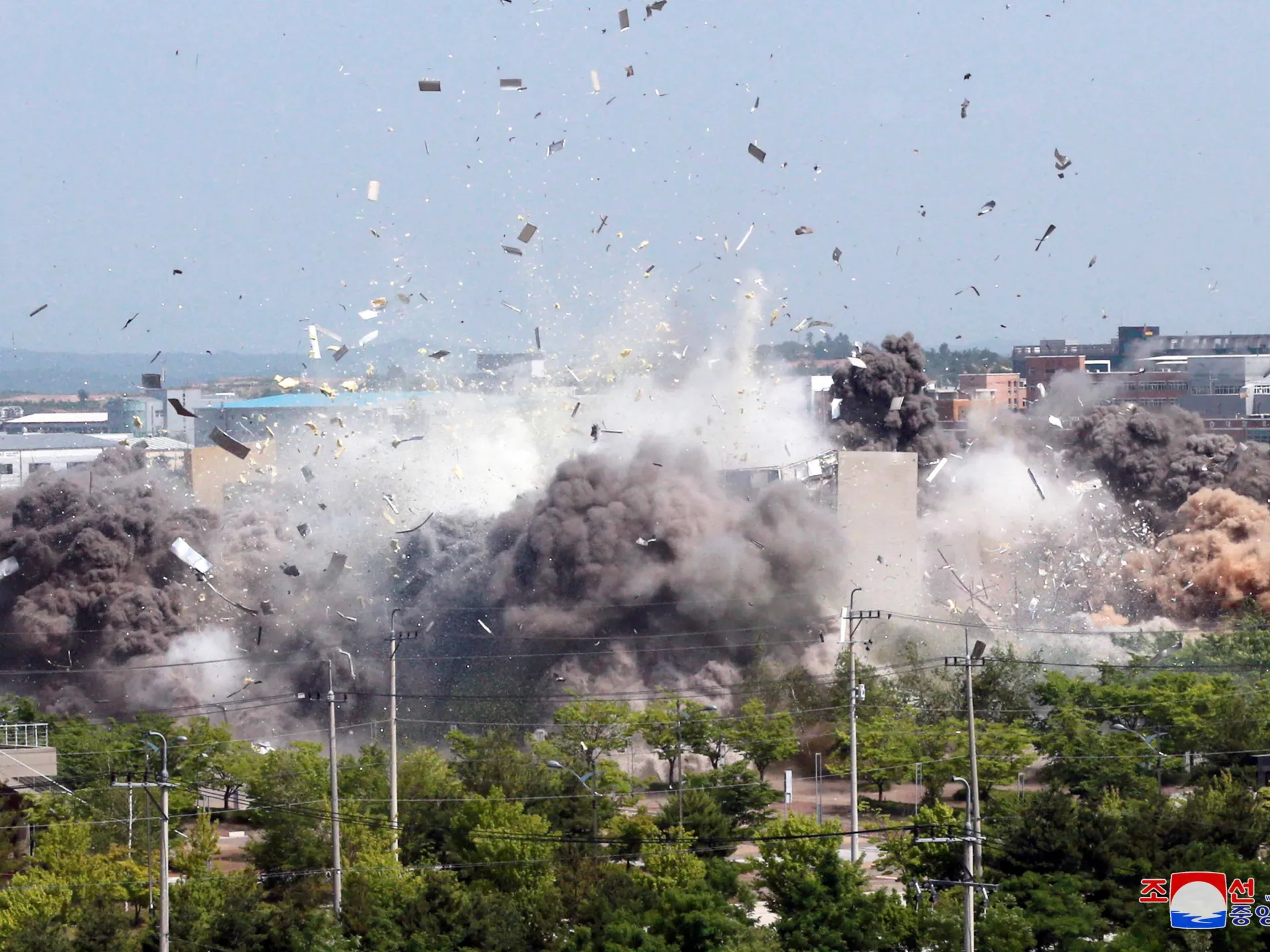
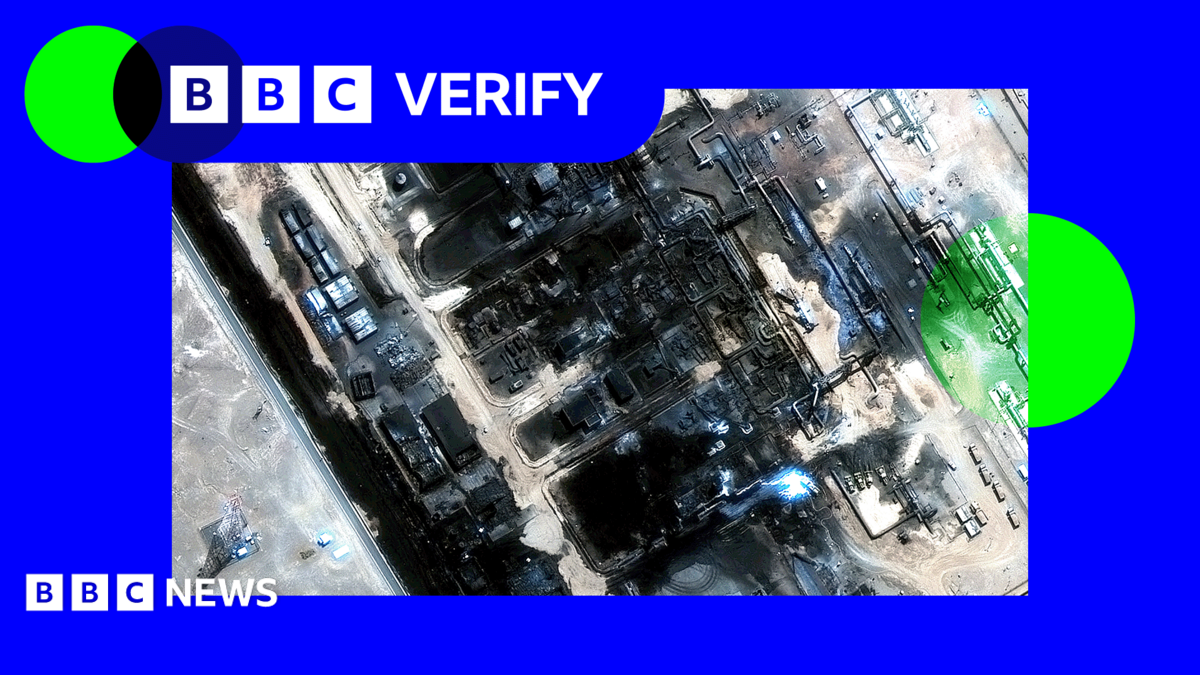
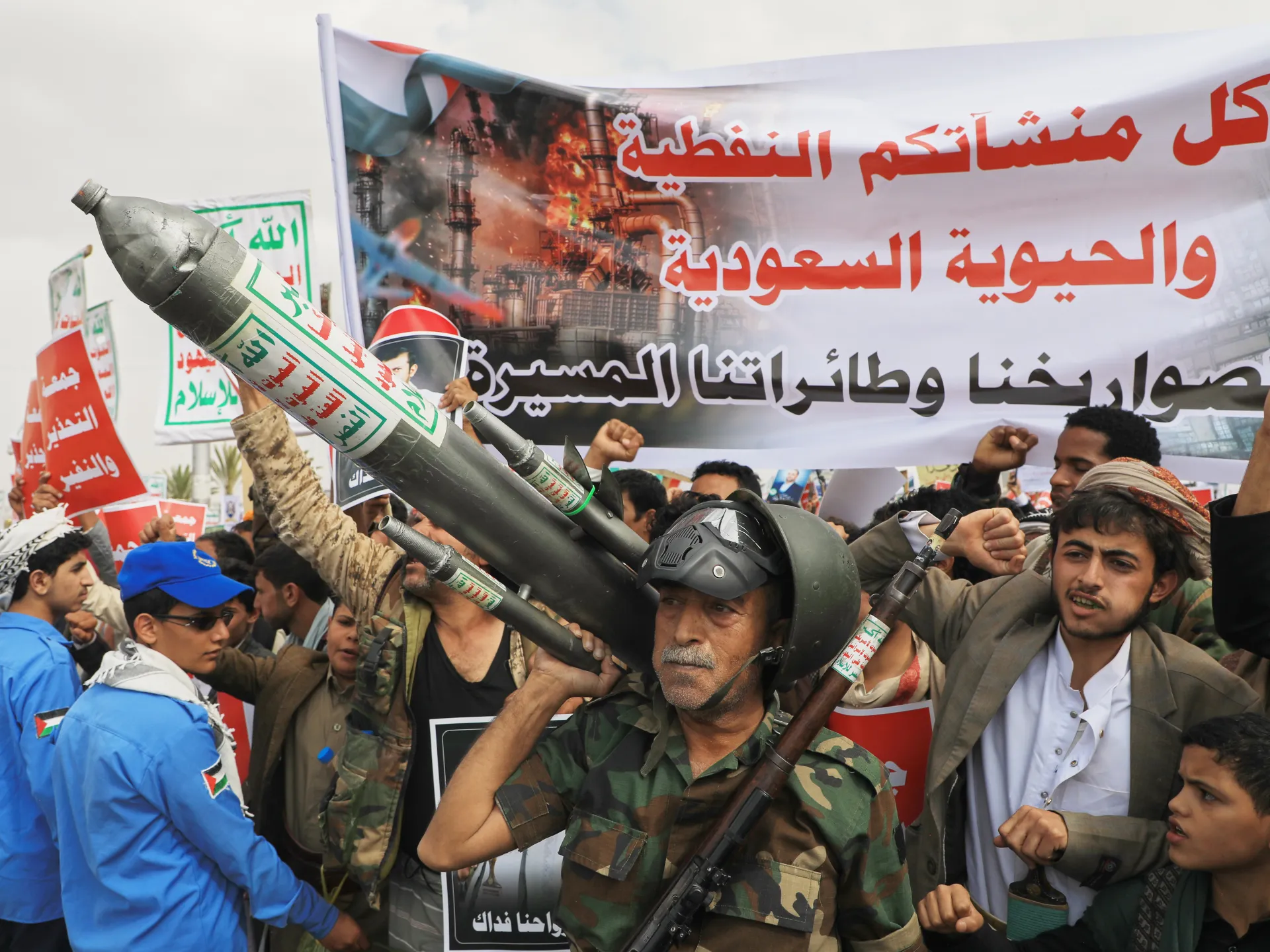
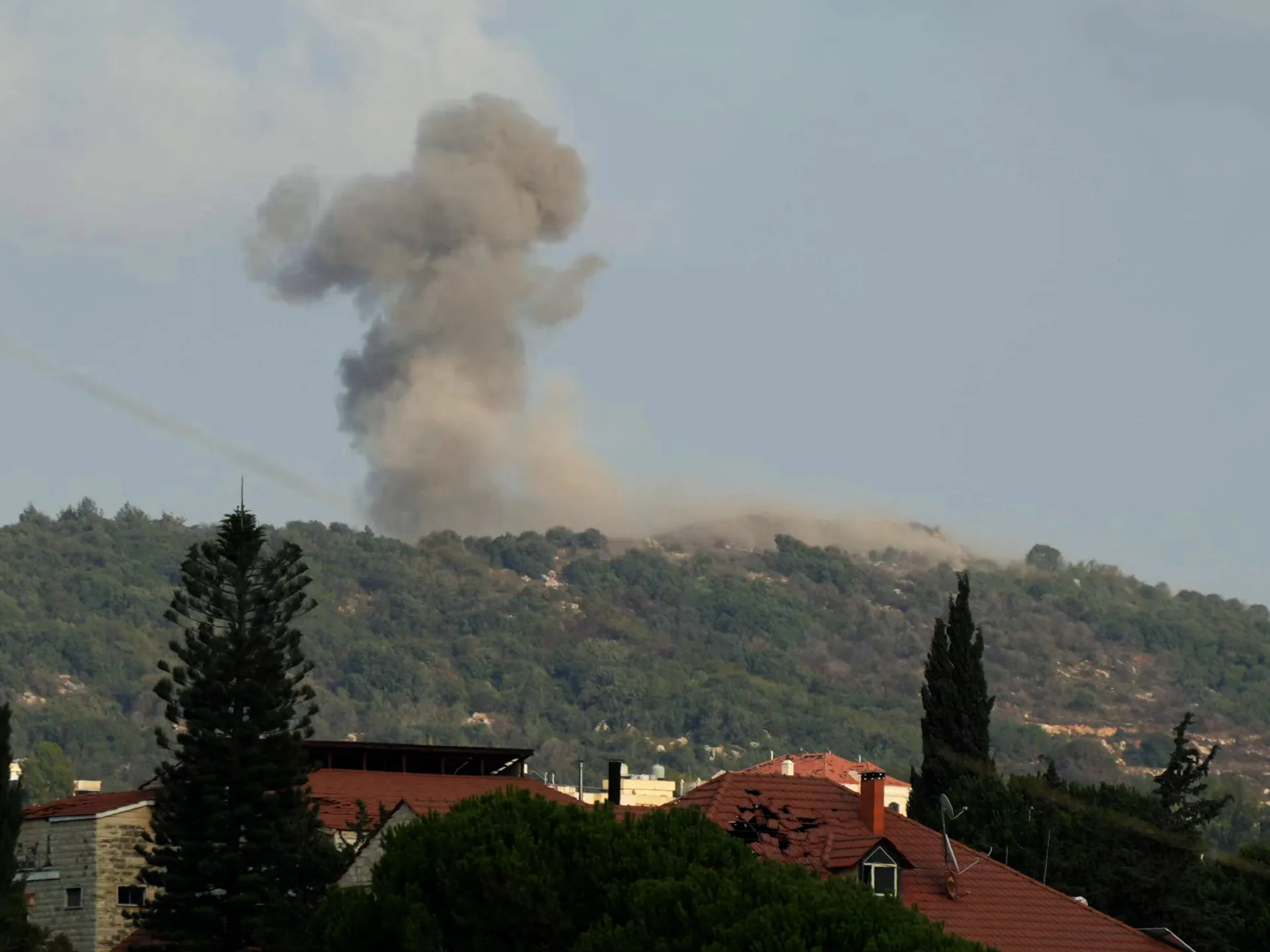
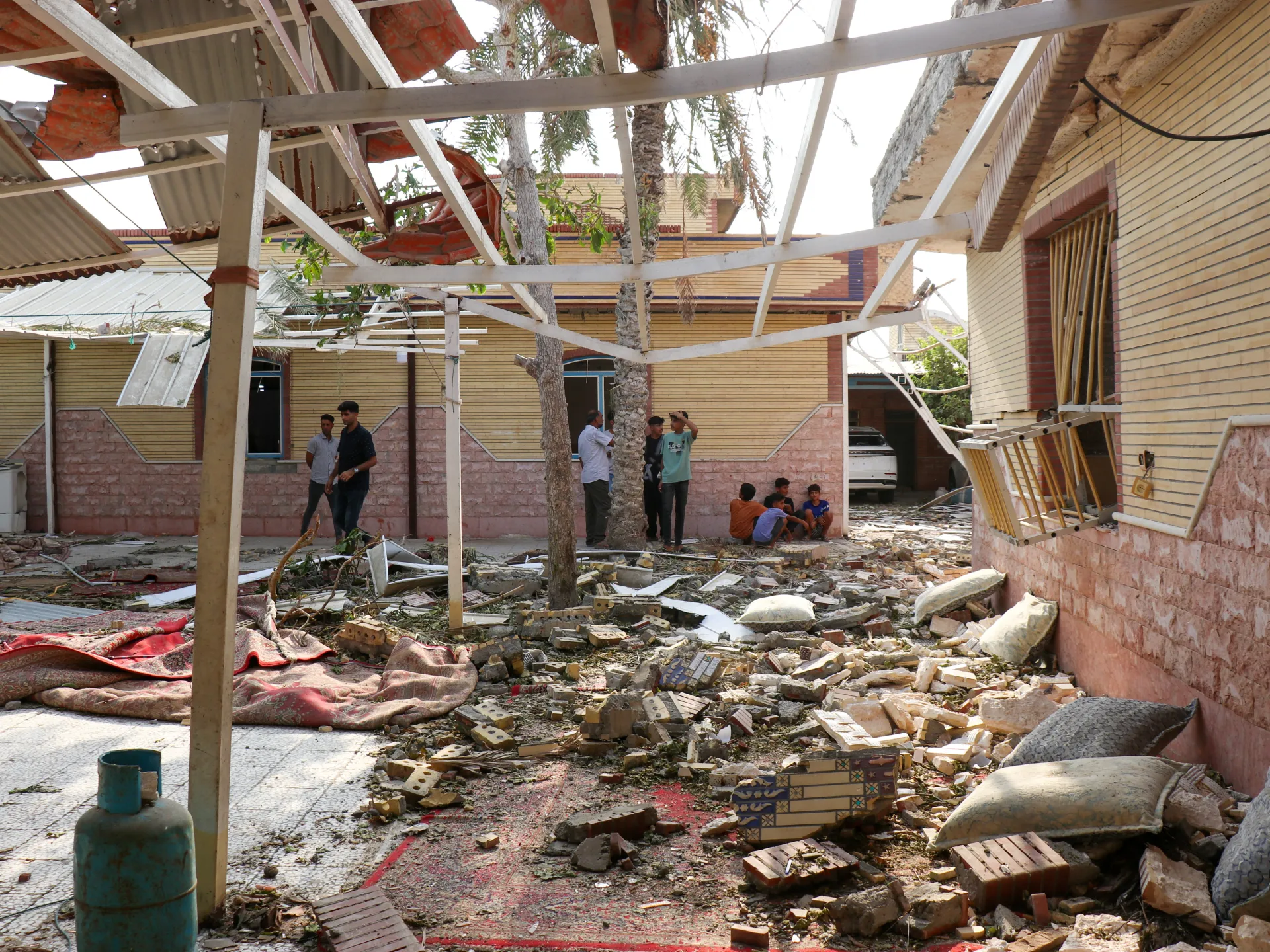
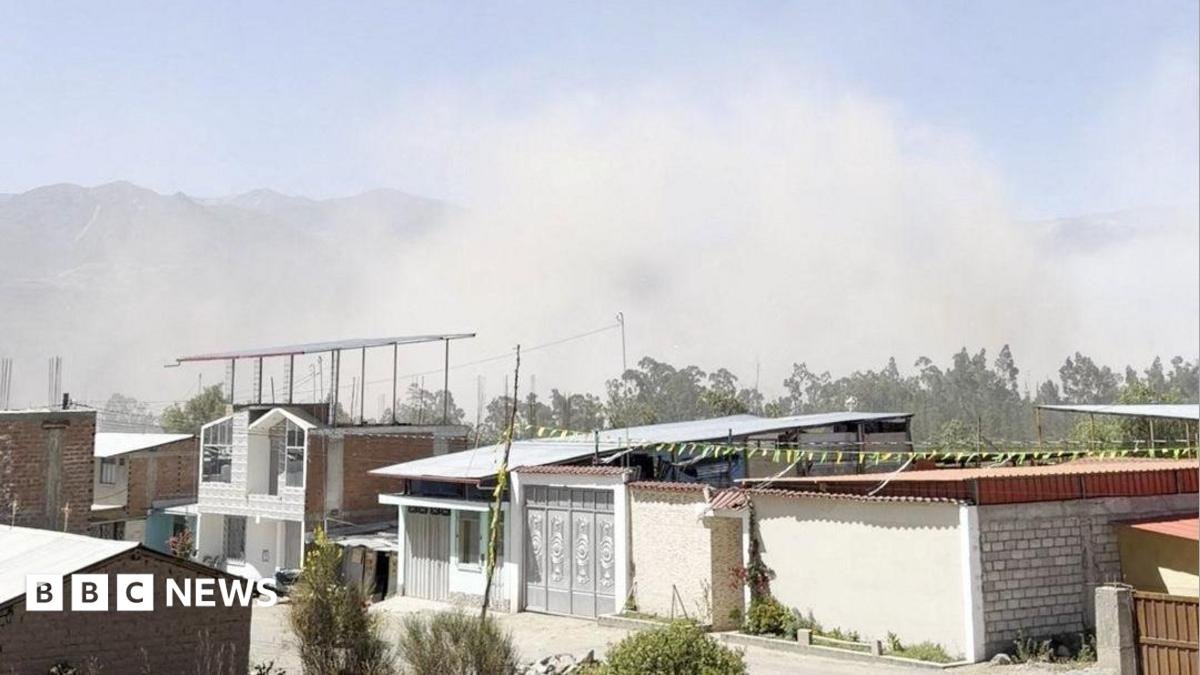
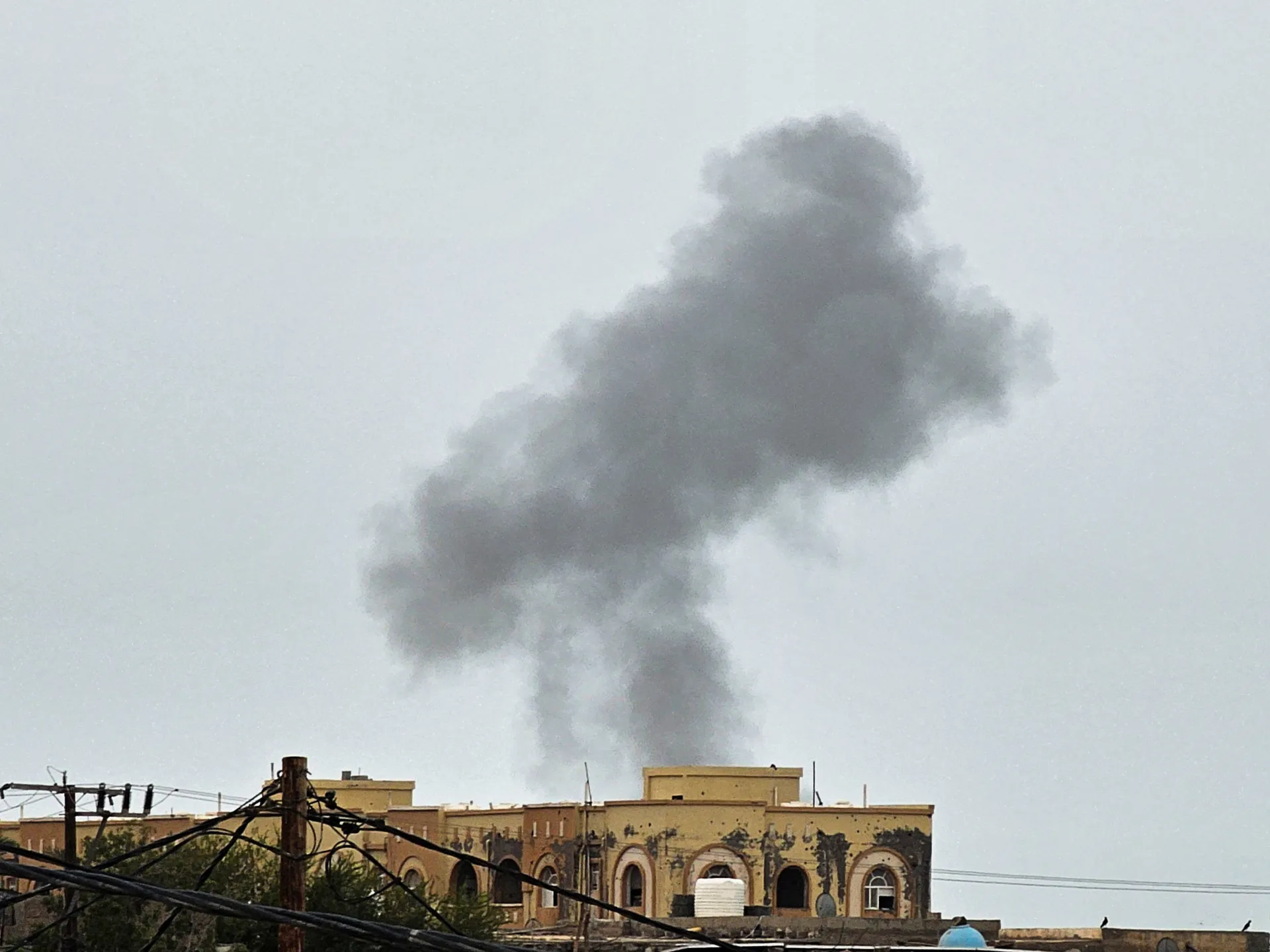
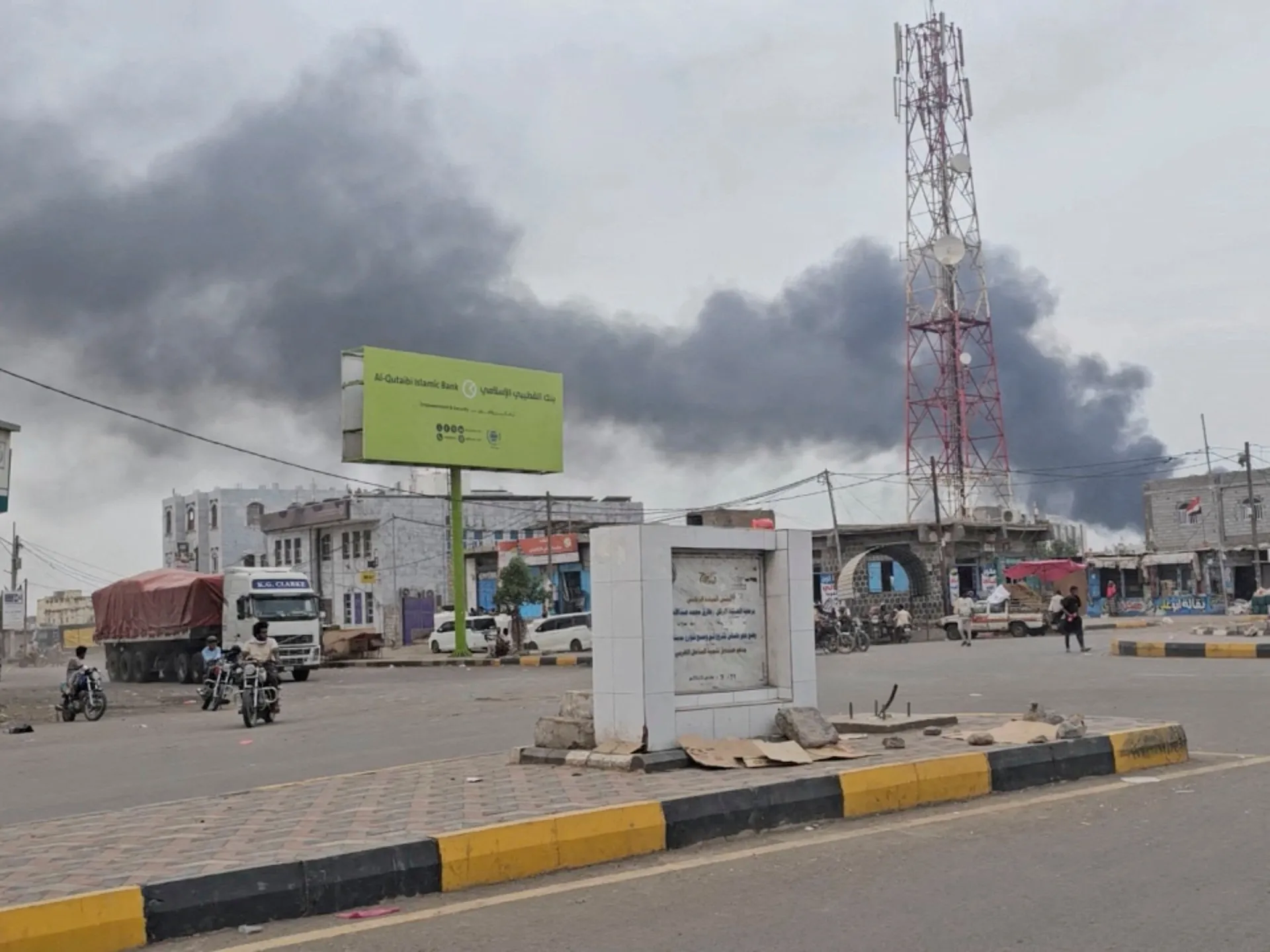
While the Horn of Africa faces internal political collapse, energy security in the Middle East has been compromised d from Iraqi territory, forced an immediate, precautionary shutdown of the infrastructure, which serves as a vital conduit transporting roughly 4% to 5% of the global crude oil supply. Iraqi officials have since dismissed a military commander in the Maysan province, admitting that the attack was launched from within their borders.
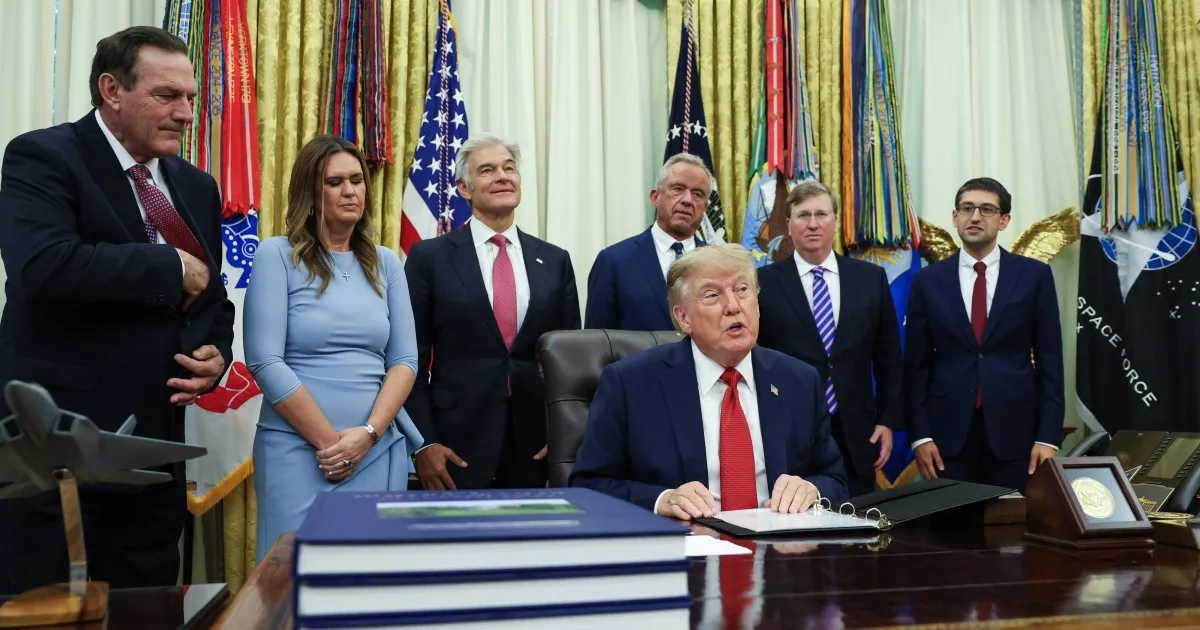
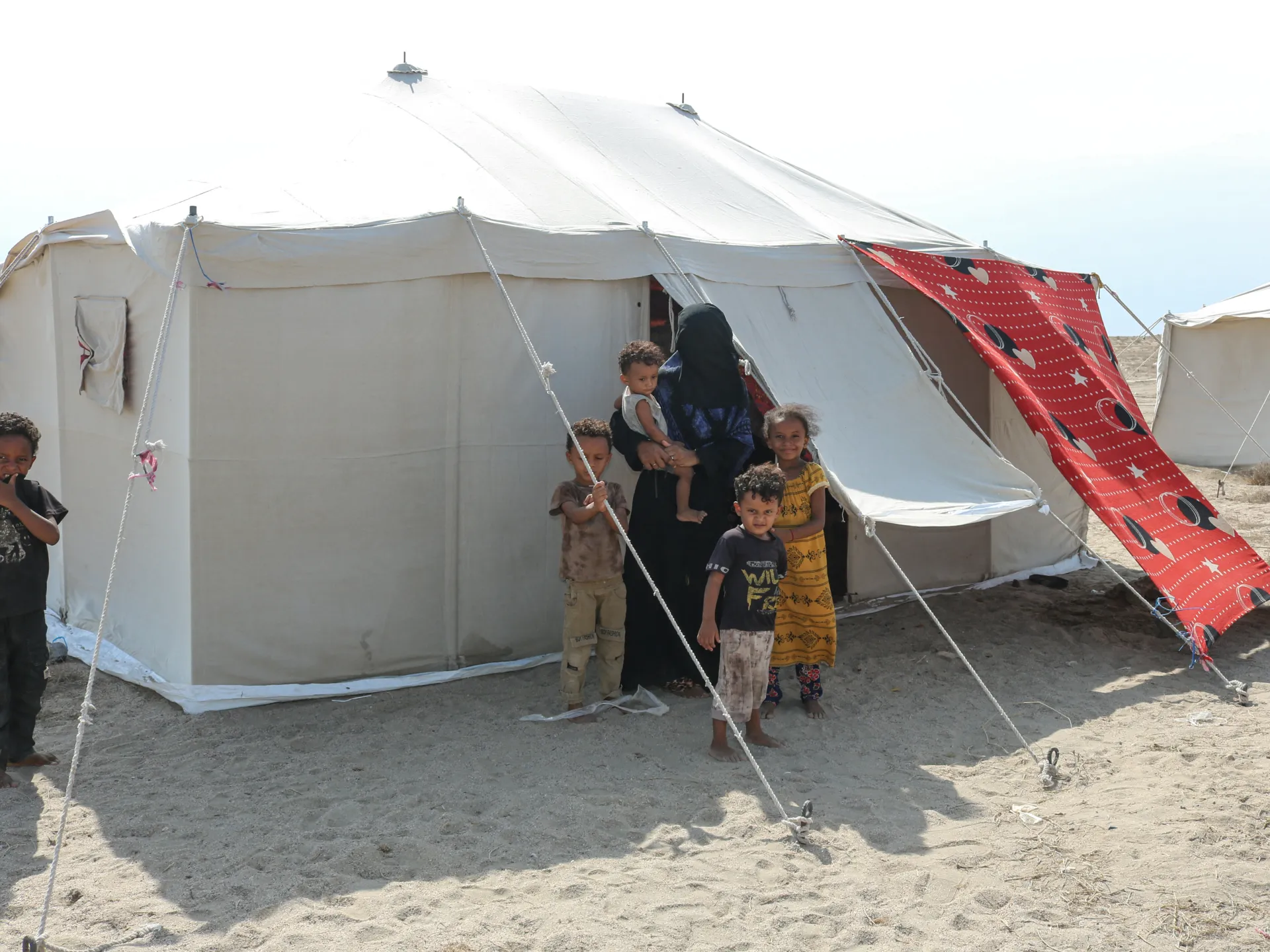
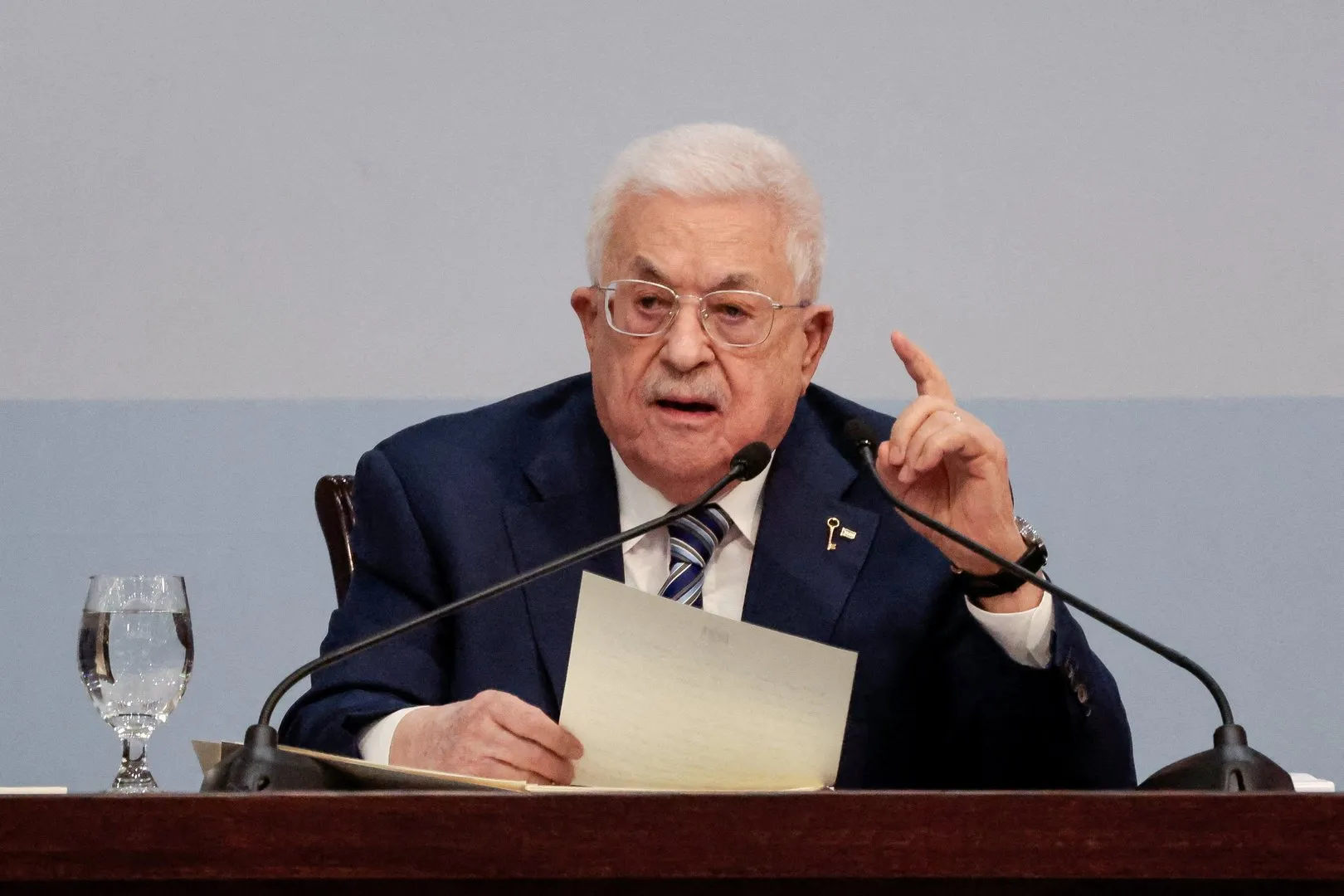
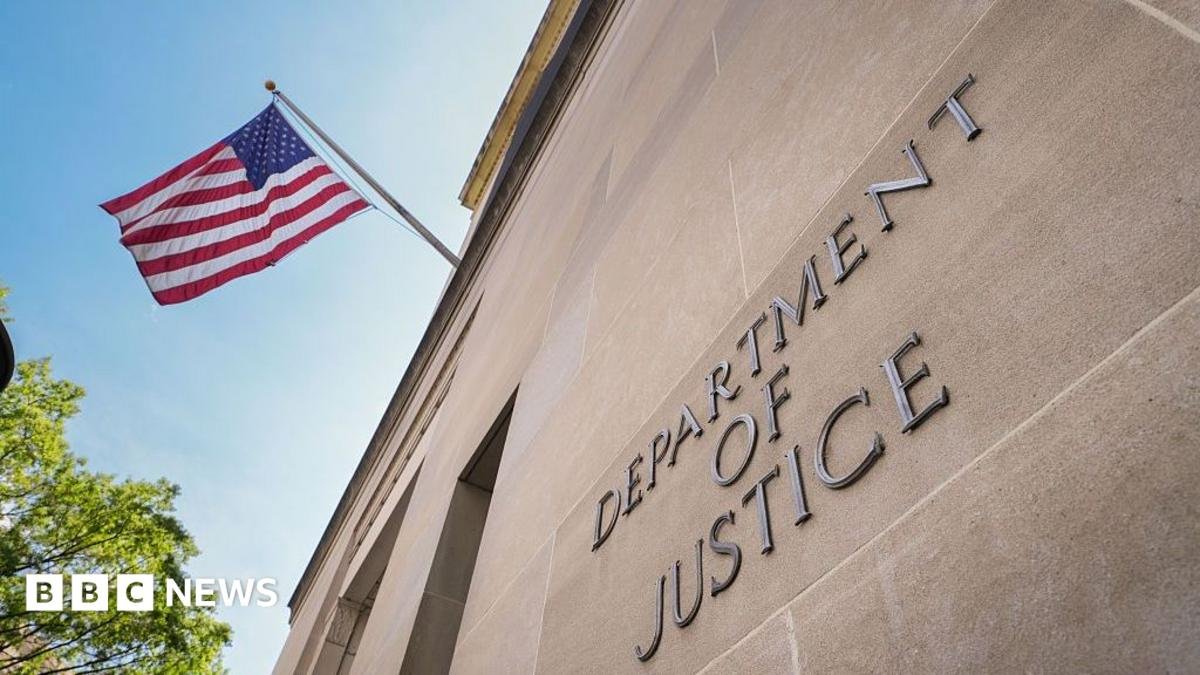
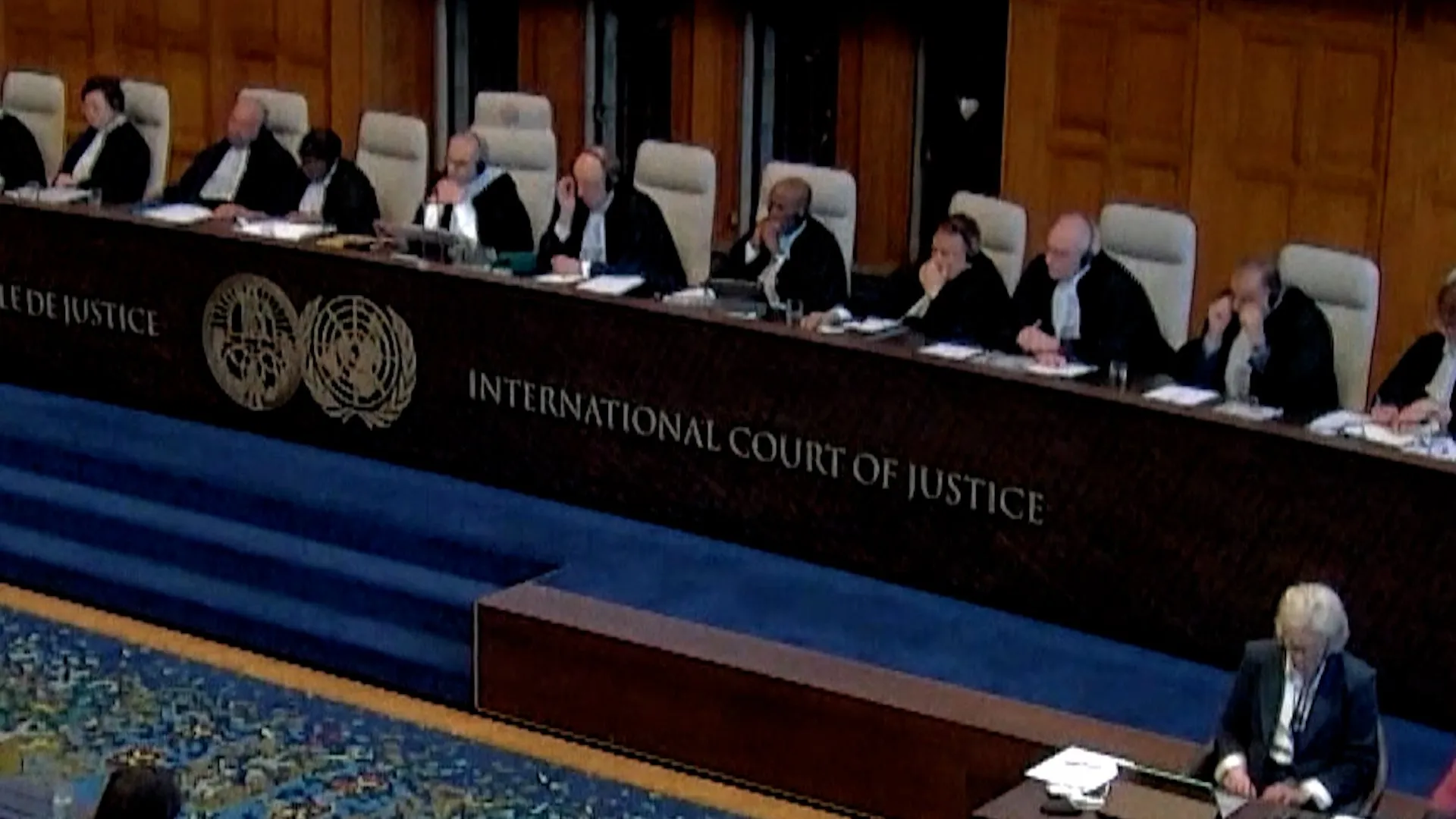
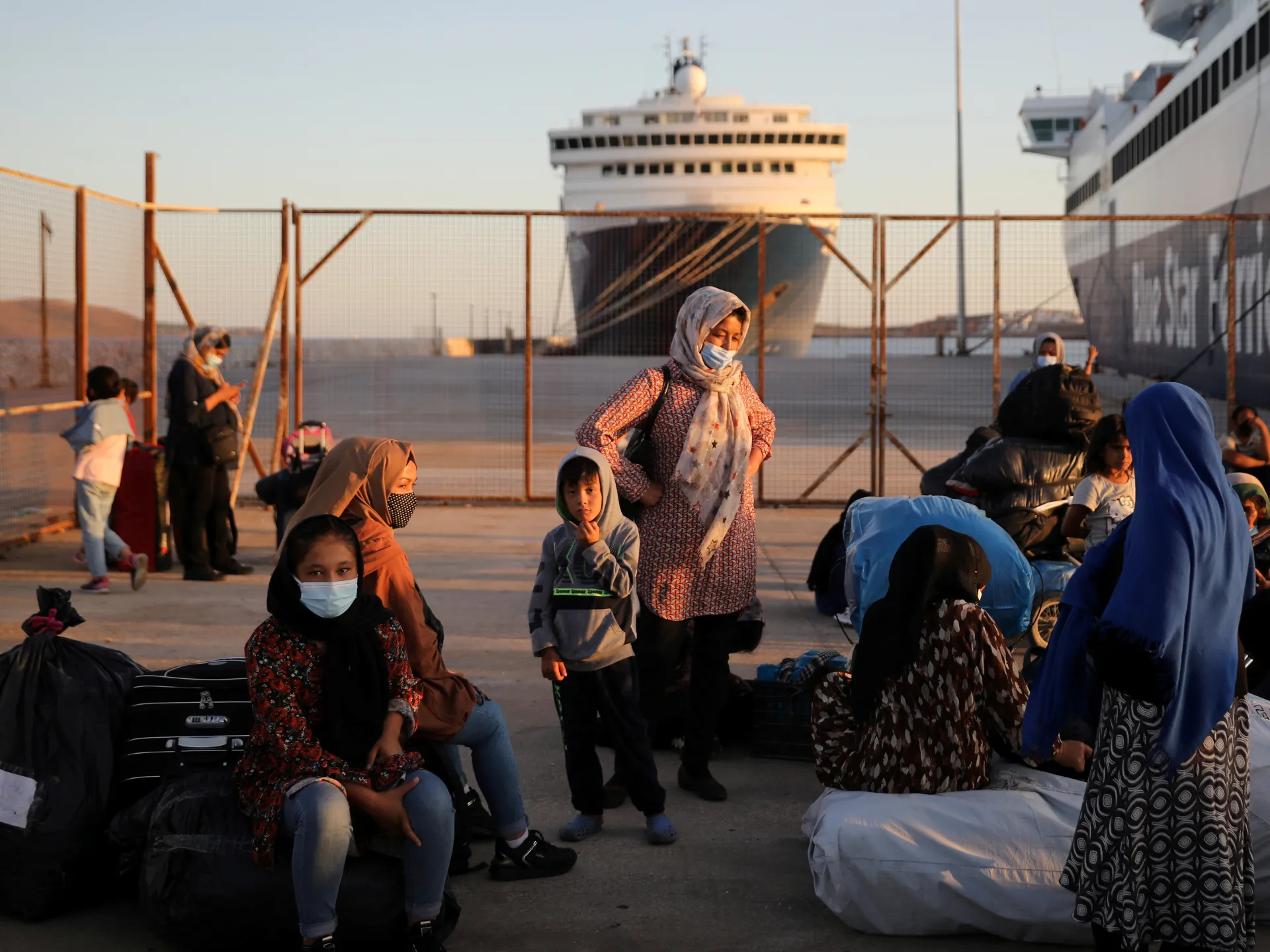
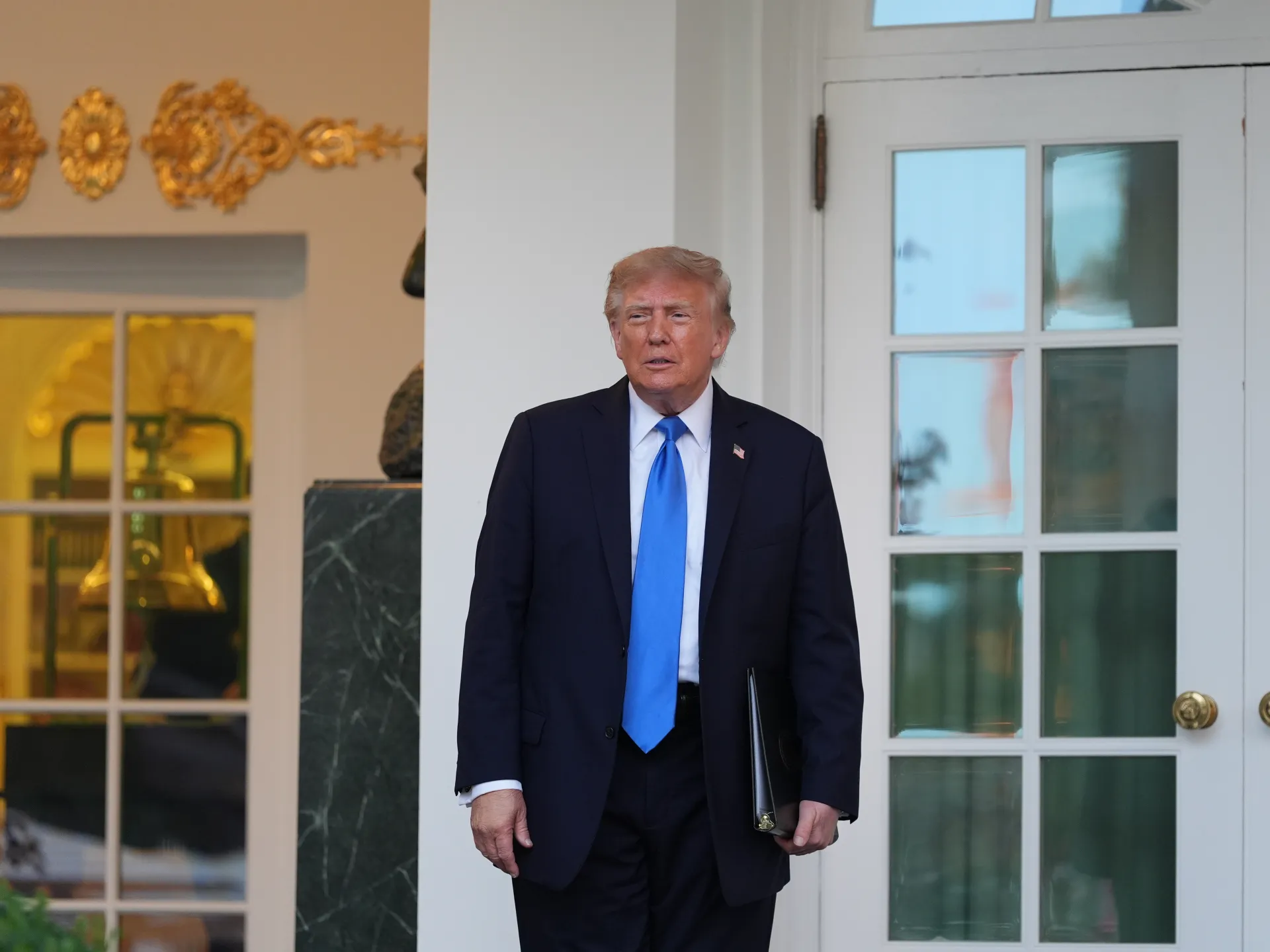
In the United States, the federal judiciary has provided the administration with a significant victory regarding immigration enforcement. U.S. District Judge Brian Murphy issued a ruling clearing the path for the Department of Homeland Security to terminate Temporary Protected Status (TPS) for Ethiopian nationals. This decision follows a broader trend of legal challenges to humanitarian protections; the court held that while plaintiffs may proceed with claims of discriminatory intent under the Fifth Amendment, the government maintains the administrative authority to end the designations without individual hearings. DHS has signaled a hardline stance, instructing those previously covered
The immediate outlook involves significant pressure on both energy markets and humanitarian corridors. In Saudi Arabia, the decision to maintain the pipeline shutdown while assessing damage will likely keep global oil prices sensitive to any further reports of regional escalation. Diplomatic efforts will likely focus on whether Iraq can effectively exert control over its militias to prevent future cross-border strikes, a task that has proven historically difficult. In Ethiopia, the TPLF’s coalition-building suggests a protracted struggle rather than a localized disruption; if the federal government prioritizes military responses to the airport seizures, the humanitarian crisis in Tigray will likely accelerate. Finally, the court-ordered termination of TPS for Ethiopian nationals sets a legal precedent that will likely lead to increased detention and removal operations, as the administration appears committed to enforcing the end of these protections immediately.