A new U.S.-Denmark agreement promises permanent American security control over Greenland, even as the administration faces domestic pressure to address the detention of U.S. citizens in China.
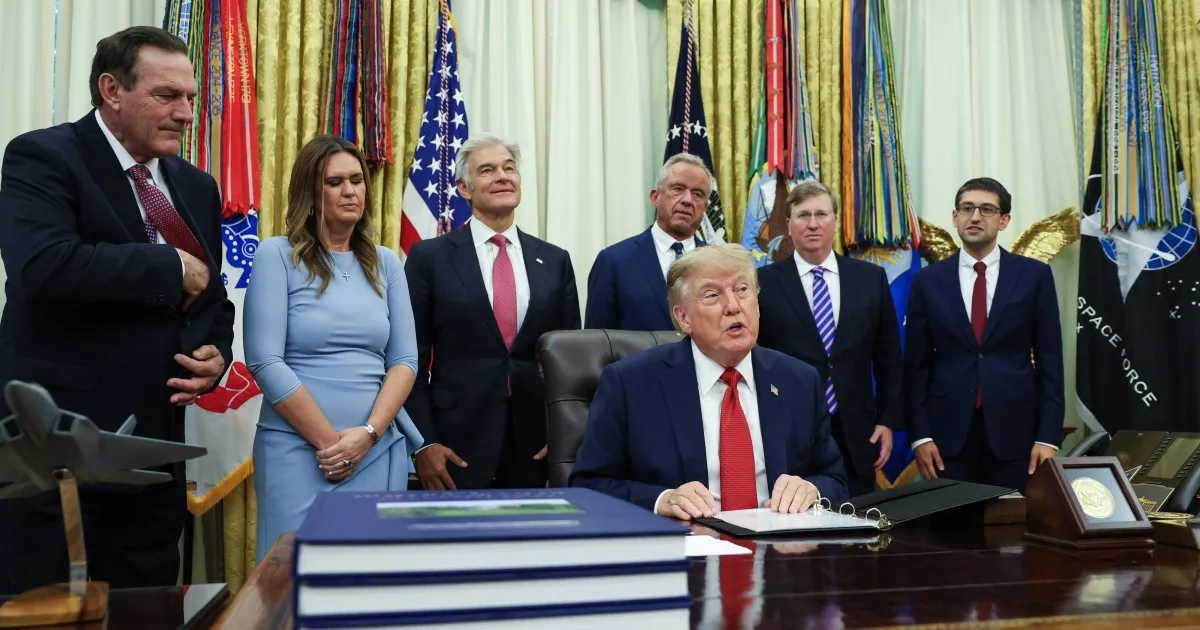
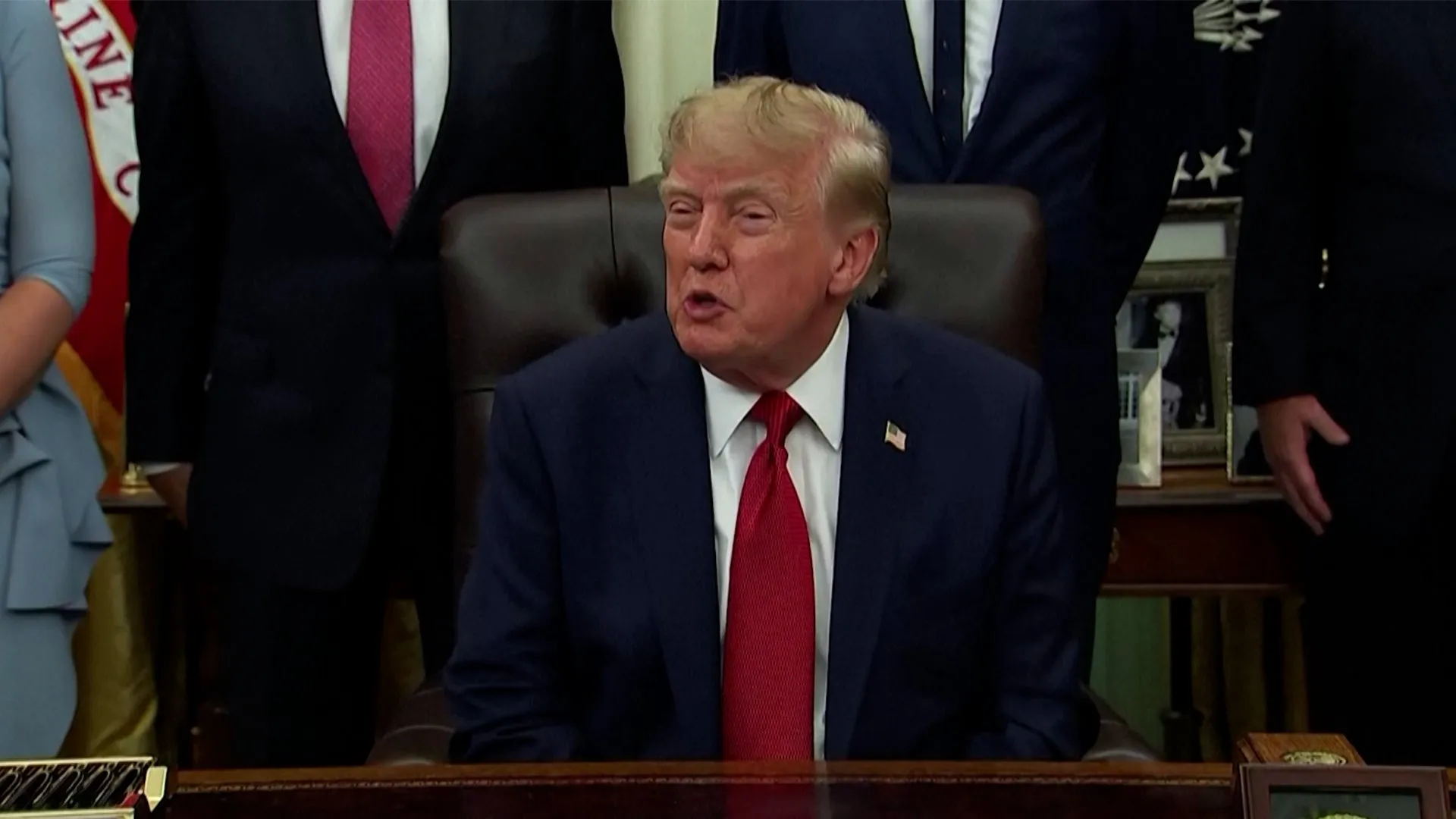
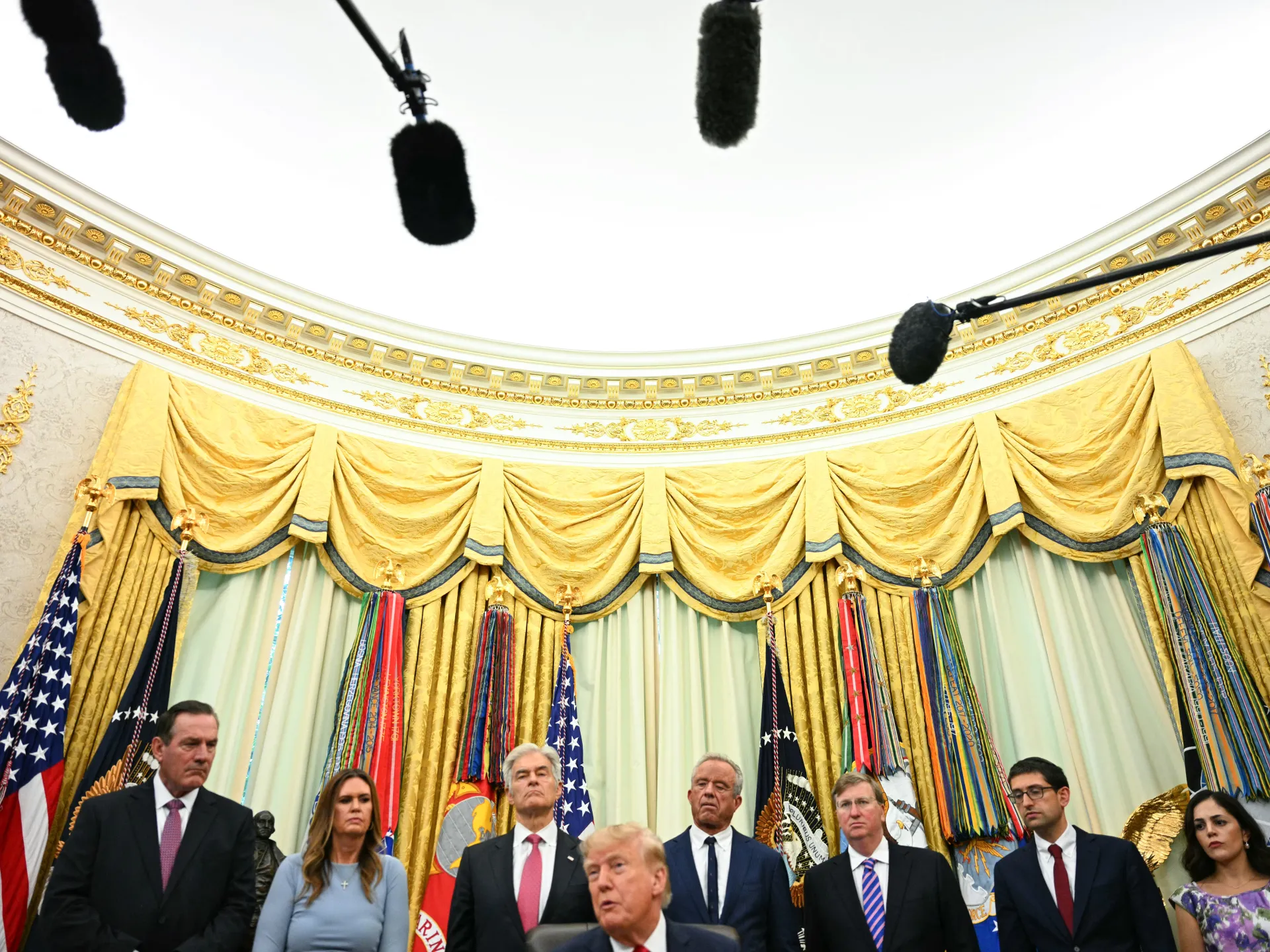
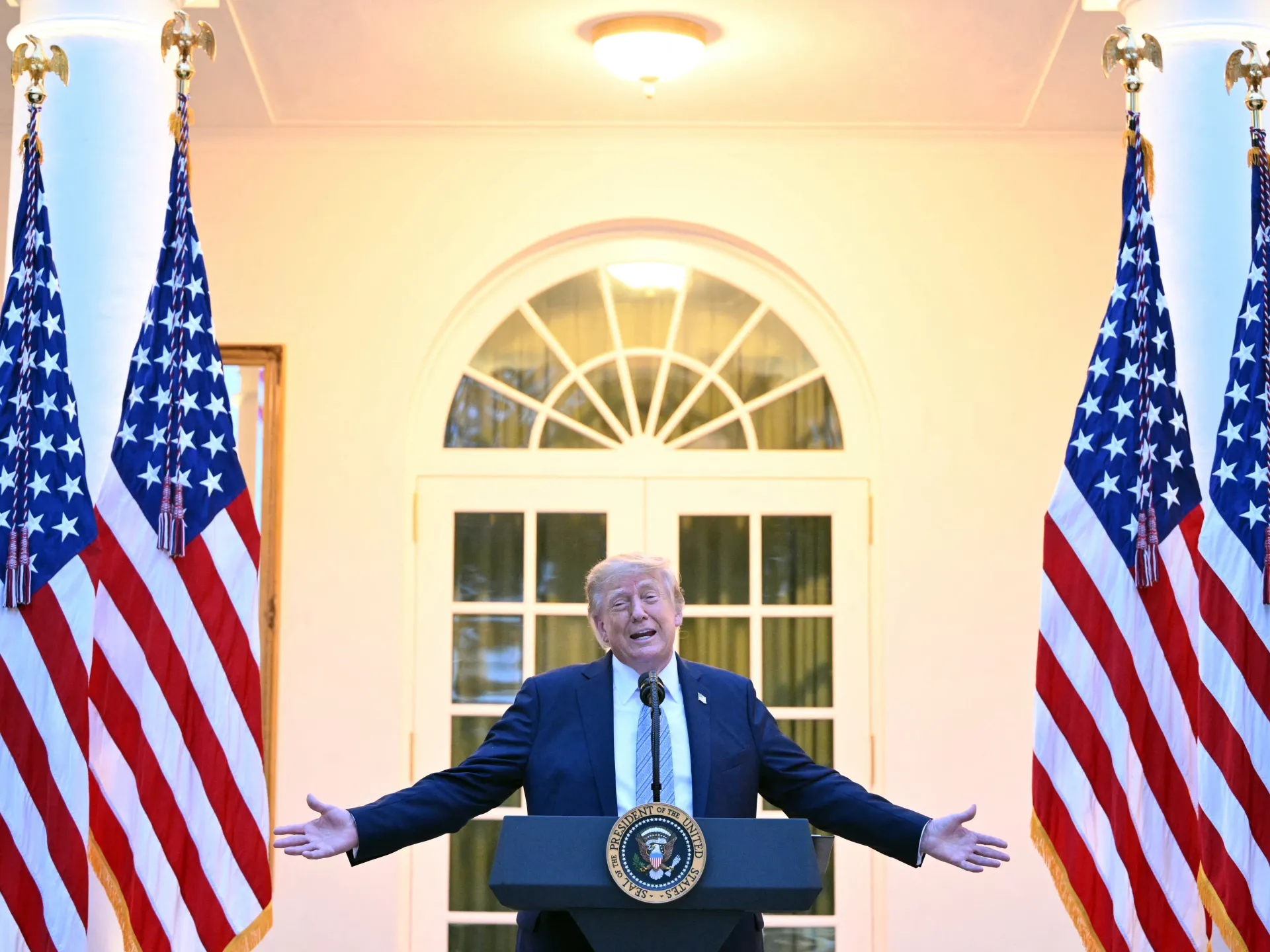
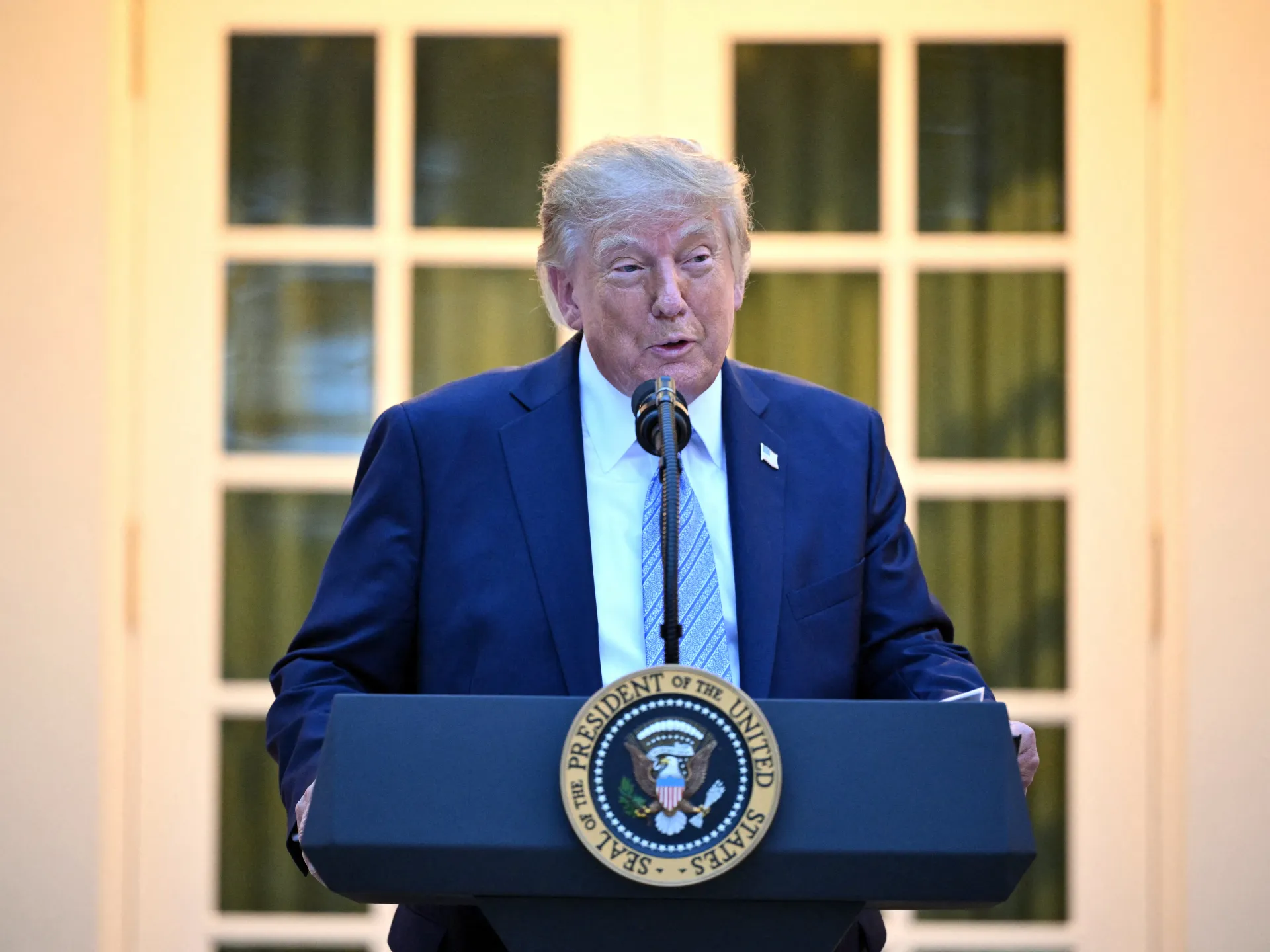
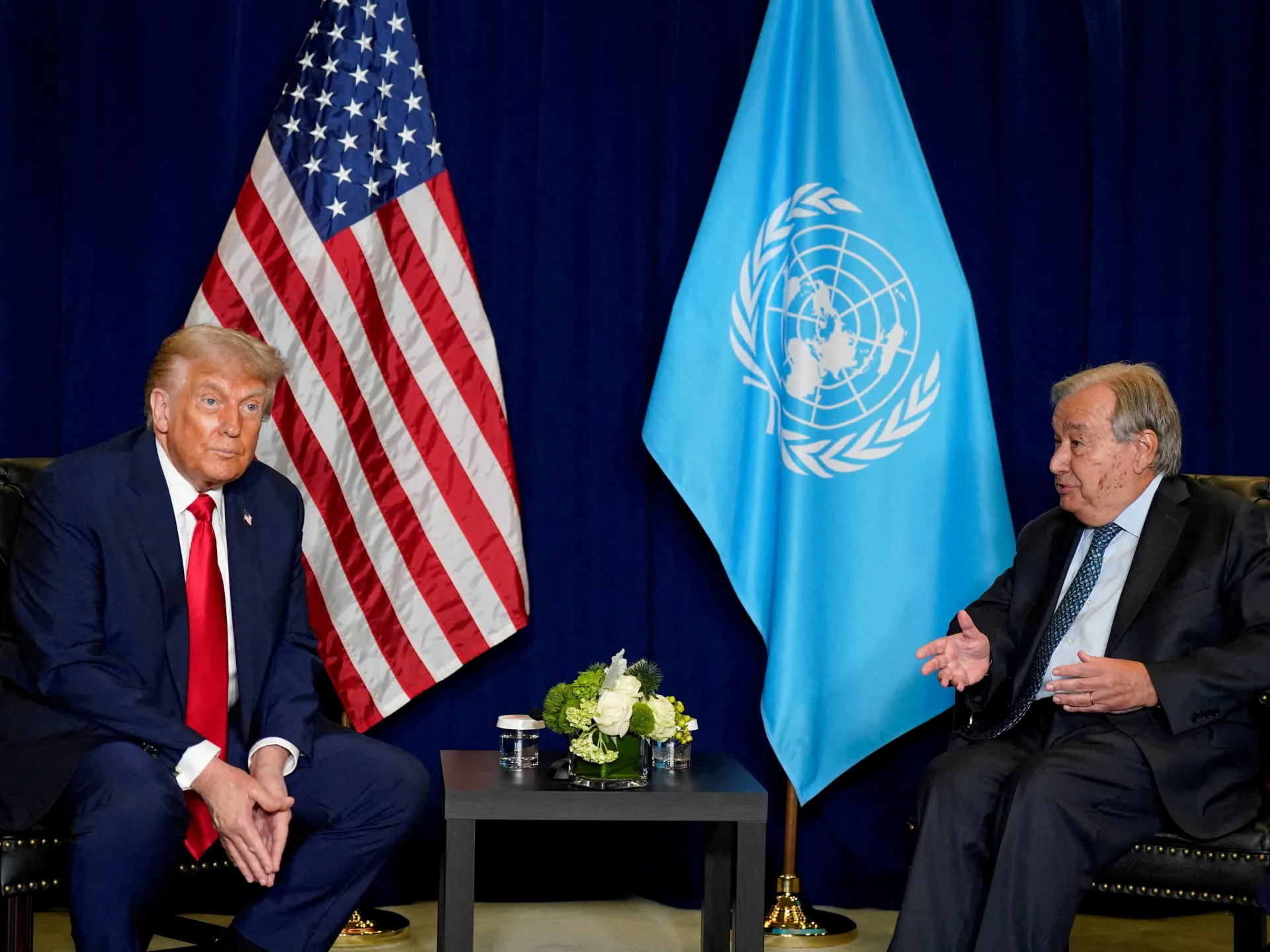
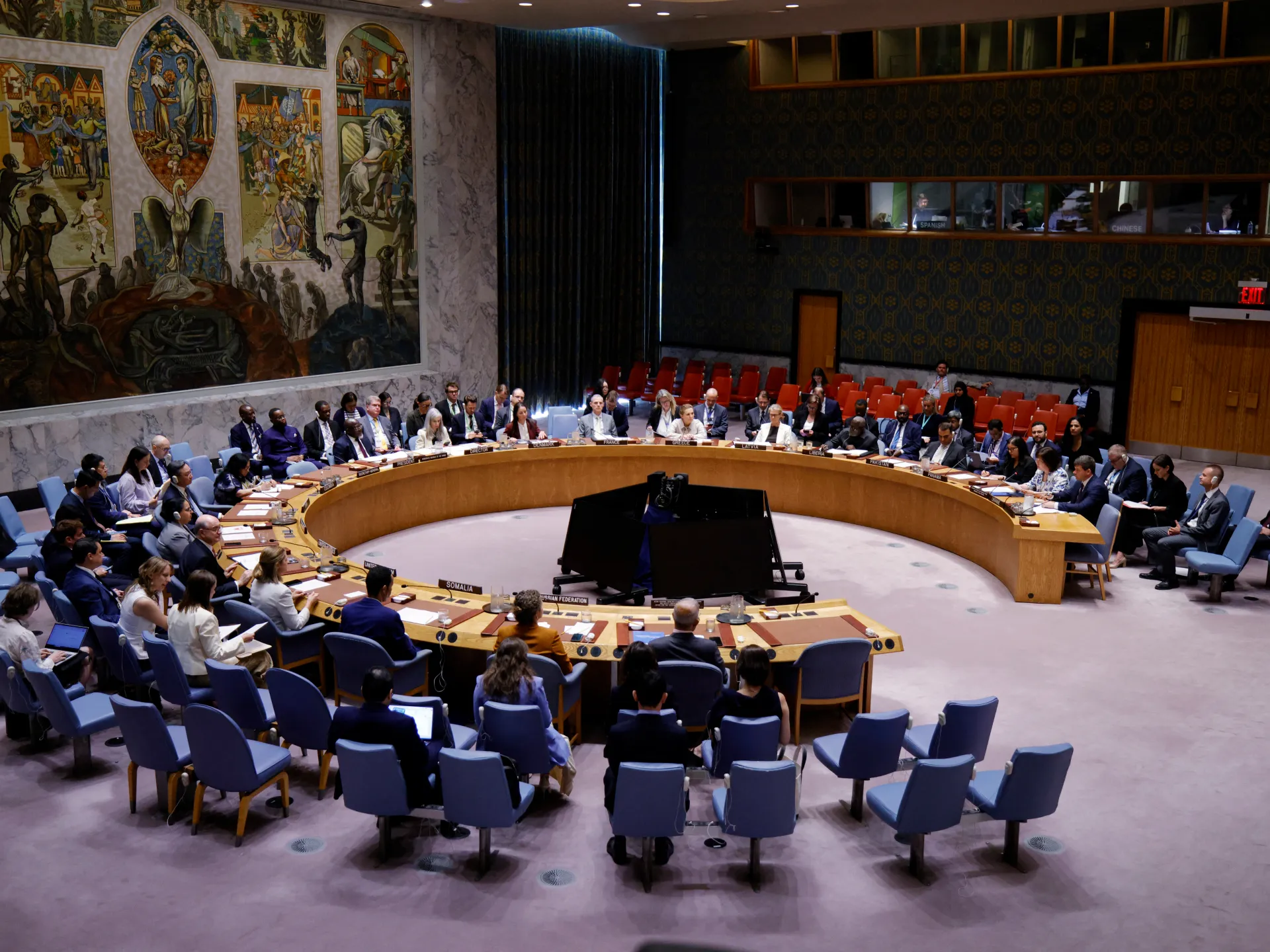
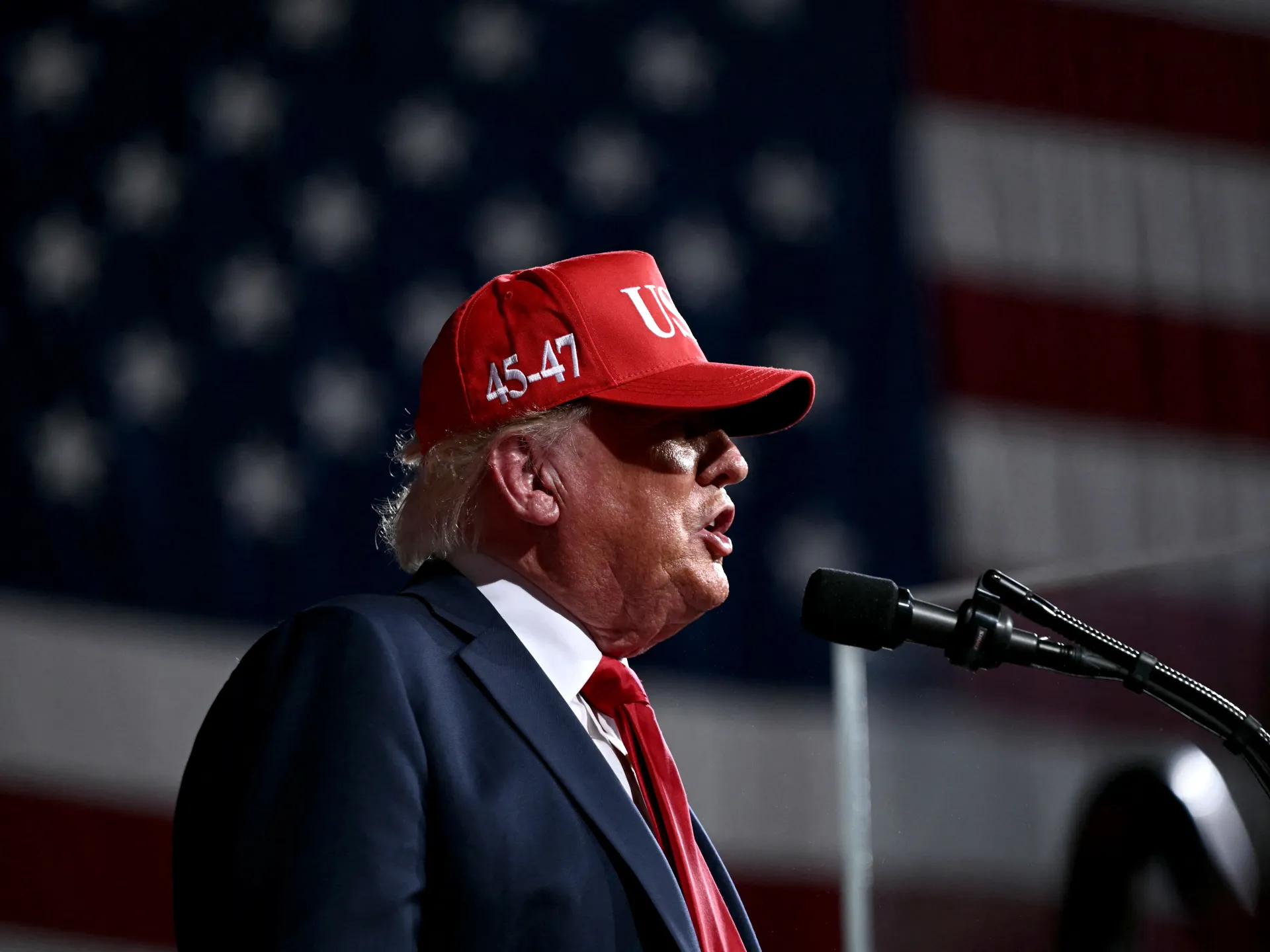
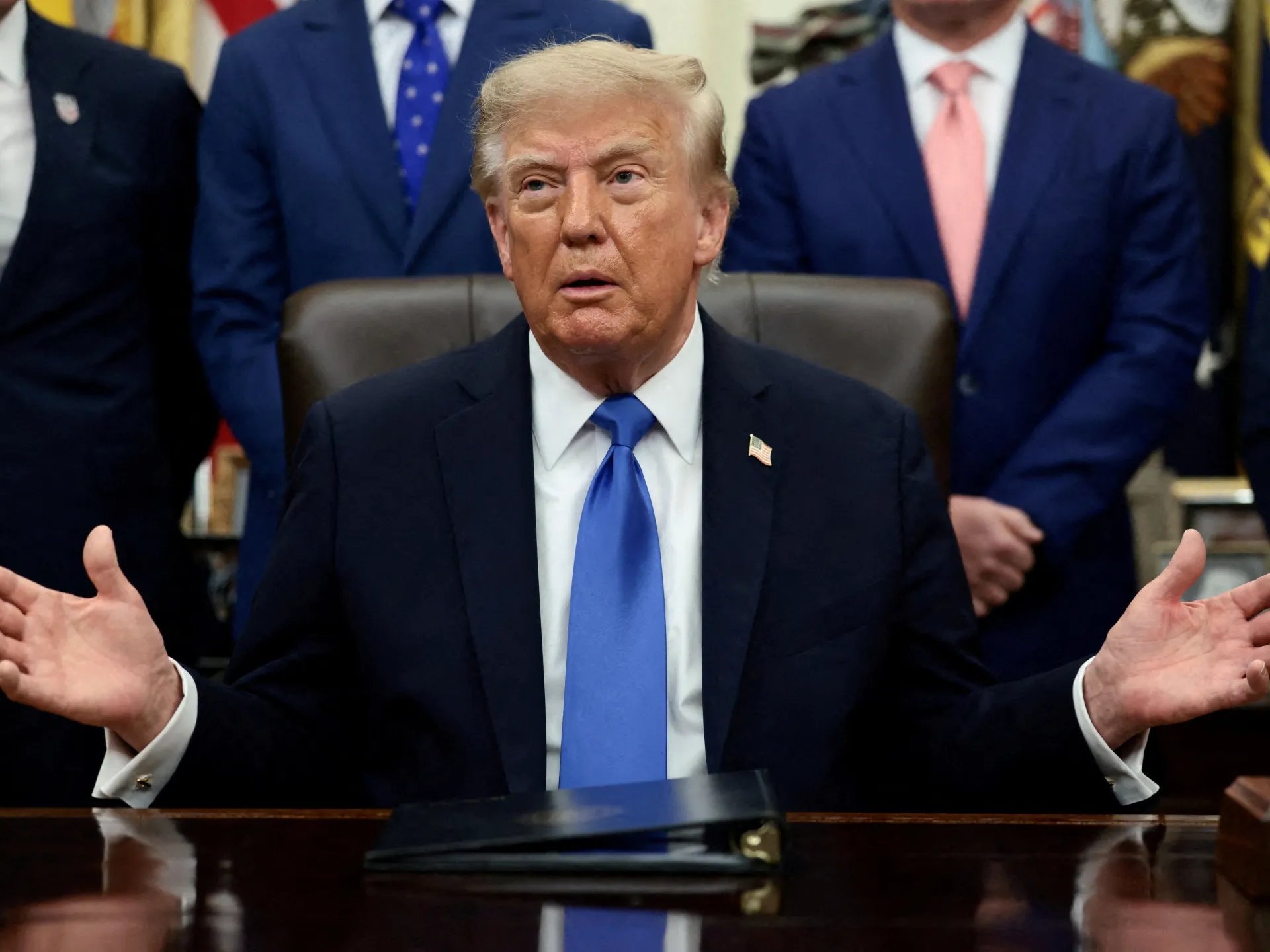
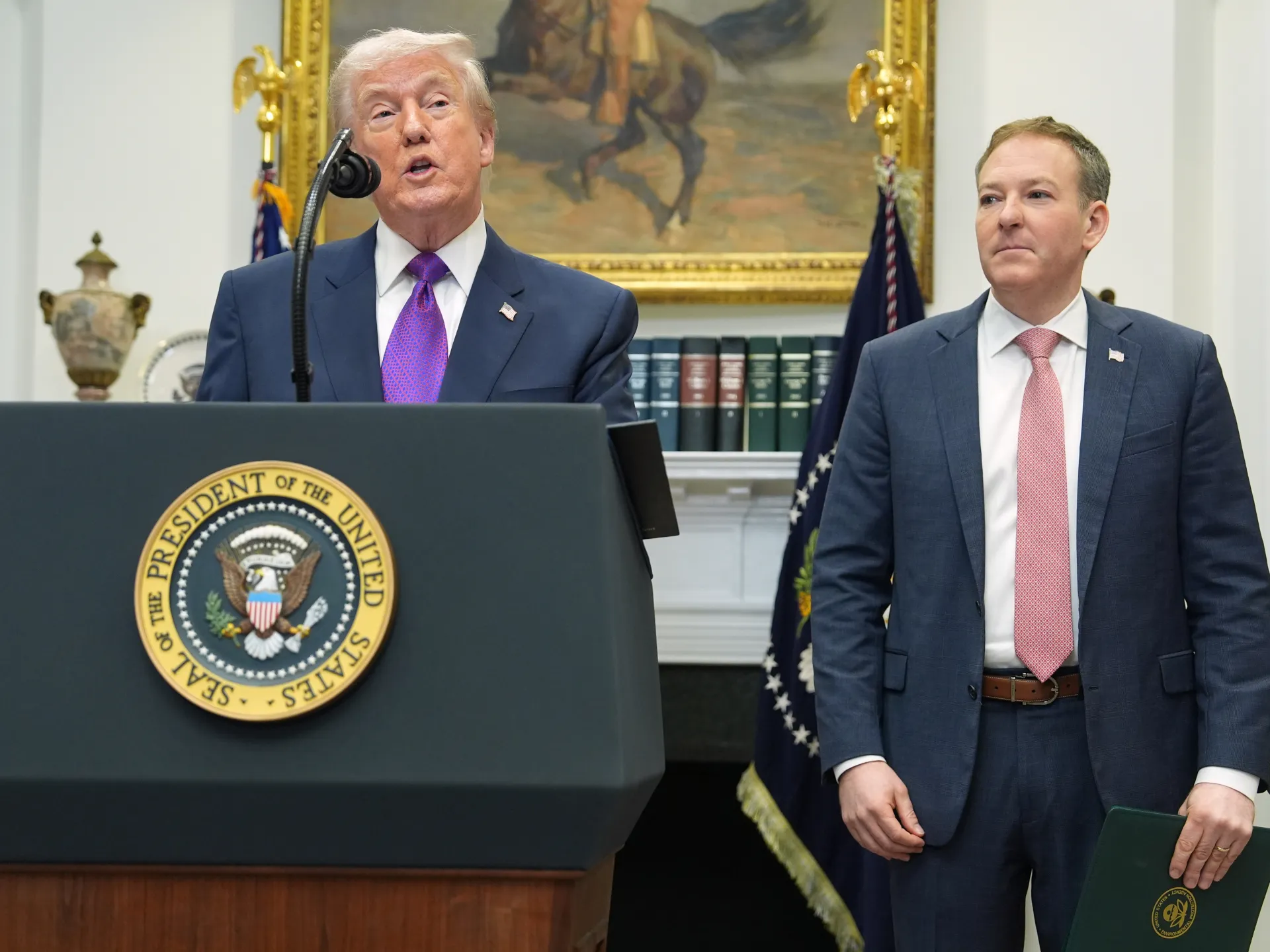
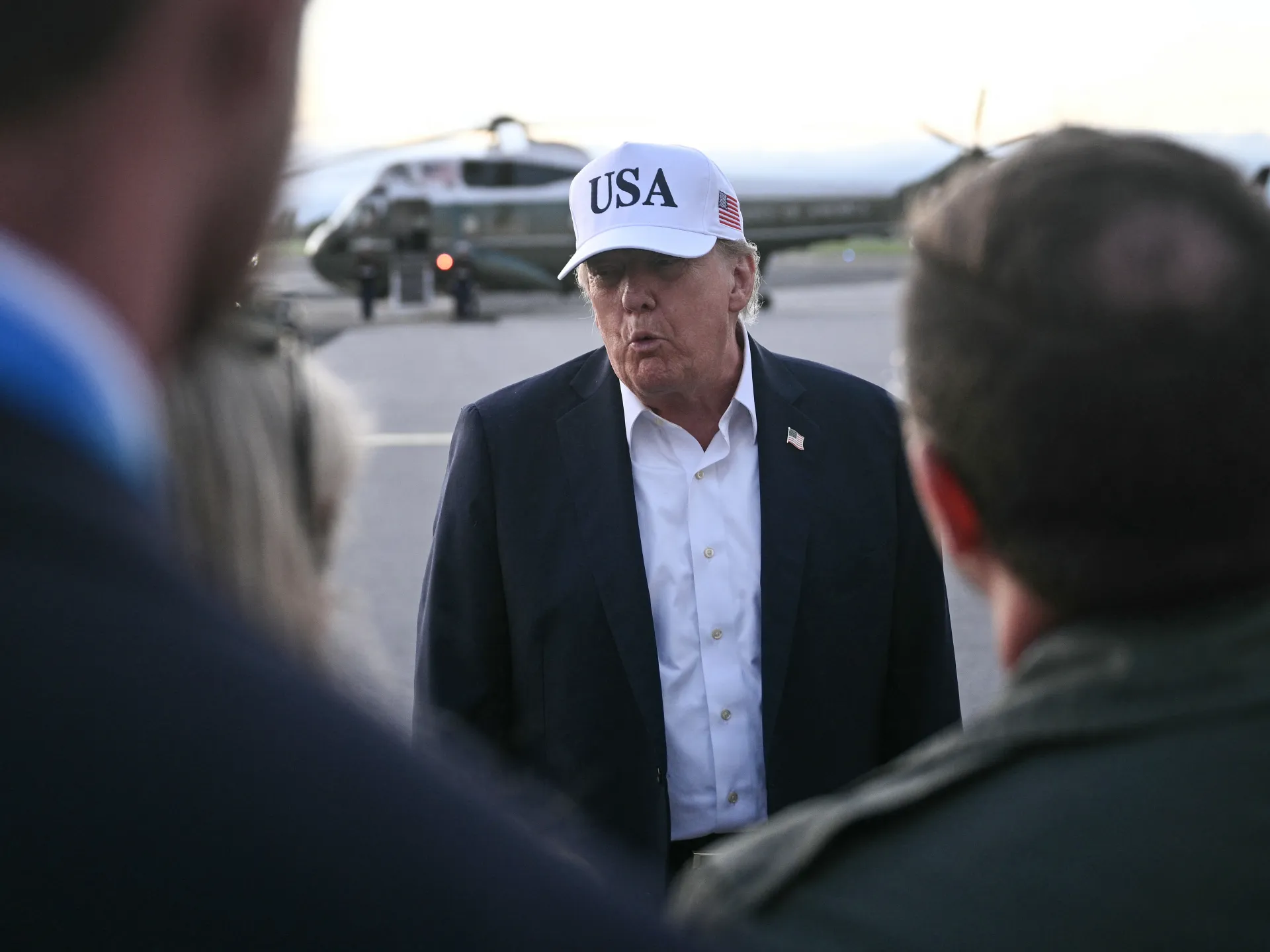
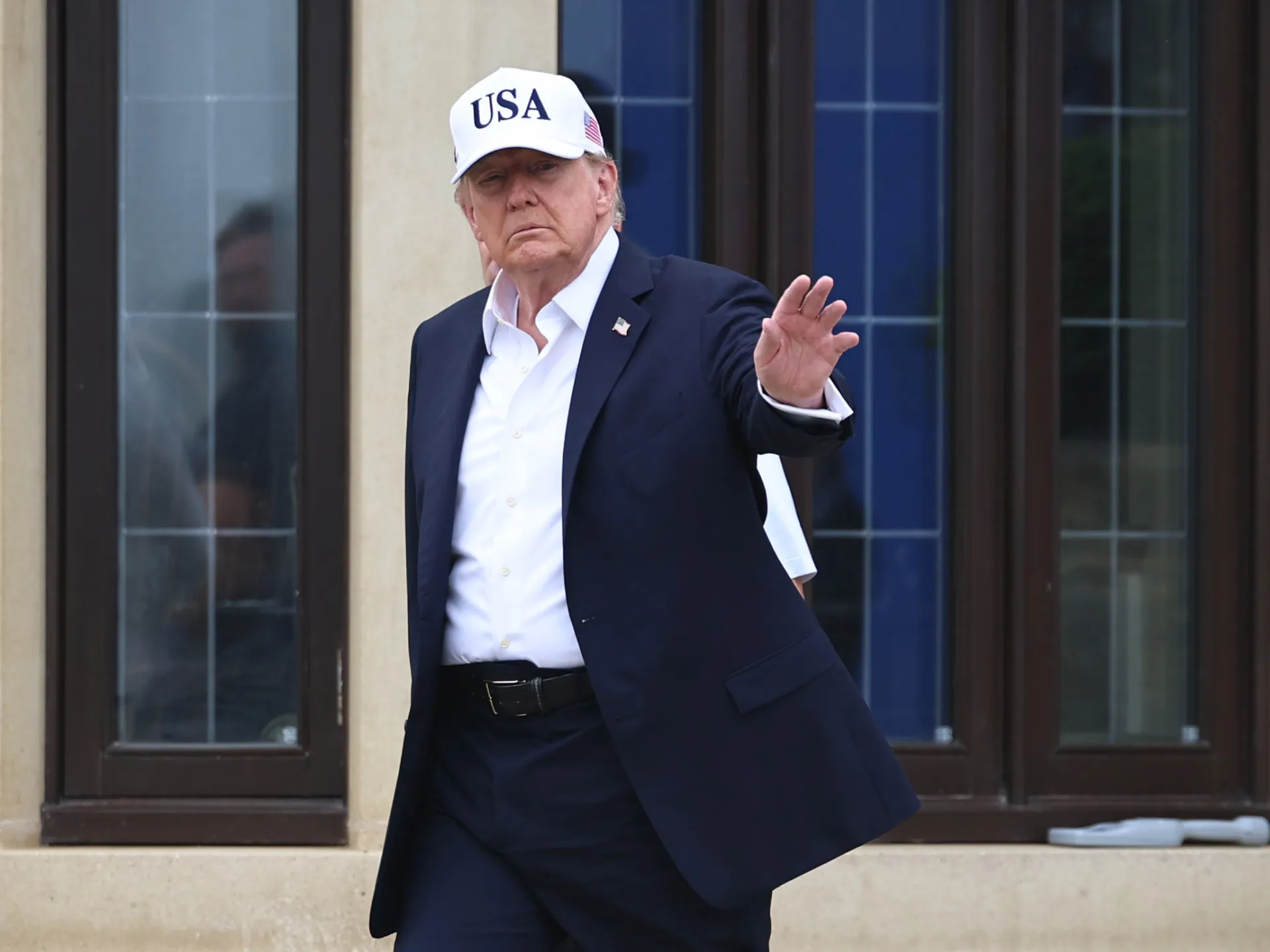
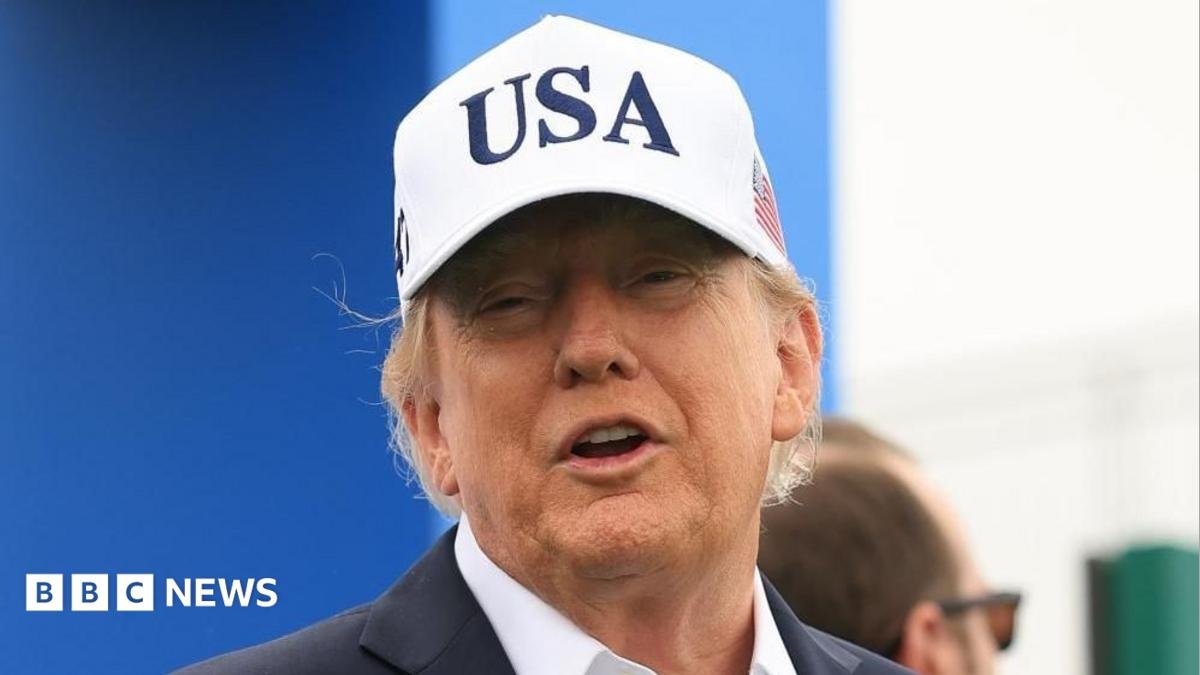
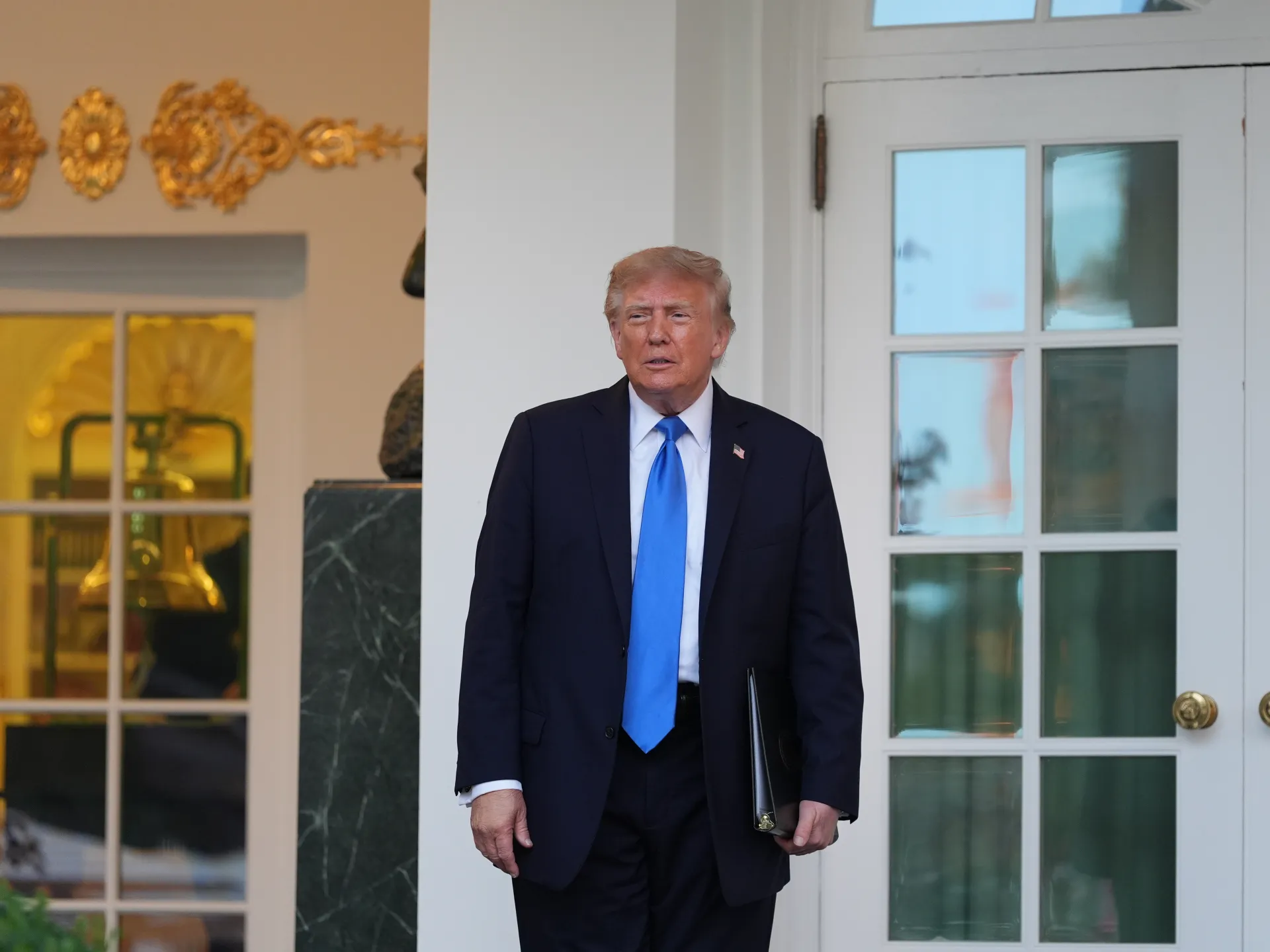
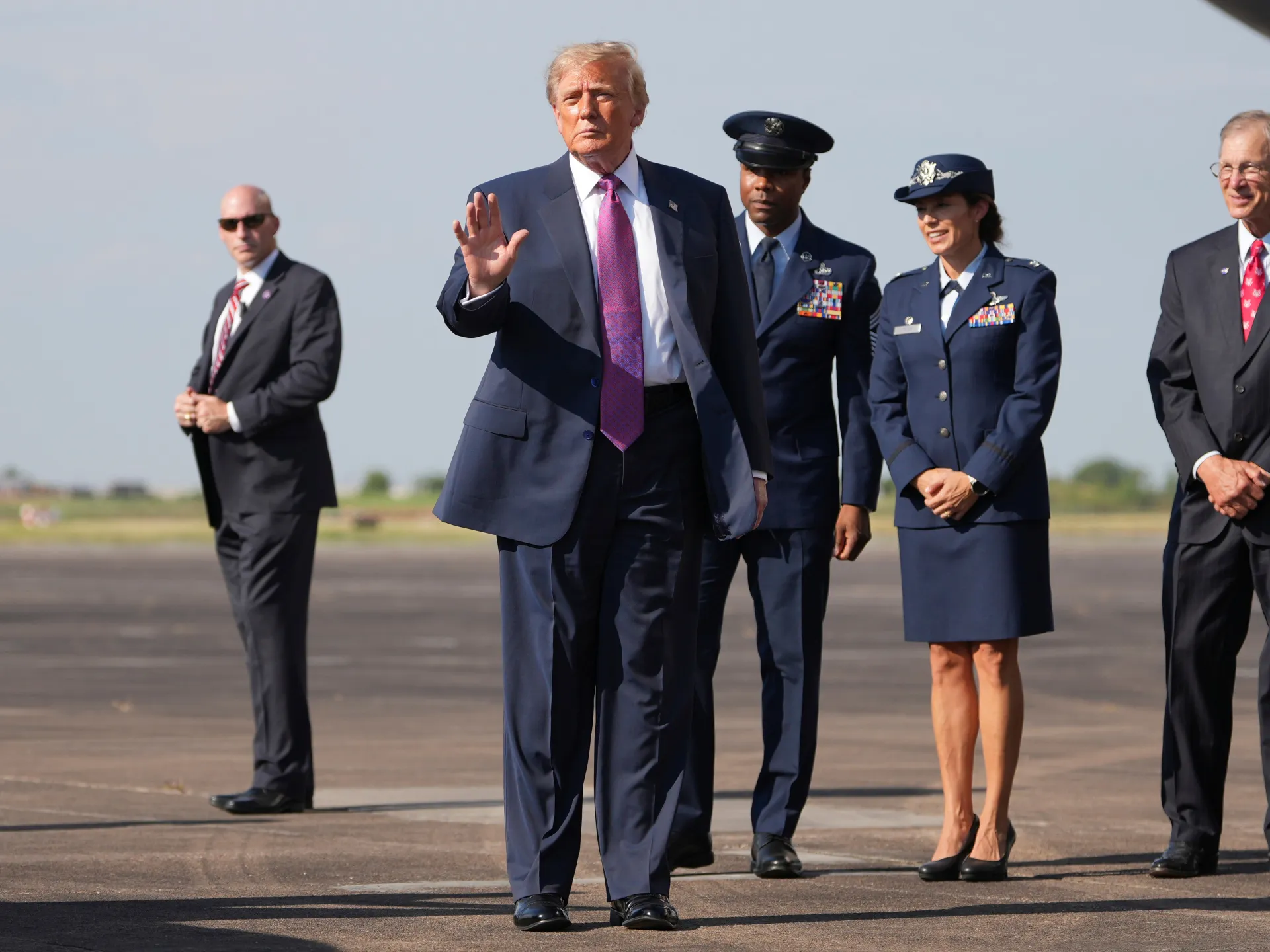
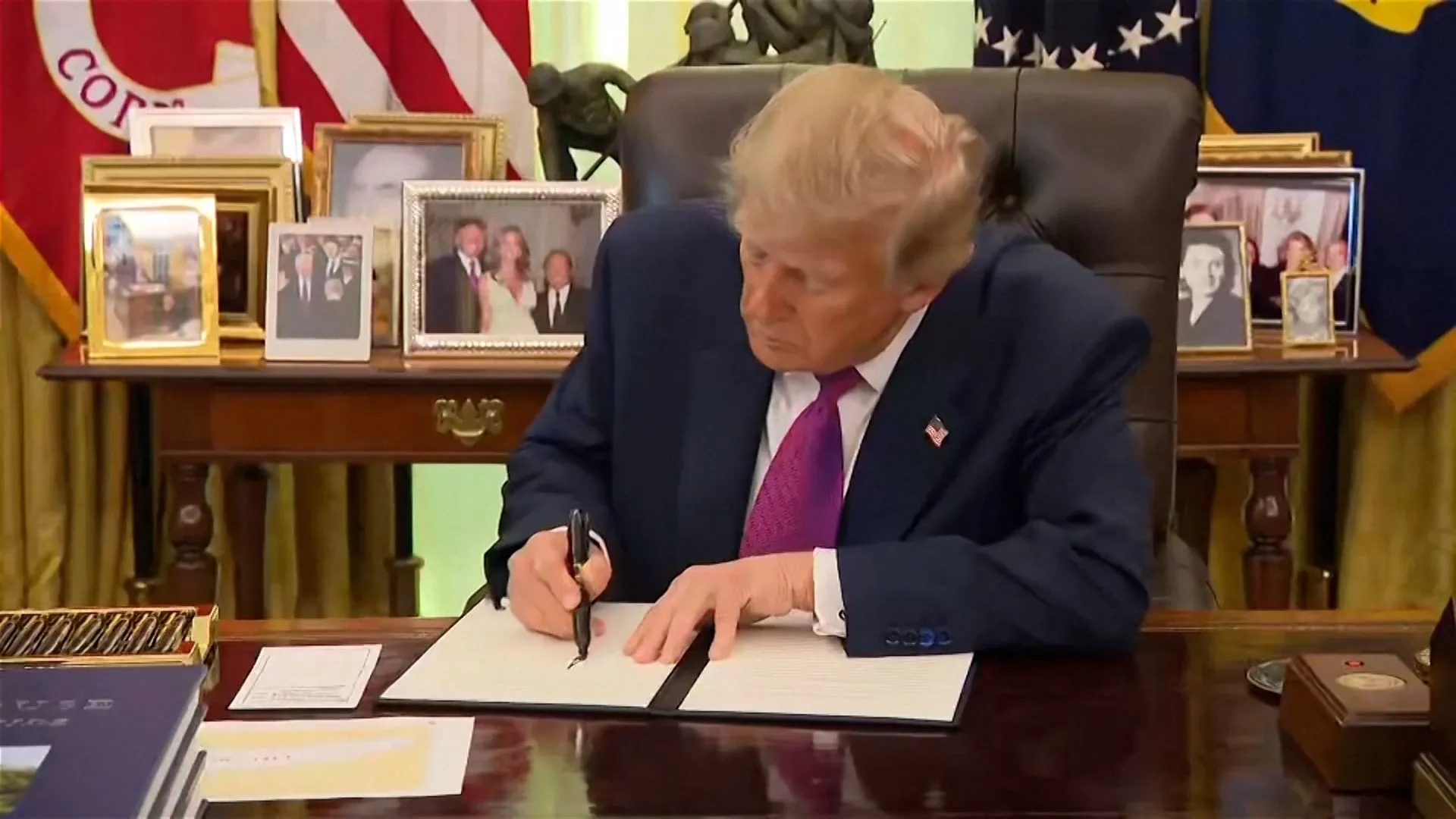
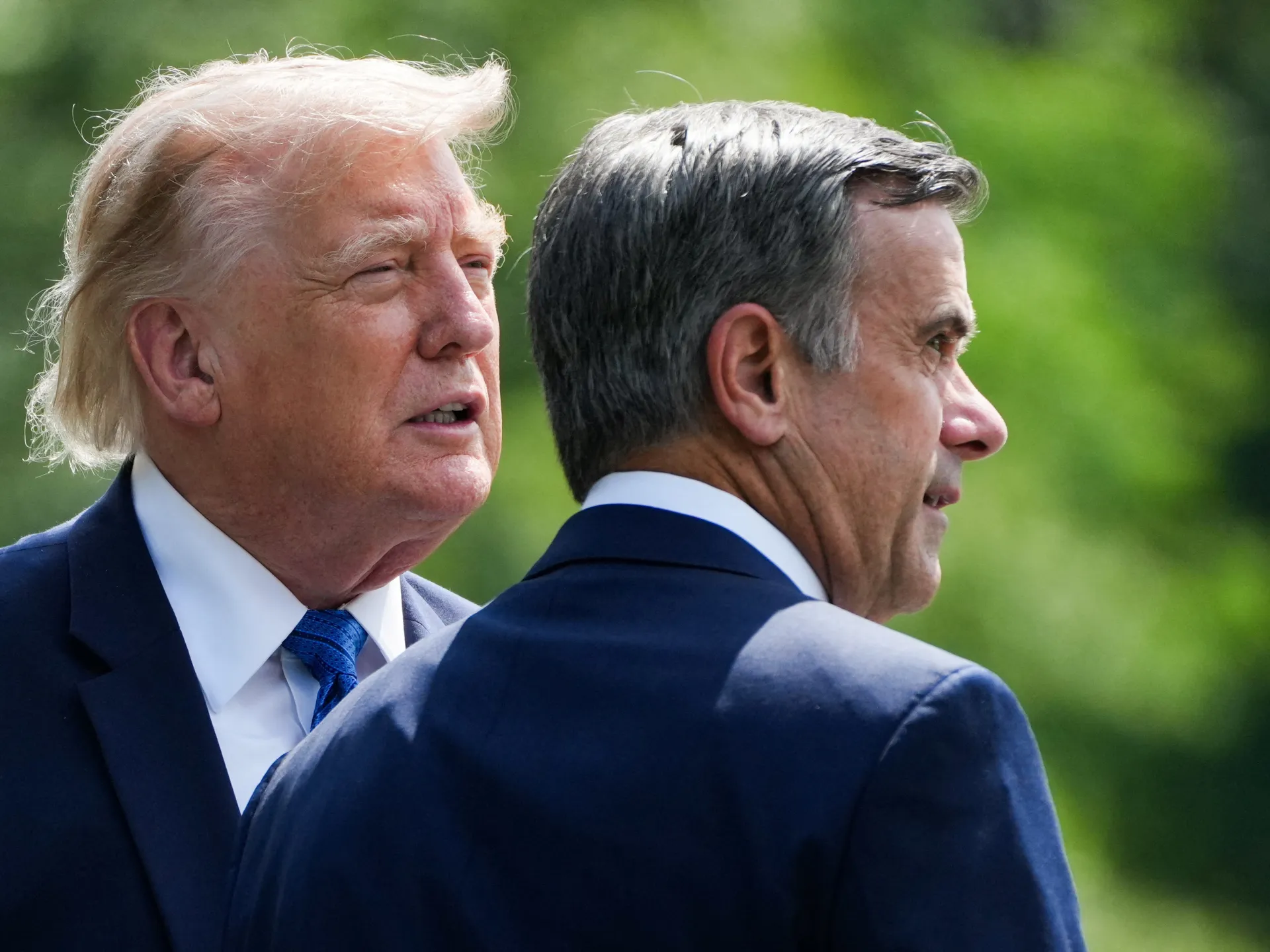
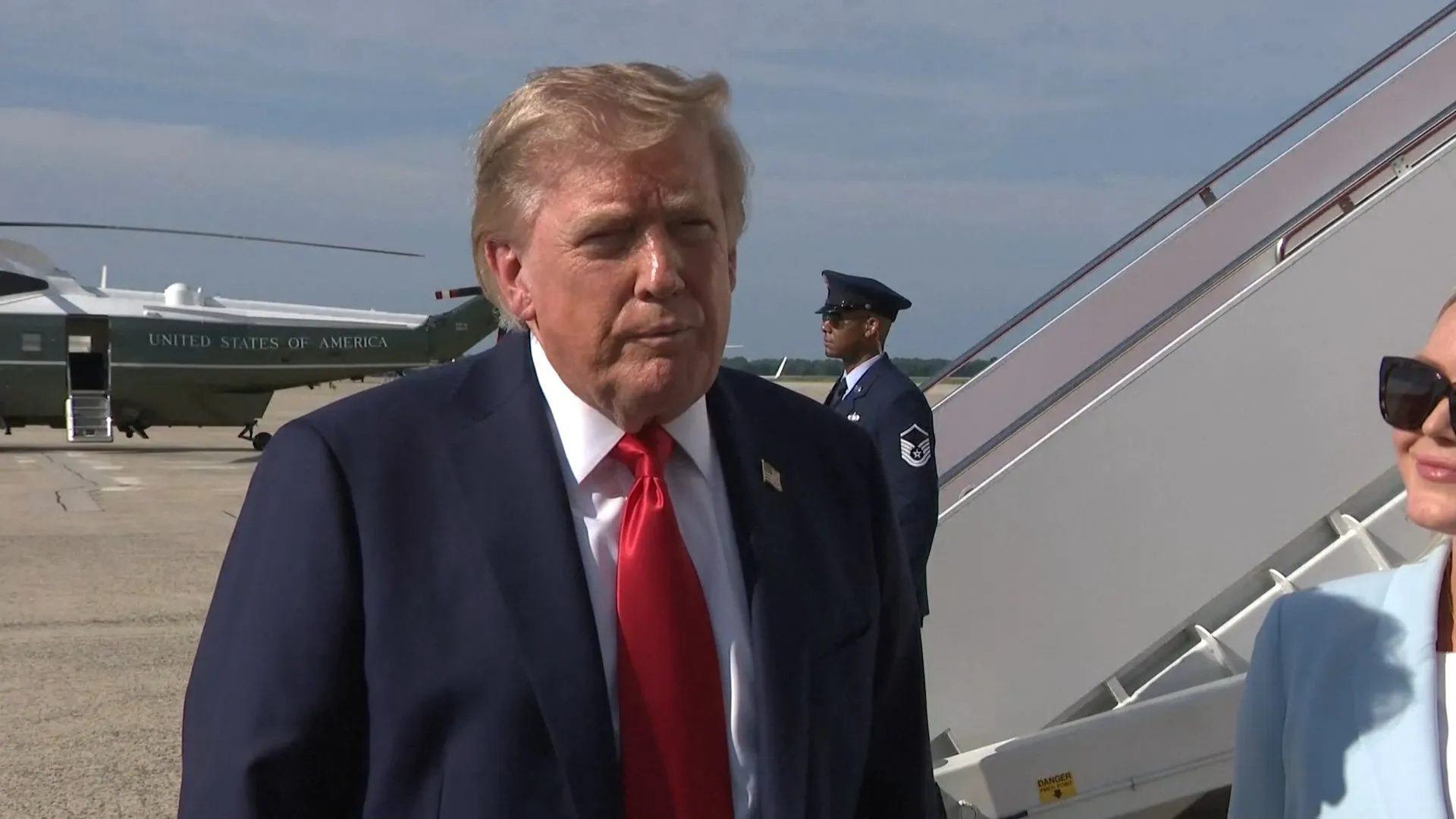
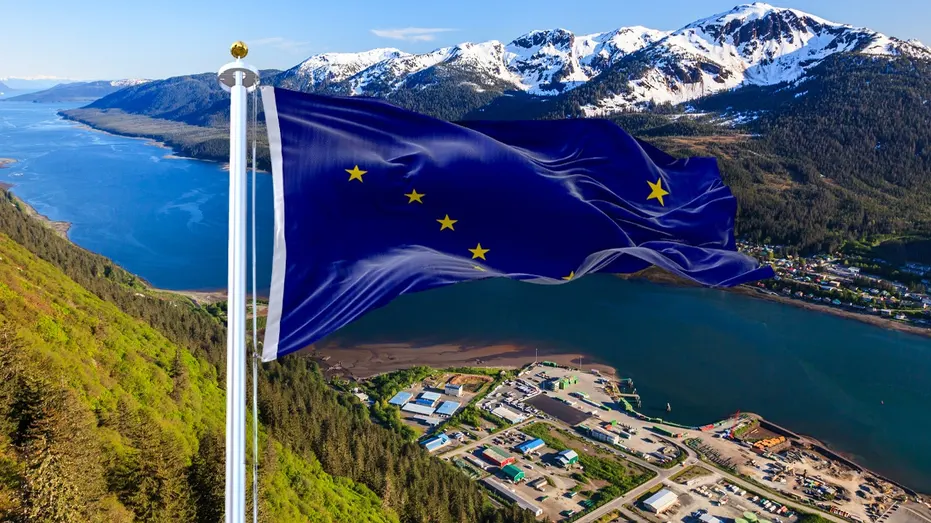
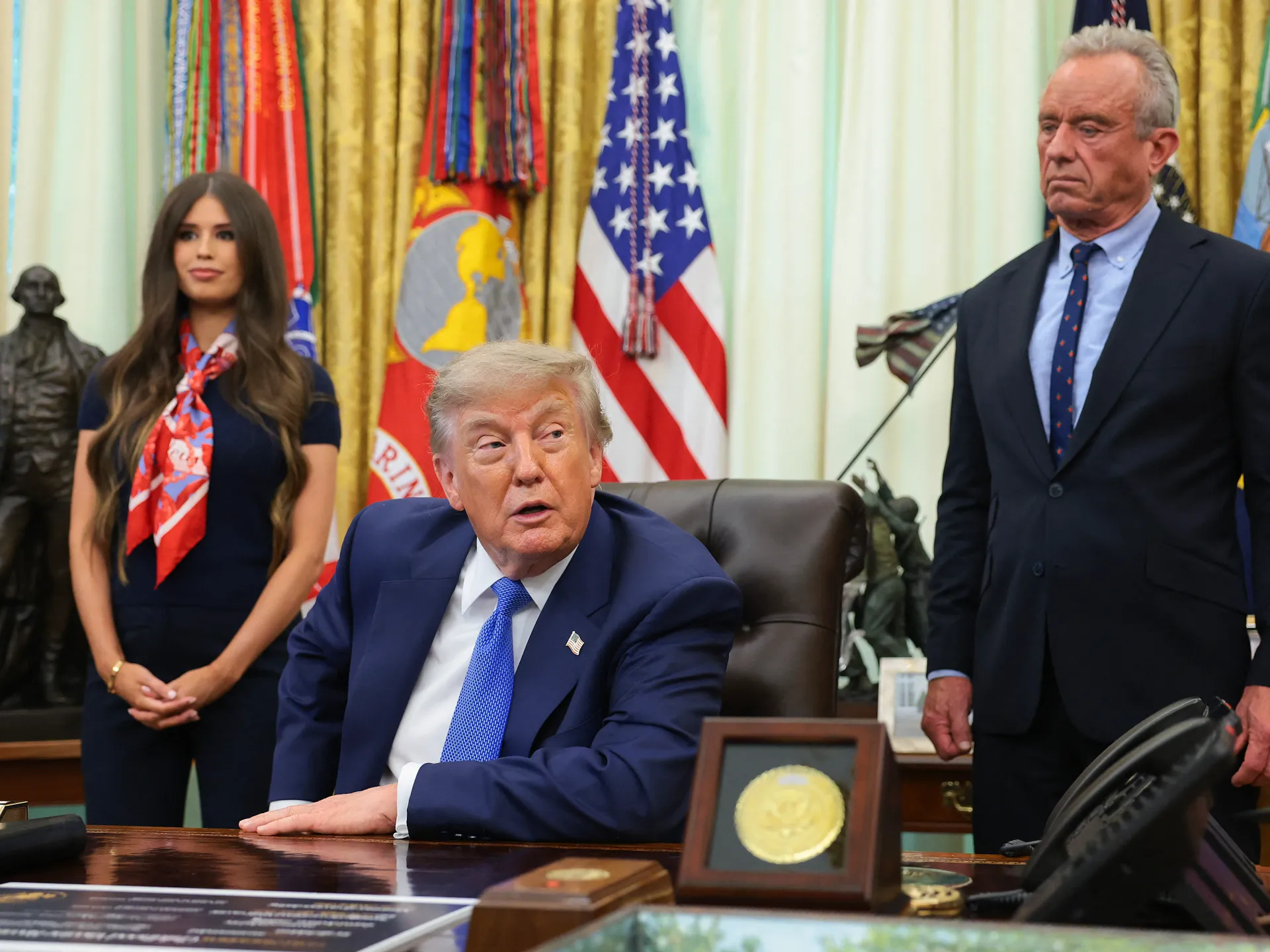
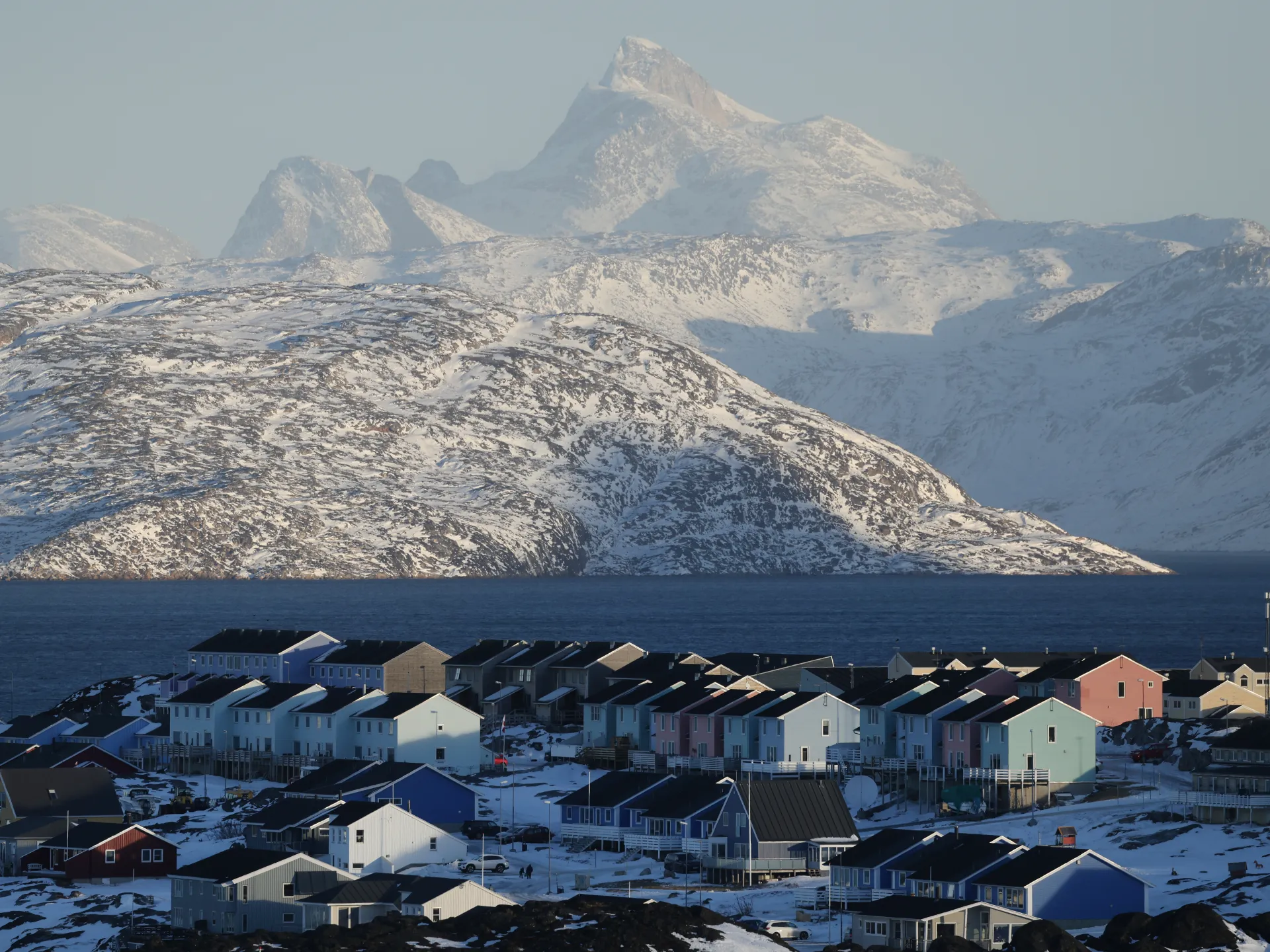
The United States and Denmark are poised to finalize a controversial security agreement regarding Greenland, a move that President Donald Trump describes as an “Infinite Life” pact granting Washington permanent oversight of the territory’s defense and critical infrastructure. As diplomatic delegations prepare to convene at the United Nations General Assembly in New York next week to formalize the deal, the administration has framed the agreement as a vital check against foreign influence in the Arctic.
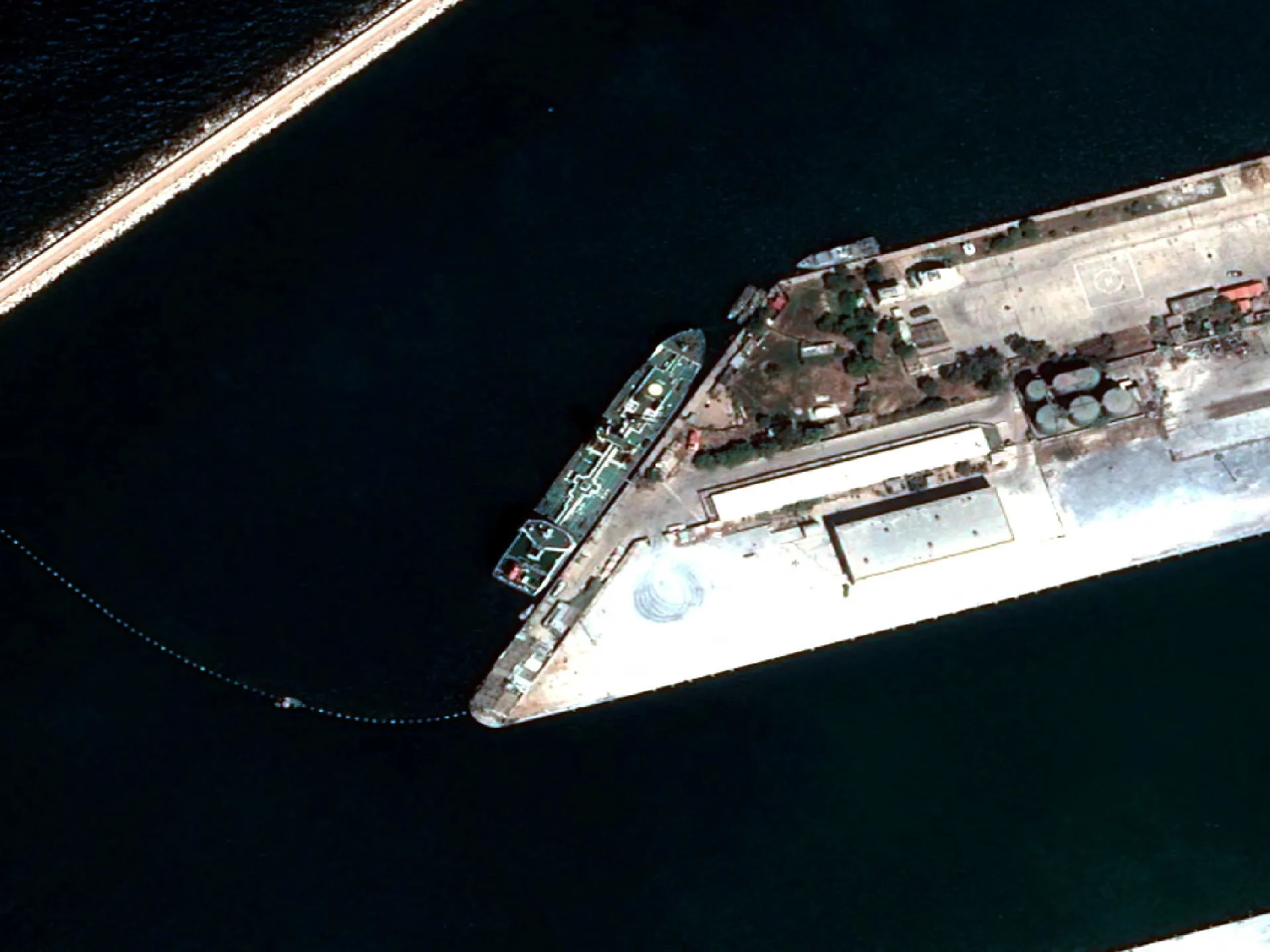
While the White House asserts that the arrangement provides the U.S. with permanent control over security and “all other needs” without direct cost, the precise legal framework remains undisclosed. Officials from the U.S. State Department have indicated that the pact effectively bars adversaries—specifically identifying China and Russia—from establishing military installations or engaging in sensitive investments on the island. The deal reportedly grants the United States the unilateral authority to construct additional military sites, a provision intended to remain binding even if Greenland were to pursue future independence from the Danish realm.
This agreement represents a significant pivot in Arctic geopolitics, signaling a departure from traditional multilateral security arrangements toward a more transactional, permanent U.S. military footprint. nure, the “Infinite Life” clause challenges the established norms of sovereign territory governance. For Greenland, a self-governing entity seeking increased autonomy, the deal highlights the tension between local desires for independence and the strategic mandates of major powers. The precedent set here—linking security oversight to the prohibition of foreign investment—could redefine how Washington approaches other strategic territories worldwide, effectively forcing a choice between American security partnerships and economic engagement with global competitors like China.
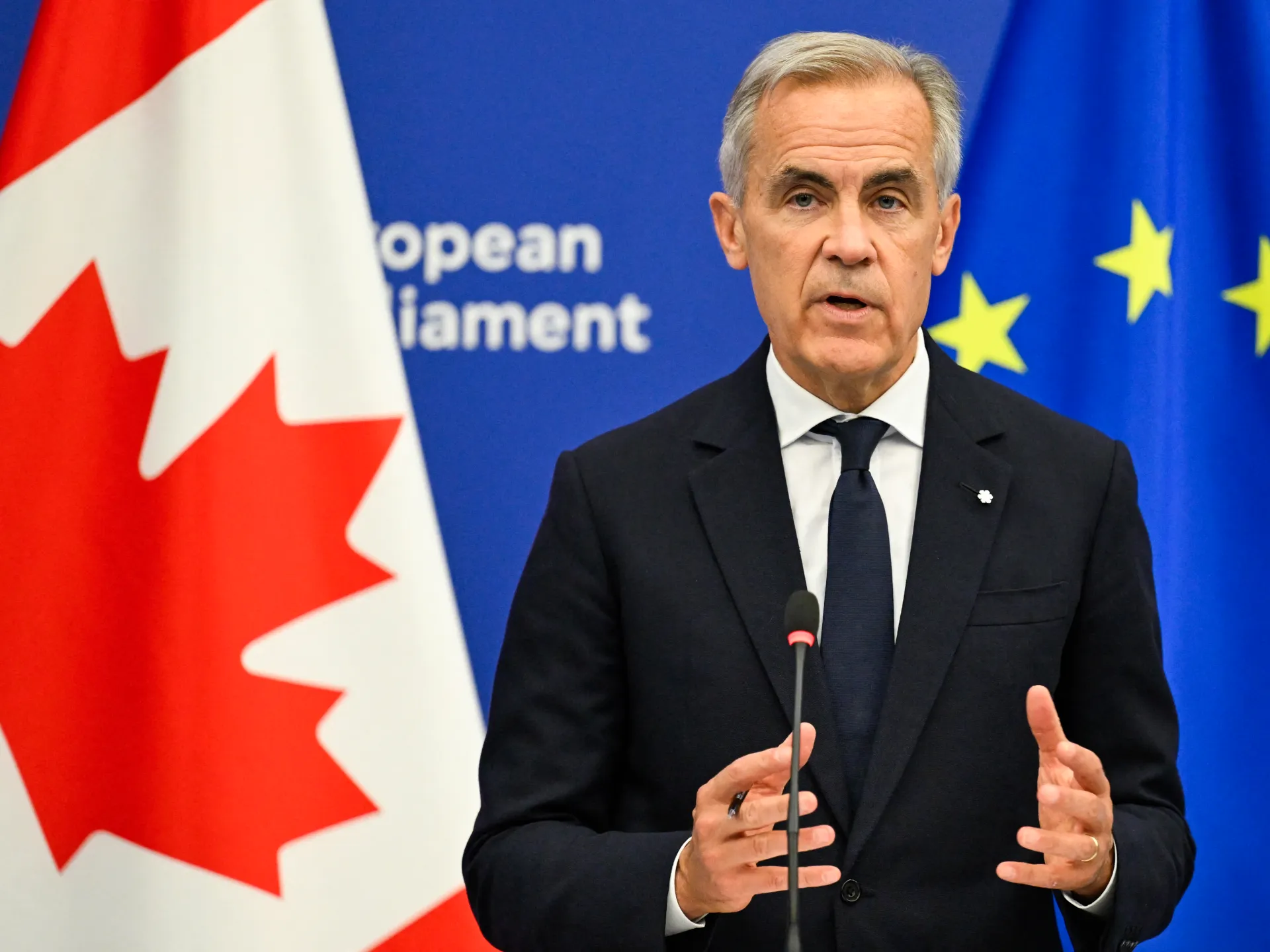
The administration’s assertion of “permanent control” has met with a more nuanced interpretation from Copenhagen. Danish officials maintain that sovereignty over Greenland remains firmly with Denmark and that the agreement will undergo rigorous ratification processes within both the Danish and Greenlandic parliaments. This discrepancy in messaging suggests a potential friction point; while Washington views the deal as a finalized strategic imperative, Copenhagen appears to view it as a formal security cooperation agreement subject to democratic oversight.
Observers remain skeptical regarding the novelty of the security concessions. Mikkel Olesen of the Danish Institute for International Studies noted that preventing Russian or Chinese military bases in Greenland has long been a shared priority for both Denmark and Greenland, suggesting the U.S. may be securing little that was not already tacitly prohibited. Furthermore, while the agreement explicitly targets military and sensitive sector investments ector of critical interest to Washington given Greenland’s vast deposits of zinc, iron, and graphite.
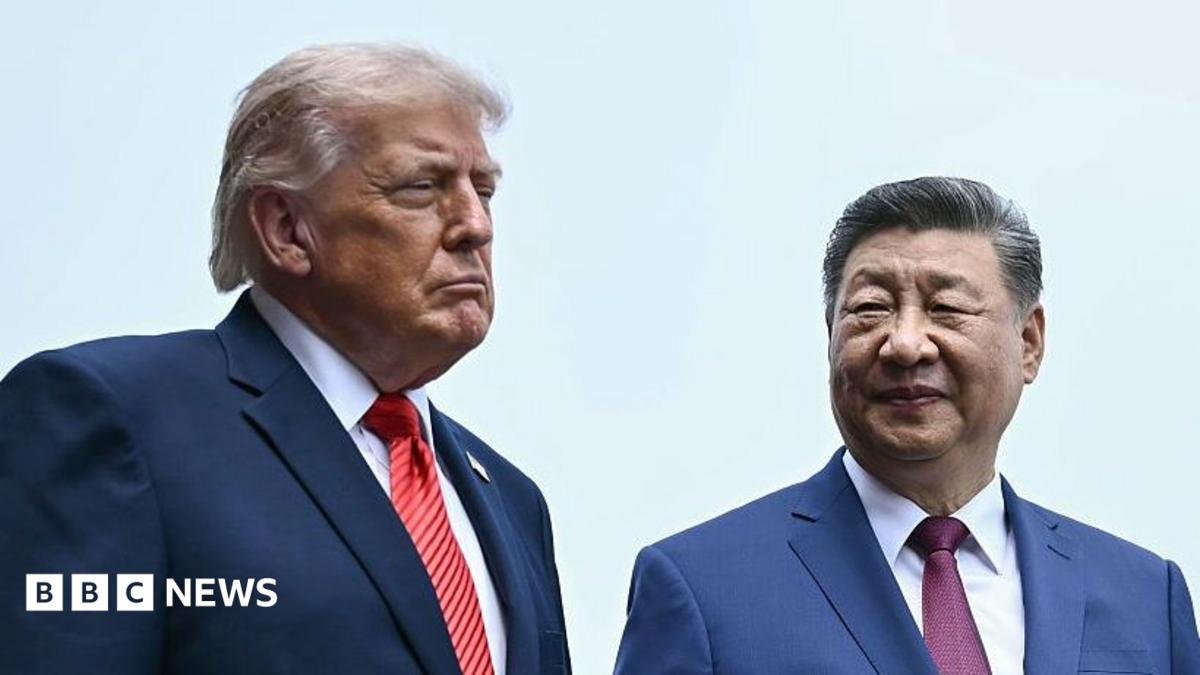
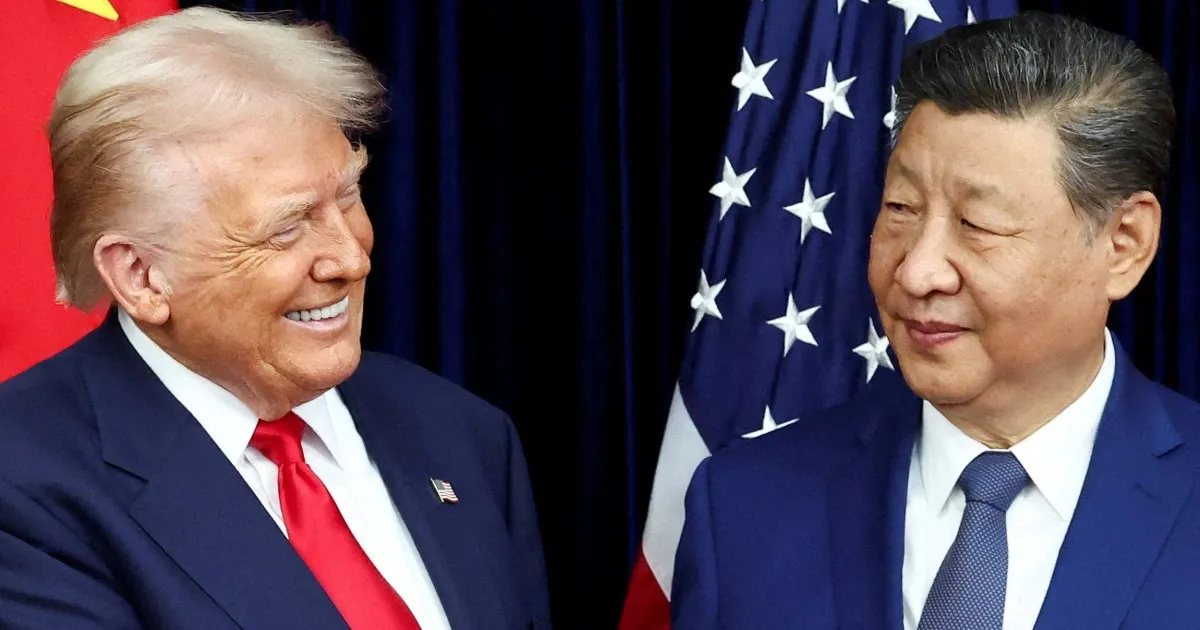
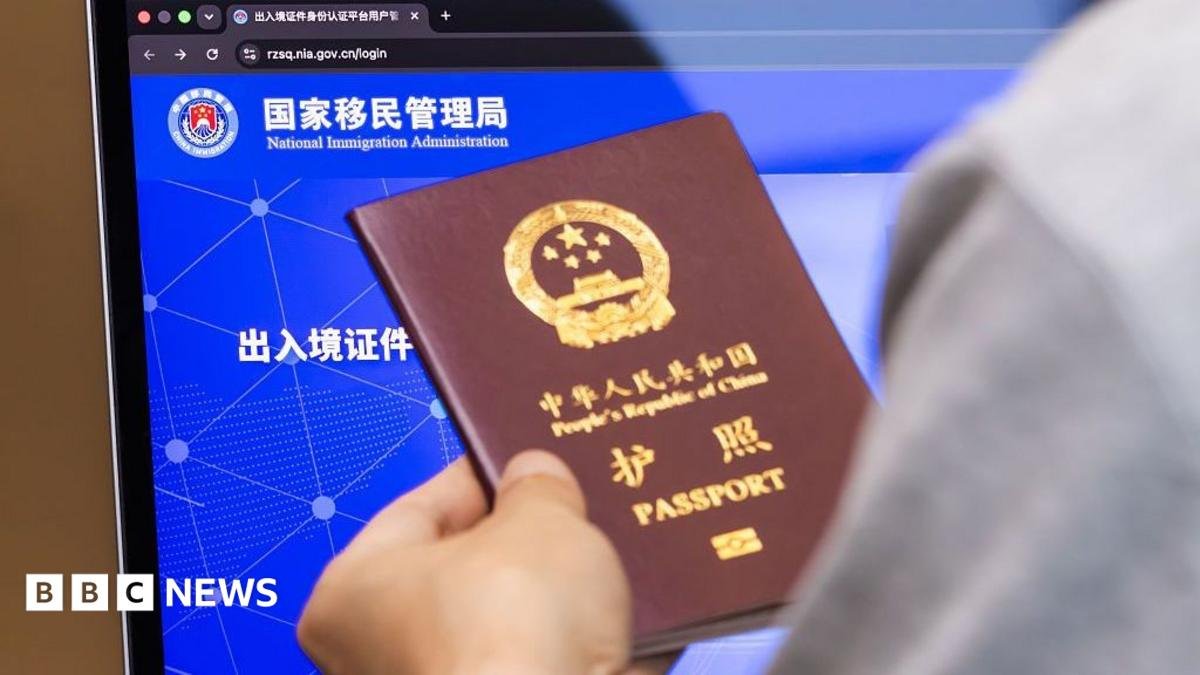
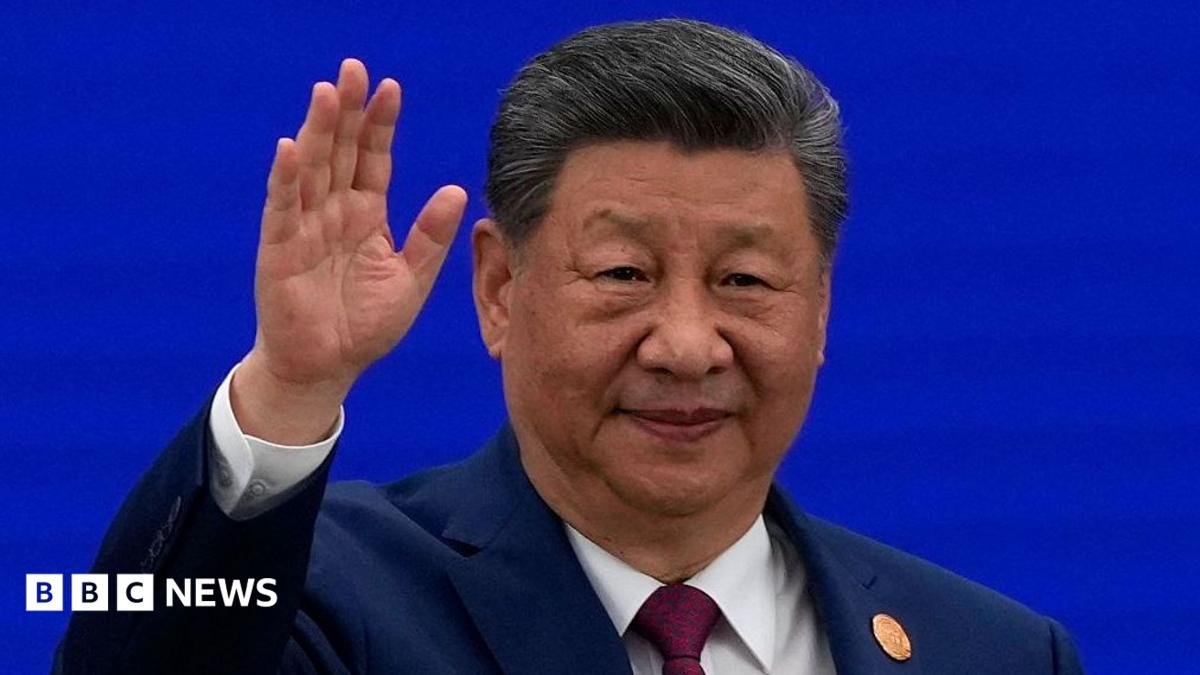
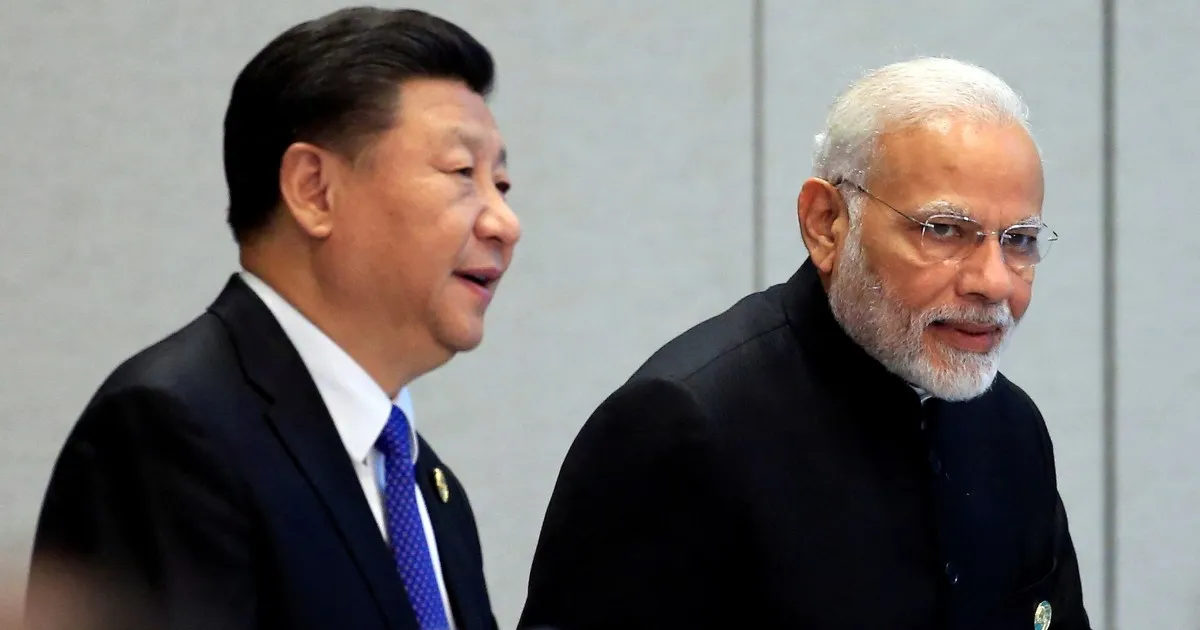
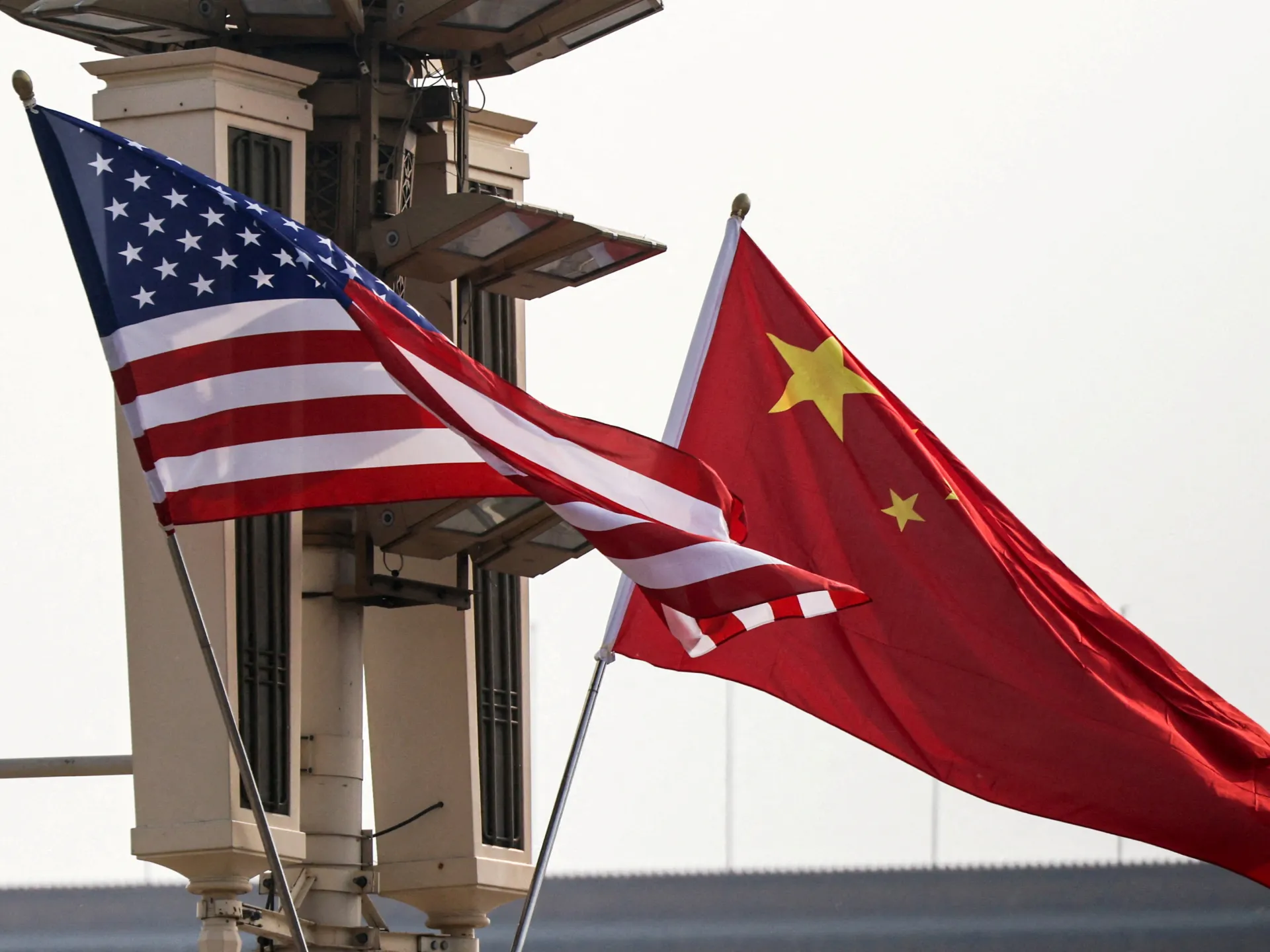
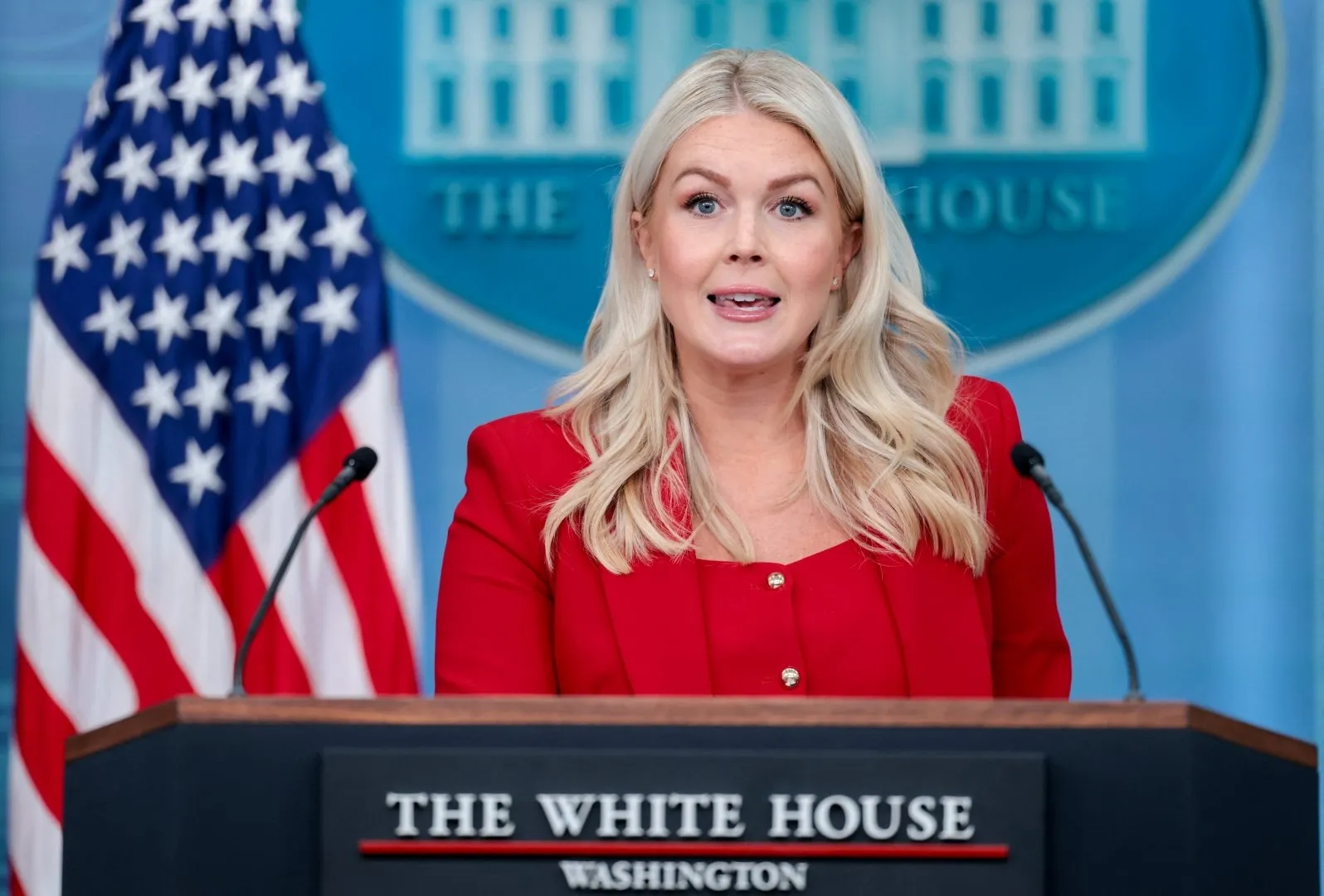
The coming week marks a critical juncture for U.S. foreign policy as the administration balances Arctic expansion with high-stakes diplomacy in Washington. The formal signing of the Greenland deal at the United Nations will likely serve as a public demonstration of U.S. resolve, yet its practical implementation will depend heavily on the legislative response in Copenhagen and Nuuk. Simultaneously, the focus shifts to the White House summit with President Xi. While the Greenland accord signals a hardening stance against Chinese influence, the administration faces mounting pressure from advocacy groups and Congress to pivot toward humanitarian diplomacy to secure the release of U.S. citizens currently held in China. Whether these two tracks—a confrontational Arctic strategy and a negotiation-heavy hostage release effort—can coexist without undermining one another remains the primary question for the administration’s upcoming agenda.