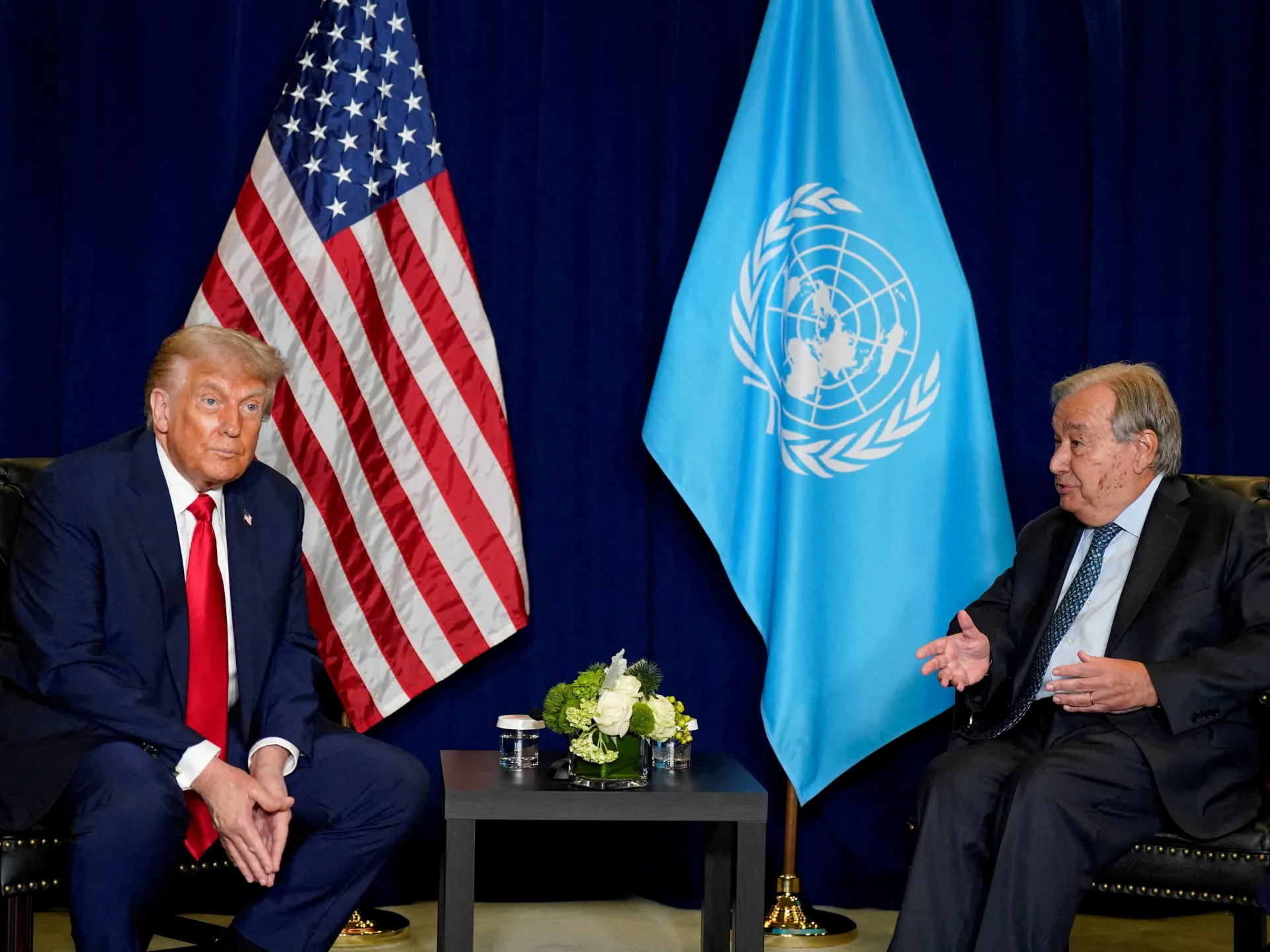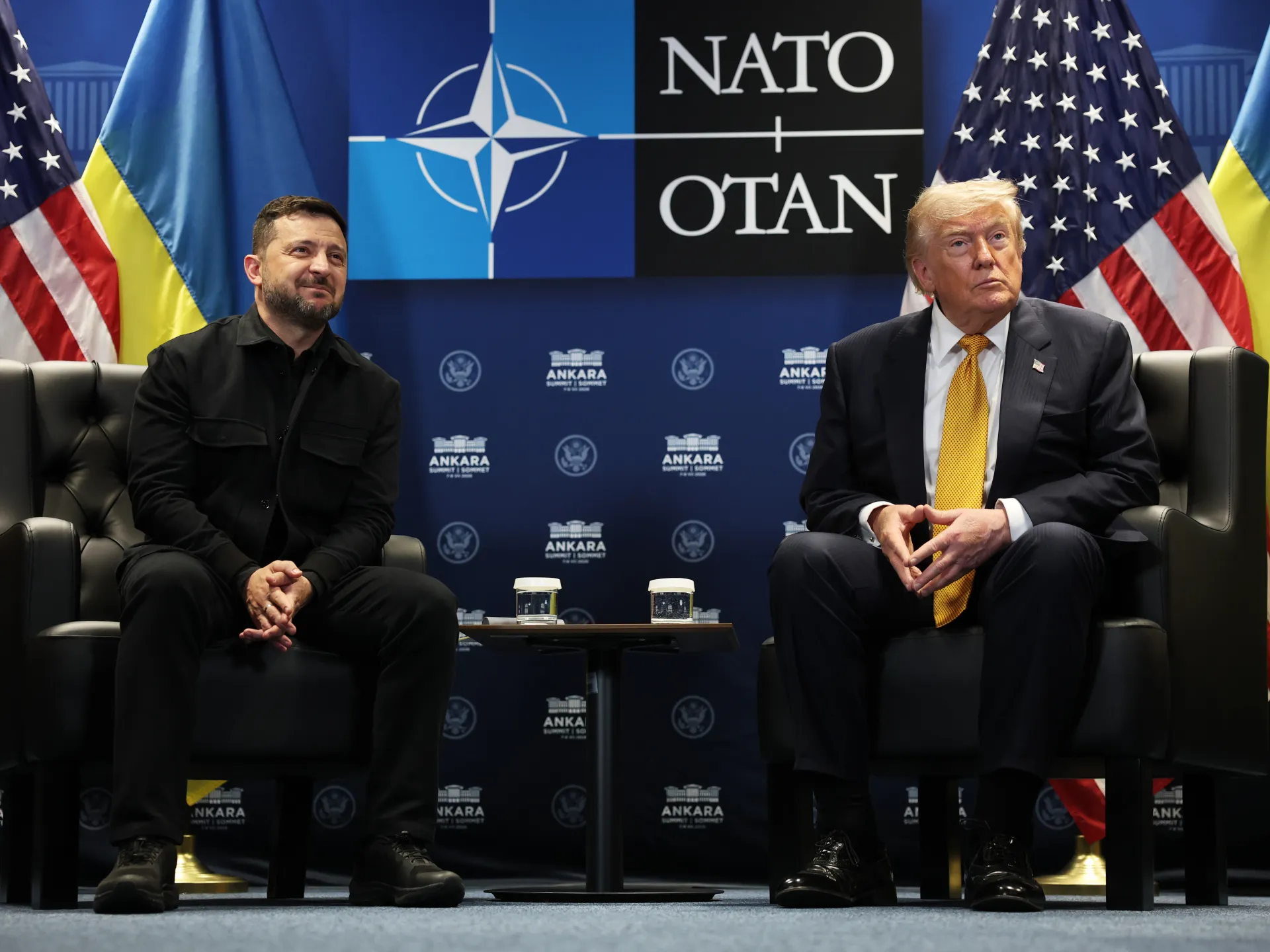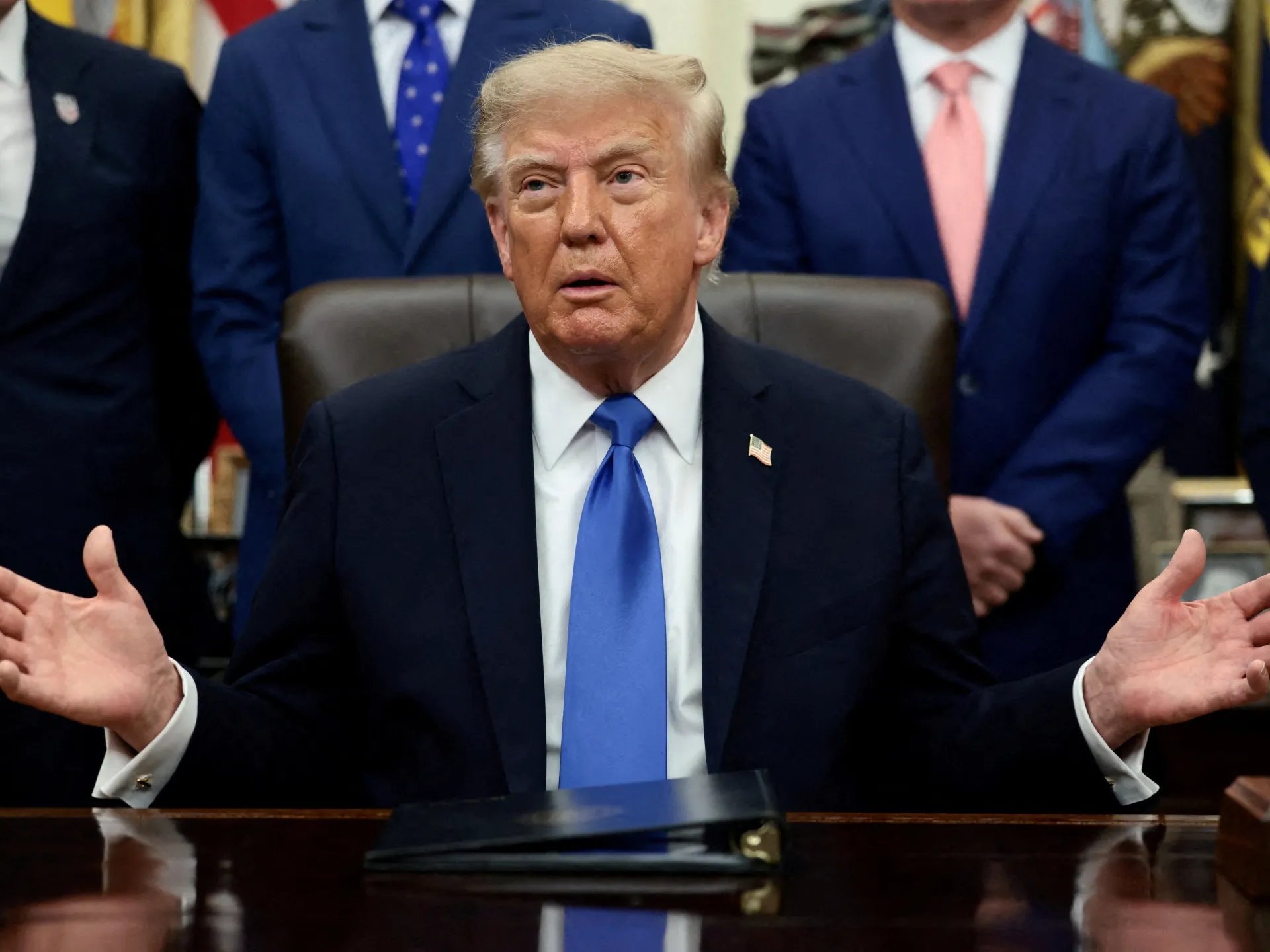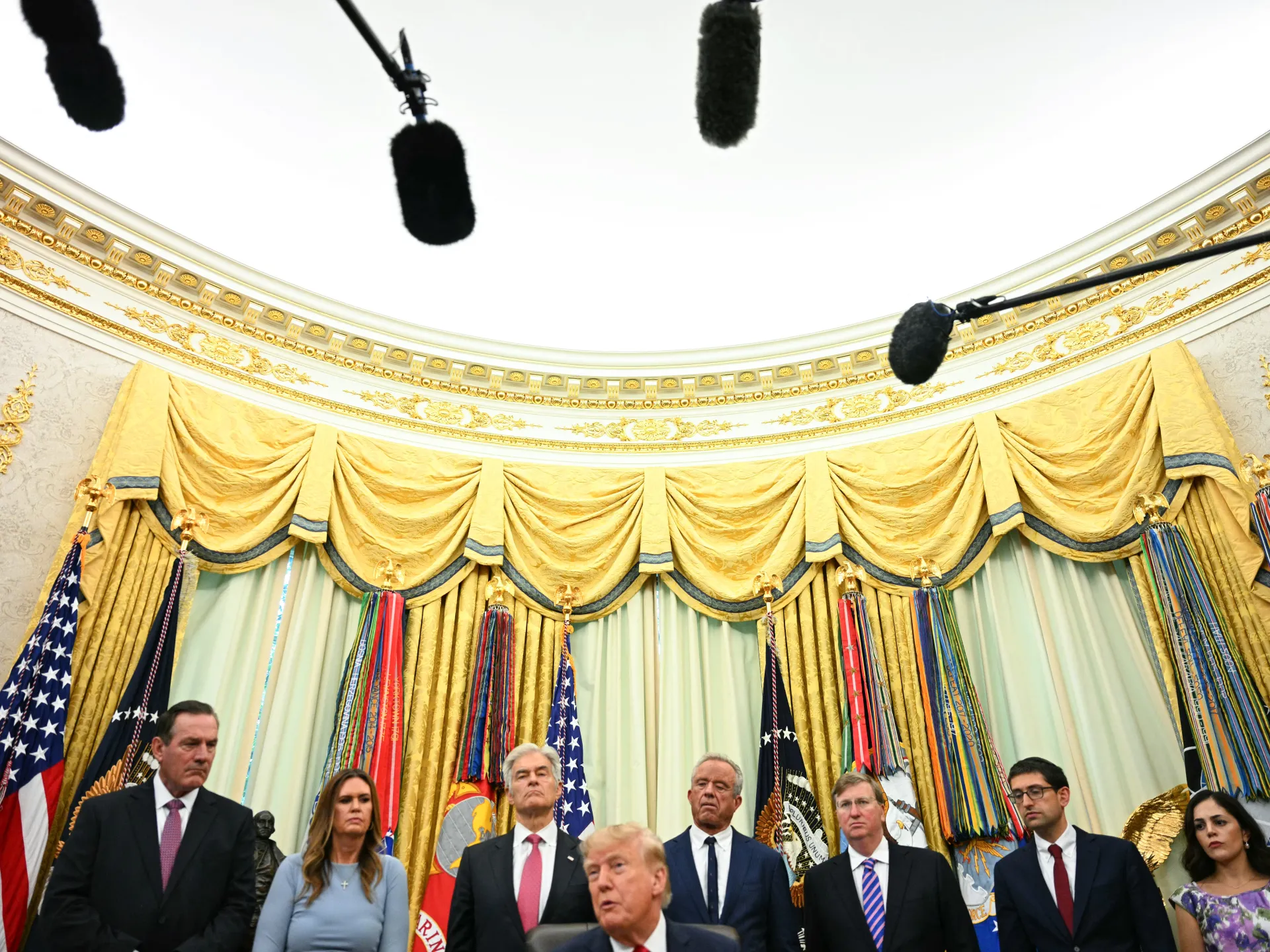
President Trump has enacted a major sanctions package against Russia while navigating intense pressure to secure the release of US detainees during upcoming summit talks.
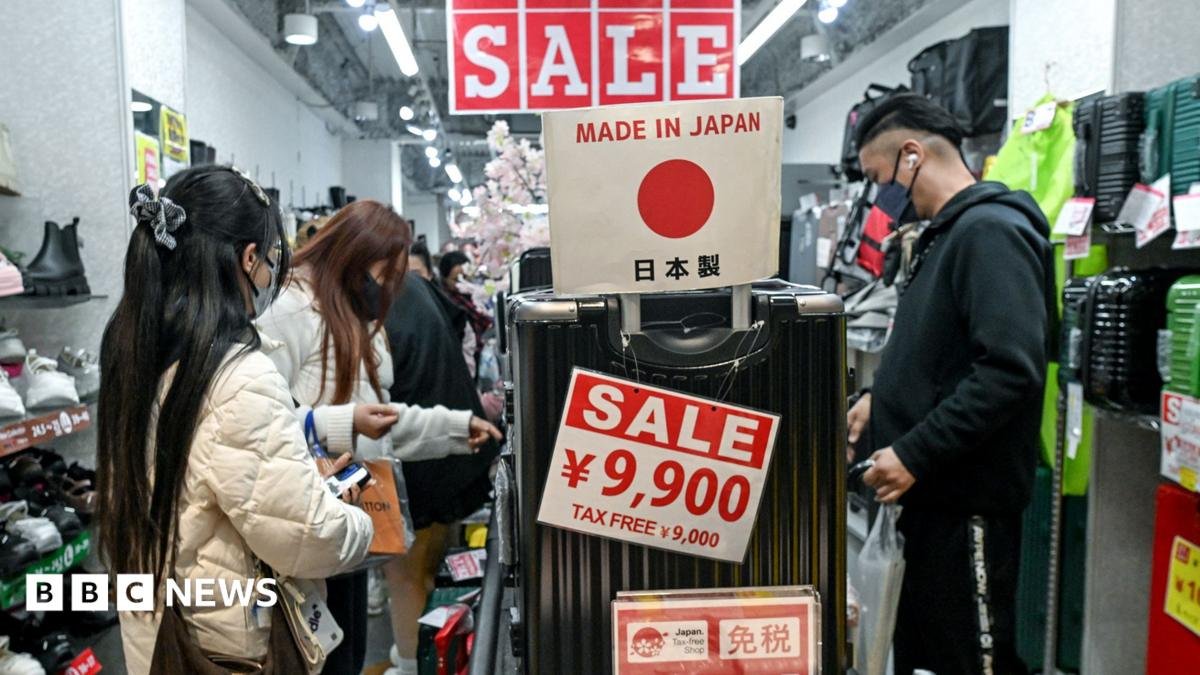
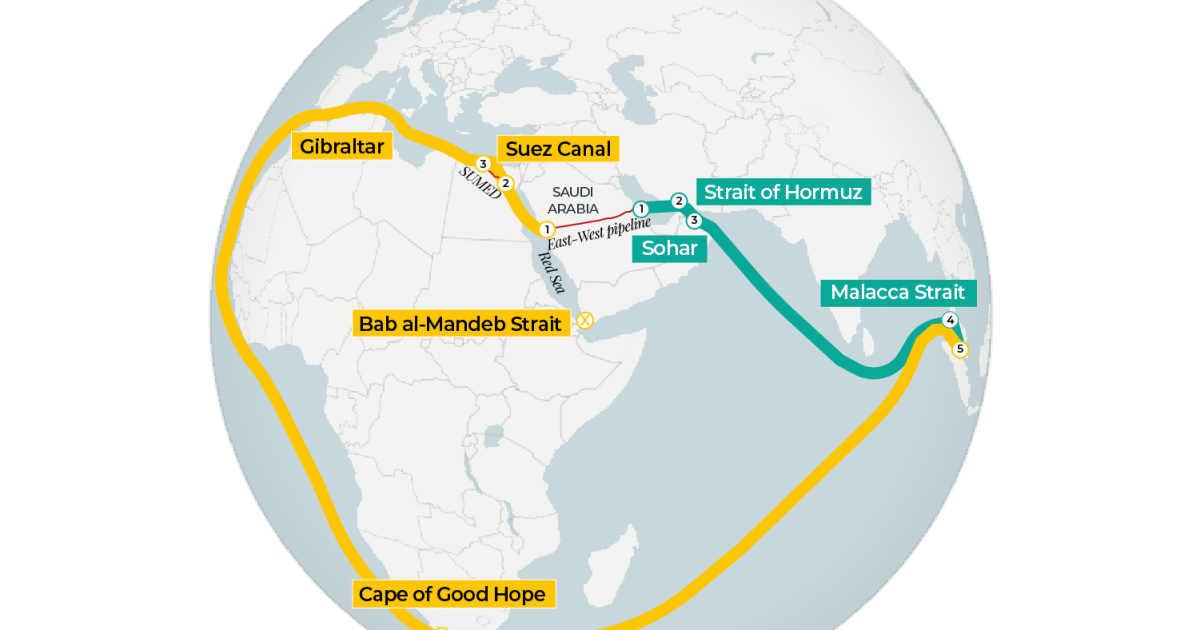
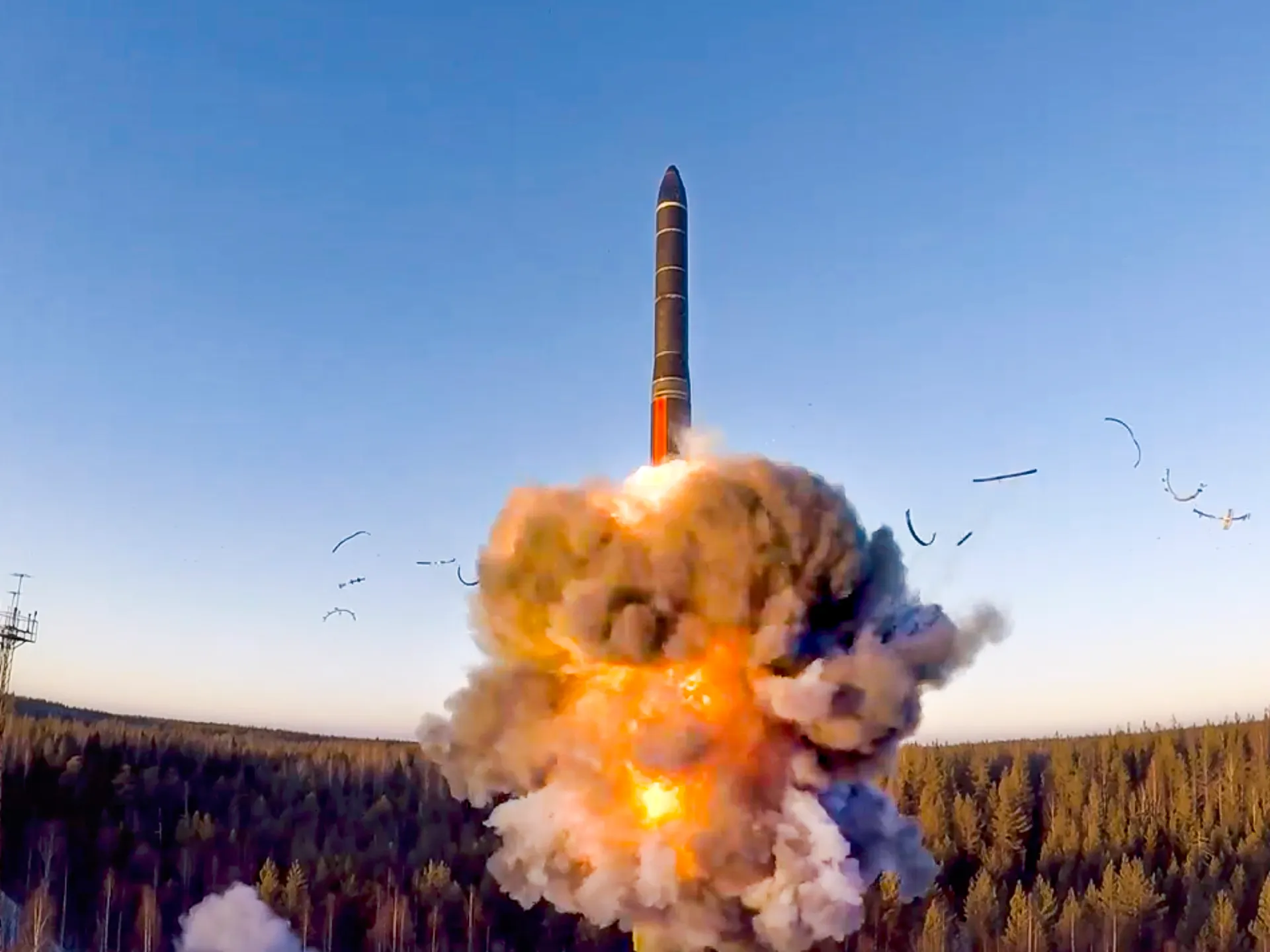
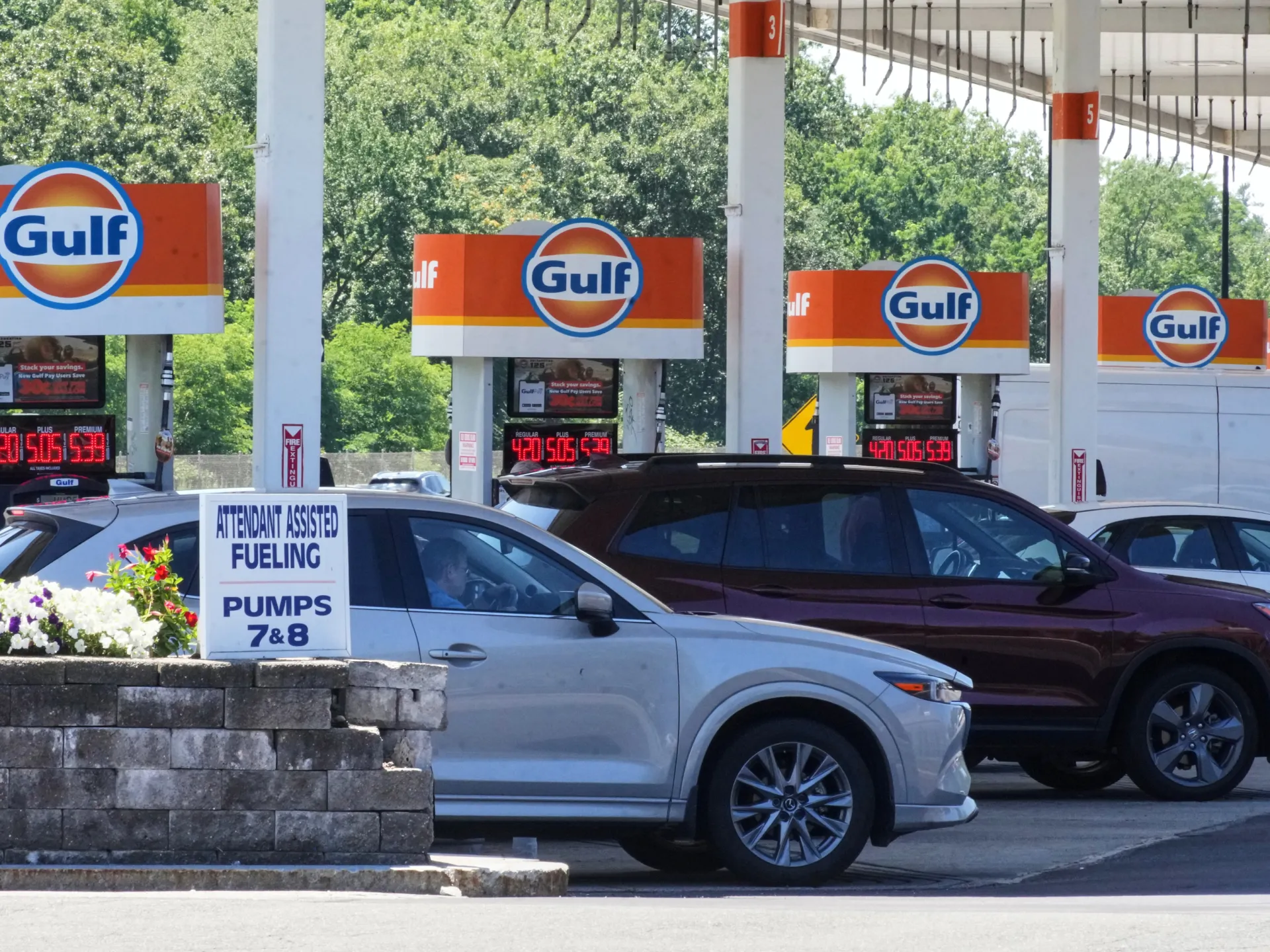
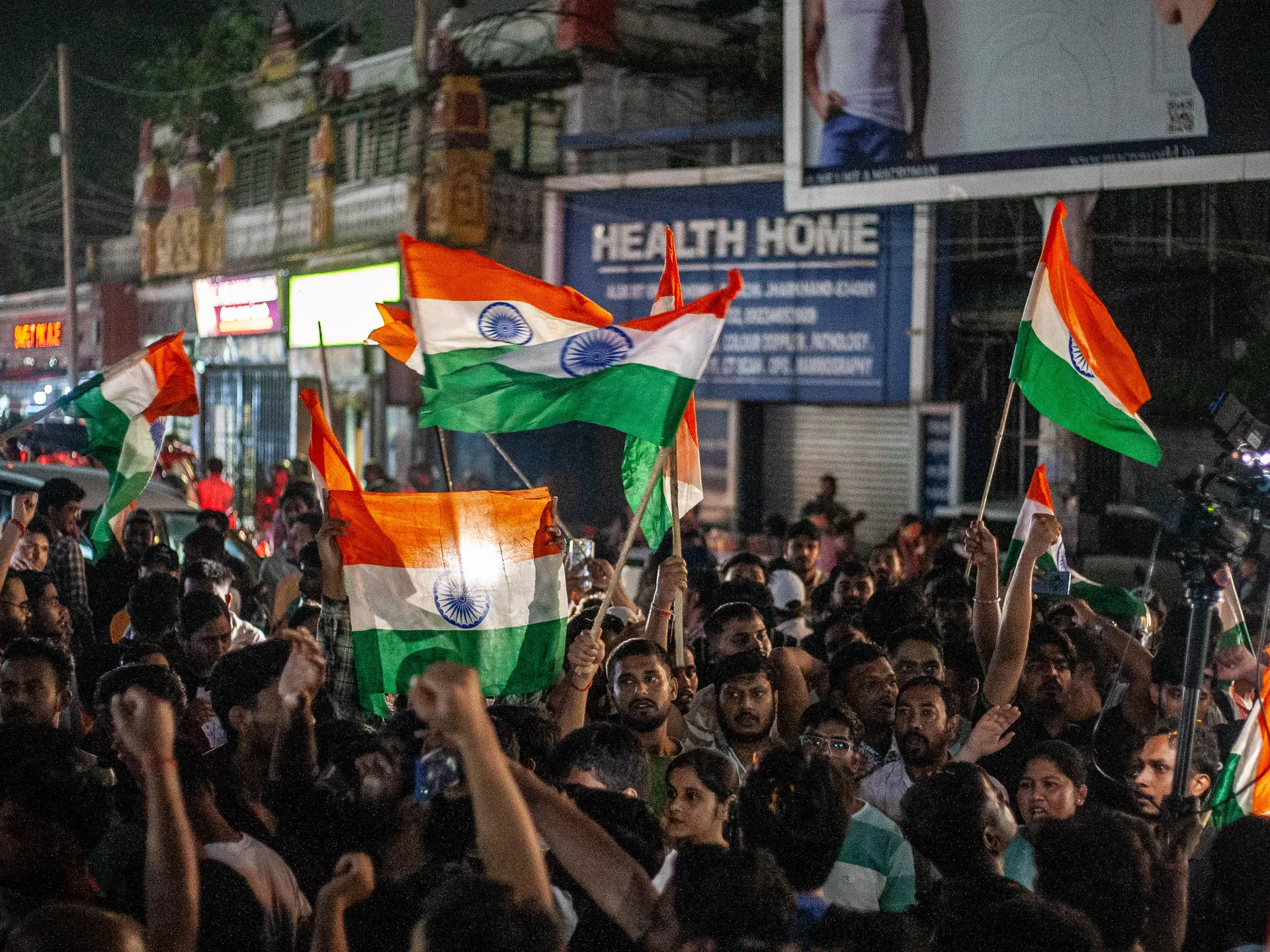
The enactment of the Lindsey O. Graham Sanctioning Russia and Iran Act of 2026 signals a definitive pivot in American foreign policy, transitioning from measured diplomatic pressure to direct economic confrontation. tecture and its global energy logistics, the United States is testing the structural integrity of international trade alliances. The legislation’s provision authorizing 100 percent tariffs on major importers of Russian oil, such as China and India, represents a high-stakes gamble that could either starve the Russian war machine of vital revenue or trigger a volatile global energy crisis. For the American consumer, the stakes are equally precarious; while the administration views these tariffs as a necessary tool of statecraft, skeptics within the political establishment warn that such unilateral actions may inadvertently inflate domestic costs and invite retaliatory trade barriers that ripple far beyond the intended targets.
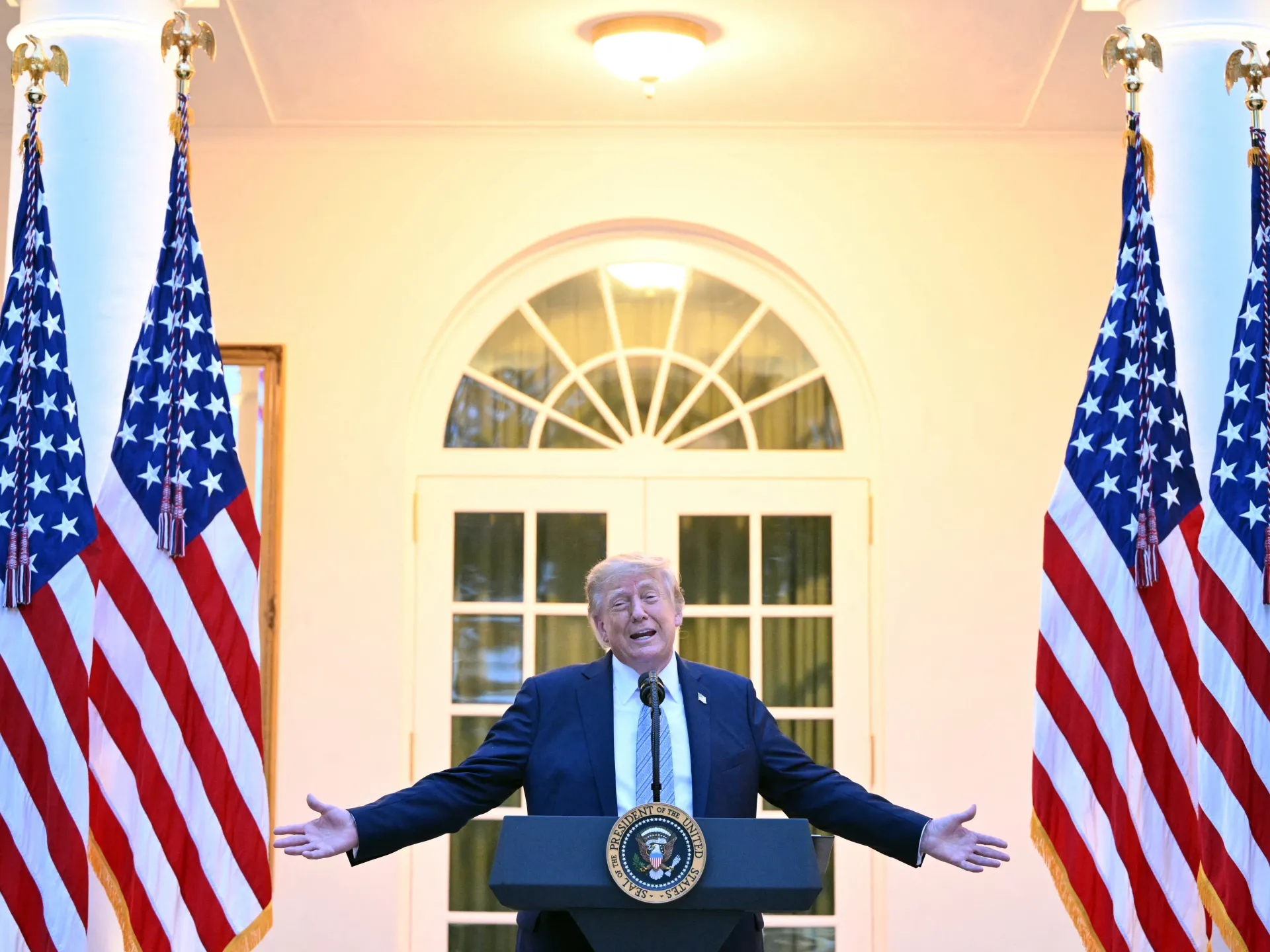
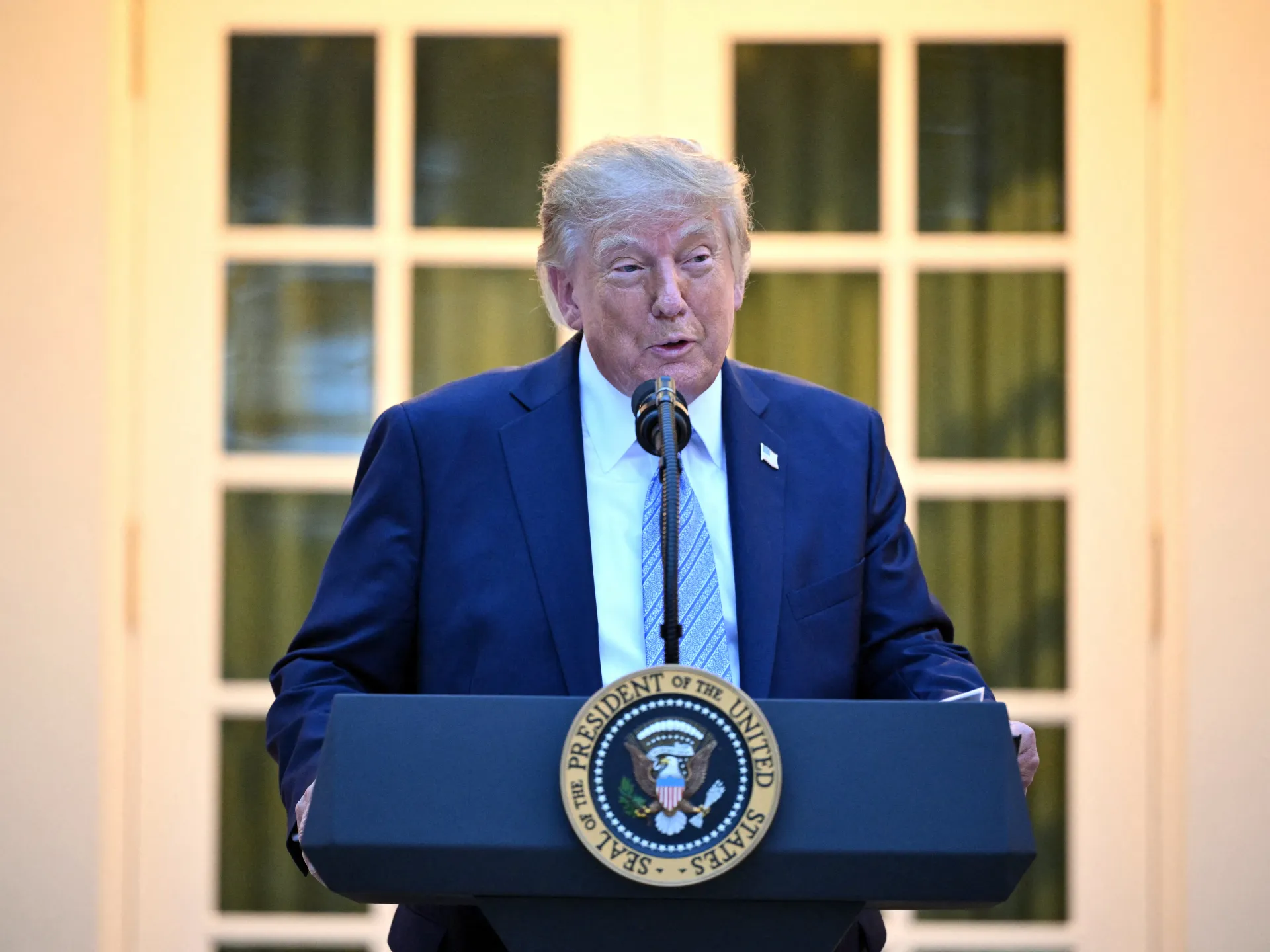
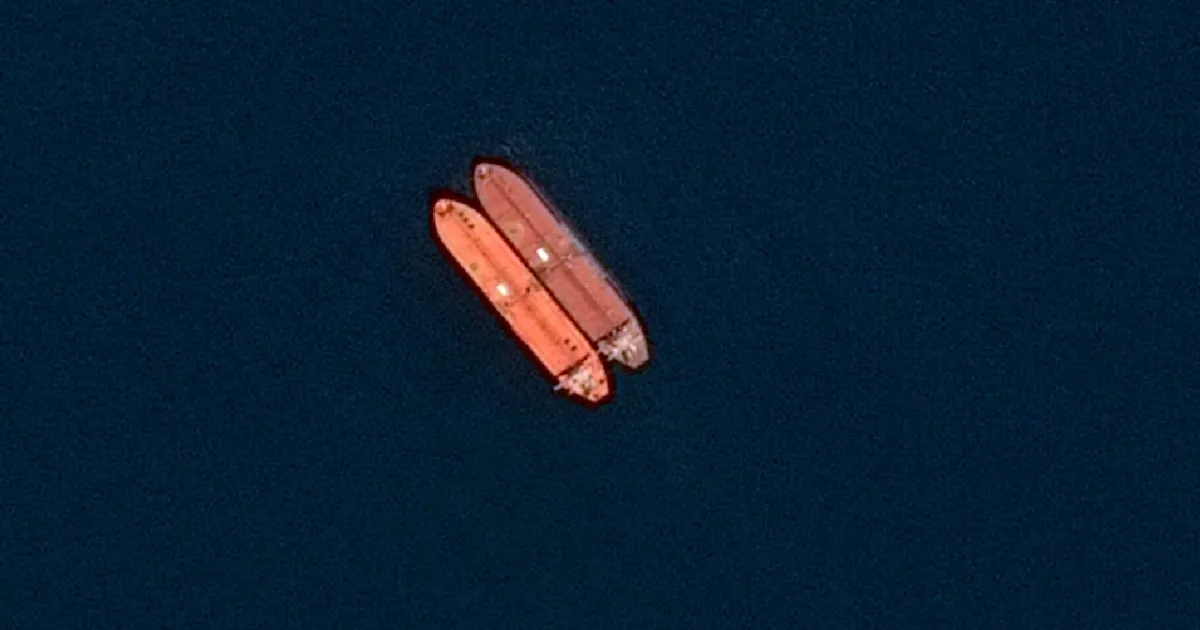
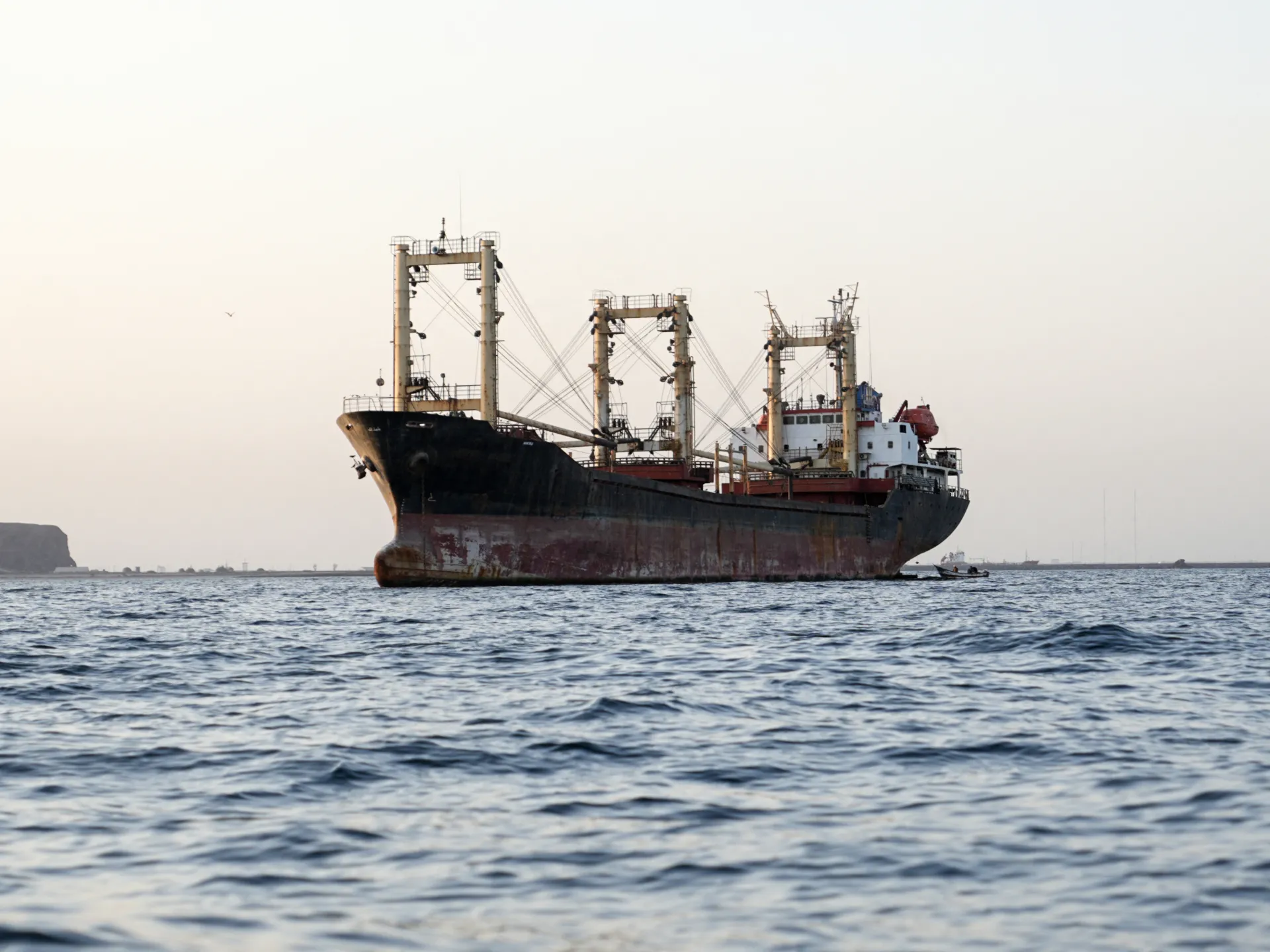
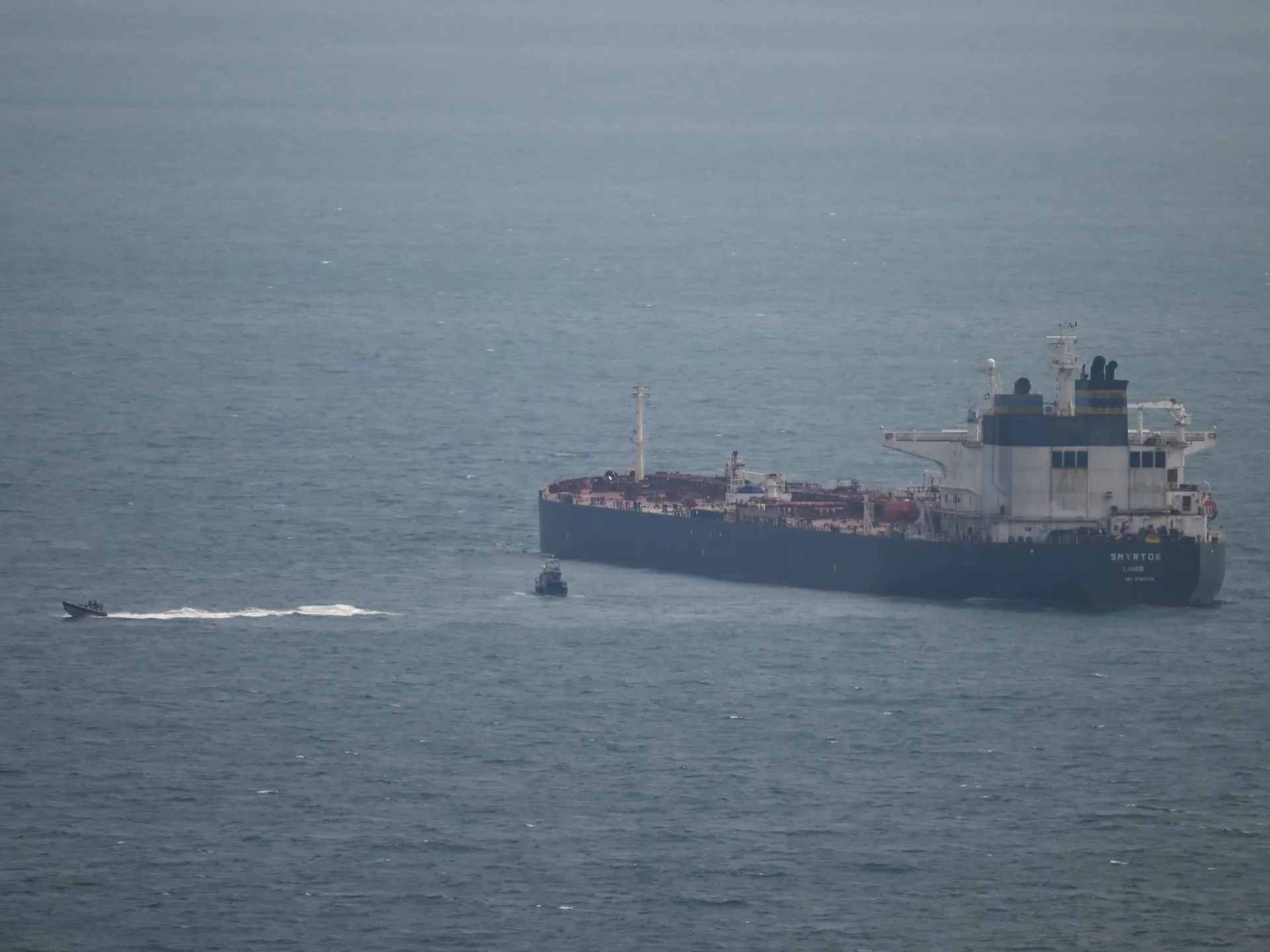
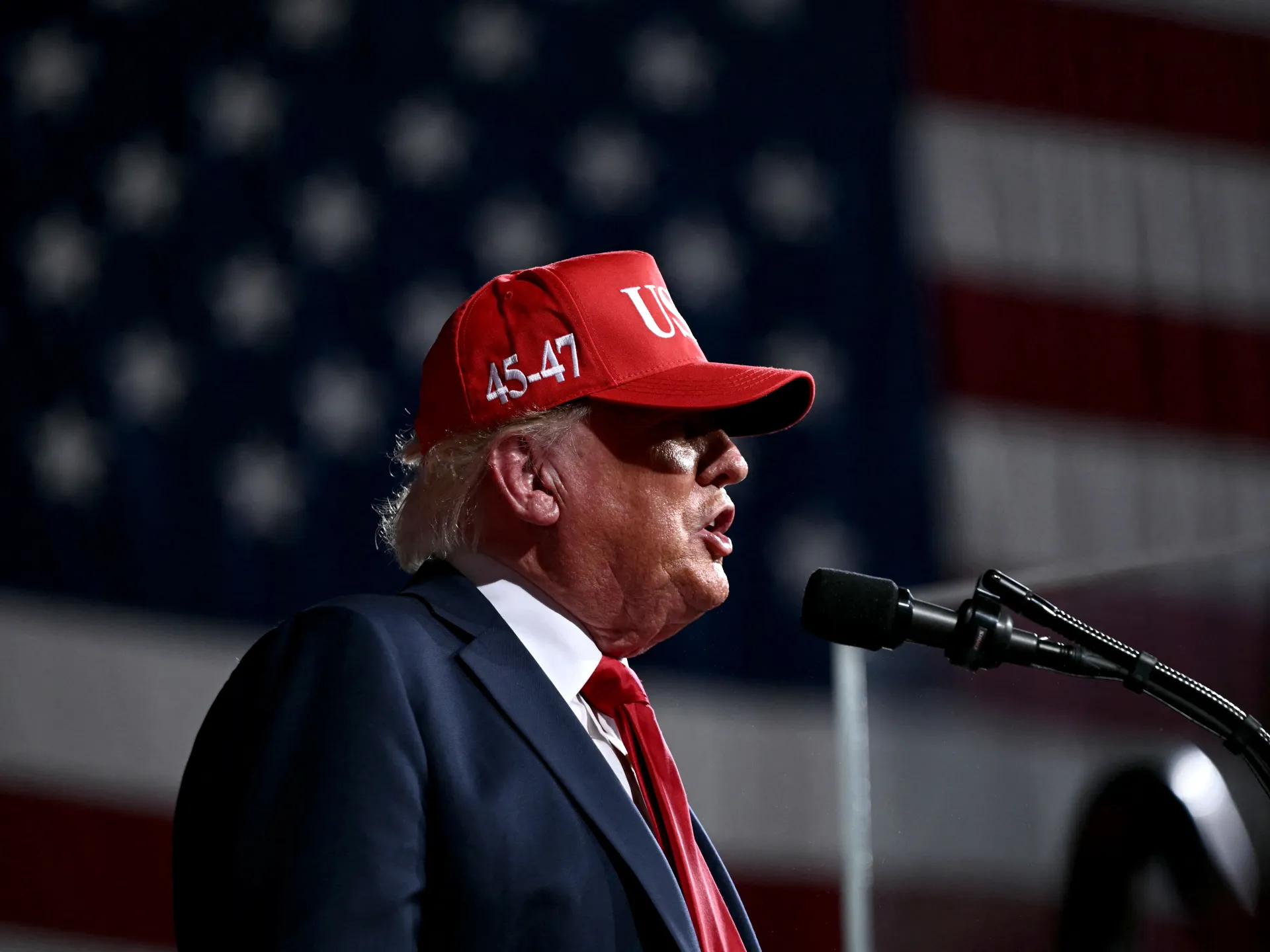
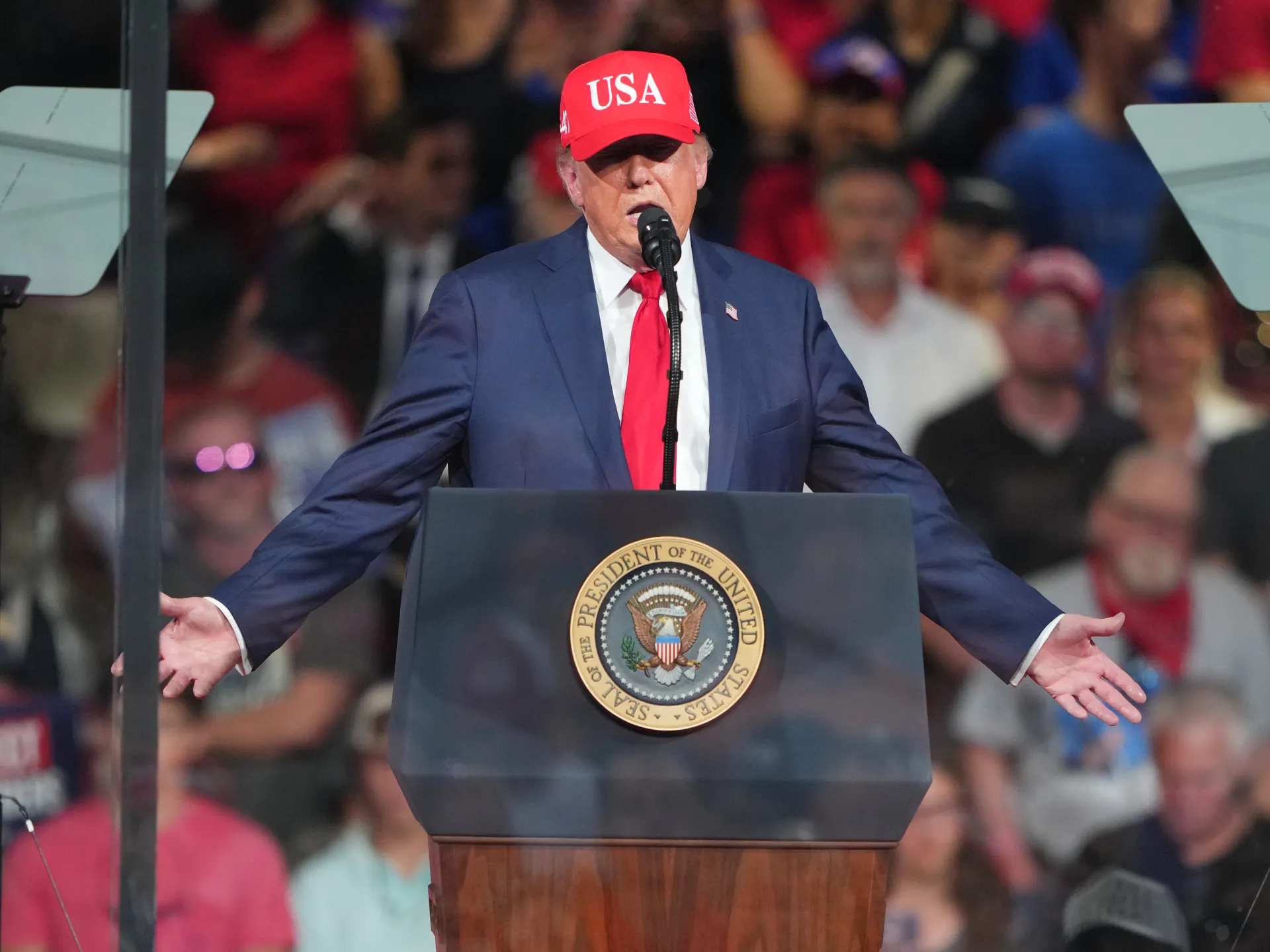
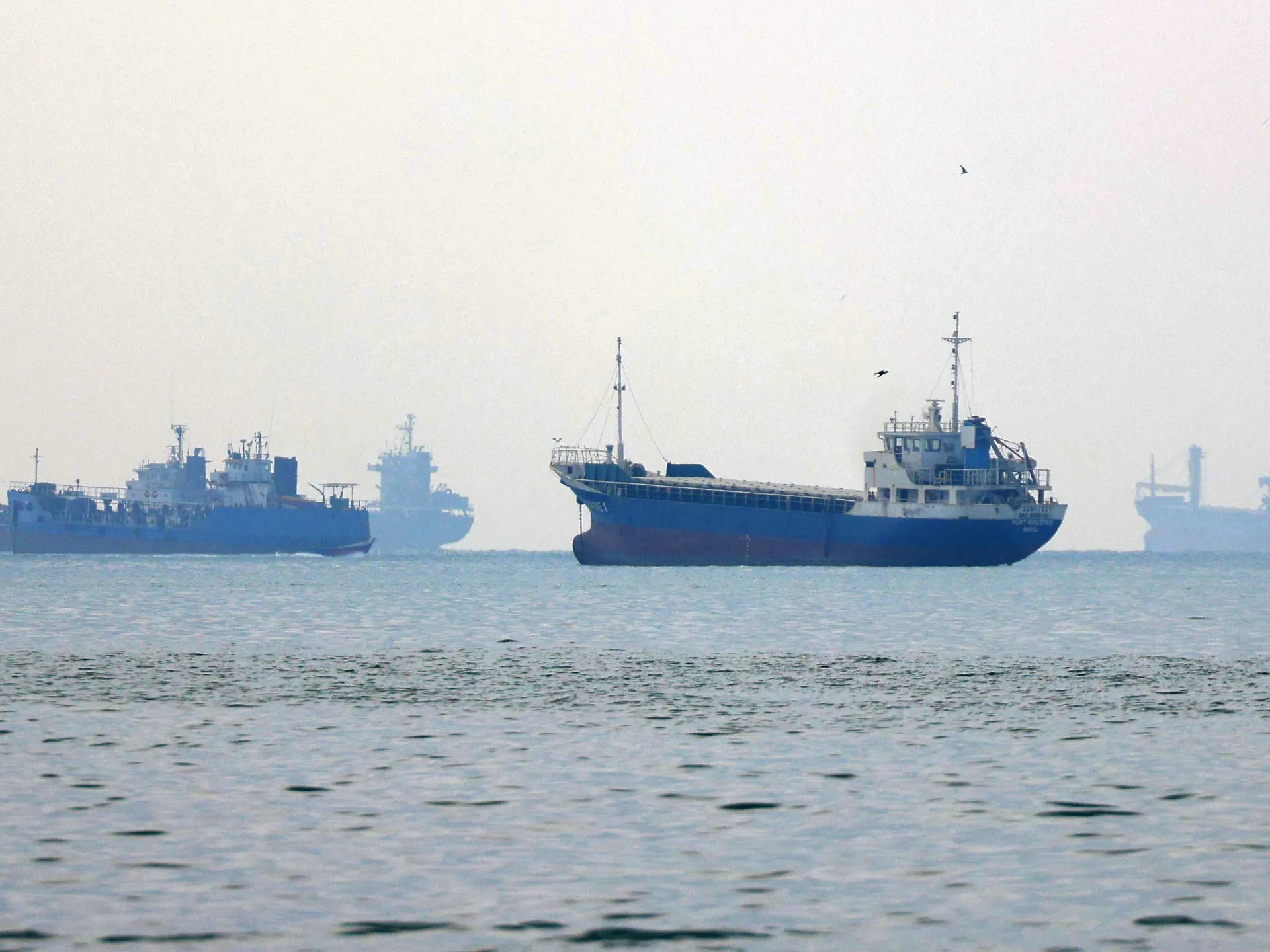
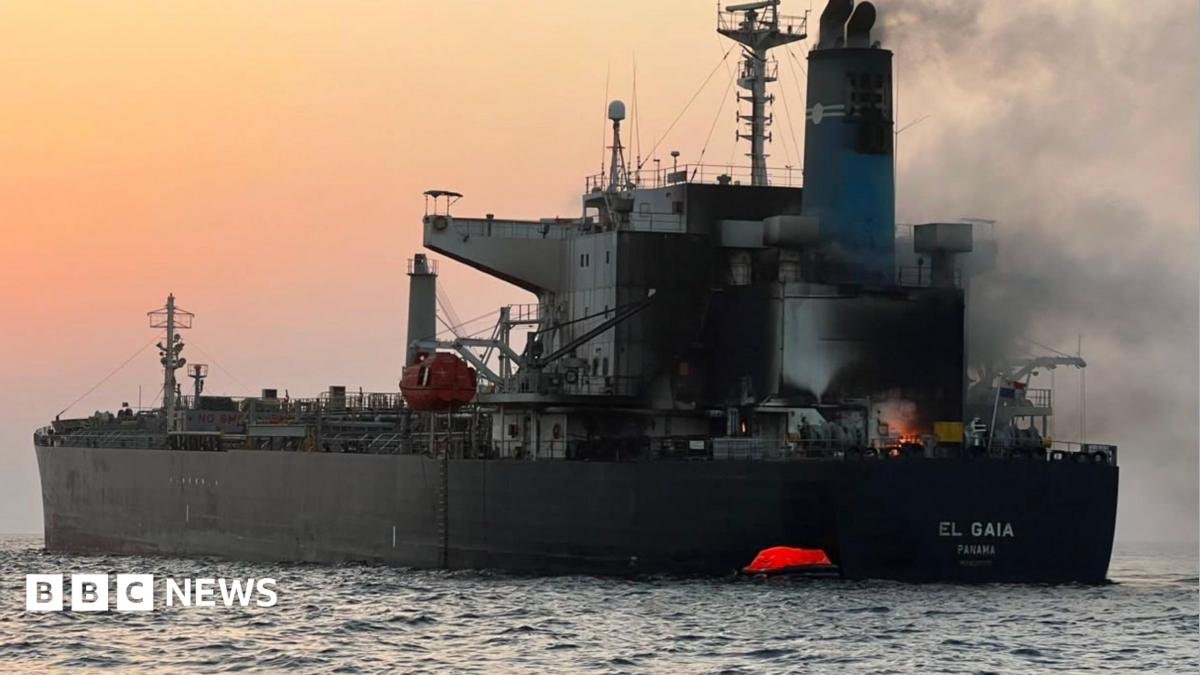
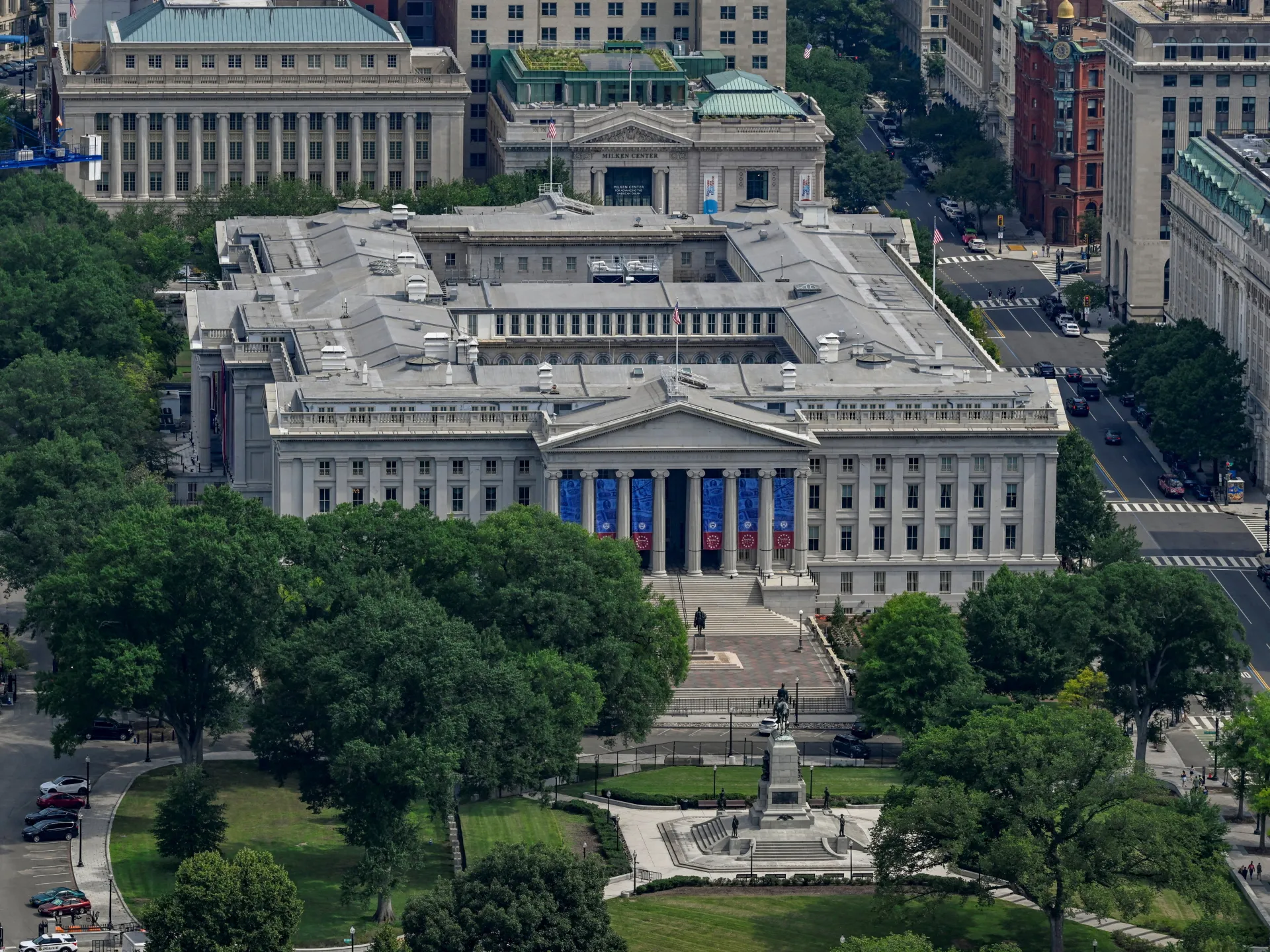
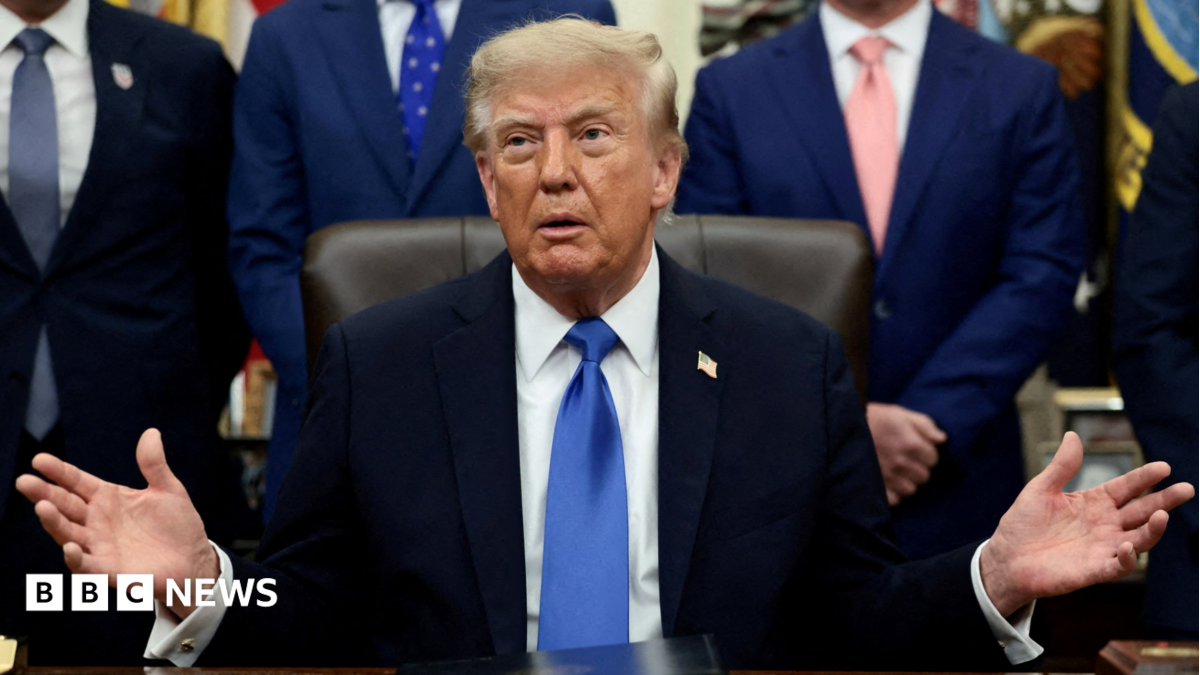
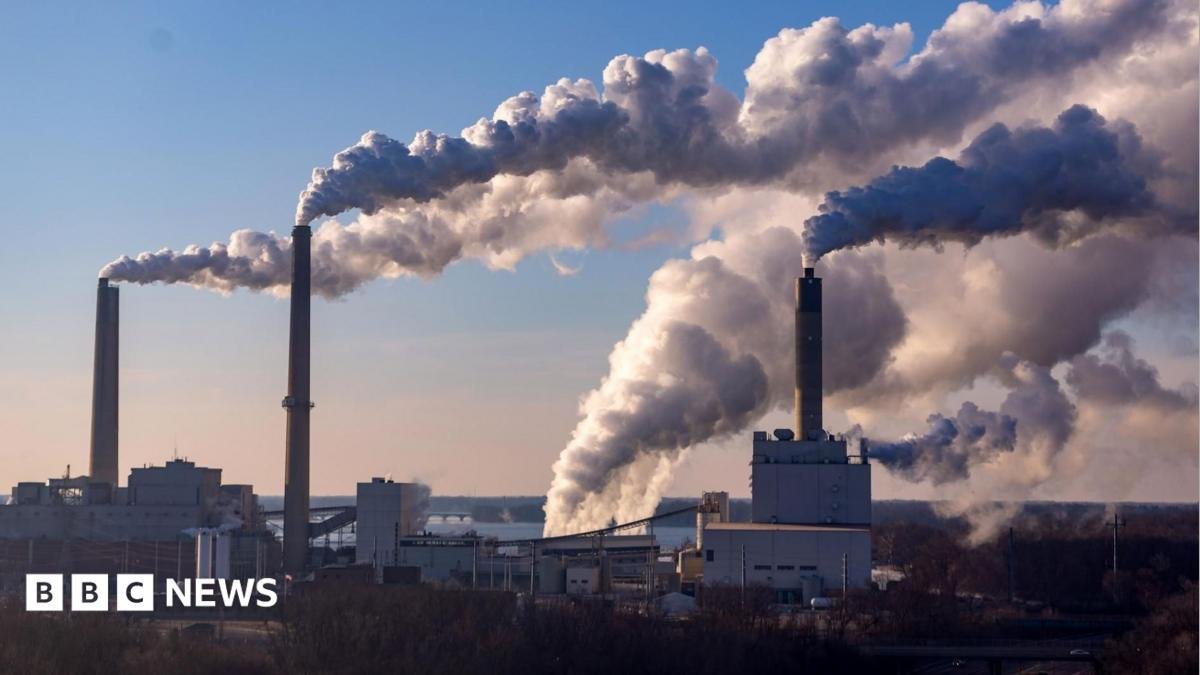
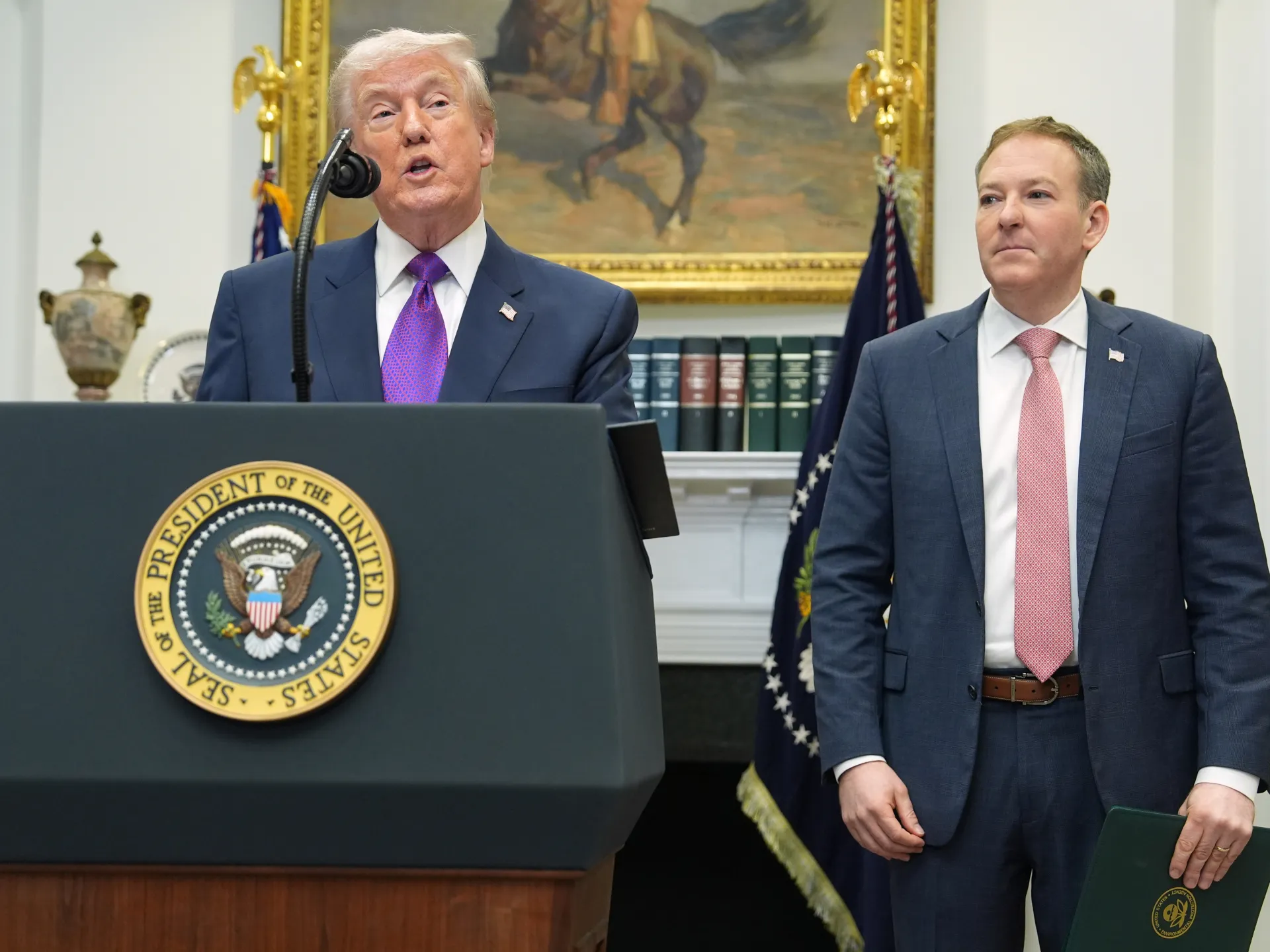
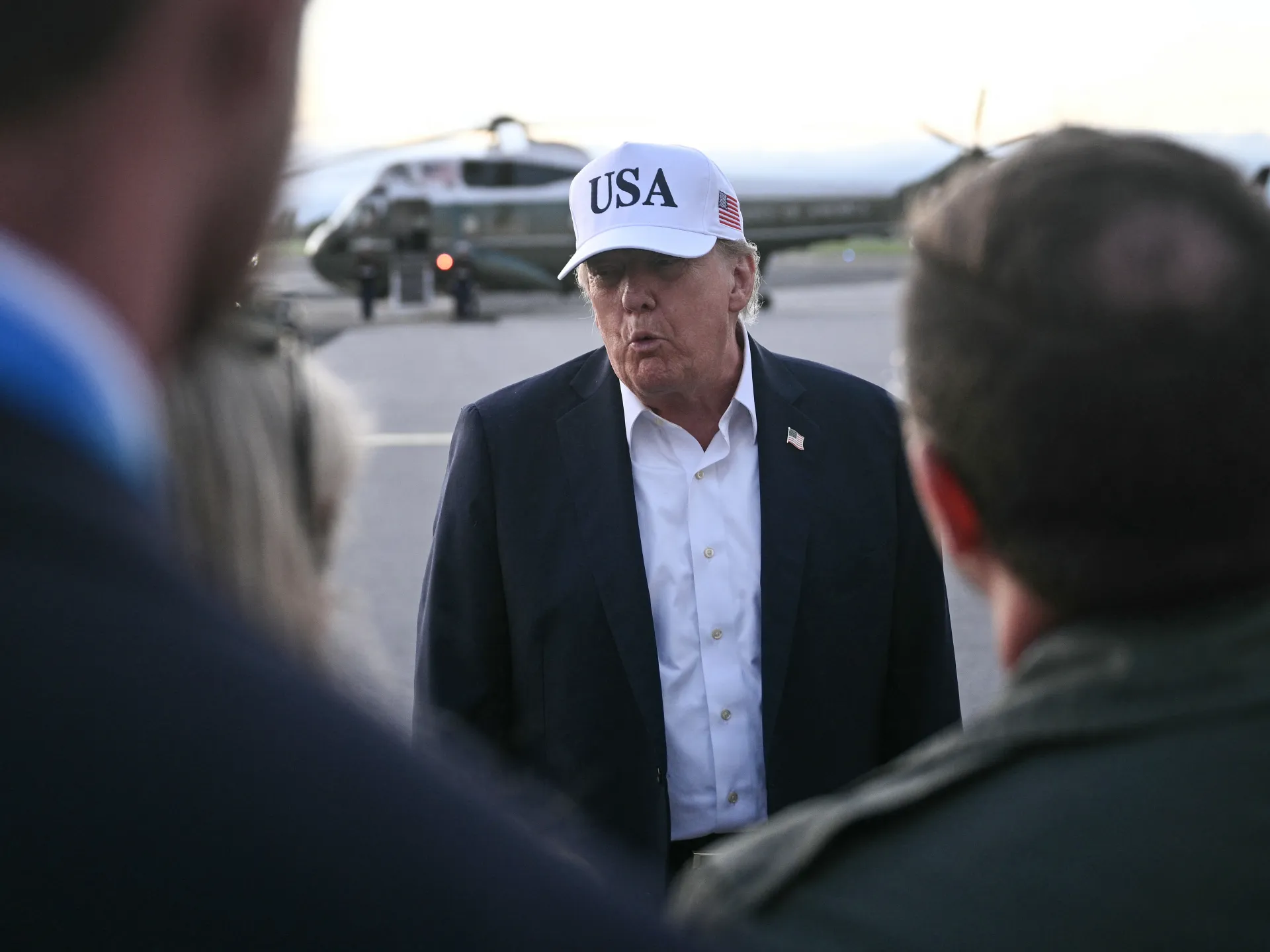
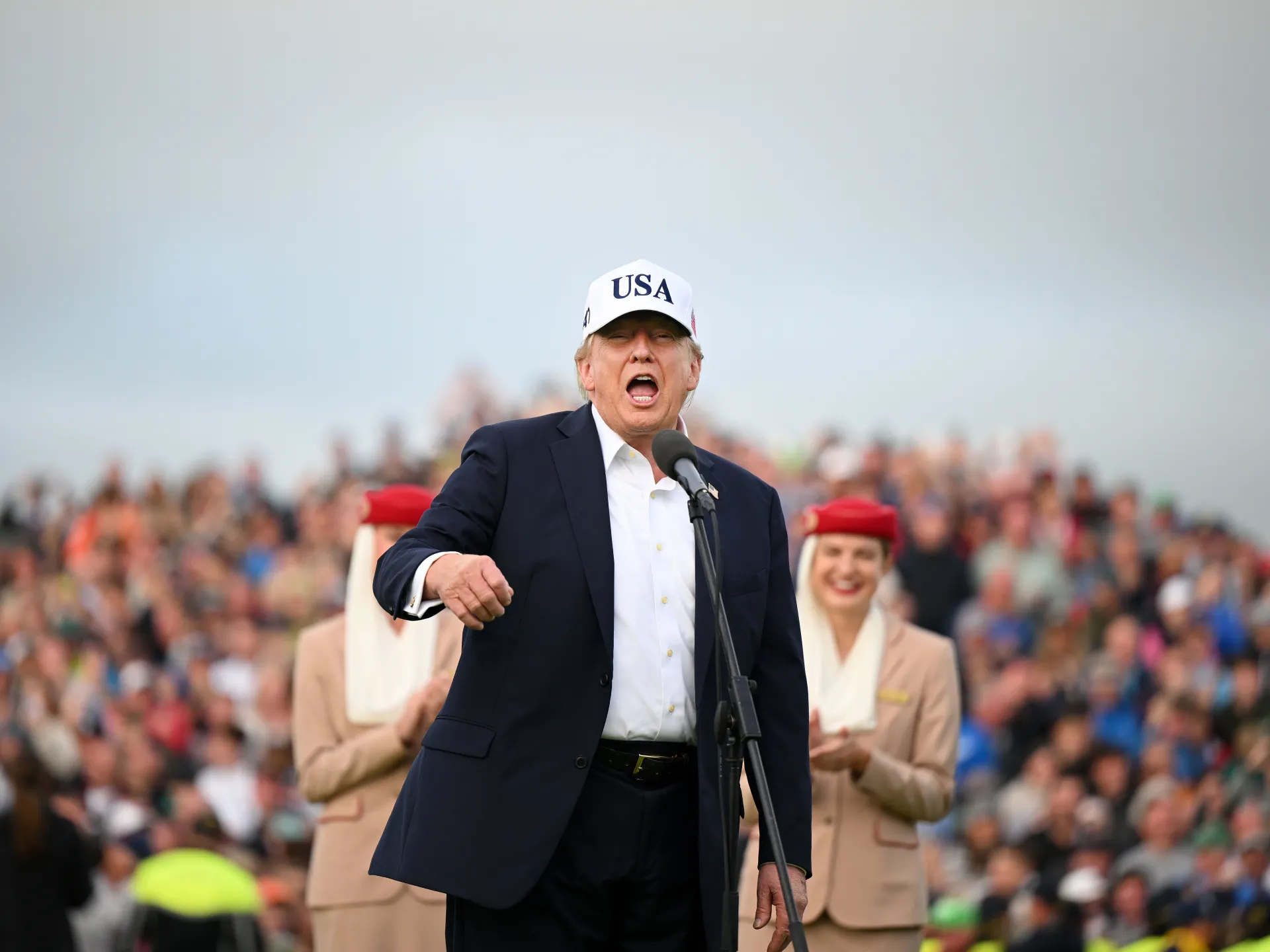
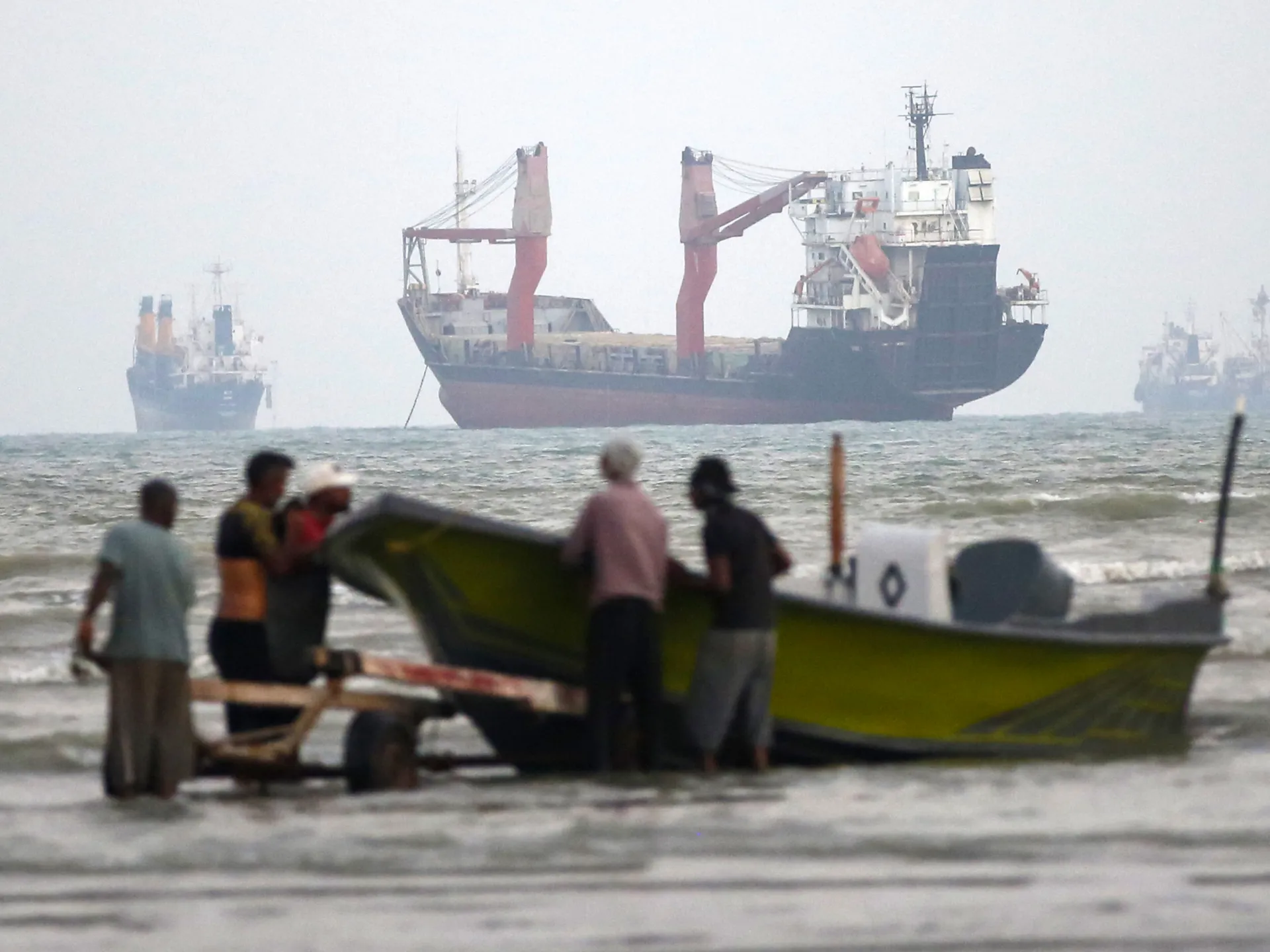
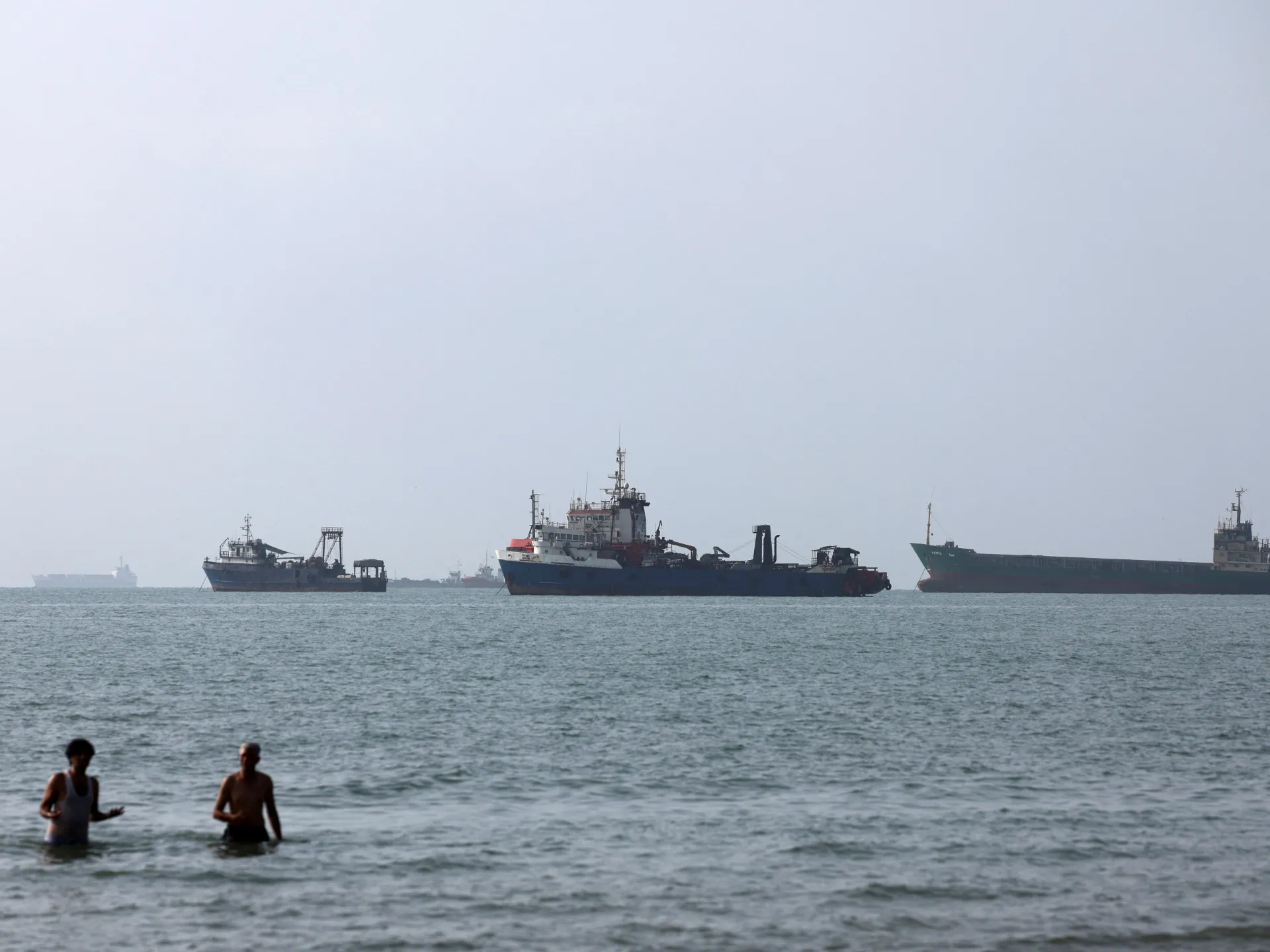
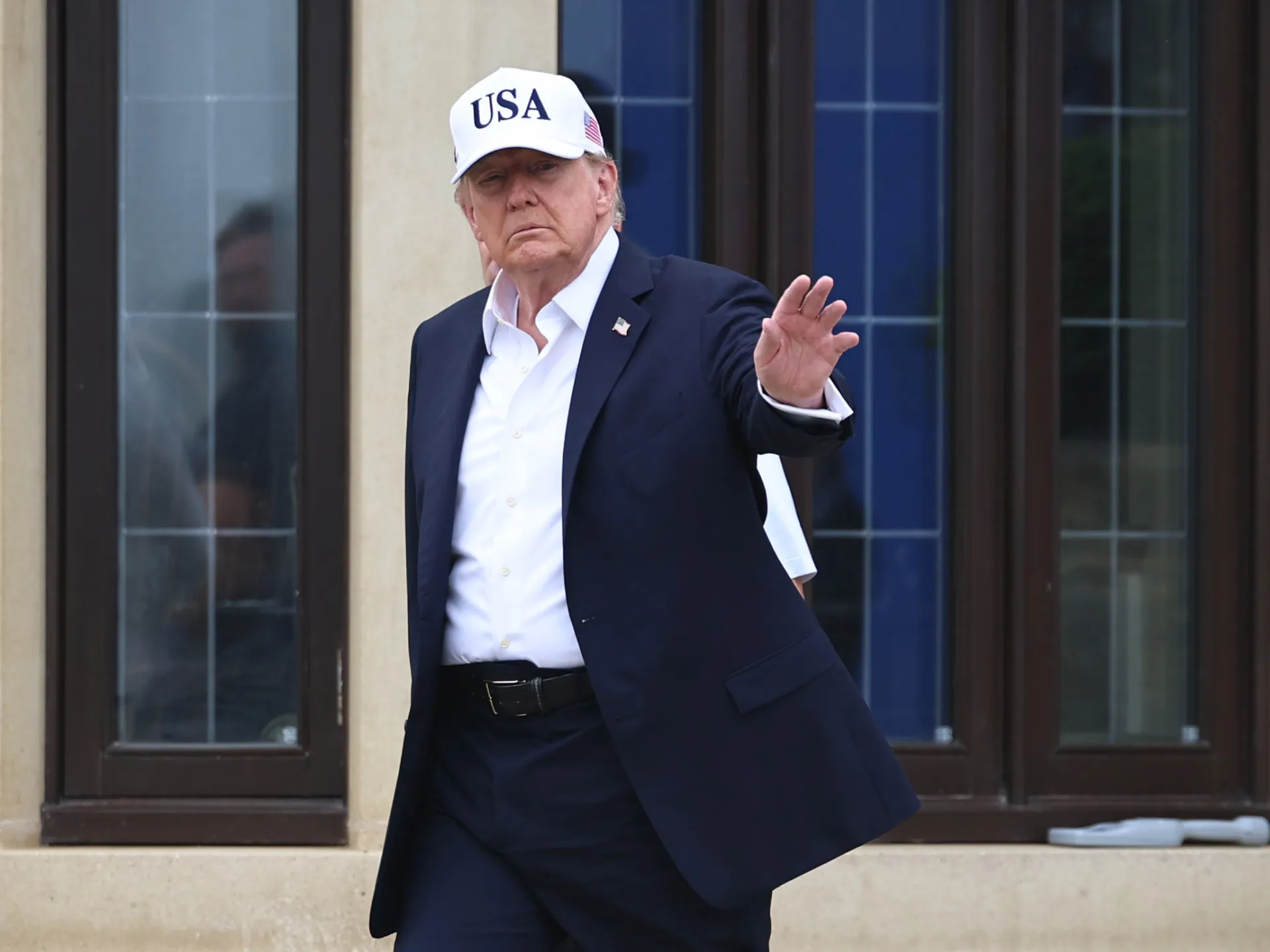
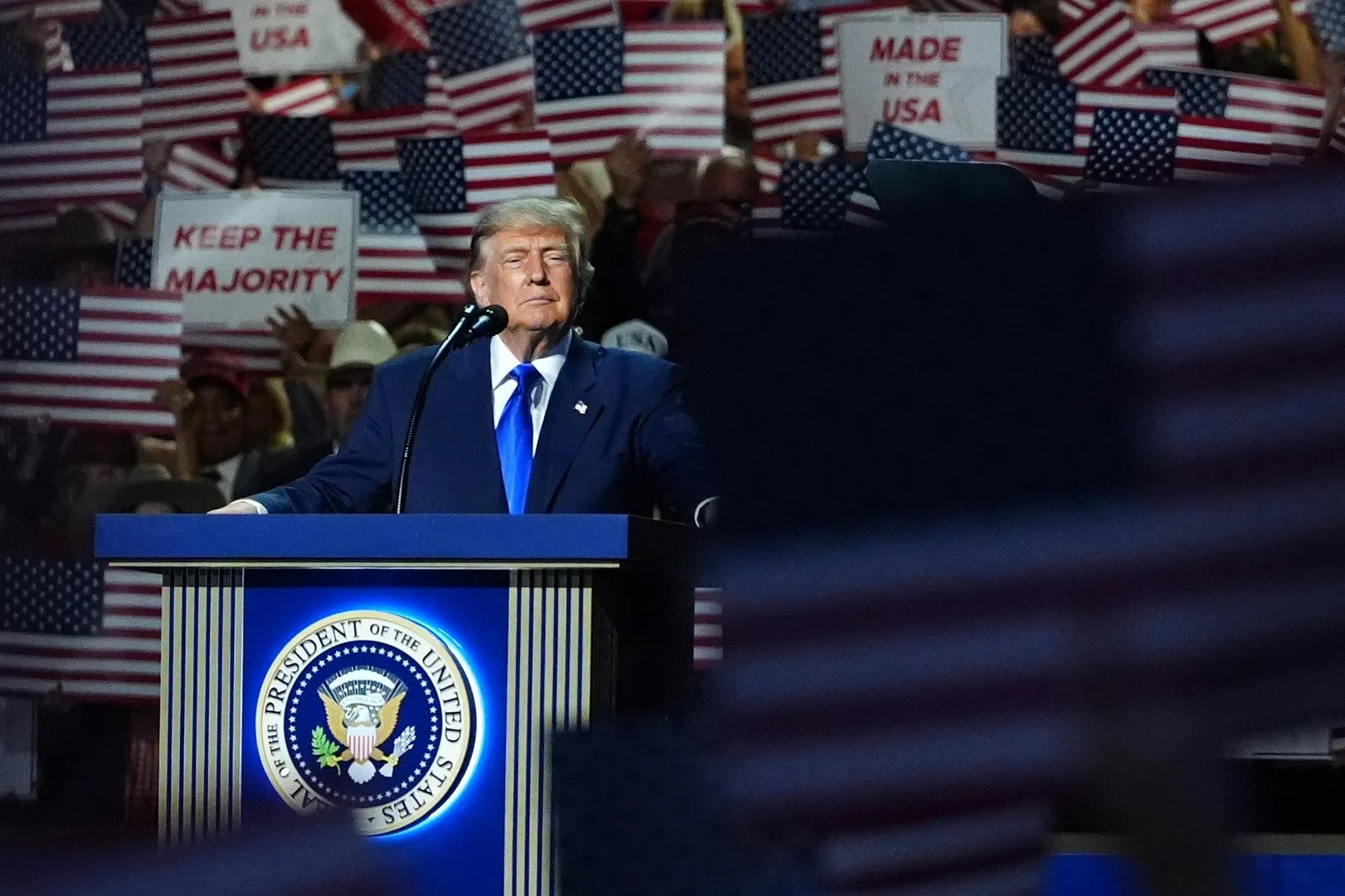
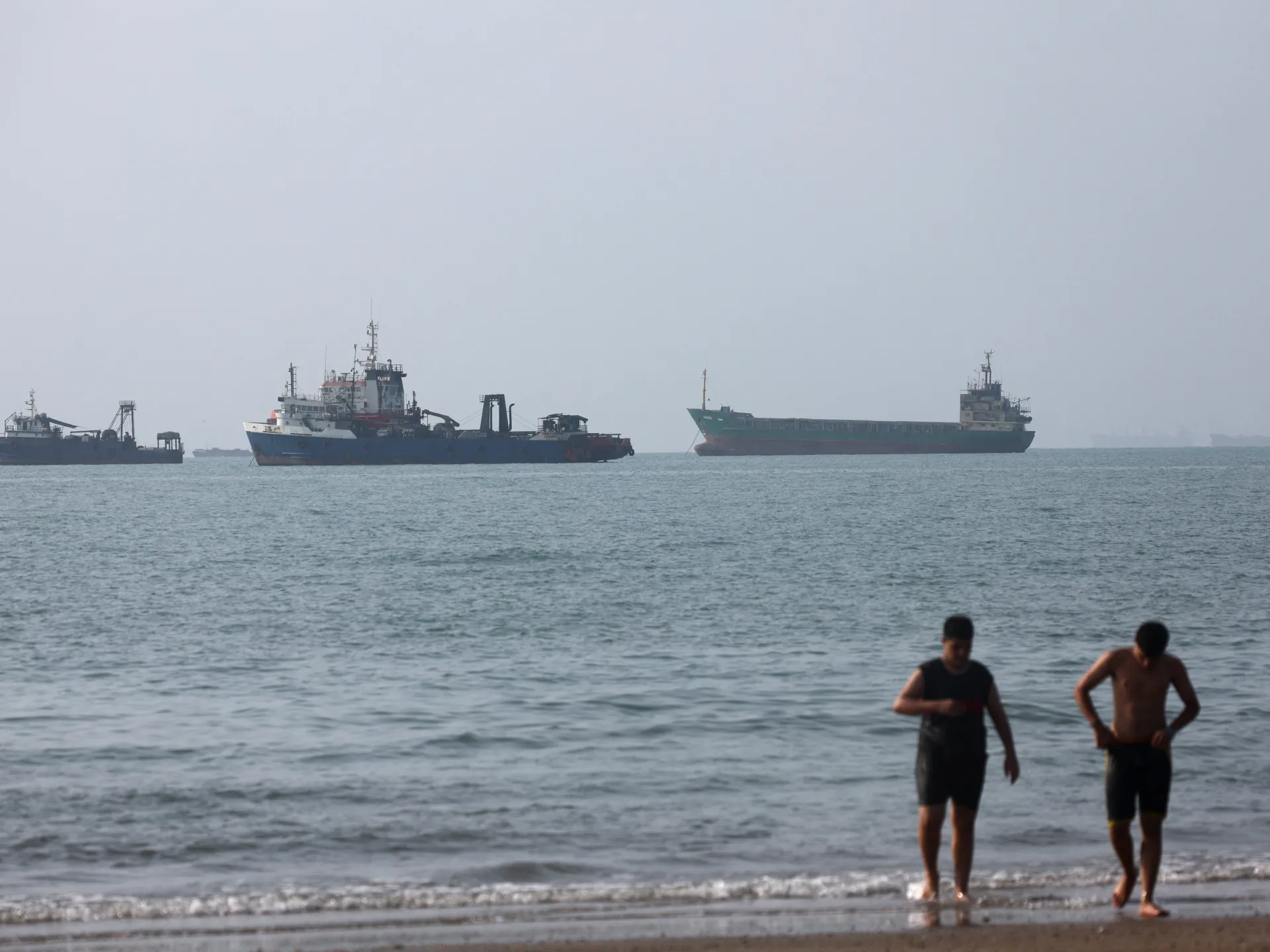
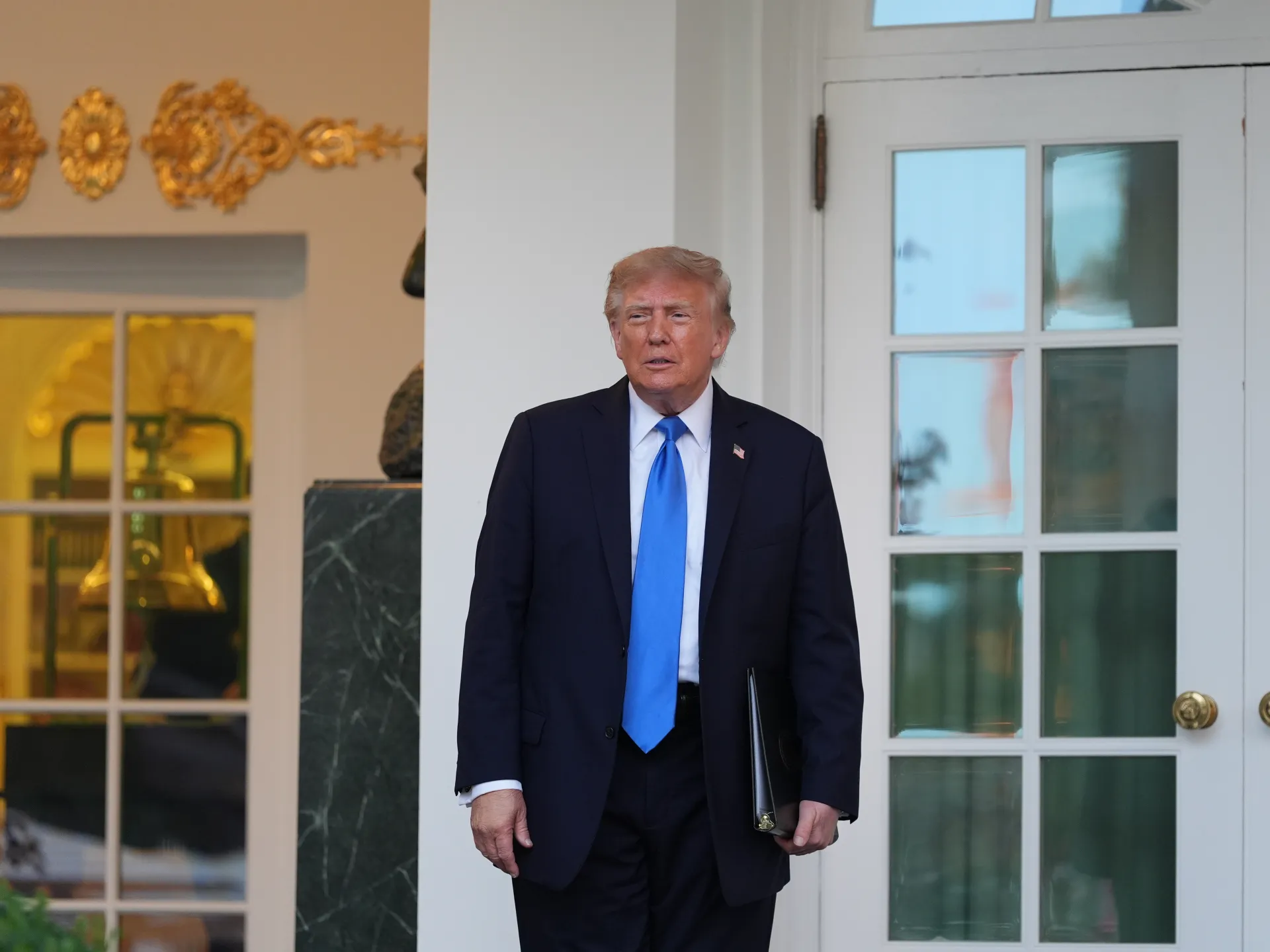
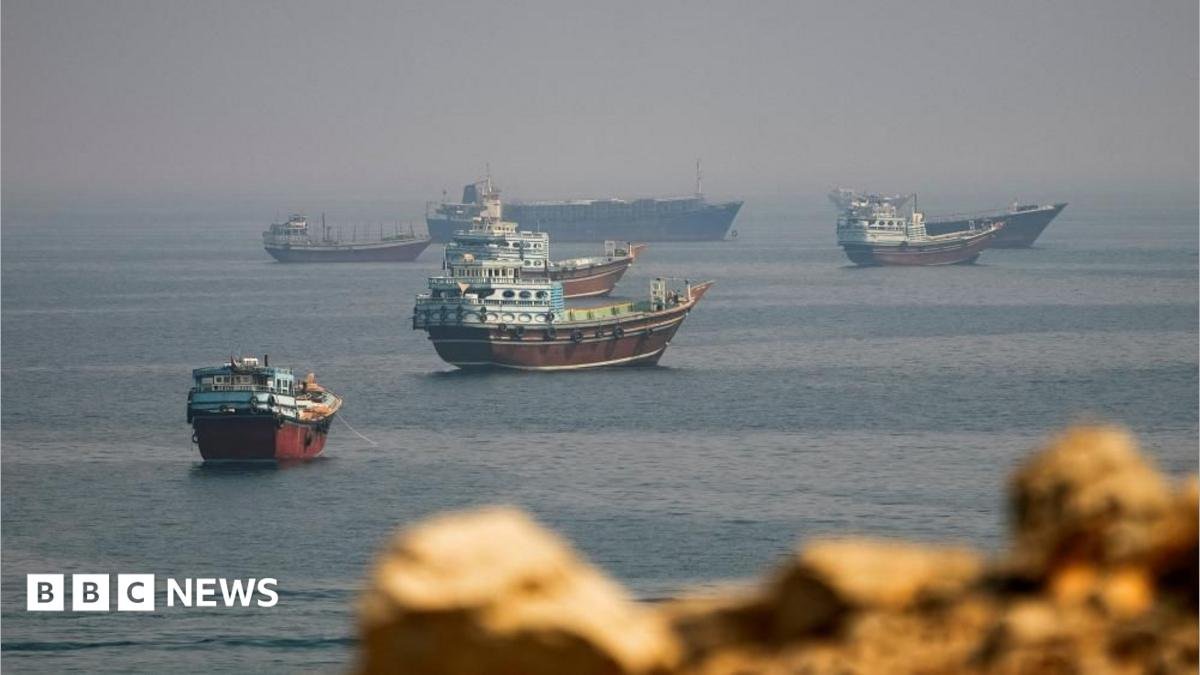
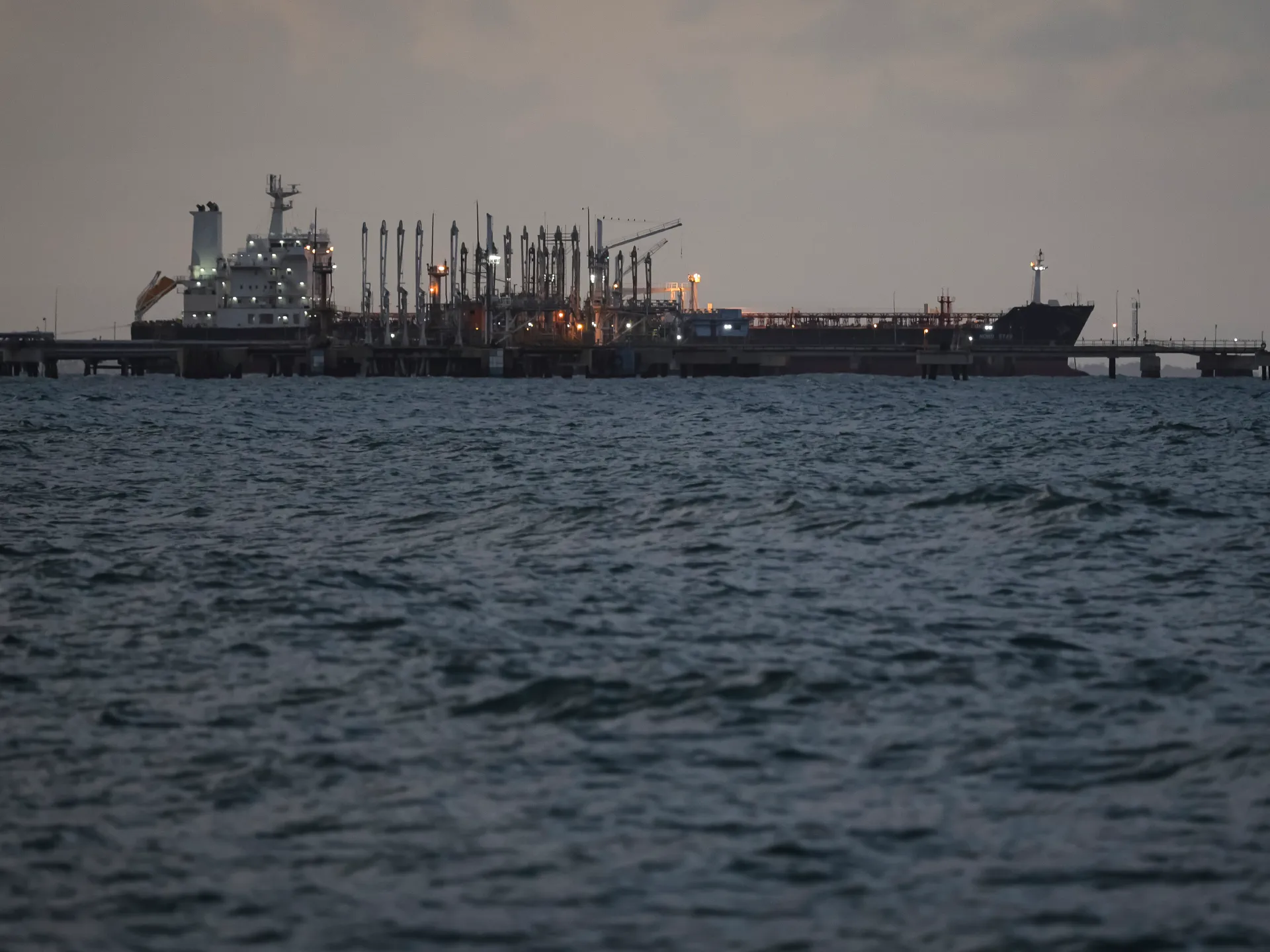
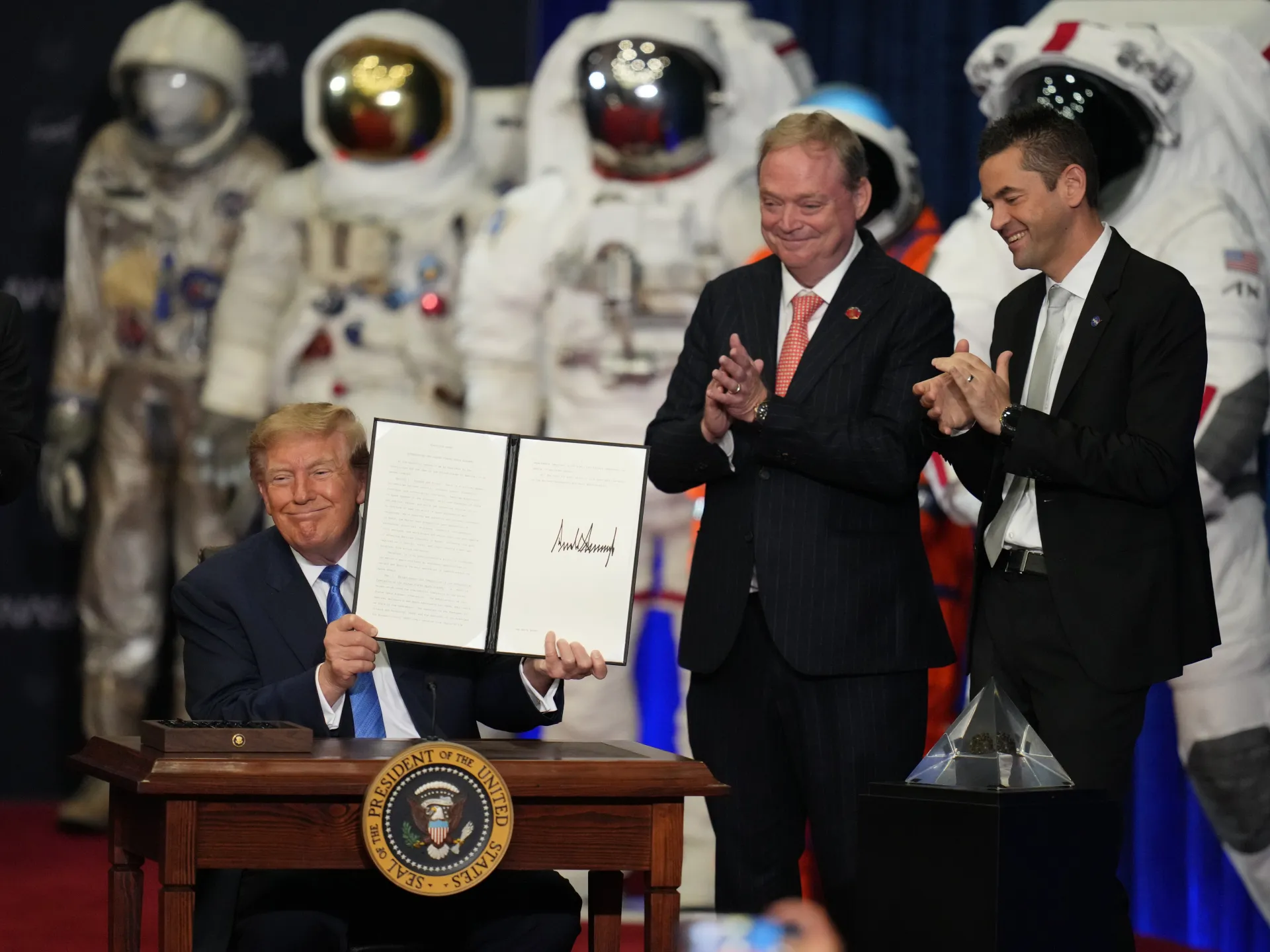
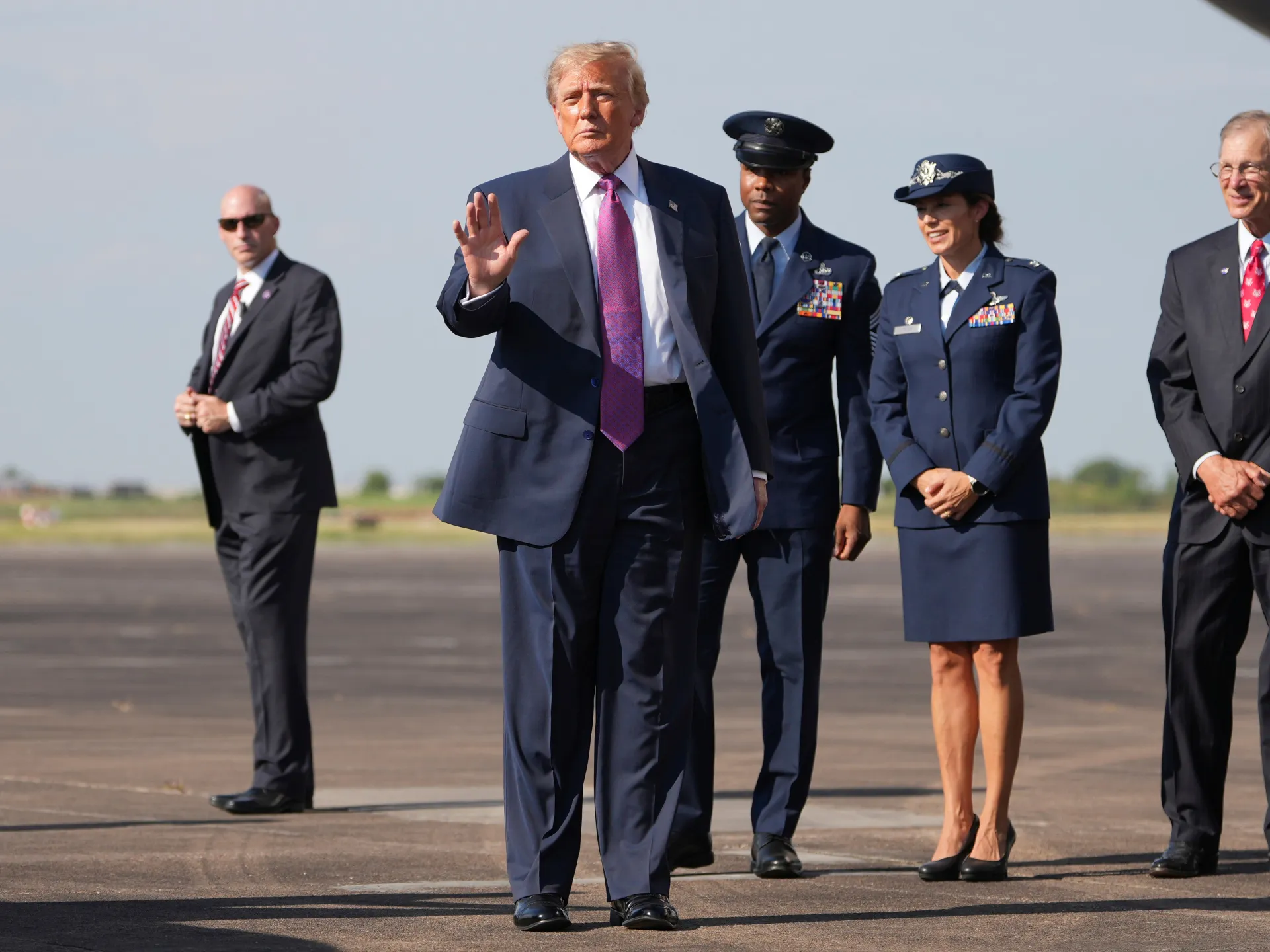
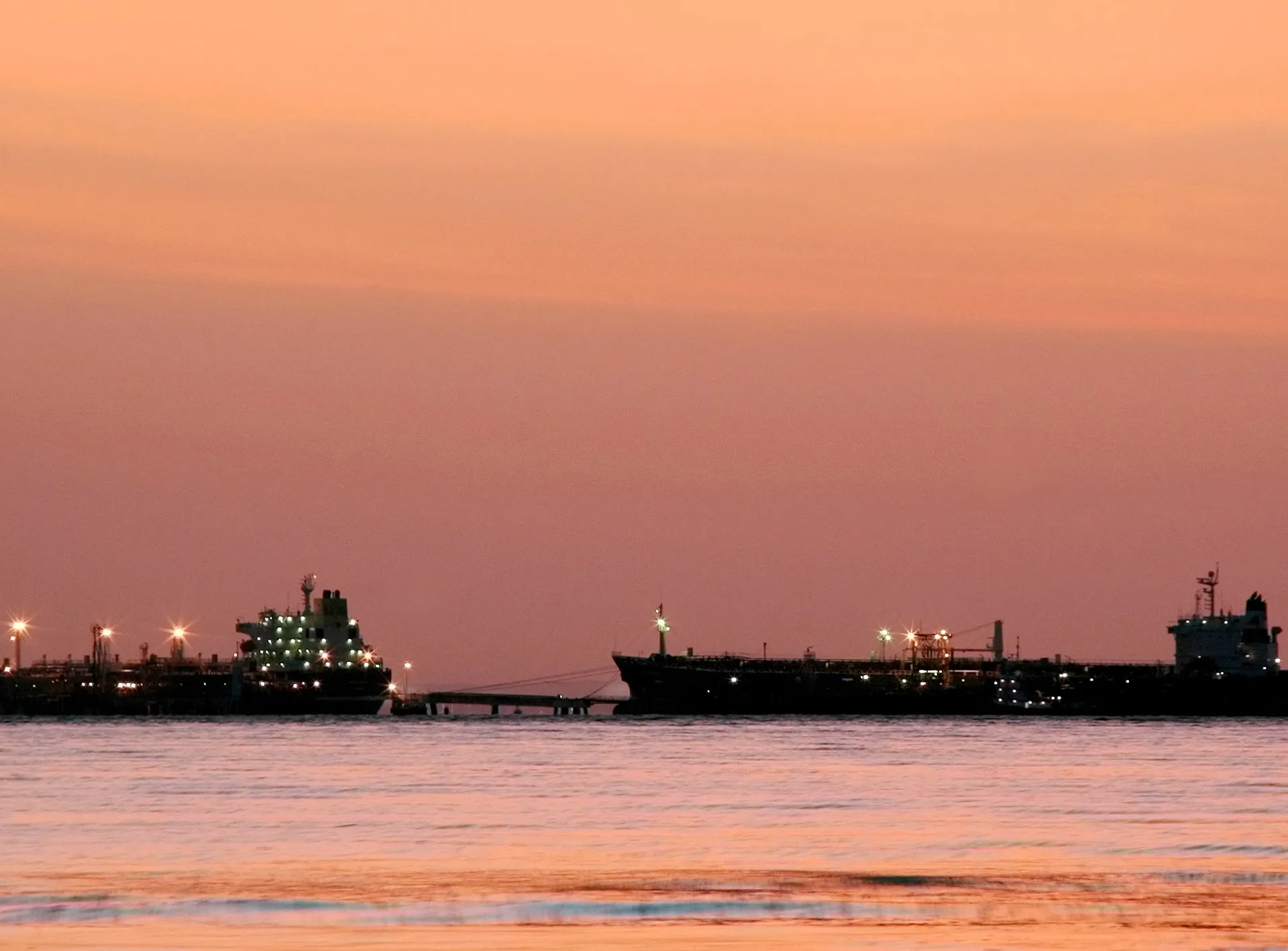
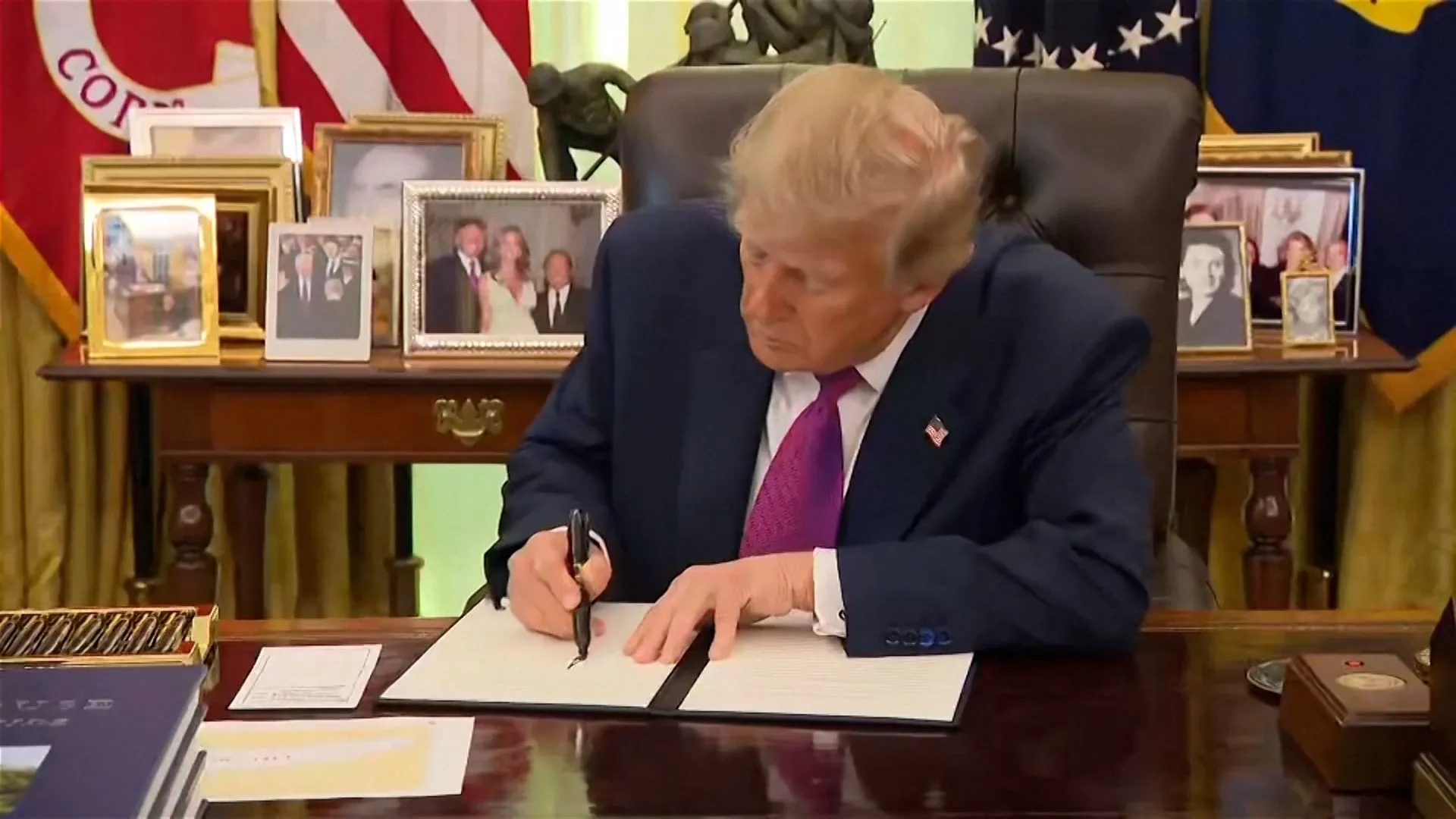
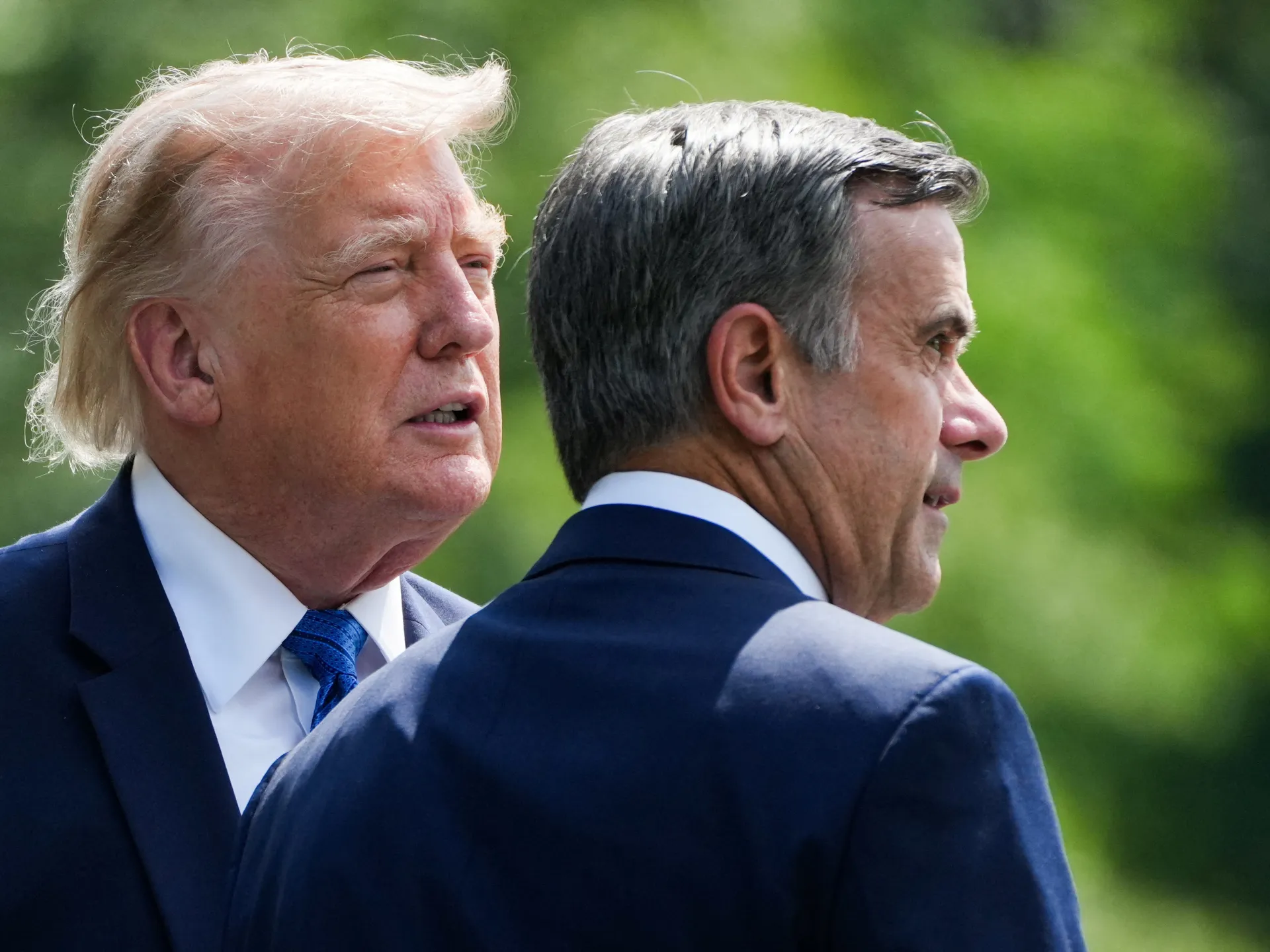
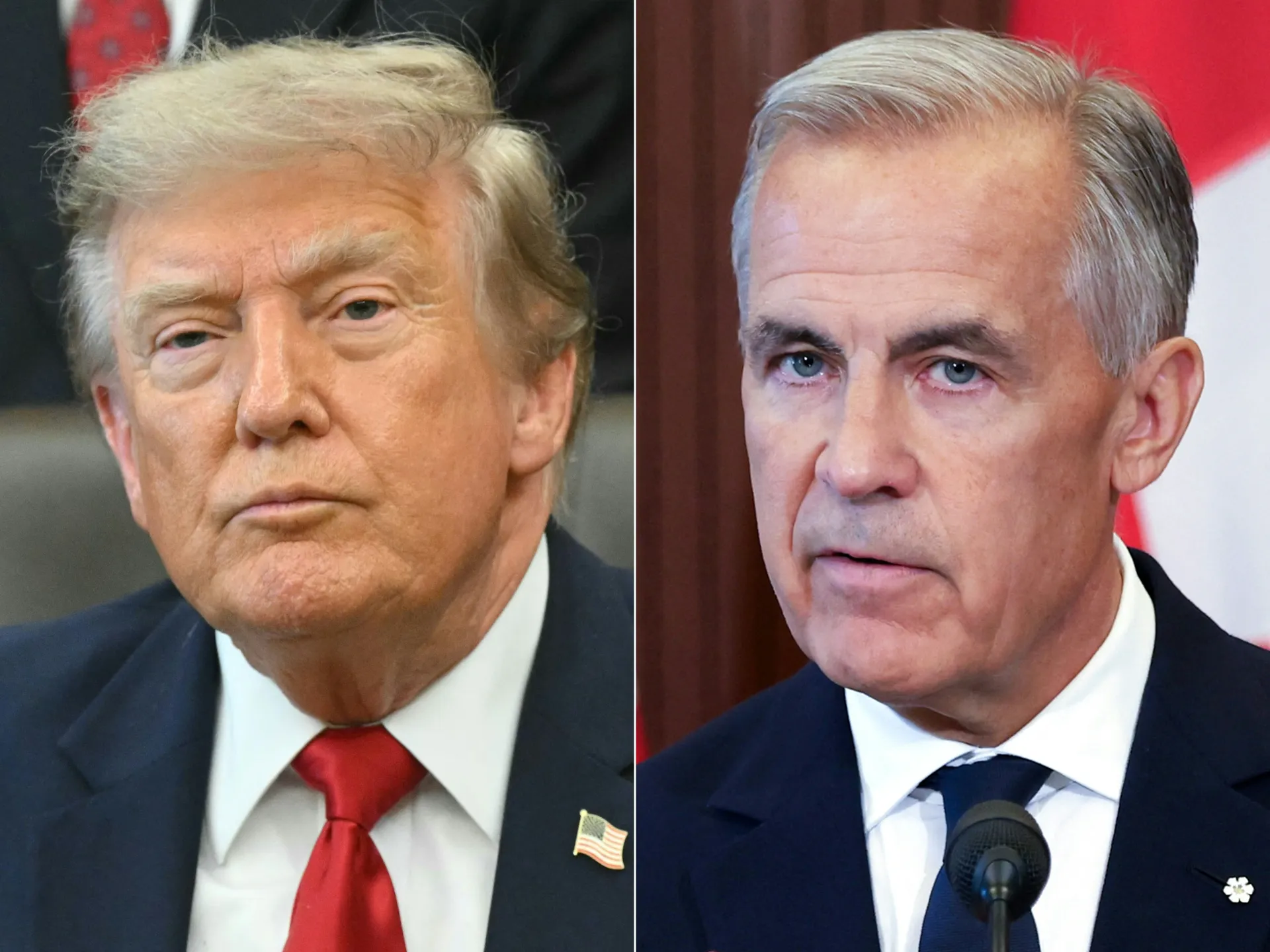
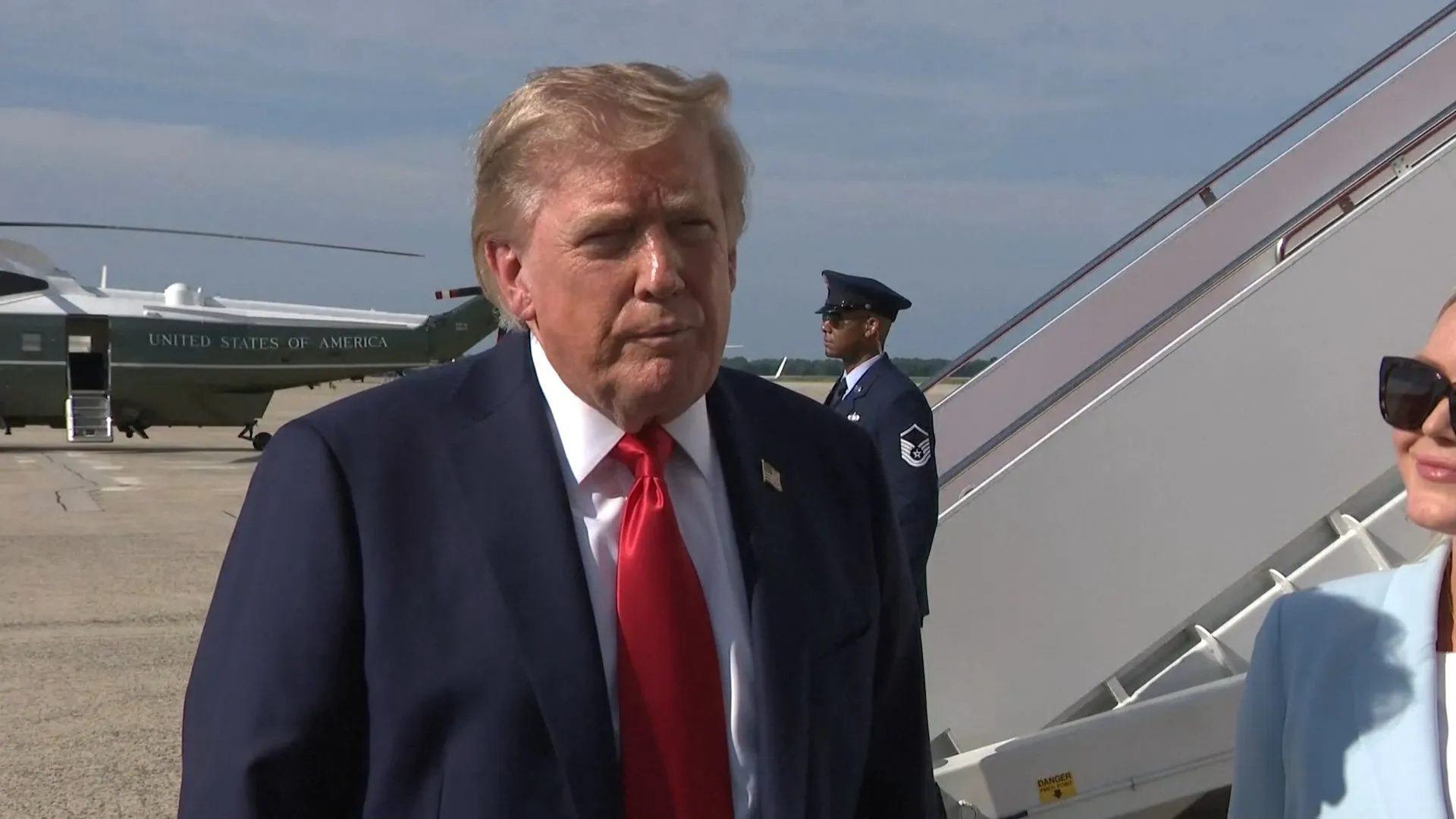
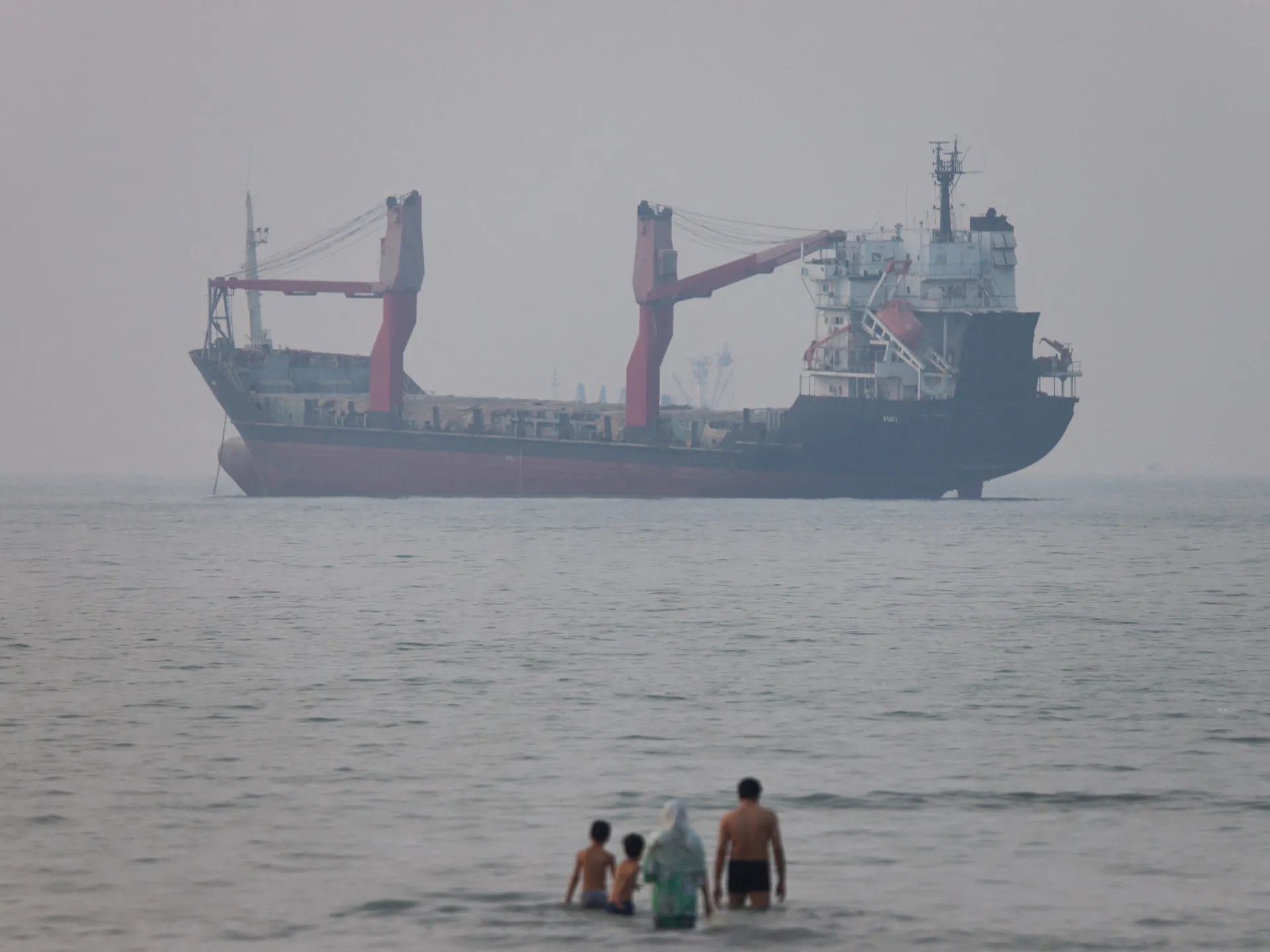
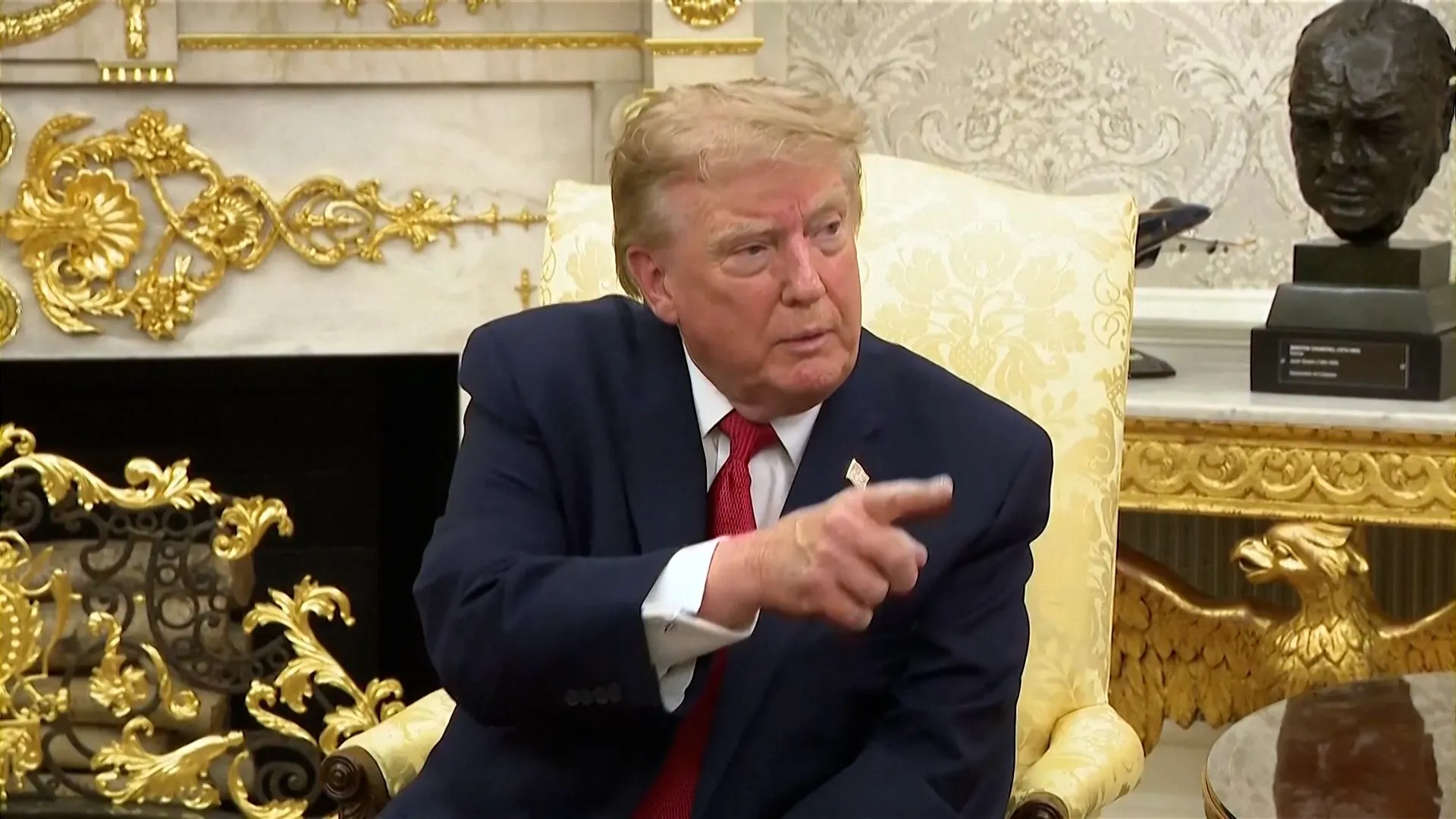
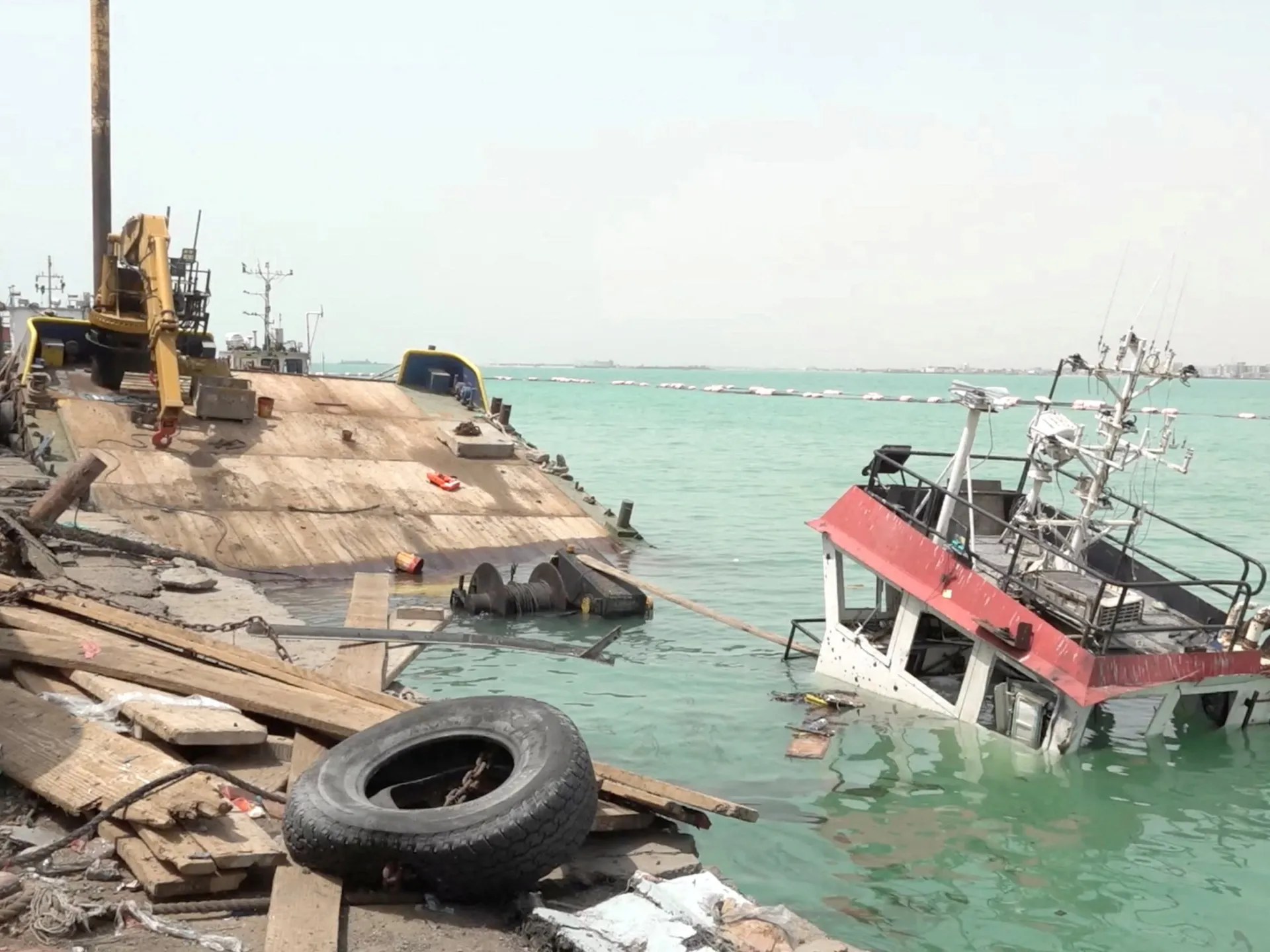
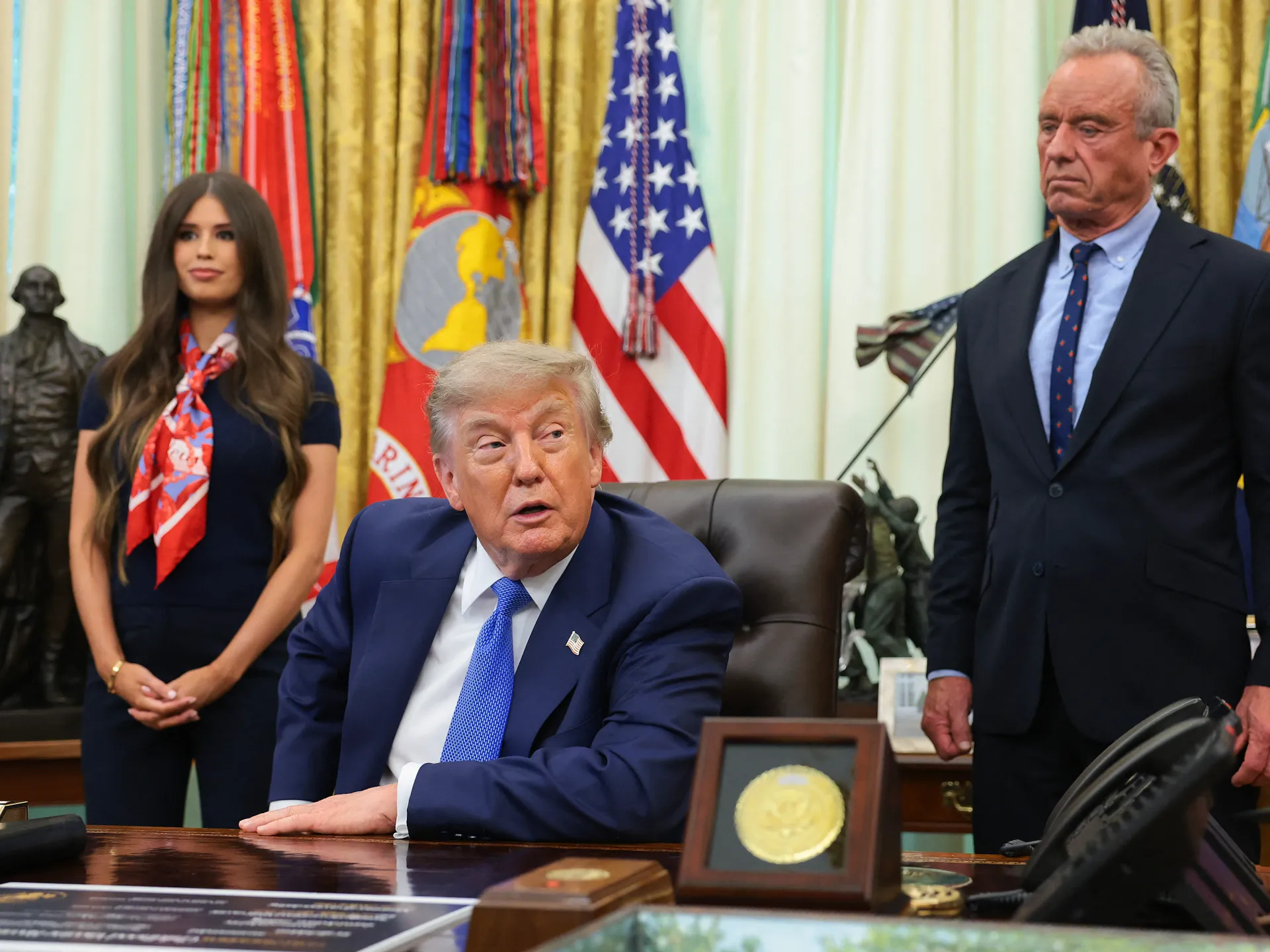
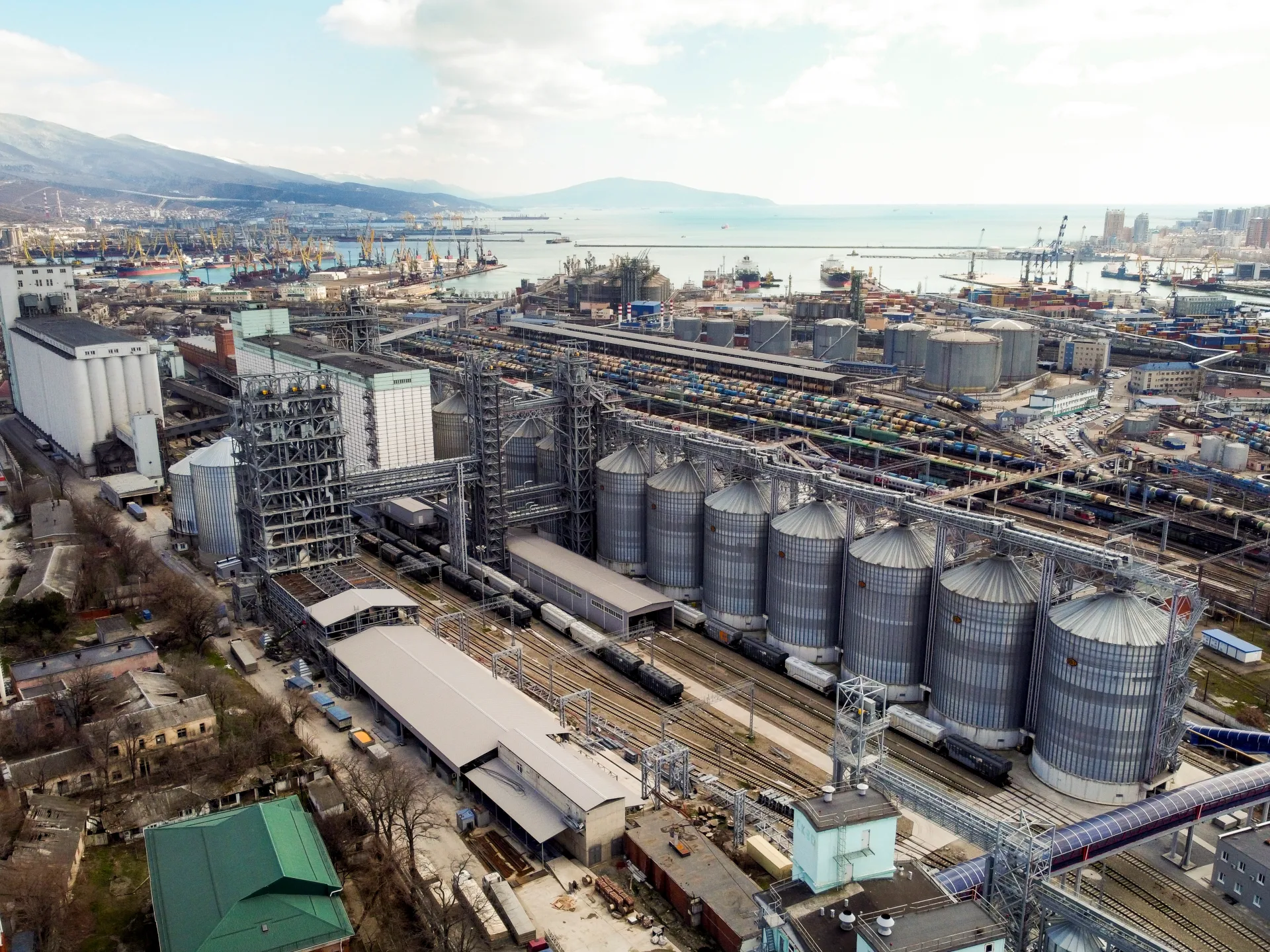
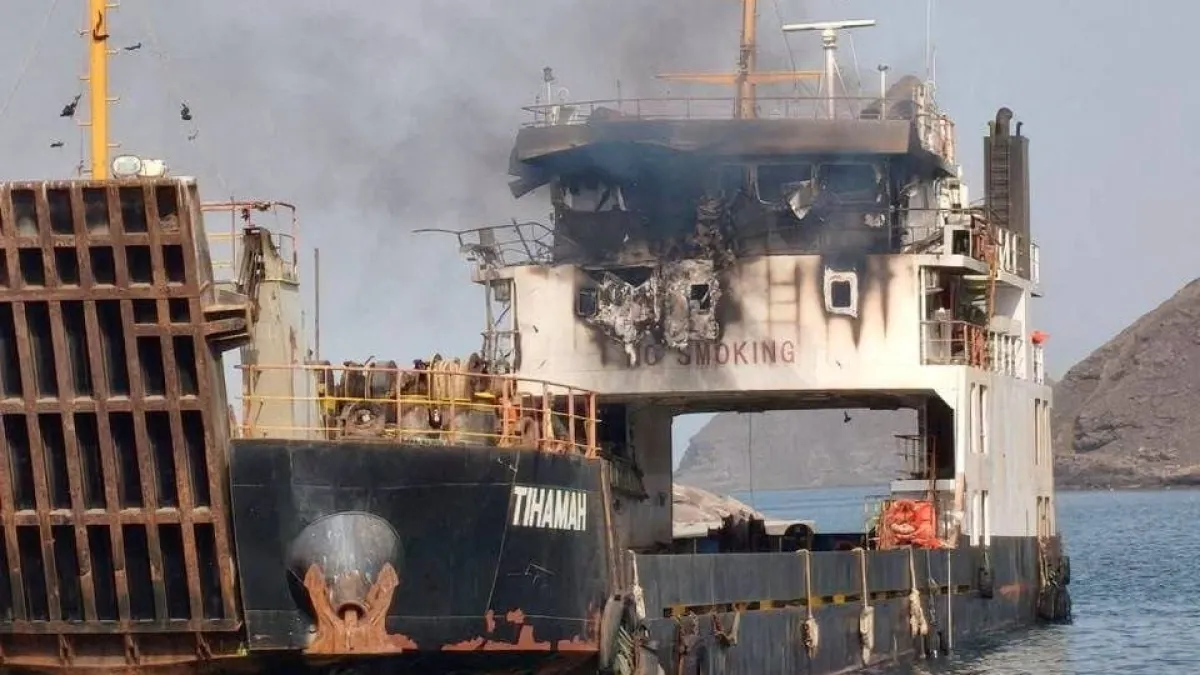
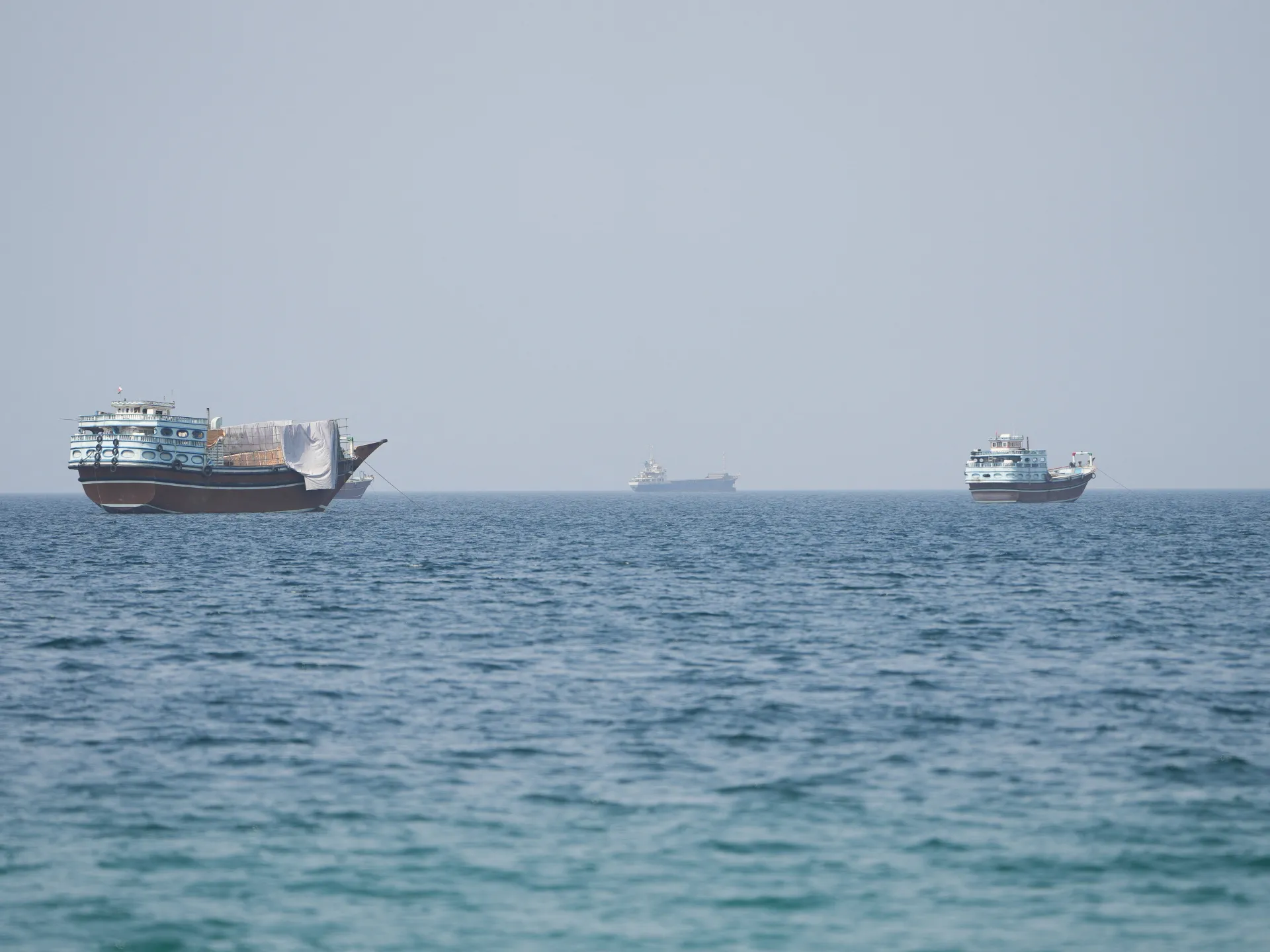
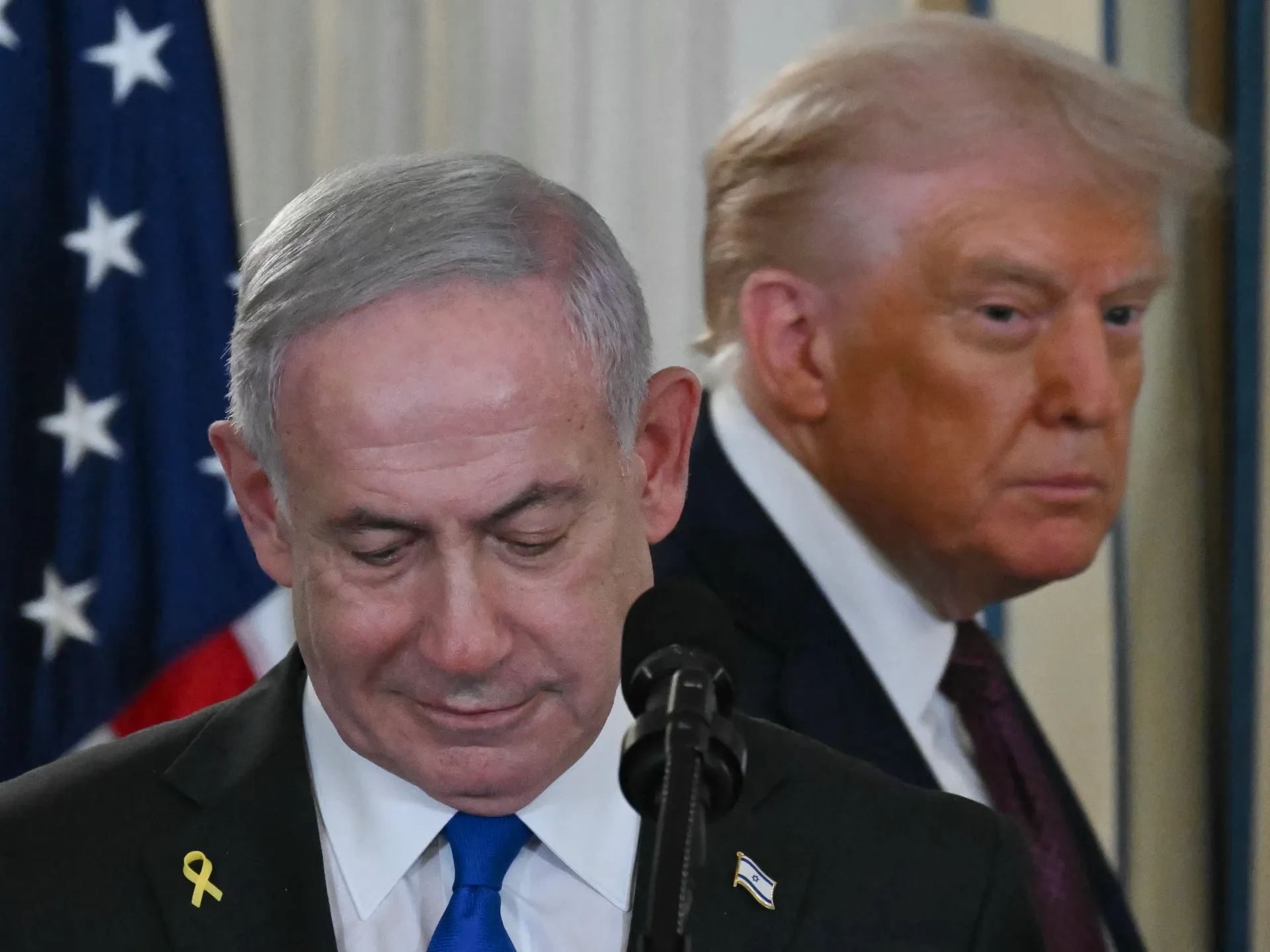
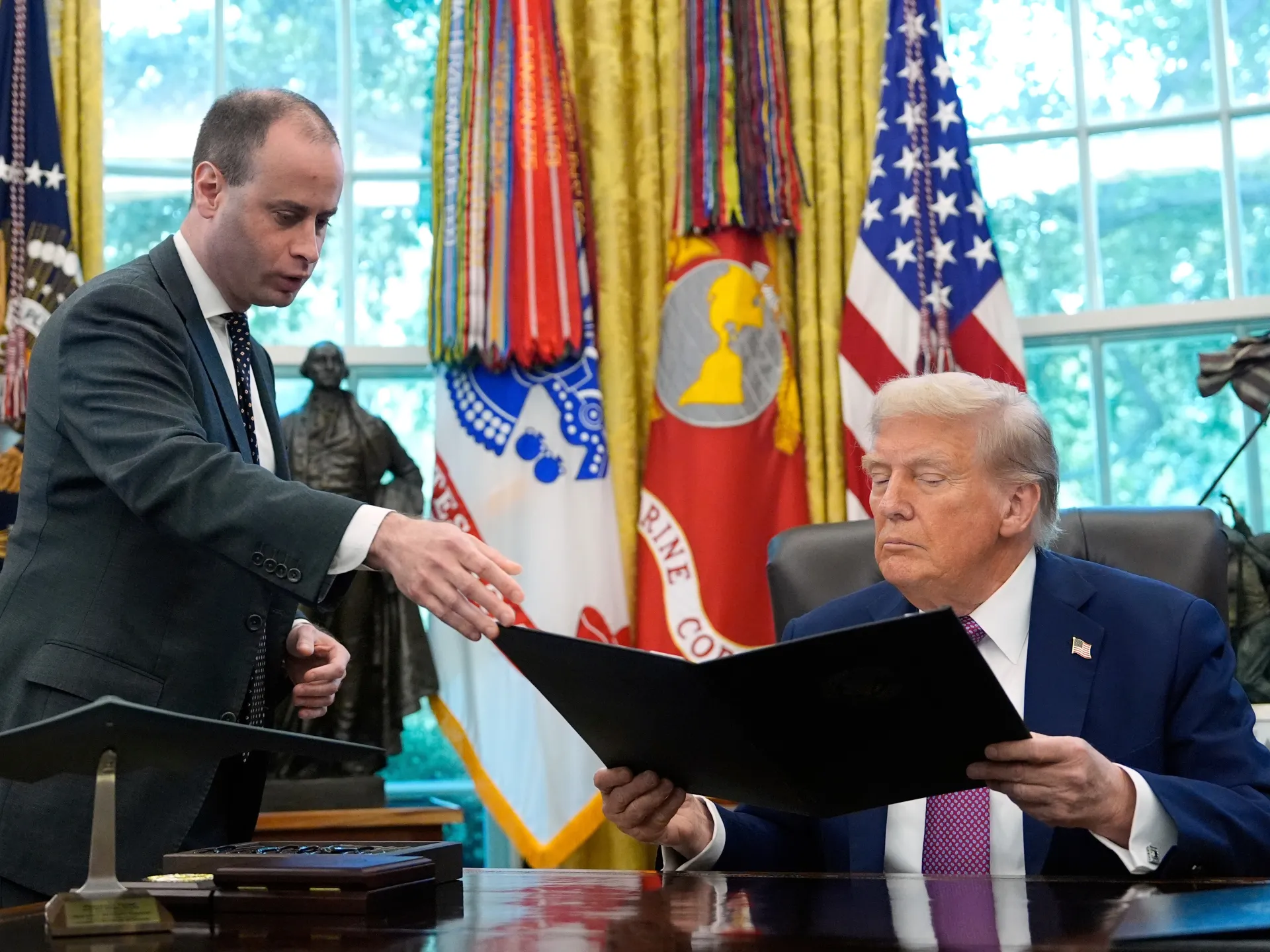
President Donald Trump formally signed the bipartisan legislation into law this past Friday, marking the most significant congressional intervention regarding the Ukraine conflict in over two years. The act, which received backing from both Republican and Democratic lawmakers, places the Russian energy sector and its clandestine "shadow fleet" of oil tankers squarely in the crosshairs of the Department of the Treasury. aw seeks to isolate Moscow from the global monetary system more effectively than any previous measure.
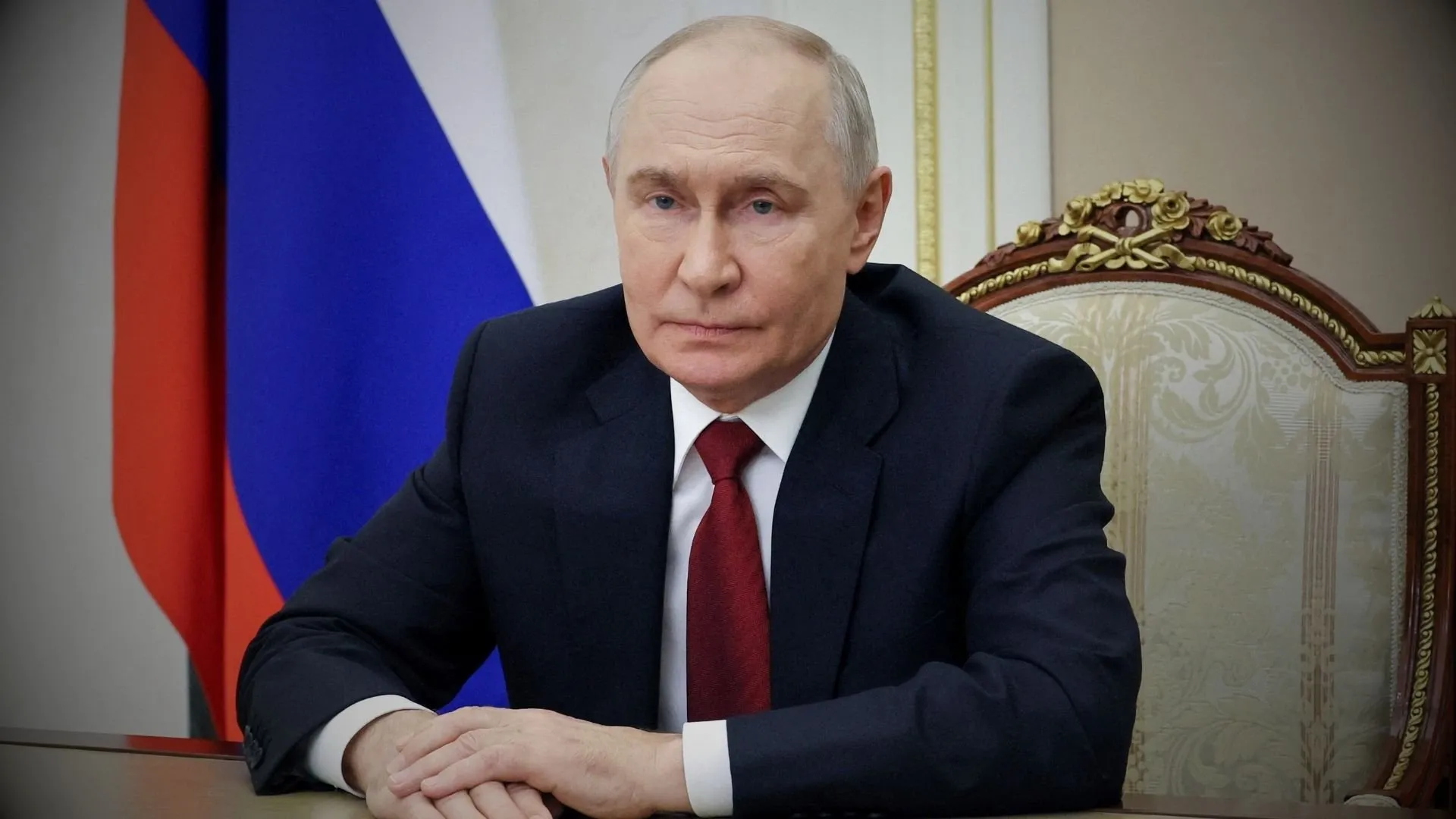
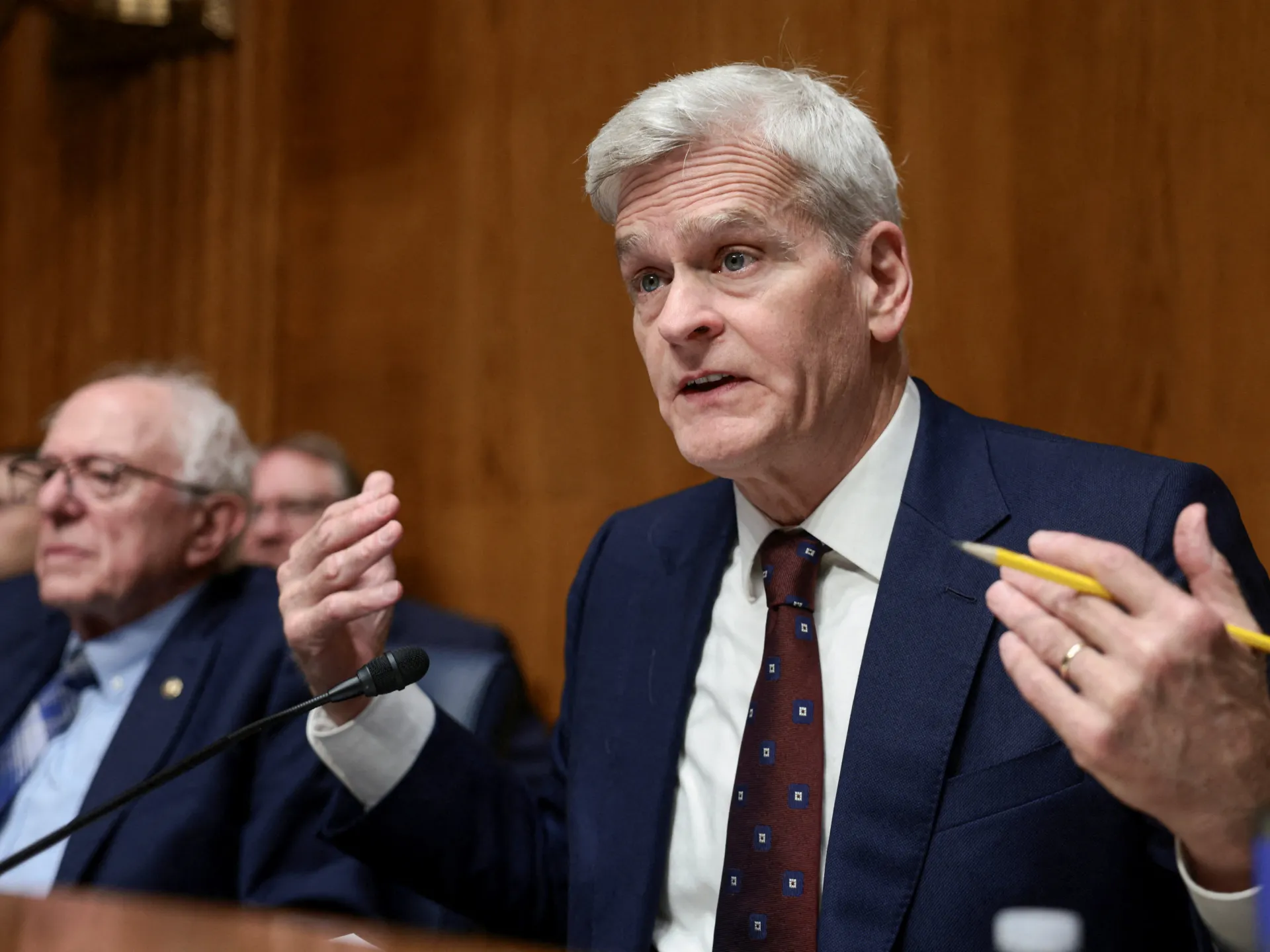
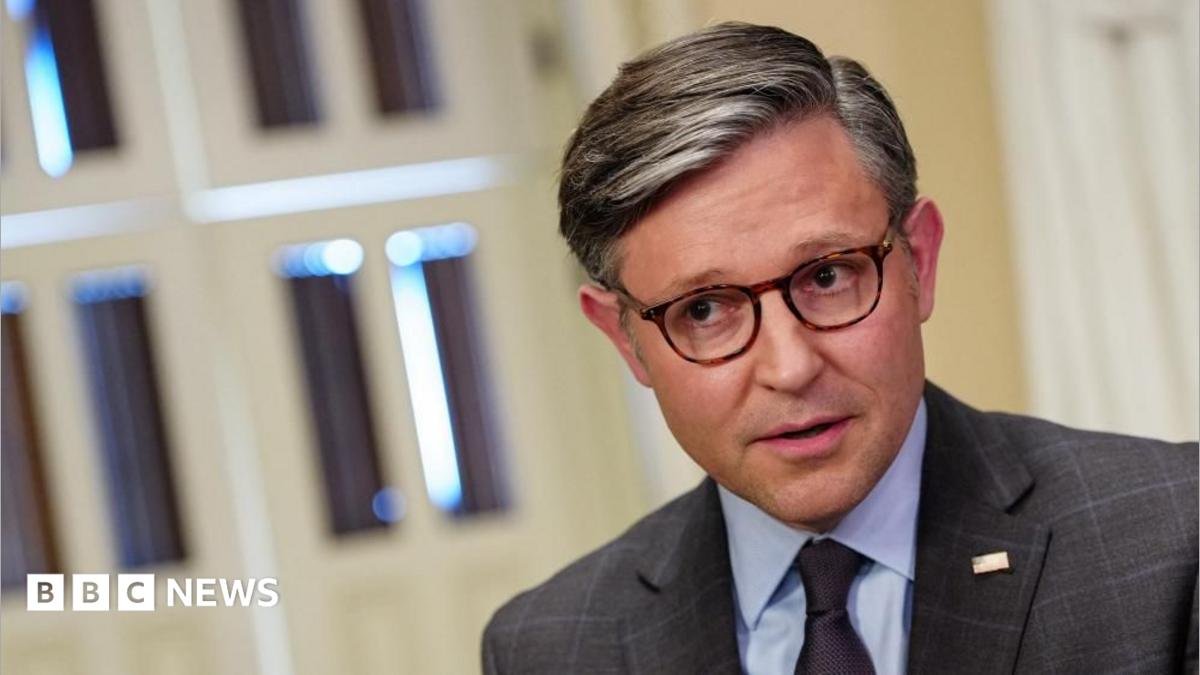
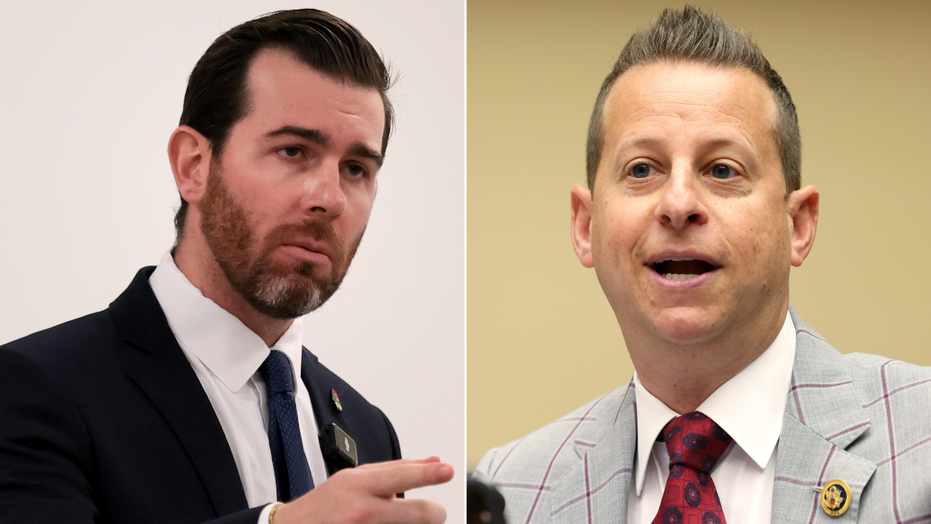
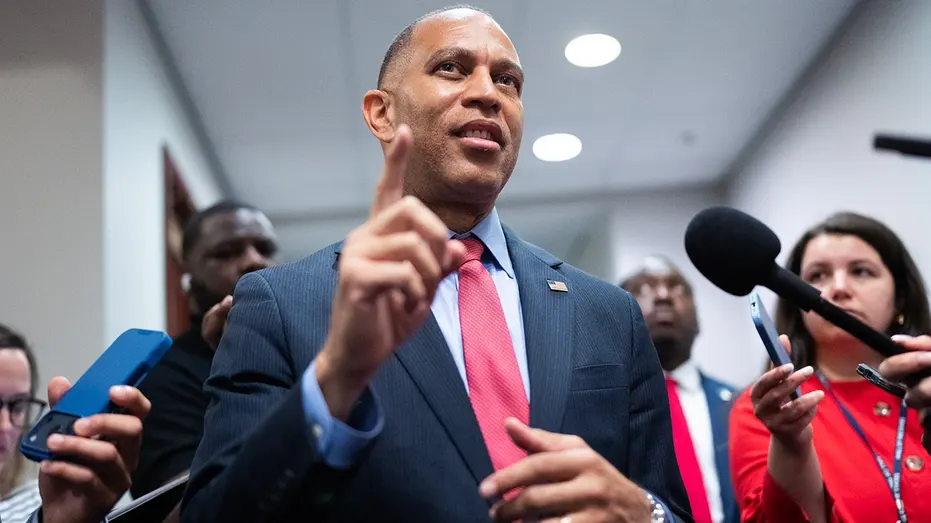
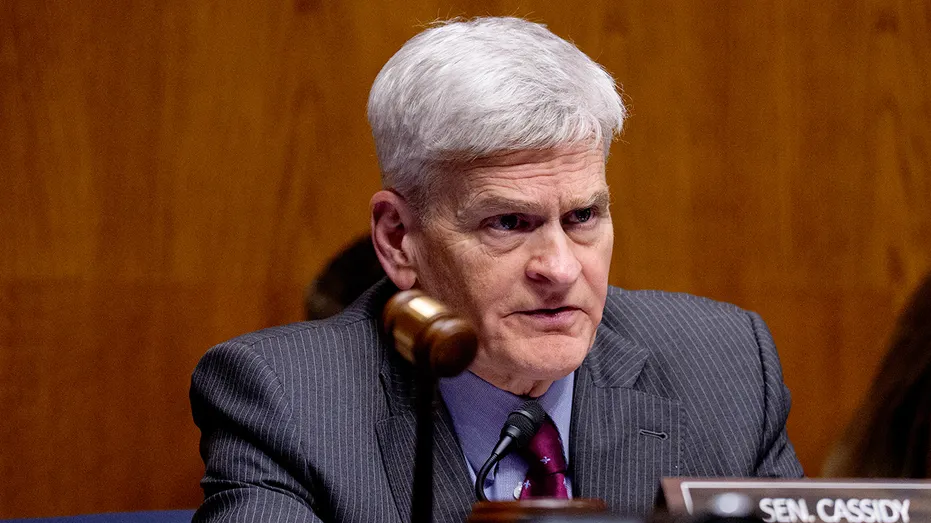
The legislative effort, named in honor of the late Senator Lindsey O. Graham, was navigated through Congress with the collaboration of Democratic Senator Richard Blumenthal. While the bill passed with significant momentum, it was not without internal dissent. House Minority Leader Hakeem Jeffries expressed concerns regarding the breadth of the tariff authorities granted to the White House, cautioning that the lack of clear guardrails could lead to economic loopholes and increased financial burdens on American households. Despite these objections, the administration maintains that the law provides the essential leverage required to pressure Vladimir Putin into substantive negotiations.
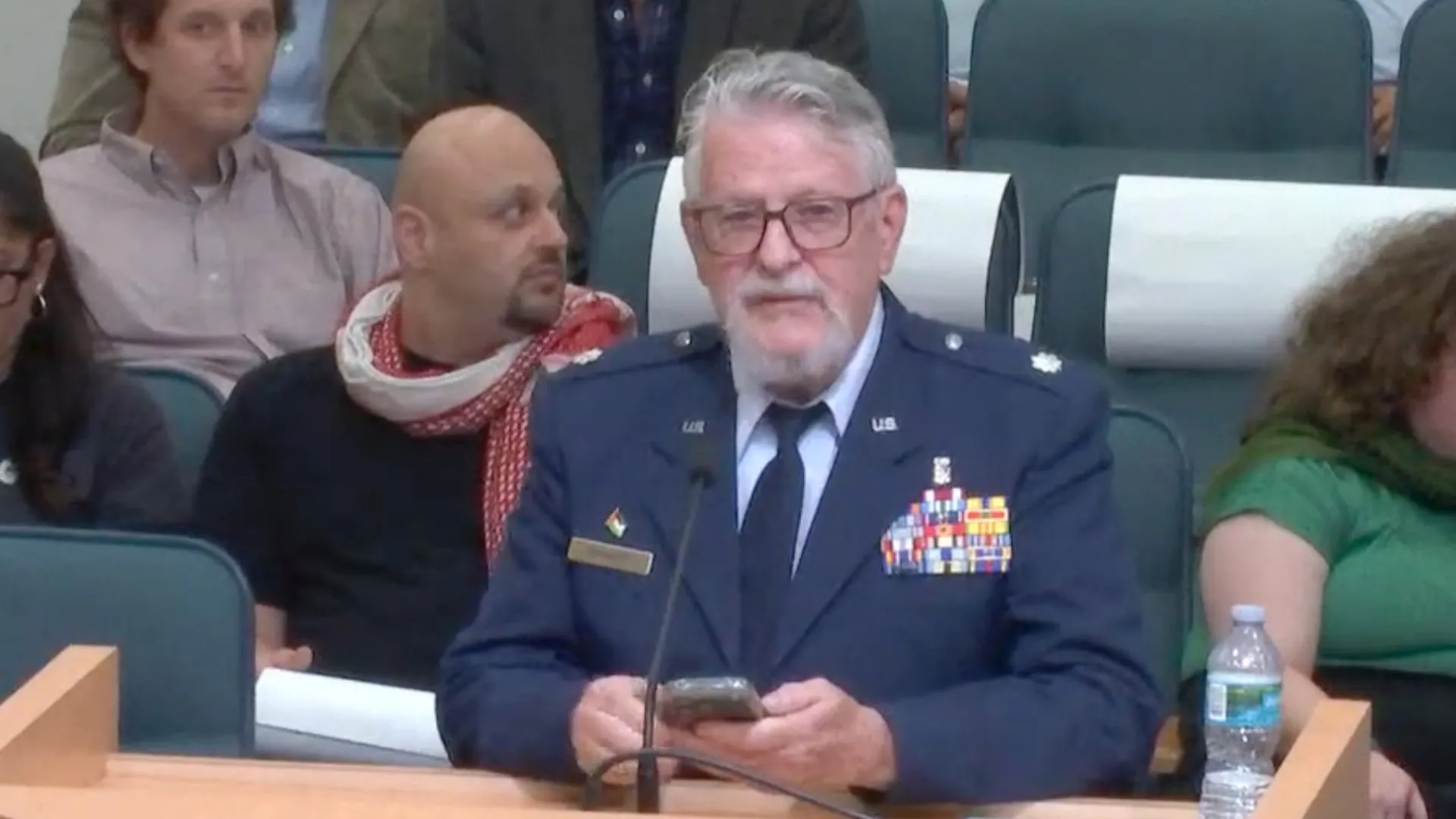
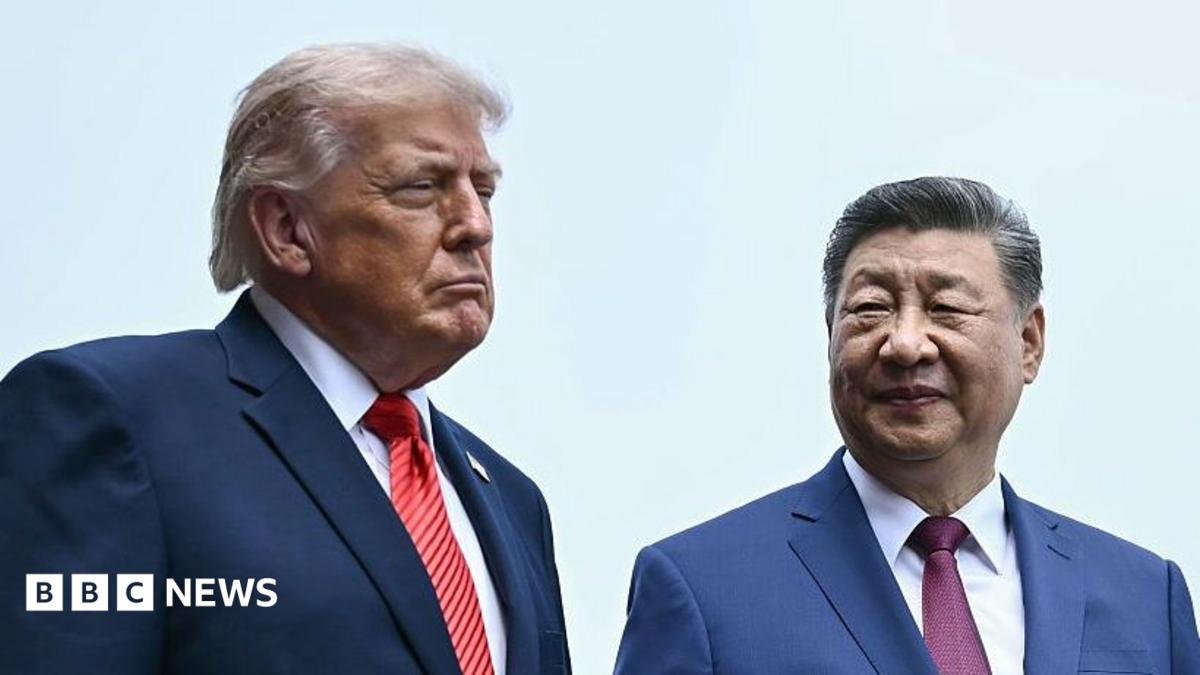
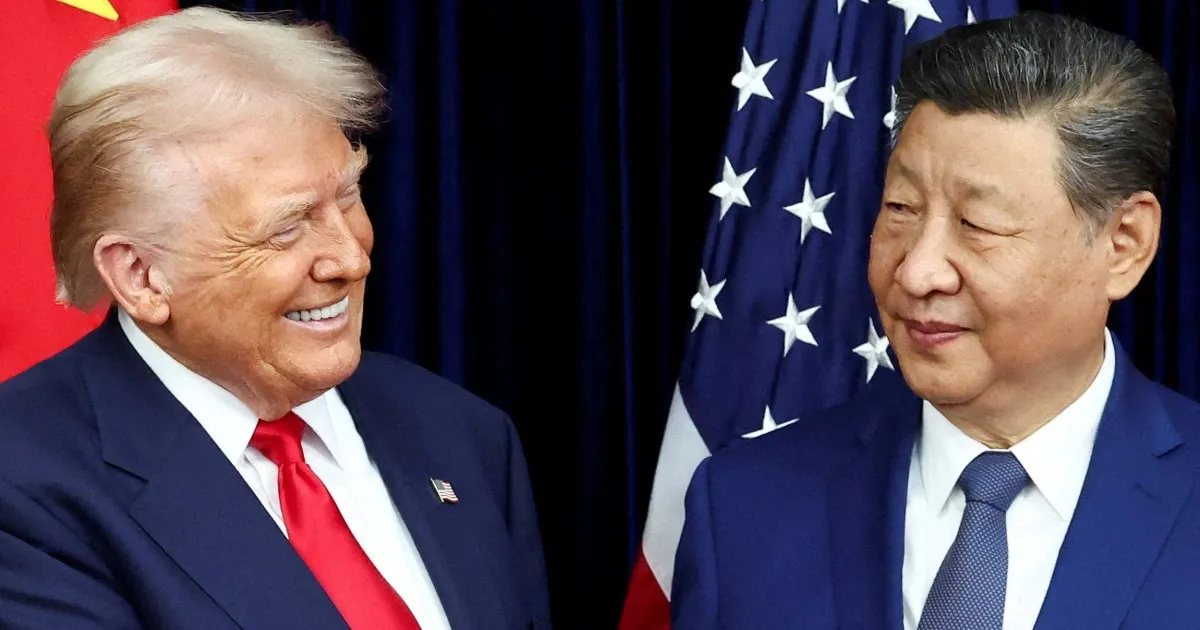
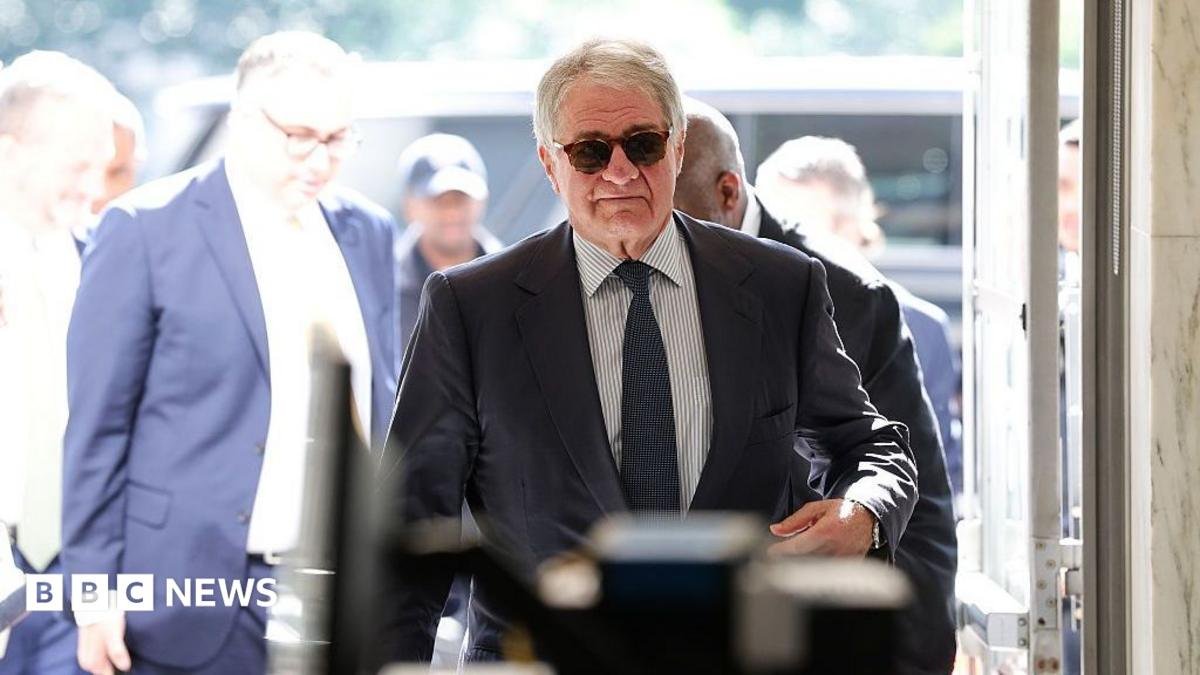
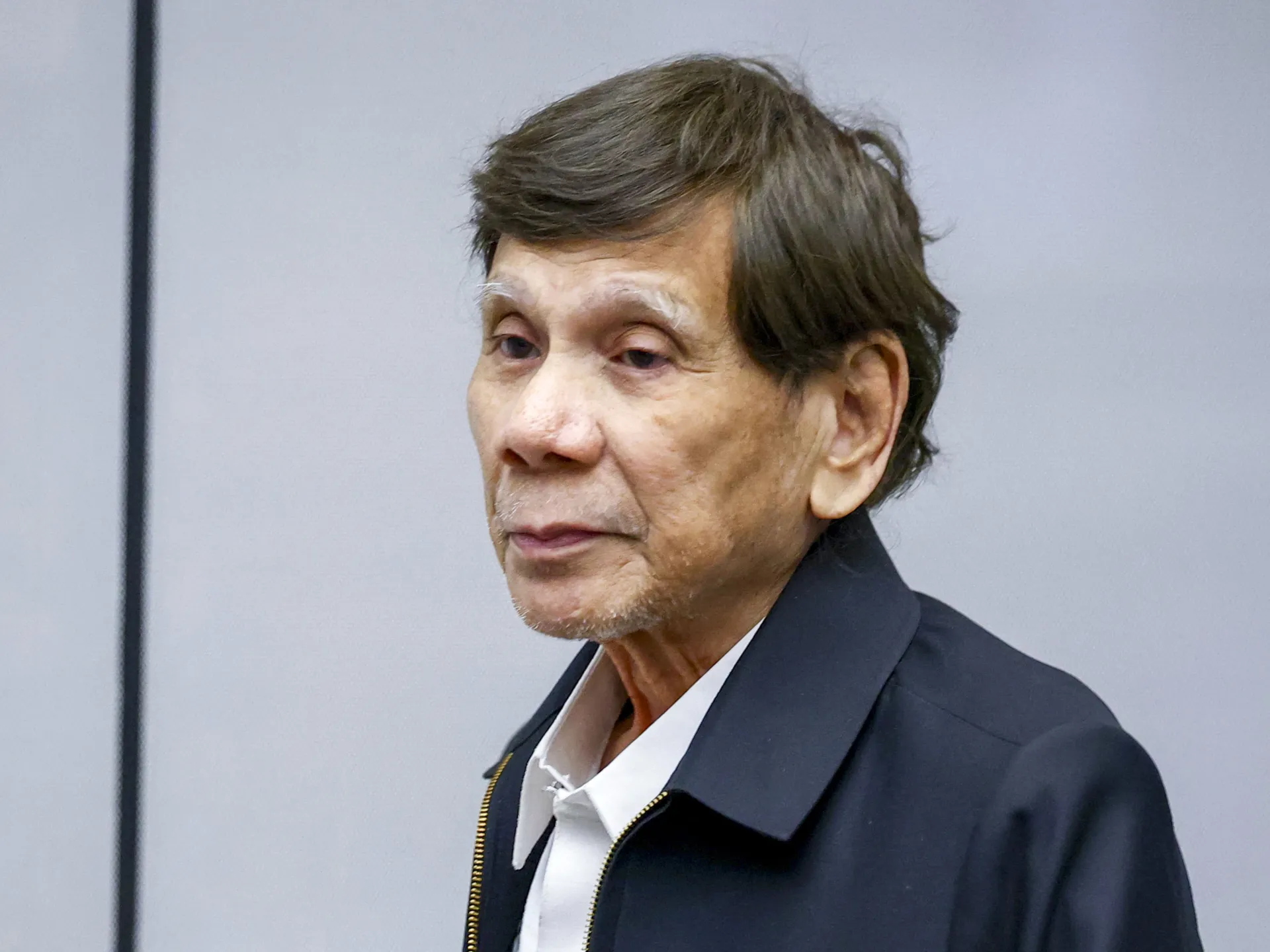
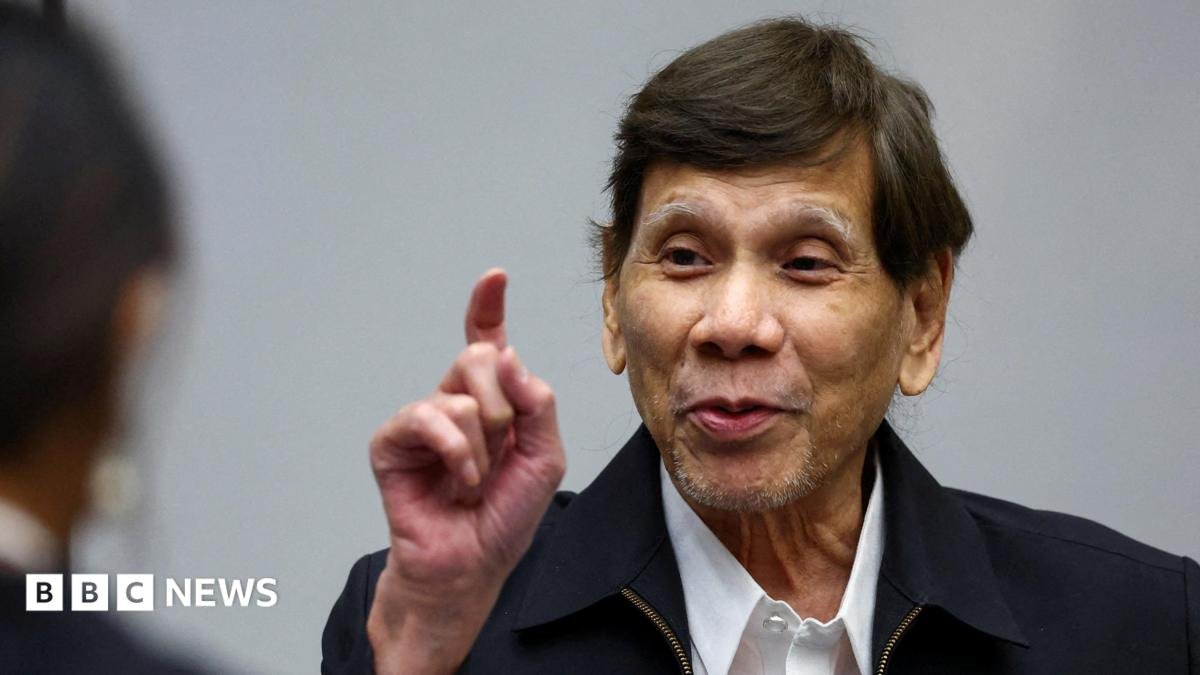
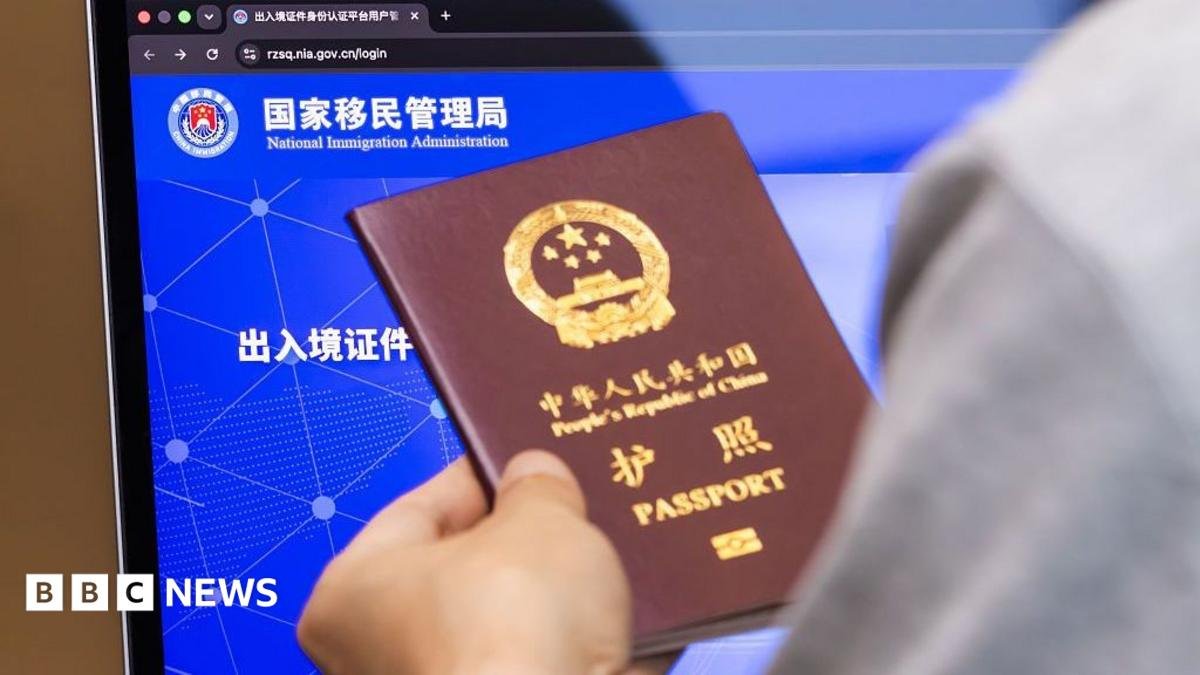
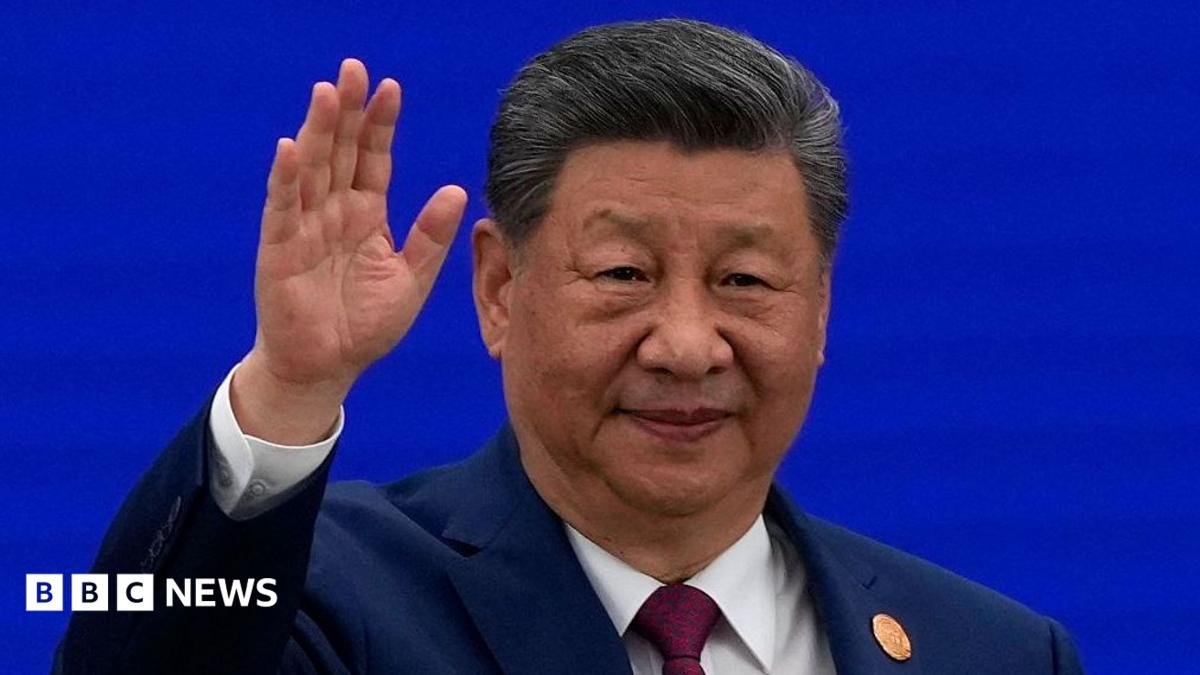
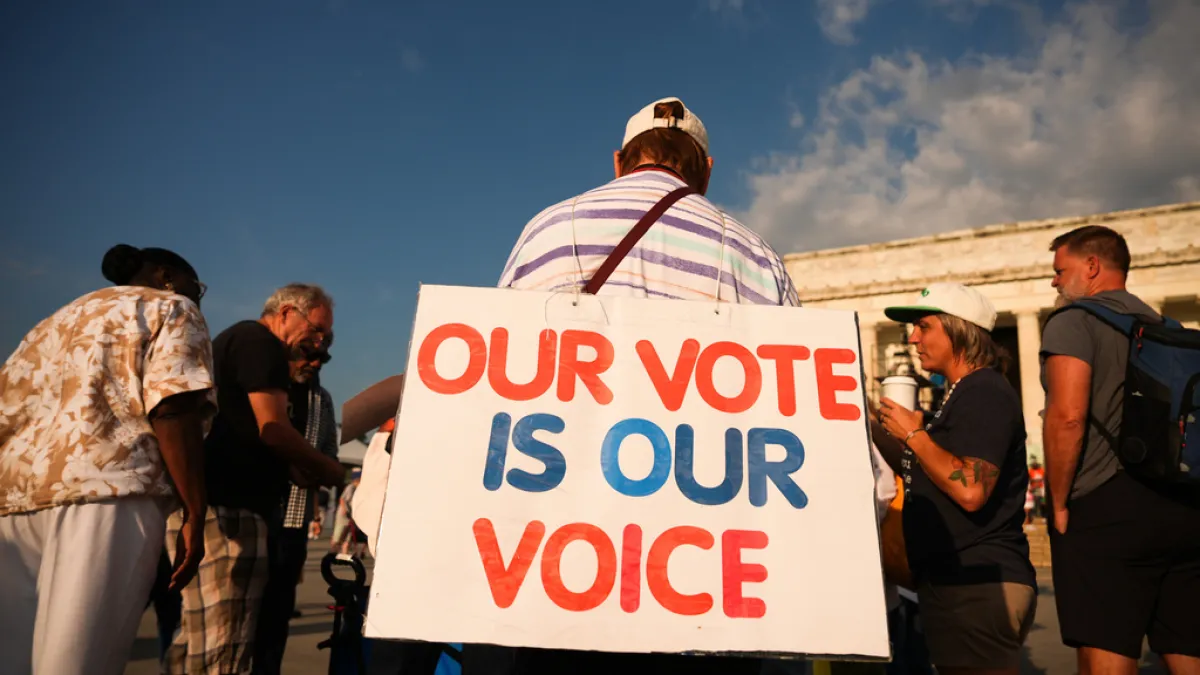
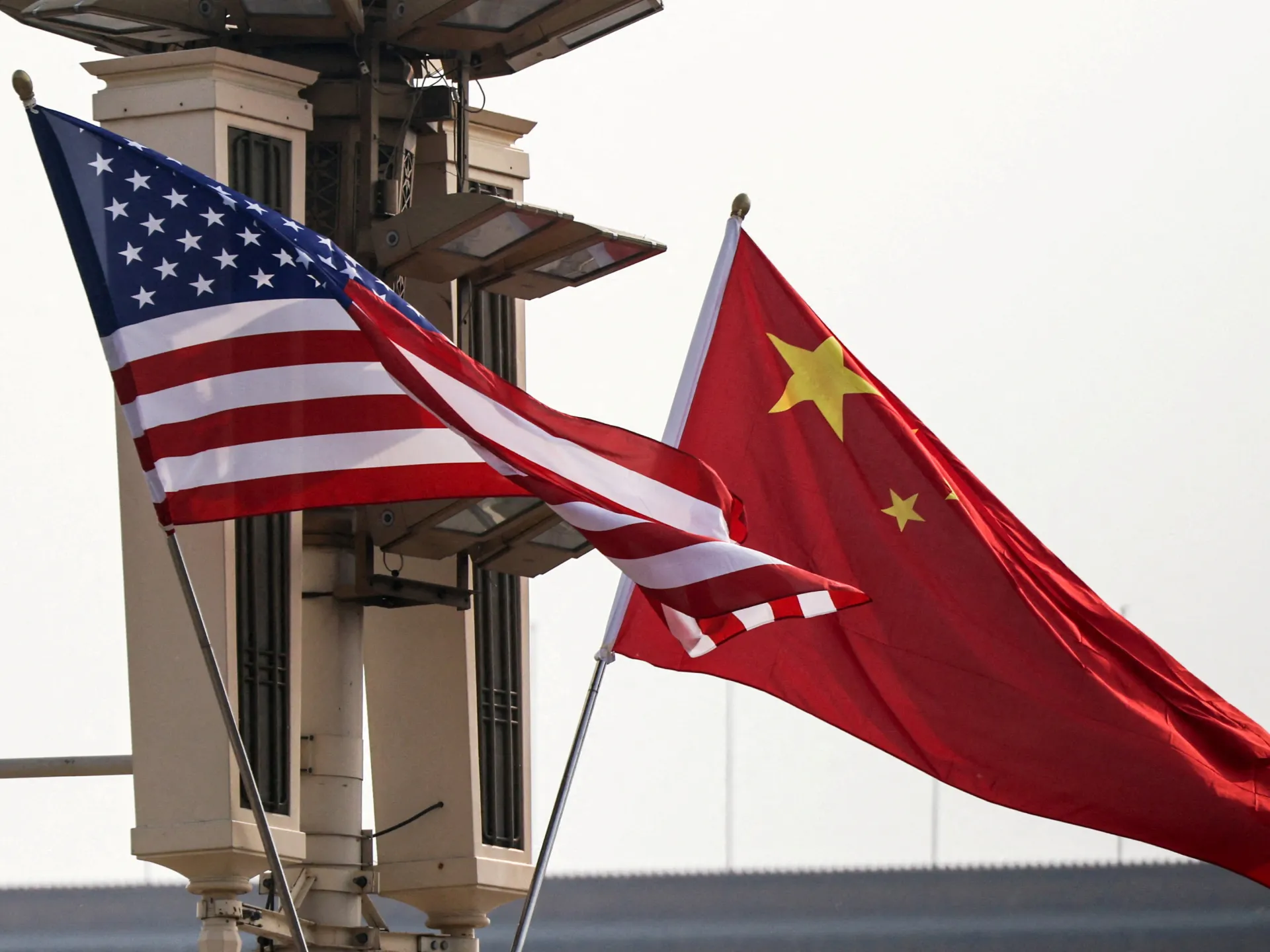
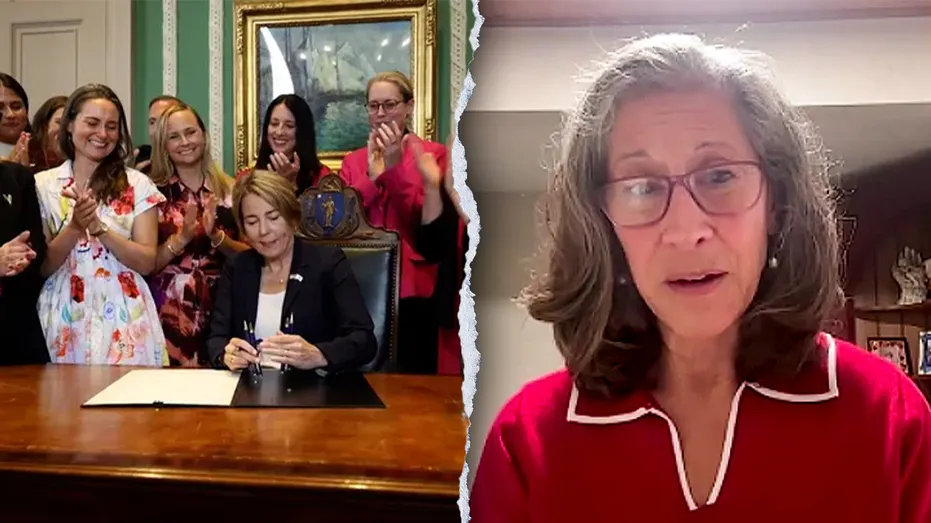
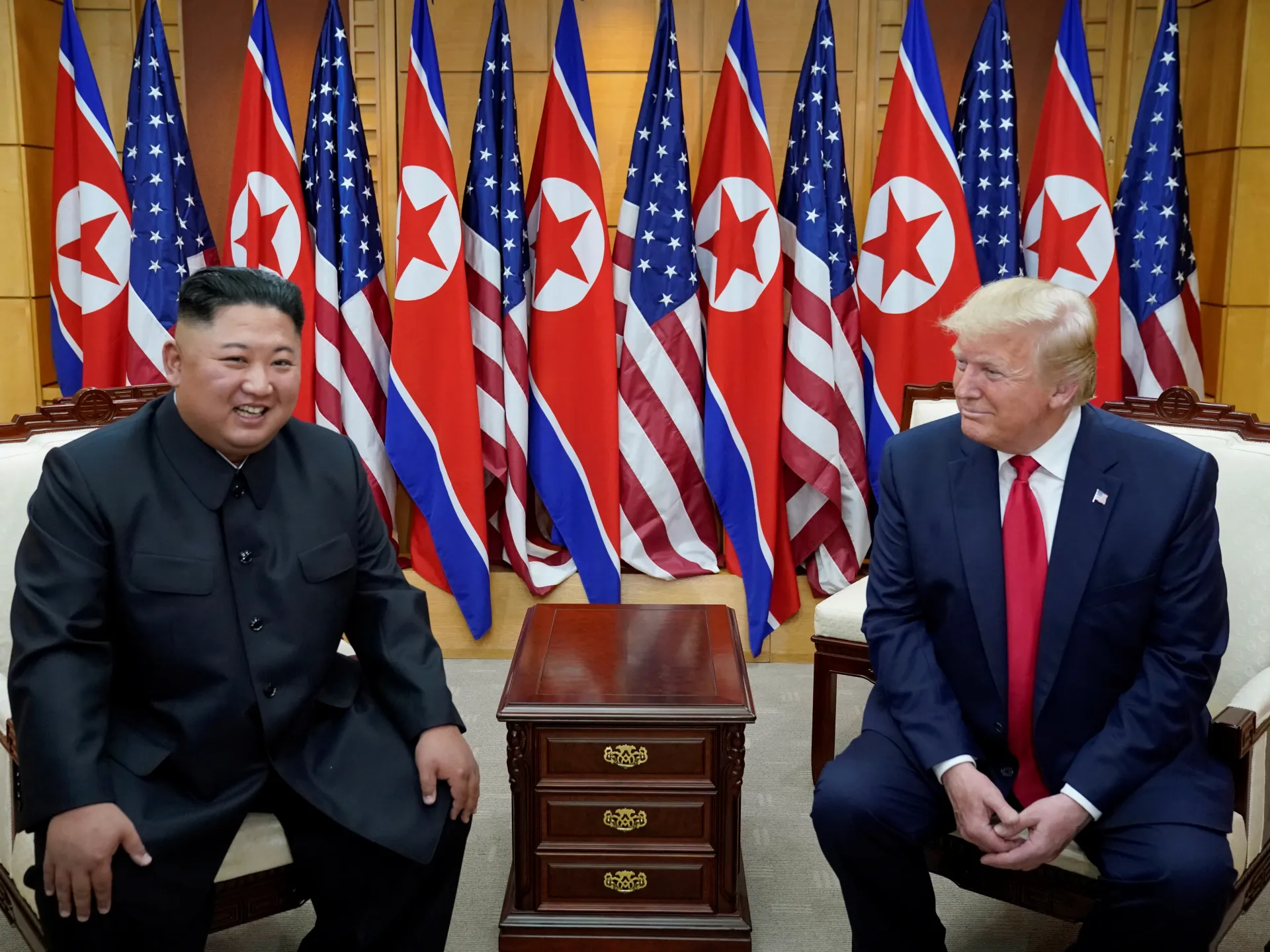
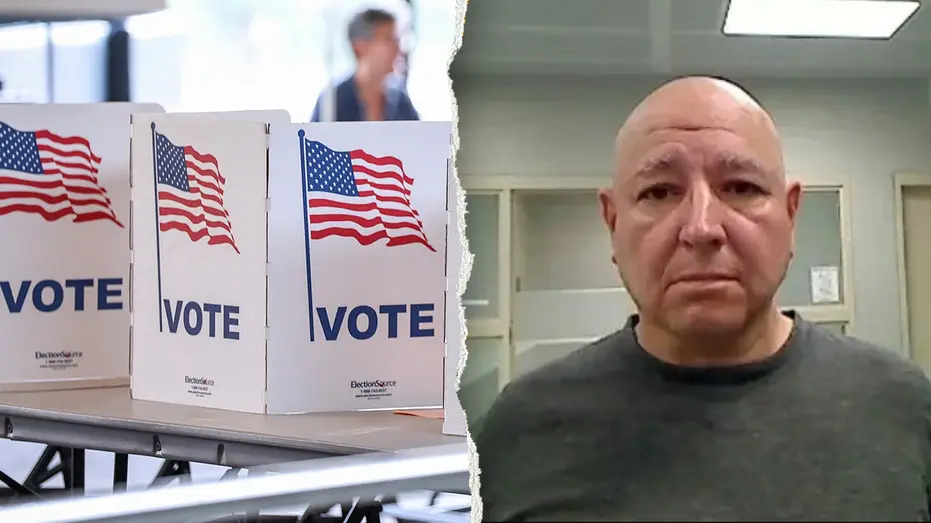
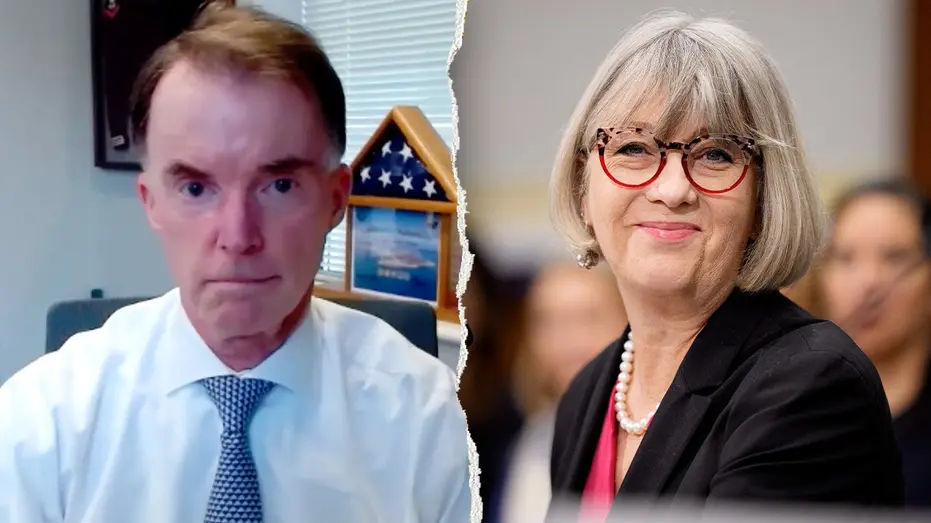
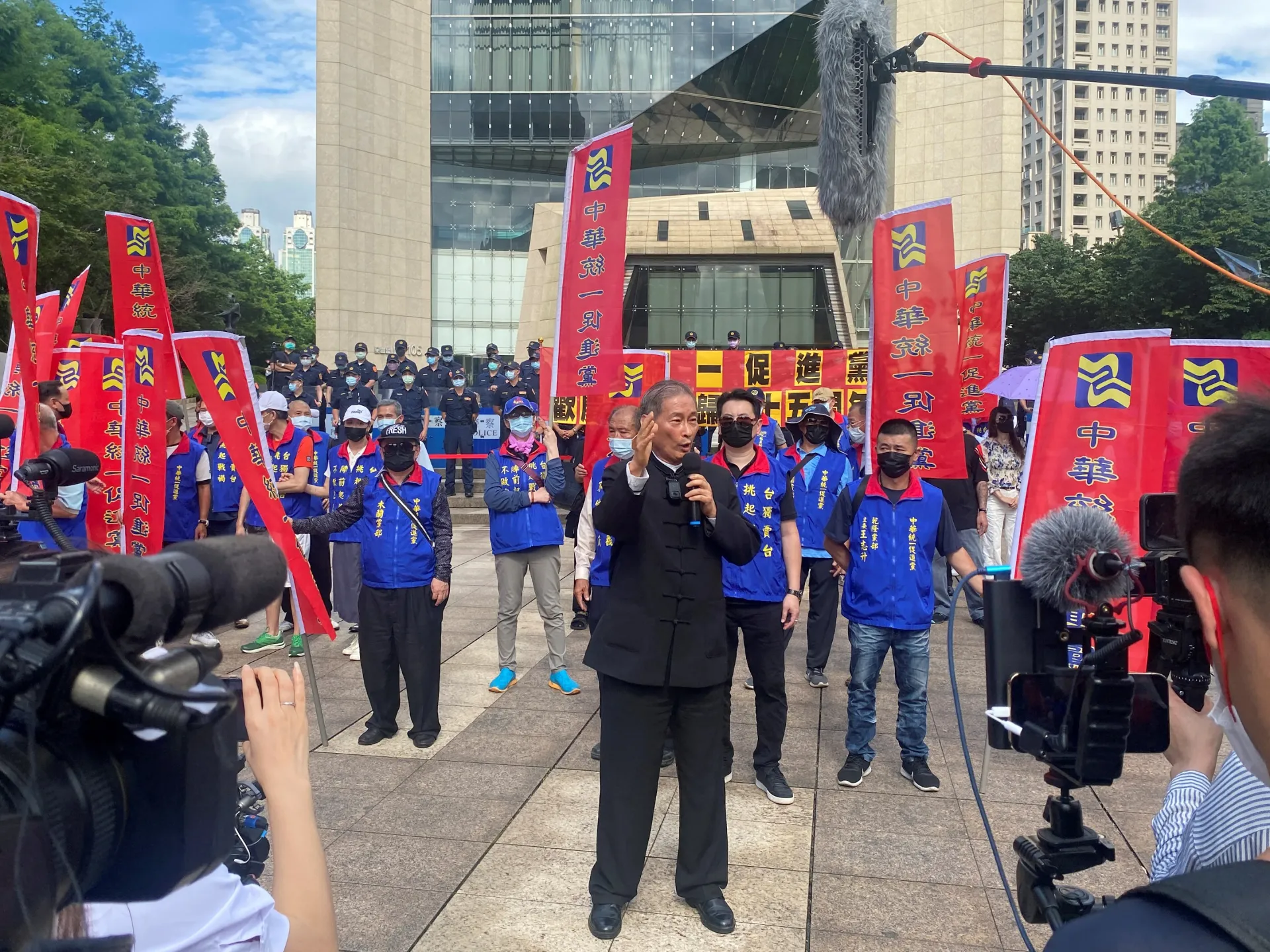
As the sanctions package takes hold, the White House is simultaneously preparing for a high-profile summit with Chinese President Xi Jinping. This diplomatic encounter is complicated in China. Families of those detained, including the wife of imprisoned US scholar U Min Zin, have traveled to Washington to urge the administration to prioritize their release during the upcoming discussions. Sylvia Zin, testifying before a House Foreign Affairs Committee subcommittee, emphasized that the president’s past success in brokering the return of detainees provides a glimmer of hope for her husband and other Americans held abroad.
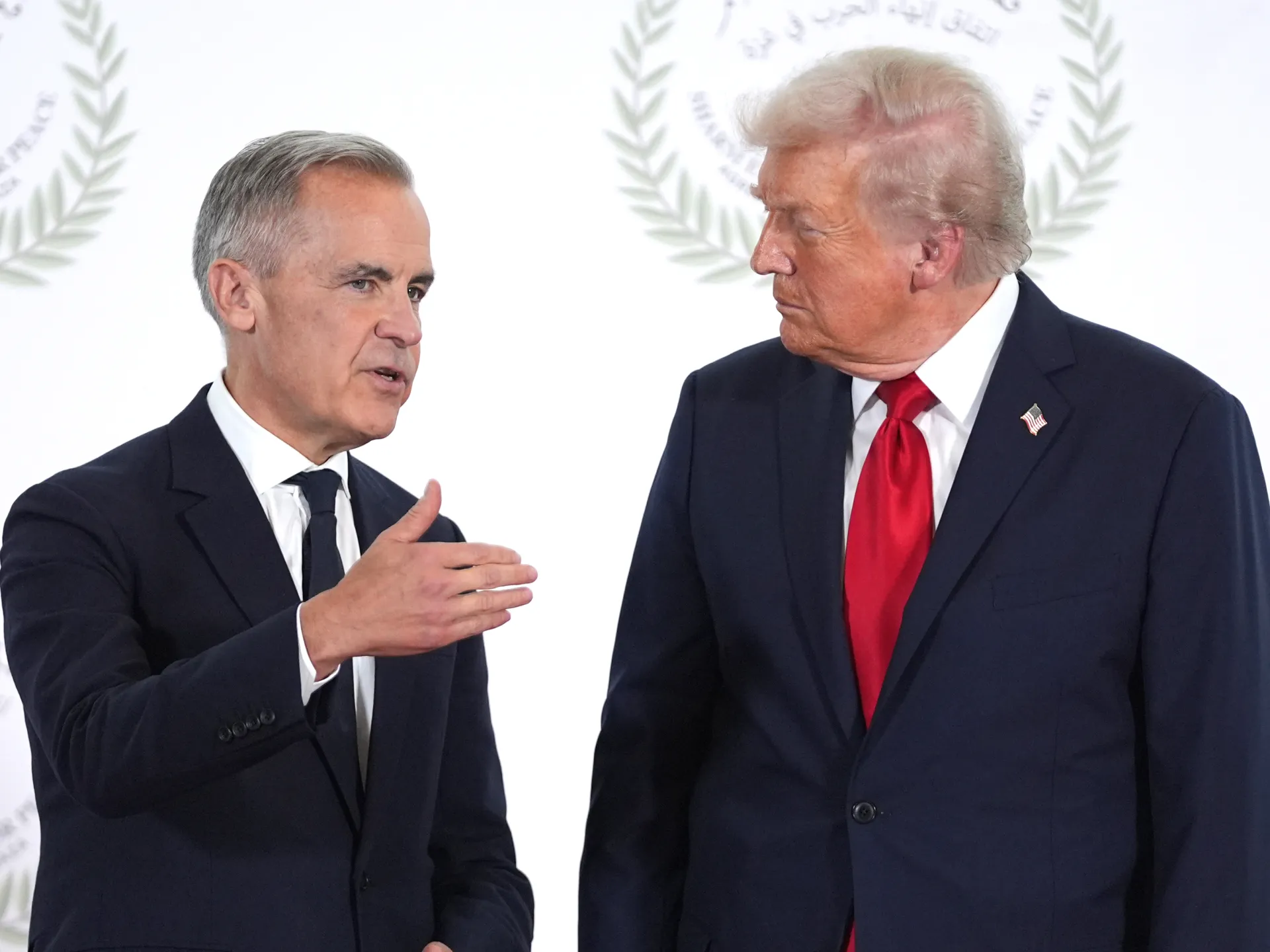
The intersection of human rights advocacy and trade policy remains a delicate balancing act for the administration. While the president seeks to exert maximum pressure on Beijing regarding its energy imports from Russia and its regional influence, he is also under immense pressure from civil society groups and congressional leaders to ensure that the security of wrongfully detained Americans remains non-negotiable. Senior White House officials have stated that resolving these cases remains a top priority, though the complexities of US-China relations suggest that the path to both economic compliance and individual liberation will be fraught with difficulty.
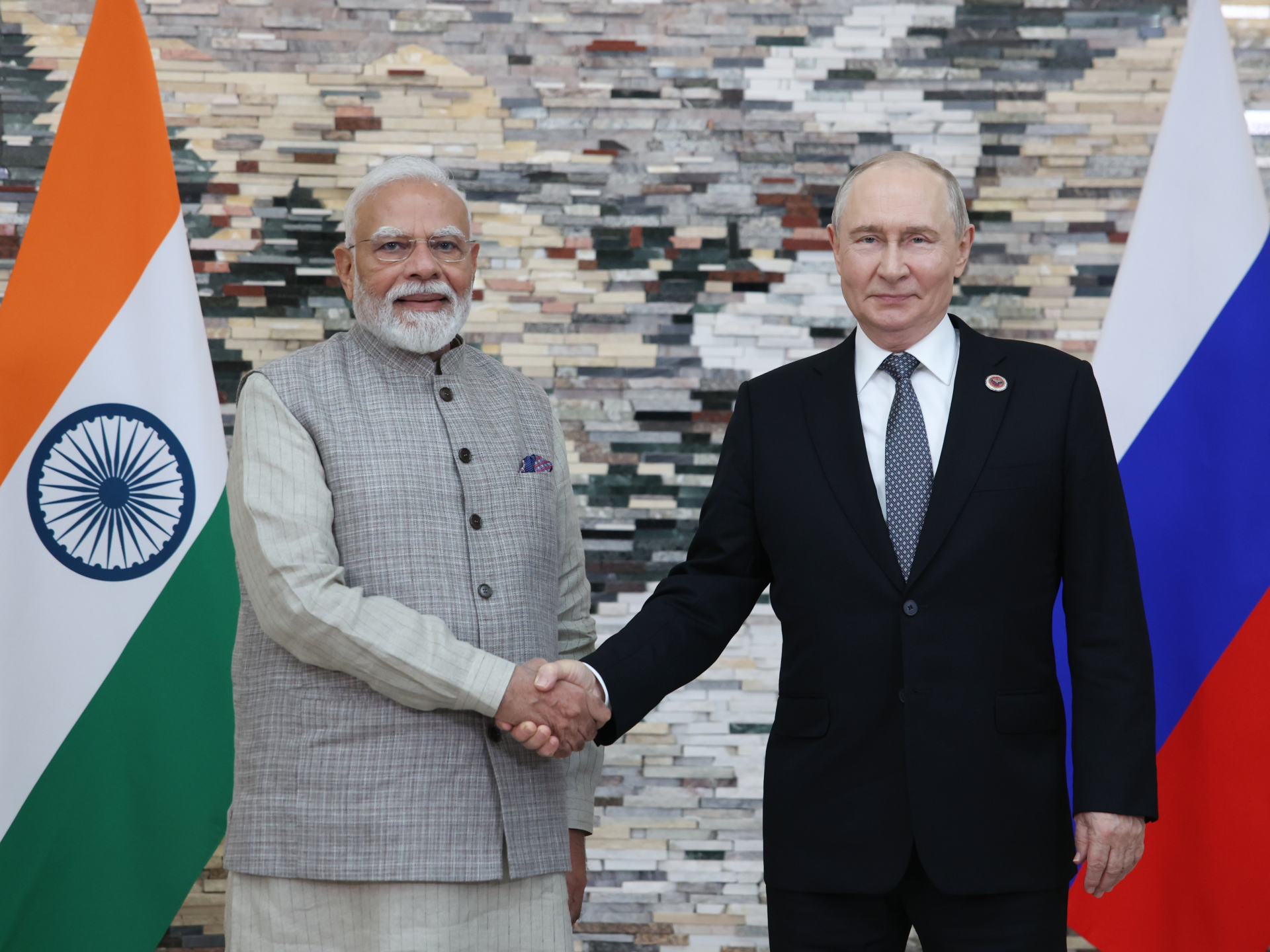
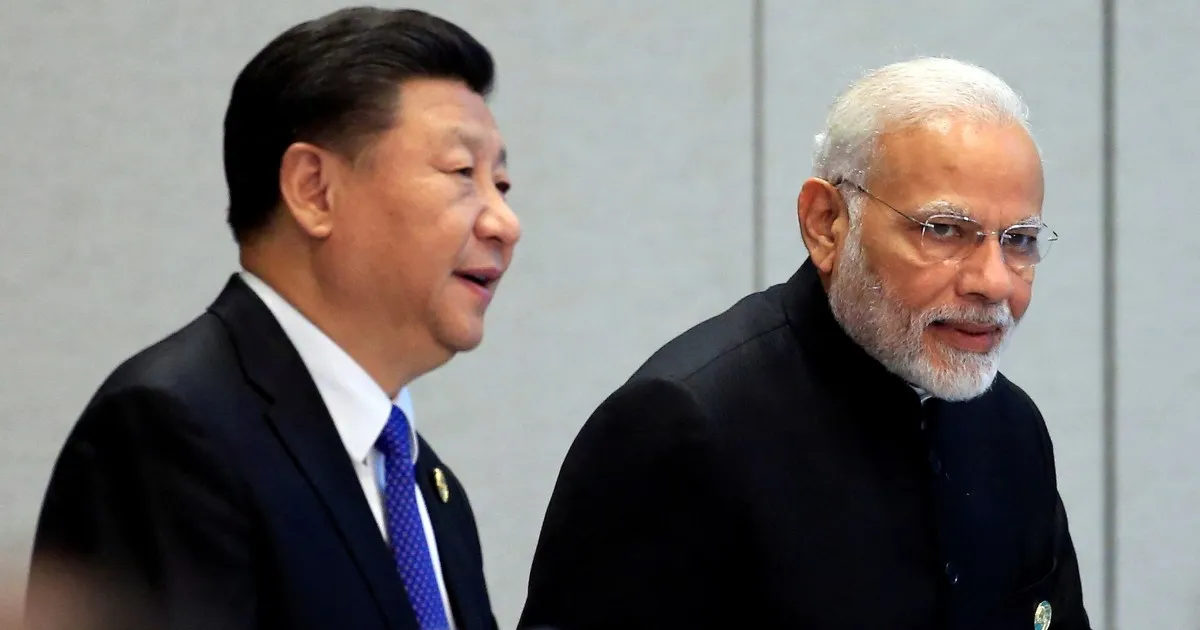
The immediate aftermath of the new law’s passage will likely be defined e watching closely to see if the White House utilizes the 100 percent tariff authority as a genuine punitive measure against China and India or as a bargaining chip during the upcoming summit with President Xi. Should the US move forward with these tariffs, global energy markets may experience significant volatility, potentially forcing major importers to seek alternative suppliers or risk further decoupling from Western financial institutions.
Concurrently, the success of the administration's human rights objectives remains tied to the atmosphere of the Washington summit. Whether President Trump can leverage the current economic friction to secure the release of American citizens—or whether China will view the new sanctions as an impediment to such cooperation—will likely determine the tone of the administration's foreign policy for the remainder of the year. The executive branch faces the dual challenge of enforcing a rigid new legislative mandate while maintaining the diplomatic flexibility required to manage a rapidly shifting global landscape.