The Trump administration has proposed excluding non-citizens and temporary residents from the 2030 census, a move that could significantly impact federal funding and political representation.
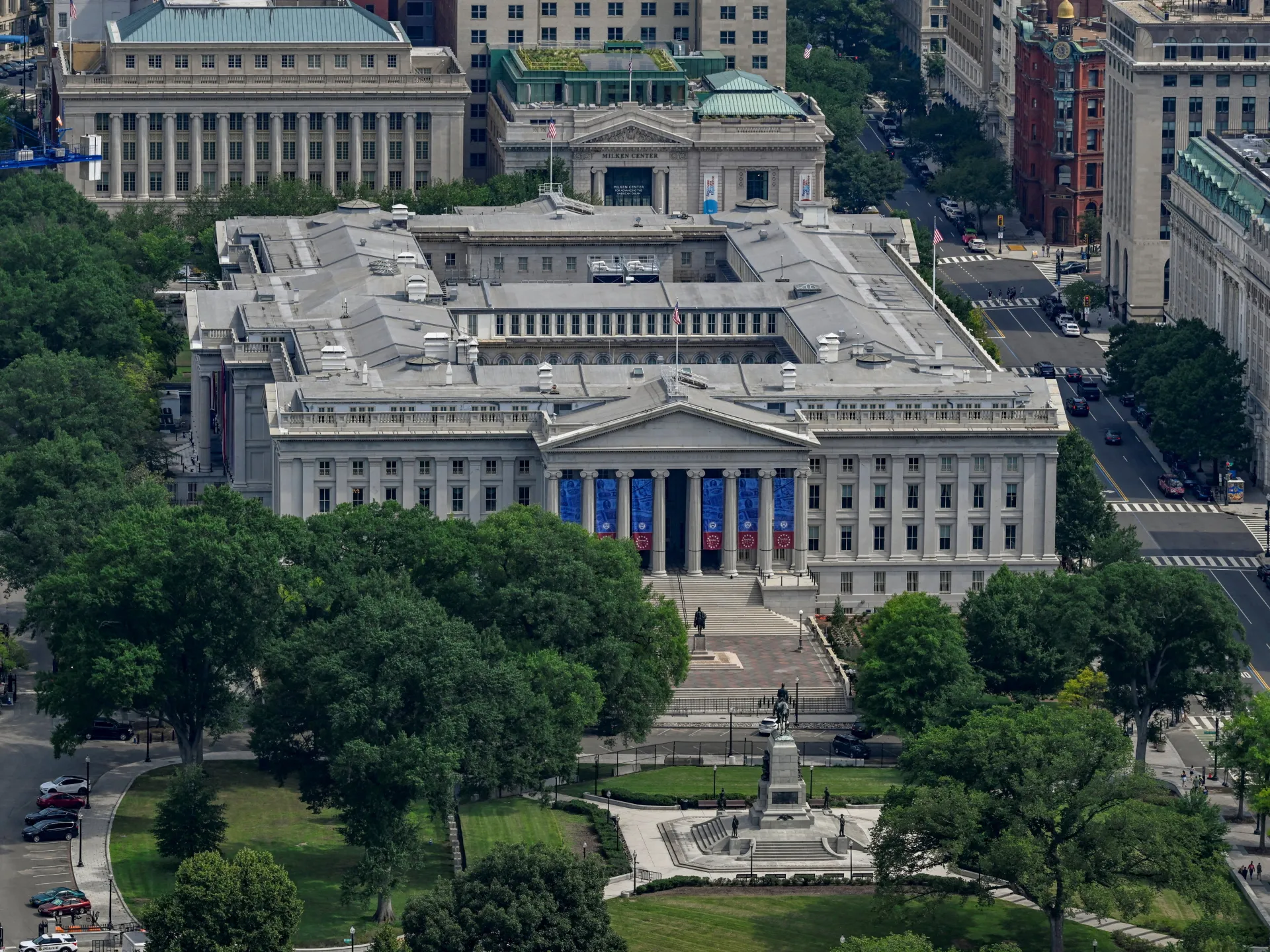
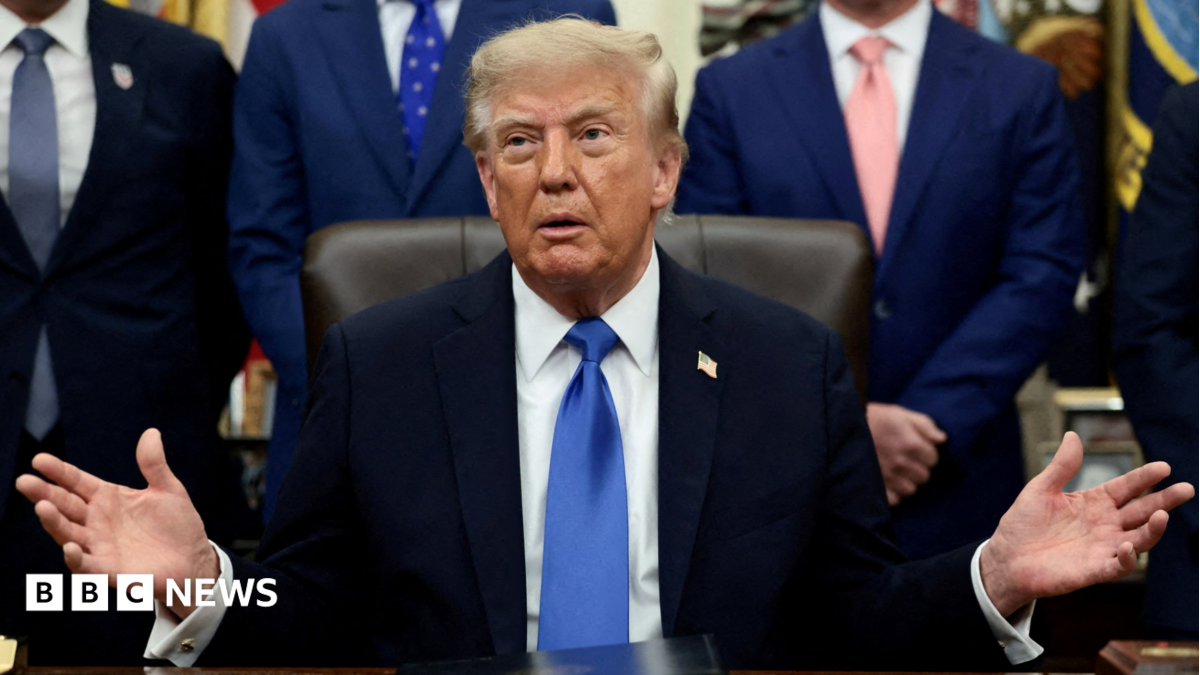
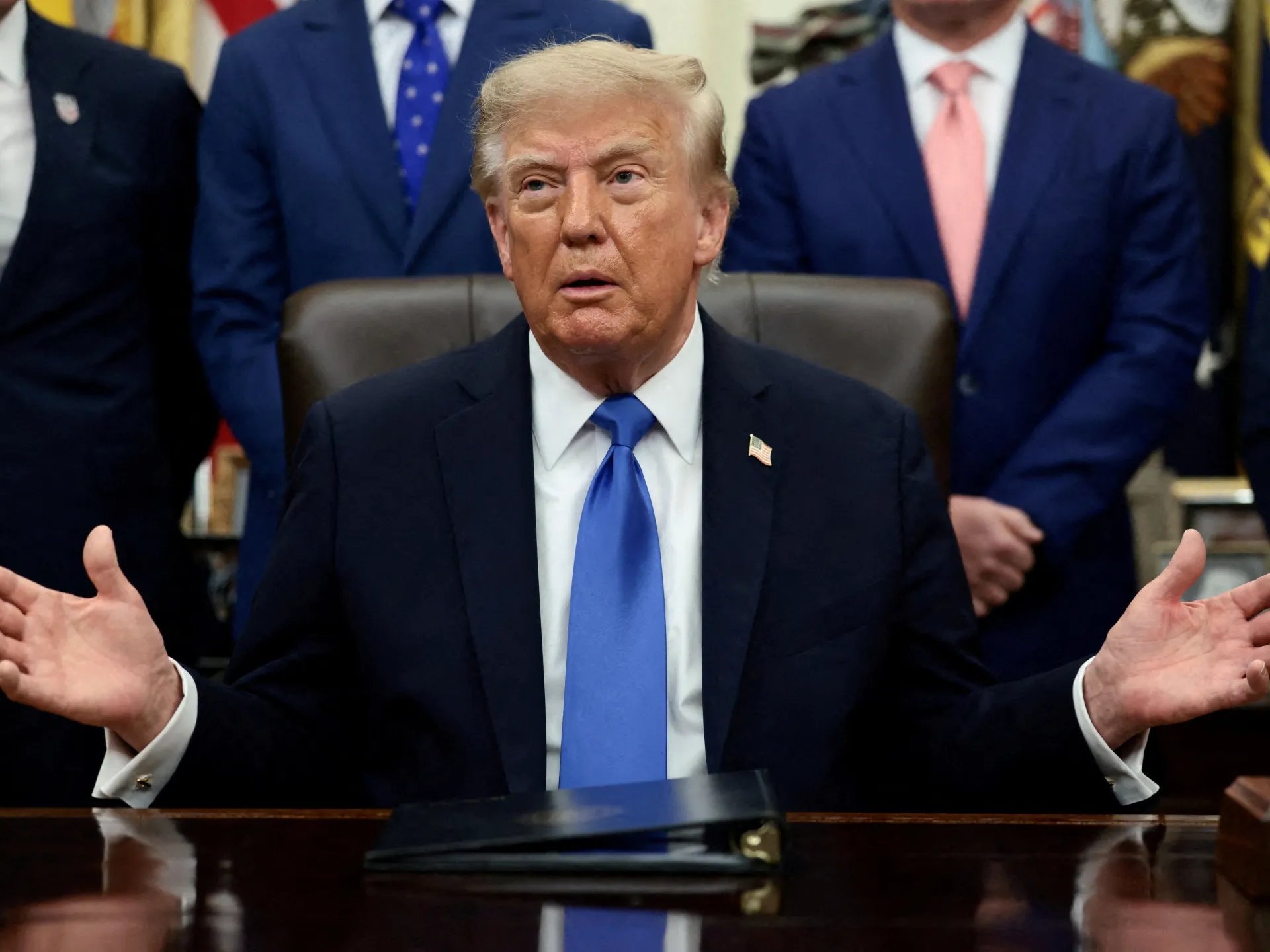
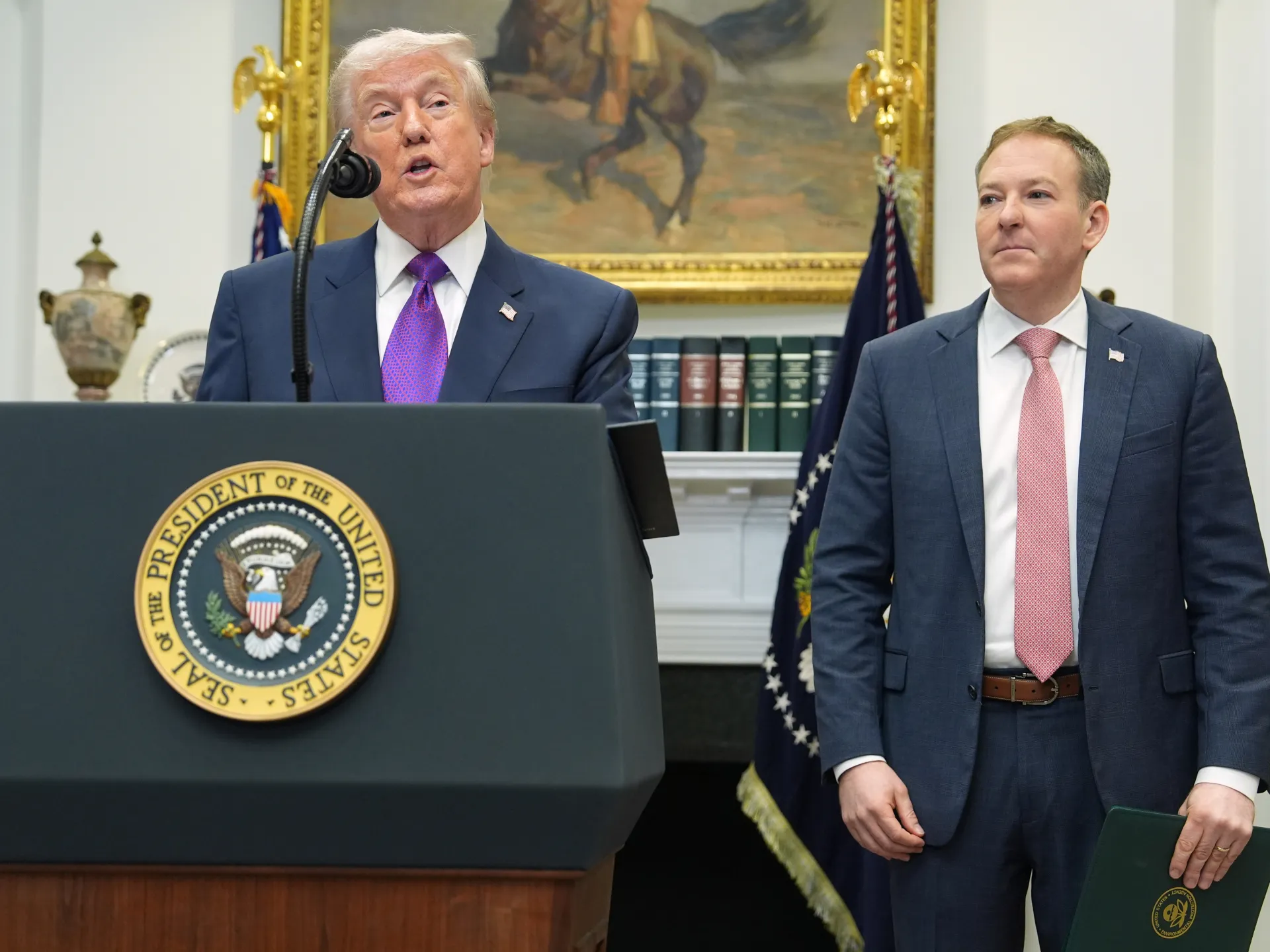
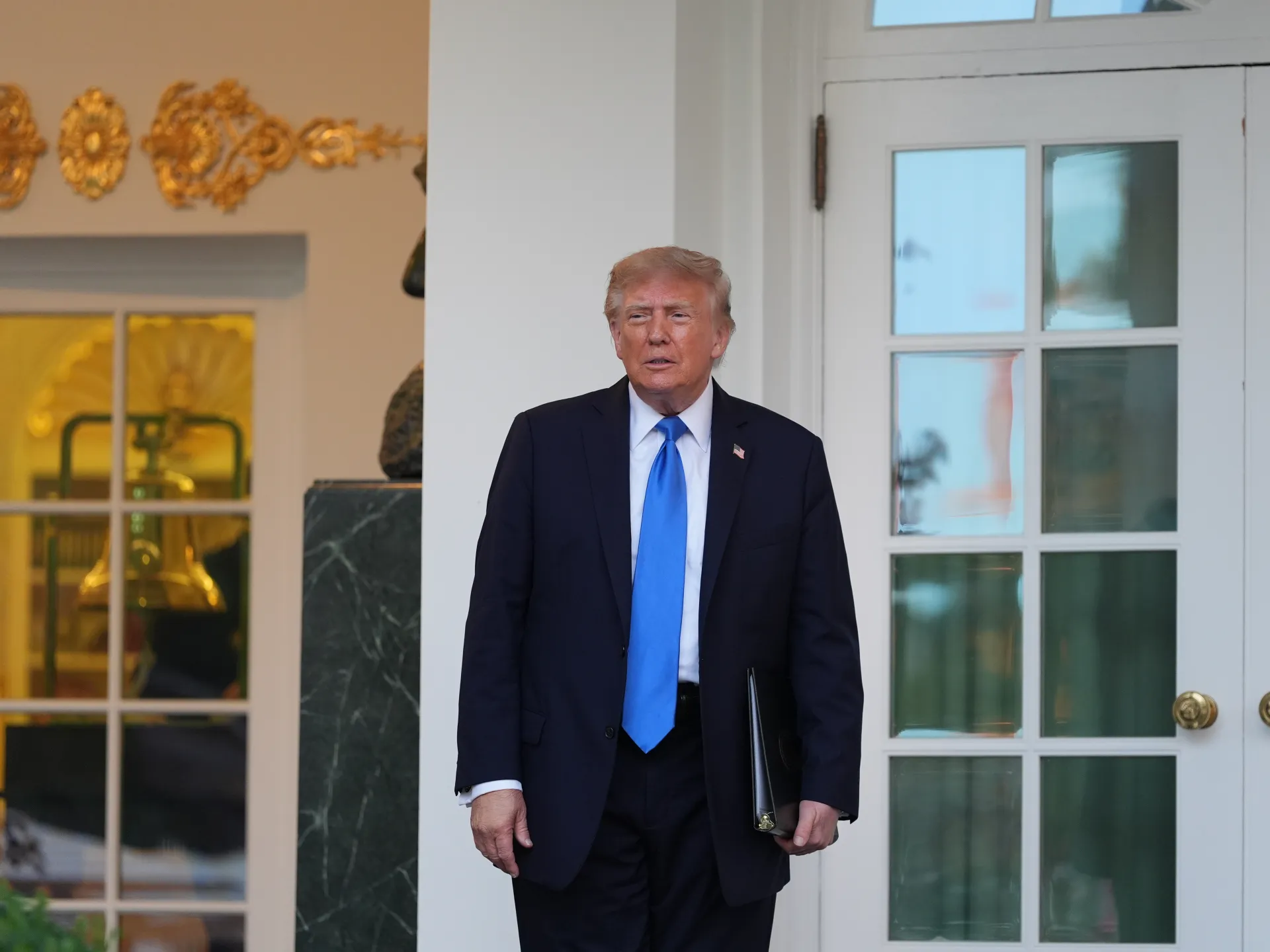
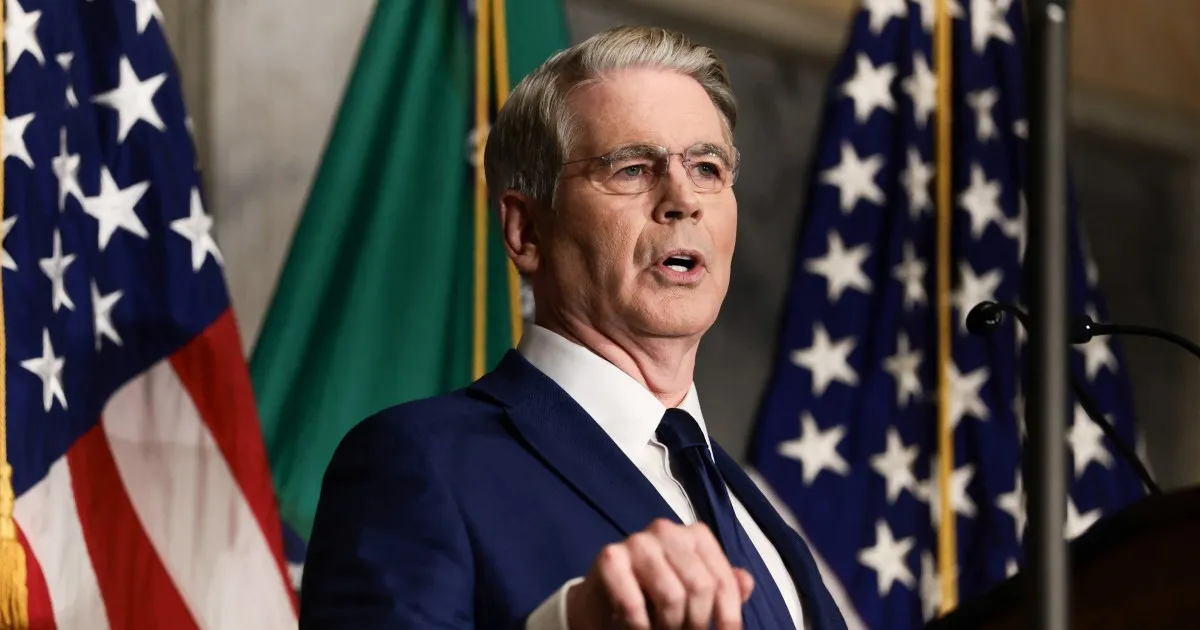
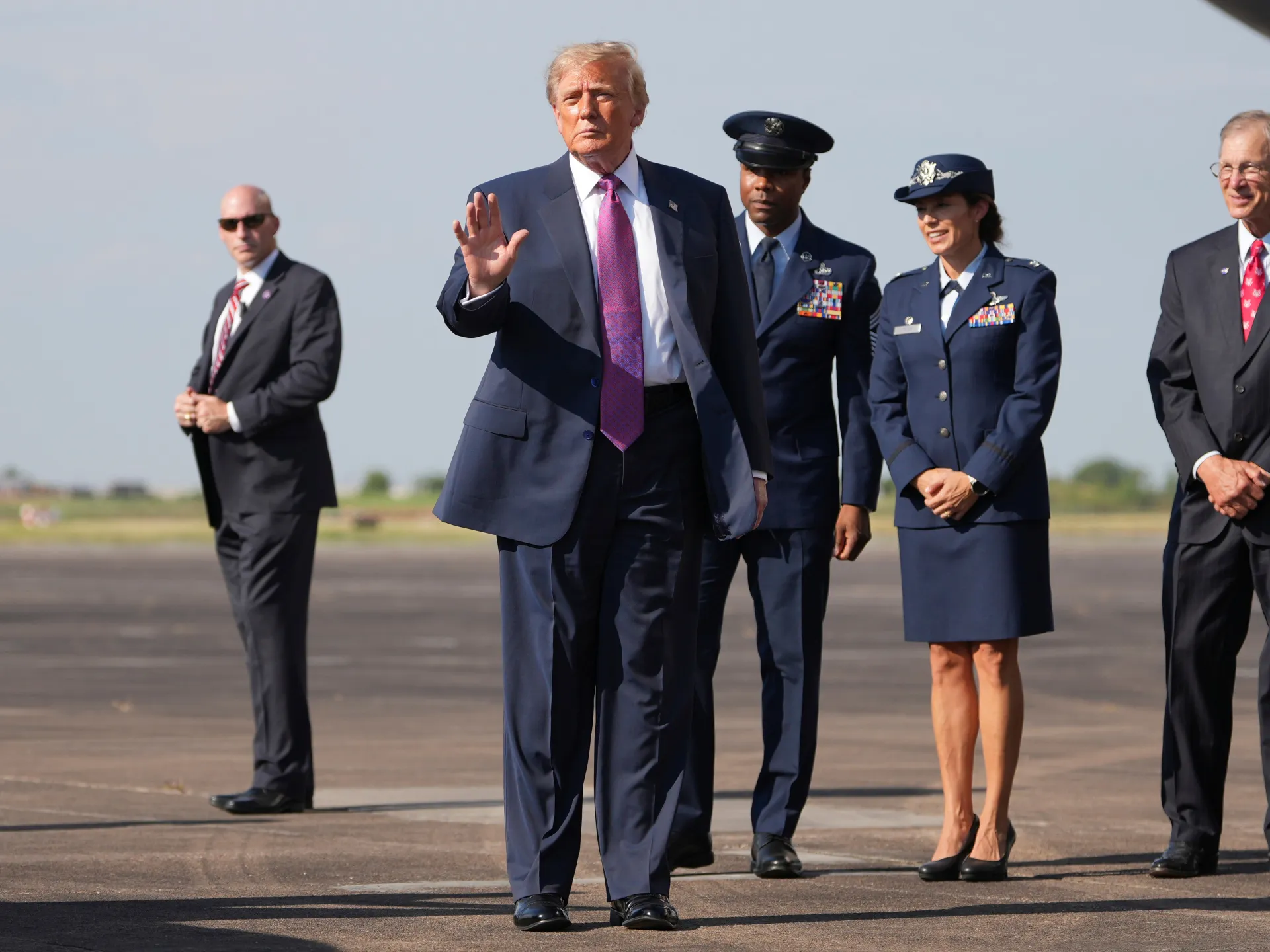
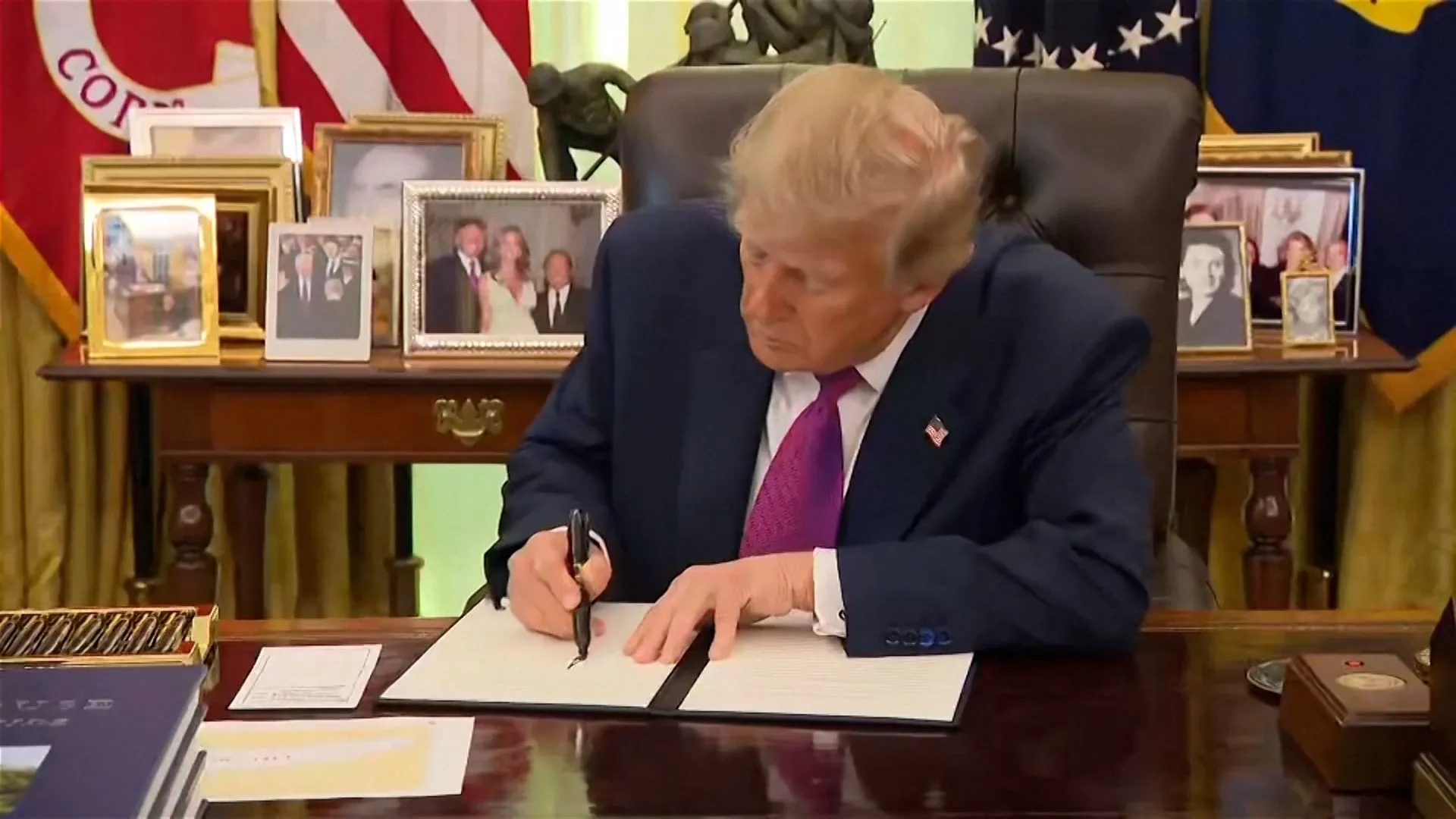
The administration of President Donald Trump has officially unveiled a proposal that would fundamentally alter the methodology for the 2030 United States census. The core of this initiative involves the exclusion of non-citizens, including undocumented immigrants and those residing in the country on temporary legal status, from the national population count. dents—those holding green cards—the Department of Commerce aims to redefine the standard for who qualifies as a legitimate inhabitant for the purposes of federal data collection.
In addition to these demographic shifts, the proposal includes significant changes to the questionnaire itself. The administration has suggested removing long-standing inquiries regarding race and ethnicity, which have been standard components of the census since 1790. Furthermore, the plan proposes the elimination of questions concerning sexual orientation. These changes are currently entering a 30-day public comment phase, after which the Department of Commerce will evaluate feedback before finalizing the new policy framework. The administration justifies this move allegiance to the nation to warrant inclusion in the official count.
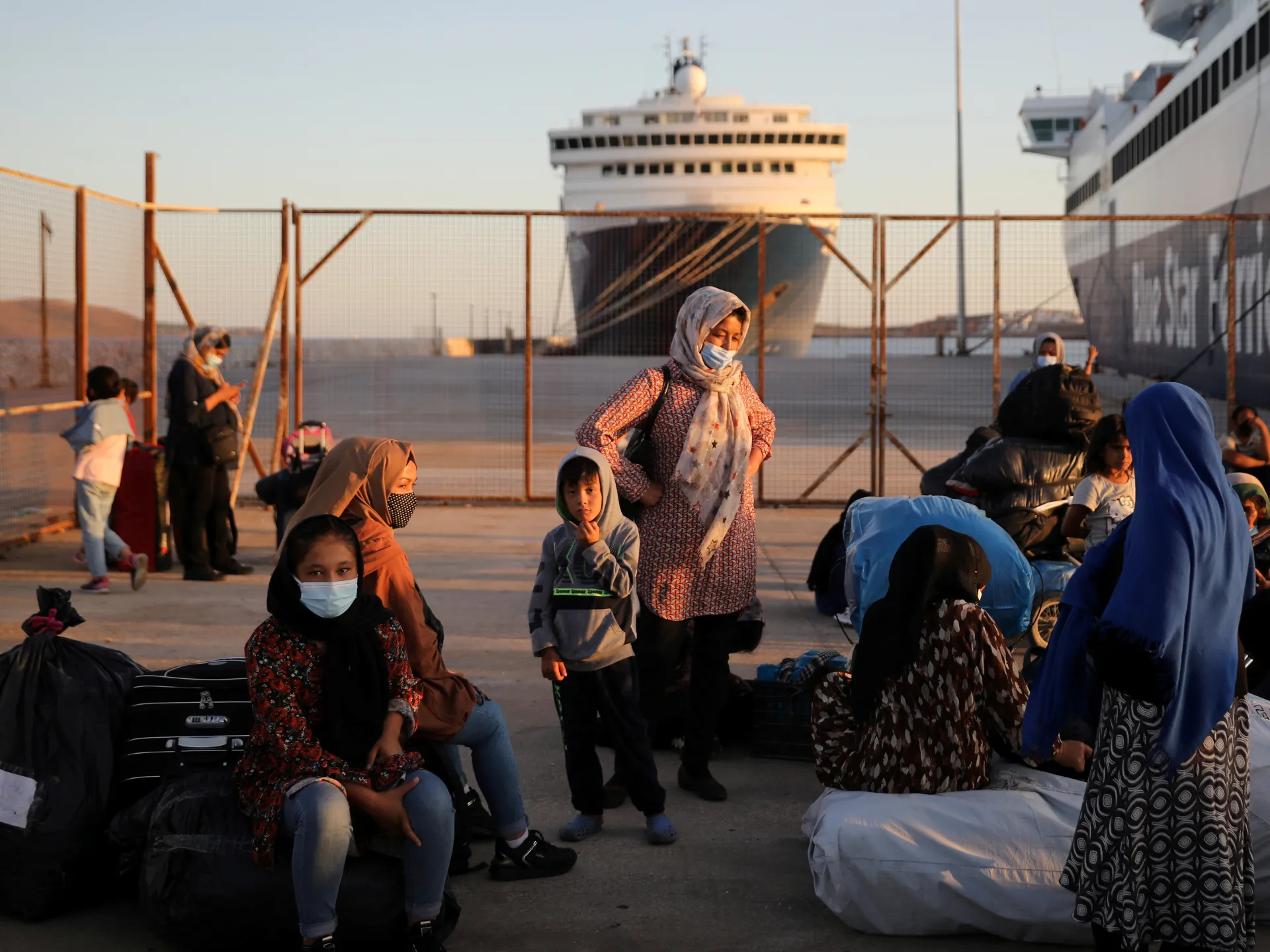
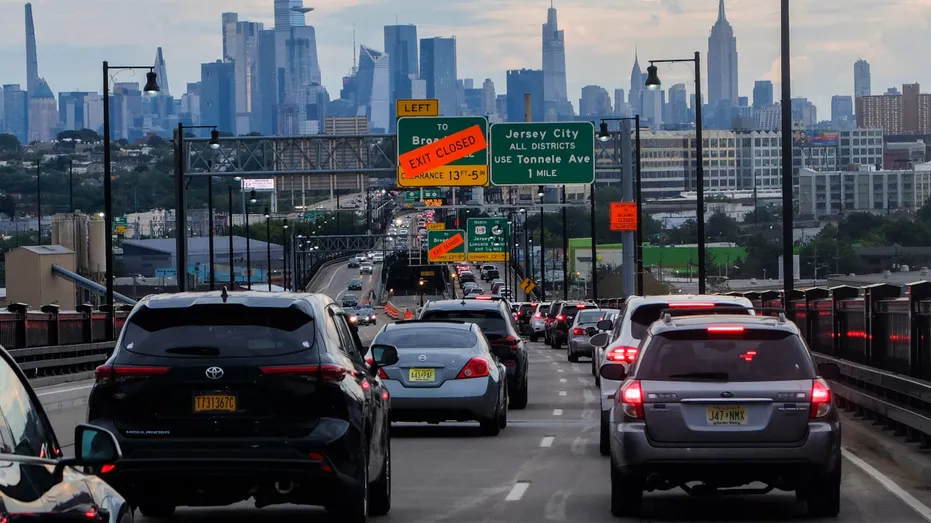
The scale of this proposed change is substantial, potentially leaving millions of individuals uncounted. Data from the Pew Research Center suggests that as of 2023, there were approximately 14 million undocumented immigrants residing in the United States. When combined with an estimated two million additional immigrants who possess legal status but lack permanent residency, the total number of people excluded from the census could reach 16 million. This shift would disproportionately affect specific regions, as a majority of this population is concentrated in states such as California, Texas, Florida, New York, New Jersey, and Illinois.
The geographic concentration of these individuals means that the impact of the policy would not be uniform across the country. California, which currently hosts the highest number of undocumented residents, would see the most significant shift in its census data. y creates a statistical invisibility that critics argue undermines the fundamental purpose of the census: to provide an accurate reflection of the total population residing within the borders of the United States.
The census serves as a foundational pillar for the distribution of federal resources, influencing the allocation of hundreds of billions of dollars every year. This funding is essential for the operation of public schools, the maintenance of healthcare facilities, and the development of public infrastructure. these public services, the proposed policy could lead to significant underfunding in areas with high immigrant populations, effectively starving communities of the resources necessary for growth and stability.
Data equity experts have raised alarms, characterizing the potential consequences as severe and far-reaching. When the census fails to capture the true number of residents, the resulting data becomes fundamentally flawed. This inaccuracy ripples through the entire national system, as business leaders, policy makers, and investors rely on this information to make critical decisions. A census that does not count the total population risks creating an inaccurate picture of the country, leading to the misallocation of resources and the degradation of essential public services.
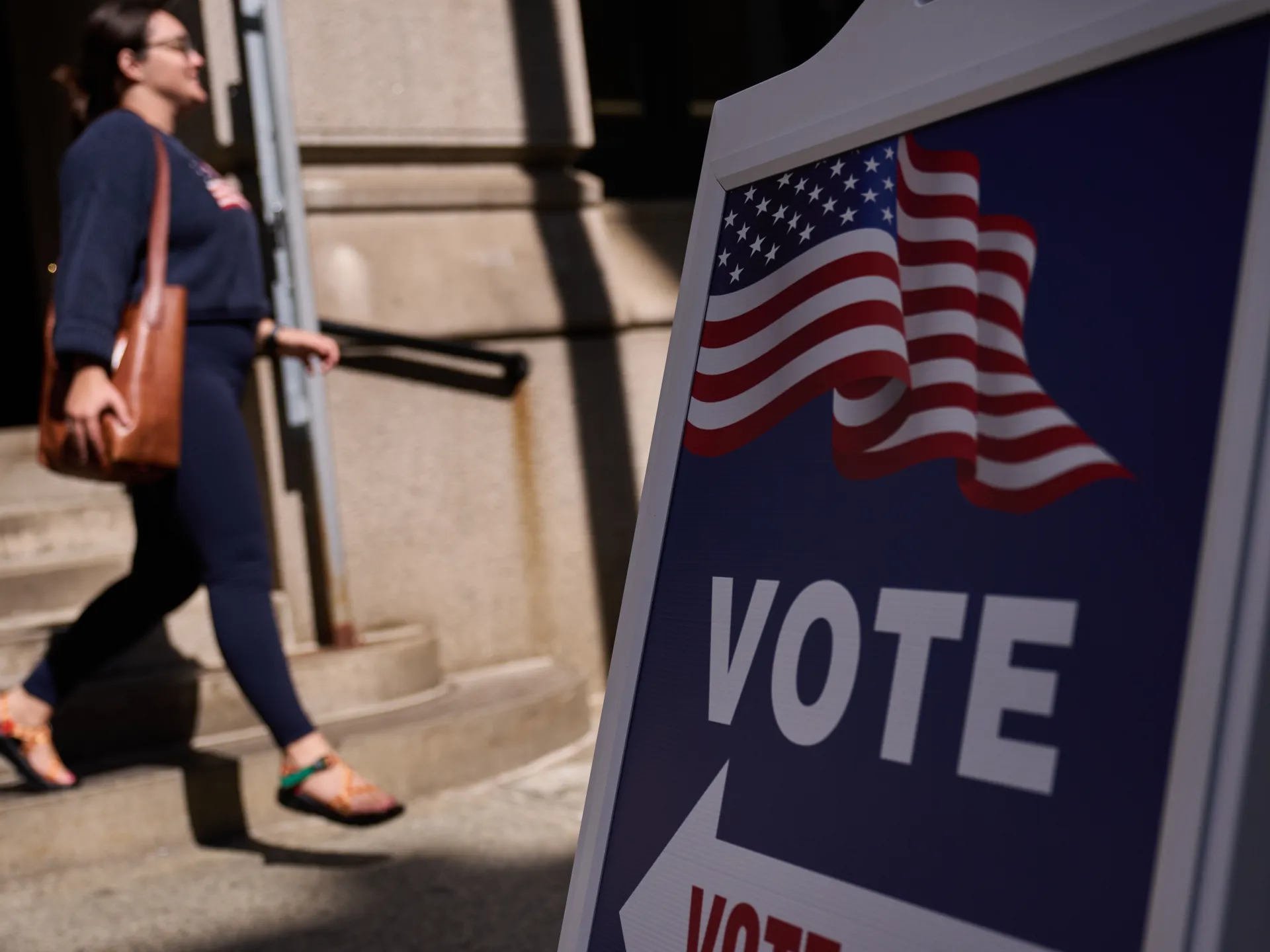
Perhaps the most contentious aspect of the proposal is its potential to reshape the landscape of political representation. The United States utilizes census data to determine the allocation of seats in the House of Representatives and to define electoral district boundaries. ons may see a reduction in their congressional representation. Because House seat allocation is tied to the Electoral College, this change could also influence the outcome of presidential elections
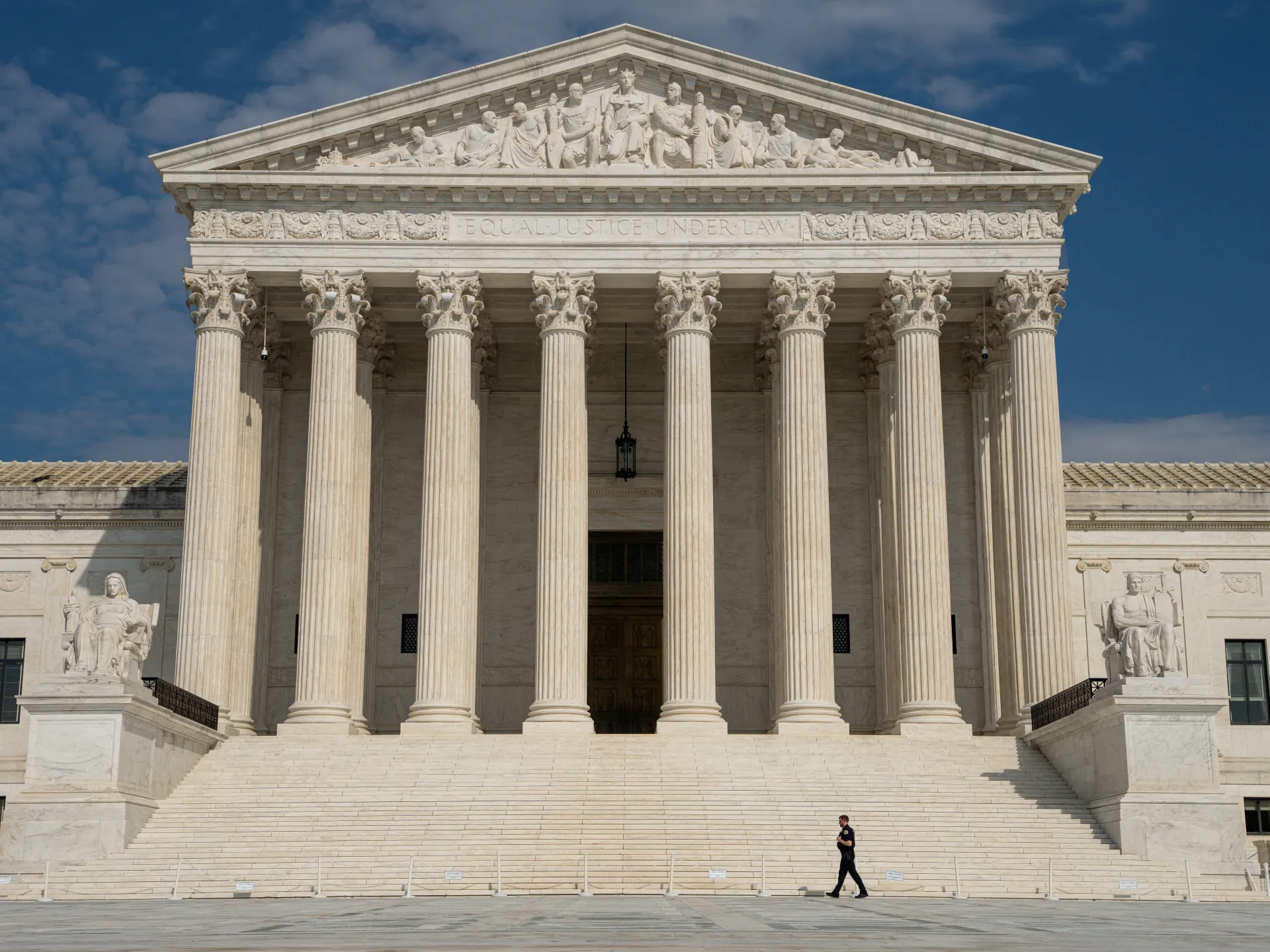
Legal experts and civil rights advocates have already begun to organize against the proposal, citing the 14th Amendment to the Constitution. The amendment explicitly mandates that political representation be based on the “whole number of persons in each State,” regardless of their citizenship or immigration status. State officials, including the Attorney General of New York, have signaled their intent to challenge the plan in court, arguing that it represents a direct assault on the democratic principles of equitable representation. As the public comment period proceeds, the debate continues to center on whether the executive branch possesses the authority to narrow the scope of the census in a way that contradicts traditional interpretations of constitutional requirements.