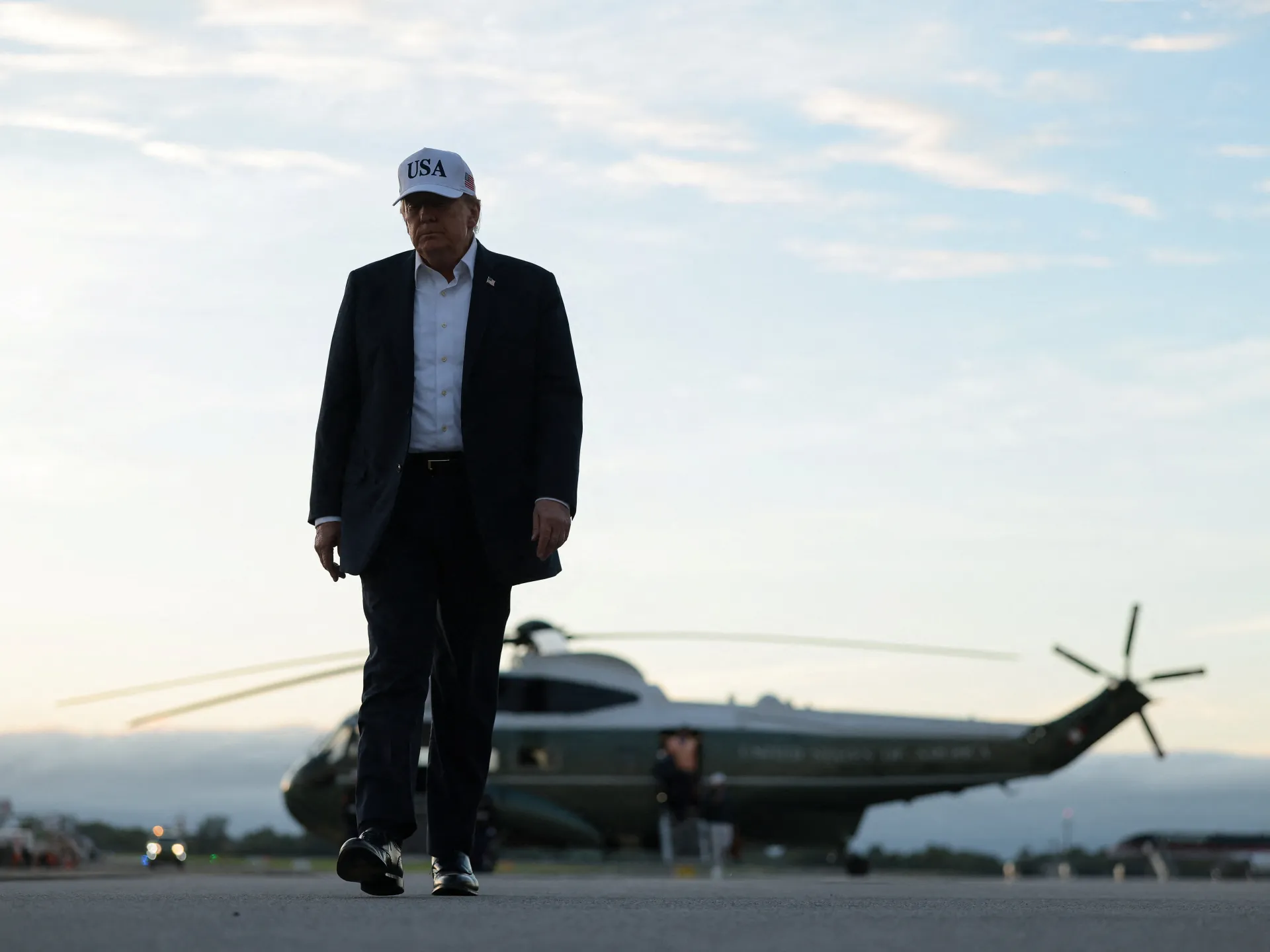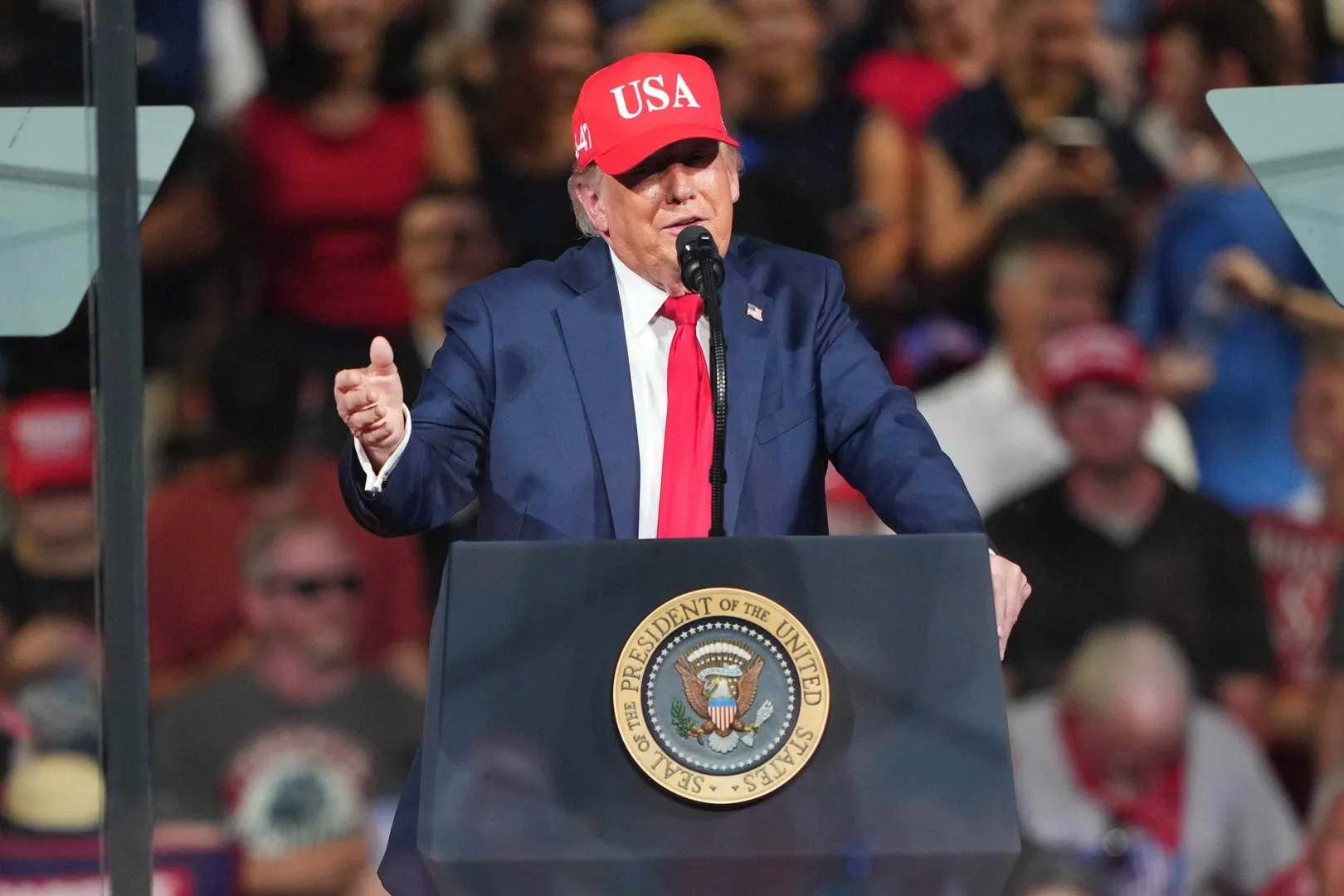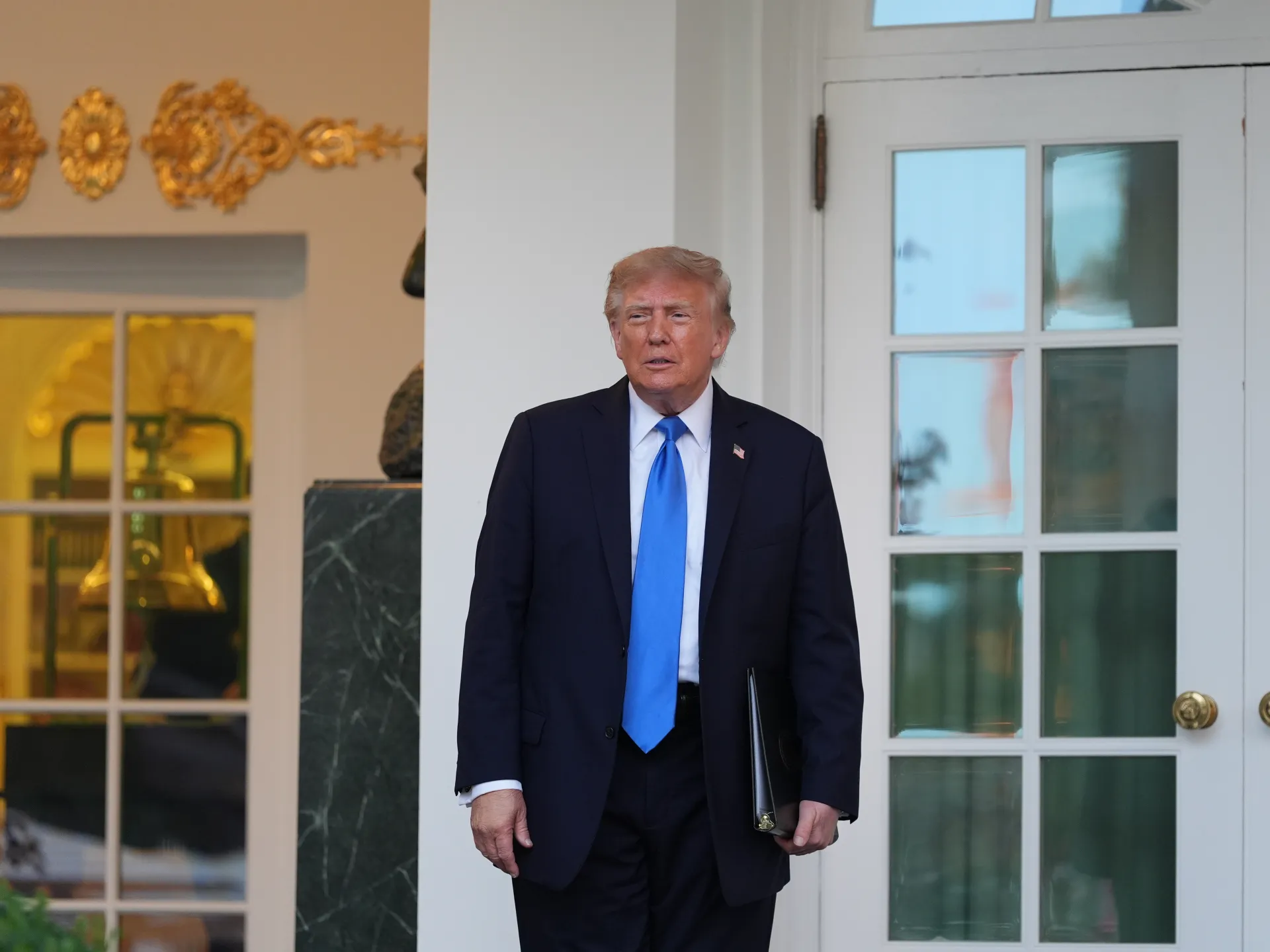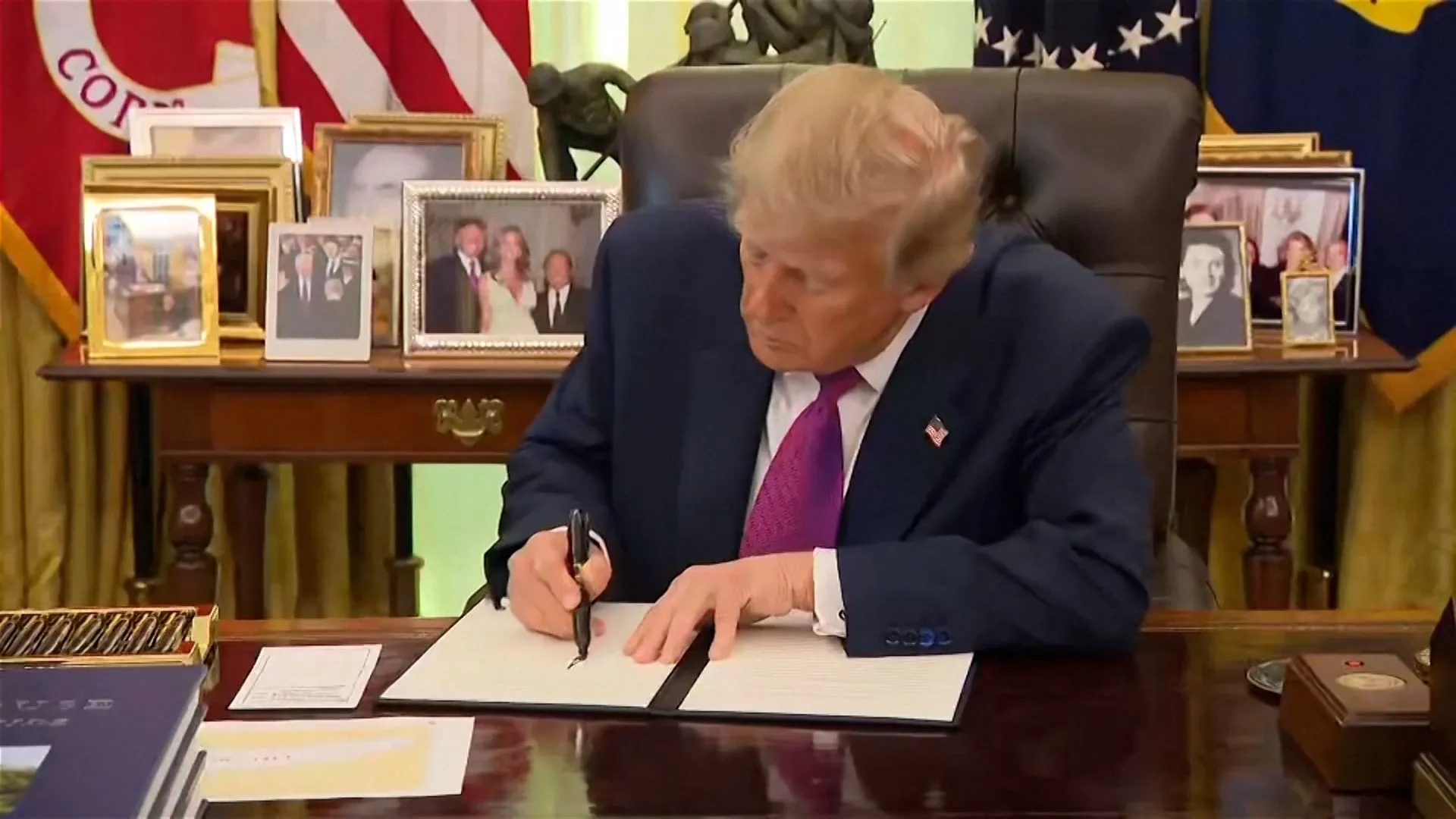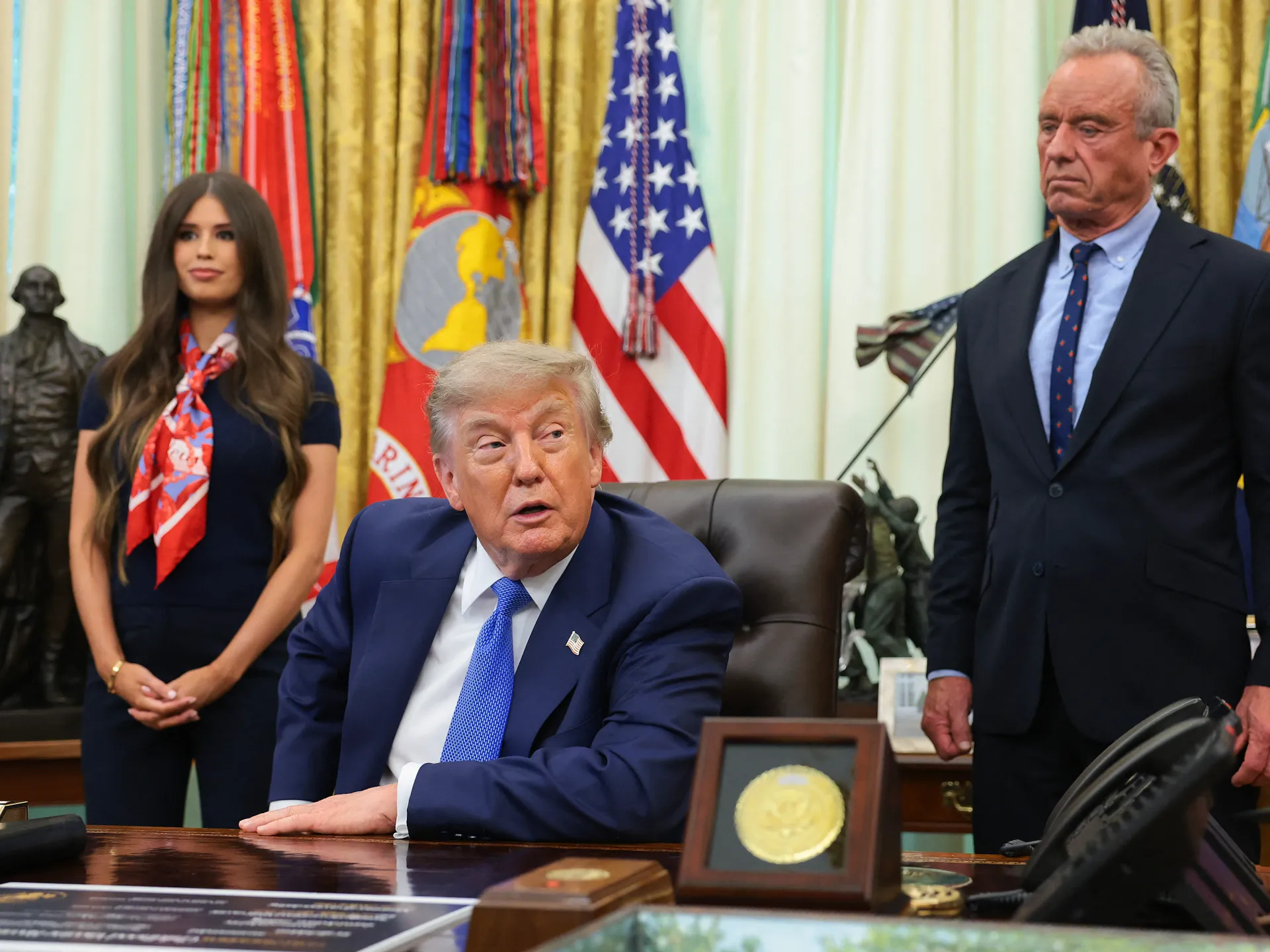
The Trump administration has allowed sanctions against Eritrea to expire, citing a strategic need to bolster regional interests in the Red Sea corridor.
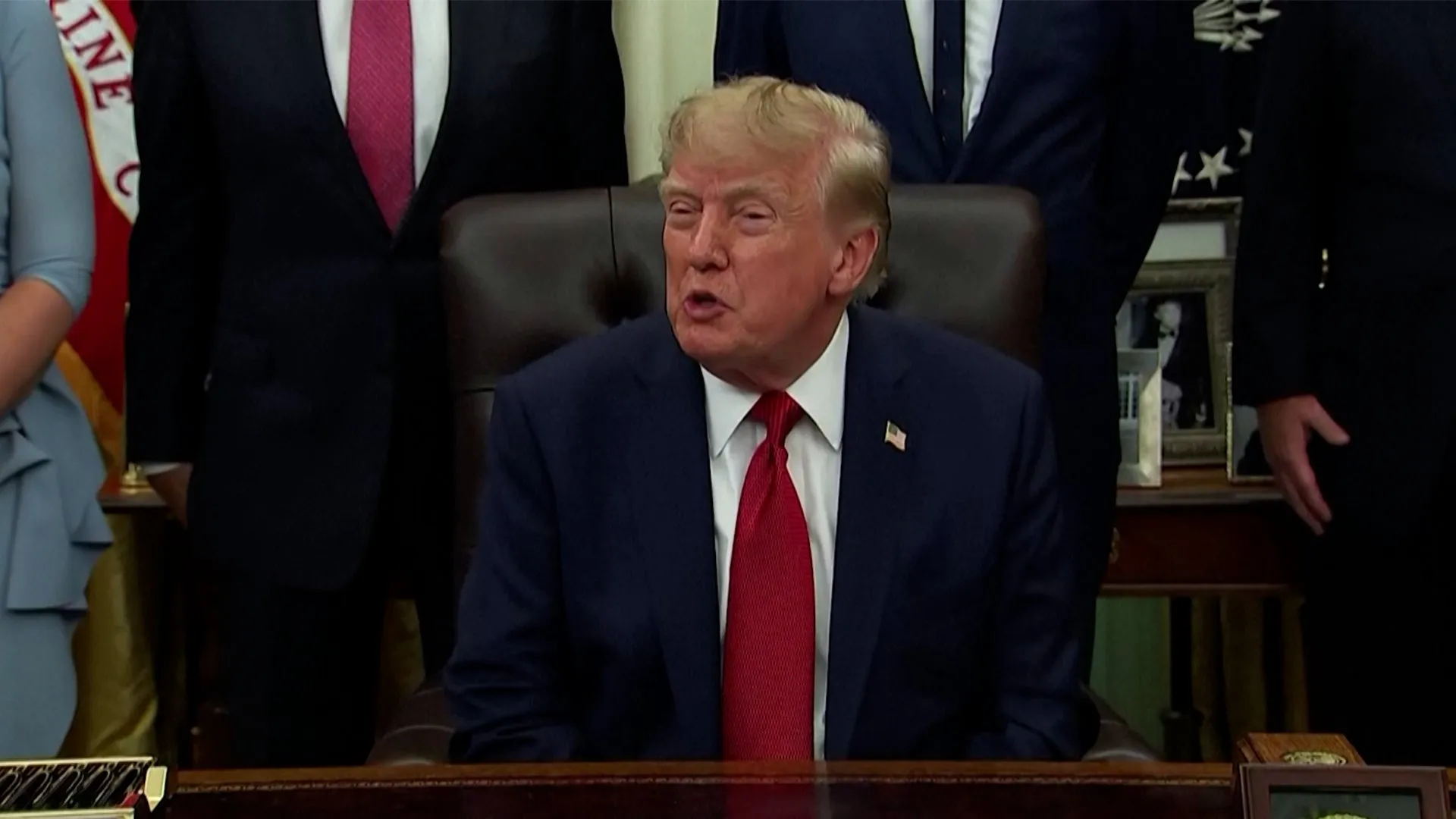
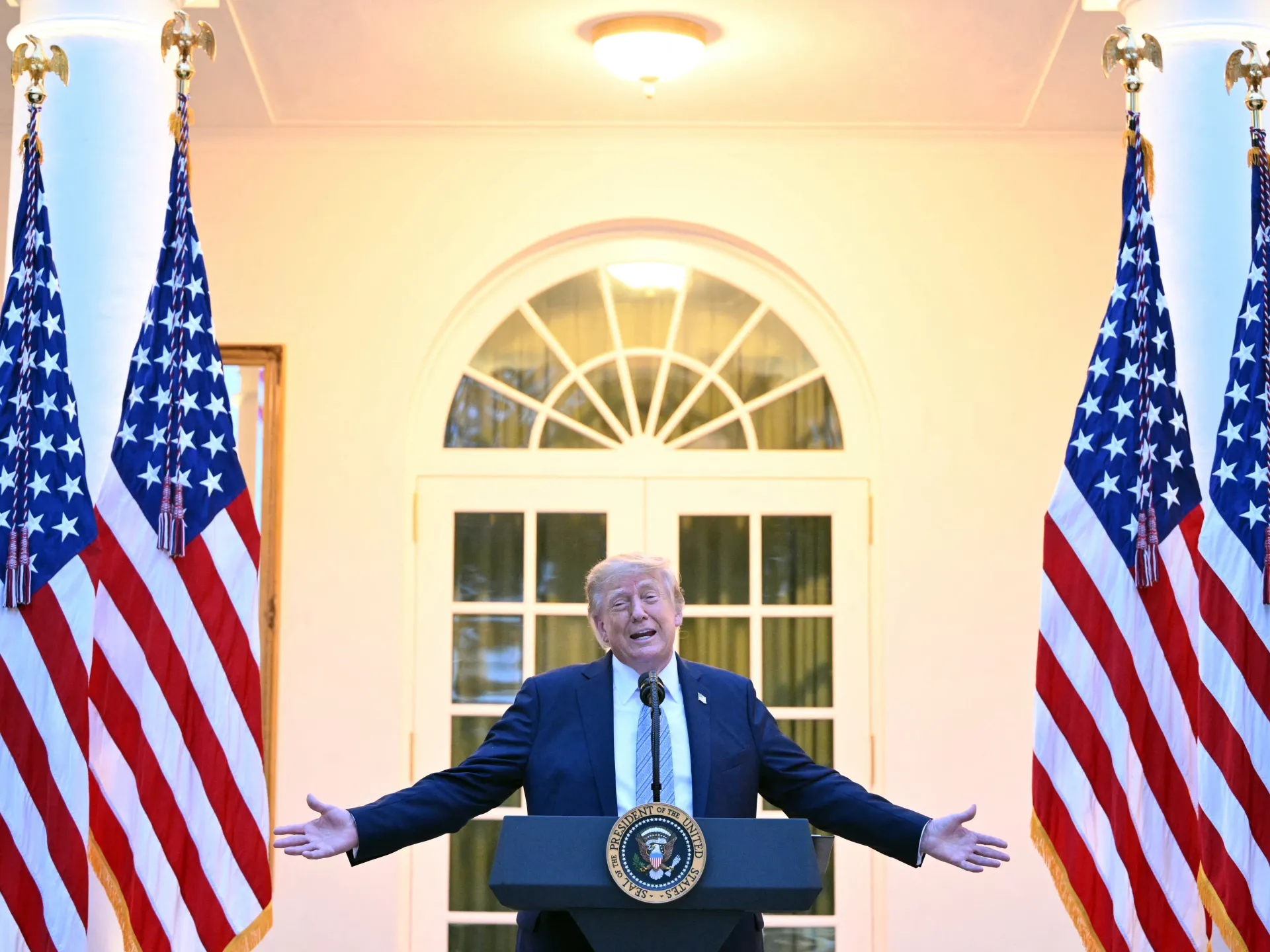
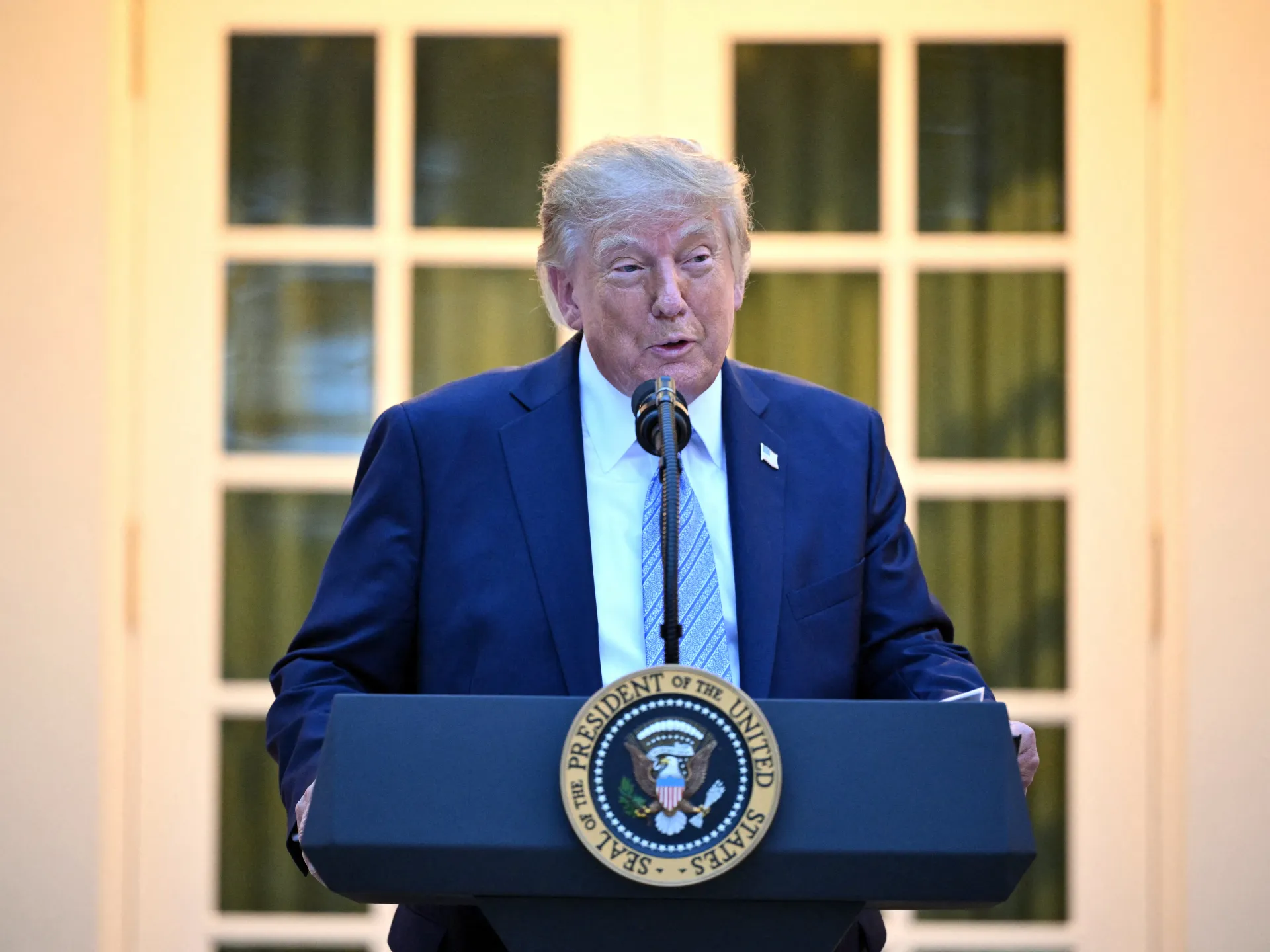
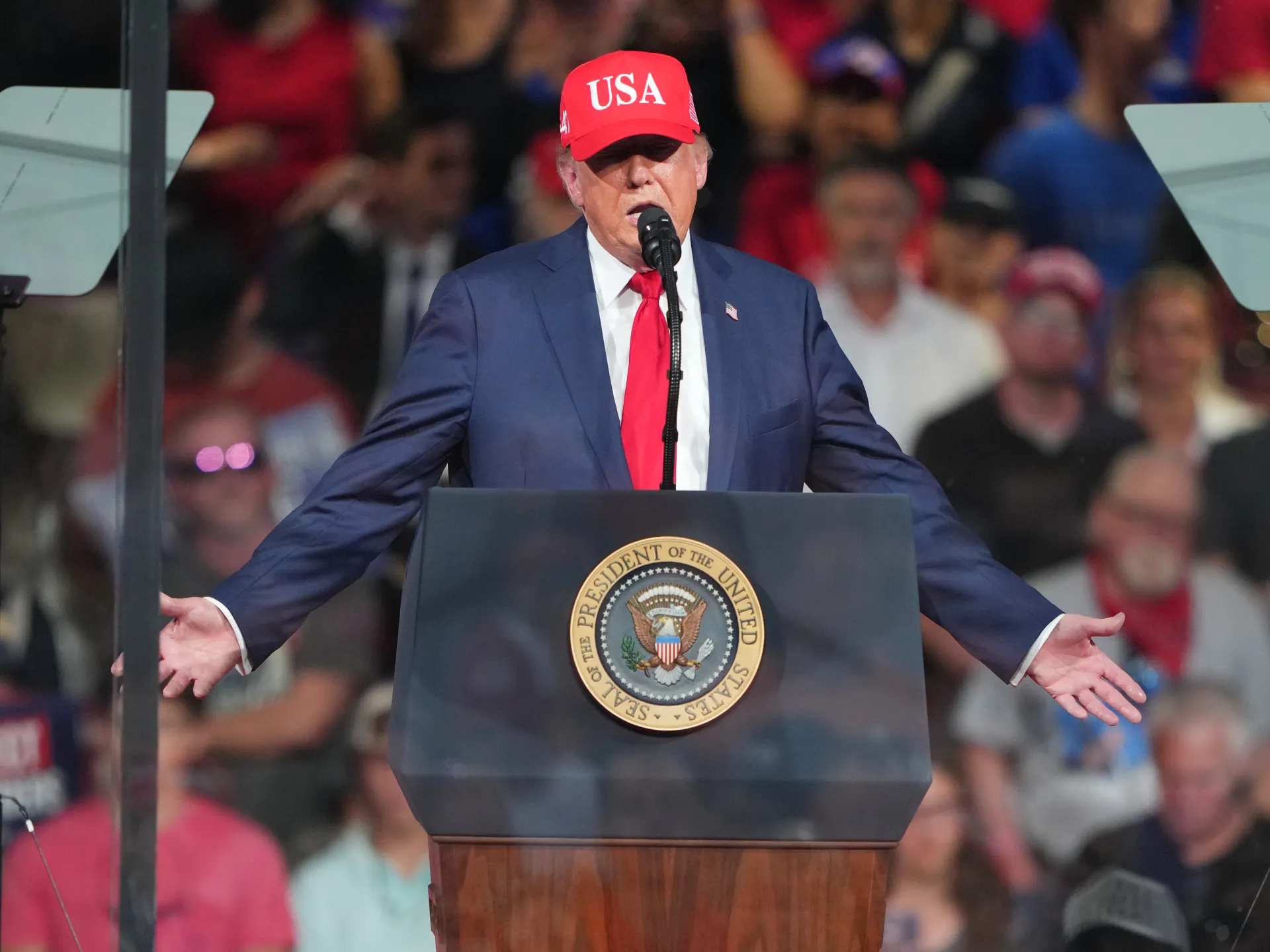
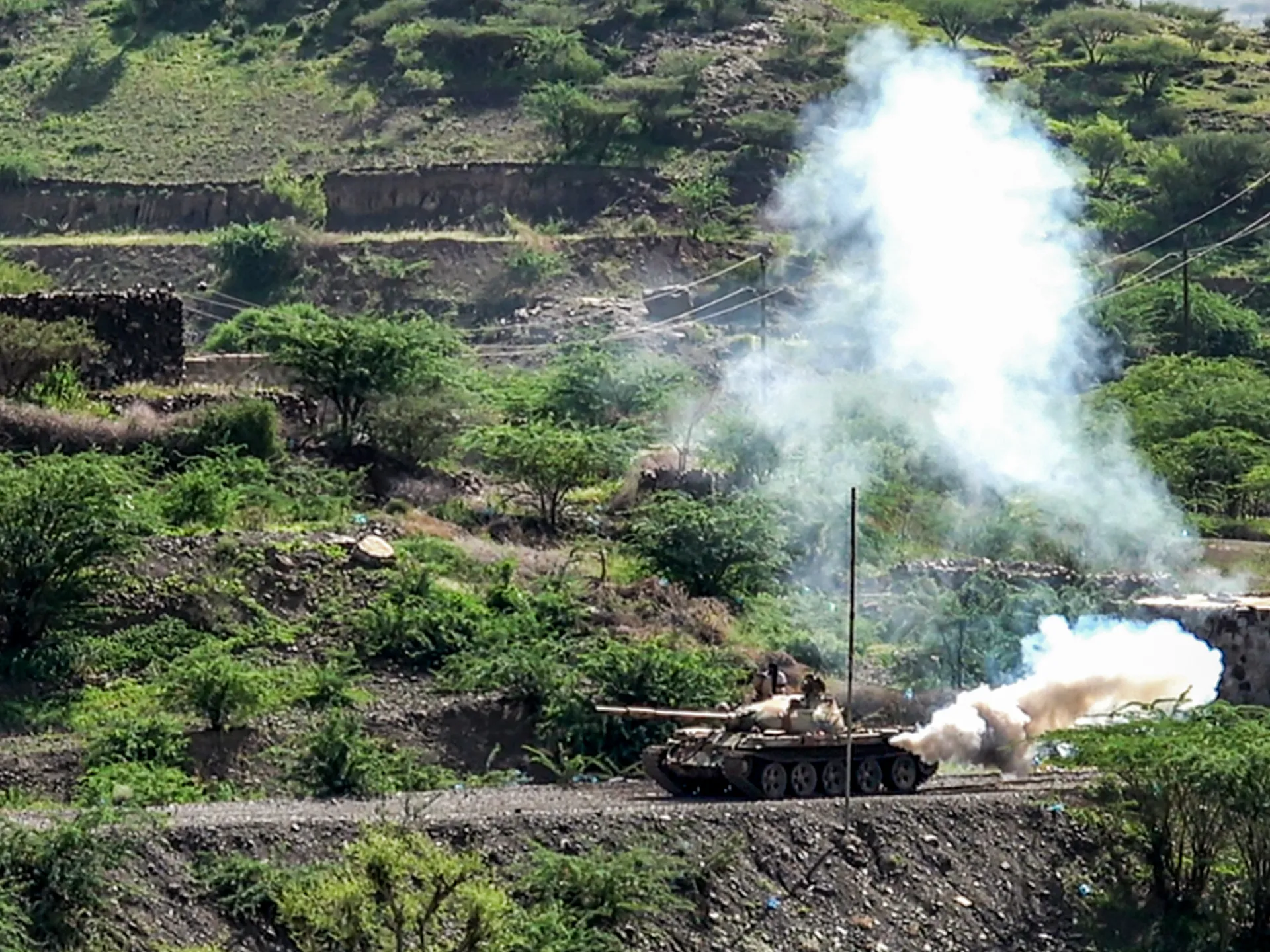
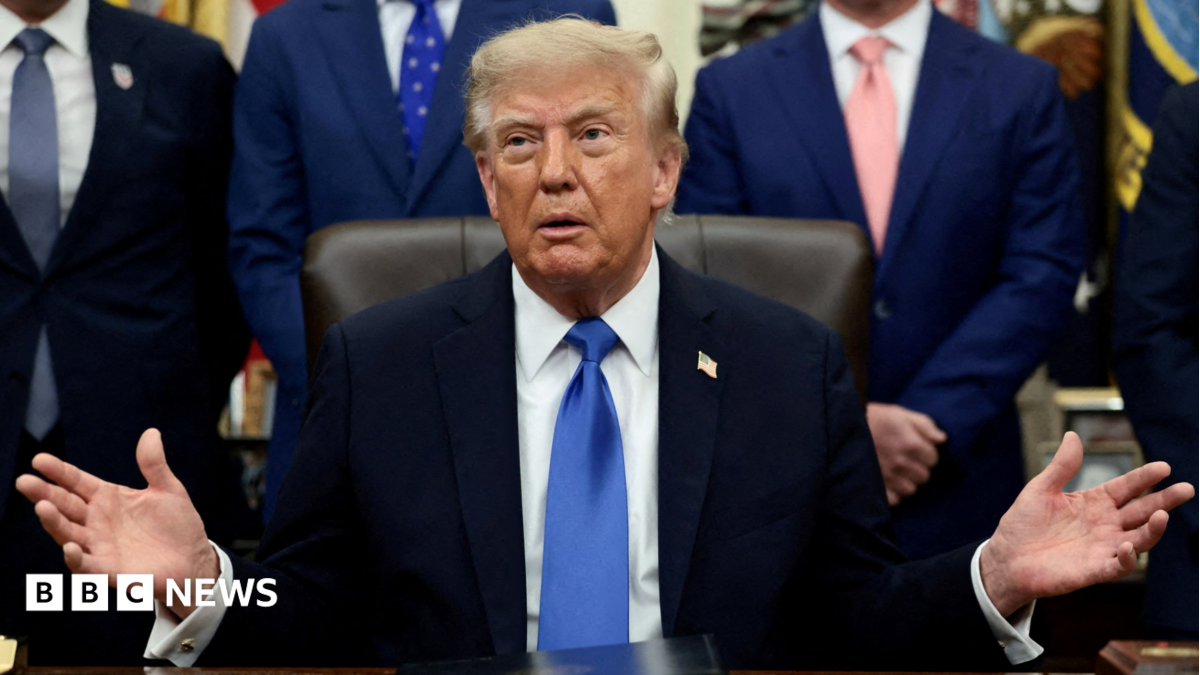
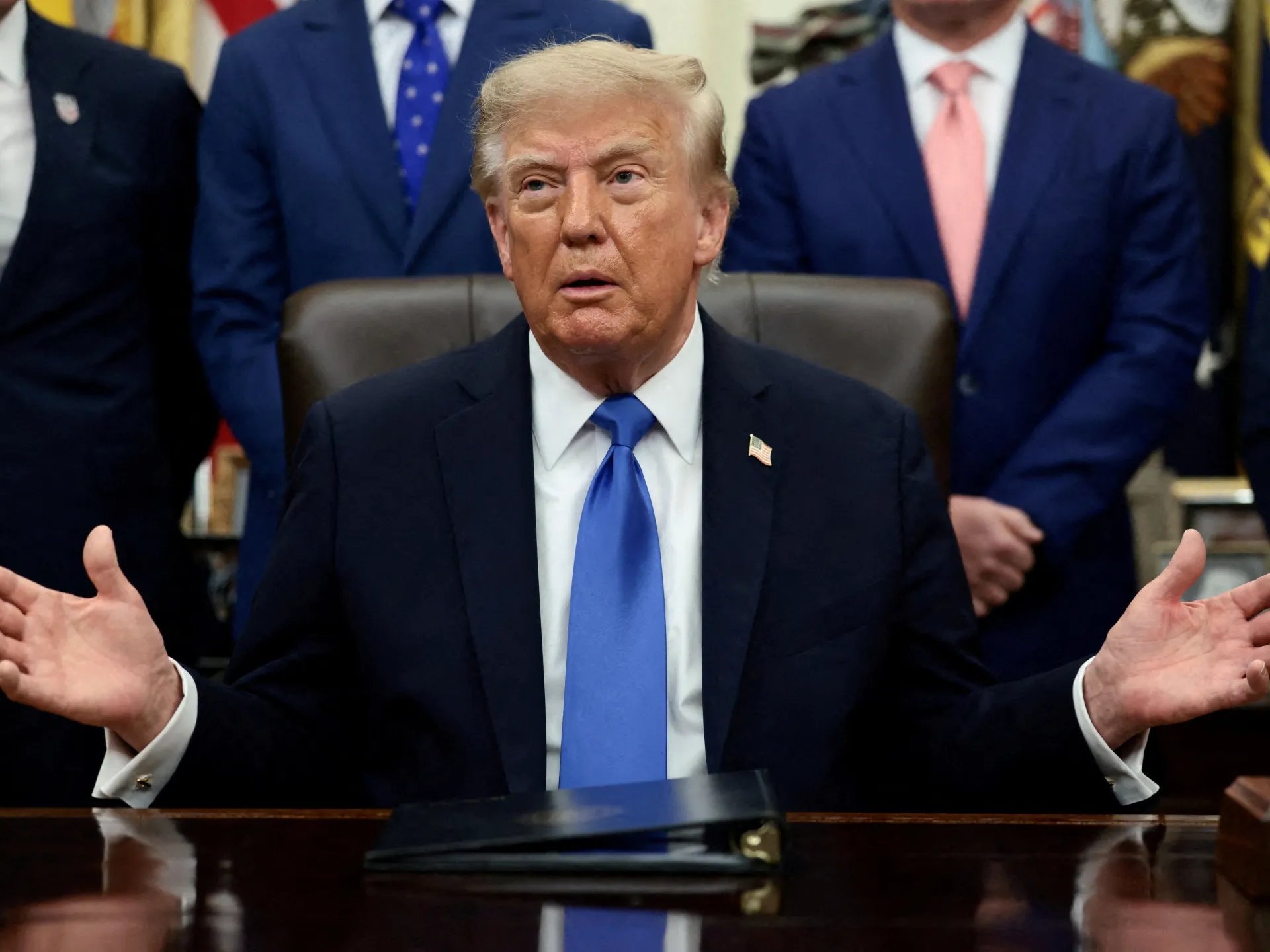
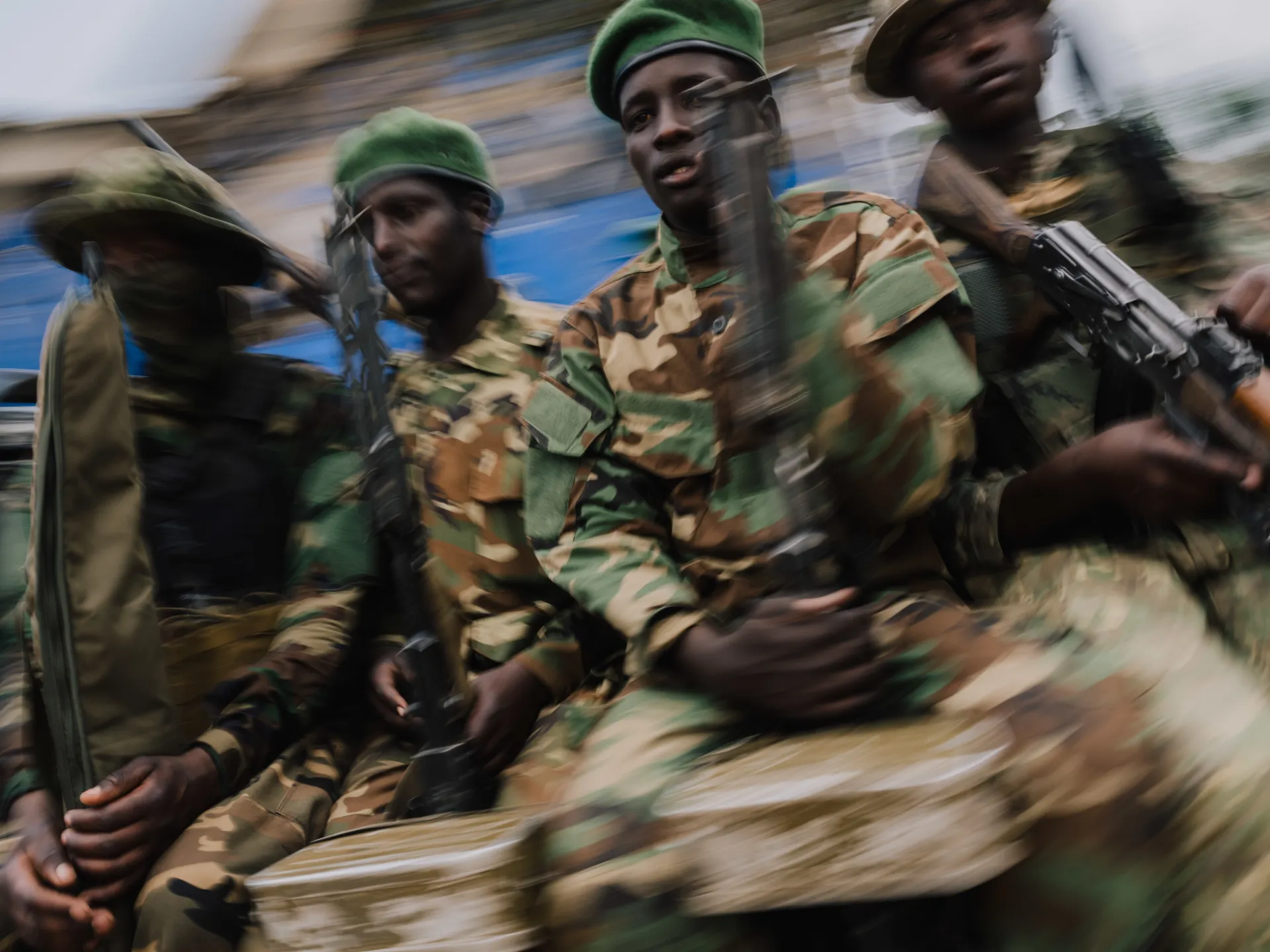
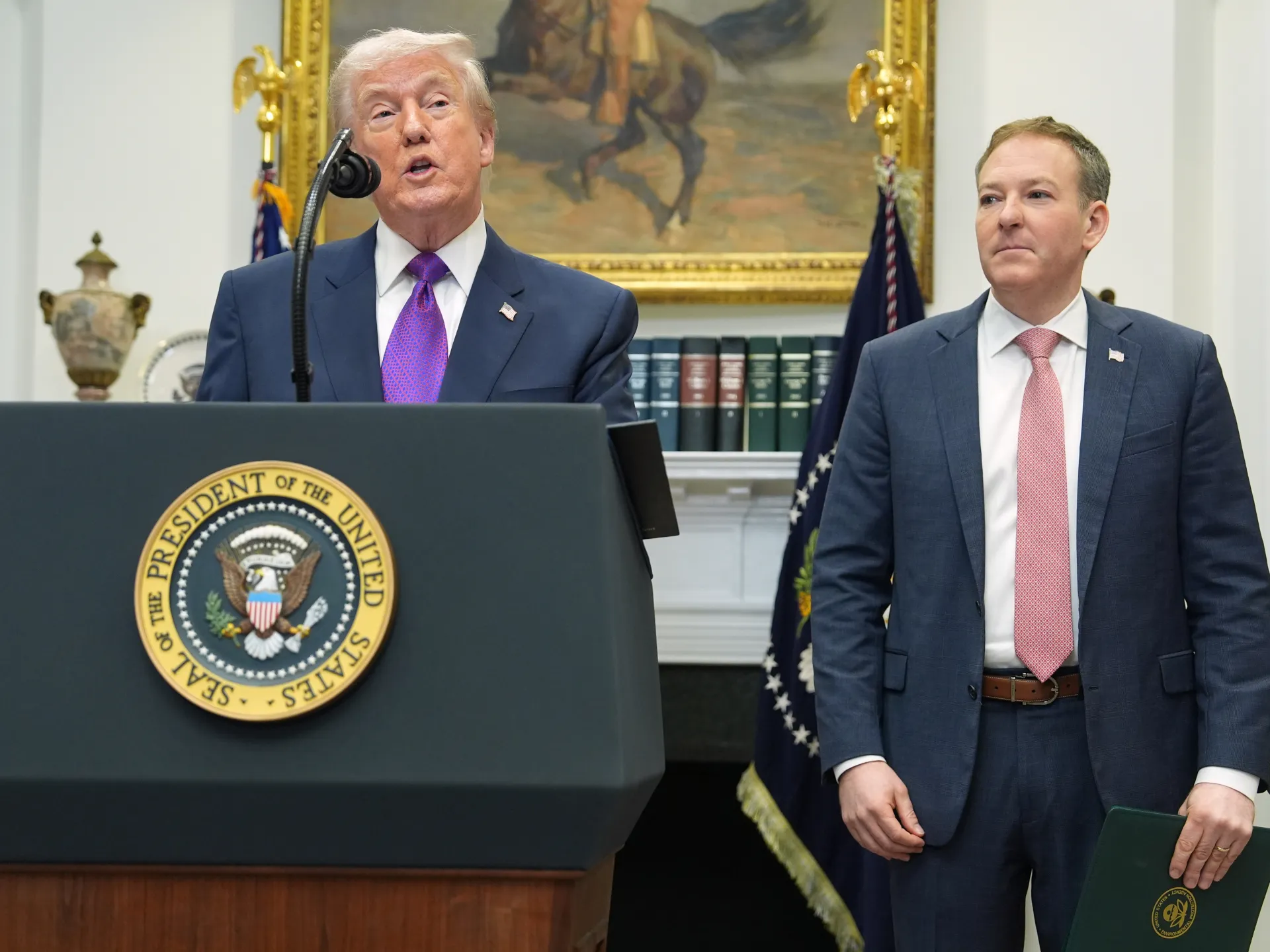
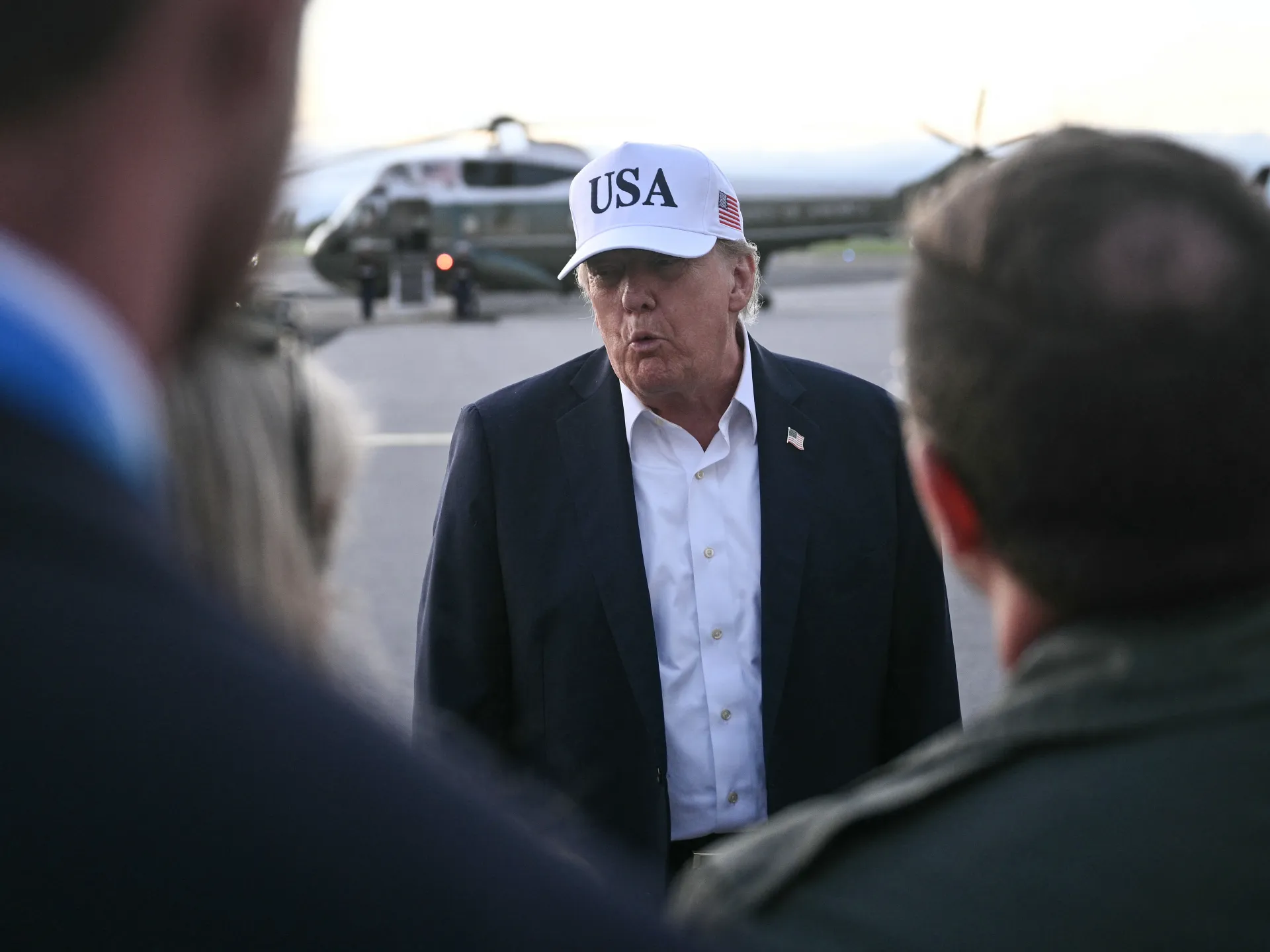
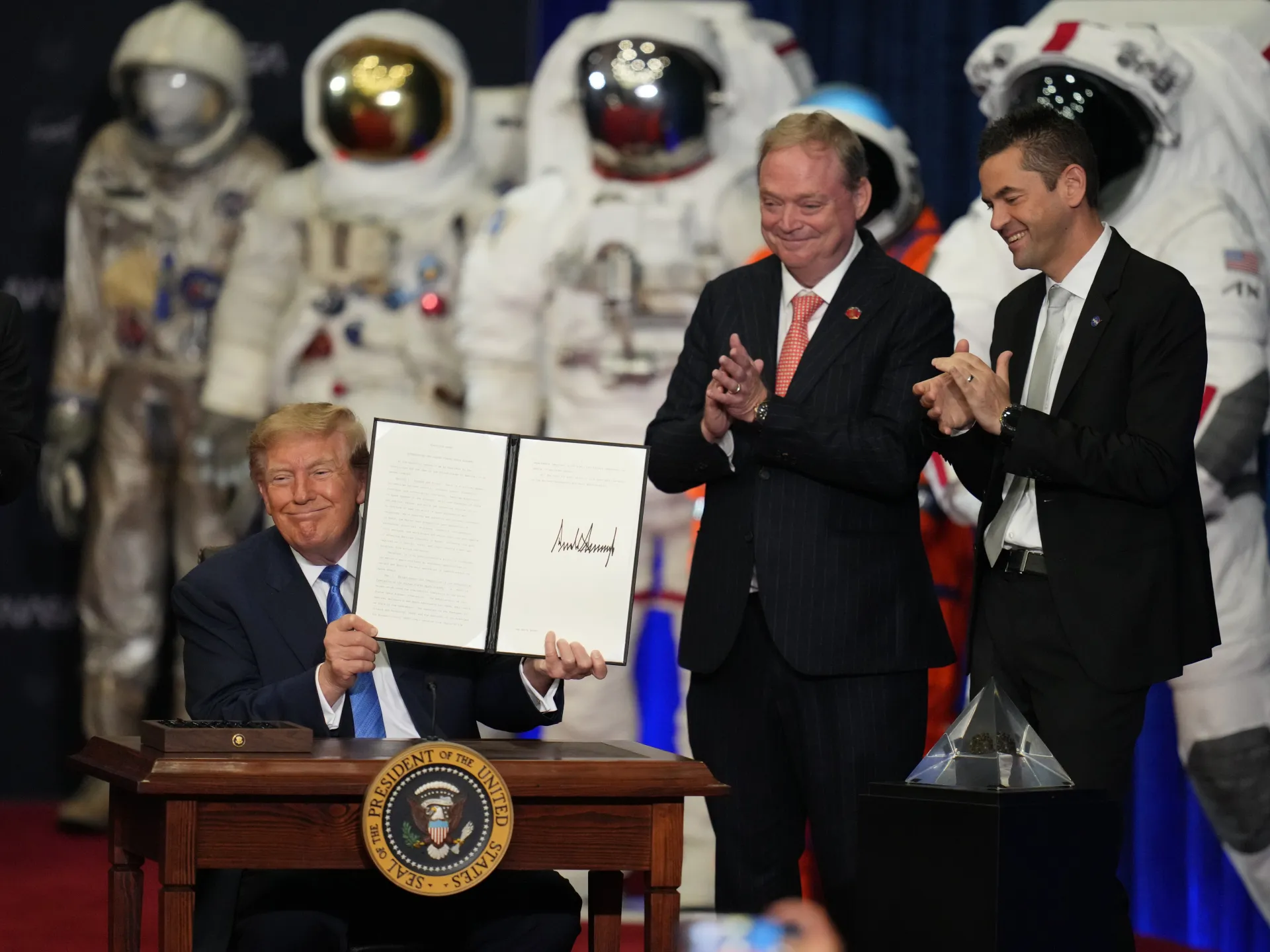
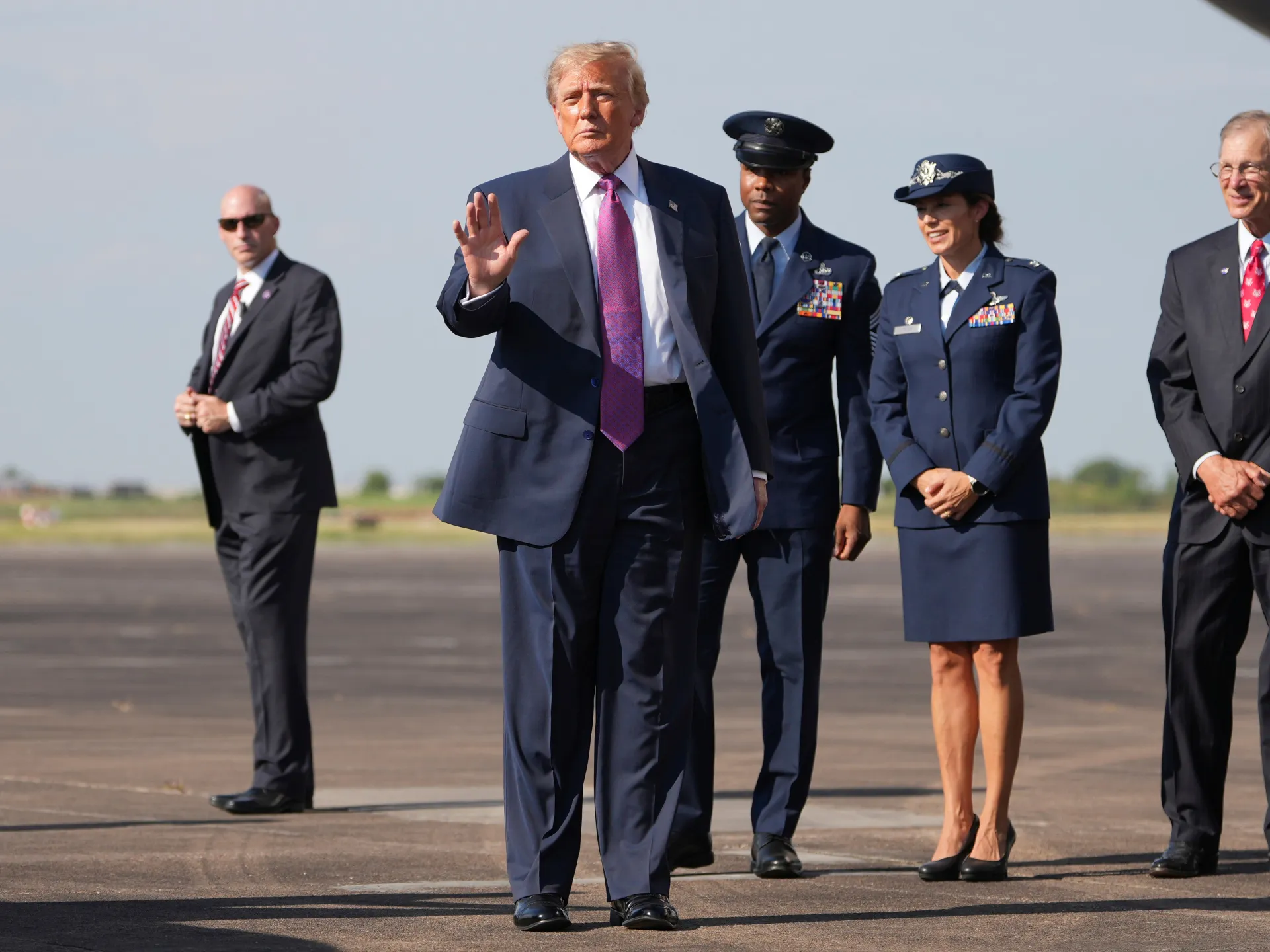
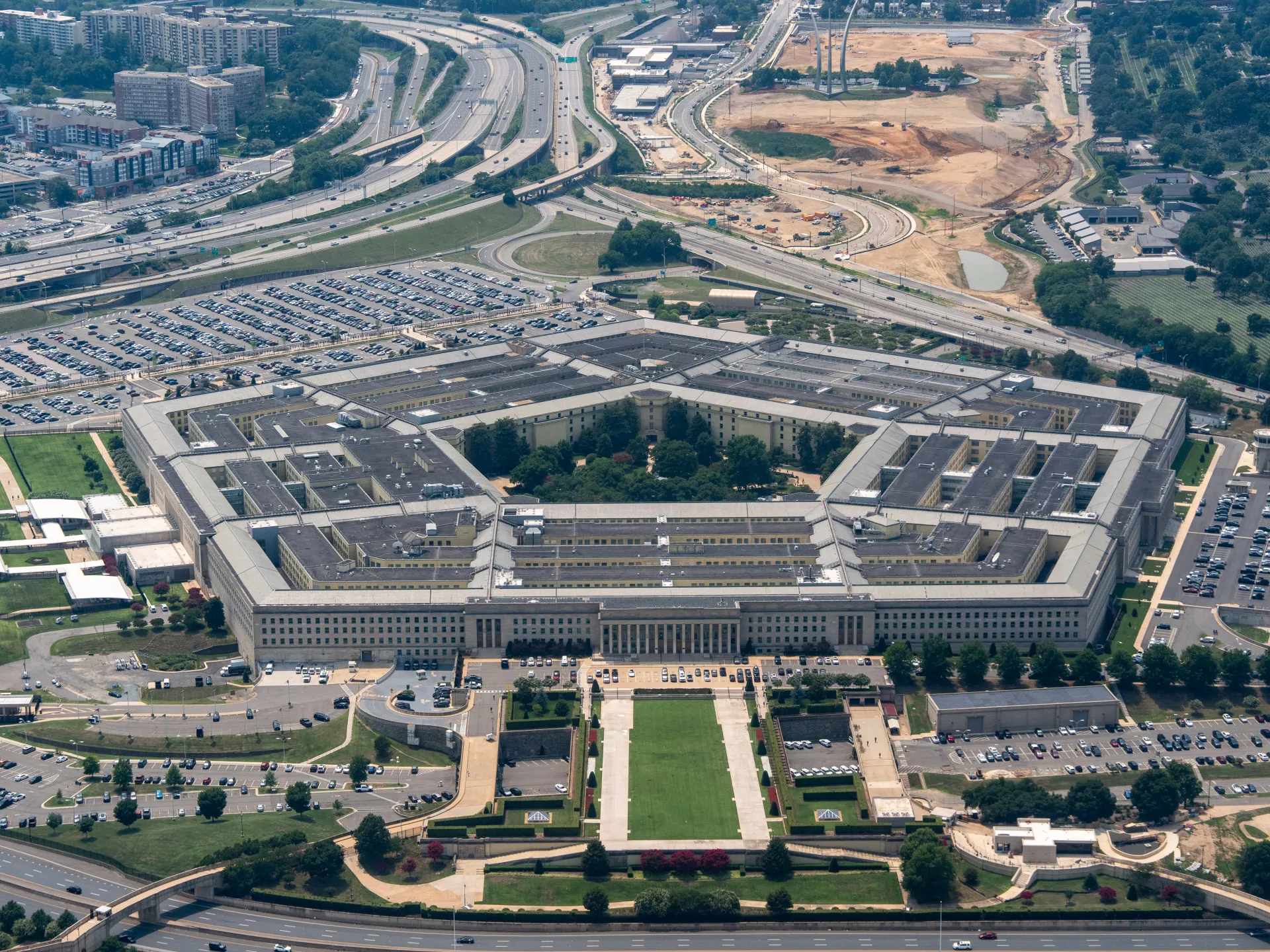
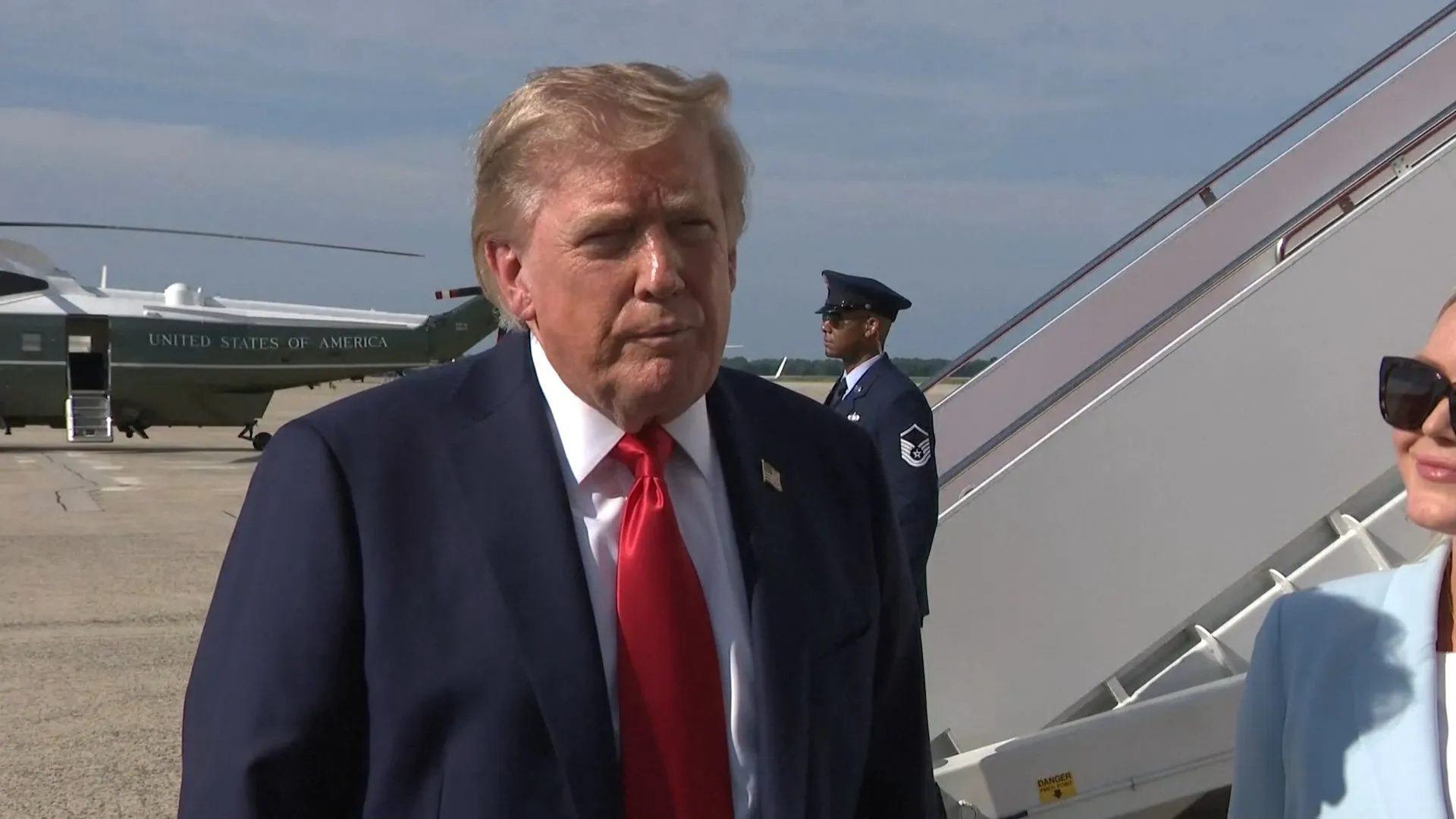
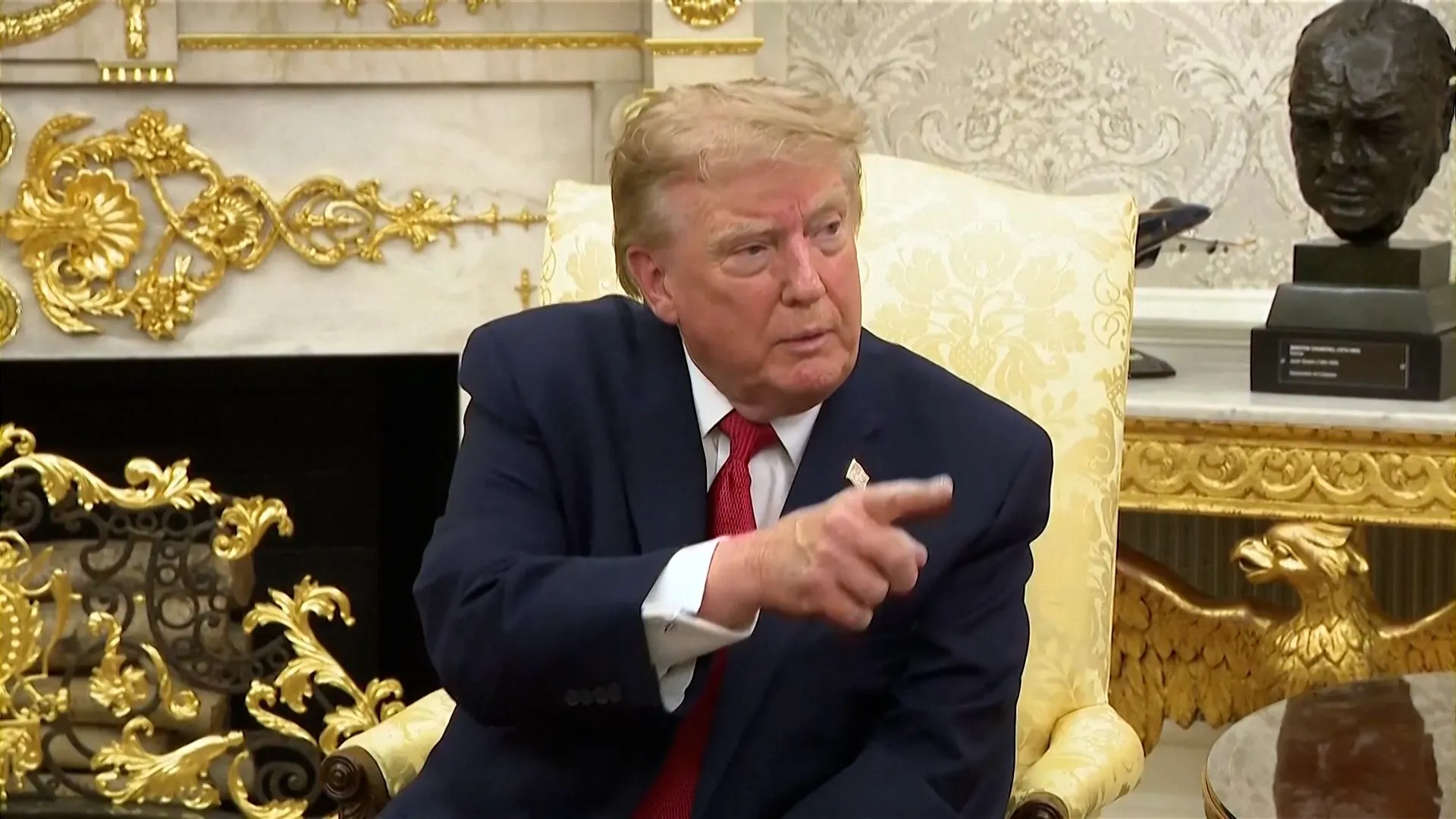
The United States has formally allowed the expiration of long-standing sanctions against Eritrea, marking a pivot in Washington's foreign policy toward the Horn of Africa. The Department of State confirmed that the administration of President Donald Trump chose not to renew the emergency measures, which had been in place since 2021 to address the state's involvement in the civil conflict within Ethiopia’s Tigray region.
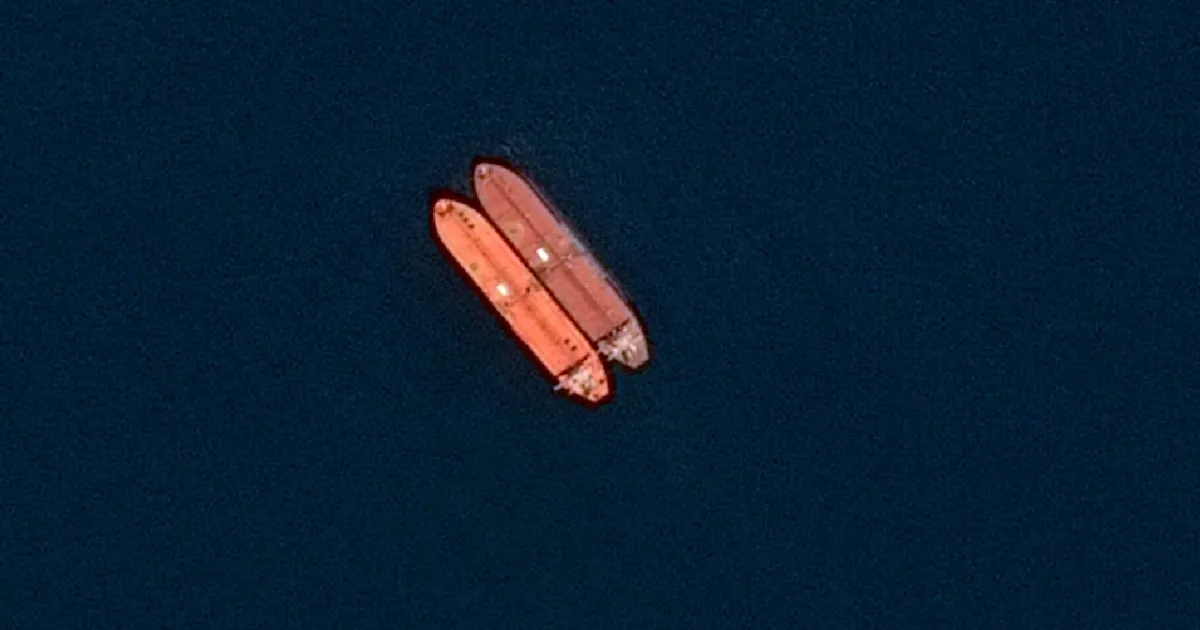
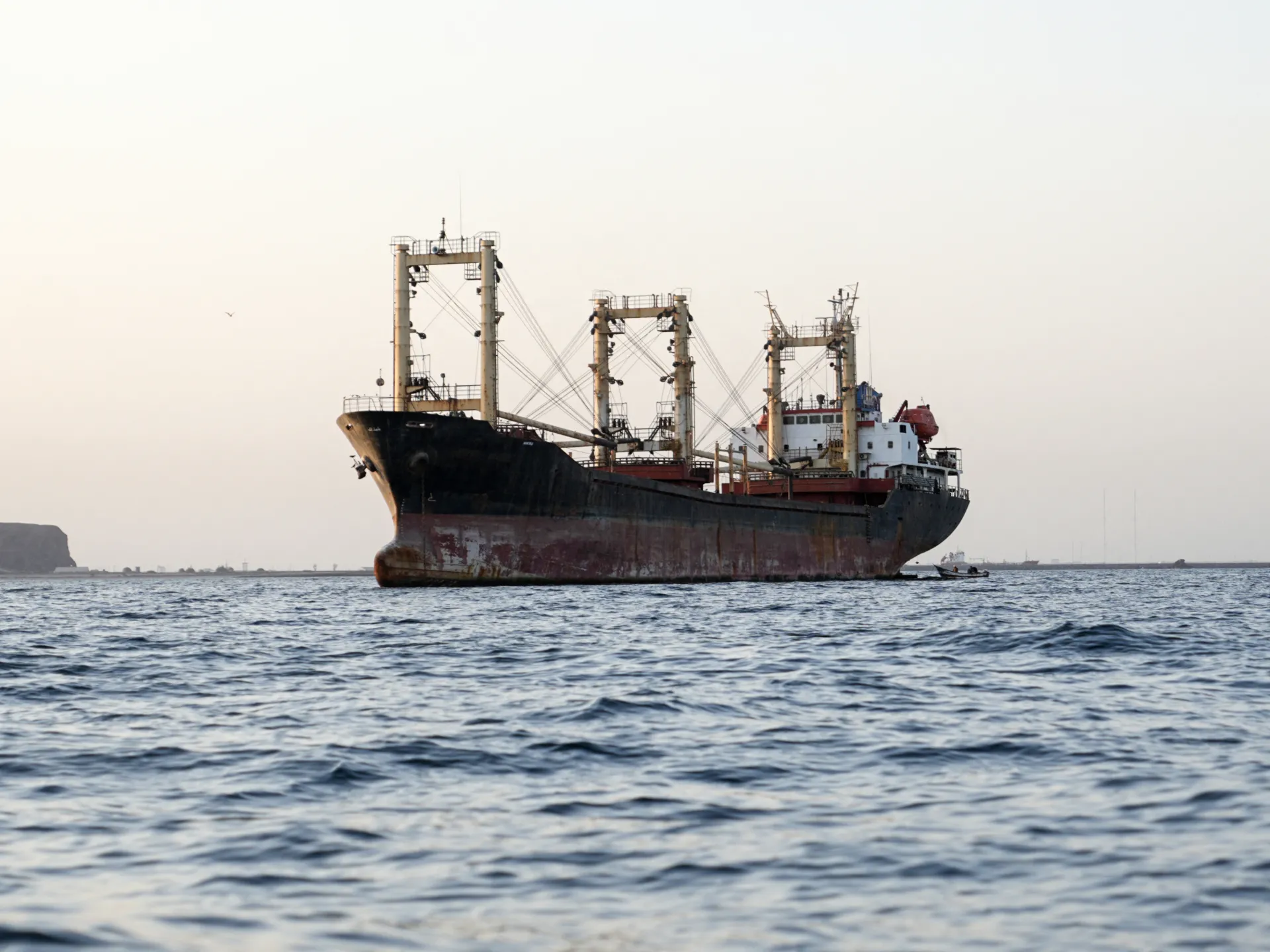
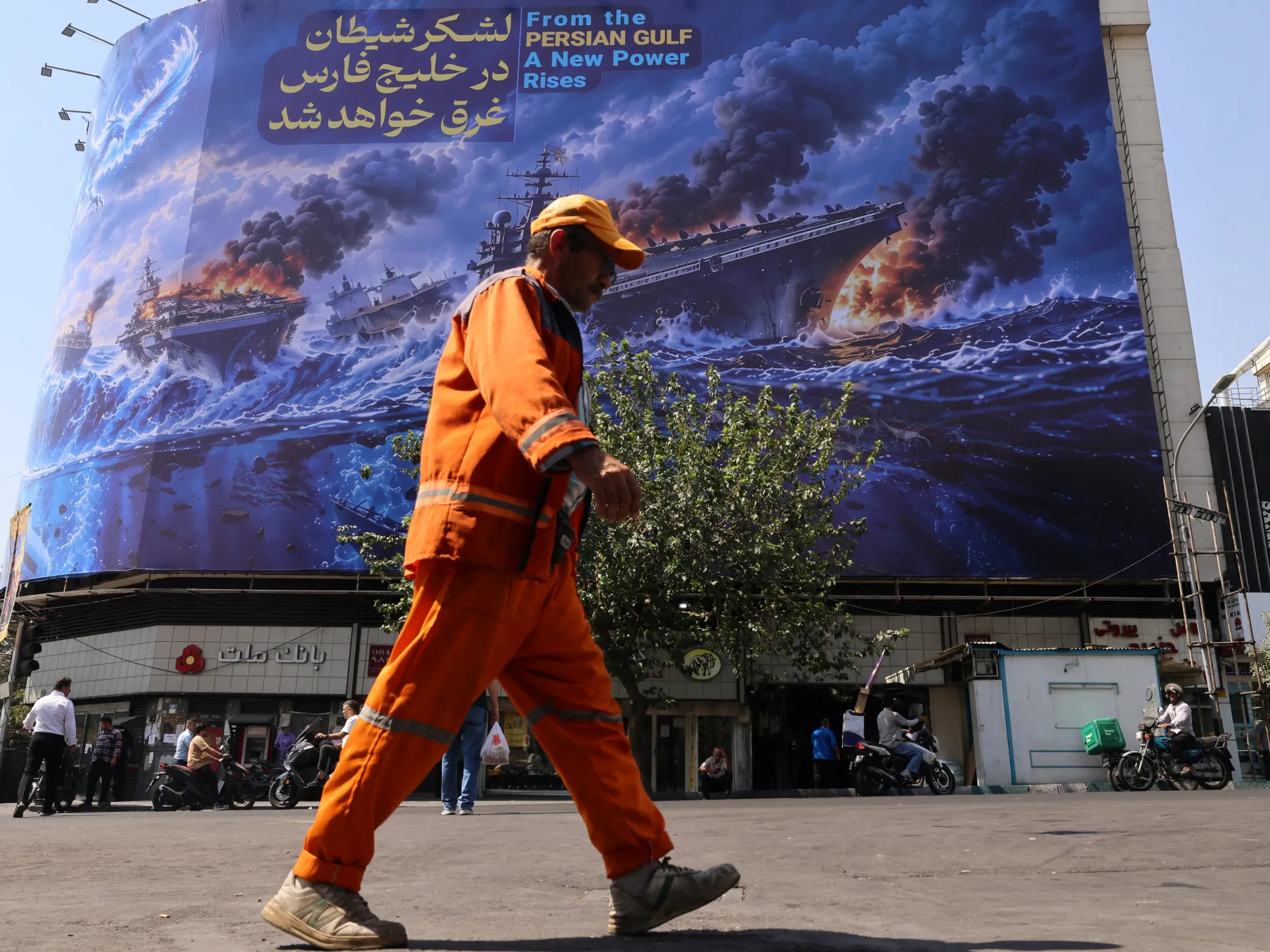
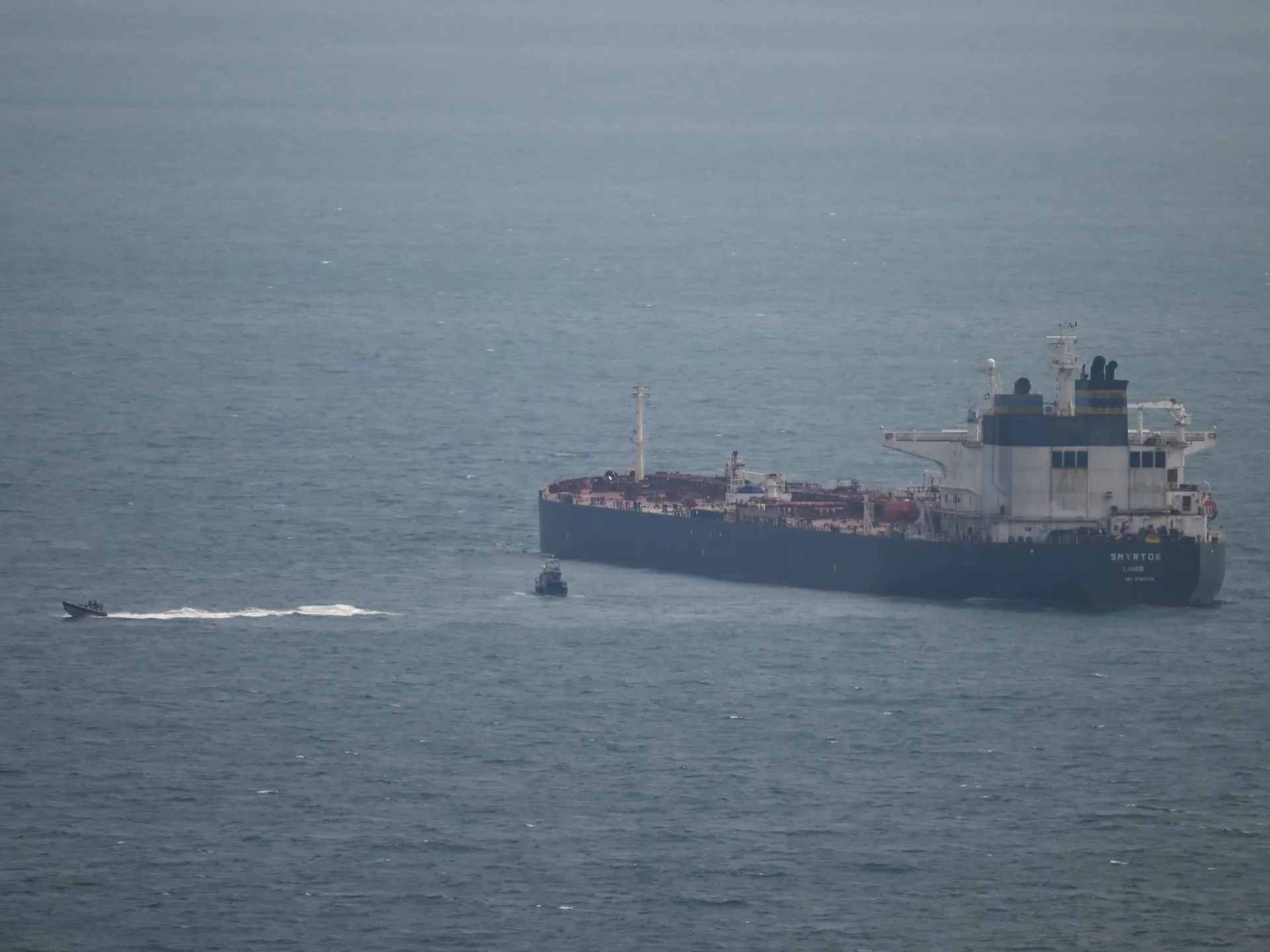
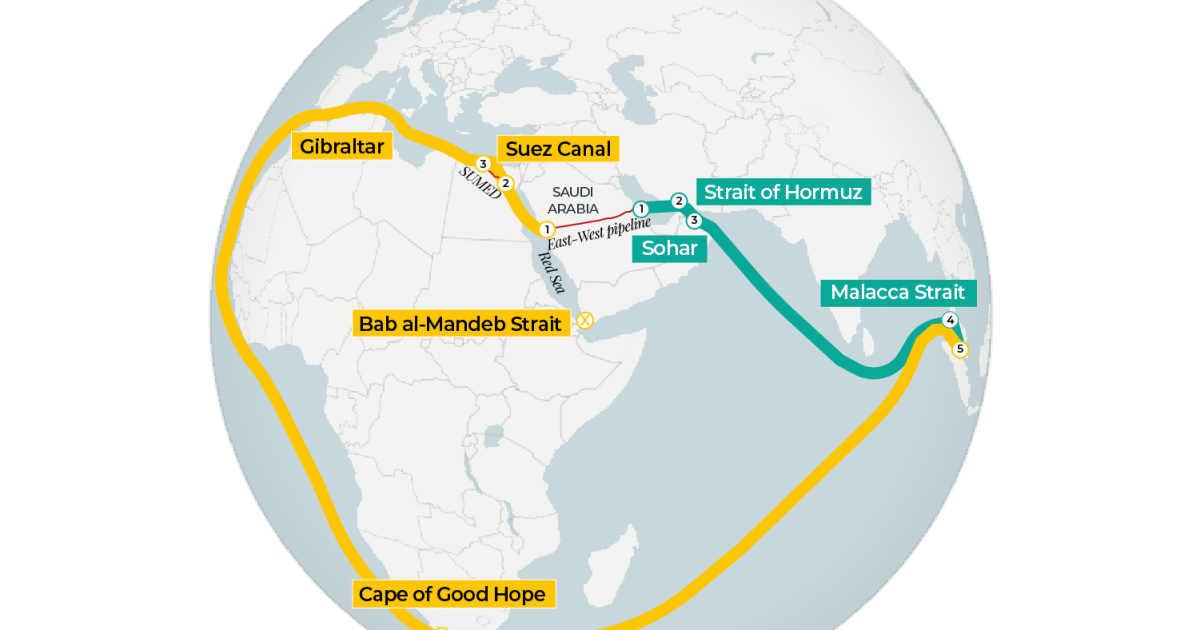
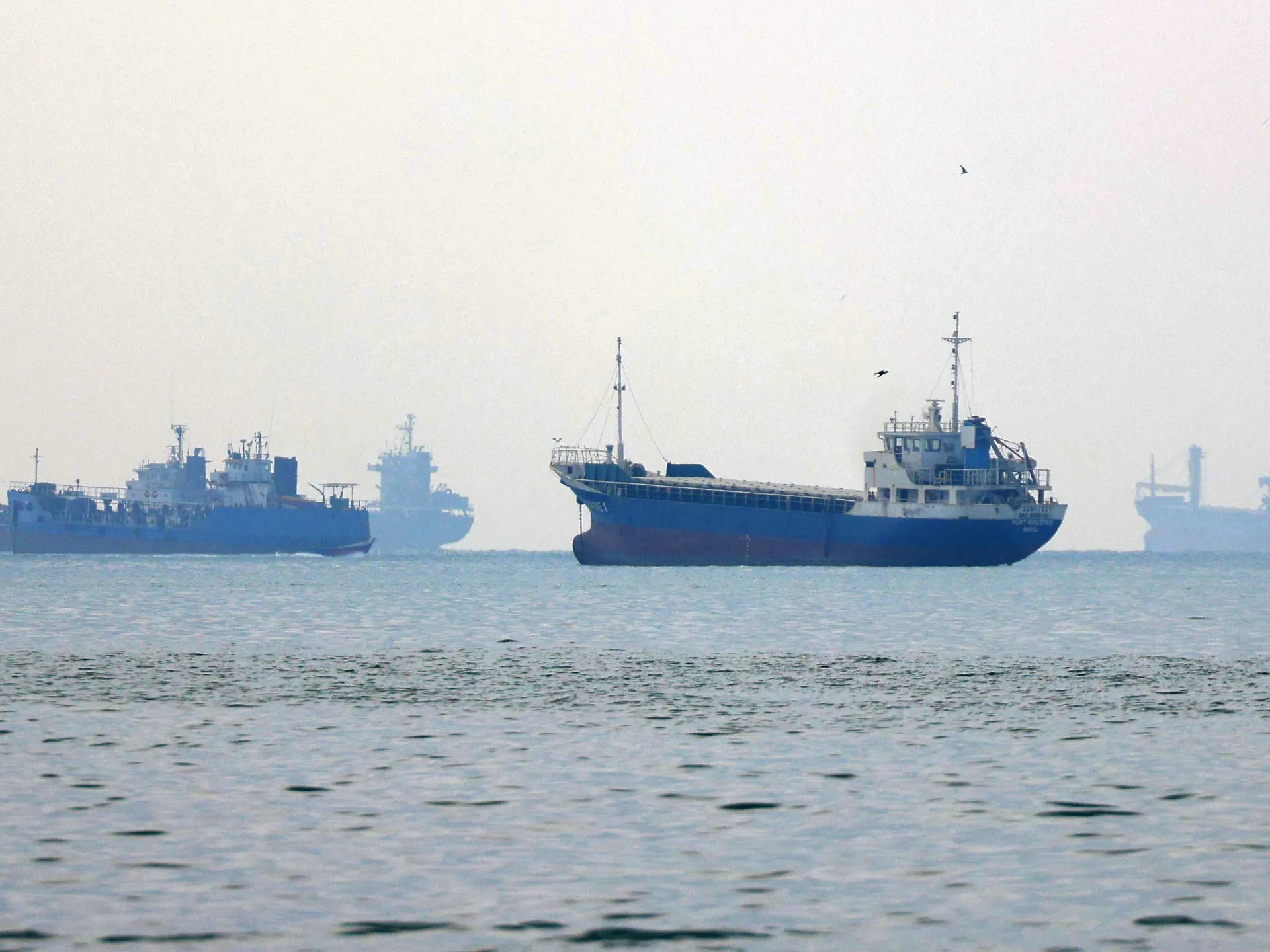
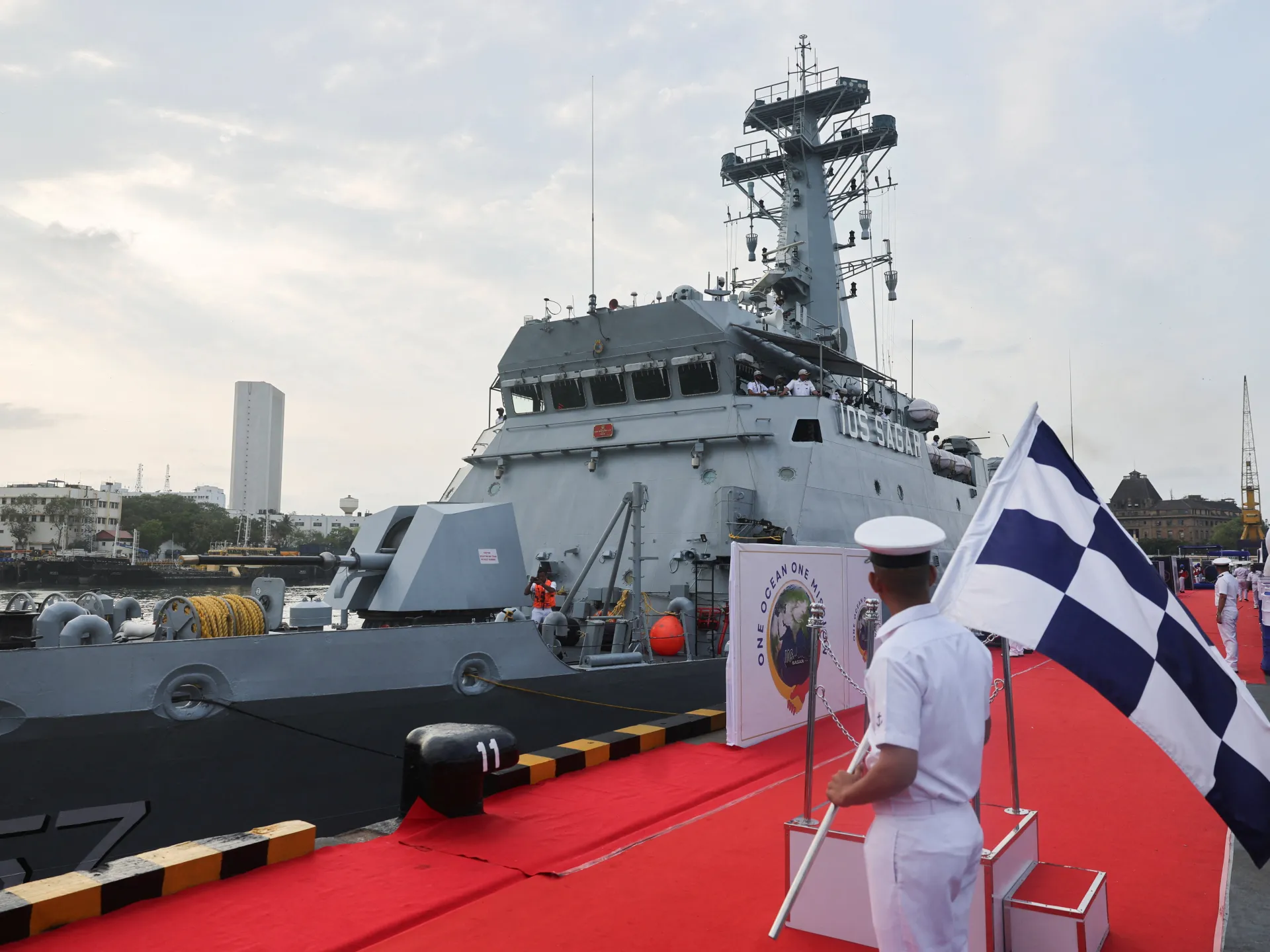
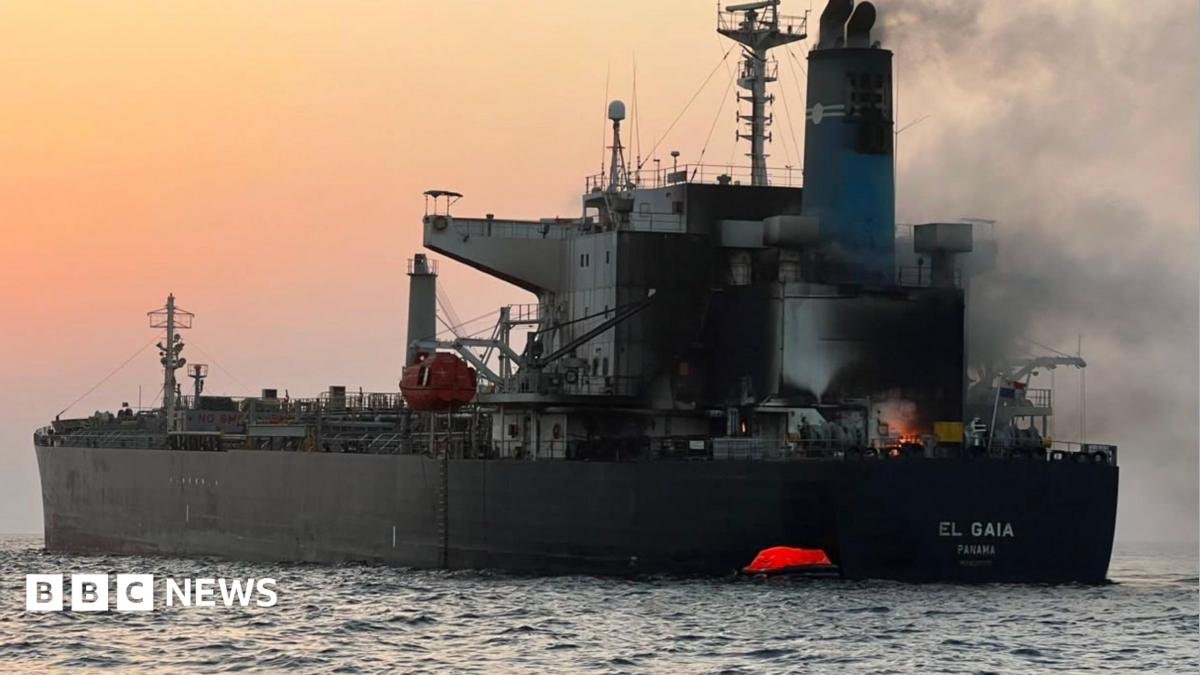
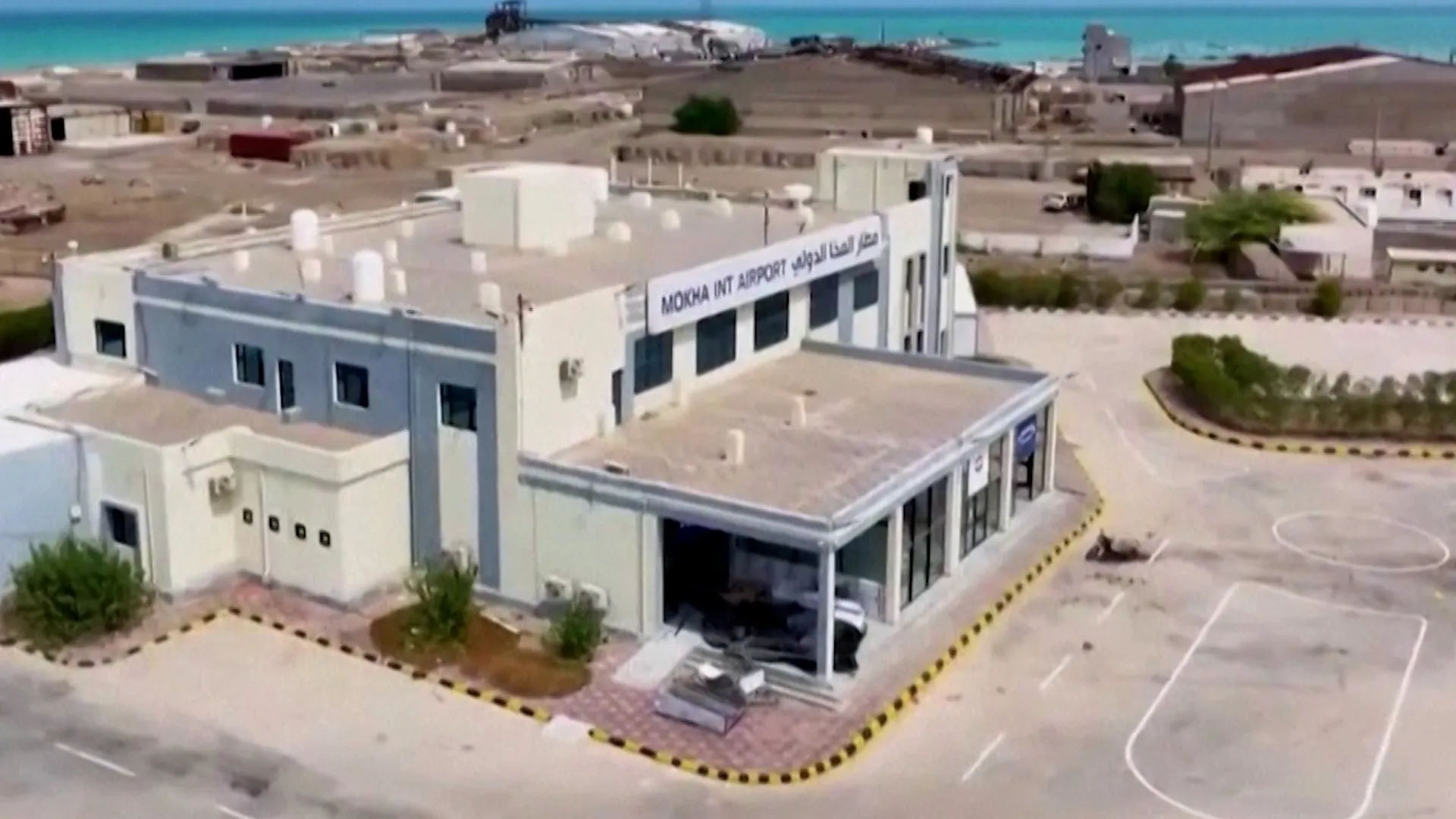
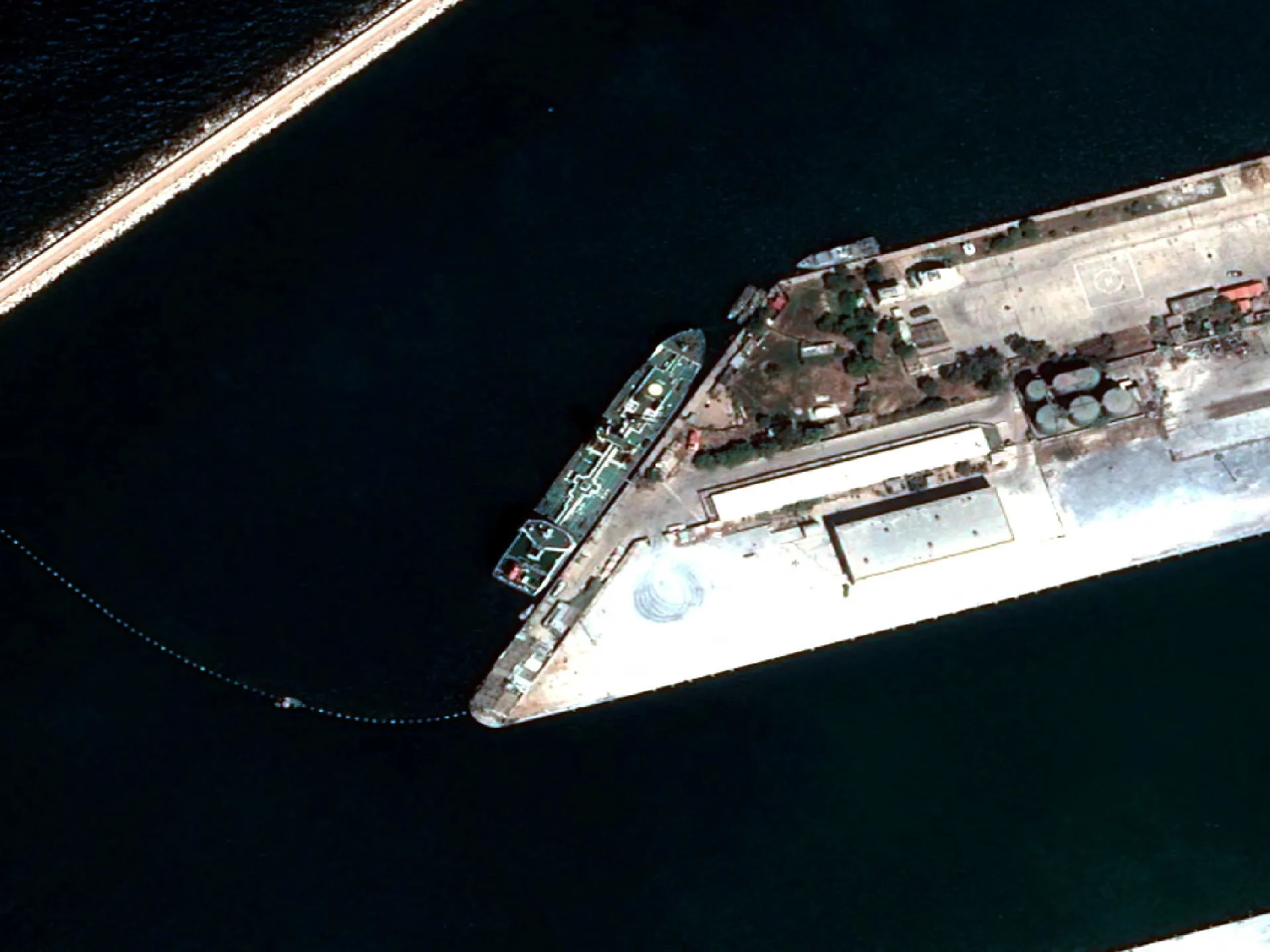
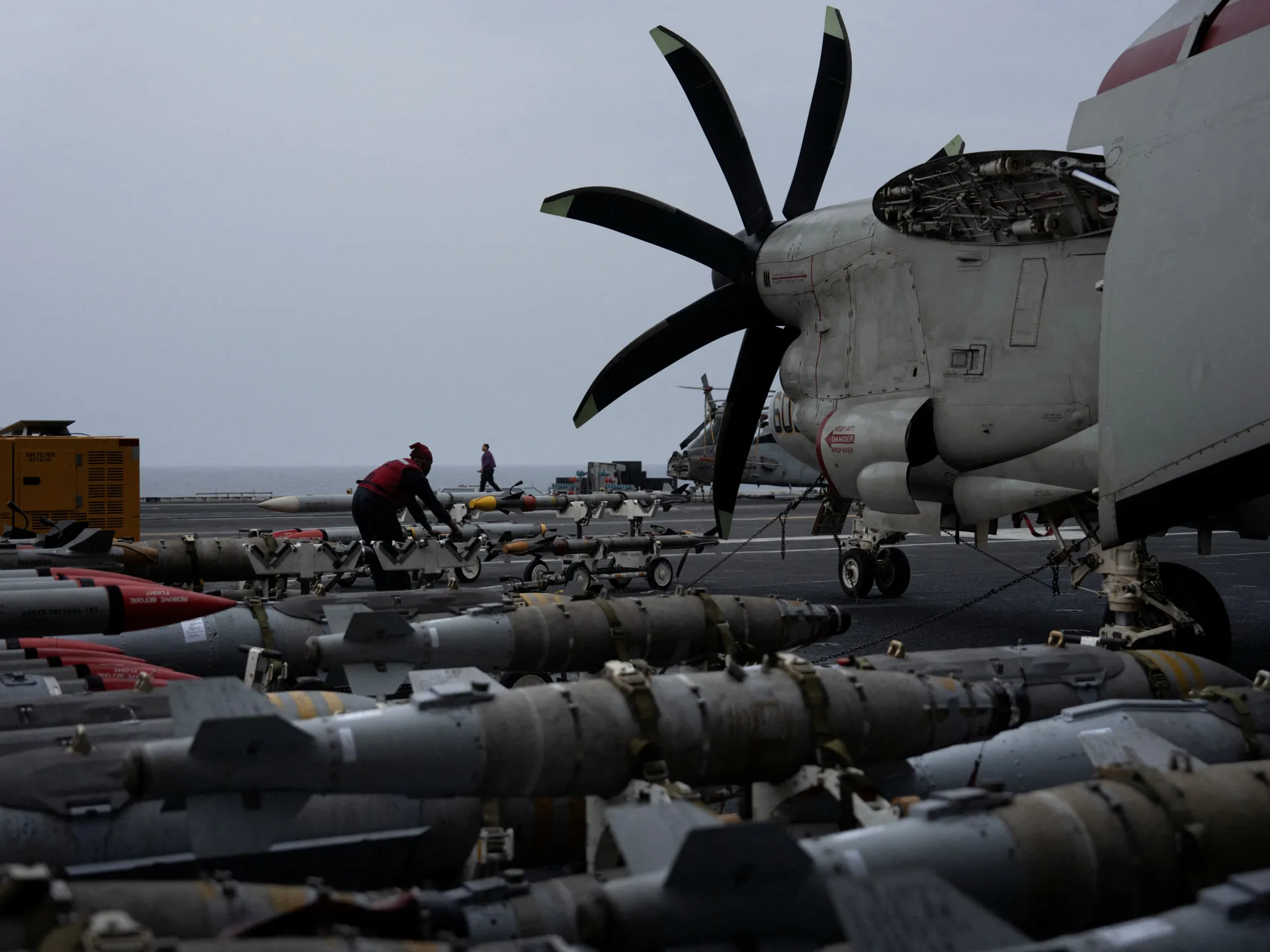
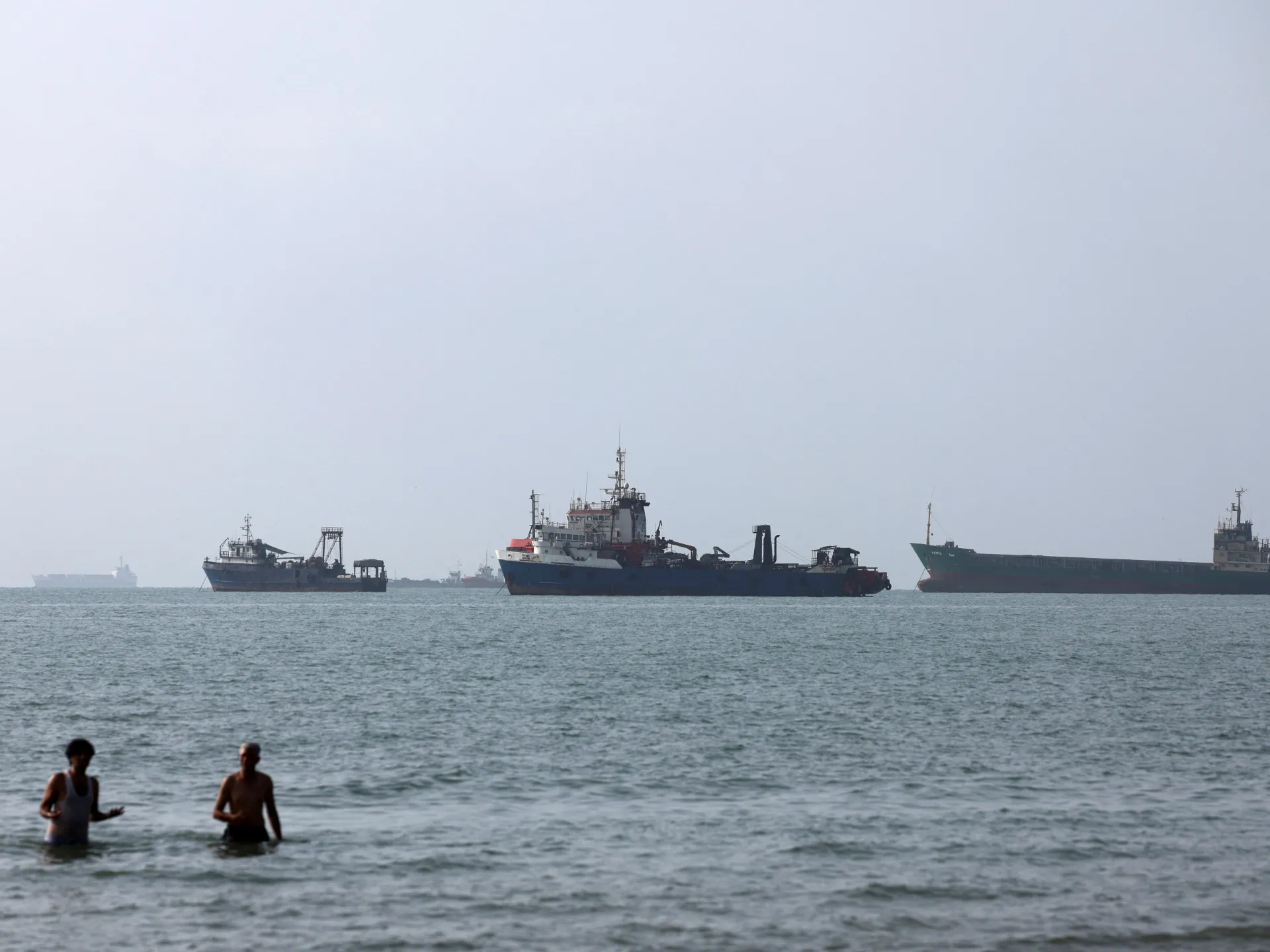
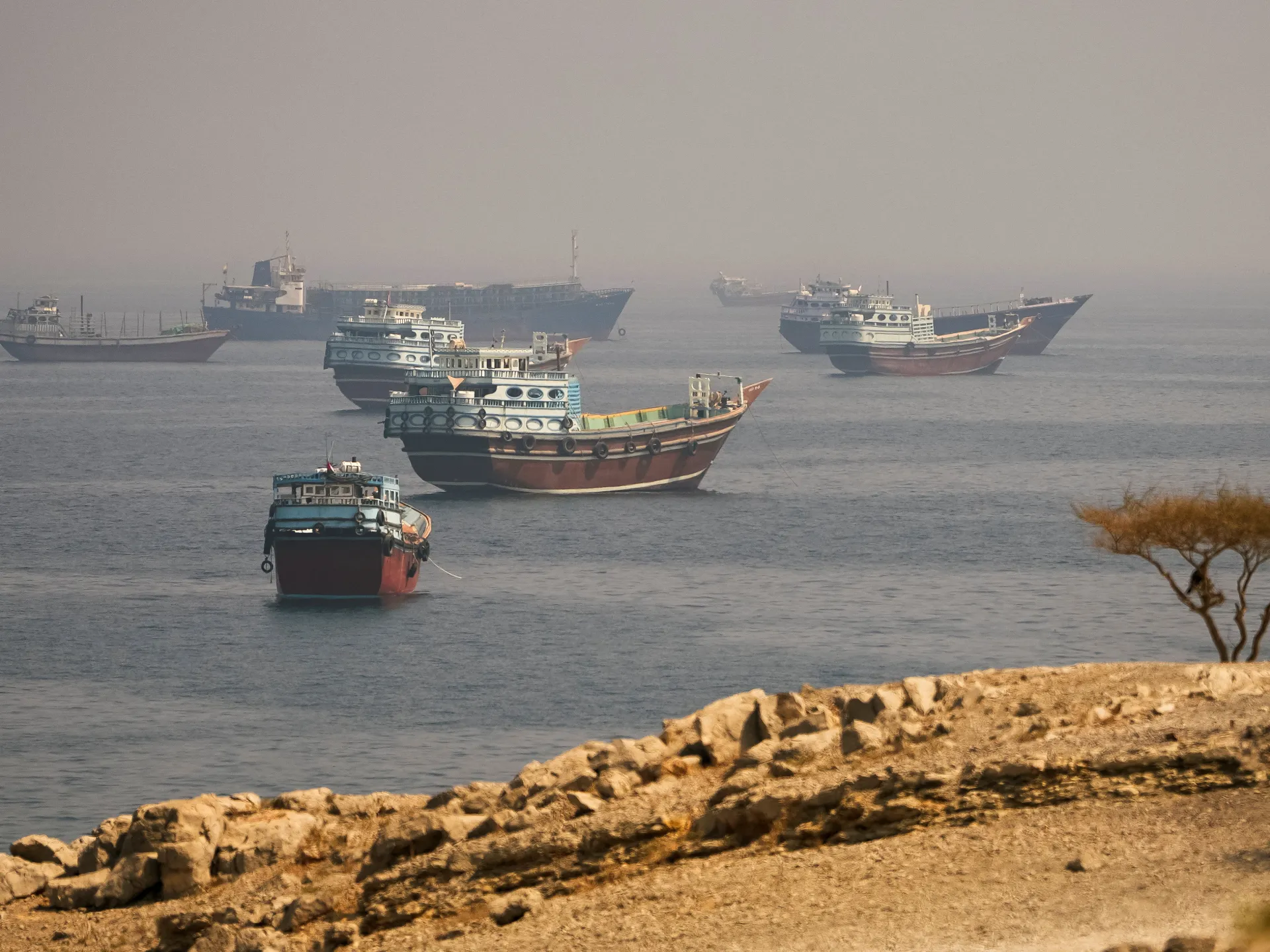
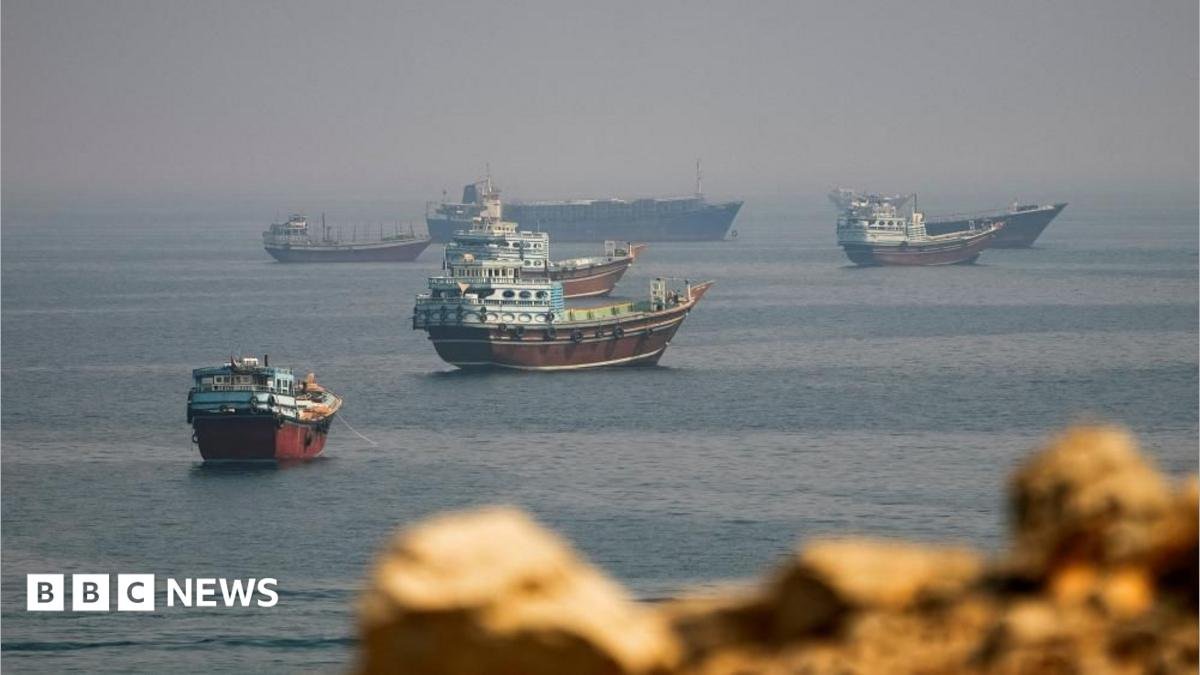
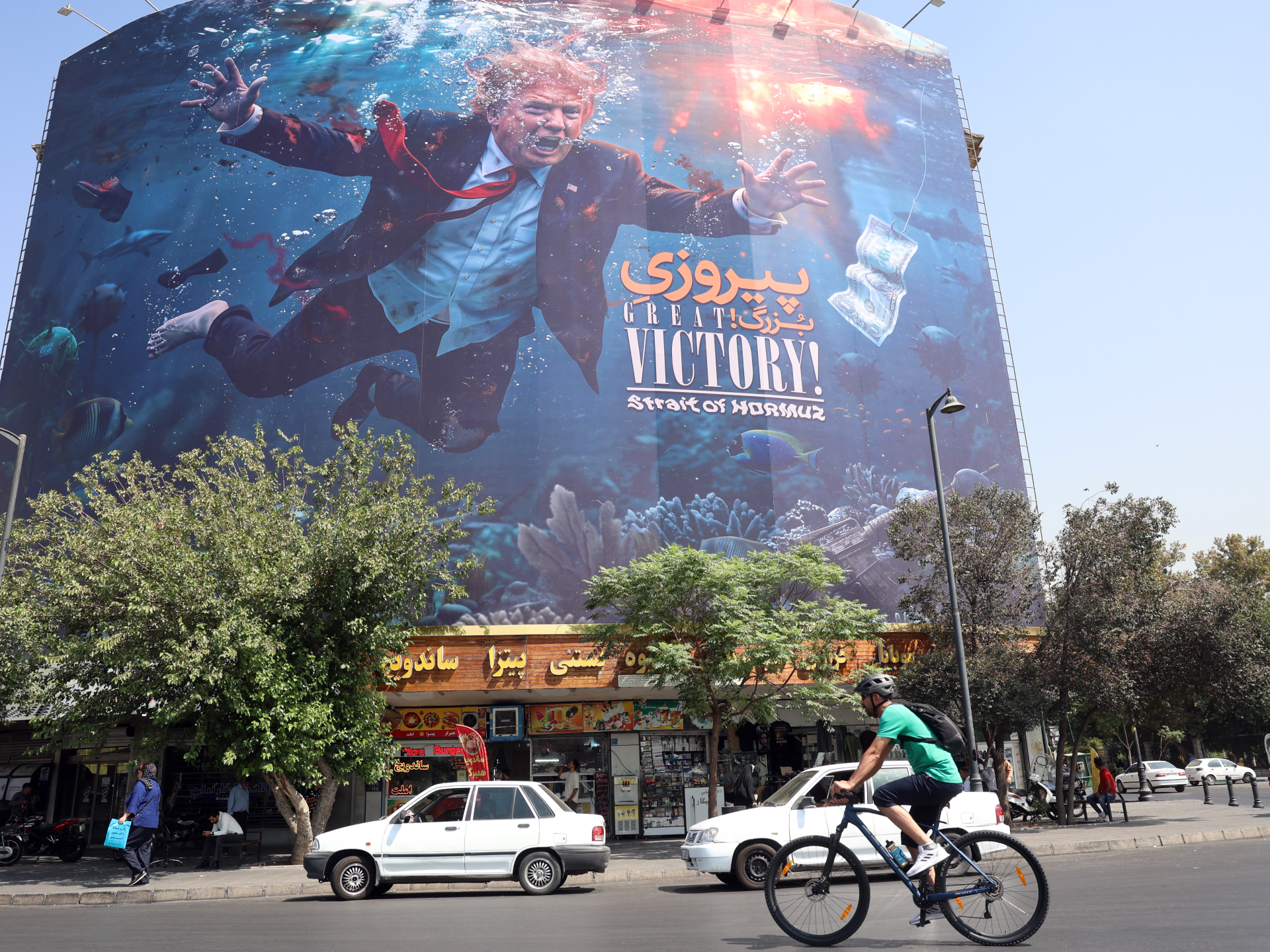
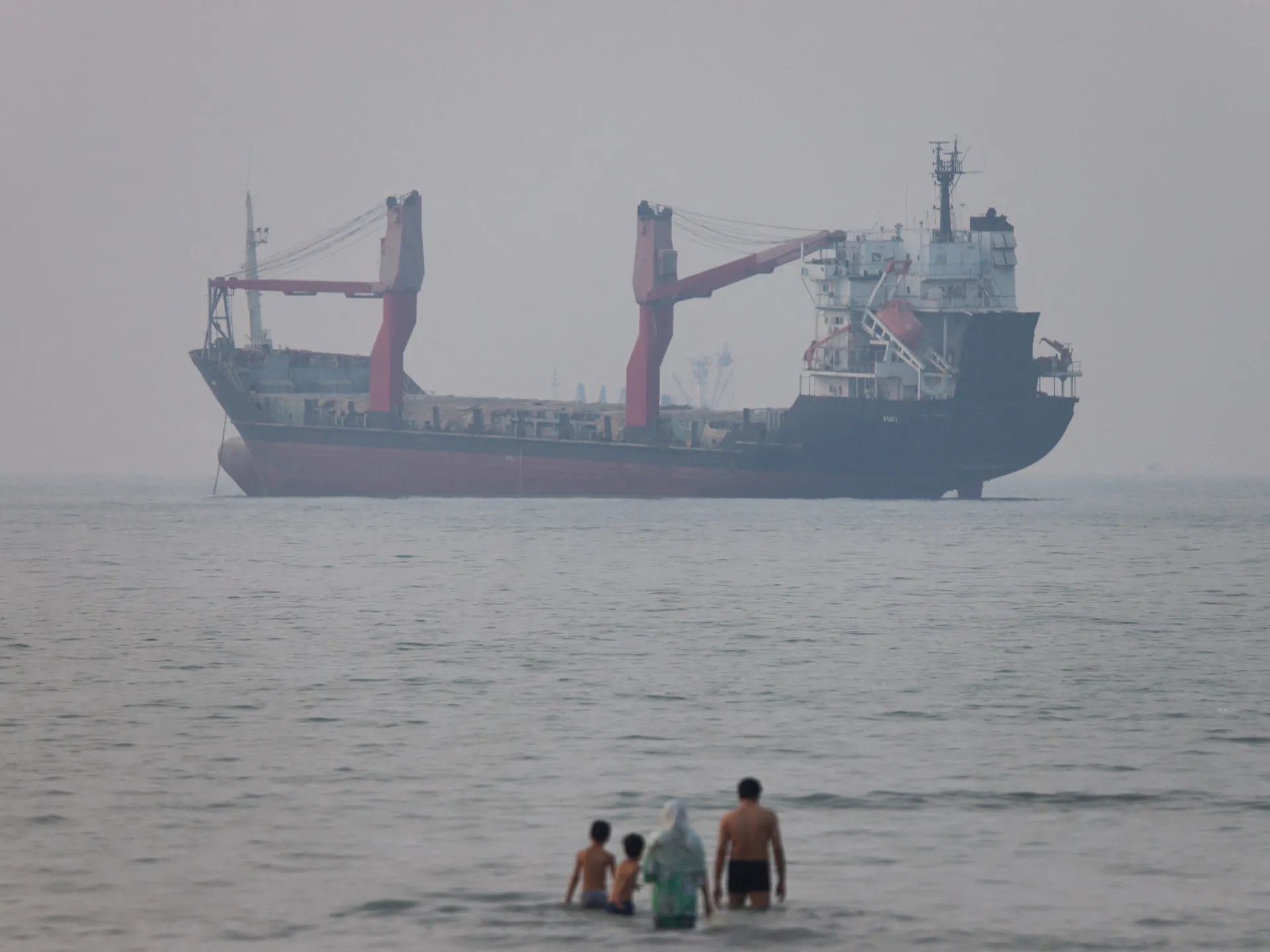
This policy change arrives as the geopolitical climate in the Middle East and East Africa shifts dramatically. With the Strait of Hormuz facing blockades and transit disruptions, the Red Sea corridor has regained critical status for global oil logistics and military maneuvering. iplomatic reach in a region essential to its broader objectives in the ongoing conflict involving Iran.
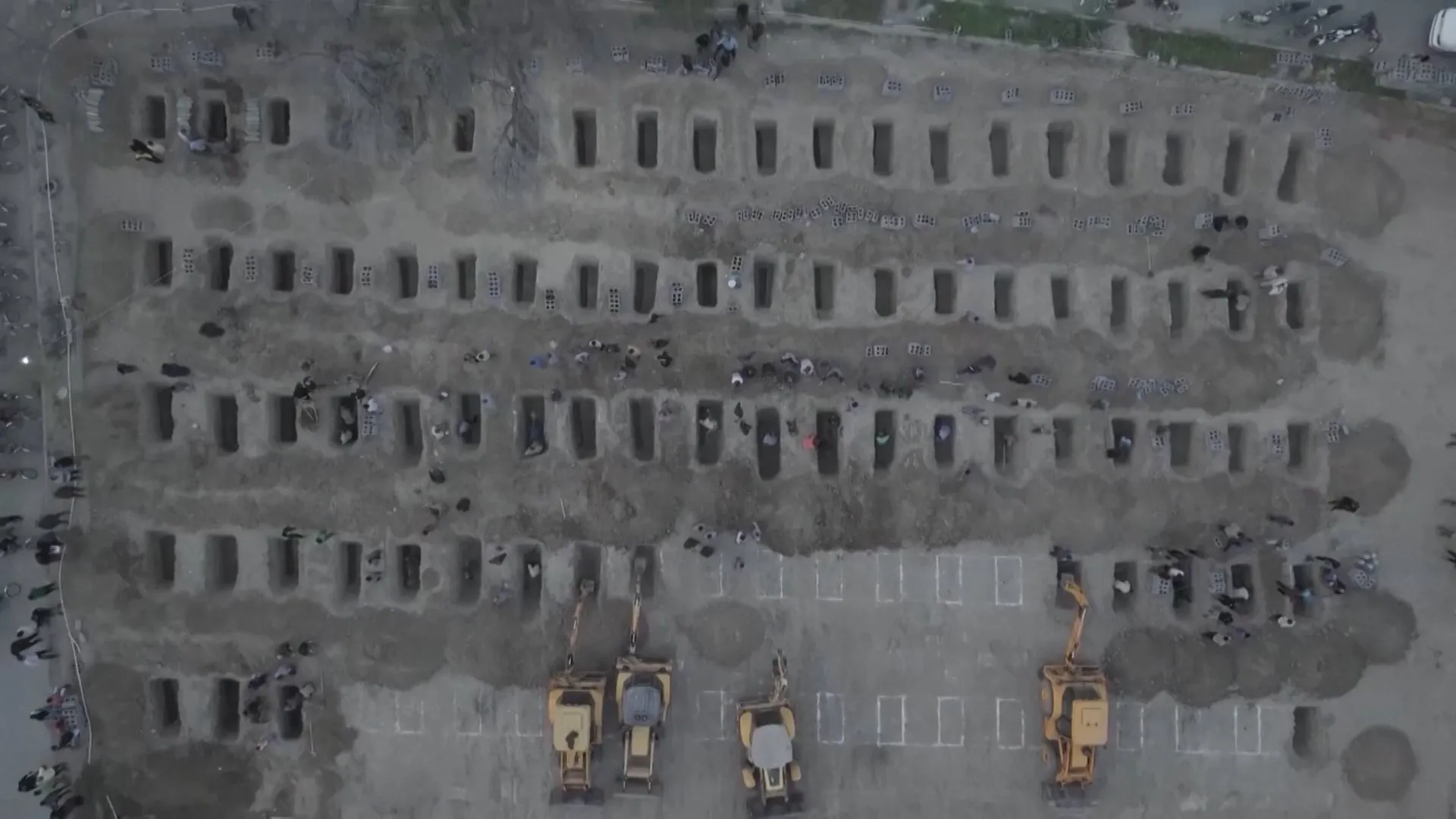
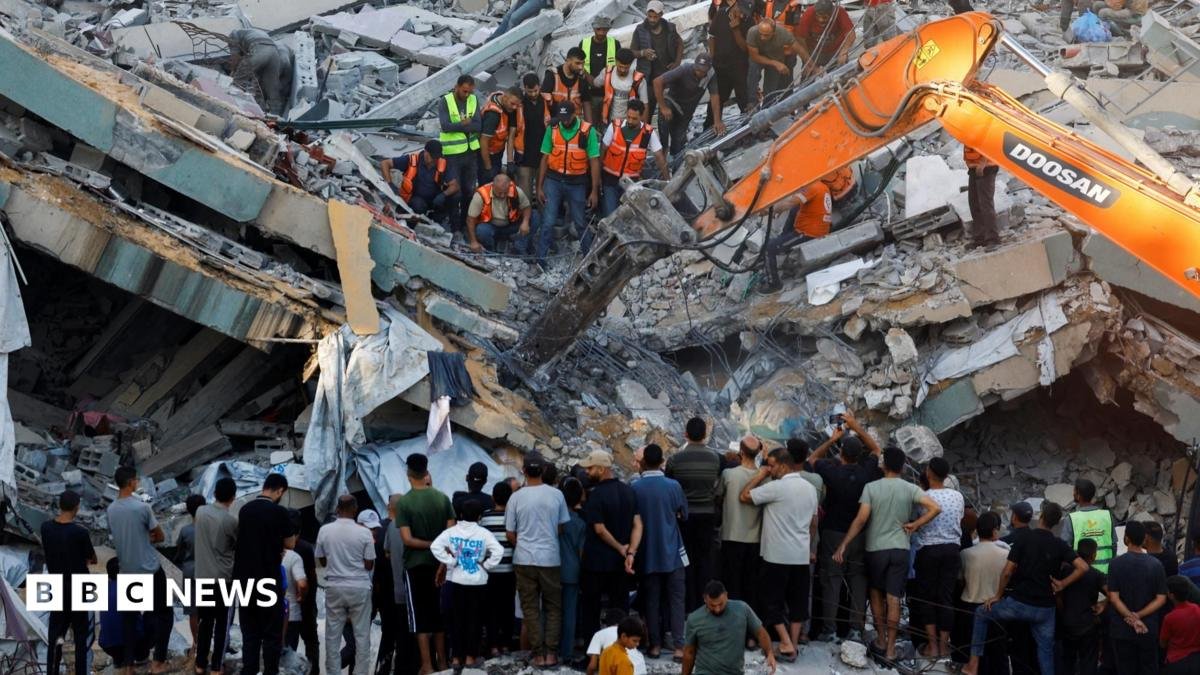
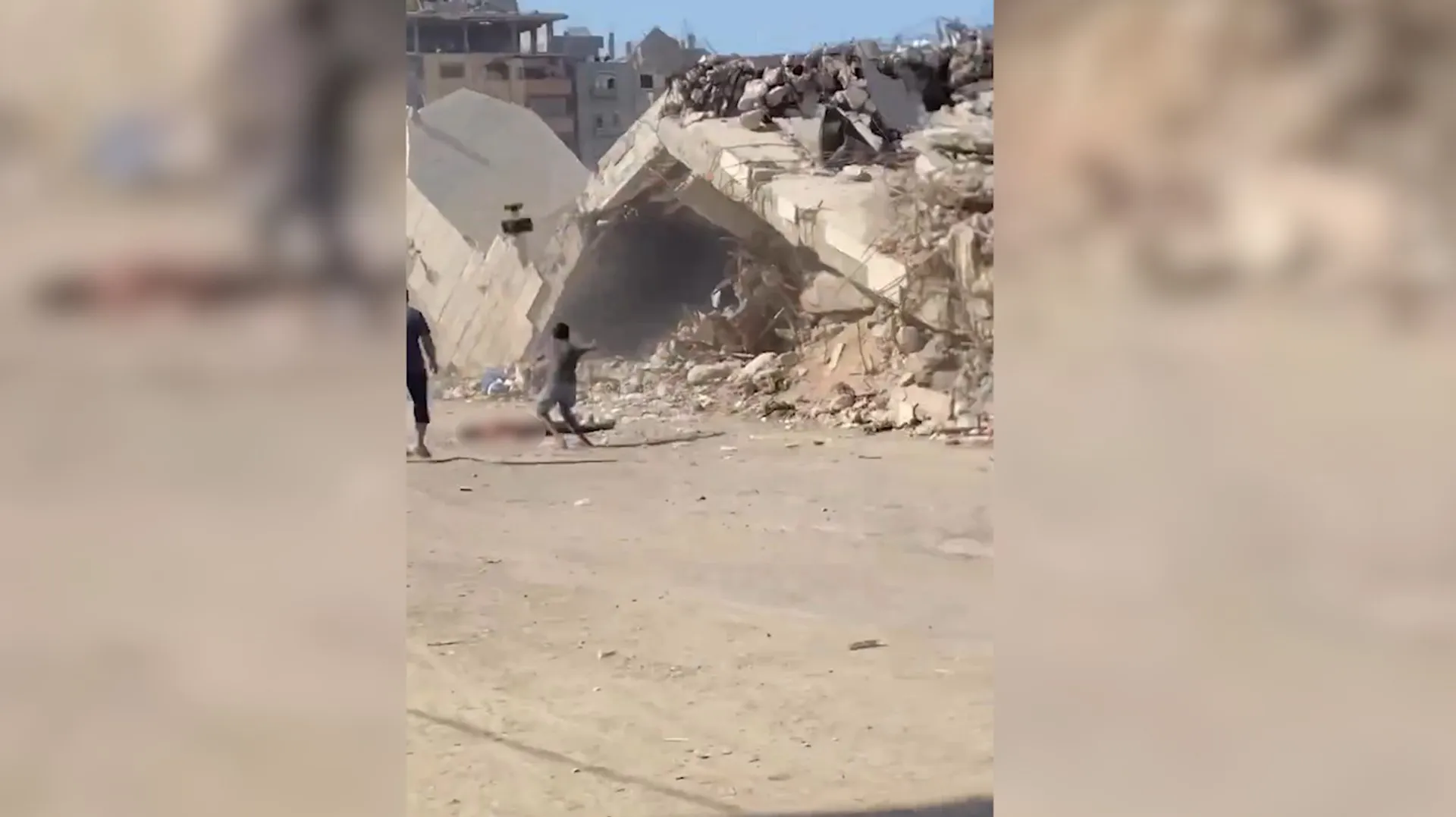
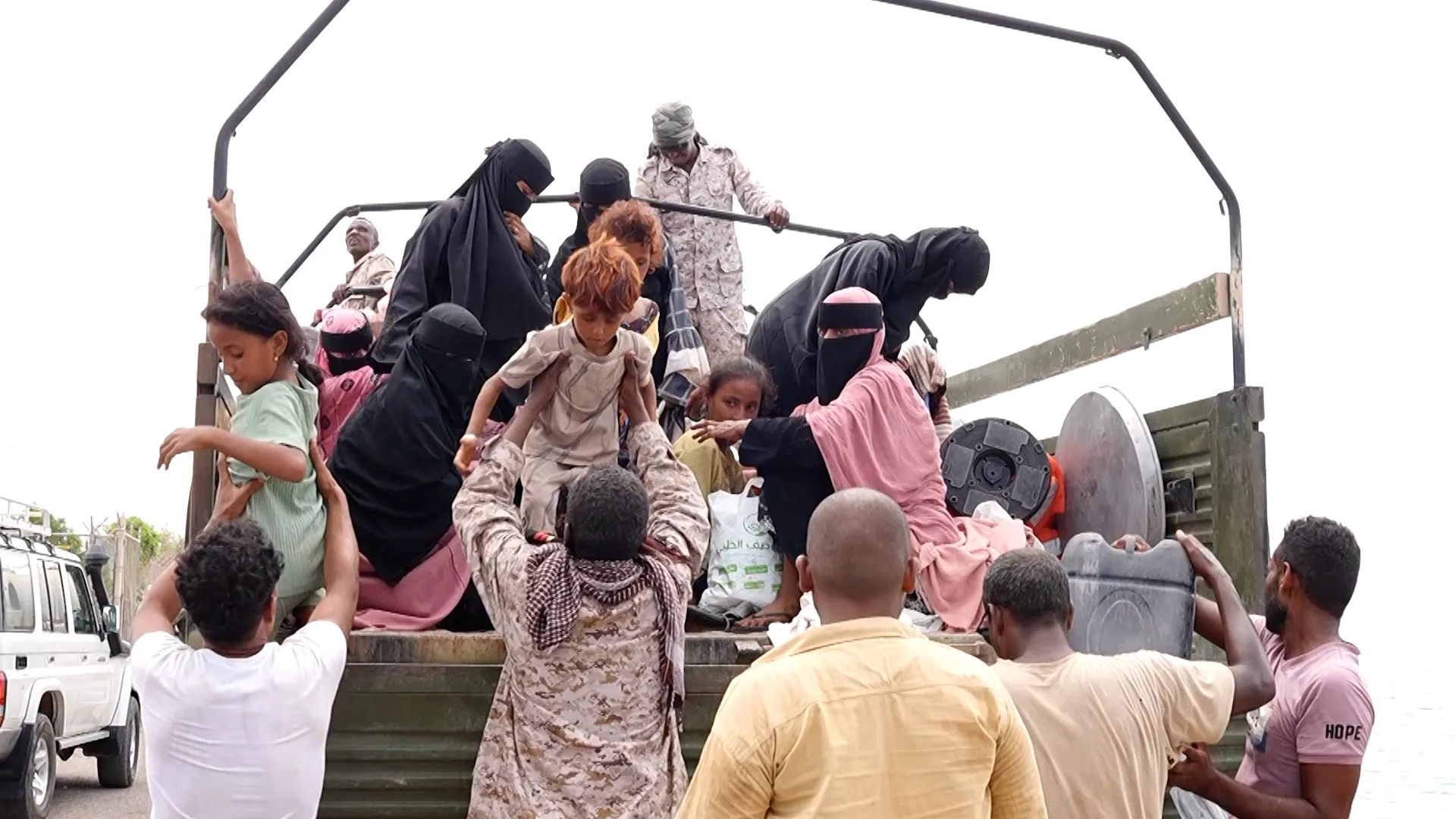
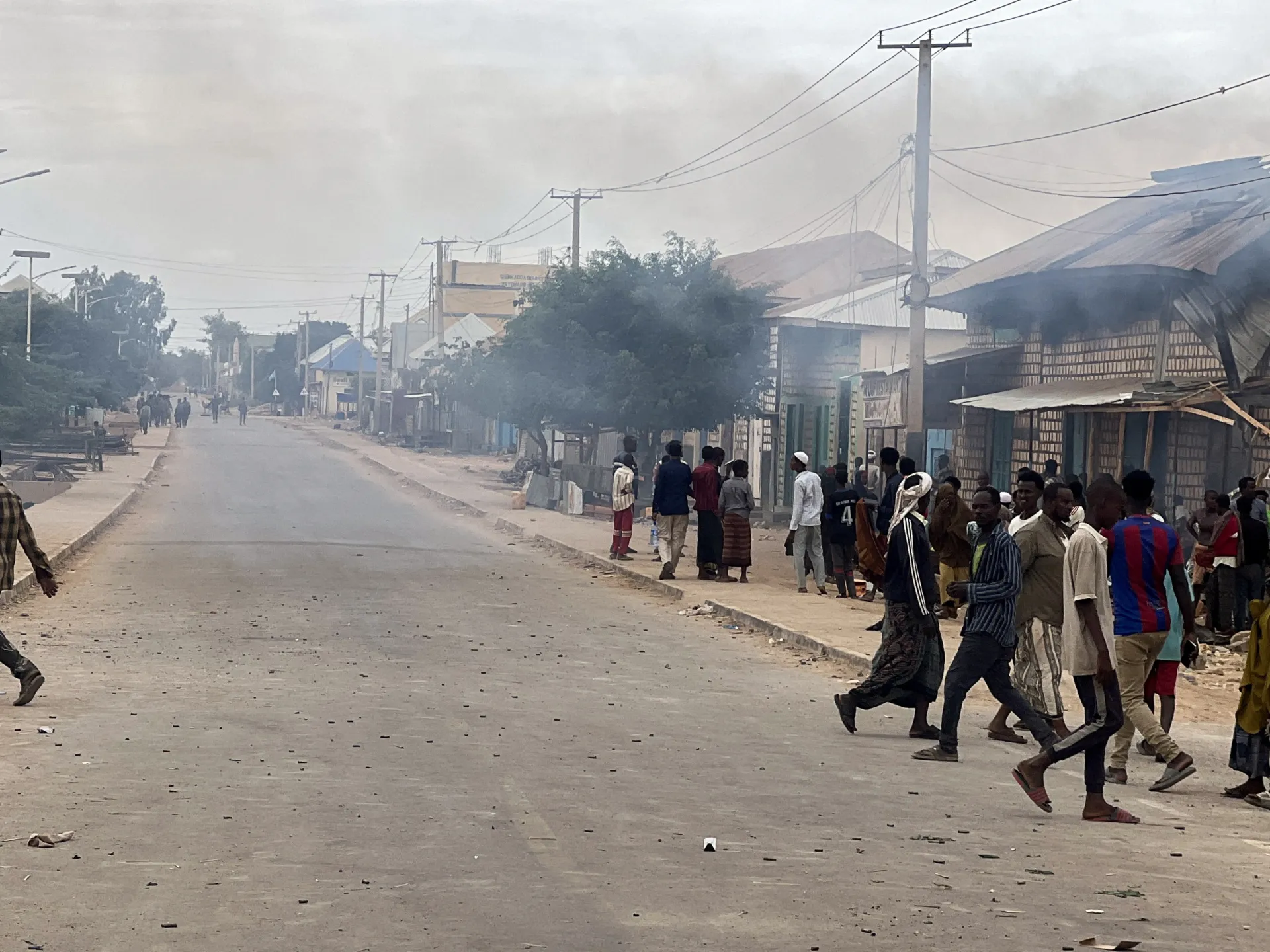
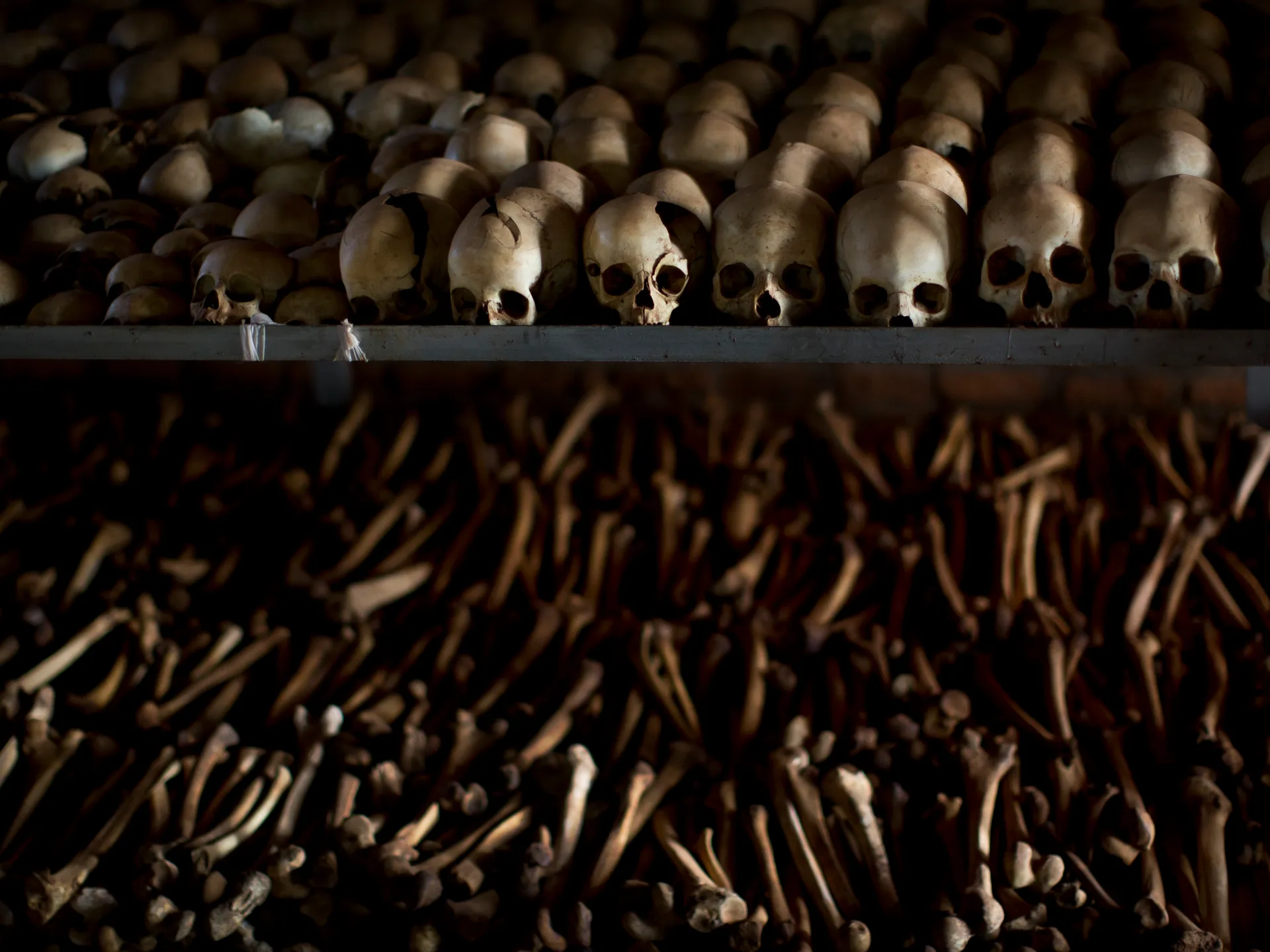
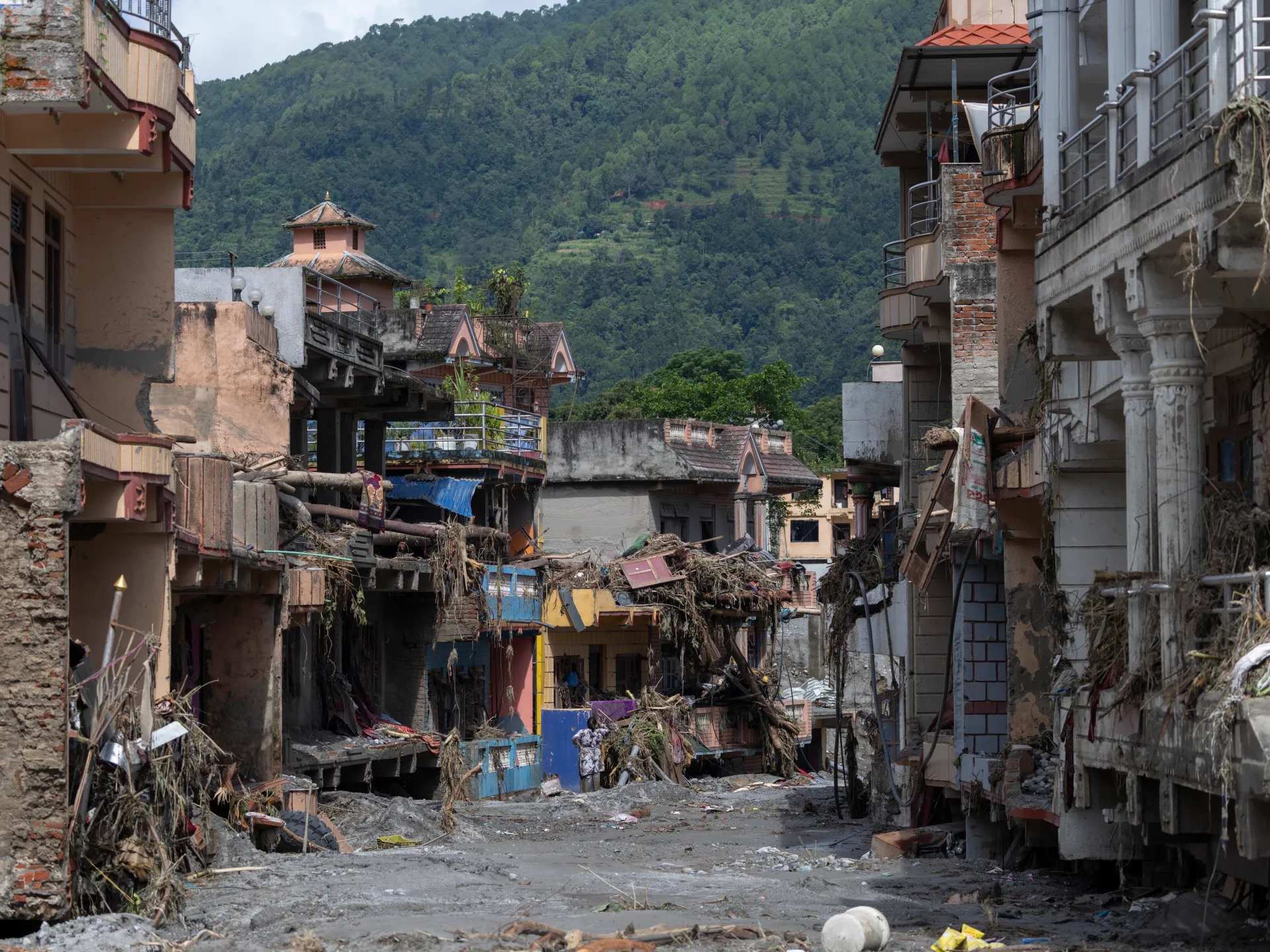
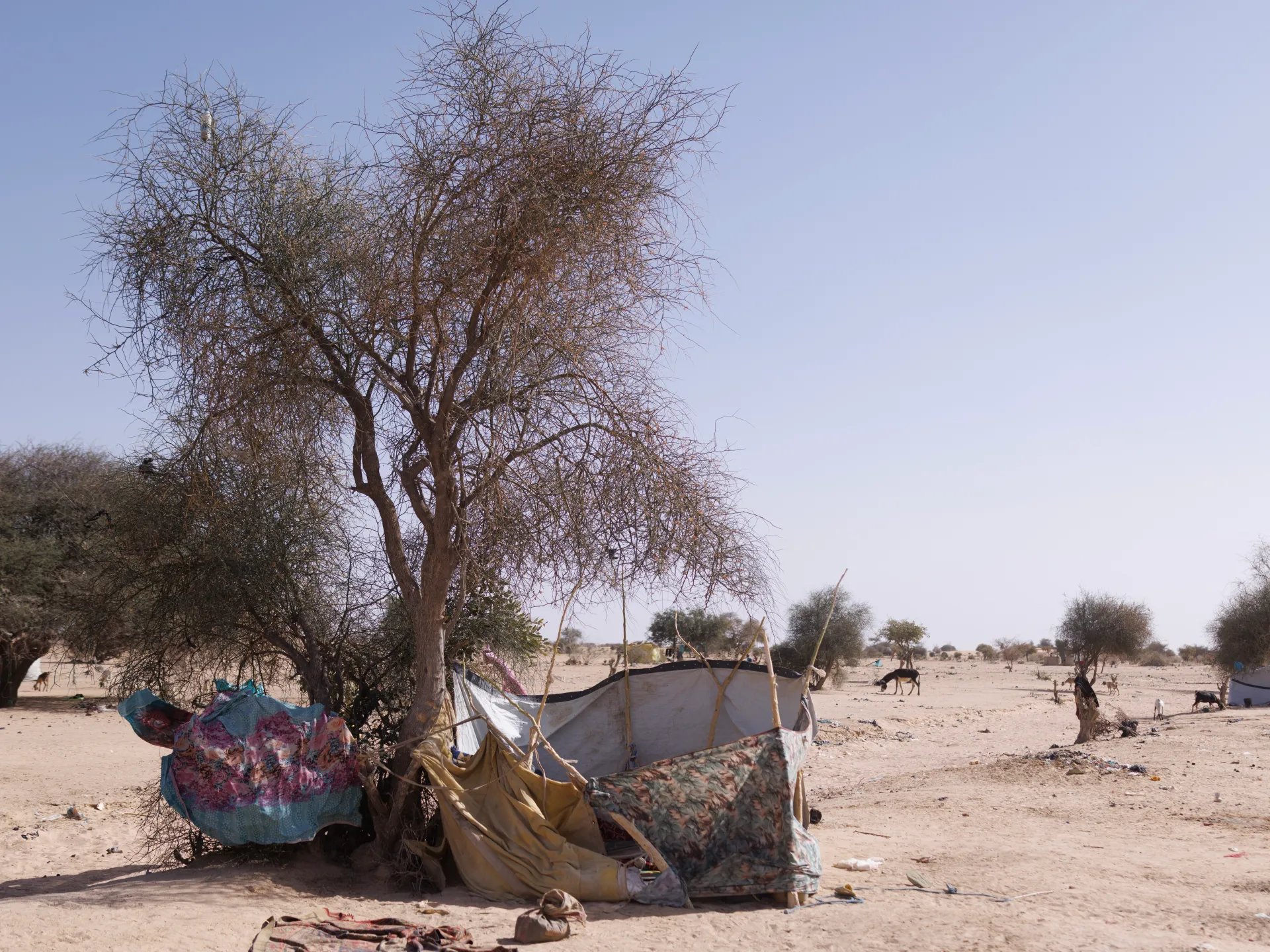
The expiration of these sanctions represents a pragmatic, if controversial, prioritization of strategic military utility over humanitarian accountability. The 2021 sanctions were predicated on documented atrocities committed 000 deaths and severe regional displacement. oupling its regional security architecture from the past commitments of the Biden administration. This move suggests that the White House views the current maritime instability in the Bab al-Mandeb strait as a more immediate threat to U.S. interests than the unfinished business of regional accountability. It sets a precedent where economic pressure tools are treated as temporary levers rather than permanent responses to international human rights abuses, potentially emboldening other regional actors who operate in areas of high strategic value.
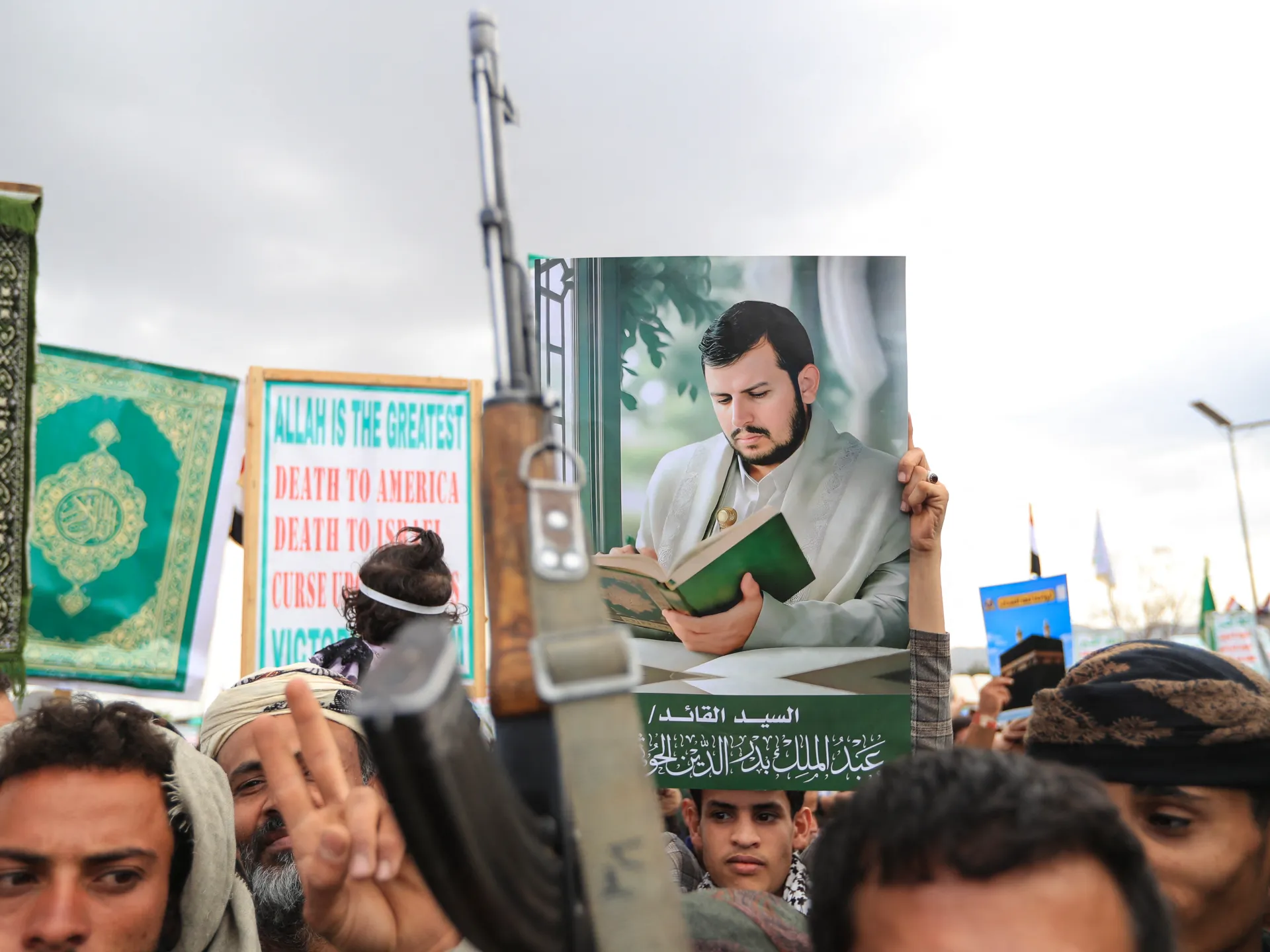
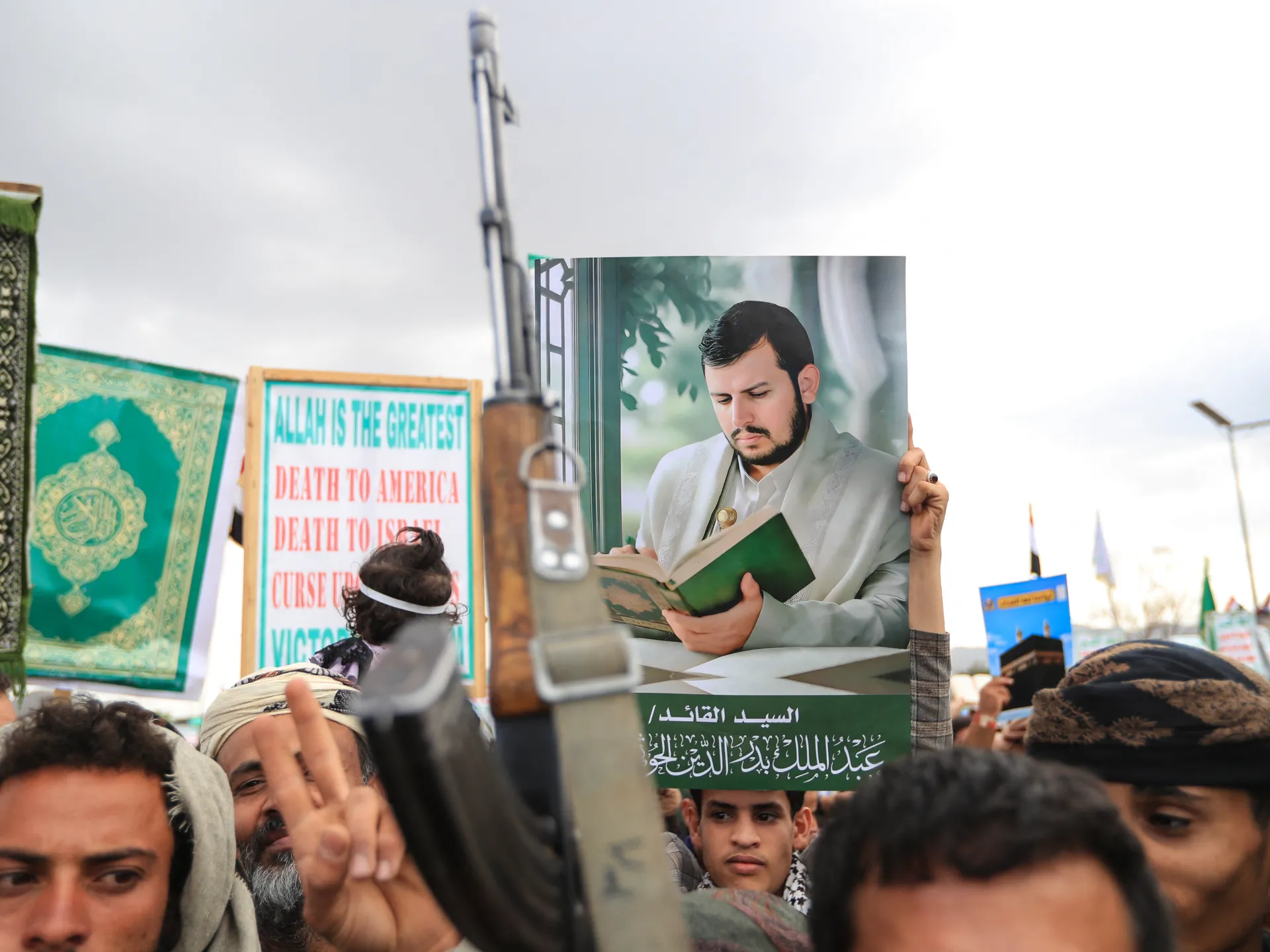
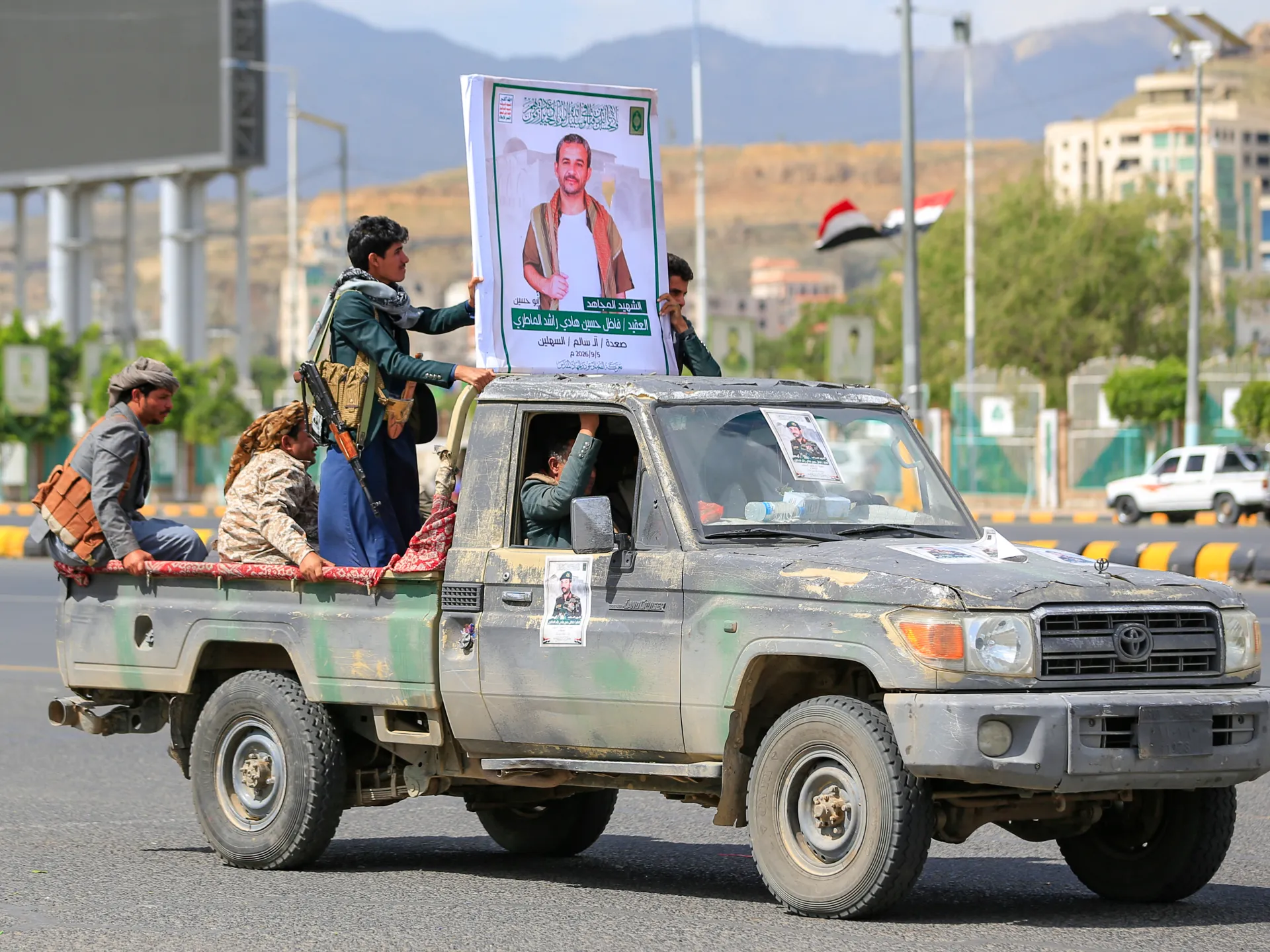
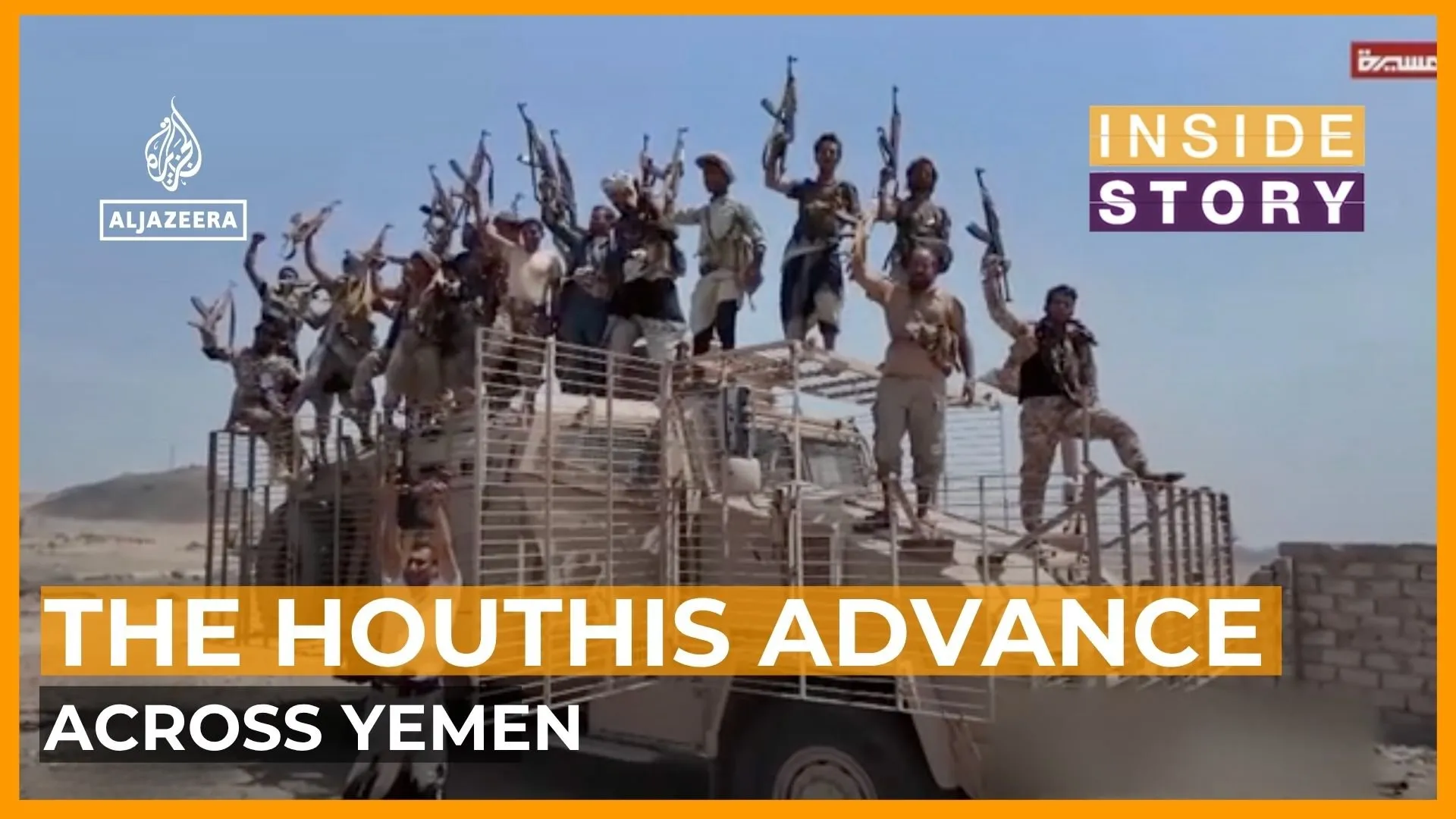
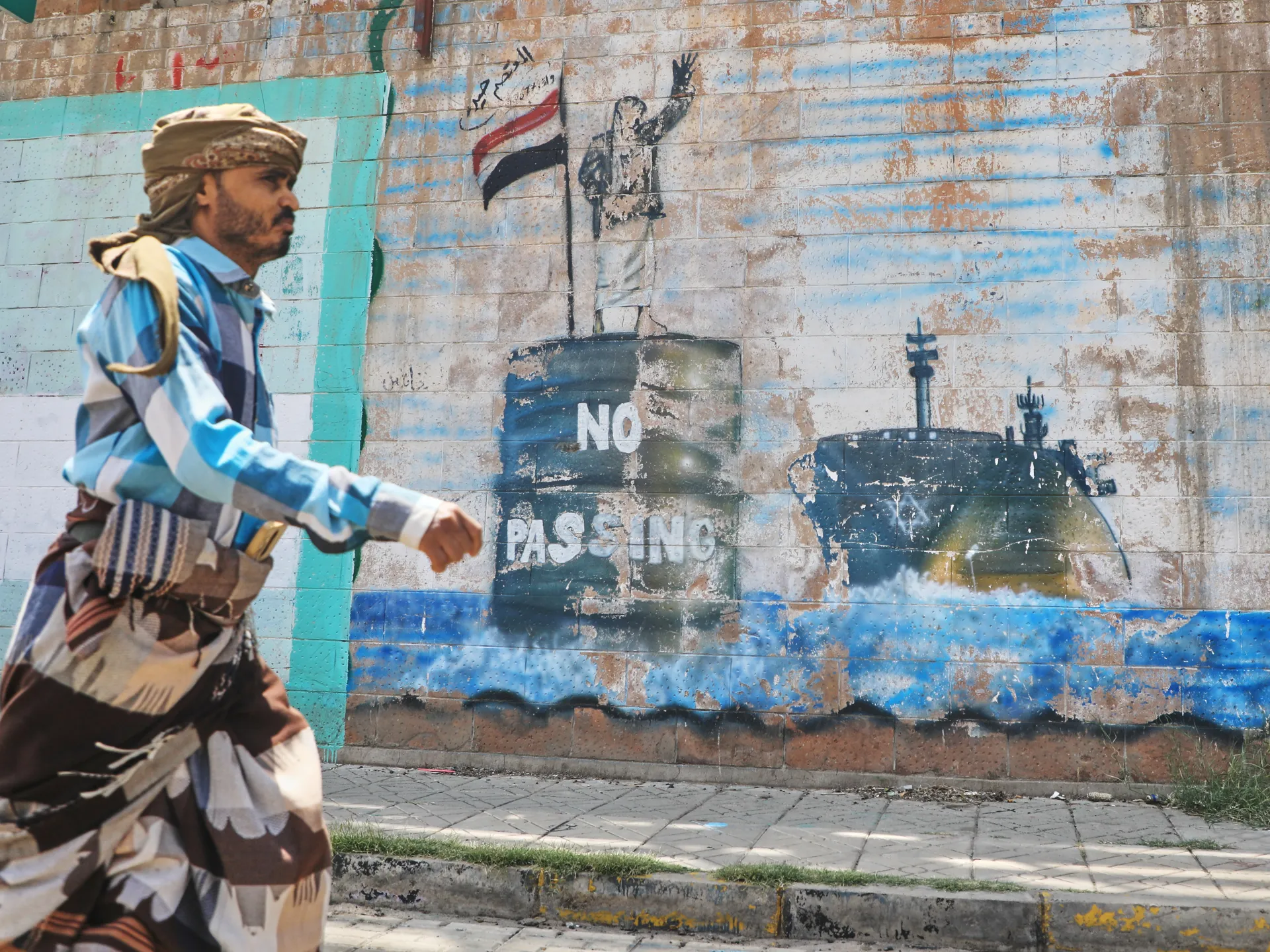
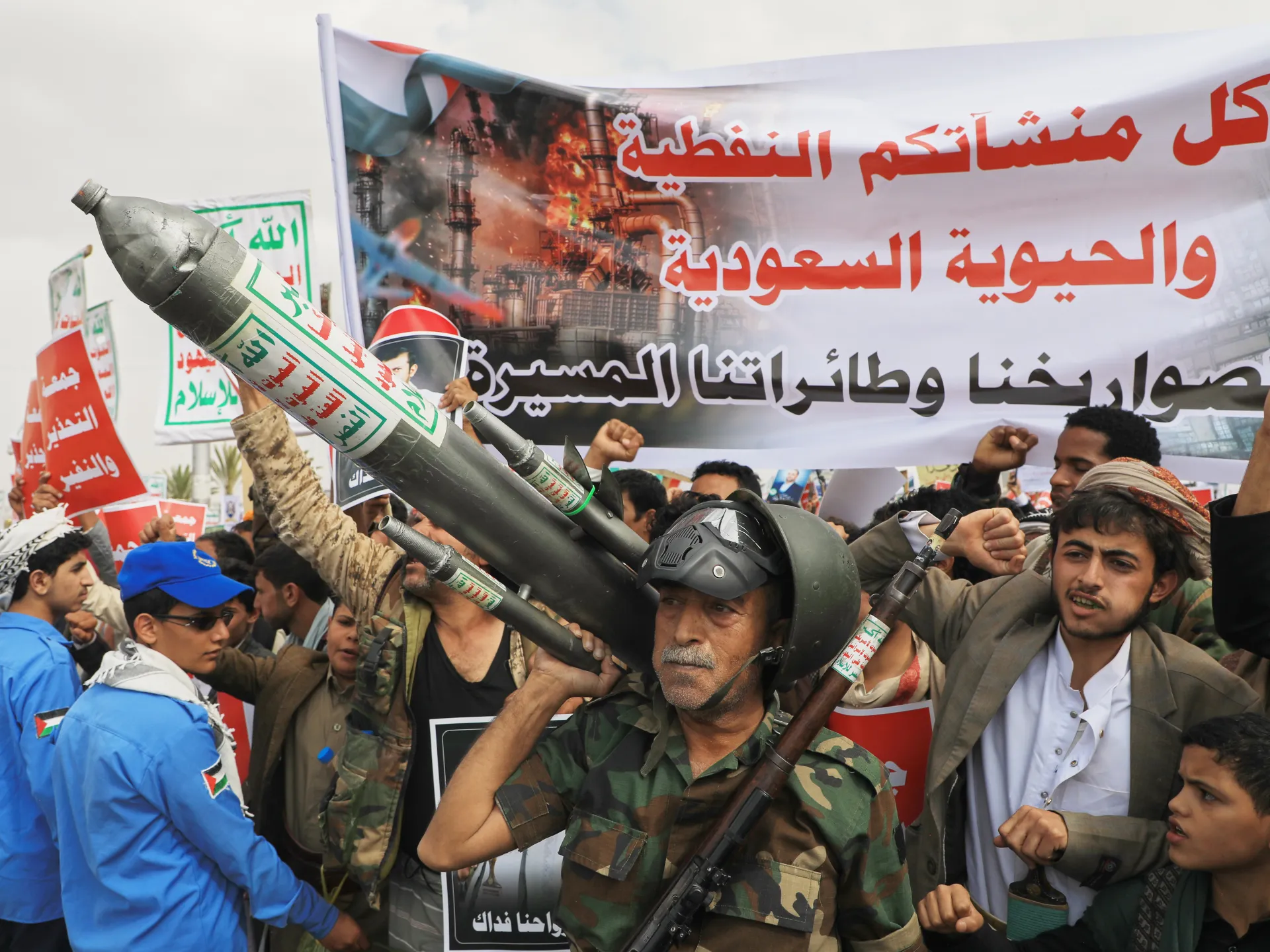
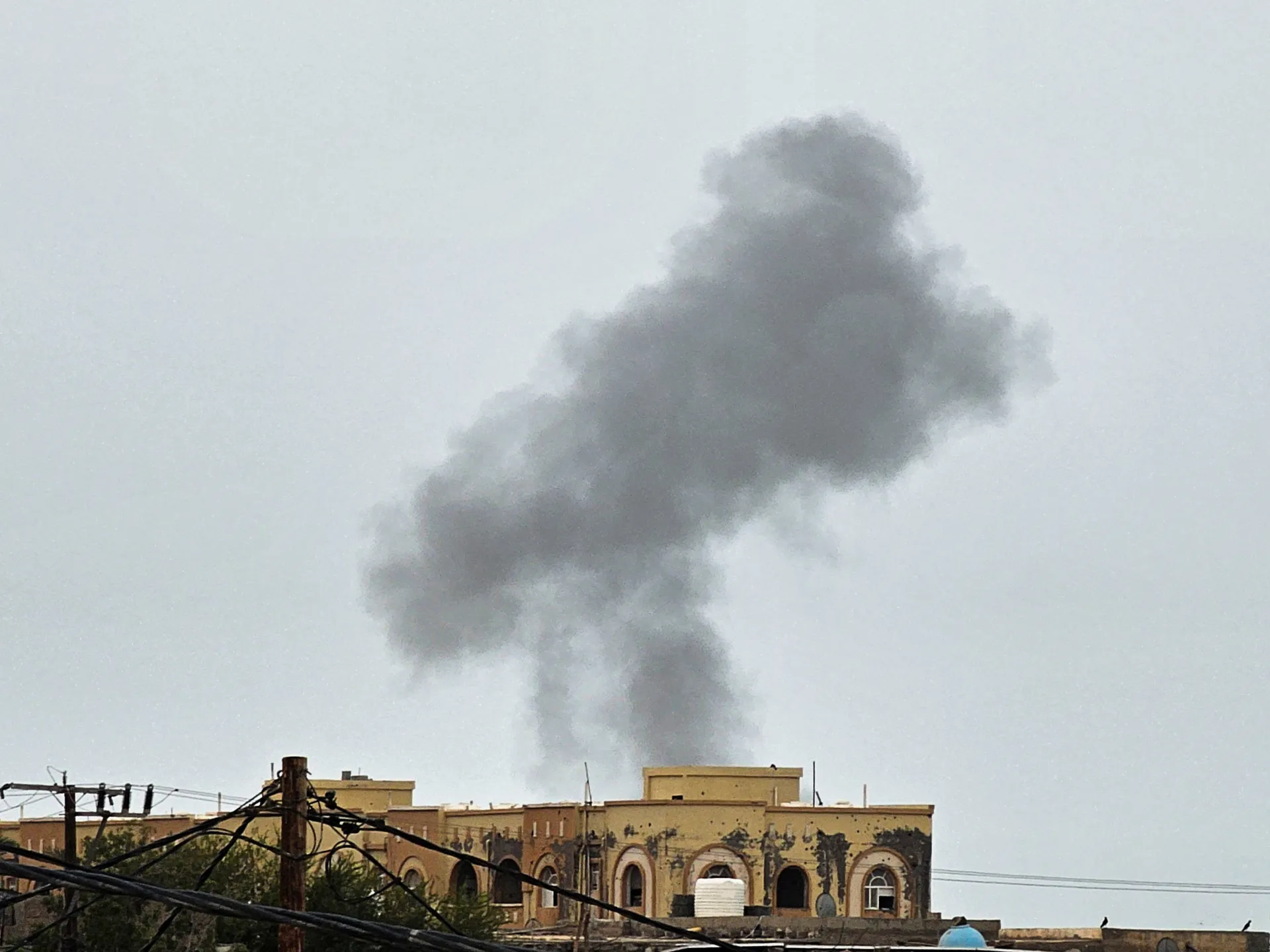
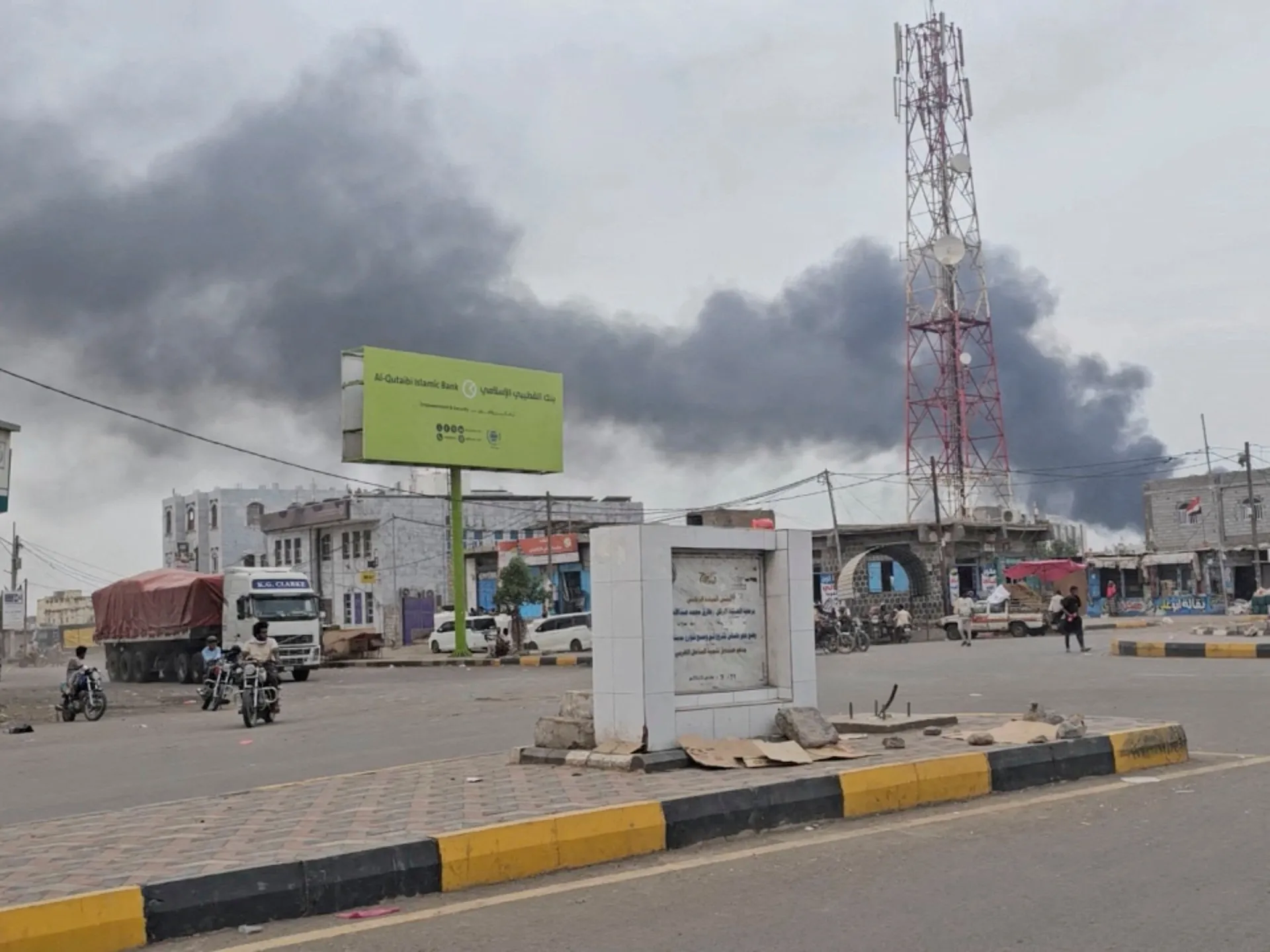
The U.S. Treasury’s decision to let the national emergency designation lapse acknowledges that the previous policy framework is no longer aligned with modern realities. While a State Department spokesperson admitted that the implementation of the 2022 peace deal between Addis Ababa and Tigray rebels remains “uneven,” the administration has determined that collaborative engagement is now a more viable path than isolation. The shift appears specifically designed to stabilize the Red Sea’s northern and southern gateways, which have come under significant pressure due to Houthi activities originating from Yemen.
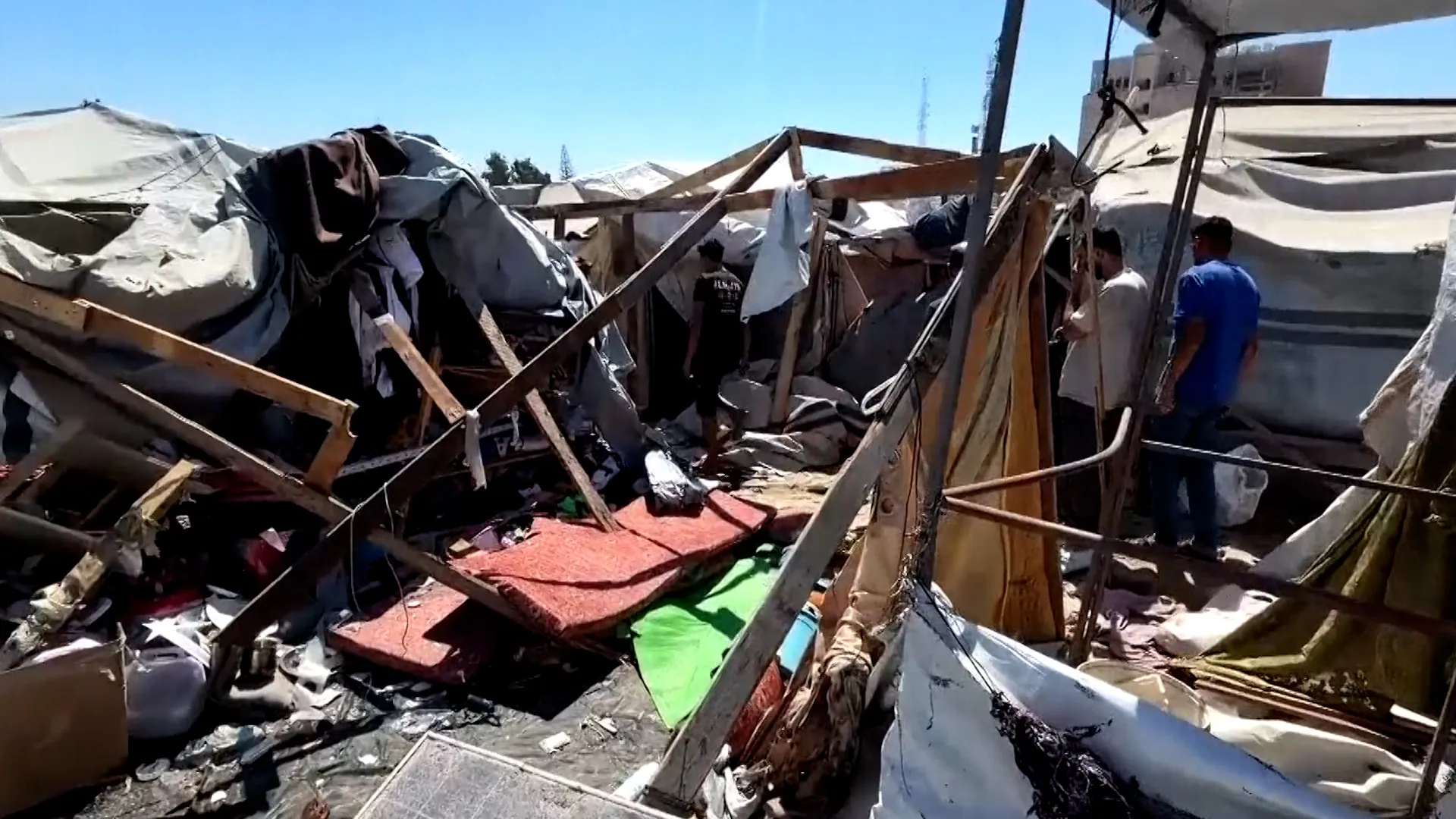
Eritrea, for its part, has responded with clear satisfaction. Government officials in Asmara characterized the sanctions as having caused “incalculable damage” to the nation’s economy and stability. The removal of these barriers is expected to facilitate a normalization of diplomatic ties and potential economic cooperation. The international community, however, remains split on the move; while the U.S. frames this as a necessary diplomatic evolution, observers warn that the humanitarian cost of the Tigray conflict has yet to be adequately addressed
The lifting of these sanctions will likely trigger a flurry of diplomatic activity as both the U.S. and Eritrea attempt to define the scope of their renewed partnership. Analysis suggests that Washington will likely seek security assurances or access agreements that leverage Eritrea’s coastline to counter the rising threat to shipping lanes. Furthermore, the administration will likely face scrutiny from human rights organizations regarding the lack of accountability for the casualties in the Tigray conflict, forcing the White House to balance its regional security narrative against potential domestic political fallout. Given the volatile nature of the current conflict in the Middle East, the U.S. is likely to prioritize quick, transactional gains with Asmara over broader governance or human rights reforms in the immediate future.