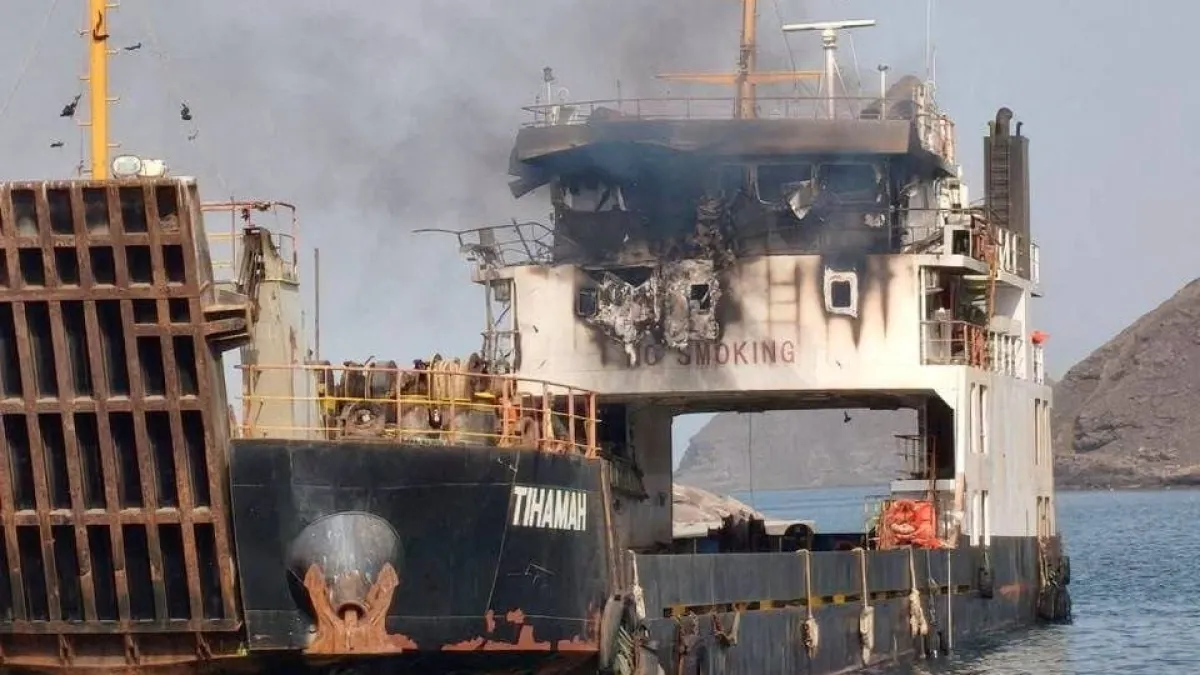
China is scrambling to secure alternative energy sources as Middle Eastern conflicts disrupt critical supply routes, forcing the nation to drain its strategic reserves.
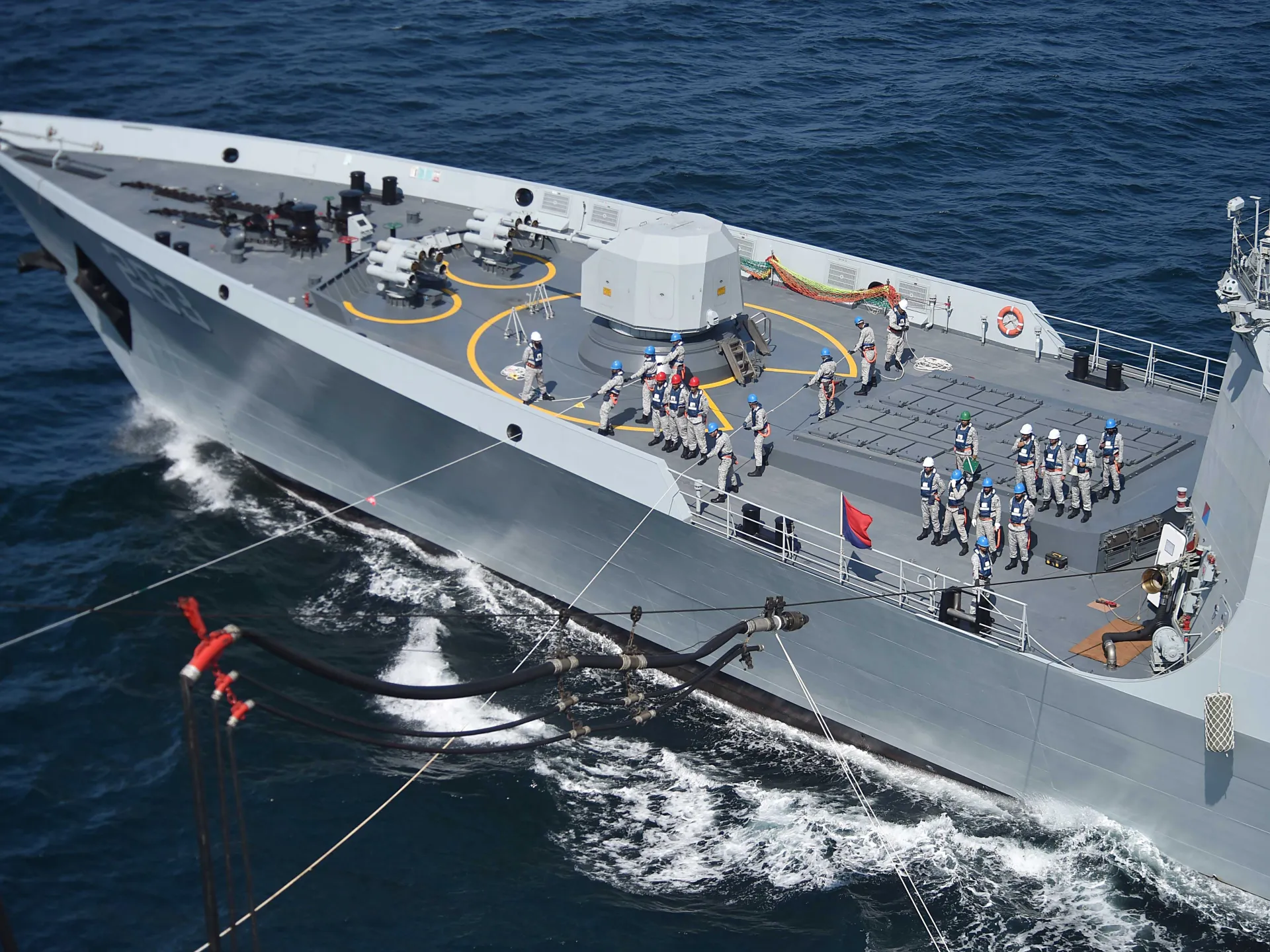
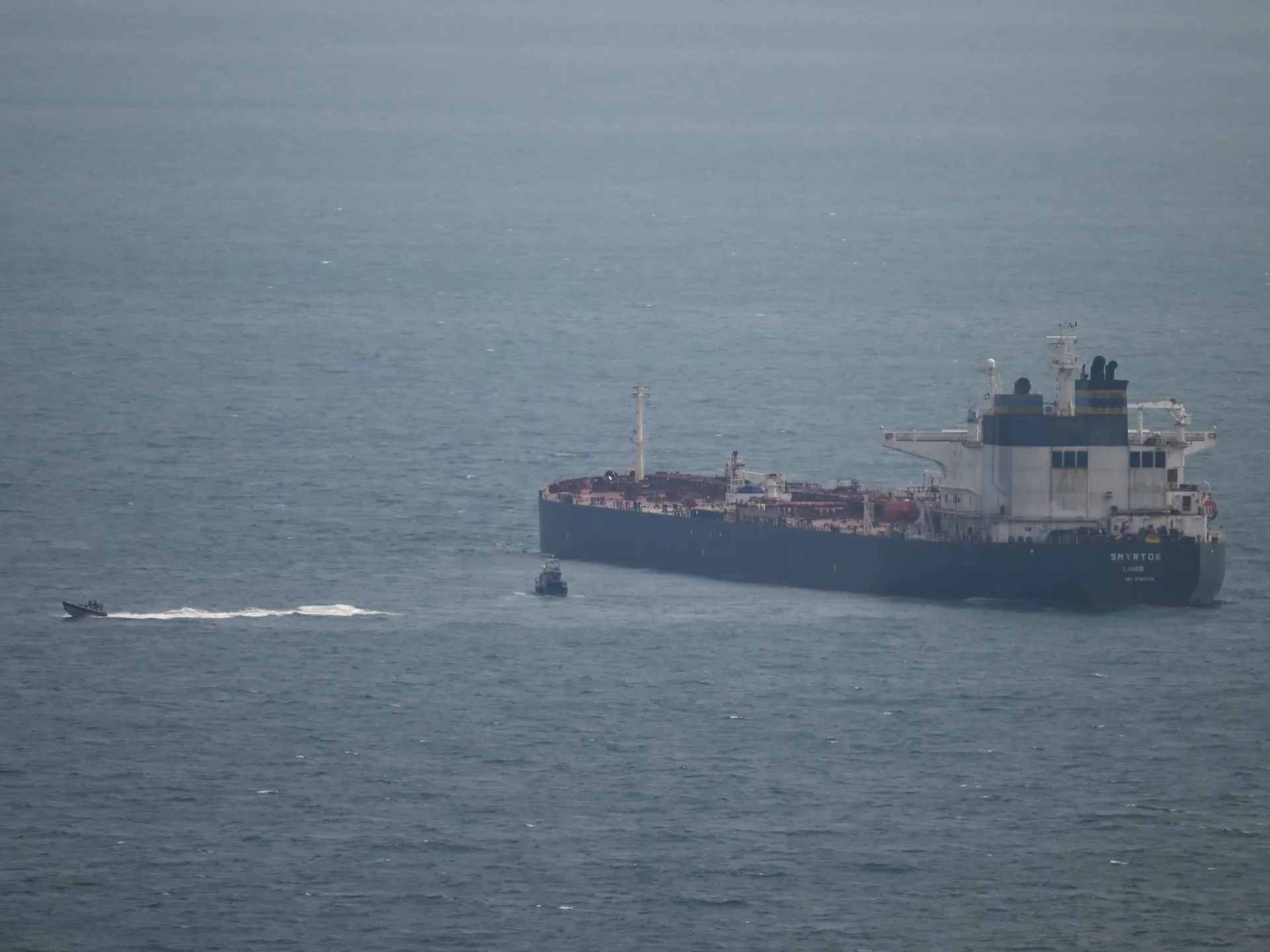
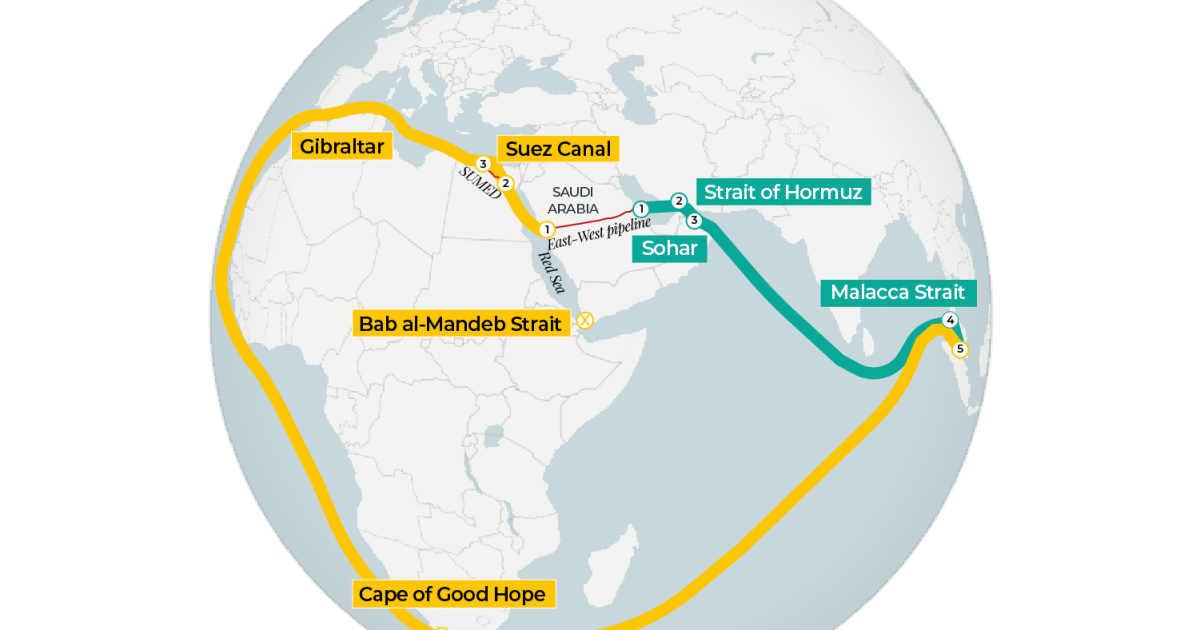
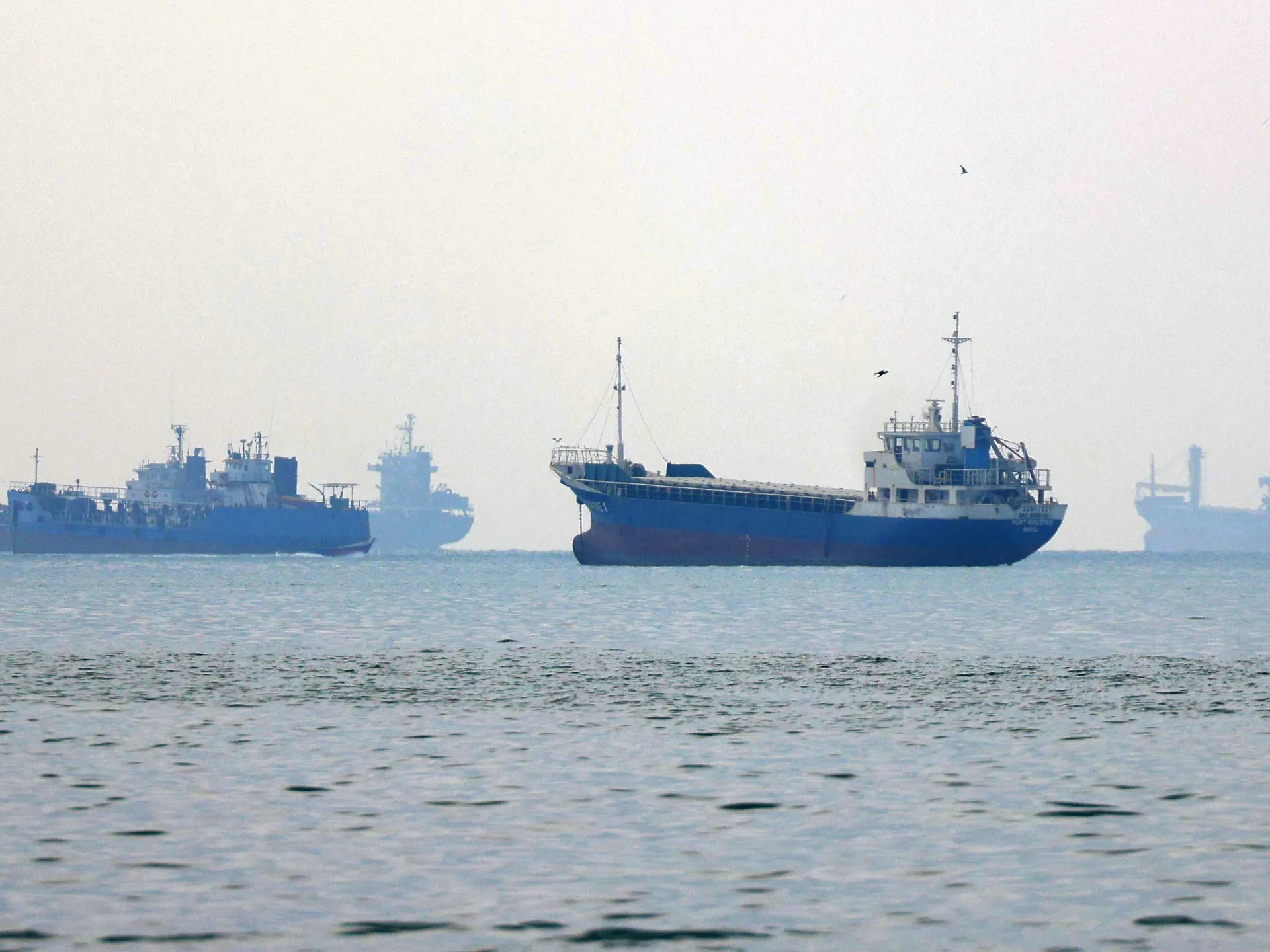
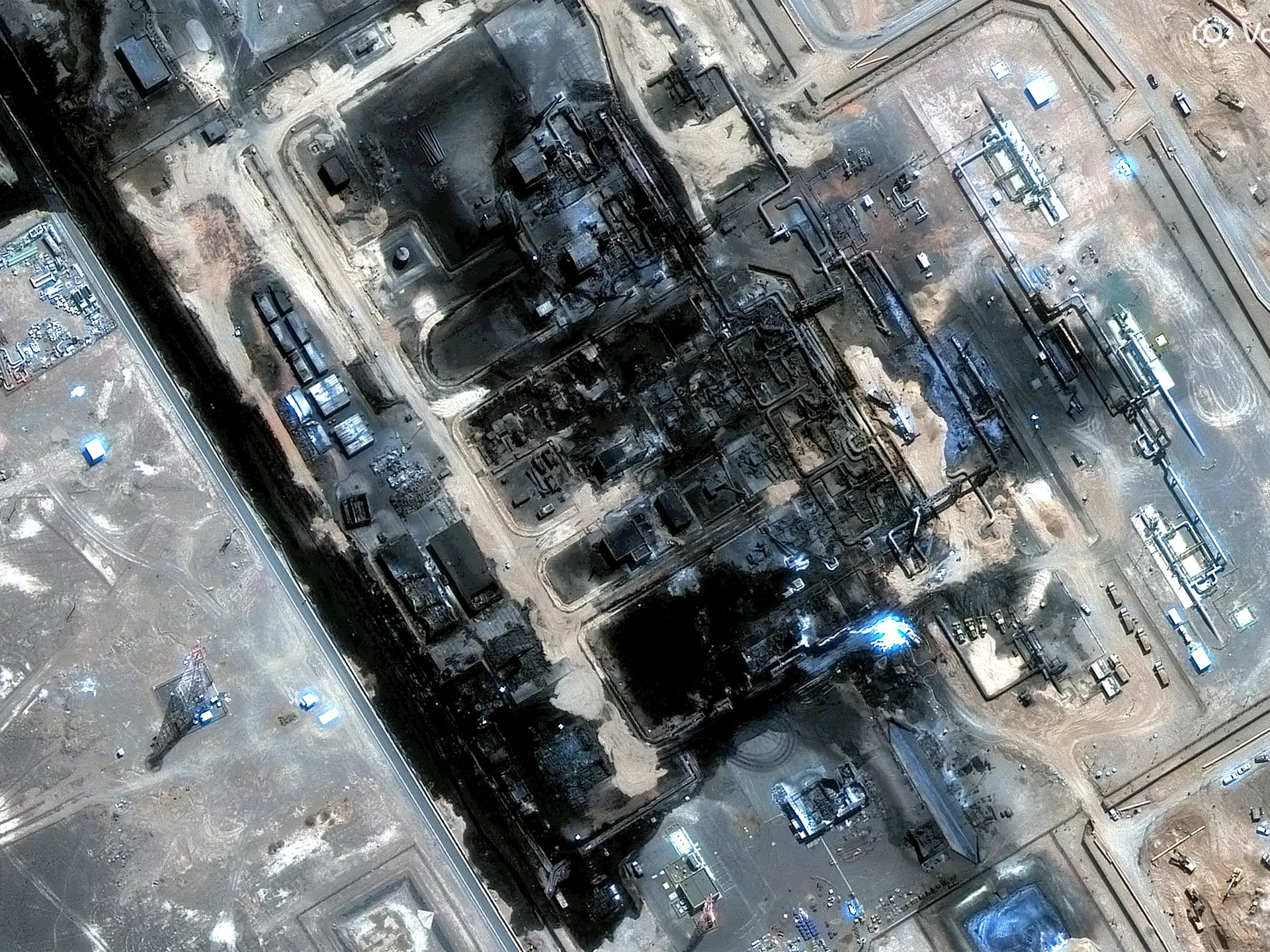
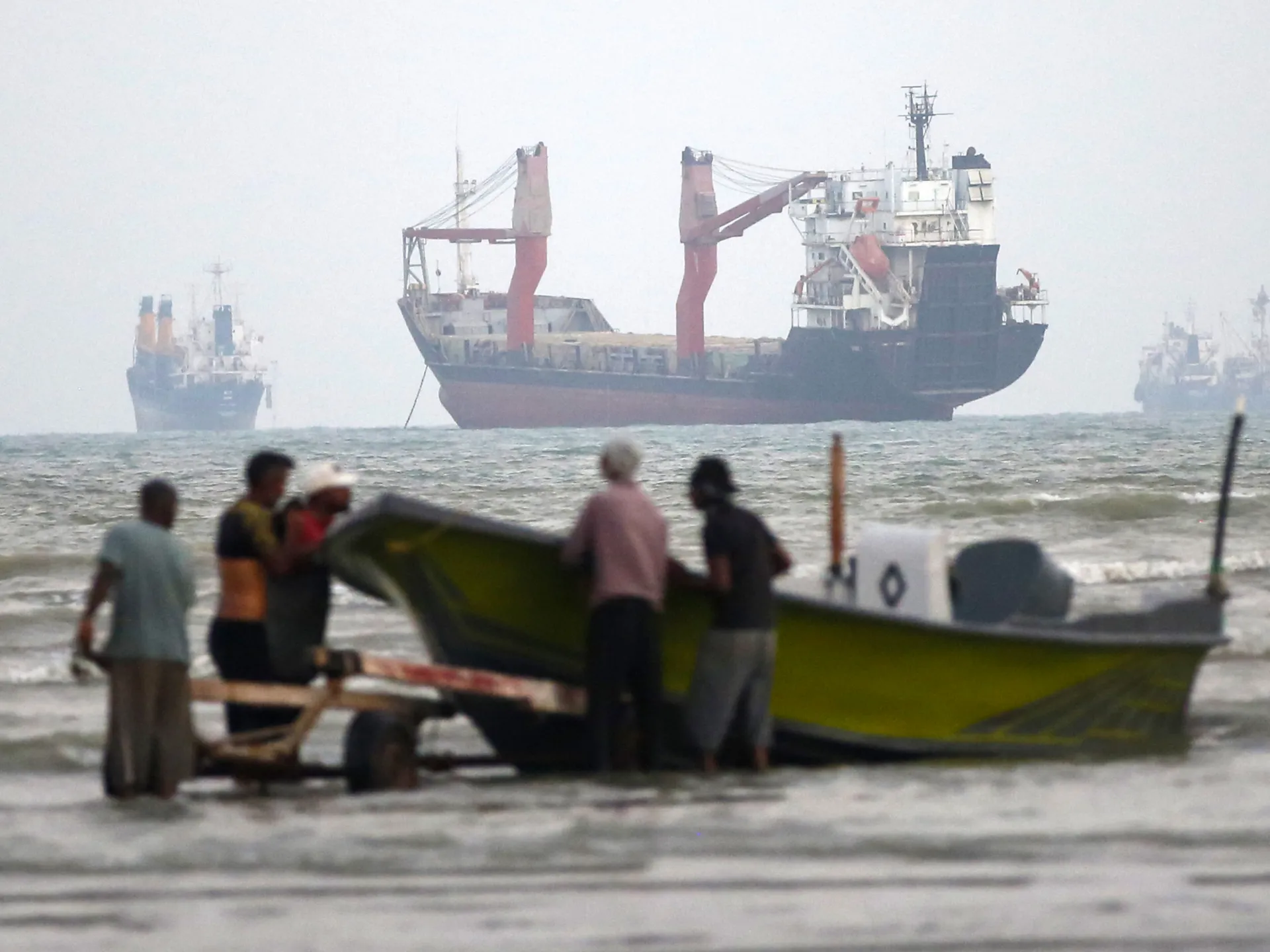
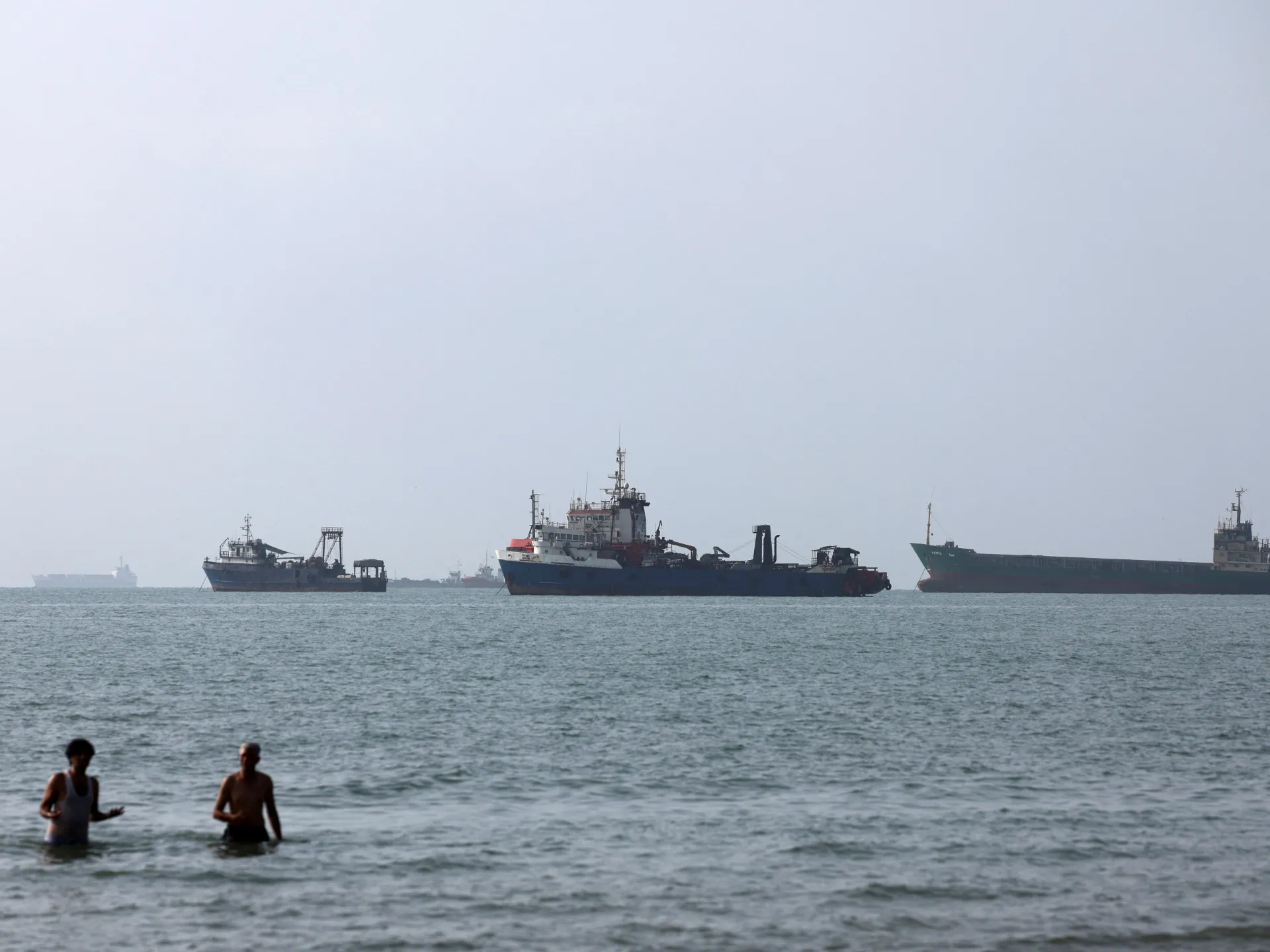
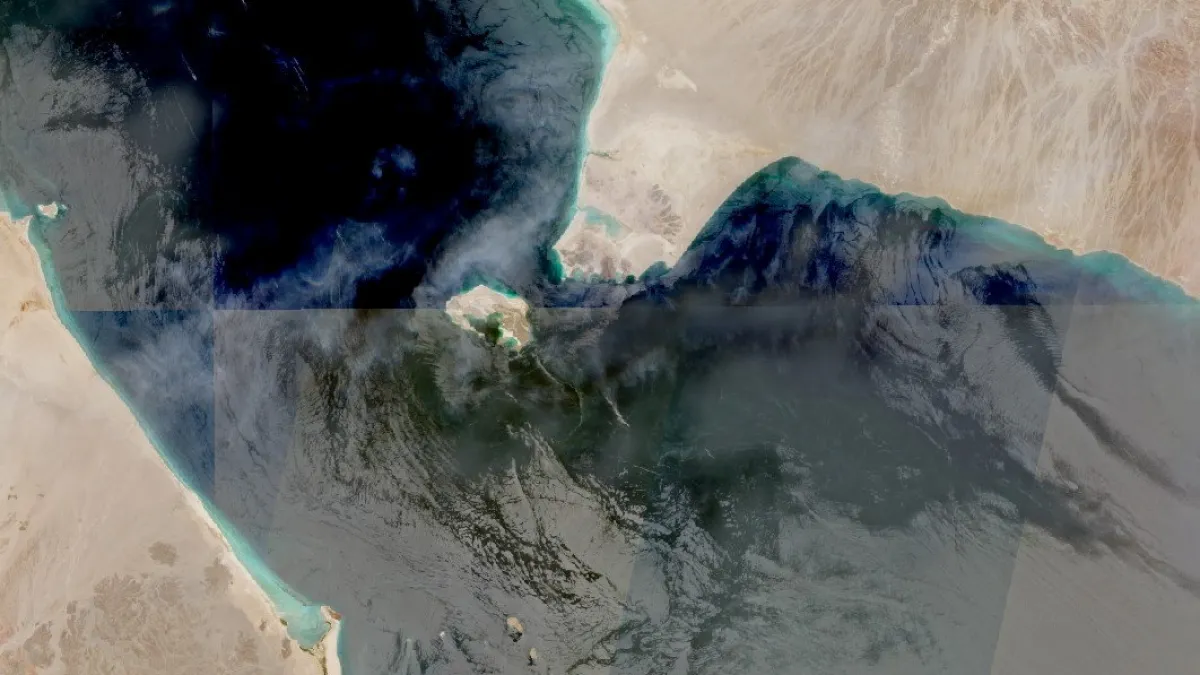
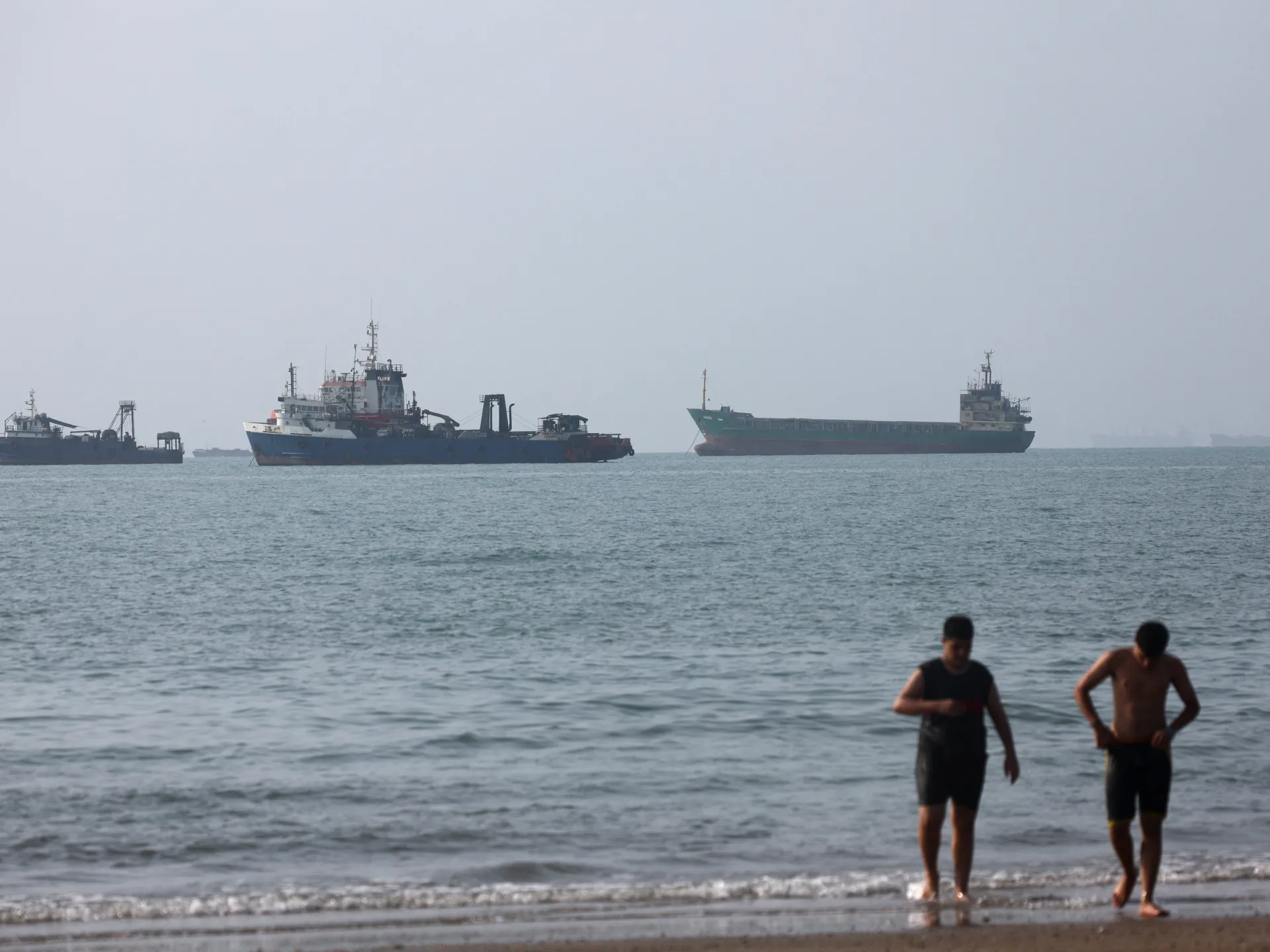
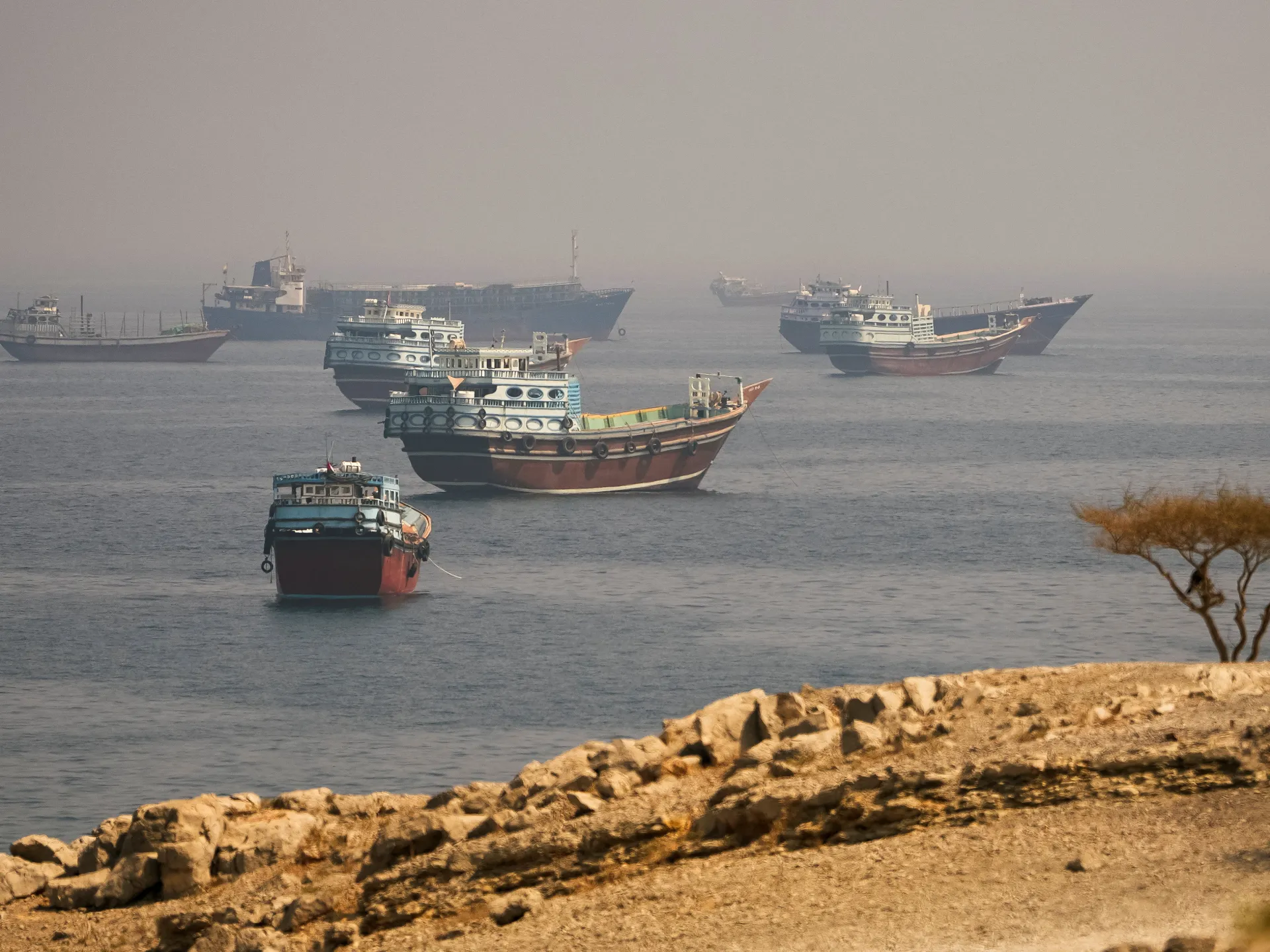
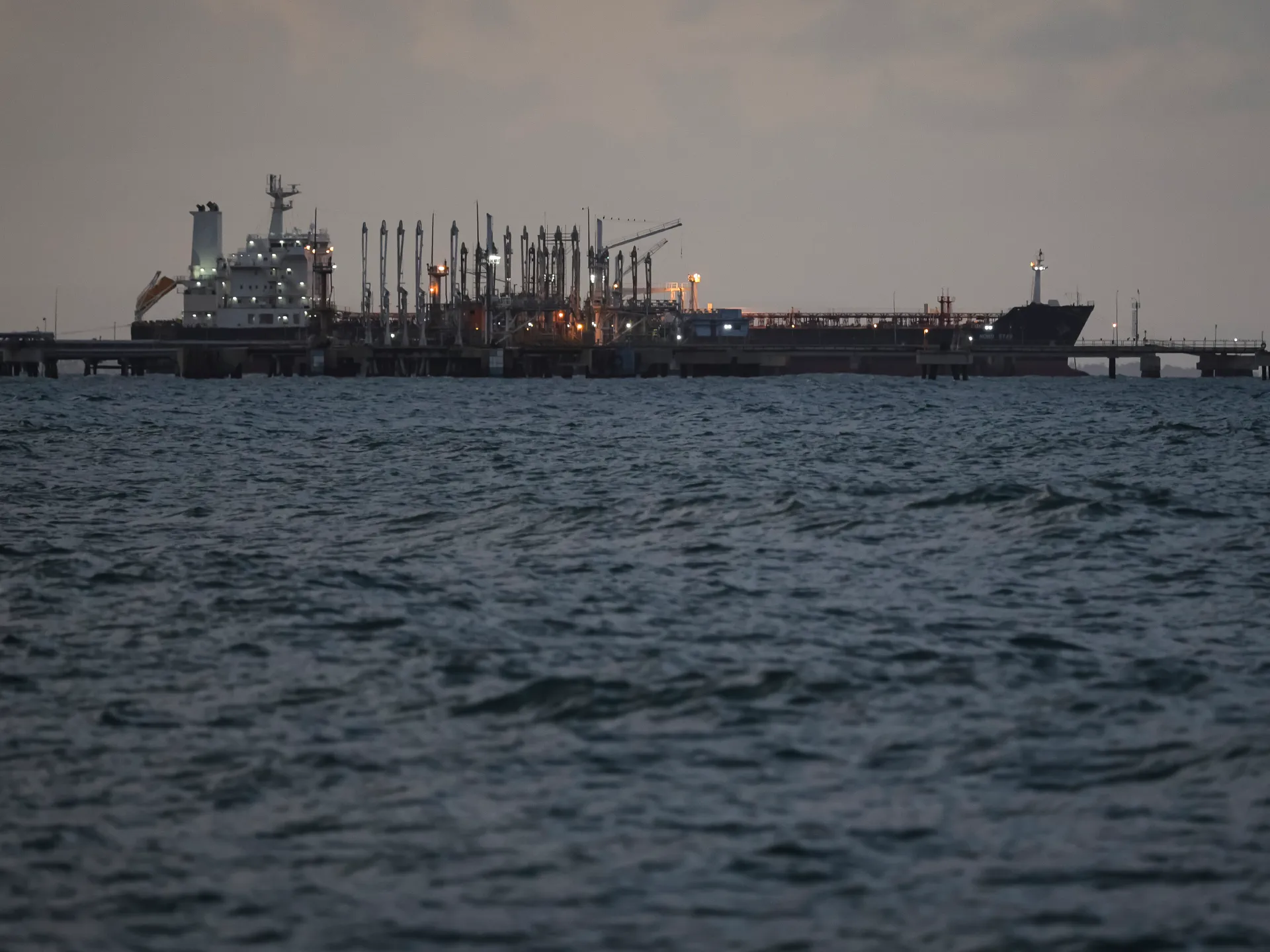
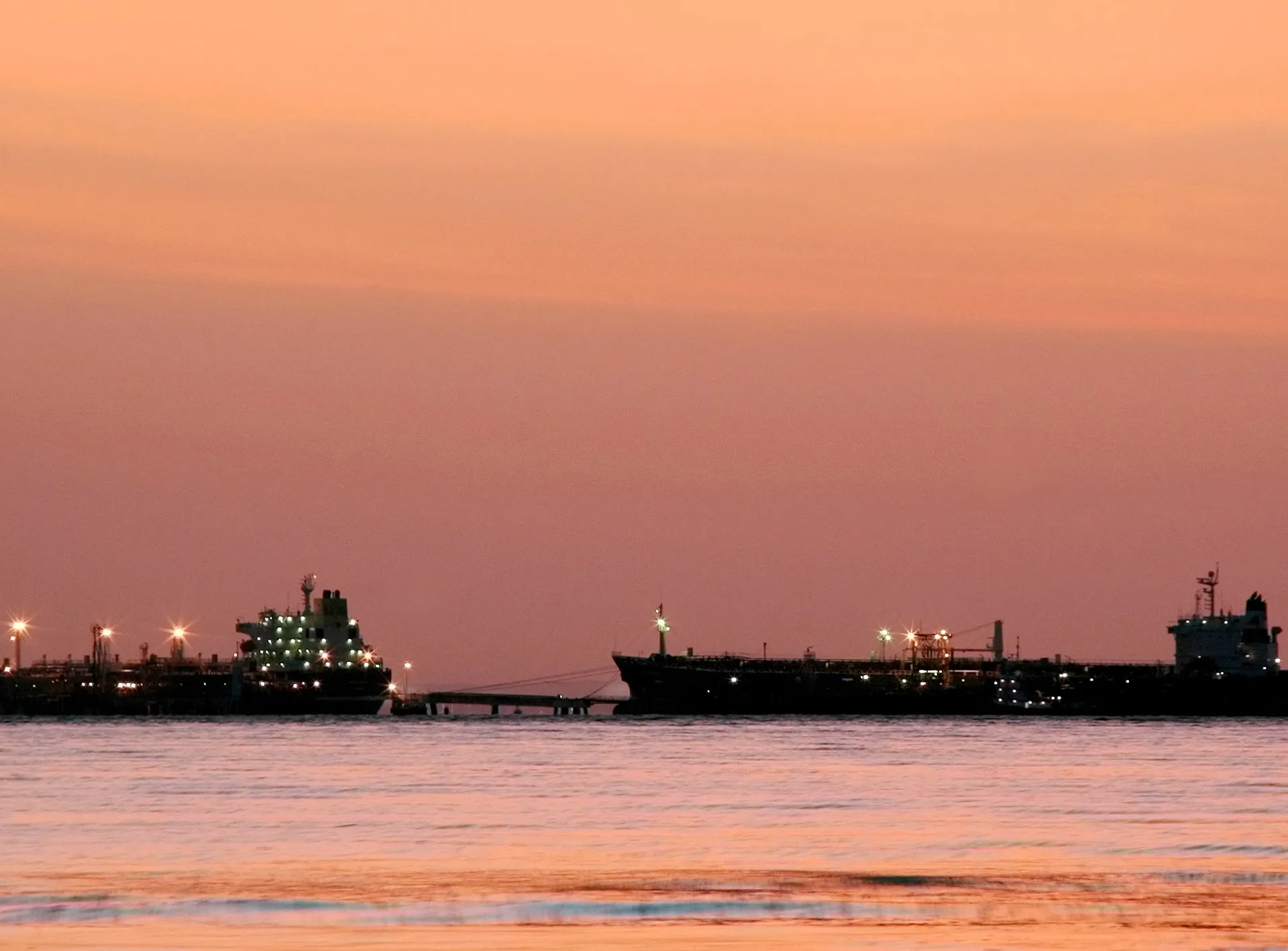
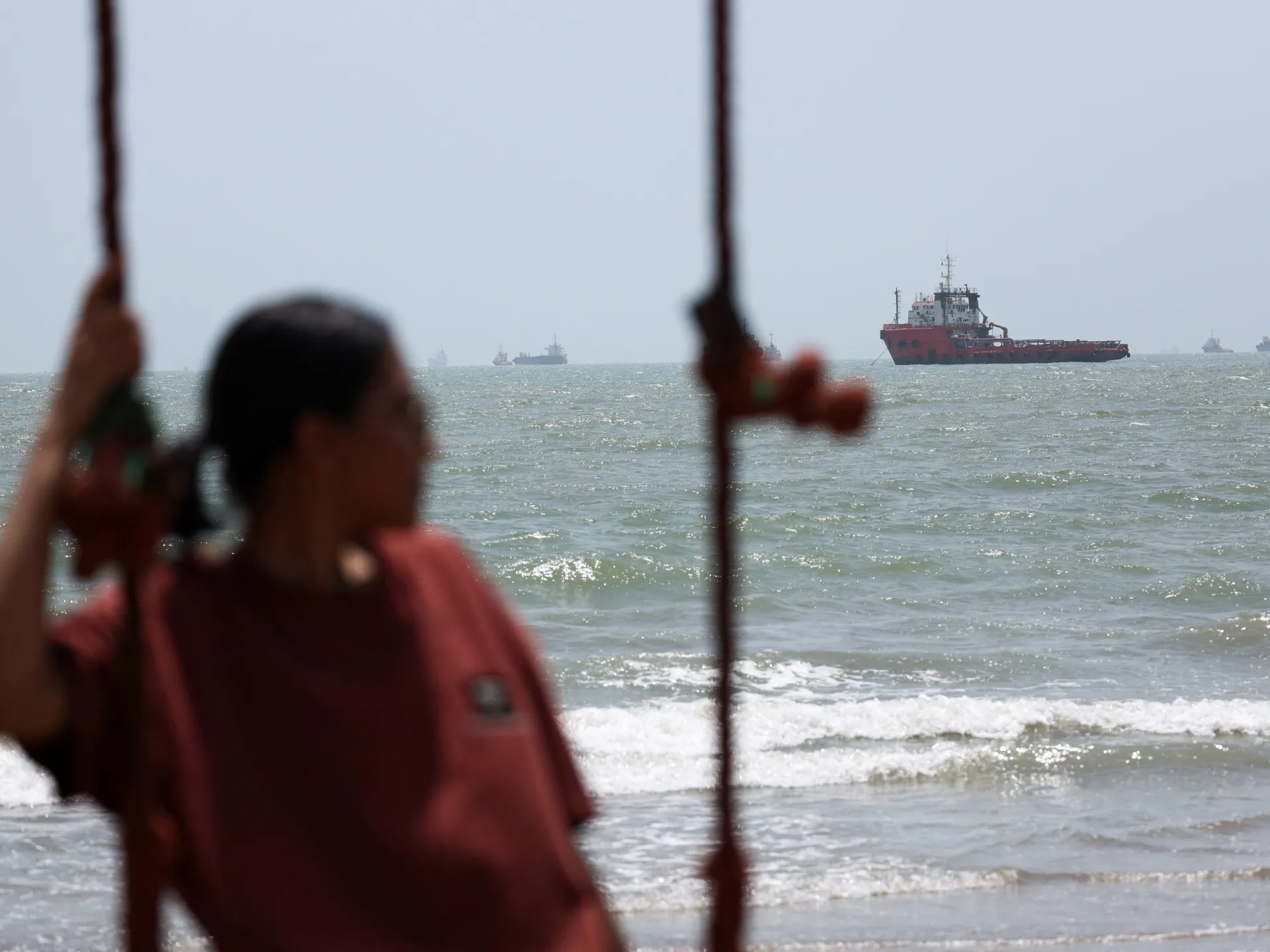
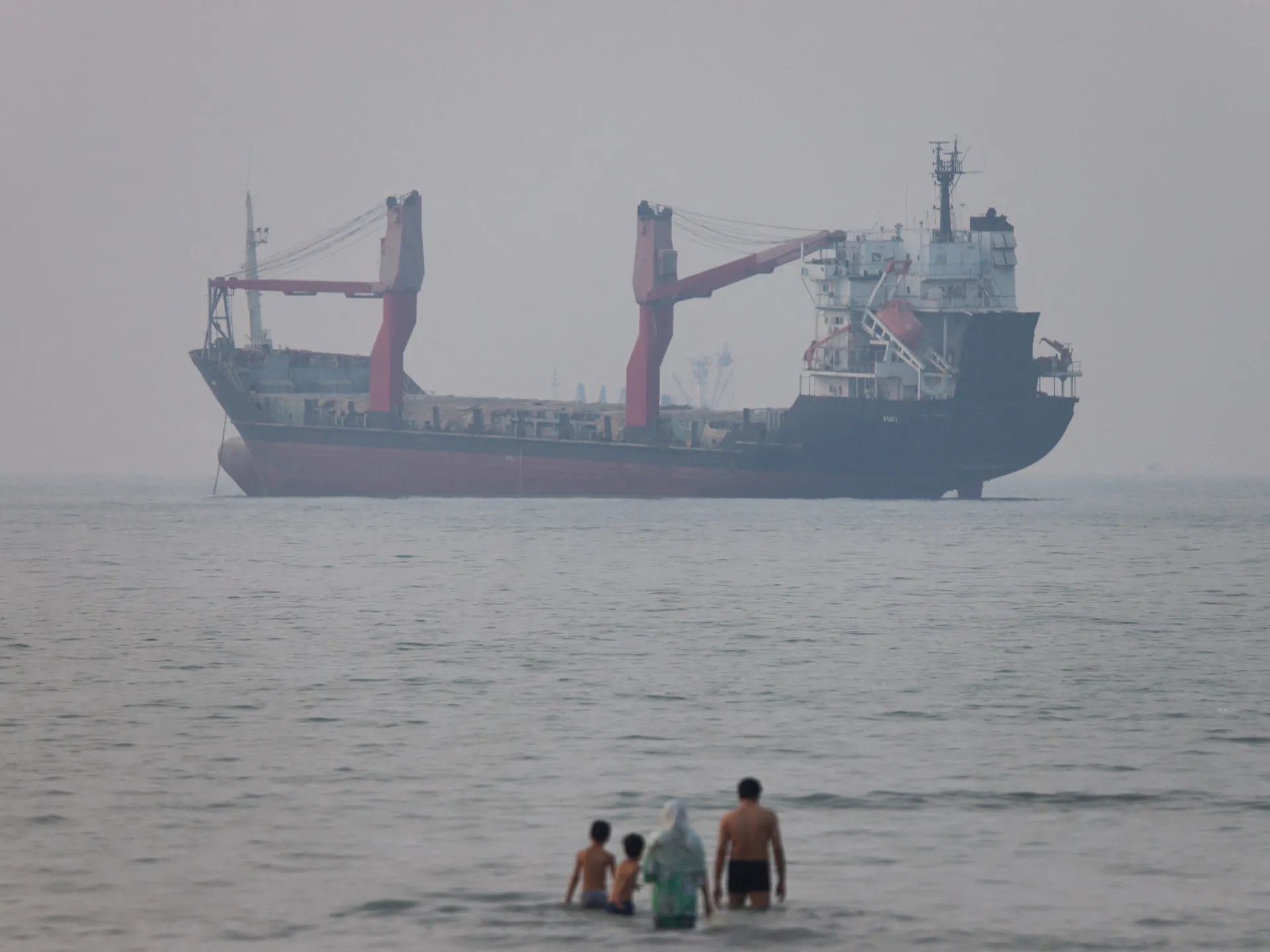
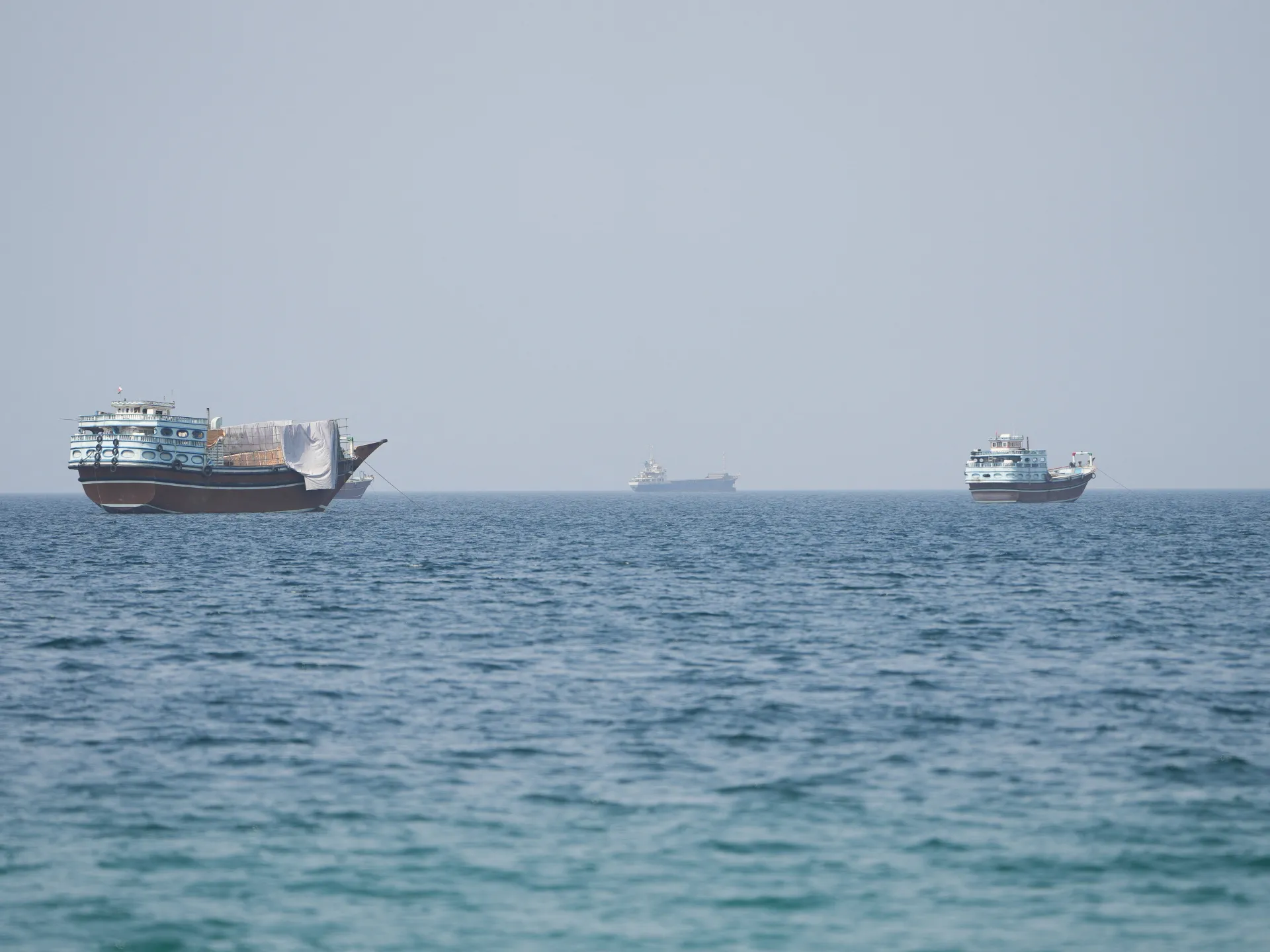
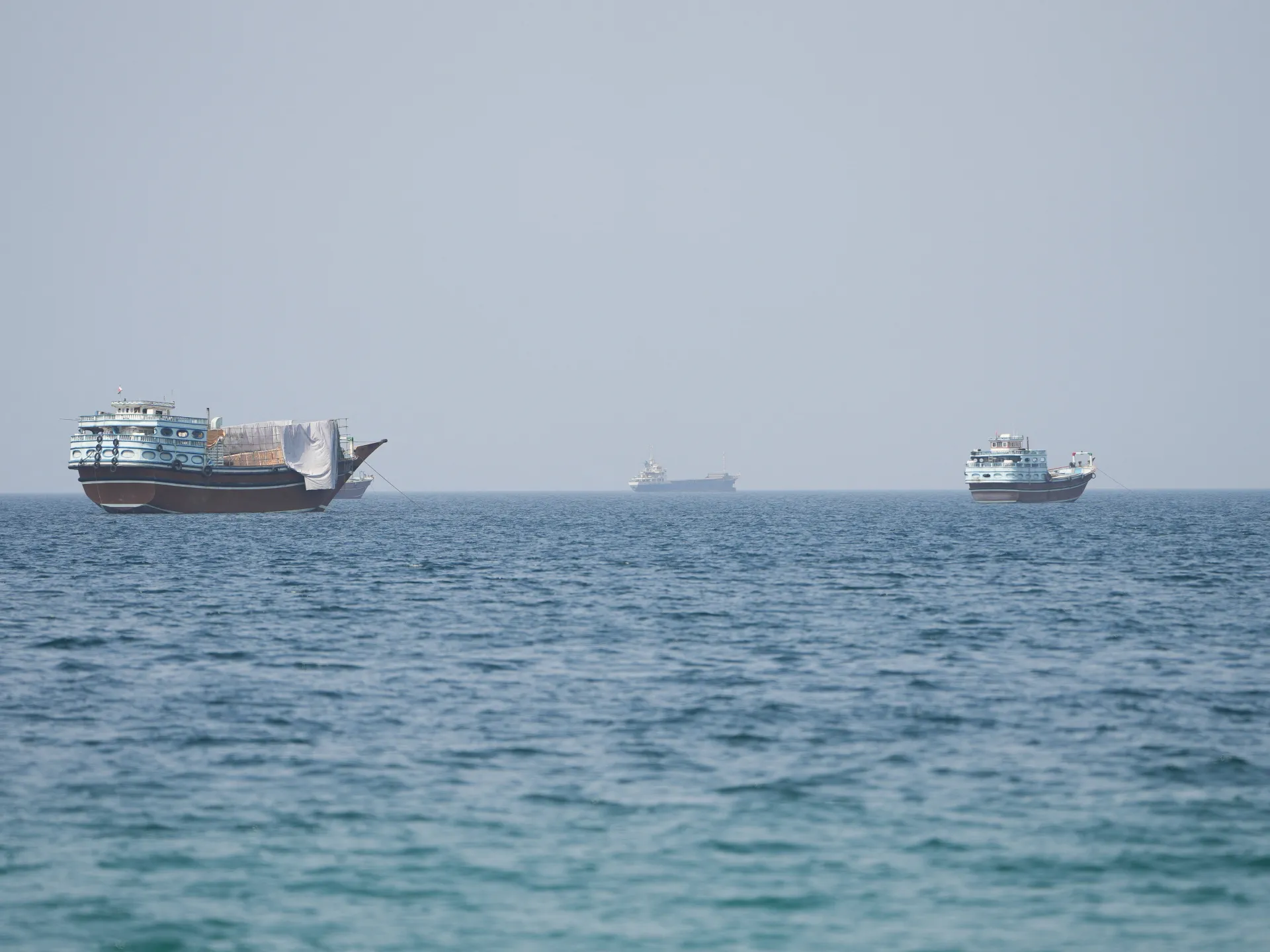
China is currently grappling with a severe energy security challenge as oil prices reach record highs, driven ude, Beijing is finding its supply chains increasingly fragile due to the closure of critical infrastructure. The shutdown of a major pipeline traversing the Arabian Peninsula, coupled with the effective blockade of the Strait of Hormuz, has severely restricted the flow of oil to Asian markets. These logistical bottlenecks are forcing China to aggressively seek alternative sources, a move that is further straining global energy markets and driving up costs for all participants.
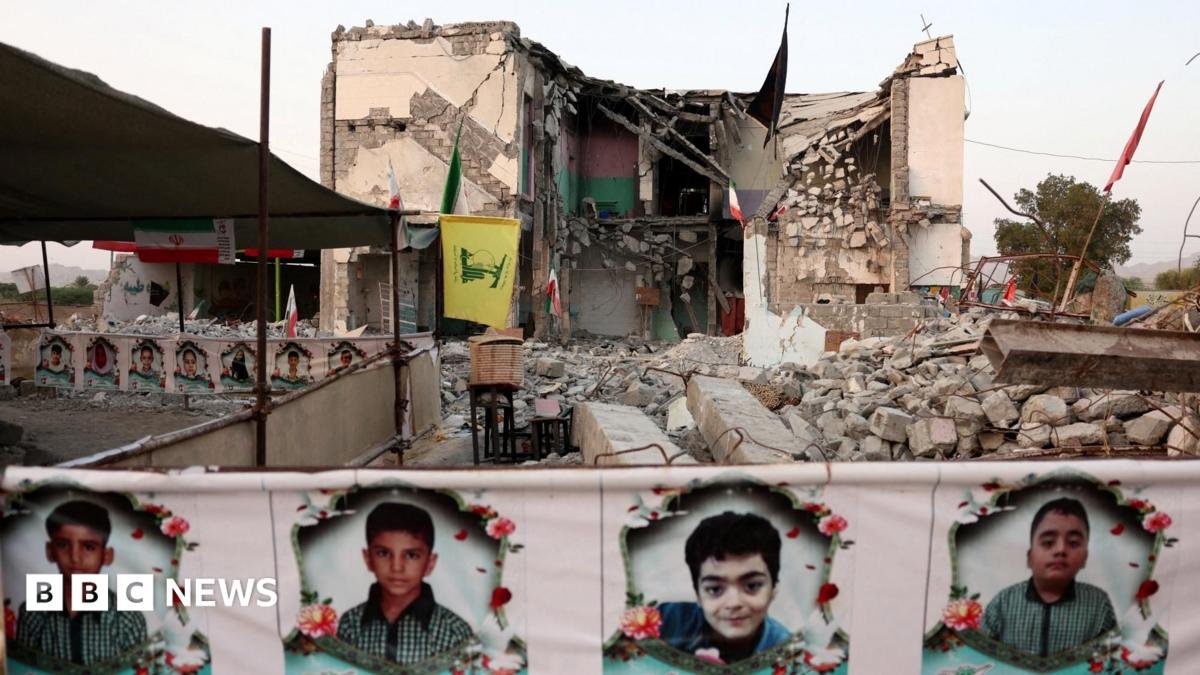
The situation has placed Beijing in a precarious diplomatic and economic position. With the conflict involving the United States, Israel, and Iran creating a volatile environment, the secure transit of energy has become a top priority for the Chinese government. Analysts suggest that the ongoing disruption is not only a threat to China’s industrial output but also a potential catalyst for a global economic downturn, a scenario Beijing is keen to avoid to maintain its own domestic stability.
In the early stages of the current regional conflict, China was able to mitigate the impact of supply shocks ptions, the country held an estimated 1.4 billion barrels in storage. l prices, effectively absorbing the initial volatility. During the second quarter, imports plummeted to approximately 8.1 million barrels per day, a significant drop from the levels seen in early 2026.
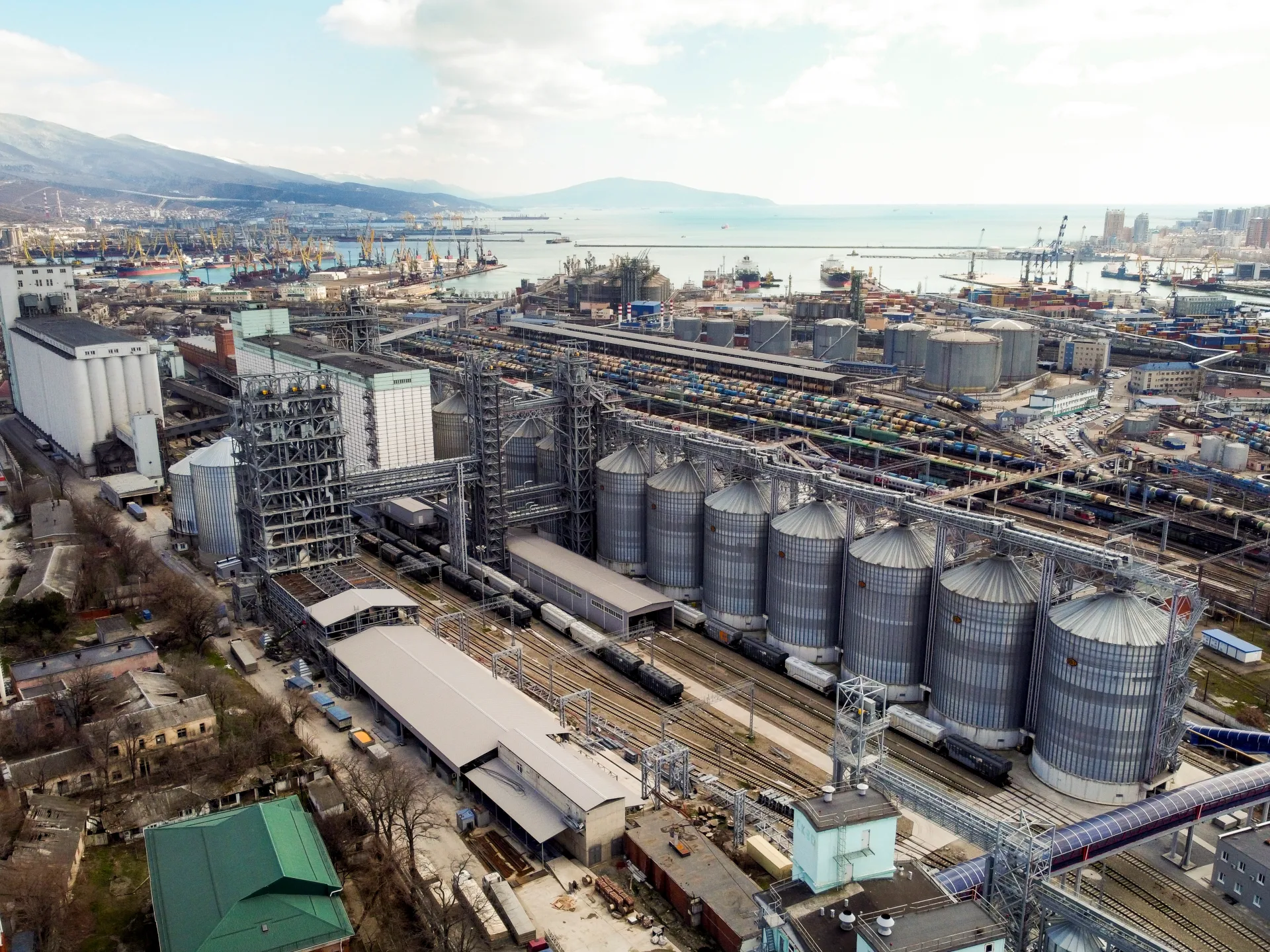
However, this strategy is reaching a breaking point as domestic refiners ramp up operations to meet internal demand and replenish depleted stockpiles. Because China’s refineries processed nearly 14 million barrels per day in August while domestic production remained at roughly 4.3 million barrels, the reliance on imports is absolute. As refiners return to the market to secure more barrels, the competition for limited global supply is intensifying, which threatens to sustain high price levels for the foreseeable future.
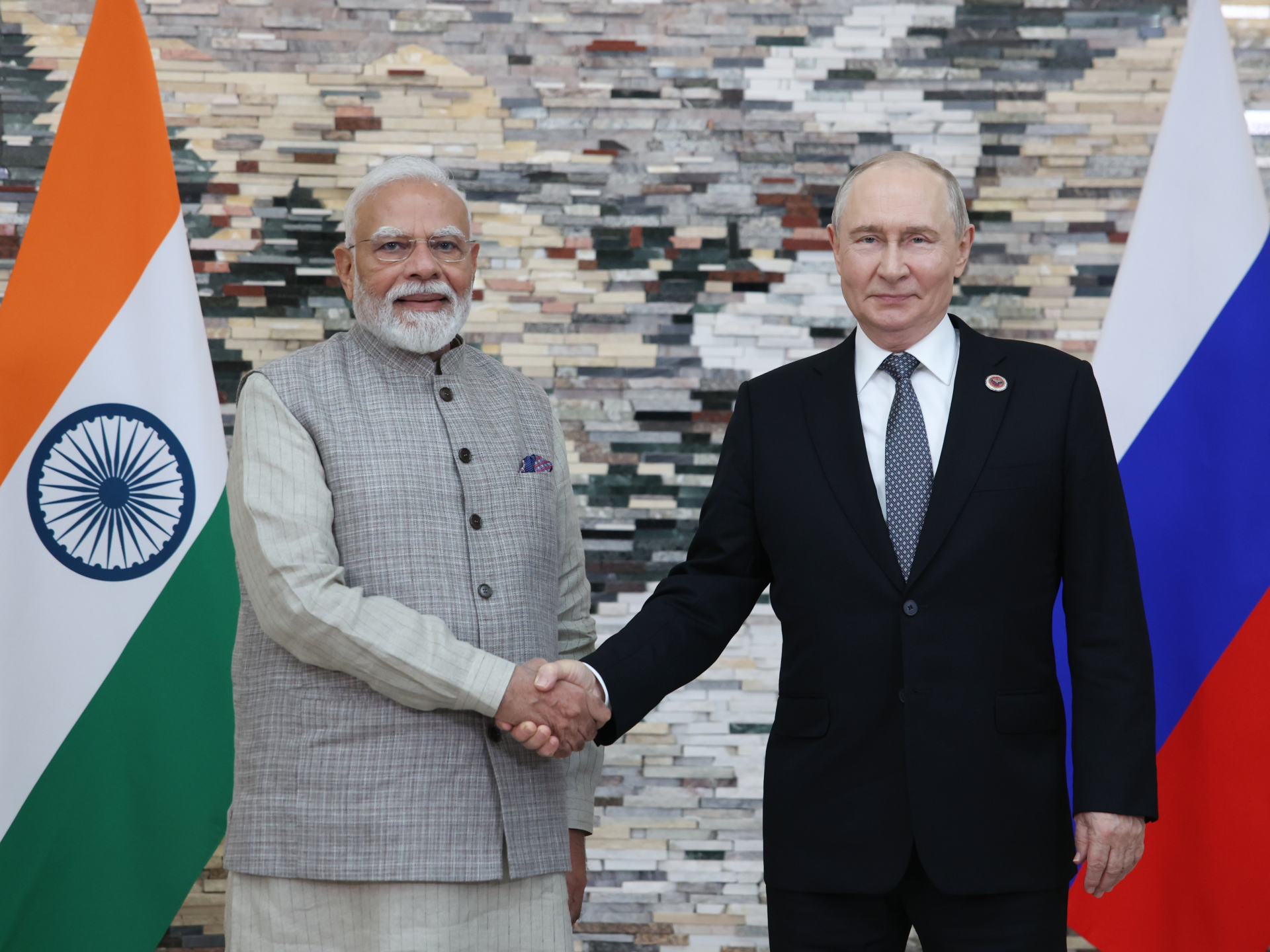
To bridge the supply gap, China has leaned heavily on Russian crude, which accounts for approximately 20 percent of its total imports. Russian ESPO crude remains a preferred option due to its proximity and the ability to transport it via overland pipelines, bypassing the maritime chokepoints currently causing chaos in the Middle East. Despite the complications posed imports from Russia to ensure its refineries remain operational.
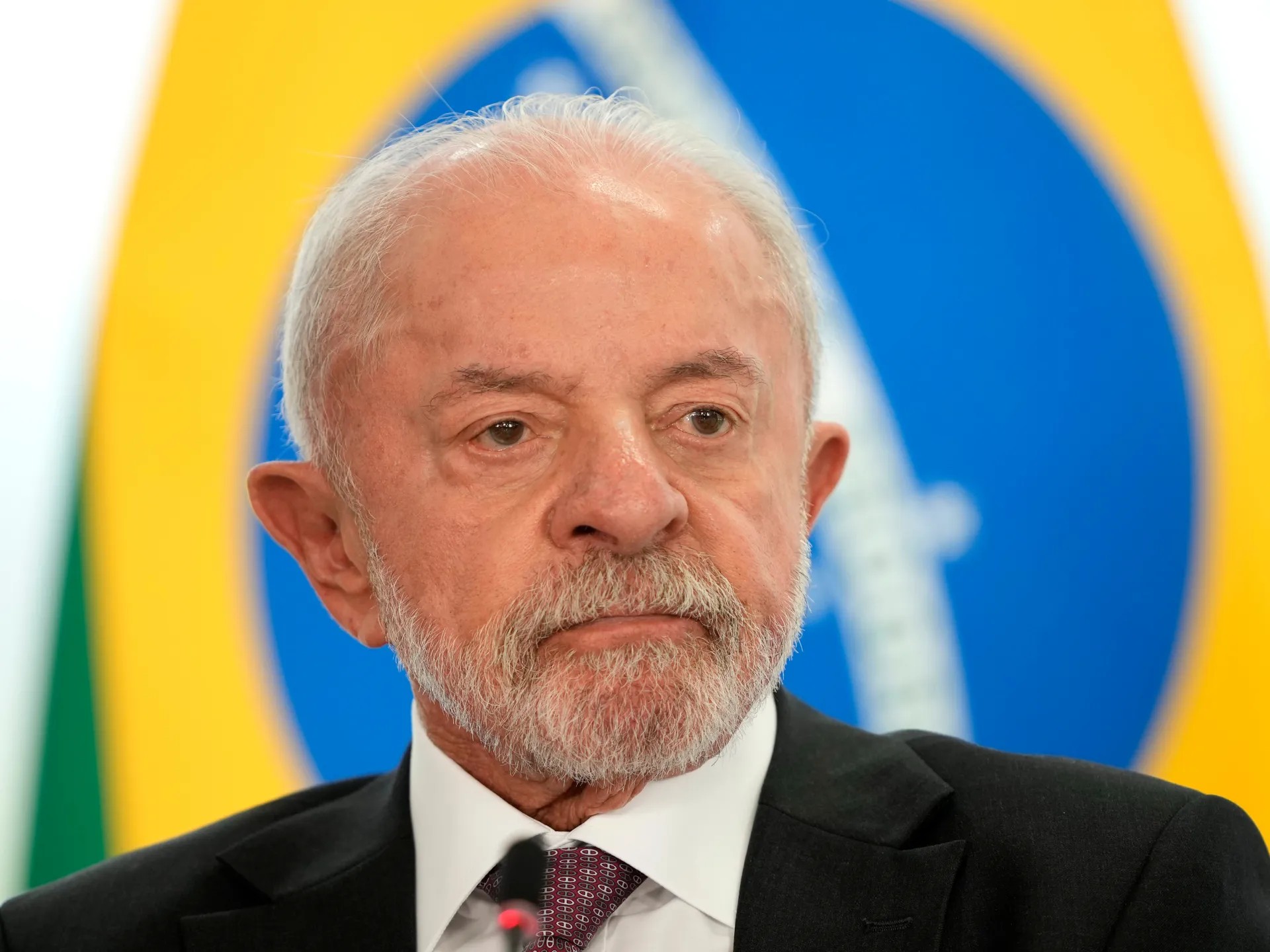
Beyond Russia, Beijing is looking toward Latin America and Africa, including producers like Brazil, Venezuela, and Angola. Yet, these alternatives present their own set of hurdles. Refineries are often configured for specific grades of oil, and the geographical distance from these regions results in significantly higher freight costs and longer shipping times. Even if these nations were to increase output, their total capacity is insufficient to fully replace the massive volume of oil typically sourced from the Persian Gulf.
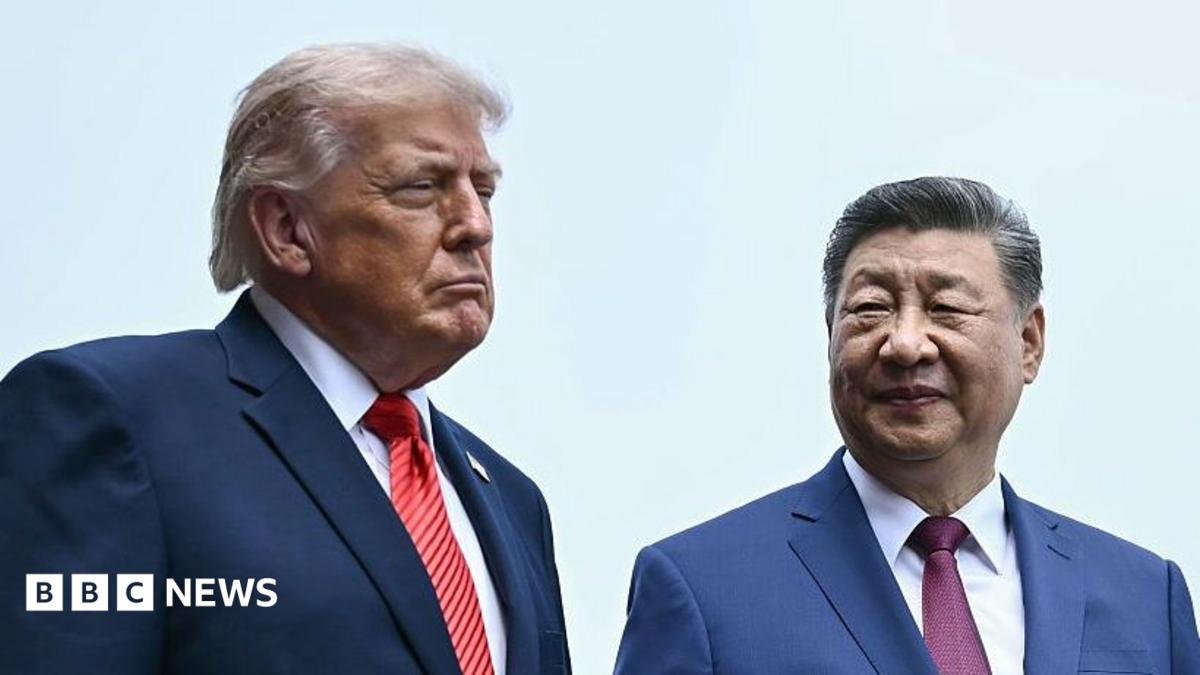
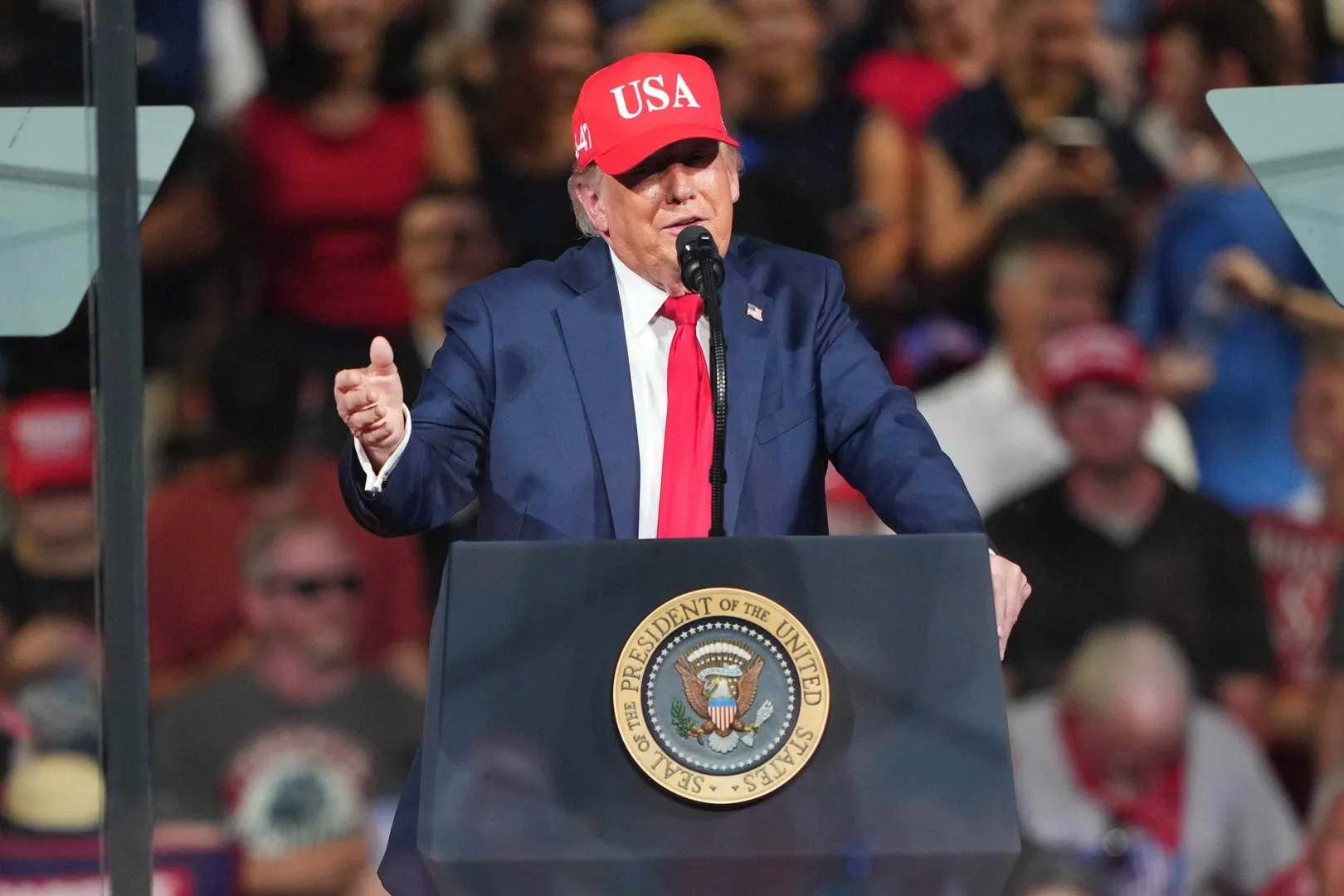
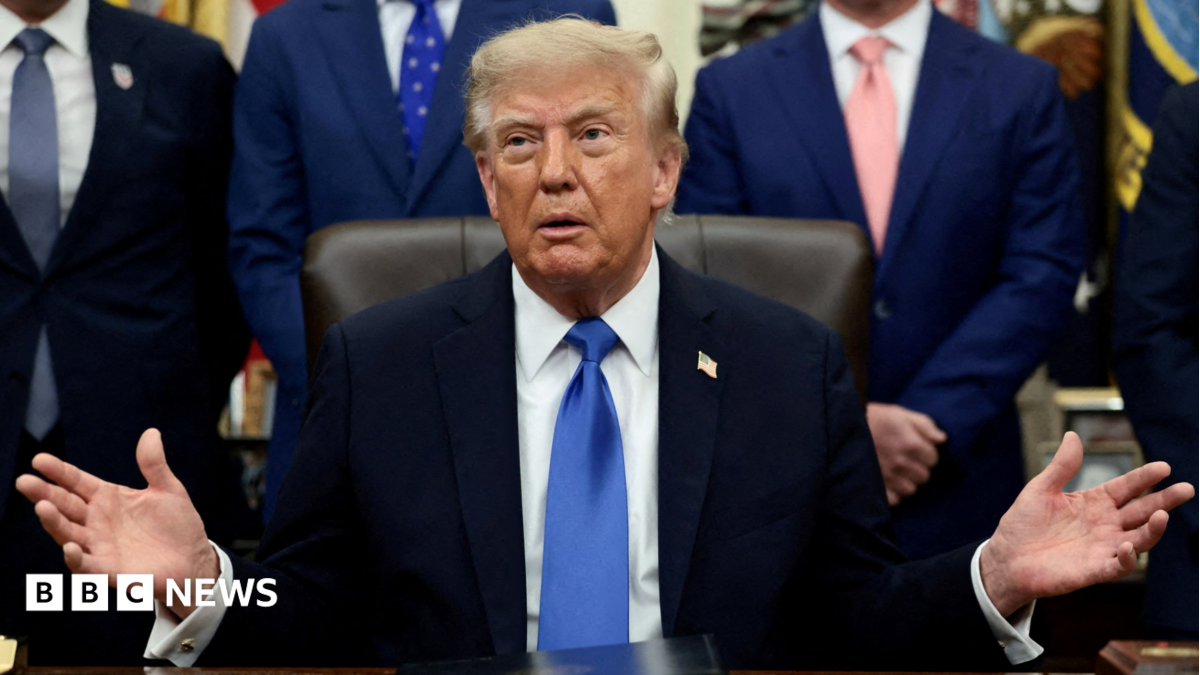
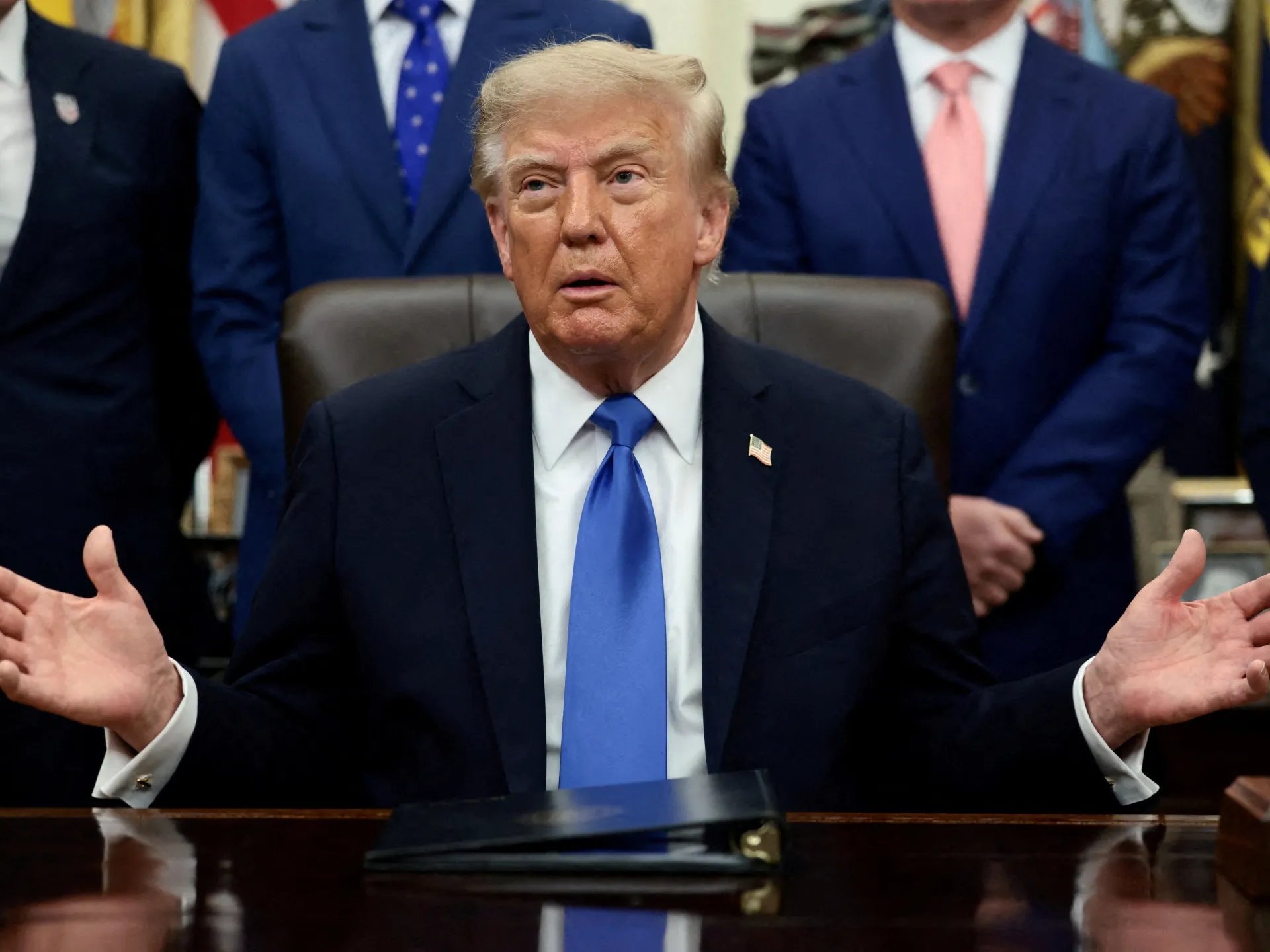
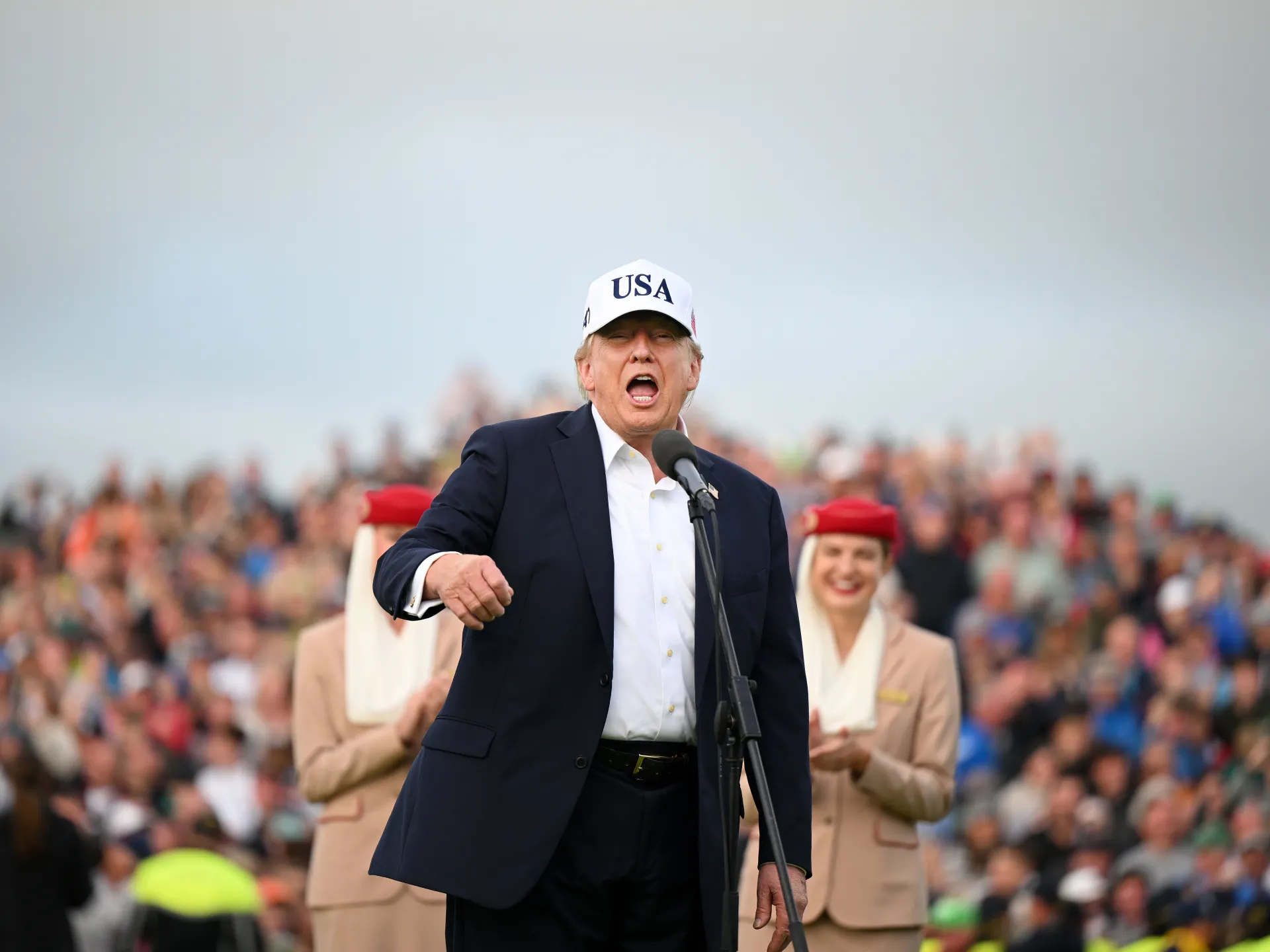
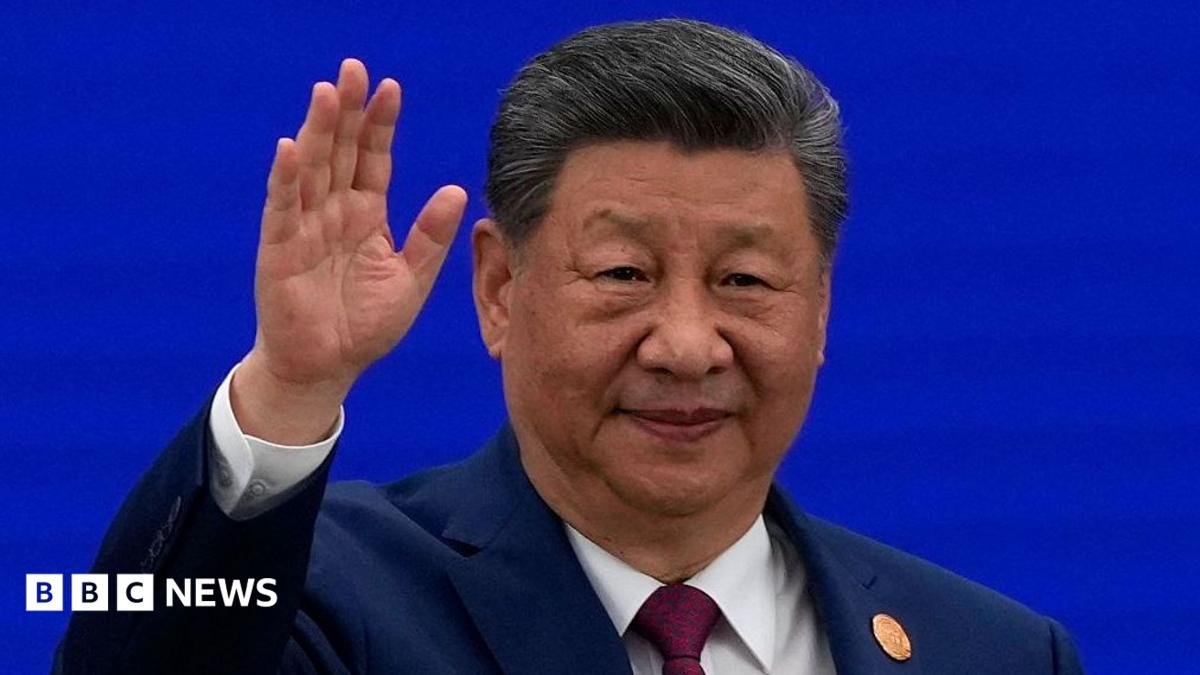
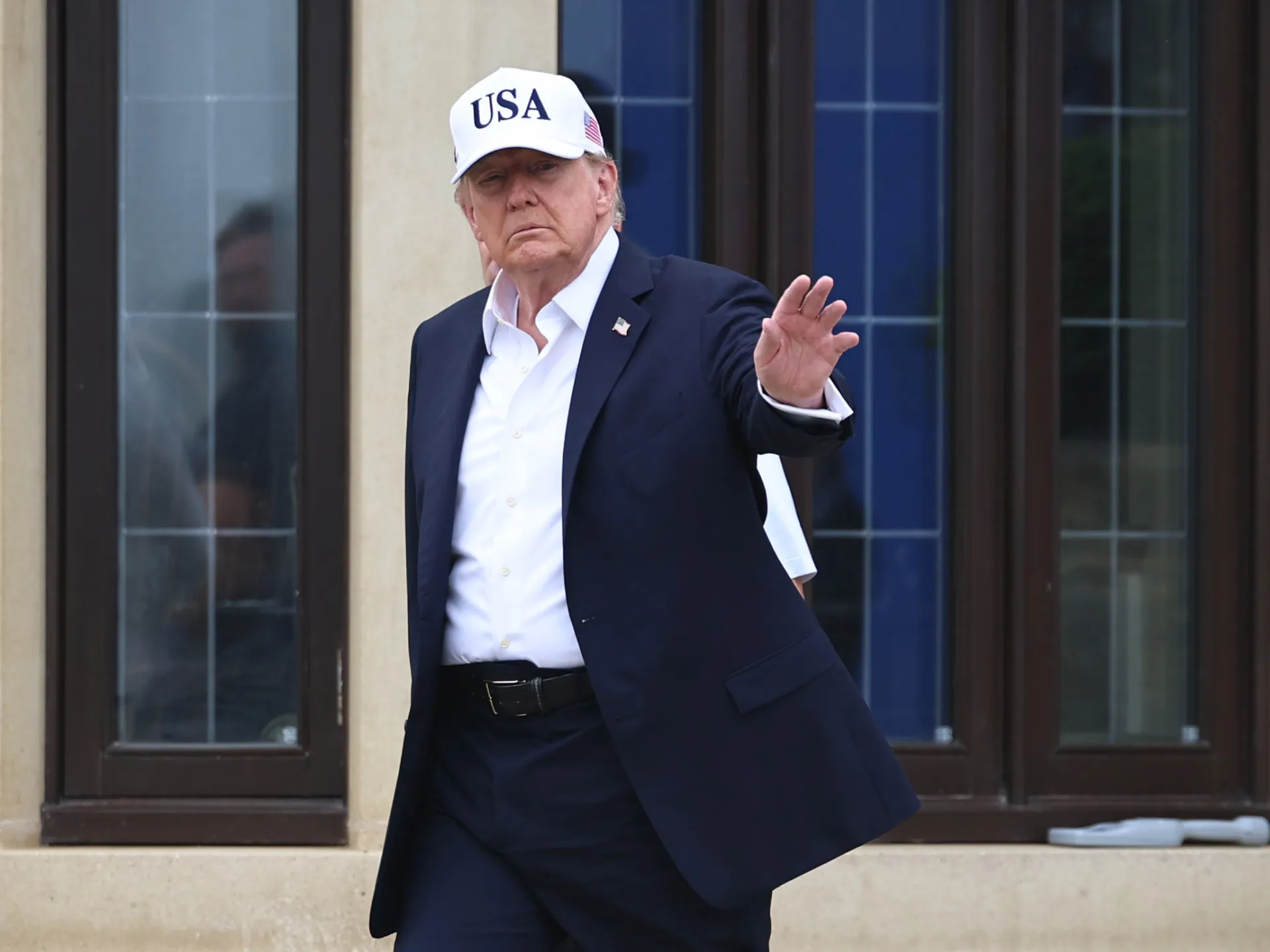
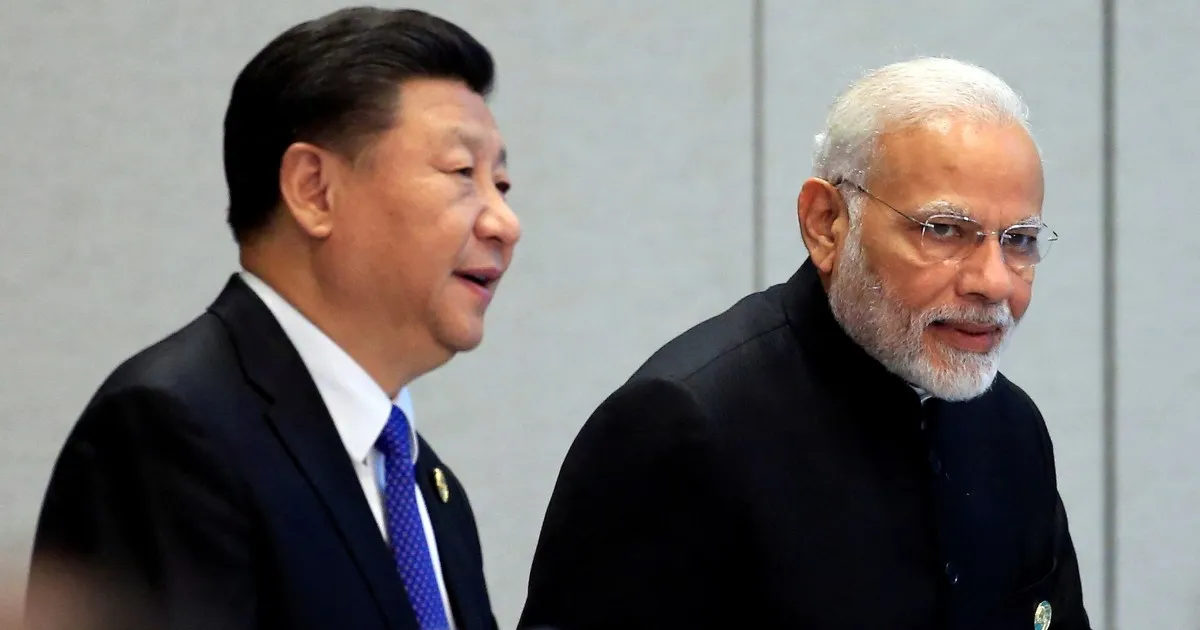
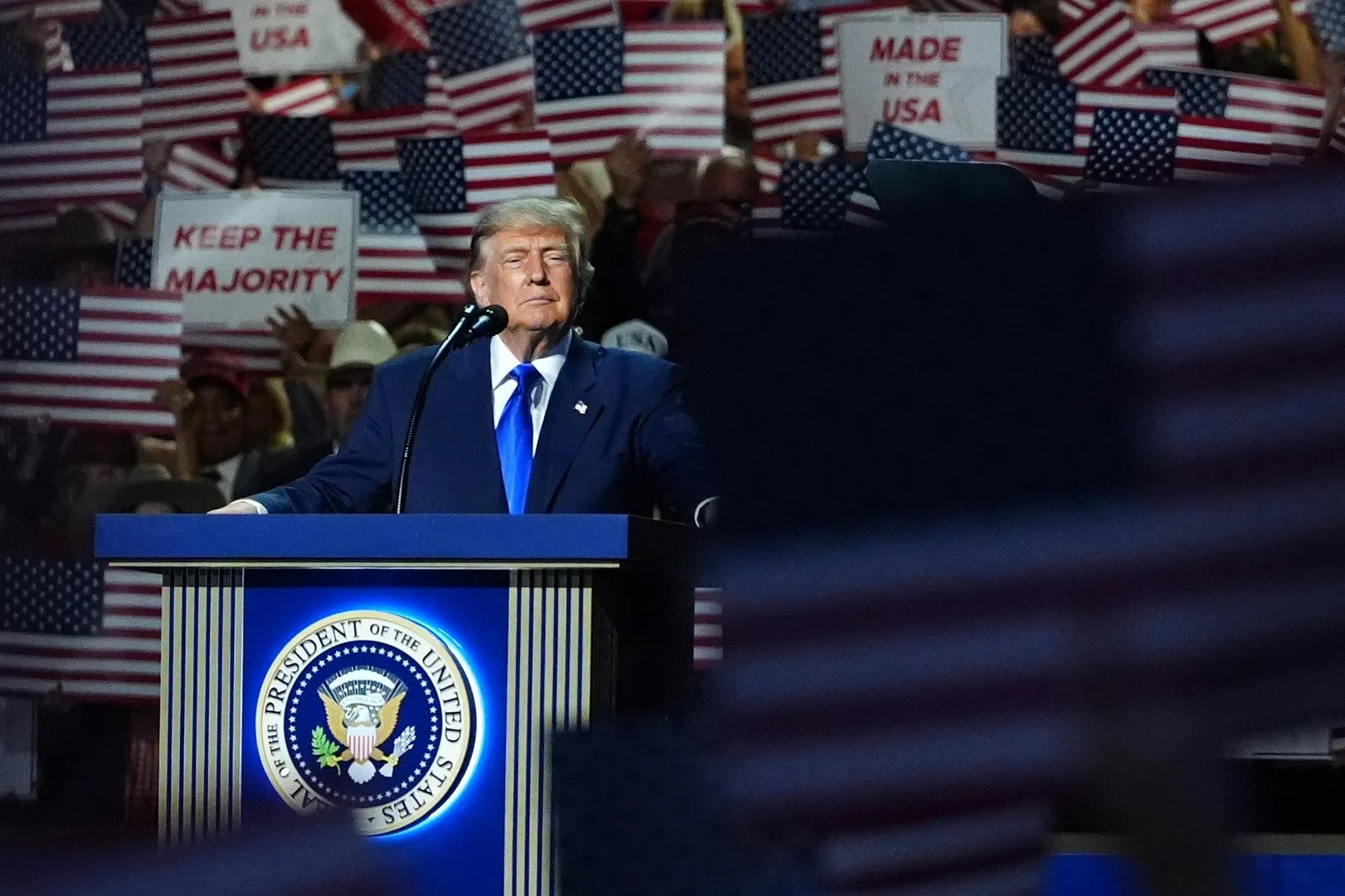
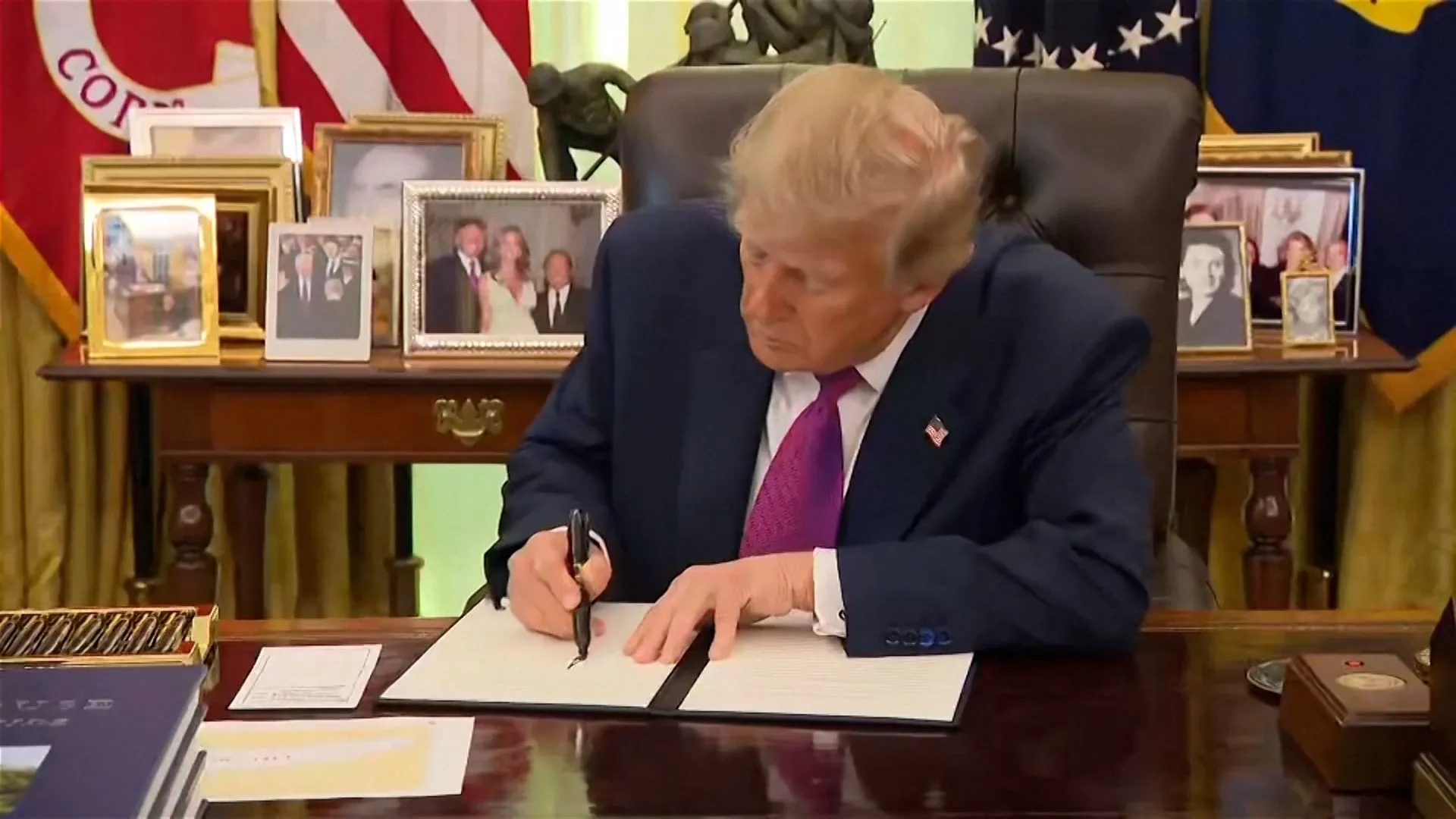
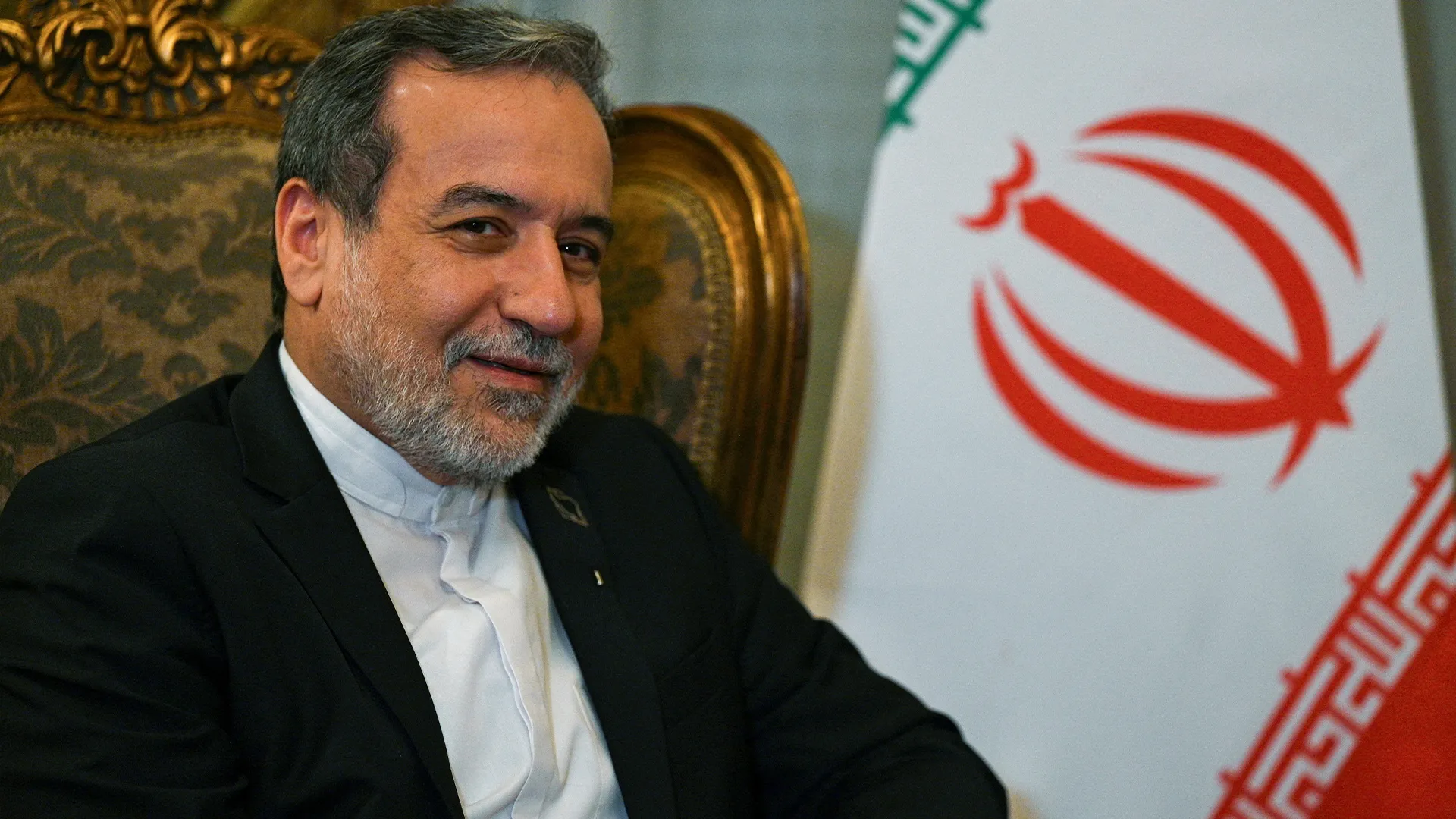
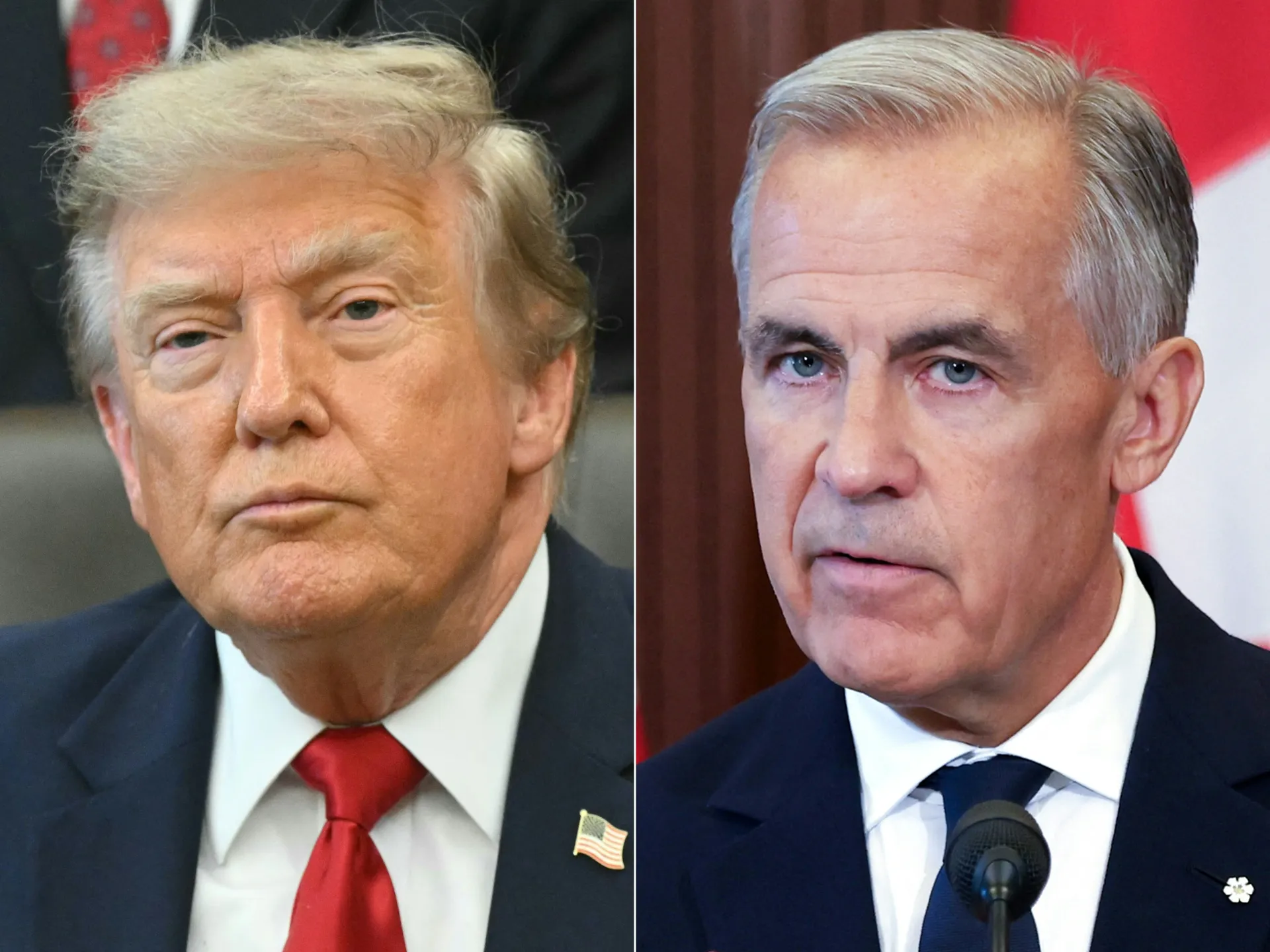
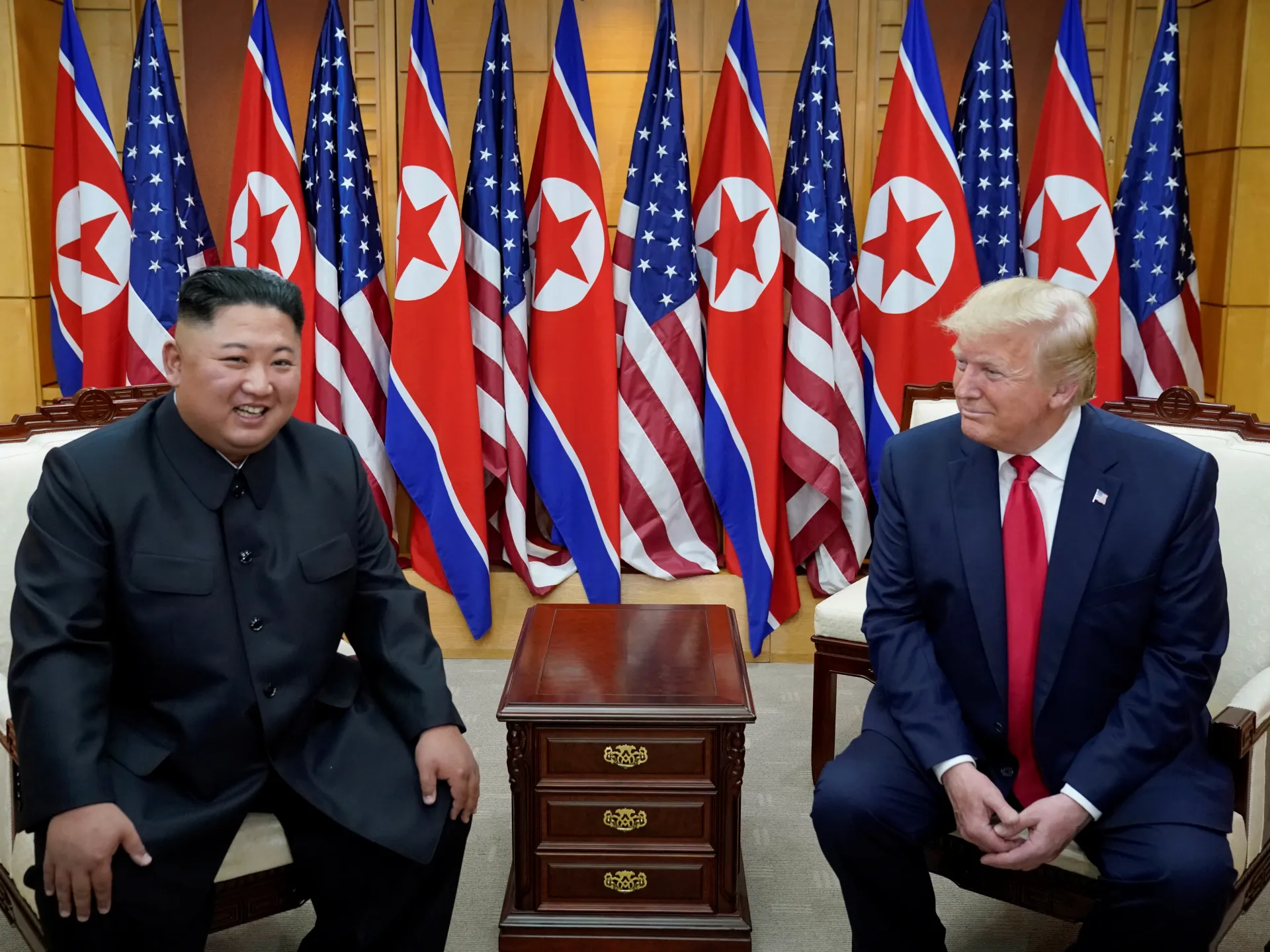
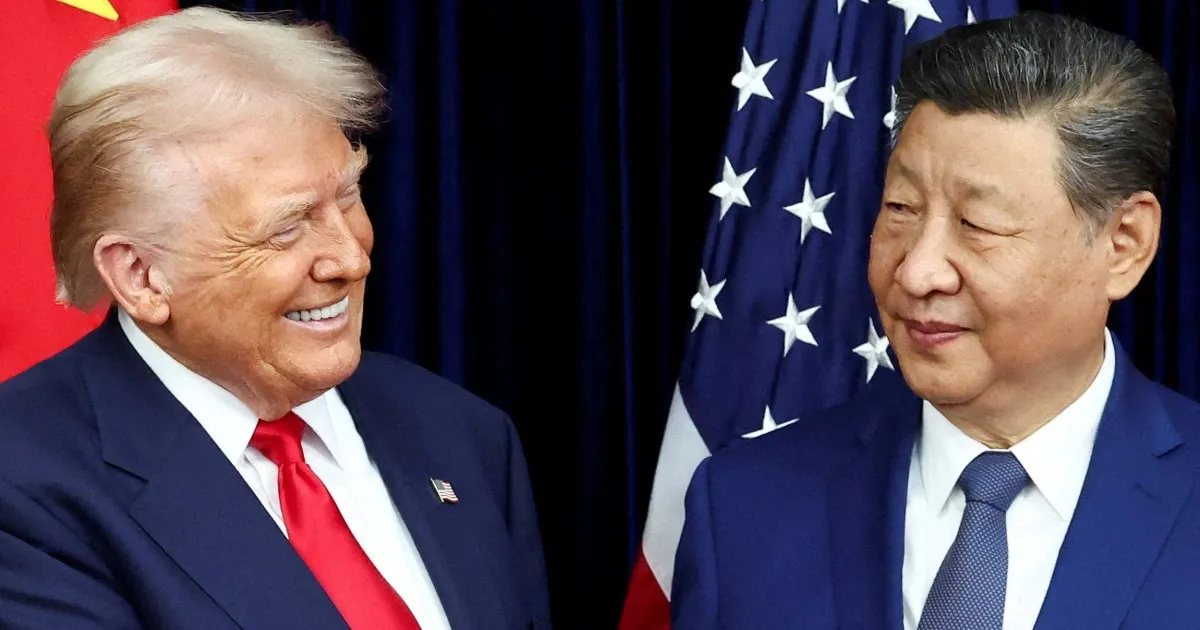
The urgency of the energy crisis has elevated the issue to the highest levels of Chinese diplomacy. Recent meetings between Chinese Foreign Minister Wang Yi and his Iranian counterpart highlight Beijing’s desire to see the Strait of Hormuz reopened. These efforts are viewed as a necessary precursor to upcoming high-level talks between President Xi Jinping and President Donald Trump. Beijing is expected to urge the United States to pursue negotiations that could lead to the stabilization of global shipping lanes.
While China has made strides in reducing its oil dependency through the rapid adoption of electric vehicles and increased energy efficiency, its heavy industries and aviation sectors remain tethered to fossil fuels. The current situation serves as a stark reminder of the limitations of these transitions in the short term. As the country navigates this difficult period, the interplay between its energy needs and its global diplomatic influence will remain a defining feature of its economic policy, with the stability of the global oil market hanging in the balance.