China's oil prices have surged to an all-time high of $130 per barrel, raising questions about the nation's energy security amid global supply chain instability.
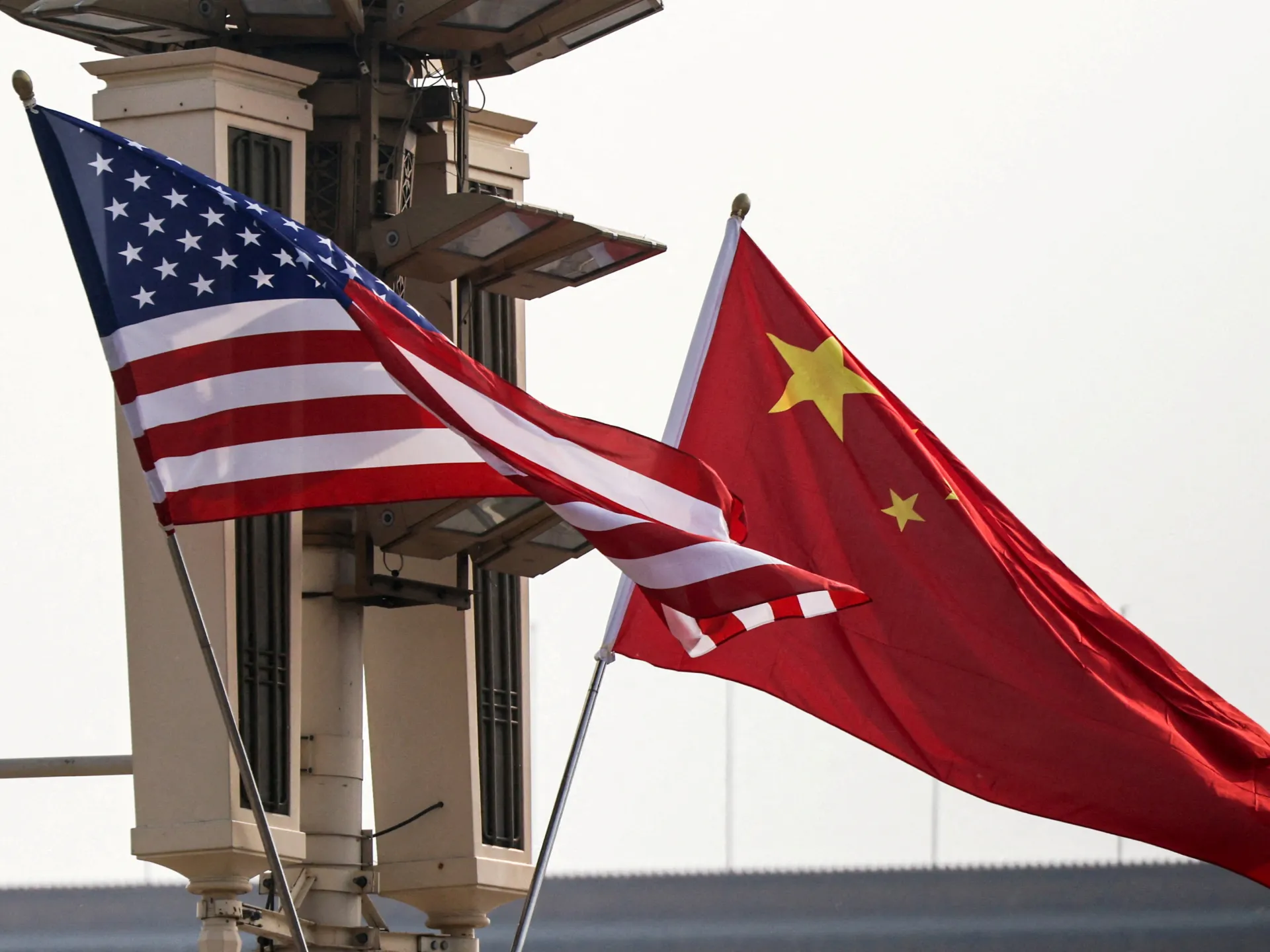
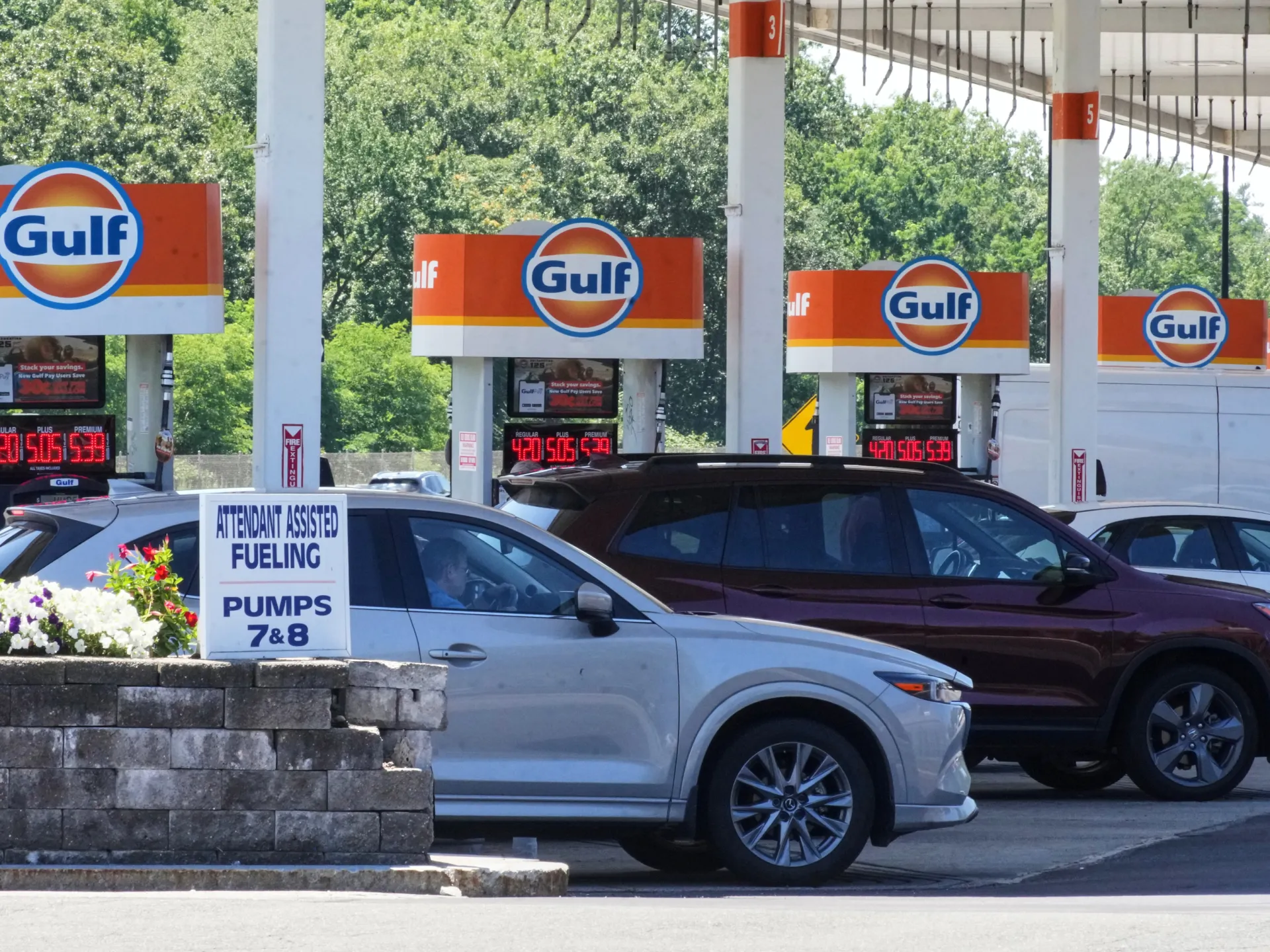
The global energy landscape is currently navigating a period of significant volatility, characterized ld's largest consumer and importer of crude oil, domestic prices recently climbed to a historic peak of approximately 130 US dollars per barrel. This sharp increase reflects a broader international trend where supply chain bottlenecks and geopolitical instability continue to disrupt the flow of essential energy resources, leaving major industrial economies scrambling to secure their needs.
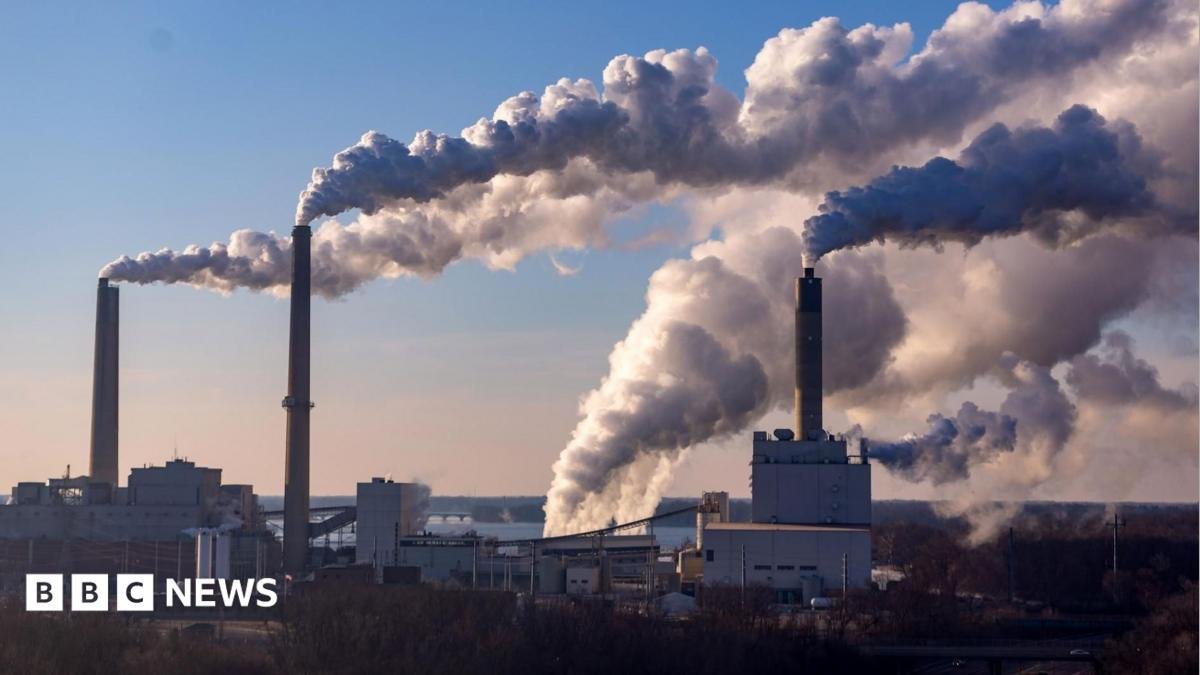
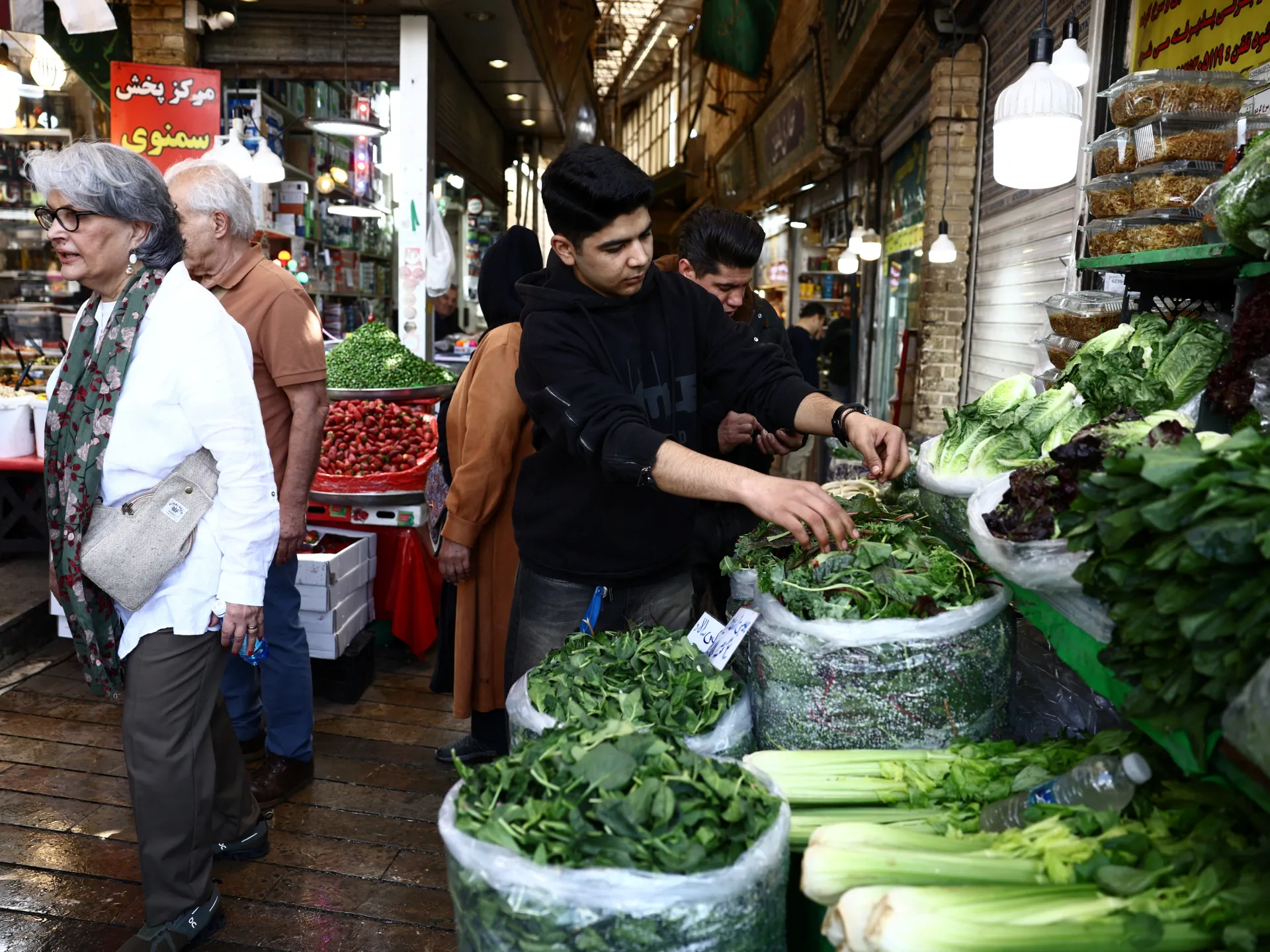
For China, these elevated costs are not merely a fiscal concern but a systemic challenge that ripples through its massive manufacturing sector. As energy inputs become more expensive, the cost of production rises, potentially dampening industrial output and slowing the momentum of the nation’s post-pandemic recovery. Policymakers and industry analysts are closely monitoring these figures, as the persistence of high energy prices threatens to exacerbate inflationary pressures across the domestic market.
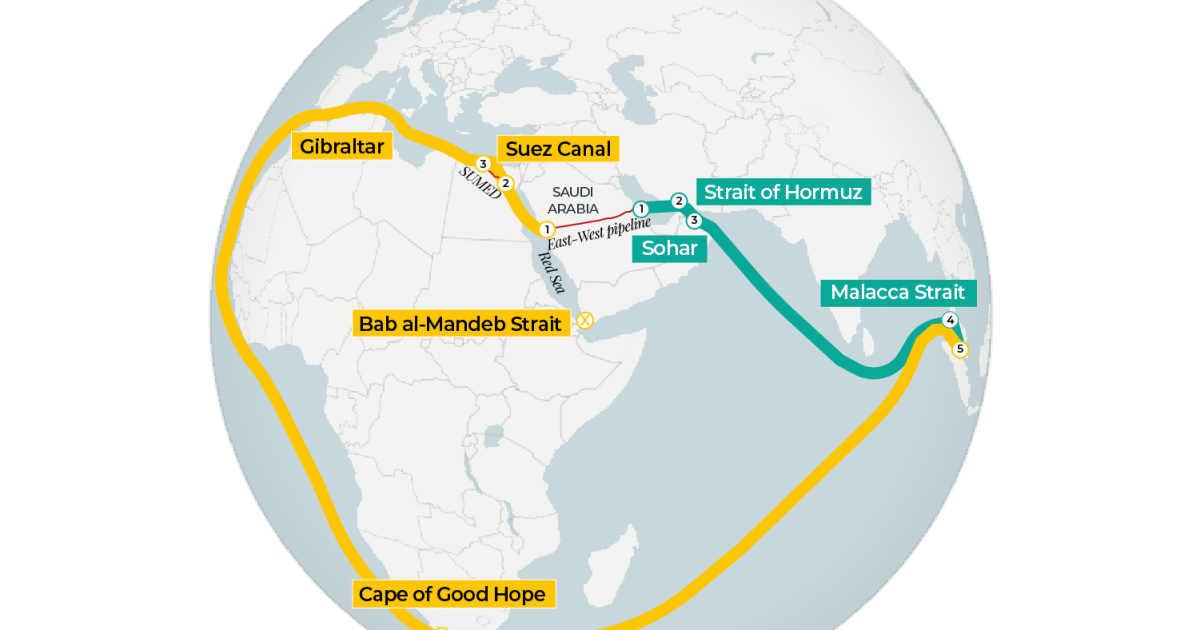
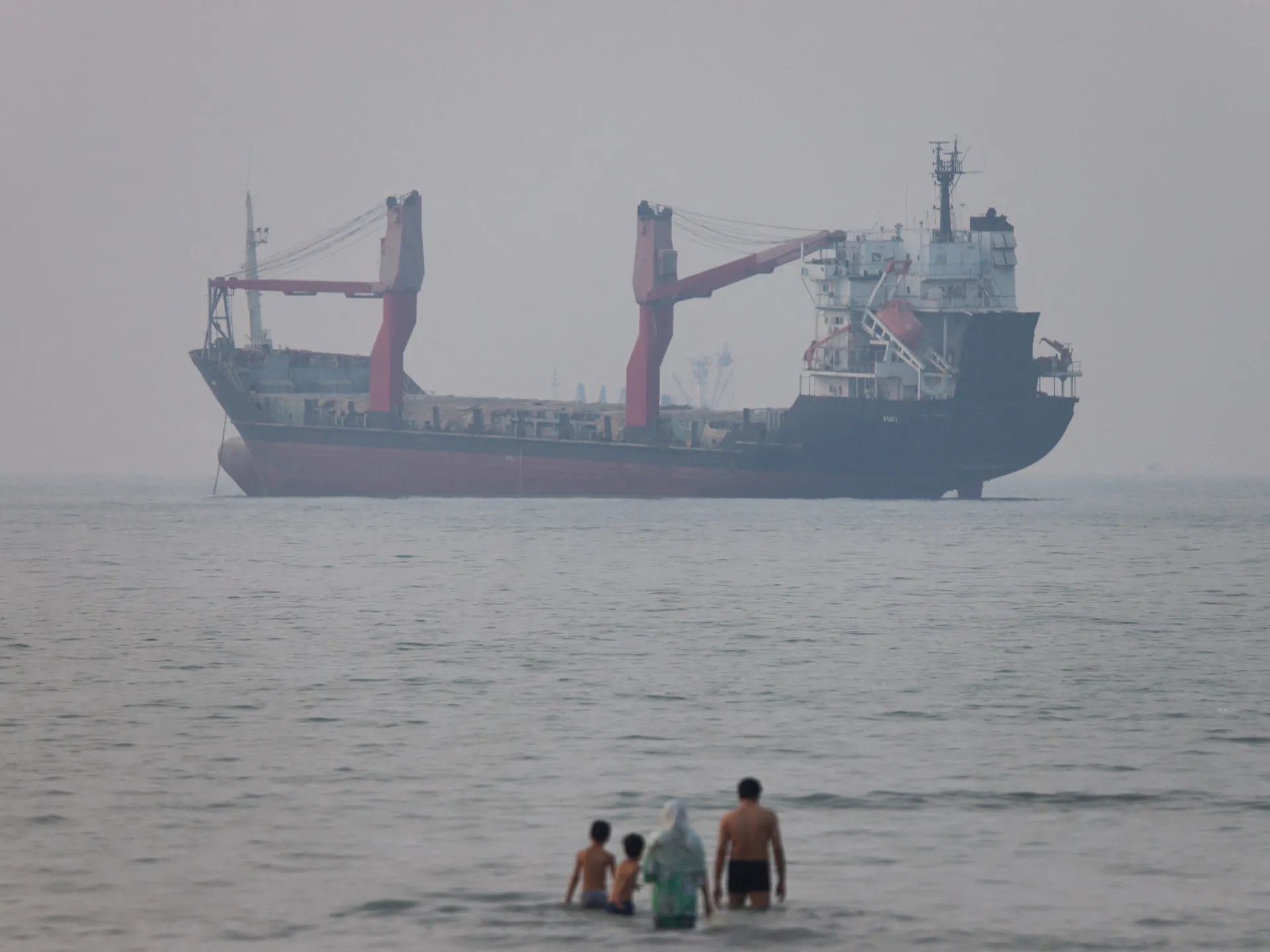
The primary catalyst for this price surge lies in a complex matrix of global supply disruptions. Factors ranging from strained logistics networks to restricted output from major producing nations have tightened the market significantly. When supply fails to keep pace with the robust demand from industrial powerhouses like China, price spikes are an inevitable consequence. These constraints are compounded tructure to meet sudden shifts in global requirements.
Furthermore, the reliance on international trade routes means that any localized conflict or regulatory shift in energy-producing regions can have immediate, cascading effects on the price of a barrel of oil. As China continues to integrate deeply into the global economy, its vulnerability to these external shocks has grown. The current record prices serve as a stark reminder of how interconnected the global energy market remains and how sensitive it is to the slightest shift in production capacity or geopolitical stability.
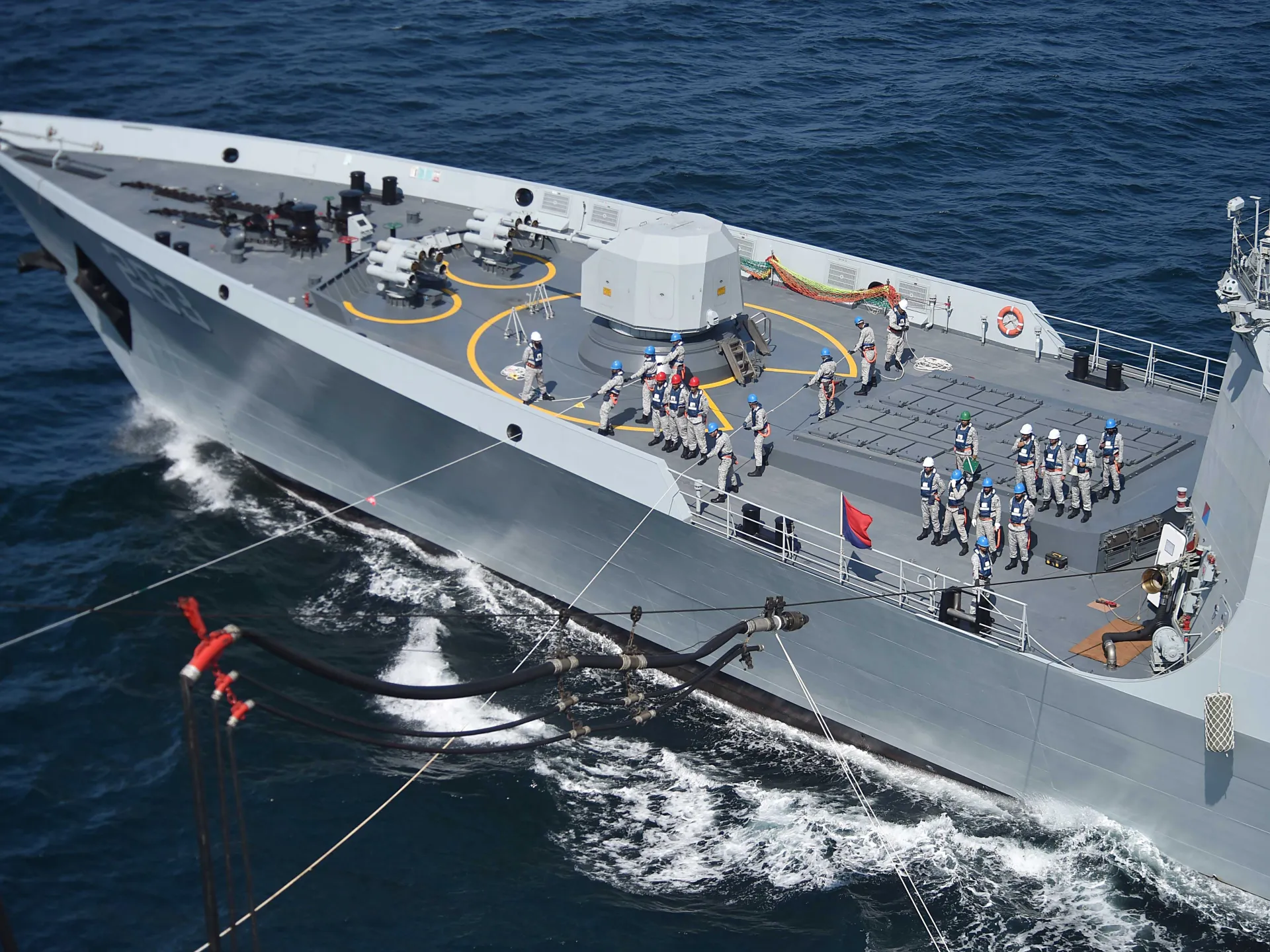
Given that China is the world's leading oil importer, the question of whether the nation faces a risk of running out of supply is a central point of concern for global analysts. While the financial burden of purchasing oil at these record levels is substantial, industry experts argue that the risk of a total depletion of stock is mitigated esigned to insulate the country against sudden market shocks and ensure the continuity of essential services and industrial operations during periods of acute scarcity.
However, maintaining these reserves is an expensive endeavor, and relying on them long-term is not a sustainable solution to permanent price increases. The government is likely to continue balancing market interventions with a push toward greater energy diversification. This includes accelerating the transition toward renewable energy sources and enhancing domestic efficiency, both of which are intended to reduce the overall dependency on volatile foreign oil markets in the coming decades.
Looking ahead, the trajectory of oil prices remains highly uncertain as the world balances the need for energy security with the rising costs of traditional fossil fuels. The current peak in prices acts as a catalyst for deeper systemic discussions about energy policy within China. As the country balances its massive demand with the realities of global supply constraints, it must navigate the thin line between maintaining economic competitiveness and ensuring long-term resource stability.