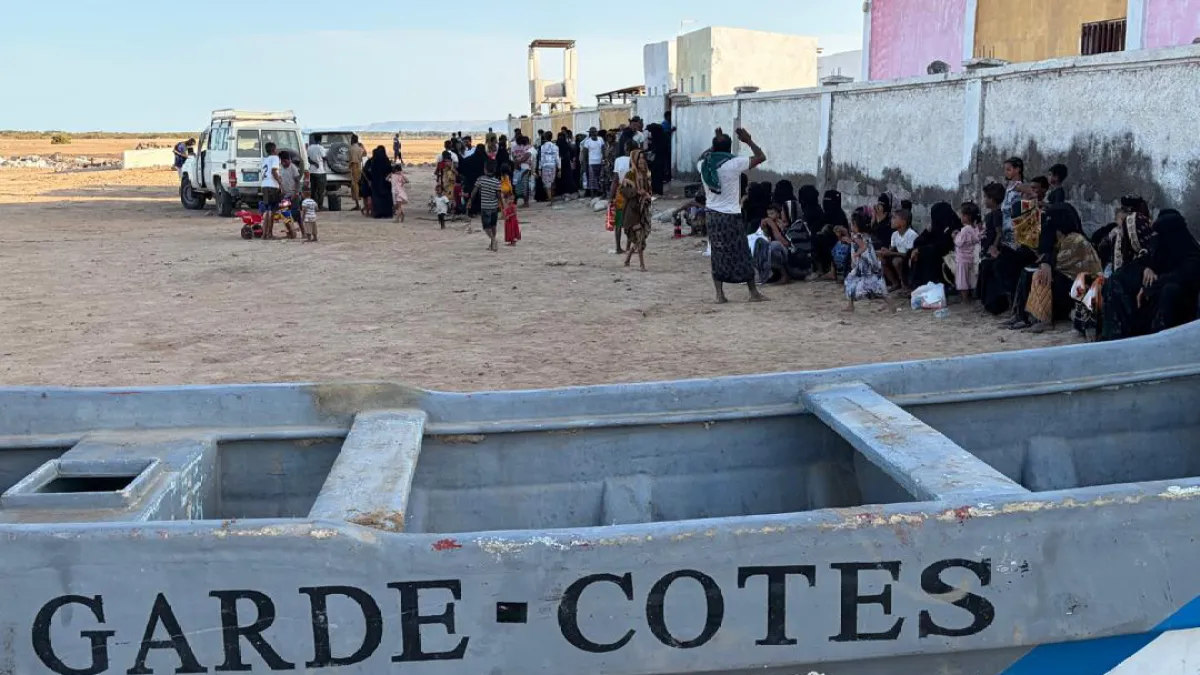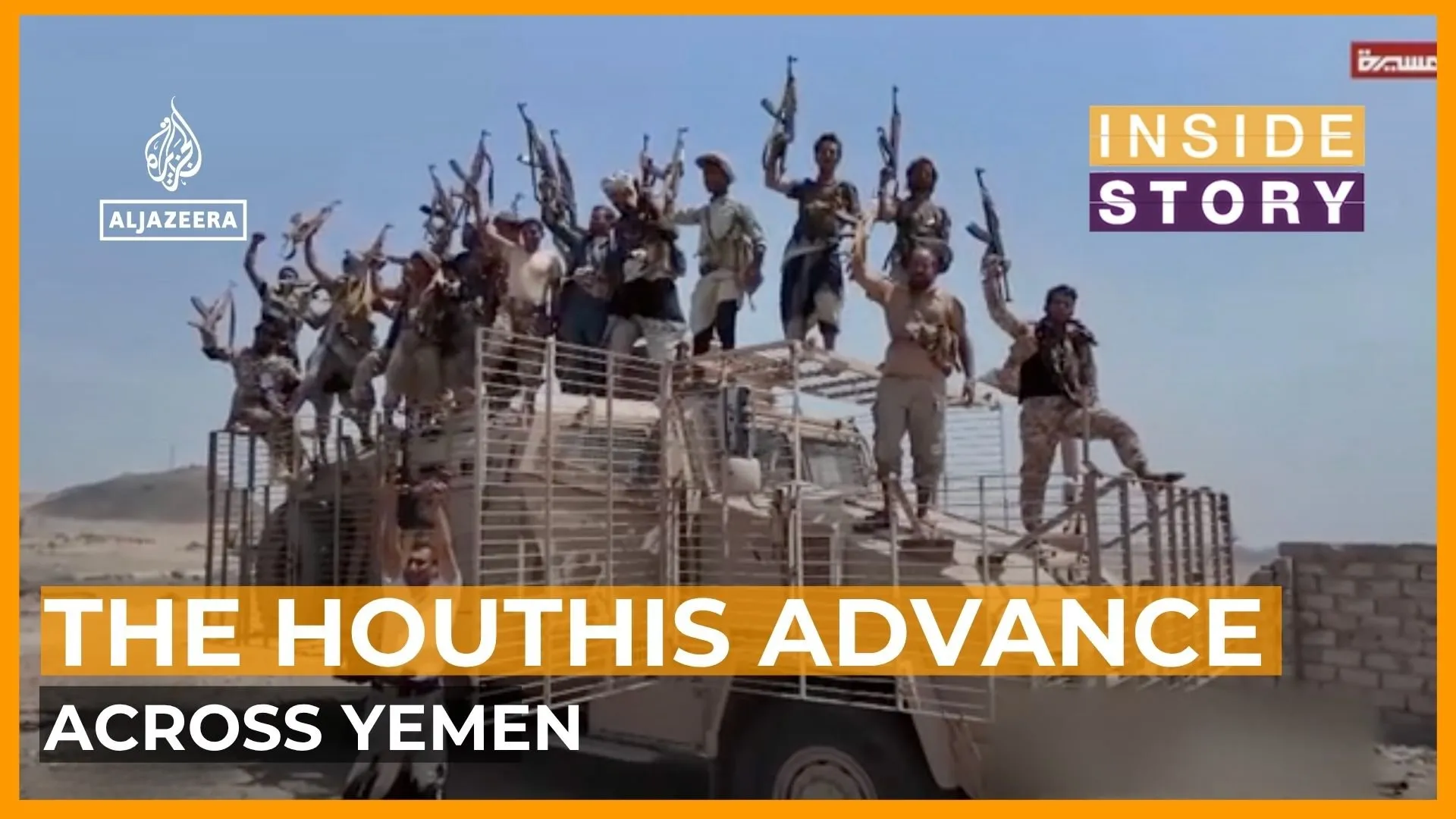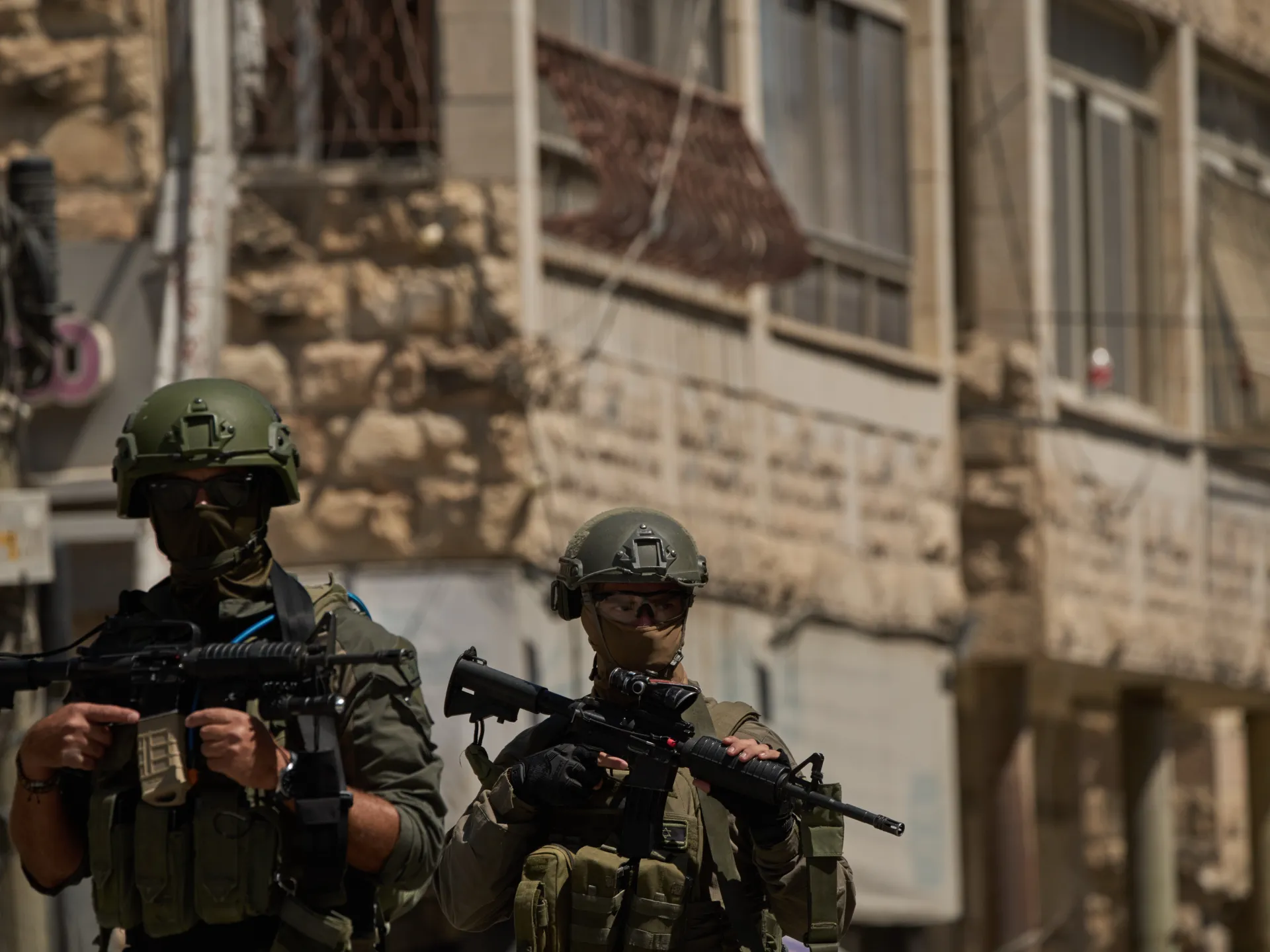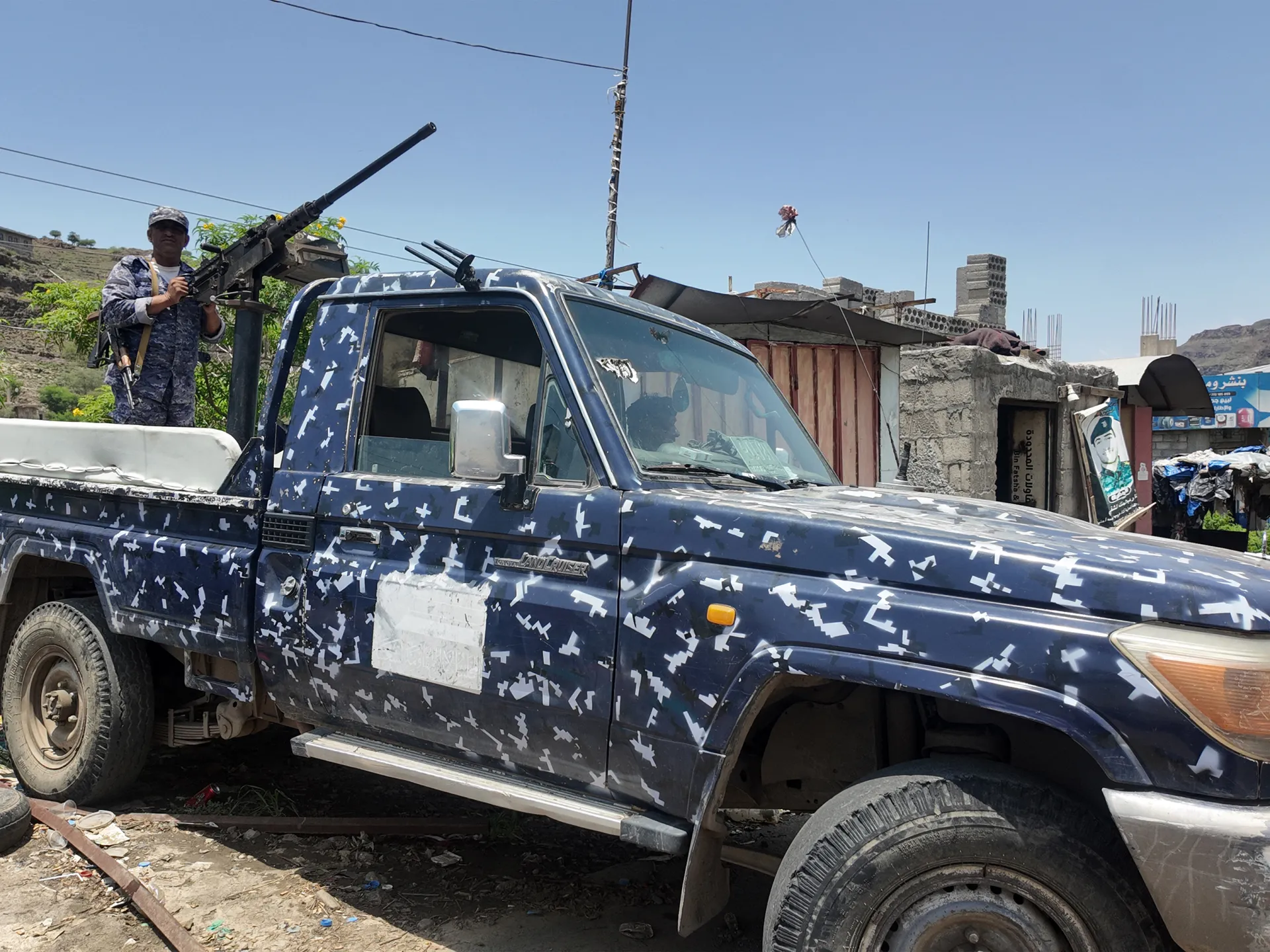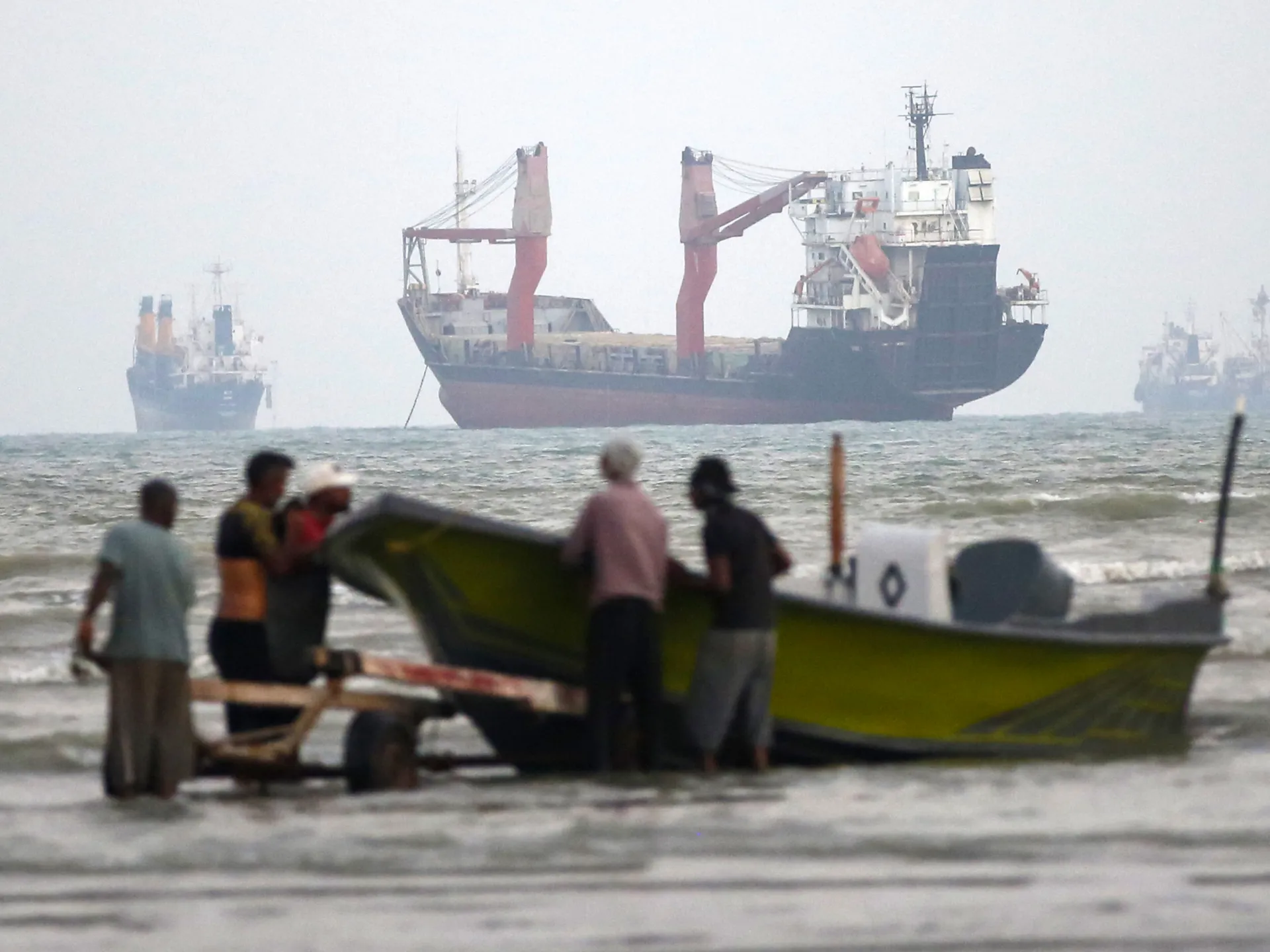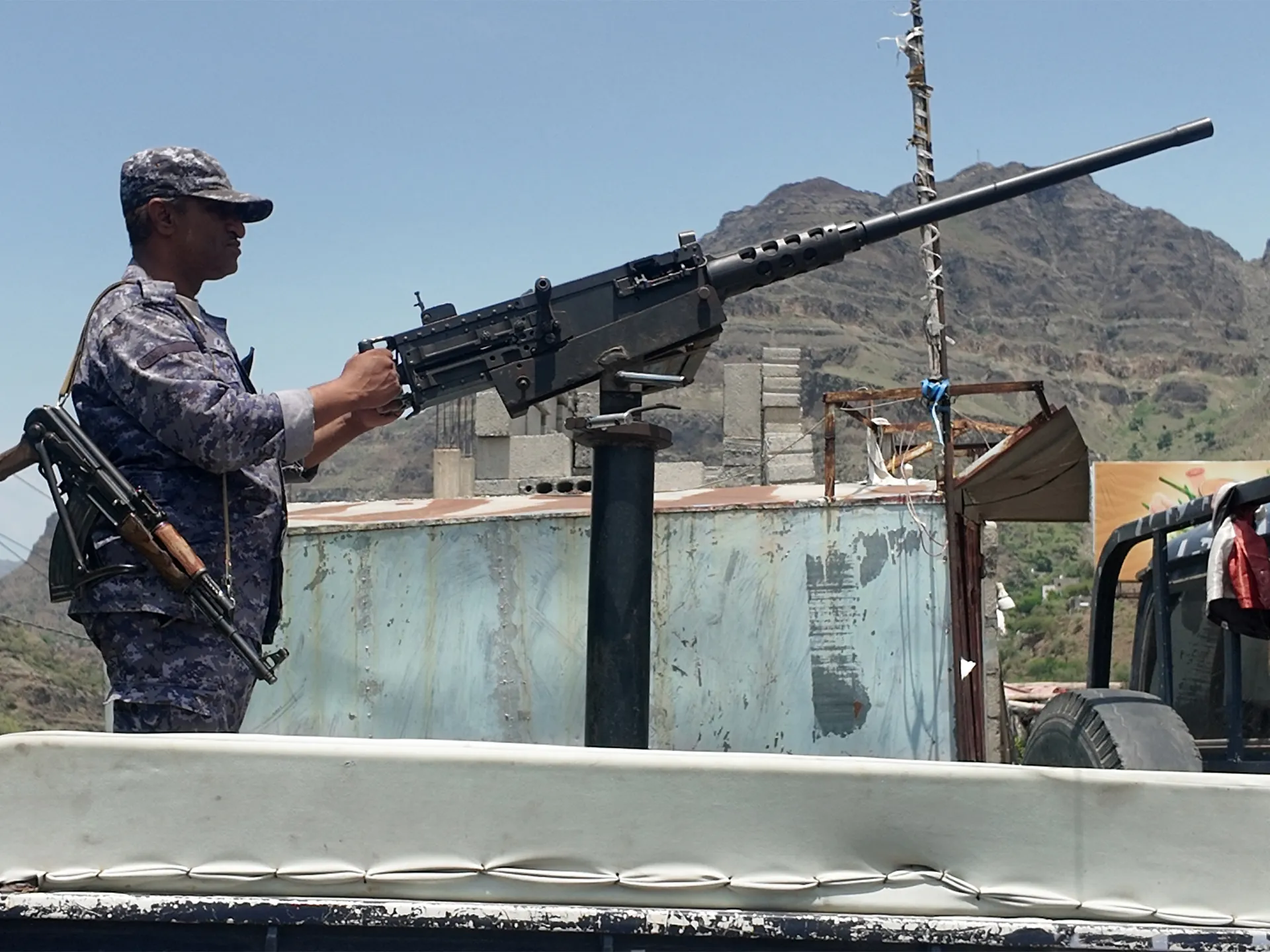
Renewed fighting between Yemeni government forces and Houthi rebels has intensified, even as diplomatic backchannels remain open to prevent further regional instability.
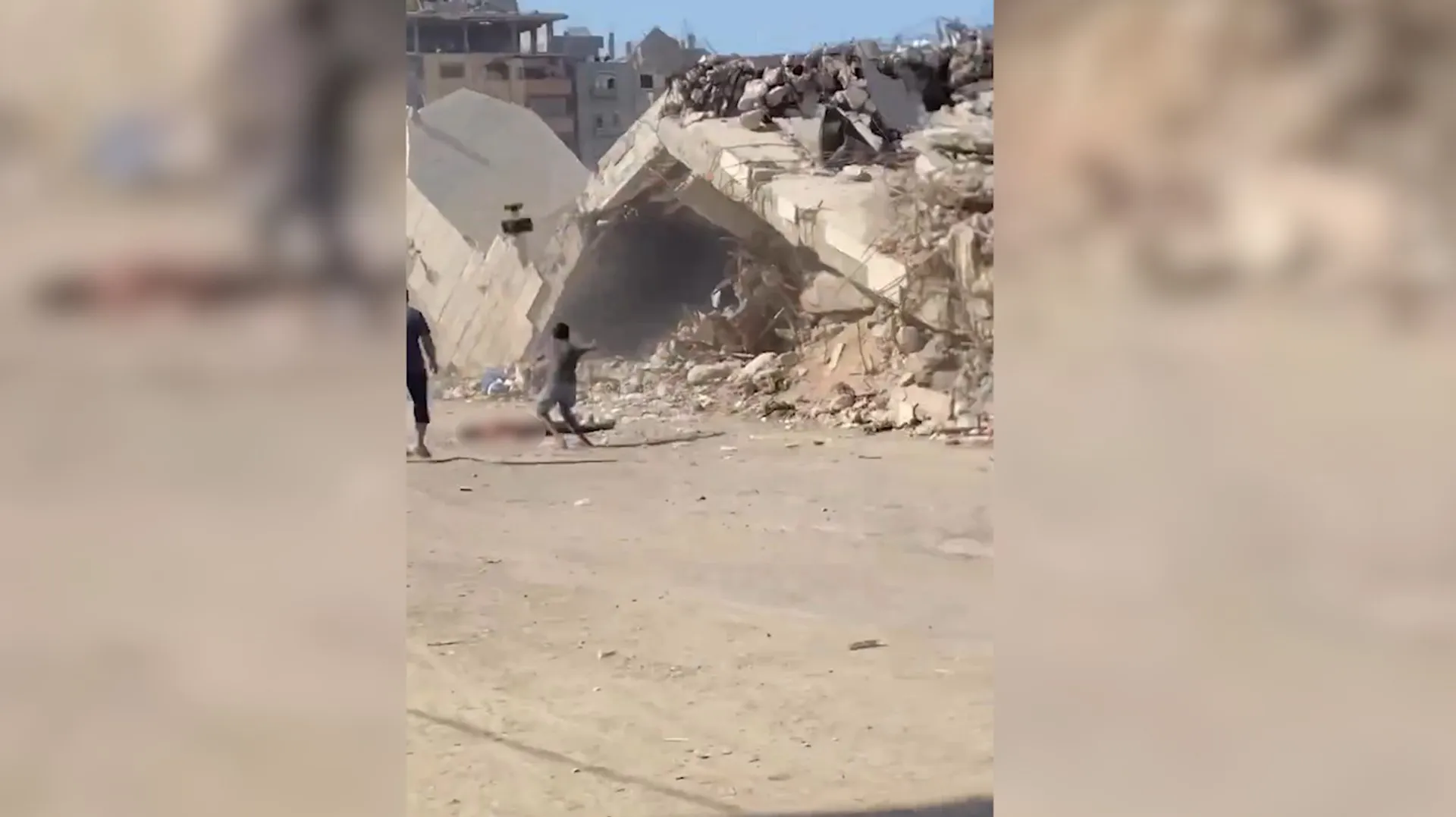
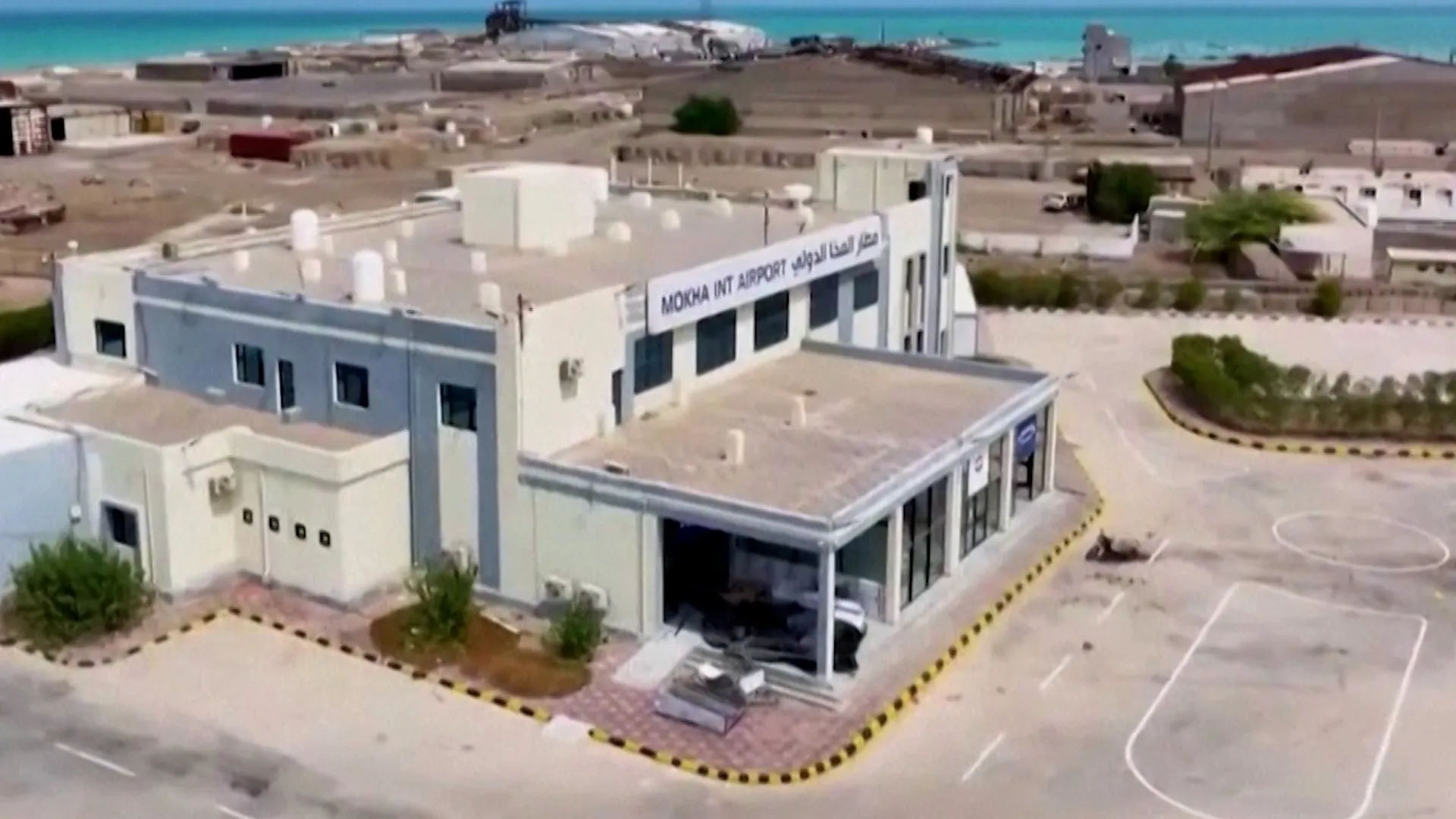
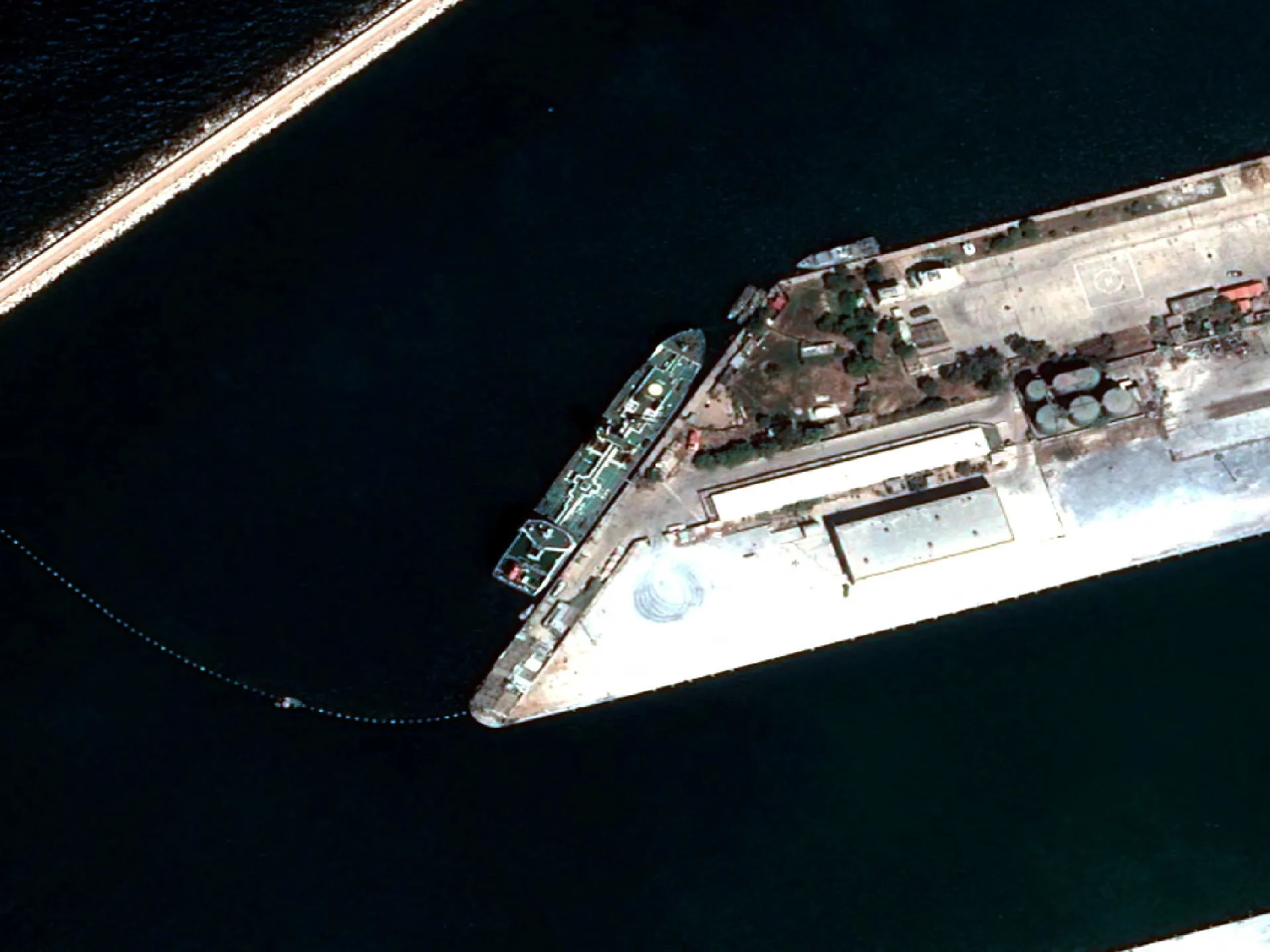
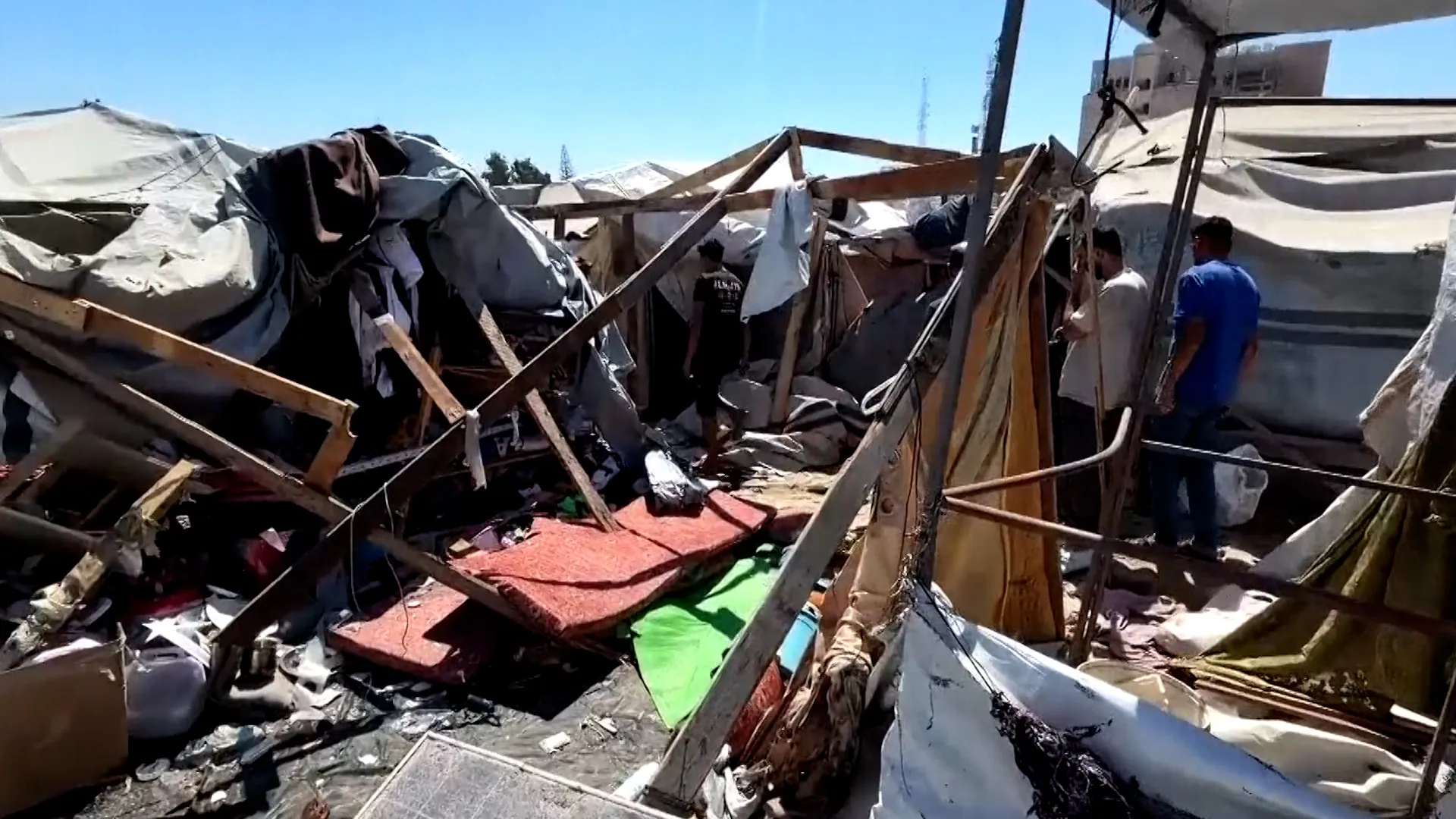
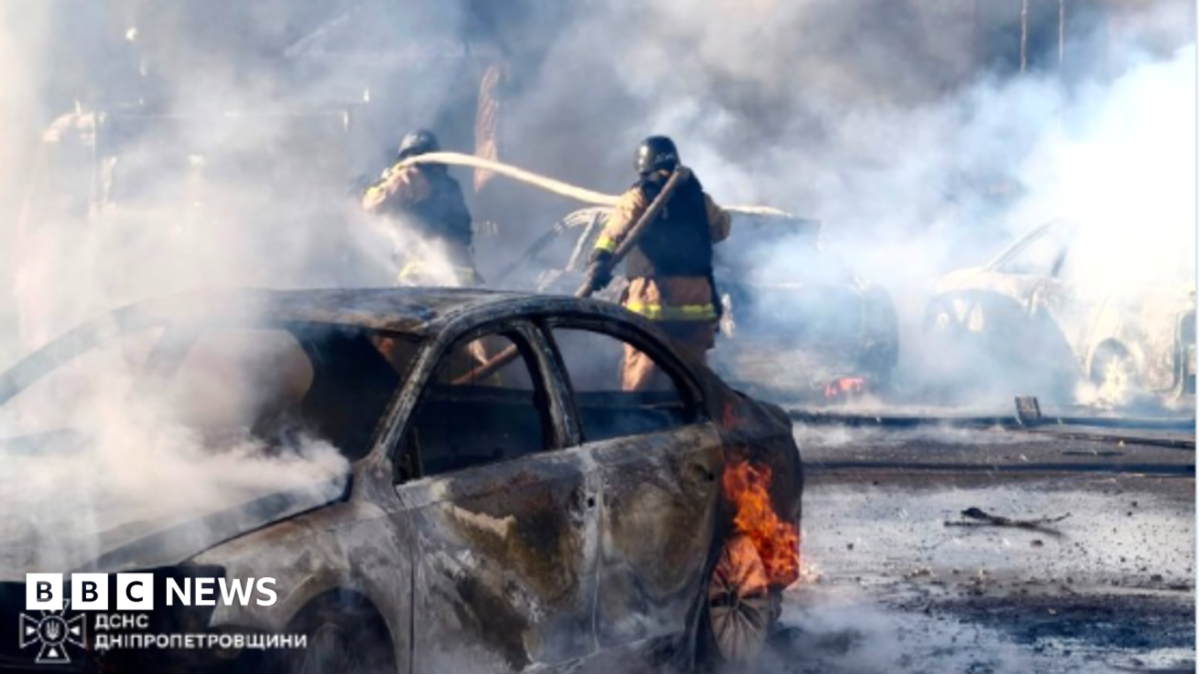
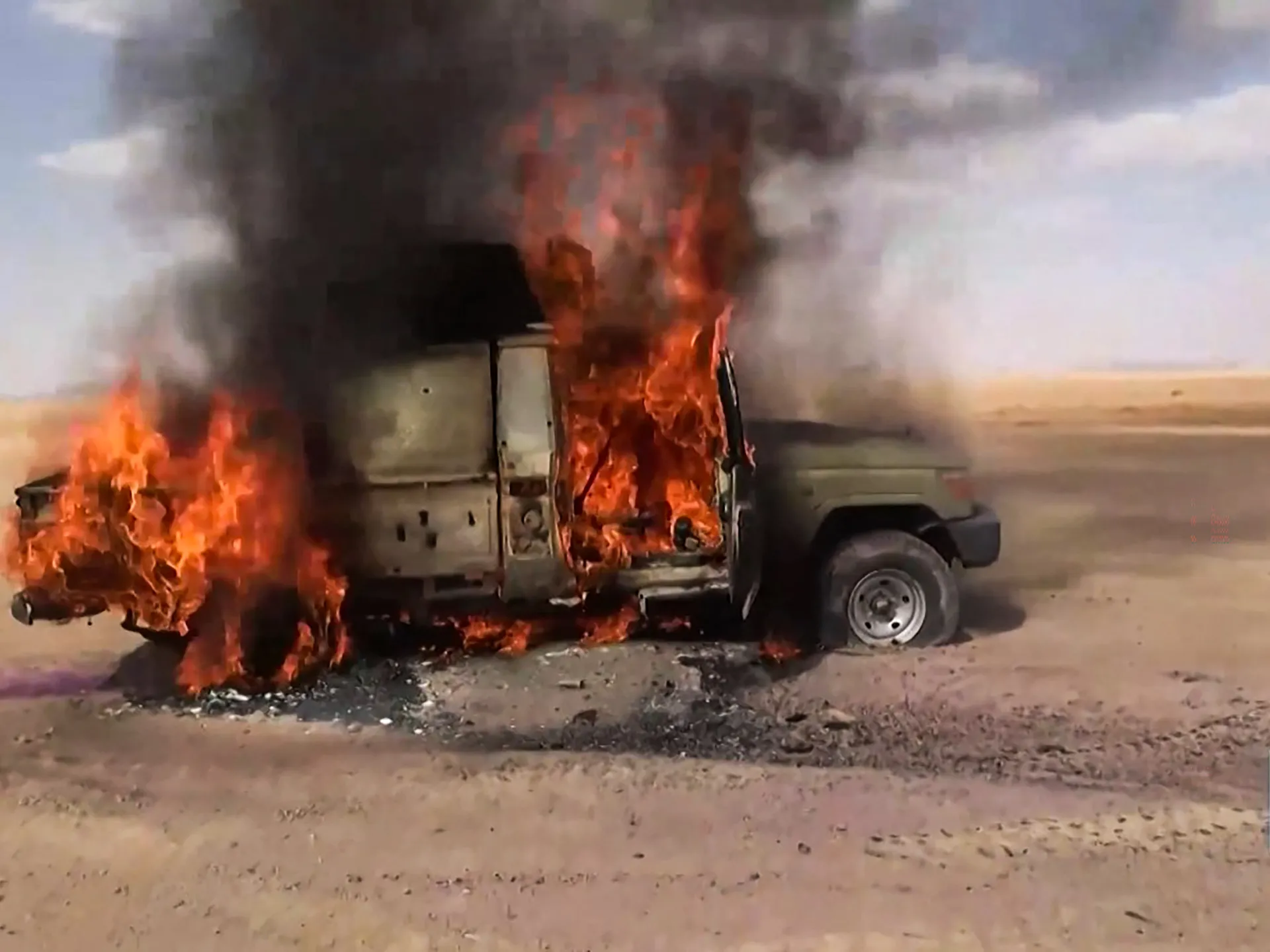
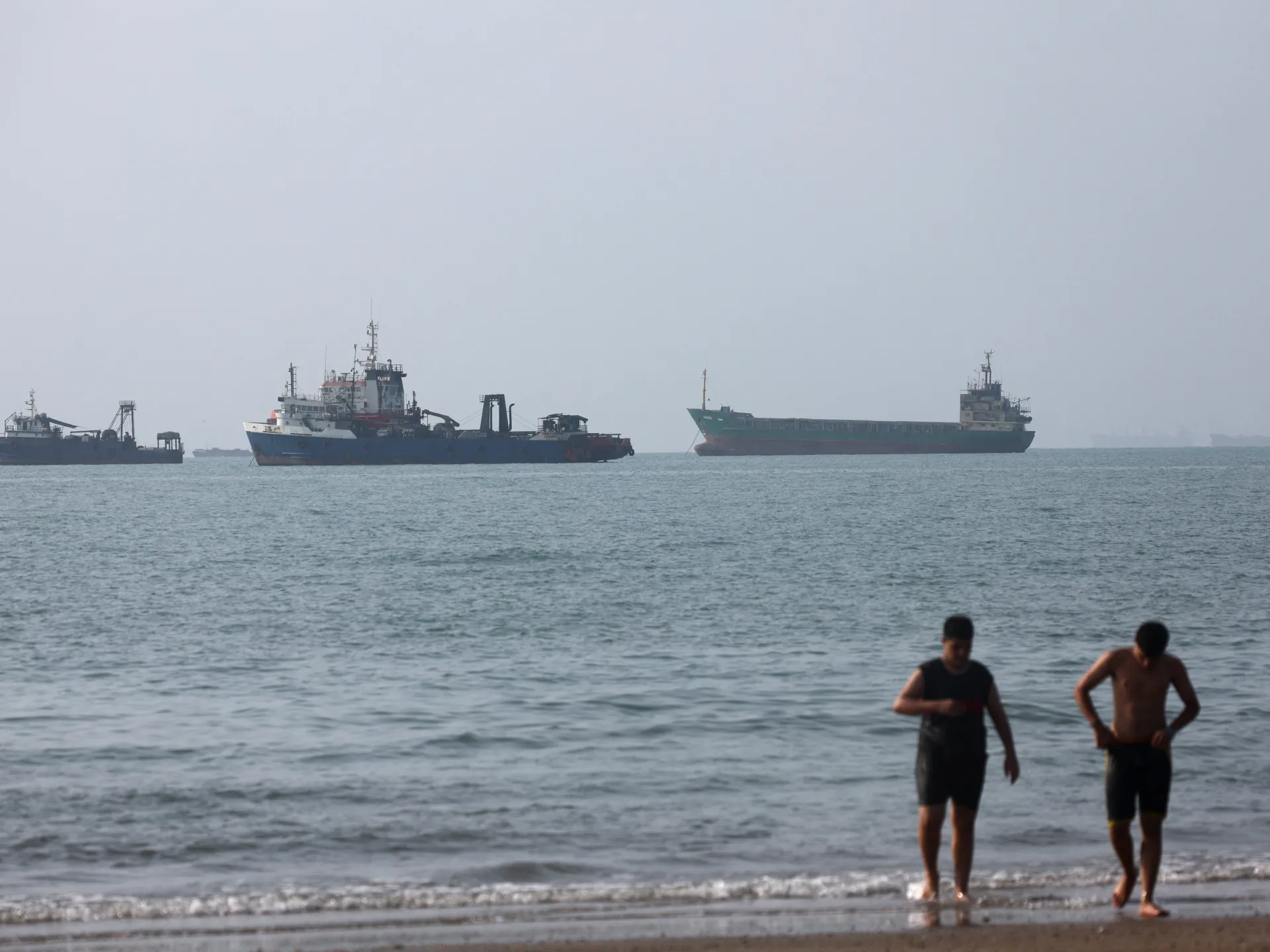
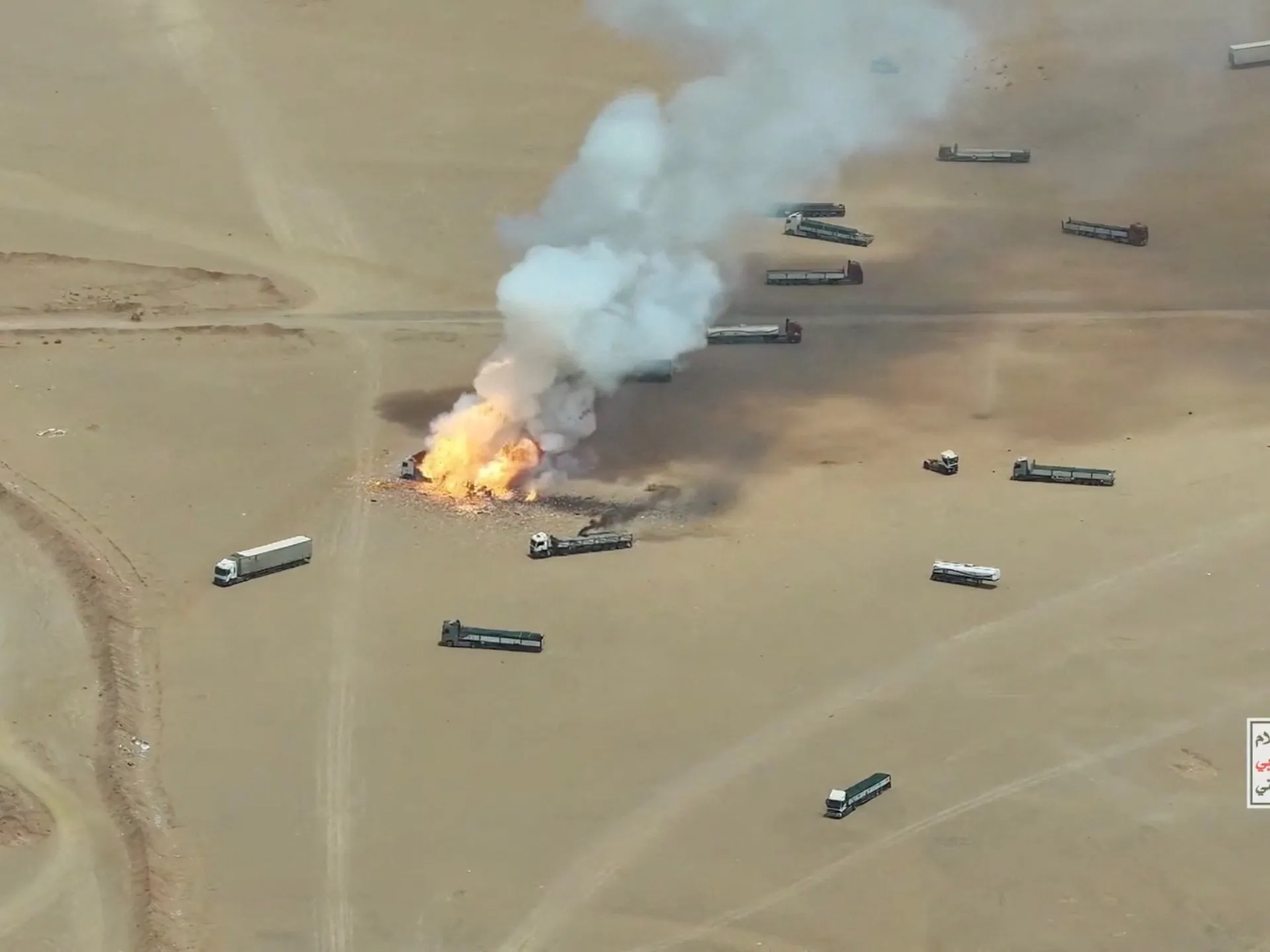
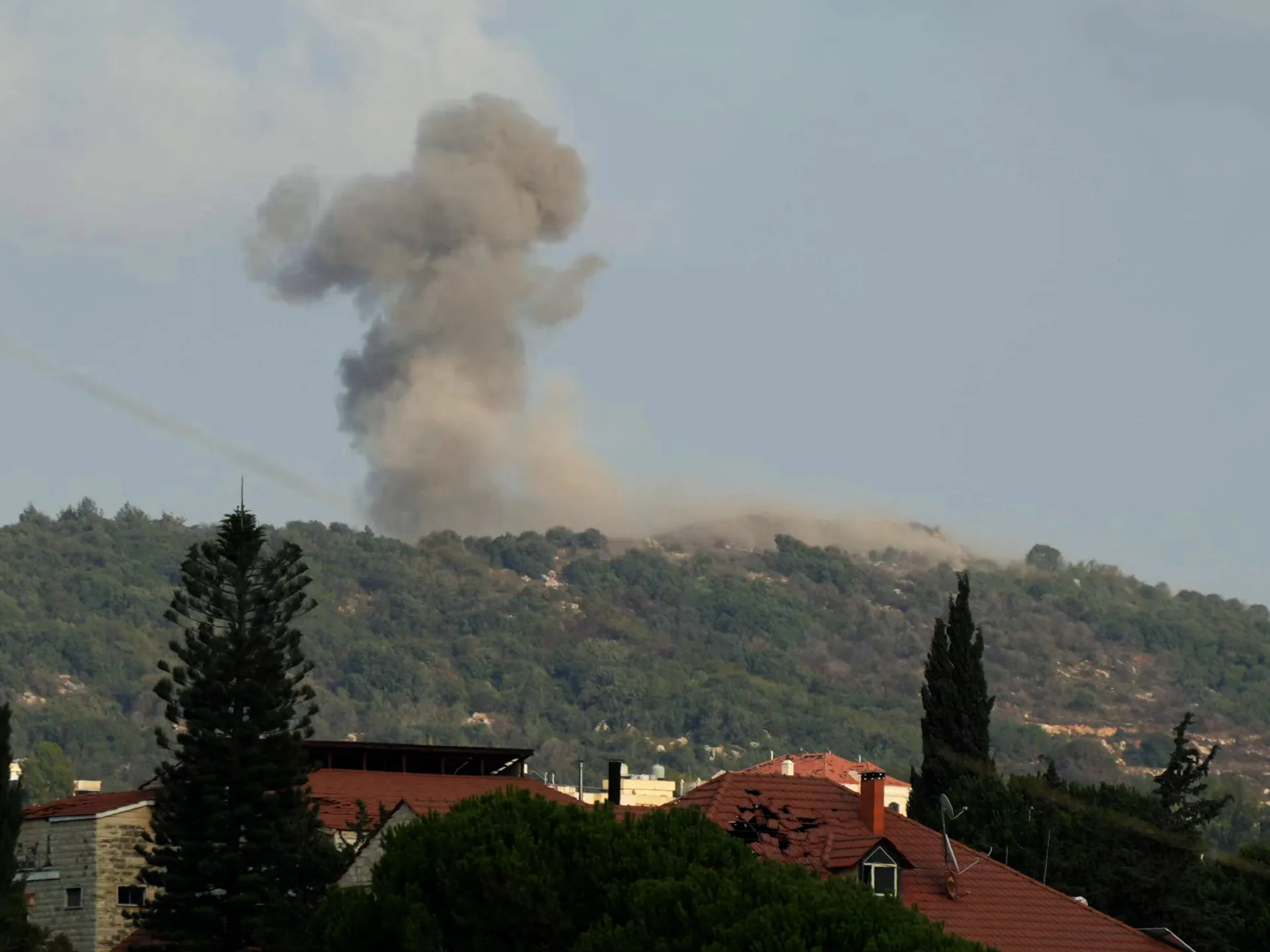
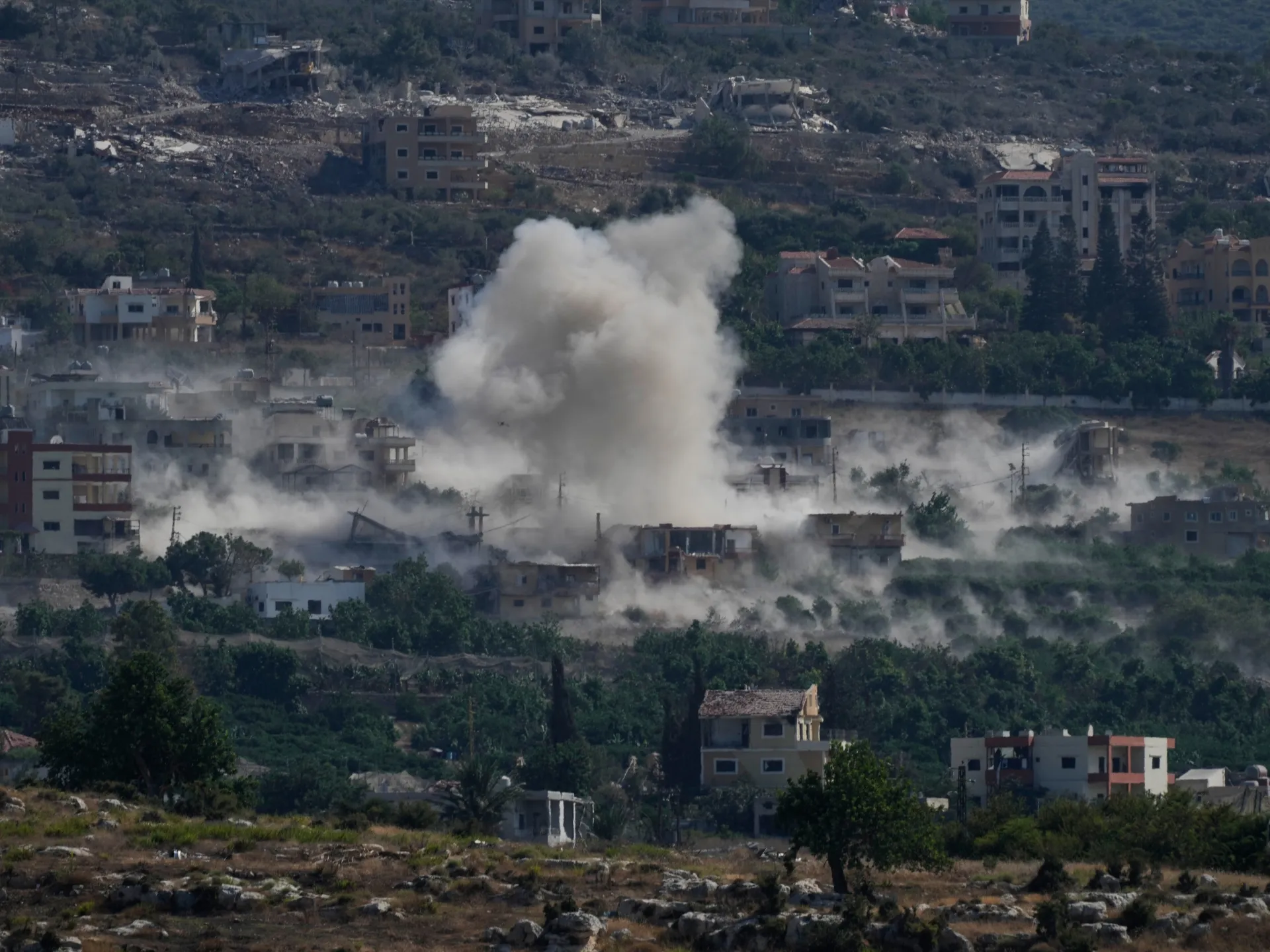
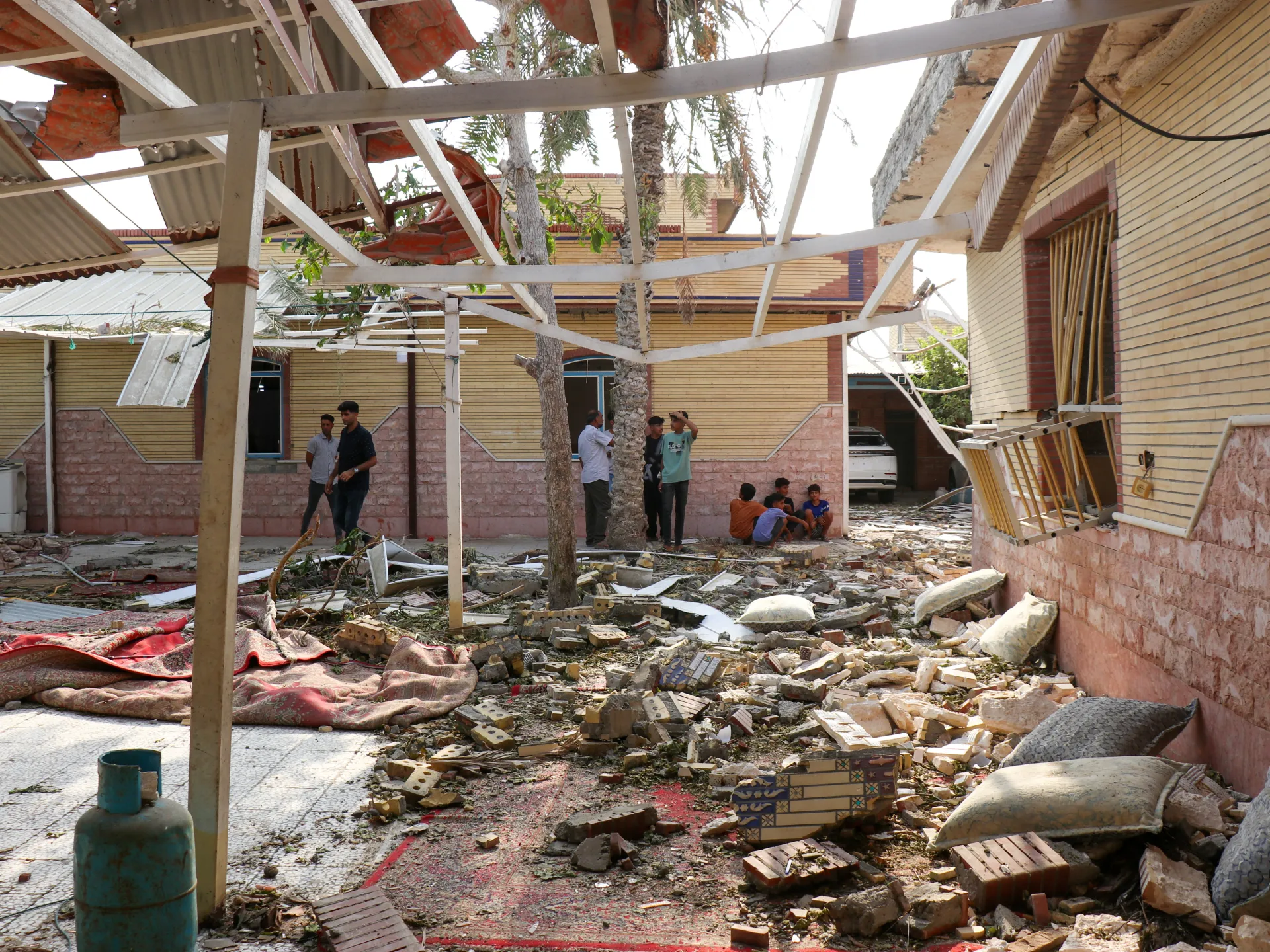
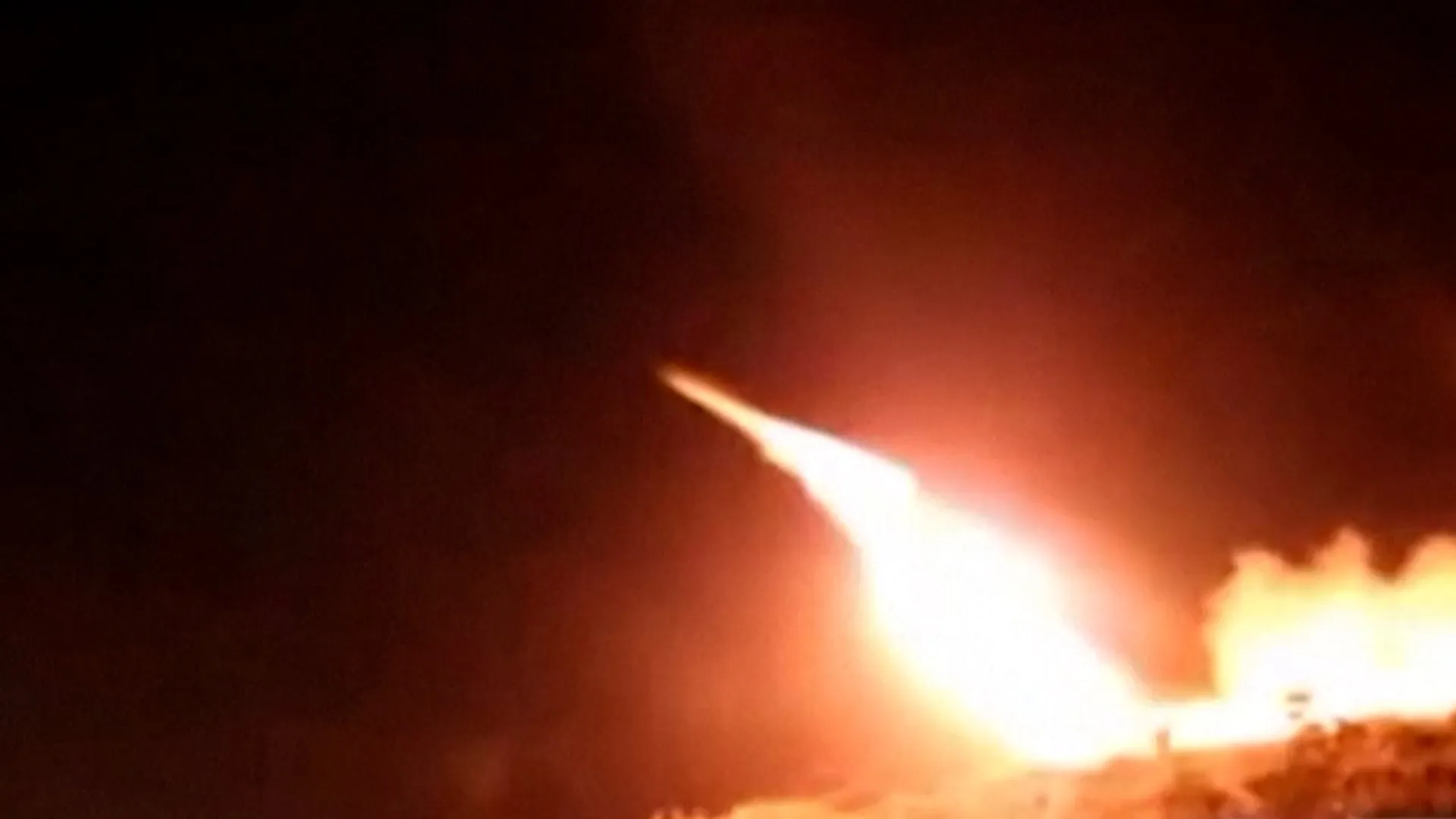
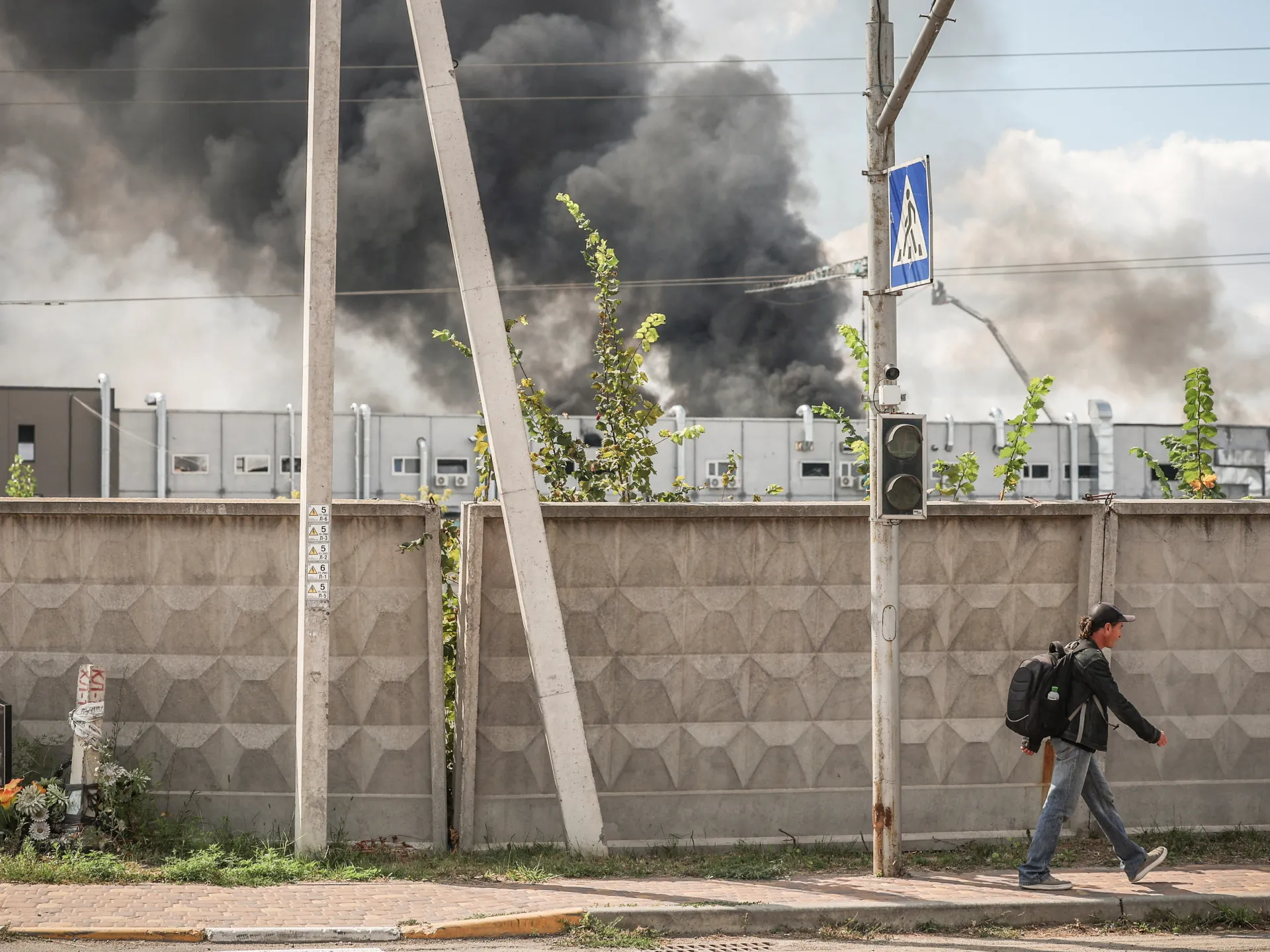
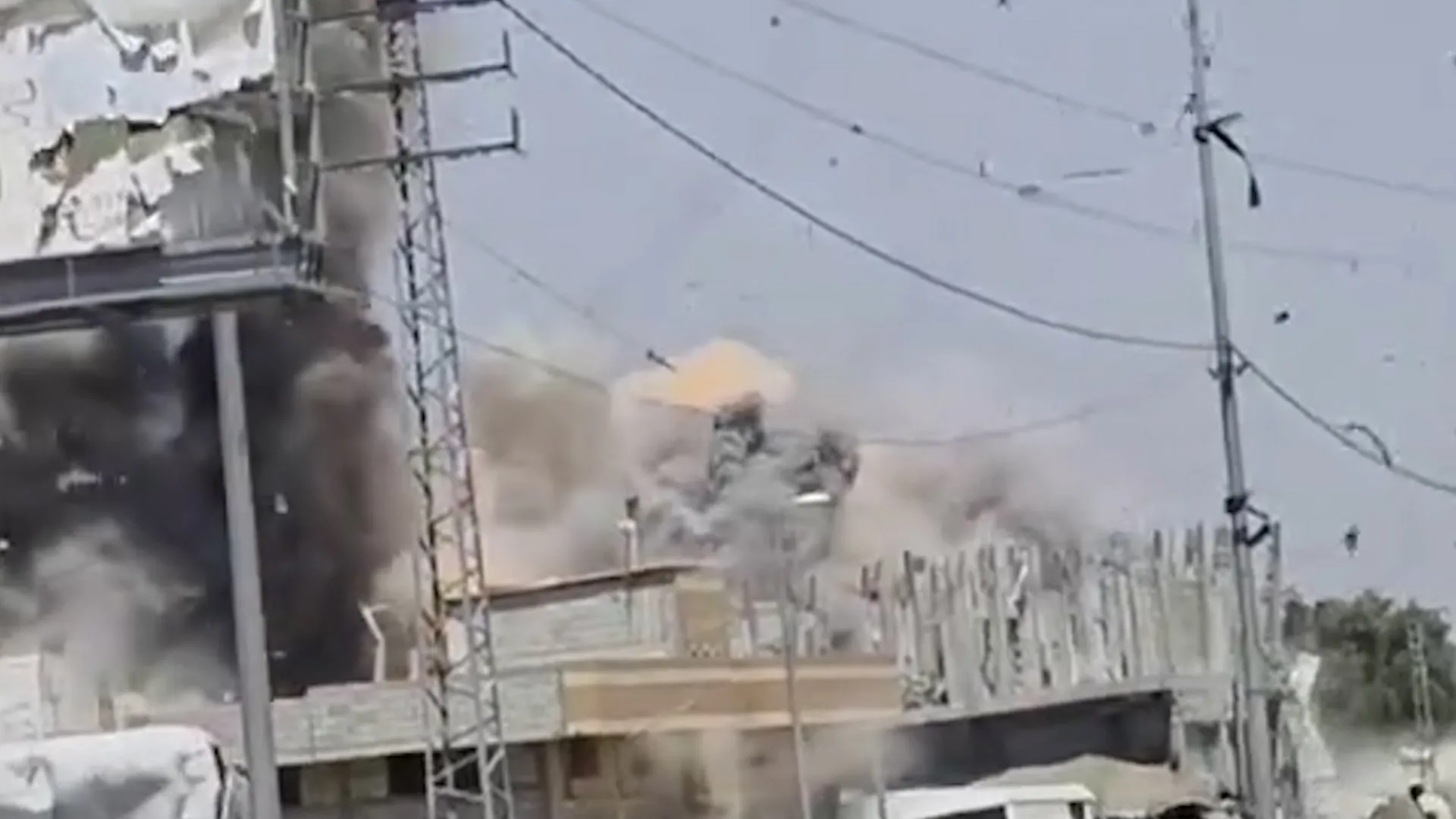
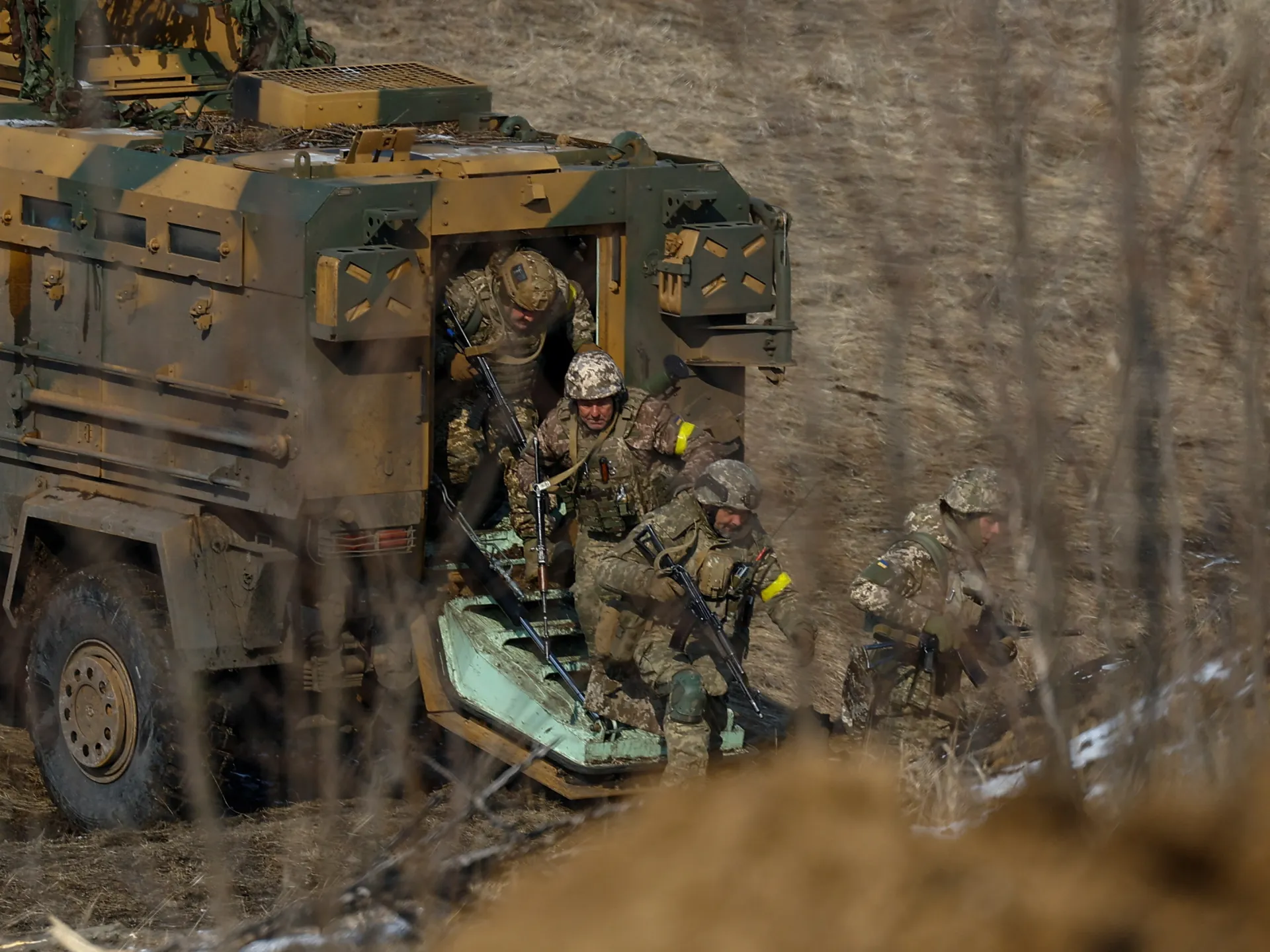
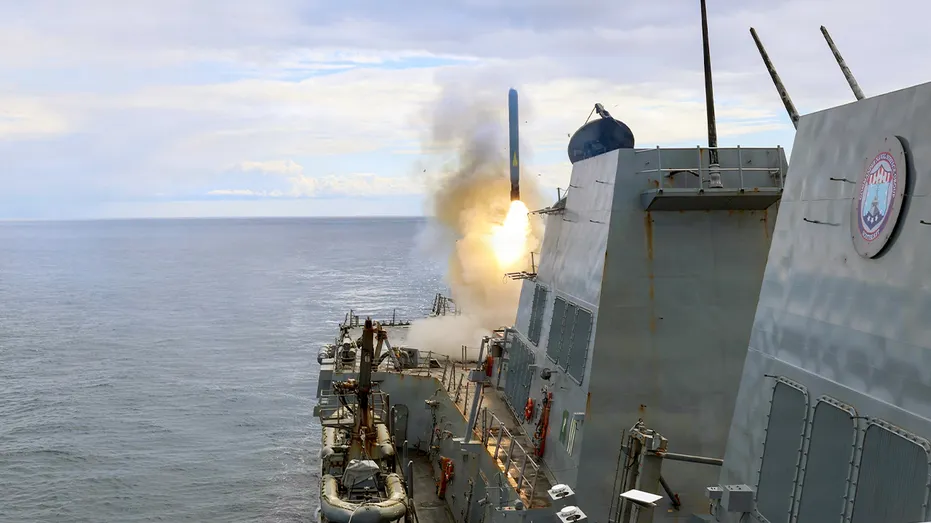
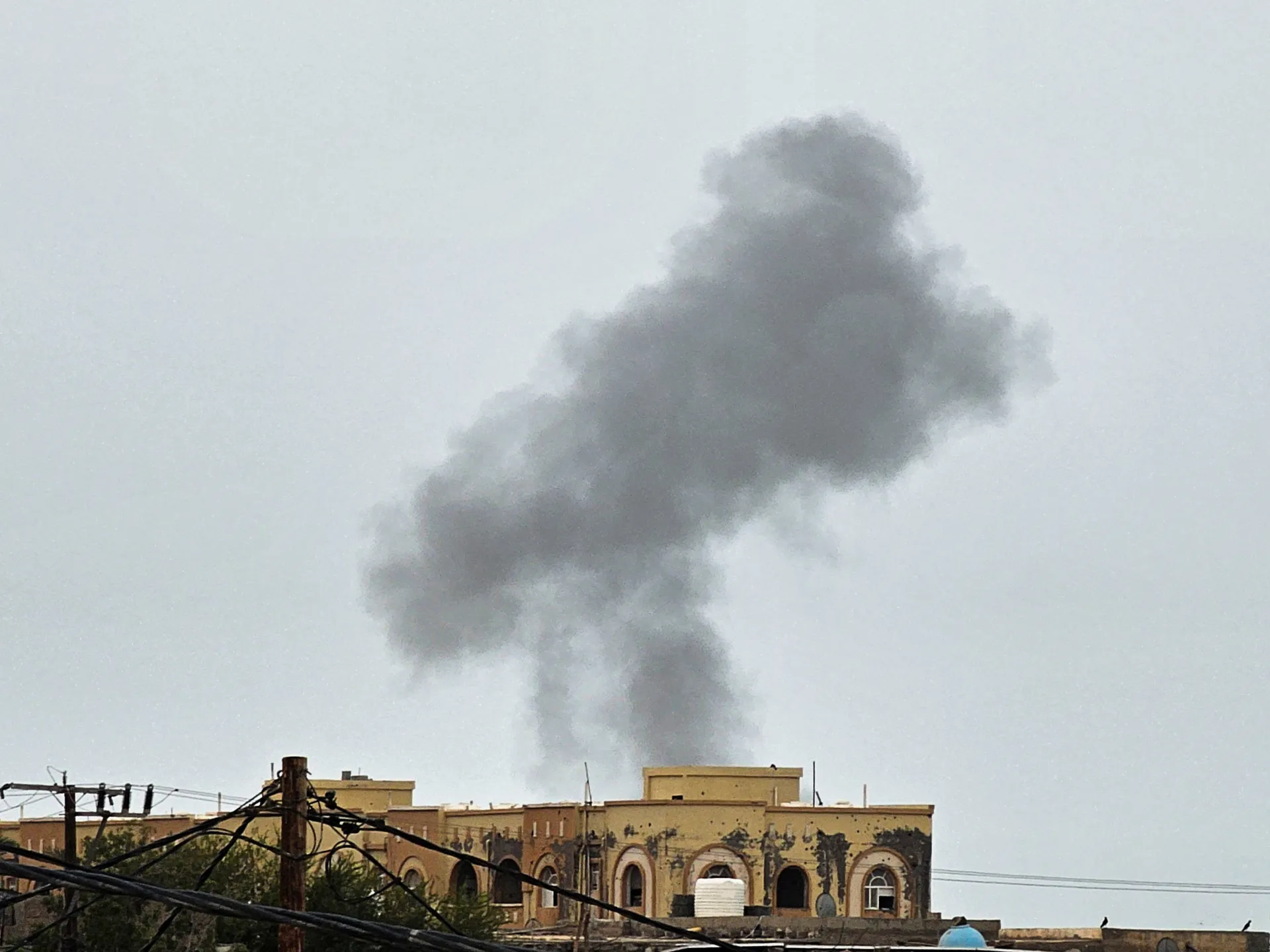
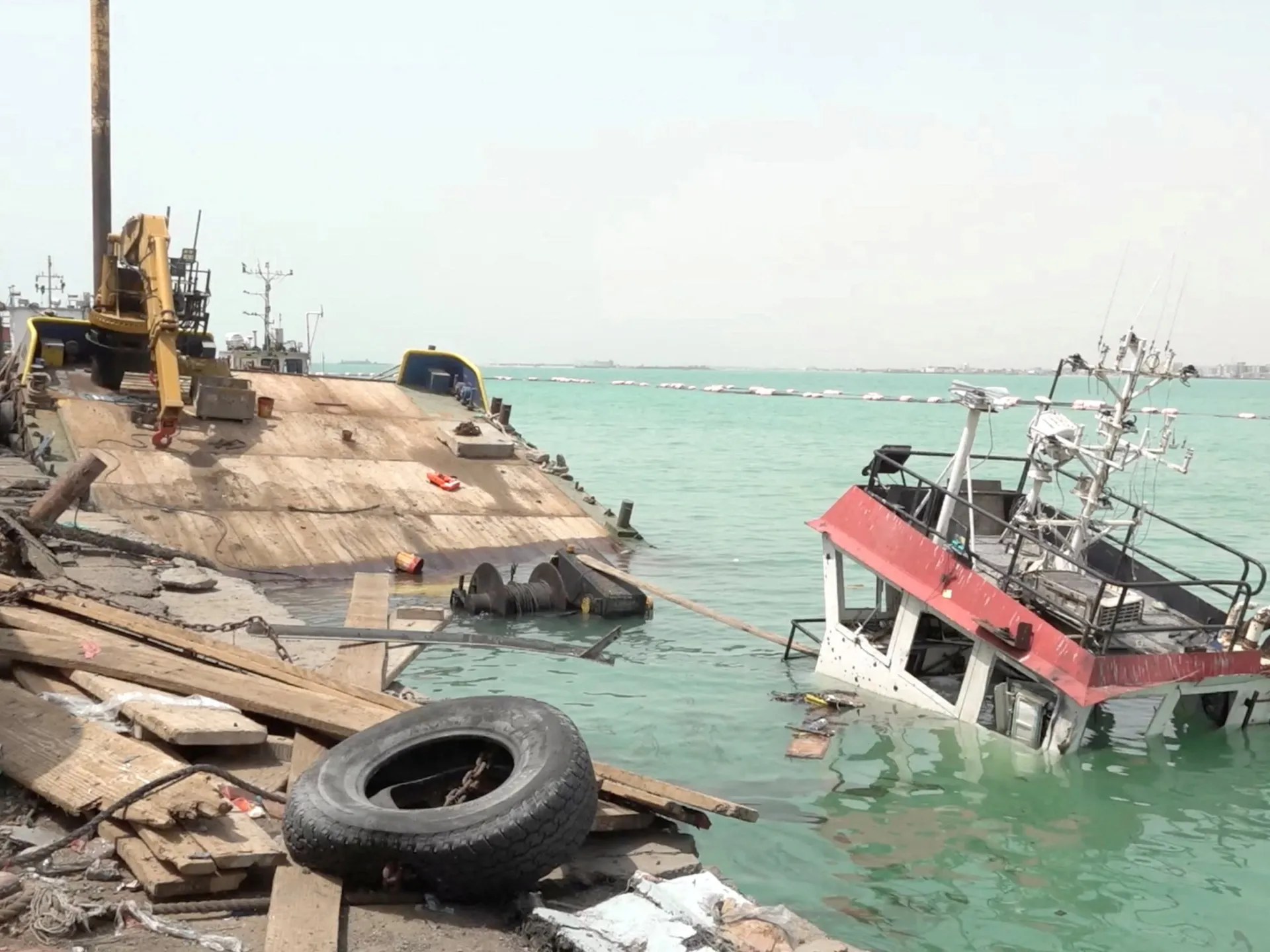
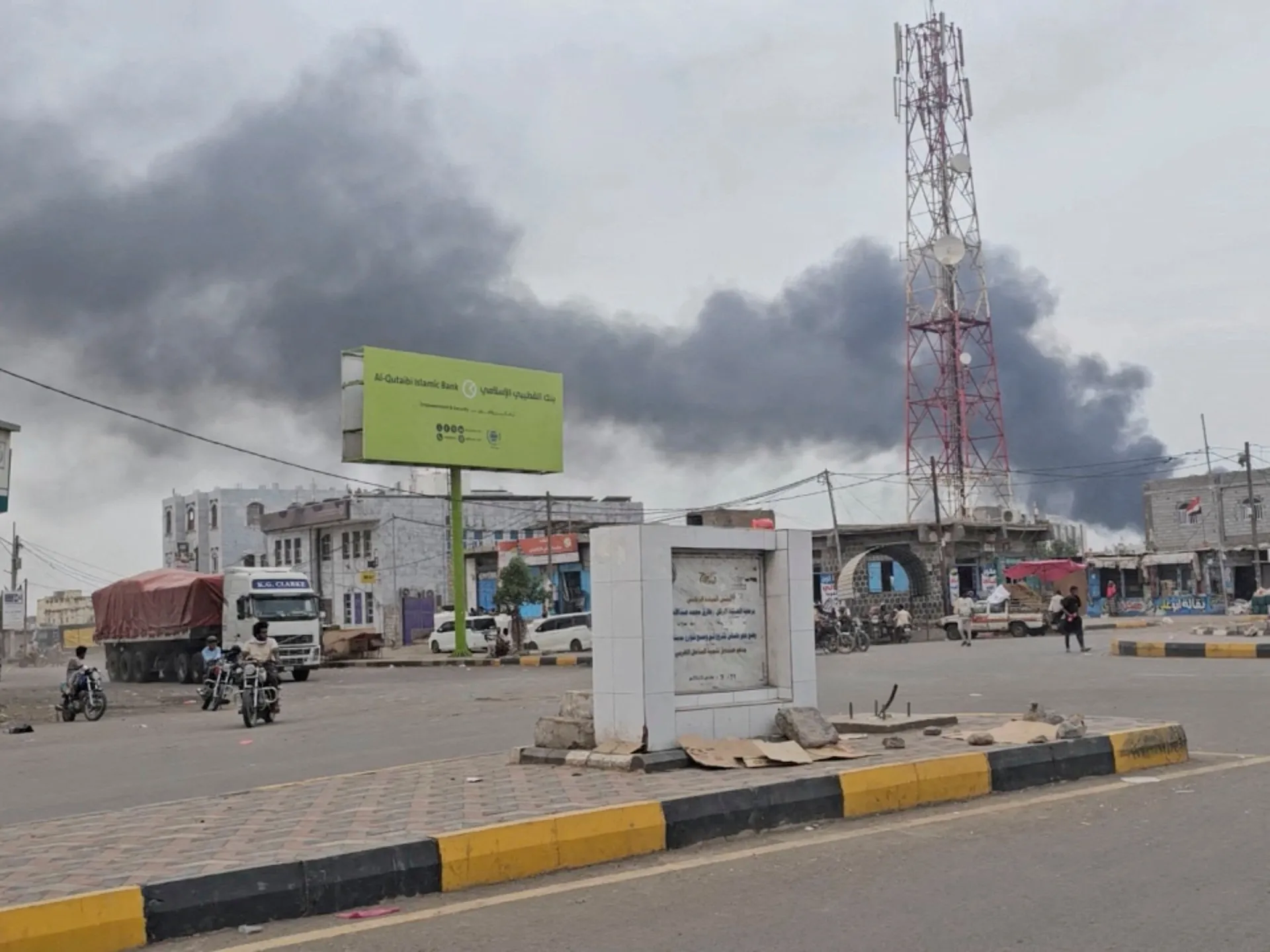
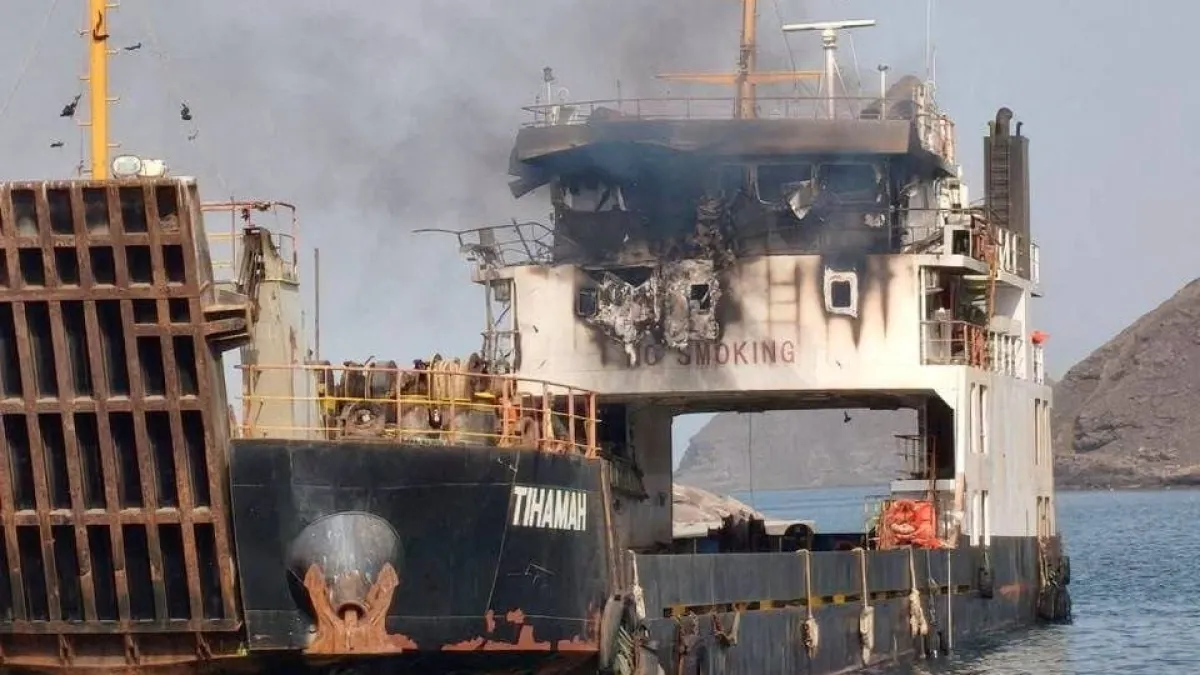
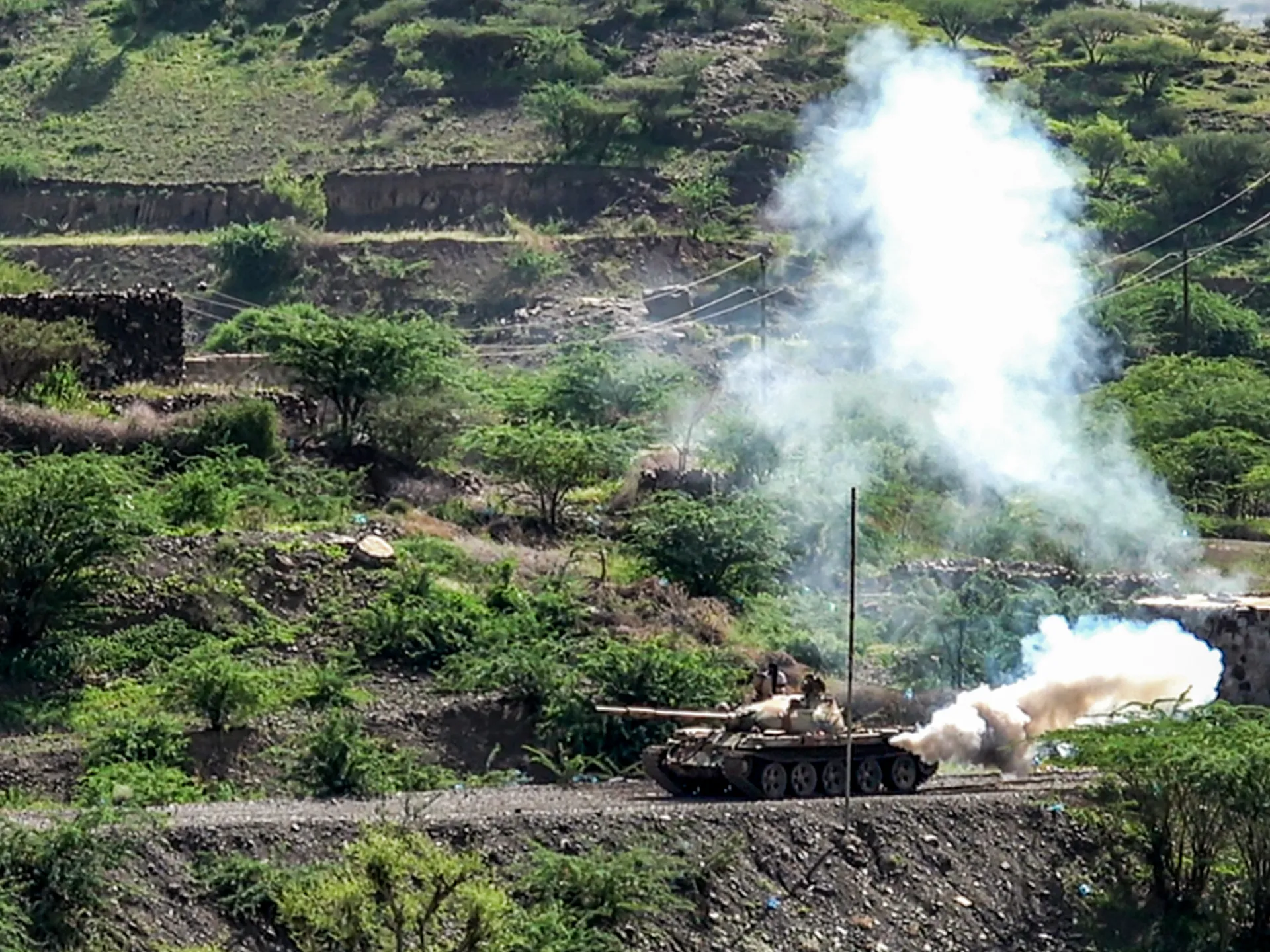
The conflict in Yemen has entered a period of heightened volatility, marked s. Reports from the region indicate that government forces, backed egic territory. Recent military engagements have focused heavily on the southwestern port city of Mocha, where coalition airstrikes have targeted Houthi outposts and logistical equipment designed to disrupt supply chains.
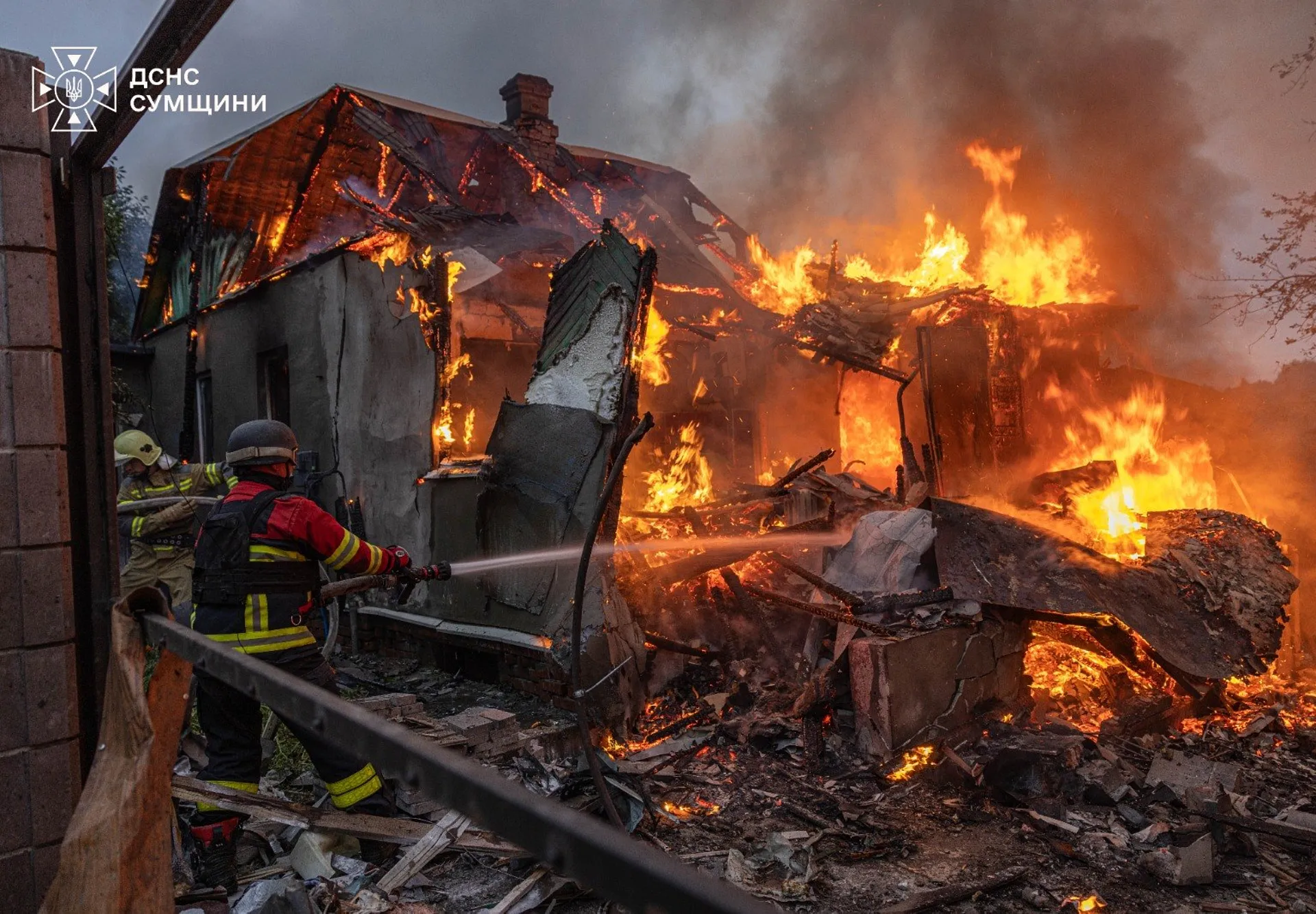
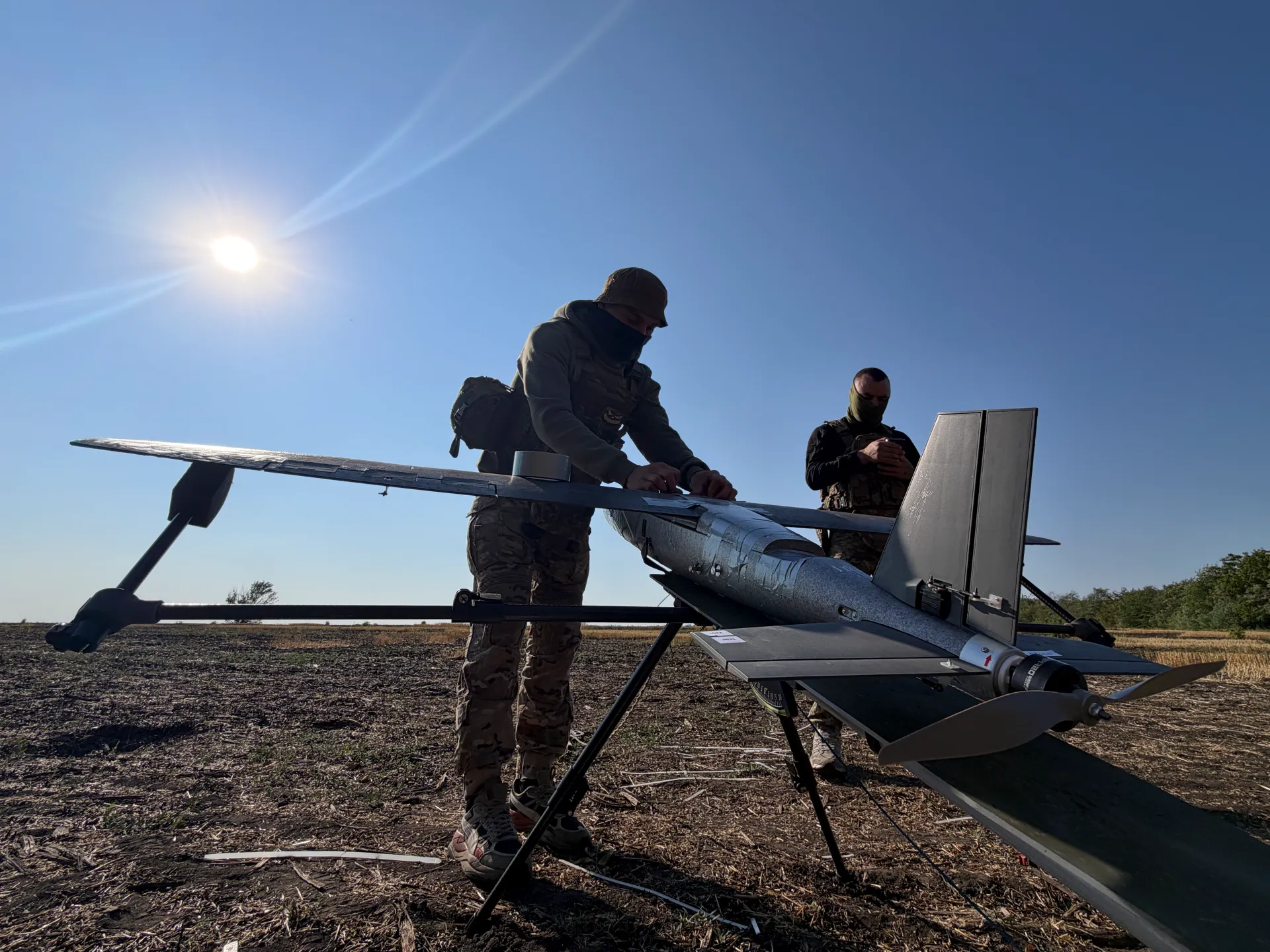
Simultaneously, government-aligned forces have expanded their tactical maneuvers, launching a series of drone strikes against Houthi positions situated in the northern Marib governorate. This region remains a critical flashpoint in the broader civil war, serving as both a humanitarian hub and a central theater for territorial control. The intensity of these recent strikes underscores a shift toward more aggressive offensive postures
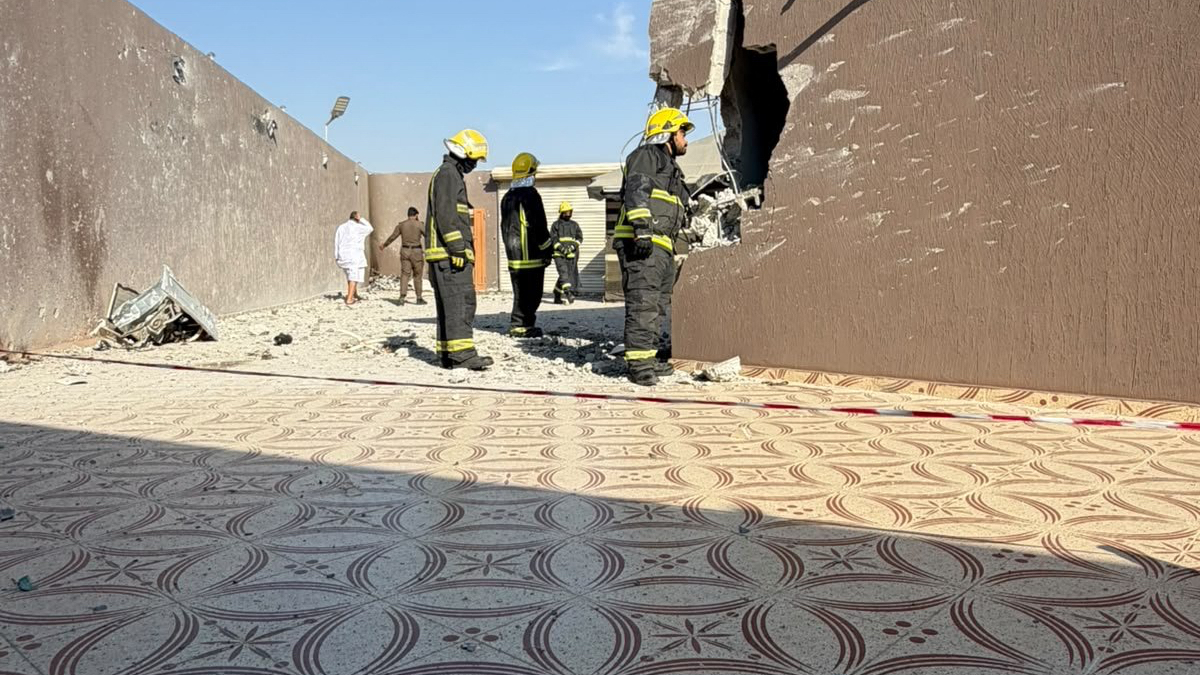
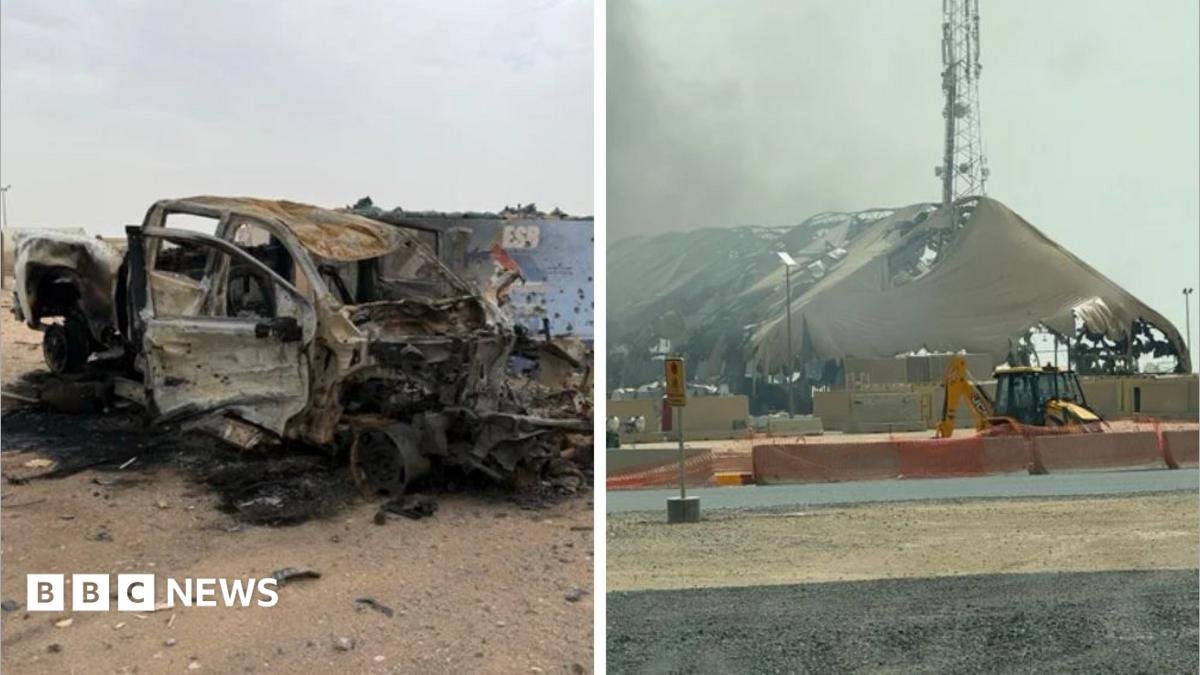
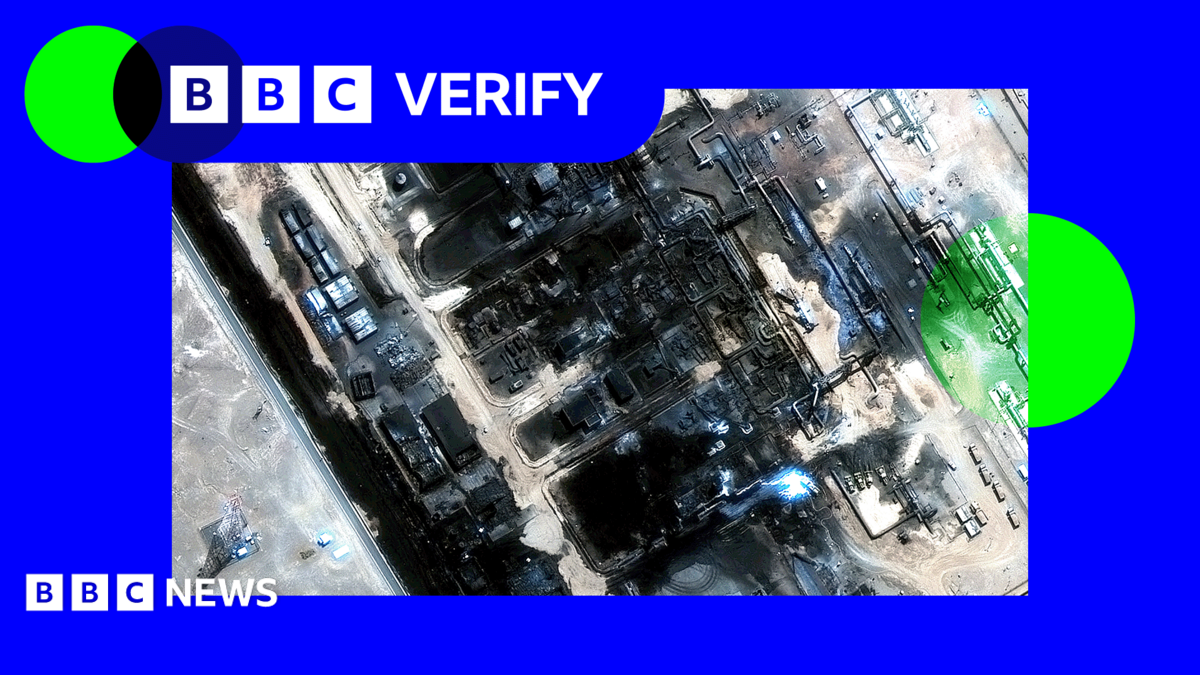
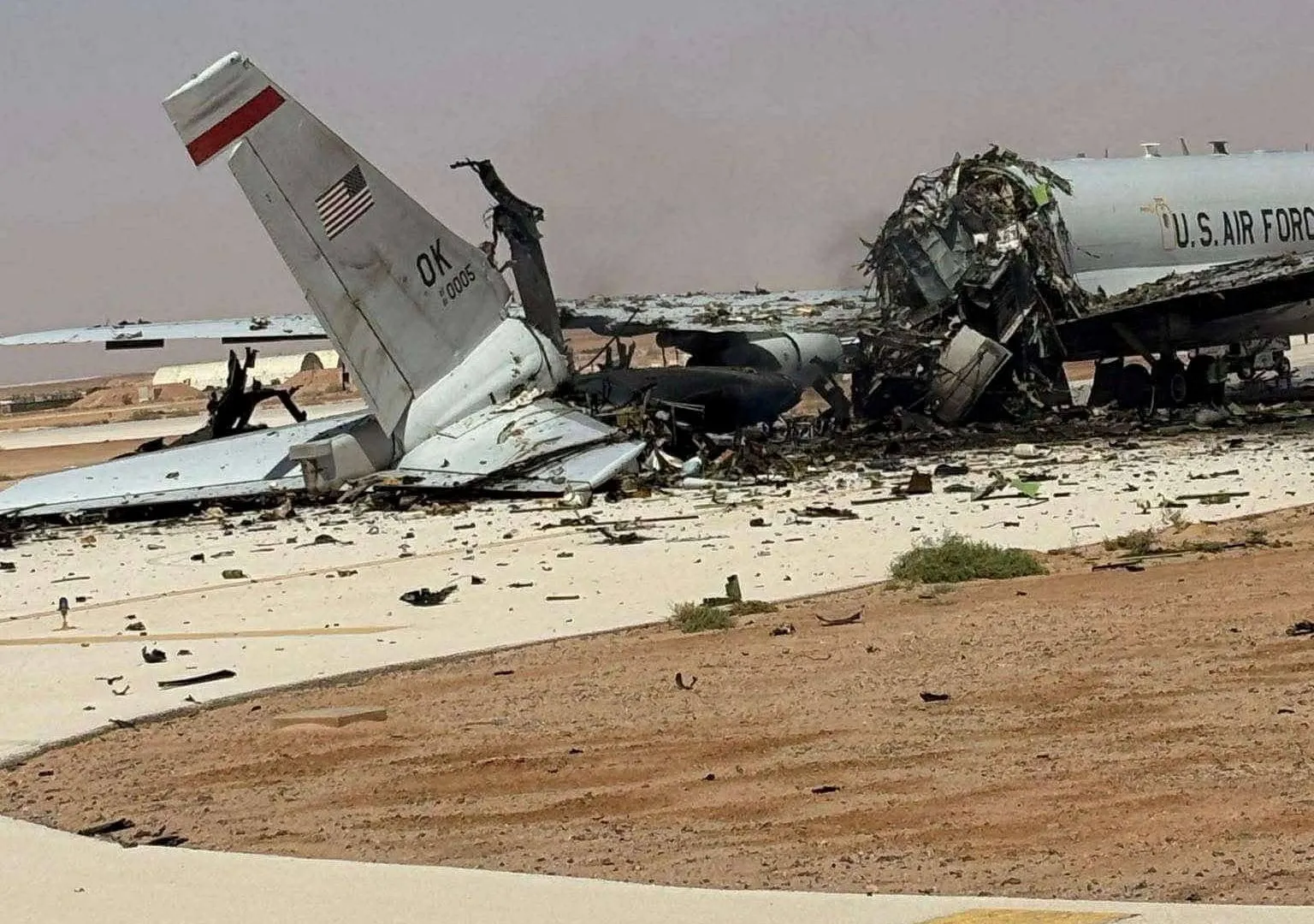
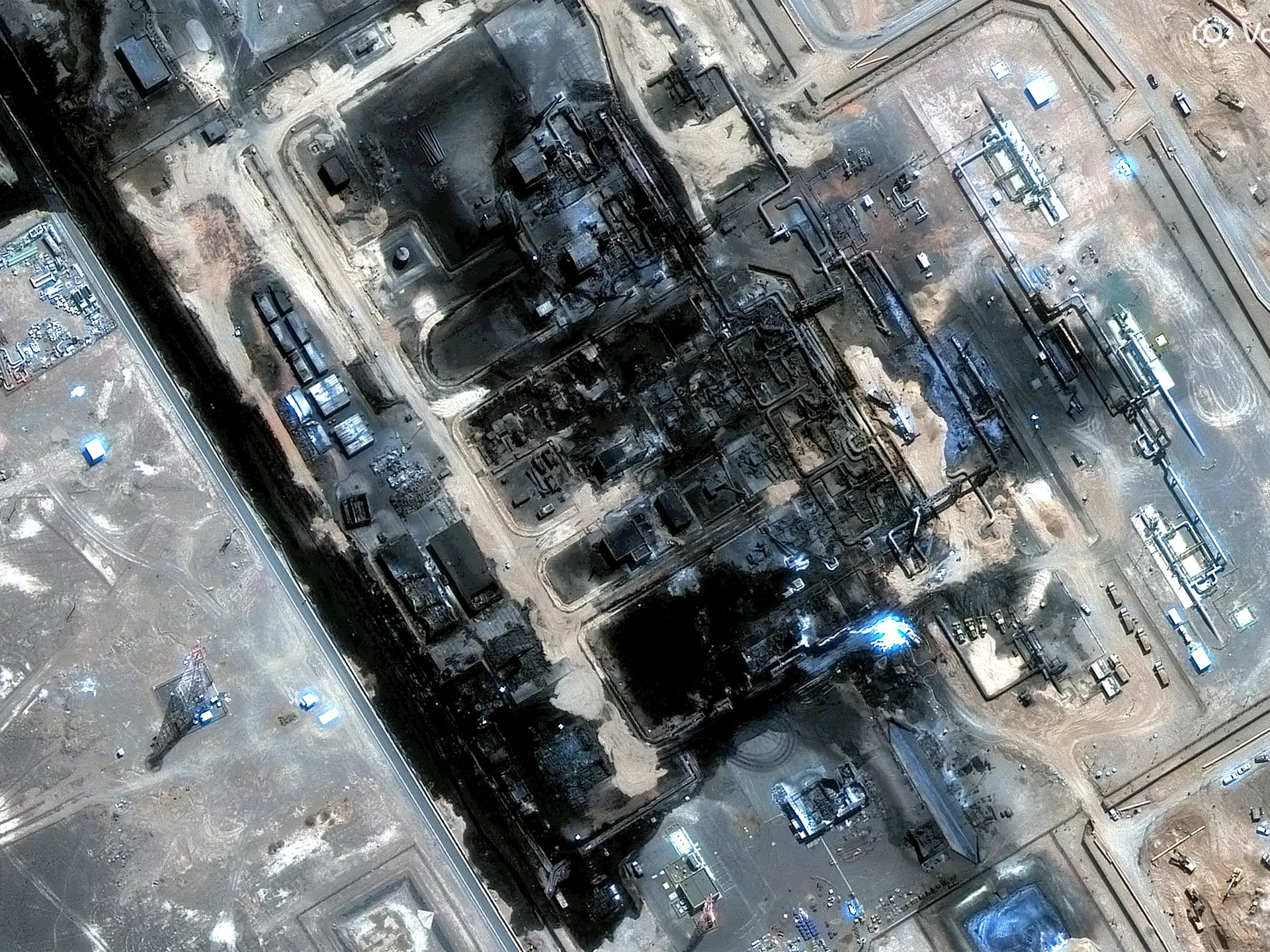
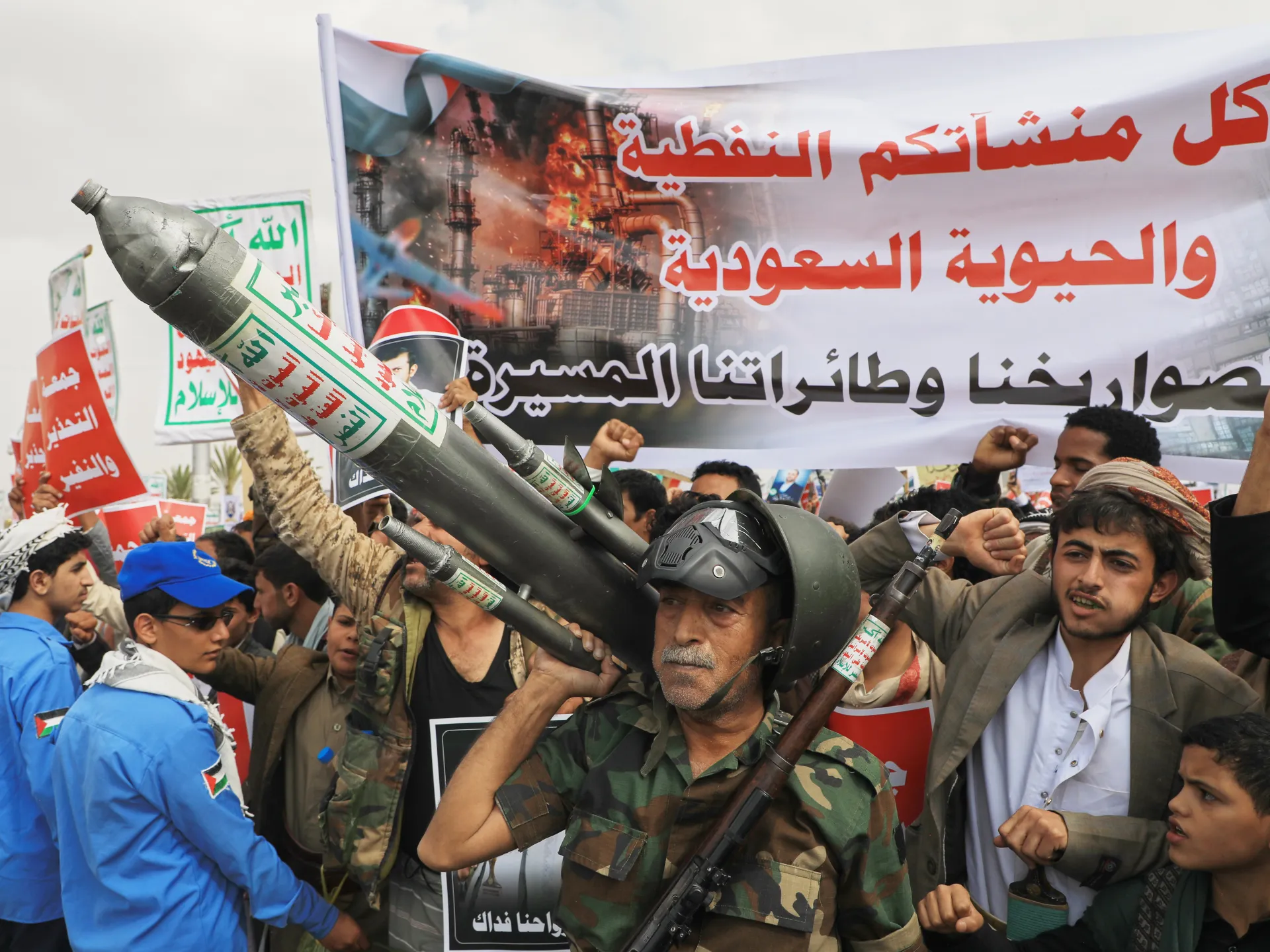
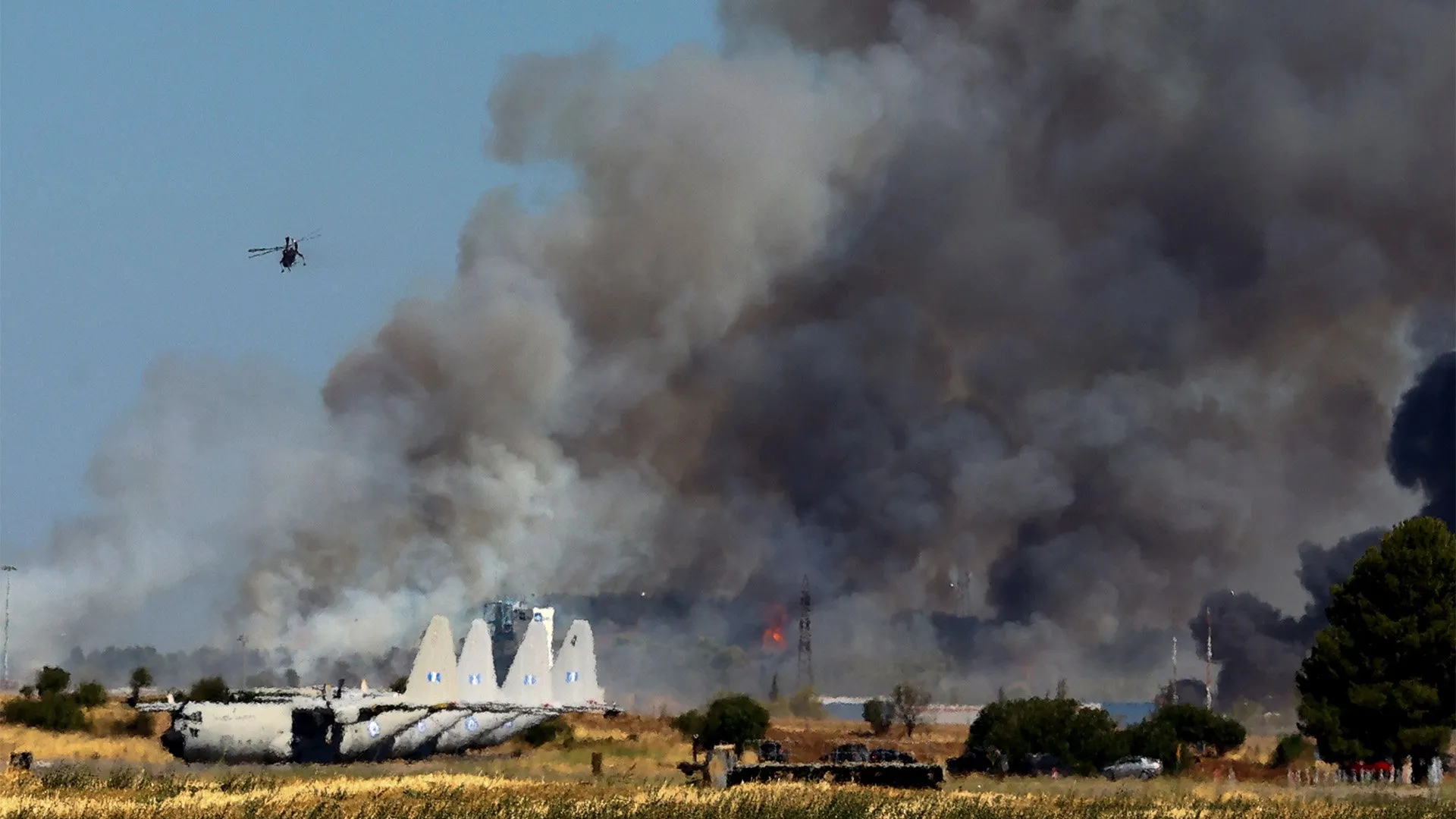
In retaliation, Houthi military spokespeople have reported significant counter-measures, including large-scale air raids against Saudi infrastructure. Specifically, the group claimed responsibility for strikes against the Khamis Mushait airbase and critical oil facilities located in the Saudi Red Sea port city of Yanbu. These developments highlight the increasing reach of Houthi weaponry and the growing vulnerability of regional energy and military assets to drone and missile technology.
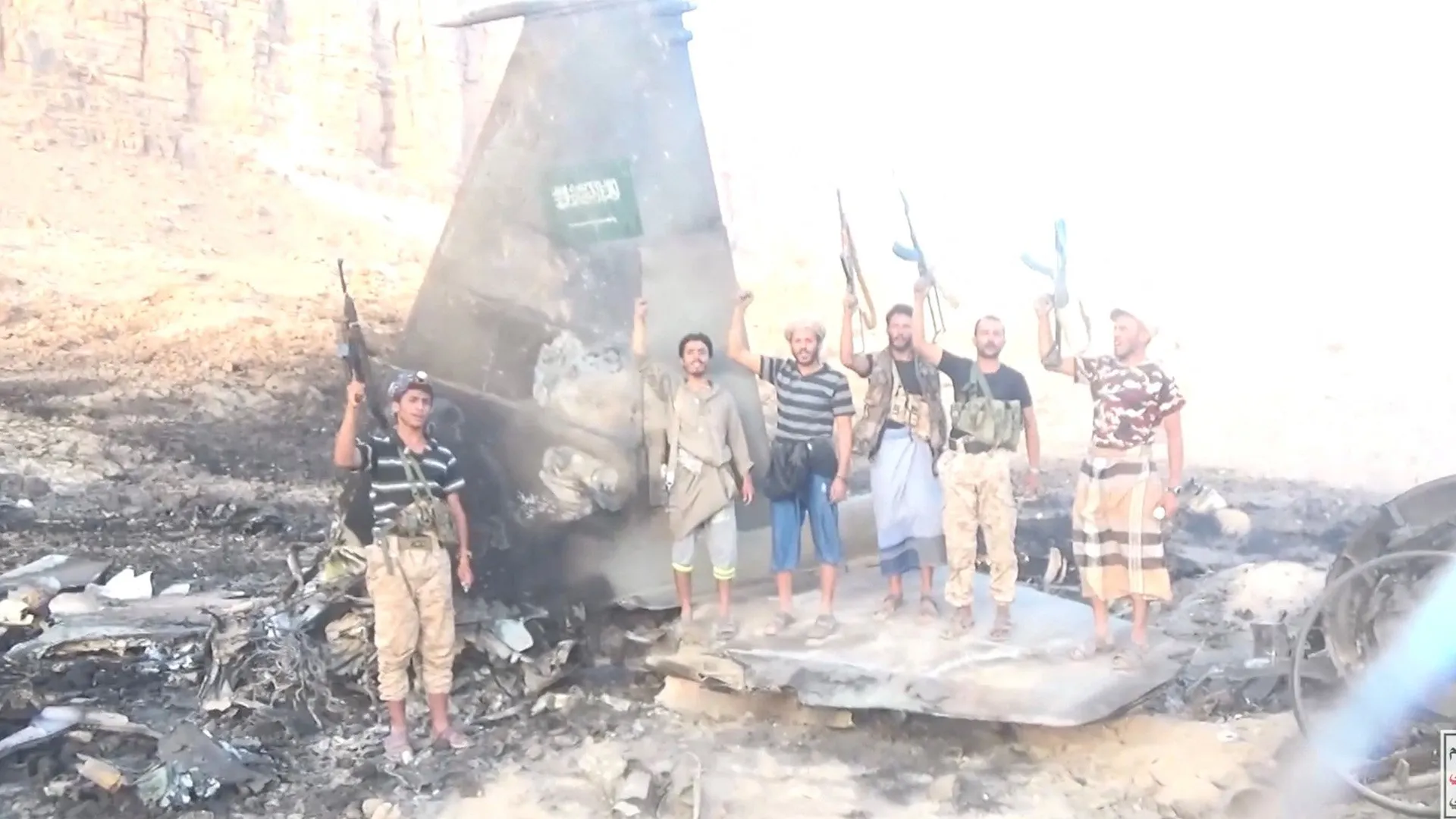
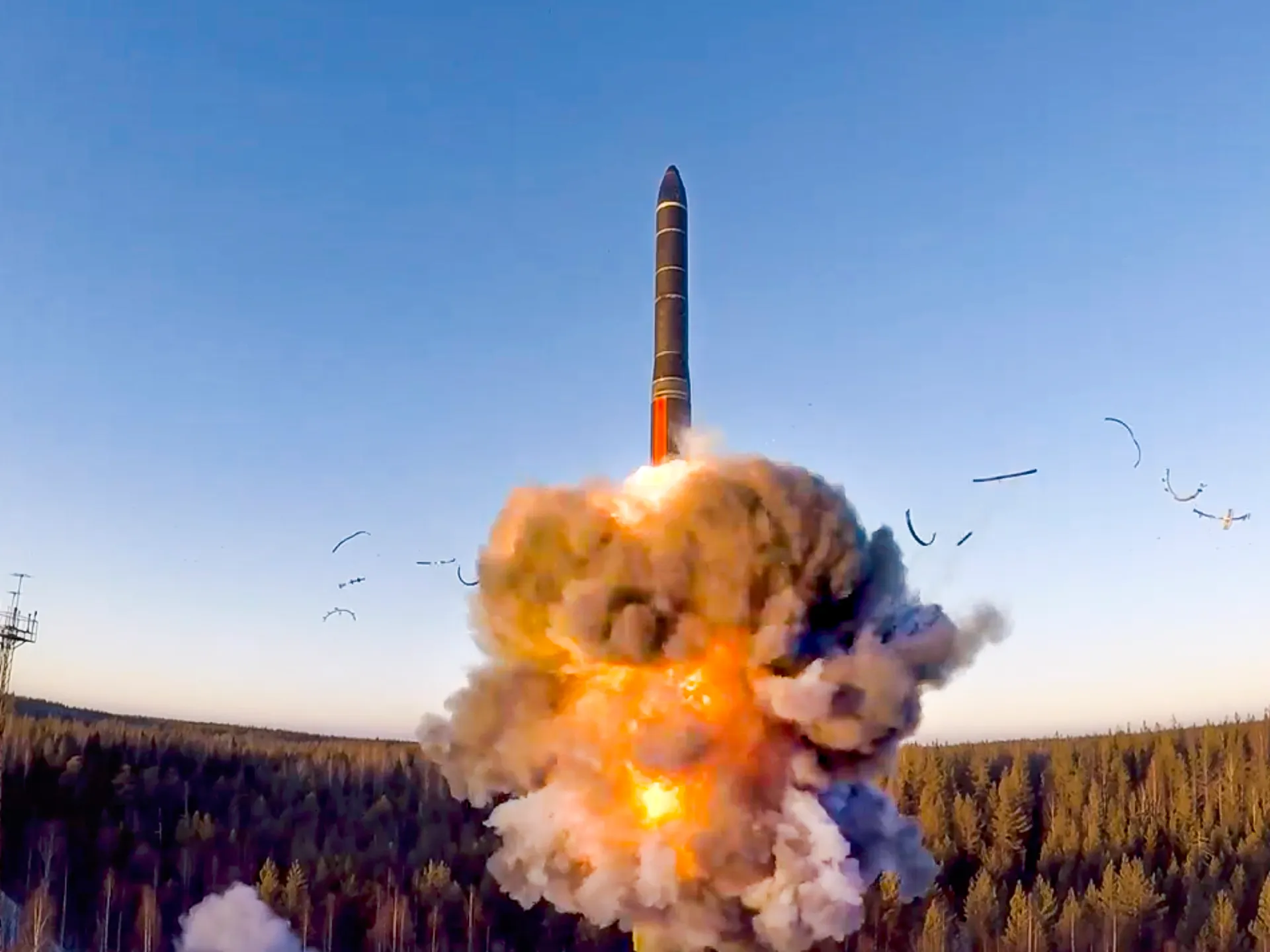
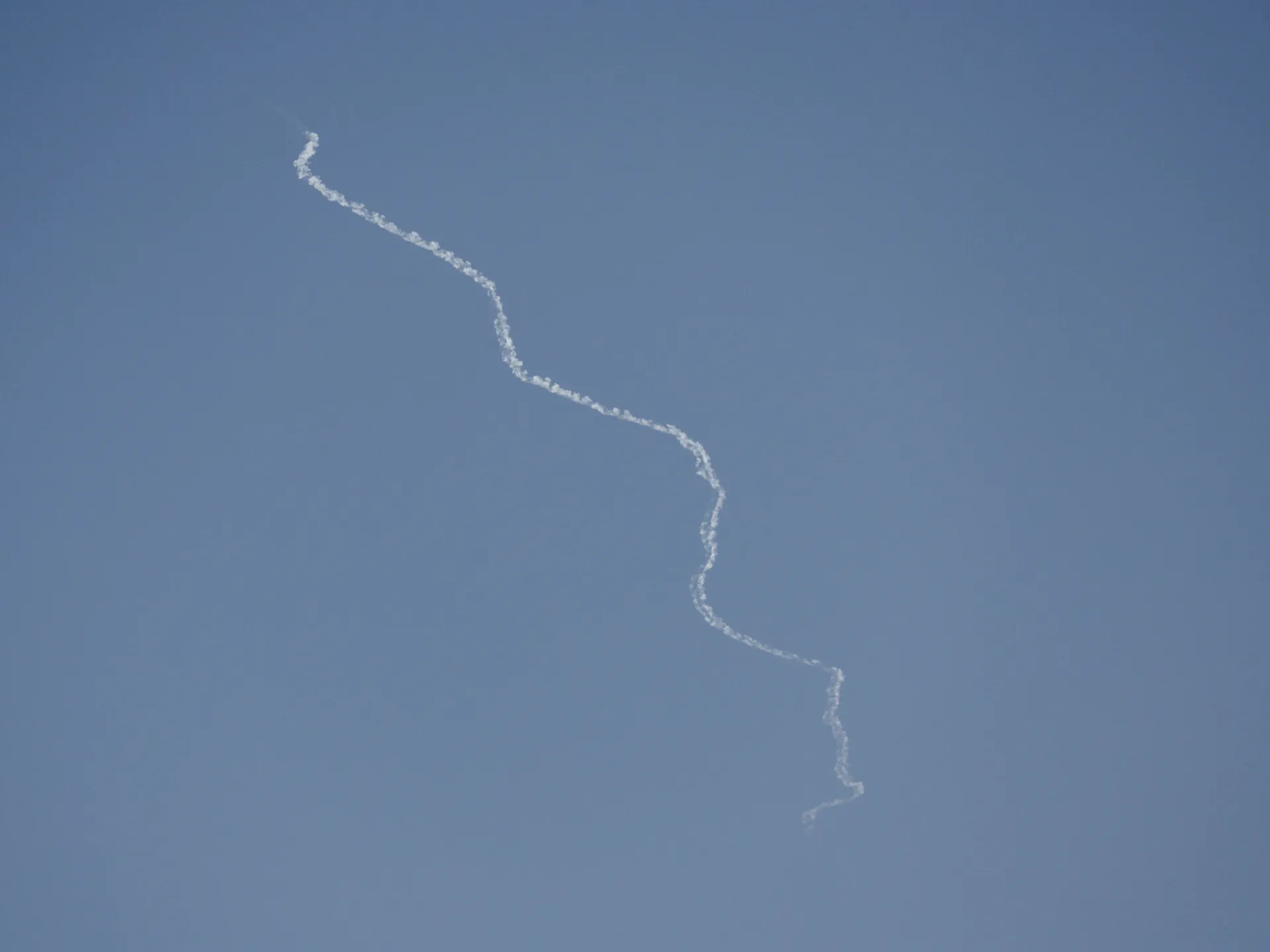
A significant development in the recent cycle of violence is the alleged downing of a Saudi F-15 fighter jet over the Marib province. Houthi leadership asserts that the aircraft was intercepted using locally manufactured surface-to-air missile systems. While the verification of such claims remains difficult, analysts suggest that the ability to neutralize advanced coalition aviation could represent a meaningful shift in the regional balance of power, forcing a rethink of air superiority strategies.
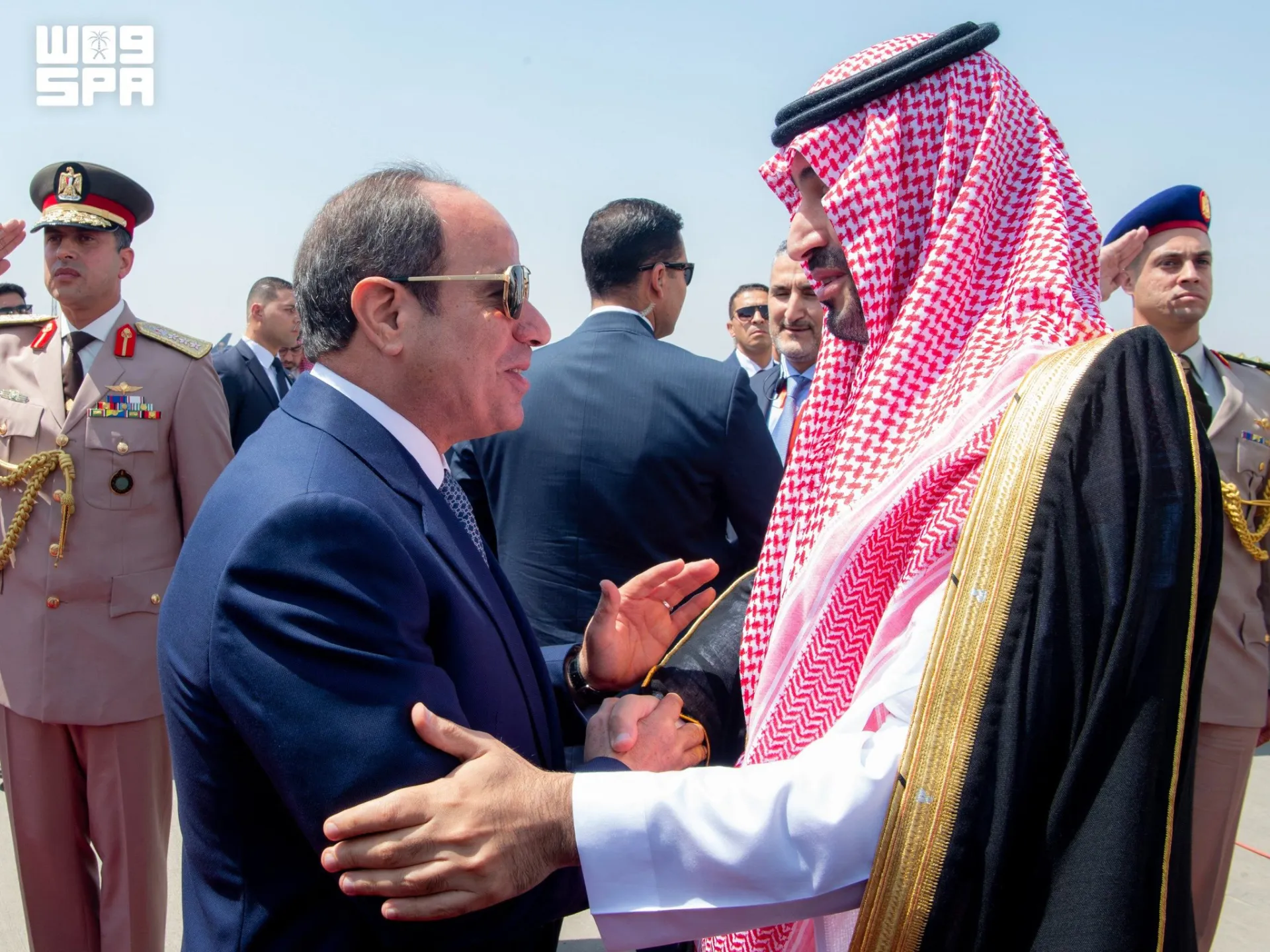
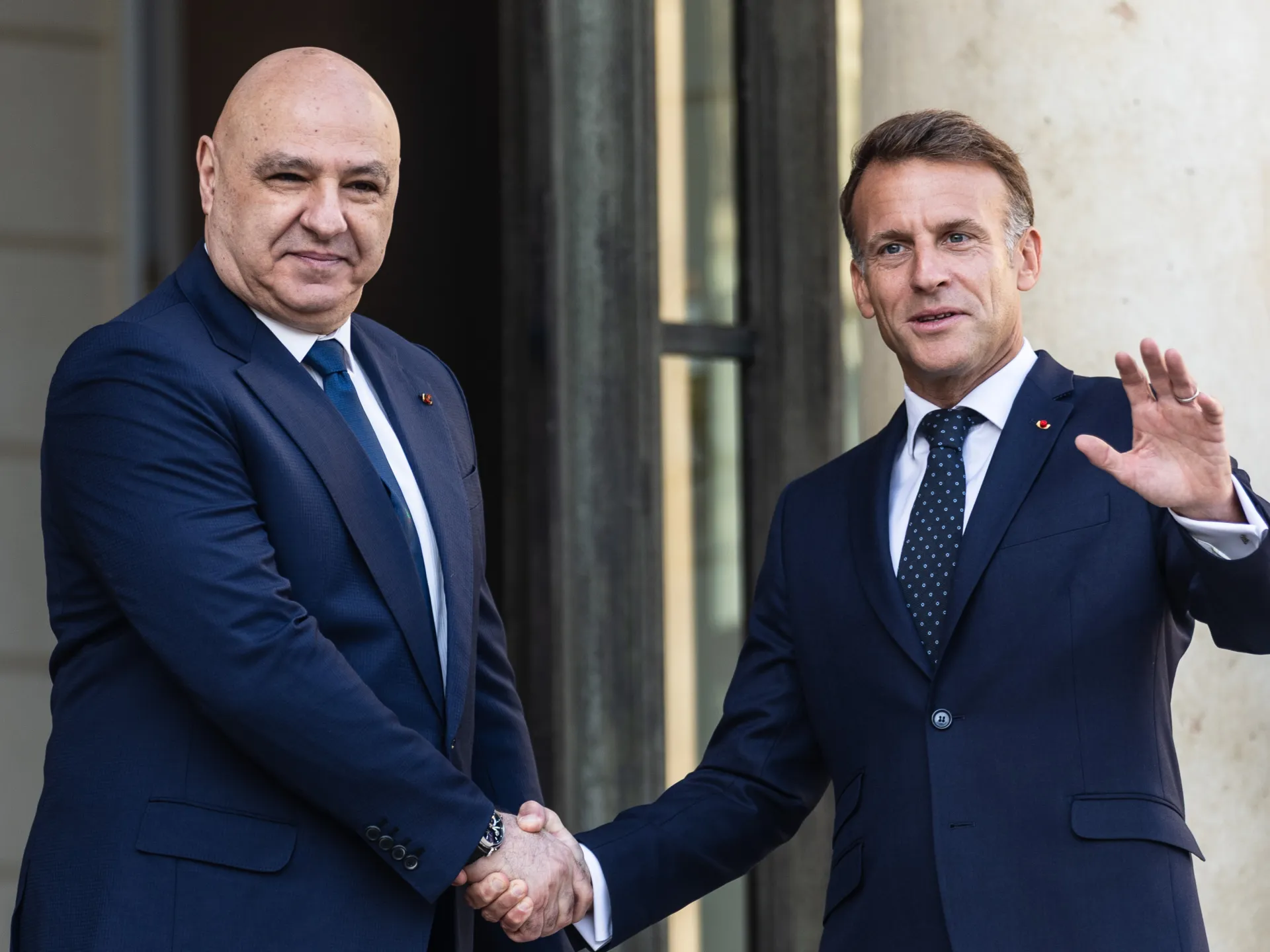
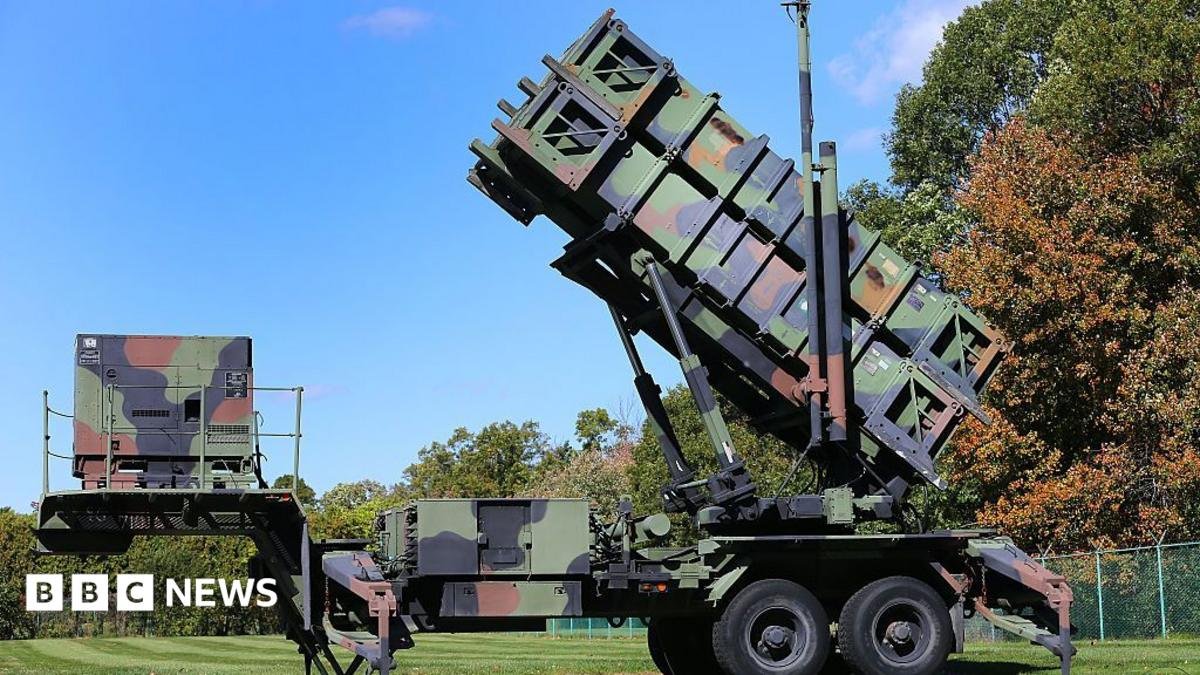
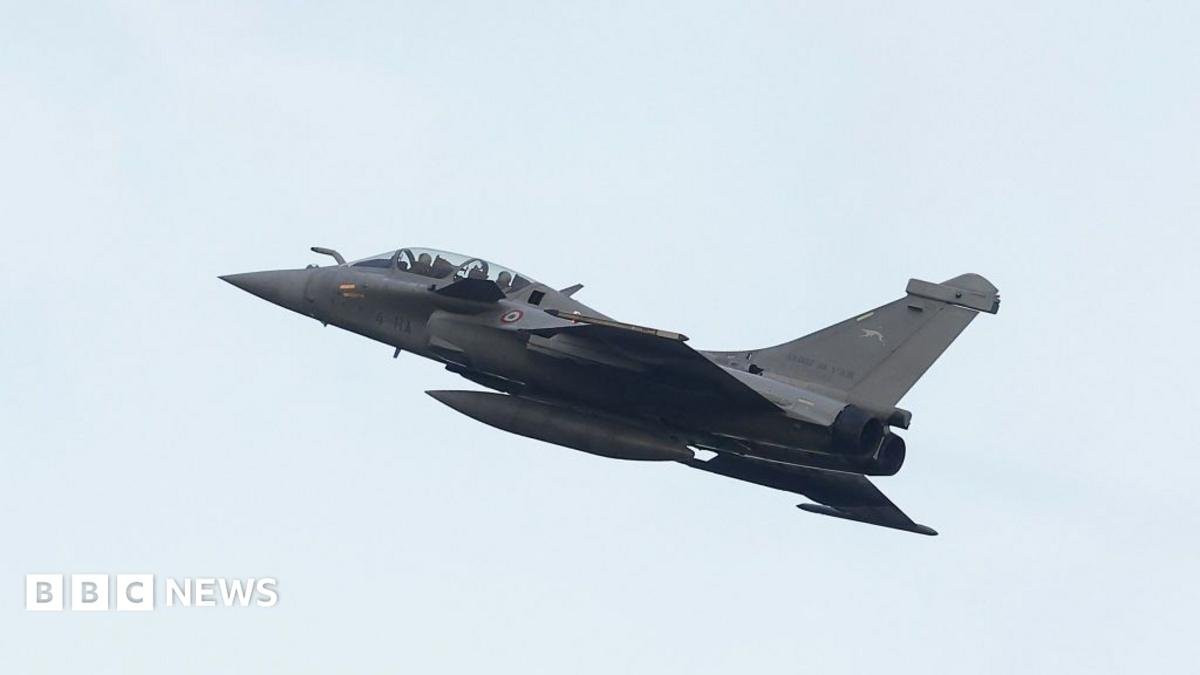
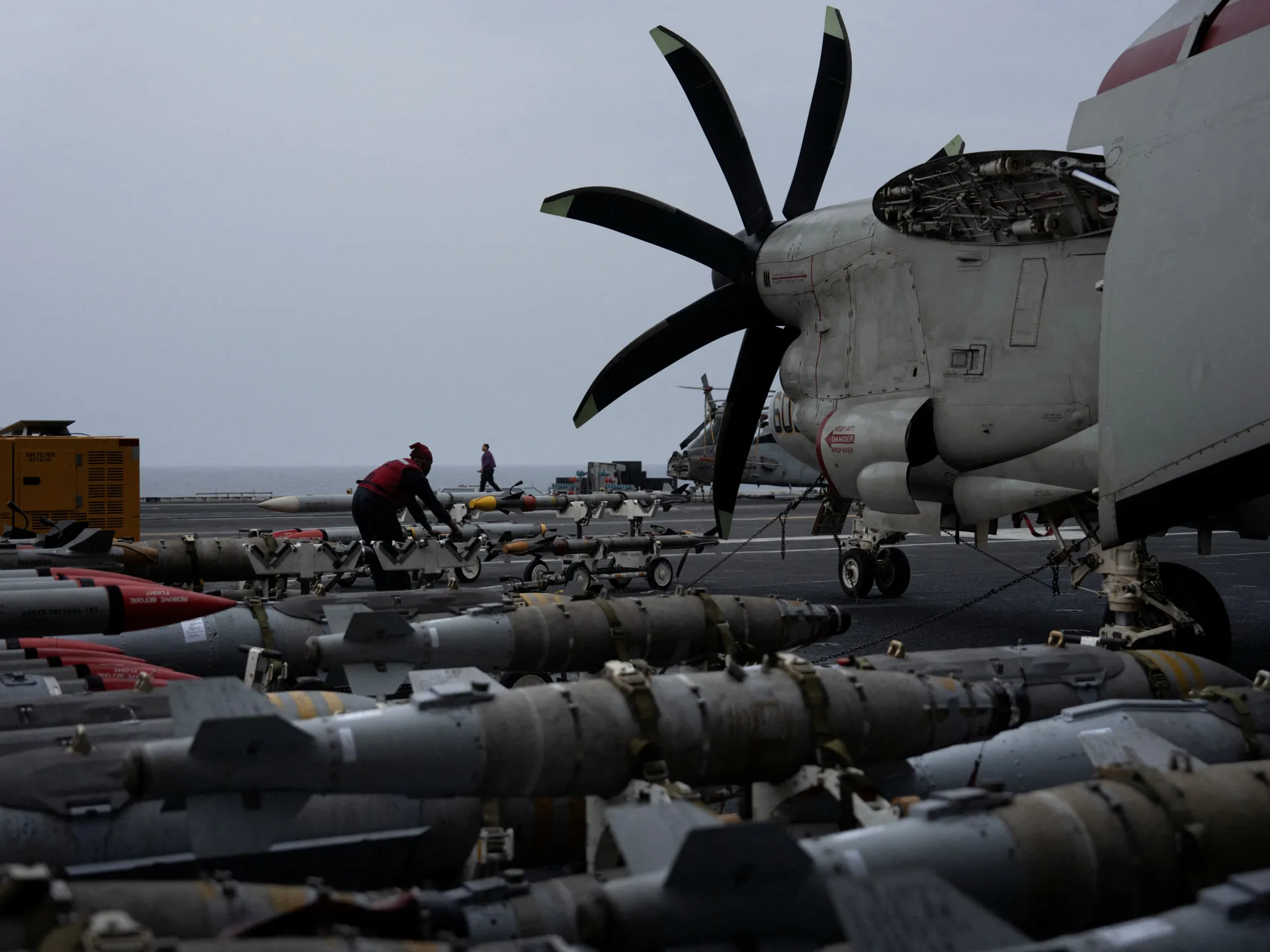
The operational strain on the Saudi-led coalition is becoming increasingly evident as reports emerge regarding critical shortages in missile interceptors. Faced with a persistent barrage of projectiles, Saudi authorities have reportedly reached out to several international partners, including France, Egypt, Pakistan, and the United Kingdom, requesting urgent air-defense support. This request for external assistance reflects the exhausting nature of a protracted conflict that has seen significant depletion of defensive stockpiles.
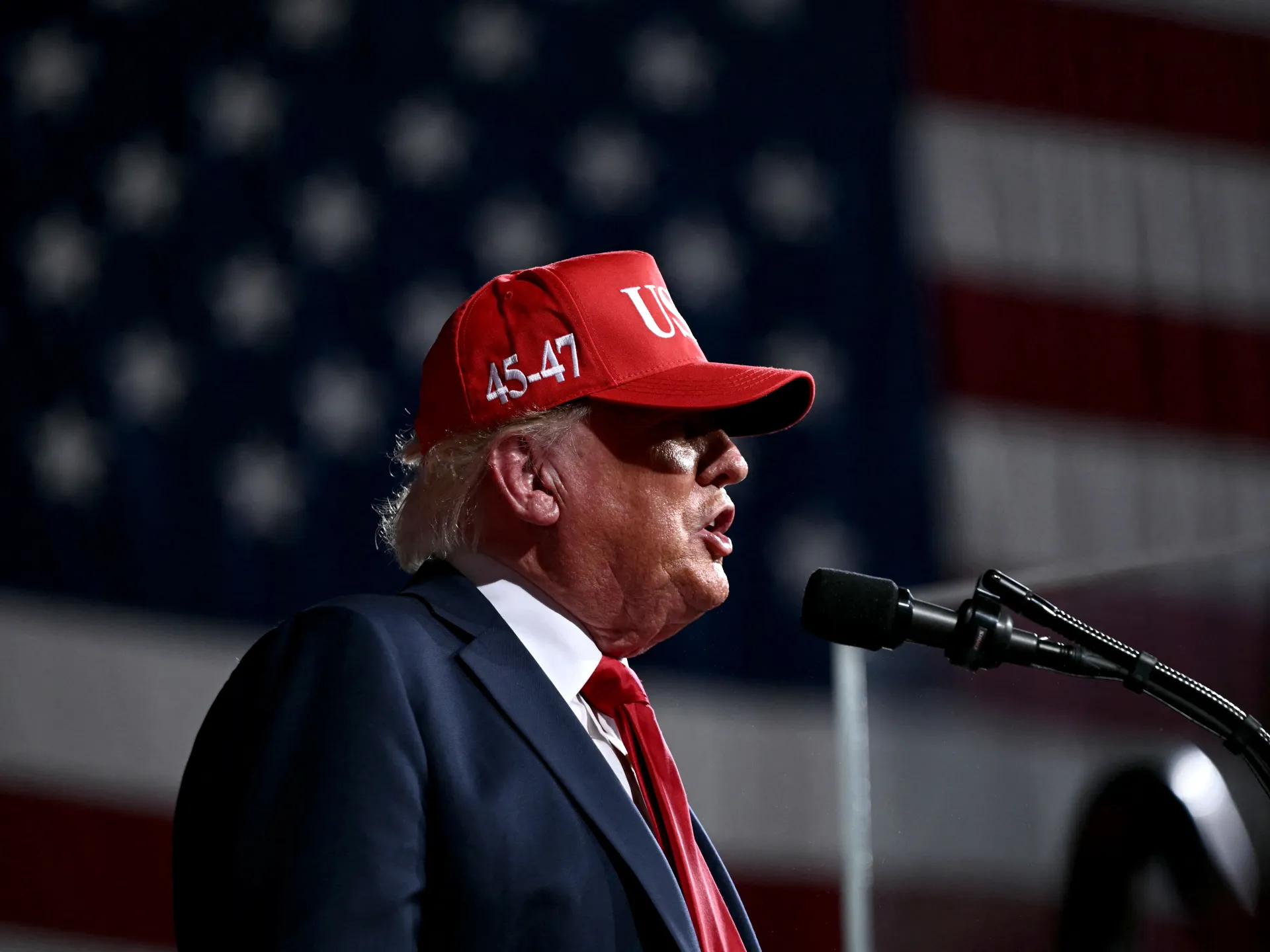
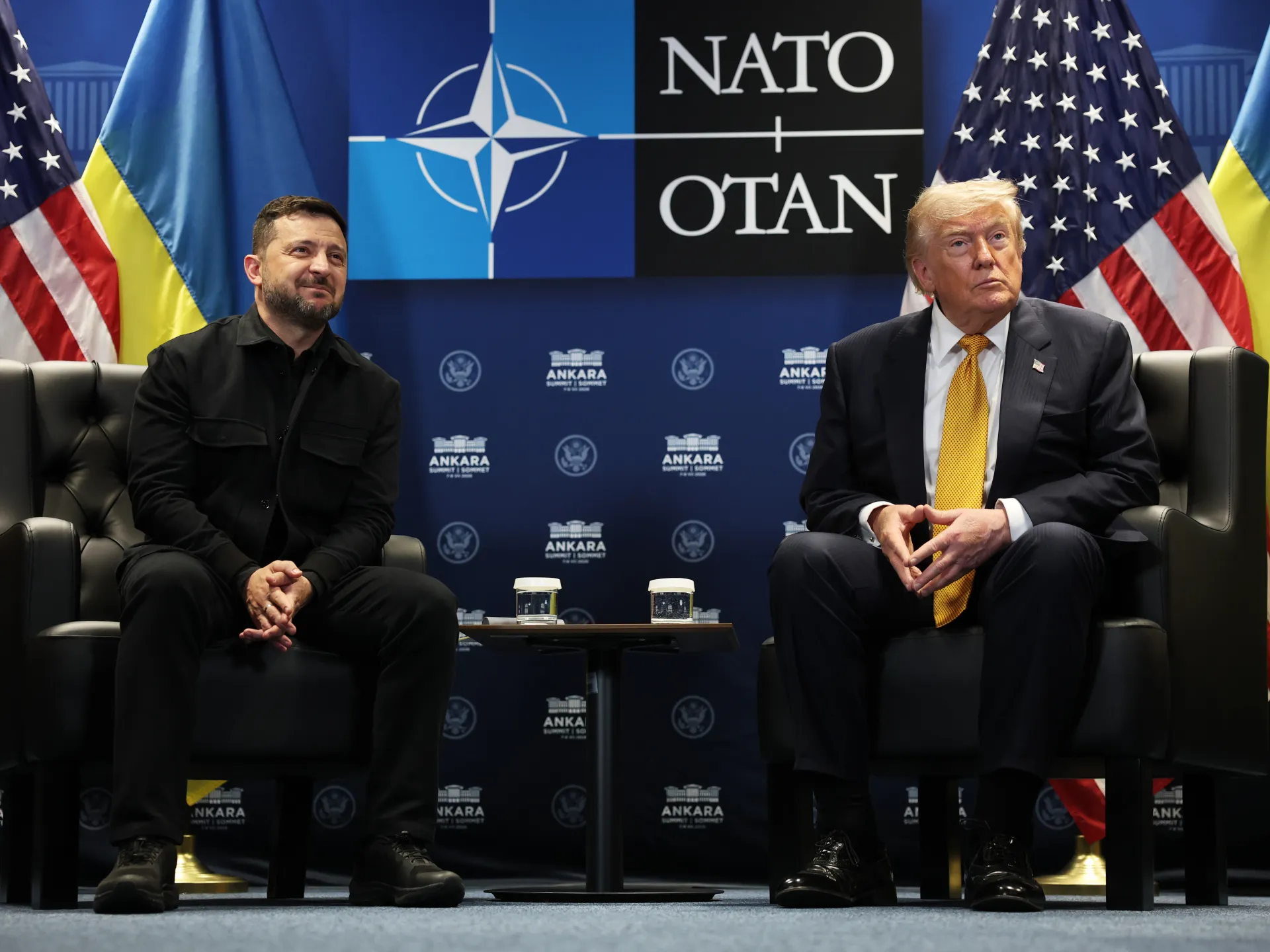
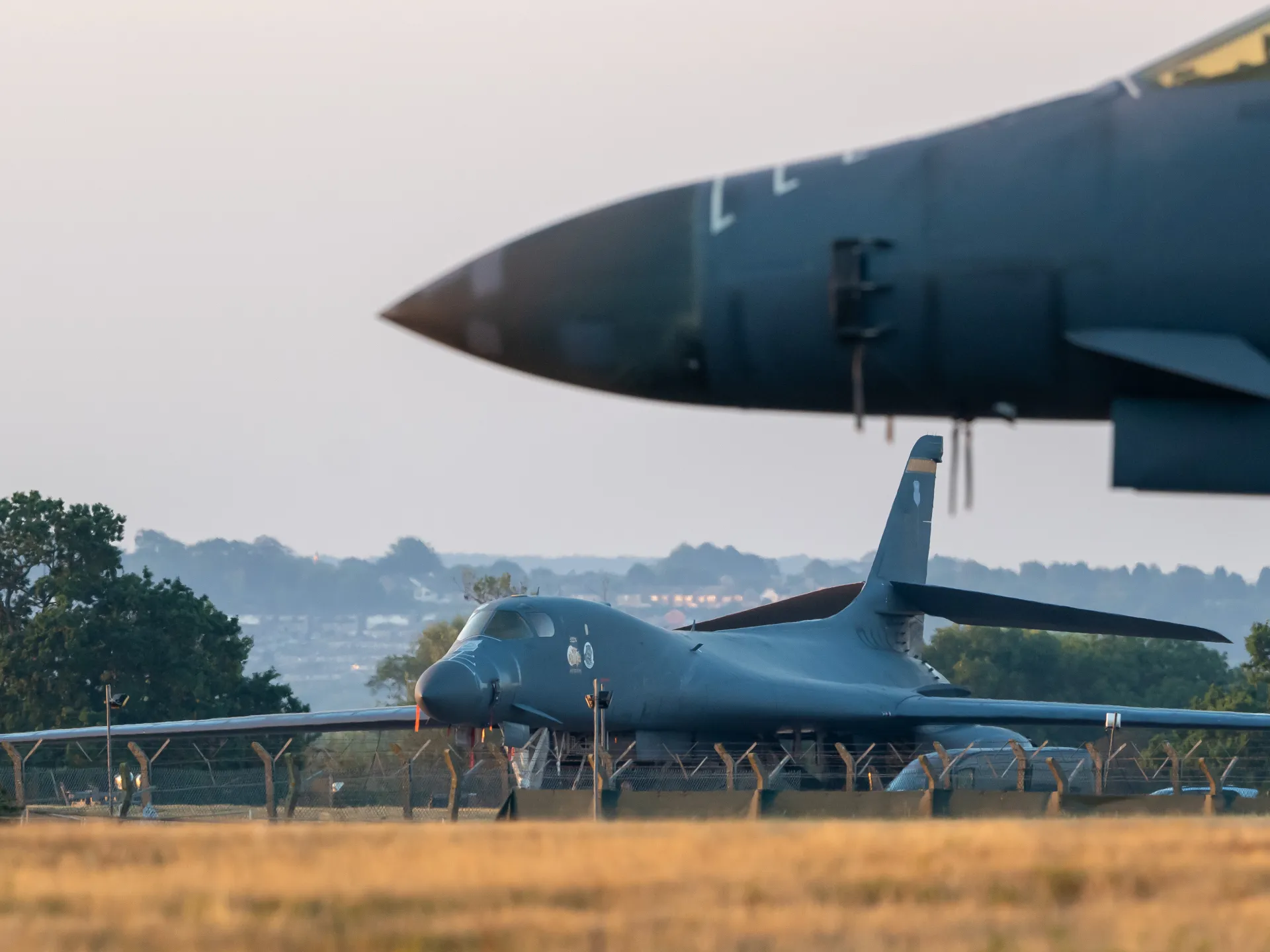
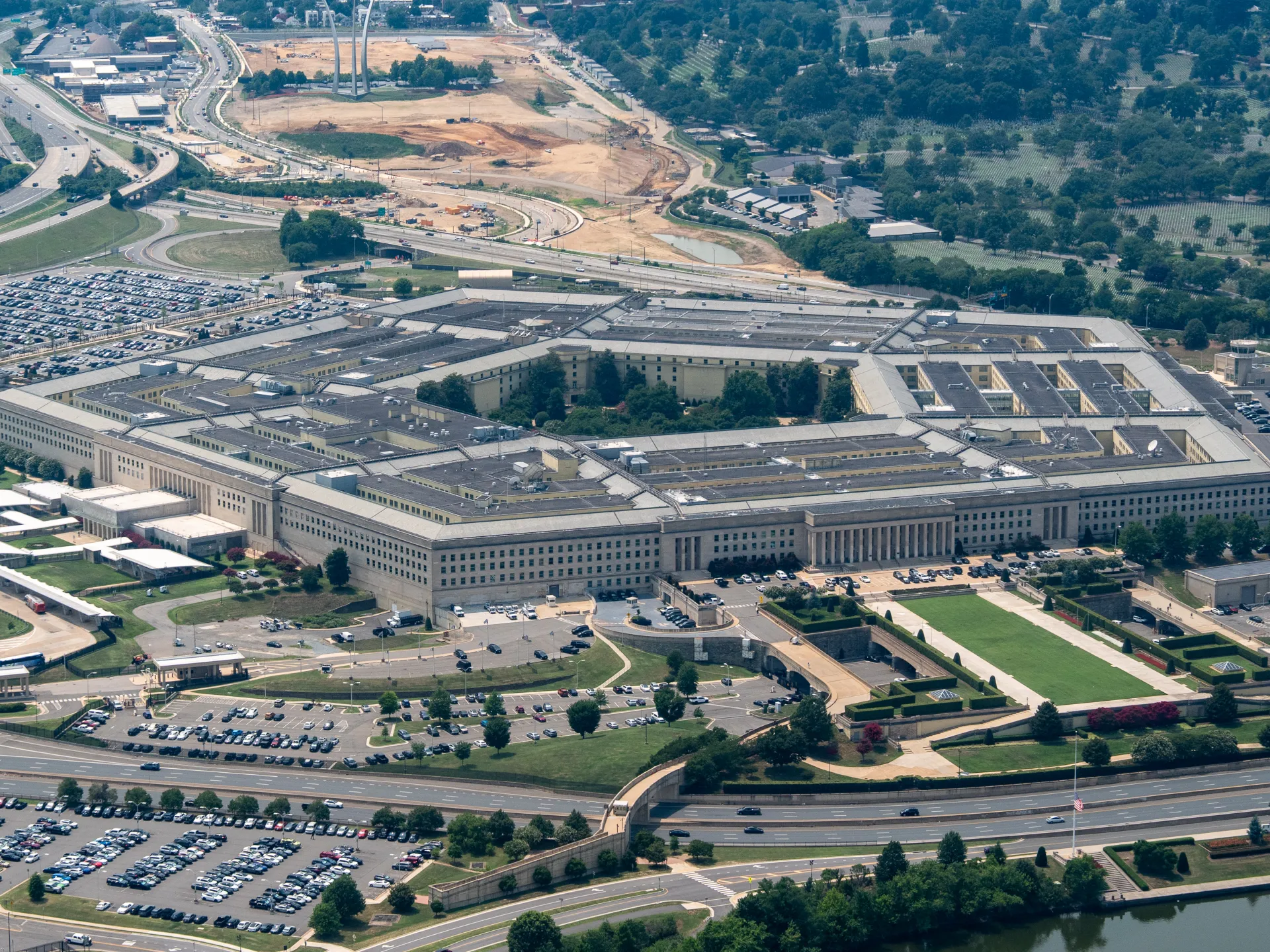
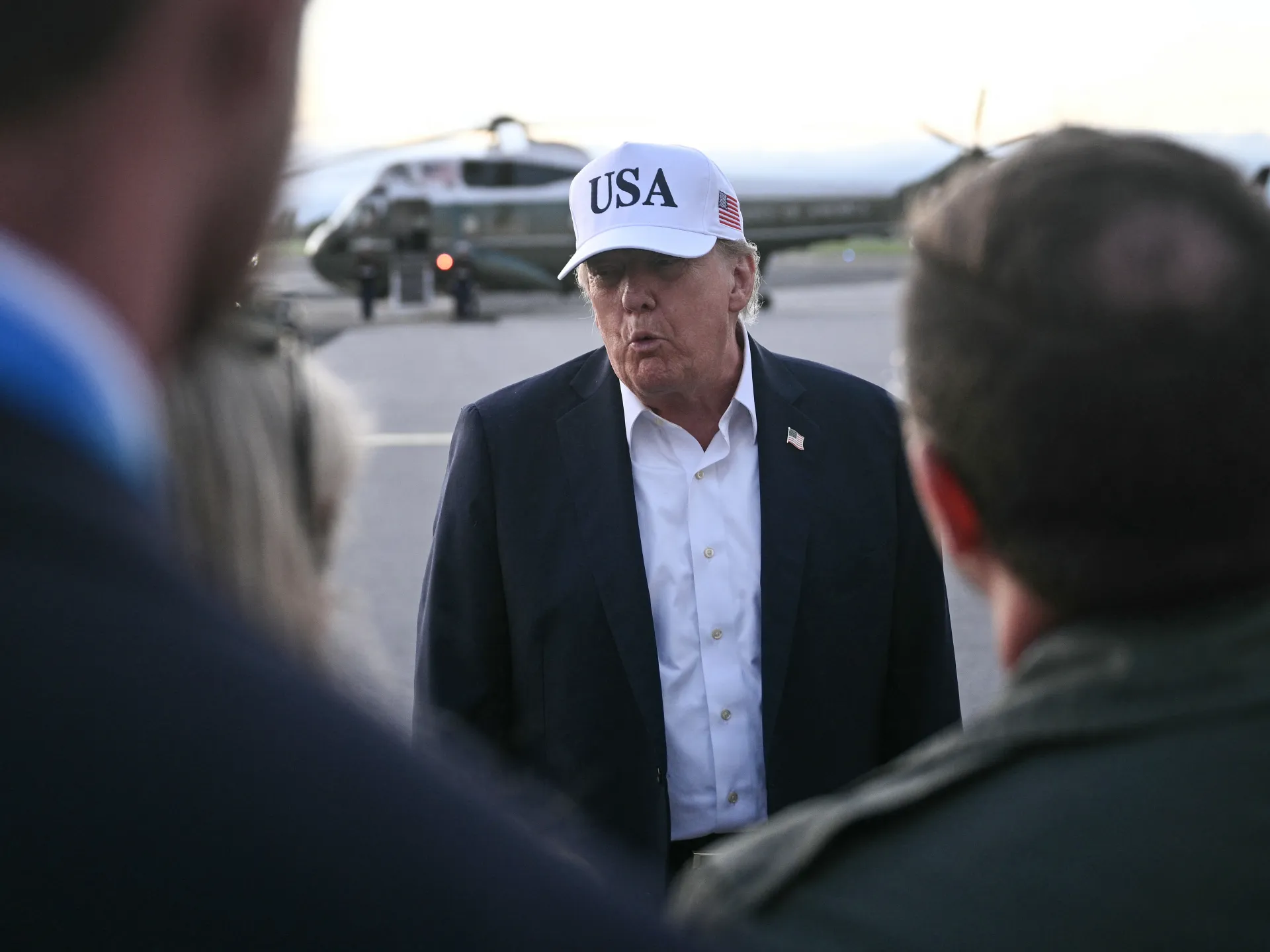
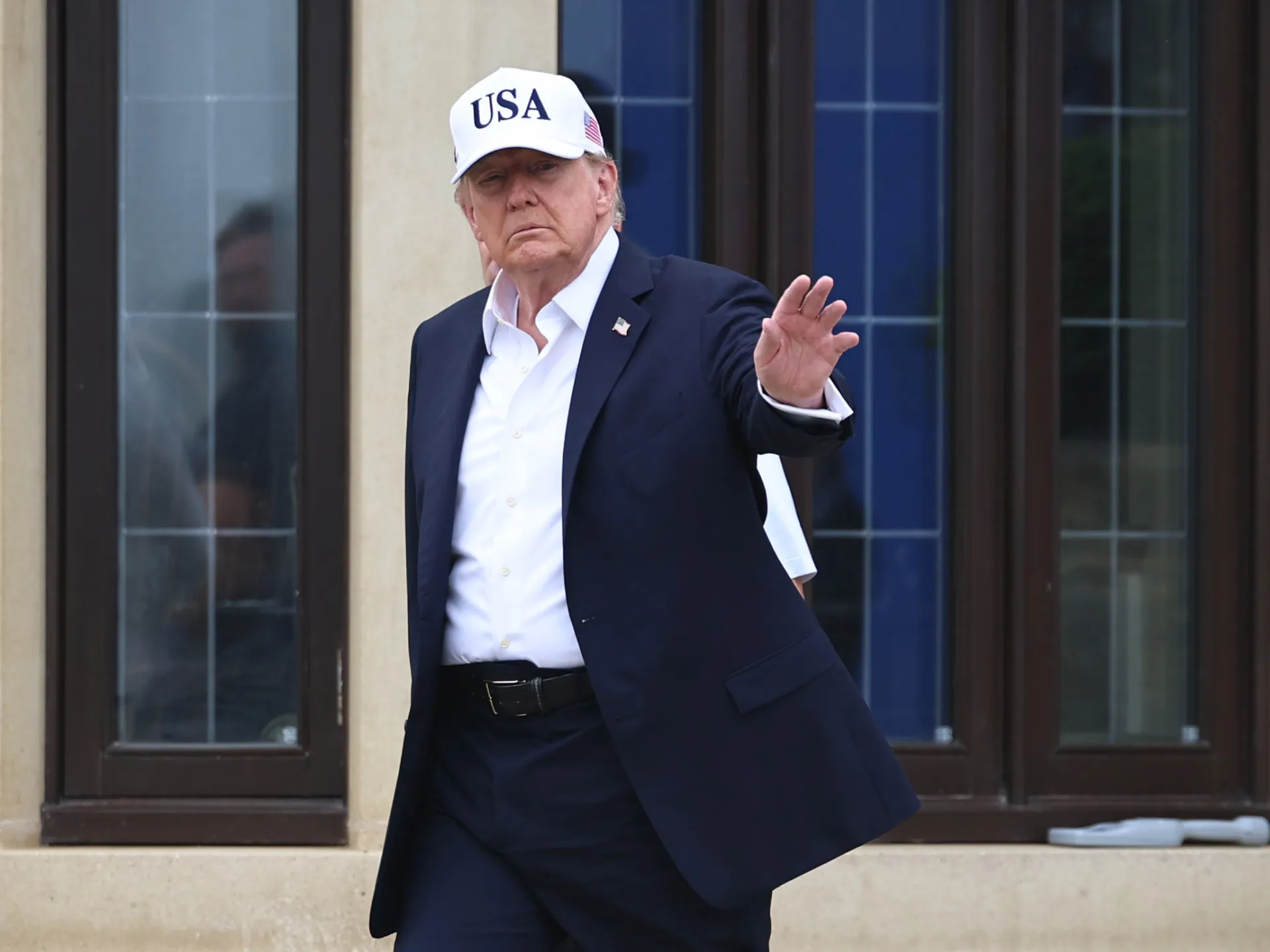
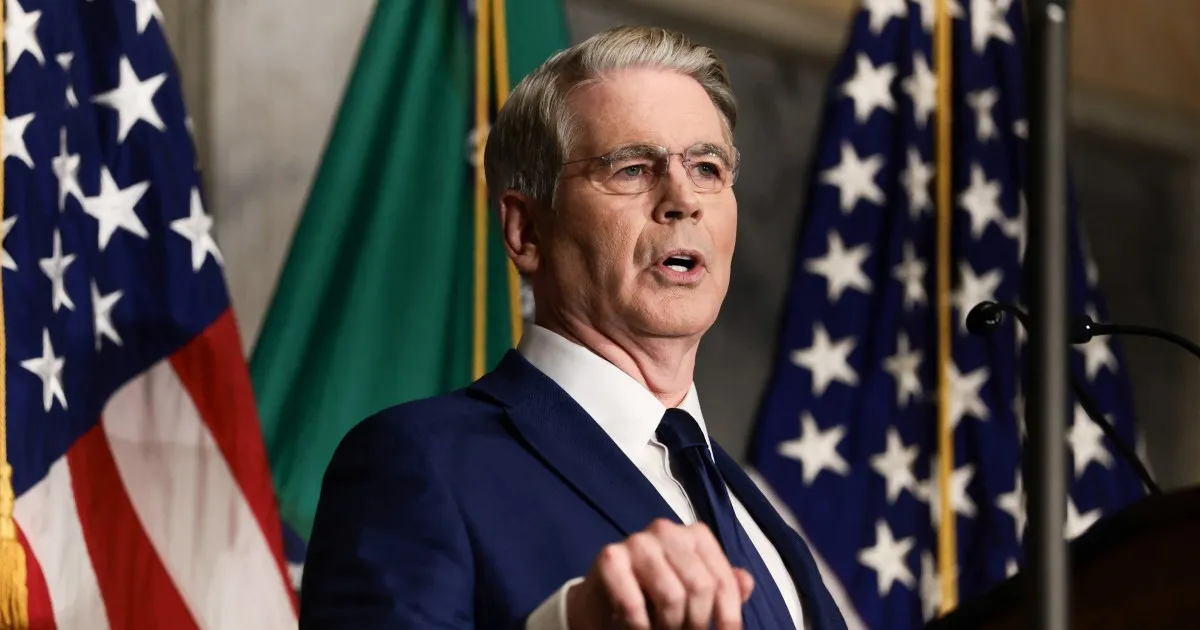
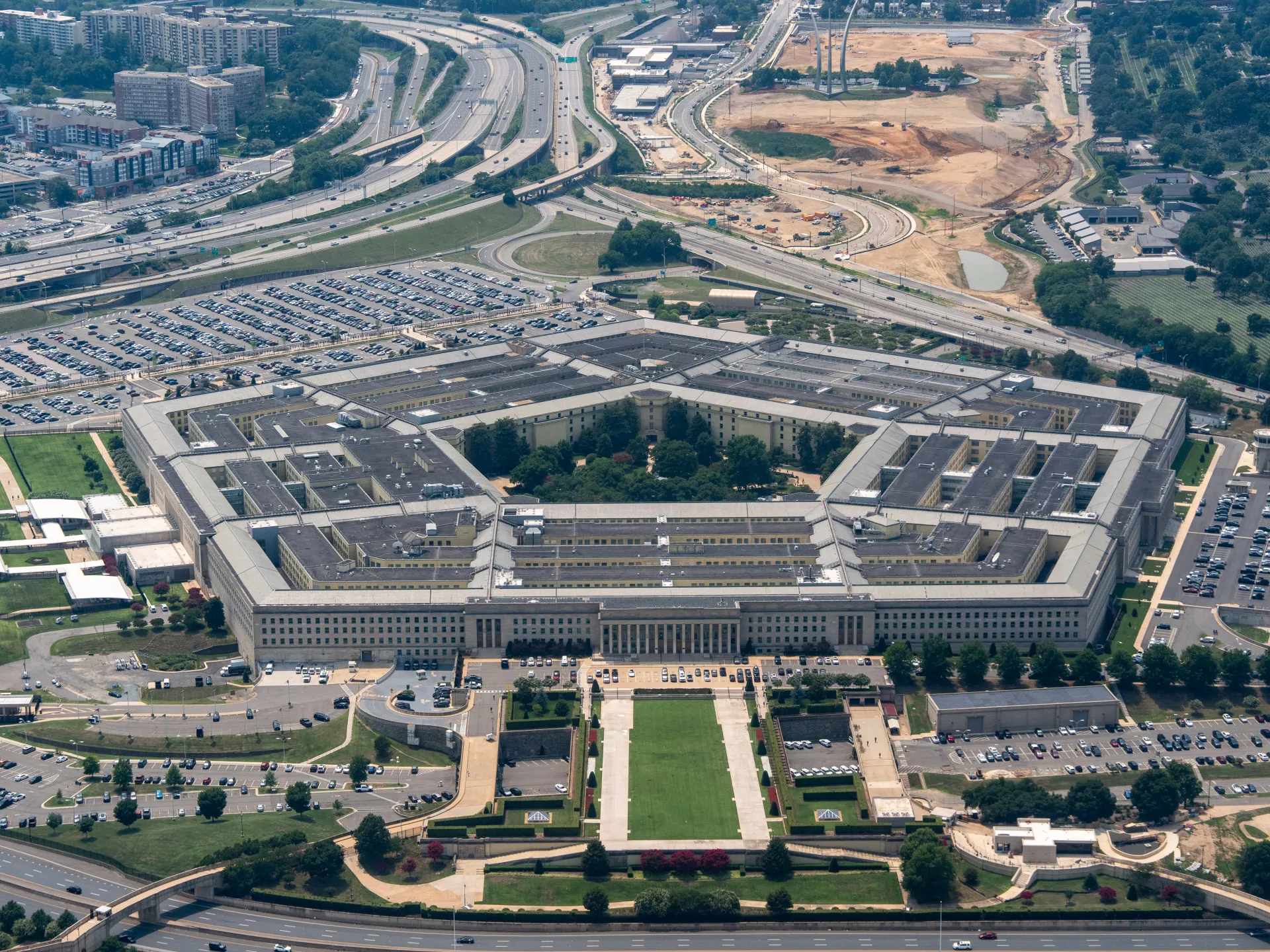
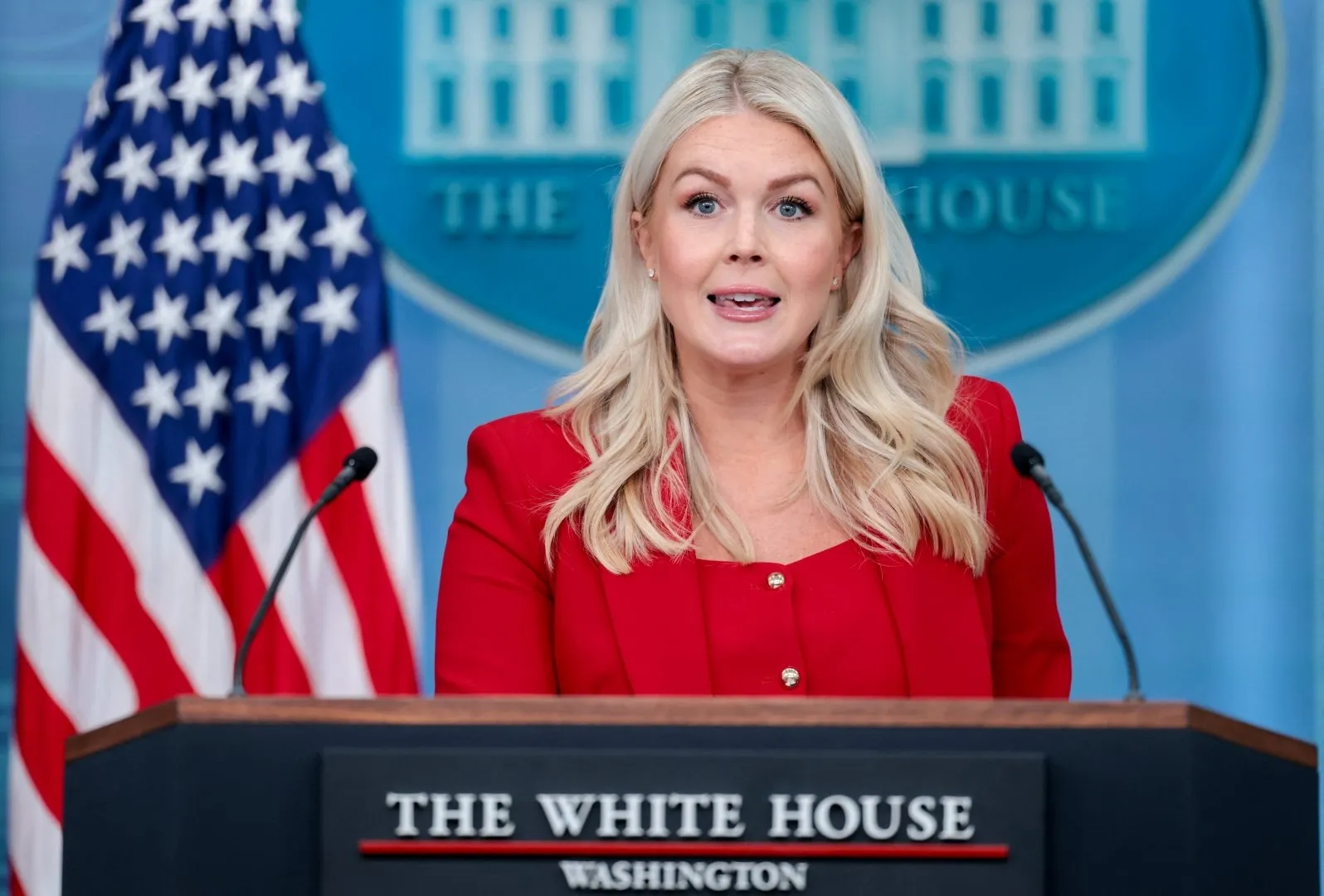
The United States, while maintaining a strong military partnership with Saudi Arabia, has emphasized that it is closely monitoring the situation without committing to a direct combat role. Officials from U.S. Central Command have signaled that the existing security framework remains the primary vehicle for cooperation, even as the logistical burdens of the conflict continue to test the capabilities of regional allies.
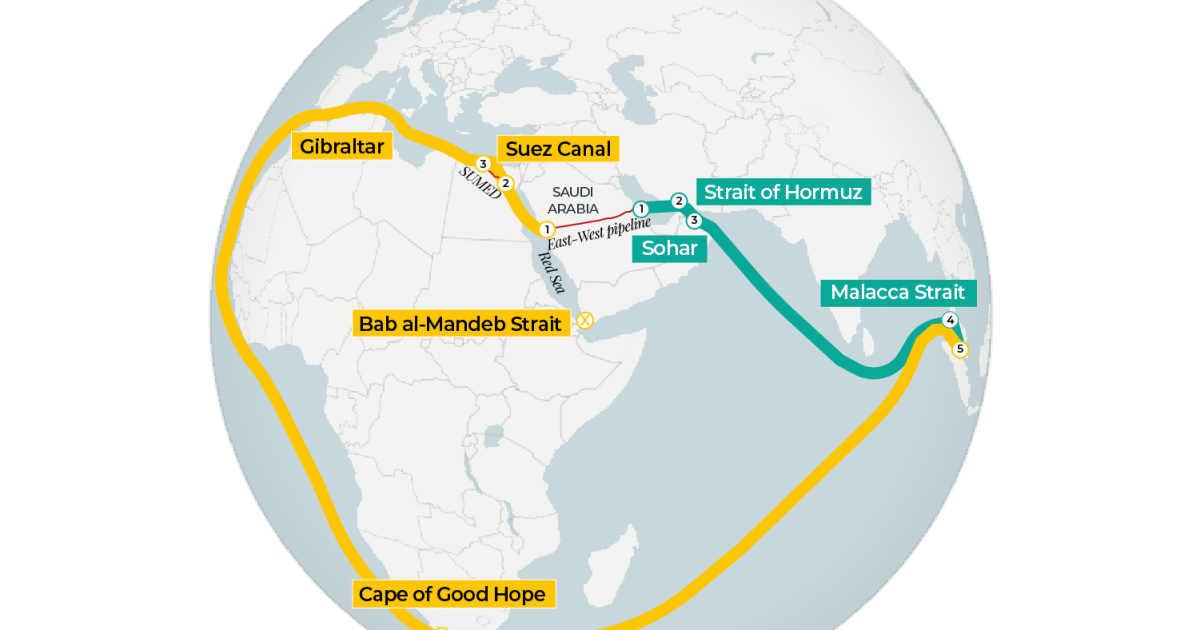
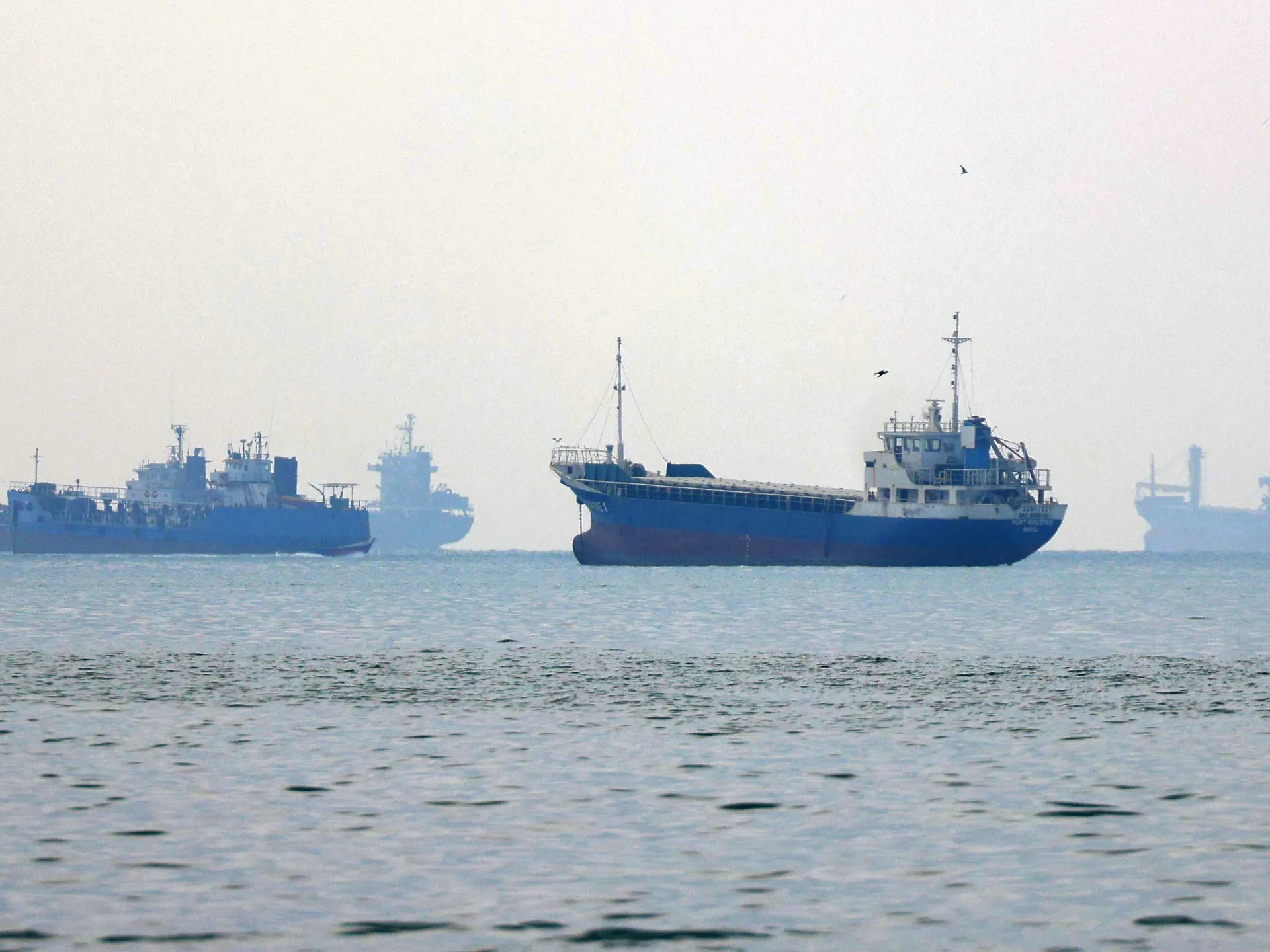
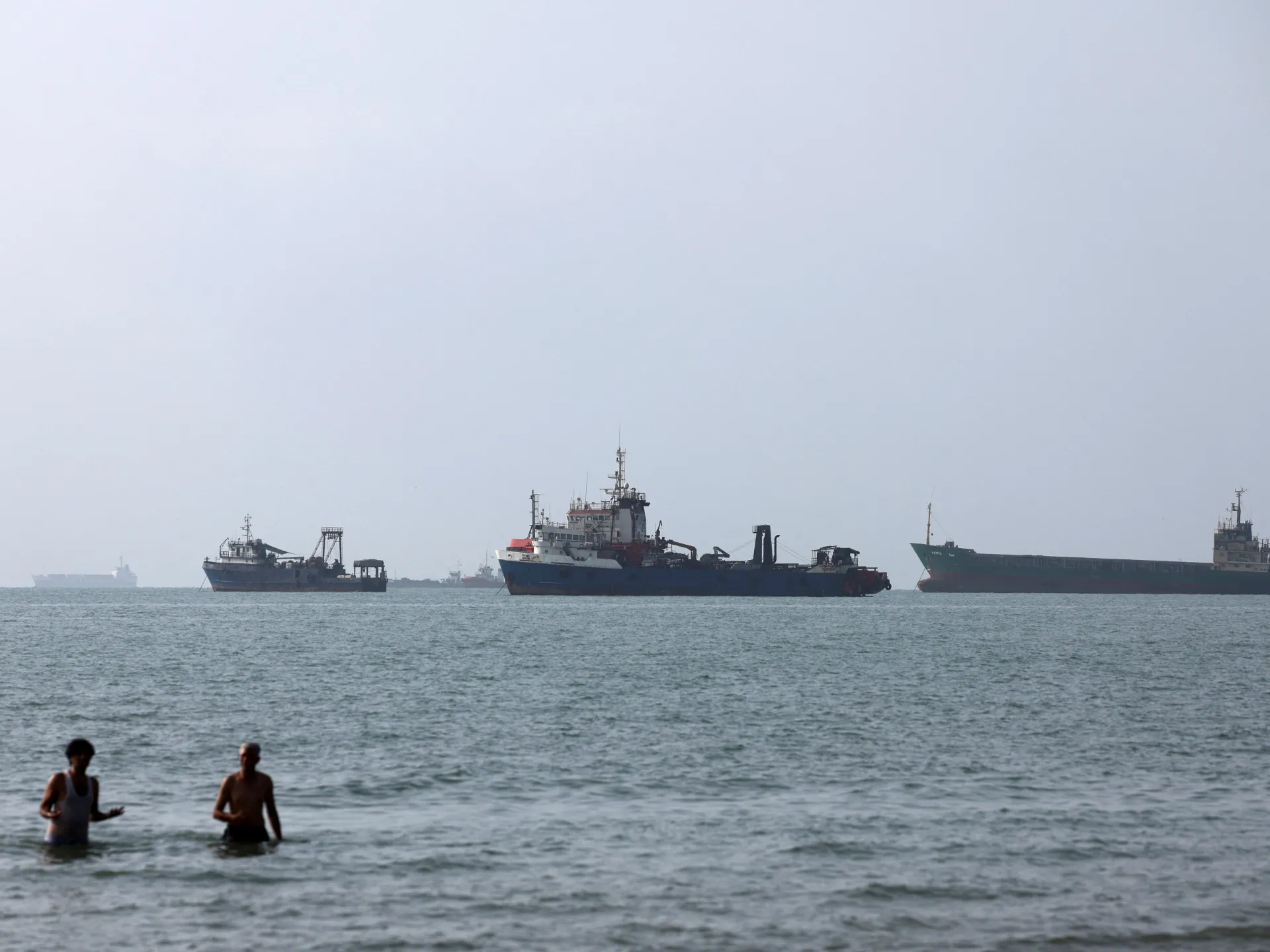
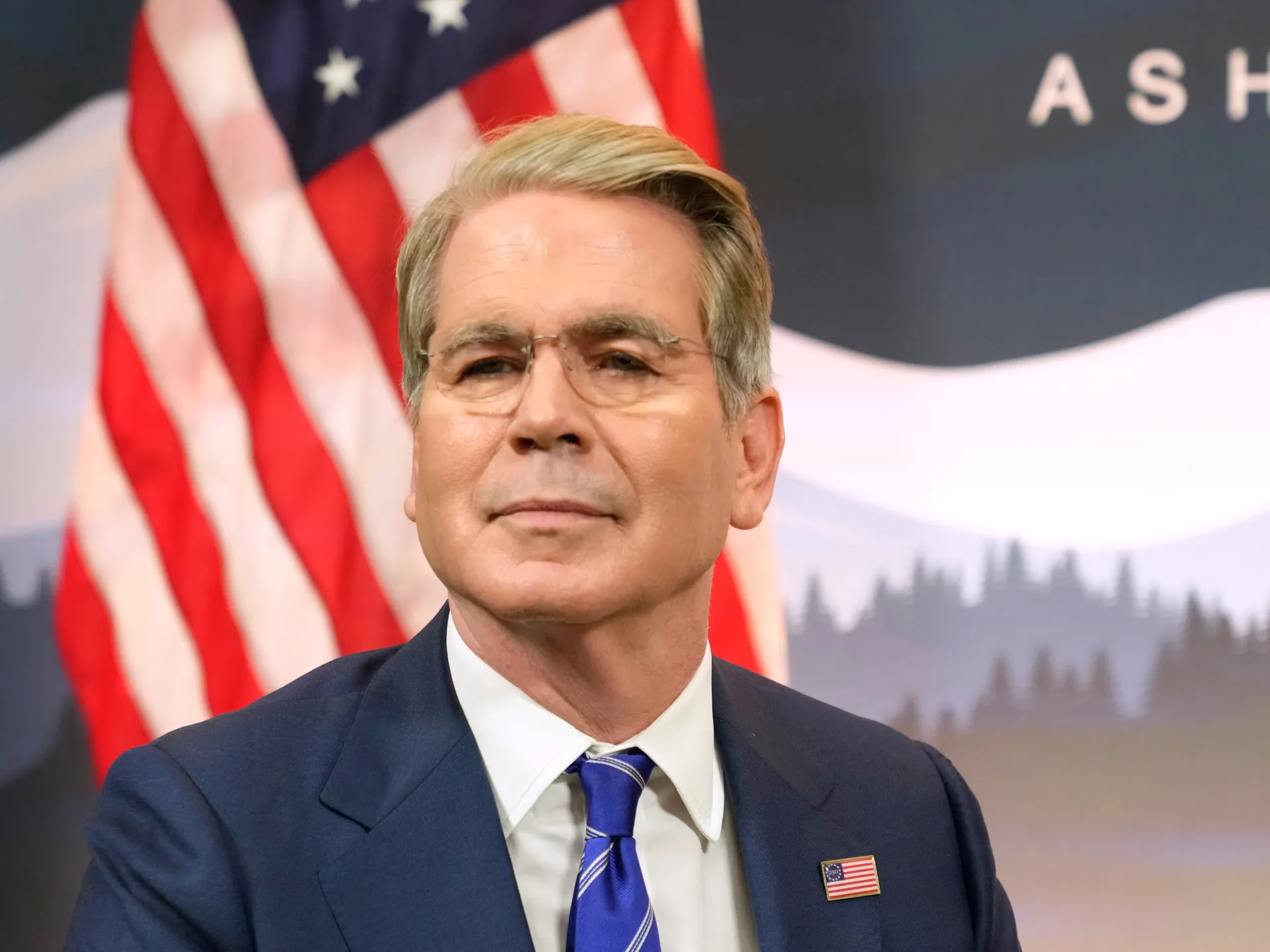
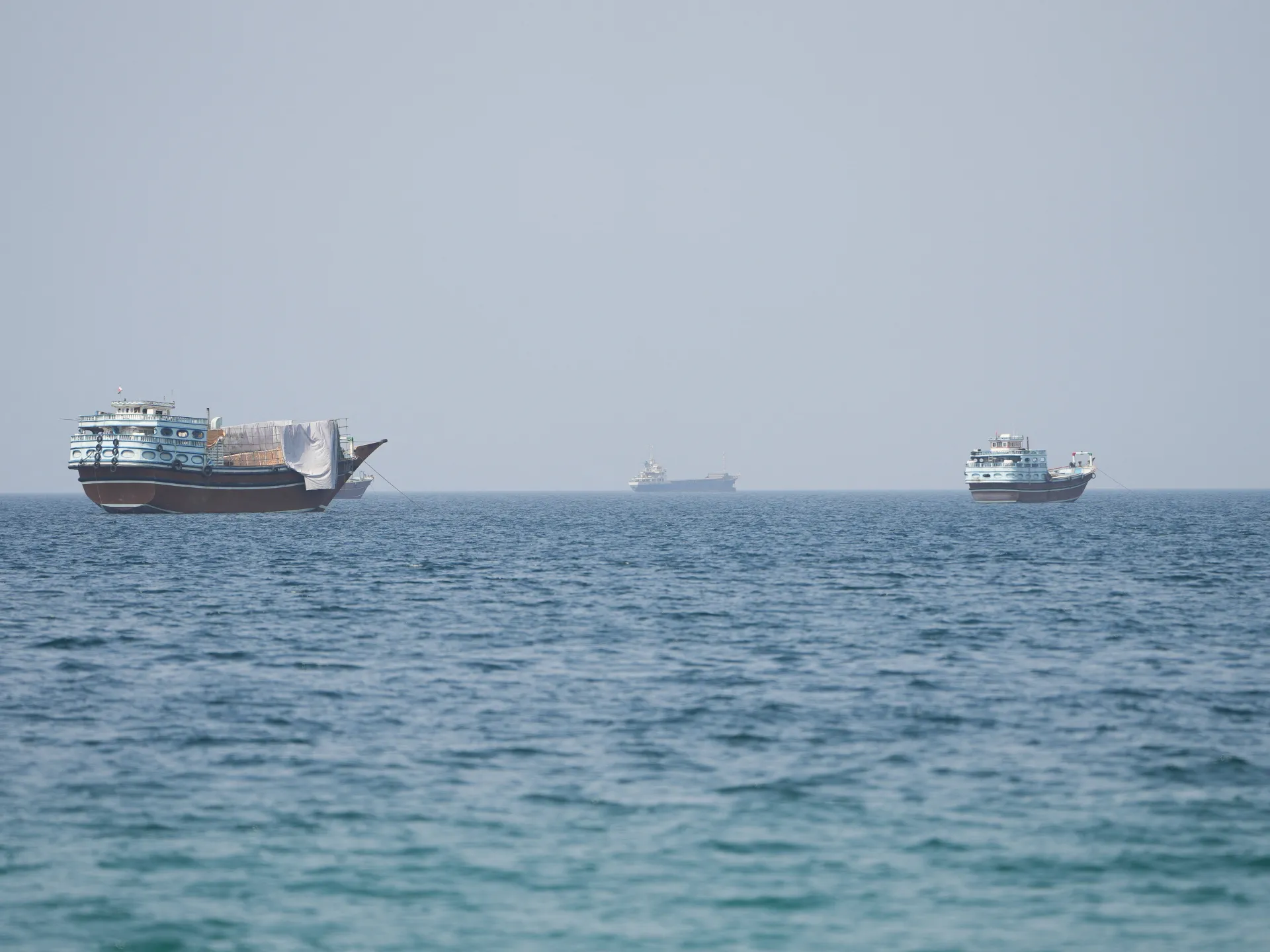
Despite the escalation on the battlefield, diplomatic efforts are moving forward through backchannel communication. Reports have confirmed that U.S. officials conducted direct discussions with Houthi representatives in Oman recently. These meetings, facilitated munication and de-escalating tensions regarding maritime security in the Red Sea.
During these high-level talks, Houthi representatives reportedly assured U.S. officials that they harbor no intentions of targeting American vessels and remain committed to adhering to the terms of the 2025 ceasefire agreement. These assurances offer a glimmer of hope that the broader conflict, while intense, may be prevented from spiraling into a direct confrontation between the Houthis and international naval forces patrolling the vital shipping lanes.
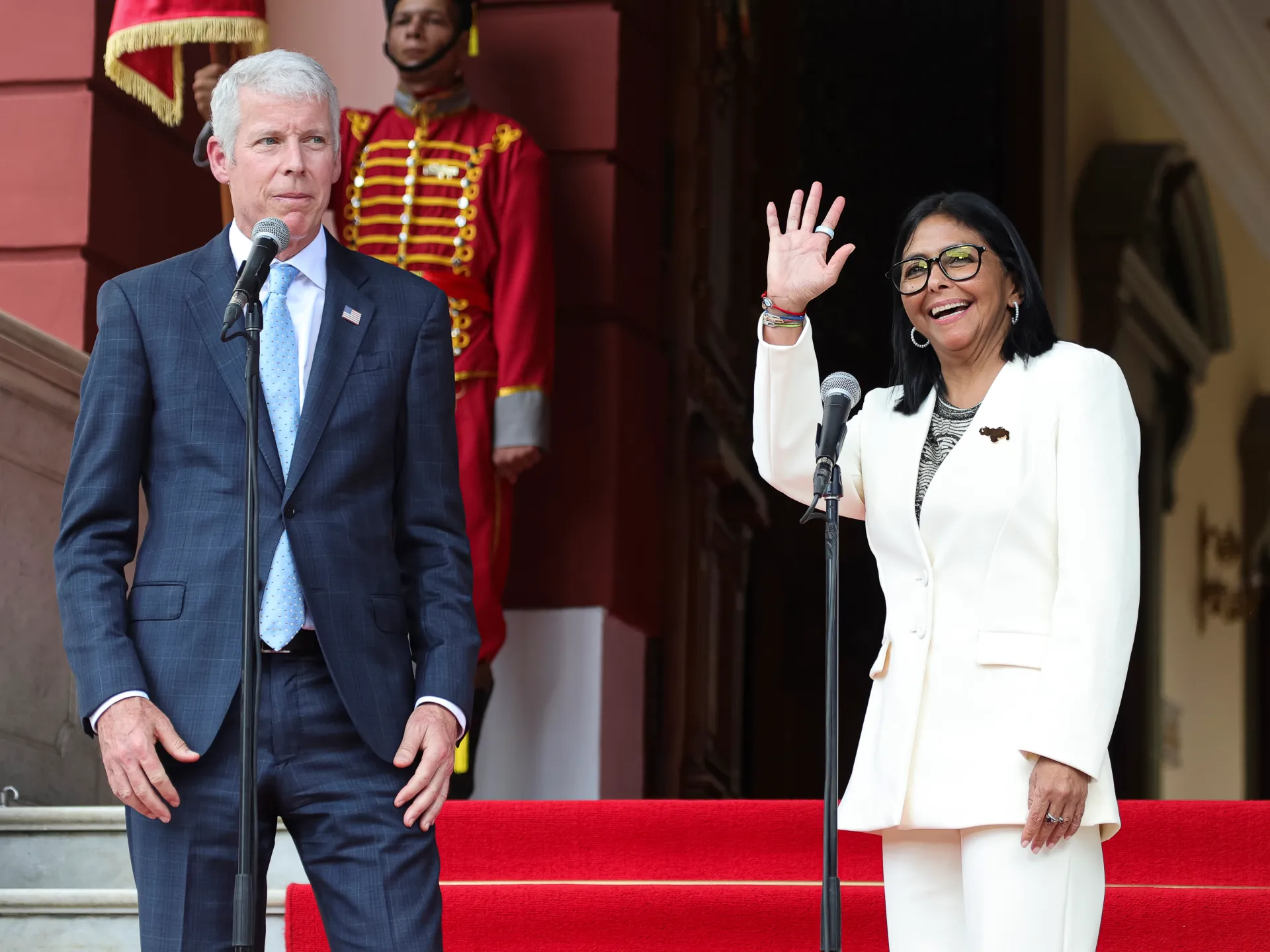
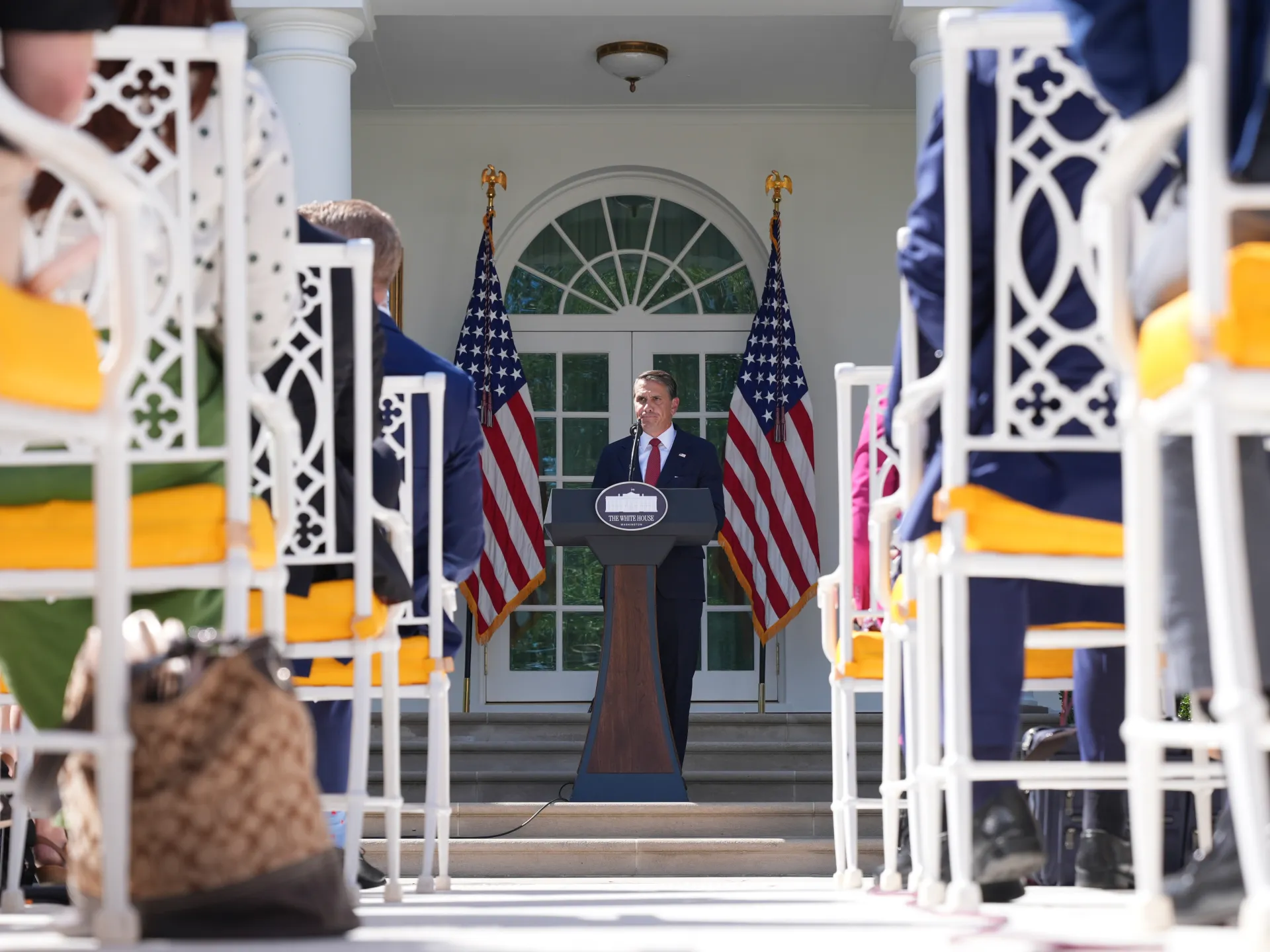
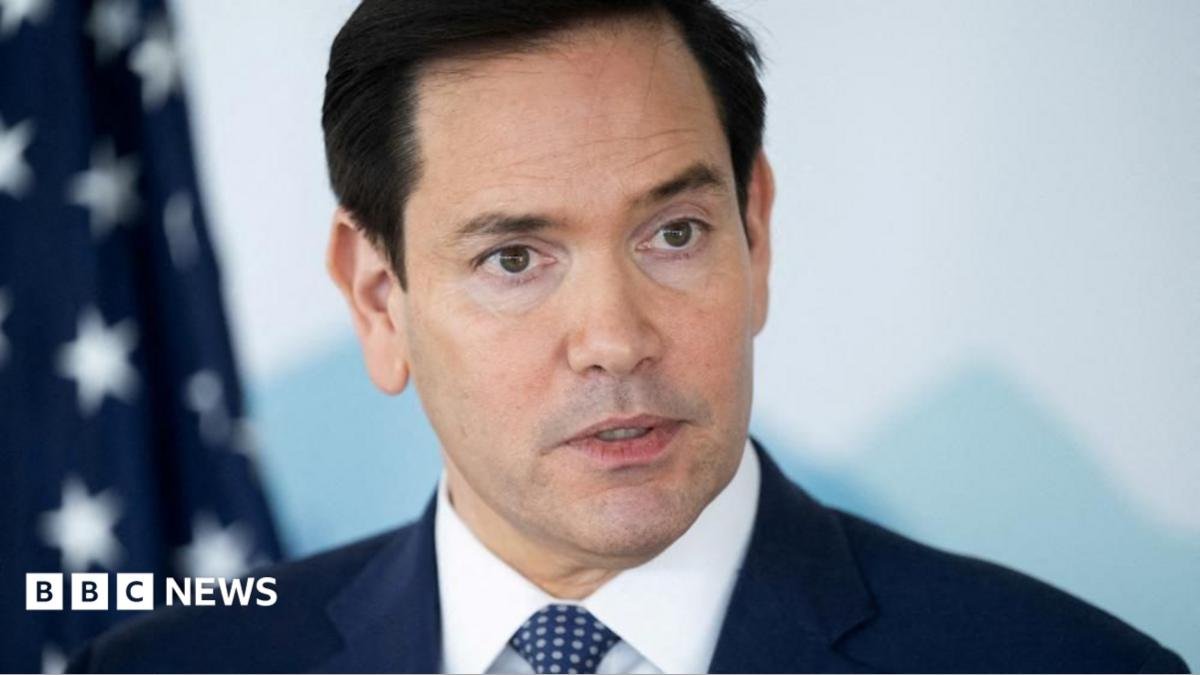
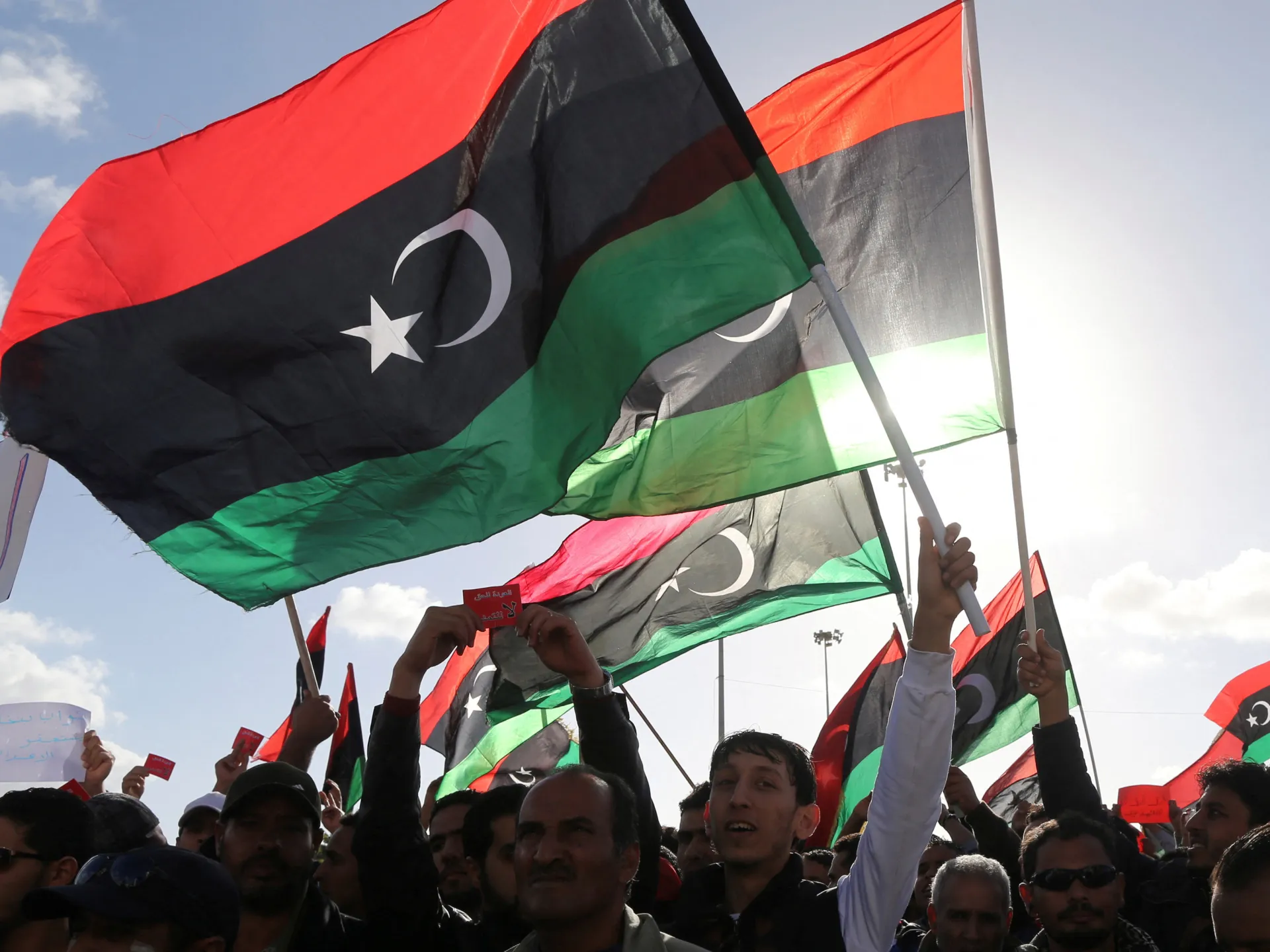
Meanwhile, the United States continues to reiterate its unwavering support for the internationally recognized Yemeni government. Diplomatic representatives have publicly reaffirmed their solidarity with the Yemeni leadership, characterizing the ongoing conflict as a struggle against external aggression. This dual-track approach—balancing military support for coalition partners with direct engagement with militant groups—highlights the complex geopolitical balancing act Washington must navigate to prevent a wider regional conflagration.