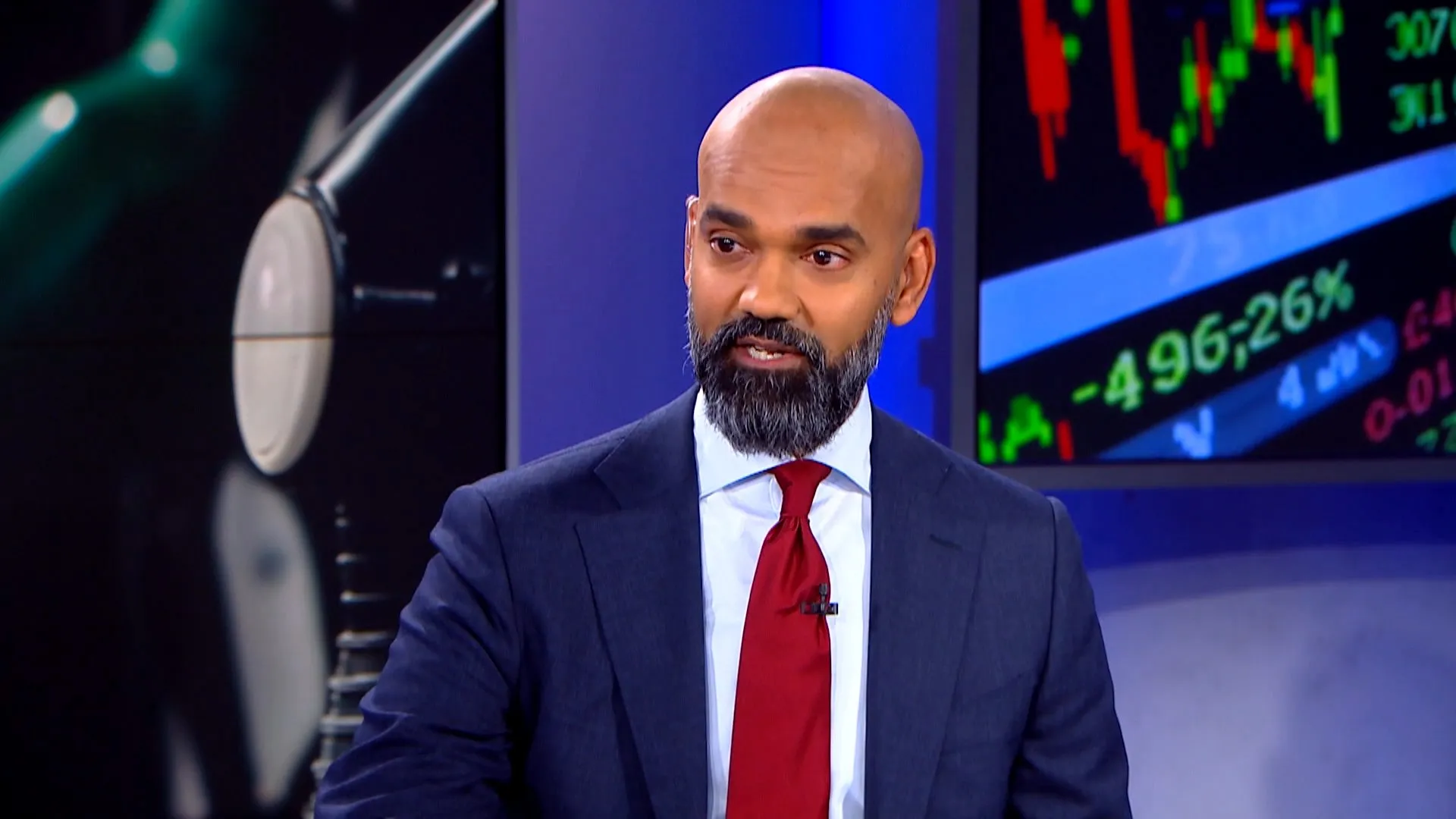
Rising borrowing costs and declining purchasing power are creating significant financial strain for American households, potentially shifting the focus of the upcoming midterm elections.
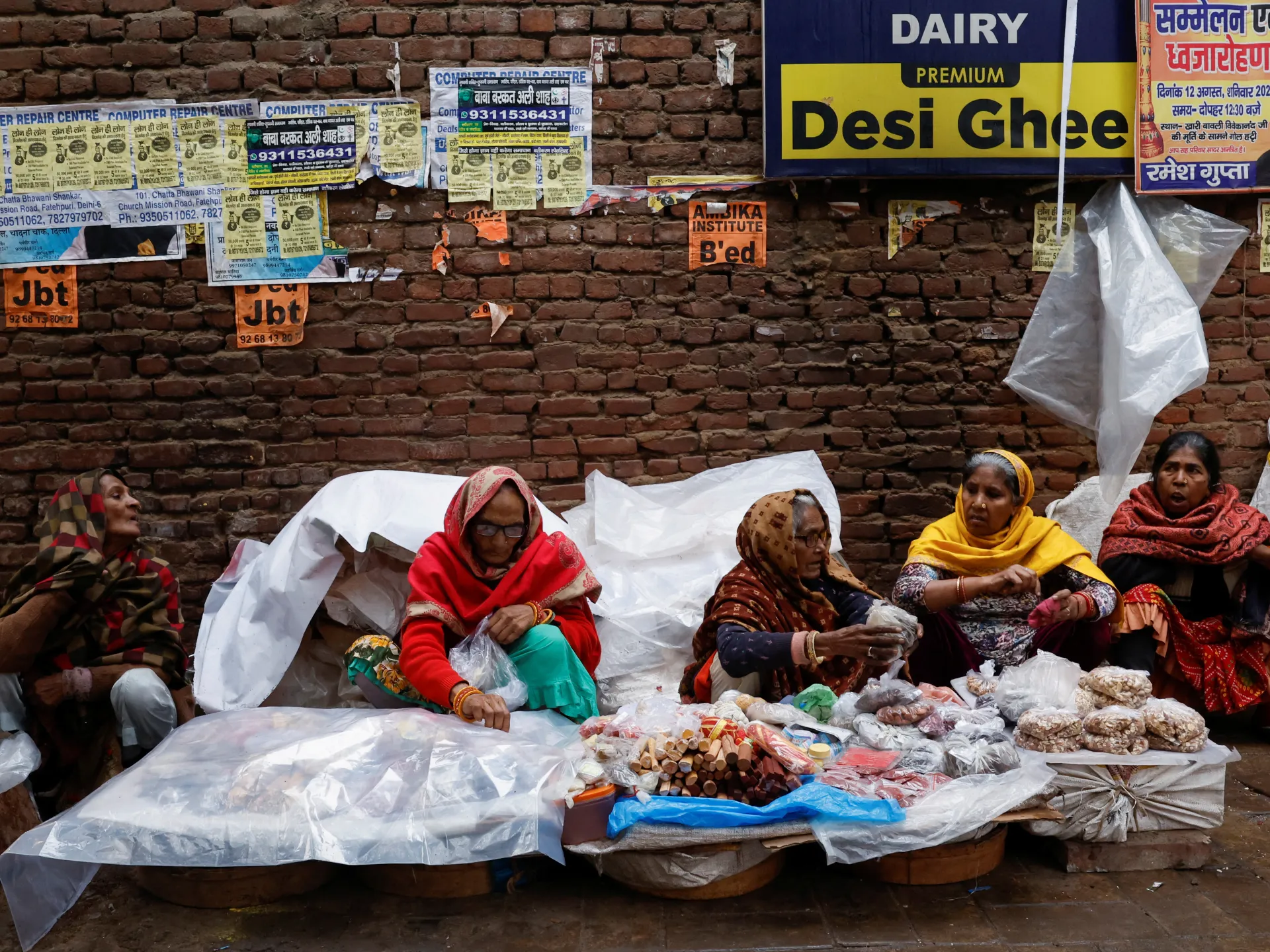
As the United States approaches the midterm election cycle, economic anxiety has emerged as a dominant force shaping the national conversation. Many citizens, particularly those within lower-income brackets, are grappling with the compounding effects of a tightening financial landscape. Economists have noted that the current environment is characterized gling to keep pace with the rising costs of essential goods and services.
The shift in economic stability is not merely a statistical concern but a lived reality for millions of Americans who find their budgets increasingly constrained. As inflation and cost-of-living adjustments fail to align with wage growth, the margin for discretionary spending has vanished for a large segment of the population. This financial squeeze has become a focal point for political analysts who are closely monitoring how these hardships might translate into electoral behavior at the ballot box.
One of the primary drivers of this economic strain is the sustained period of elevated borrowing costs. Higher interest rates have made credit more expensive, impacting everything from credit card balances to auto loans and personal debt. For individuals already operating on thin financial margins, these increased costs act as a barrier to maintaining a standard of living that was previously sustainable. The inability to access affordable credit has forced many households to make difficult trade-offs, often sacrificing long-term financial health for immediate survival.
Experts suggest that the restrictive nature of current monetary policy is rippling through the broader economy, dampening consumer confidence and altering spending habits. When borrowing becomes prohibitive, the velocity of money within the economy slows, which can lead to broader stagnation. This environment creates a pervasive sense of instability, as voters look toward their elected representatives for solutions that can alleviate the pressure on their personal finances and restore a sense of economic predictability.
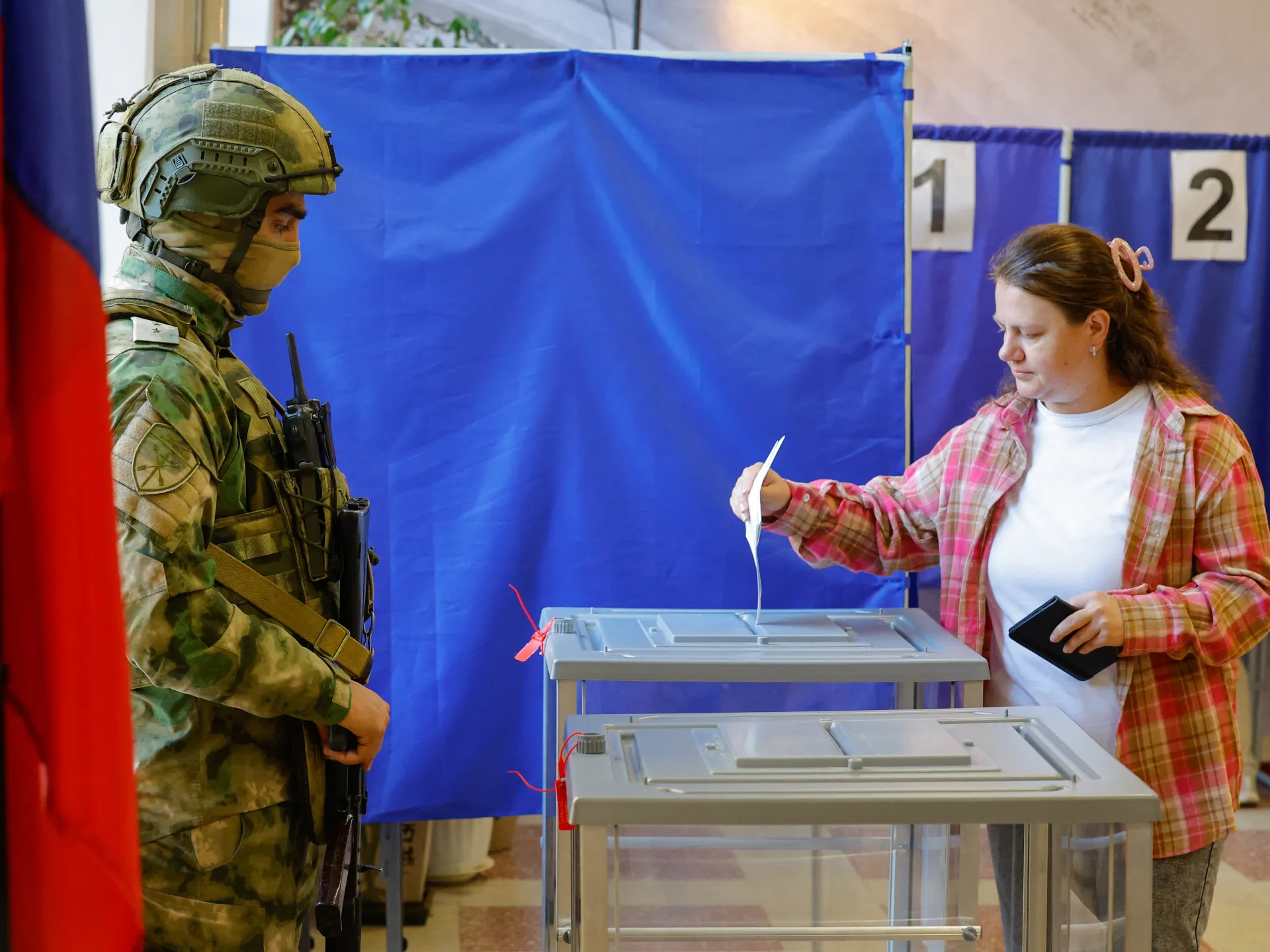
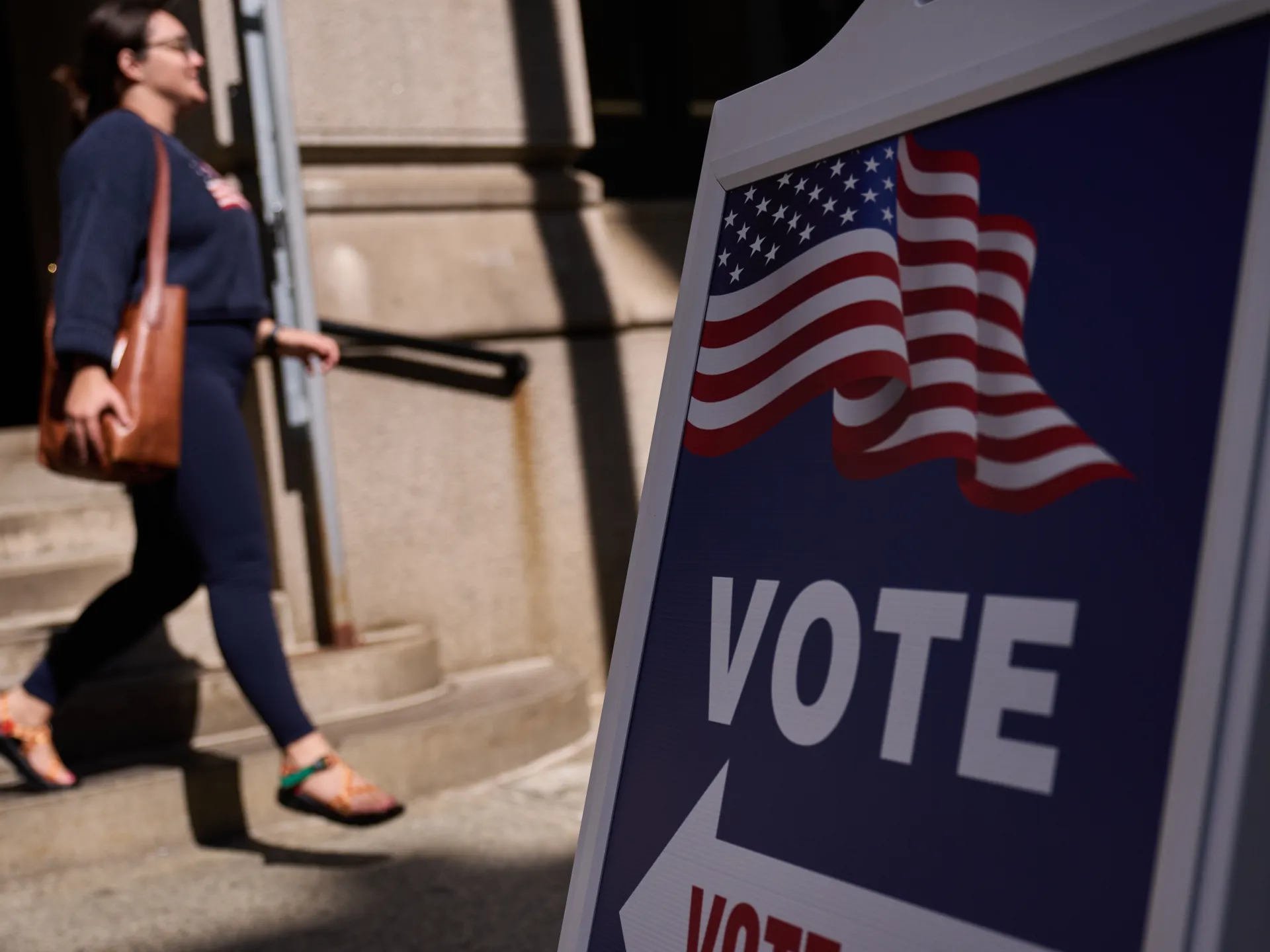
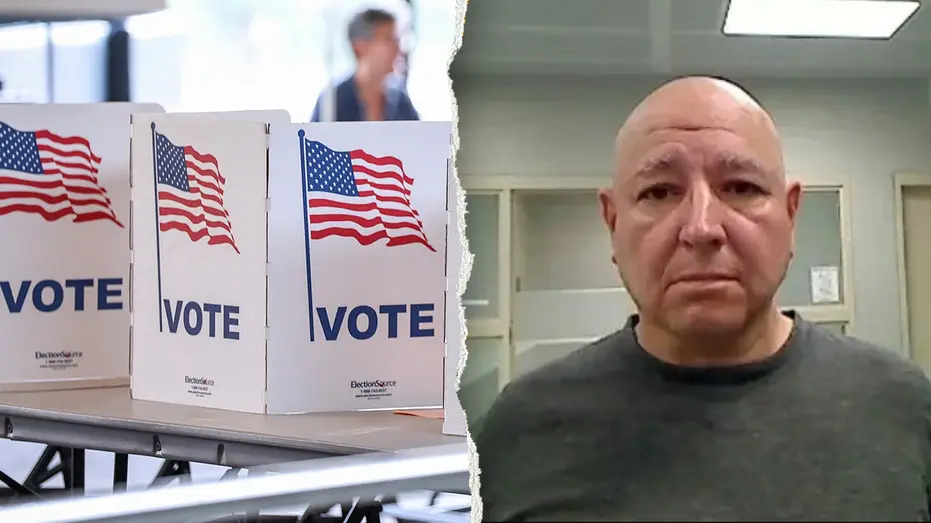
With the midterm elections on the horizon, the issue of affordability has rapidly ascended to the top of the voter priority list. Candidates from both sides of the aisle are finding that traditional campaign platforms often fail to resonate if they do not adequately address the immediate financial concerns of the average worker. Voters are increasingly evaluating political performance through the lens of their own bank accounts, seeking policies that promise to reduce the cost of living or provide relief from the current economic malaise.
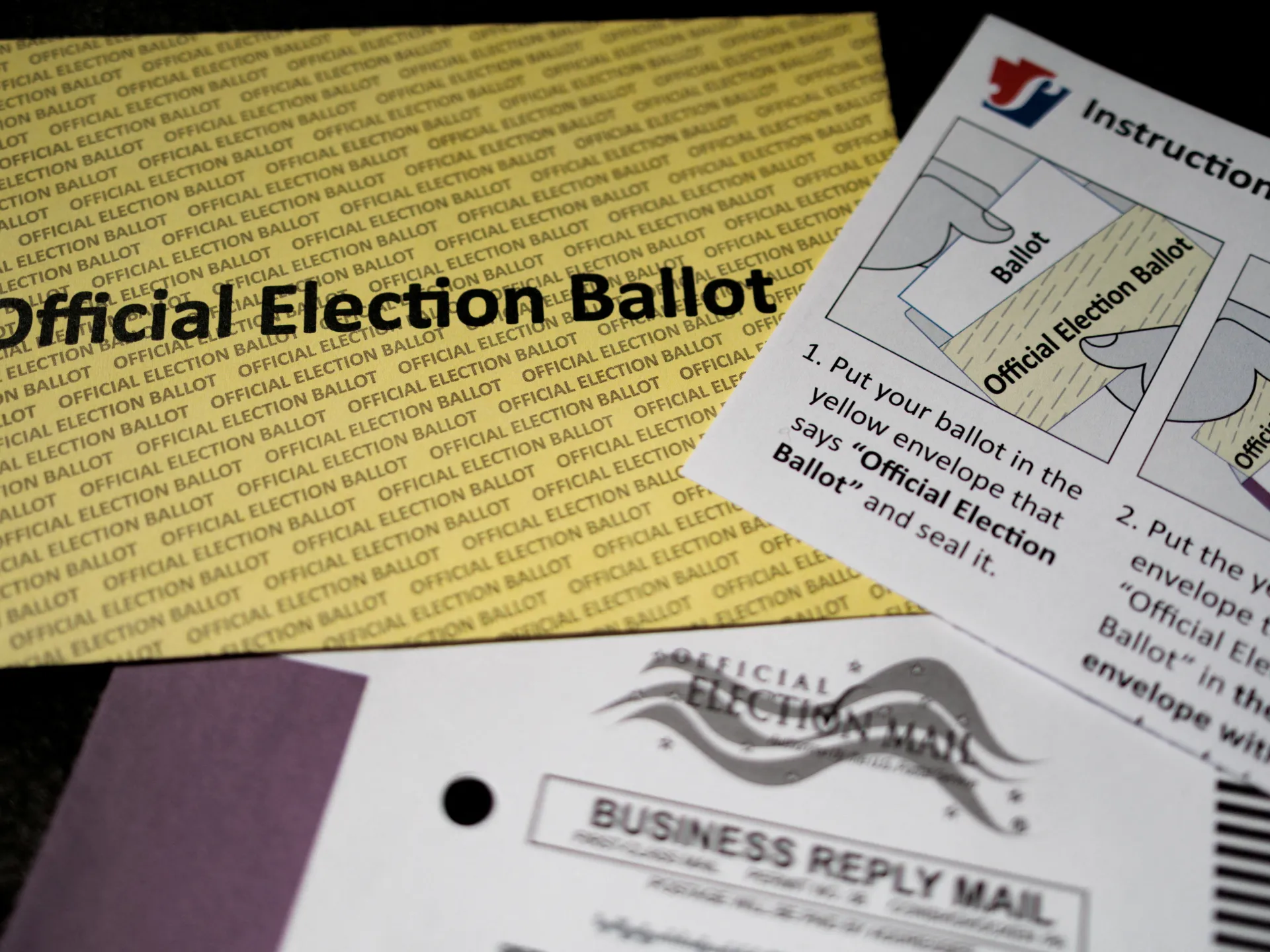
Political observers anticipate that the candidate who can most effectively articulate a strategy for economic revitalization will likely capture the attention of undecided voters. The challenge for policymakers remains complex, as they must balance the need for macroeconomic stability with the urgent demand for relief among those hit hardest t vote or a demand for systemic change remains one of the most critical questions facing the American electorate this season.
The long-term implications of these financial pressures extend far beyond the immediate election cycle. As the gap between cost-of-living increases and wage stagnation persists, the risk of deepening socioeconomic inequality becomes more pronounced. Policymakers are being urged to consider structural reforms that could improve the resilience of the American workforce, ensuring that the economy functions for the benefit of all citizens rather than a select few.
Ultimately, the upcoming elections will serve as a referendum on how the government has managed the nation's economic recovery and its response to the ongoing cost-of-living crisis. If the current trend of diminished purchasing power continues, it is highly probable that the desire for economic correction will dictate the legislative priorities of the next Congress. The intersection of personal financial struggle and political accountability remains the defining narrative of this electoral period, highlighting the deep connection between economic health and democratic participation.