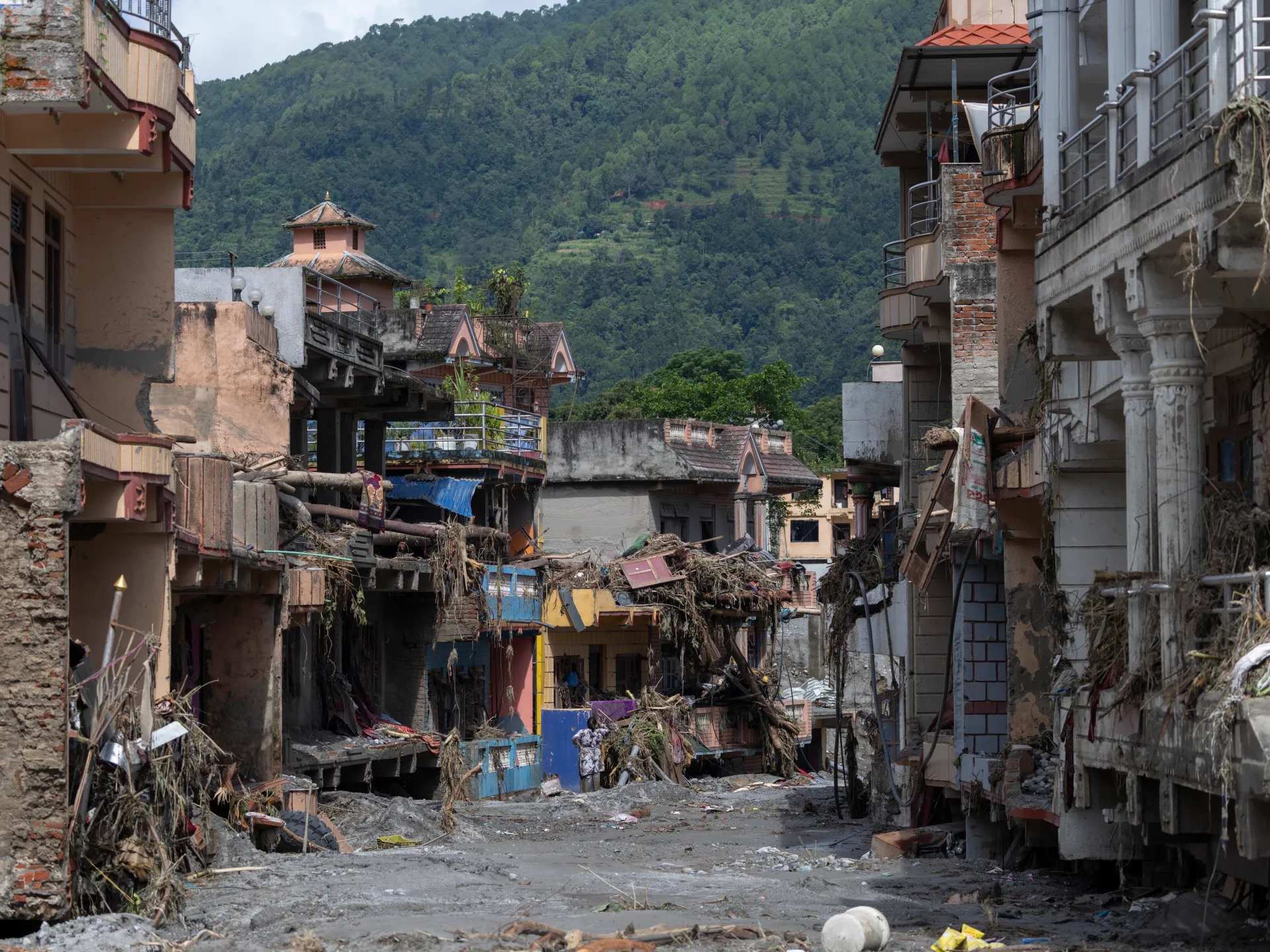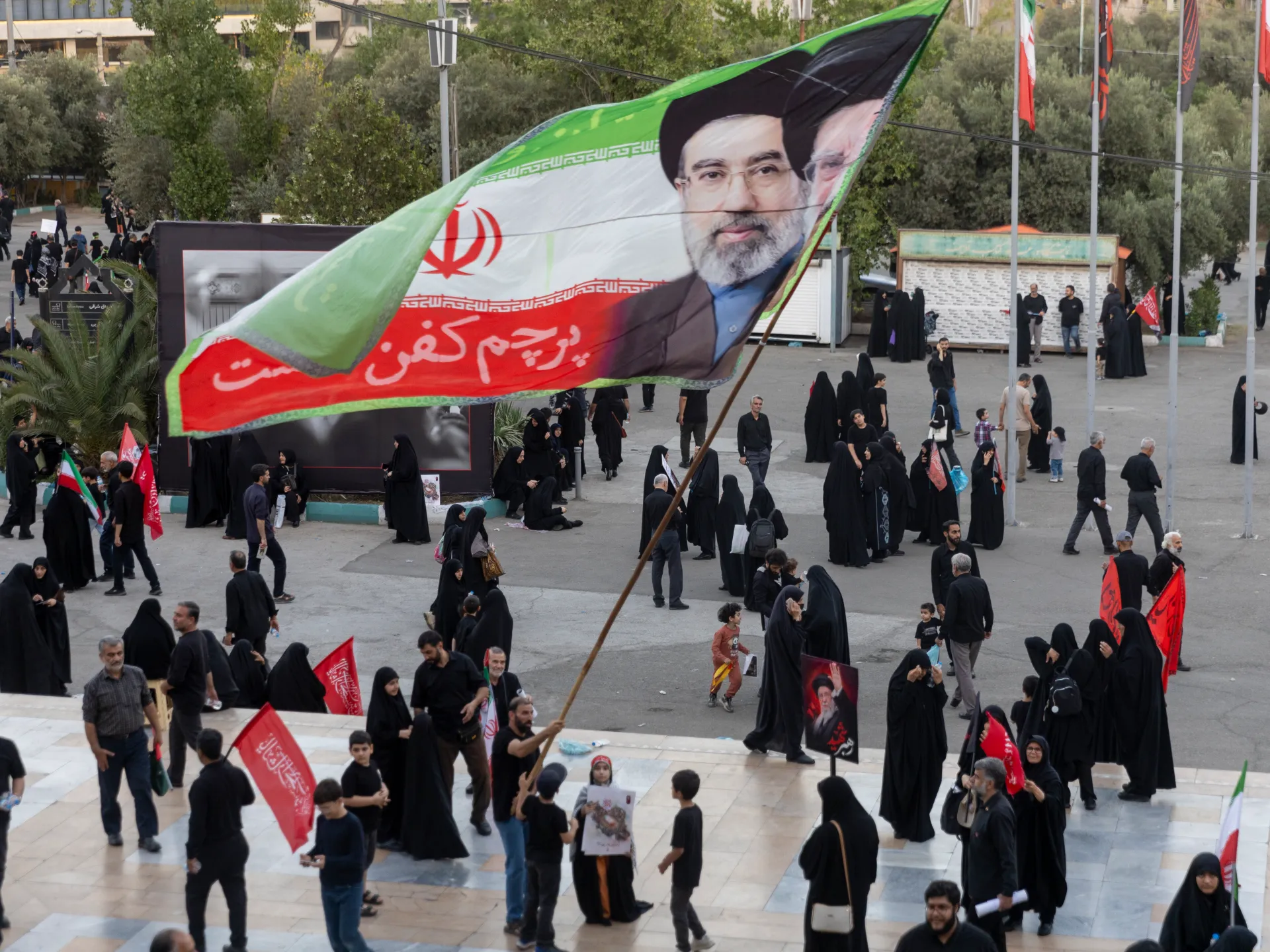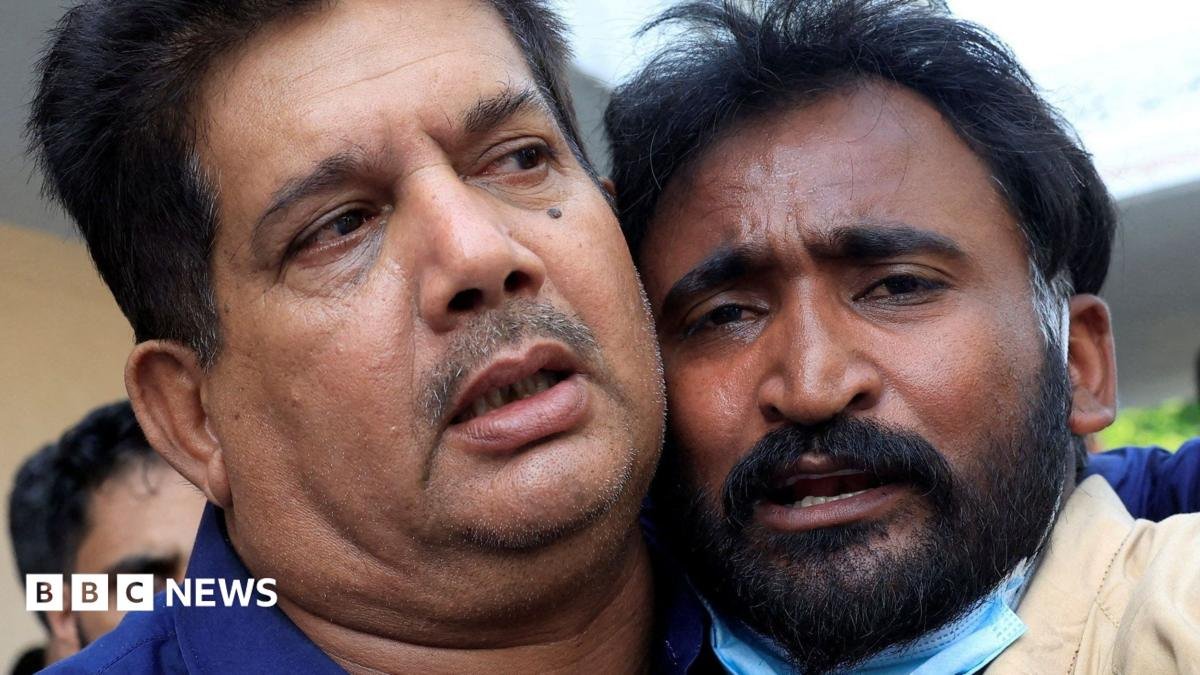
A prolonged internet blackout in Pakistan-administered Kashmir has surpassed 100 days, severely impacting local businesses, education, and public life following political unrest.
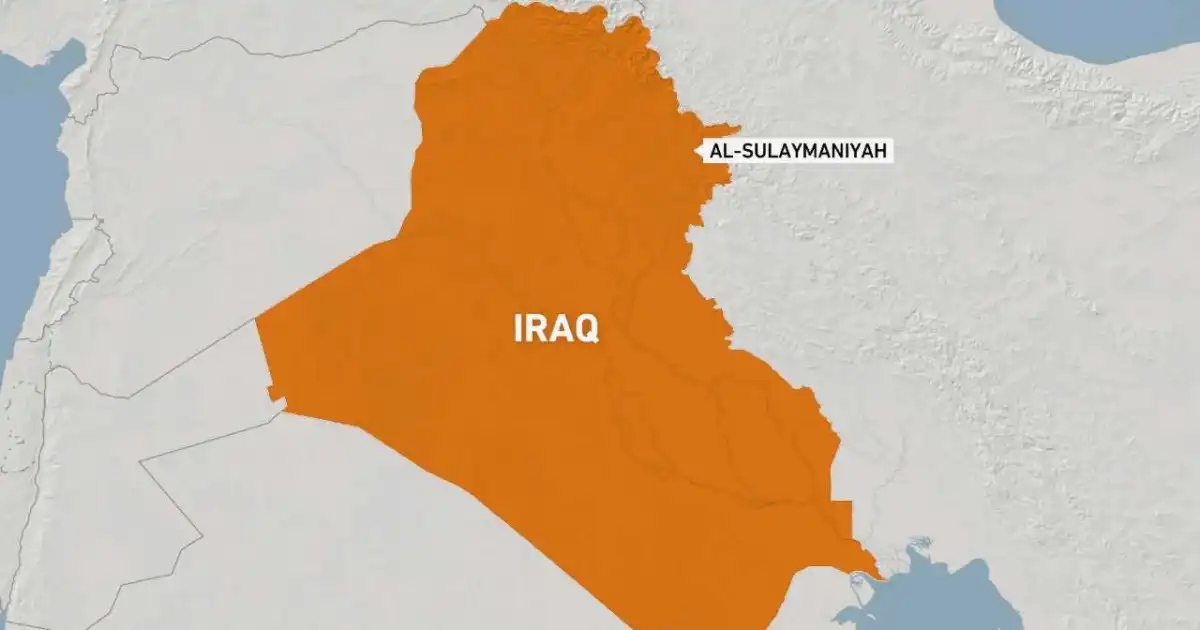
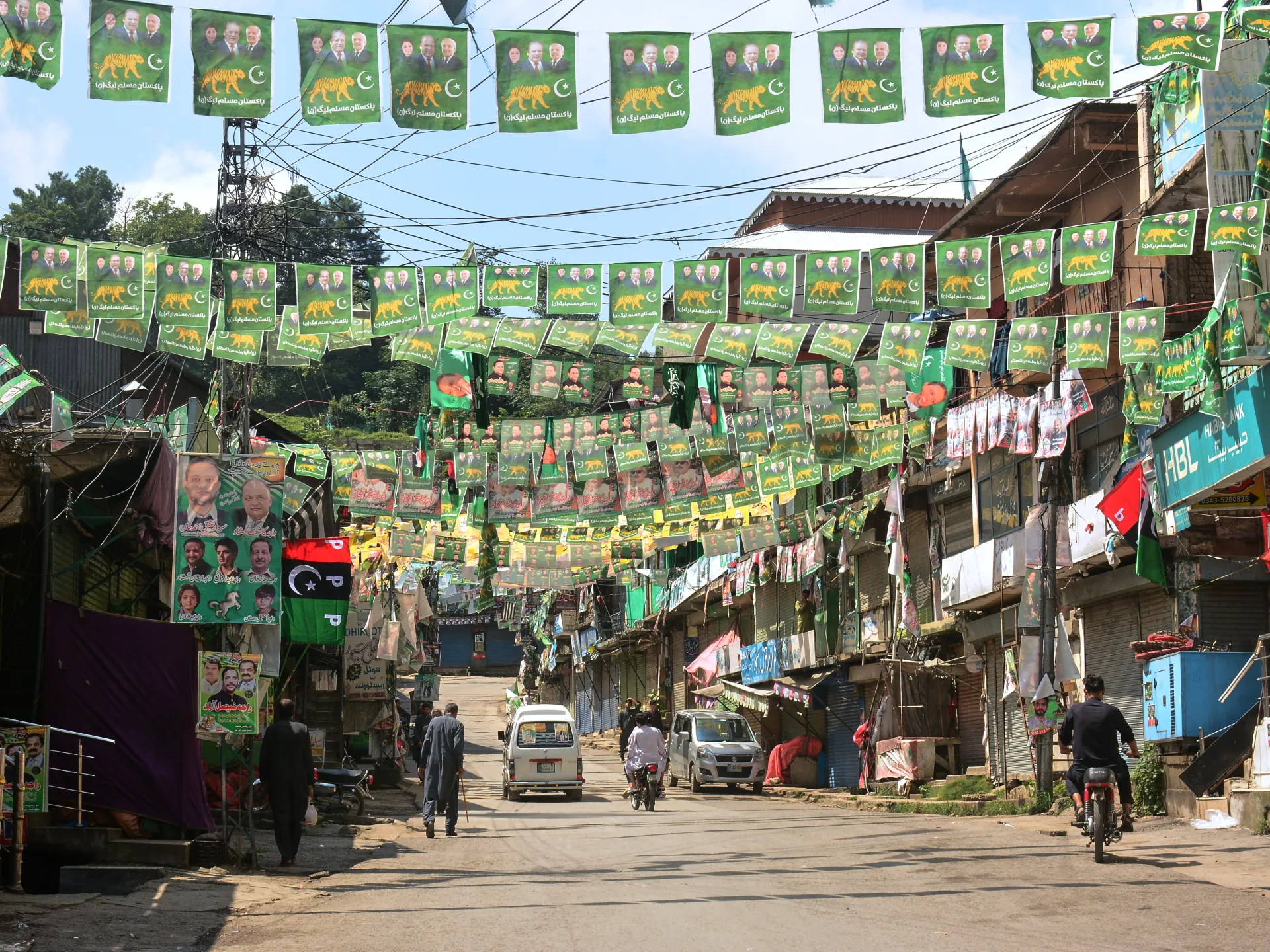
The region of Pakistan-administered Kashmir has remained largely disconnected from the global digital landscape for over three months. Since the onset of civil unrest in early June, authorities have maintained severe restrictions on both mobile data and broadband internet services. Despite the conclusion of a multi-phase electoral process that ended on August 10, the blackout remains in full effect, leaving millions of residents without reliable connectivity.
Independent monitoring organizations, such as NetBlocks, have documented that the partial shutdown began on June 5. While the initial justification for the blackout was tied to maintaining order during volatile protests, the continuation of these measures long after the formation of the new government has sparked significant concern regarding the long-term impact on the region's infrastructure and the fundamental rights of its inhabitants.
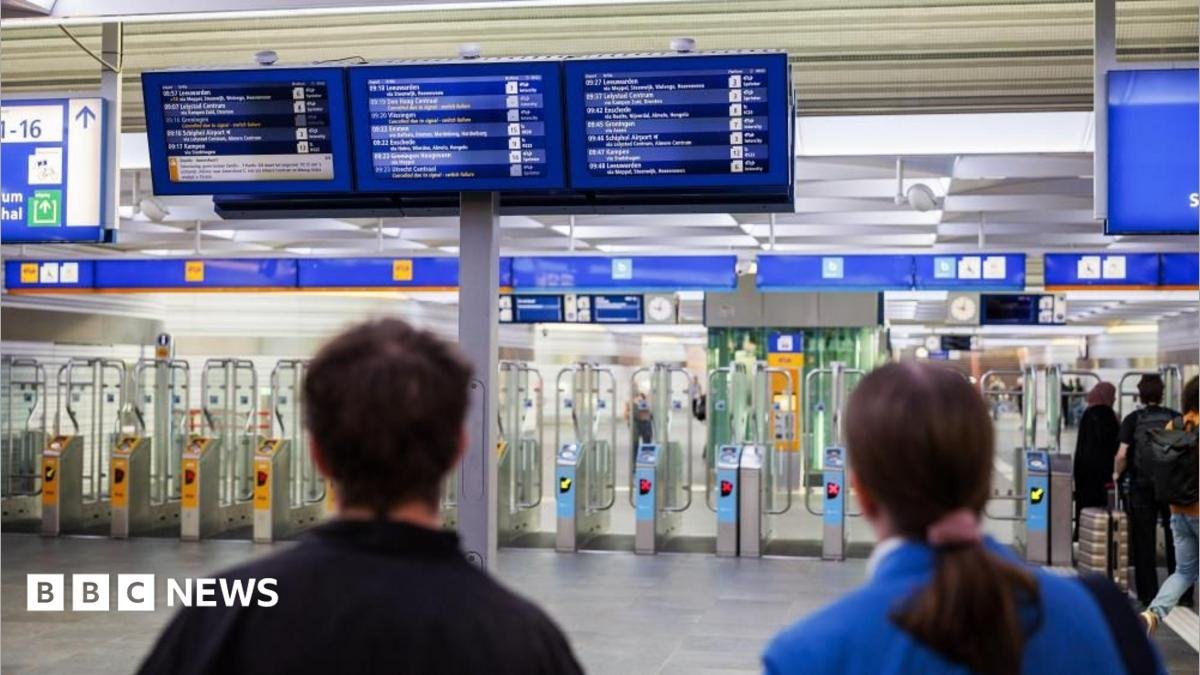
The sustained lack of internet access has created a cascade of challenges for the local economy. Modern financial systems, which rely heavily on online banking and digital payment gateways, have been rendered largely ineffective. Small business owners and merchants, who increasingly depend on mobile commerce and digital logistics to reach customers, have reported significant losses and a total cessation of online trade.
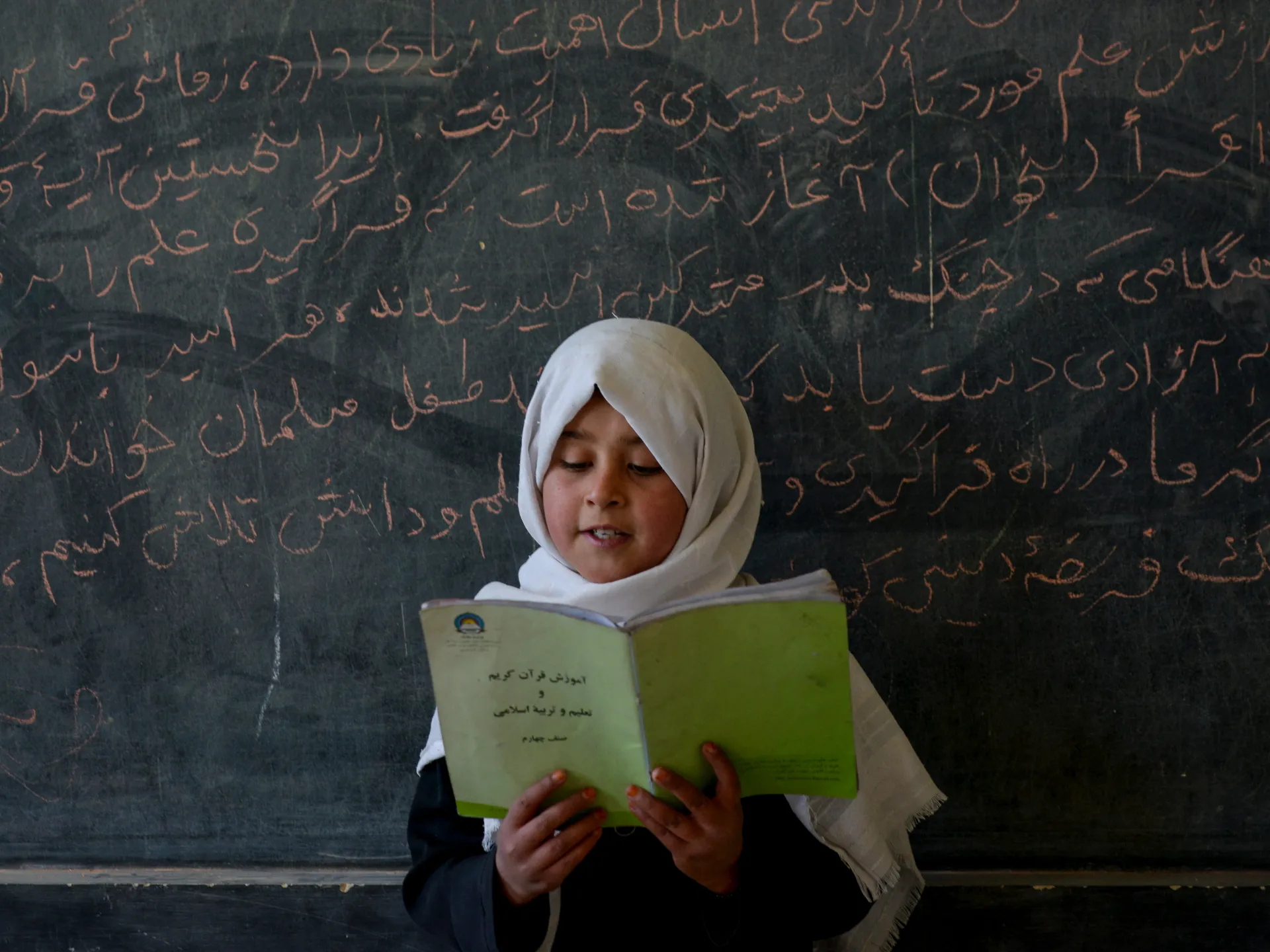
Beyond the economic sector, the educational system in the territory faces a precarious future. The prolonged absence of connectivity has forced the postponement of critical entrance examinations, stalling the academic progress of thousands of students. Academic institutions, which have shifted toward digital resources for research and curriculum delivery, find themselves unable to function, further isolating the youth from broader regional and national educational opportunities.
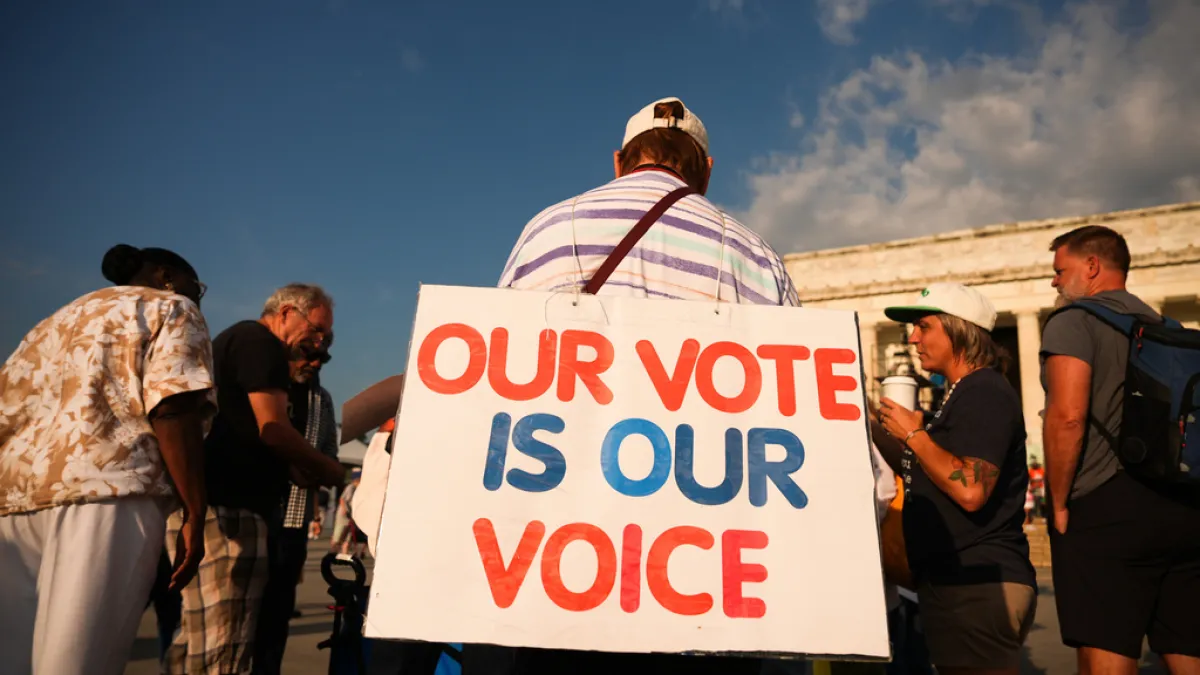
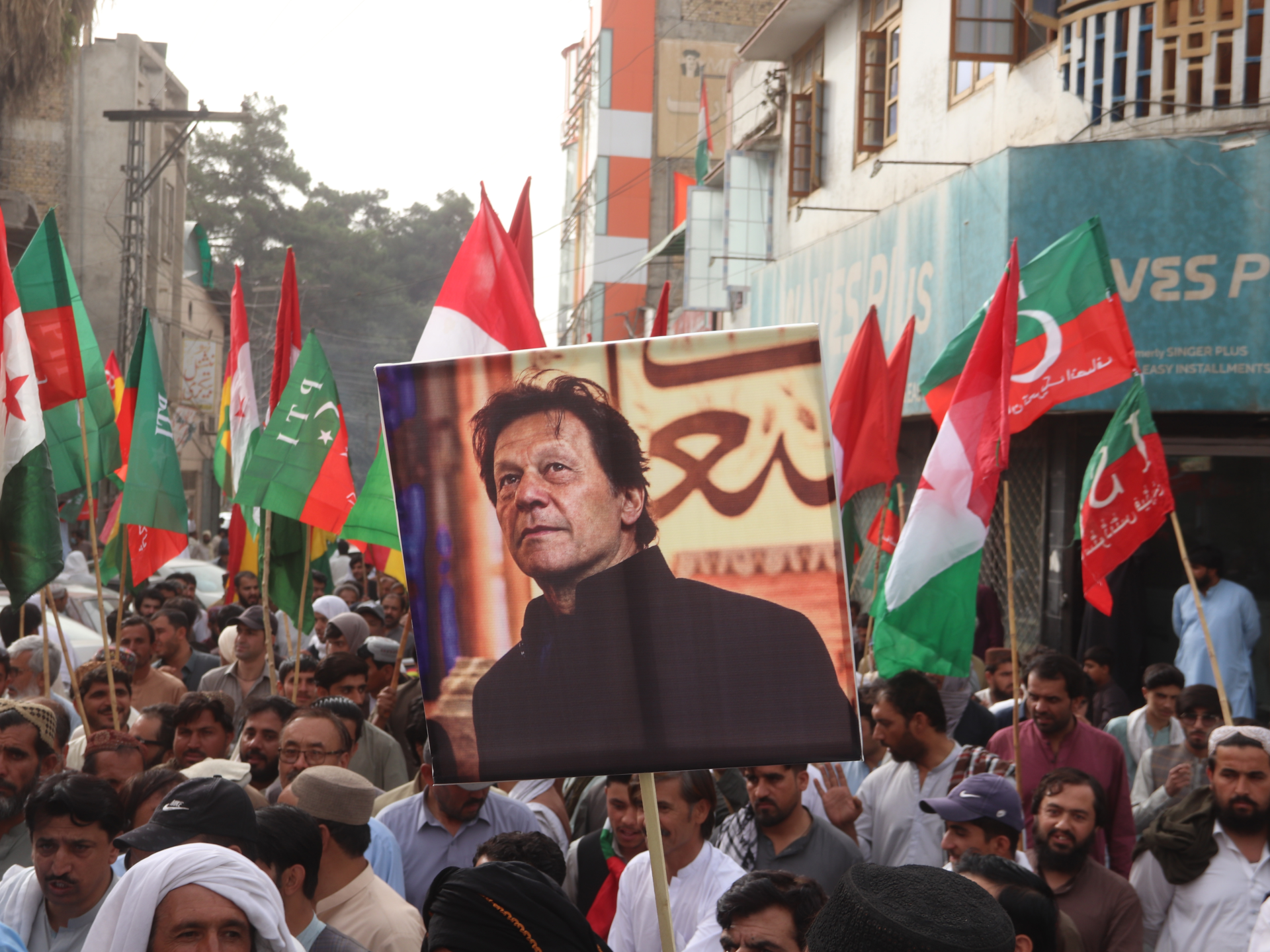
The current instability is rooted in deep-seated grievances regarding the electoral structure of the autonomous region. The legislative assembly, which consists of 45 seats, includes 12 slots reserved specifically for refugees from Indian-administered Kashmir who currently reside elsewhere in Pakistan. In early June, the Jammu Kashmir Joint Awami Action Committee (JKJAAC) mobilized grassroots support to demand the abolishment of these reserved seats, arguing that the system required fundamental reform to better represent the local population.
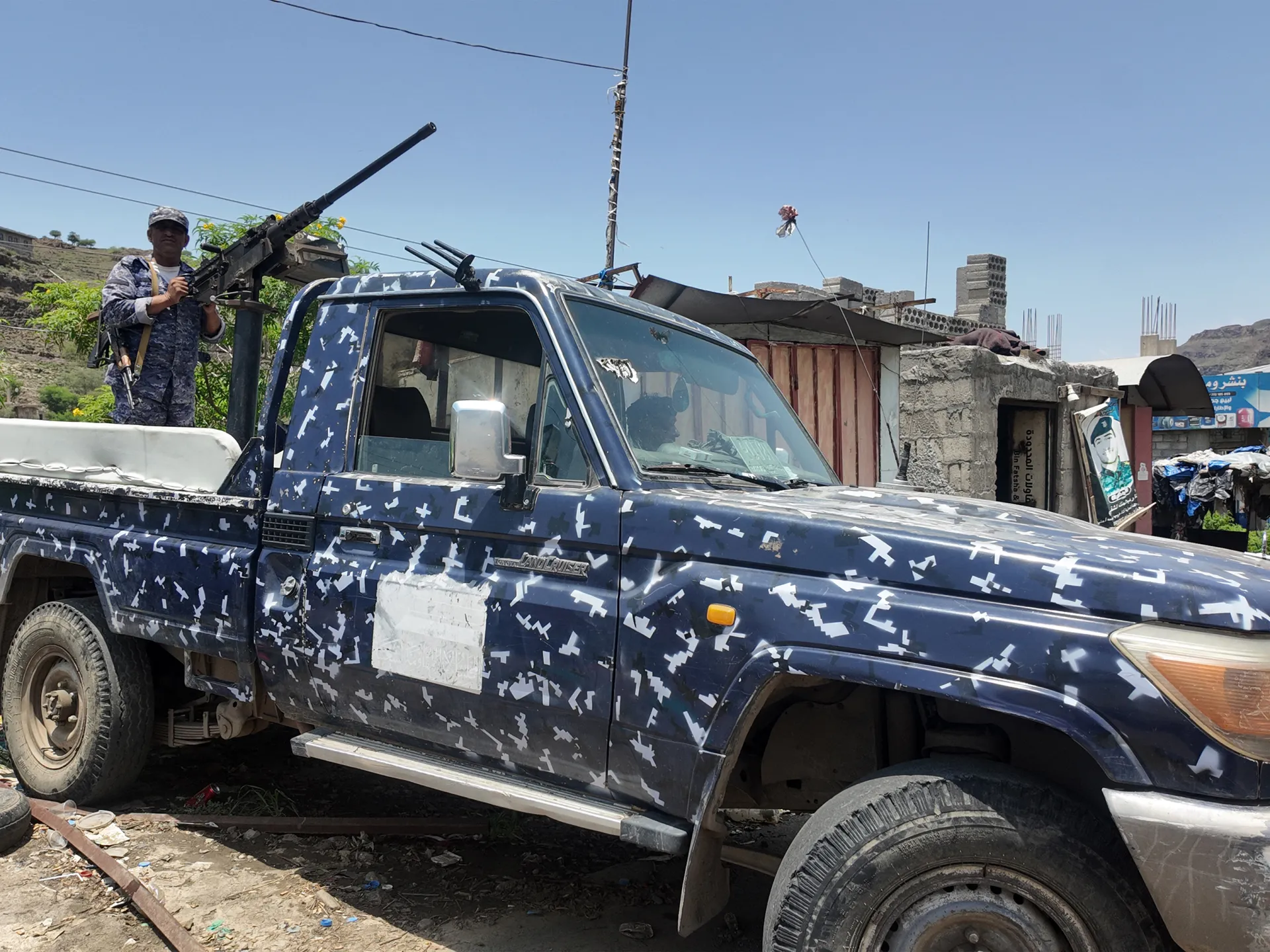
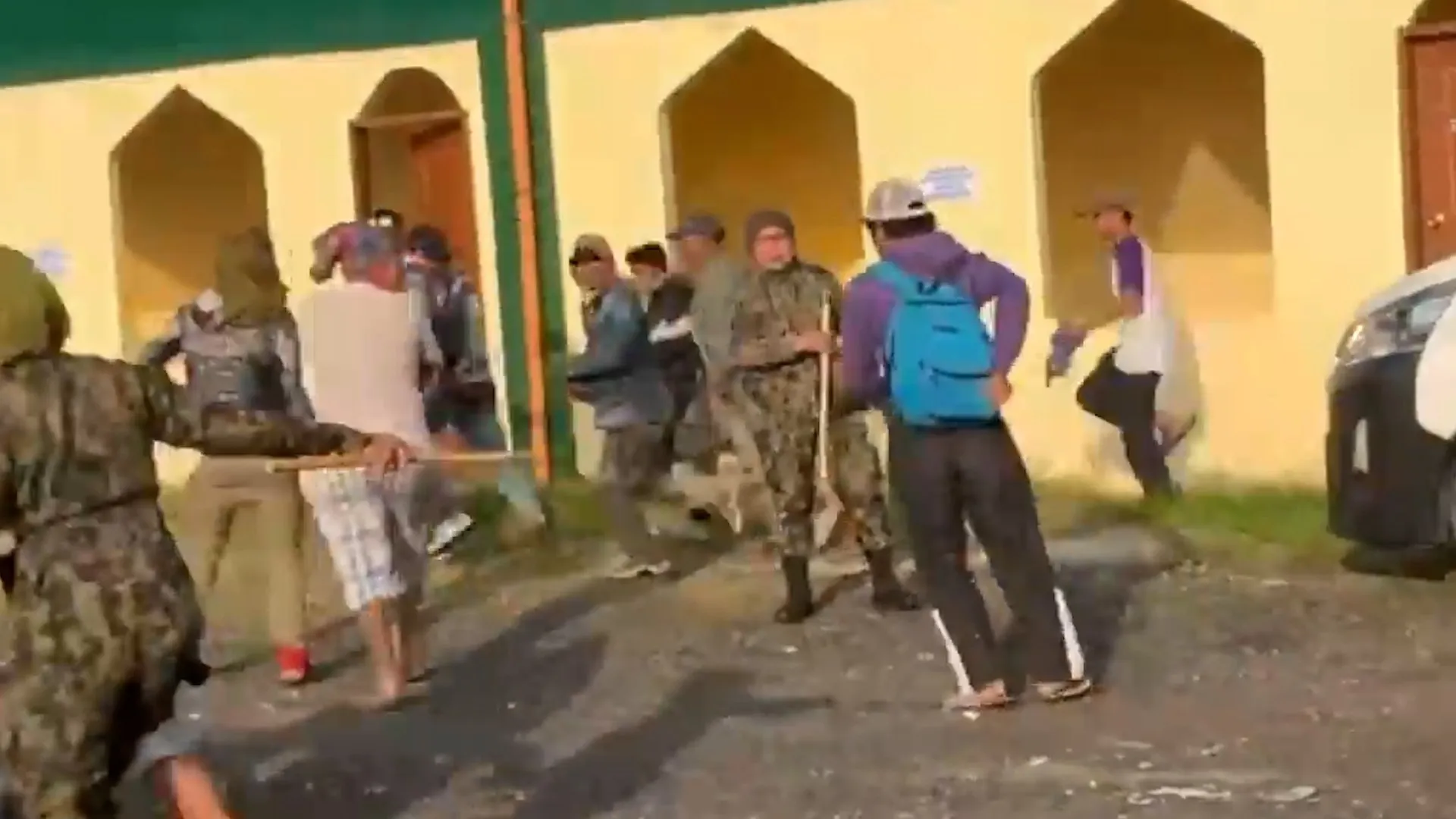
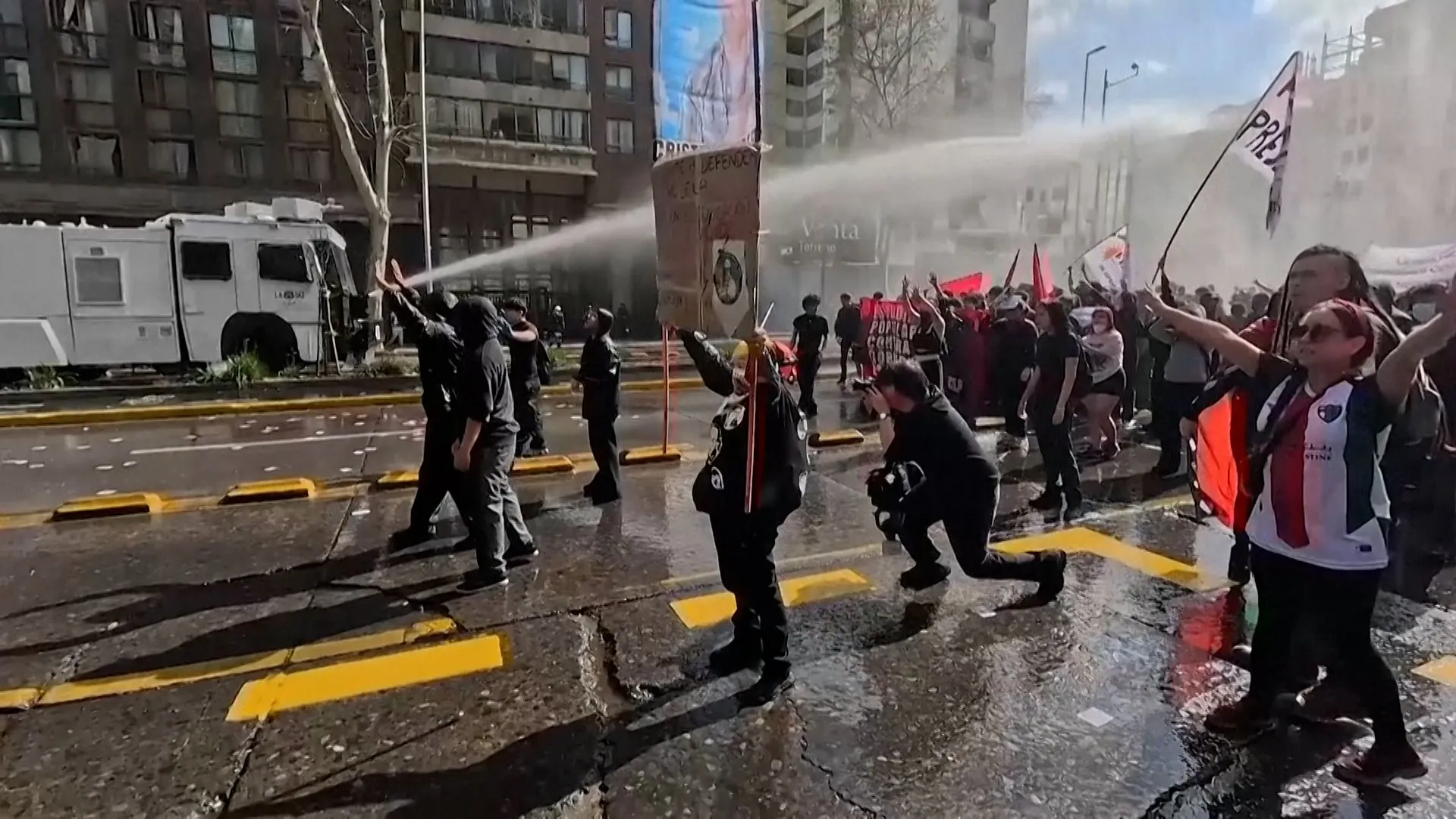
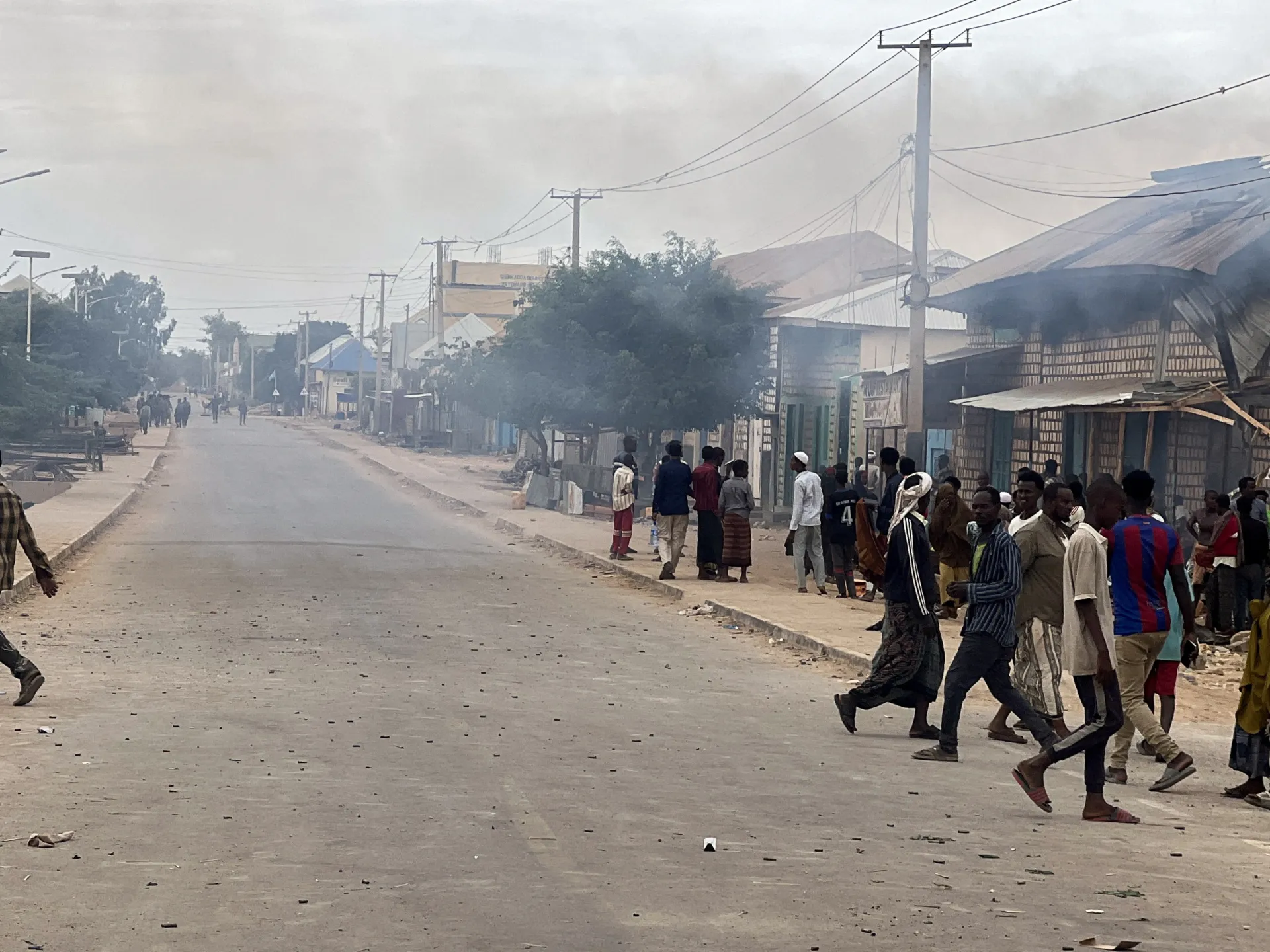
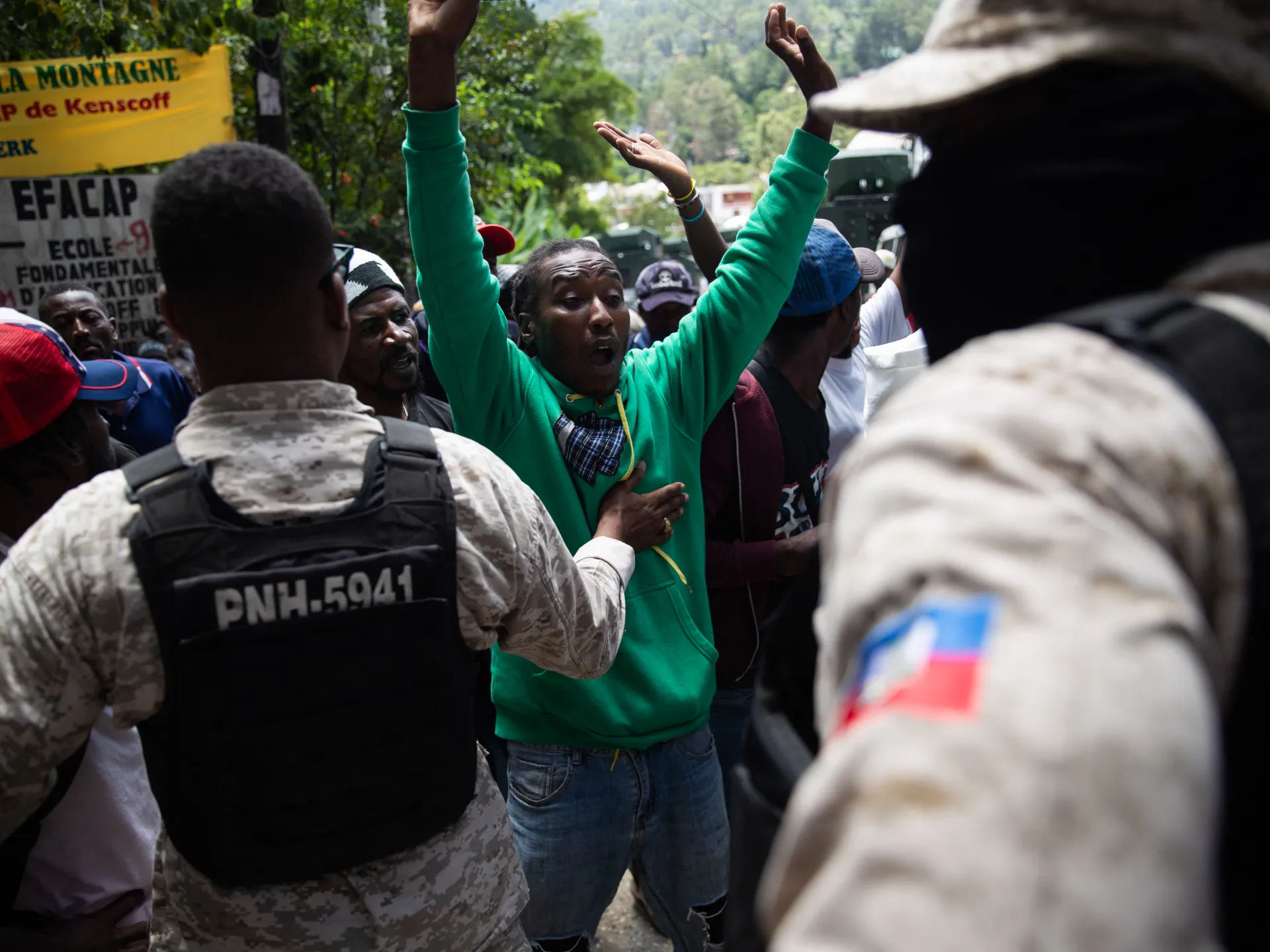
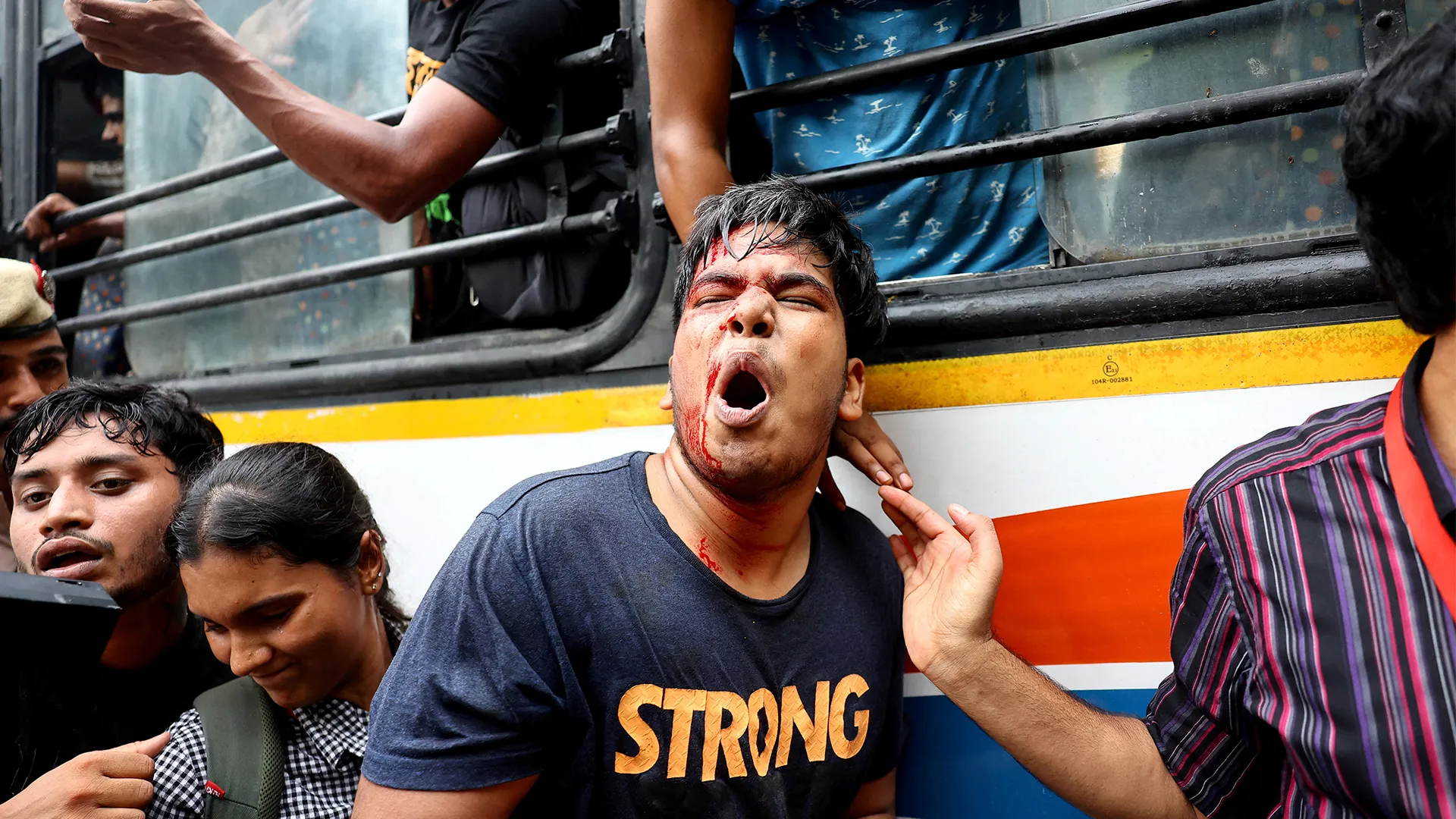
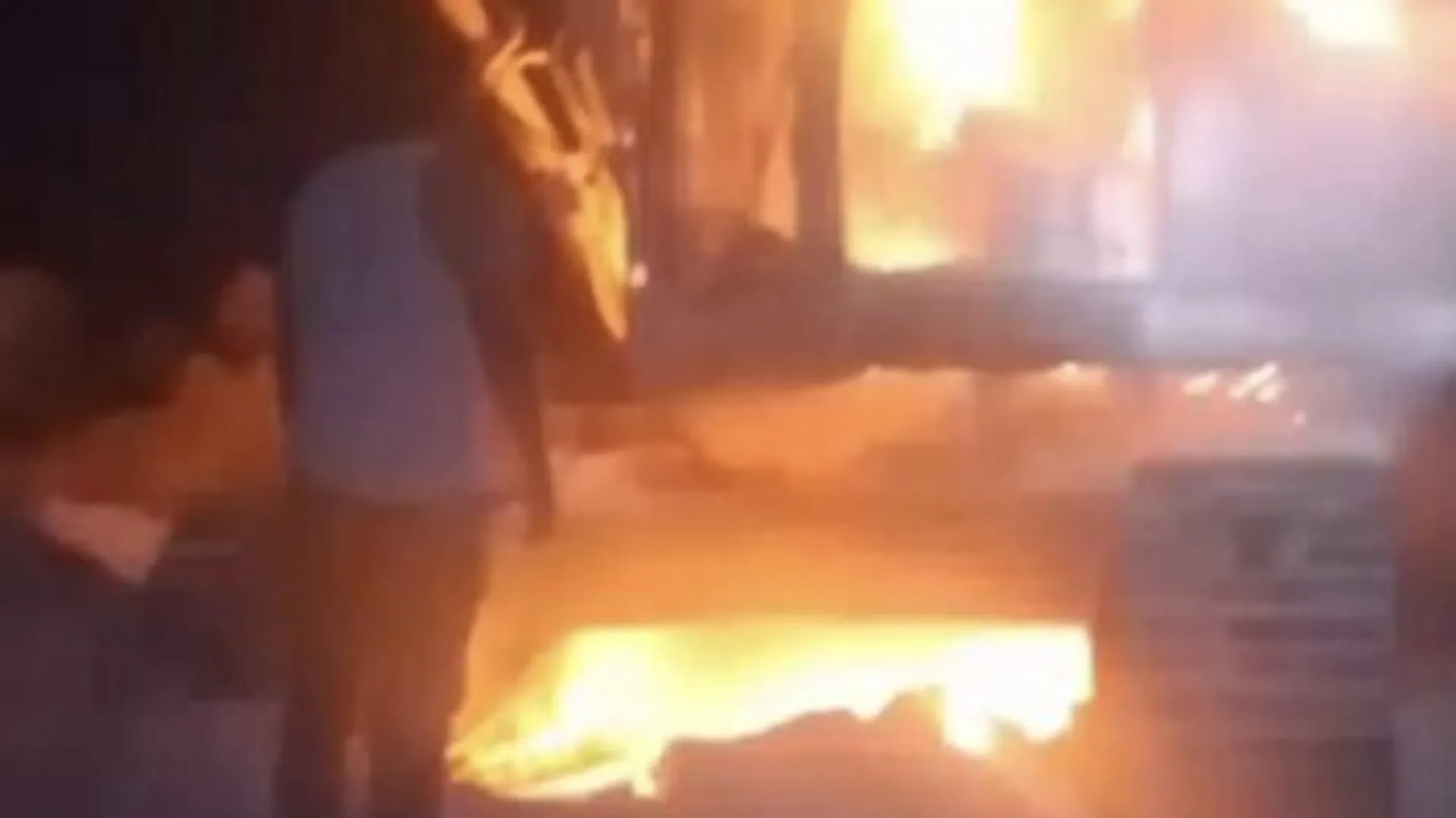
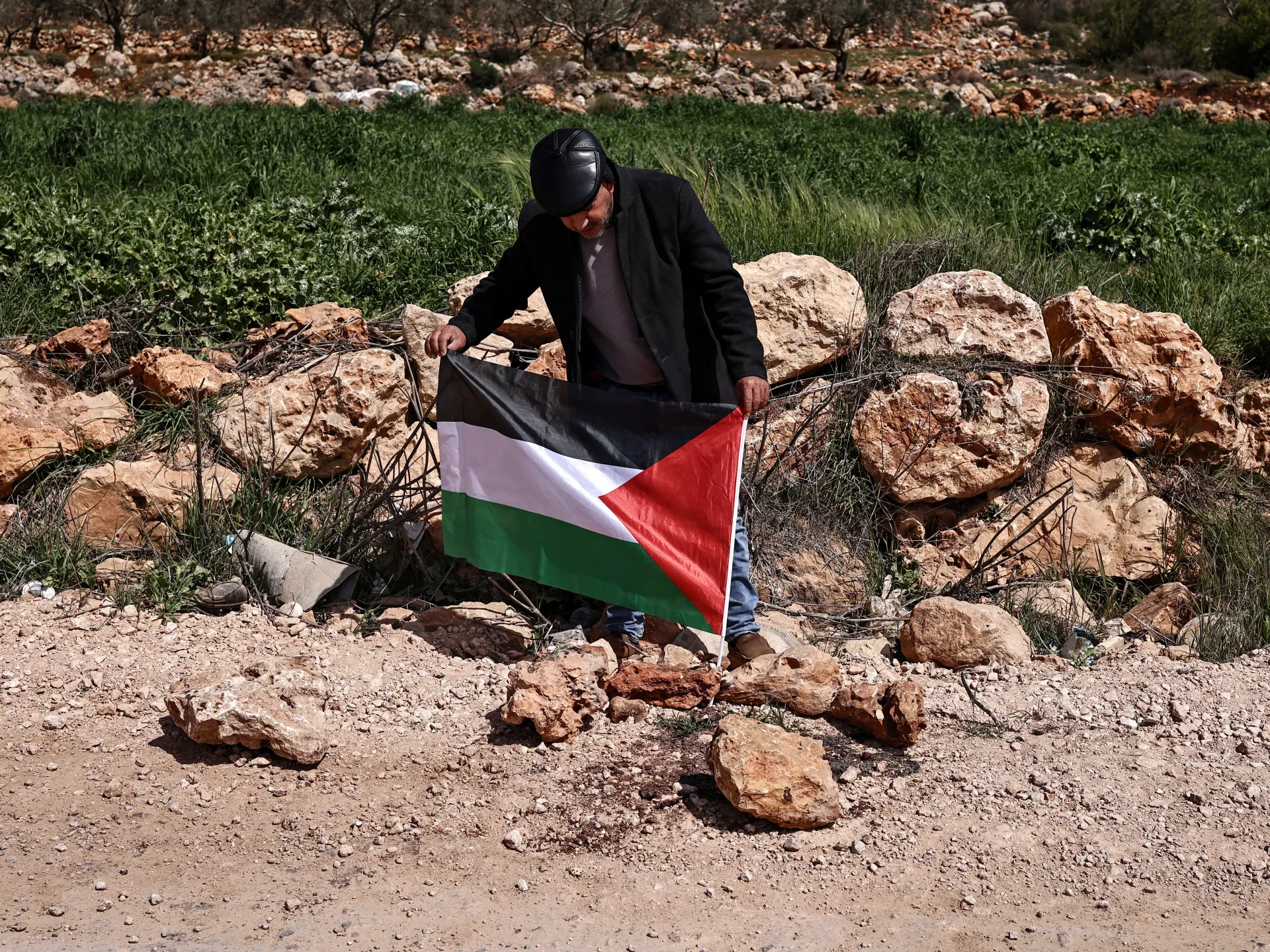
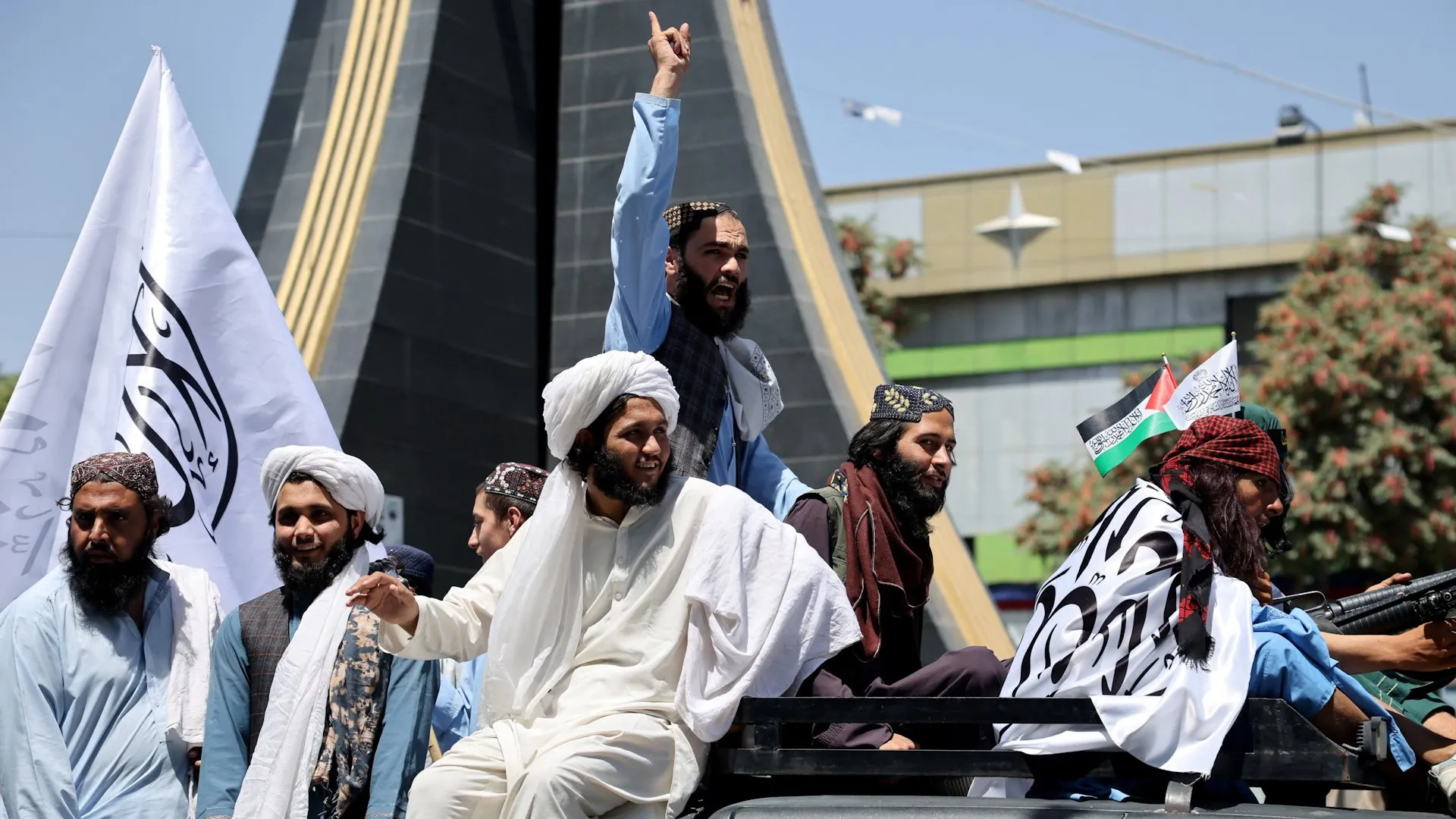
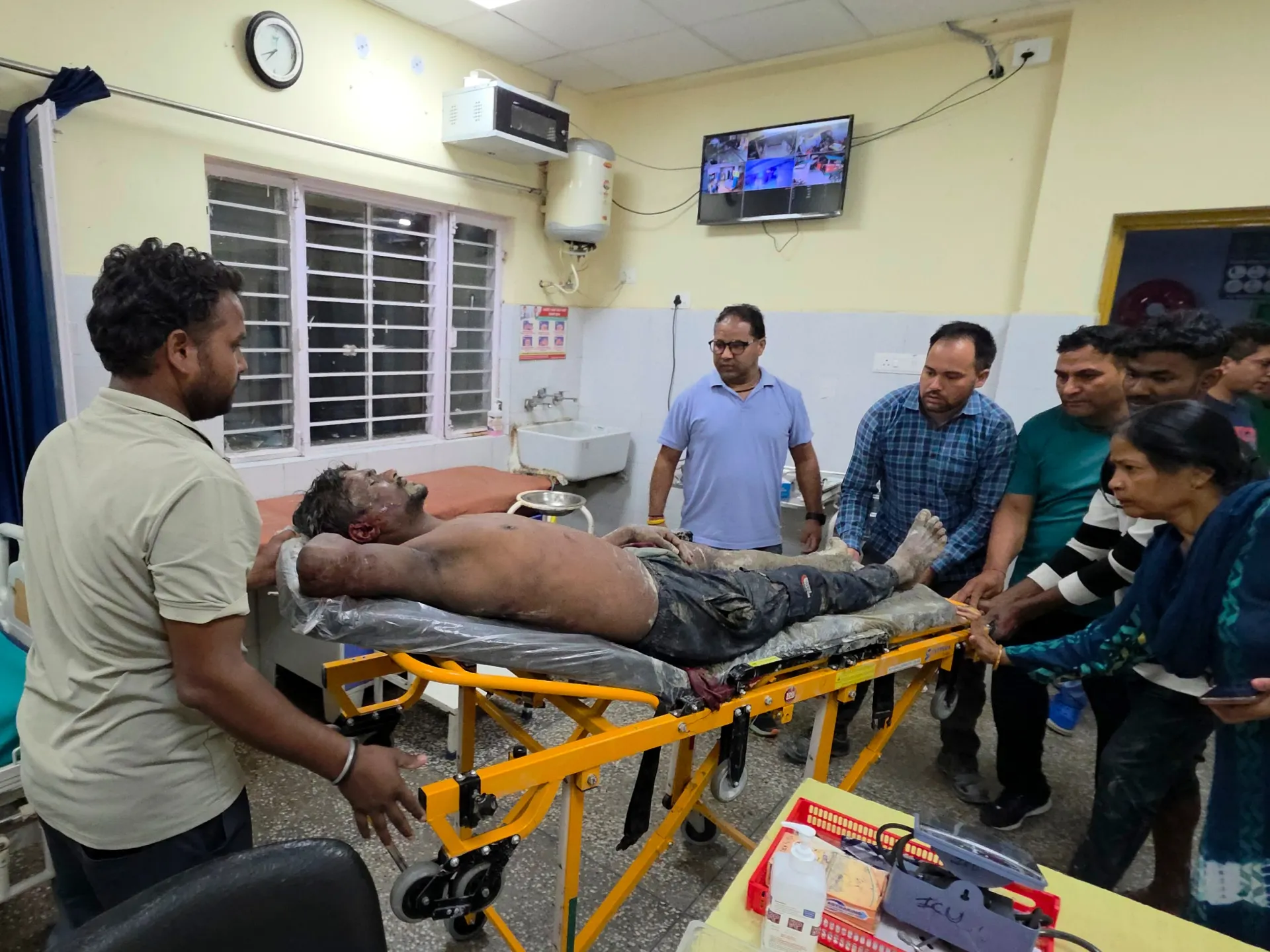
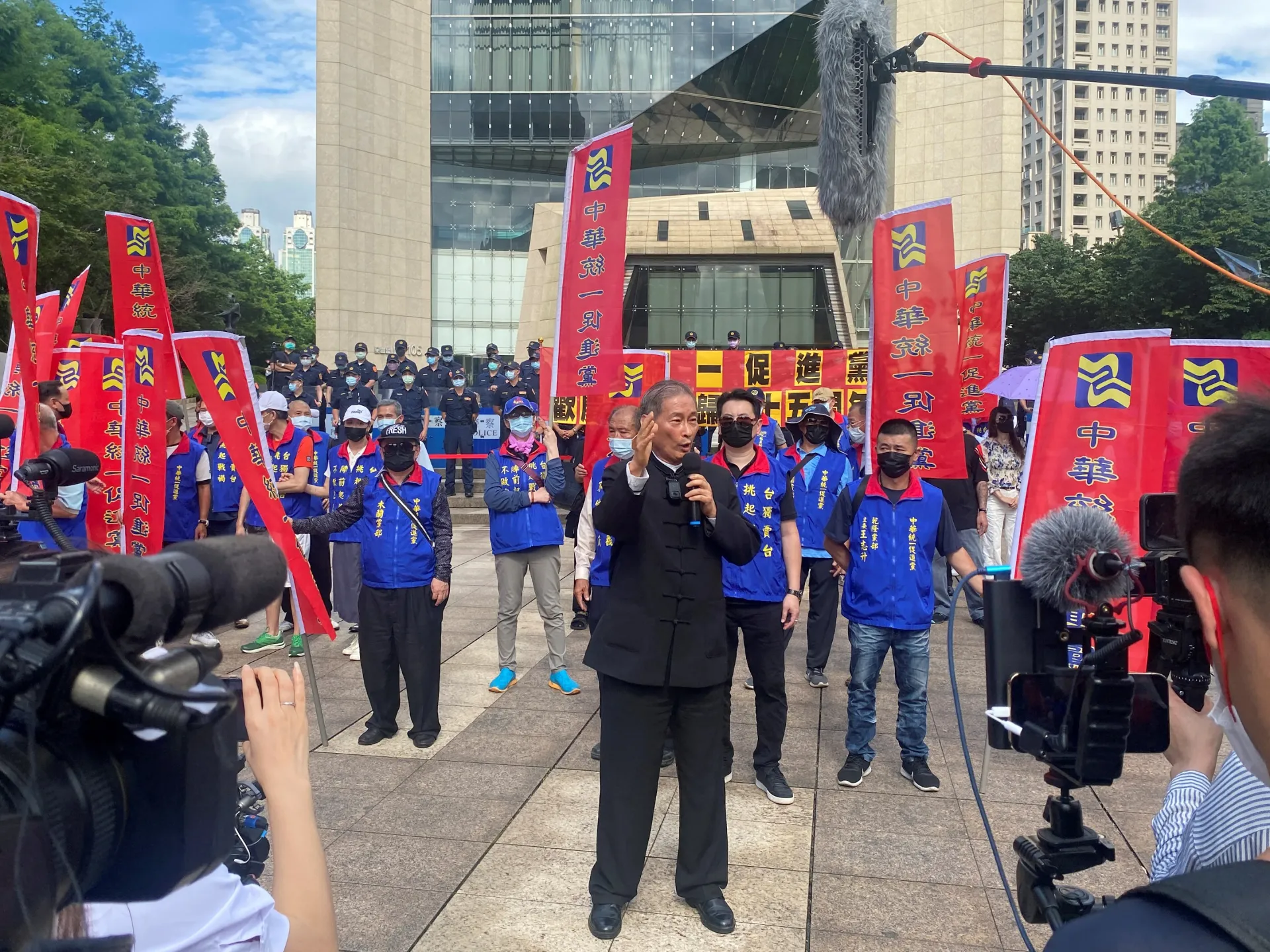
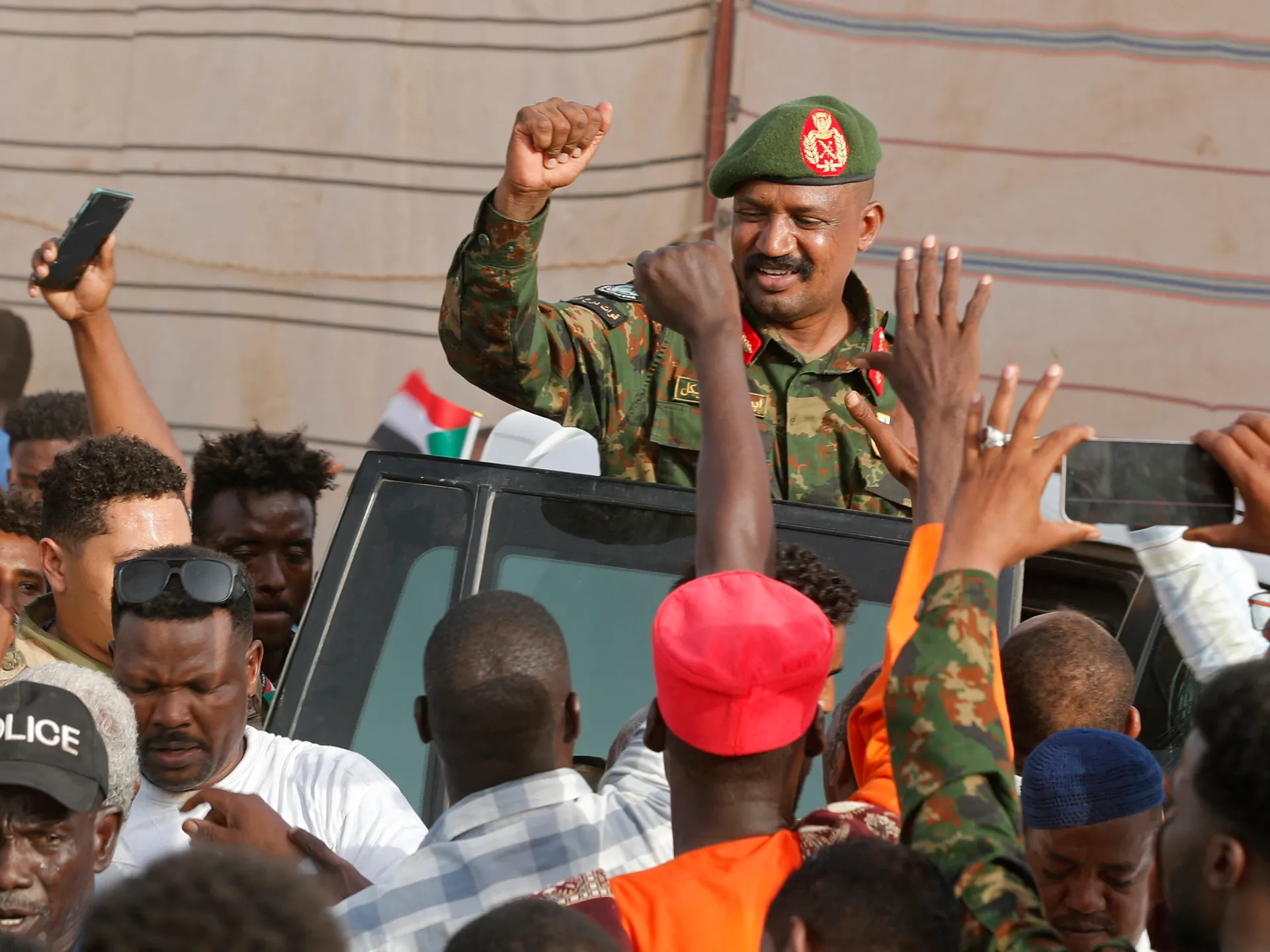
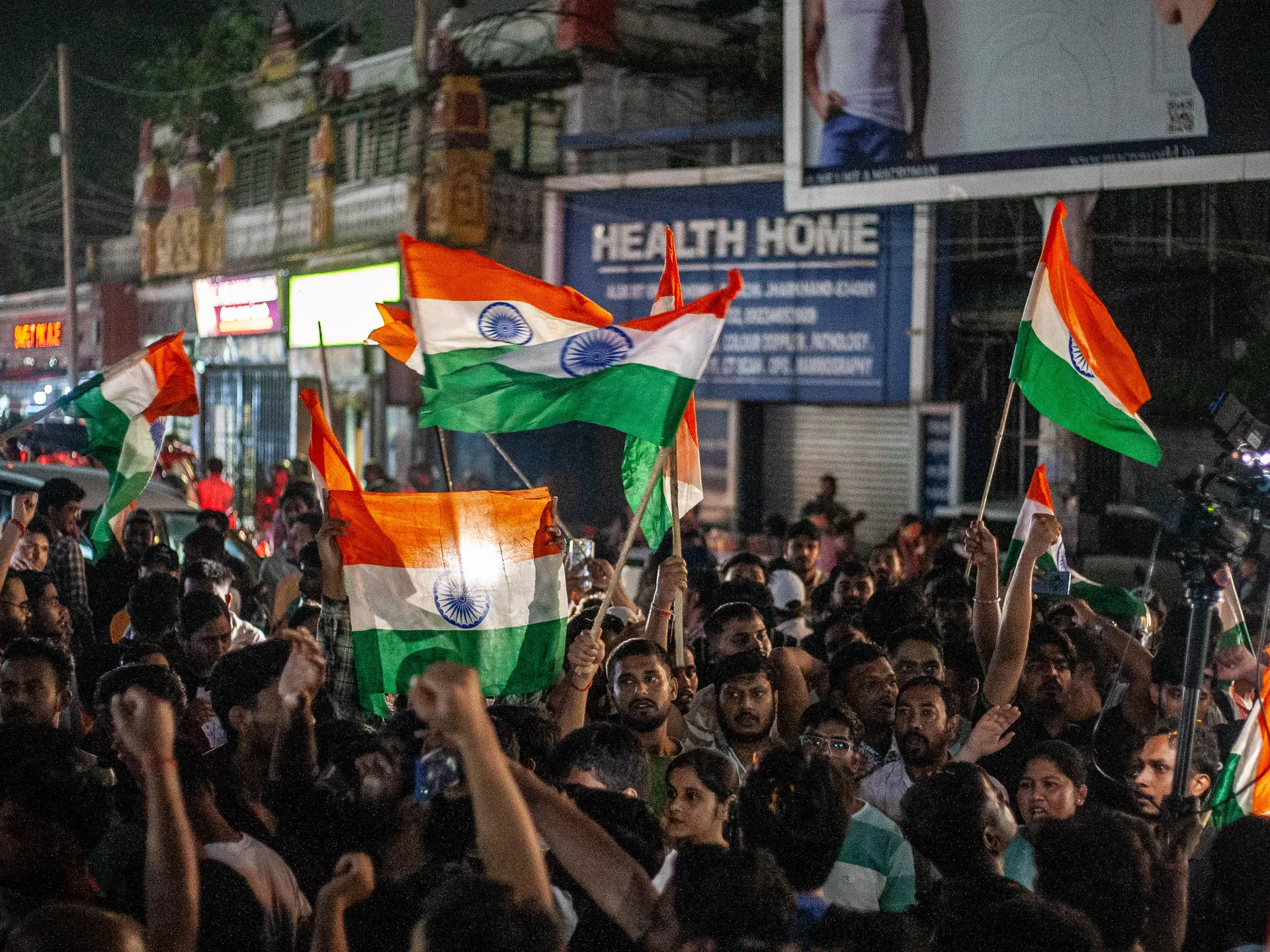
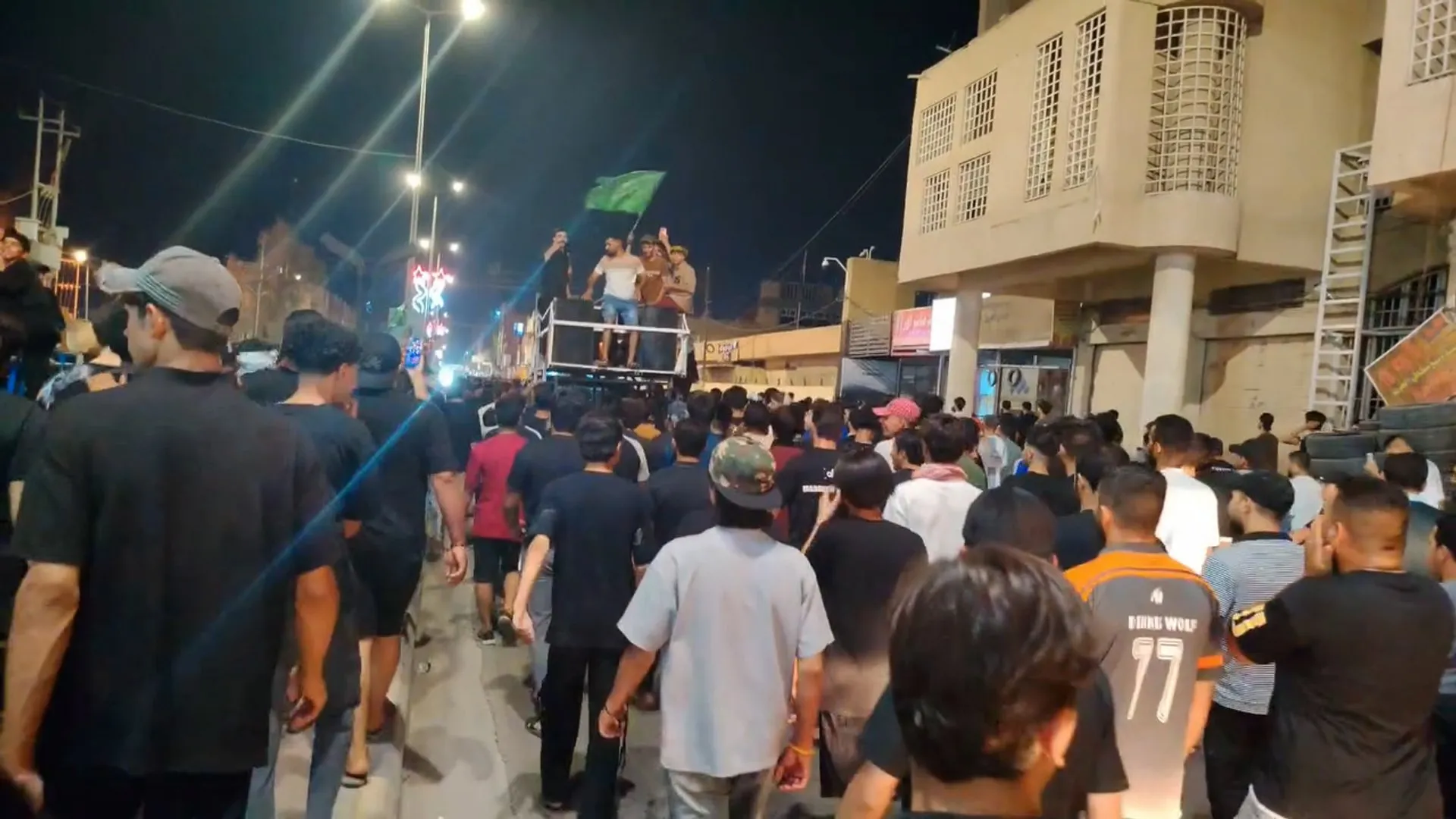
The government's decision to ban the JKJAAC on June 5 acted as a catalyst for widespread protests. As demonstrators took to the streets to challenge the existing political framework, authorities responded with a forceful crackdown. The subsequent clashes between protesters and law enforcement escalated, with reports indicating a significant number of fatalities, including both civilians and members of security forces. Although official figures remain difficult to verify, local estimates suggest the death toll has climbed past 50.
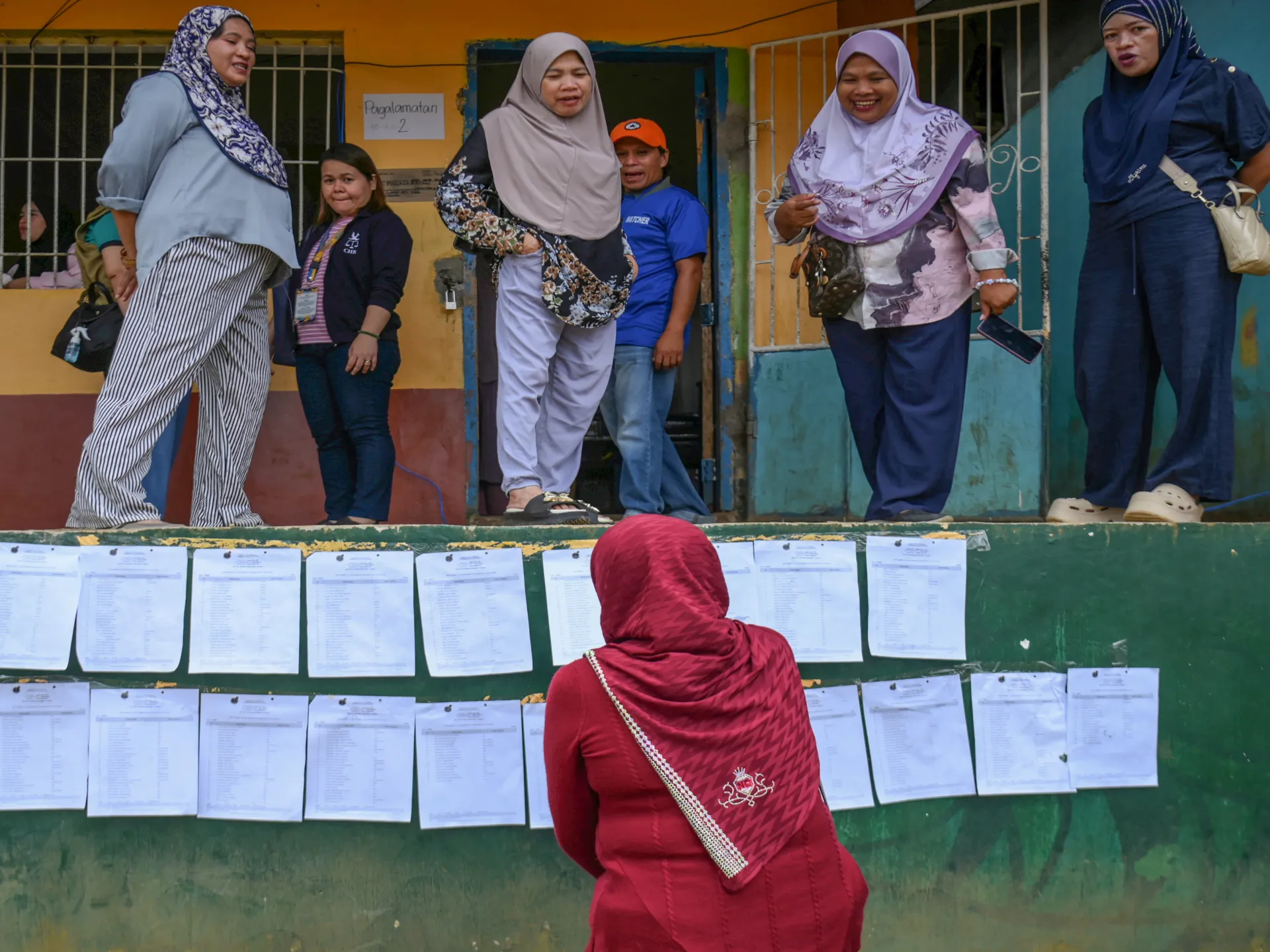
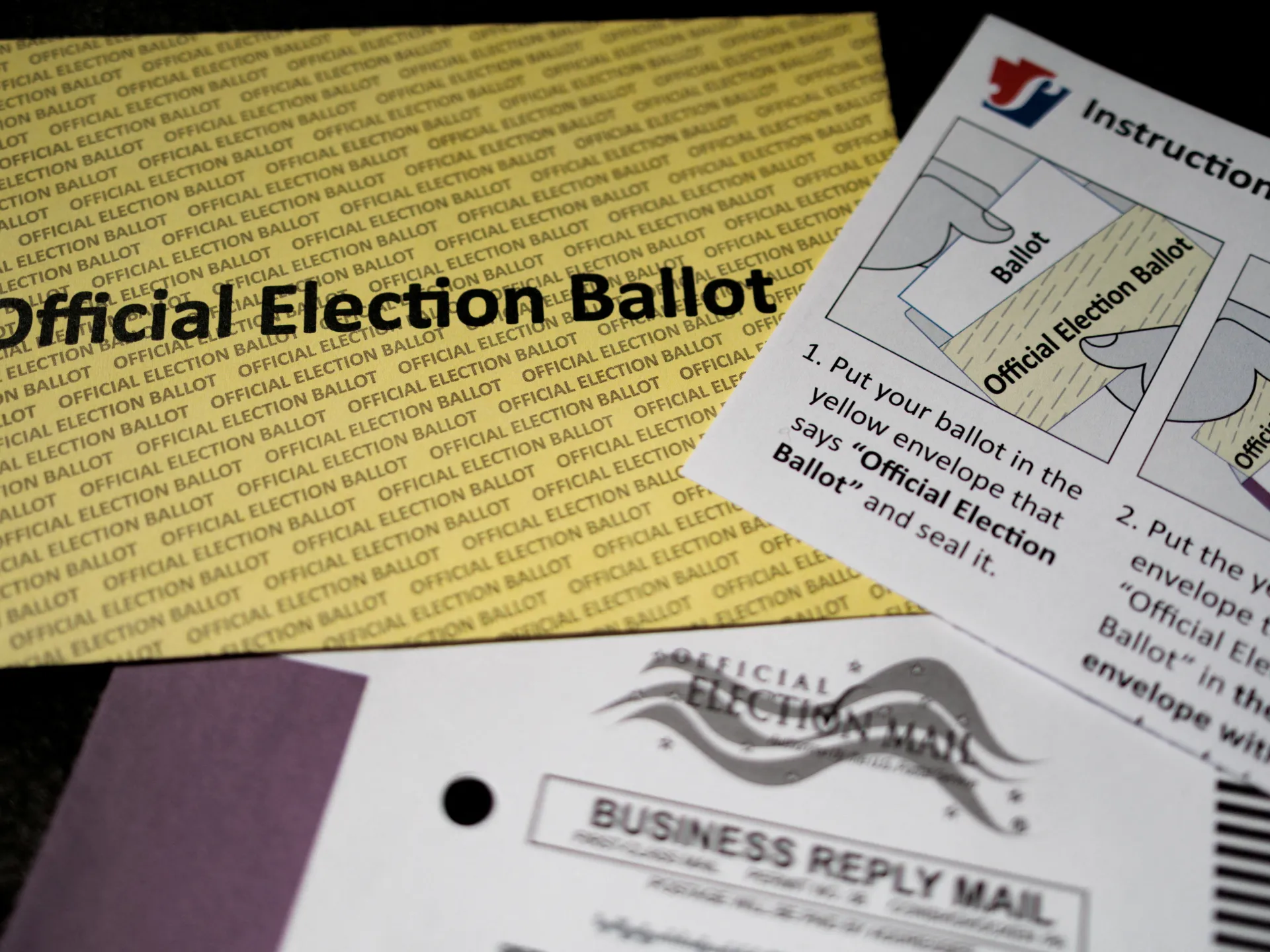
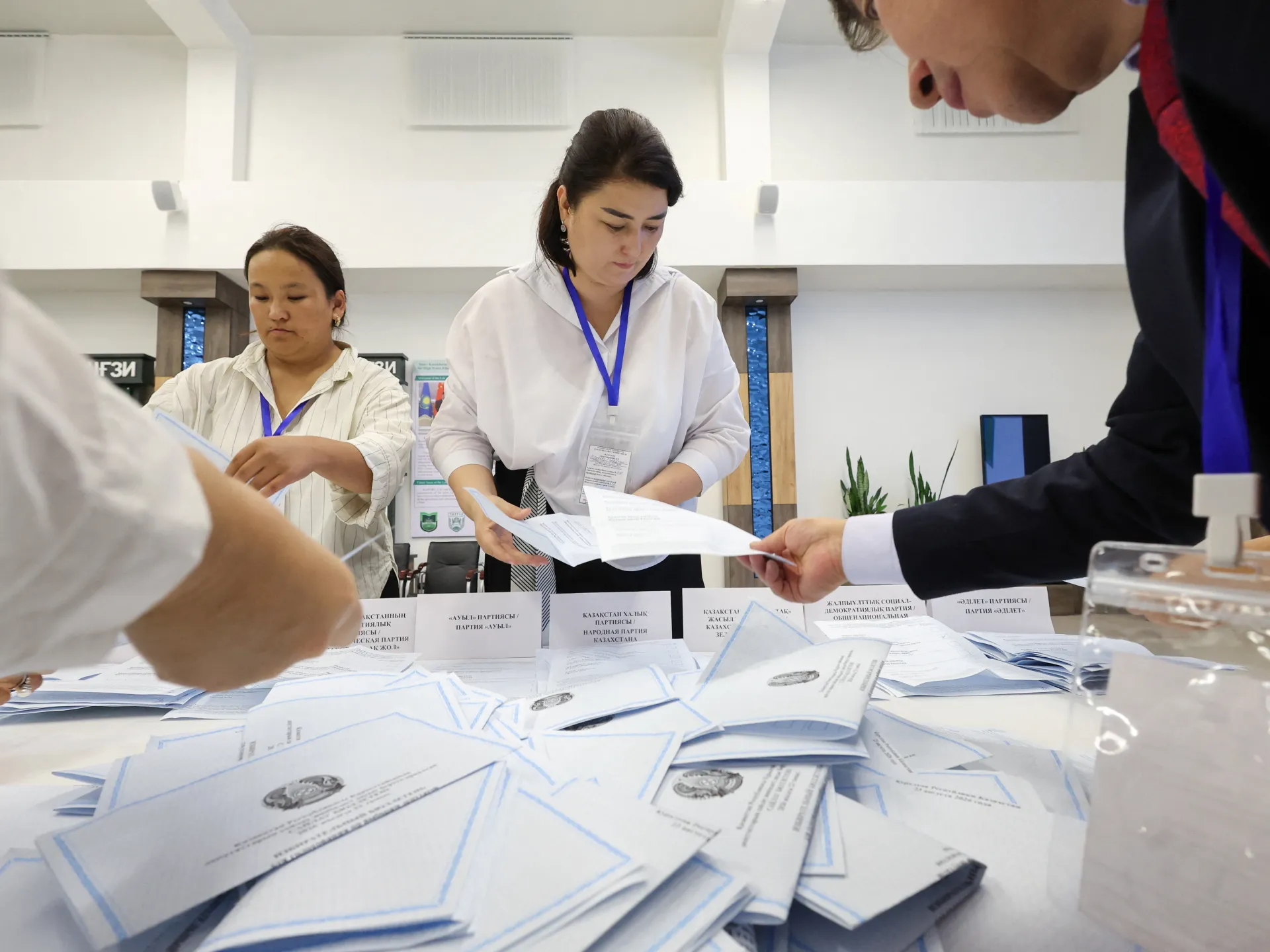
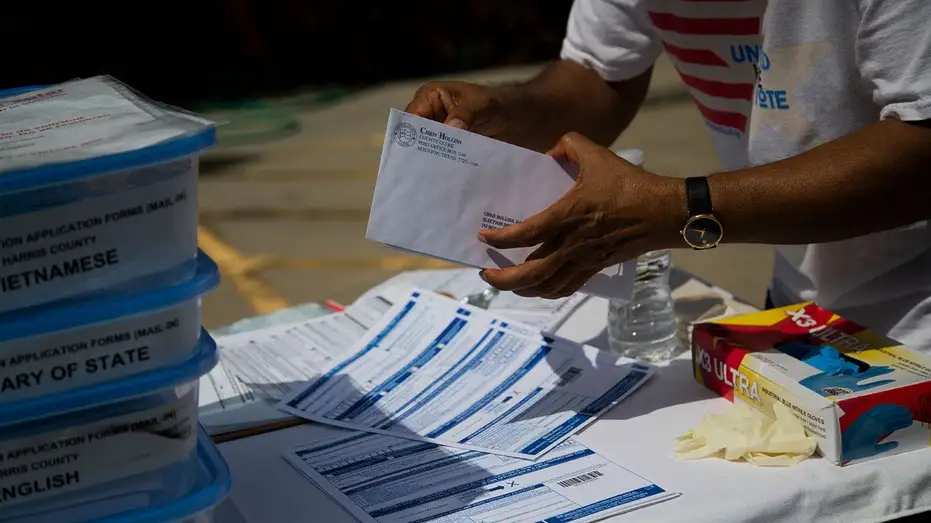
Following the violent confrontations, the electoral process was conducted in three staggered stages, culminating in August. However, due to the intensity of the protests and security concerns in specific strongholds, voting was suspended in several areas. The resulting government was formed based on the results from the districts where the election proceeded, leaving a portion of the population without representation and deepening the sense of alienation among those who participated in the initial protests.
As the shutdown enters its fourth month, the region stands at a critical juncture. The lack of digital transparency makes it difficult for the international community to assess the full scale of the grievances or the government's strategy for long-term reconciliation. Without a clear path toward restoring digital normalcy or addressing the underlying political disputes, the situation in Pakistan-administered Kashmir continues to be defined