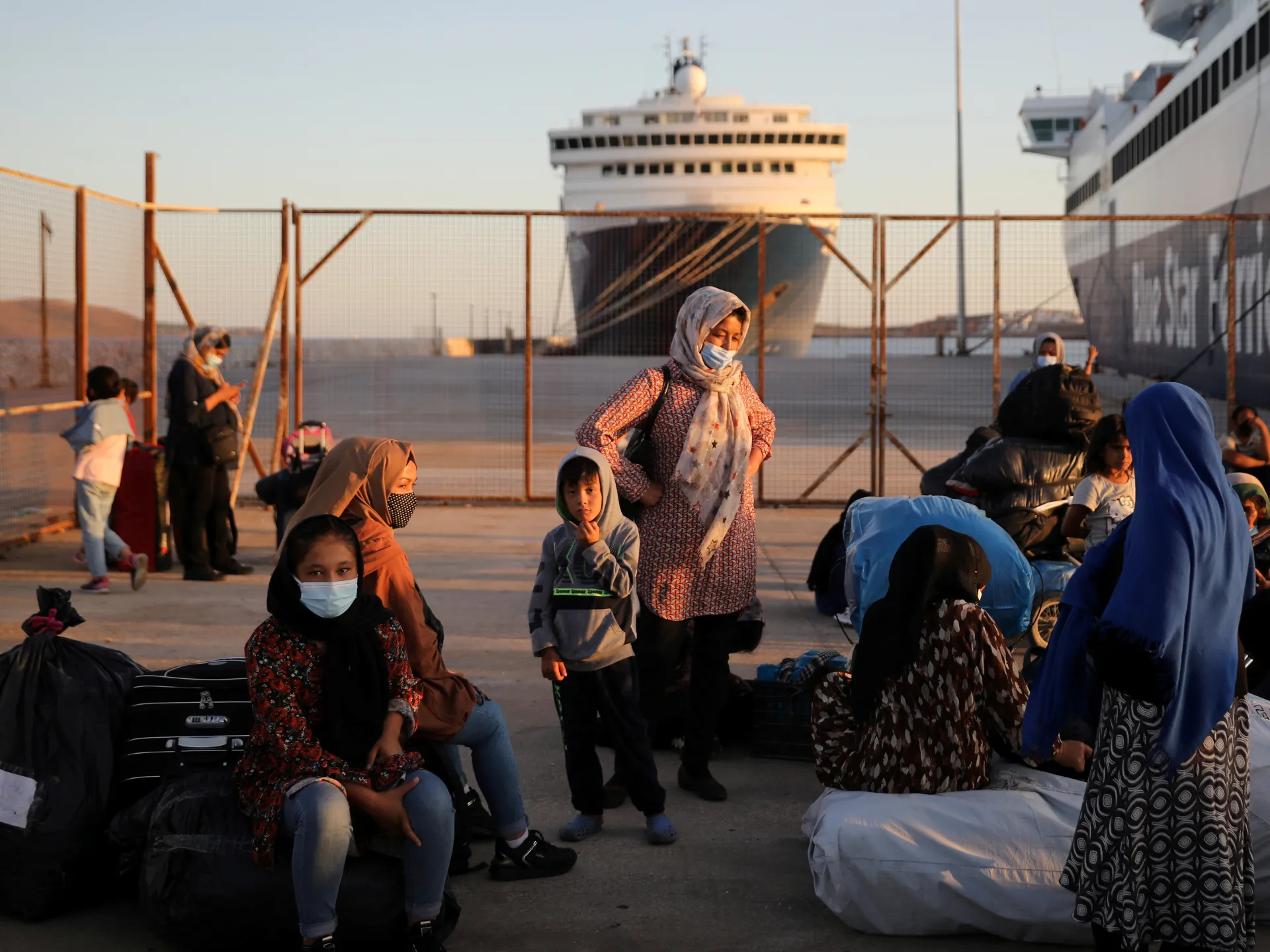
Maritime authorities are navigating twin crises as salvage teams work to right a sunken Indonesian ferry and tensions in the Strait of Hormuz block critical energy routes.
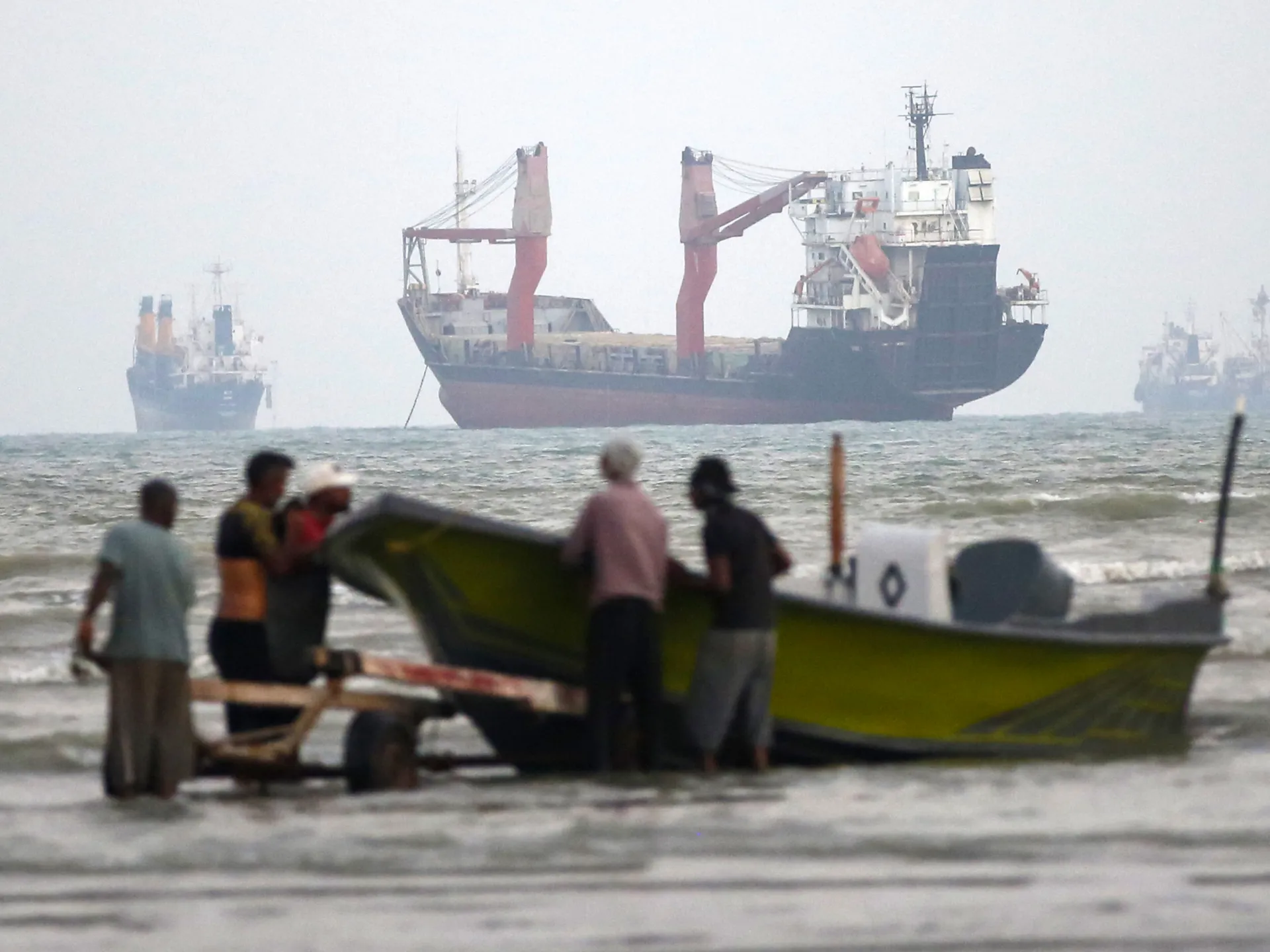
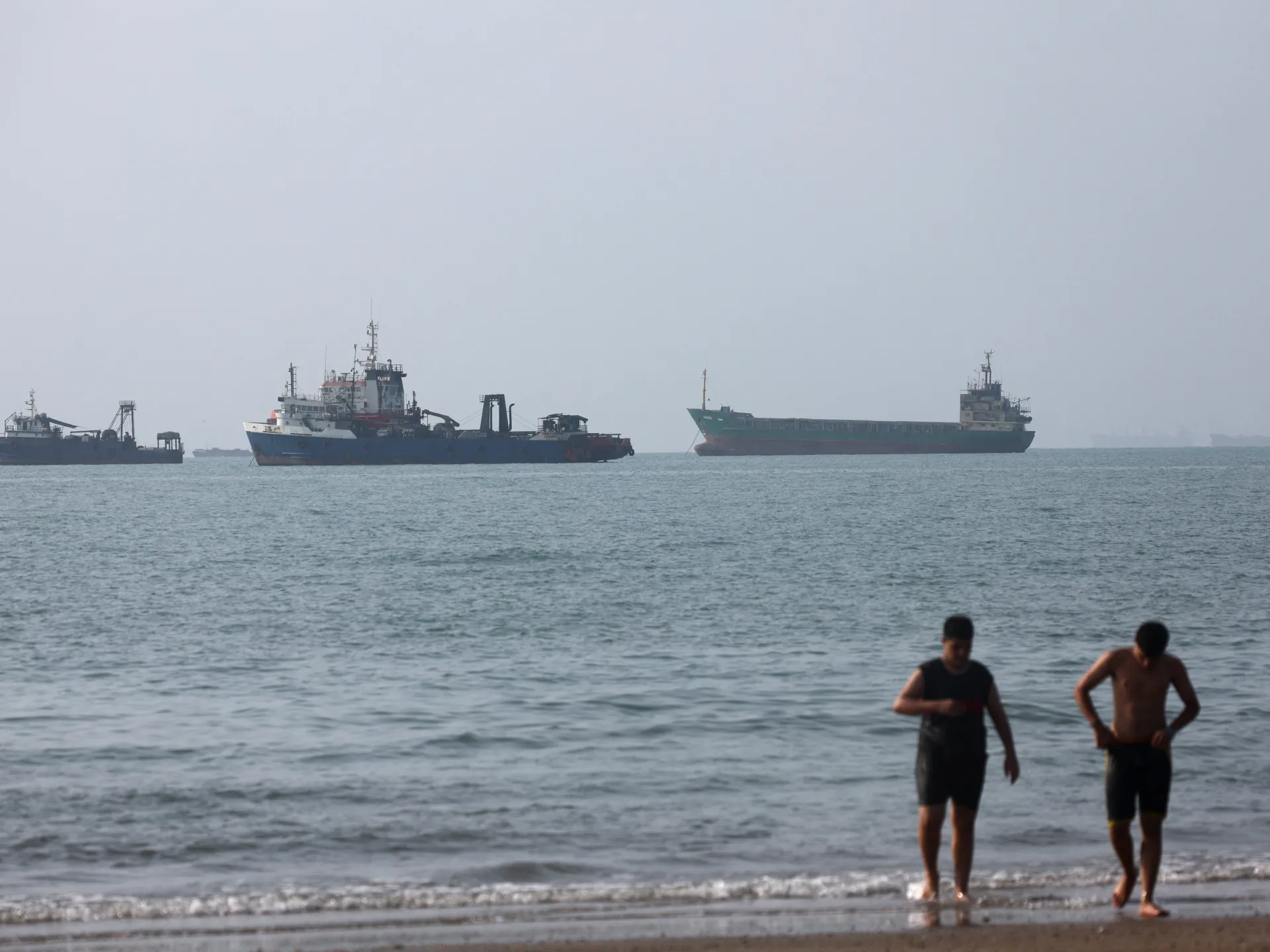
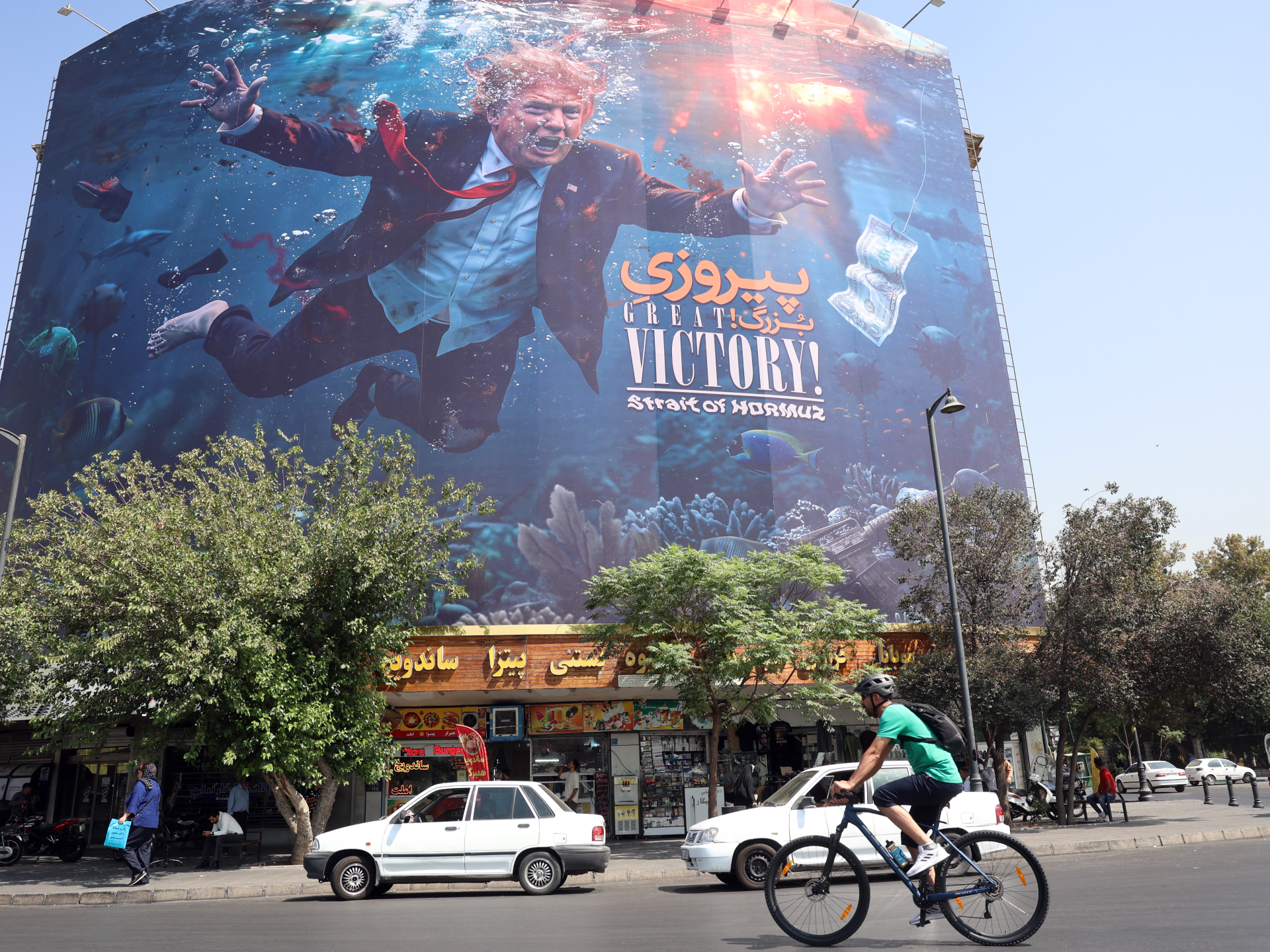
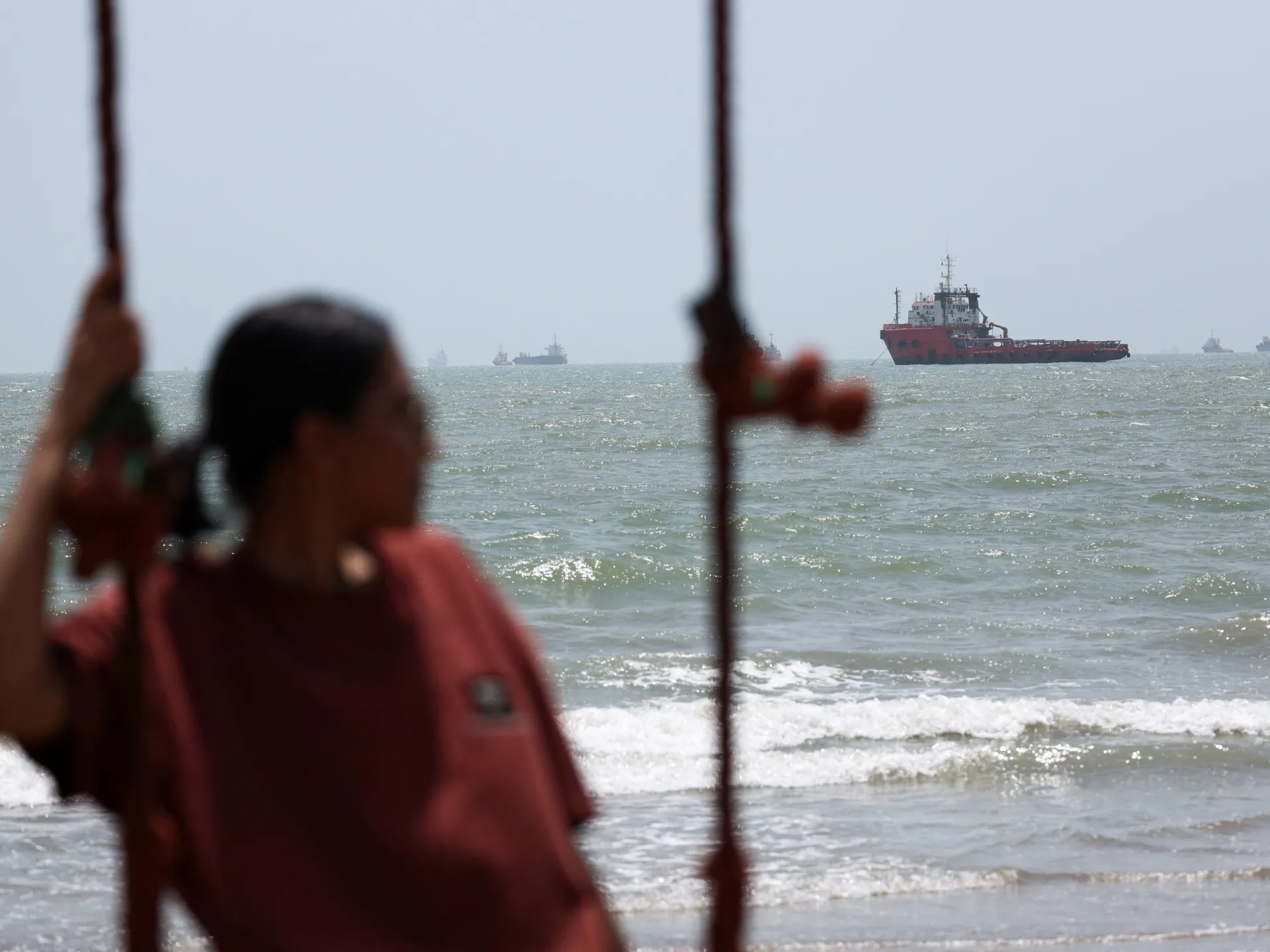
Maritime safety has plummeted to a critical low this week as two distinct crises unfold across the world's most vital waterways. In the Java Sea, salvage crews are racing to stabilize a capsized passenger ferry, while in the Middle East, the Strait of Hormuz remains effectively shuttered following a series of conflicting reports regarding drone and missile strikes on commercial vessels.
These incidents highlight the persistent dangers of sea travel, whether due to the volatile intersection of regional military conflict or the inherent risks of passenger transit in archipelagic nations. While authorities in Indonesia work to recover the victims of a tragic maritime accident, the situation in the Strait of Hormuz reflects a deeper geopolitical instability that has brought global energy transit to a virtual standstill.
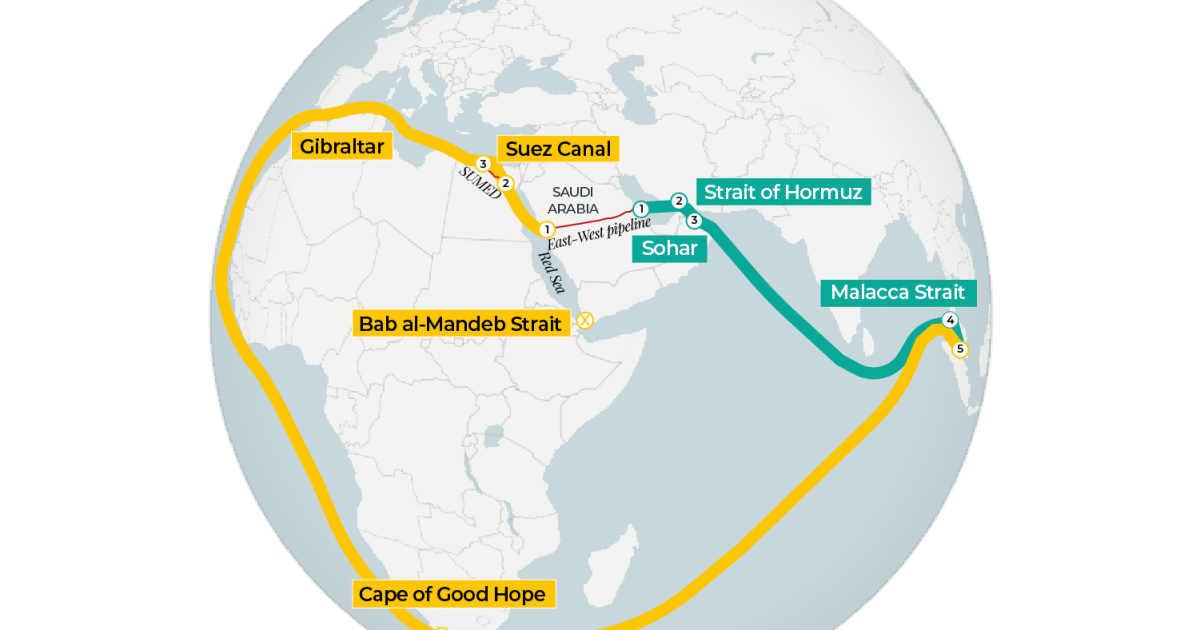
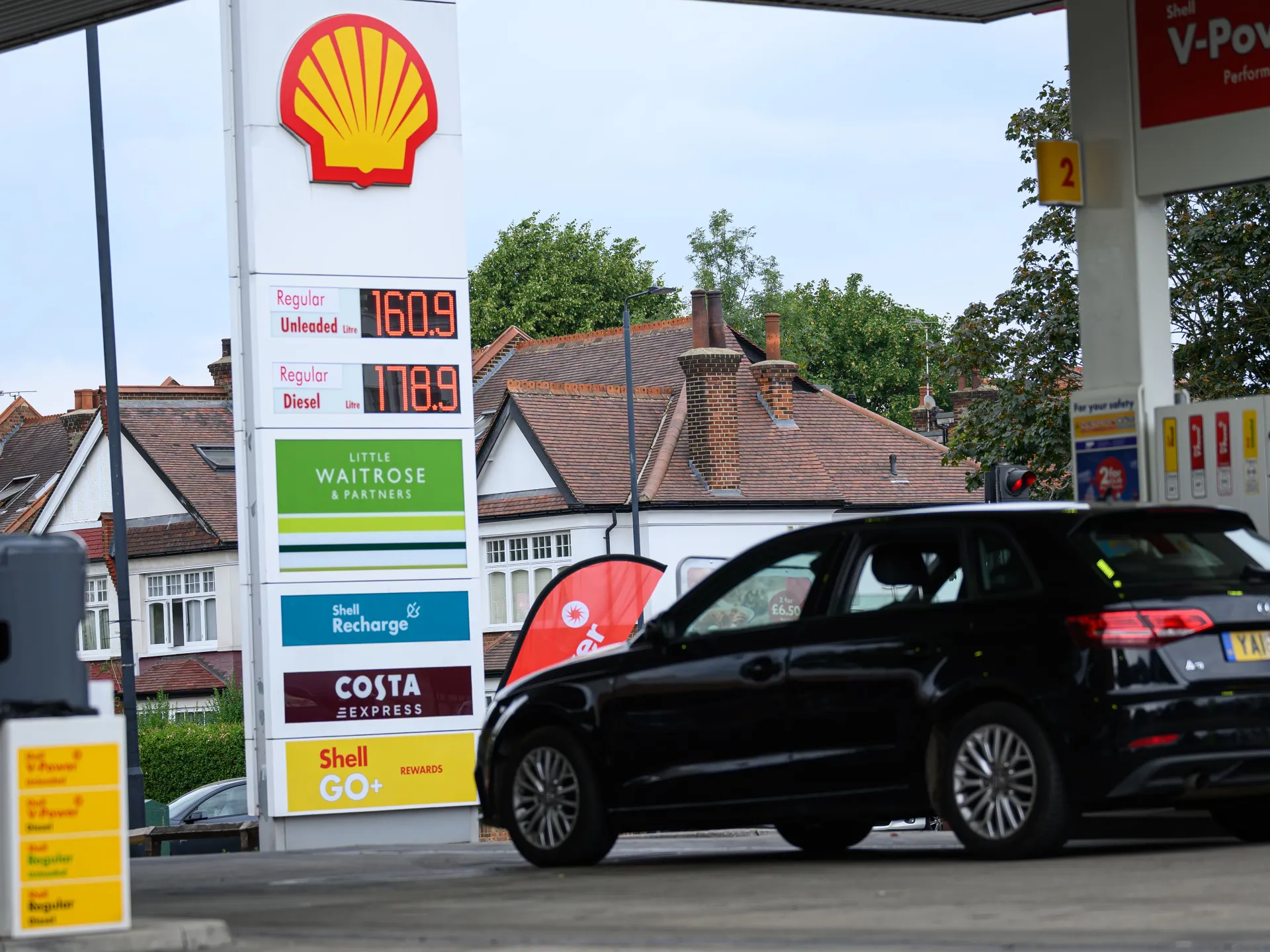
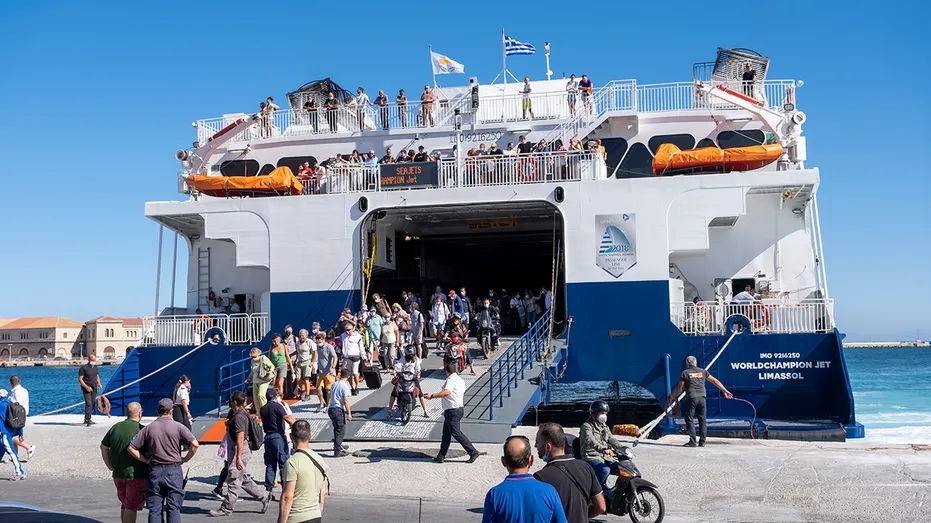
The convergence of these events underscores the fragility of global maritime infrastructure. In Indonesia, the reliance on ferries as the primary mode of transportation for 17,000 islands means that a single vessel failure can lead to a mass-casualty event, testing the limits of local search and rescue capabilities. Conversely, the situation in the Strait of Hormuz represents a systemic threat to the global economy. With a fifth of the world’s oil and gas shipments passing through the strait, the effective closure caused immediate region, potentially triggering long-term energy price volatility and supply chain disruptions.
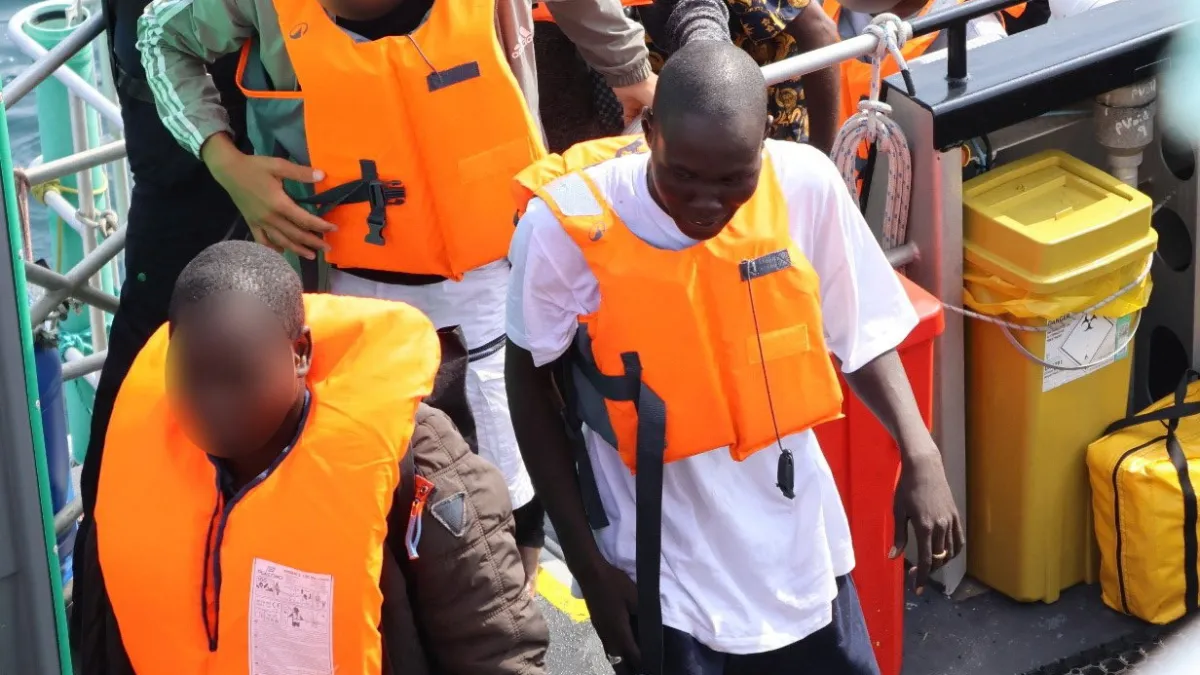
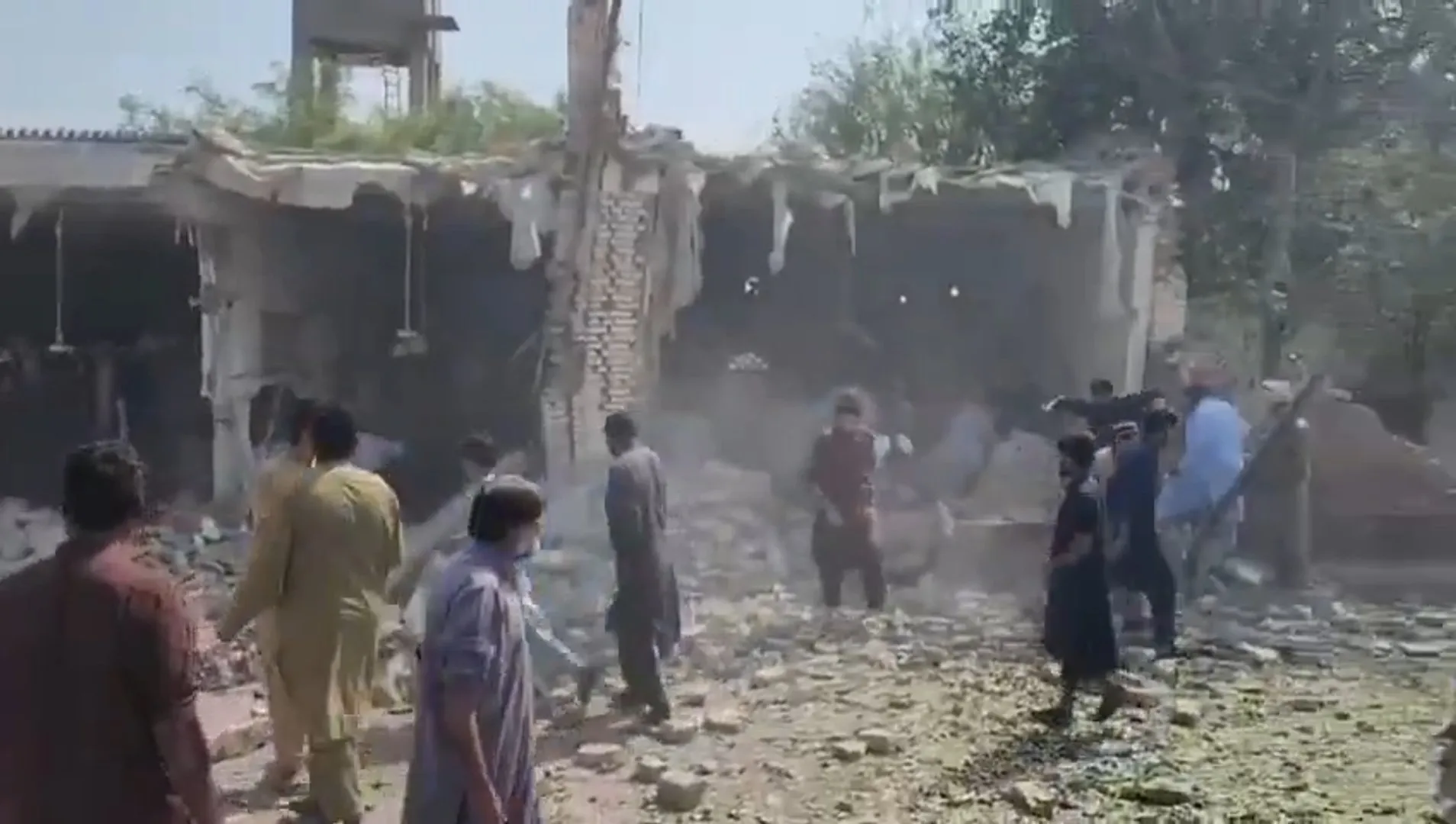
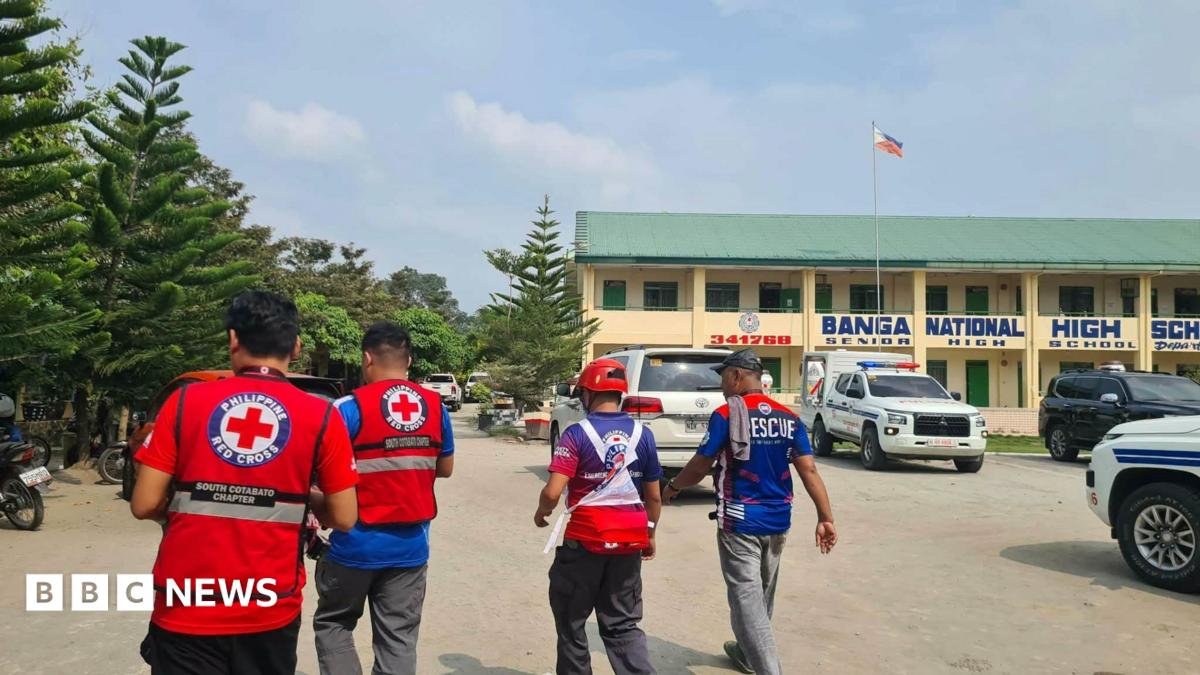
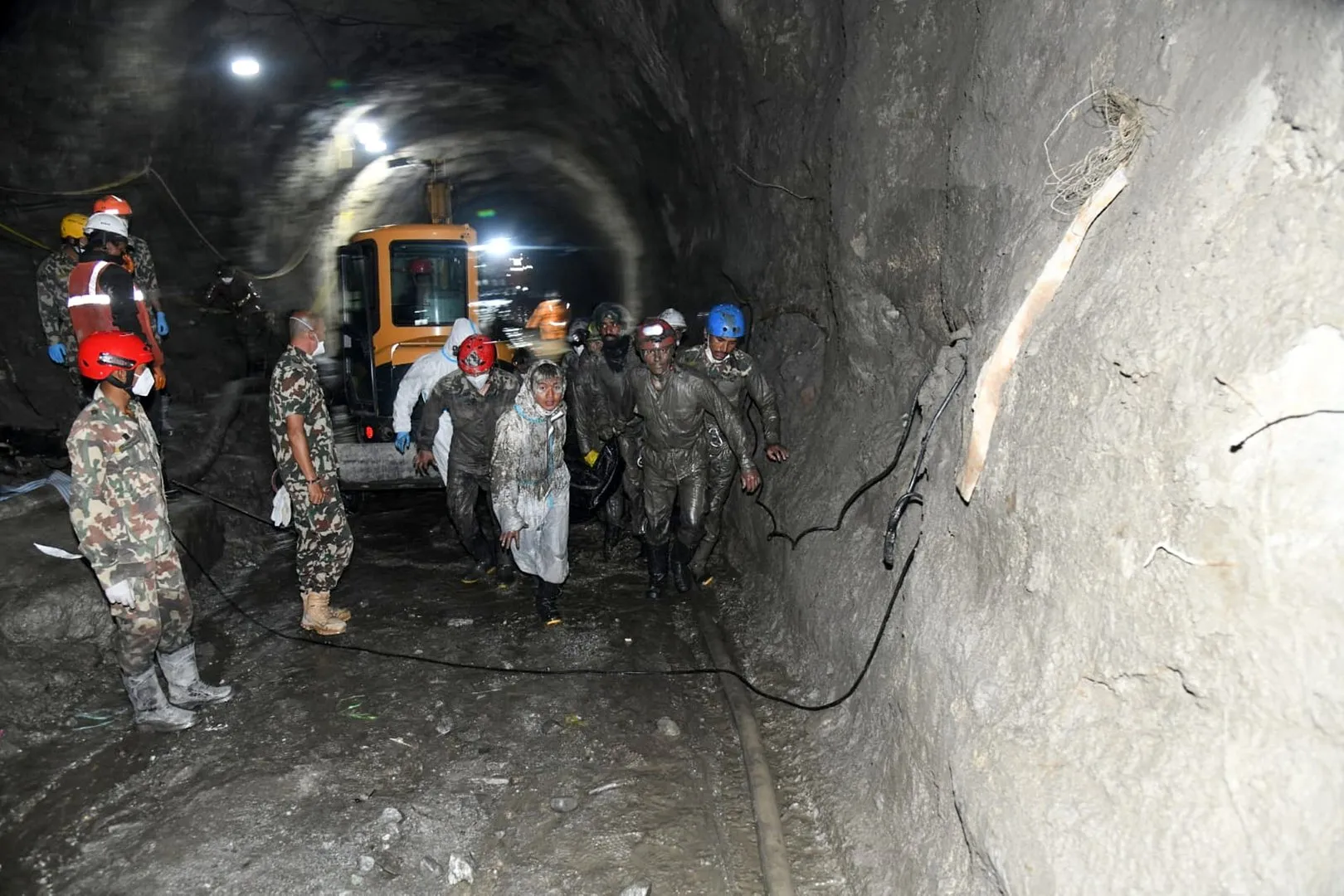
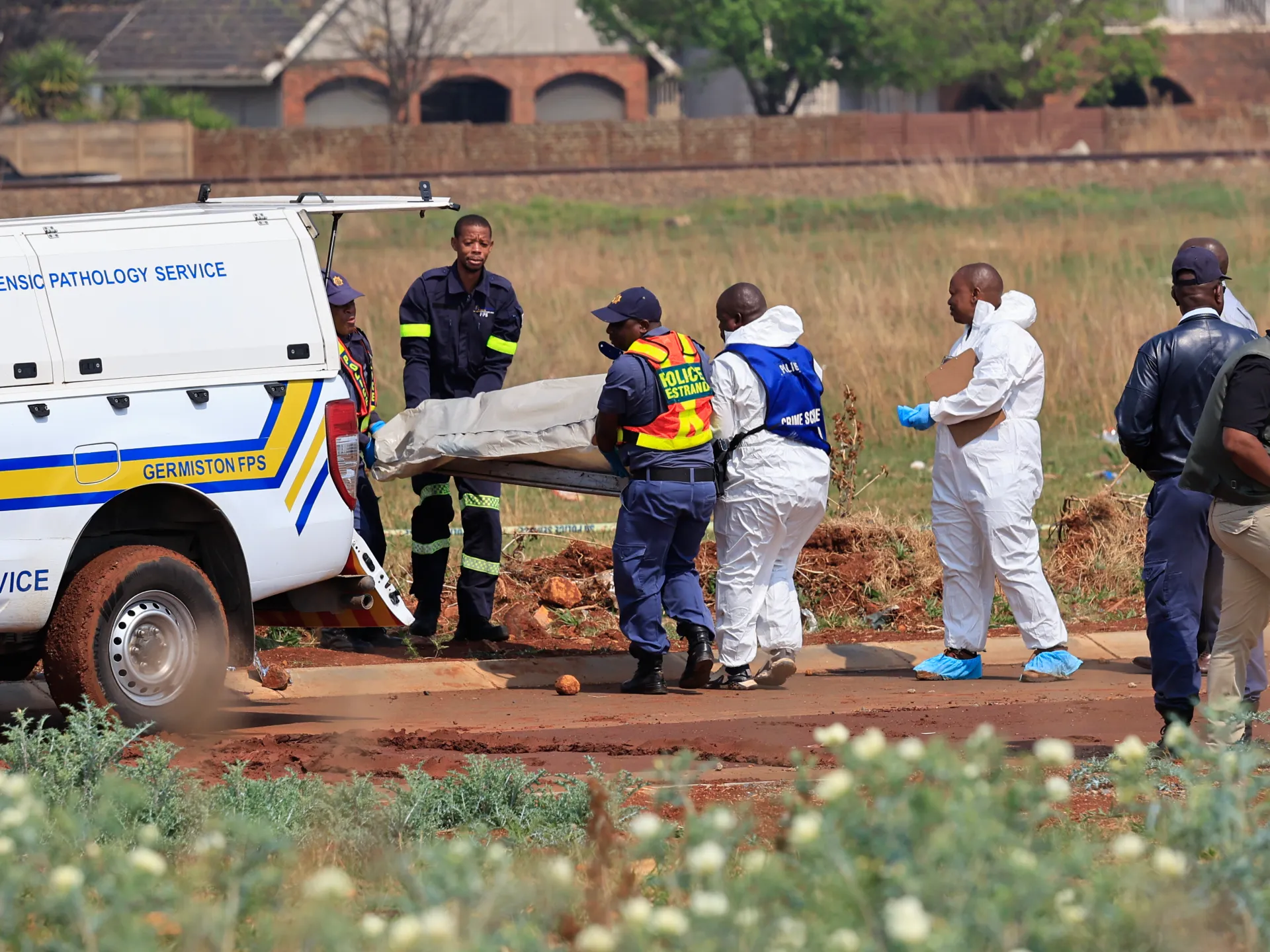
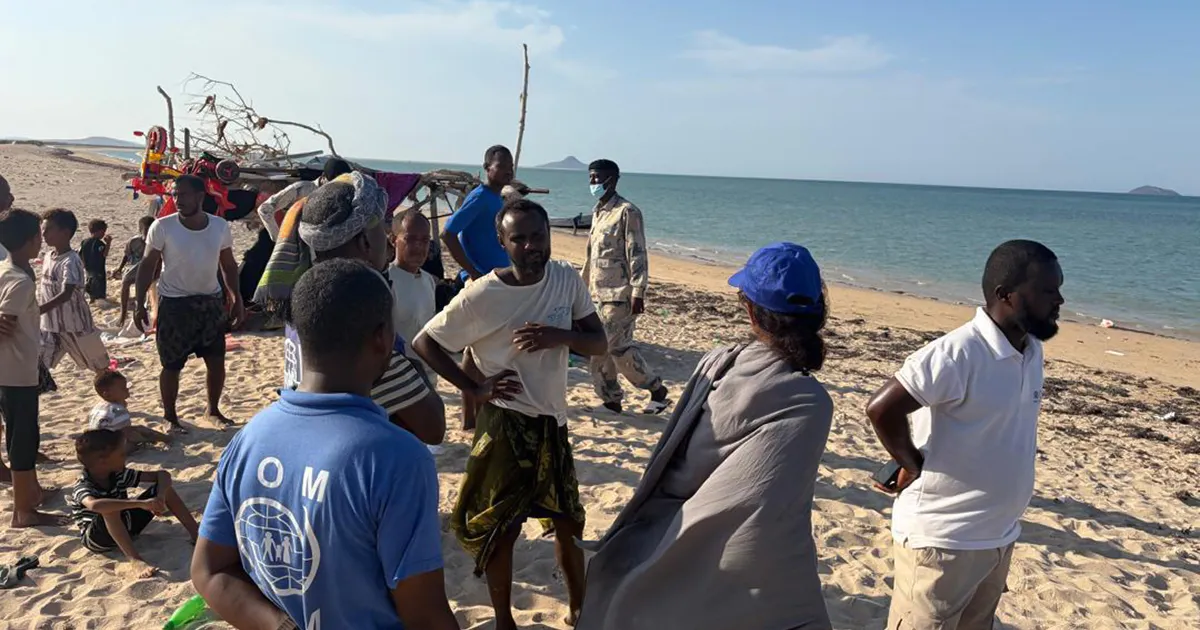
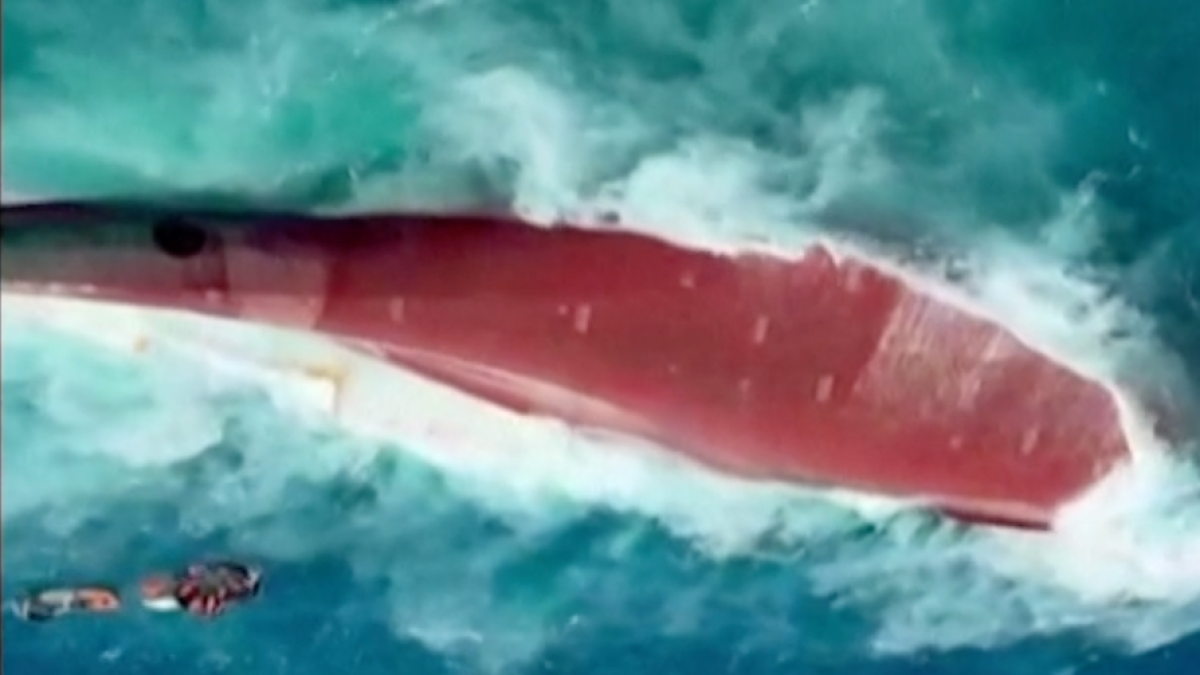
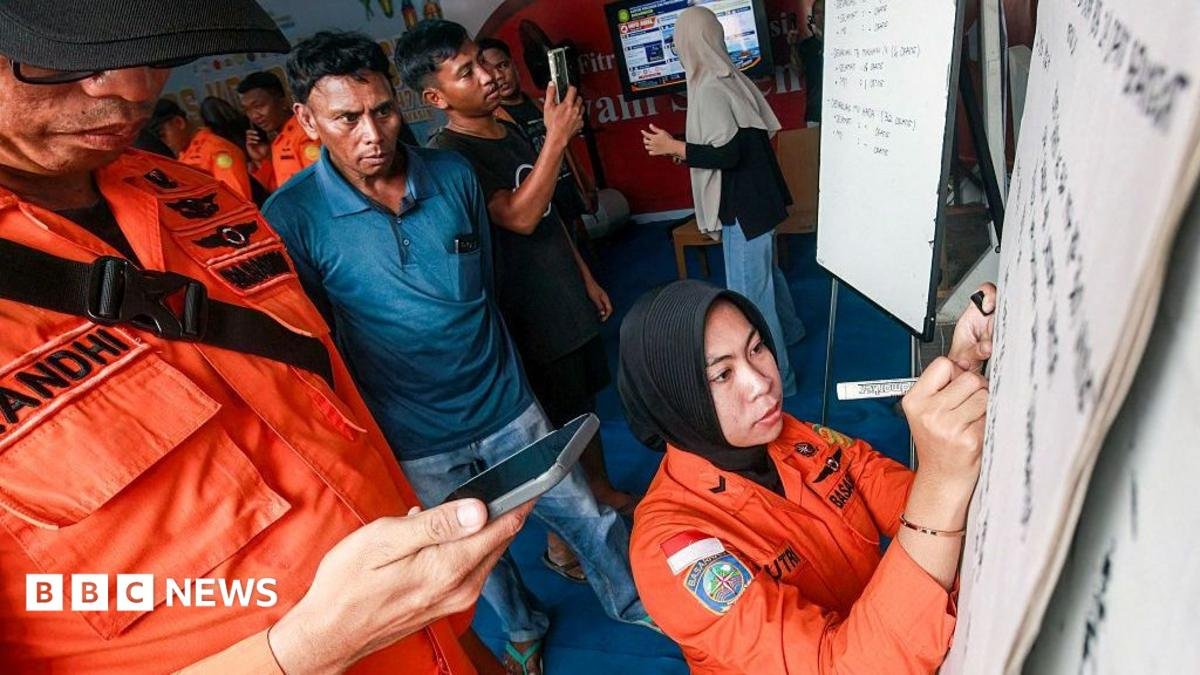
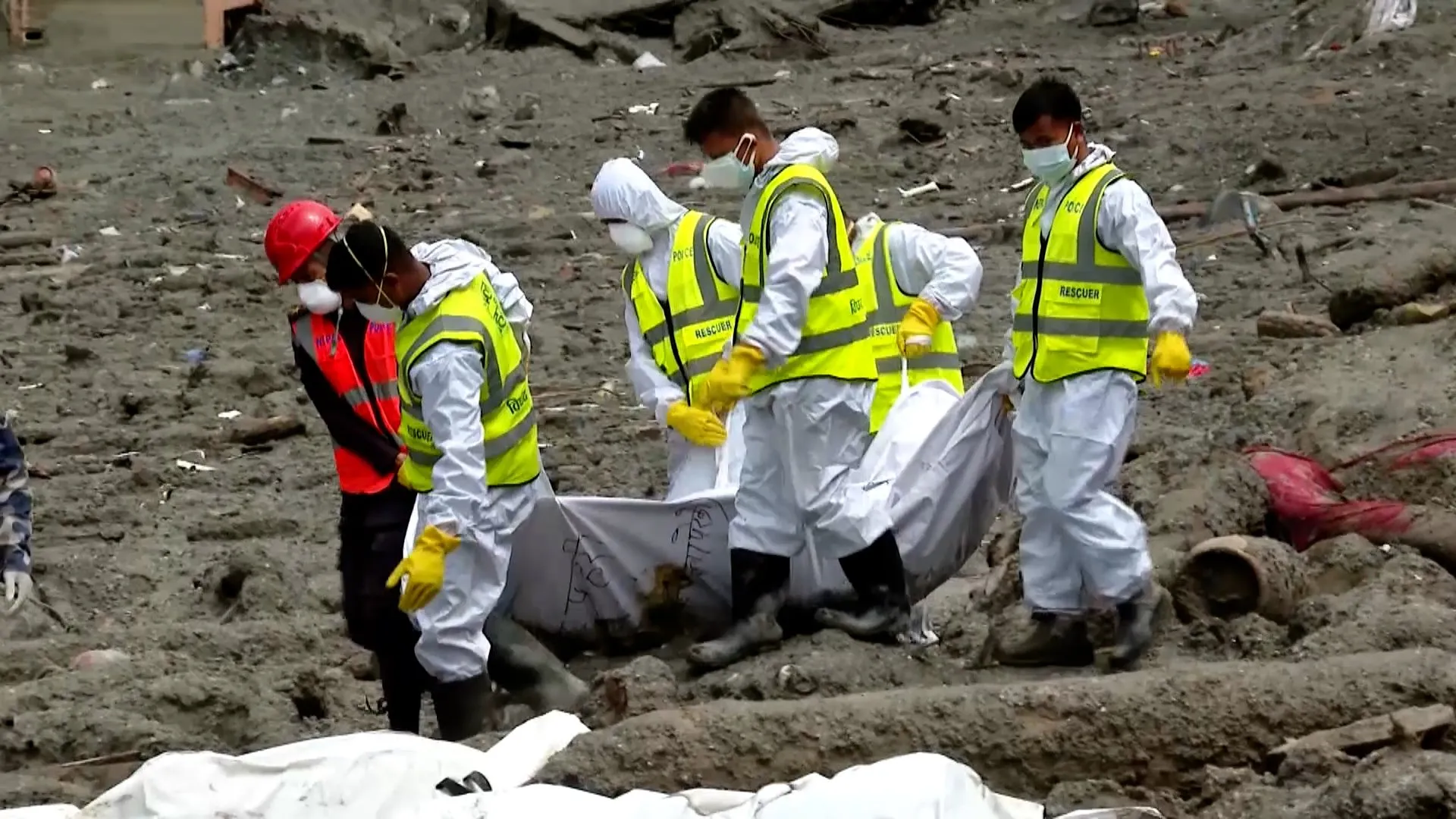
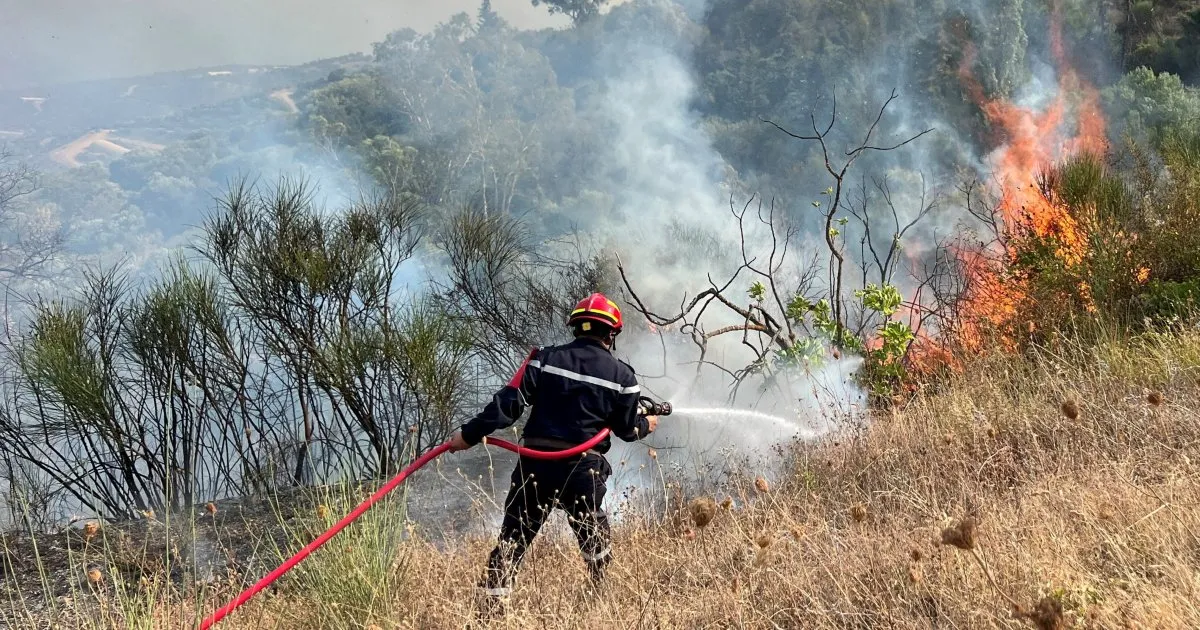
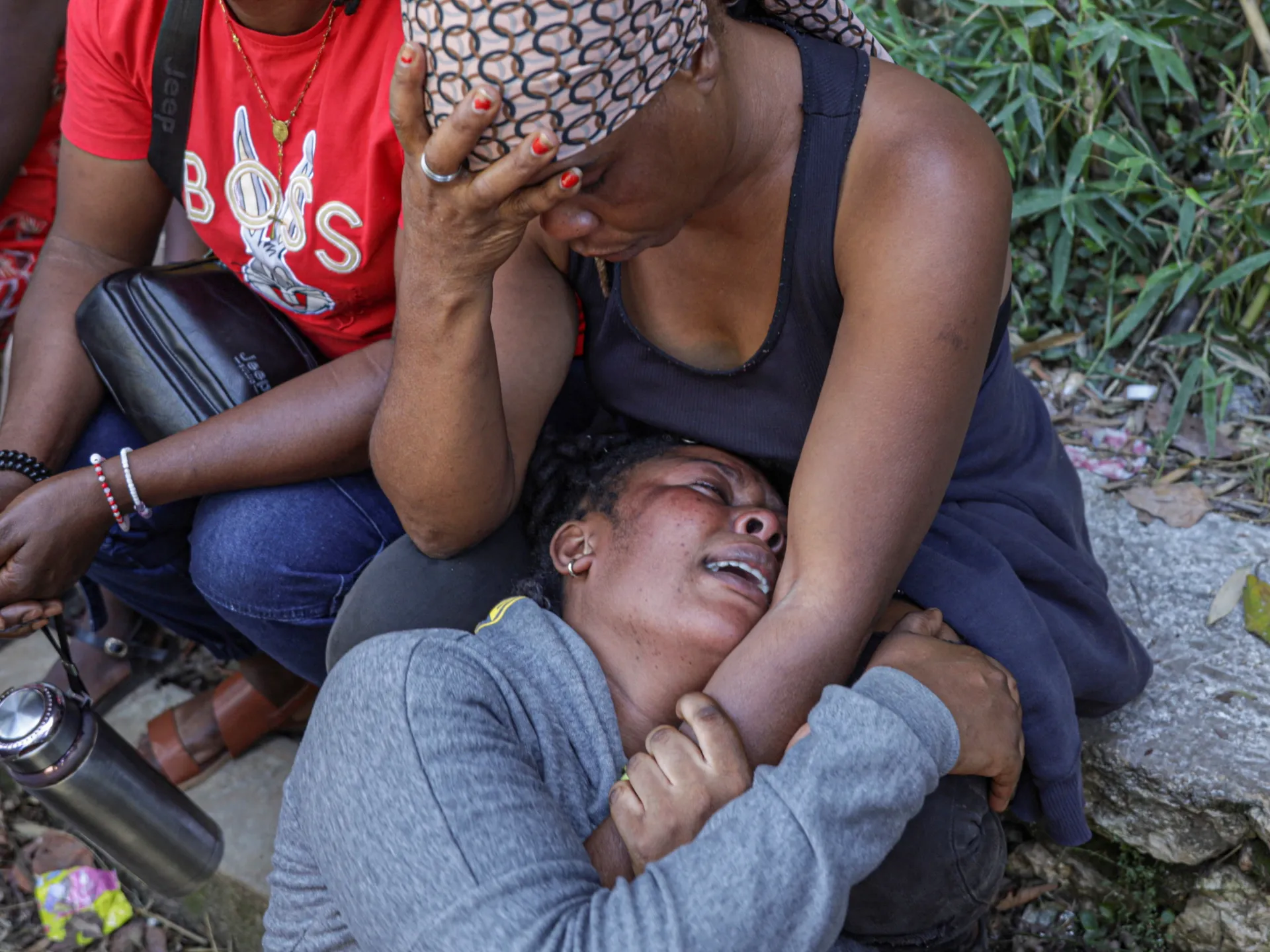
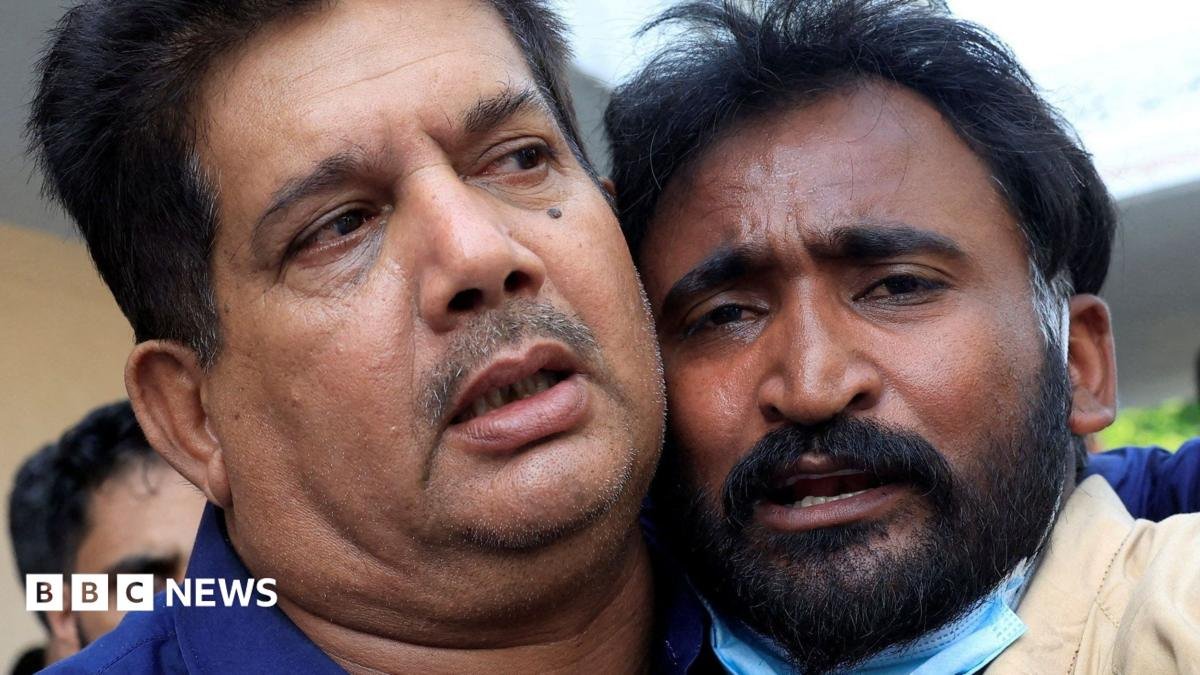
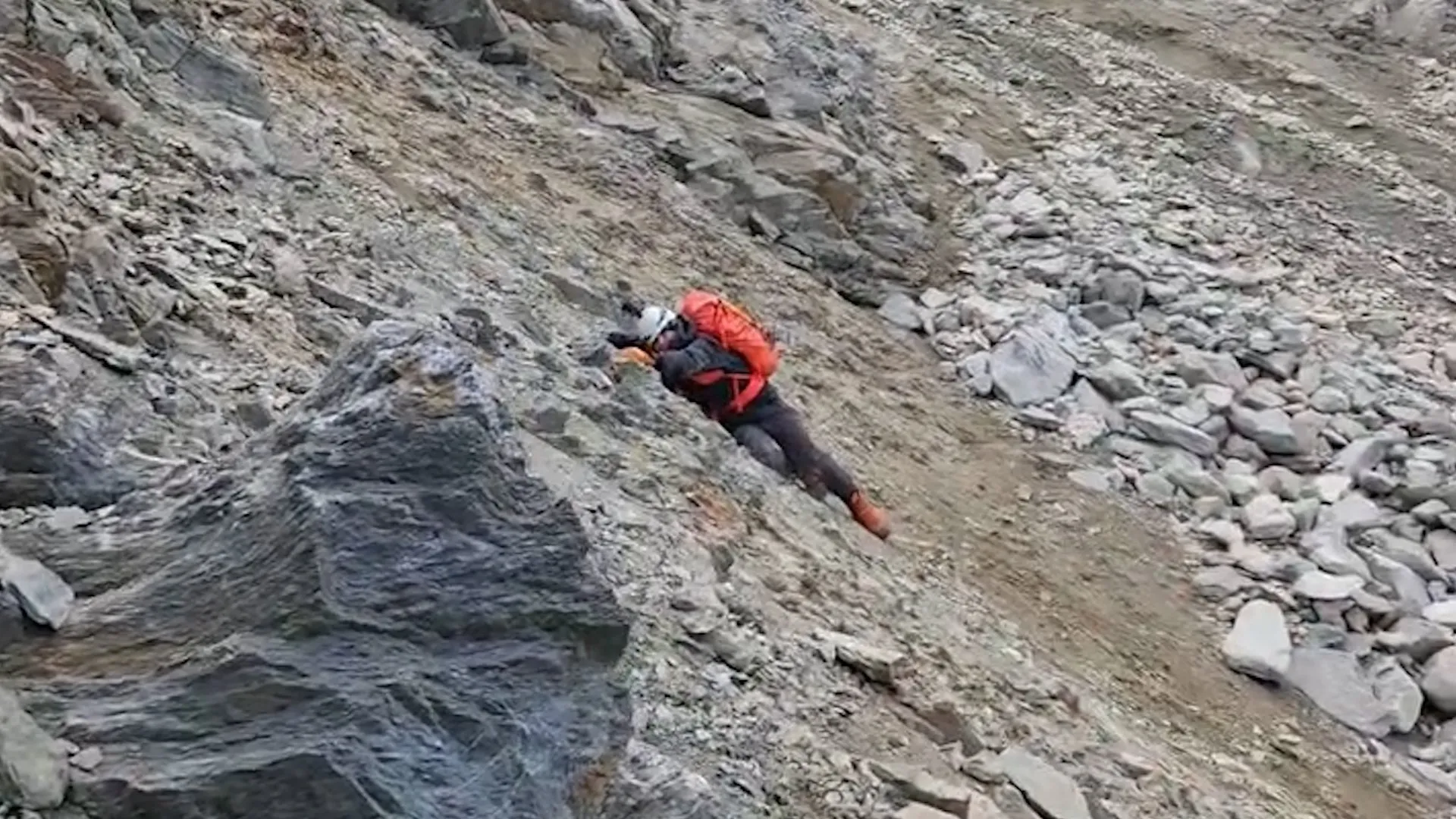
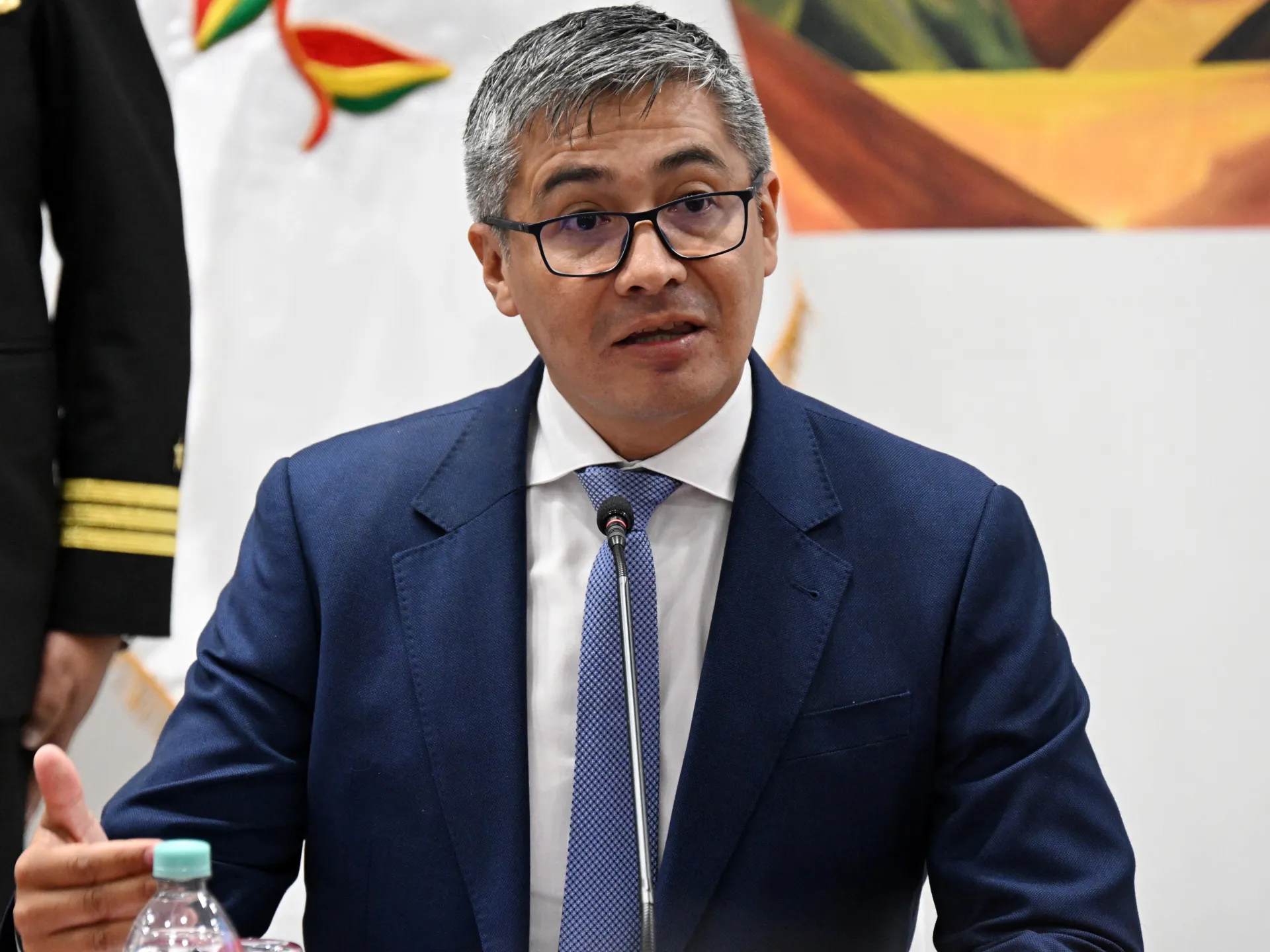
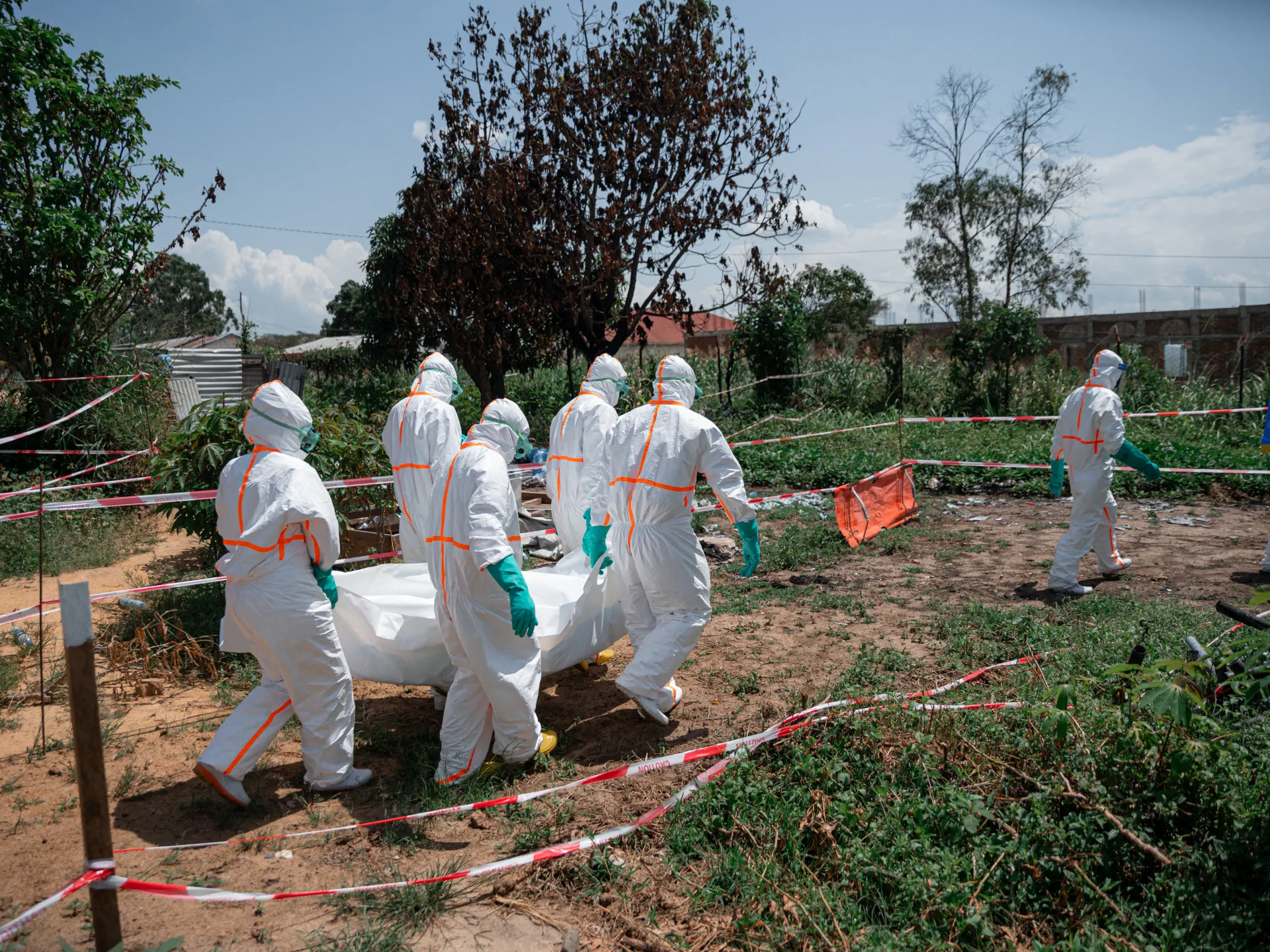
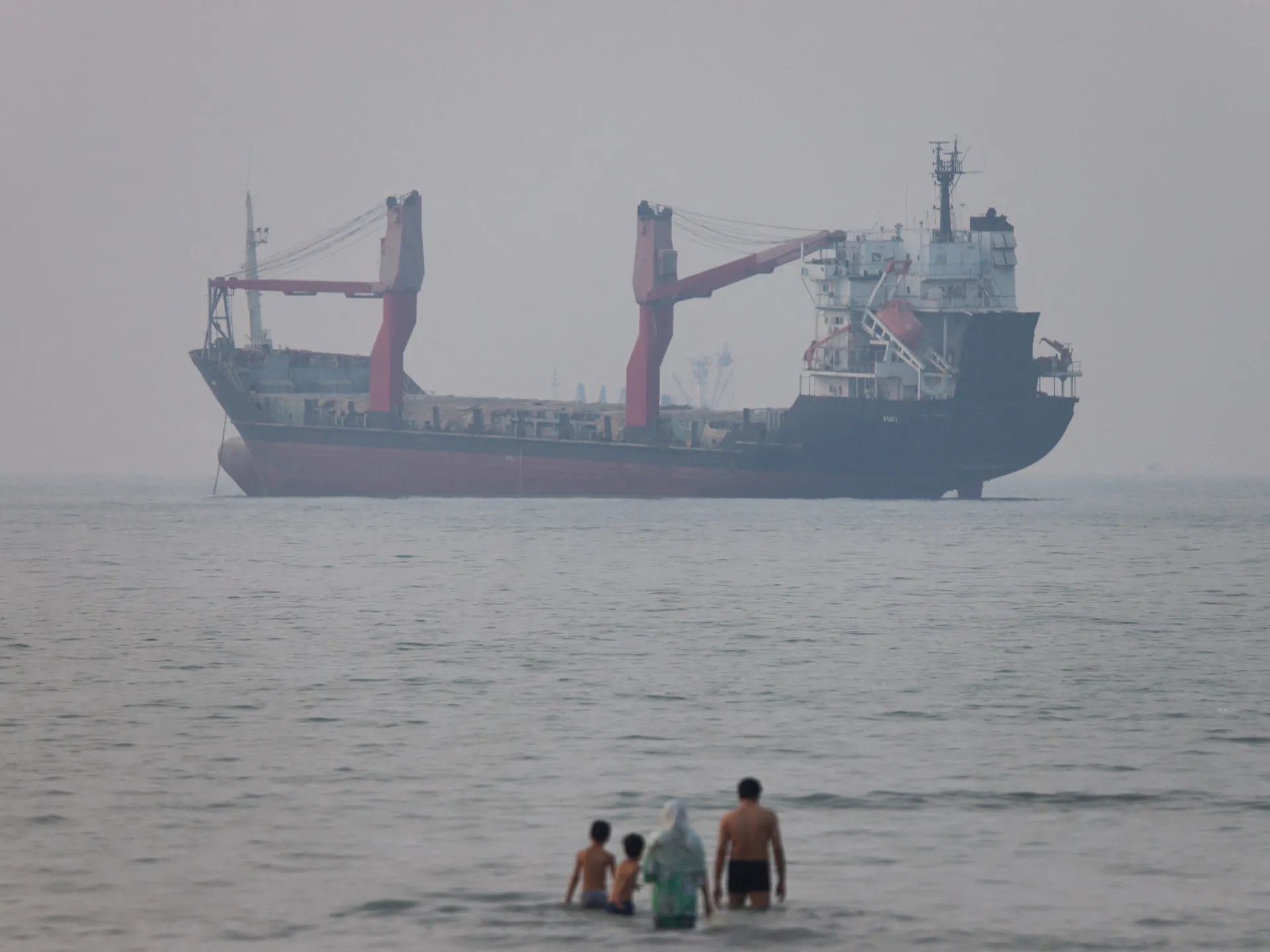
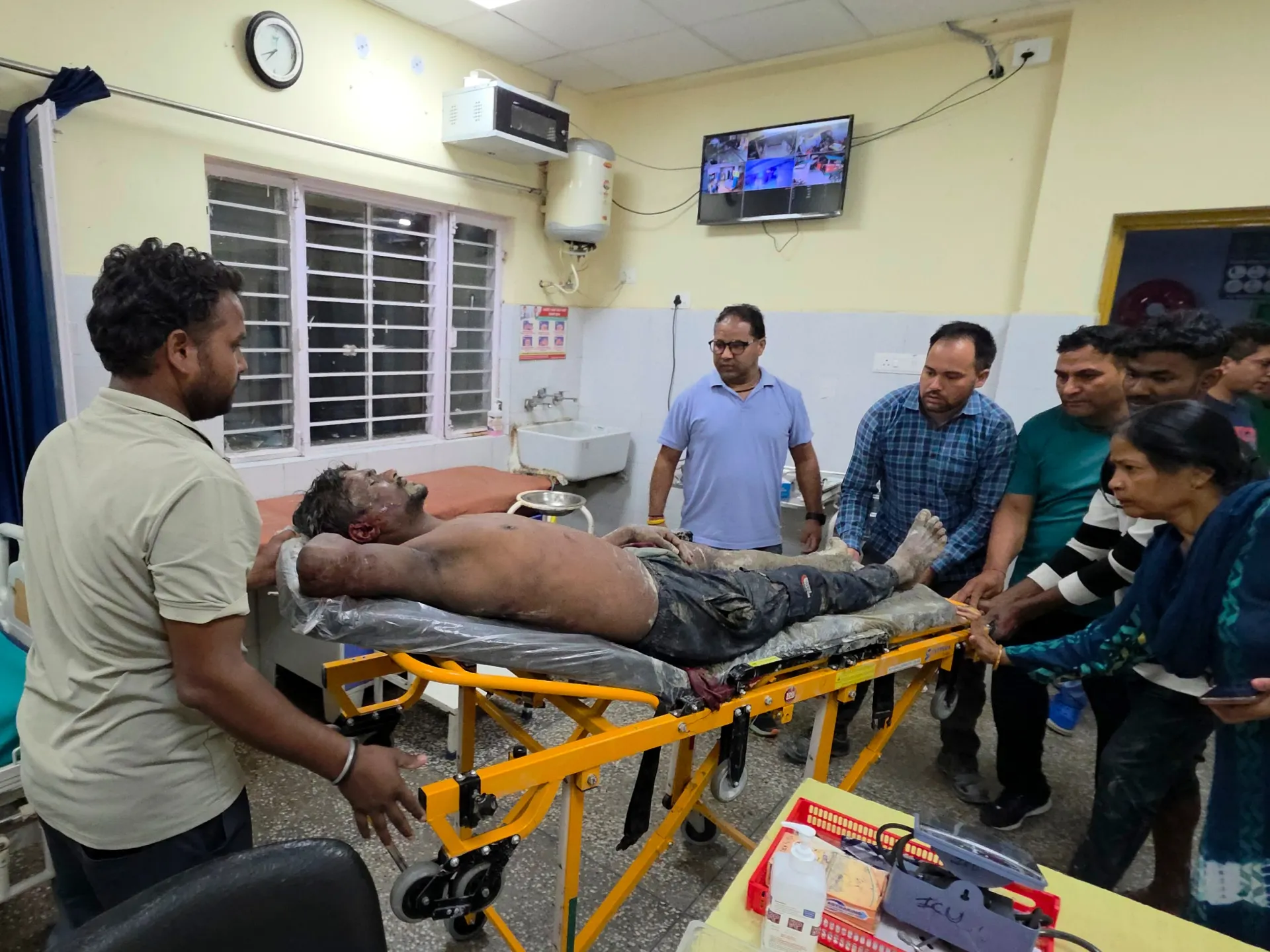
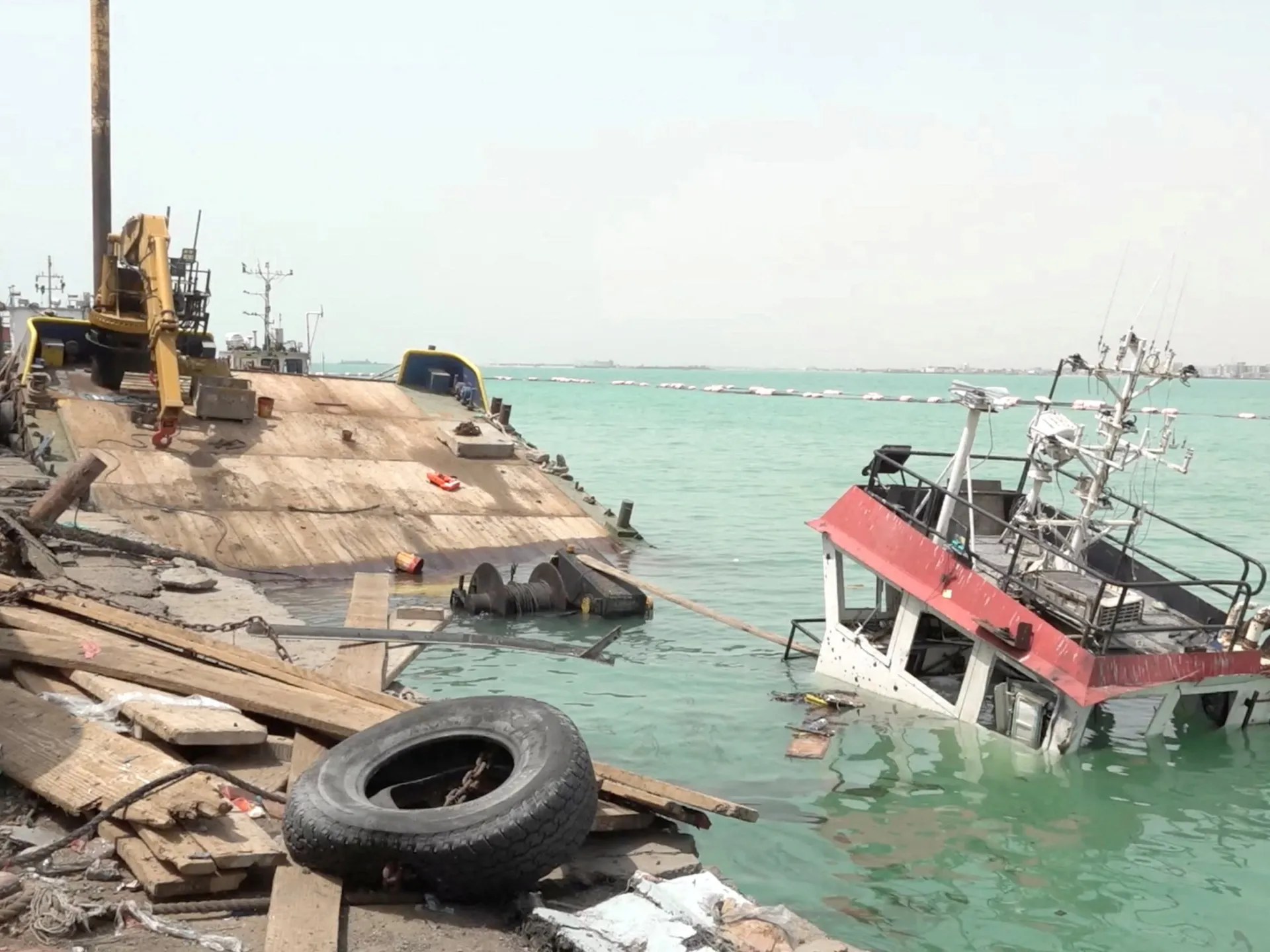
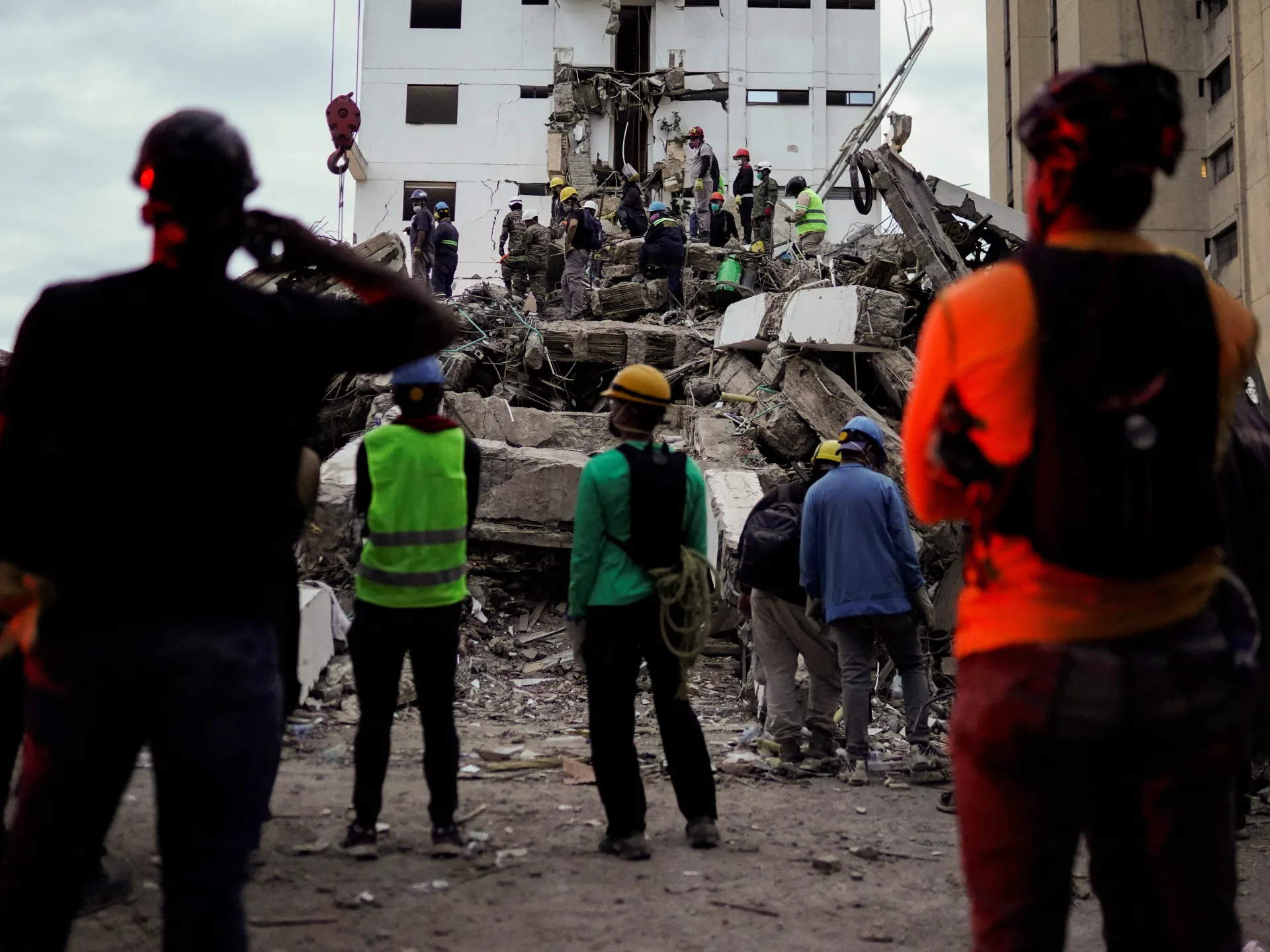
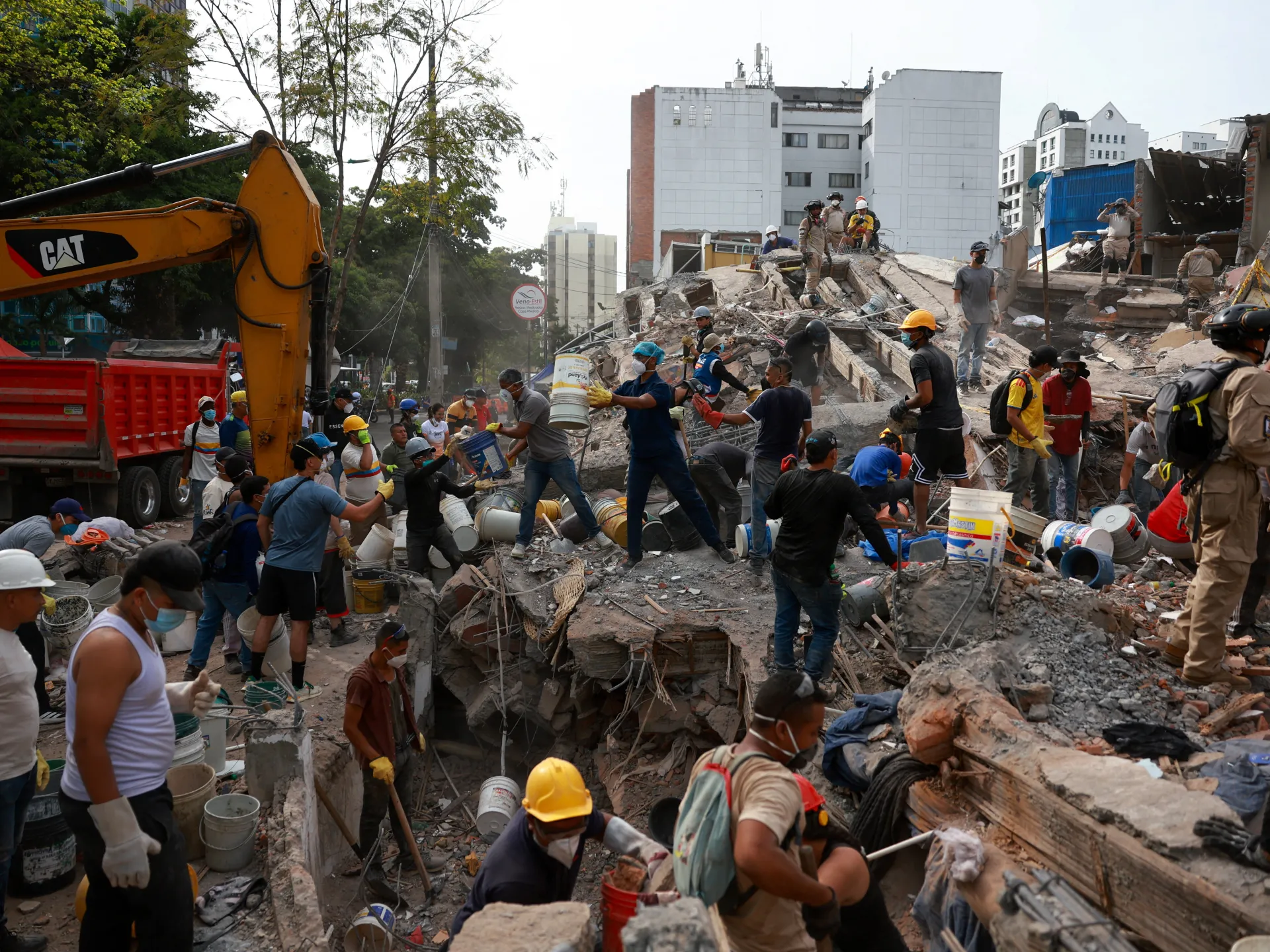
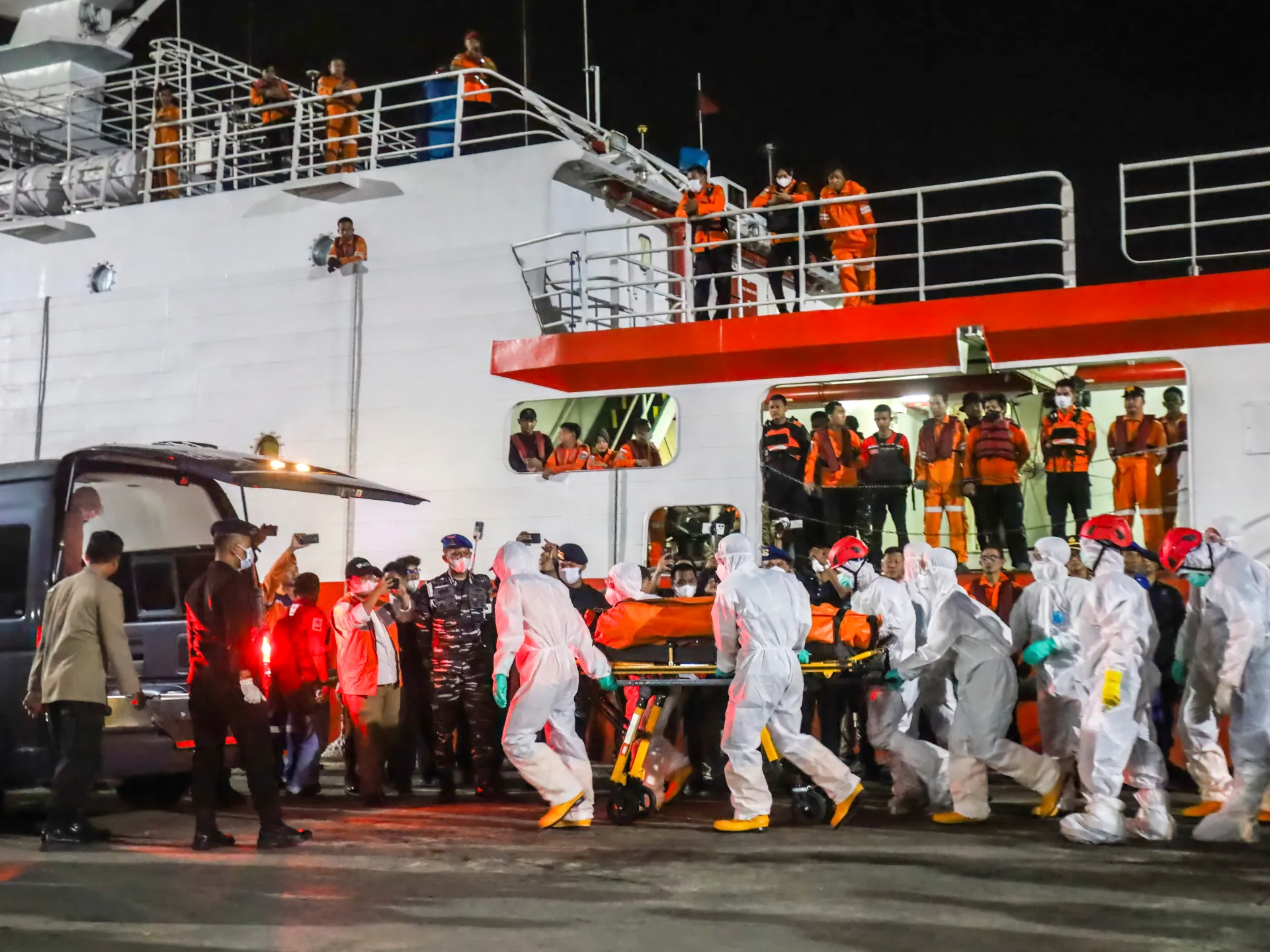
Indonesian salvage operations officially commenced on Friday to right the Virgo Transport 8, which capsized while carrying 243 passengers and crew. Local navy commander Galih Nurna Putra confirmed that specialized teams are leading the recovery, having identified the vessel's unstable position due to trapped air and empty compartments as a significant obstacle. Divers managed to enter the wreckage on Friday, retrieving three bodies—two men and one woman—before the operation was paused due to hazardous currents.
As of late Friday, official tallies report 108 survivors and nine confirmed deaths. However, the fate of 126 individuals remains unknown. Rescue officials are aiming to tow the vessel into shallower waters to perform a full righting, a maneuver they hope will allow safer access to the interior of the ship. Previous search efforts involving 1,100 personnel were severely hindered ial incident early Sunday.
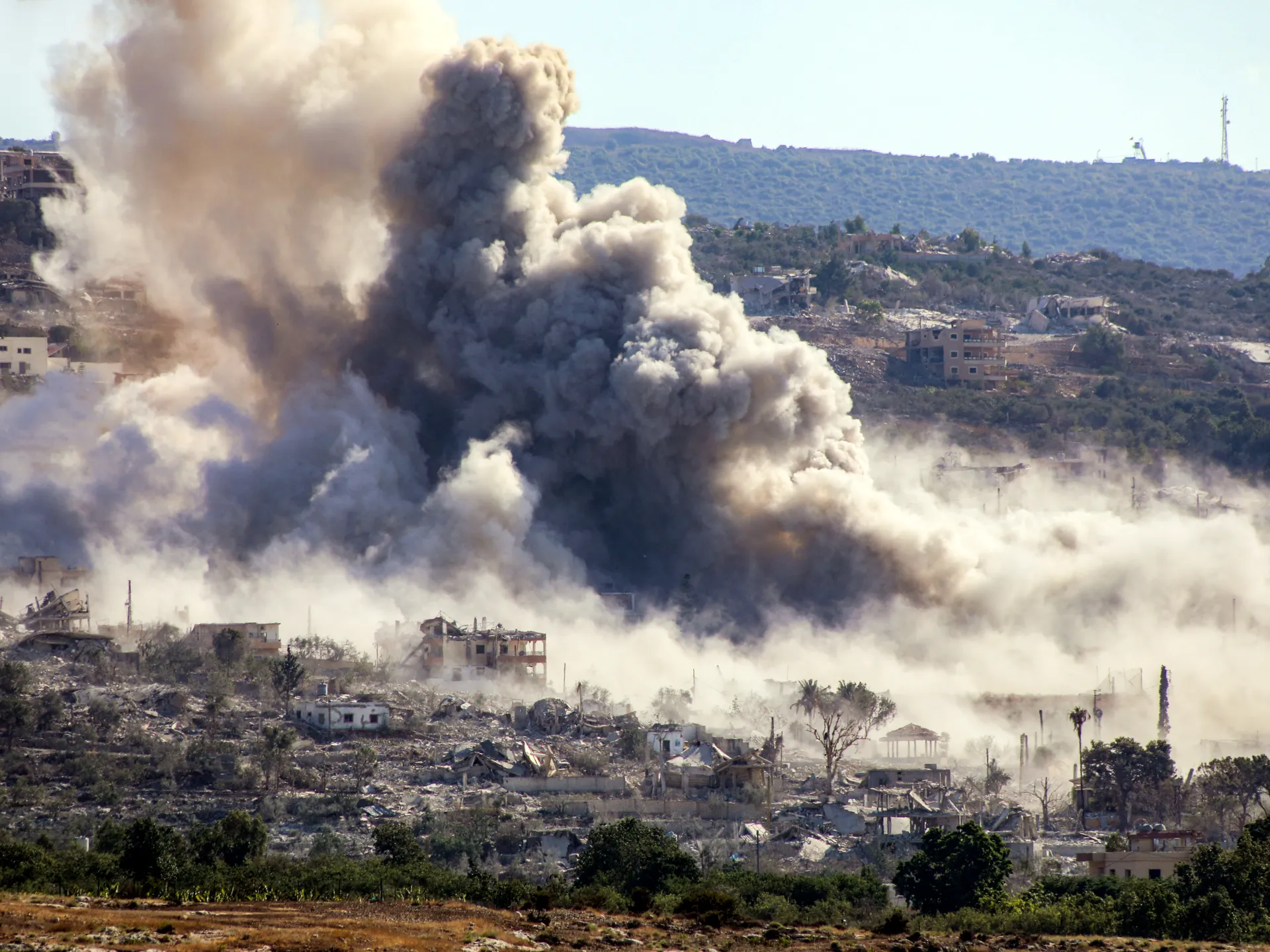
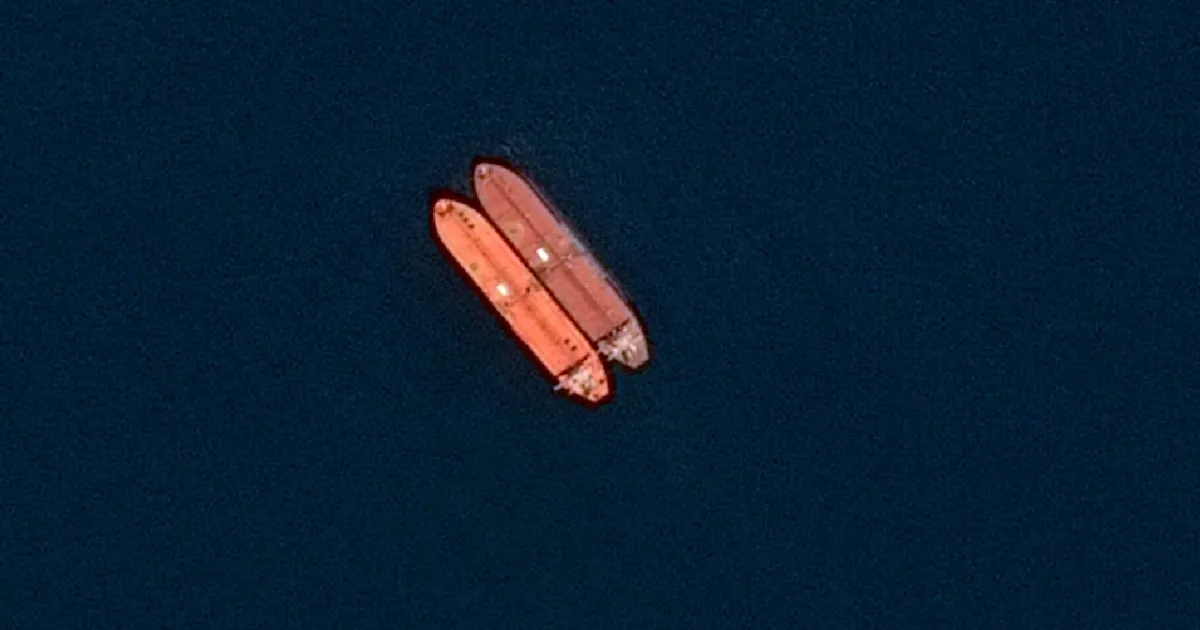
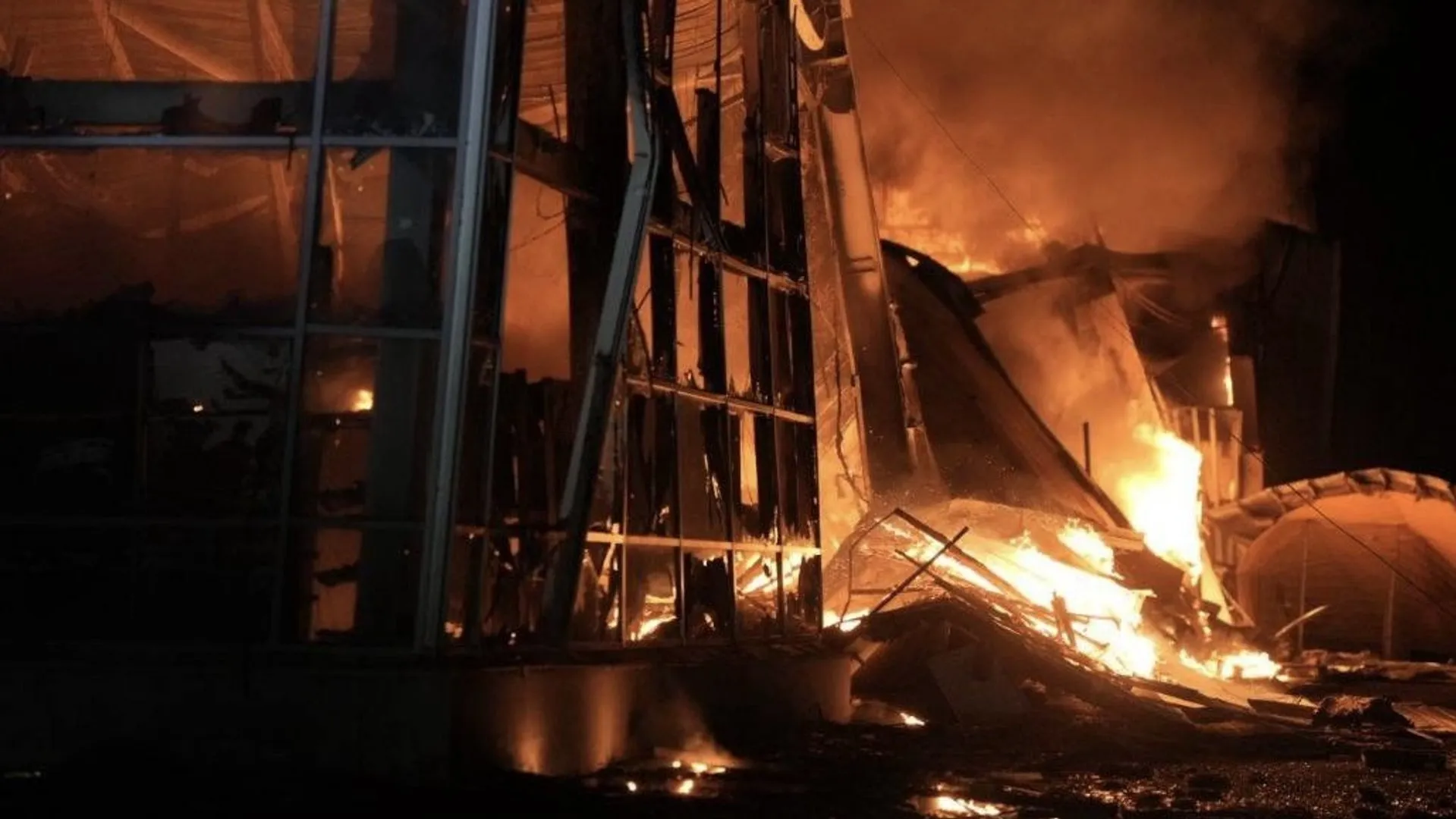
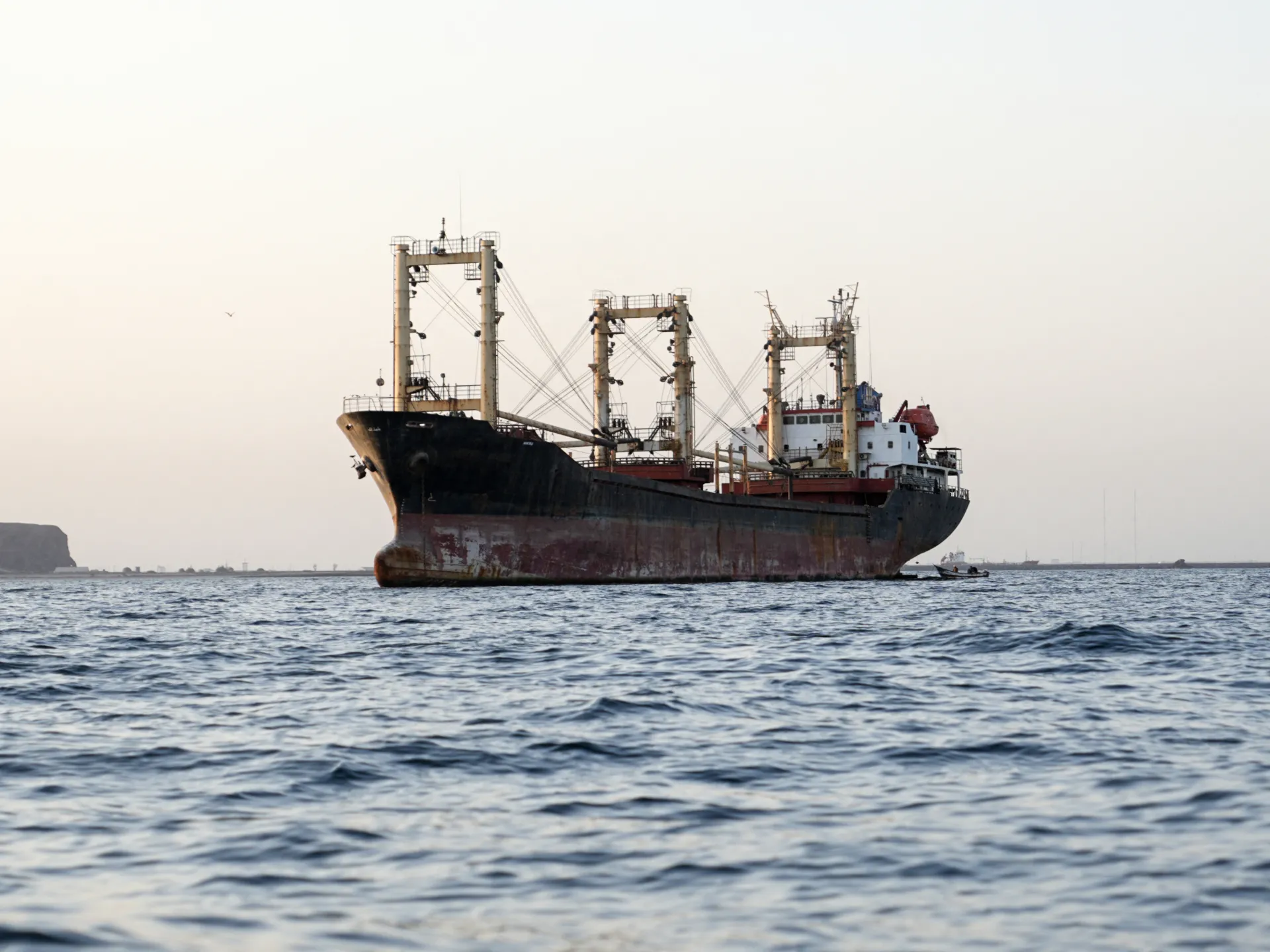
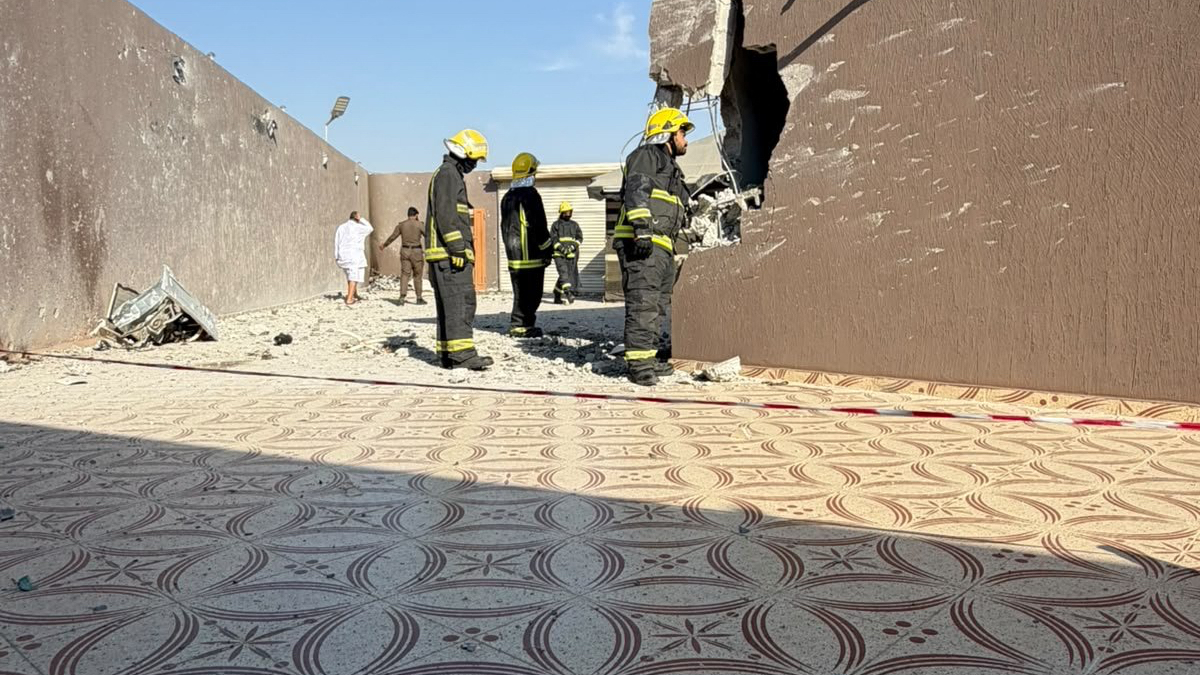
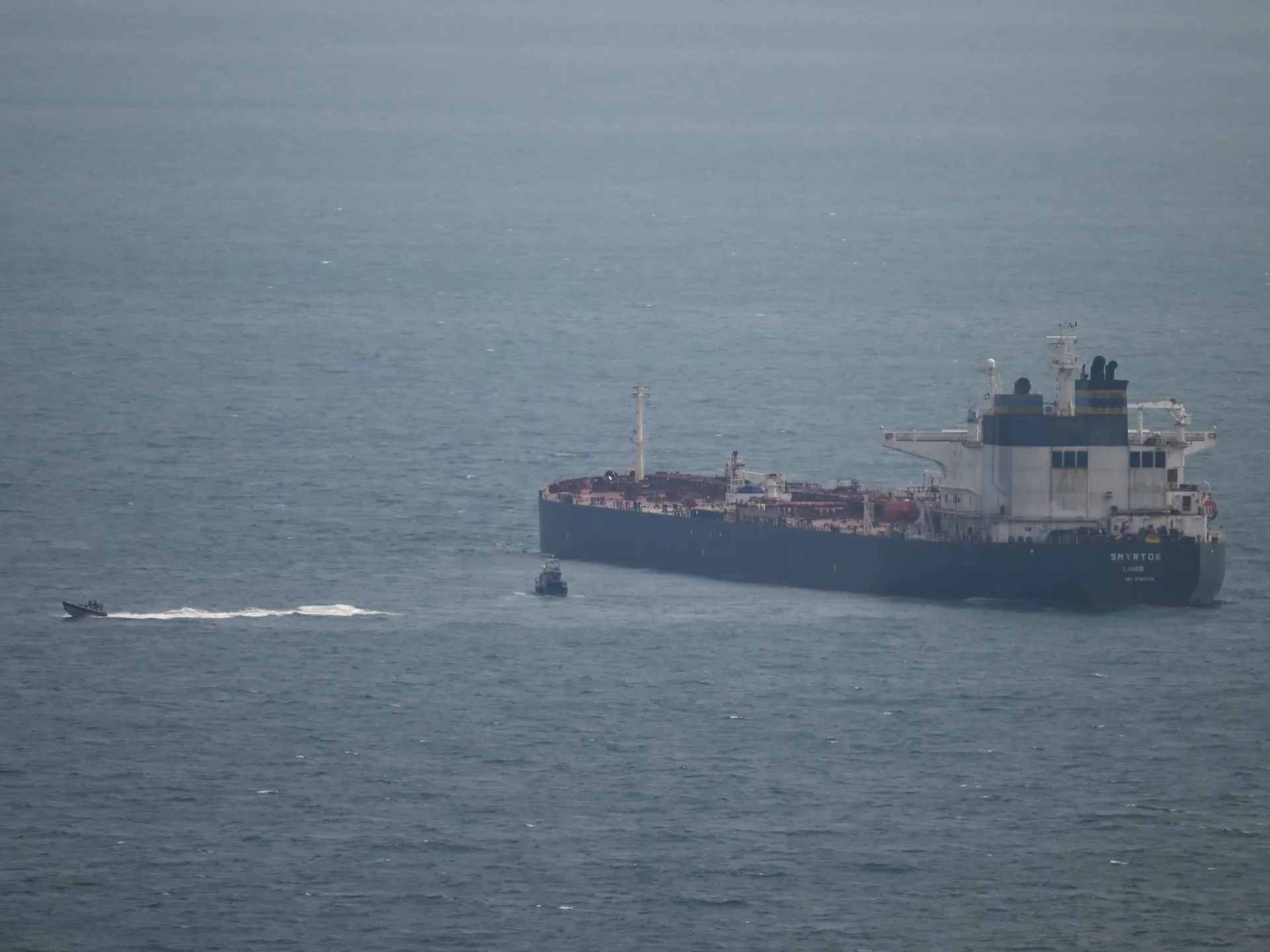
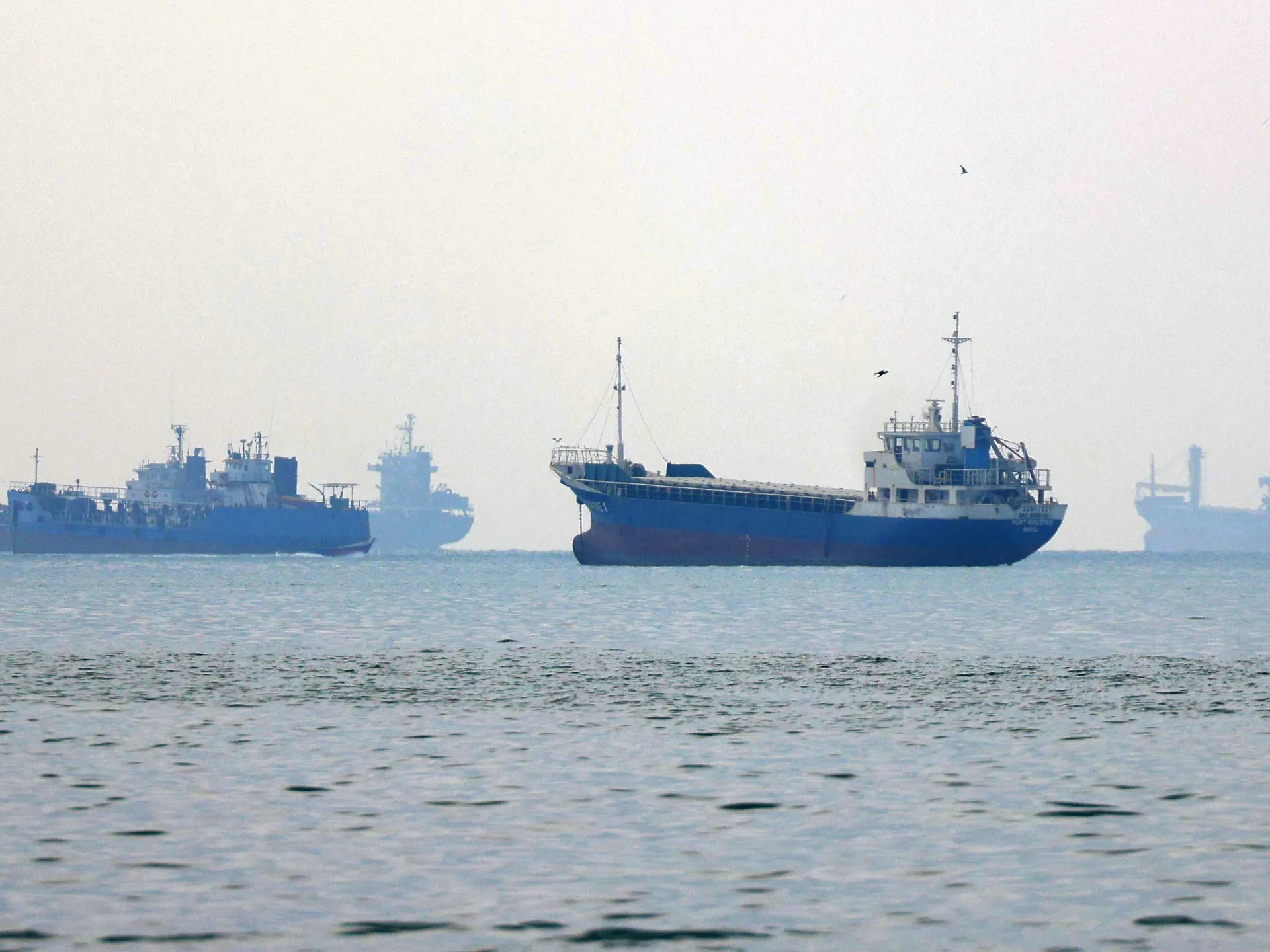
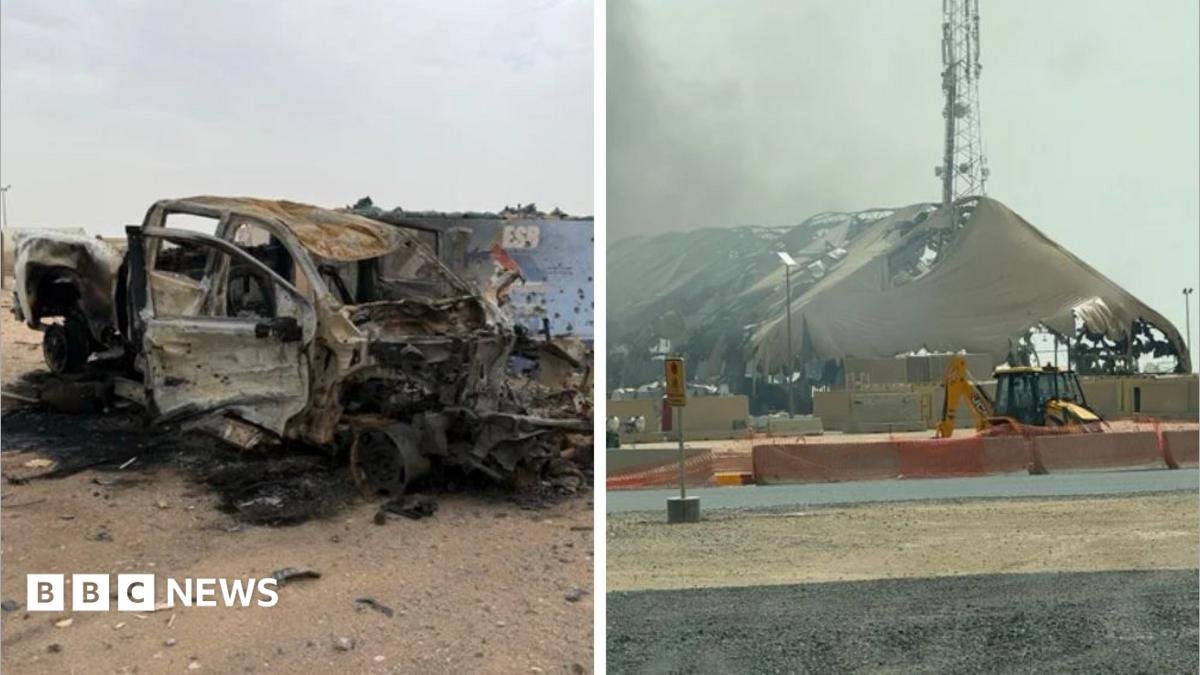
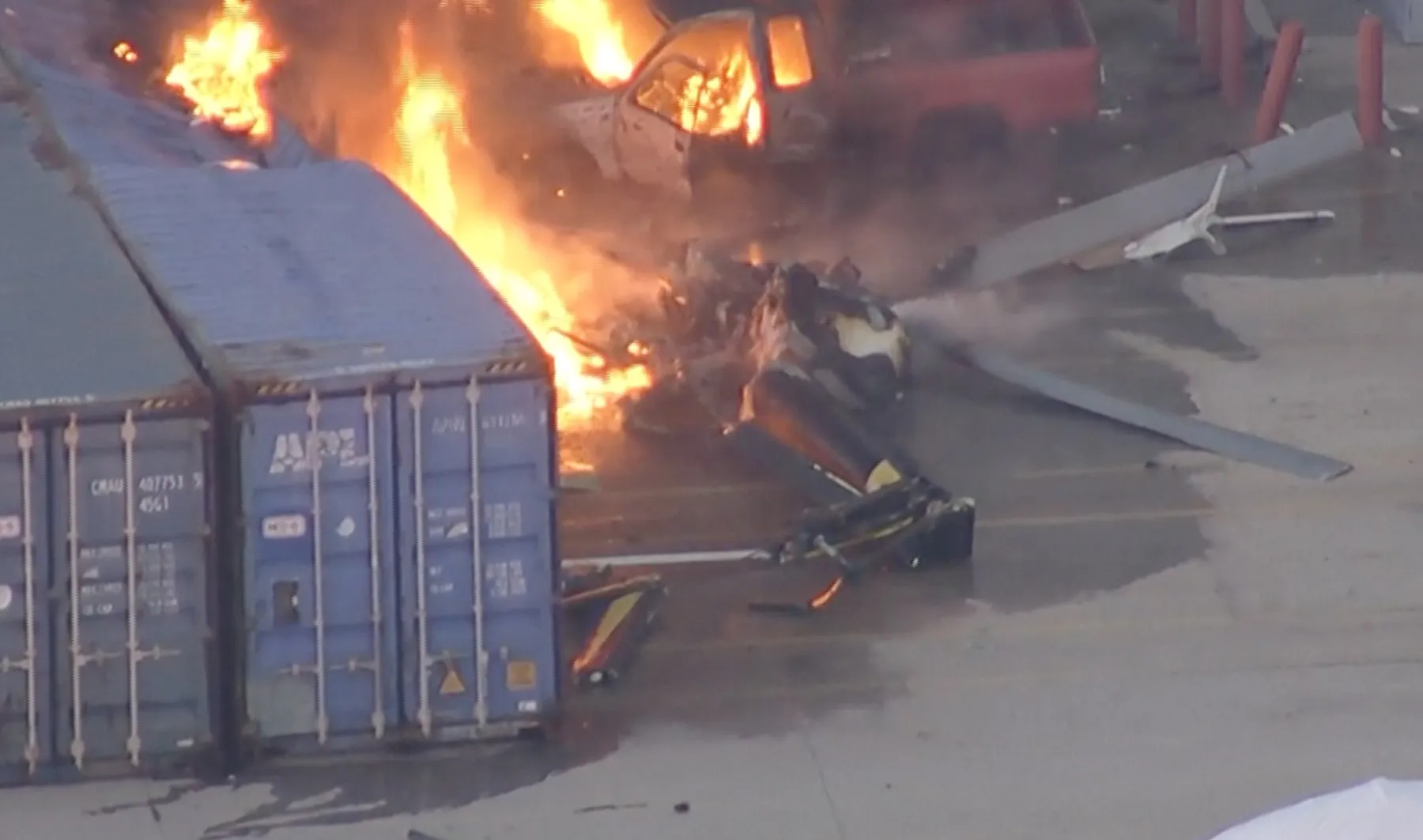
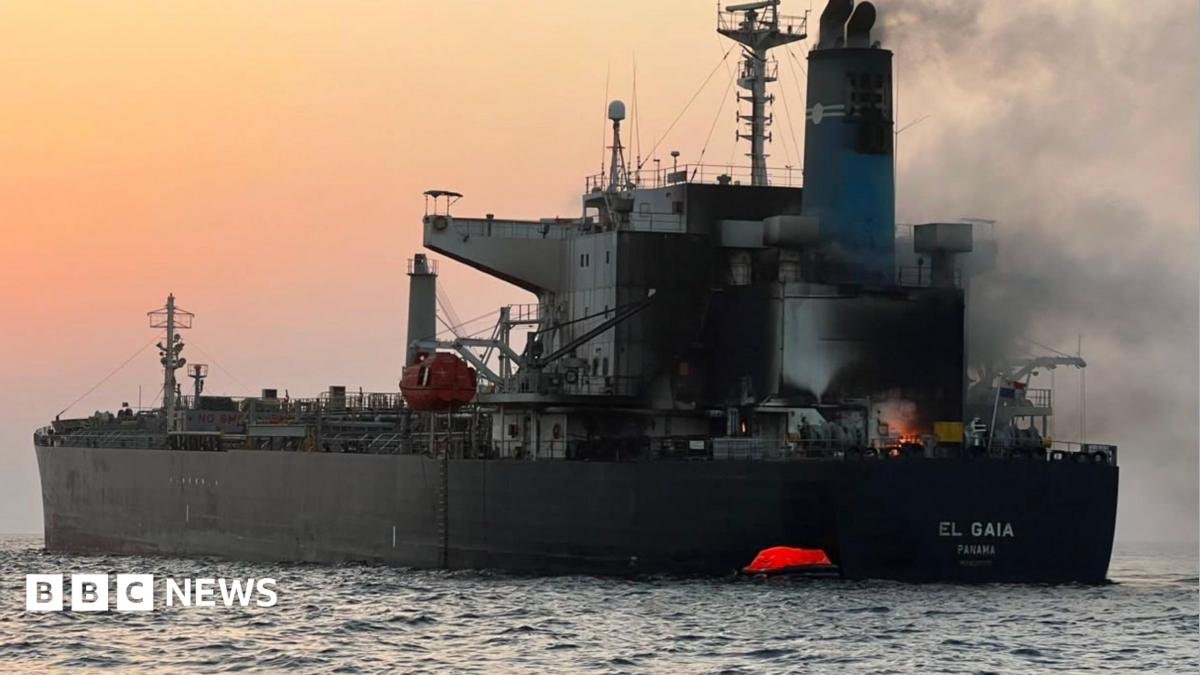
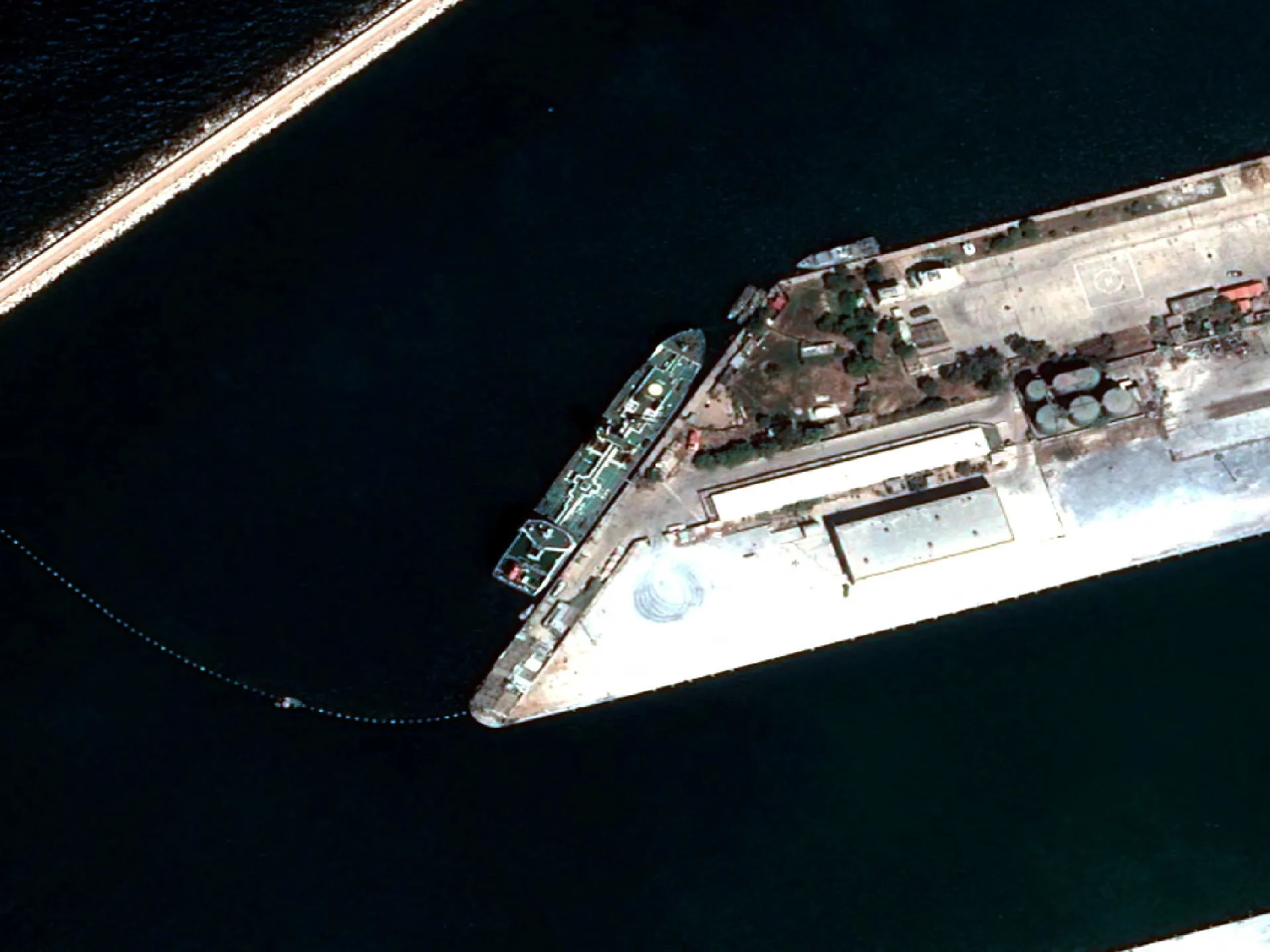
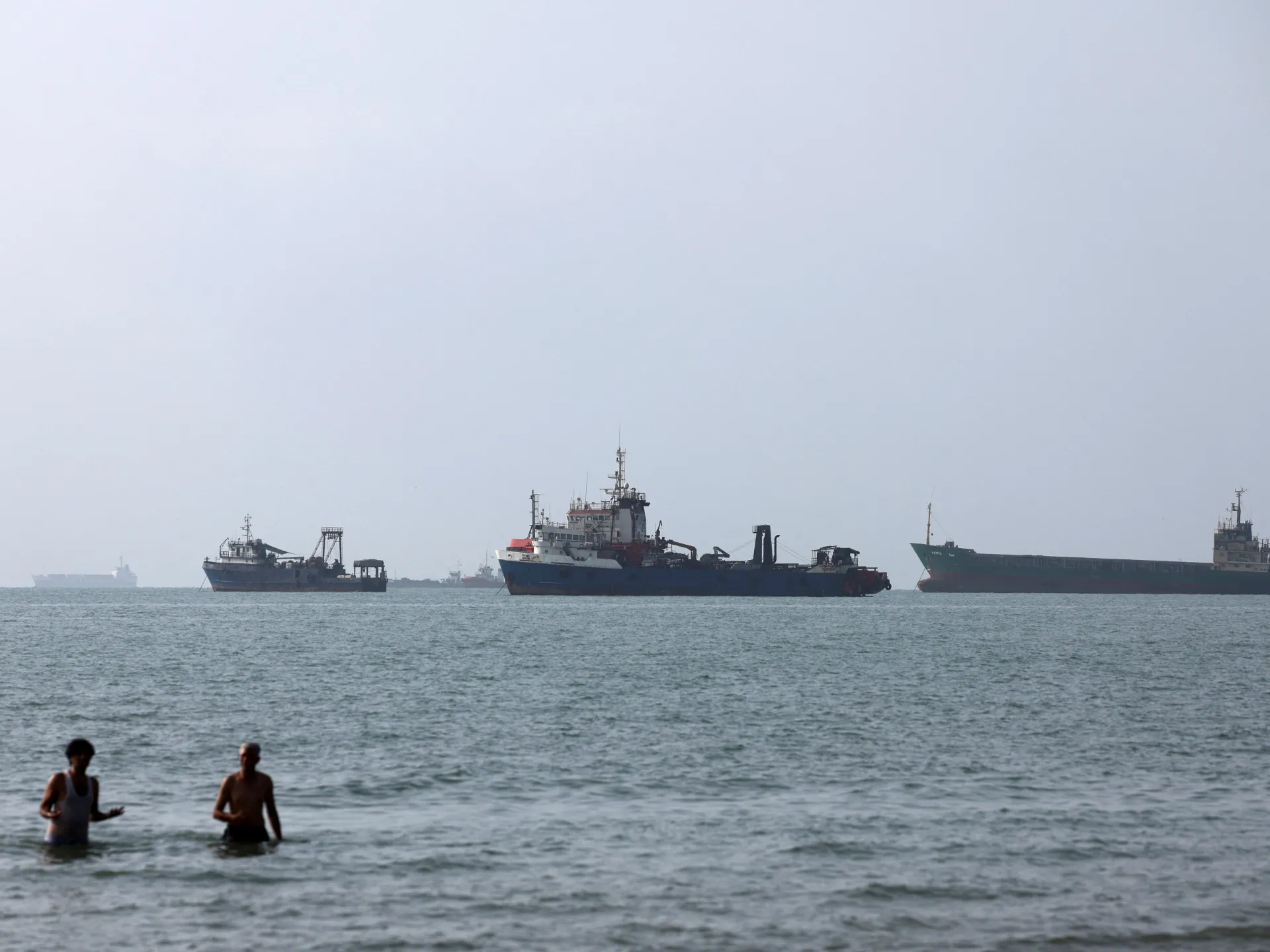
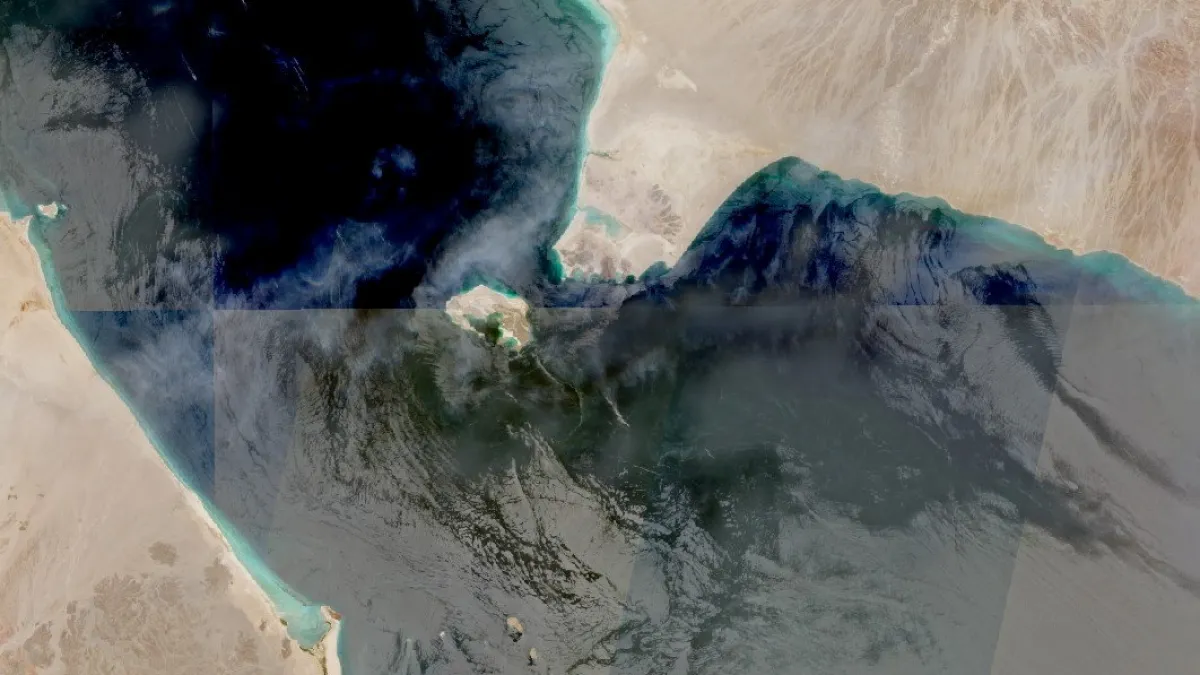
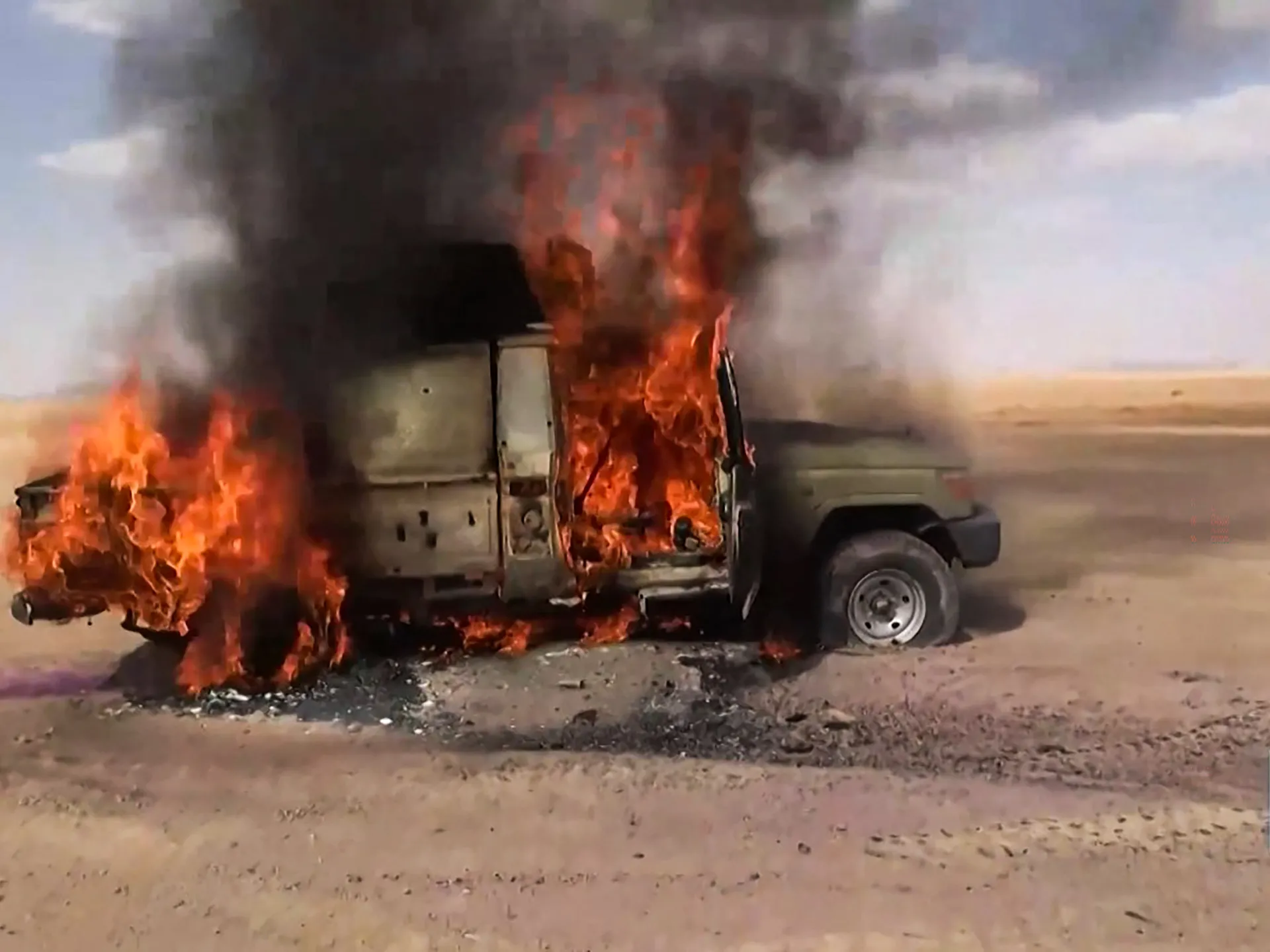
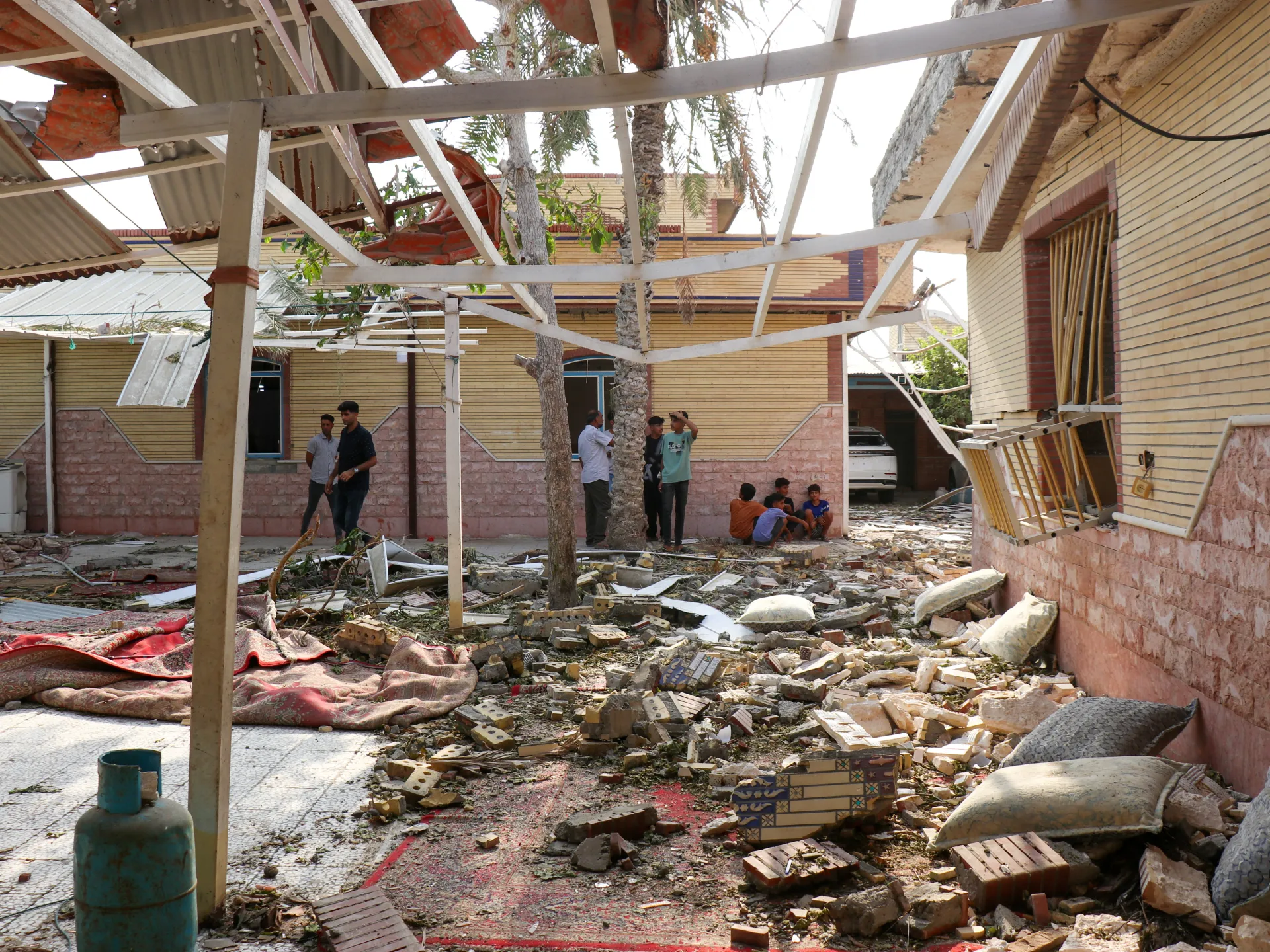
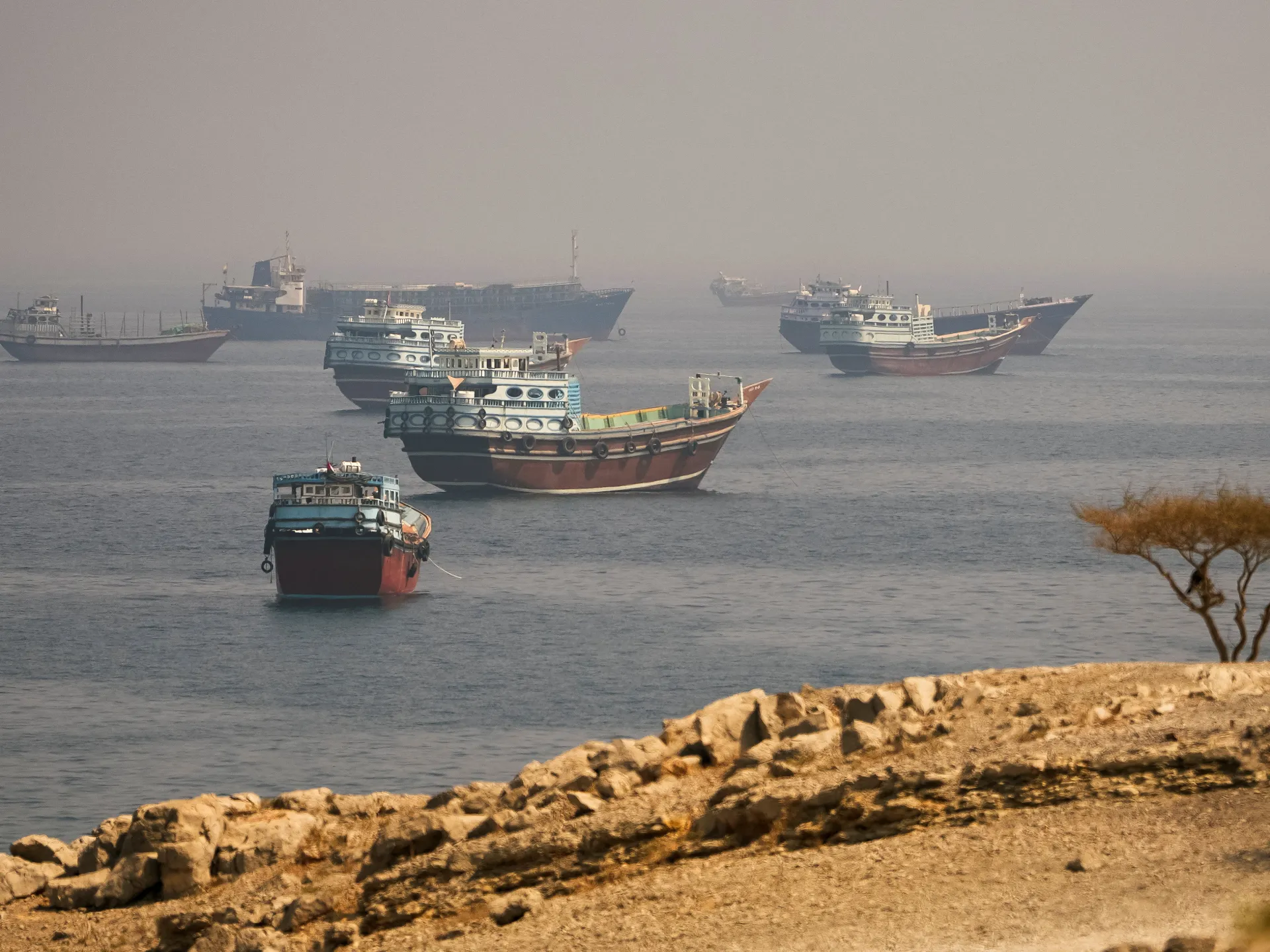
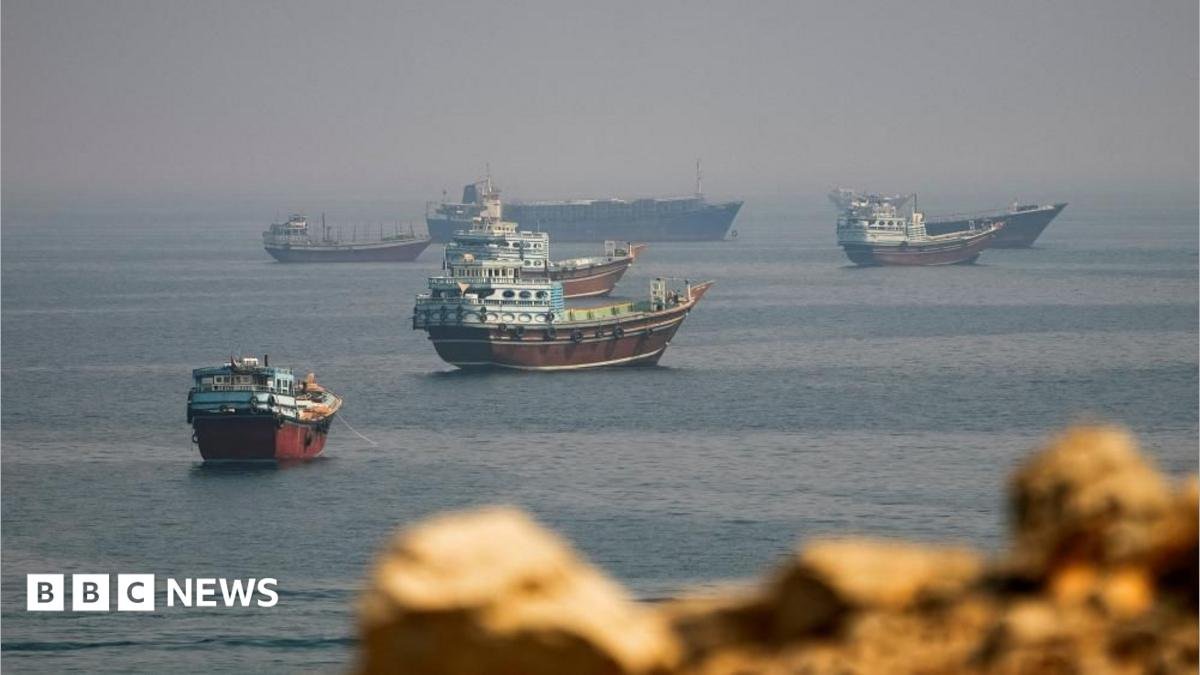
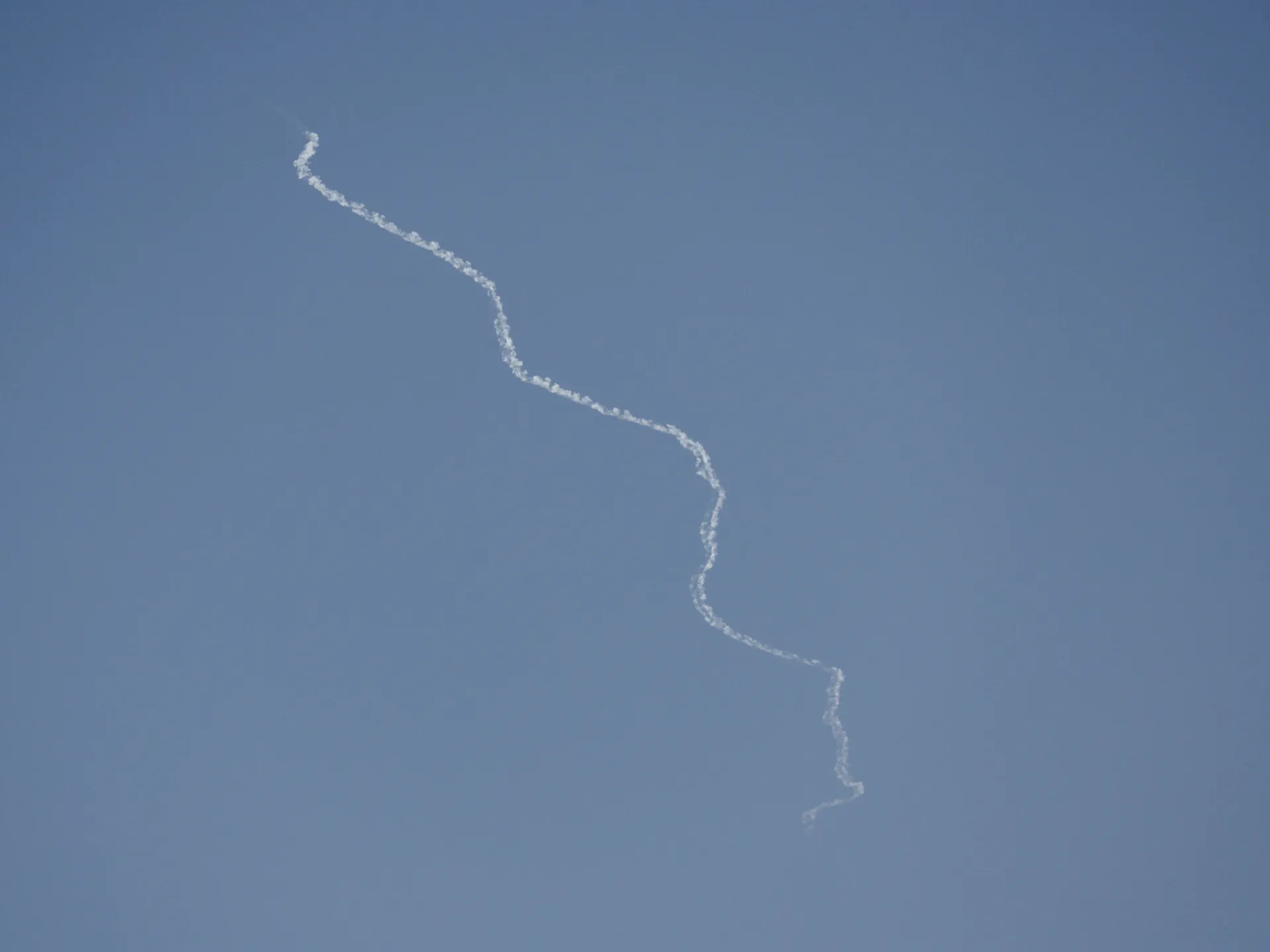
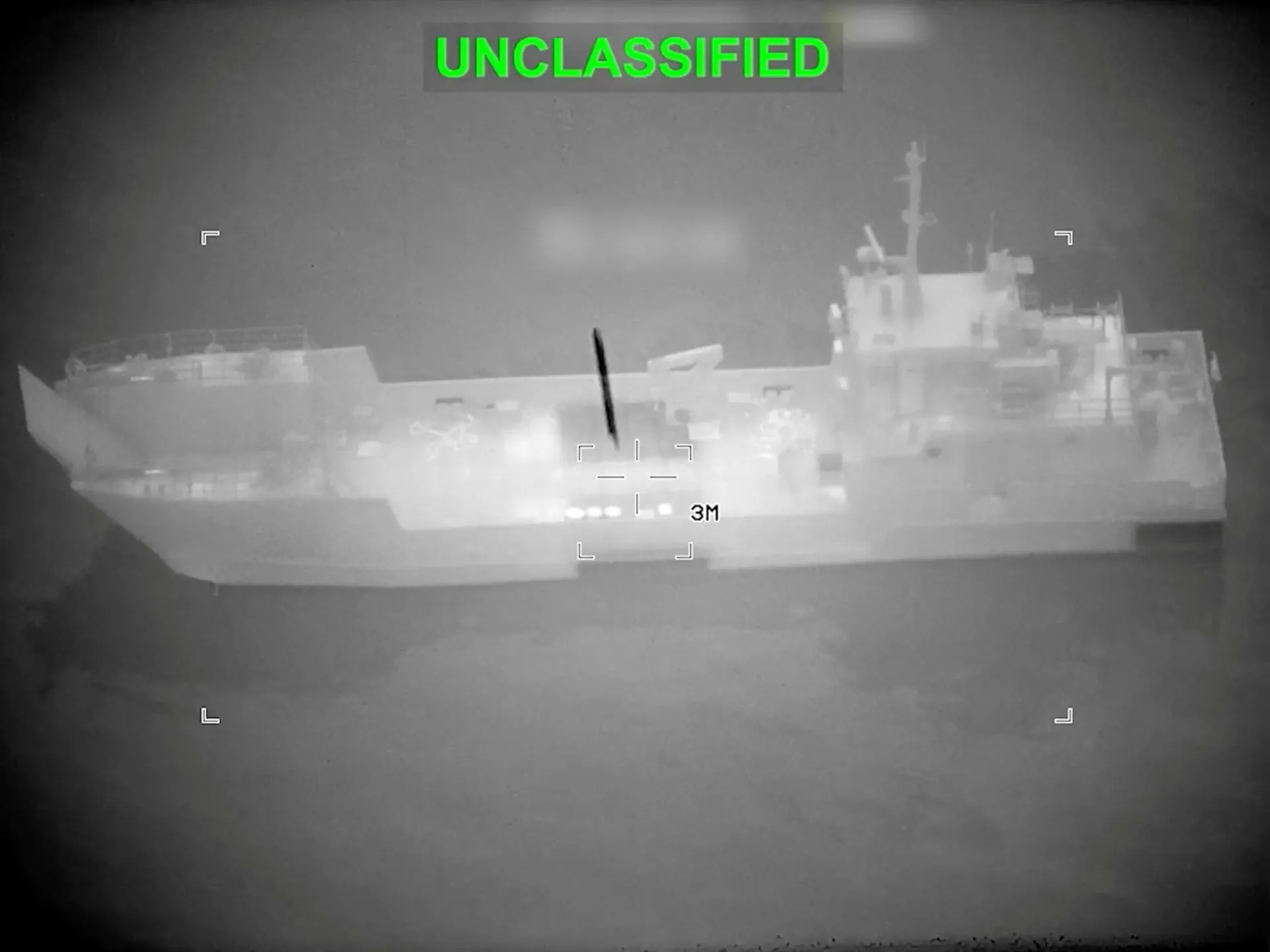
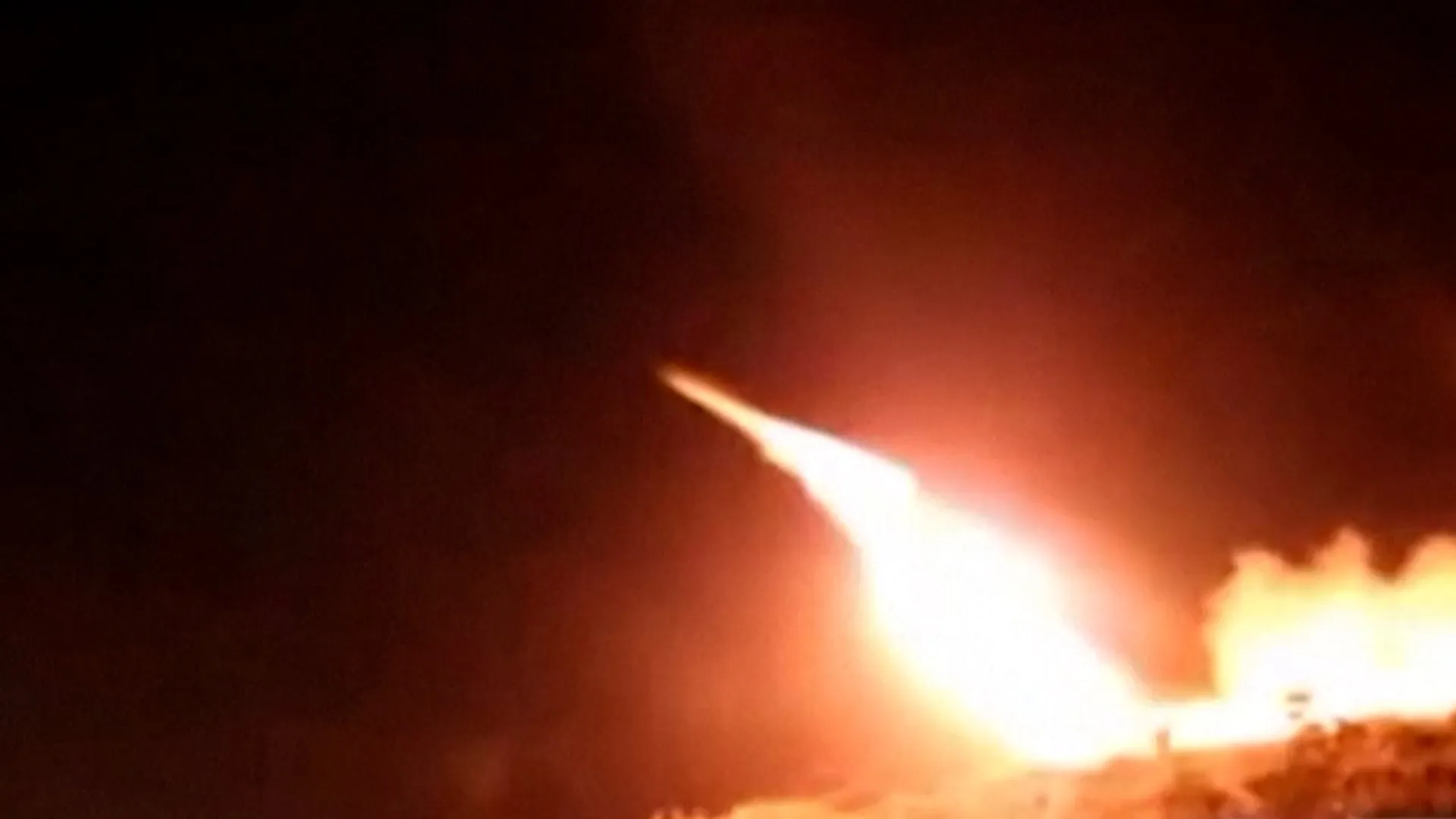
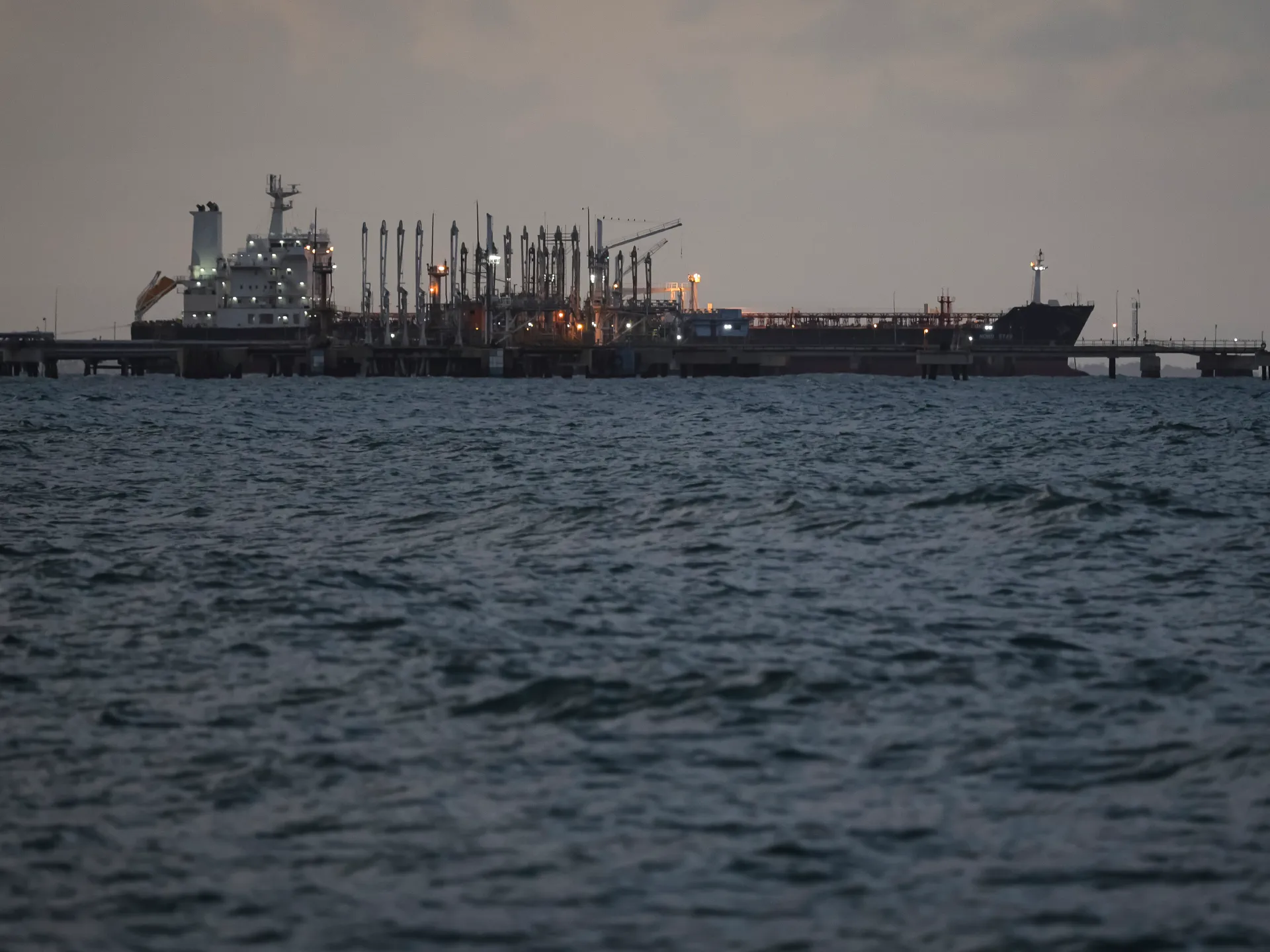
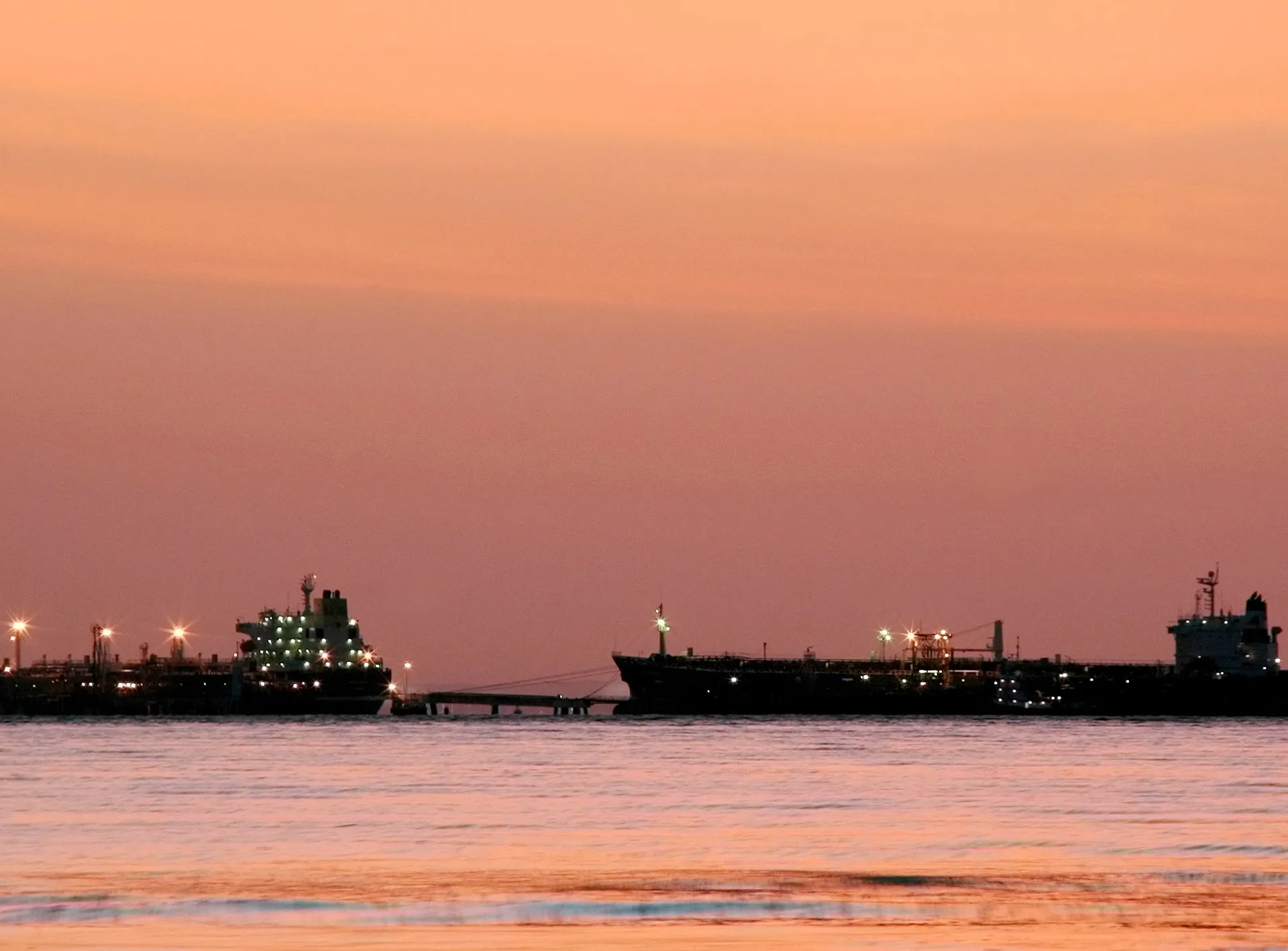
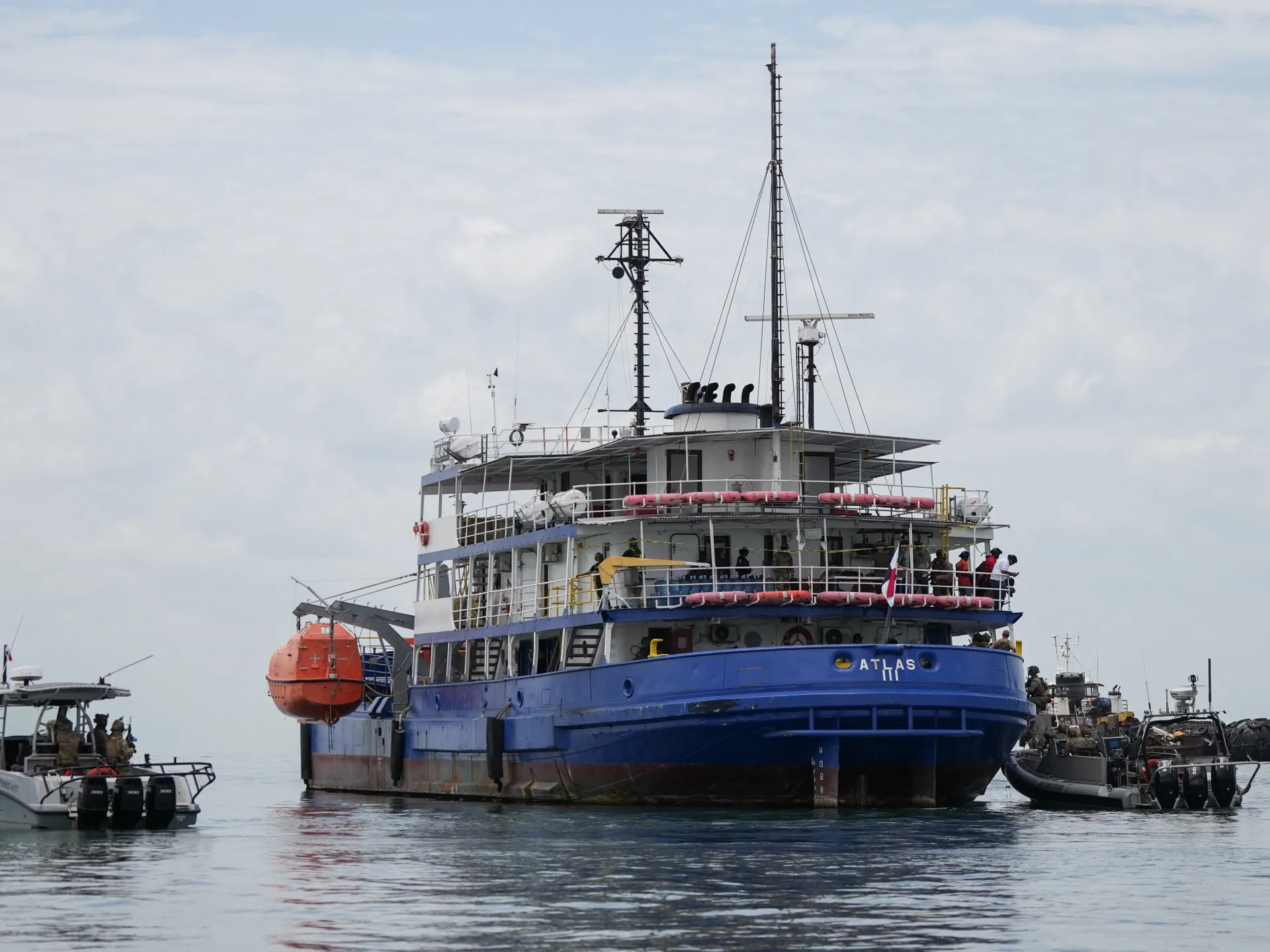
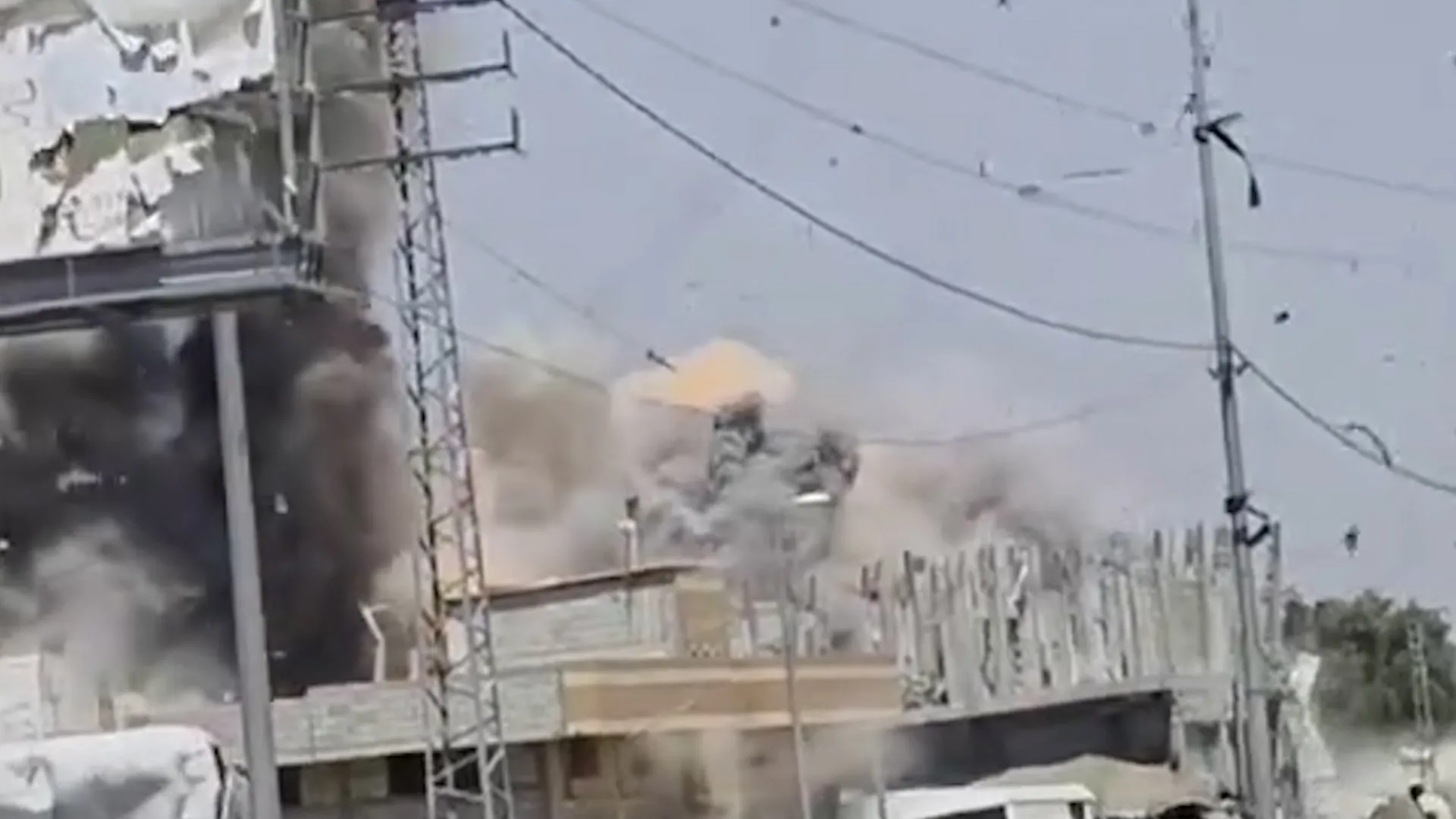
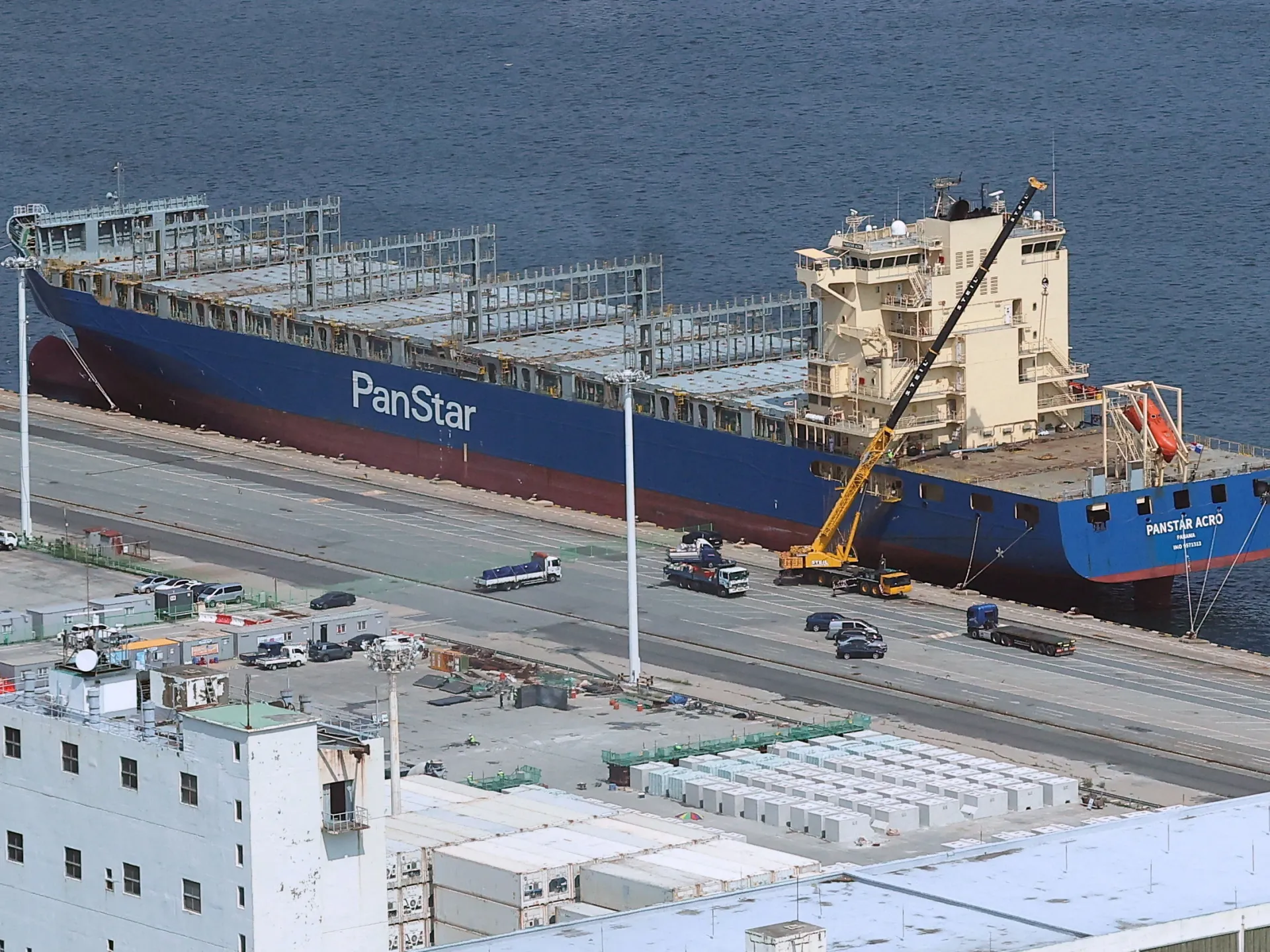
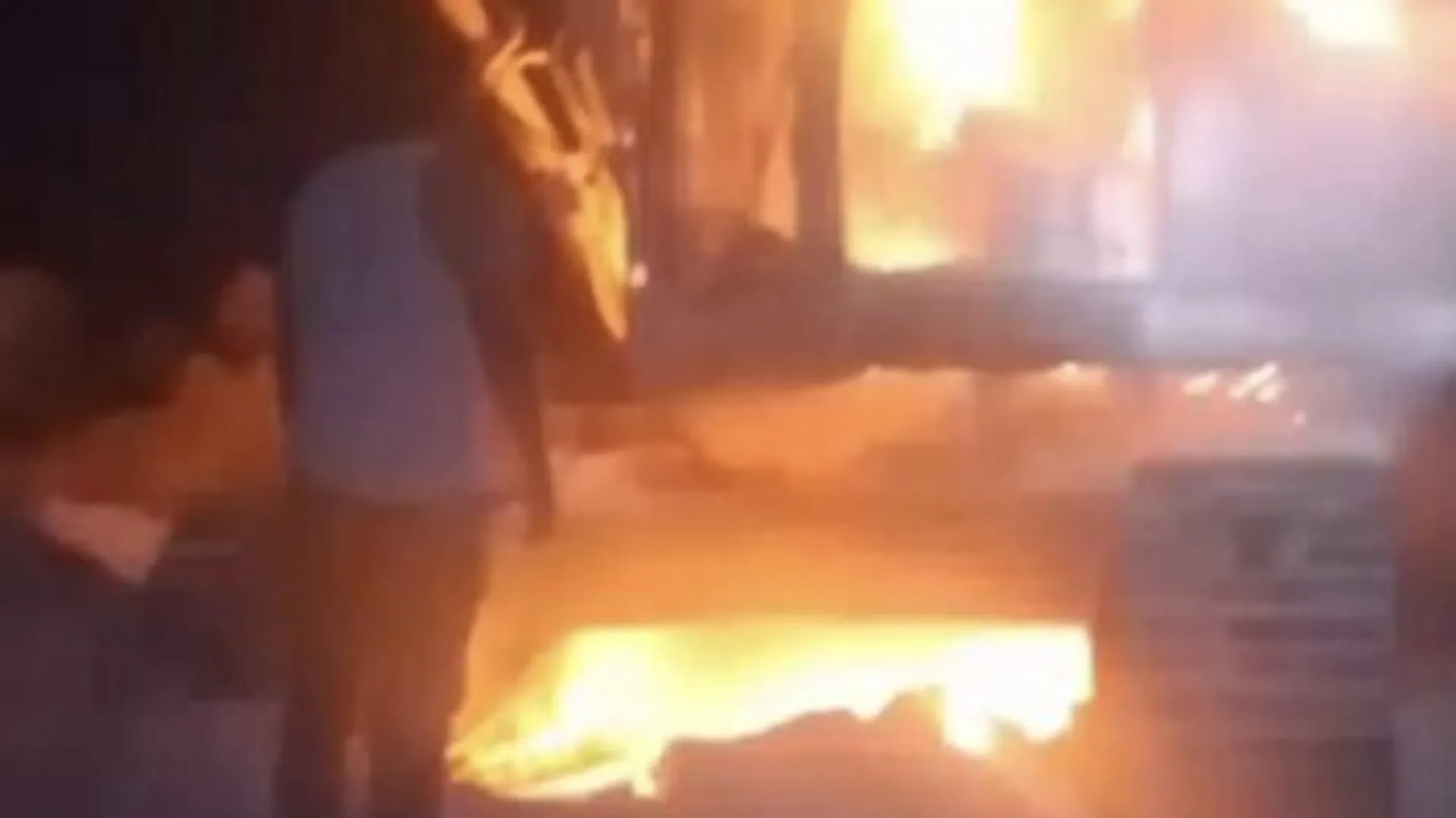
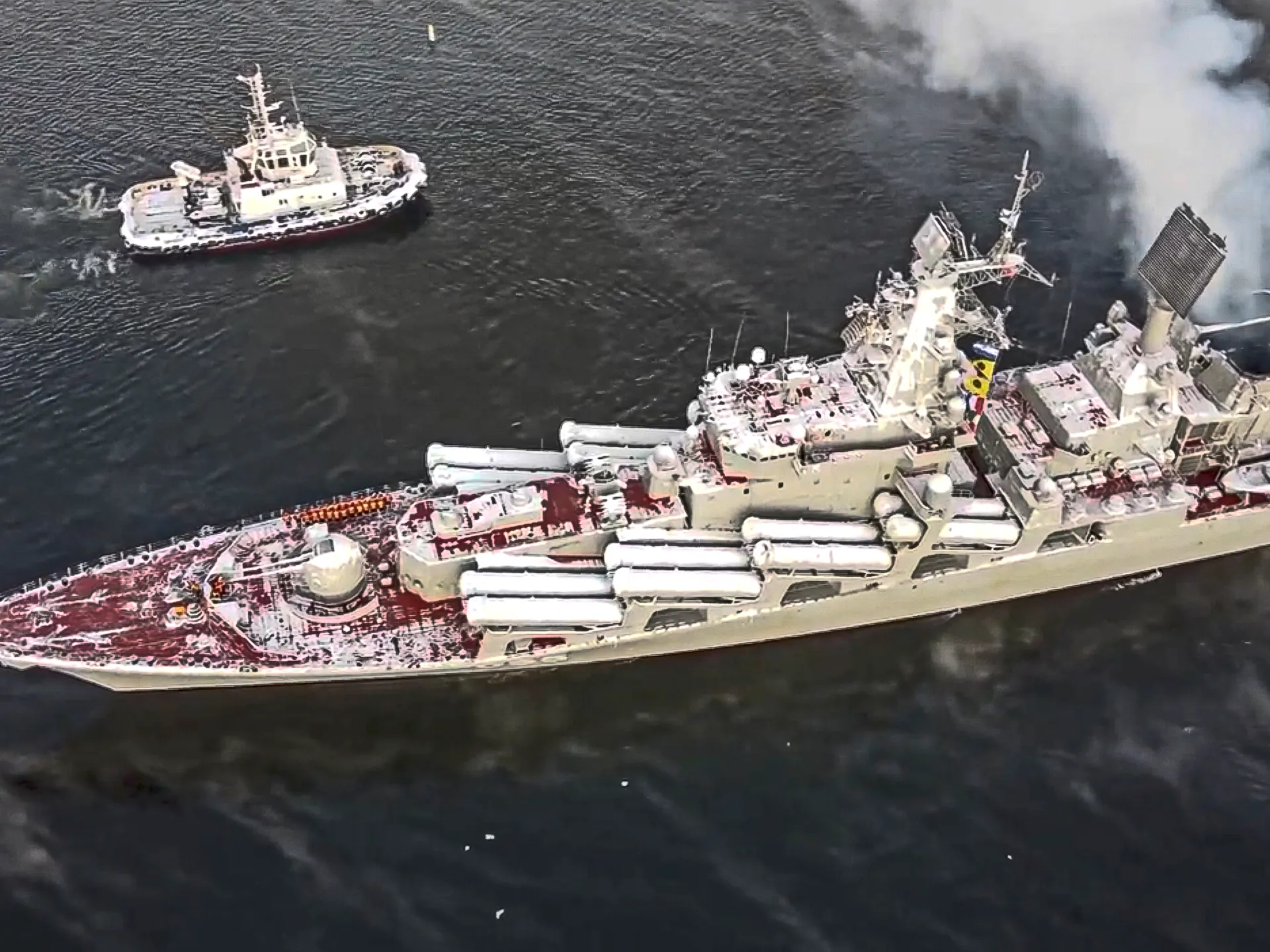
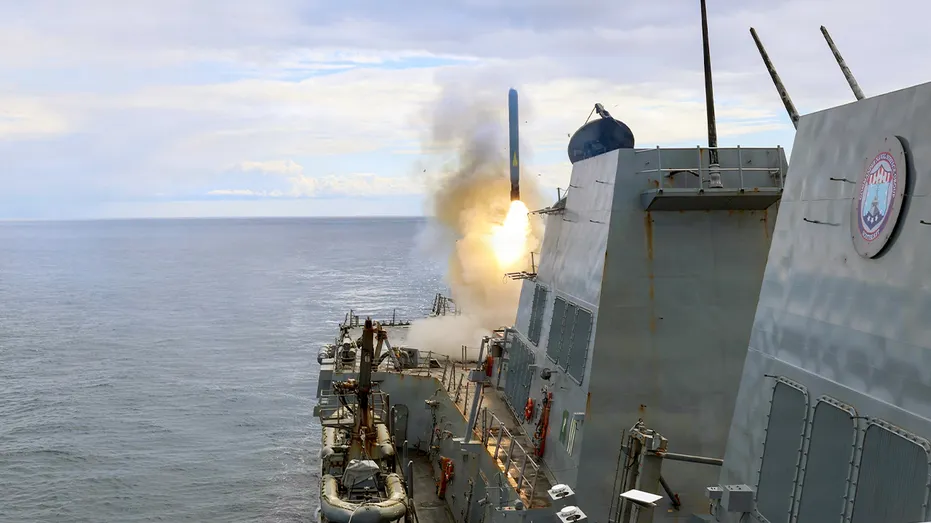
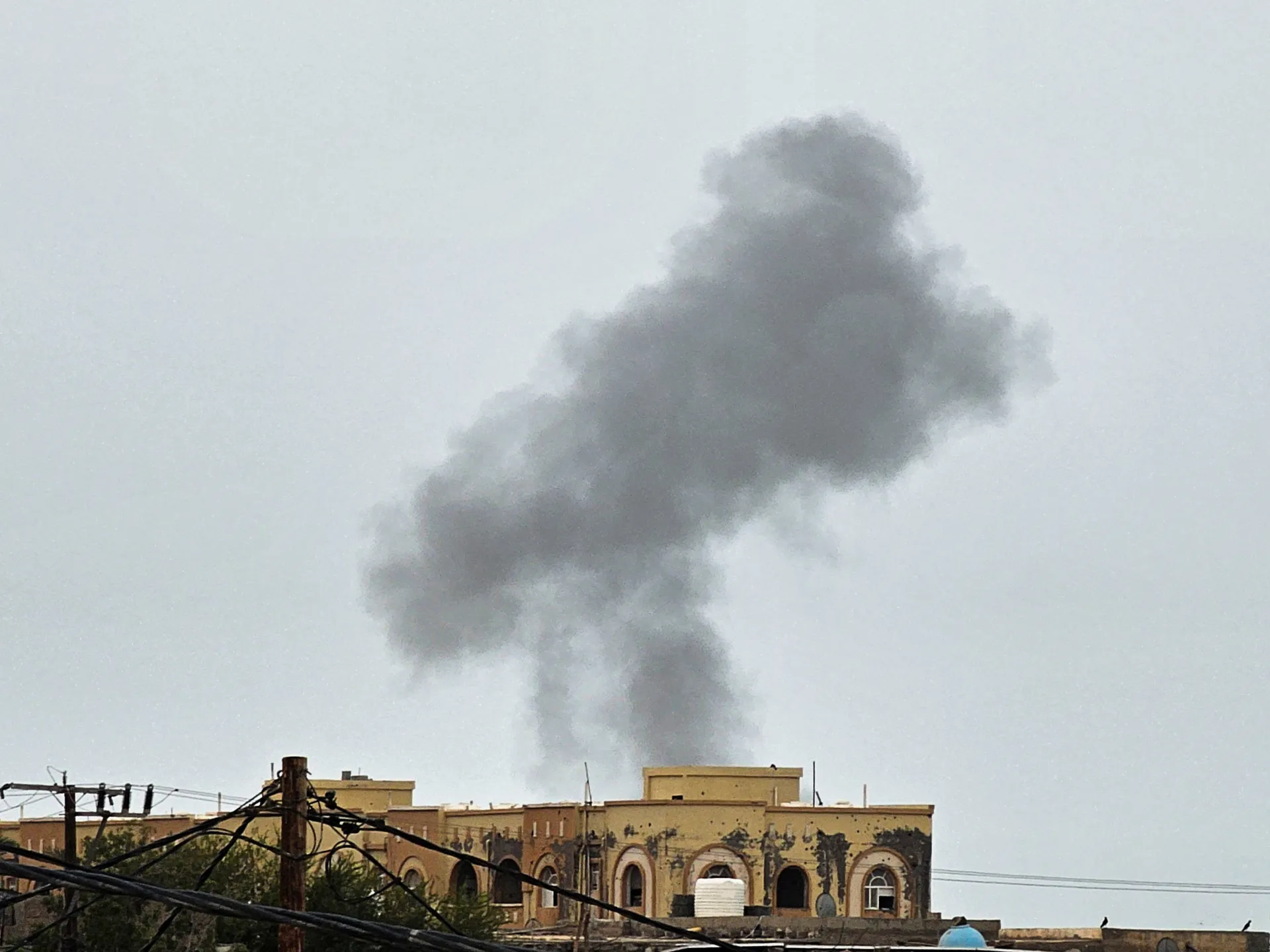
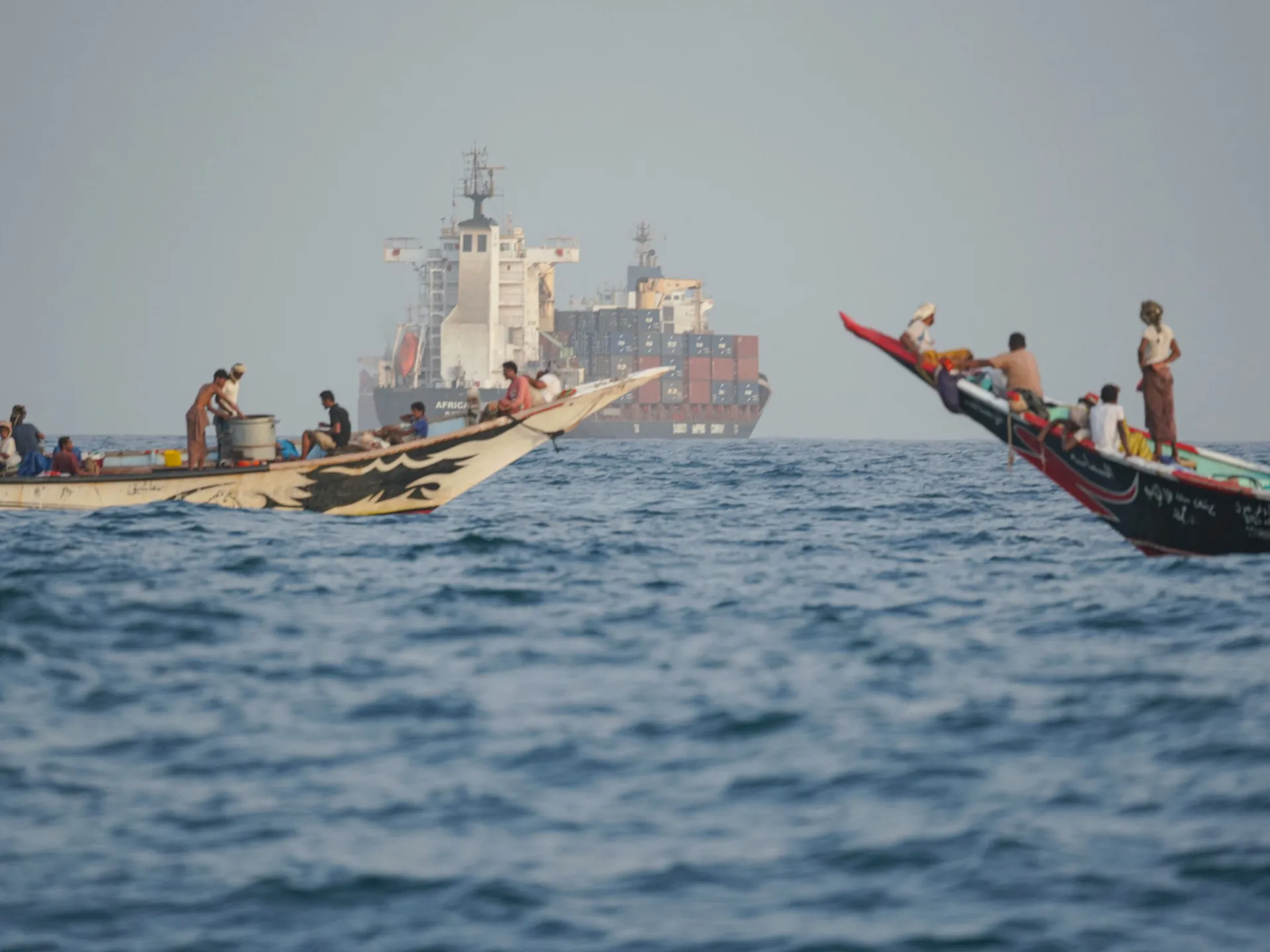
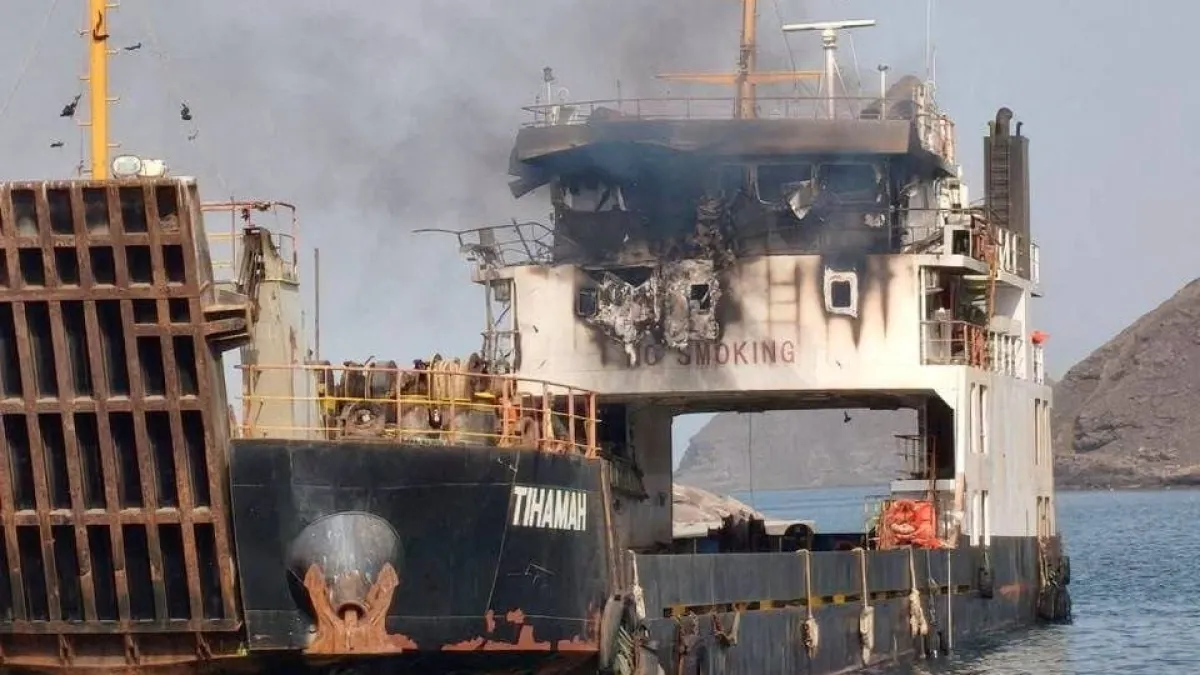
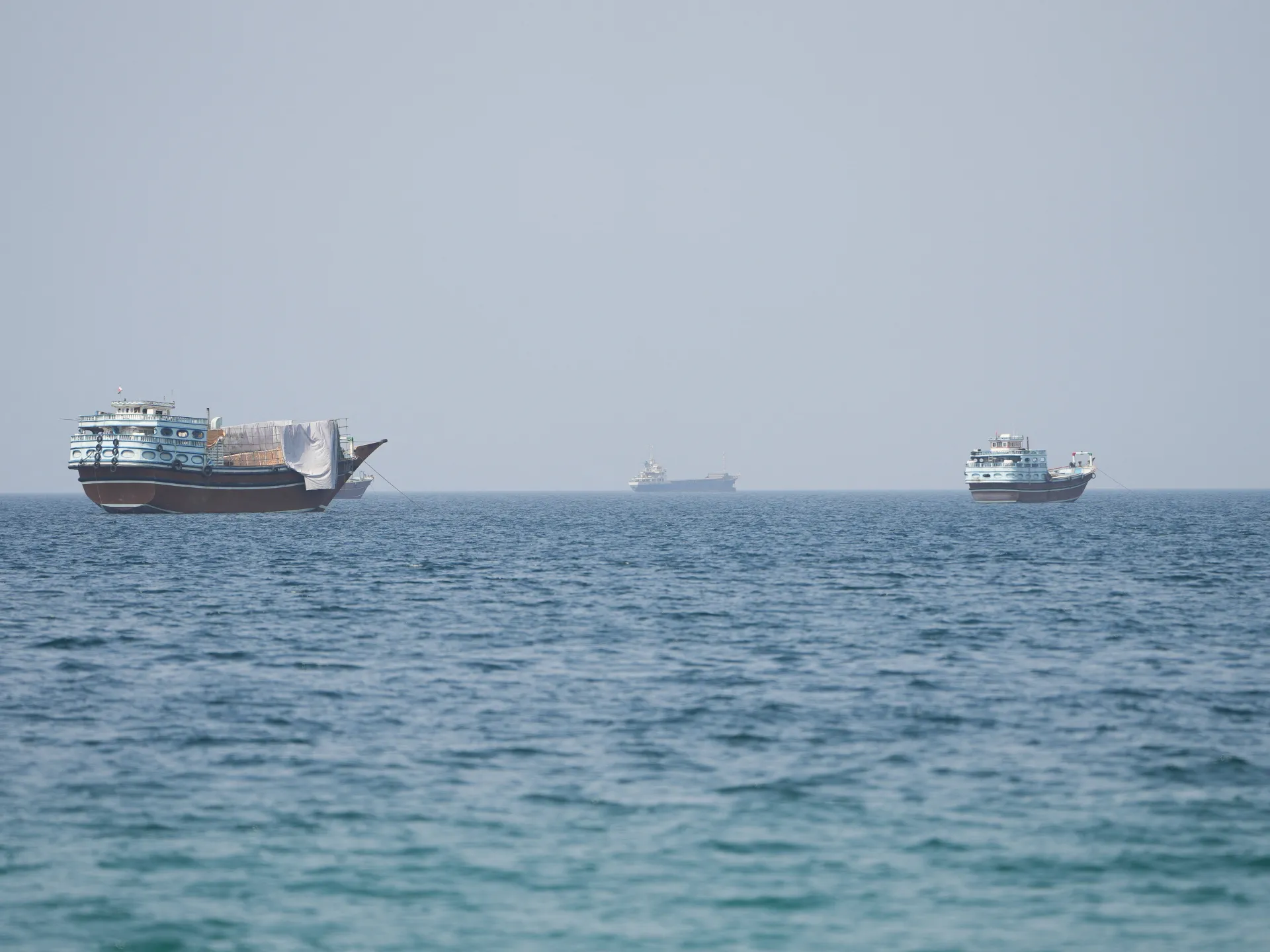
In the Middle East, the narrative surrounding the attack on the Panama-flagged oil tanker El Gaia remains highly contested. Oman’s Maritime Security Centre reported that the vessel was targeted 1.3 nautical miles north of the Musandam peninsula, resulting in an engine room fire. While Iran’s Revolutionary Guards claimed the vessel struck naval mines, the US military explicitly rejected this account, alleging the tanker was hit
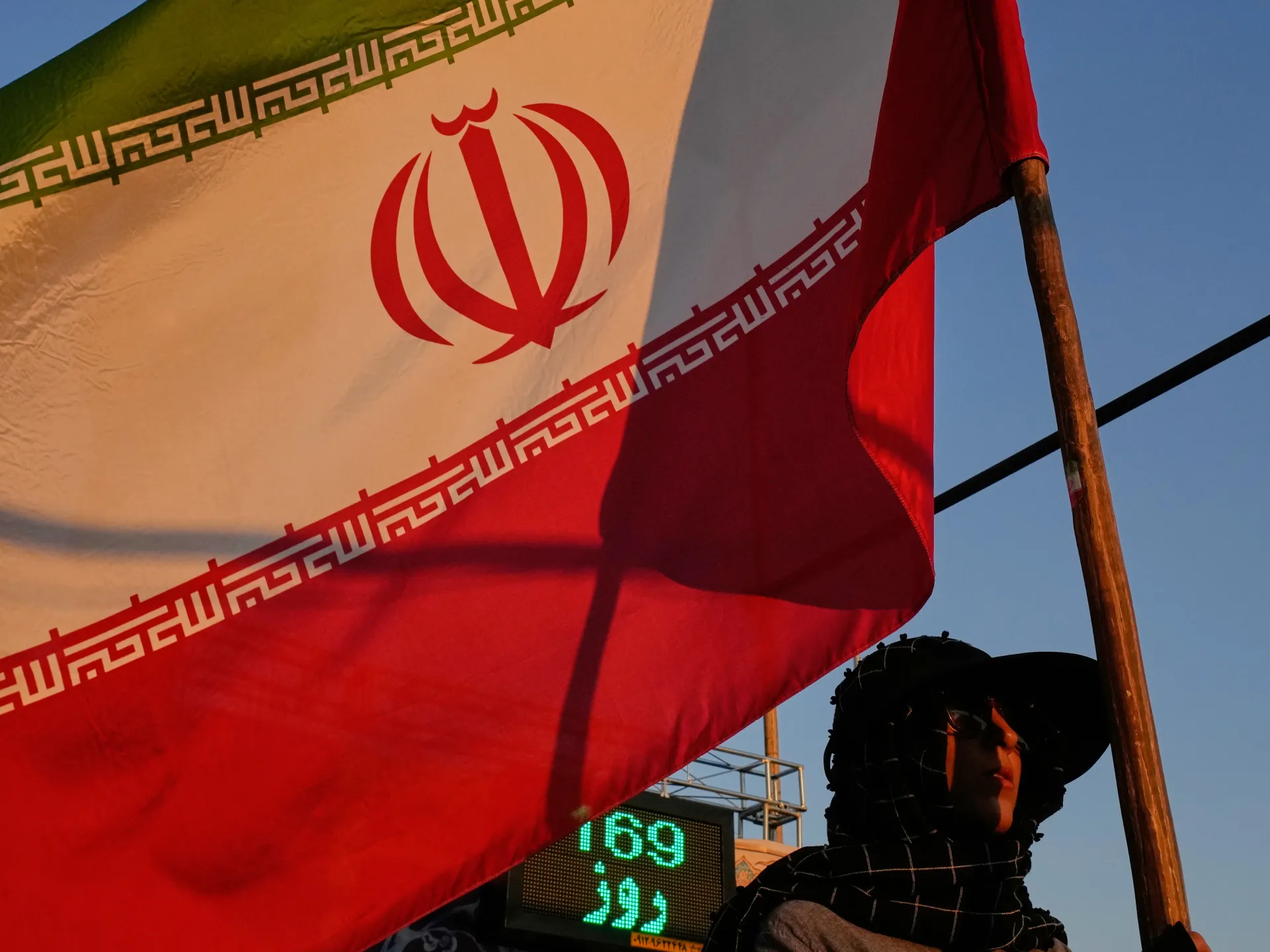
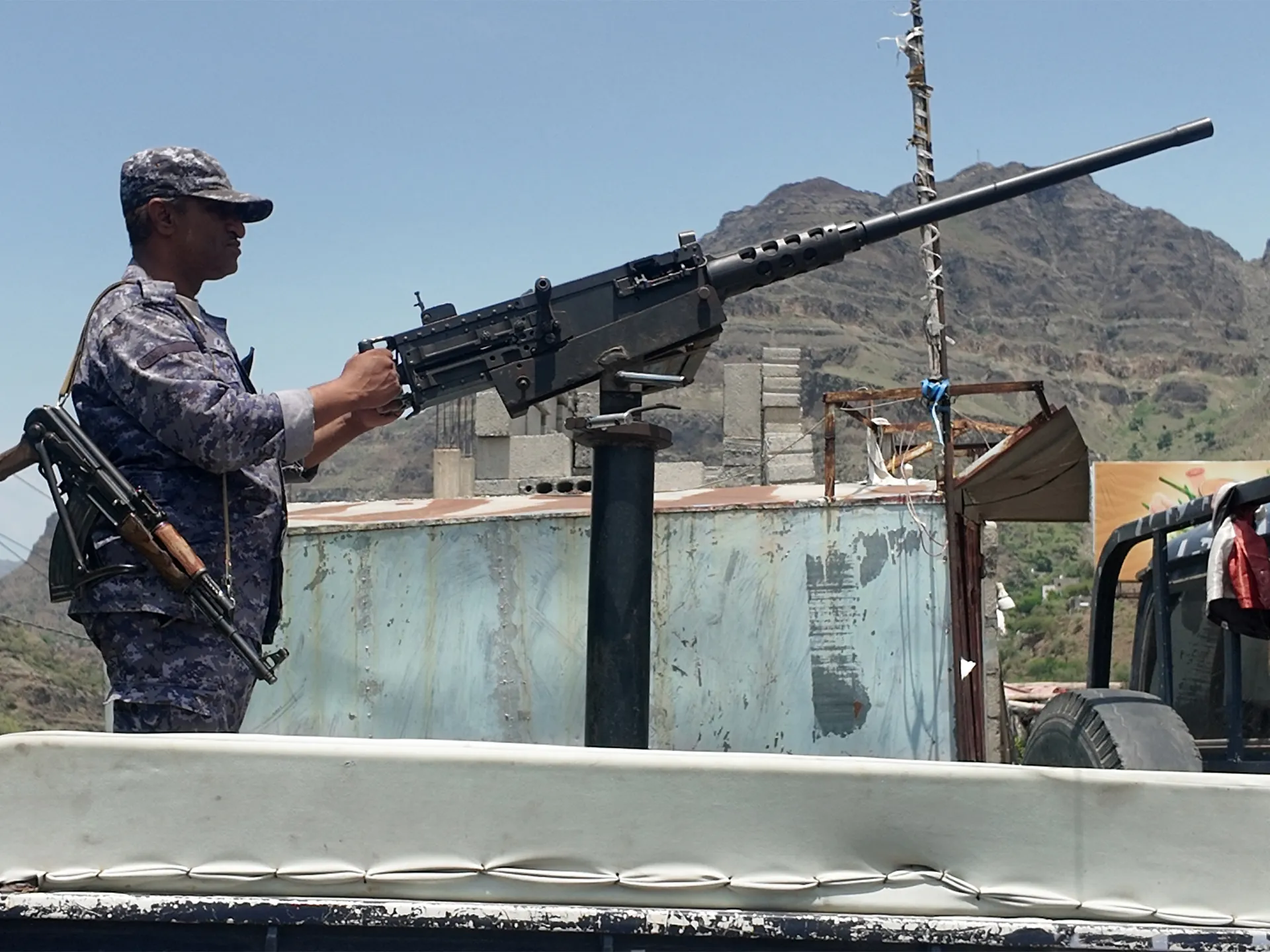
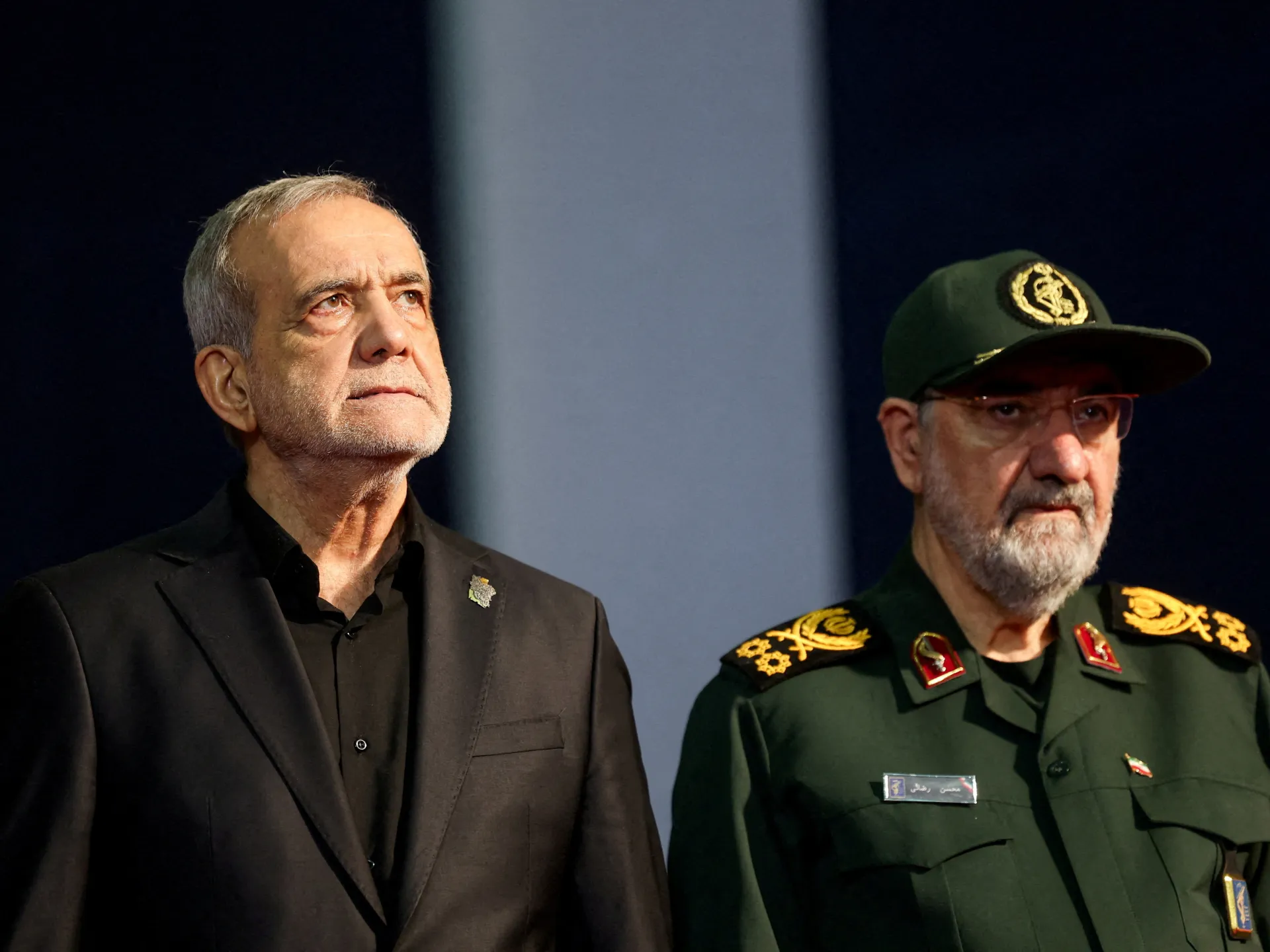
This lack of consensus mirrors earlier incidents in the region, including the attack on the Saudi-owned supertanker Sidr. Maritime security firms and Saudi authorities have previously disputed Iranian claims of mine strikes, citing evidence of projectiles instead. According to the International Maritime Organization, these incidents are part of a broader trend that has seen at least 22 seafarers killed in 79 confirmed maritime attacks since the onset of the conflict between the US, Israel, and Iran in late February.
The immediate outlook for the Java Sea depends entirely on the stability of the Virgo Transport 8. Should the salvage teams successfully move the vessel to shallower water, recovery teams expect a swift increase in the body count as they gain access to restricted compartments. In the Middle East, there is little indication that the maritime blockade will lift. As long as the US and Iran remain in an active state of hostility, the Strait of Hormuz will likely continue to be a zone of unpredictable kinetic action. Future developments will likely involve continued escalations in rhetoric between Western powers and Tehran, while commercial shipping companies may permanently divert routes, further straining global logistics.