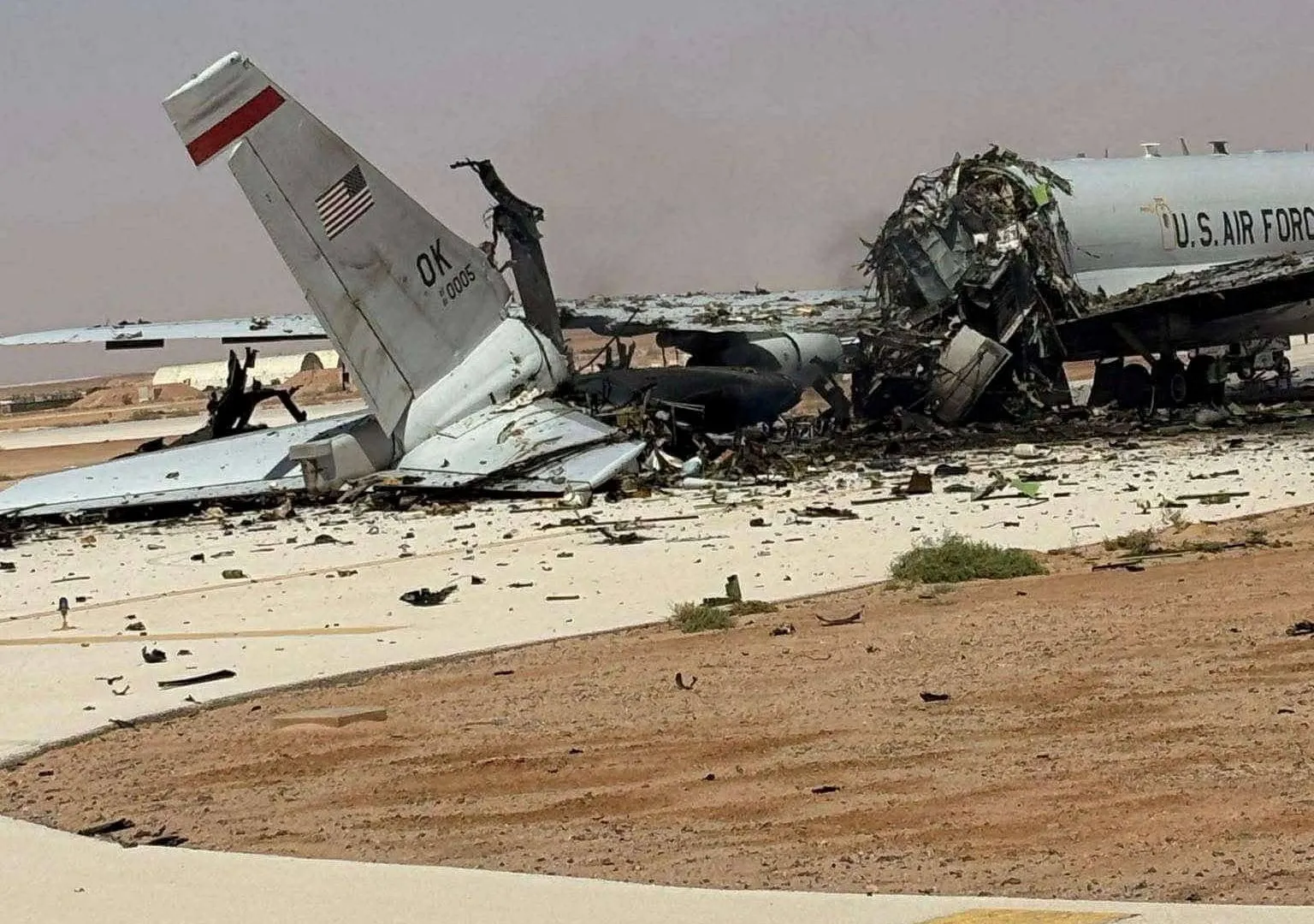
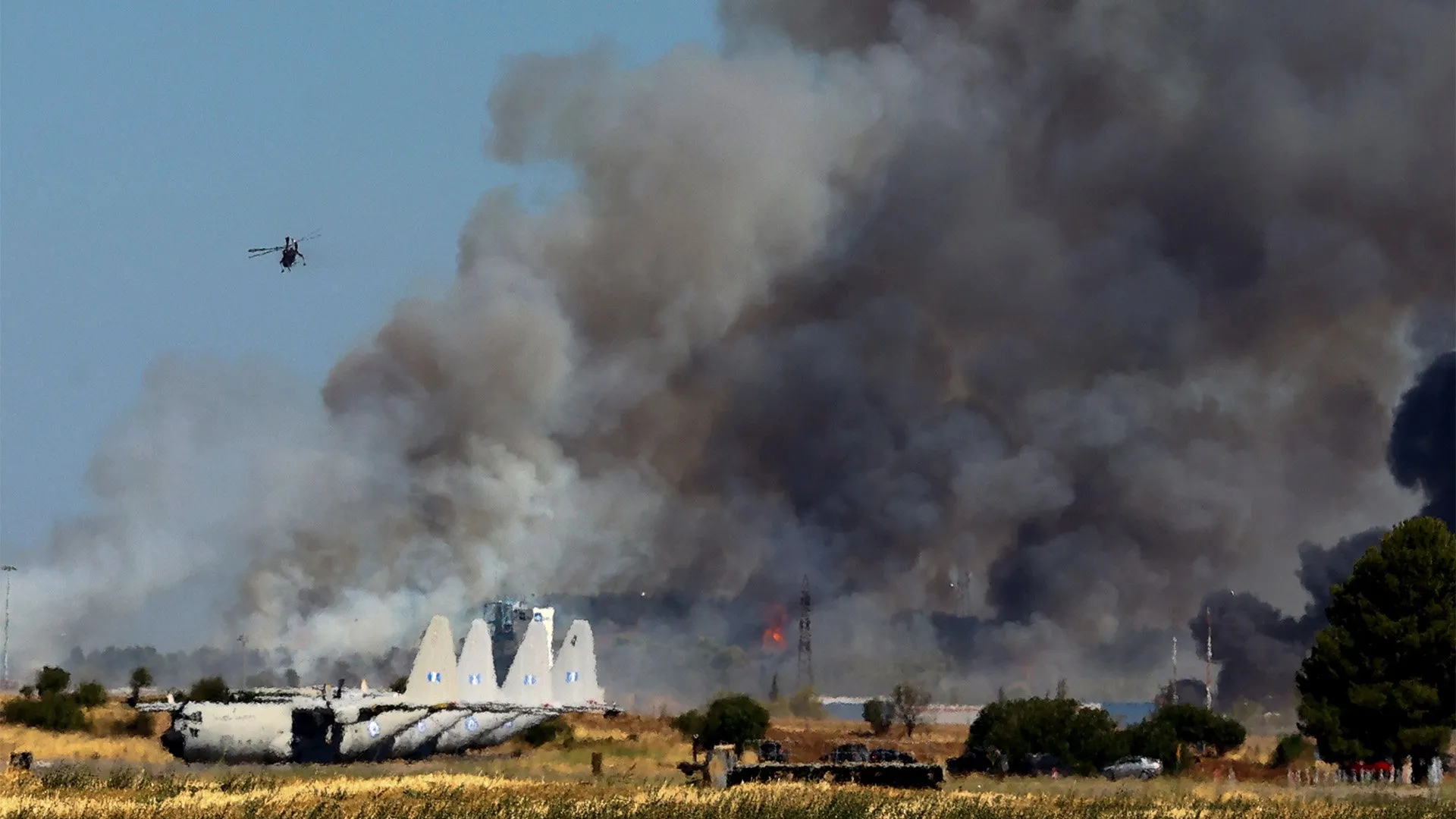
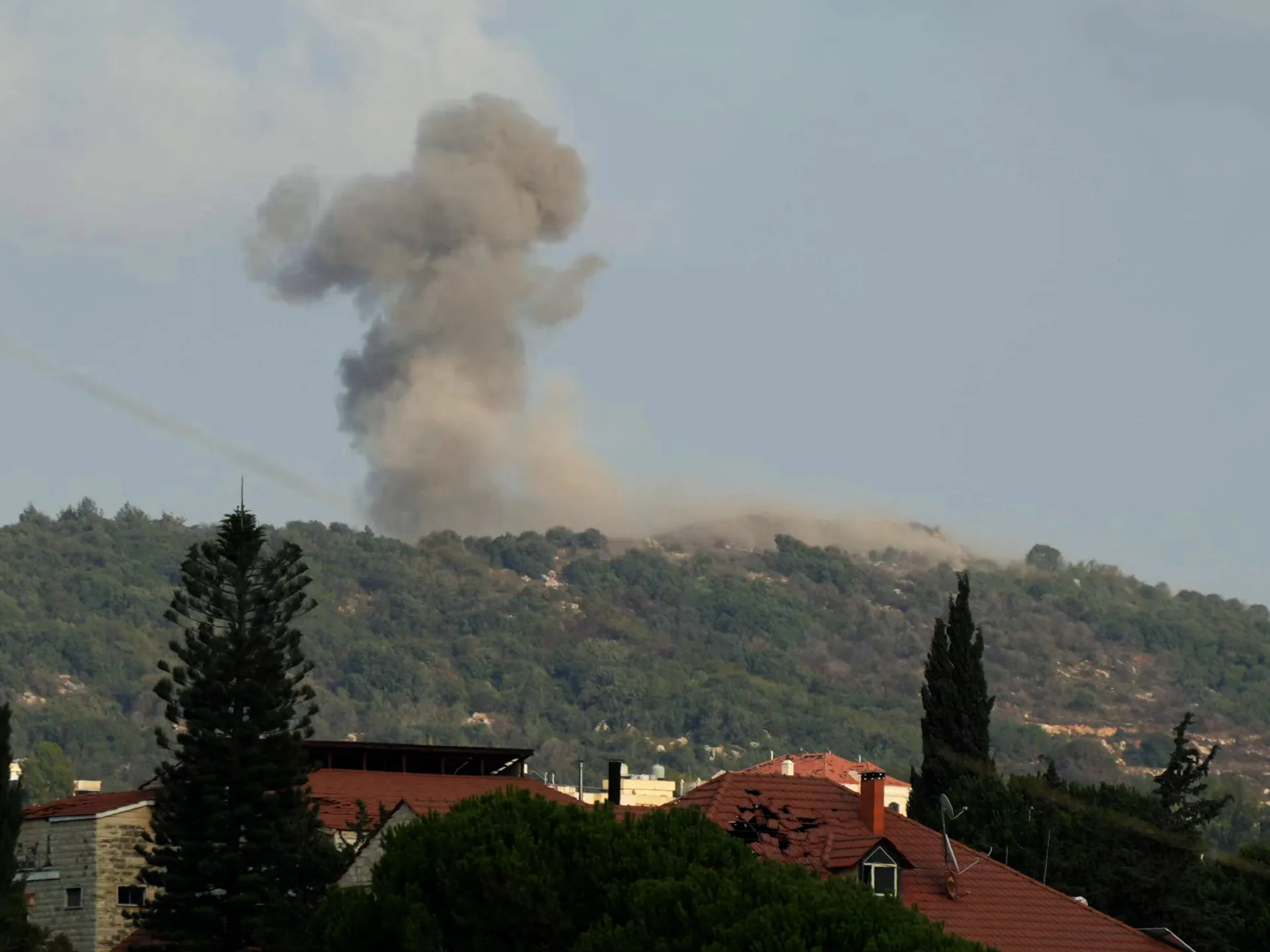
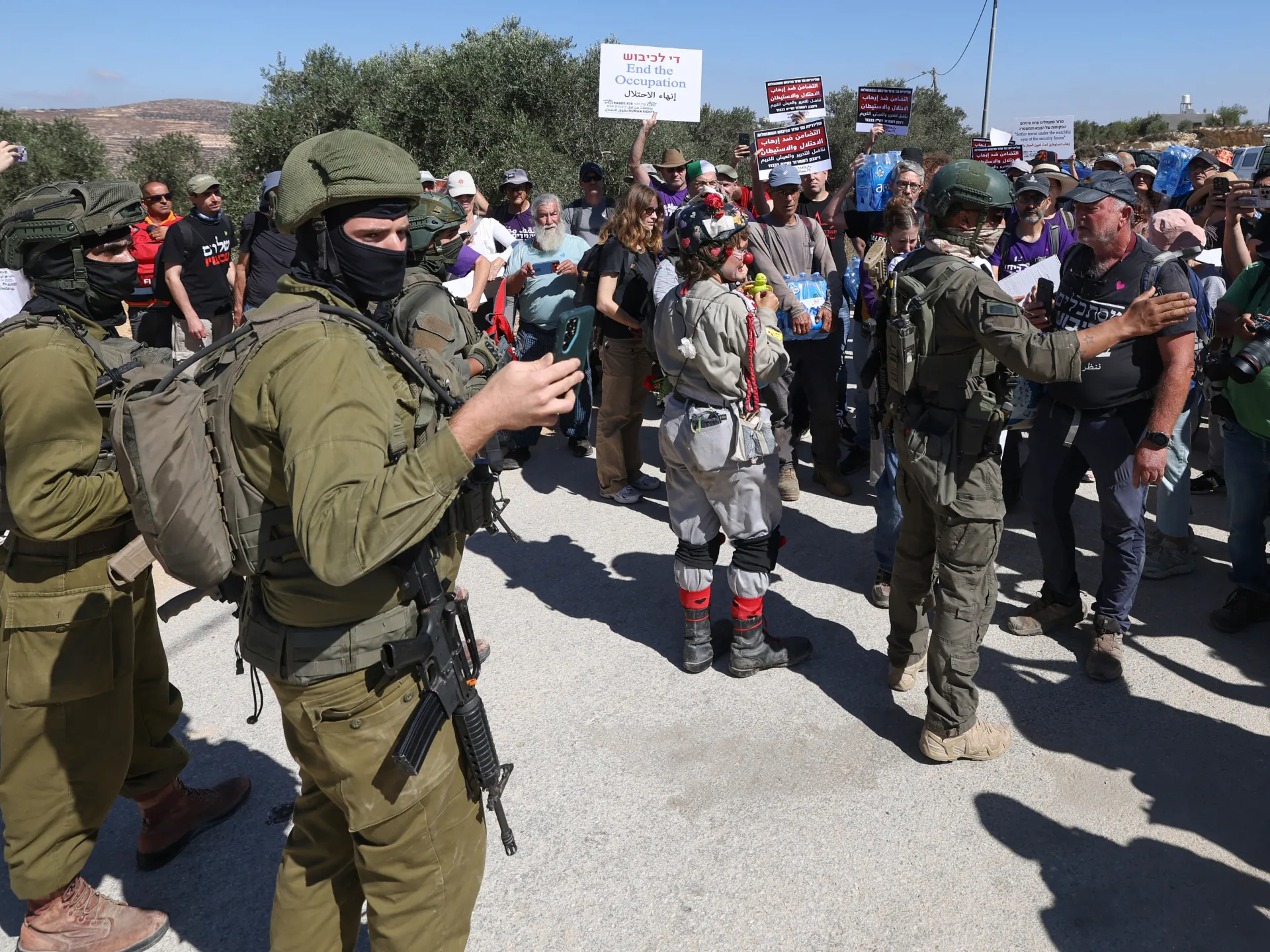
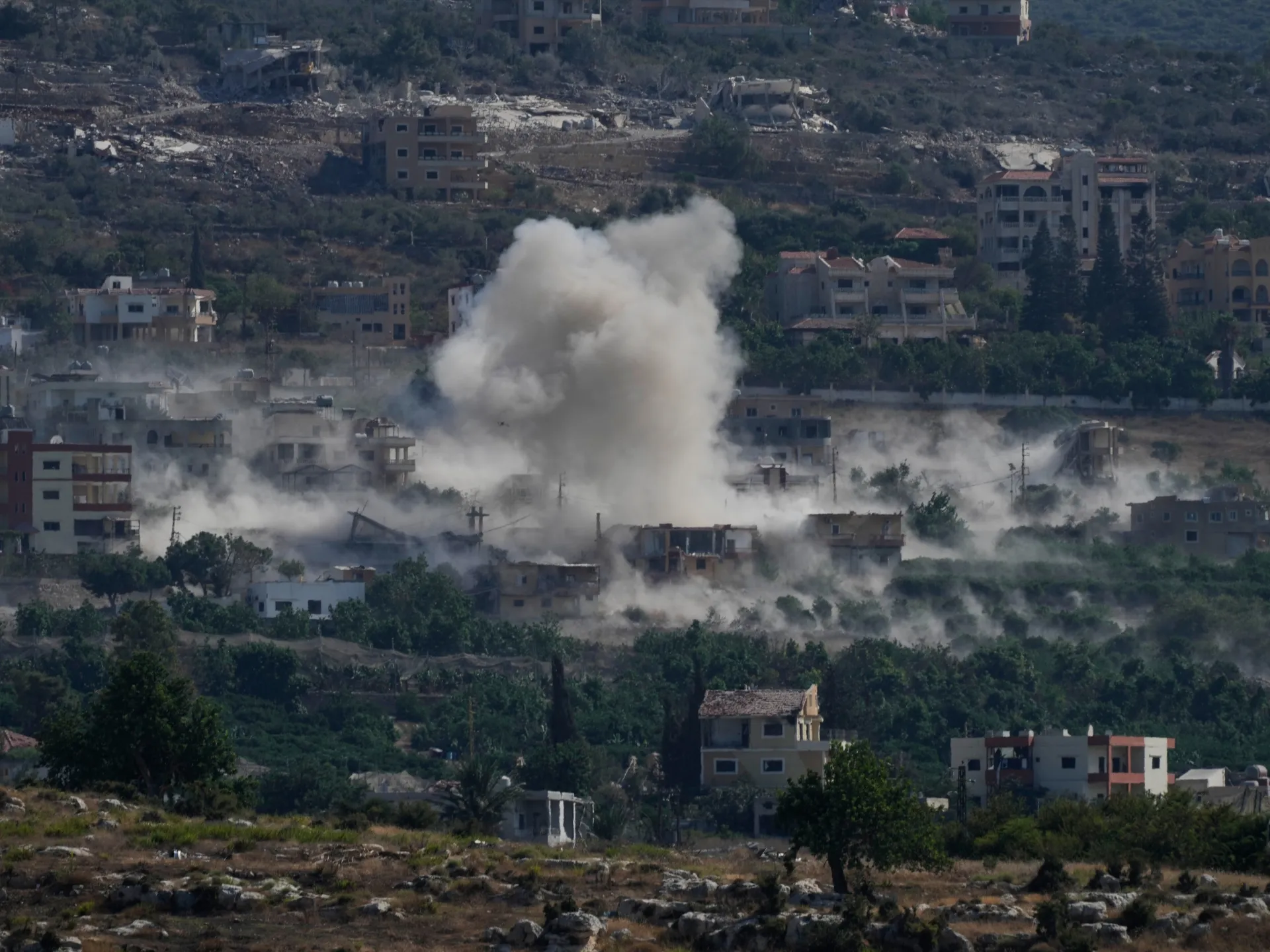
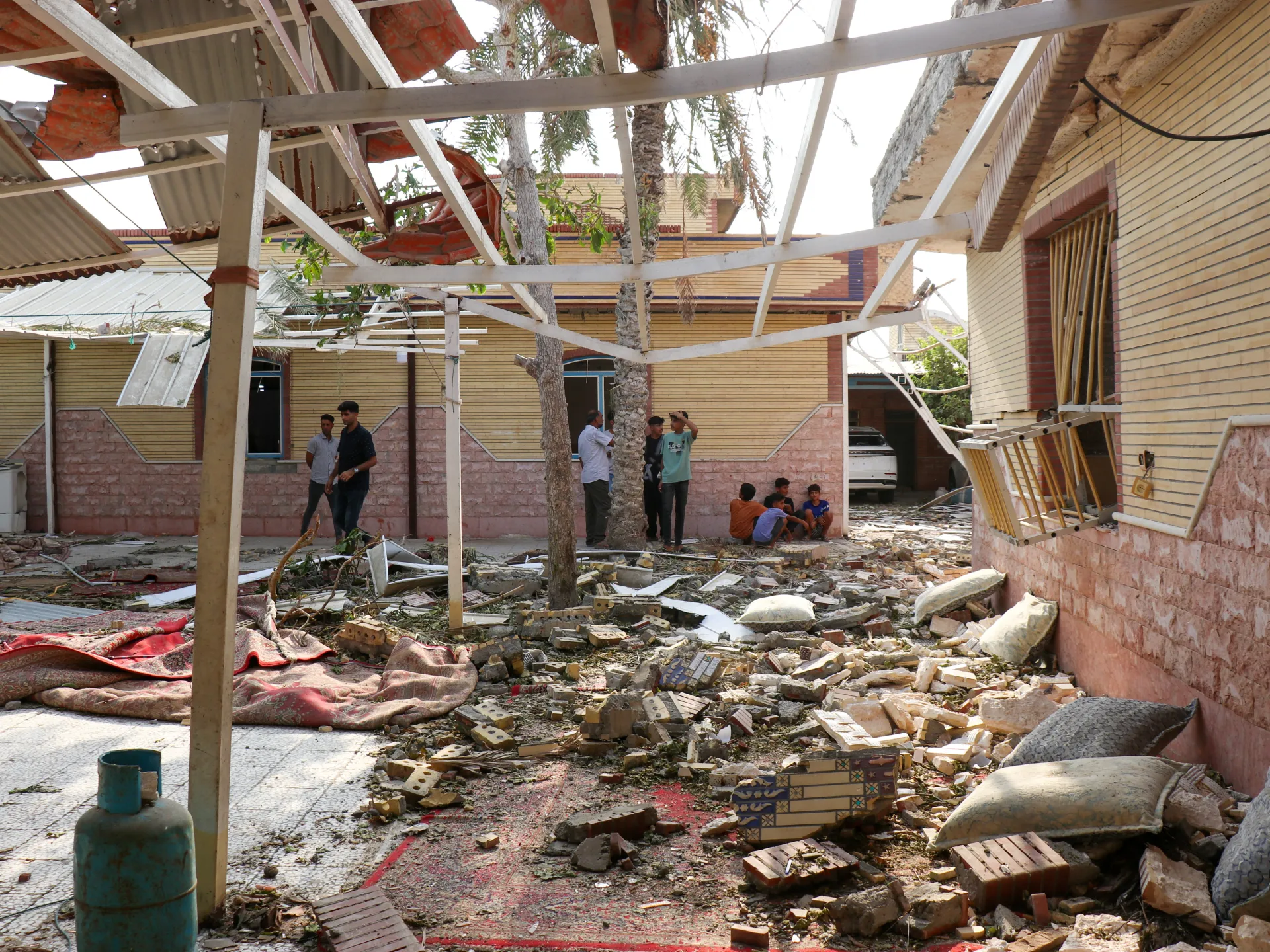
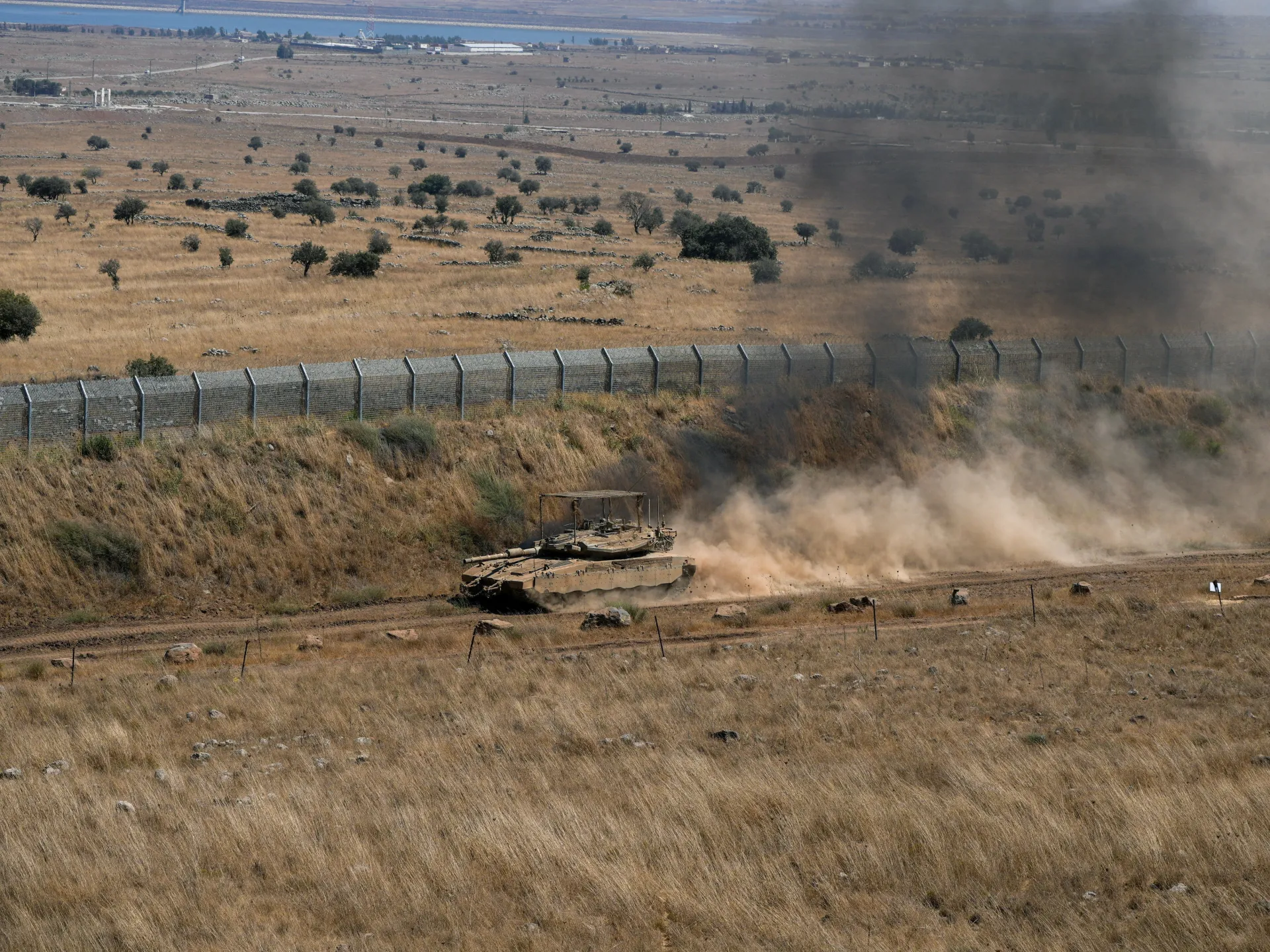
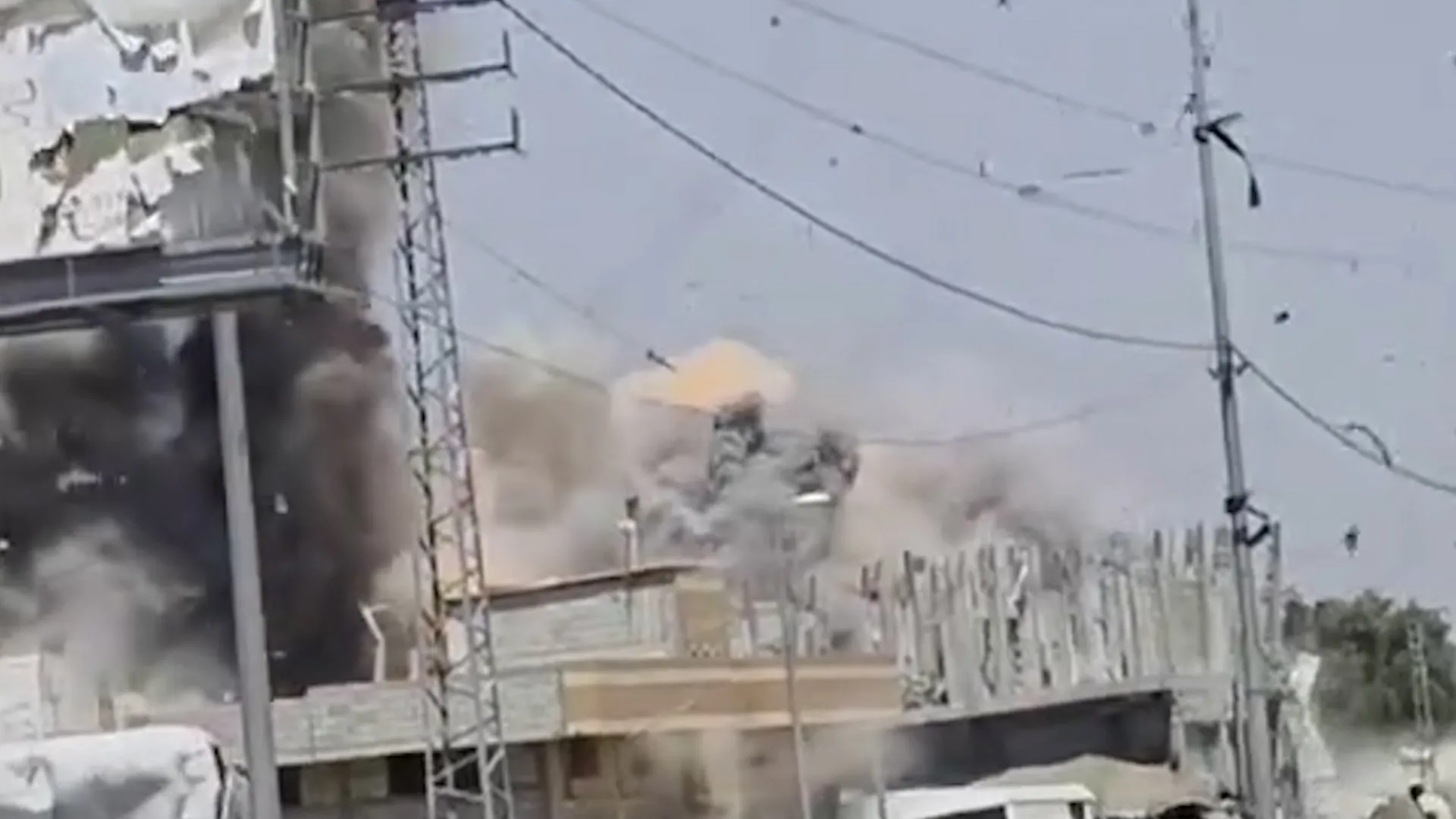
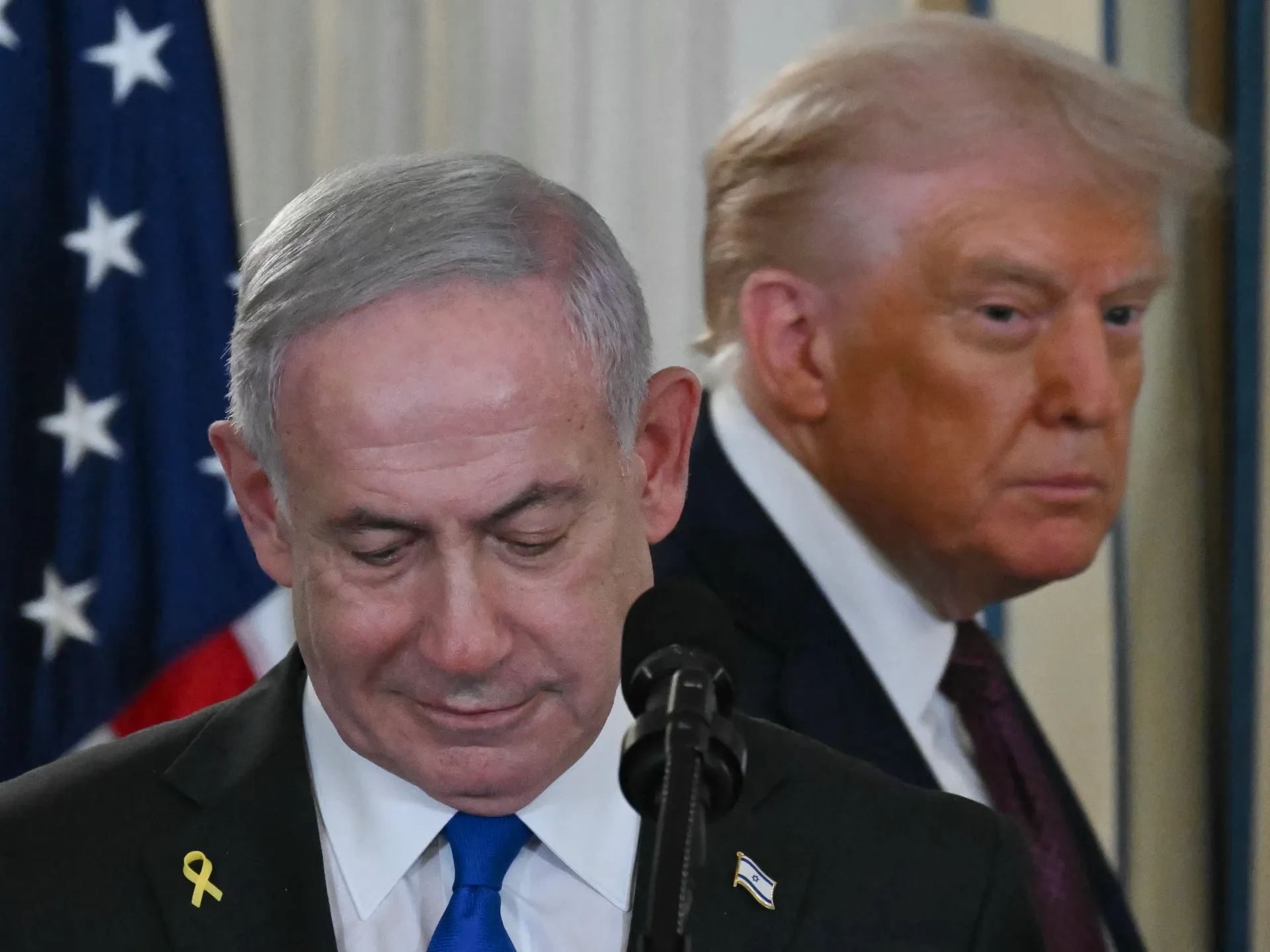
Six months after a joint US-Israeli military campaign against Iran, the conflict has failed to achieve its strategic goals, leaving both administrations facing significant domestic and geopolitical fallout.
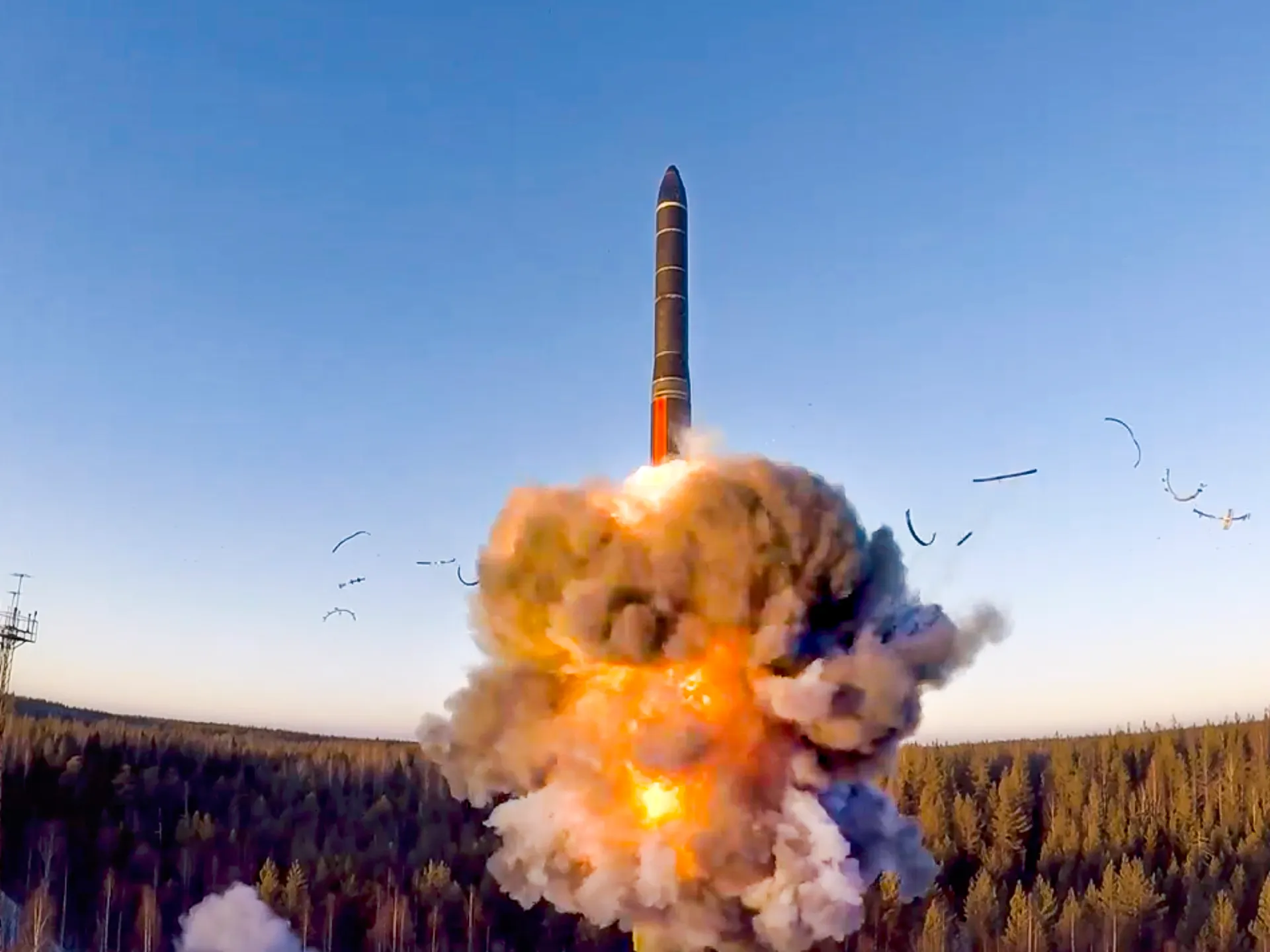
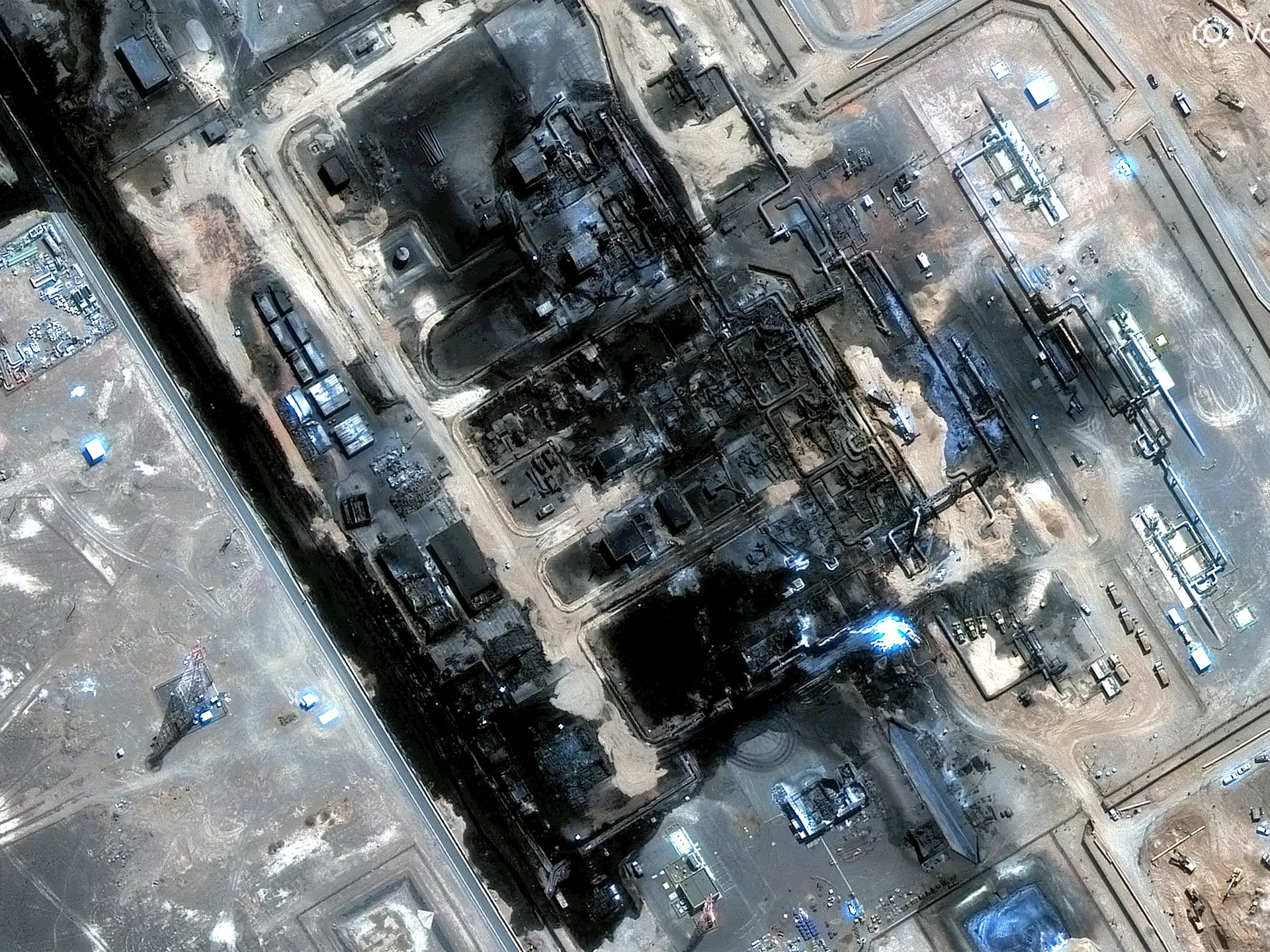
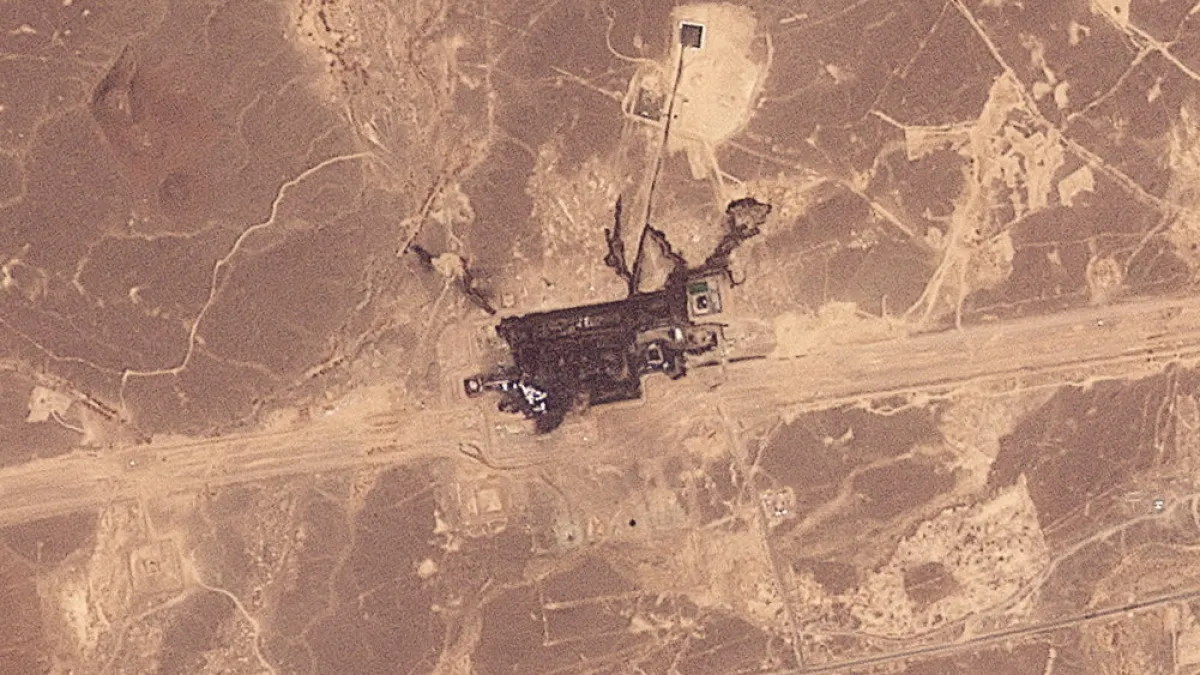
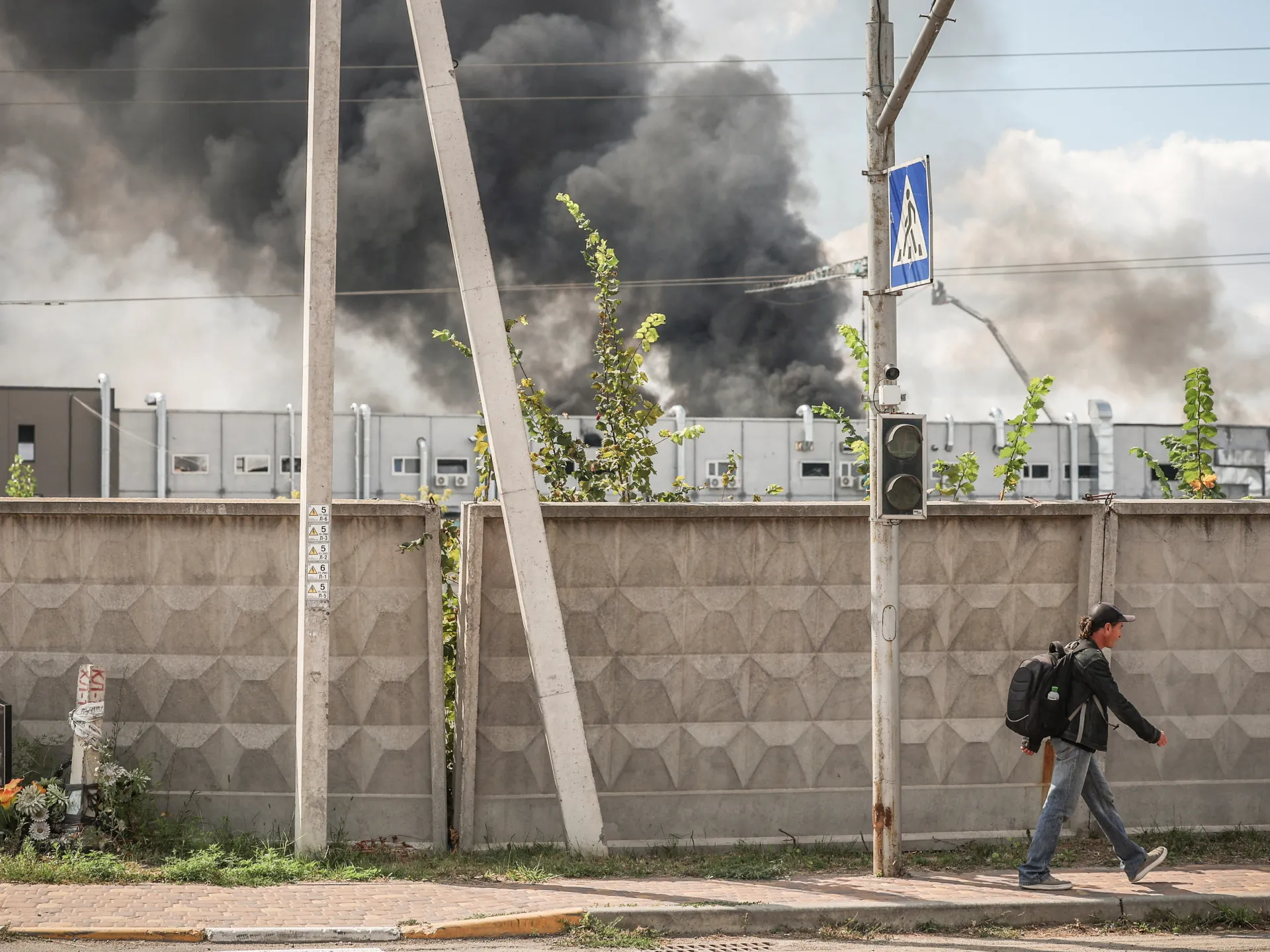
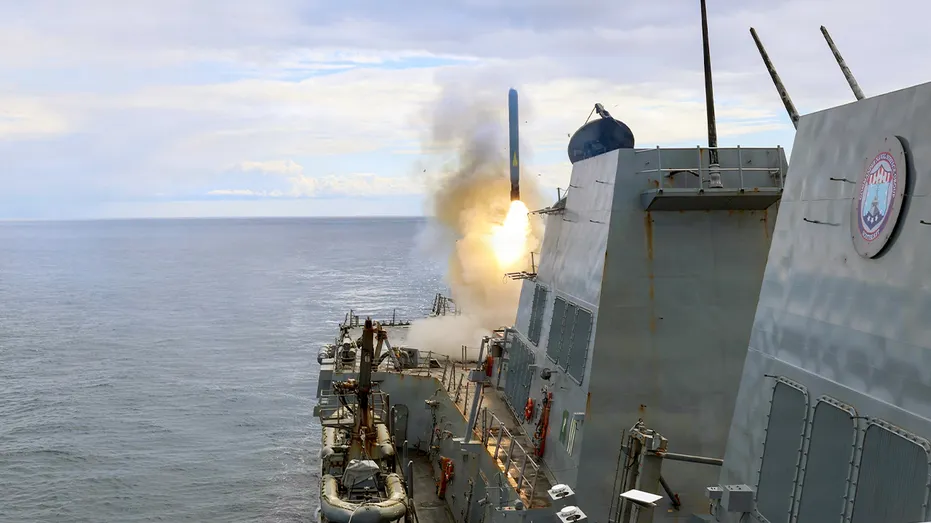
Six months after a coordinated military campaign olitical landscape remains volatile and largely unresolved. The operation, which resulted in the deaths of Supreme Leader Ayatollah Ali Khamenei and other high-ranking Iranian officials, was intended to dismantle Iran’s nuclear ambitions and force a regime change. However, recent evidence suggests that these primary objectives have largely failed. Despite claims from Washington that Iran’s nuclear capacity had been neutralized, the state remains capable of enriching uranium, and the envisioned domestic uprising against the Iranian government has failed to materialize.
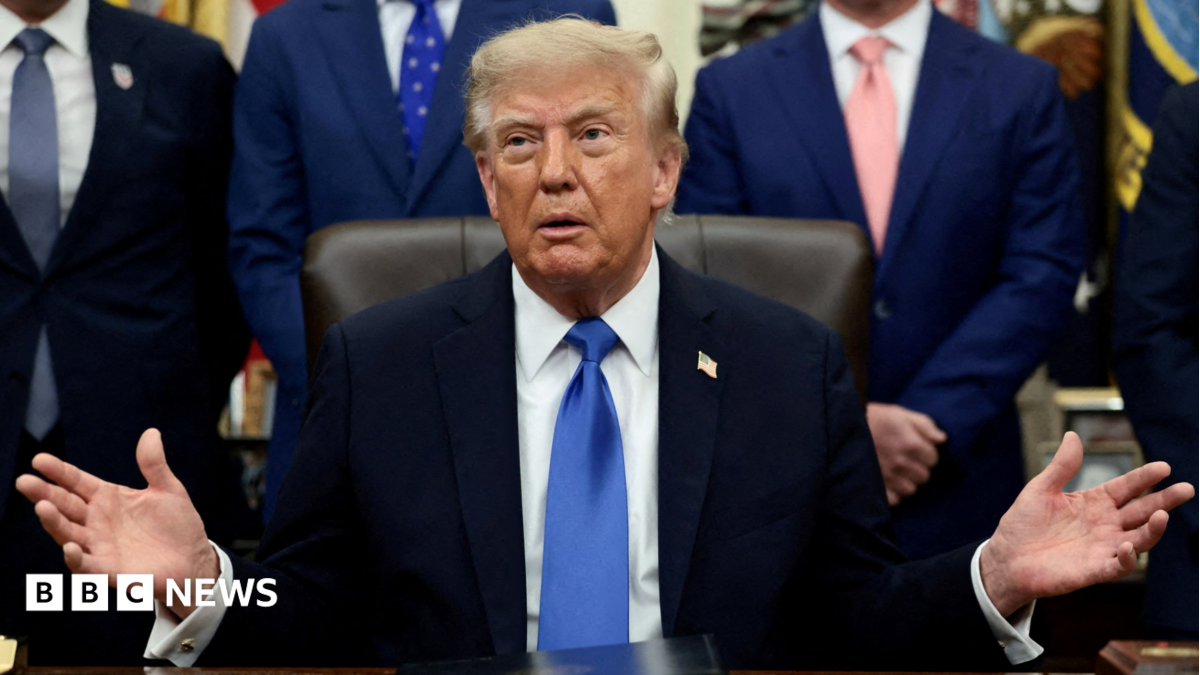
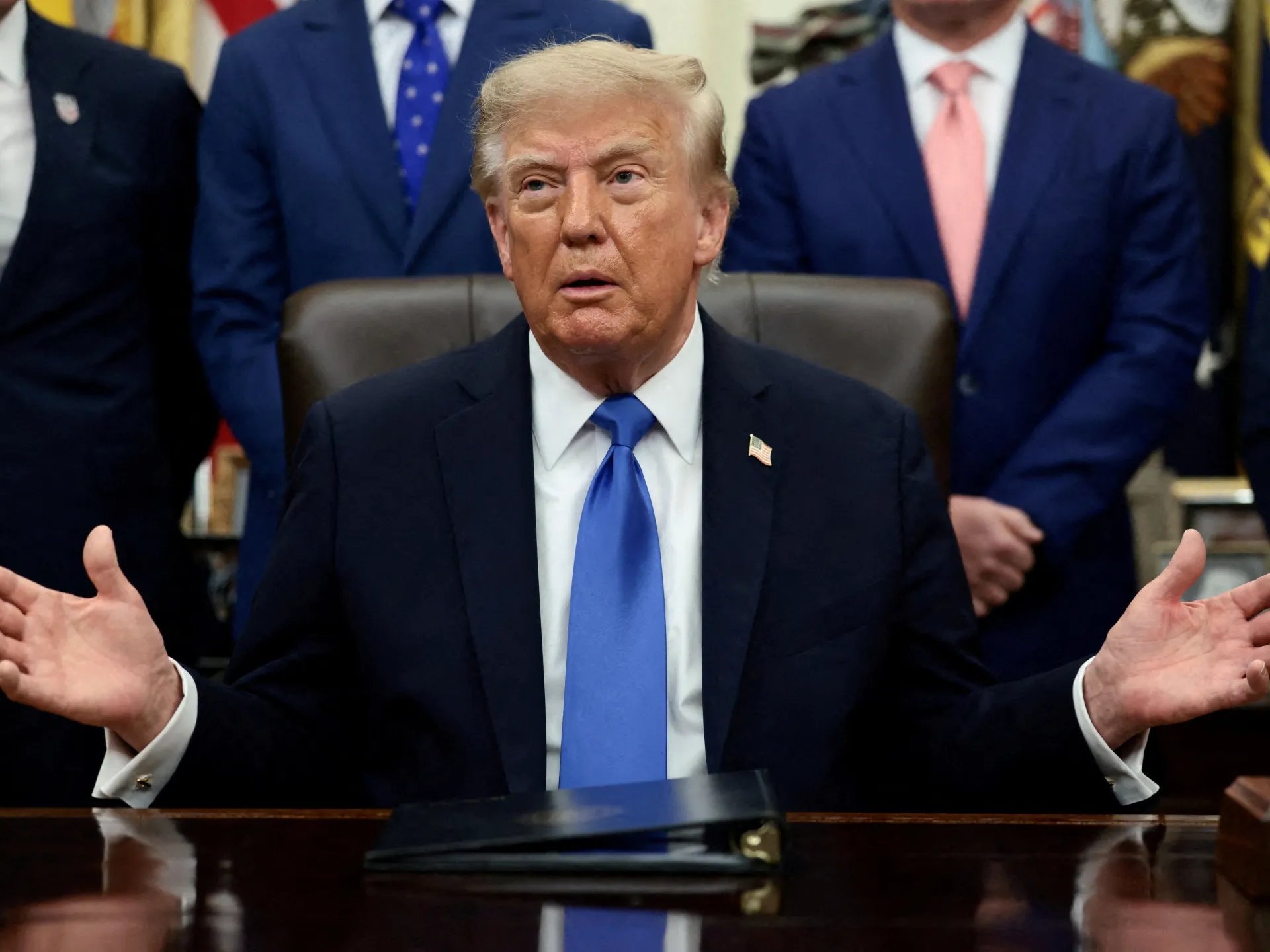
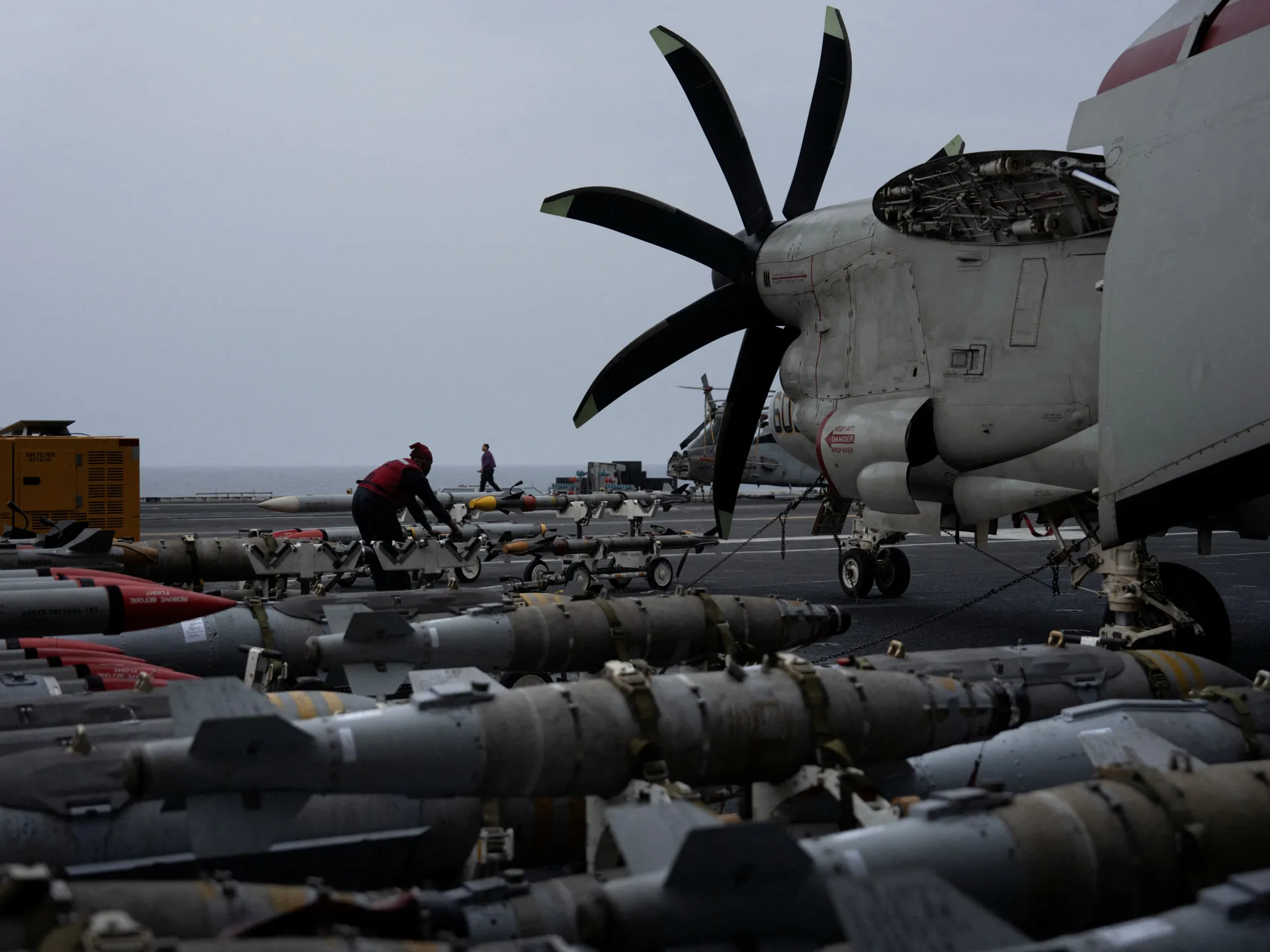
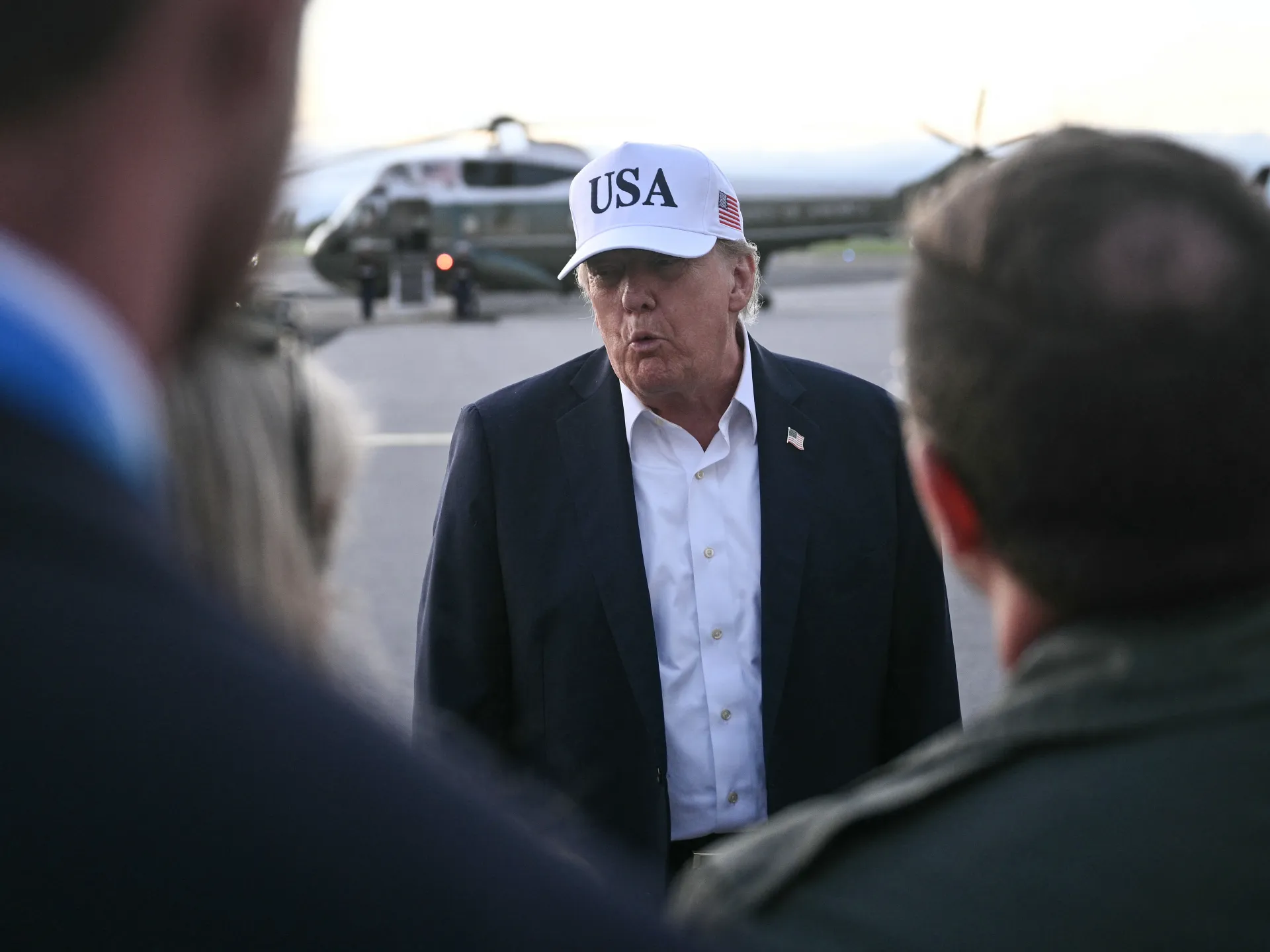
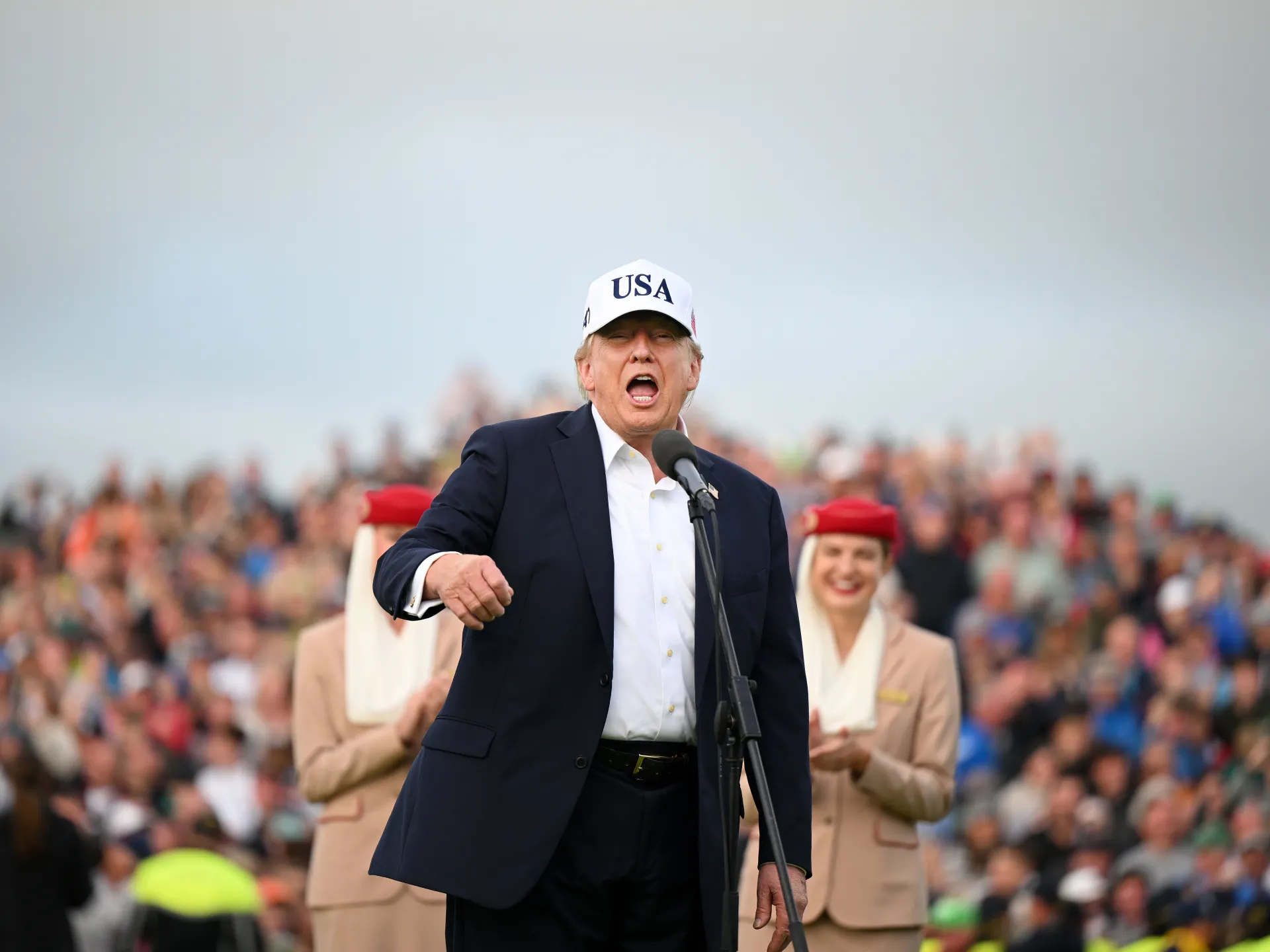
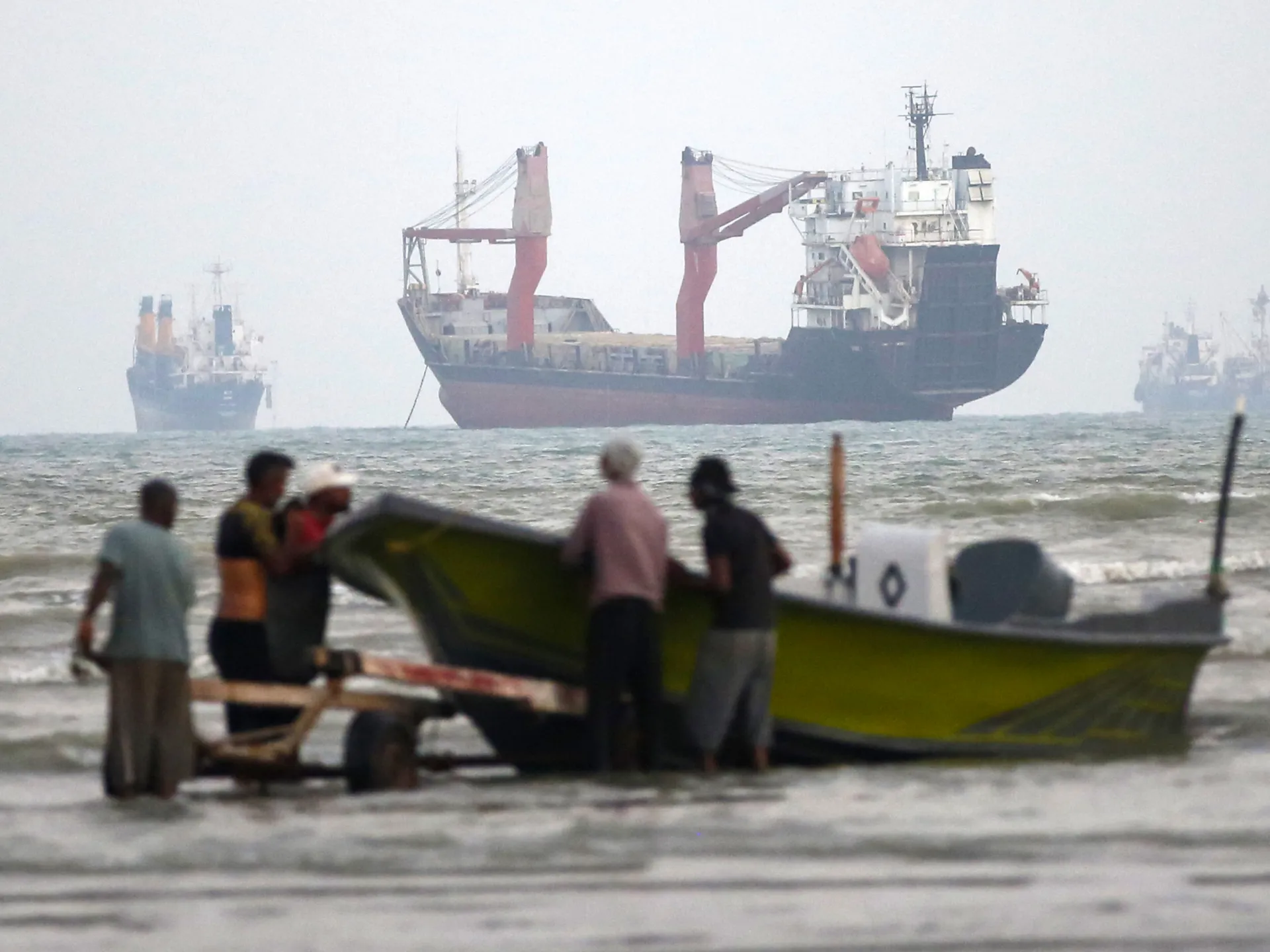
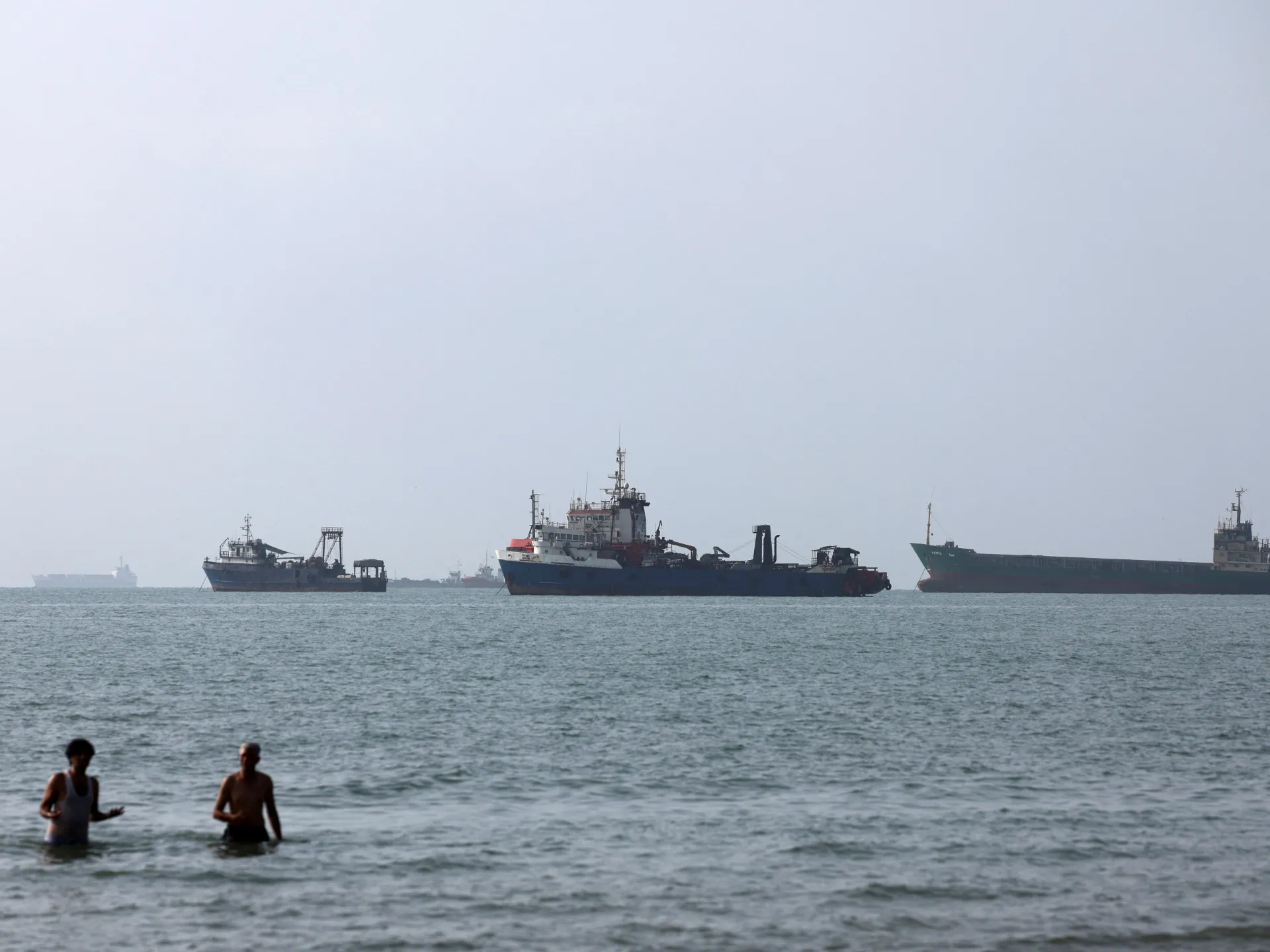
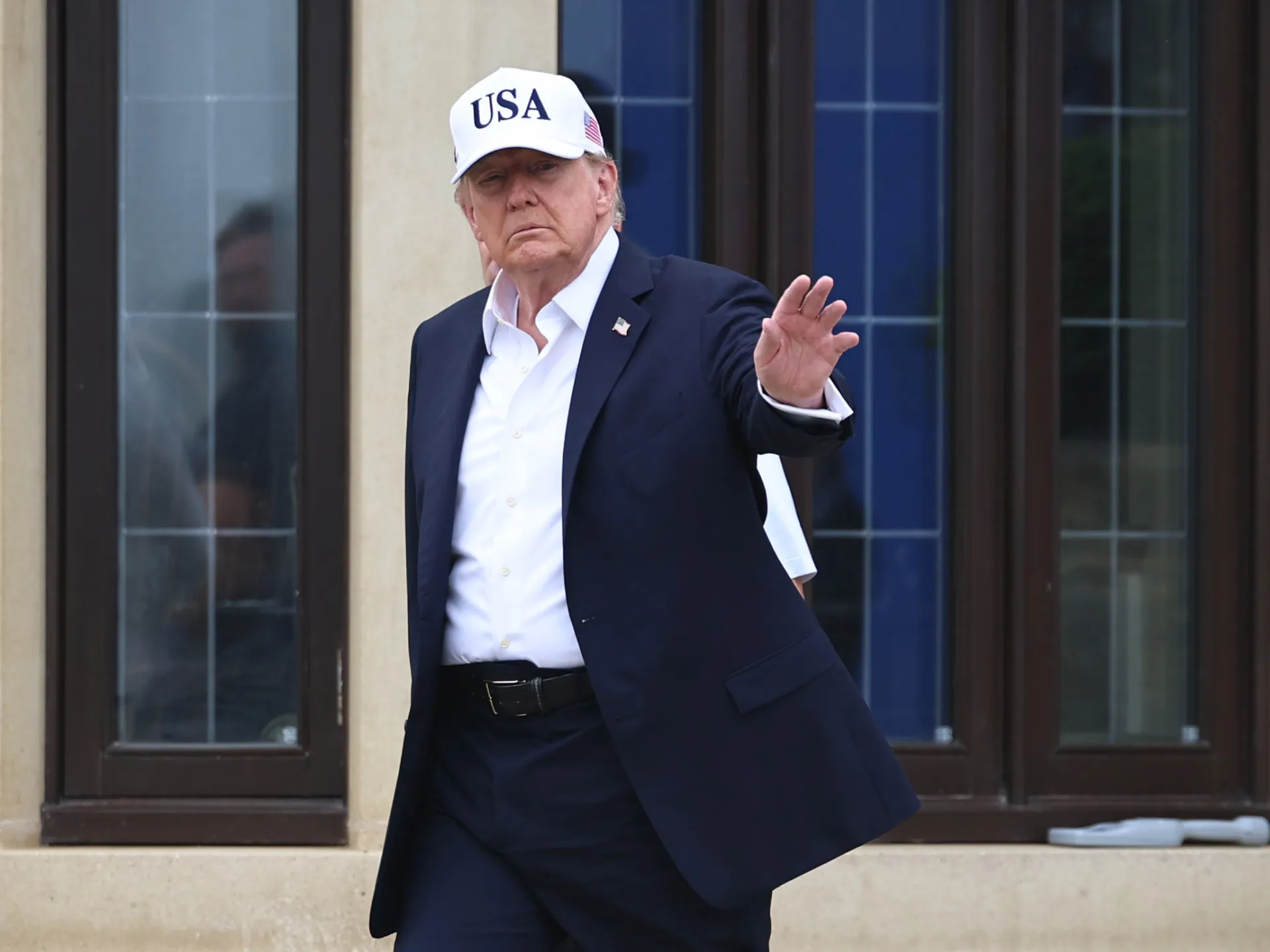
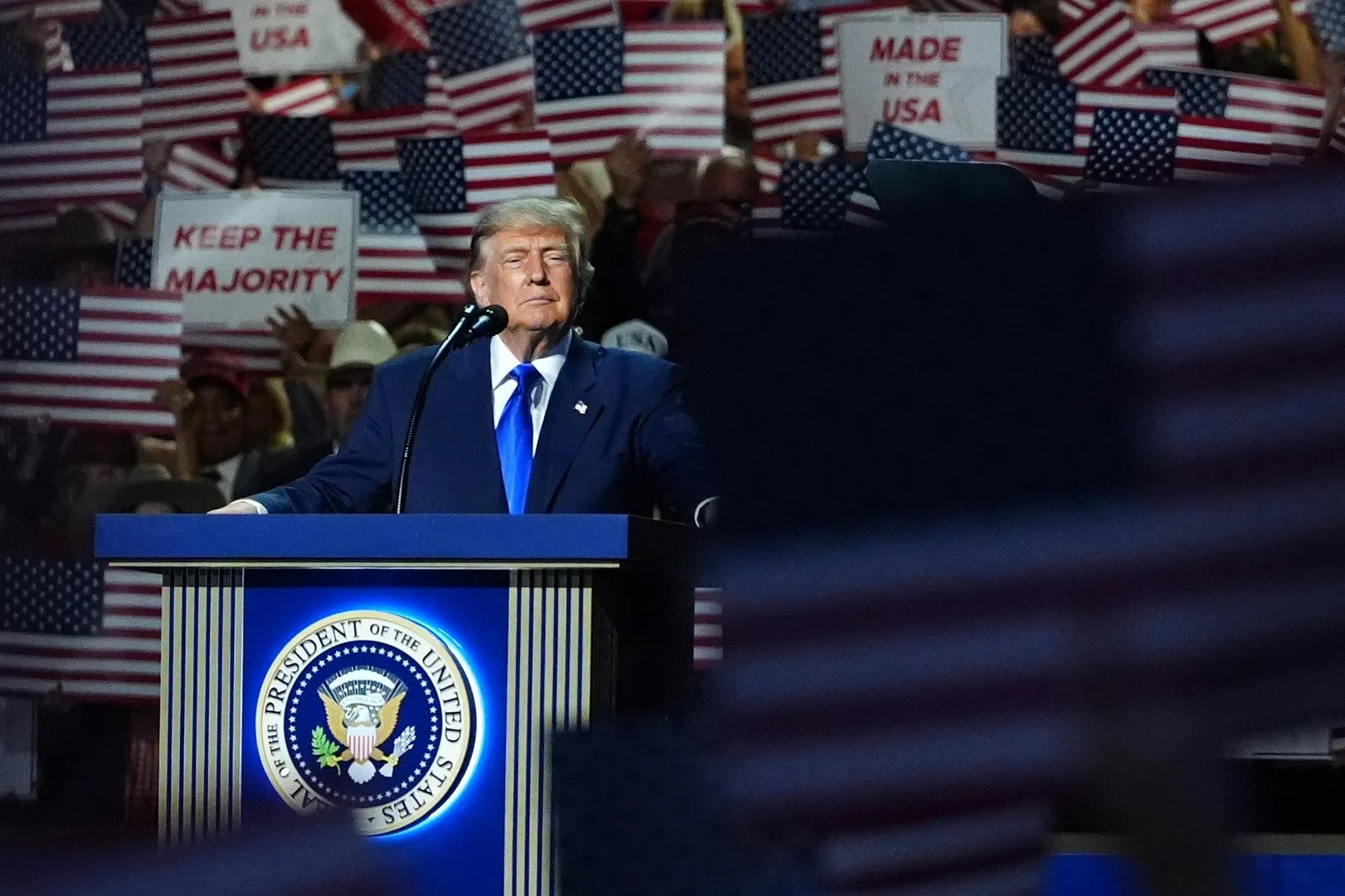
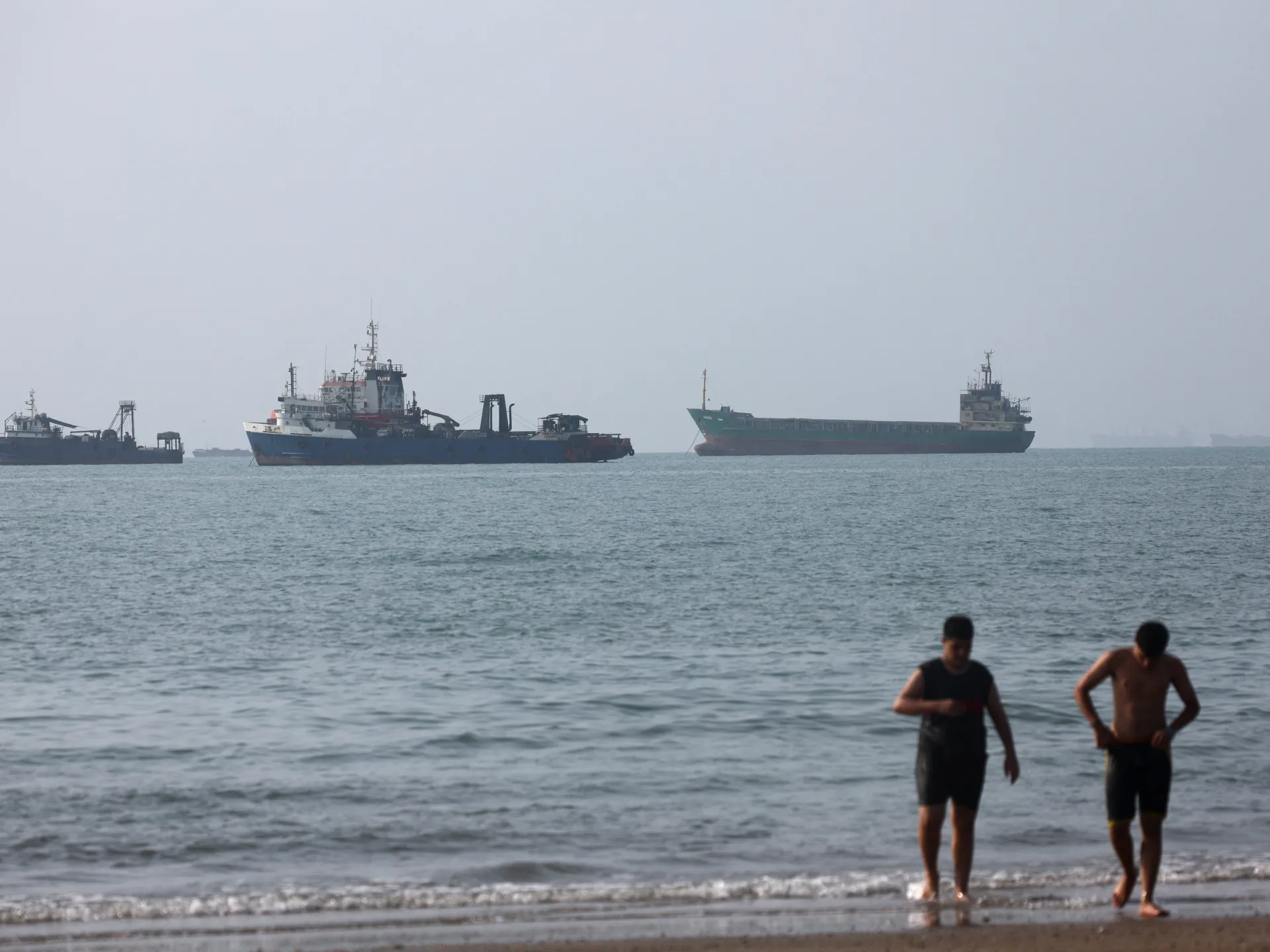
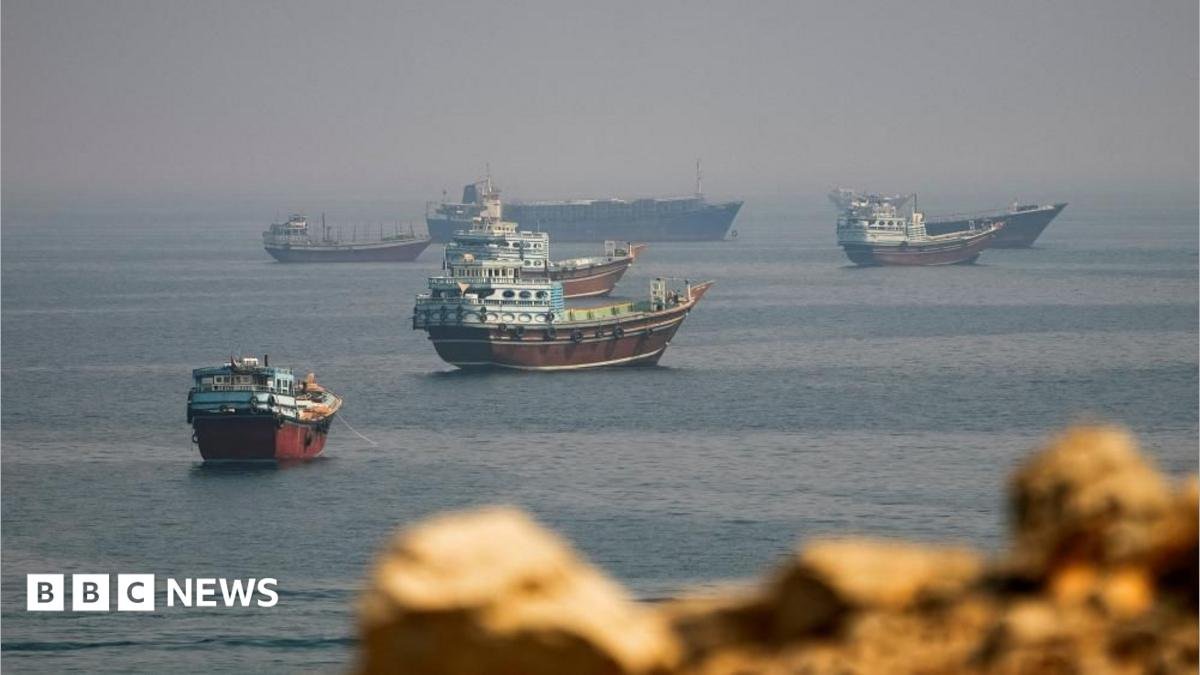
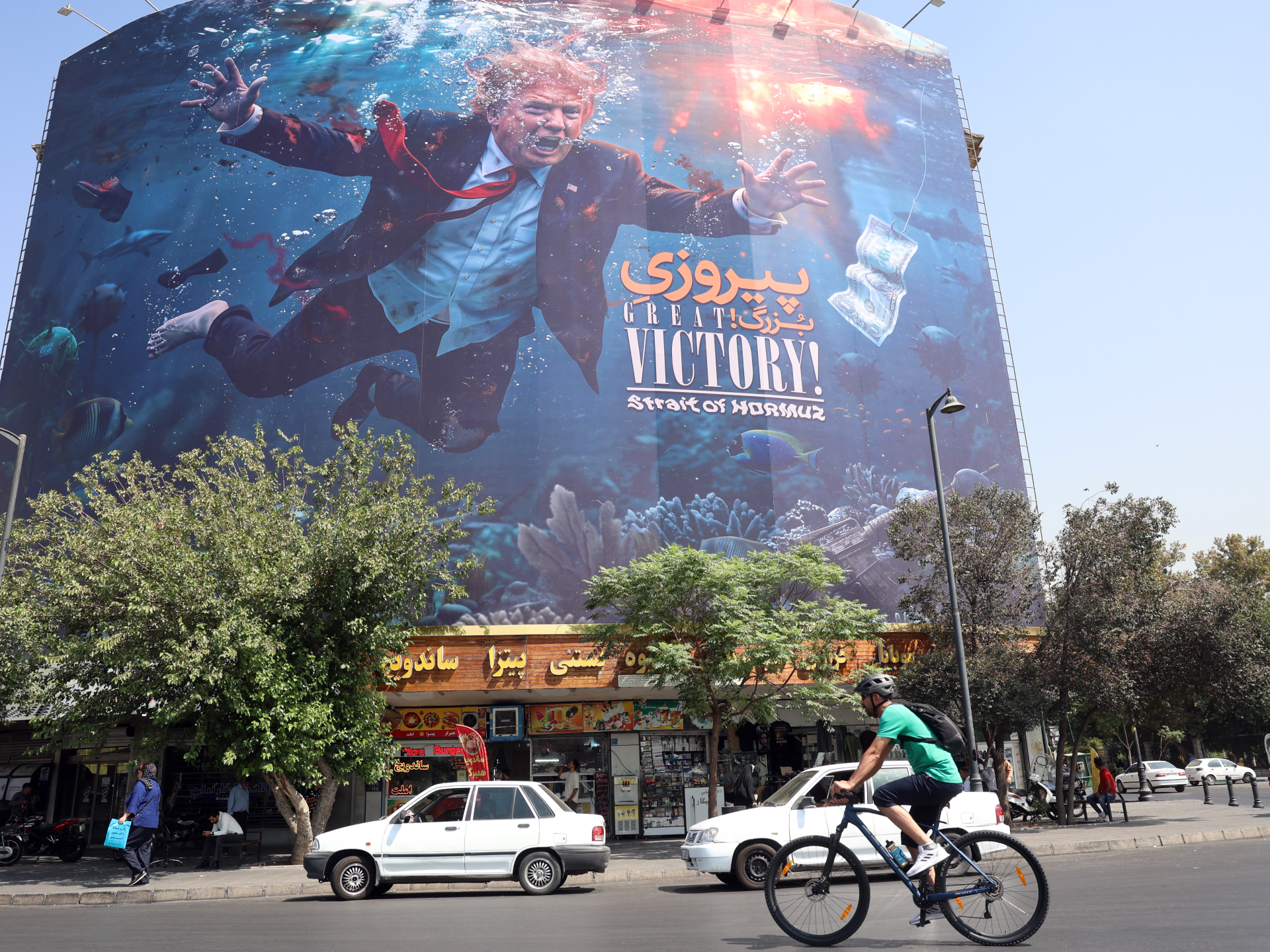
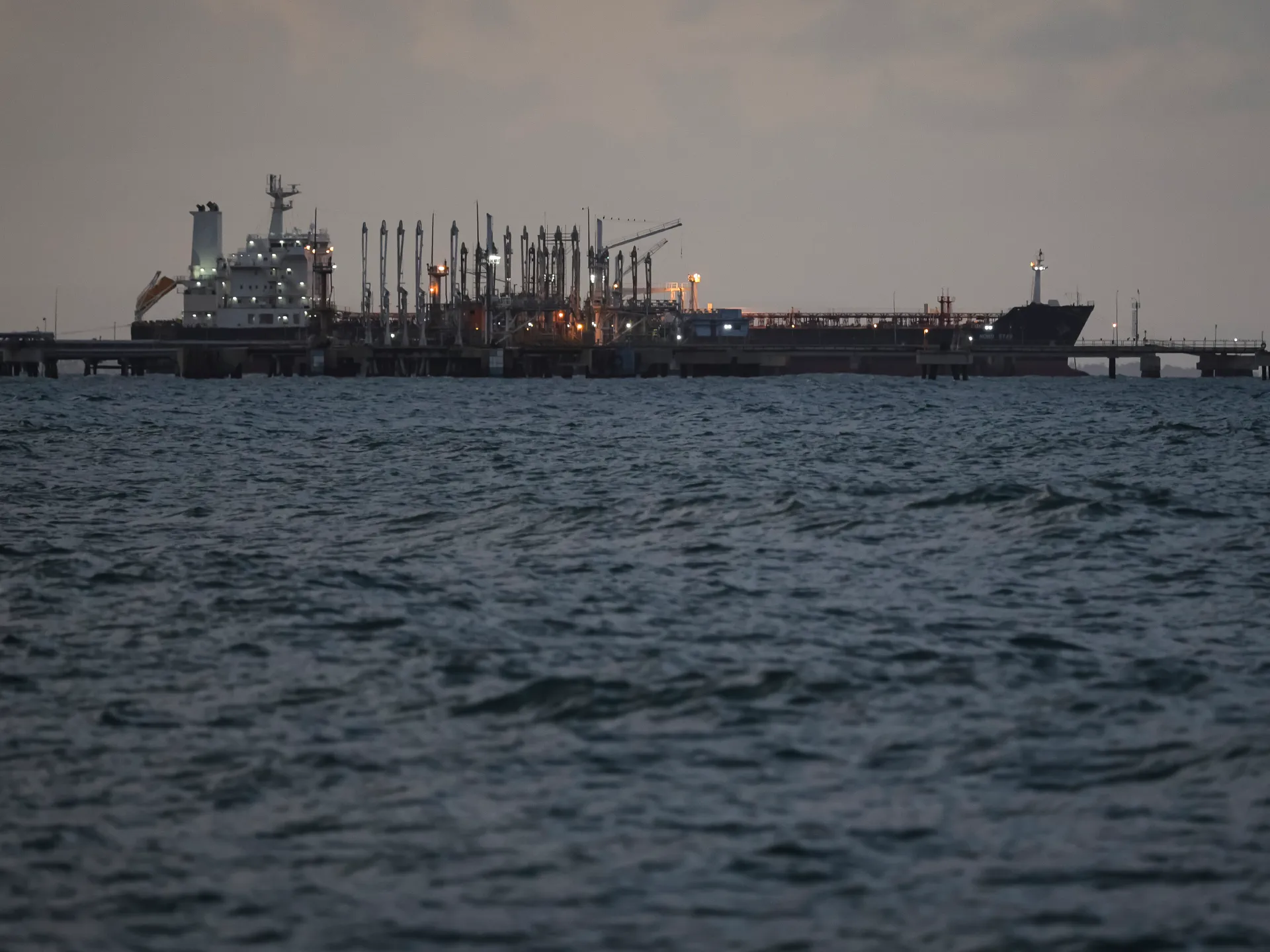
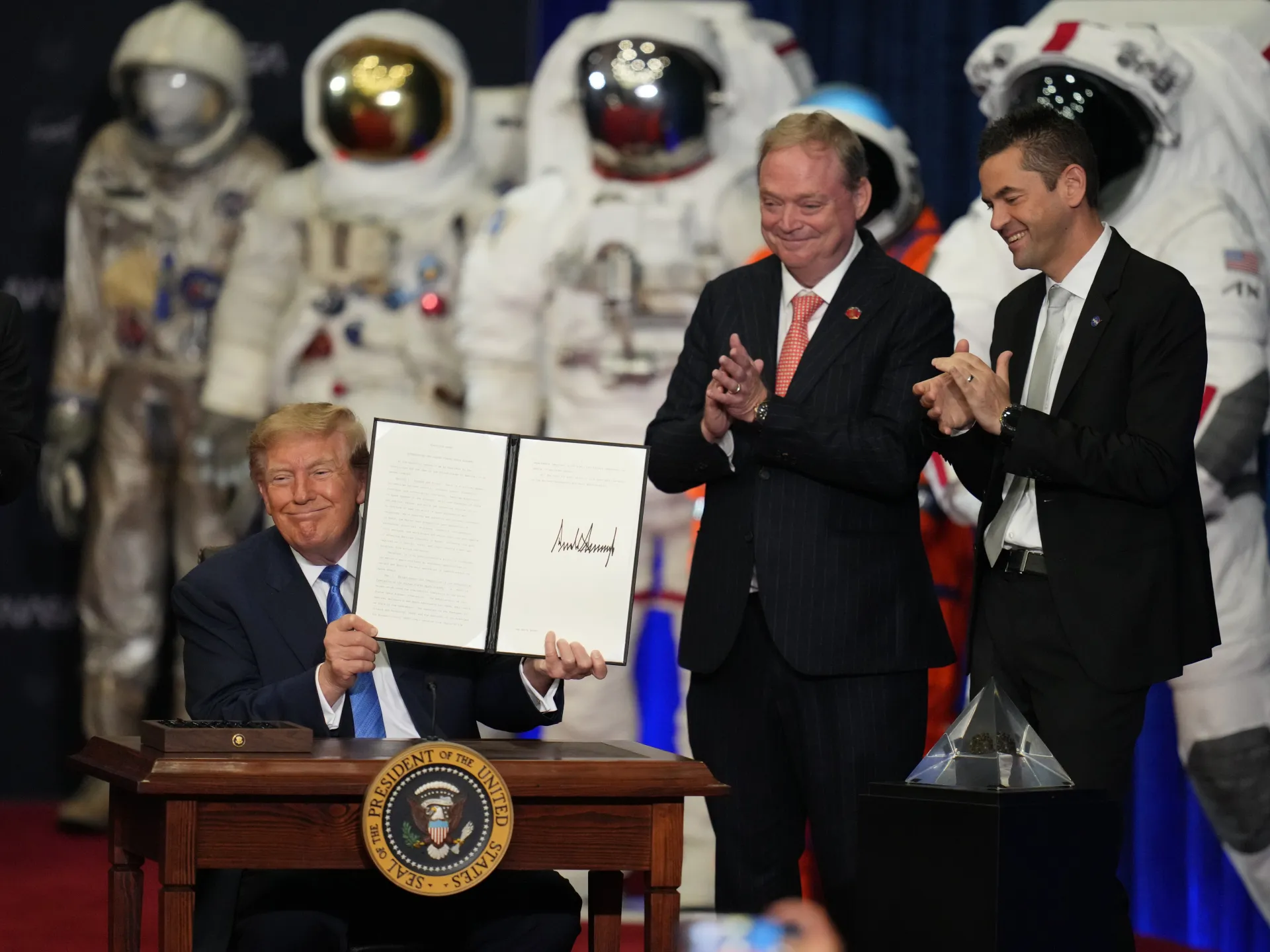
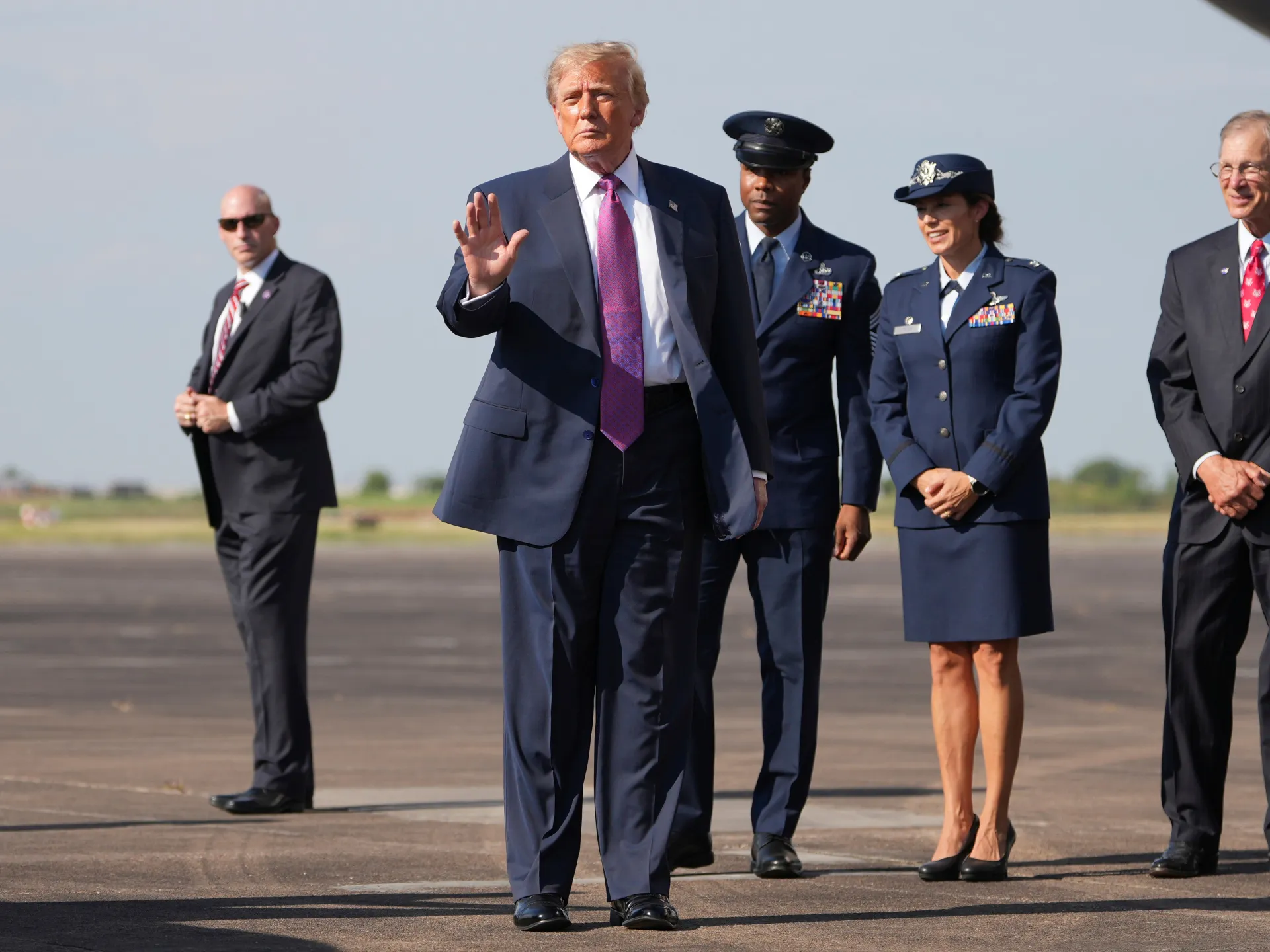
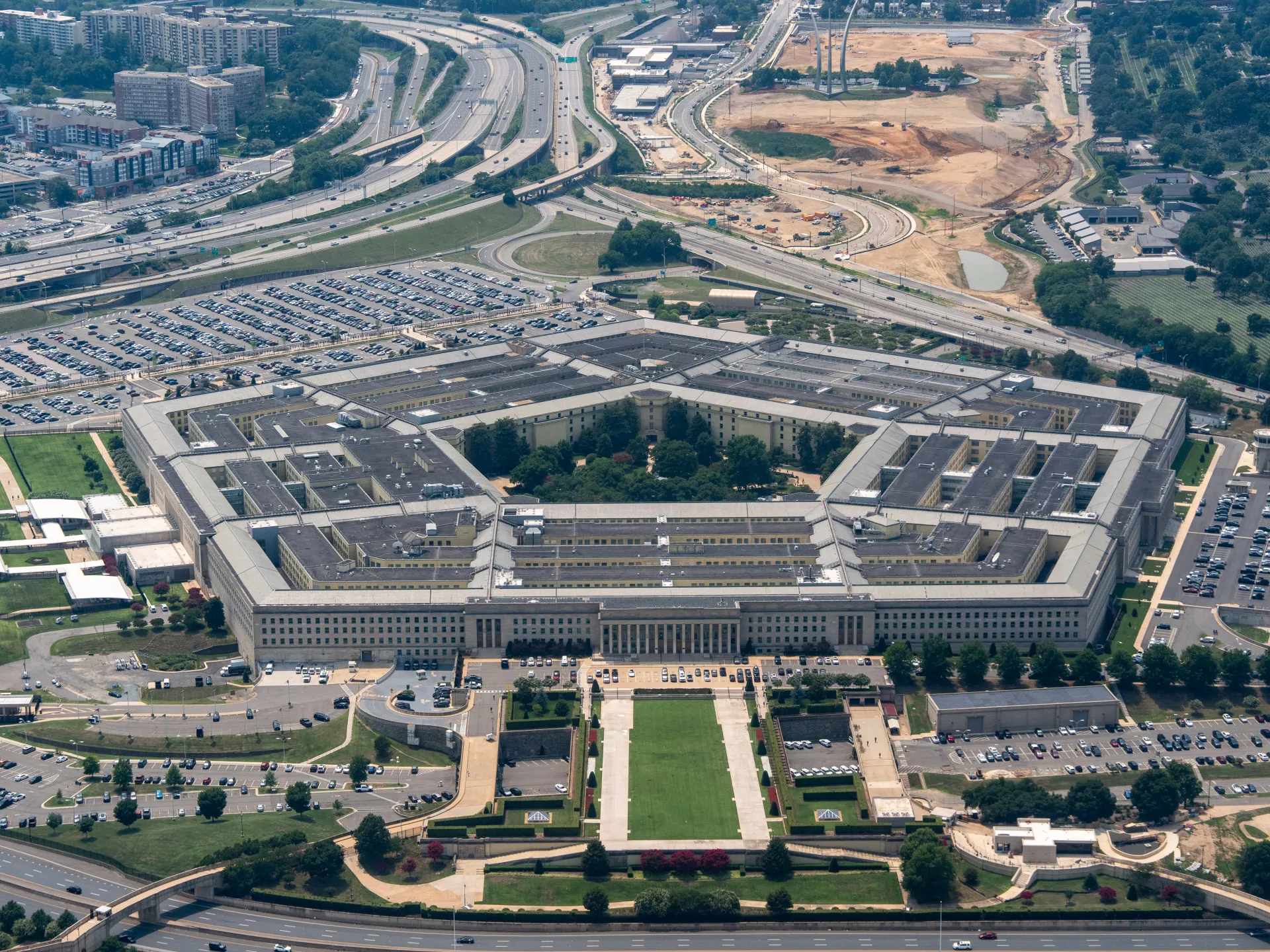
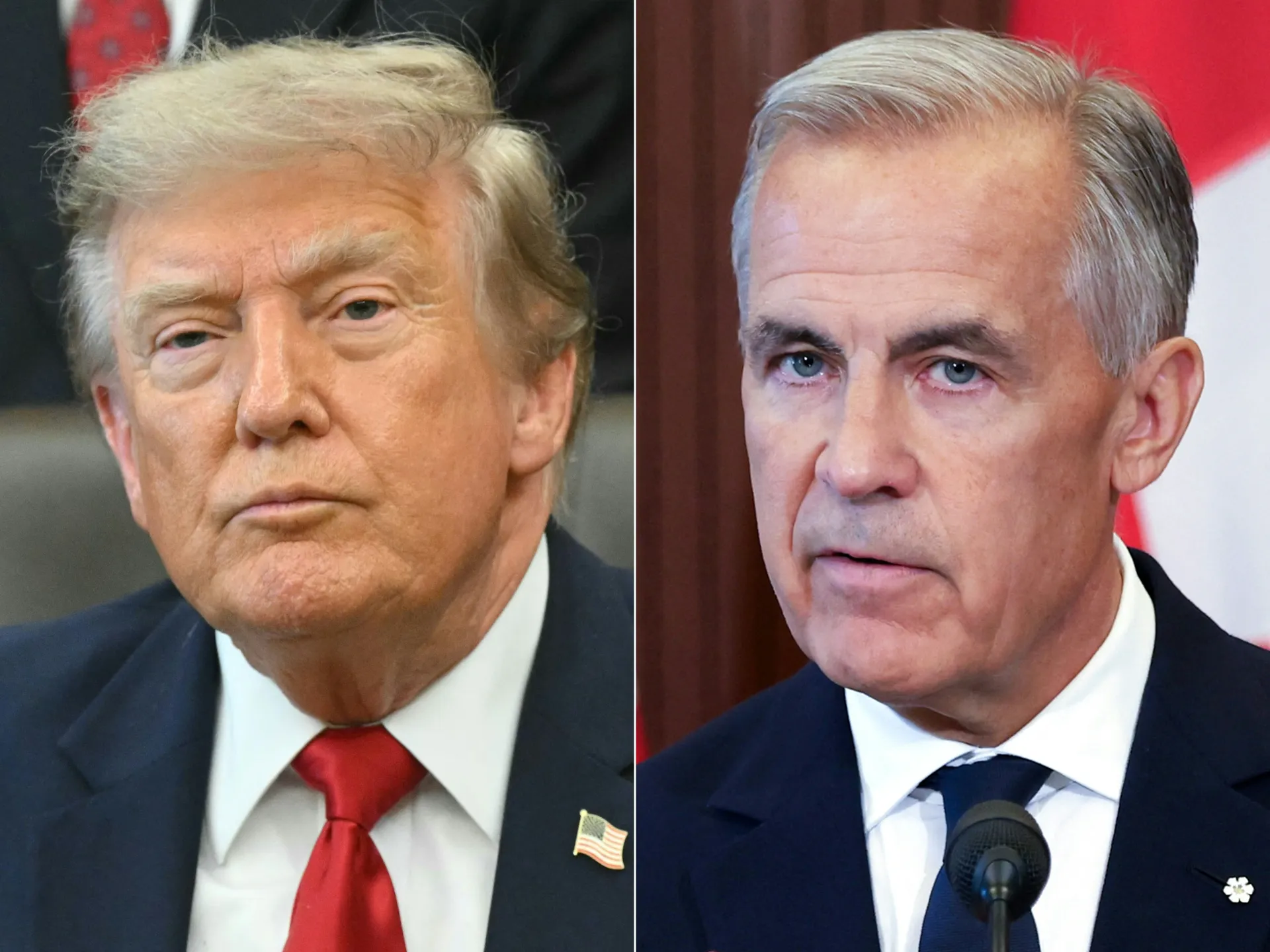
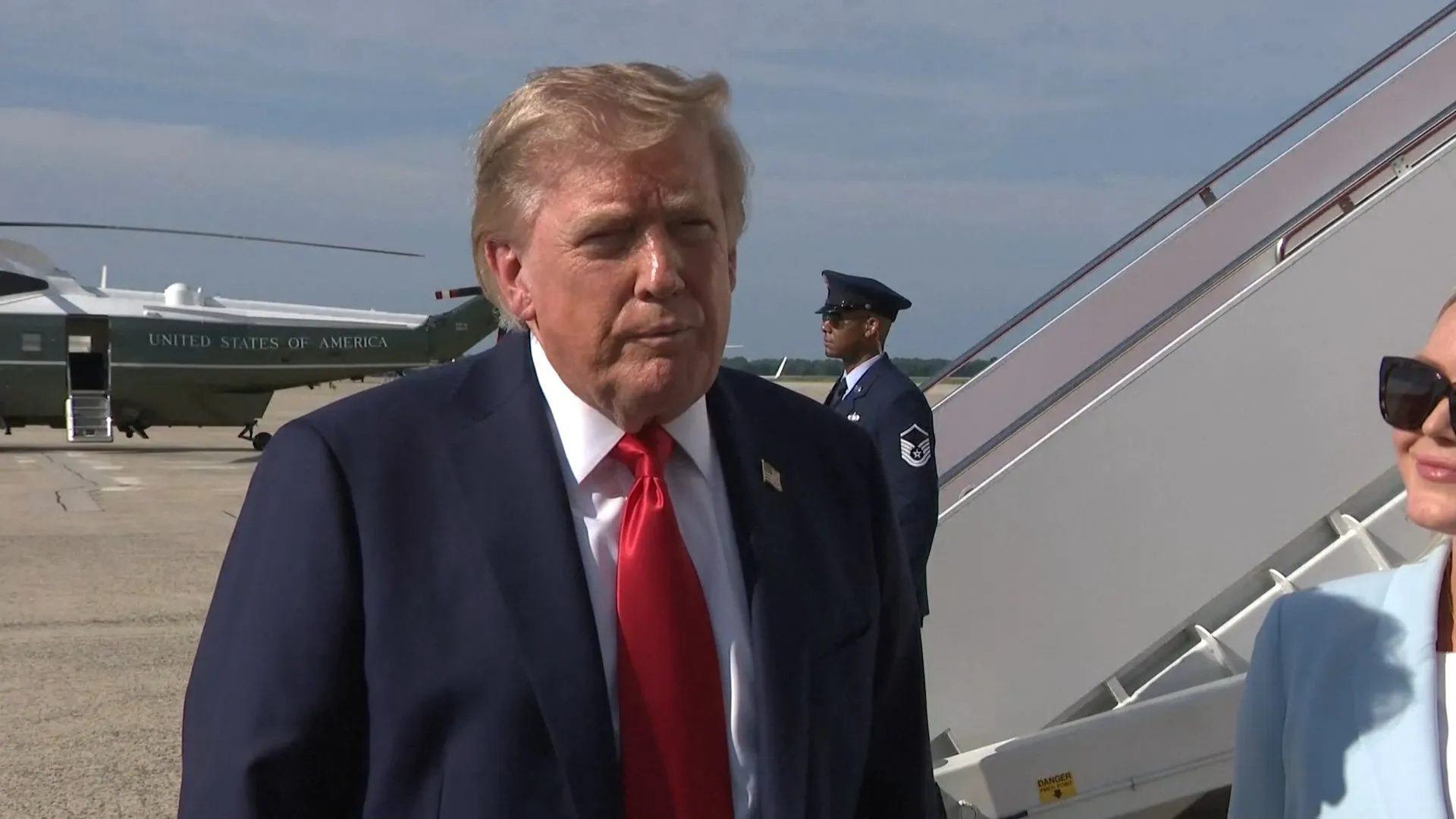
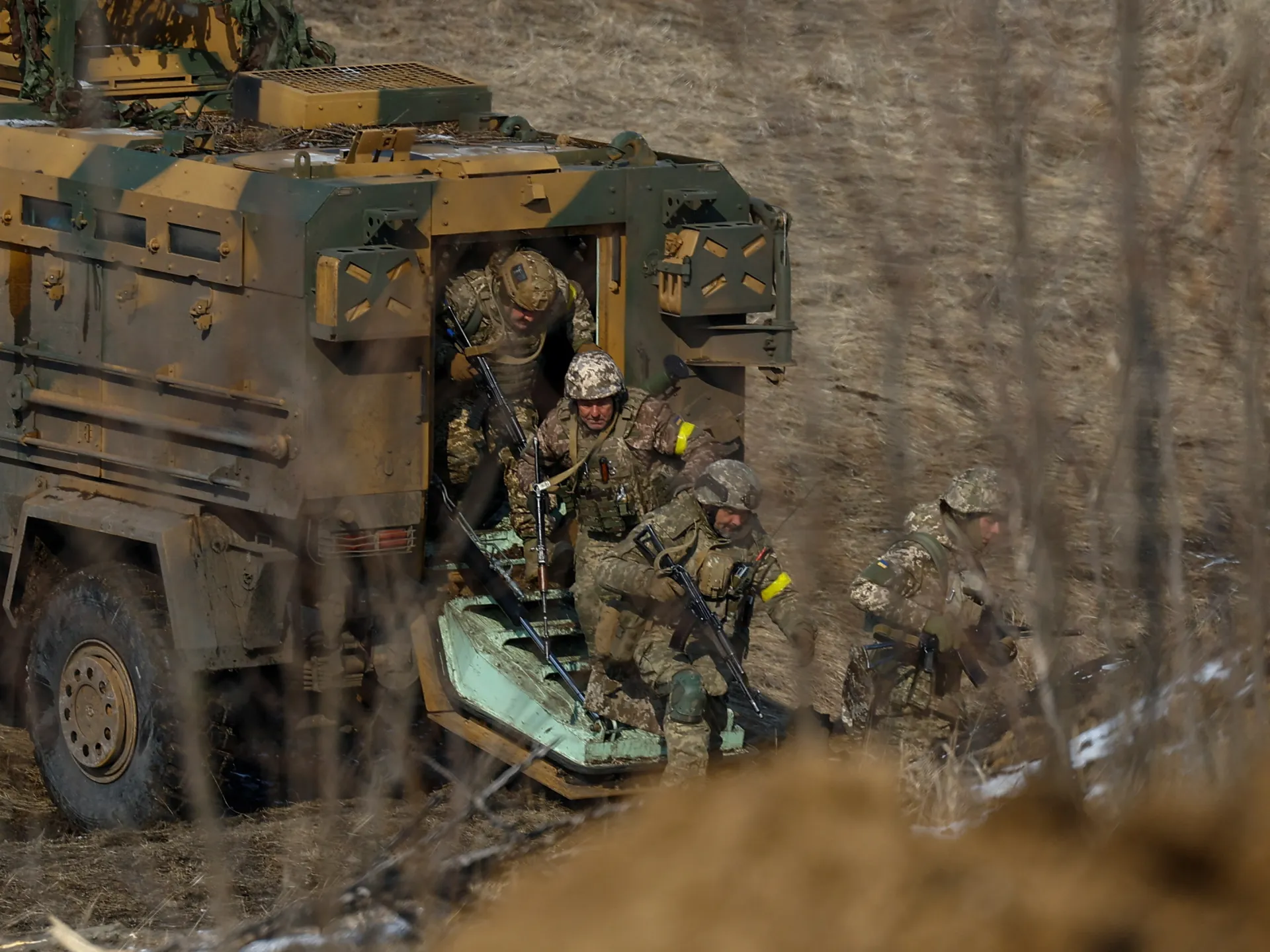
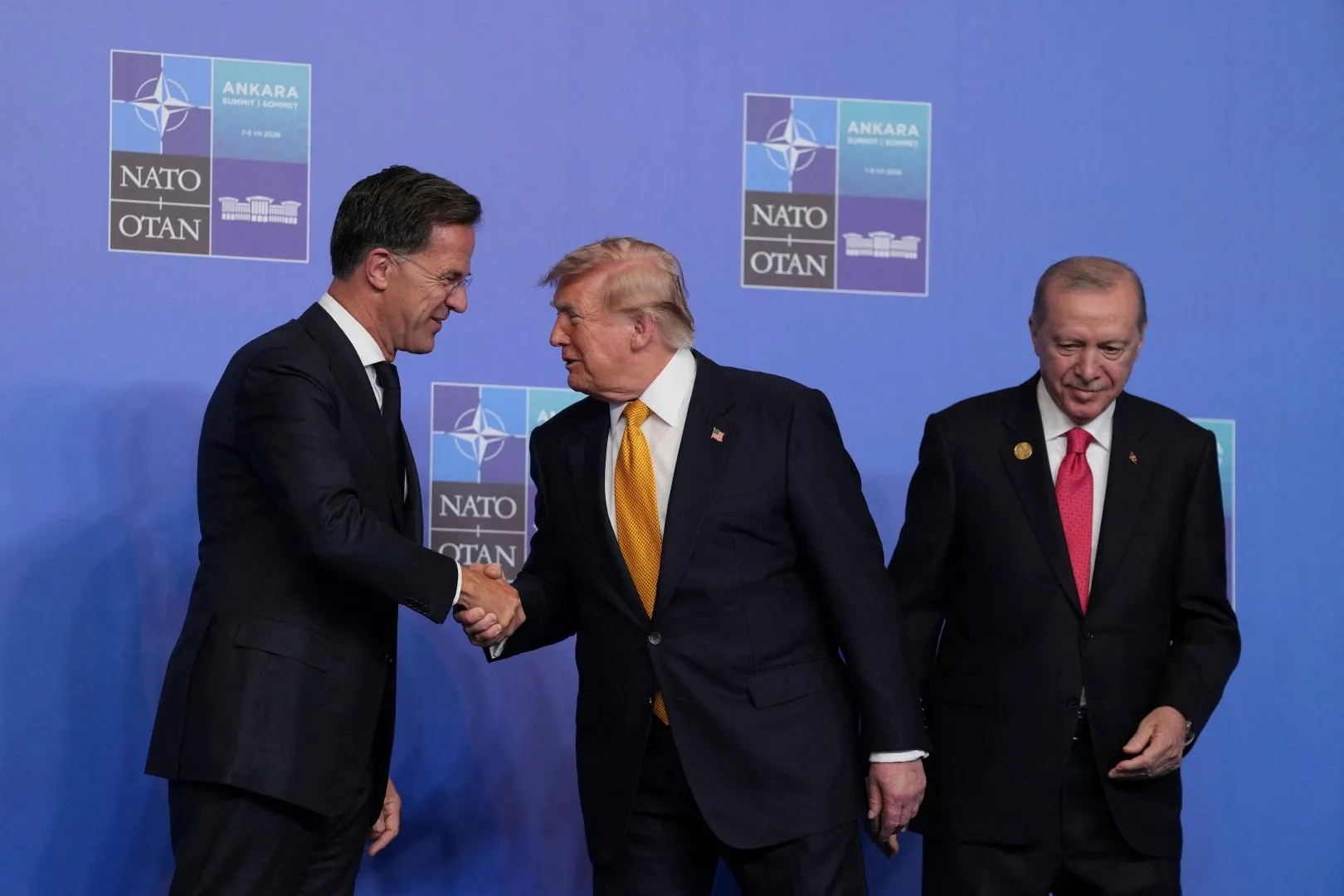
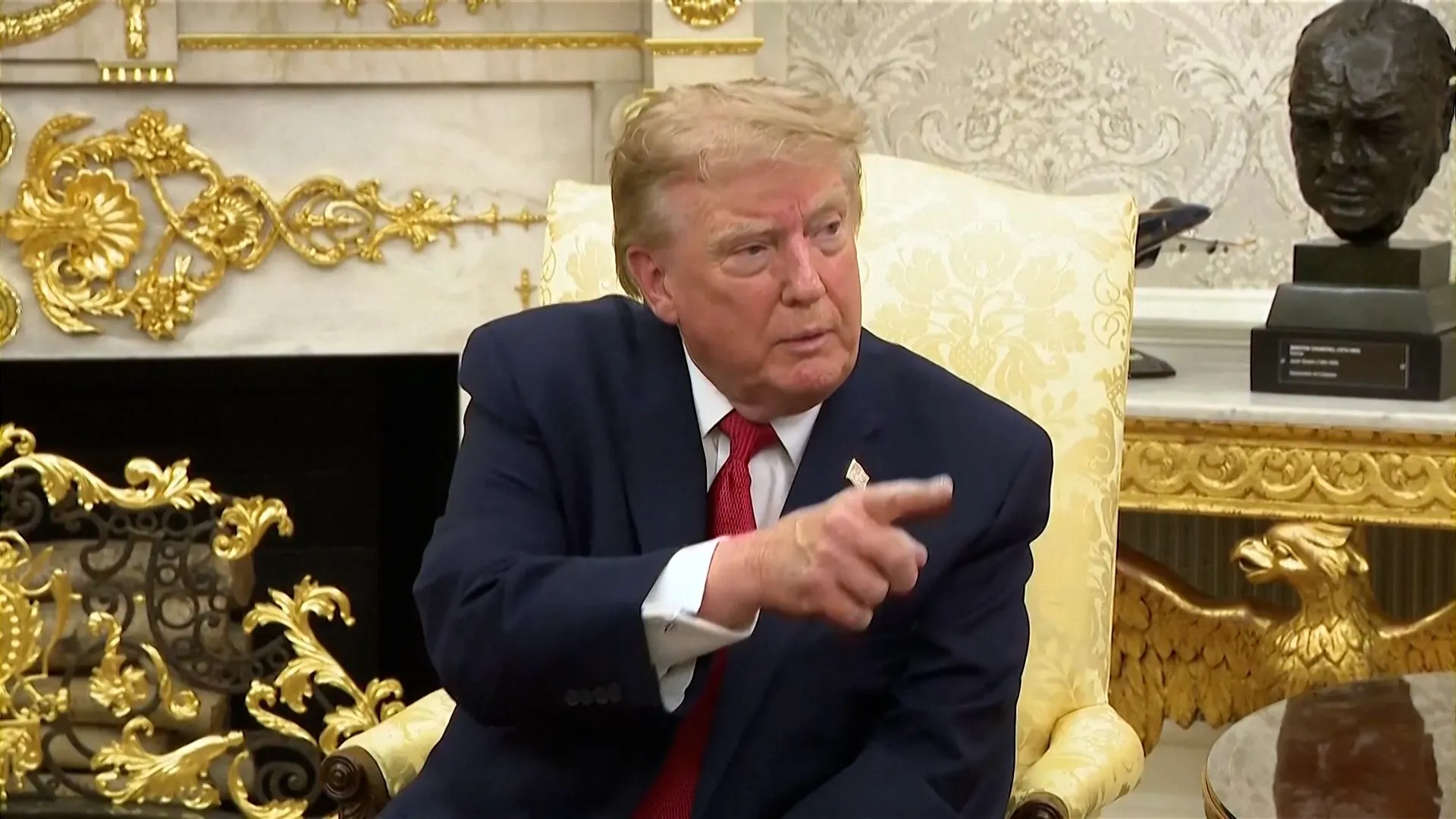
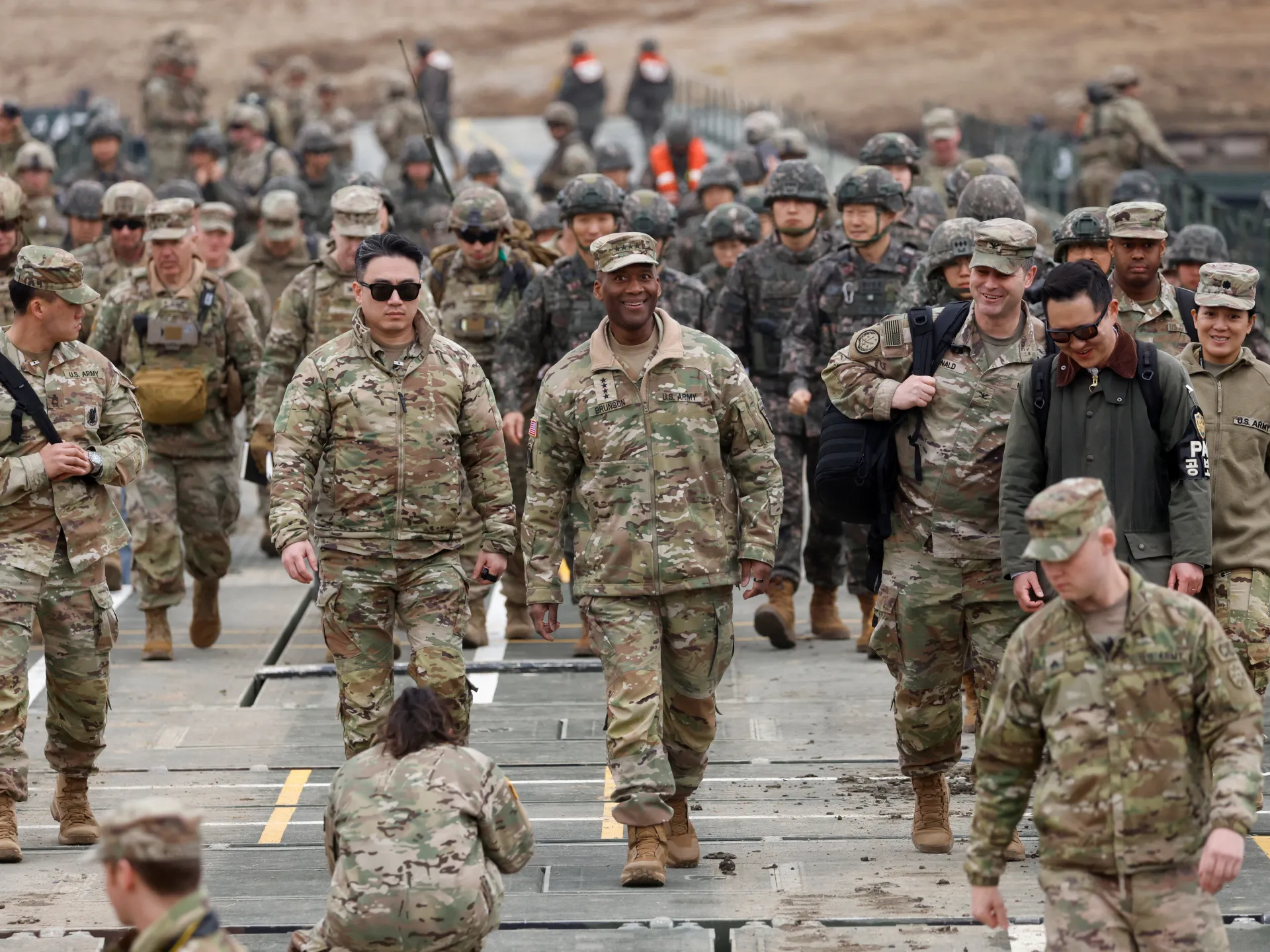
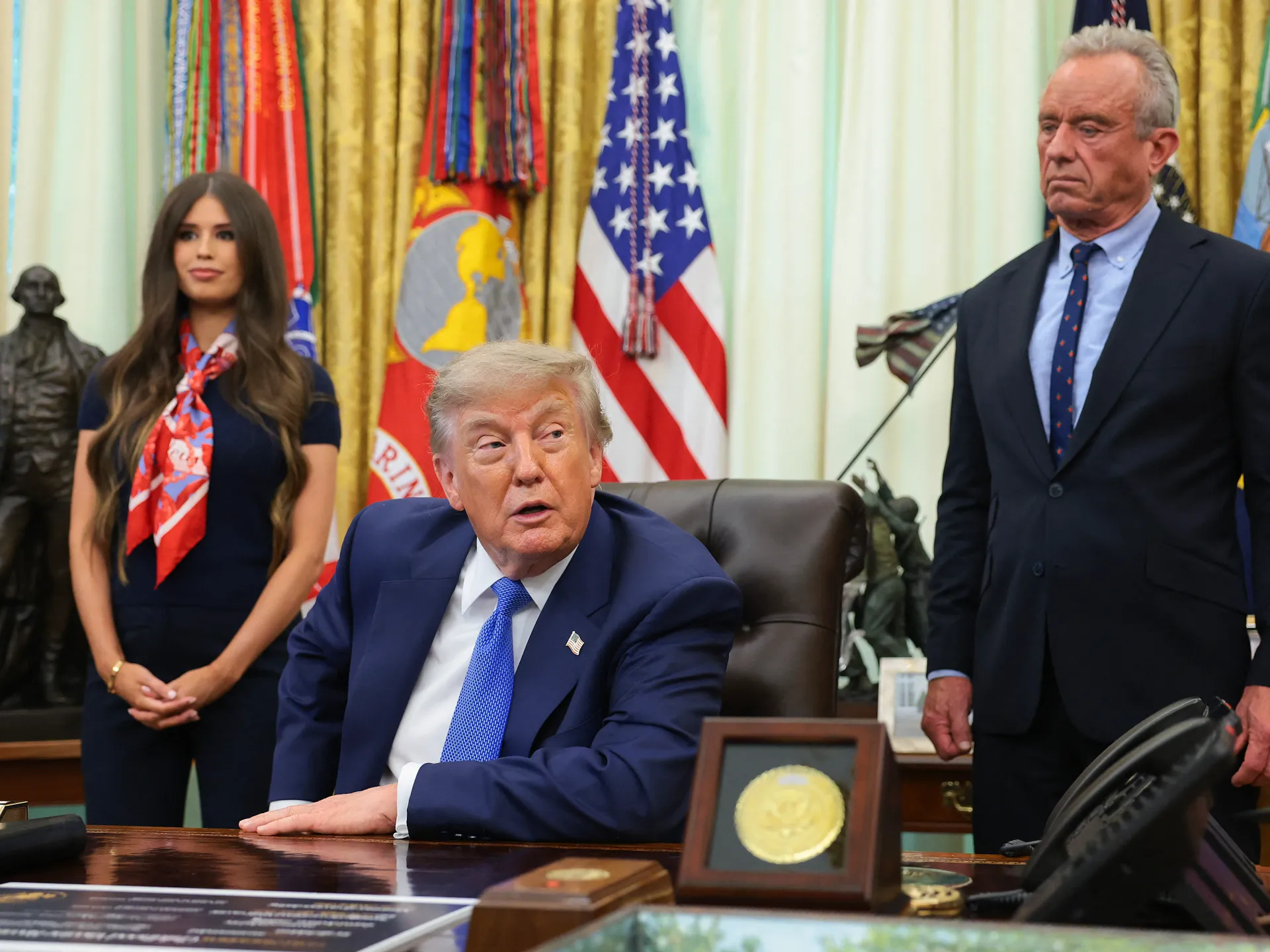
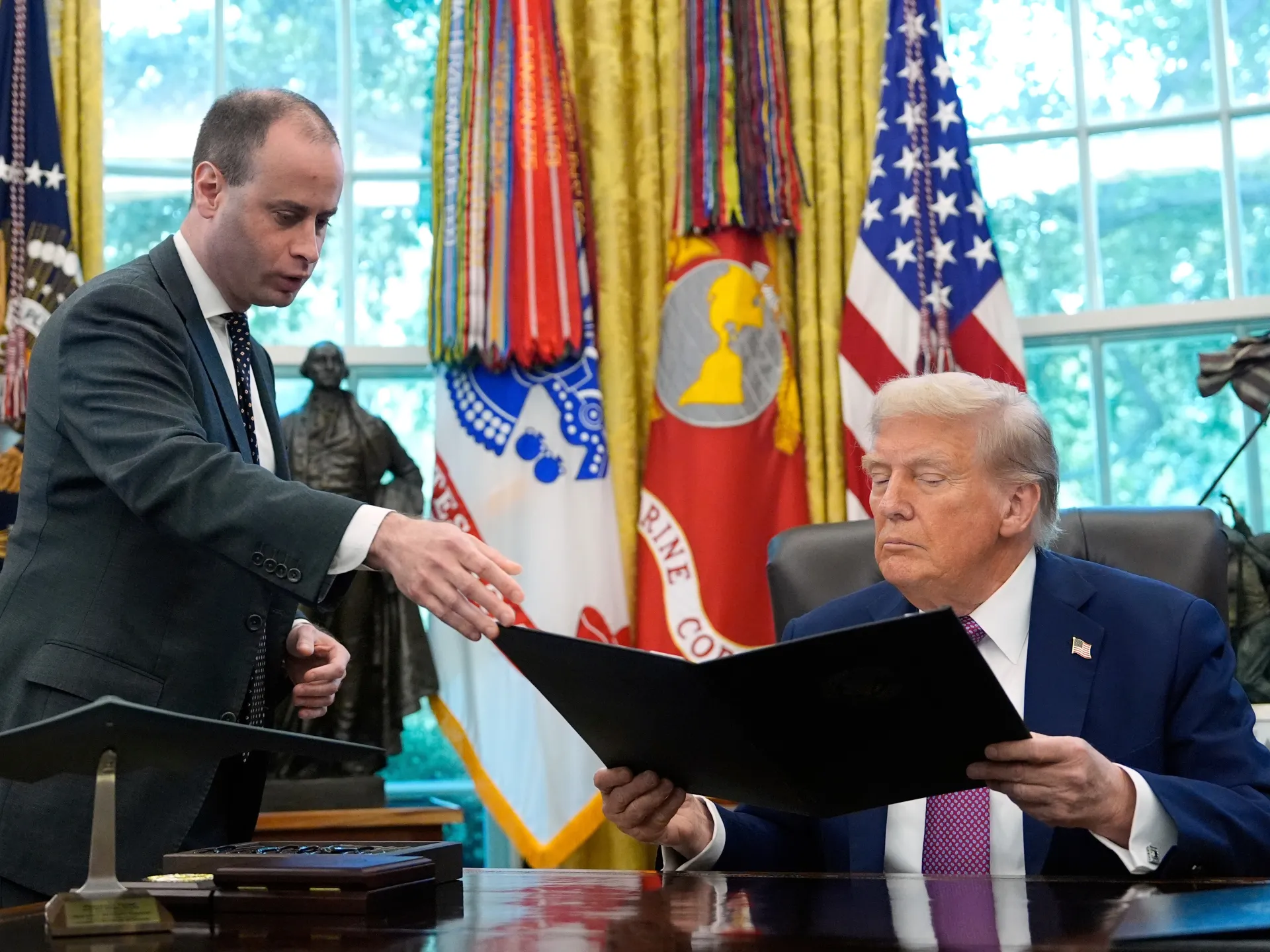
For the United States, the conflict has evolved from a targeted strike into an entrenched military engagement with no clear exit strategy. President Donald Trump, who initially championed the campaign, now faces significant internal and external criticism. The promise of a quick, decisive victory has been replaced my and failed to secure the stability of the Strait of Hormuz, a critical maritime chokepoint that remains effectively closed due to regional tensions.
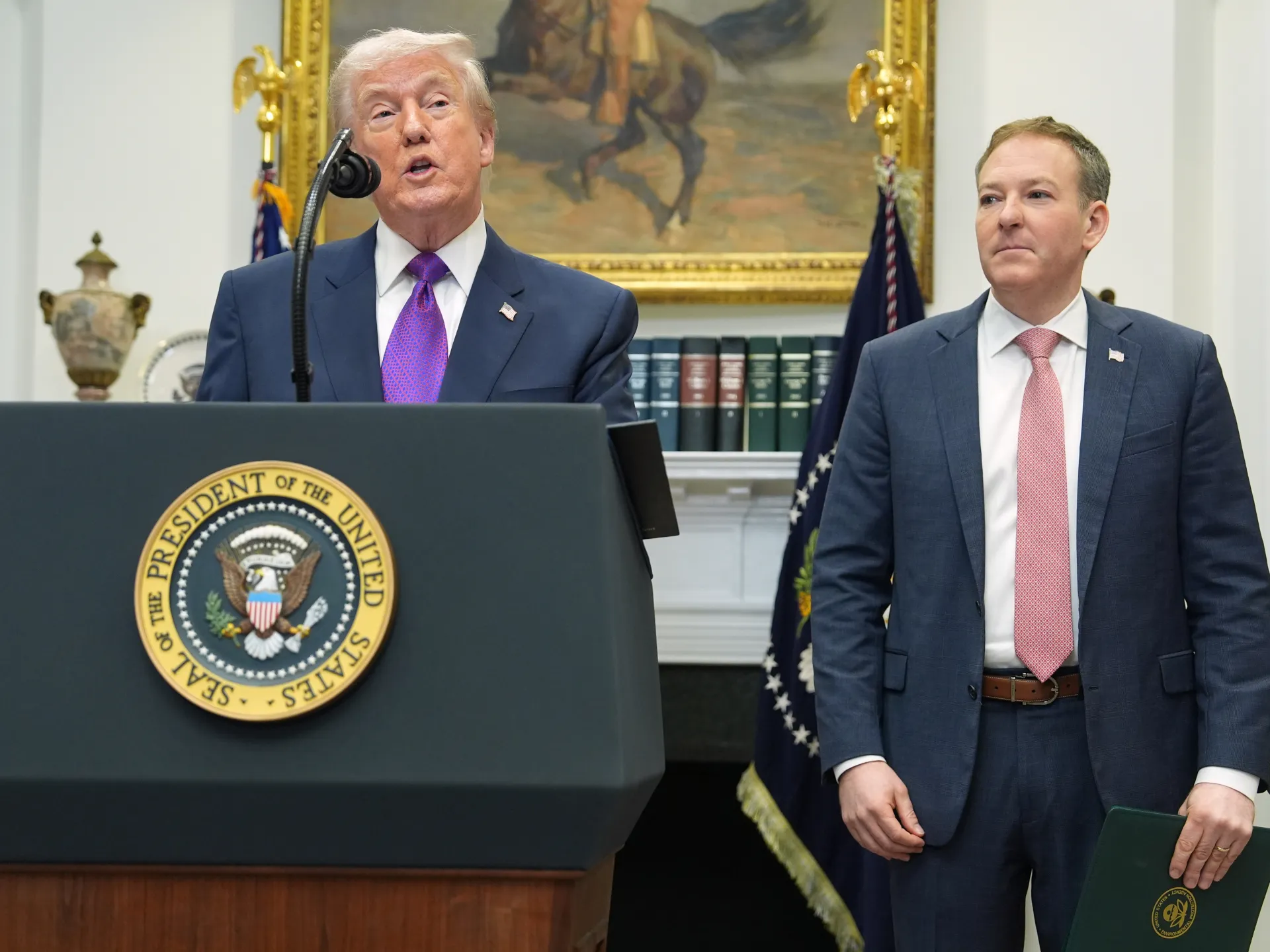
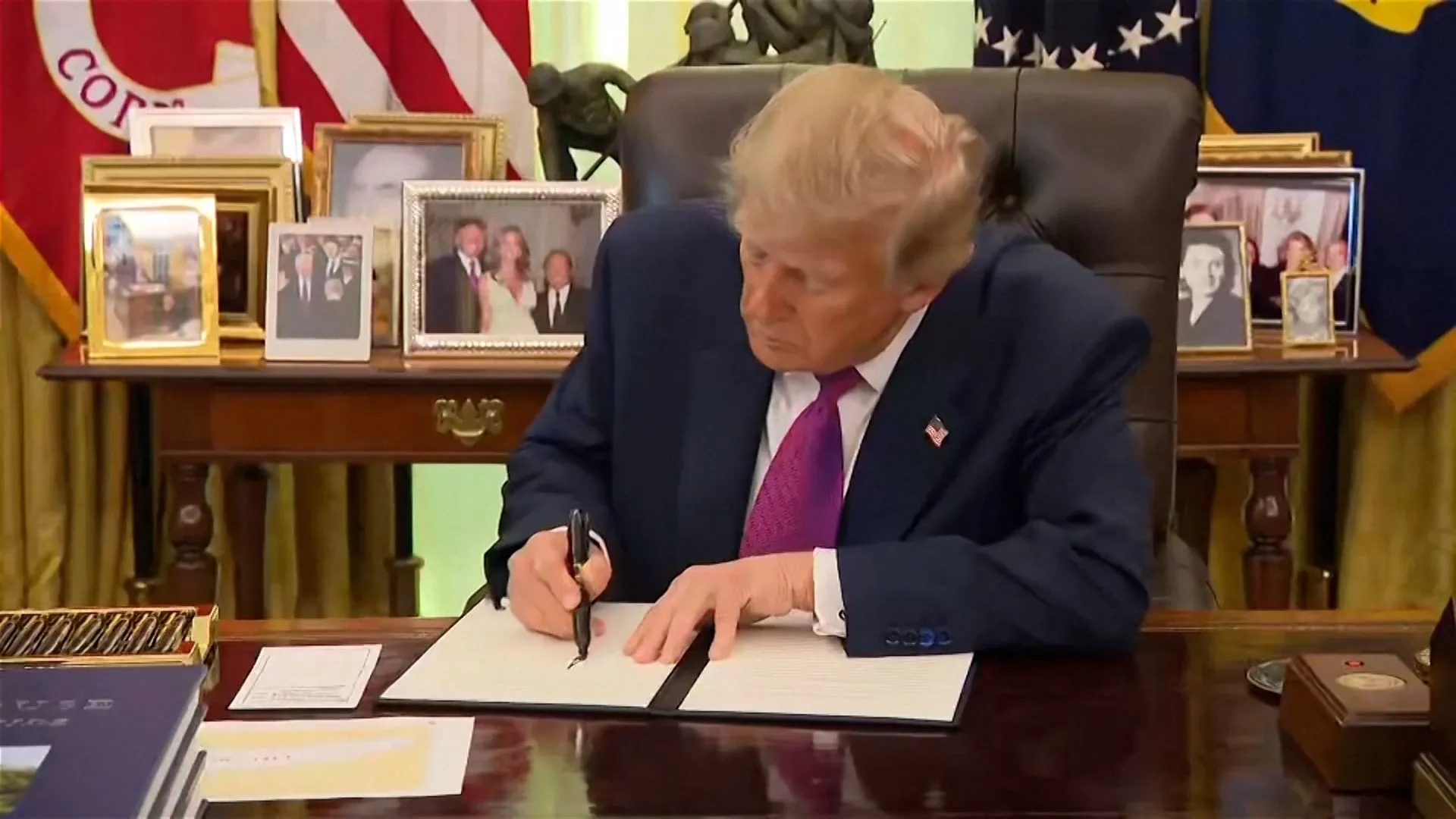
The economic ramifications of the war have become a defining issue for the American electorate, complicating the Republican Party's strategy ahead of the upcoming midterm elections. While the administration touted the necessity of the conflict, surging fuel prices and a worsening cost-of-living crisis have eroded public support. Polls indicate that President Trump’s approval ratings have plummeted, with voters increasingly viewing the war as an unnecessary entanglement orchestrated at the behest of foreign interests rather than a strategic necessity for national security.
Political experts note that the perception of being dragged into a foreign conflict has shifted the priorities of the American public. The issue of Israel, once confined to the realm of foreign policy, has transitioned into a domestic concern that touches on core values and personal finances. With fewer than one in three Americans currently supportive of the ongoing military efforts, the administration’s attempt to leverage new sanctions—labeled an “Economic D-Day”—appears to be a desperate effort to force a diplomatic breakthrough that has remained elusive for months.
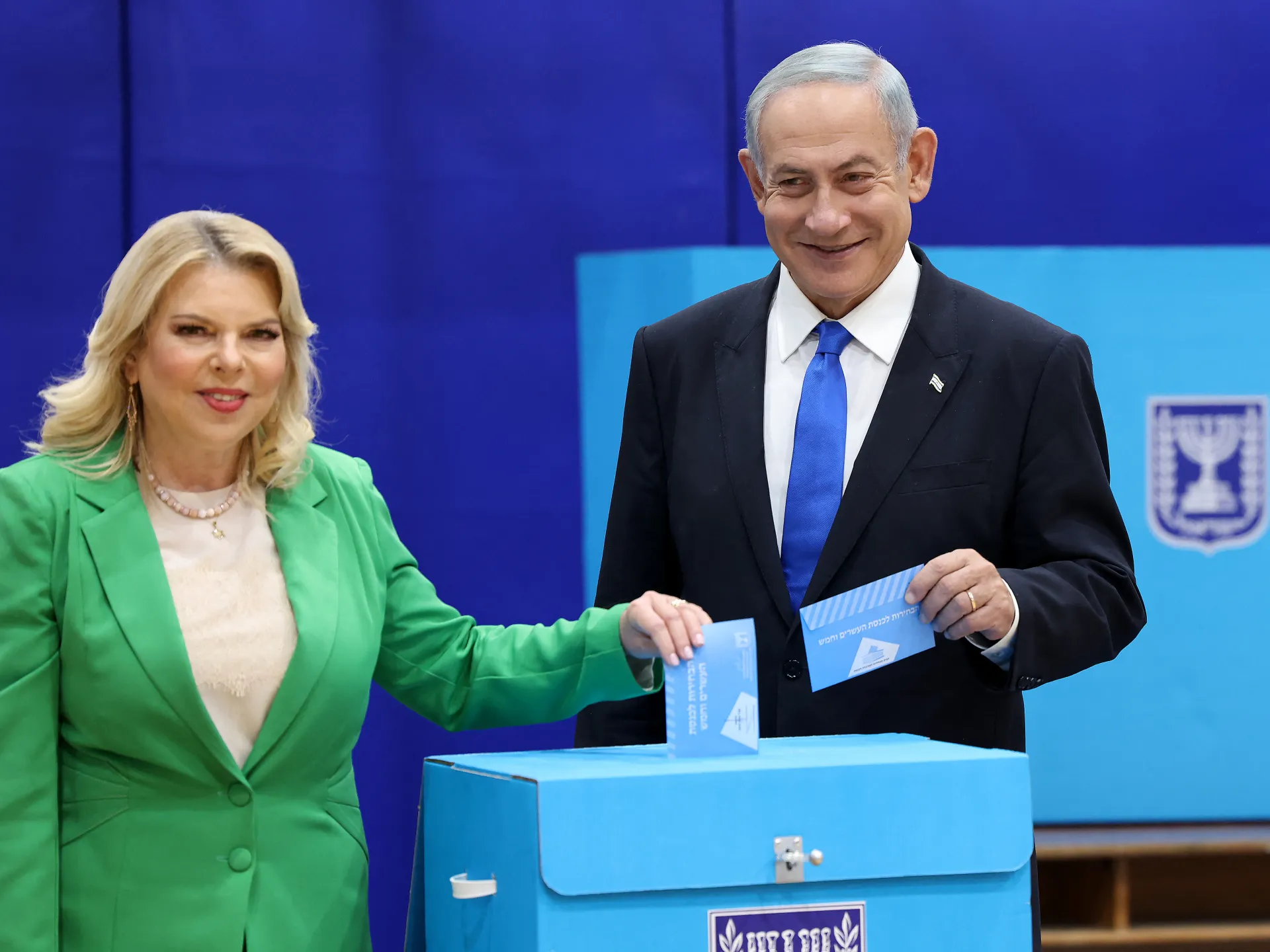
In Israel, Prime Minister Benjamin Netanyahu faces a similarly precarious situation. Having pinned his political survival on the success of the military campaign, the lack of a decisive outcome has left his administration vulnerable to intense criticism from both the public and his political rivals. The expectation that the conflict would serve as an electoral game-changer has been replaced at posed
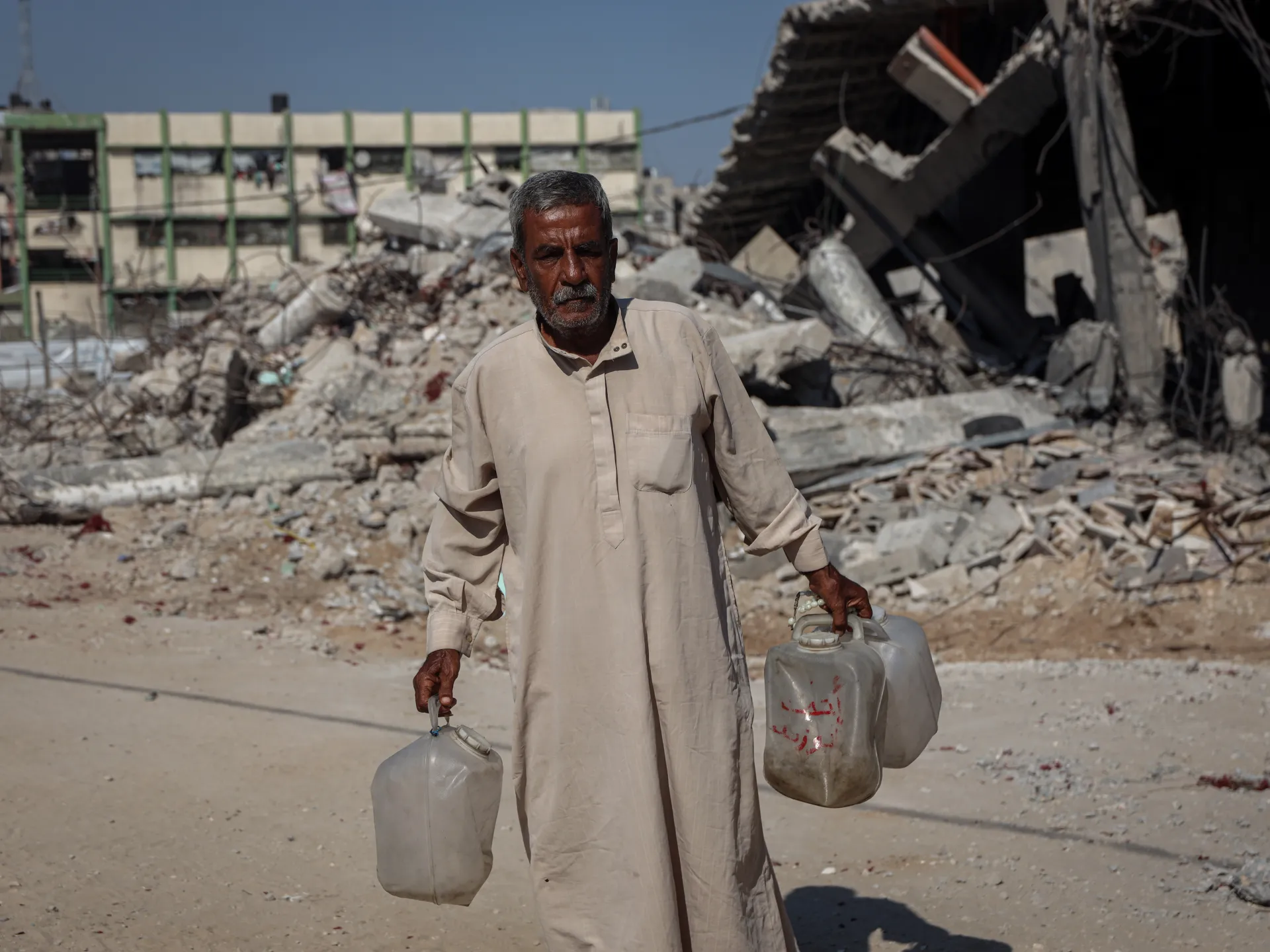
Critics within the Israeli political establishment argue that Netanyahu overpromised on the results of the intervention. Instead of successfully curbing Iran’s nuclear program, the conflict has inadvertently highlighted the limits of Israeli military power. As the government continues to grapple with the fallout from operations in Gaza and Lebanon, the failure to secure a victory in Iran has further alienated voters, who see the current economic pressure on Tehran not as a path to peace, but as a potential prelude to further, unpredictable escalations.
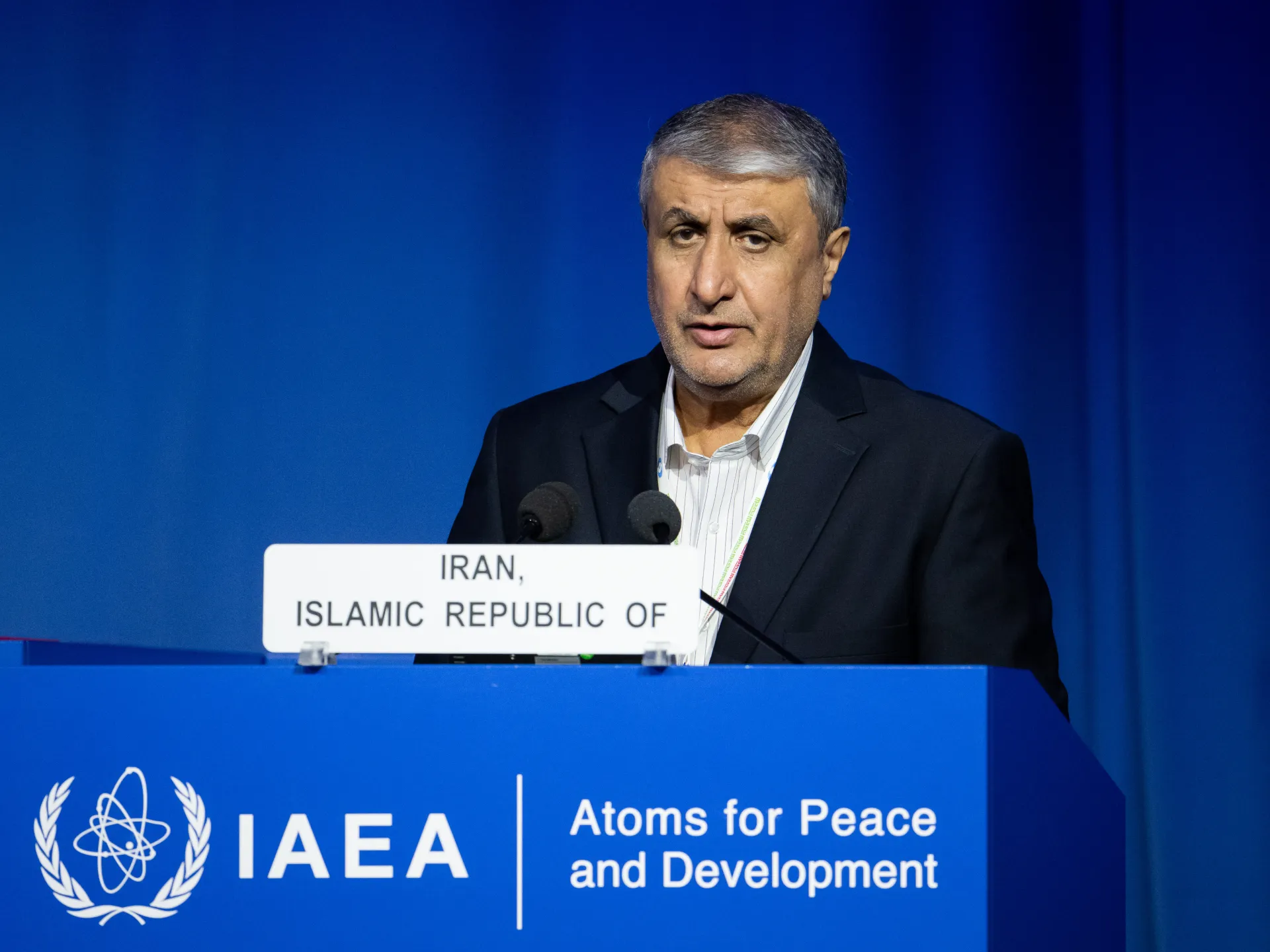
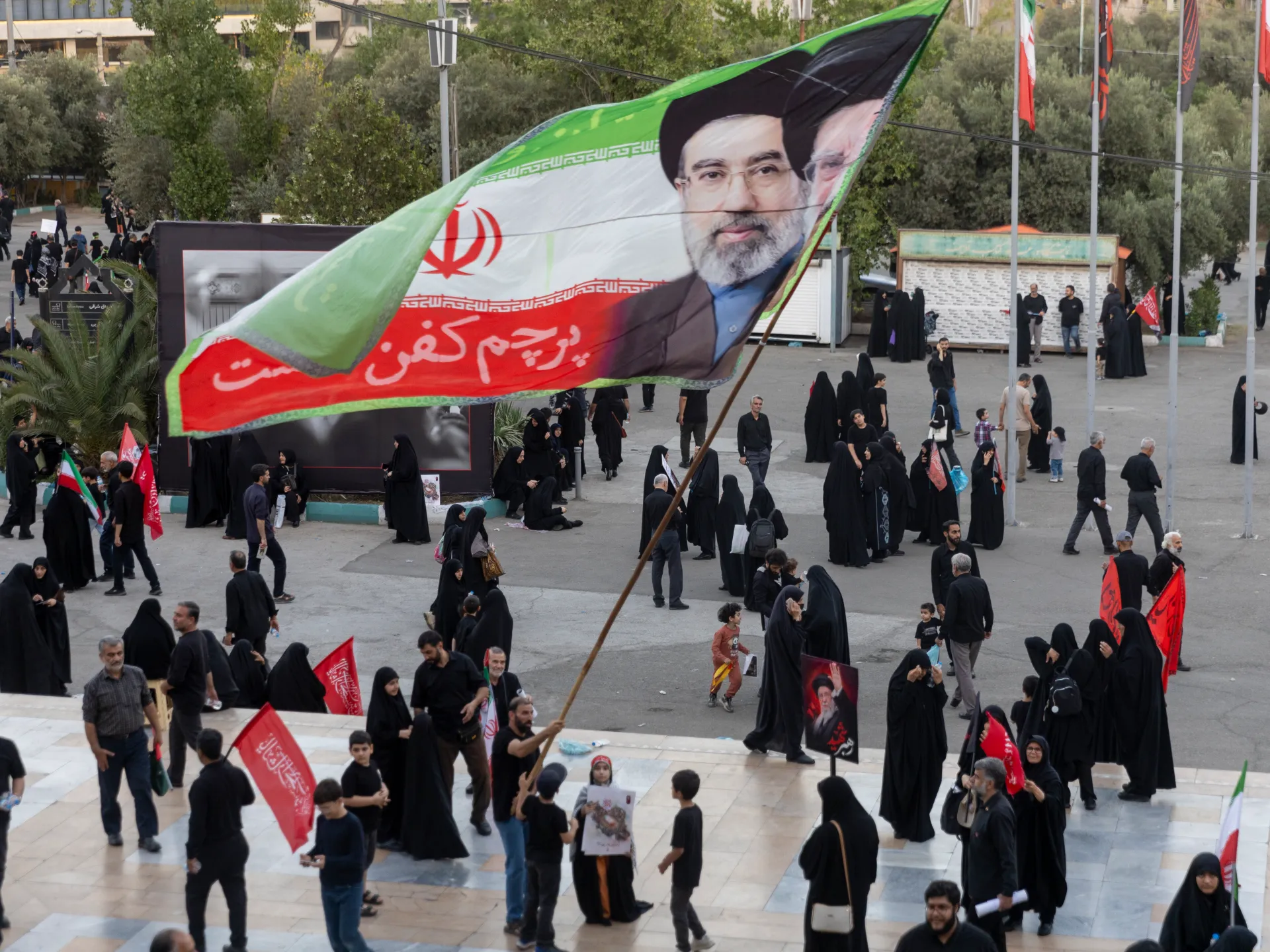
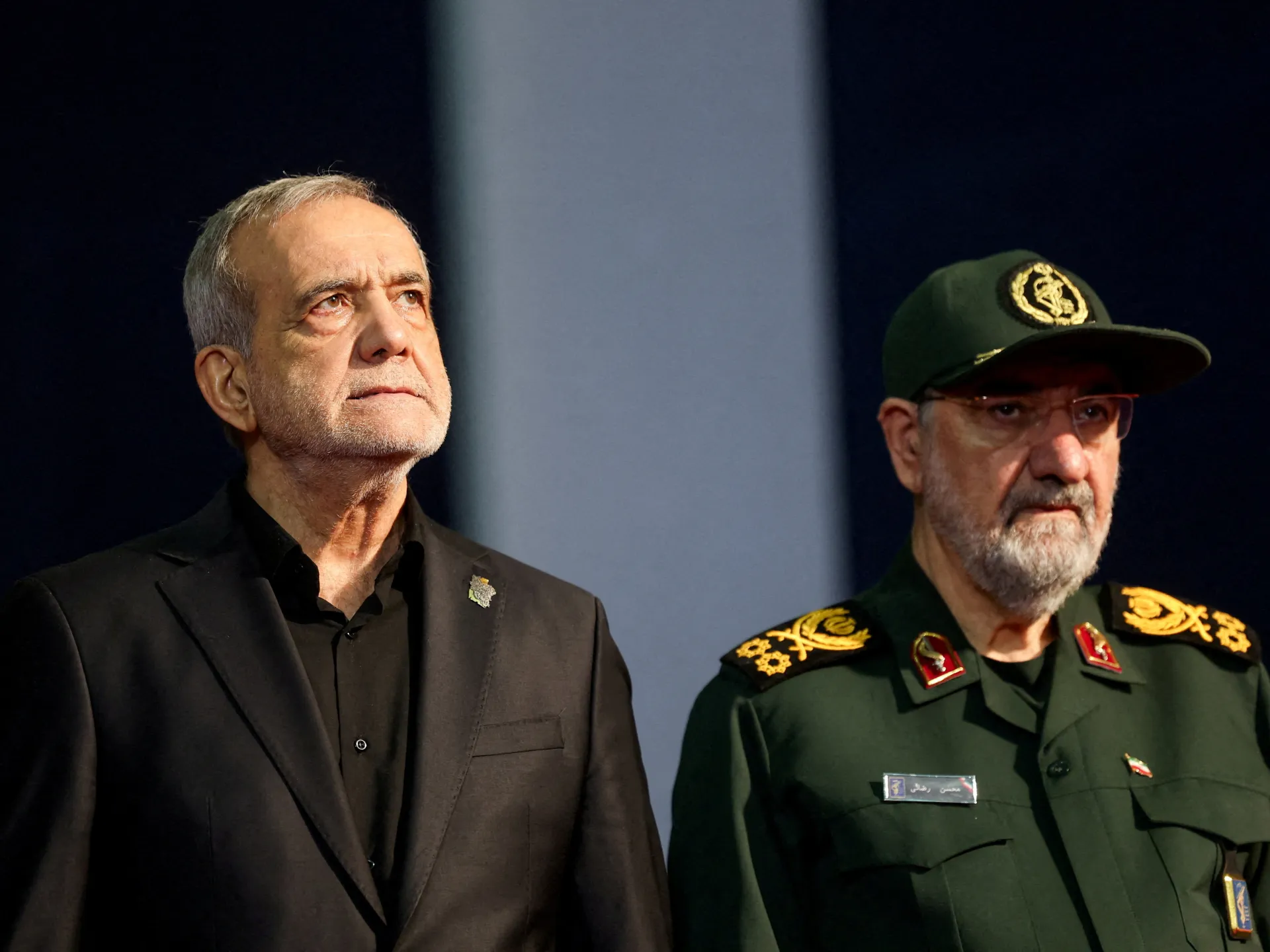
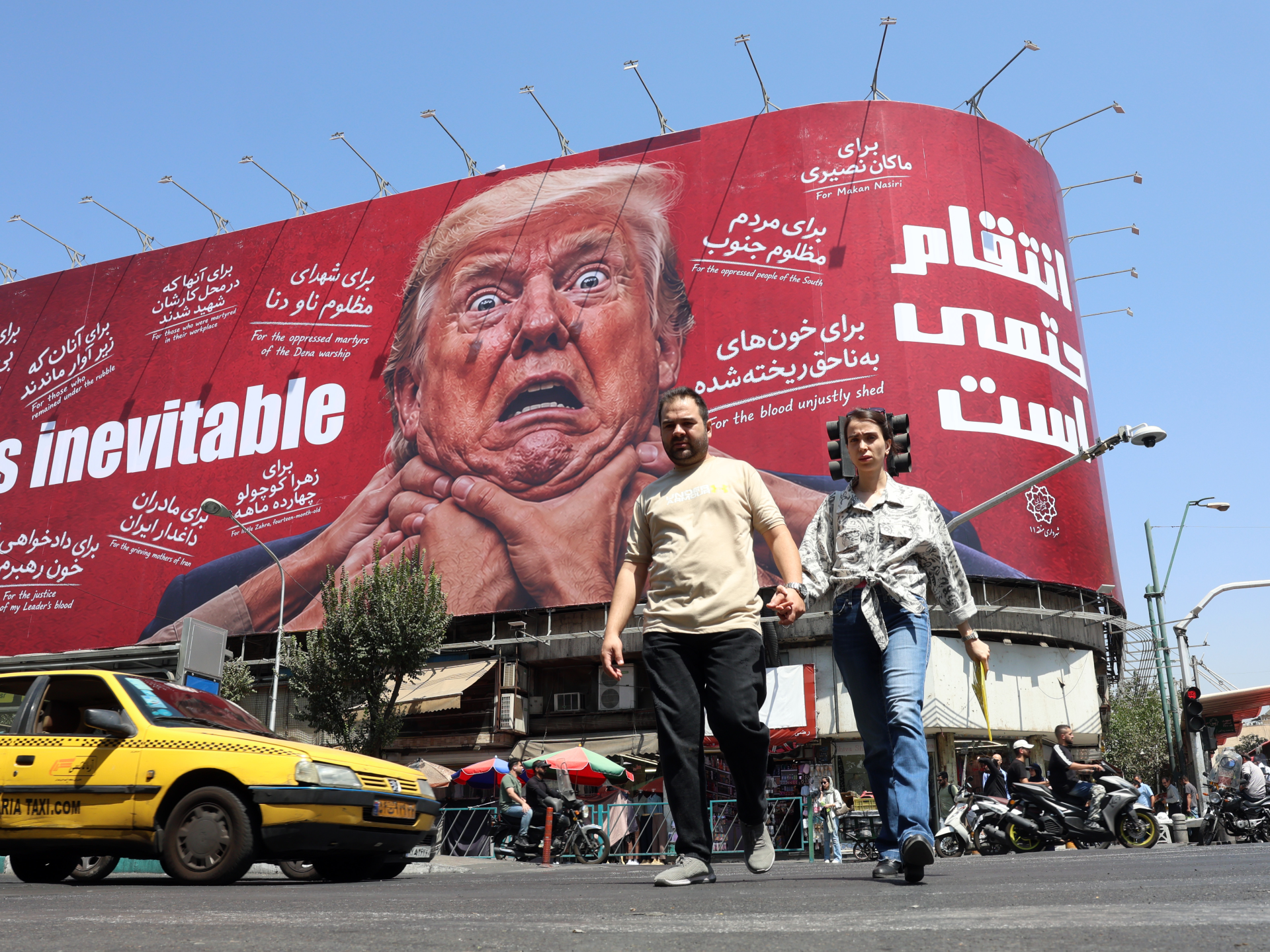
Despite the immense pressure of international sanctions and the loss of key leadership, the Iranian government has demonstrated a surprising degree of resilience. While the economy continues to suffer from high inflation and the effects of a naval blockade, the state’s political and military systems remain intact. Observers note that the Iranian leadership’s focus on sovereignty and national dignity has allowed it to navigate these economic hardships, maintaining internal cohesion despite the presence of divergent views between hardliners and moderates regarding future diplomacy.
The standoff has essentially created a stalemate where neither side can claim victory. Iran’s proxies in the region, while diminished in their operational capacity, continue to hold influence, and the broader goal of regional deterrence has been complicated unity watches, the failure to achieve a short-term military resolution suggests that this conflict will have long-term consequences for the future of global foreign policy, likely discouraging future administrations from pursuing similar regime-change strategies through direct military intervention.