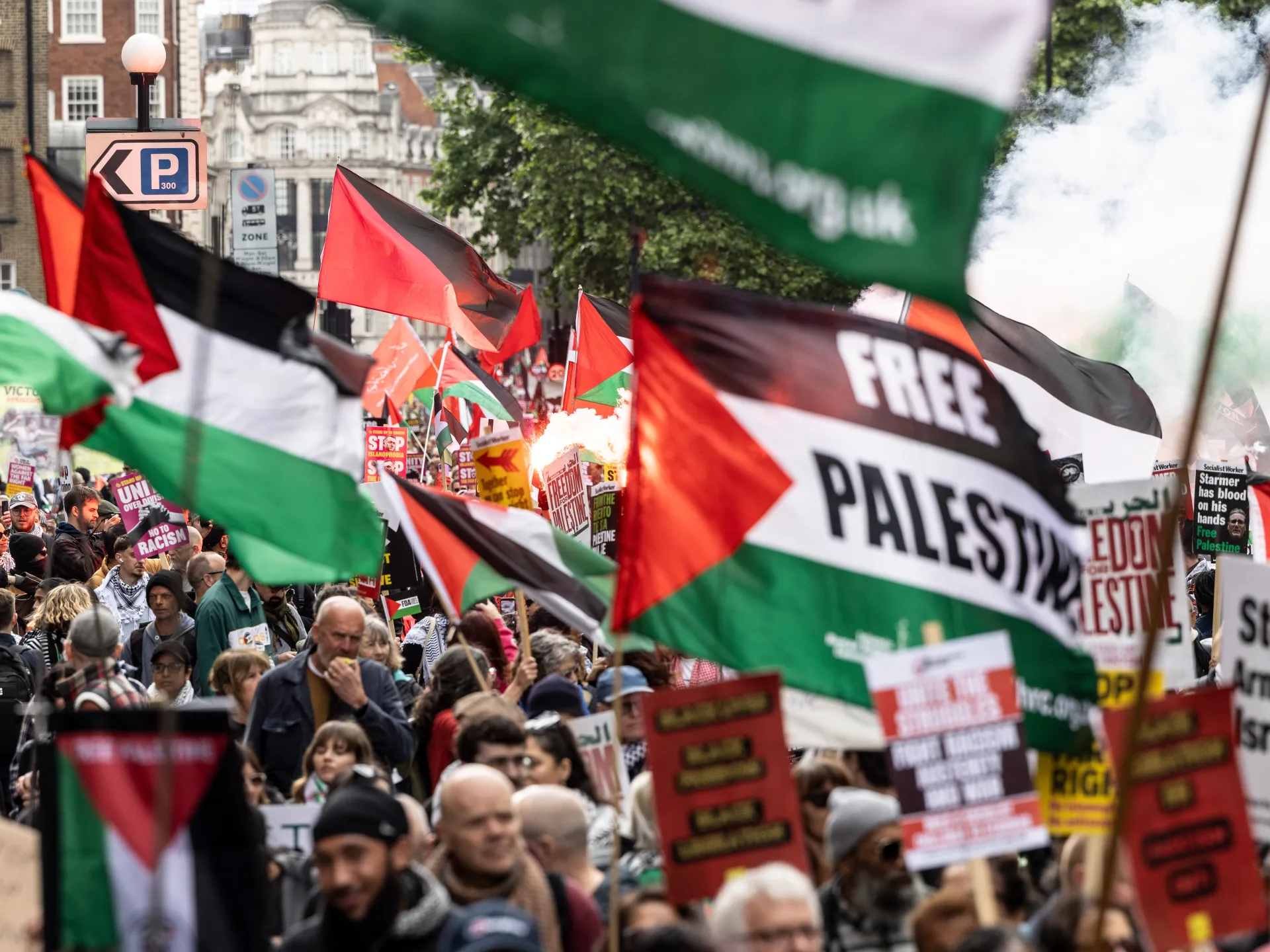
The Trades Union Congress, representing over 5.3 million workers, has voted to support the BDS movement, marking a historic shift in UK labor policy.
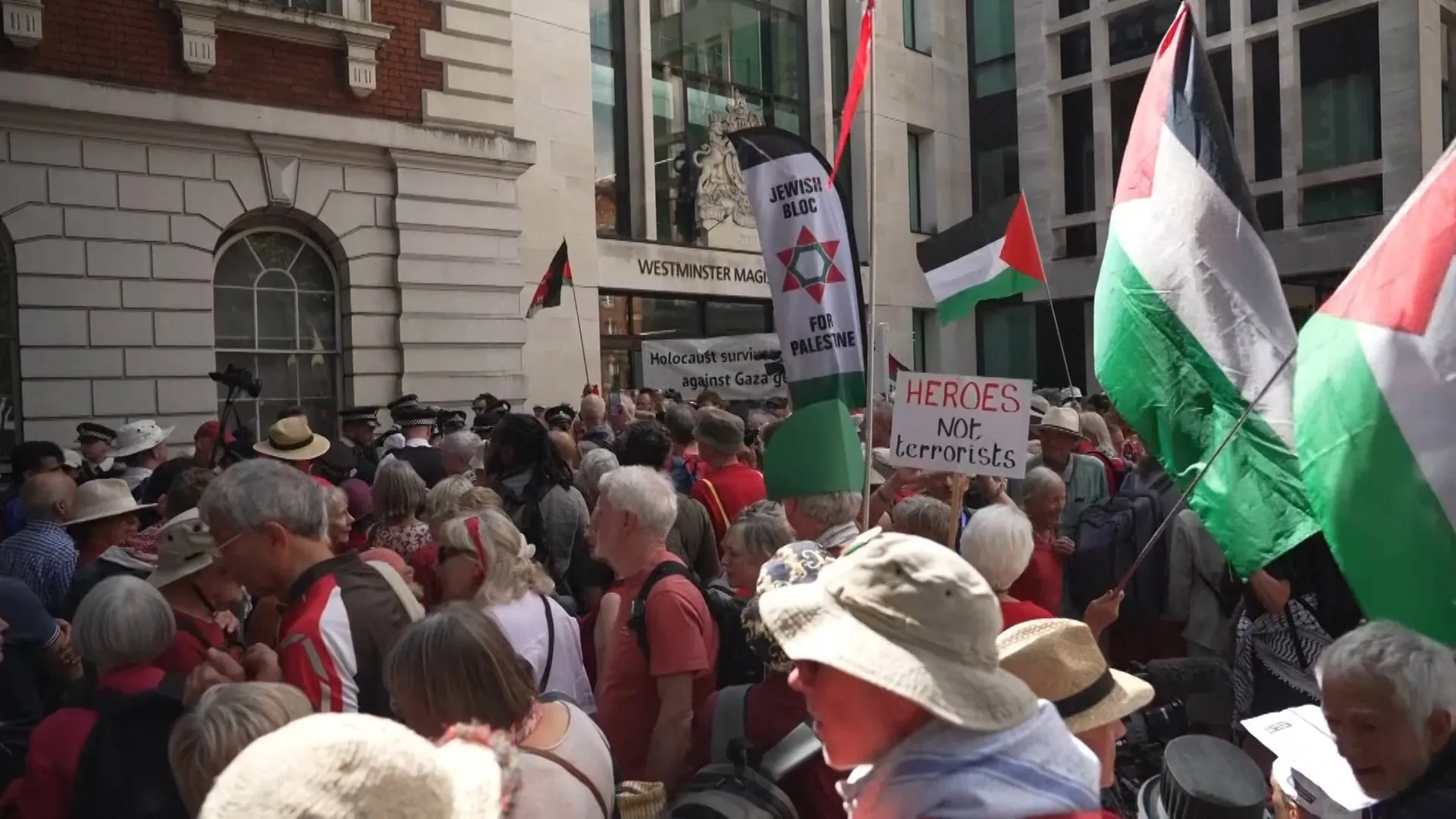
The Trades Union Congress (TUC), the primary umbrella organization for labor unions in the United Kingdom, has reached a significant milestone in its history. During its recent annual conference in Brighton, the organization, which represents over 5.3 million workers, voted unanimously to support the Palestinian-led Boycott, Divestment, Sanctions (BDS) movement. This decision signifies a major shift in the political landscape of British labor, as it is the first time the TUC has officially aligned itself with the international campaign aimed at pressuring Israel regarding its policies in Gaza and the West Bank.
The motion was championed ral imperative for collective action. Holborne argued that the trade union movement possesses a unique capacity to challenge complicity through its economic and social influence. members are prepared to utilize their collective bargaining and advocacy powers to demand an end to the ongoing conflict and the associated humanitarian crisis in the occupied territories.
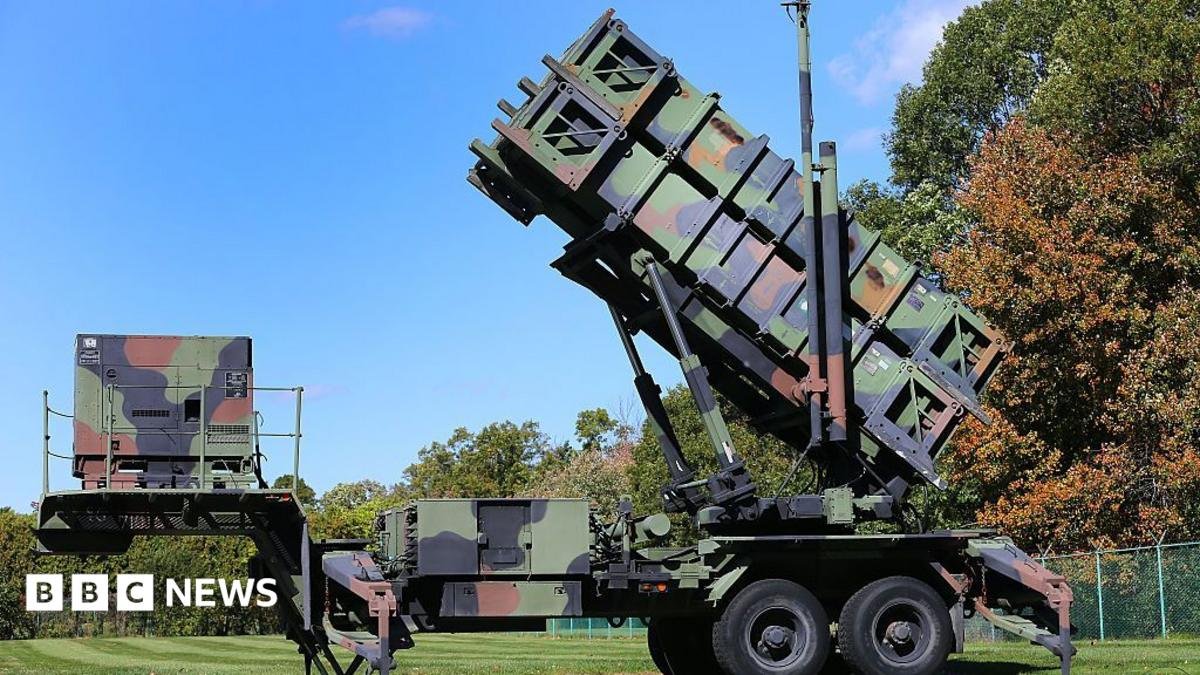
The scope of the motion passed s. The congress has officially called for the British government to cease all military cooperation and arms trade with Israel. Gaza, the TUC is positioning itself as a major domestic force pushing for a fundamental change in the United Kingdom's foreign policy toward the region.
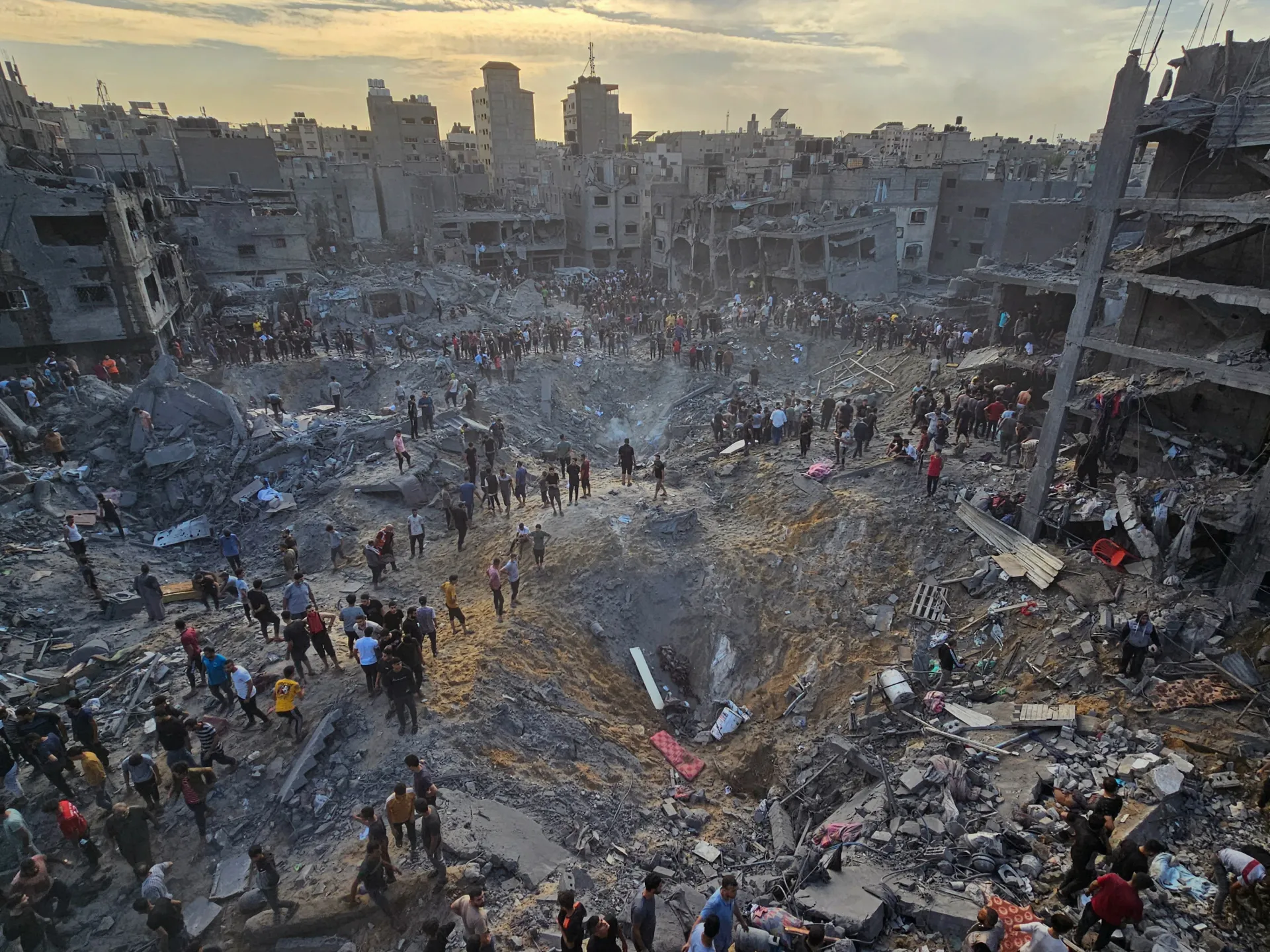
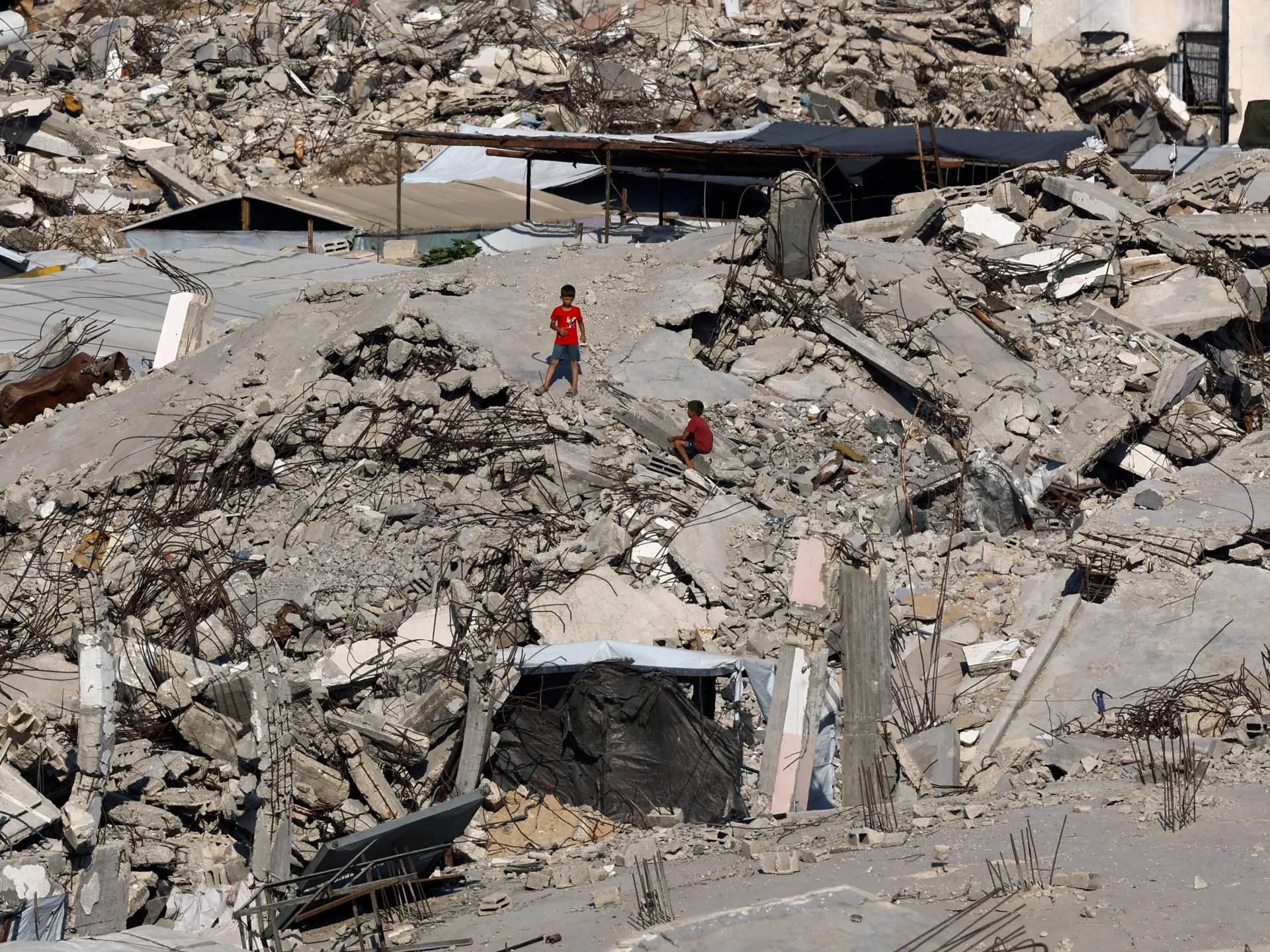
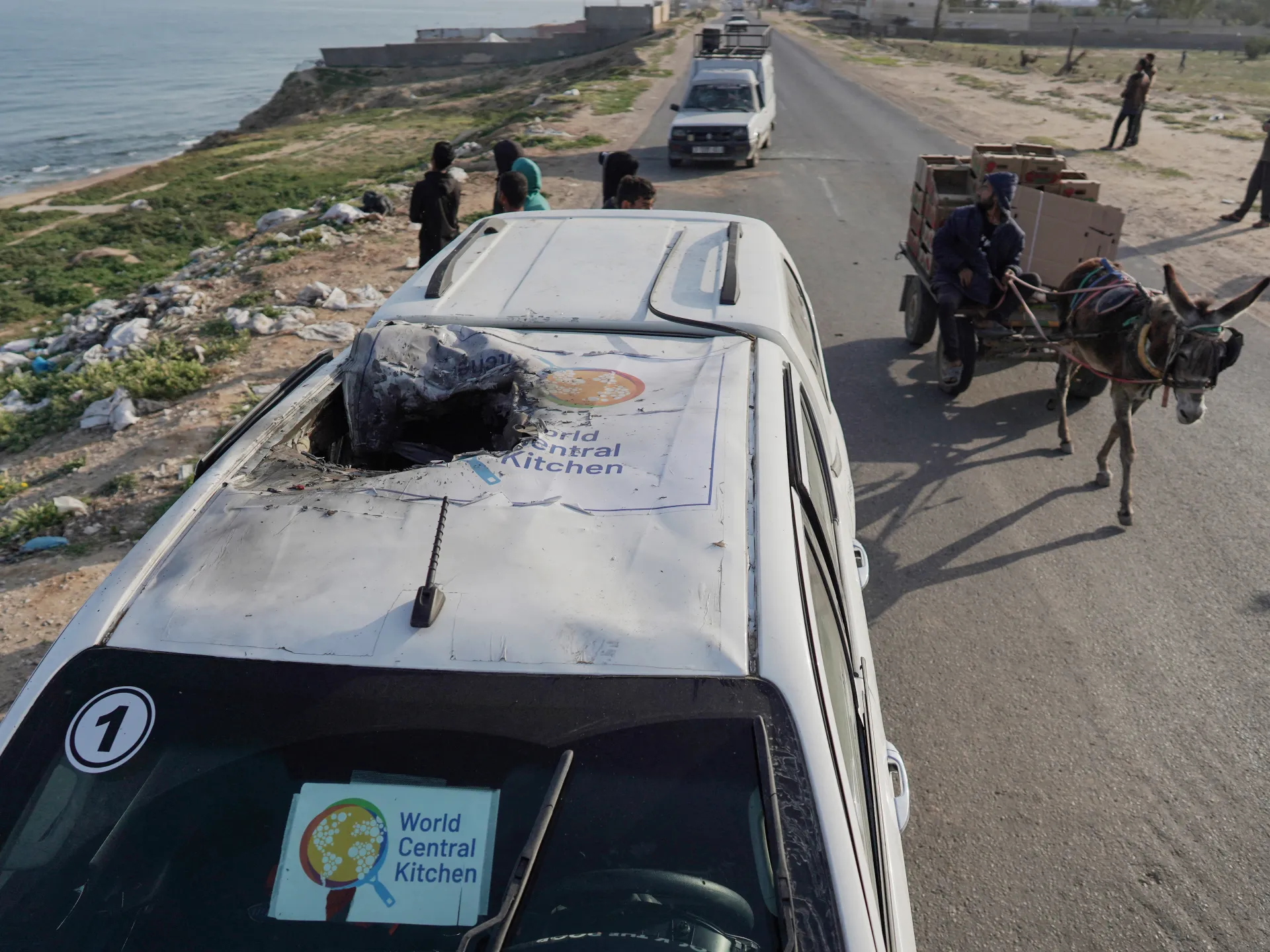
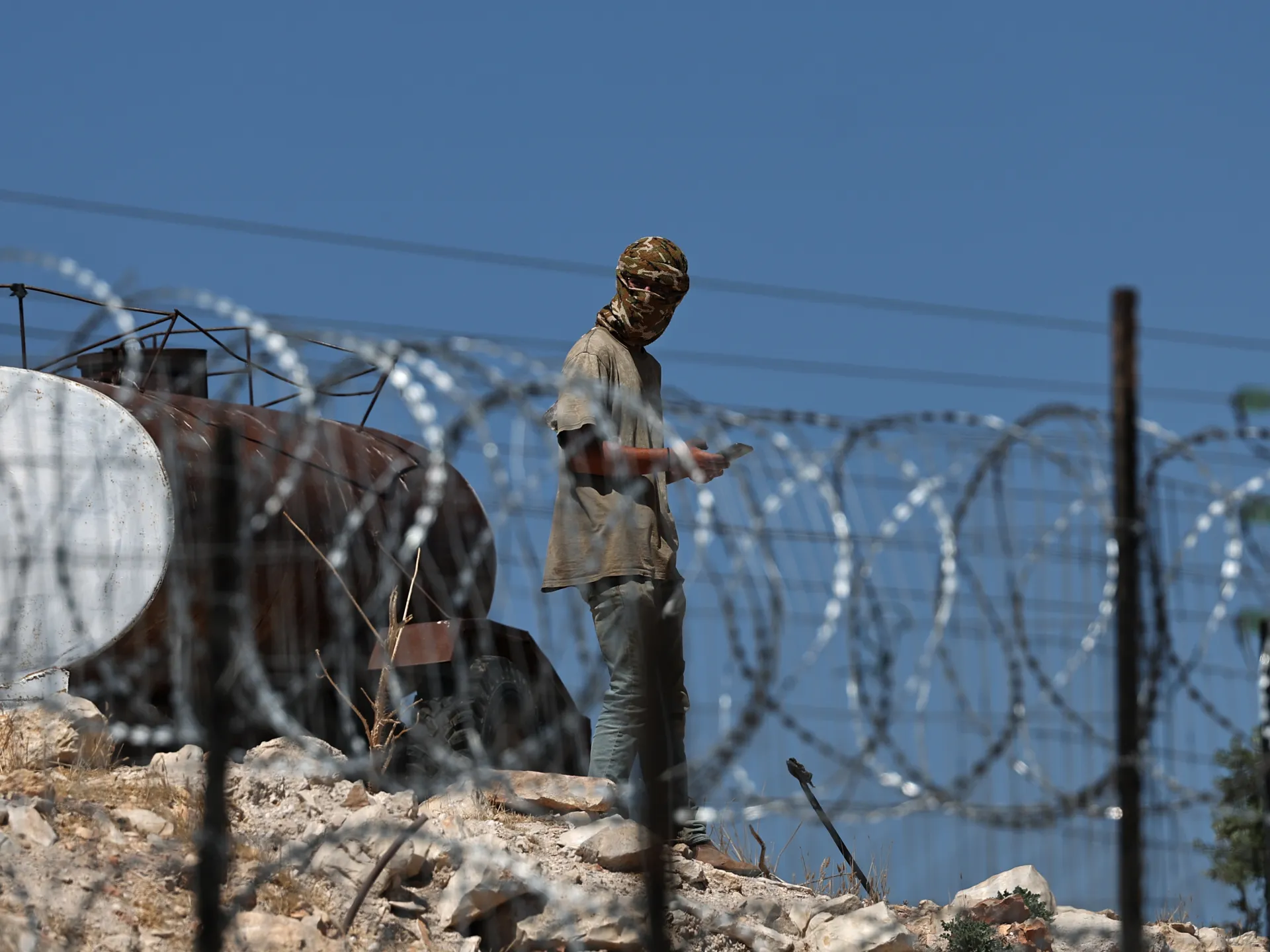
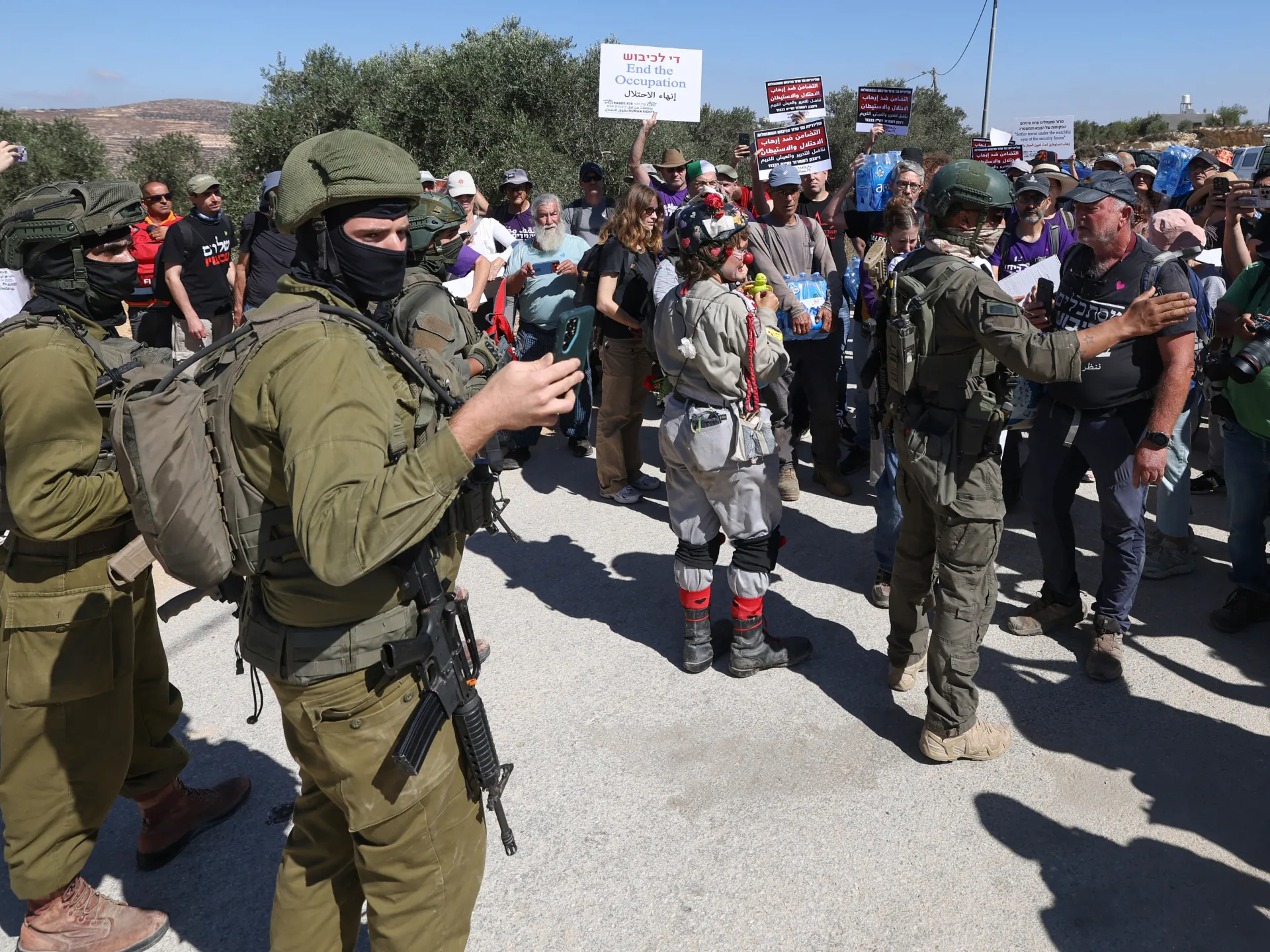
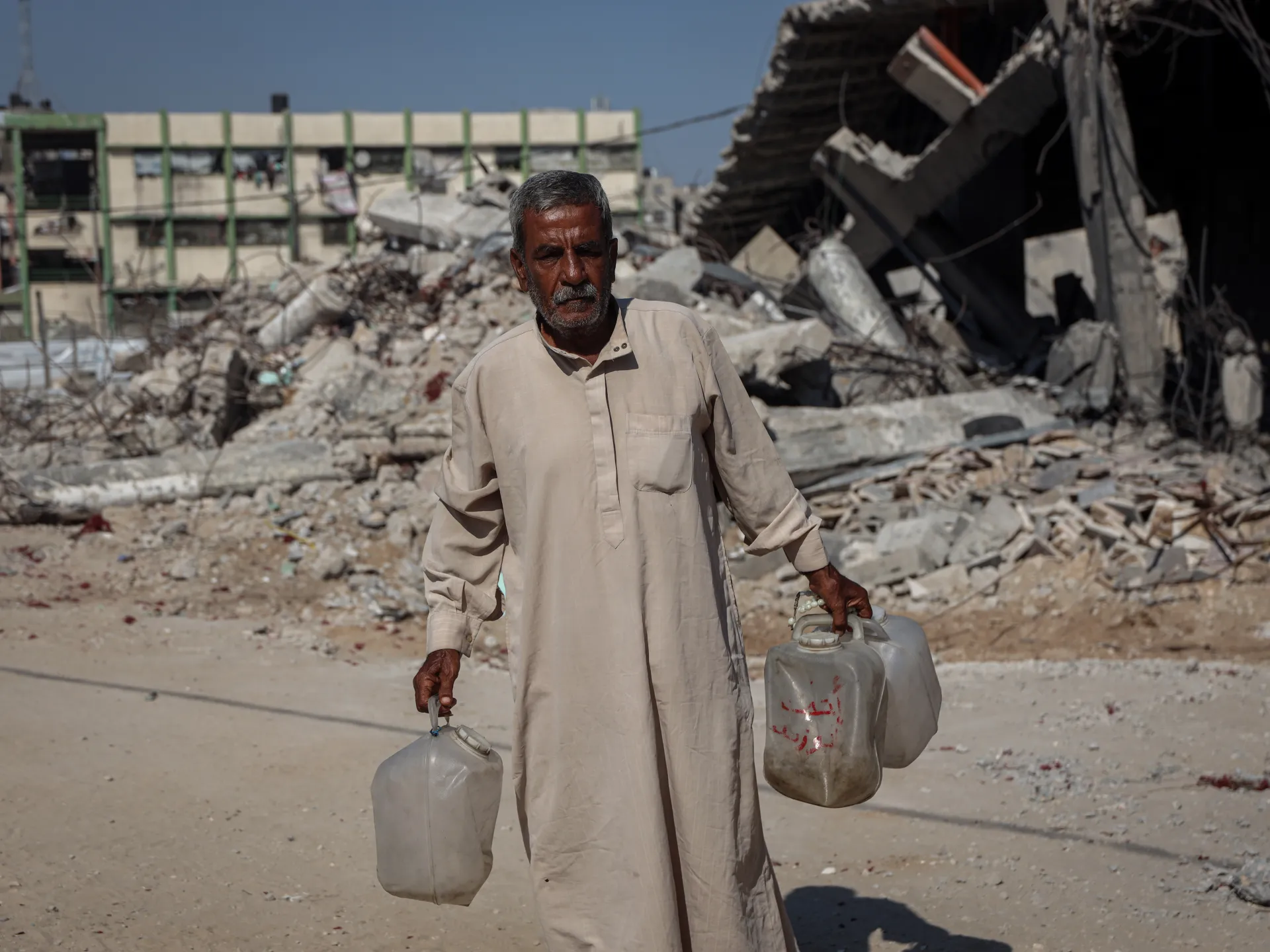
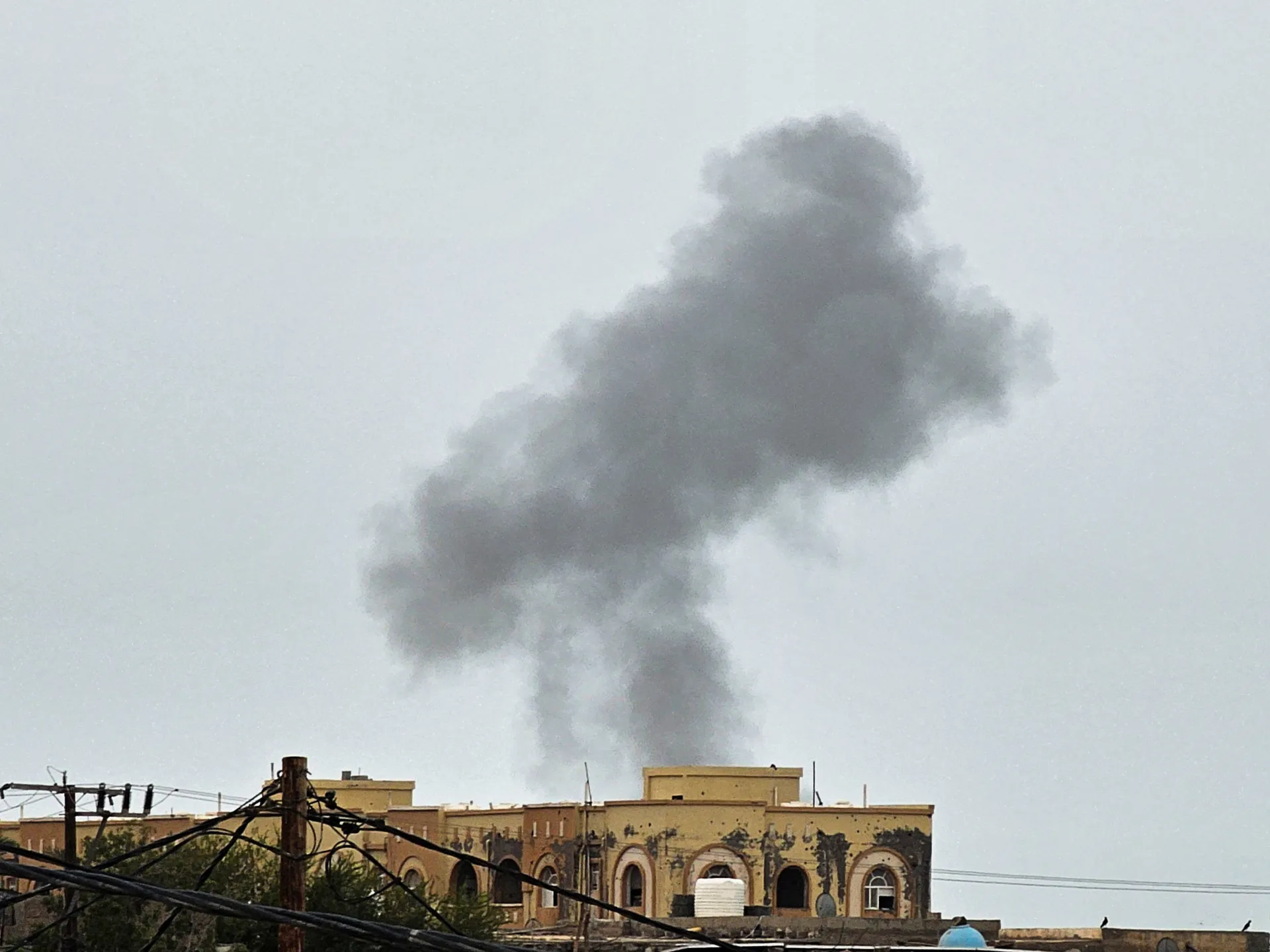
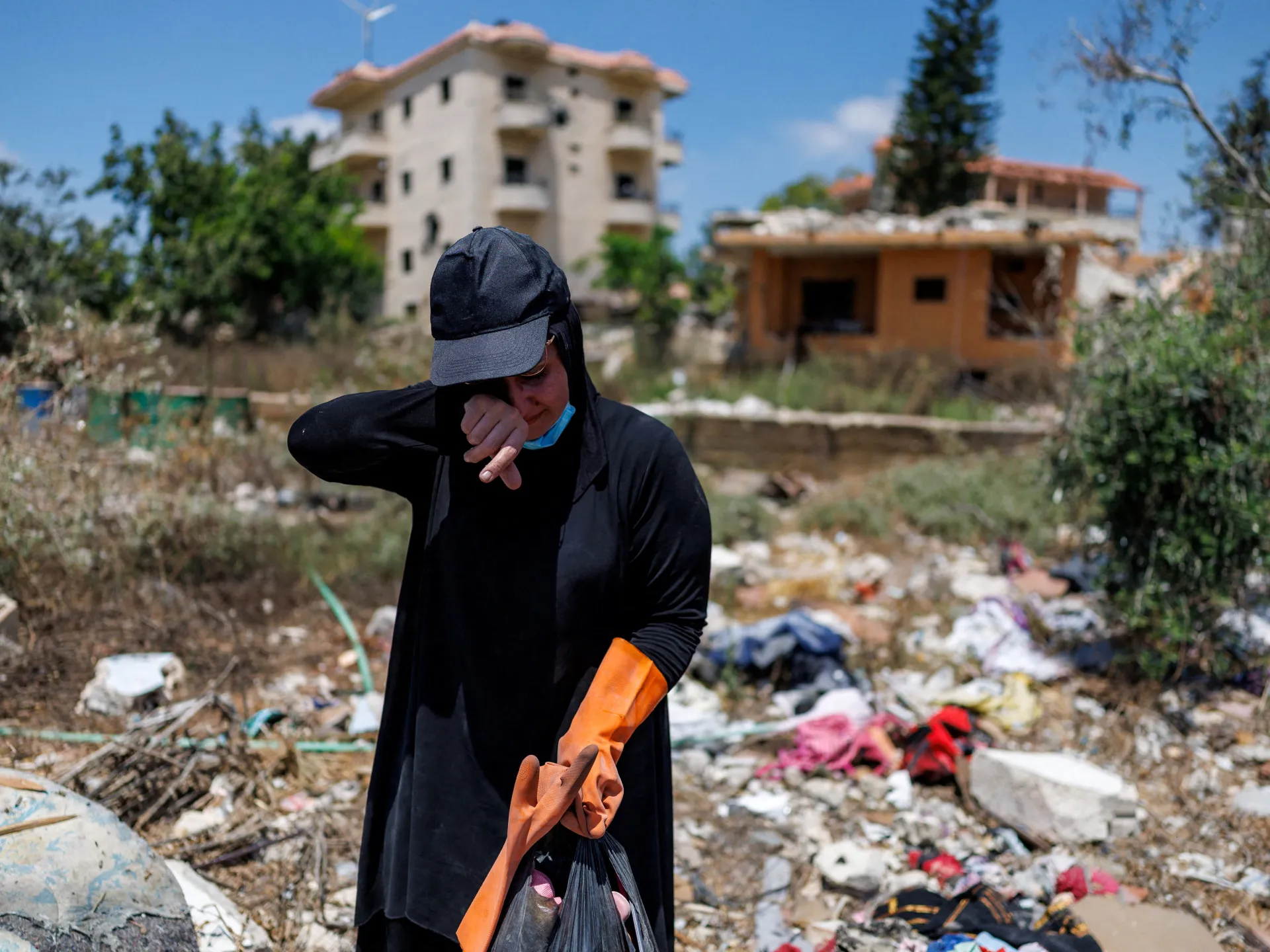
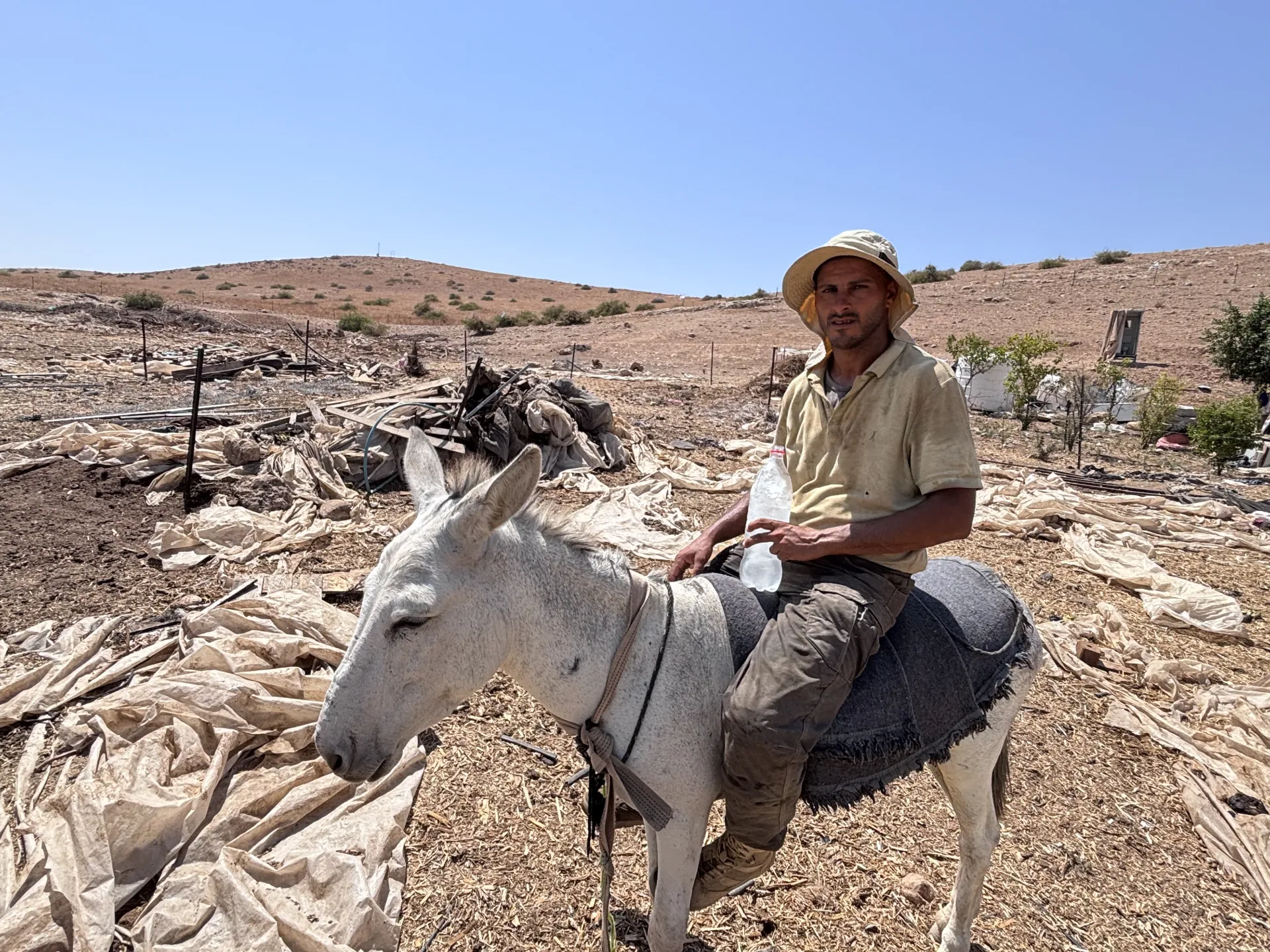
Furthermore, the motion urges the government to implement wide-ranging sanctions against Israel. These measures are intended to address what the union members categorized as the systematic destruction of infrastructure in Gaza and the rising levels of settler violence in the West Bank. The congress intends to spearhead and support various trade union-led campaigns designed to keep public and political focus on these demands, ensuring that the issue remains at the forefront of the national conversation.
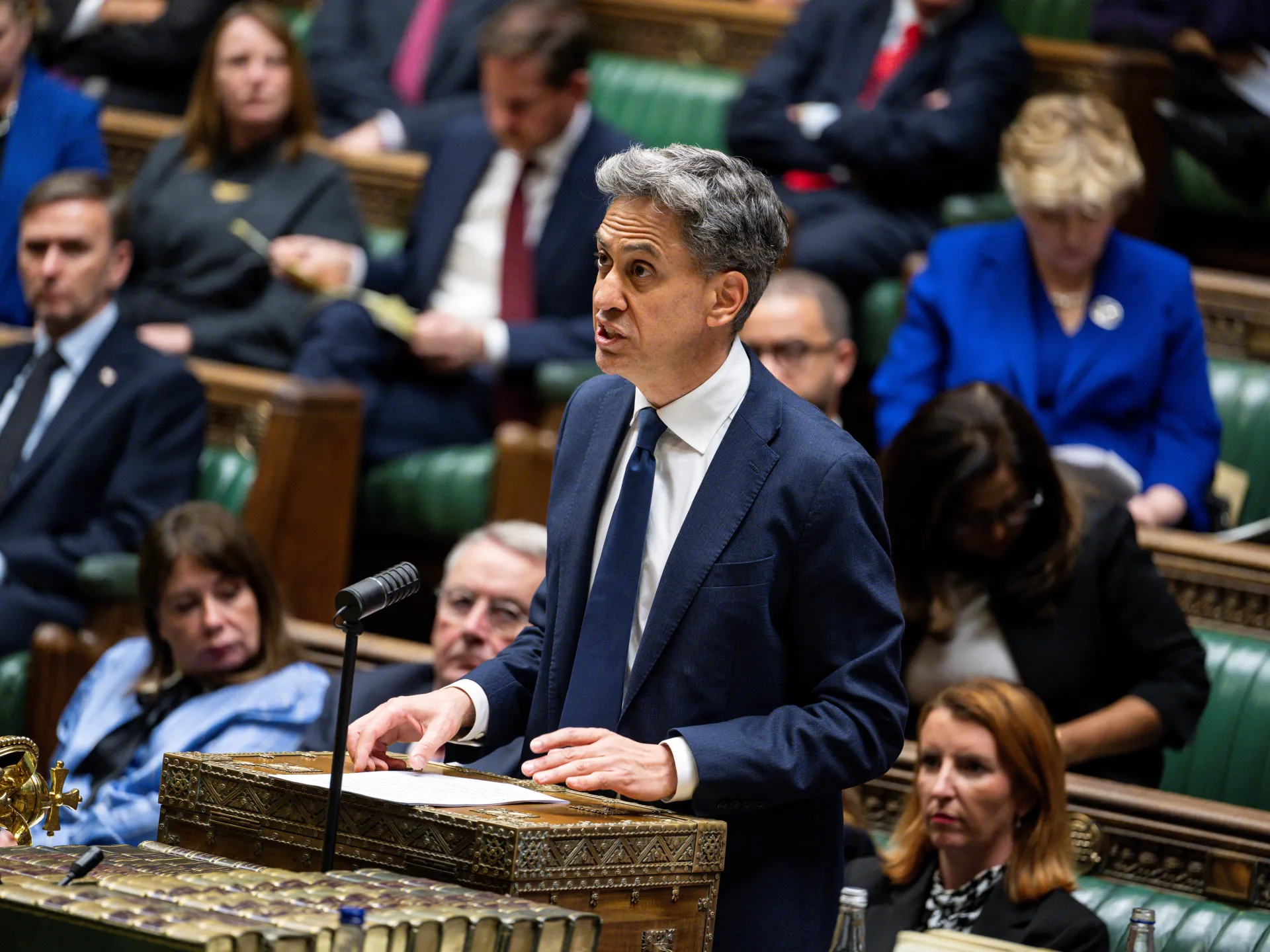
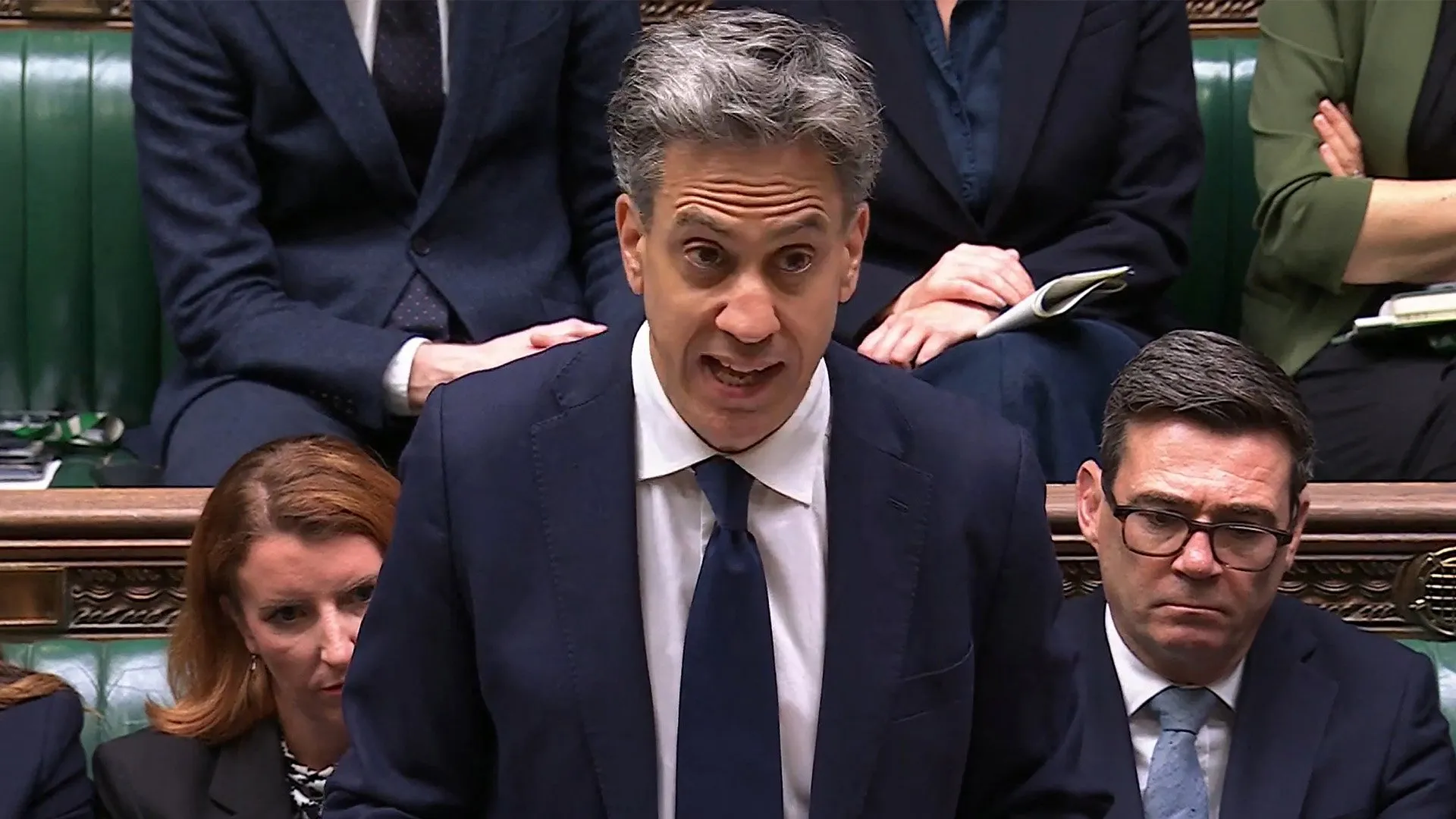
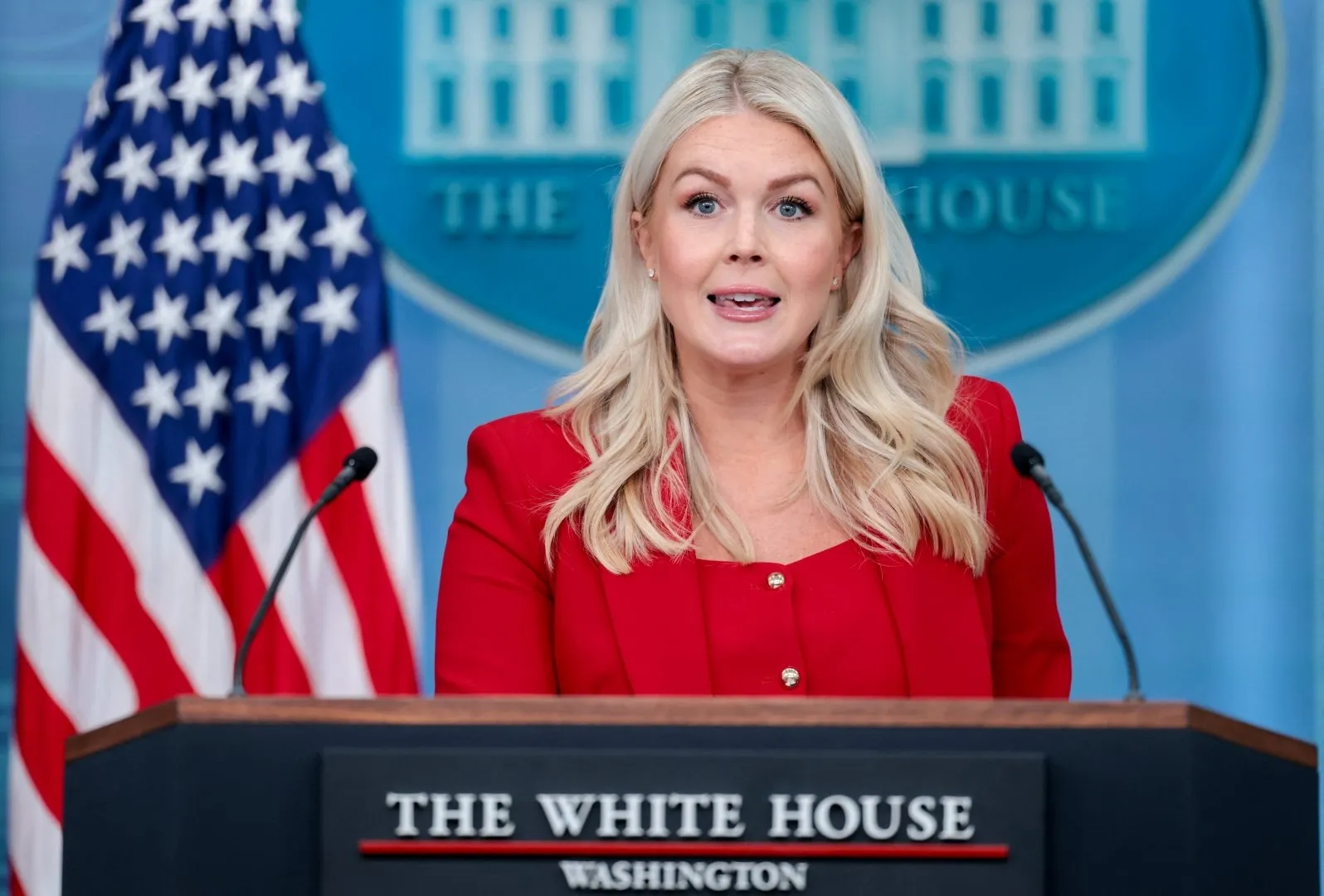
The TUC’s bold stance highlights an increasing friction between organized labor and the current UK government. While Foreign Secretary Ed Miliband recently announced a ban on the import of goods produced in Israeli settlements—which are widely considered illegal under international law—the government remains firmly opposed to the broader BDS movement. Miliband has publicly denounced acts of violence aintained that the UK must continue to uphold valued trade agreements with Israel that align with international standards.
This dichotomy has created a clear divide. While the government attempts to navigate a middle path movement is calling for a more holistic withdrawal of support. Activists and organizations, such as the Palestine Solidarity Campaign, view the TUC vote as a "tipping point" that could force the government to move beyond its current, limited measures. They argue that the pressure from such a large block of workers will make it increasingly difficult for officials to ignore the demand for a total cessation of military, diplomatic, and economic support for Israel.
The reaction from international figures, including BDS co-founder Omar Barghouti, has been one of cautious optimism. Barghouti noted that while the government has taken minor steps in the right direction, these actions fall far short of the legal obligations he believes the UK holds regarding the prevention of genocide and the occupation of Palestinian territories. For supporters of the movement, the TUC vote is viewed as a necessary escalation to force the state to reconcile its foreign policy with its stated human rights commitments.
As the TUC prepares to integrate this motion into its ongoing advocacy strategy, the potential for further industrial and political mobilization remains high. Whether this pressure will result in a legislative overhaul in Parliament remains to be seen. However, the alignment of 5.3 million workers behind this motion ensures that the debate over the UK's role in the conflict will remain a central point of contention in the coming months, forcing a continuous public dialogue regarding the ethics of international trade and military partnerships.