

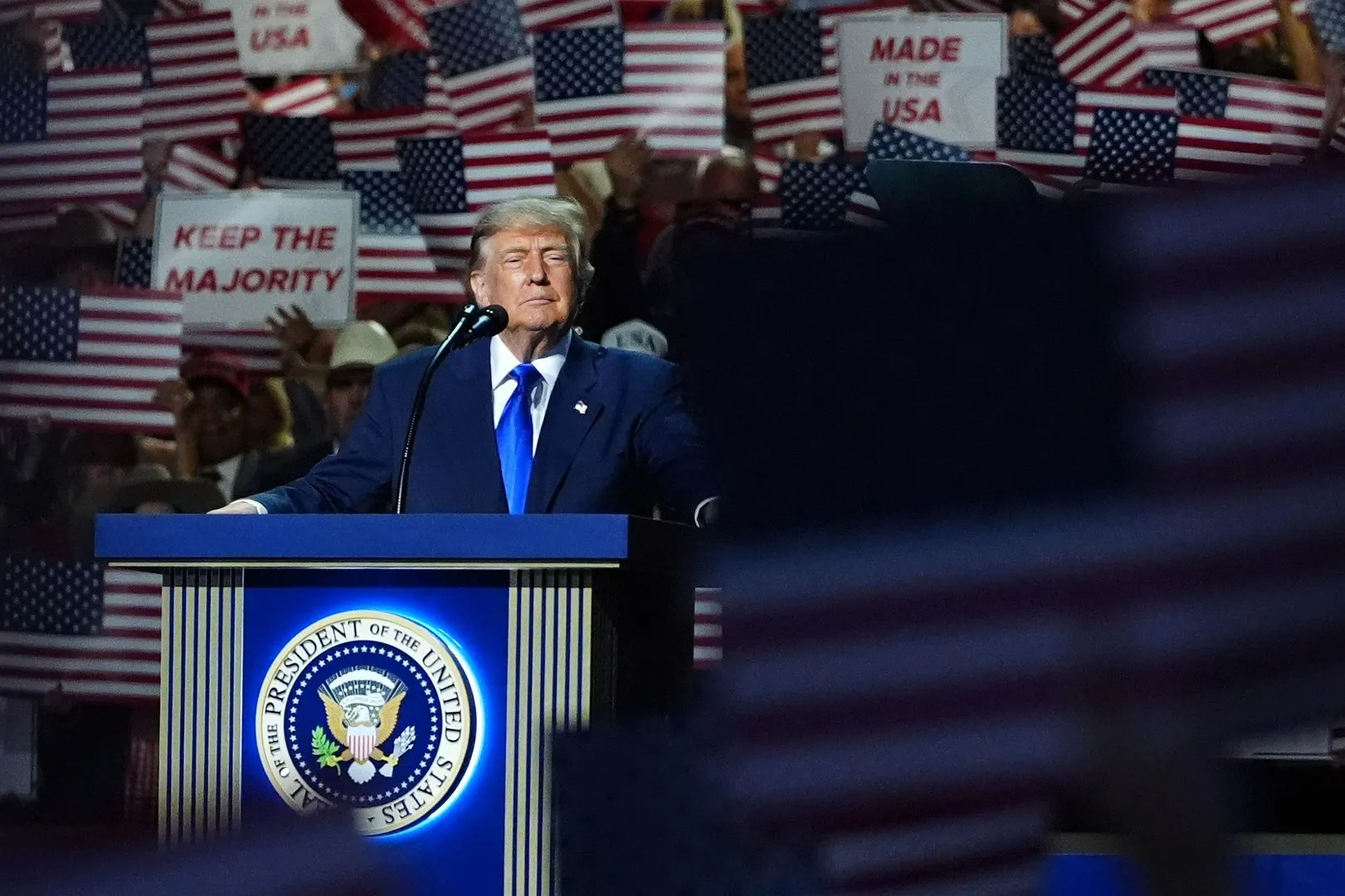
Donald Trump has pledged a $5,000 payment to every adult U.S. citizen, contingent on the Republican Party securing control of both houses of Congress in the upcoming midterm elections.
During a recent address at the Republican National Committee midterm convention, former President Donald Trump unveiled a significant economic proposal that has sparked nationwide discussion. The plan involves a direct financial payment of $5,000 to every adult citizen across the United States. This proposed "dividend" is explicitly contingent upon the outcome of the upcoming November midterm elections, specifically requiring the Republican Party to retain or secure control of both the House of Representatives and the Senate.
The policy announcement represents a major shift in campaign rhetoric as the political landscape gears up for the midterms. dent aims to galvanize voter turnout and provide a clear, albeit controversial, incentive for the electorate to support Republican candidates in both chambers of Congress.
The scale of this proposed initiative is immense, with estimates suggesting the total cost of the program would reach approximately $1.2 trillion. Such a massive injection of capital into the national economy raises significant questions regarding federal spending, inflation, and the long-term impact on the national debt. Economists and fiscal policy experts are already beginning to scrutinize how such a large-scale payout would be funded and what the potential inflationary consequences might be for the average consumer.
Implementing a $1.2 trillion stimulus package would require substantial legislative maneuvering, even with a Republican-controlled Congress. The debate over the feasibility of such a program highlights the broader ideological divide concerning the role of federal intervention in personal finances versus traditional fiscal conservatism. Supporters of the measure argue that it would provide much-needed relief to households, while critics point to the potential for destabilizing the national budget.
From a political strategy perspective, the proposal serves as a high-stakes lever to influence voter behavior. se and Senate, the platform seeks to simplify the complex stakes of the midterm elections into a single, tangible benefit for the individual voter. This approach is designed to create a direct correlation between the voter's ballot and their financial well-being.
This messaging strategy is intended to cut through the noise of traditional campaign debates and focus voter attention on specific policy outcomes. Whether this strategy will succeed in shifting the electoral needle remains to be seen, as voters weigh the immediate appeal of a cash dividend against broader concerns regarding government spending, economic policy, and the legislative priorities of both major political parties.
Should the Republican Party achieve the necessary majorities to pursue this agenda, the path to enactment would still be fraught with legislative hurdles. Even with unified control of Congress, the party would need to reconcile the massive budgetary requirements of the $5,000 dividend with their existing fiscal platforms. The legislative process involves committee reviews, potential filibusters, and the necessity of maintaining party unity on such an unprecedented spending bill.
Public reaction to the proposal has been mixed, reflecting the highly polarized nature of the current American political climate. While some citizens see the potential for welcome financial assistance, others express skepticism regarding the feasibility of the plan and concerns about the potential negative effects on the broader economy. As the midterm elections approach, this proposal is likely to remain a central topic of discourse, shaping the arguments presented