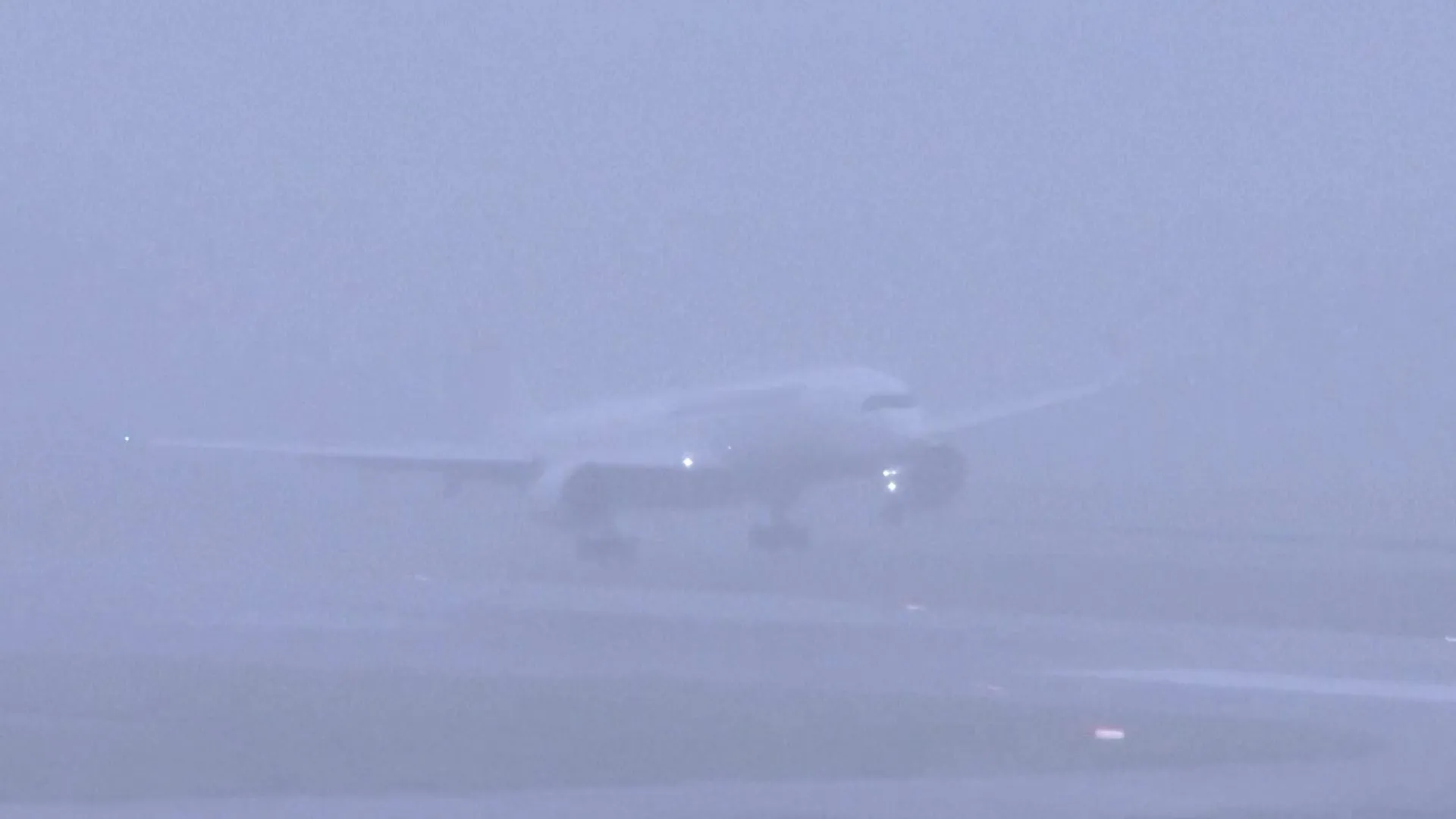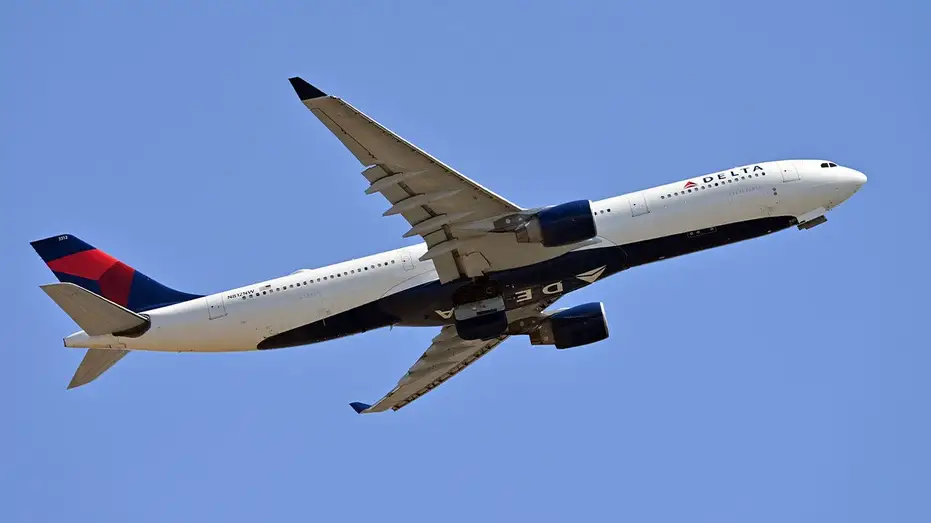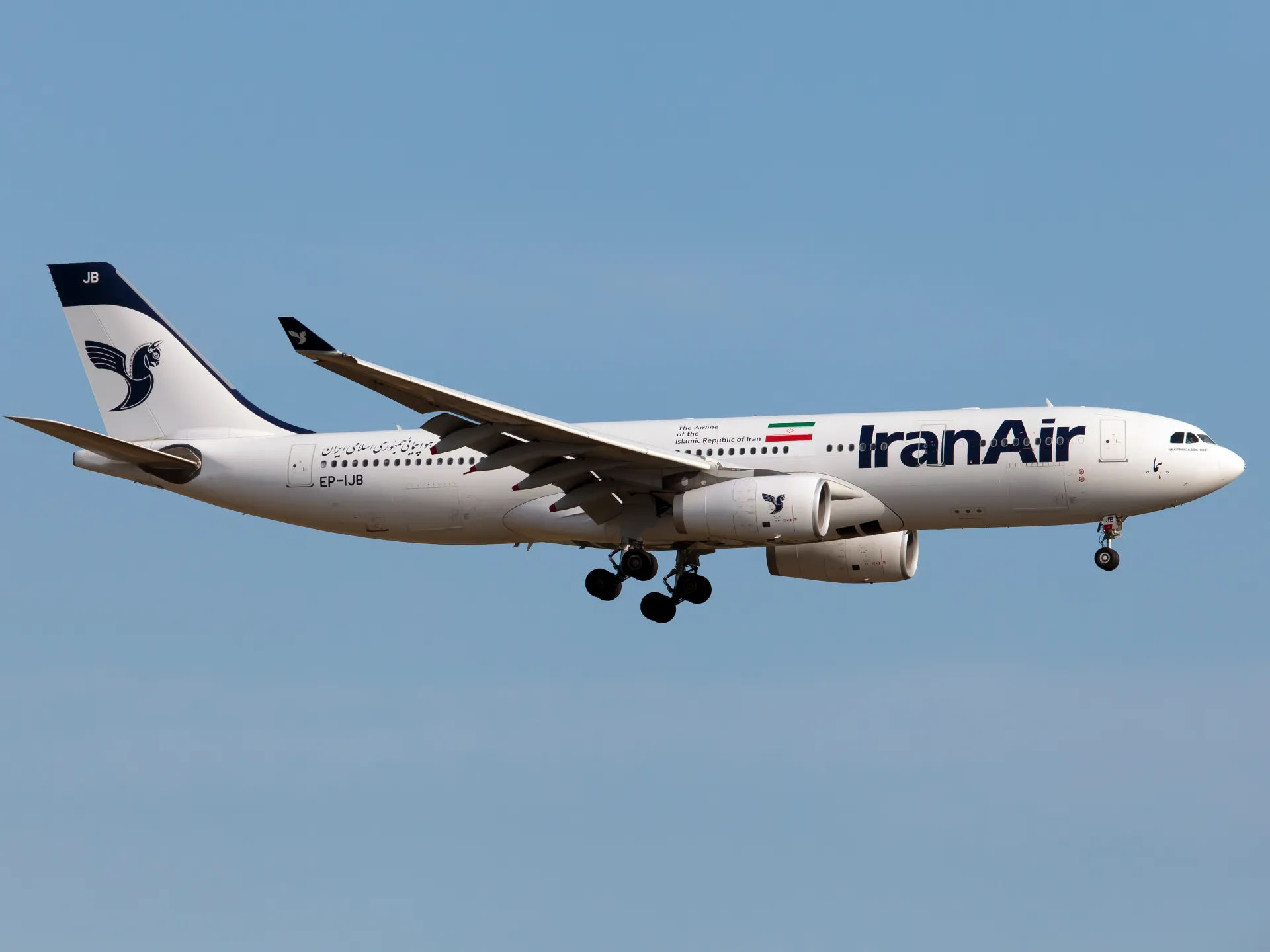
The US has issued a sweeping directive effectively grounding all Iranian airlines worldwide, threatening to cut off any global service provider that supports them from the US dollar system.
The decision to effectively ground Iran’s entire civil aviation fleet worldwide represents a significant escalation in the Trump administration's “Operation Economic Outcast.” und crews—from the US dollar system, Washington is shifting the burden of enforcement onto international third parties. This strategy moves beyond traditional territorial sanctions, effectively forcing a choice upon foreign airports: facilitate Iranian air transit and face isolation from the world’s primary reserve currency, or comply with US directives.
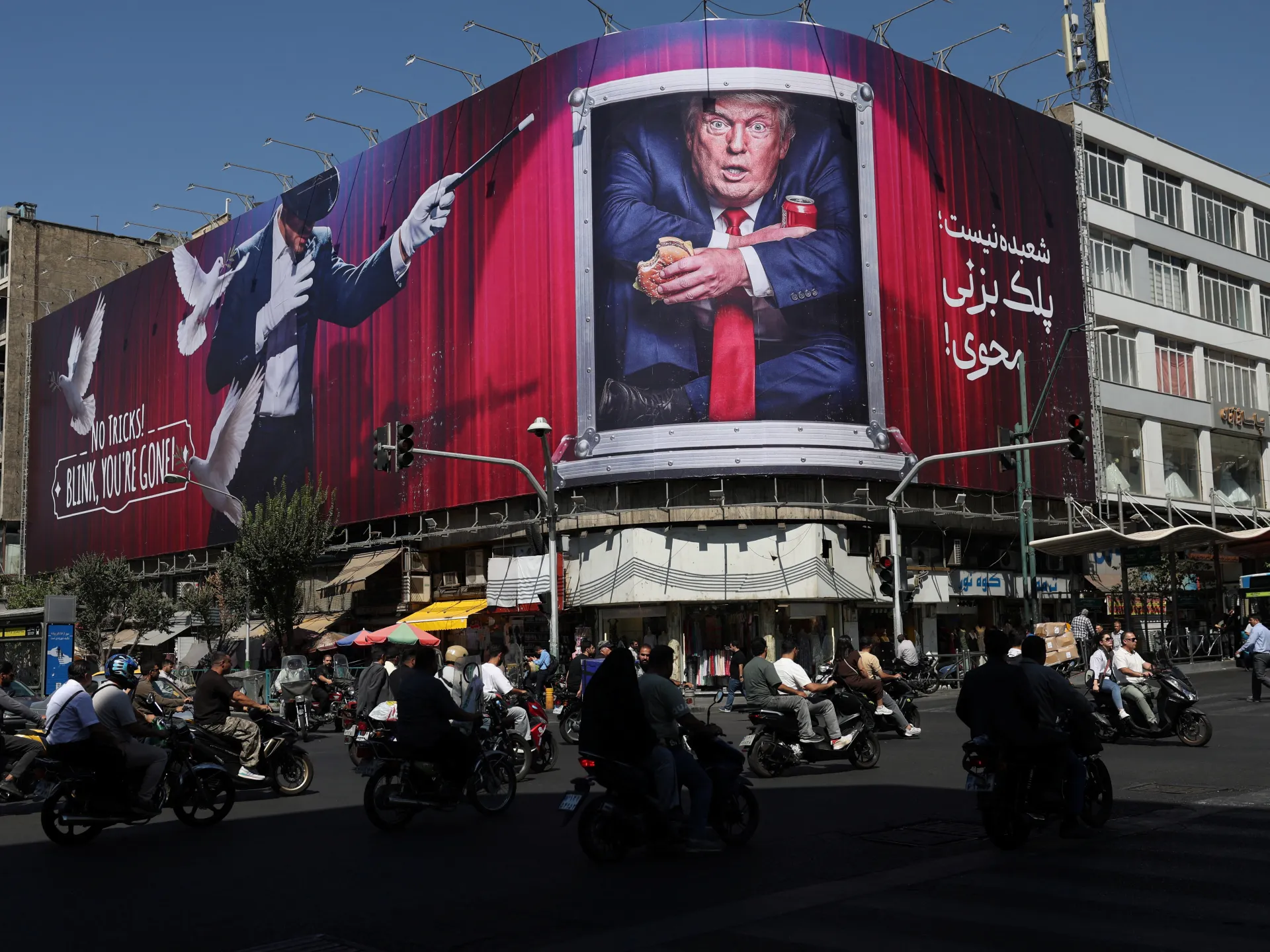
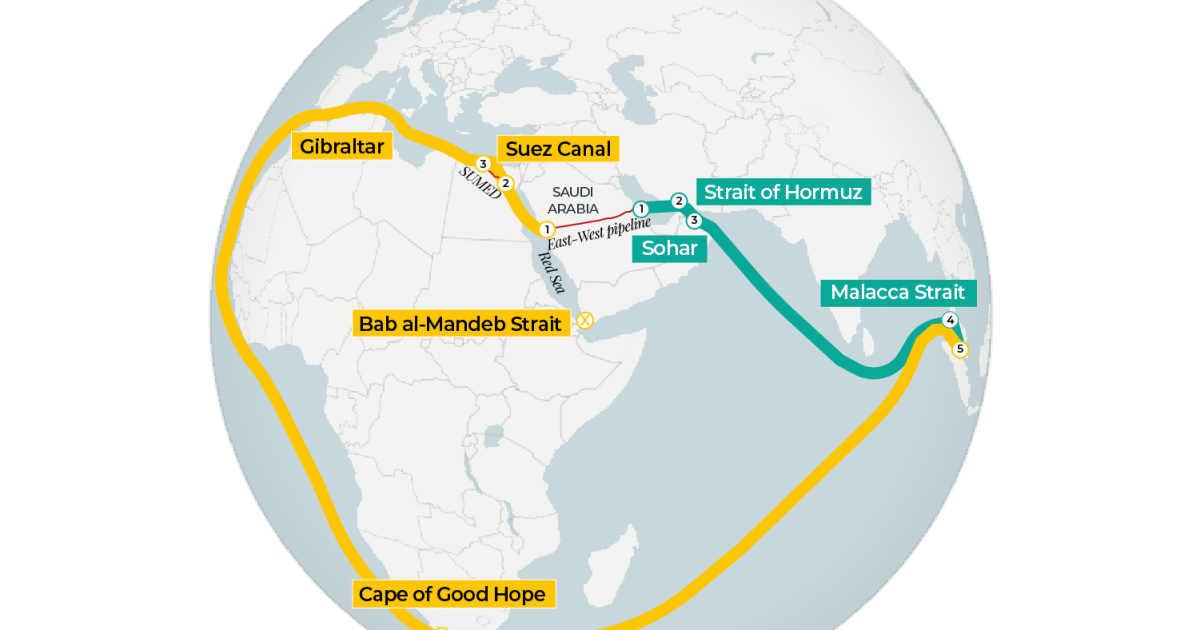
This development comes as the seventh month of the conflict between the US and Iran continues to reshape global logistics and energy security. The policy forces a confrontation between US foreign policy objectives and the operational realities of global aviation, creating a precedent where American financial hegemony is used to enforce localized blockade tactics on a global scale.
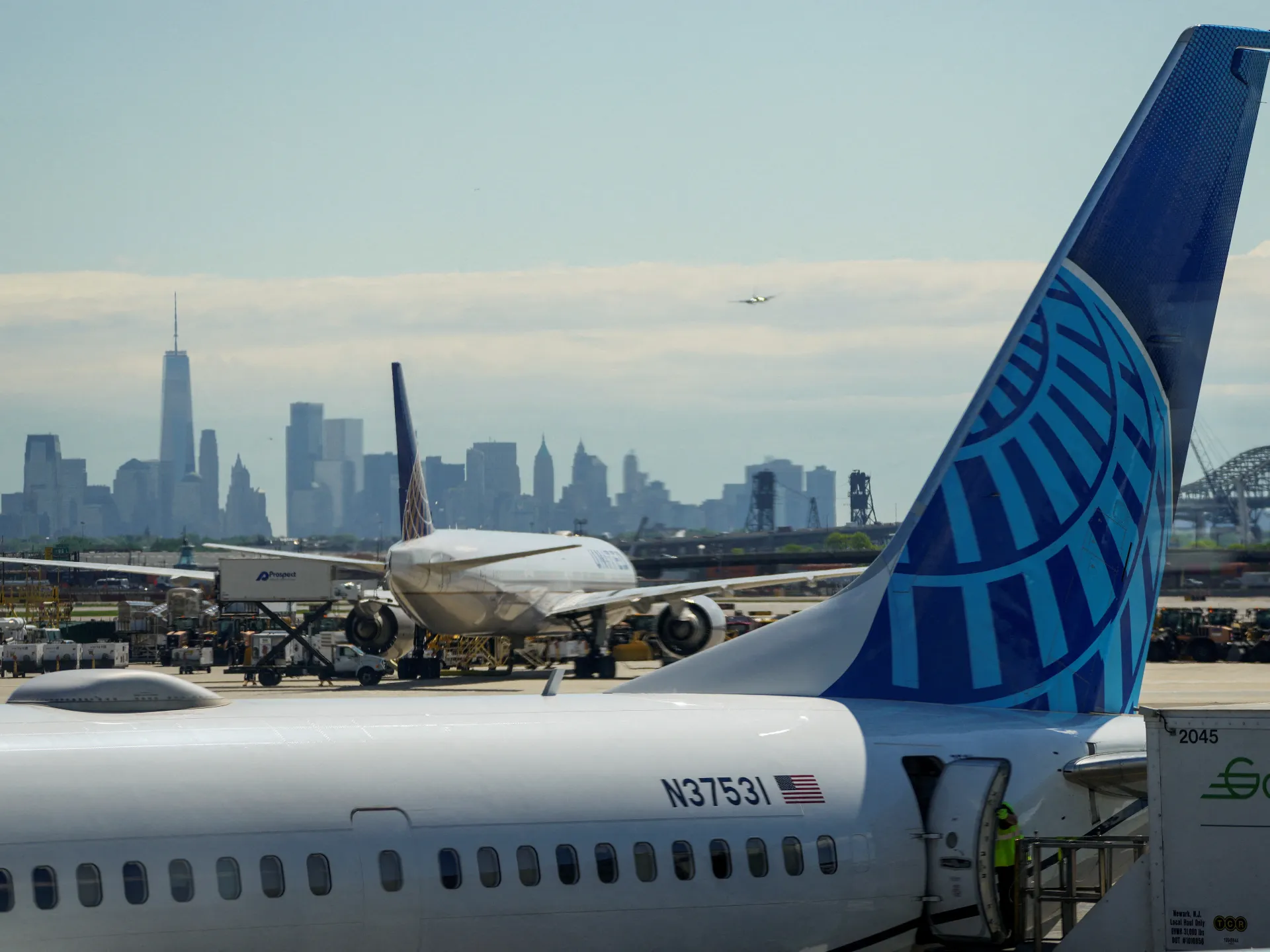
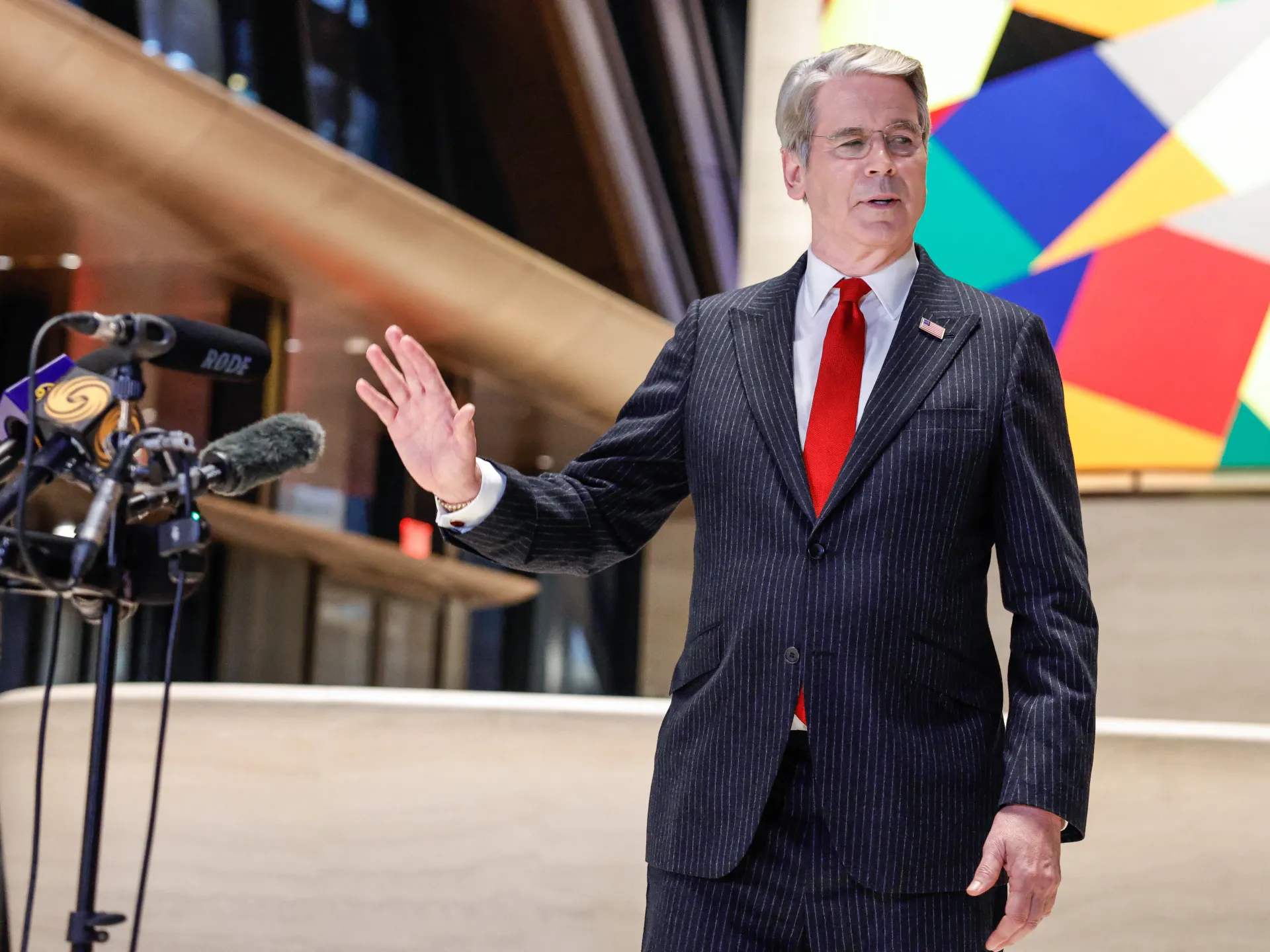
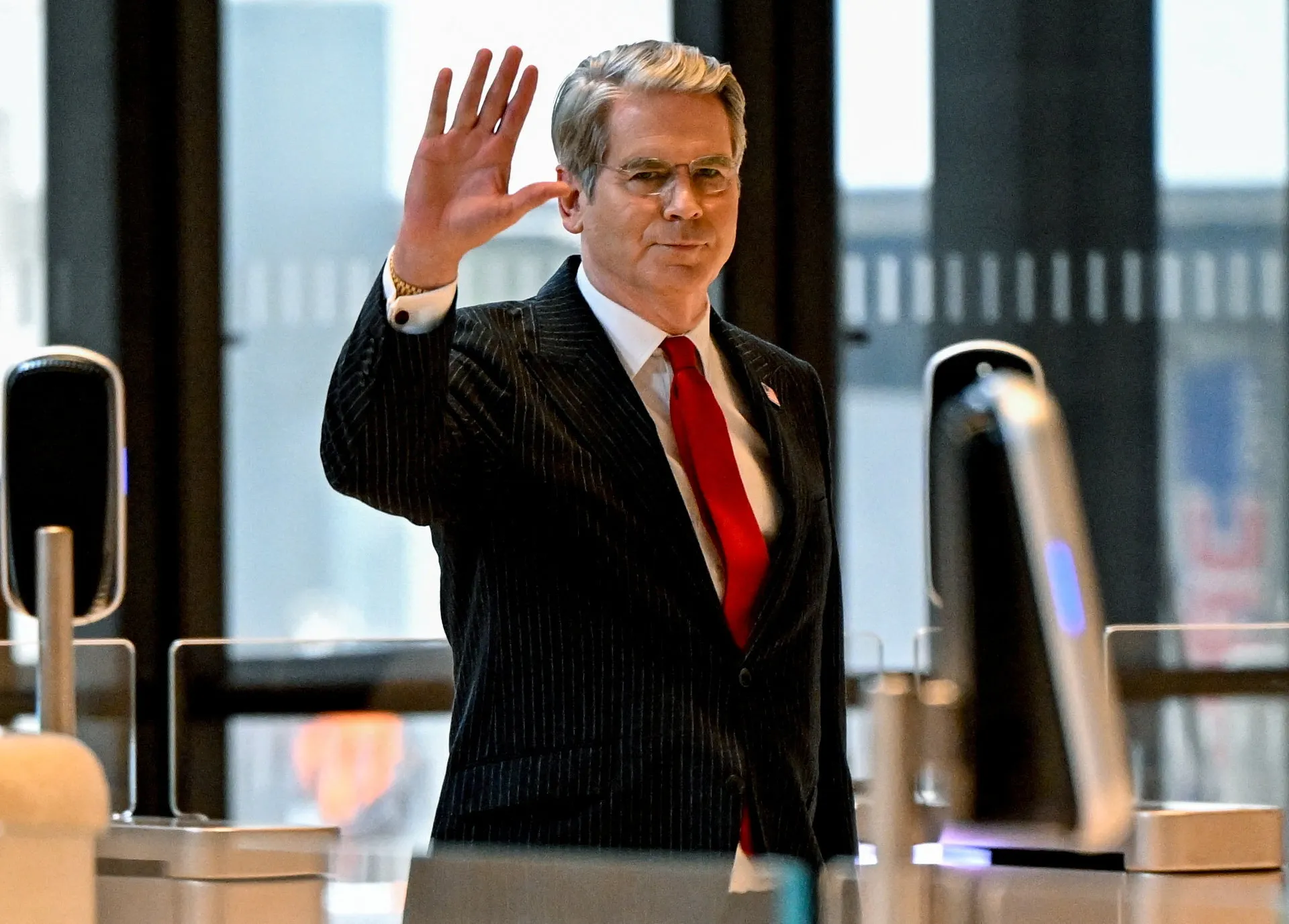
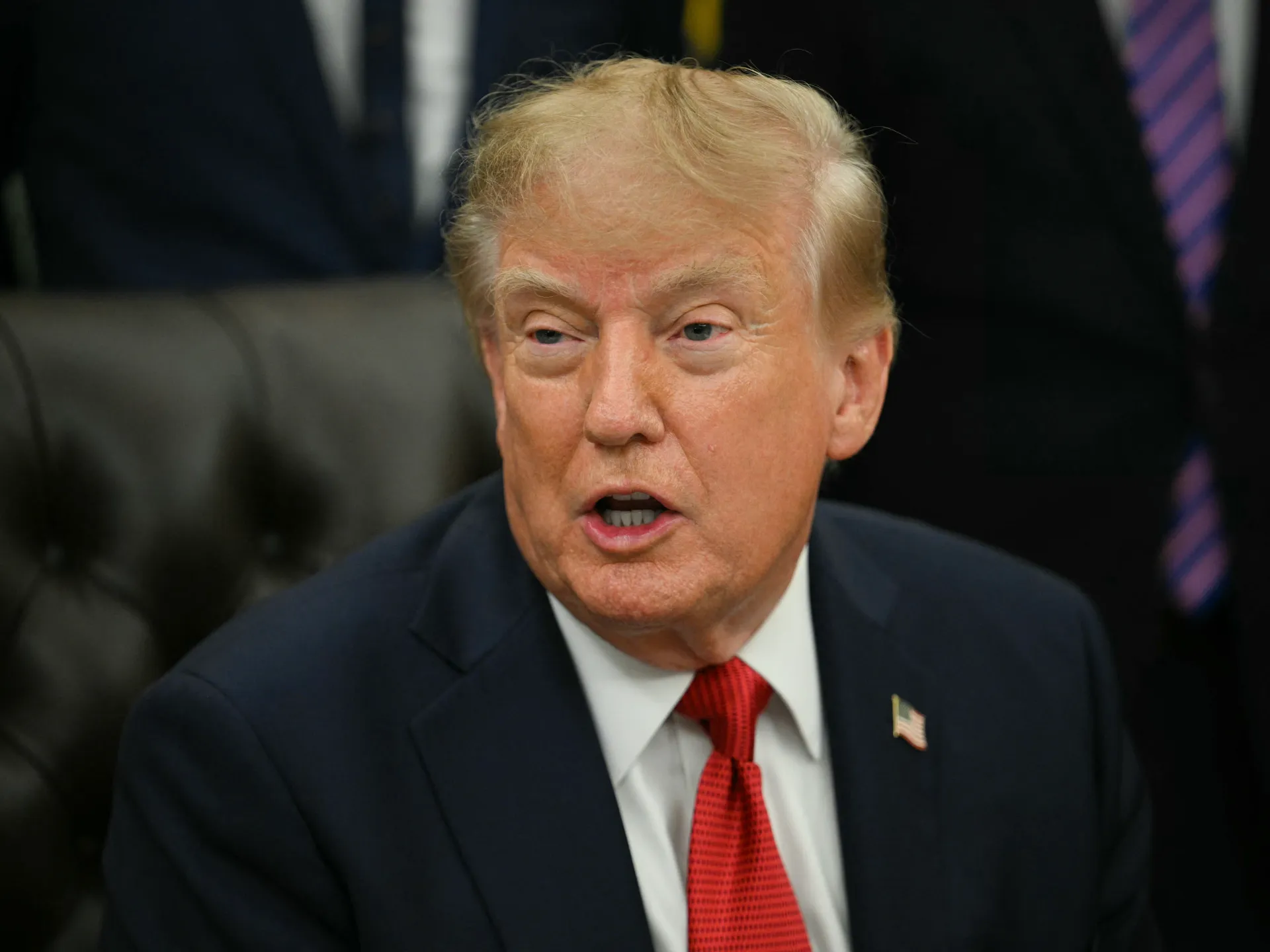
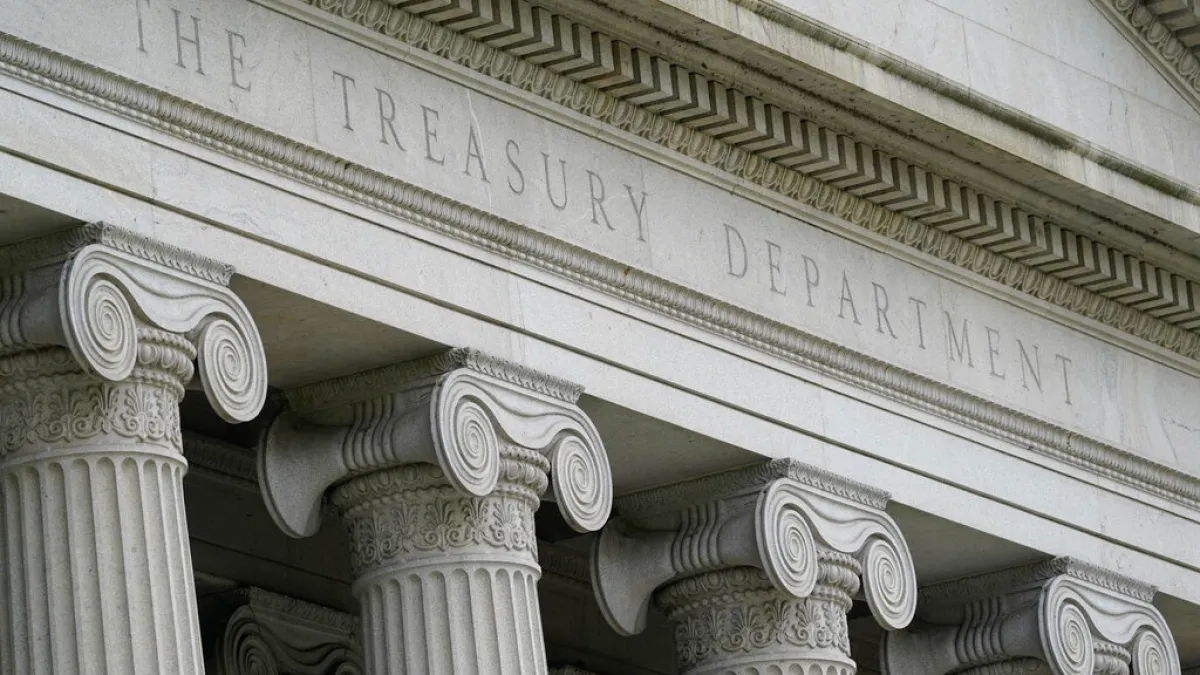
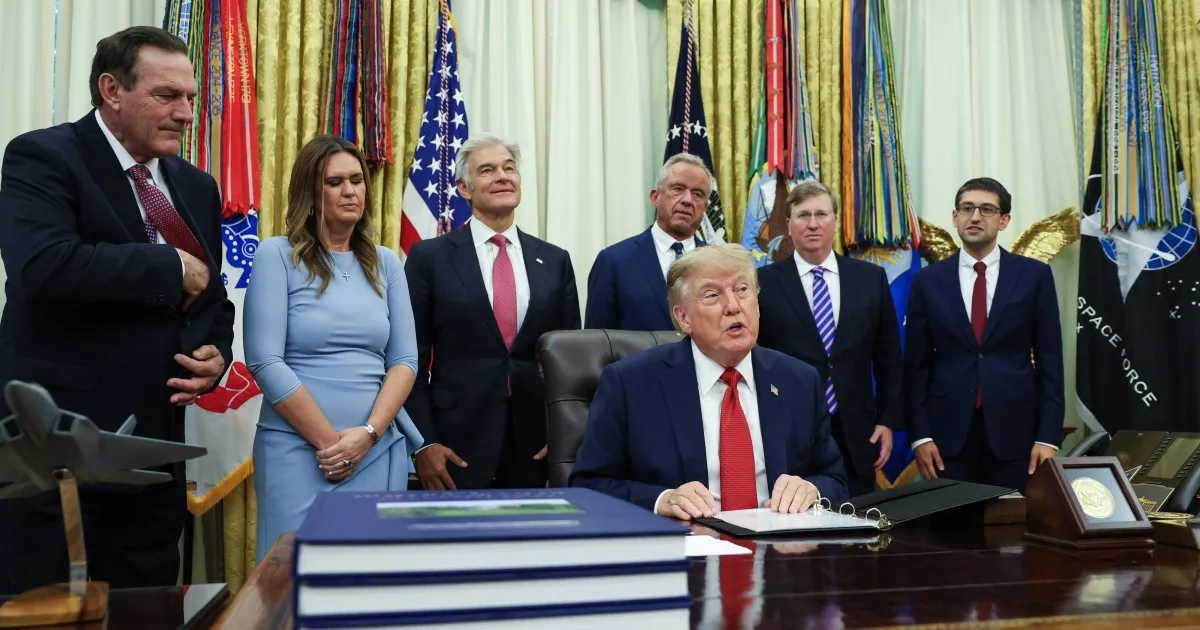
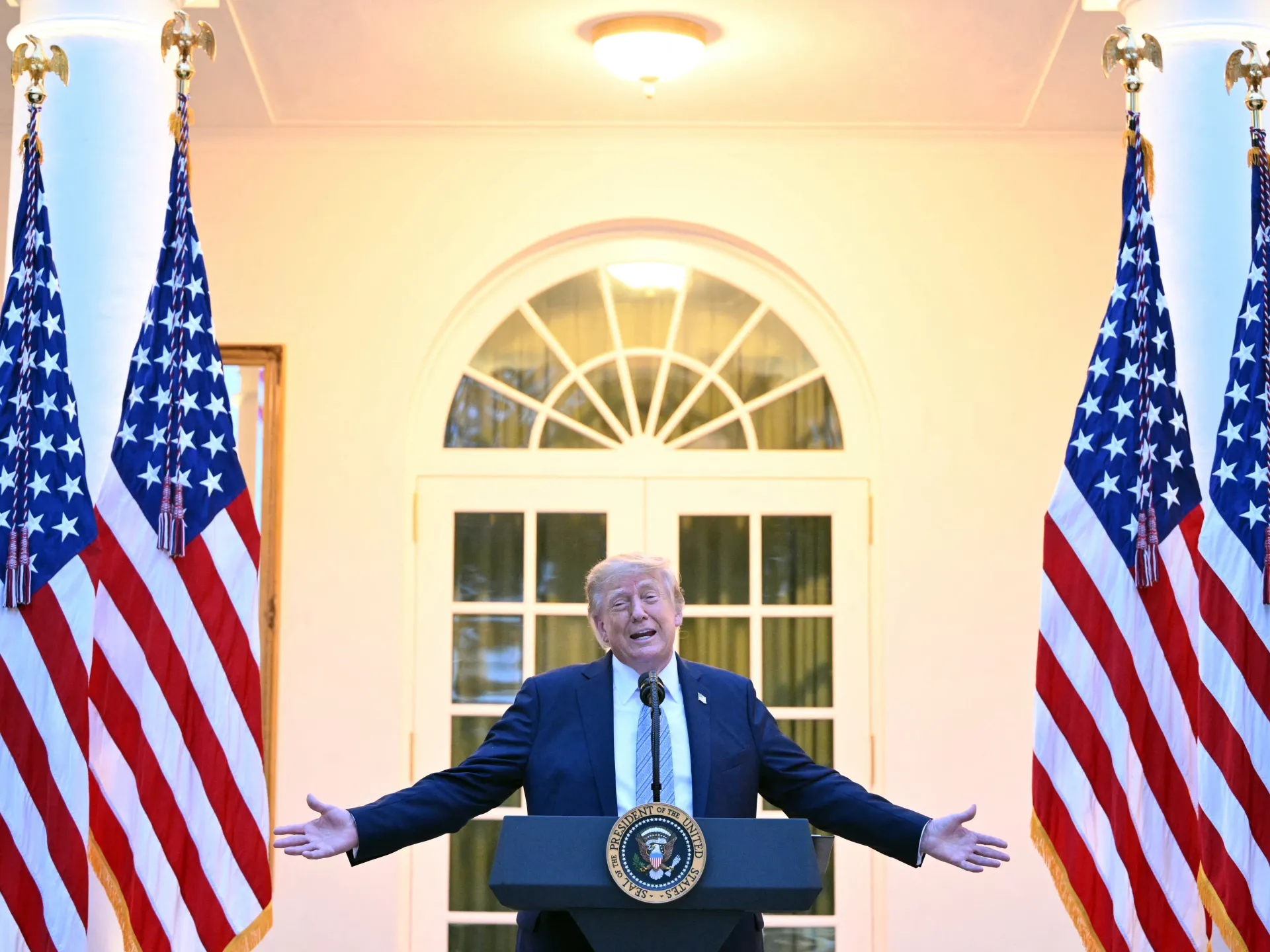
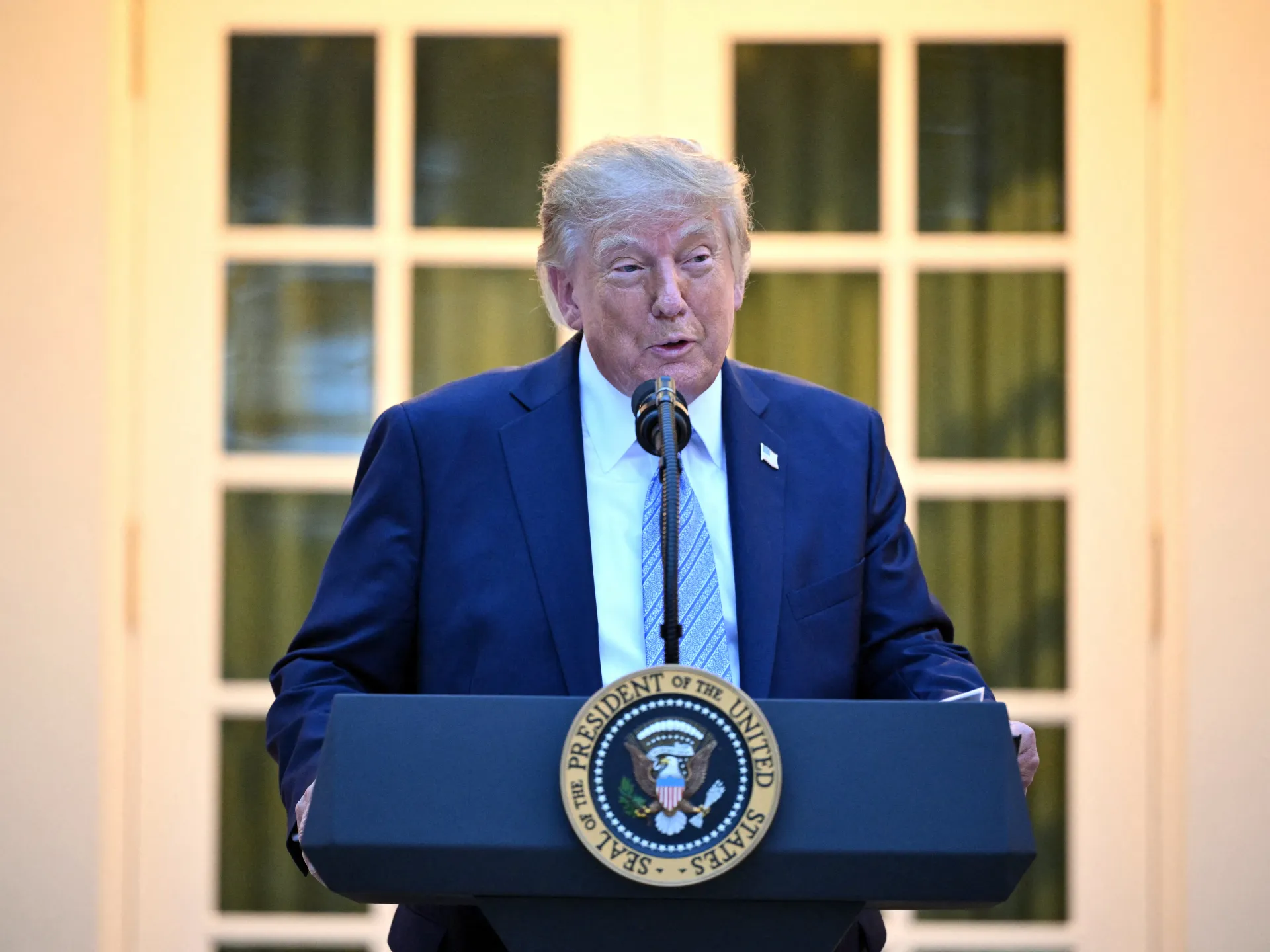
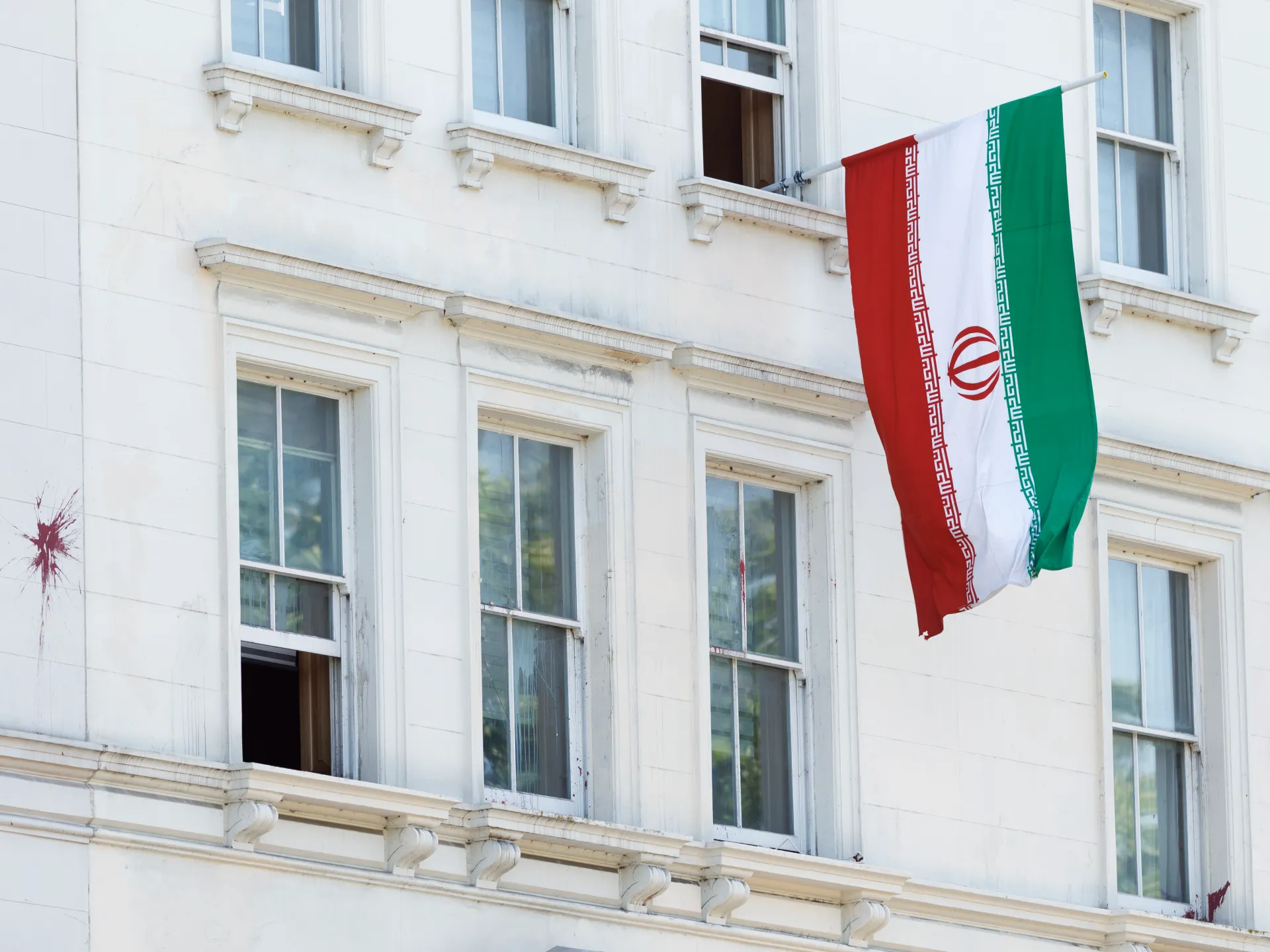
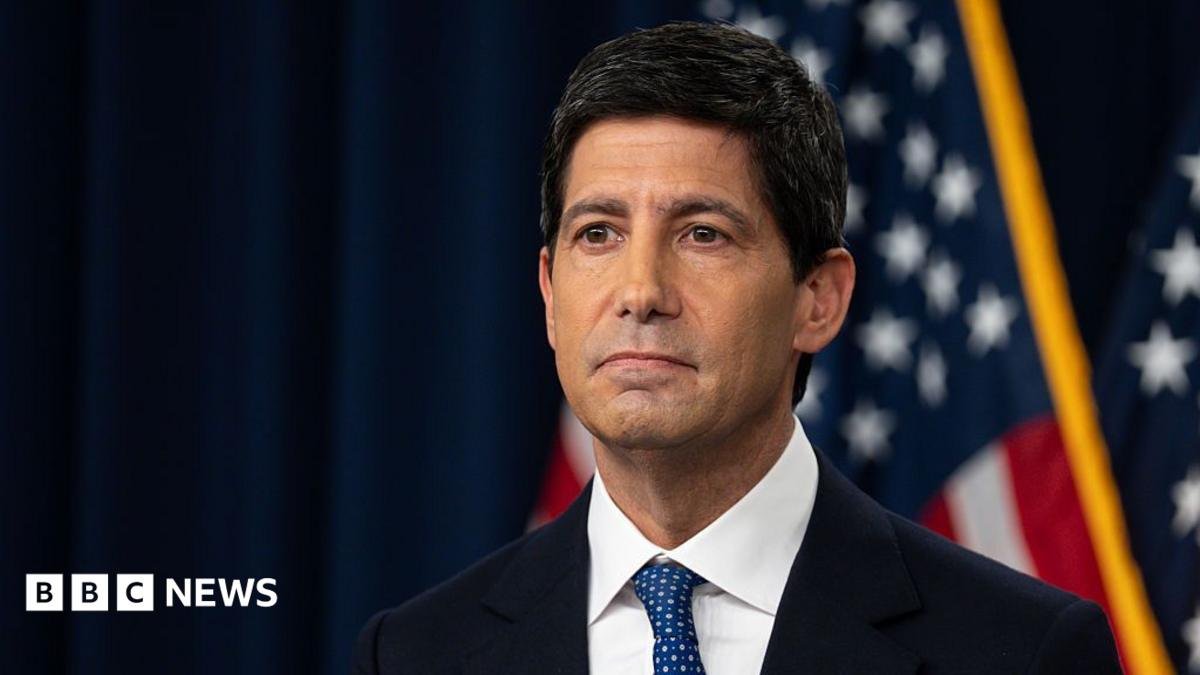
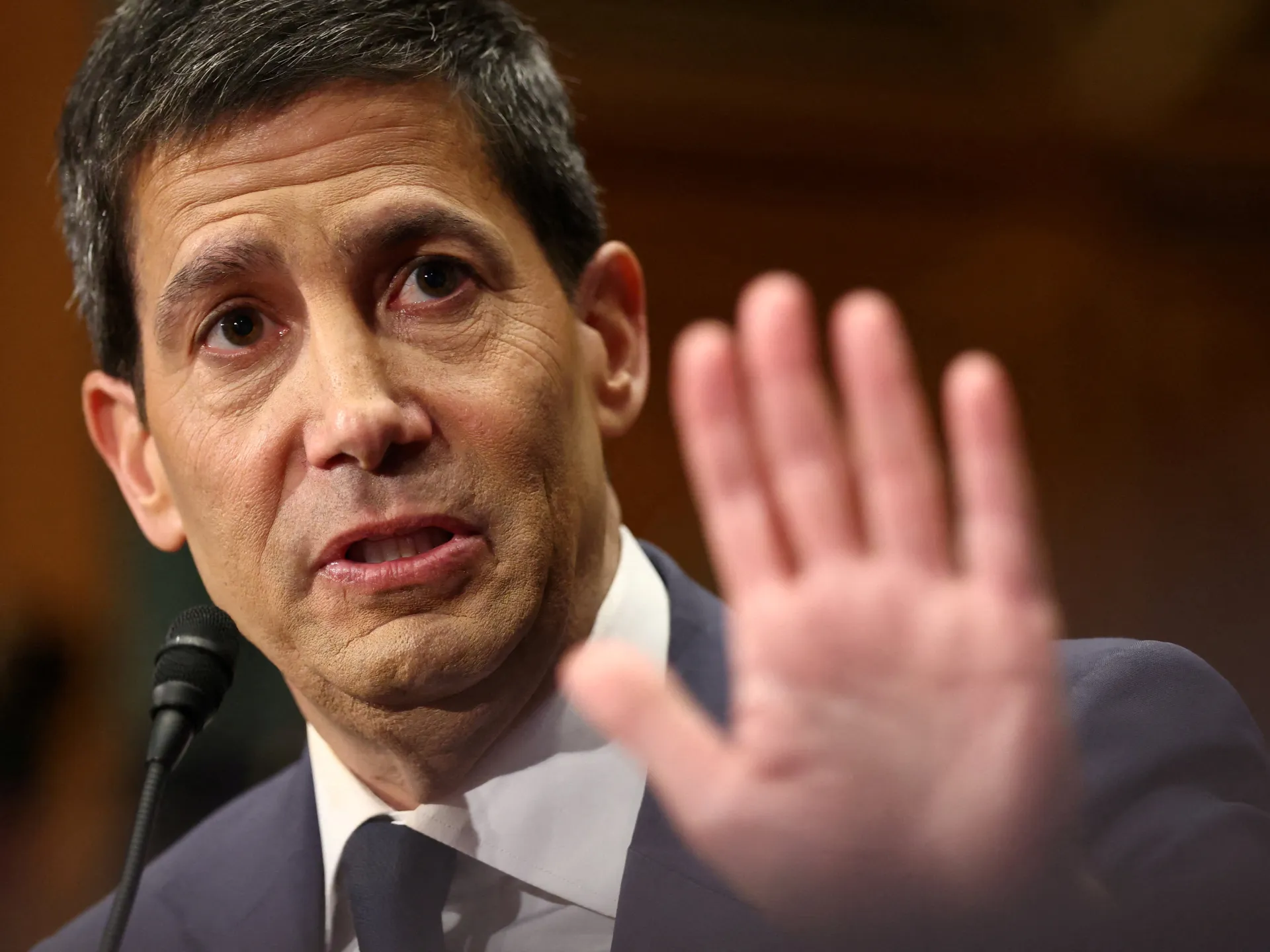
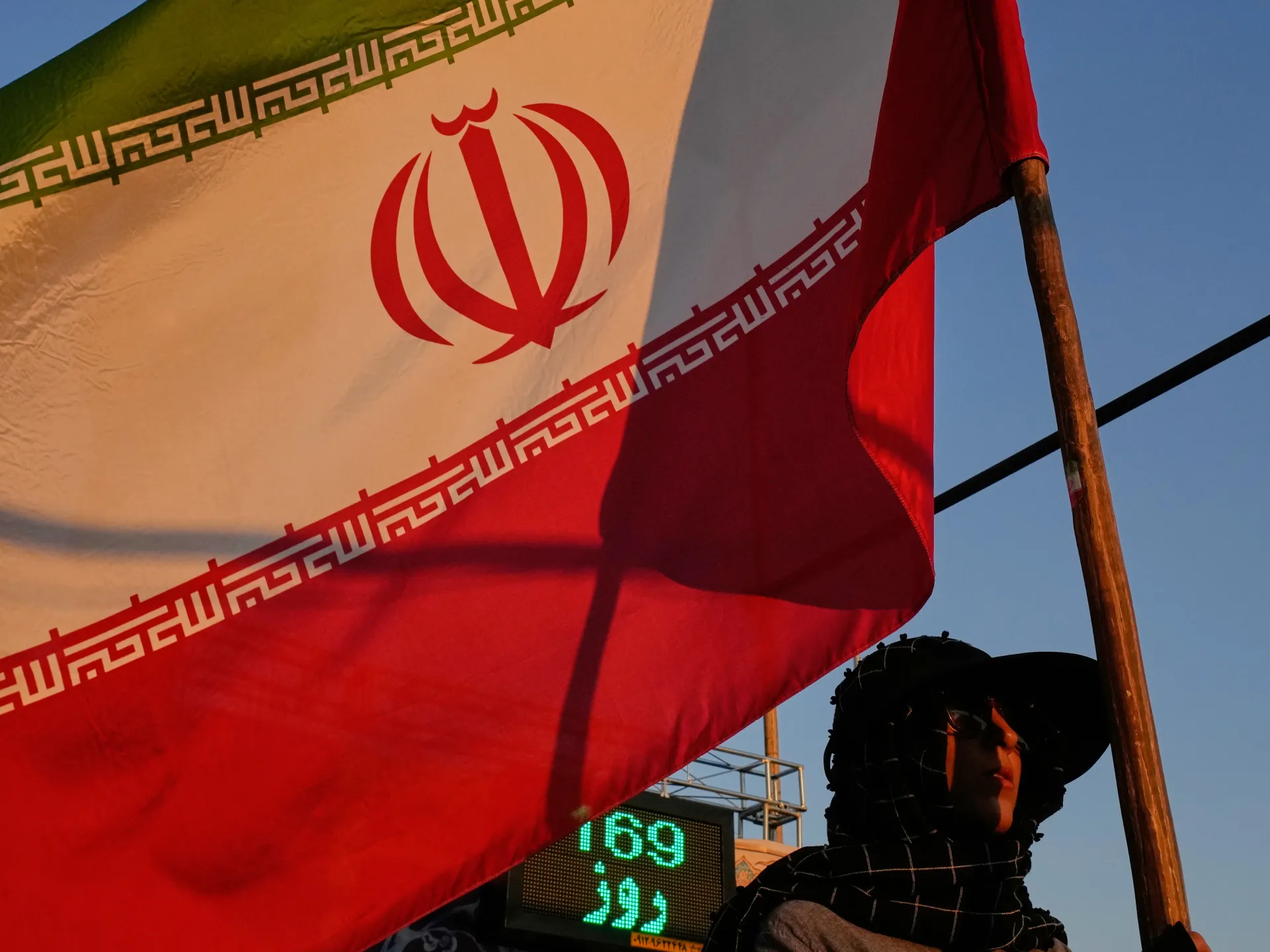
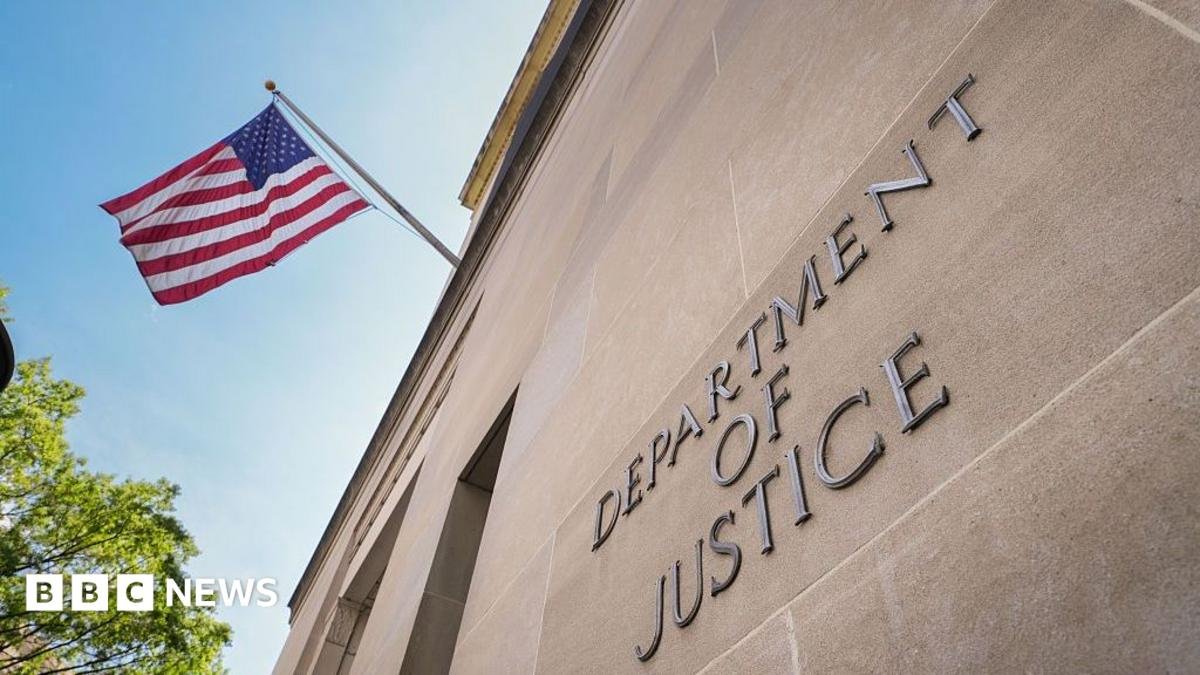
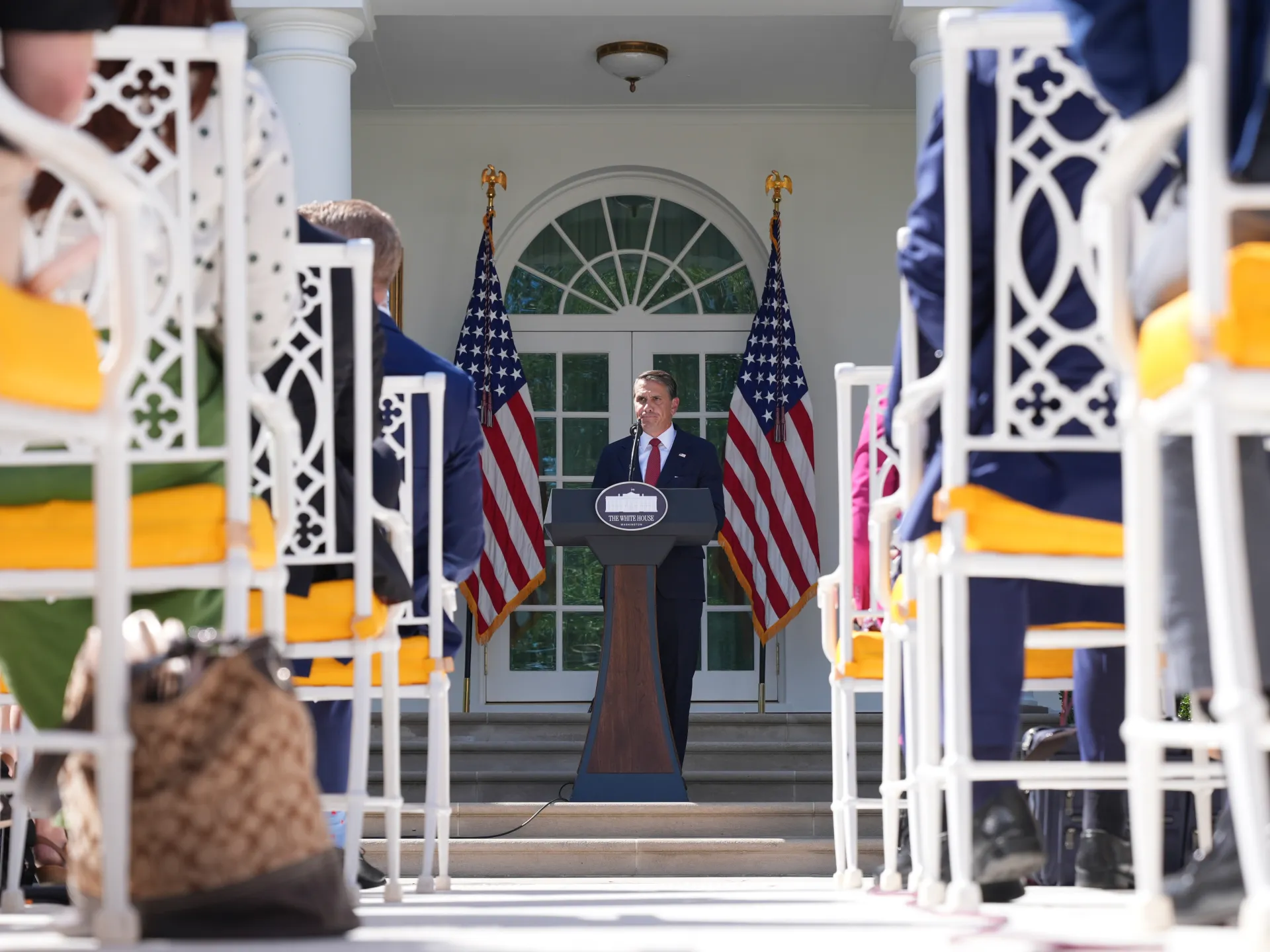
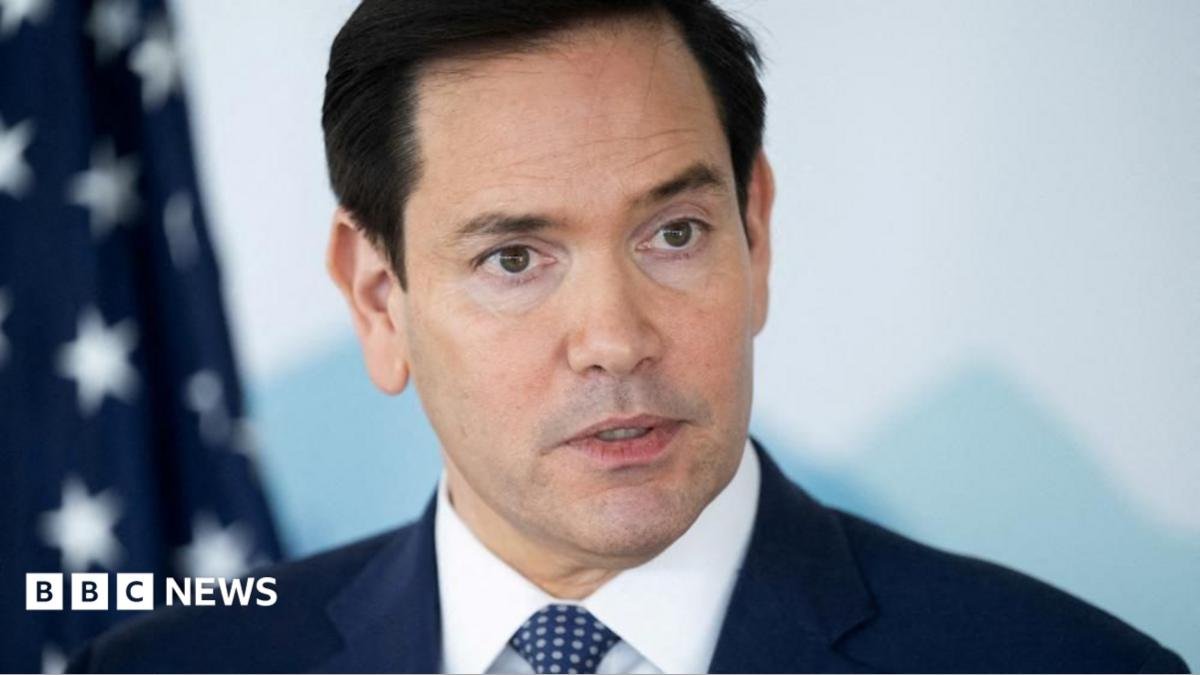
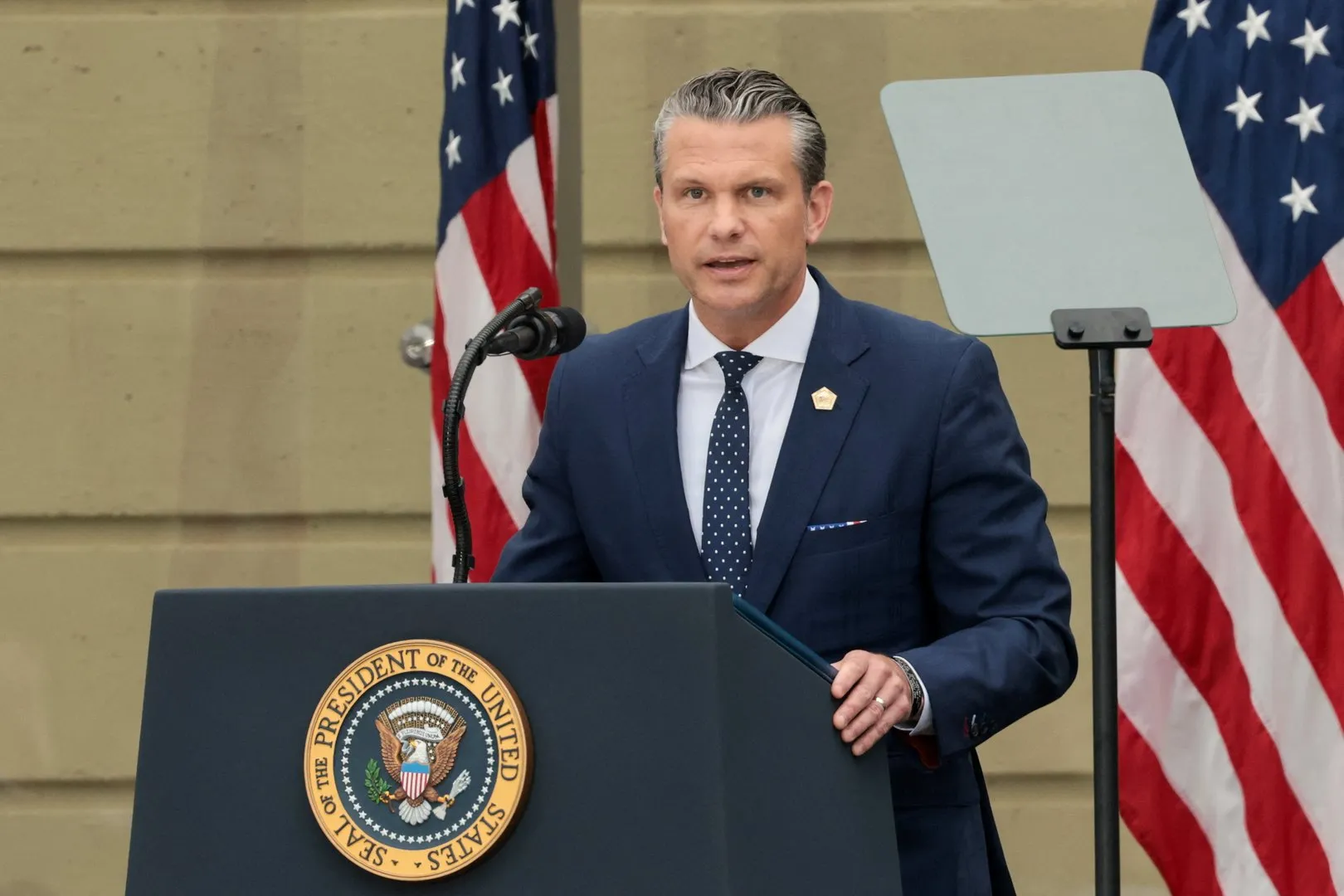
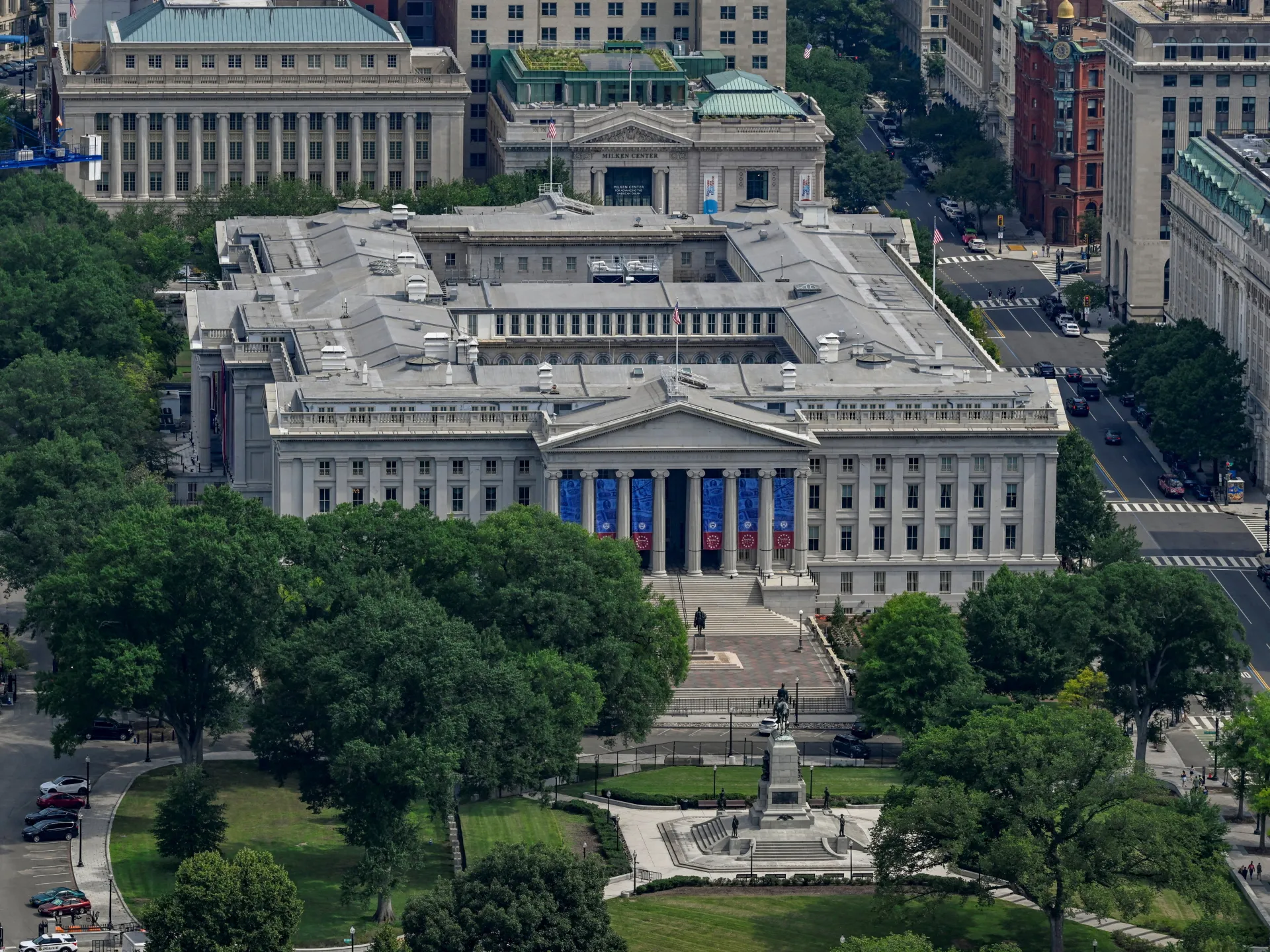
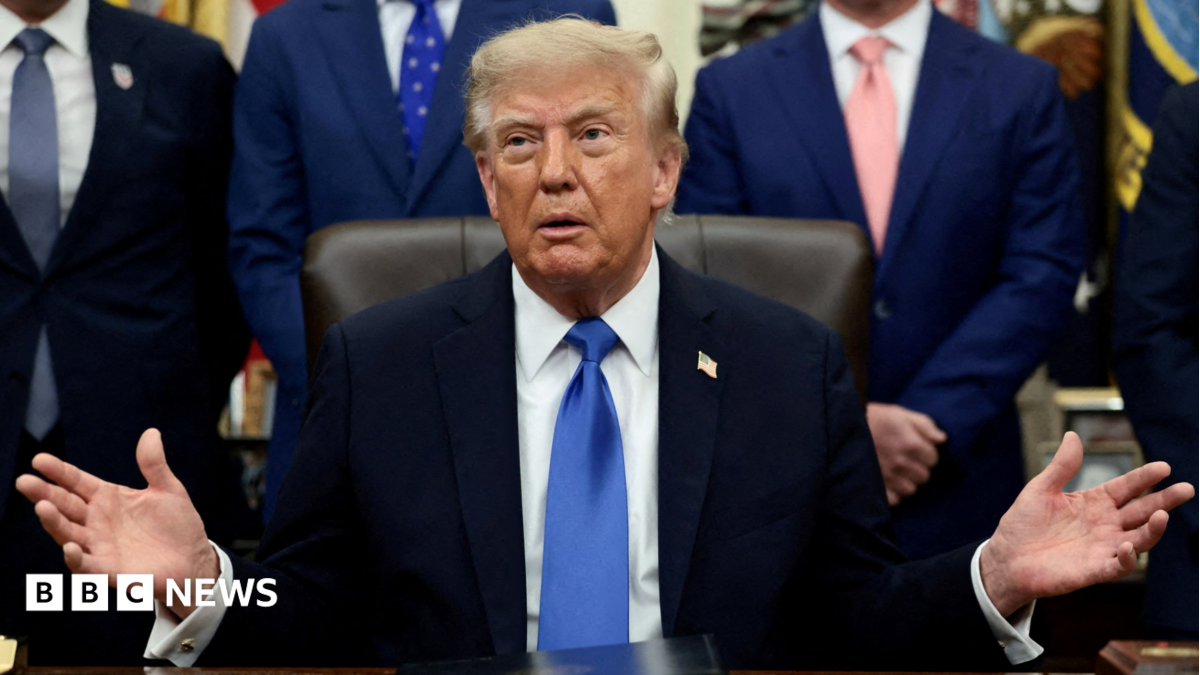
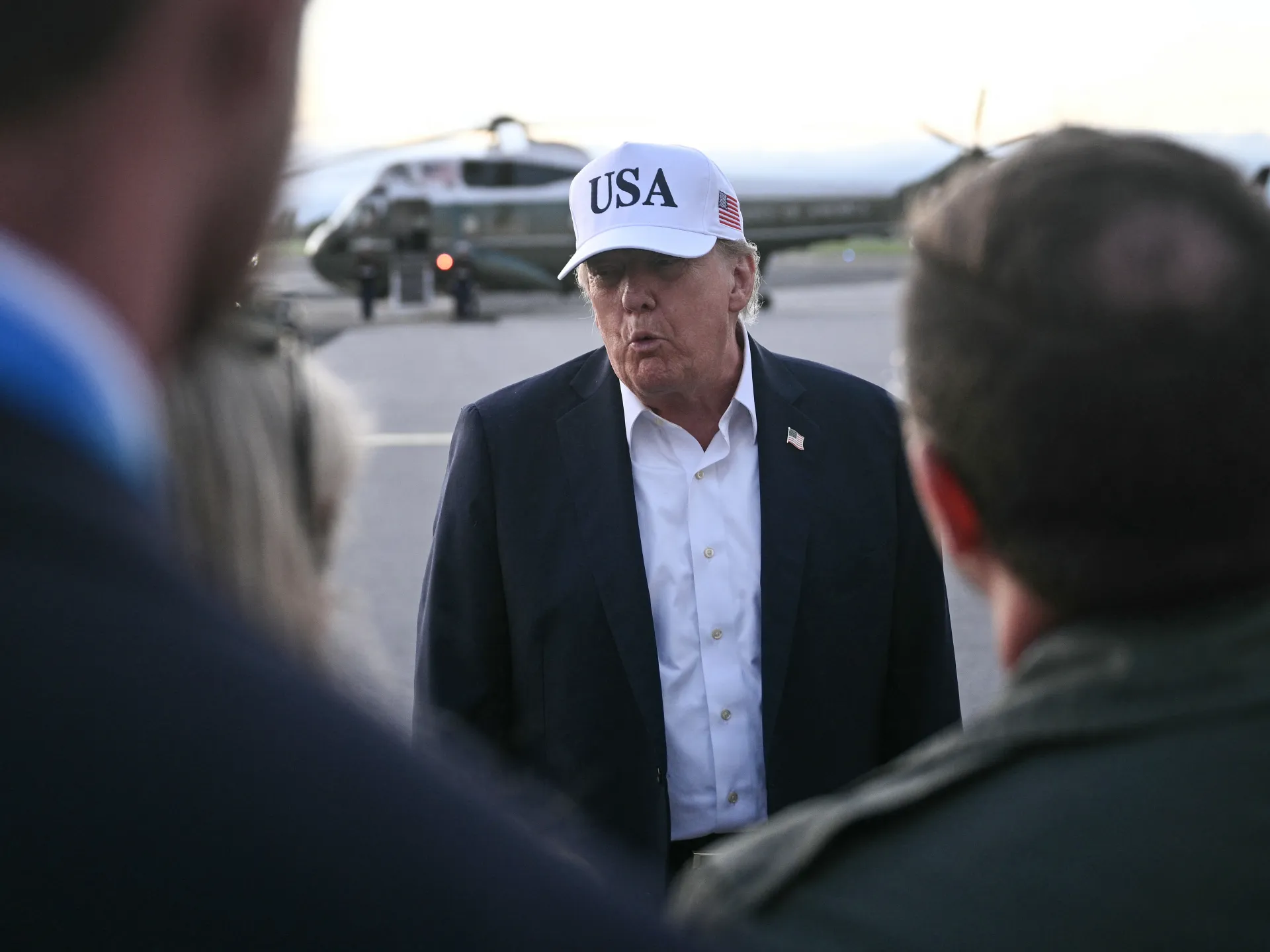
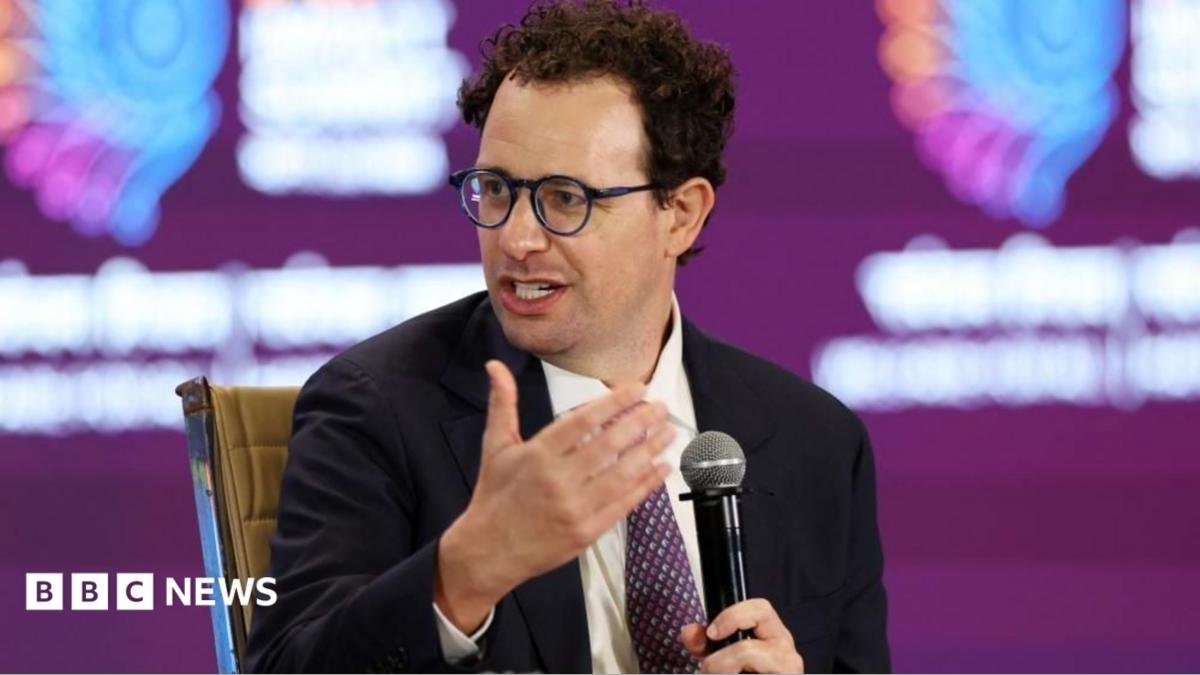
US Treasury Secretary Scott Bessent announced that as of Wednesday, all Iranian airlines are effectively prohibited from international operations. The mandate explicitly warns foreign companies against providing essential services, including refueling, landing rights, or ticket sales, to any of the 27 carriers registered in Iran. Failure to comply with these restrictions will result in the offending entities being cut off from the US dollar financial system. This action follows the September 8 designation of the entire Iranian fleet as conduits for weapons and illicit cargo transport.
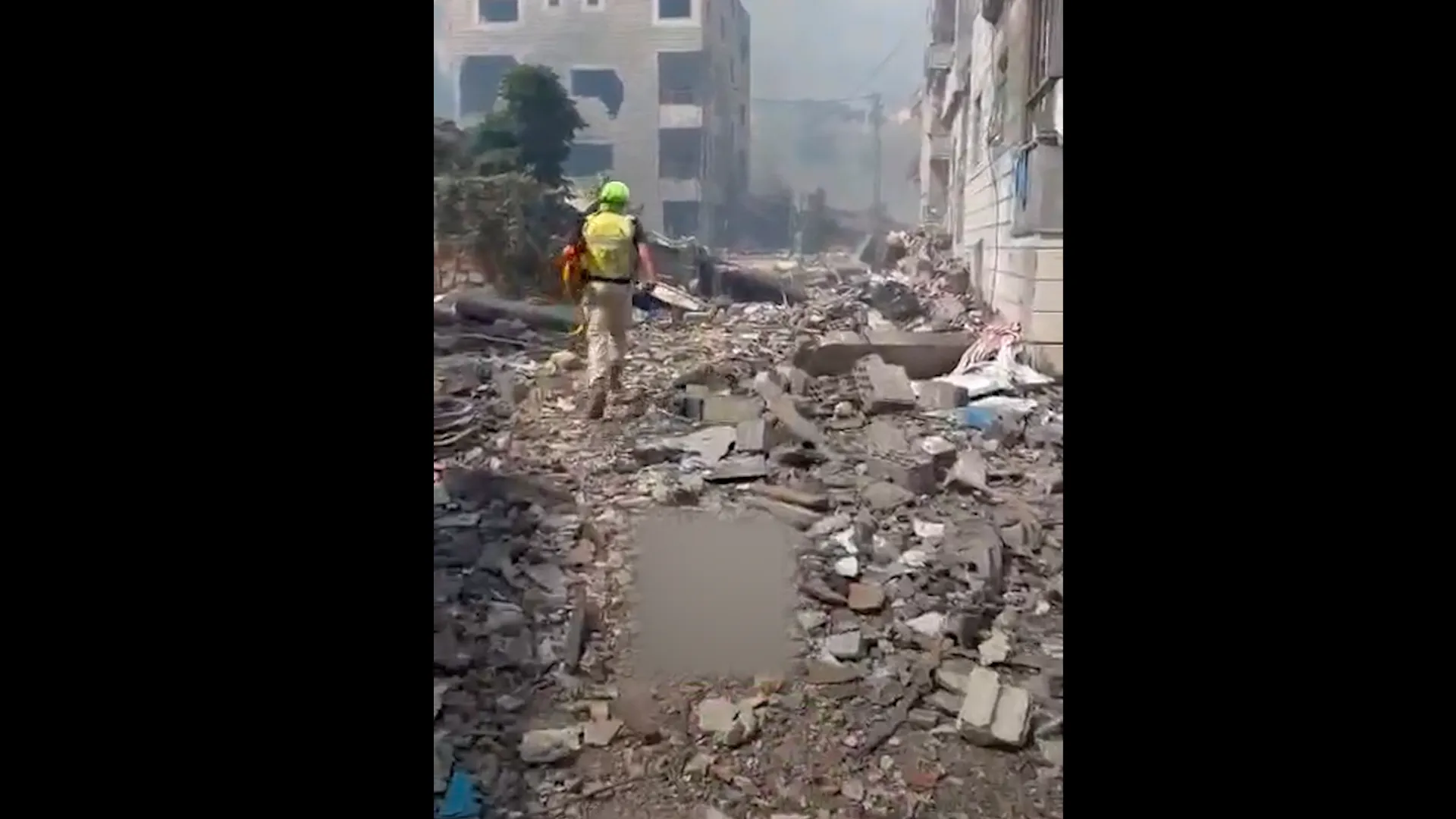
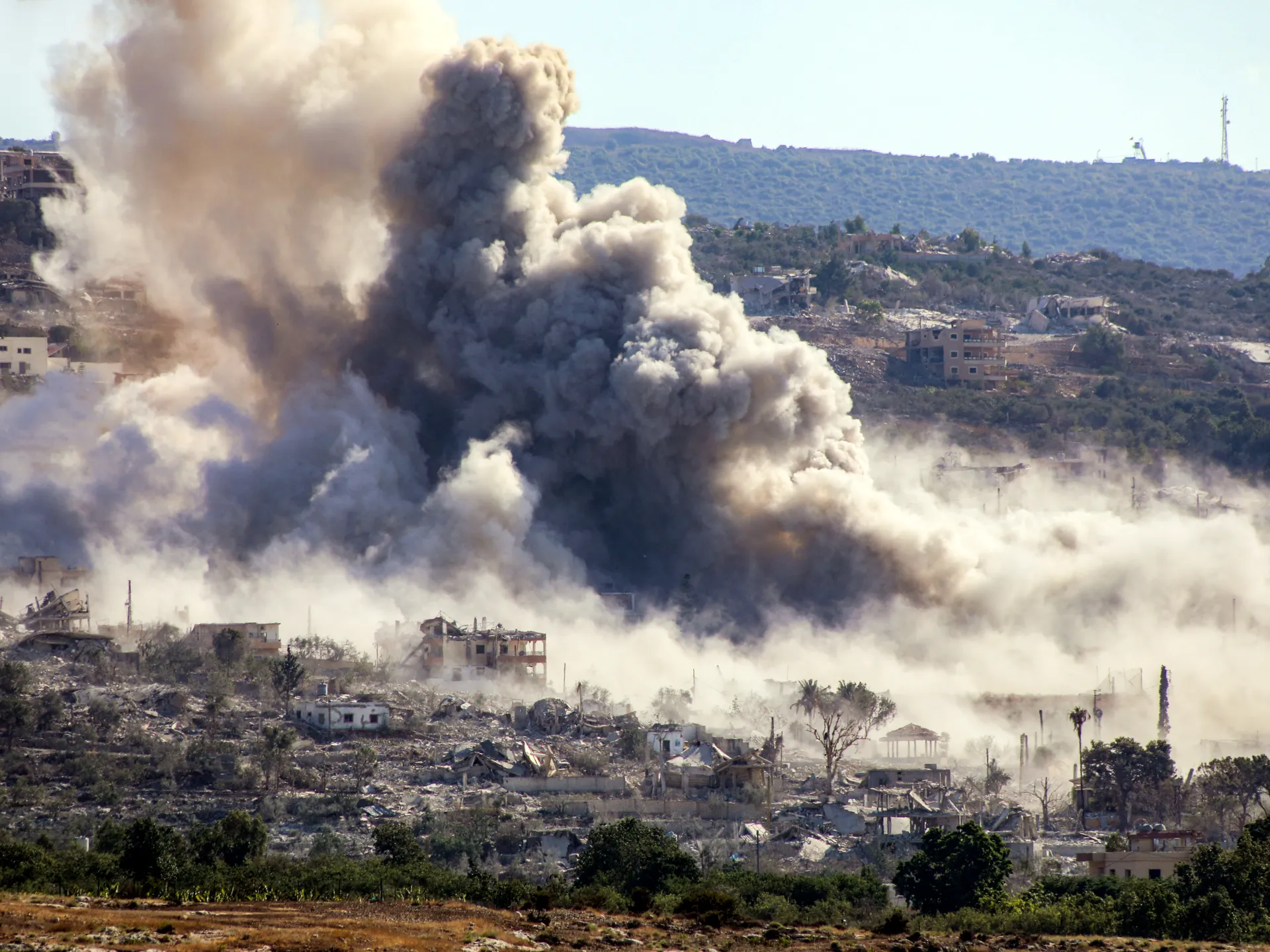
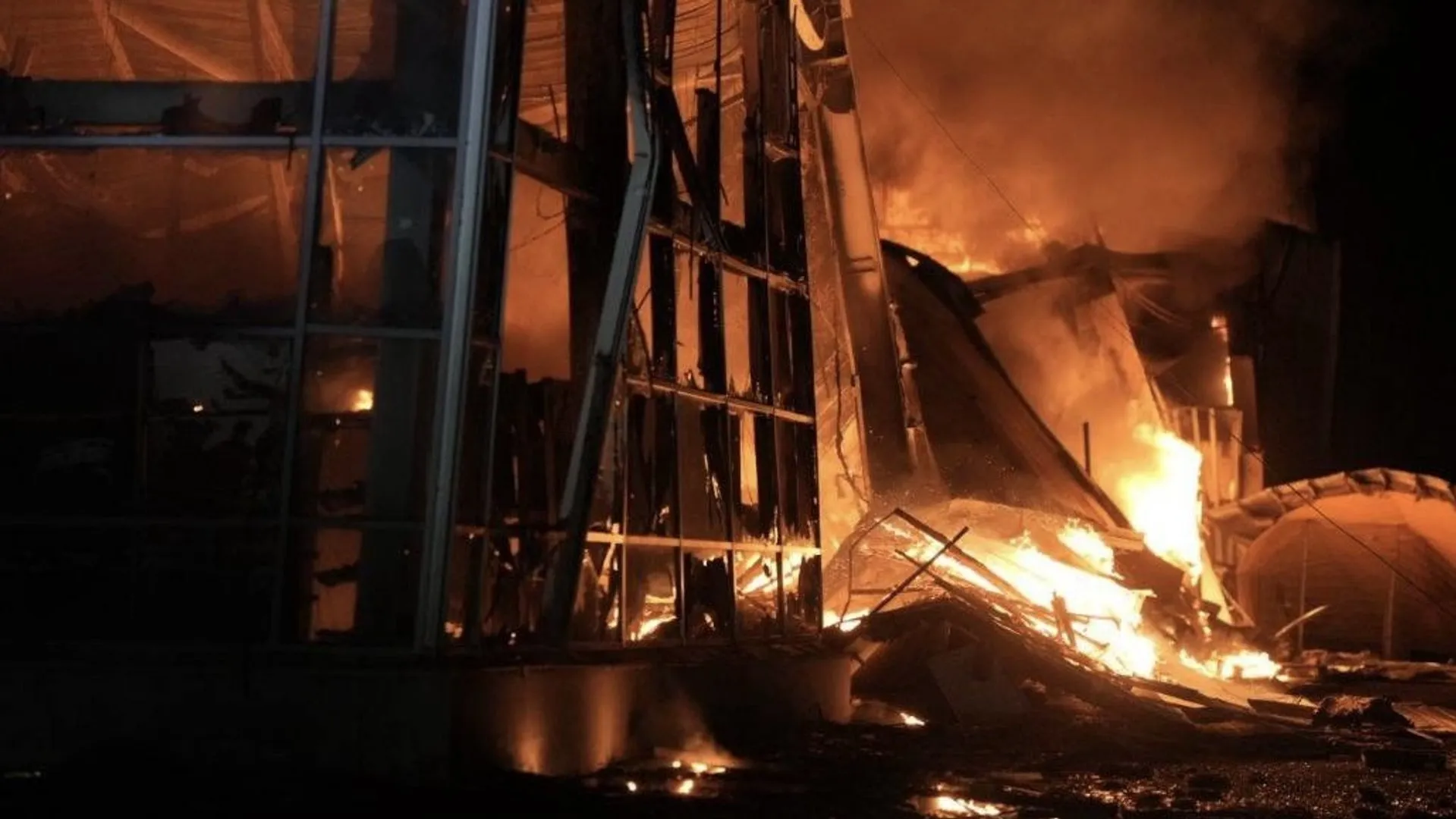
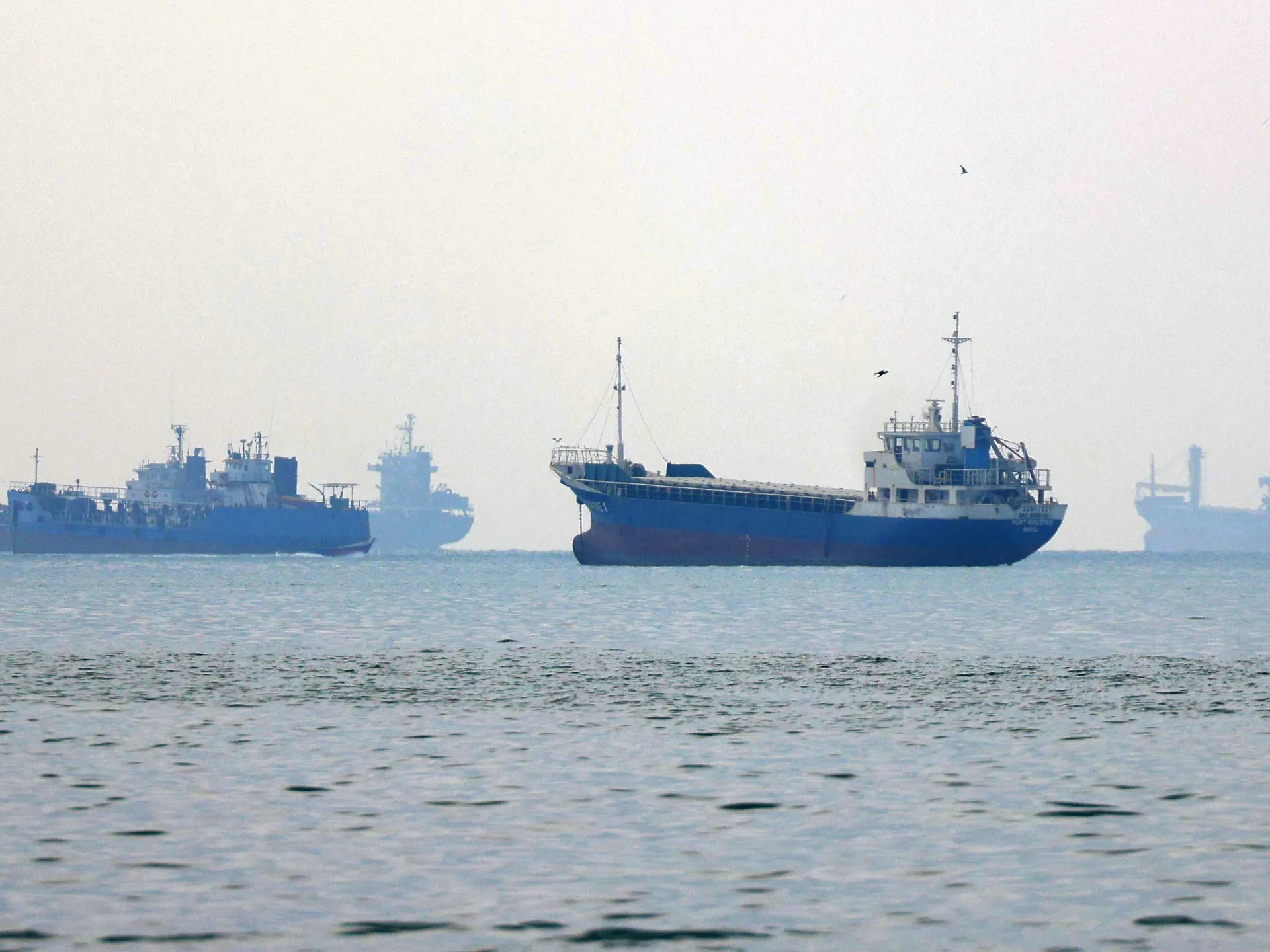
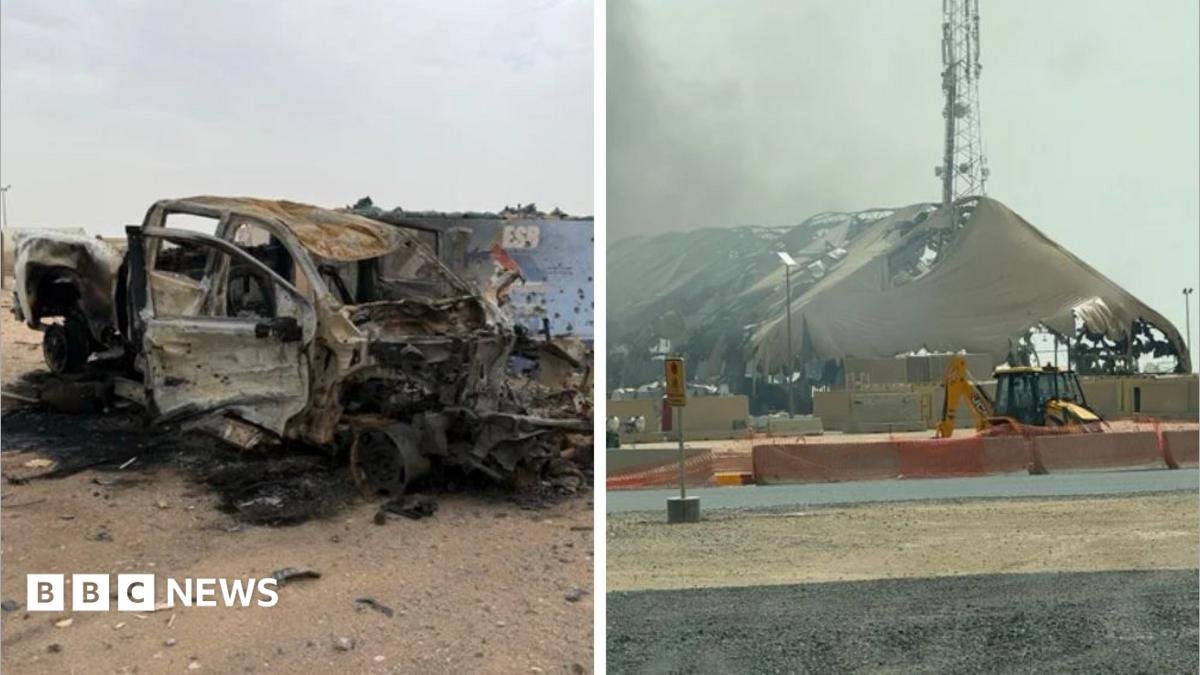
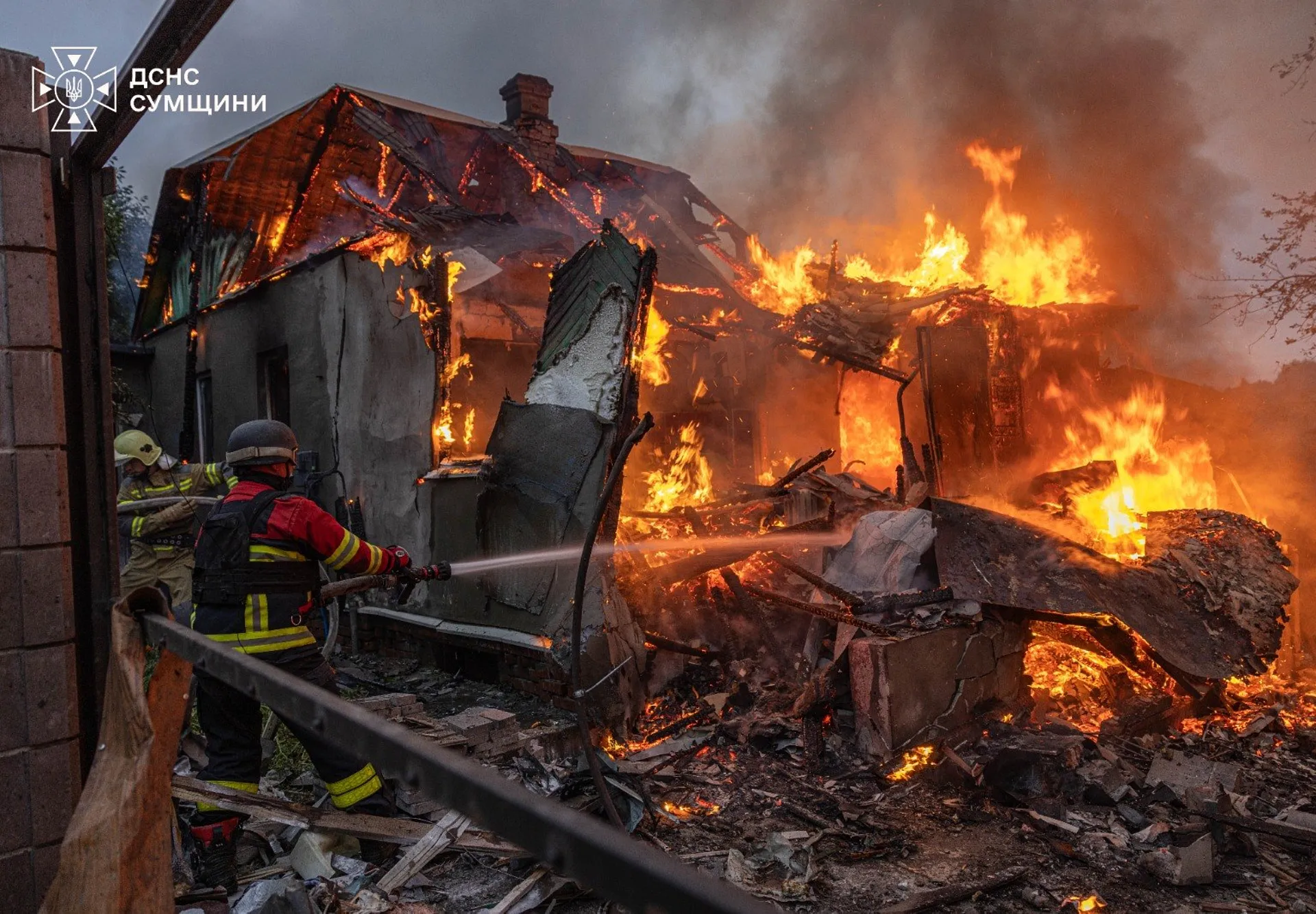
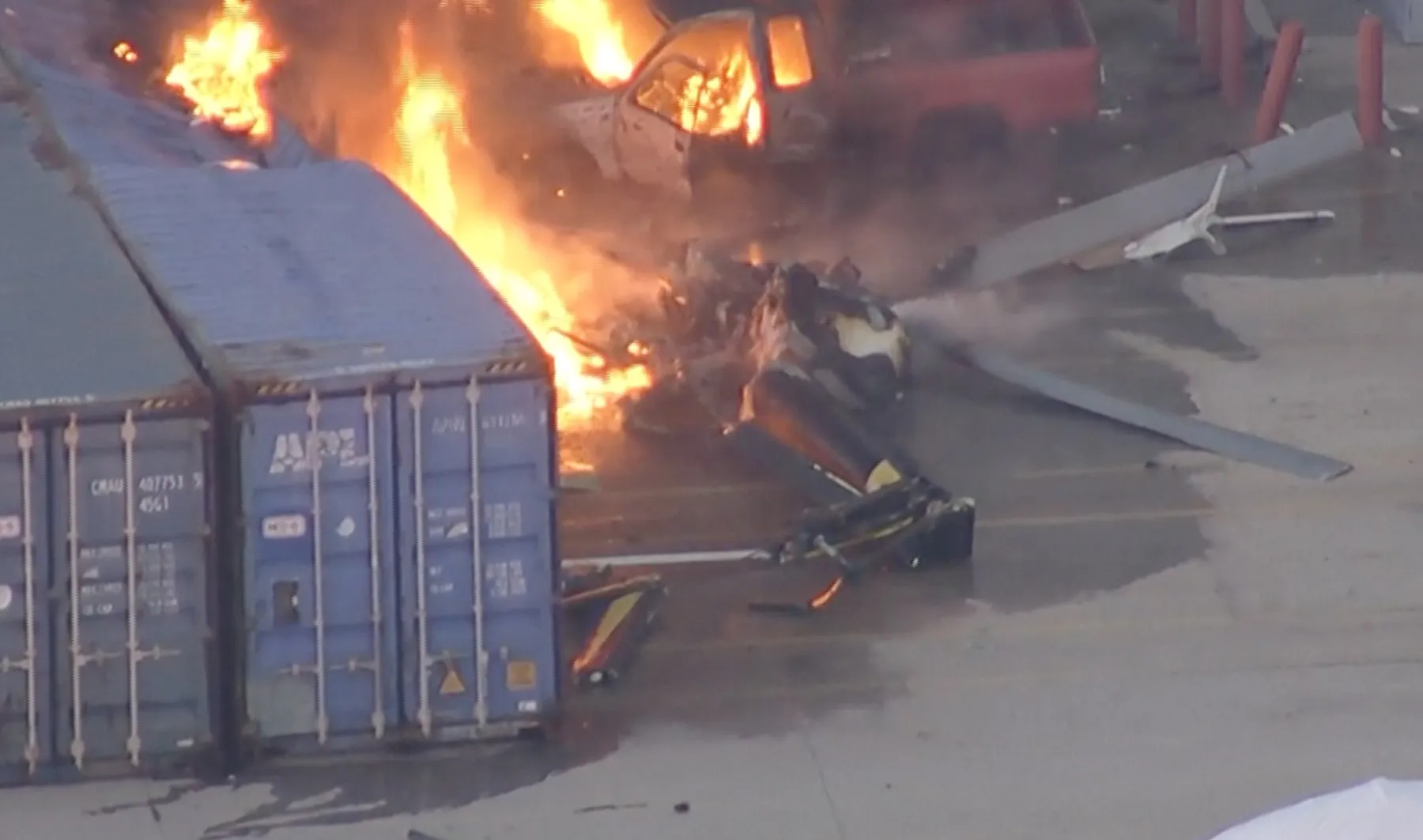
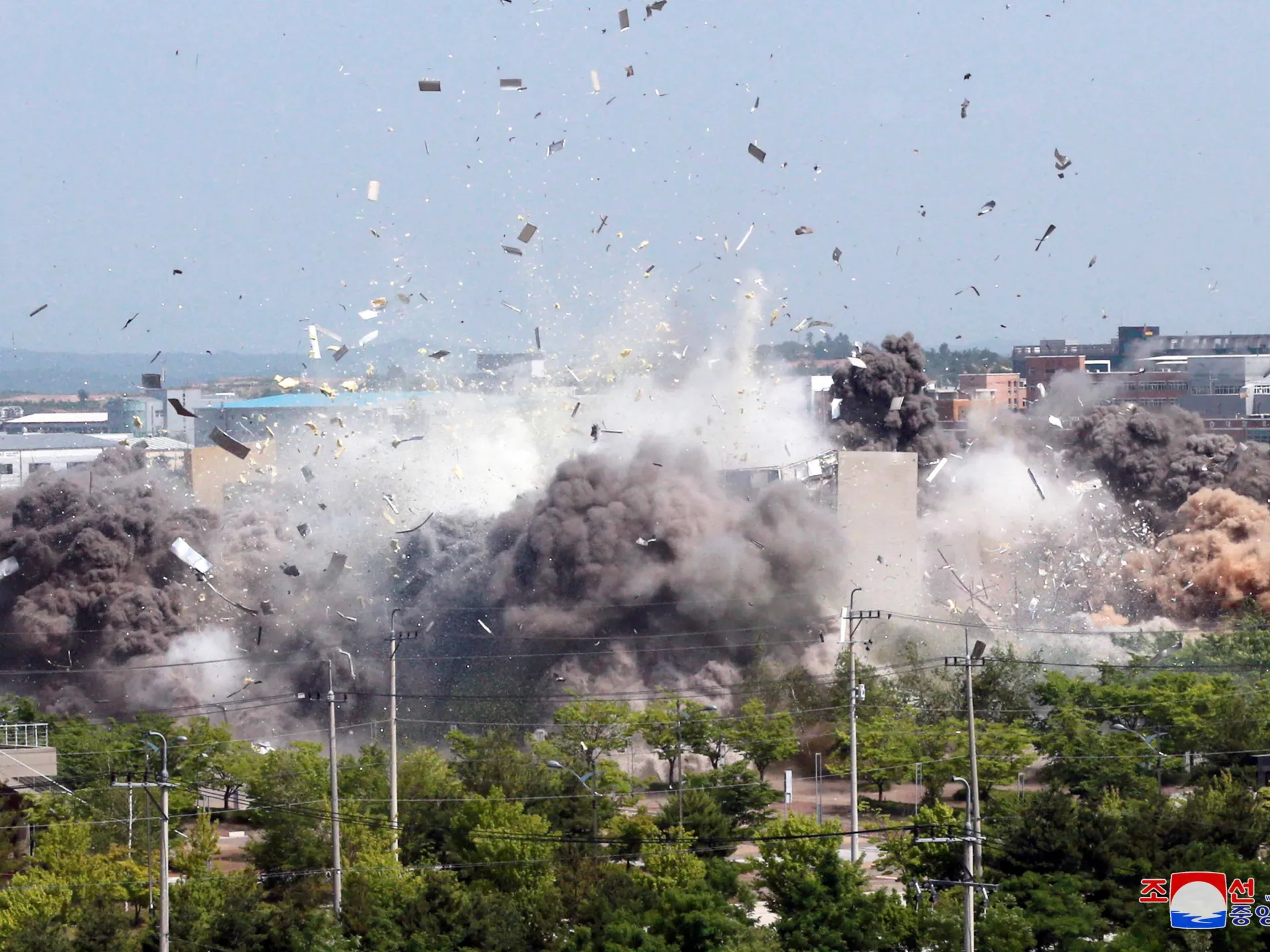
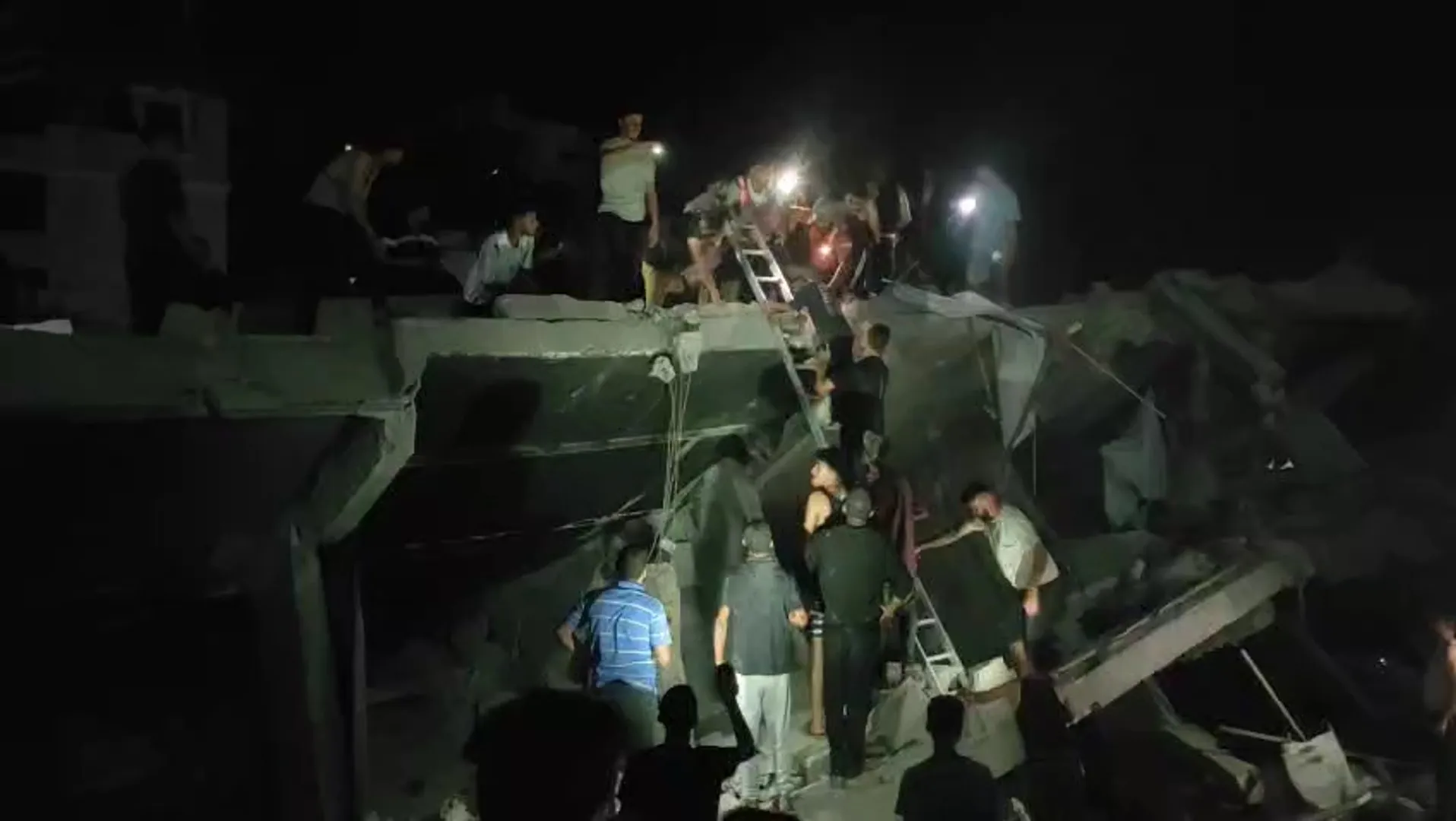
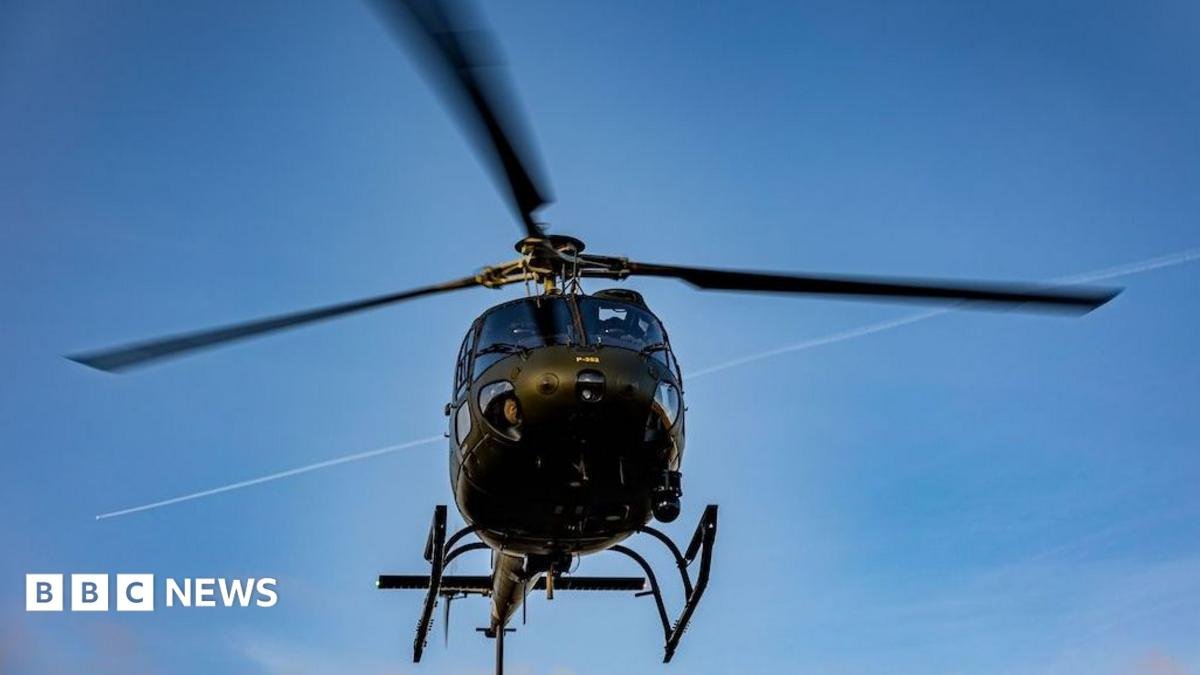
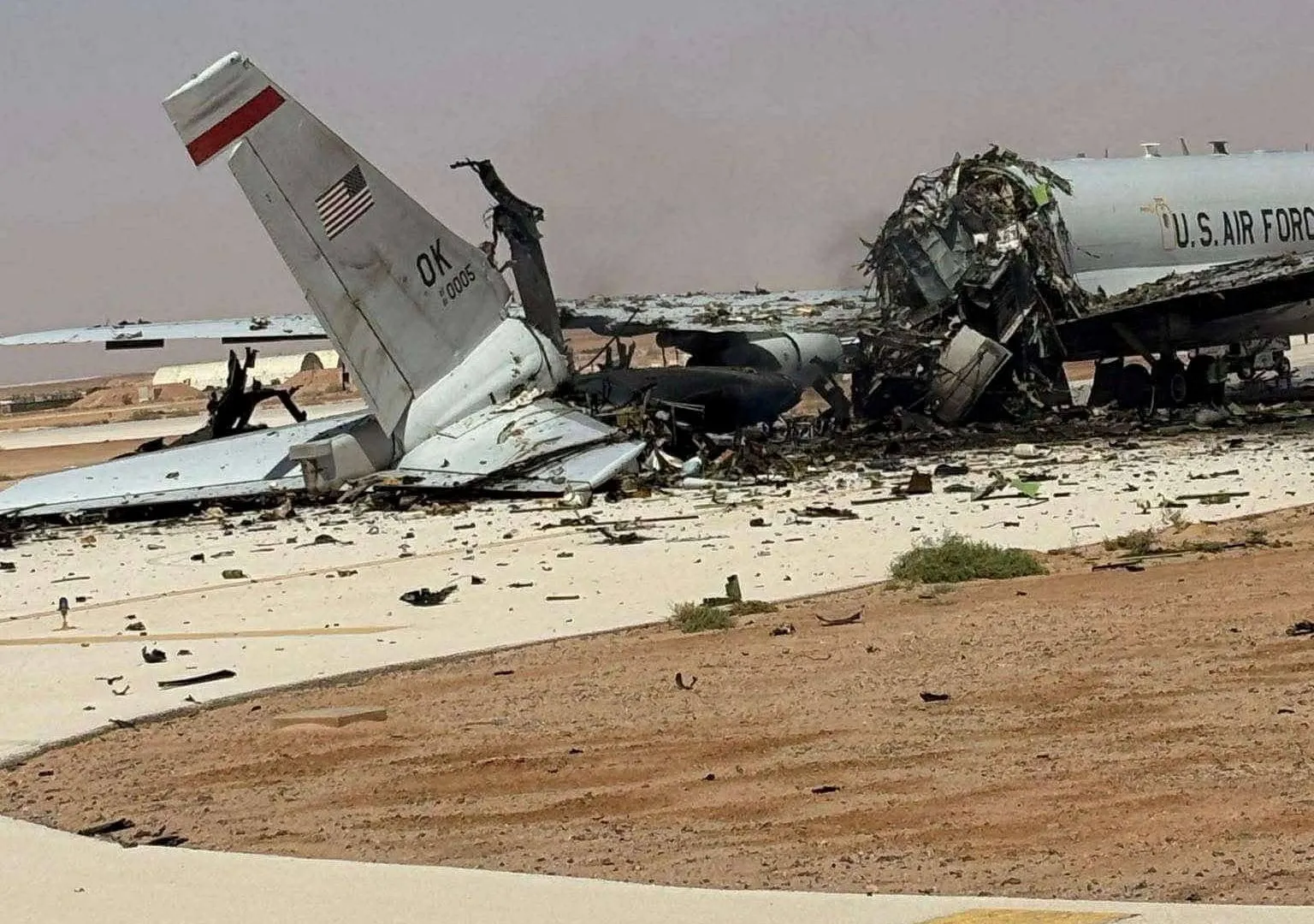
The impact on Iran’s aviation sector is expected to be immediate and severe. Mahan Air, the country’s primary international carrier, has already suspended operations to key hubs in Turkey and Oman following earlier US pressure on foreign partners. Other airlines, including Iran Air and Qeshm Air, face similar logistical collapse as their remaining networks in Iraq, the UAE, and beyond become untenable. Iran Air’s leadership has described the mounting pressure as a “metastasizing cancer” within their industry, noting that physical infrastructure, including at least 30 aircraft, has already been damaged throughout the ongoing military engagements.
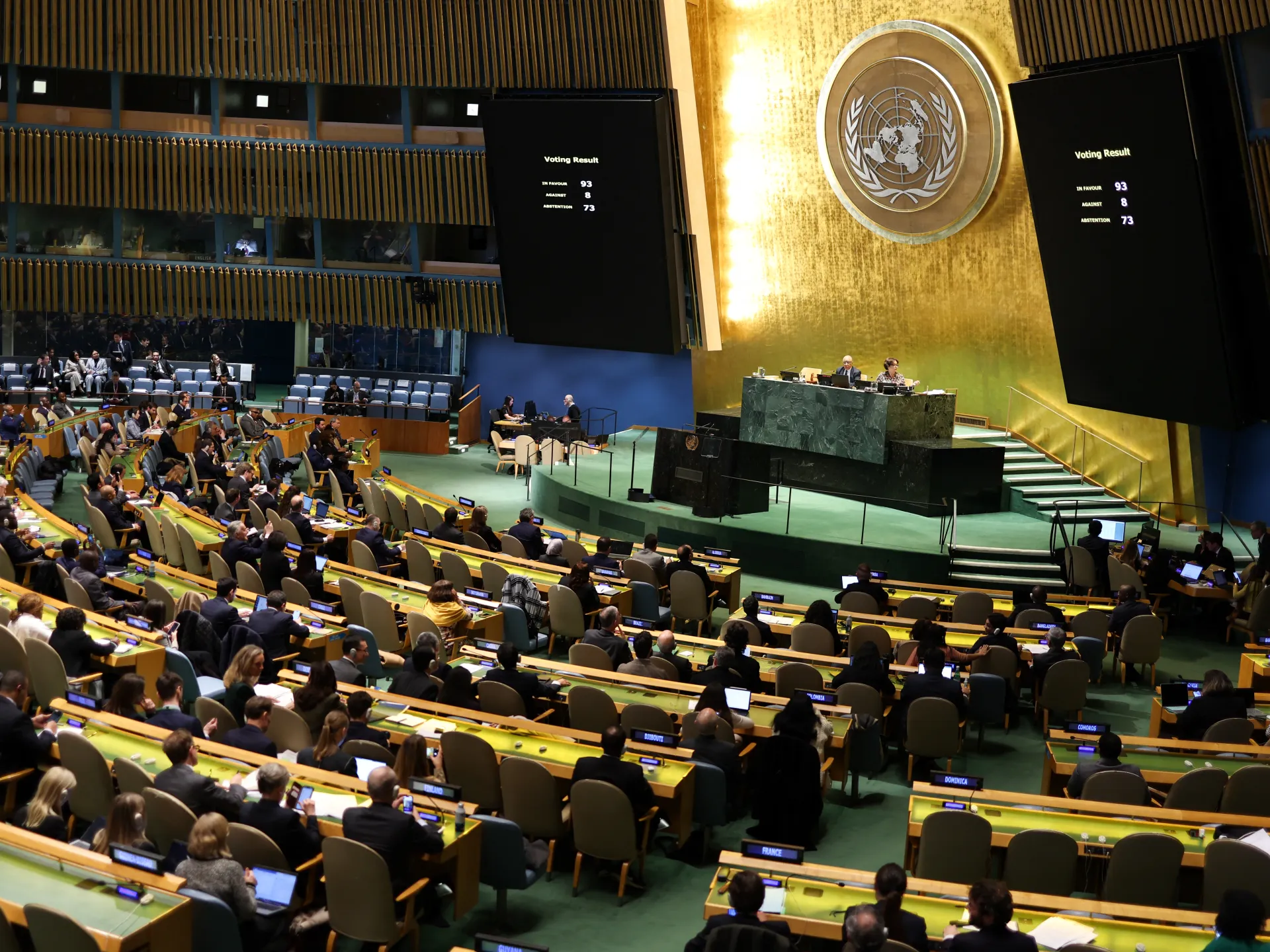
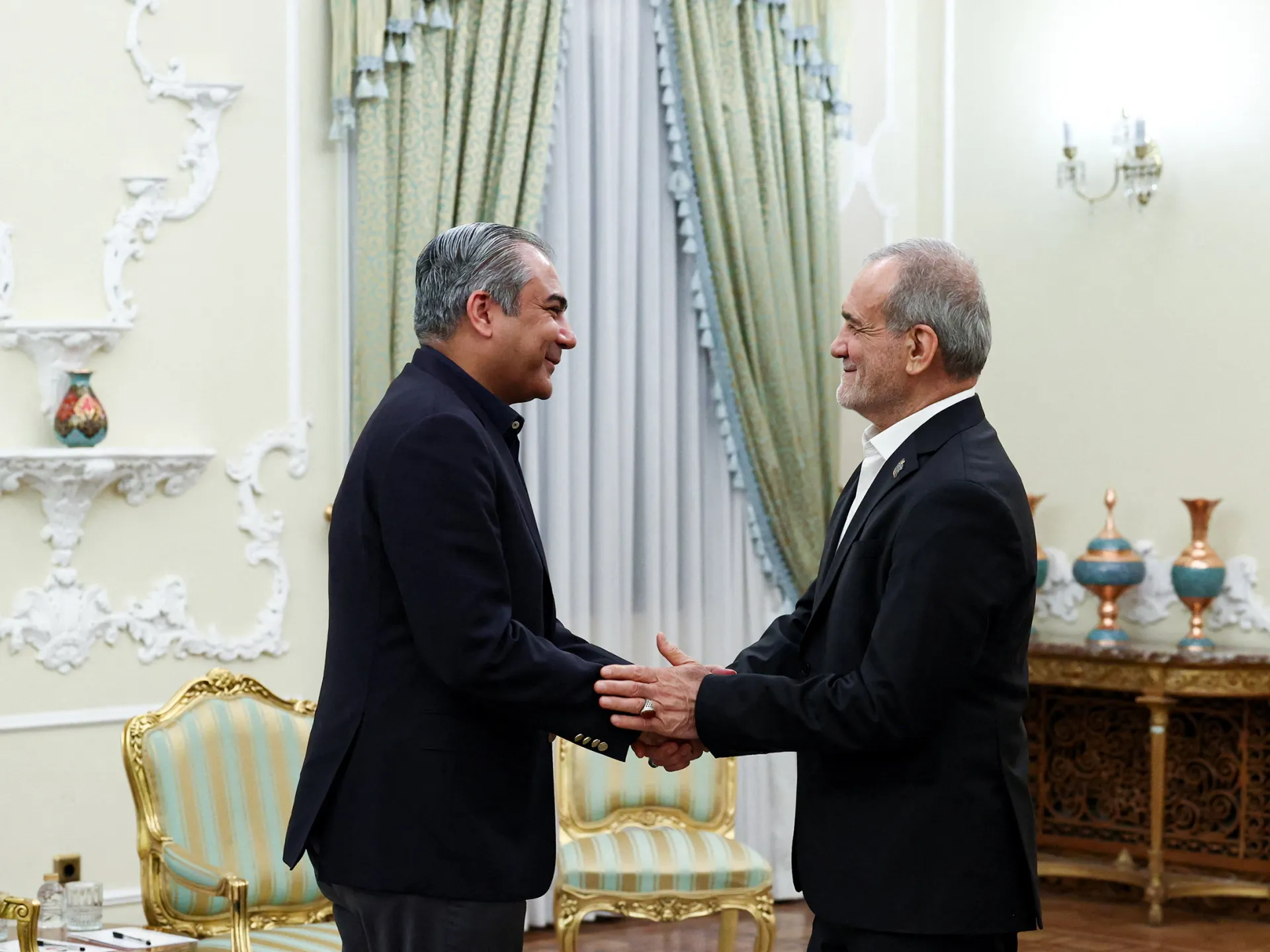
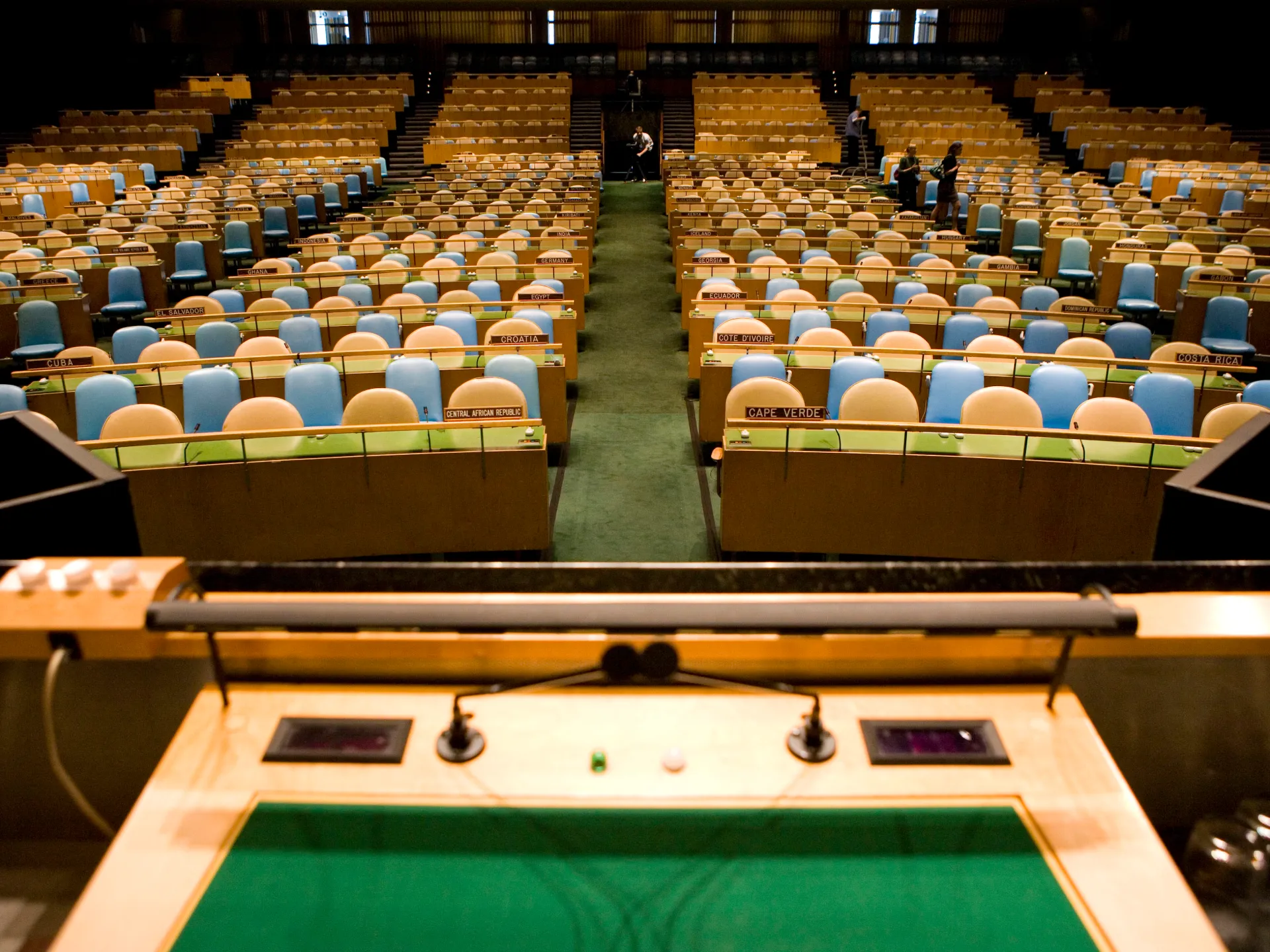
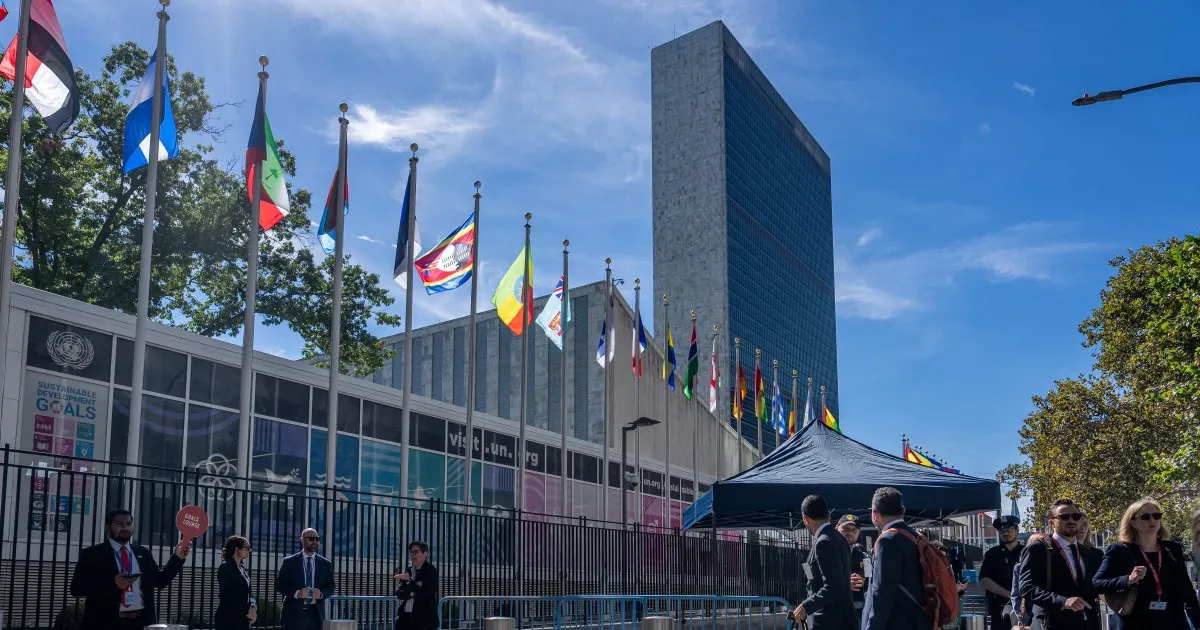
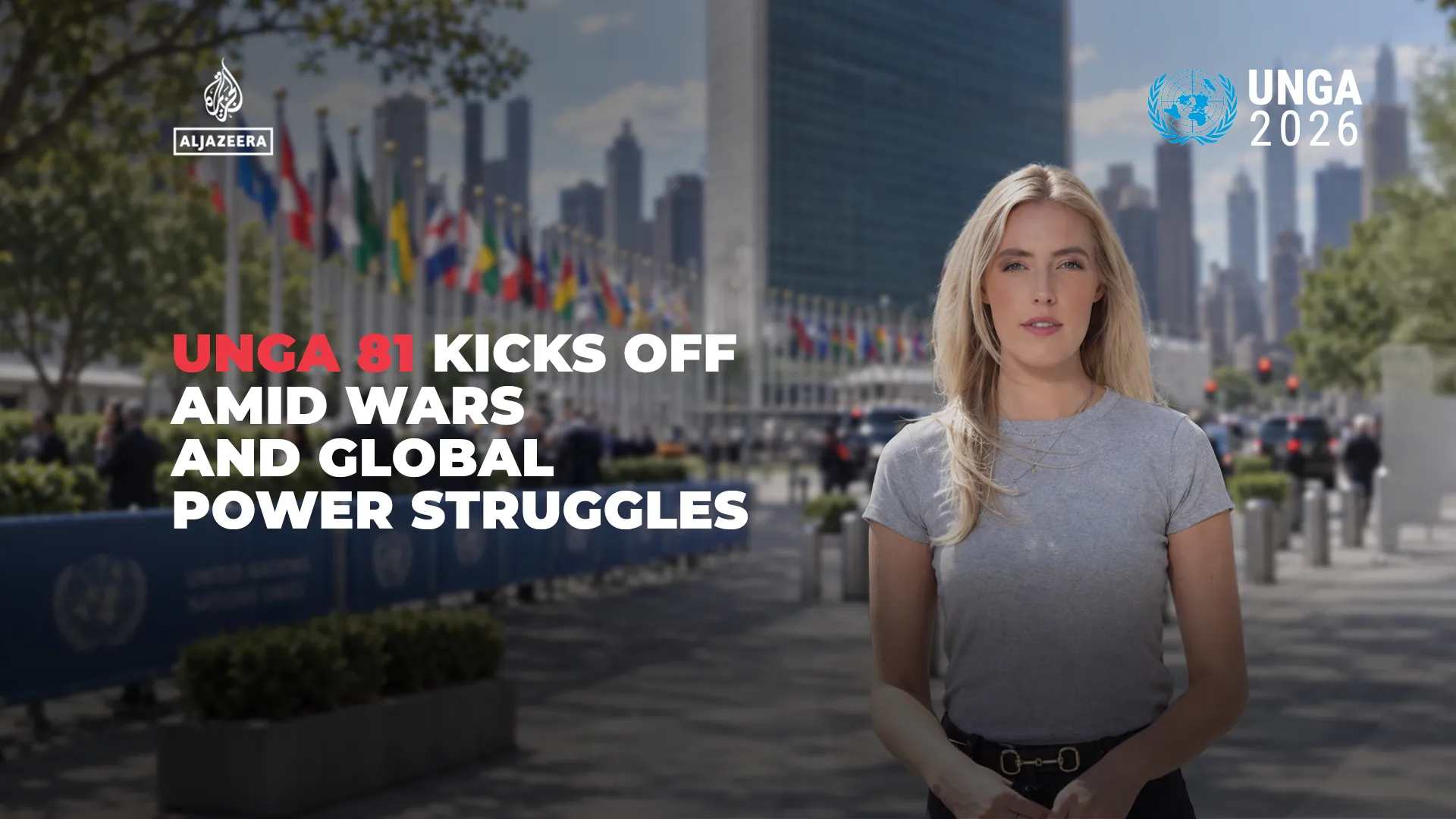
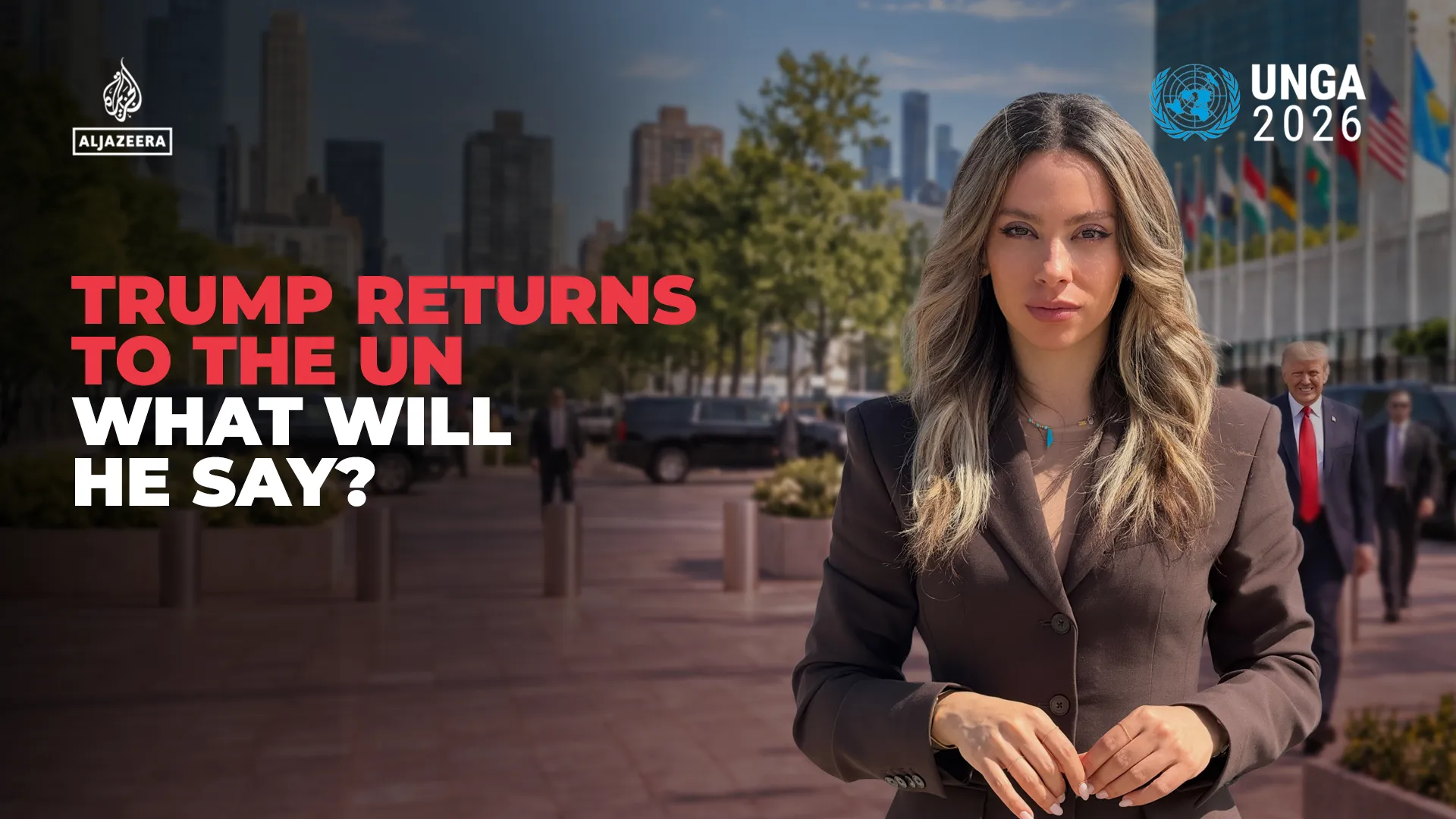
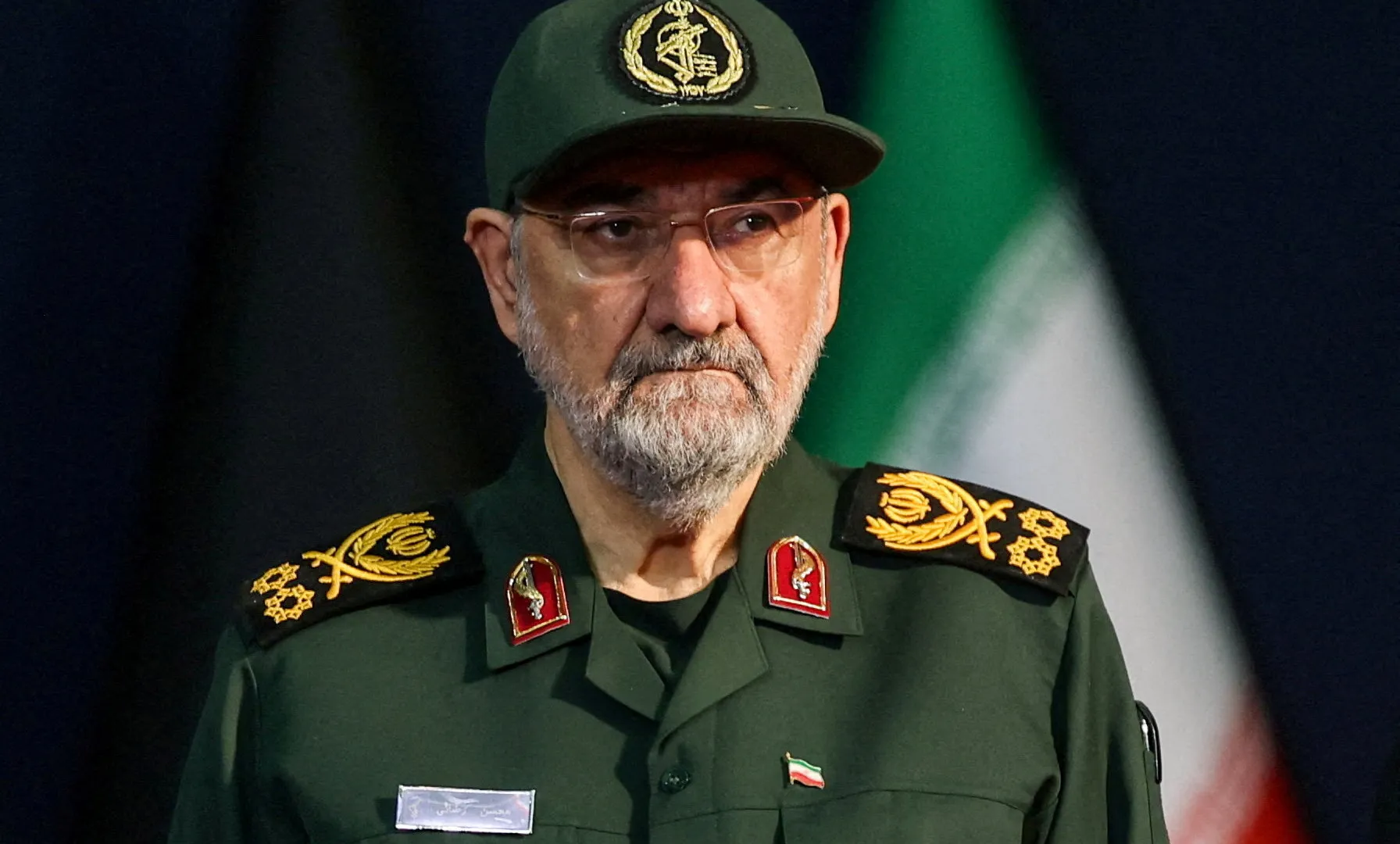
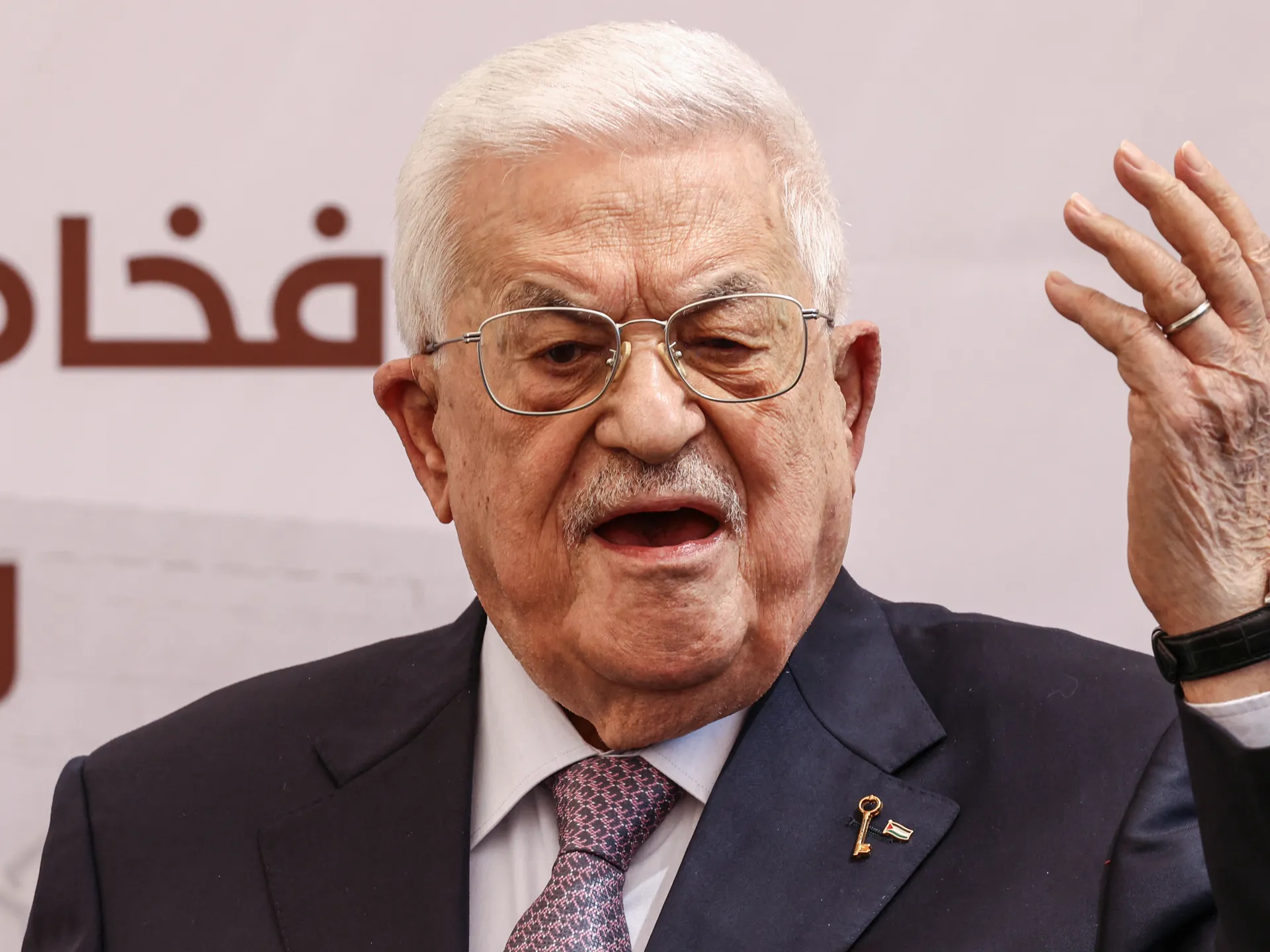
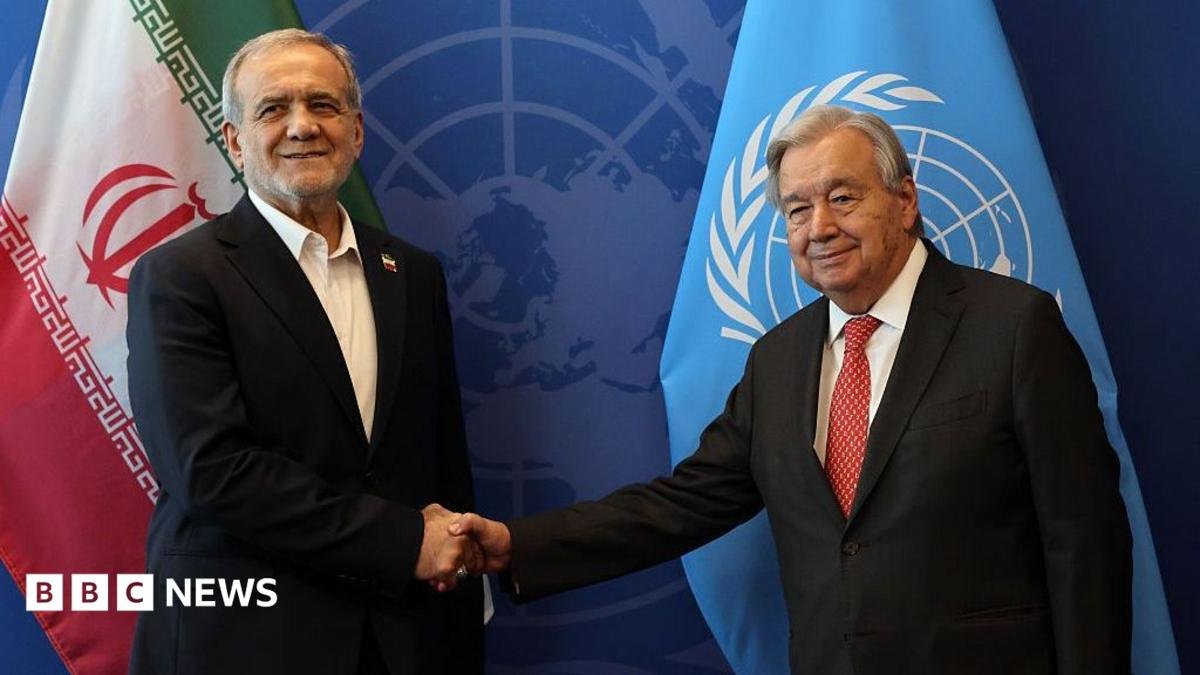
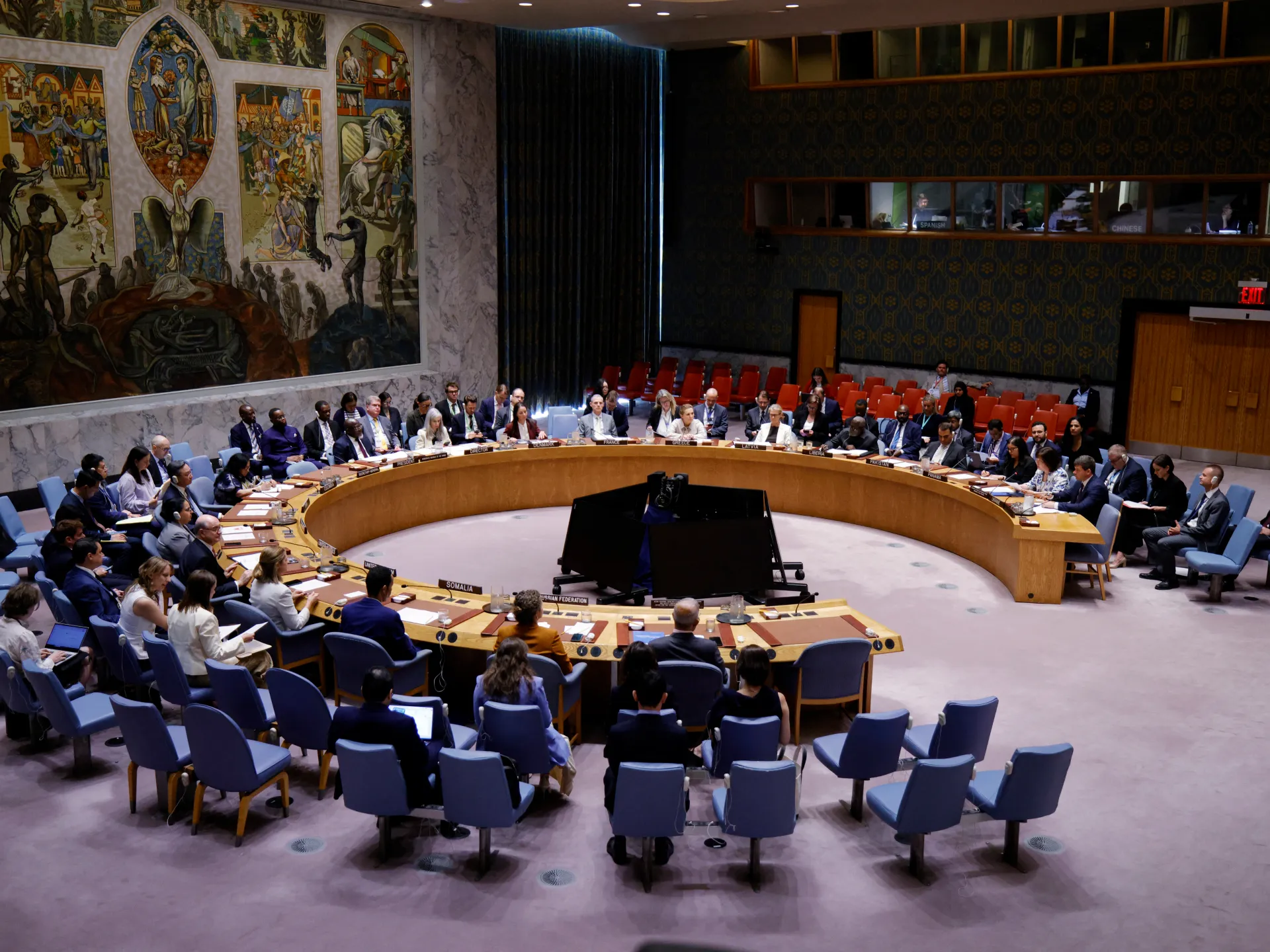
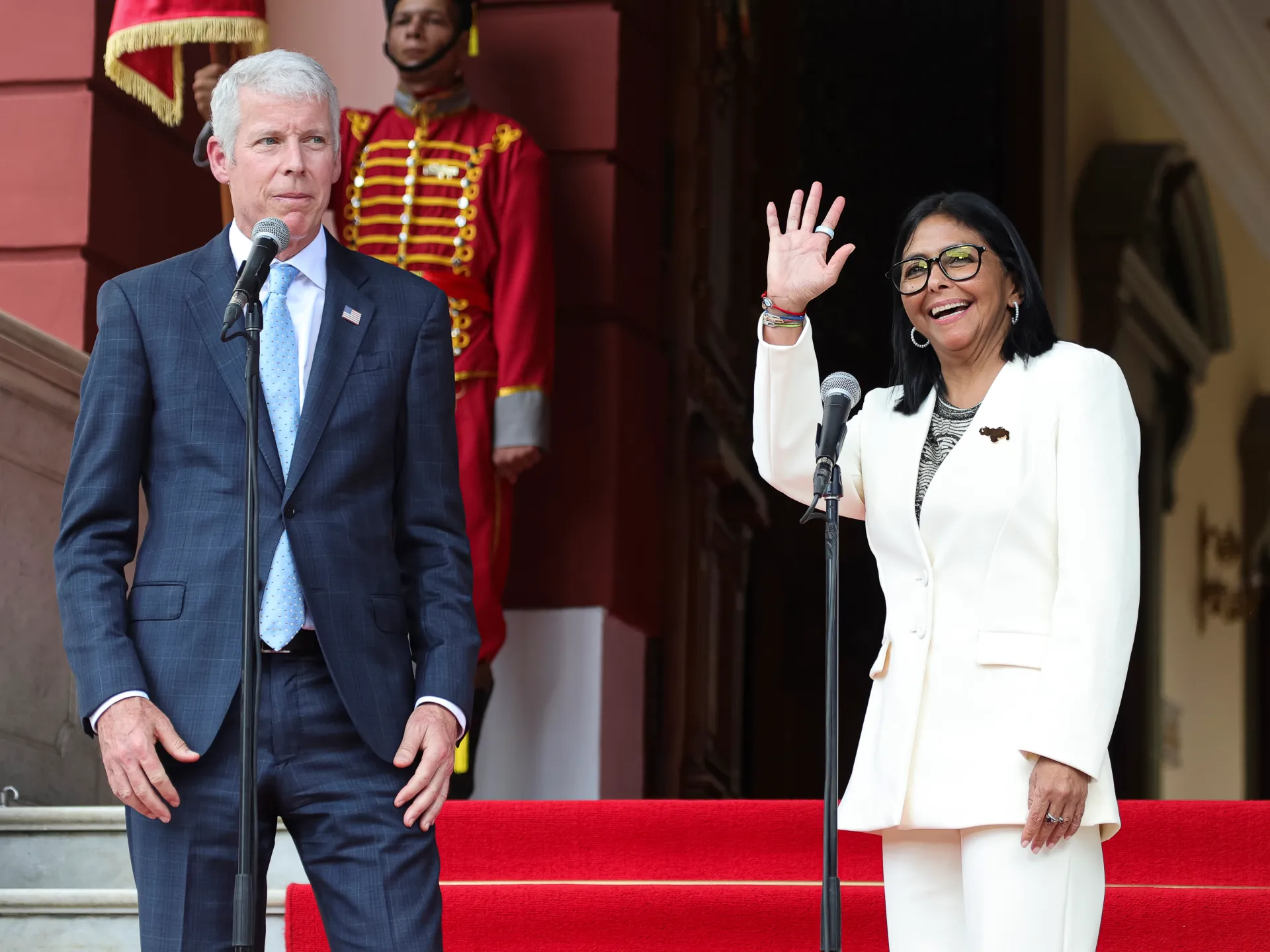
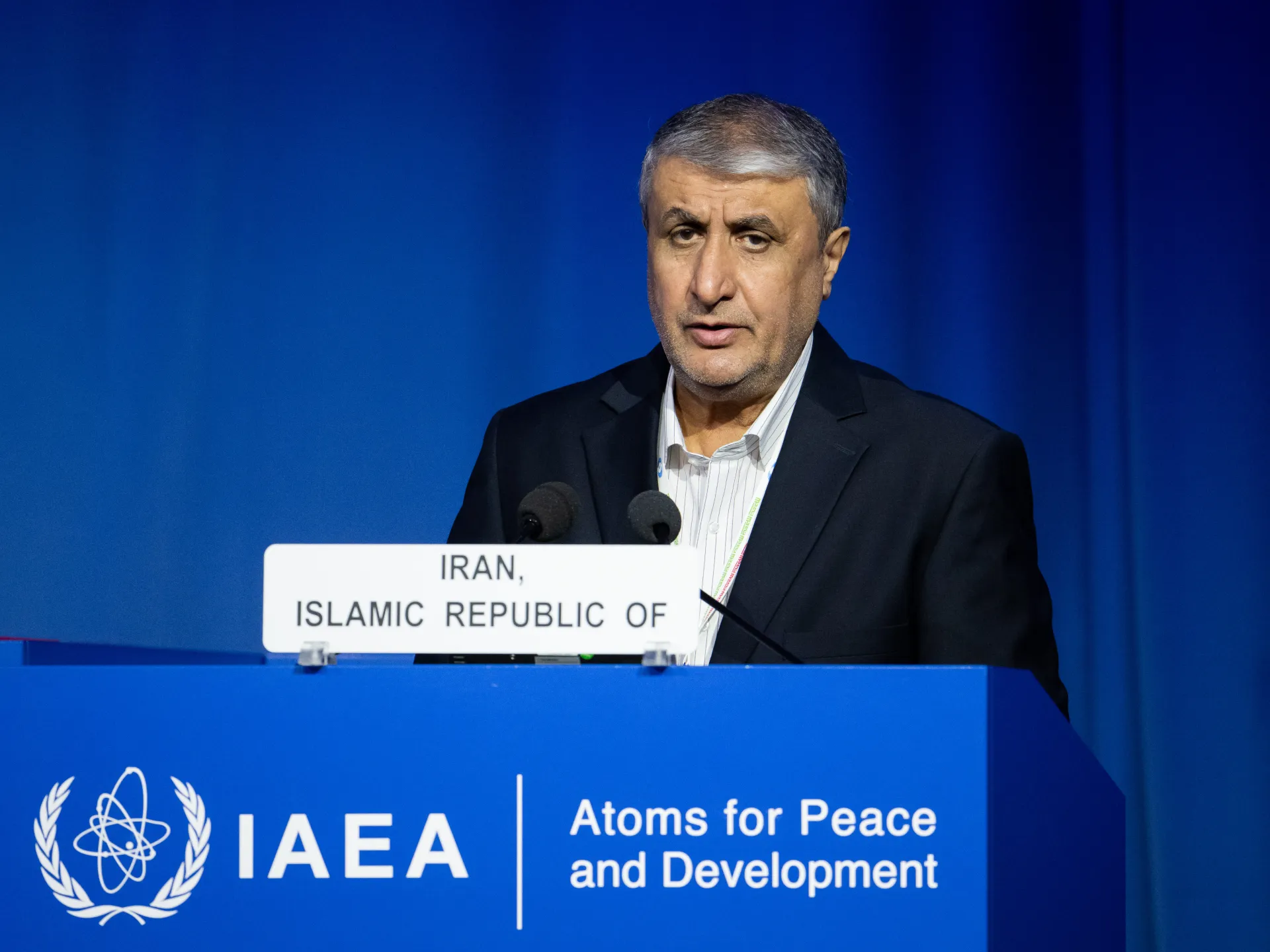
While the White House moves to isolate Iran’s aviation sector, it has simultaneously granted visas to a select Iranian delegation for the 81st session of the UN General Assembly in New York. The delegation, which includes President Masoud Pezeshkian and Foreign Minister Abbas Araghchi, is subject to strict travel limitations. State Department officials emphasized that the group is smaller than in previous years and will be prohibited from purchasing luxury goods or engaging in retail activity during their stay.
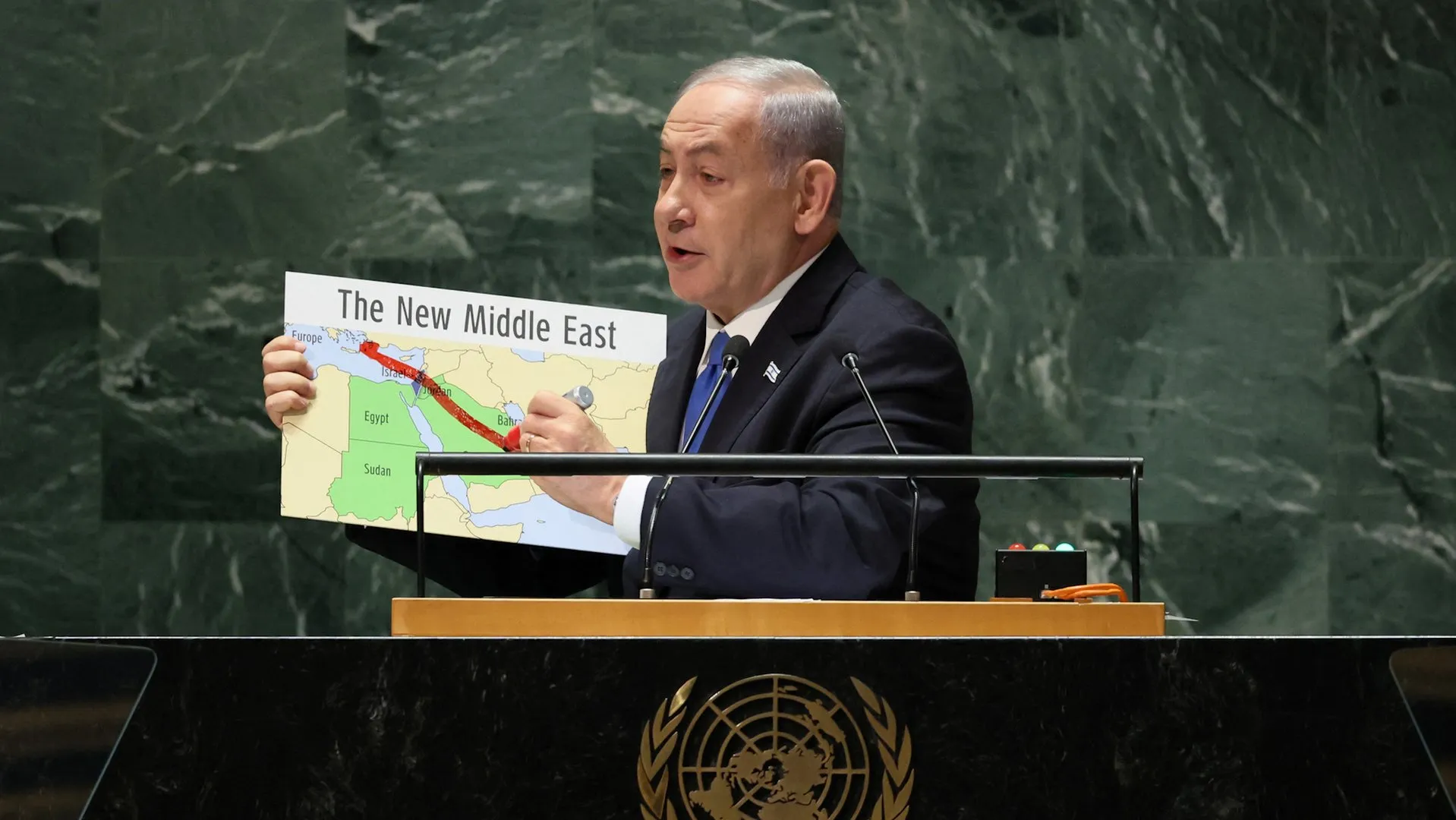
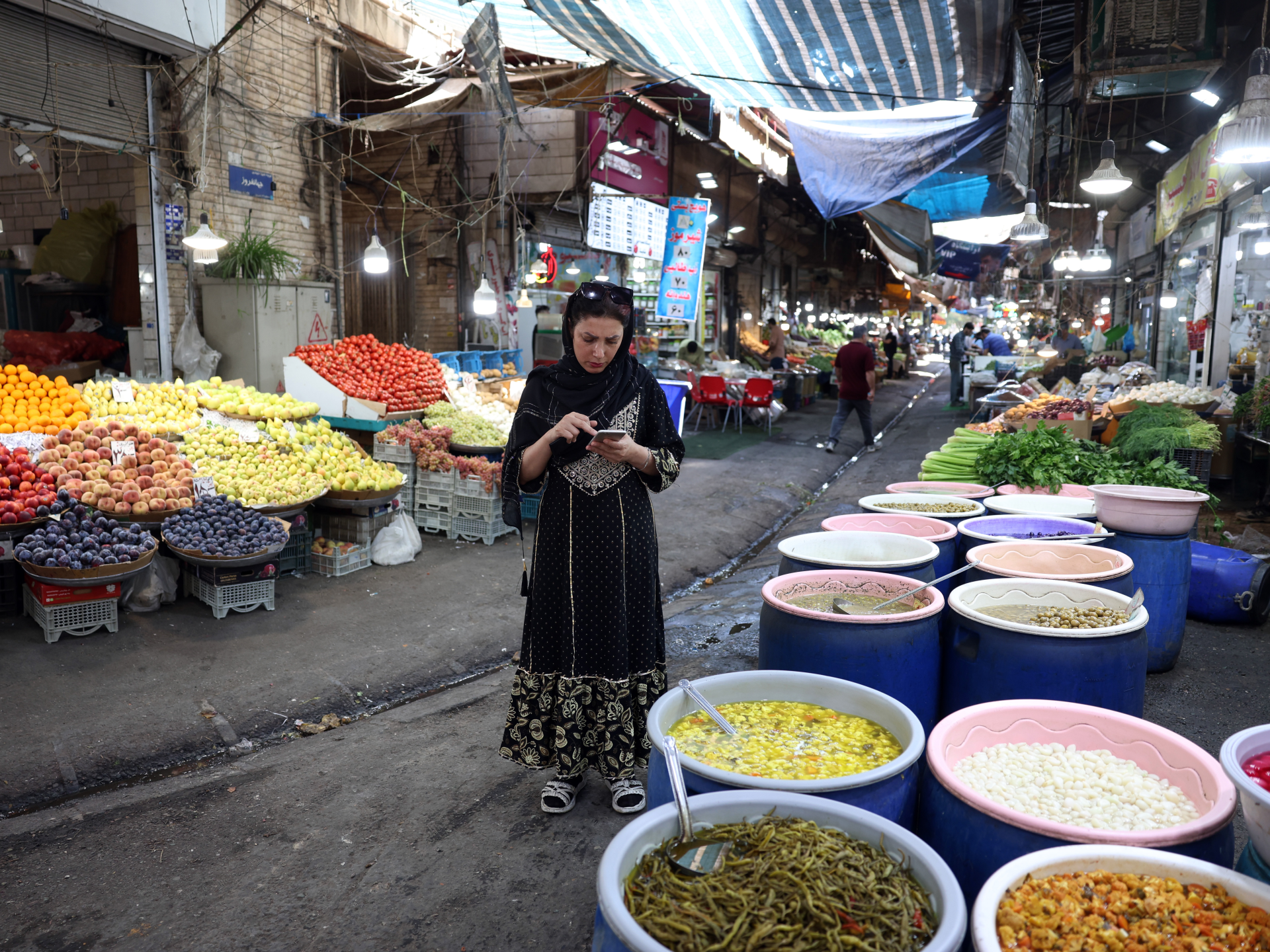
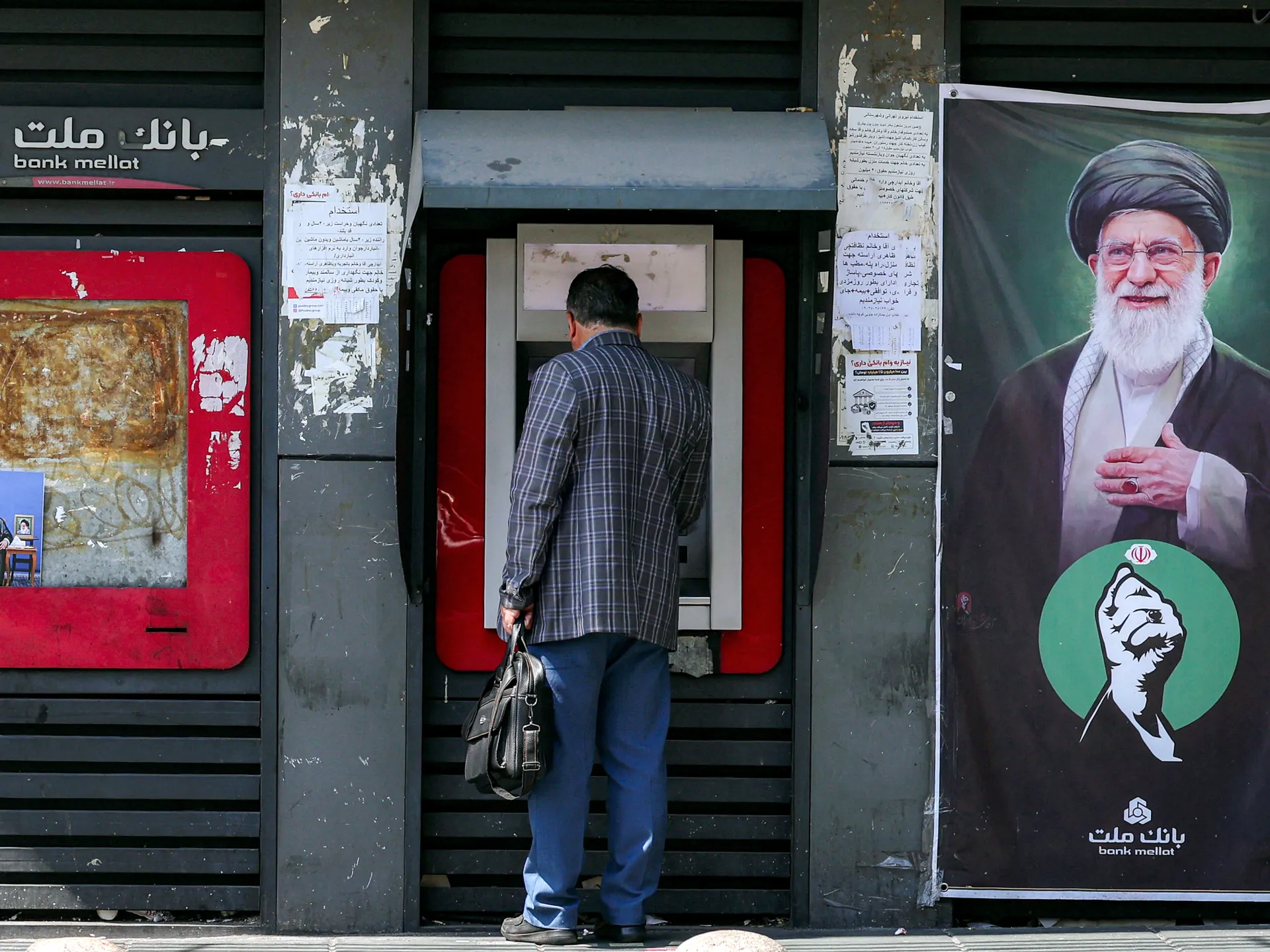
The dual nature of the administration's approach—permitting diplomatic access while enforcing total economic isolation—has drawn public scrutiny. State Department spokespeople have framed the visa restrictions as a moral imperative, citing the suffering of the Iranian populace under inflation and shortages. Despite these constraints, the UN event remains a focal point for international diplomacy, with leaders from the US, UK, and France expected to address the General Assembly during a week already marked
The enforcement of this aviation ban will likely serve as a test case for the efficacy of “secondary sanctions” in a modern, interconnected market. If global ground-handling and fuel companies choose to prioritize their access to the US dollar over their contracts with Iranian carriers, the country’s ability to conduct any civil aviation outside of its borders will effectively cease. Analysts suggest that the success of this strategy relies heavily on the compliance of airports in neutral or allied jurisdictions, which may now be forced to decide between maintaining regional connectivity or preserving their standing within the American financial orbit.
Simultaneously, the presence of Iranian officials at the UN suggests that while the US is committed to aggressive economic attrition, it maintains a channel for high-level diplomatic posturing. The coming week of speeches at the UNGA will likely reveal whether the intensity of the current conflict has closed the door on any potential back-channel negotiations or if the diplomatic stage remains a viable space for de-escalation rhetoric, despite the administration’s stated policy of total economic outcasting.