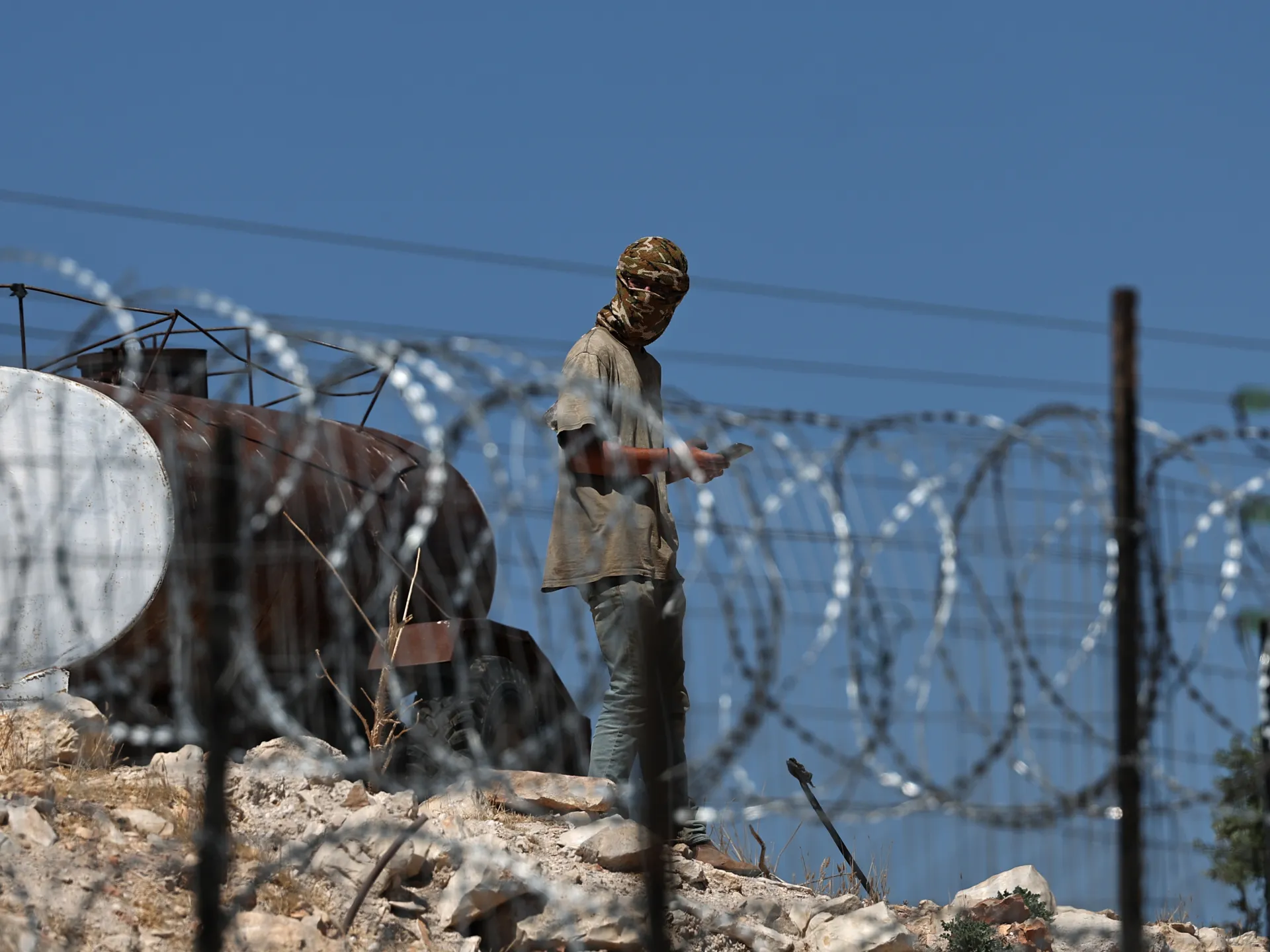
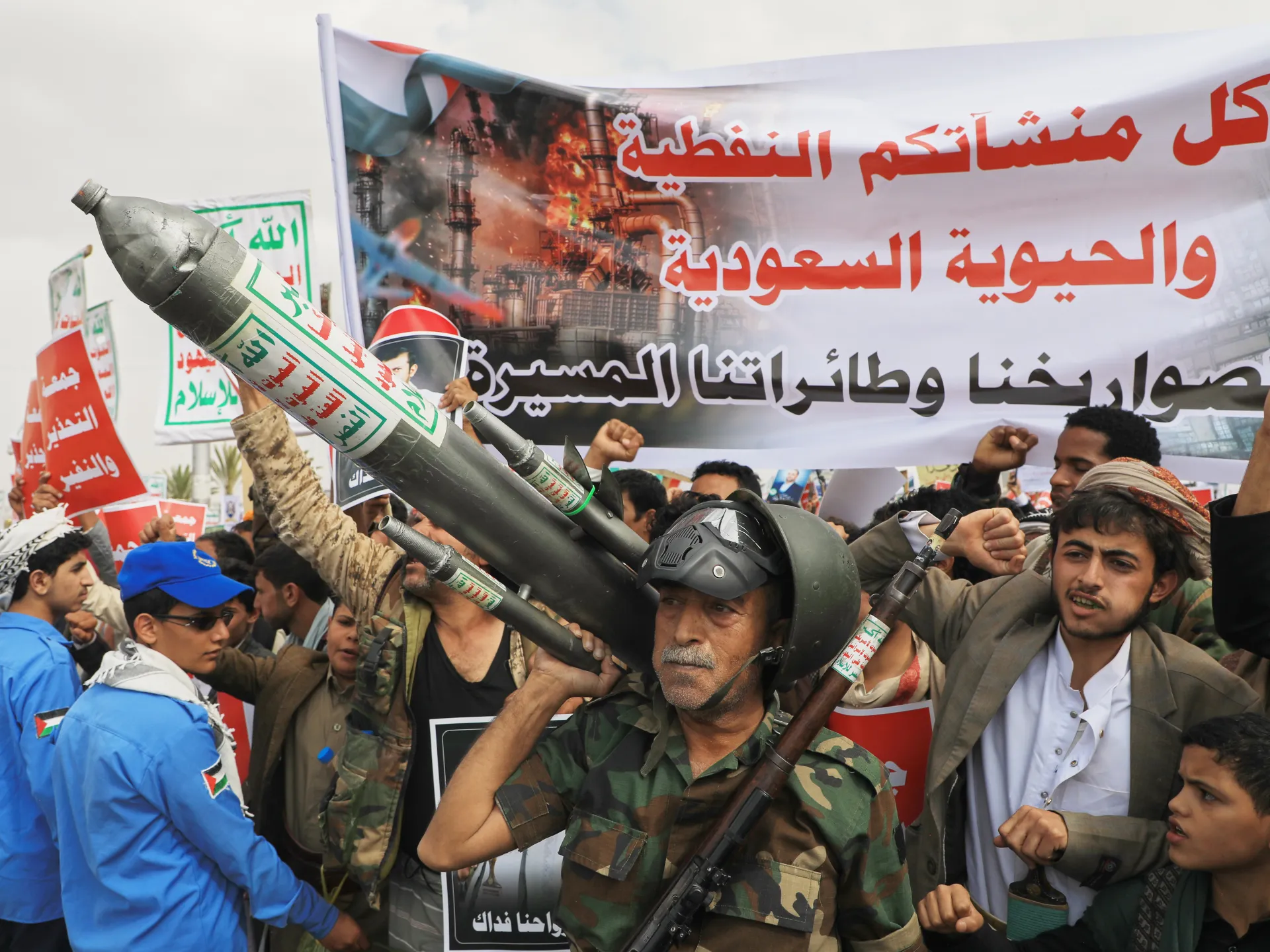
Houthi forces have seized key Red Sea positions and damaged critical Saudi infrastructure, forcing Riyadh to navigate a complex web of regional alliances and security dilemmas.
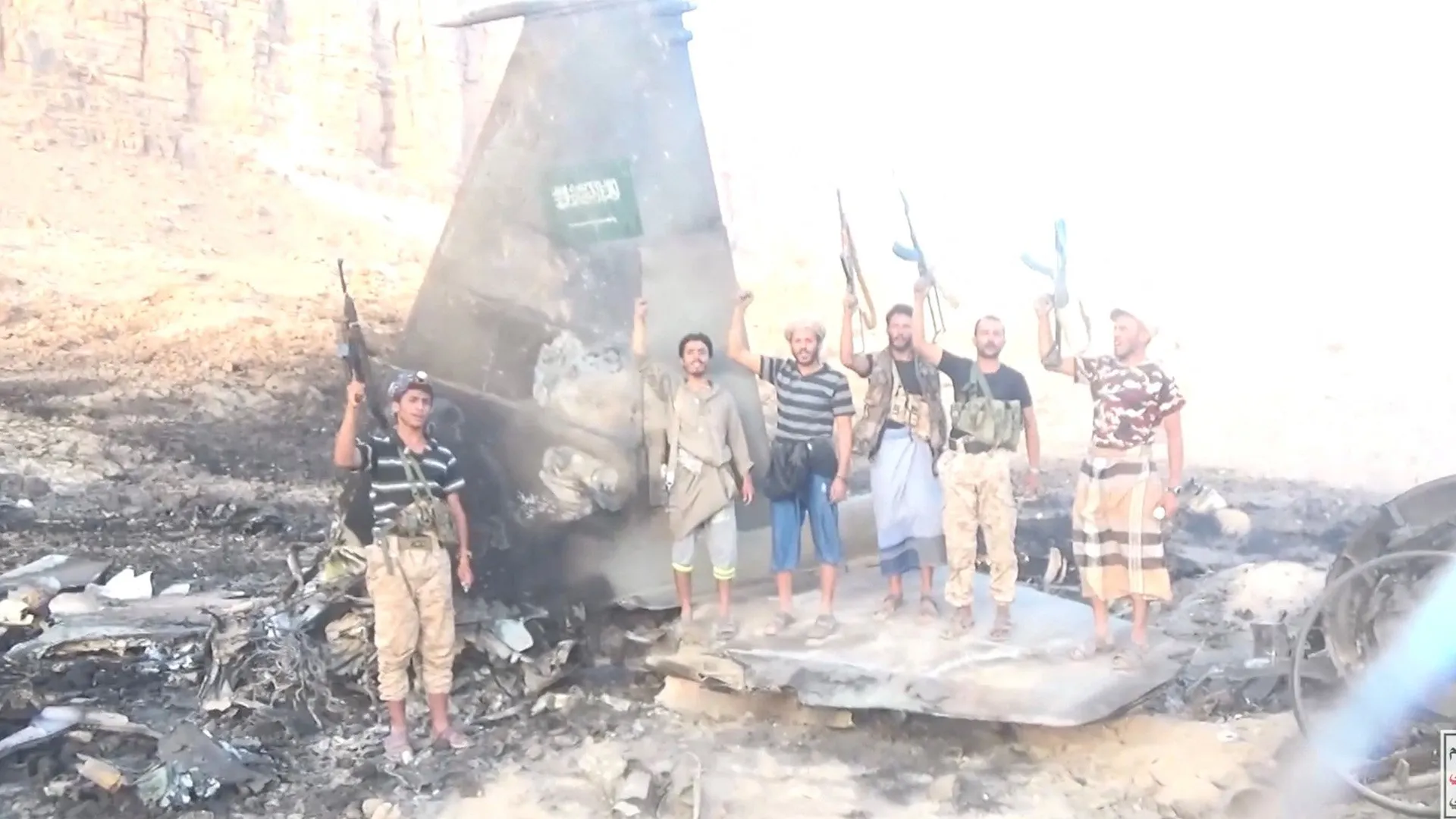
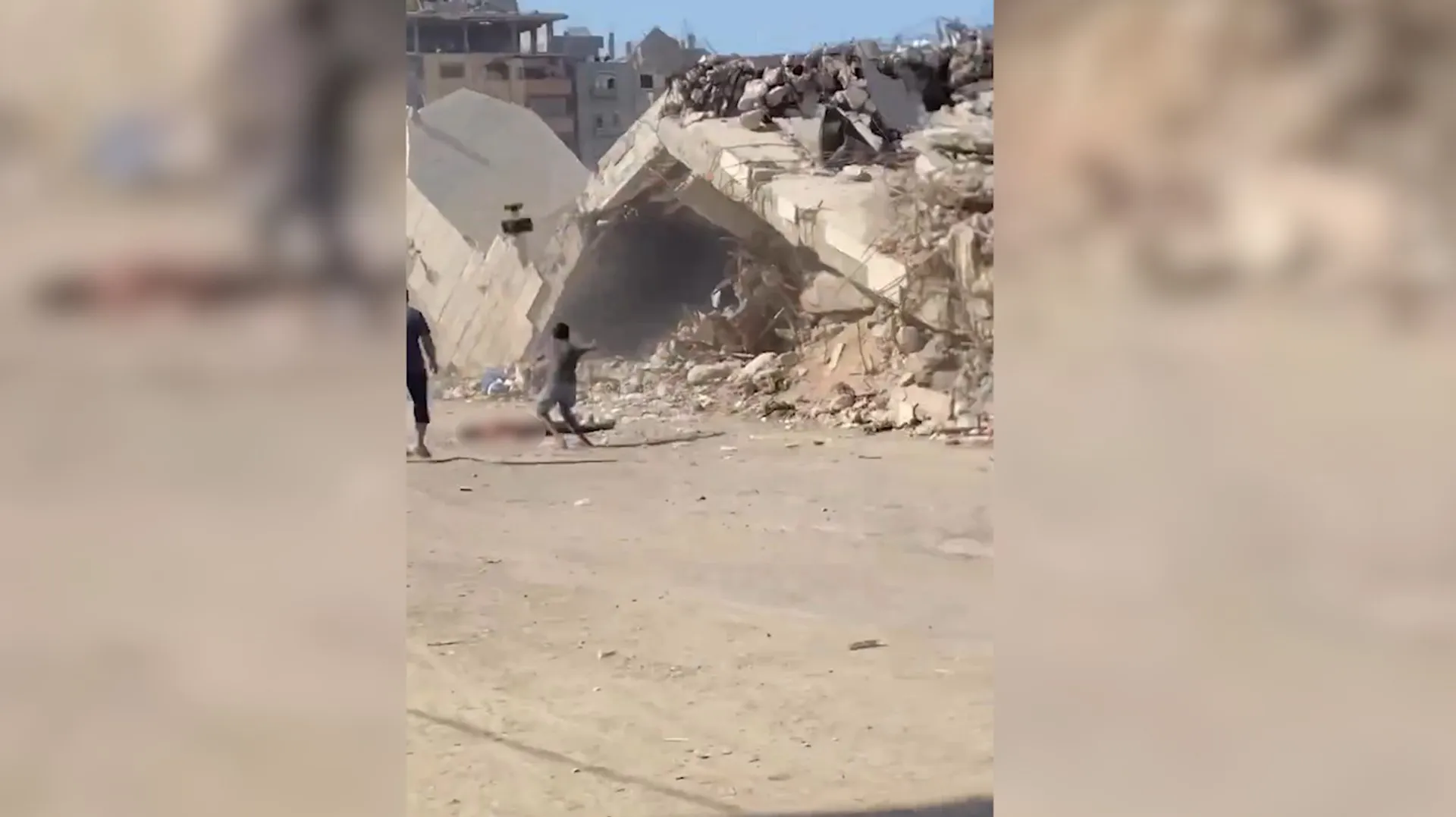
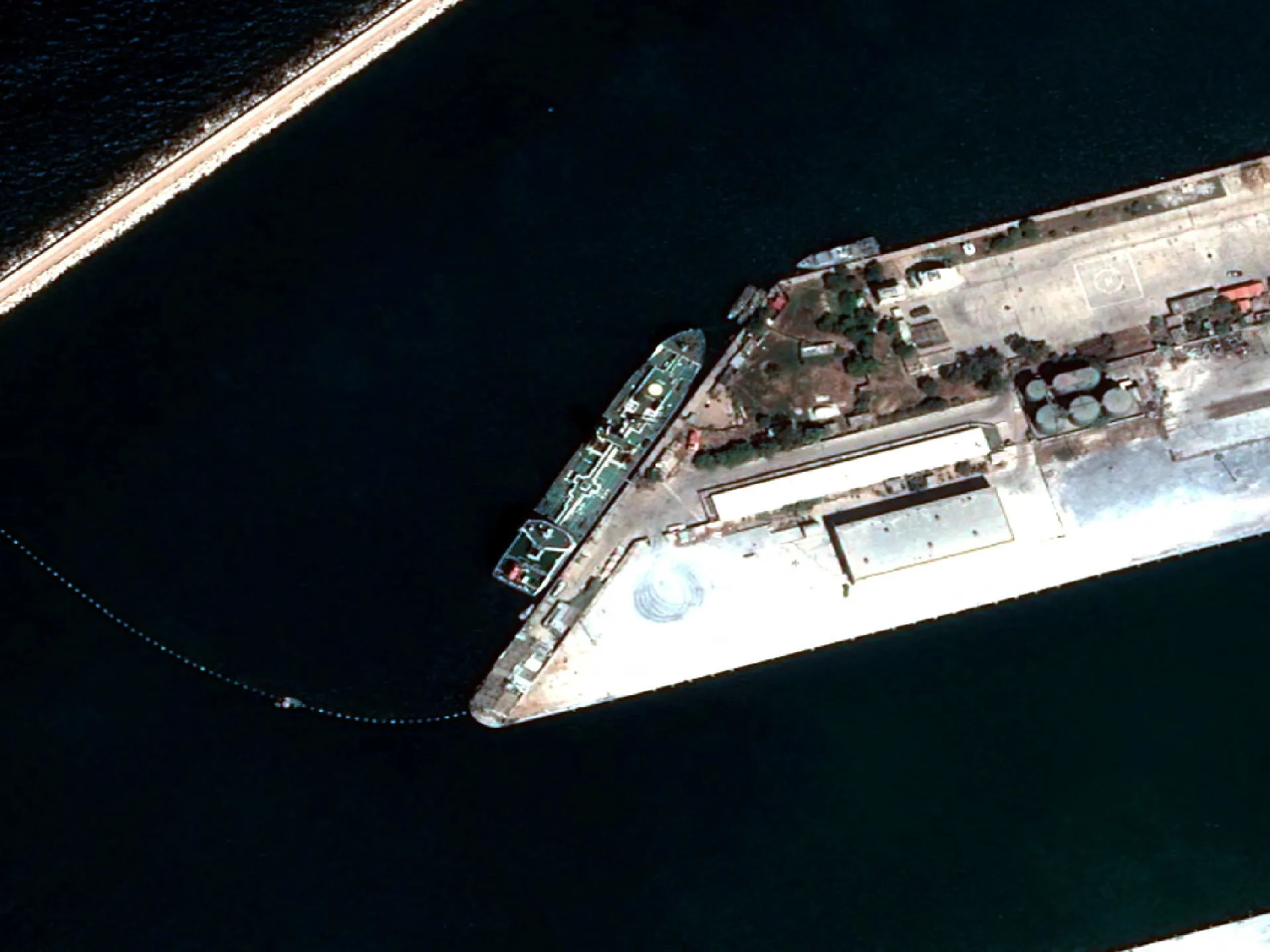
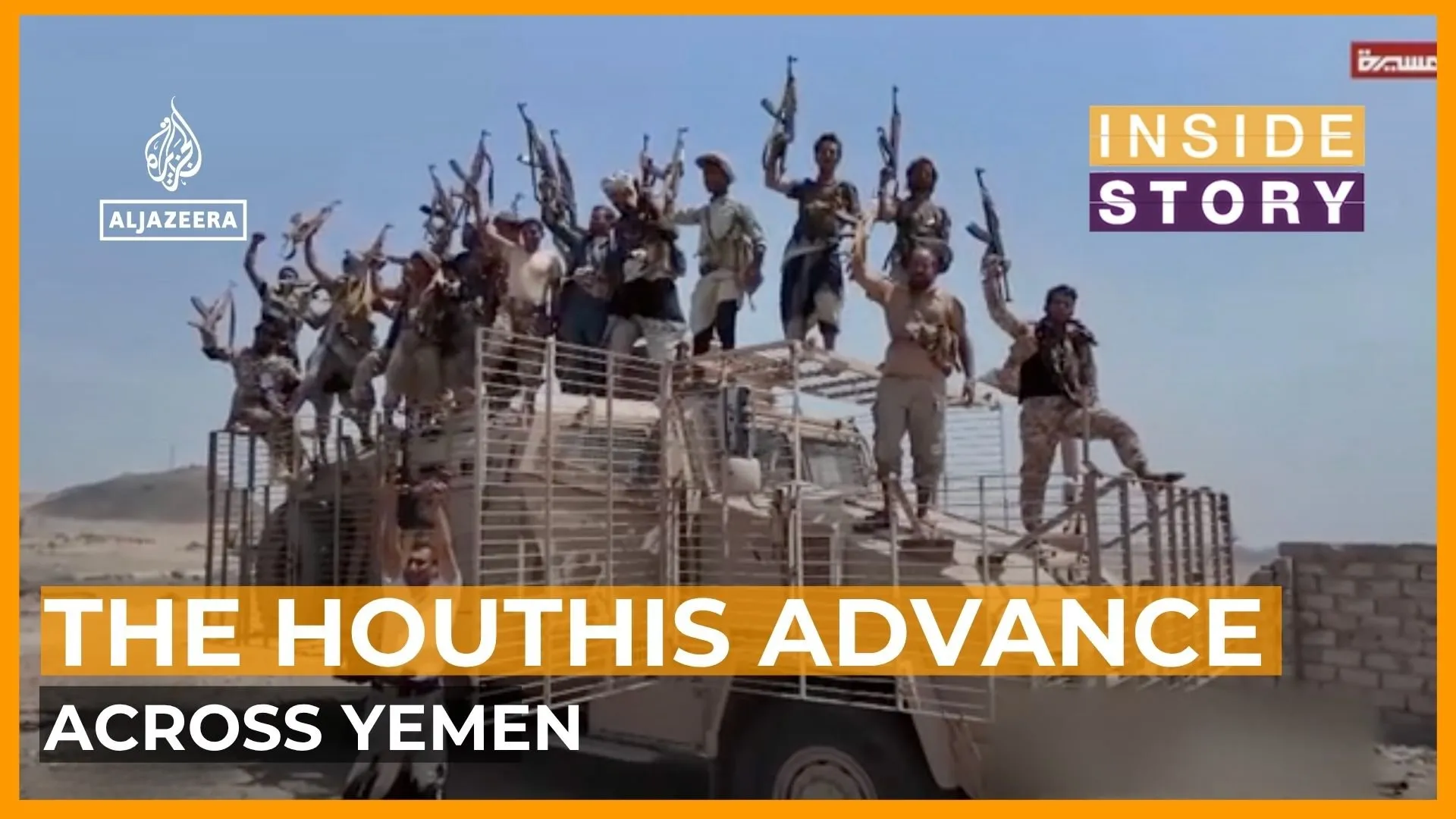
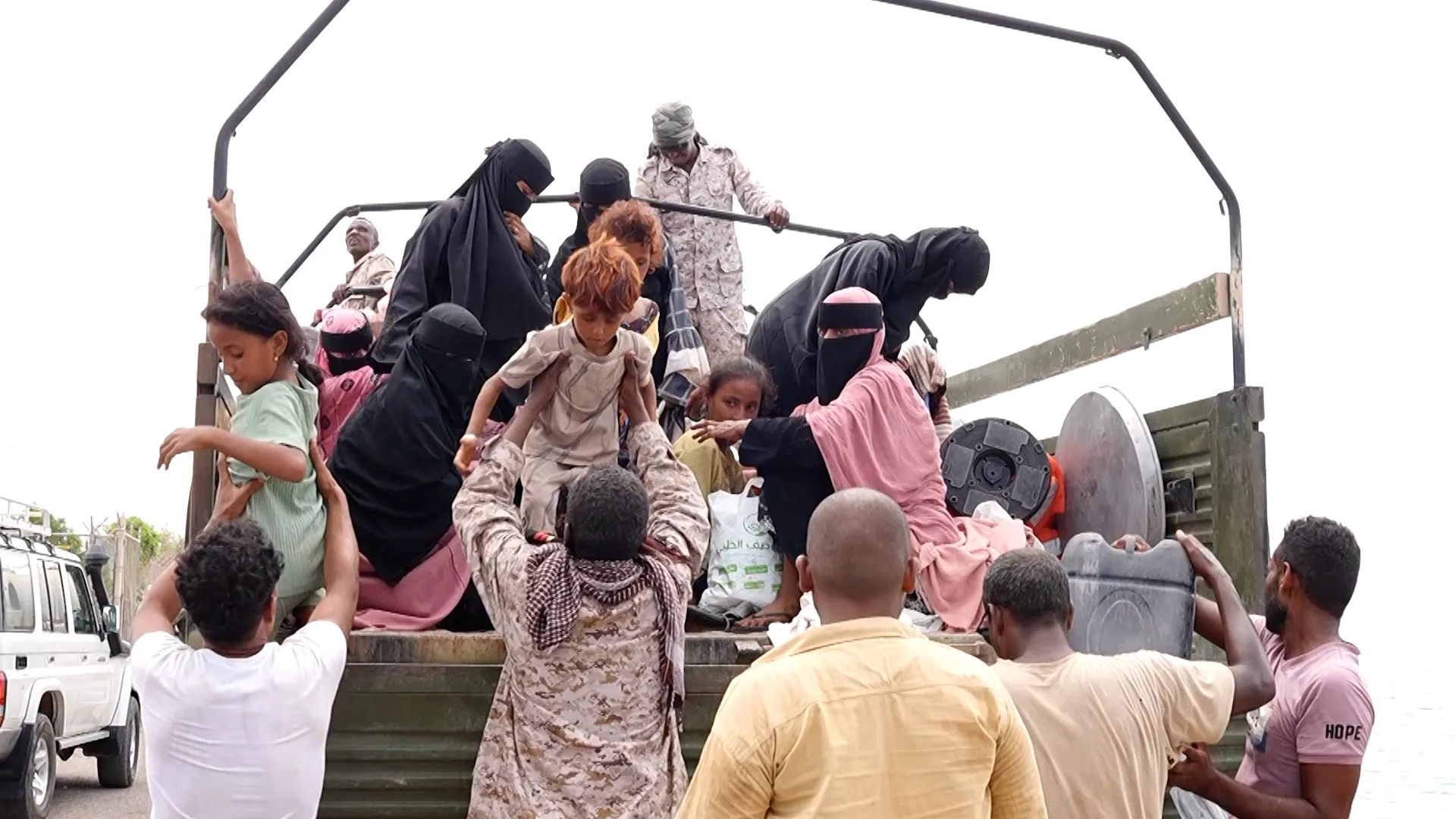
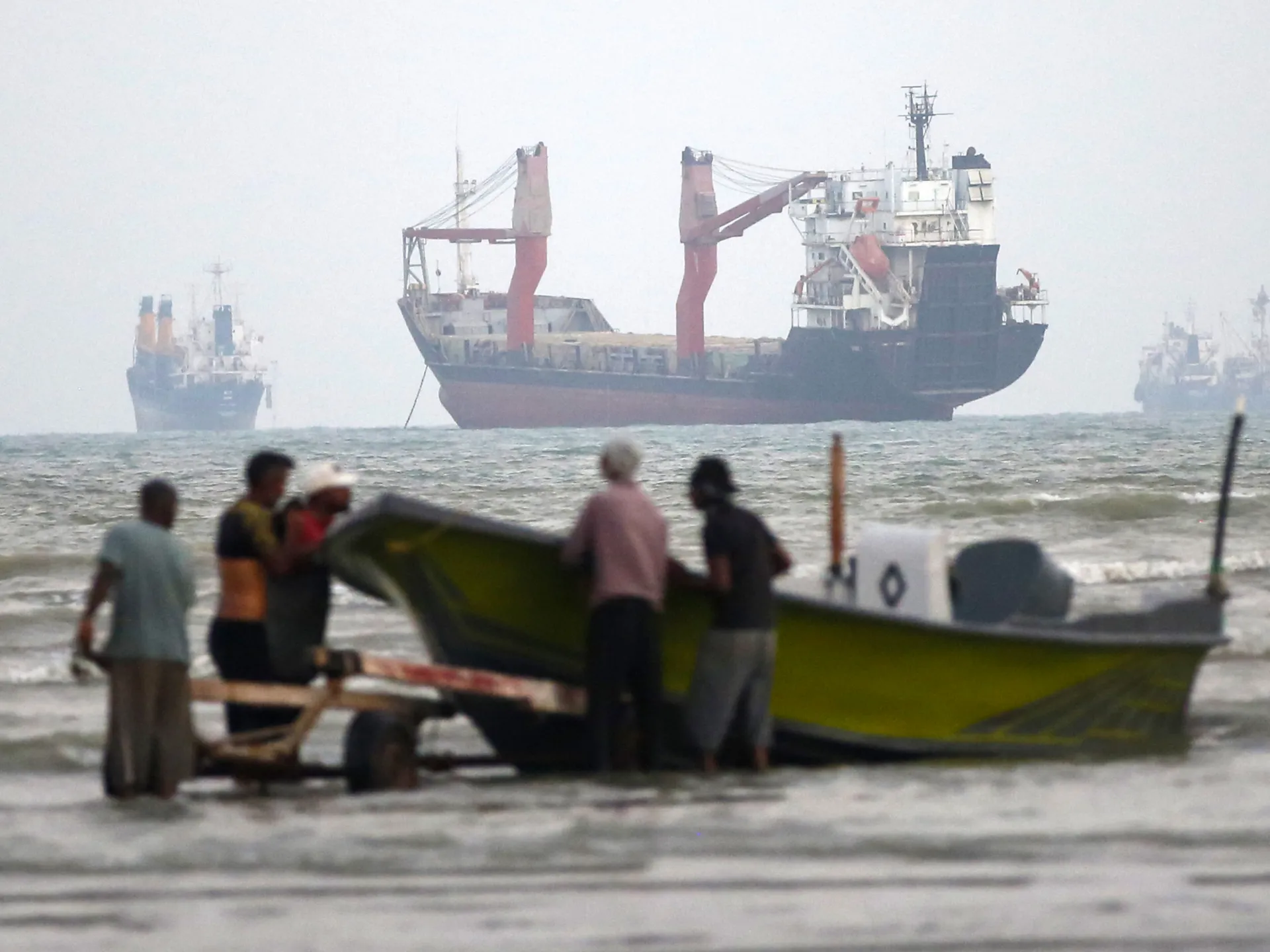
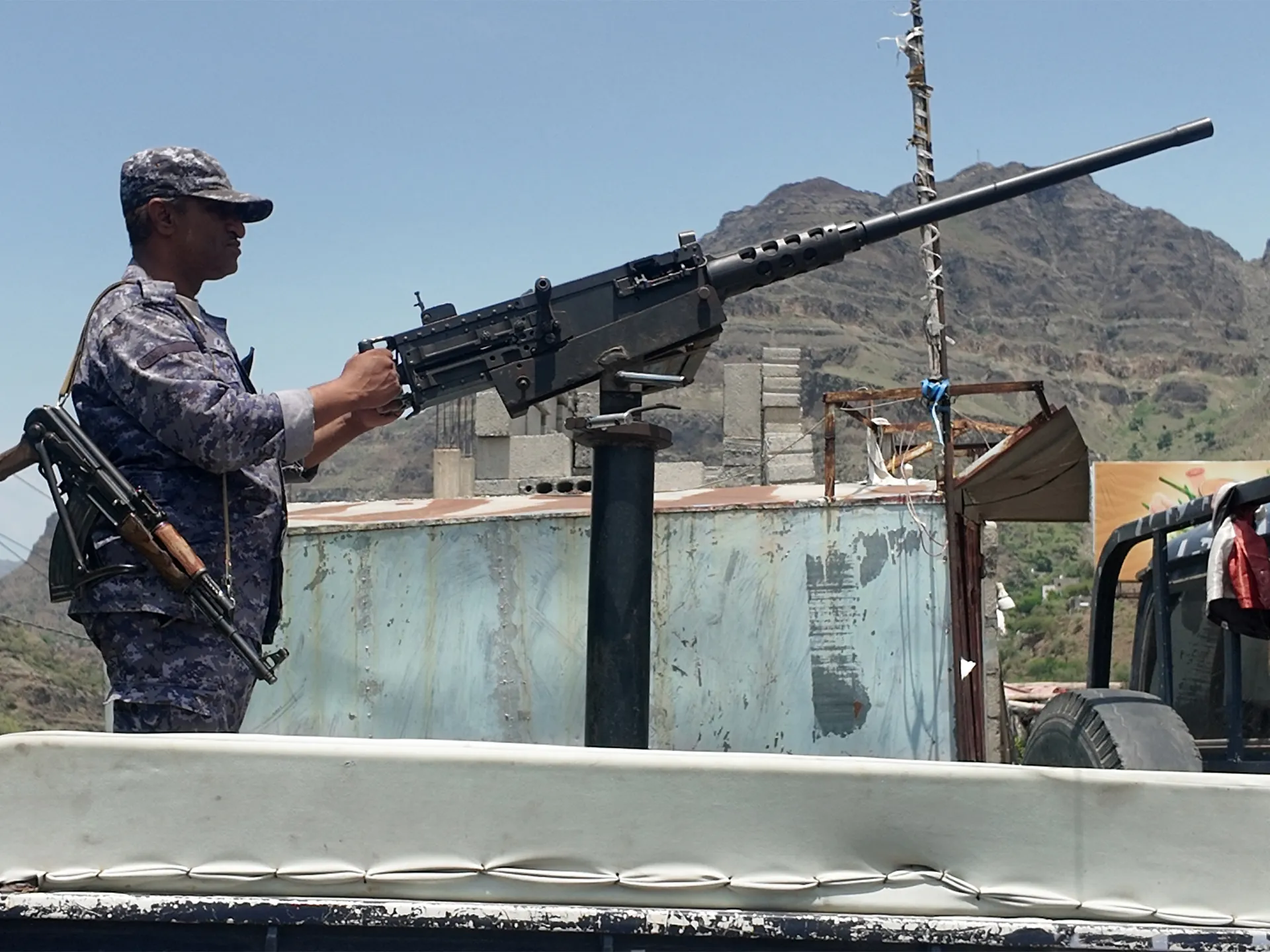
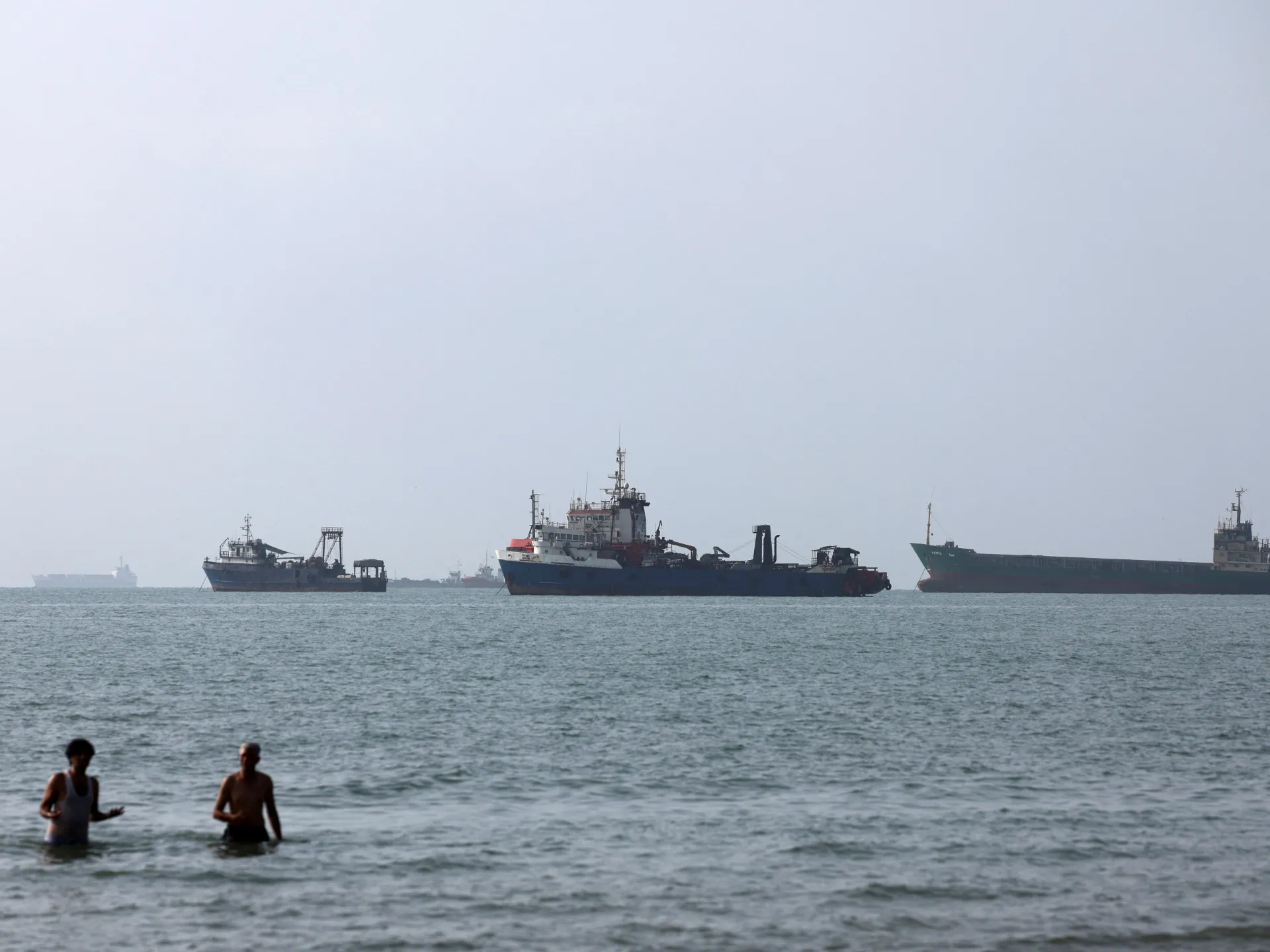
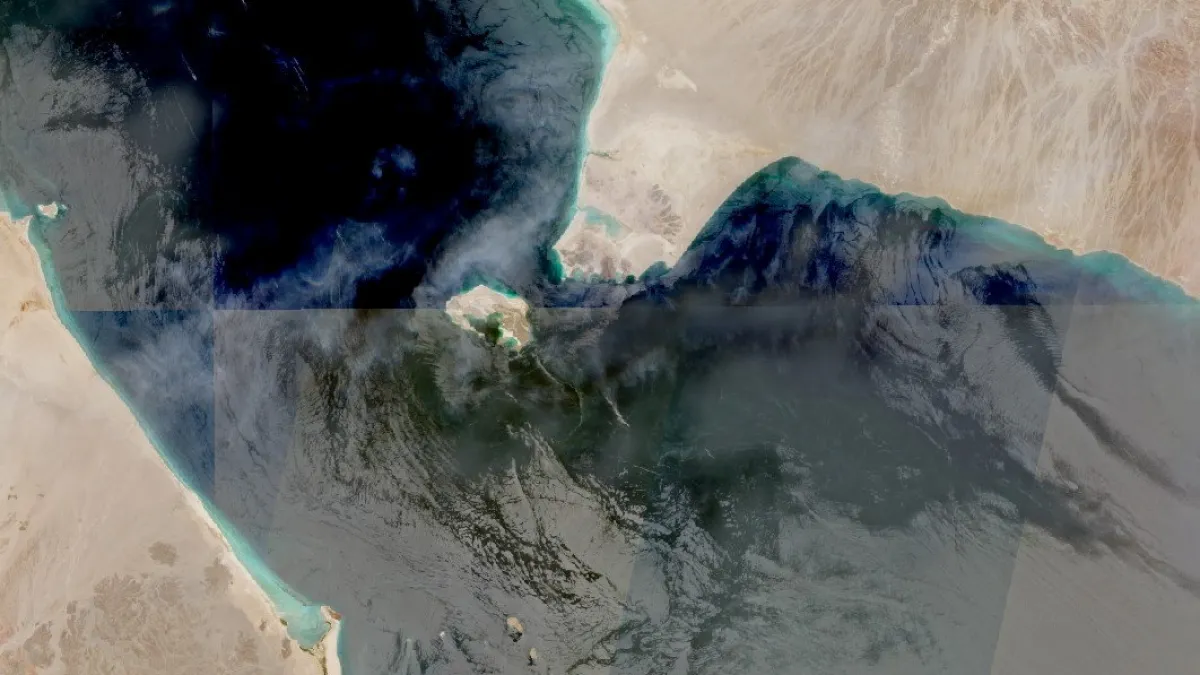
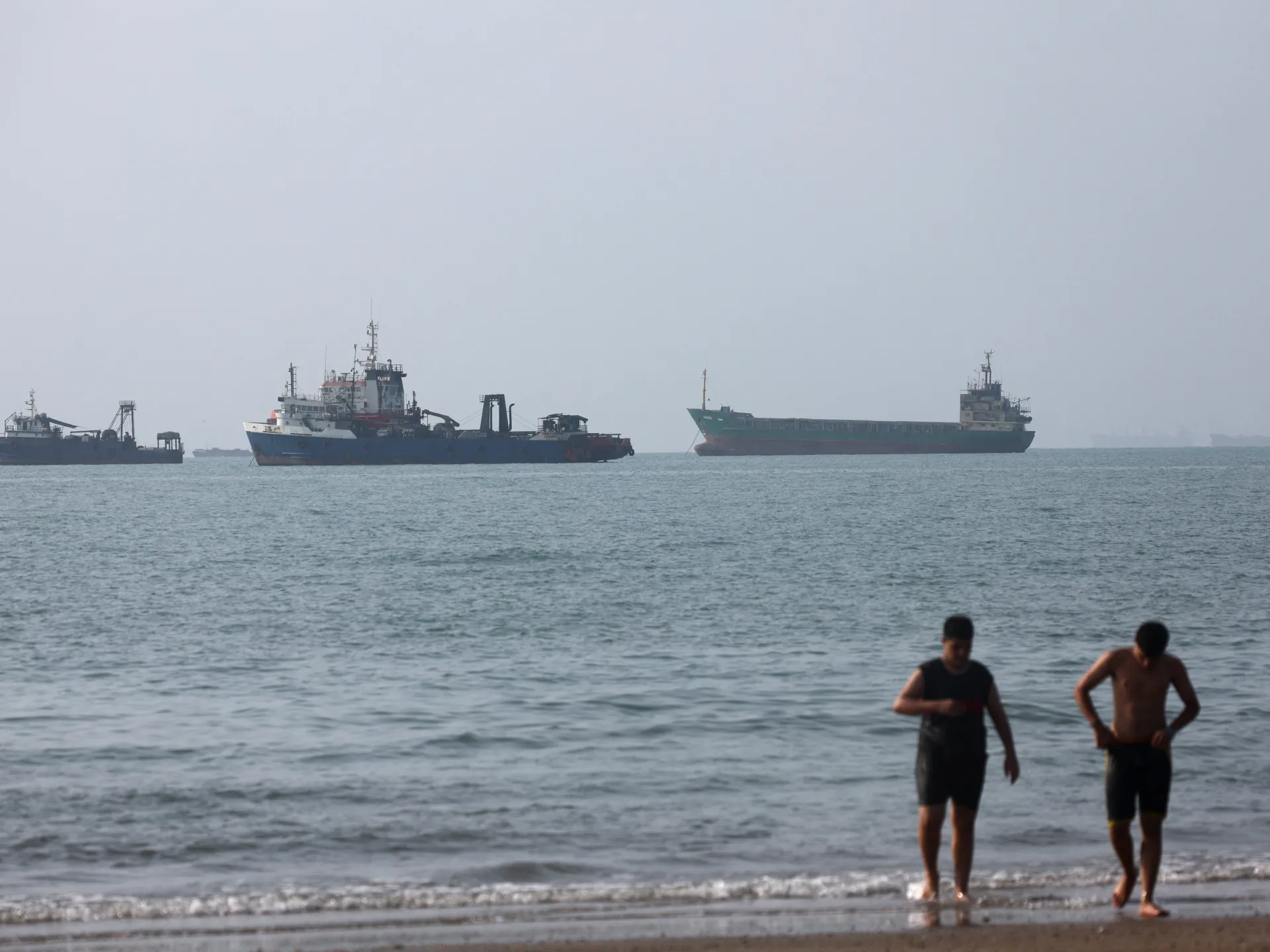
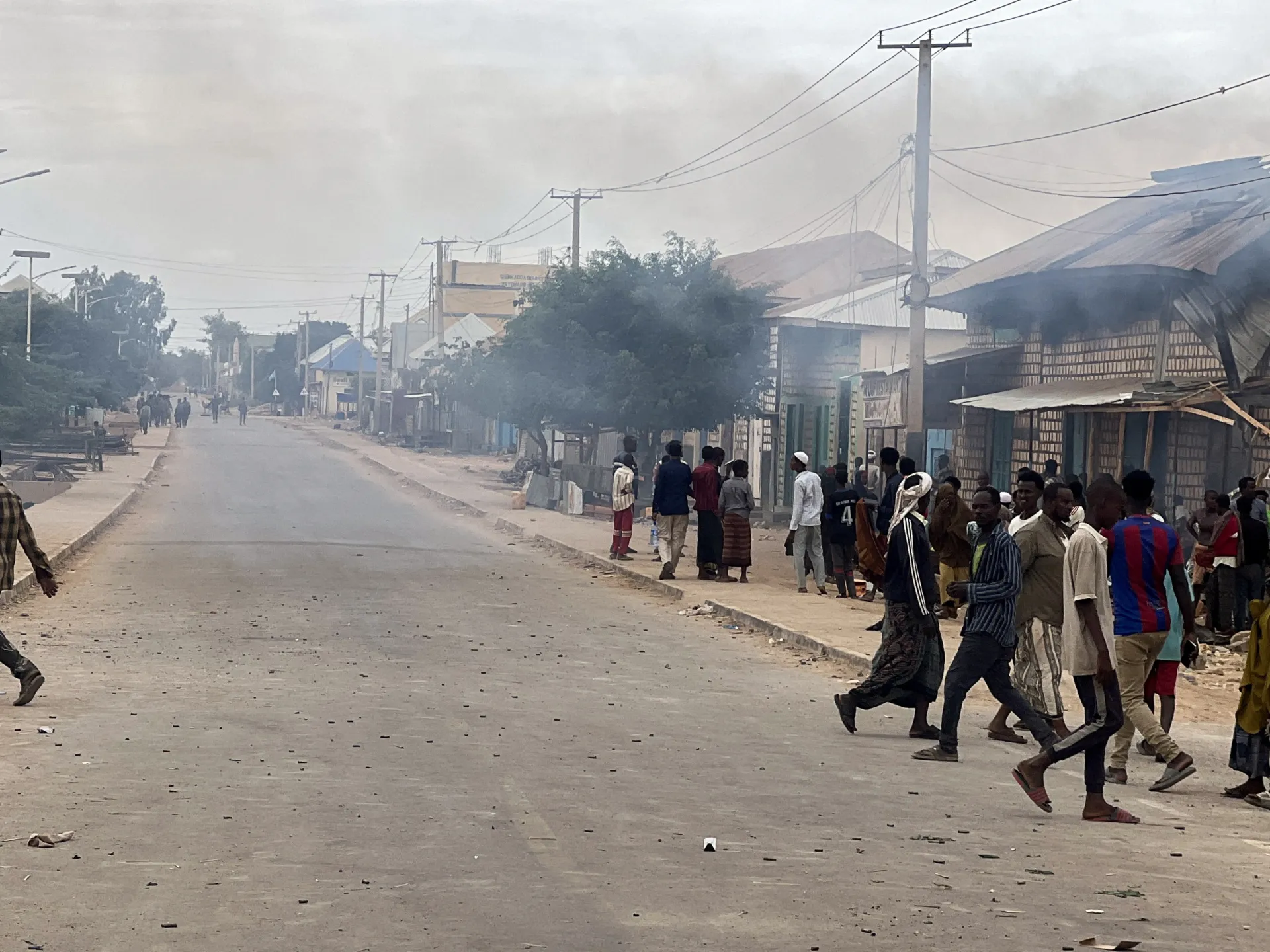
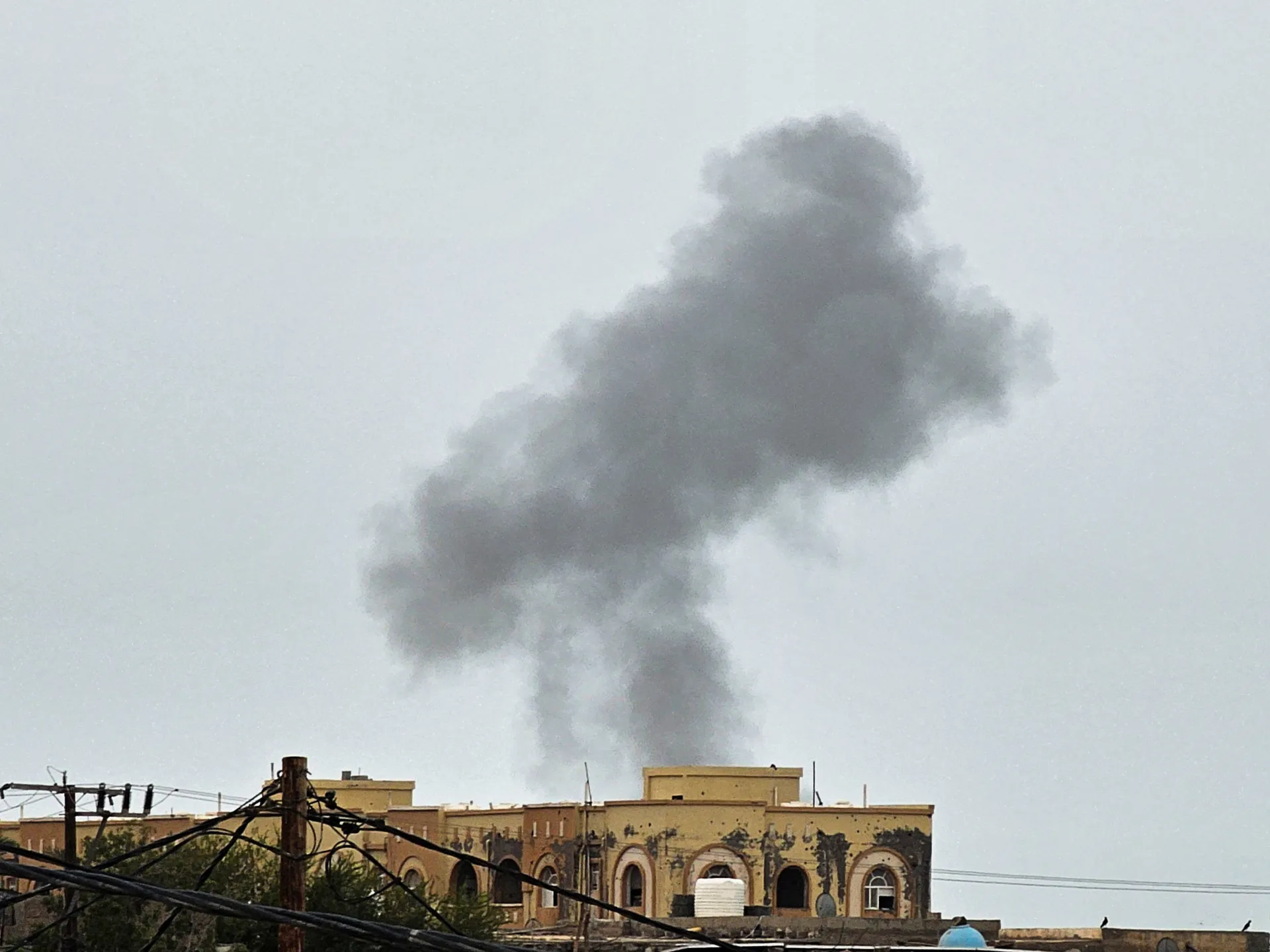
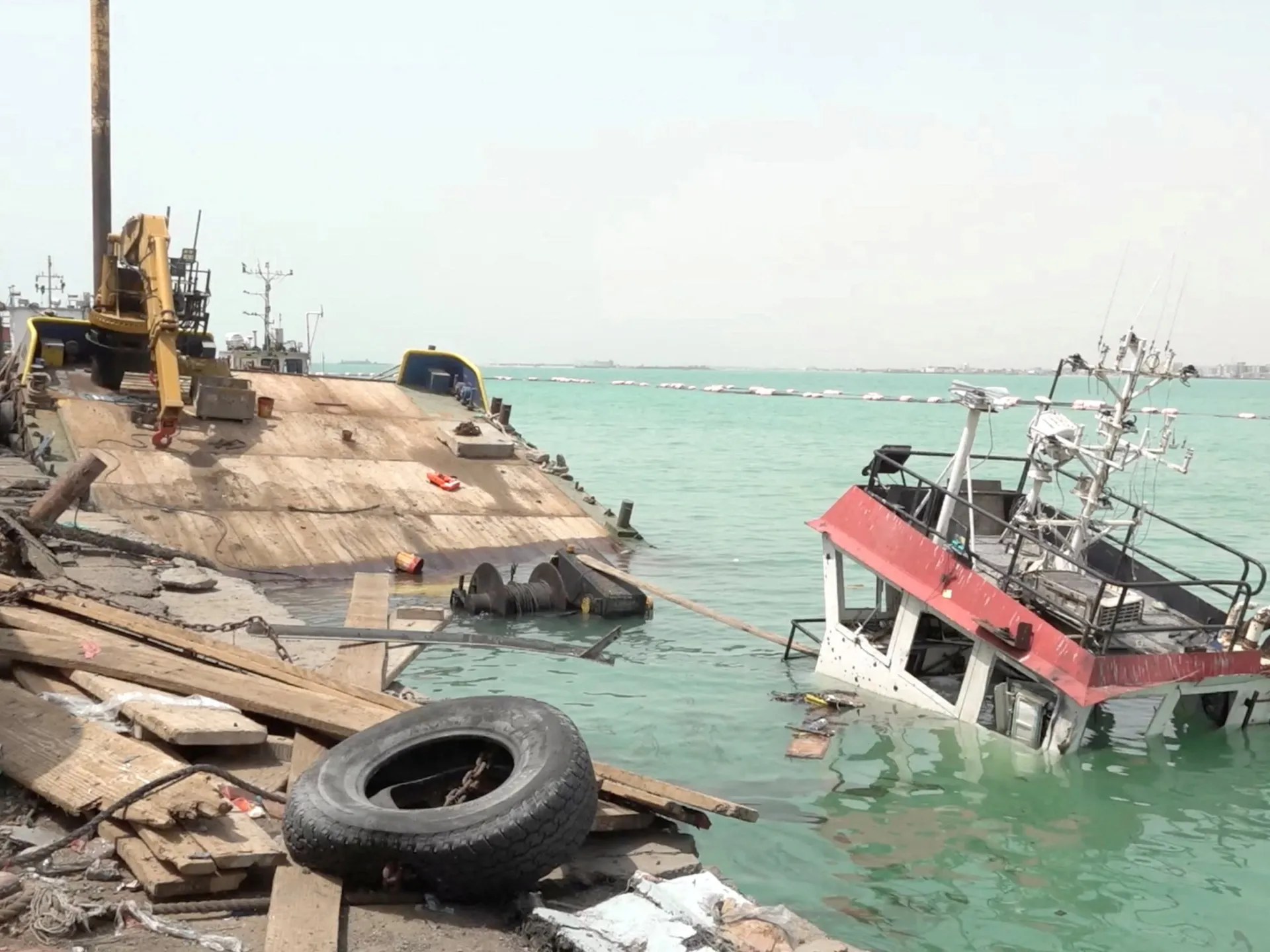
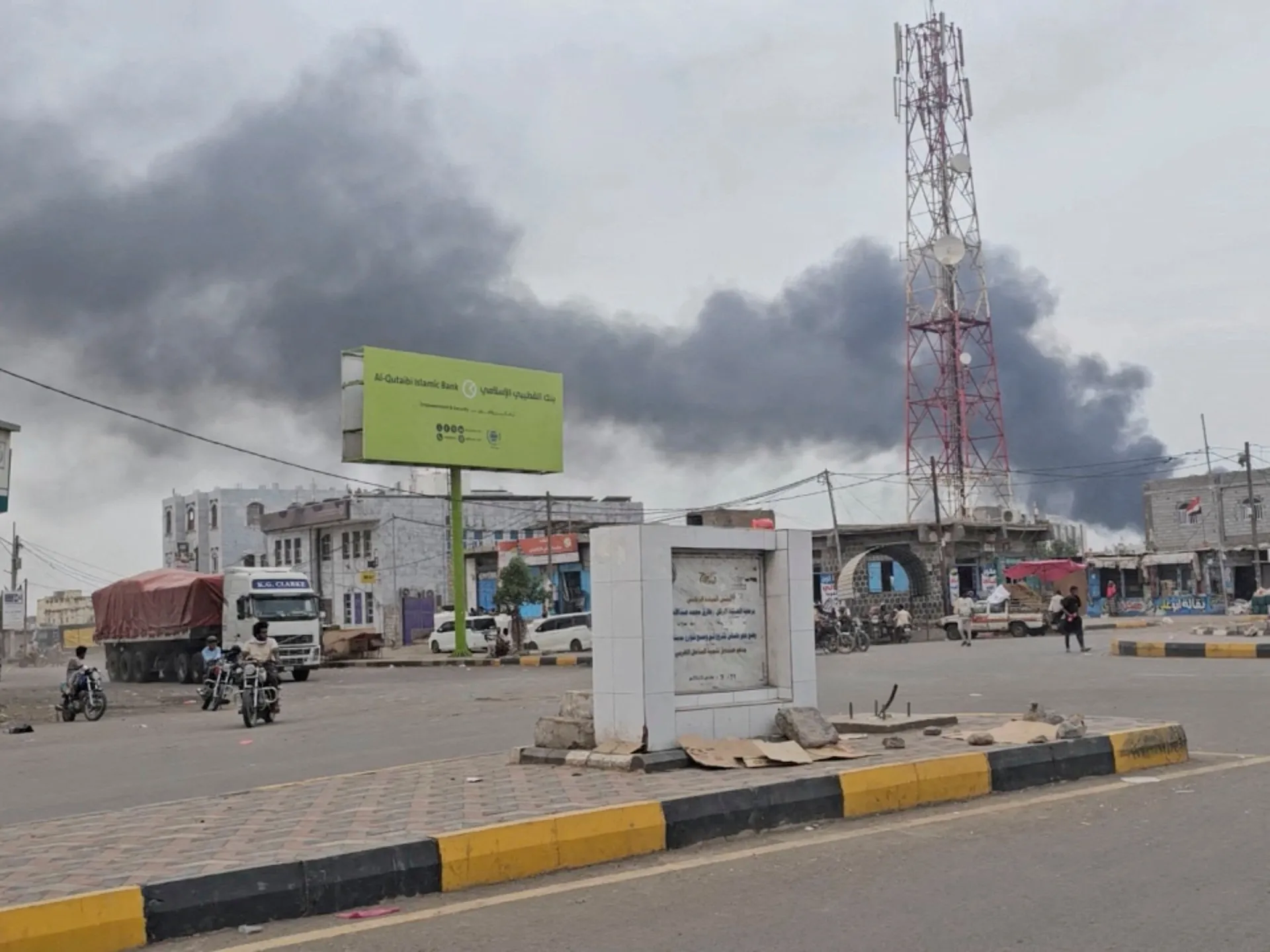
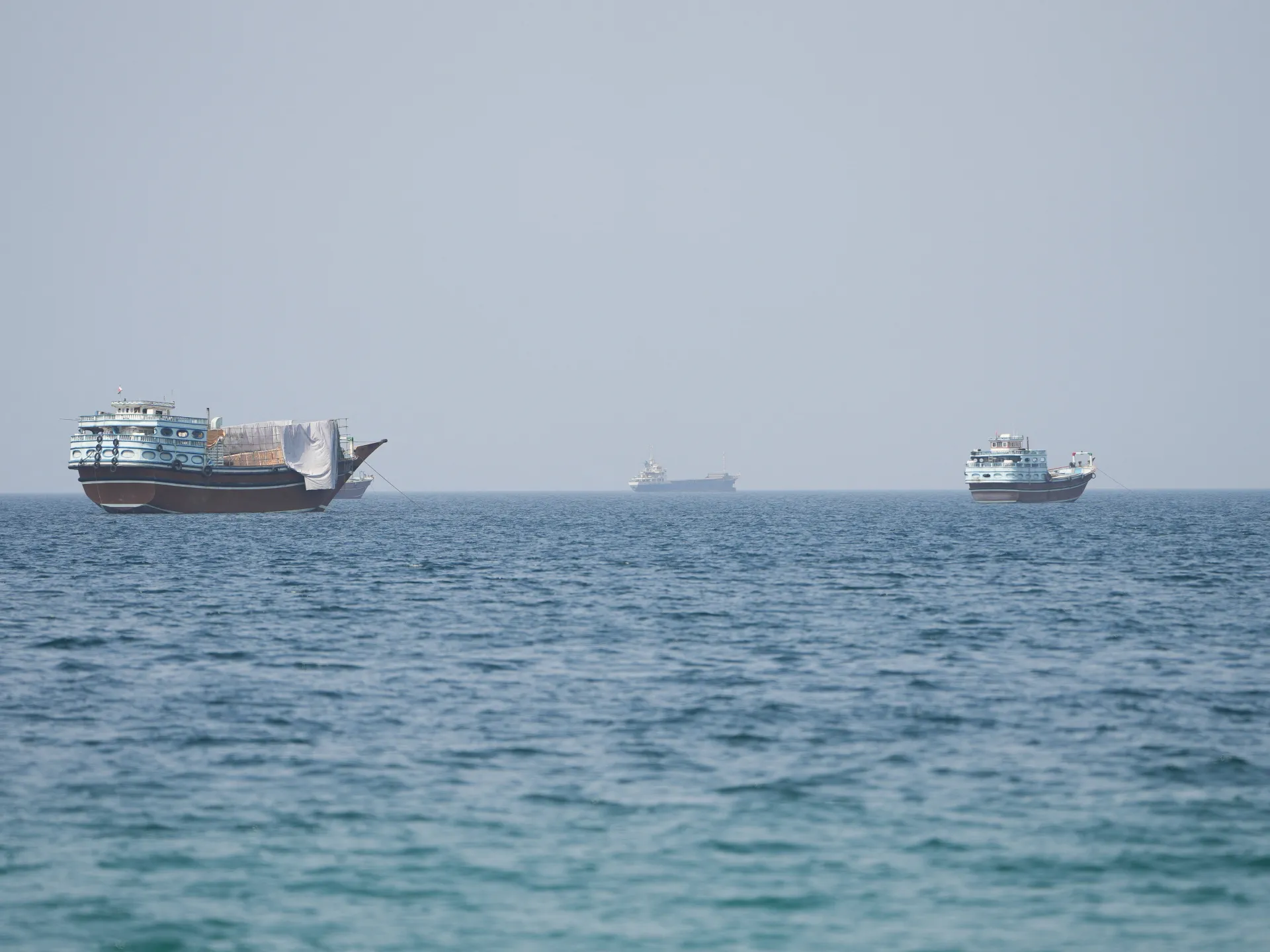
The long-standing, fragile stability in Yemen has fractured as Houthi rebels abandoned their static positions, launching a significant offensive that threatens key maritime corridors. ic port city of Mocha, the insurgent group has effectively expanded its influence toward the Bab al-Mandeb Strait. This vital waterway serves as a critical artery for global energy transit, and the recent aggression represents a major escalation in a conflict that has remained largely contained since the 2022 truce.
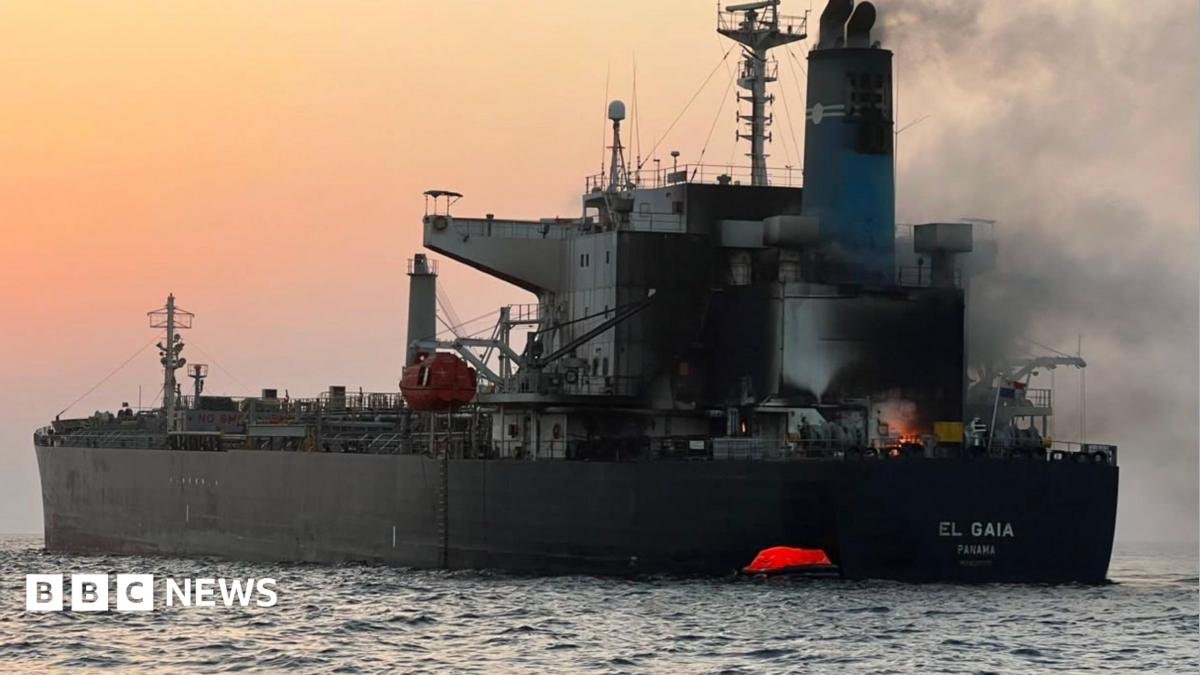
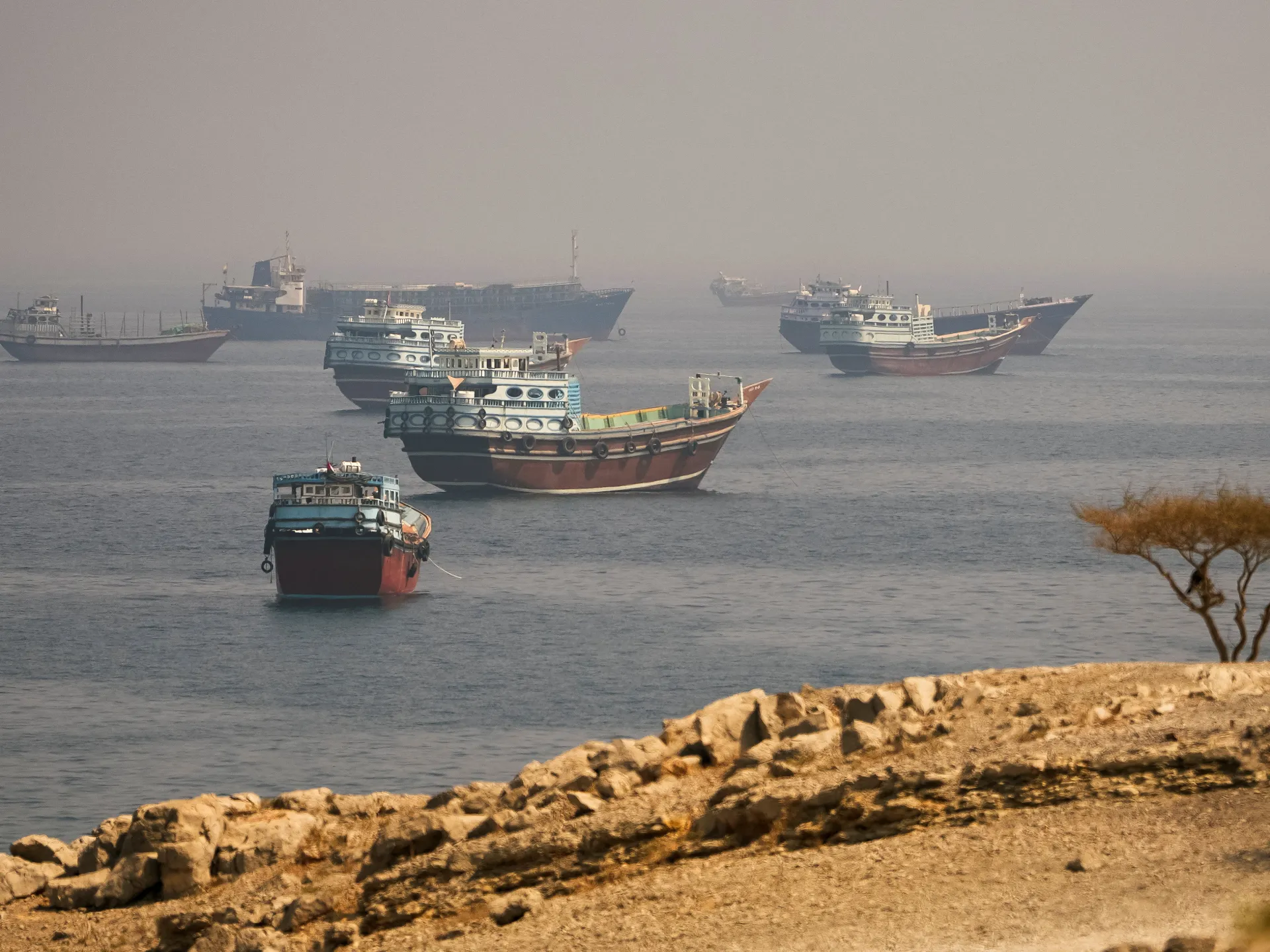
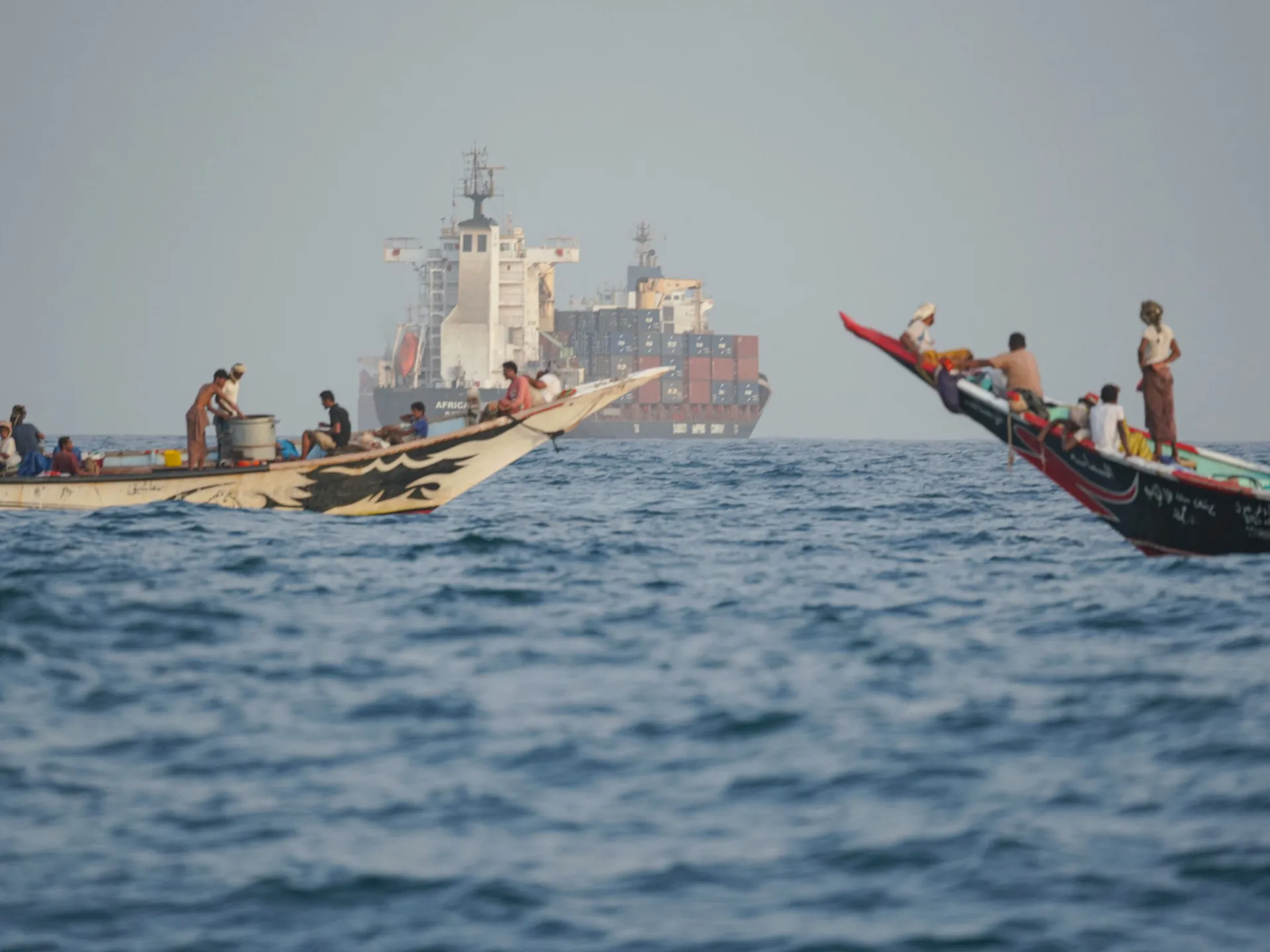
The strategic implications of these territorial gains are profound. Analysts suggest that the Houthi movement is leveraging its newfound proximity to international shipping lanes to exert pressure on global energy markets. This development follows a period of heightened regional volatility triggered in a position to disrupt transit near the Red Sea, the global economy faces the prospect of sustained upward pressure on fuel prices, complicating the already precarious geopolitical landscape in the Middle East.
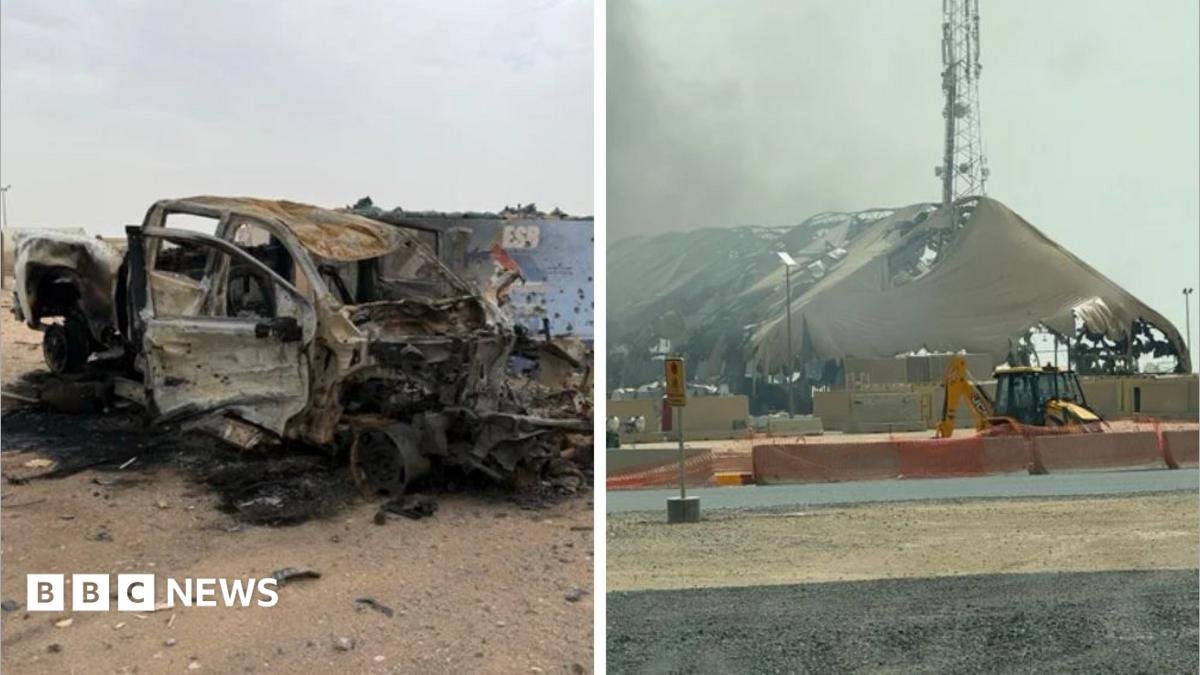
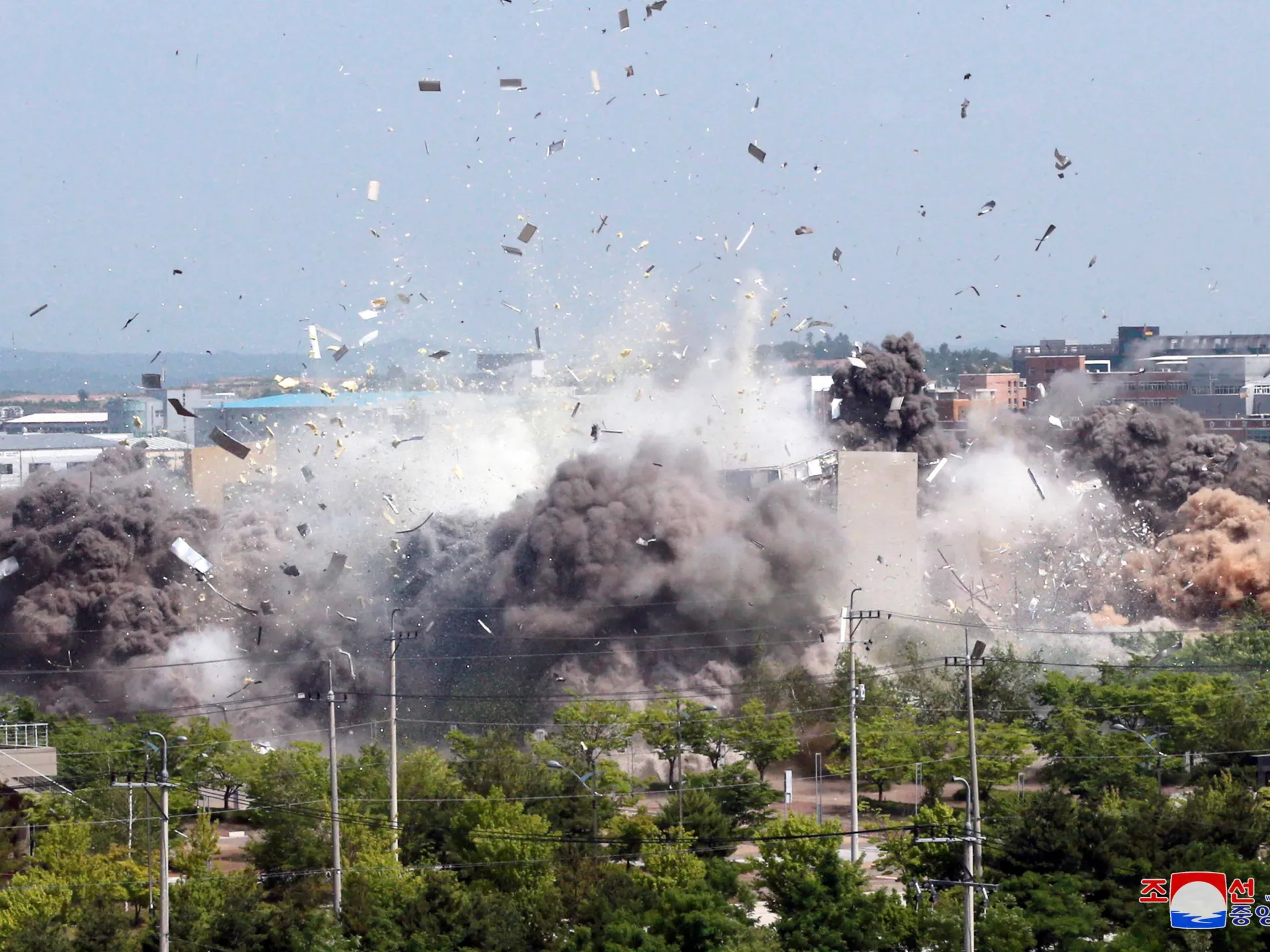
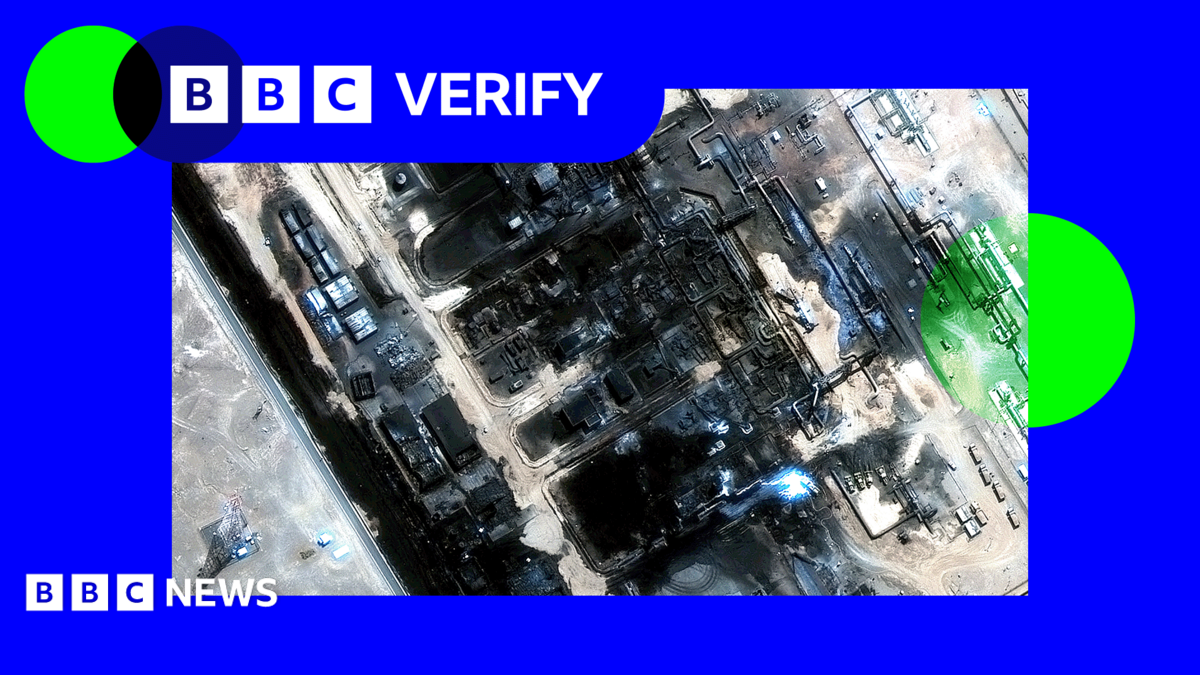
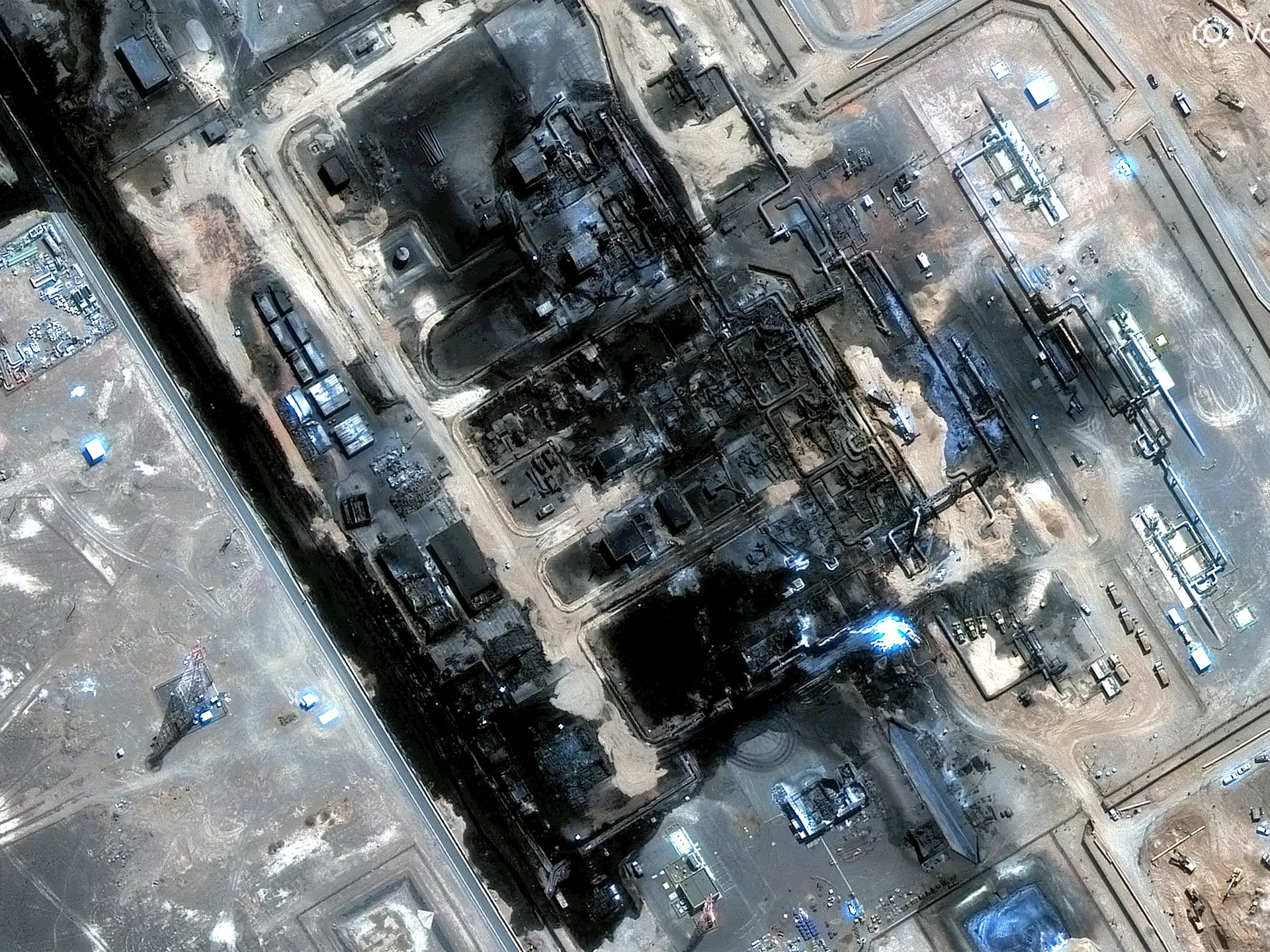
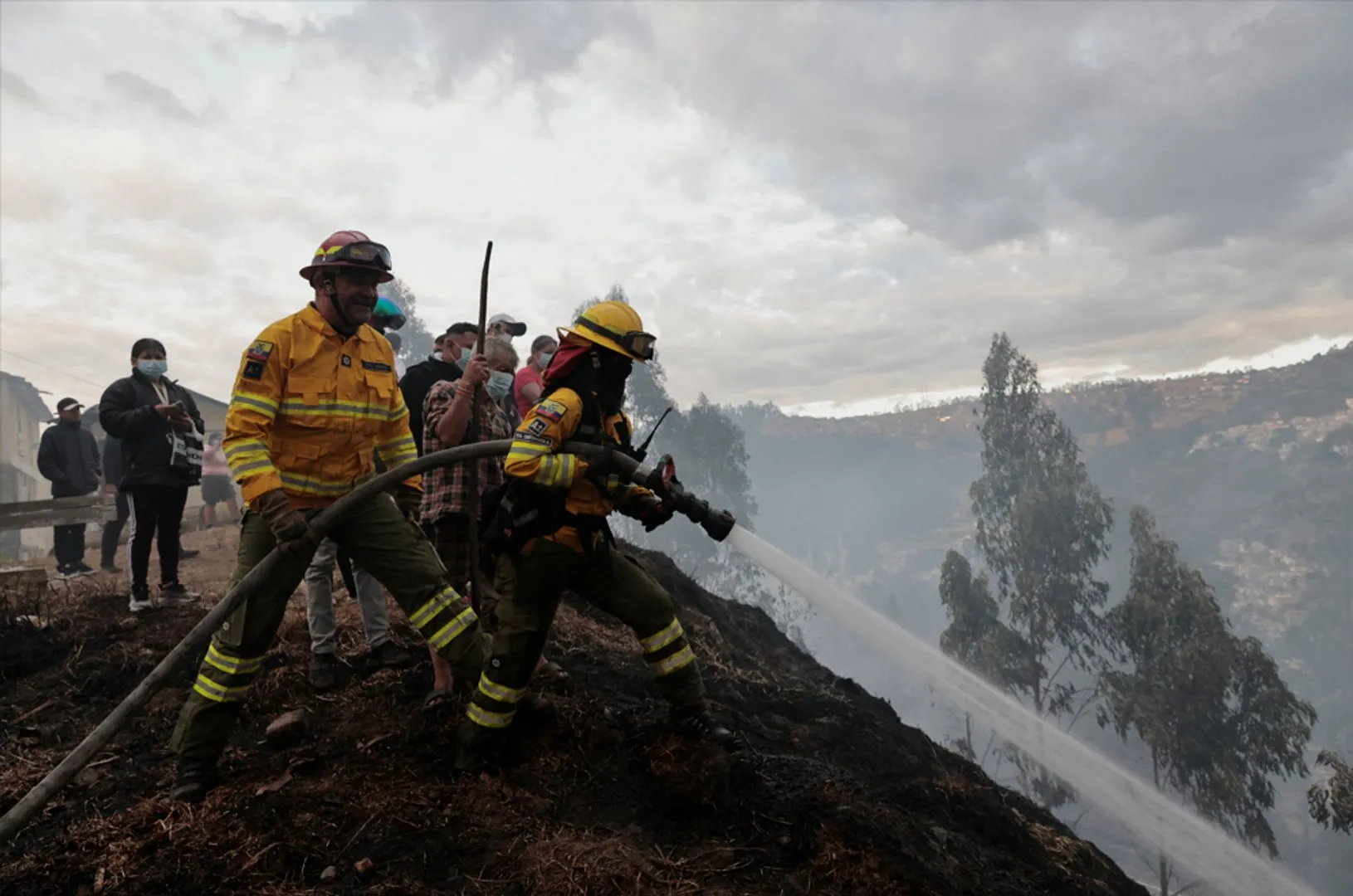
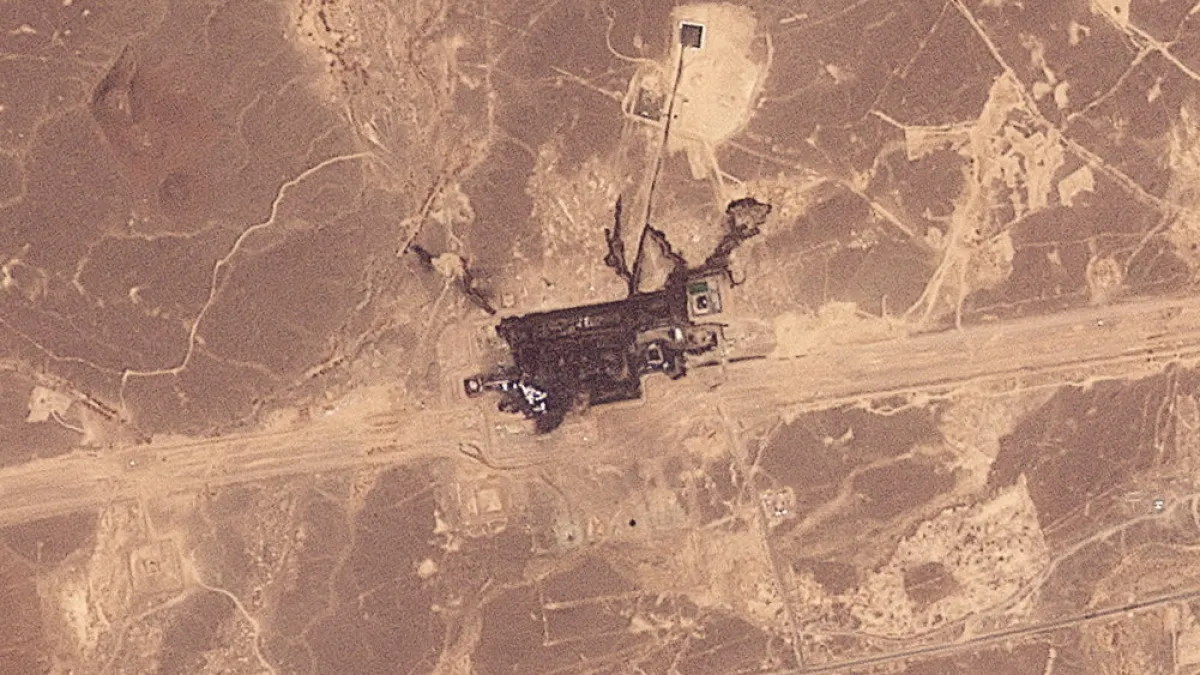
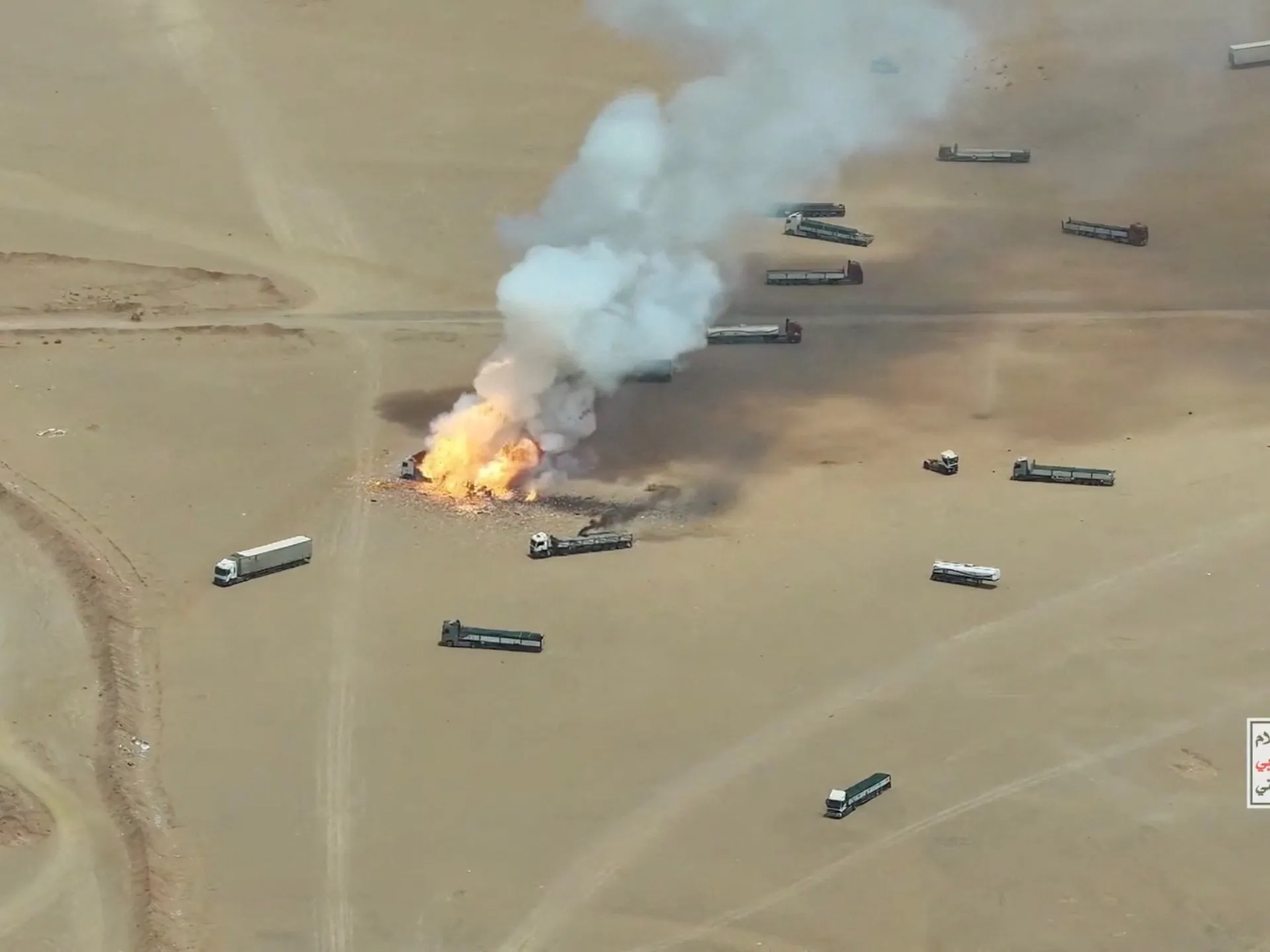
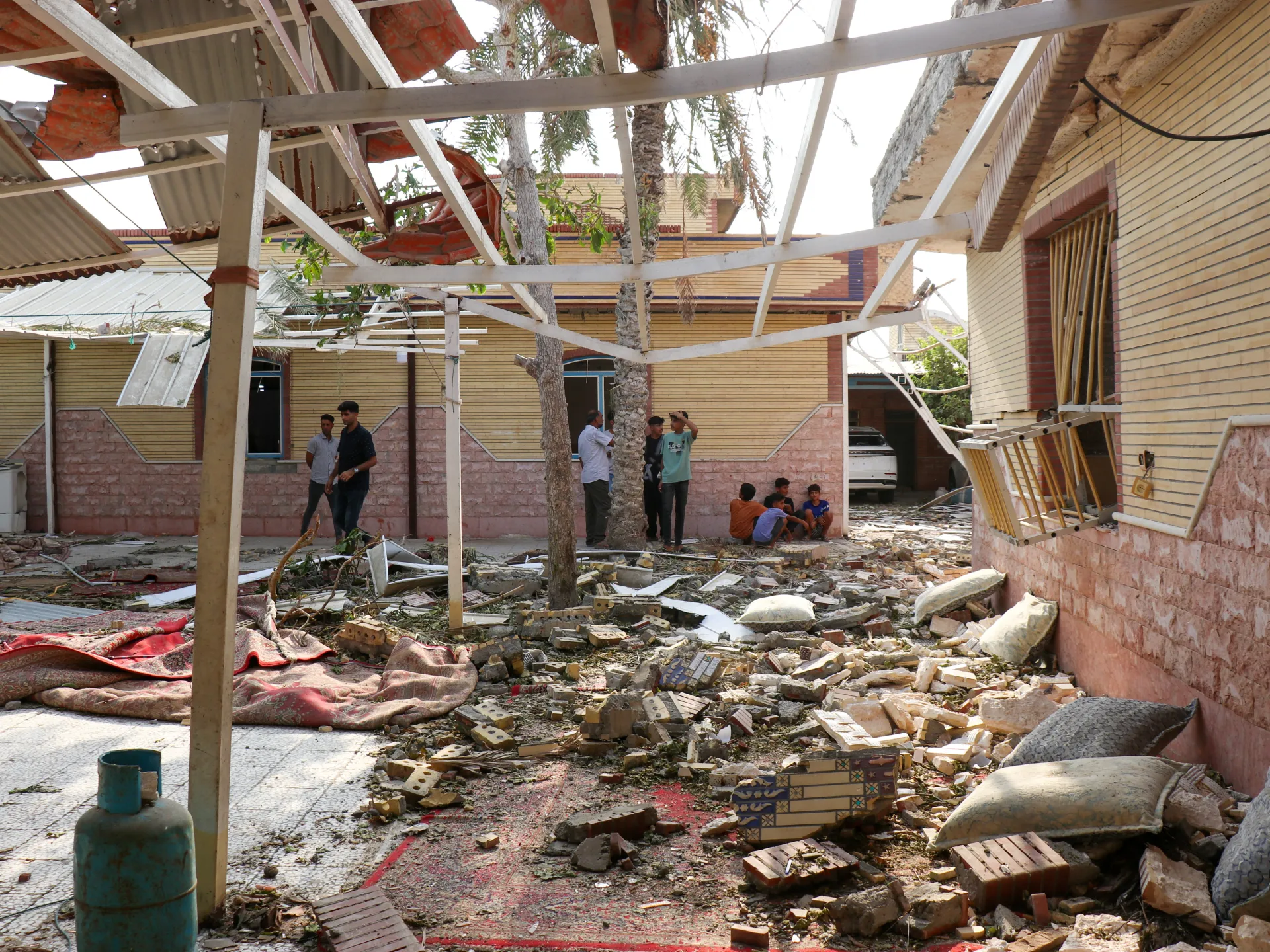
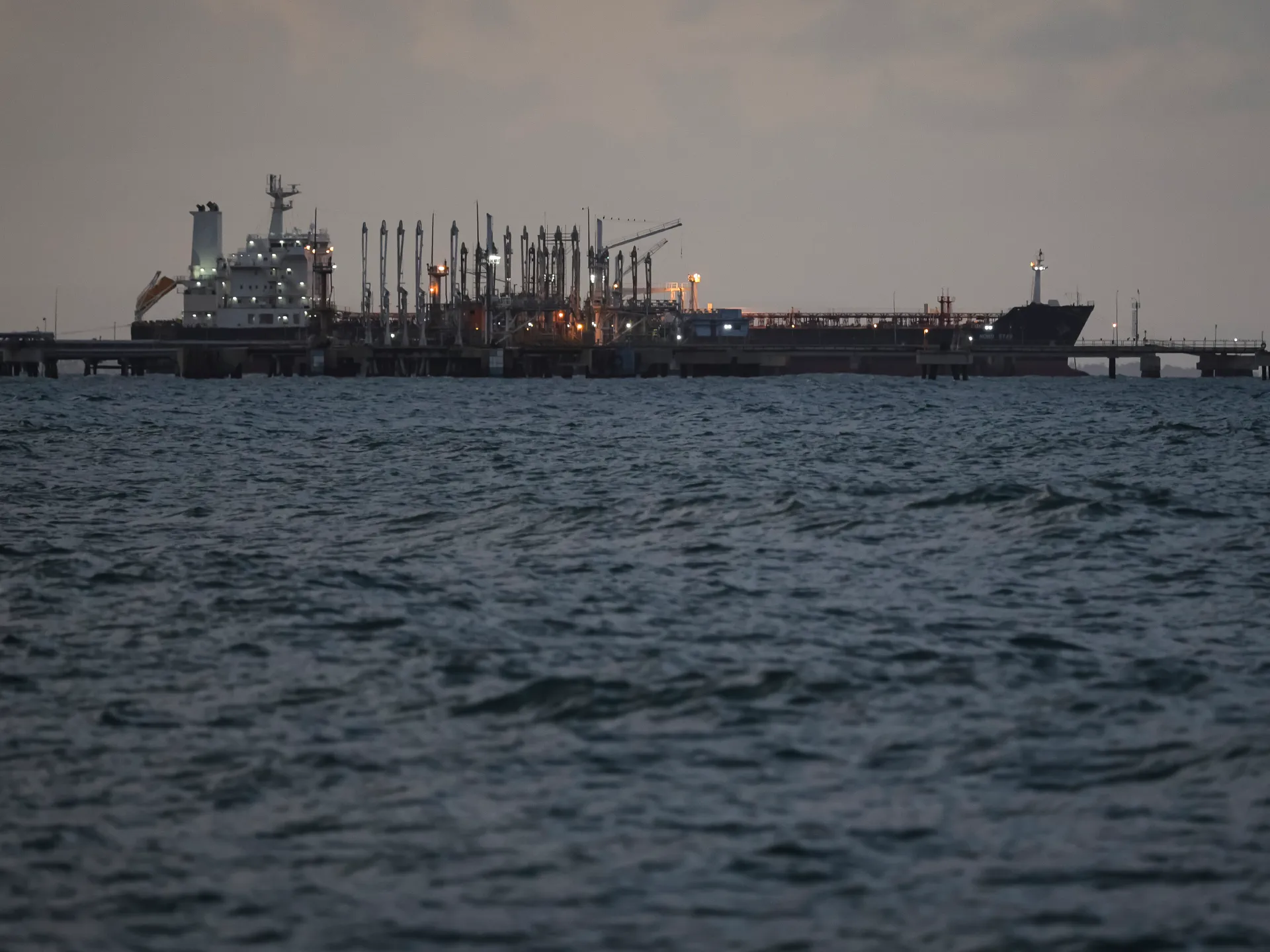
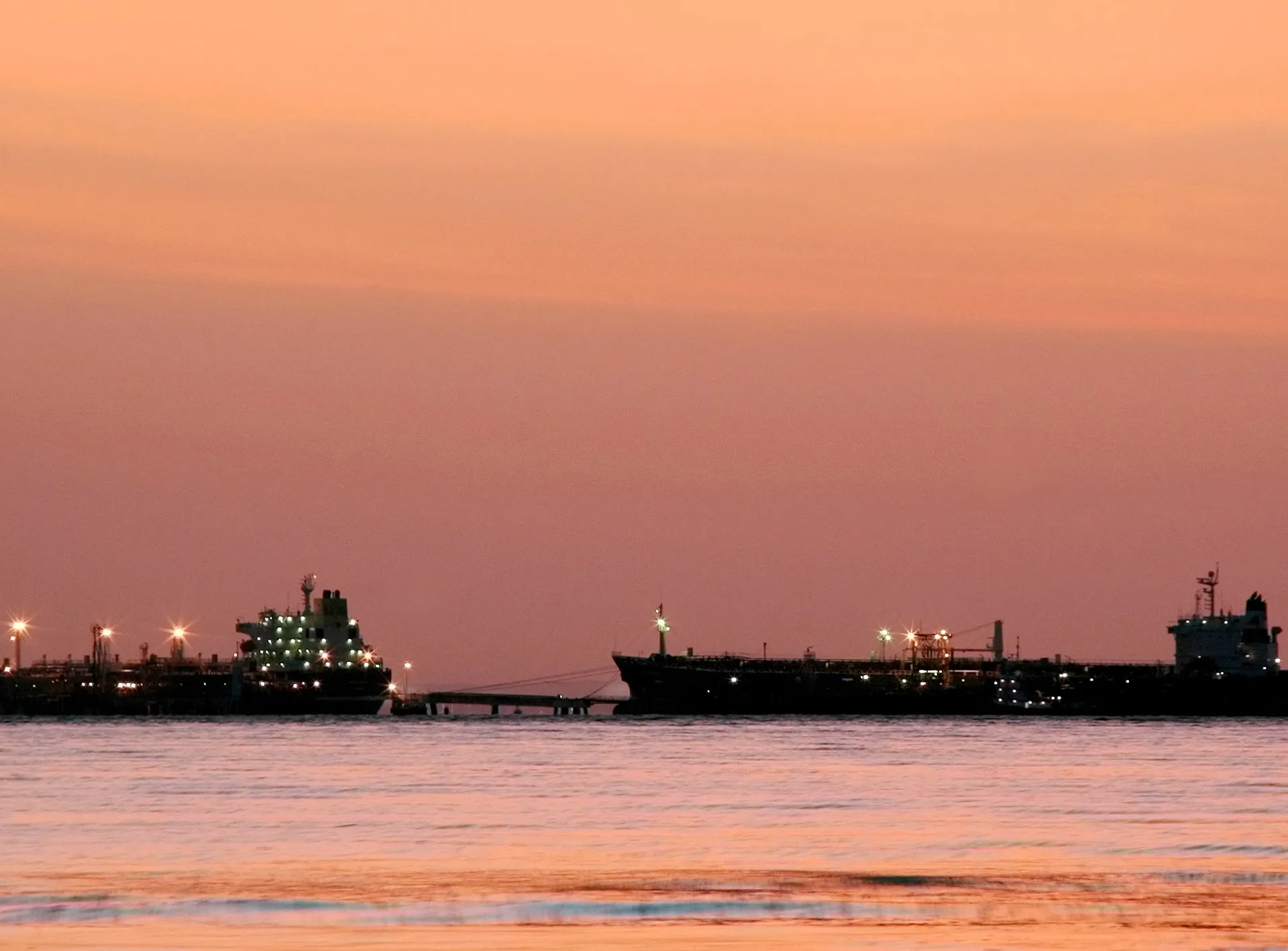
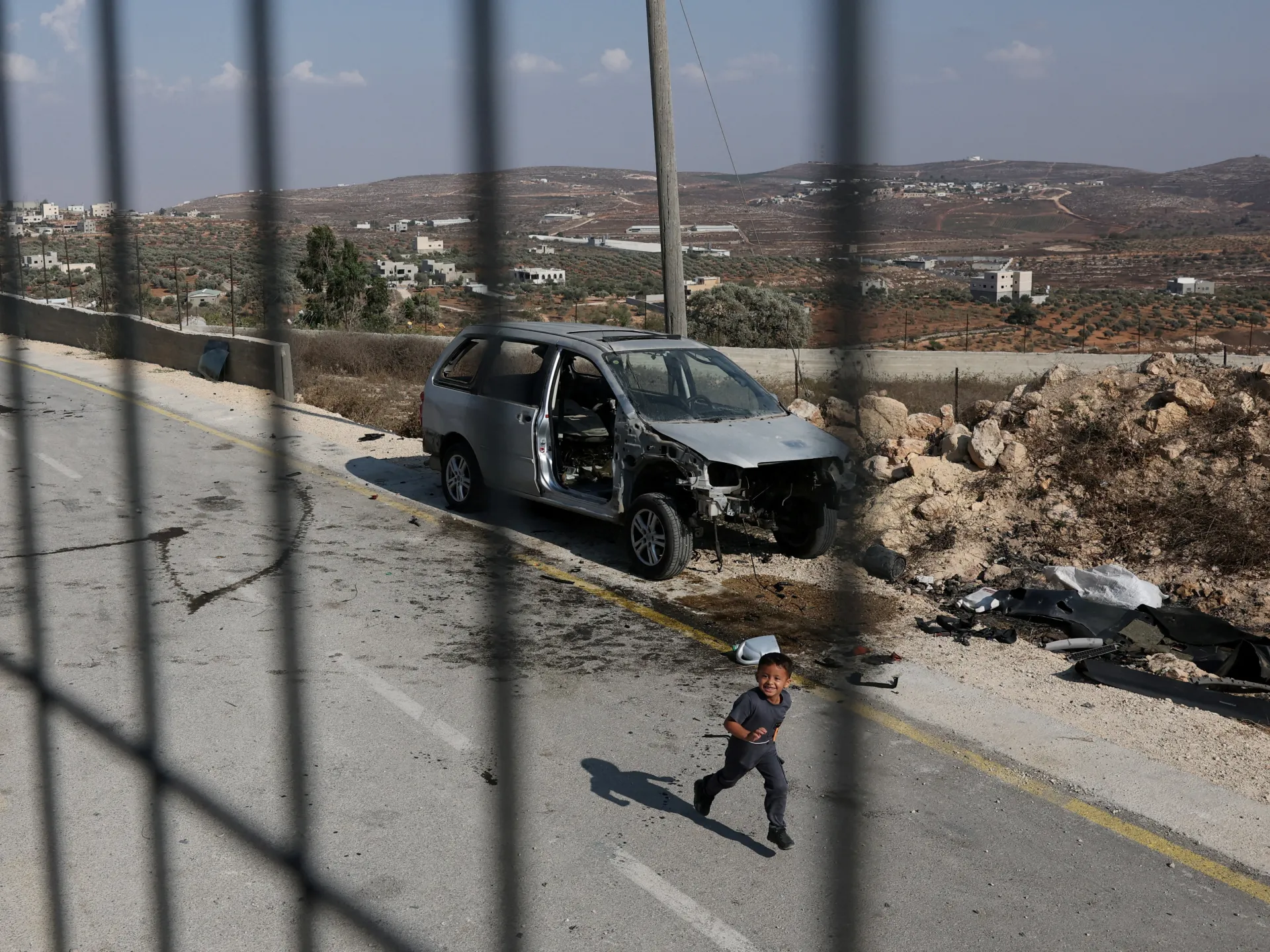
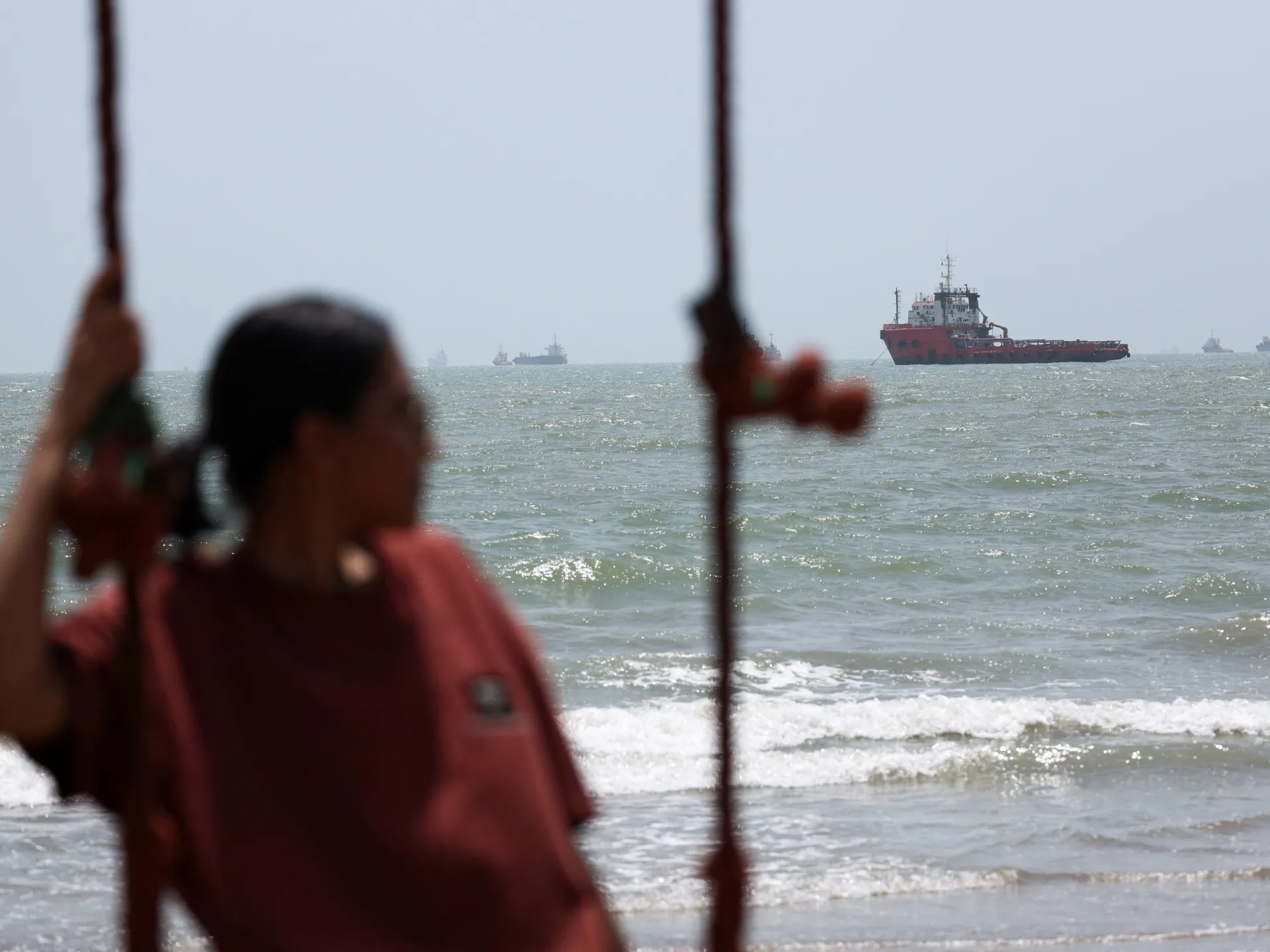
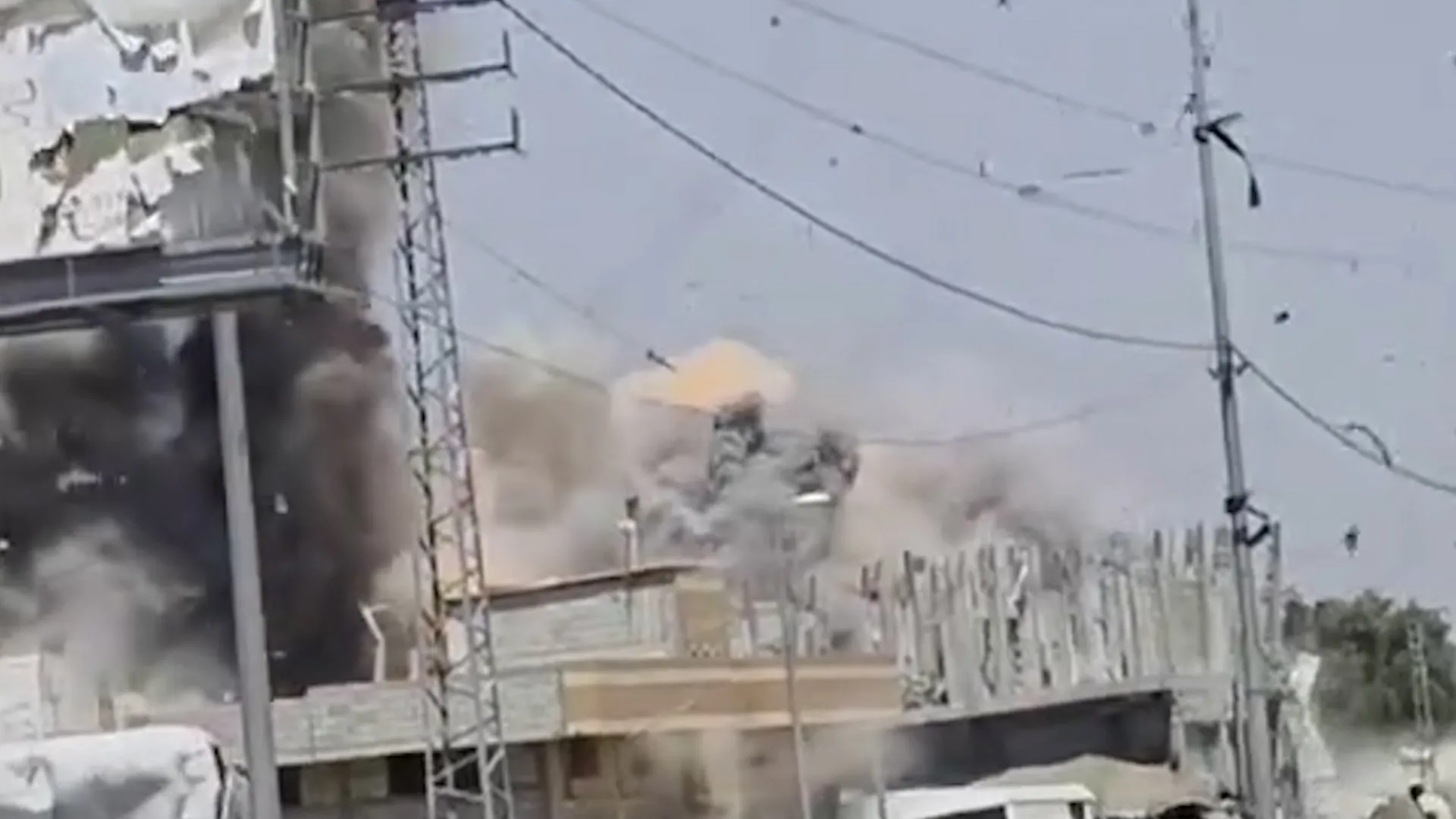
The threat to Saudi Arabia has transcended theoretical risk, manifesting in direct damage to critical national infrastructure. A recent drone strike targeted the East-West Pipeline, a 1,200-kilometer conduit responsible for transporting approximately four percent of the world’s oil supplies from the Gulf coast to the Red Sea port of Yanbu. The resulting shutdown has raised urgent questions regarding the security of the kingdom’s export capacity, especially as Houthi movements increasingly squeeze both the Strait of Hormuz and the Red Sea routes simultaneously.
Experts argue that this strategy represents a shift toward economic warfare. the Houthi forces and their Iranian allies are attempting to inflict global economic pain while avoiding the pitfalls of a prolonged, traditional military engagement. This approach challenges the resilience of Saudi energy exports and forces Riyadh to reconsider the security of its primary transit lifelines, which are now under unprecedented pressure from multiple directions.
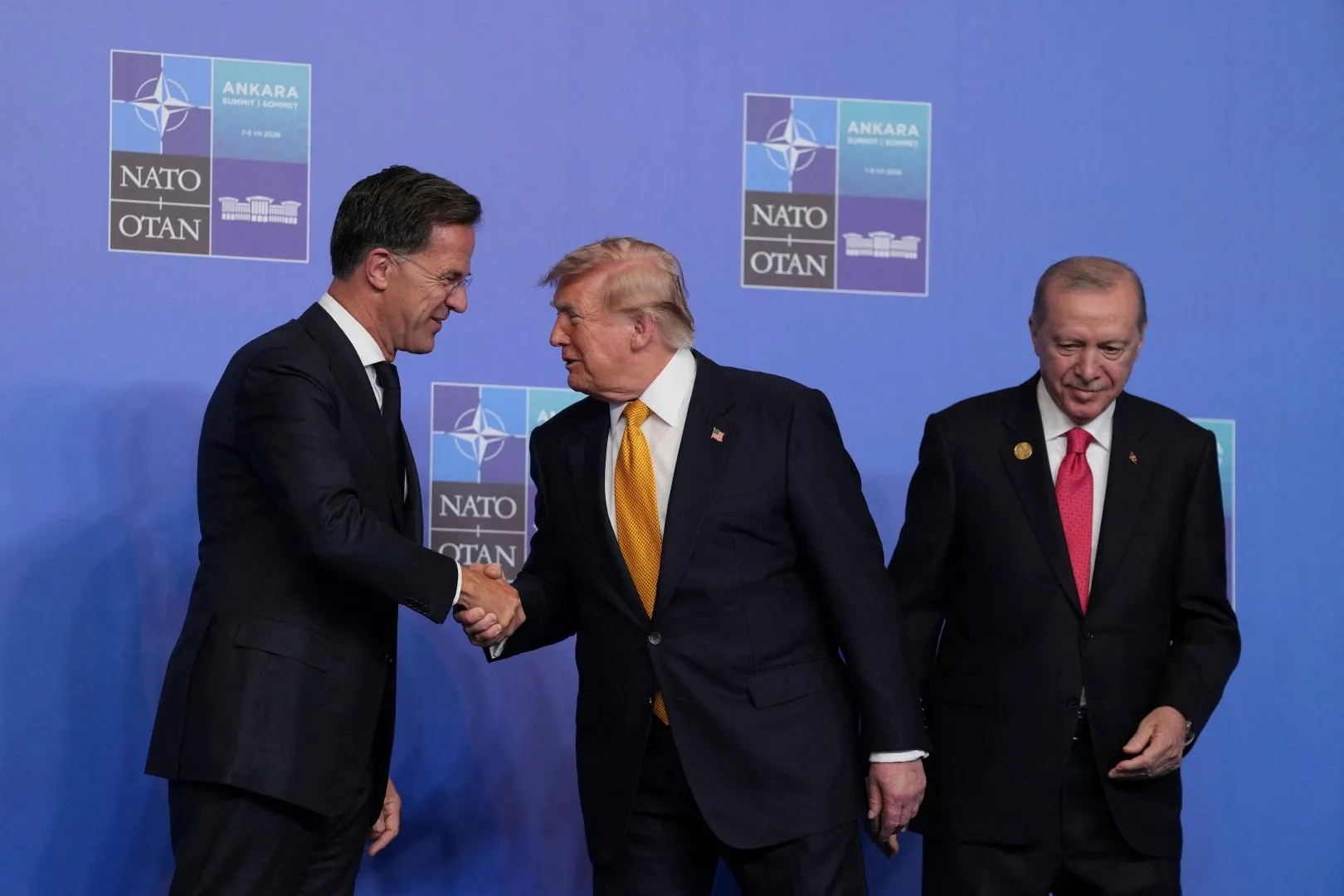
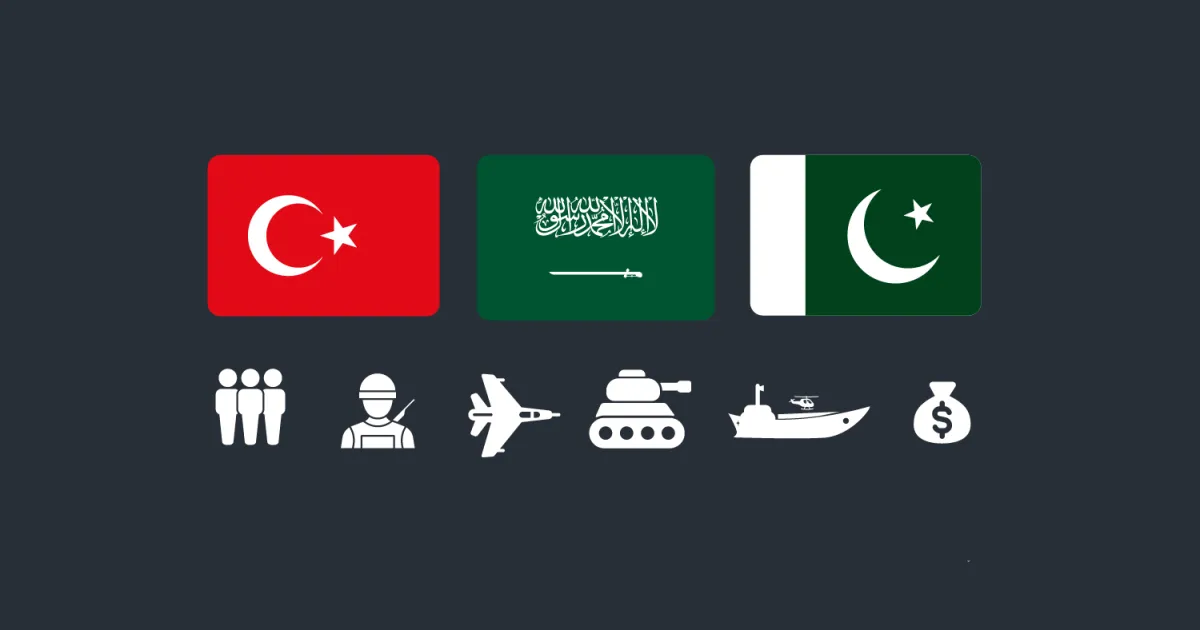
As the conflict intensifies, Riyadh is re-evaluating its regional and international security commitments. The Mecca Joint Defence Agreement, signed earlier this year between Saudi Arabia, Turkiye, and Pakistan, is currently being scrutinized for its potential to provide a collective response to the crisis. Pakistani officials have indicated that the pact is designed to trigger in the event of an unprovoked attack on the kingdom, yet the practical application of this agreement remains untested. The transition from diplomatic rhetoric to military cooperation remains a significant hurdle for the coalition.
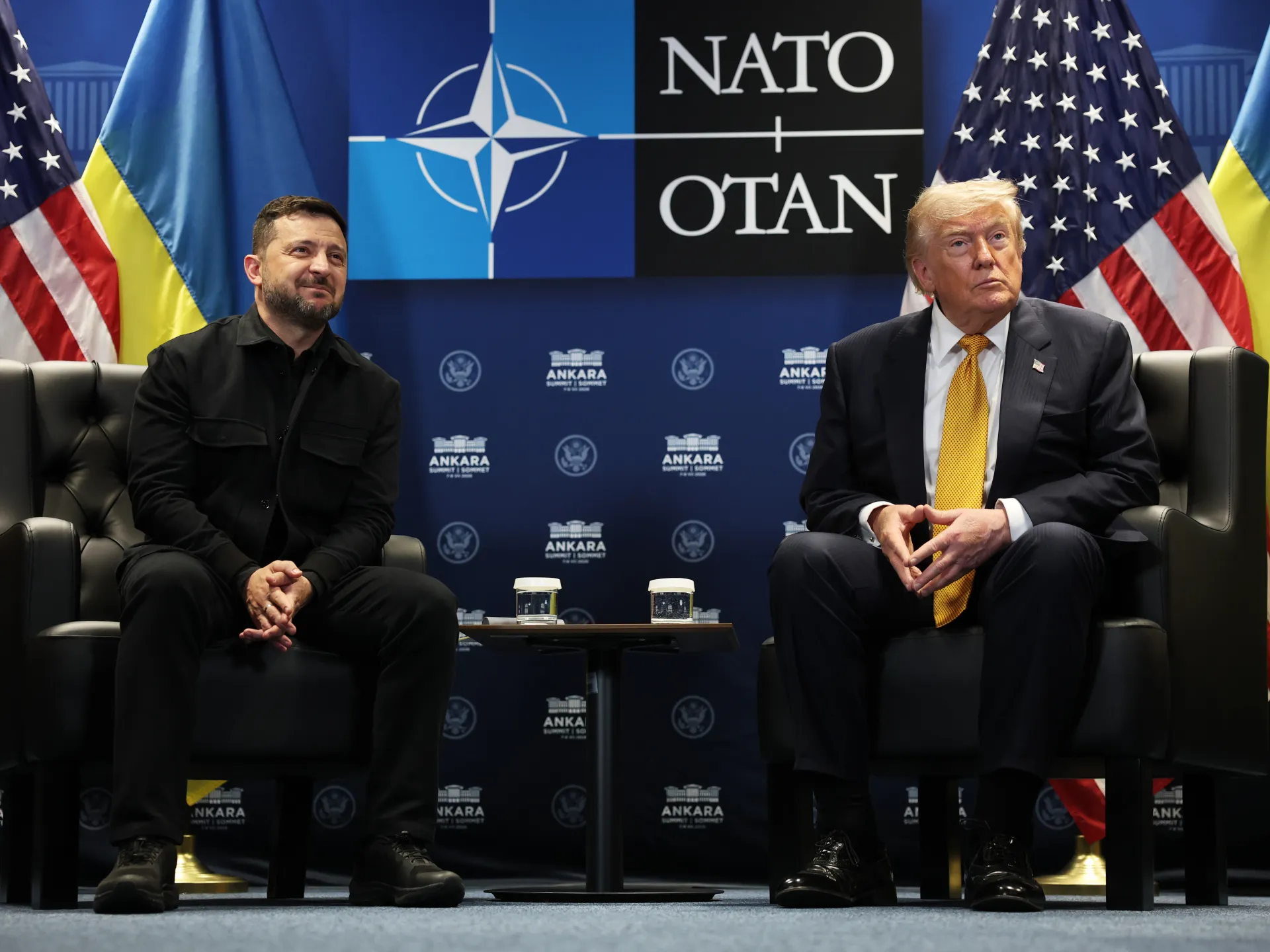
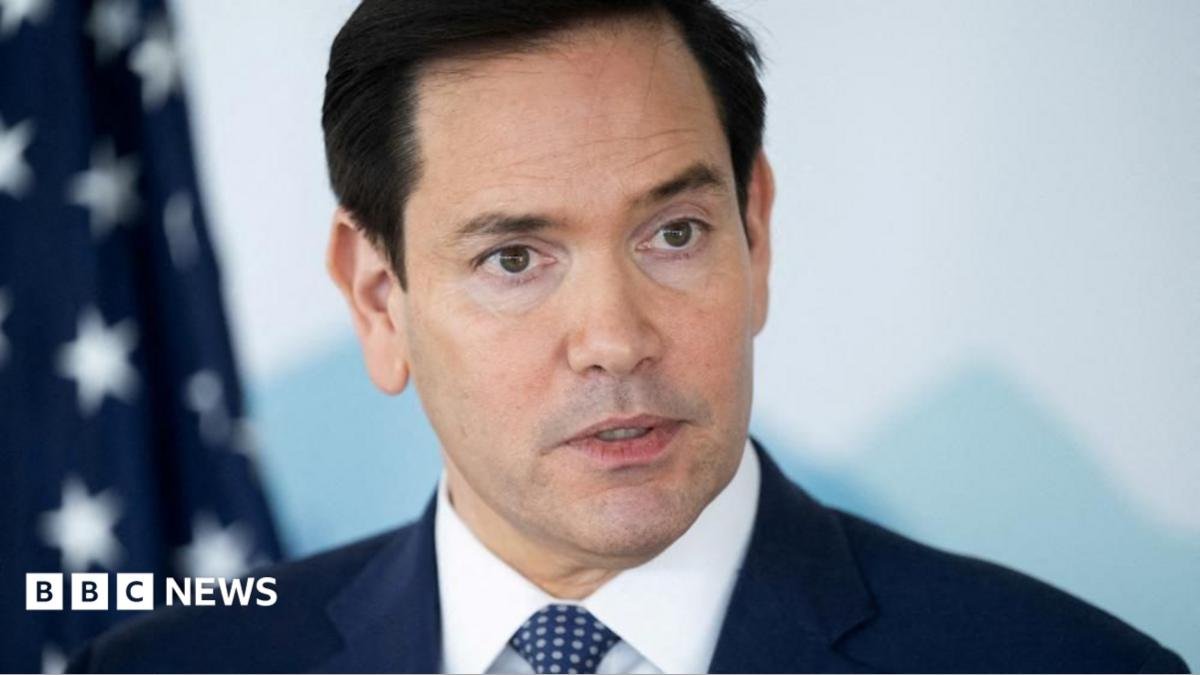
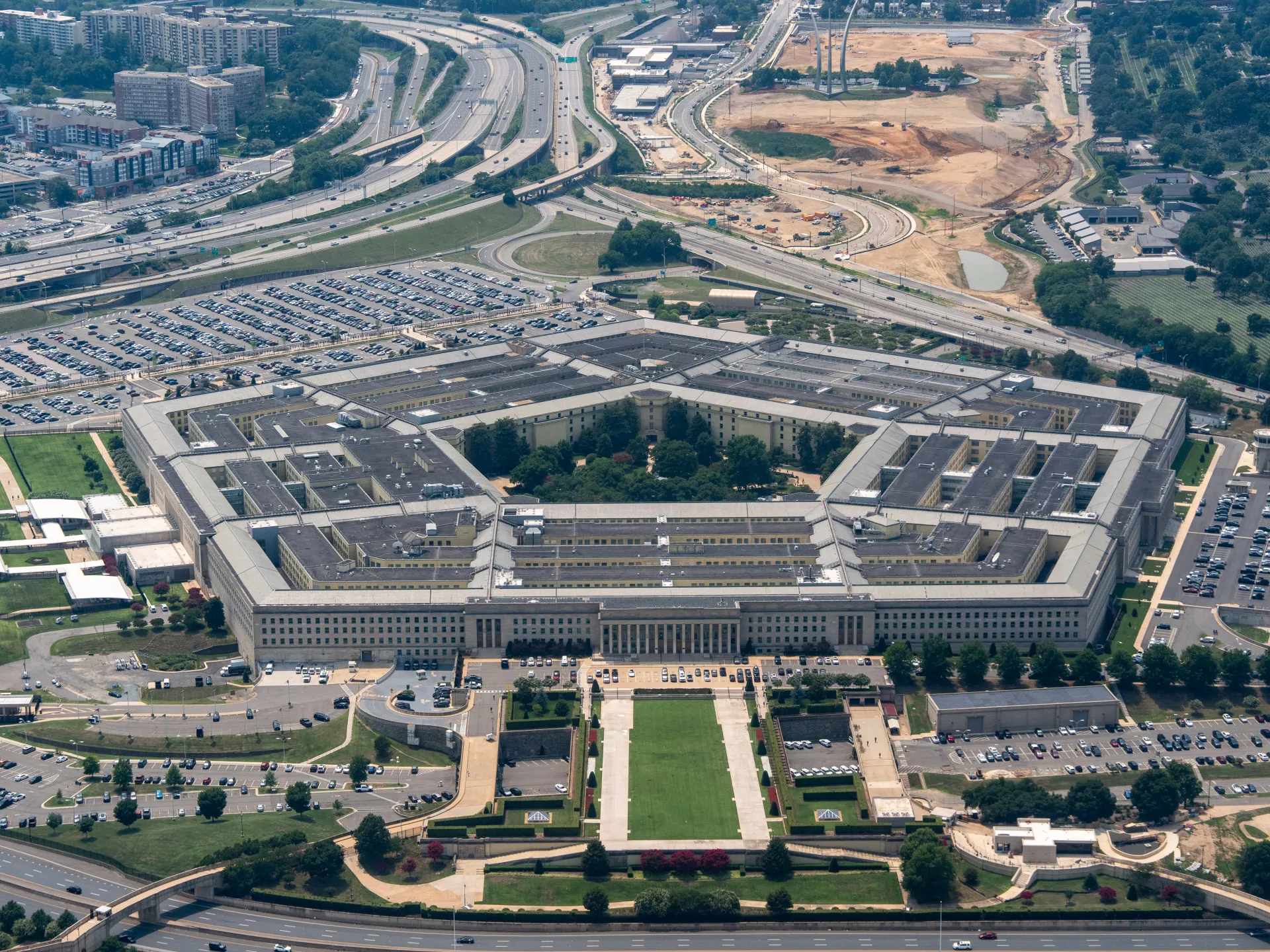
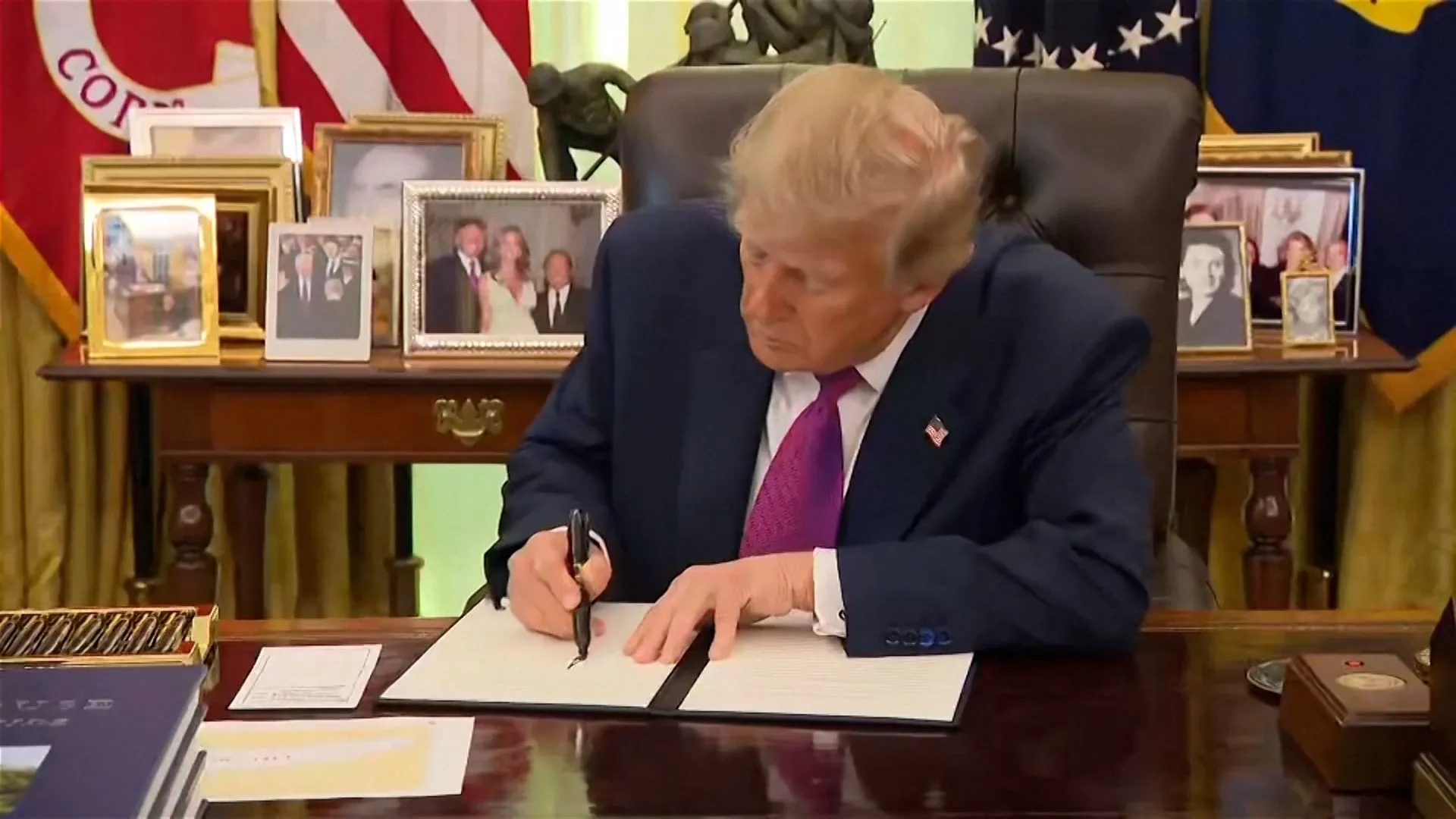
Simultaneously, the traditional security architecture involving the United States is showing signs of strain. Reports indicate that Saudi leadership has sought direct American military intervention to counter the Houthi surge, but Washington has demonstrated a marked reluctance to engage in another Middle Eastern conflict. This lack of appetite for a new front in Yemen has forced Riyadh to consider whether it can rely on its historical partner or if it must pursue a more independent, asymmetric strategy to deter further aggression.
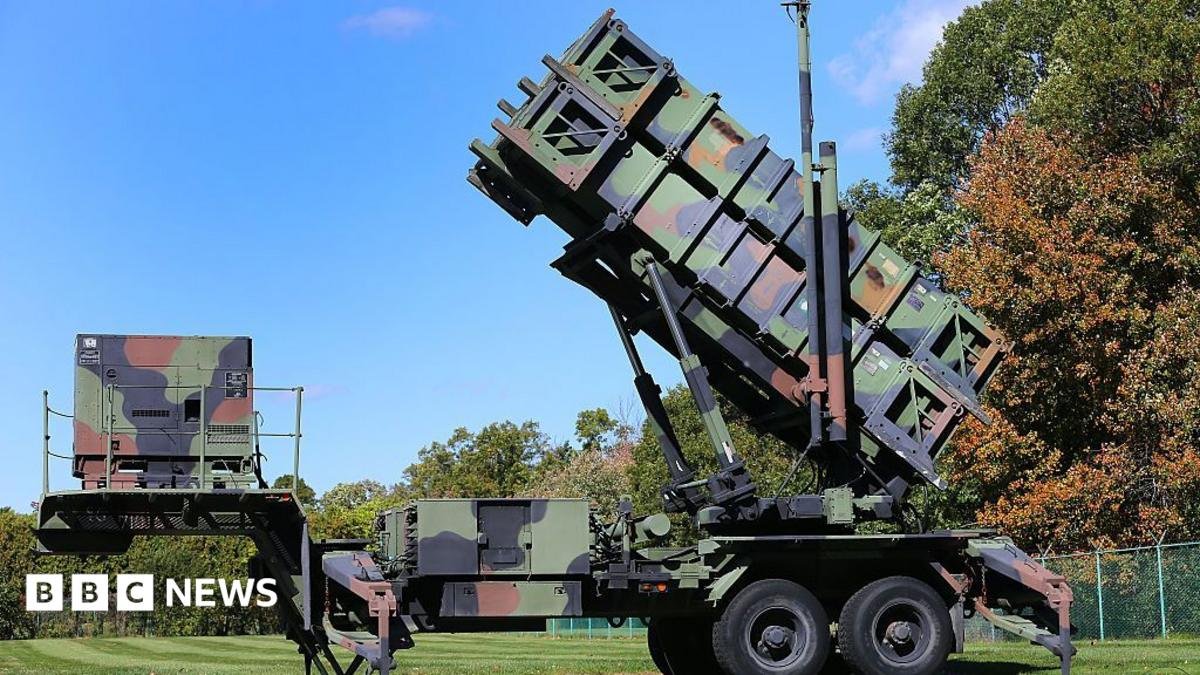
Despite the complexities of its alliances, Saudi Arabia retains significant military capabilities that could be deployed to shift the balance of power. The kingdom possesses a highly funded air force and sophisticated air defense networks, and it maintains influence over Yemeni government forces currently engaged in the conflict. Experts suggest that Riyadh is capable of acting unilaterally or leveraging regional partnerships to establish a new level of deterrence, even in the absence of direct American military support.
However, the diplomatic landscape is further complicated ics argue that such engagement confers legitimacy upon the rebels and undermines multilateral efforts to resolve the crisis. For Saudi Arabia, the path forward requires a delicate balance: addressing the immediate threat to its infrastructure and maritime security while navigating a world where traditional deterrence models are no longer guaranteed. As the situation evolves, the kingdom must decide whether to seek a limited military response or explore new, hybrid methods of signaling resolve to its adversaries.