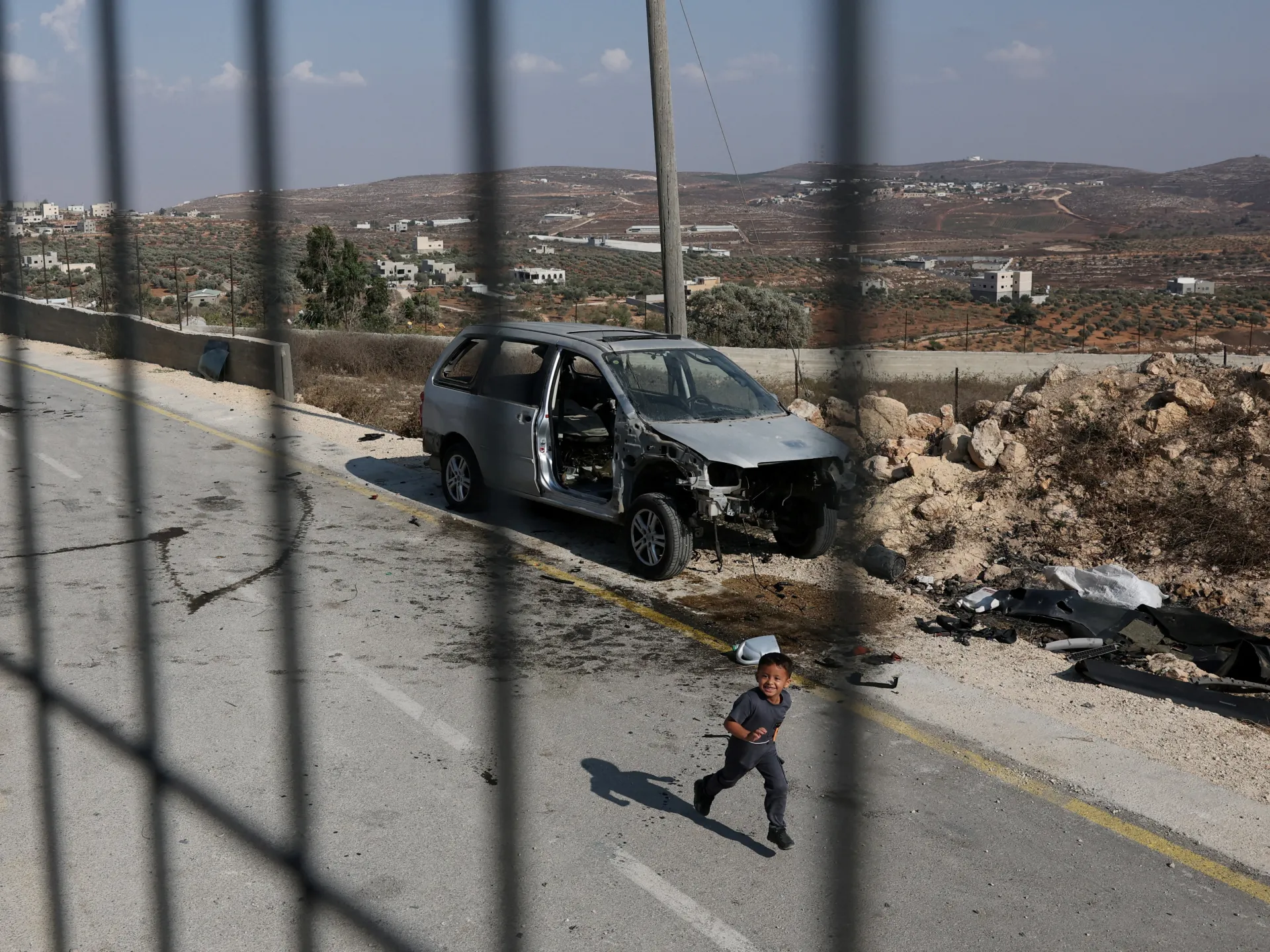

Despite new sanctions from Western nations targeting West Bank settlements, the Israeli electorate remains largely unmoved, prioritizing national security over international condemnation.
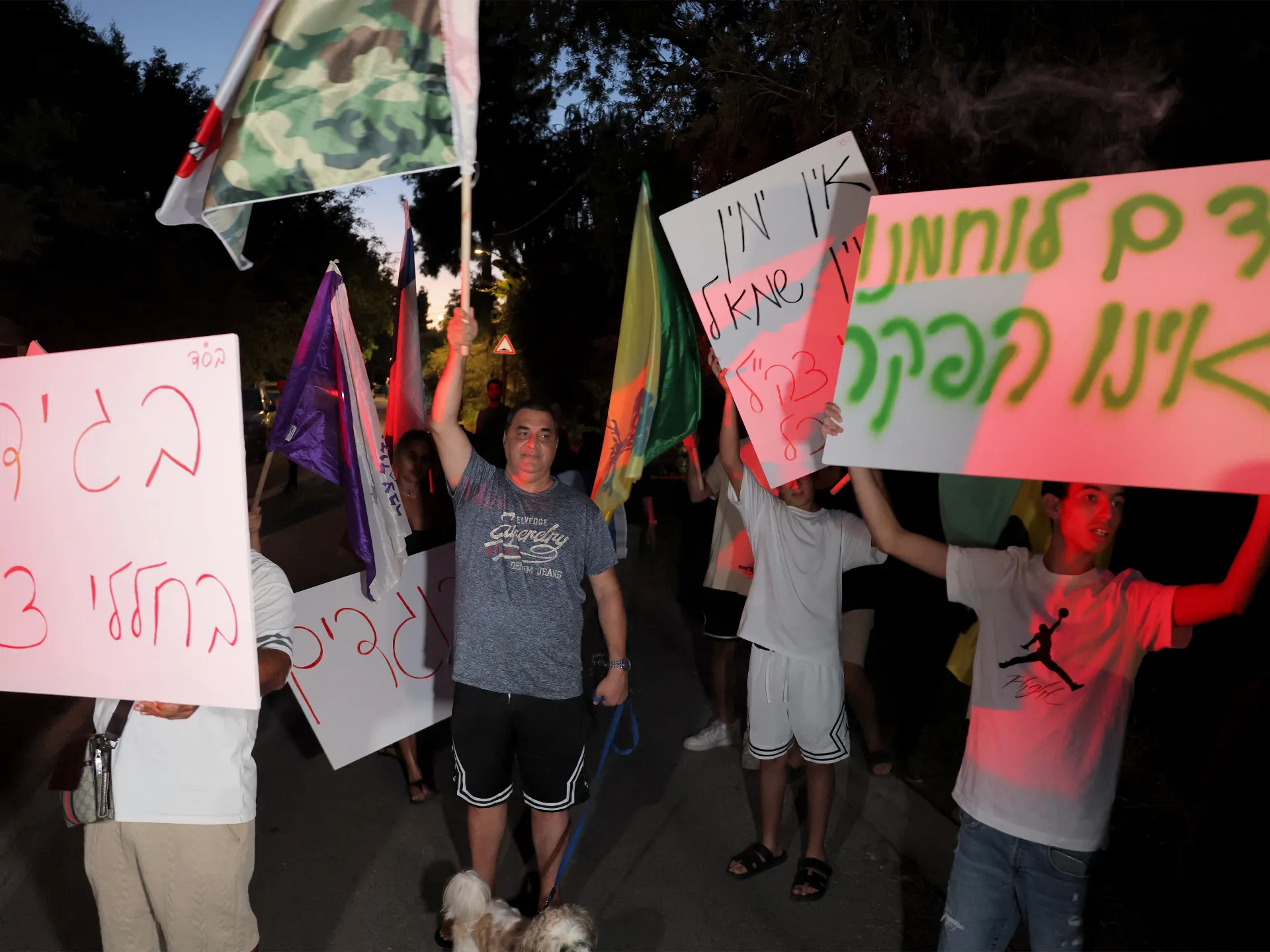
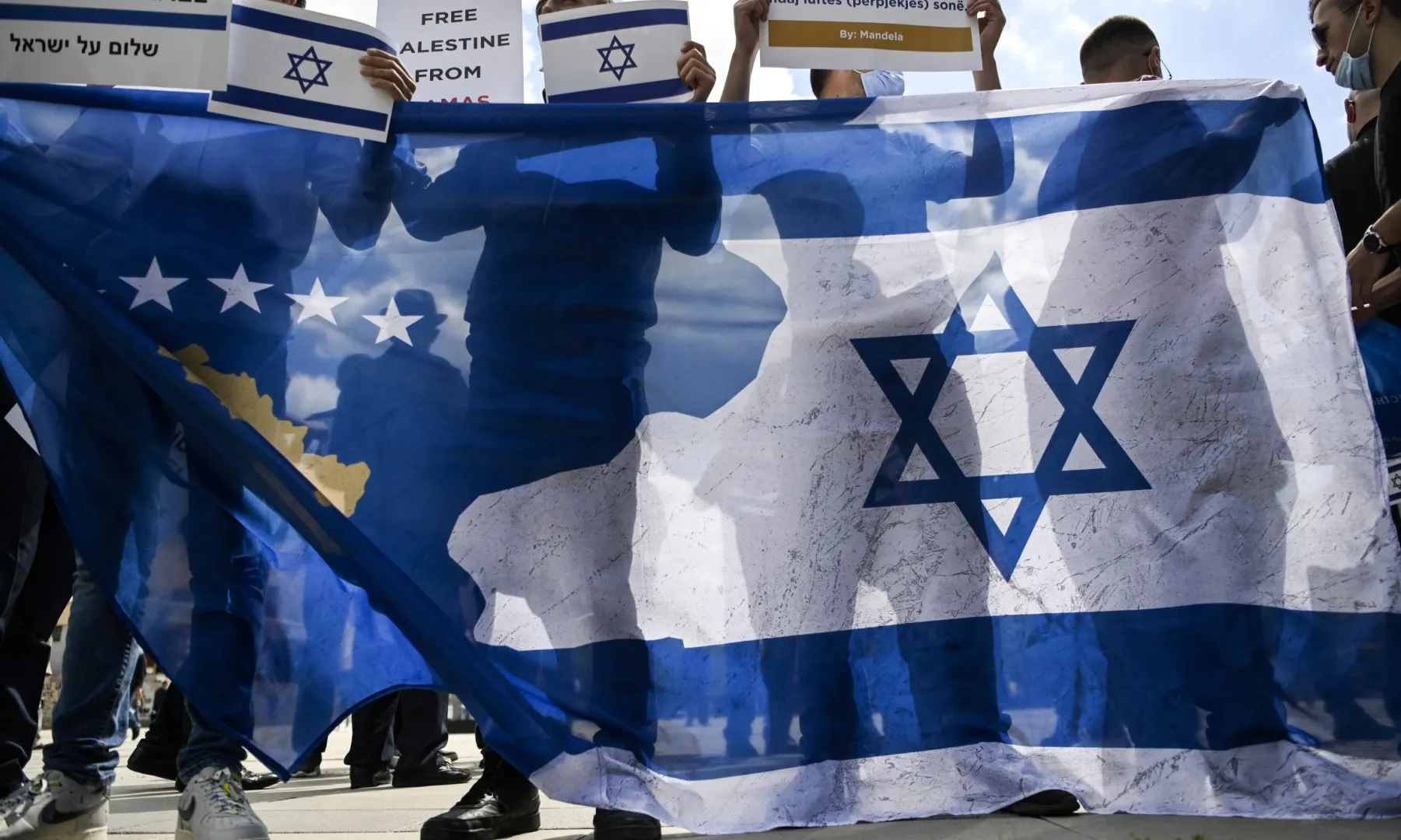
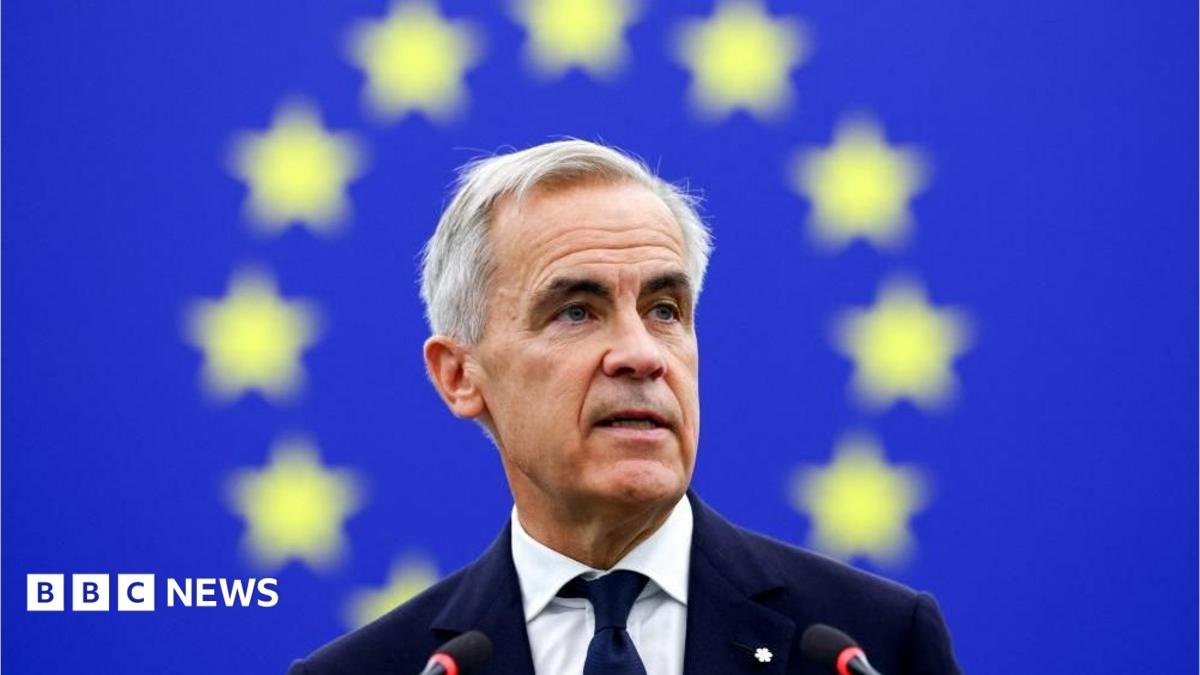
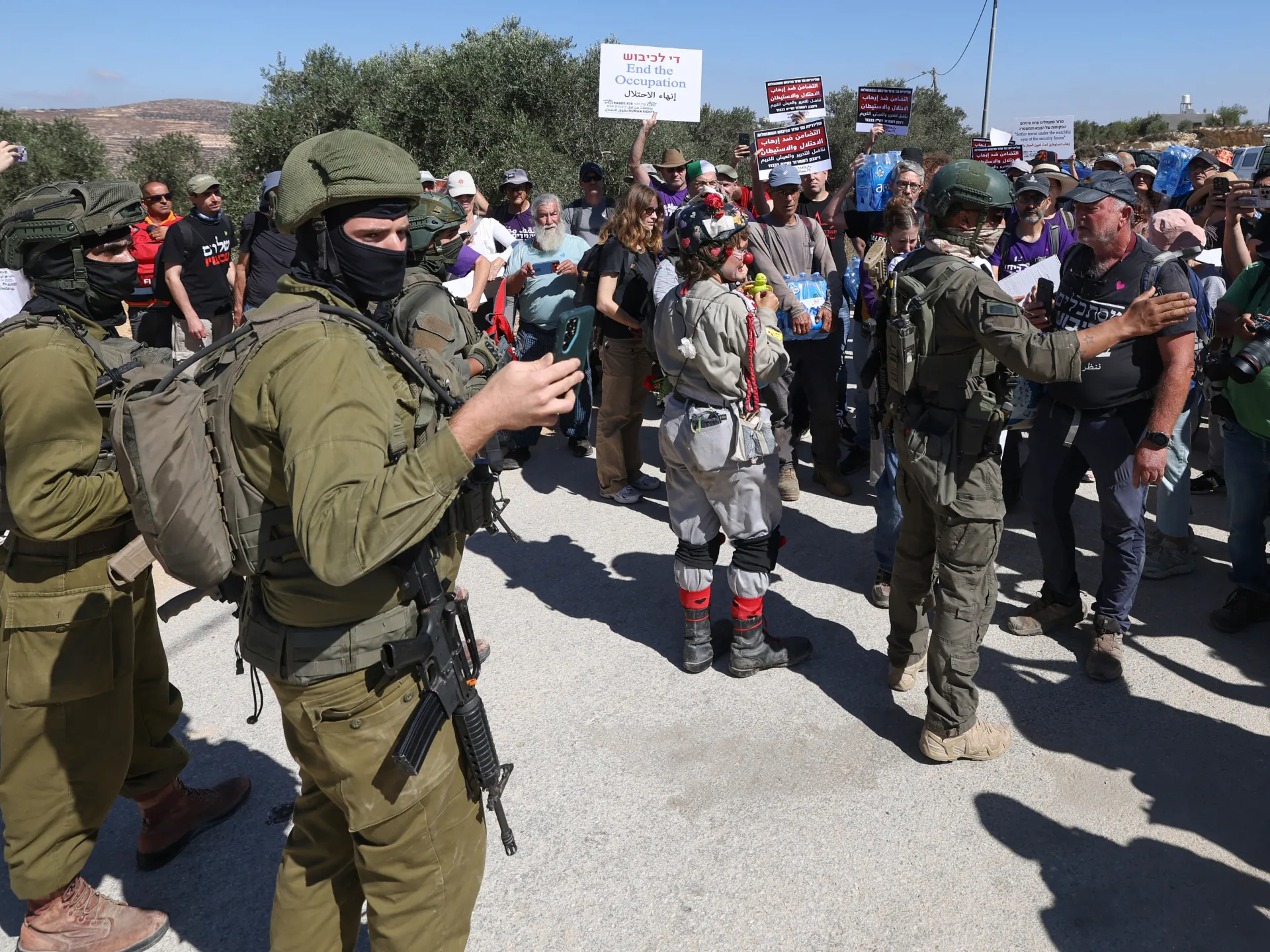
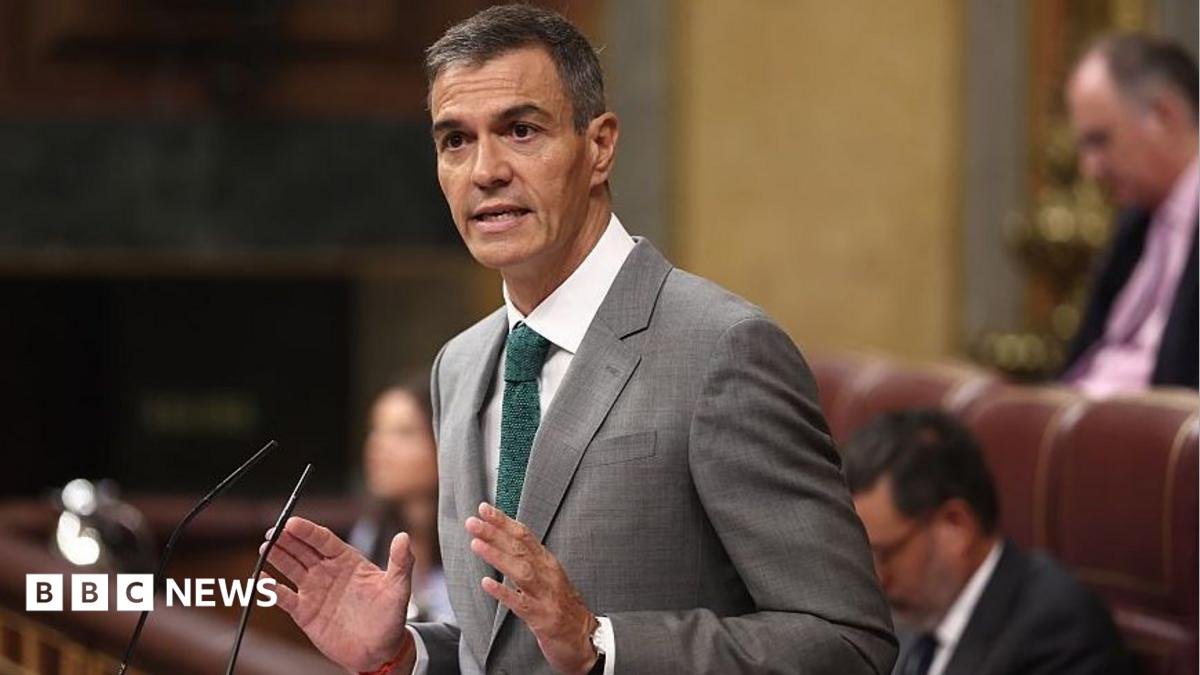
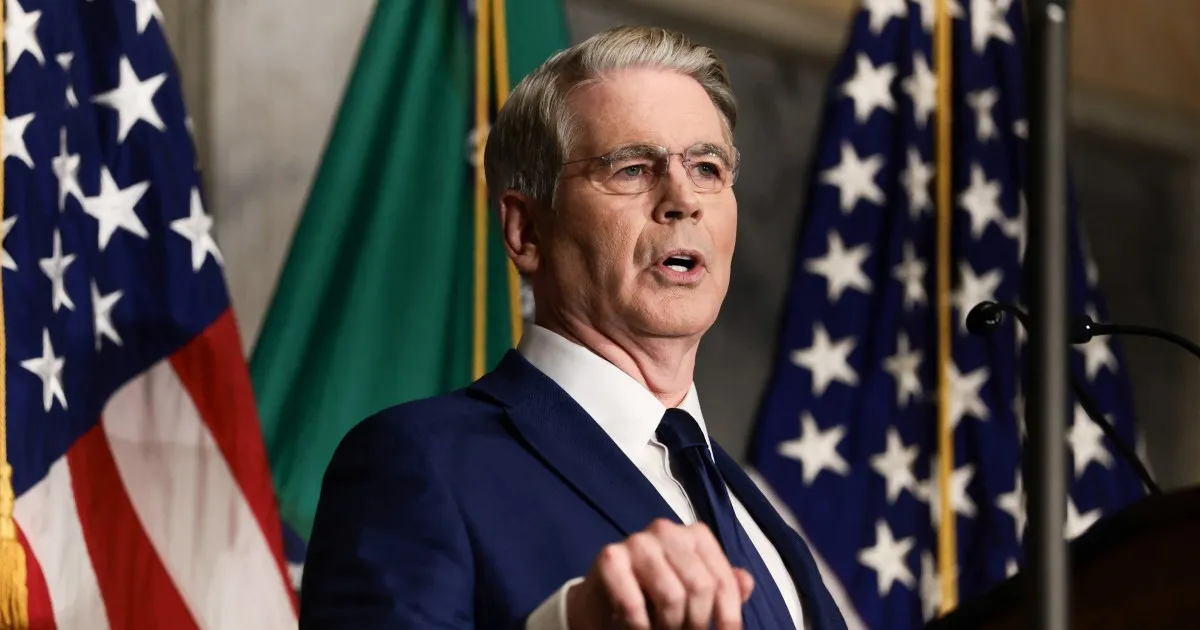
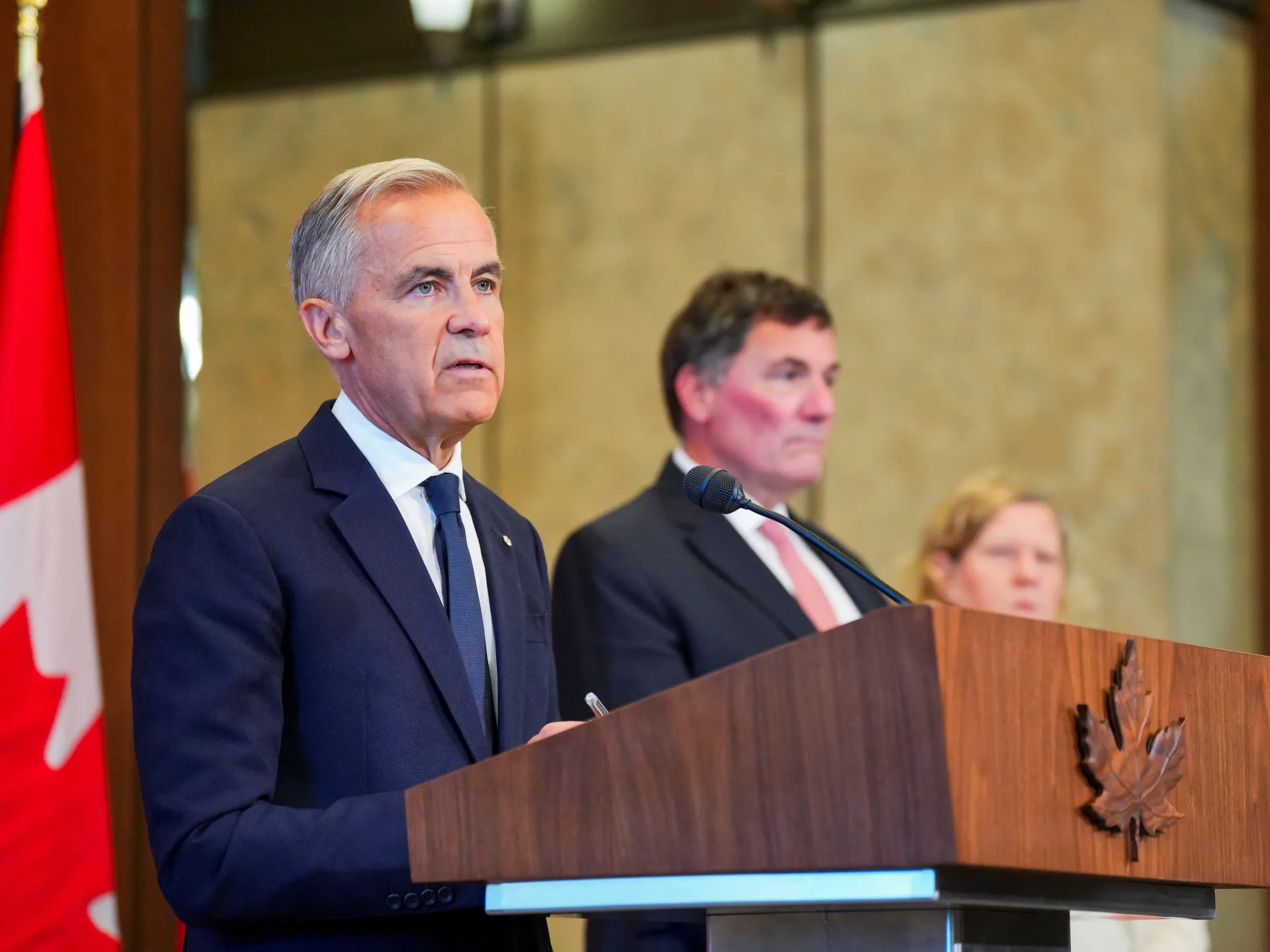
As the United Kingdom, France, and Canada recently imposed sanctions targeting illegal settlements in the occupied West Bank, the reaction from Israel’s political establishment was swift and defiant. High-ranking officials, including Gideon Saar, characterized these international measures as "outrageous lies" and accused foreign governments of attempting to manipulate Israel's upcoming October elections. President Isaac Herzog echoed these sentiments, labeling the sanctions a significant intrusion into the nation’s democratic processes.
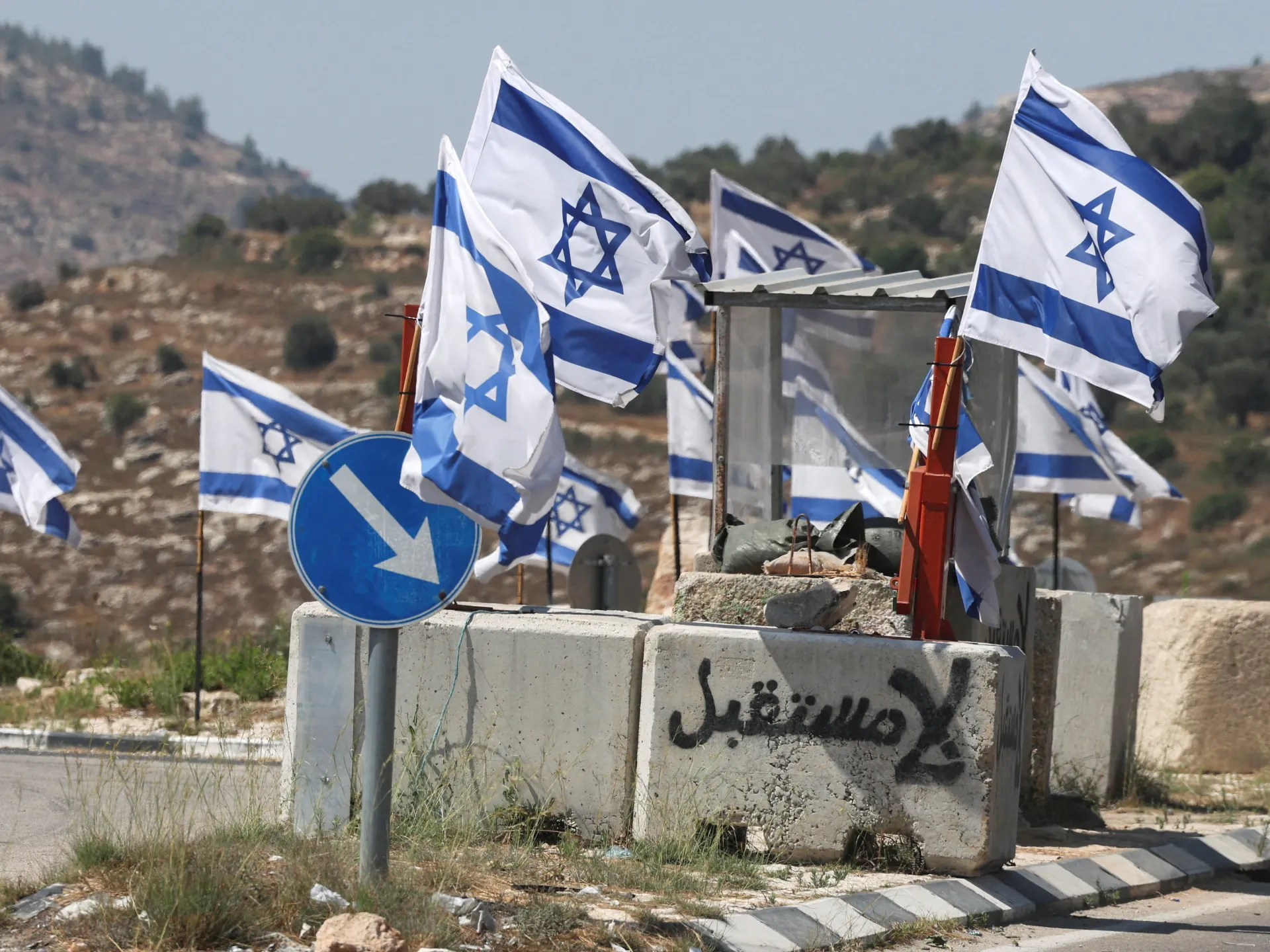
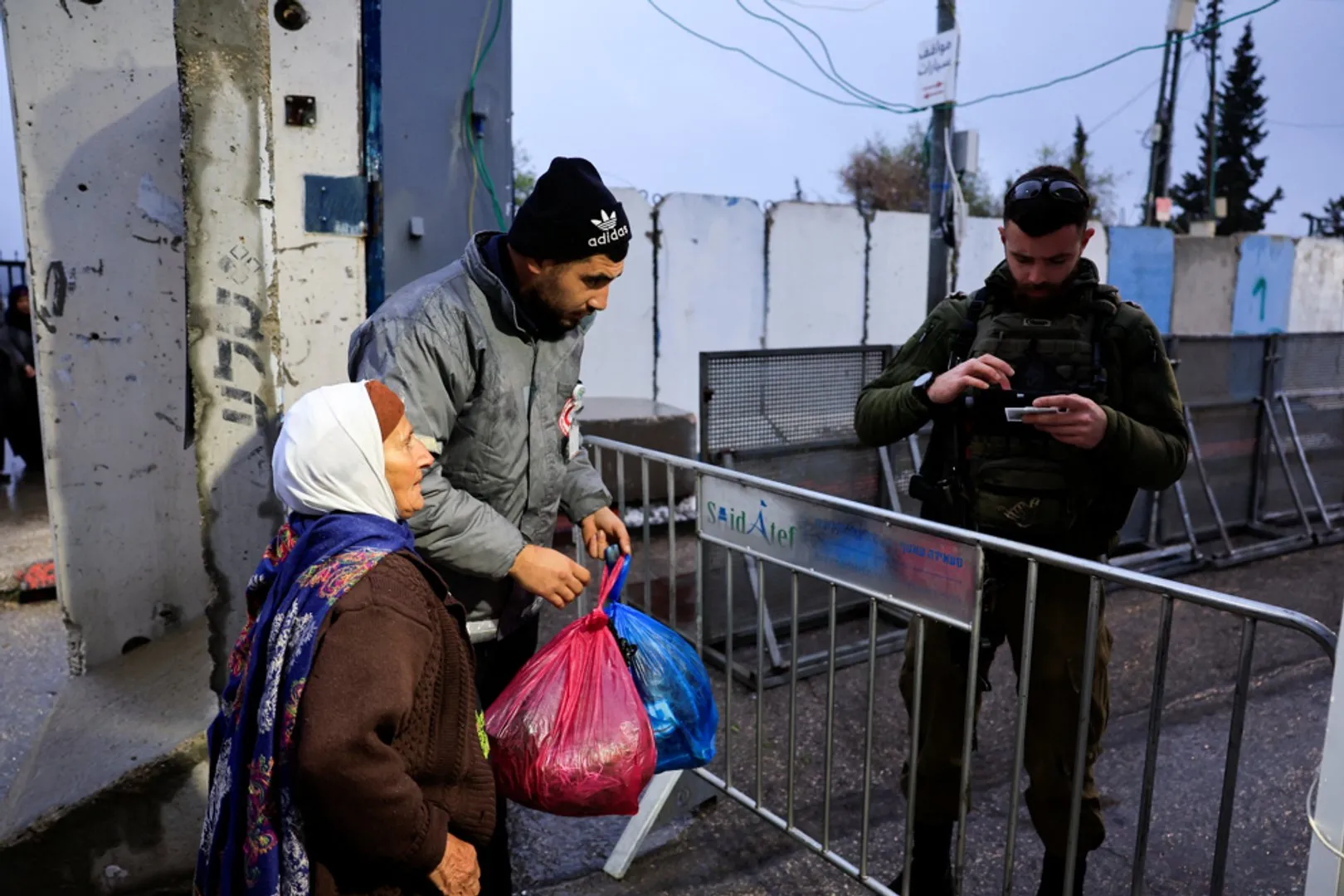
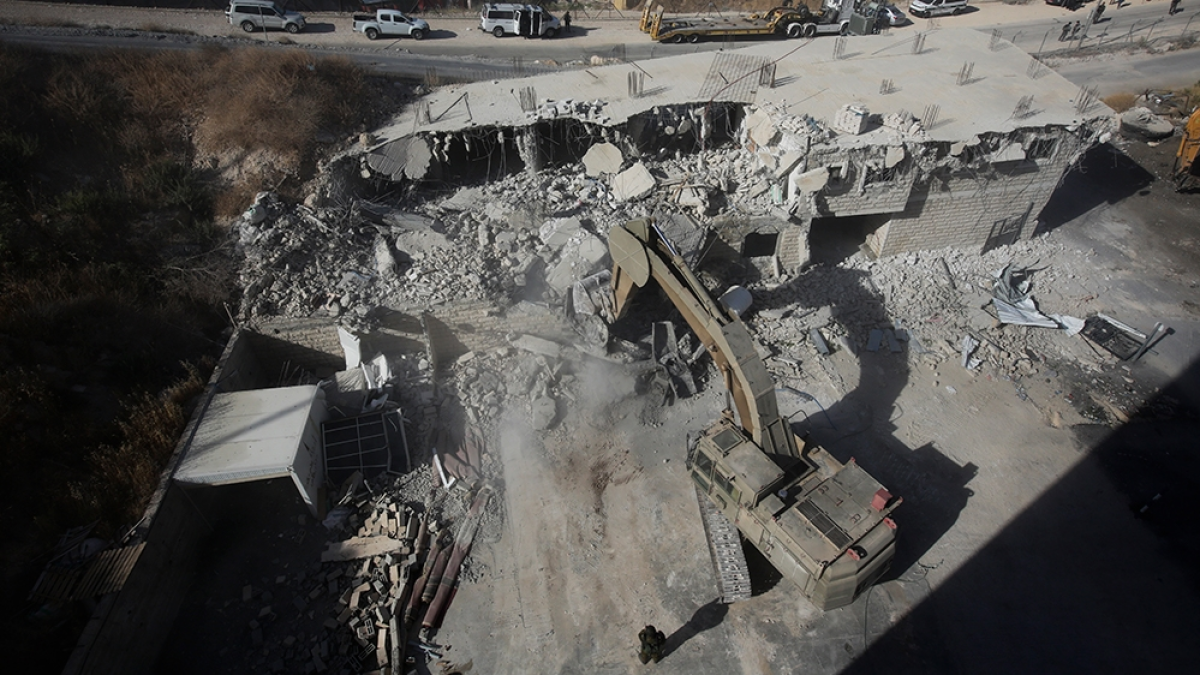
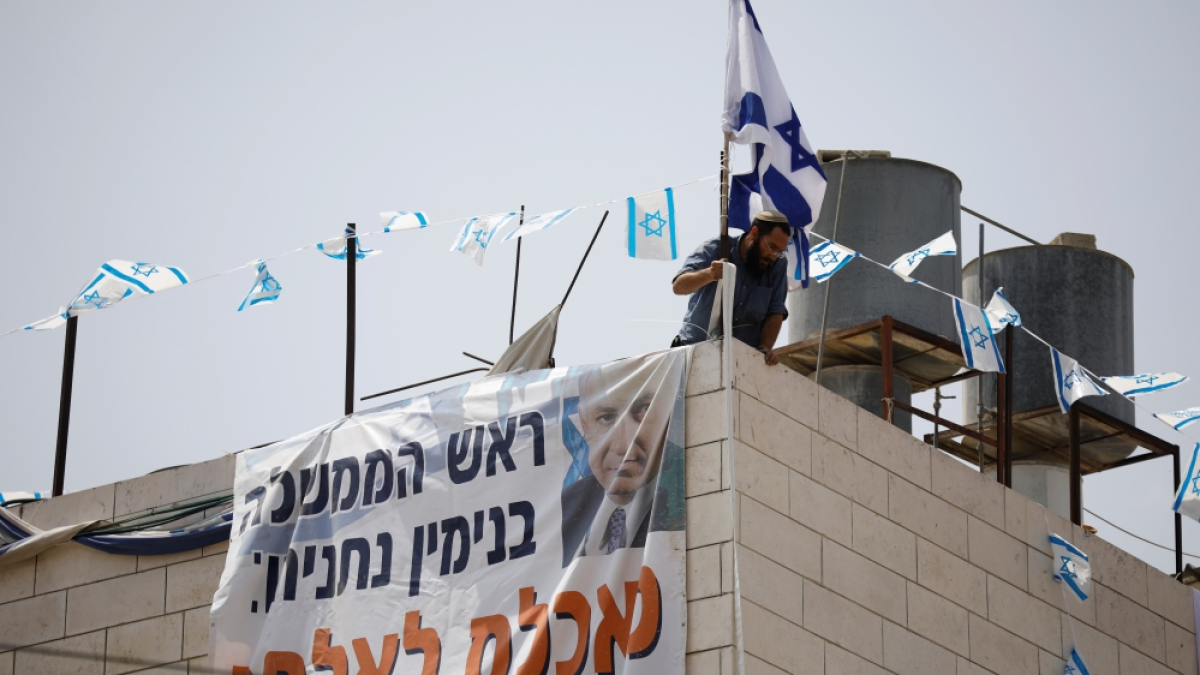
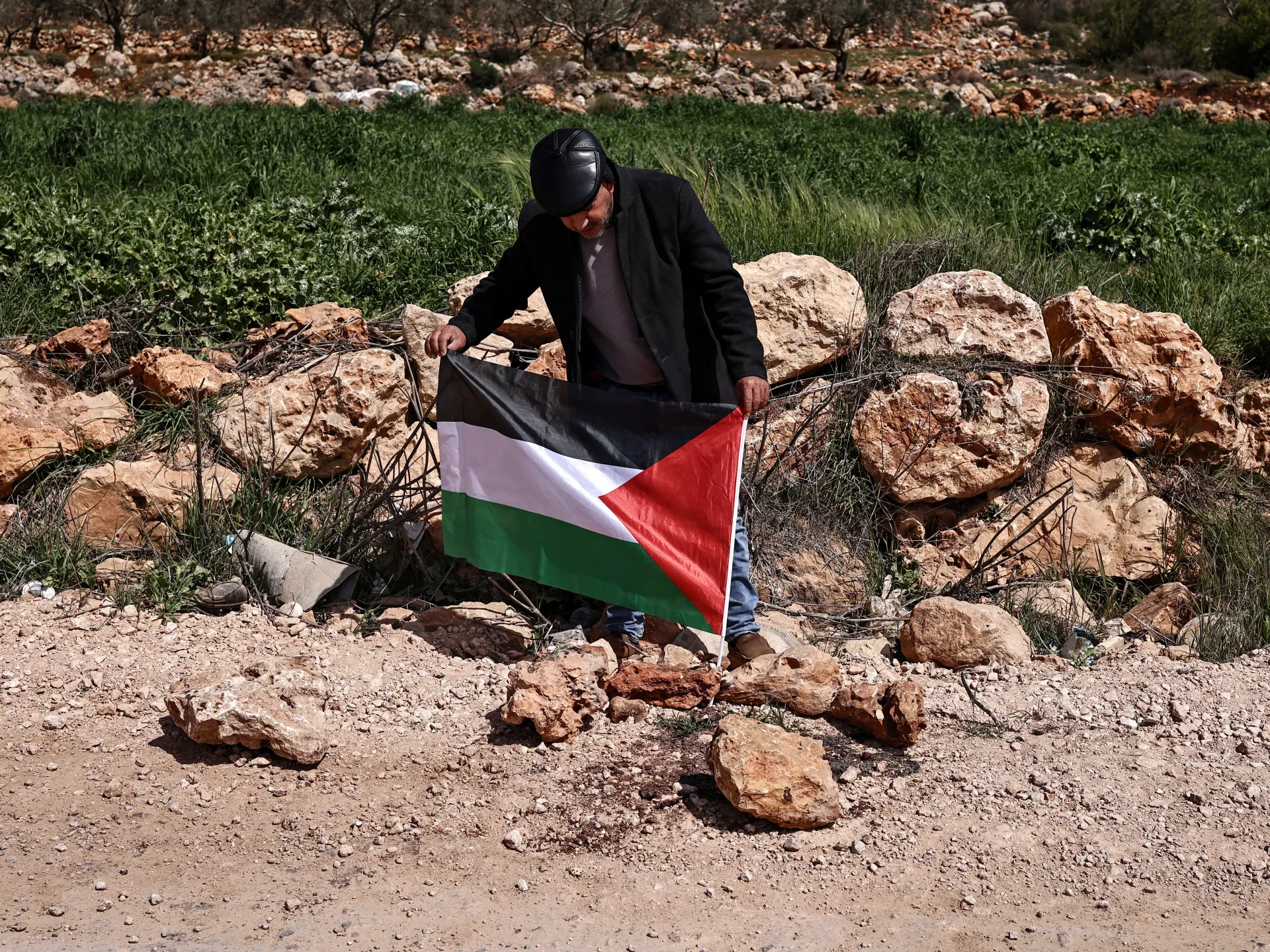
However, analysts suggest that this indignation is largely performative when measured against the reality of current Israeli public opinion. Despite the global focus on the legality of settlements, domestic support for the status quo remains robust. Recent polling data indicates that a significant majority of Jewish Israelis favor the retention of these settlements in any future geopolitical arrangement, with a large segment of the population openly supporting the annexation of the West Bank in direct contradiction to international law.
Experts argue that there is a profound disconnect between the international community’s moral framing of these issues and the internal priorities of the Israeli electorate. For many citizens, the legal status of the West Bank is a secondary concern, if a concern at all. The prevailing sentiment is that external pressure, regardless of its source, is viewed with deep suspicion rather than as a catalyst for internal policy reflection.
The resilience of the Israeli public toward international criticism can be attributed to the long-term normalization of settlement expansion within the national discourse. Over several decades, the occupation has been increasingly integrated into the mainstream political narrative, making the prospect of dismantling these communities appear abstract or irrelevant to the average voter. This process has effectively insulated the political class from the potential consequences of defying international legal standards.
Sociologists observe that foreign pressure often fails to translate into domestic political costs because it is easily absorbed into existing narratives. When international bodies condemn Israeli actions, these criticisms are frequently reframed nctions as an external attack on the nation itself, political leaders can successfully redirect public focus away from the specific policies in question and toward a defensive stance of national unity.
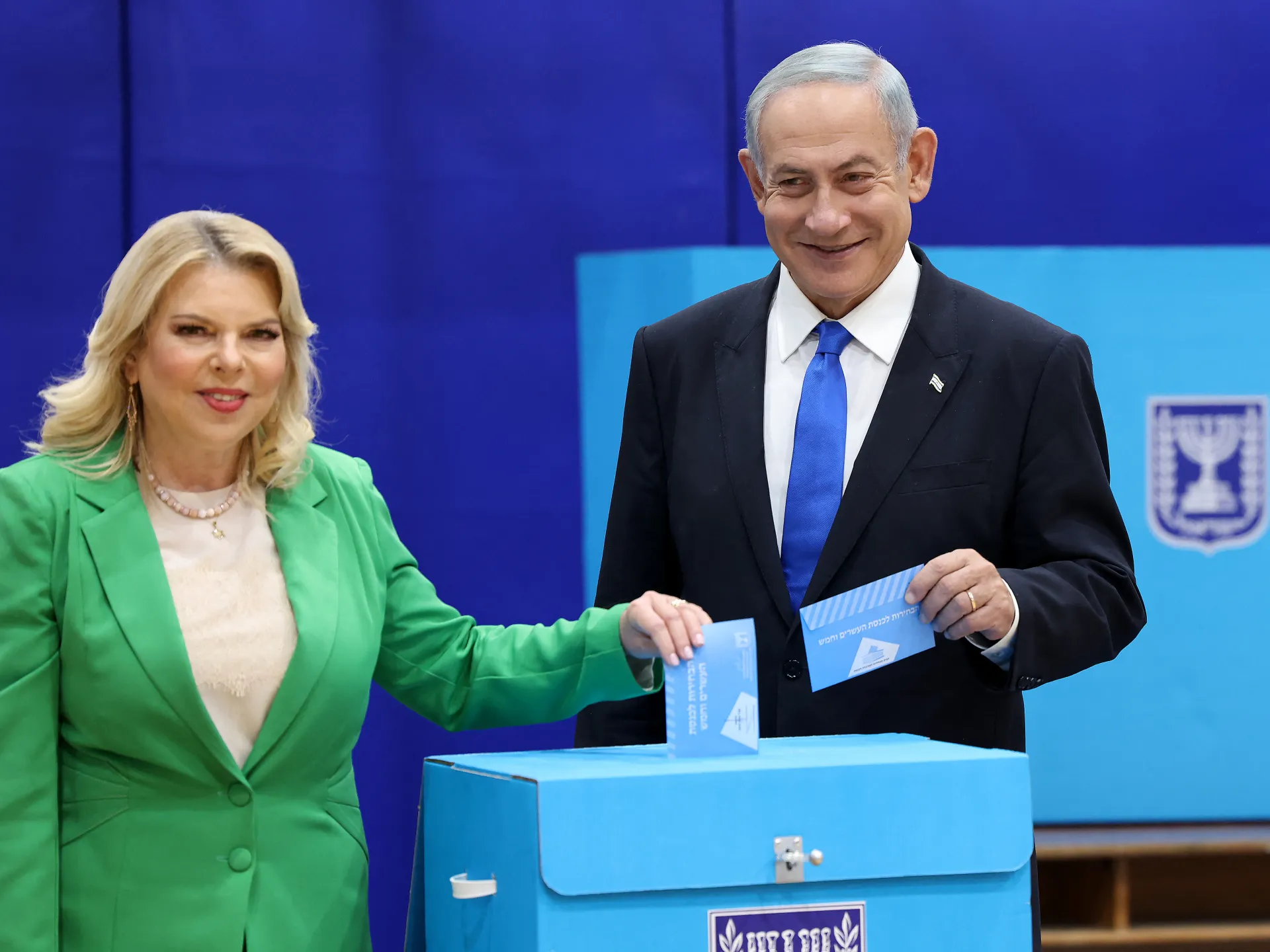
Furthermore, the current political climate is dominated ons. As voters prepare for the October polls, the focus remains firmly on internal security, economic stability, and the leadership record of incumbent Prime Minister Benjamin Netanyahu. Consequently, the legal status of distant outposts rarely reaches the threshold required to influence voter behavior in a meaningful way.
Despite the high stakes of the upcoming elections, the sanctions have failed to emerge as a wedge issue between the ruling government and the opposition. Prominent challengers to Netanyahu, such as Yair Lapid, have avoided criticizing the government's settlement policies. Instead, they have aligned with the national consensus that boycotts and sanctions are fundamentally misguided, thereby ensuring that the debate does not pivot toward the root causes of the international outcry.
This strategic silence from the opposition indicates a clear understanding of the electorate’s hardened positions. Neither the government nor its rivals see any political utility in advocating for the dismantling of settlements, as doing so would likely alienate core voting blocs. The electoral cycle continues to prioritize personality-driven politics and security rhetoric over the complex realities of international relations and territorial integrity.
Ultimately, the impact of these Western sanctions on the ballot box is projected to be negligible. As polls remain static, it is clear that the Israeli electorate is largely insulated from external diplomatic pressure. For the average voter, the narrative remains consistent: the world’s disapproval is viewed as an inevitable, if regrettable, constant, rather than a signal that current national policies require reform or reconsideration.