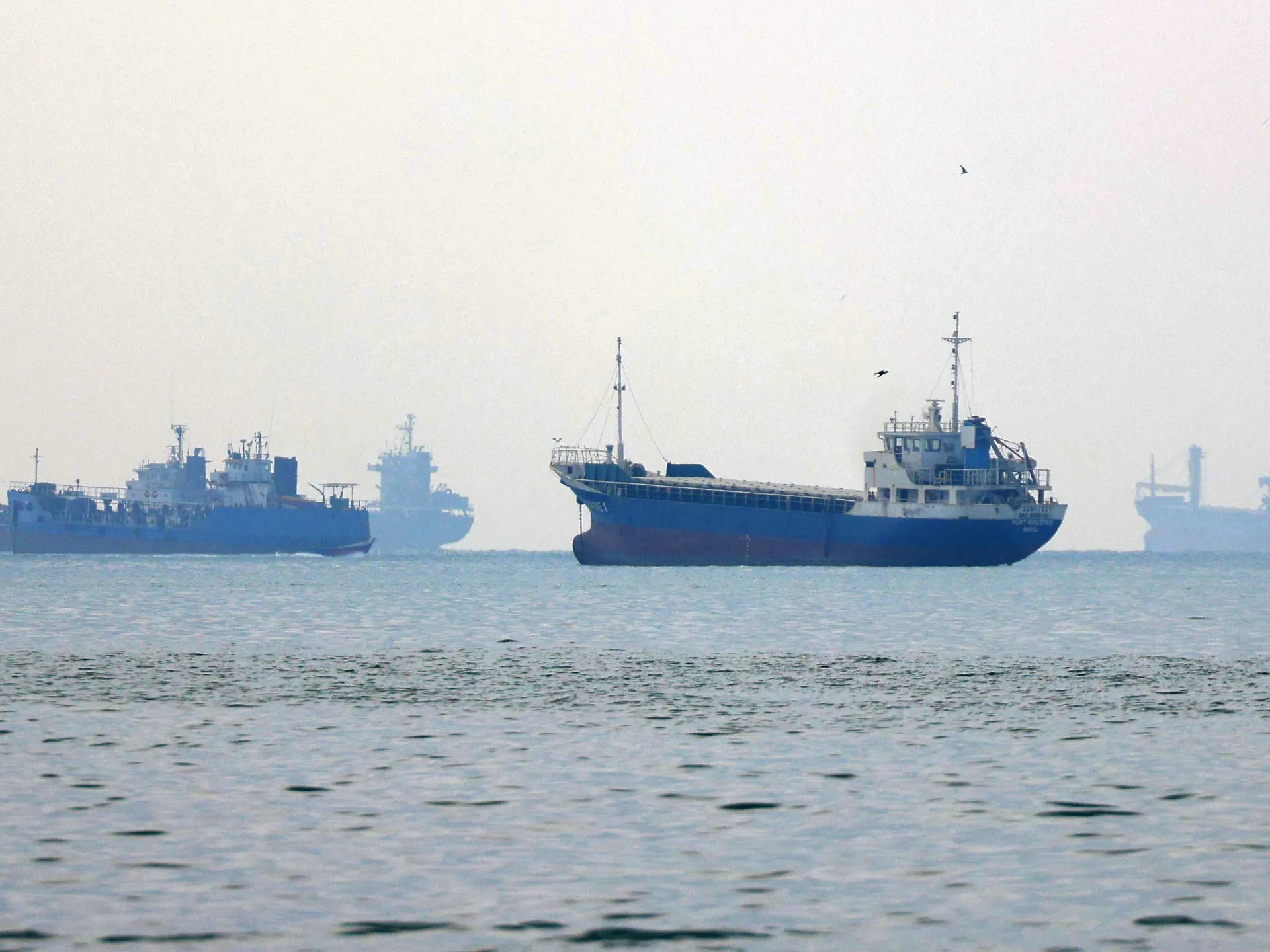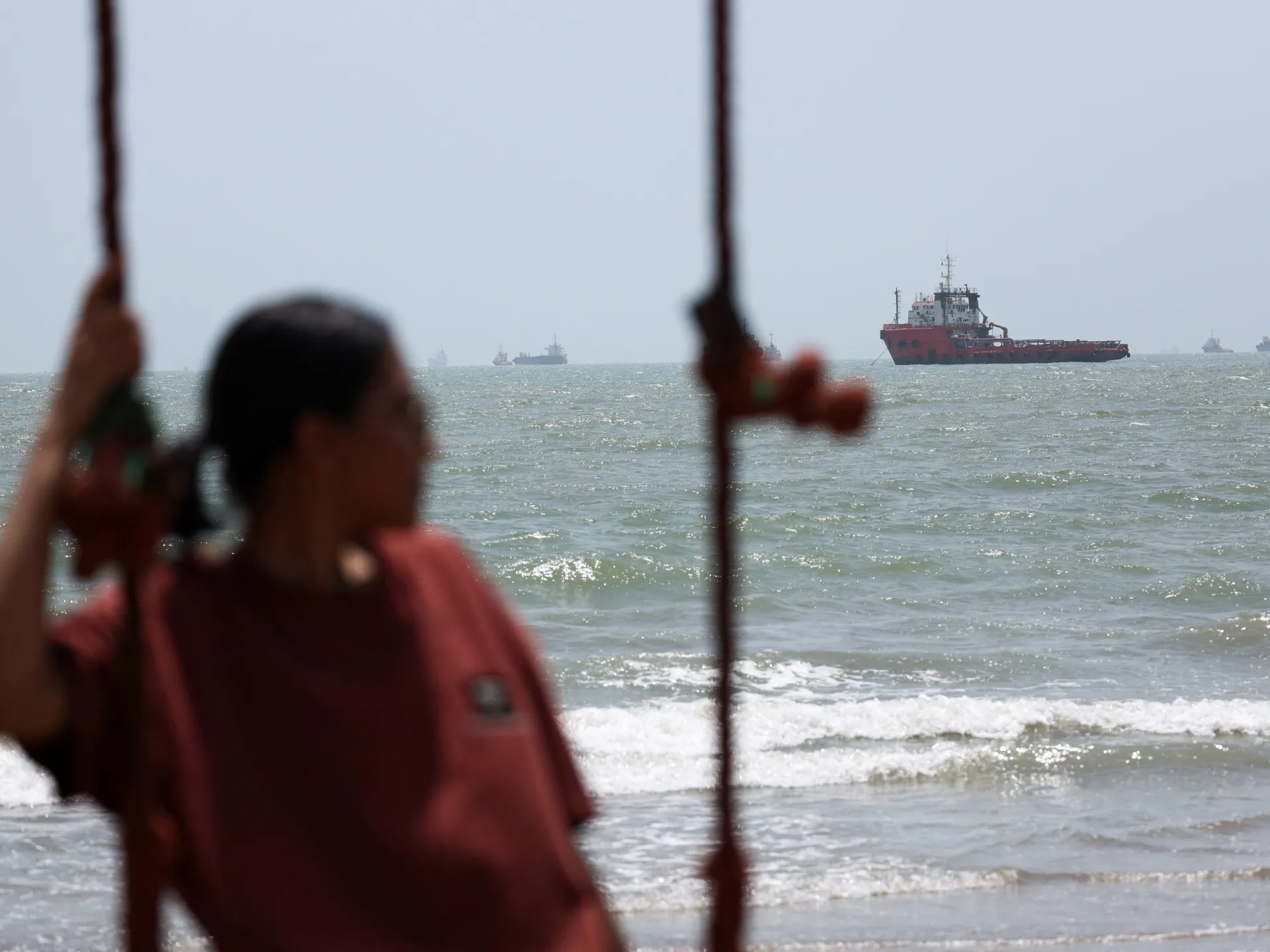
As regional conflicts block the Strait of Hormuz, Gulf nations are increasingly relying on risky ship-to-ship oil transfers to maintain global supply lines.
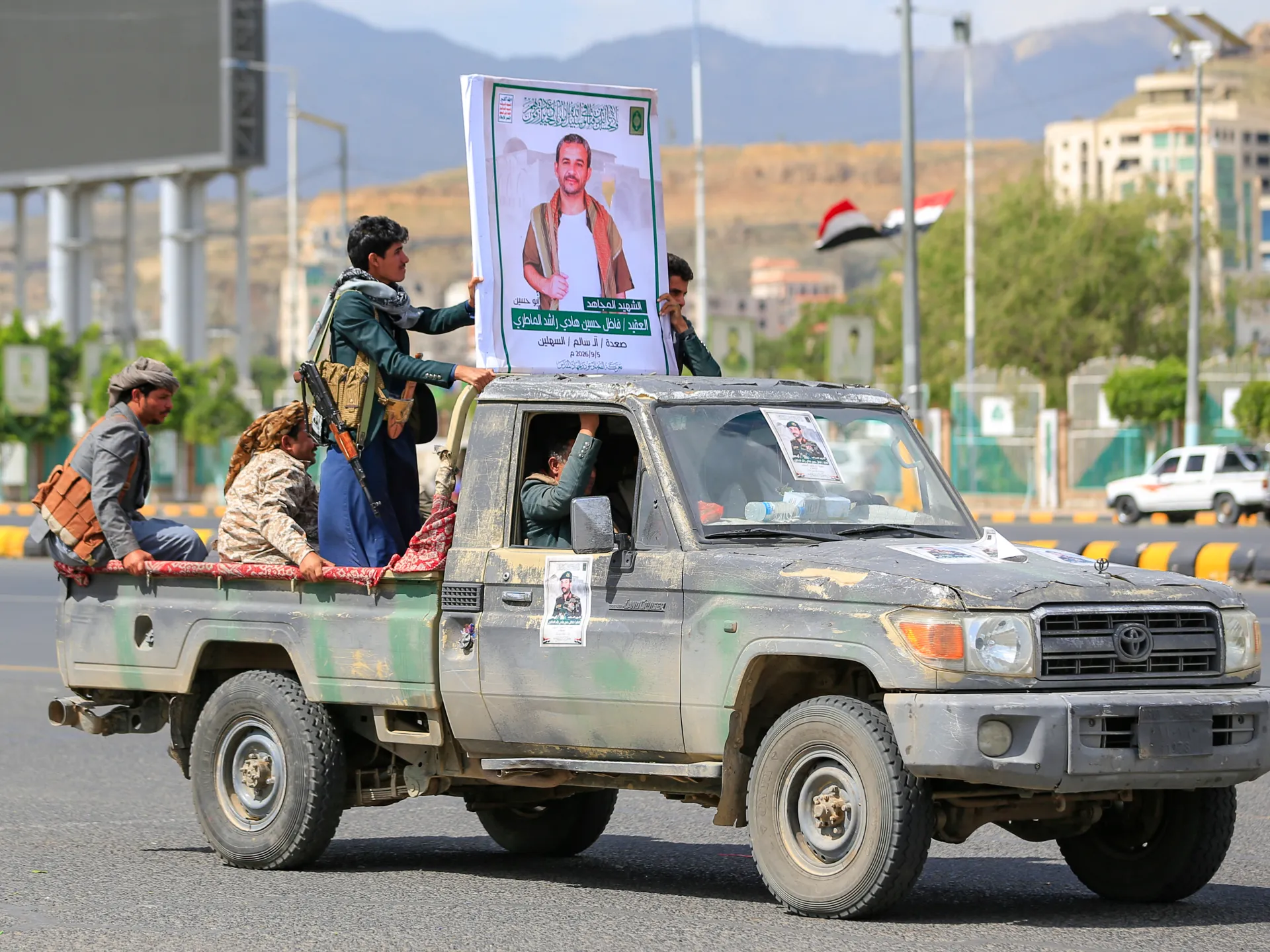
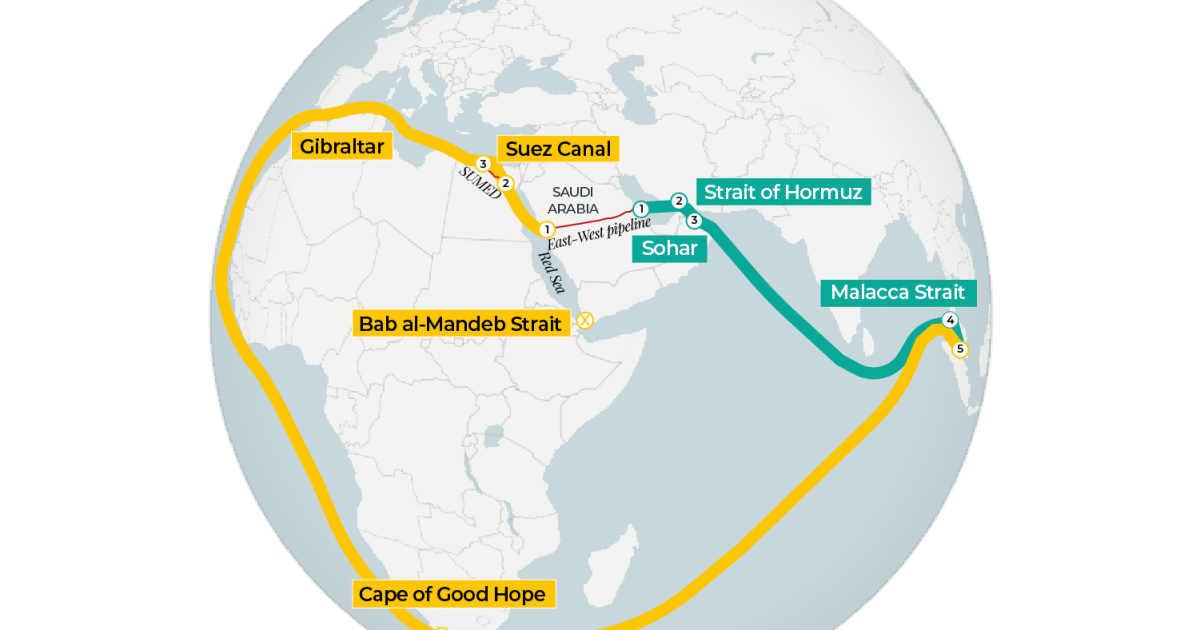
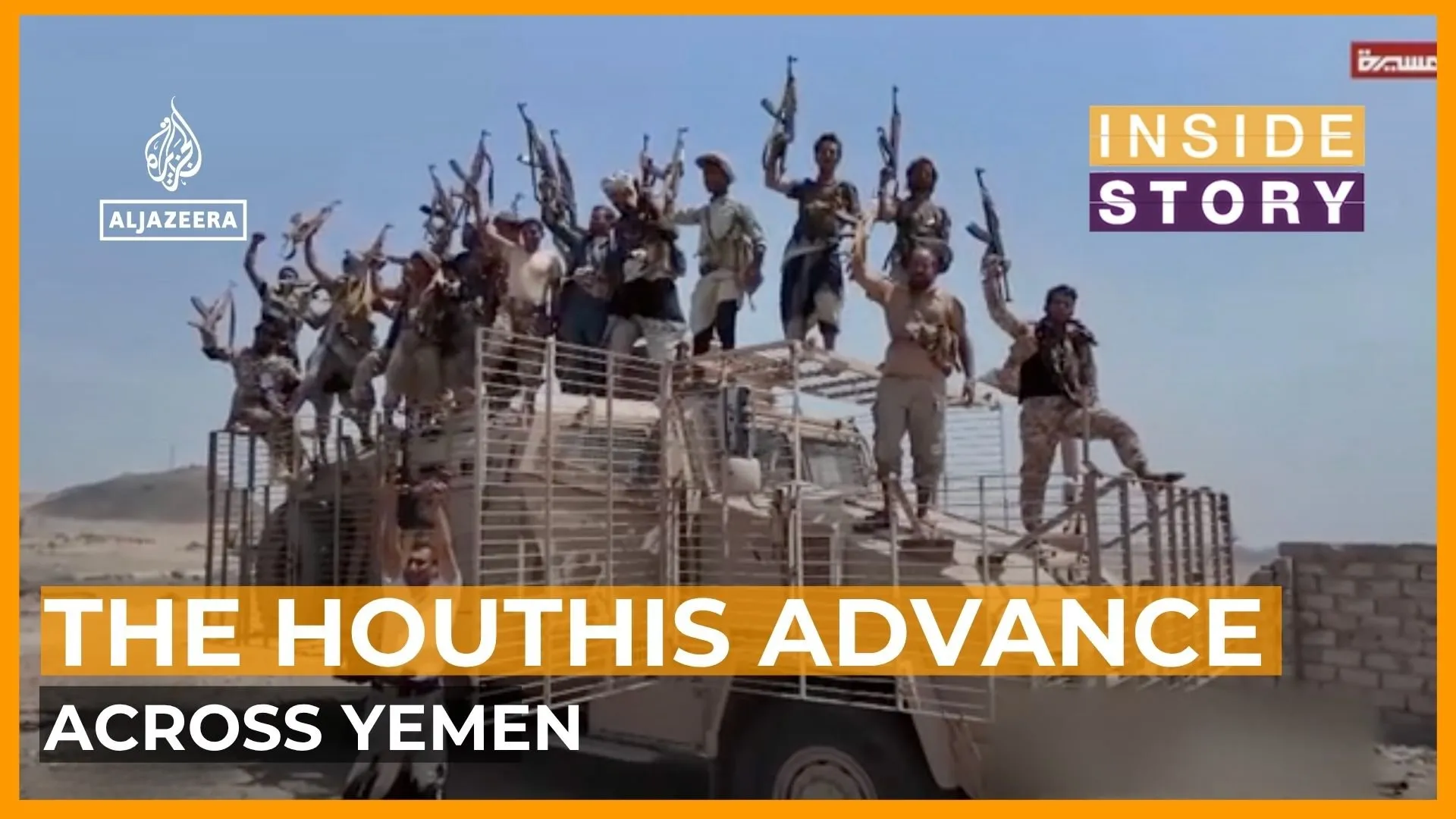
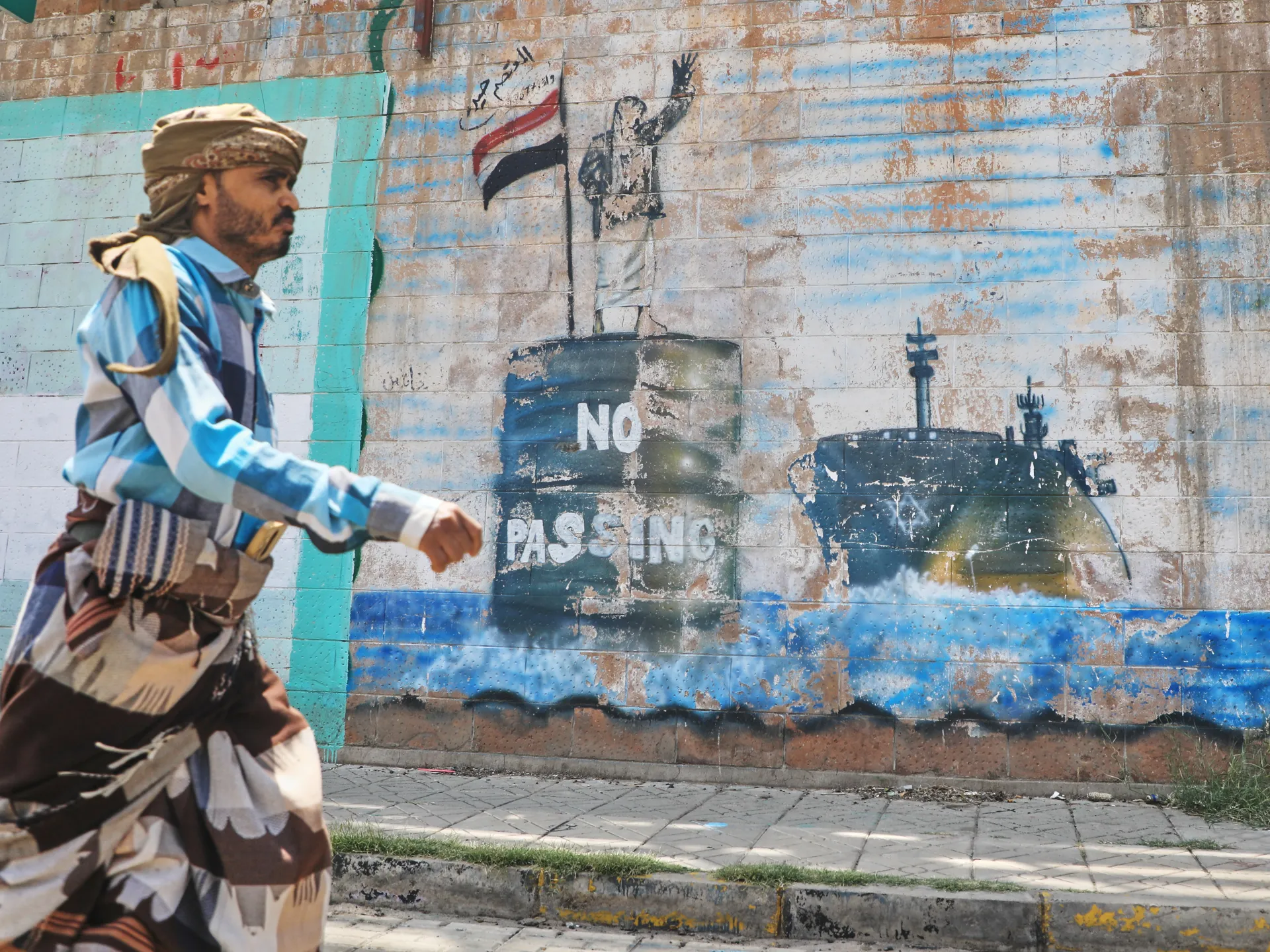
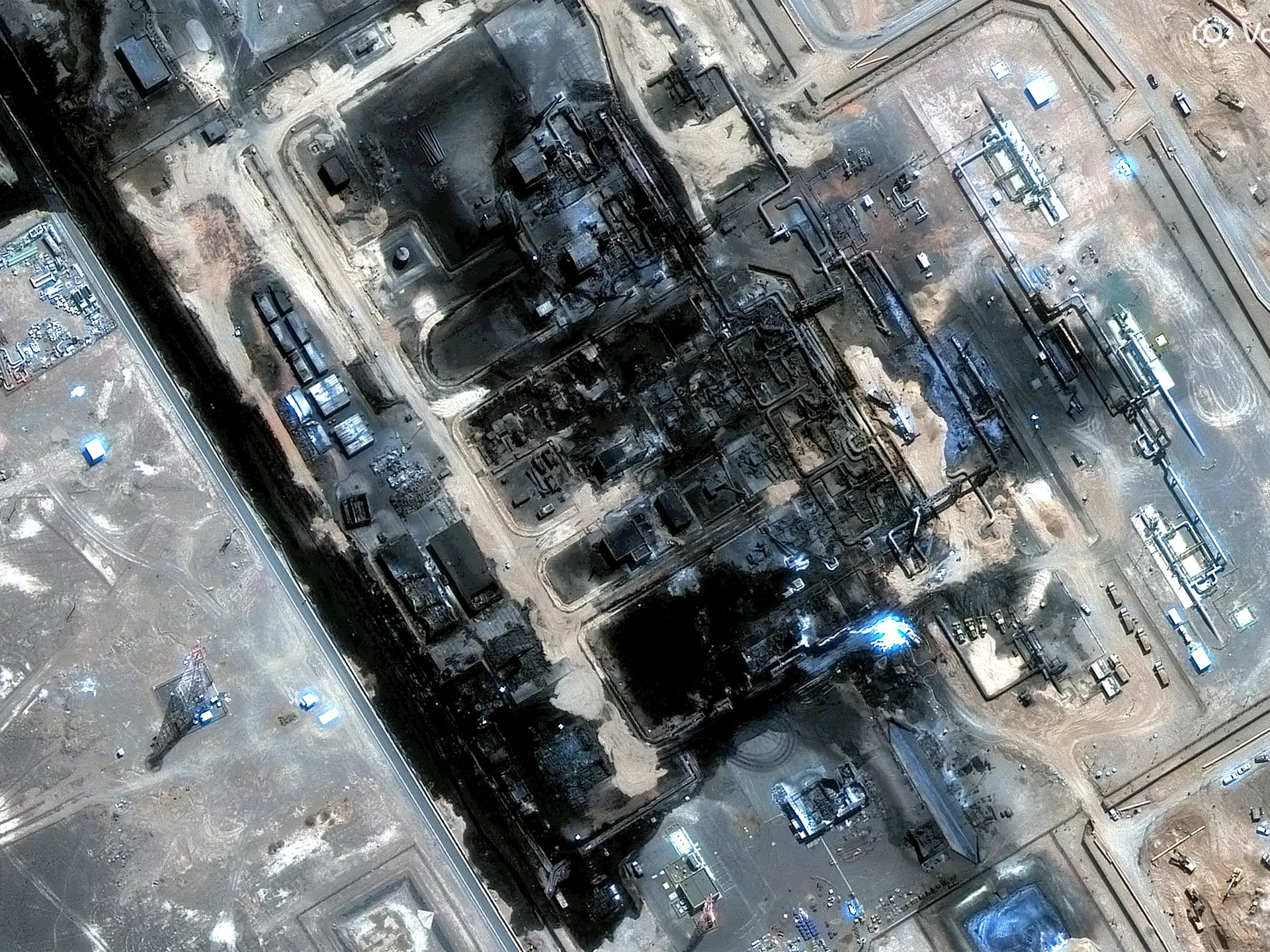
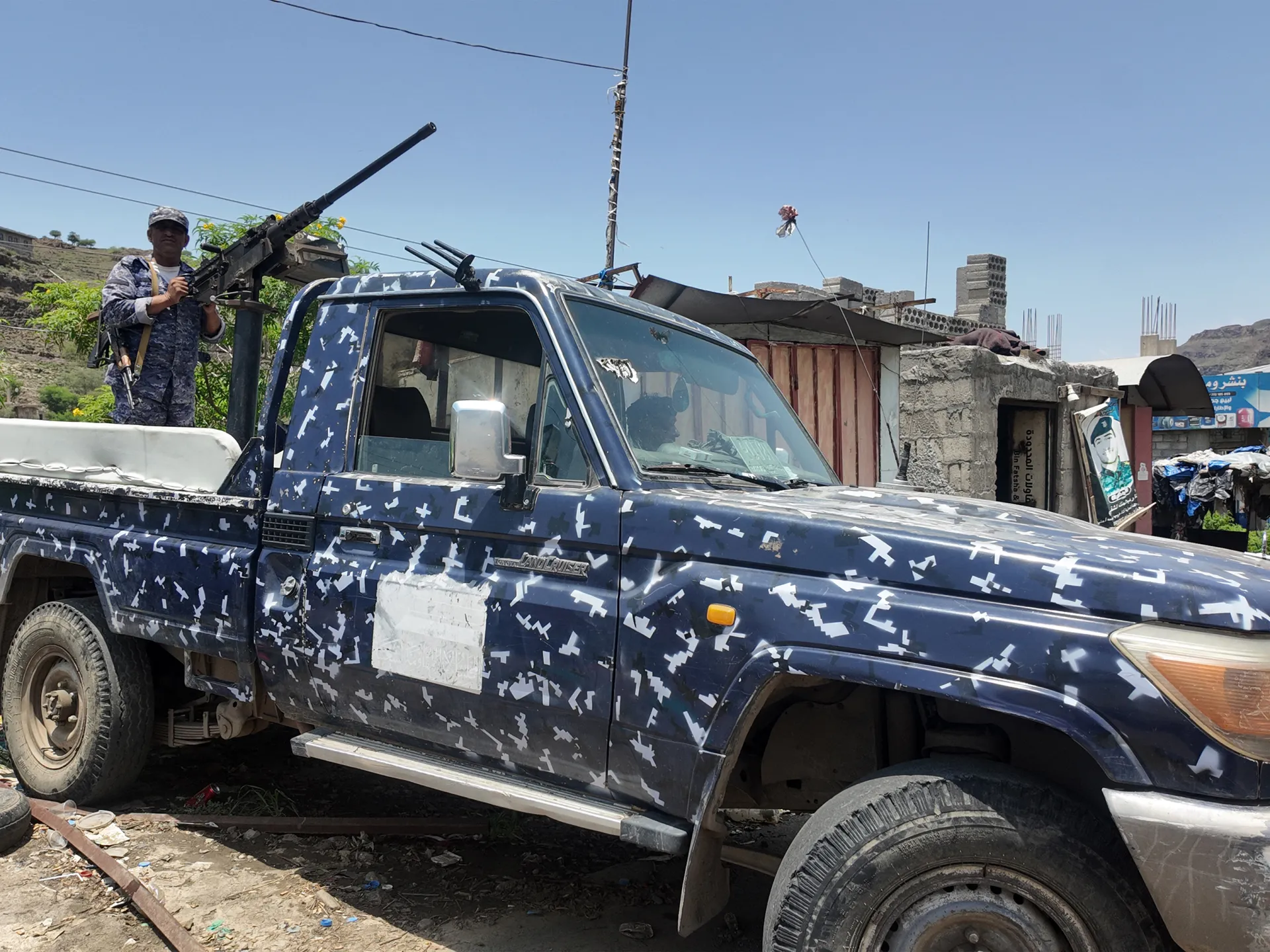
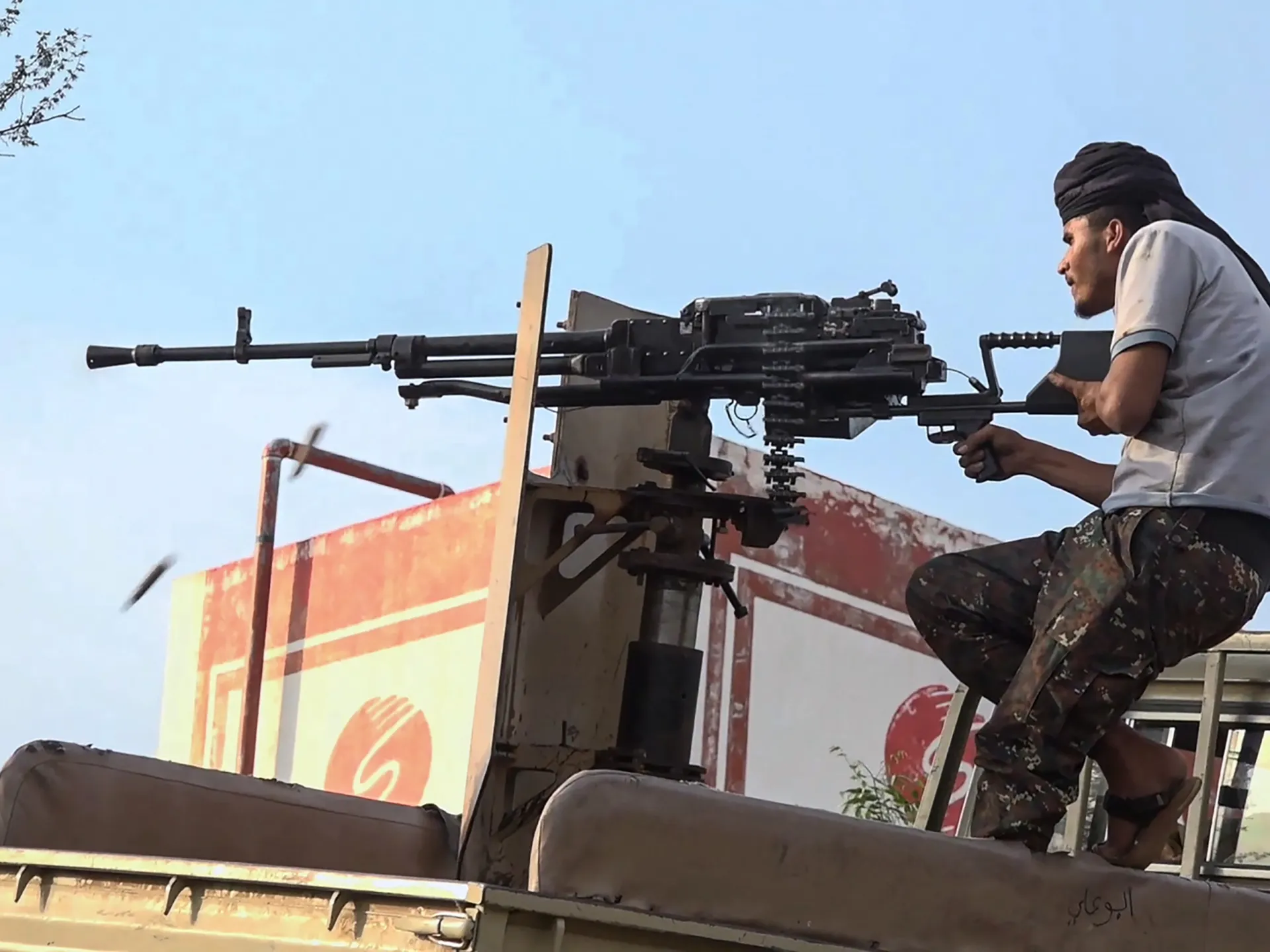
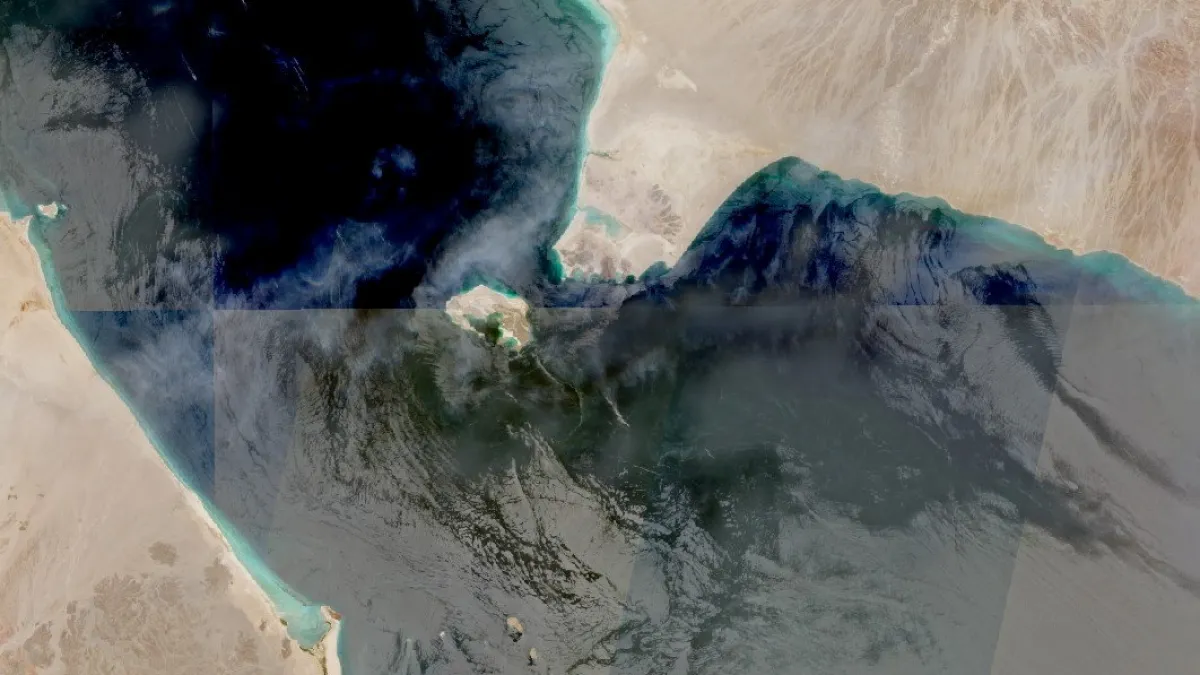
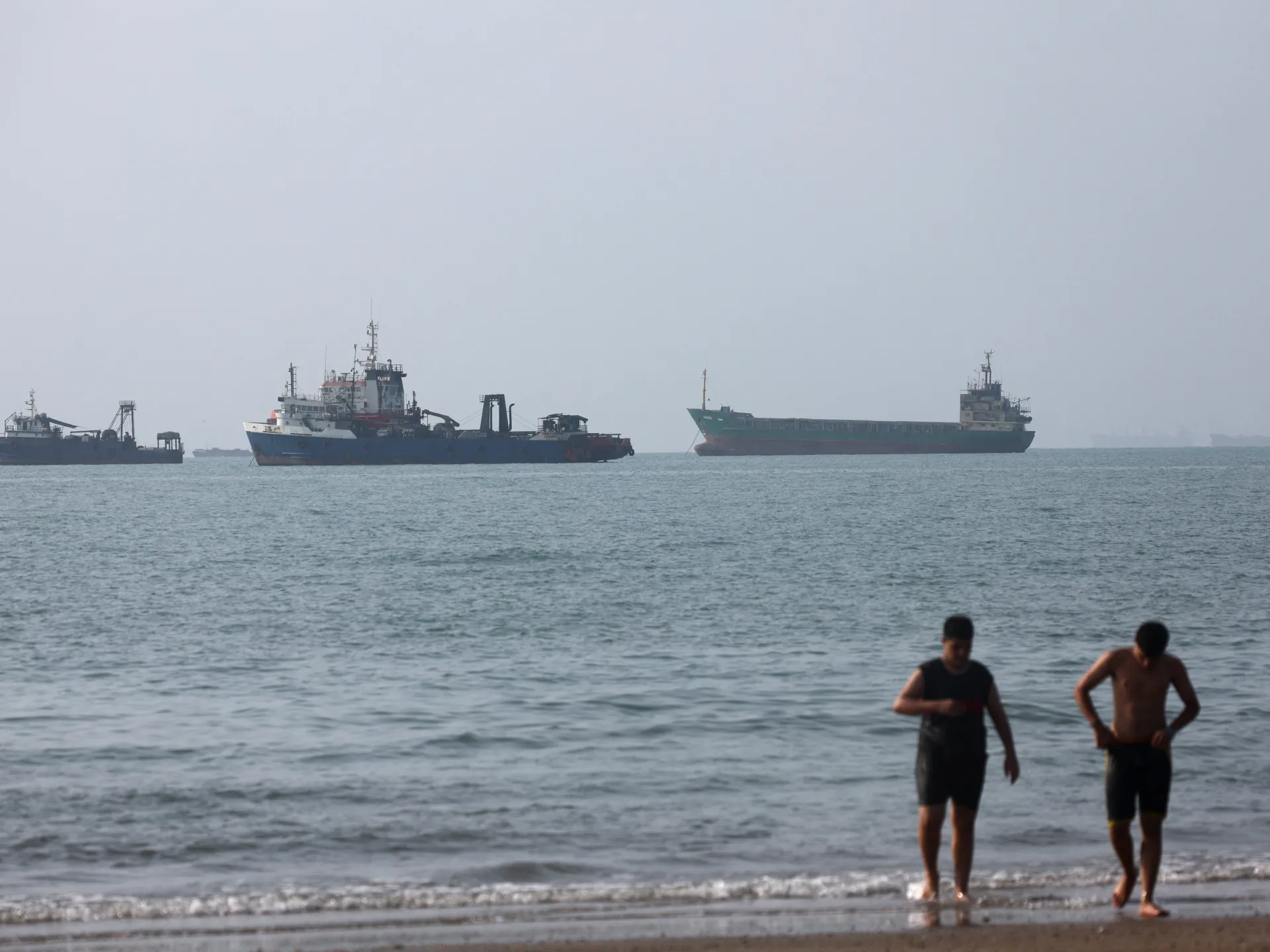
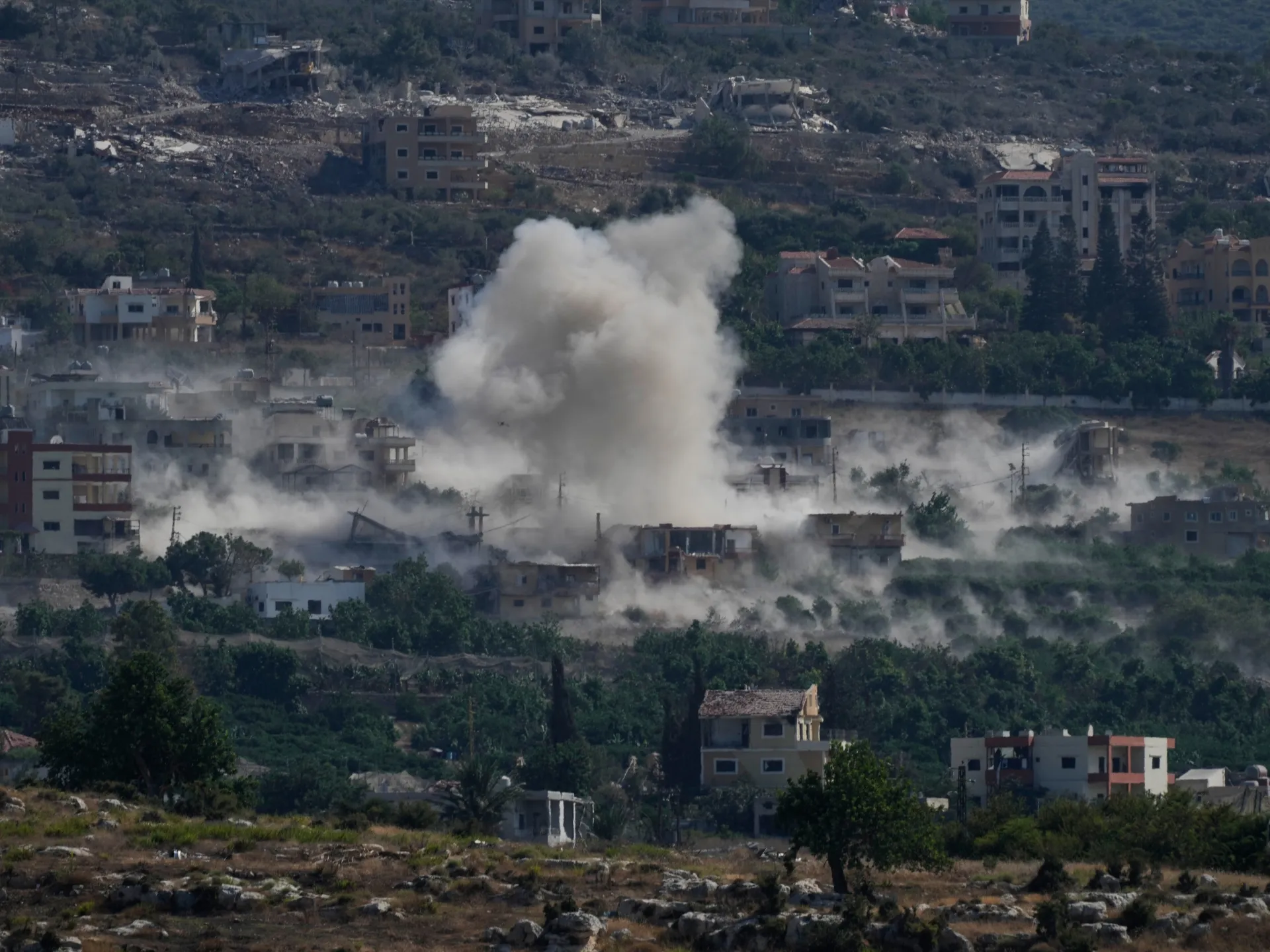
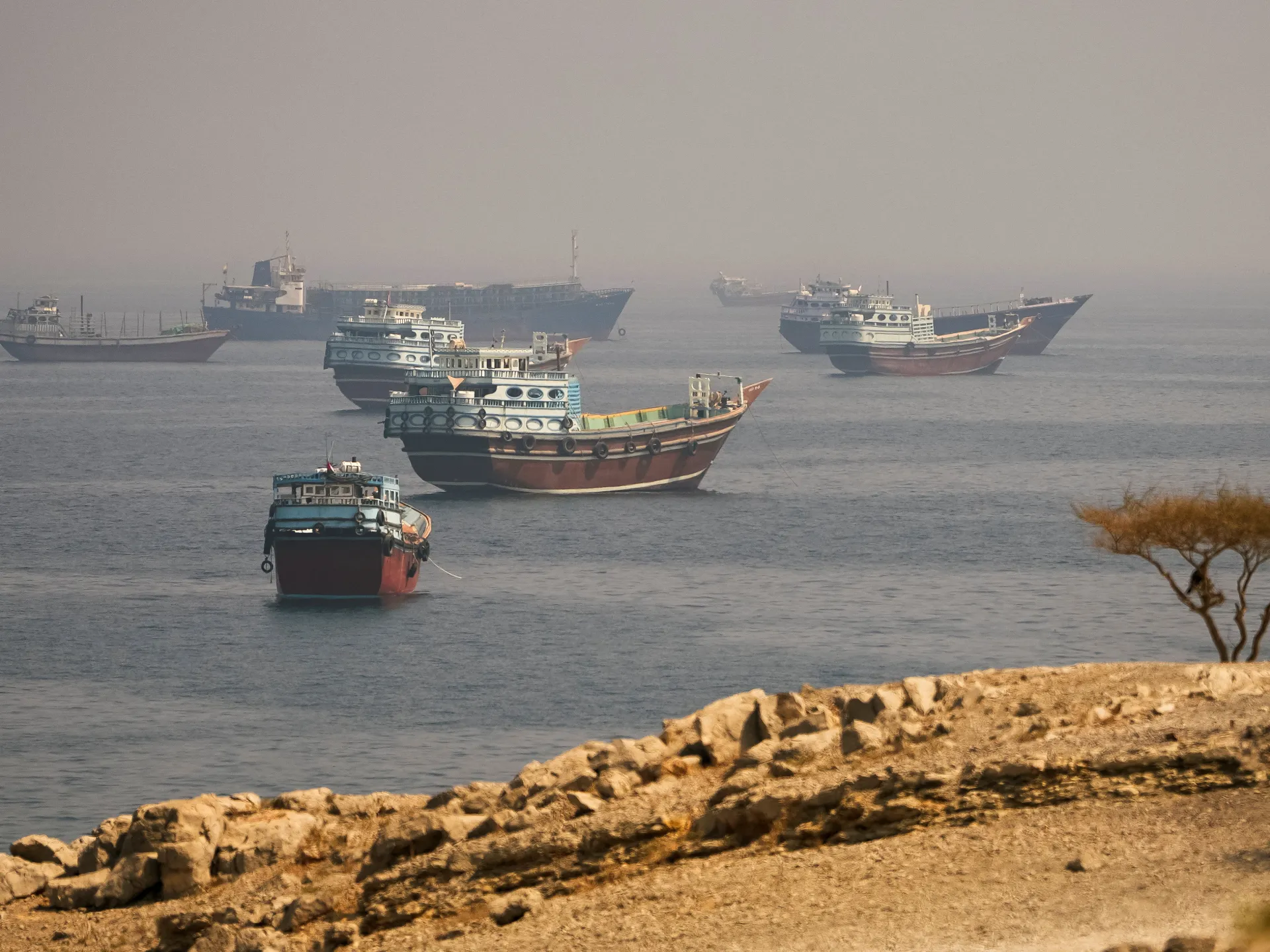
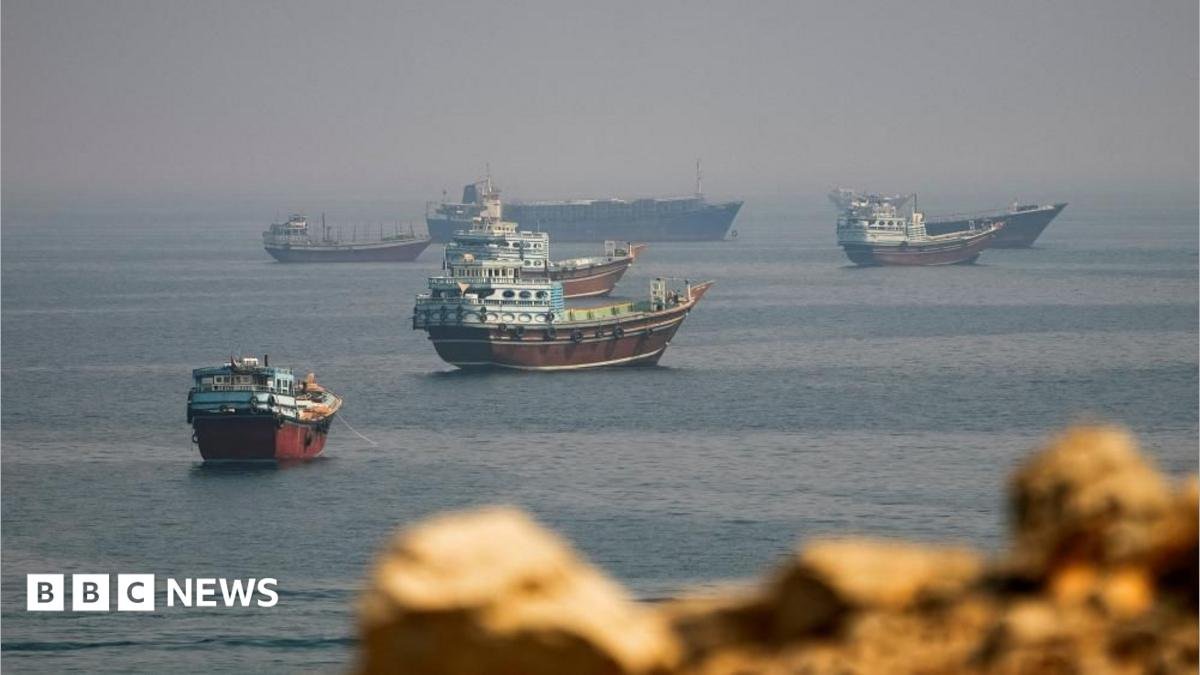
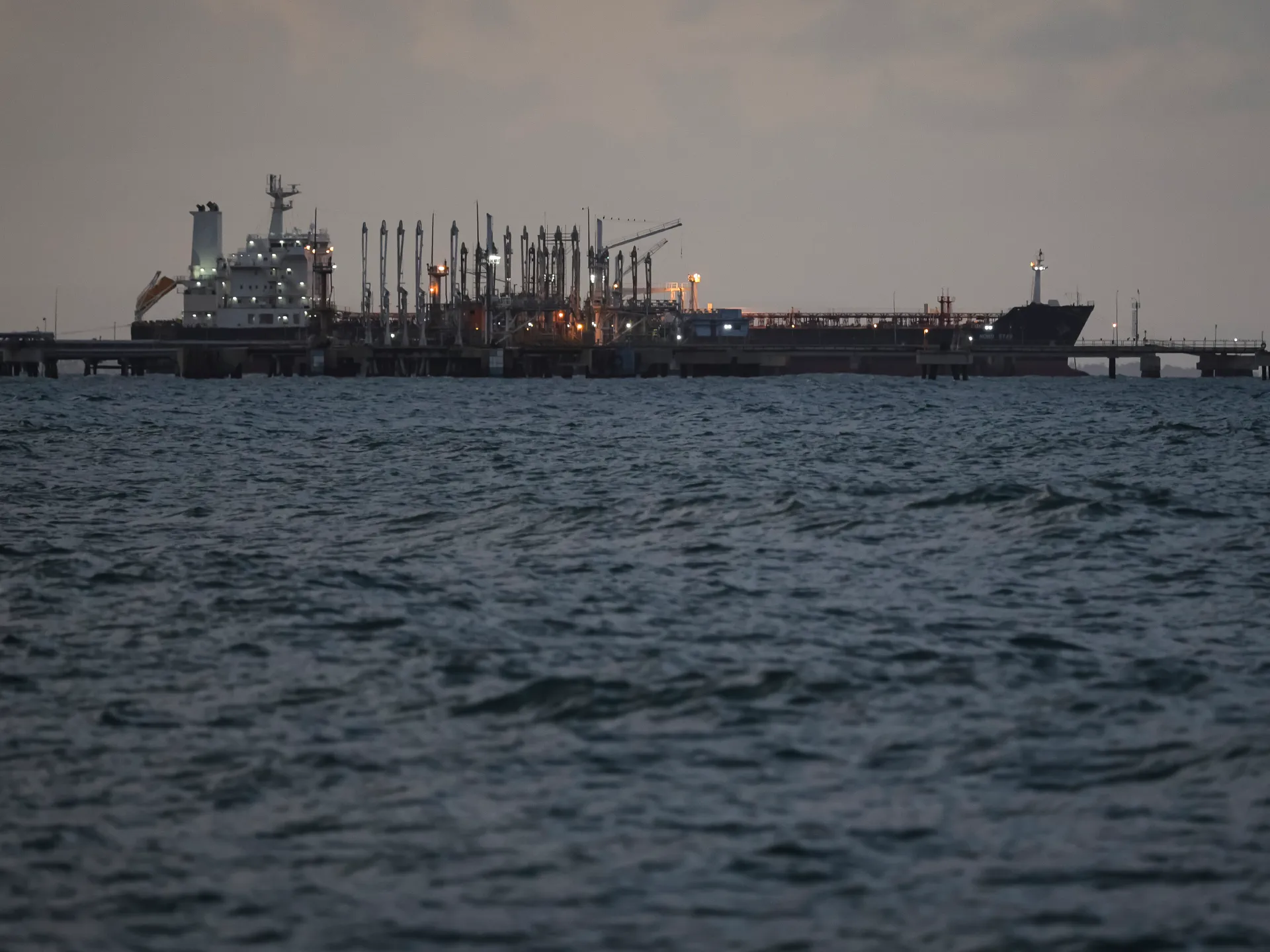
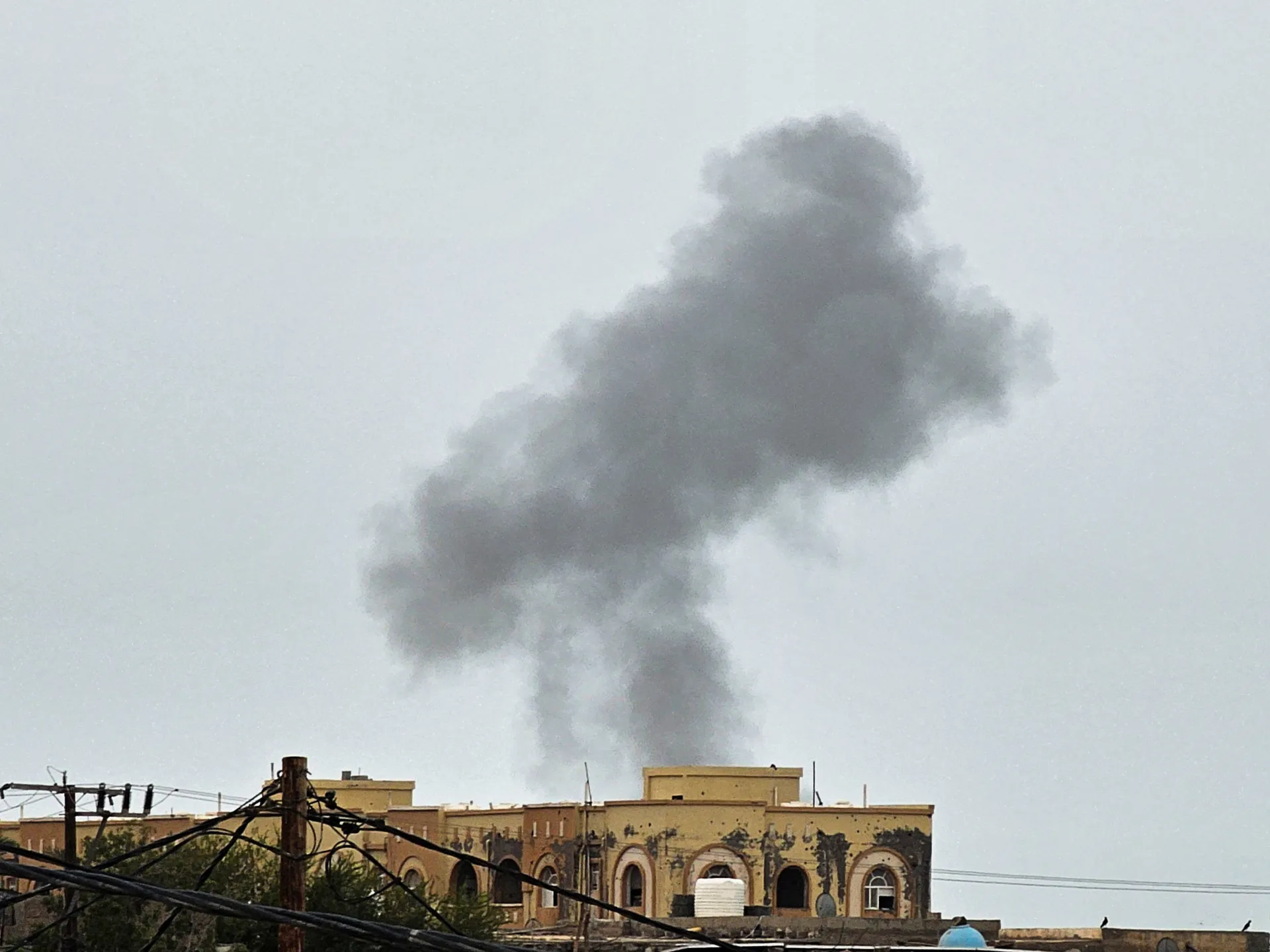
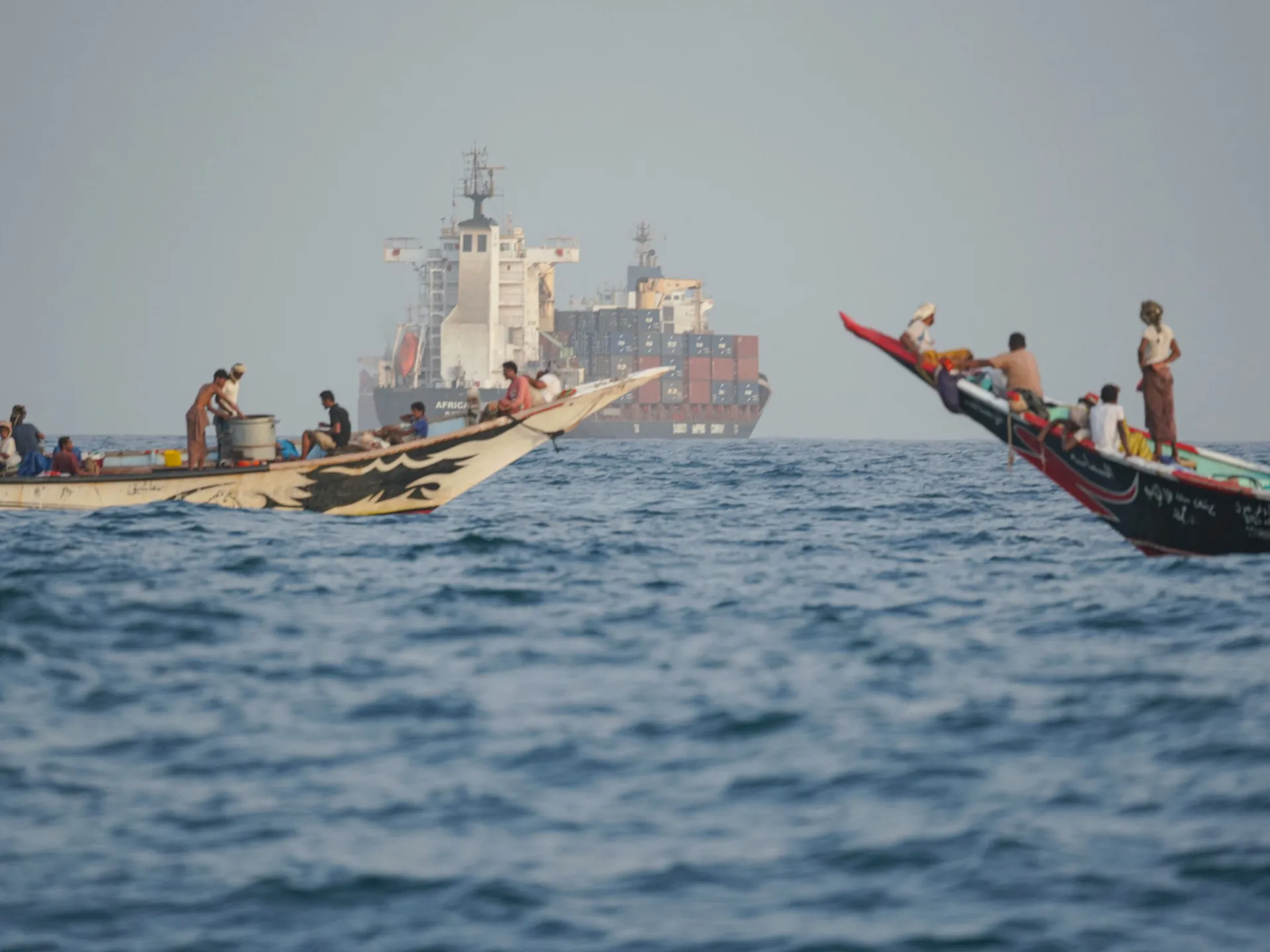
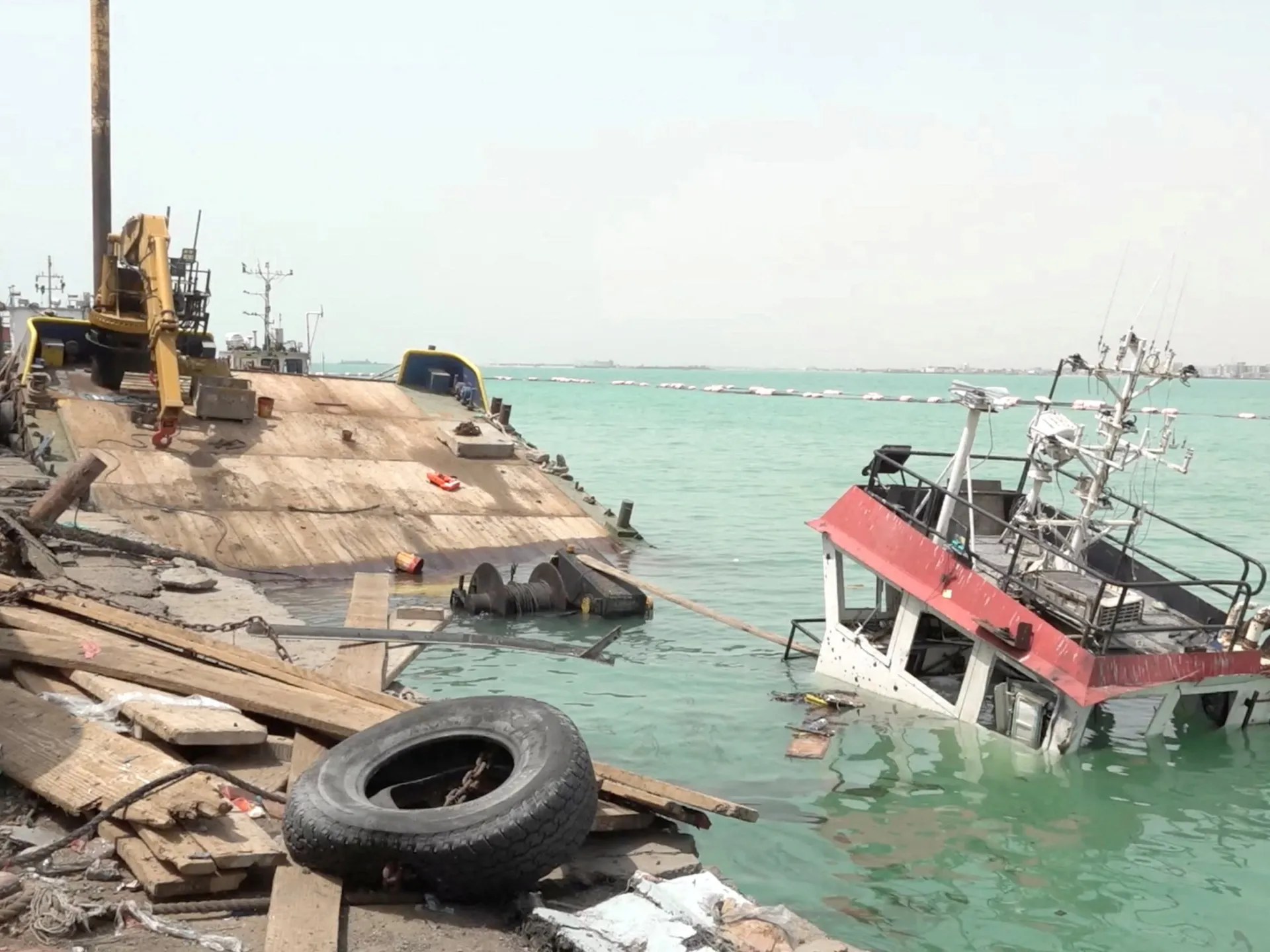
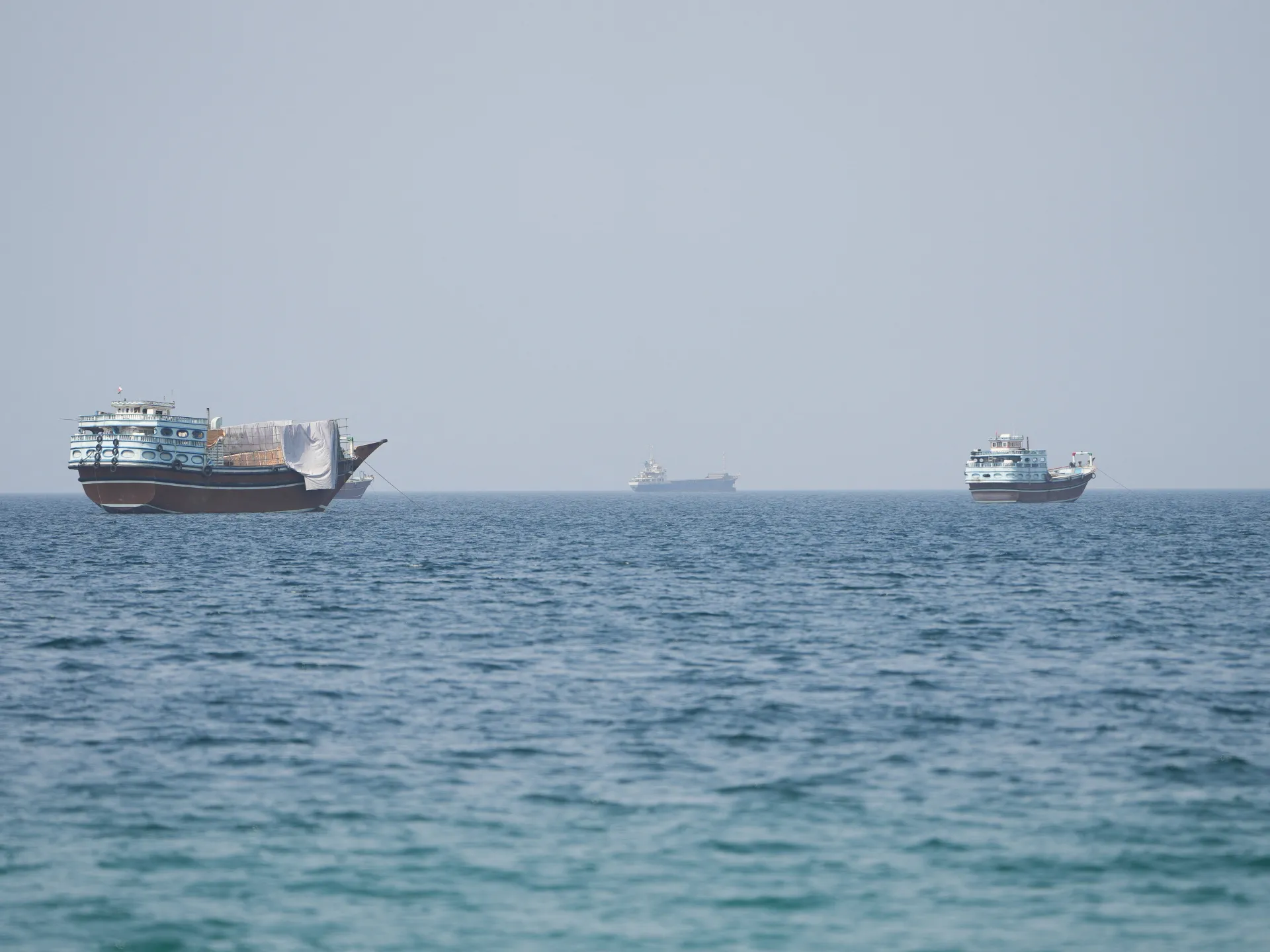
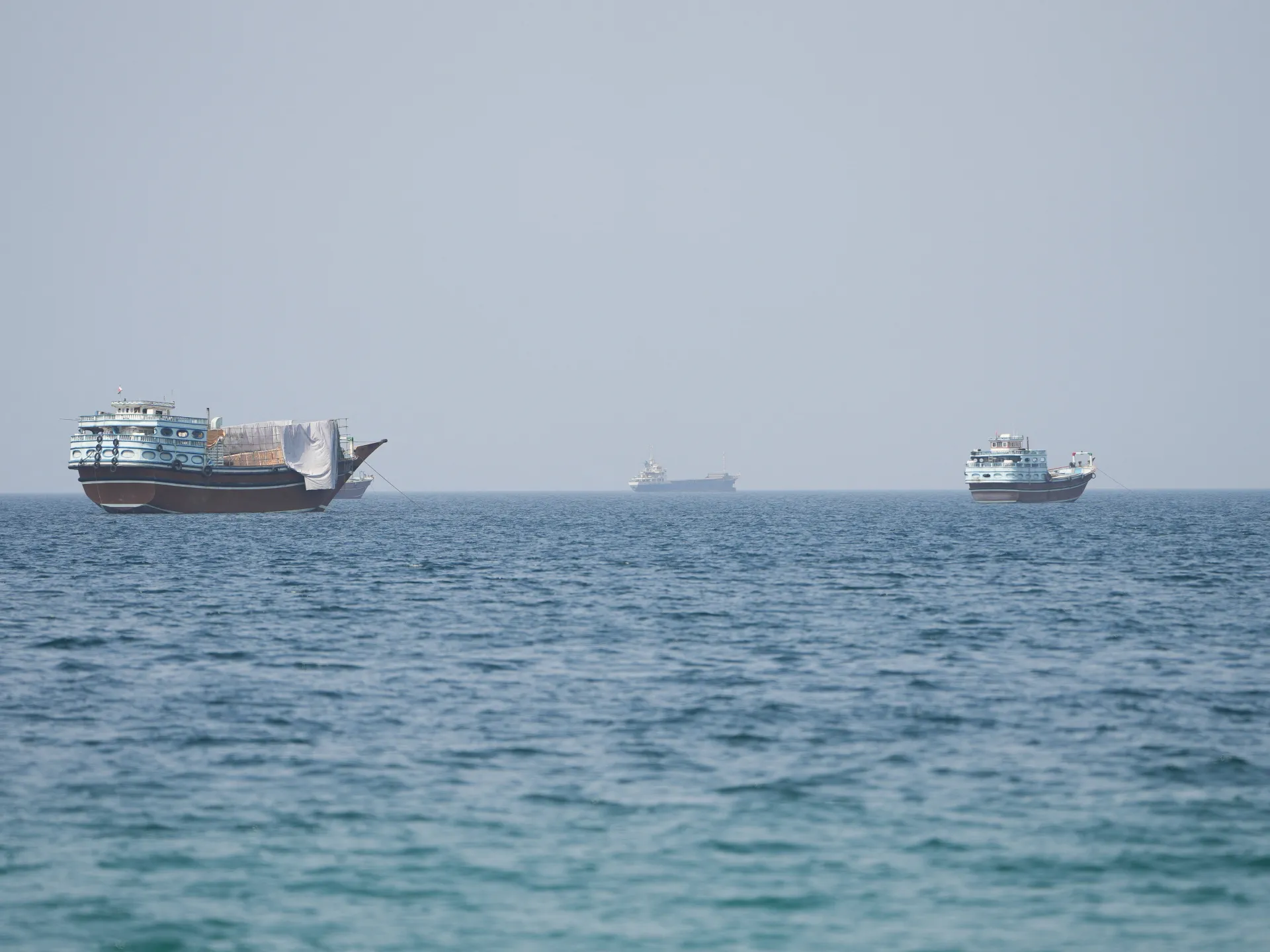
The geopolitical landscape of the Middle East has undergone a radical transformation following the disruption of the East-West pipeline, a critical artery for Saudi Arabian oil exports. With the Strait of Hormuz rendered largely impassable due to regional hostilities and the Bab al-Mandeb region falling under the influence of Houthi forces, major energy producers have been forced to innovate to keep global markets supplied. Saudi Arabia, in particular, has pivoted toward the use of ship-to-ship (STS) transfers, utilizing ports located just outside the hazardous chokepoint to maintain the flow of crude to international buyers.
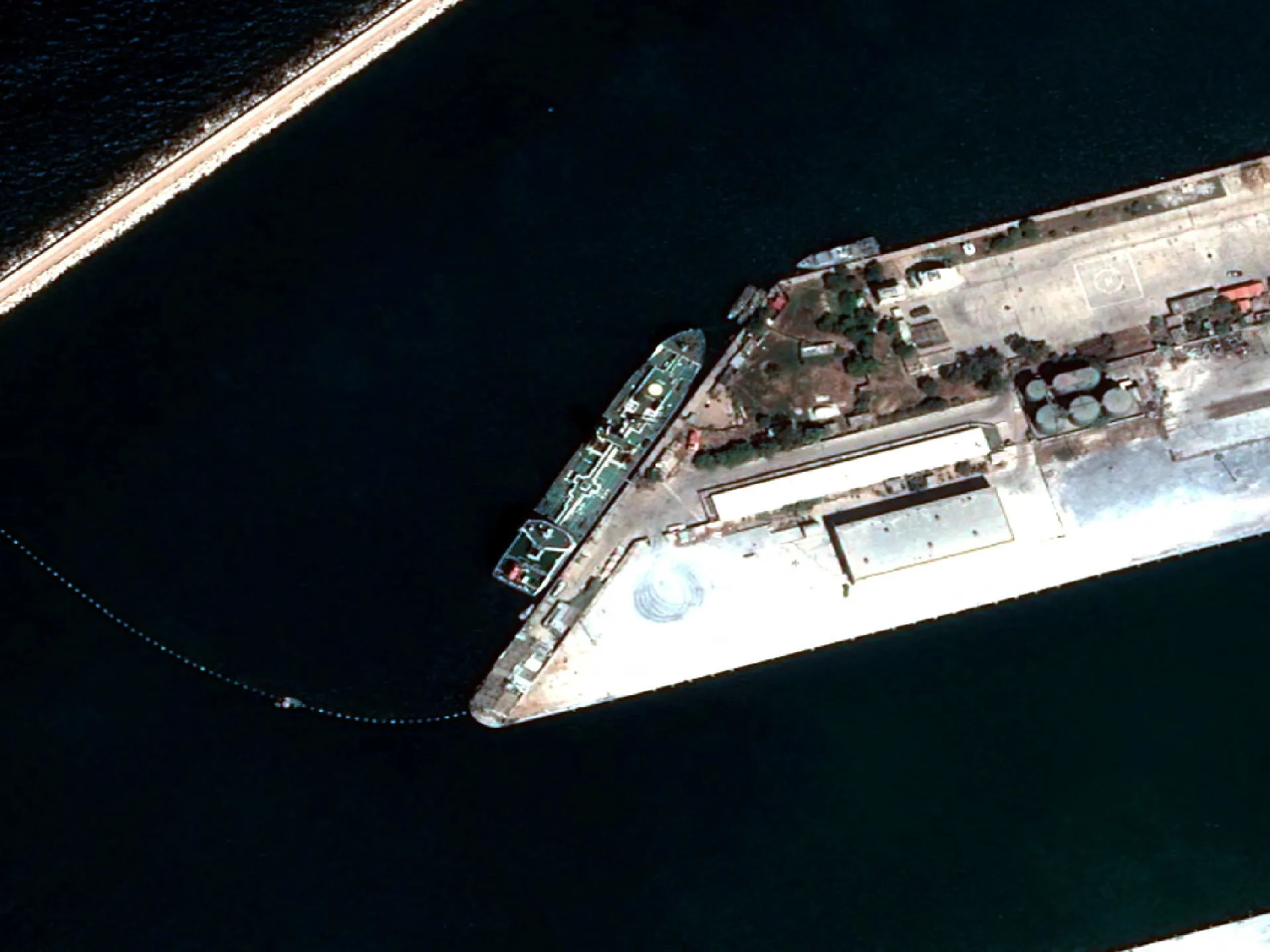
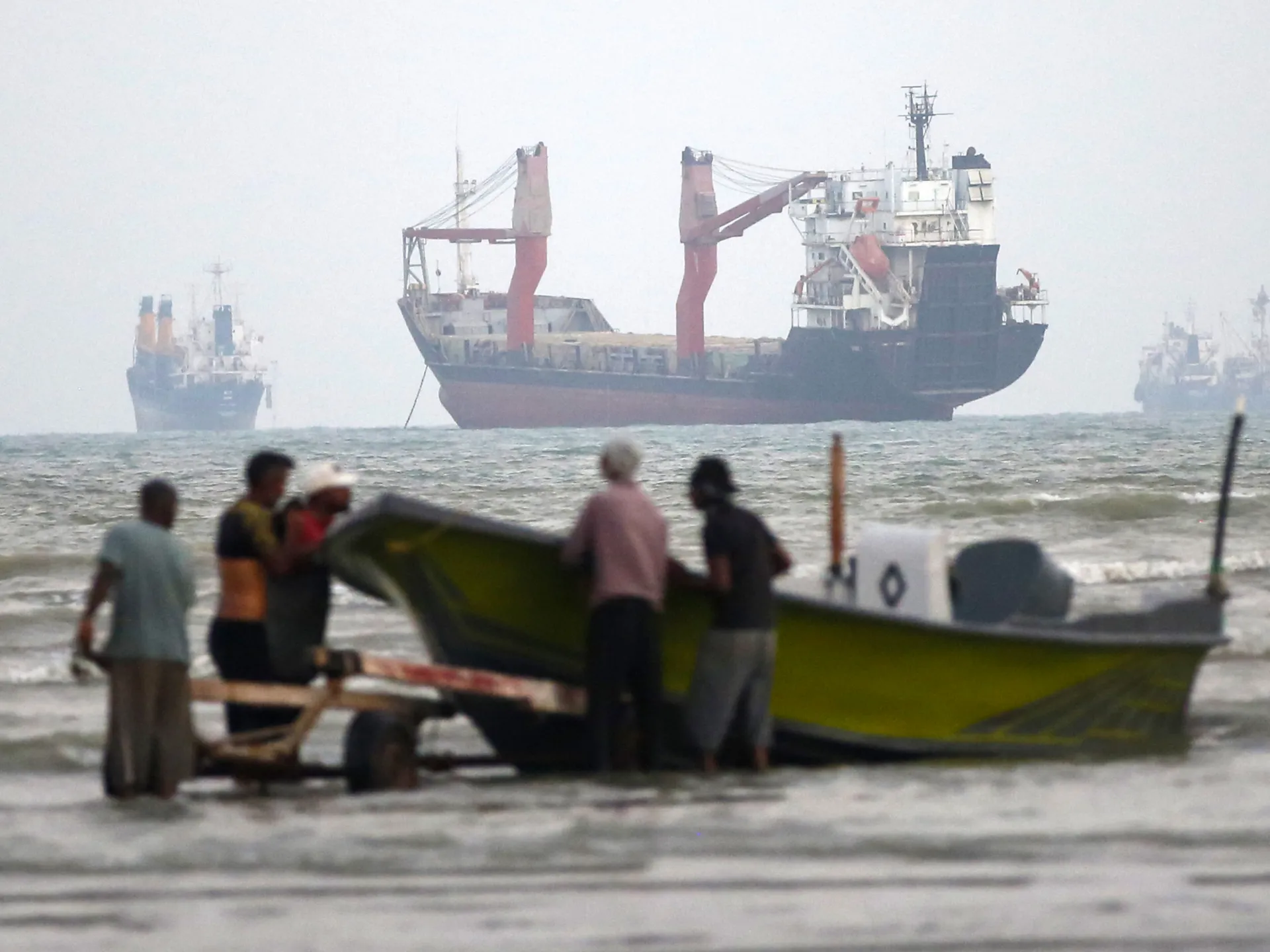
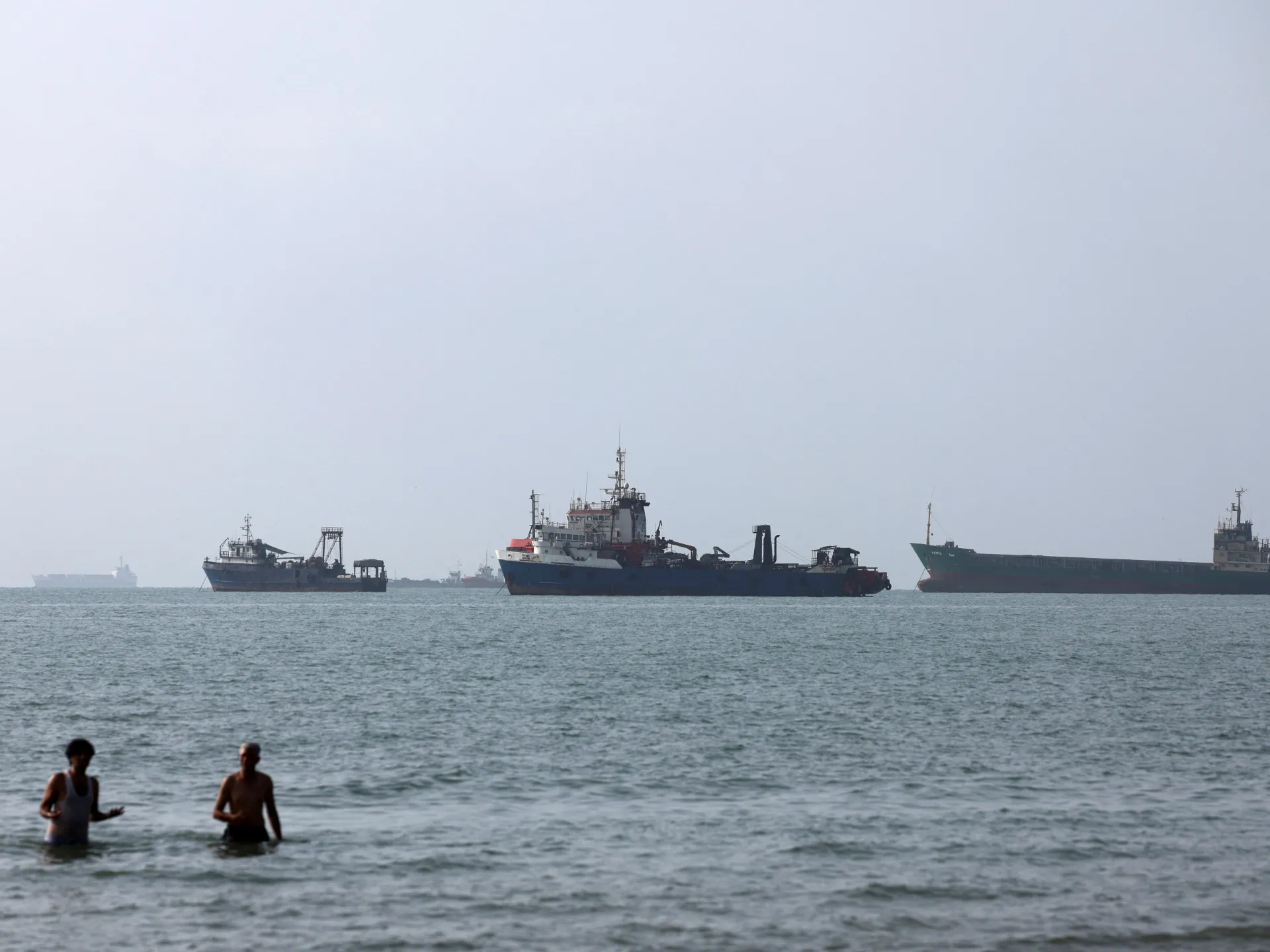
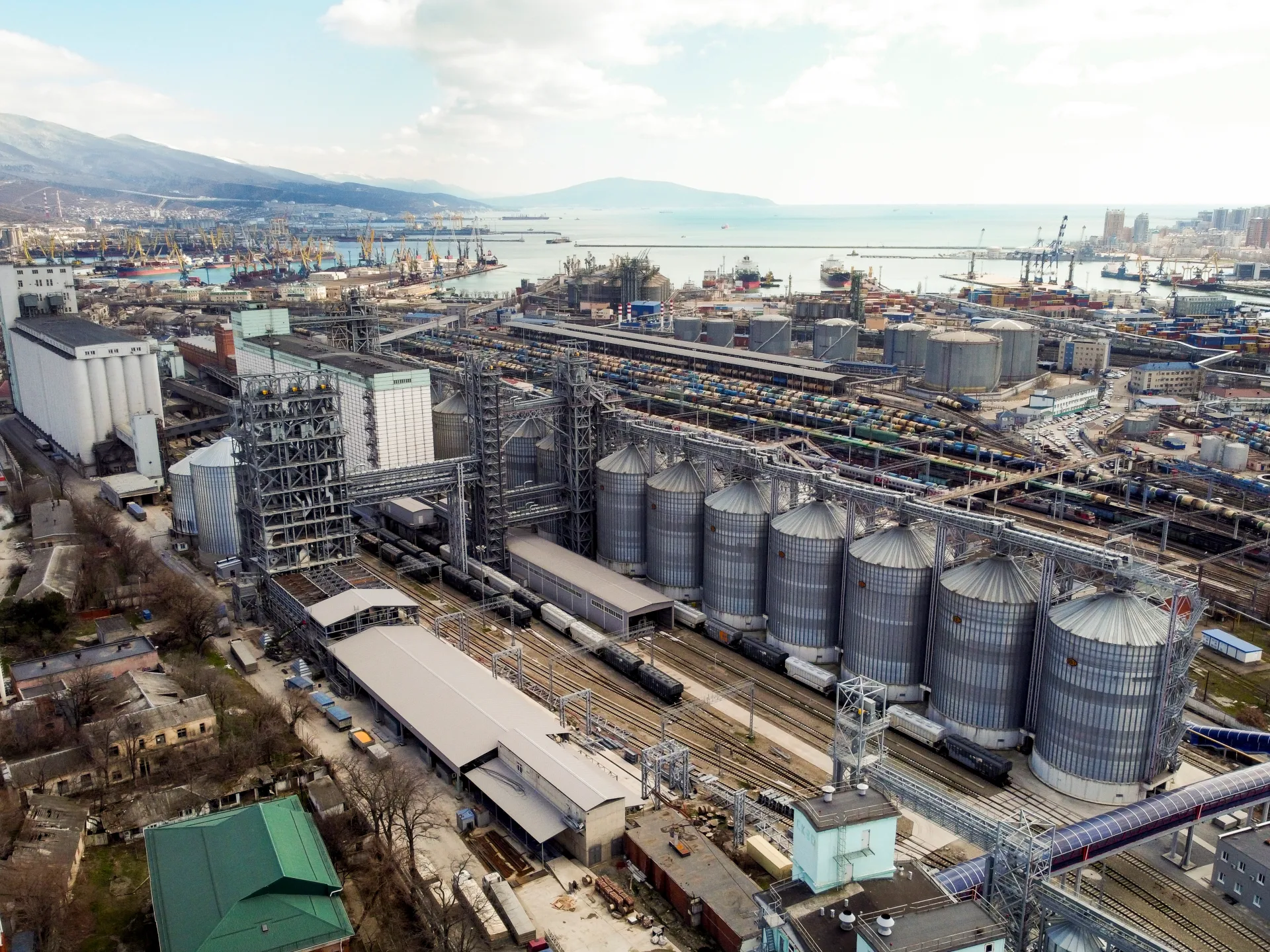
This tactical adjustment involves transporting oil from Gulf terminals to established deepwater hubs, most notably Sohar in Oman and the Port of Fujairah in the United Arab Emirates. These locations serve as vital staging grounds where cargo is transferred from regional tankers to larger international vessels. e logistical paralysis caused fth of global energy transit.
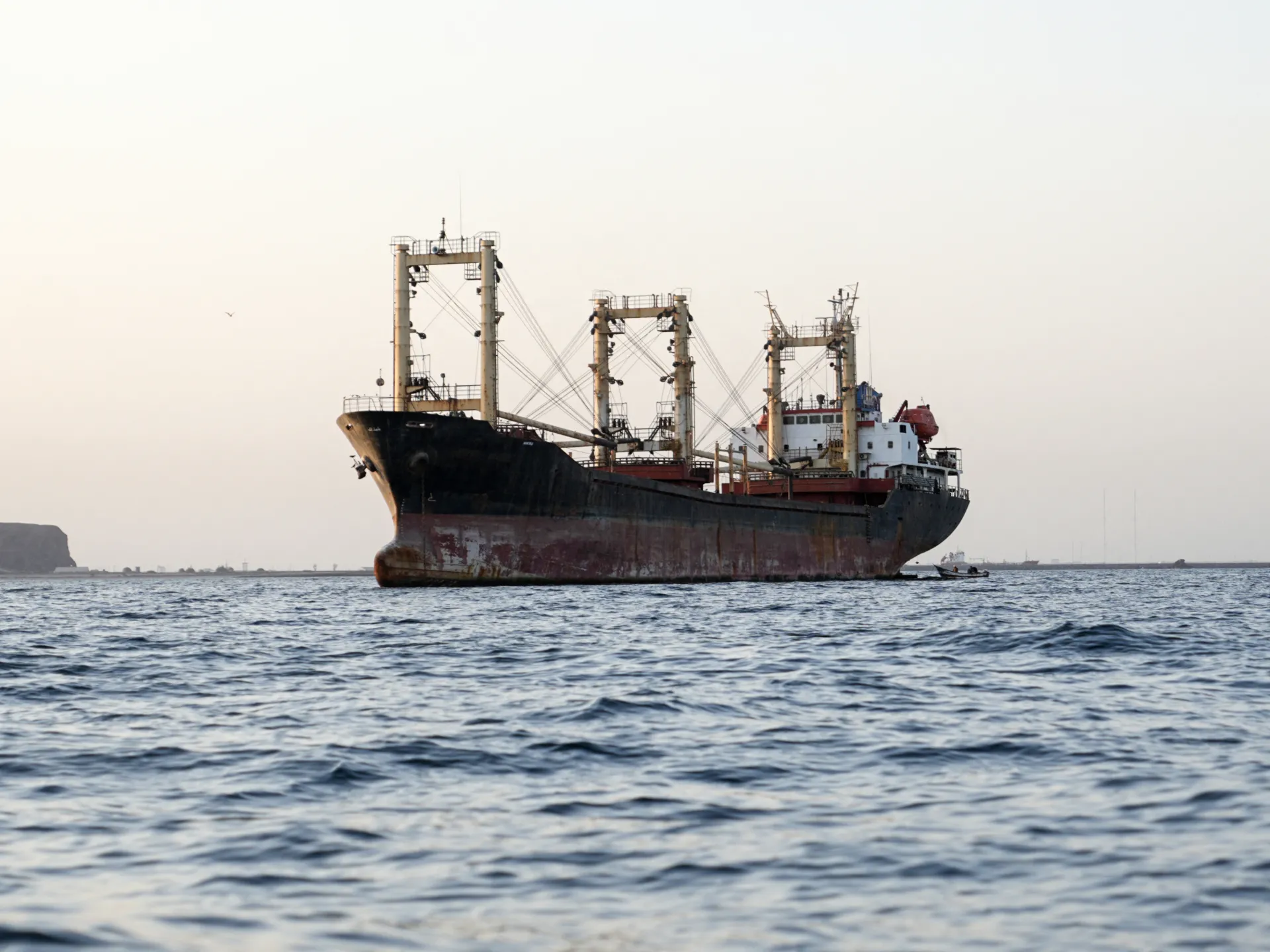
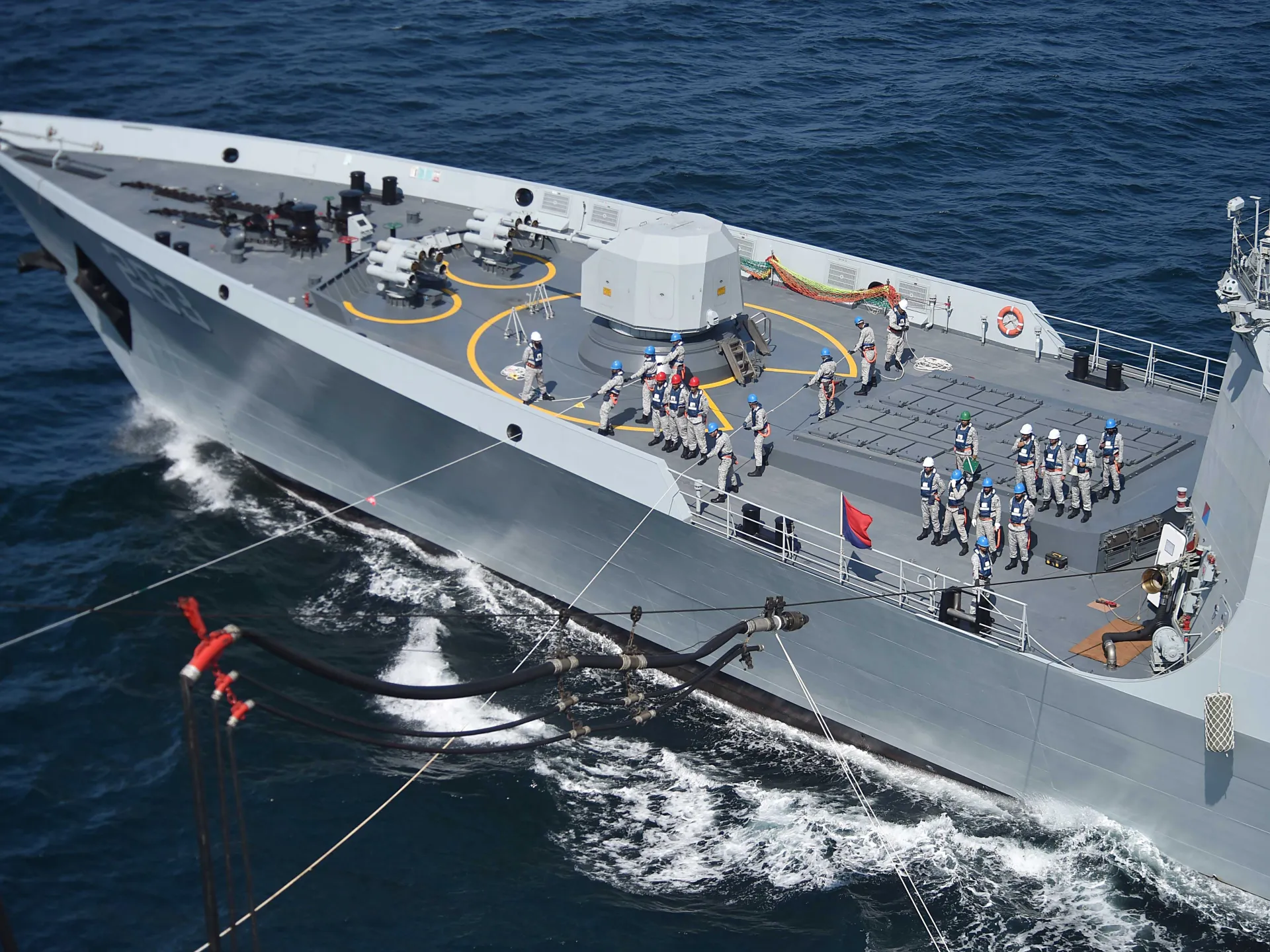
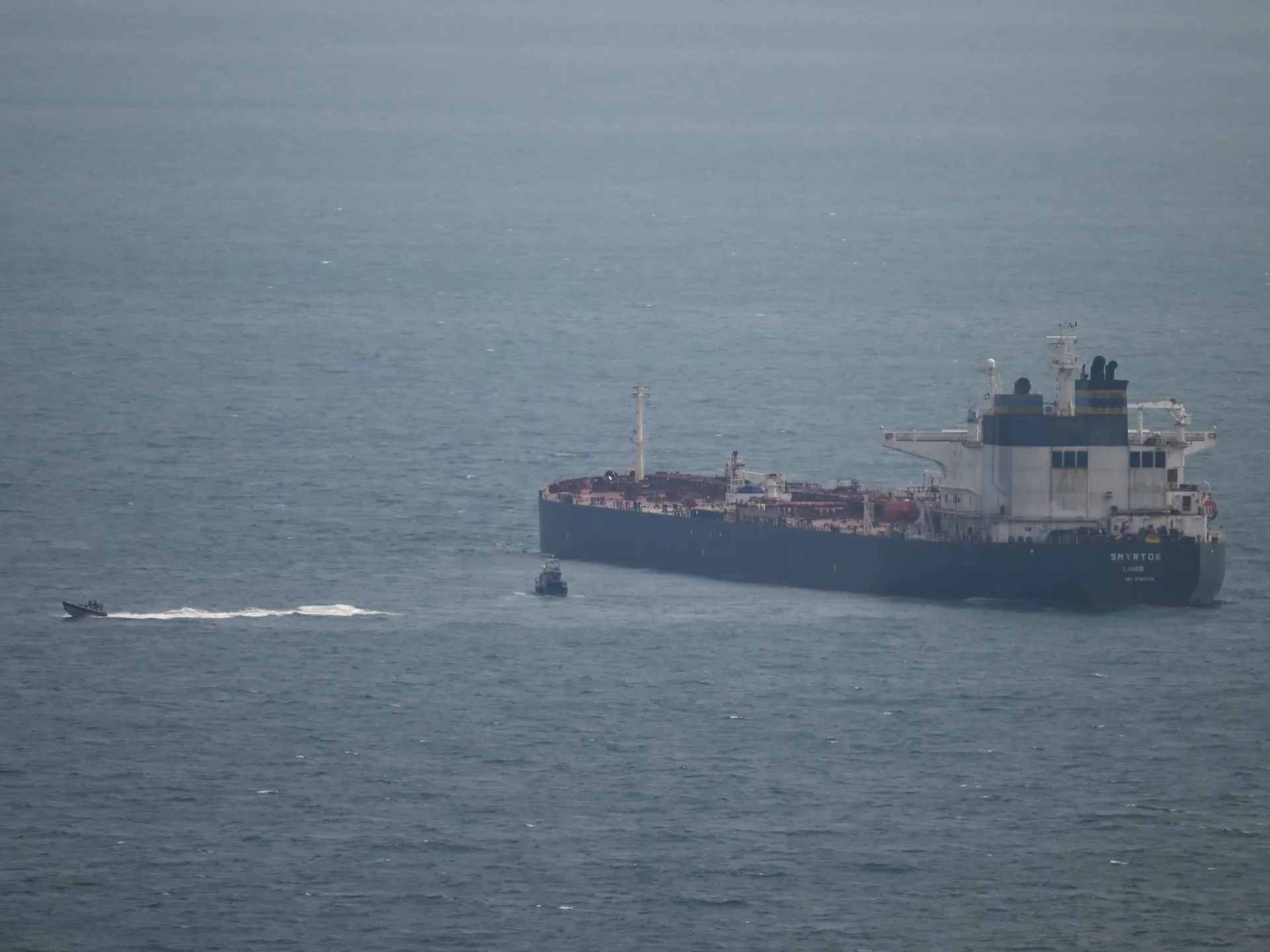
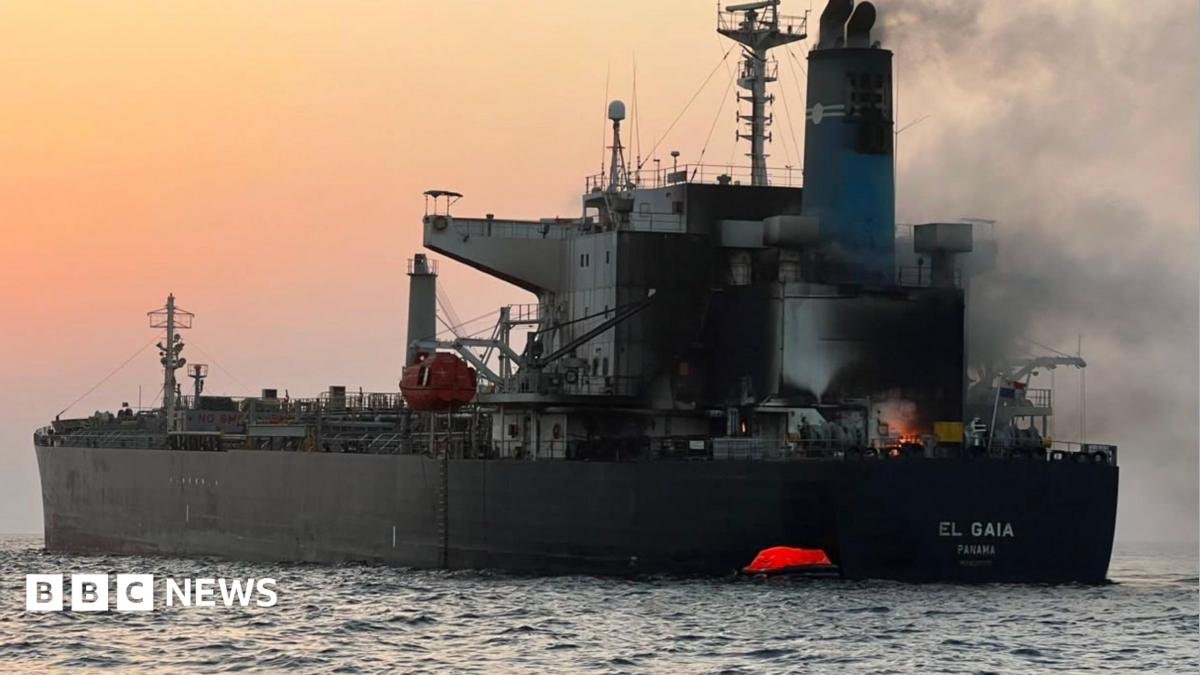
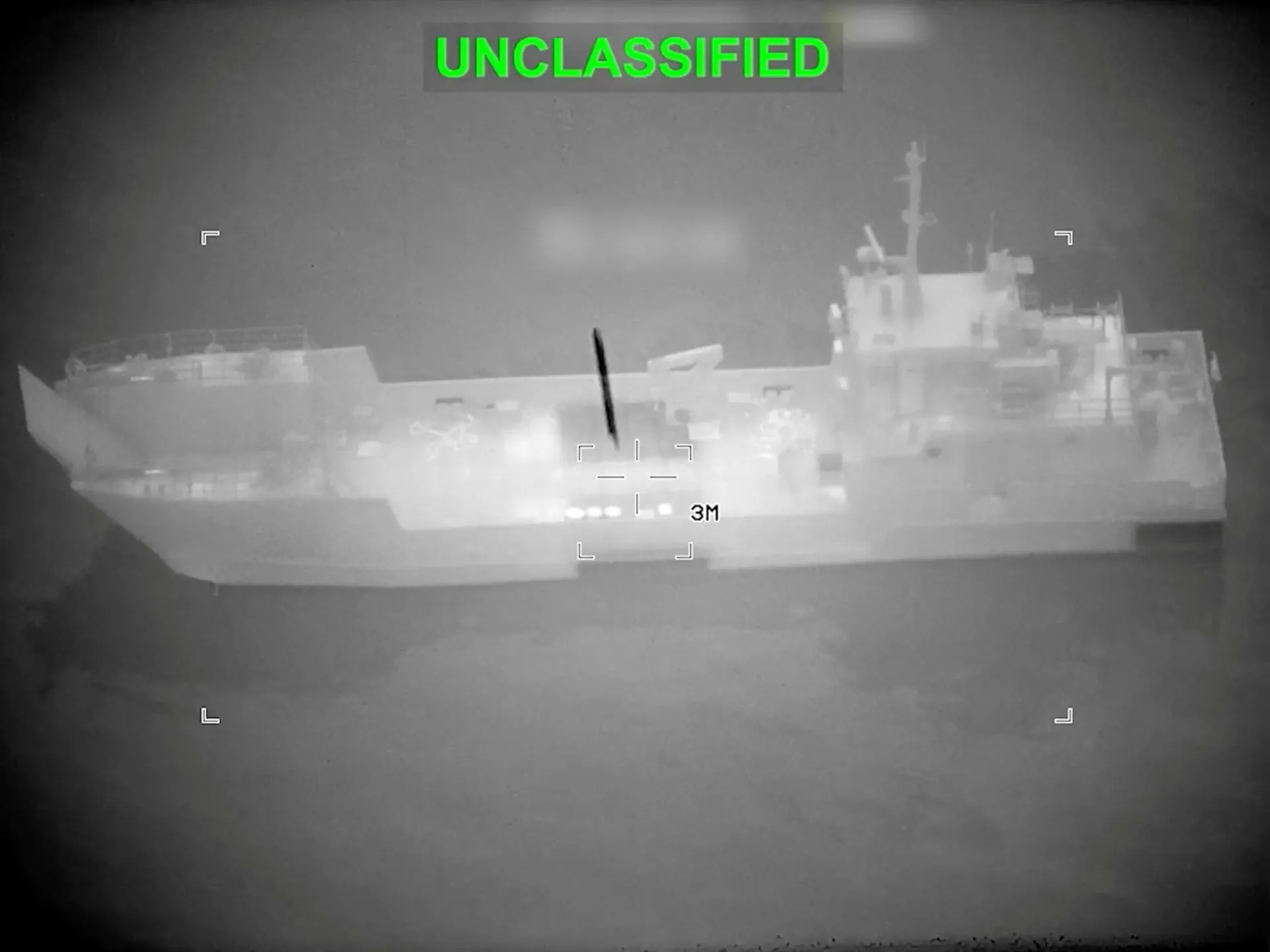
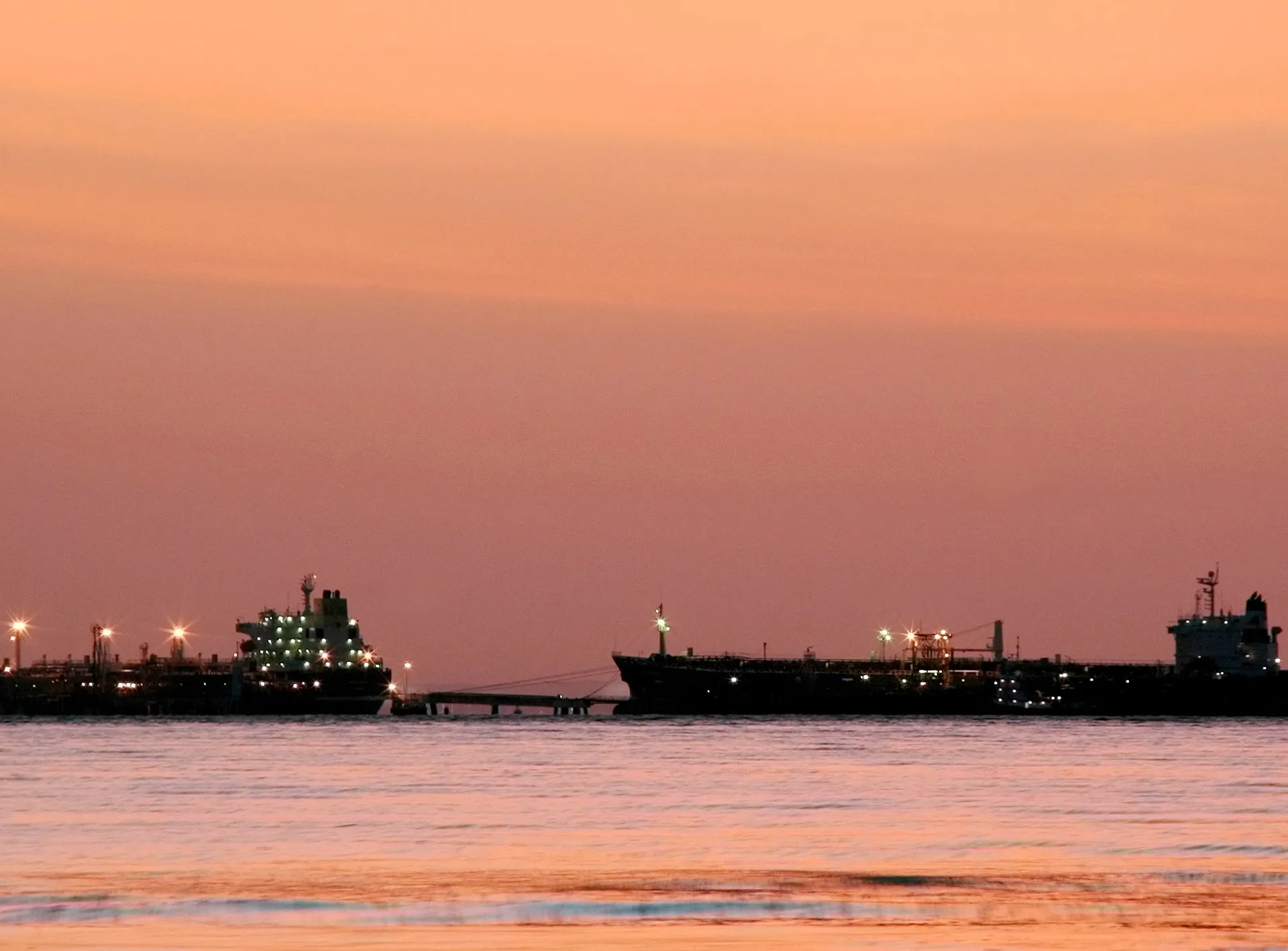
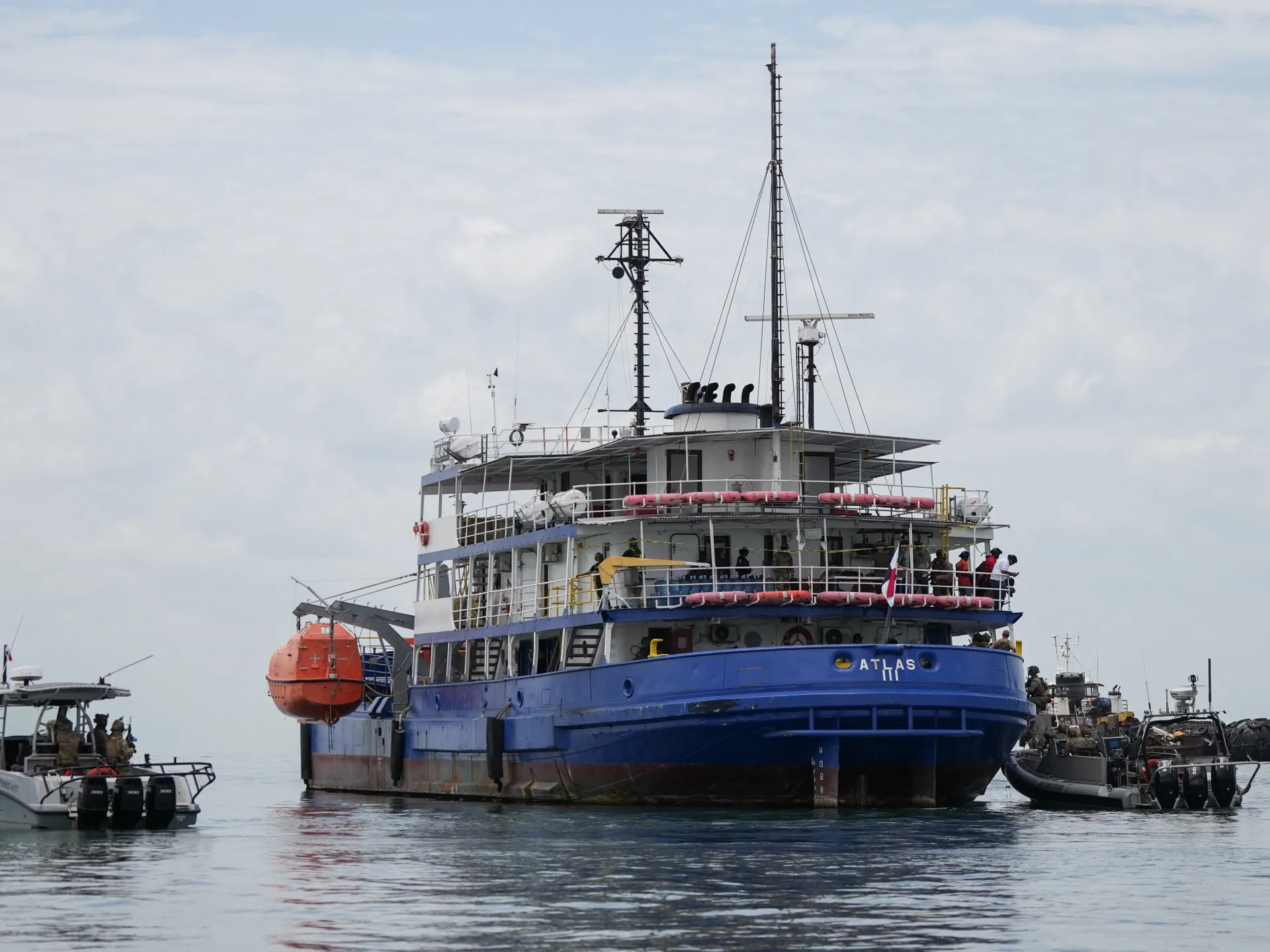
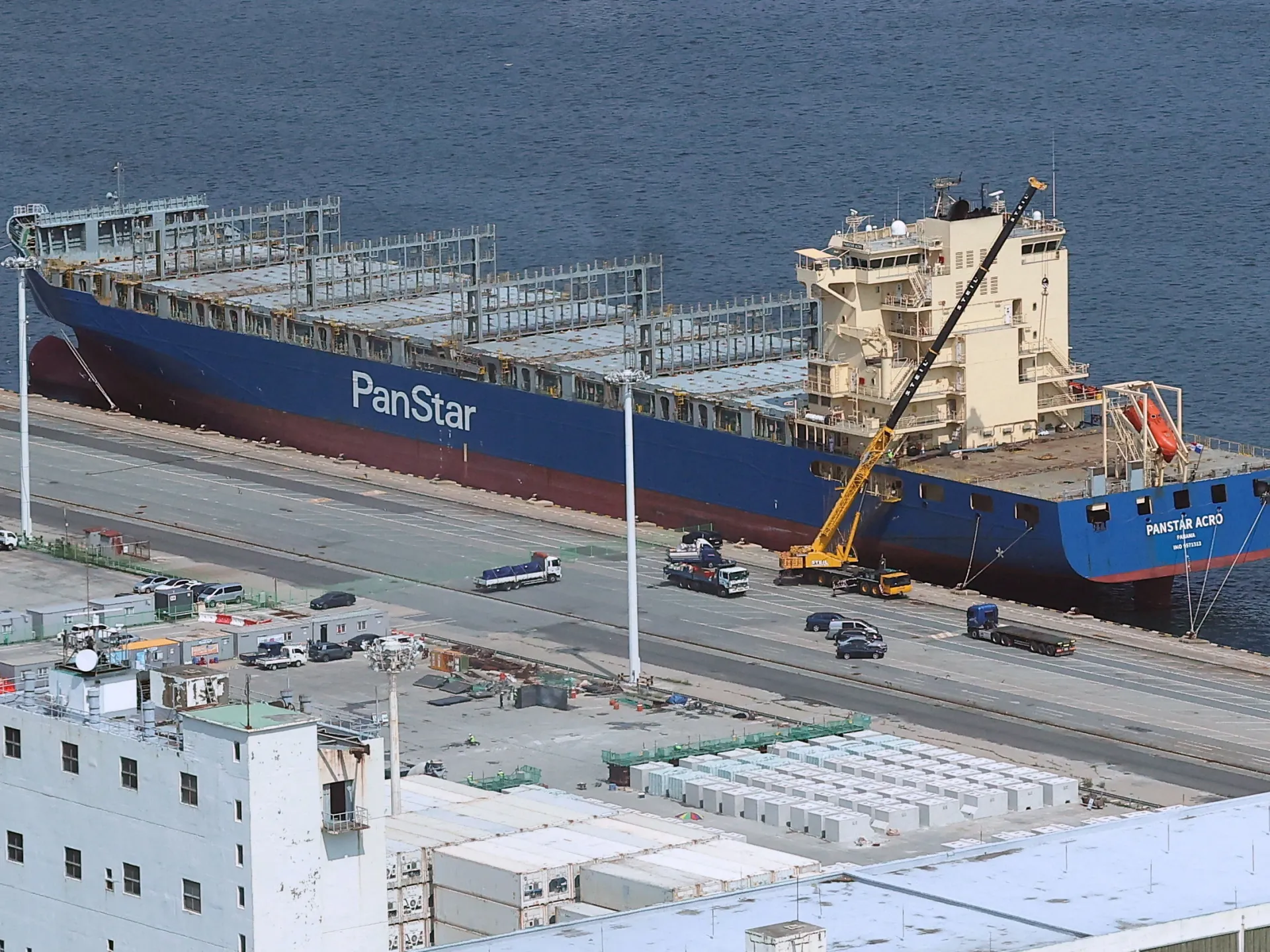
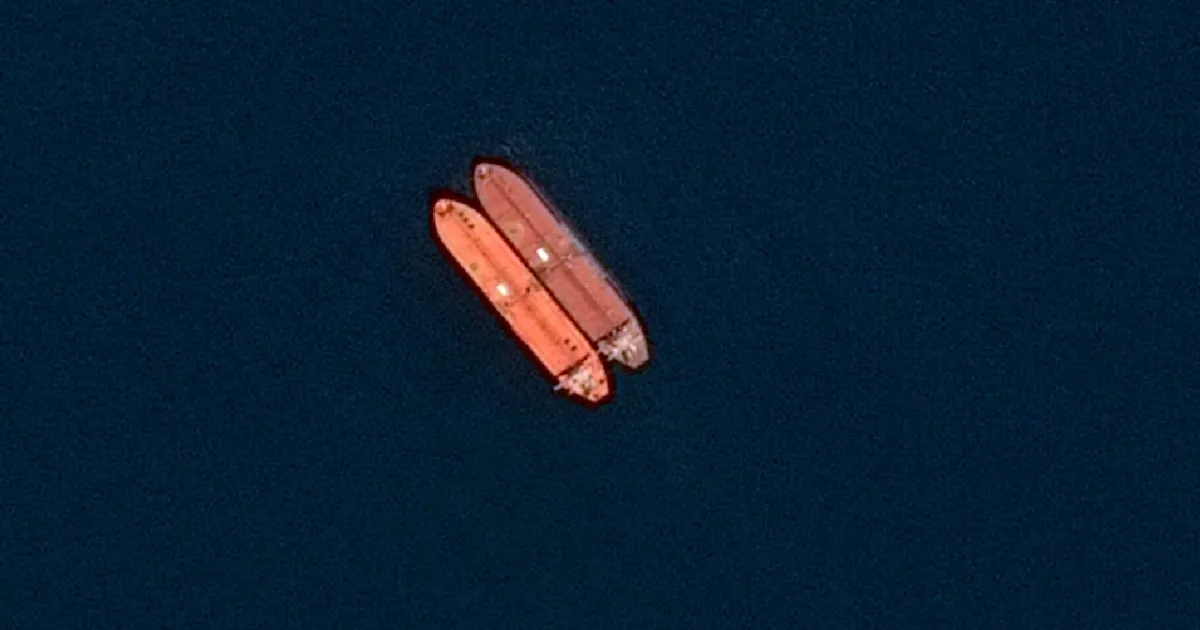
Ship-to-ship transfers are complex maritime operations that require extreme precision and favorable environmental conditions. The process involves two vessels maneuvering alongside one another, often using large fenders to buffer the impact between the hulls. Once secured, specialized hoses are deployed to pump crude oil or liquefied natural gas directly from the discharging ship to the receiving tanker. Because these operations often occur outside of standard regulatory oversight, they are frequently conducted with tracking systems disabled to maintain anonymity and avoid potential targeting.
The coordination required for these transfers is immense, particularly when vessels are operating in a "shadow" capacity. The discharging vessel typically maintains a steady course or remains anchored while the receiving vessel approaches at a controlled speed. Safety remains a paramount concern, as the process involves high-pressure pumping of flammable cargo in open water. Despite the inherent dangers, the necessity of maintaining export volumes has made these transfers a cornerstone of the regional energy strategy, with military support reportedly assisting in the security of these secretive exchanges.
The reliance on STS transfers is not limited to Saudi Arabia; Kuwait and Qatar have also reportedly utilized similar methods to move cargo past the blockade. Data from independent monitors suggests a significant surge in these activities, with daily transfer volumes seeing a substantial percentage increase over the past month. As Aramco and other national oil companies increase their reliance on these methods, the logistics of global energy supply are becoming increasingly decentralized and opaque.
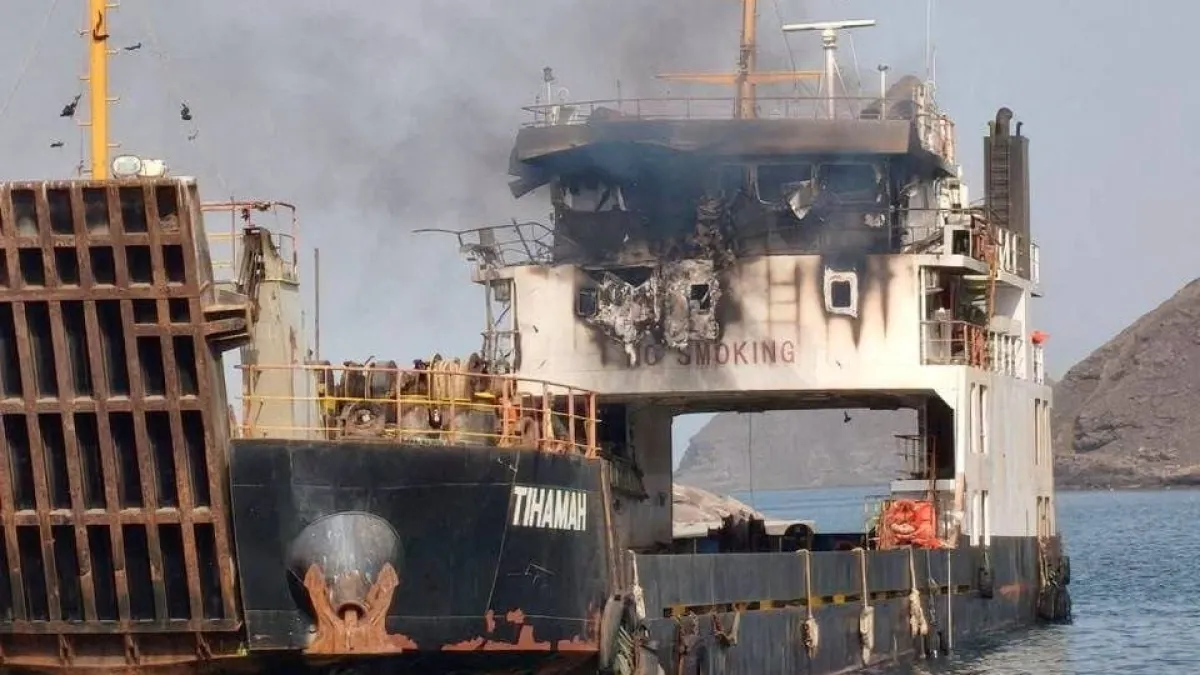
However, the shift to STS transfers comes with significant financial and operational burdens. The efficiency of these maneuvers is markedly lower than that of traditional port-to-port shipping, and the reliance on "dark tankers"—vessels that often lack rigorous maintenance—increases the risk of environmental disasters or mechanical failure. Furthermore, the insurance landscape for these operations is exceptionally complex. Traditional commercial insurers are often hesitant to underwrite such high-risk activities, leading national oil companies to rely heavily on sovereign-backed self-insurance models to absorb potential losses.
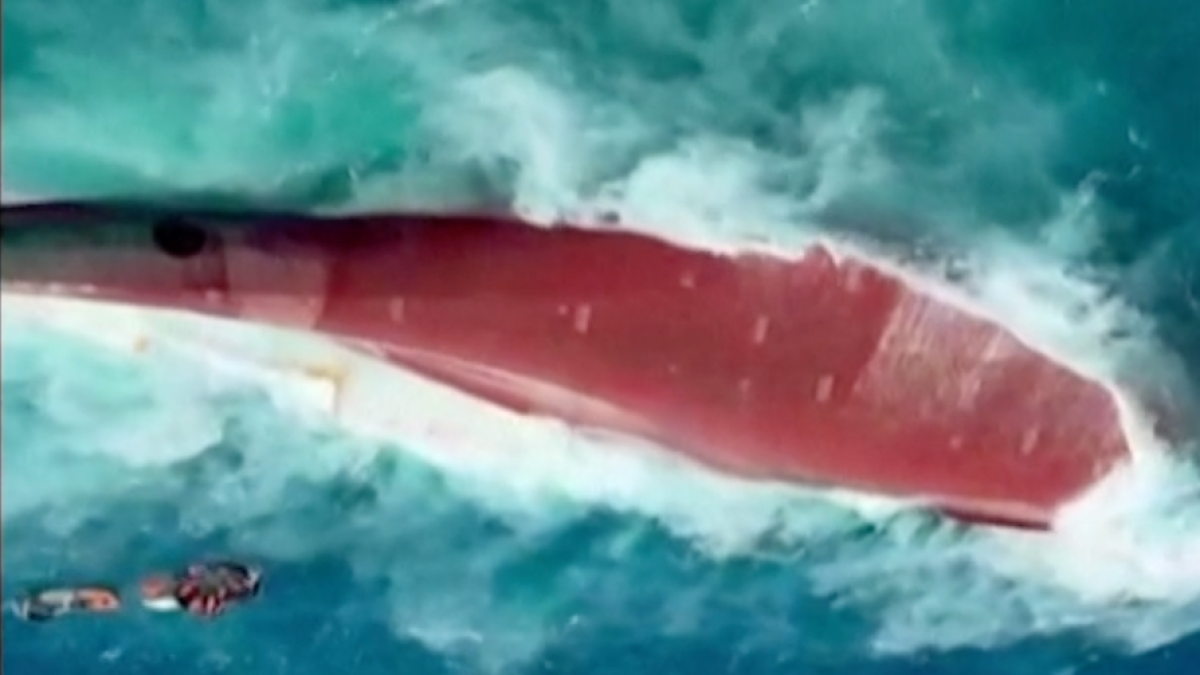
The safety profile of unregulated STS transfers remains a point of contention for maritime experts. Many of the vessels involved in these clandestine operations are older, potentially suffering from poor hull maintenance and unverified safety equipment. The lack of standard insurance coverage means that in the event of a collision or a major oil spill, the environmental and economic fallout could be catastrophic. Nonetheless, the pressure to meet contractual obligations to Asian refiners in countries like China, India, and Japan continues to drive the adoption of these risky methods.
As the conflict persists, the reliance on these shadow logistics is expected to grow. While these transfers provide a temporary solution for bypassing blocked maritime chokepoints, they serve as a stark reminder of the fragility of global energy infrastructure. The combination of high freight costs, the threat of military intervention, and the technical complexity of mid-sea transfers ensures that the current energy transit strategy remains a high-stakes gamble for all parties involved.