As Morocco heads to the polls on September 23, the 2026 parliamentary elections serve as a critical test of whether the nation's political system can address deep-seated economic frustrations and youth unemployment.
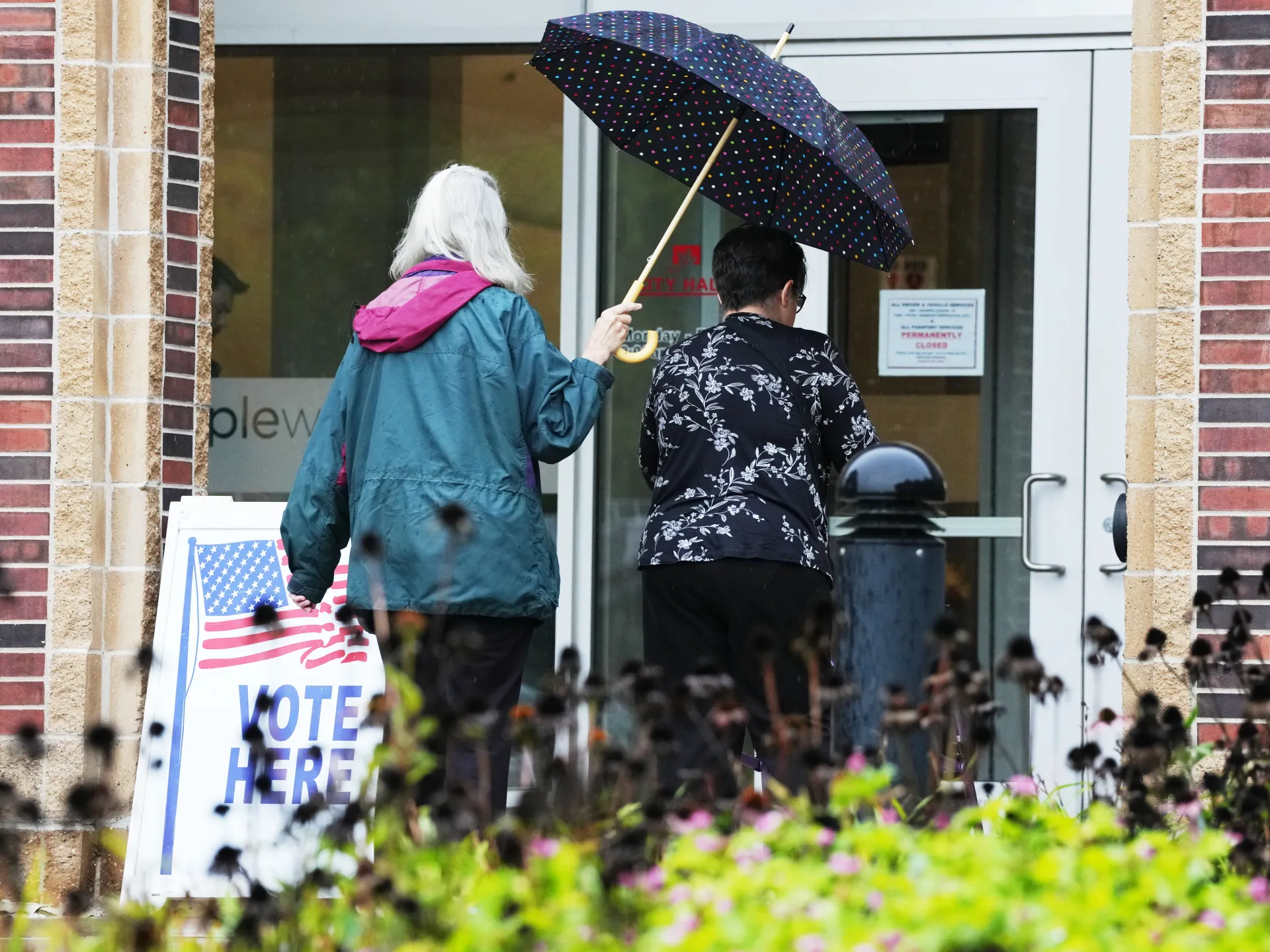
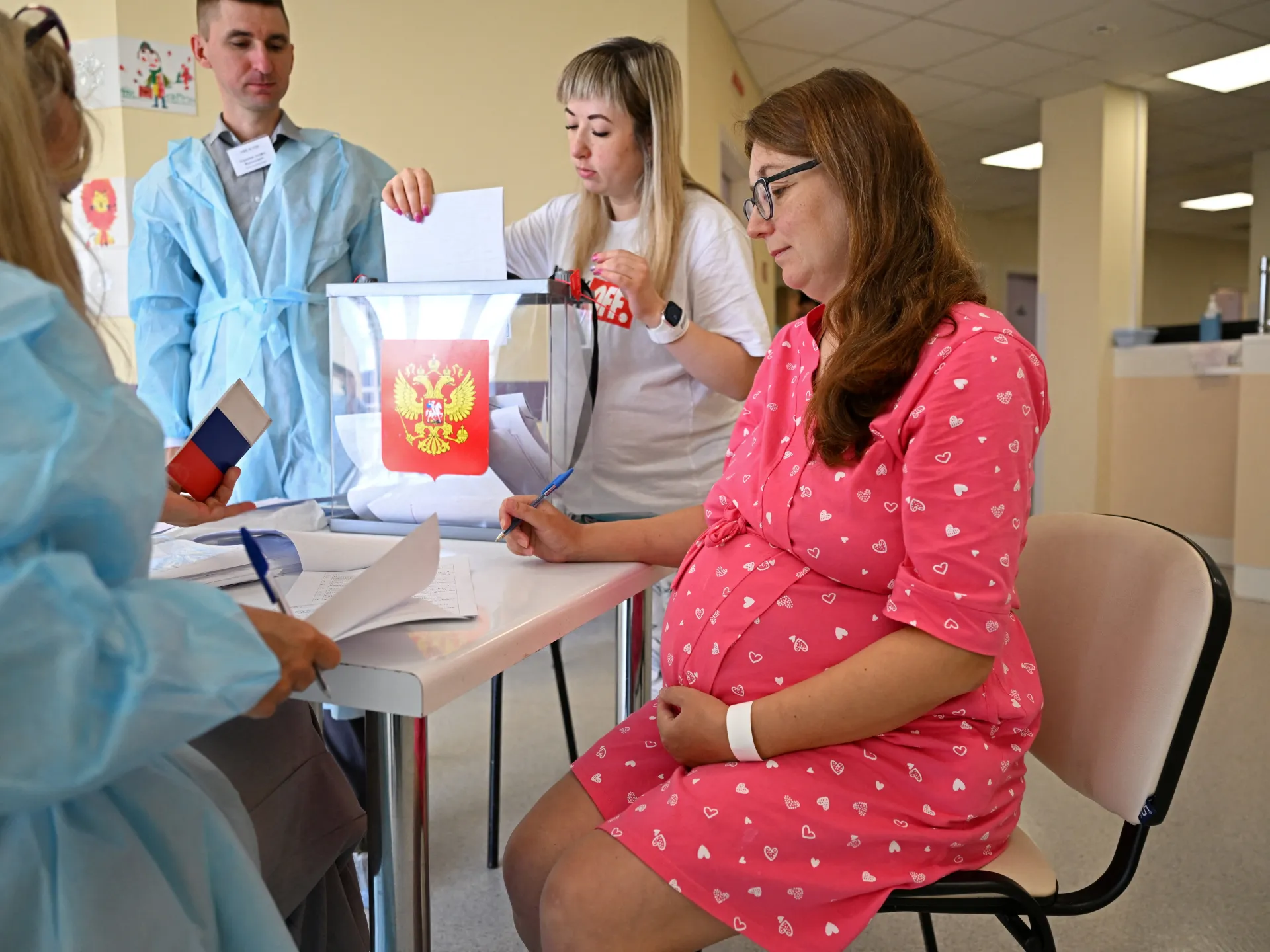
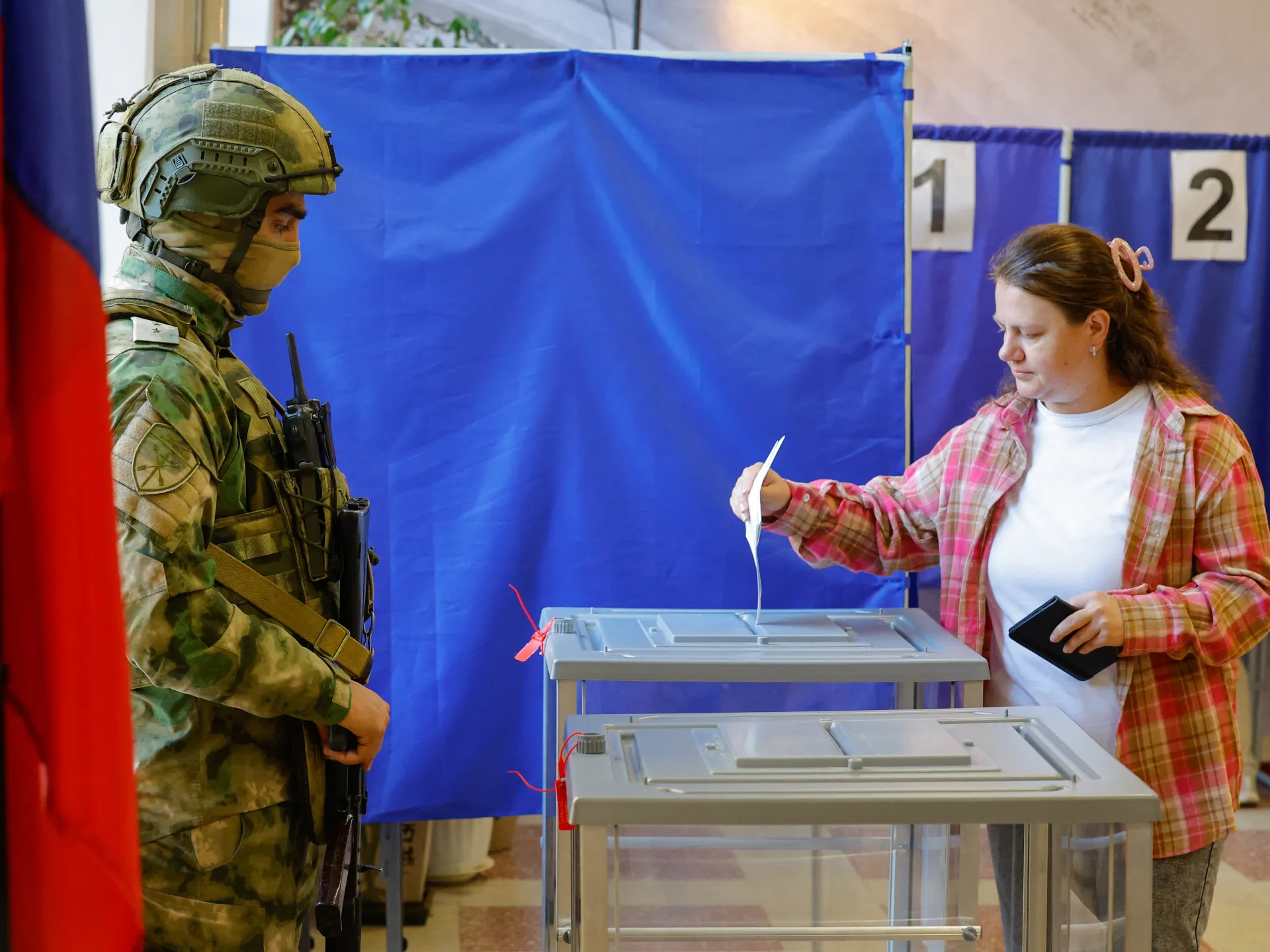
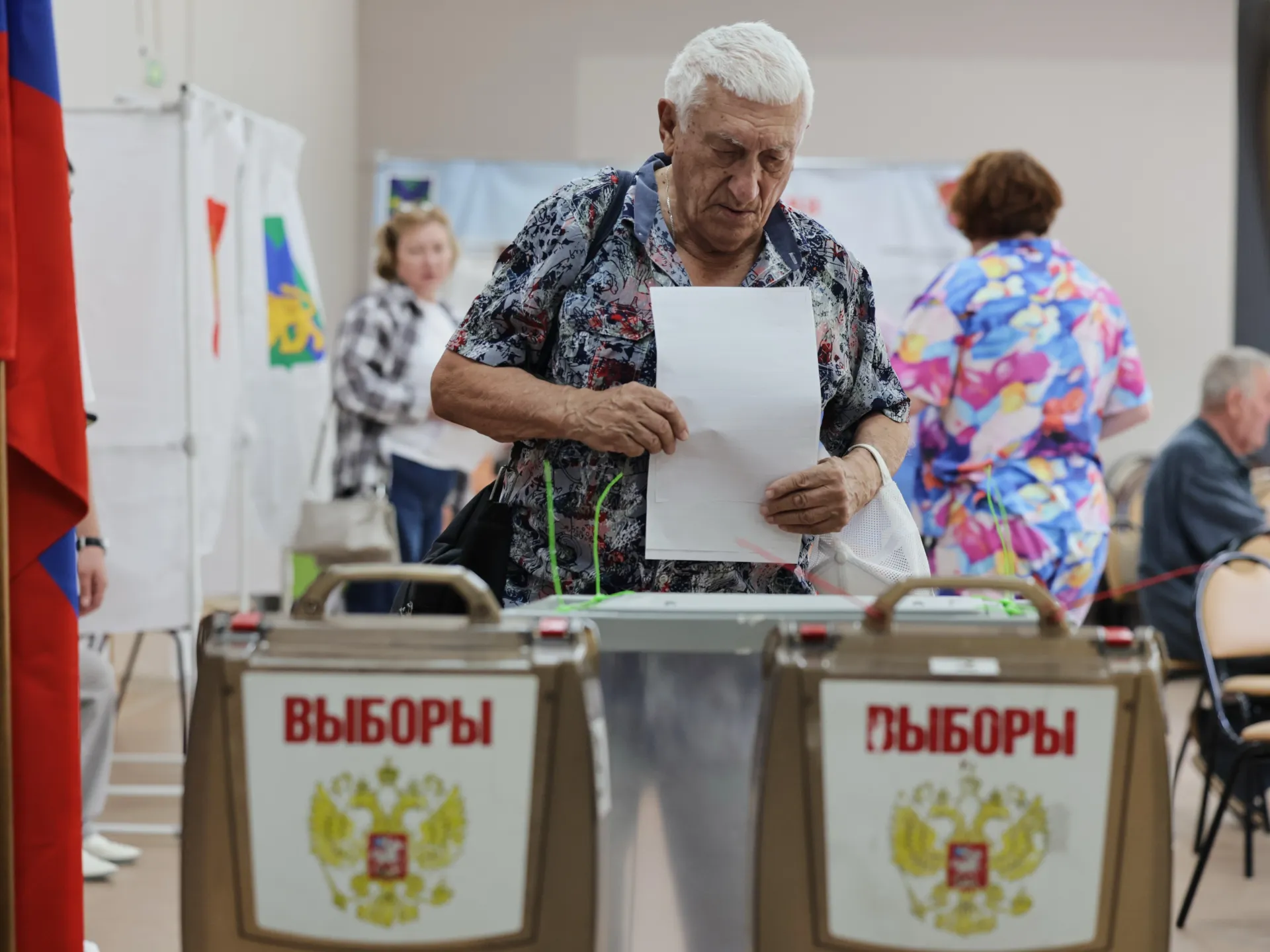
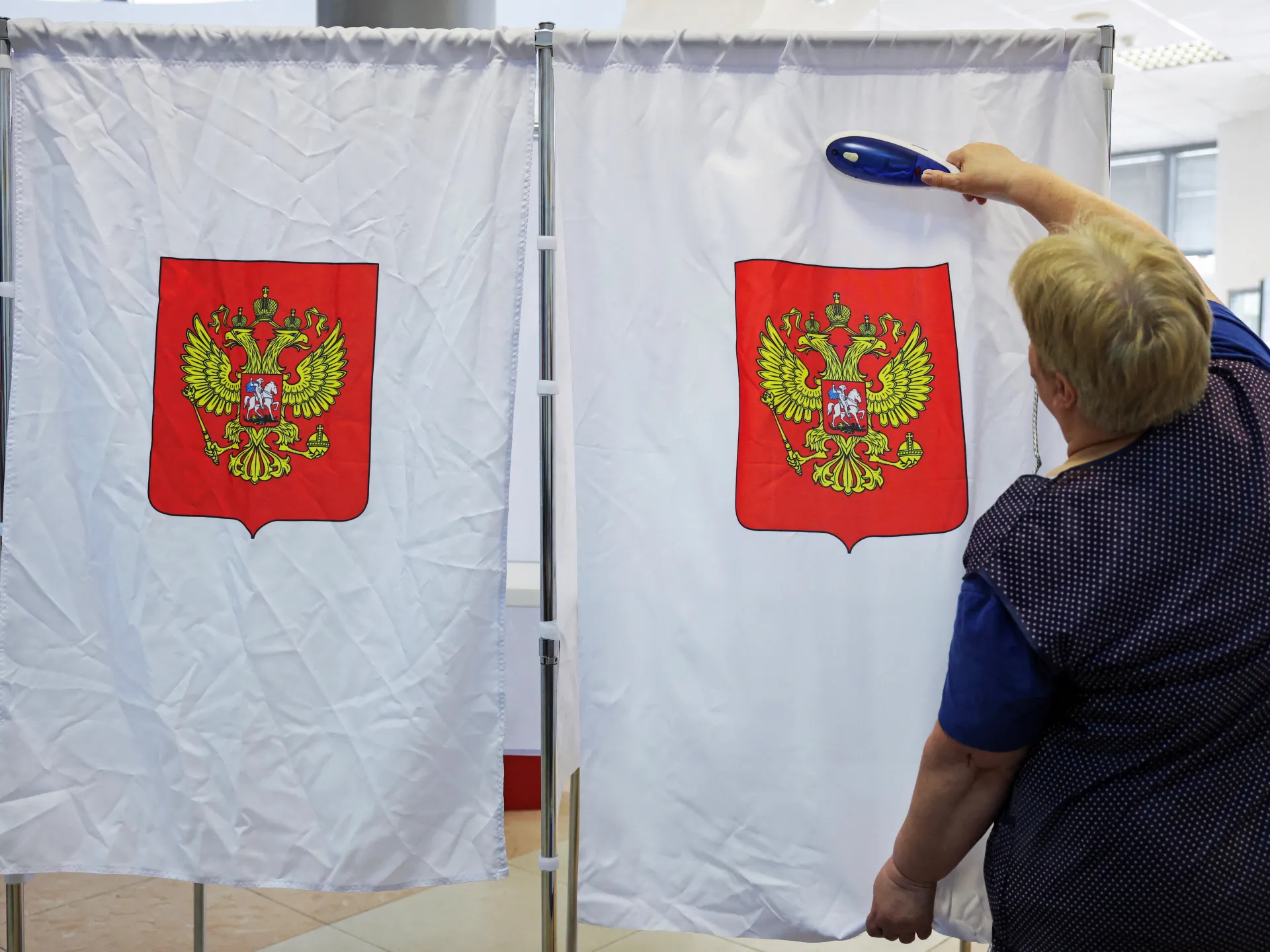
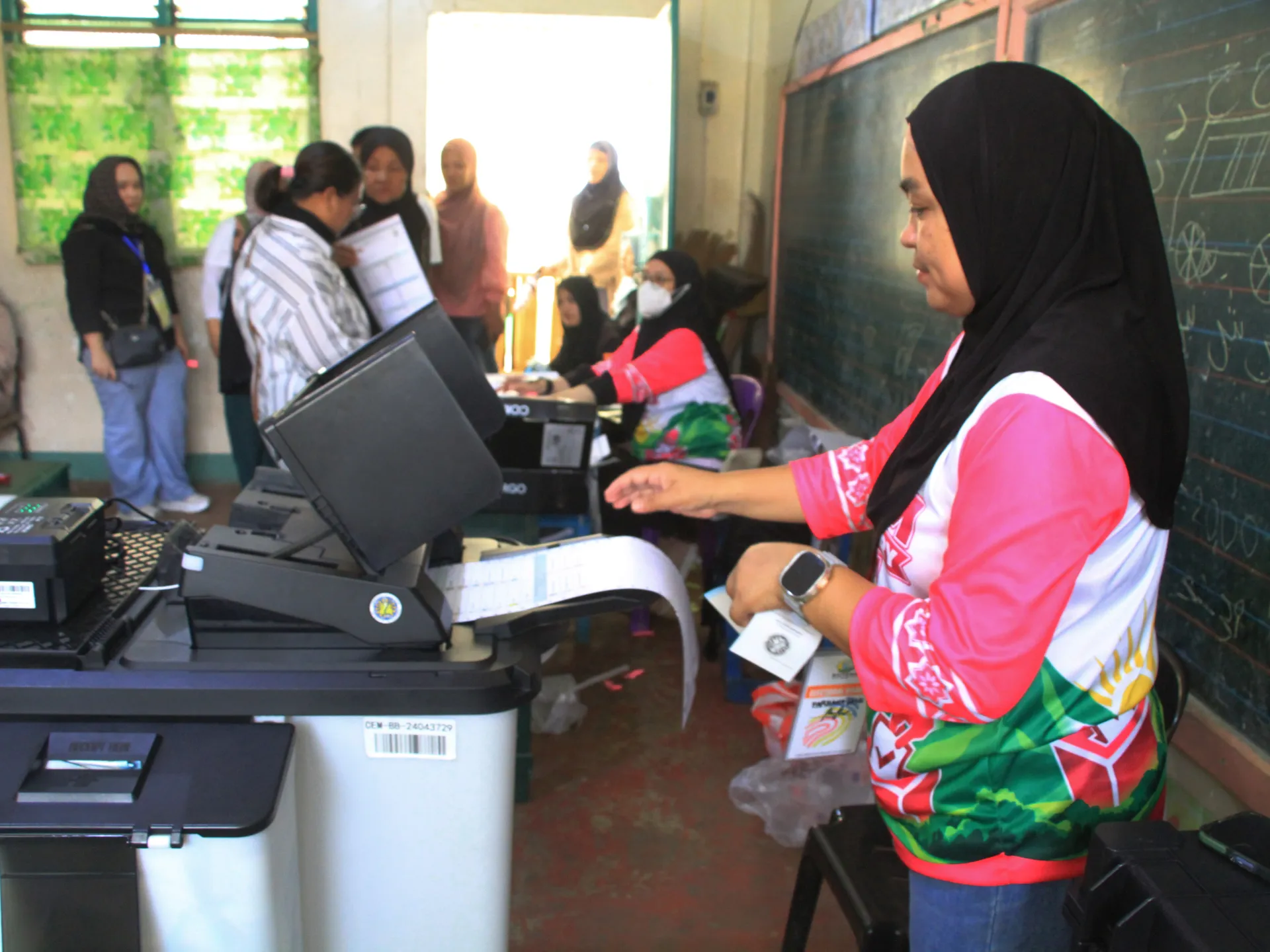
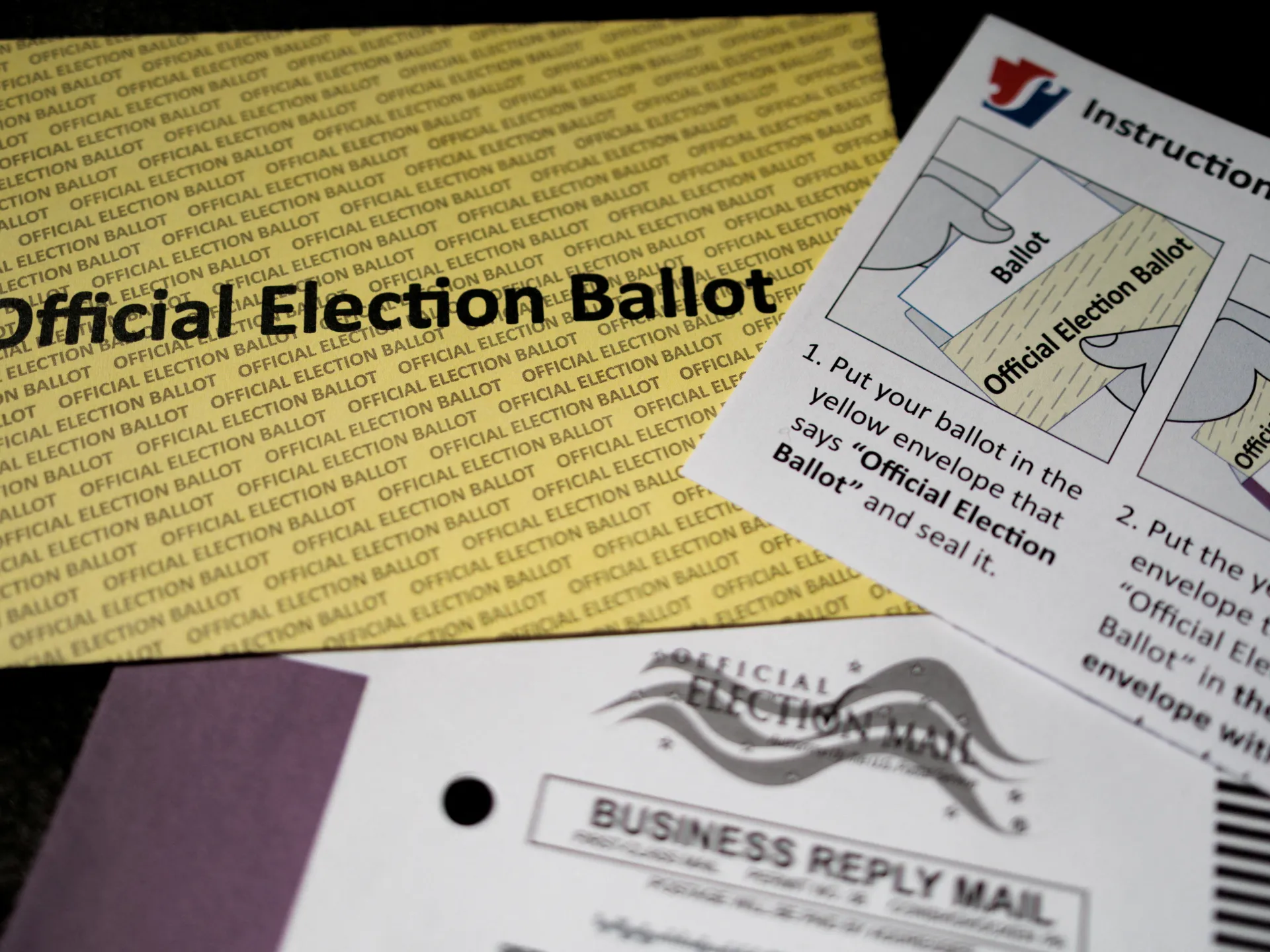
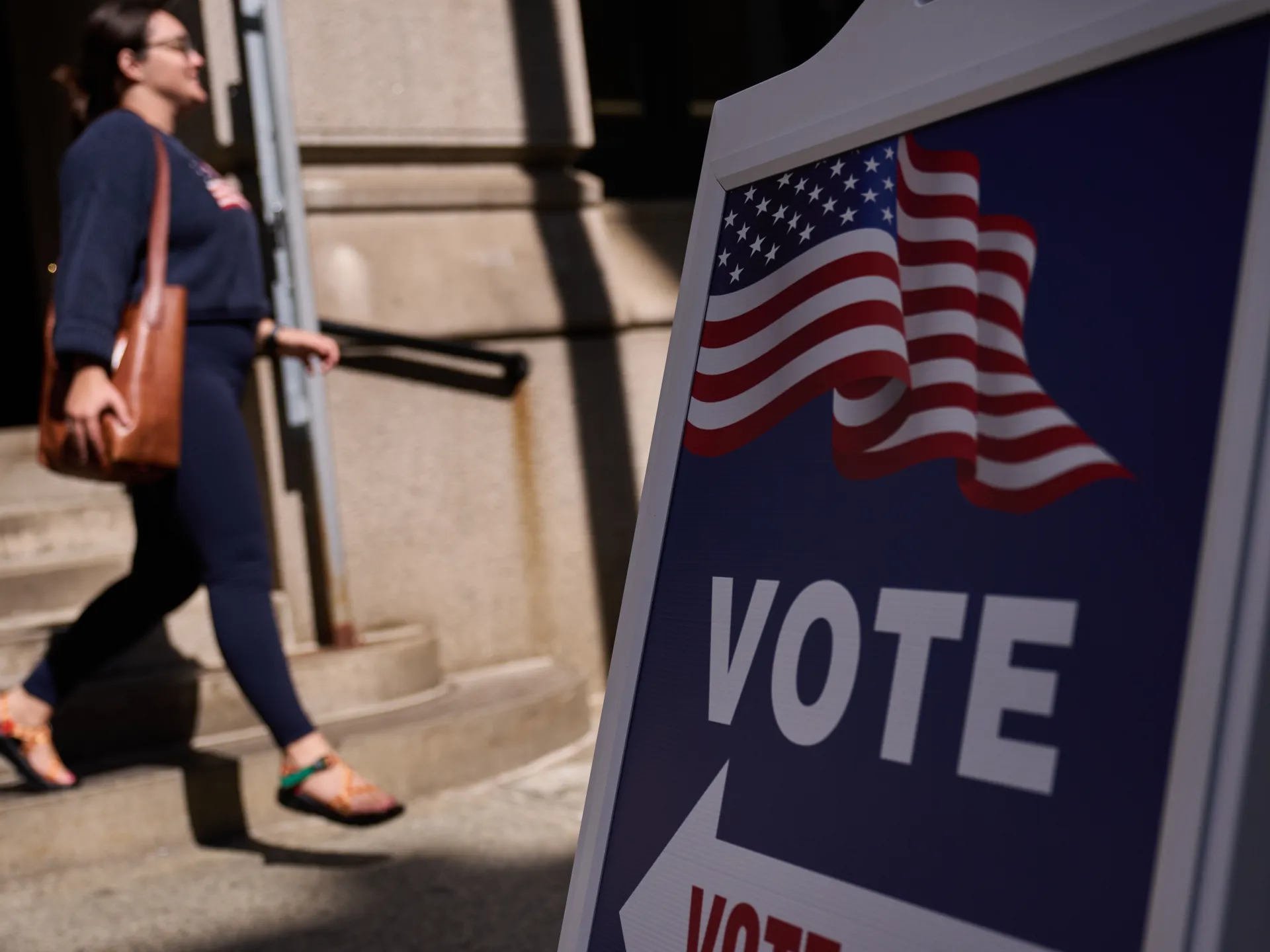
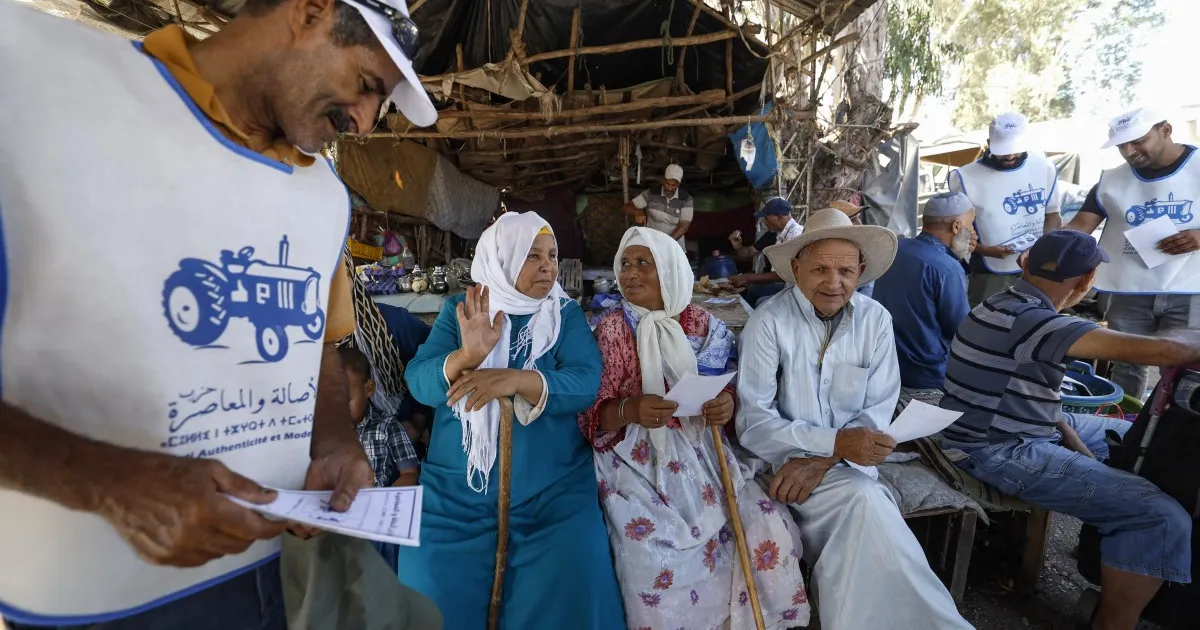
Morocco is currently navigating a pivotal political moment as the campaign period for the 2026 parliamentary elections unfolds. With 27 political organizations vying for 395 seats in the House of Representatives, the stakes for the September 23 vote are high. Approximately 15.8 million citizens are registered to participate, a turnout that will fundamentally shape the composition of the next government and determine the direction of national policy for the coming years.
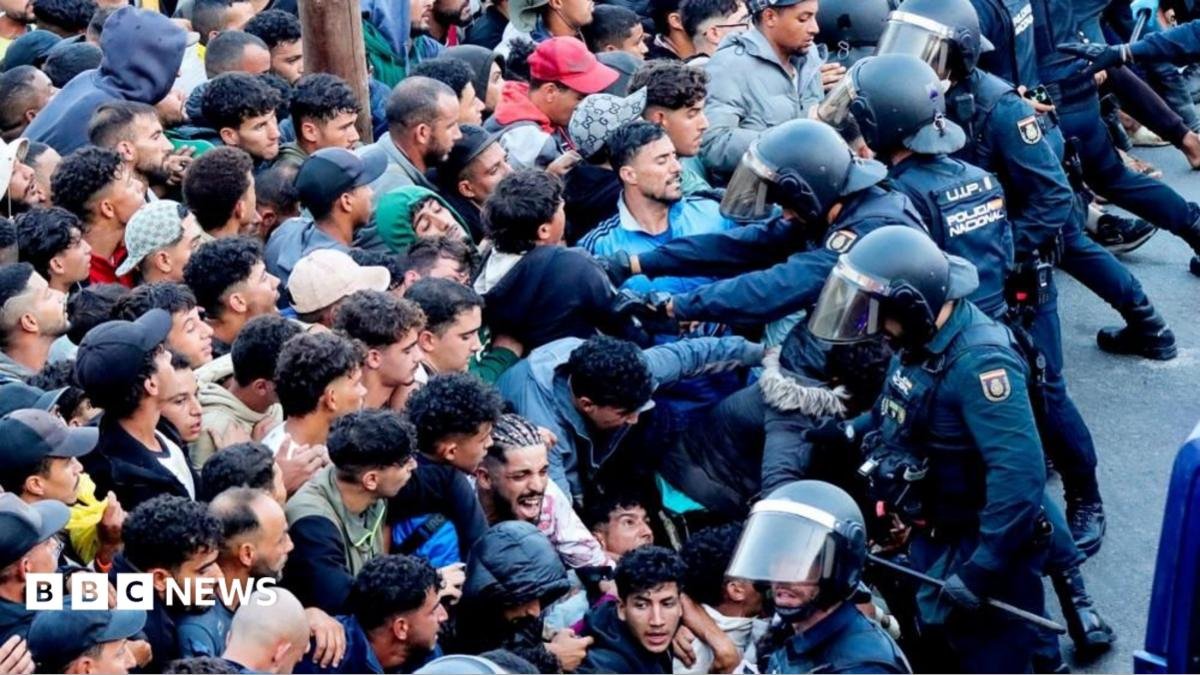
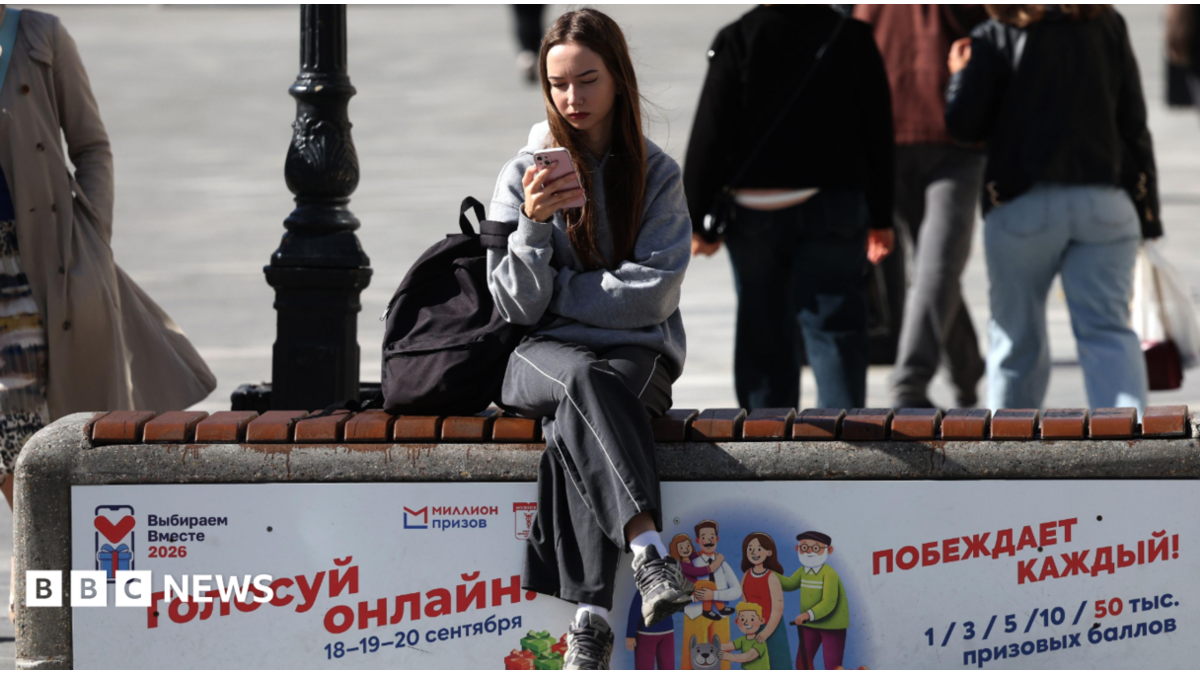
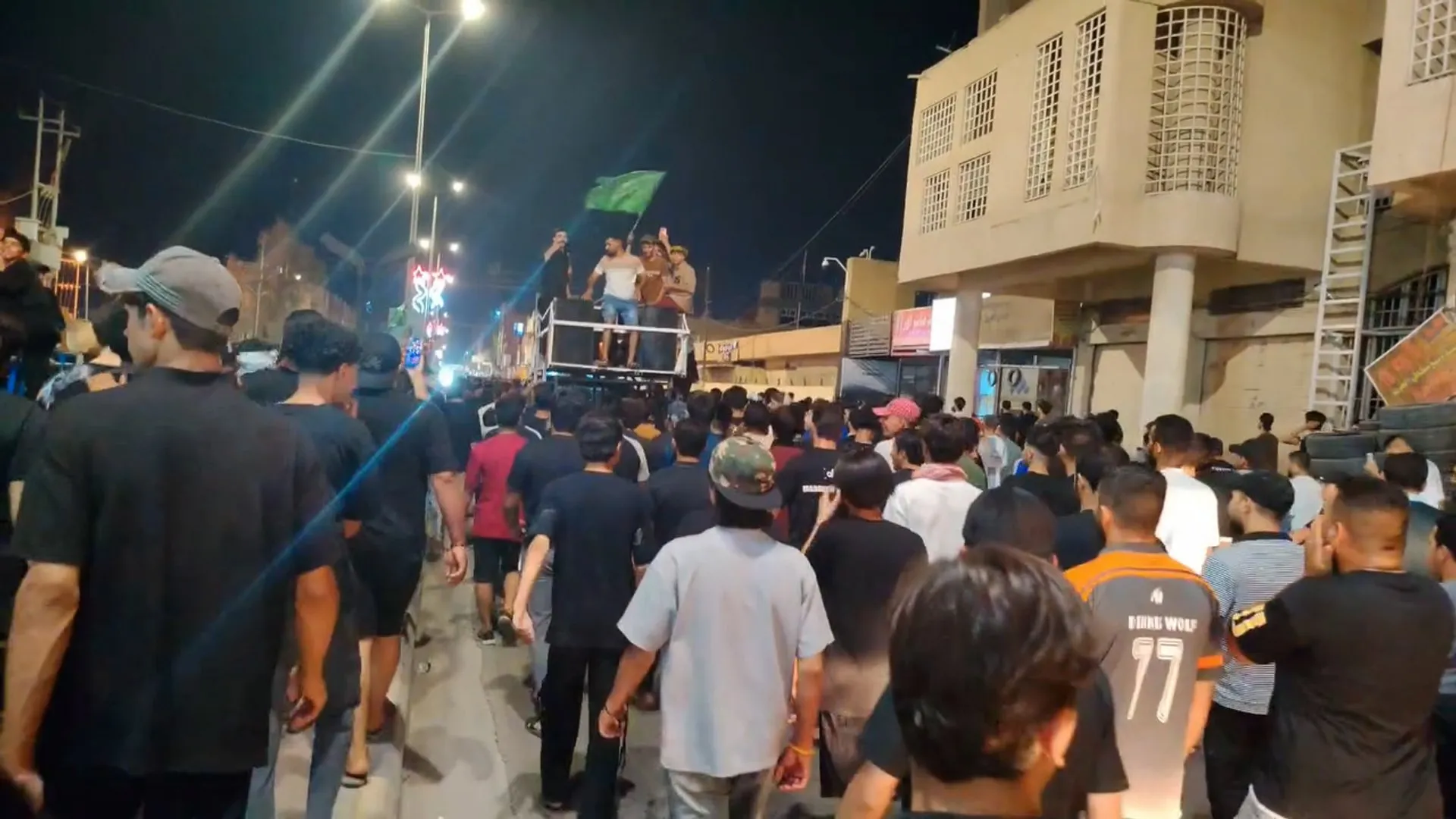
The central question looming over this election is not merely which party secures the most seats, but whether the electorate maintains faith in the parliamentary system to address pressing daily challenges. This skepticism is notably prevalent among the nation’s youth, who are increasingly vocal on digital platforms and in public demonstrations. While social media engagement remains high, there is a lingering concern that younger generations perceive traditional electoral politics as detached from the socio-economic realities they face.
Morocco’s electoral process functions within the constitutional architecture established in 2011, which designates the nation as a democratic, parliamentary, and social monarchy. This structure mandates a delicate balance of power, where the monarch retains a central institutional role while the government manages executive functions. Under Article 47, the King appoints the head of government based on the results of the parliamentary elections, ensuring that the party with the most seats takes the lead in forming a coalition.
Despite this clear constitutional guidance, the parliamentary process is often viewed through the lens of its efficacy in delivering public services. Although the legislative branch possesses oversight and law-making capabilities, voters are increasingly looking for tangible outcomes rather than procedural promises. The intersection of constitutional mandates and the demand for practical reform creates a complex environment for political parties attempting to mobilize voters who are tired of systemic stagnation.
A significant demographic challenge complicates the current election cycle: the disparity between an aging registered electorate and a youthful population struggling to enter the labor market. Official records indicate that voters aged 60 and older represent 29 percent of the registered population, while those aged 18 to 24 account for only 4 percent. This age gap suggests that political platforms may be disproportionately influenced .
Economic data from 2025 paints a stark picture of these challenges, with youth unemployment reaching 37.3 percent. Furthermore, over a quarter of young people aged 15 to 24 remain outside the spheres of employment, education, or training. These figures are not just statistics; they represent a deep-seated frustration that transcends electoral rhetoric. When growth metrics fail to translate into accessible job opportunities, trust in the political establishment naturally erodes, leading some to seek alternative avenues for expressing their grievances.
The incumbent governing coalition—comprising the National Rally of Independents (RNI), the Authenticity and Modernity Party (PAM), and Istiqlal—has centered its 2026 campaign on economic revitalization. Proposals range from creating one million jobs to implementing gradual increases in the monthly minimum wage. These parties are under pressure to prove that their previous development initiatives can be scaled into productive employment for the broader population.
Meanwhile, the Justice and Development Party (PJD) is attempting a significant comeback after suffering substantial losses in 2021. Their strategy focuses on a comprehensive list of over 400 measures aimed at institutional and social reform. As the governing parties defend their past performance, the PJD’s re-emergence adds a layer of competitive intensity to the race. Ultimately, experts argue that the structural nature of Morocco’s economic issues may require more than the short-term promises typically found in campaign manifestos, setting the stage for a challenging tenure for whichever government emerges from the polls.