Reports of aggressive recruitment tactics in Russian cities have triggered widespread anxiety among men of fighting age, fueling fears of a looming mobilization.
For many Russian men, the ongoing conflict in Ukraine has created a persistent, underlying sense of dread regarding potential military mobilization. Stories originating from various regions suggest that the methods used to secure new soldiers are becoming increasingly aggressive and intimidating. In cities like Orenburg and Penza, individuals who are technically ineligible for service or who have previously avoided the draft are reporting heightened levels of psychological distress, leading some to limit their public movements and adopt defensive behaviors to avoid unwanted attention from authorities.
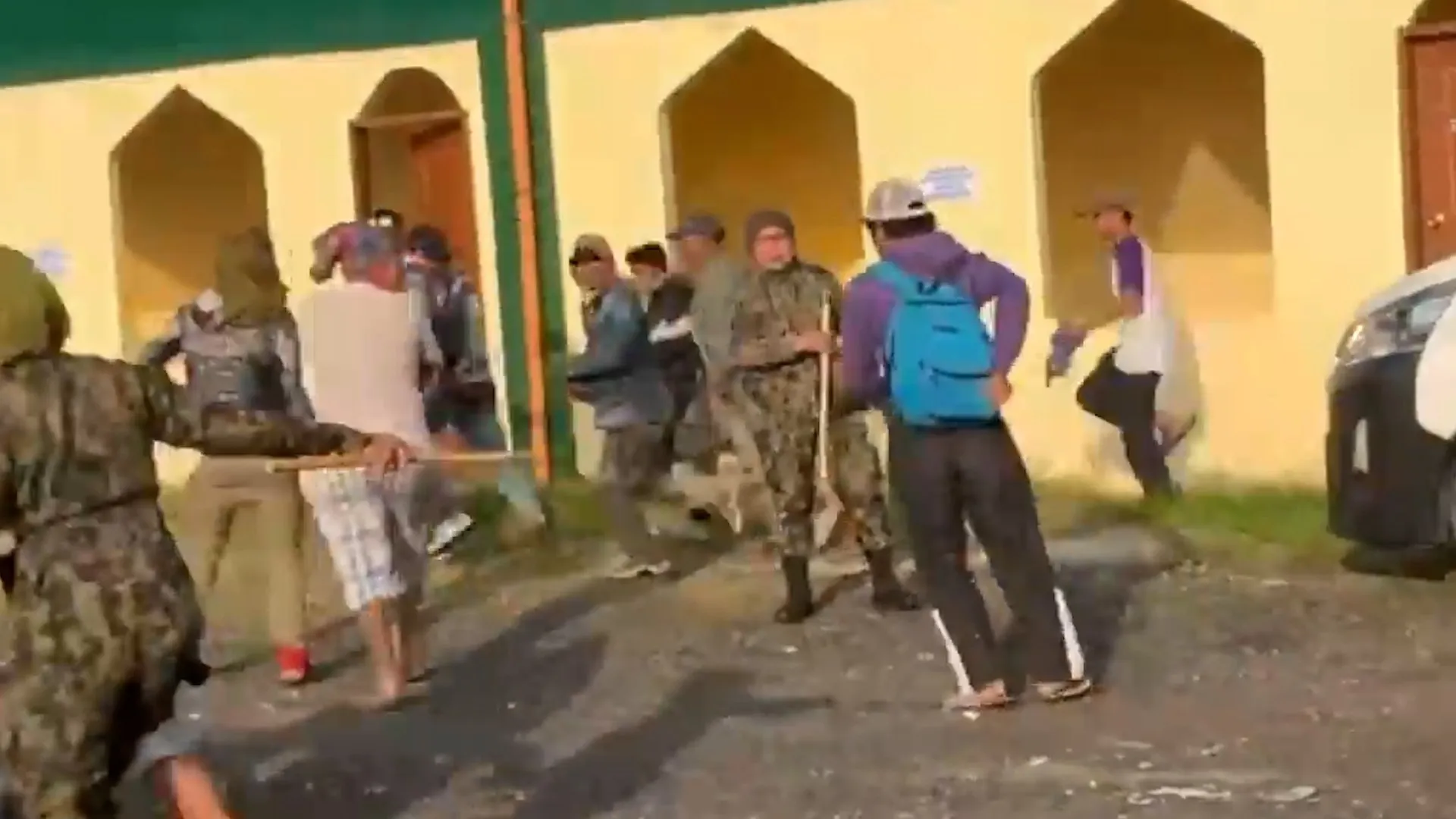
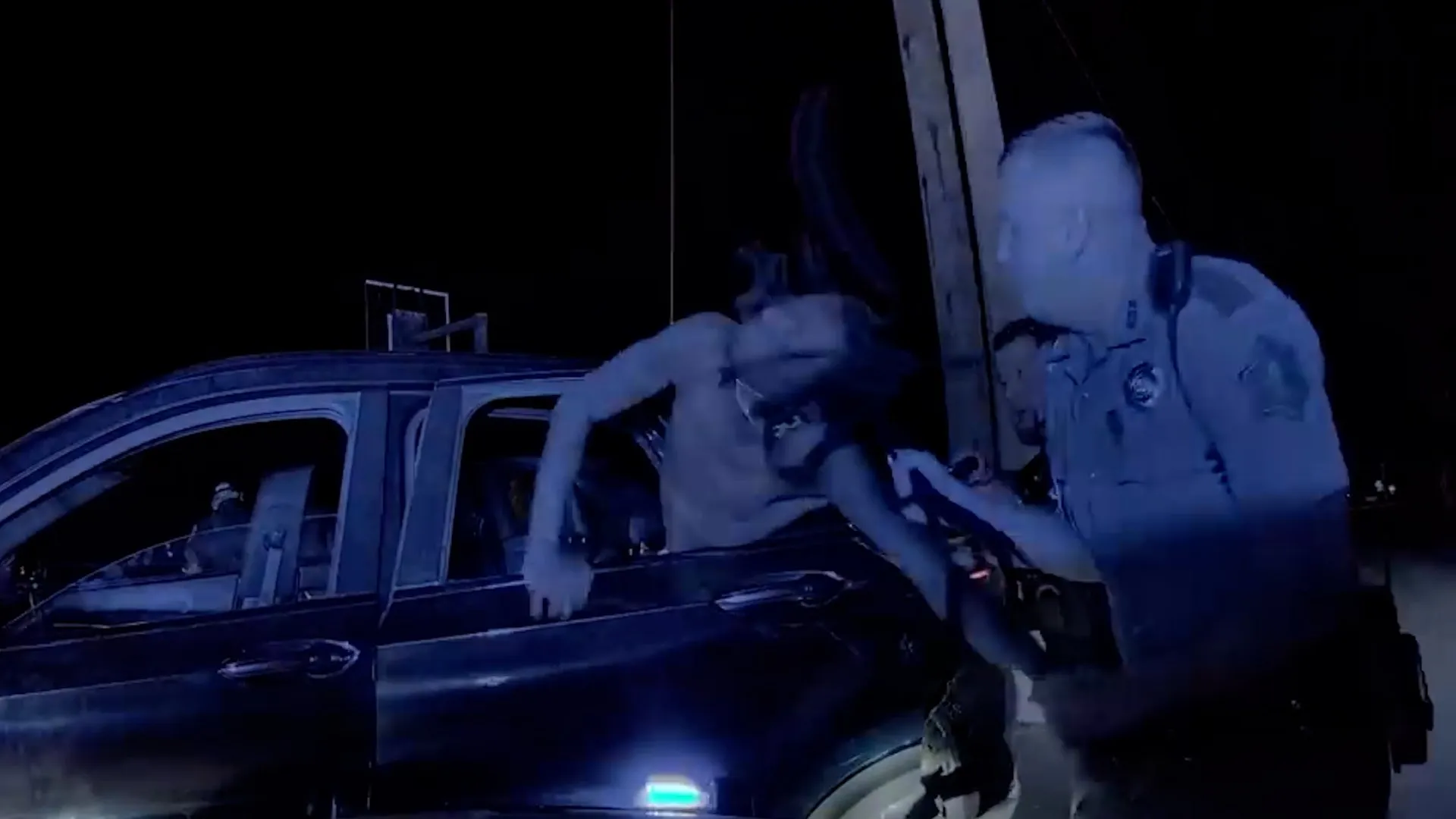
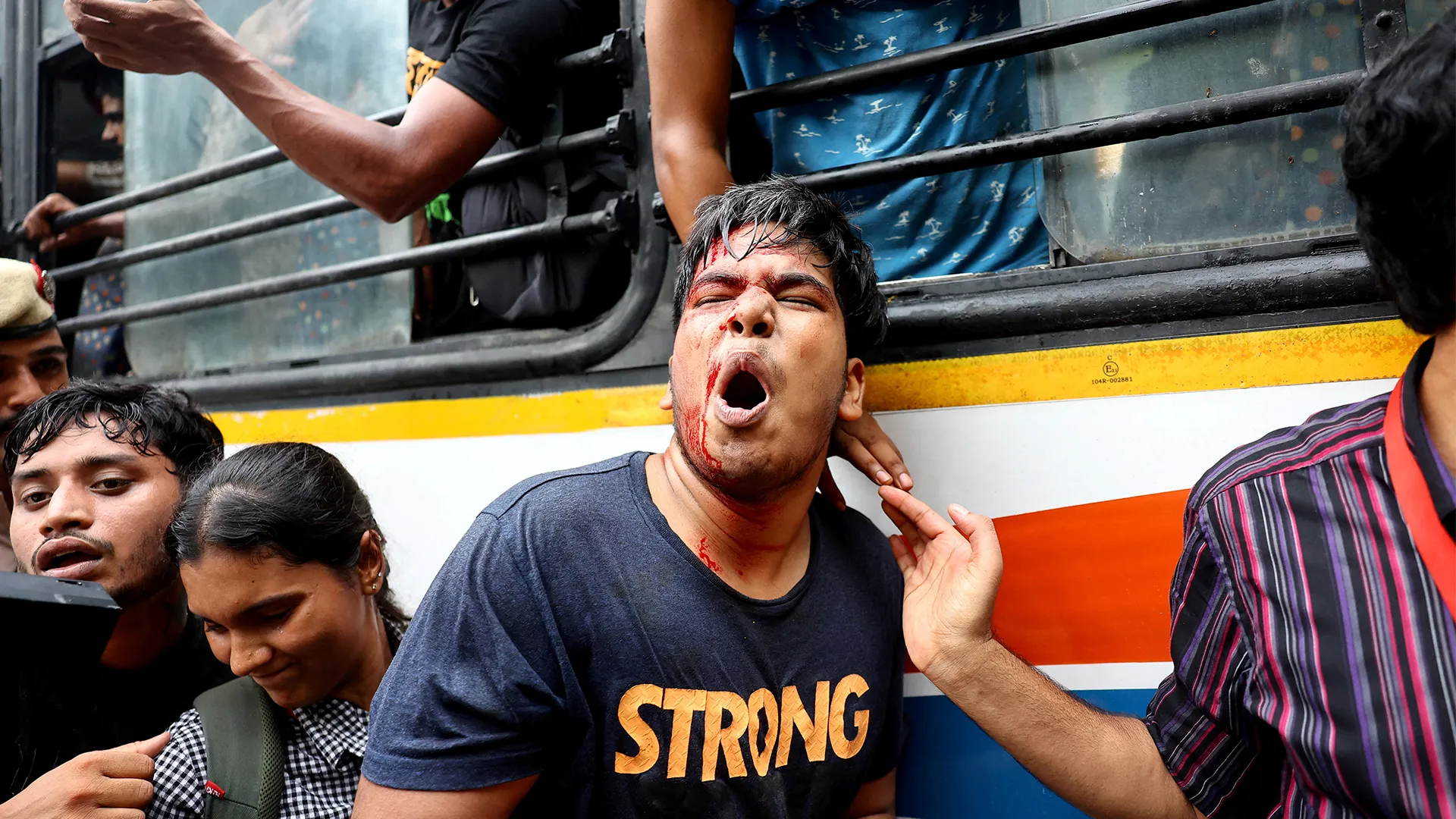
The fear is not merely hypothetical. Reports from Penza, located southeast of Moscow, have highlighted instances where men were allegedly forced into vehicles sometimes resulting in chaotic scenes where family members attempt to intervene. While local authorities have categorically denied these reports, labeling them as misinformation and claiming that such actions are only directed at individuals who have already been mobilized but failed to report for duty, the anecdotal evidence continues to fuel widespread apprehension among the populace.
Human rights advocates and analysts suggest that recruitment efforts are increasingly focused on individuals perceived as vulnerable or lacking the resources to effectively resist. Mikhail Liberov of the Conscientious Obposers Movement notes that recruiters often target those who might be susceptible to manipulation, such as people struggling with substance abuse, significant financial debts, or those with limited awareness of their legal rights. Migrants who may fear deportation or who face language barriers are also identified as potential targets for these coercive recruitment strategies.
Beyond targeting the vulnerable, there are recurring reports of bureaucratic traps designed to ensnare men of fighting age. Some individuals have been summoned to police stations under false pretenses, only to be met with threats, intimidation, or physical violence aimed at forcing them to sign military contracts. In some cases, legal trouble, such as arrests for minor infractions, is used as leverage. Authorities may offer a choice between facing incarceration or enlisting, a practice that leaves many feeling they have no viable path to preserve their autonomy or safety.
While the Kremlin has relied on financial incentives to attract contract soldiers, analysts suggest that the pool of willing volunteers is shrinking. The protracted nature of the war, the significant loss of life, and the broader economic strain have diminished the appeal of military service for many Russians. Independent reports indicate that the rate of voluntary sign-ups has declined sharply over the past year, placing increased pressure on regional officials to meet their recruitment quotas through increasingly desperate means.
Experts suggest that the current, more aggressive recruitment tactics are likely the result of local authorities attempting to fulfill these challenging quotas rather than a centralized, systemic nationwide rollout of mass mobilization. However, the existing presidential decree from 2022 remains in effect, providing a legal framework that could be utilized for a broader expansion of the military at any time. As rumors of a potential winter offensive grow, many citizens are left to weigh their options, ranging from seeking alternative civilian service to considering the risks of leaving the country entirely.
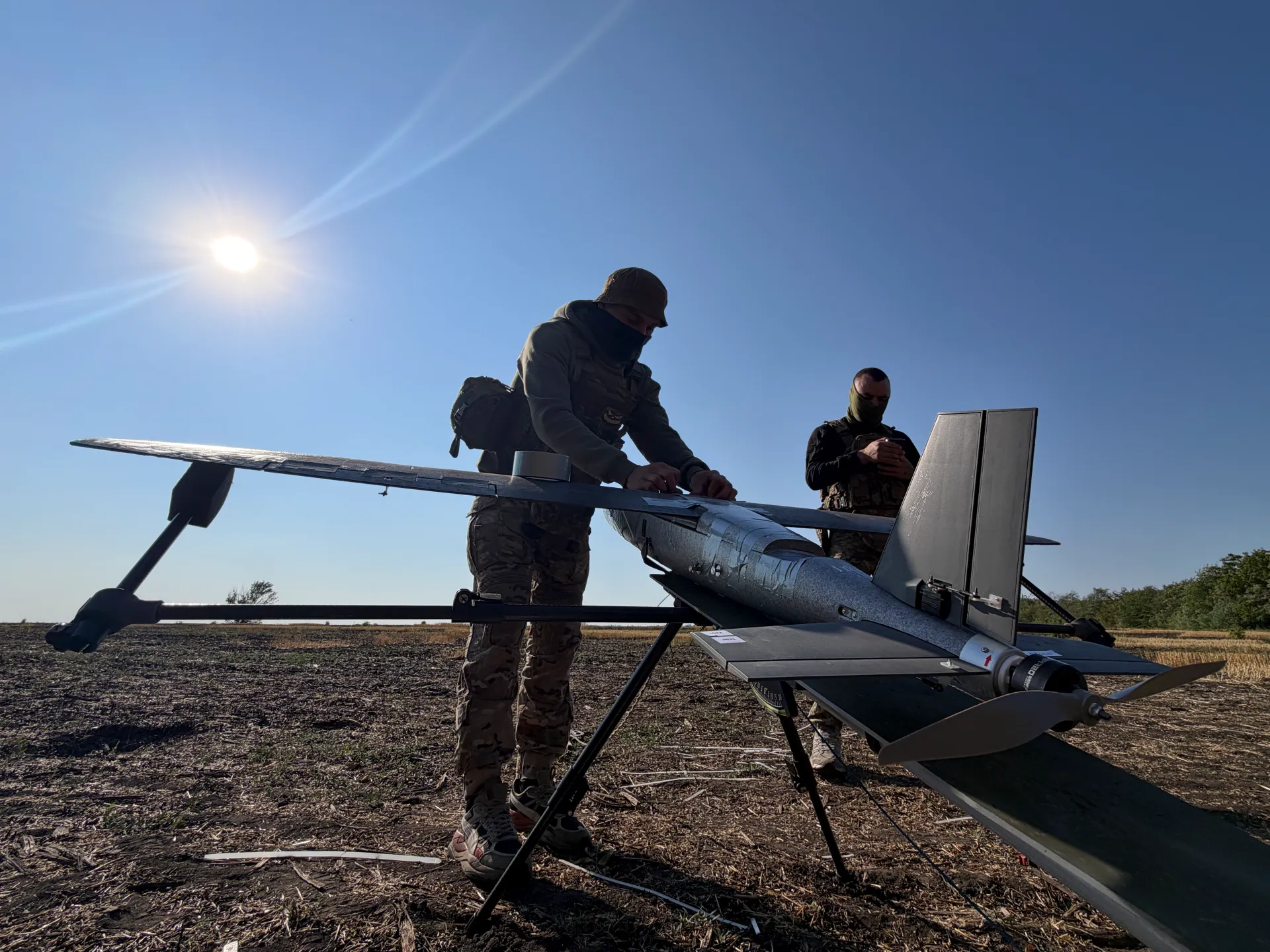
Even if the Russian government were to initiate a large-scale mobilization effort, military analysts point to significant structural challenges. Simply increasing the number of recruits does not resolve the critical shortage of experienced officers and technical specialists required to manage modern warfare equipment, such as drone systems. While the state possesses the capacity to replenish its ranks with raw manpower, the lack of high-level training and tactical experience among new conscripts remains a substantial hurdle.
For the average citizen caught in this climate, the situation remains precarious. While some attempt to navigate the legal channels for alternative service—a process that currently sees a low success rate—others simply wait in uncertainty. The disconnect between official government narratives and the lived experiences of those fearing the draft continues to widen, creating a domestic environment defined many are desperate to avoid.