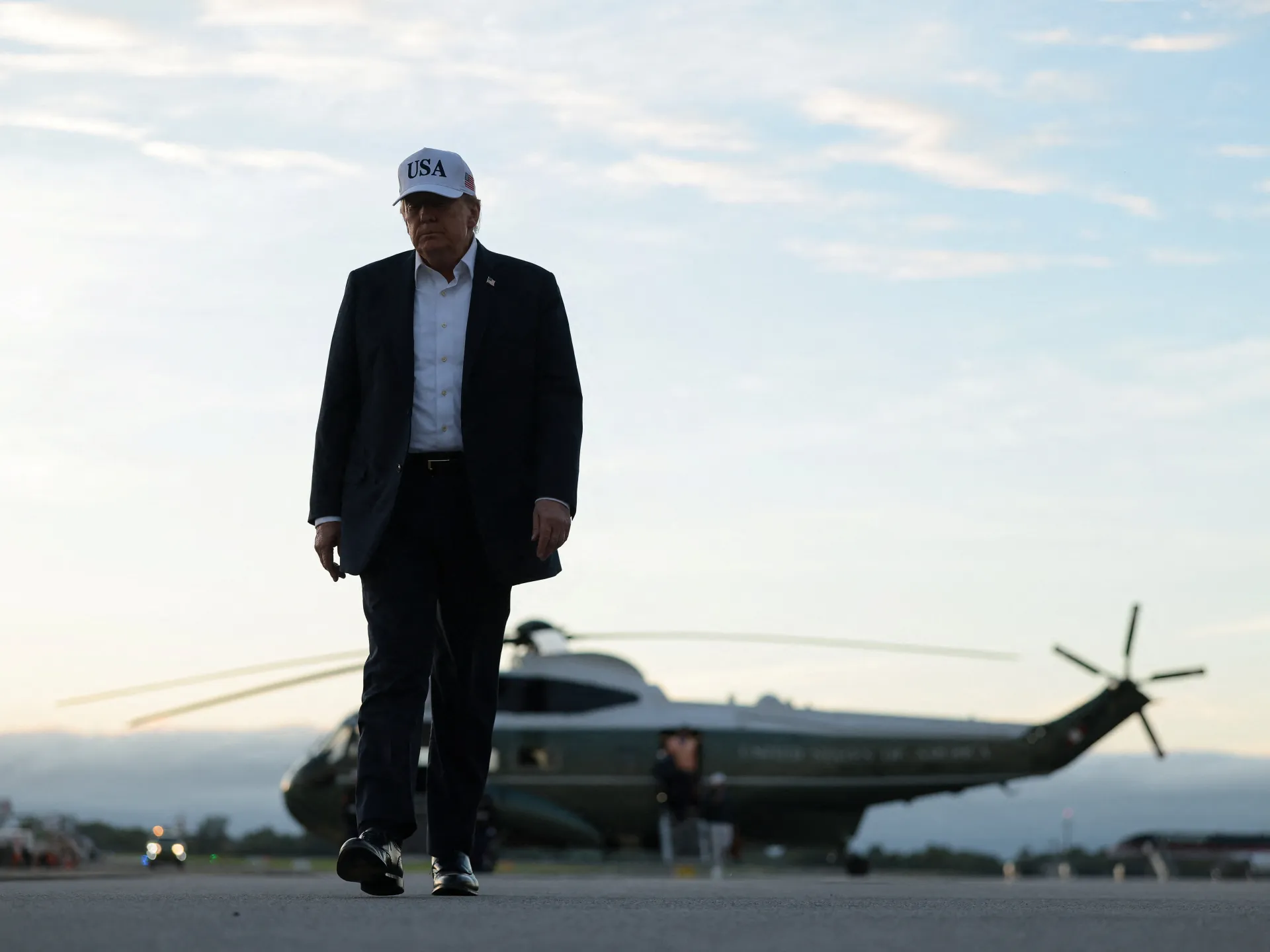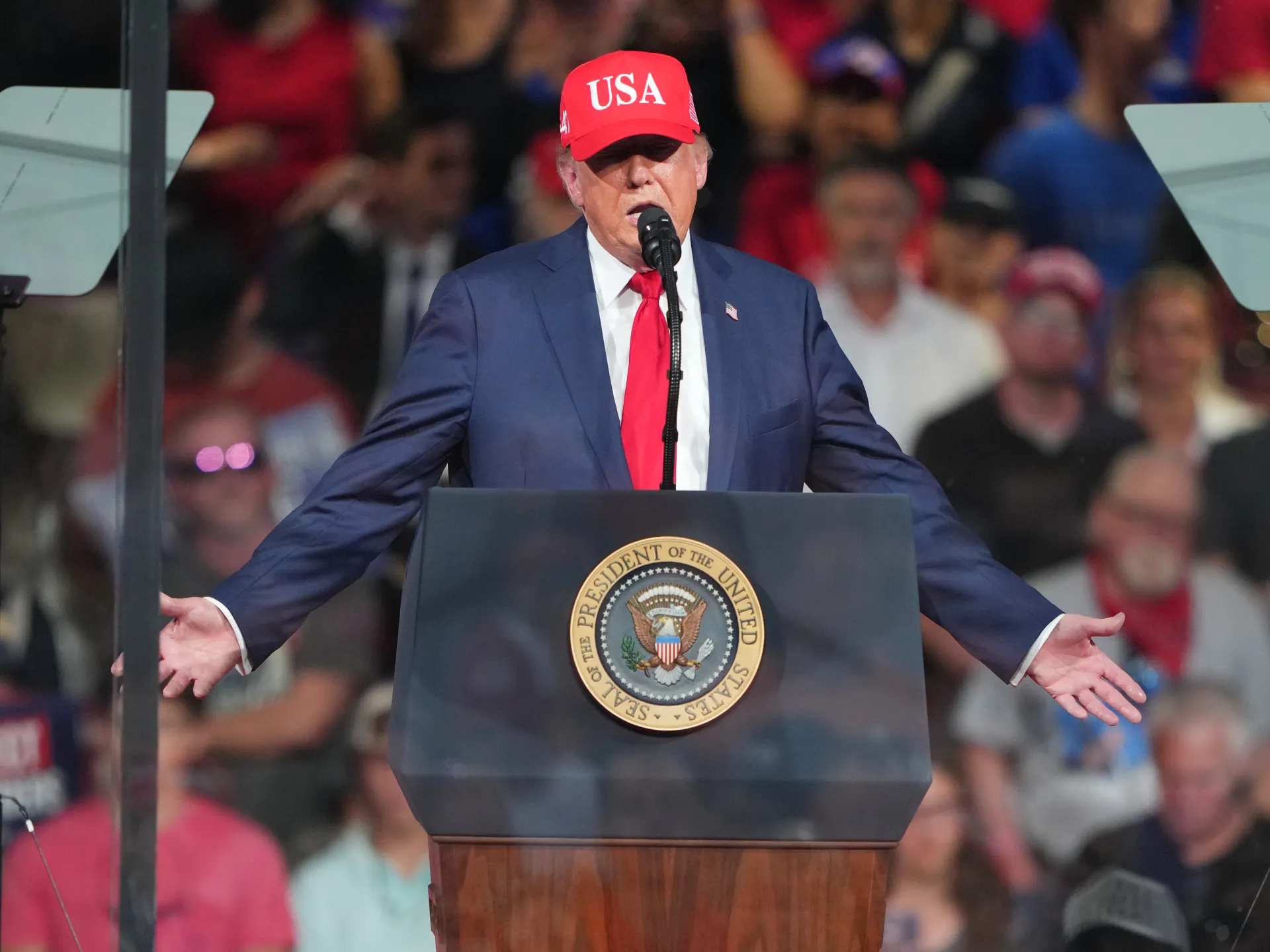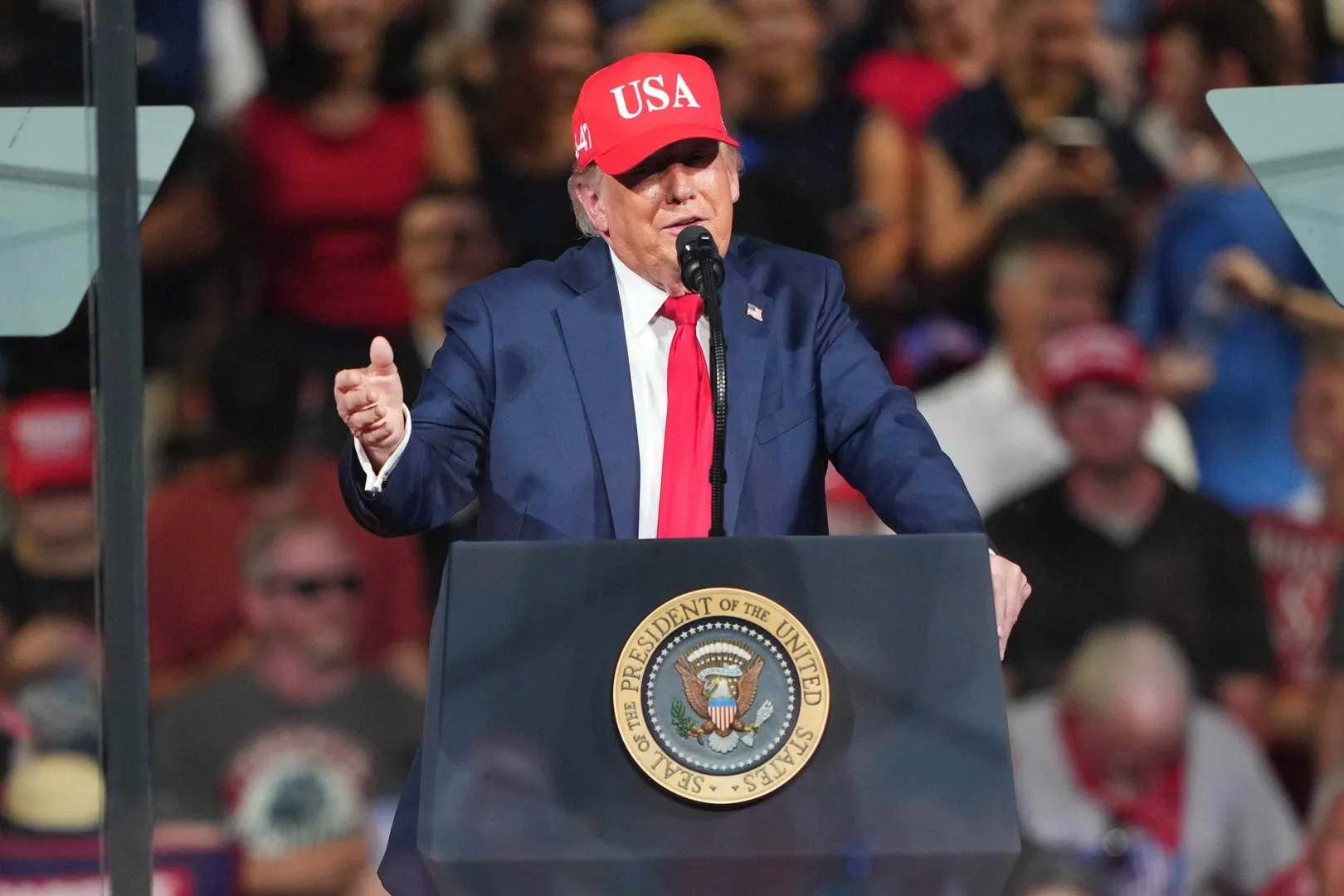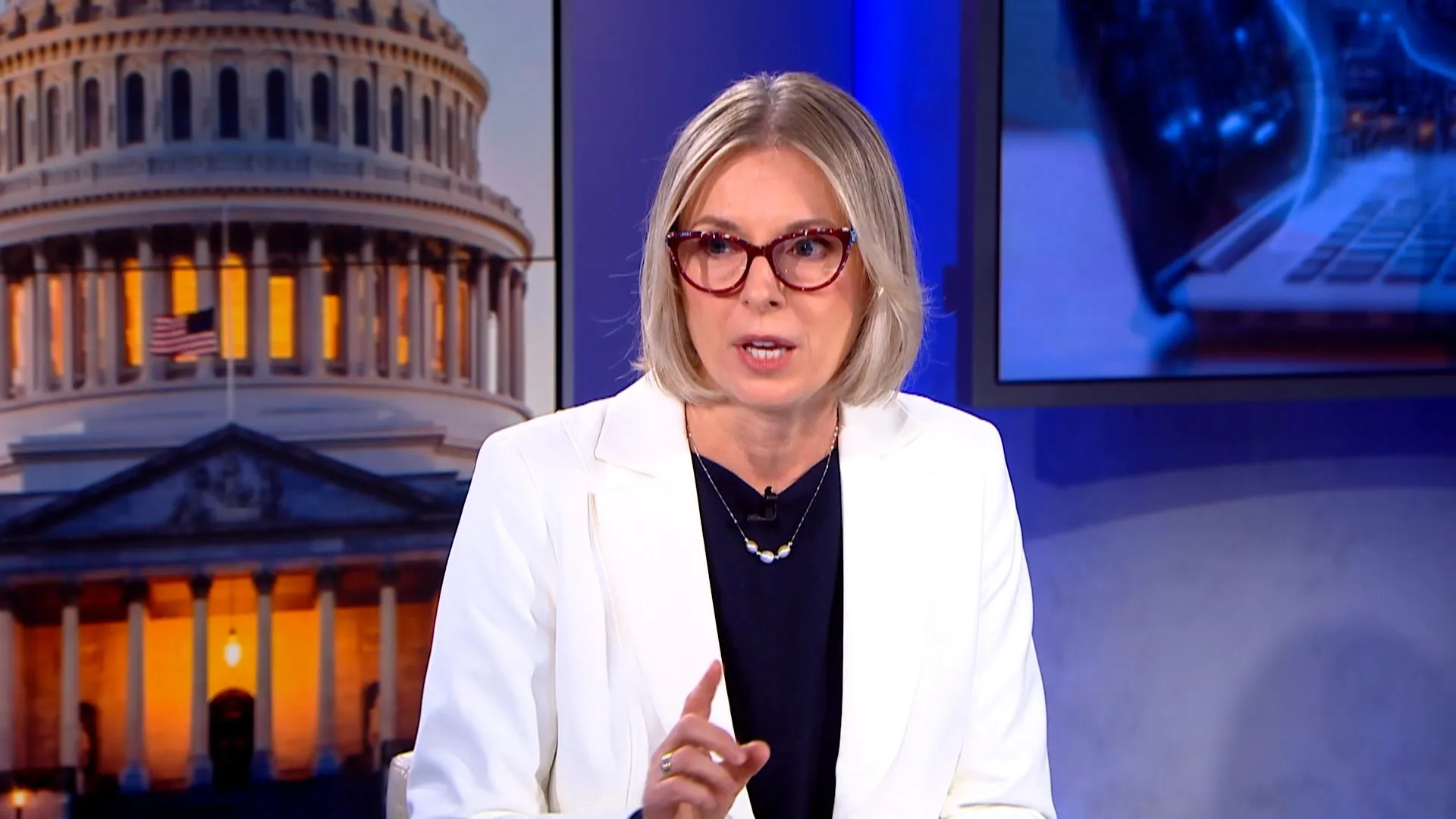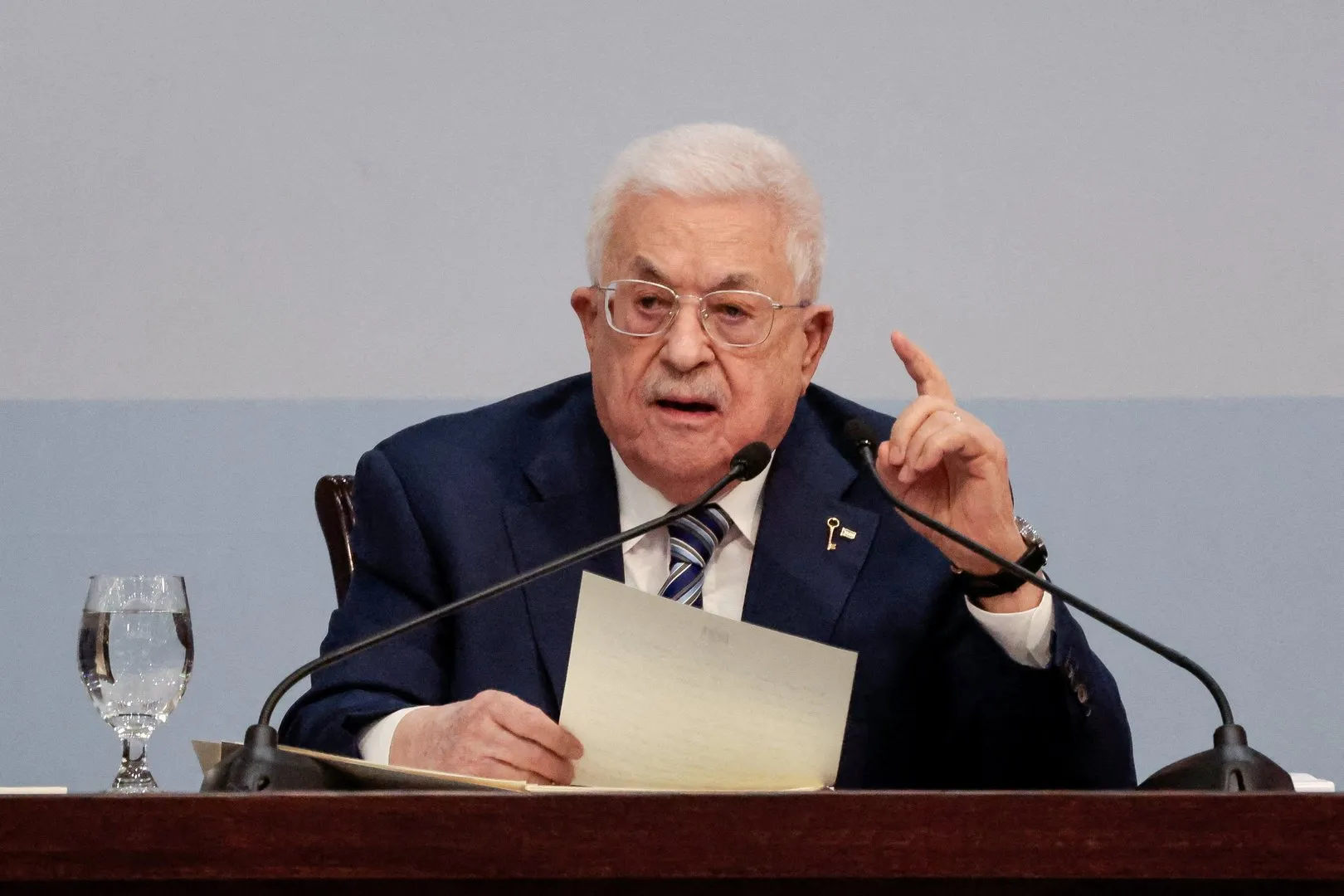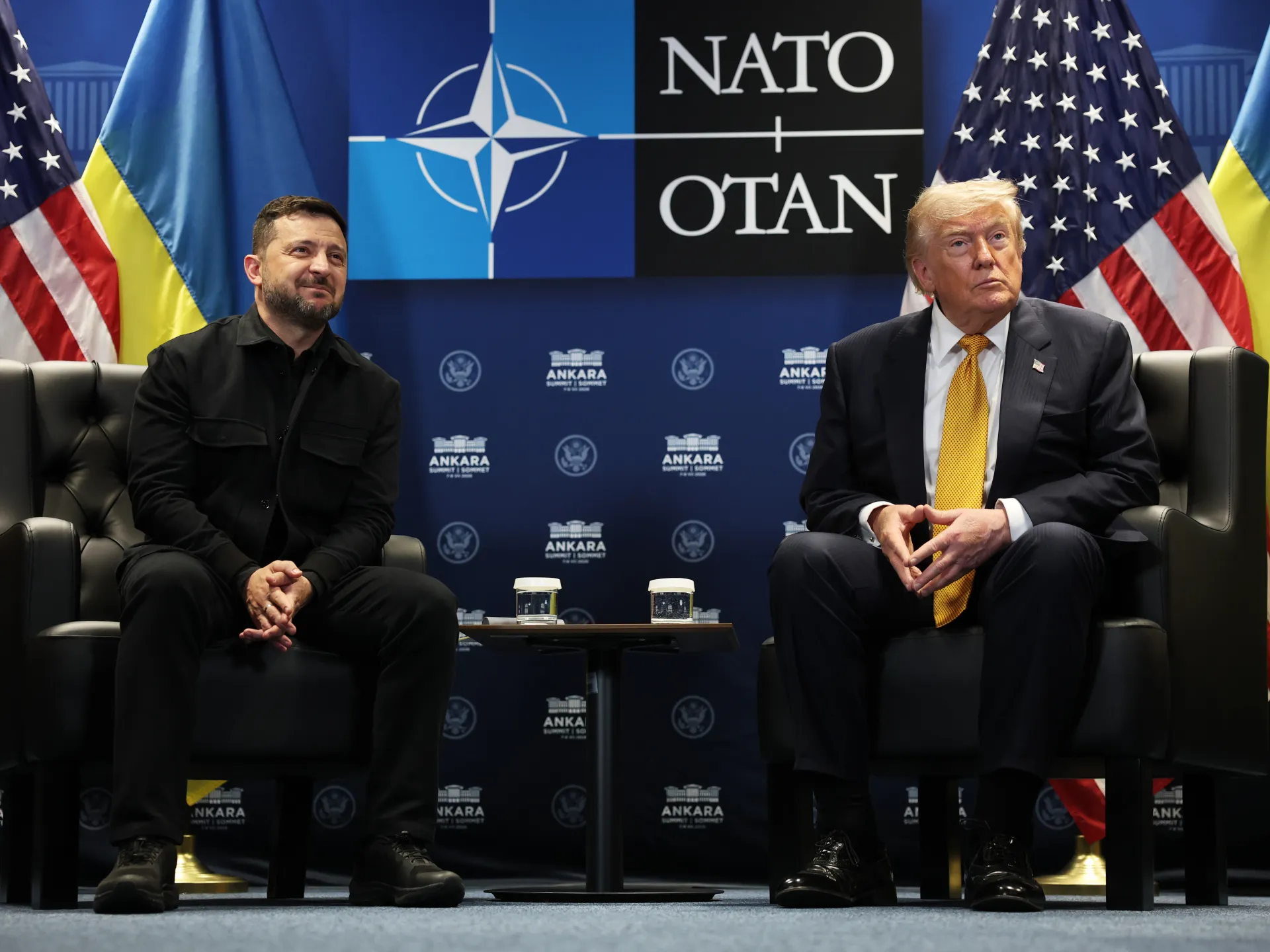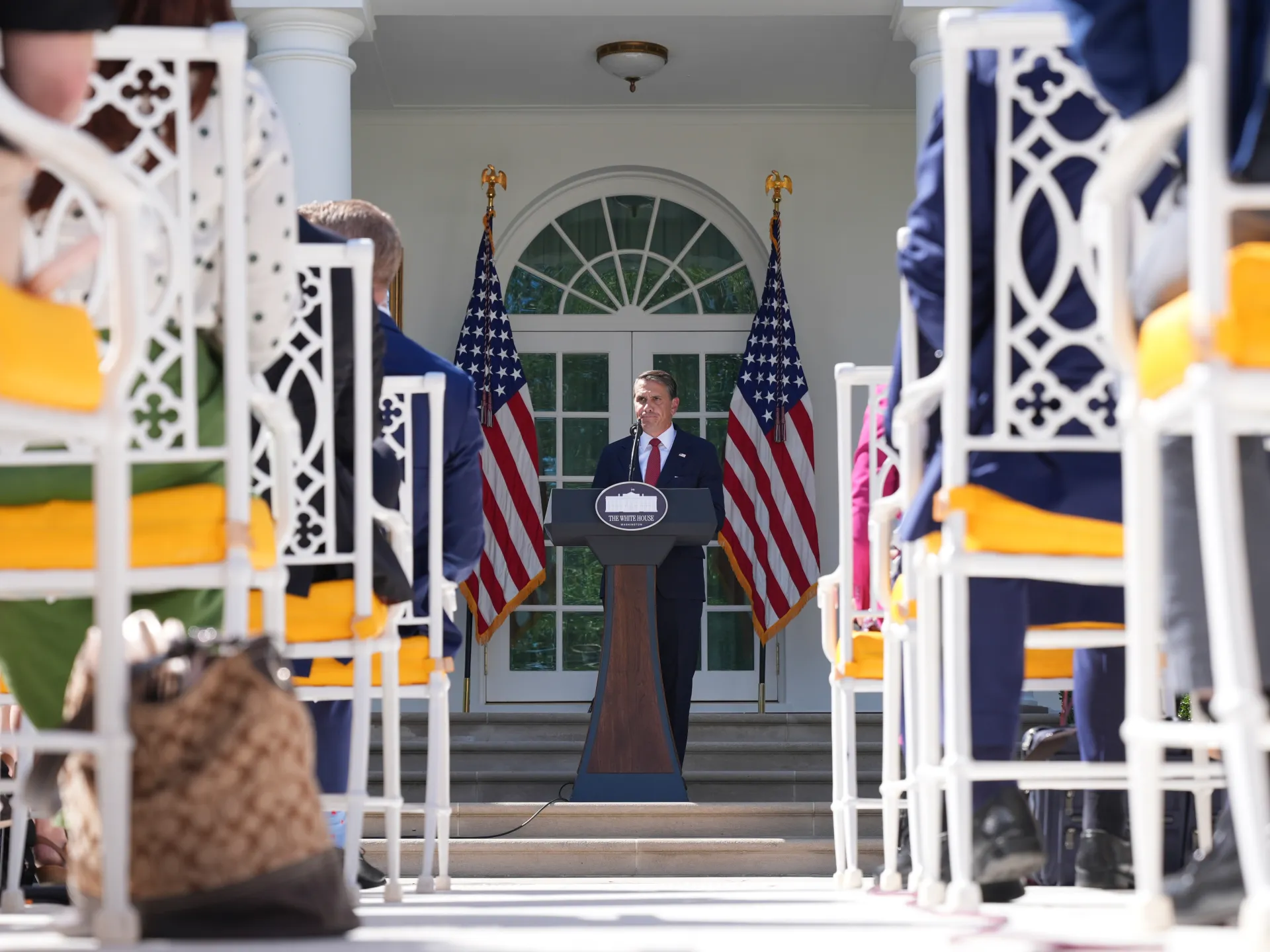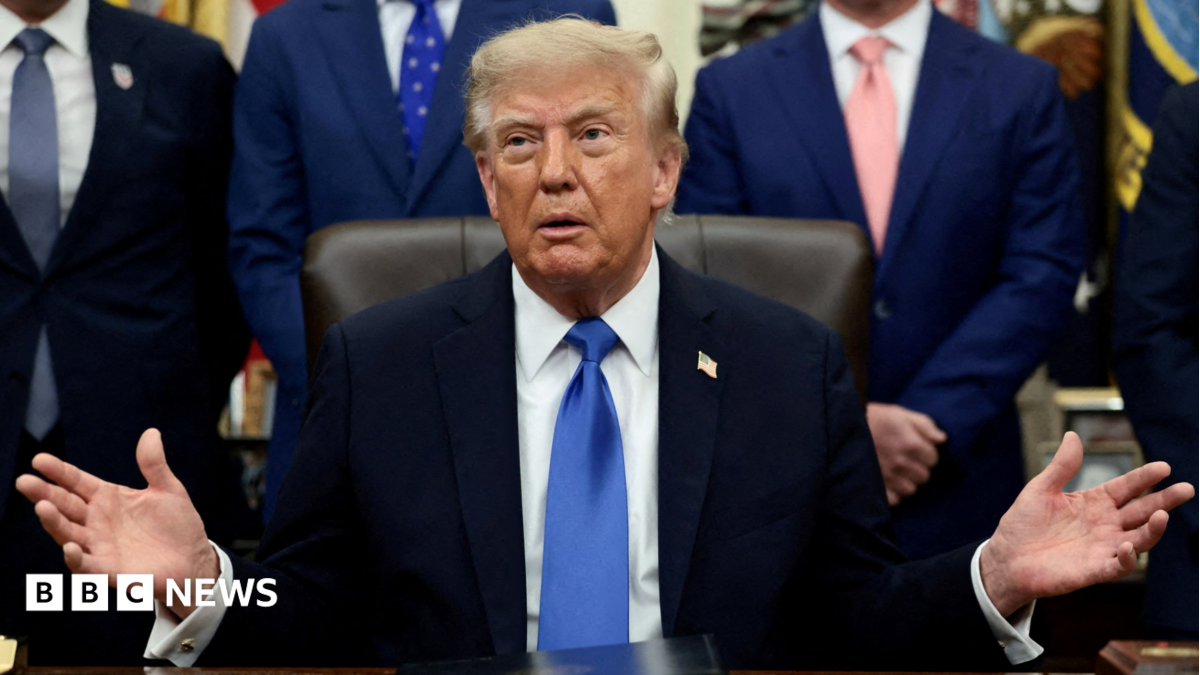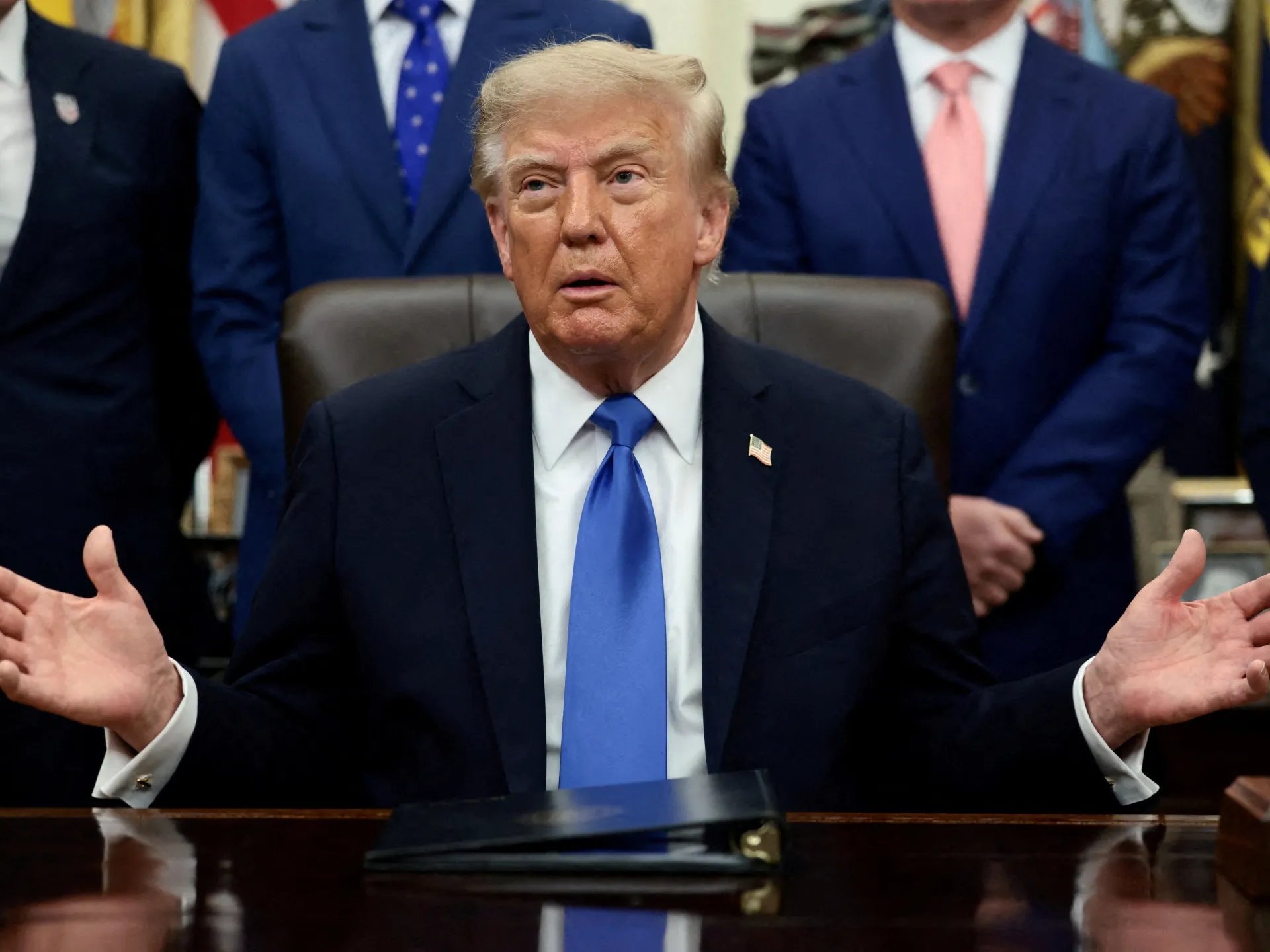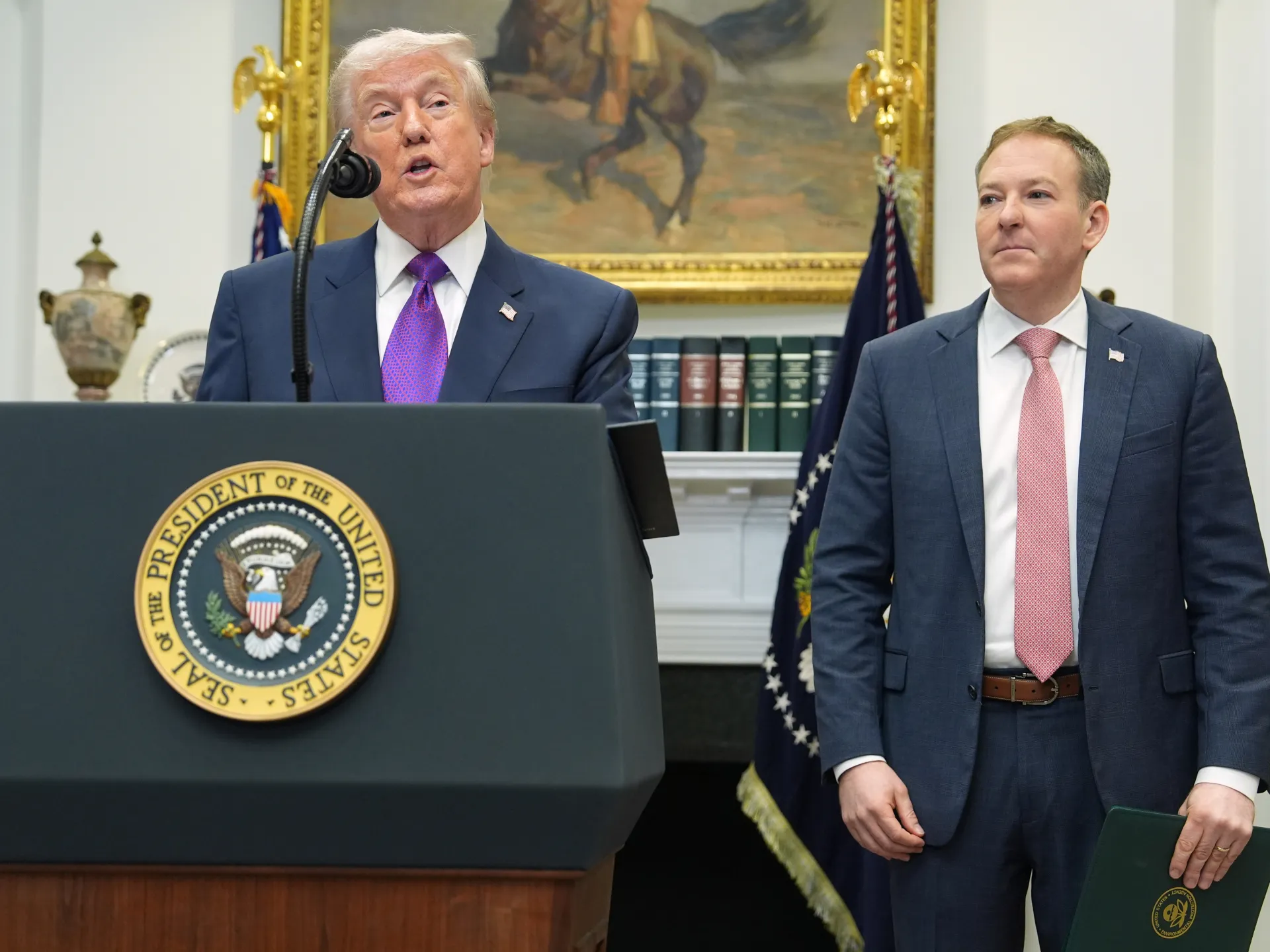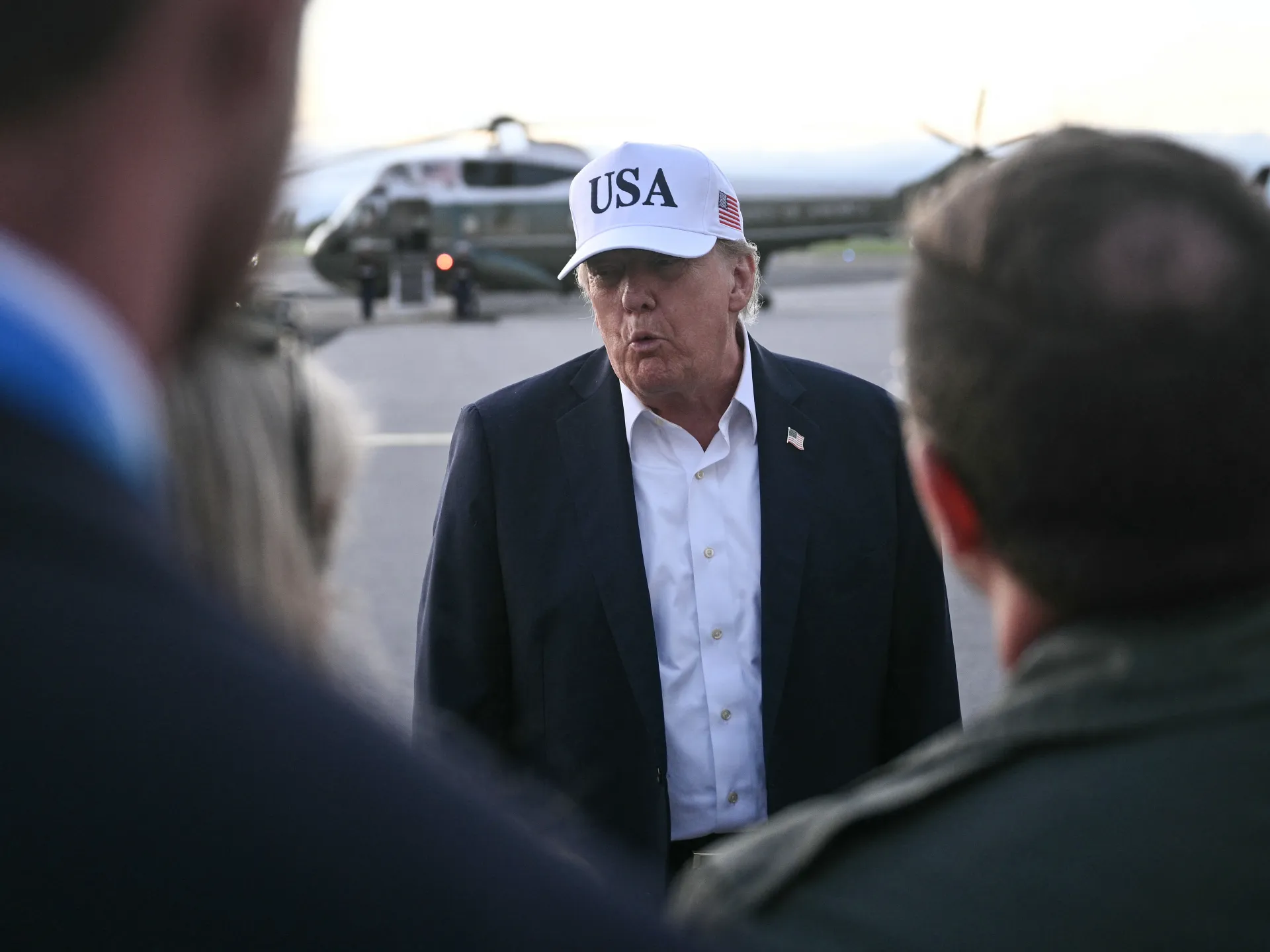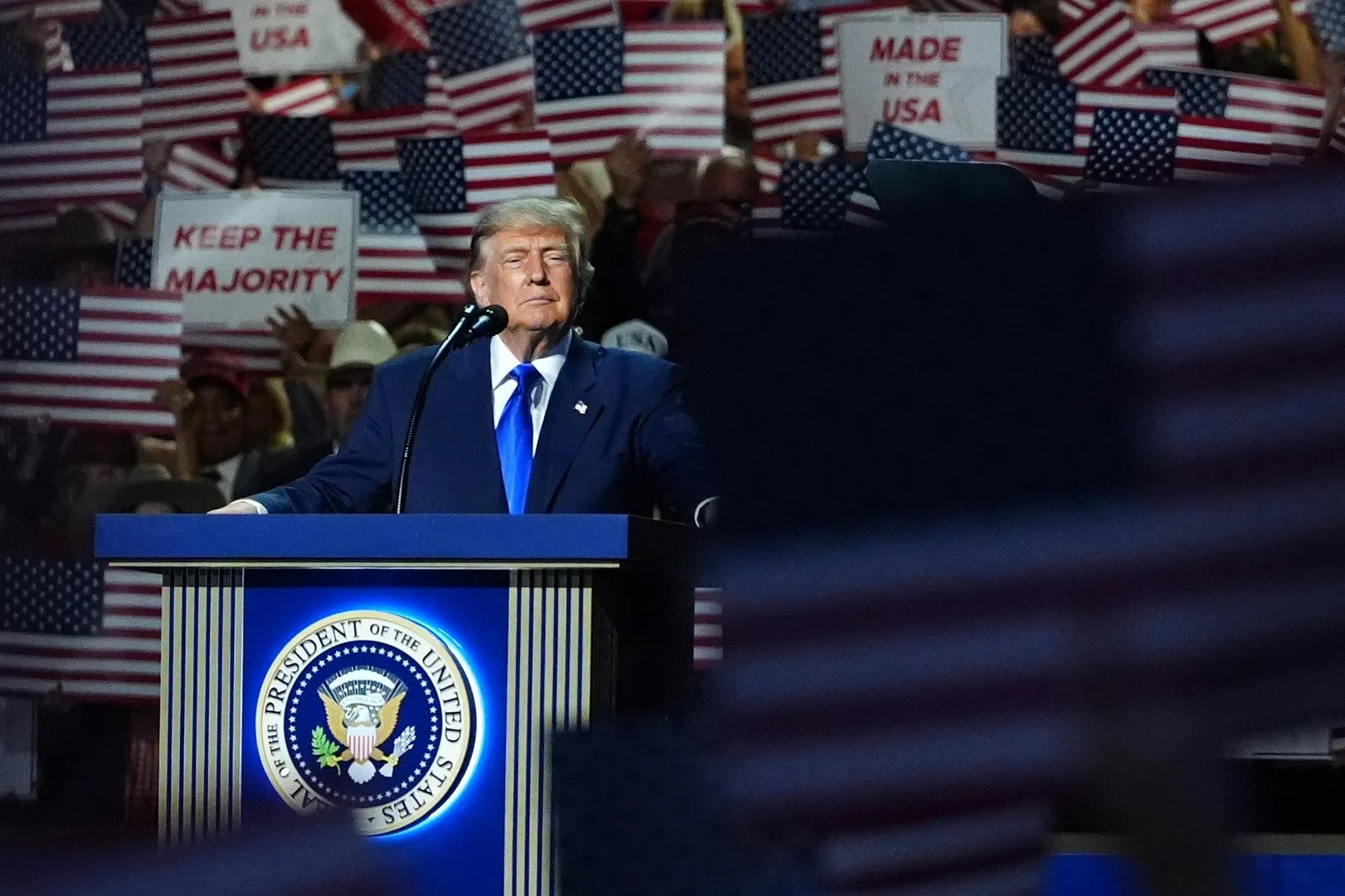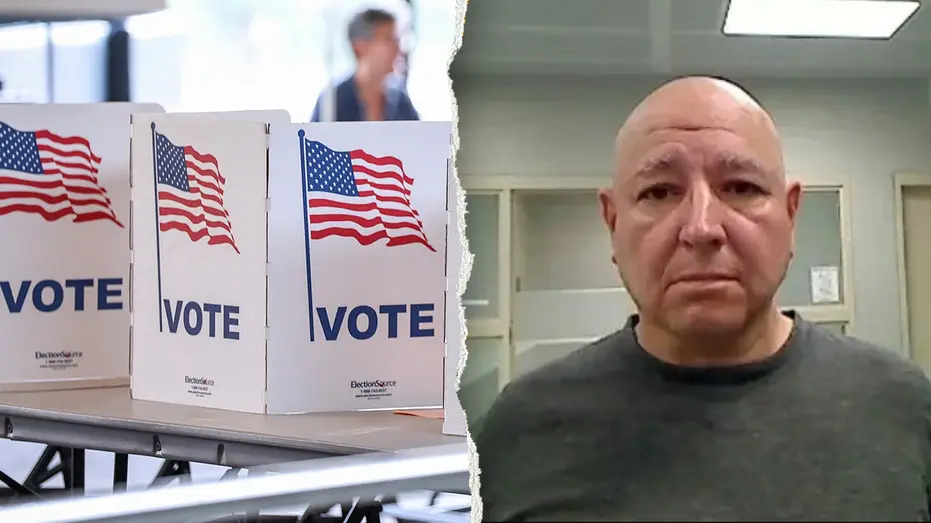
President Trump has revoked media credentials for multiple outlets, even as families of detained Americans urge him to prioritize their release during upcoming talks with China.
The convergence of domestic administrative friction and international diplomatic maneuvering creates a volatile environment for the current administration. ch is significantly narrowing the aperture of independent oversight just as it prepares for high-stakes negotiations with a global rival. This dual pressure—internal conflict over the definition of objective reporting and external pressure to resolve the detentions of U.S. citizens—marks a critical juncture in how the White House communicates its foreign policy priorities to both the American public and international counterparts.
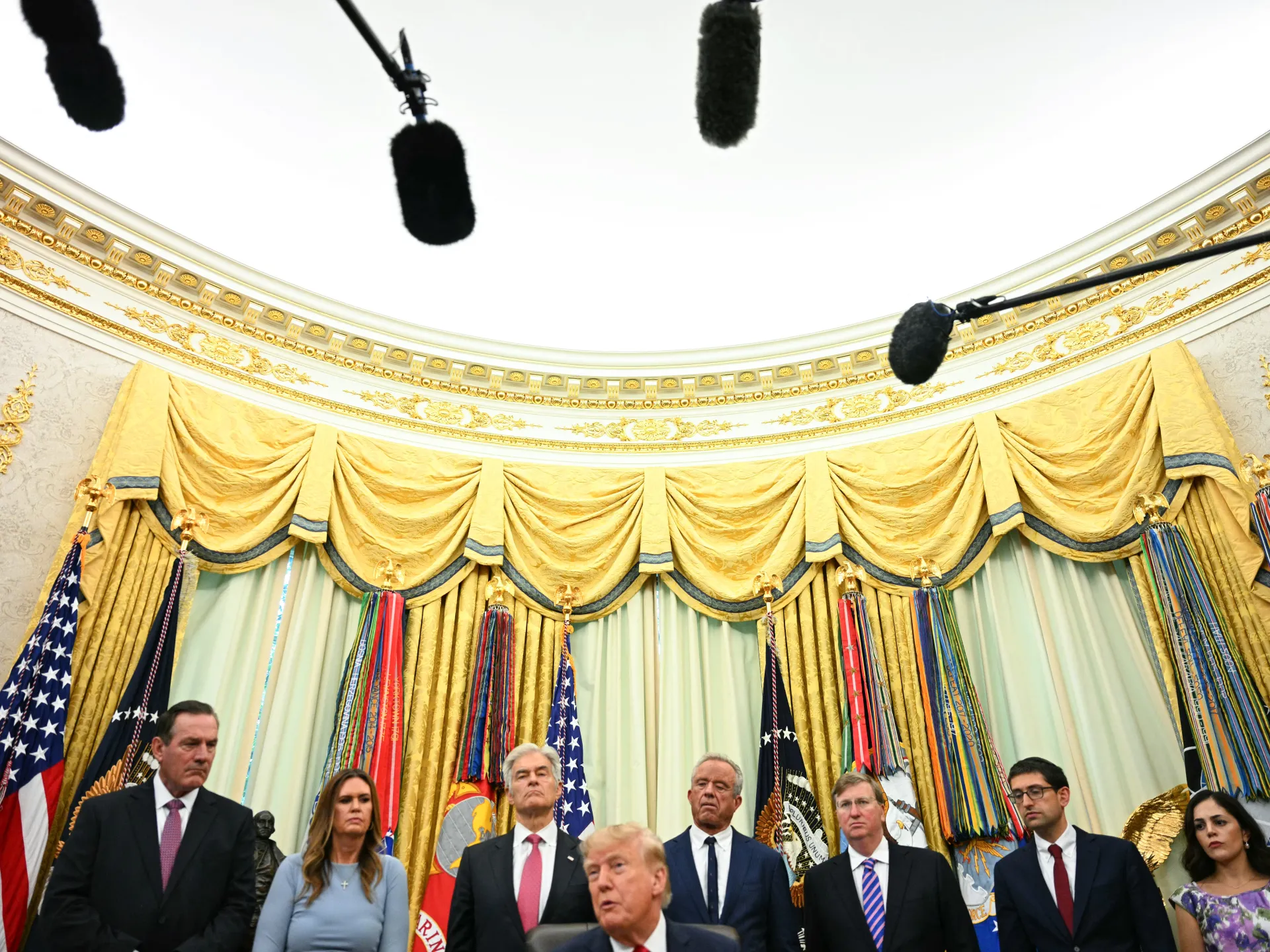
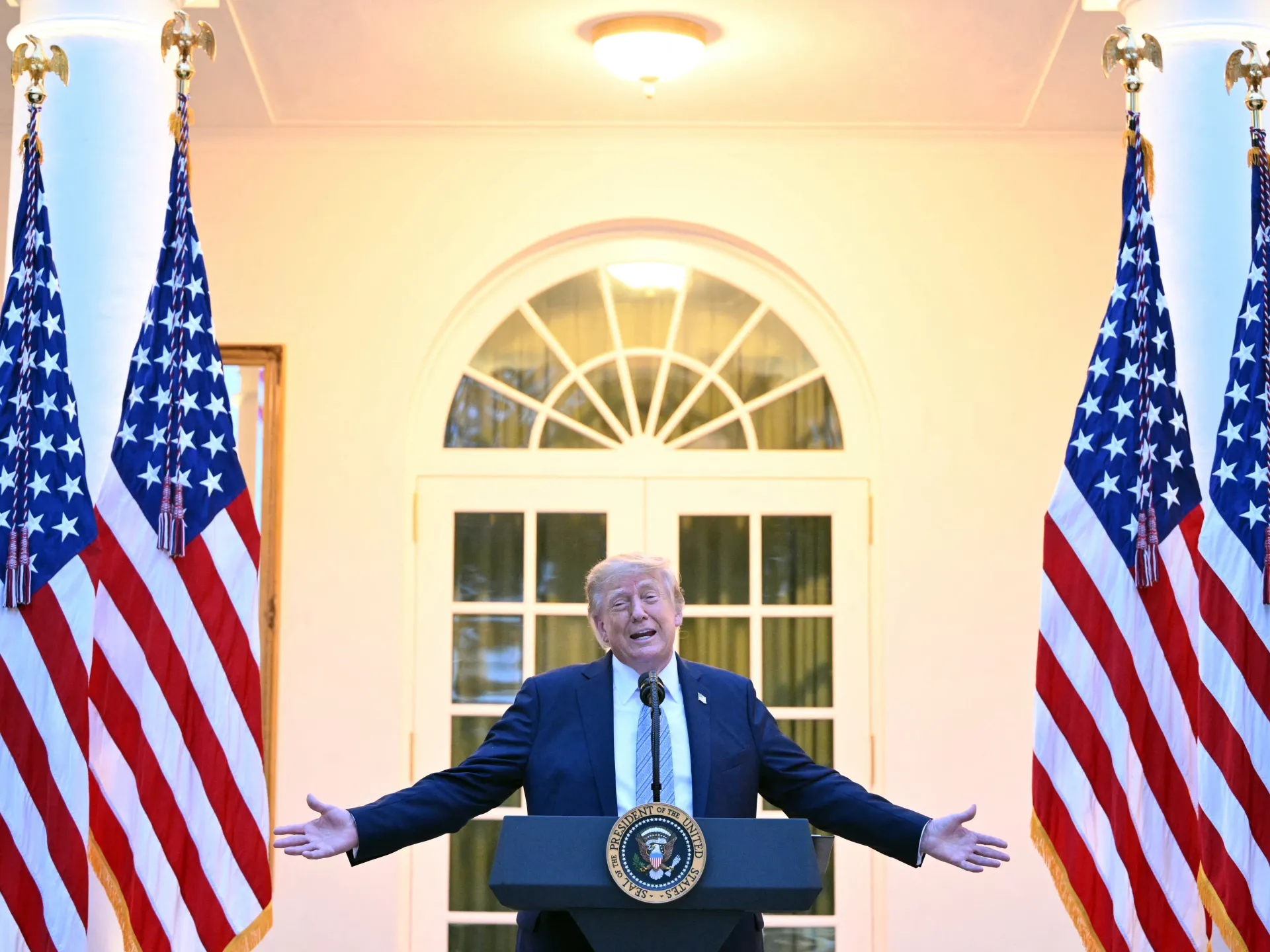
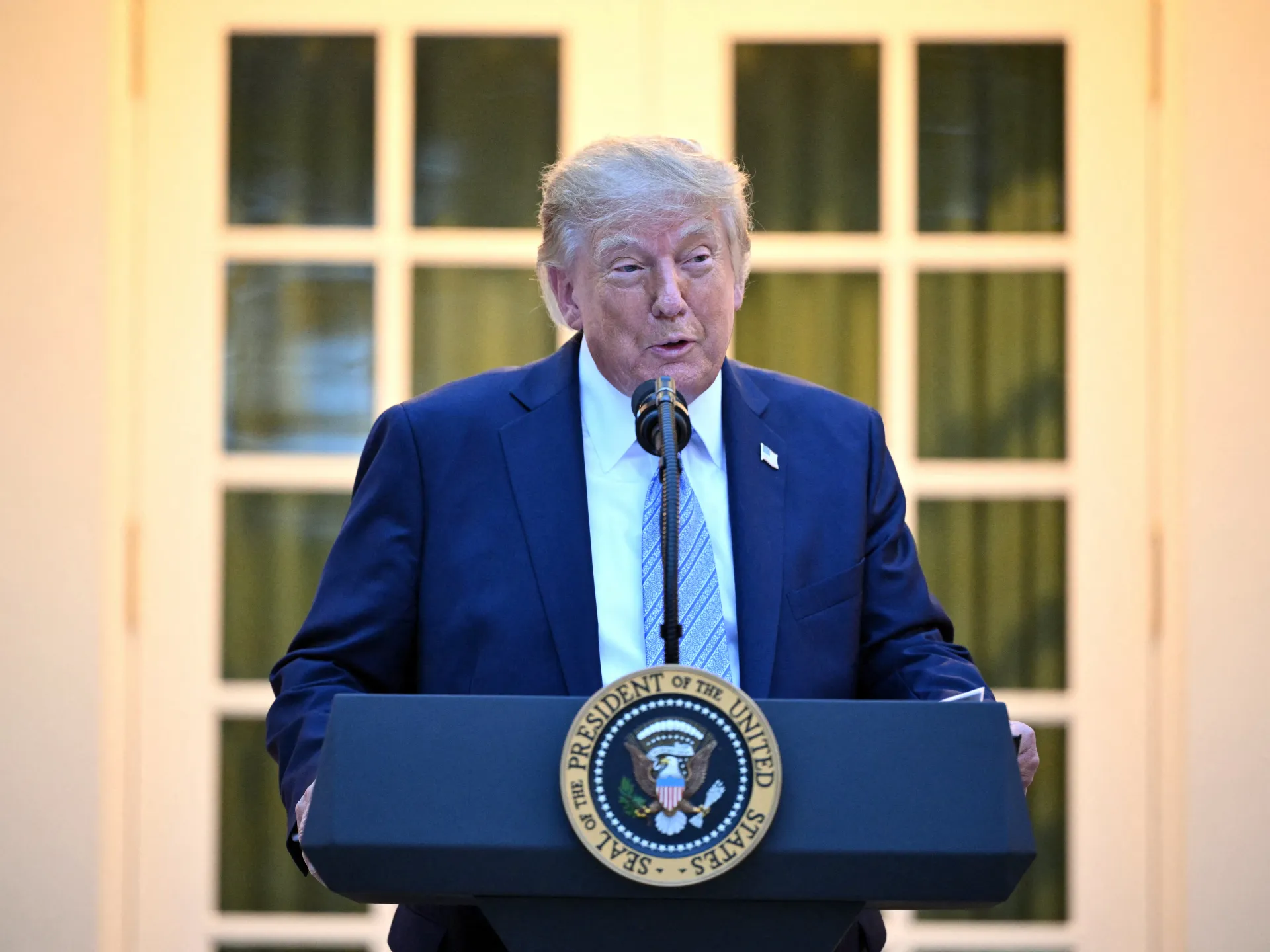
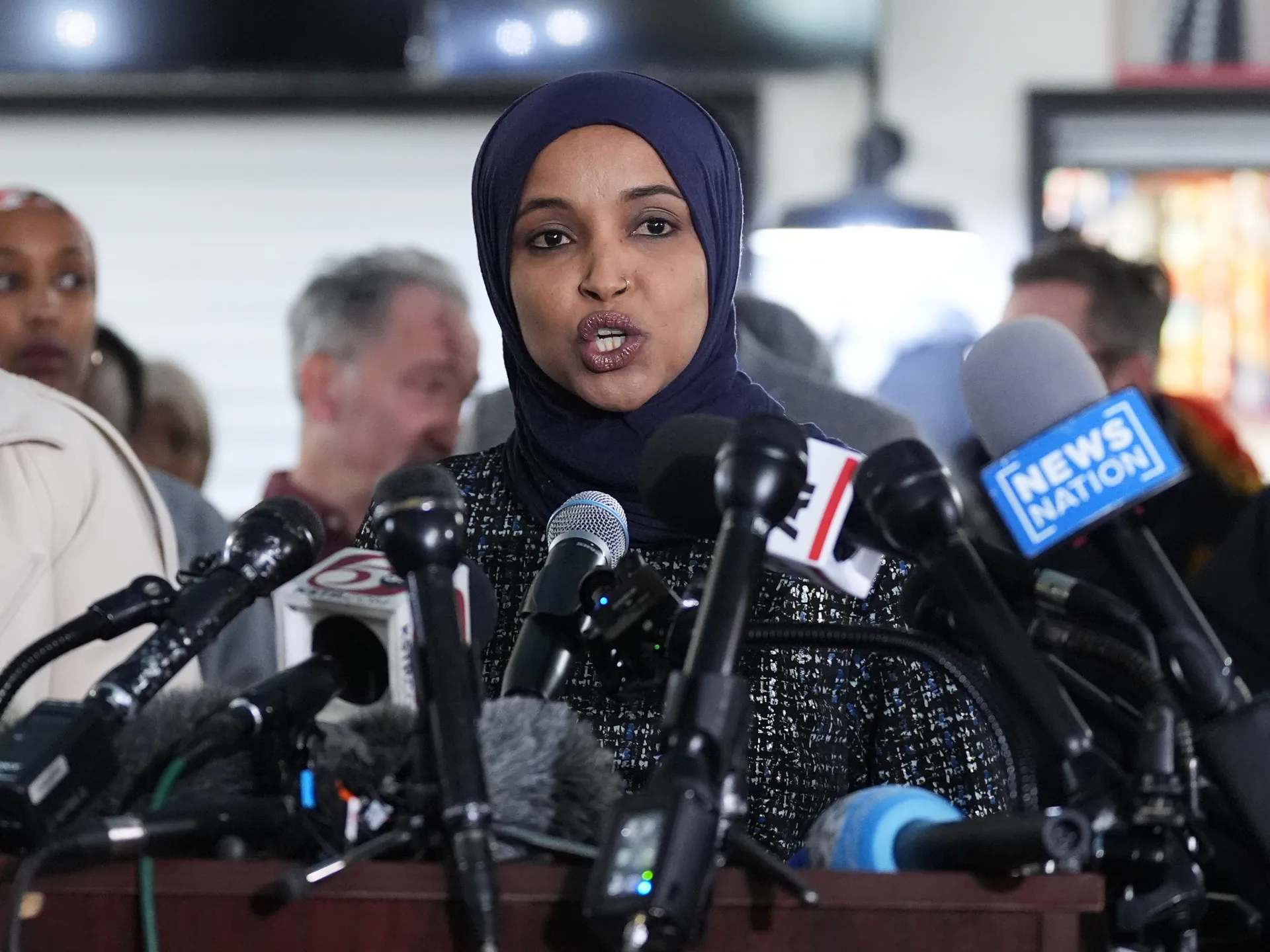
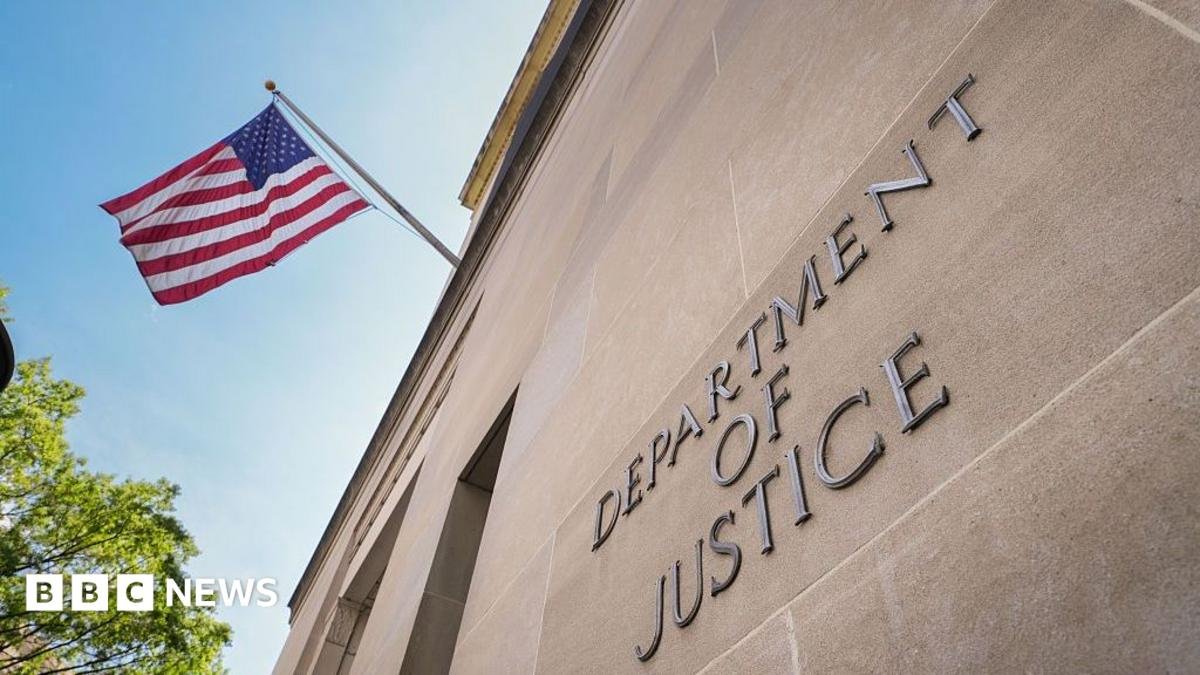
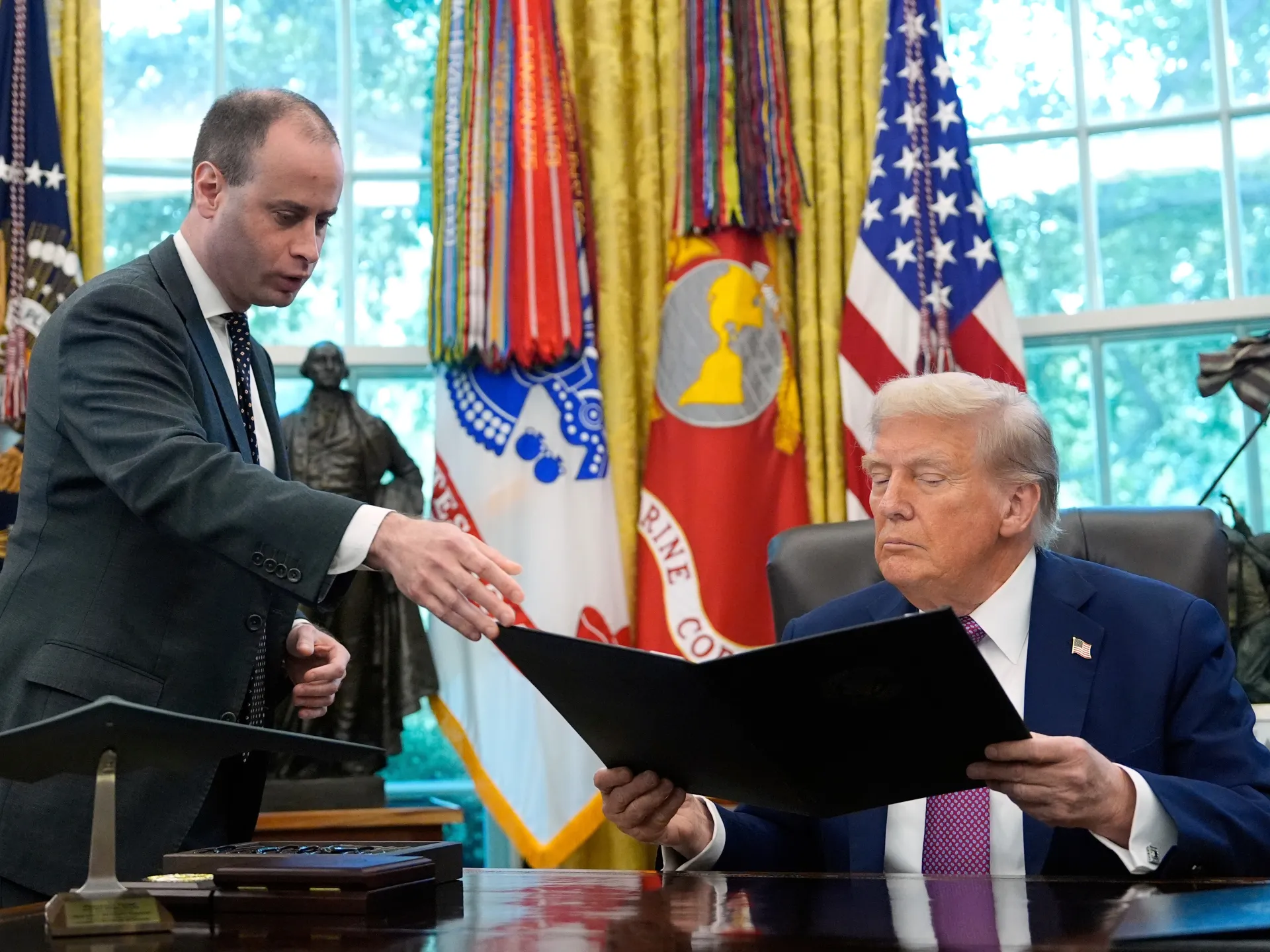
The White House has officially revoked press credentials for several prominent news organizations, including CNN, MS NOW, and Politico. The administration justified this move ake news.” The exclusion of these outlets from the White House grounds effectively limits their ability to provide direct, firsthand coverage of daily briefings and high-level diplomatic events, such as the upcoming state visit
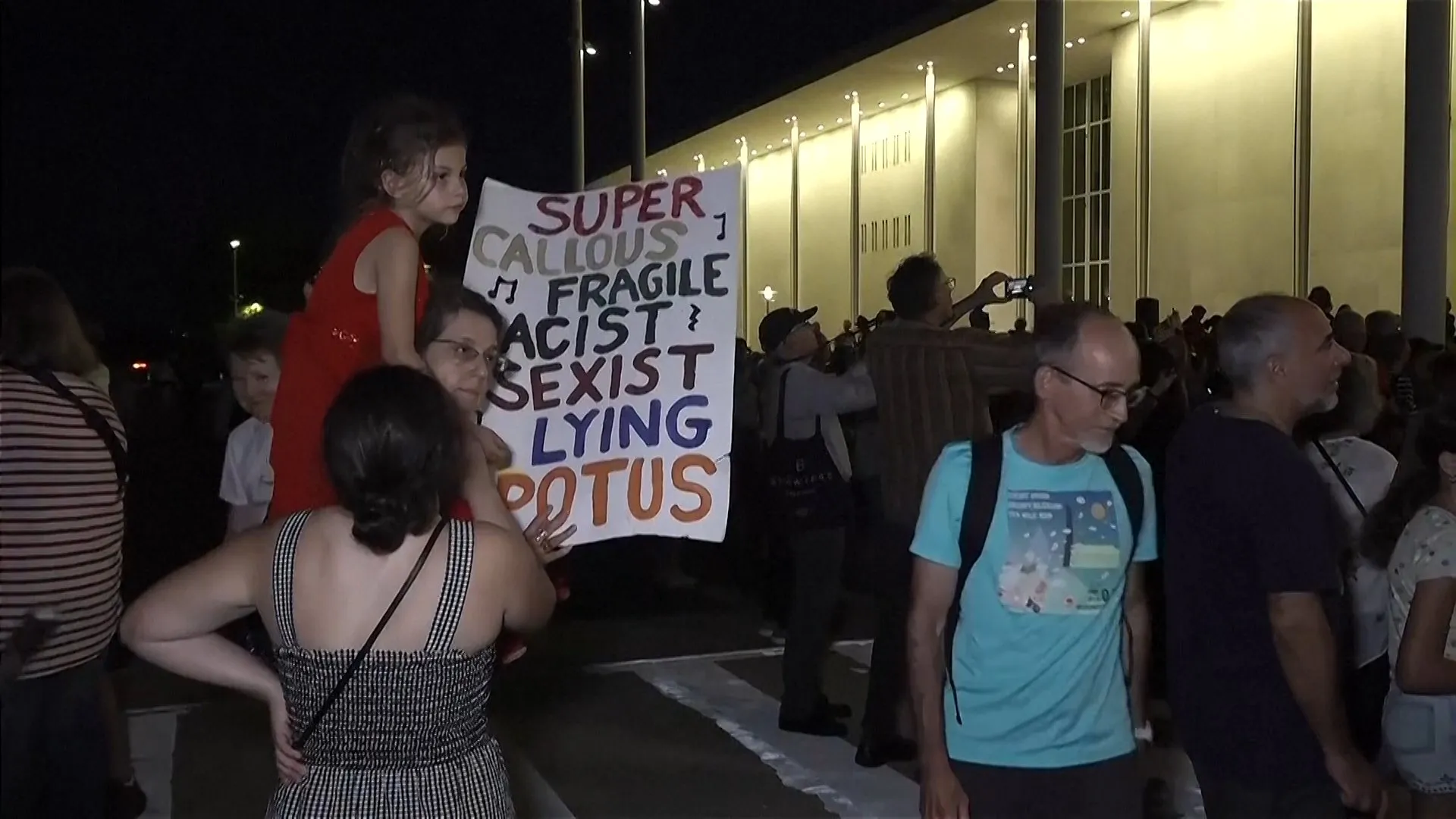
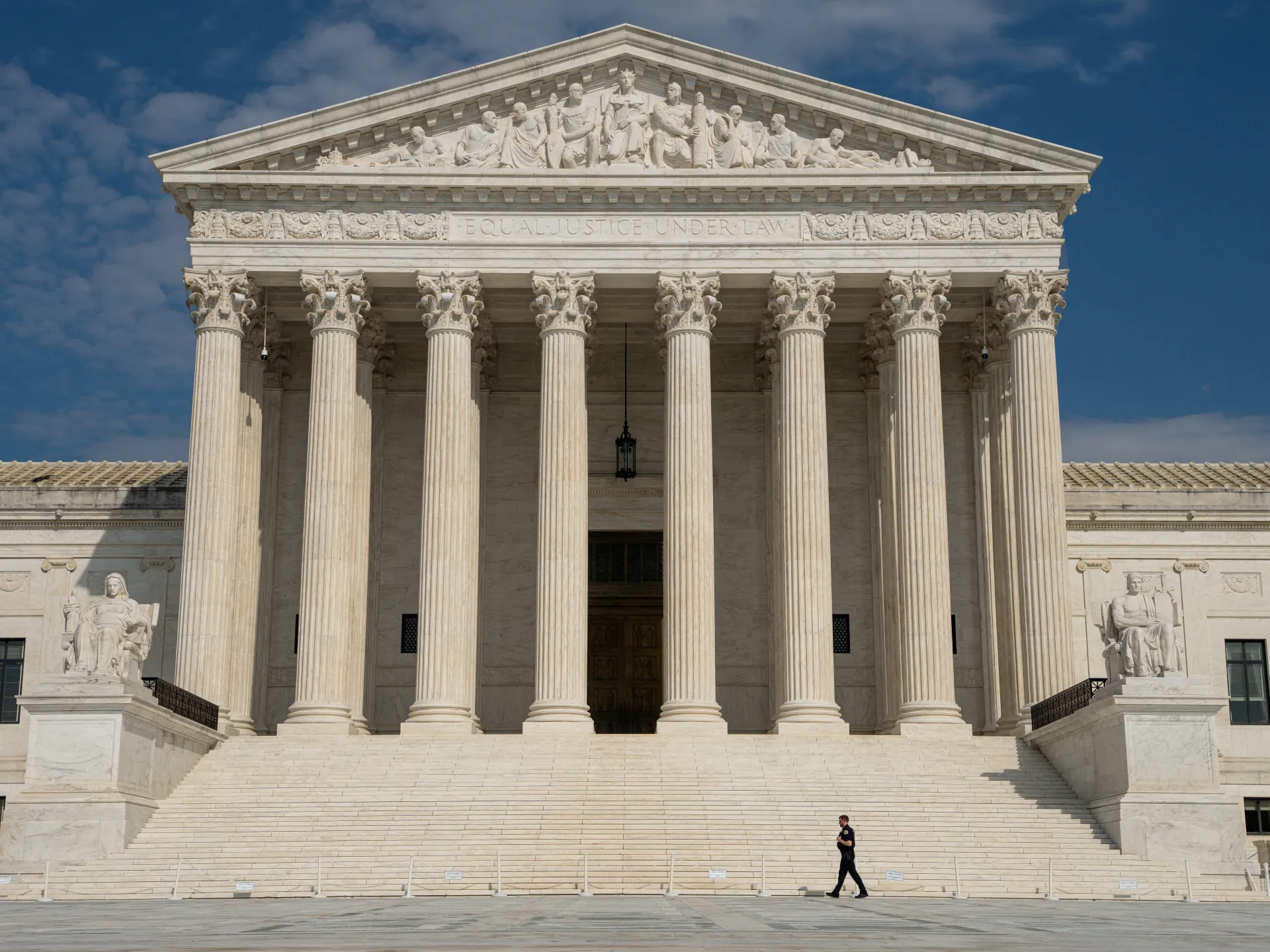
This decision has sparked immediate debate regarding the role of the free press in monitoring the executive branch. Critics argue that limiting access to established media institutions undermines the transparency of democratic governance, while supporters of the measure contend that the administration is exercising its prerogative to manage the information environment and respond to what it views as biased reporting.
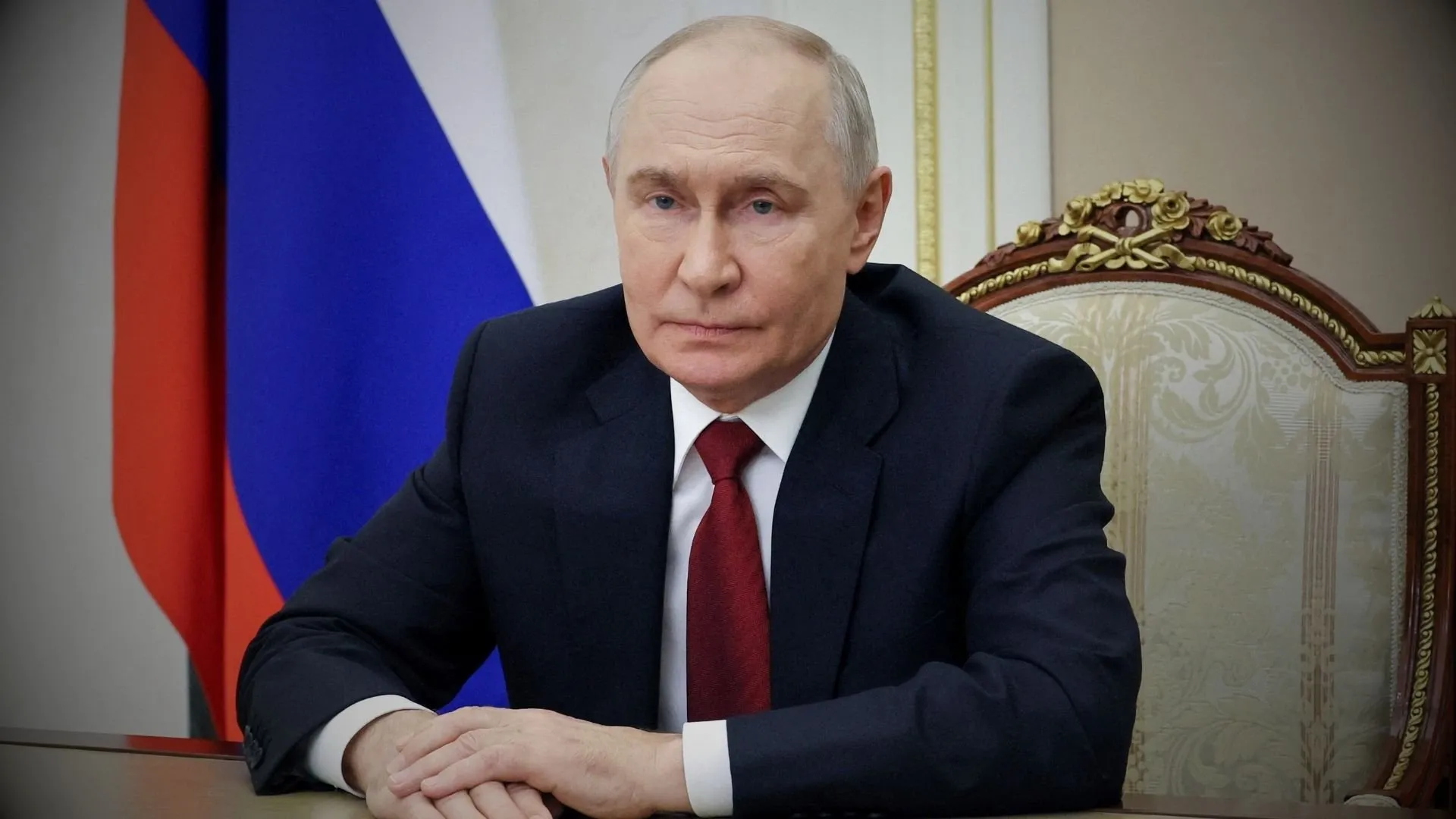
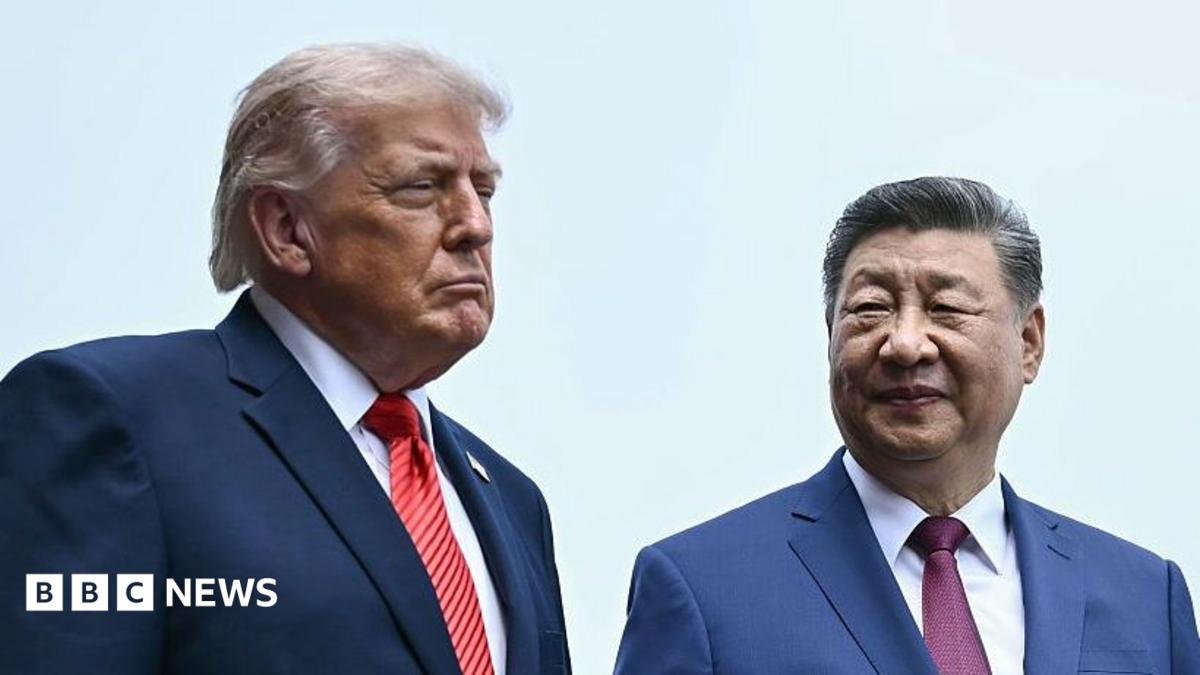
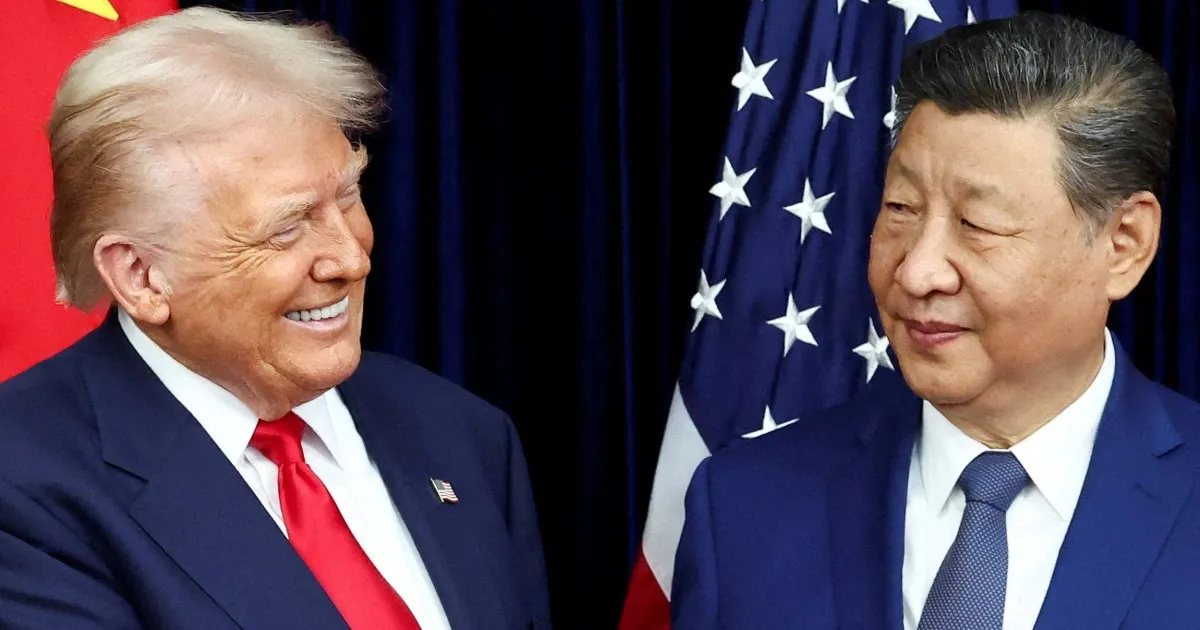
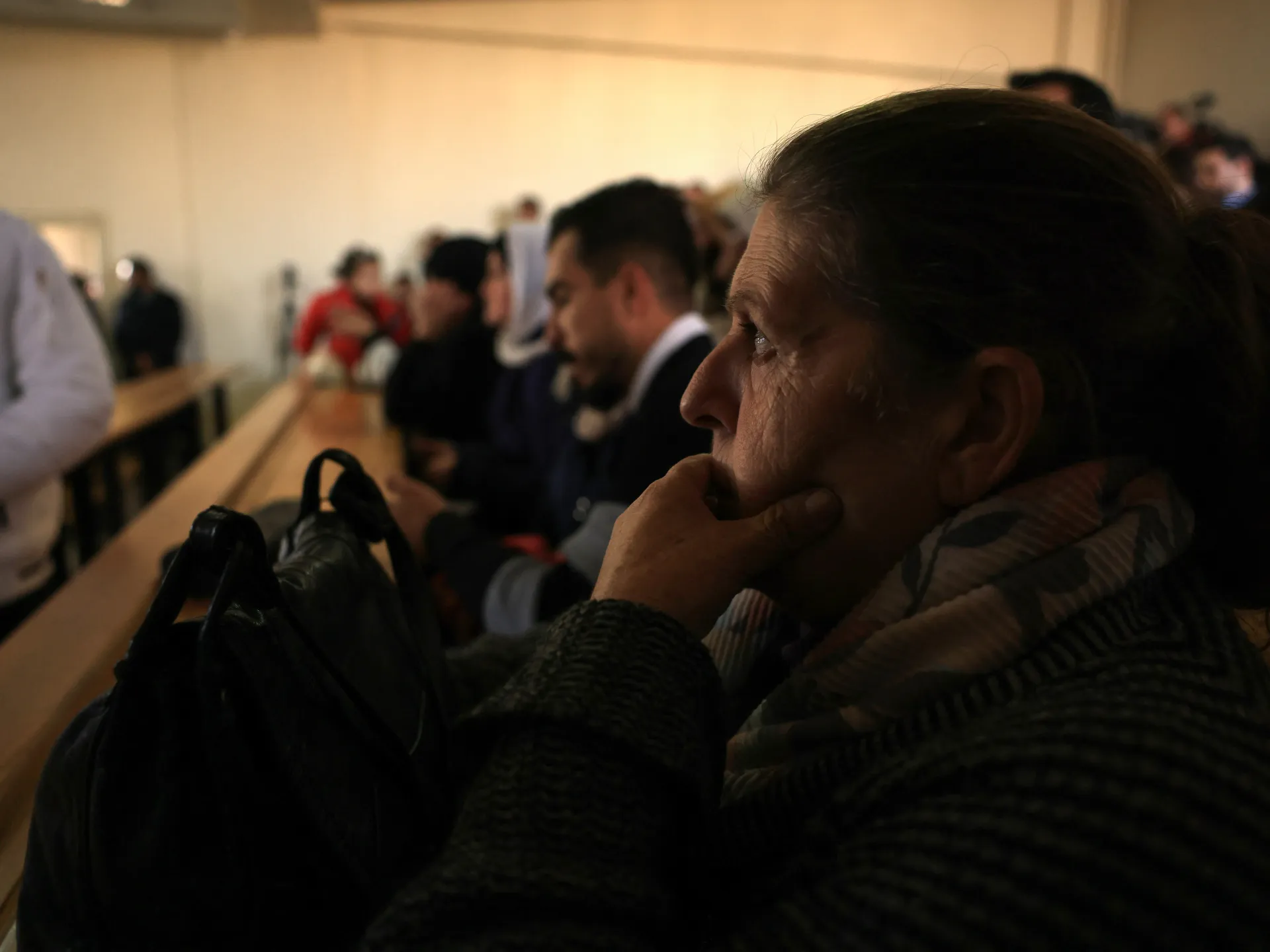
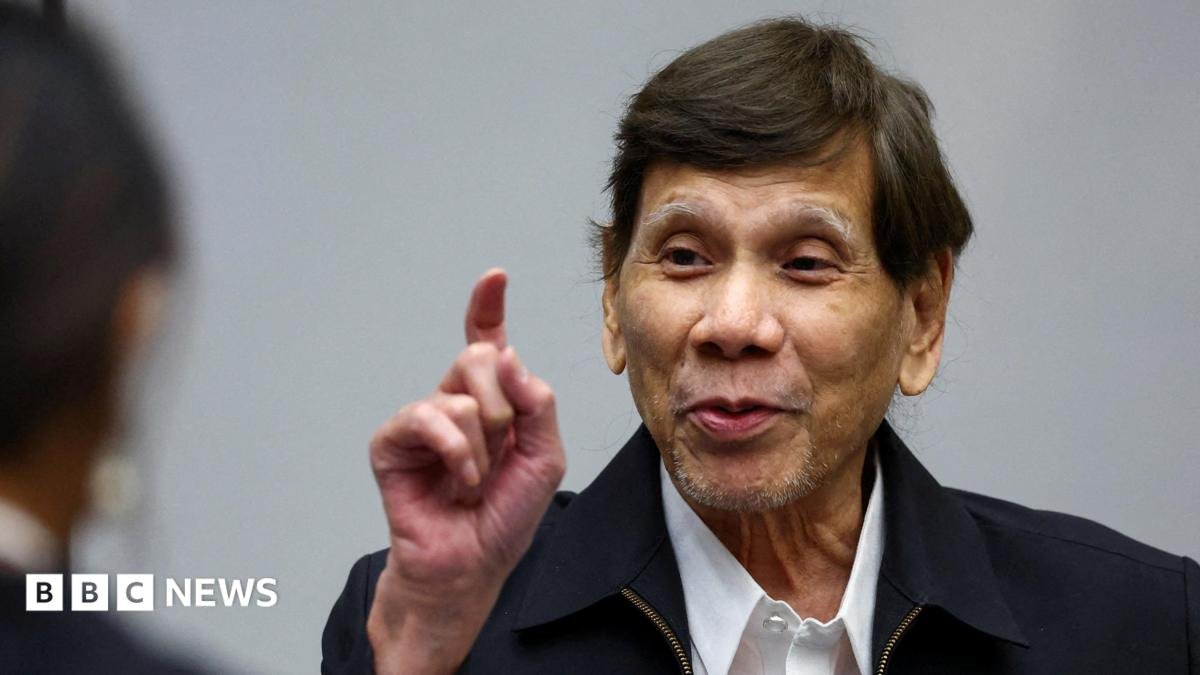
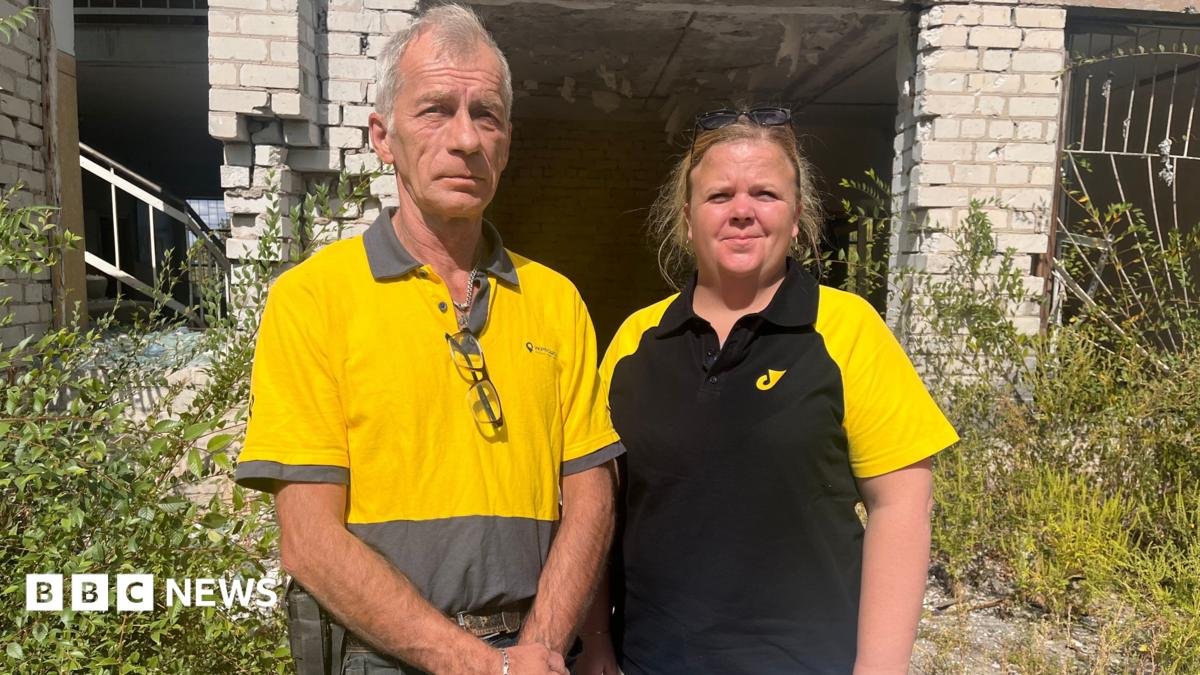
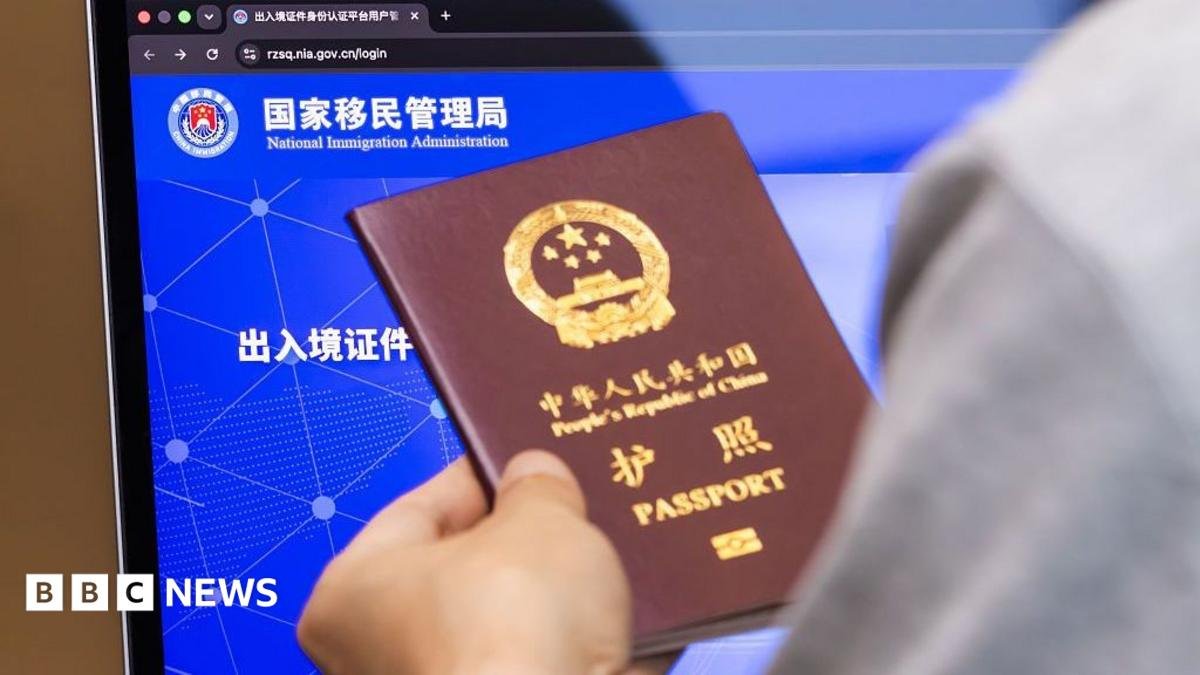
As the administration grapples with domestic pushback, the foreign policy agenda remains dominated n China have converged on Capitol Hill to lobby the President to prioritize the release of their loved ones during his meetings with President Xi. Among those cited are U Min Zin, a scholar arrested in June on charges of espionage, and seismologist Chen Youlin, who has been held for two years.
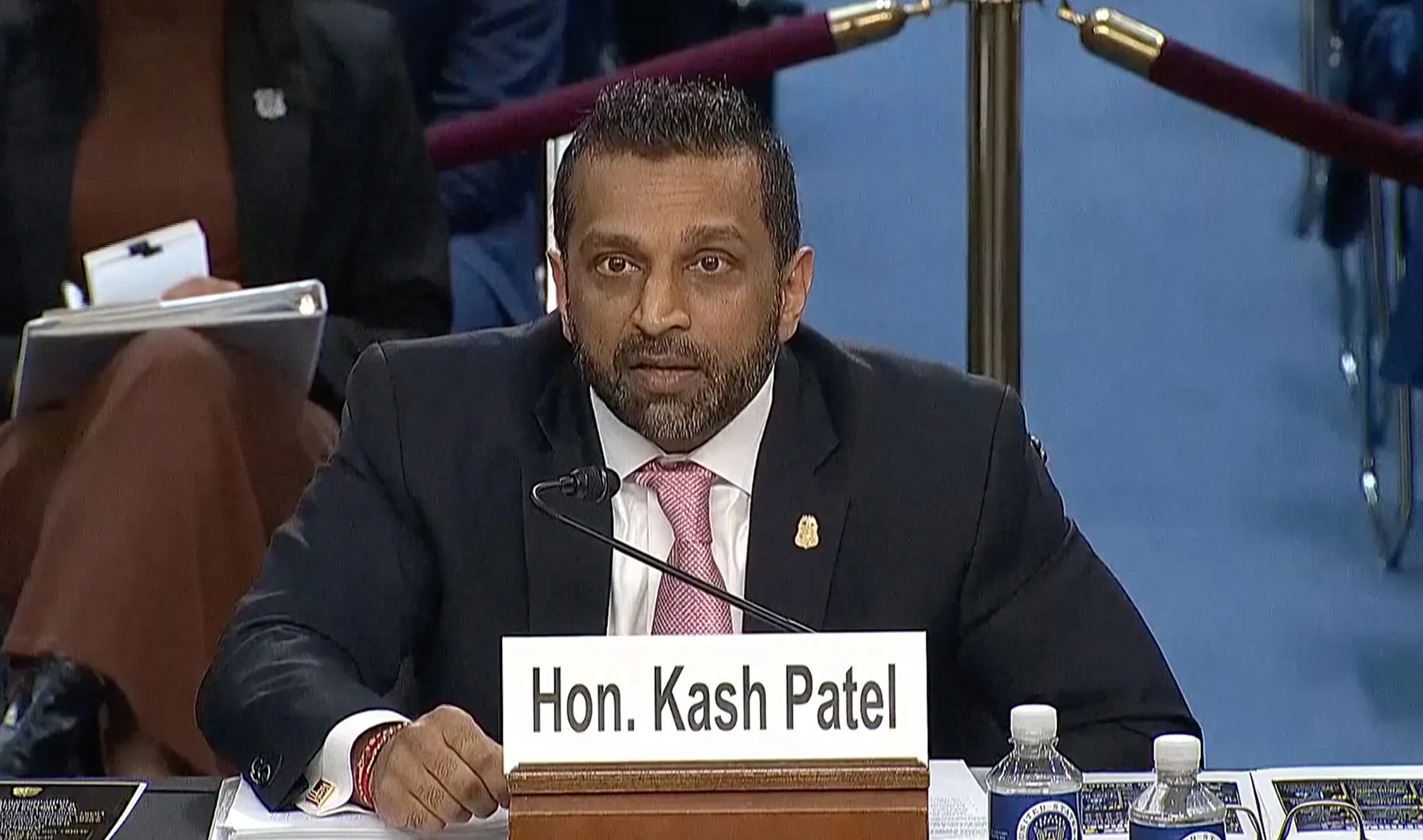
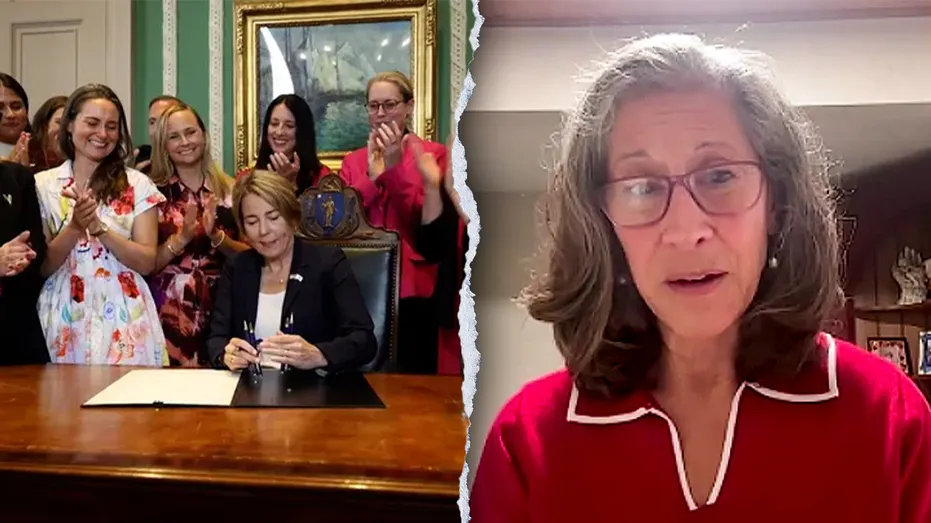
During a hearing of the House Foreign Affairs Committee, Sylvia Zin, the wife of U Min Zin, expressed hope that the President’s history of negotiating prisoner releases would extend to her husband. Congresswoman Young Kim, chairwoman of the subcommittee, framed the detentions as a tactical move lomatic negotiations. While an anonymous senior White House official stated that resolving these wrongful detentions remains a “top priority,” the outcome of these discussions remains uncertain as the administration balances these humanitarian concerns against broader economic and security goals.
The upcoming summit is likely to serve as a litmus test for the effectiveness of the administration's current diplomatic strategy. Observers expect the President to raise the detention cases, though as noted previously, President Xi has historically signaled resistance to such requests, having reportedly described one case as a "tough one." The exclusion of major media outlets from the White House will likely mean that the public will be heavily reliant on official statements and non-excluded media to gauge the success of these negotiations. Furthermore, the tension between the administration and the excluded press organizations is expected to intensify, potentially leading to legal challenges or alternative methods of information gathering