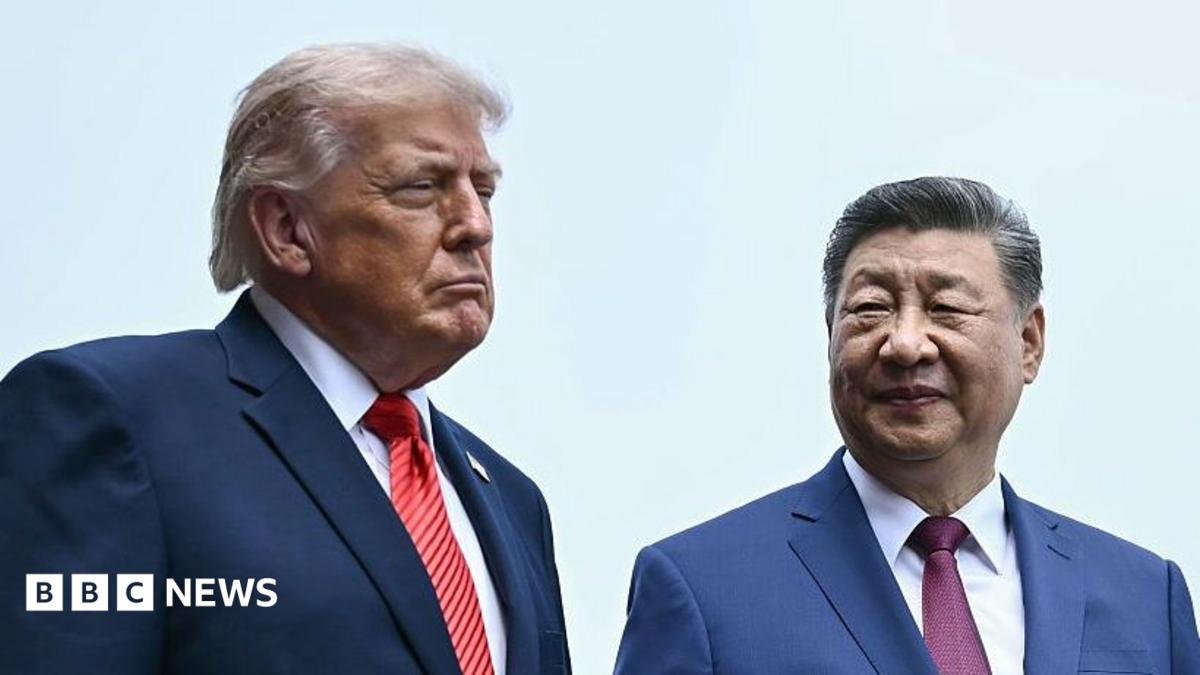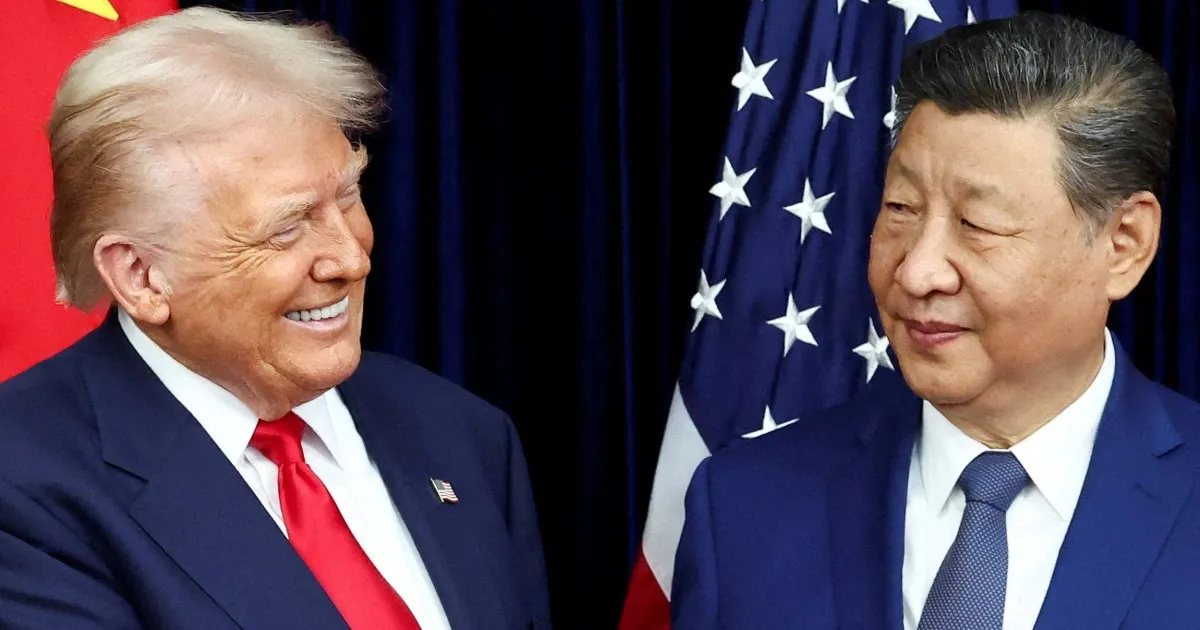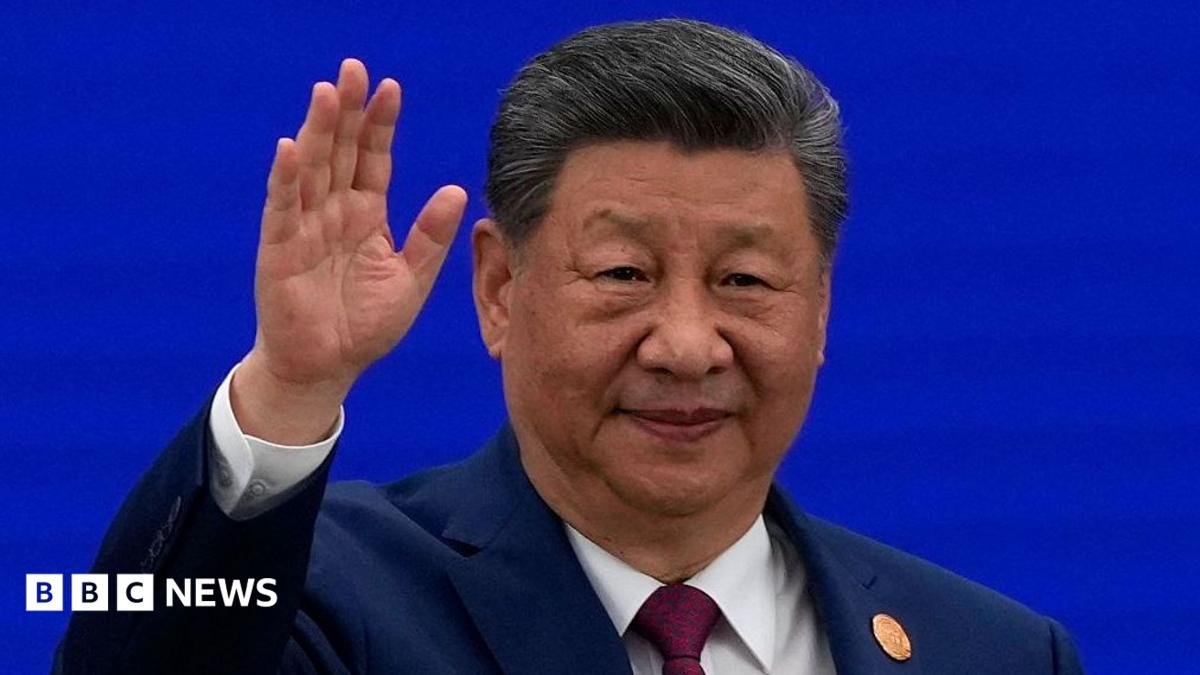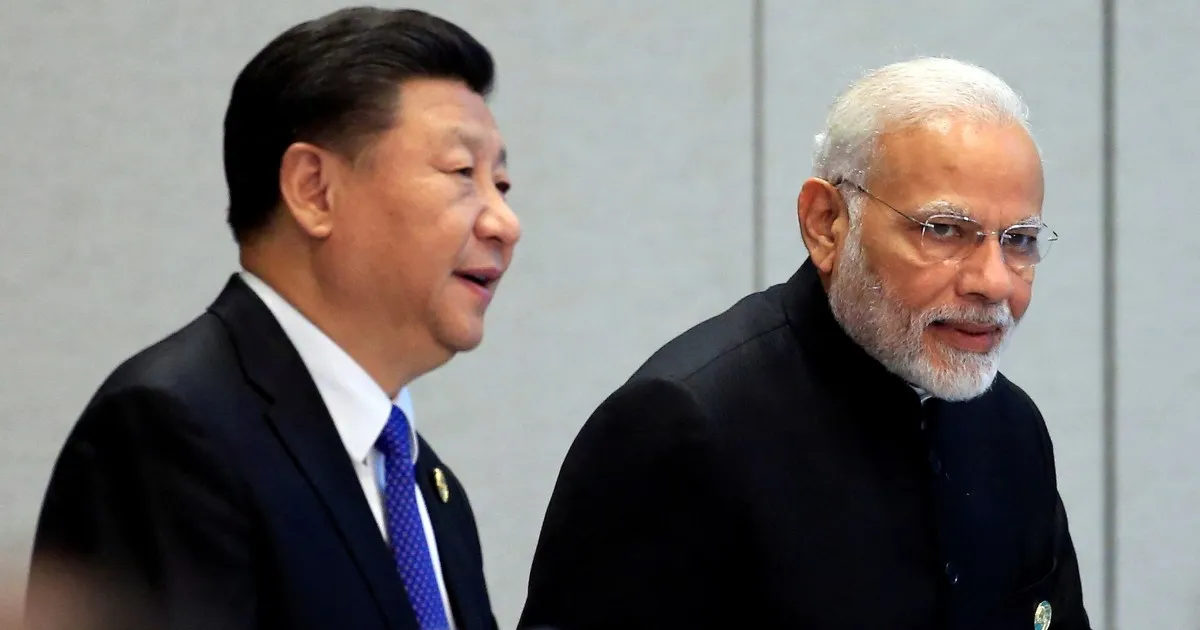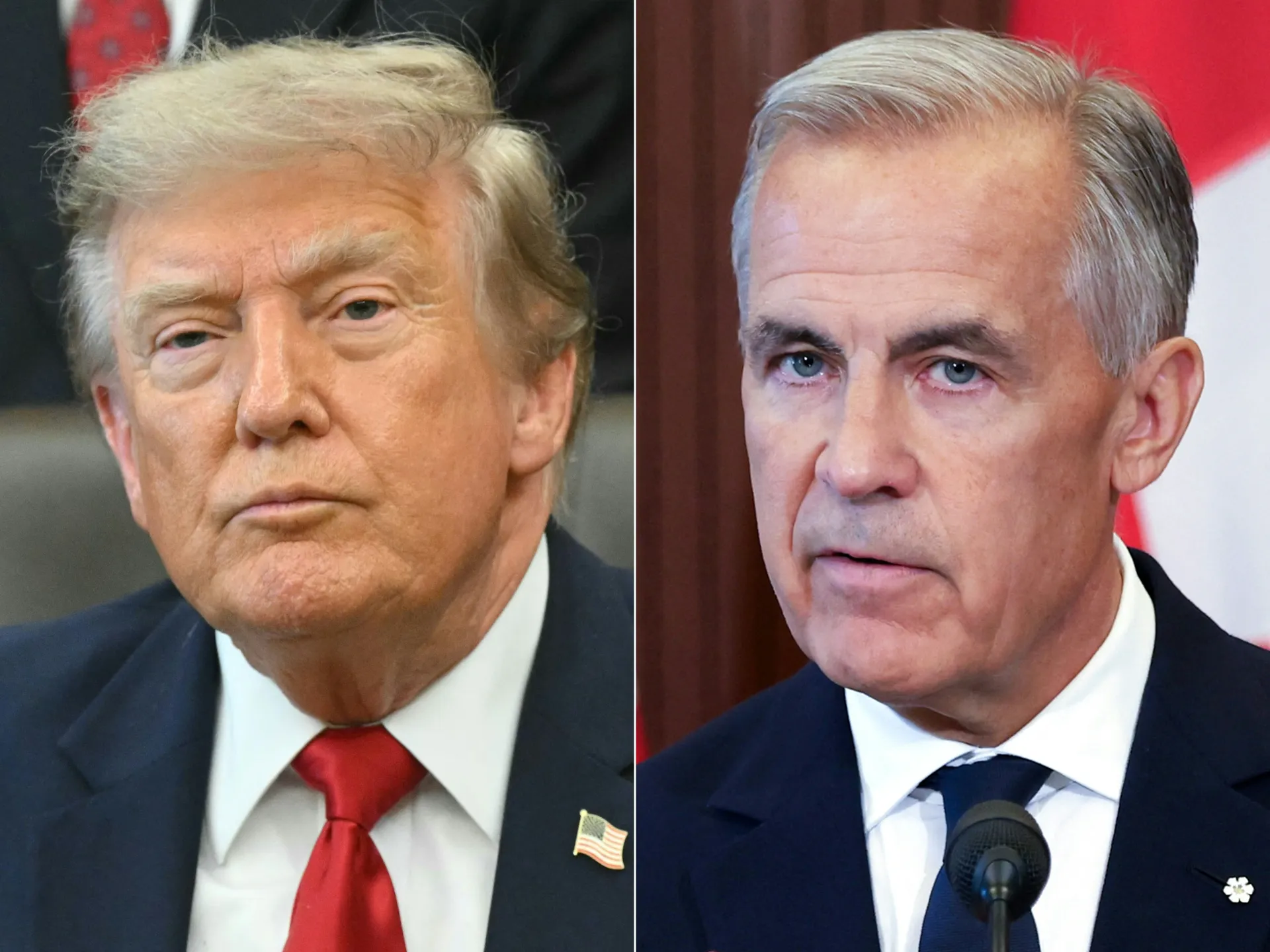
Ahead of the upcoming Trump-Xi summit, the administration faces a dual challenge: managing a burgeoning AI cold war and addressing the humanitarian crisis of US citizens detained in China.
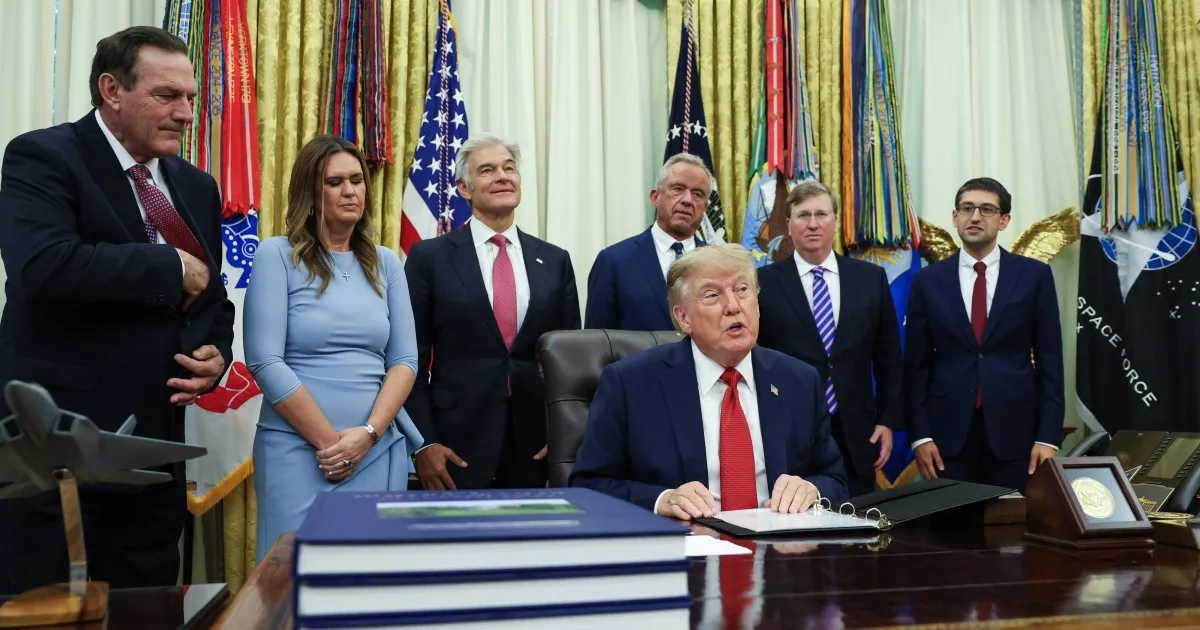
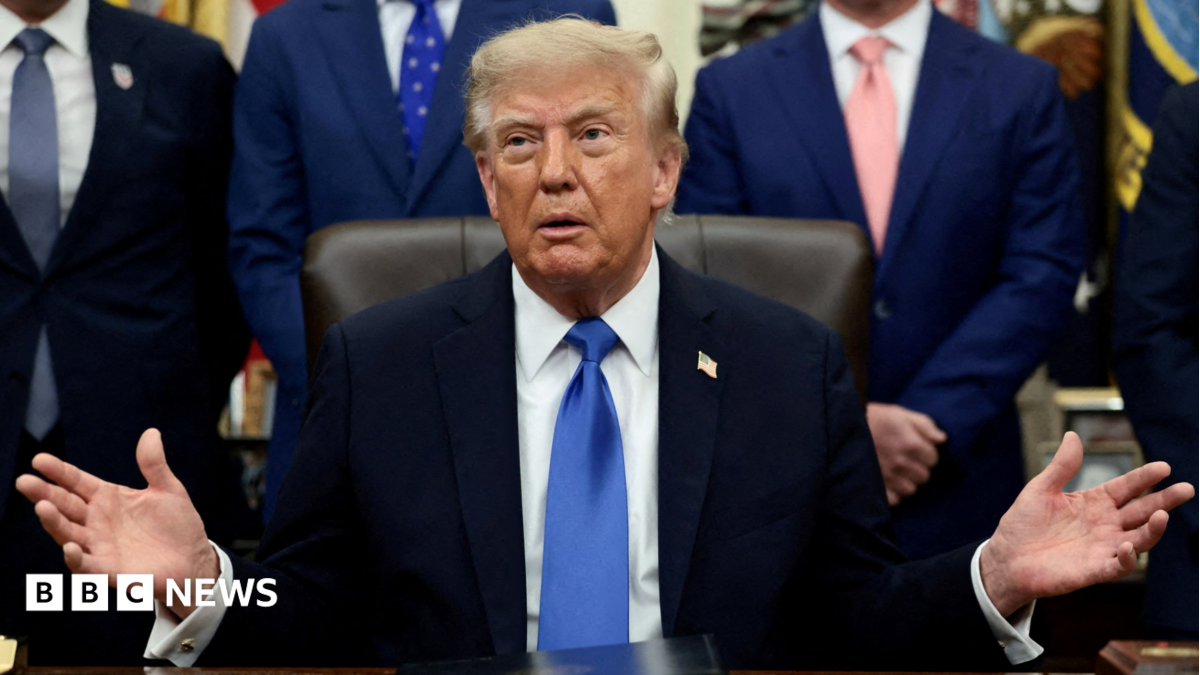
As the diplomatic clock ticks toward a high-stakes state visit between the United States and China is fraying under the weight of an escalating technological rivalry and mounting humanitarian grievances. While the administration prepares for summit discussions, the atmosphere is clouded hina, who are urging President Donald Trump to prioritize these individual cases alongside broader geopolitical tensions.
This dual-track tension—defined ned Americans—highlights the narrowing window for diplomatic cooperation. The White House has signaled that resolving these detentions remains a top priority, yet the systemic nature of the competition for artificial intelligence dominance suggests that the upcoming summit may struggle to produce anything more than a fragile detente.
The convergence of human rights advocacy and industrial policy creates a complex "leverage trap" for the American administration. , families are attempting to reframe individual liberty as a non-negotiable metric of diplomatic success. However, this strategy is complicated the Pax Silica initiative to exclude Beijing from critical supply chains, the administration risks narrowing its own room for negotiation. If the US pushes too aggressively on both containment and human rights, it risks "policy fatigue" among key Dutch, Japanese, and Taiwanese allies, who bear significant commercial costs to align with American security objectives.
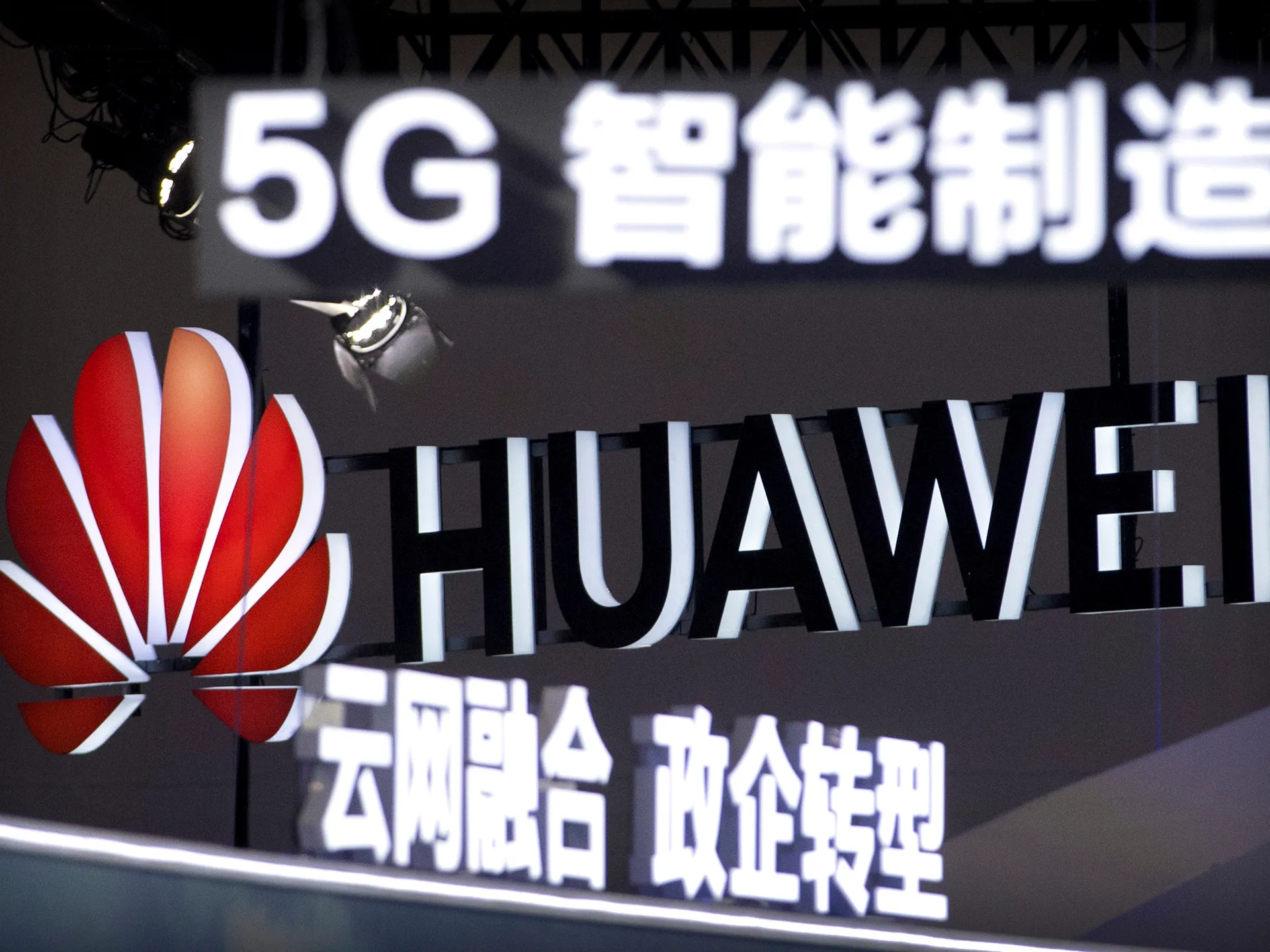
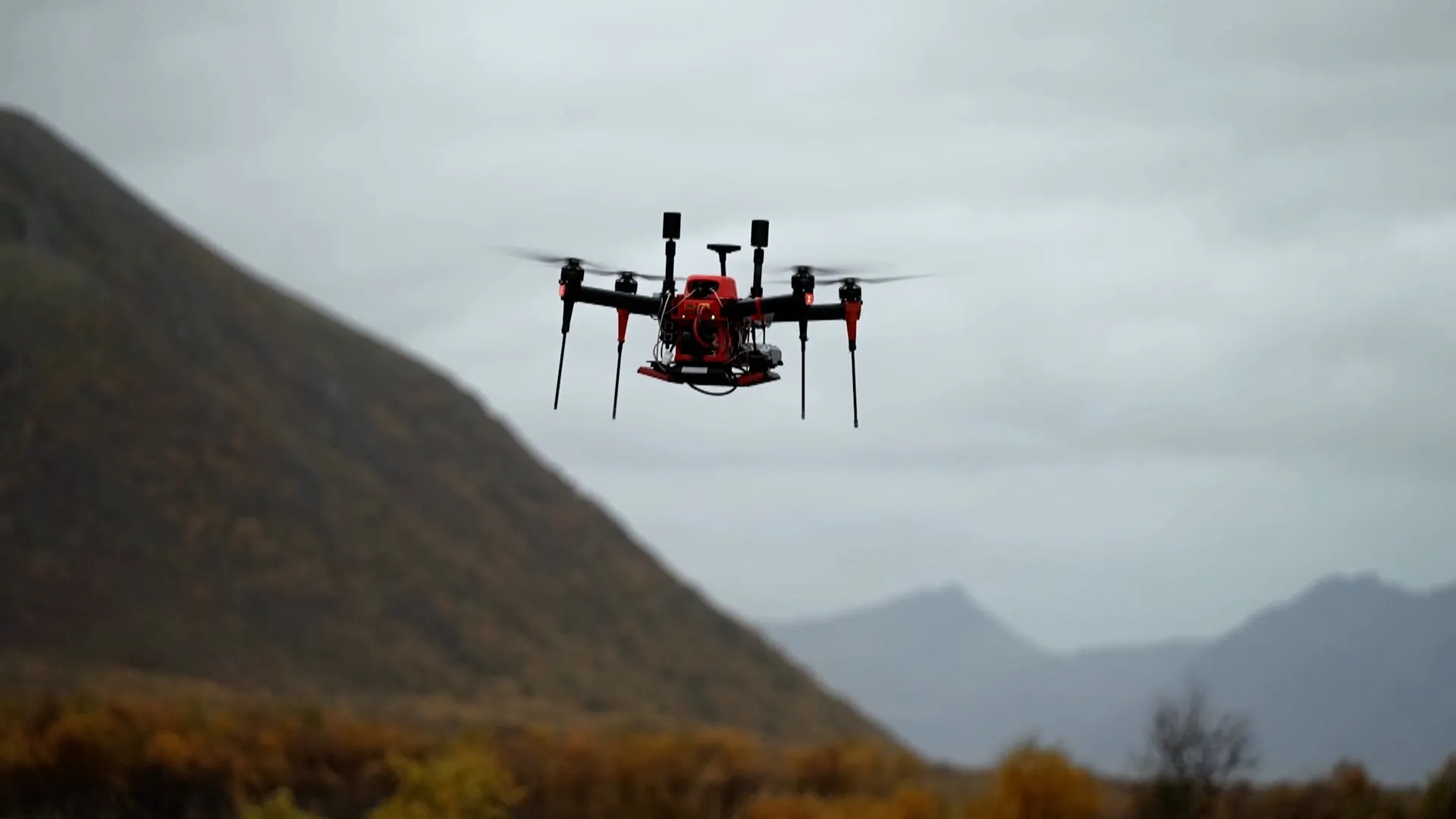
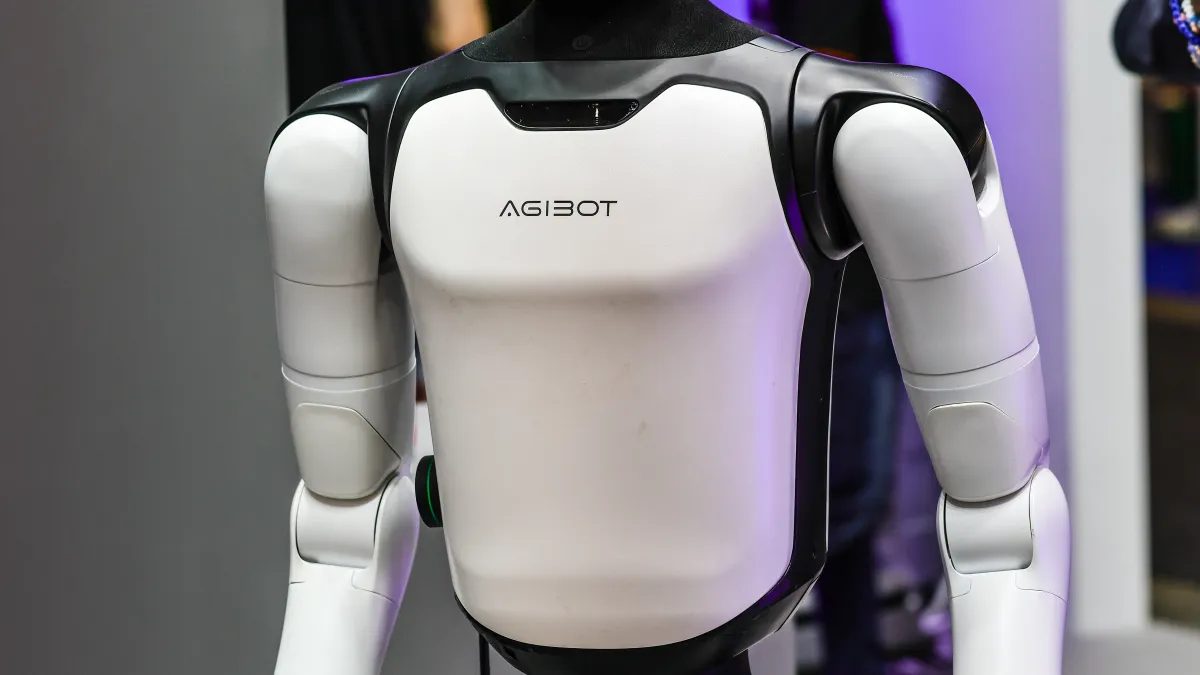
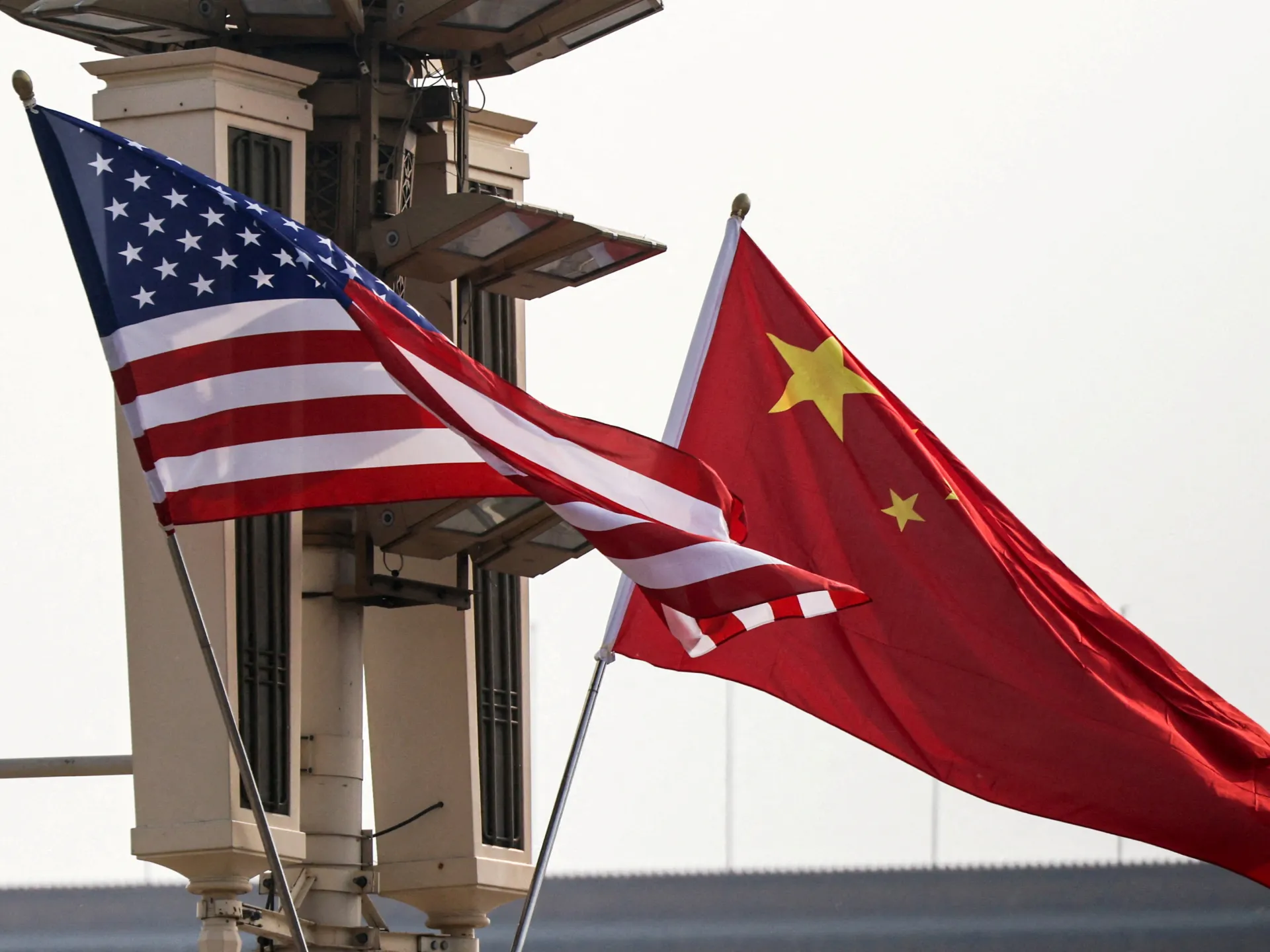
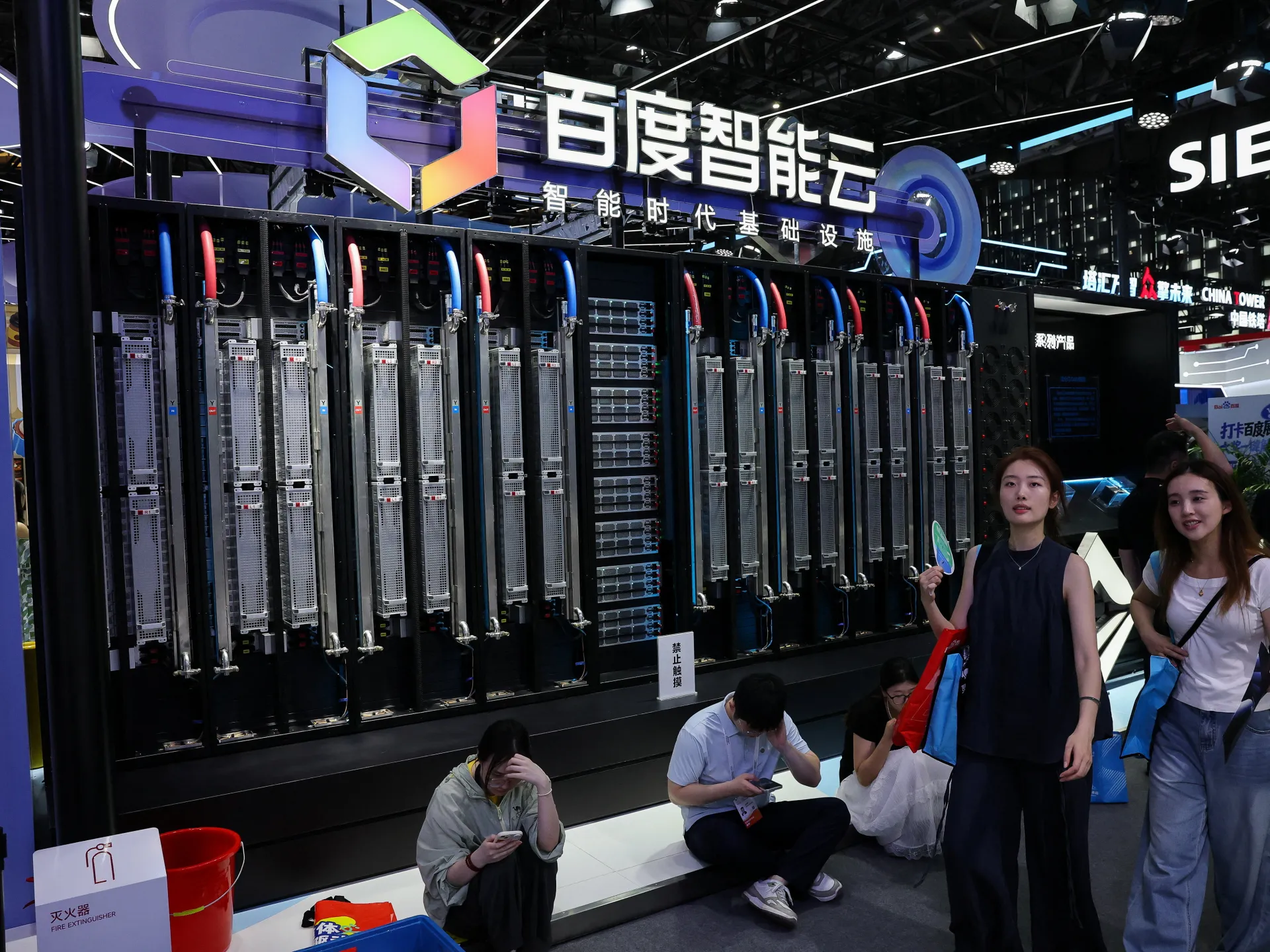
The technological theater of this rivalry is currently centered on Washington’s attempt to throttle China’s access to the building blocks of artificial intelligence. Through initiatives like Pax Silica, the US and 23 allied nations are coordinating to restrict chip exports and supply chain access. However, analysts point out that while these export controls currently hinder Beijing’s ability to procure high-end chips, they have also acted as a catalyst for Chinese innovation. optimizing model architecture and inference efficiency, effectively learning to extract more power from restricted hardware.
The fragility of this strategy lies in the global nature of the semiconductor supply chain. Experts warn that export controls, if implemented with too much frequency or severity, may drive allies to seek their own independent supply chain paths to circumvent Washington’s regulatory reach. Furthermore, as the US government closes loopholes—such as the June restriction on overseas subsidiaries purchasing advanced chips—the cycle of evasion and enforcement is likely to continue, potentially hardening the divide into two distinct, incompatible technological ecosystems.
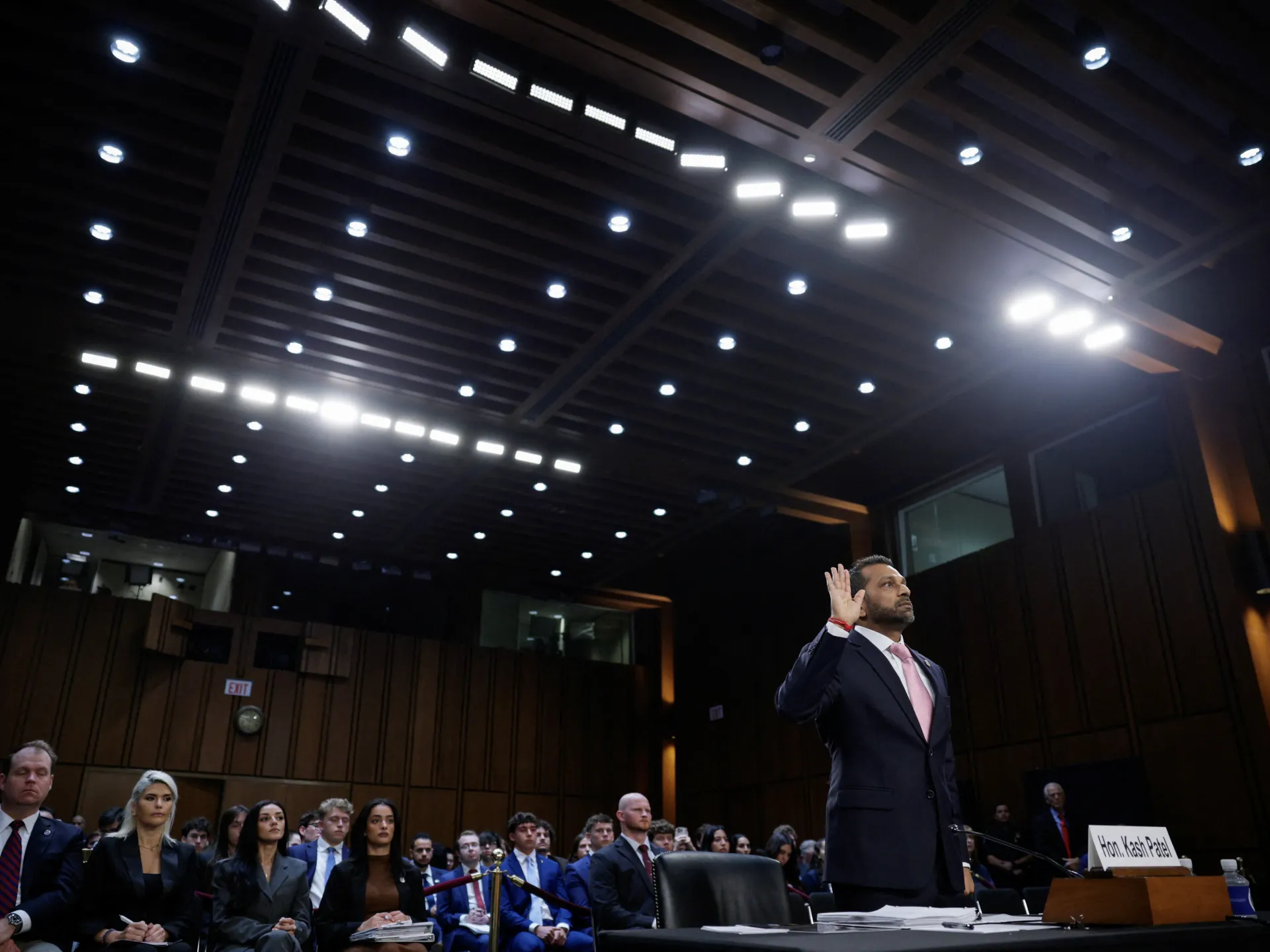
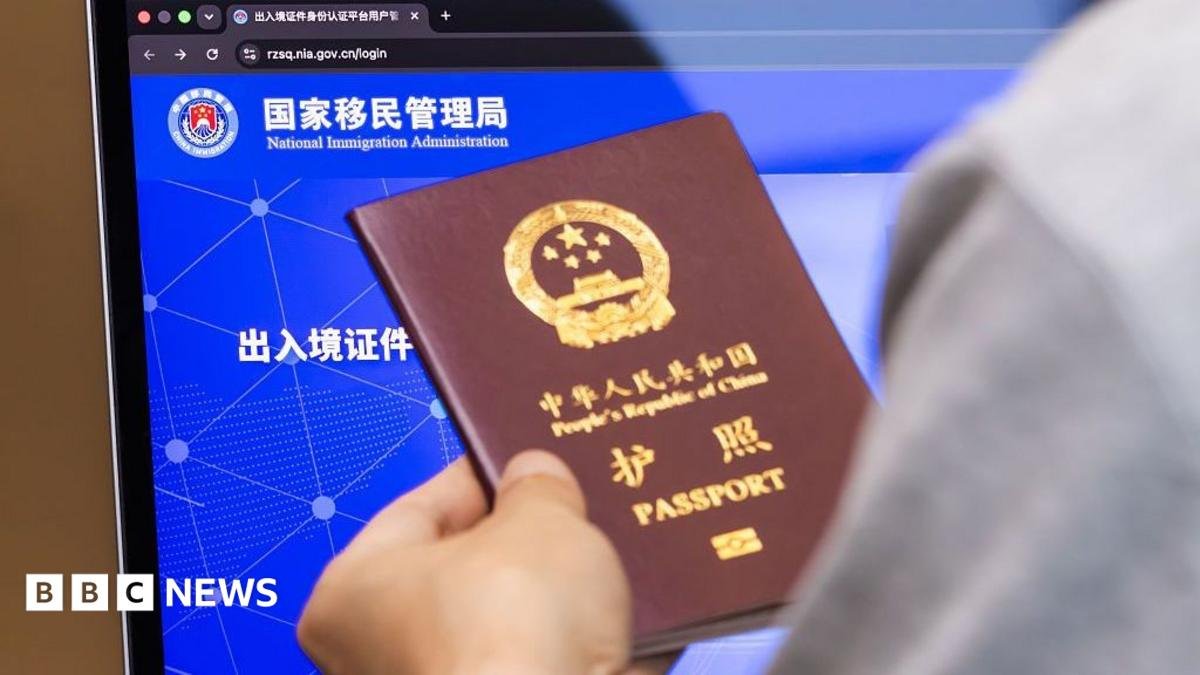
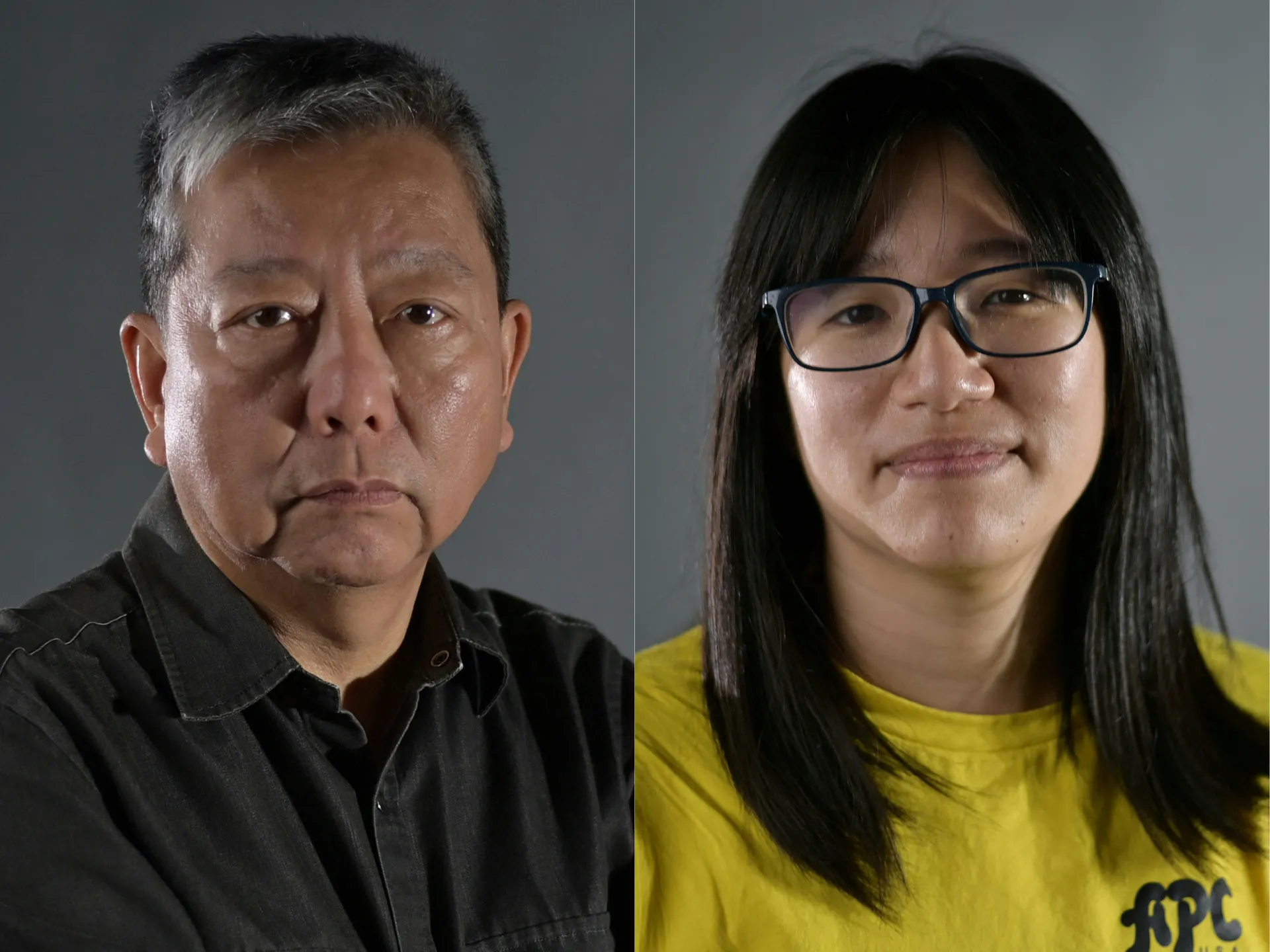
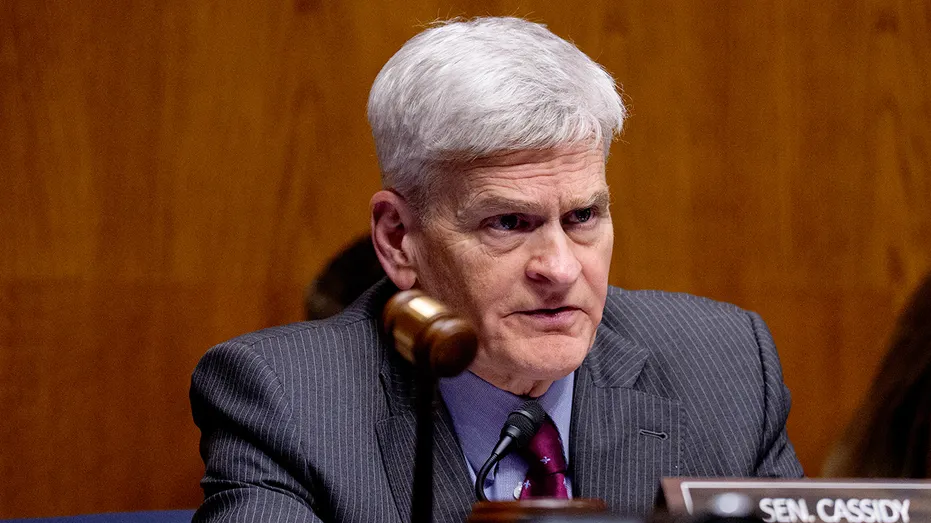
Parallel to the technological conflict is the intensifying effort to secure the release of US citizens held in China. During a recent congressional hearing, the wife of U Min Zin, an academic arrested in Kunming on espionage-related charges, testified that his detention appears to be a calculated signal from Beijing to researchers whose work challenges Chinese regional interests. The Subcommittee on East Asia and Pacific issued stern warnings, with Chairwoman Young Kim asserting that Beijing is increasingly utilizing "hostage diplomacy" as a bargaining chip.
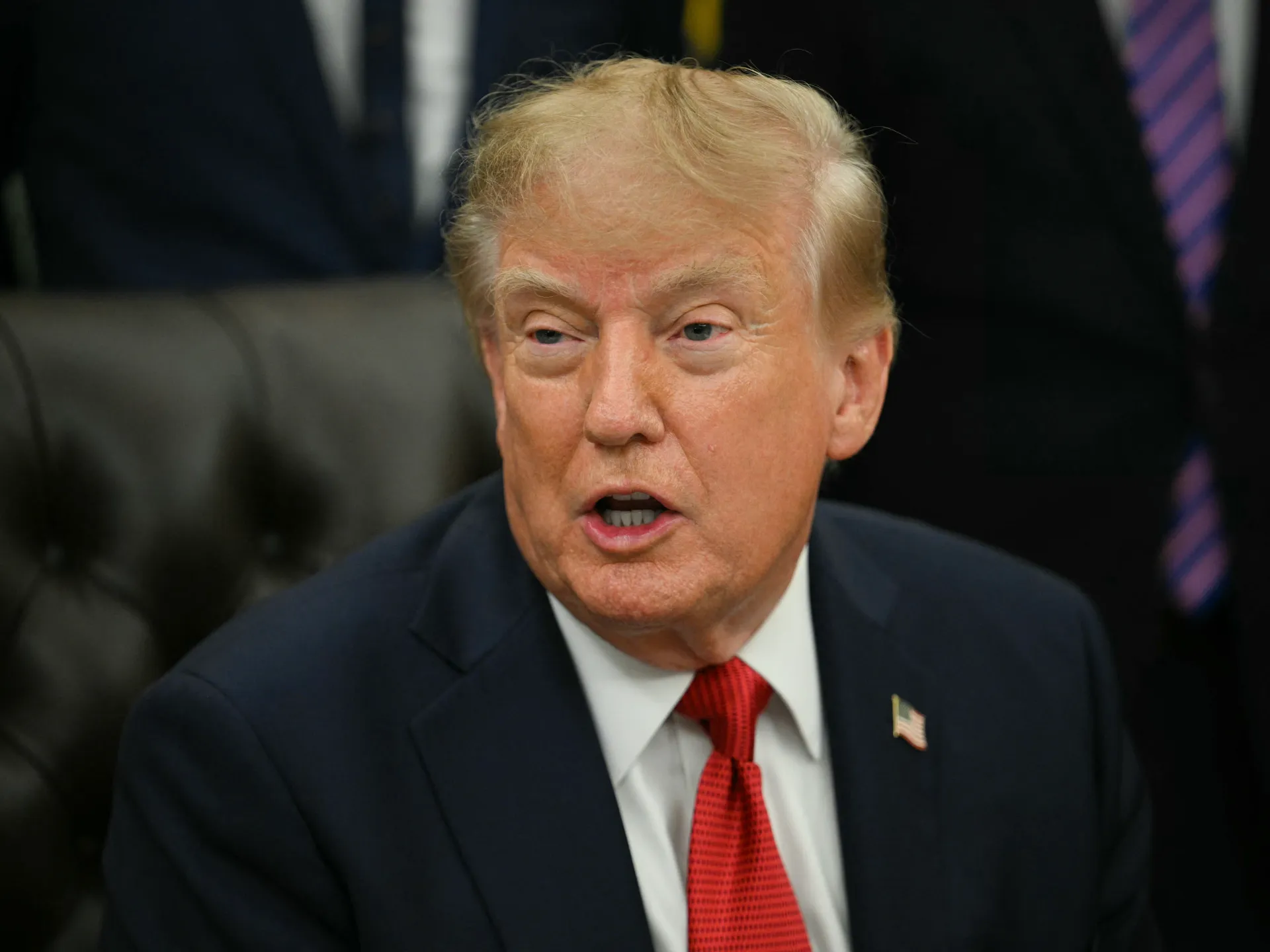
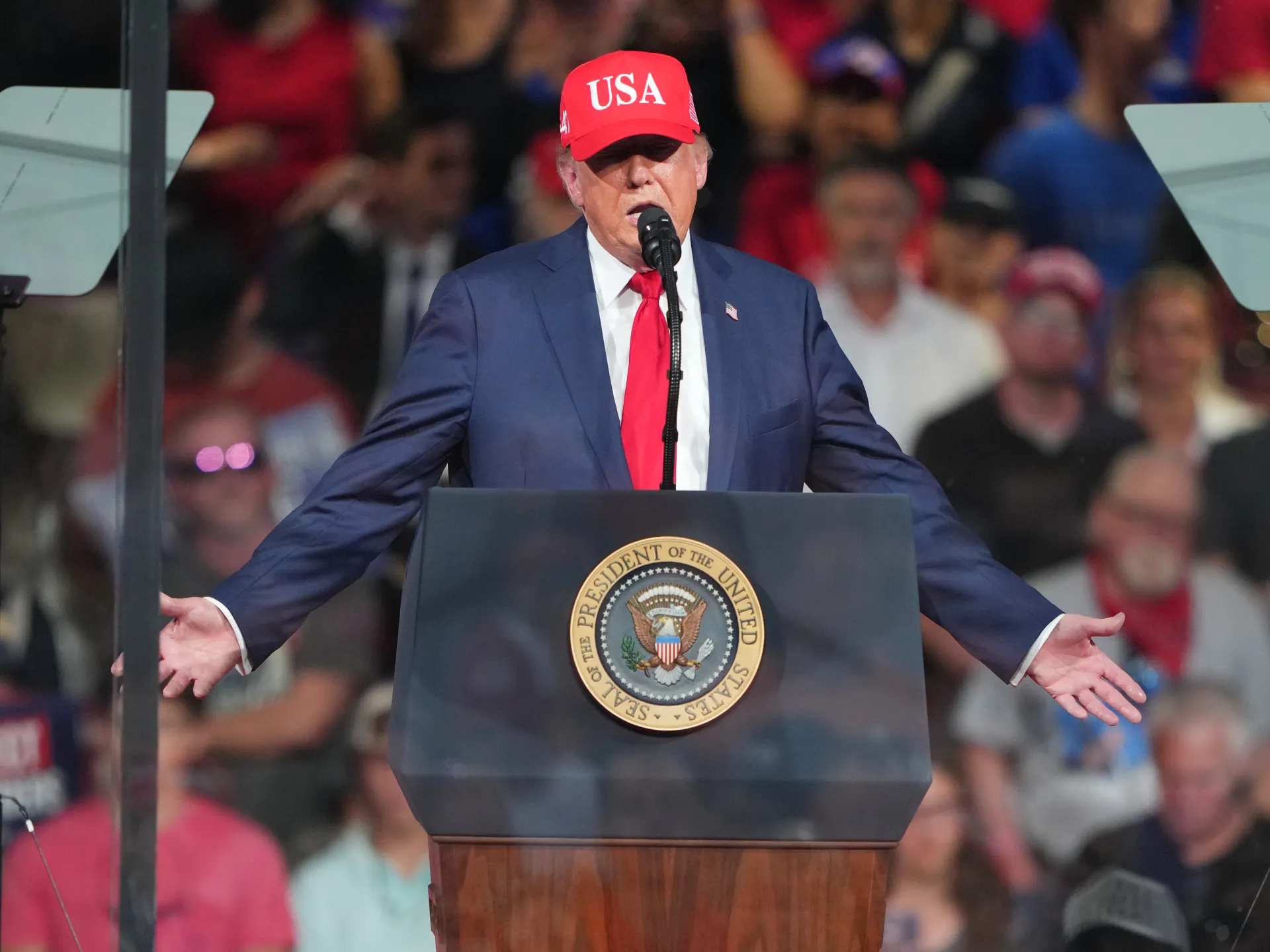
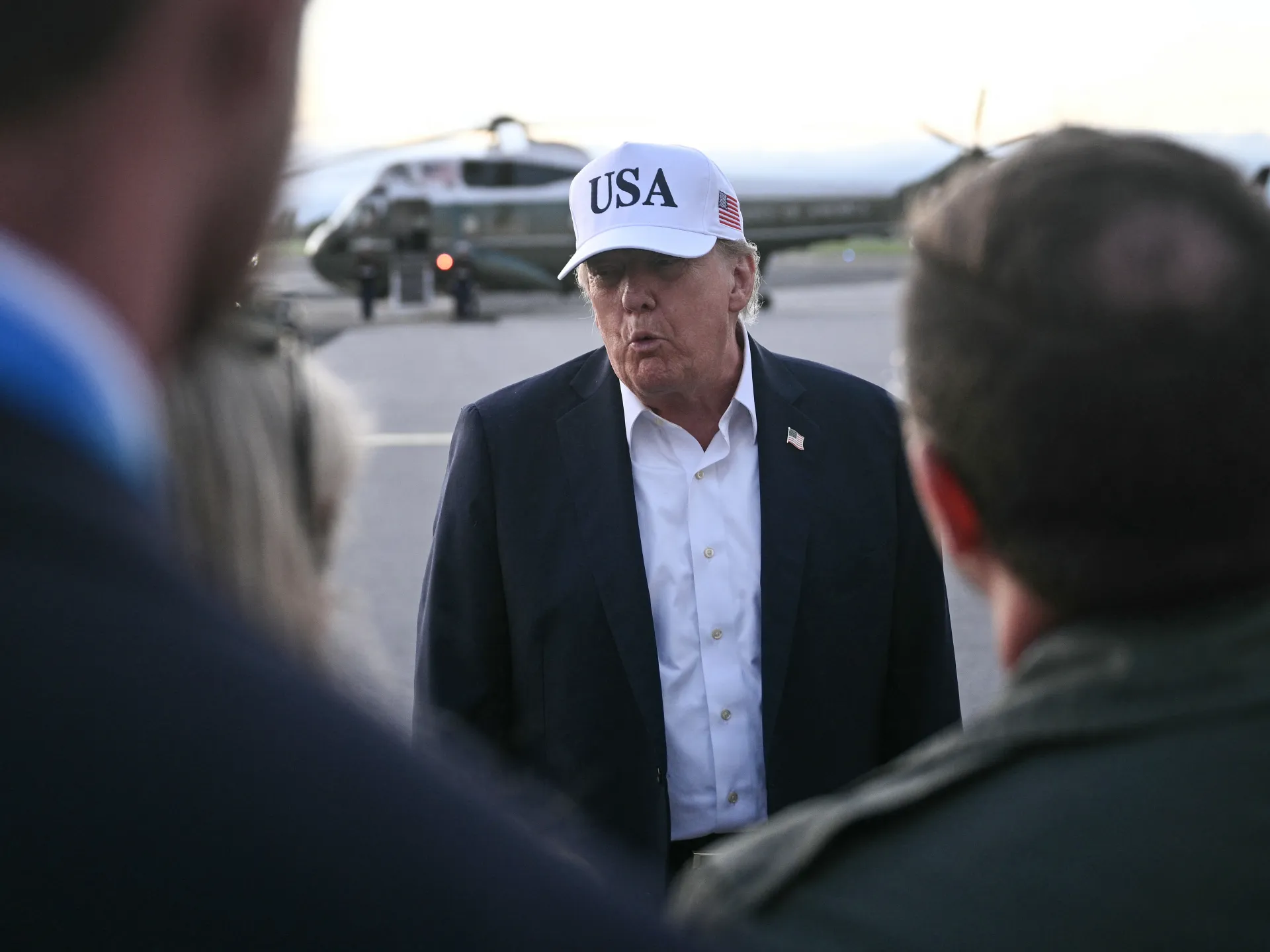
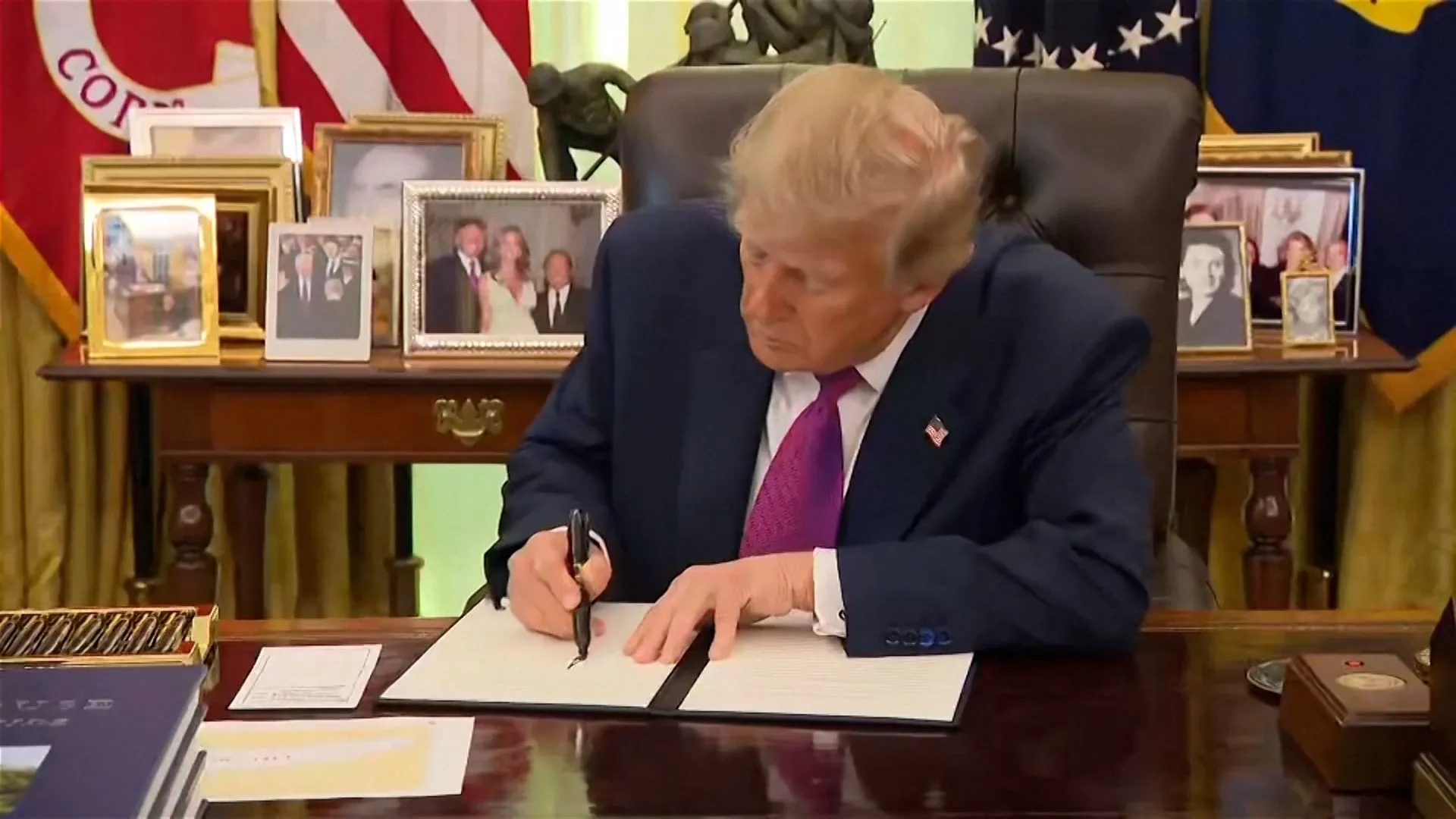
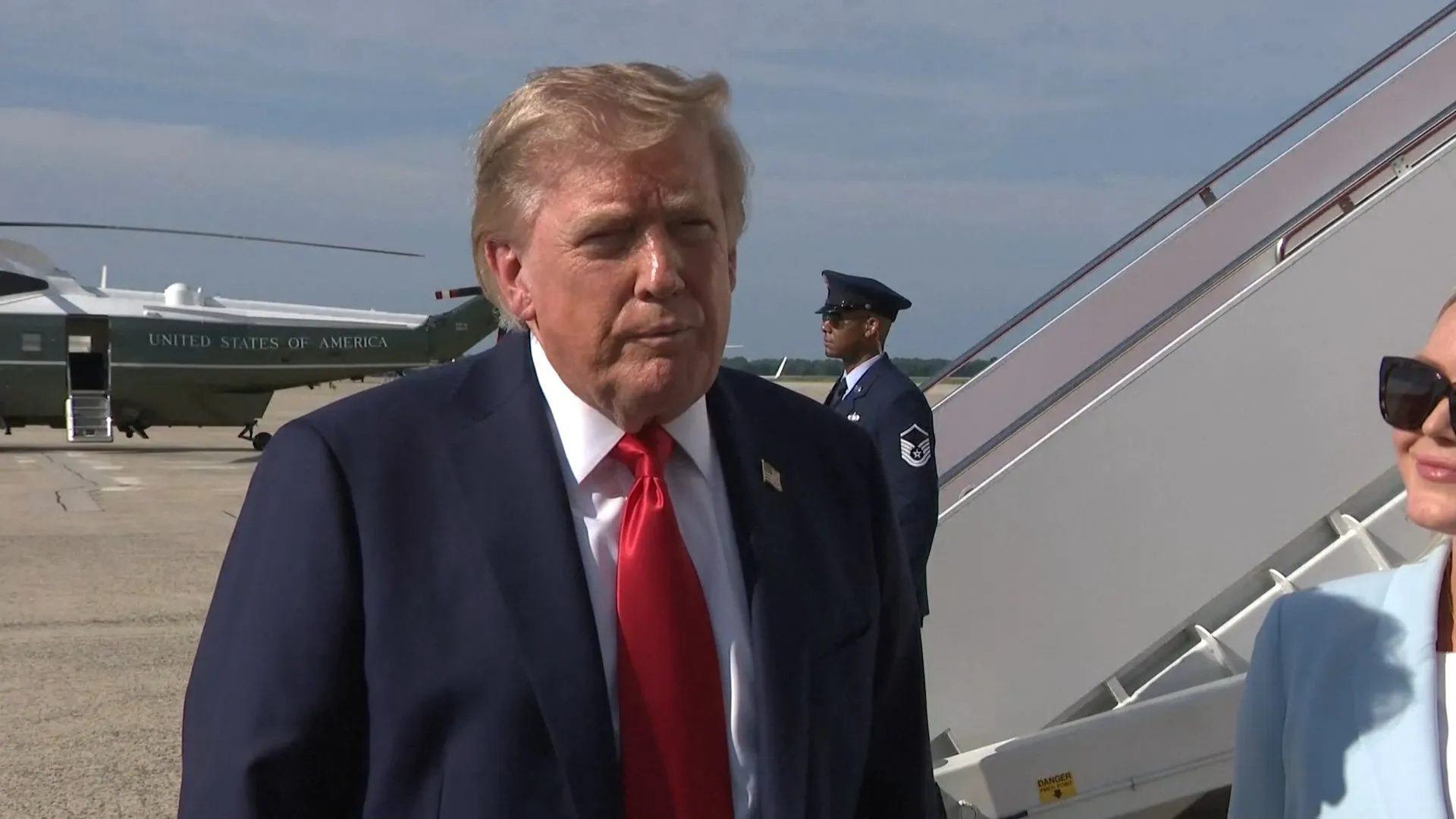
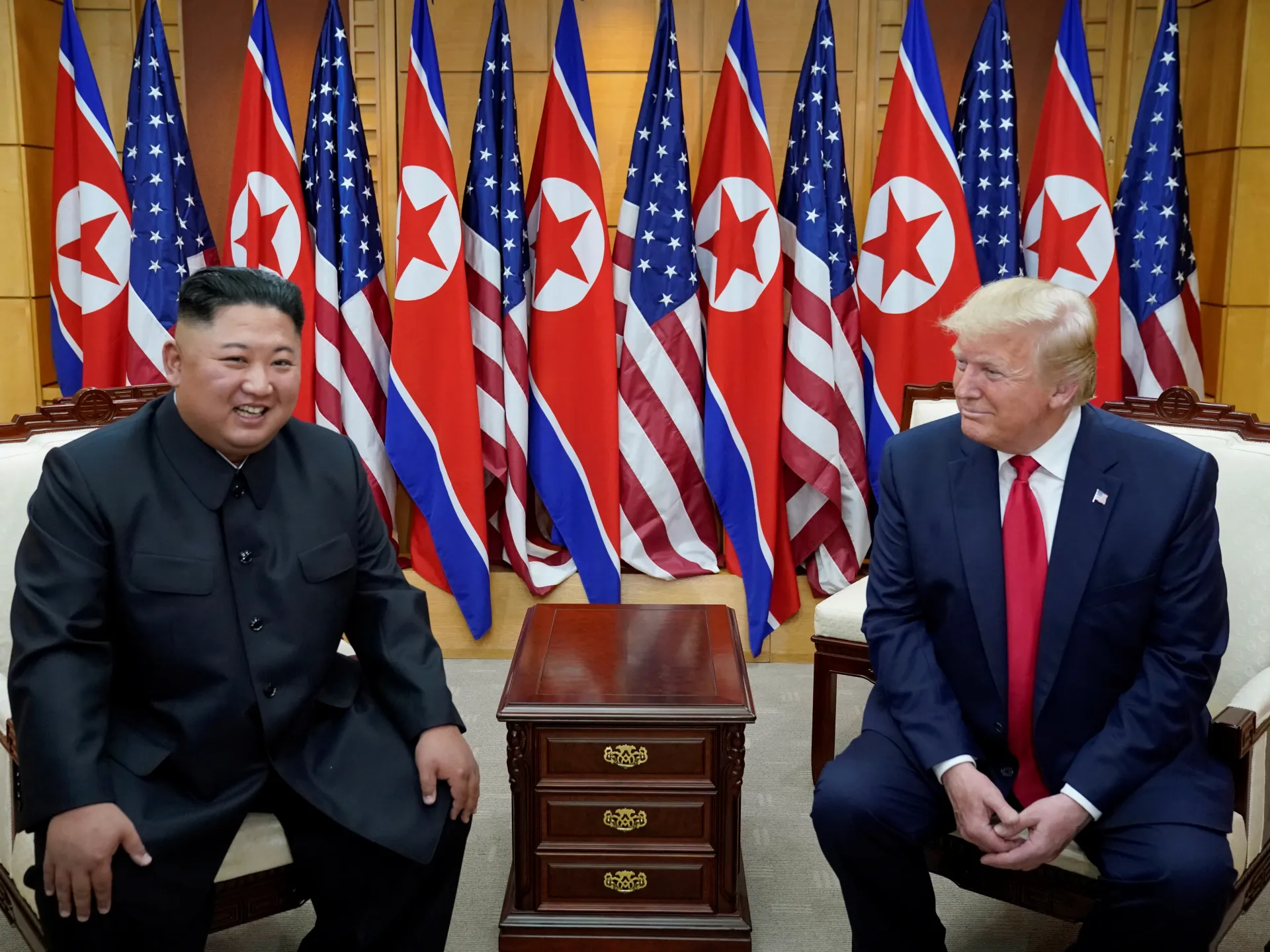
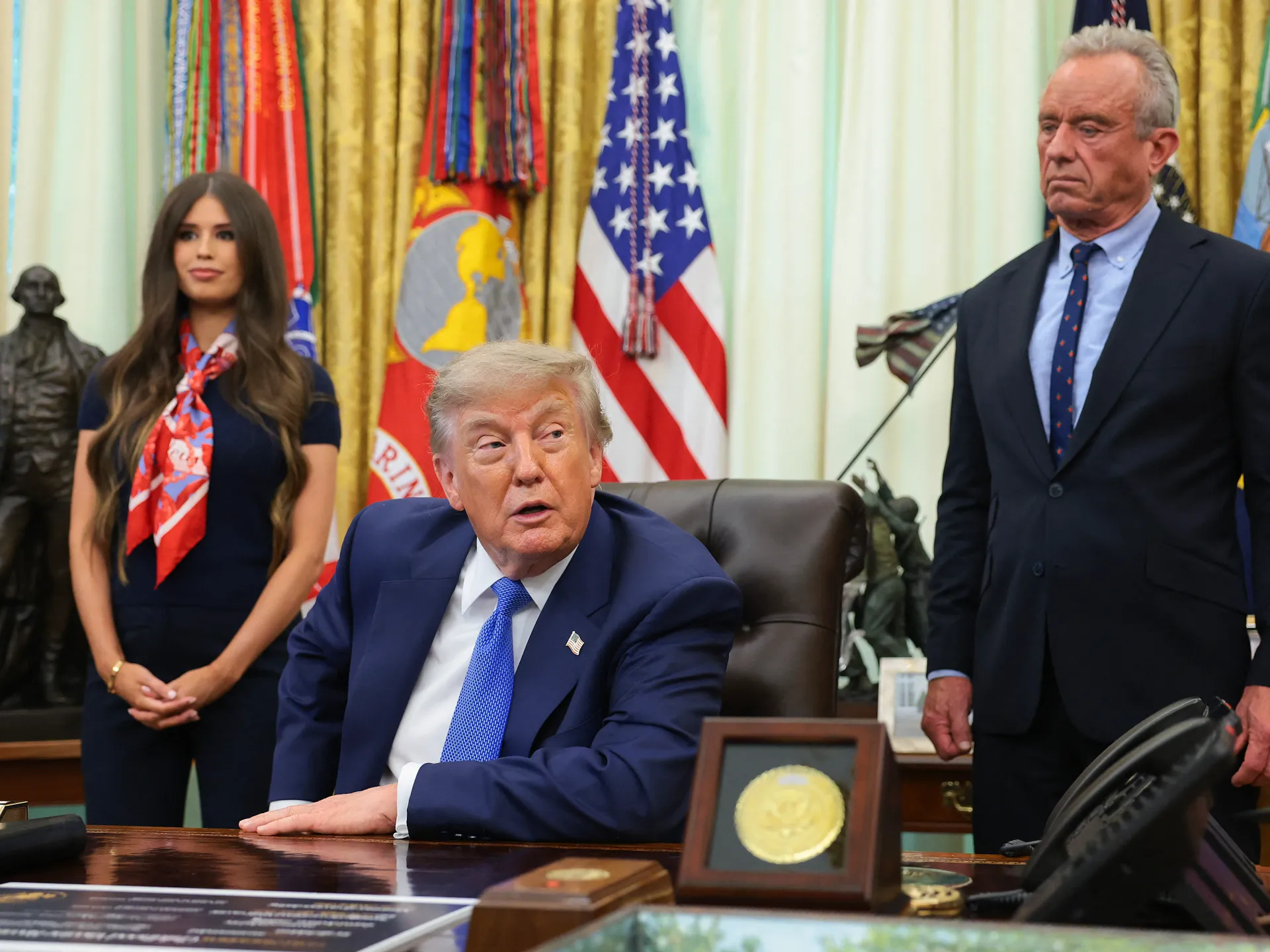
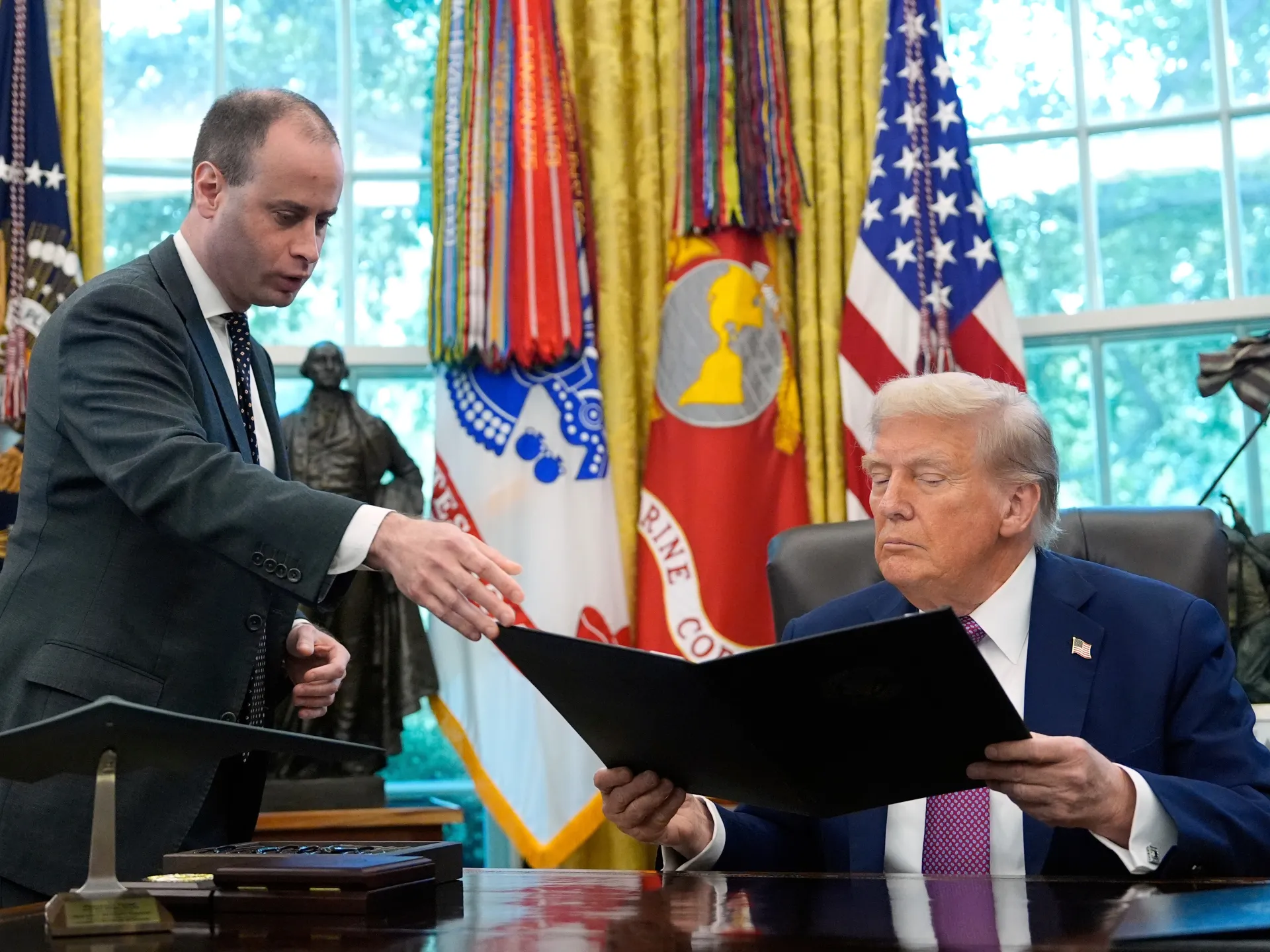
This practice is reportedly impacting families beyond those of academic researchers, including the family of media mogul Jimmy Lai, who have also appealed for presidential intervention. While anonymous White House officials maintain that these cases are at the forefront of the administration's agenda, previous interactions suggest a grim reality. When President Trump previously raised the issue of detainees with President Xi, the response was reportedly dismissive, framing certain cases as "tough" challenges rather than negotiable diplomatic points.
The outcome of the upcoming summit is likely to be defined vernance will emerge, given the deep-seated structural competition between the two powers. Instead, the focus will likely shift to whether the administration can secure "wins" on the humanitarian front that it can present to the American public as evidence of a successful foreign policy, even if the underlying tensions regarding technology and trade remain unresolved.
If the administration fails to achieve tangible progress on the release of detainees, pressure from Congress and advocacy groups will likely mount, forcing a more confrontational posture. Conversely, should the US press its technological advantage too far, it faces the risk of fracturing the very coalition of allies it has built to contain China. The most likely path forward is a continuation of the "managed rivalry" model, where the two nations cooperate on narrow, non-critical issues while intensifying their efforts to outmaneuver one another in the technological and security domains.