As Nepal grapples with the aftermath of deadly floods that left thousands missing, the government is taking legal action against online harassment of survivors.
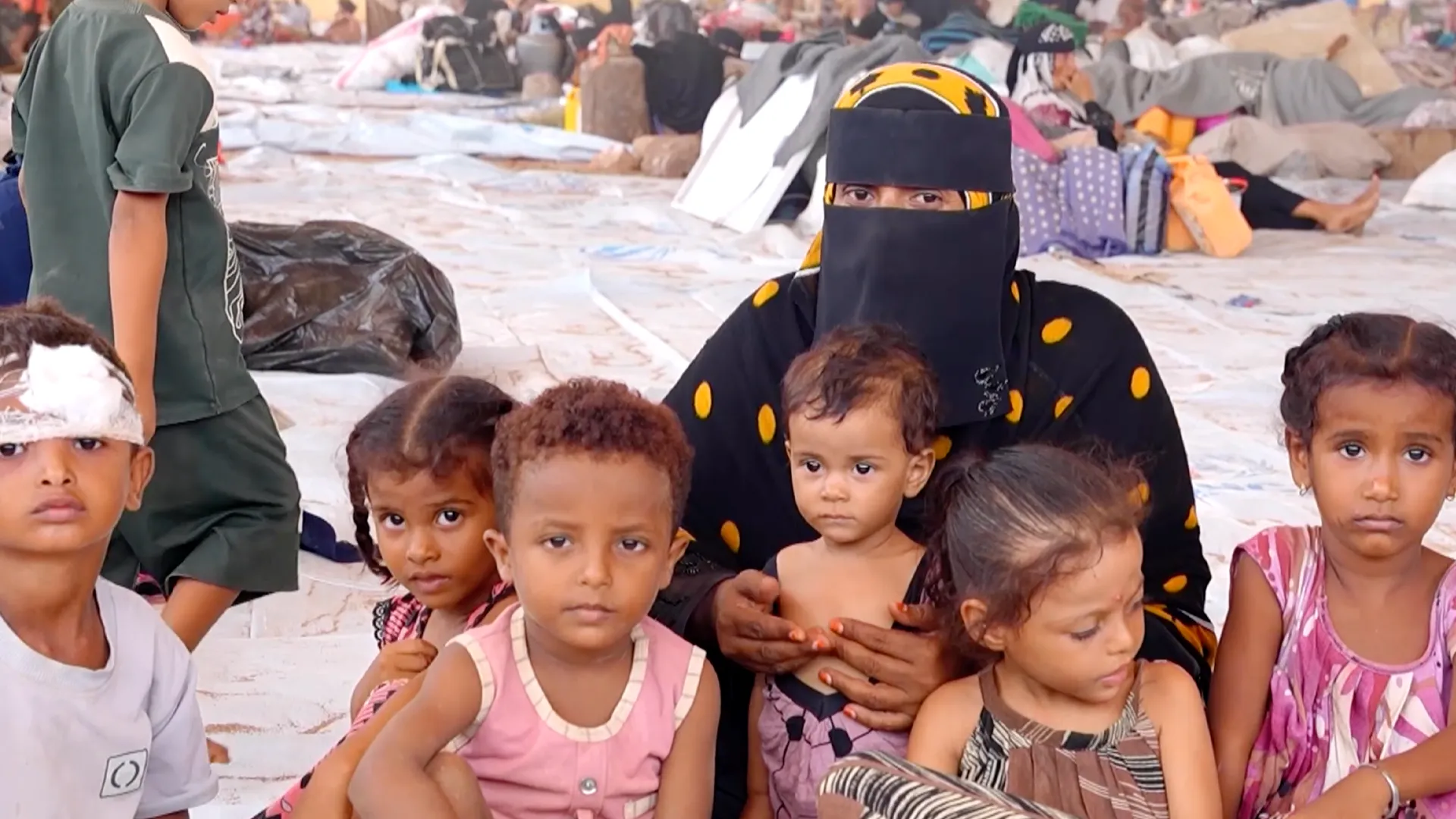
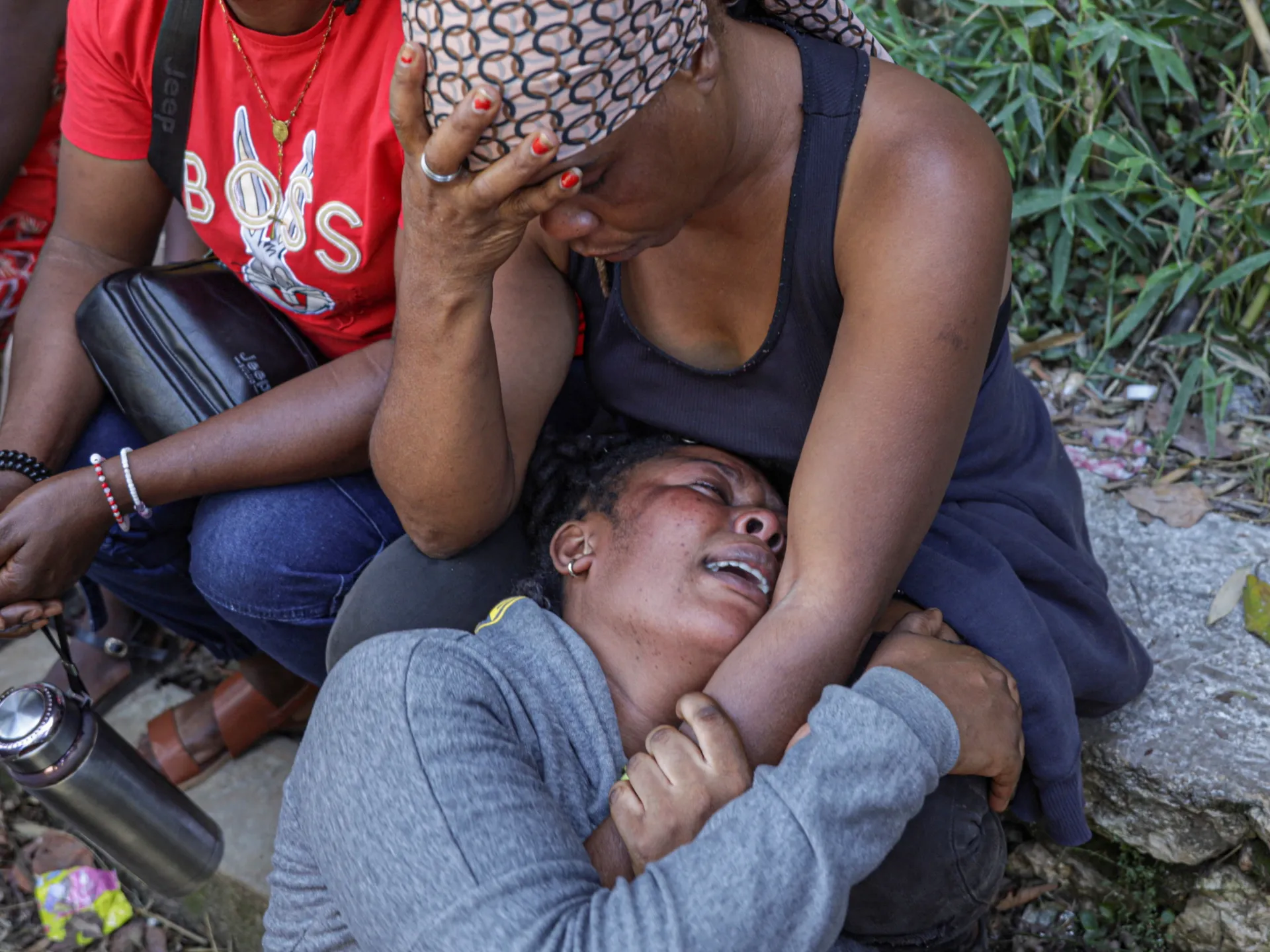
In the wake of catastrophic floods that have fundamentally altered the geography of riverside communities along the Trishuli River, survivors are confronting a dual trauma. Beyond the physical destruction of their homes and the loss of over a thousand lives, those left behind are increasingly subjected to a digital campaign of harassment that has forced the Nepali government to threaten legal action against online aggressors.
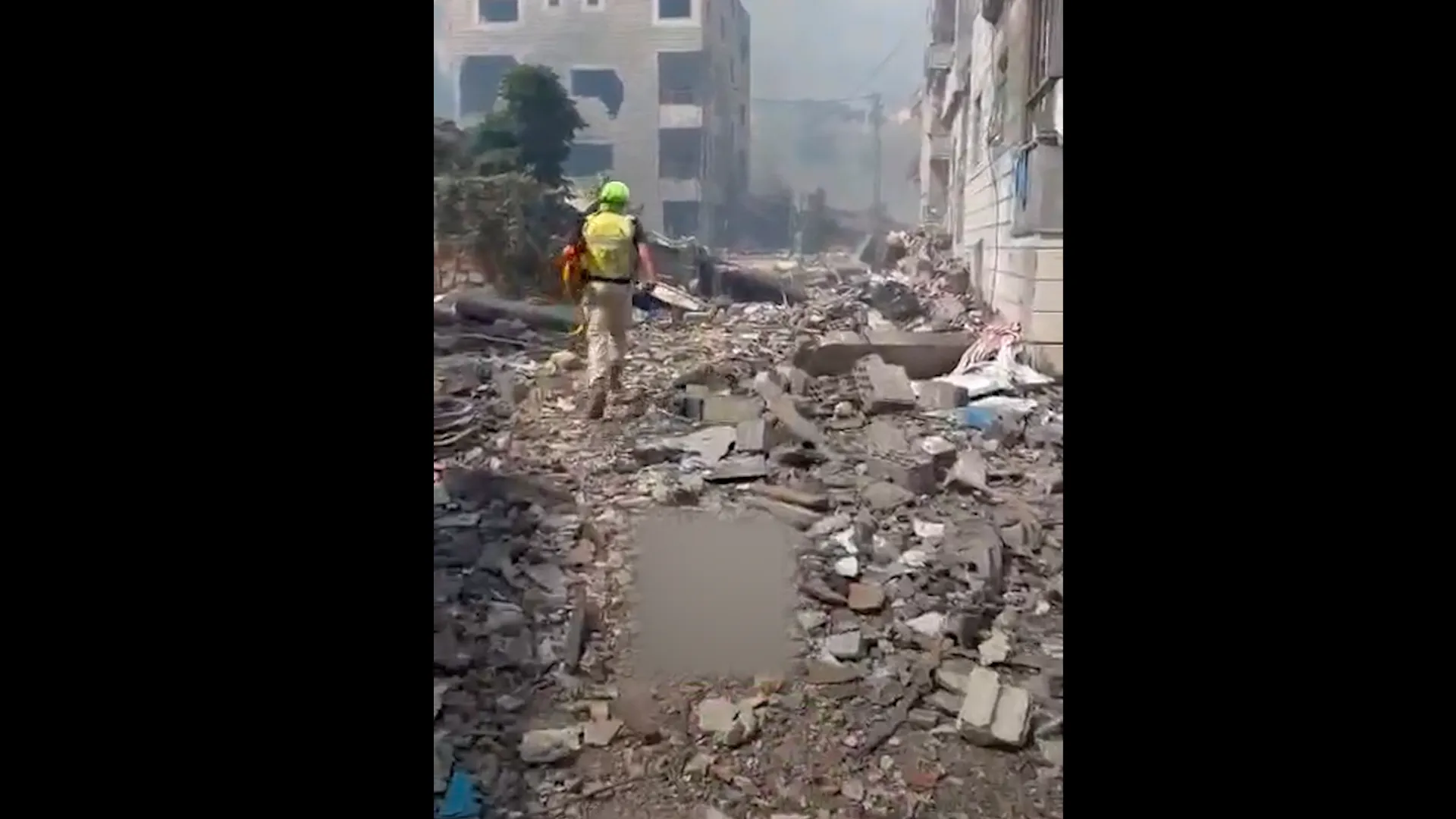
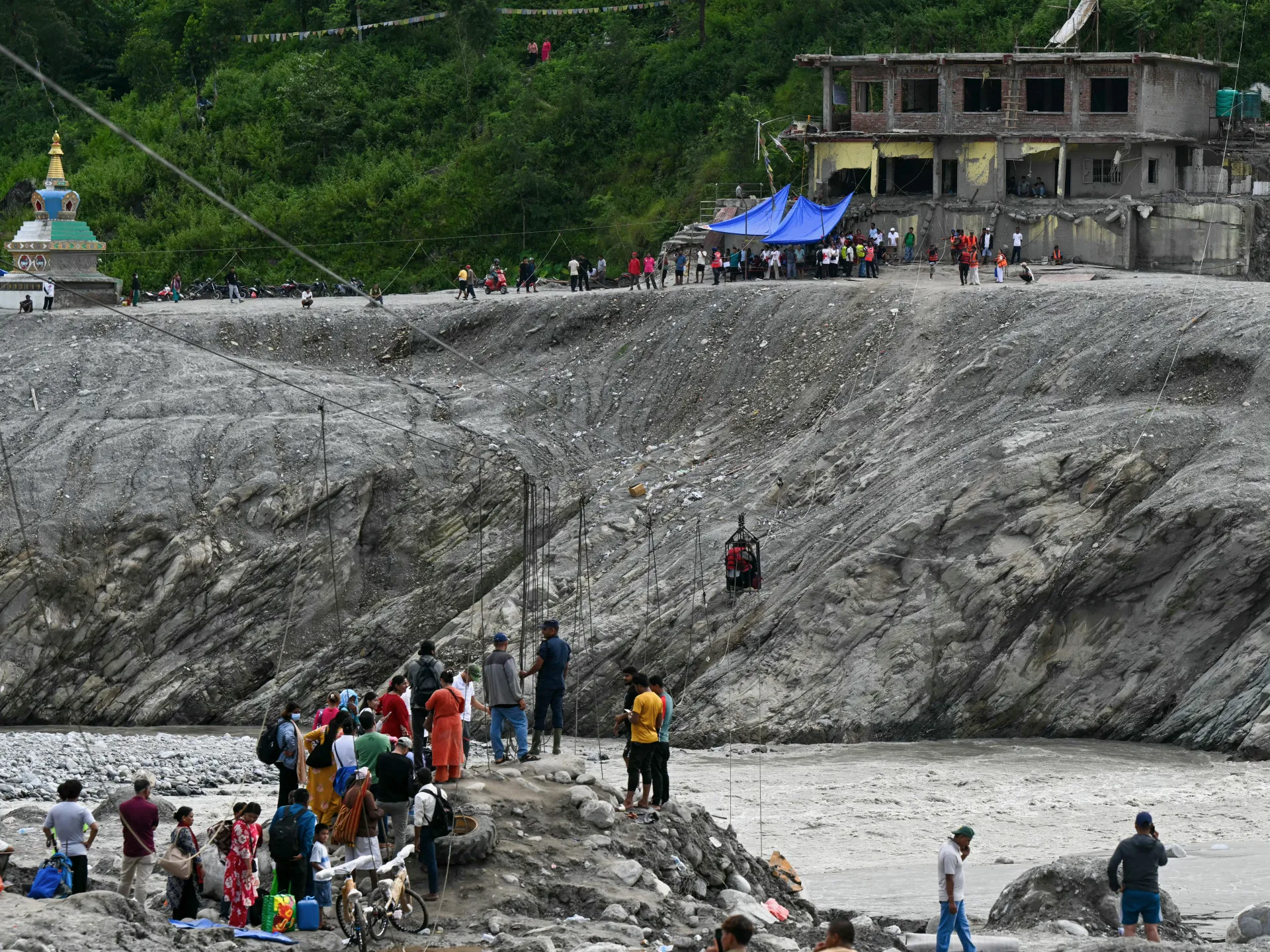
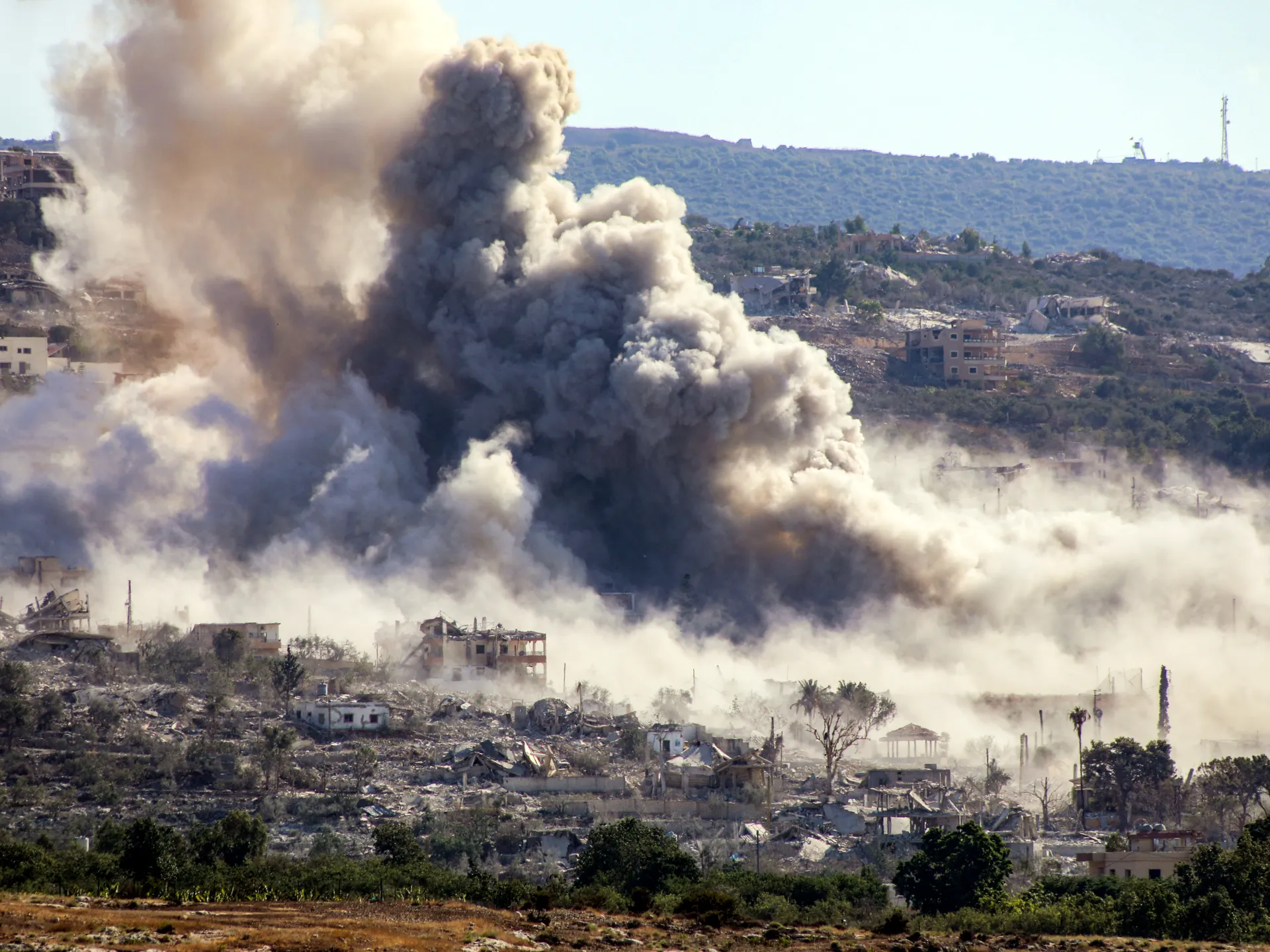
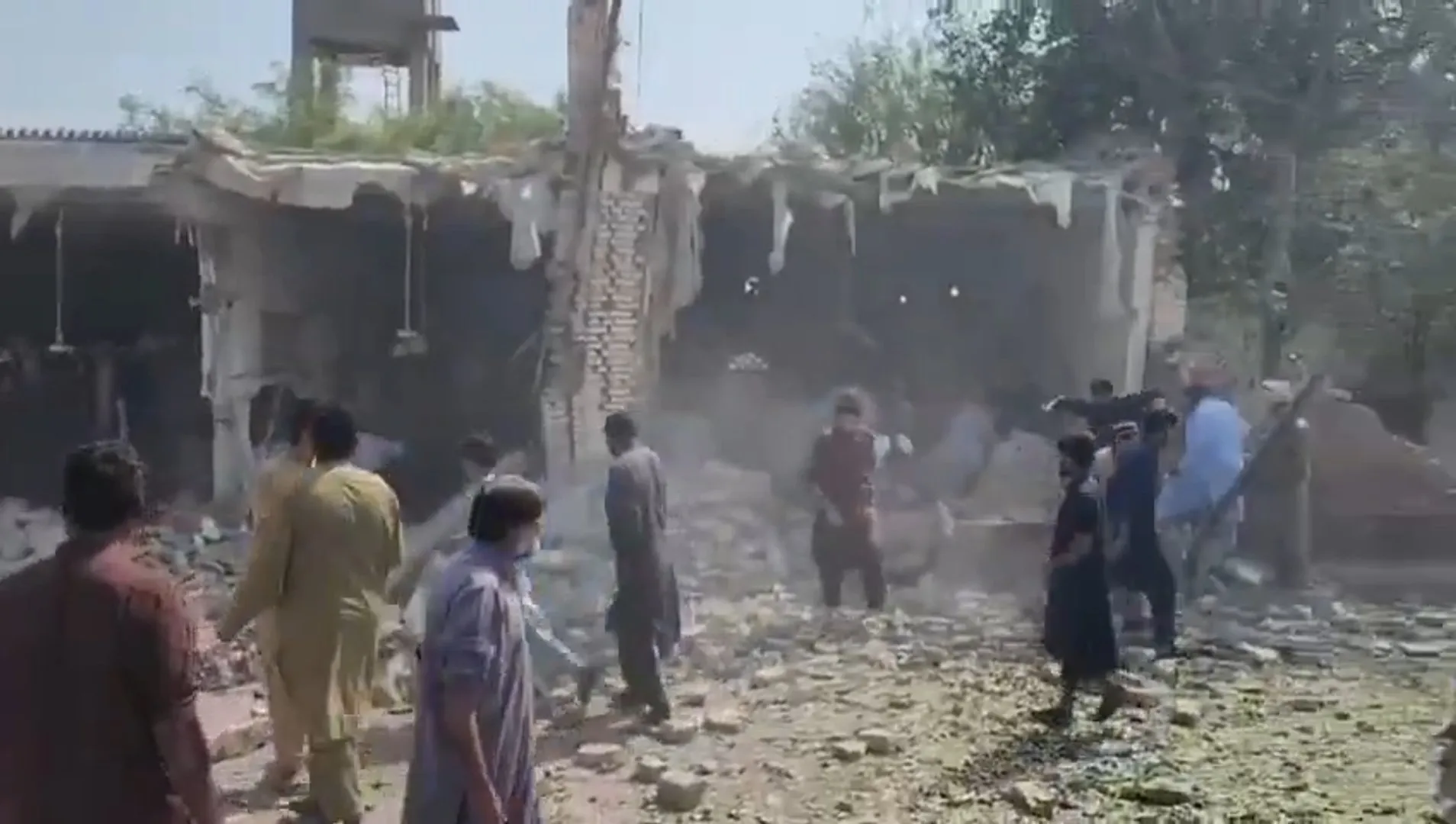
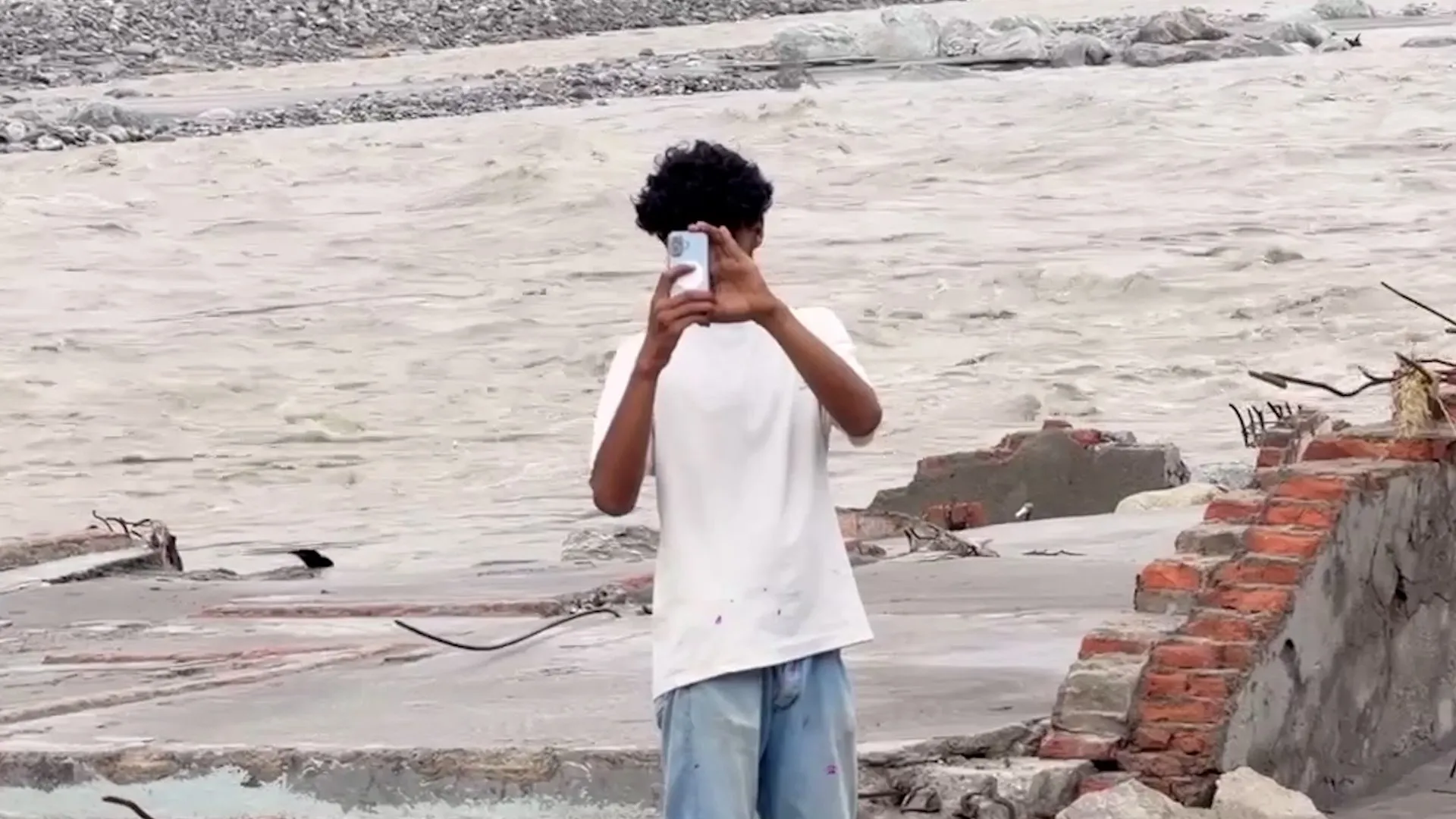
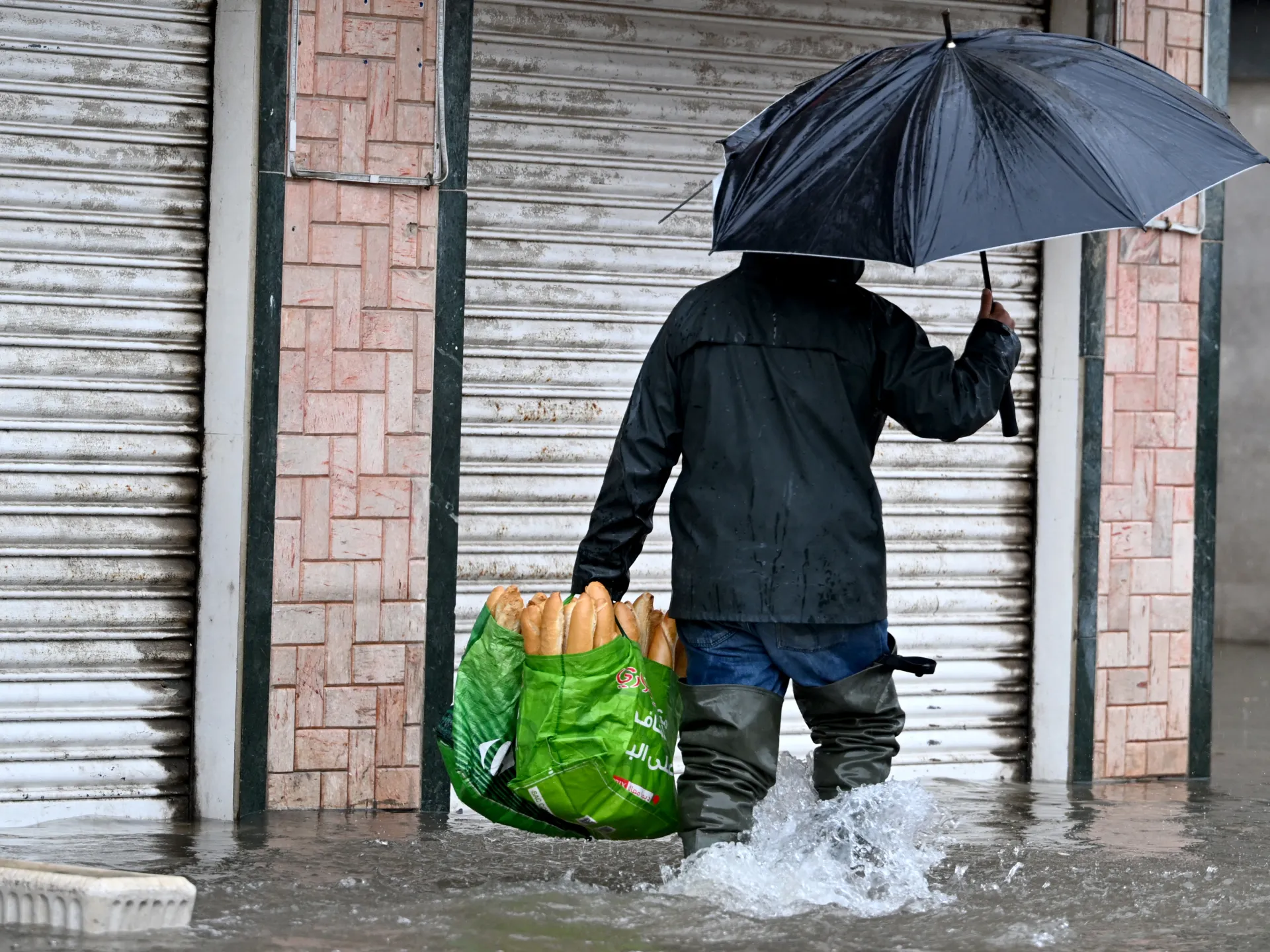
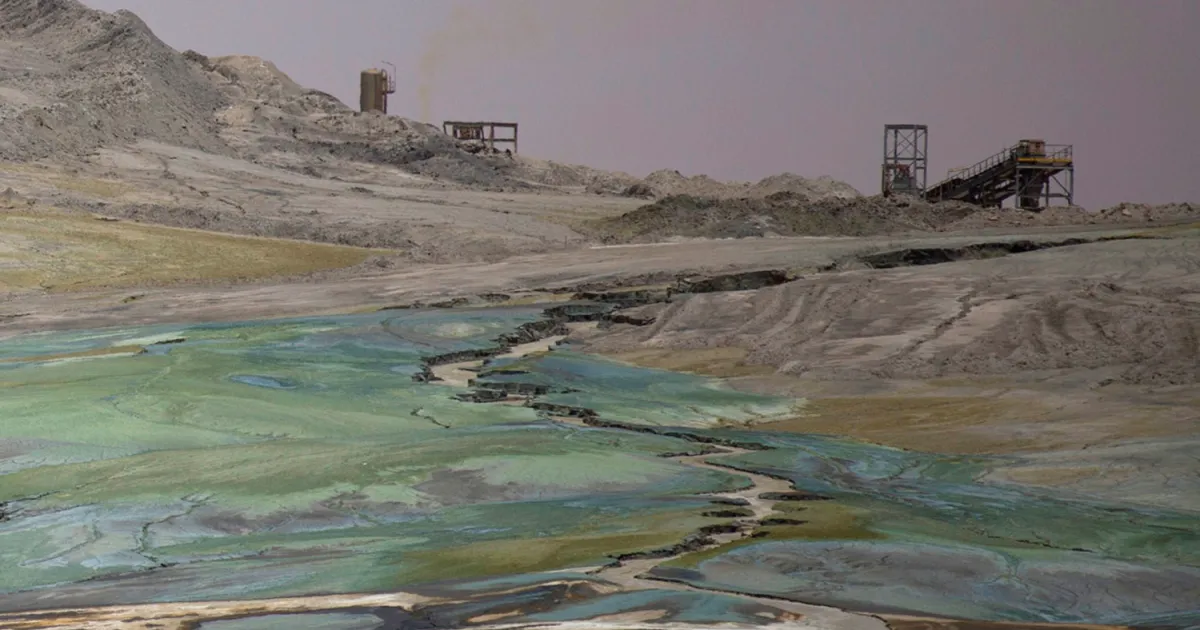
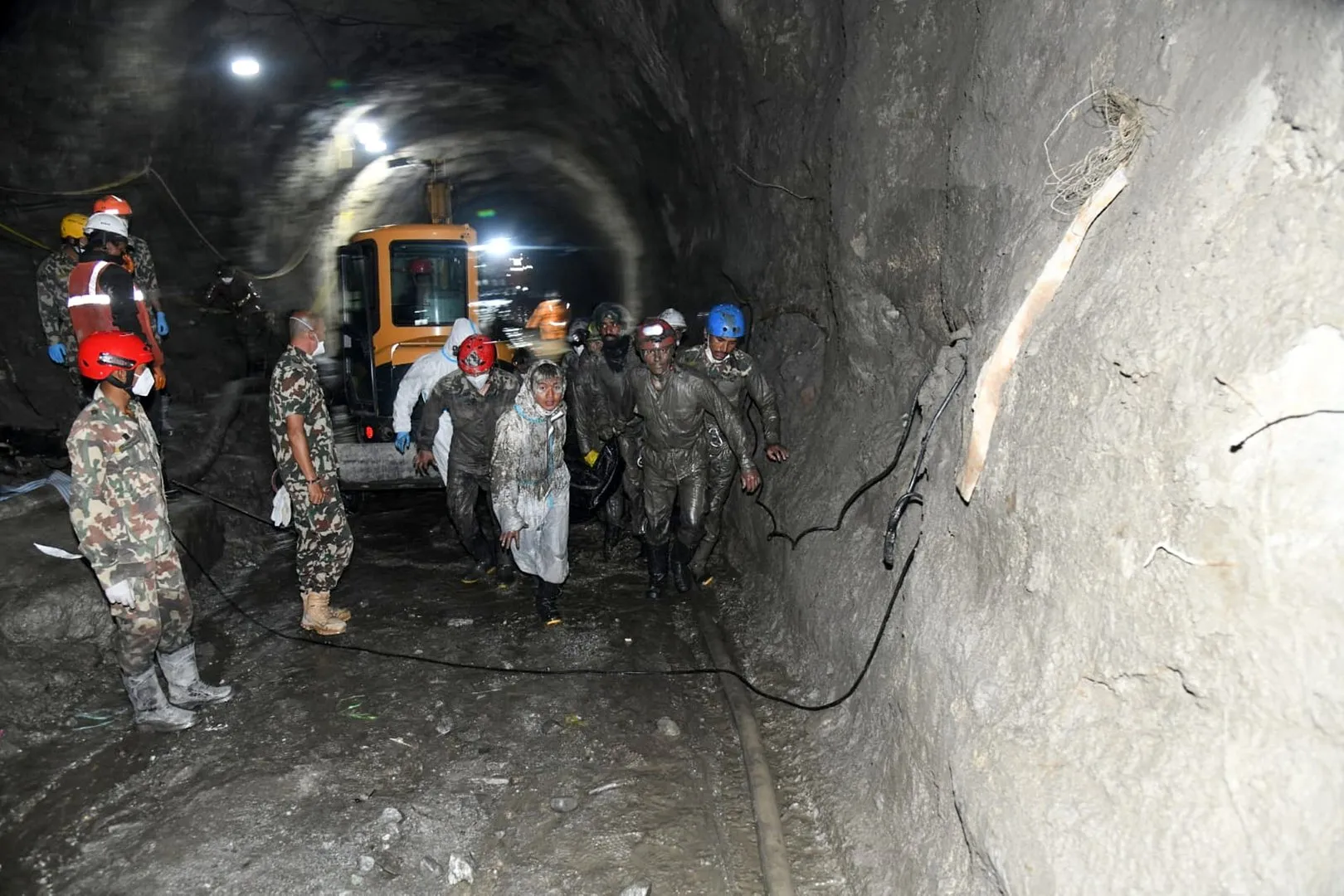
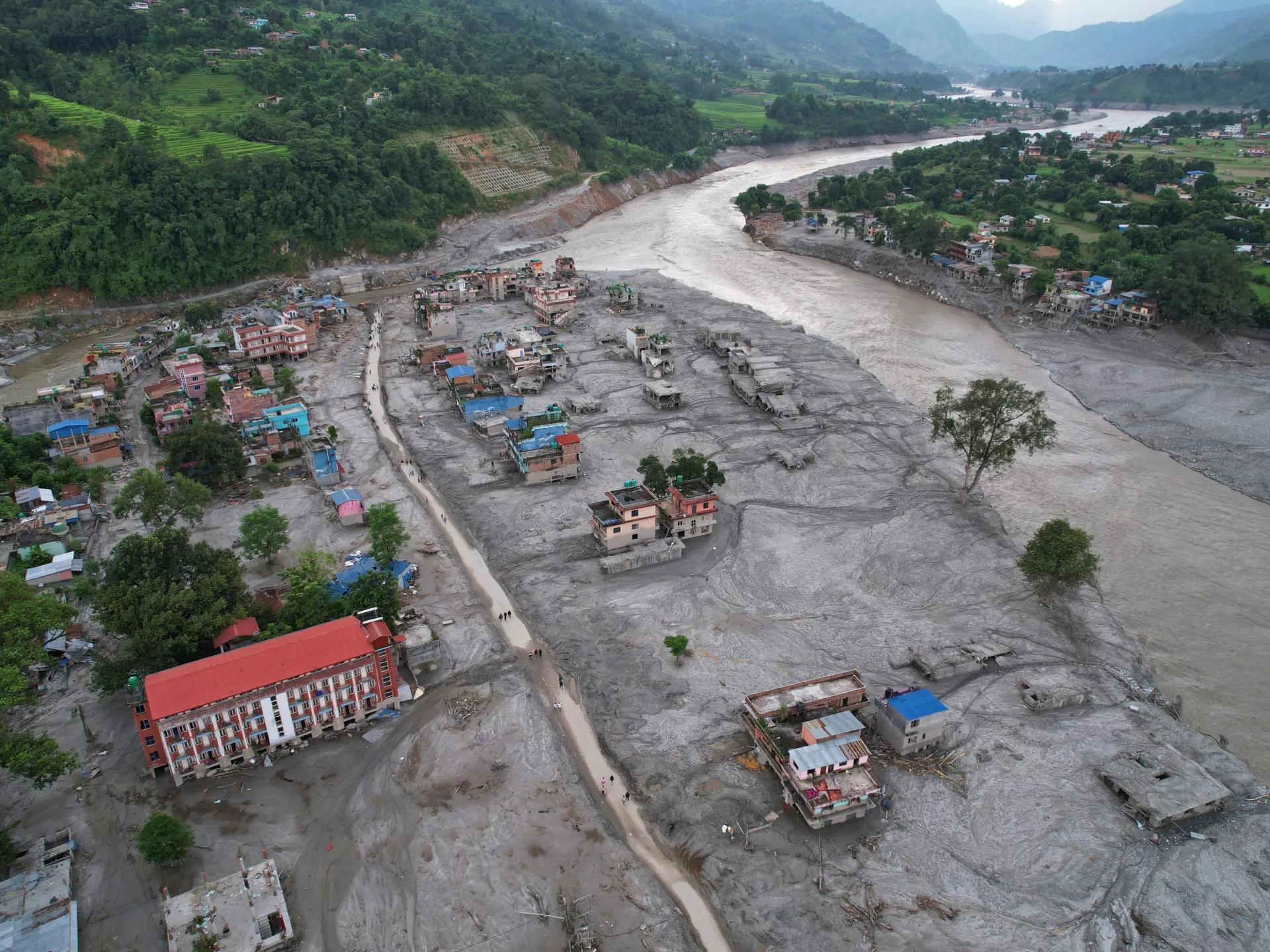
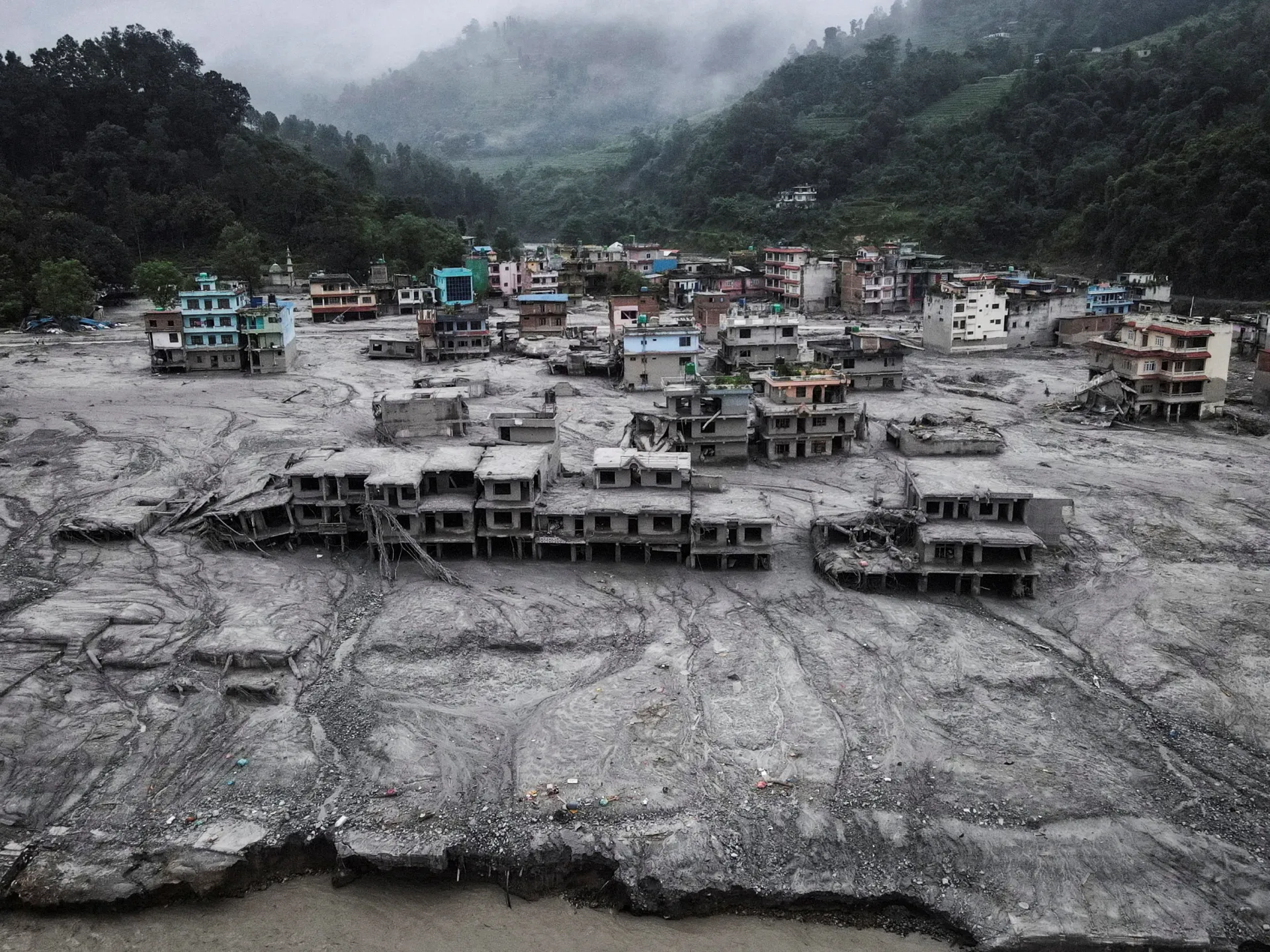
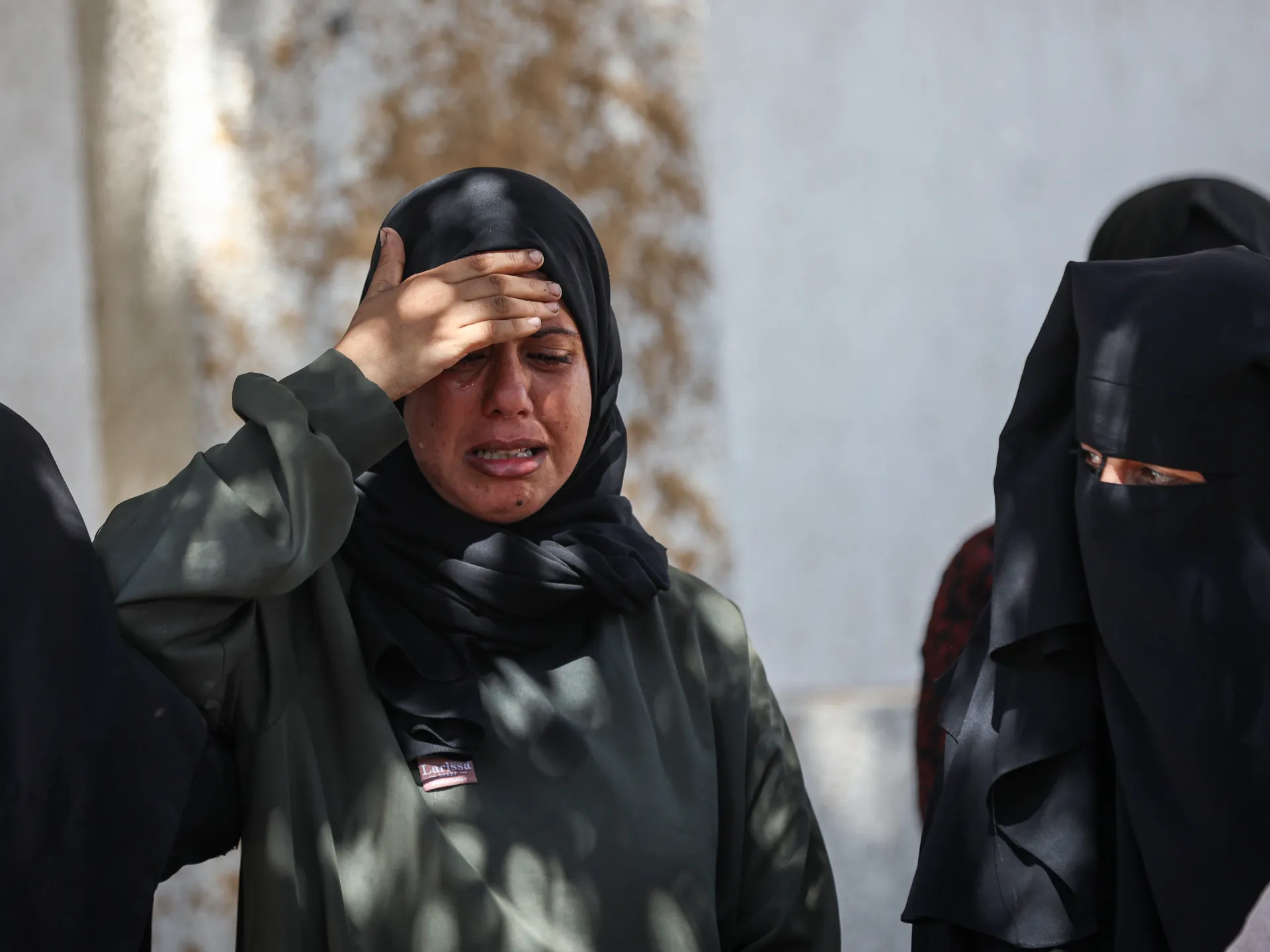
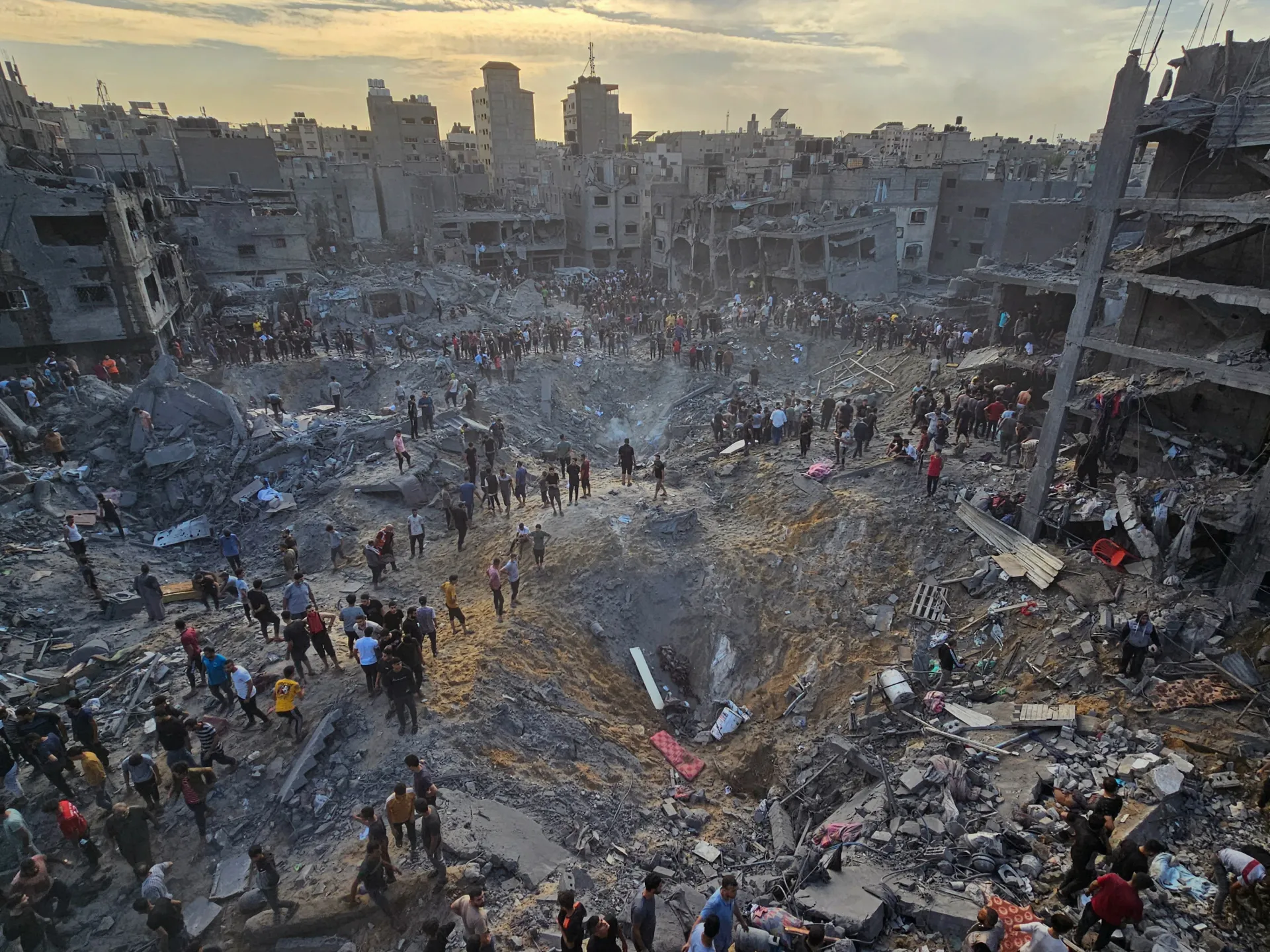
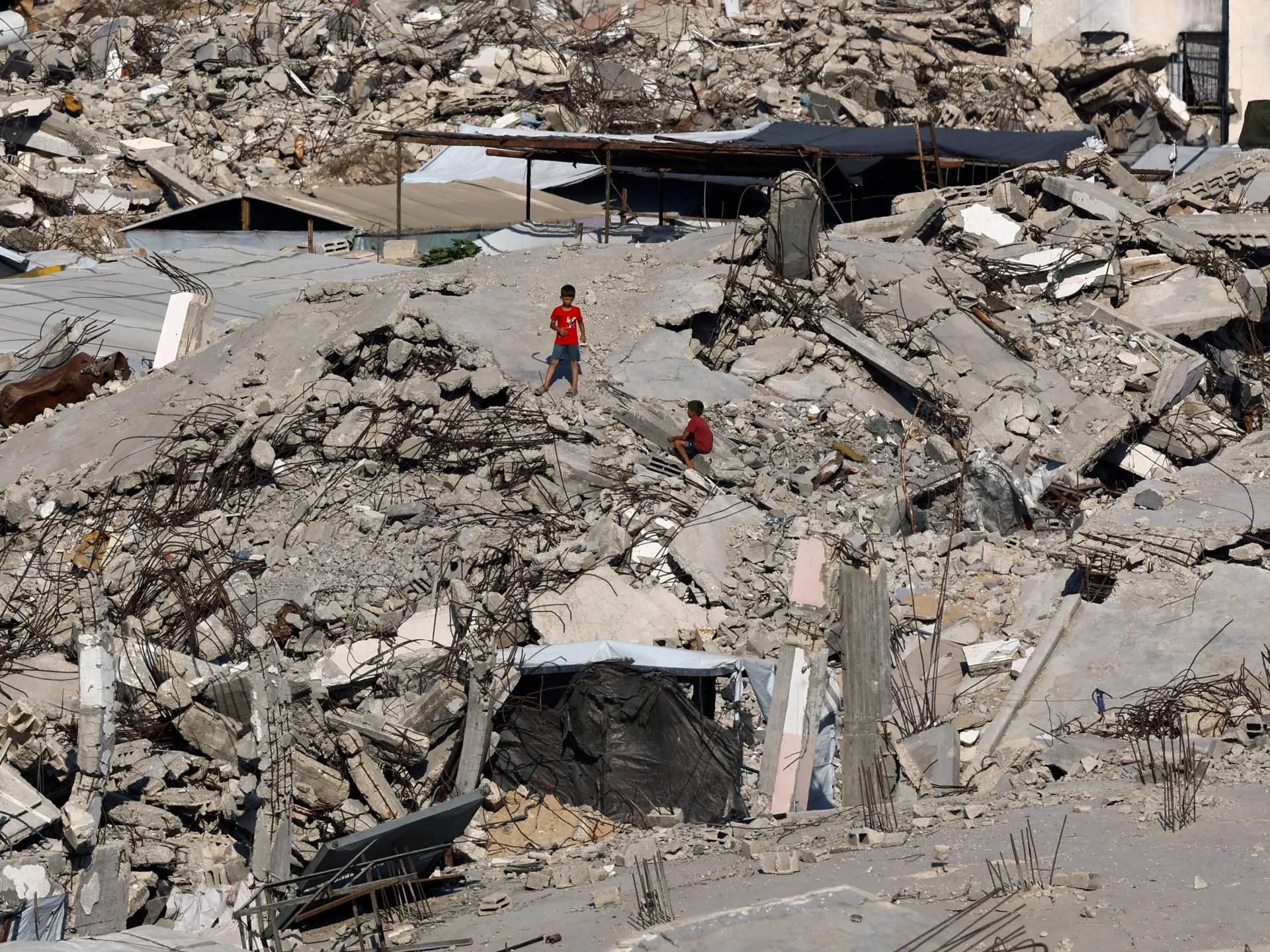
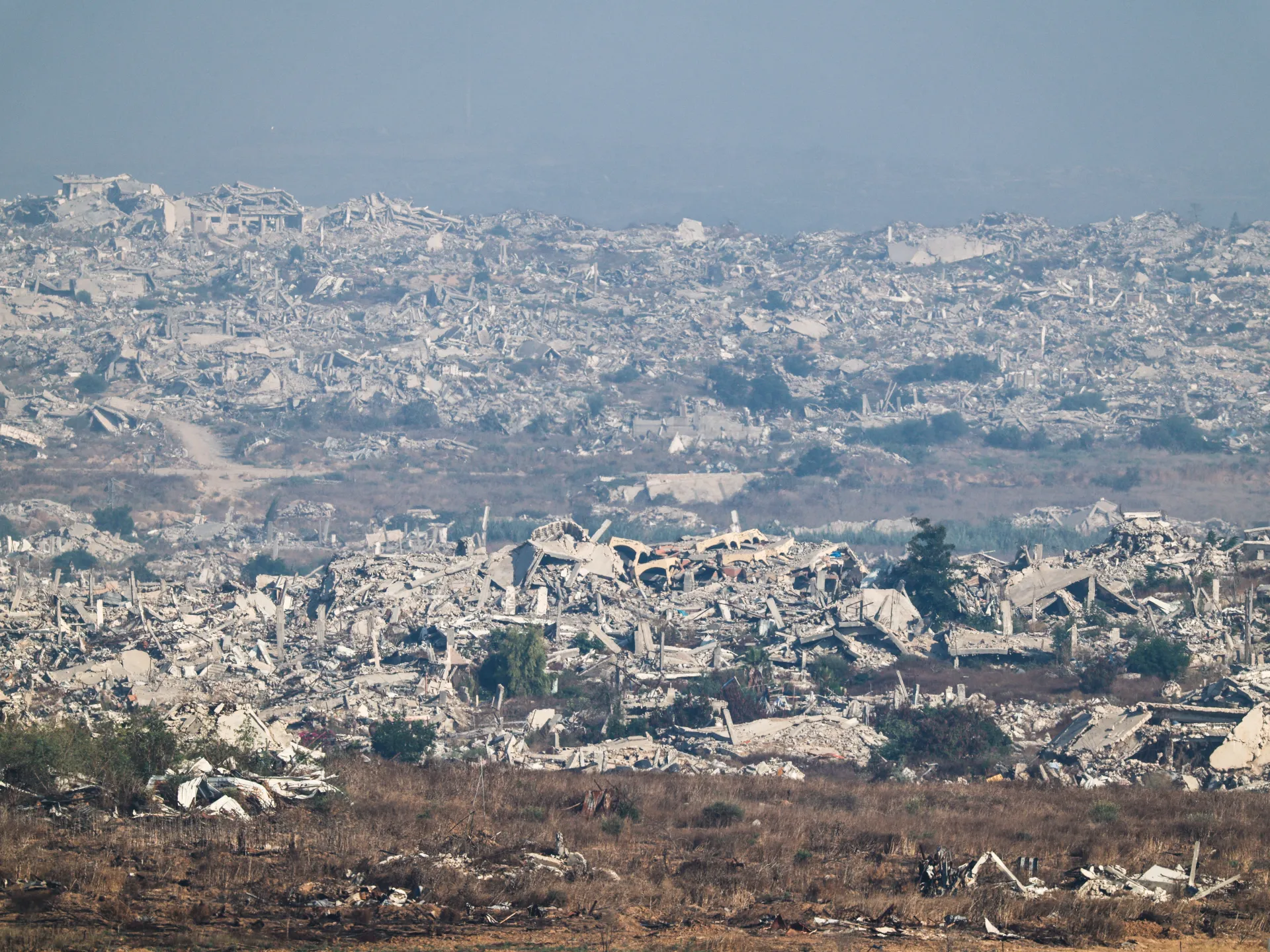
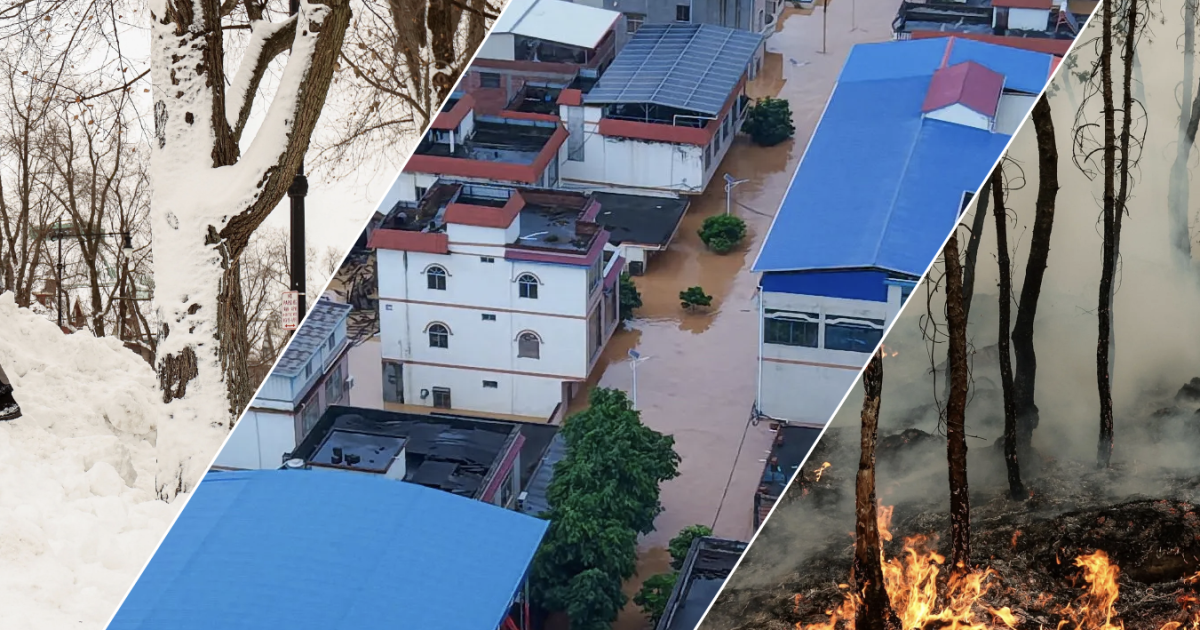
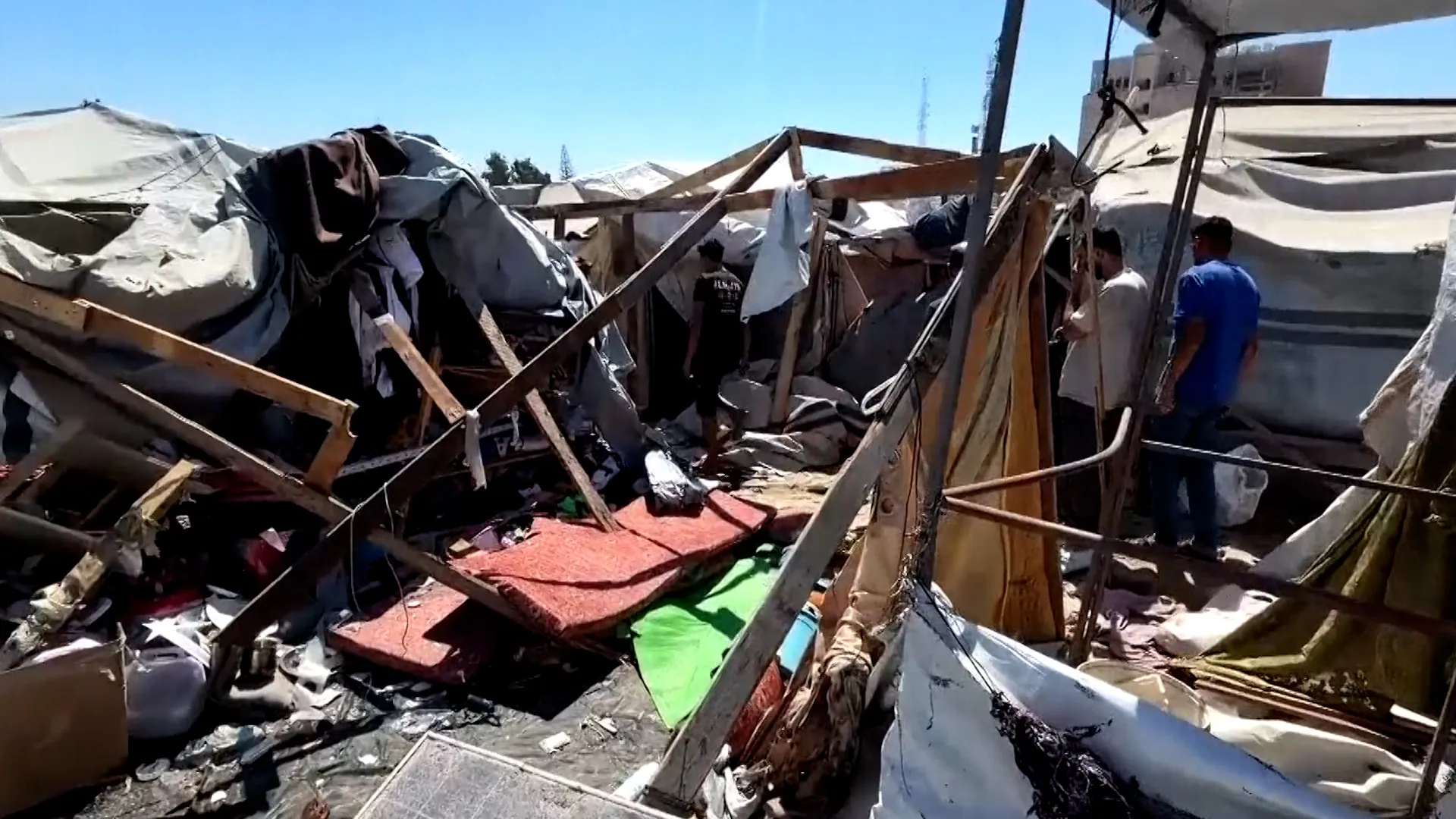
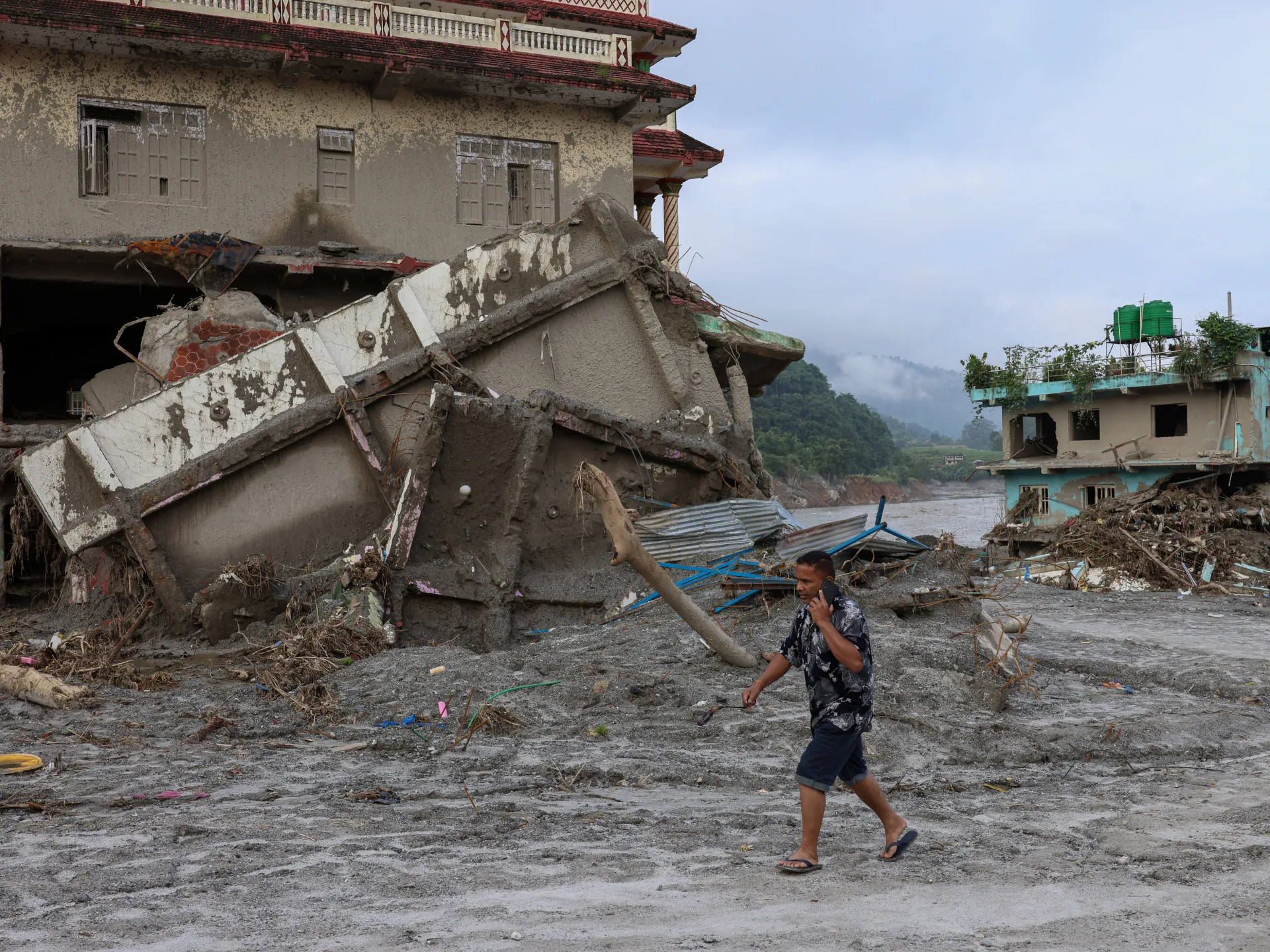
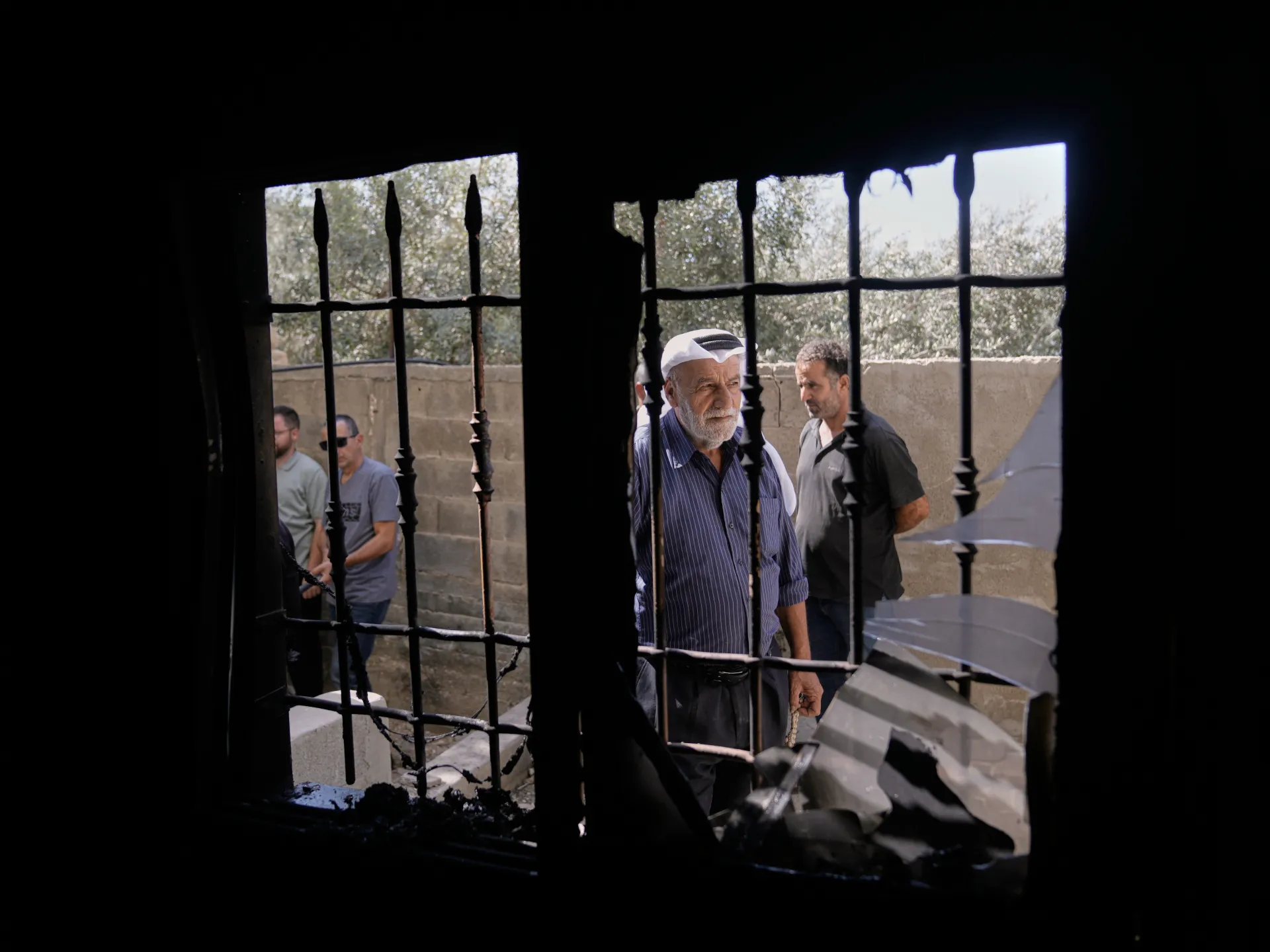
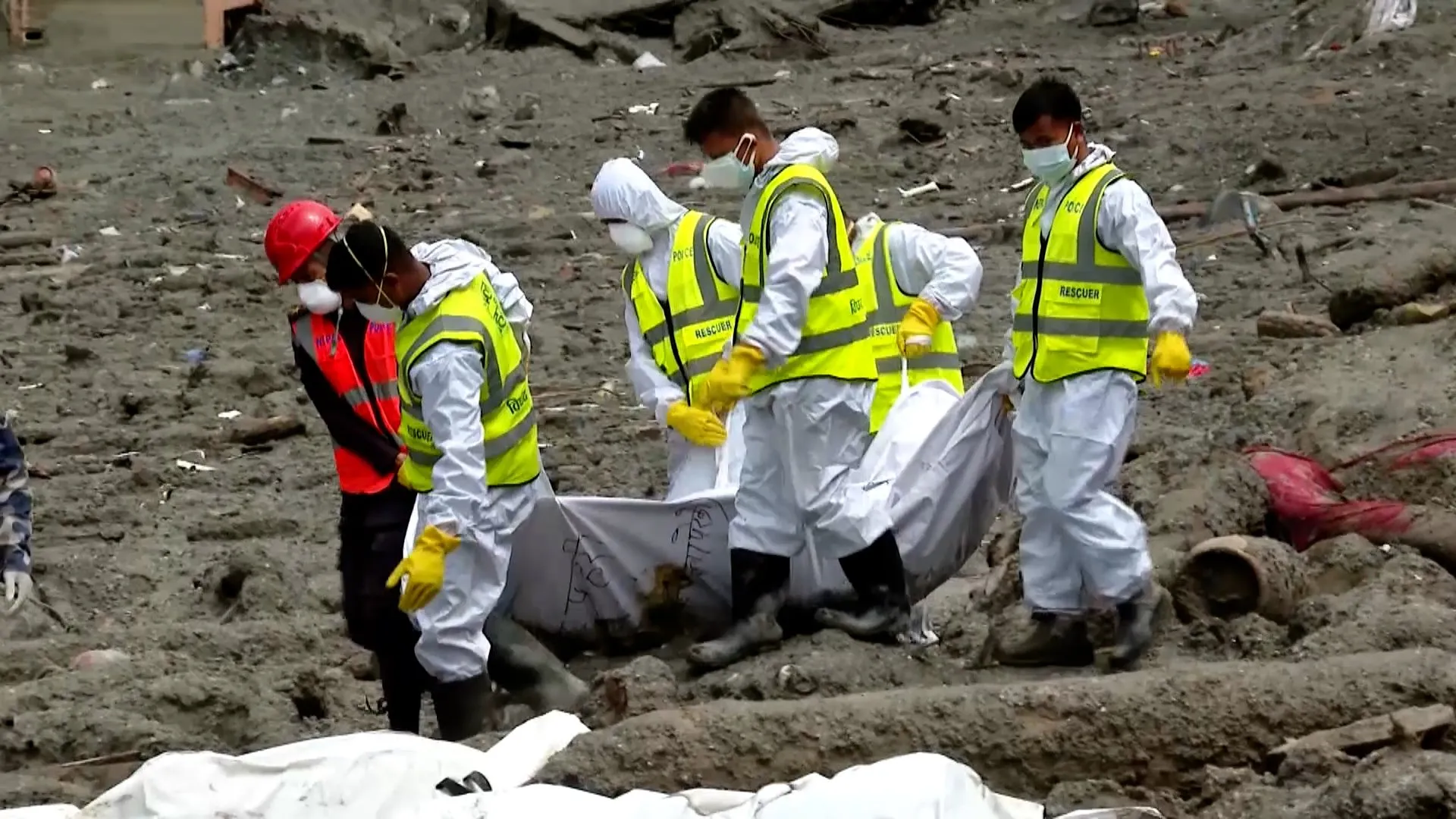
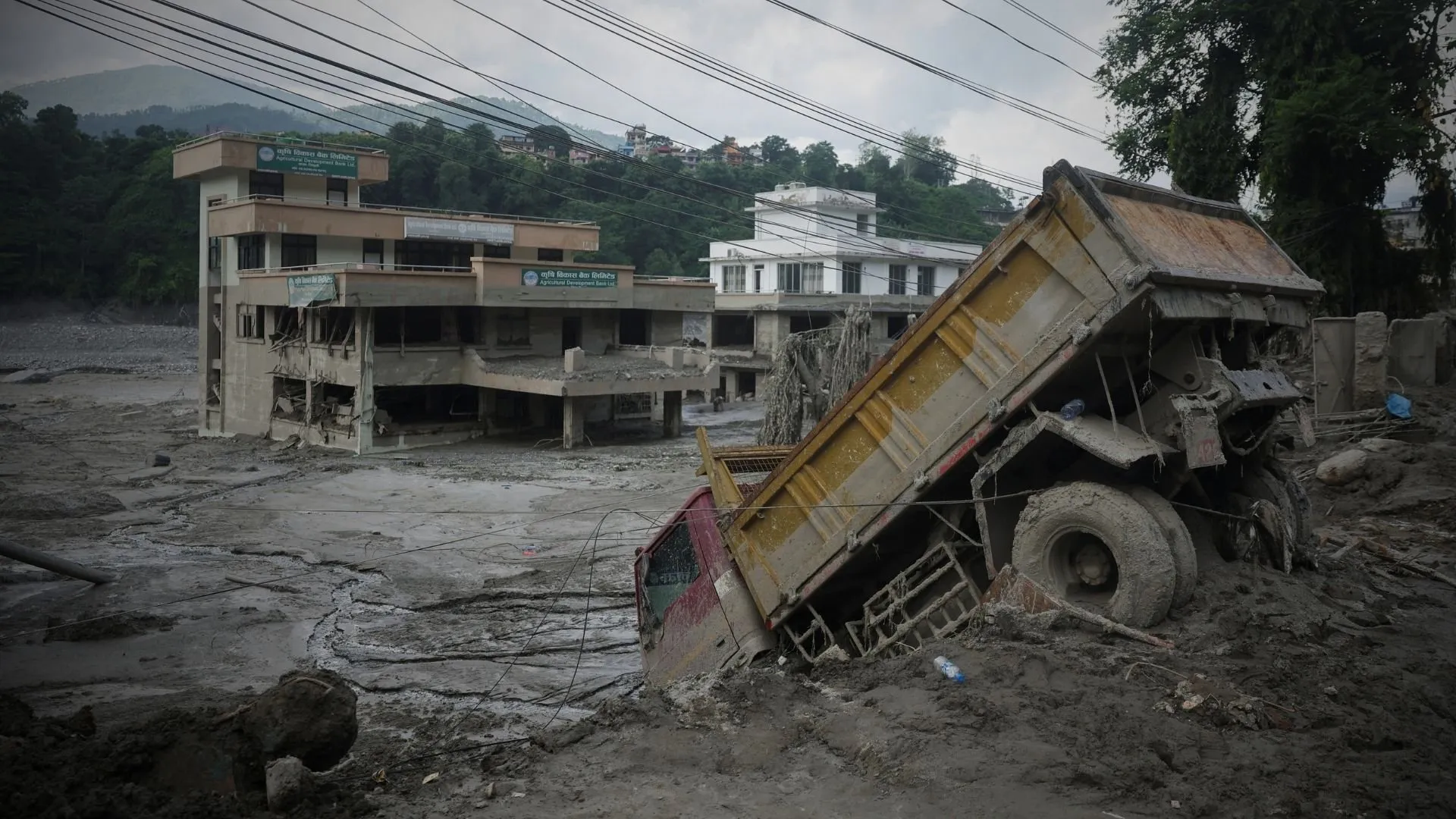
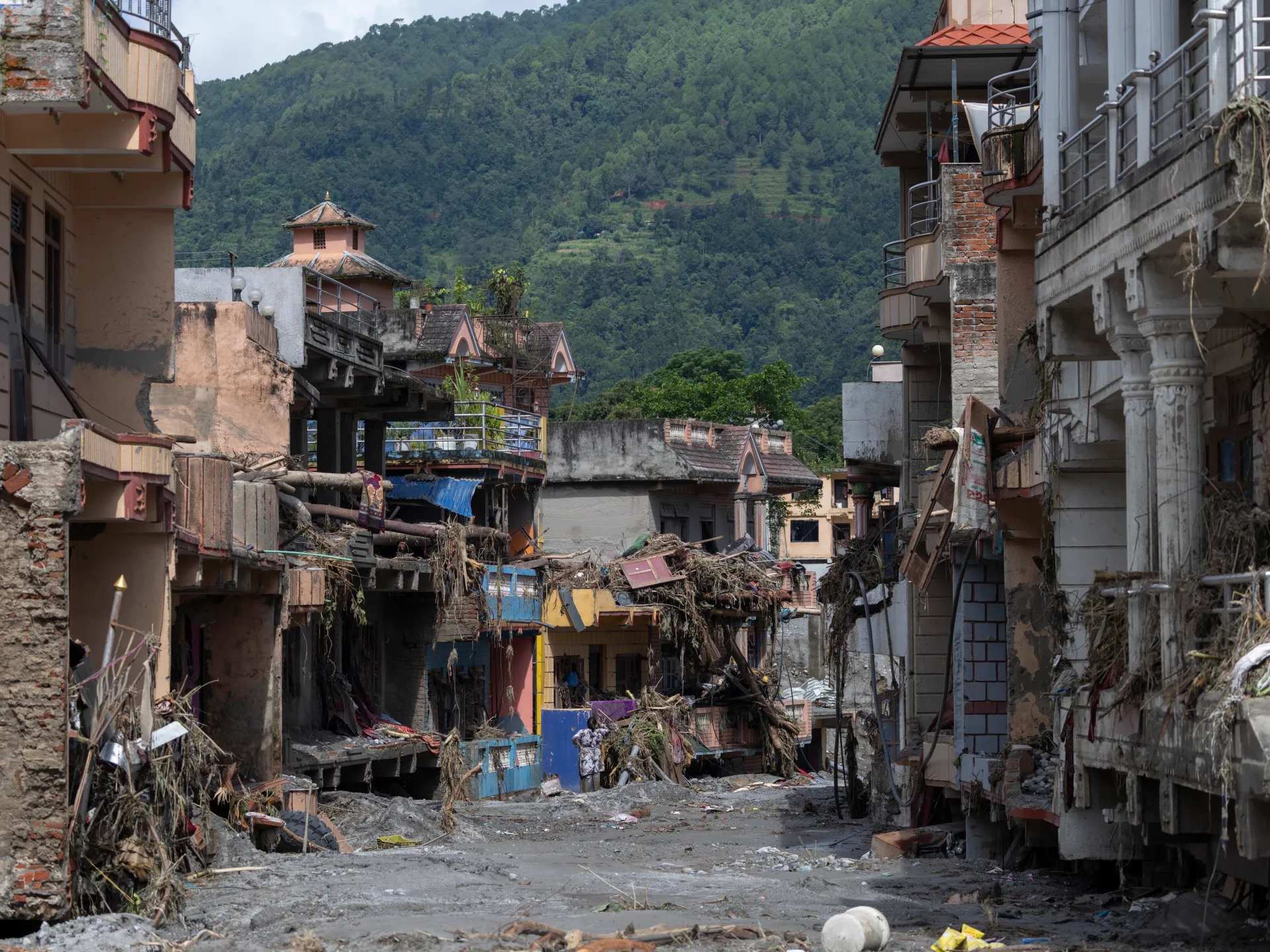
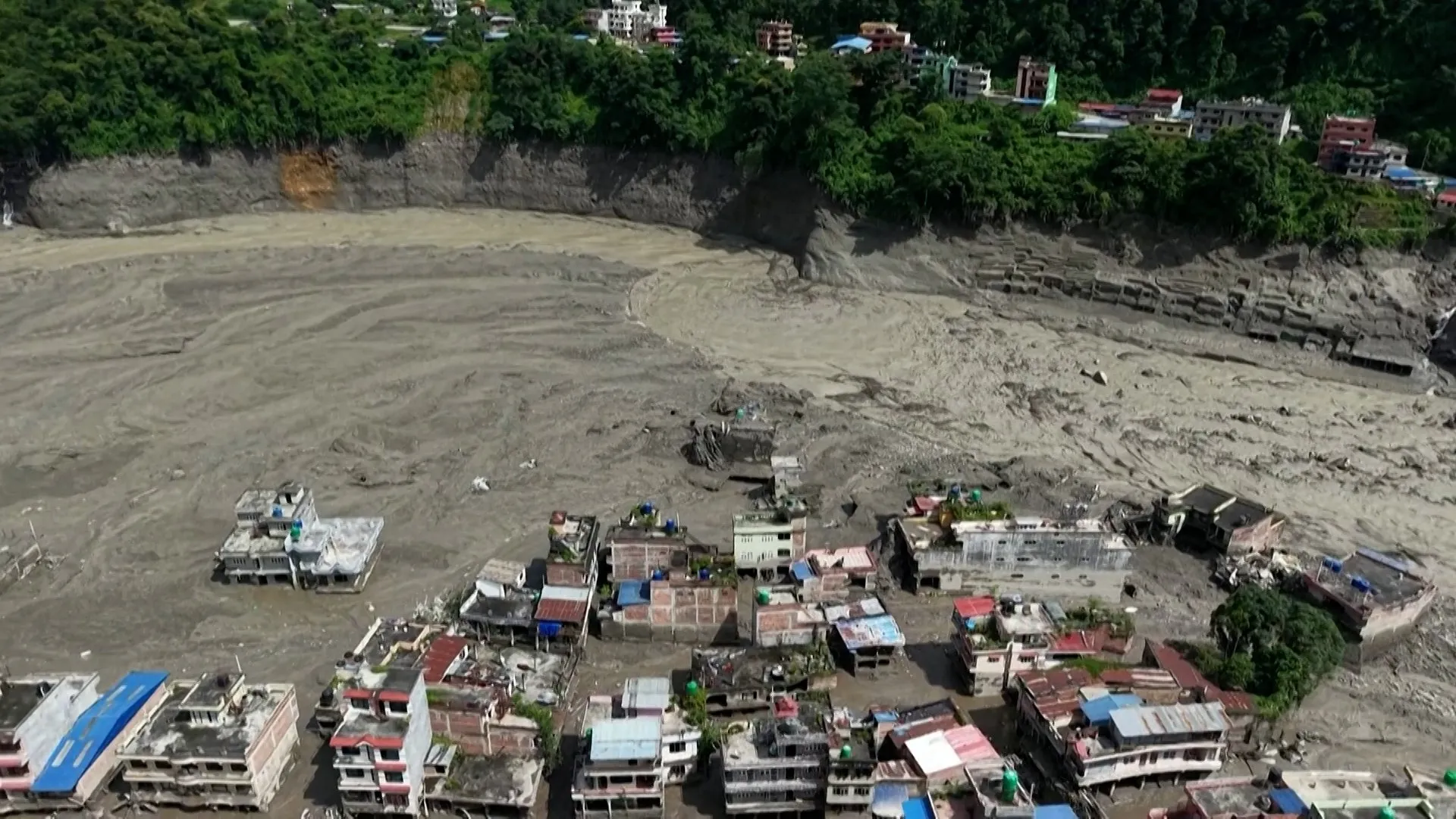
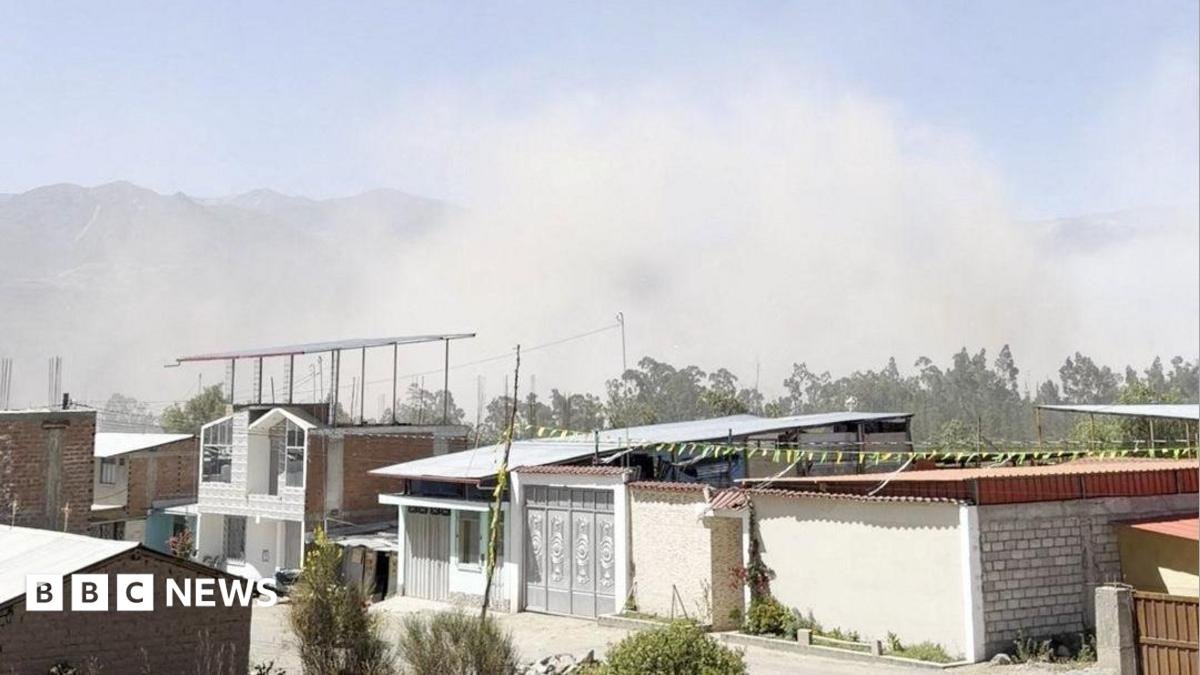
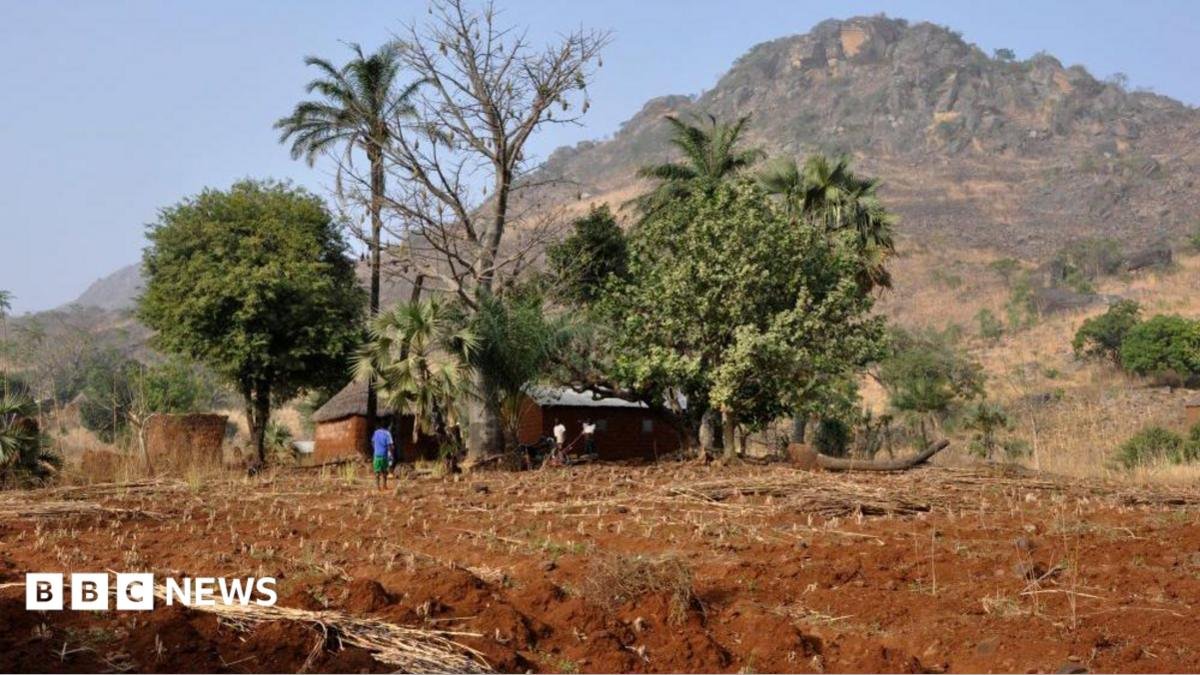
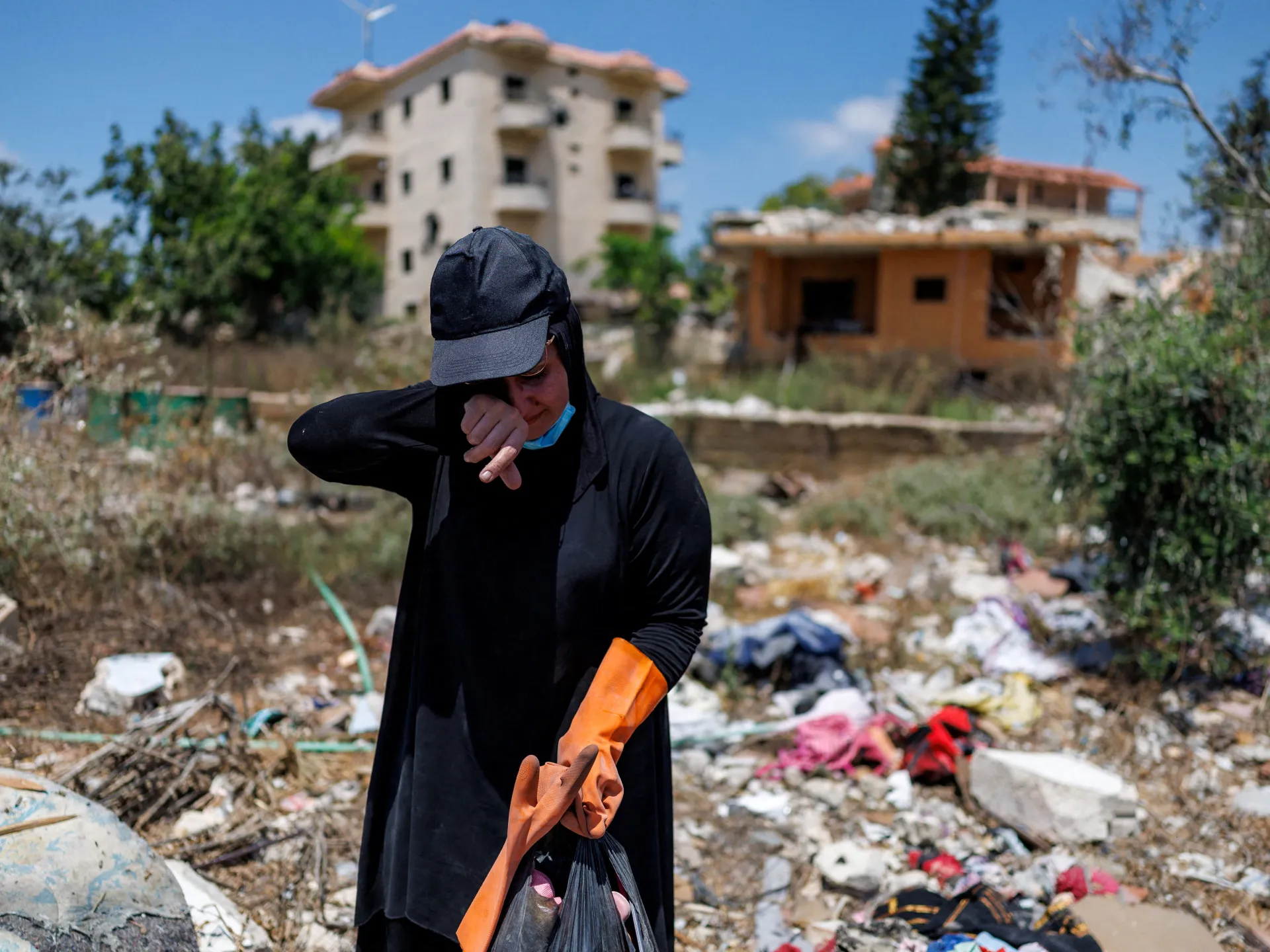
For residents of towns like Betrawati, the landscape has become unrecognizable. The recent torrents of mud, rock, and water have left behind vast expanses of grey silt, burying entire neighborhoods and erasing the physical markers of local history. As search operations continue with little hope of finding further survivors, the psychological toll on the displaced is being compounded or missing relatives, are met with vitriol and victim-blaming.
The situation in Nepal highlights a growing and dangerous intersection between climate-driven humanitarian disasters and the weaponization of social media. In many traditional disaster response frameworks, the priority is almost exclusively focused on material aid, search-and-rescue logistics, and infrastructure restoration. However, the emergence of systemic online harassment directed at flood victims suggests that digital safety is now a critical component of post-disaster recovery. When public discourse in a crisis zone devolves into "rage baiting" or targeted abuse, it discourages transparency, stifles legitimate criticism of government efficiency, and deepens the trauma of those already grappling with the loss of their homes and loved ones. This precedent suggests that future disaster management strategies will likely need to incorporate digital policy and content moderation oversight to protect the mental and social well-being of the affected populations.
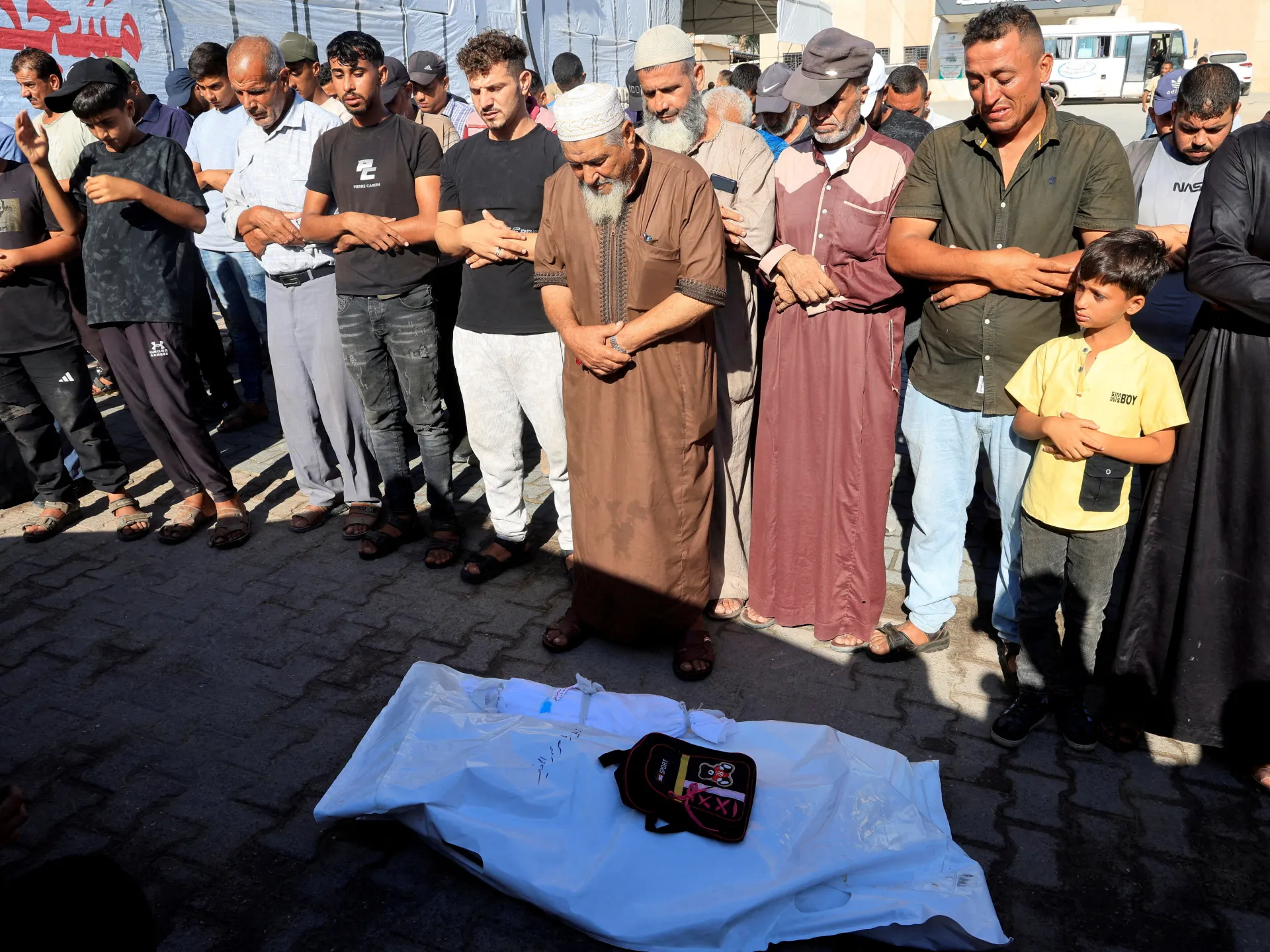
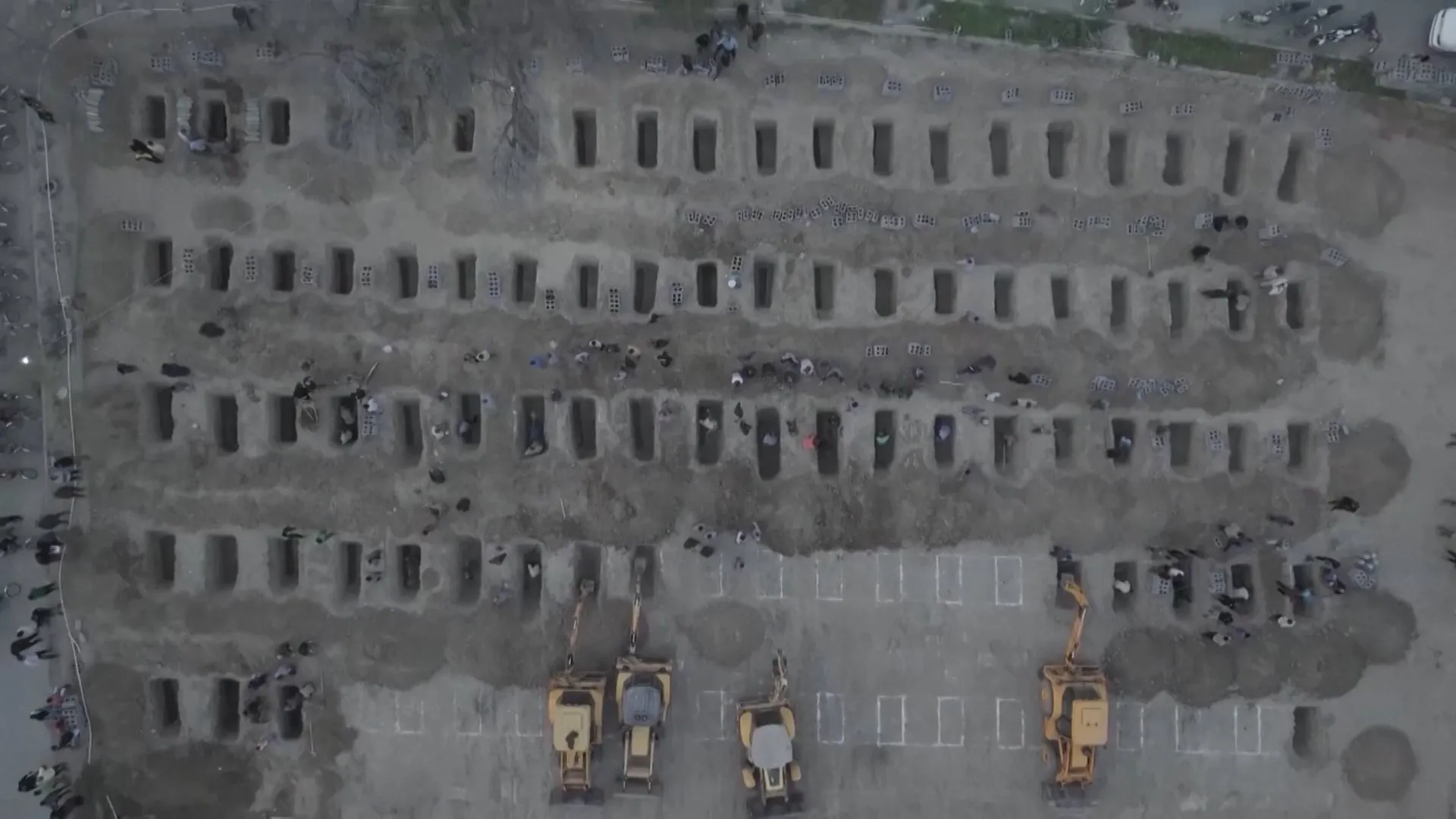
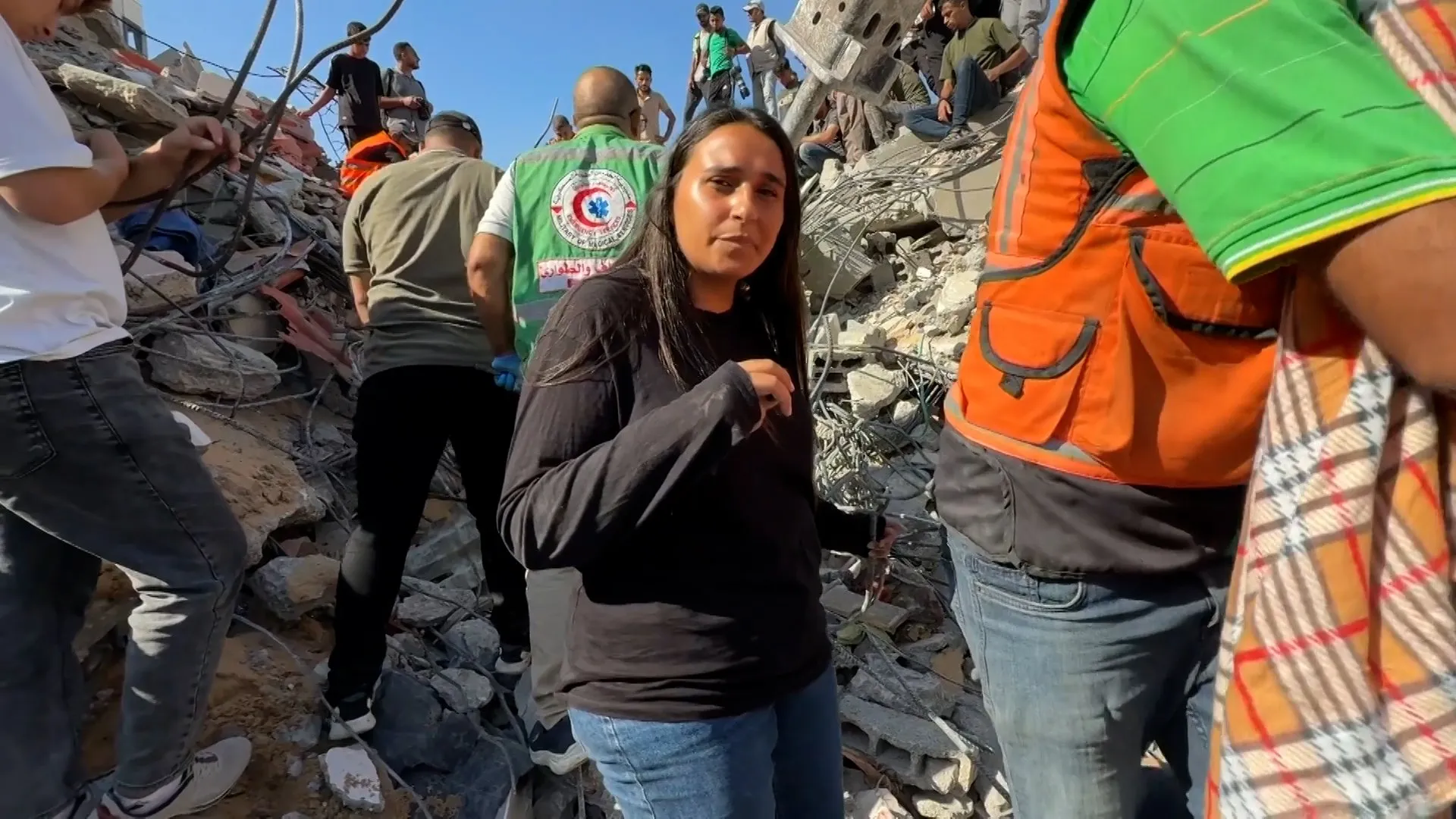
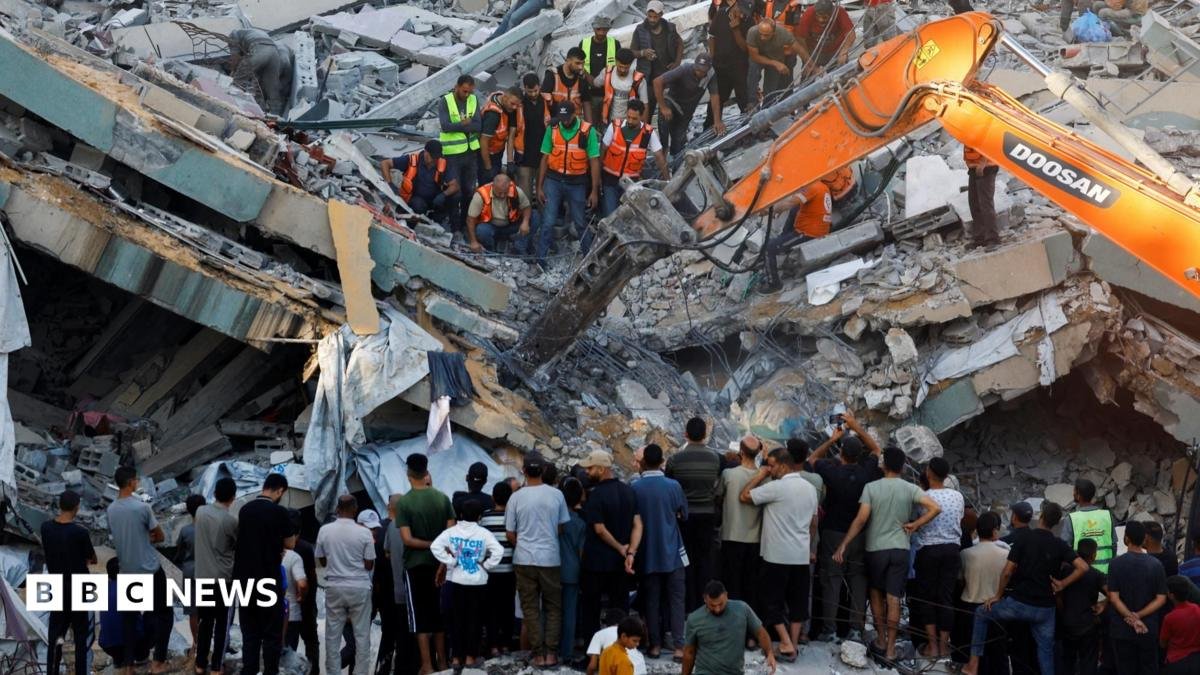
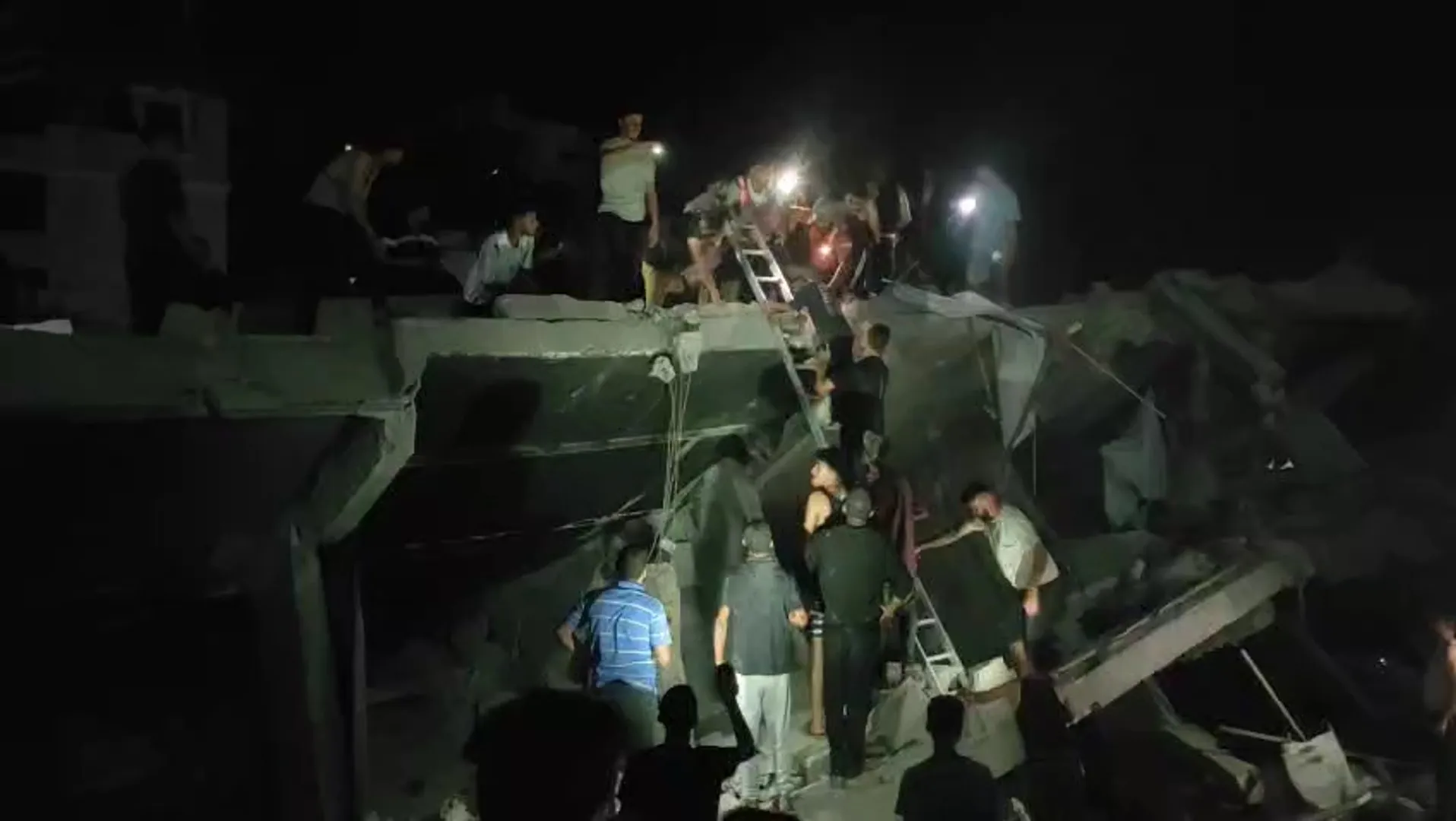
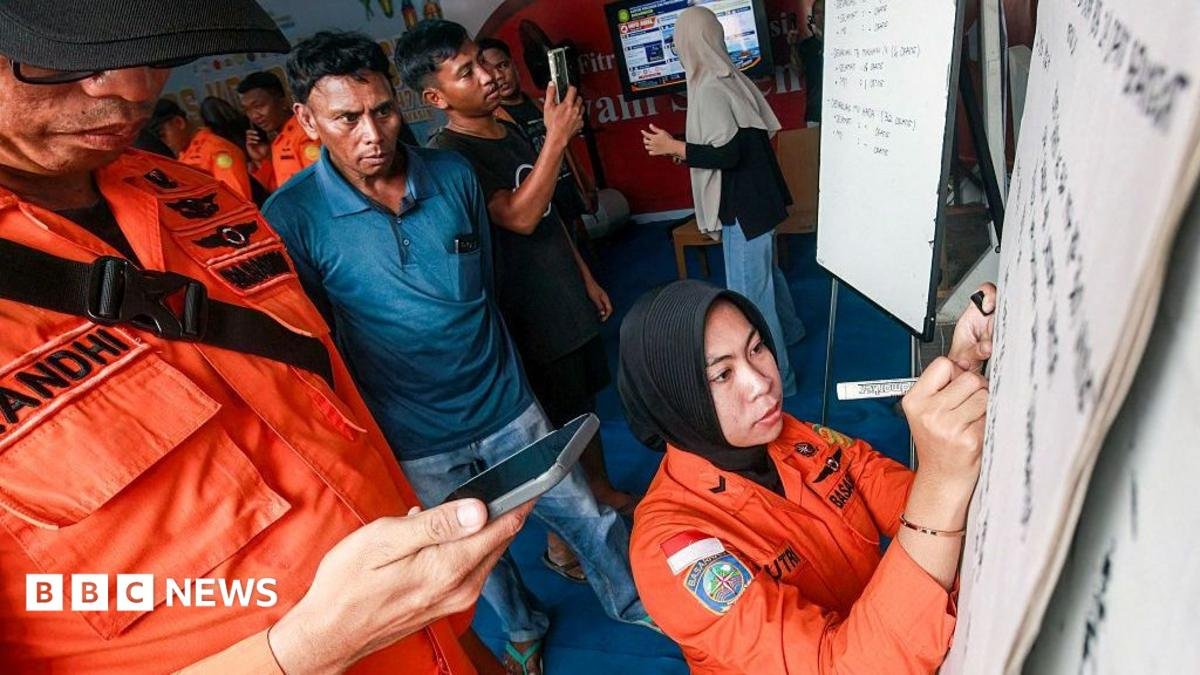
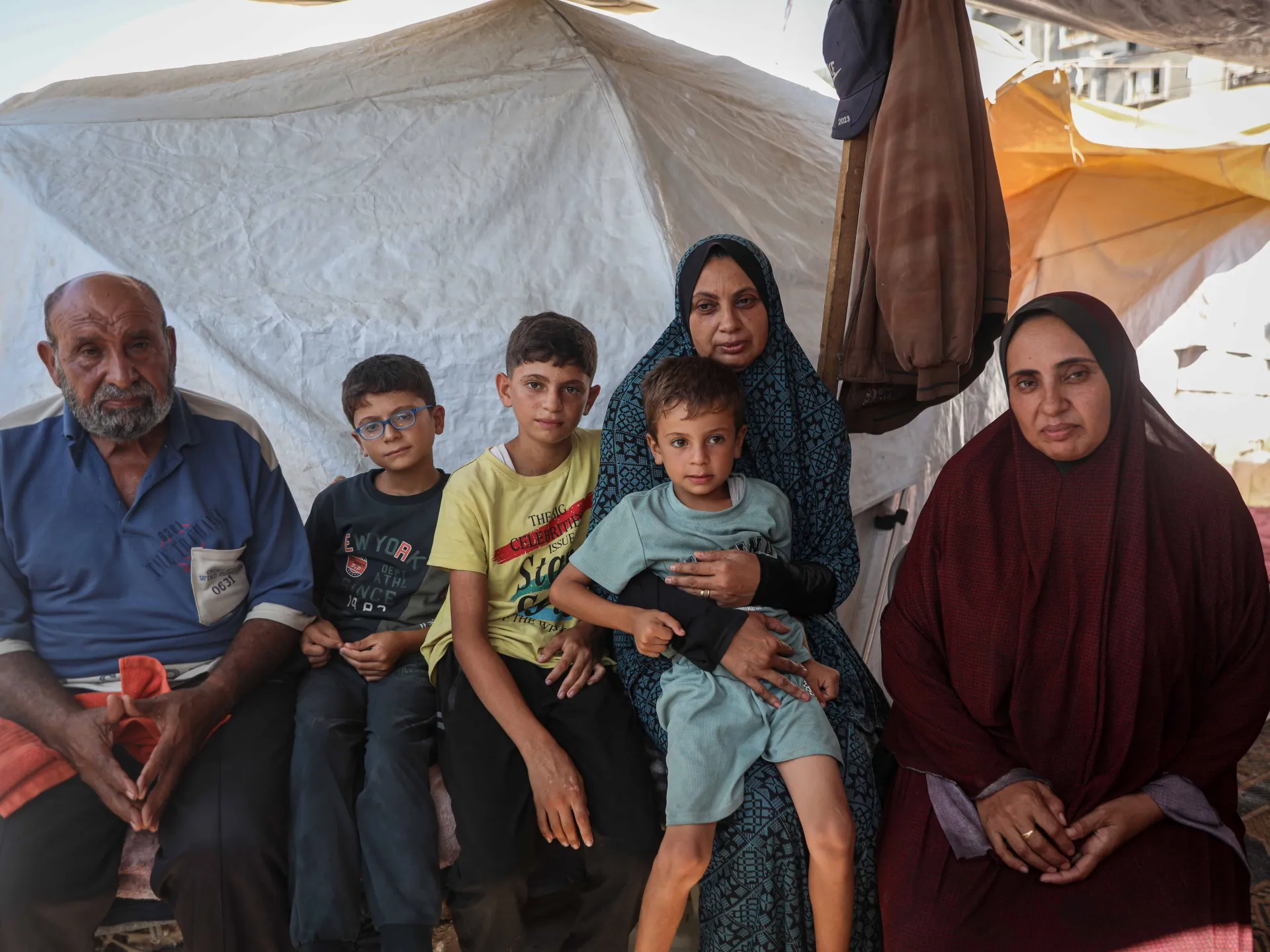
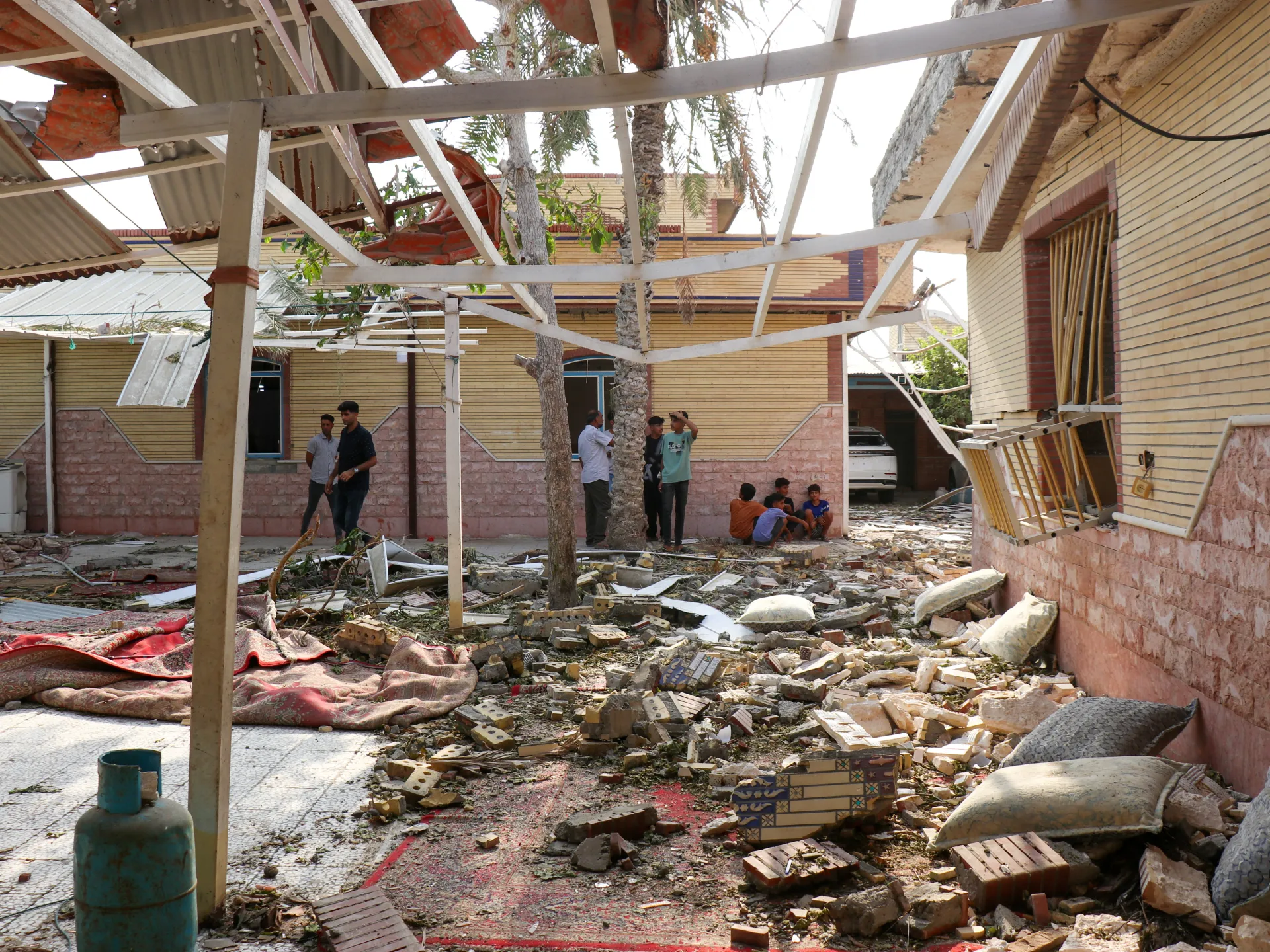
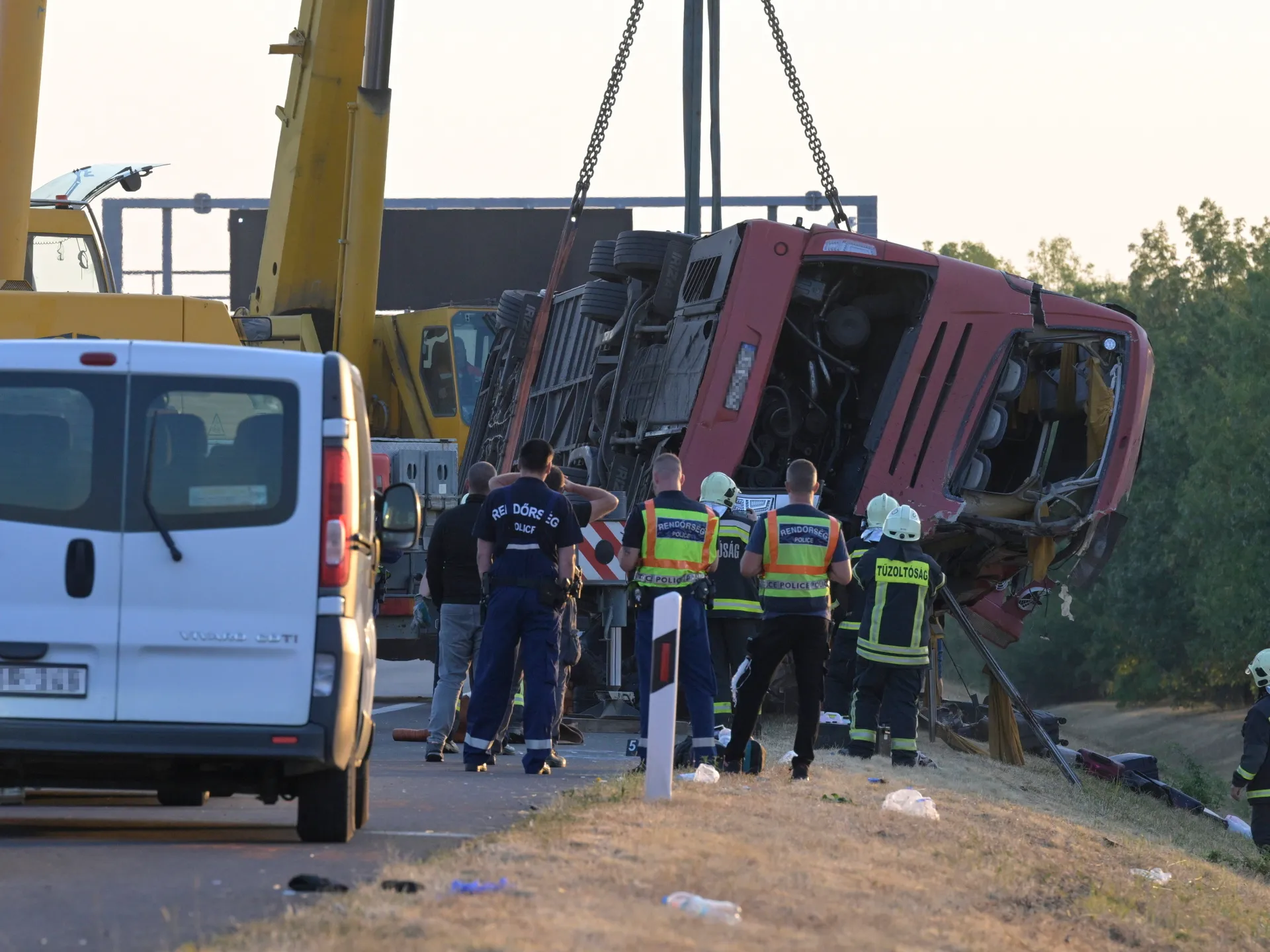
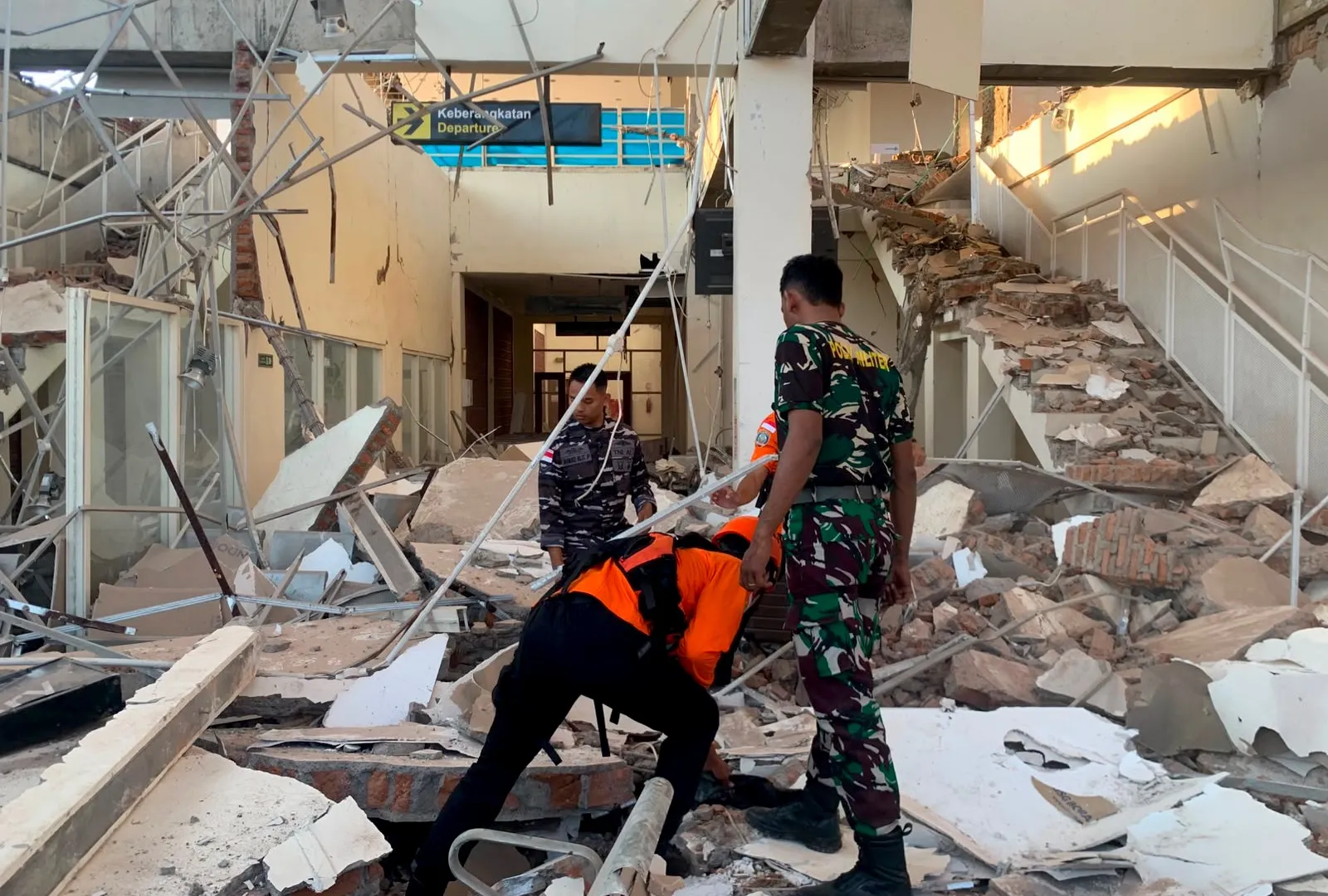
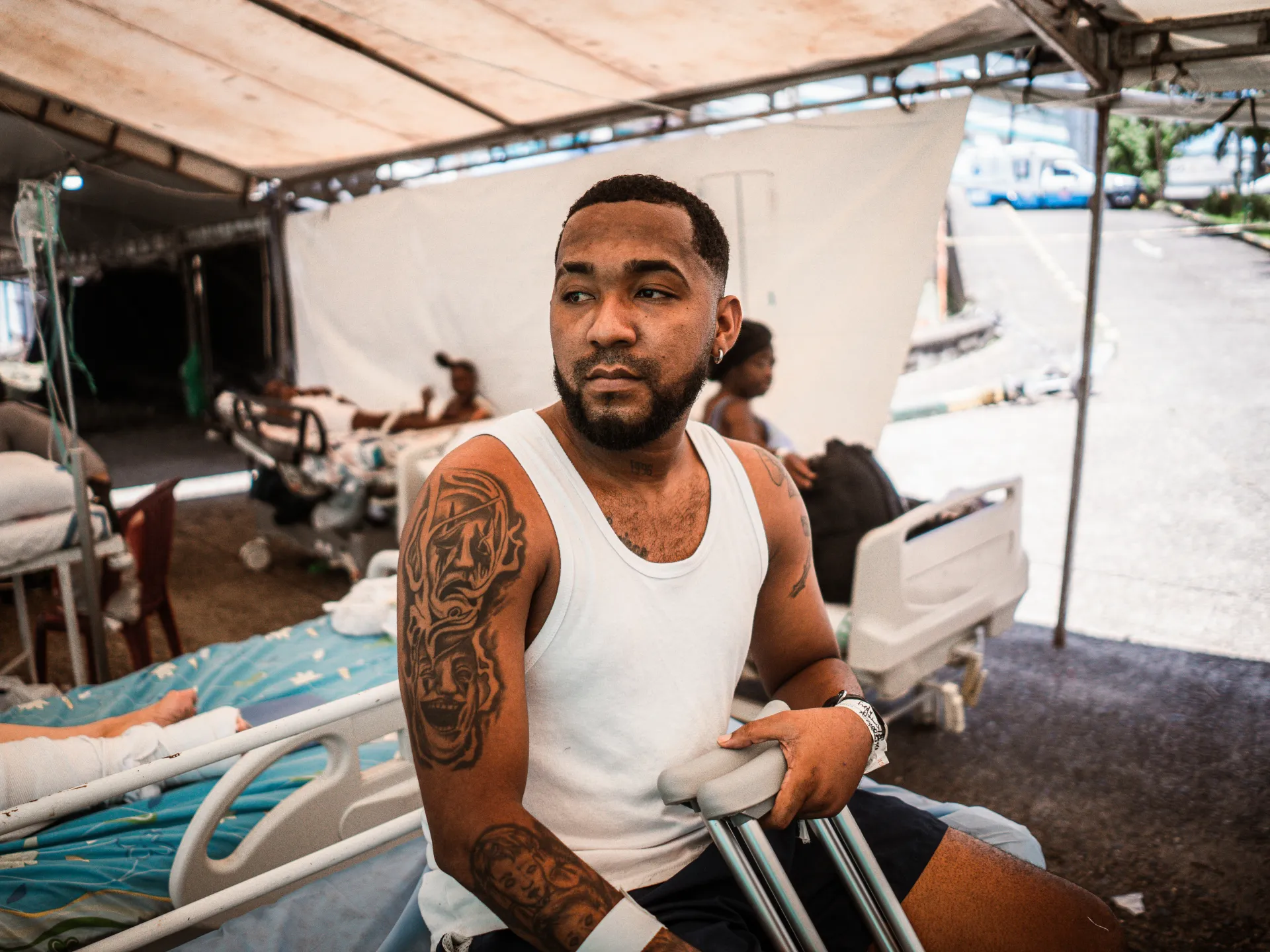
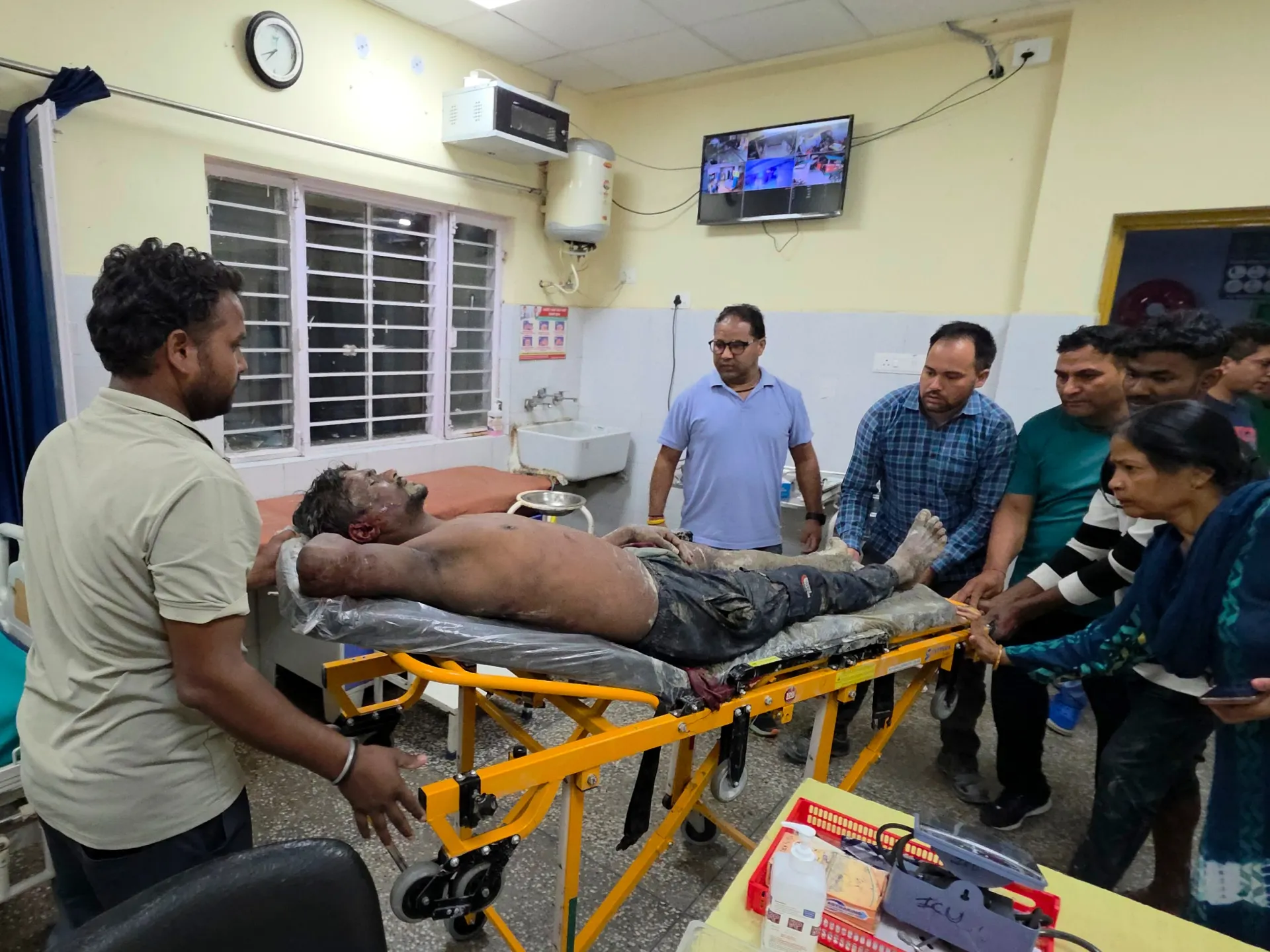
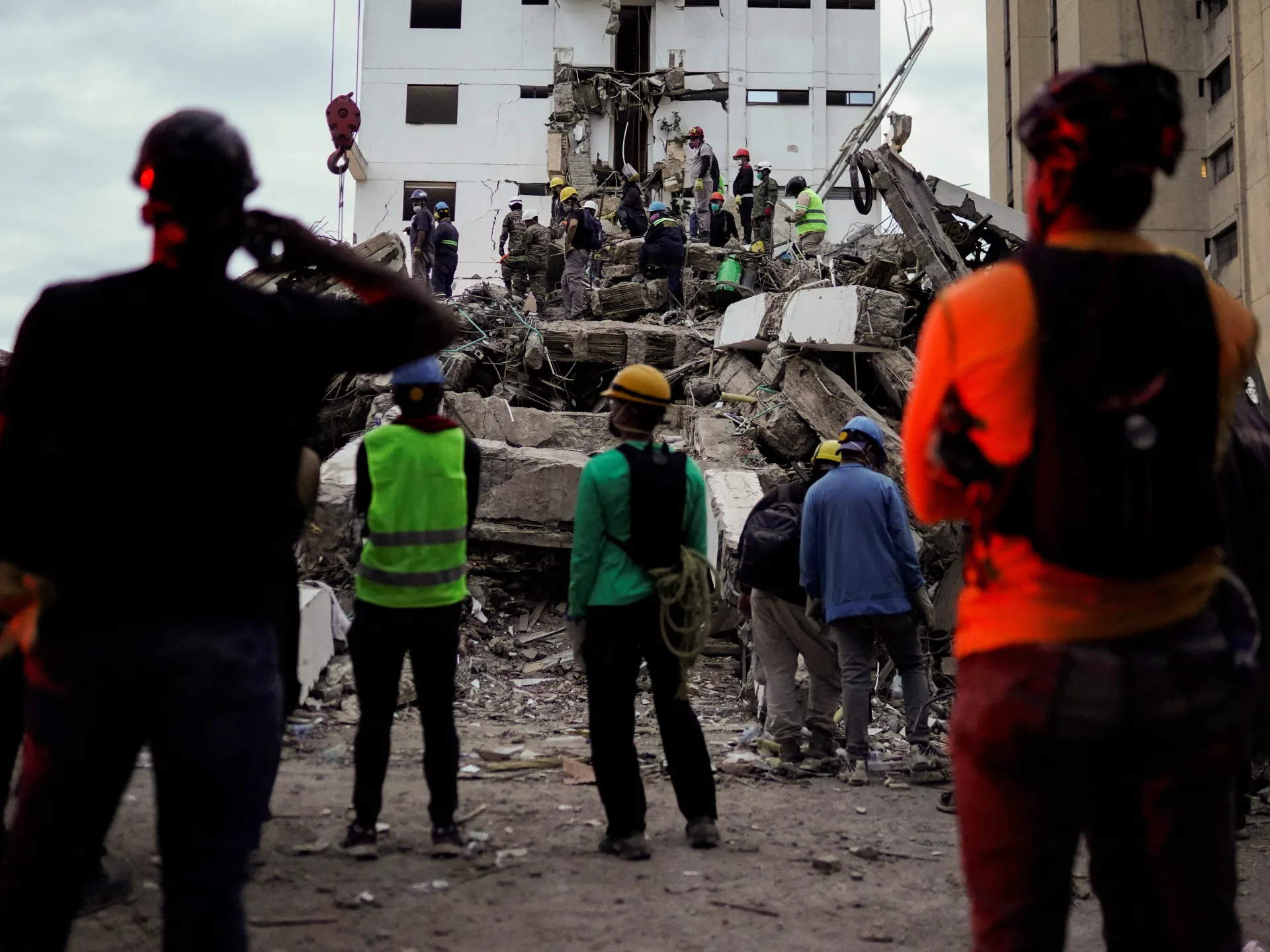
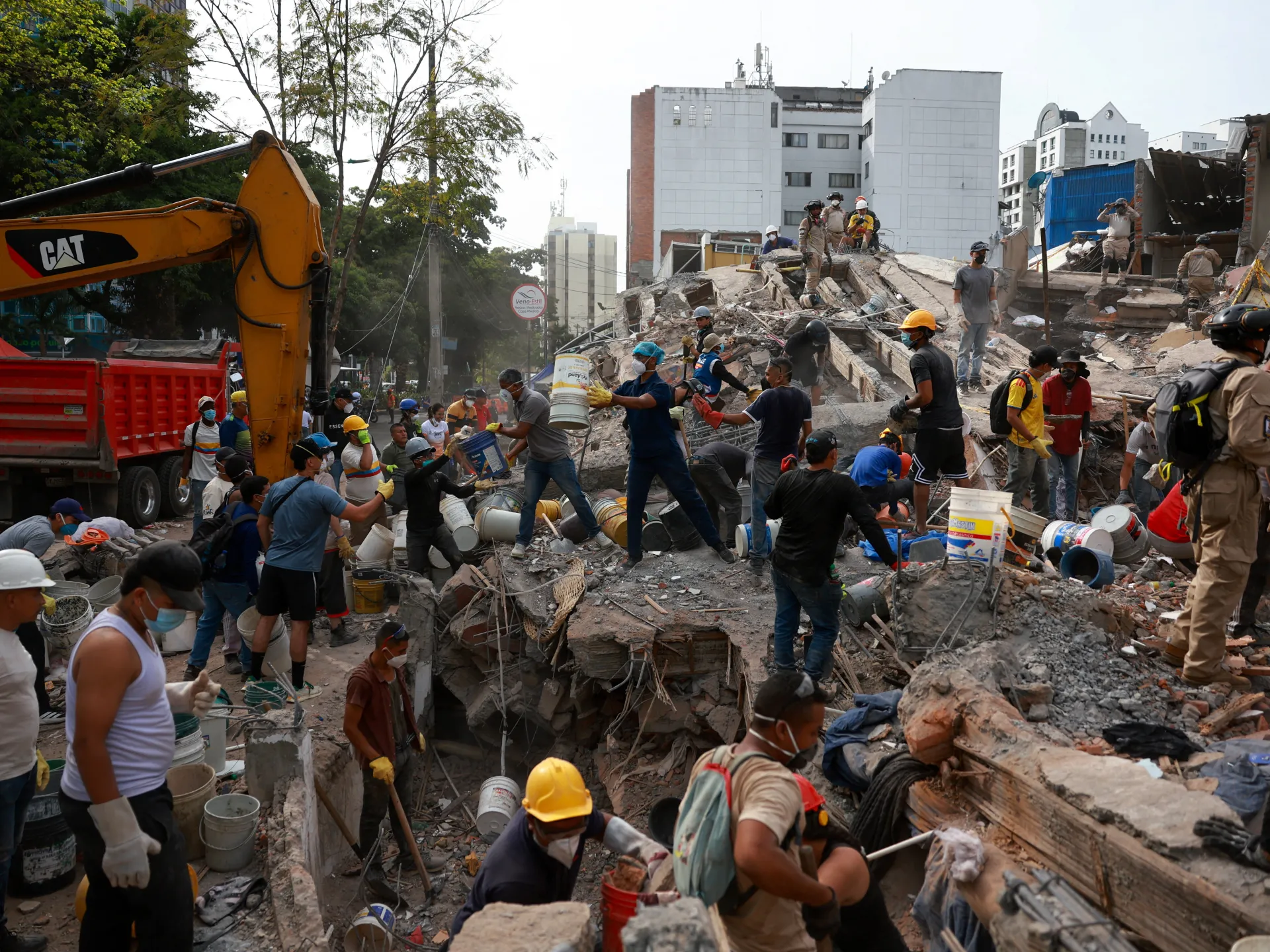
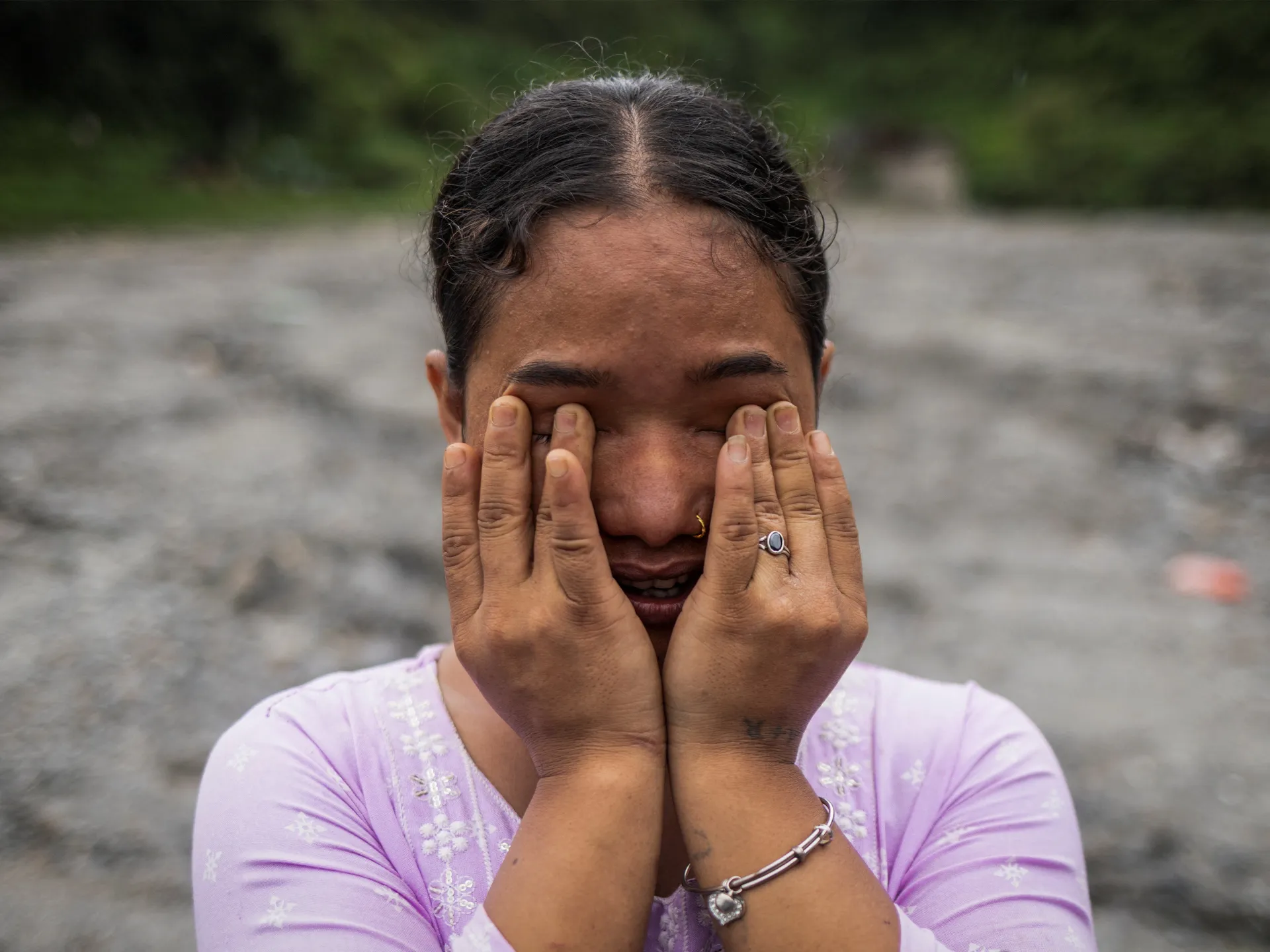
The physical destruction is profound. In Betrawati, survivors like 23-year-old Anusa Thapa Magar describe returning to scenes where their houses, and in some cases their entire communities, have vanished beneath layers of debris. Authorities confirm that at least 1,386 people have died, with a staggering 5,130 still missing. The search efforts have been hindered avigate a "wasteland" of scattered personal belongings—shoes, school ties, and backpacks—that serve as the only remains of their former lives.
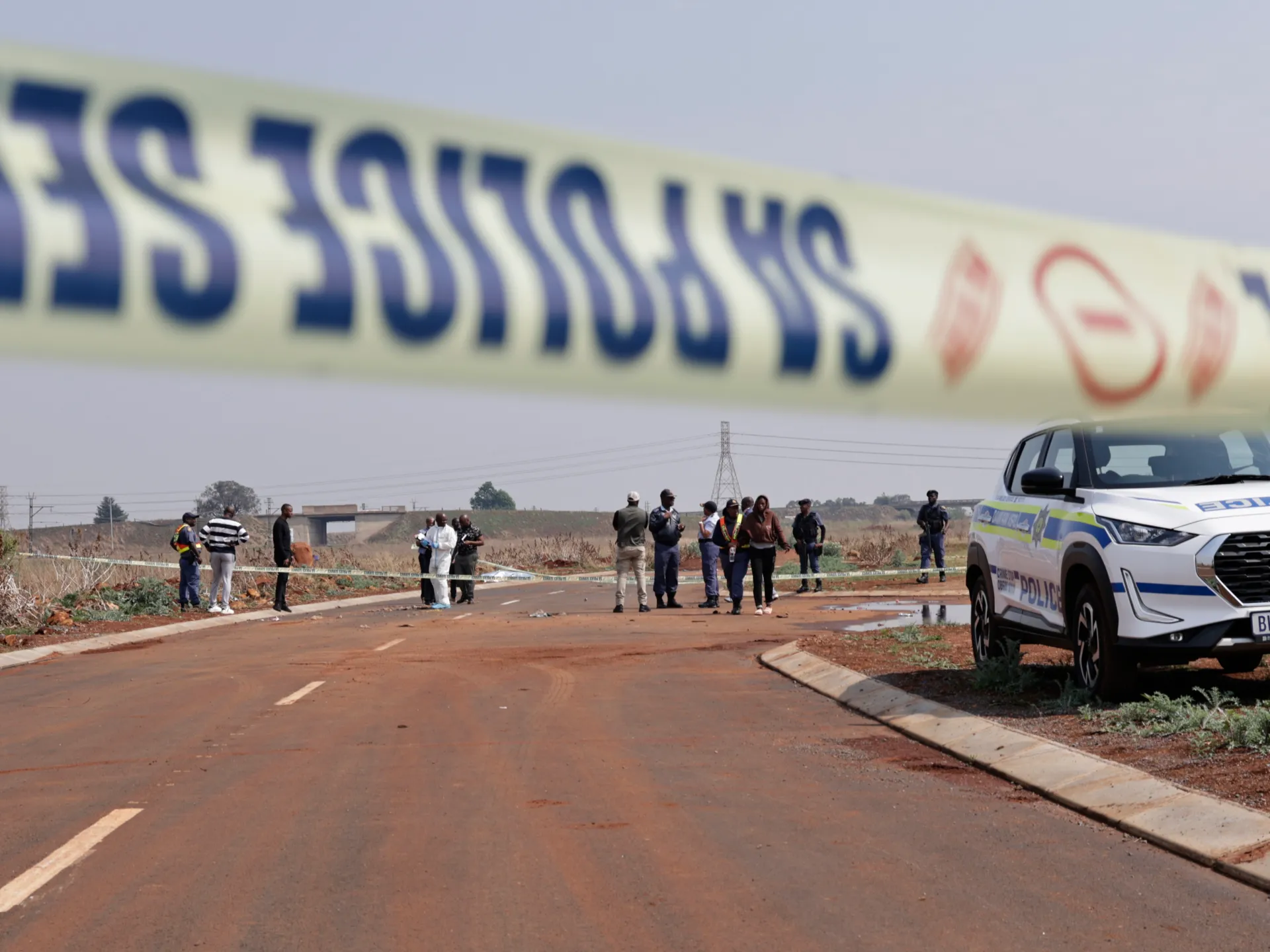
As these communities struggle to reconcile their losses, the online environment has turned increasingly toxic. Nepali Prime Minister Balendra Shah has issued a stern warning, declaring that those who belittle survivors or "cause them further suffering" at this sensitive time will be treated as criminals. Police have established a 10-member committee dedicated to investigating the origins of this harassment, warning that offenders could face up to five years in prison or significant fines under the Electronic Transactions Act.
The abuse appears to target individuals who speak out about the perceived slow pace of government rescue operations. One survivor, who took to social media to inquire about the state of her missing brother, reported receiving a barrage of insults after questioning whether an earlier mobilization of experts could have saved him. Another woman, seeking information on her missing husband, was told in comments to "jump into the river" if she wanted to help, illustrating a disturbing trend where legitimate frustration with emergency management is met with cruelty.
The government's crackdown on digital harassment represents a significant attempt to regain control over the national narrative during a time of extreme vulnerability. As police begin to utilize the Electronic Transactions Act to identify and charge individuals behind the abusive comments, it is likely that the chilling effect on public criticism of the government will increase. While this may curb the most egregious instances of online vitriol, it remains to be seen how the state will distinguish between legitimate, albeit angry, calls for government accountability and malicious harassment. Meanwhile, on the ground, the search for the more than 5,000 missing persons is expected to transition into a recovery and memorialization phase, as the likelihood of finding survivors diminishes with each passing day. The focus will likely shift from emergency rescue to the massive, multi-year task of relocating displaced families and navigating the economic void left