New intelligence files reveal a coordinated regime plot behind the 2012 abduction of Austin Tice, even as the new Syrian leadership adopts a combative diplomatic stance toward Israel.
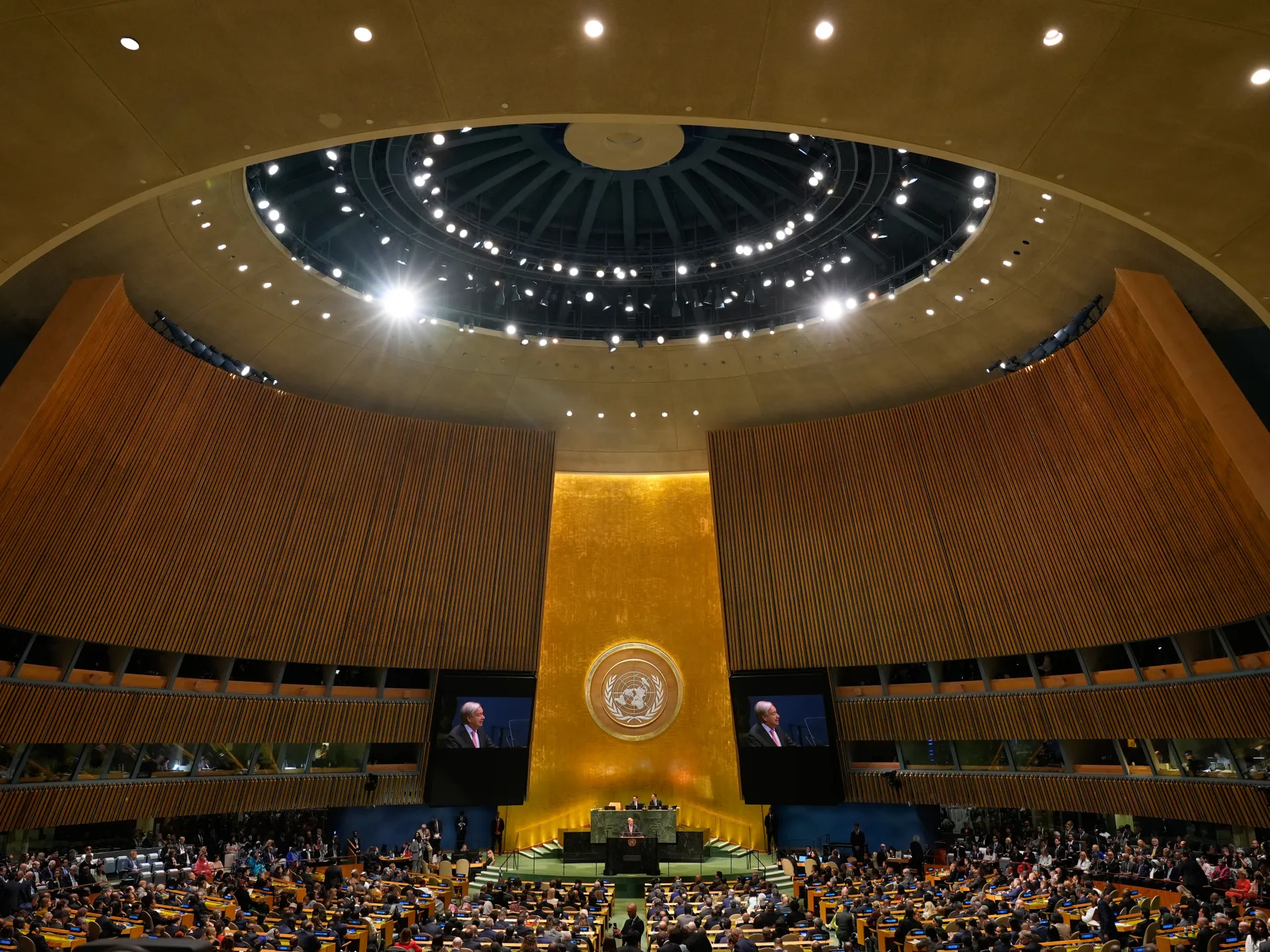
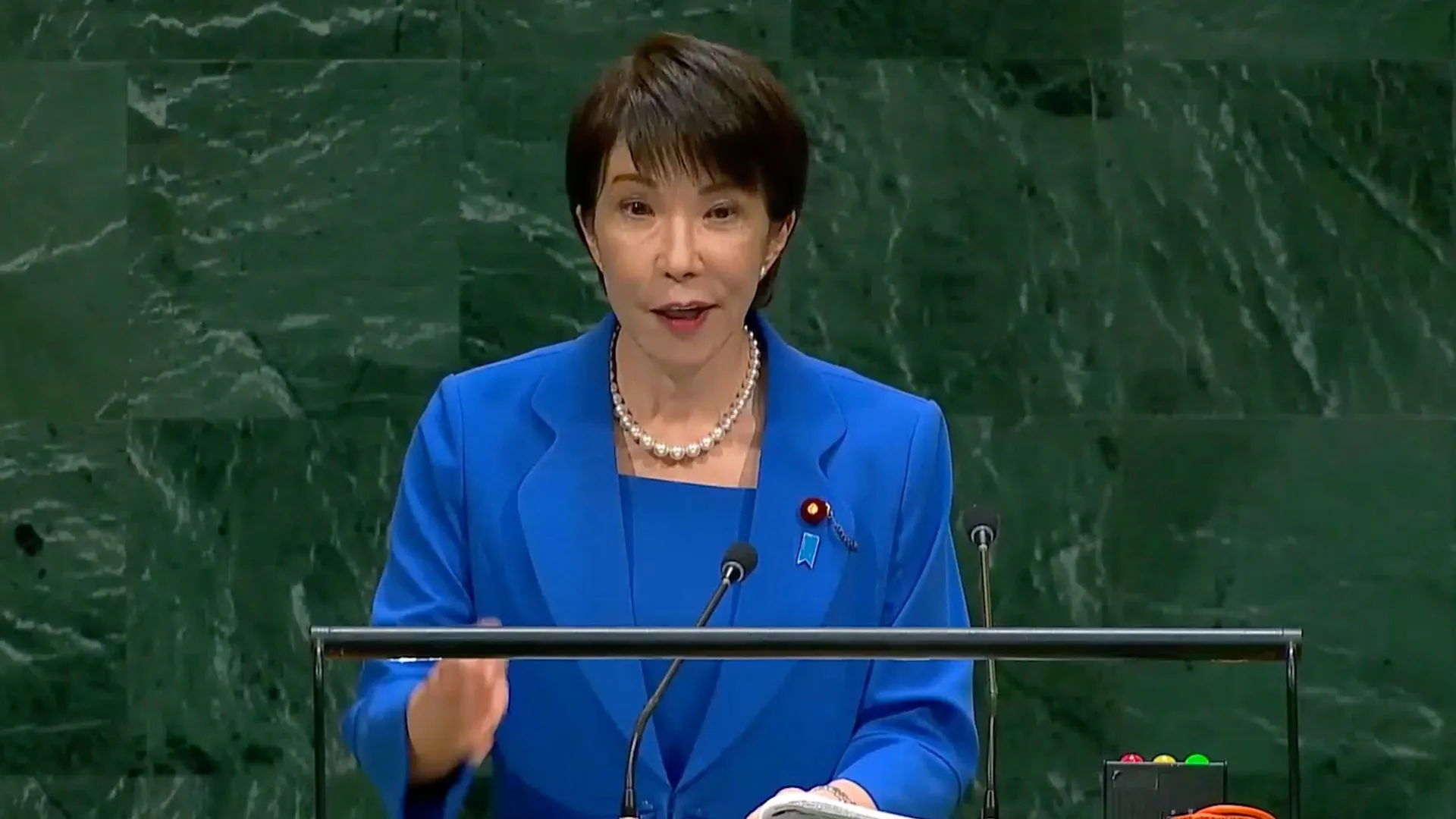
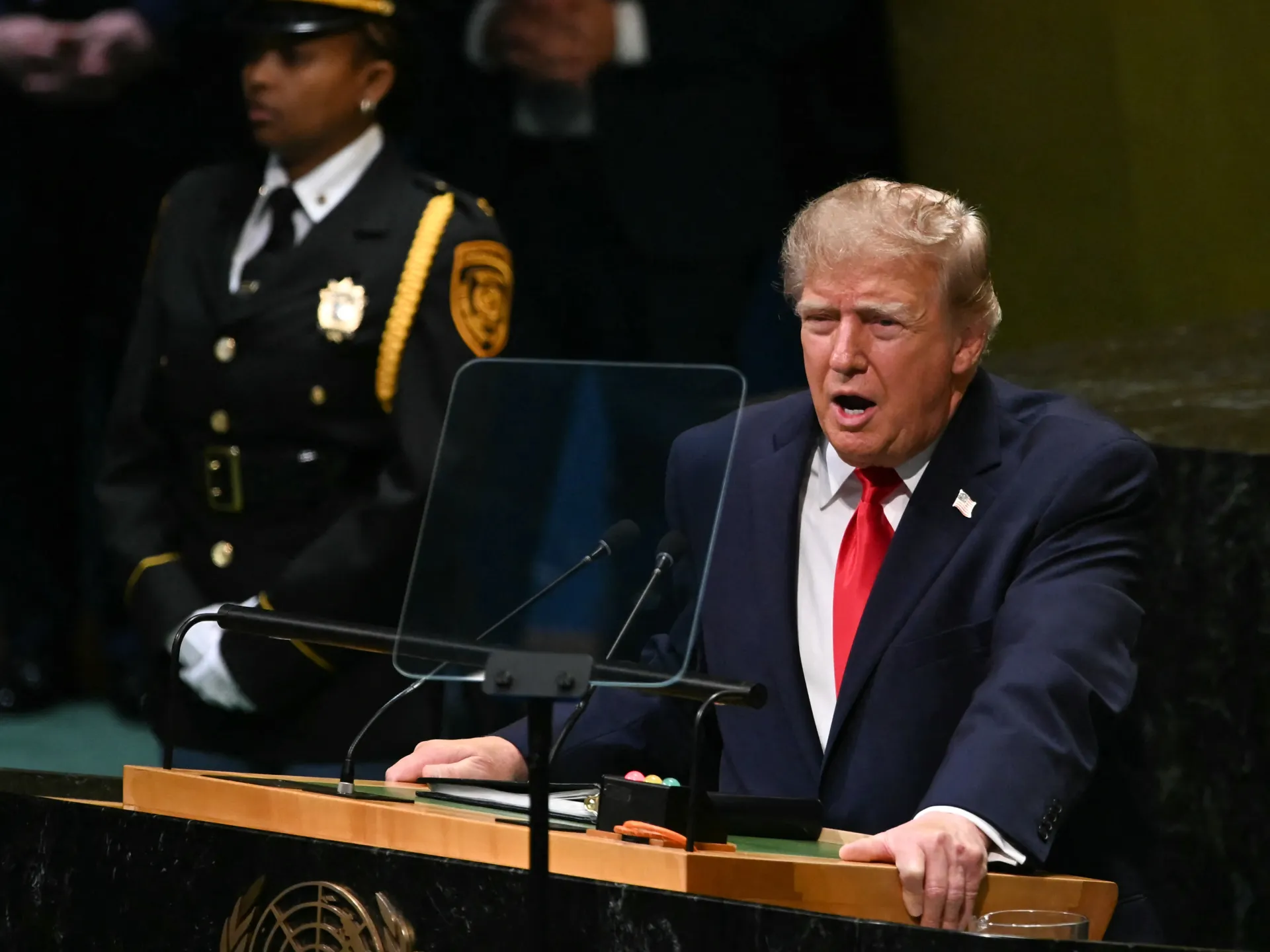
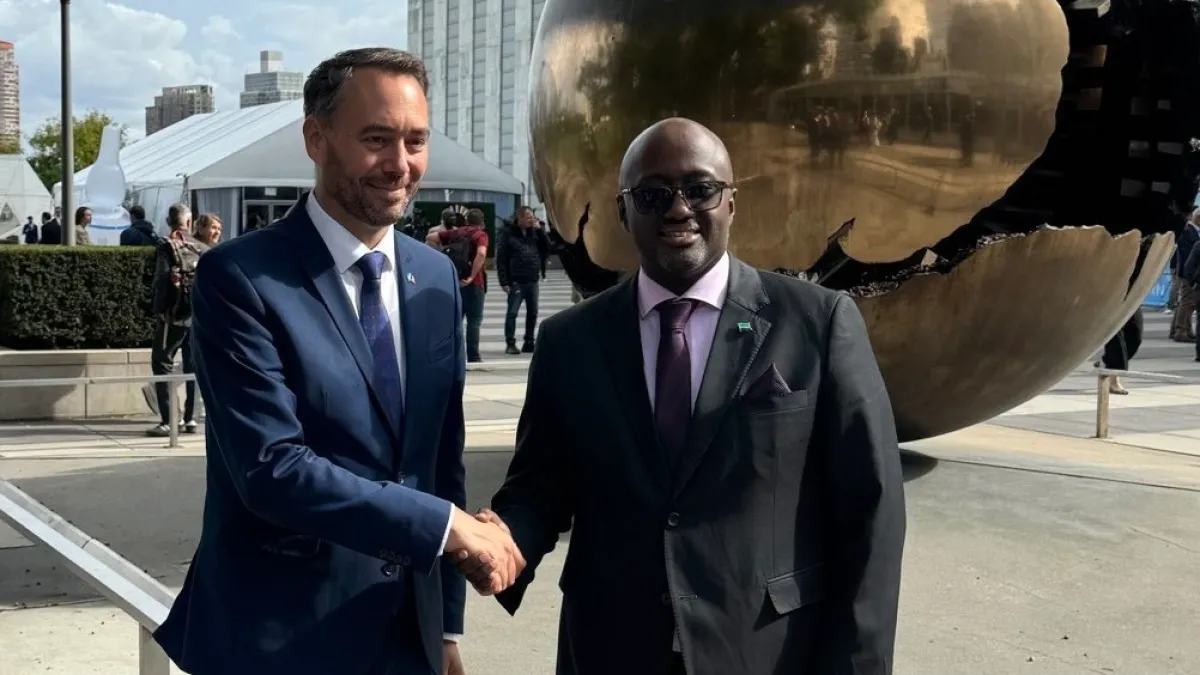
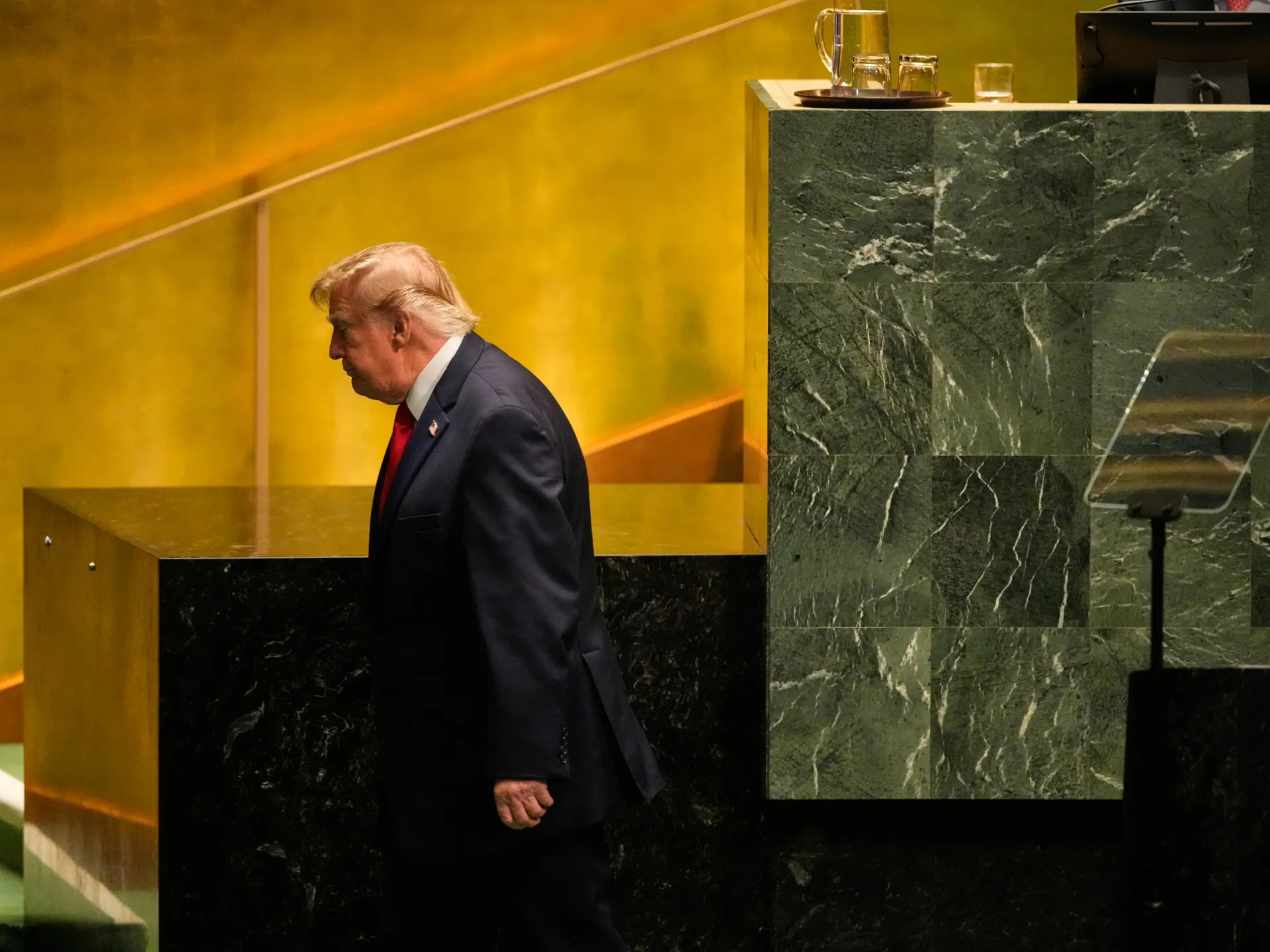
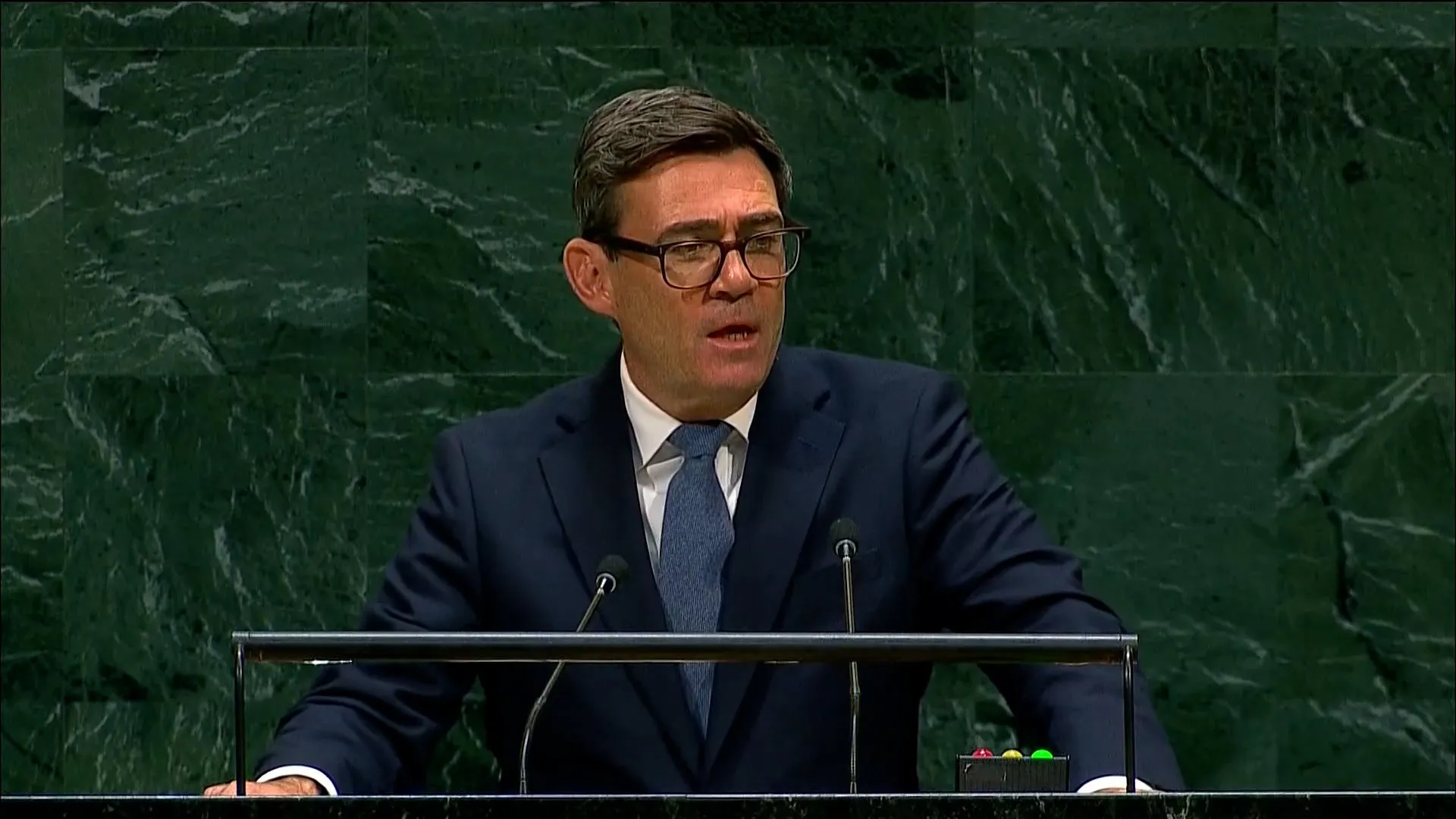
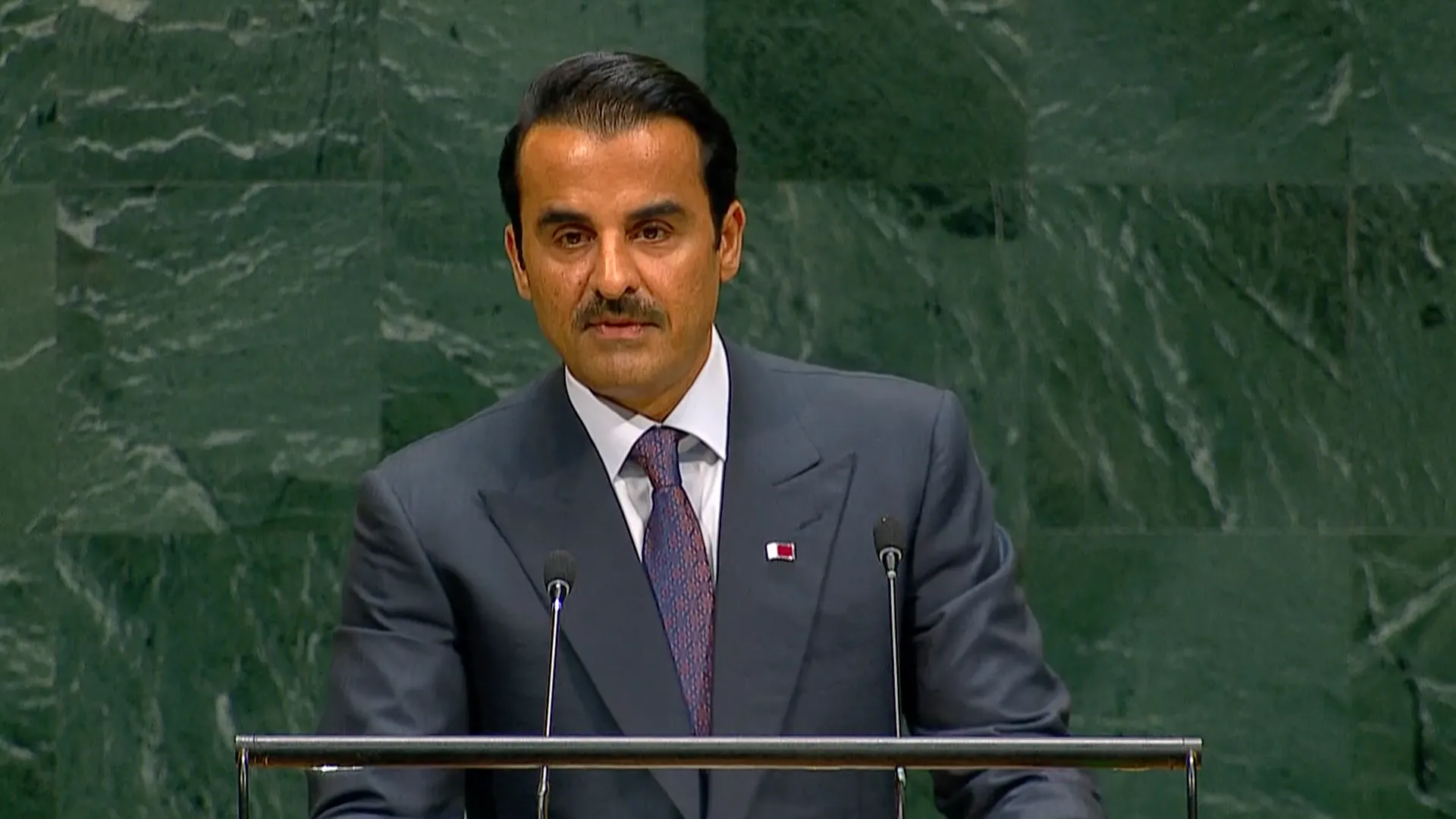
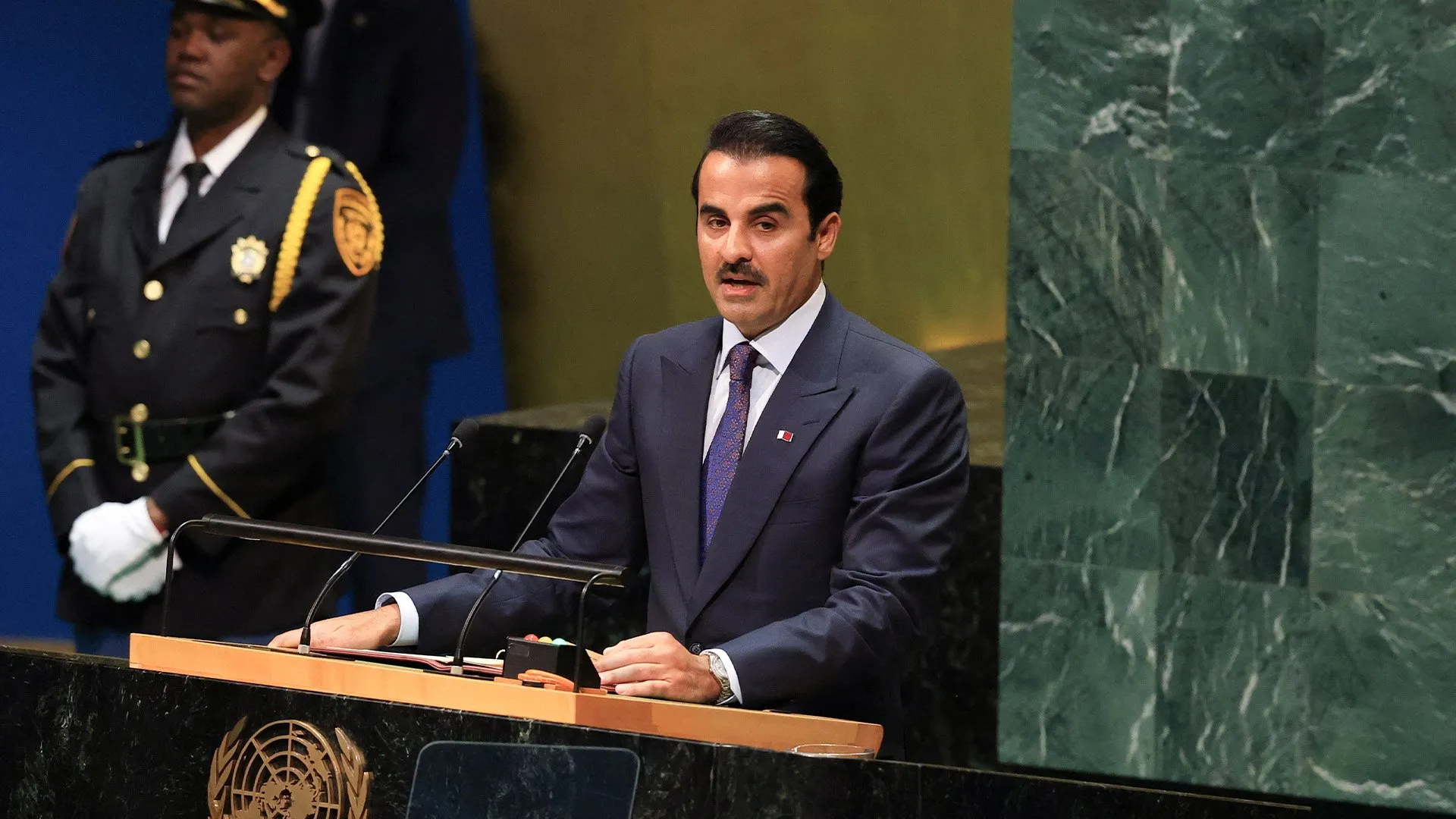
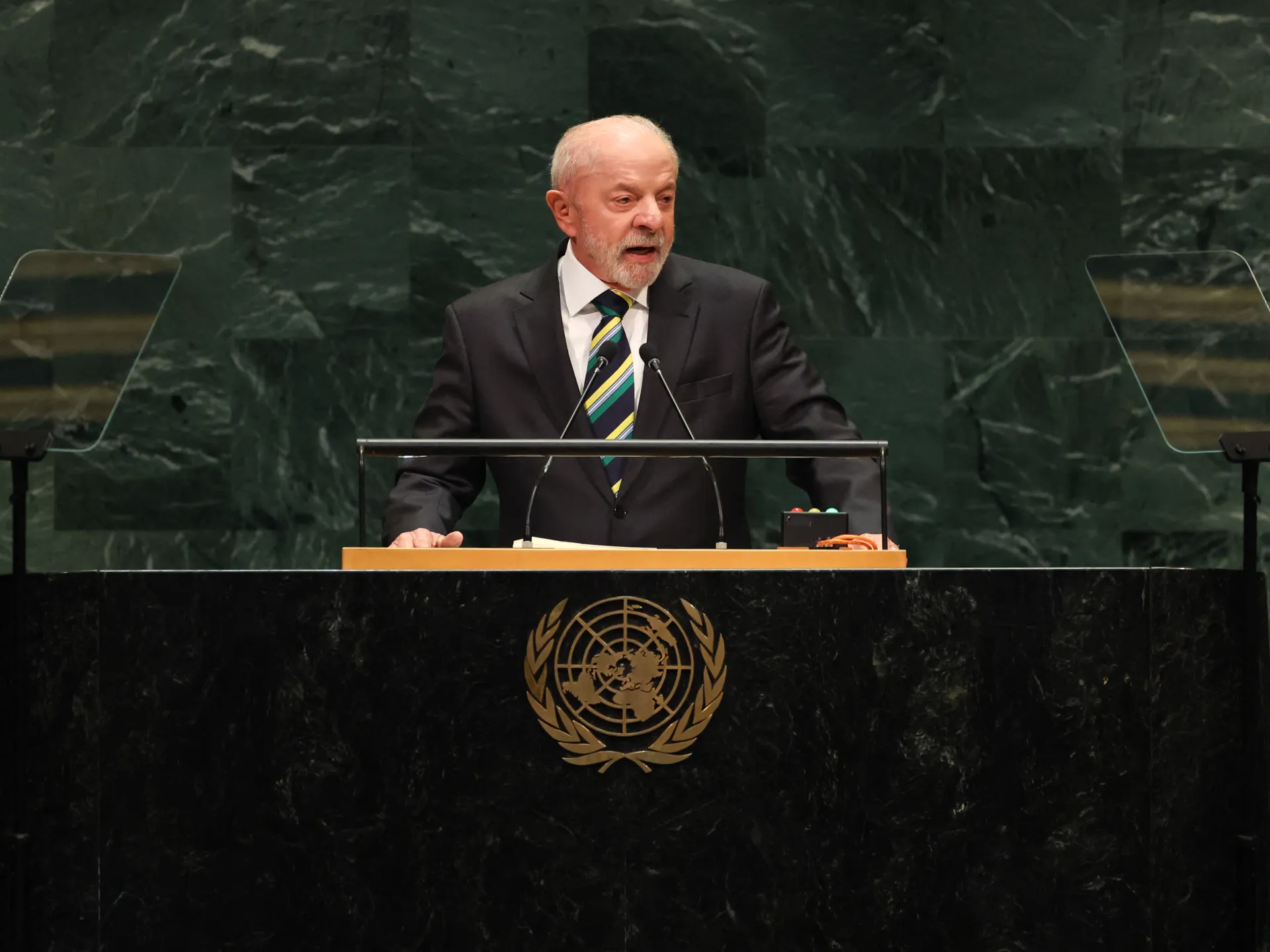
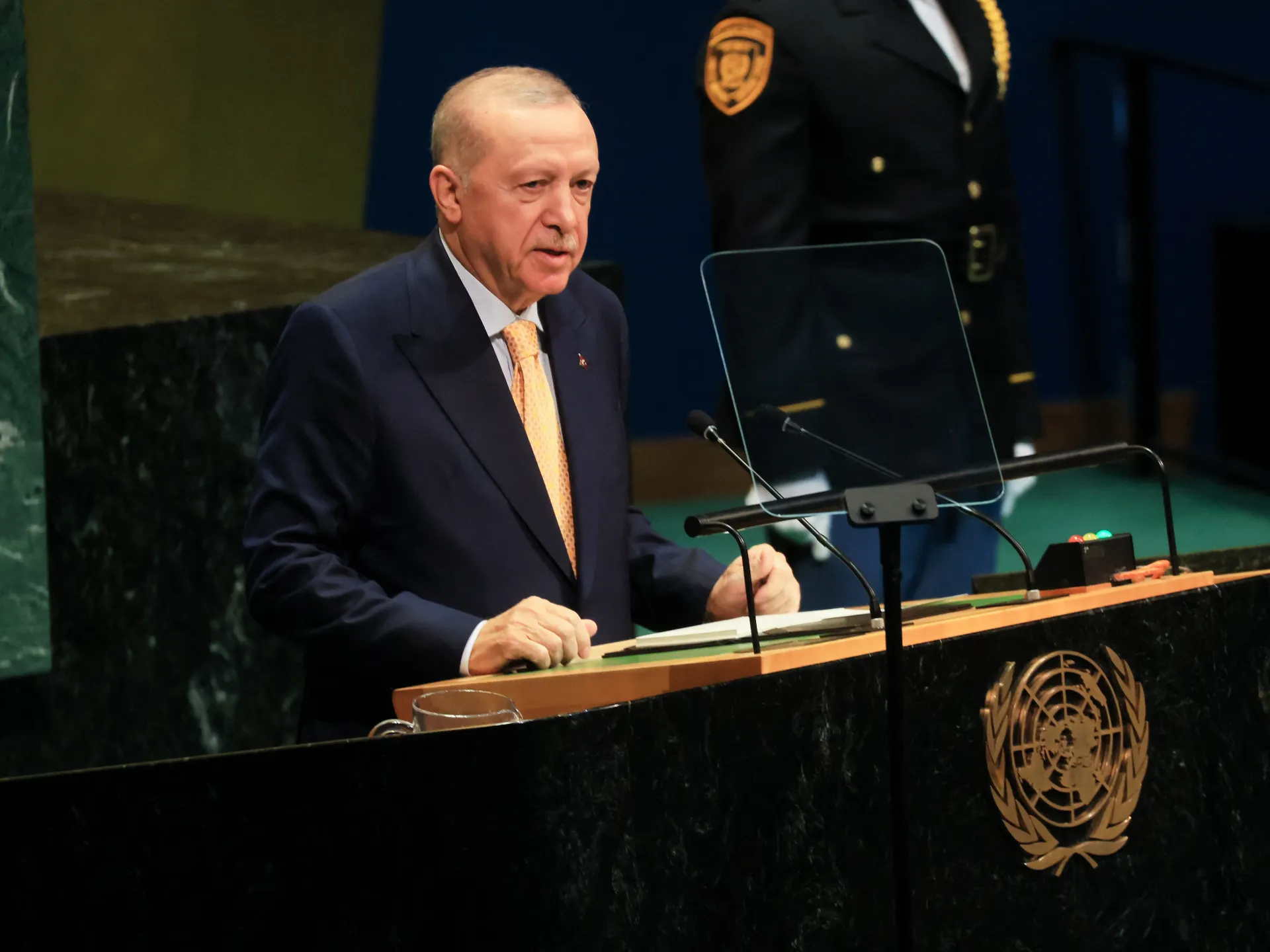
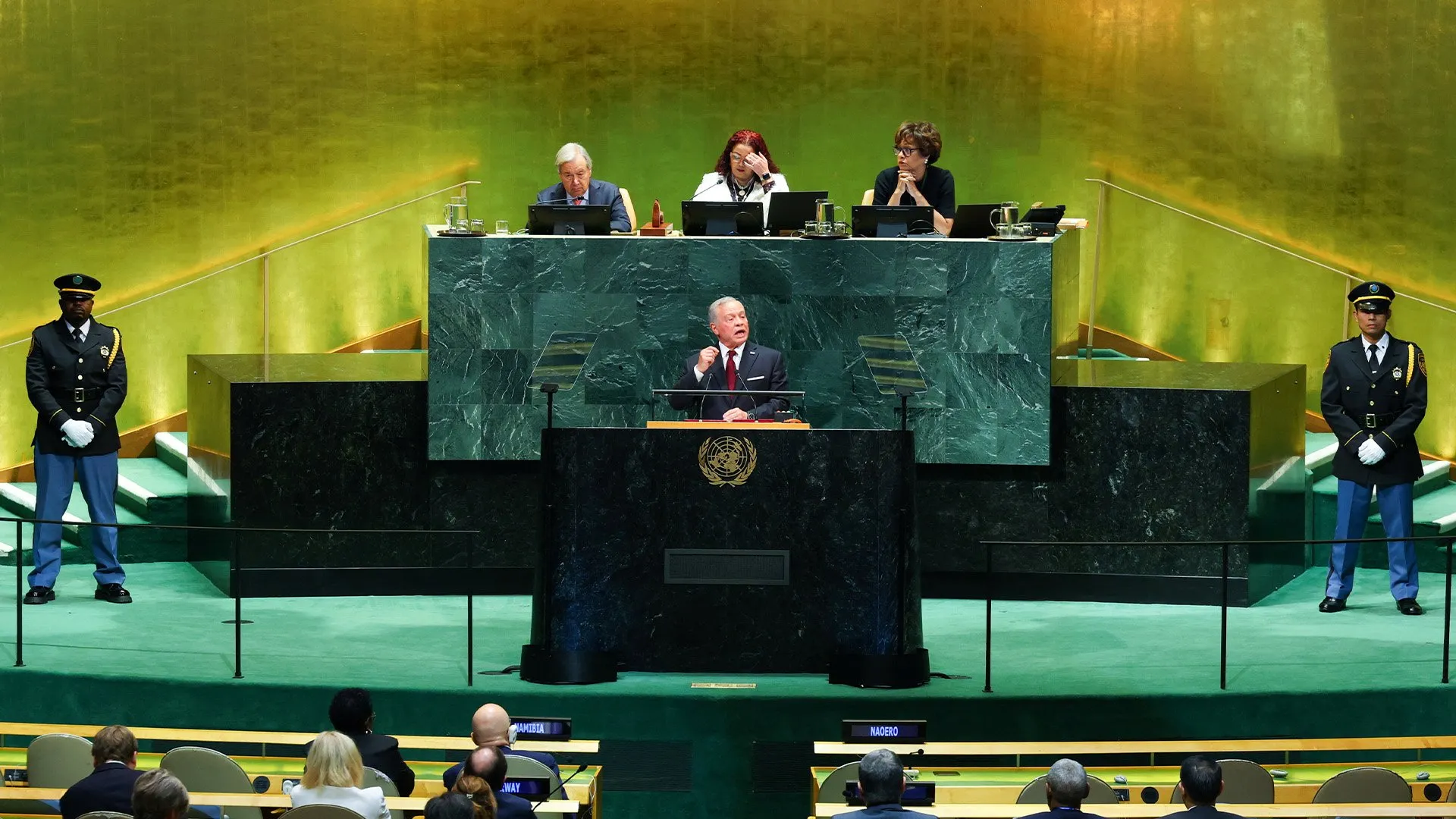
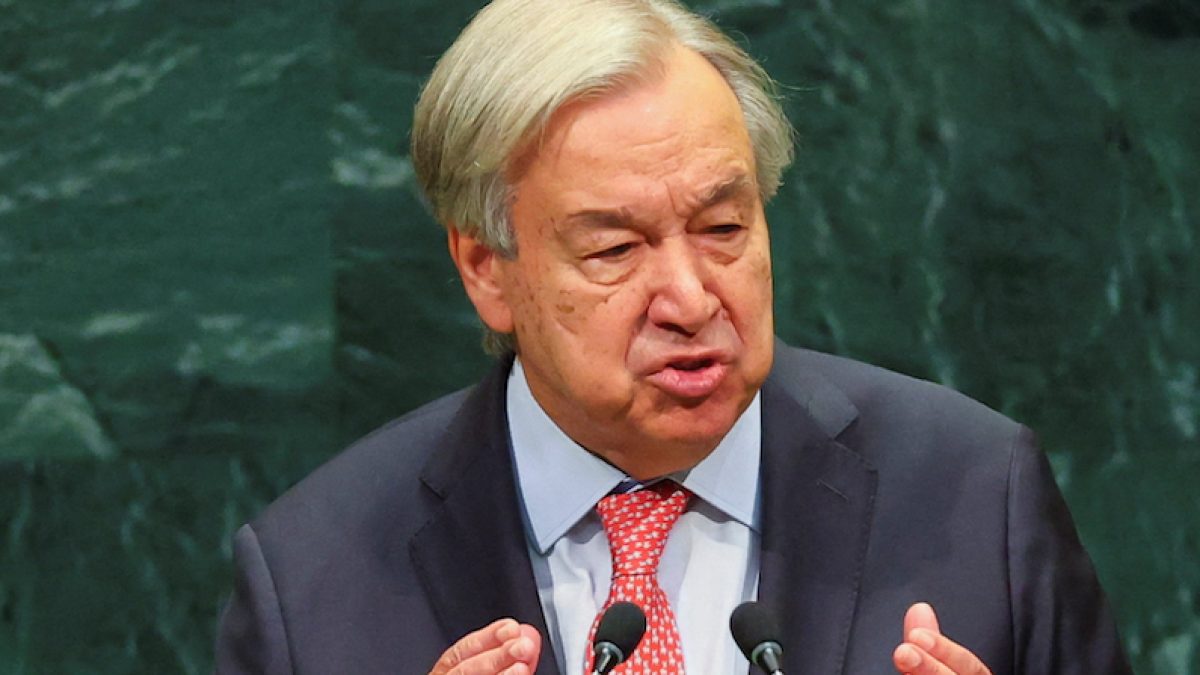
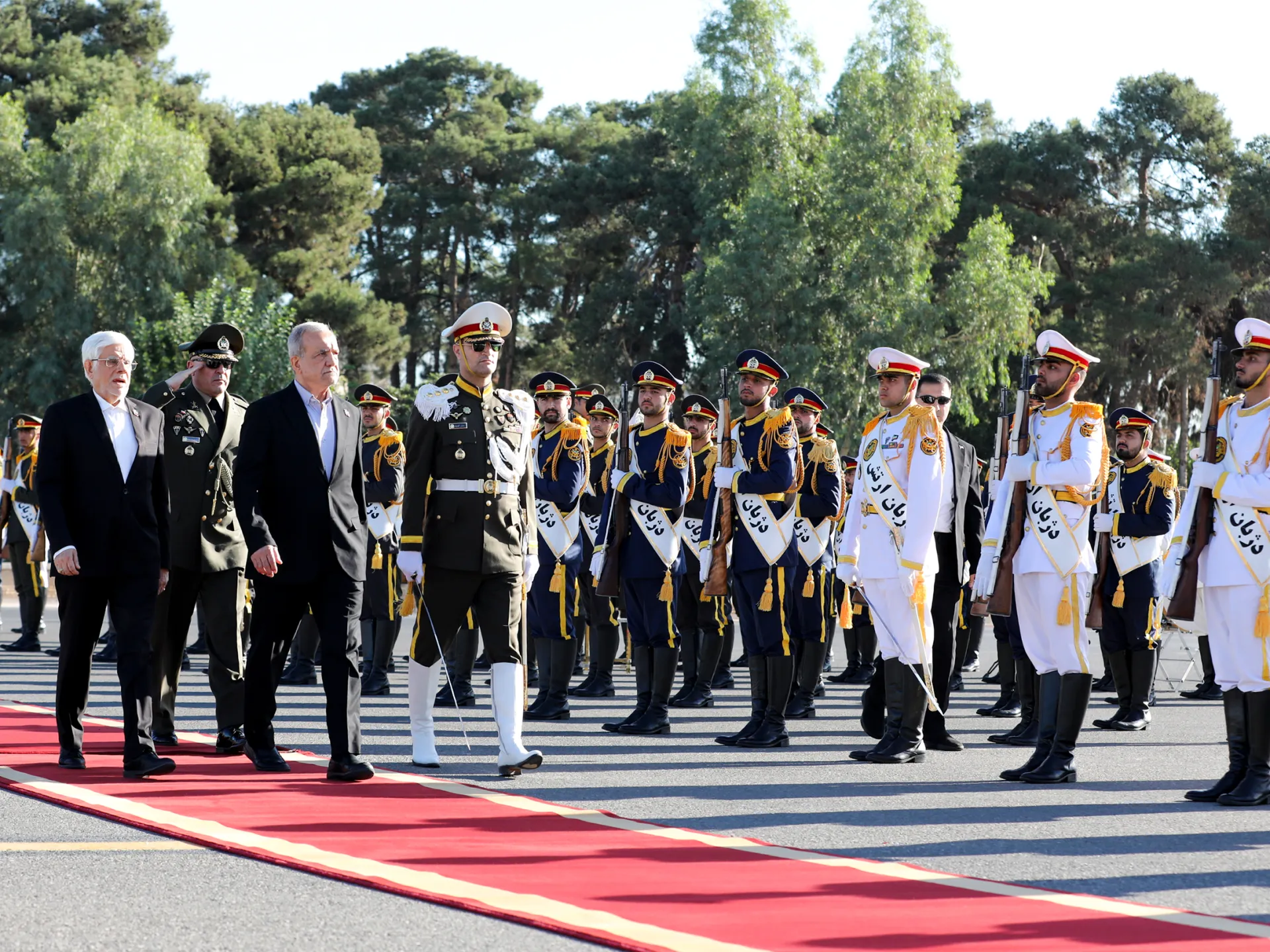
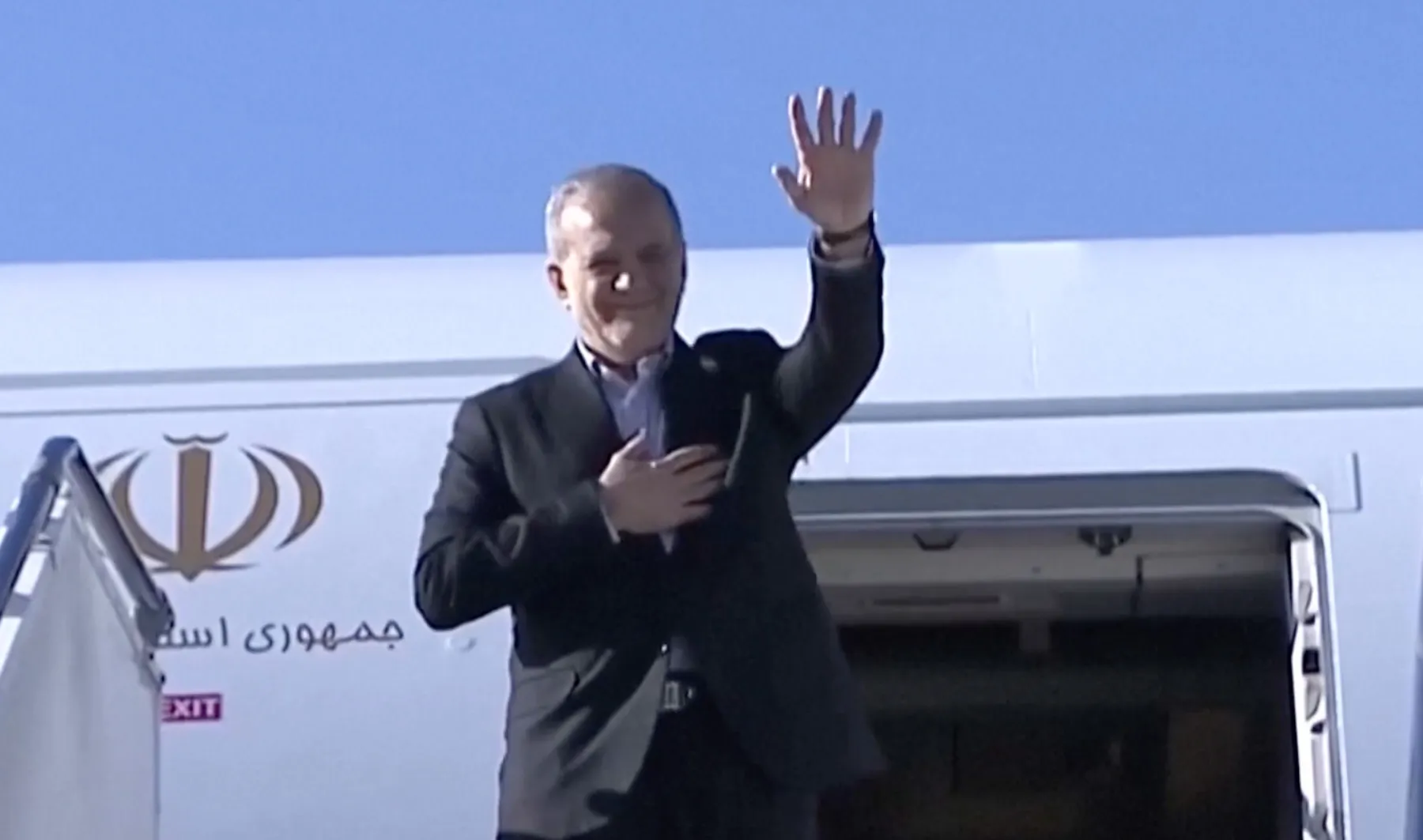
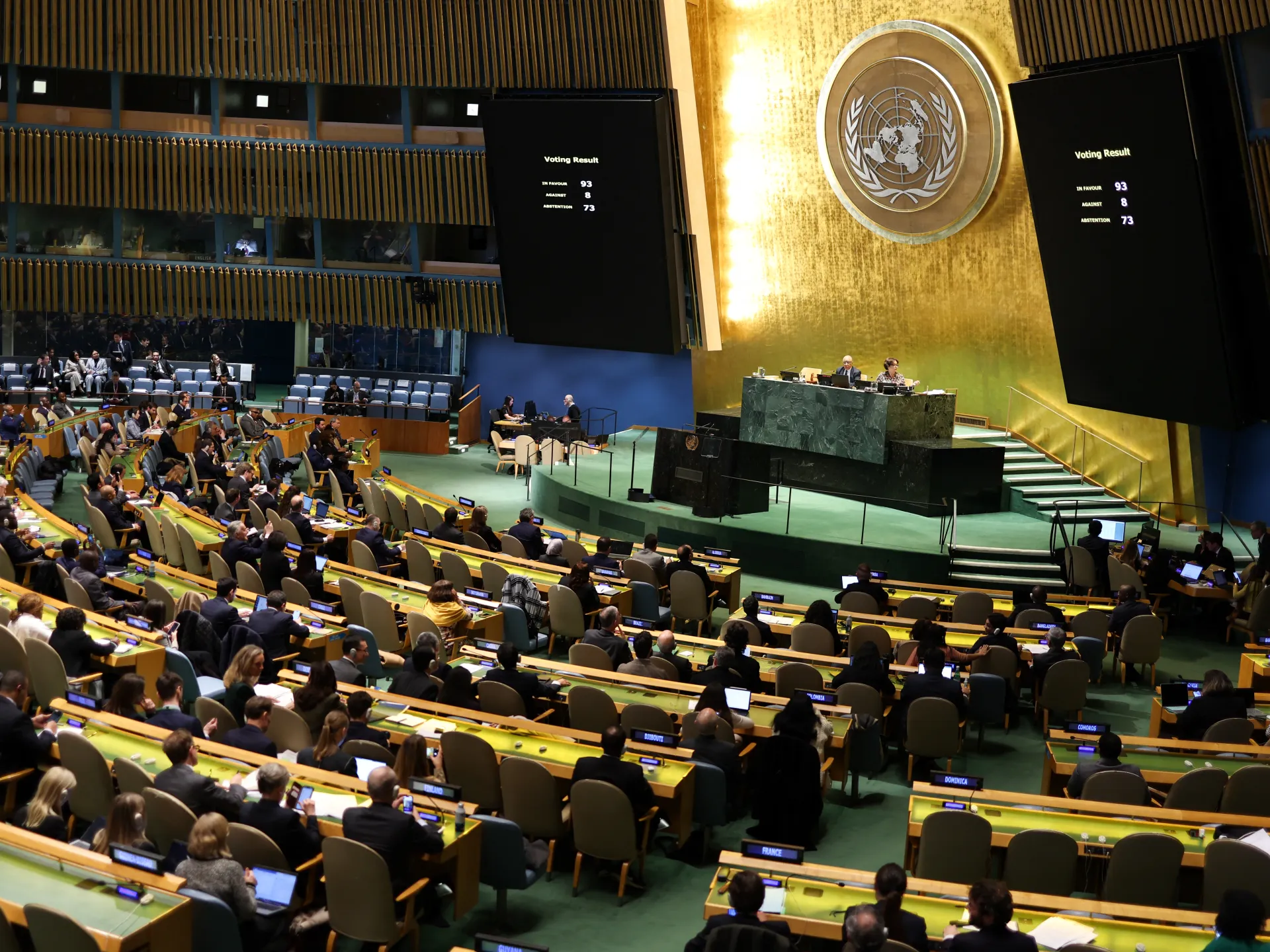
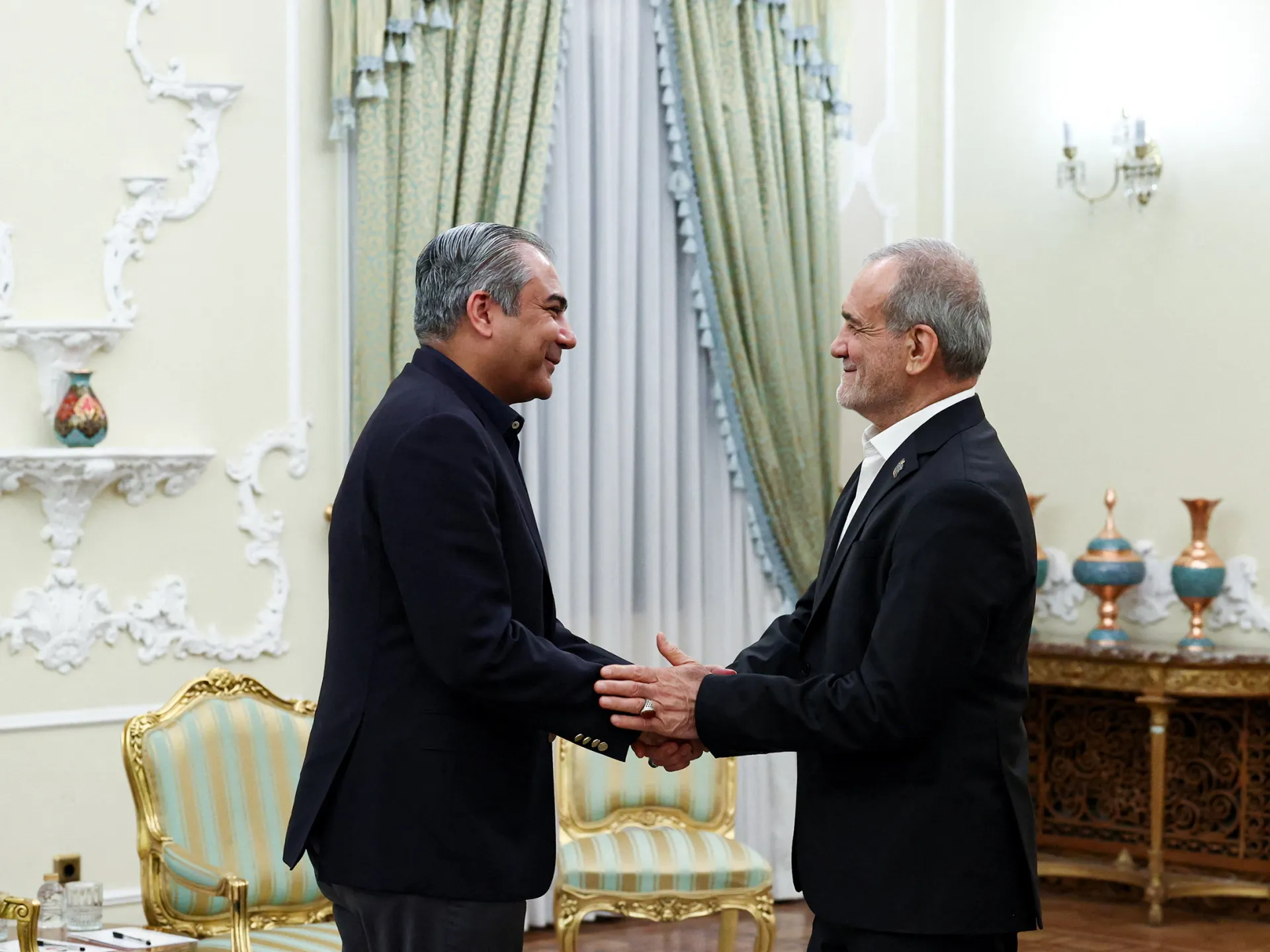
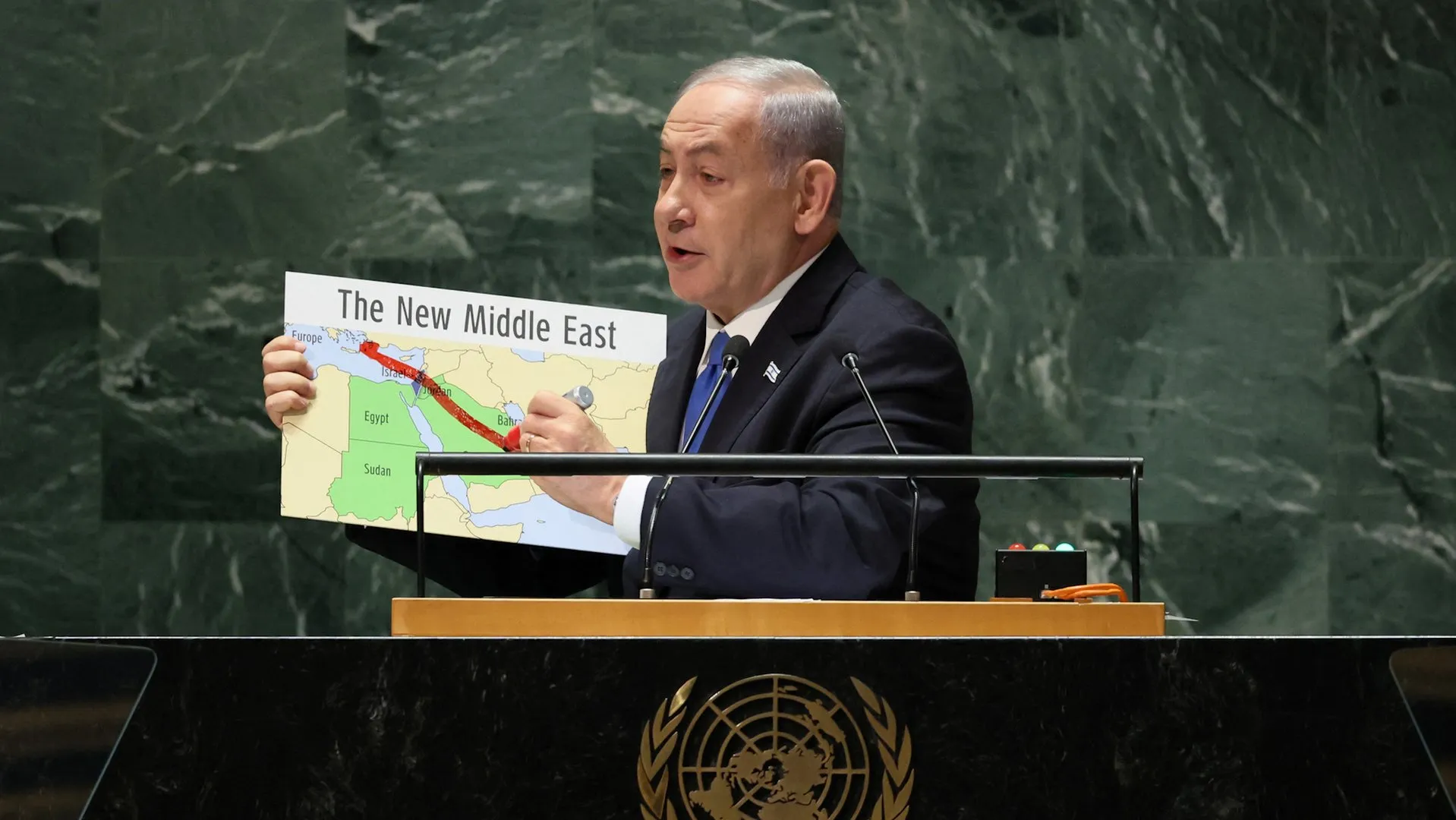
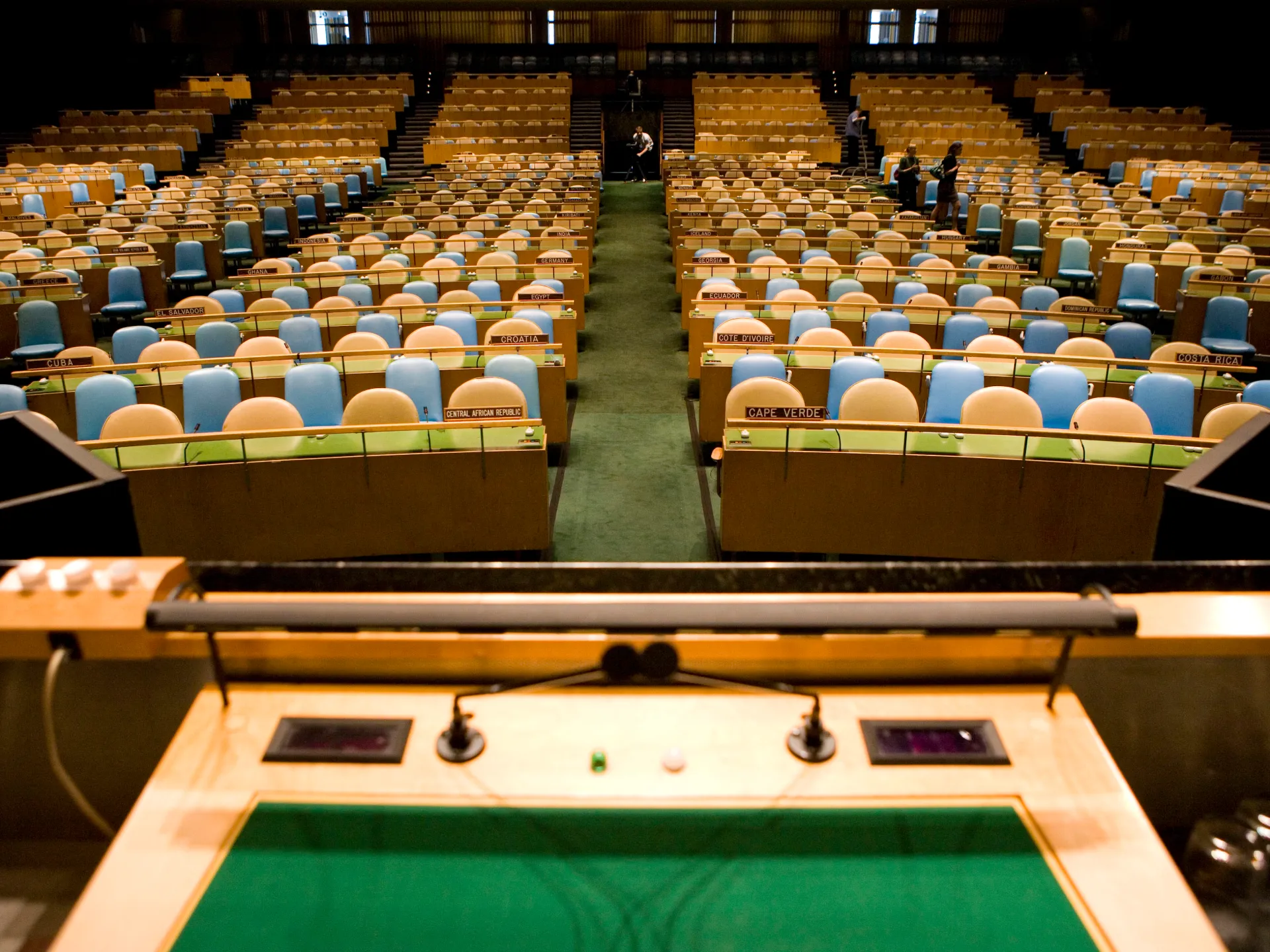
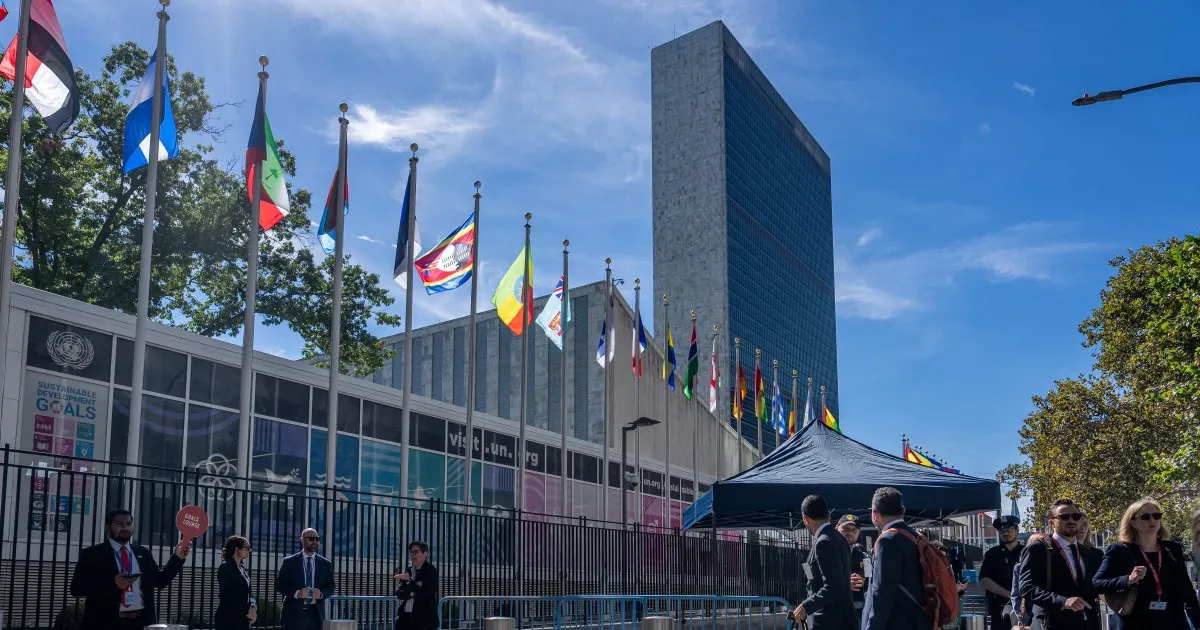
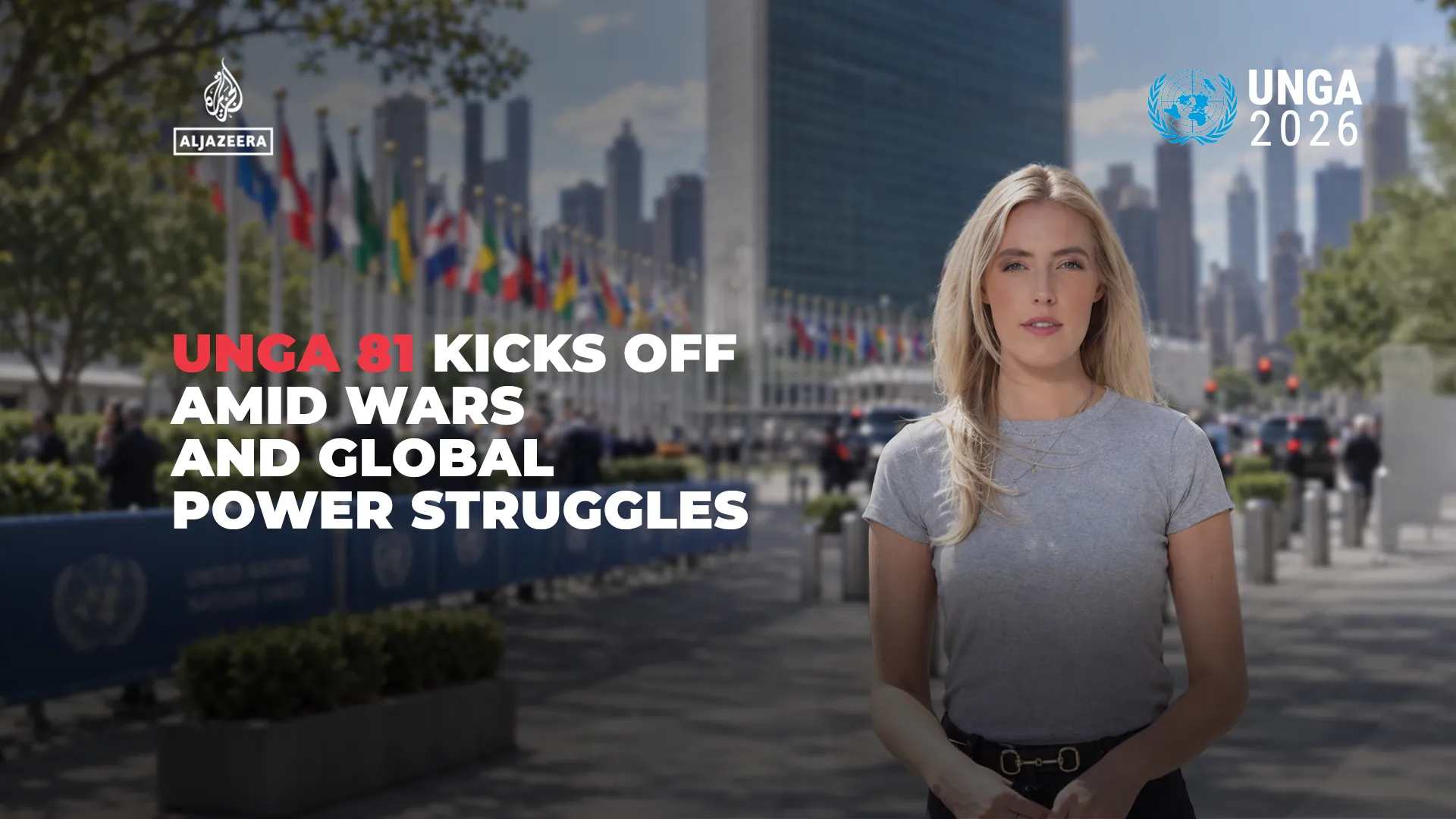
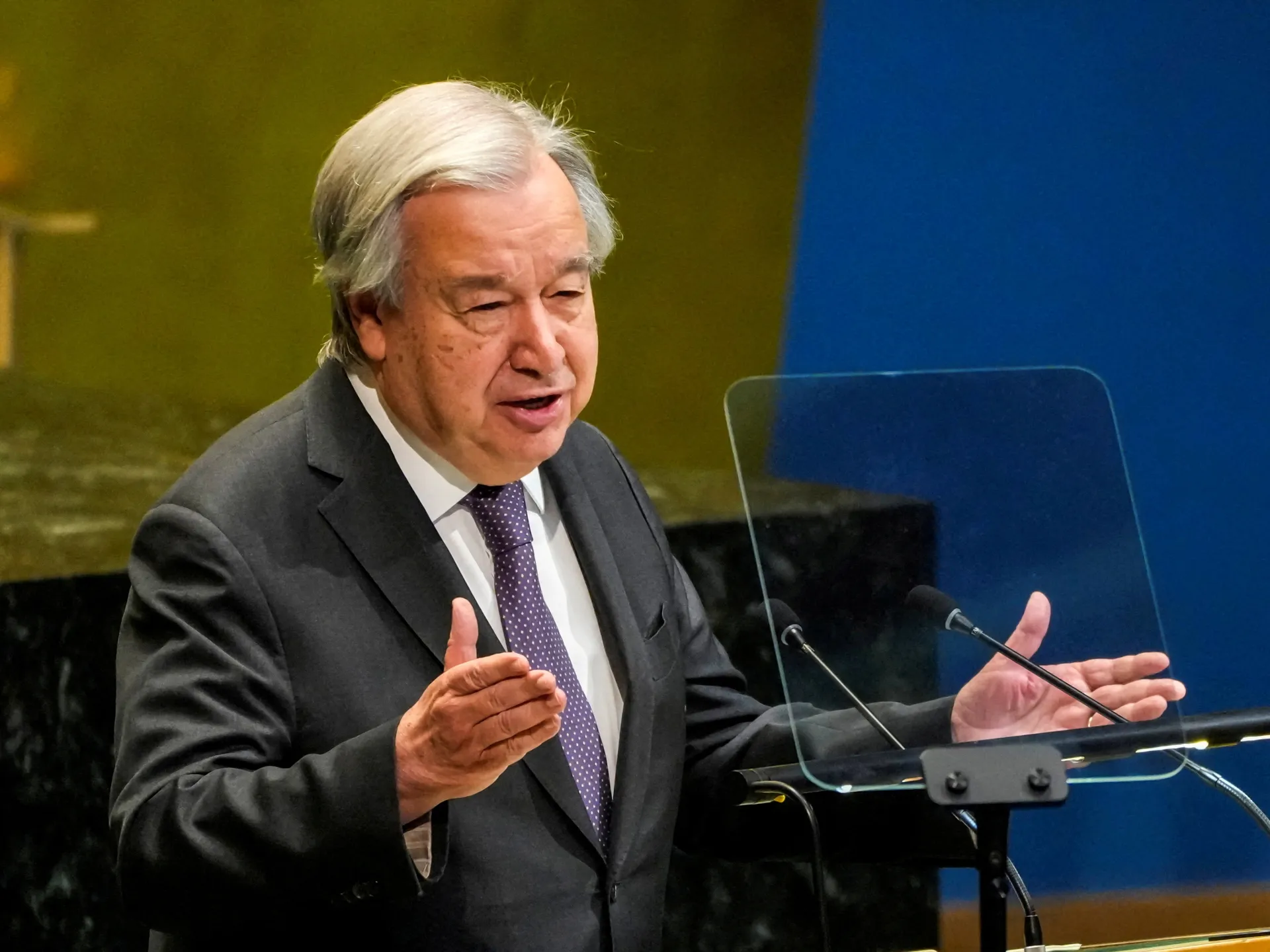
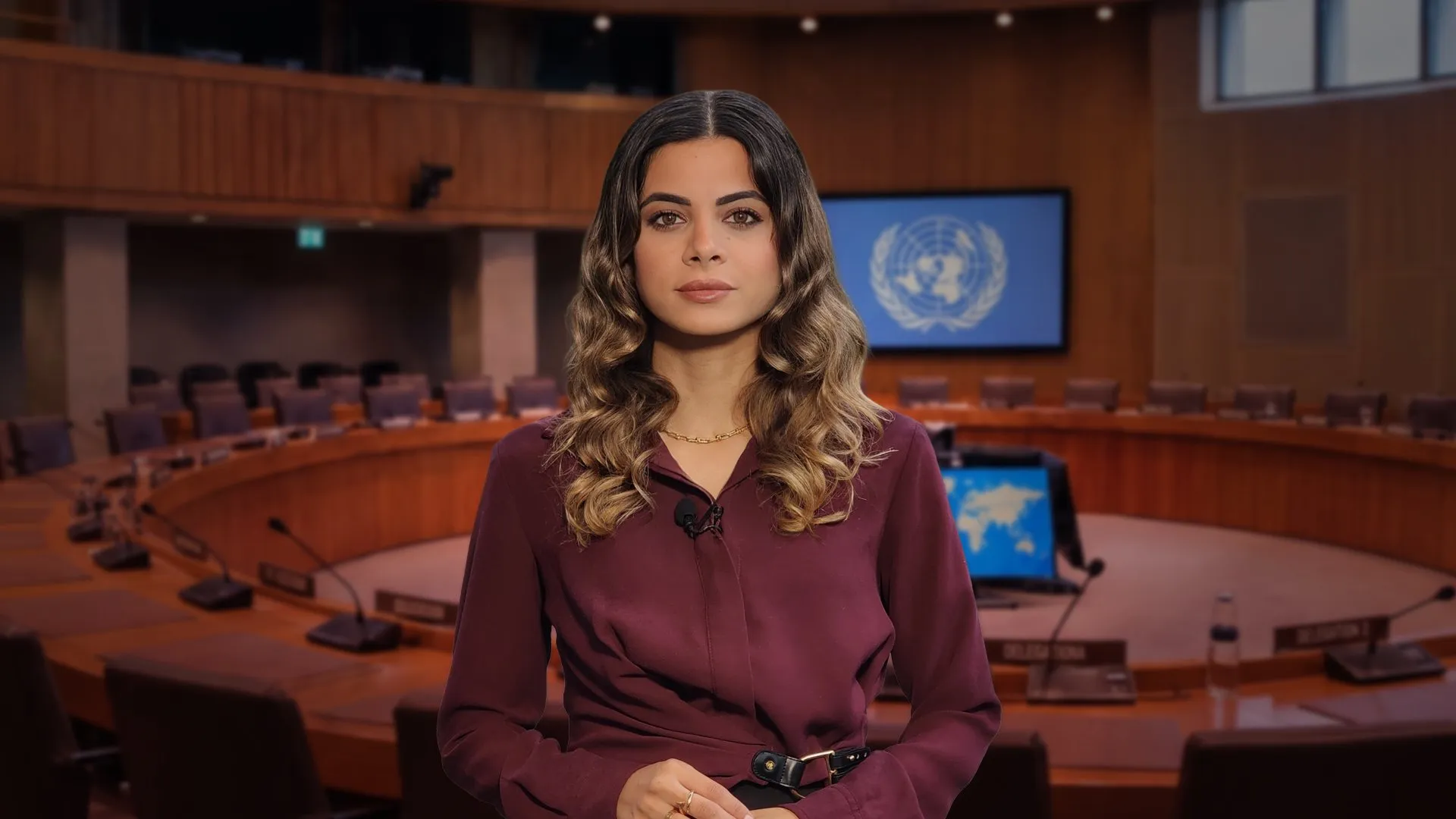
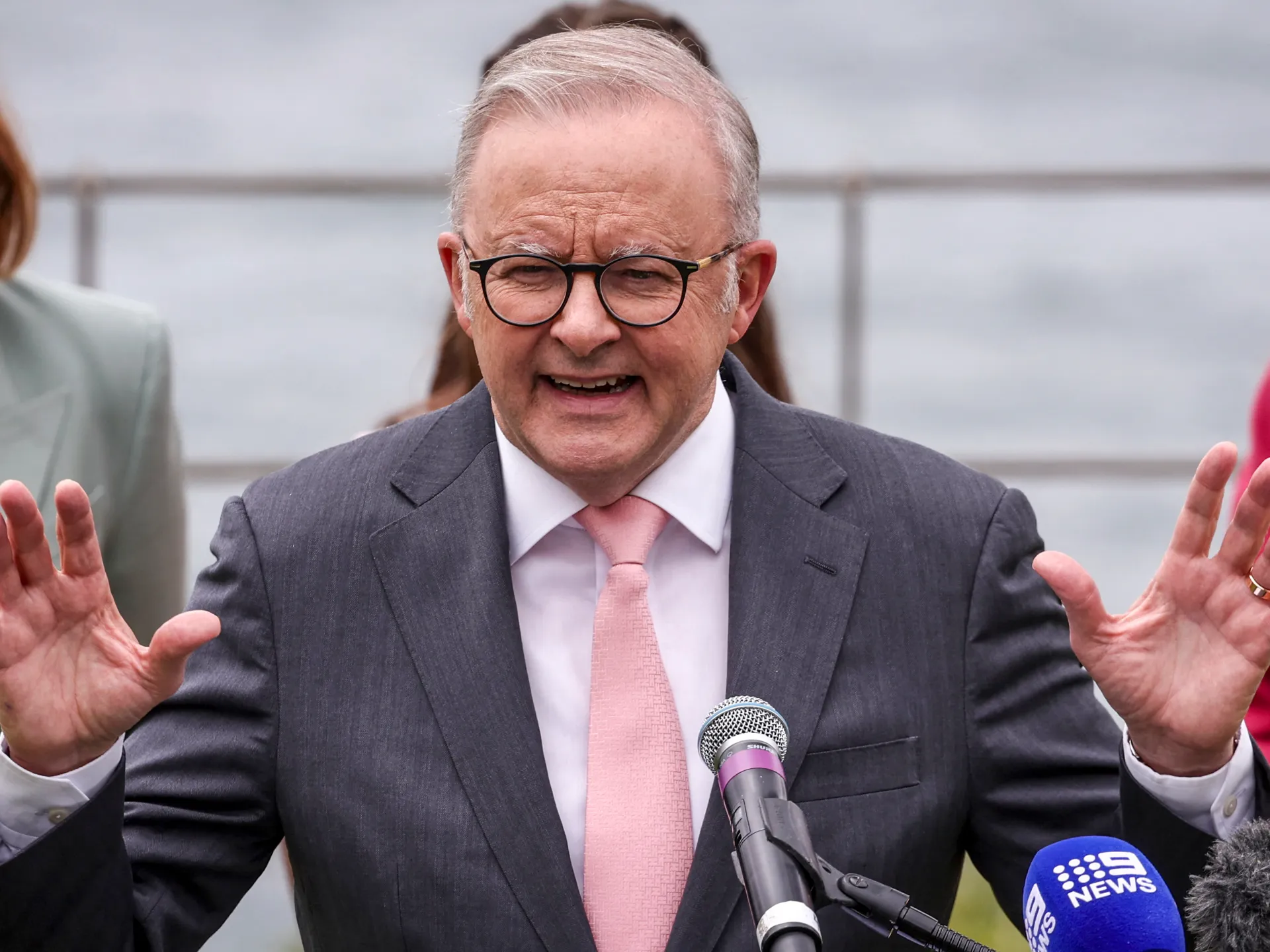
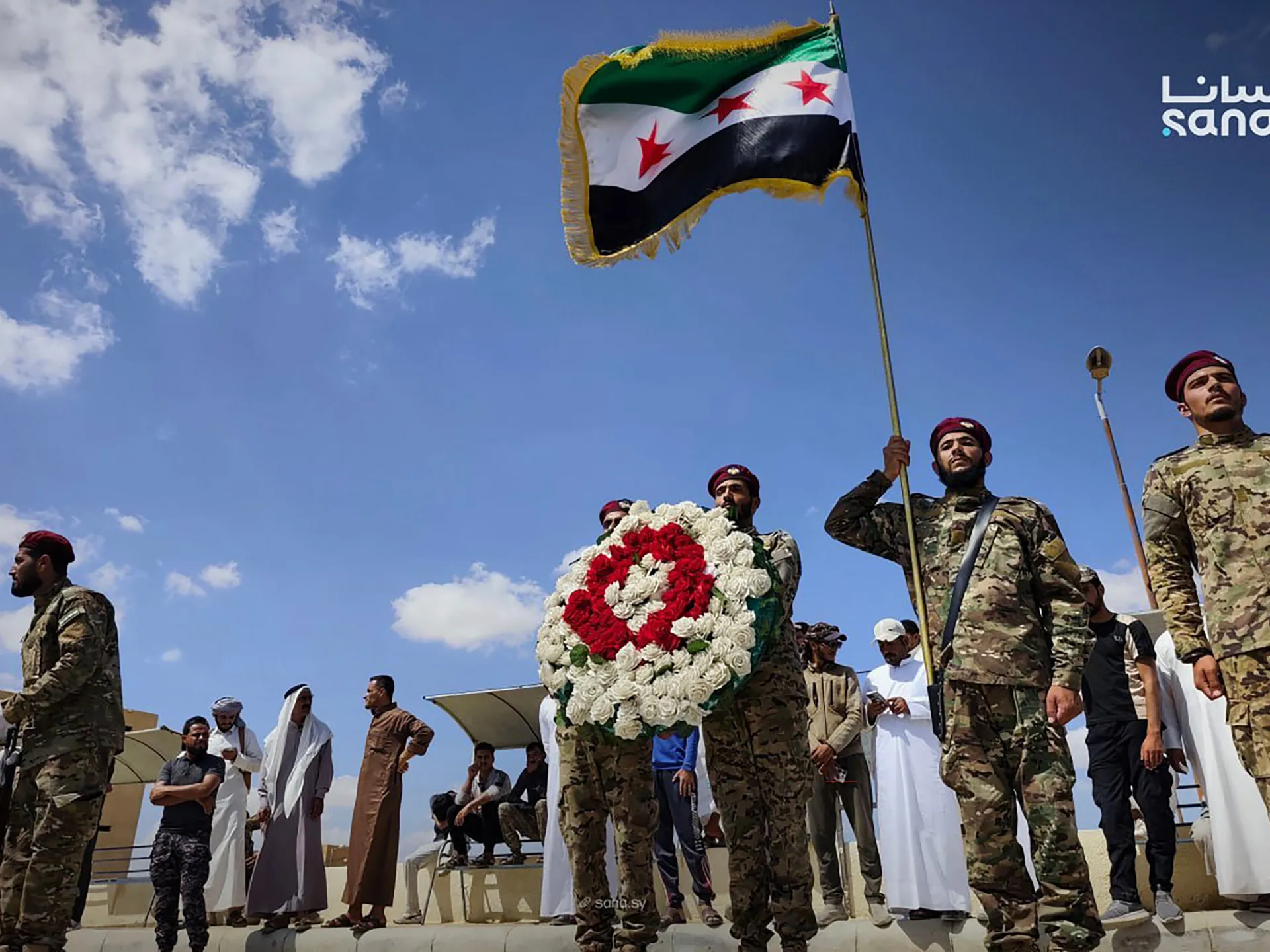
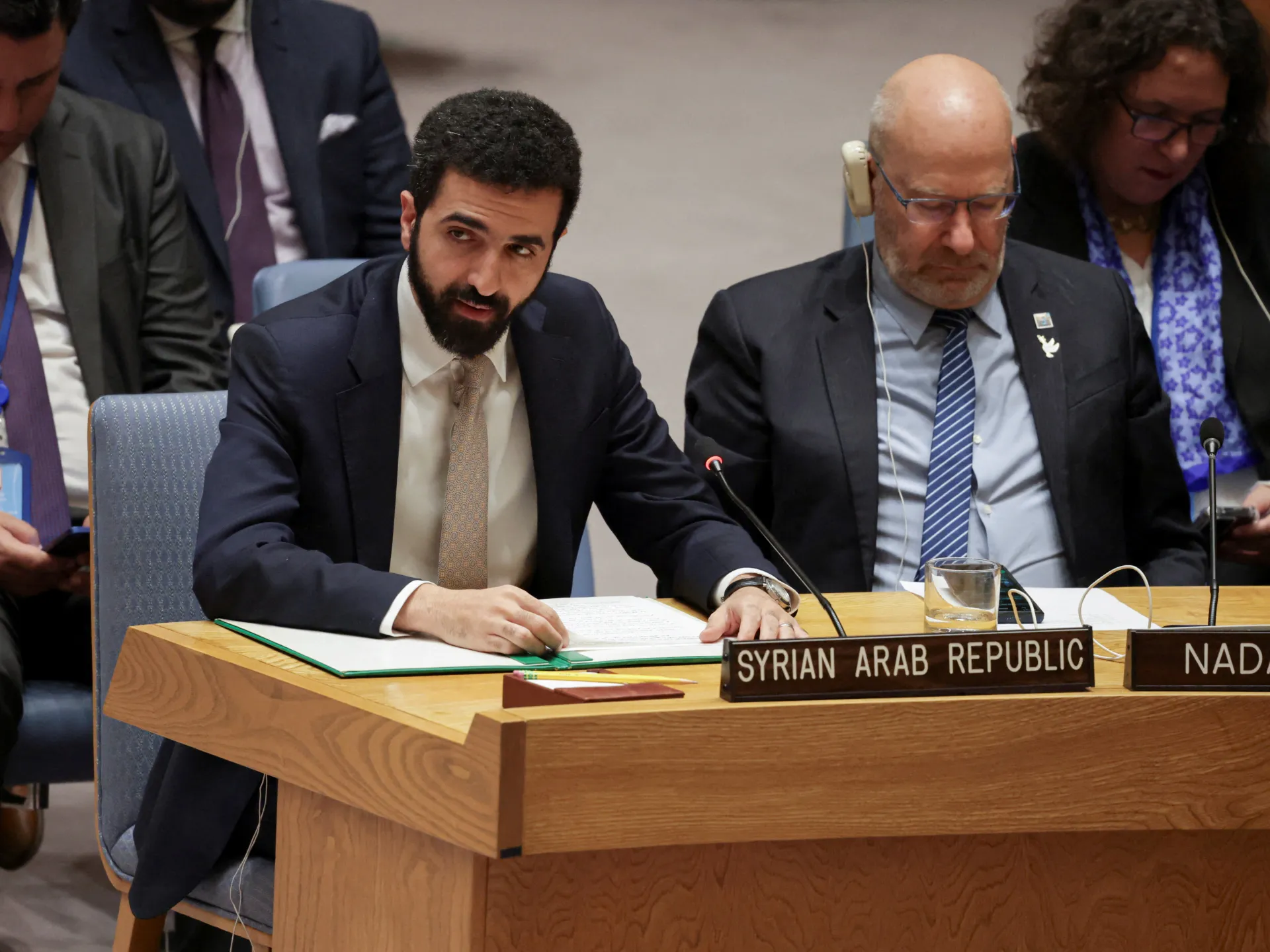
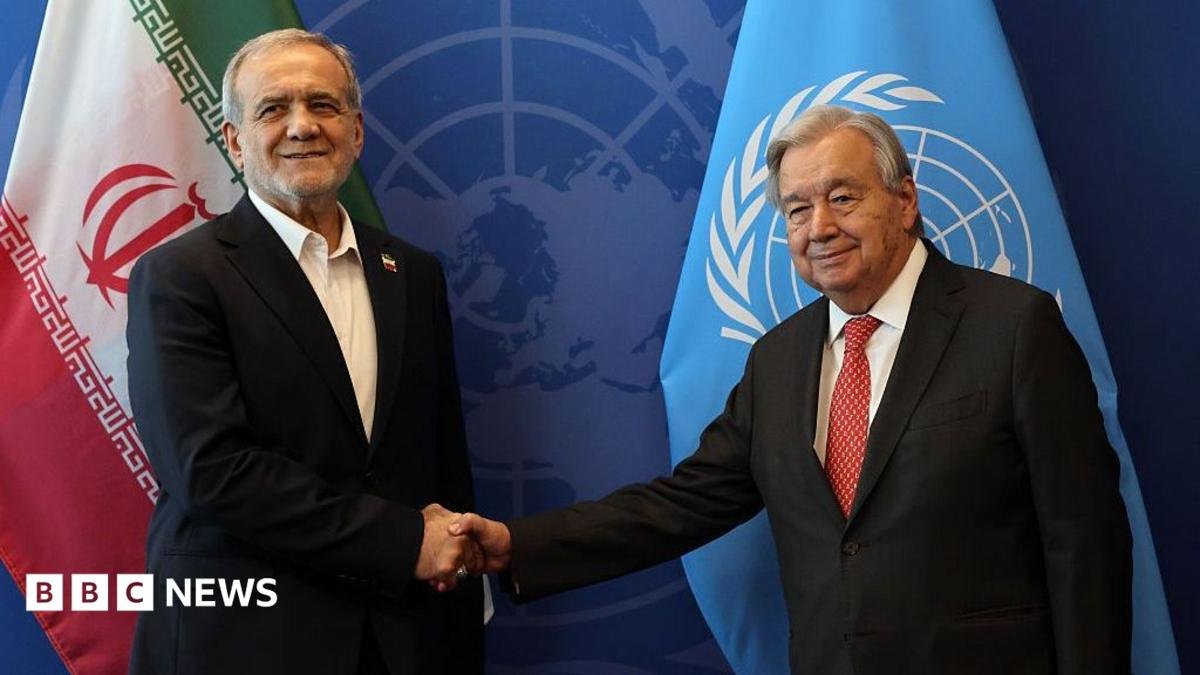
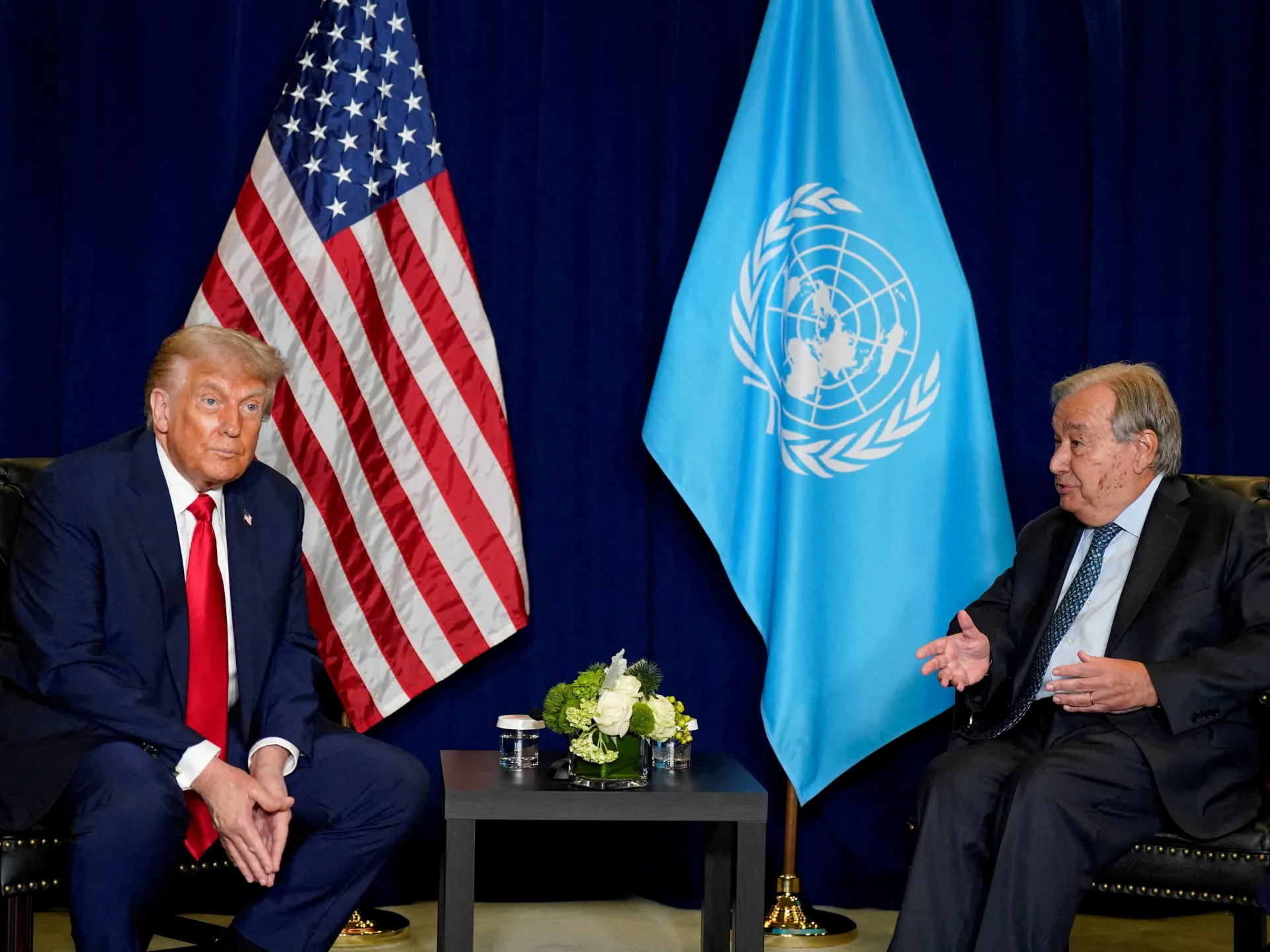
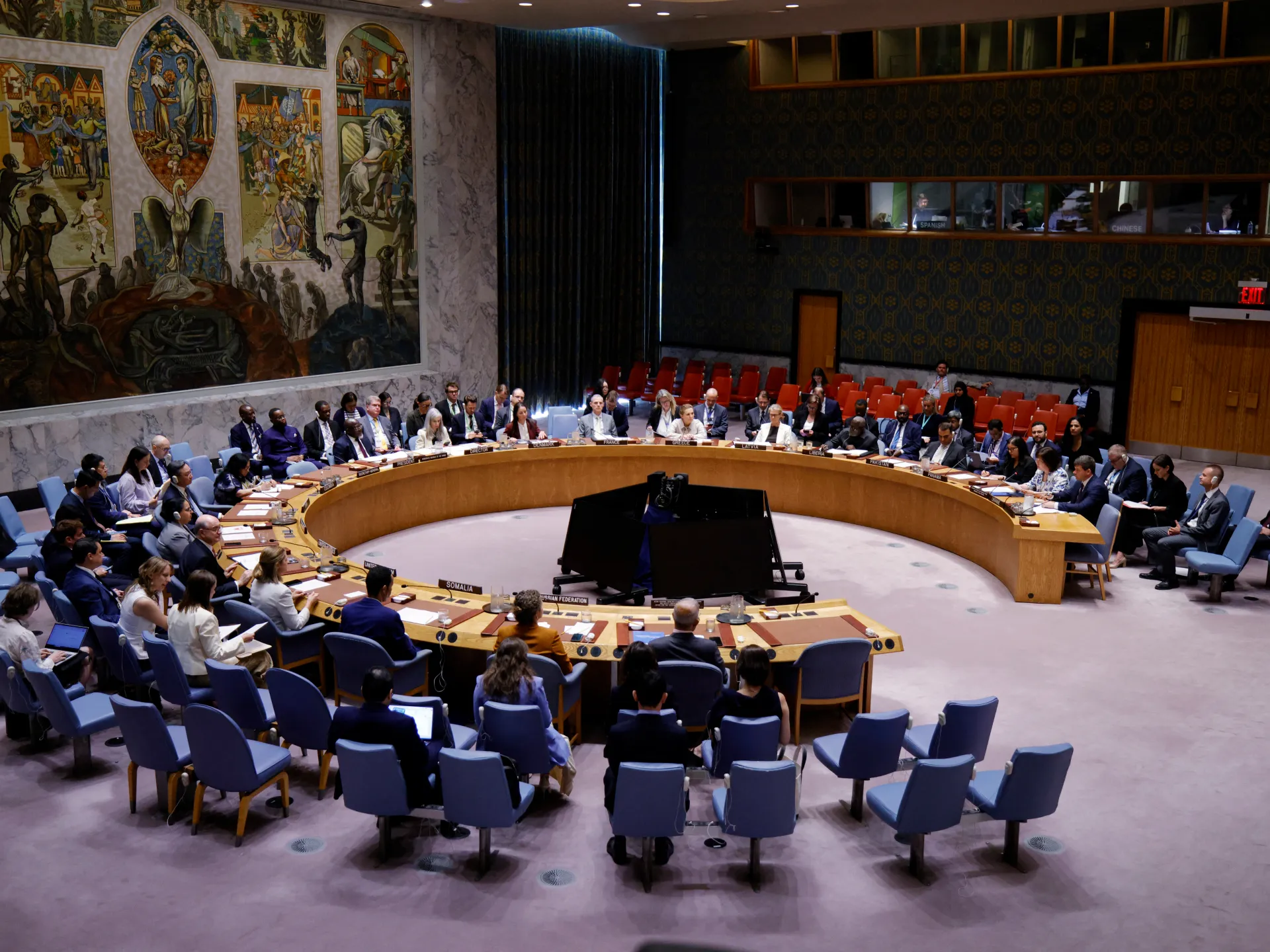
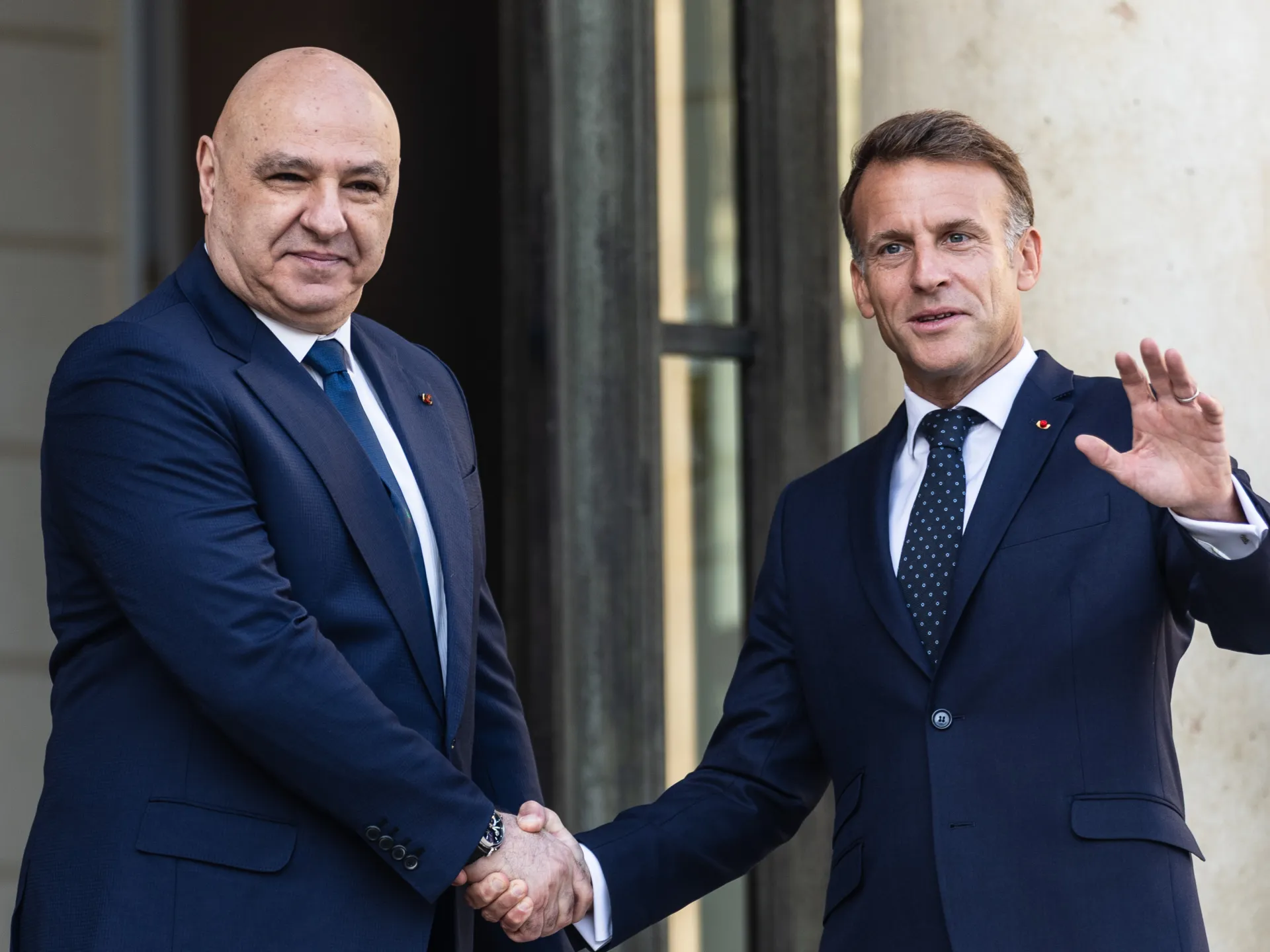
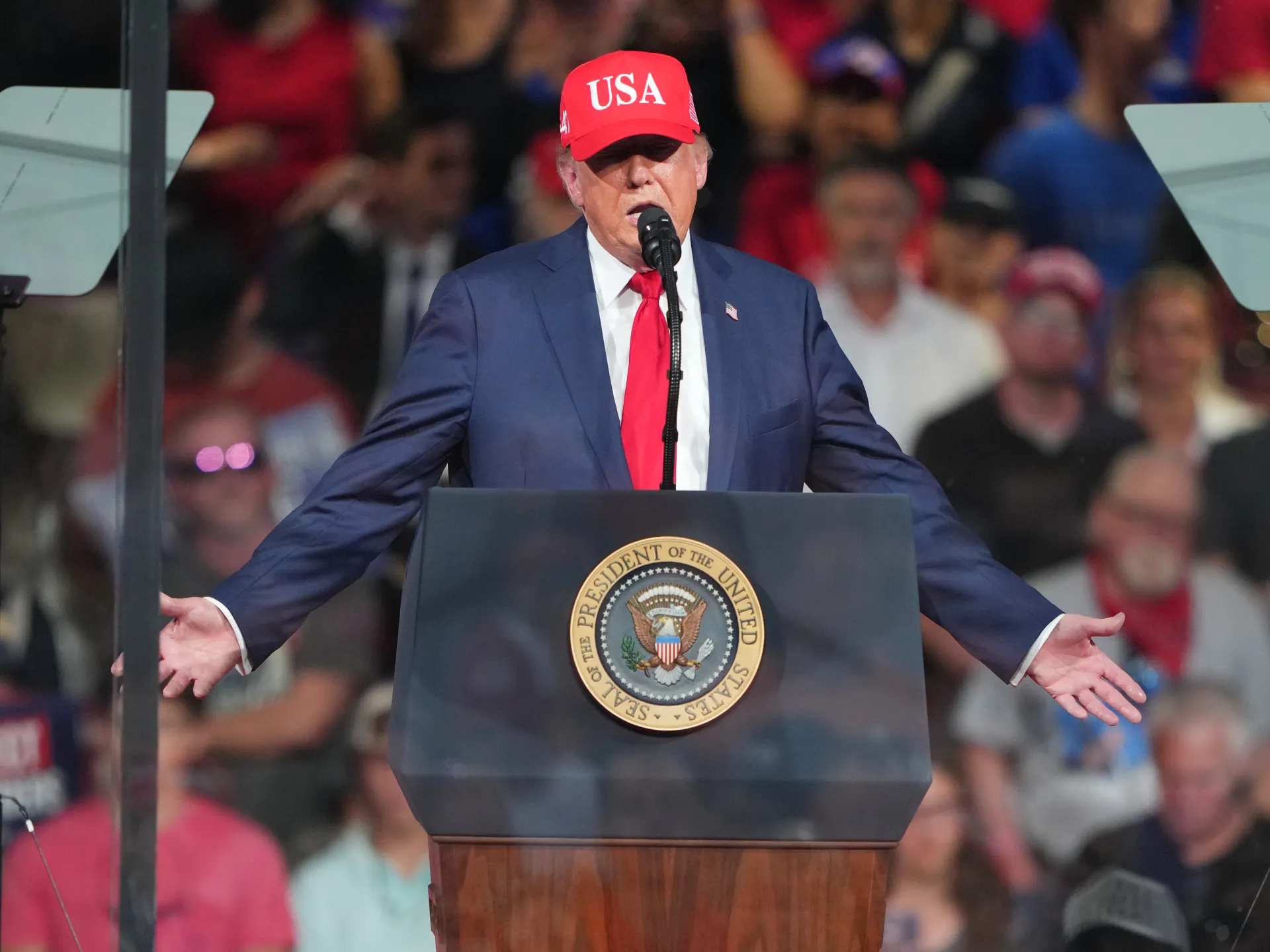
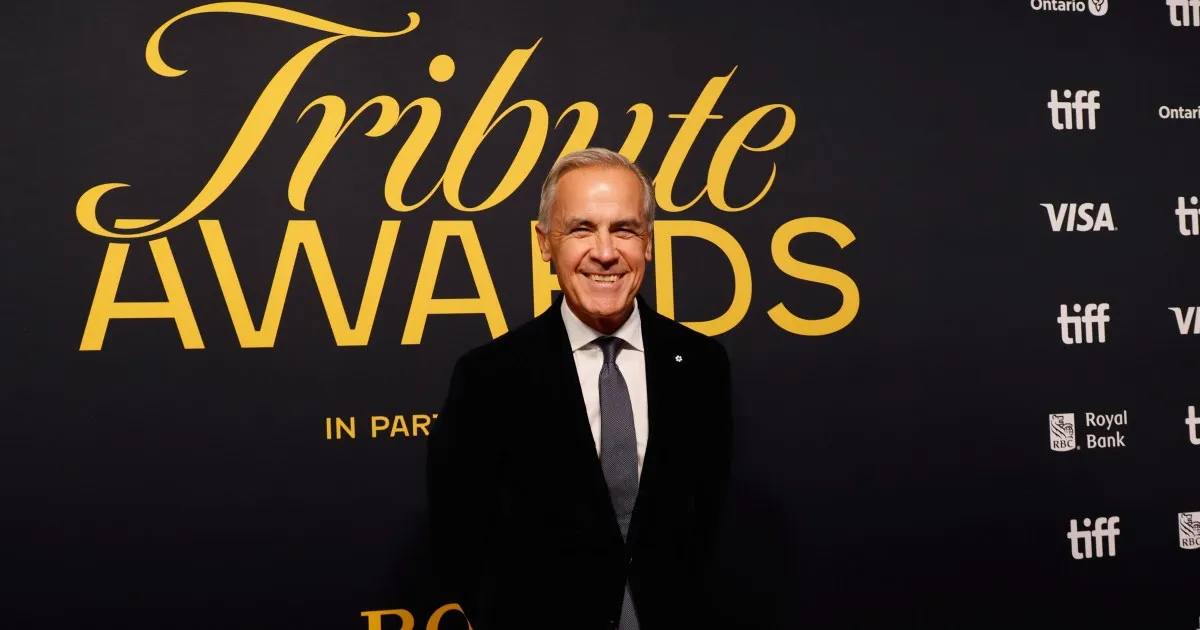
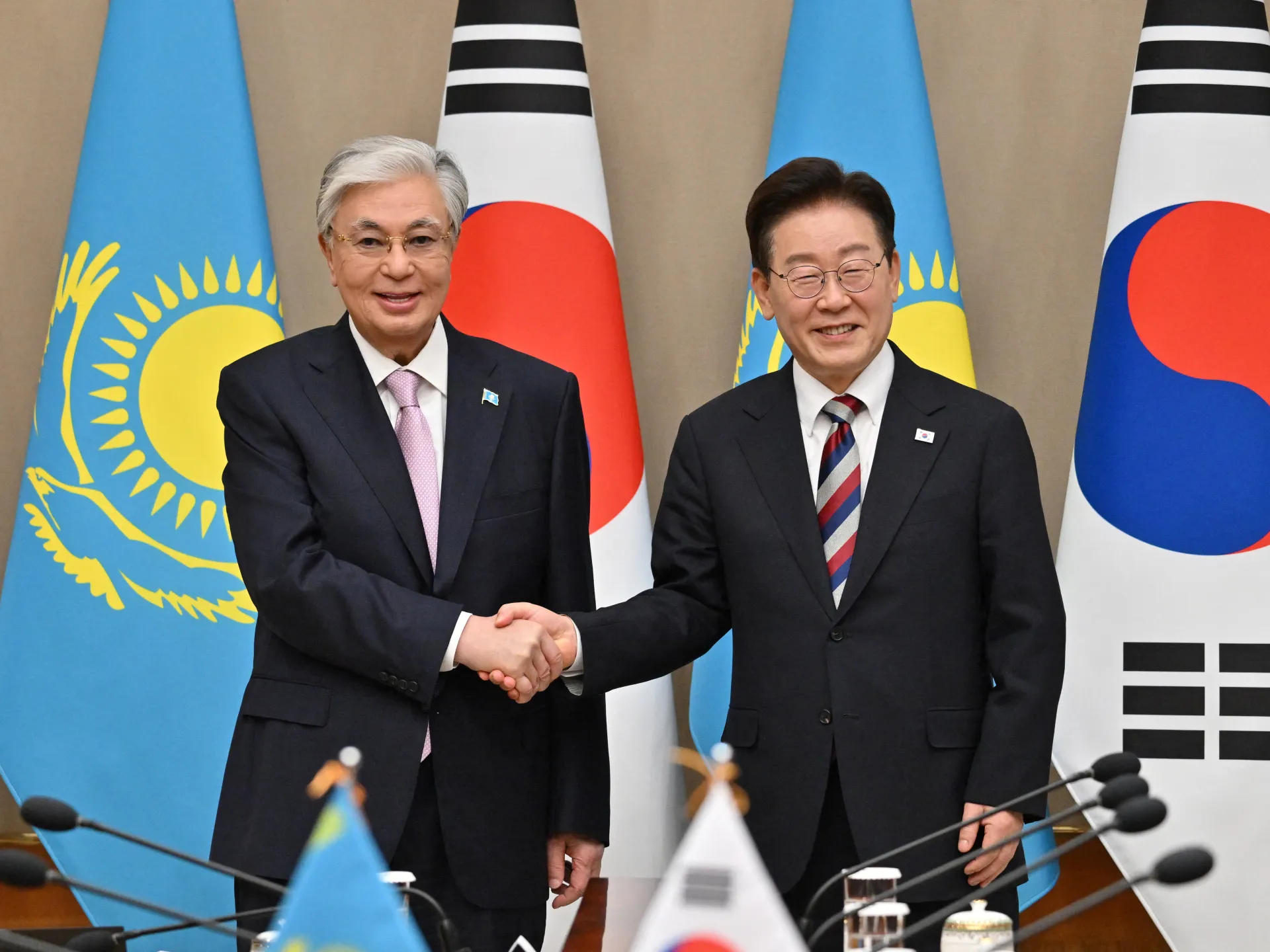
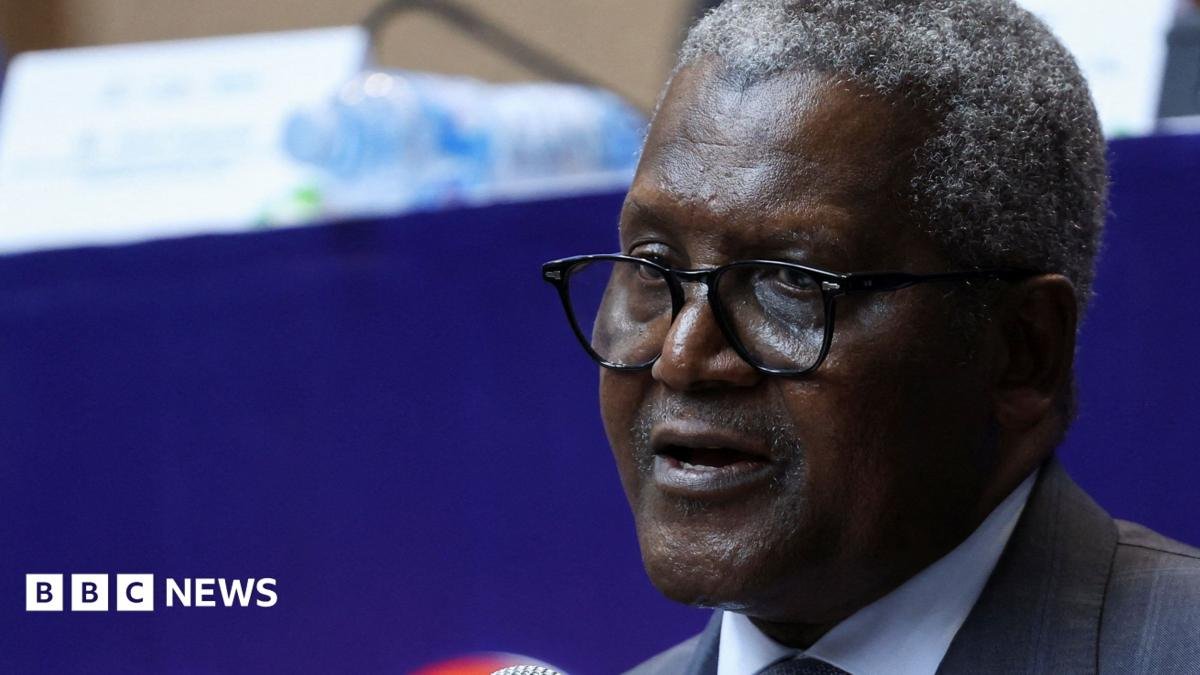
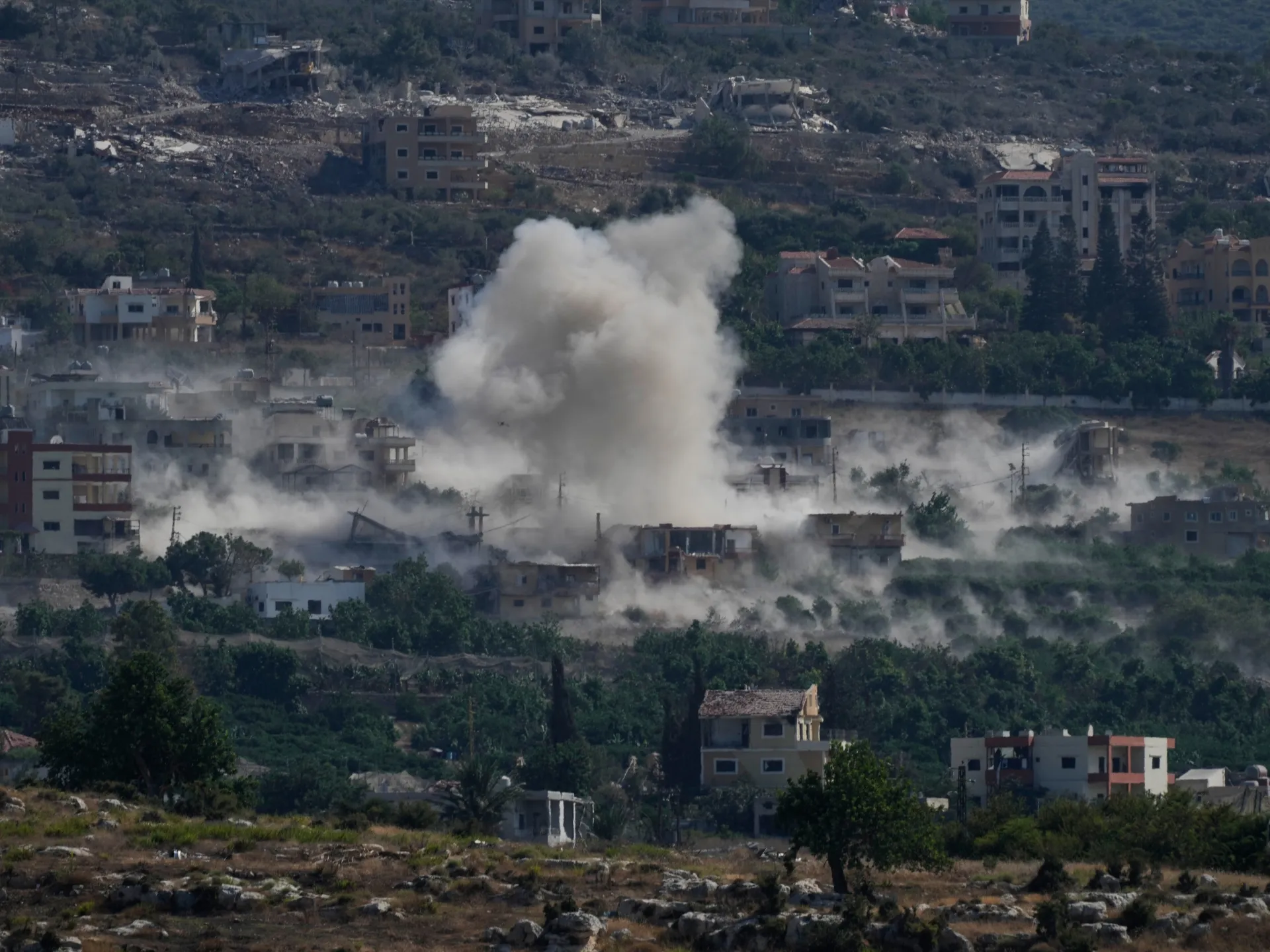
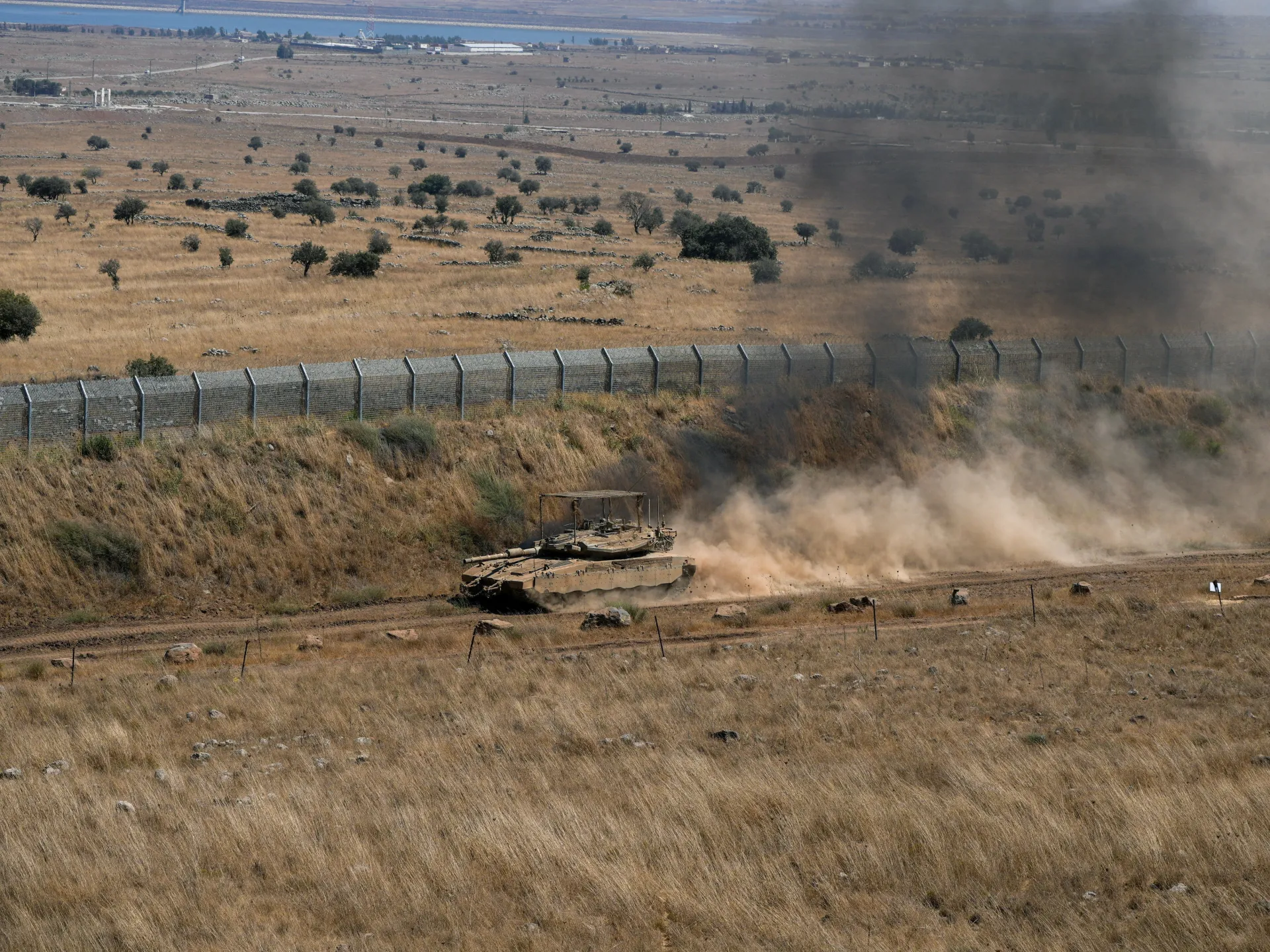
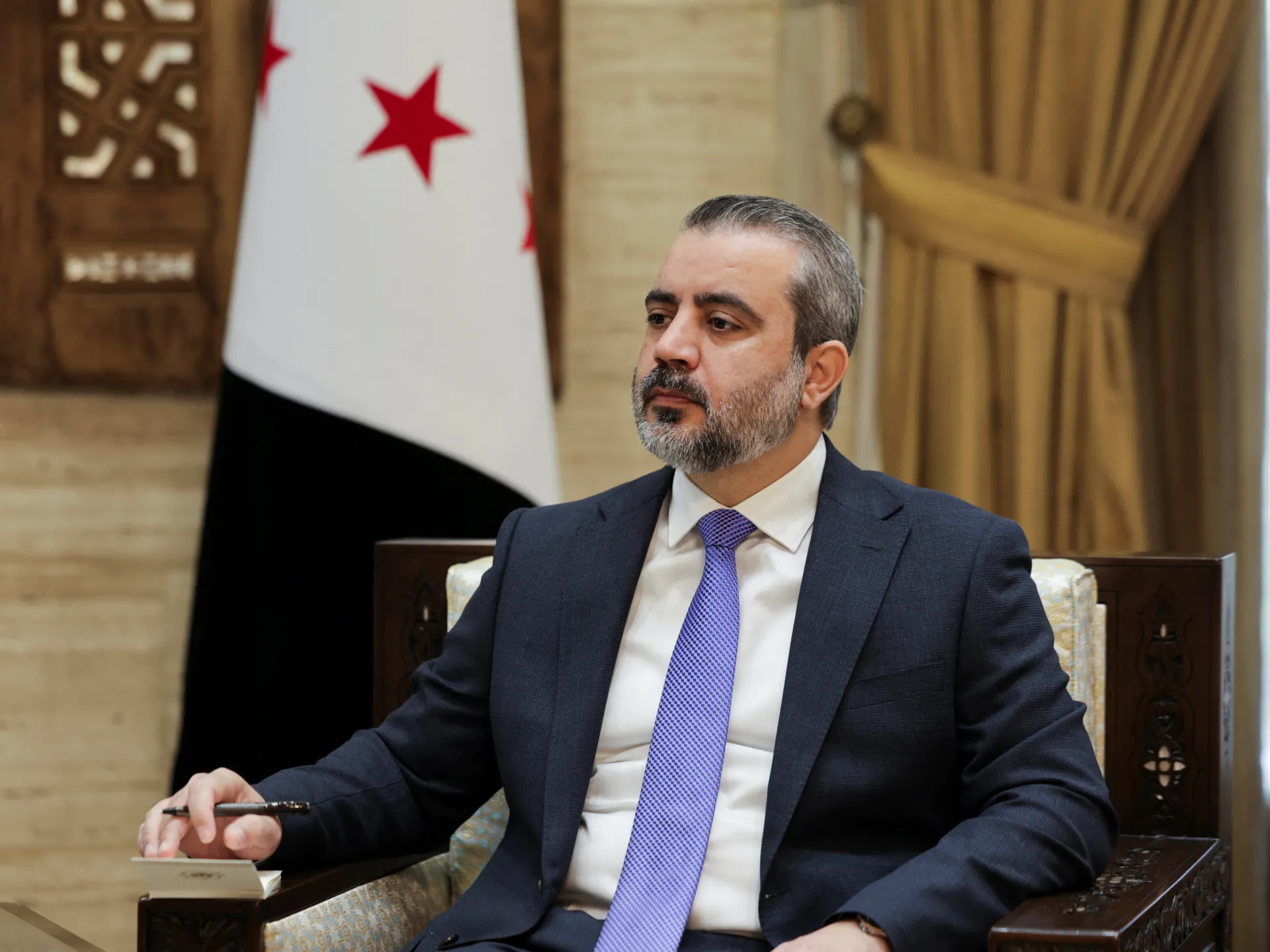
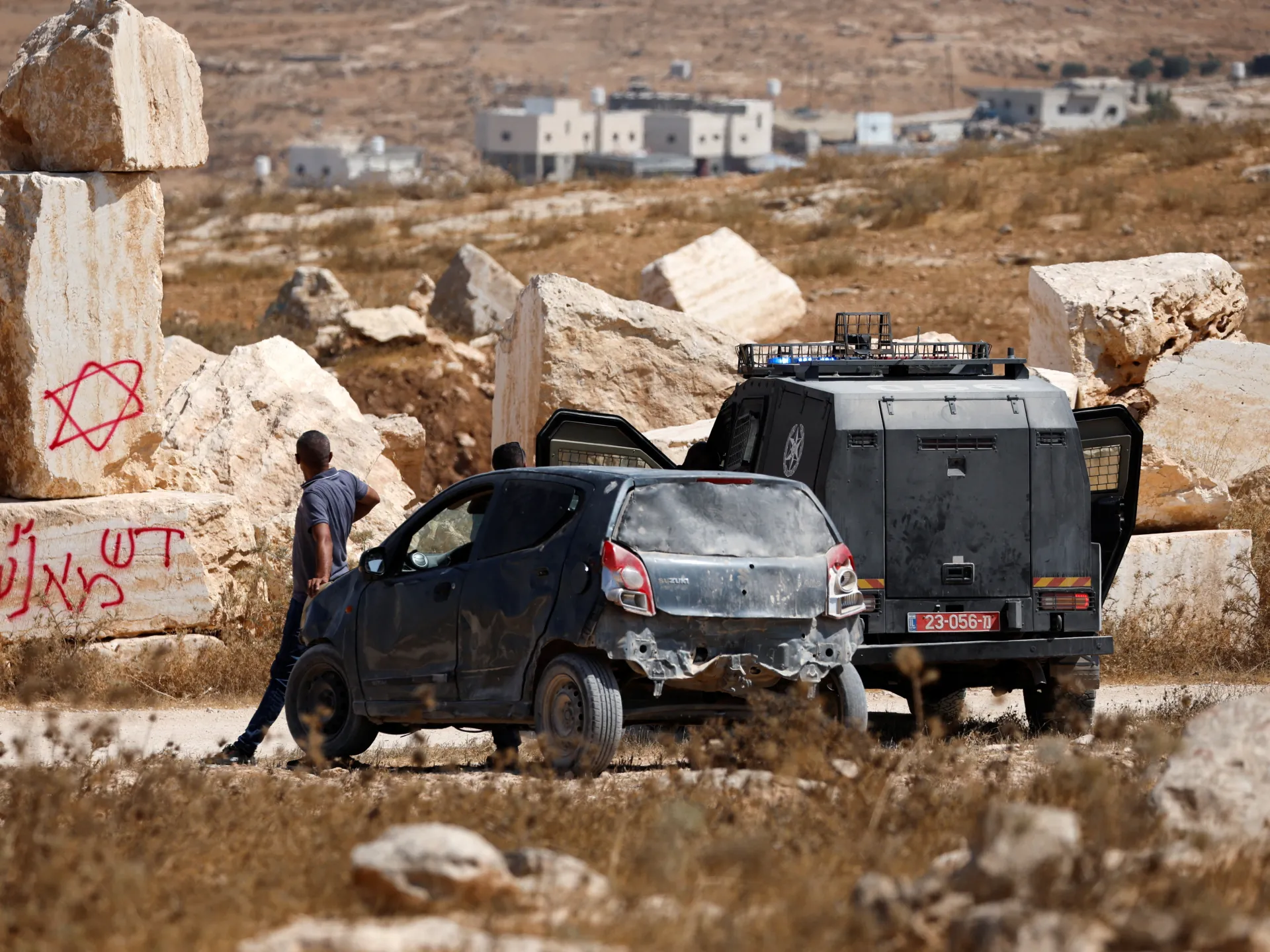
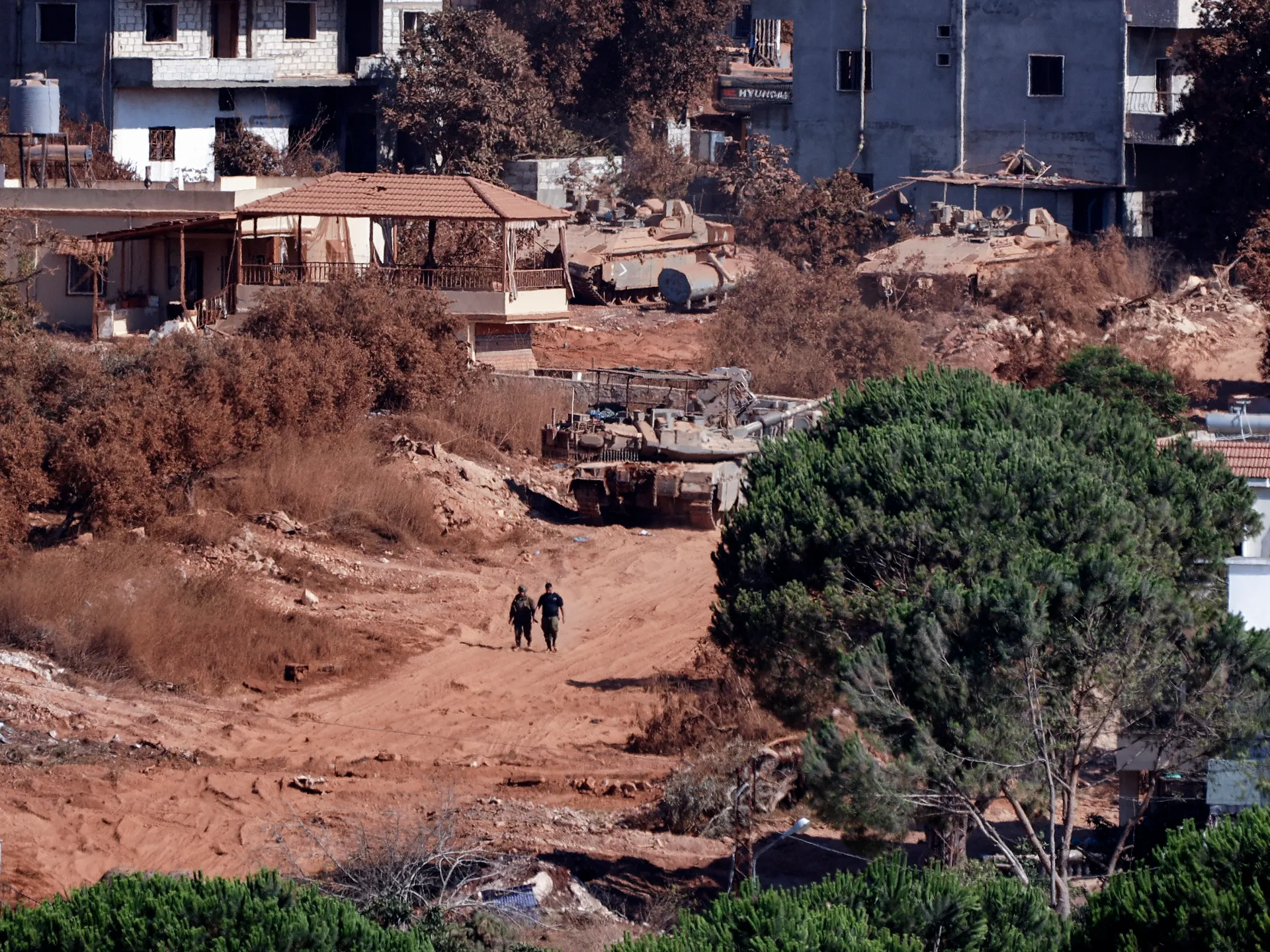
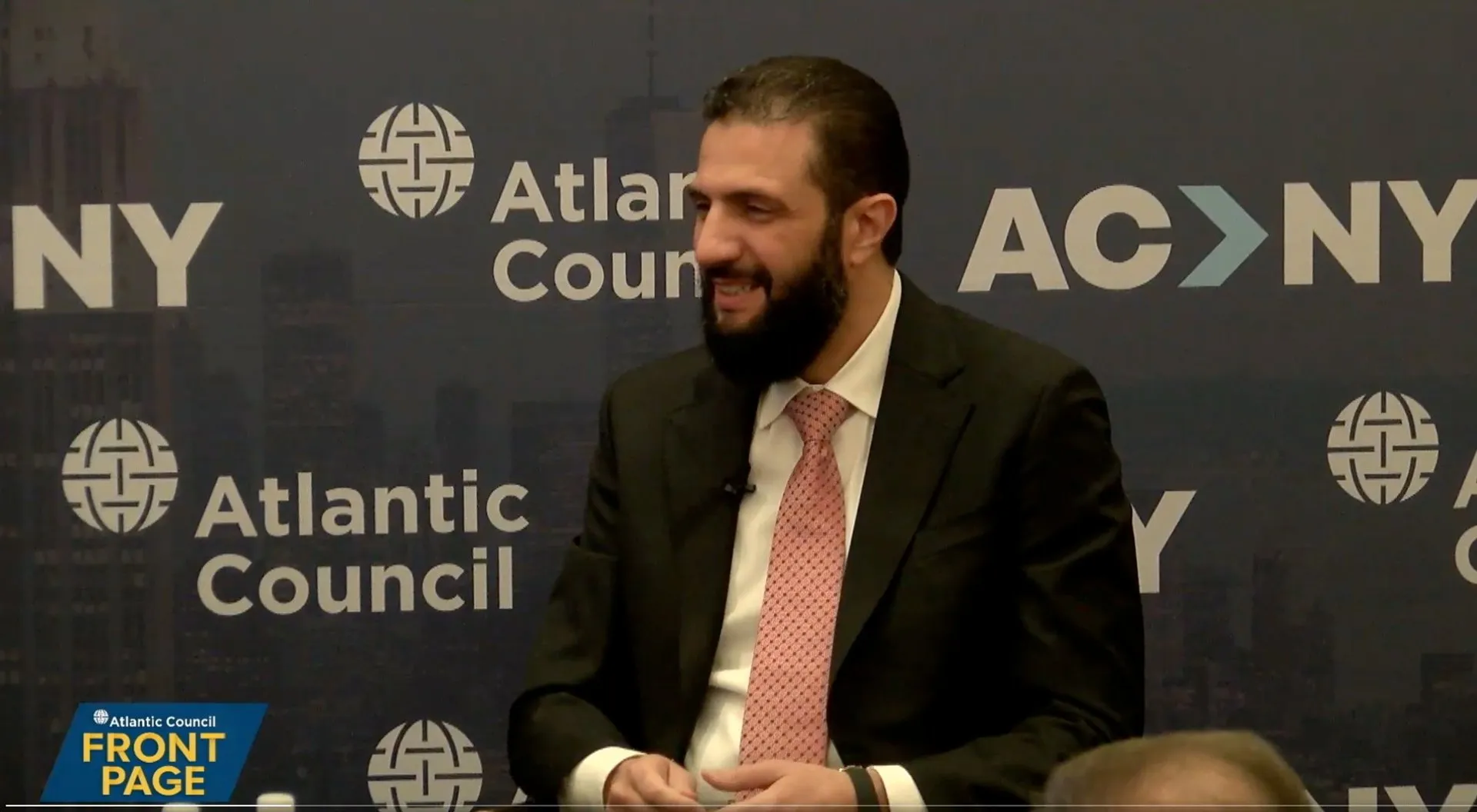
As Syria navigates the turbulent aftermath of the collapse of the Bashar al-Assad regime, the new leadership is attempting to project a diplomatic stance on the international stage, even as long-buried secrets from the country’s recent past come to light. President Ahmed al-Sharaa, appearing on the sidelines of the United Nations General Assembly, has sharply criticized ongoing Israeli military operations within Syrian territory, suggesting that Israel’s focus on the region is fundamentally misguided and potentially destabilizing.
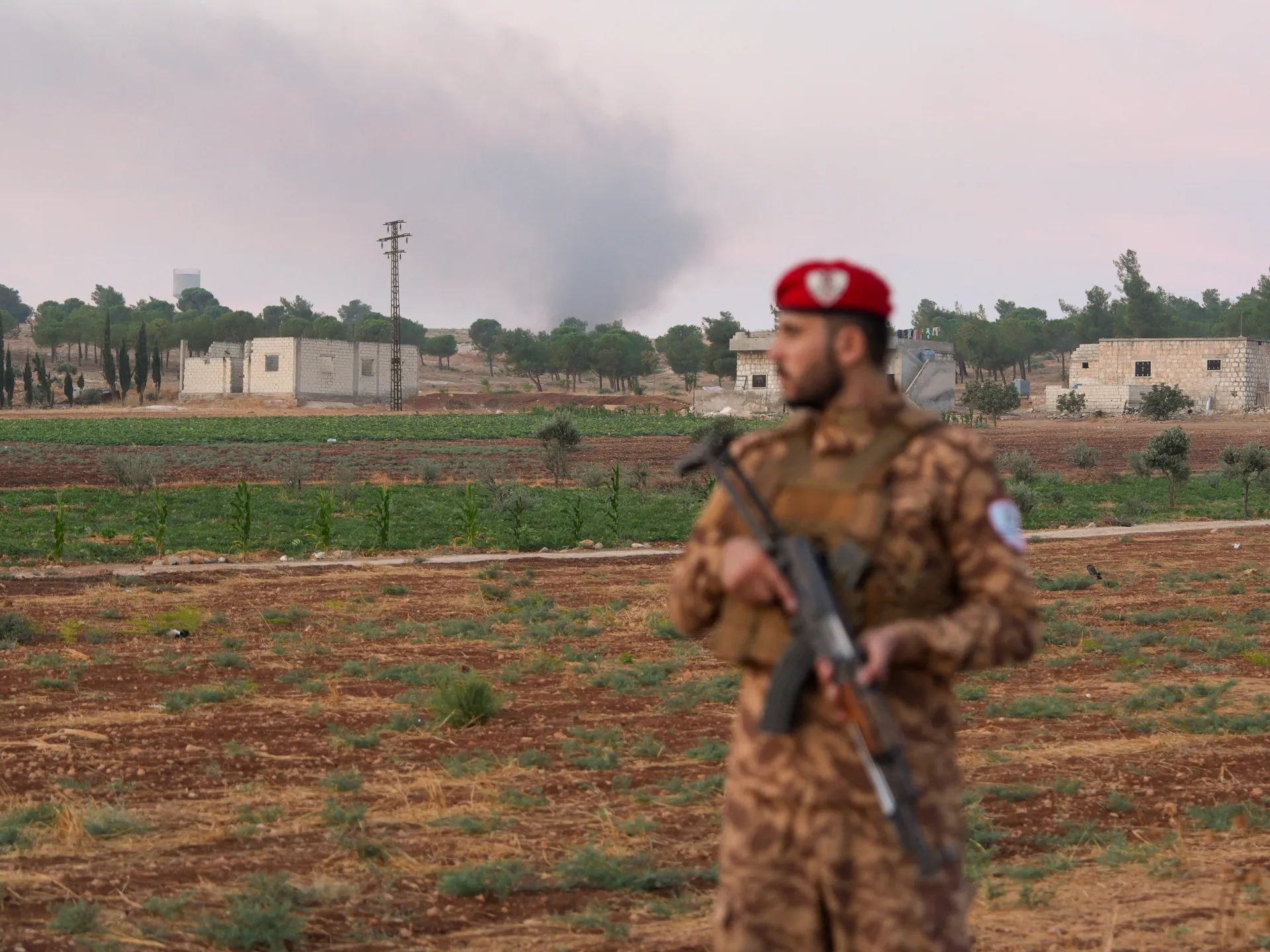
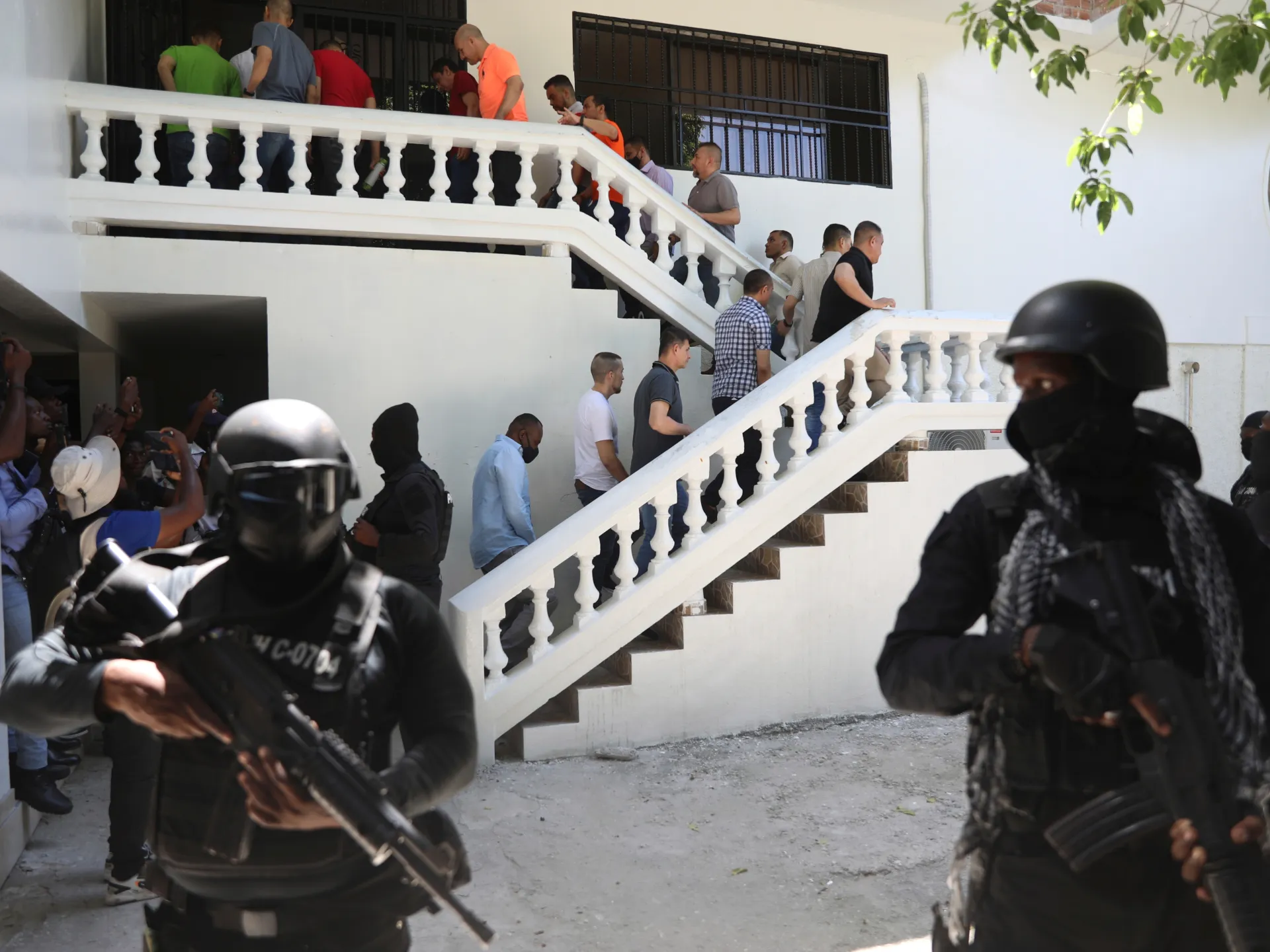
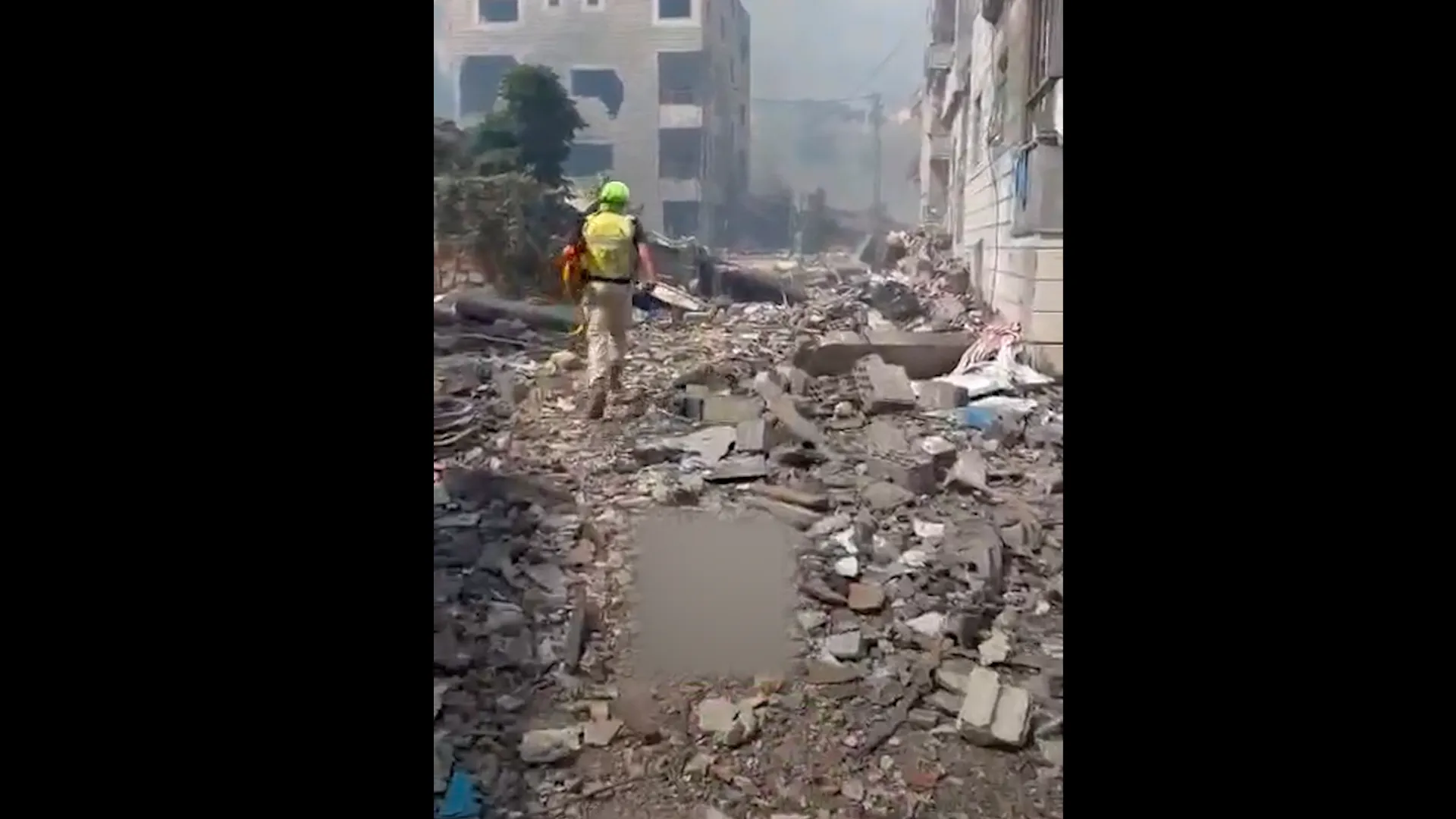
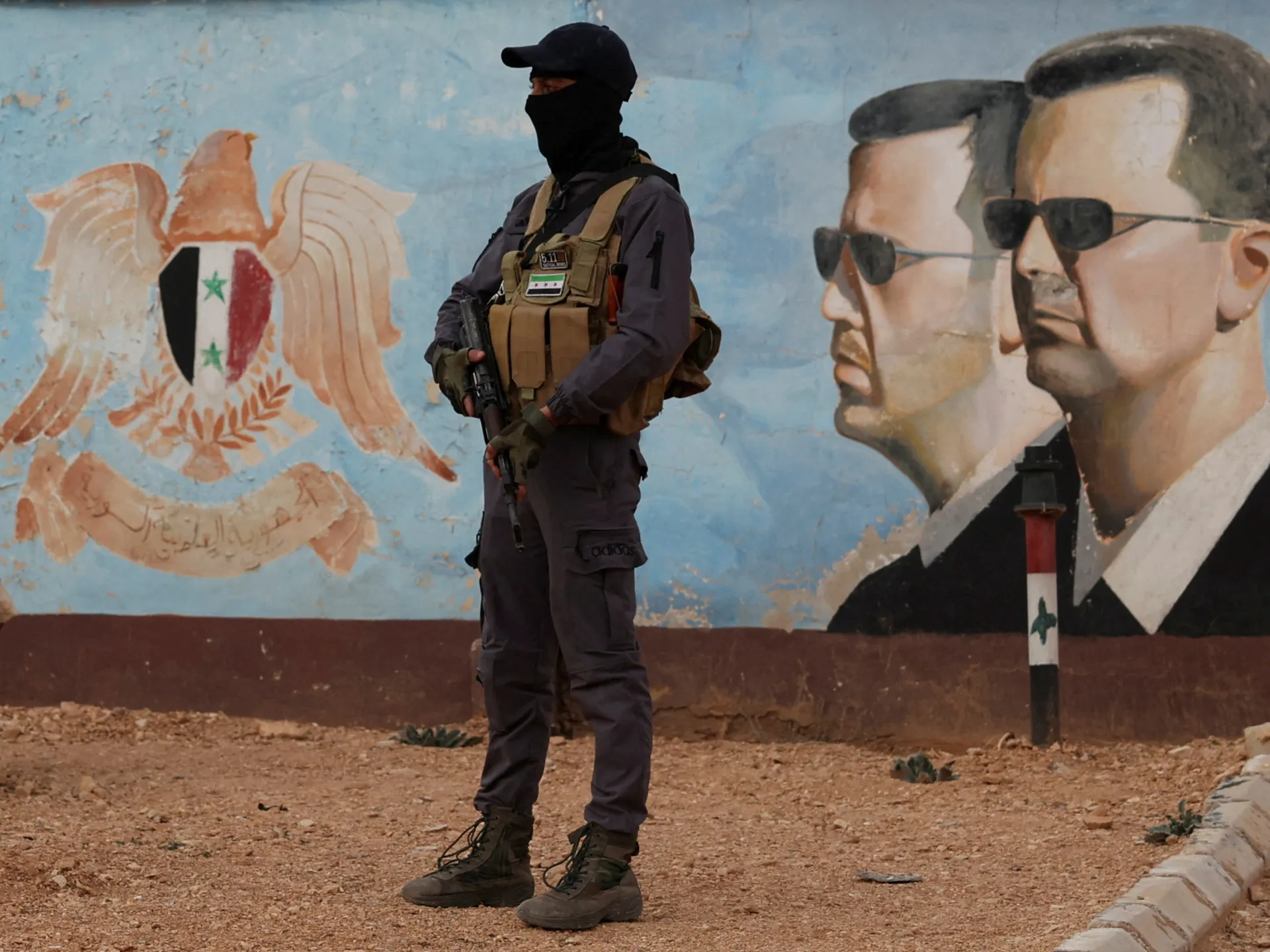
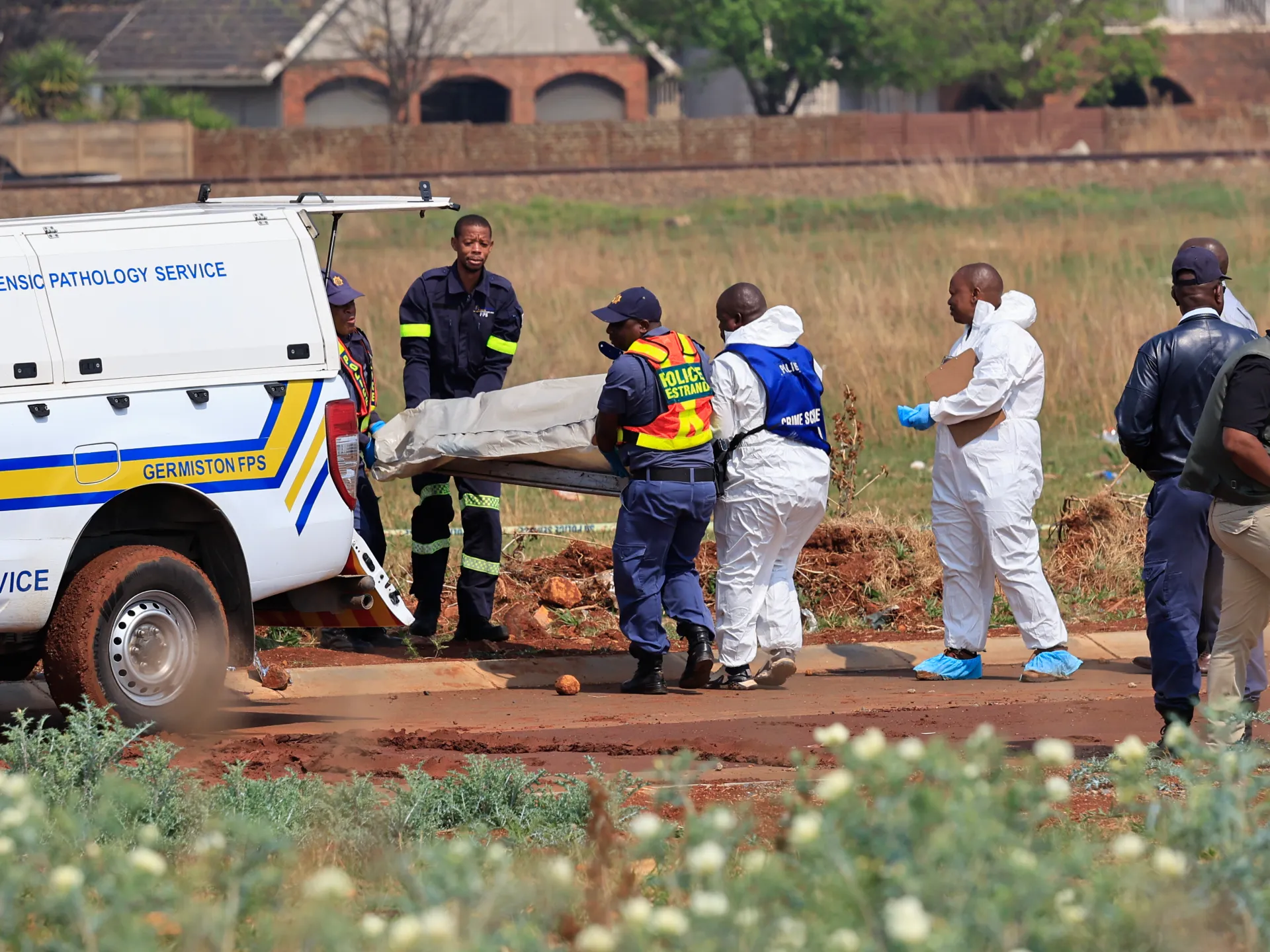
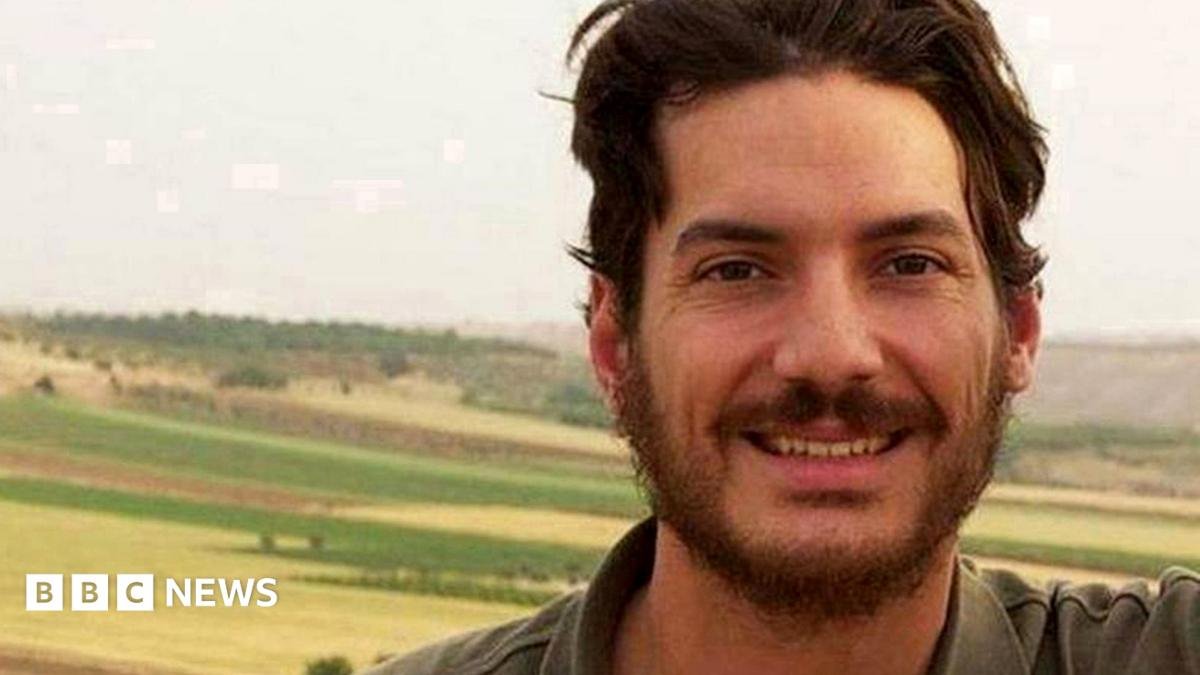
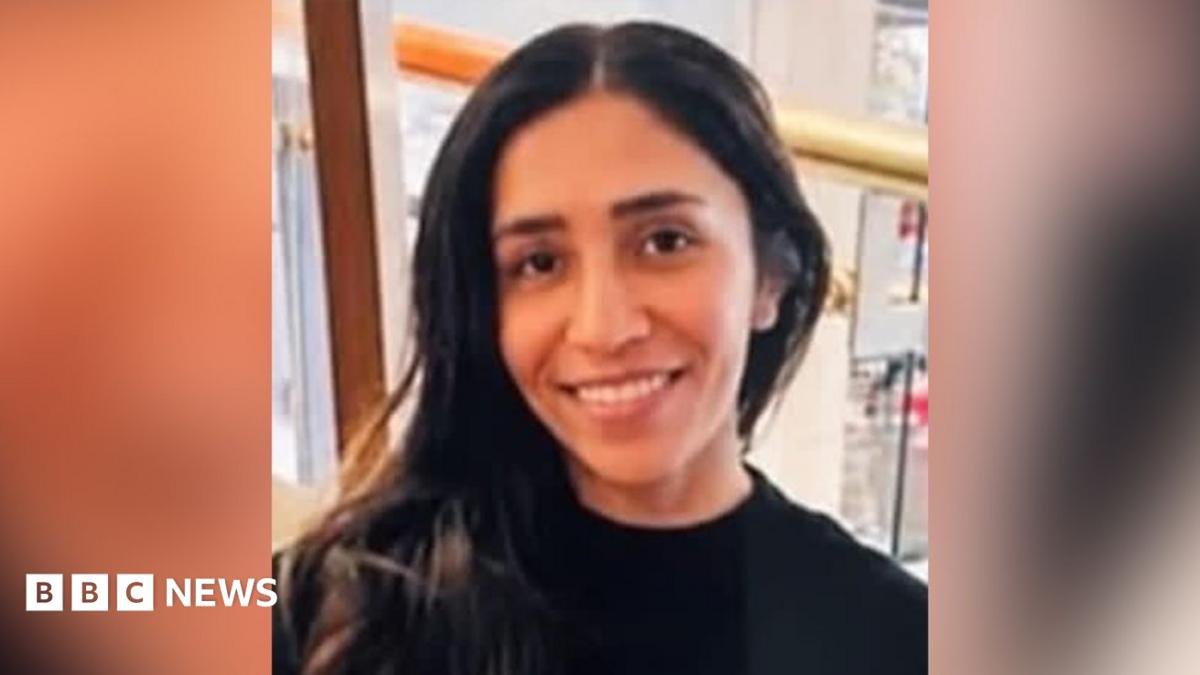
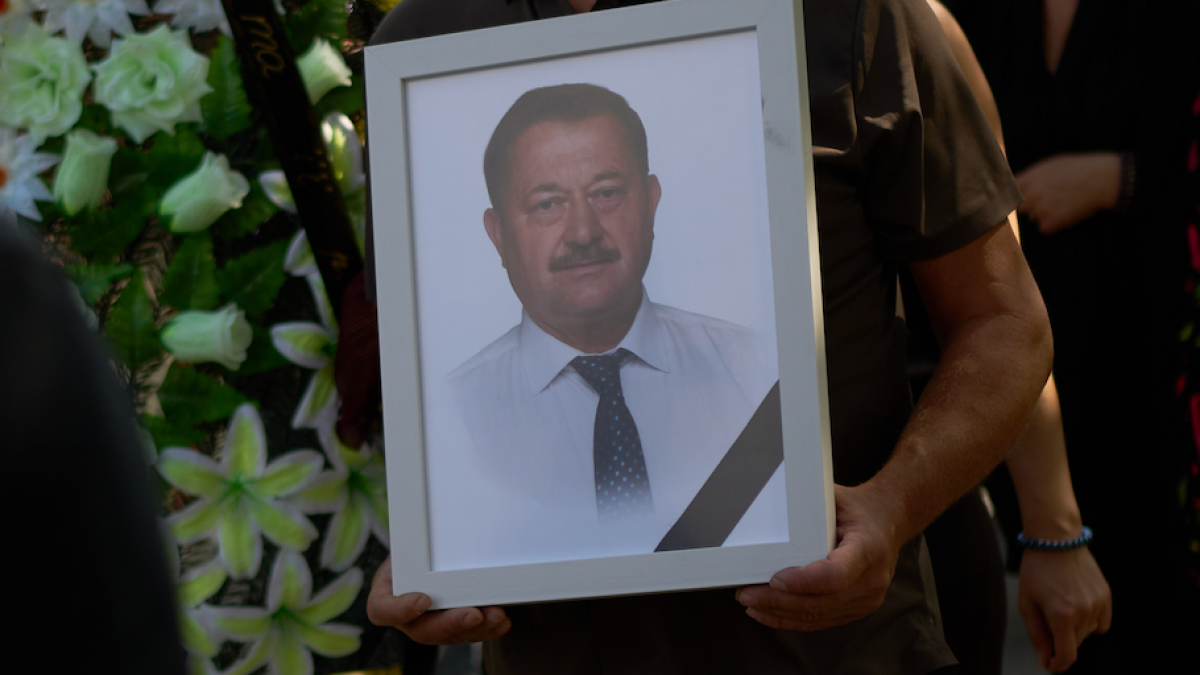
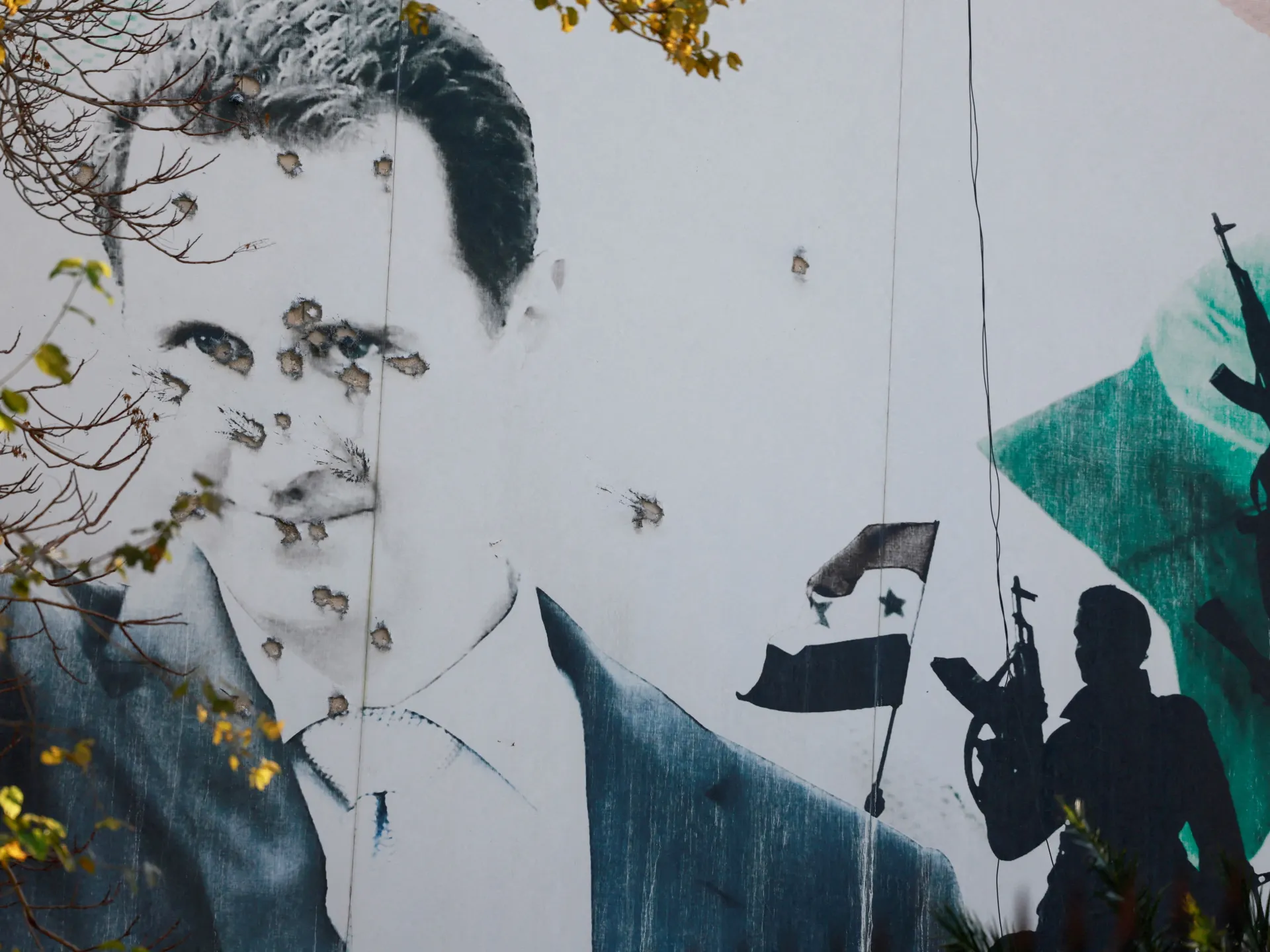
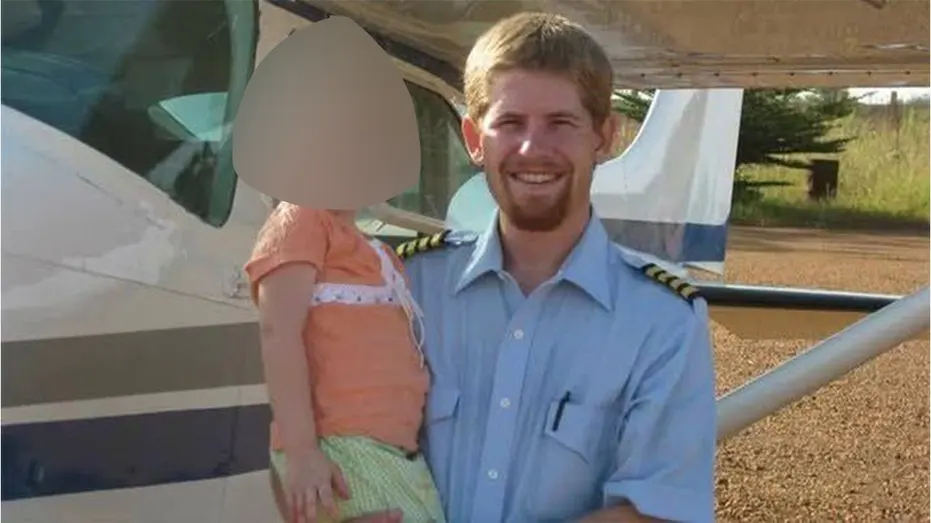
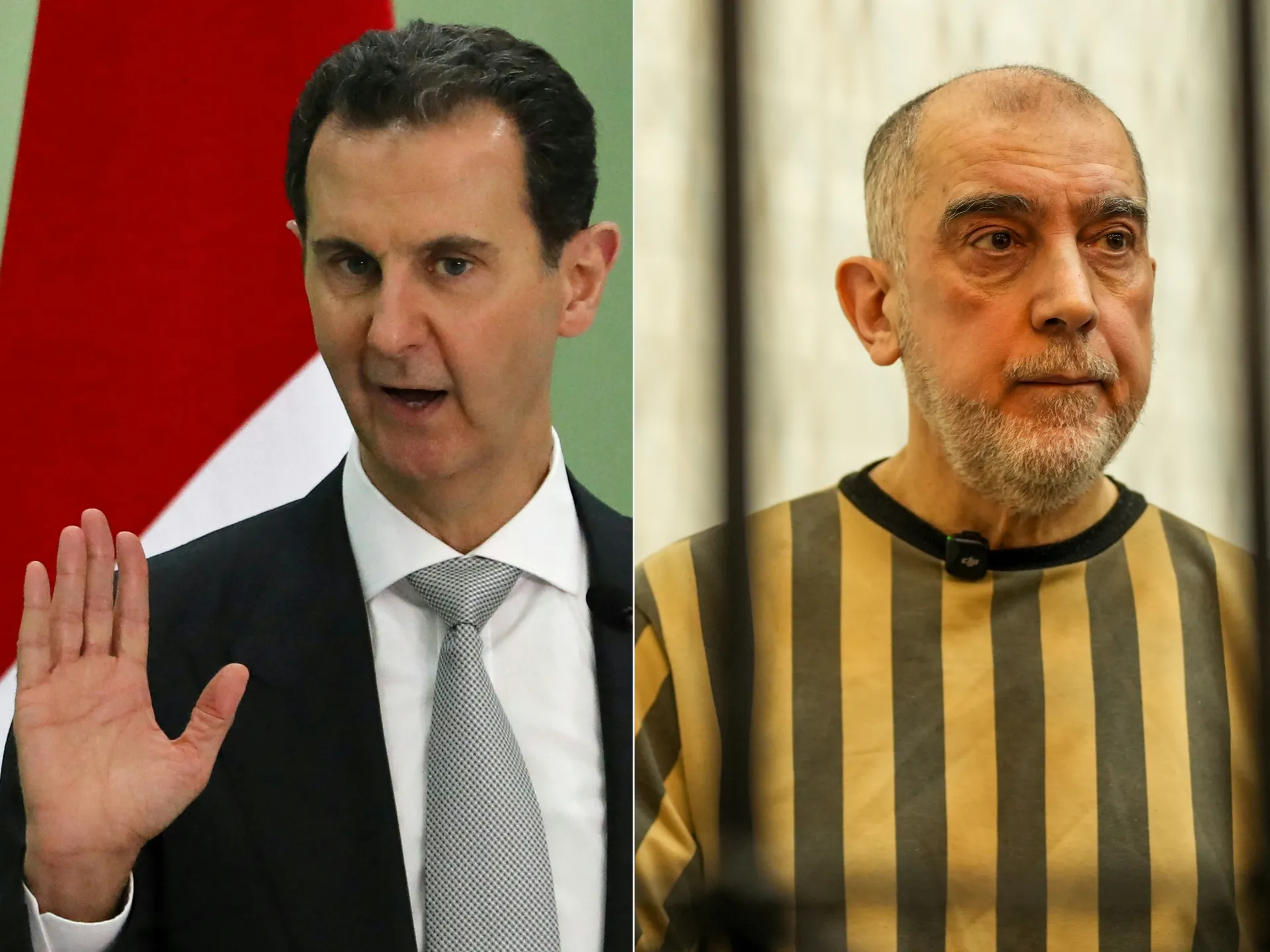
These diplomatic tensions coincide with the emergence of definitive evidence regarding the fate of American journalist Austin Tice. New investigative findings have shattered long-held assumptions that Tice’s 2012 disappearance was a random event at a government checkpoint. Instead, internal intelligence files recovered following the regime’s fall indicate a sophisticated, pre-planned operation that was sanctioned at the highest levels of the former administration, casting a long shadow over the transition of power in Damascus.
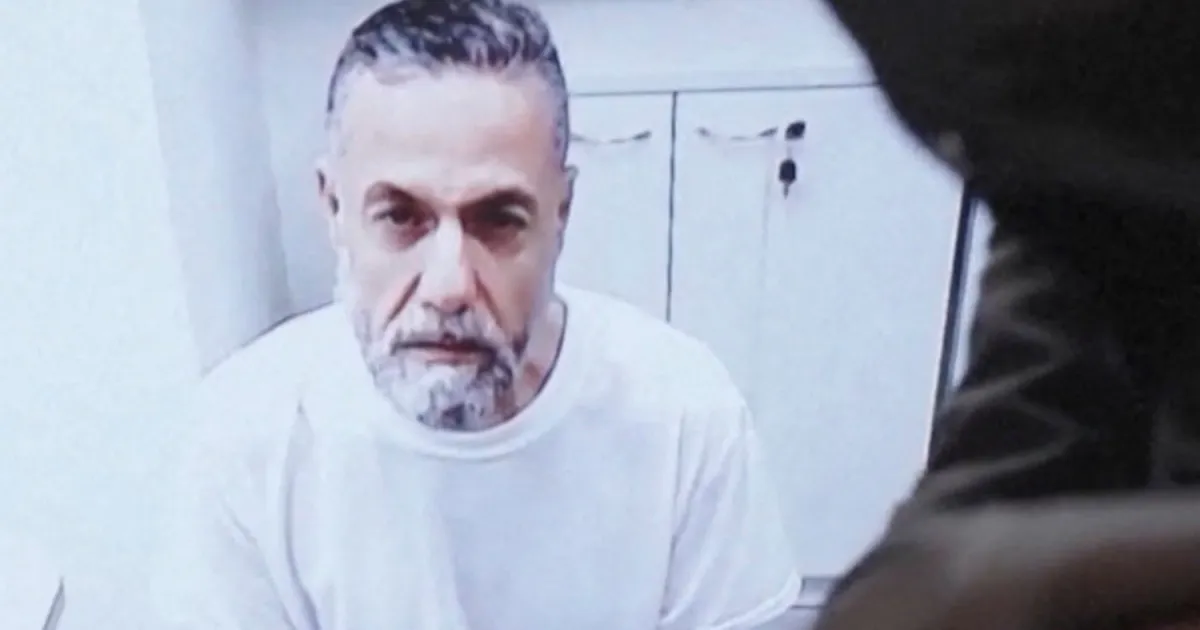
The convergence of current geopolitical friction and the uncovering of historic state-sponsored crimes highlights the profound difficulty of Syria’s transition. For the international community, the Tice case serves as a grim reminder that the previous regime’s influence was not merely a matter of military control, but a calculated apparatus of abduction and intimidation. While the current leadership attempts to pivot toward a new diplomatic framework, they are inevitably tethered to the legacy of the regime they replaced. The admission from a former member of the National Defence Forces regarding the orchestrated nature of Tice’s detention forces an uncomfortable reckoning for any government seeking to normalize relations with global powers.
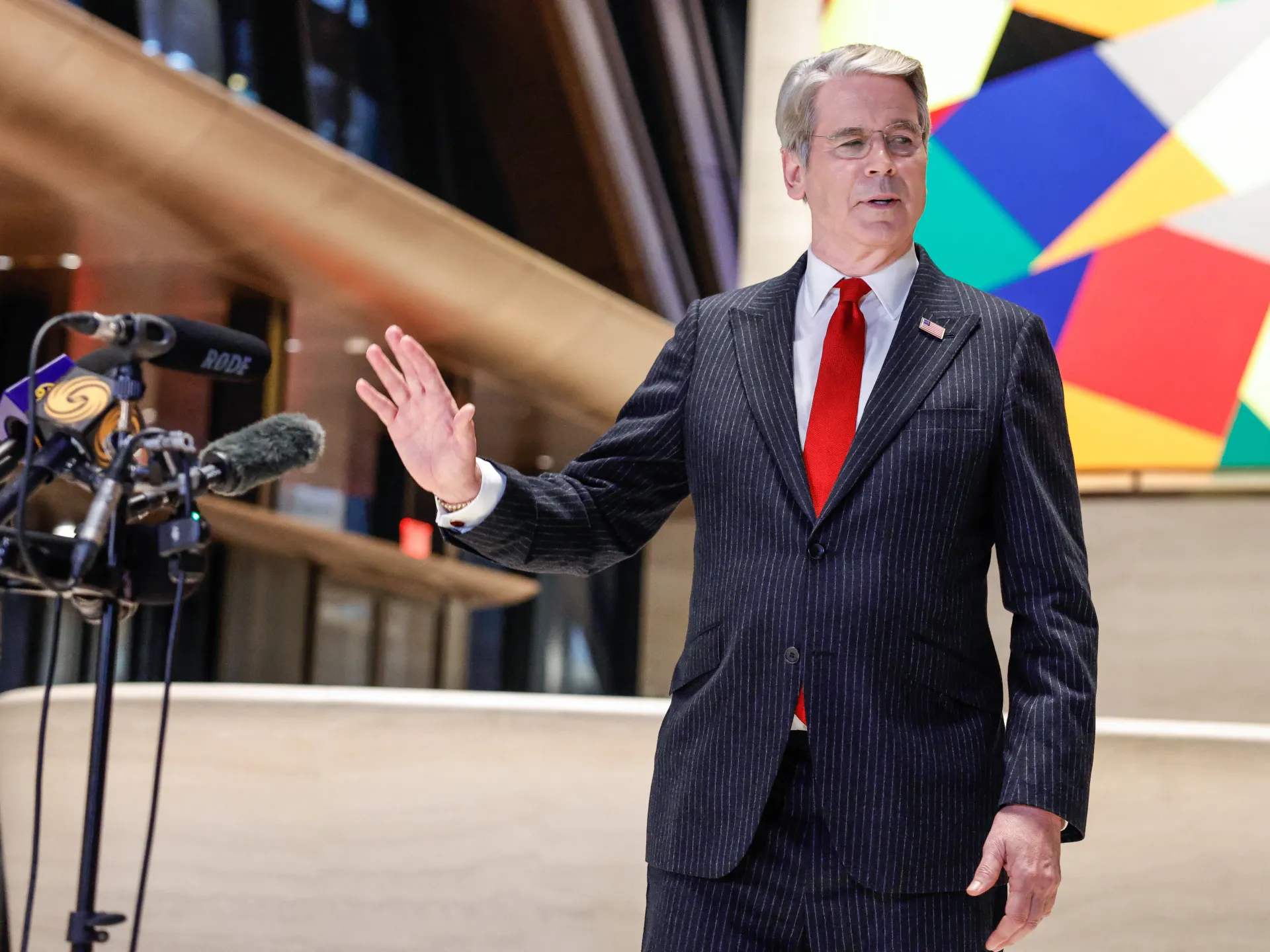
Furthermore, al-Sharaa’s rhetoric regarding Israel underscores that even in a post-Assad environment, Syria remains a focal point for regional power struggles. he new administration is signaling that it intends to remain a vocal actor in regional security debates, despite internal instability. This creates a complex environment for the United States and its allies, who must balance the quest for justice regarding past atrocities with the necessity of managing new, evolving diplomatic channels.
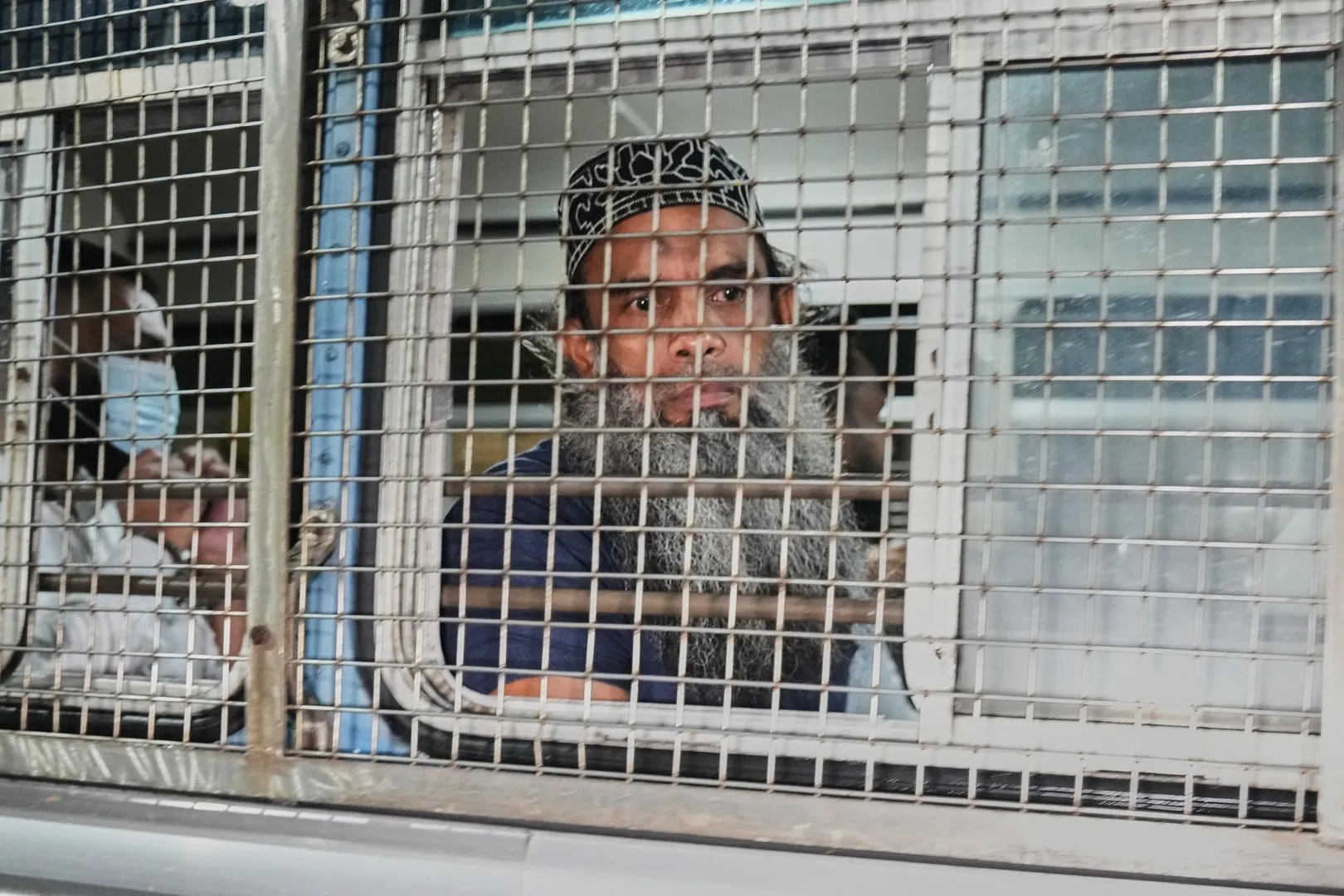
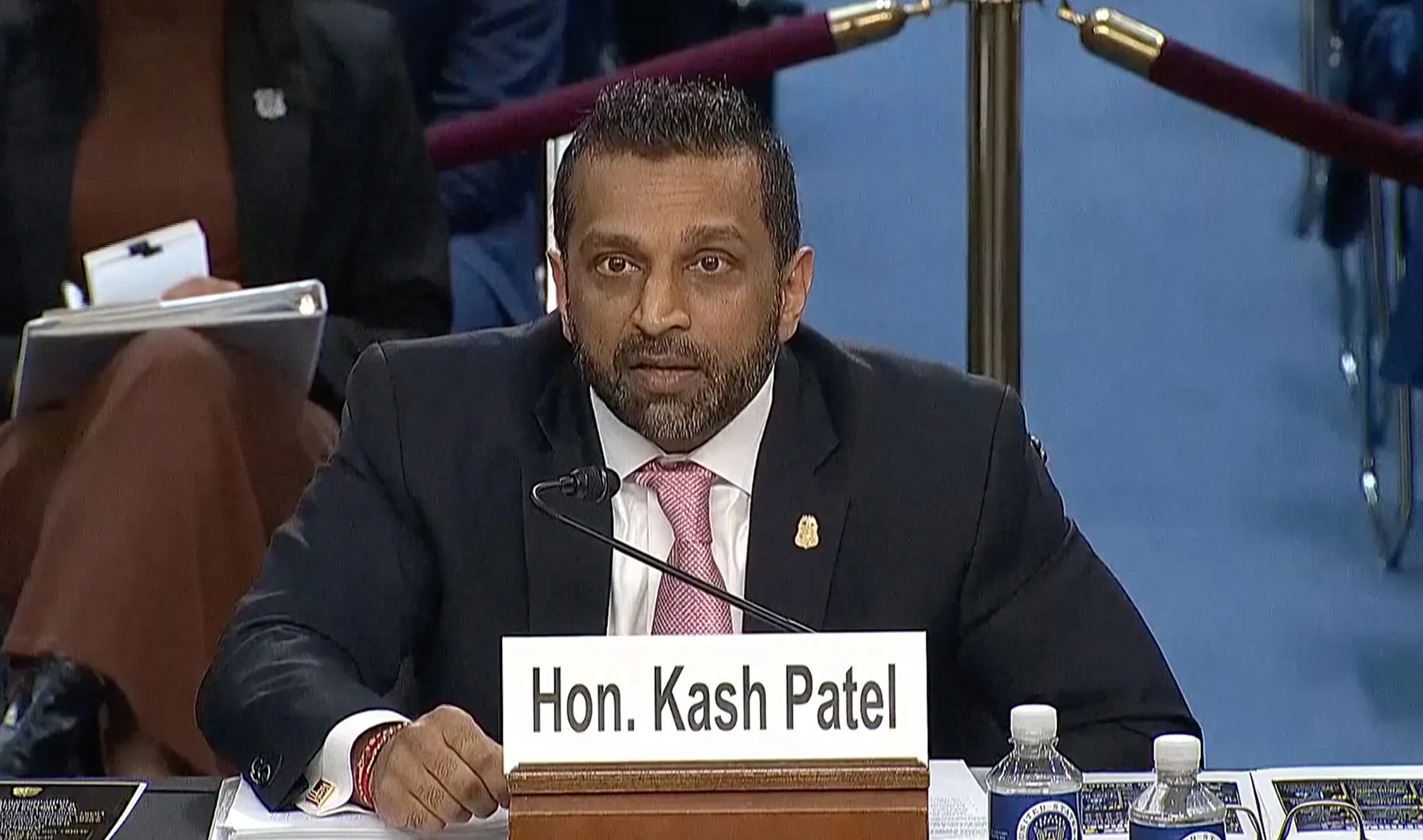
The investigation into Austin Tice’s fate reveals a level of coordination previously unconfirmed NDF) have provided testimony that contradicts years of speculation. The abduction was not an opportunistic encounter at a military checkpoint, but a operation that spanned more than a month of planning. Key to this strategy was the utilization of Tice’s own driver, who multiple accounts suggest had been providing intelligence to the regime well before the kidnapping took place.
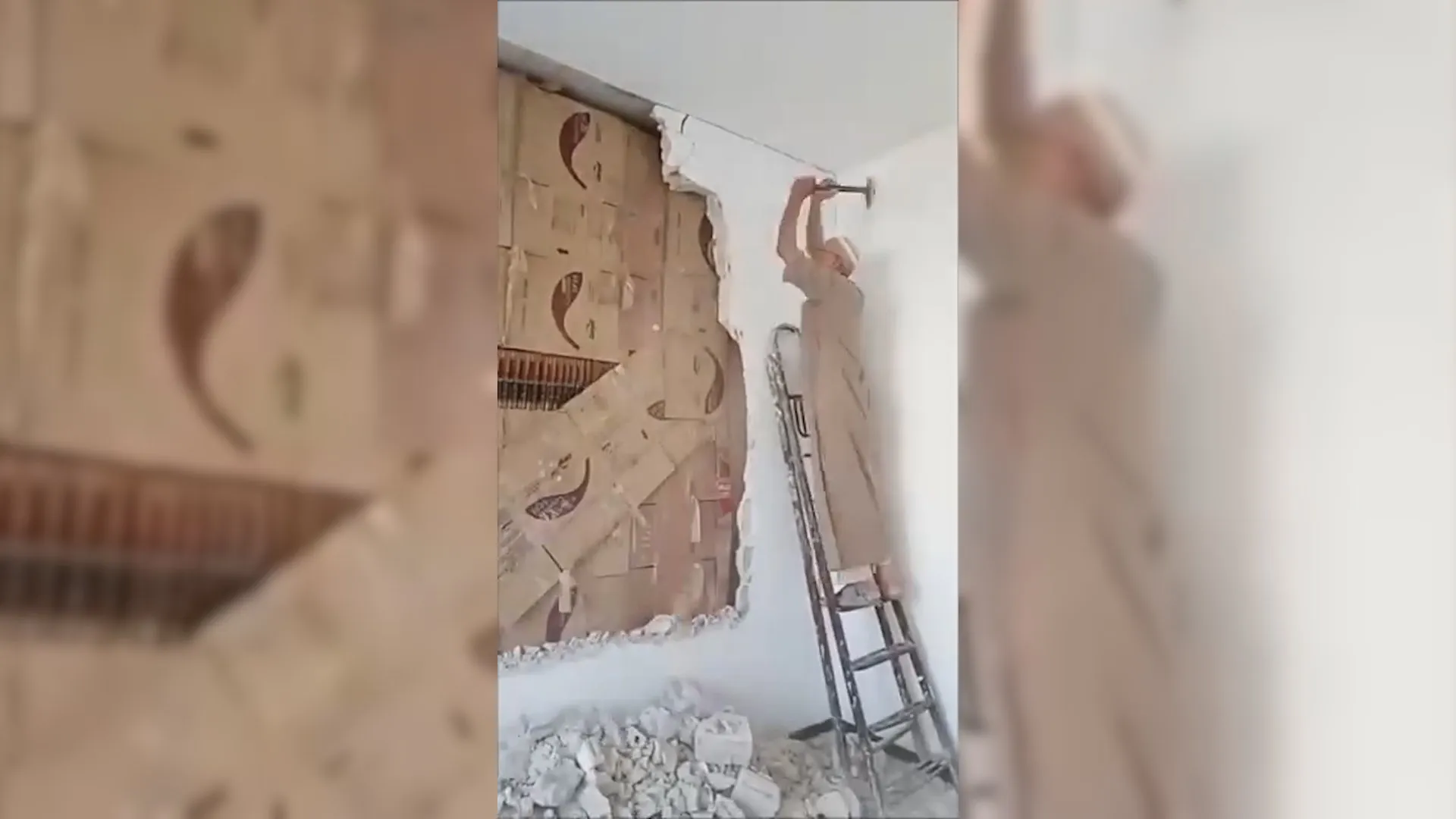
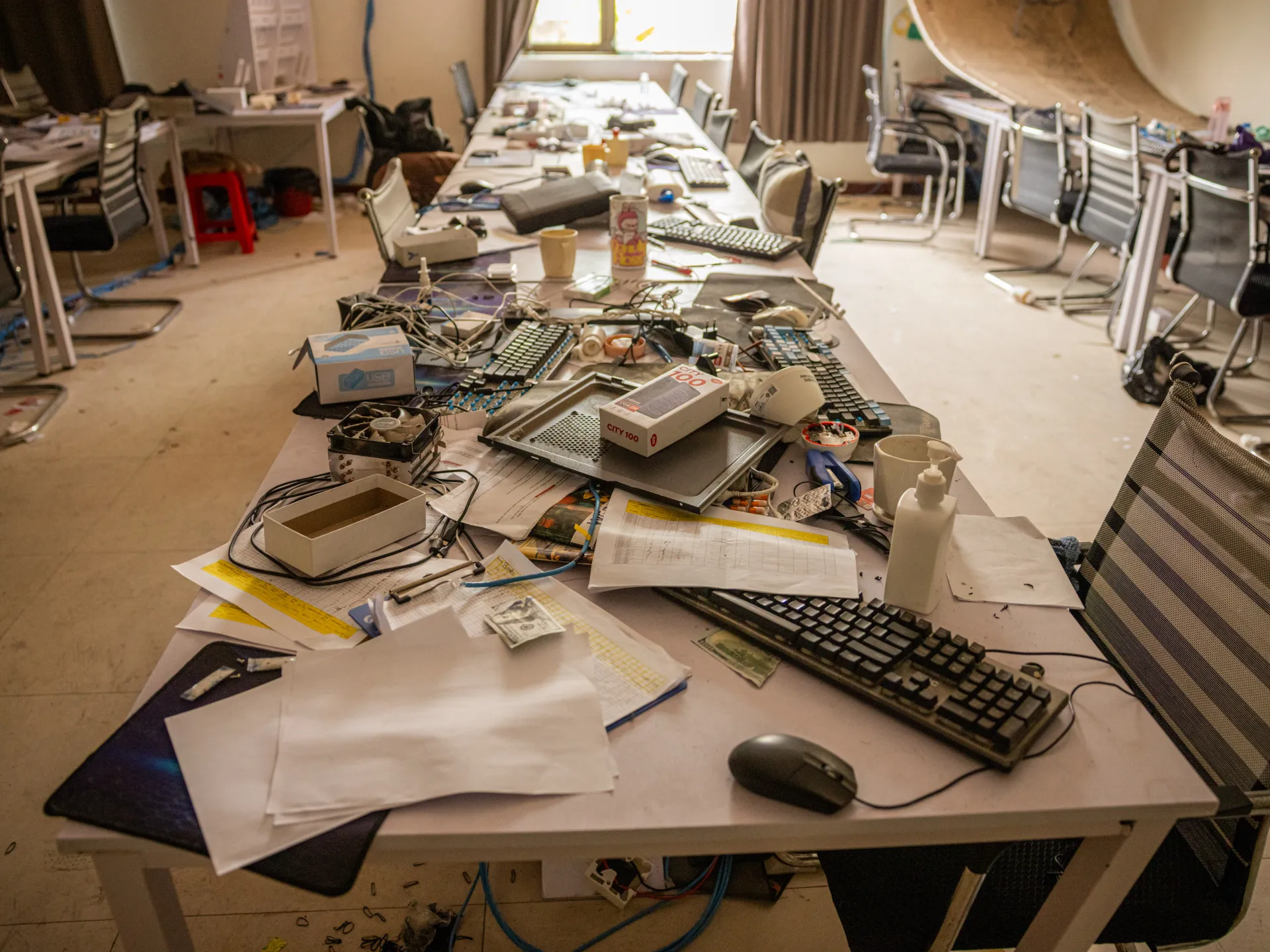
The recovery of hundreds of pages of secret Syrian intelligence files provides the first tangible proof of the regime’s direct involvement. While some former commanders have claimed Tice was executed, others maintain ambiguity, and no physical remains have been identified. The persistence of these conflicting narratives illustrates the chaotic nature of the regime’s final days, where institutional records and personal accounts often provide a fragmented, albeit incriminating, picture of the state’s operations.
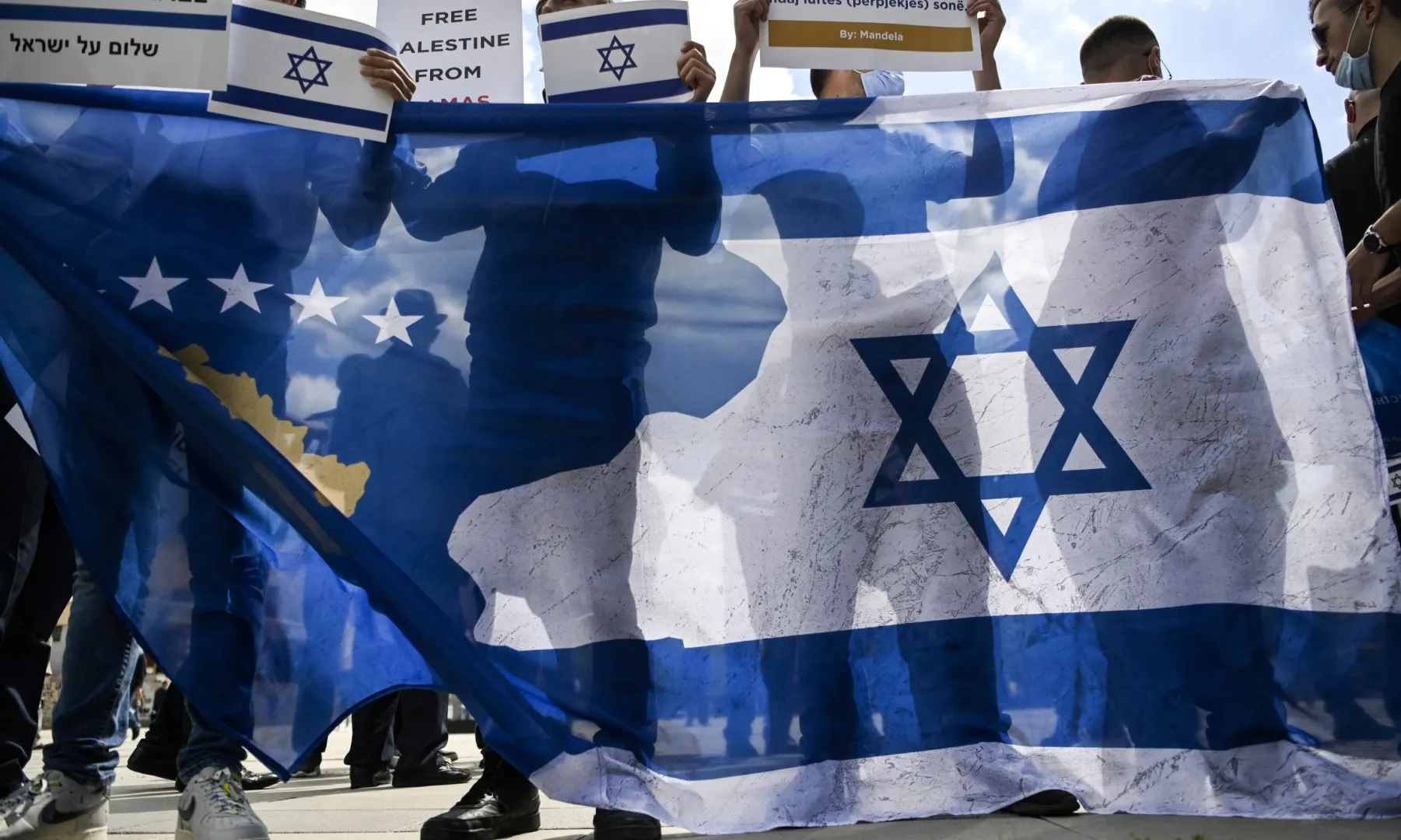
President al-Sharaa’s recent commentary at the UNGA marks a distinct shift in tone from his predecessors. Rather than engaging in purely traditional statecraft, he has utilized the forum to deliver biting critiques of Israeli policy. His remarks, which included provocative suggestions regarding territorial concessions, indicate that the new Syrian government is eager to frame itself as a victim of external aggression, even as it struggles to consolidate control over its own fractured domestic landscape.
This rhetoric appears aimed at domestic audiences and regional allies alike, attempting to build a narrative of resistance against the backdrop of an uncertain future. However, these diplomatic barbs complicate the efforts of international negotiators who are attempting to address the security vacuum left ty, the juxtaposition of seeking global legitimacy while maintaining a confrontational stance toward regional neighbors remains a defining challenge for al-Sharaa’s administration.
The path forward for the current administration is fraught with significant hurdles. Domestically, the government must address the growing pressure from the international community to provide full transparency regarding the fates of those missing since the civil war. The revelations regarding Tice are unlikely to be isolated, and the regime will likely face mounting demands for access to further archives and evidence of detention practices. Externally, the administration’s strategy of confrontational diplomacy could isolate it from potential Western aid partners, complicating the economic reconstruction that the nation desperately requires. If the government continues to prioritize aggressive rhetoric over transparent institutional reform, it risks perpetuating the instability that characterized the previous era, potentially deepening the isolation of the Syrian state on the global stage.