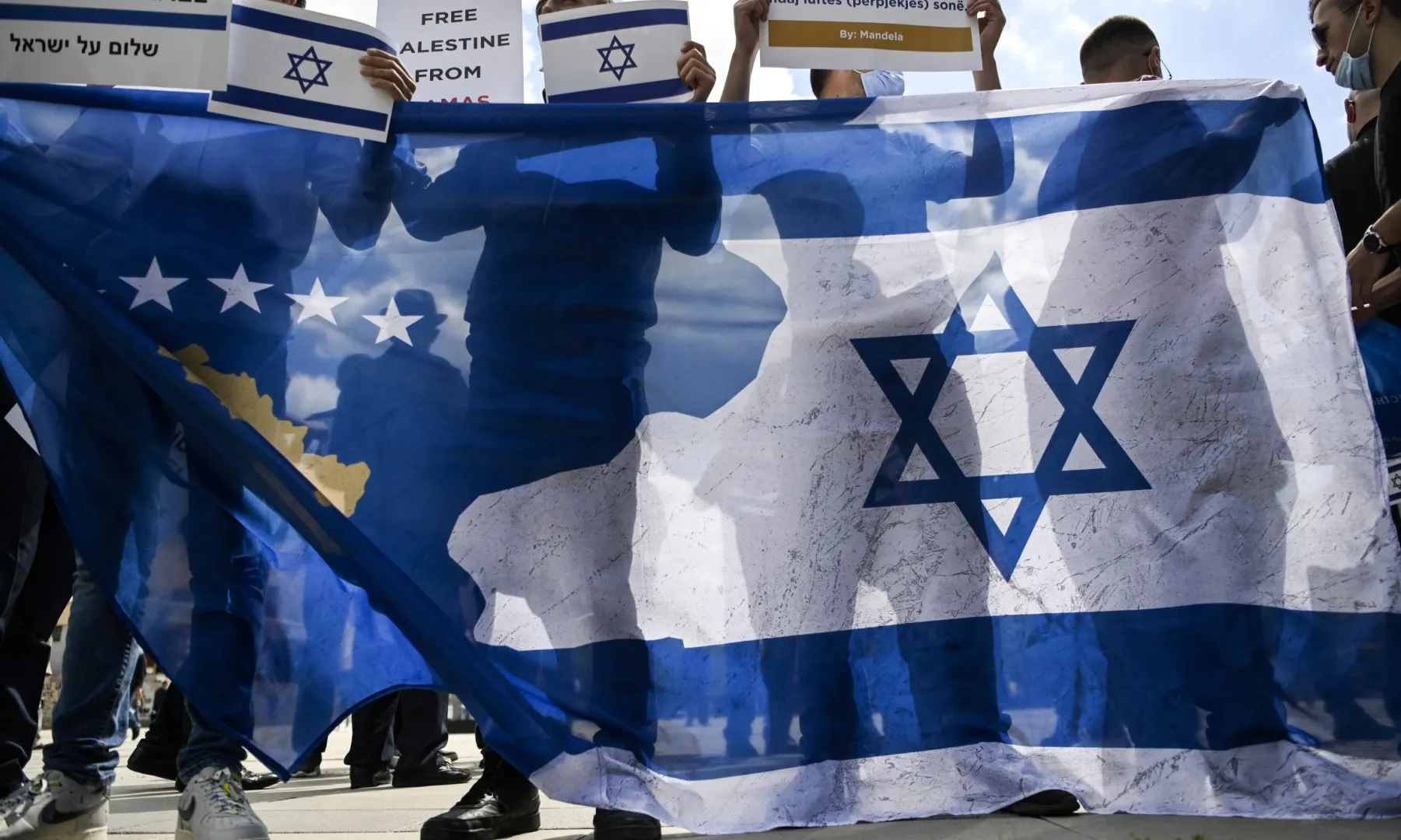
Kosovo has committed to a US-led stabilization initiative in Gaza, a move experts describe as a strategic effort to strengthen ties with Washington.
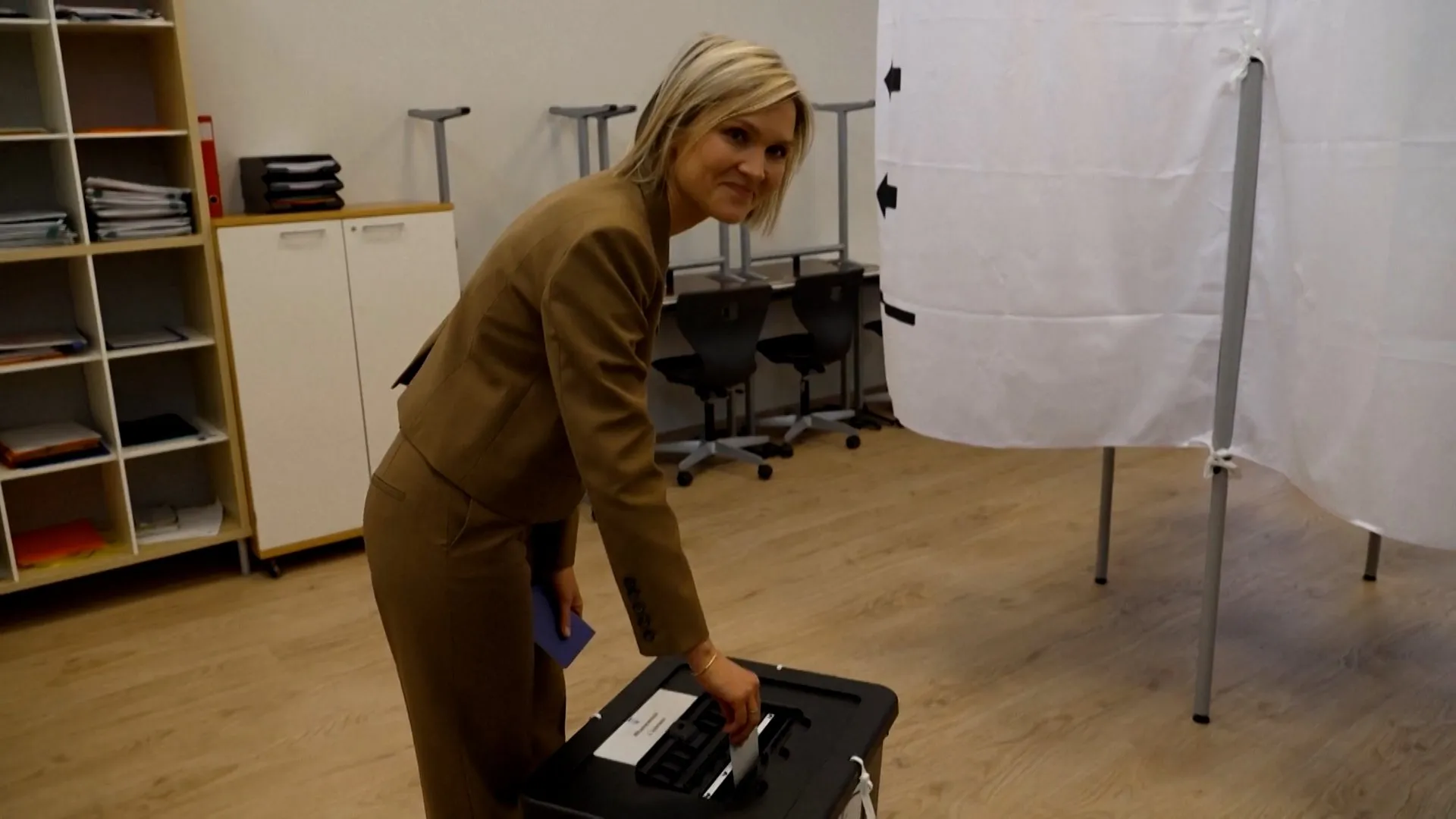
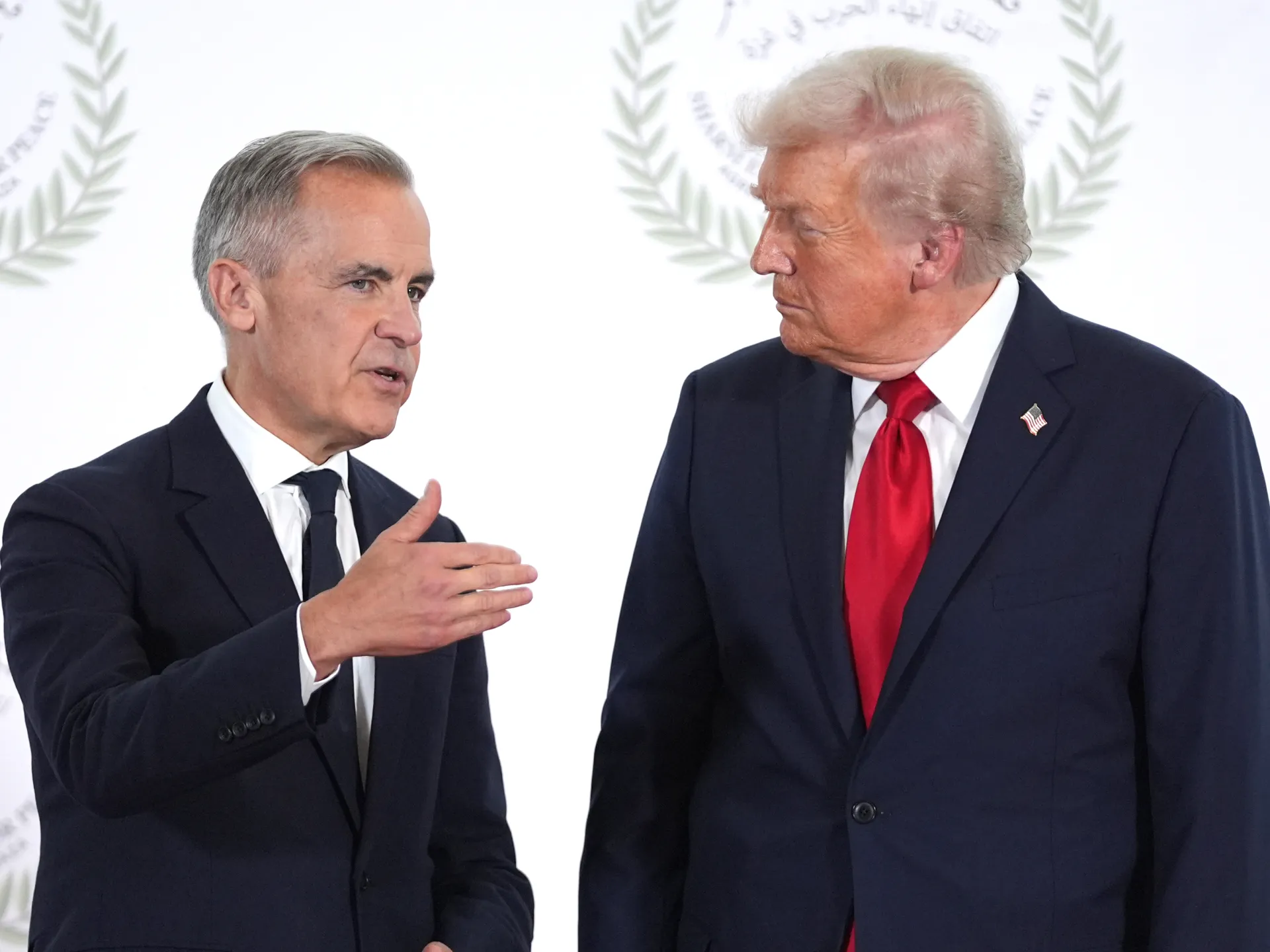
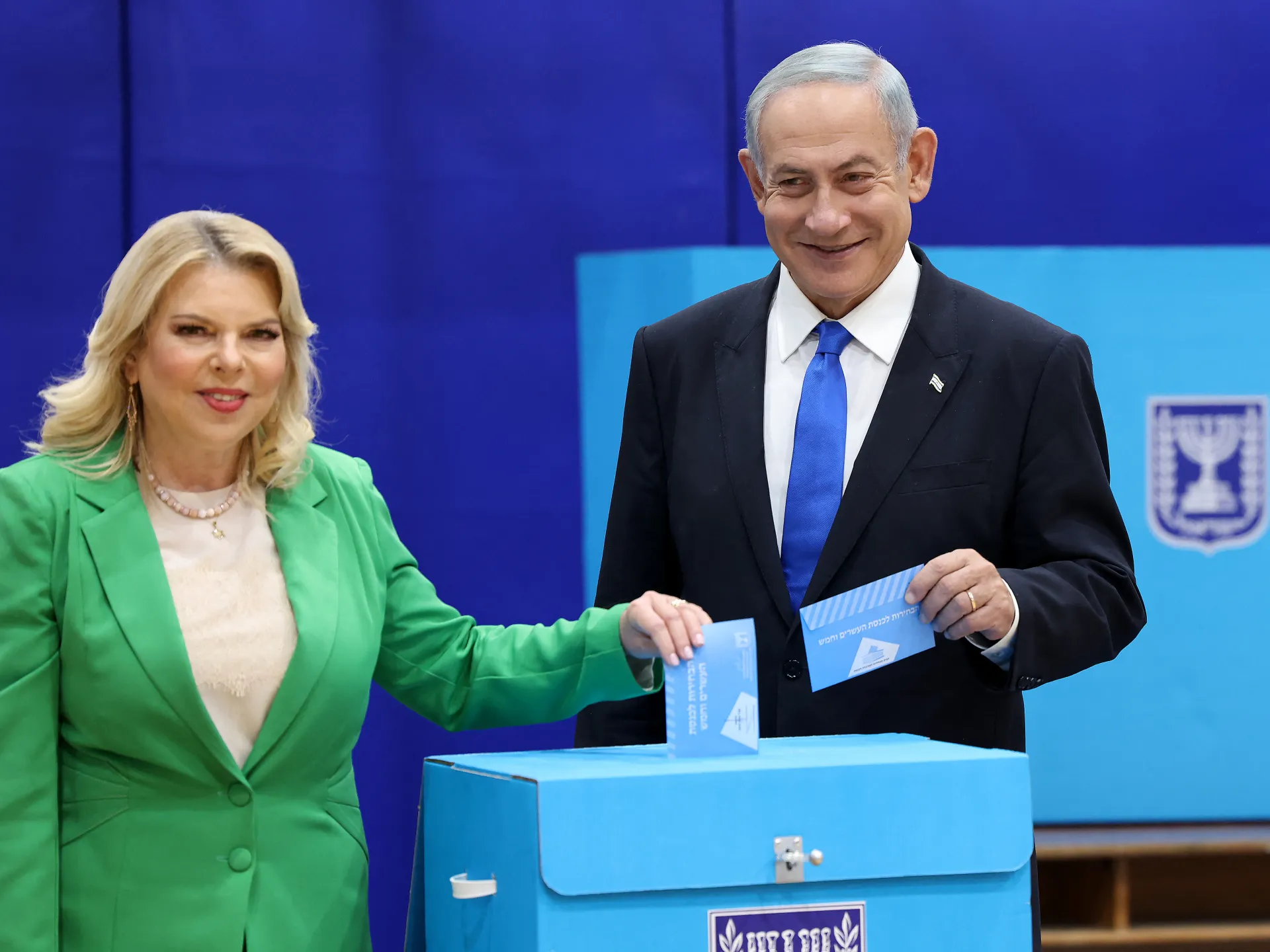
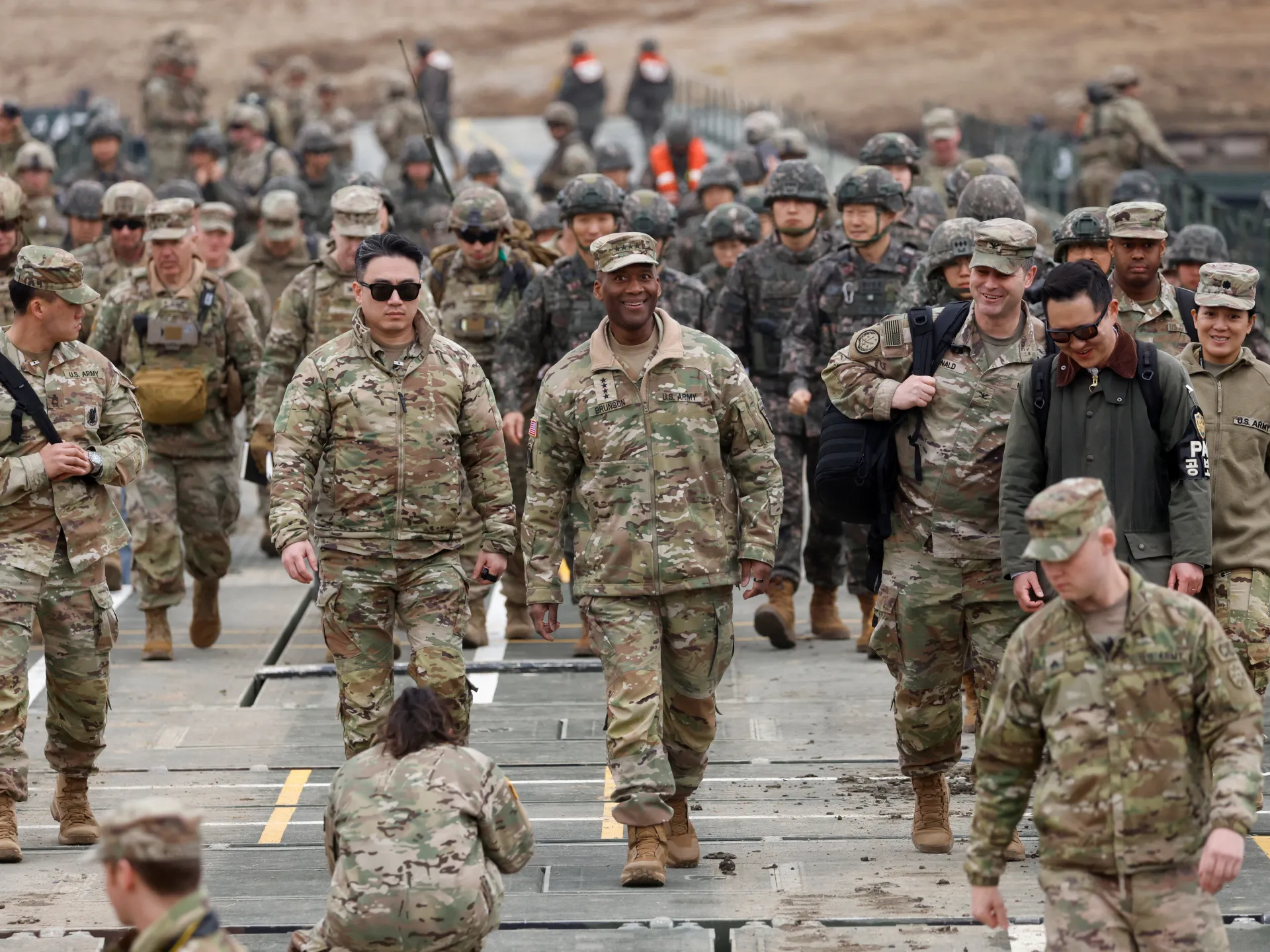
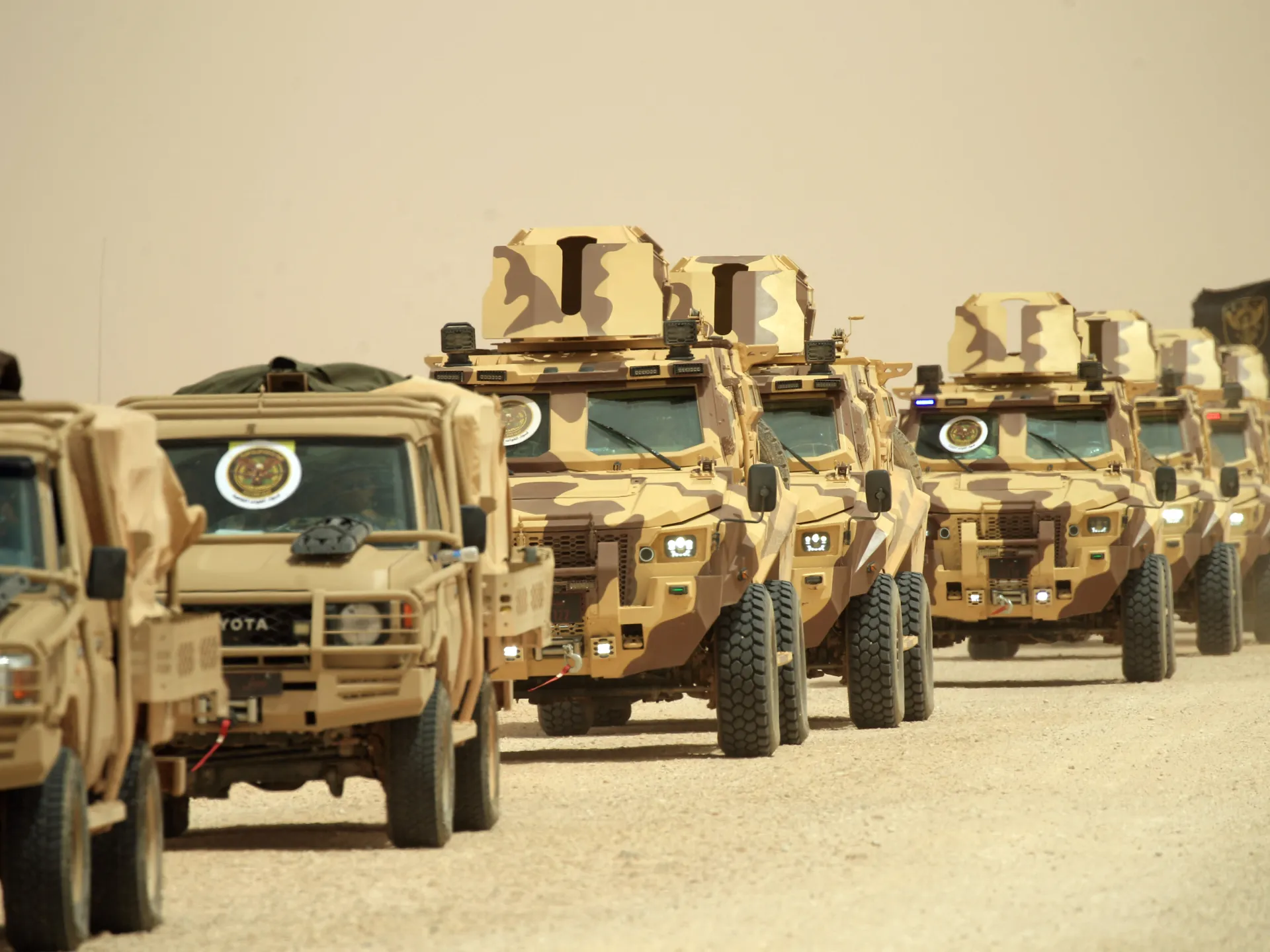
Kosovo has recently joined the United States’ “Board of Peace” and committed to the proposed International Stabilization Force for Gaza, a move that follows formal approval from Israel. This decision marks a significant development for the small Balkan nation, which has historically relied on international intervention to secure its own statehood. vide training for Palestinian police, Kosovo is positioning itself as an active contributor to global security, despite the ambiguous nature of the force’s mandate and composition.
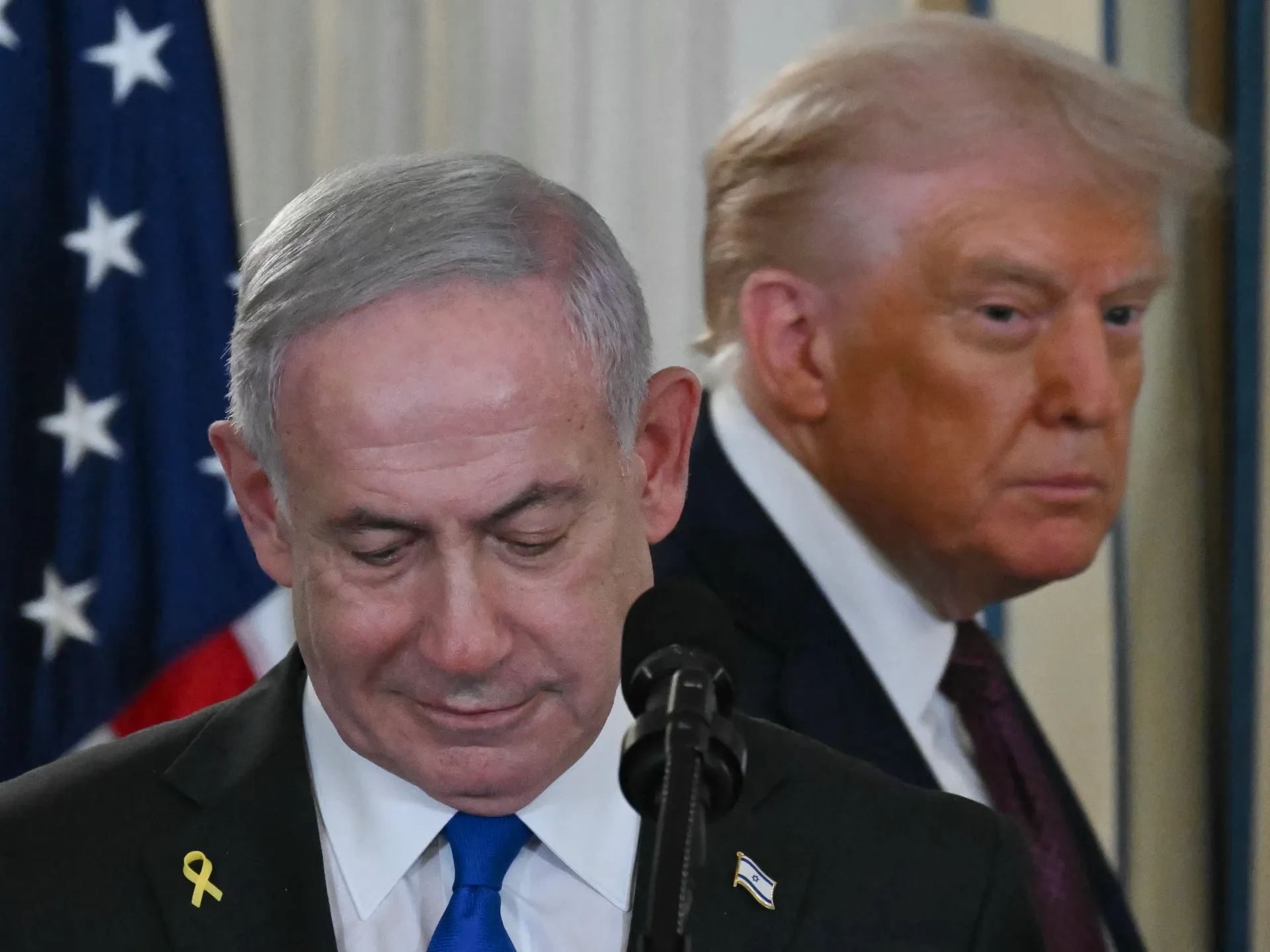
For the leadership in Pristina, this involvement is viewed through the prism of long-standing loyalty to Washington. Kosovo’s statehood, which remains unrecognized the protection of NATO and the diplomatic support of the United States. Analysts suggest that this recent alignment with Israeli-sanctioned initiatives is not merely a bilateral decision but a strategic necessity, designed to reinforce the country’s standing with its most important international benefactor.
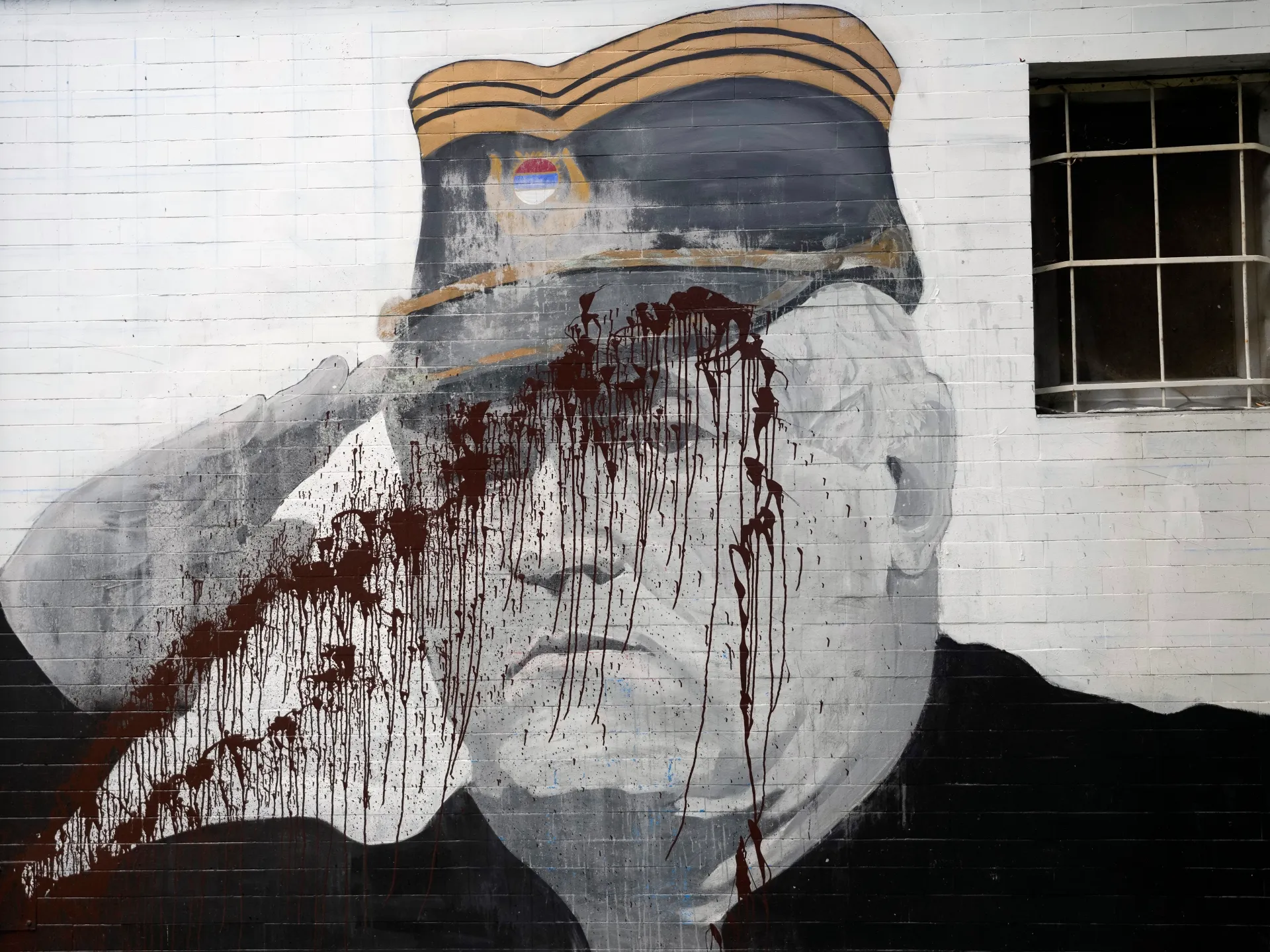
The roots of this diplomatic positioning trace back to the collapse of the former Yugoslavia and the subsequent war in 1998-99. Following years of repression under the Slobodan Milošević regime, Kosovo Albanians faced systemic violence, displacement, and mass killings. The intervention of NATO and the eventual arrival of the KFOR peacekeeping force proved to be the turning point for the nation, enabling the restoration of stability and the path toward eventual independence. Because of this, many in Kosovo perceive a profound moral debt to the United States.
Political analysts in the region argue that Kosovo’s current foreign policy is heavily influenced ted as a powerful force that helped facilitate the international recognition of Kosovo. Consequently, local leaders feel compelled to align with American policy, even when those policies involve controversial international theaters like Gaza. This phenomenon is frequently described as "proxy politics," where Pristina’s international actions are inextricably linked to its desire to maintain the security umbrella provided
For over two decades, Kosovo has existed primarily as a consumer of international security, relying on external forces to maintain order and protect its sovereignty. The government, led as an opportunity to transition into a provider of international security. Officials have noted that because Kosovo benefited from the presence of international peacekeeping forces in 1999, it is now prepared to offer reciprocal support to others in need of stabilization.
However, experts caution that the reality of the situation is more complex. Because Kosovo lacks membership in the United Nations, it has few avenues to demonstrate its capacity for international diplomacy. Joining a US-led initiative provides a rare platform for the country to gain international visibility and prove its commitment to global security frameworks. While analysts do not expect a significant military contribution from Kosovo, they acknowledge that the symbolic value of participating in such high-profile international missions is essential for consolidating the country’s national identity and advancing its integration into the global community.
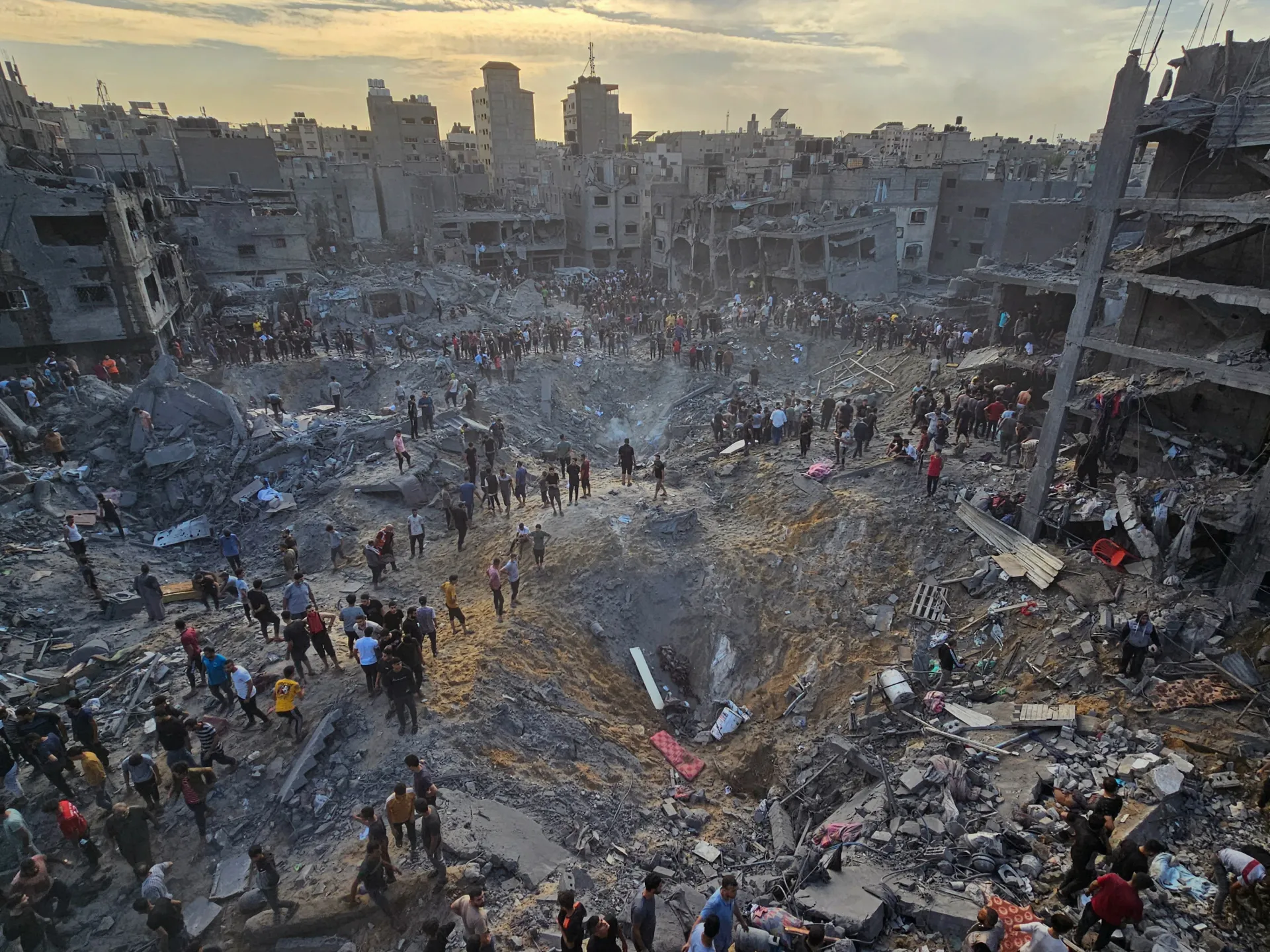
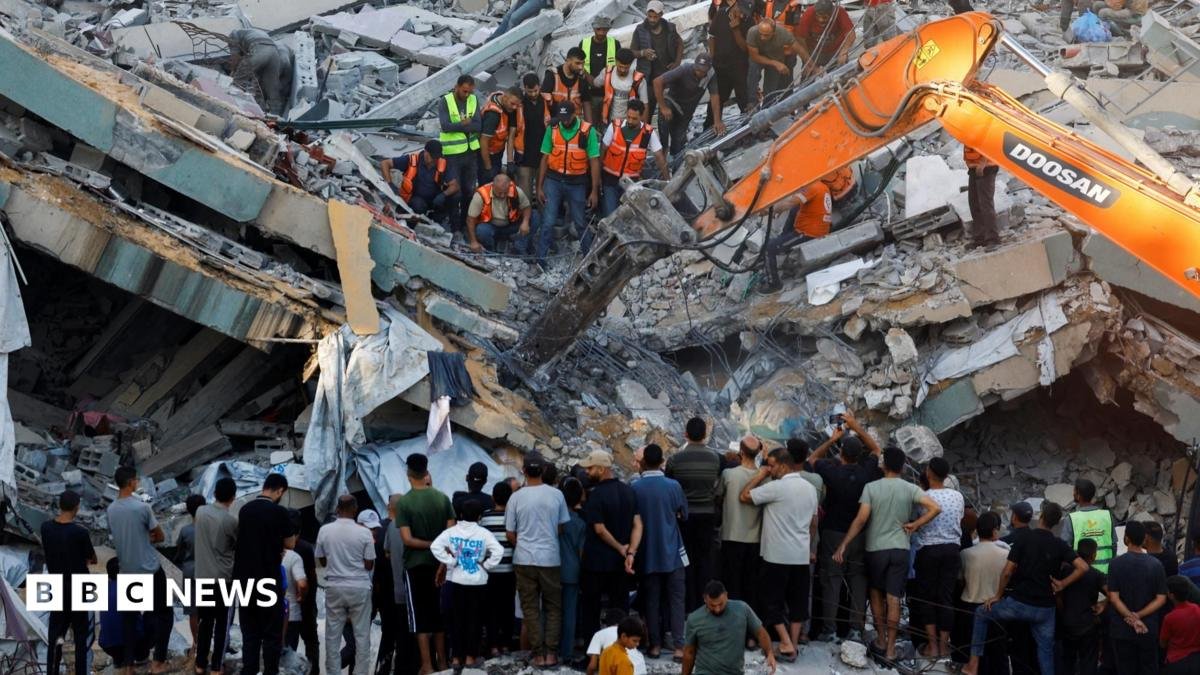
The decision to align with Israel on this initiative has not been without internal and external scrutiny, particularly given the stark contrast between Kosovo’s historical narrative and the ongoing situation in Gaza. Kosovo’s own national identity is built upon the pillars of self-determination and the protection of civilians from state-sponsored violence. Yet, nal legal challenges regarding its conduct in Gaza—Pristina finds itself navigating a delicate and often contradictory geopolitical landscape.