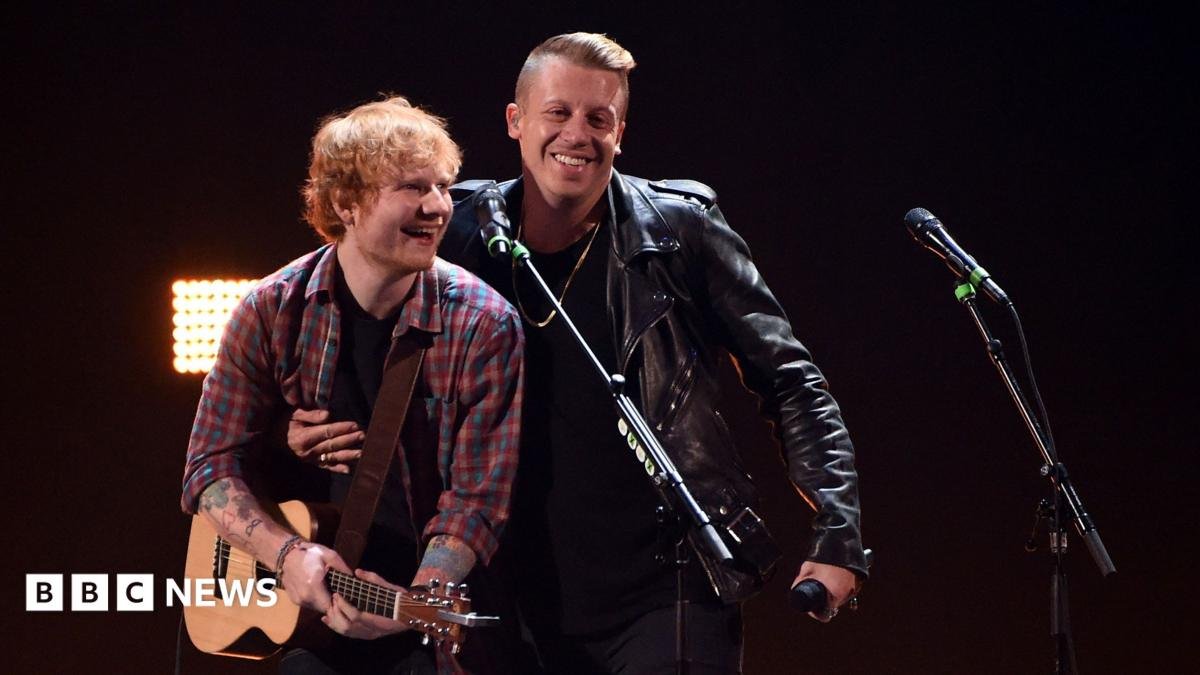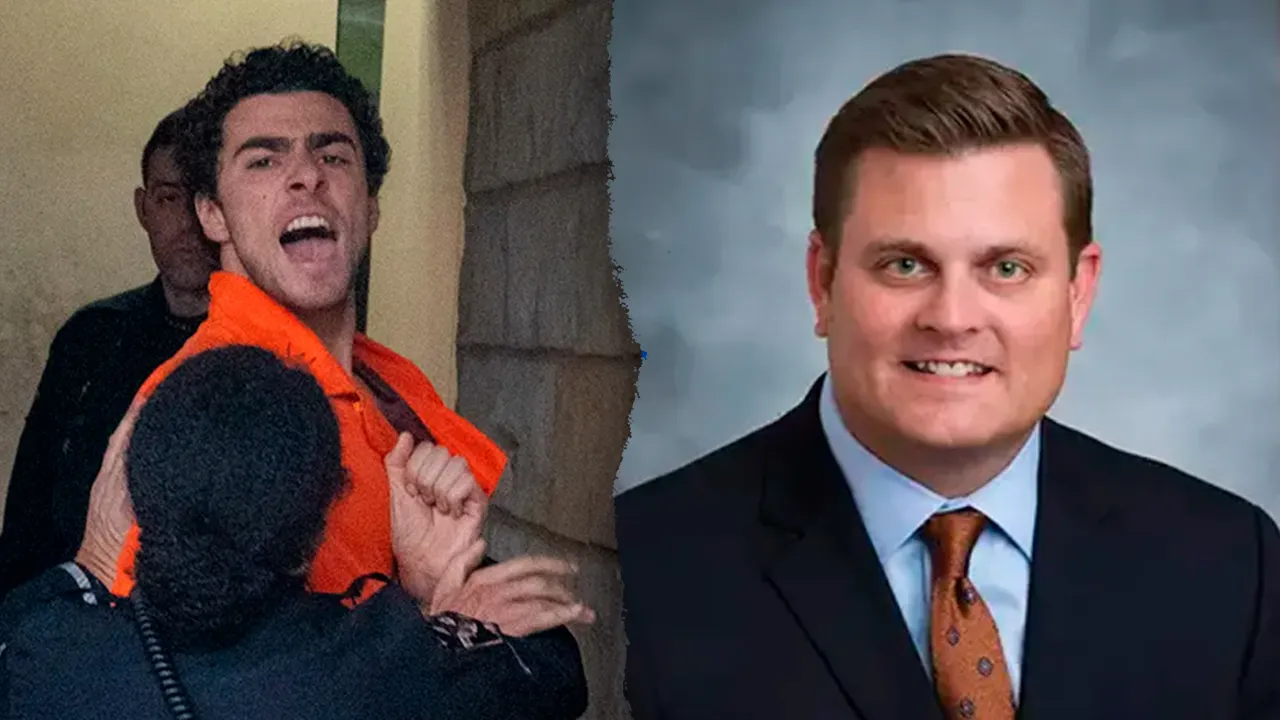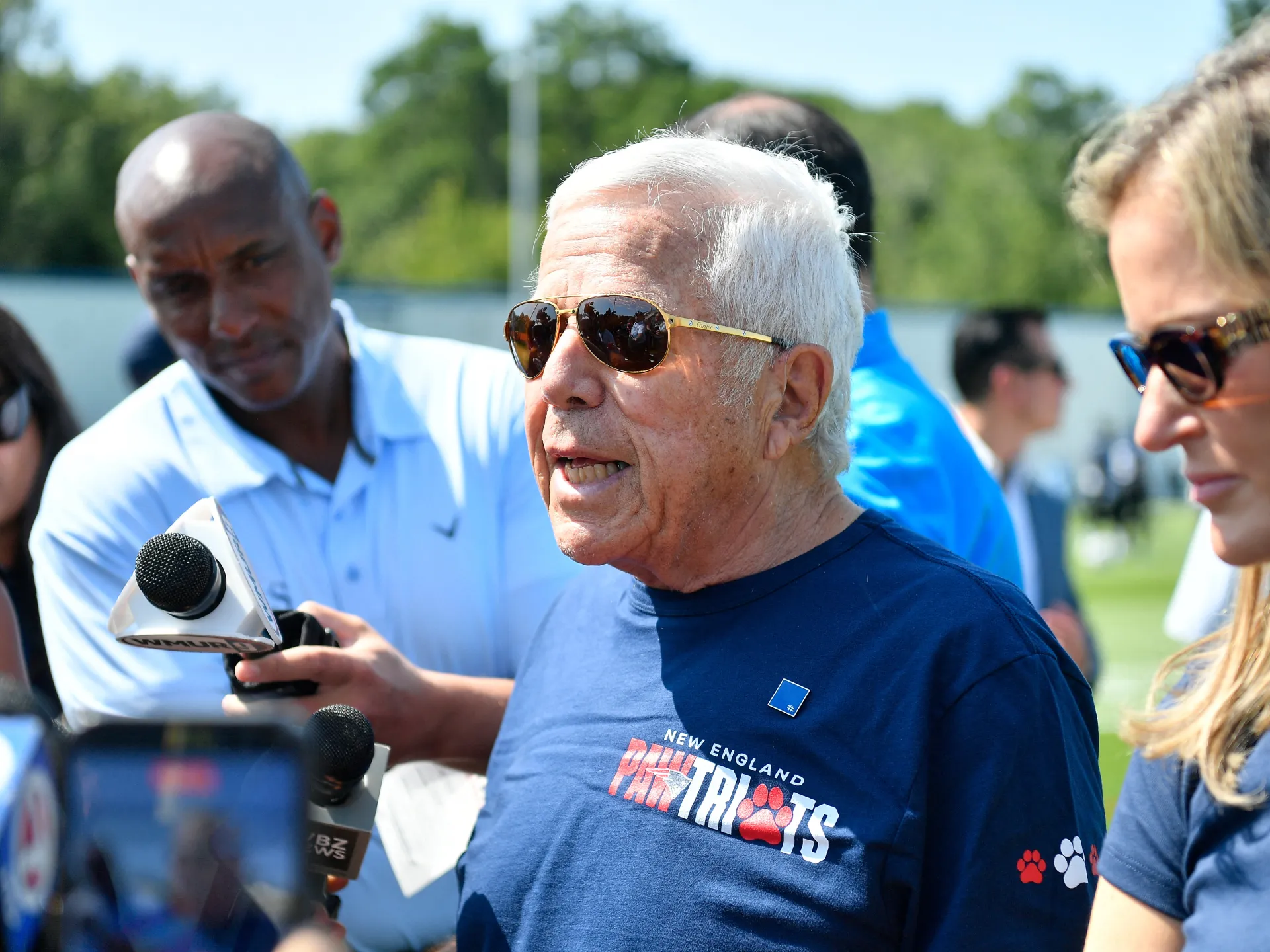
Billionaire Robert Kraft has confirmed his role in removing rapper Macklemore from Ed Sheeran's tour, citing the artist's pro-Palestine rhetoric as the catalyst for the decision.
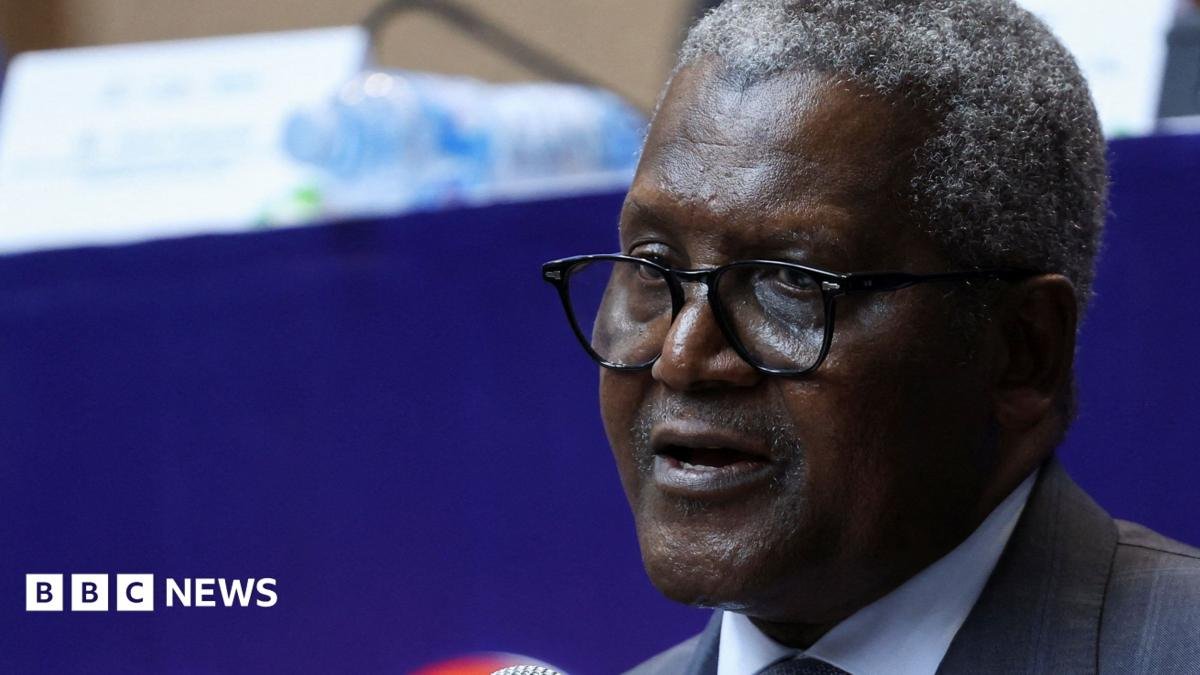
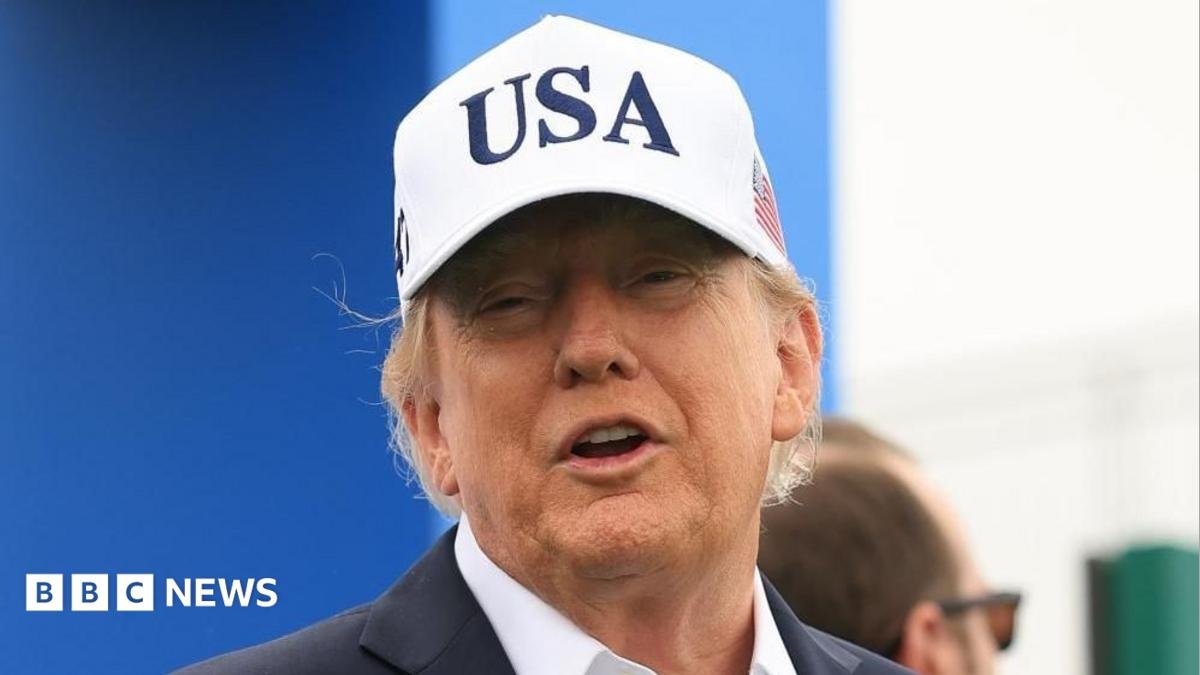
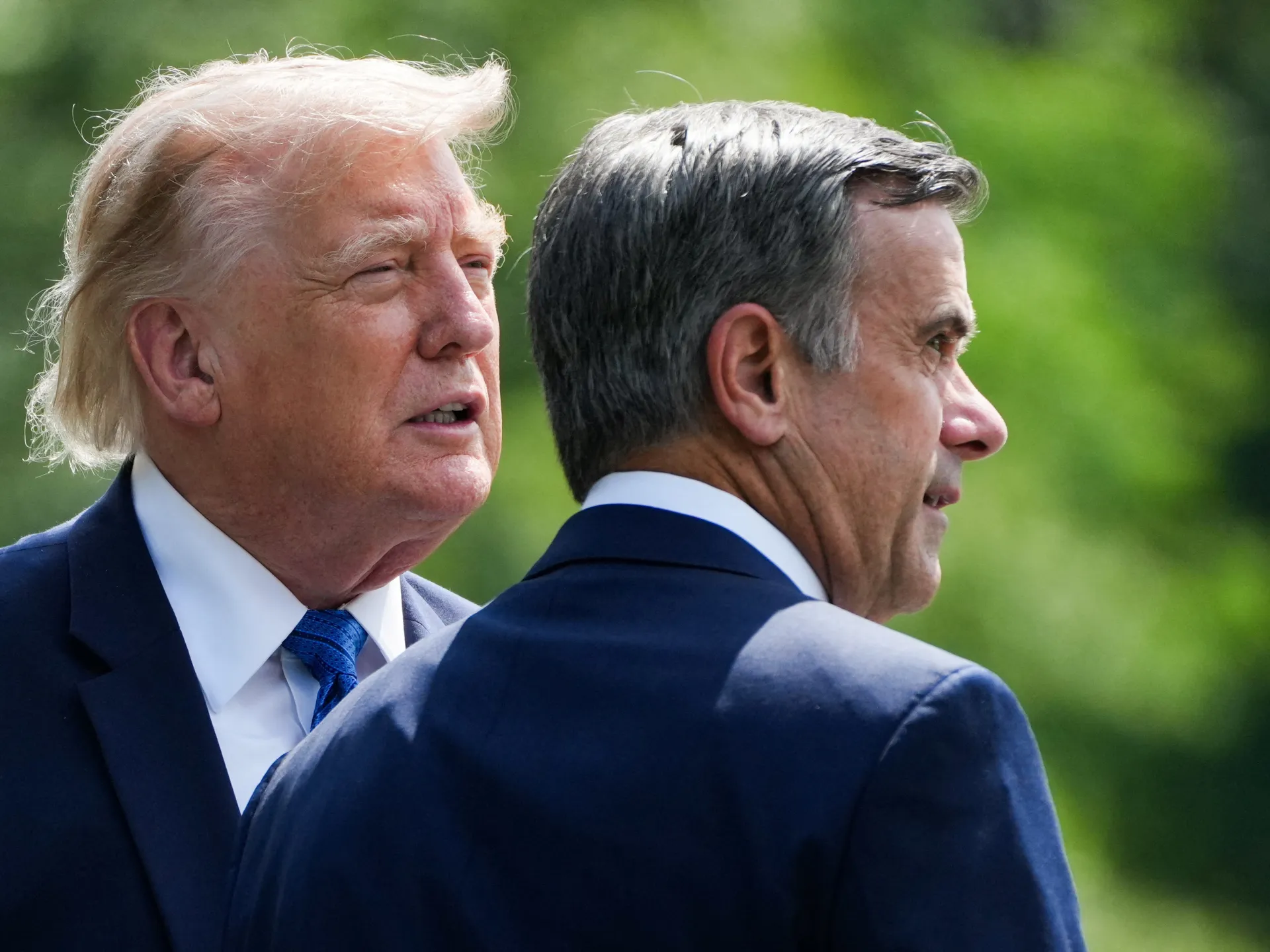
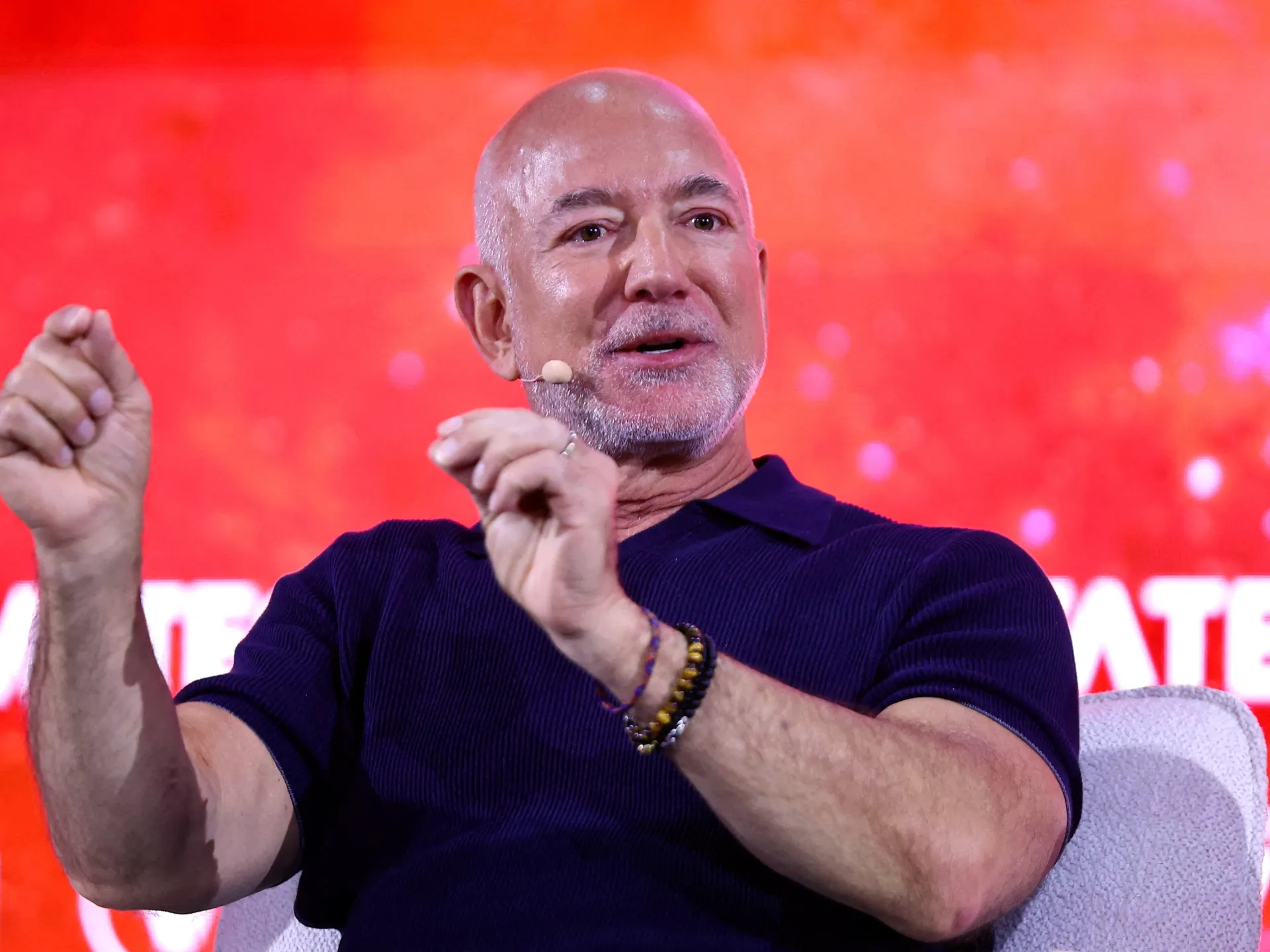
Robert Kraft, a prominent American billionaire and the owner of the New England Patriots, has recently found himself at the center of a high-profile controversy regarding the removal of rapper Macklemore from Ed Sheeran’s US concert tour. The conflict originated when it was revealed that Kraft, who also owns Gillette Stadium in Foxborough, Massachusetts, exerted pressure to prevent the artist from performing at his venue. This decision was rooted in Kraft’s disapproval of Macklemore’s recent public statements concerning the conflict in Gaza and the West Bank.
As a significant figure in the sports and entertainment industry, Kraft’s influence extends beyond the football field. His decision to bar the performer highlights the growing tension between venue owners, artists, and their political expressions. While Kraft has characterized his actions as a response to what he labels as antisemitic rhetoric, the move has ignited a broader conversation about the limits of free speech in private venues and the influence of powerful donors on cultural programming.
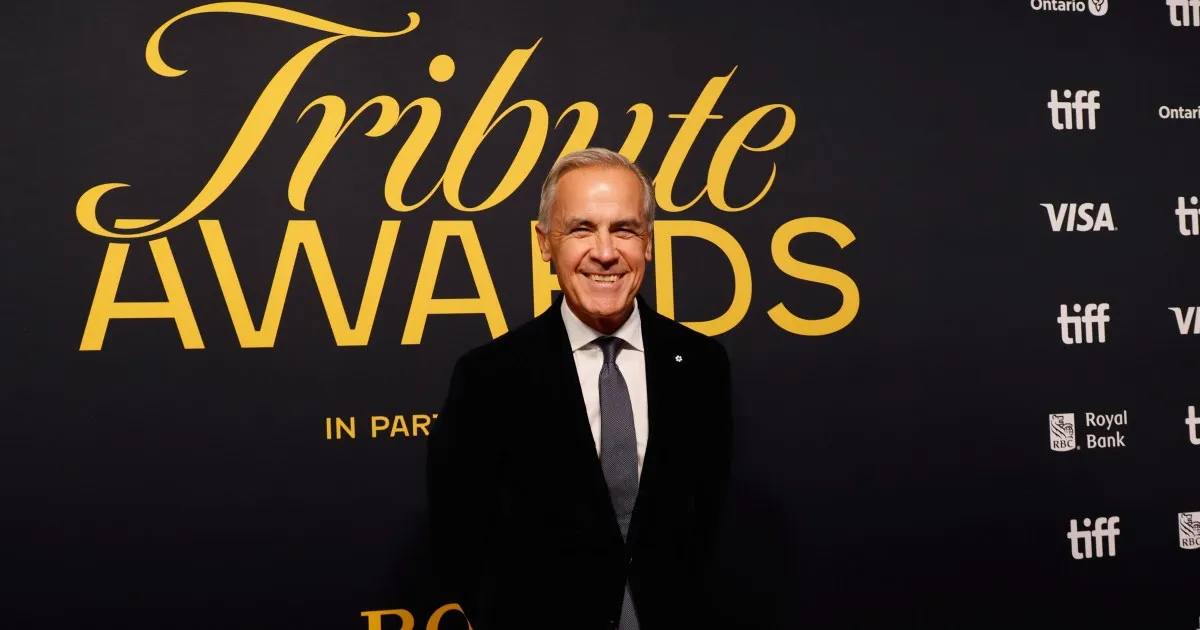
Born and raised in Massachusetts within an observant Orthodox Jewish household, Robert Kraft has cultivated a public identity deeply tied to his heritage and his support for Israel. Forbes magazine estimates his net worth to exceed $13 billion, a fortune he has frequently utilized to fund various Jewish and Israeli causes. One of his most notable initiatives is the “Stand Up to Jewish Hate” campaign, for which he provided over $20 million in funding. His commitment to these causes earned him the Genesis Prize in 2019, an honor often referred to as the “Jewish Nobel Prize,” with high-level praise from Israeli leadership regarding his loyalty to the state.
Beyond his financial contributions, Kraft has been known to integrate his personal political interests with his sports empire. He has been documented taking high-profile athletes, including Tom Brady, to visit Israeli military installations. His influence also extends into academia; in 2024, Kraft suspended his financial support for his alma mater, Columbia University, following student protests against the war in Gaza. He cited concerns regarding the university's ability to protect students and staff, signaling a willingness to leverage his financial power to influence institutional policies.
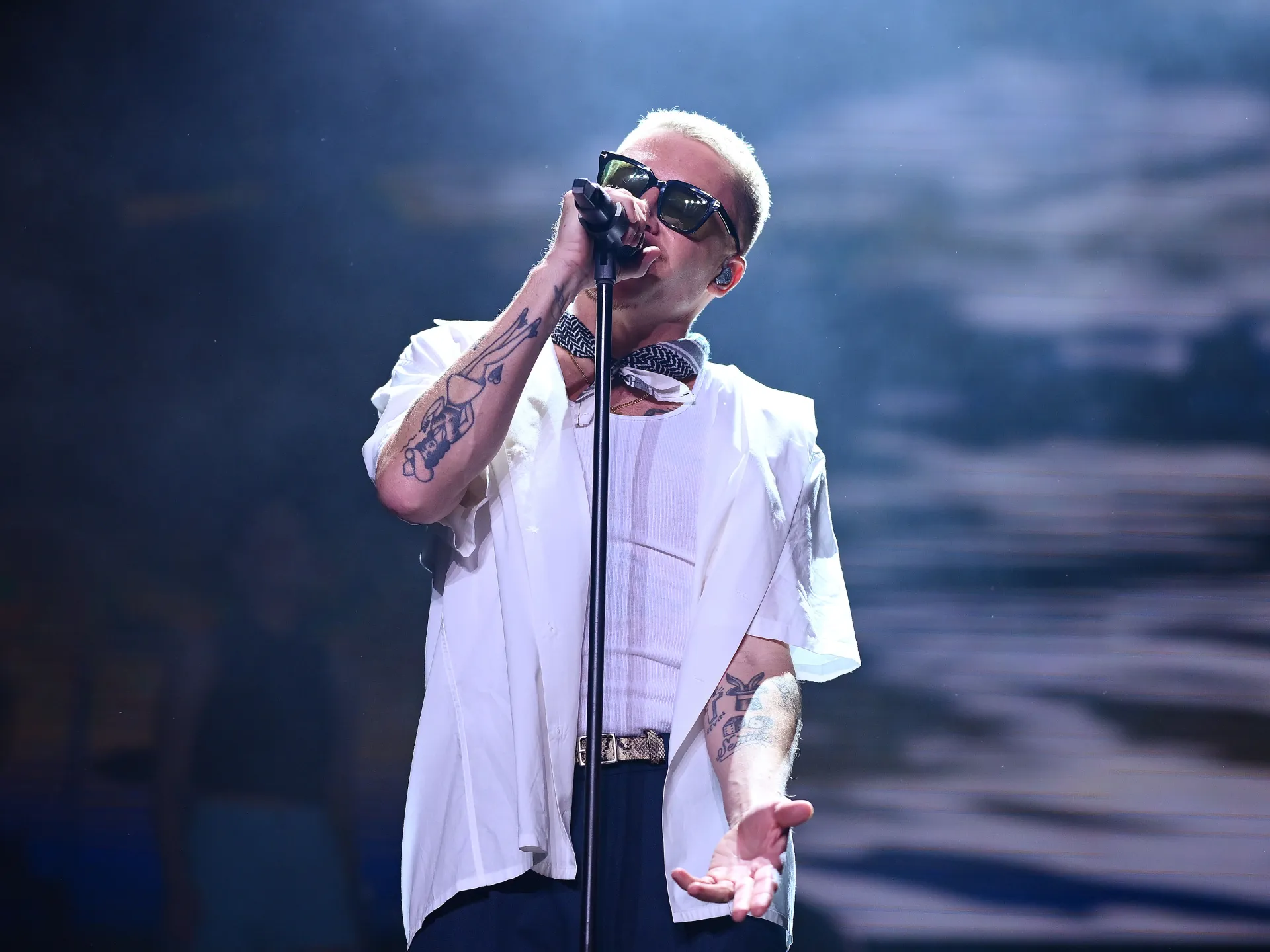
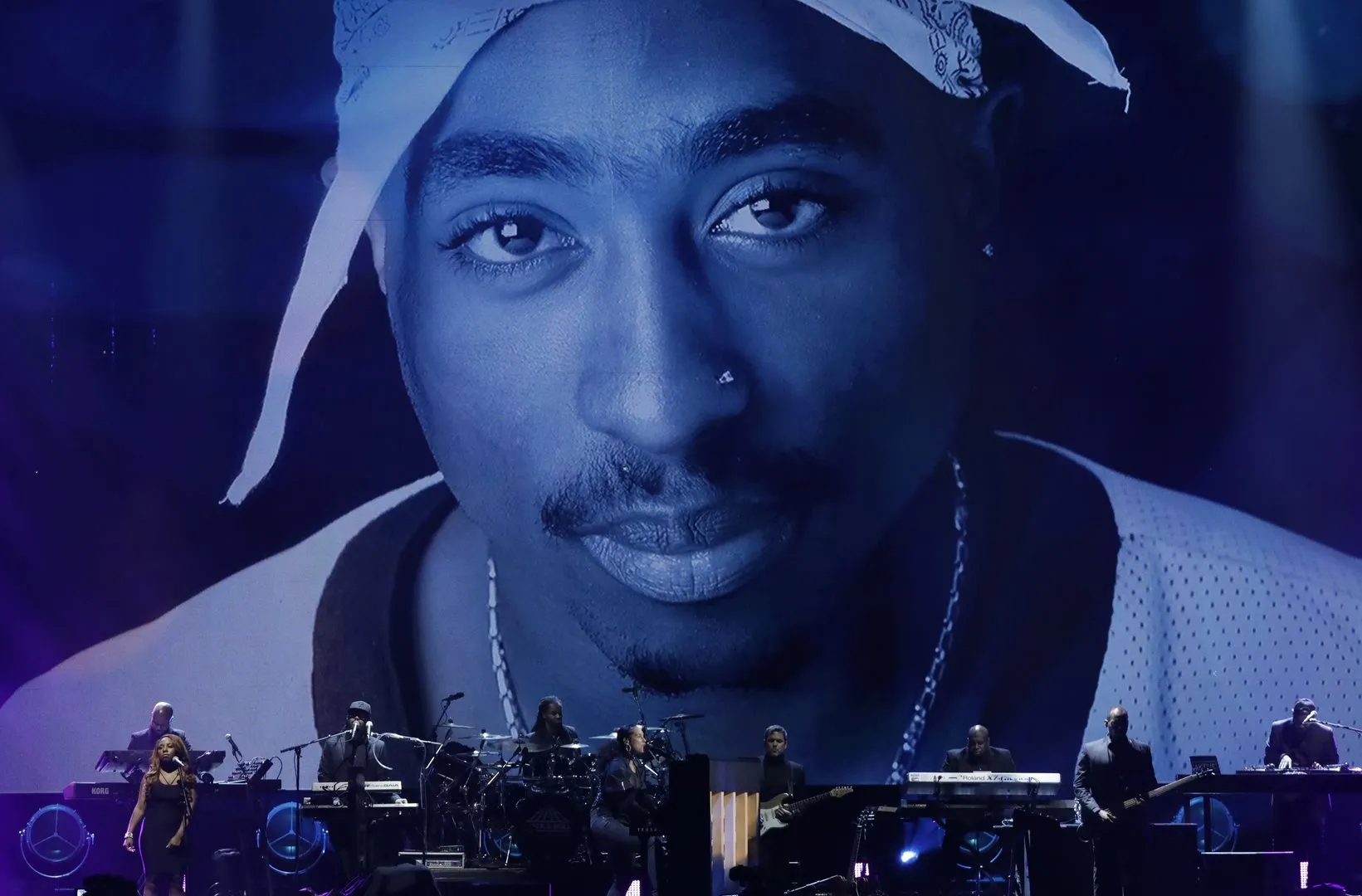
The friction began when Macklemore used his platform during a performance at New Jersey’s MetLife Stadium to advocate for Palestine, Lebanon, Cuba, Congo, Sudan, and Iran. The artist also performed his track “Hind’s Hall,” a song dedicated to the memory of a five-year-old Palestinian girl killed in the conflict. These actions prompted immediate backlash from various groups, including the Israeli-American Council, which campaigned for his removal from the tour.
According to claims made e Stadium but had also allegedly coordinated with other stadium owners to threaten the cancellation of upcoming tour dates if Macklemore remained on the bill. While Kraft has not addressed the allegations of lobbying other venues, he has publicly defended his stance, stating that his actions were not intended to diminish Palestinian suffering but rather to push back against rhetoric he deems harmful to the Jewish community.
Ed Sheeran has publicly addressed the situation, confirming that Macklemore’s removal was the result of pressure from venue owners and promoters rather than his own personal preference. Sheeran expressed frustration over the situation, noting that he attempted to mediate between the parties to keep the tour intact. He emphasized his commitment to his crew and the logistical realities of touring, ultimately distancing himself from the decision to terminate the support act’s contract.
The situation has sparked widespread debate regarding perceived double standards within the entertainment industry. Critics have pointed to instances where other artists have been allowed to perform despite controversial remarks, suggesting that the industry's tolerance for political speech is inconsistent. As the discussion continues, the episode serves as a stark reminder of the power dynamics at play when private venue owners, who operate as both business entities and political actors, influence the content of public cultural events.