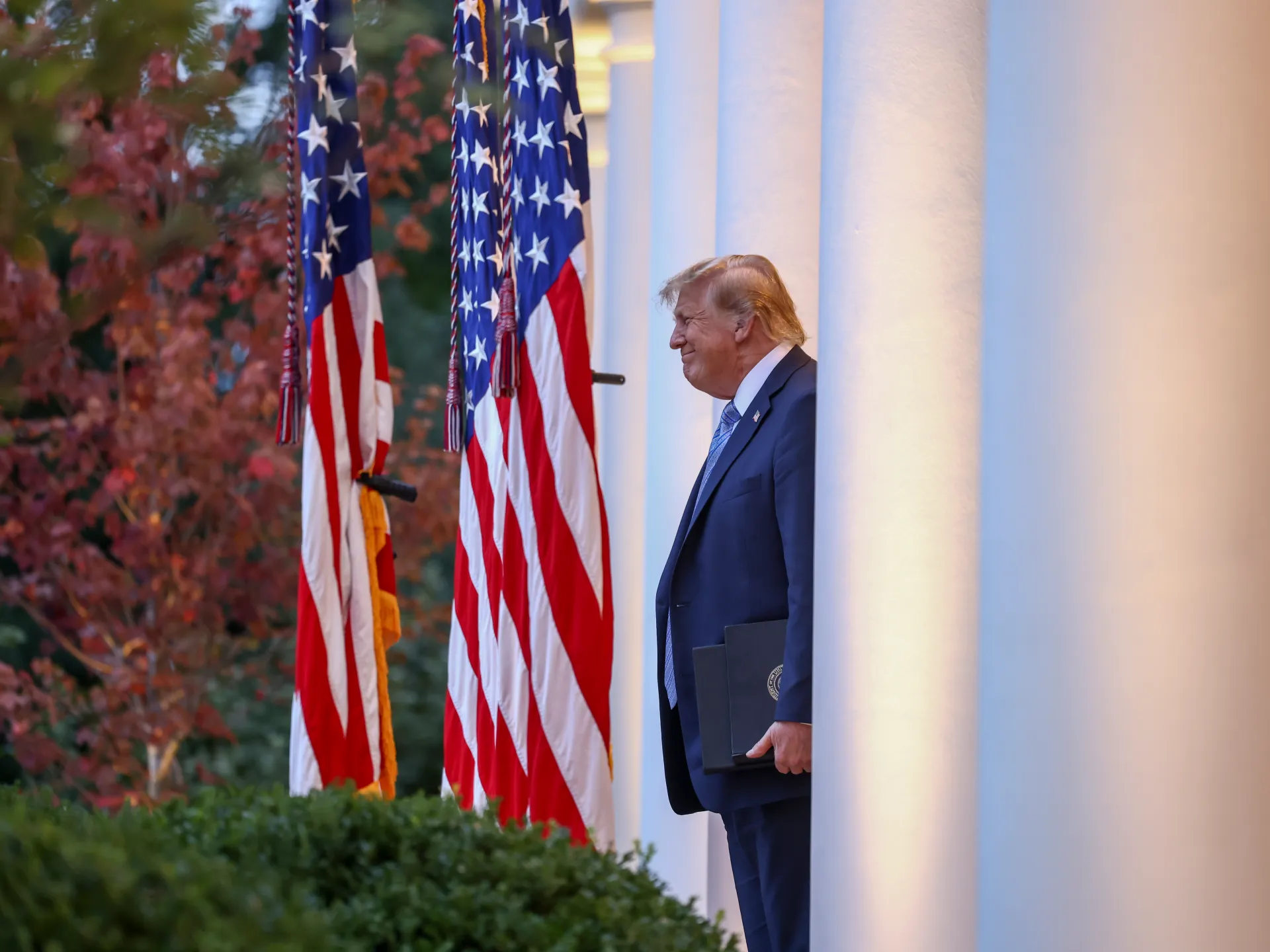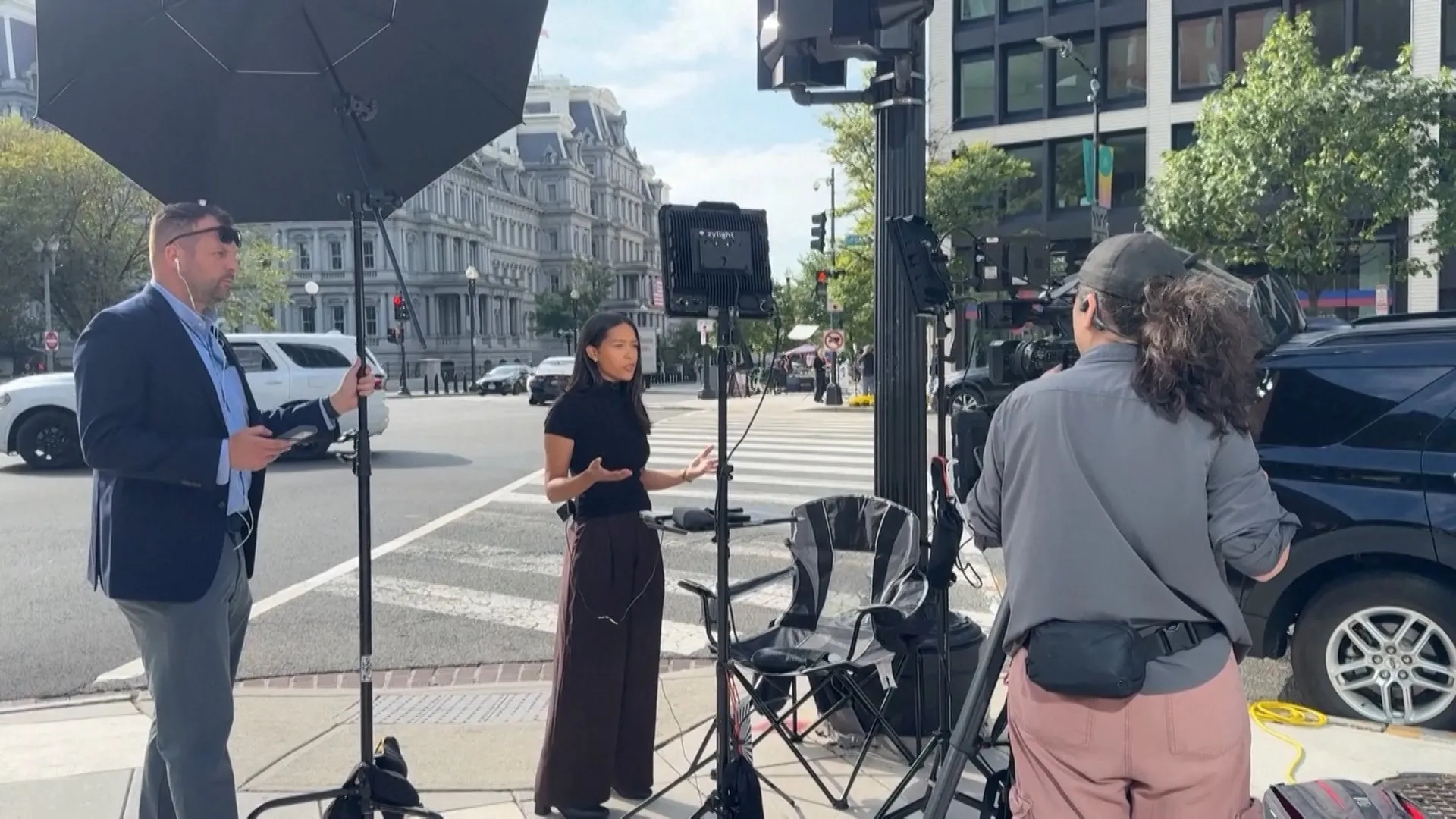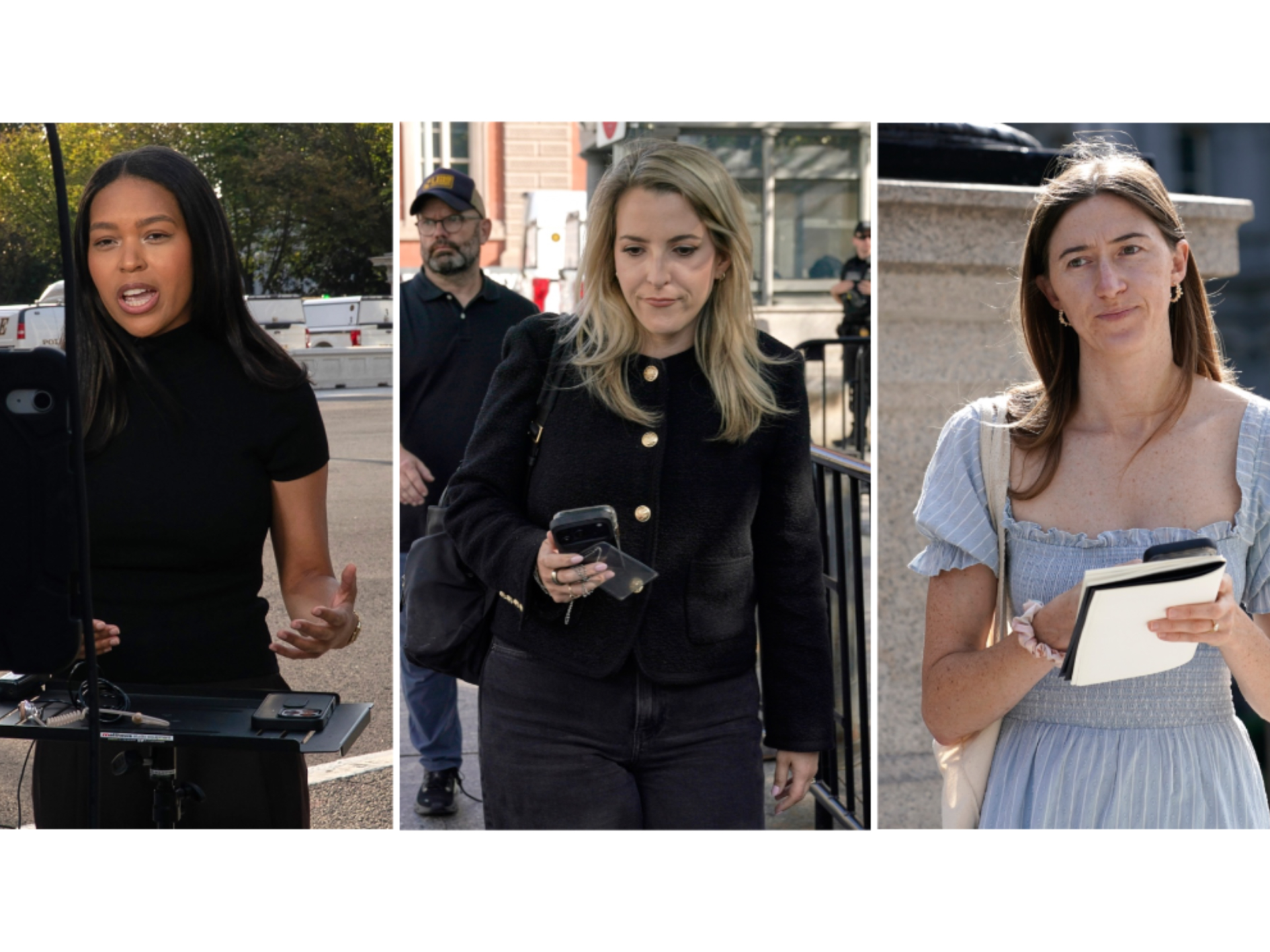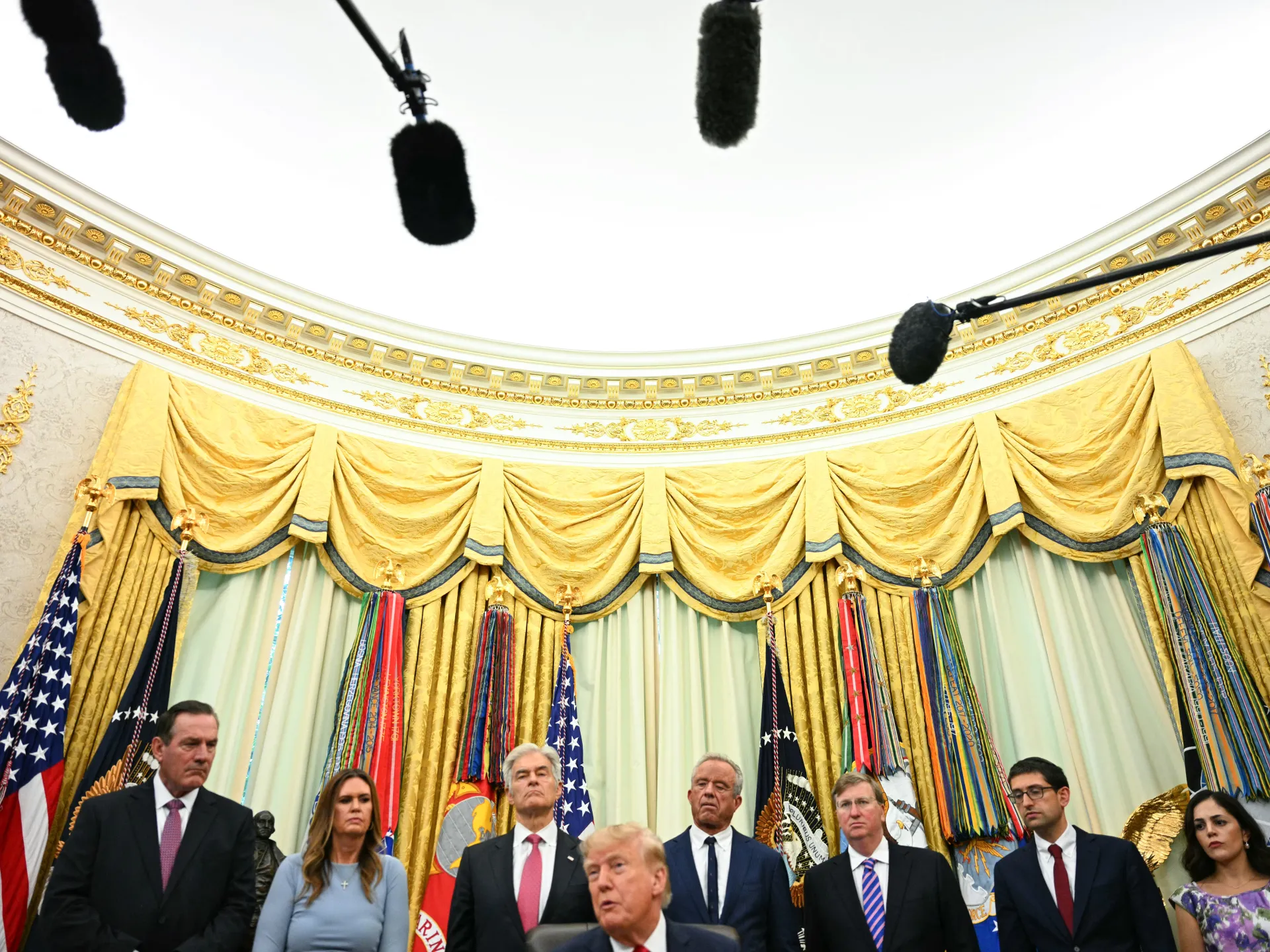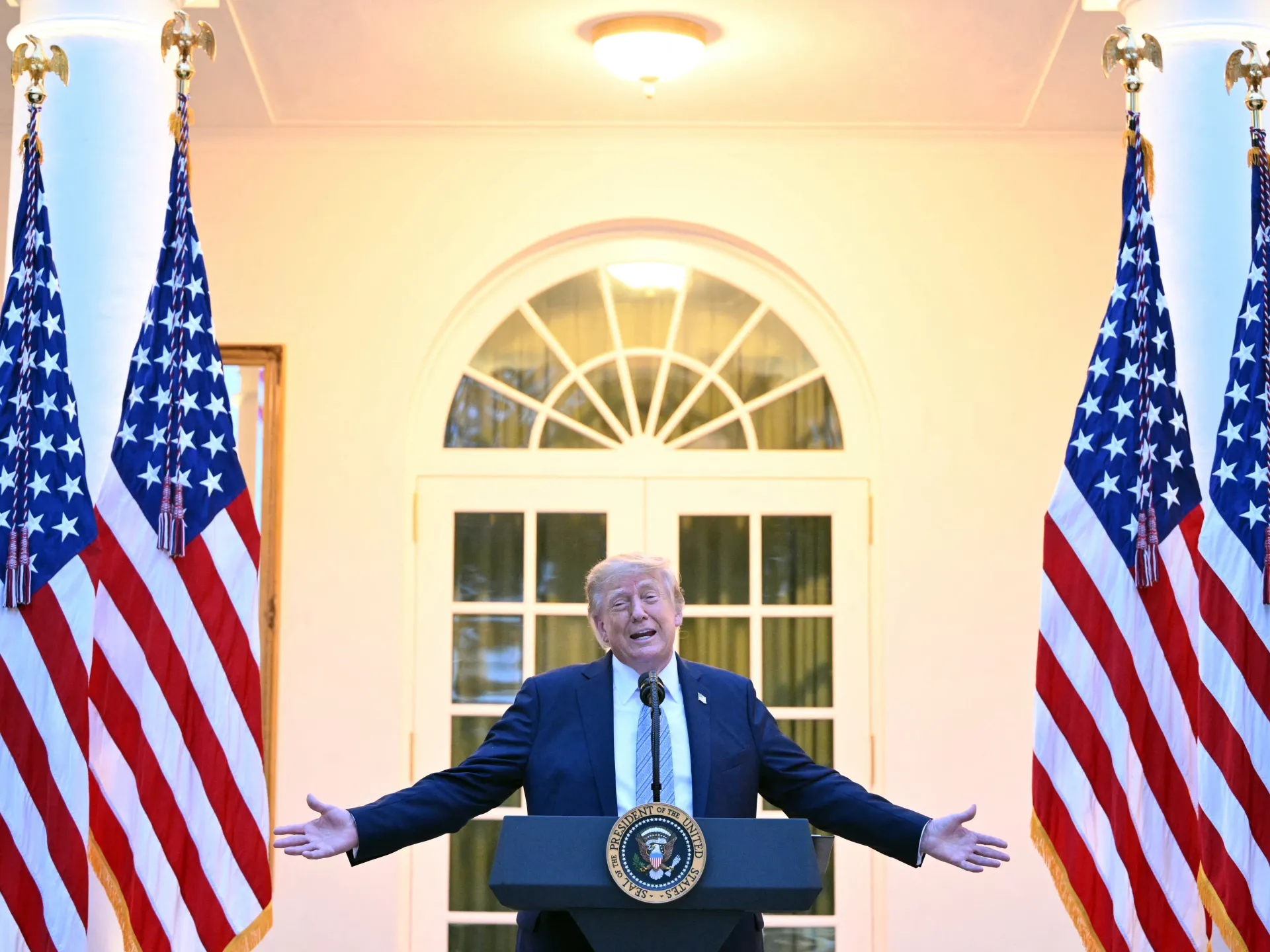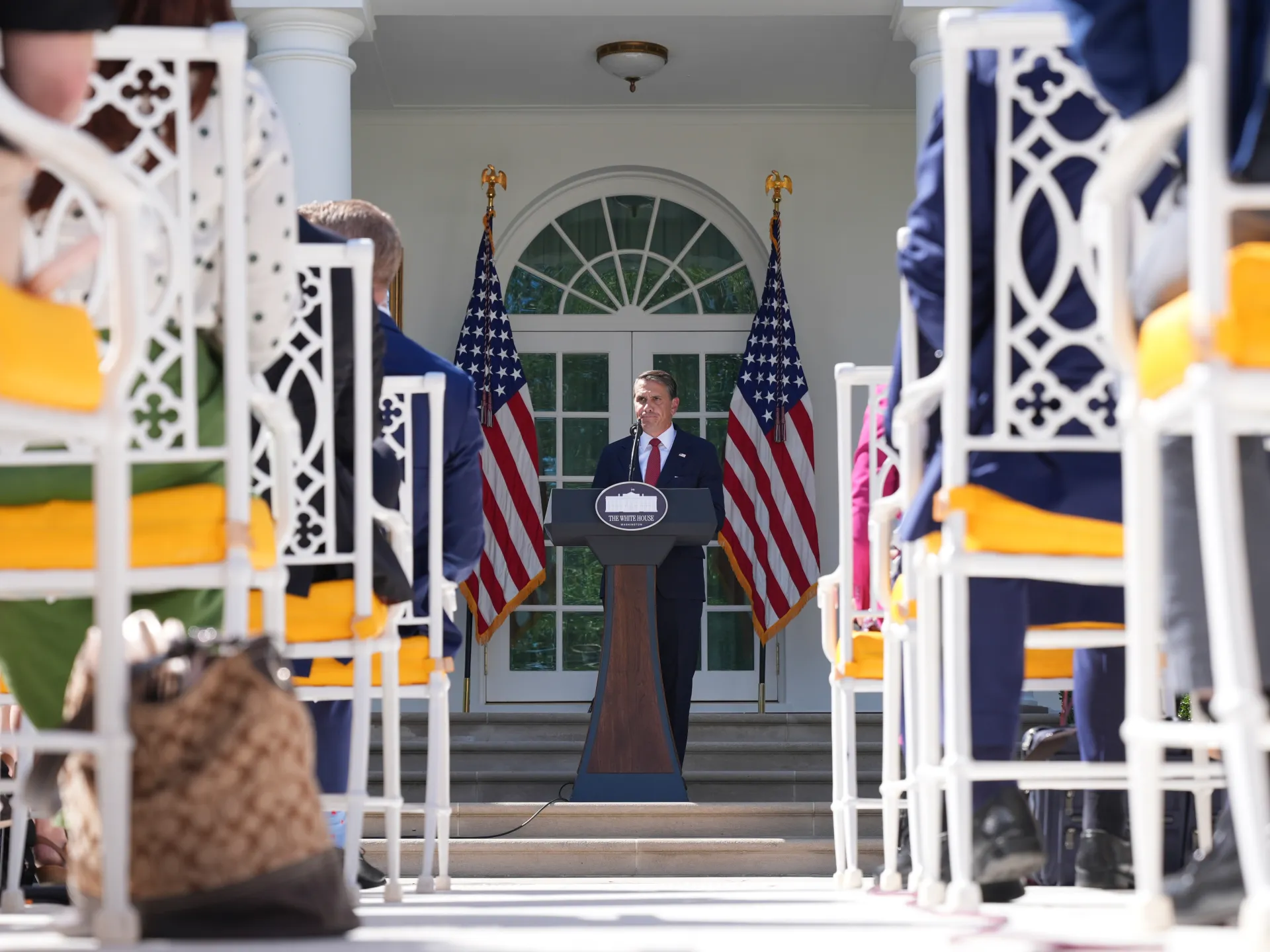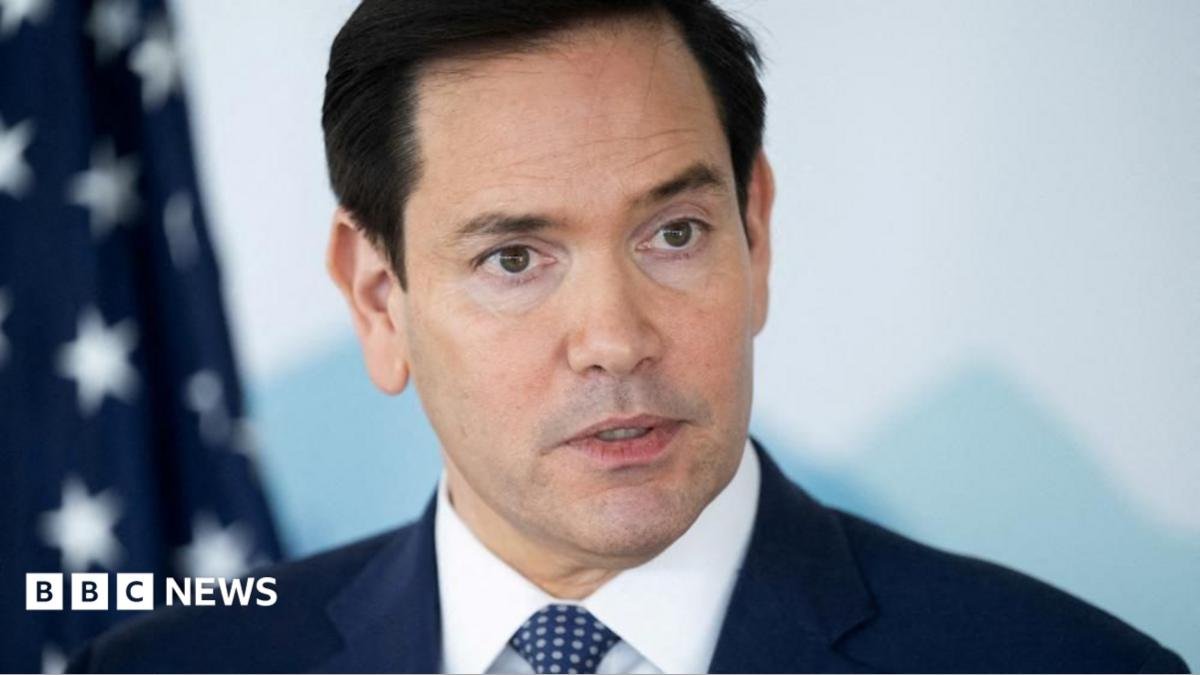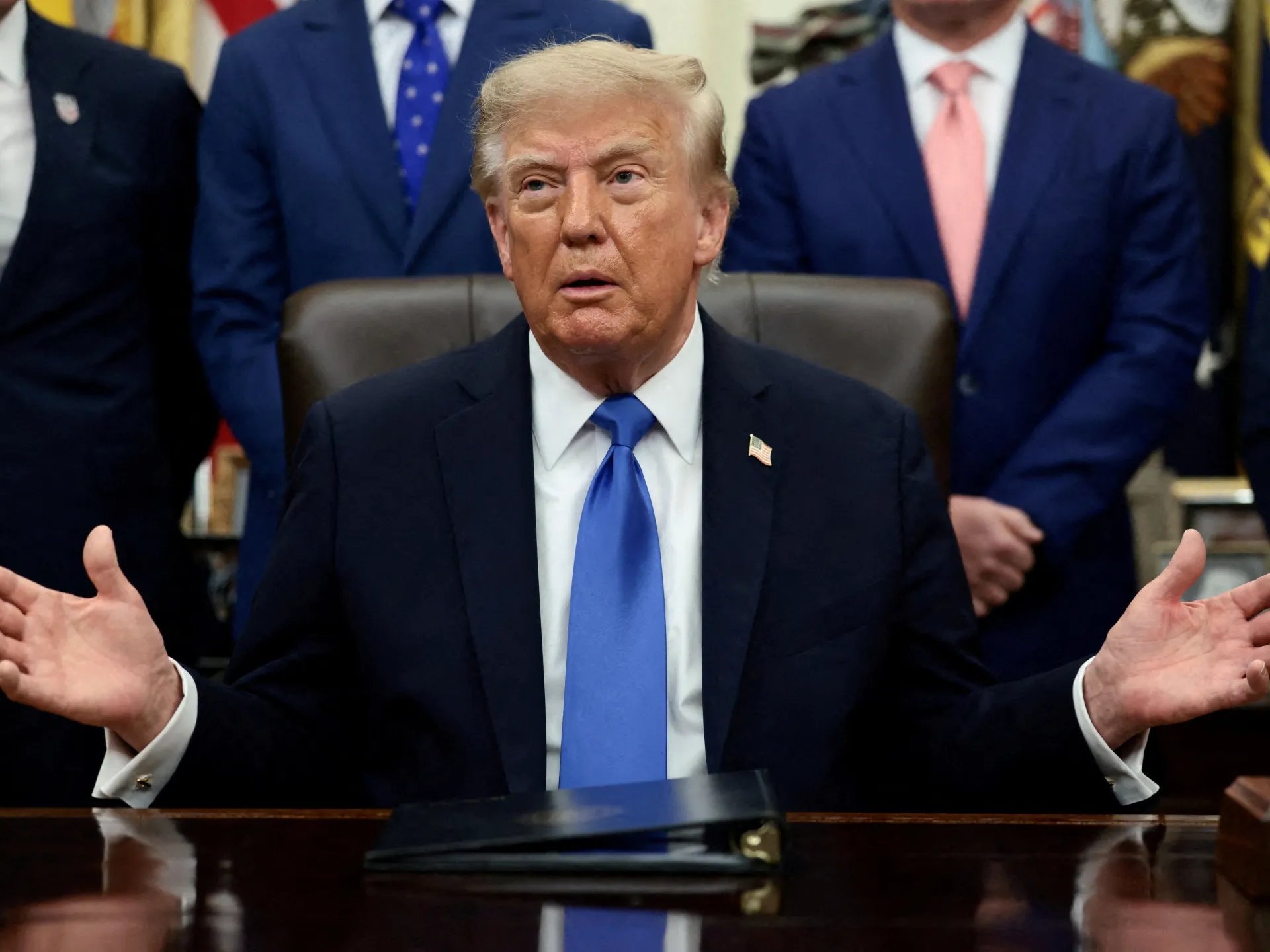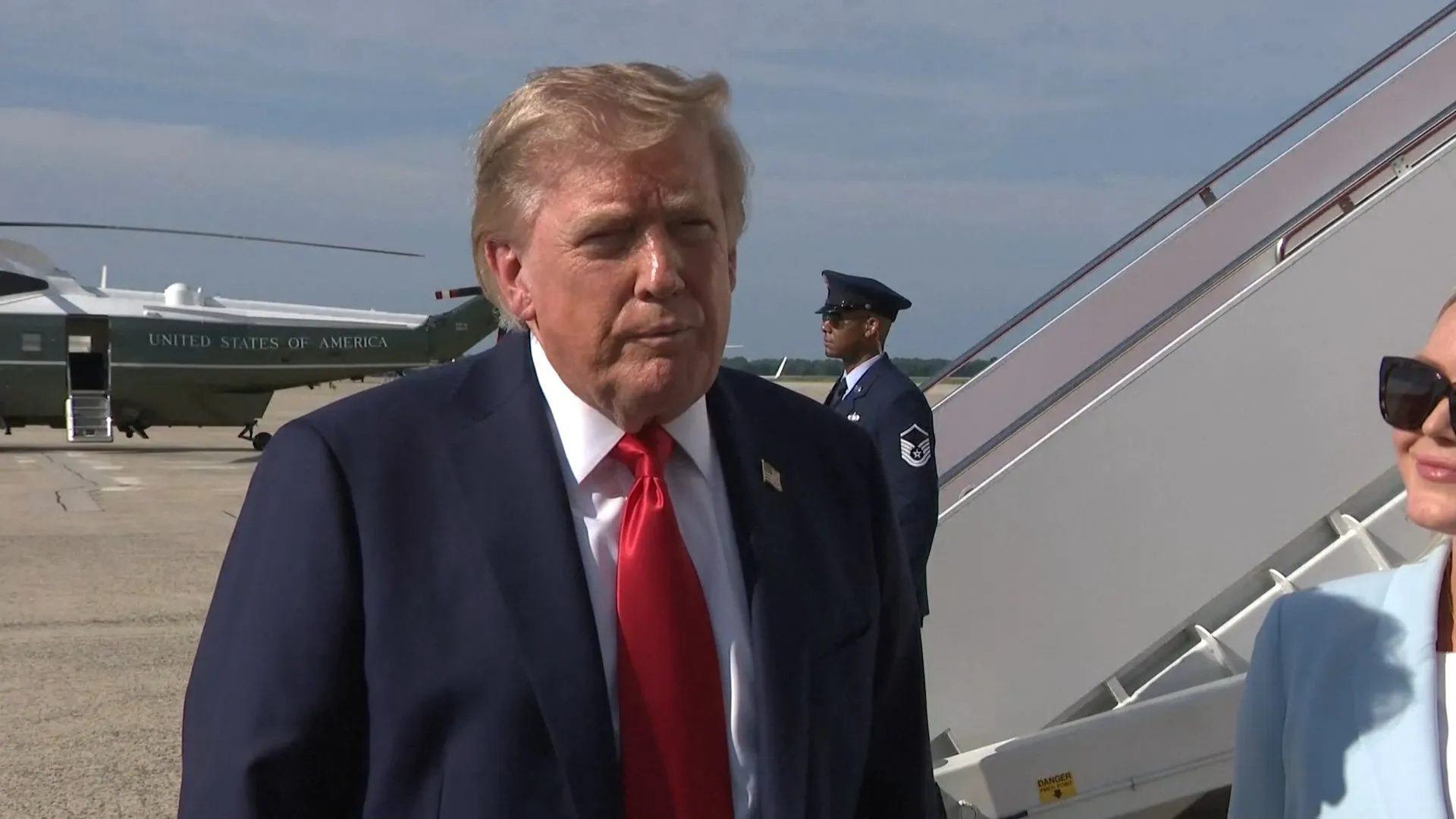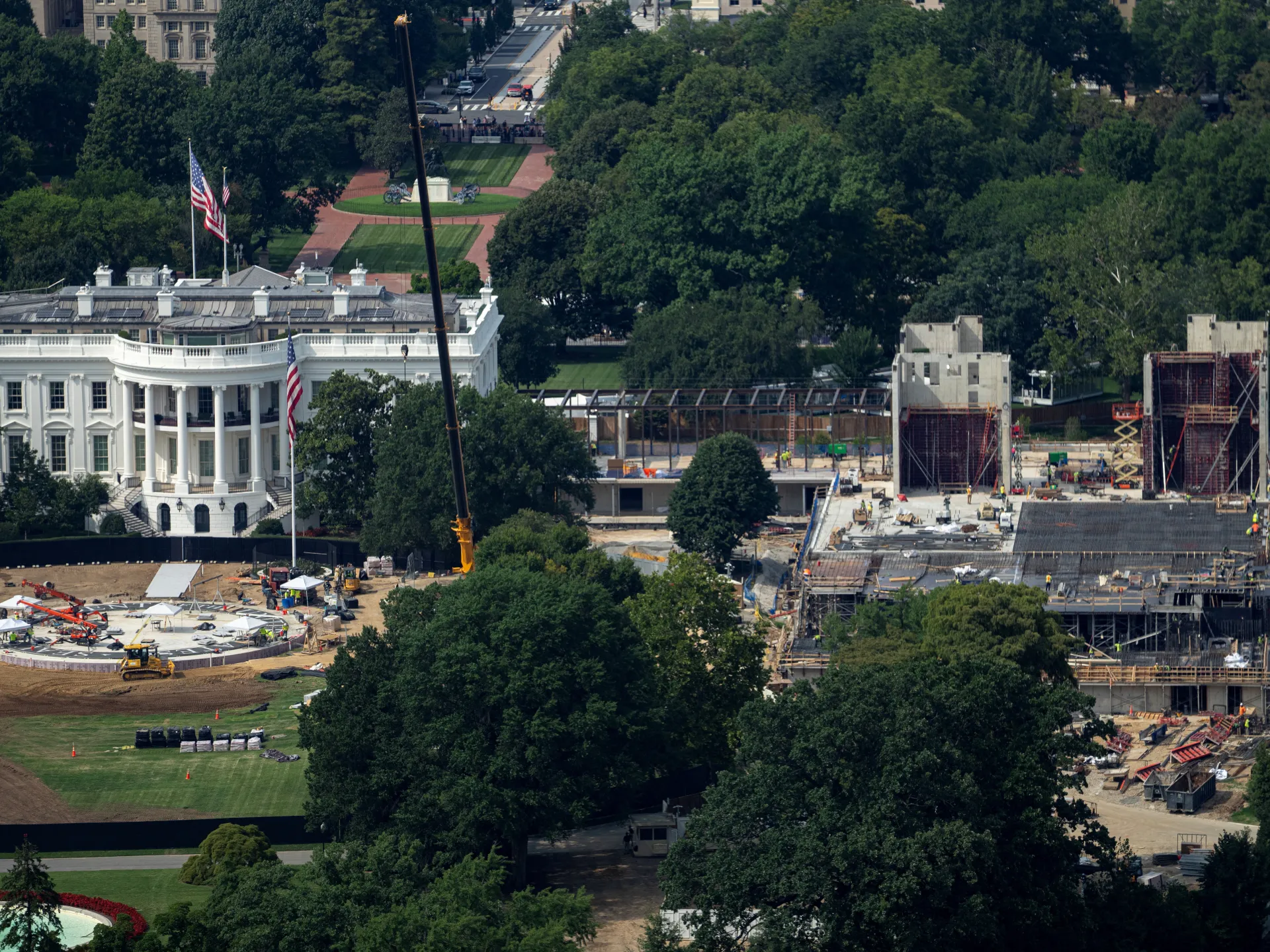
The administration’s decision to revoke credentials for several news outlets has triggered a rare suspension of pool coverage, sparking a constitutional standoff.
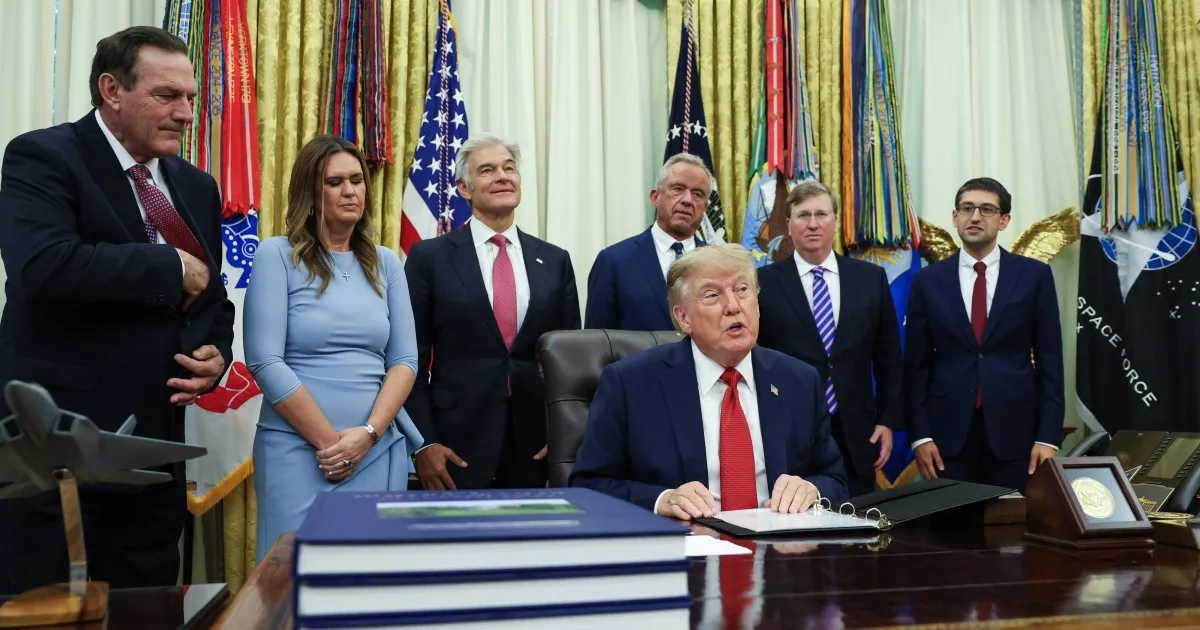
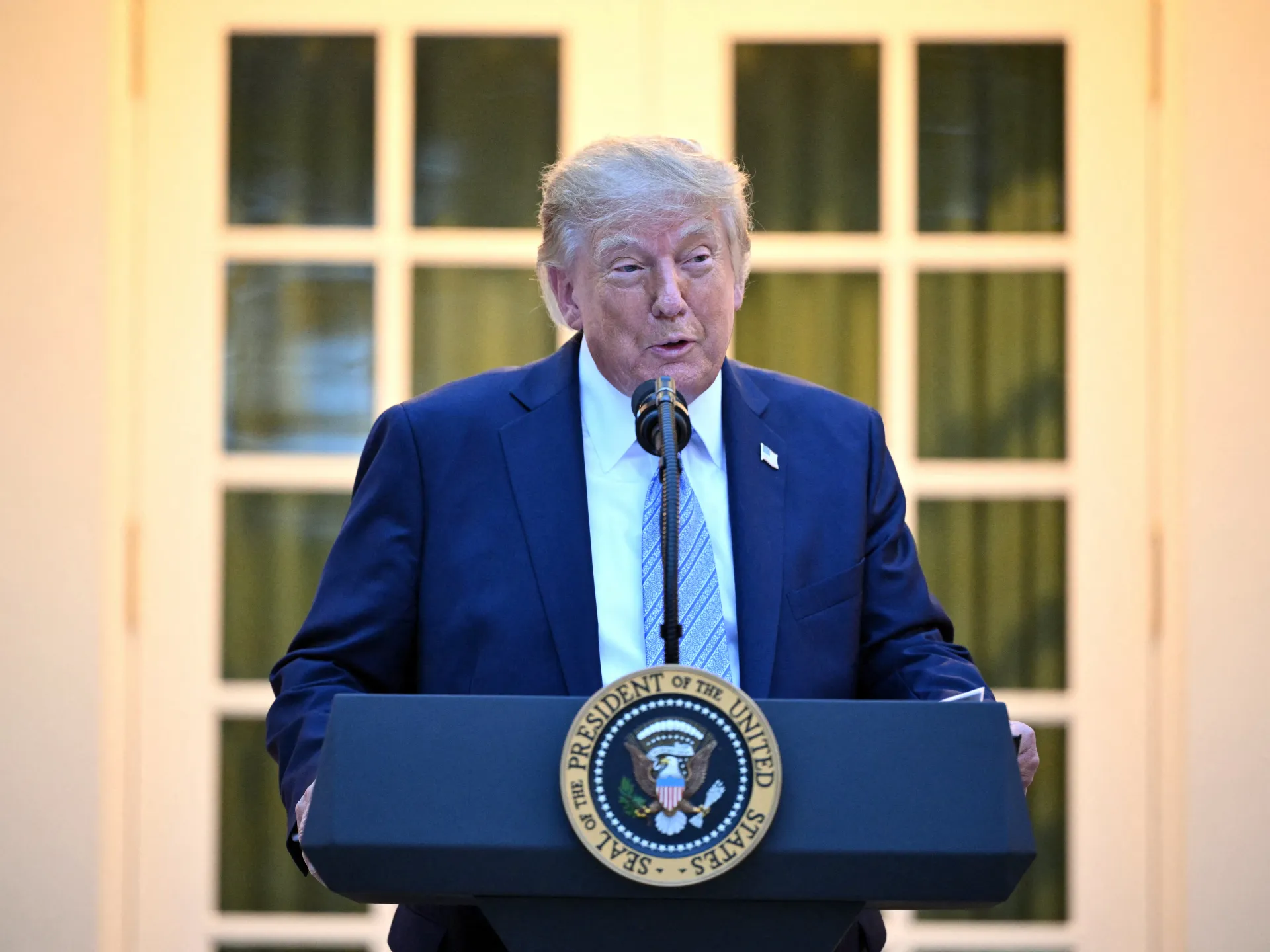
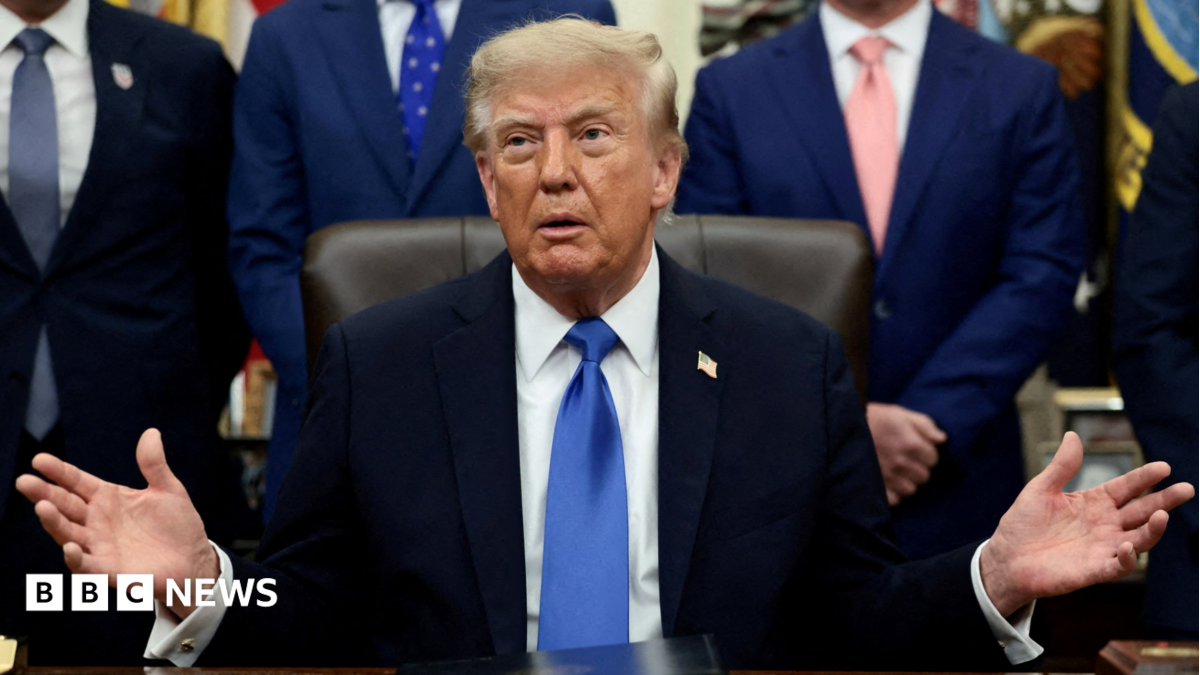
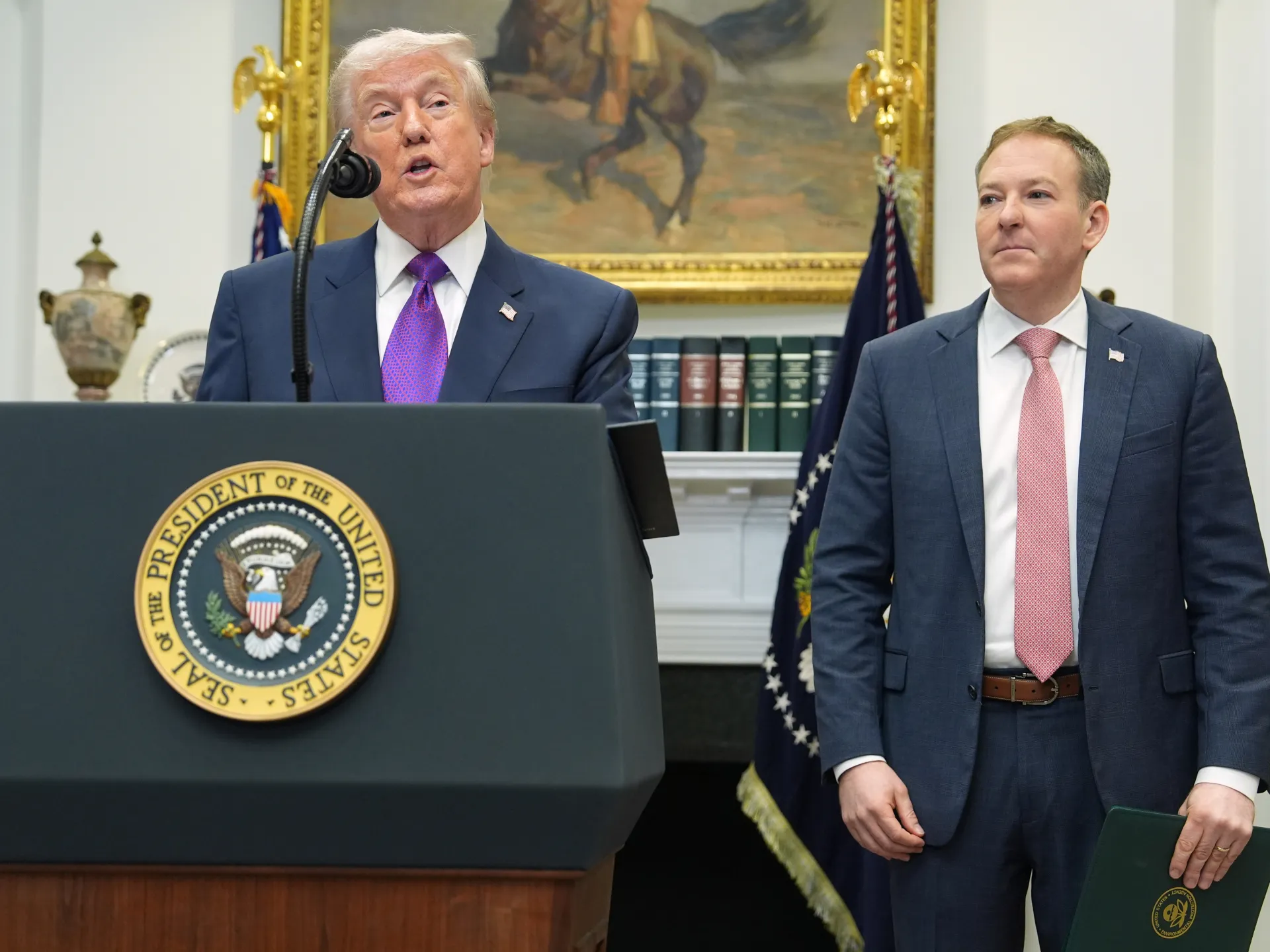
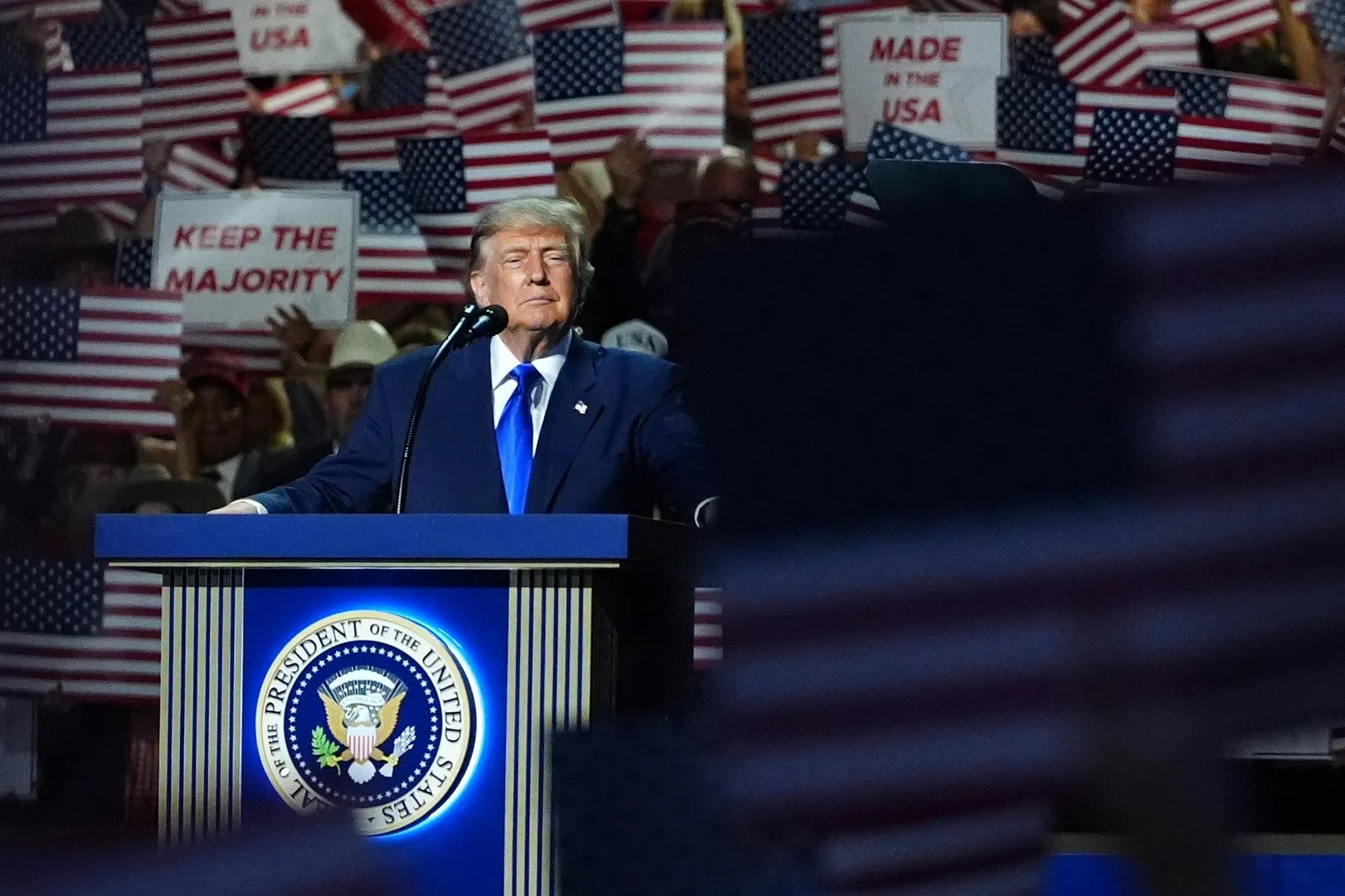
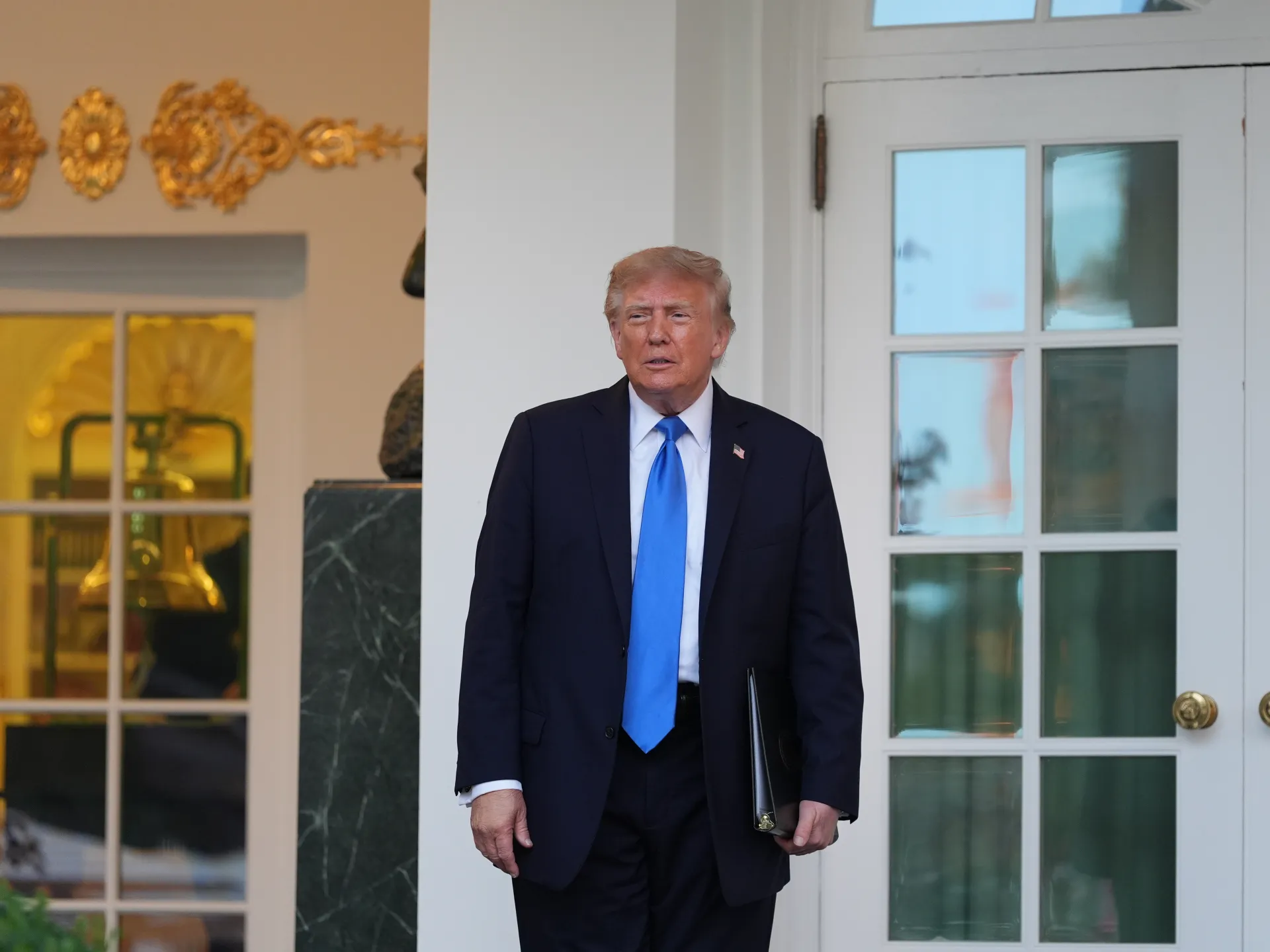
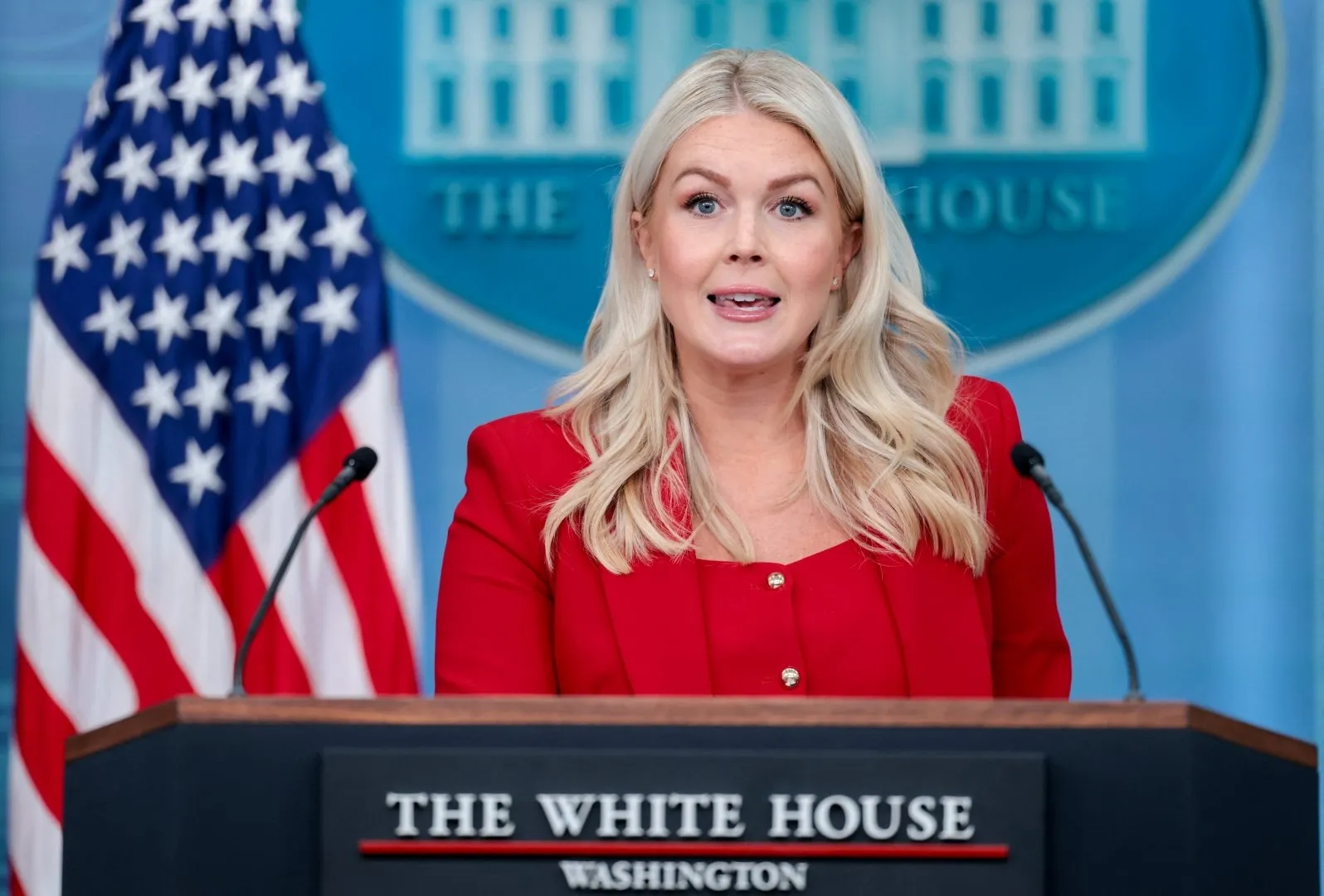
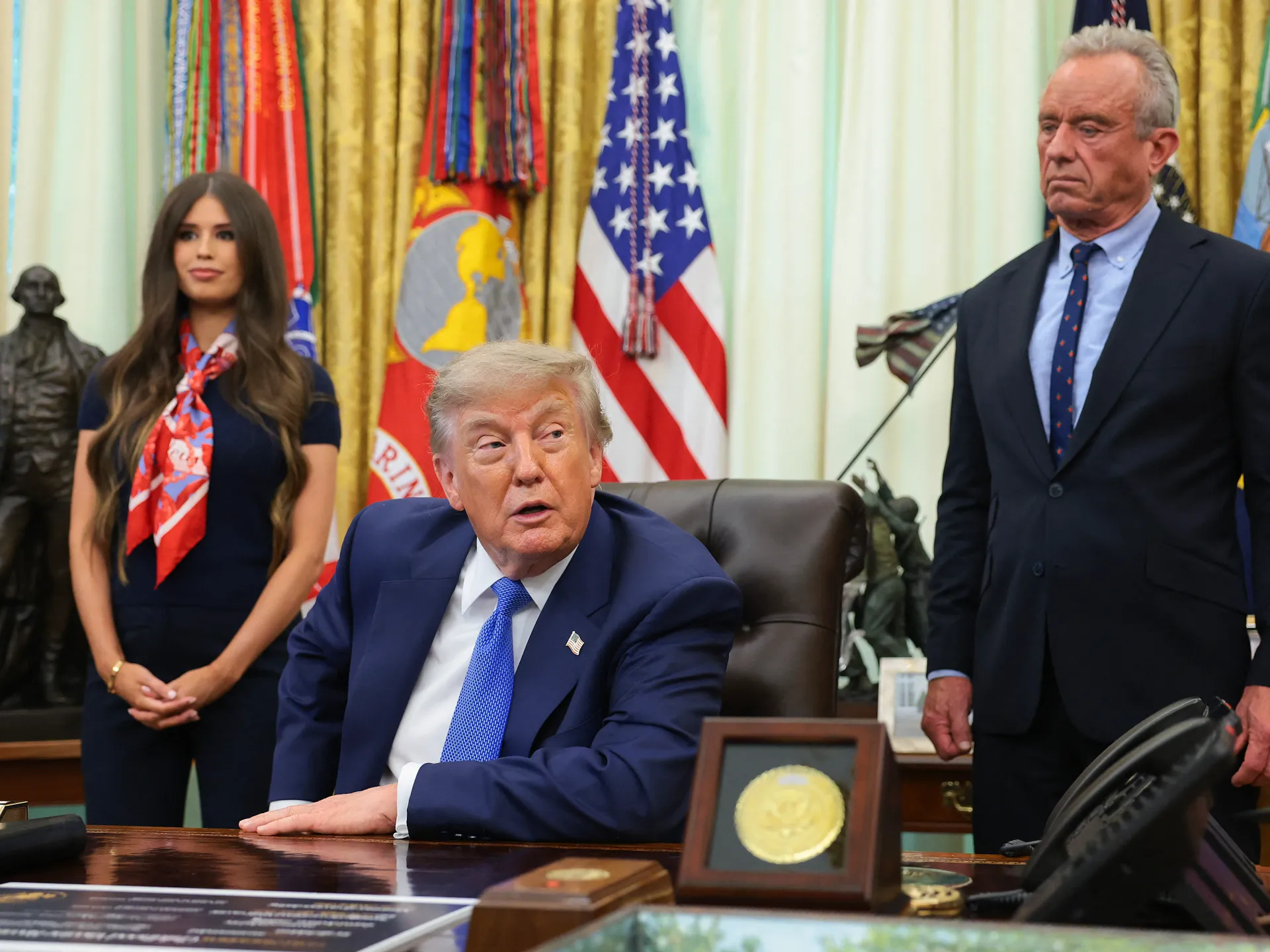
A growing rift between the White House and major news organizations has entered a new phase, fundamentally challenging the long-standing tradition of the White House press pool. The administration’s recent decision to revoke the credentials of CNN, MS NOW, and Politico has triggered a rare act of collective defiance from the media establishment, forcing a national conversation on the logistics of presidential transparency and the constitutional protections afforded to the press.
While the White House maintains that it has the authority to curate the journalists who interact with the president, legal experts and advocacy groups warn that these actions represent a dangerous departure from democratic norms. The move, which the administration frames as a response to what it deems unfavorable coverage, has sparked lawsuits citing First Amendment violations and has led to a significant suspension of pooled coverage duties
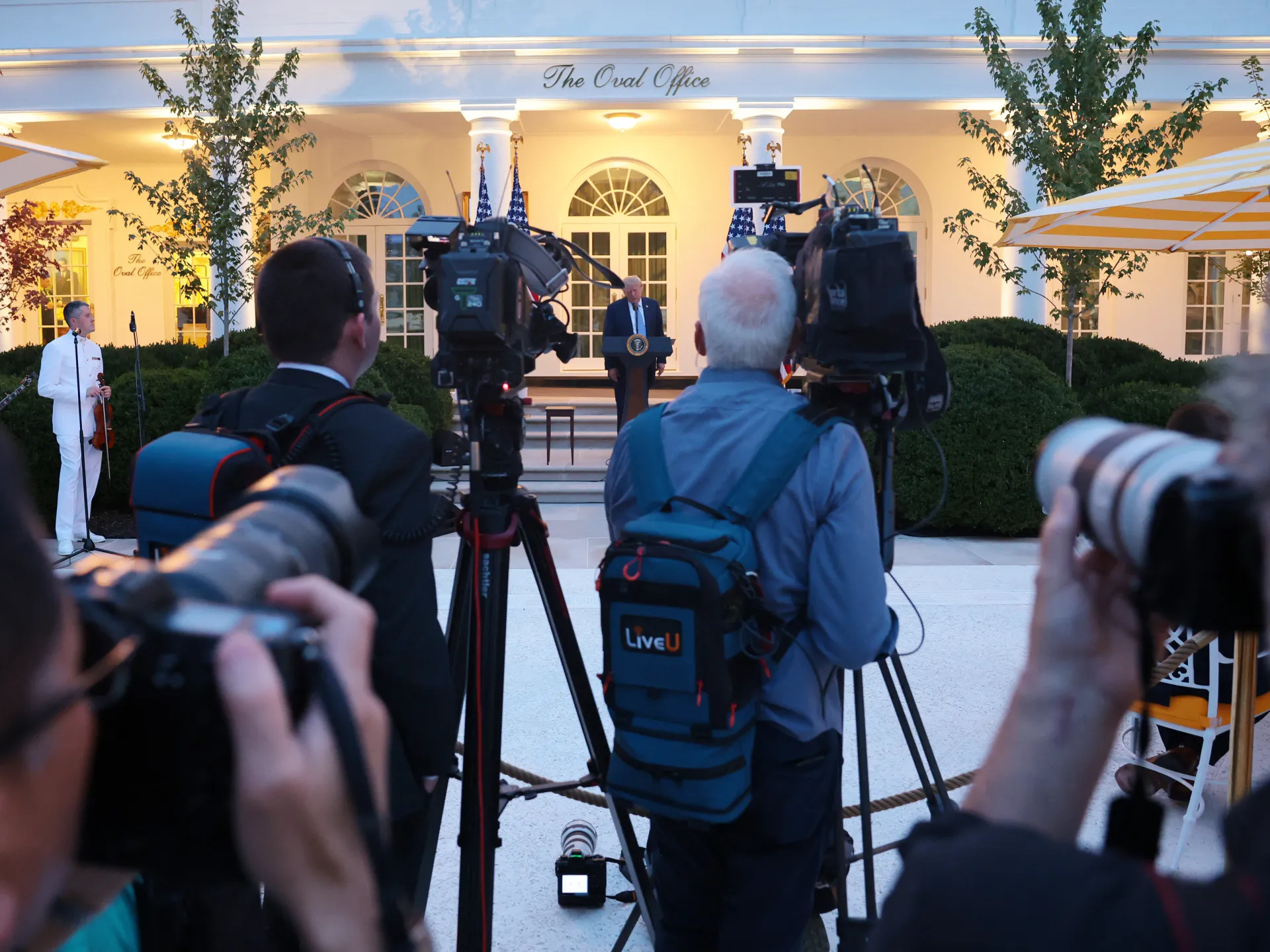
The White House press pool serves as the essential eyes and ears of the American public, functioning as a logistical necessity rather than a privilege for journalists. imited, the executive branch remains accountable to a broad spectrum of news organizations. When the government dictates which outlets are permitted to participate in this mechanism, it risks turning a neutral newsgathering function into a tool for political gatekeeping. This precedent threatens the integrity of the information flow between the presidency and the electorate, potentially creating a tiered system where the public only receives information curated
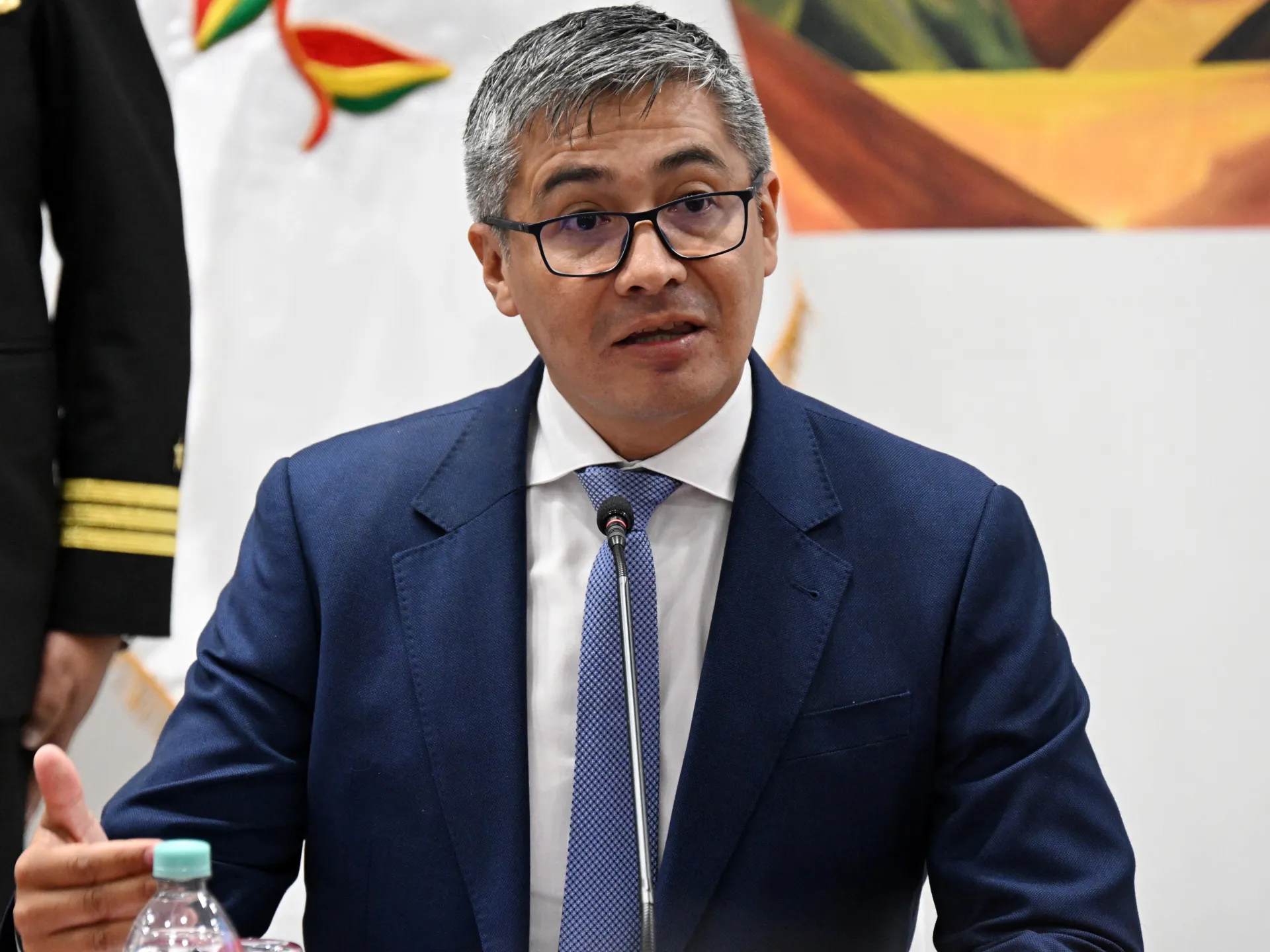
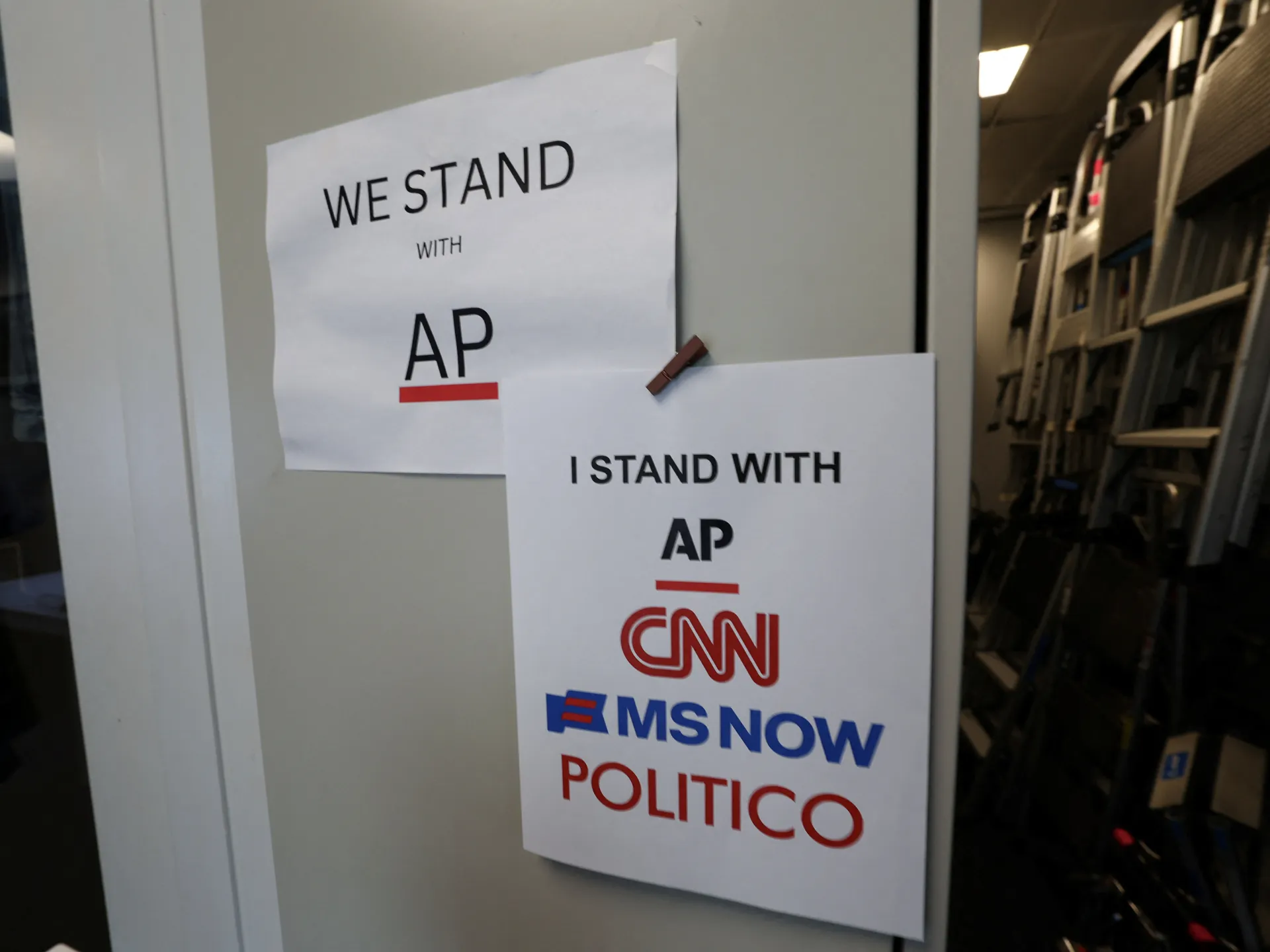
The situation reached a breaking point on Monday when Bryan Boughton, Fox News’s Washington bureau chief and the current chair of the rotating TV pool, issued a memo declaring that television networks would suspend presidential pool coverage. This decision was a direct response to the administration’s refusal to allow CNN to fulfill its scheduled duties. The suspension signals an unprecedented level of inter-outlet solidarity, as networks that would typically compete for scoops have collectively decided that the integrity of the pool system is more critical than individual access.
The administration, supported ocation of credentials, framing it as a necessary measure against outlets that have allegedly crossed professional boundaries. Meanwhile, the affected organizations—CNN, MS NOW, and Politico—have initiated legal action. Seth Stern, director of advocacy at the Freedom of the Press Foundation, characterized the White House’s actions as an obvious violation of the First Amendment, suggesting that these attempts to silence scrutiny ultimately reflect a defensive stance
At its core, the pool is a collaborative infrastructure designed to provide raw reporting materials—such as transcripts, motorcade timings, and travel logistics—to the wider press corps. It is not an editorial vehicle but a functional one, meant to bridge the gap between restricted physical access and the public’s right to know. Under normal circumstances, these details are routine, ensuring that news organizations across the ideological spectrum have access to the same factual baseline regarding the president's movements and public statements.
The current standoff forces a reconciliation between the government’s desire to control its public image and the functional requirement that the press be able to witness the activities of the executive branch in real-time, regardless of the political climate.
The immediate future of the White House press pool remains uncertain. As litigation proceeds, the administration will likely continue to face mounting pressure from press freedom advocates to restore credentials. The suspension of pool duties official government reporting that may force the White House to consider the practical consequences of its isolationist strategy. If the networks maintain their stance, the administration may be forced to either restore access or attempt to build an alternative, state-managed reporting structure—a move that would almost certainly face further legal and public backlash. Ultimately, the outcome of this dispute will likely be determined ise over the media apparatus that documents their tenure.