President Javier Milei has escalated Argentina's sovereignty claim over the Falkland Islands, targeting British-backed oil exploration with criminal charges and military expansion.
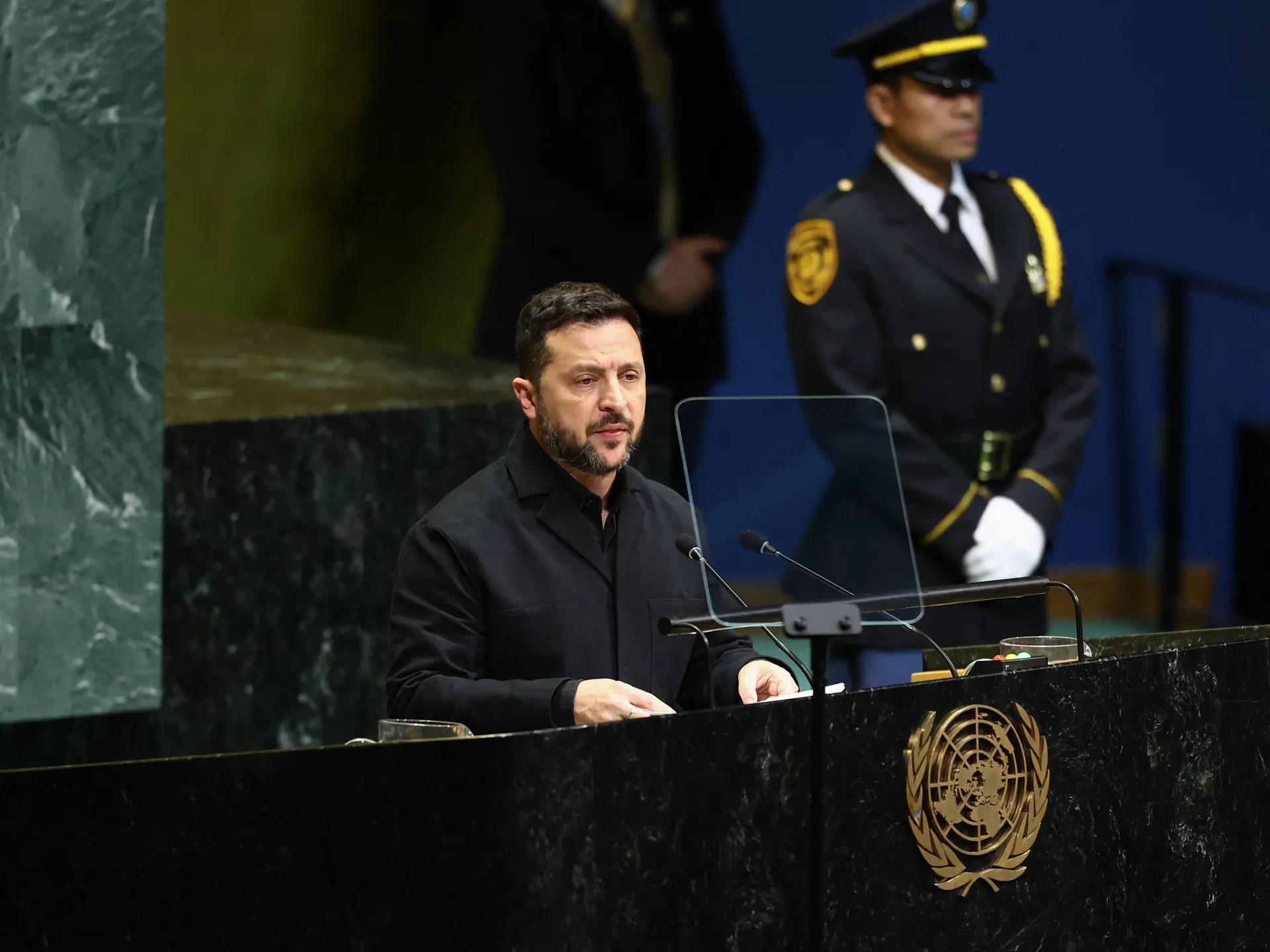
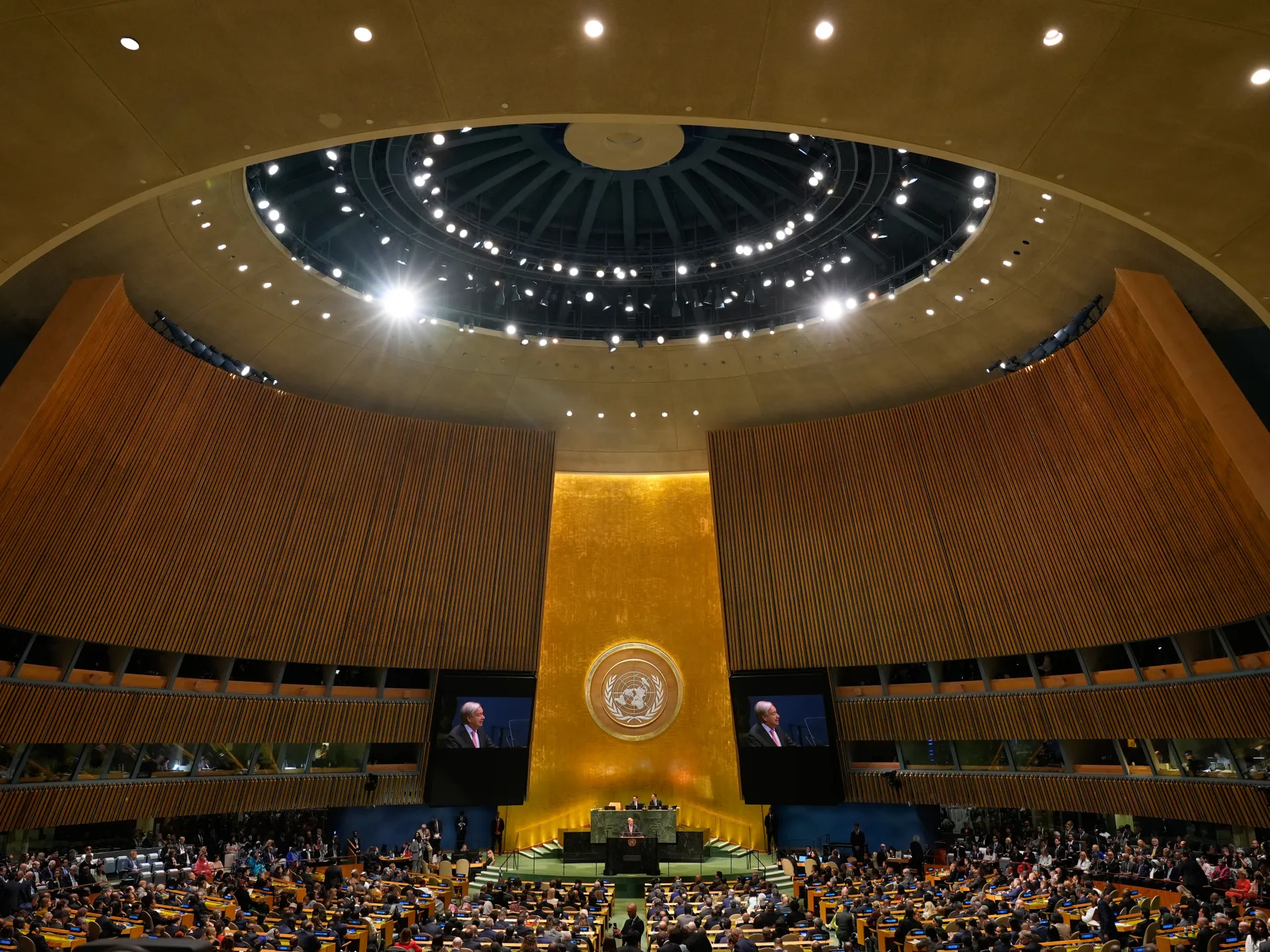
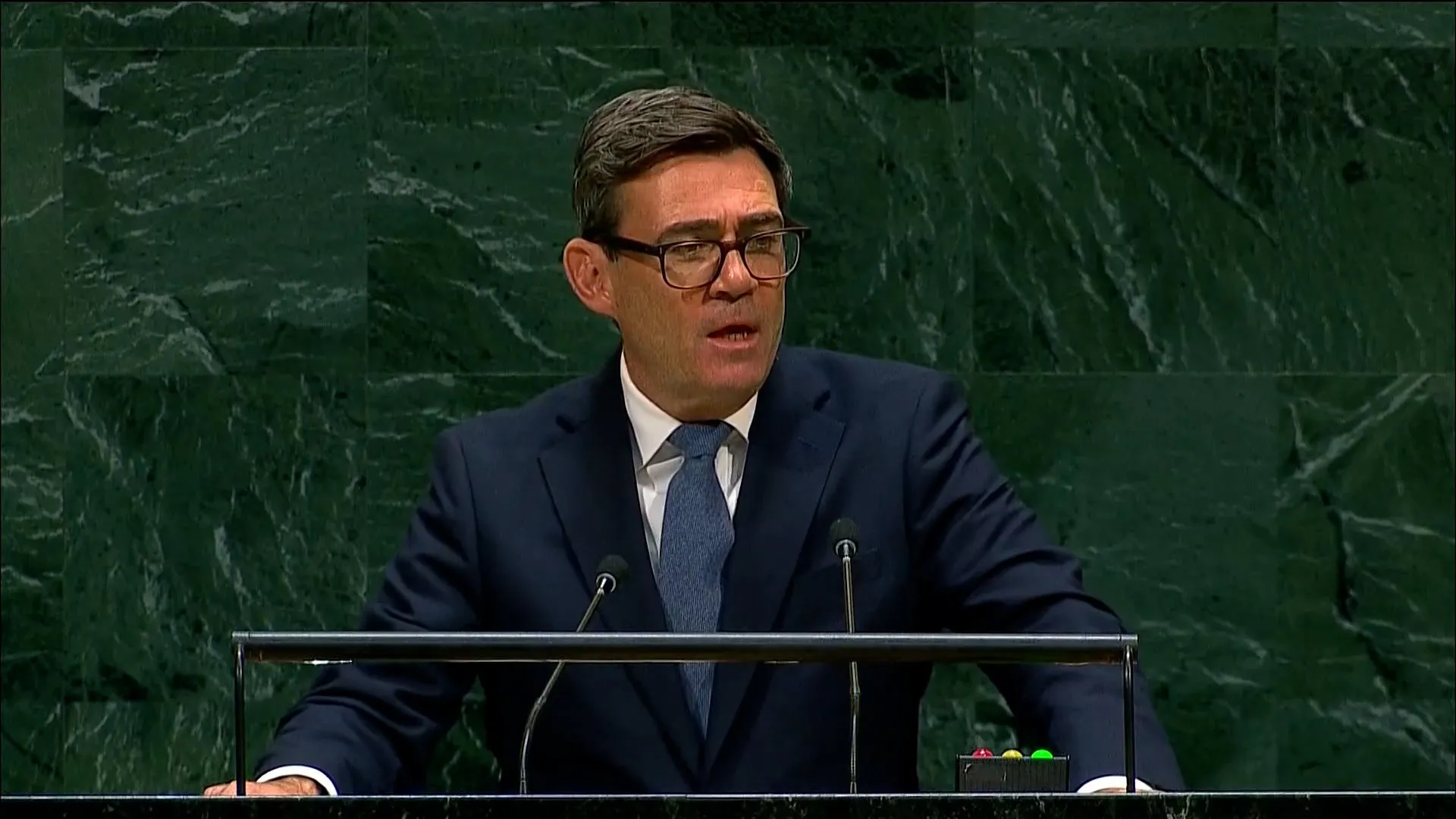
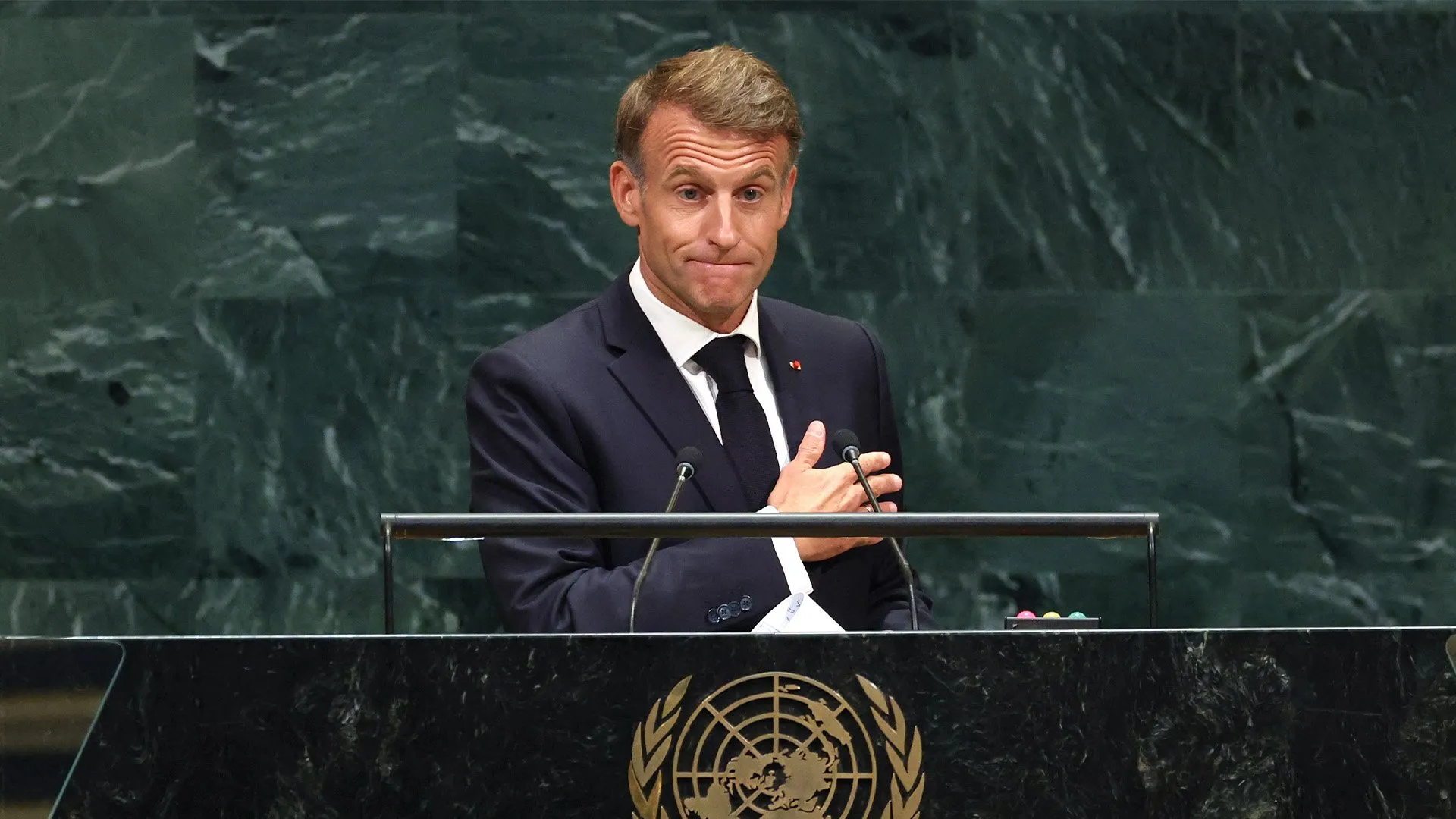
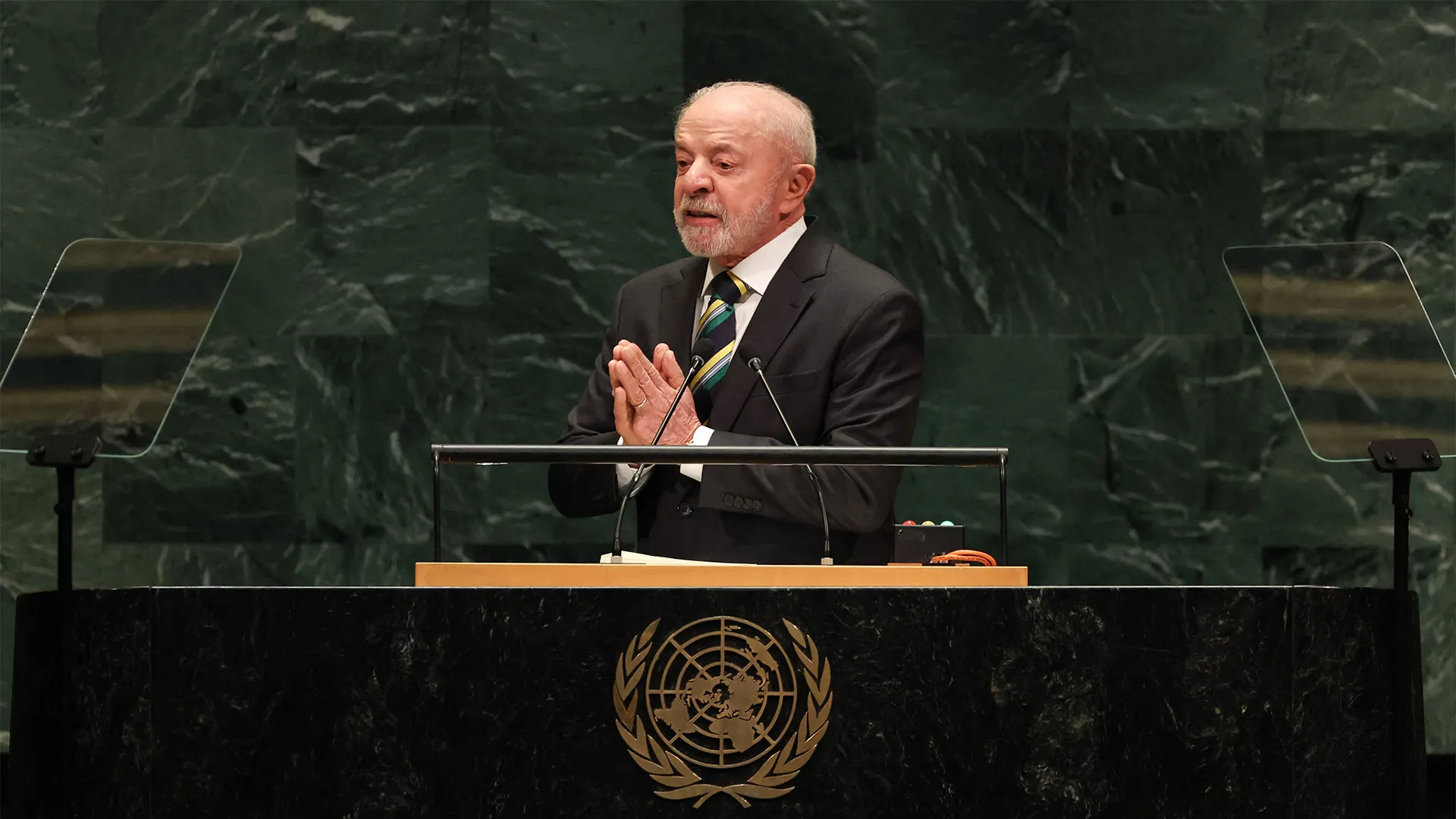
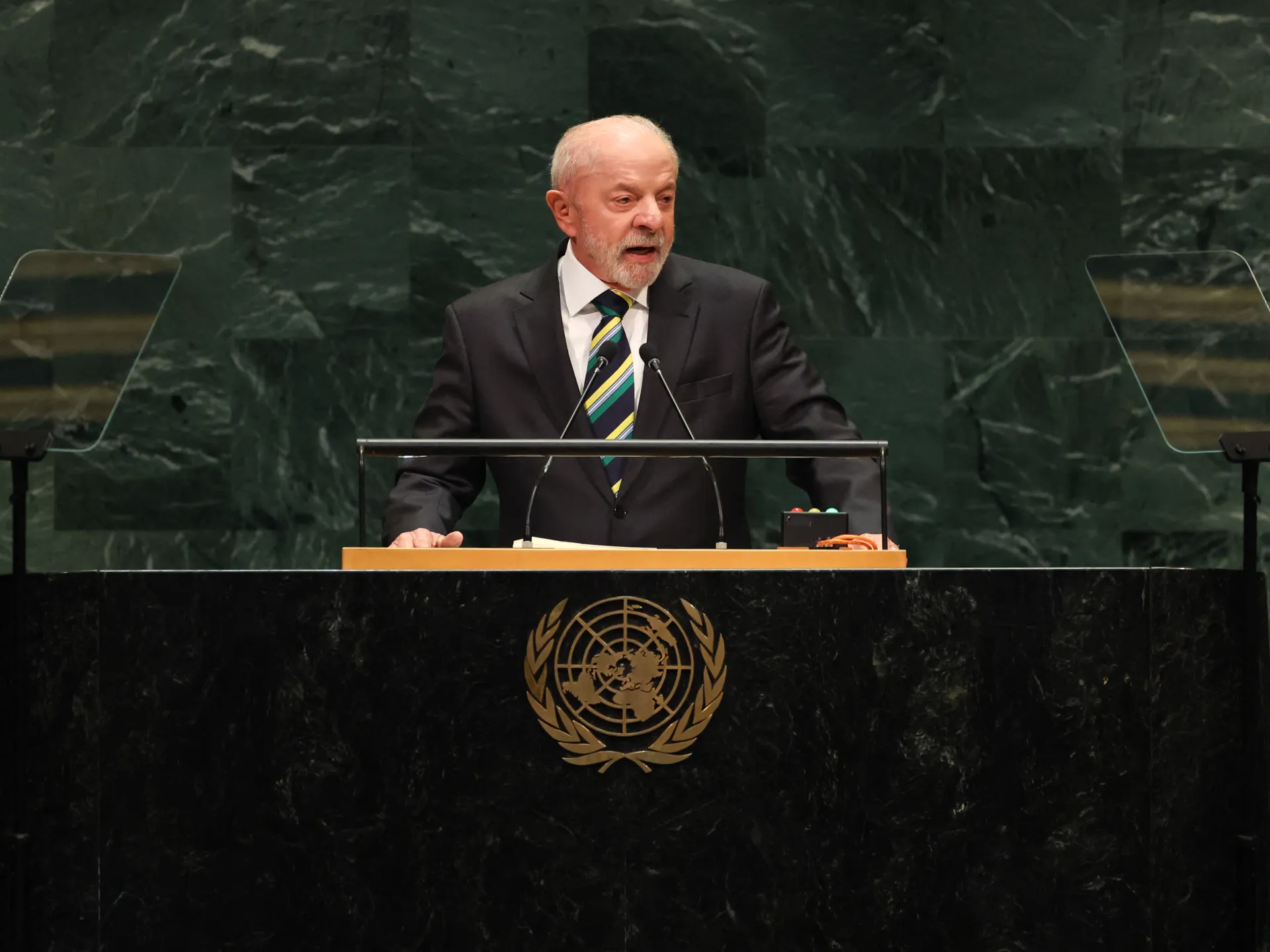
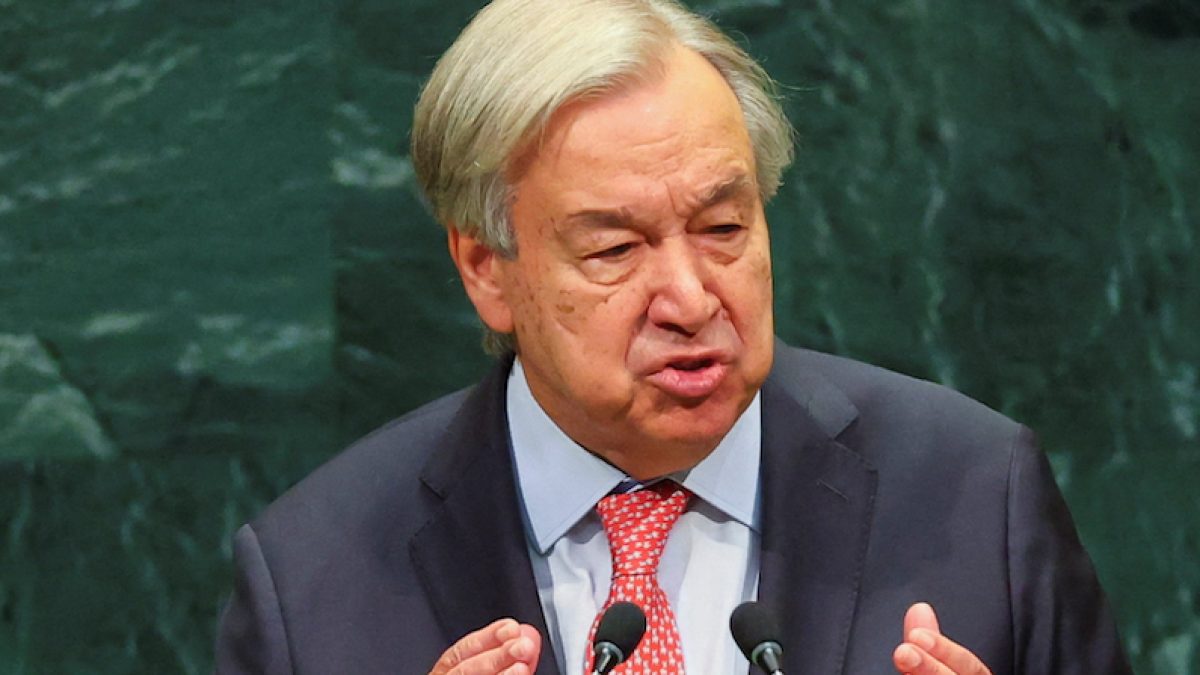
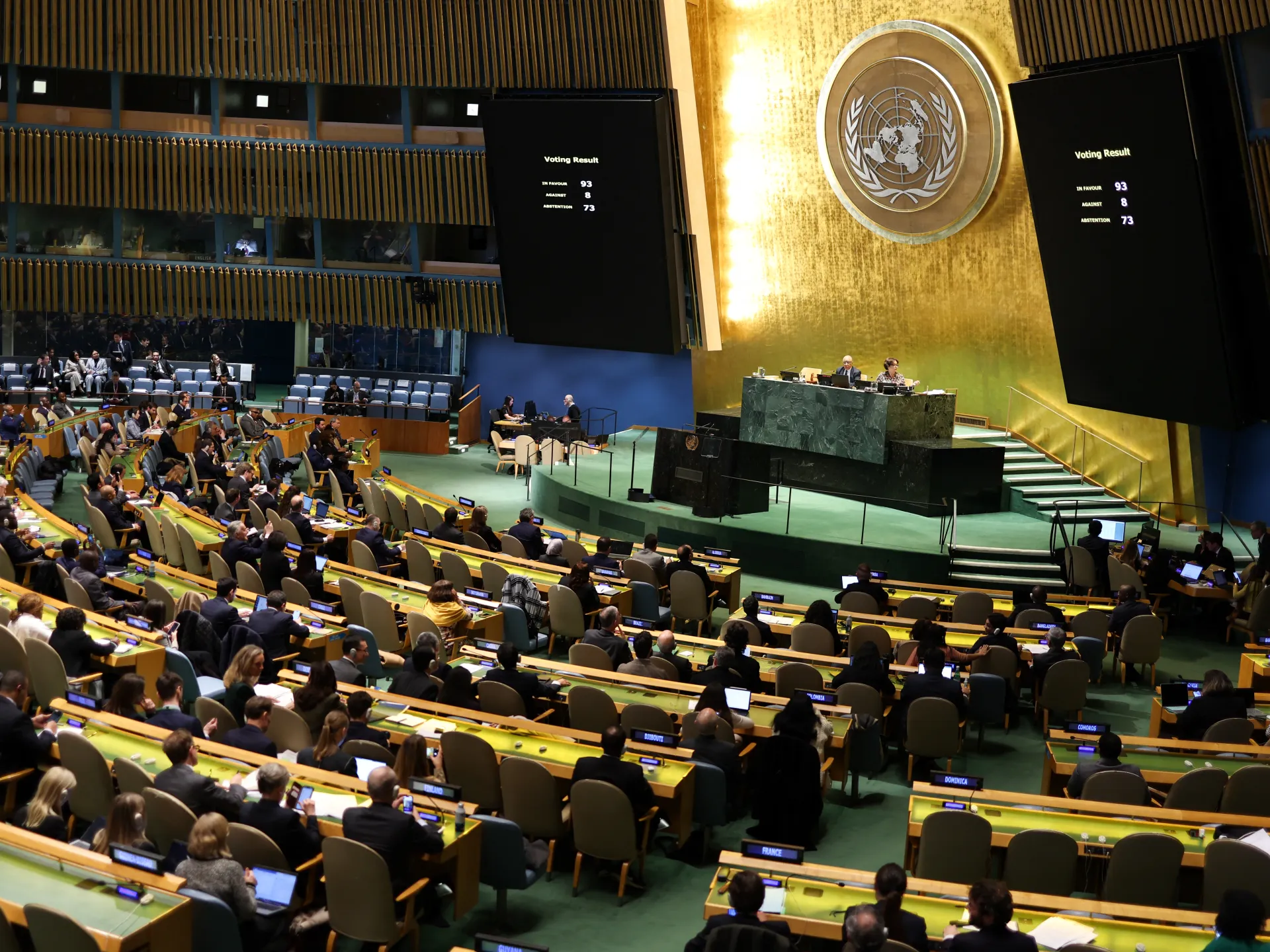
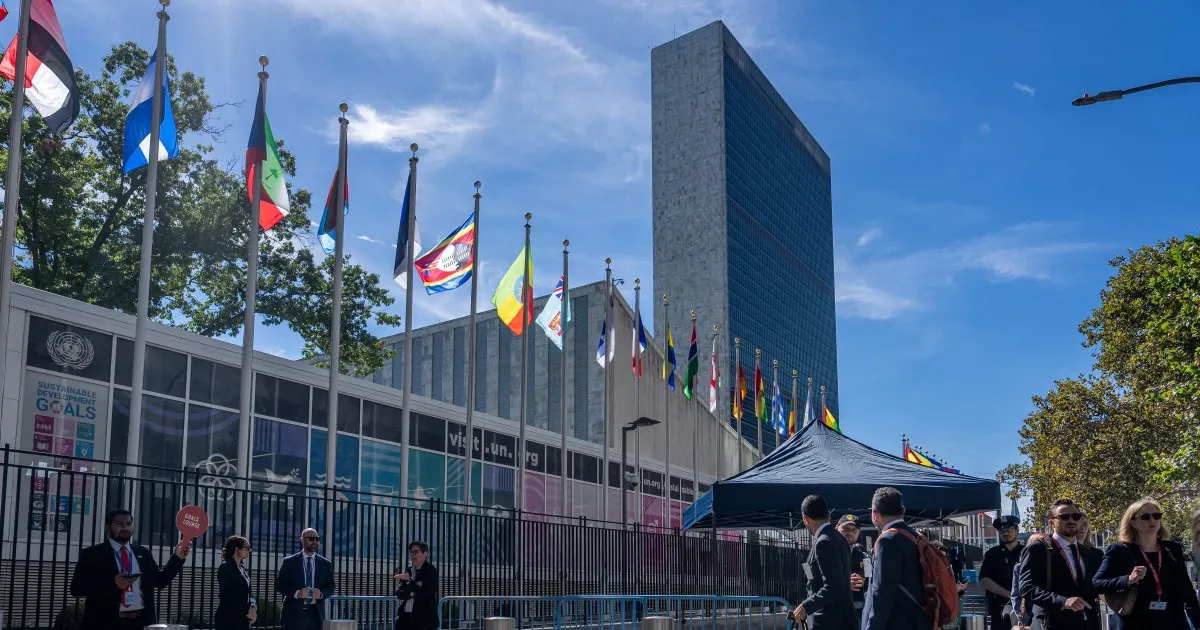
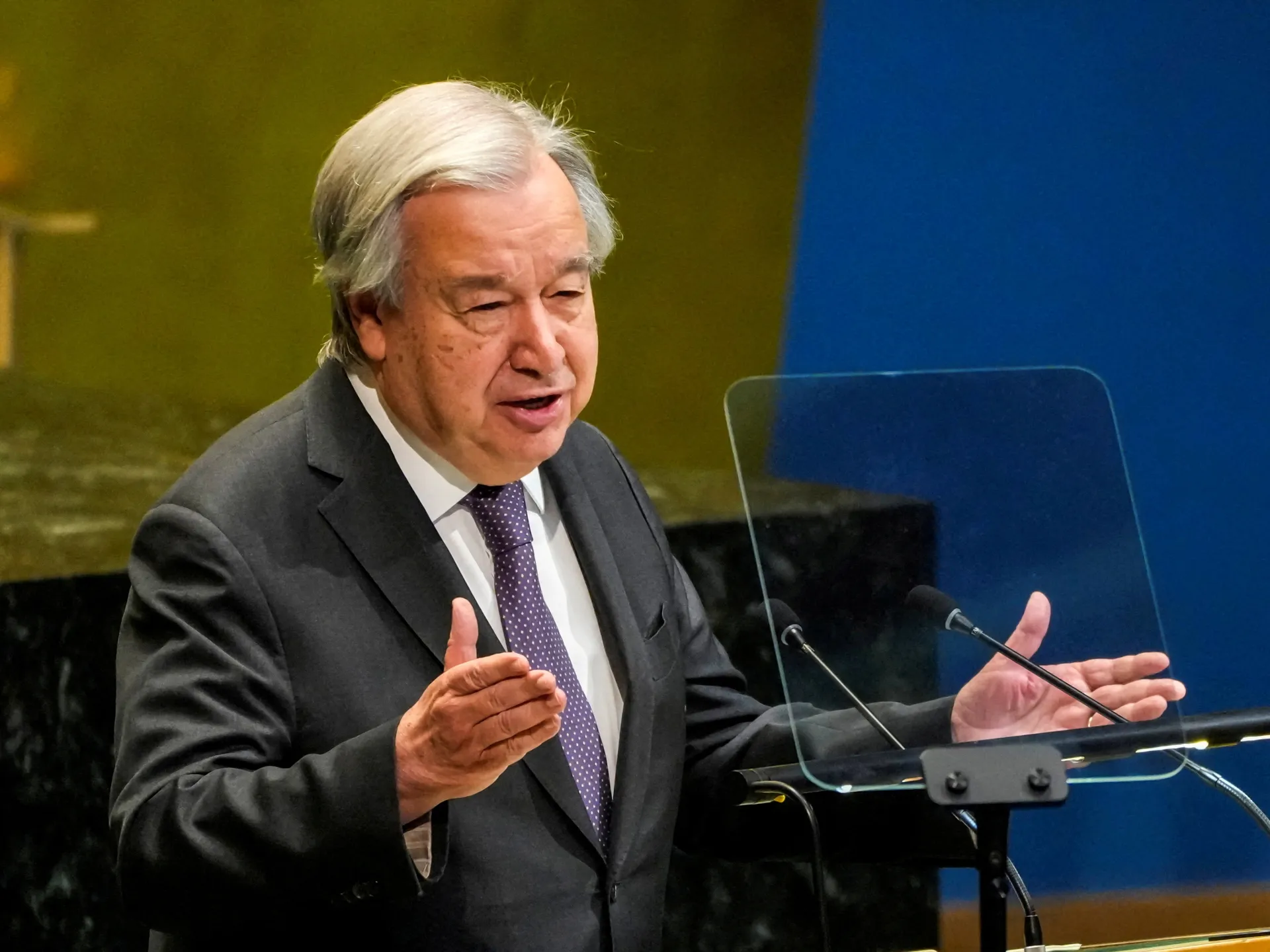
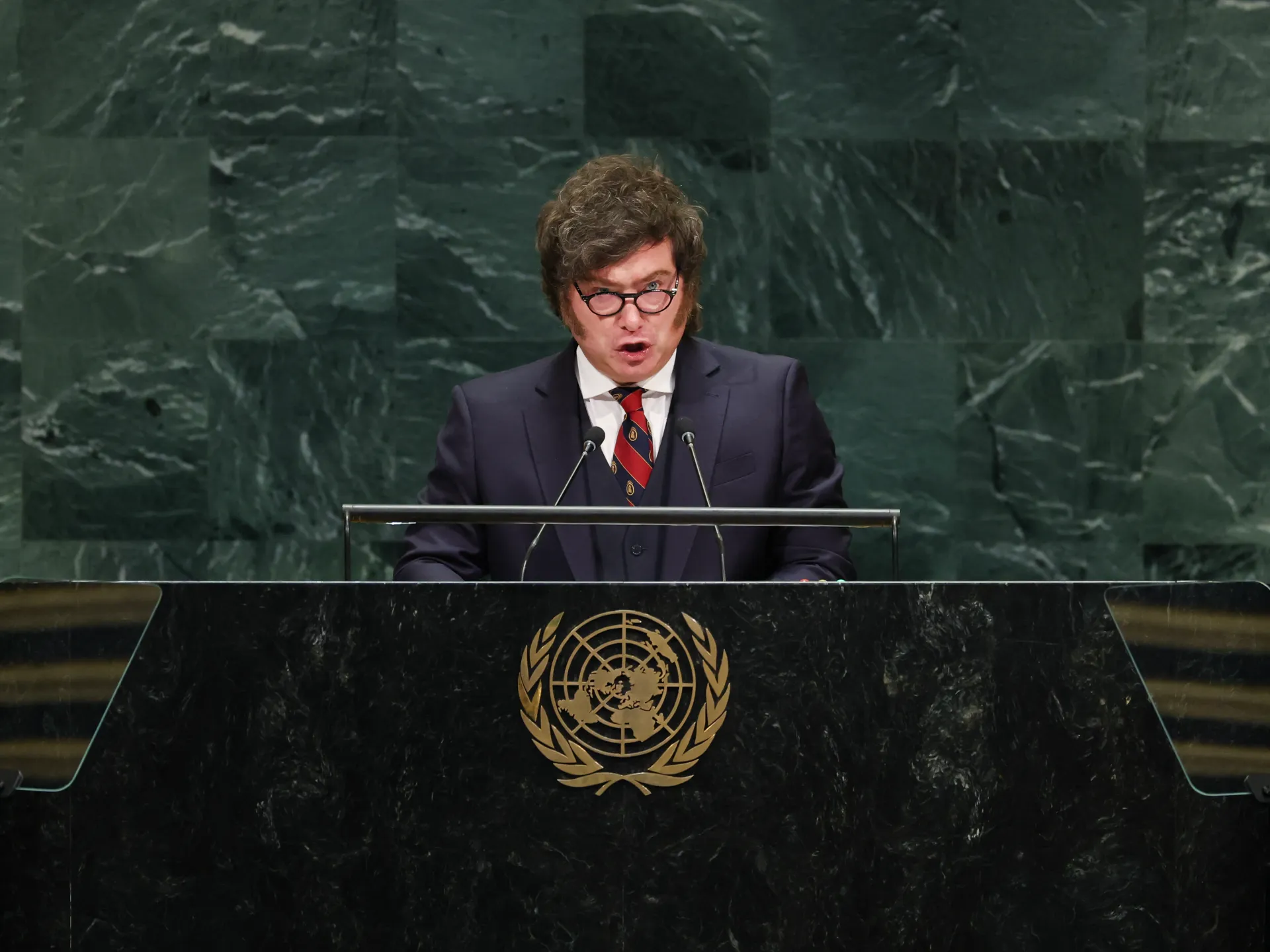
Argentine President Javier Milei has intensified his administration’s challenge to the United Kingdom’s control over the Falkland Islands, using the global stage of the United Nations General Assembly to denounce what he termed a systemic indifference toward Argentina's territorial claims. Moving beyond rhetoric, the Argentine government has initiated an aggressive legal and military posture, specifically targeting the Sea Lion offshore oil project, a venture spearheaded
This shift in tone marks a departure for the Argentine leader, who had previously been criticized tern powers over the nation’s historical “Las Malvinas” cause. ” to sovereignty, the administration is signaling a definitive end to any period of diplomatic softening regarding the South Atlantic archipelago.
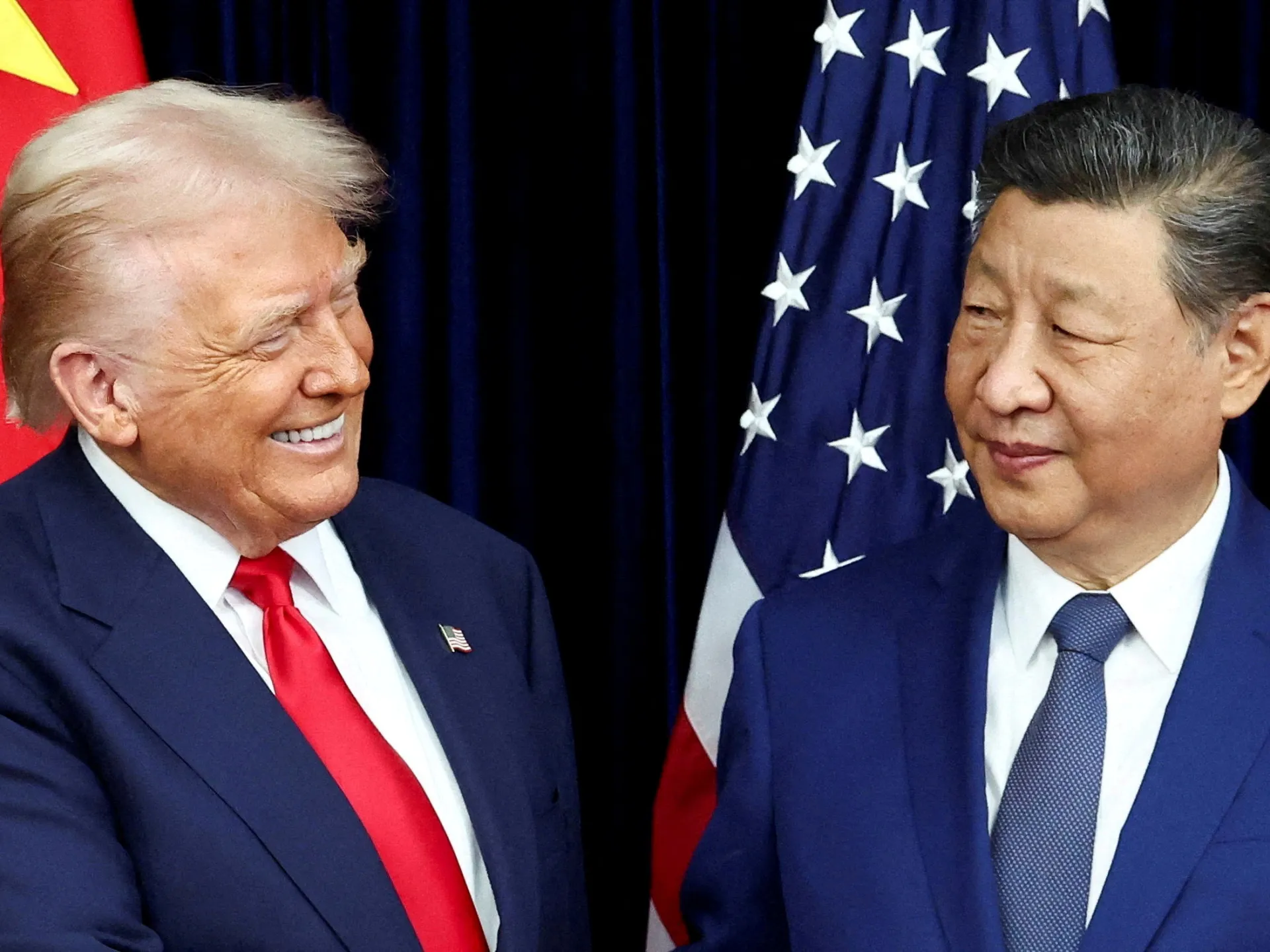
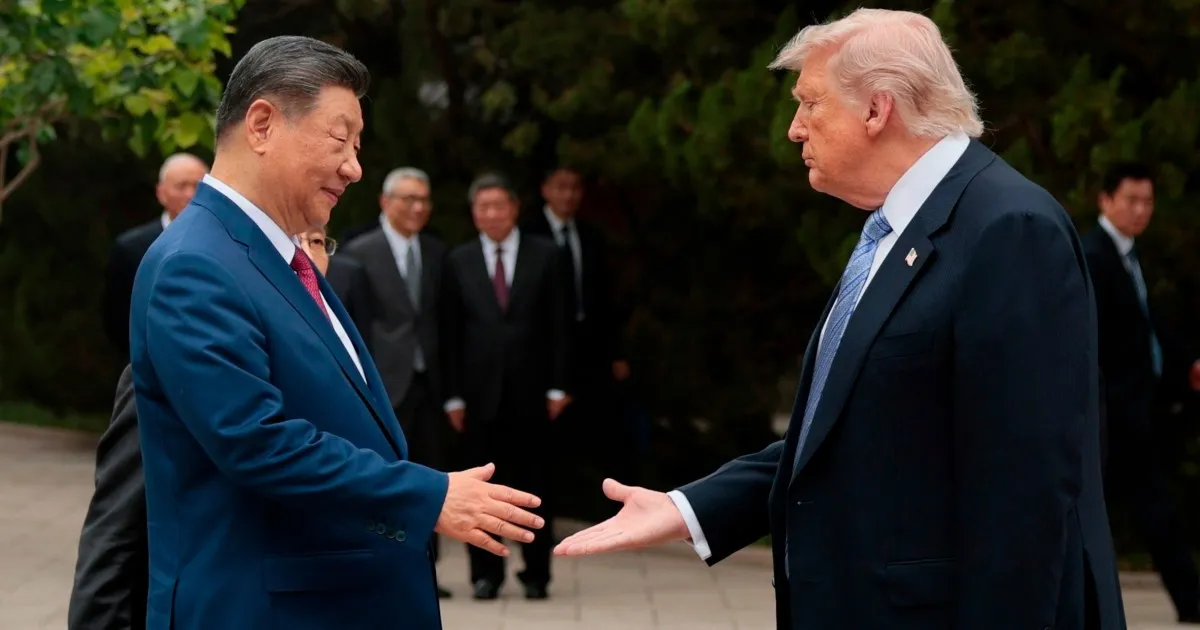
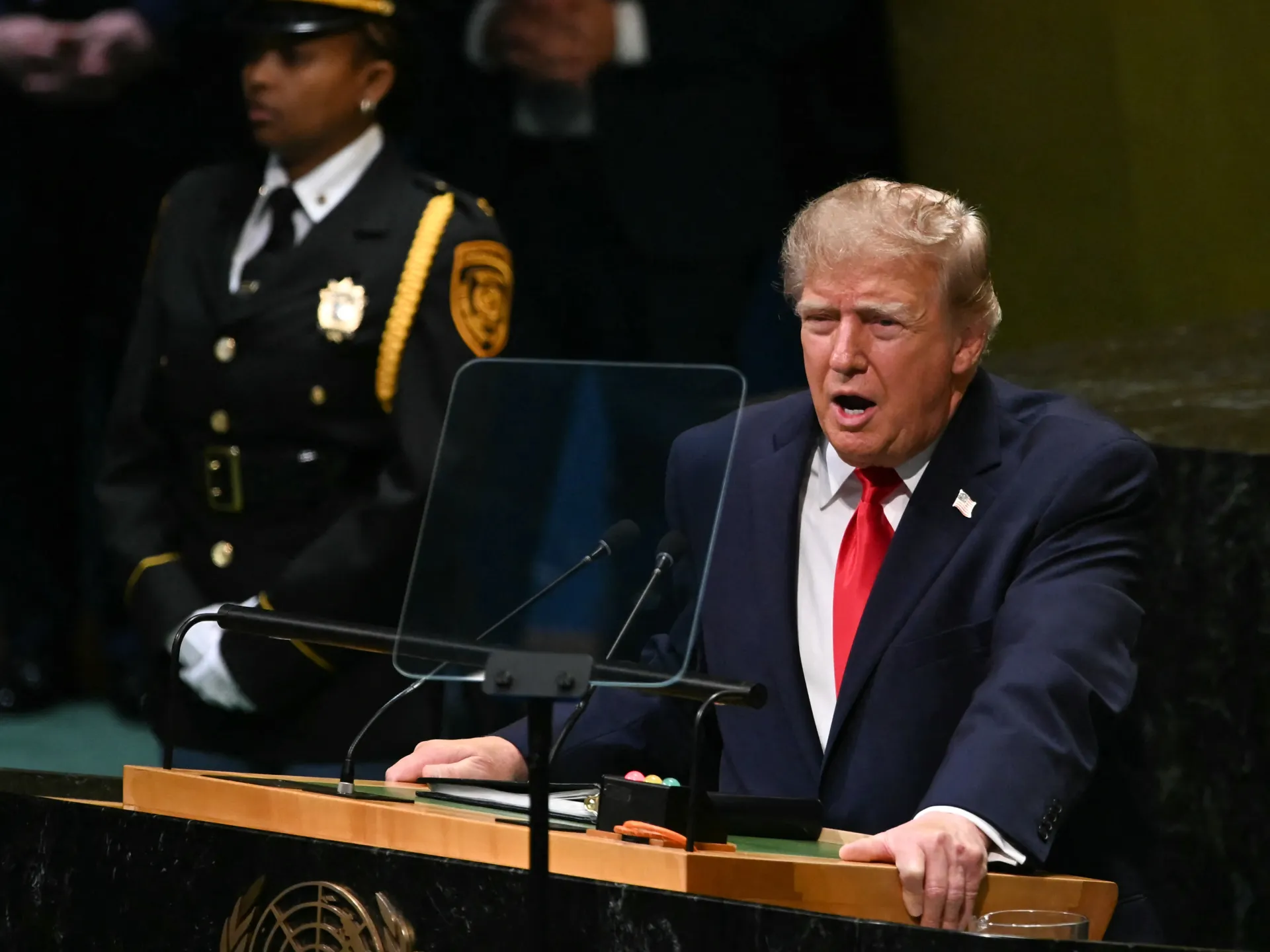
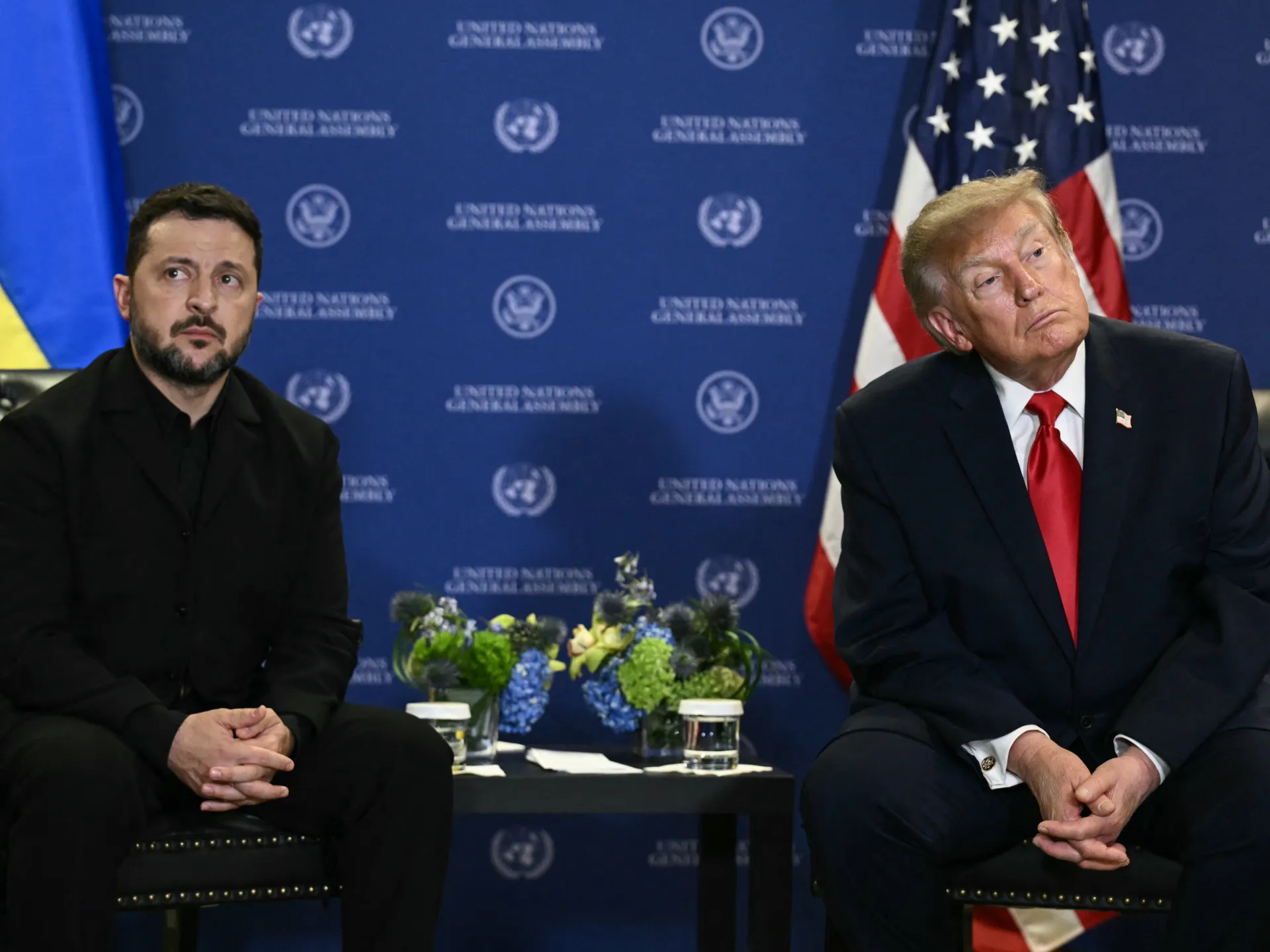
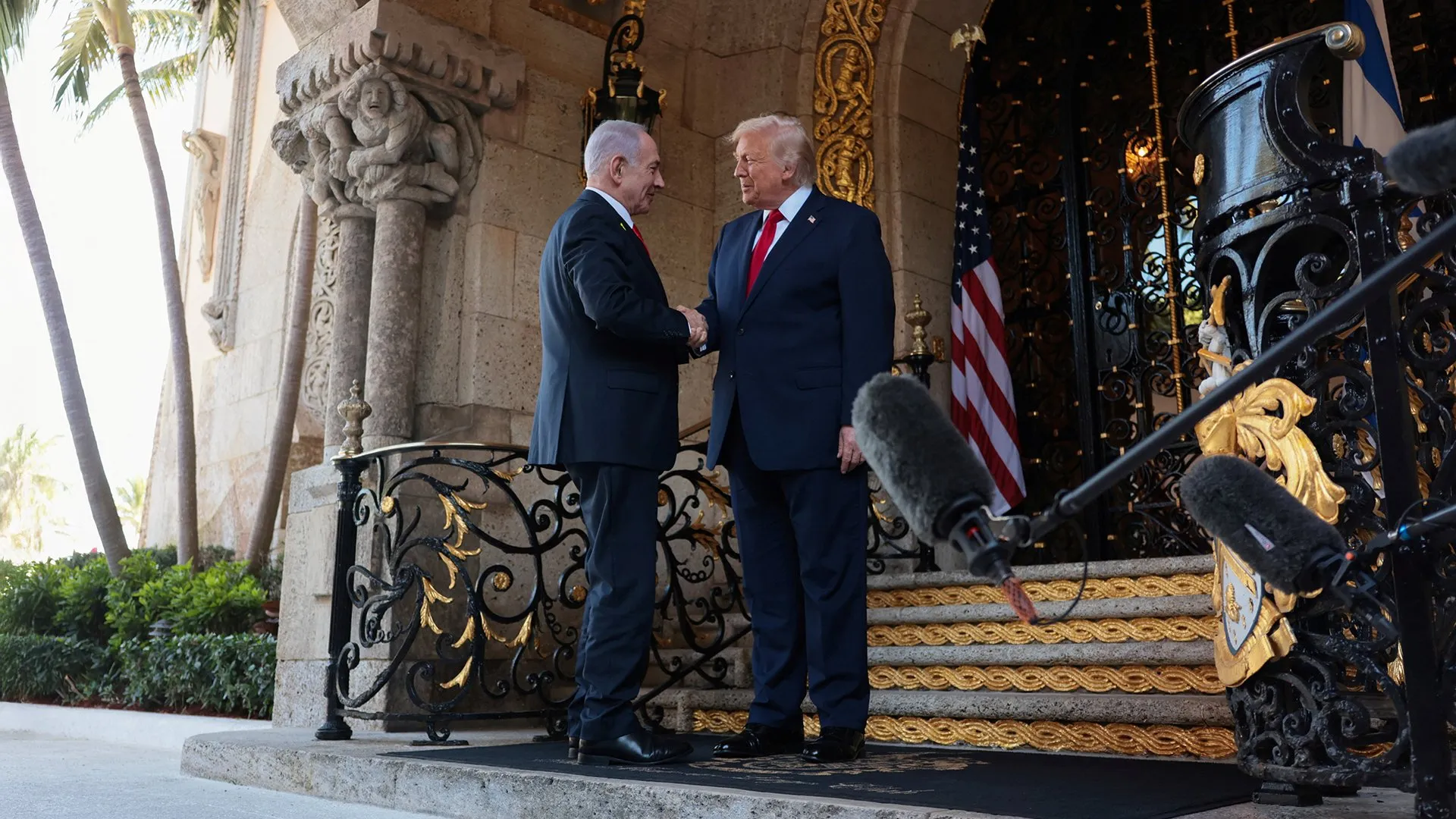
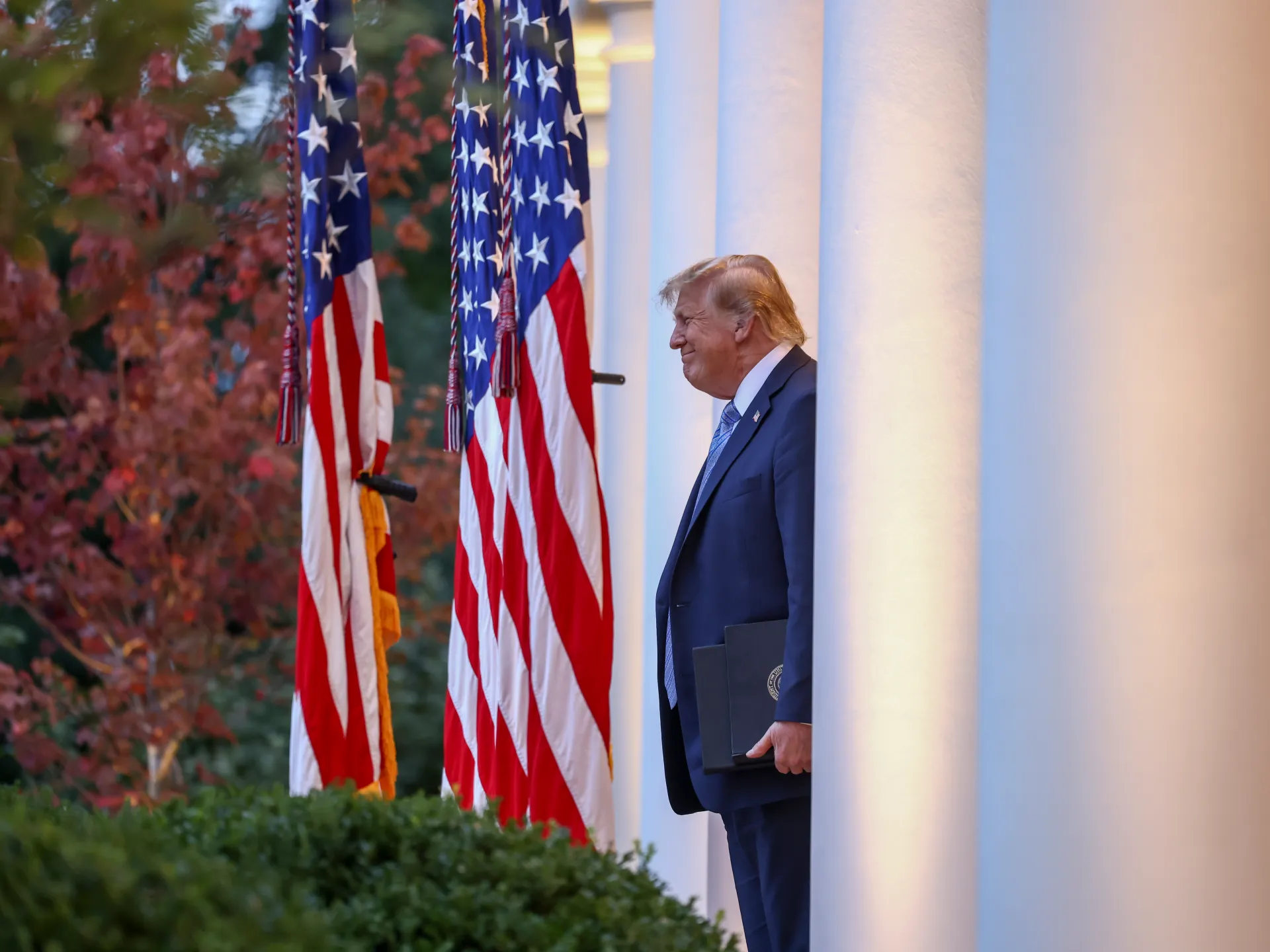
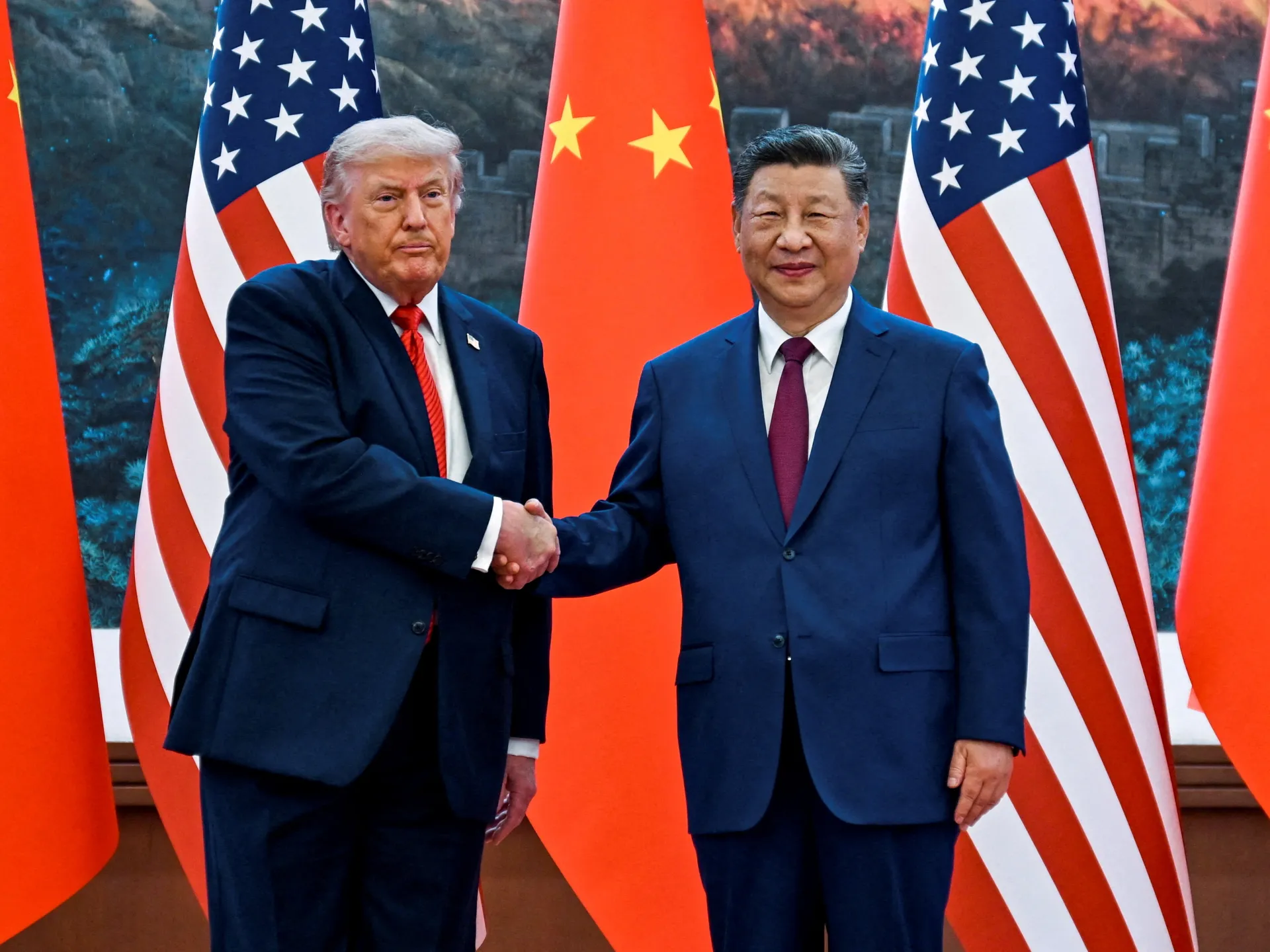
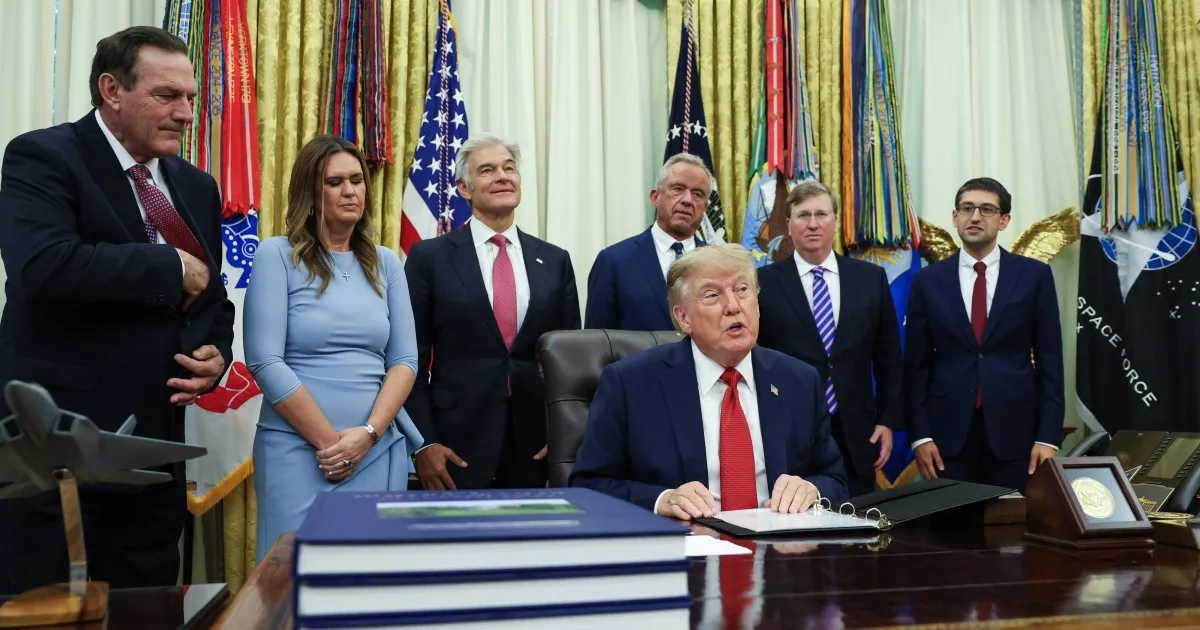
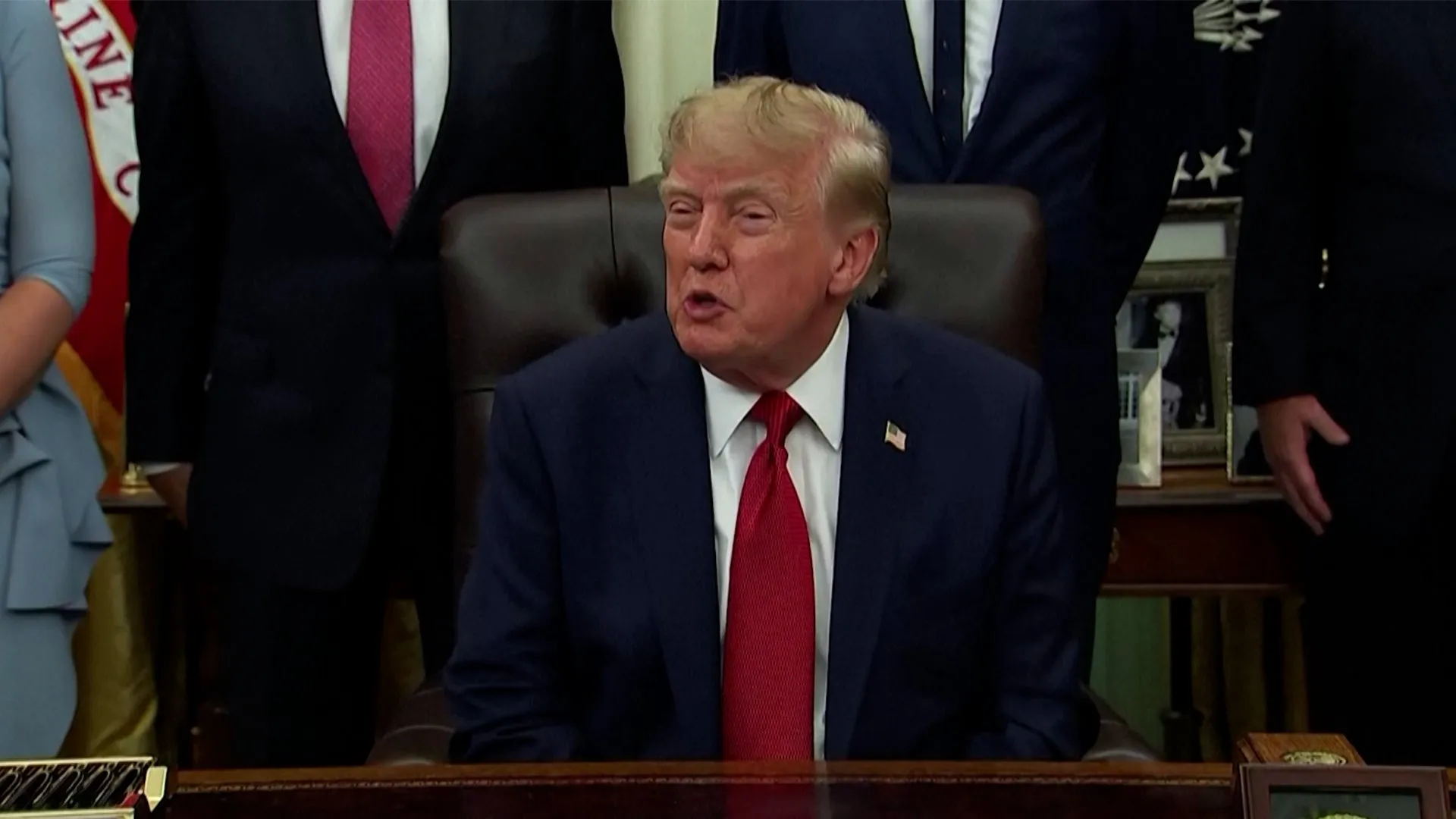
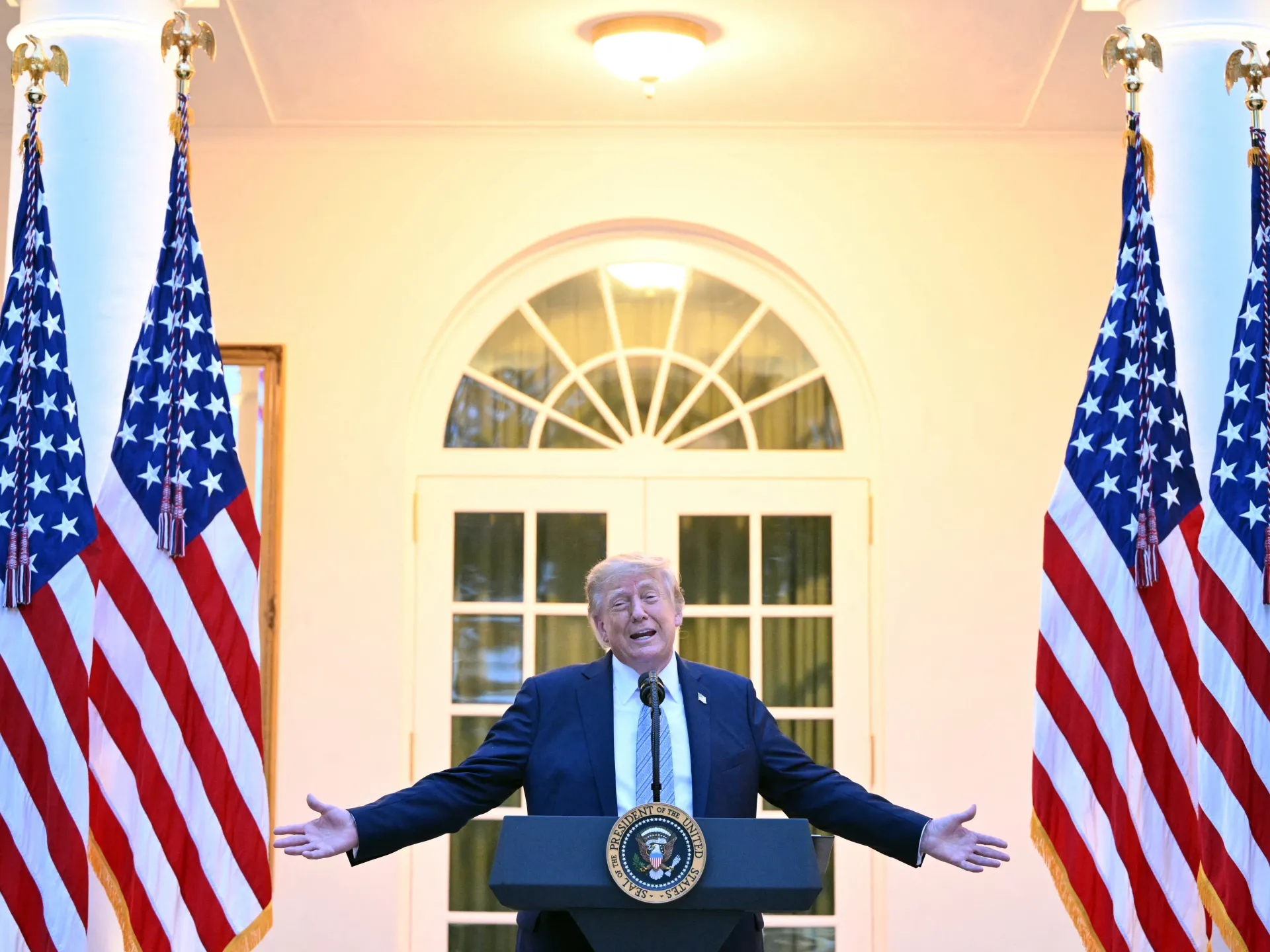
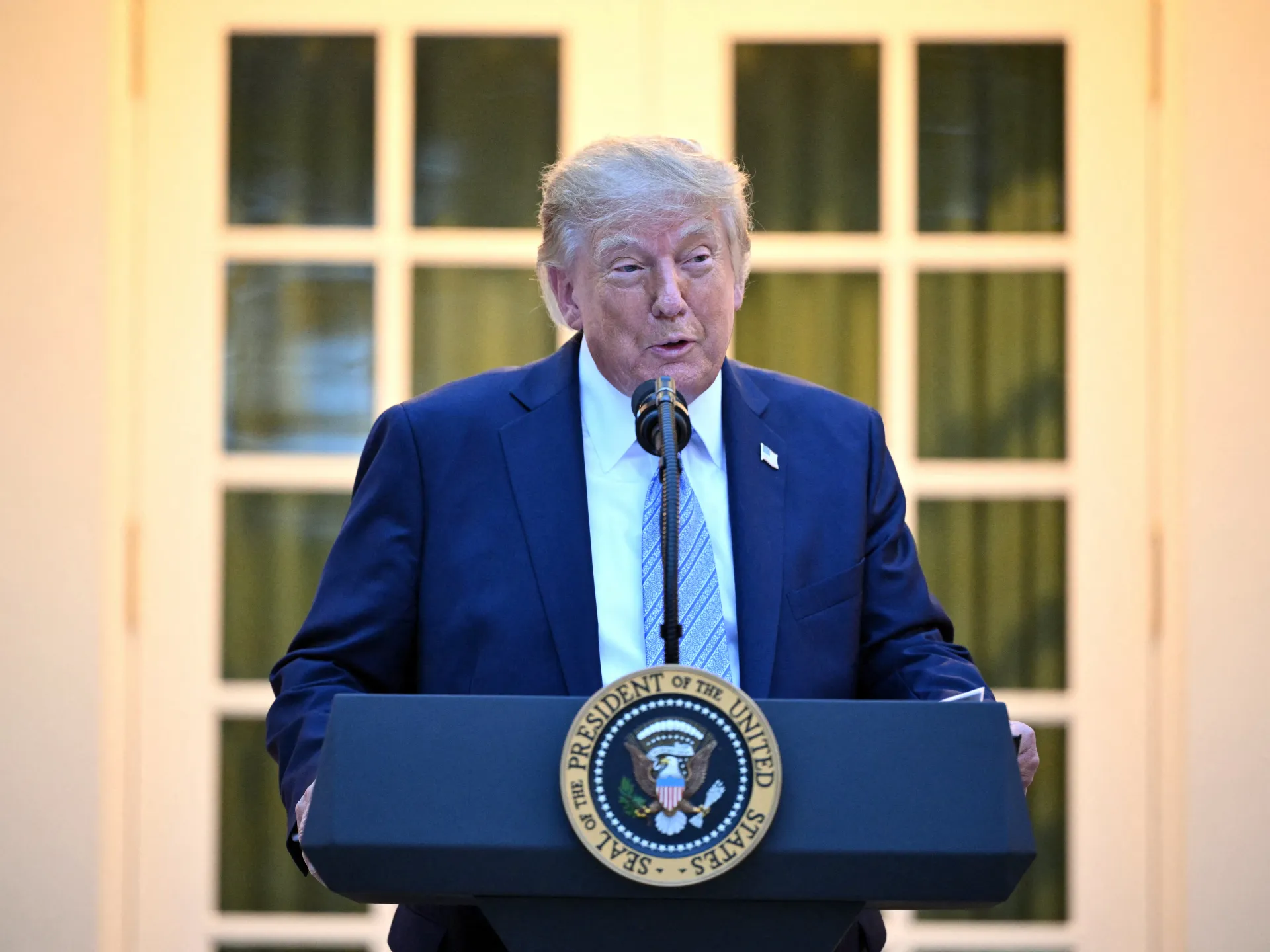
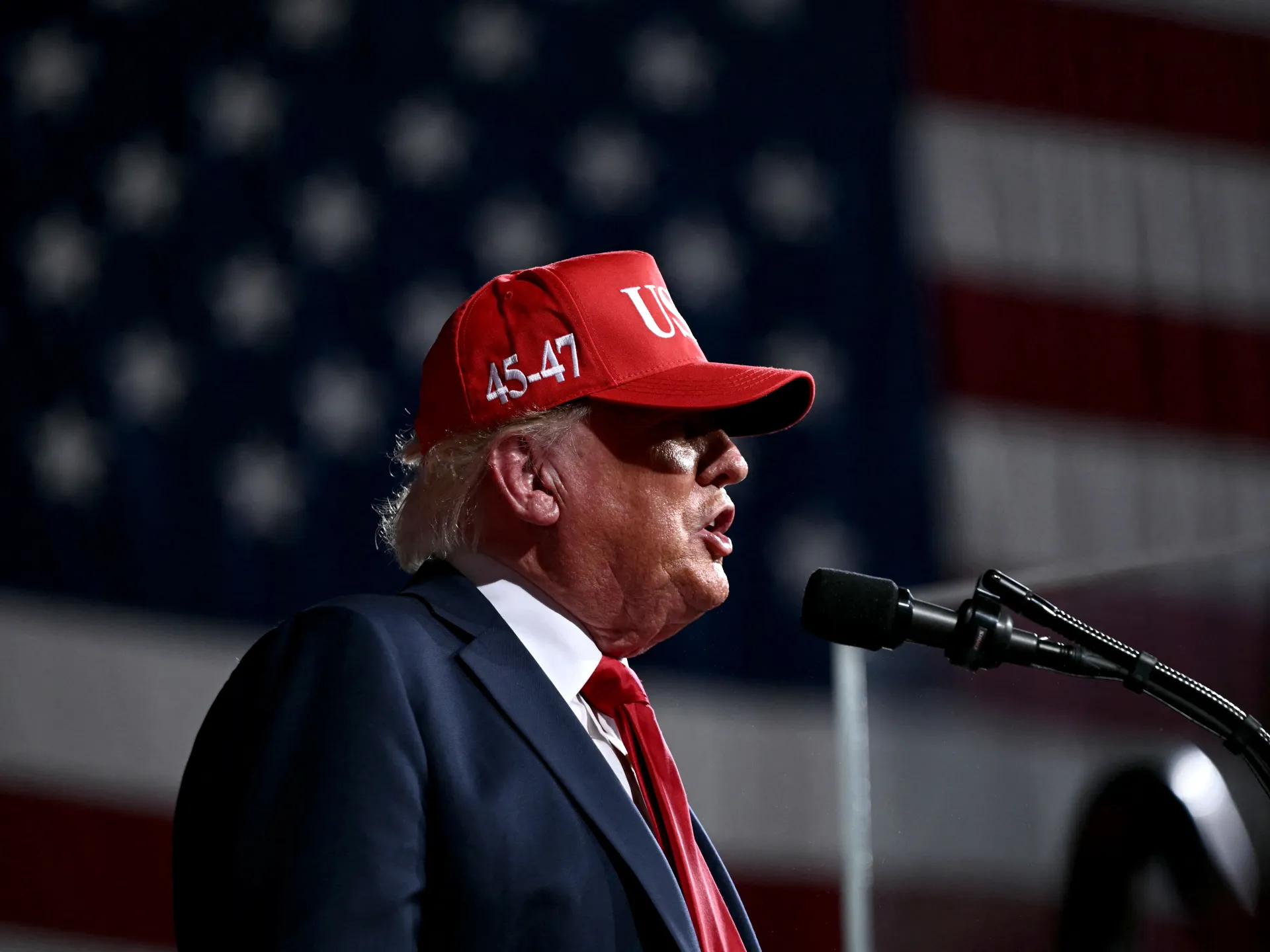
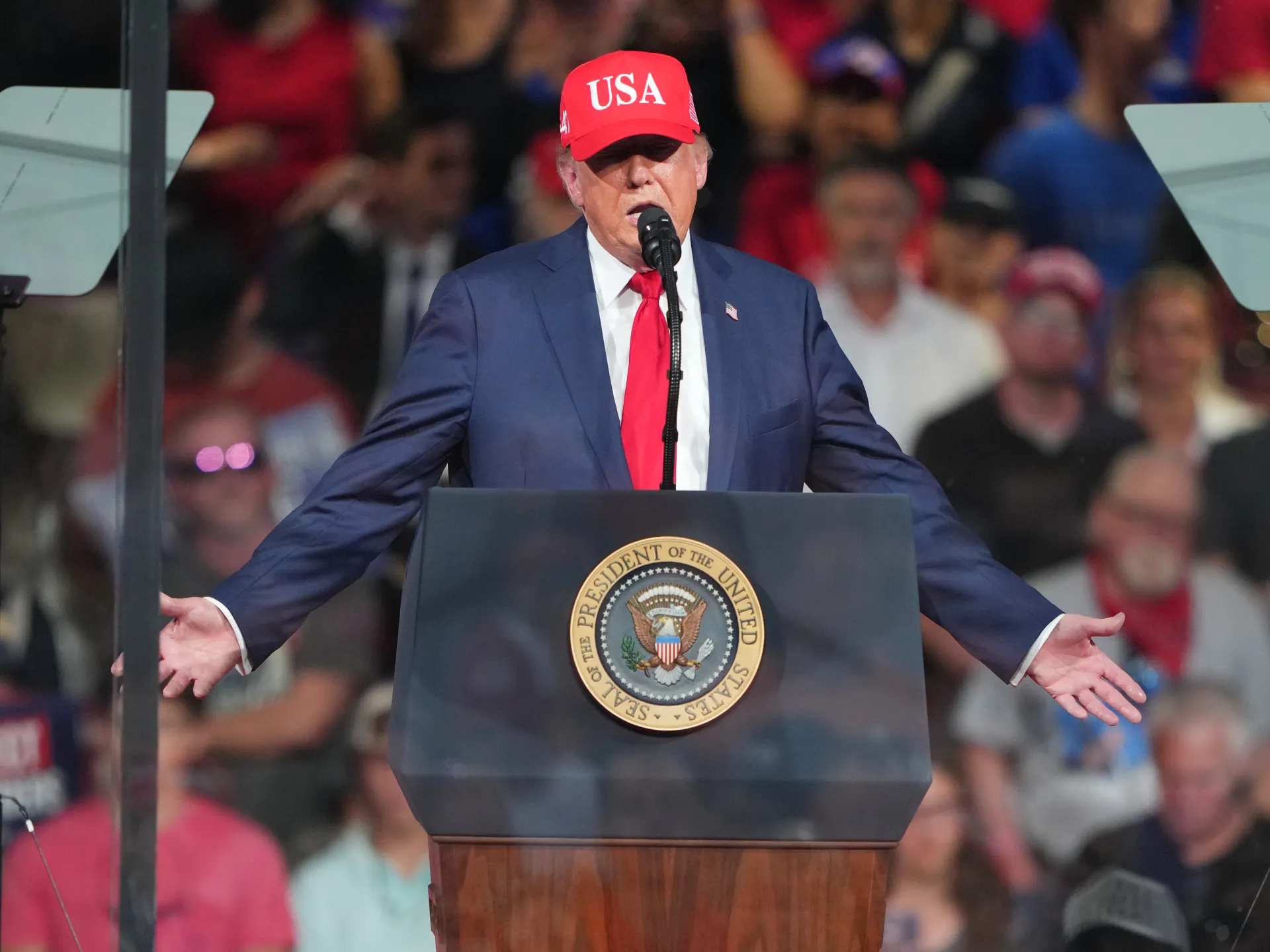
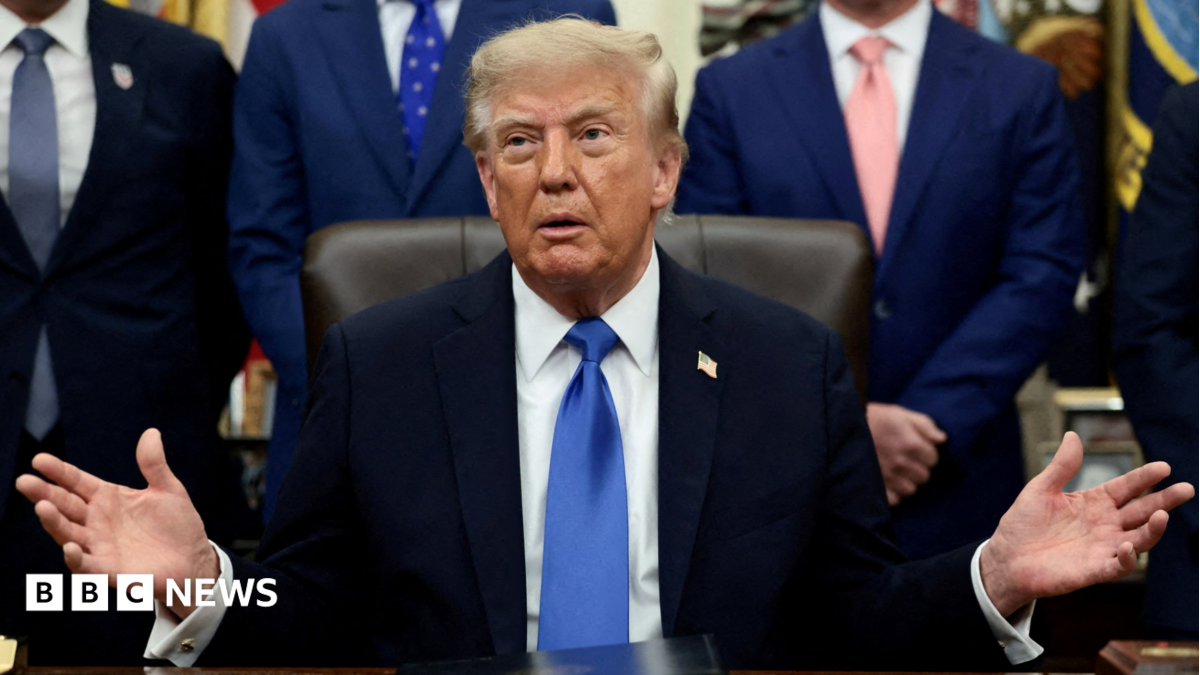
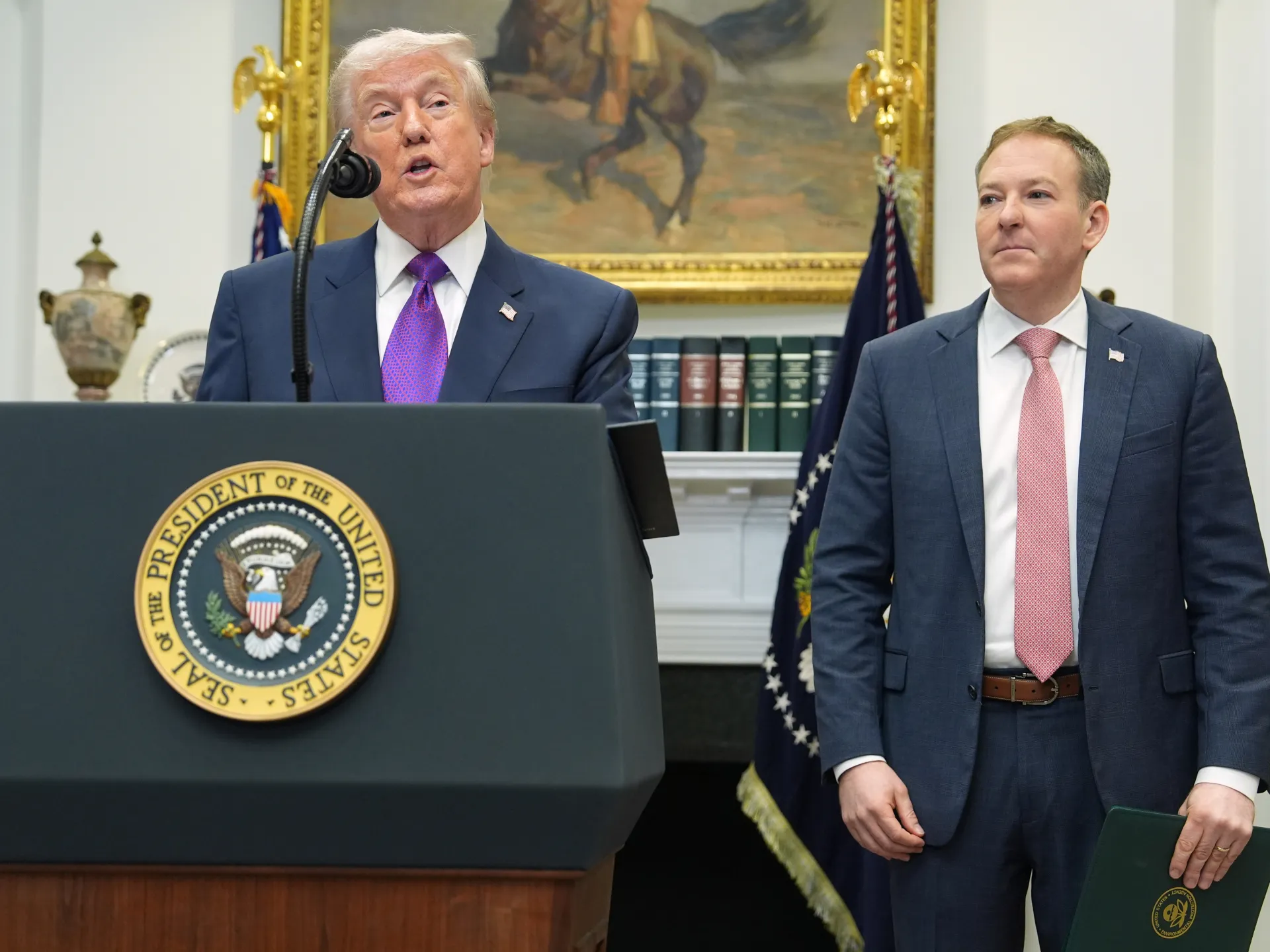
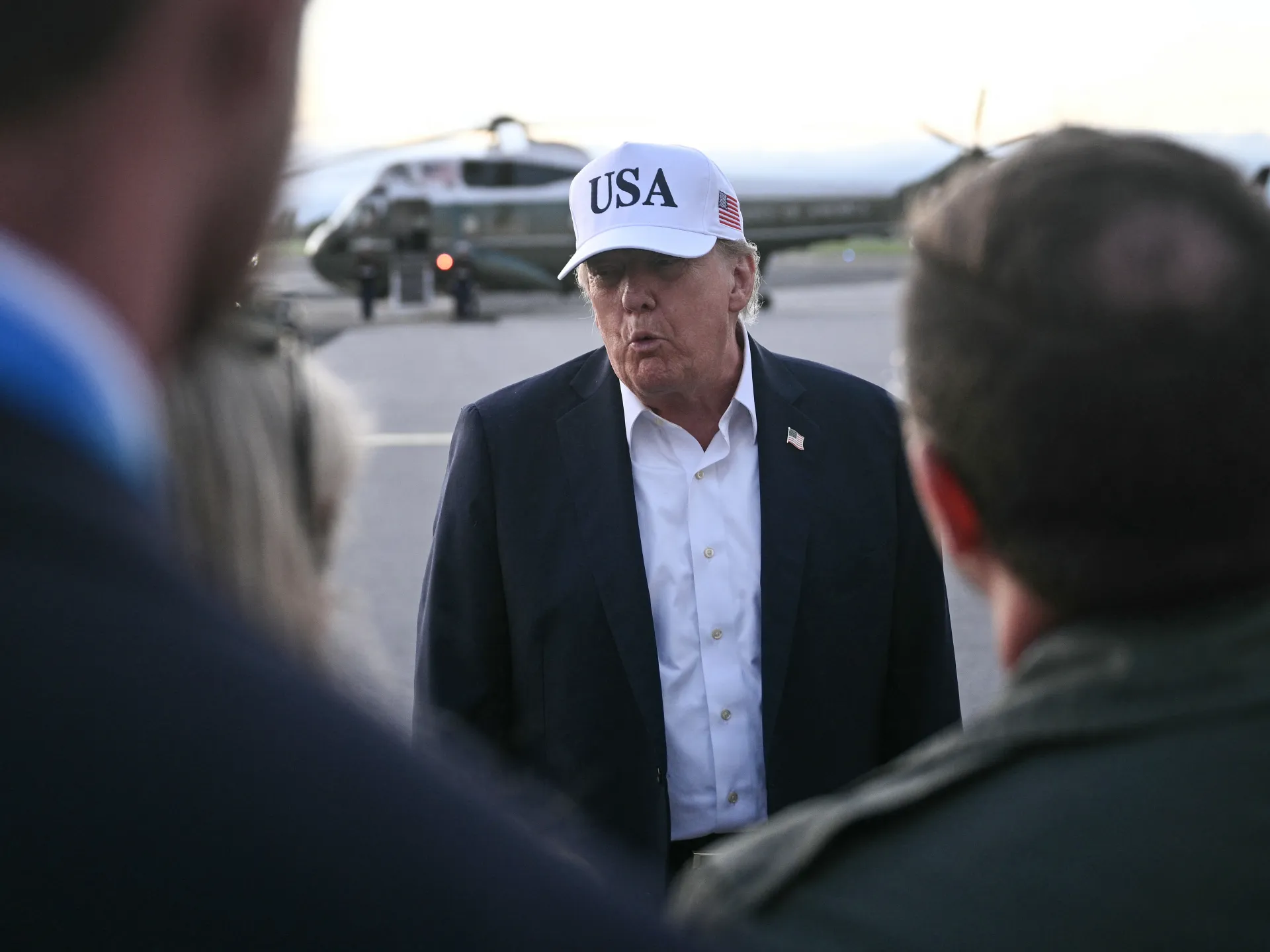
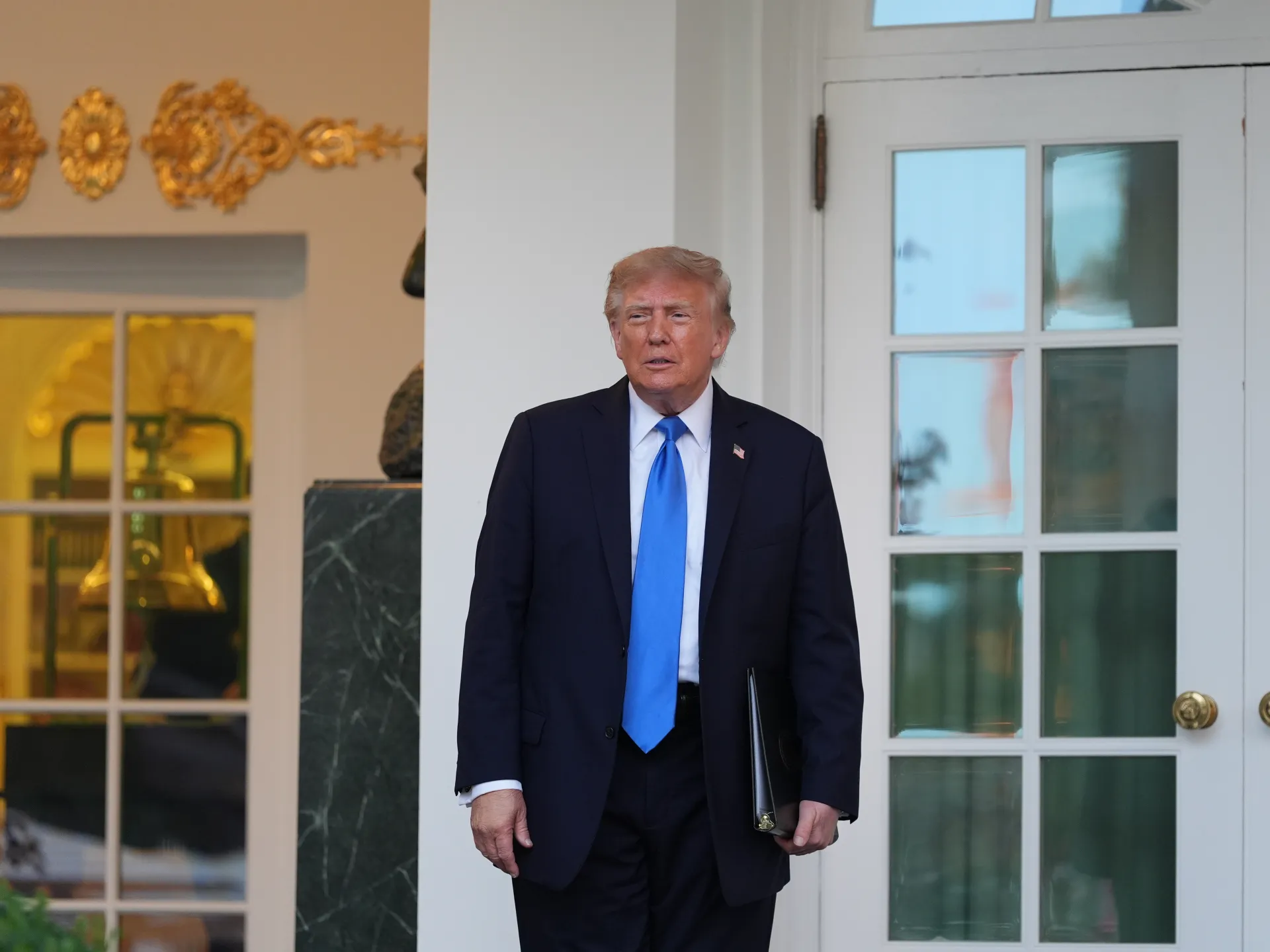
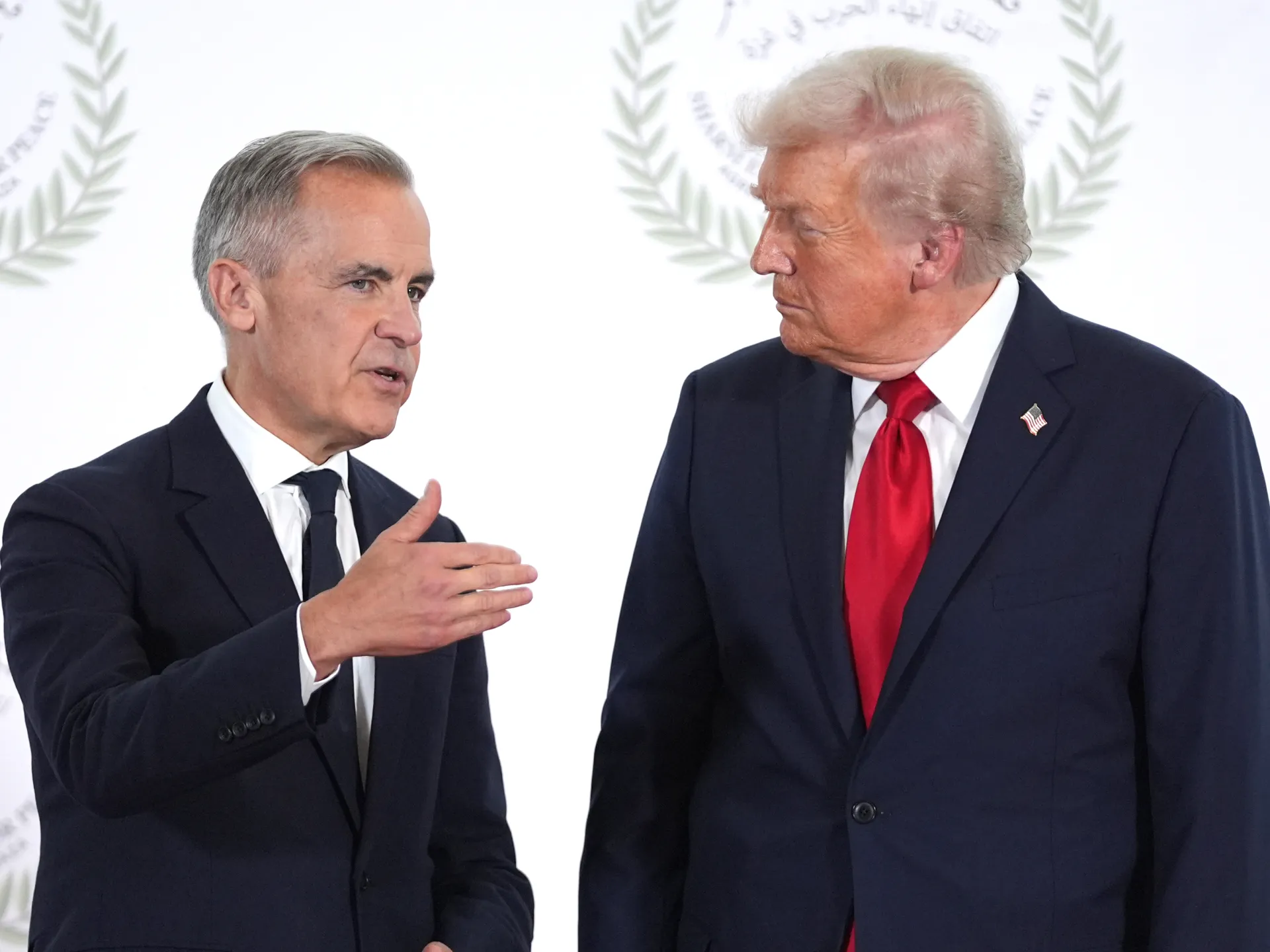
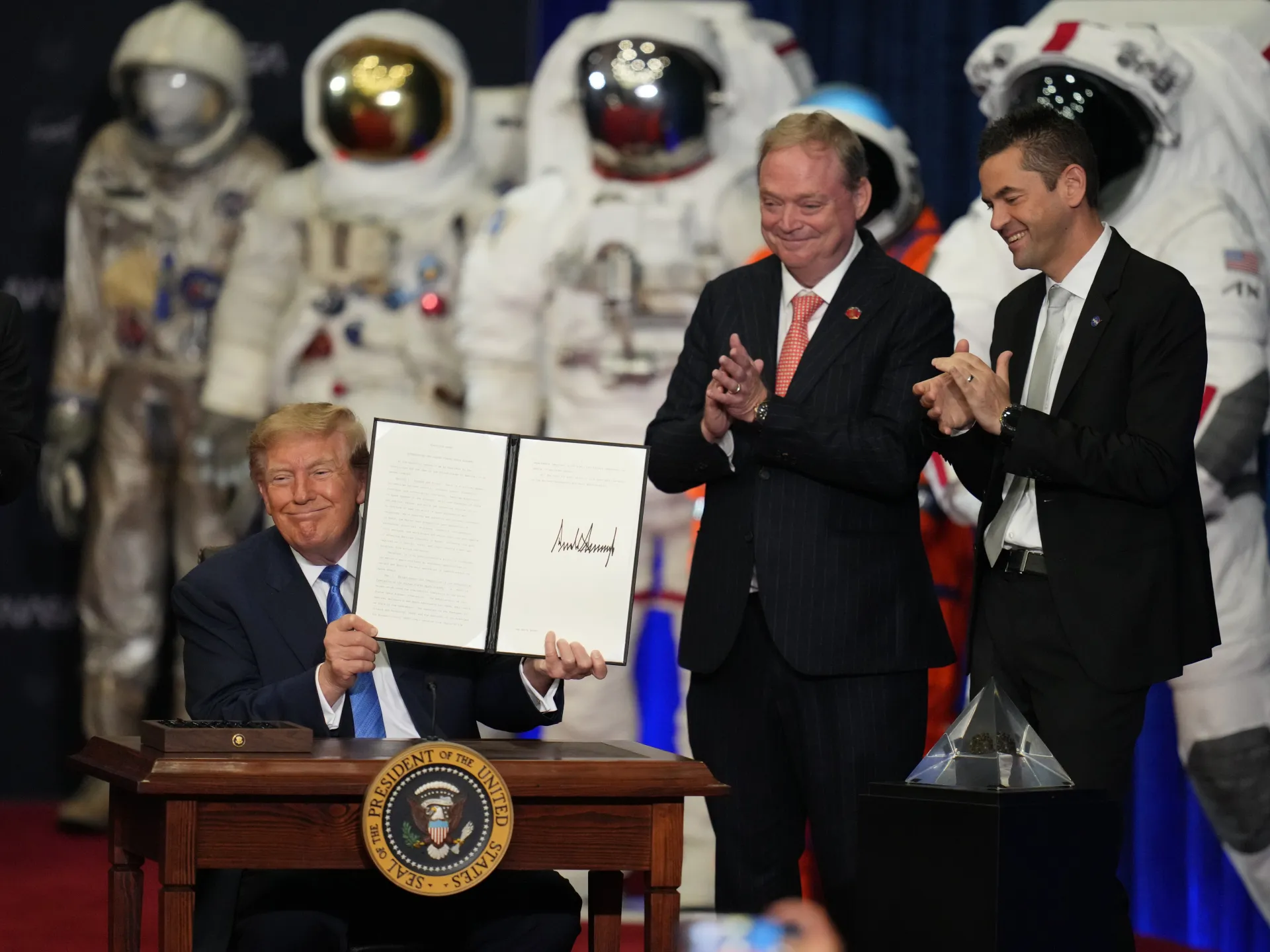
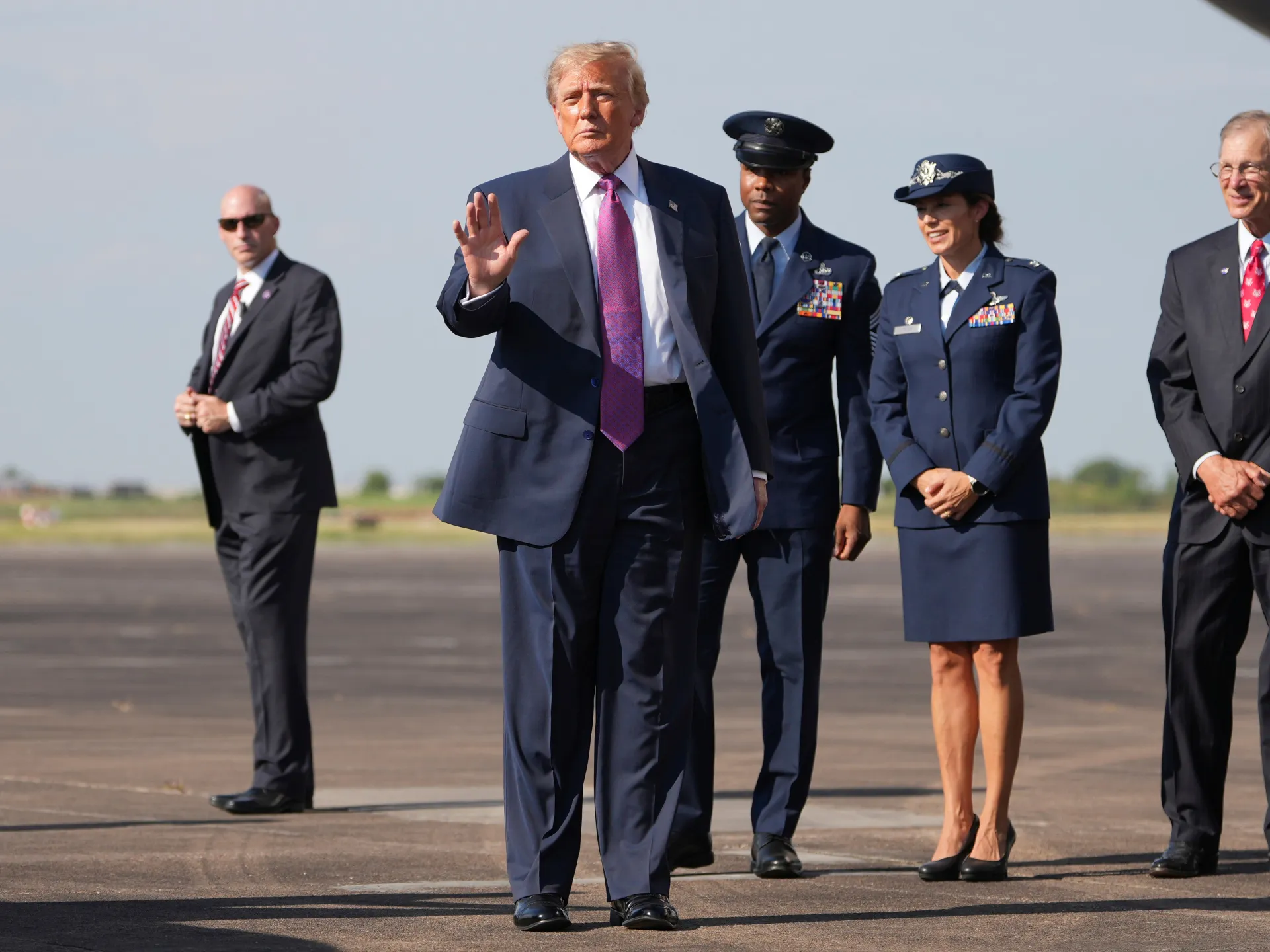
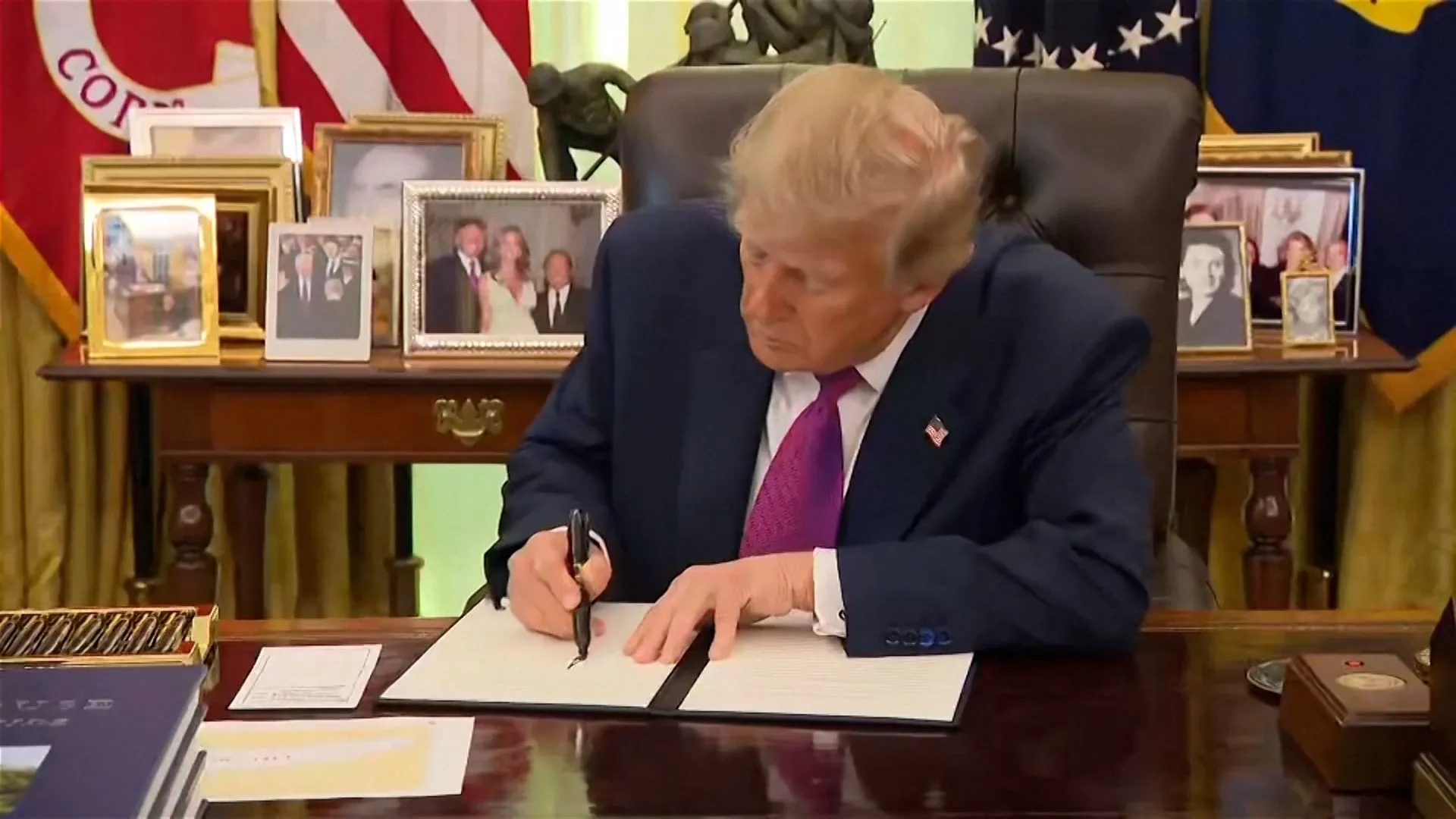
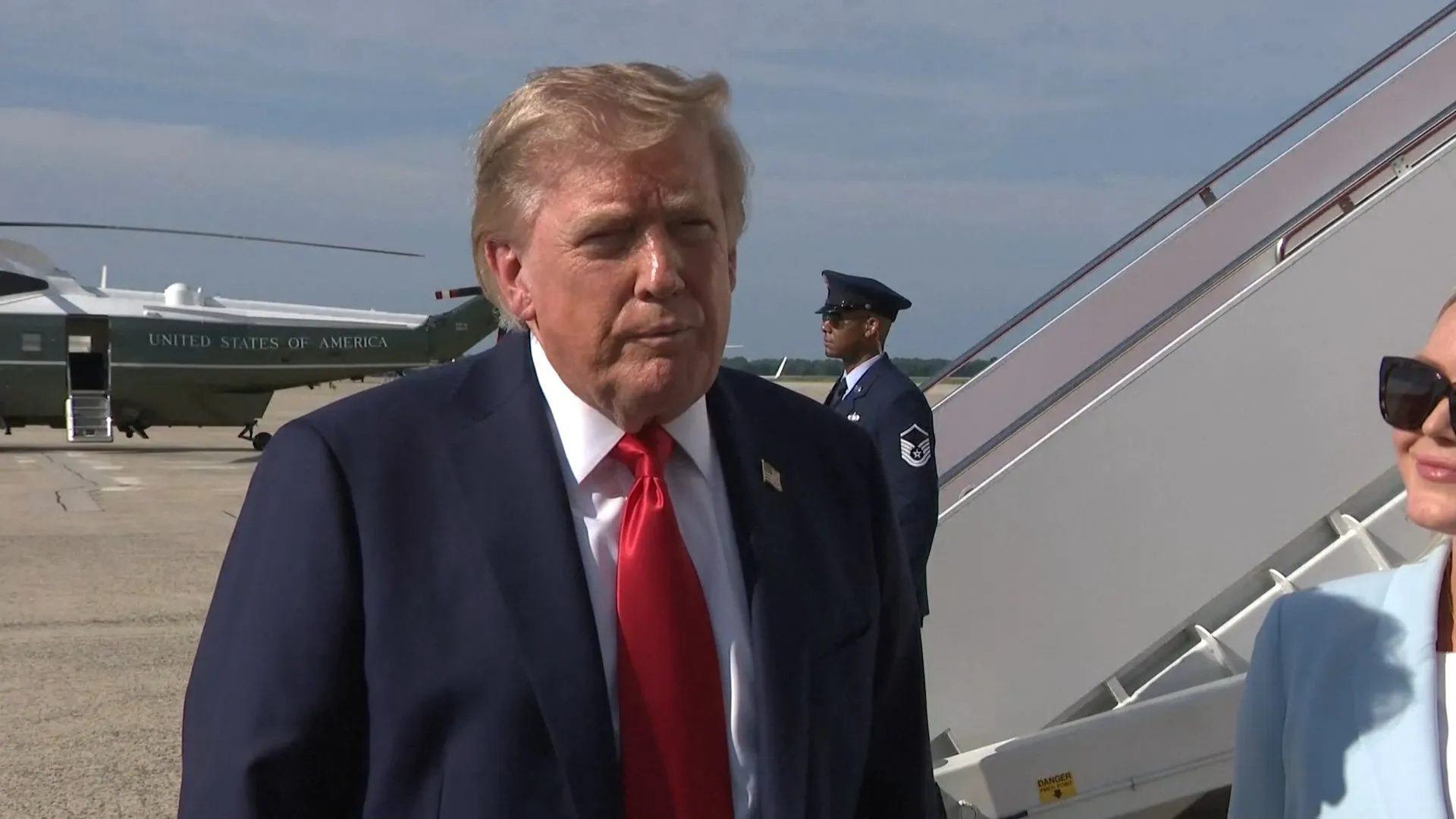
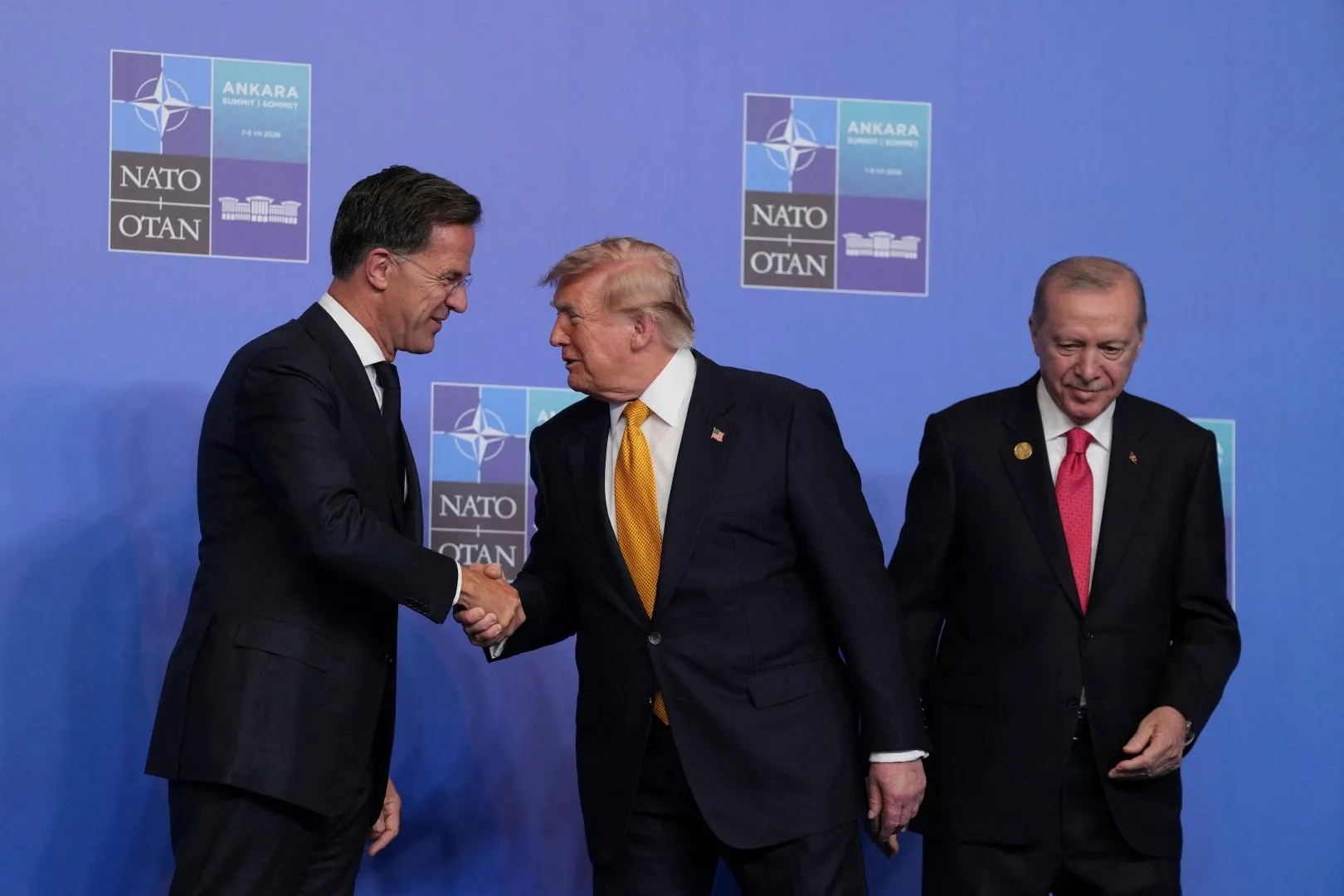
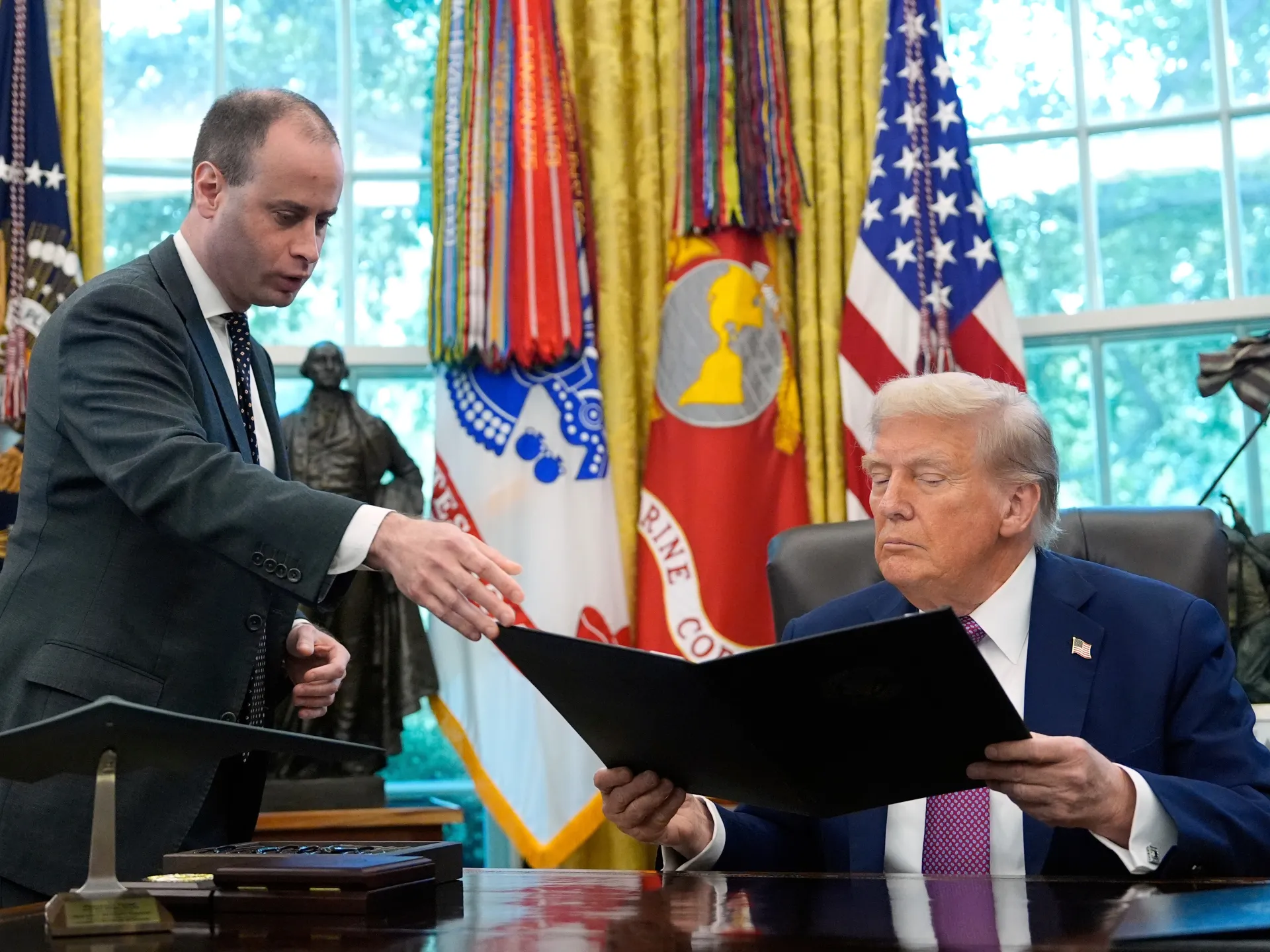
The rekindling of the Falklands dispute creates a complex geopolitical dilemma that tests the strength of the “special relationship” between the United States and the United Kingdom. Historically, Washington has maintained a degree of neutrality or cautious support for the status quo in the South Atlantic, but the current administration under President Donald Trump has hinted at a potential re-evaluation of its stance. This creates a volatile environment where the traditional diplomatic framework for resolving the dispute—centered on the principle of self-determination—is being openly challenged
Furthermore, the escalation represents a wider concern for international commercial law. against 60 distinct entities, Argentina is attempting to create a high-cost environment for resource development in contested waters. This sets a precedent that could ripple across other disputed maritime regions globally, forcing multinational energy corporations to weigh the profitability of extraction against the risk of state-level litigation and criminal prosecution.
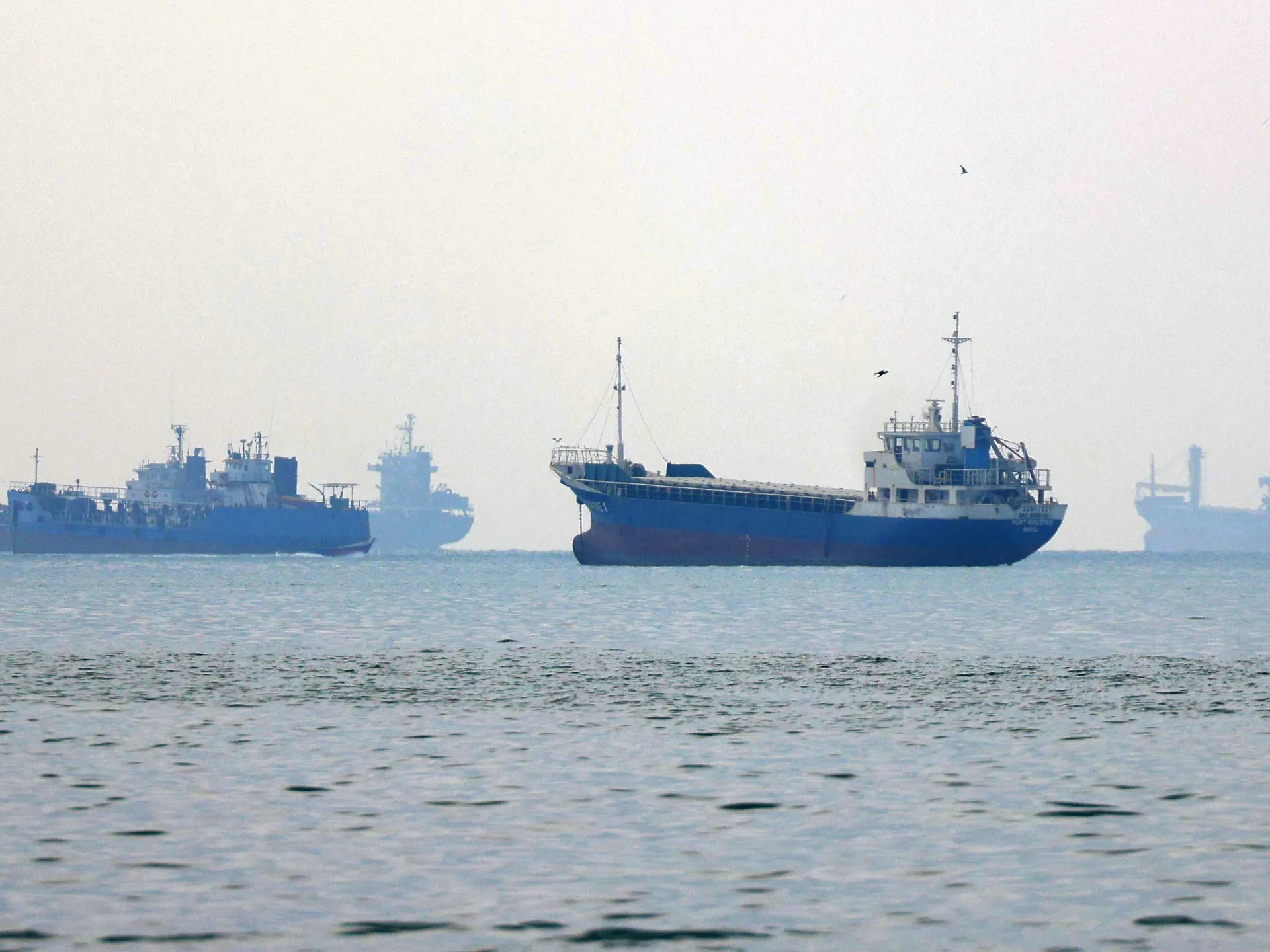
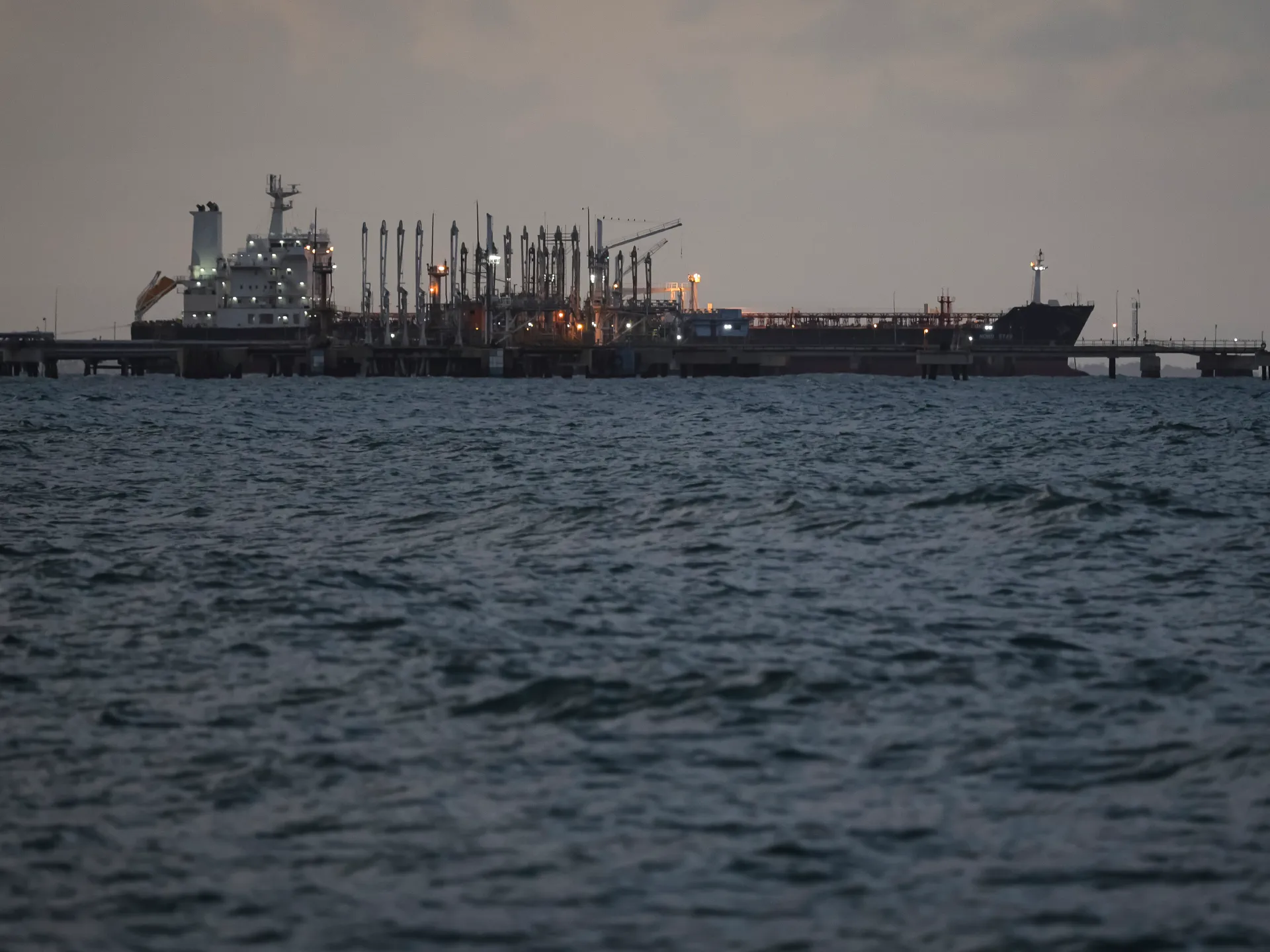
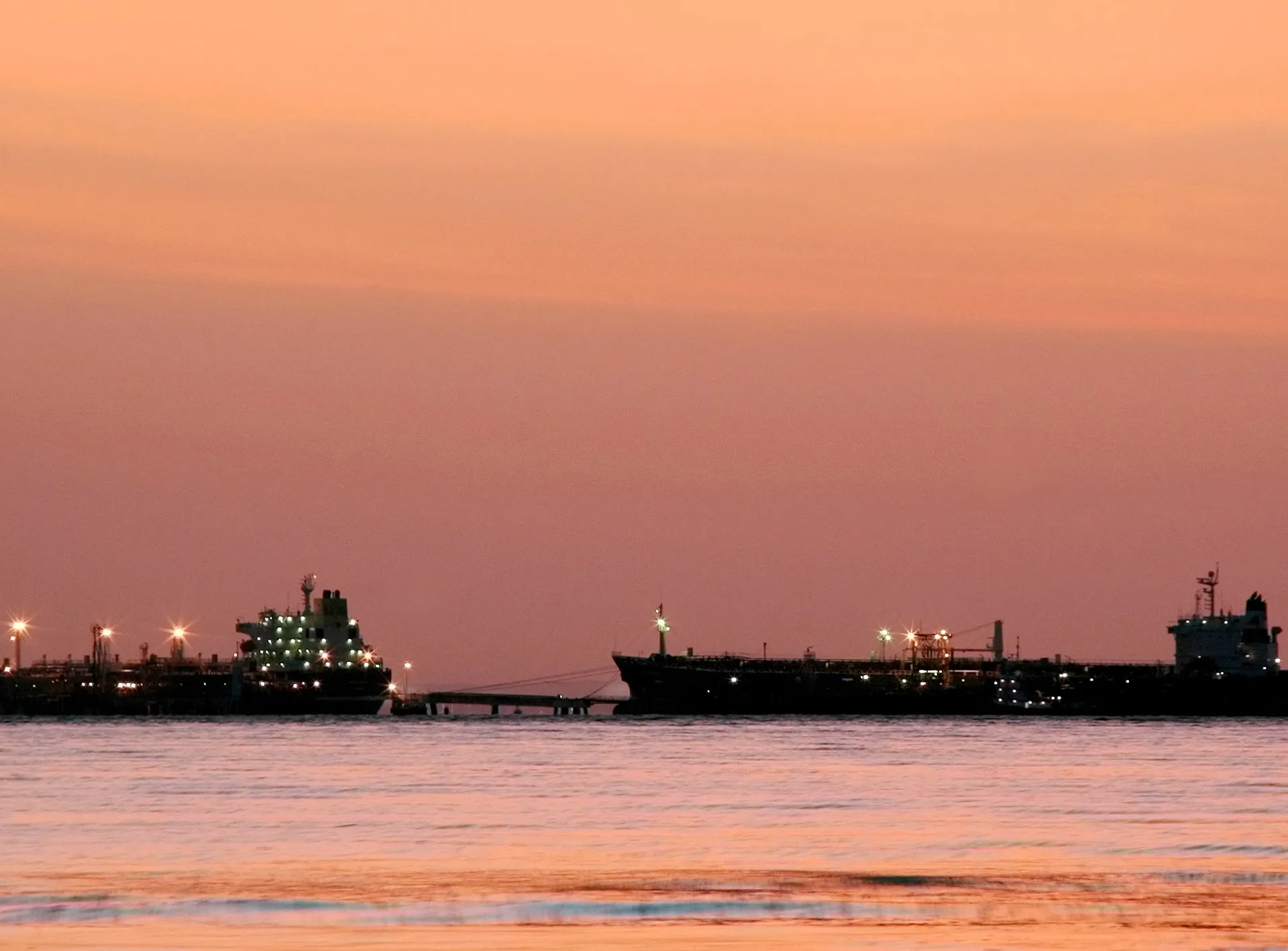
The Argentine government’s strategy is two-pronged, combining punitive legal action with a bolstered military footprint. In September 2026, officials announced that criminal charges would be filed against Navitas Petroleum, which holds a 65% stake in the Sea Lion field. The government asserts that any extraction activity not explicitly authorized officials have consistently rejected these actions, emphasizing that the Falkland Islands maintain the sovereign right to manage their own commercial resources and that the UK’s commitment to the islanders’ security remains “unwavering.”
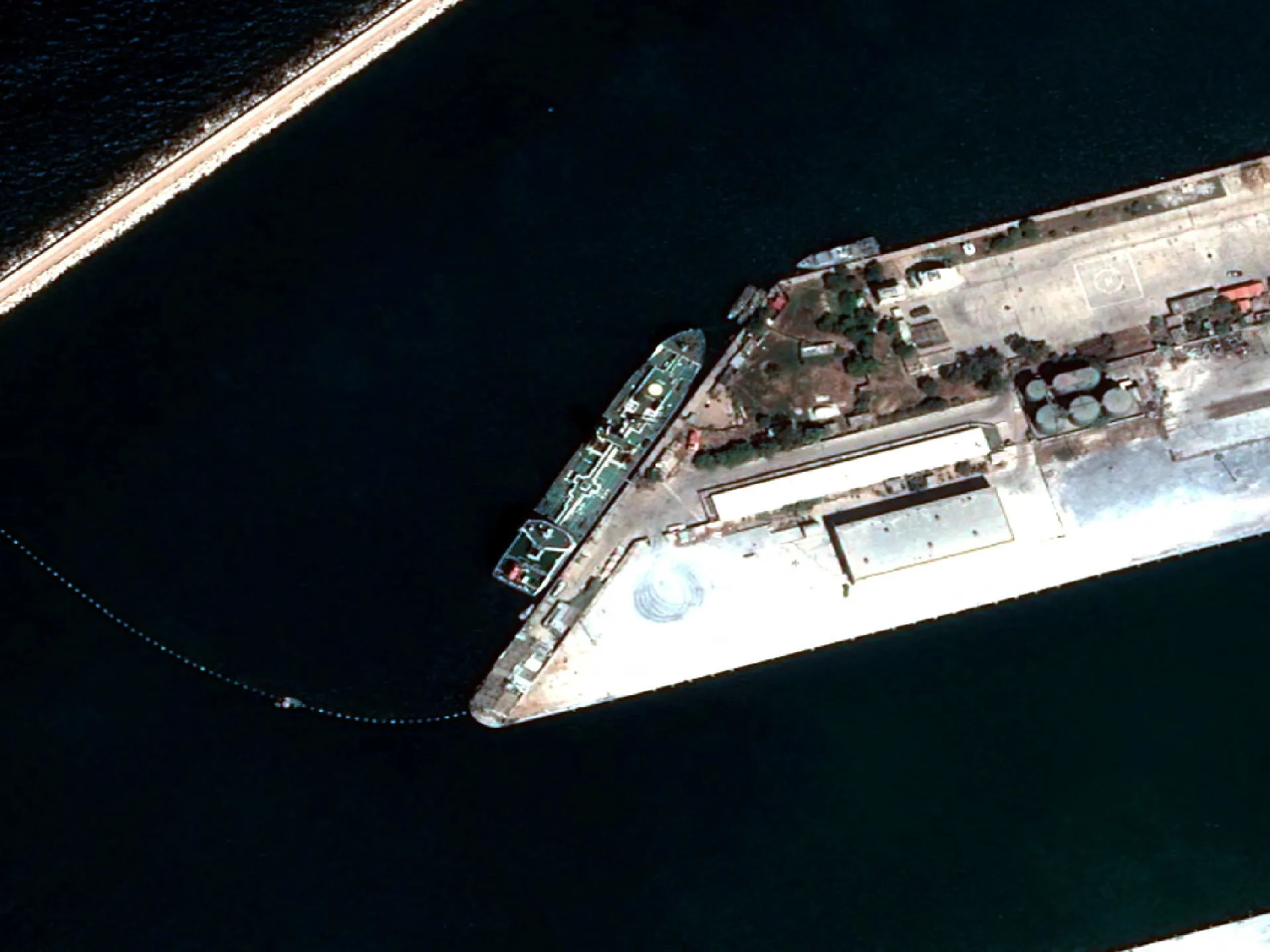
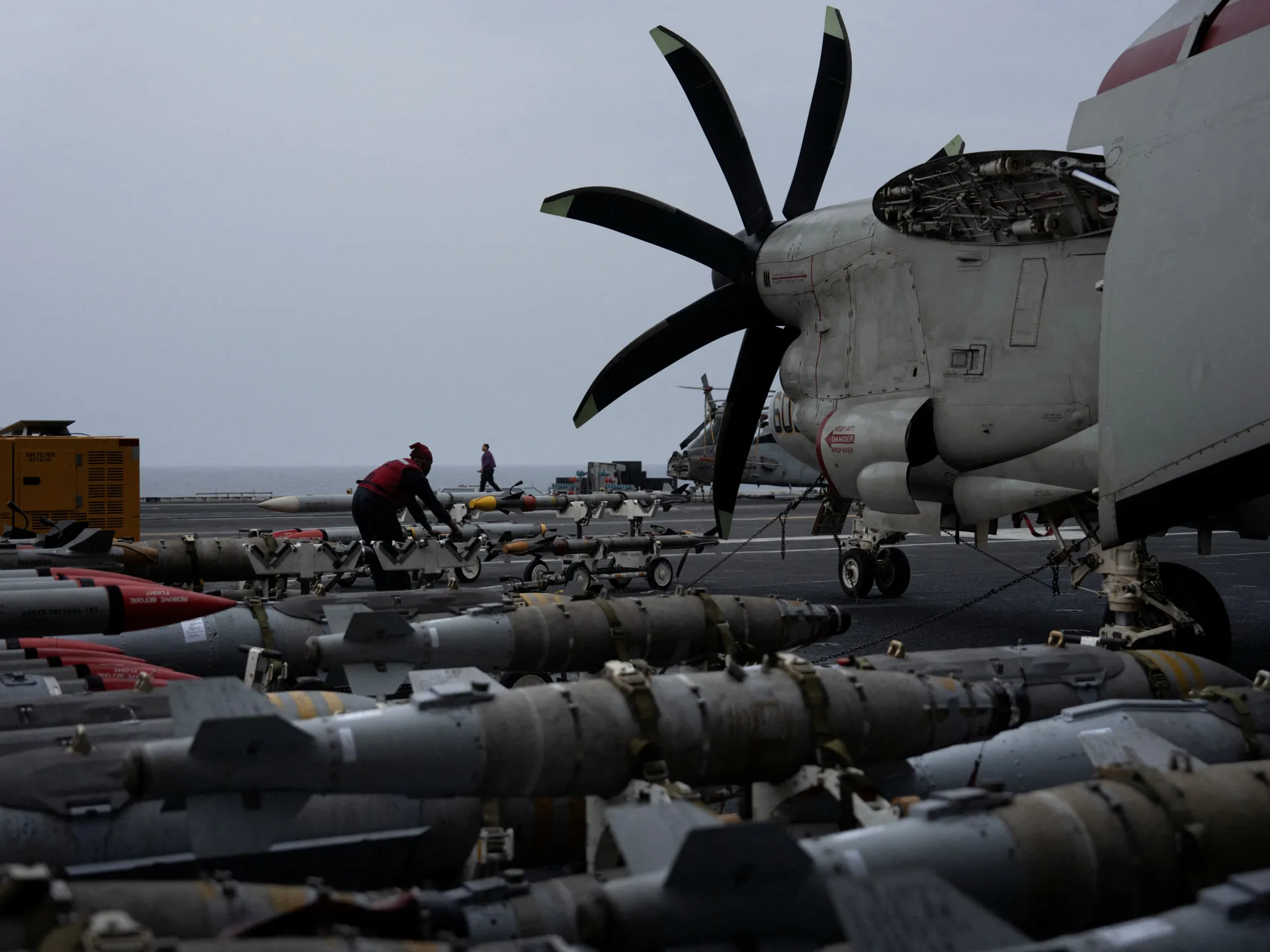
Simultaneously, the administration is committing new funding to a naval base in the Tierra del Fuego province. This move is designed to project power closer to the islands, which the UK has administered continuously since 1833. While the British position relies heavily on the 2013 referendum—in which 99.8% of voters opted to remain a British overseas territory—President Milei has explicitly rejected this democratic mandate, arguing that the resident population is an “implanted” group and therefore lacks a legitimate claim to self-determination. This rejection of the referendum result represents a significant hardening of the Argentine position compared to previous administrations.
As the Sea Lion project approaches its planned production timeline for 2028, the situation is likely to enter a period of prolonged legal and diplomatic friction. The British government is expected to continue characterizing the drilling as a legitimate commercial endeavor, while Argentina may increase the frequency of its naval patrols in the South Atlantic to demonstrate its resolve. The critical variable will be whether the United States opts to mediate or if the Trump administration’s stated interest in “reconsidering” its position leads to a more overt tilt toward the Argentine perspective.
Should the criminal charges against energy executives move forward in Argentine courts, it will likely trigger retaliatory measures from the UK, potentially including international arbitration or stronger diplomatic warnings. For now, the prospect of a peaceful, negotiated settlement appears to be receding as both nations adopt increasingly uncompromising positions, signaling that the South Atlantic will remain a flashpoint for international law and territorial integrity for the foreseeable future.