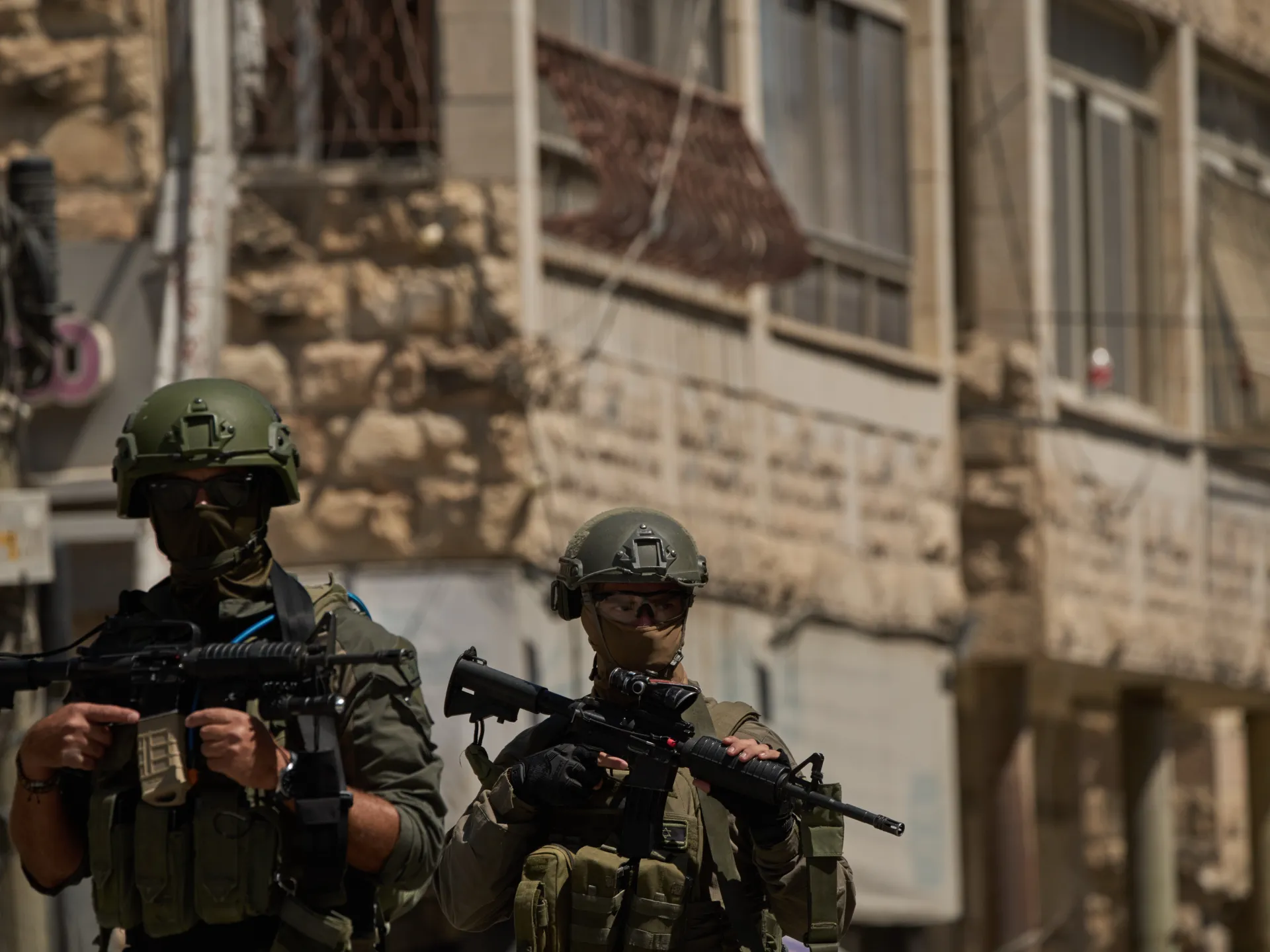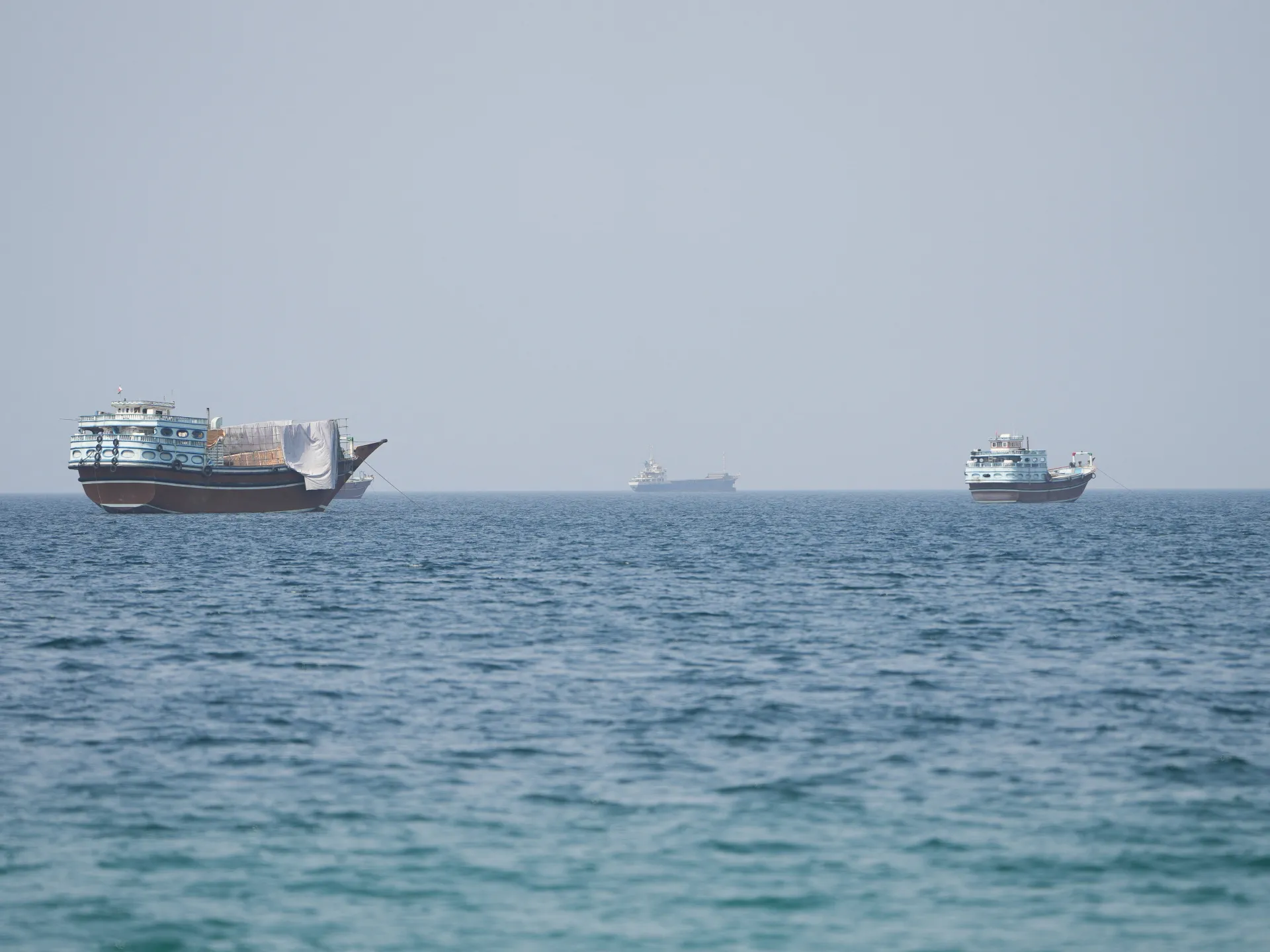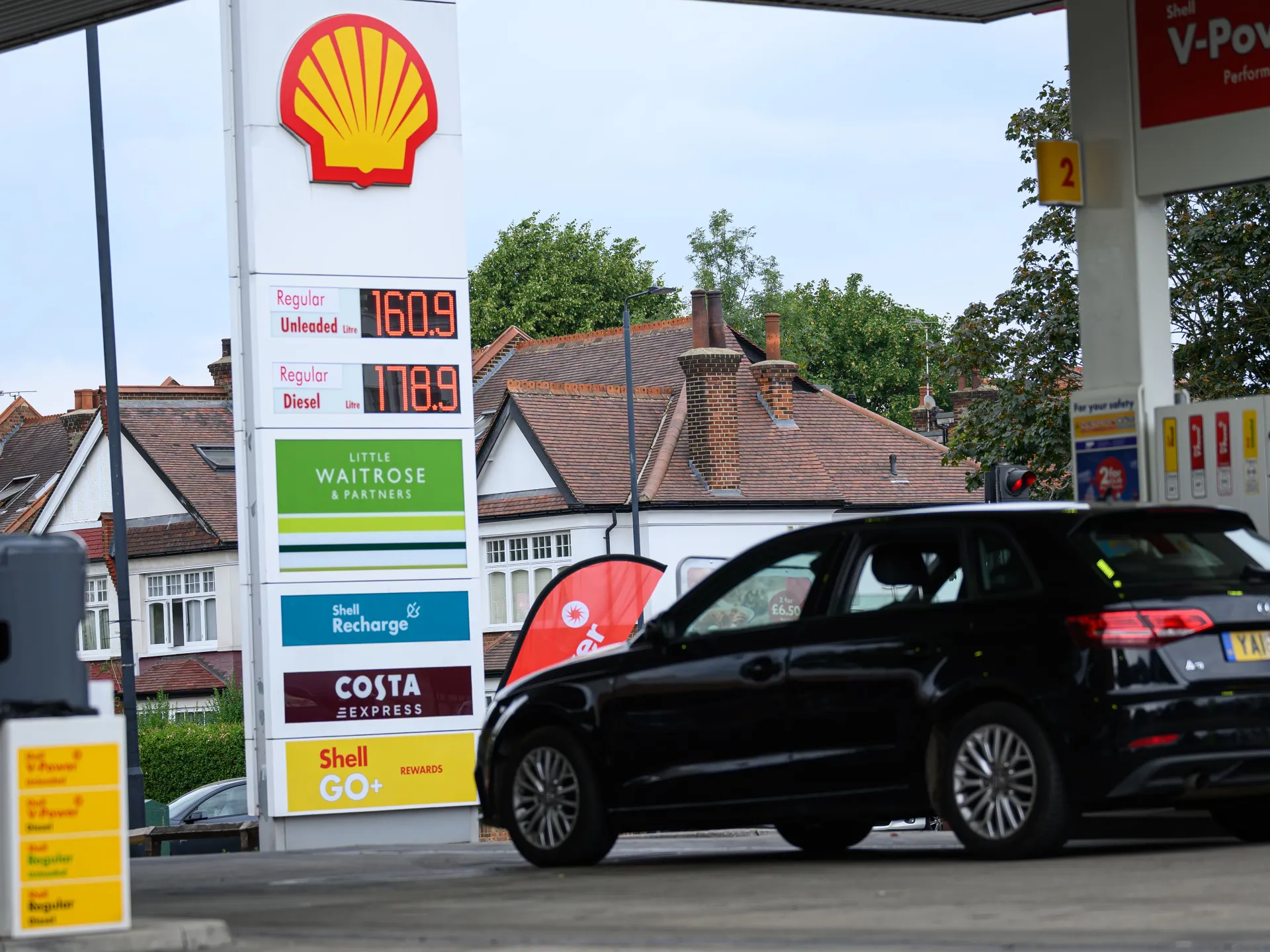
Global oil prices continue to surge past $100 a barrel as market skepticism persists over U.S. claims that traffic in the Strait of Hormuz has returned to normal.
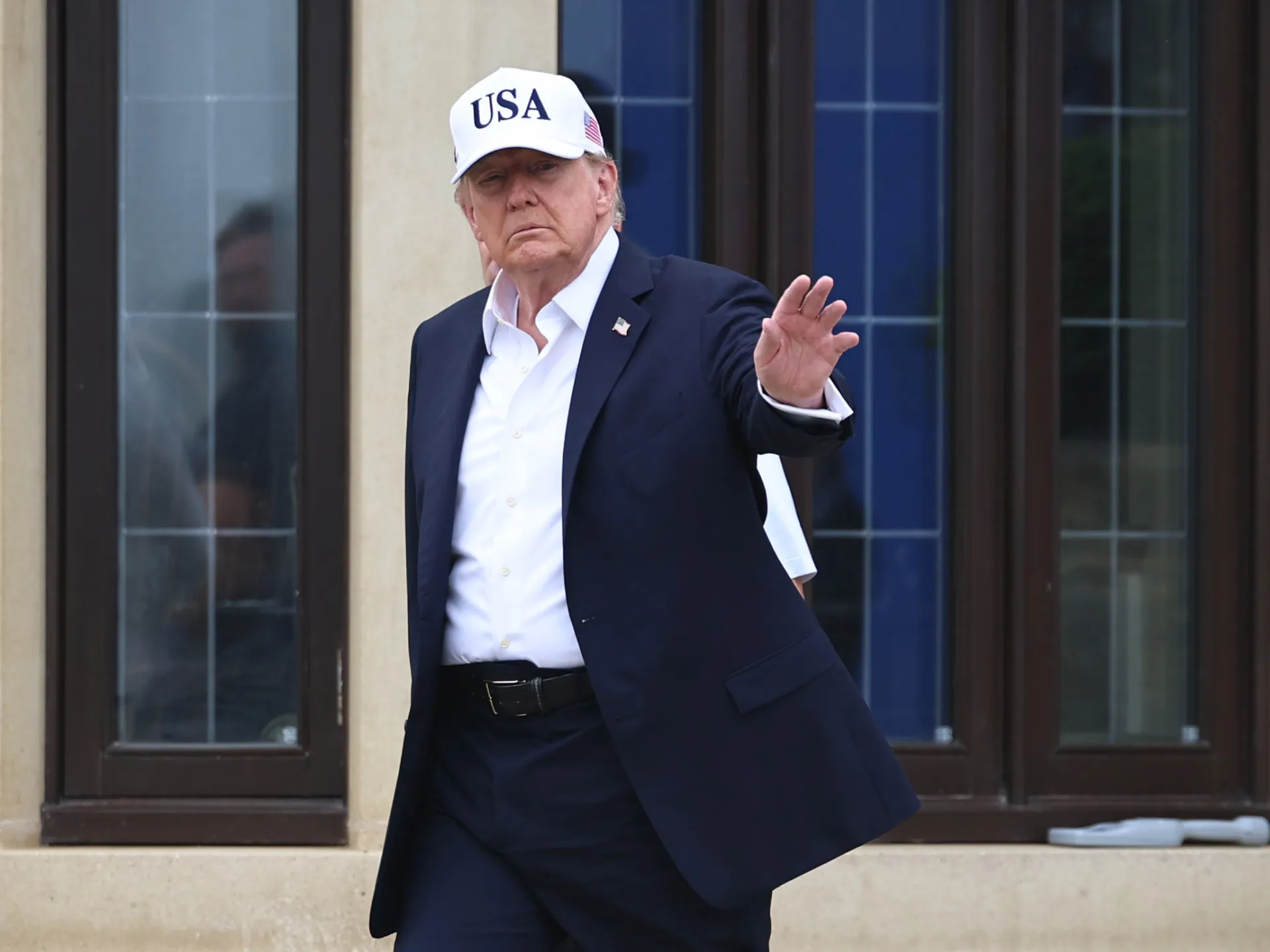
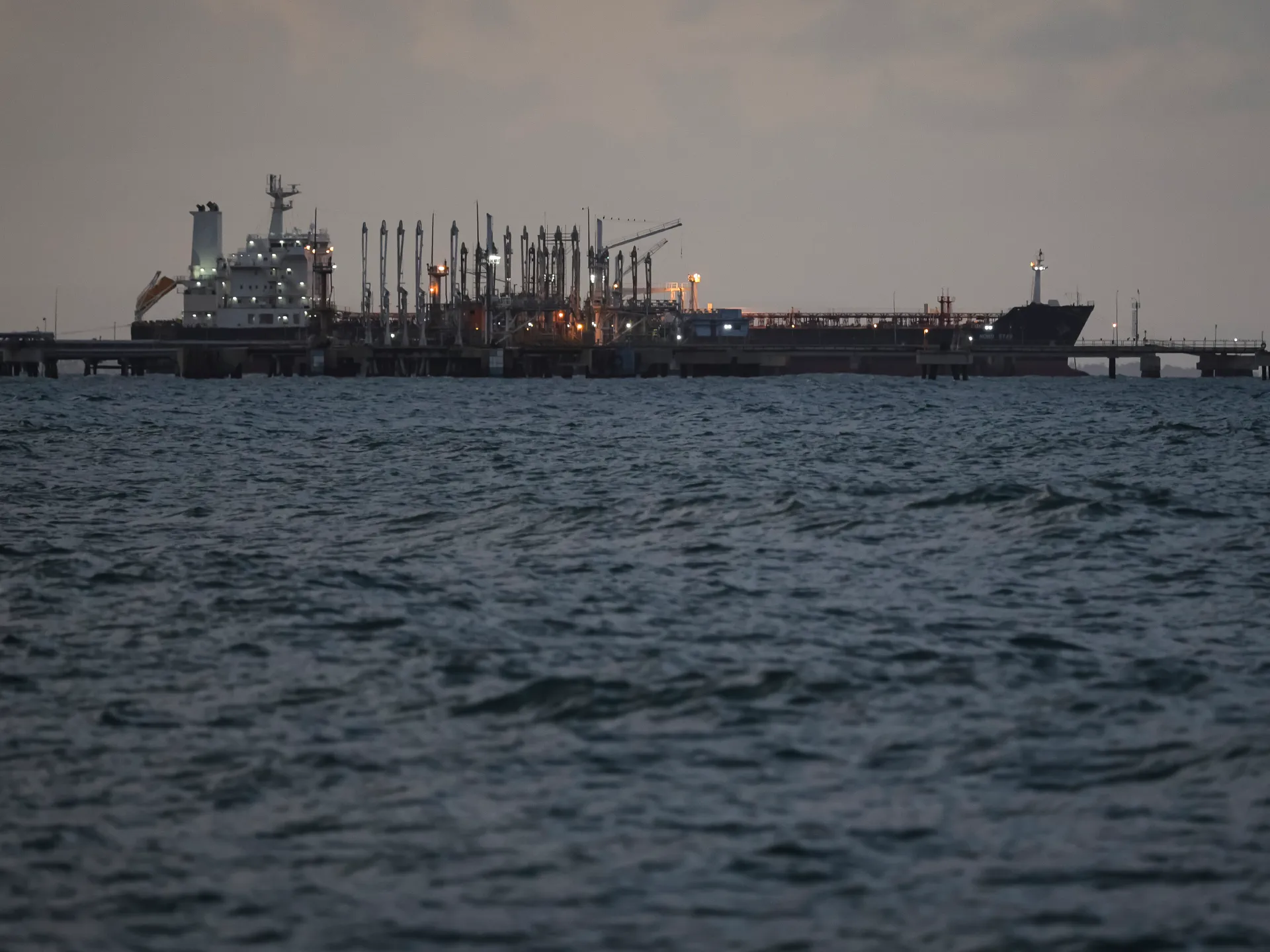
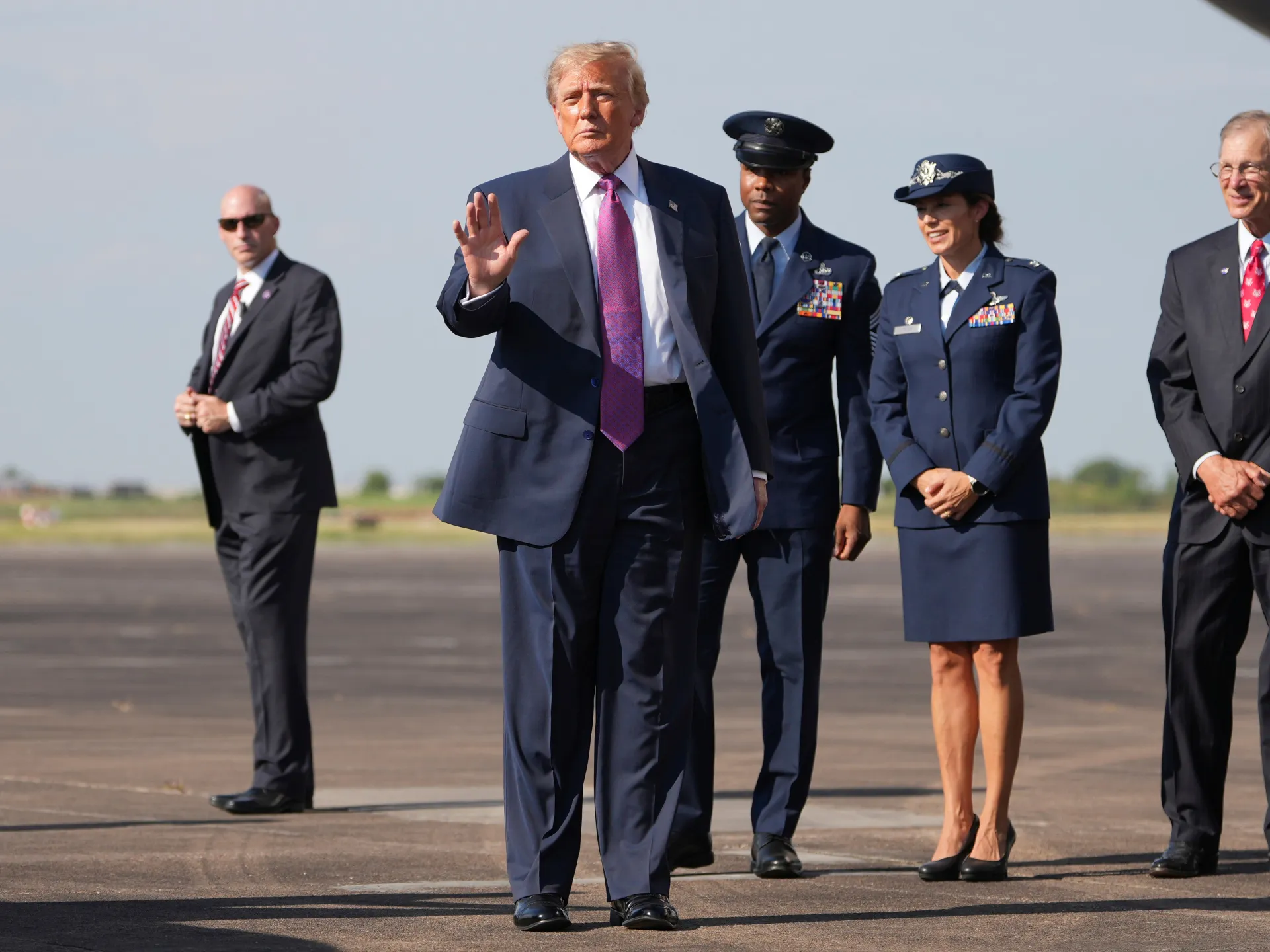
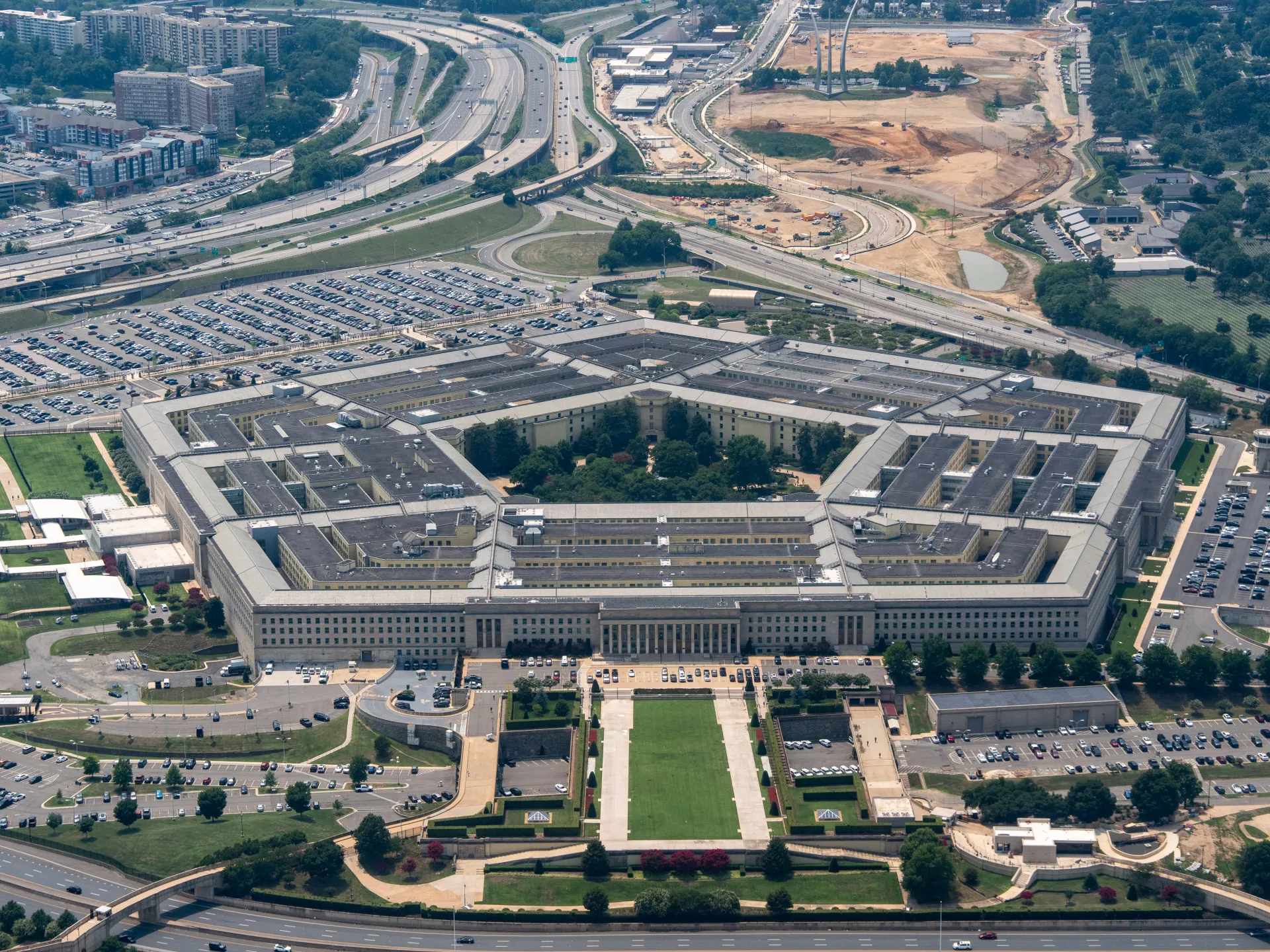
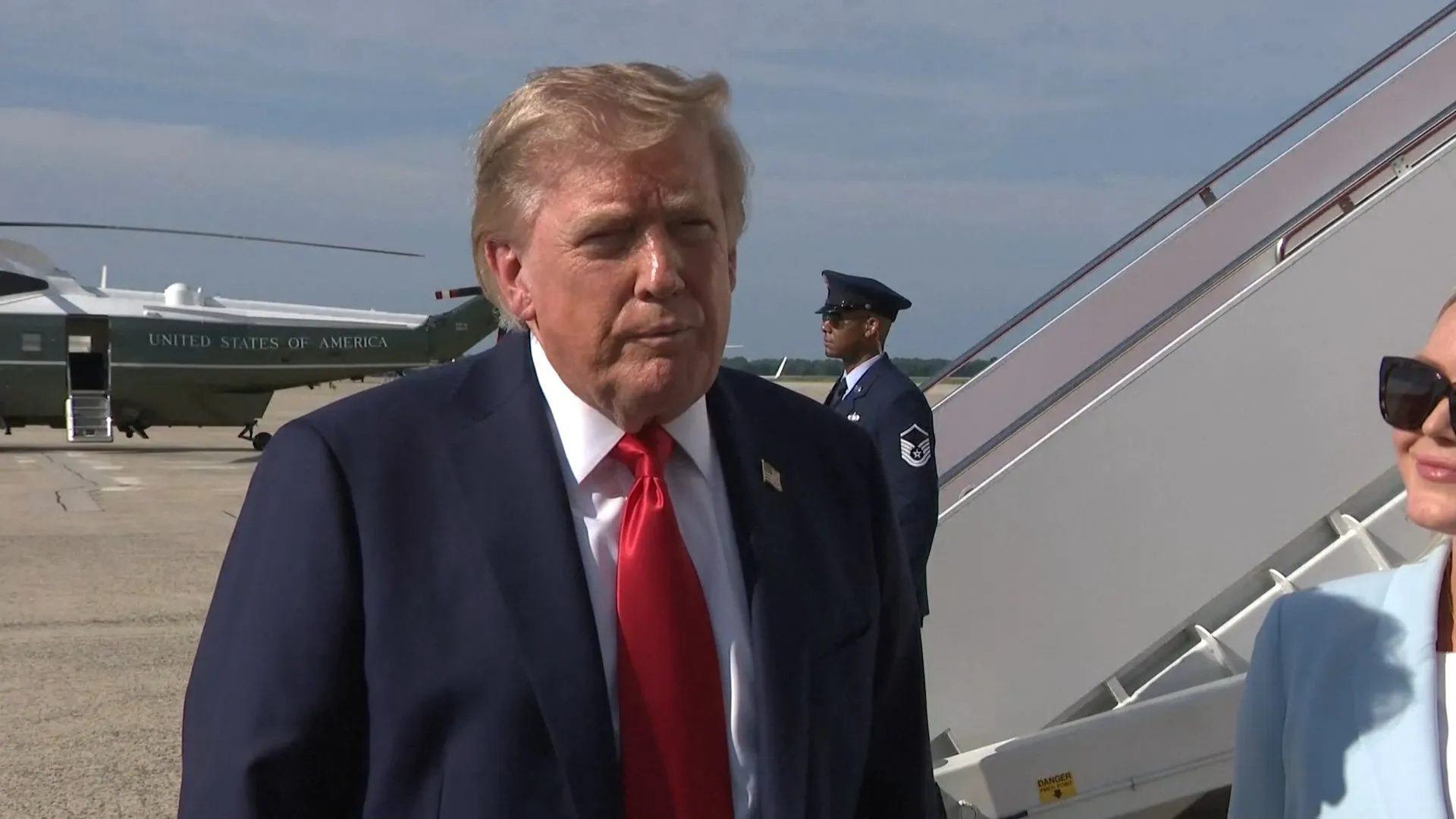
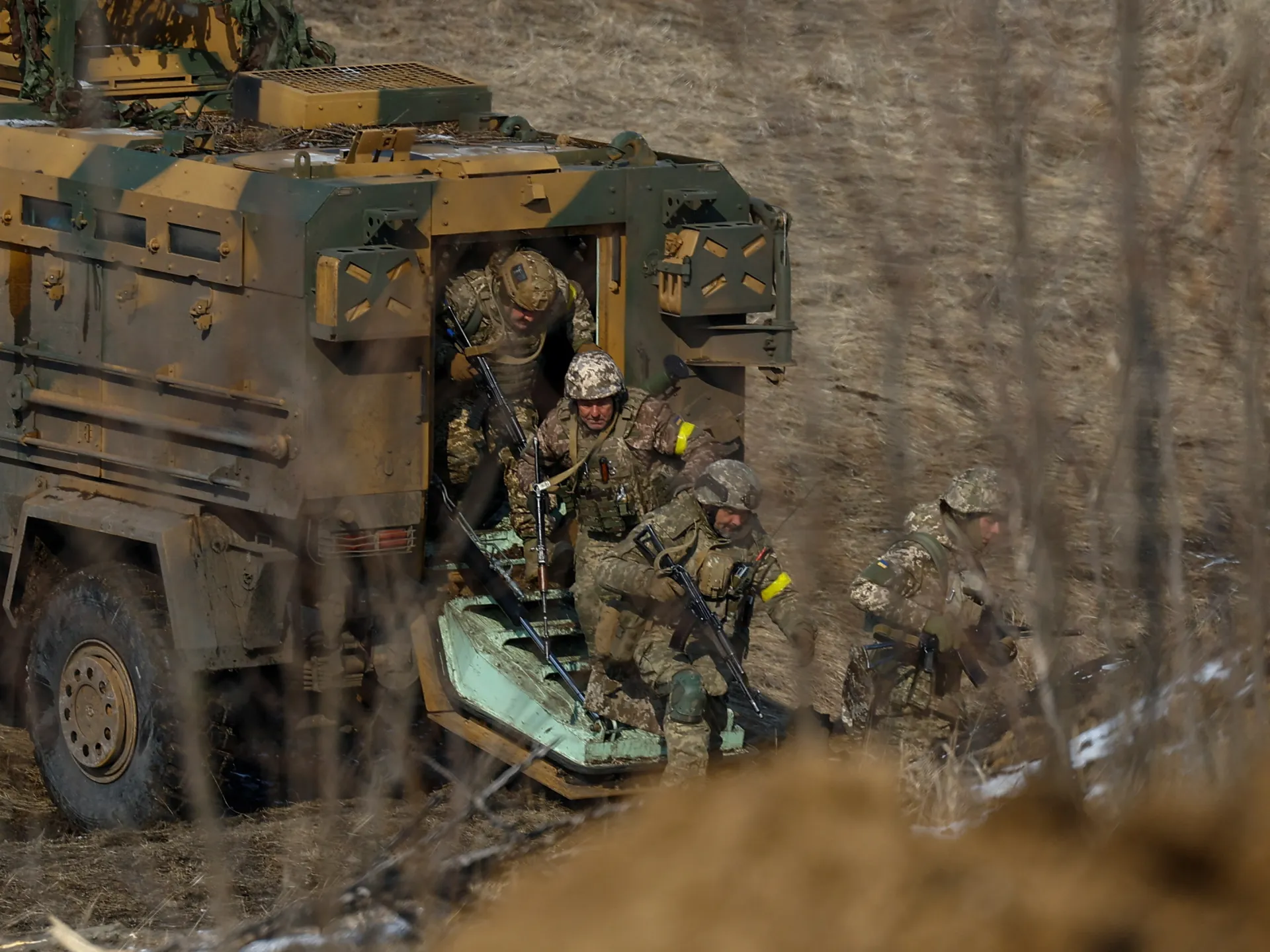
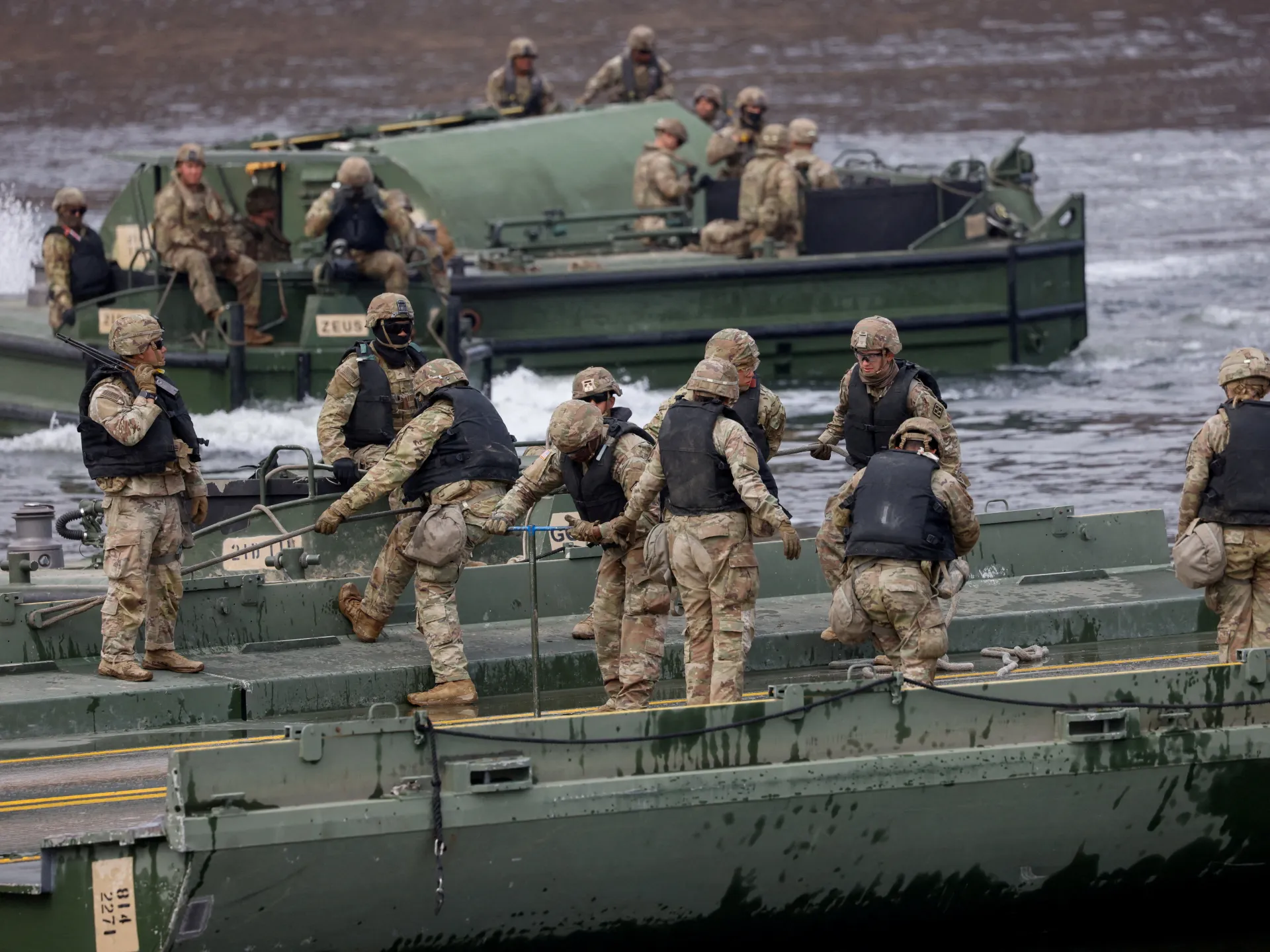
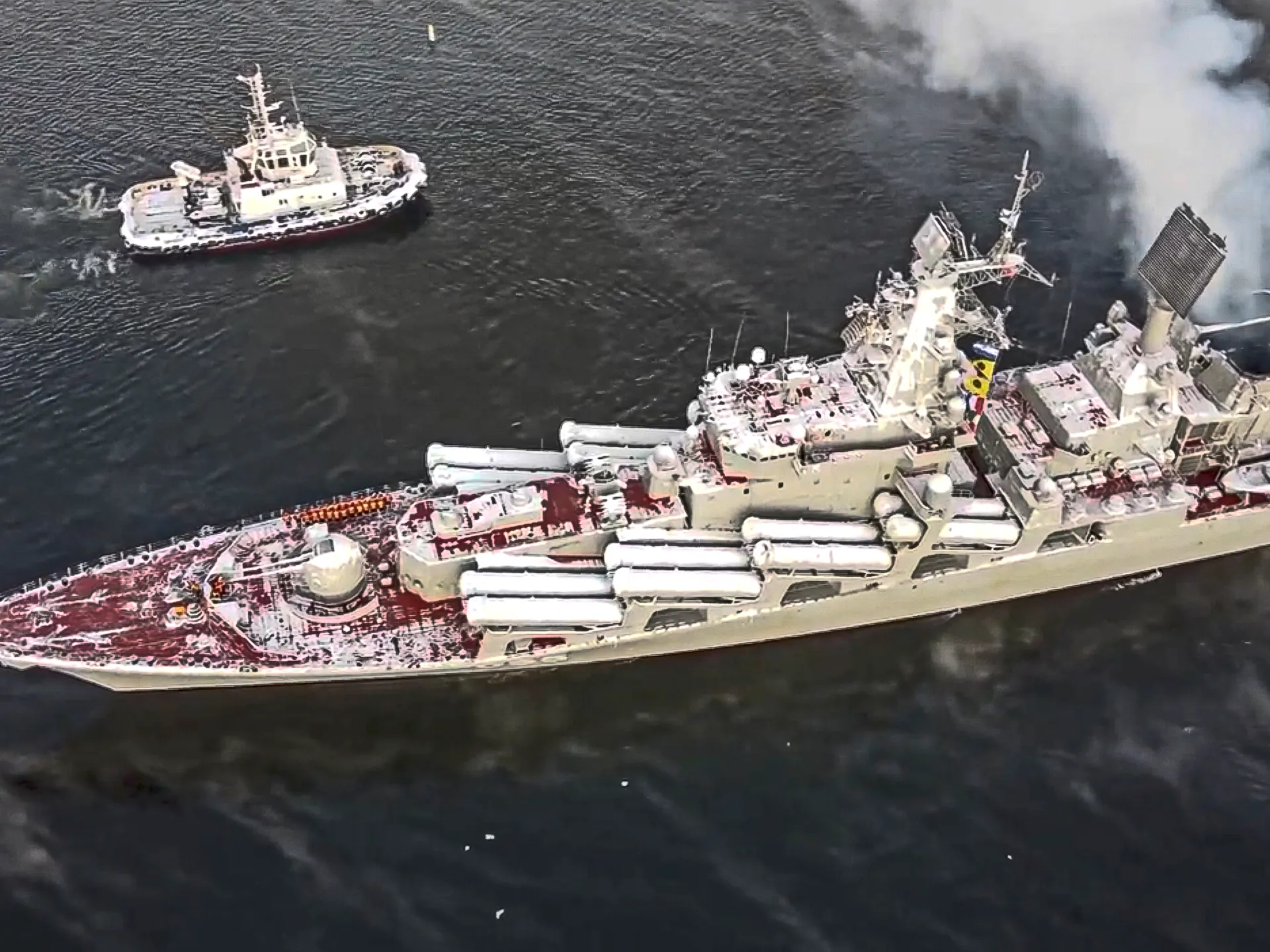
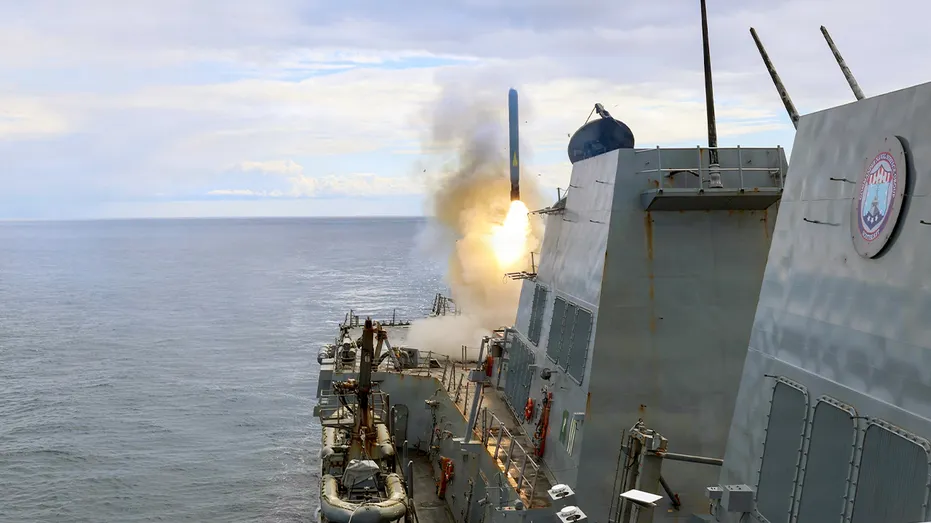
Global energy markets are currently grappling with a significant contradiction between political rhetoric and the tangible reality of maritime logistics. While United States officials have recently expressed confidence regarding the stabilization of the Strait of Hormuz, oil futures have continued to climb, with Brent crude prices recently surging past $107 per barrel. The Biden administration maintains that it is making substantial progress in reopening the vital waterway, asserting that U.S. forces are actively escorting tankers to ensure the steady flow of energy supplies.
Despite these declarations of being in "total control," the financial markets remain unconvinced. Market analysts suggest that the premium being paid for near-month futures reflects a deep-seated skepticism regarding the actual freedom of navigation in the region. The persistent gap between the government's narrative of operational success and the reality of limited, high-risk transit highlights the fragility of global oil supply chains during the ongoing geopolitical conflict.
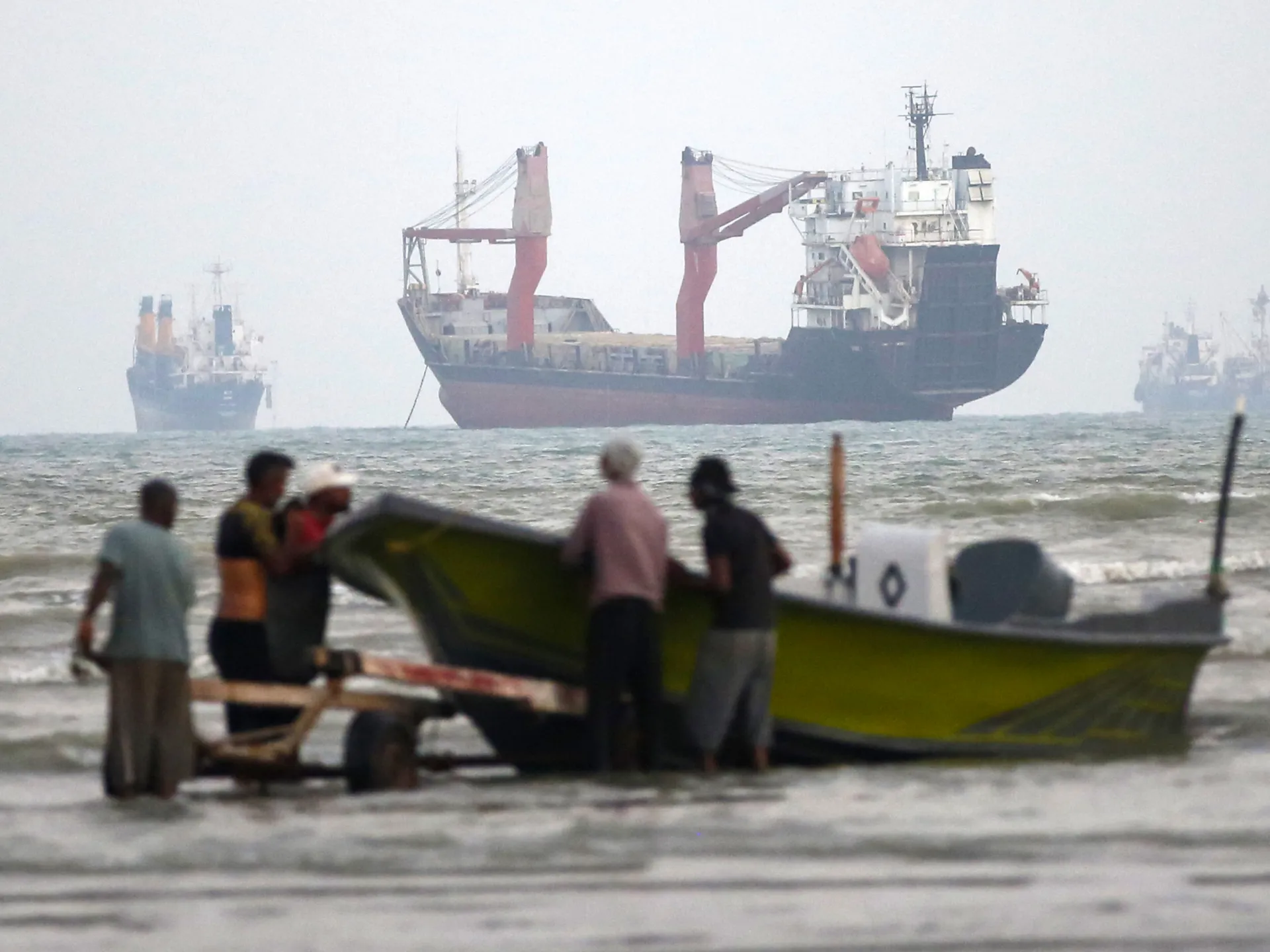
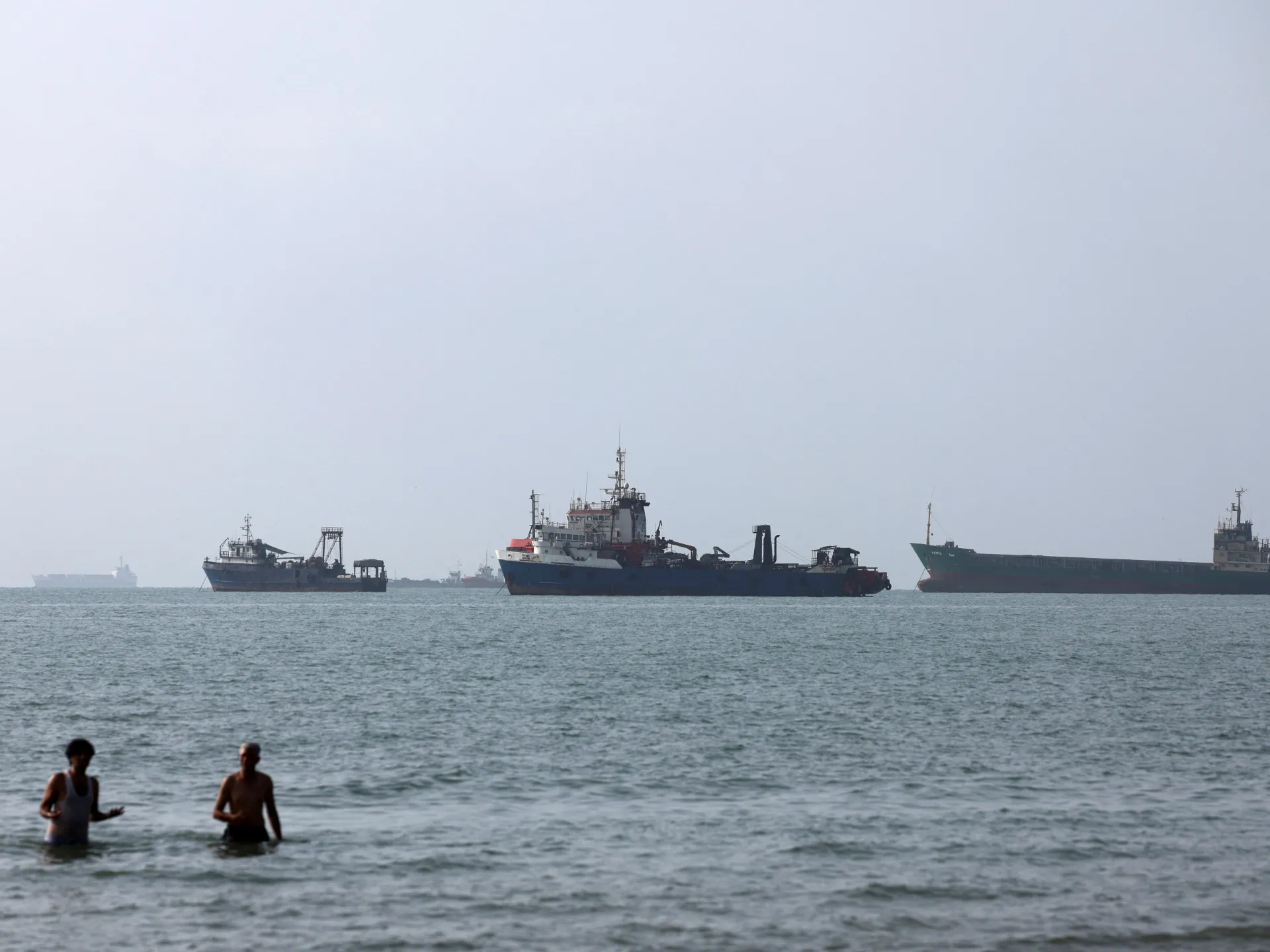
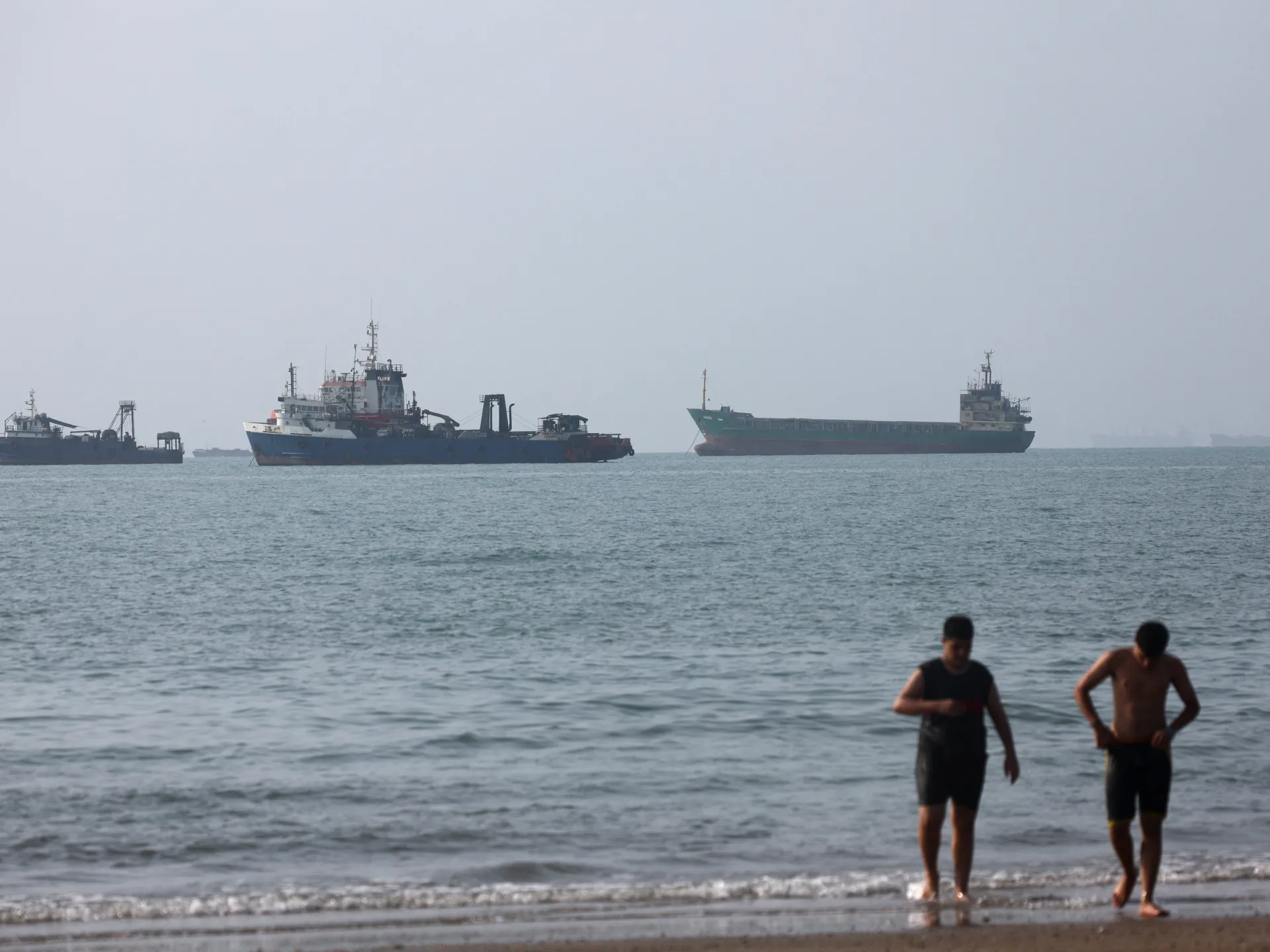
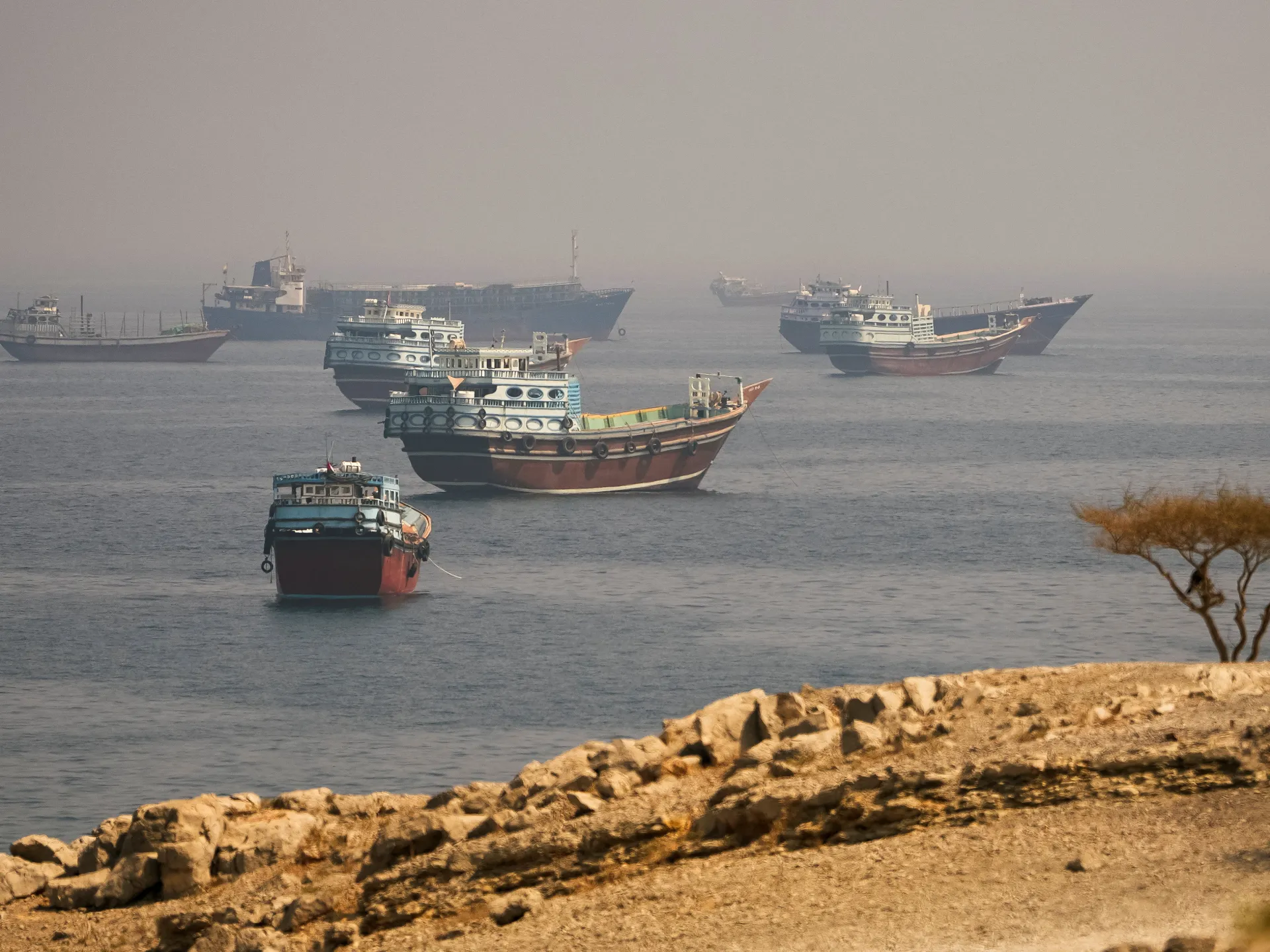
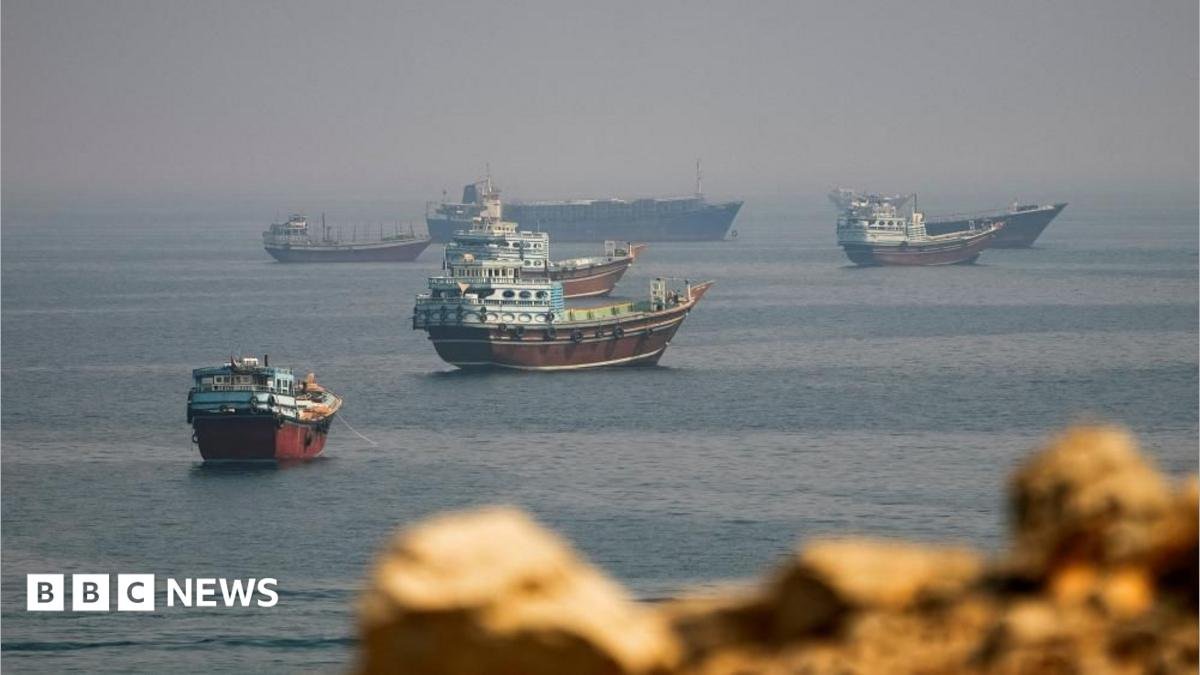
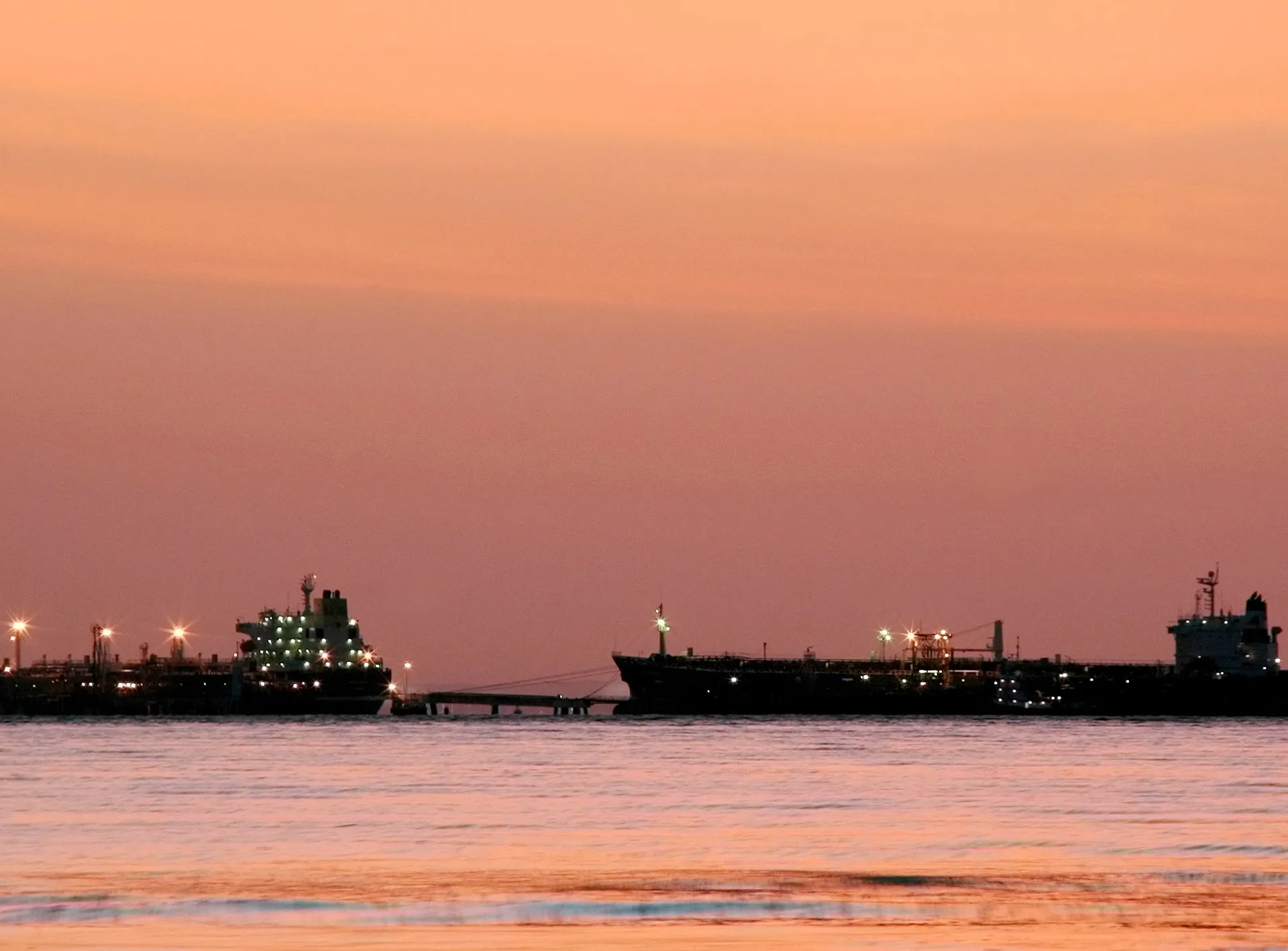
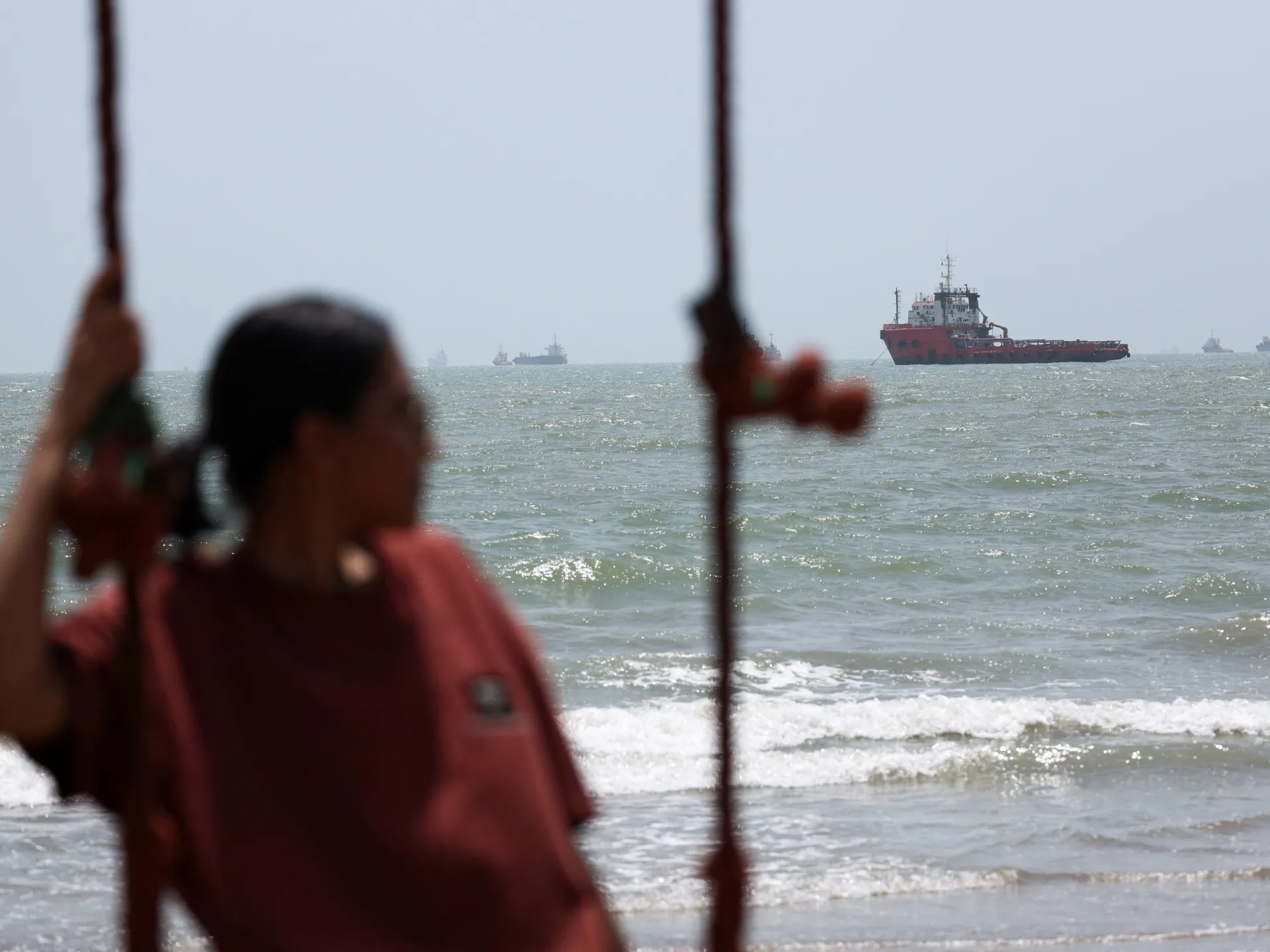
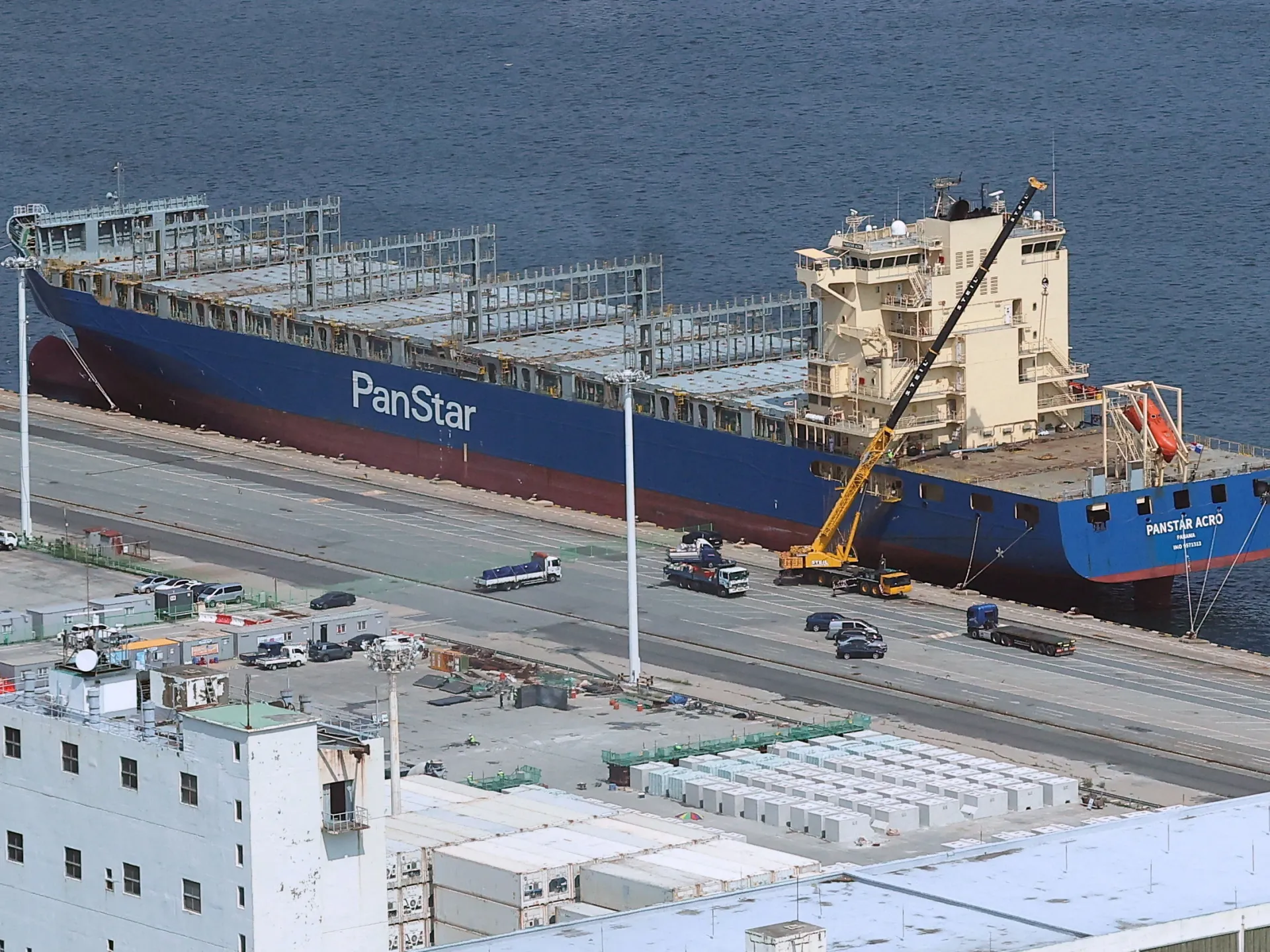
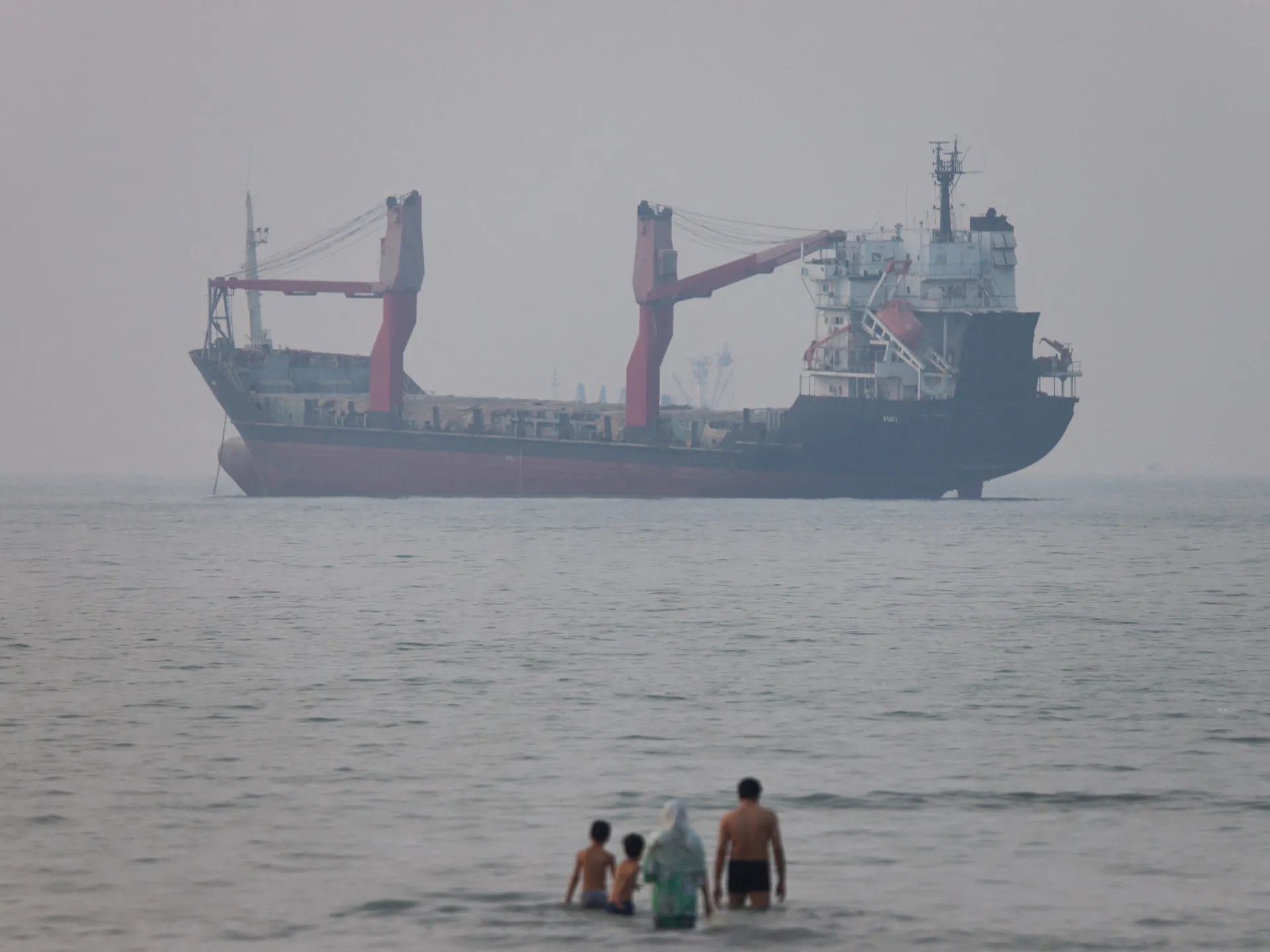
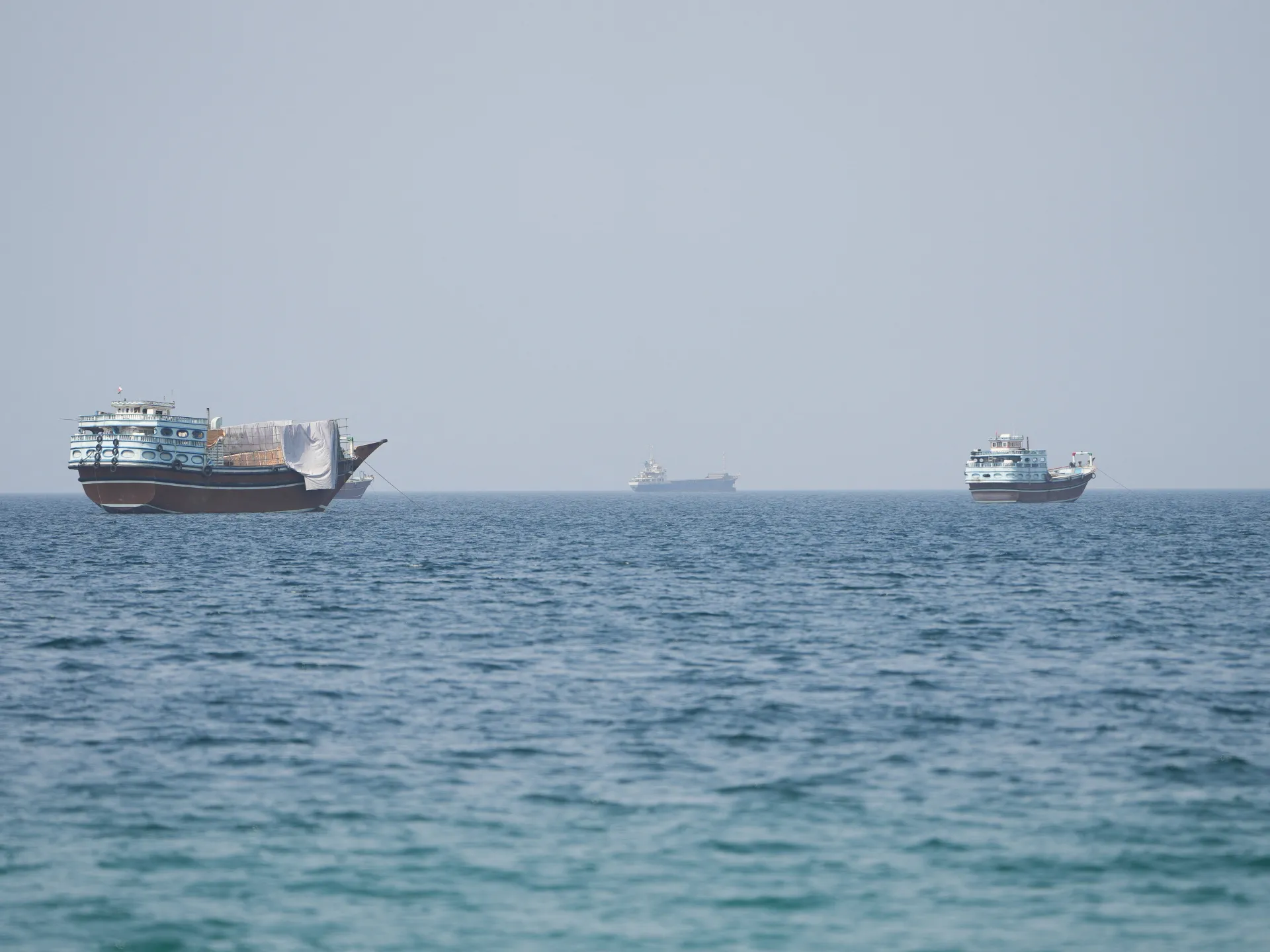
The discrepancy is further underscored ows have rebounded to approximately two-thirds of pre-war levels, averaging 10 million barrels per day. However, this is starkly contrasted ted to single digits per day. This is a dramatic decline from the historical norm of over 100 vessels daily prior to the outbreak of hostilities in February.
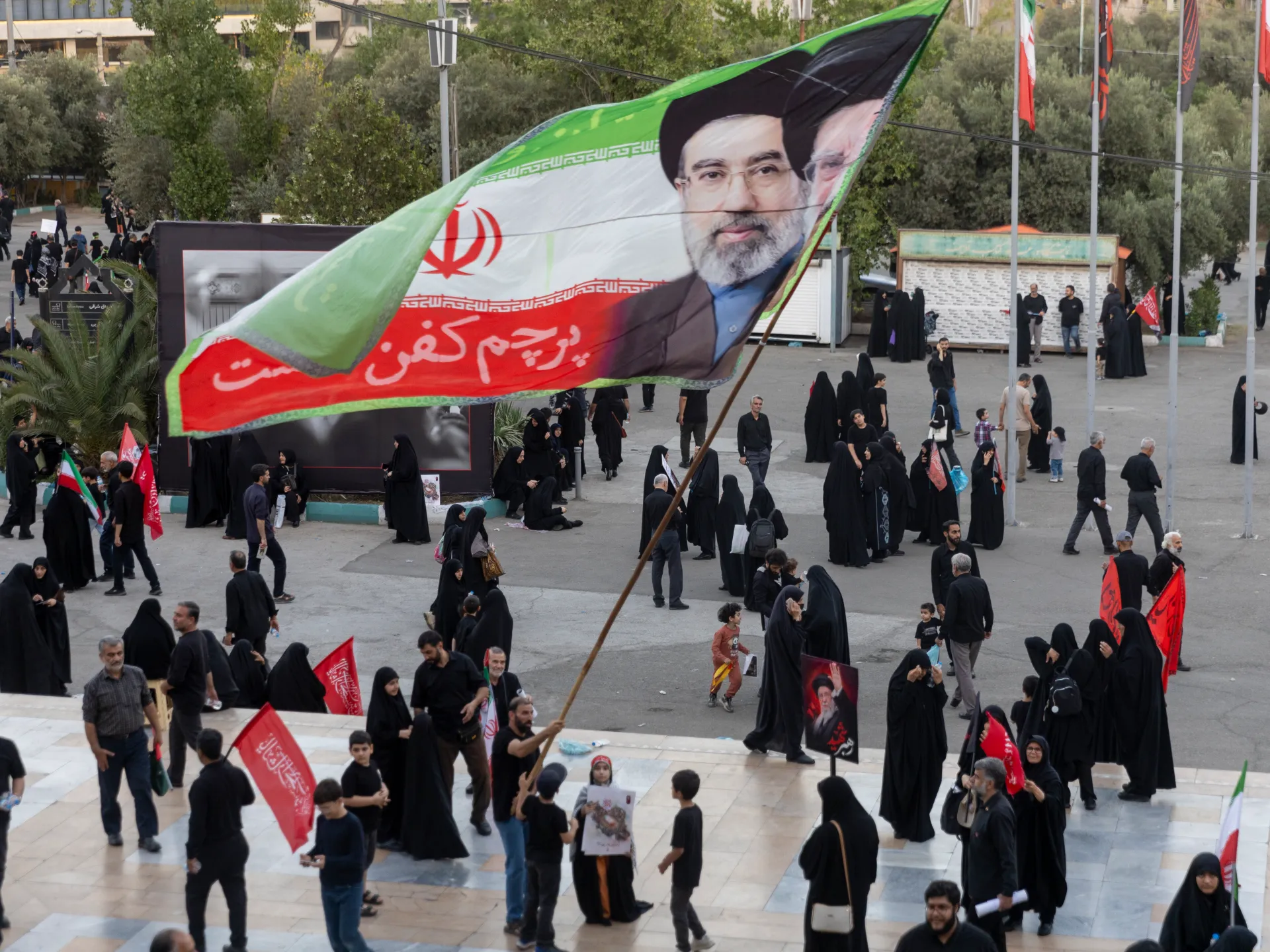
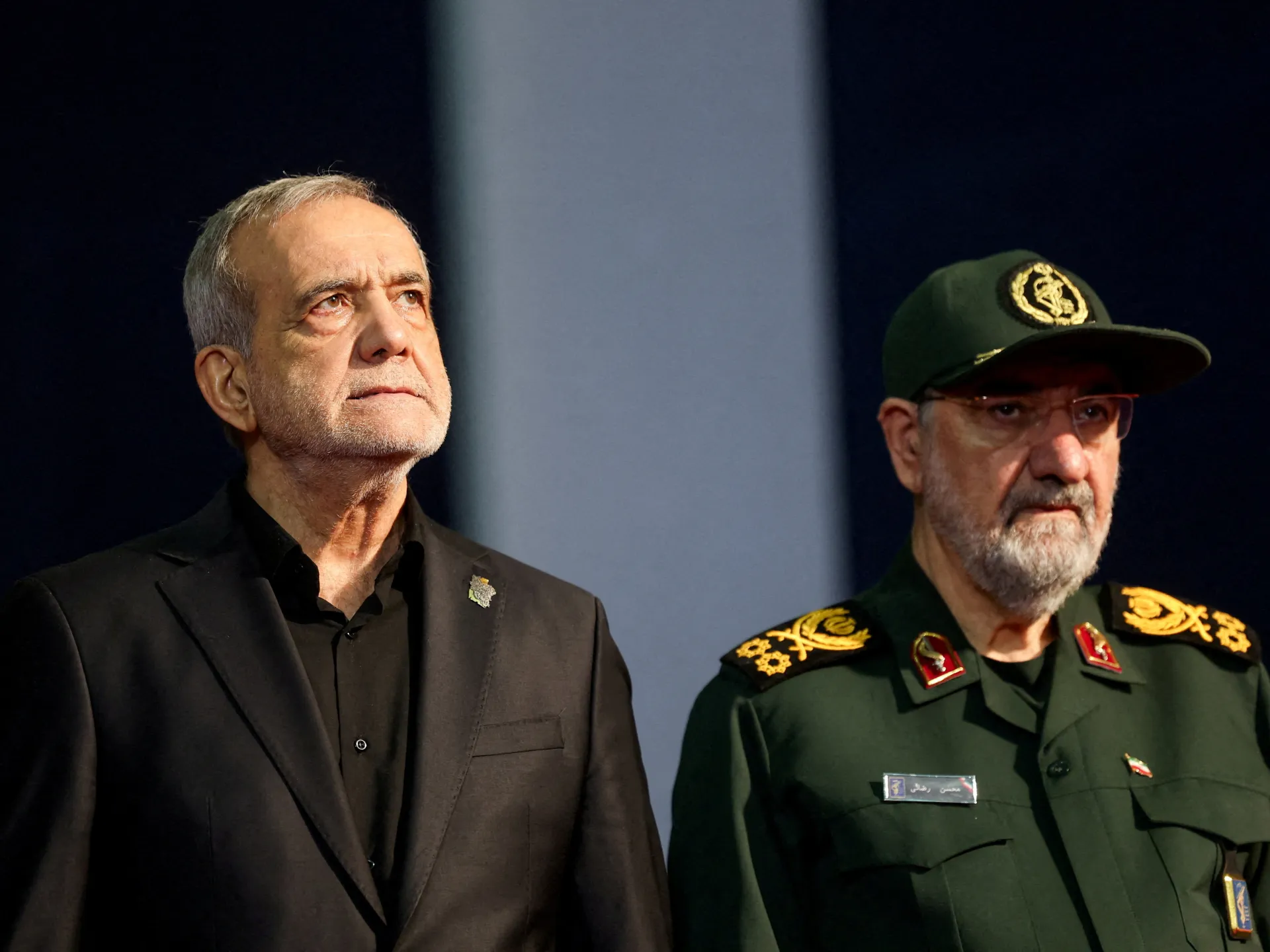
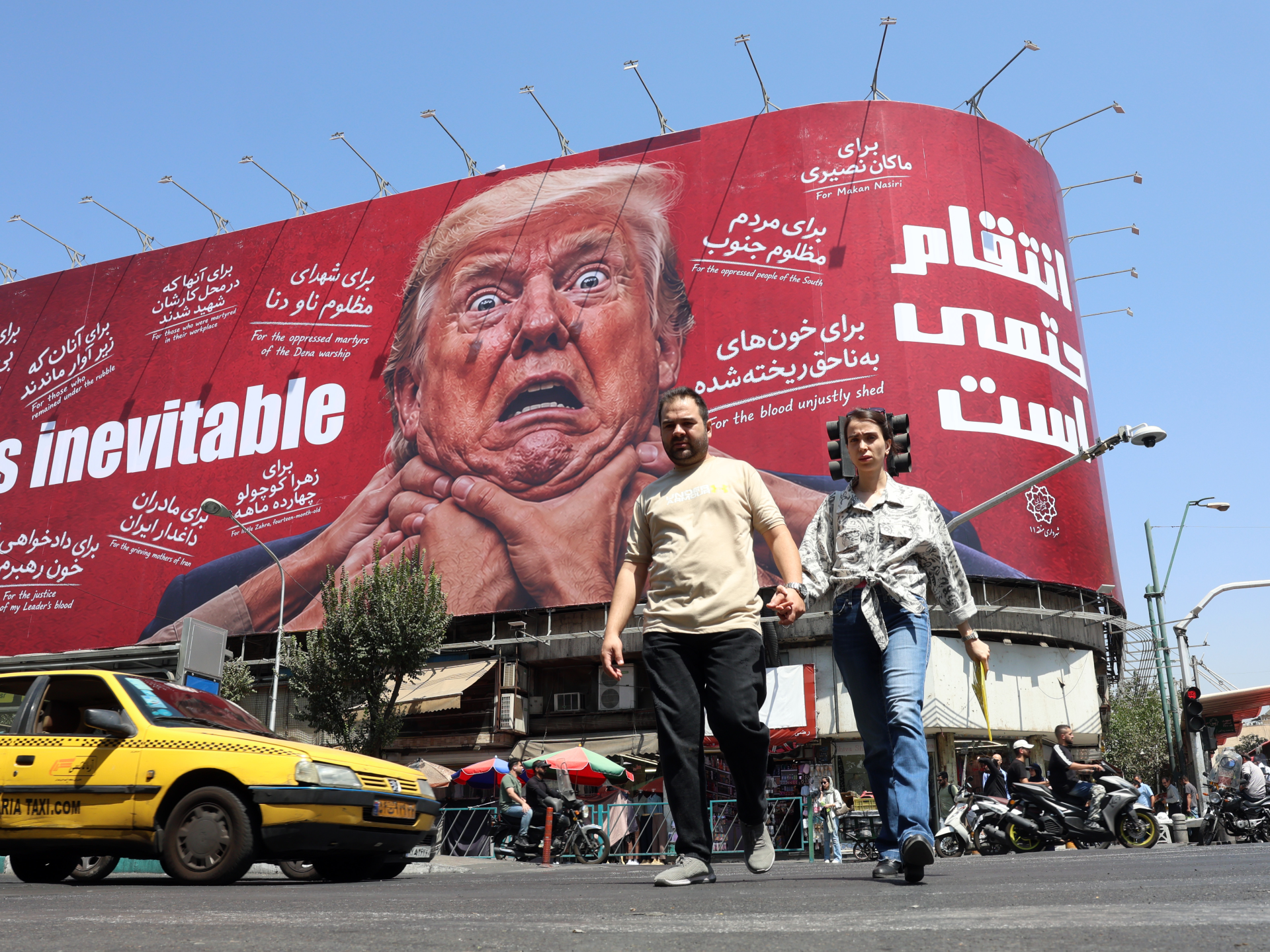
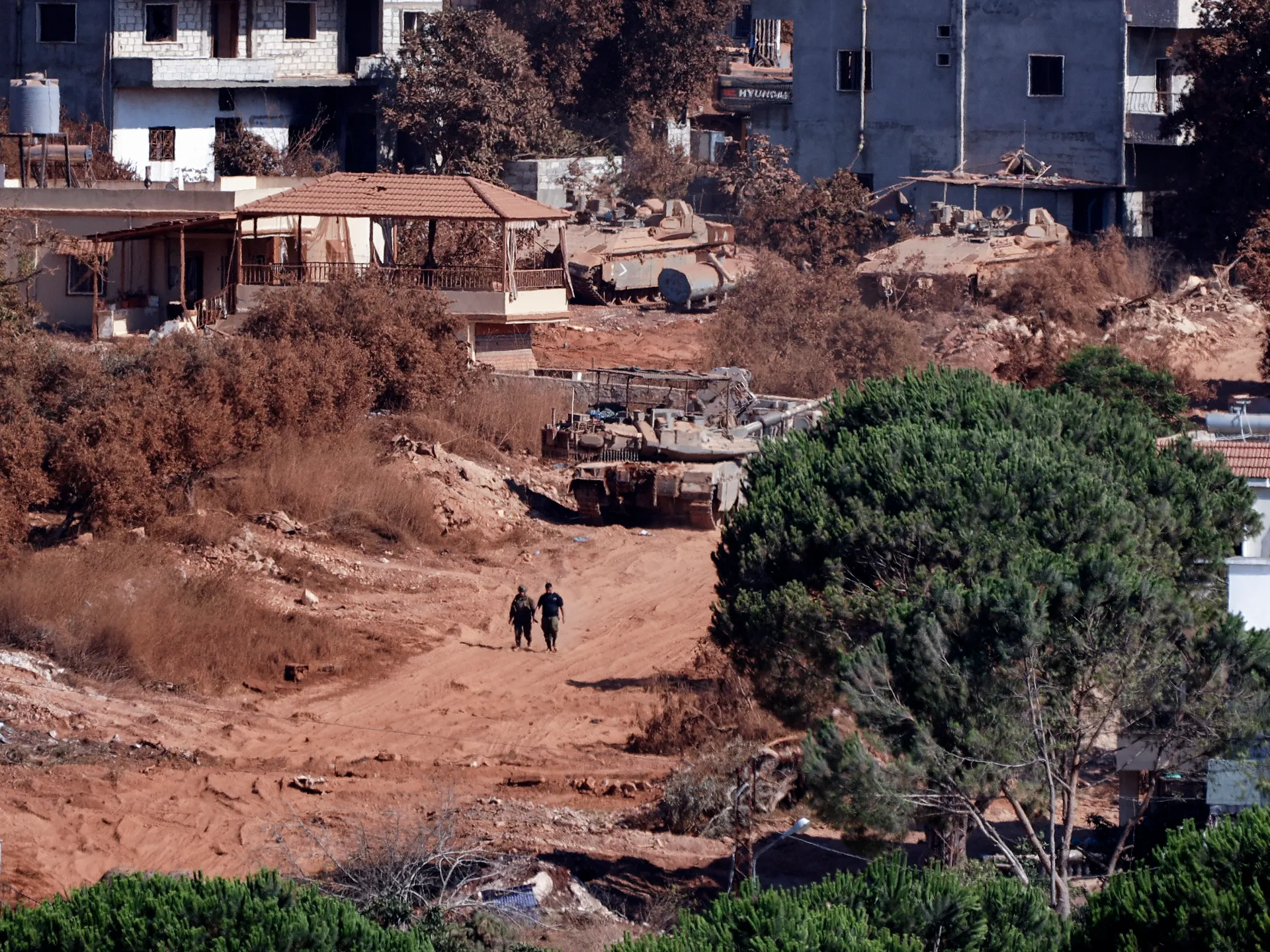
Tehran continues to challenge the U.S. position, asserting its own authority over the maritime passage and even establishing new restricted zones. While some vessels may be navigating the strait with their tracking transponders deactivated to avoid detection, the overall volume of oil moving through the chokepoint remains significantly suppressed. This ambiguity creates a volatile environment where traders must weigh official government statements against the visible, albeit limited, movement of tankers.
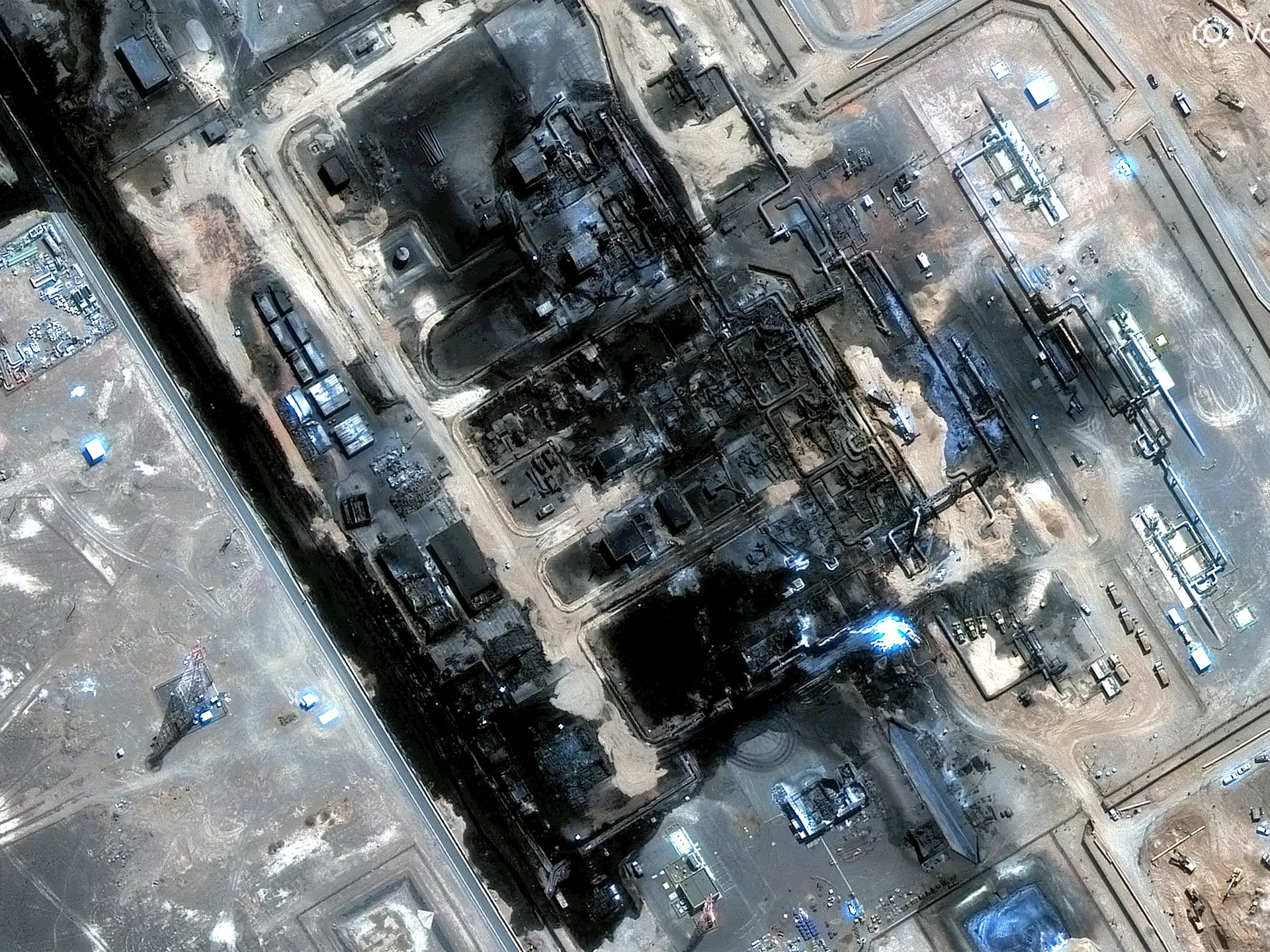
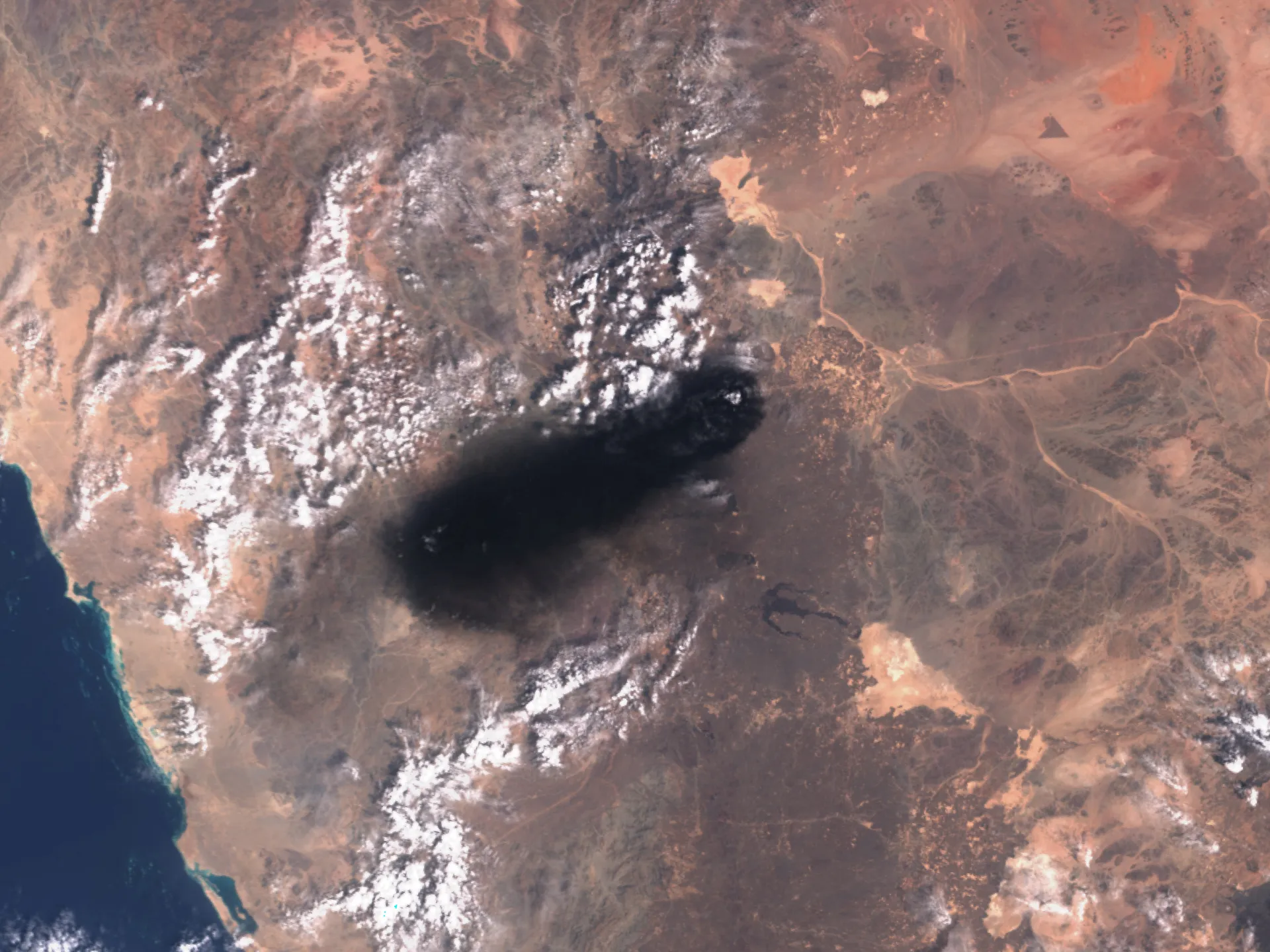
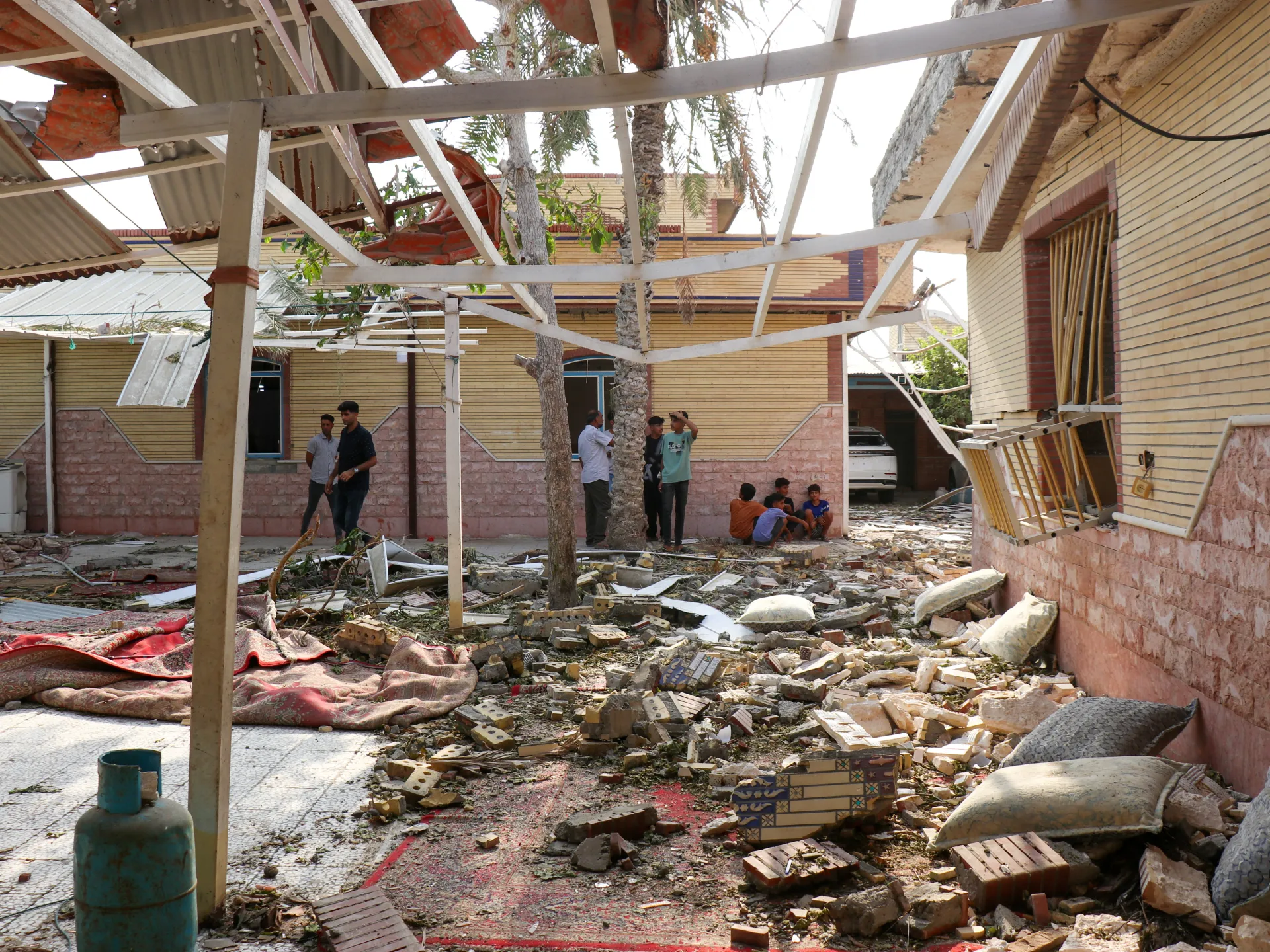
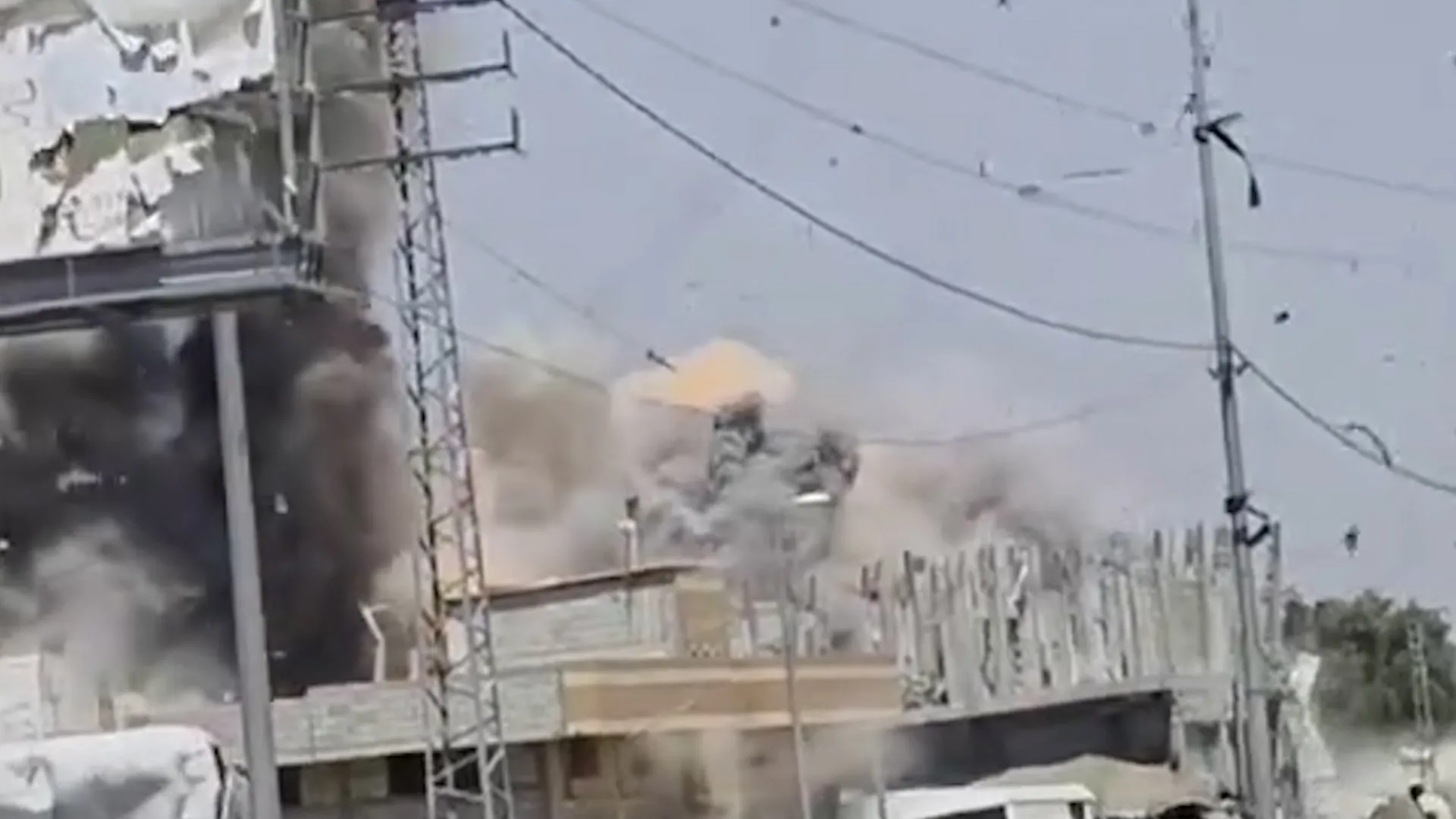
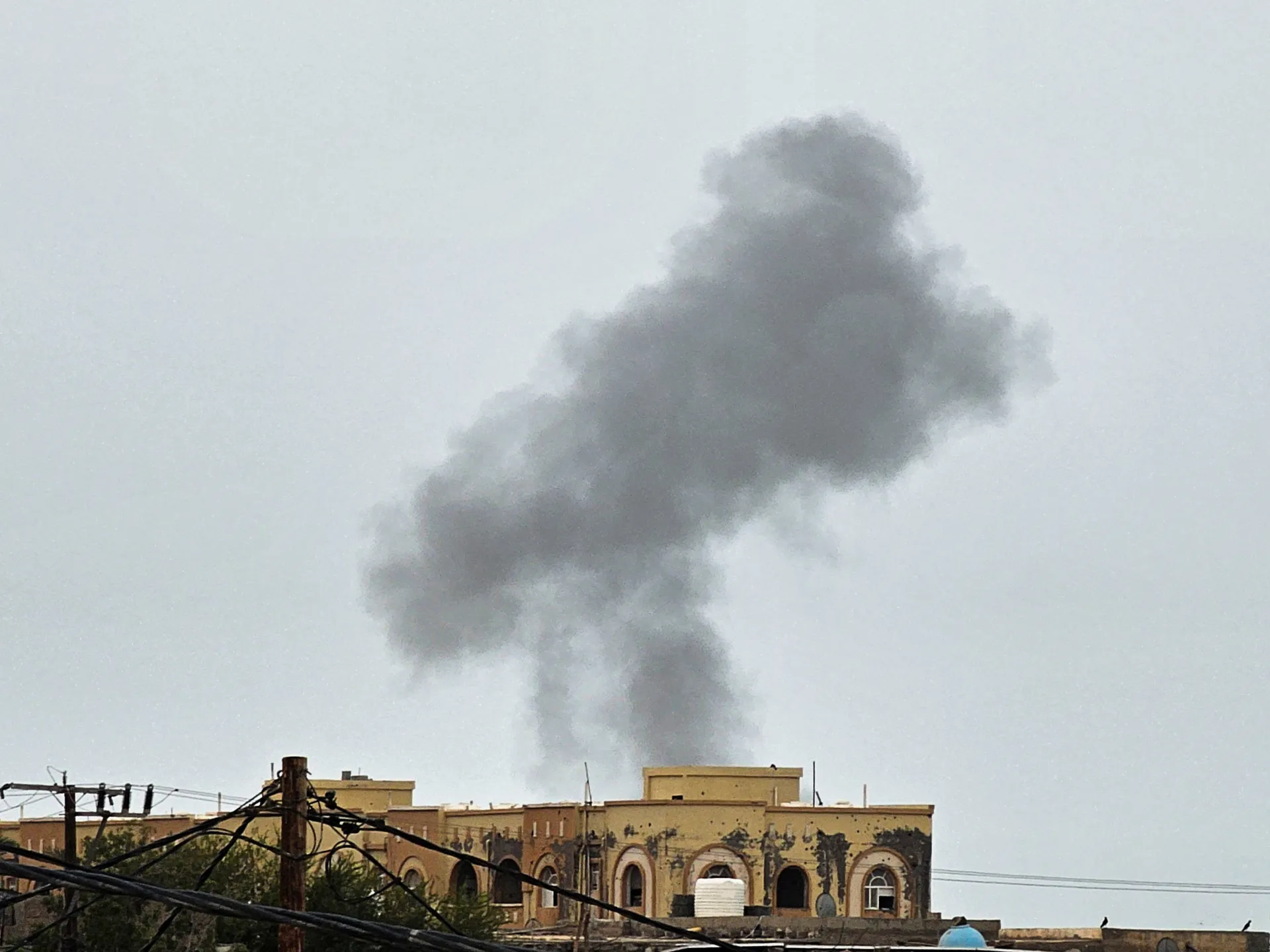
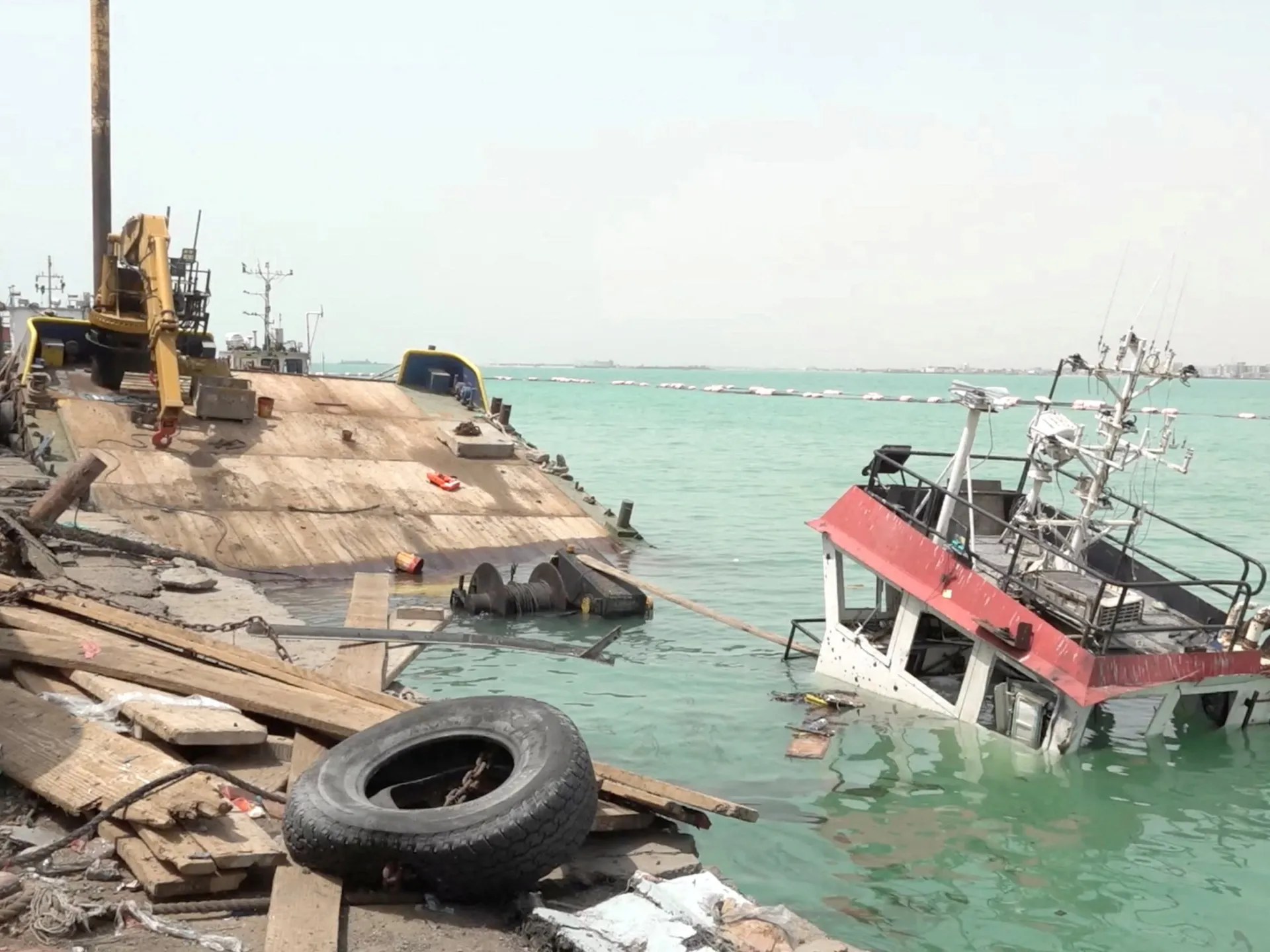
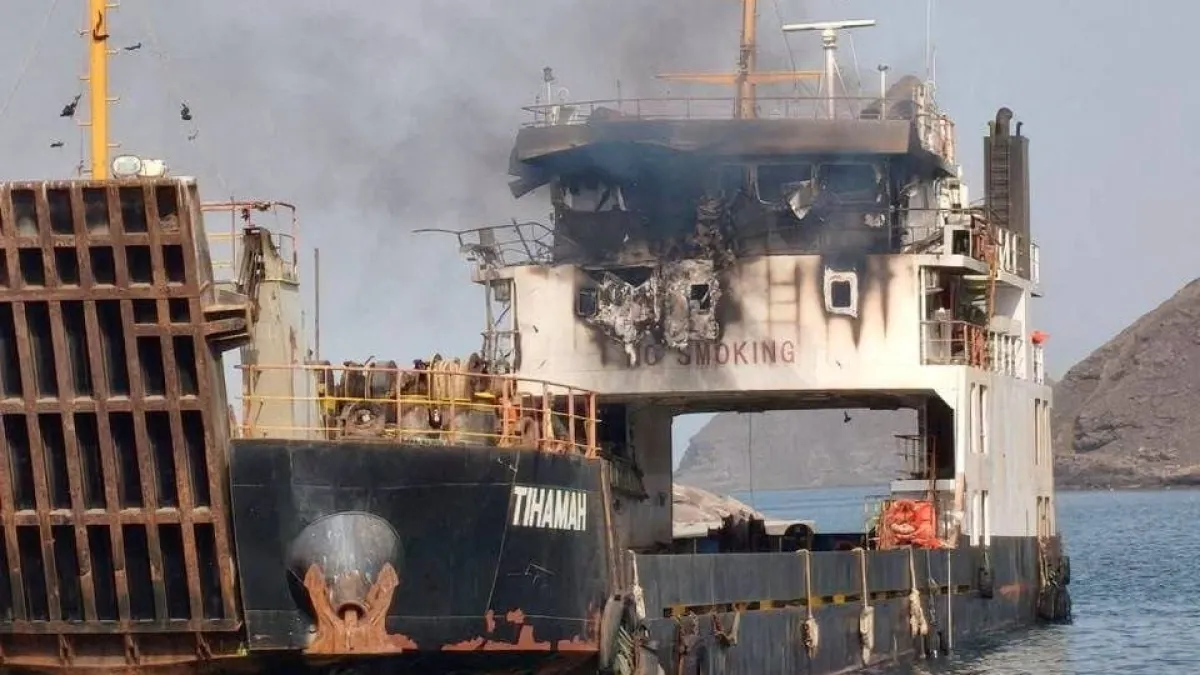
Beyond the immediate tensions in the Strait of Hormuz, the energy sector is facing a multi-front threat. Recent attacks on Saudi Arabian energy infrastructure, specifically the damage sustained pipeline had previously served as a vital alternative for exporting oil via the Red Sea, effectively bypassing the blocked strait. Its temporary closure poses a significant risk to global supply stability, as it accounts for a substantial portion of the world's daily output.
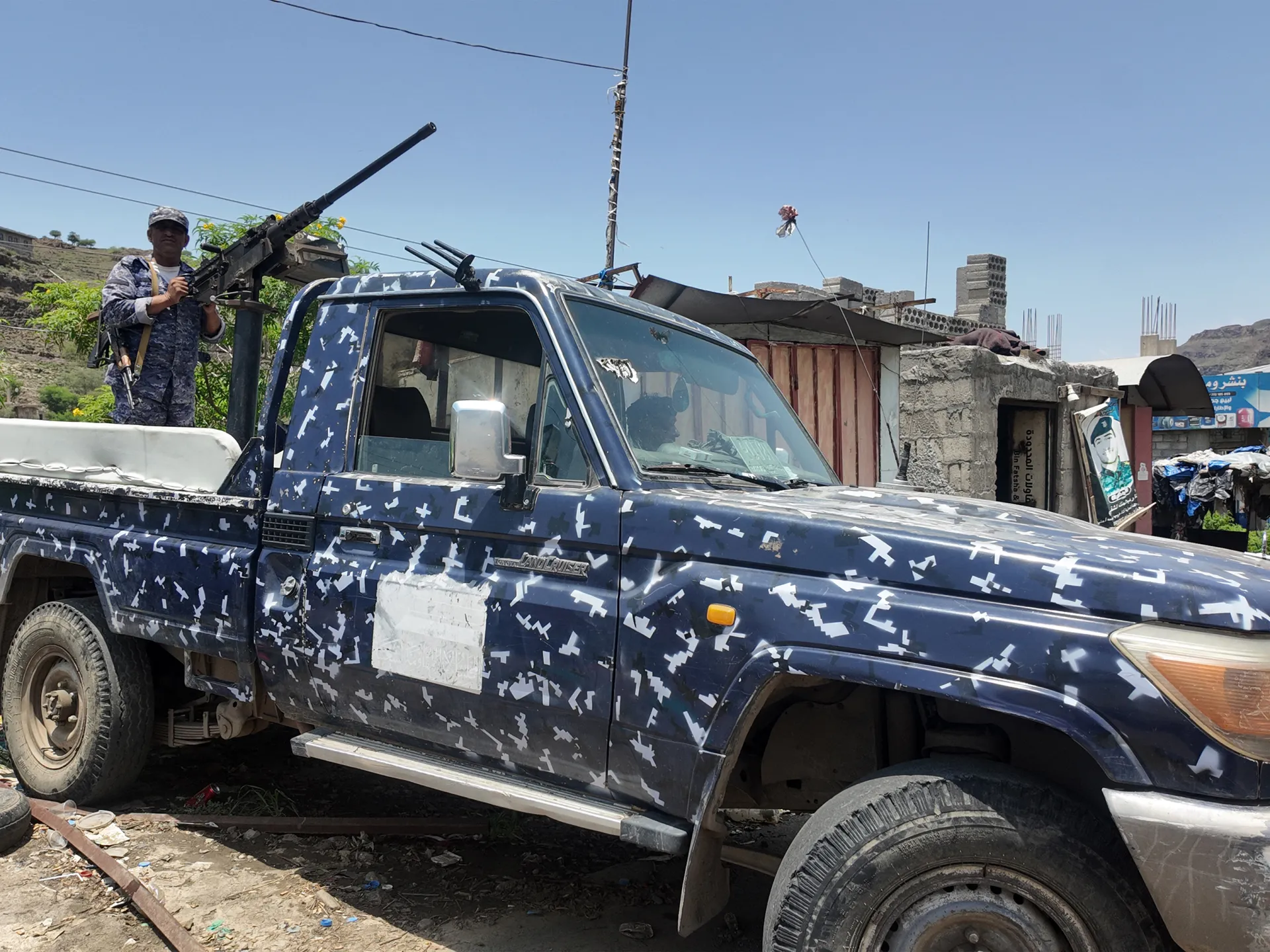
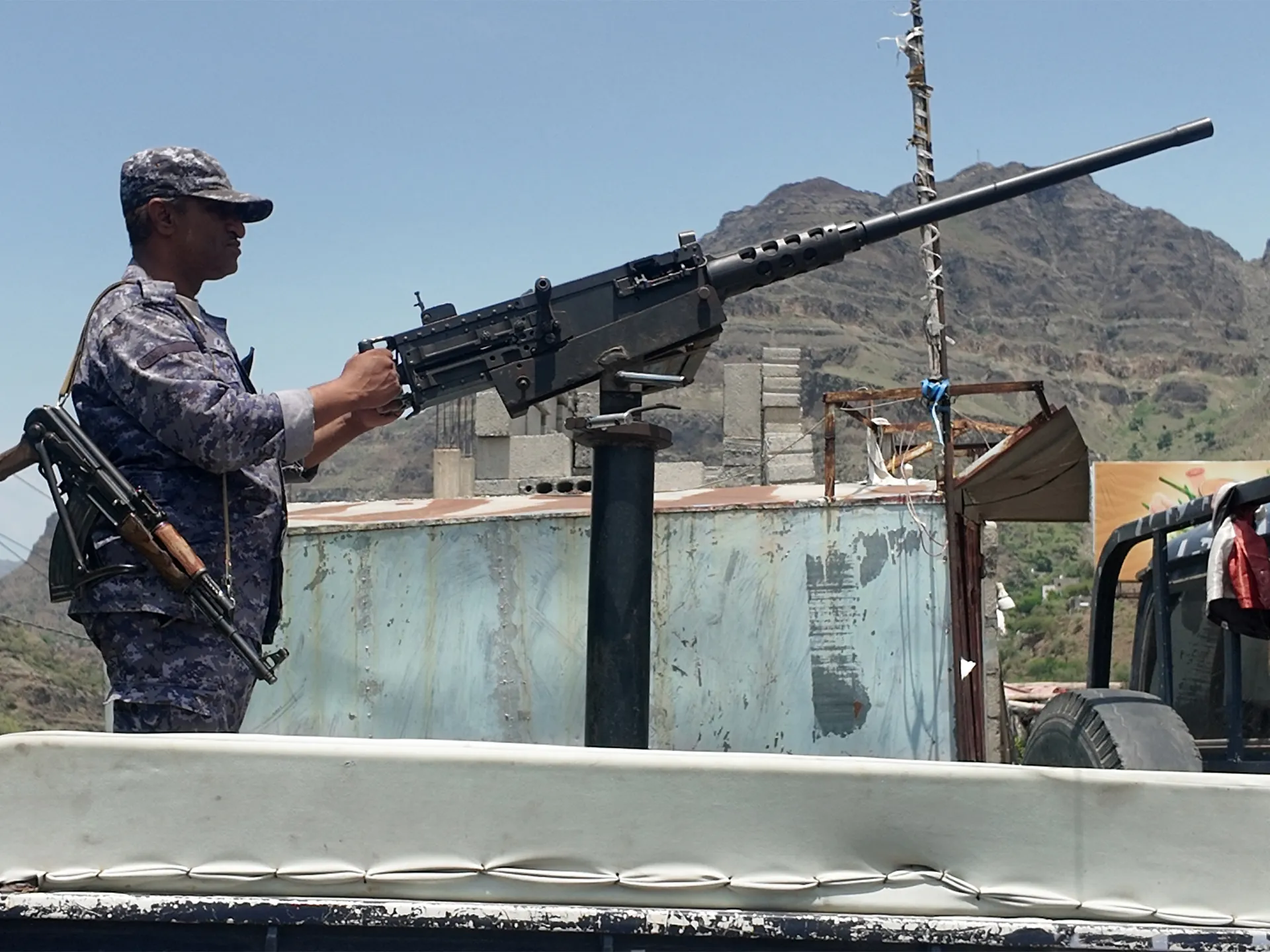
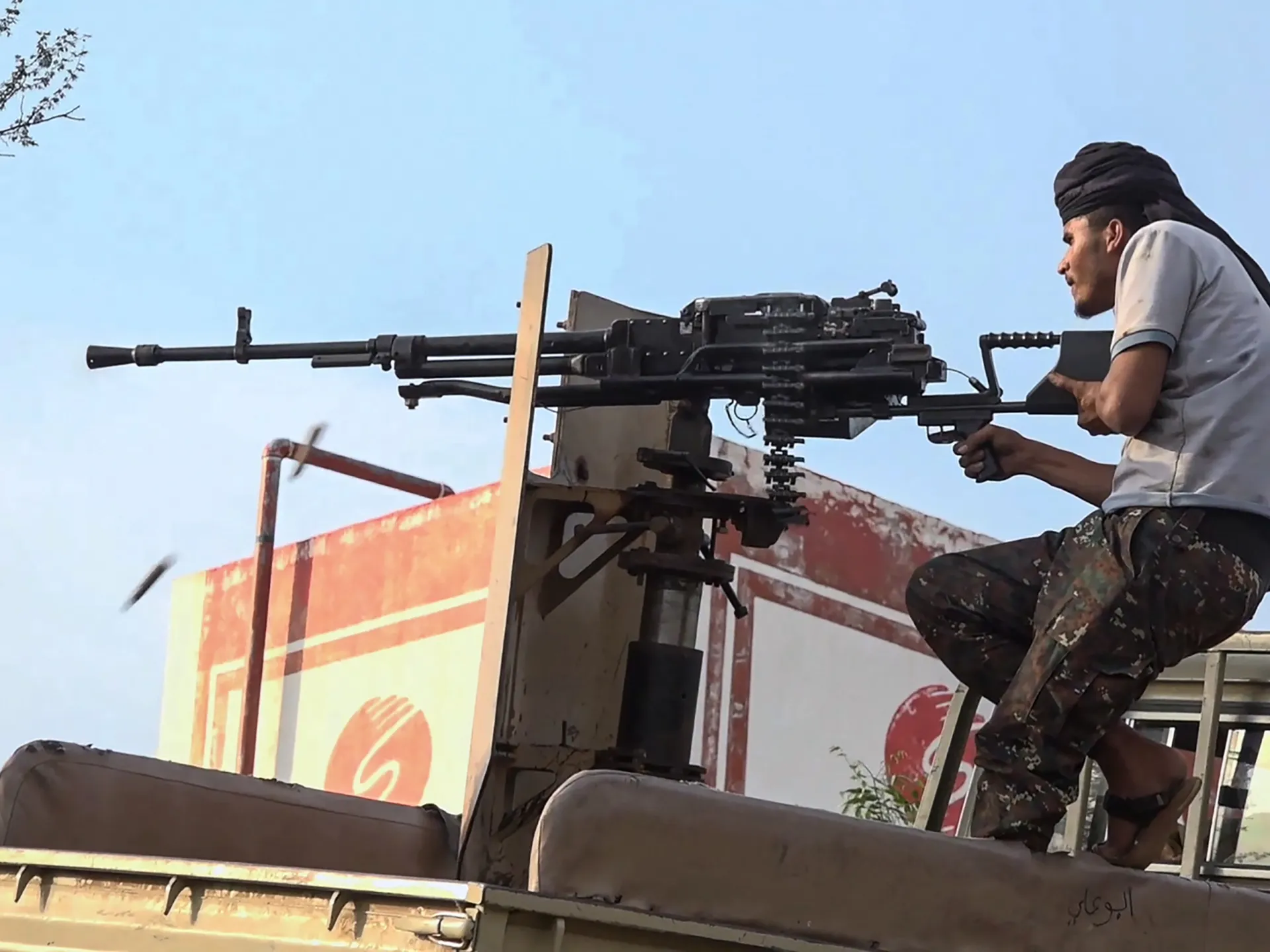
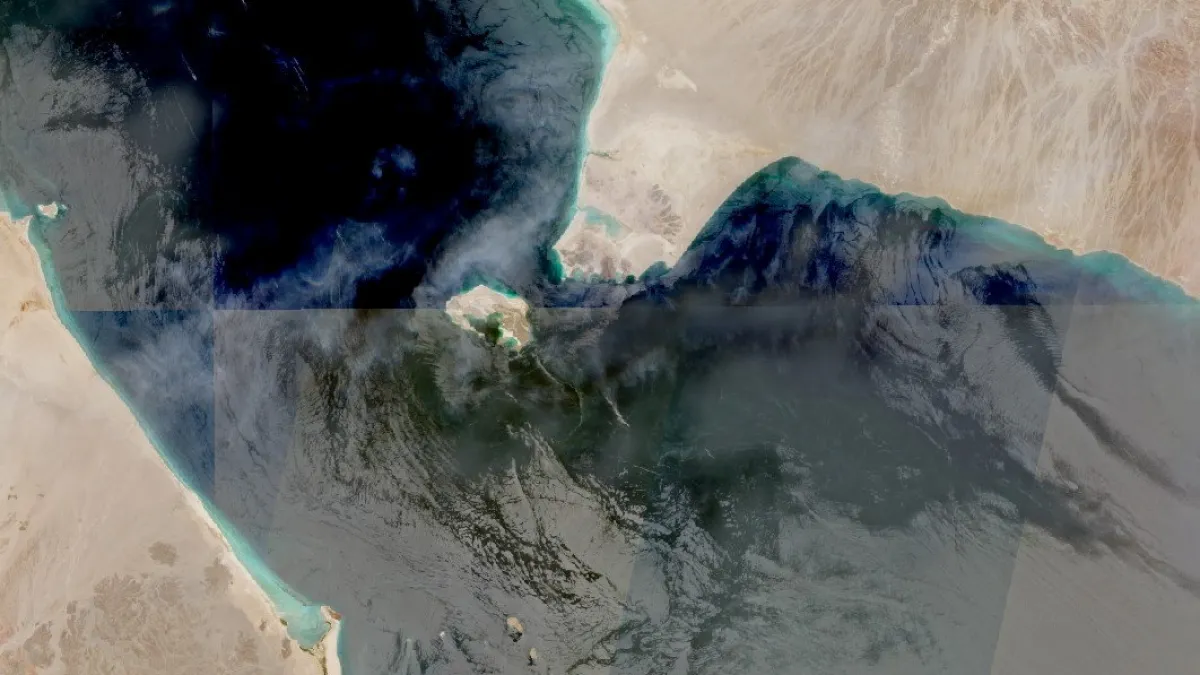
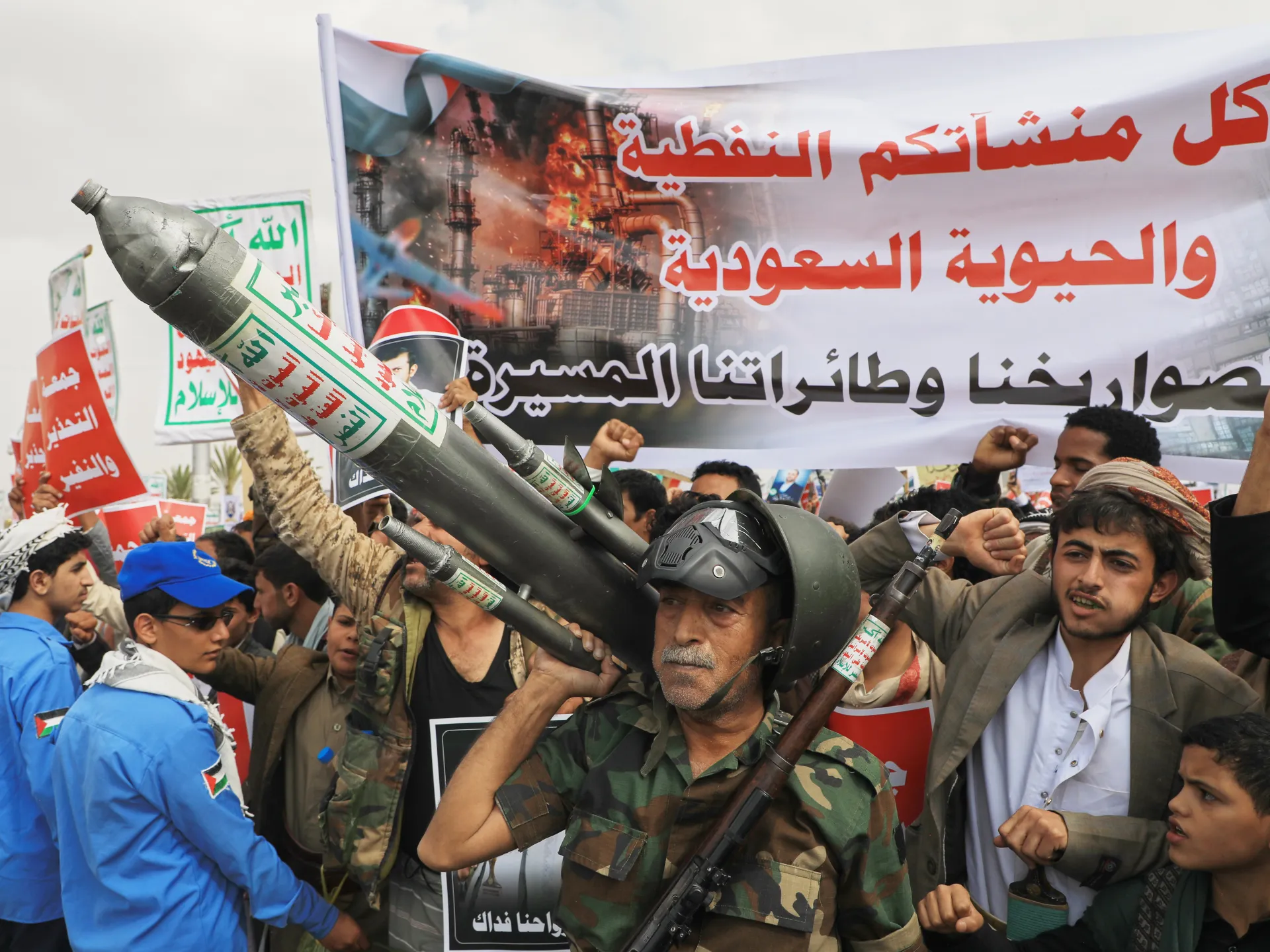
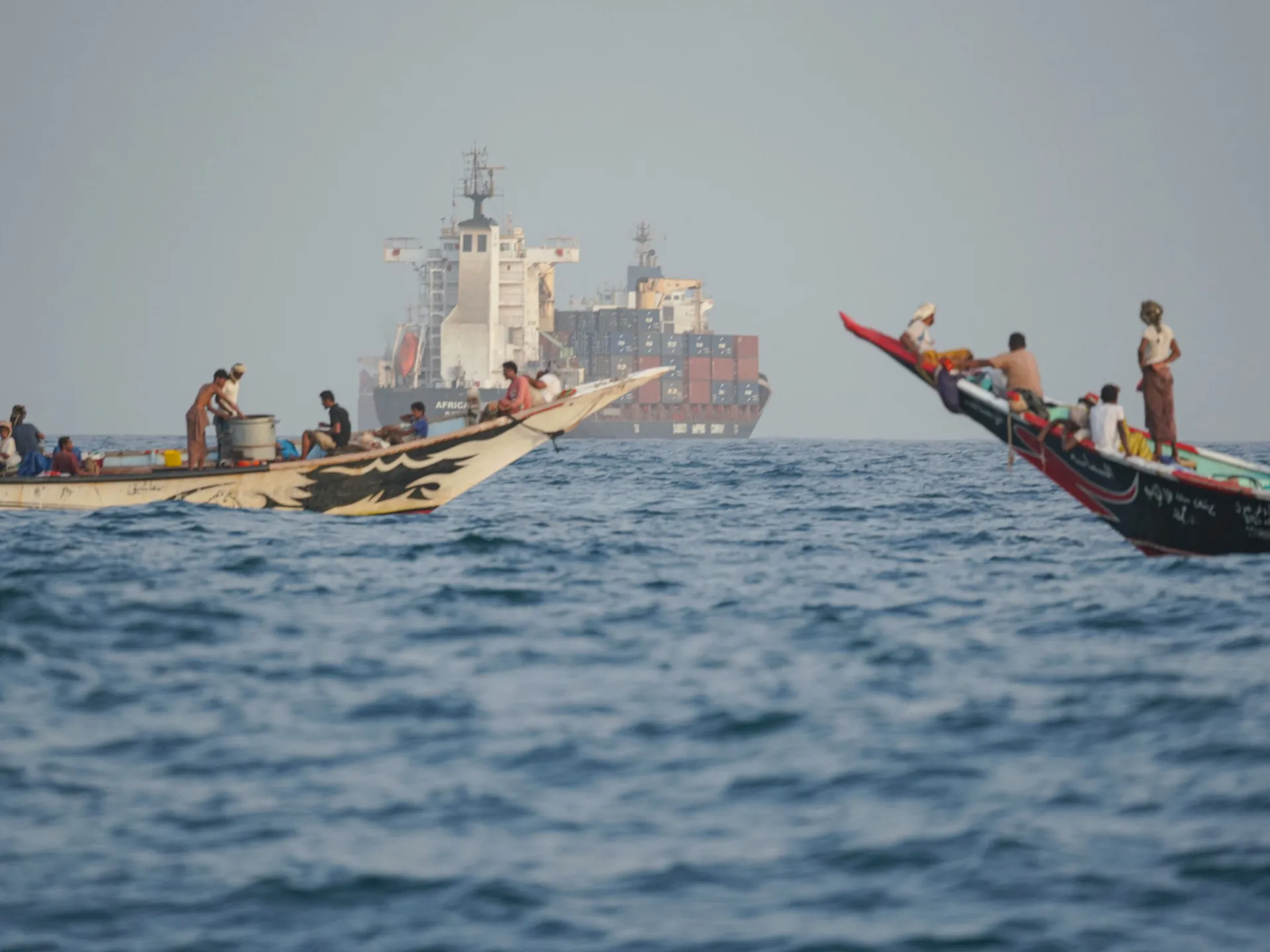
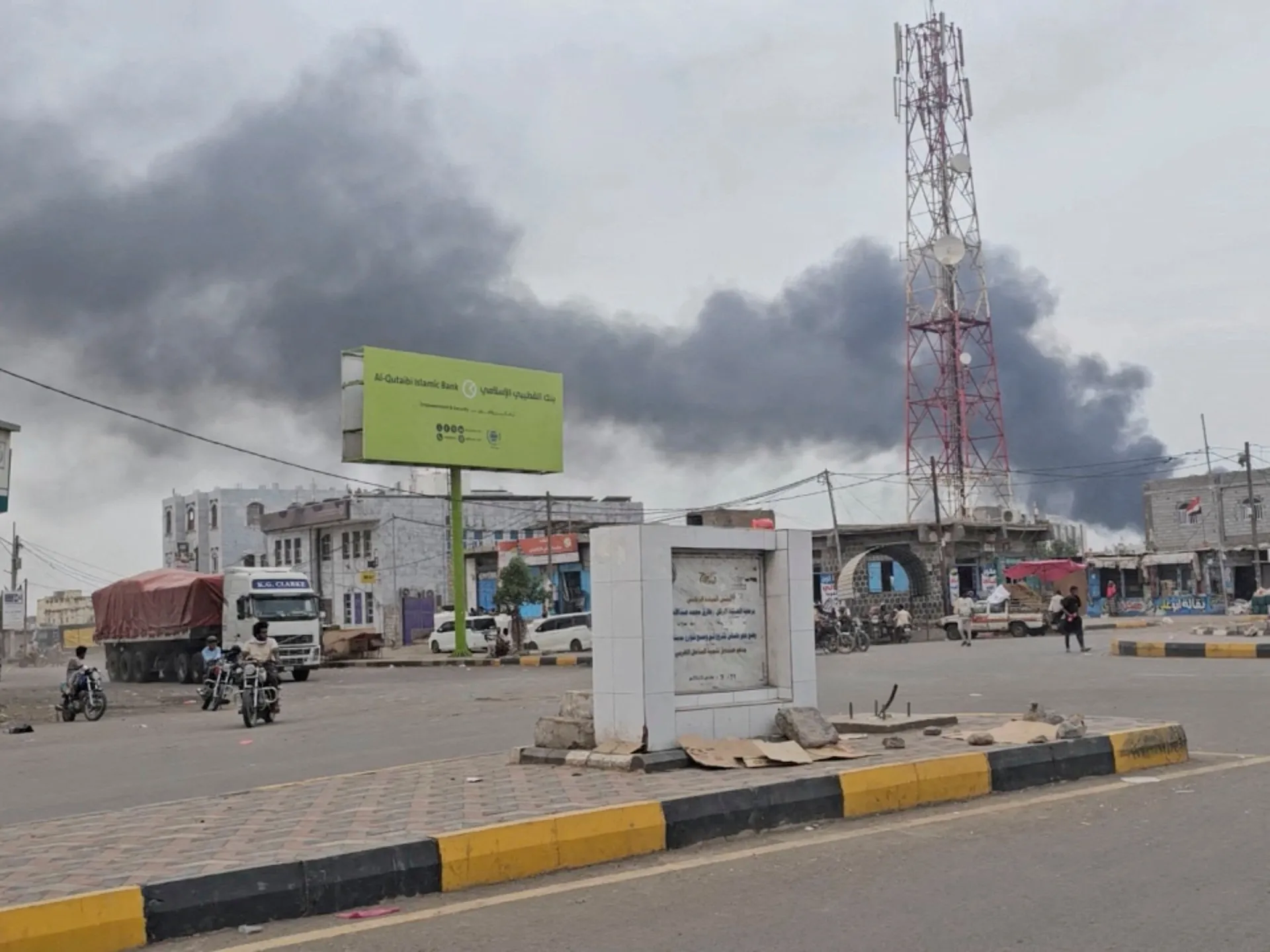
Furthermore, the conflict has expanded into the Bab al-Mandeb strait, another essential maritime artery connecting Asia to Europe. Reports indicate that Iran-aligned forces have secured control over key islands and coastal towns along the Yemeni shoreline. This strategic positioning allows for the potential disruption of traffic in the Red Sea, adding yet another layer of risk that keeps energy prices inflated. The combination of direct attacks on tankers and the threat to land-based infrastructure has created an environment where insurance premiums for maritime transport have skyrocketed.
The financial burden of these disruptions is being felt acutely nkers transiting the region was relatively manageable. Today, those costs have surged to as much as 10 percent of a vessel's hull value. For a high-capacity tanker, this translates into millions of dollars in additional expenses for a single transit, costs which are ultimately passed down to consumers and reflected in the soaring price of crude oil.
Diplomatic efforts to resolve the situation currently appear stagnant. Scheduled meetings between regional powers and Iranian representatives have been postponed, and U.S. officials have expressed pessimism regarding the possibility of a near-term consensual agreement. As long as the physical security of the waterways remains uncertain and diplomatic channels remain closed, analysts expect oil prices to remain under upward pressure, with the possibility of reaching or exceeding previous record highs in the coming months.