CBP agents in San Diego intercepted over $67 million worth of narcotics in July, including significant amounts of fentanyl, cocaine, and methamphetamine.
U.S. Customs and Border Protection (CBP) agents stationed in San Diego successfully intercepted a massive cache of illegal substances throughout the month of July. According to reports from the Department of Homeland Security, the combined street value of these narcotics exceeded $67 million. This significant operation took place across seven distinct ports of entry that bridge the gap between Southern California and Mexico, highlighting the ongoing challenges faced
The scale of these seizures underscores a persistent trend in smuggling operations, where traffickers utilize a variety of concealment methods to move high-value contraband into the United States. Officials noted that the month saw 144 separate smuggling attempts, requiring constant vigilance from the field officers tasked with maintaining the integrity of the border. The success of these interceptions is being viewed as a direct result of enhanced security protocols and increased scrutiny of both cargo and passenger vehicles entering the country.
The total weight of the seized narcotics amounted to 8,359 pounds, representing a diverse array of dangerous substances. Among the haul, authorities recovered 553 pounds of fentanyl, a synthetic opioid that has become a primary target for border enforcement agencies due to its extreme potency and the high rate of fatal overdoses associated with its distribution. Additionally, the agents seized 5,077 pounds of methamphetamine, 2,572 pounds of cocaine, and 36 pounds of heroin, effectively removing a substantial volume of illicit goods from the black market.
The variety of drugs seized suggests that smuggling organizations are diversifying their inventory to meet different demands within American illicit markets. nt agencies aim to disrupt the broader supply chains that facilitate drug distribution across the United States. The strategic importance of the San Diego Field Office remains critical, as it serves as a major gateway for both legal trade and illicit trafficking activities.
Smugglers continue to employ creative and often dangerous methods to bypass border inspections. In one notable incident occurring earlier this month, a 22-year-old Mexican national was apprehended at the San Ysidro Port of Entry after officers discovered 16 pounds of fentanyl hidden inside an electric moped. The estimated street value of that specific seizure was approximately $240,000, illustrating how even small-scale transit efforts can involve high-value narcotics.
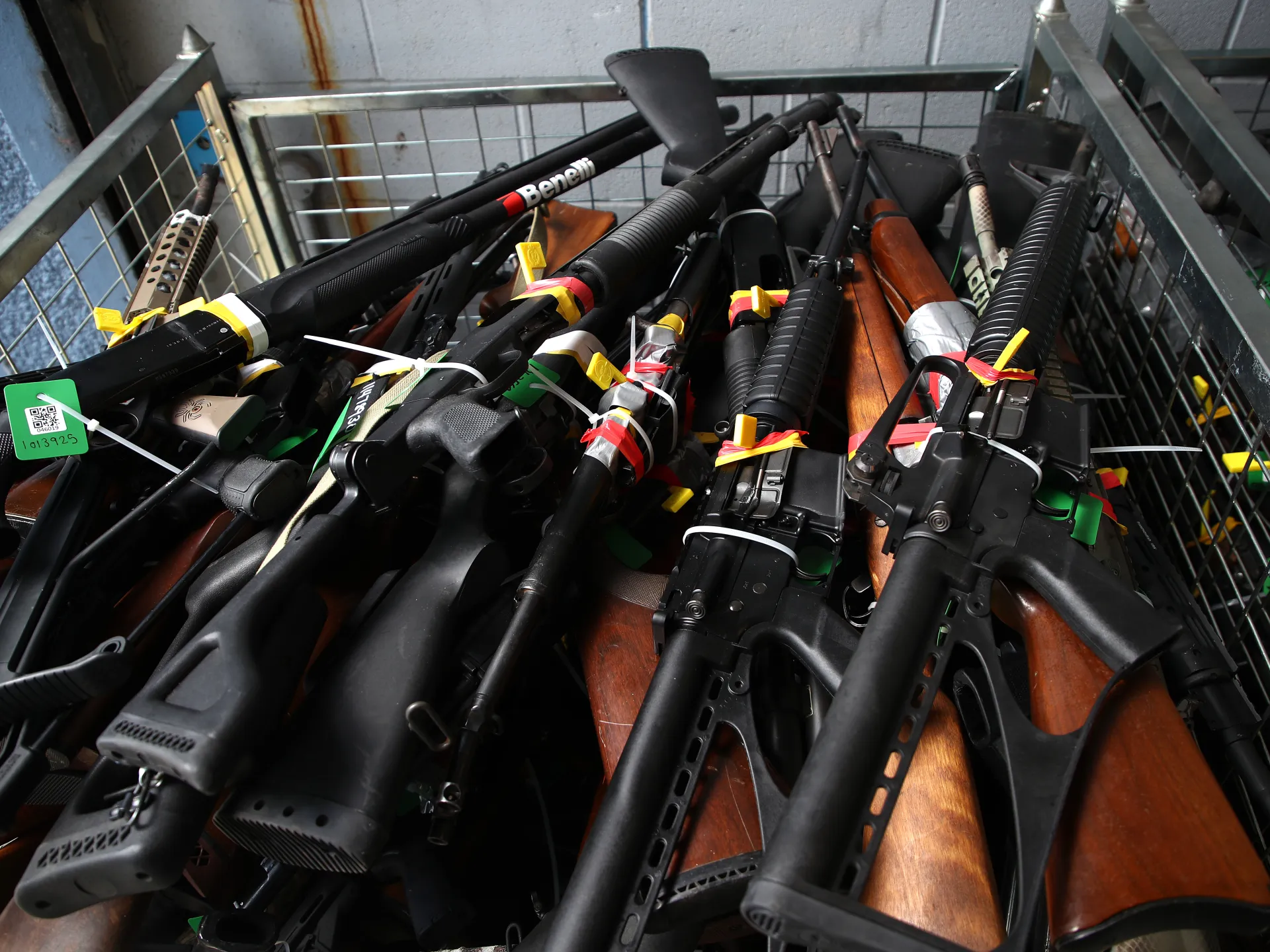
Beyond the primary focus on narcotics, border officials are also tasked with intercepting weapons and military-grade hardware moving across the border. Recently, authorities in Arizona reported the seizure of a vehicle attempting to enter Mexico that contained a rocket-propelled grenade launcher tube. The cache also included sixteen AK-style rifles, additional pistol variants, and a large quantity of magazines and accessories. These findings indicate that the flow of illicit goods is not unidirectional, as federal officers must remain prepared to stop both the importation of drugs and the exportation of dangerous weaponry.
Sidney Aki, the Director of Field Operations for the CBP San Diego office, emphasized that the recent figures reflect the dedication and professionalism of the agents on the front lines. The work performed rotecting communities from the negative impacts of drug trafficking. ital role in curbing the influx of substances that fuel public health crises.
As the administration continues to prioritize border security, these monthly statistics provide a clear look at the volume of illicit trade that is actively being countered. The collaboration between different agencies and the utilization of advanced screening technology remain the backbone of these efforts. As smuggling tactics evolve, the strategy for detection must also adapt, ensuring that the ports of entry remain a secure environment for travelers while serving as a formidable barrier against criminal organizations.