President Trump signals a major shift in Arctic policy with a new Greenland security deal, even as families pressure the White House to secure the release of Americans detained in China.
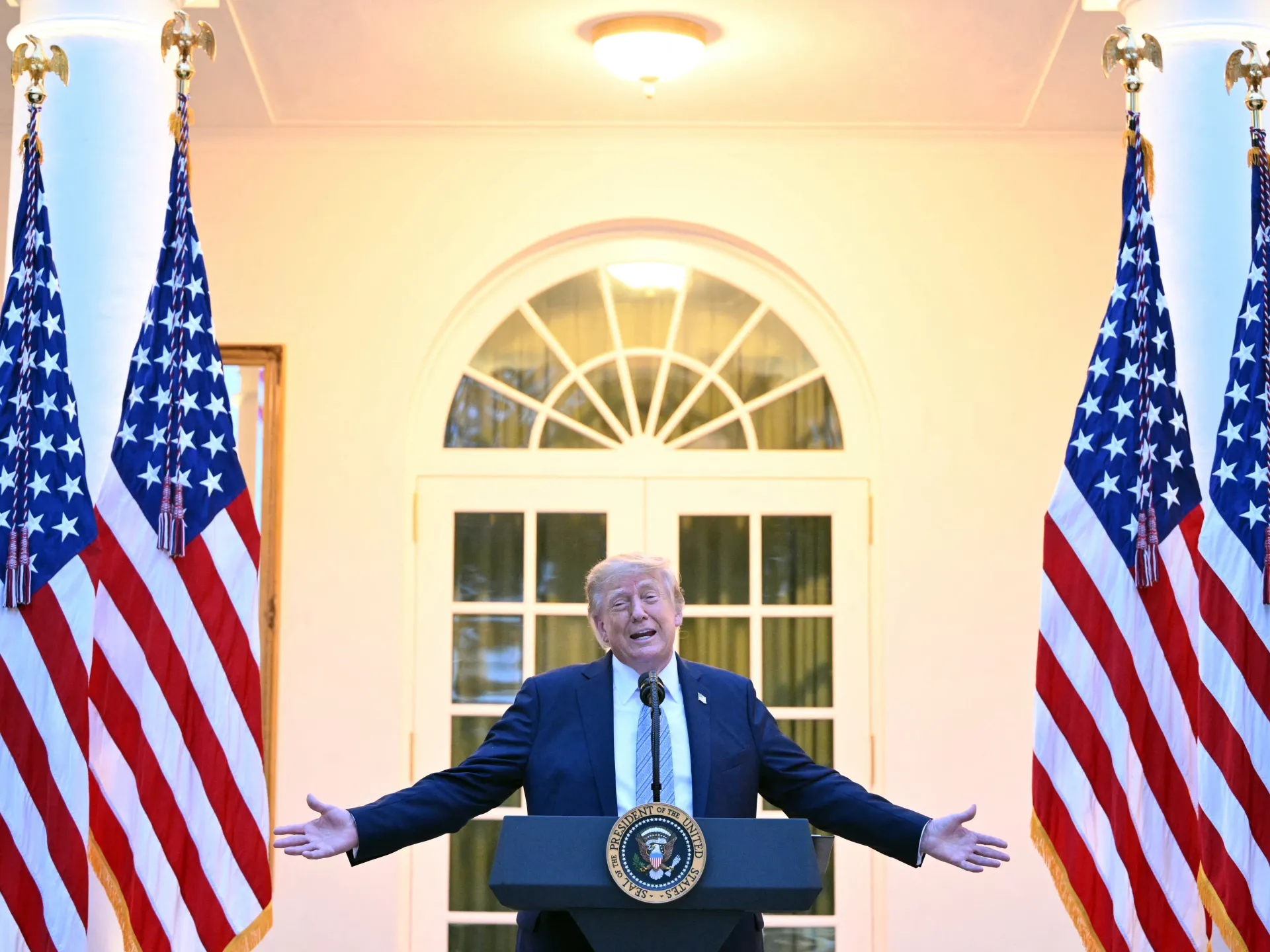
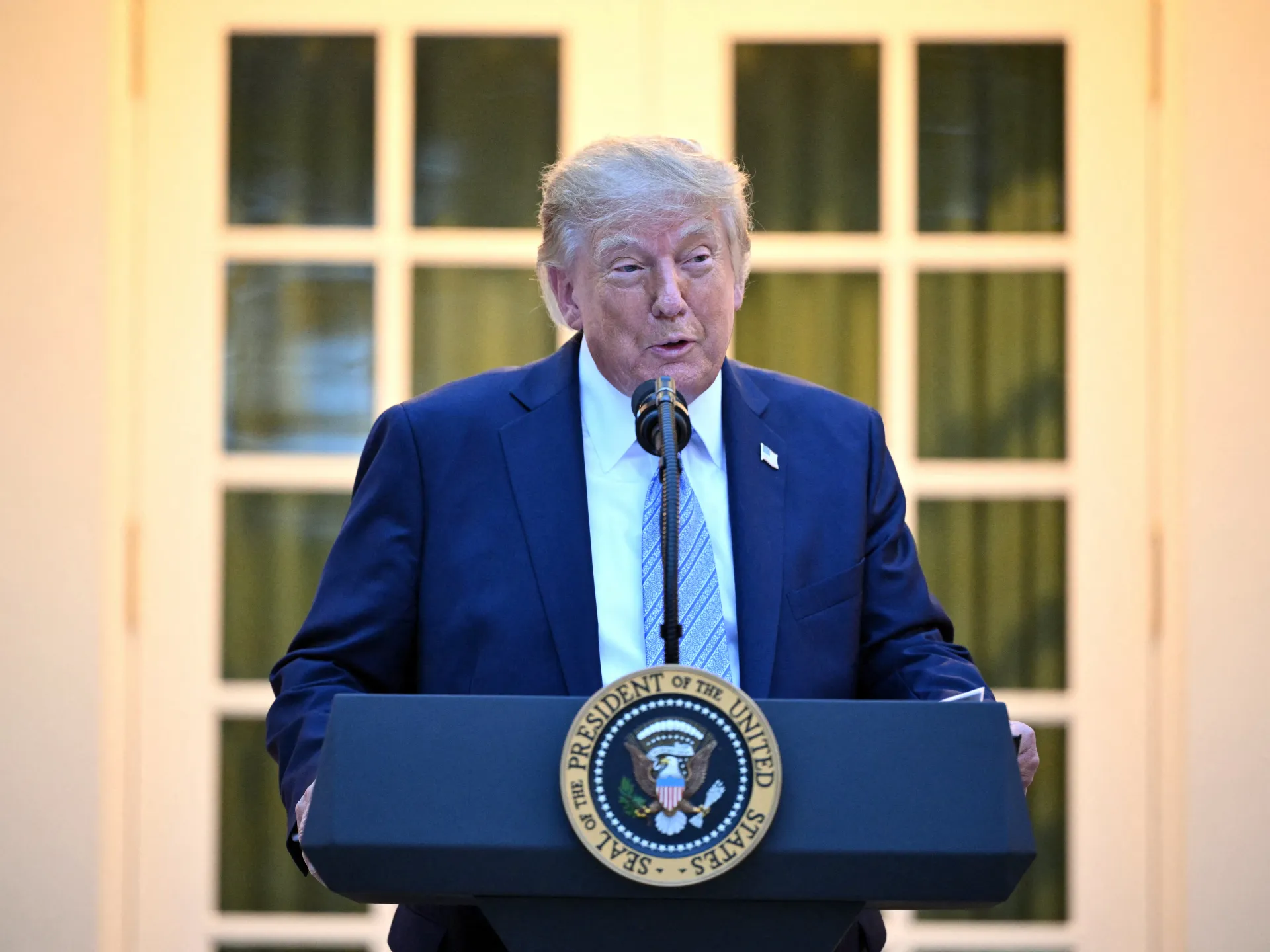
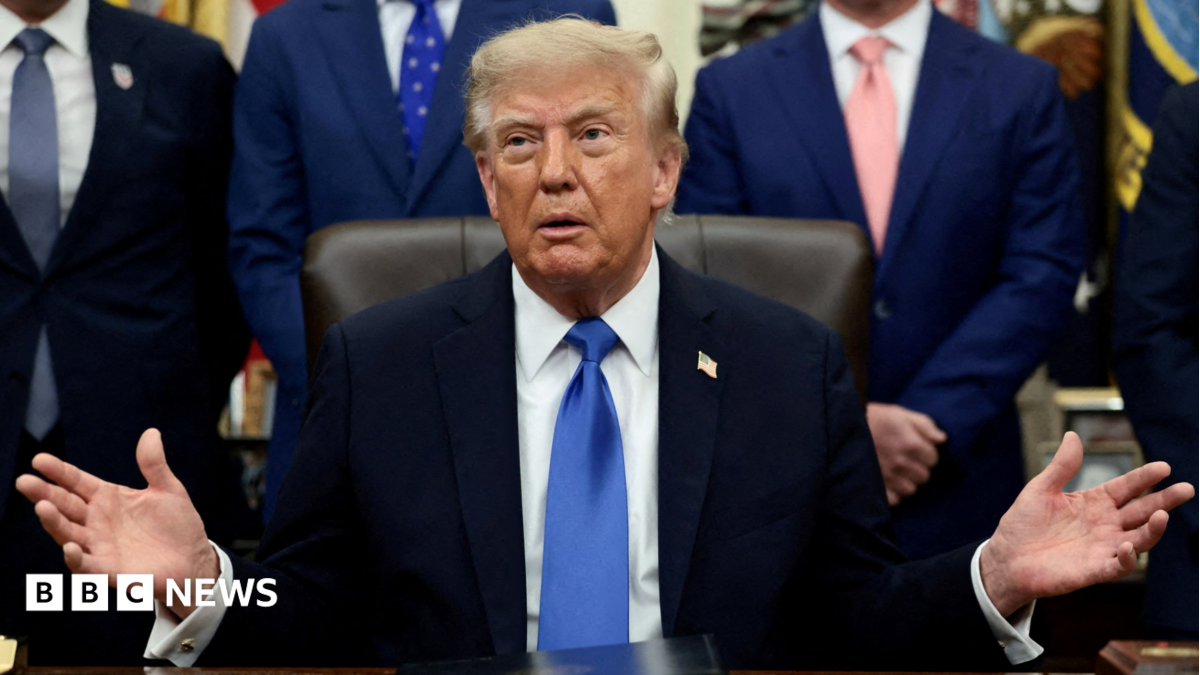
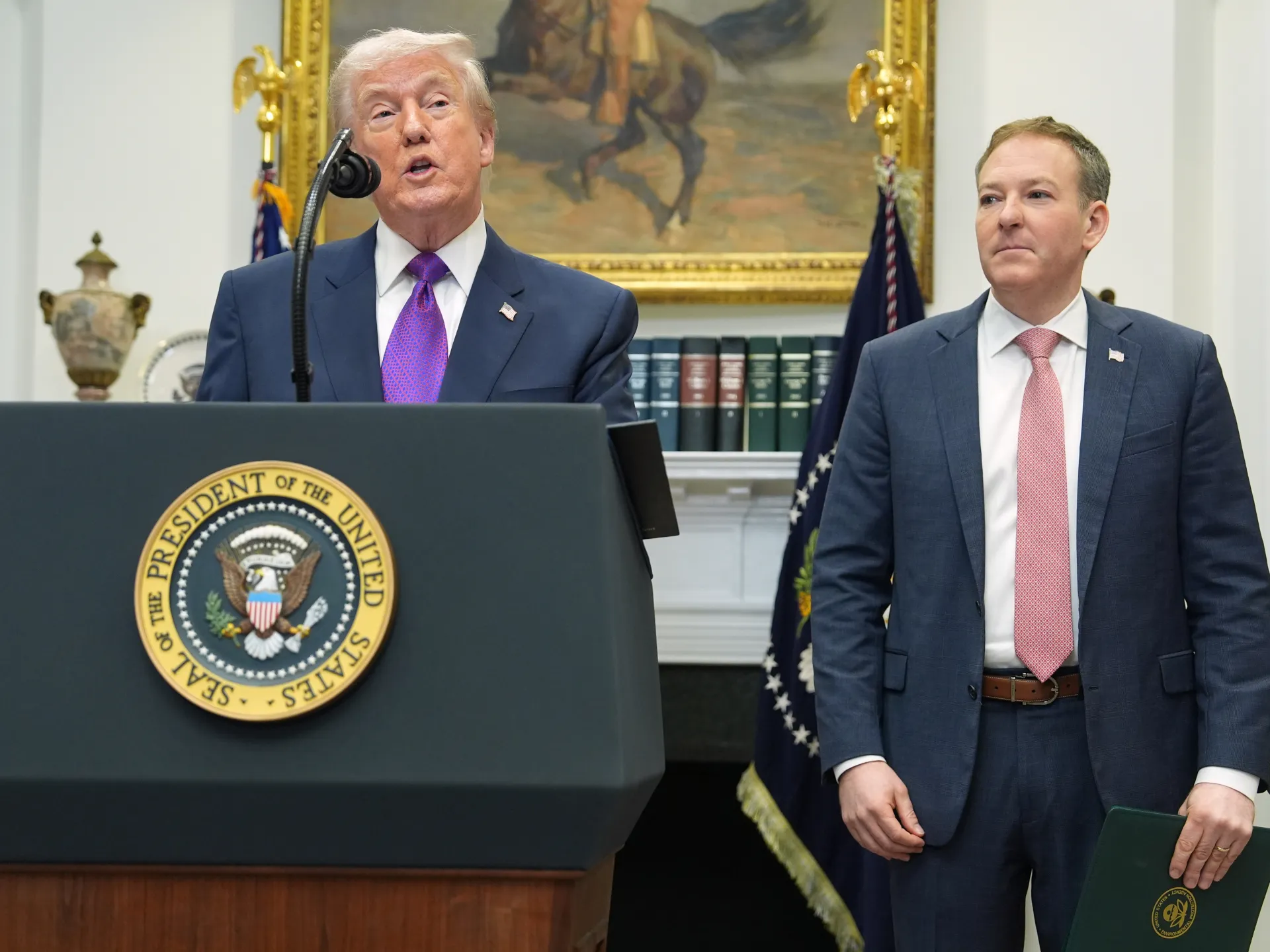
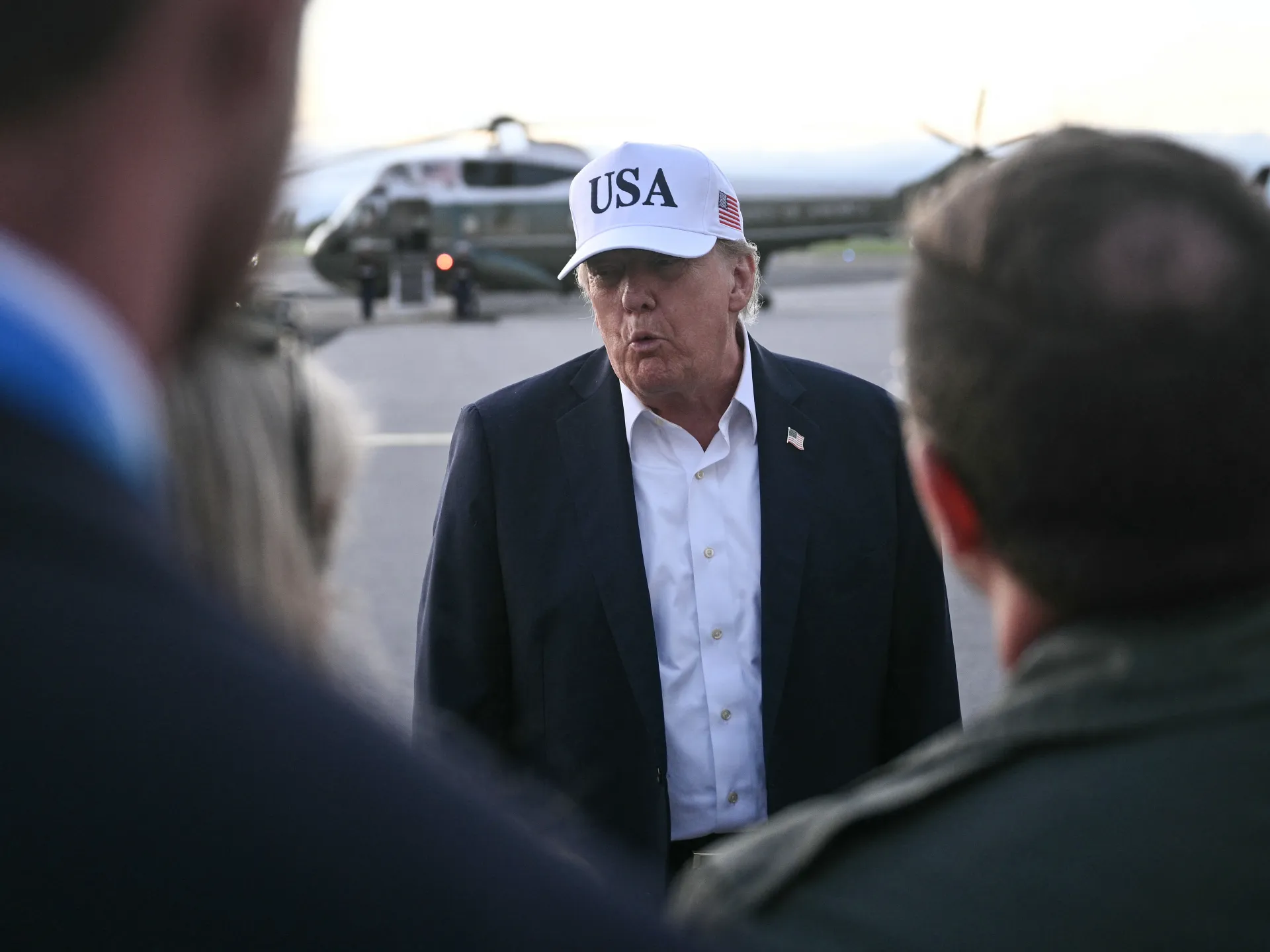
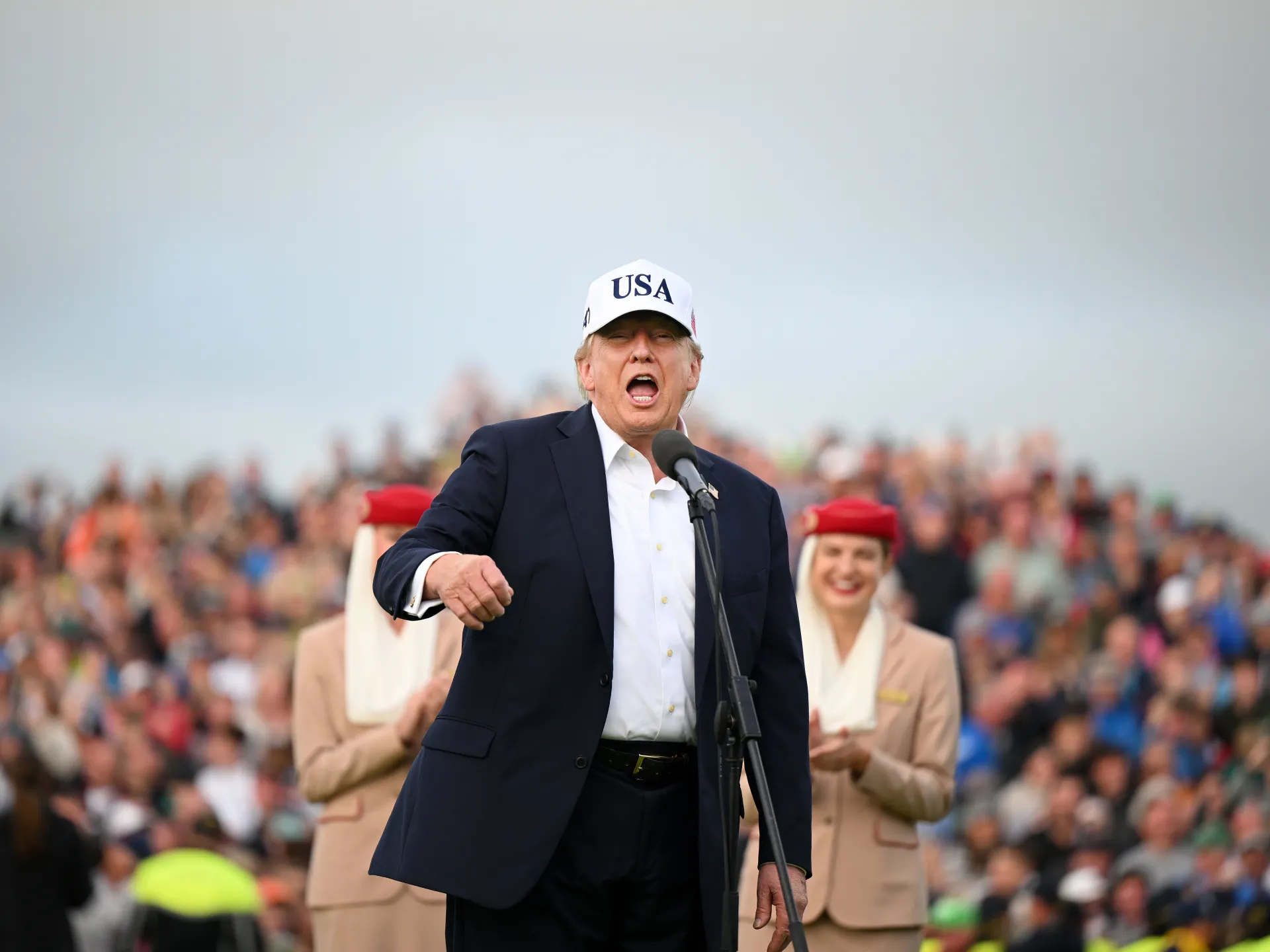
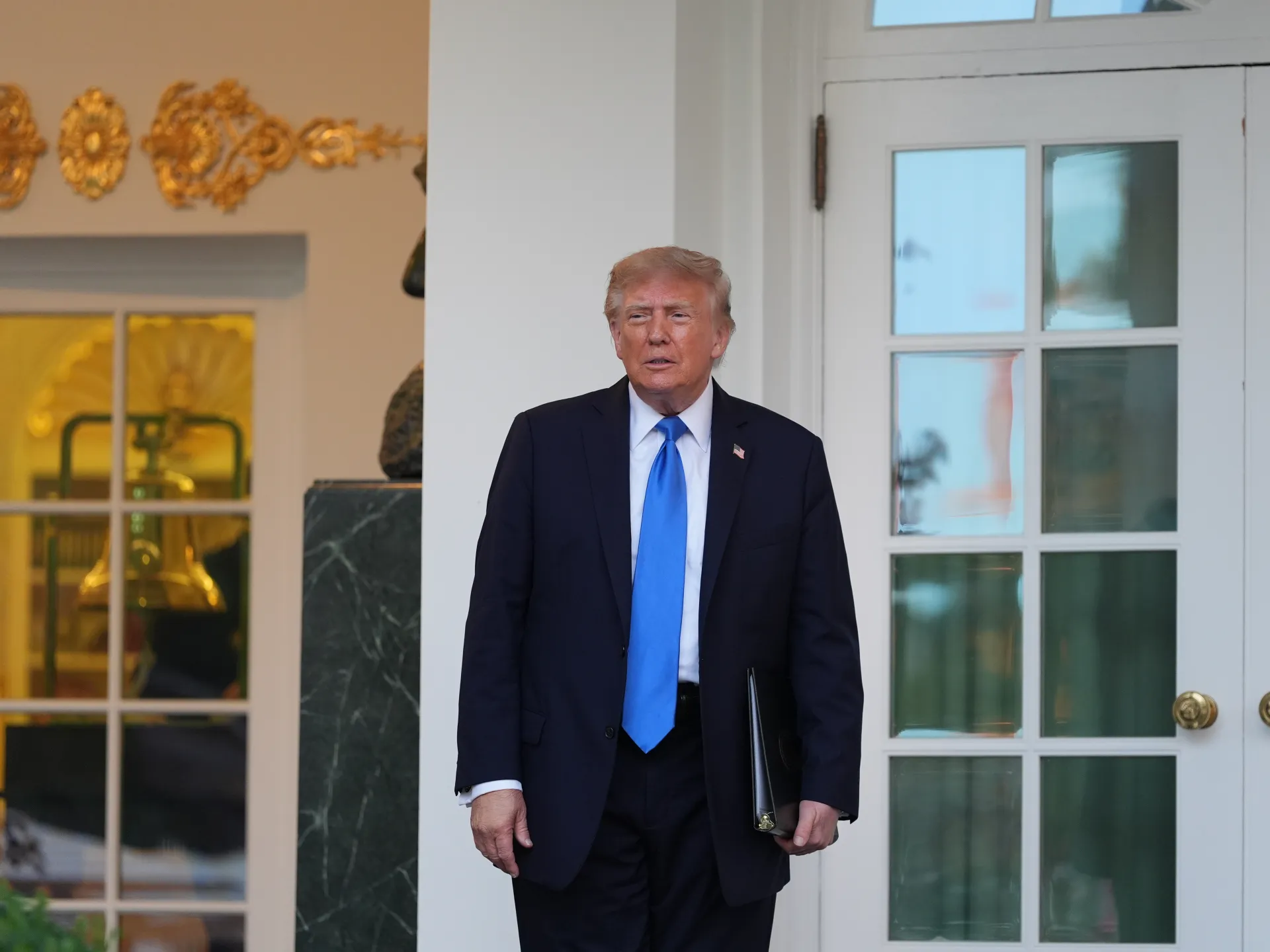
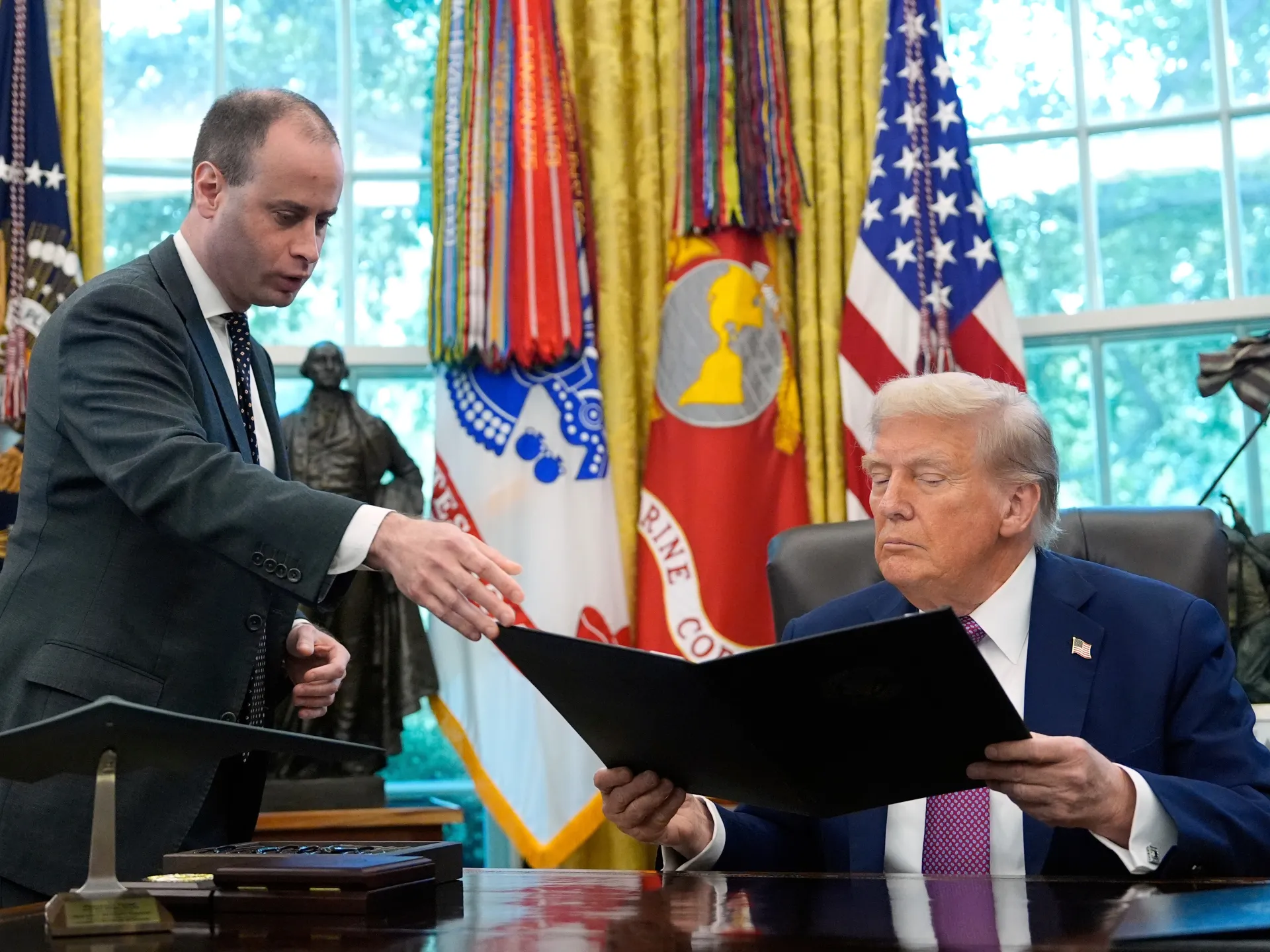
The United States is entering a pivotal week of international diplomacy, balancing a newfound, formalized security footprint in the Arctic with the looming challenge of securing the release of detained American citizens from China. President Donald Trump announced that the U.S. has reached an agreement with Denmark to assume permanent security control over Greenland, a development that follows months of heated rhetoric regarding the territory’s status.
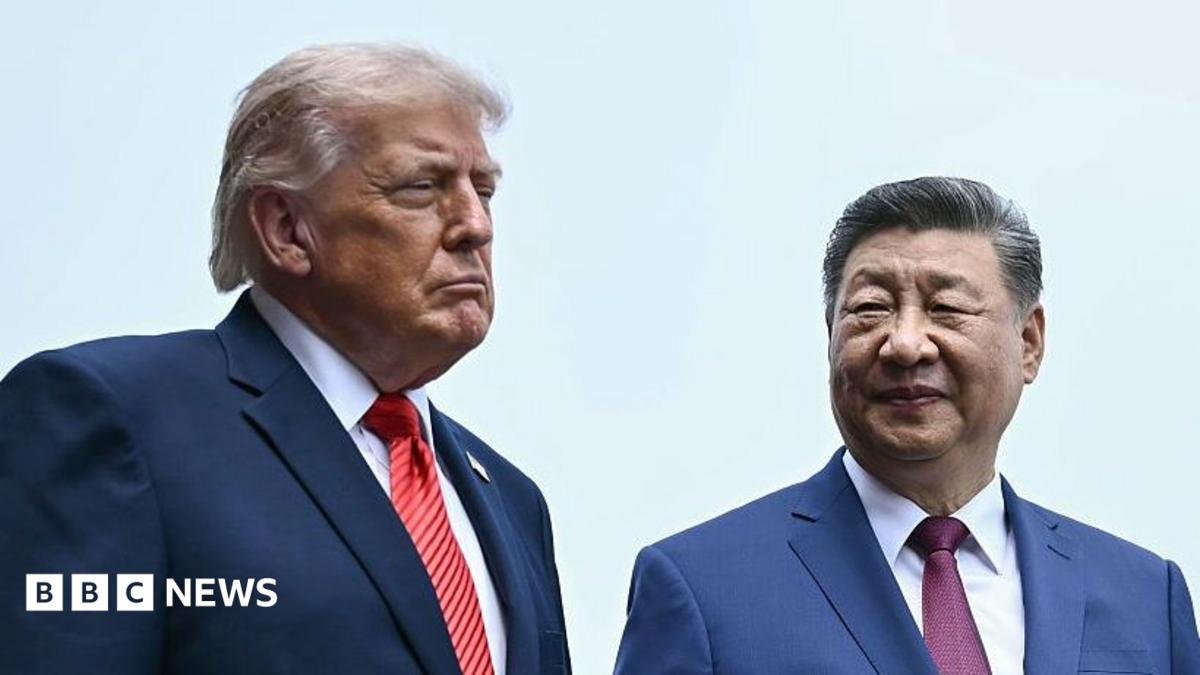
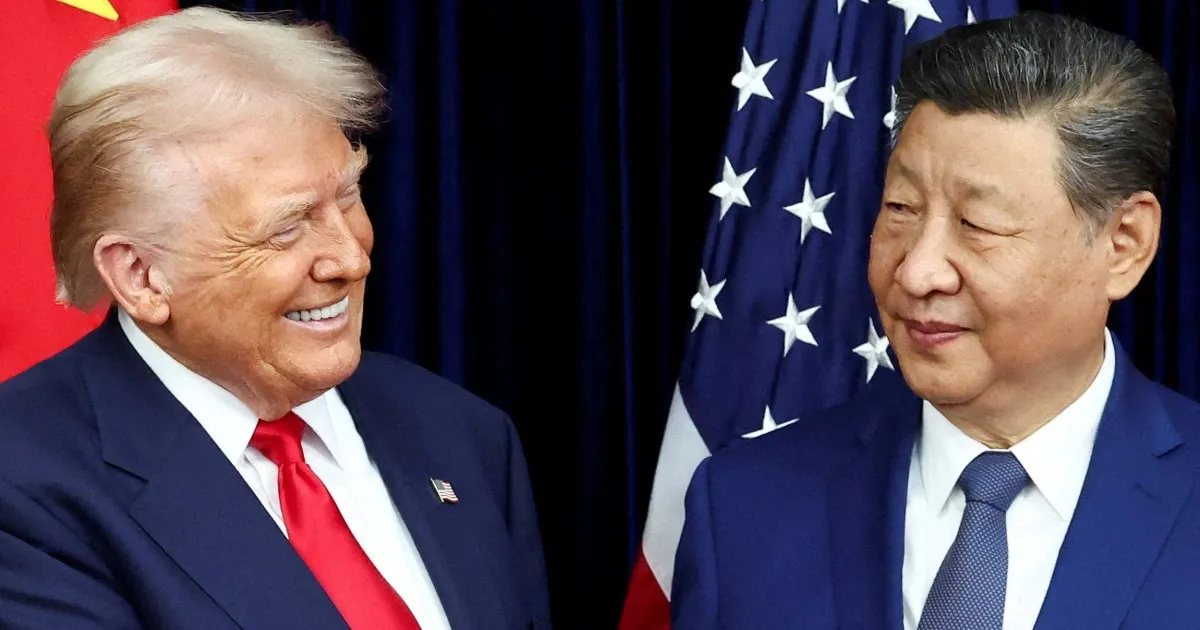
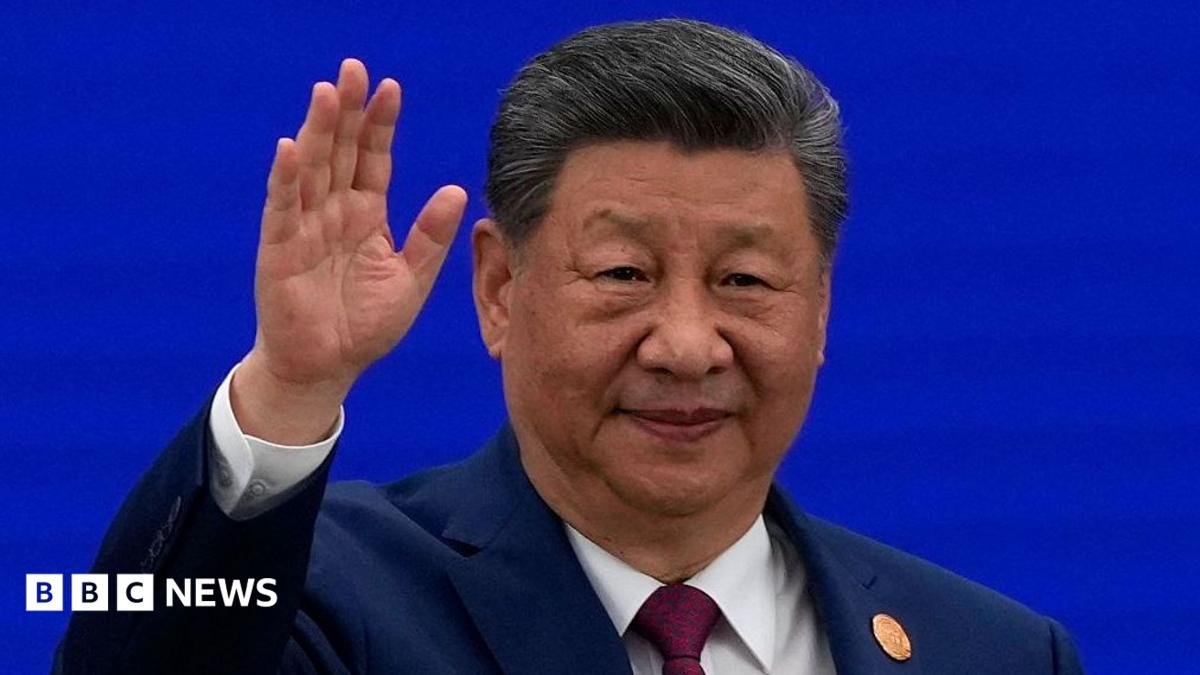
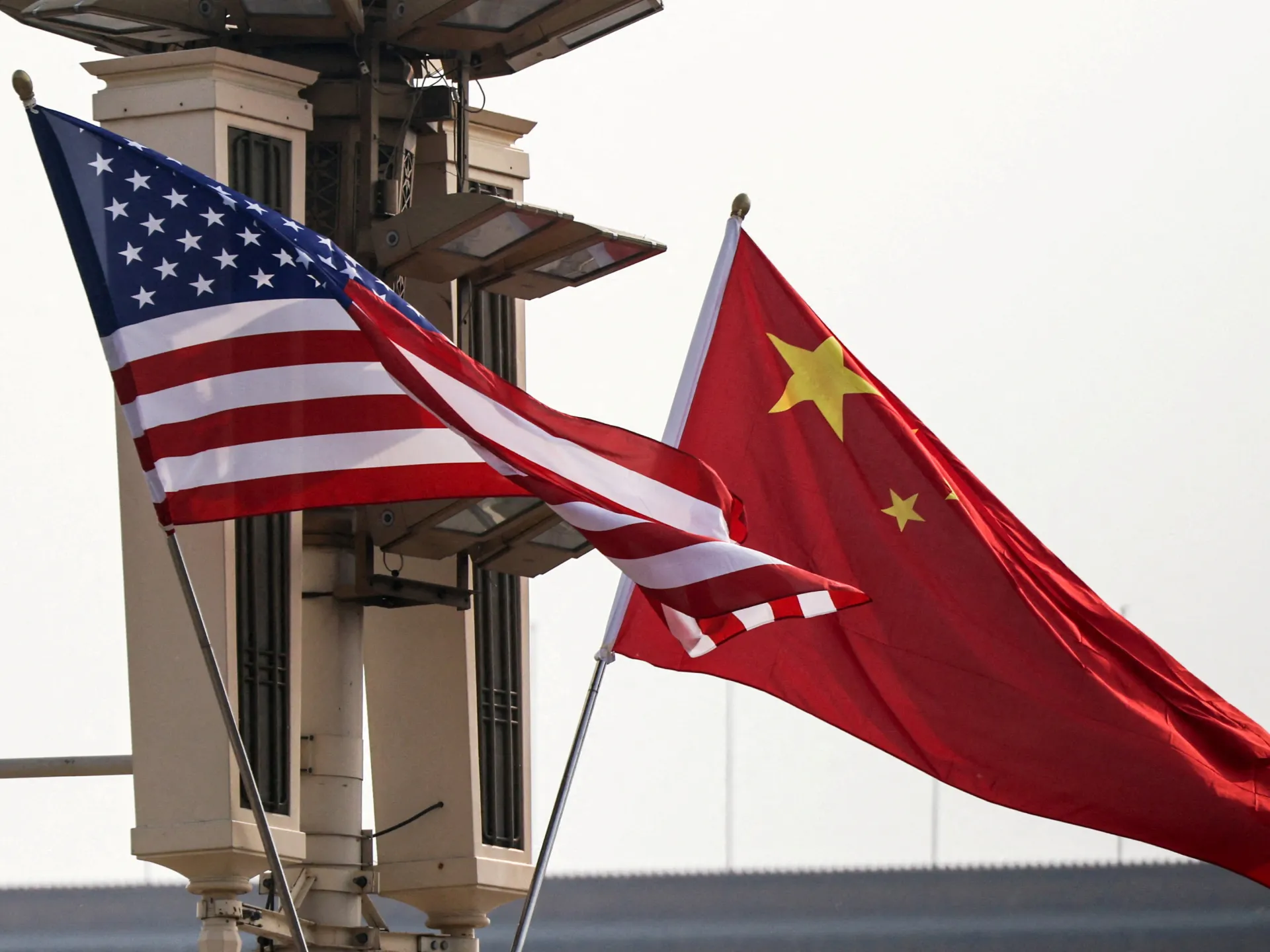
Simultaneously, the administration faces mounting pressure from families and lawmakers to prioritize the liberation of Americans held in Chinese custody. As President Xi Jinping prepares for a state visit to Washington, the intersection of these two geopolitical developments underscores the Trump administration’s aggressive approach to national security, both in the Arctic and through direct bilateral negotiations.
The dual developments signal a significant shift in U.S. foreign policy toward both regional dominance and human rights leverage. Arctic presence in a way that prioritizes strategic military positioning over traditional diplomatic nuances. This move forces a re-evaluation of how the U.S. utilizes its territorial influence in a rapidly warming and resource-contested region. Conversely, the focus on detained citizens during the Xi summit represents a test of the President's ability to balance transactional diplomacy—often favored icans abroad. The outcomes of these negotiations will likely serve as a benchmark for how the administration manages its complex, often adversarial, relationships with both NATO allies and major global competitors in the final stages of this term.
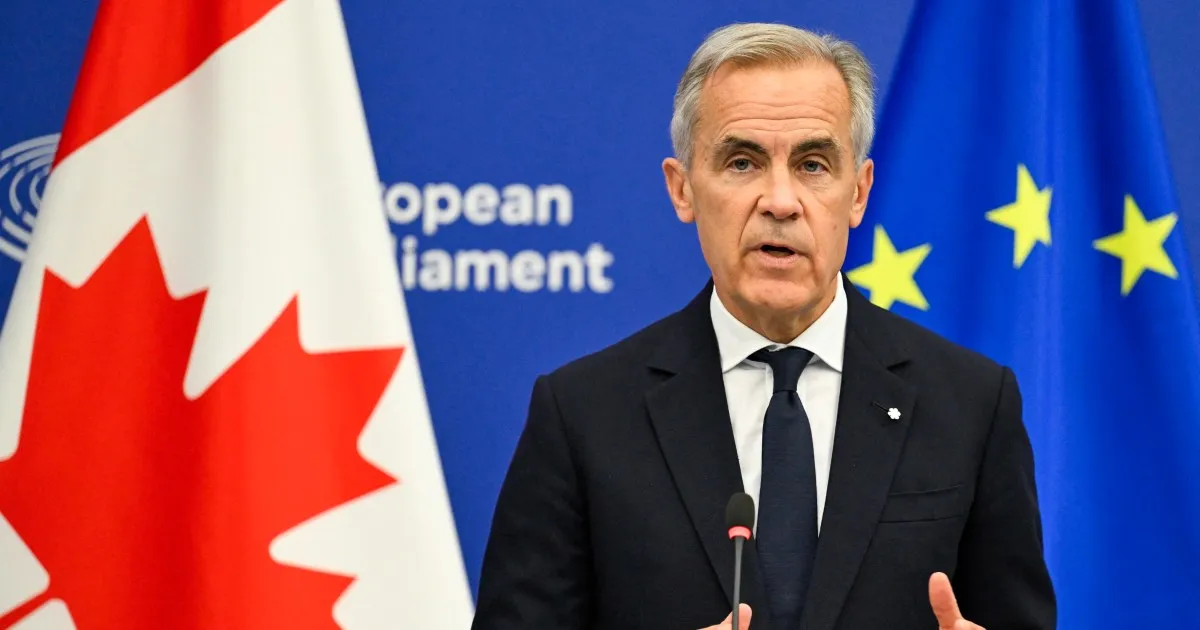
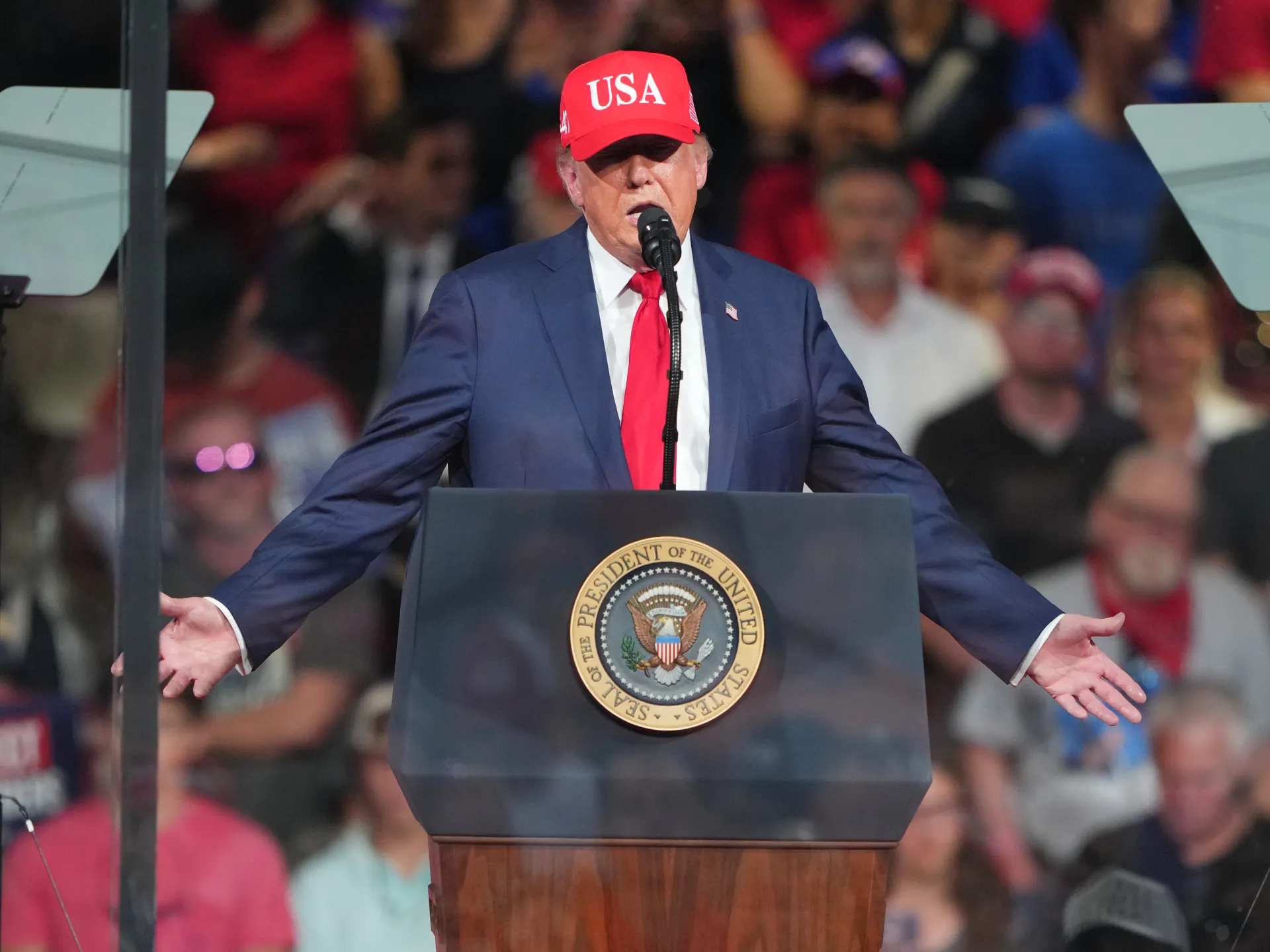
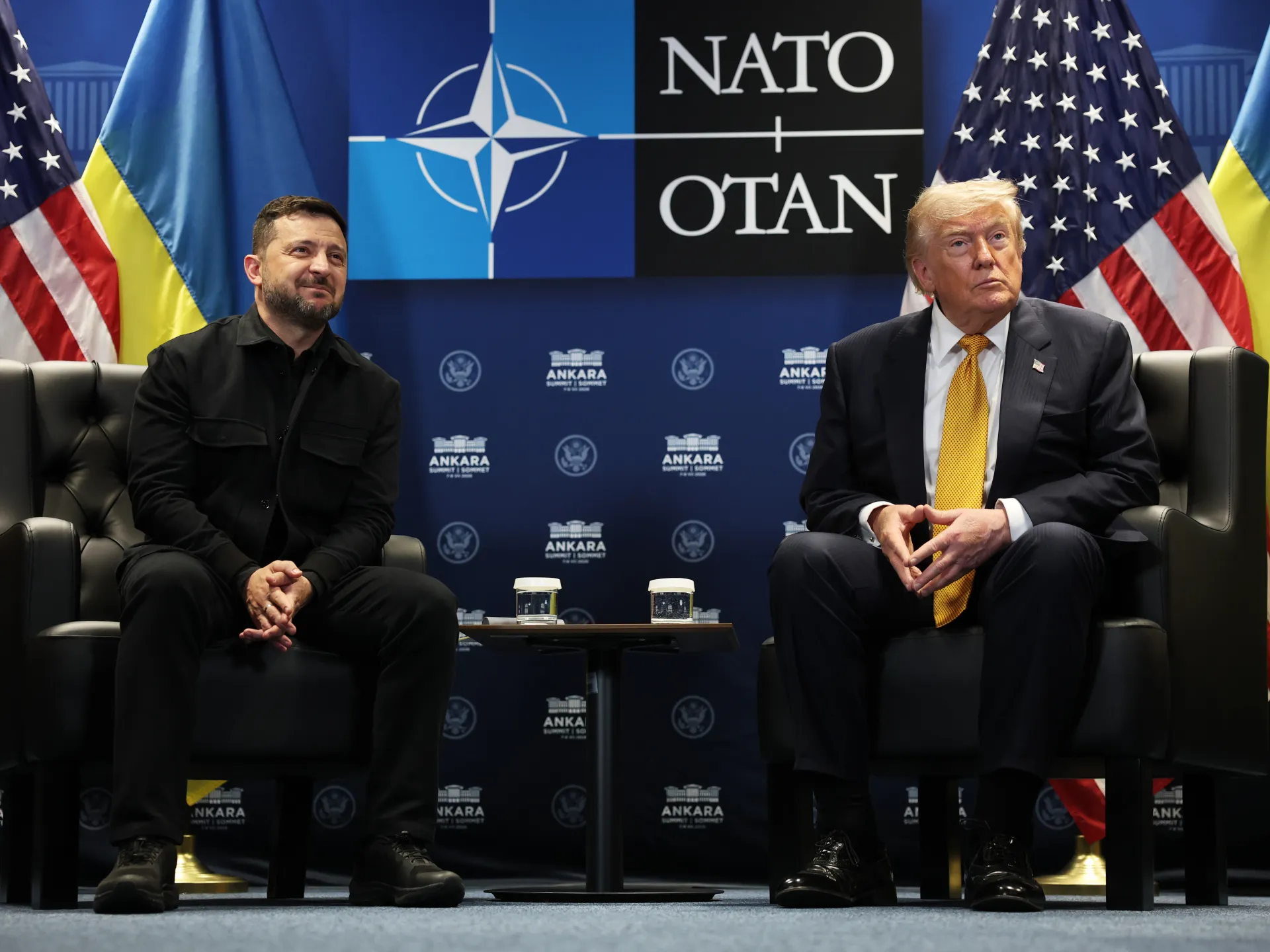
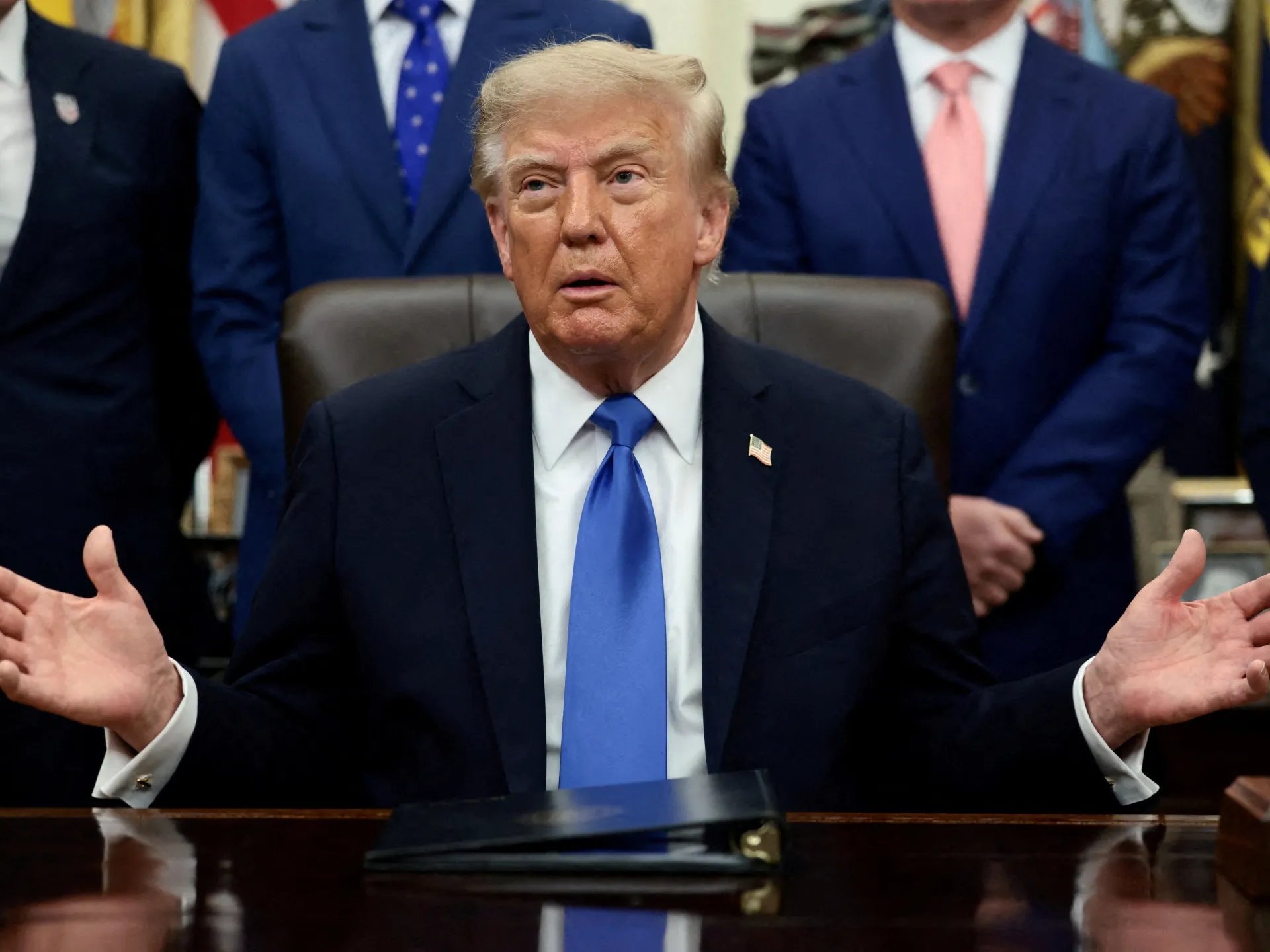
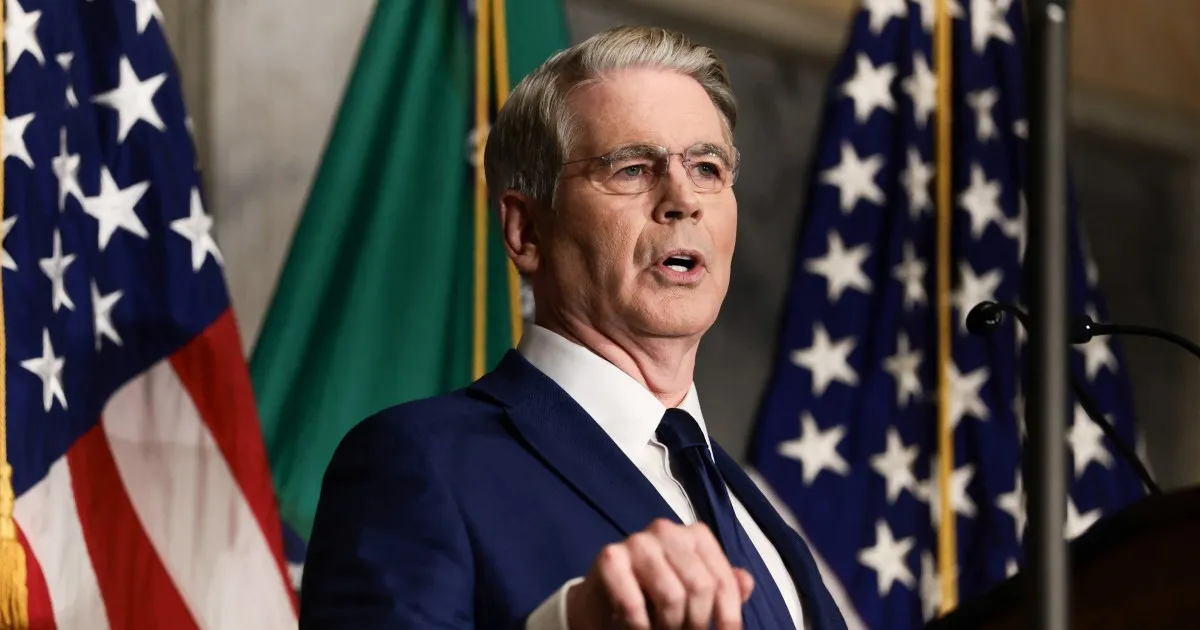
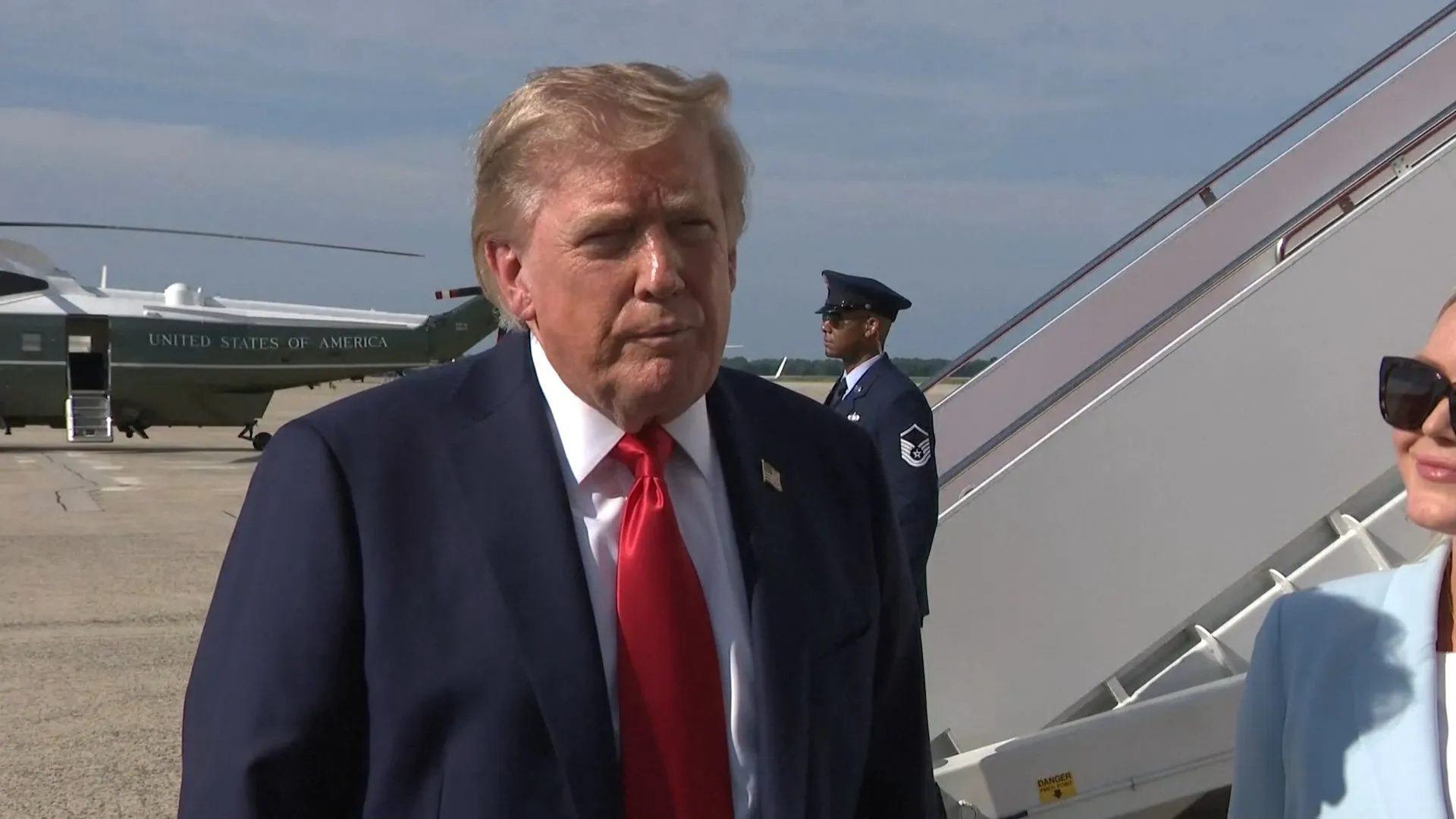
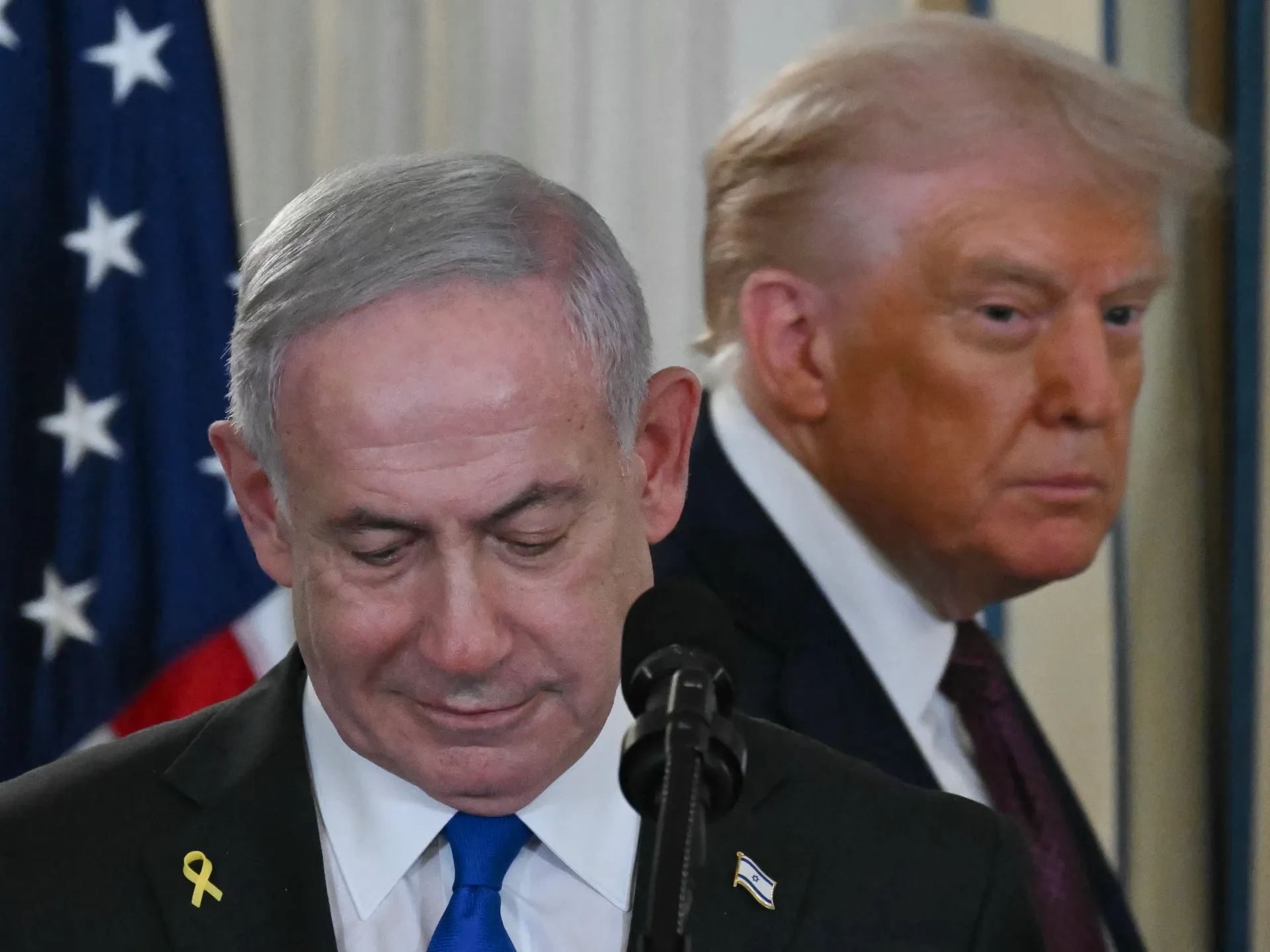
President Trump has characterized the impending deal with Denmark as a victory for American national security, claiming it grants the U.S. permanent control over the security apparatus of Greenland. While the administration has touted the agreement as a settled matter, Danish officials have yet to confirm the specific parameters or the legal extent of the control mentioned while a deal has been reached, the interpretation of its enforcement may remain a point of contention.
The agreement follows a period of volatile rhetoric during which the President openly discussed the possibility of the U.S. taking control of the Danish territory. the prospect of annexation toward a model of deep security integration, effectively ensuring that the U.S. military maintains a permanent and unobstructed presence in the North Atlantic.
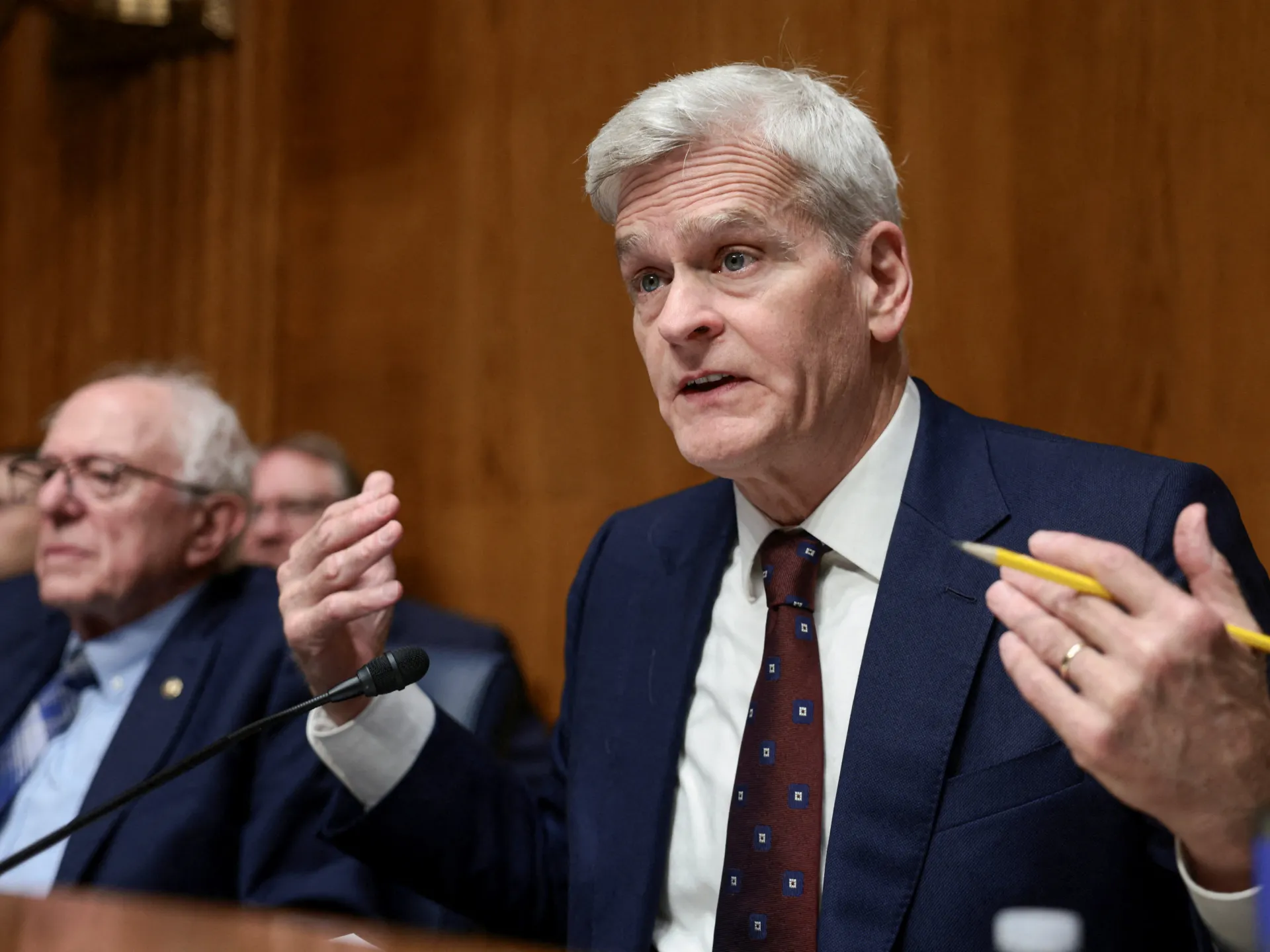
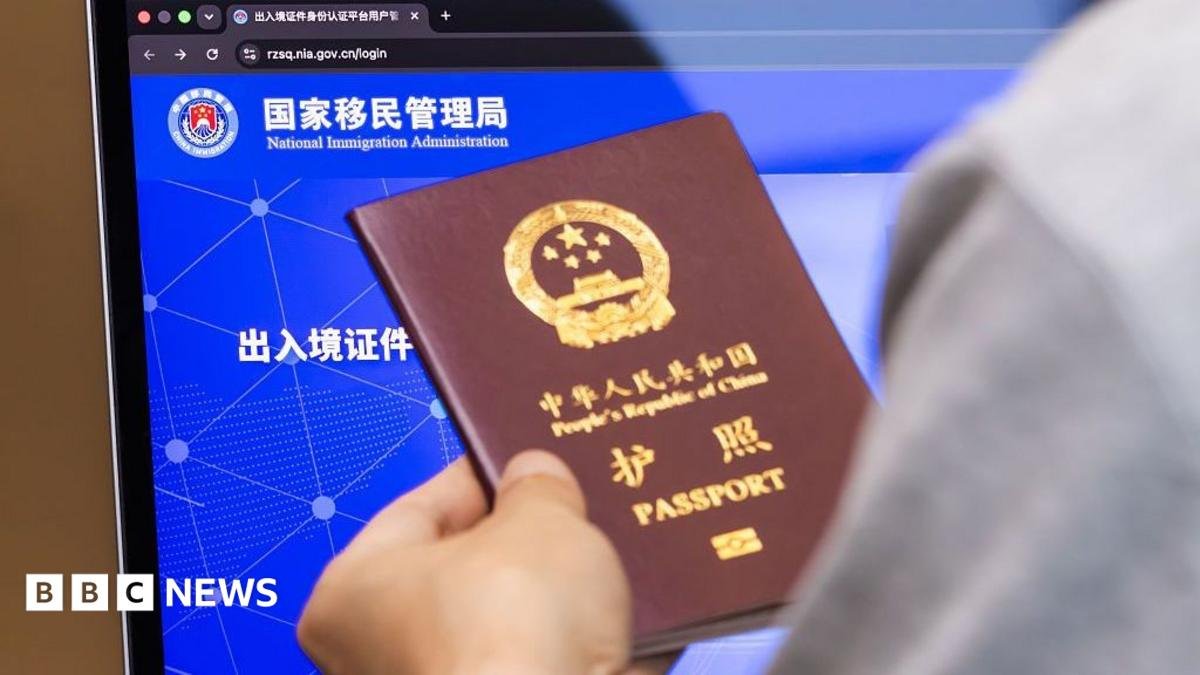
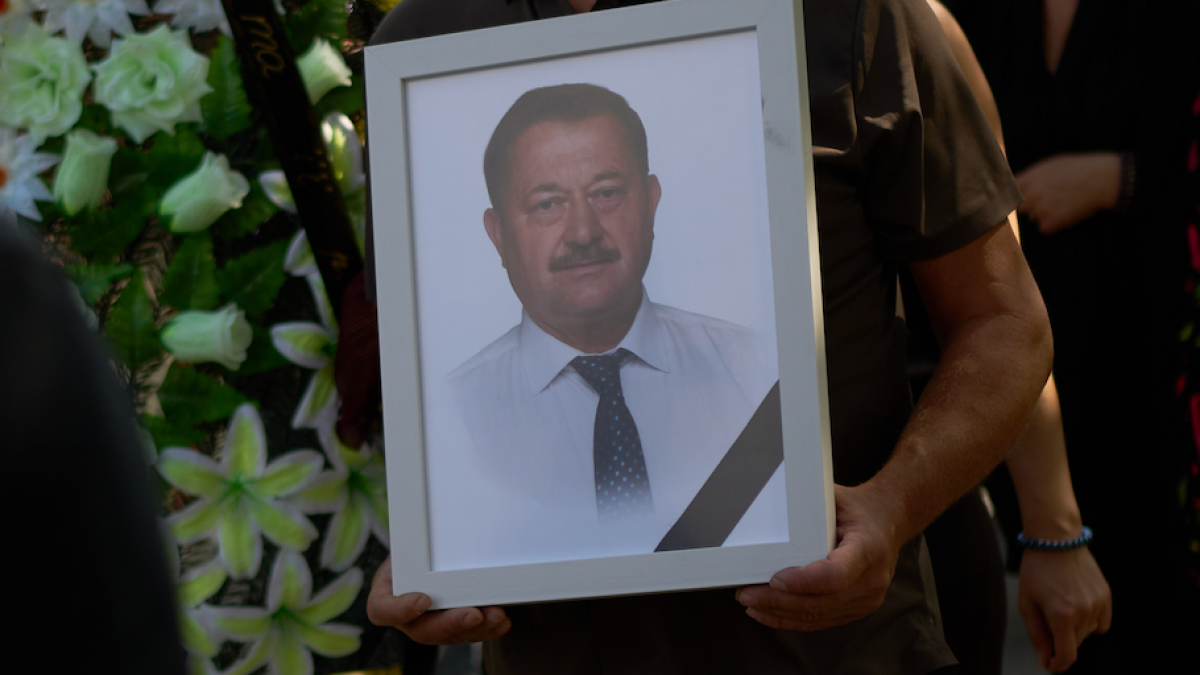
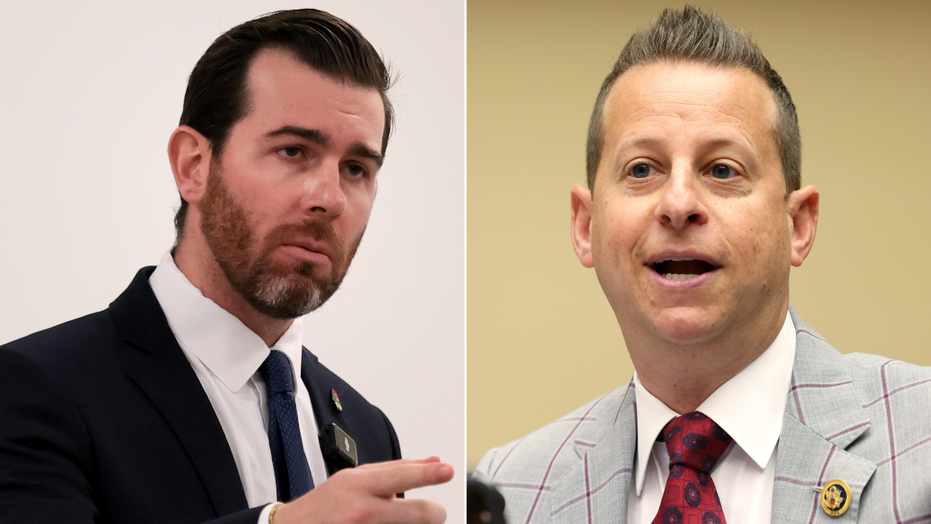
As the White House prepares to host President Xi, the focus has shifted to the human cost of current U.S.-China tensions. Family members of detained Americans, including the wife of scholar U Min Zin and the son of media mogul Jimmy Lai, have descended upon Washington to lobby for their relatives' release. During a House Foreign Affairs Committee hearing, family members expressed hope that the President’s reputation for securing the return of wrongfully detained citizens would yield results at the summit.
The subcommittee chairwoman, Representative Young Kim, framed the issue as a broader warning, suggesting that Beijing is utilizing the detention of foreigners as leverage in diplomatic negotiations. The cases cited—including that of seismologist Chen Youlin and U Min Zin—have become focal points for critics of Chinese policy. While a White House official stated that resolving these wrongful detentions remains a priority, the administration has previously encountered resistance from Beijing, with President Xi reportedly describing certain cases as "tough" during prior discussions.
The signing of the Greenland agreement next week is likely to be met with intense scrutiny regarding its actual operational impact on Arctic policy. Analysts will be watching to see if Denmark issues a clarification that diverges from the President’s description of "permanent control." Regarding the China summit, the administration’s strategy will likely involve a delicate calibration: if the President prioritizes the release of detainees, he may have to offer concessions in other areas, such as trade or regional influence. Failure to secure these releases could exacerbate domestic political pressure, while a successful breakthrough would likely be framed style.