

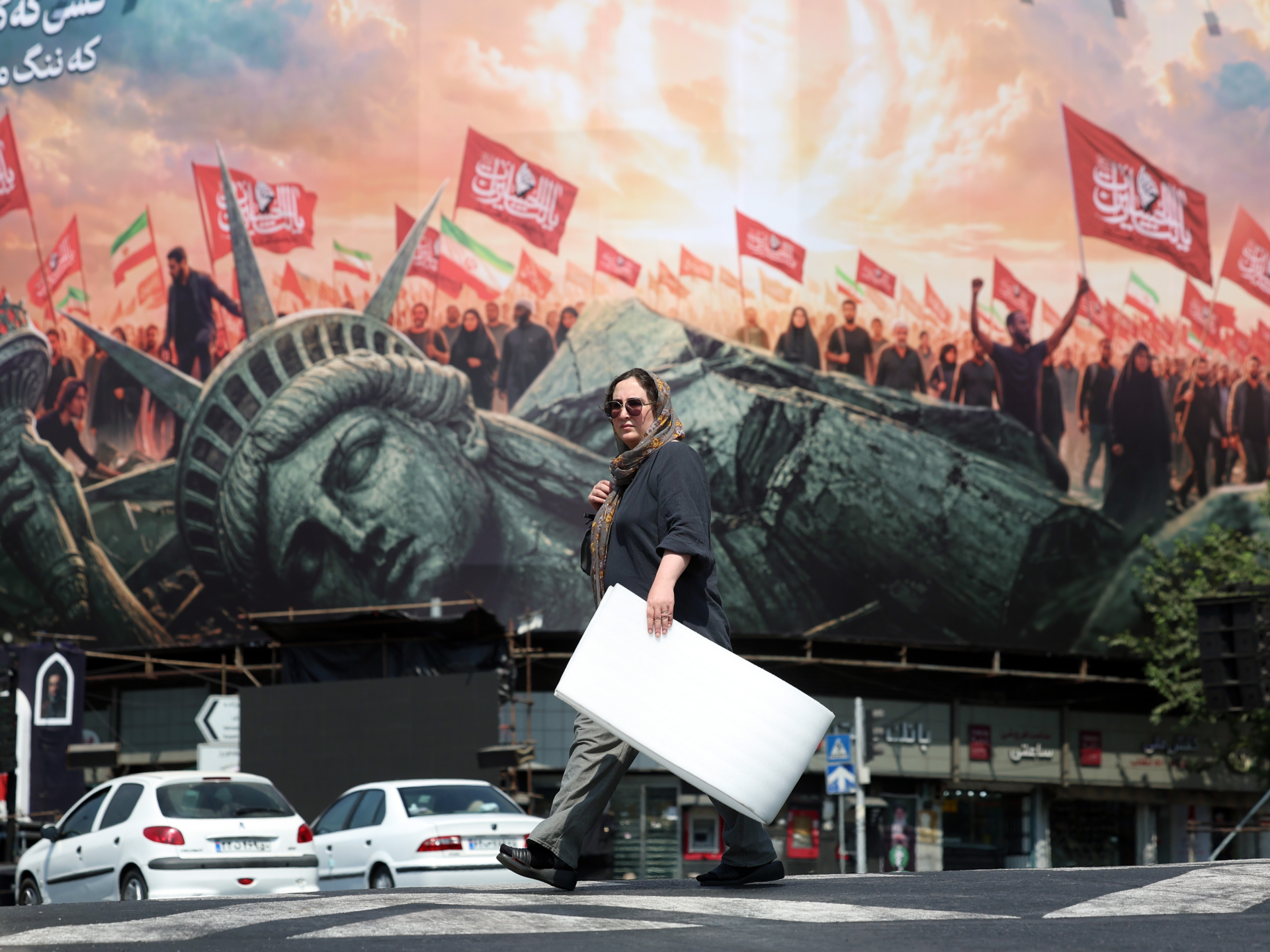
A pivotal Memorandum of Understanding aimed at curbing US-Iran hostilities is nearing its expiration date, with both nations showing little interest in renewal.
A crucial Memorandum of Understanding (MoU) designed to halt military hostilities between the United States and Iran is scheduled to expire this coming Monday. Since its signing on June 17, the agreement has faced significant turbulence, with both Washington and Tehran accusing each other of repeated violations. The pact was initially brokered to provide an immediate cessation of violence and to address the critical disruptions to global oil and gas shipping lanes caused
As the expiration date approaches, there has been little indication that either party is prepared to extend the terms. Iranian Foreign Minister Abbas Araghchi stated recently that no decision has been made regarding the resumption of negotiations with the American administration. While mediators from Qatar and Pakistan remain engaged in diplomatic channels, the path forward remains clouded ary objectives.
The core of the current diplomatic impasse lies in the divergent expectations held s while deferring more complex geopolitical issues, such as Iran's nuclear program, for future deliberation. However, the US was expected to lift its naval blockade, remove forces from the region, and provide a substantial economic reconstruction package, while Iran was tasked with clearing mines from the Strait of Hormuz and guaranteeing free passage for international vessels.
Tehran maintains that the US failed to honor these commitments, specifically pointing to the continued enforcement of sanctions and the lack of access to frozen assets. Conversely, the American administration has frequently labeled the agreement a failure, citing ongoing regional tensions and provocations. ion of military strikes that have further escalated the death toll and damaged regional infrastructure.
Recent changes within the Iranian government suggest a hardening of the country’s diplomatic and military posture. The appointment of Mohsen Rezaee, a former leader of the Islamic Revolutionary Guard Corps (IRGC), to head the Supreme National Security Council marks a significant shift. Analysts believe this move is designed to better synchronize civilian and military efforts, signaling that Tehran feels emboldened to demand more favorable terms in any future negotiations.
Iranian leadership has publicly characterized the concessions gained during the MoU process as a victory, even as the agreement unravels. There is growing sentiment in Tehran that the war has demonstrated the country's resilience. Consequently, any prospective talks are expected to be framed ns to the cessation of military blockades in neighboring regions like Yemen.
The United States faces a complex set of challenges as it considers its next moves. President Donald Trump has recently signaled an intent to assert greater control over the Strait of Hormuz, declaring that the US may soon claim the waterway as its own territory. This rhetoric is accompanied , experts note that the US has limited remaining leverage, as military resources are currently strained and strategic reserves have been significantly depleted over the course of the conflict.