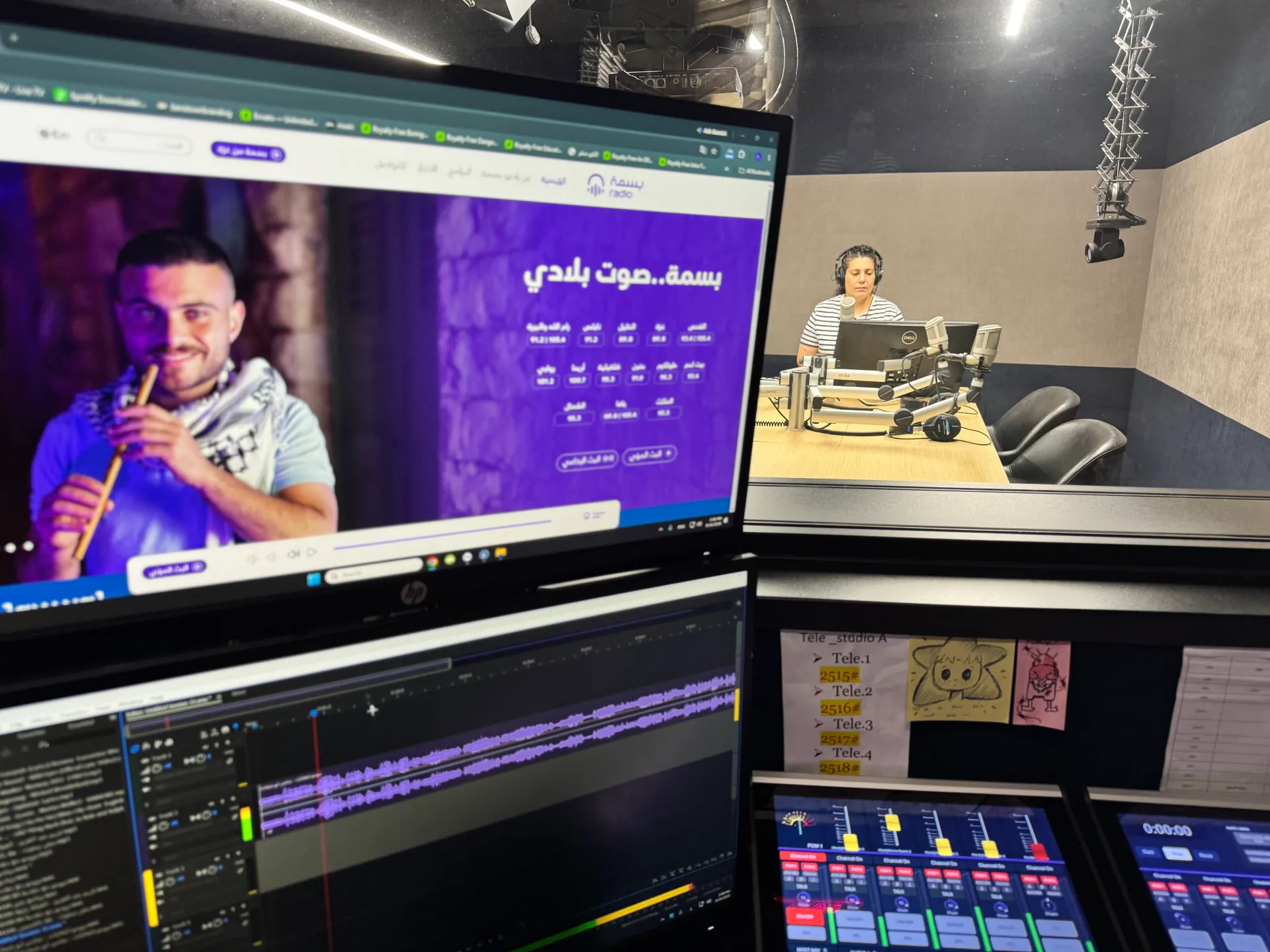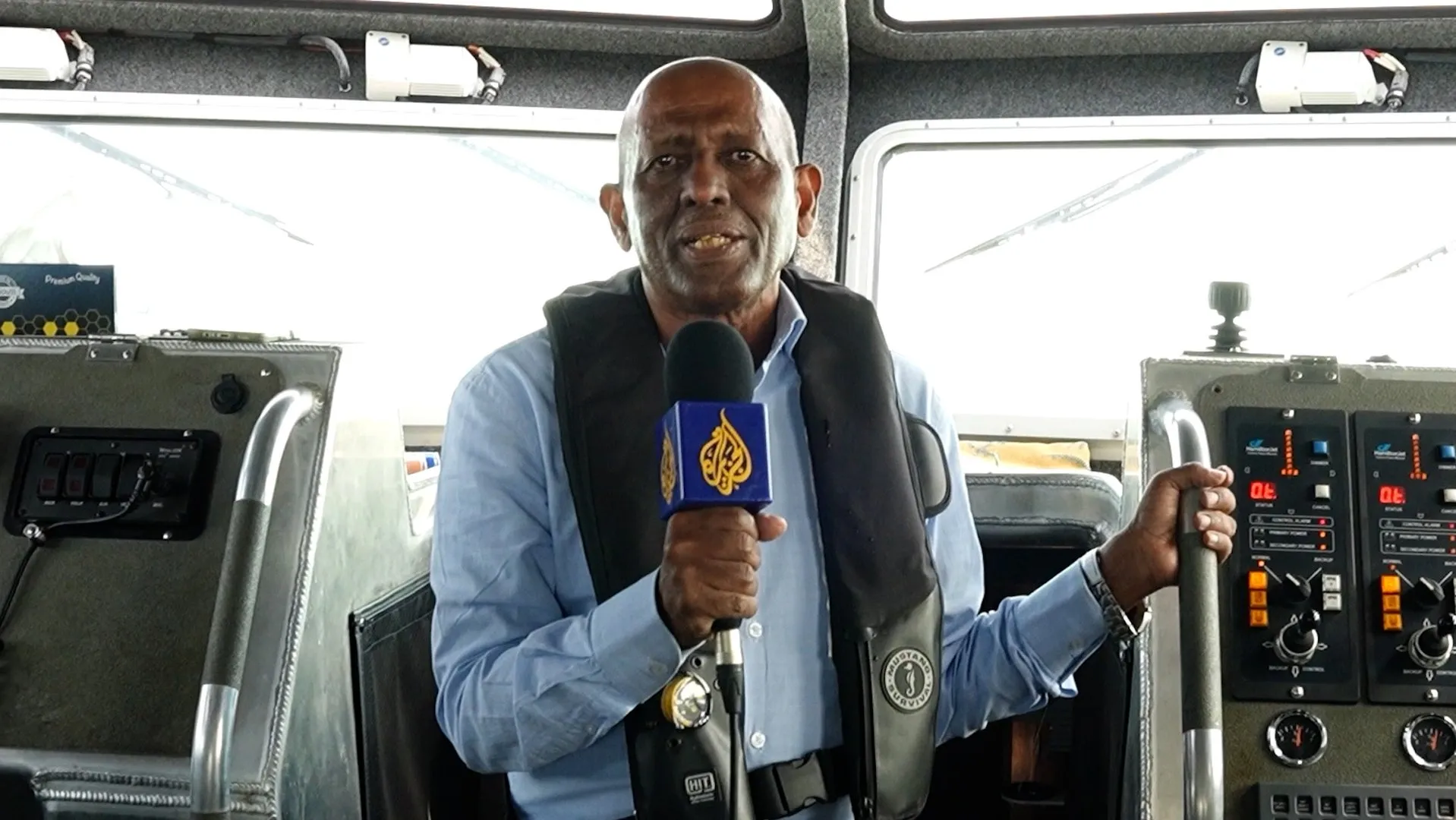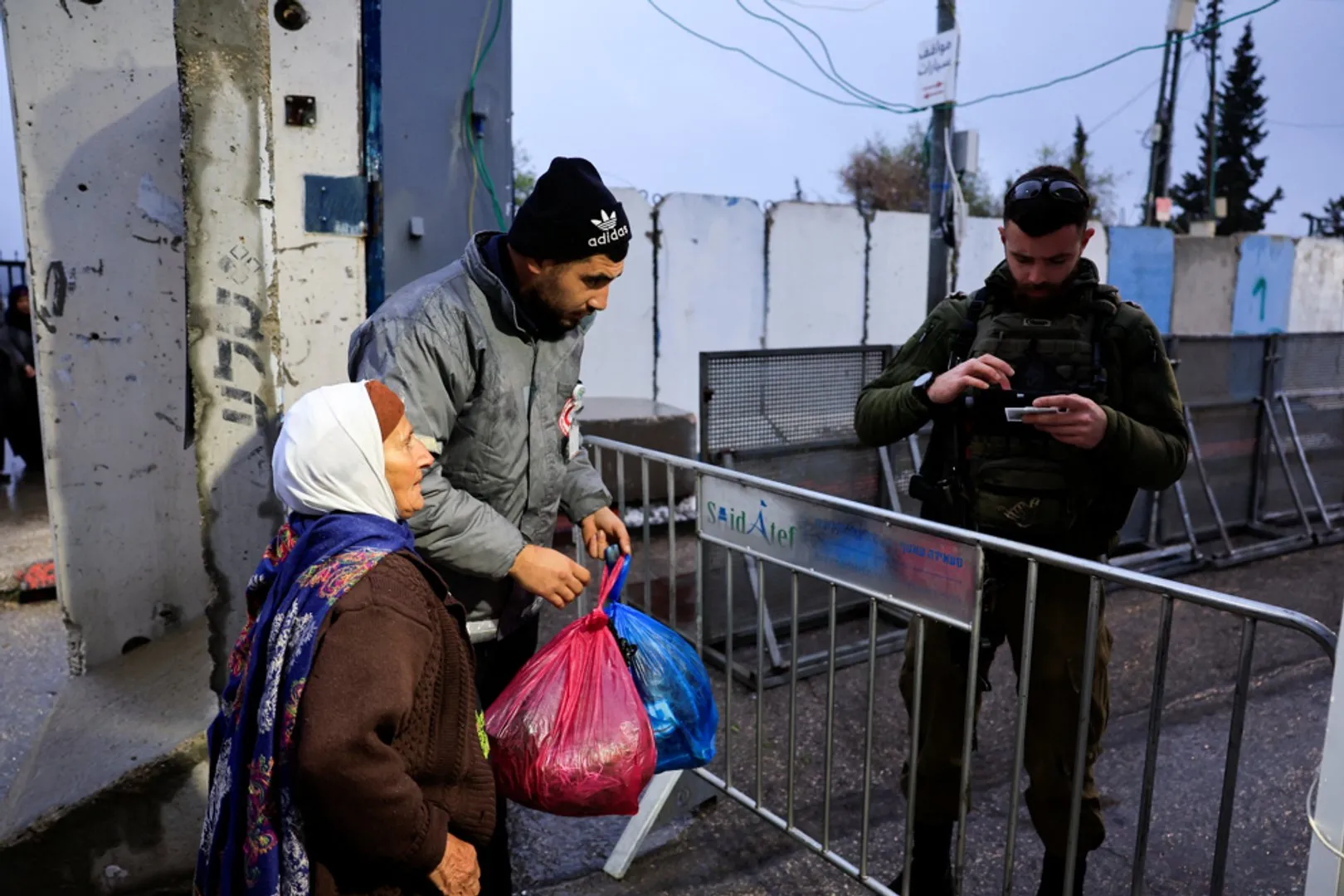
Local radio stations are serving as a vital lifeline for Palestinians in the West Bank, providing real-time updates to navigate military checkpoints and avoid areas prone to settler violence.
In the occupied West Bank, the simple act of commuting has become a high-stakes endeavor fraught with uncertainty. For thousands of Palestinian residents, the question of when one might return home is rarely answered with a specific time, but rather depends on the volatile conditions of the road. As movement restrictions tighten and the physical landscape becomes increasingly fragmented, local radio stations have emerged as an essential lifeline for communities attempting to navigate the complexities of daily life.
Radio broadcasts serve as a decentralized intelligence network, aggregating information from drivers, local observers, and residents across the region. ations allow civilians to make informed decisions about their travel plans. In an environment where infrastructure is frequently altered reaching a destination safely or becoming stranded at a dangerous location for hours.
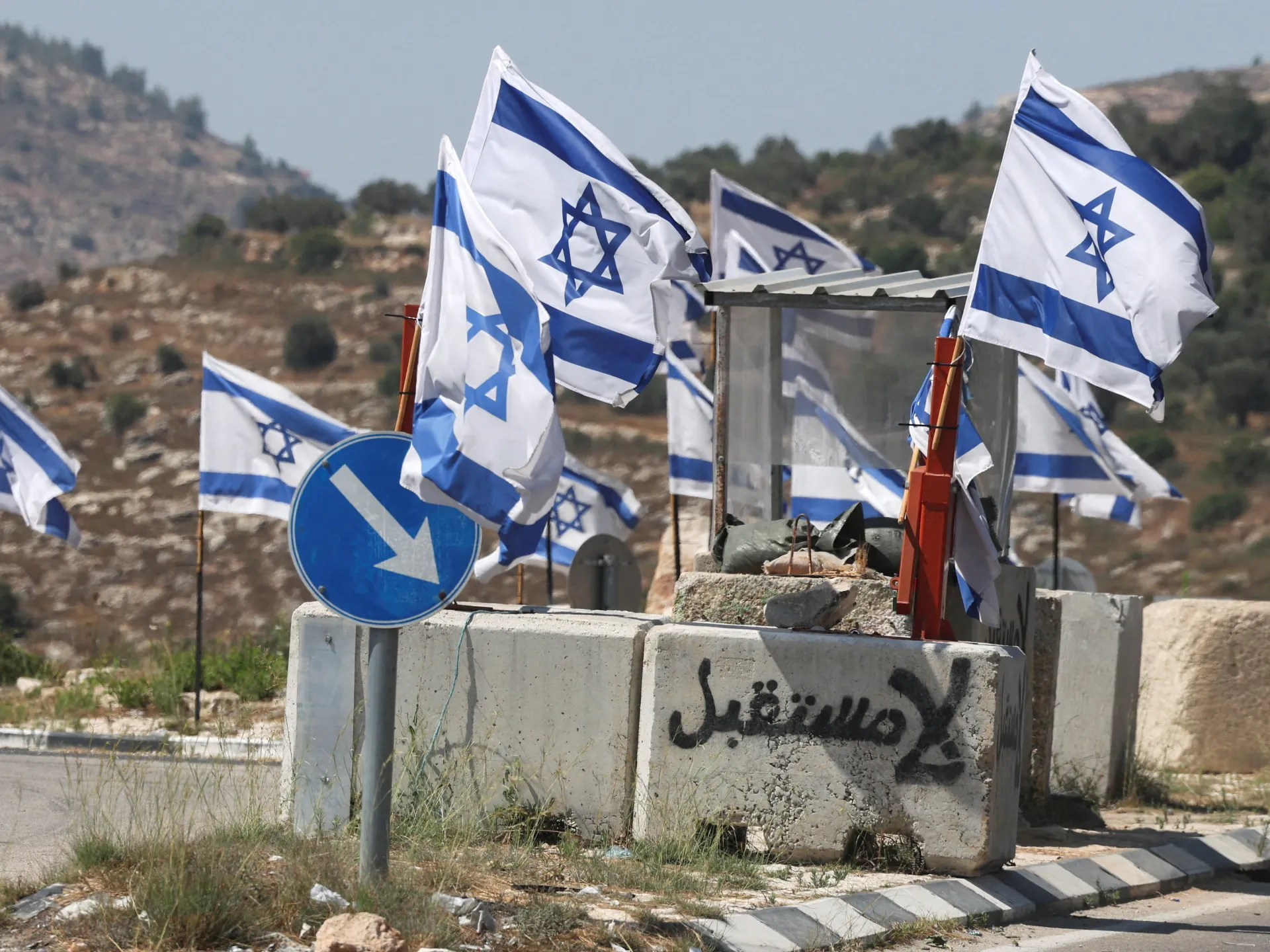
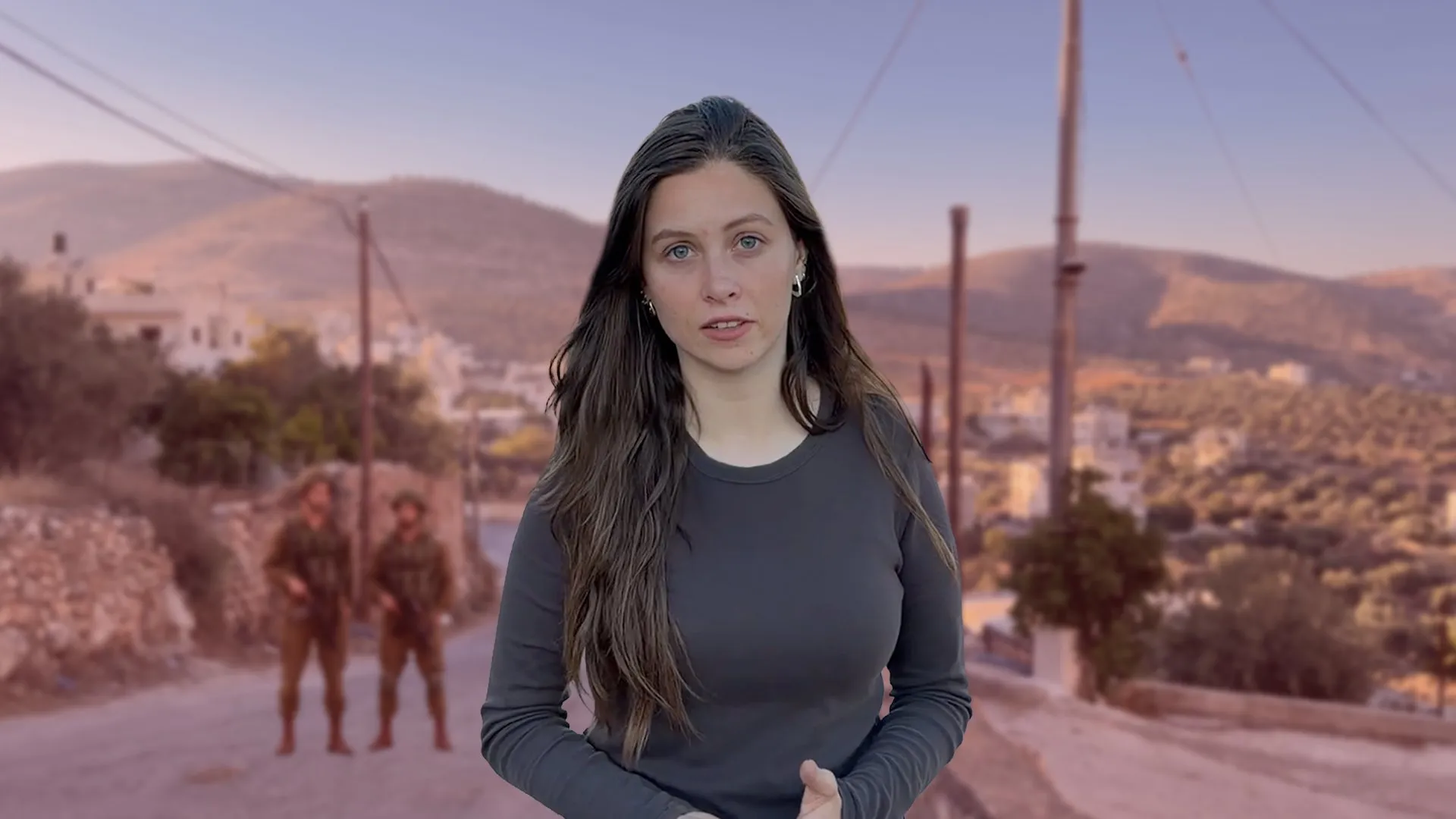
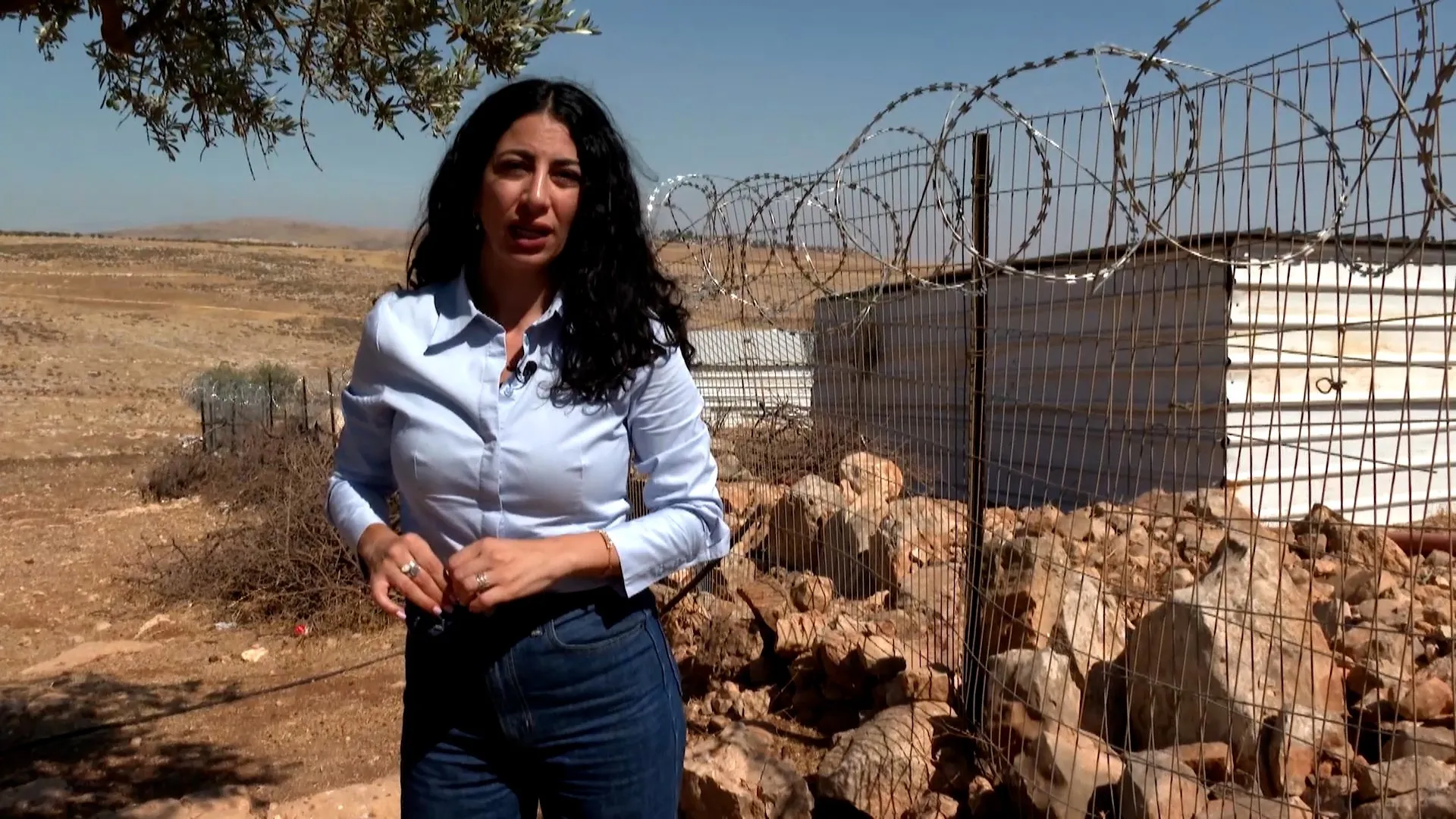
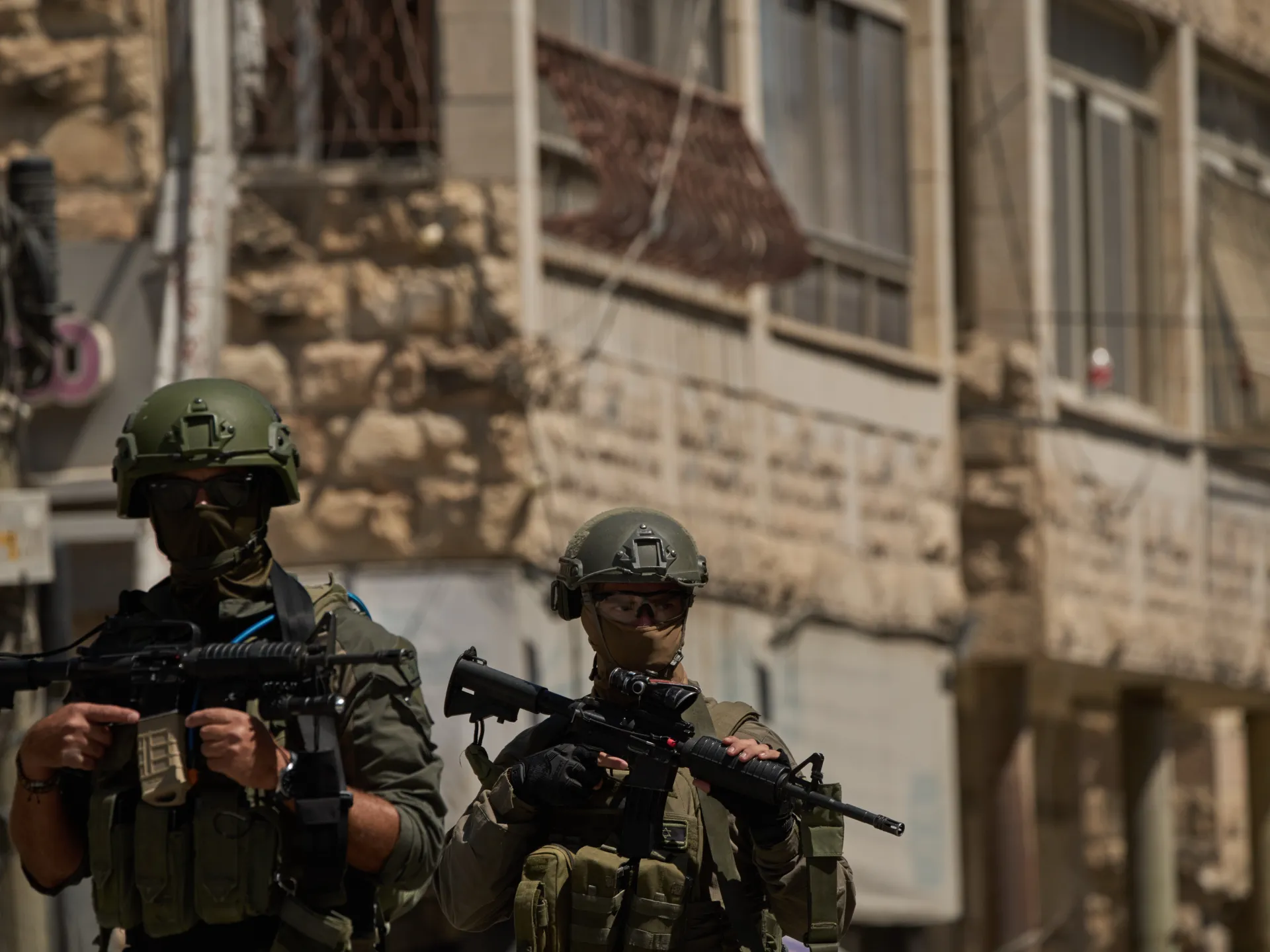
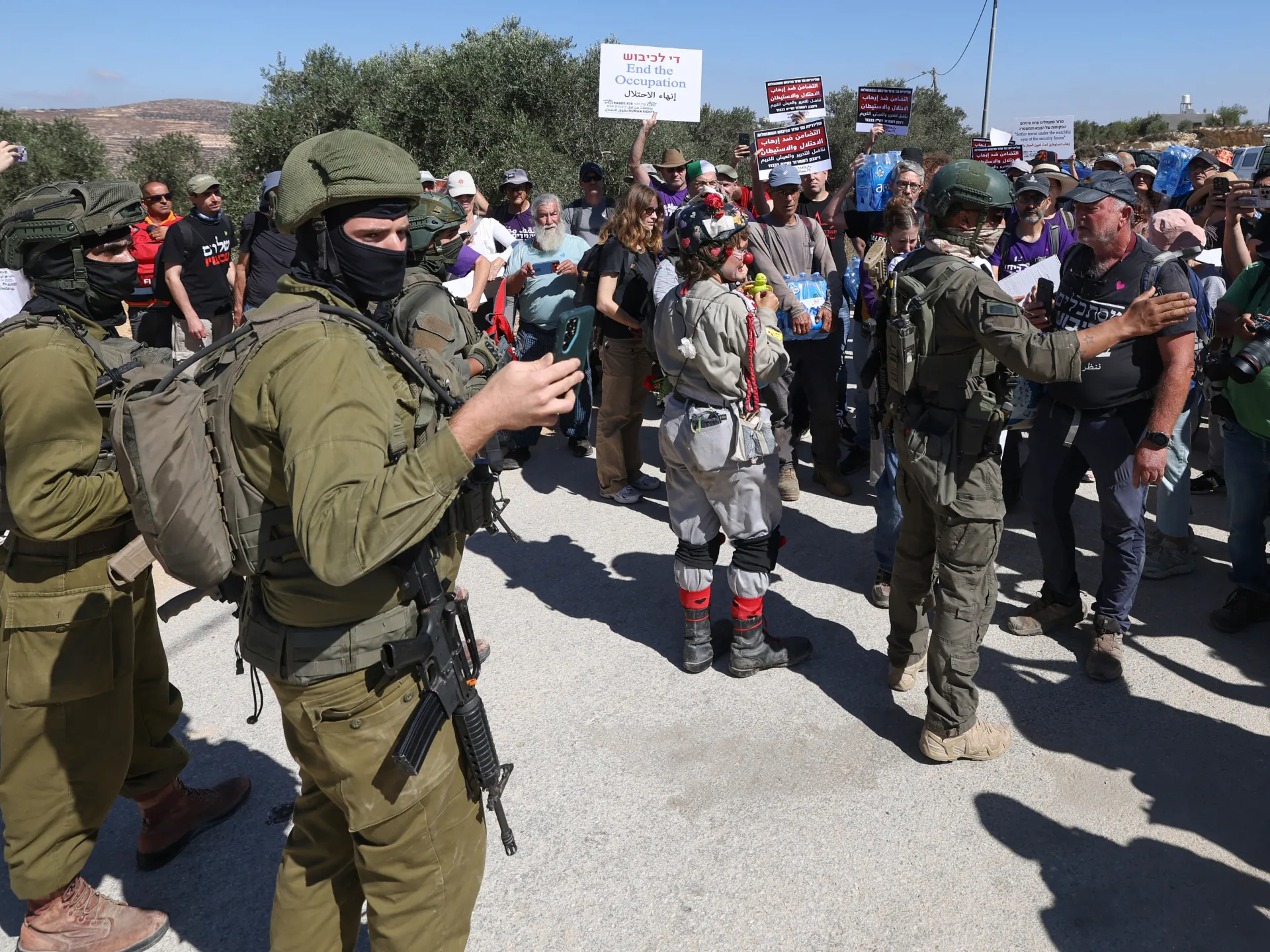
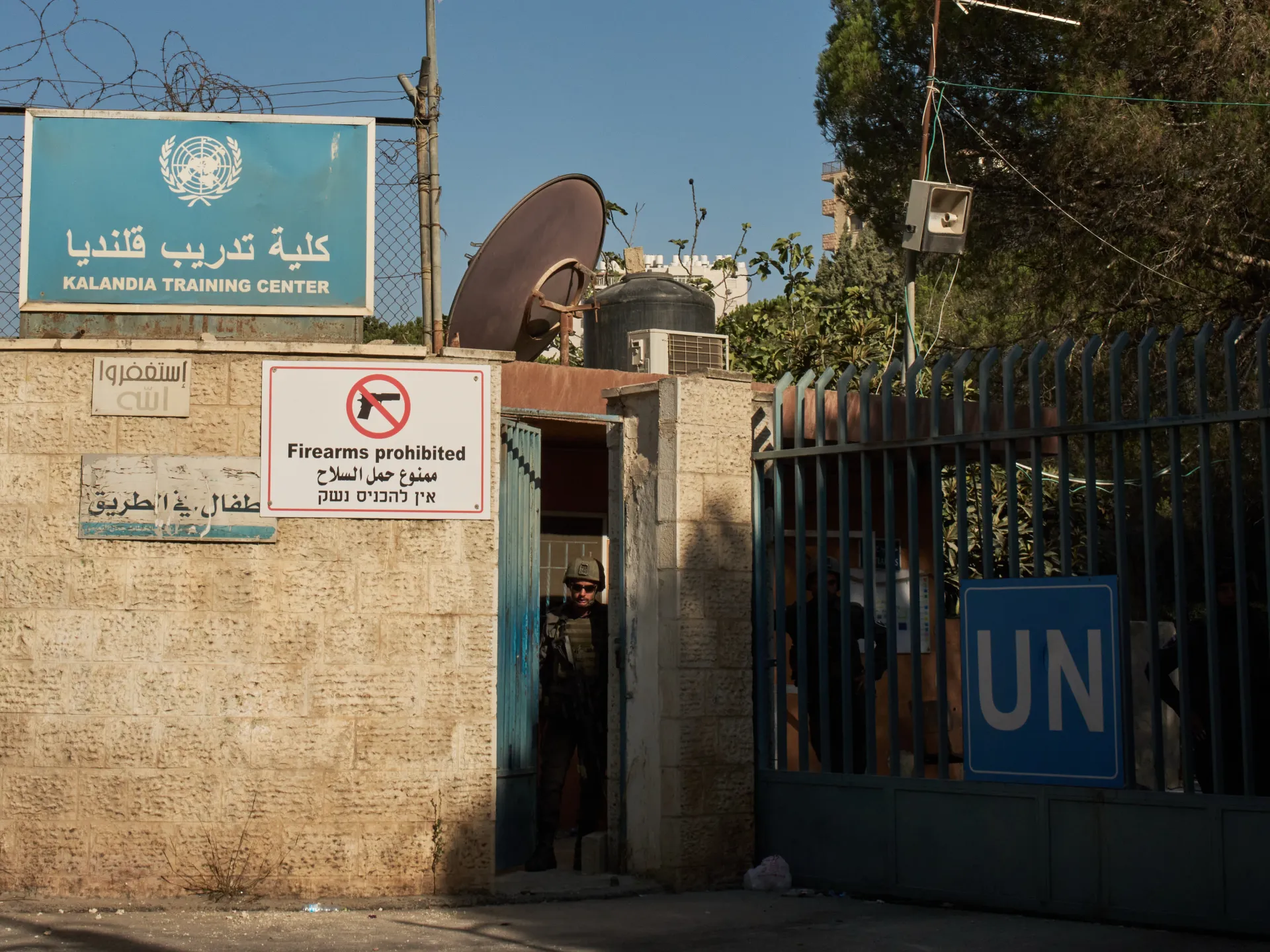
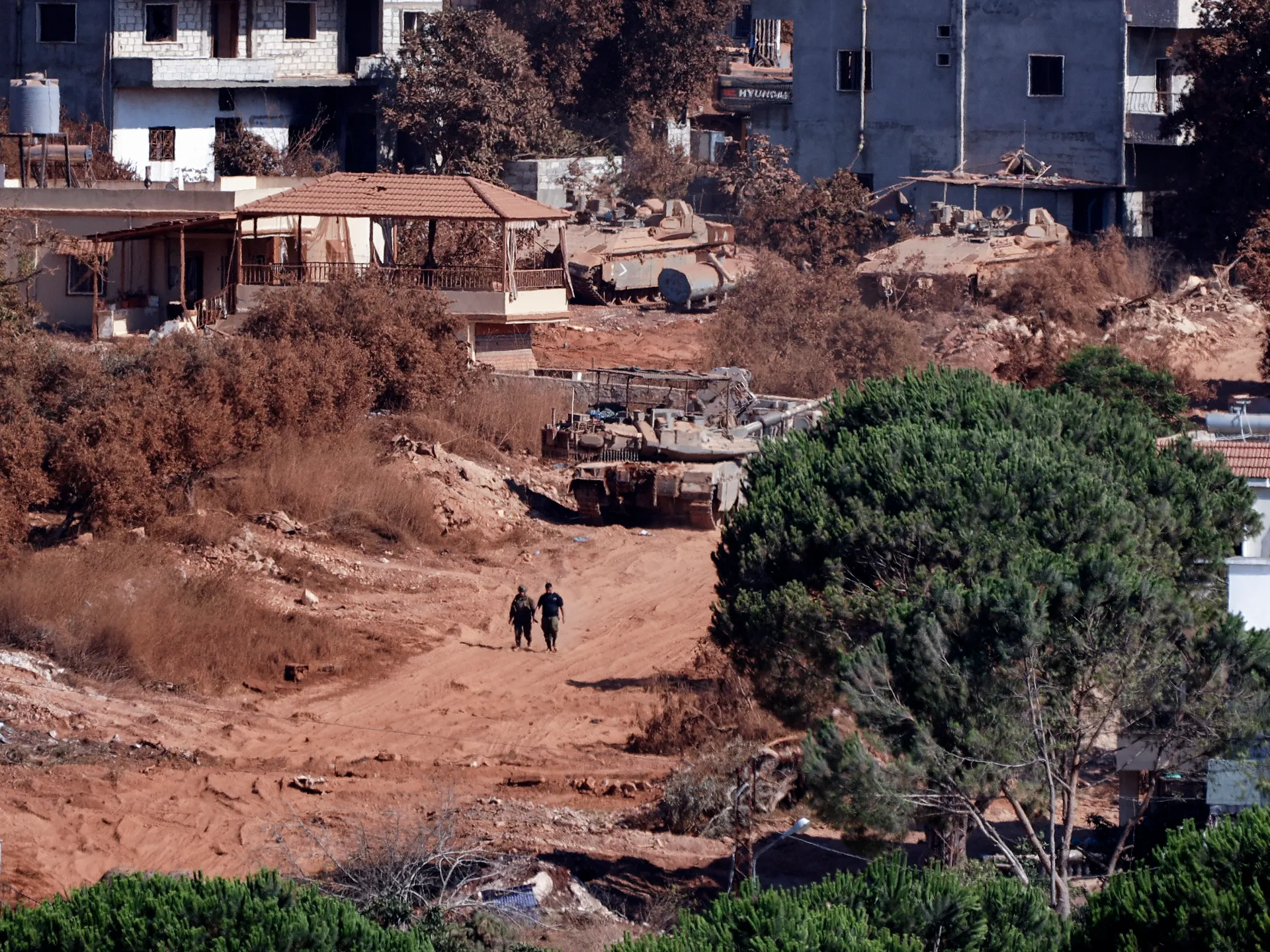
The Israeli military occupation of the West Bank is characterized little to no prior warning. These physical barriers are designed to control the flow of movement, but they often create unpredictable bottlenecks that paralyze local commerce and personal mobility. For those attempting to reach work, schools, or medical facilities, the radio becomes a primary tool for survival.
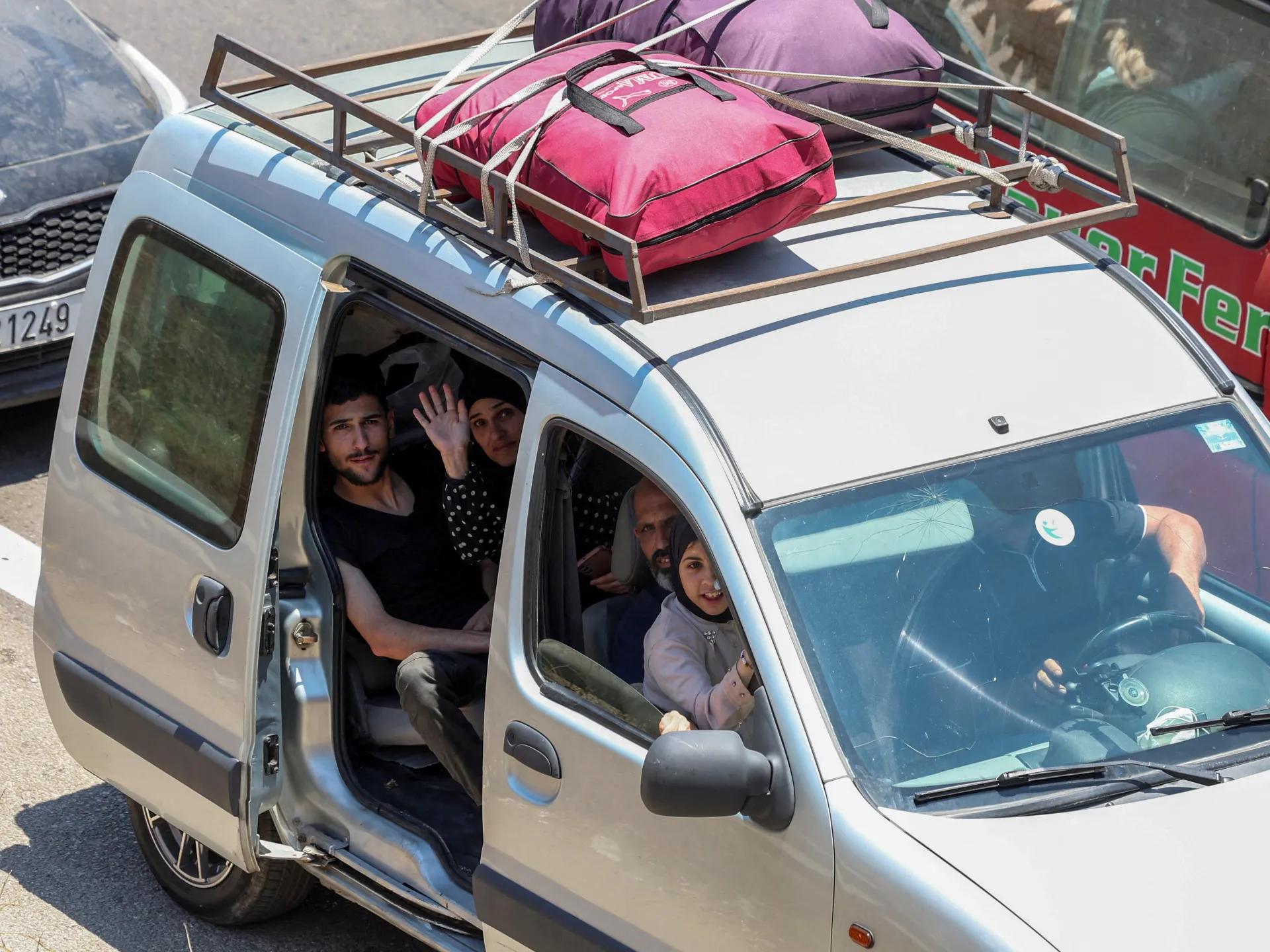
Listeners rely on these broadcasts to identify which specific checkpoints are currently active or closed. tive, albeit often longer and more difficult, paths to their destinations. This constant monitoring of the road network is not merely a convenience; it is a critical safety measure that helps individuals avoid unnecessary friction with security forces and reduces the time spent waiting in congested, high-tension areas.
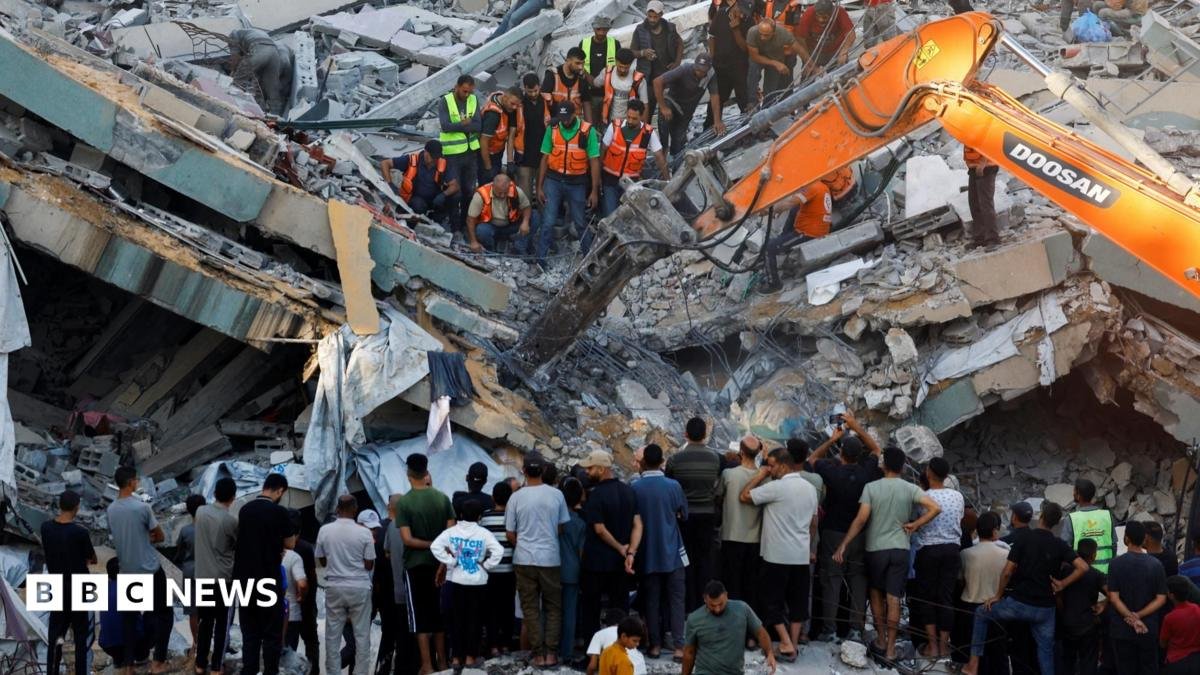
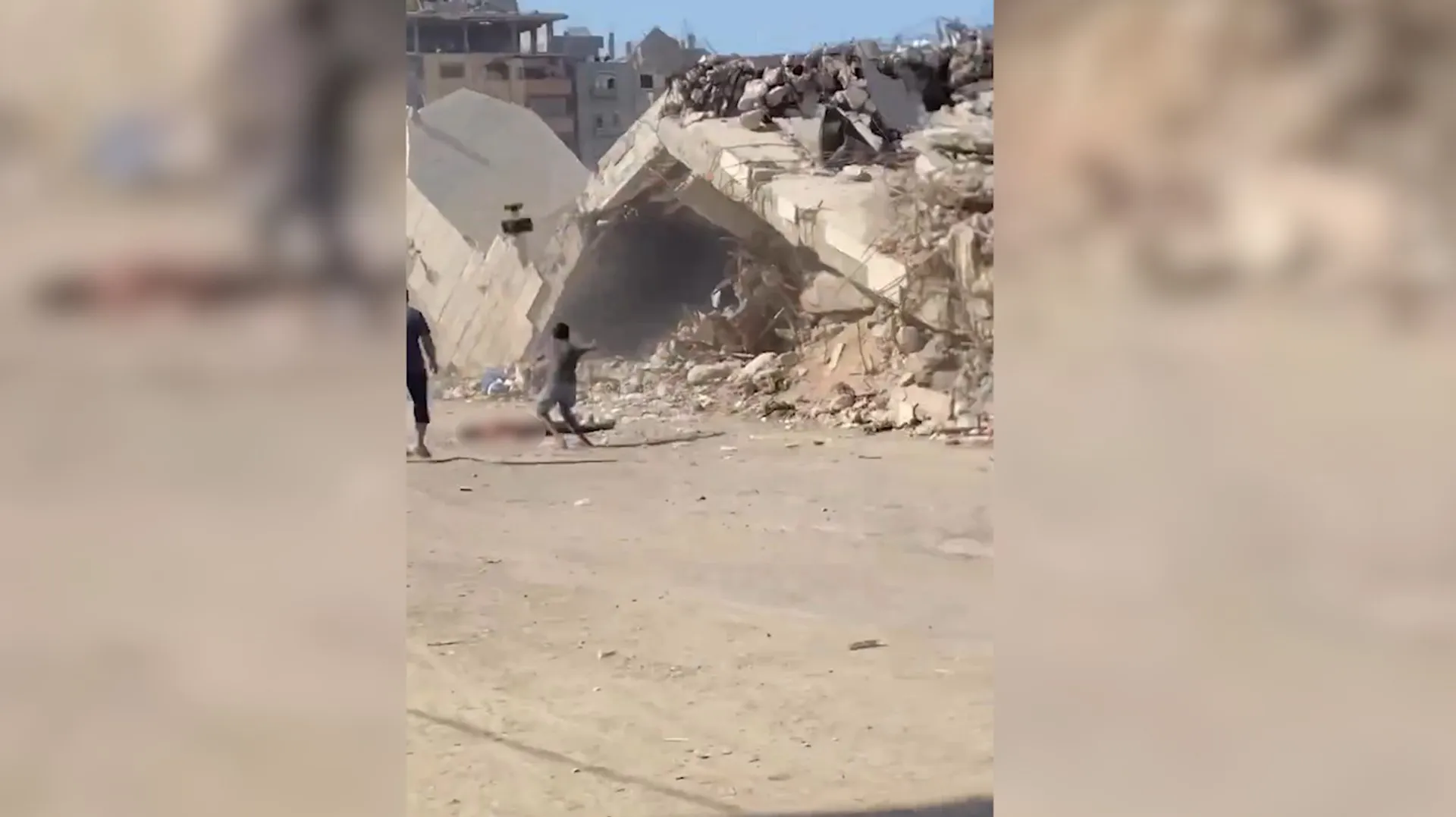
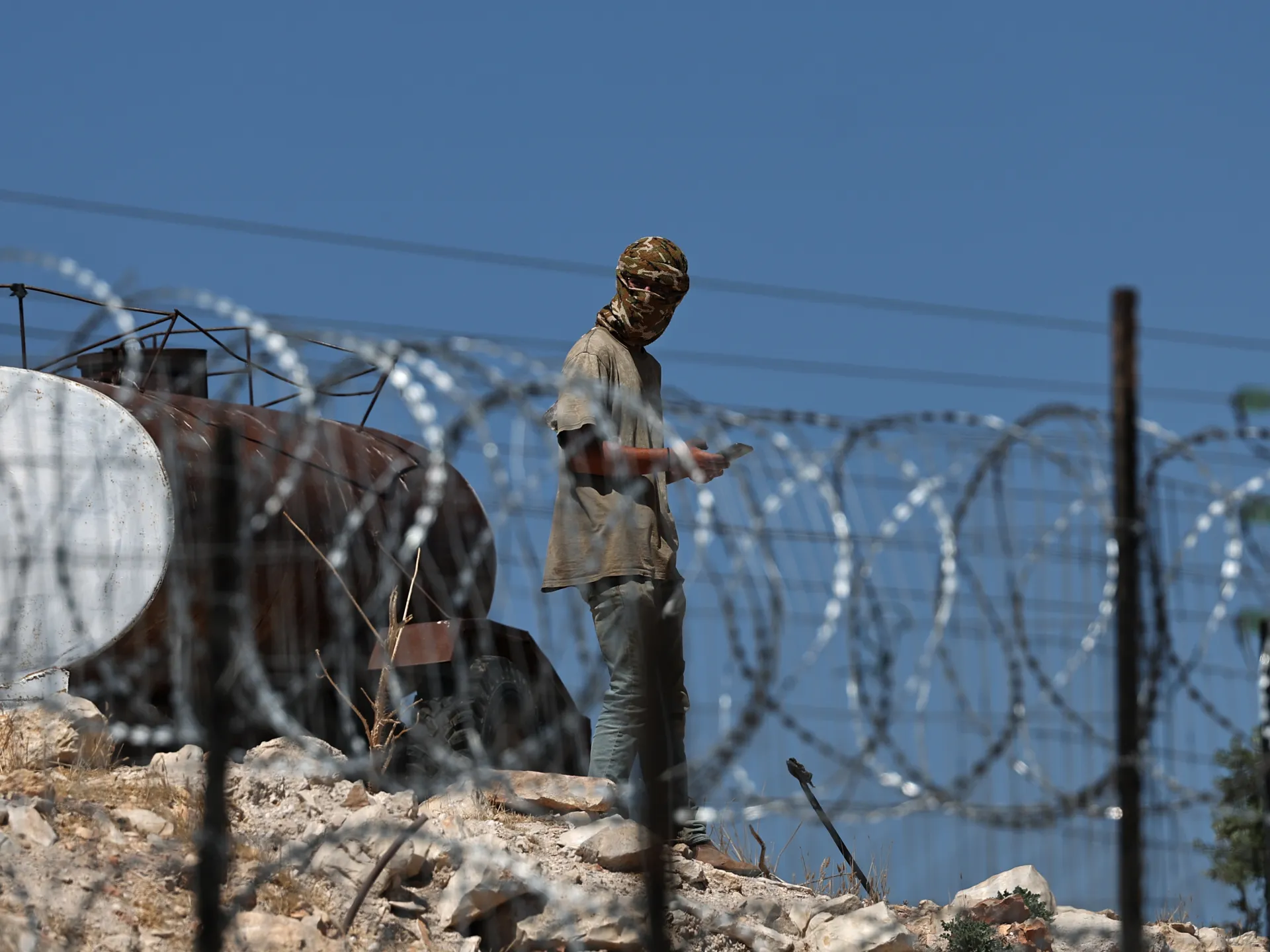
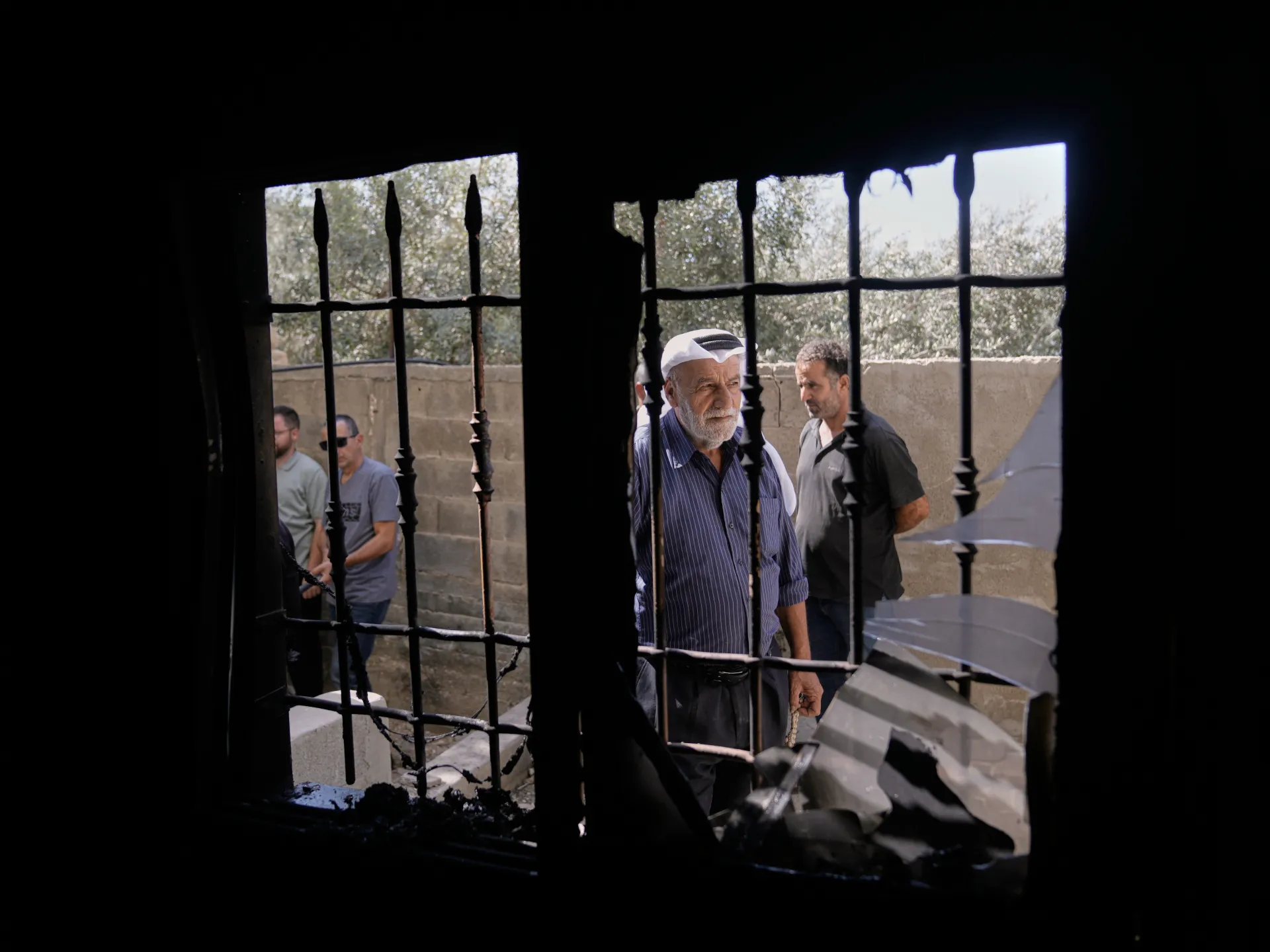
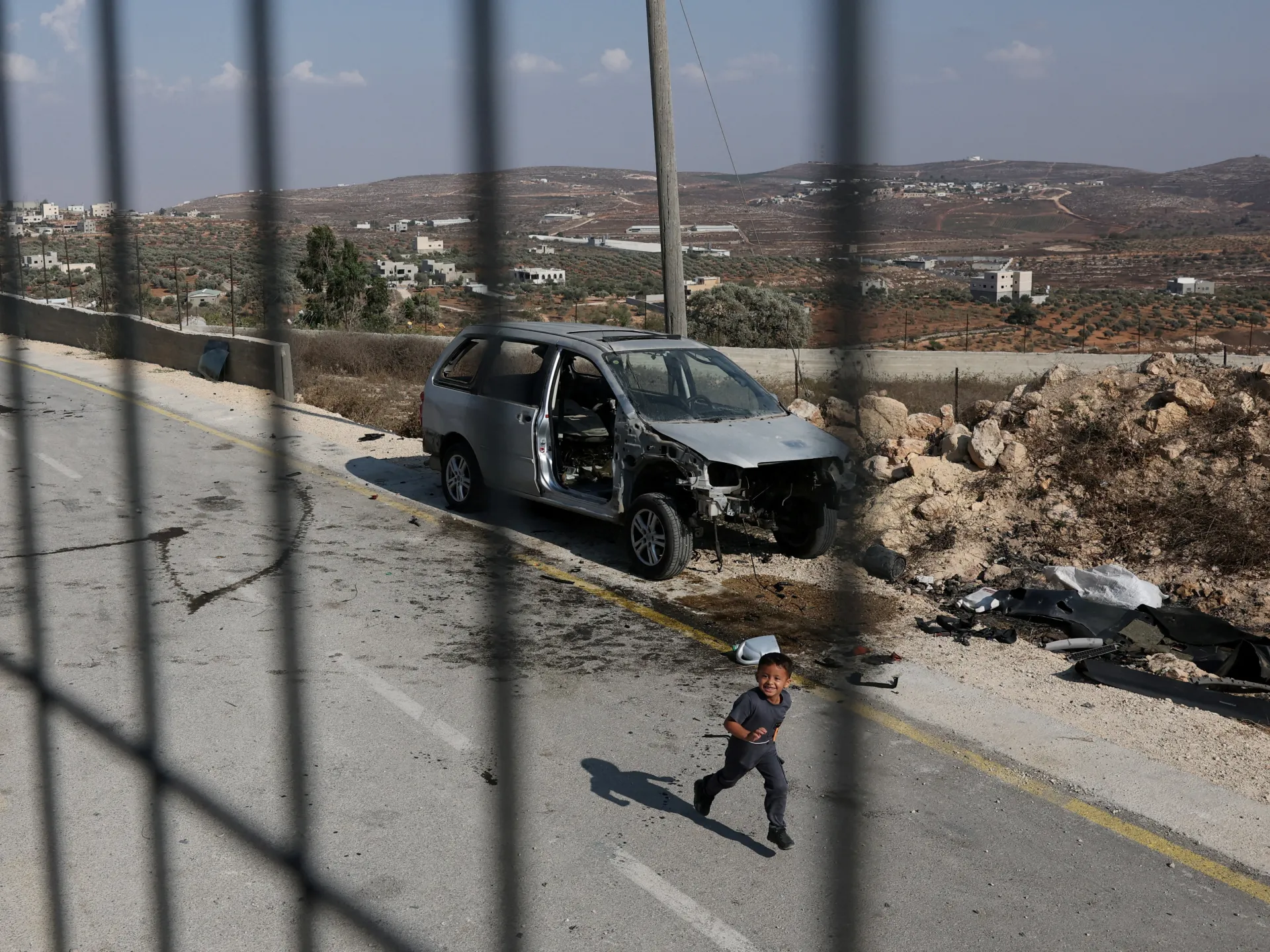
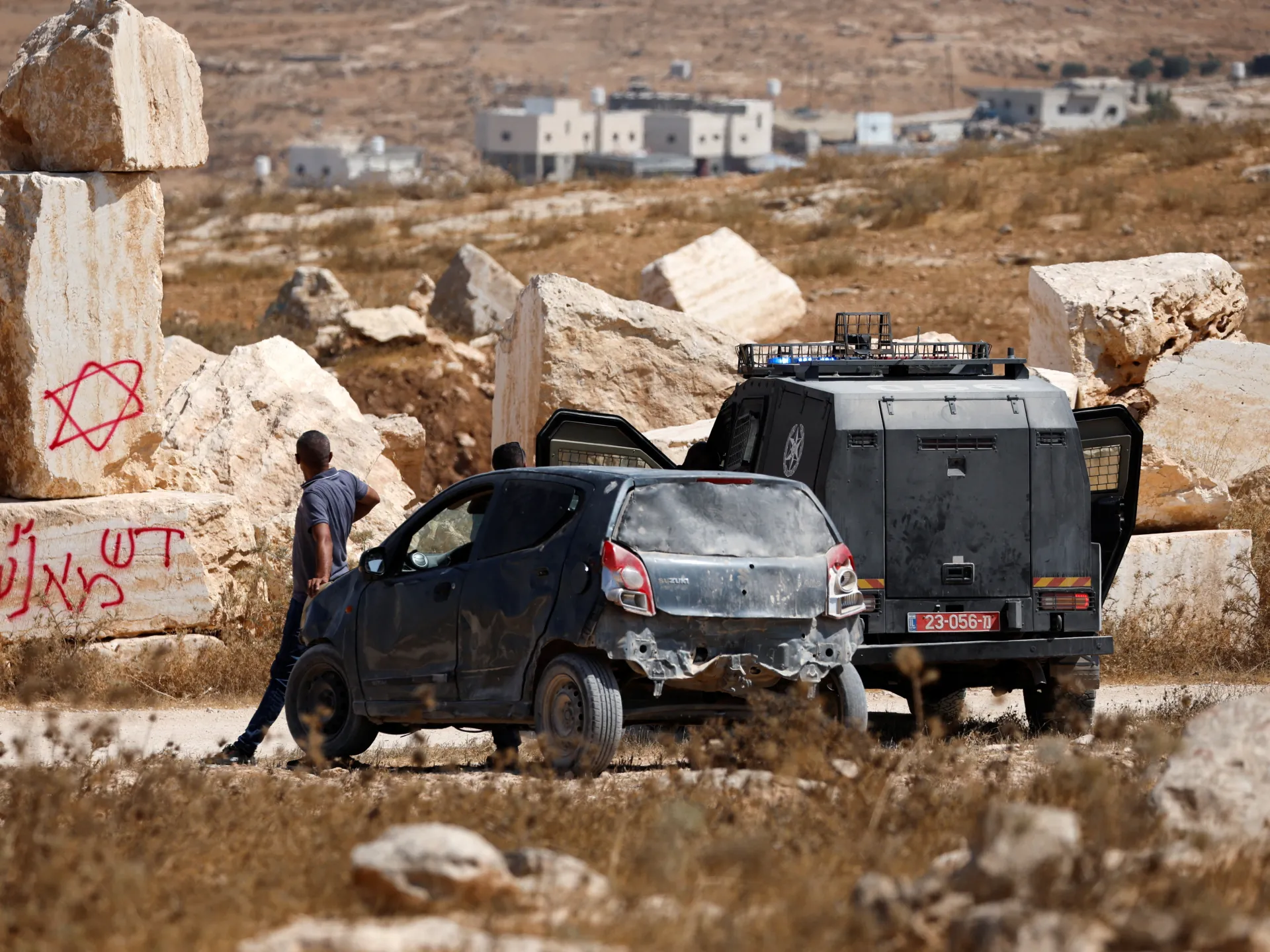
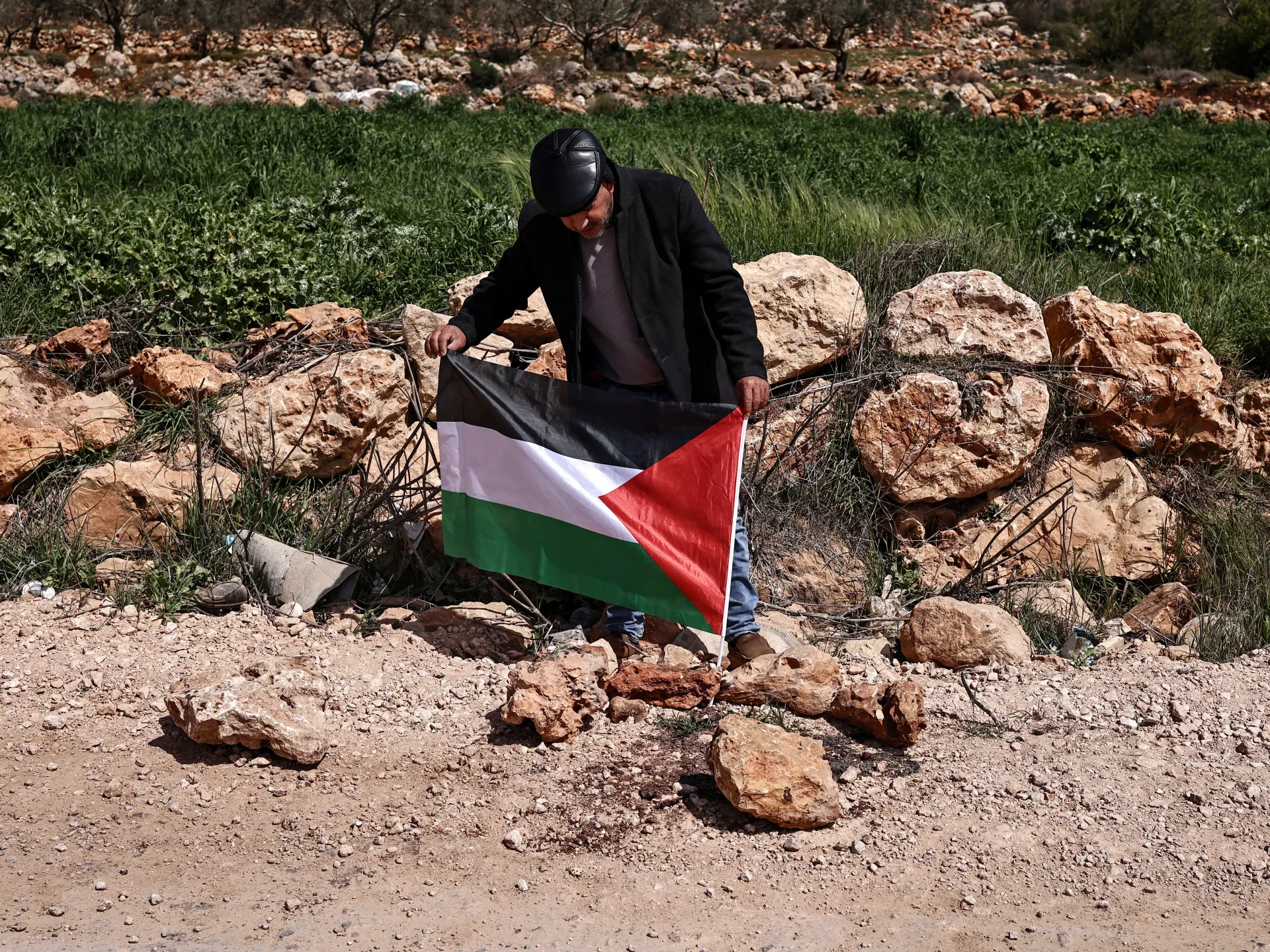
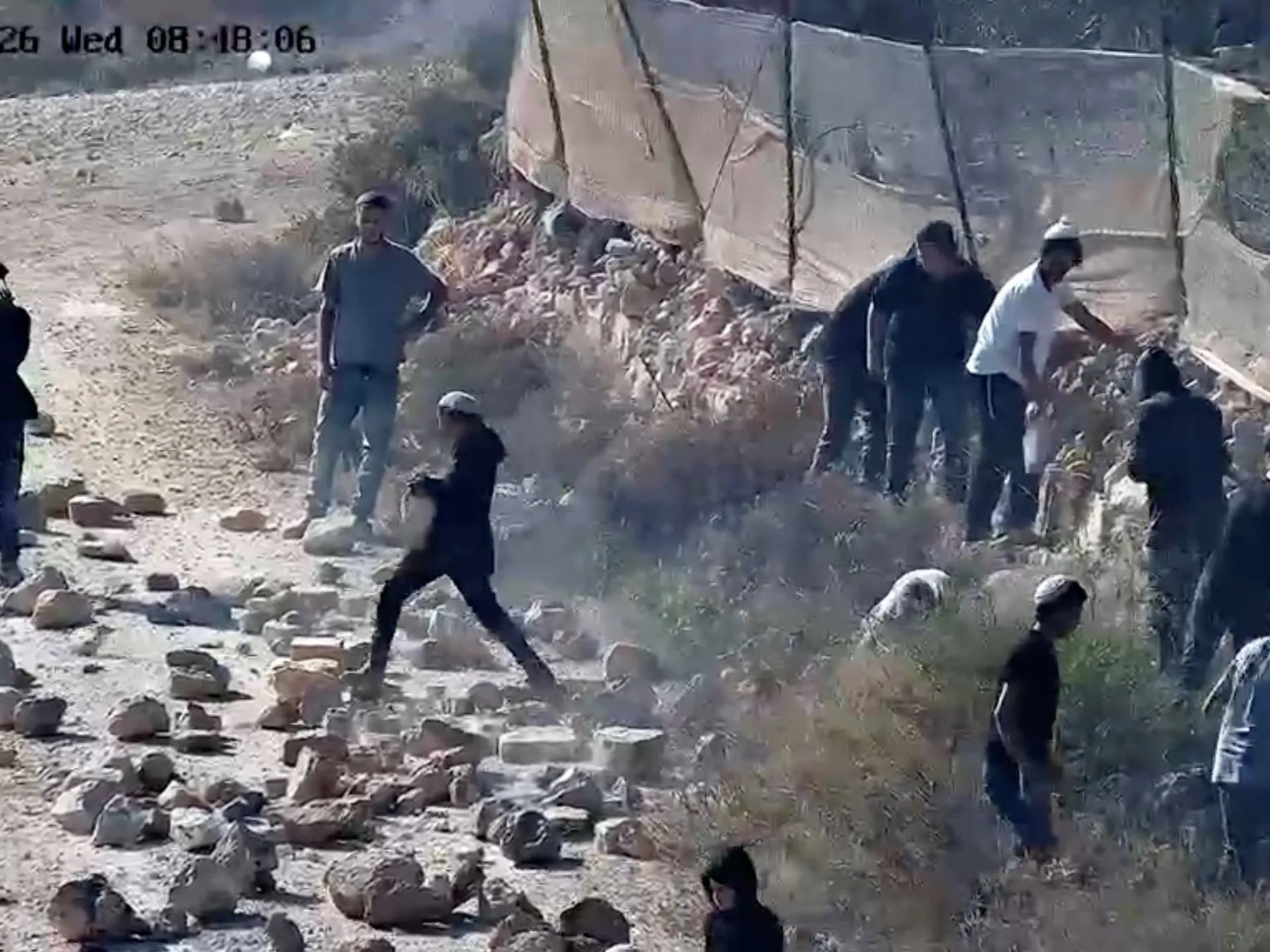
Beyond the logistical challenges posed e danger to Palestinian travel. In recent times, the frequency of attacks on Palestinian vehicles and residential areas has created a climate of fear. Radio stations play a pivotal role in these instances tively acting as an early warning system for the community.
When reports of settler activity surface, radio hosts broadcast warnings to drivers to steer clear of specific intersections or rural roads known to be hotspots for violence. This crowdsourced information sharing empowers residents to look out for one another in real-time. unters that could lead to physical harm or property damage, providing a sense of collective security in an increasingly hostile environment.
The reliance on radio technology highlights a unique form of community resilience that has developed under occupation. While digital platforms and social media exist, radio remains the most accessible and reliable medium for the average Palestinian. It does not require a stable data connection, nor does it rely on sophisticated hardware that could be easily confiscated or damaged. It is a robust, low-barrier technology that keeps the social fabric connected even when physical movement is severely restricted.
Ultimately, these broadcasts do more than just report road conditions; they foster a sense of solidarity among a population that is often isolated periences, Palestinians in the West Bank maintain a cohesive awareness of their surroundings. This network of information is a testament to the ingenuity required to maintain a semblance of normalcy when the fundamental freedom of movement is systematically curtailed.