A deep dive into NASA’s 2026 ethics disclosures reveals the agency’s persistent and structured engagement with private sector stakeholders and industry leaders.
NASA has released an extensive registry of Widely Attended Gatherings (WAGs) for the 2026 fiscal year, detailing a dense schedule of industry-sponsored events, policy summits, and collaborative networking sessions. These disclosures, which serve as formal ethics determinations, highlight the agency’s persistent participation in forums ranging from high-level legislative receptions to specialized space industry roundtables.
The comprehensive list underscores the deep integration between federal space leadership and the private sector, as officials frequently engaged with stakeholders such as major defense contractors, commercial space startups, and academic institutions. its leadership interacts with external organizations, ensuring that agency objectives remain aligned with government ethics standards while fostering essential industry partnerships.
The publication of these determinations is not merely an administrative exercise; it serves as a roadmap for understanding the current influence climate within the aerospace sector. For the public and oversight bodies, these documents reveal the frequency and venue of private-sector access to top-level NASA personnel. These gatherings often function as the primary bridge between the development of federal space policy and the realization of commercial technology goals. Understanding these touchpoints is critical for maintaining public trust, as the intersection of government funding and corporate enterprise grows increasingly complex. The transparency provided f interest, offering a clear view of the professional environments where public-private partnerships are forged and maintained.
The 2026 schedule was marked Maryland Space Business Roundtable (MSBR) appearing repeatedly throughout the year. These recurring sessions reflect a sustained dialogue between NASA and commercial entities focused on localized industry growth and national aerospace policy. Such consistent presence suggests that the agency prioritizes regional stakeholder feedback as a core component of its operational strategy.
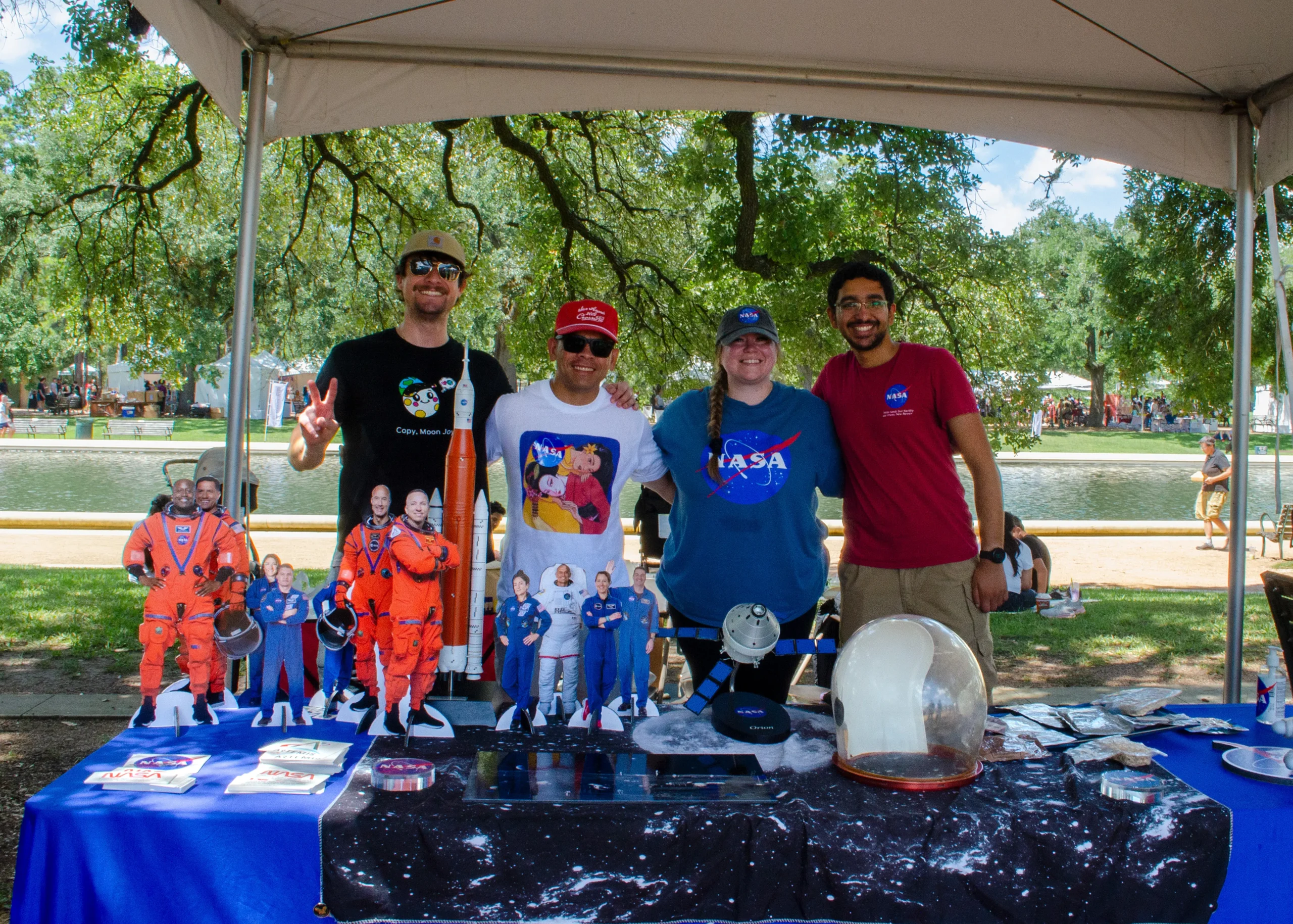
In addition to recurring roundtables, the agency participated in high-profile industry events such as the 41st Space Symposium and the Farnborough Airshow. These venues are typically where the most significant announcements regarding procurement, international collaboration, and future missions occur. The presence of agency representatives at these forums indicates a strategic intent to remain at the forefront of the commercial space industry’s evolving landscape, ensuring that agency needs are communicated directly to global innovators.
Beyond broad industry events, the agency maintained a significant focus on legislative relations and specialized networking. The 2026 calendar included dedicated receptions for the Artemis II crew and various Artemis-focused supplier conferences. These events are essential for aligning legislative priorities with the logistical demands of current and future moon-landing architectures.
The scope of engagement also included niche sectors, such as the Women in Aerospace leadership luncheons and various university-led symposiums. the agency demonstrates a commitment to talent pipelines and diversity within the aerospace workforce. These smaller, focused gatherings facilitate high-level networking that is often as influential as the larger, more public-facing trade shows.
Looking ahead, the high frequency of these interactions suggests that the agency will likely continue to rely on these established forums to socialize upcoming procurement strategies and mission updates. Because these events are formally documented as WAGs, they set a precedent for how future ethics reviews will categorize agency-industry relations. Analysts should expect that as the Artemis program moves closer to its primary objectives, the intensity of these gatherings may shift toward operational-level collaboration rather than the policy-heavy atmosphere seen in the early months of 2026. Ultimately, the agency’s transparency in these disclosures will continue to be a primary metric for external observers monitoring the influence of private commercial entities on national space exploration goals.