The United States has granted visas to a select group of Iranian officials to attend the UN General Assembly, despite ongoing military tensions and energy market instability.
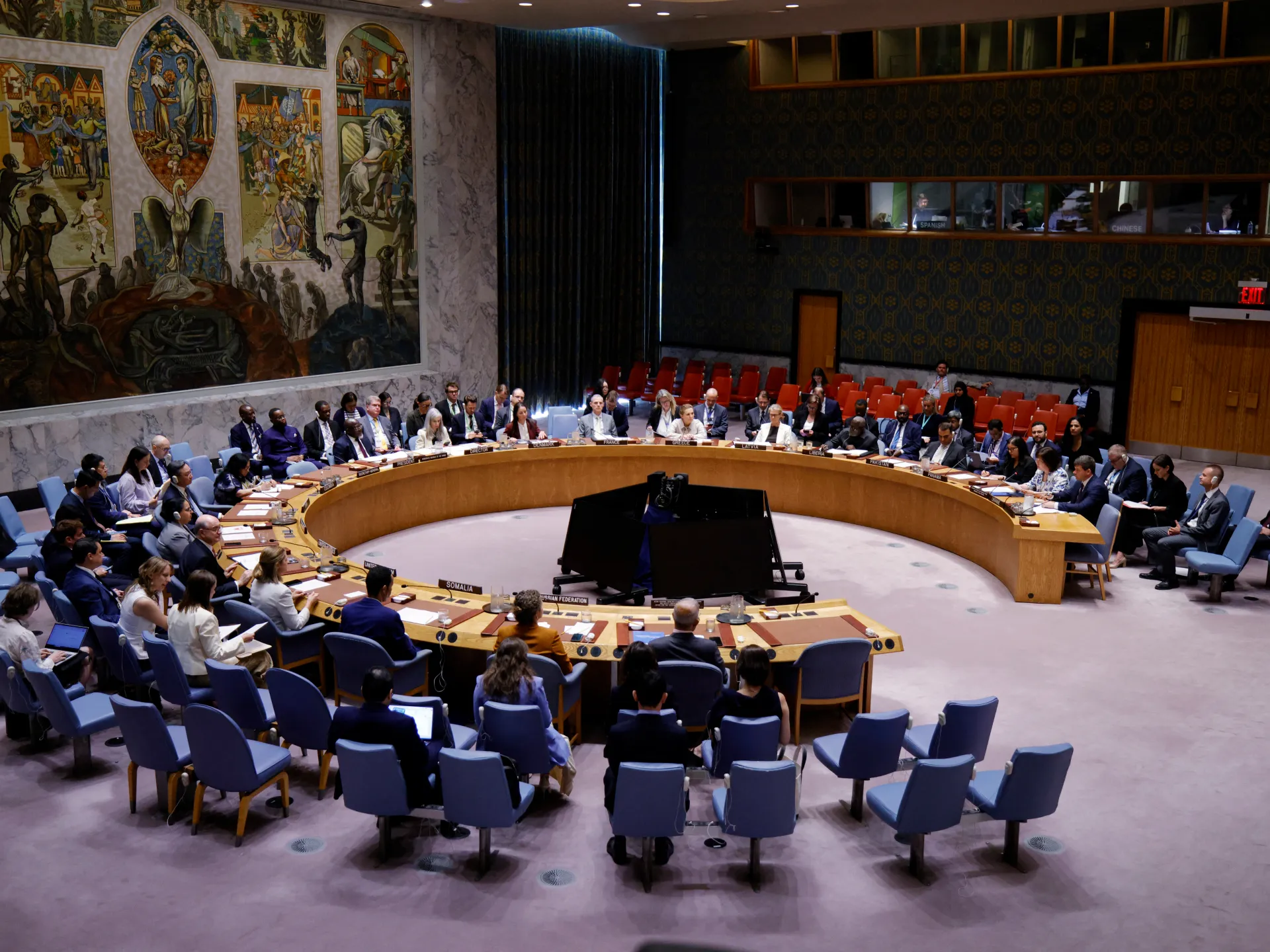
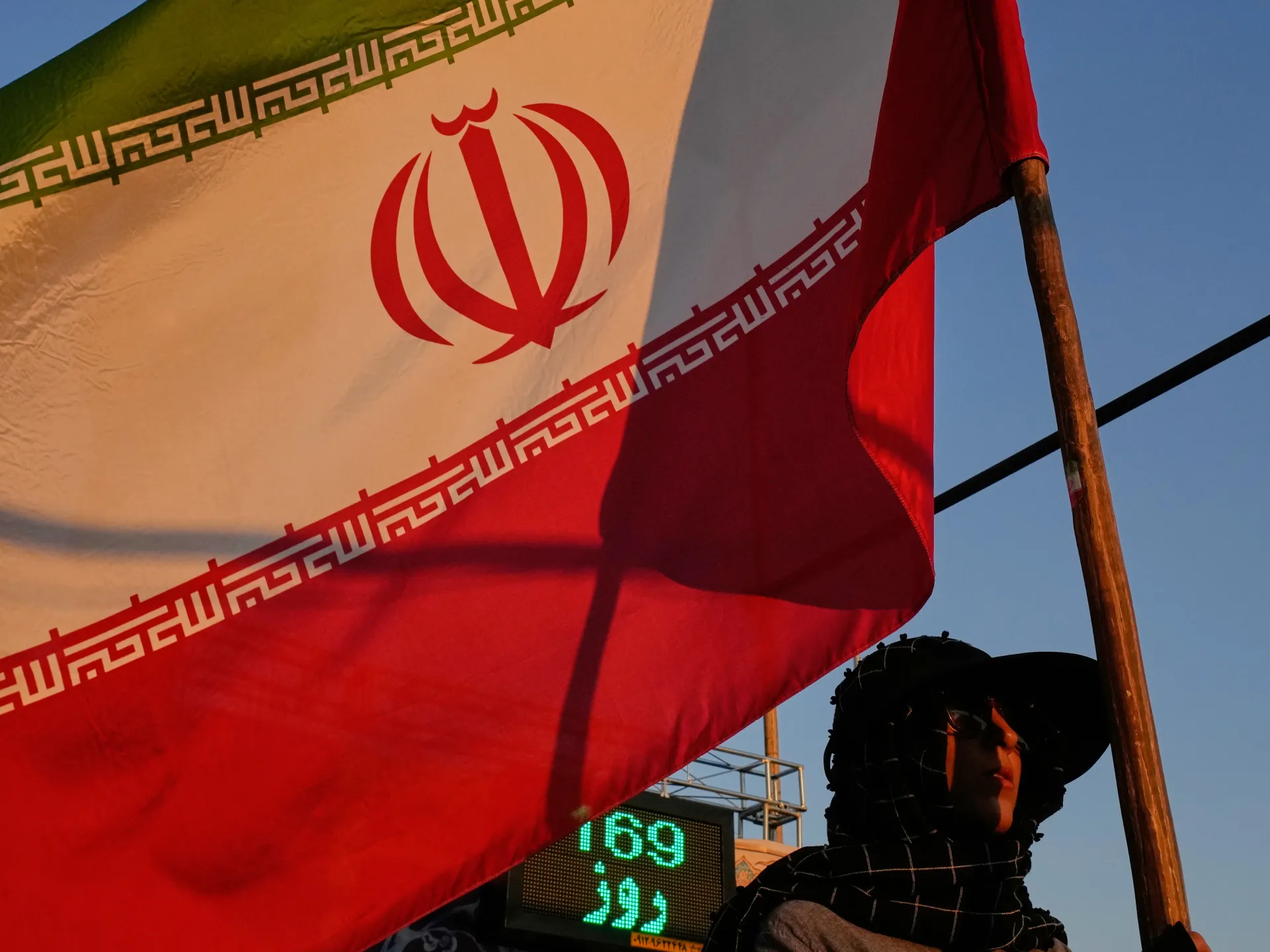
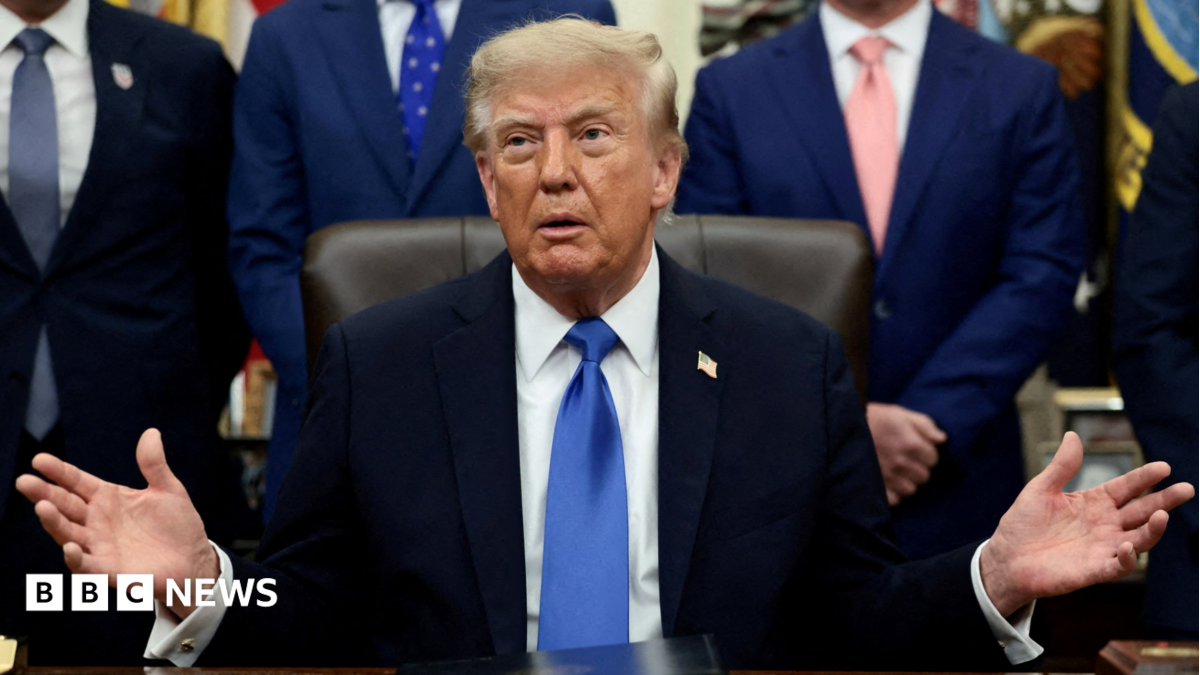
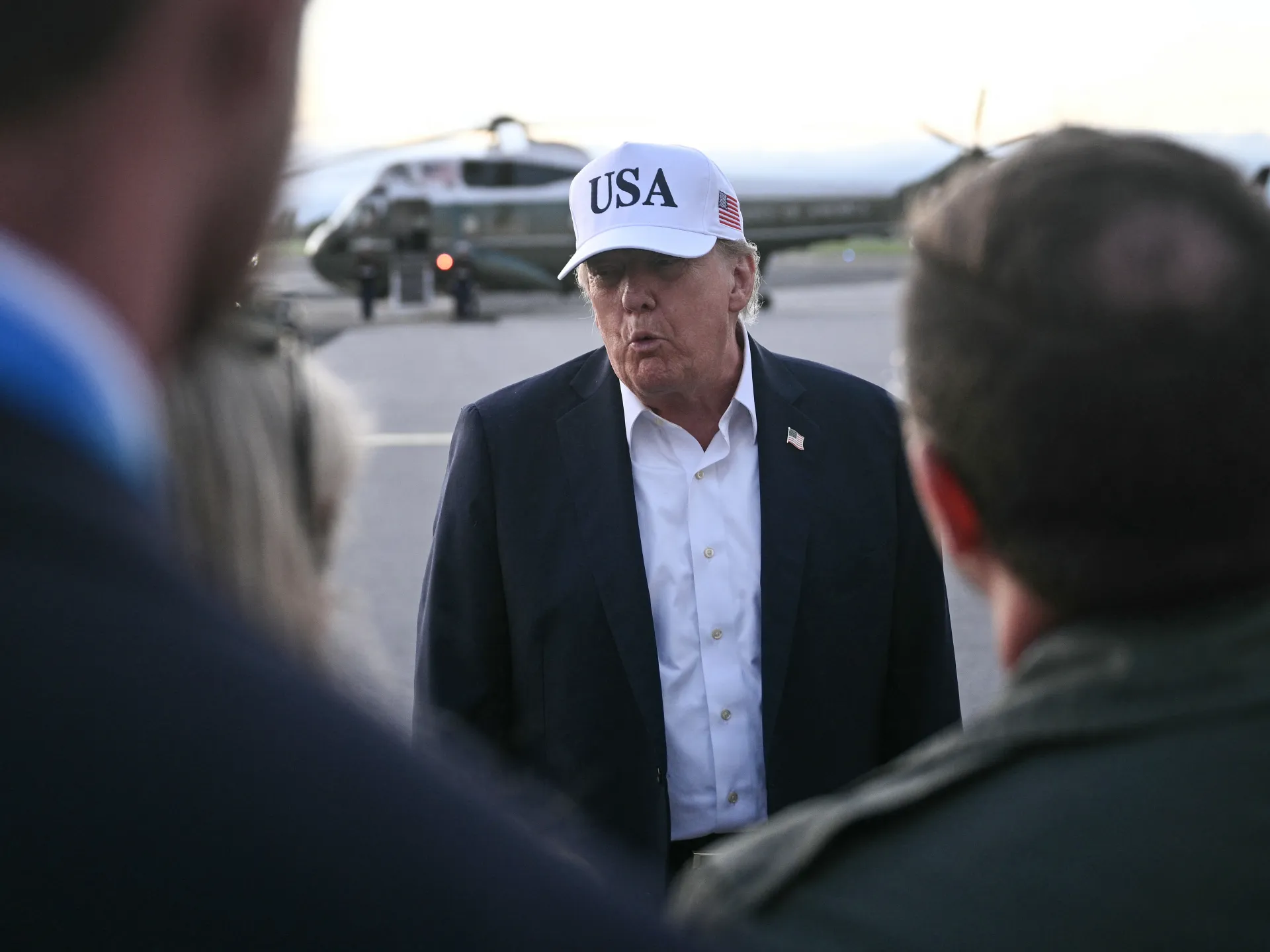
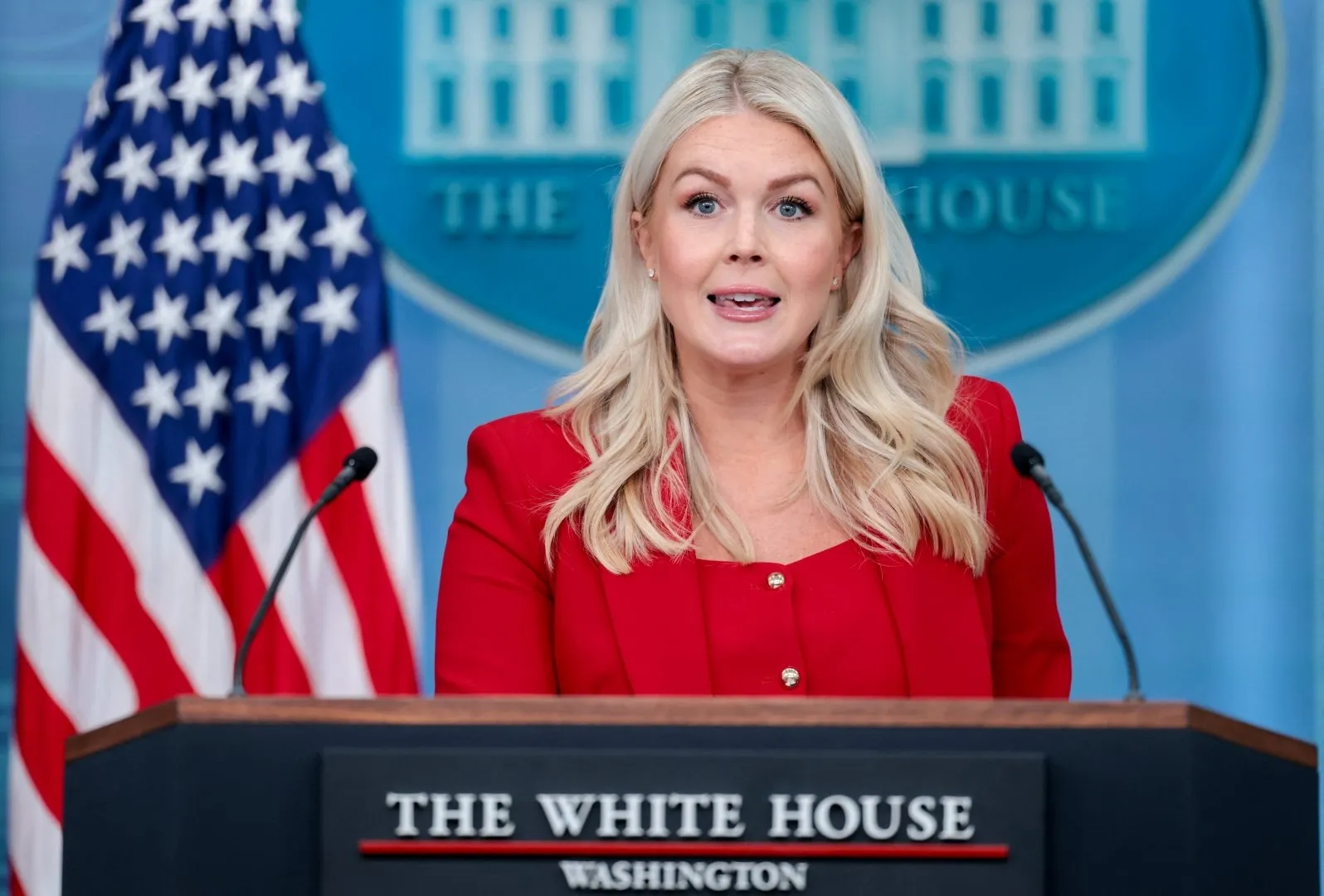
The United States government has confirmed that members of the Iranian leadership will be permitted to enter the country to participate in the upcoming 81st United Nations General Assembly in New York City. Despite the ongoing military tensions that have persisted for over half a year, the State Department signaled a commitment to international protocols ington maintains between its foreign policy objectives and its legal responsibilities as the host nation for the United Nations headquarters.
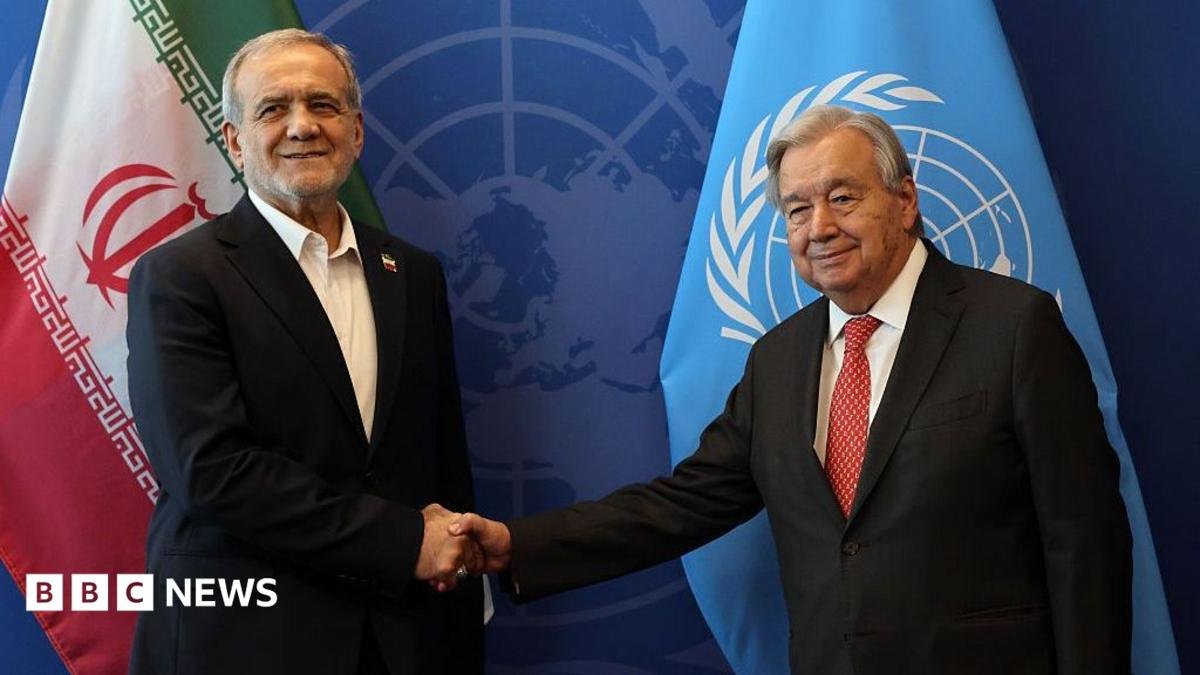
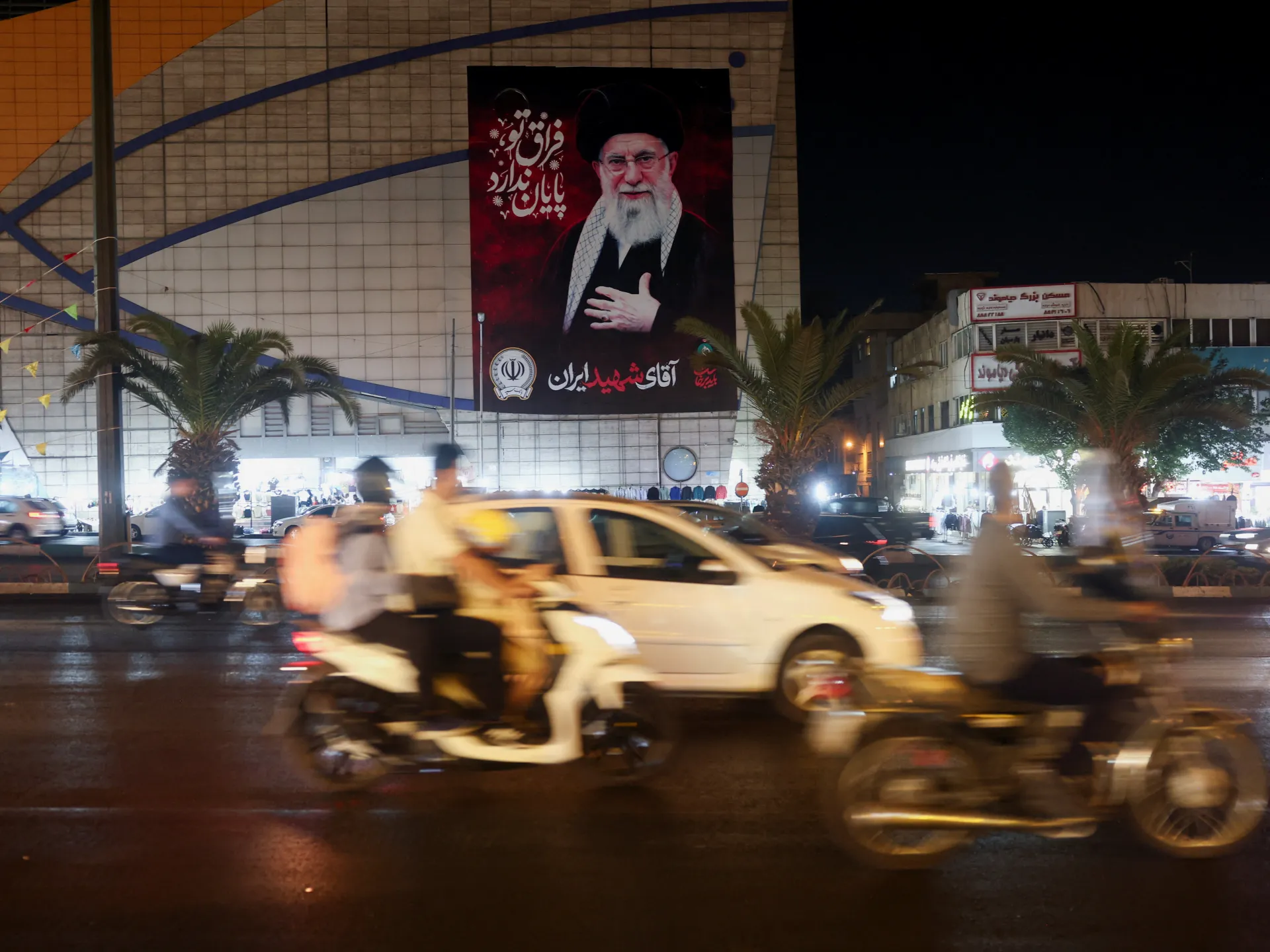
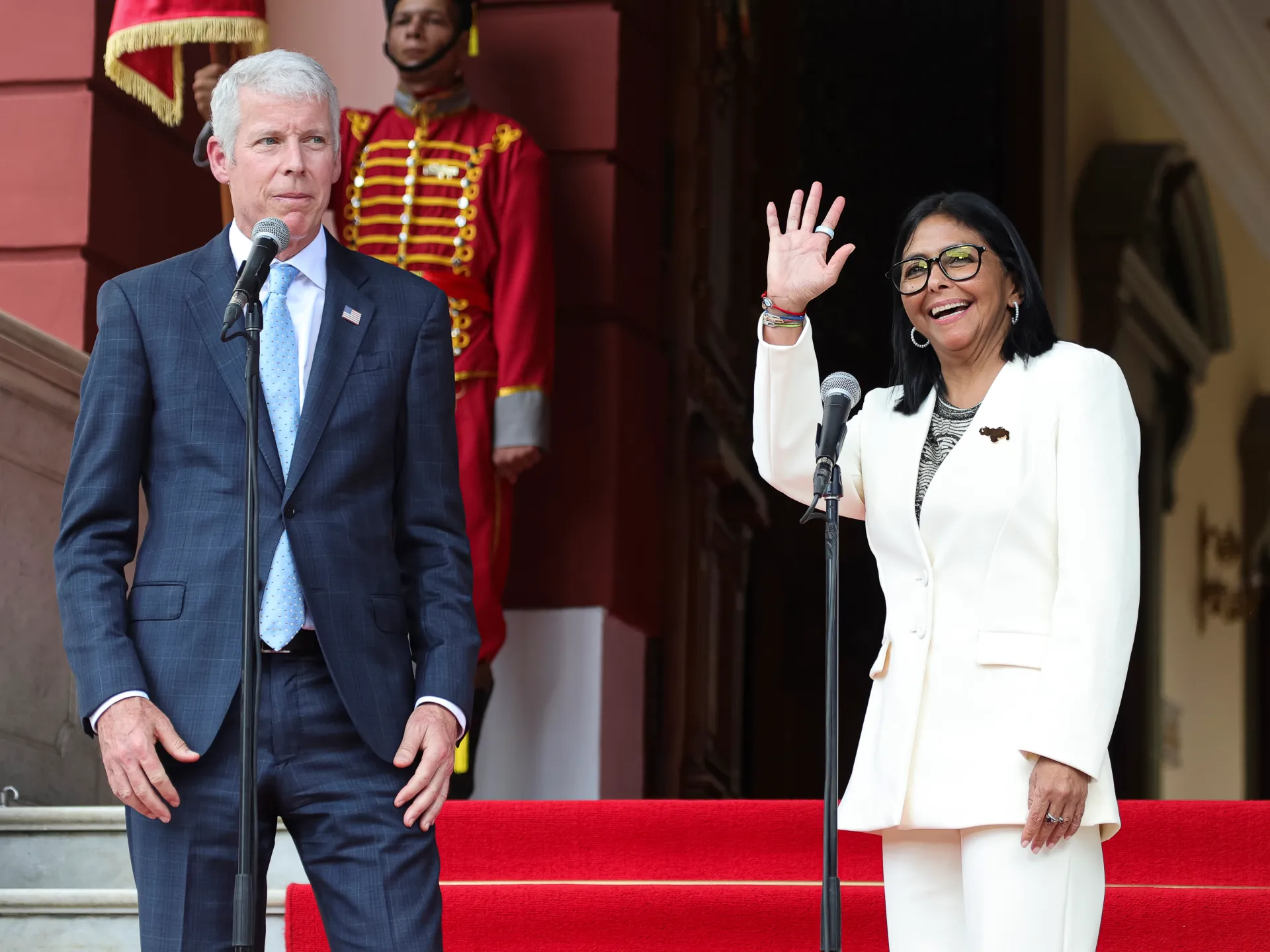
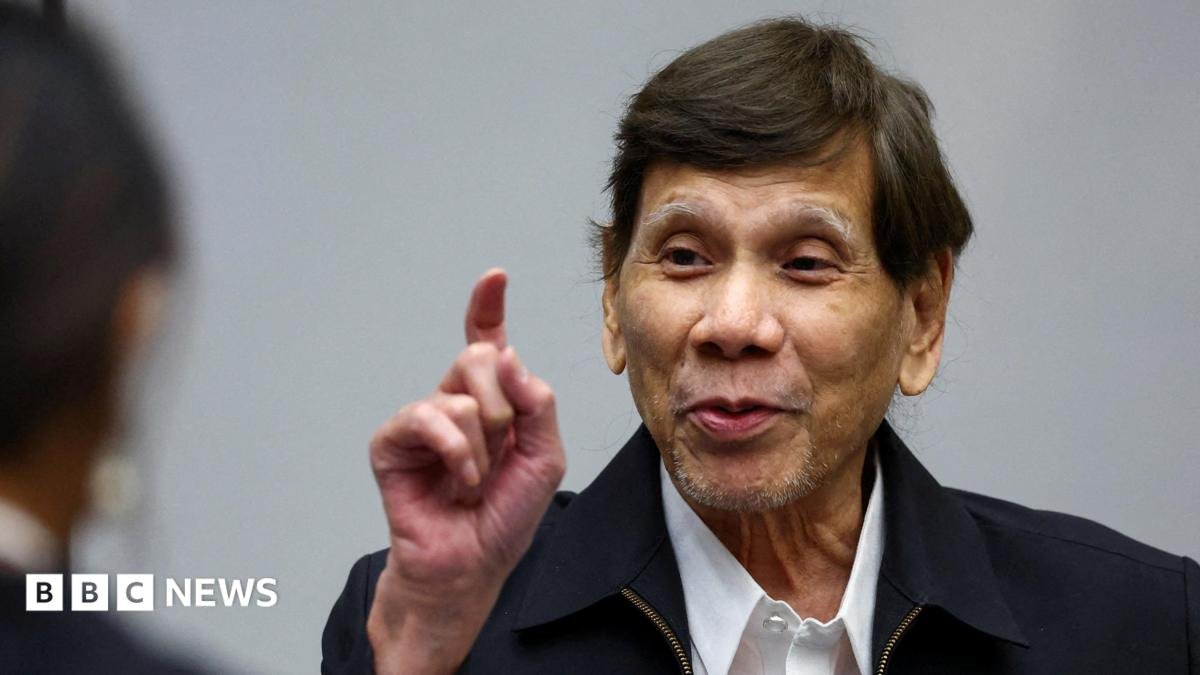
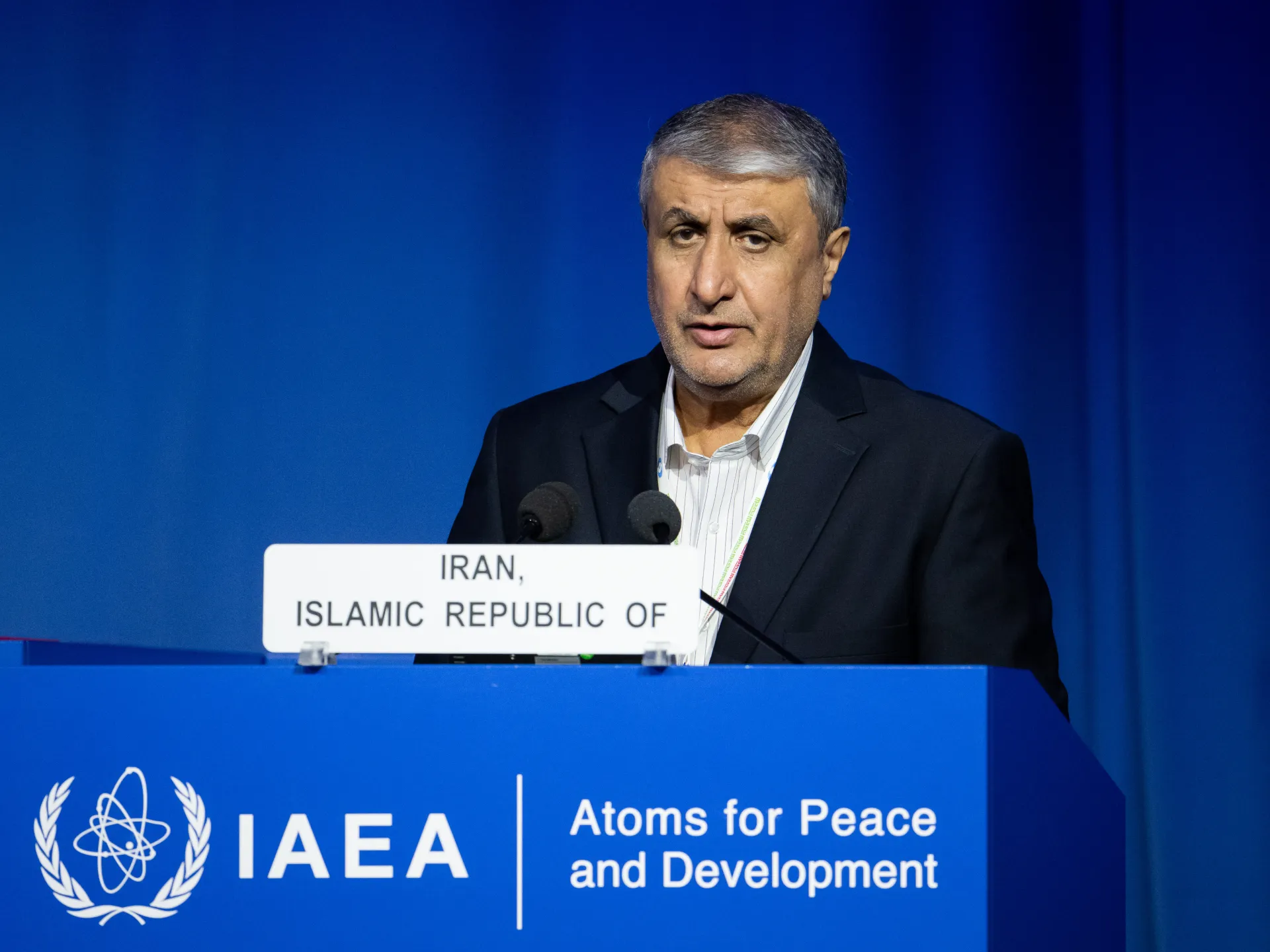
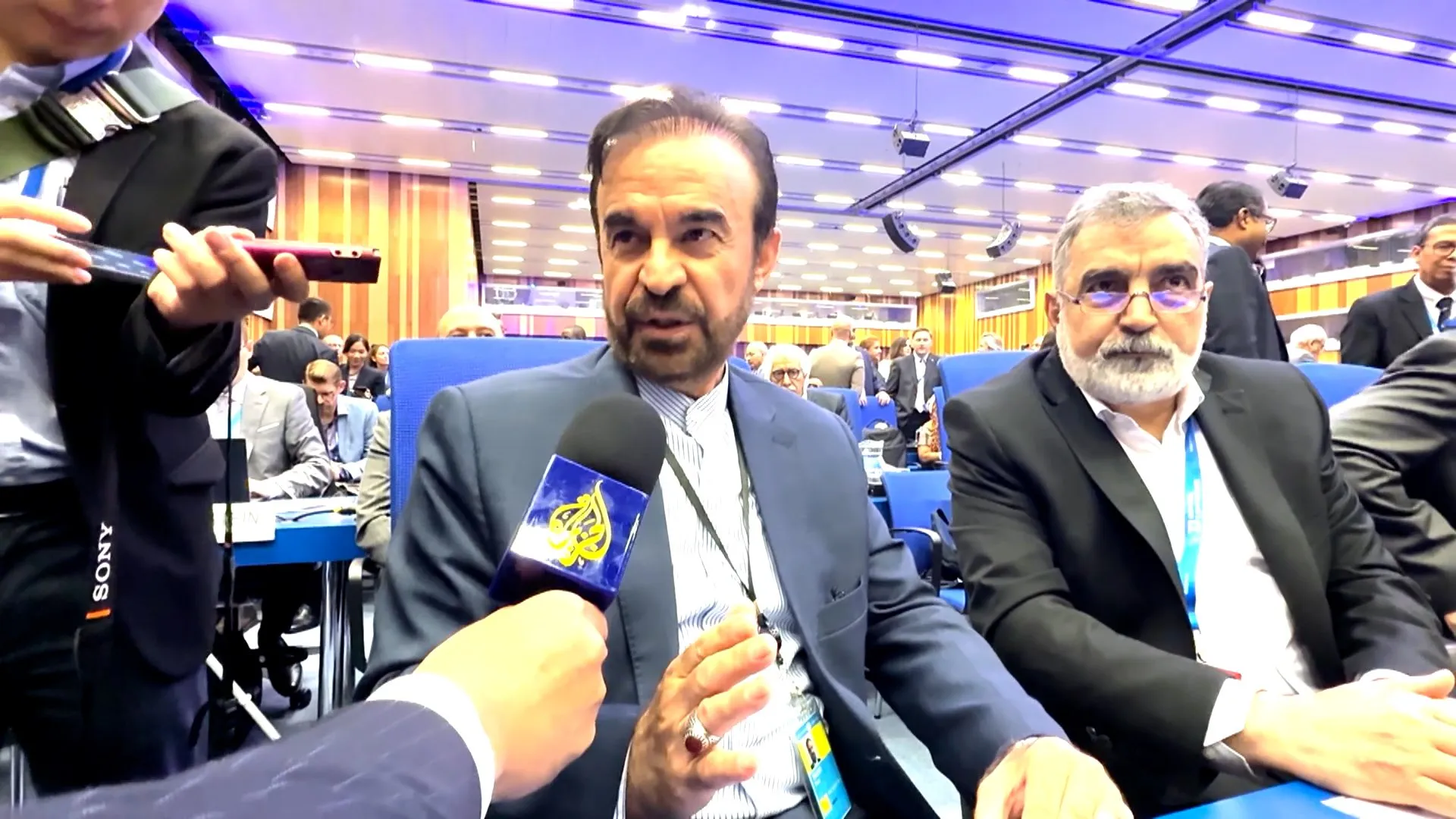
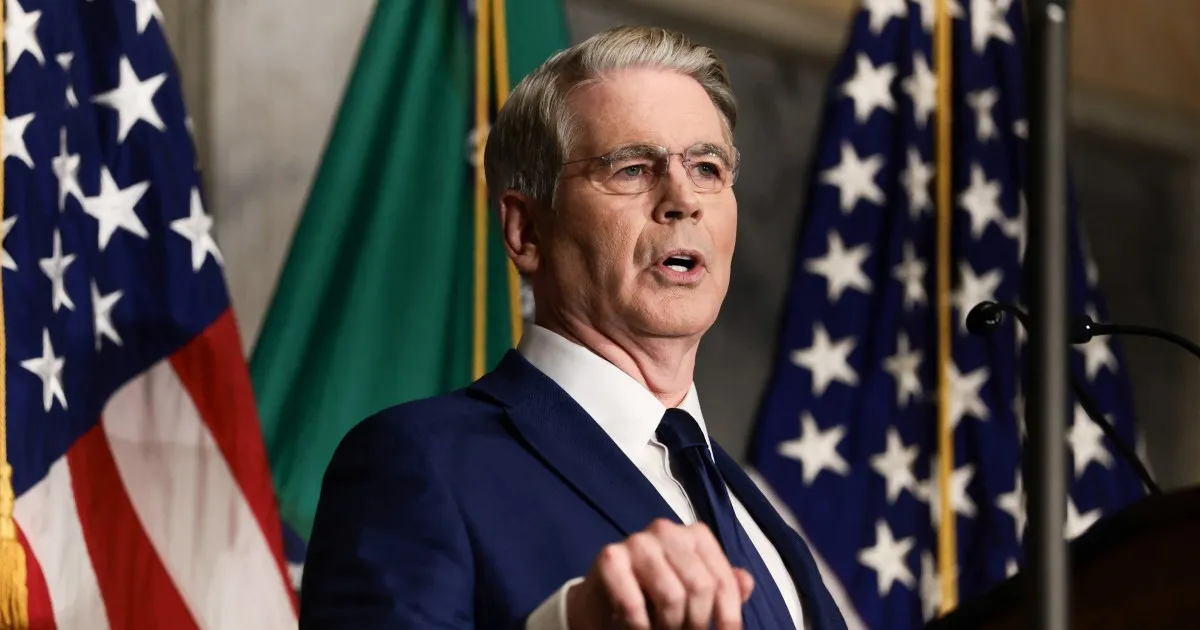
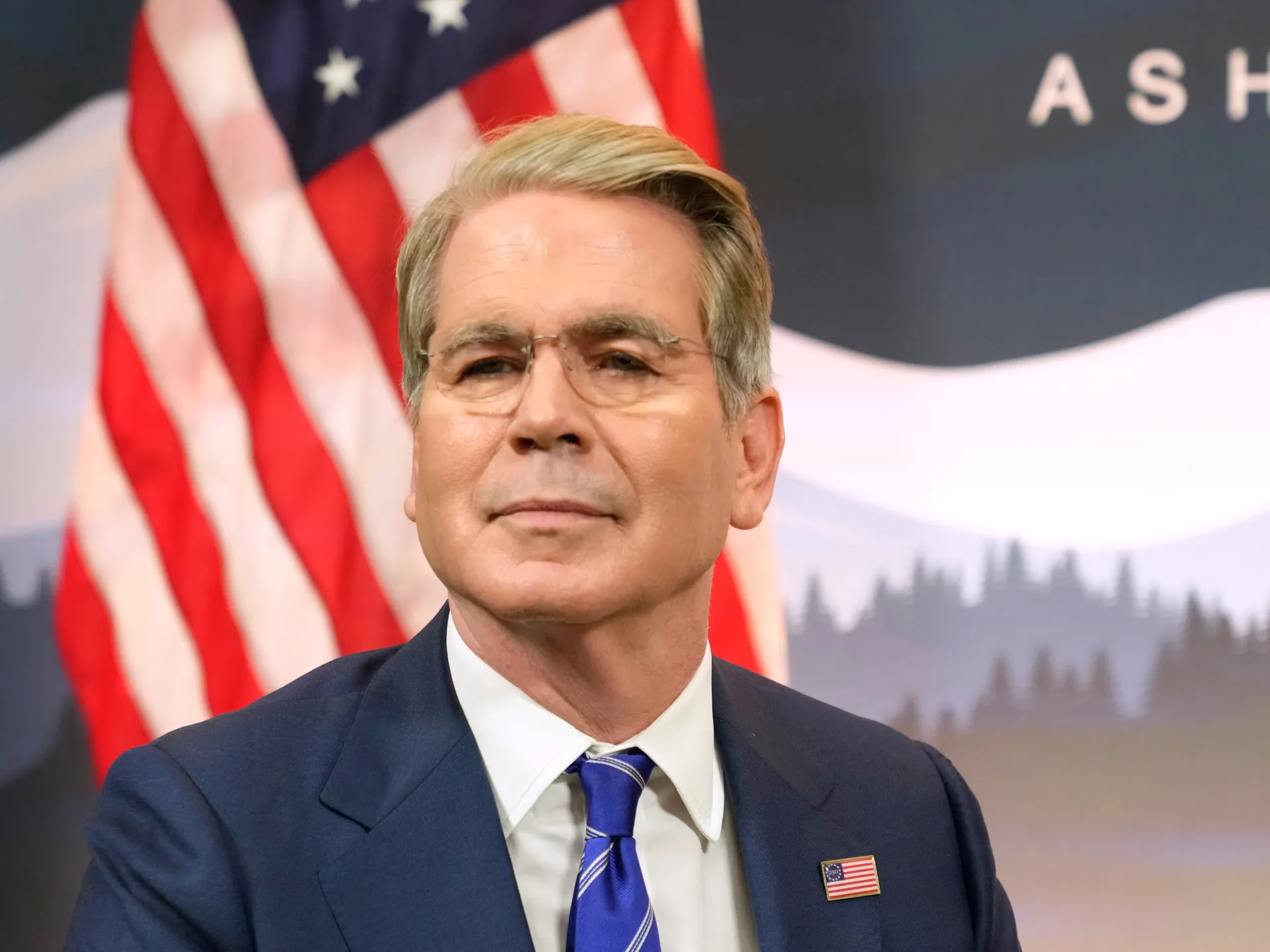
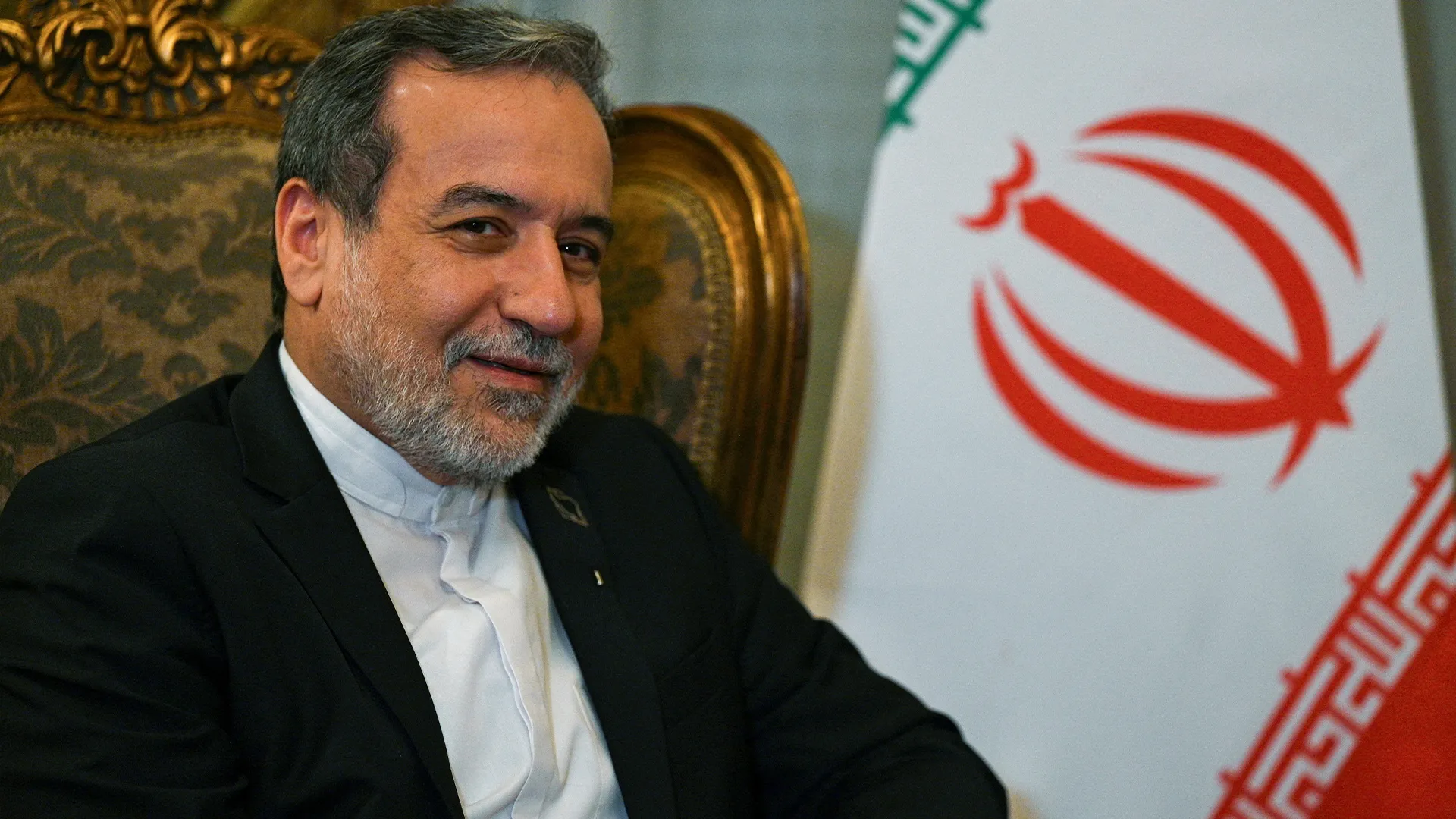
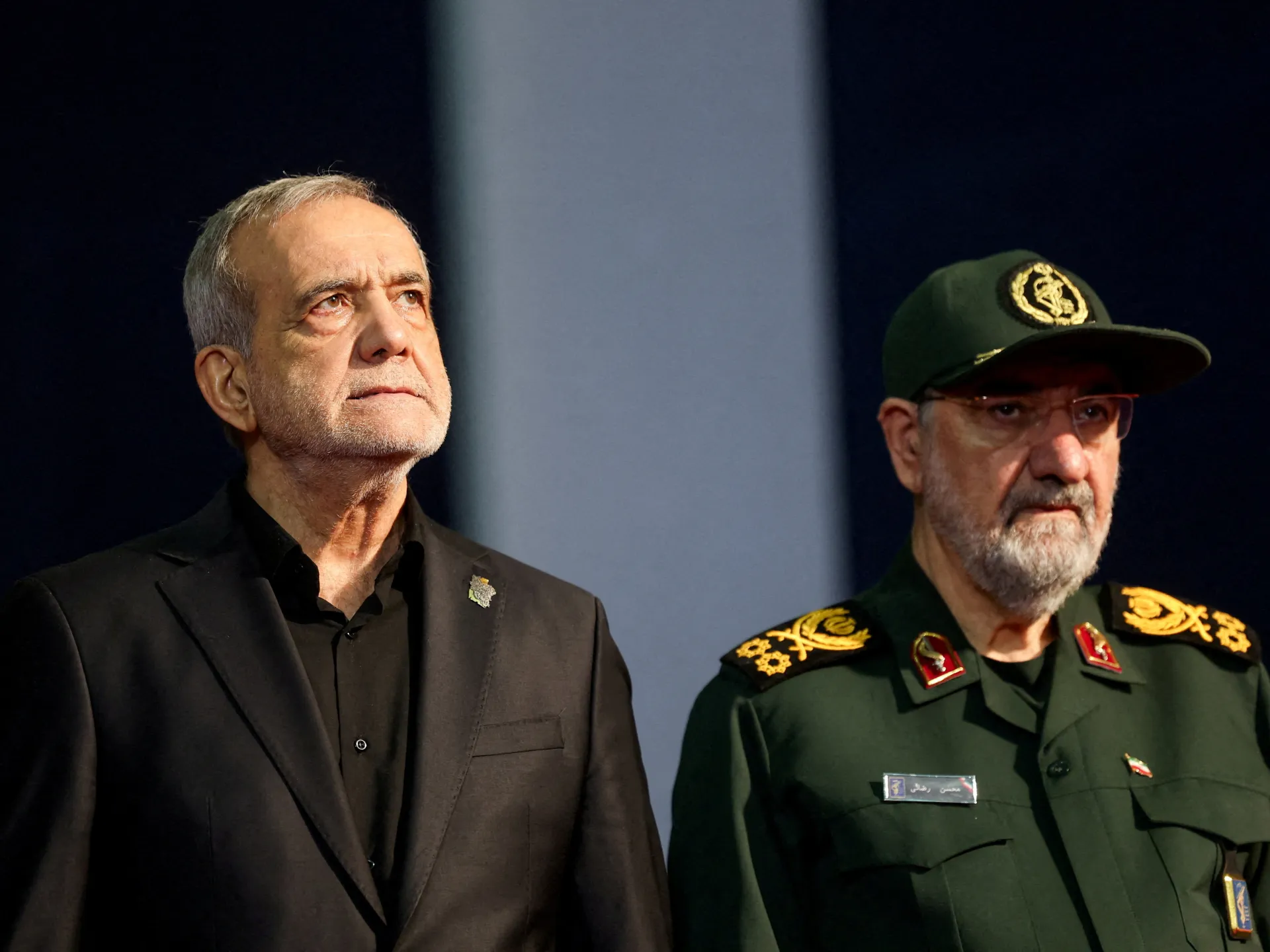
A spokesperson for the State Department clarified that the approval covers a select group of officials, including President Masoud Pezeshkian and Foreign Minister Abbas Araghchi, along with necessary support staff. While these individuals are authorized to attend the High-Level Week, the U.S. has maintained a firm stance regarding the scale of the delegation. dministration aims to uphold its policy regarding foreign adversaries while ensuring the UN functions as a neutral forum for global diplomacy.
The decision to allow these specific officials entry is rooted in the long-standing international agreements that require the U.S. to provide access to representatives of member states for UN-related events. Even during periods of intense geopolitical friction, the U.S. government has historically felt constrained ver, the presence of Iranian leadership in New York will be subject to rigorous oversight, reflecting the current state of strained relations between the two nations.
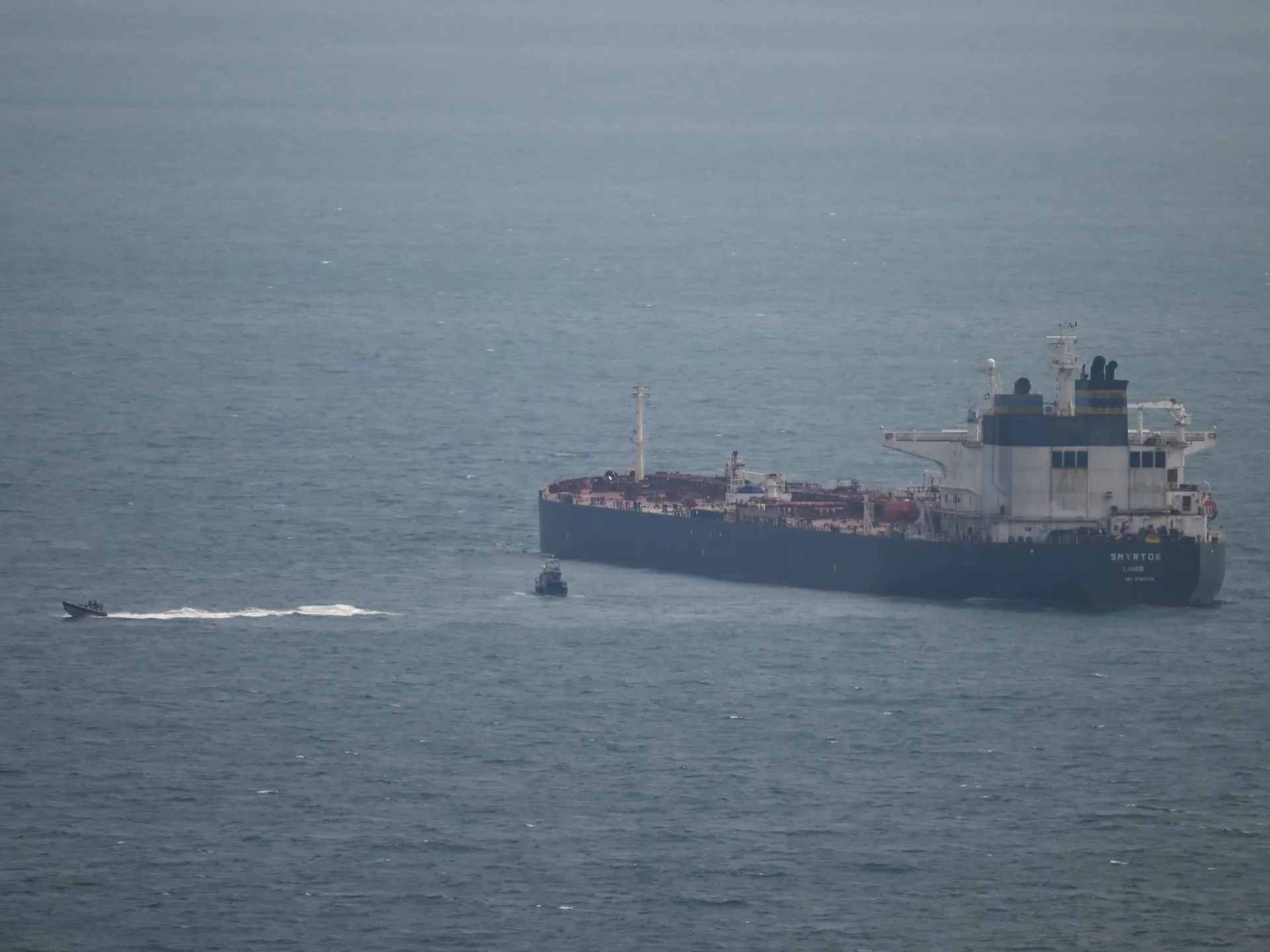
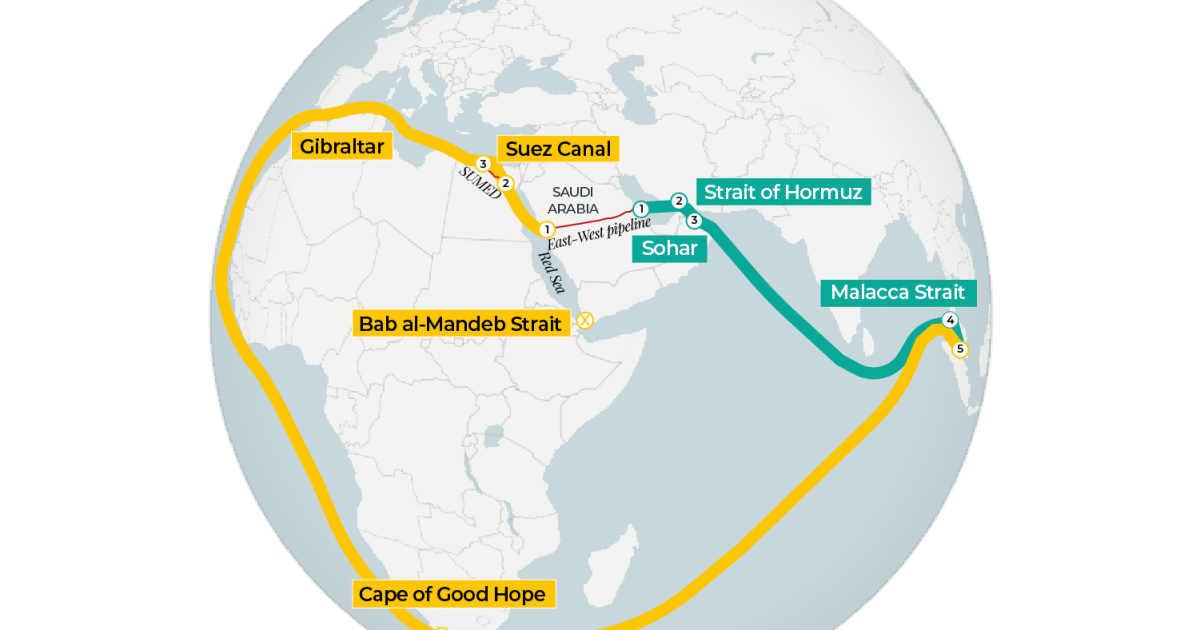
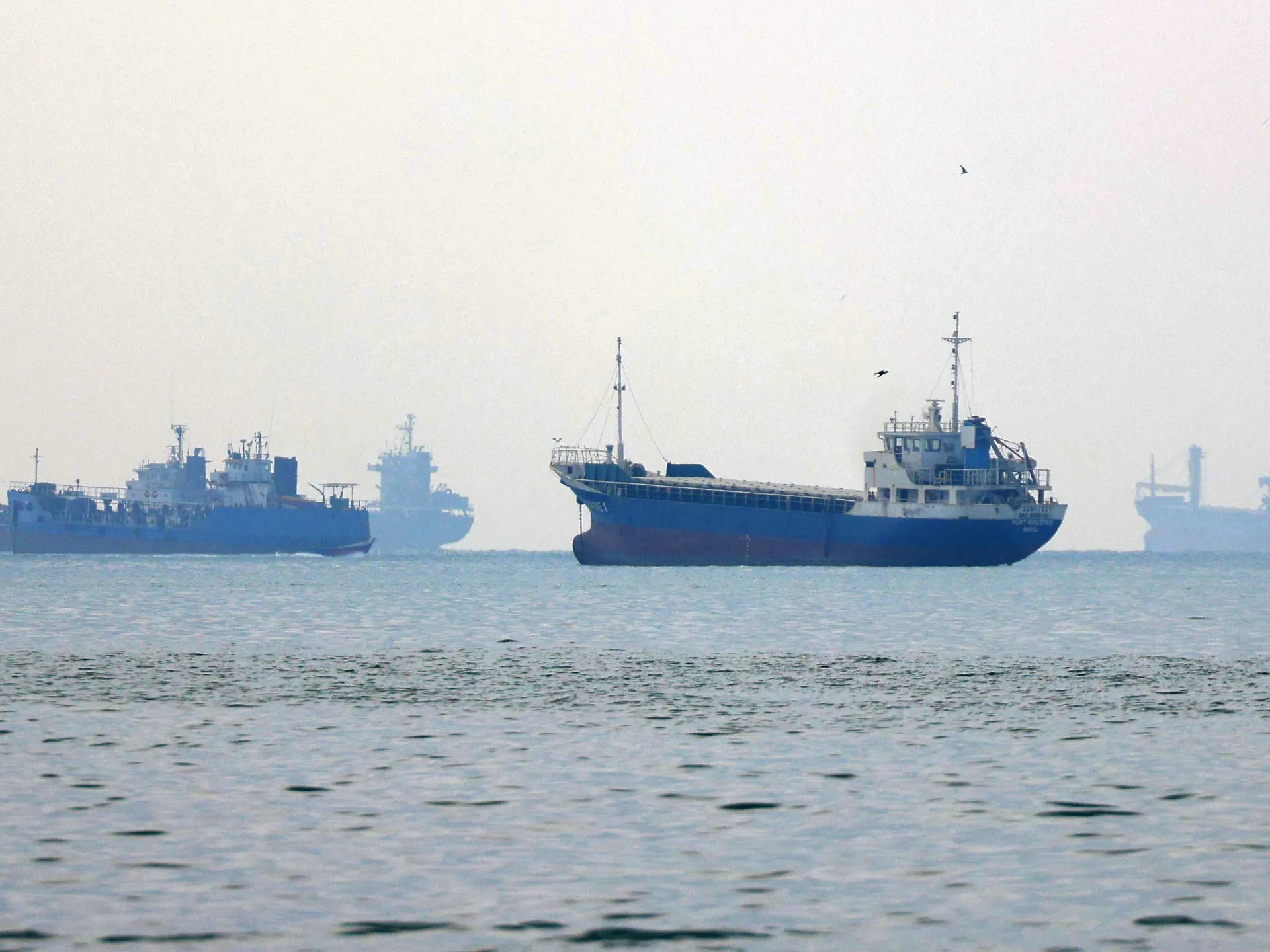
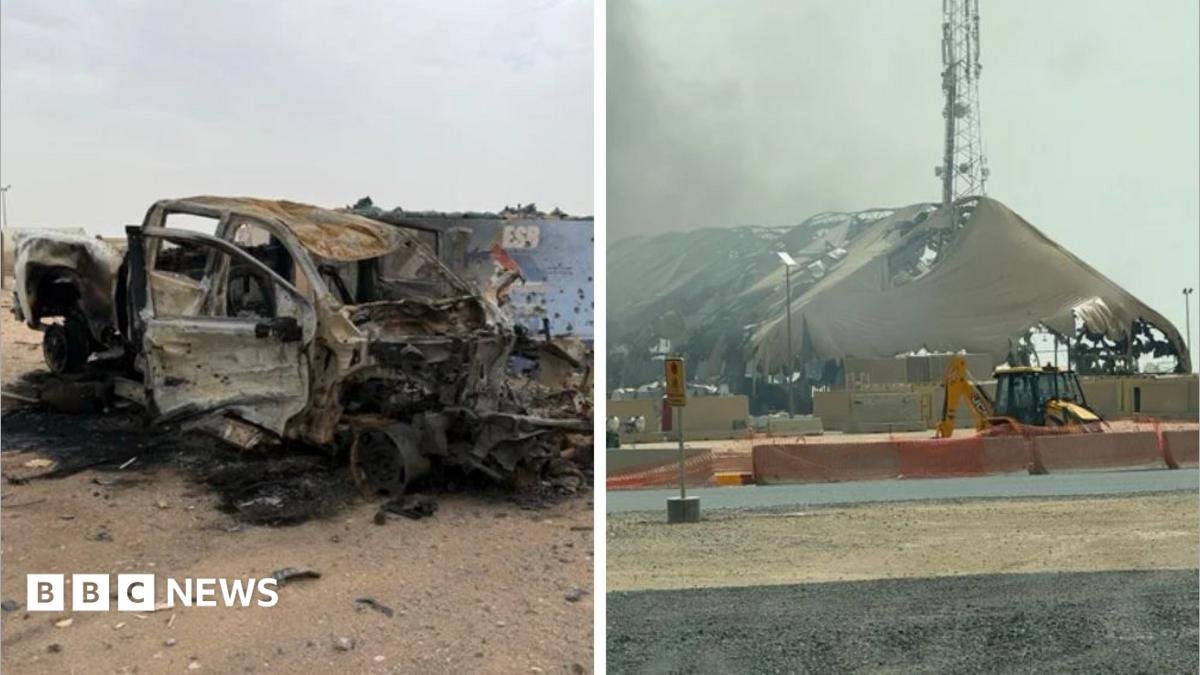
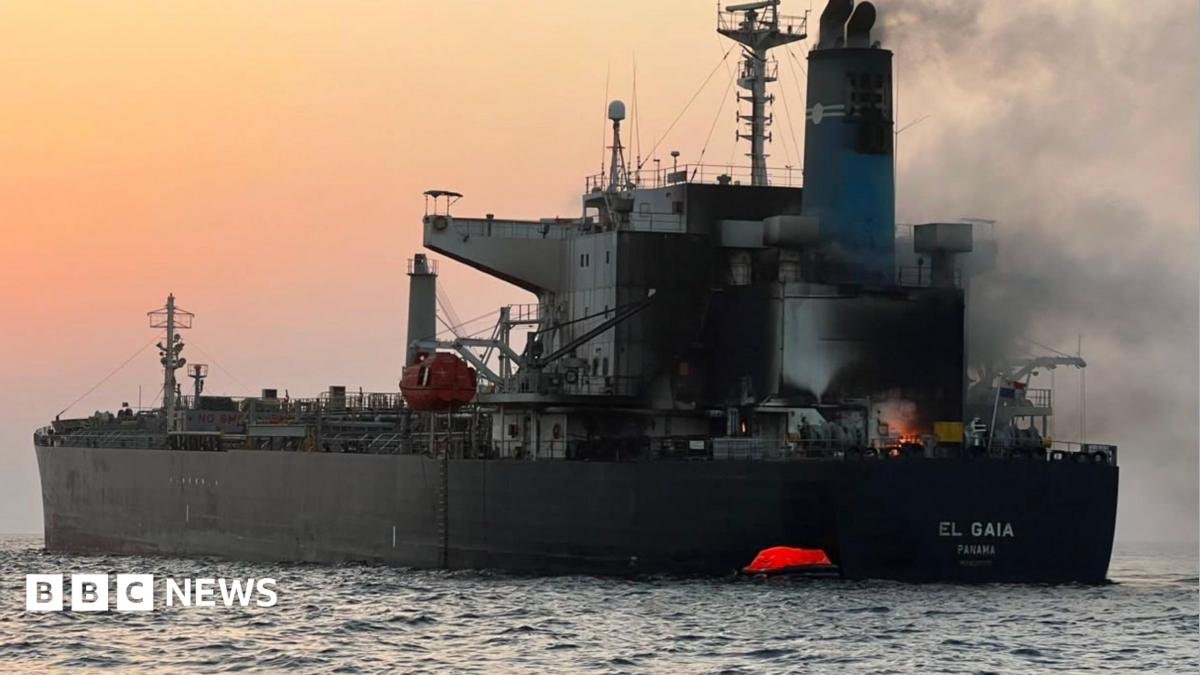
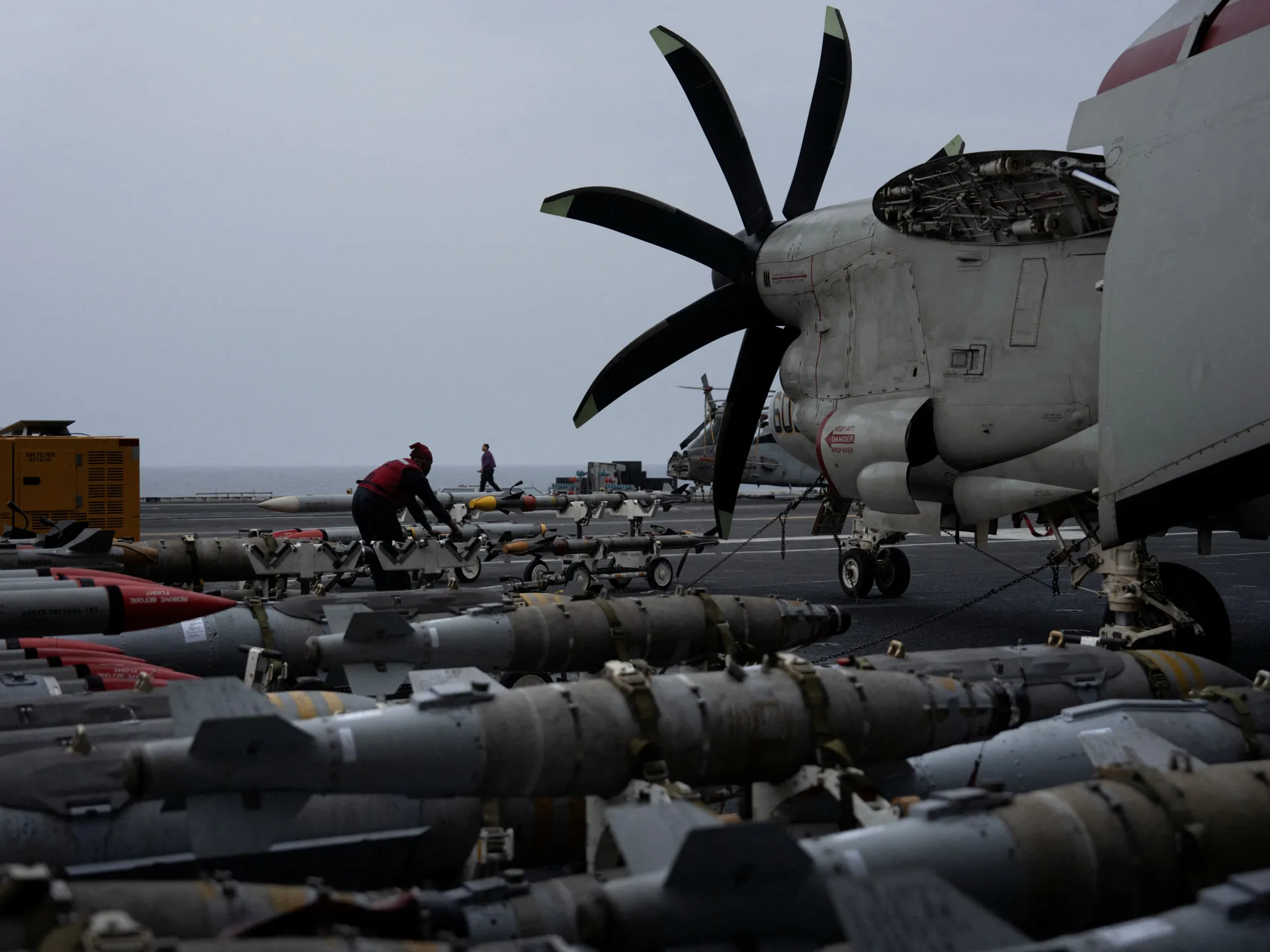
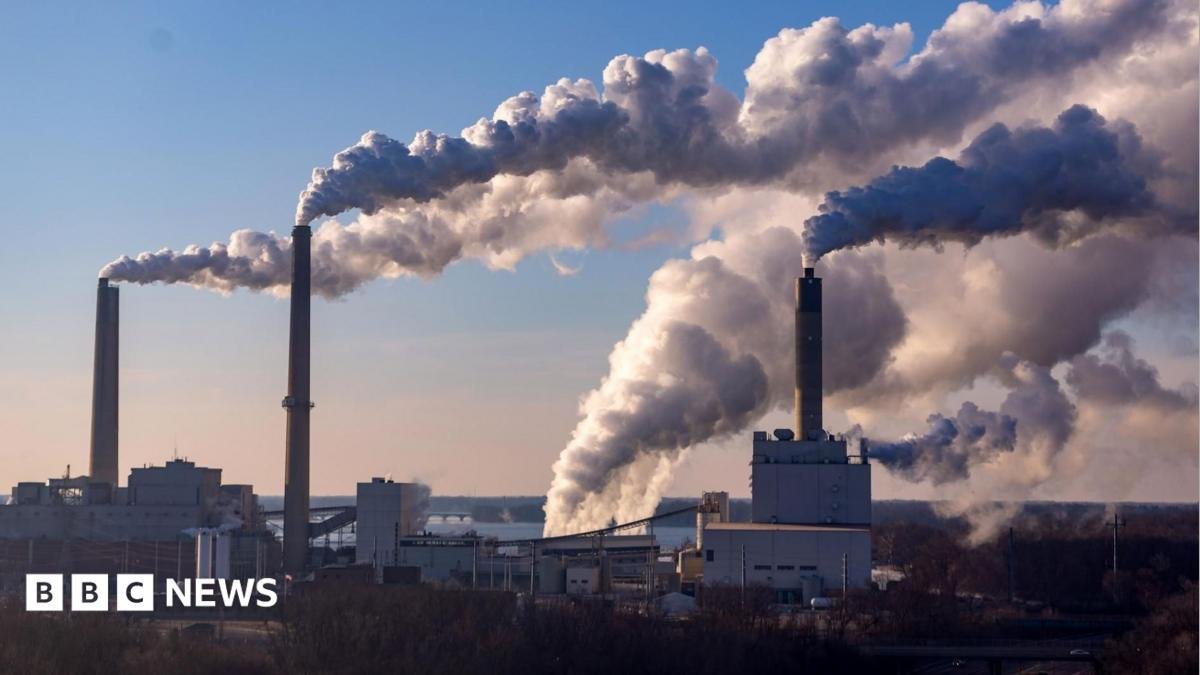
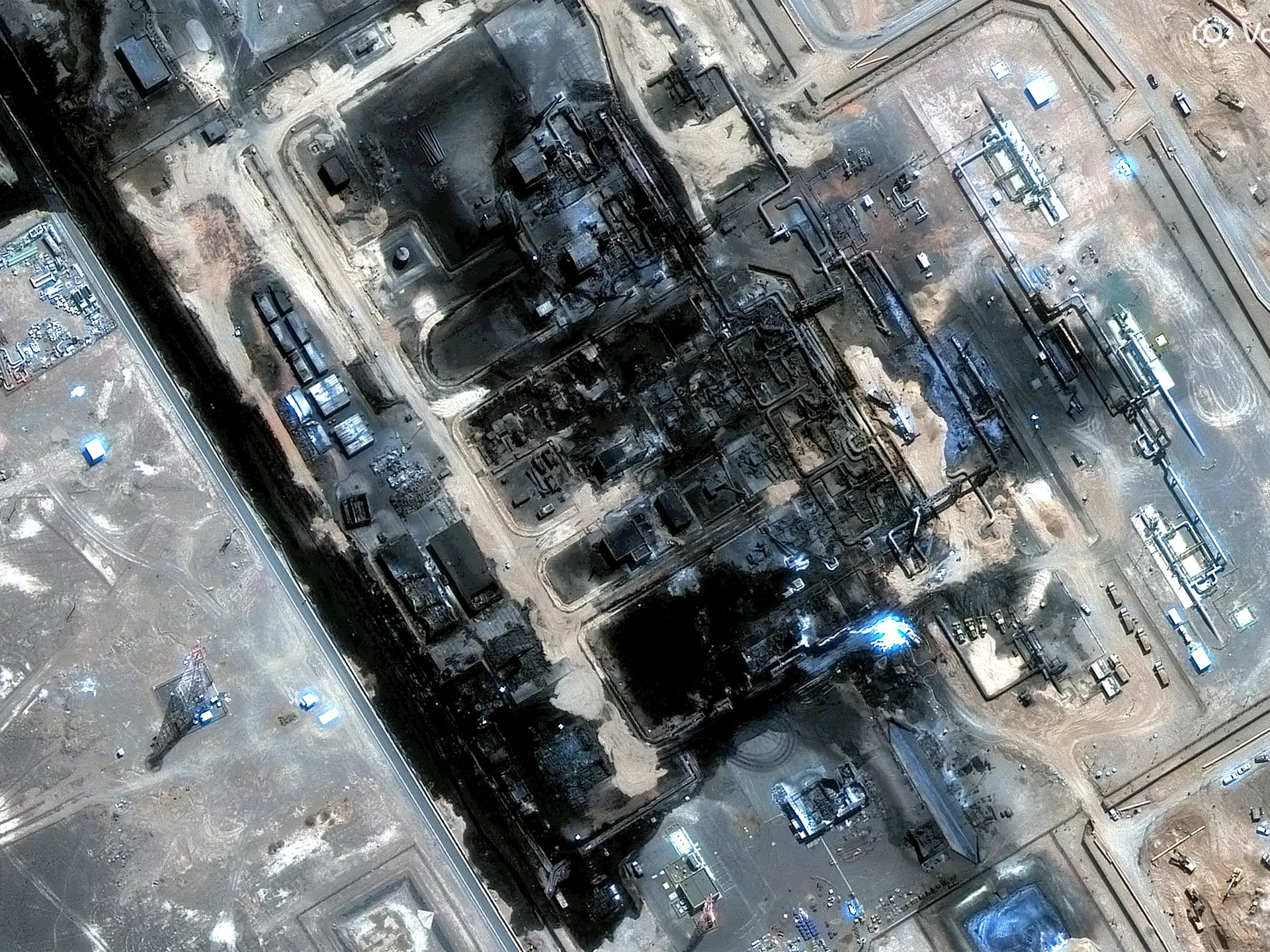
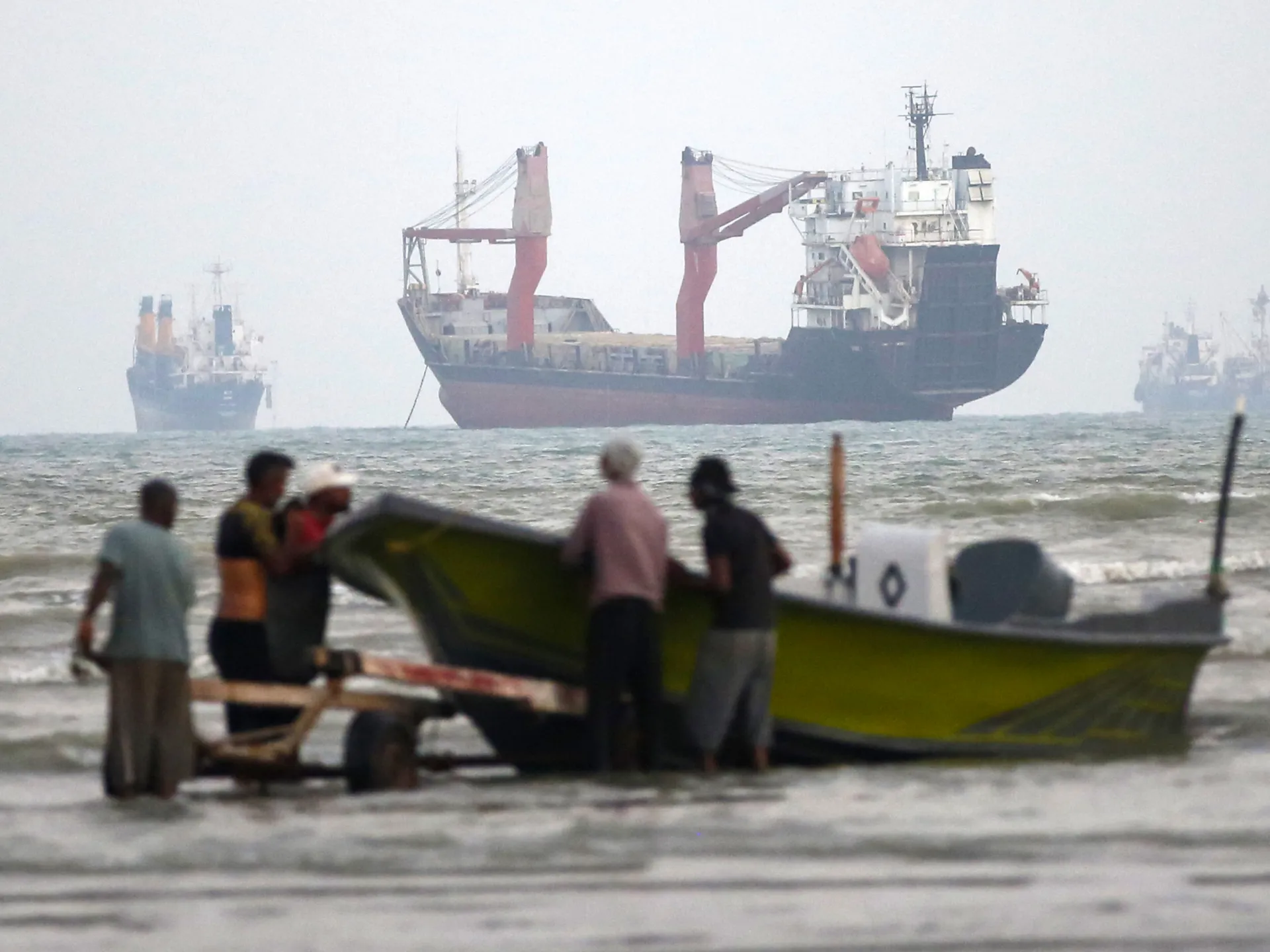
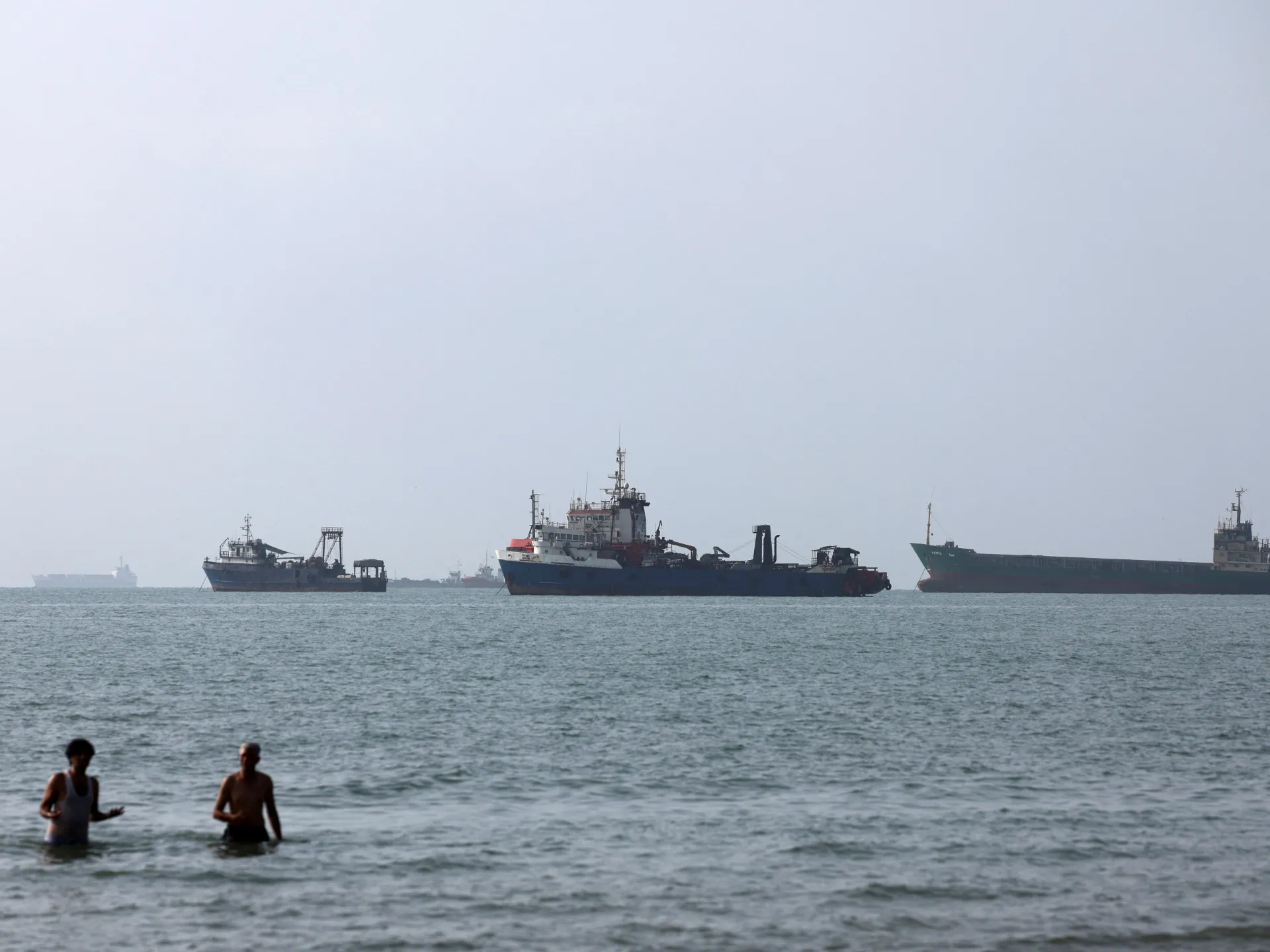
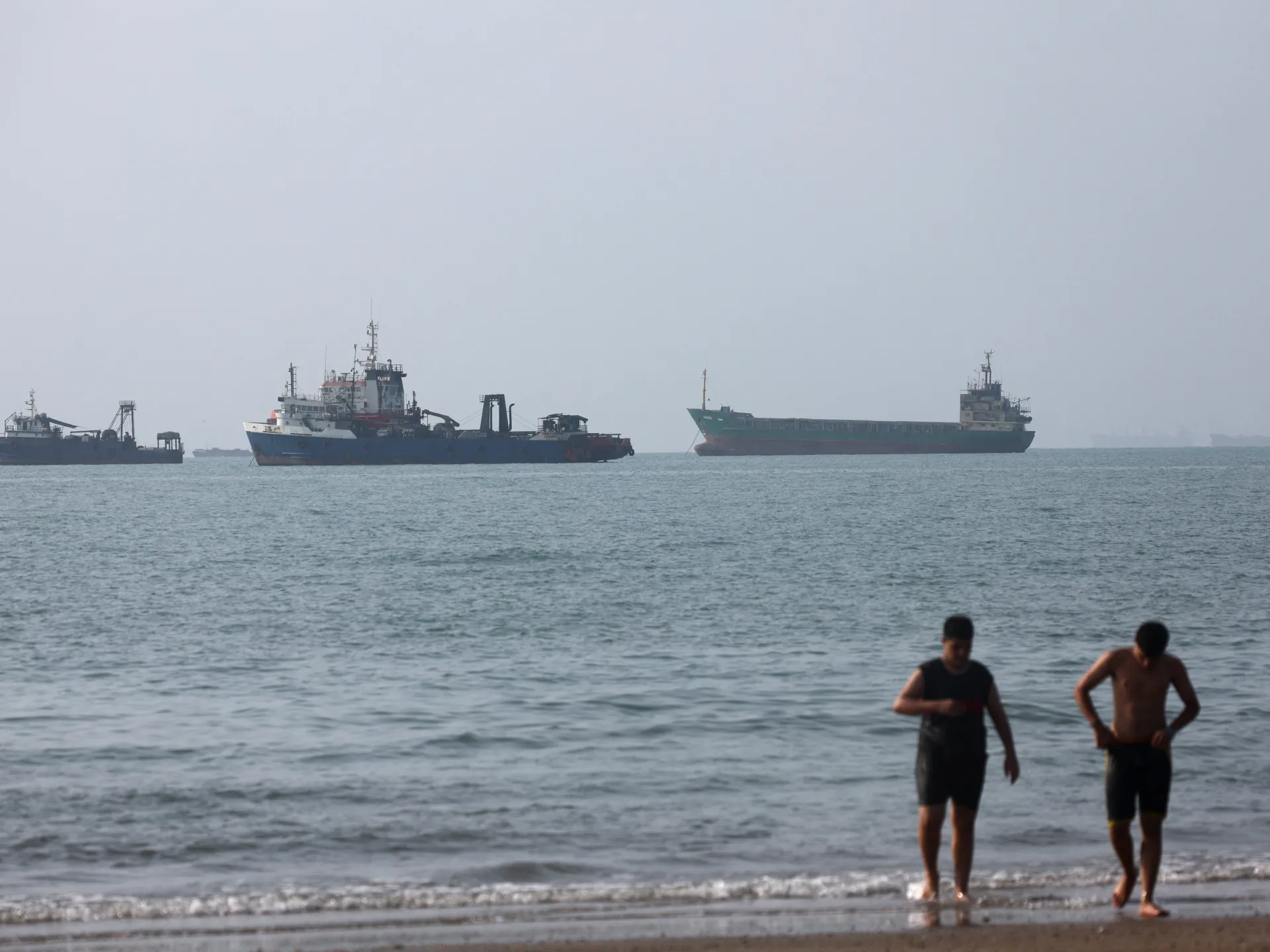
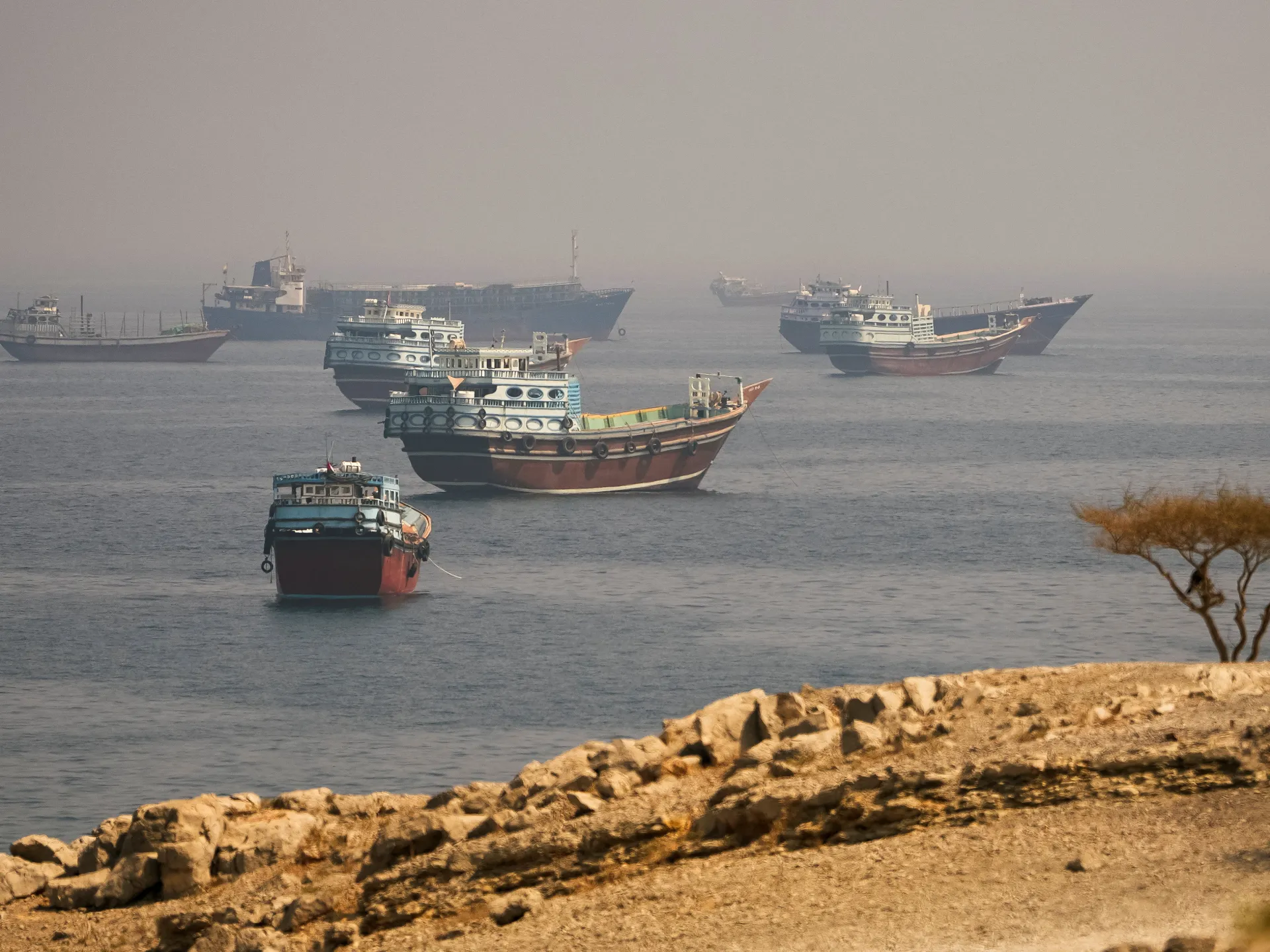
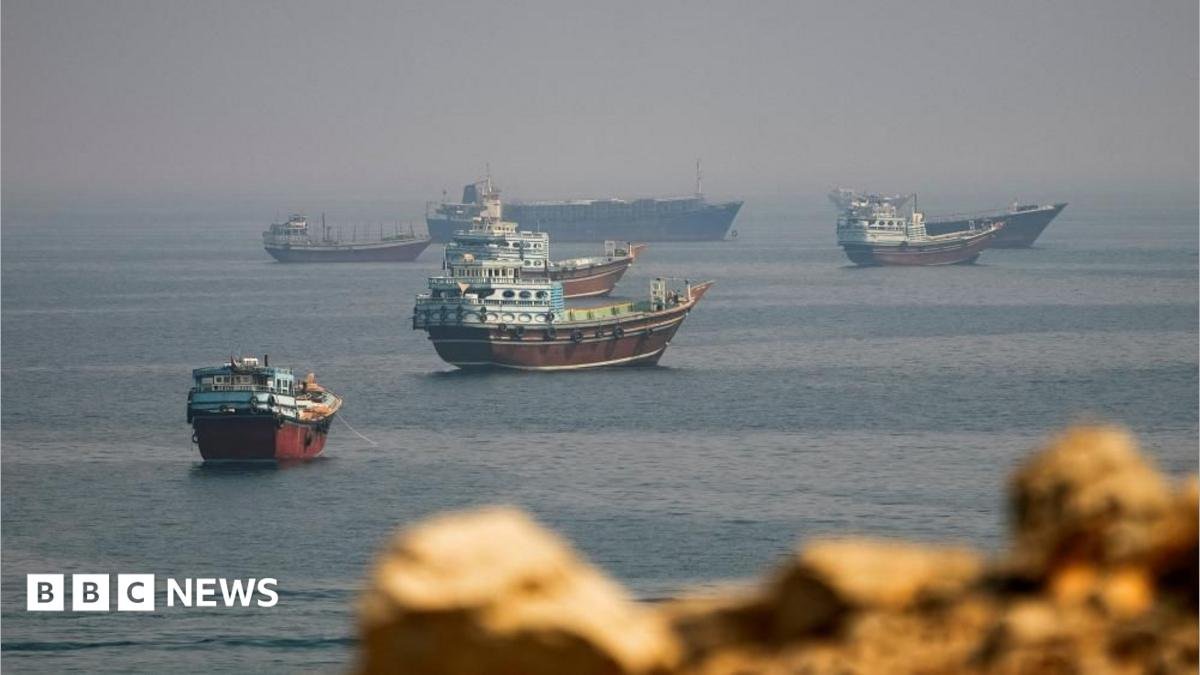
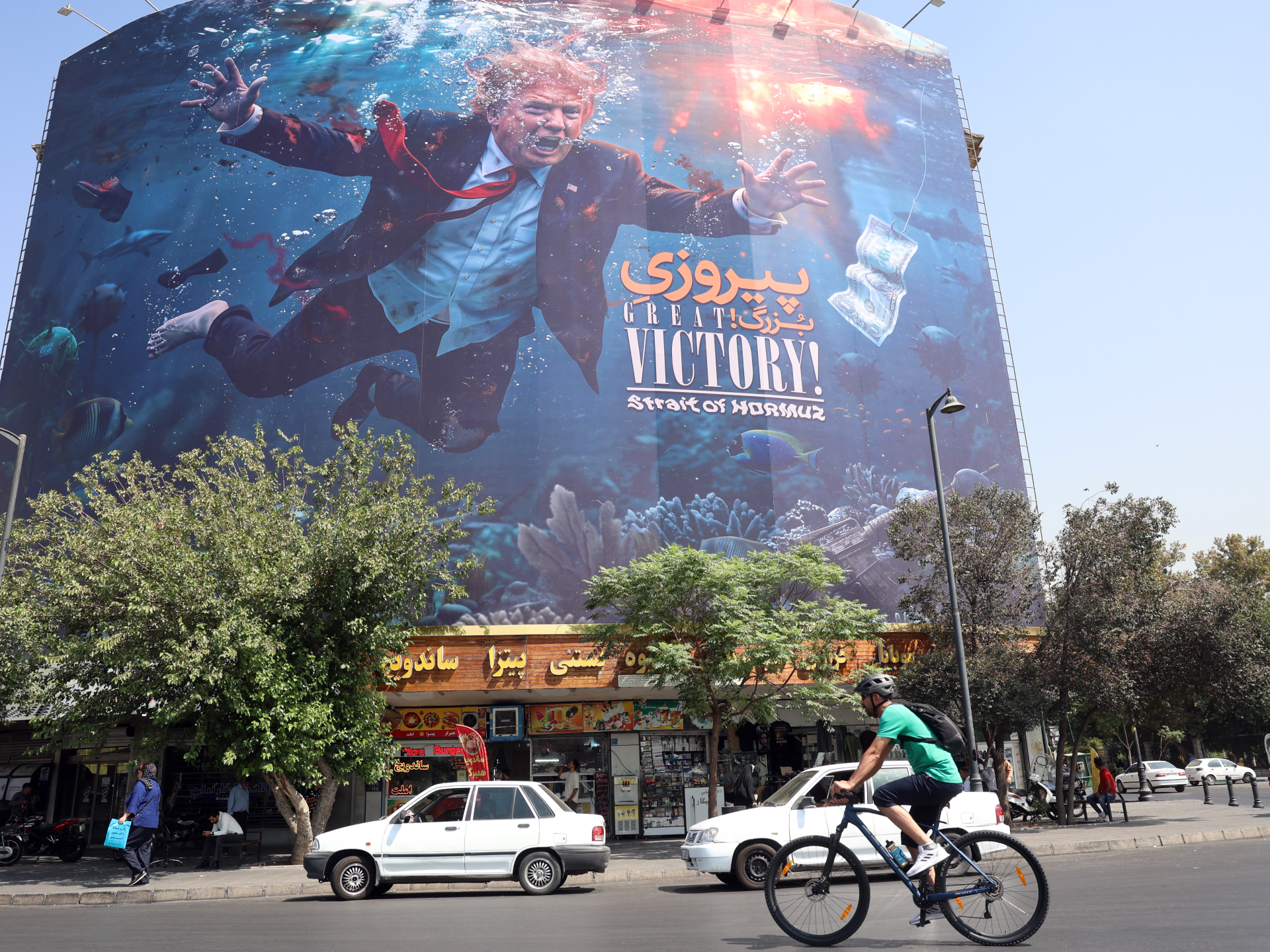
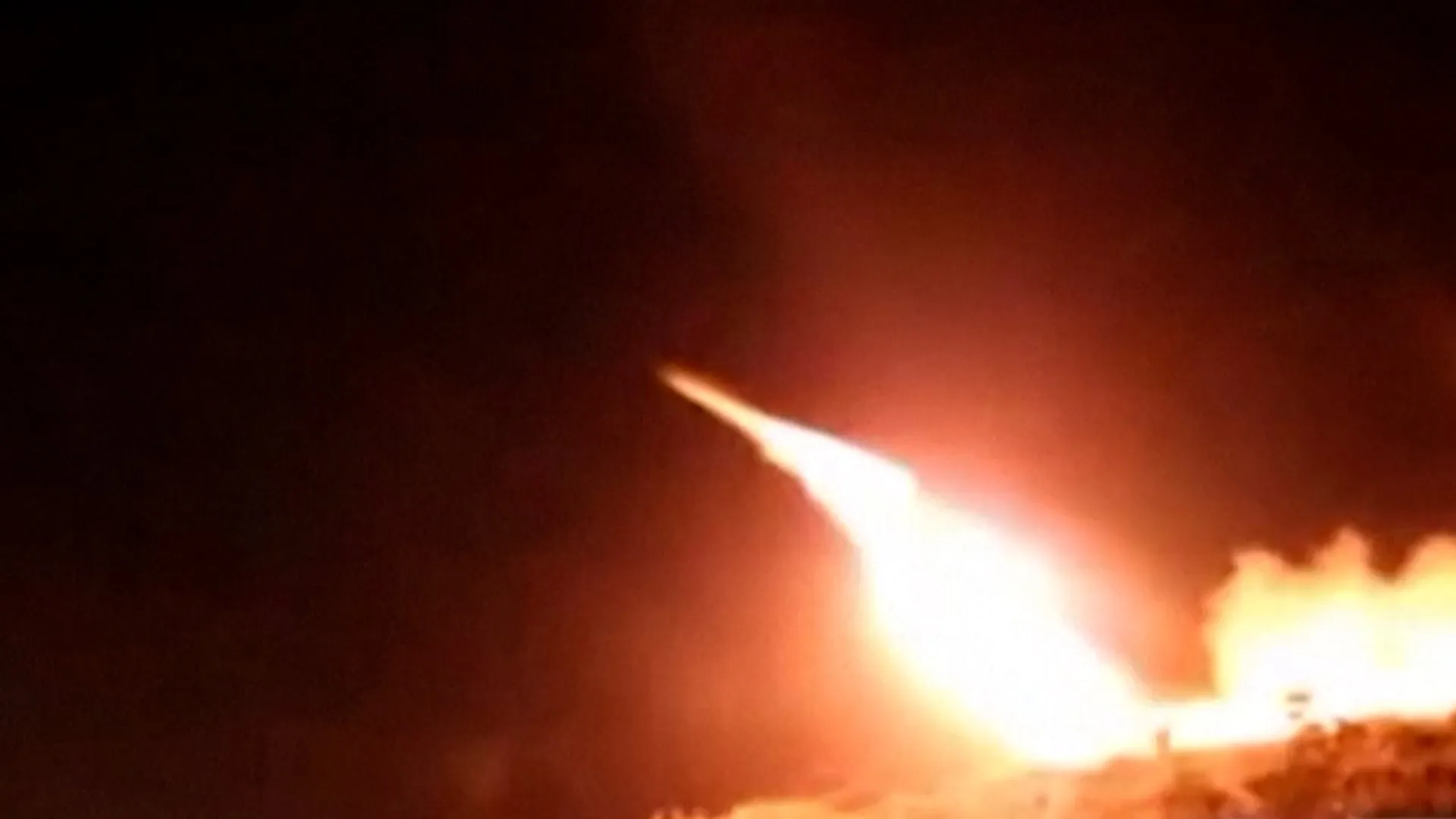
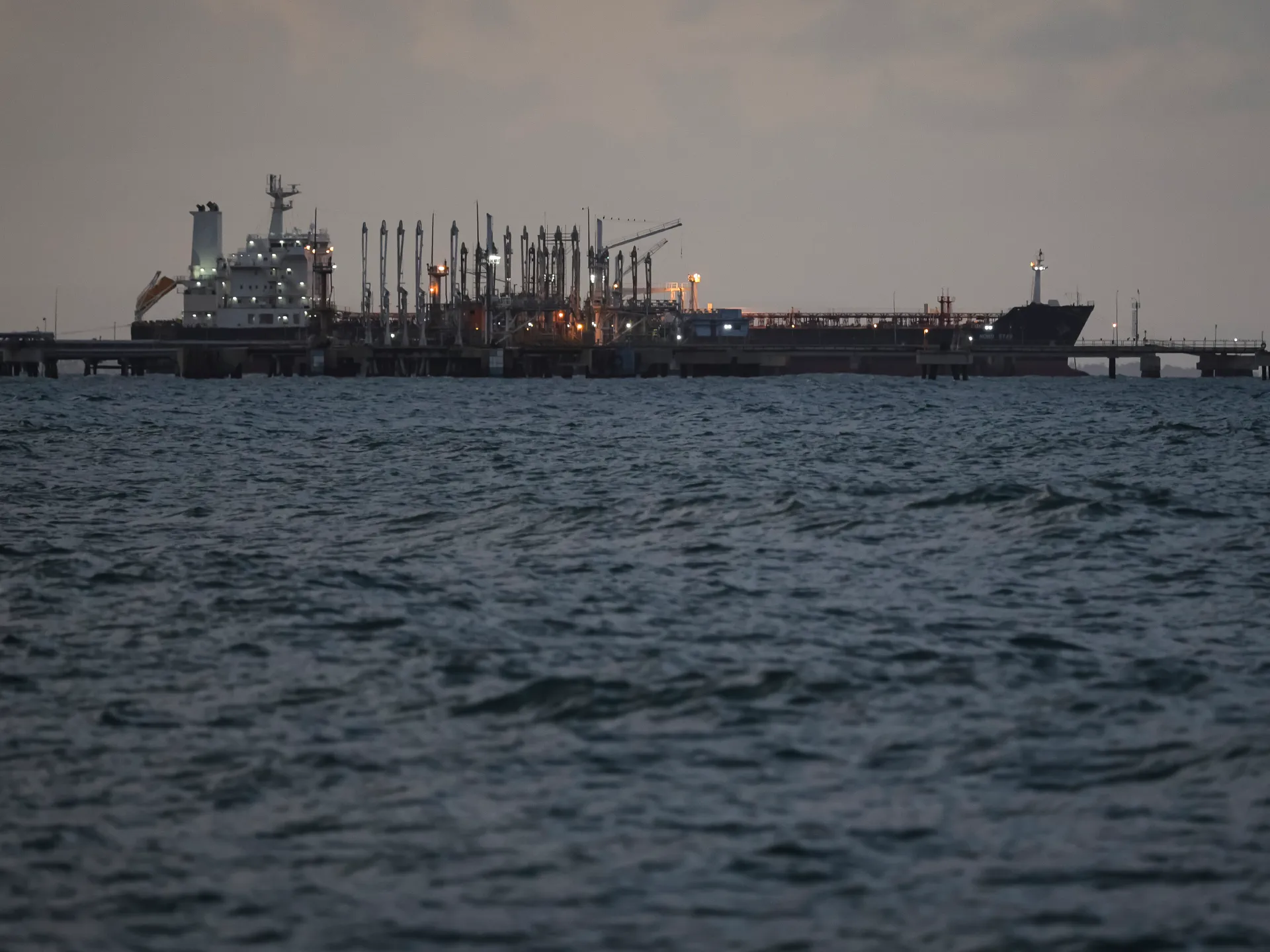
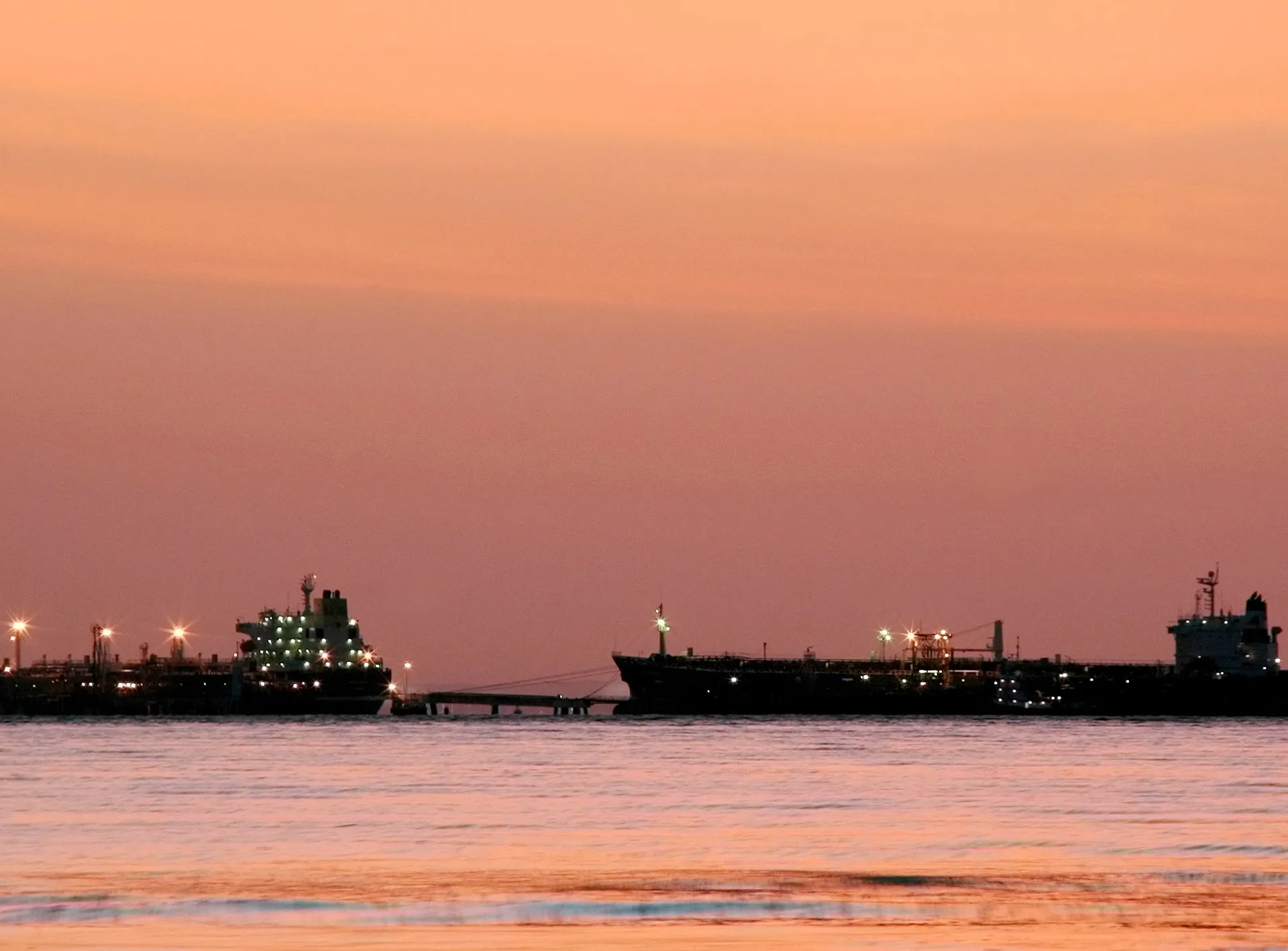
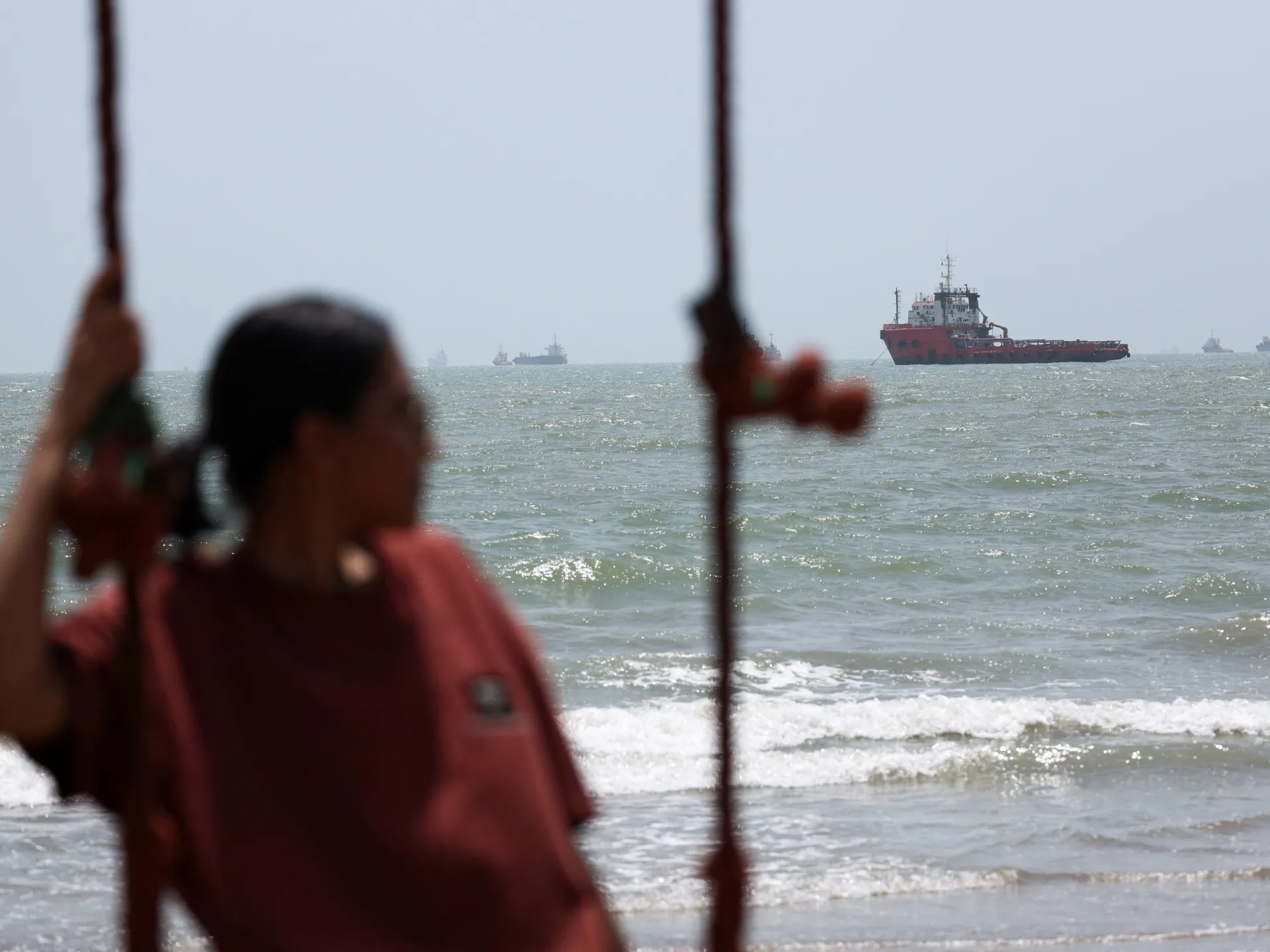
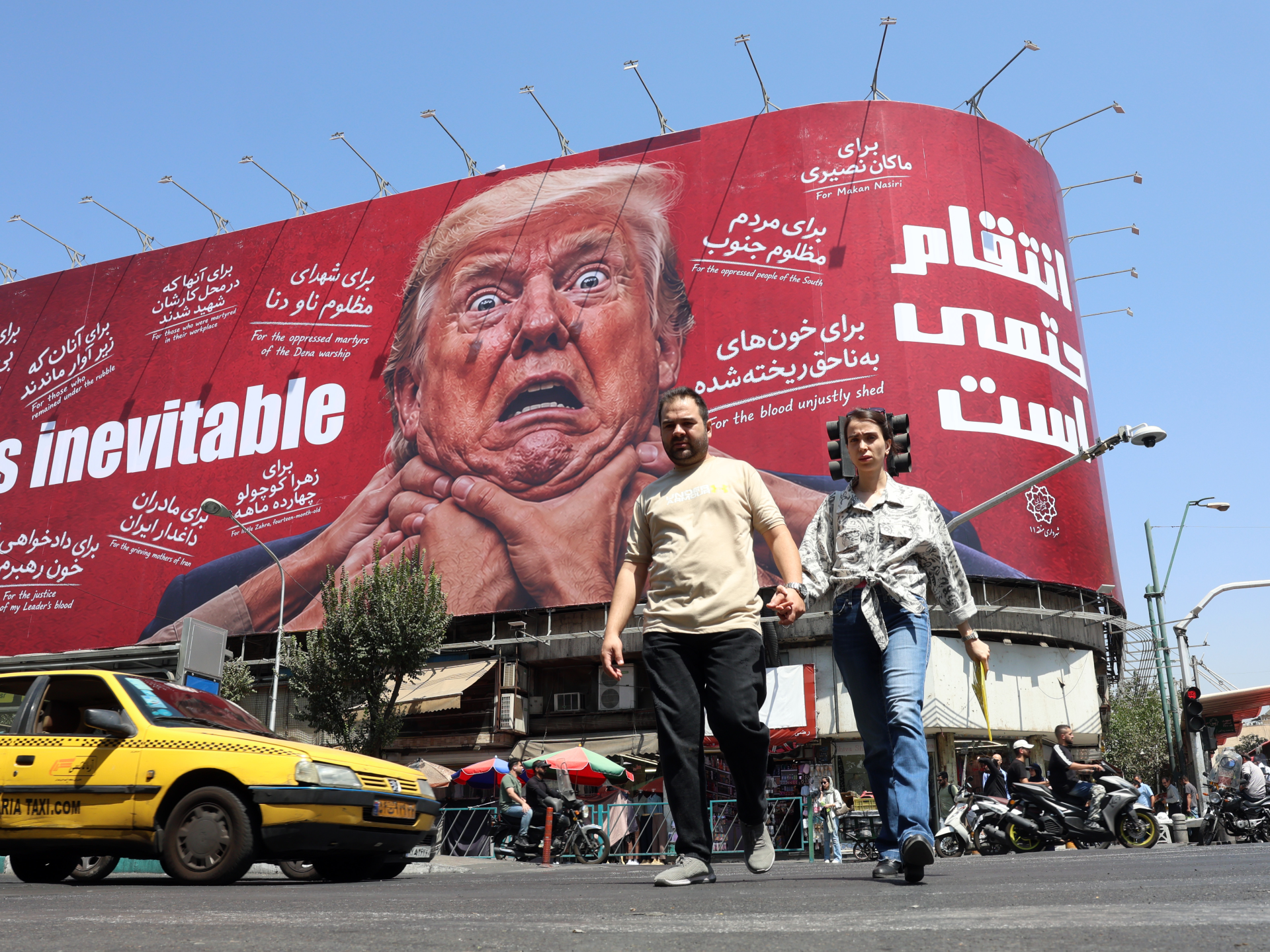
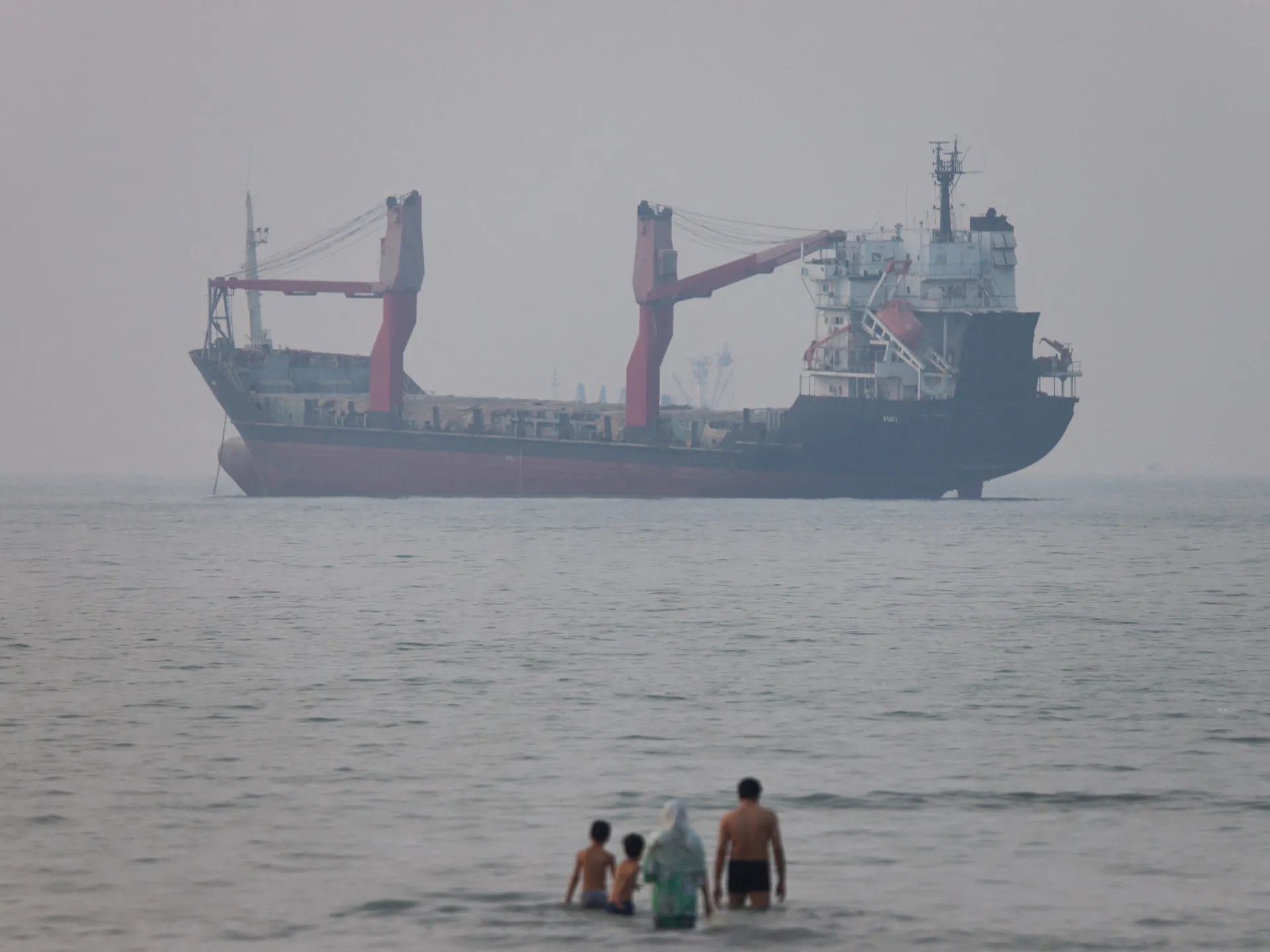
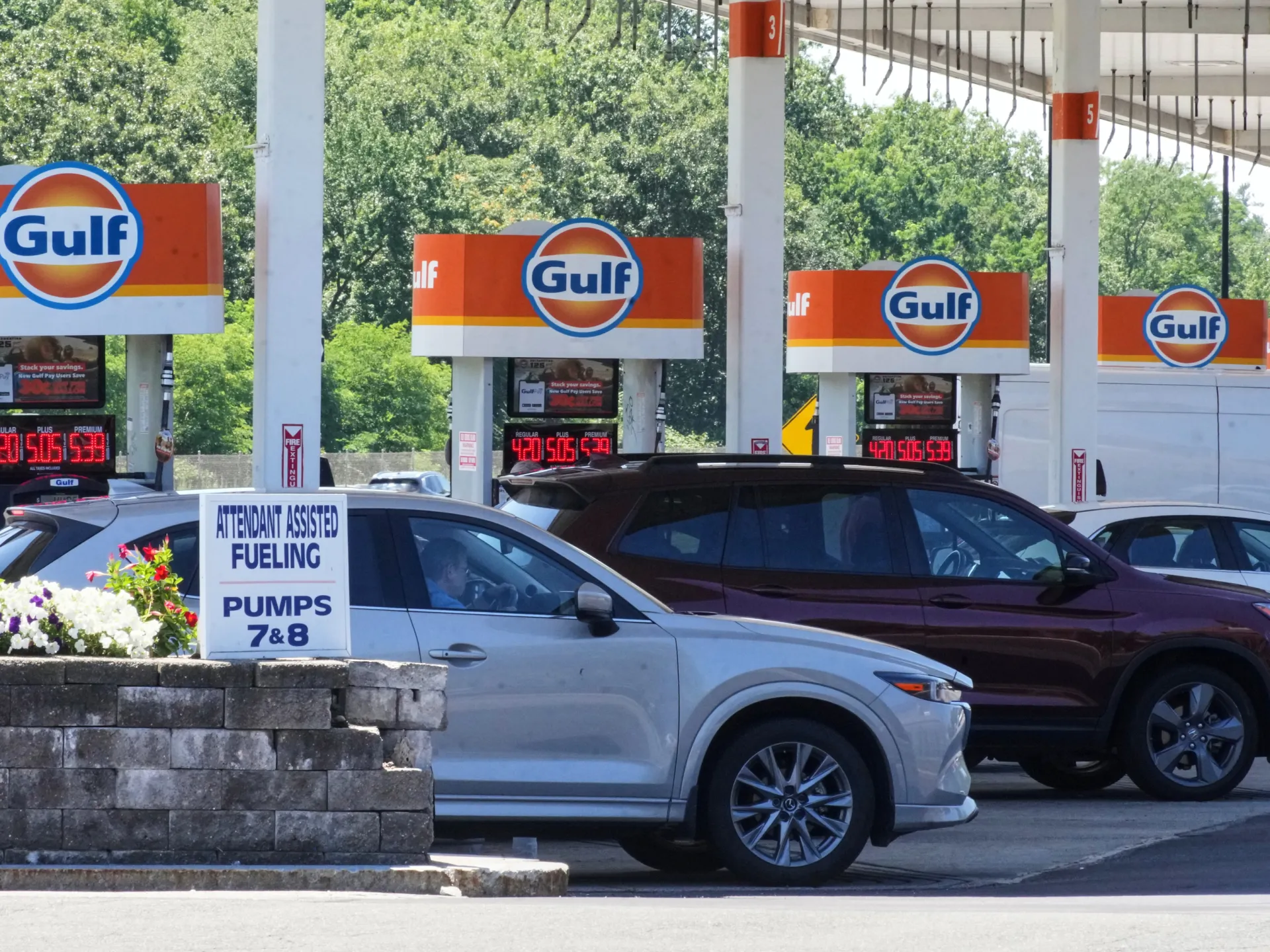
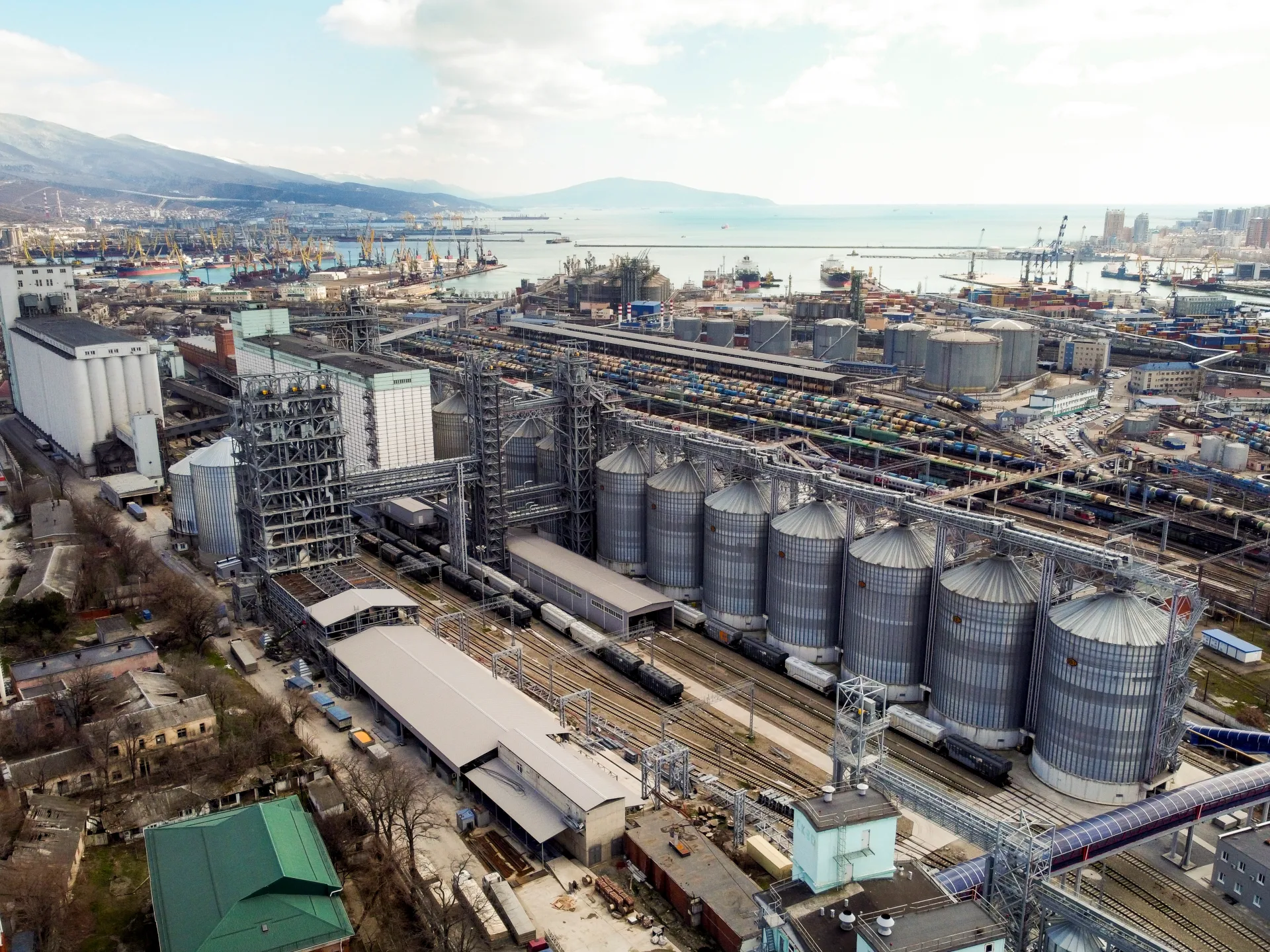
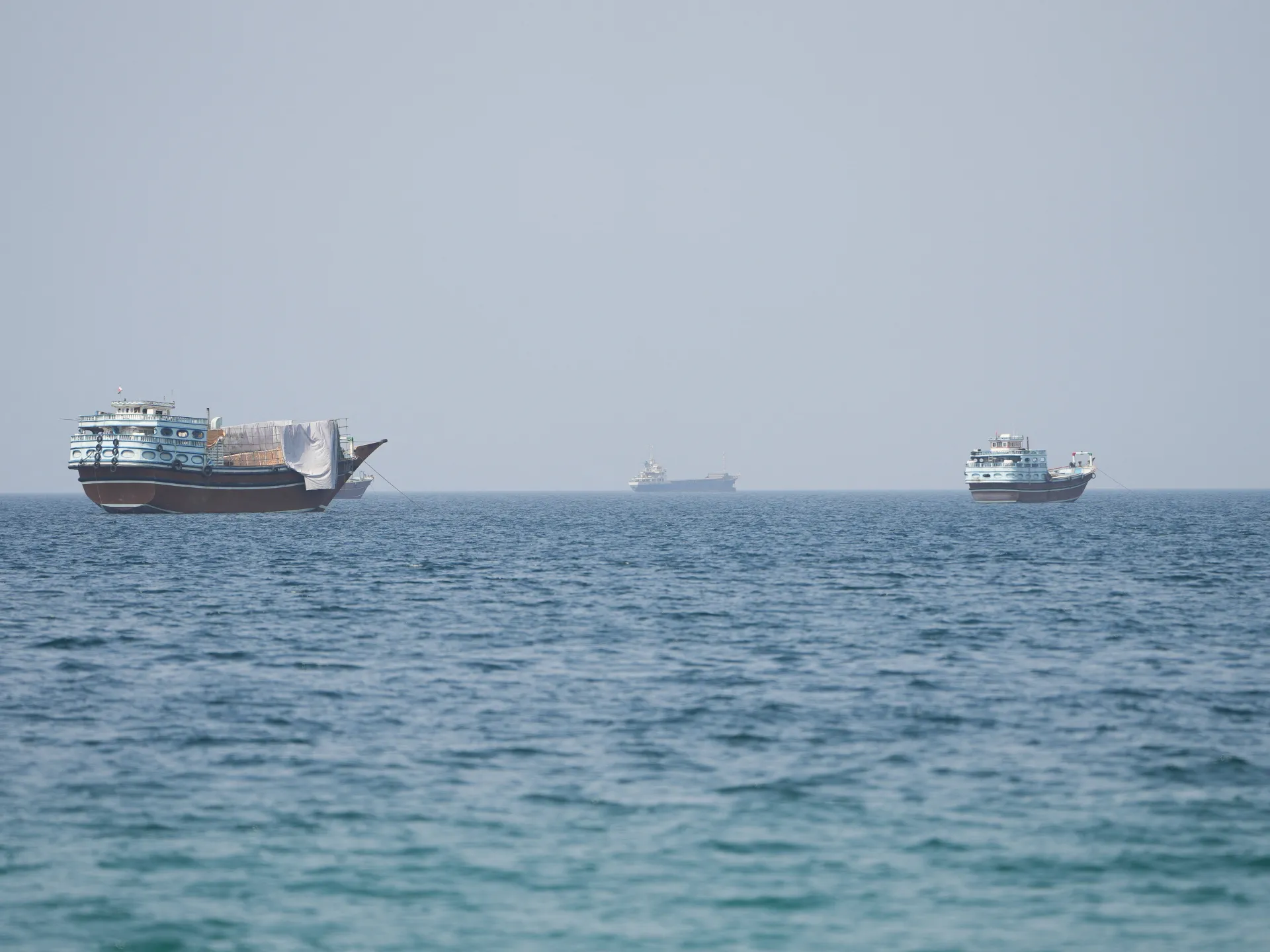
The upcoming summit takes place during a period of significant global instability, marked ade and energy security. The closure of the Strait of Hormuz, a critical maritime chokepoint responsible for approximately 20 percent of the world’s seaborne oil transit, remains a primary point of contention. The resulting disruption has caused global energy prices to climb, adding to the inflationary pressures currently felt
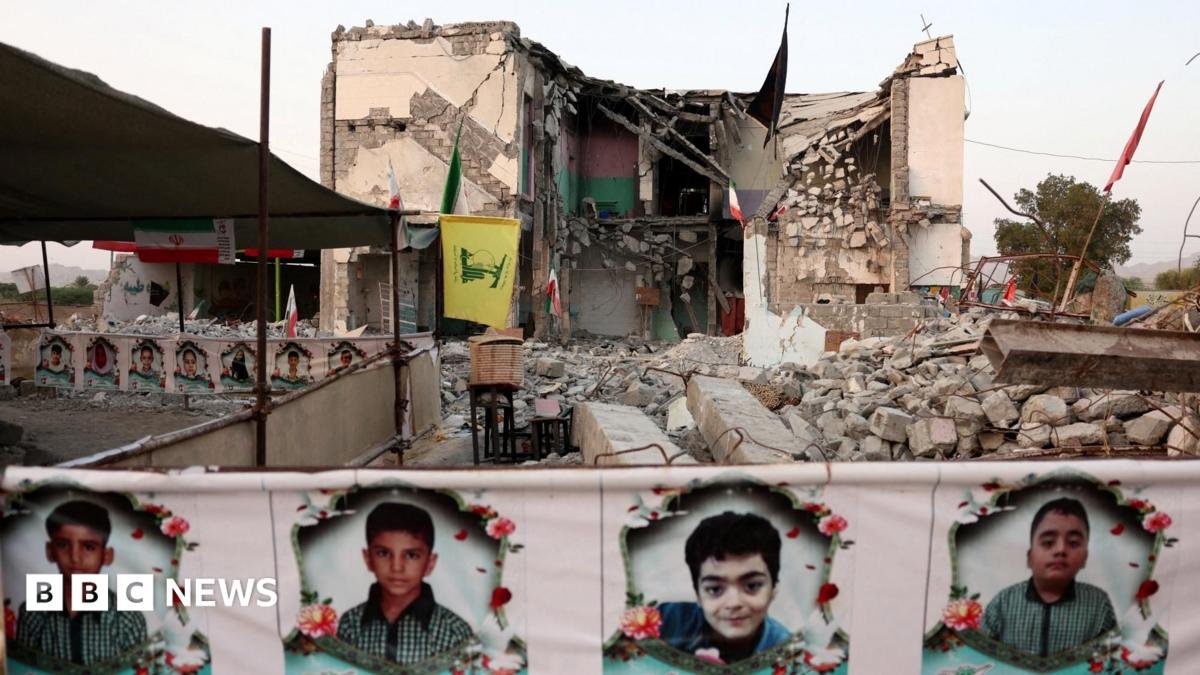
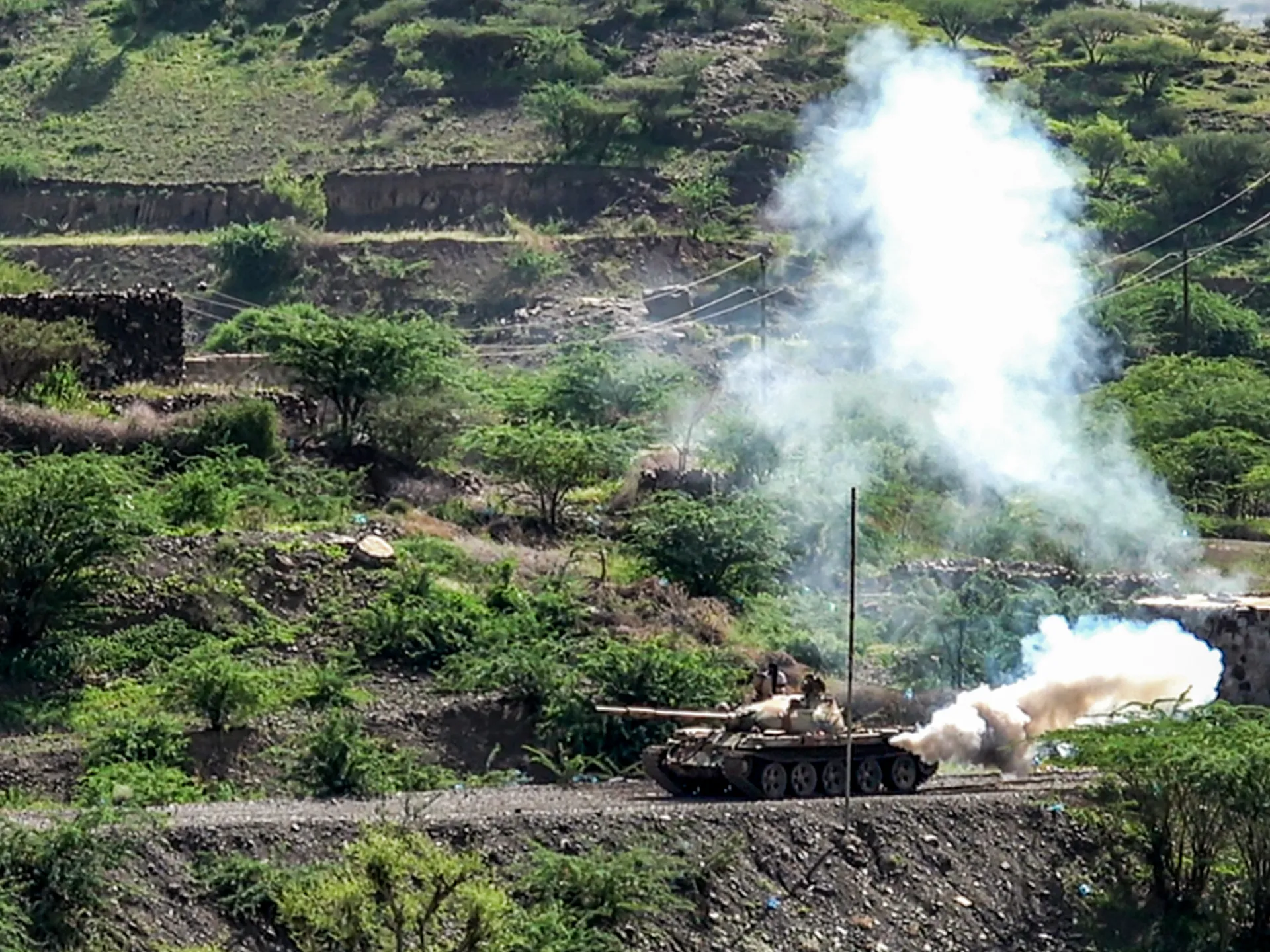
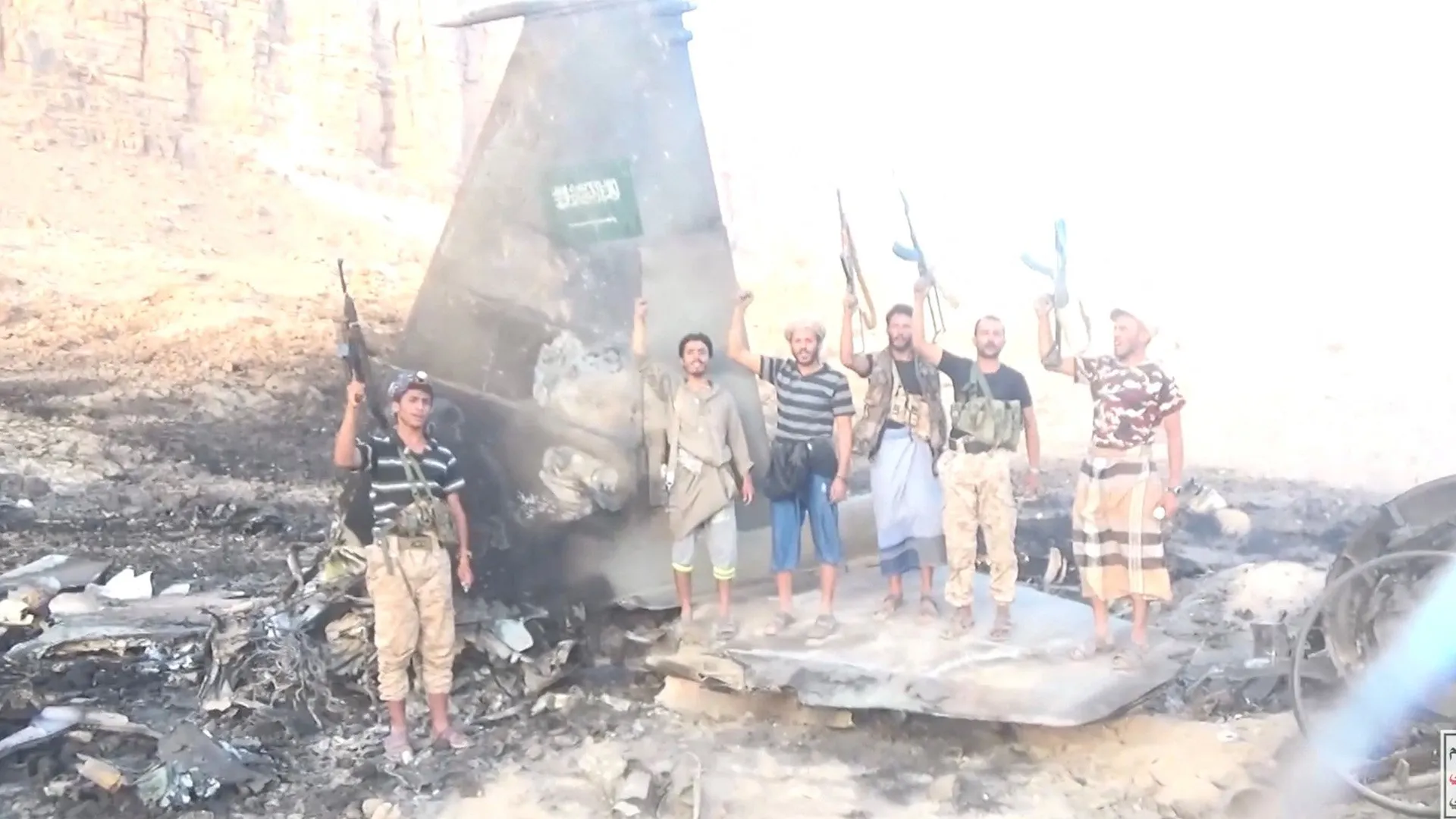
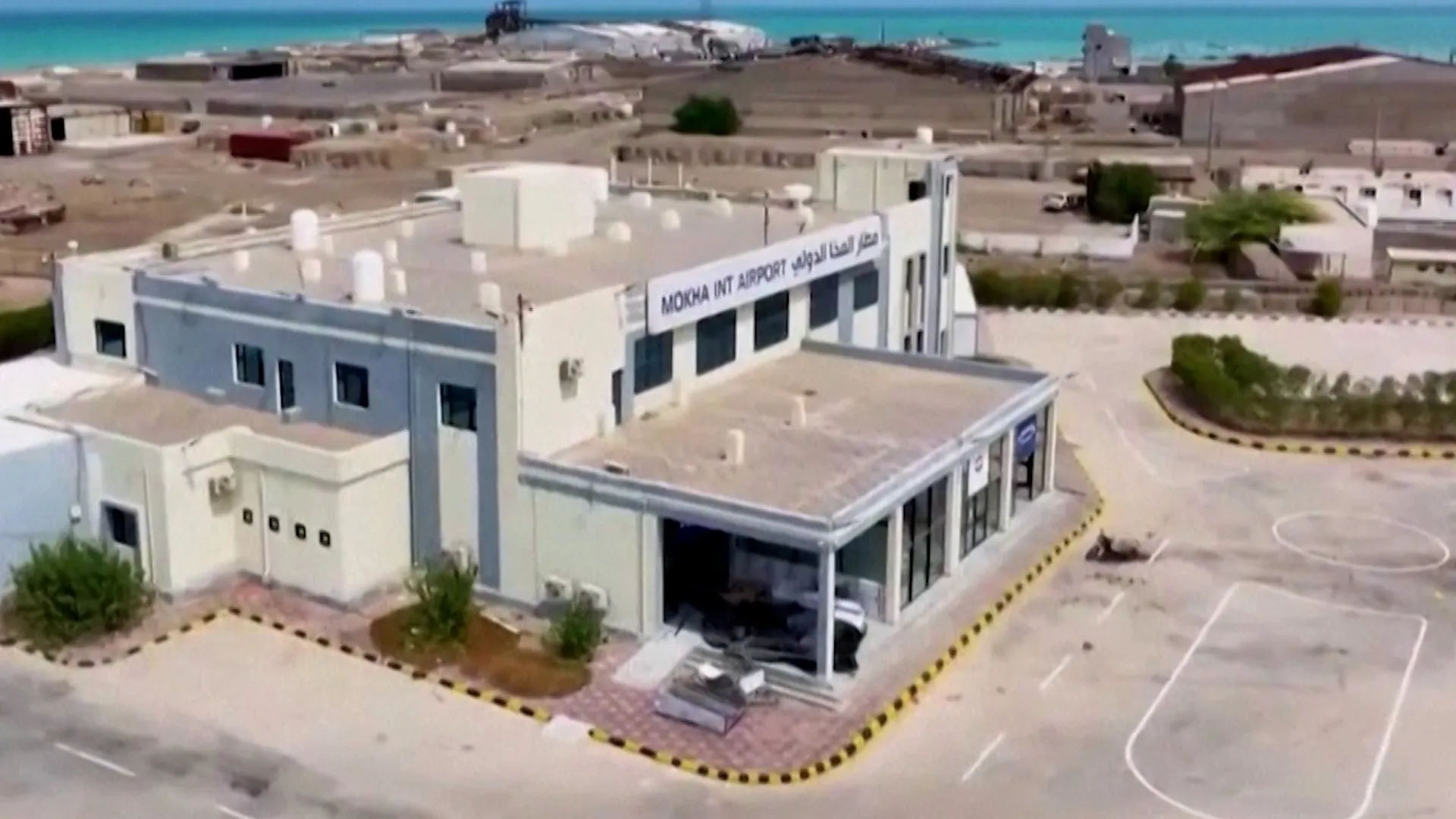
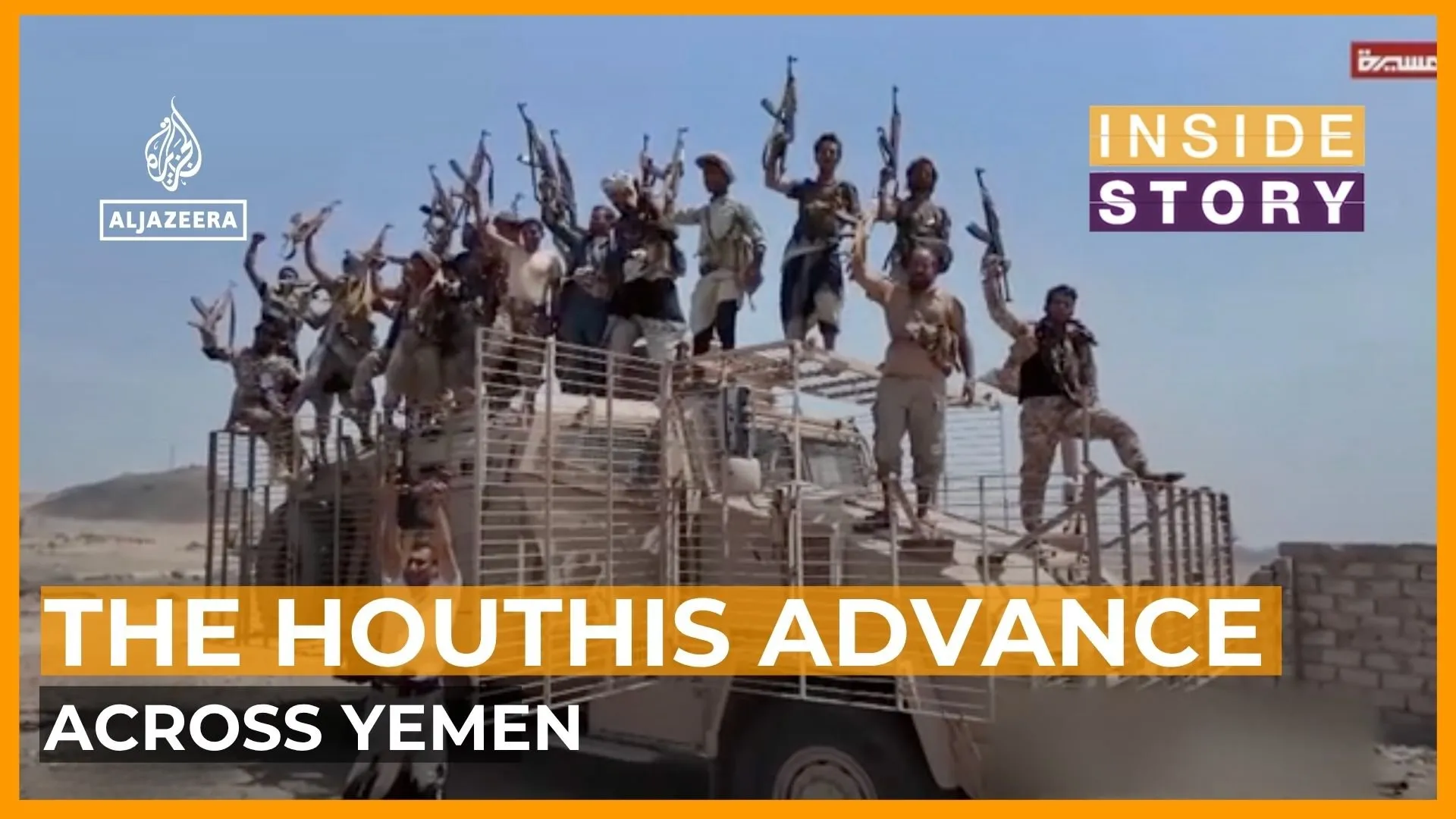
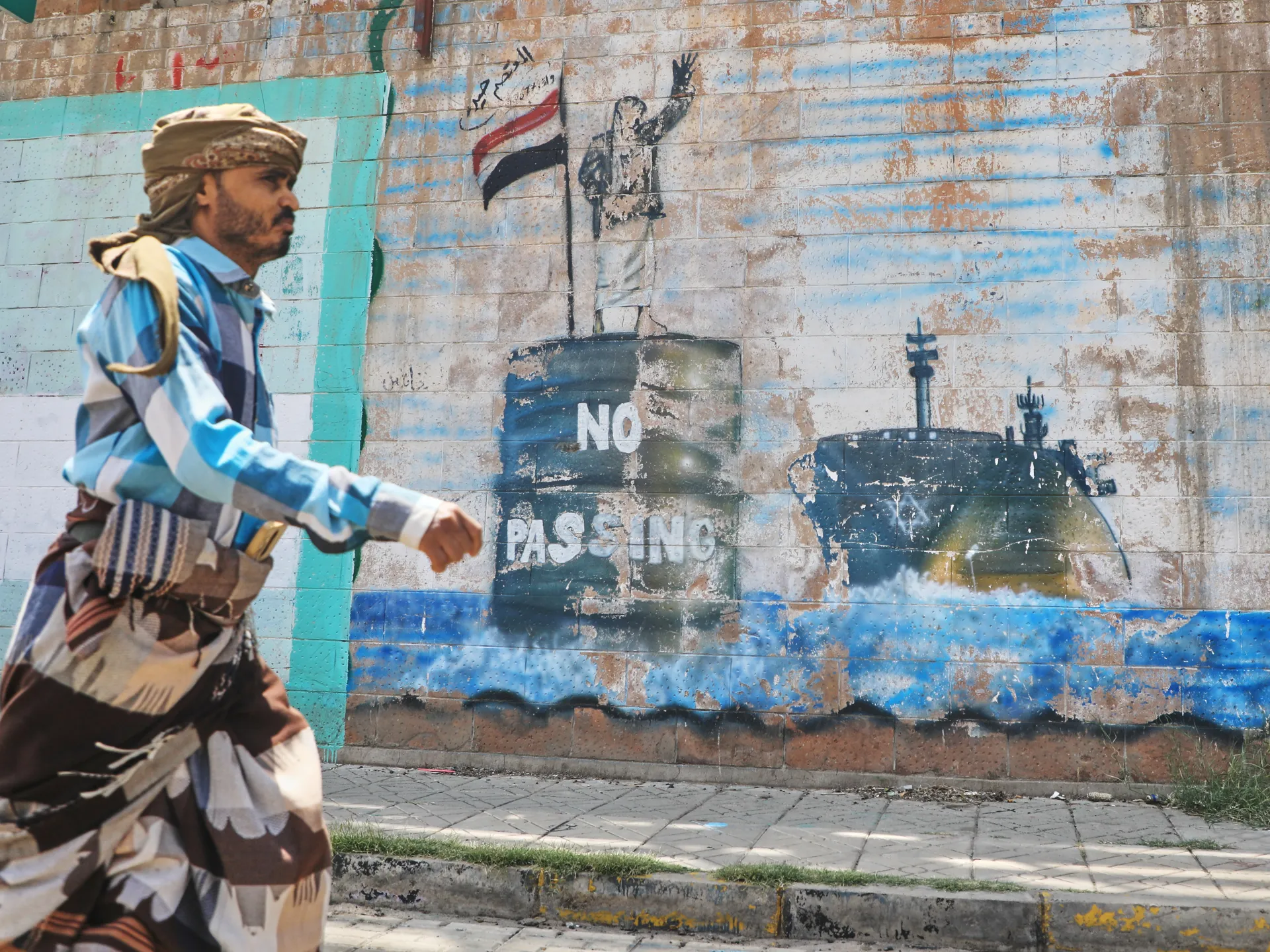
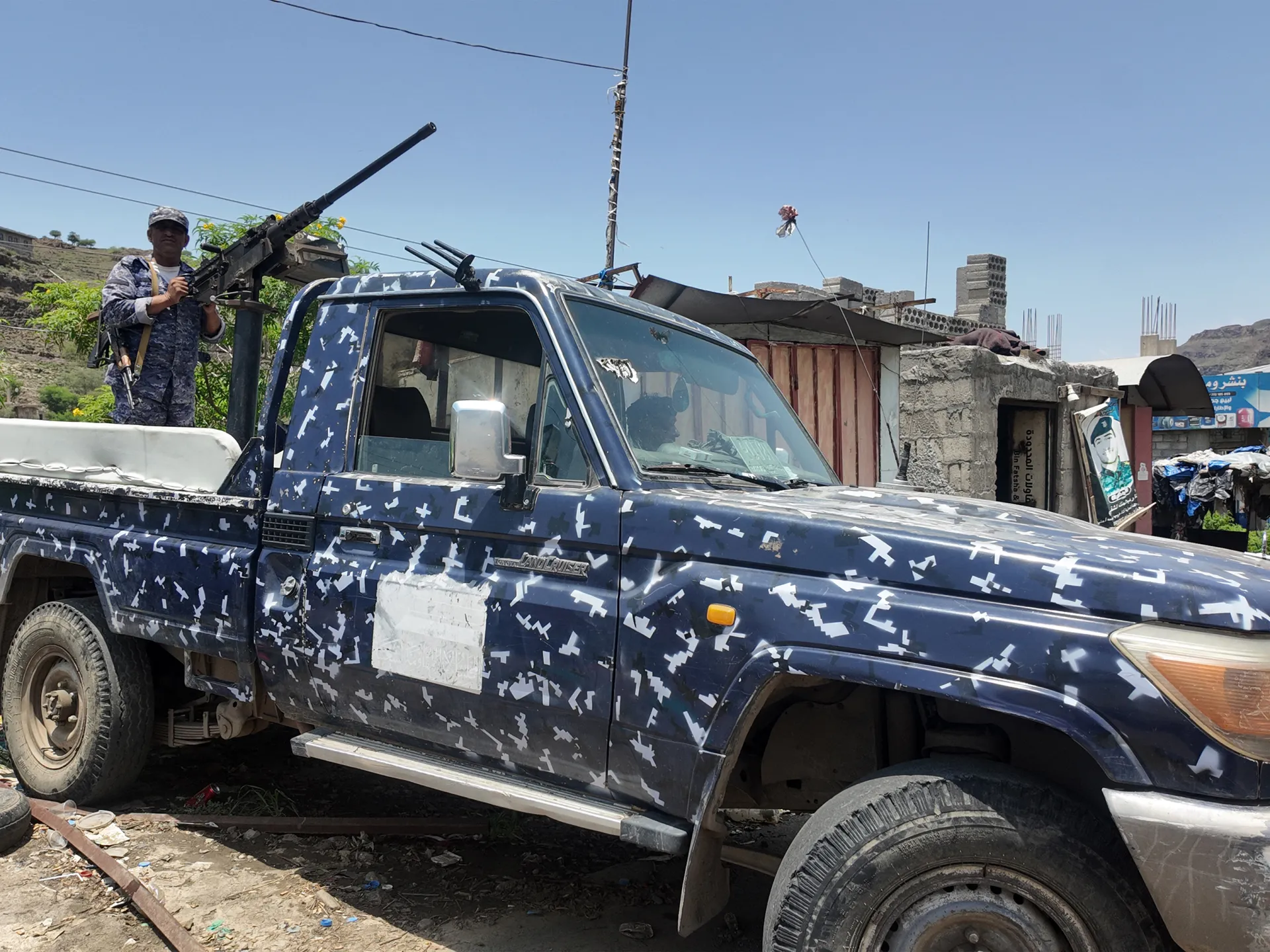
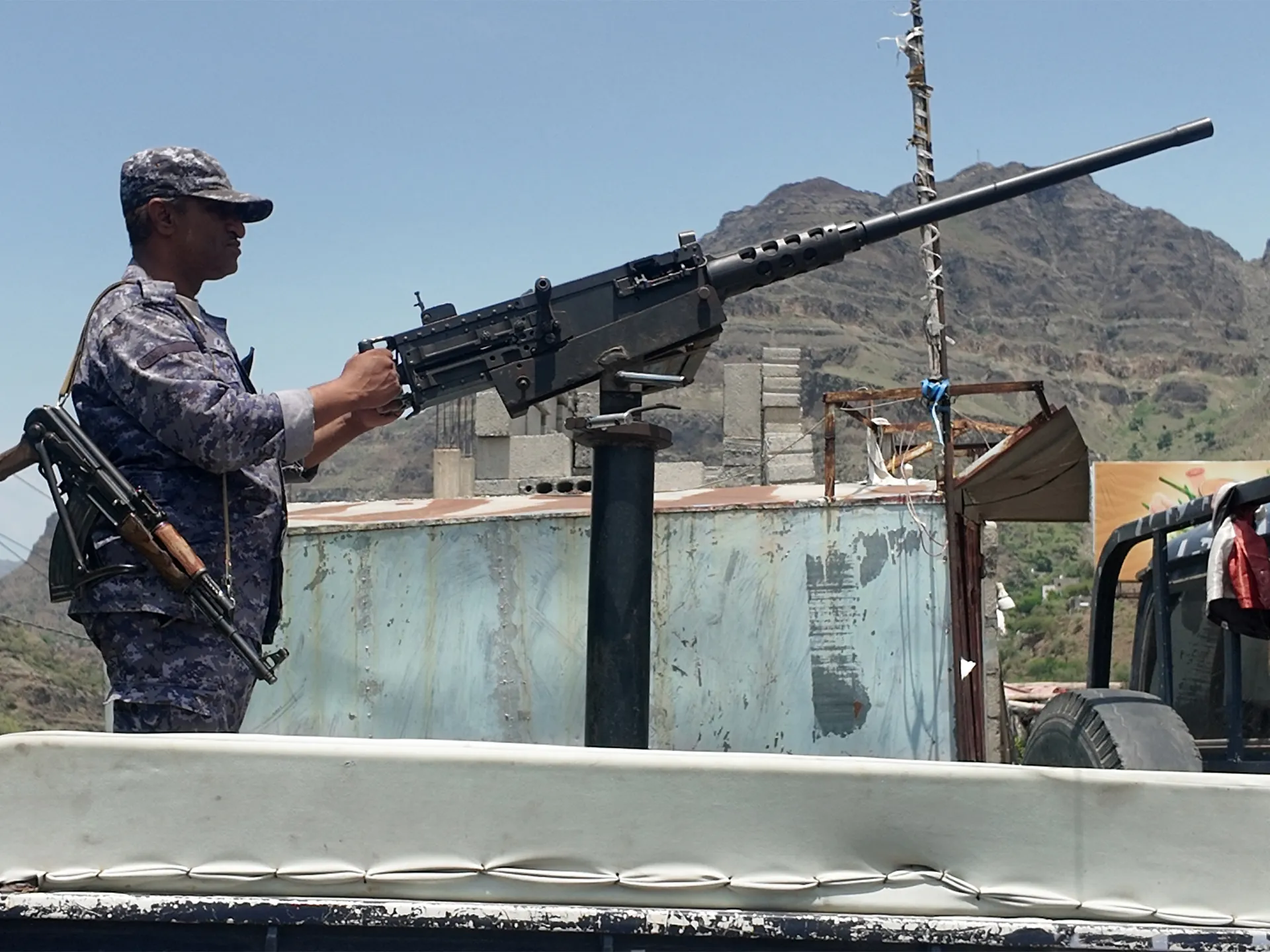
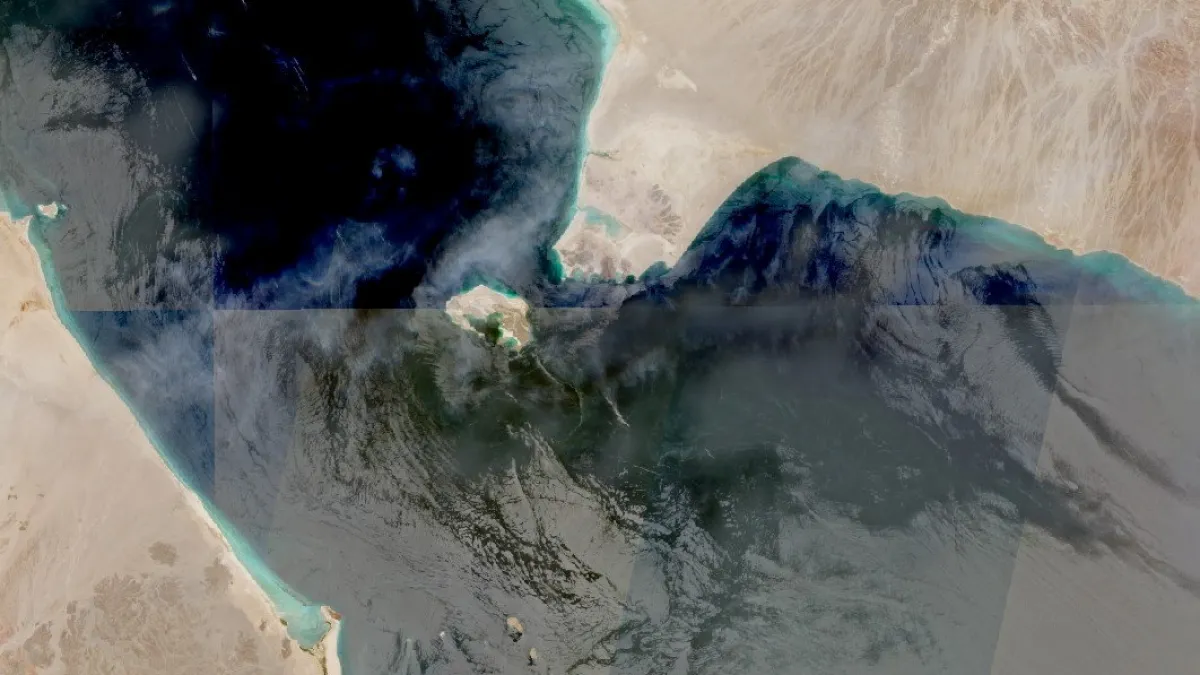
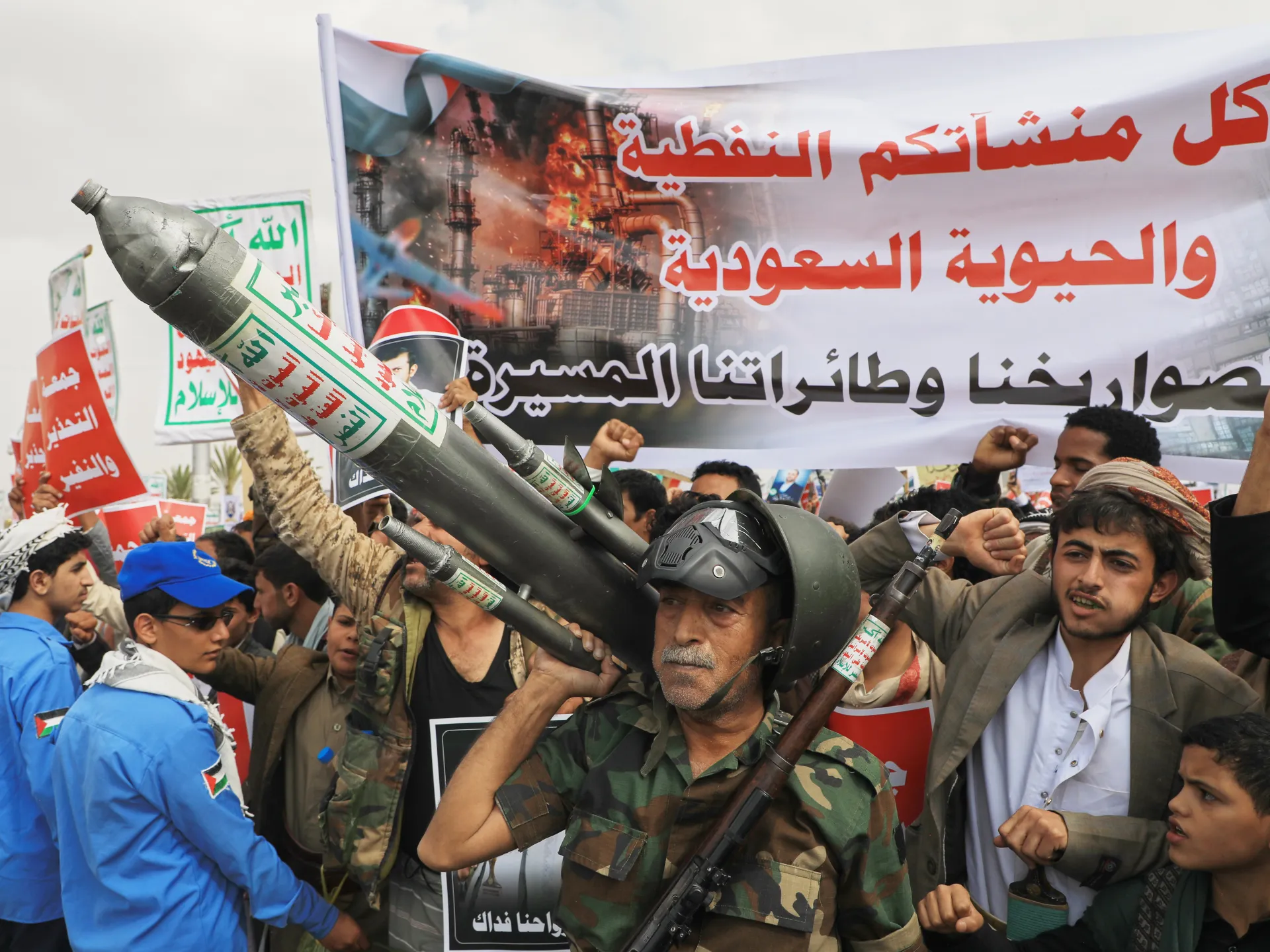
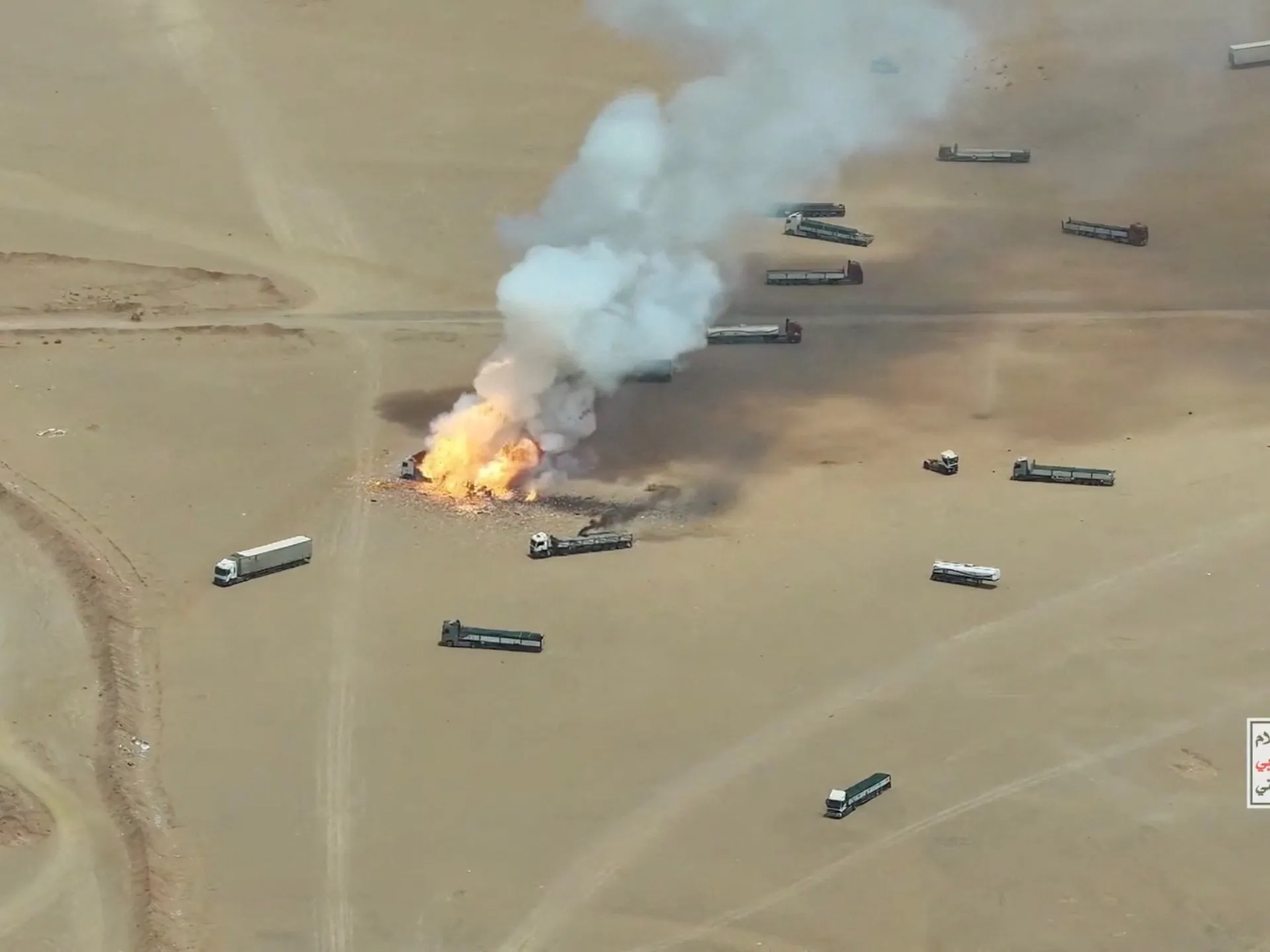
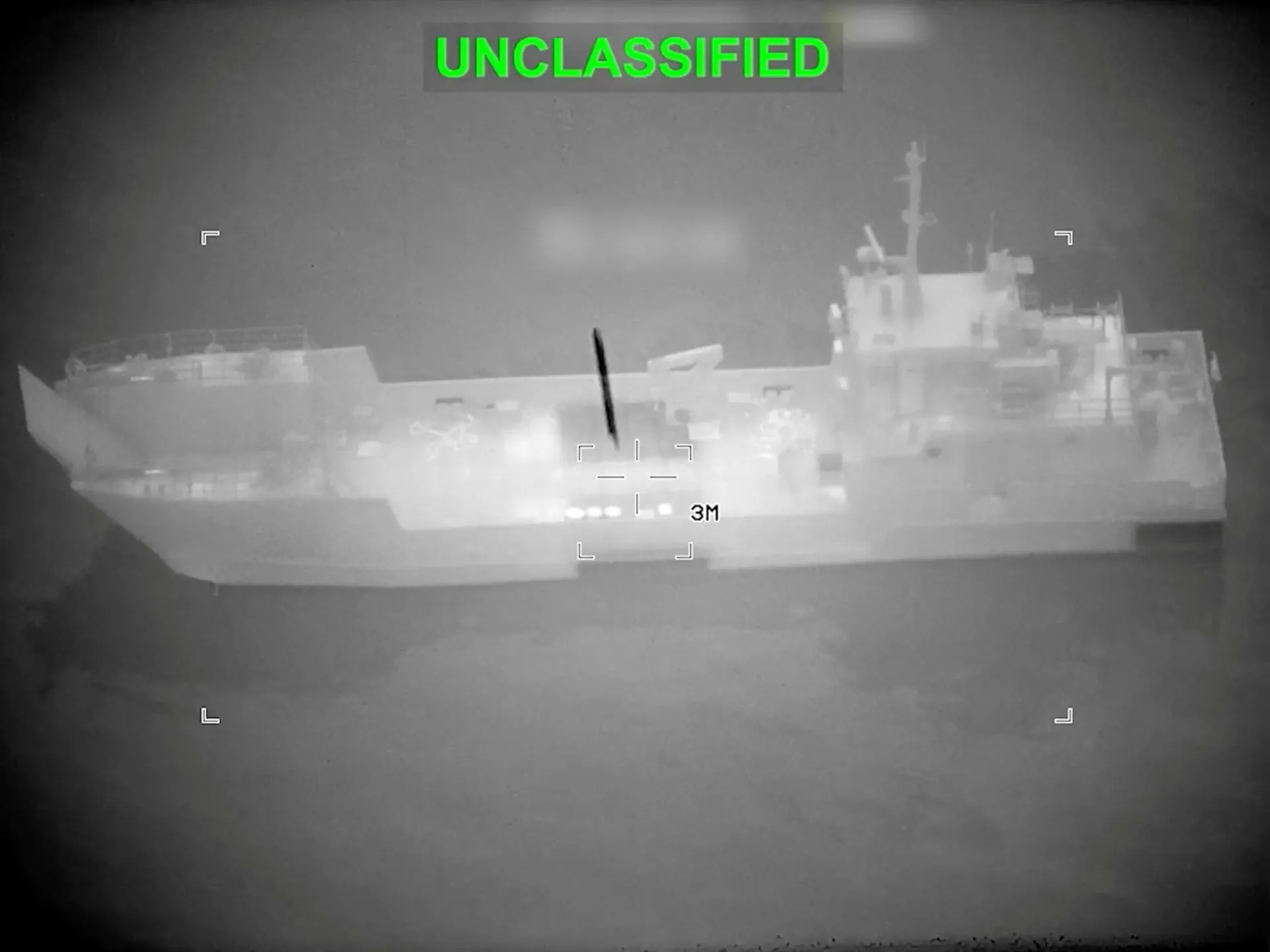
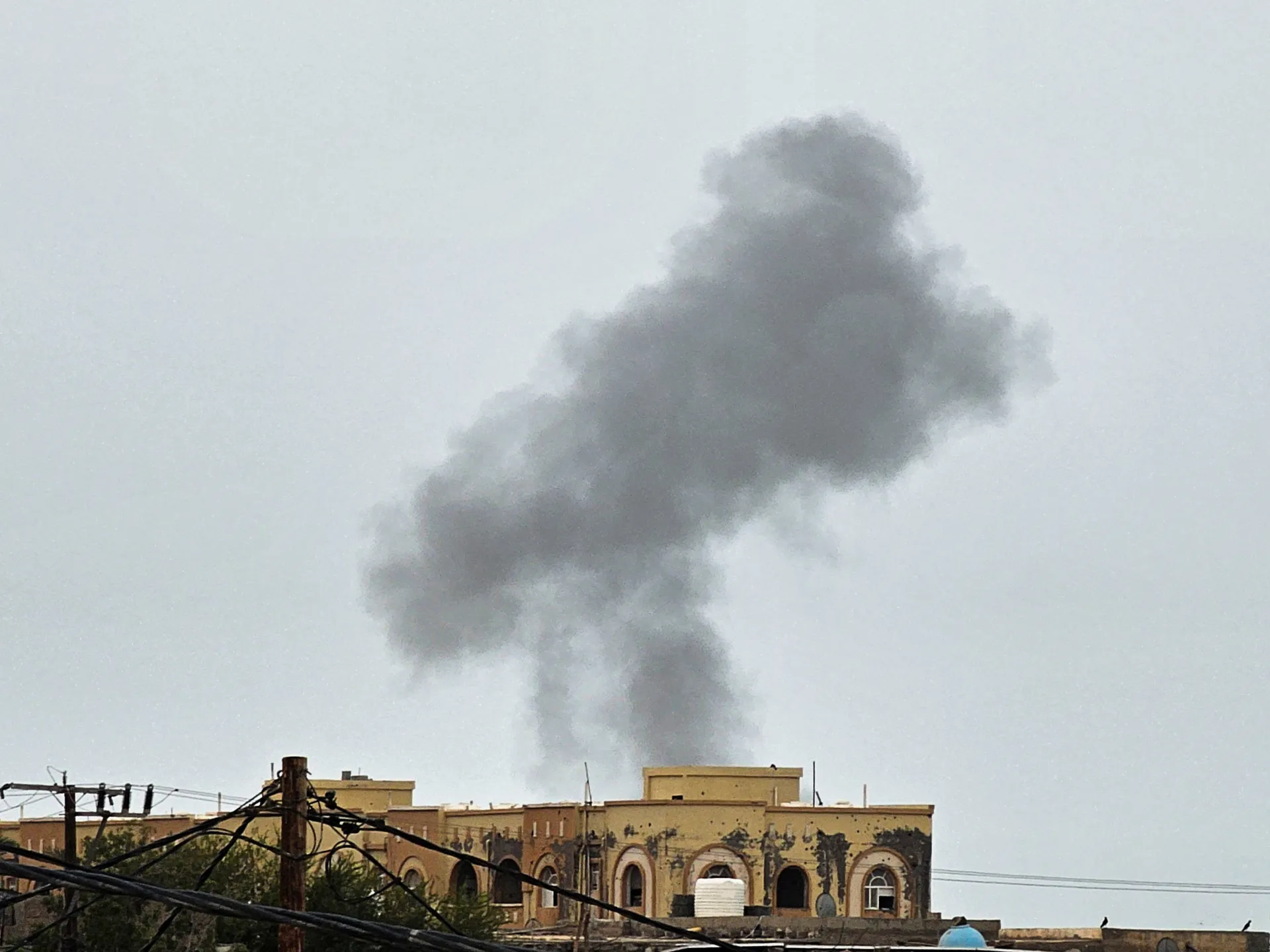
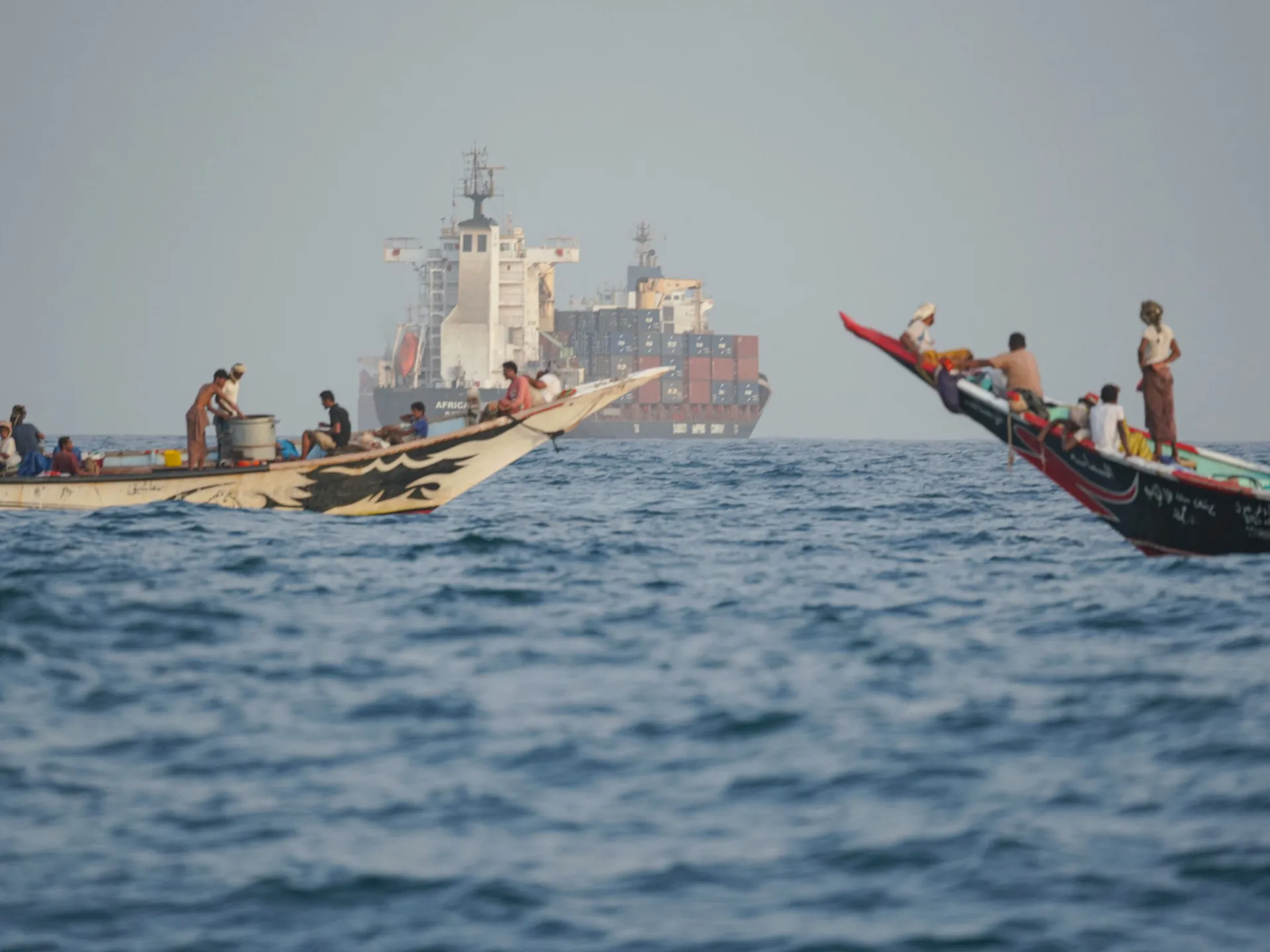
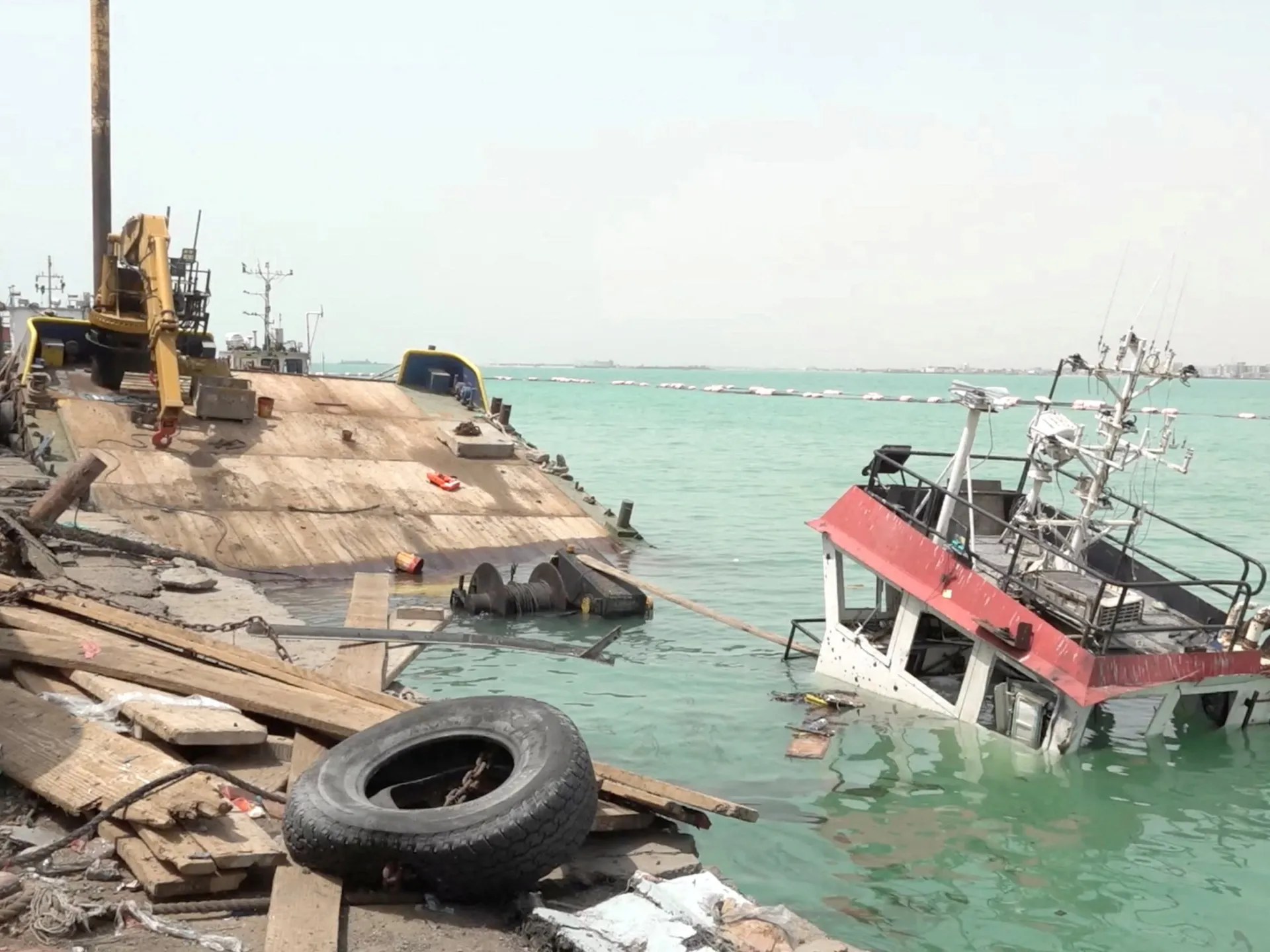
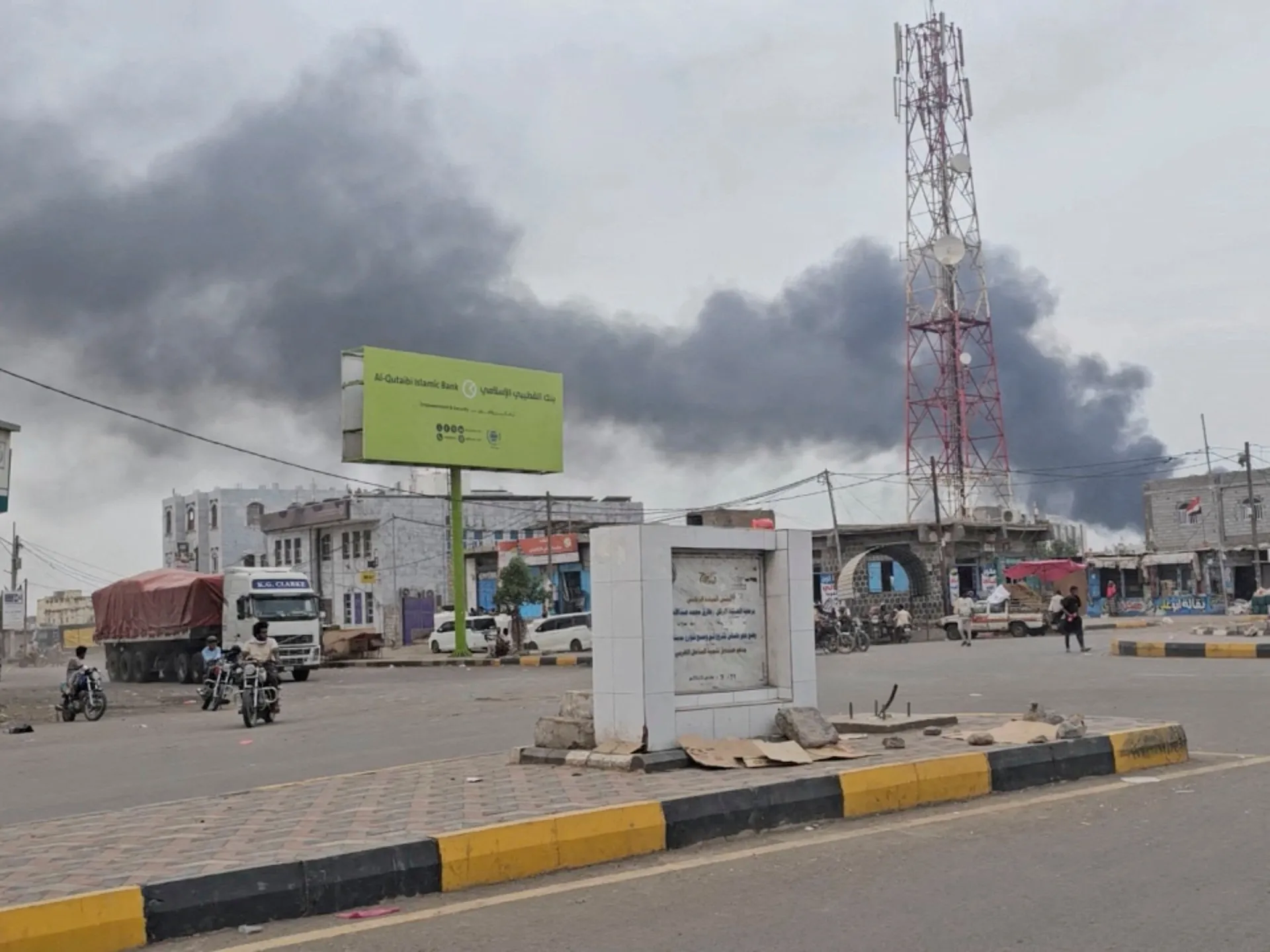
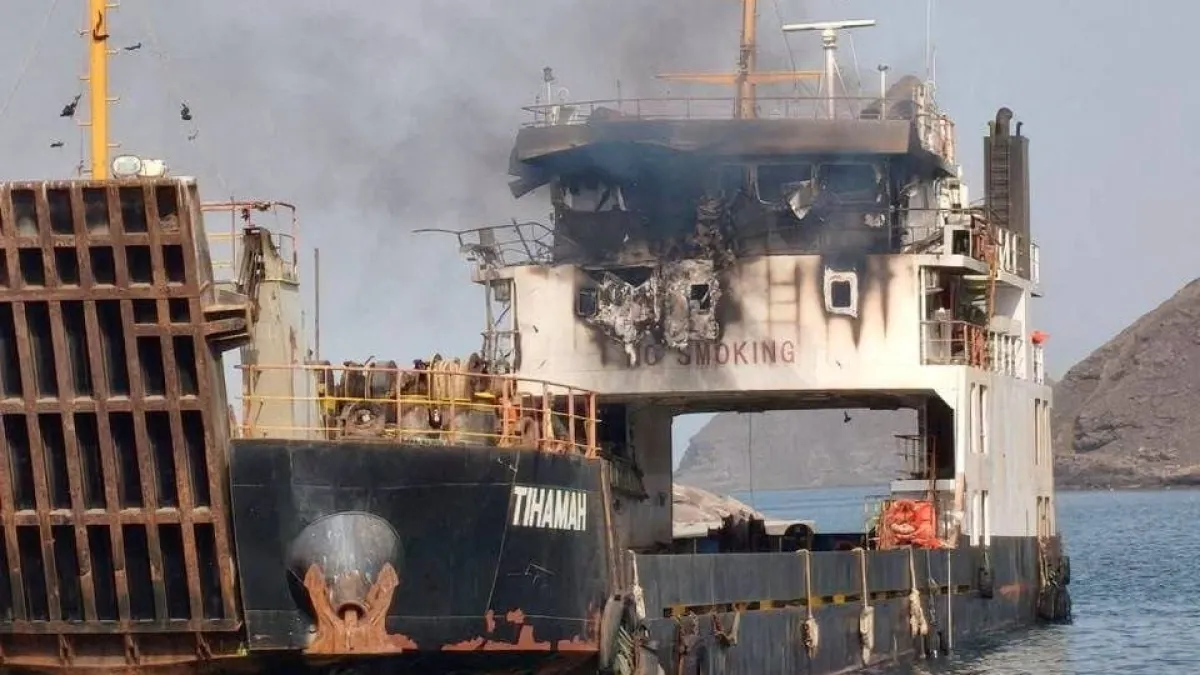
While the administration has publicly stated that the conflict is approaching a resolution, the reality on the ground suggests a more complicated situation. Reports of direct, albeit informal, communication channels between Washington and Tehran persist, yet these have not translated into a tangible de-escalation of the military impasse. Furthermore, the conflict has expanded into peripheral regions, including the Bab al-Mandeb strait, where regional forces have seized control, further destabilizing vital shipping lanes.
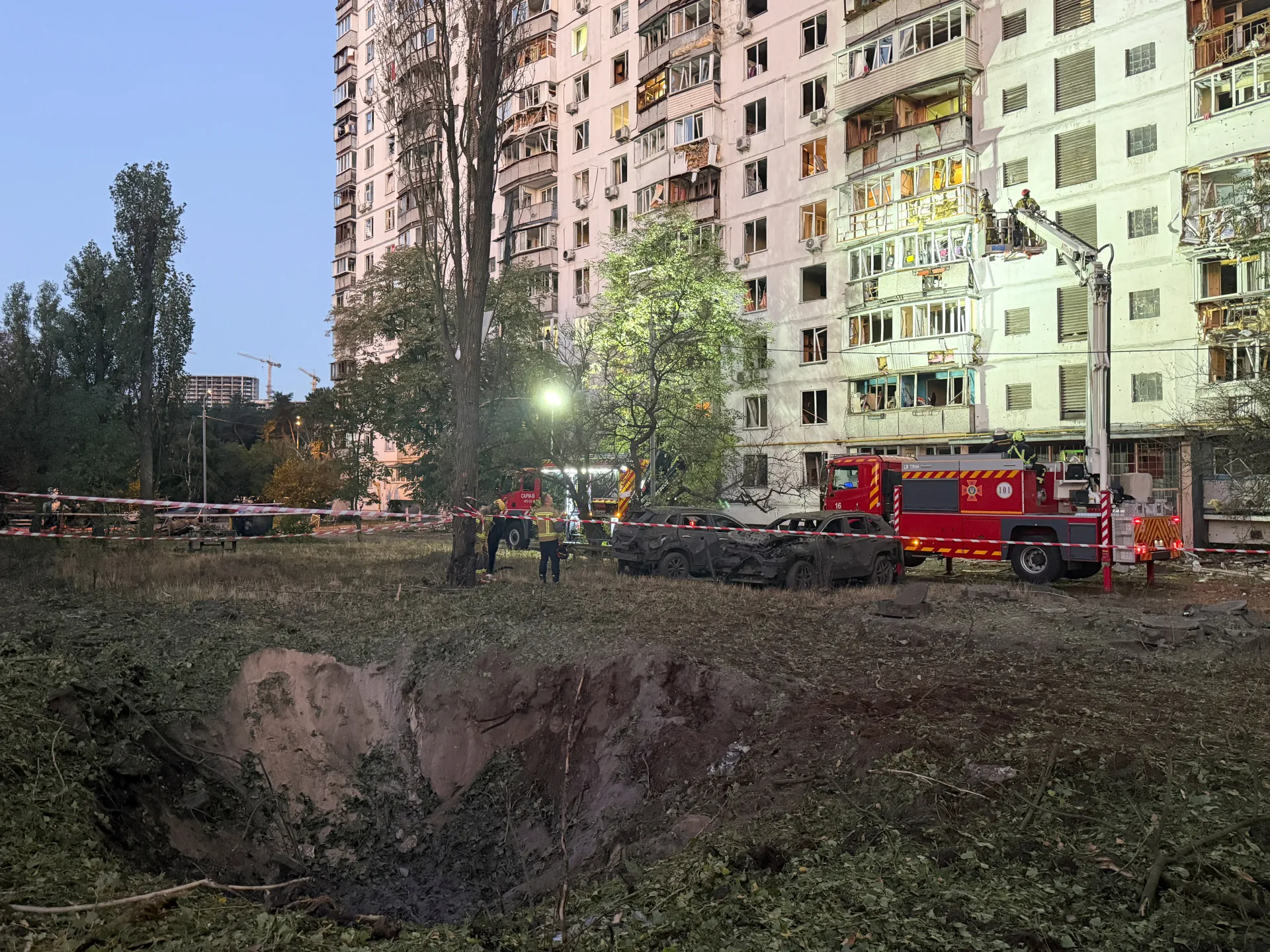
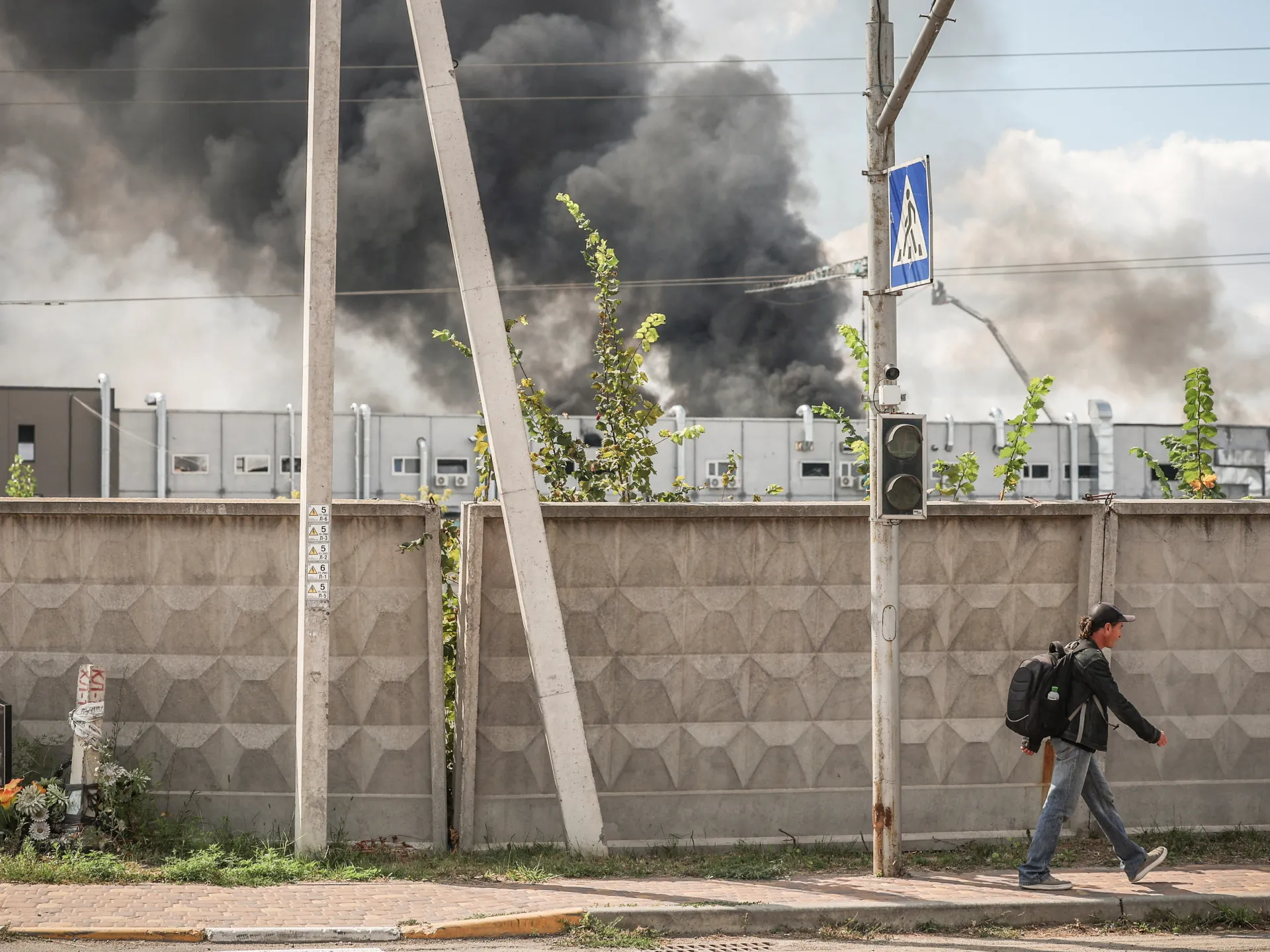
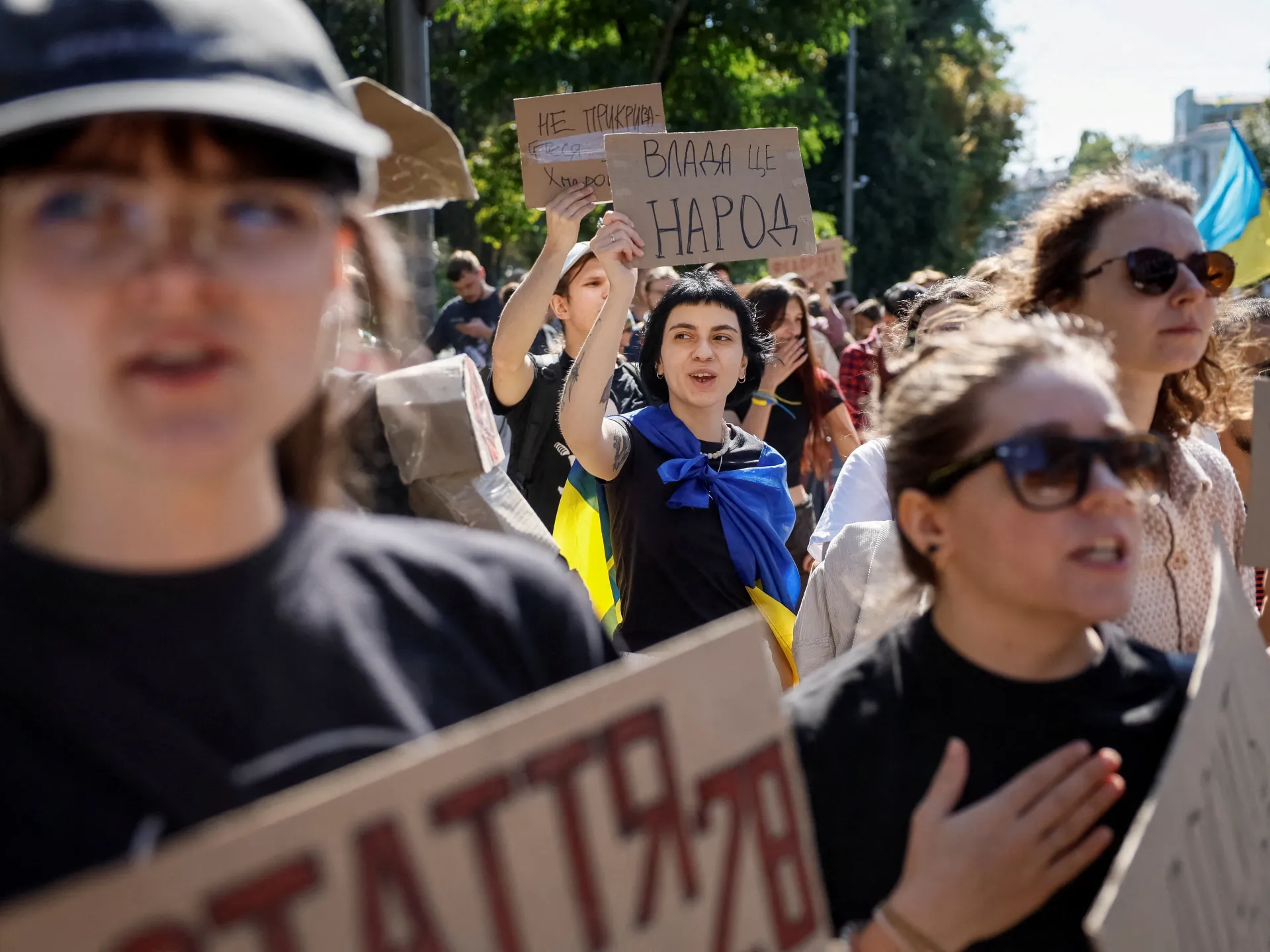
The 81st session of the General Assembly will serve as a high-stakes arena for addressing these crises. Beyond the specific dispute between the U.S. and Iran, the international community faces a backdrop of persistent conflicts, including the war in Ukraine and deepening economic volatility. Leaders gathering in New York will be tasked with navigating these interconnected issues, where the local actions of regional powers ripple out to affect the entire global financial system.
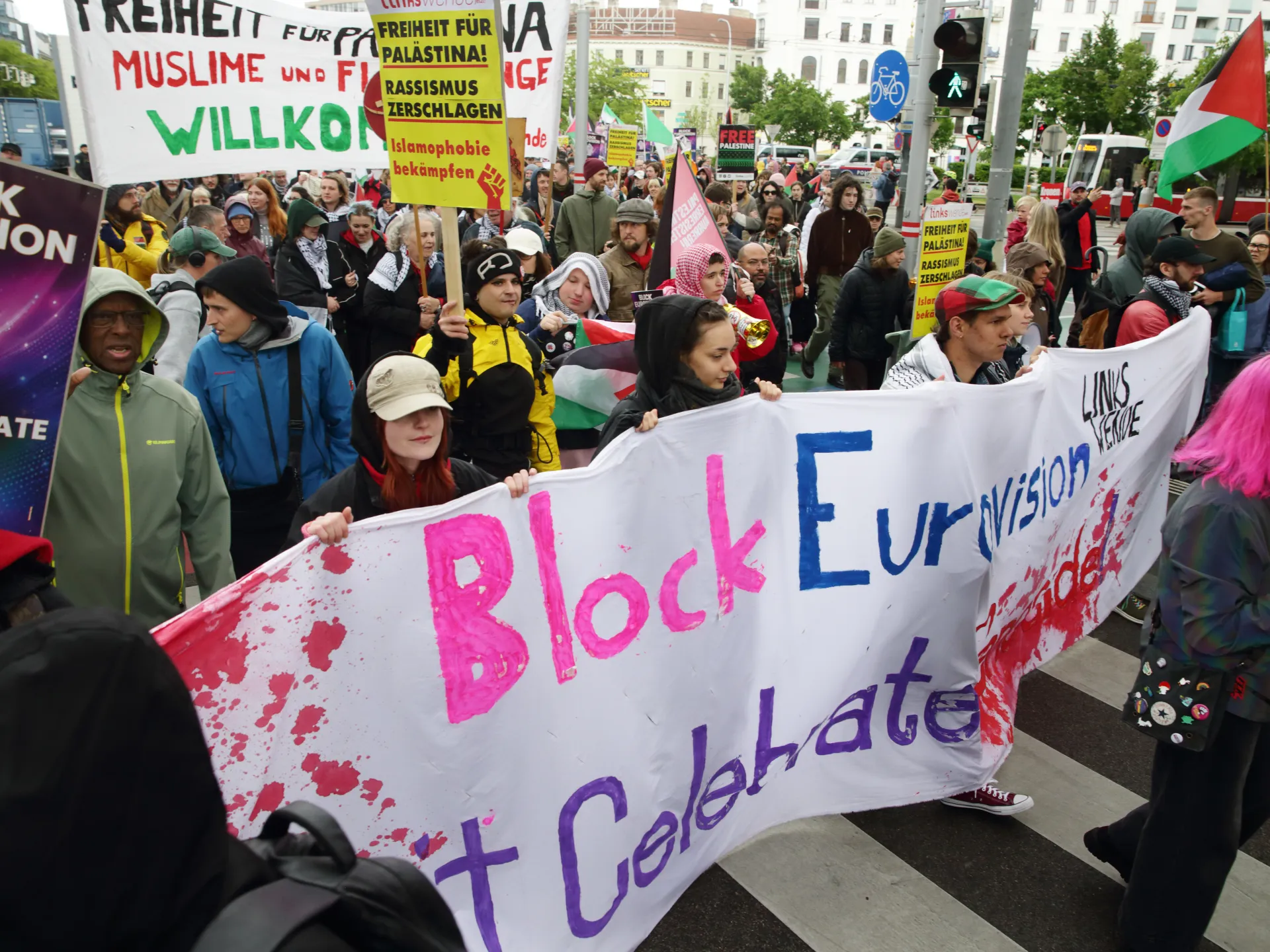
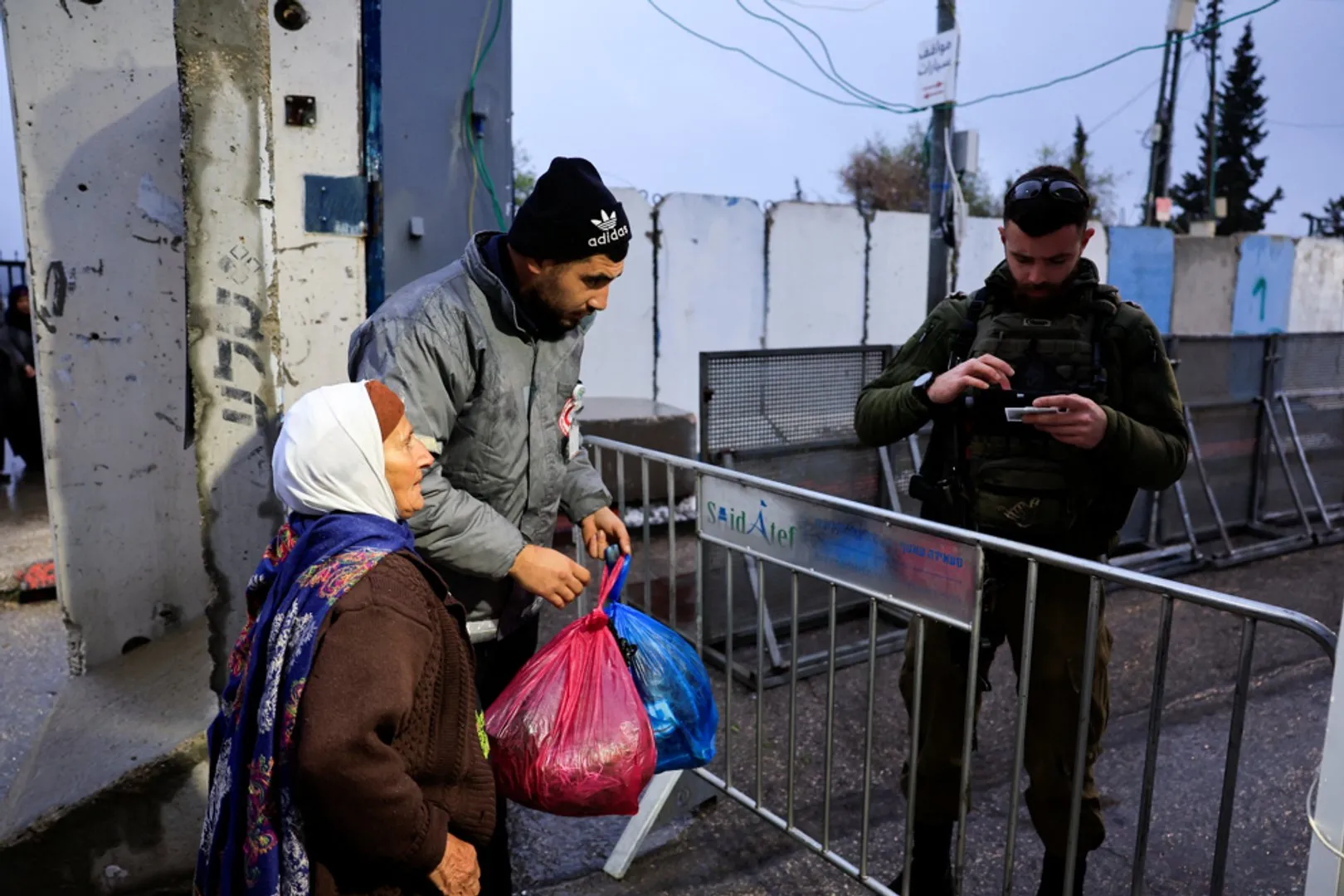
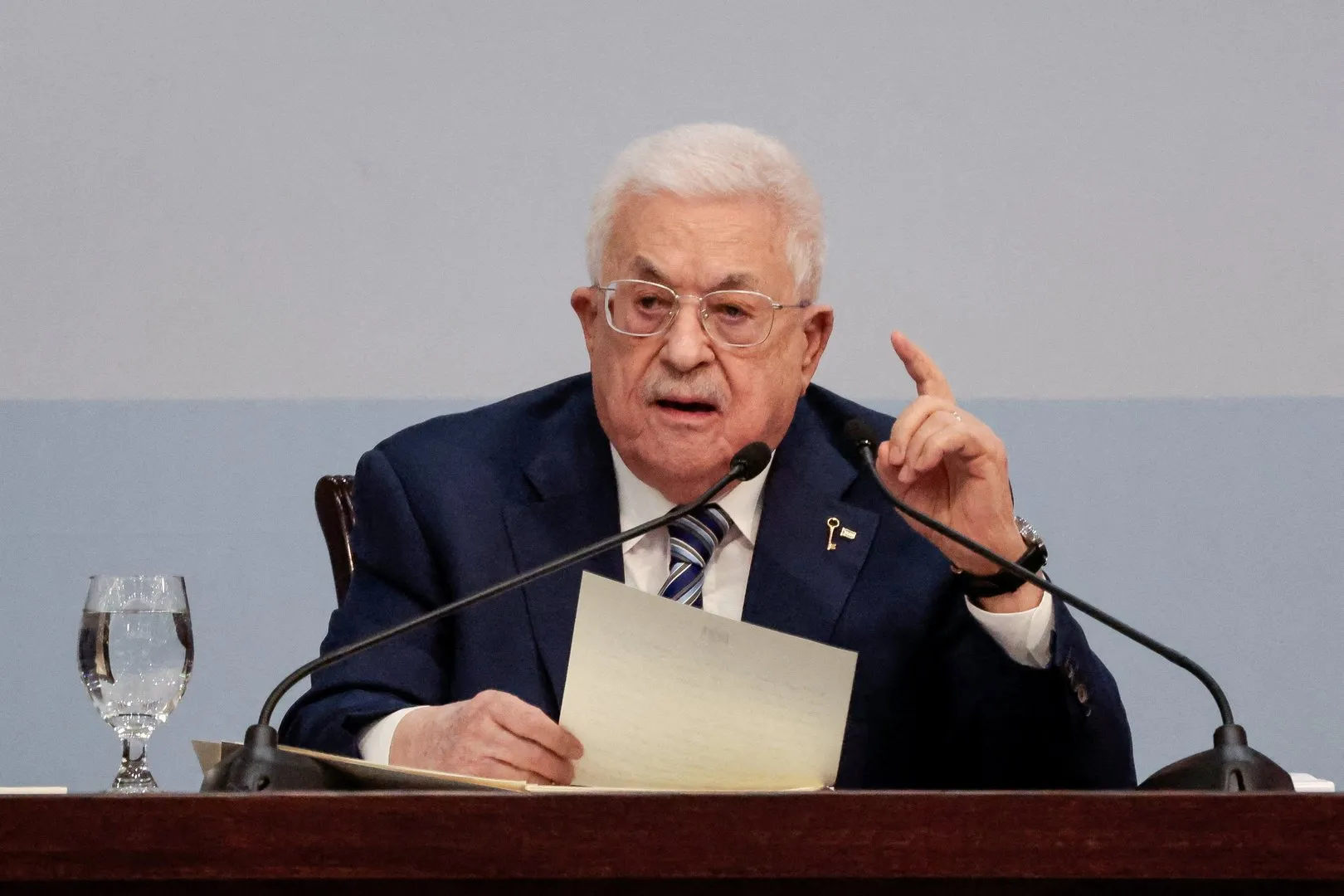
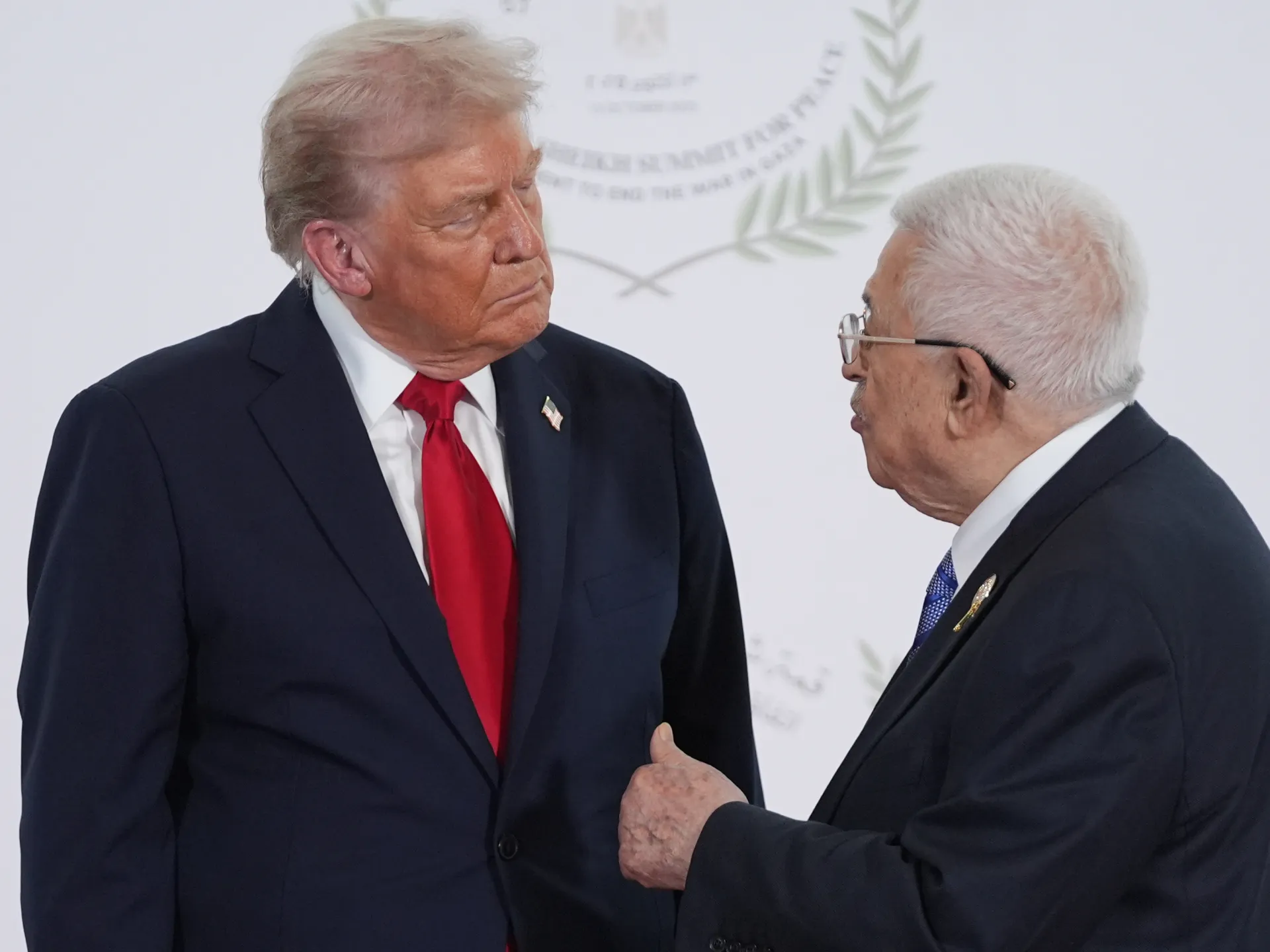
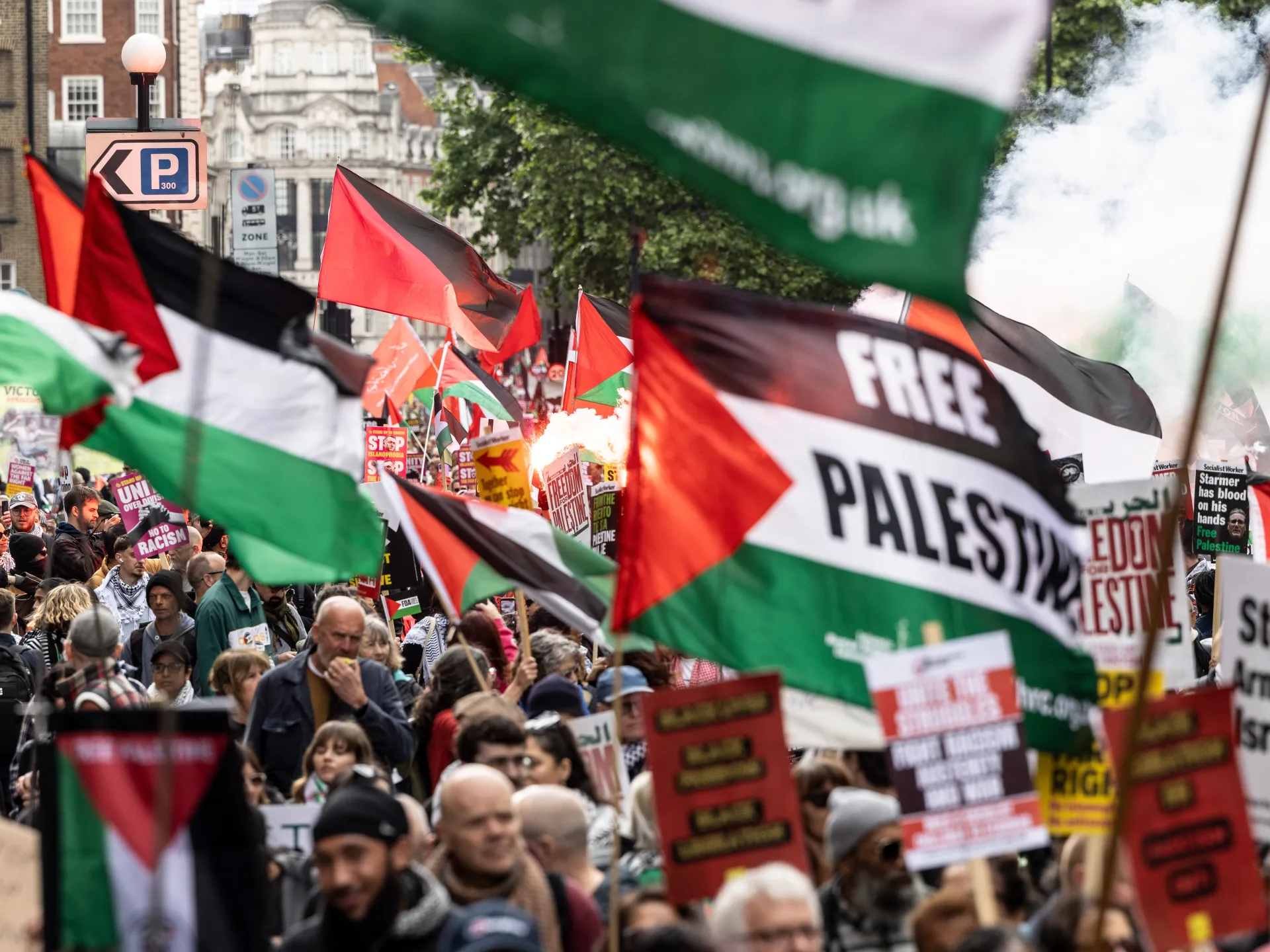
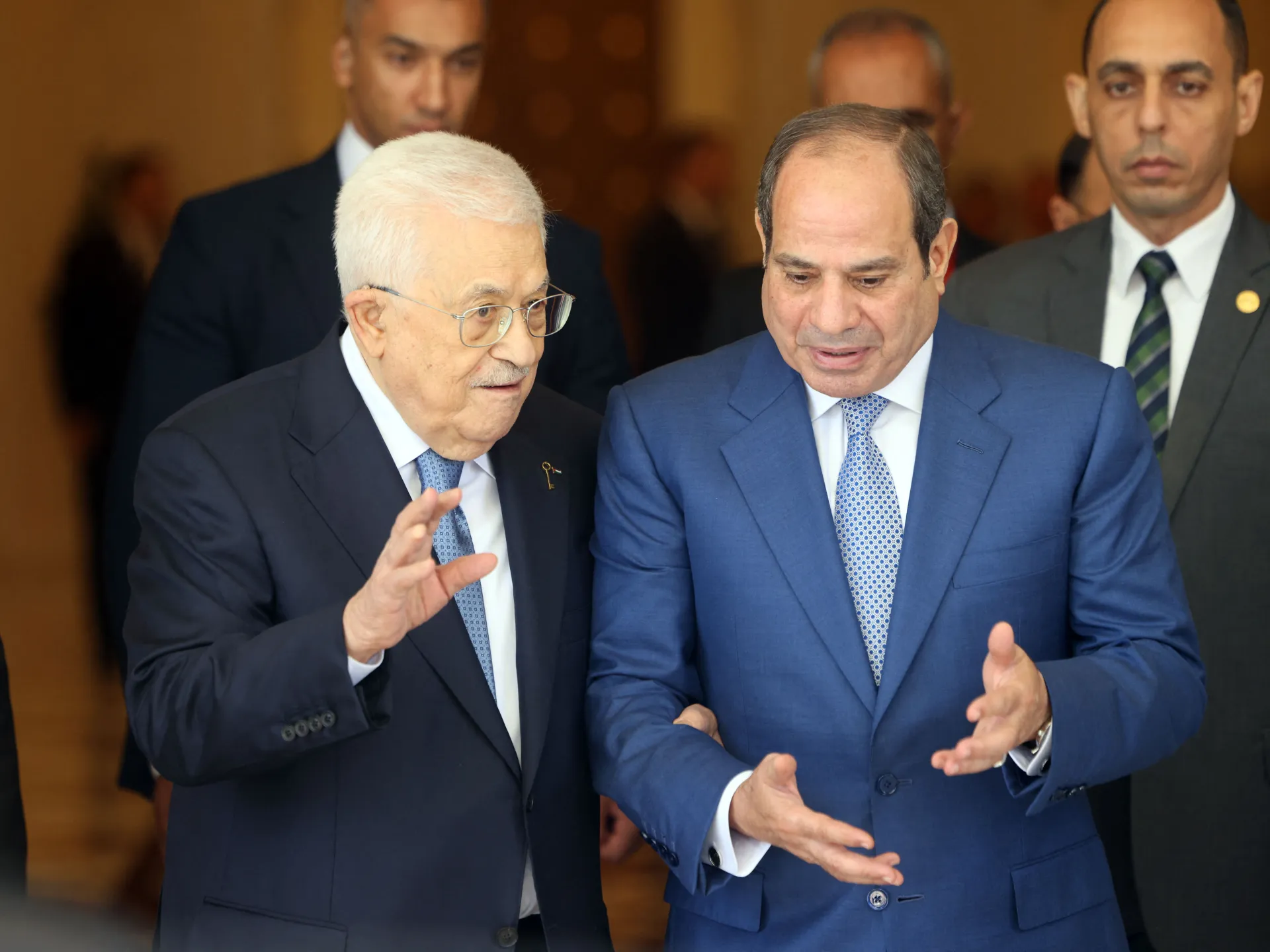
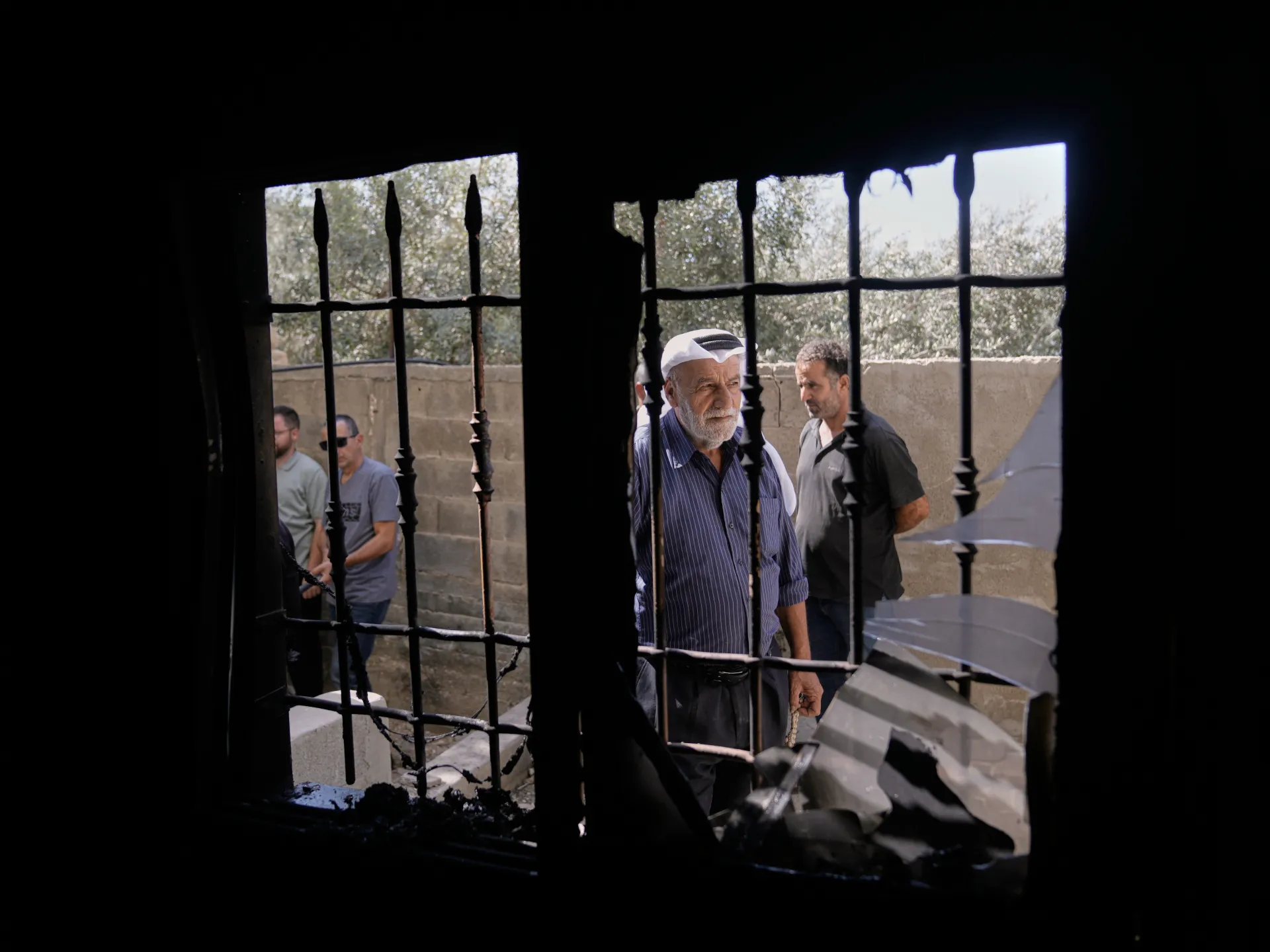
In a notable contrast to the decision regarding the Iranian delegation, the United States has once again denied entry visas to Palestinian President Mahmoud Abbas and various officials representing the Palestinian Authority and the Palestine Liberation Organization. This marks the second consecutive year that such a ban has been enforced, effectively forcing these representatives to address the assembly through virtual means. The U.S. position is predicated on claims that these entities have failed to implement necessary reforms and have engaged in activities that contradict stated peace initiatives.
The Palestinian Ministry of Foreign Affairs and Expatriates has strongly condemned these measures, arguing that such actions are counterproductive to regional stability. According to the ministry, the punitive restrictions do not aid in the resolution of violence or the promotion of peace. Instead, they contend that these policies weaken the standing of partners who are ostensibly committed to a political solution, potentially emboldening factions that oppose a two-state framework and the cessation of occupation.
This discrepancy in visa policy highlights the selective nature of U.S. diplomatic engagement. While the U.S. feels compelled right to deny entry to Palestinian representatives based on its assessment of their political conduct. This approach reflects a broader strategy of using visa access as a tool of diplomatic pressure, even as it creates friction within the multilateral framework of the United Nations.