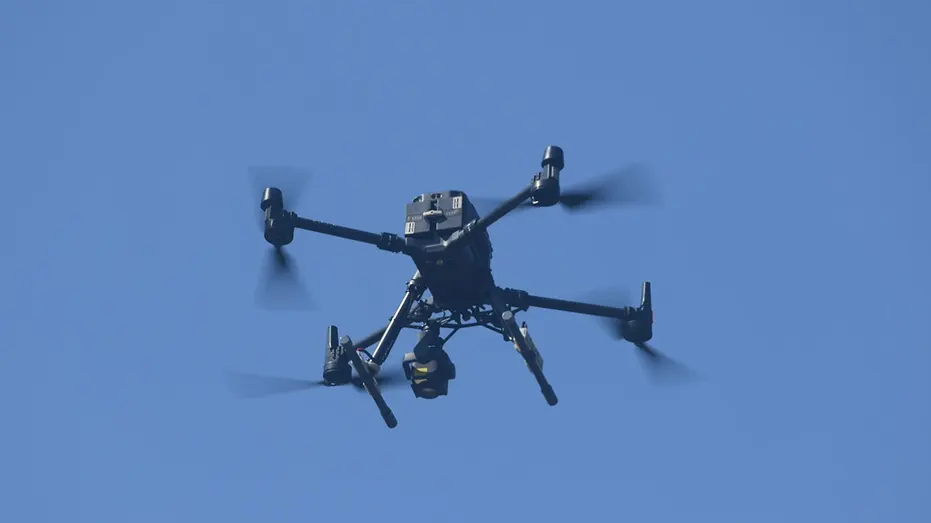
A senior military commander has warned that American military bases currently lack the sensor networks and defensive weaponry required to effectively repel drone swarms.
A senior military official has issued a stark warning regarding the readiness of American military installations to defend against coordinated drone swarms. During the annual Space and Missile Defense Symposium, Army Lt. Gen. Joseph Jarrard, deputy commander of U.S. Northern Command and vice commander of the North American Aerospace Defense Command (NORAD), revealed that many domestic bases are currently ill-equipped to repel these evolving threats. The assessment highlights a significant gap between the rapid proliferation of low-cost aerial technology and the defensive infrastructure currently in place at home.
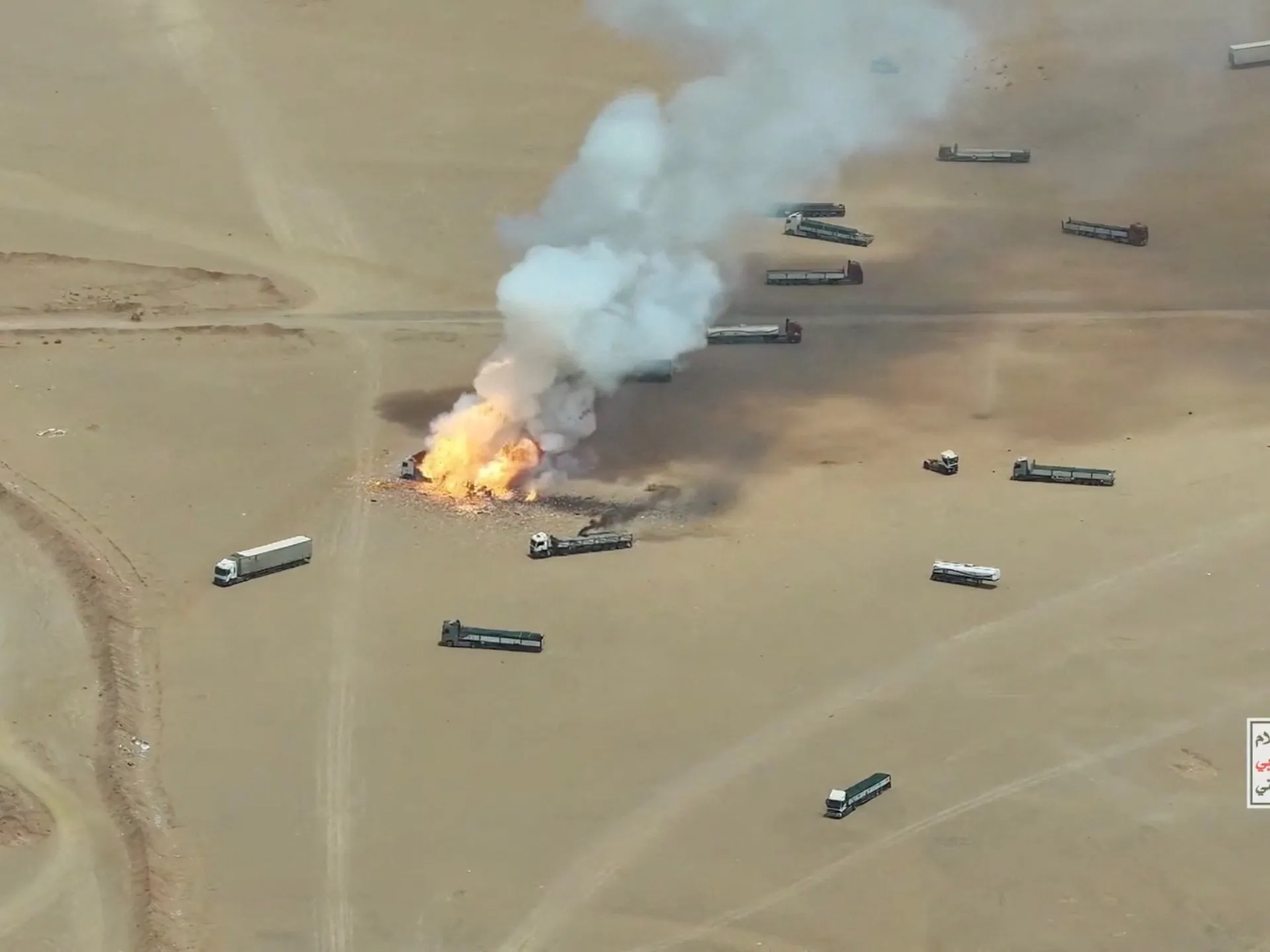
The shift in battlefield dynamics, observed extensively in conflicts throughout Ukraine and the Middle East, demonstrates that adversaries can now project power using inexpensive, one-way attack drones. Unlike traditional aerial threats that require sophisticated missiles or aircraft, these swarms can strike critical infrastructure and personnel with minimal financial investment. The military is now tasked with mitigating a threat that has become a daily reality in global combat zones, yet remains a significant hurdle for domestic base security.
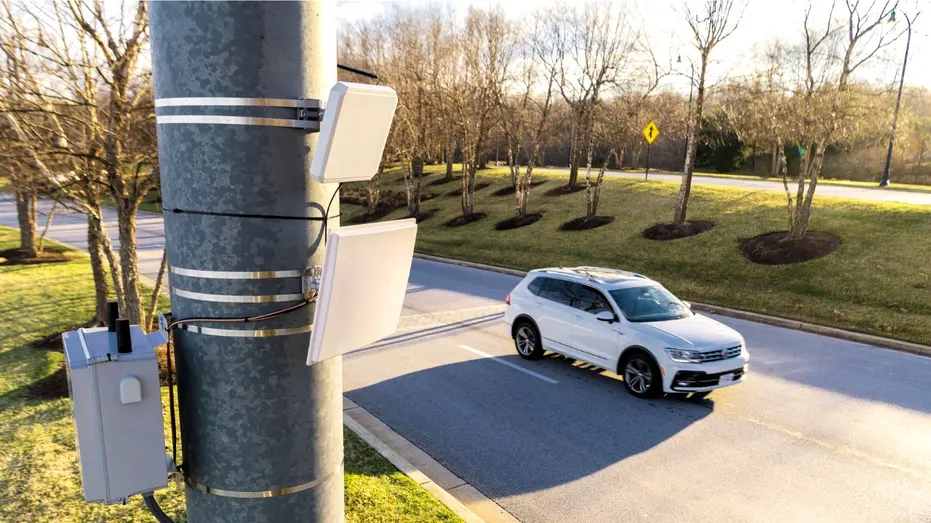
The primary challenge identified ndamental capability to detect it. According to Jarrard, many installations lack the necessary sensors to track incoming swarms. Even if an installation possesses defensive effectors—the weapons used to destroy a threat—they are often ineffective if the drone remains undetected until it is too late. This lack of situational awareness is compounded tly more exposed than others.
To address these gaps, NORAD is attempting to integrate existing radar systems with broader networks, including local law enforcement and civilian agencies. The goal is to create a more robust, interoperable detection grid that extends beyond the perimeter of military installations to protect critical infrastructure. However, the current reliance on legacy inventory highlights the urgency of modernizing sensor technology to keep pace with the nimble nature of modern drone swarms.
The Pentagon is actively seeking to close this defensive deficit through a multi-billion dollar investment in counter-drone weaponry. The military is exploring several tactical avenues, including radio-frequency jamming systems designed to disrupt drone communications and satellite navigation. Additionally, high-powered microwave technology is being developed to disable the electronics of multiple drones simultaneously, which is essential for neutralizing large swarms that could overwhelm traditional kinetic defenses.
High-energy lasers represent another promising frontier in the effort to secure military sites. The Army is currently moving toward the deployment of operational laser systems, such as the Enduring High Energy Laser (E-HEL) program. While these systems offer a cost-effective method for engaging drones without depleting expensive missile stocks, they are limited to existing command-and-control networks to be effective, a process that remains a significant technical and logistical hurdle for current base infrastructure.
The discourse regarding base security is occurring alongside broader concerns about unidentified anomalous phenomena (UAPs) reported near military sites. While UAPs and drone swarms represent different categories of concern, both highlight the urgent need for enhanced airspace monitoring and identification protocols. Officials have emphasized that regardless of the origin or nature of an aerial object, the inability to identify and track unauthorized aircraft over sensitive military installations presents a clear security risk that must be addressed with seriousness.
As the government moves forward with initiatives like the Golden Dome missile-defense plan, the focus on homeland defense is becoming increasingly comprehensive. Protecting the nation against a spectrum of threats—from ballistic missiles to small, expendable drones—requires a layered approach. The current push to modernize defenses reflects a strategic recognition that the security environment has fundamentally changed, necessitating a more agile and integrated response to protect both personnel and critical assets from modern aerial incursions.