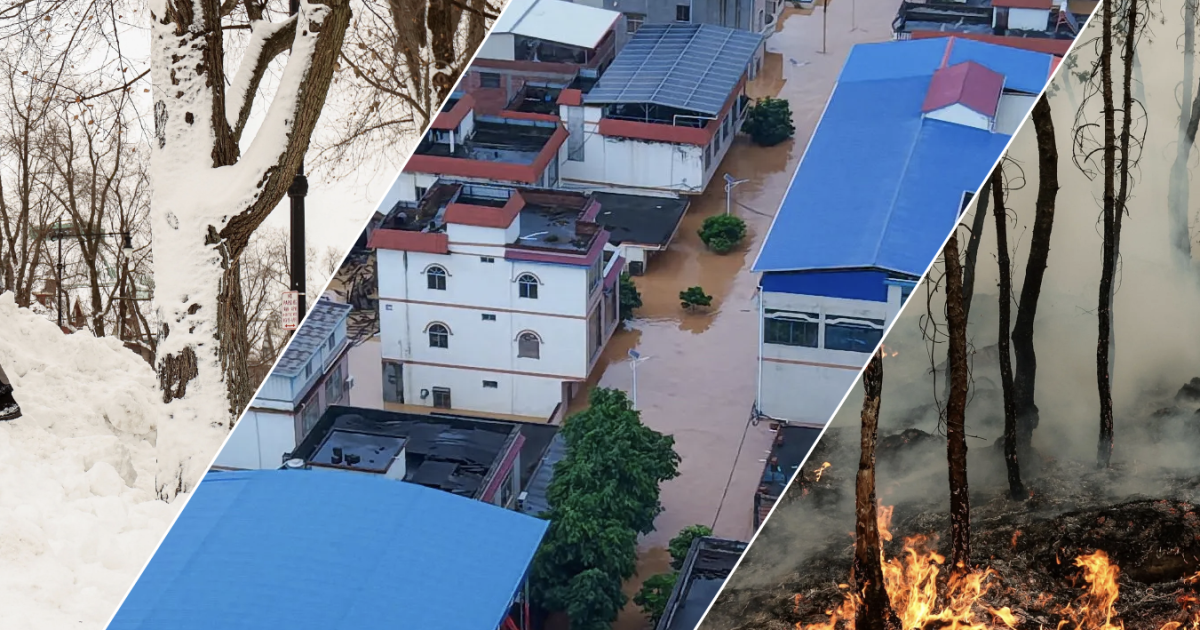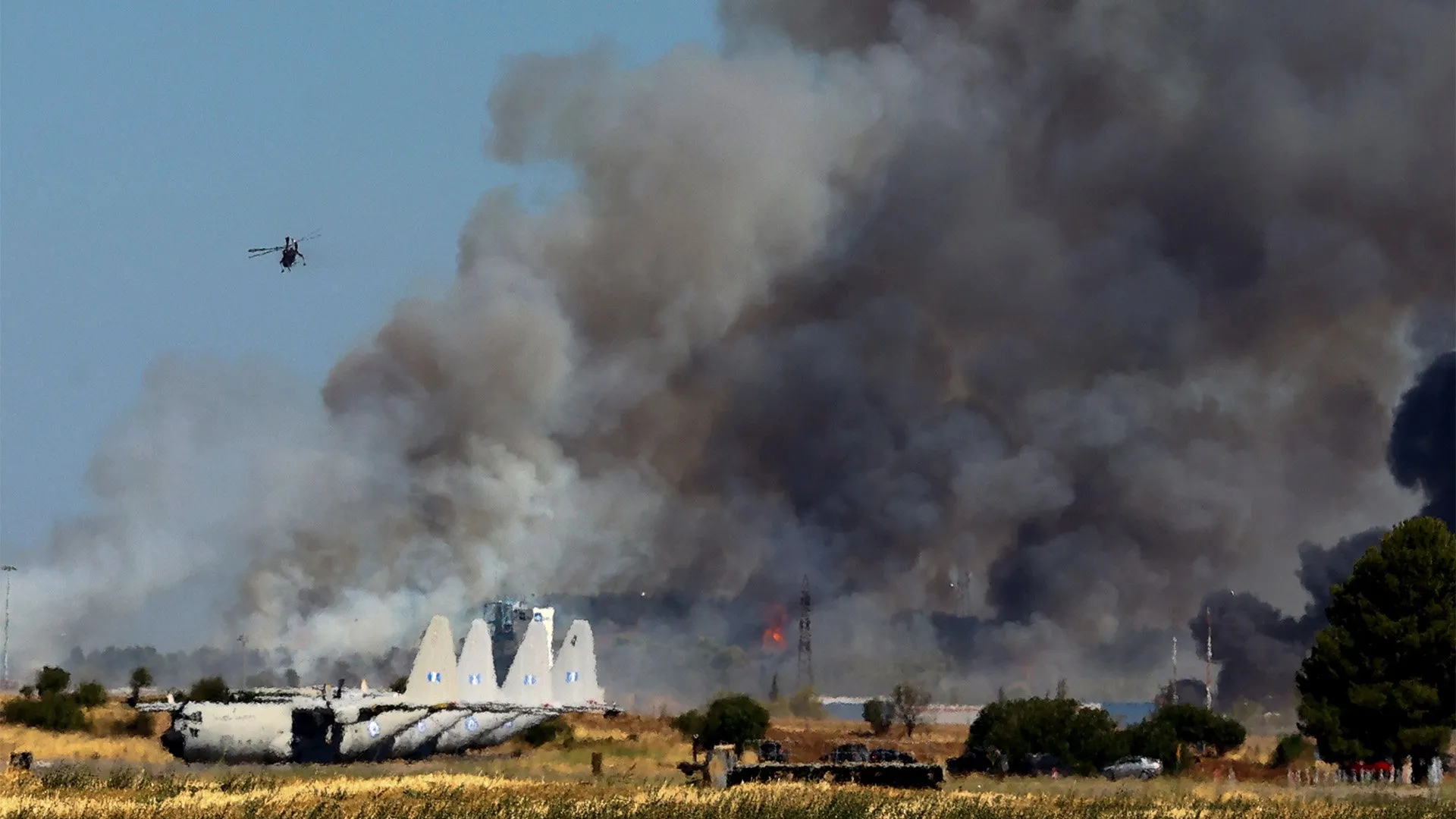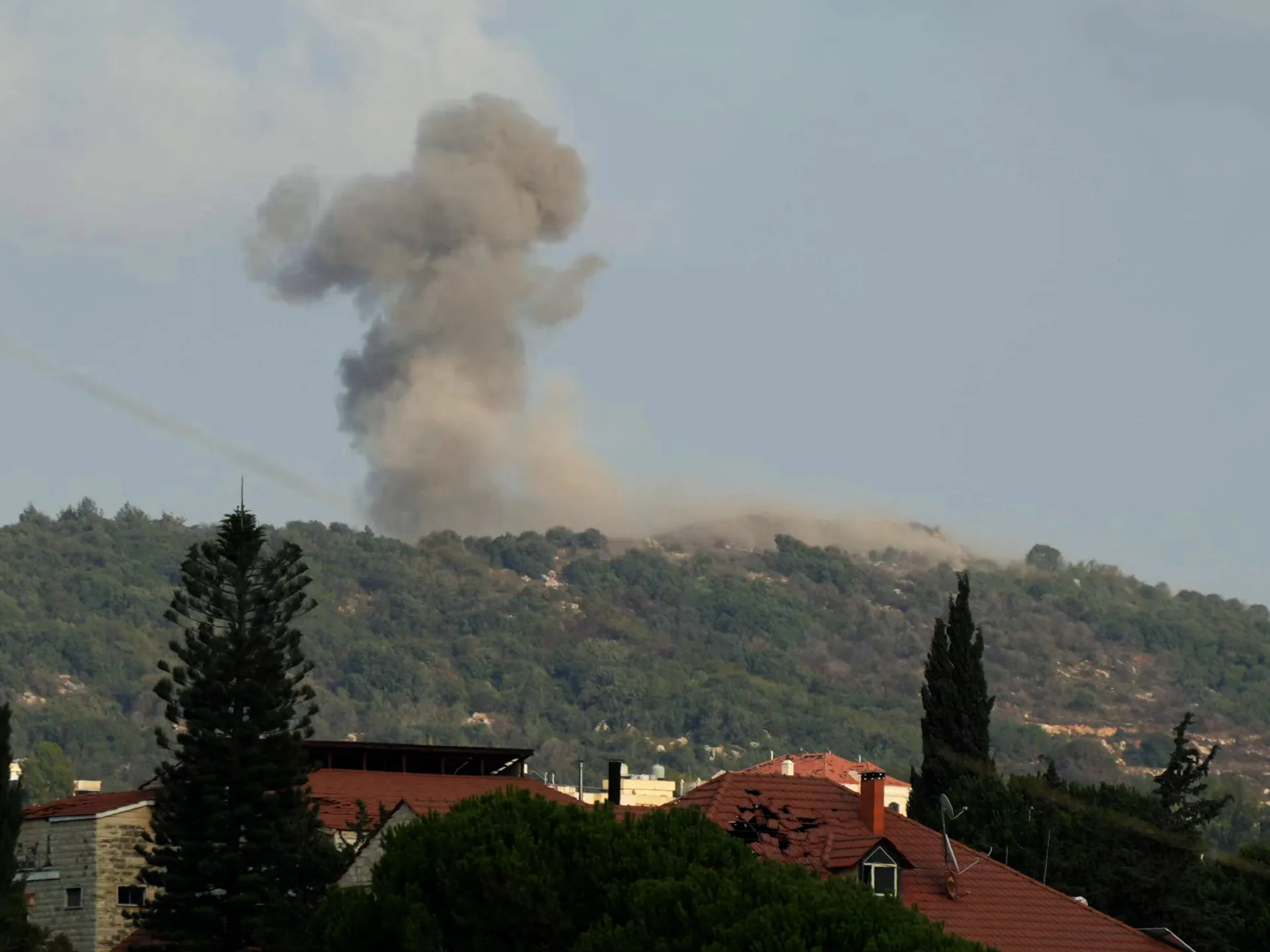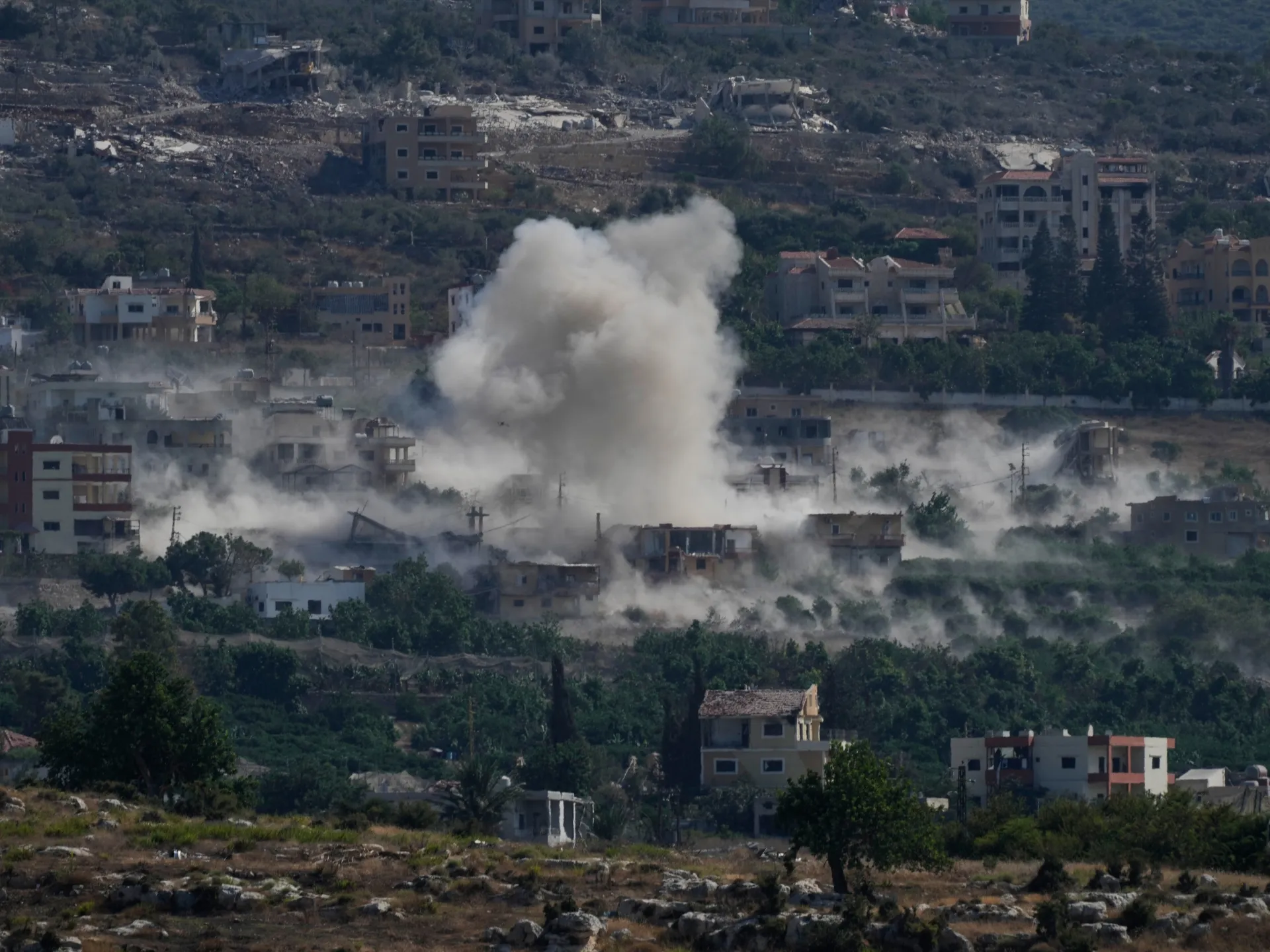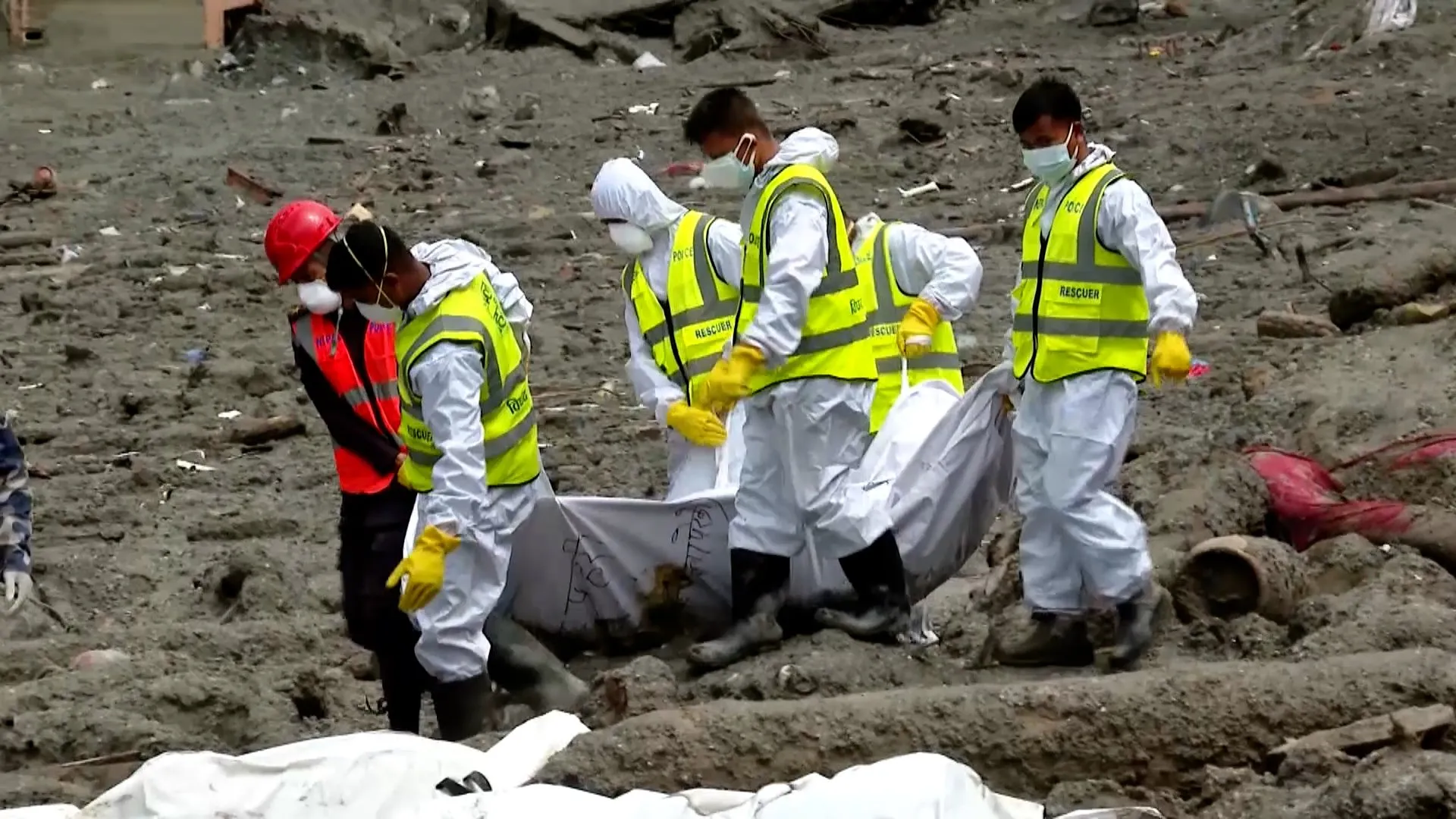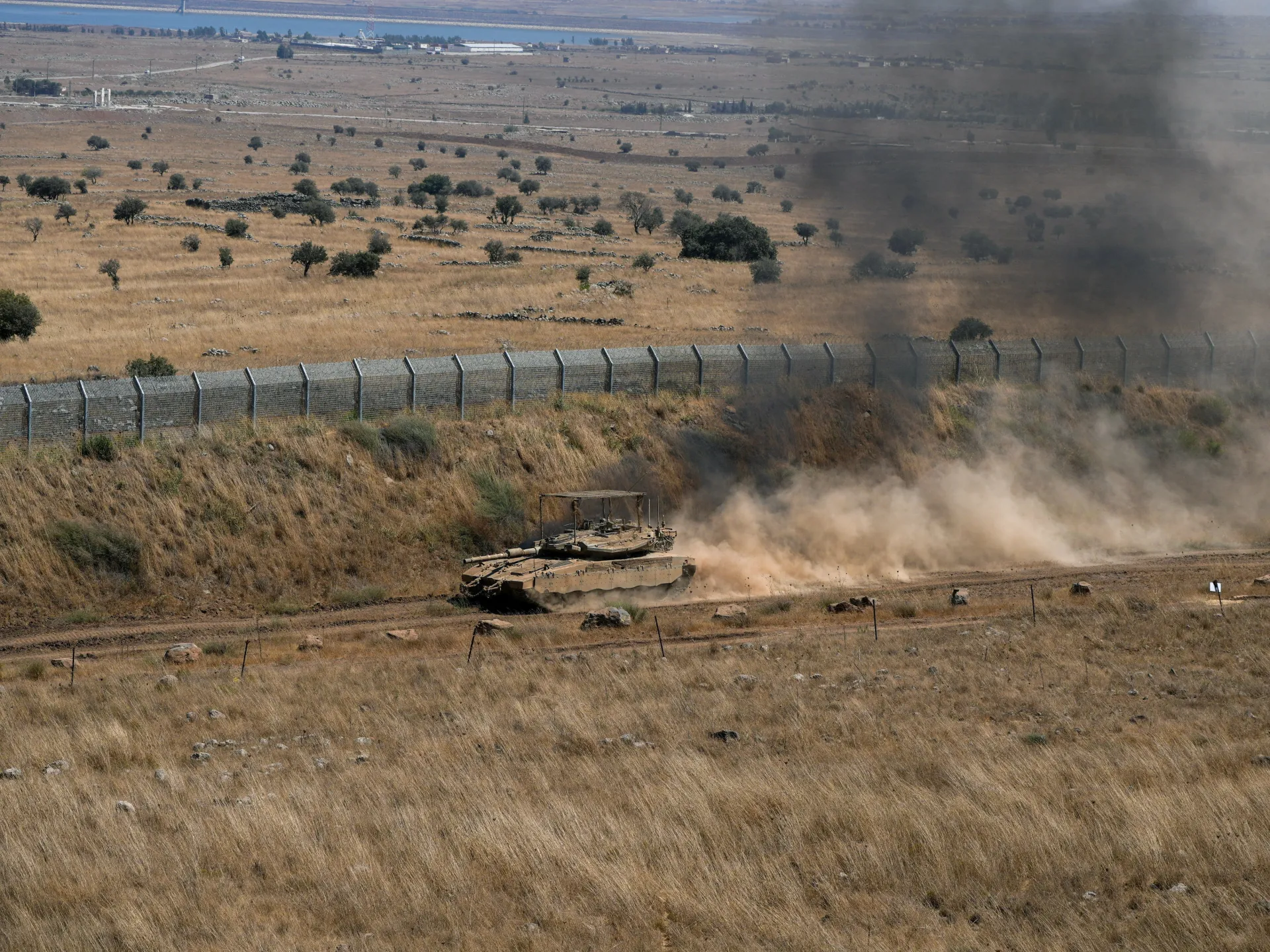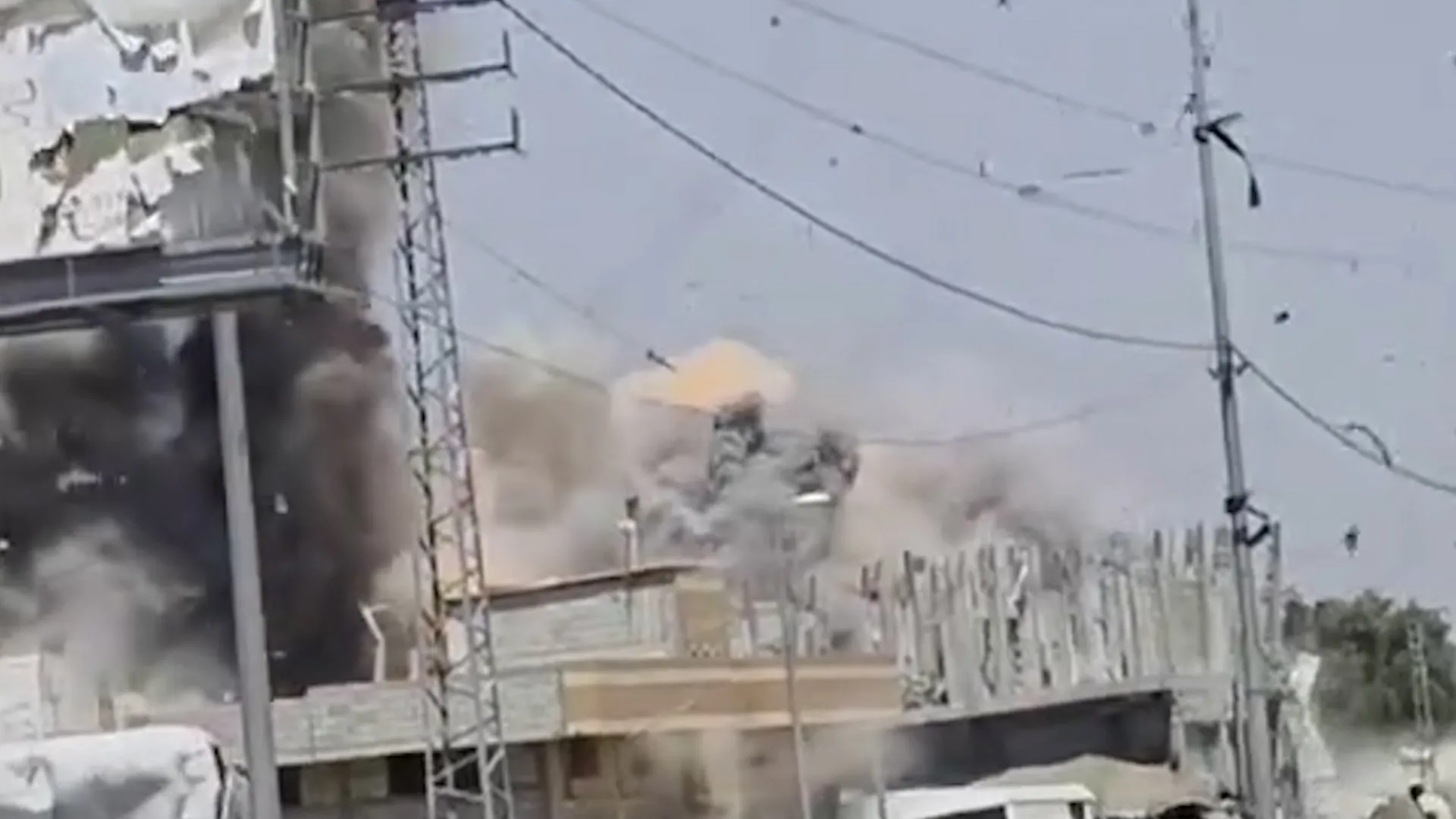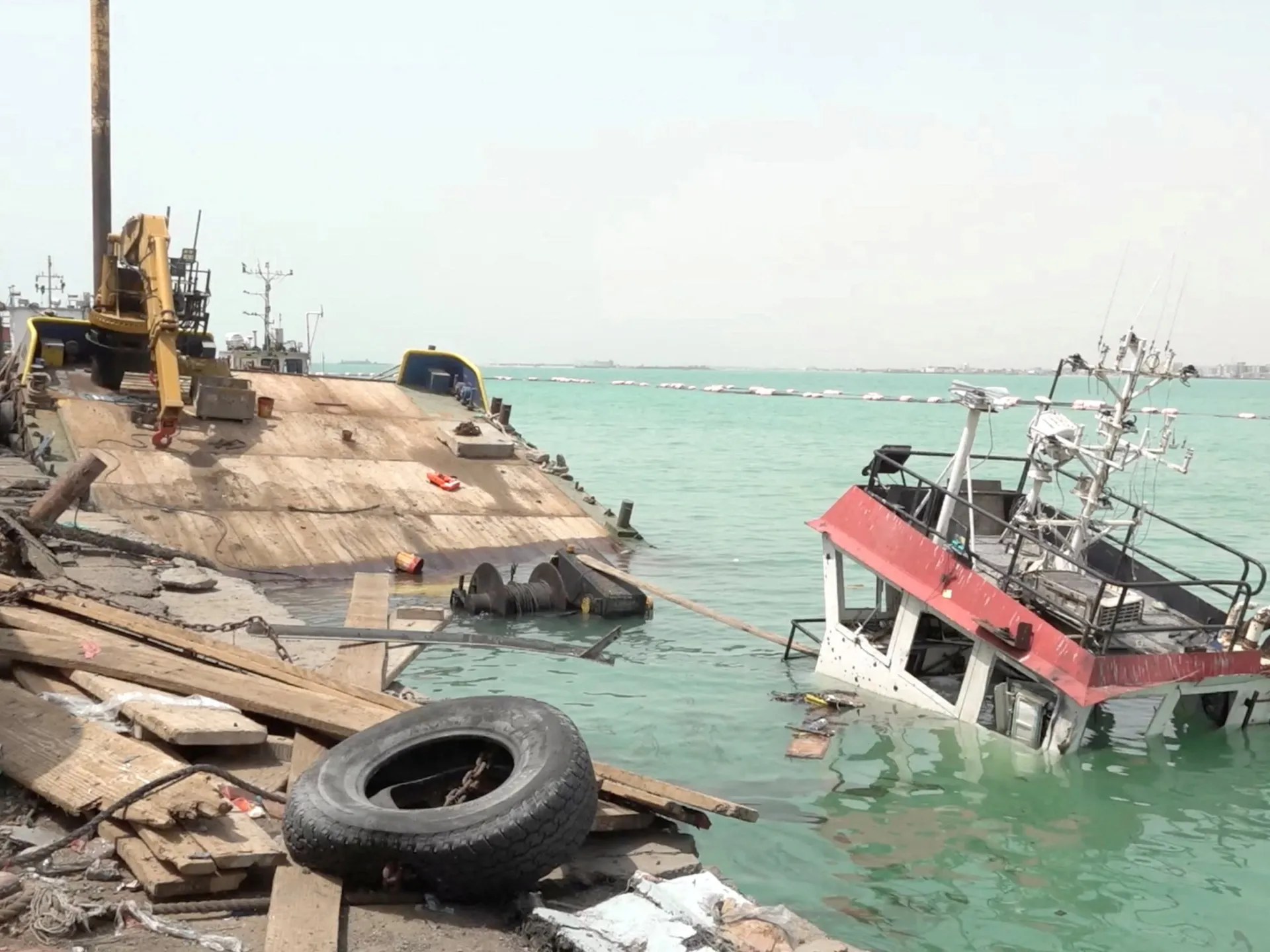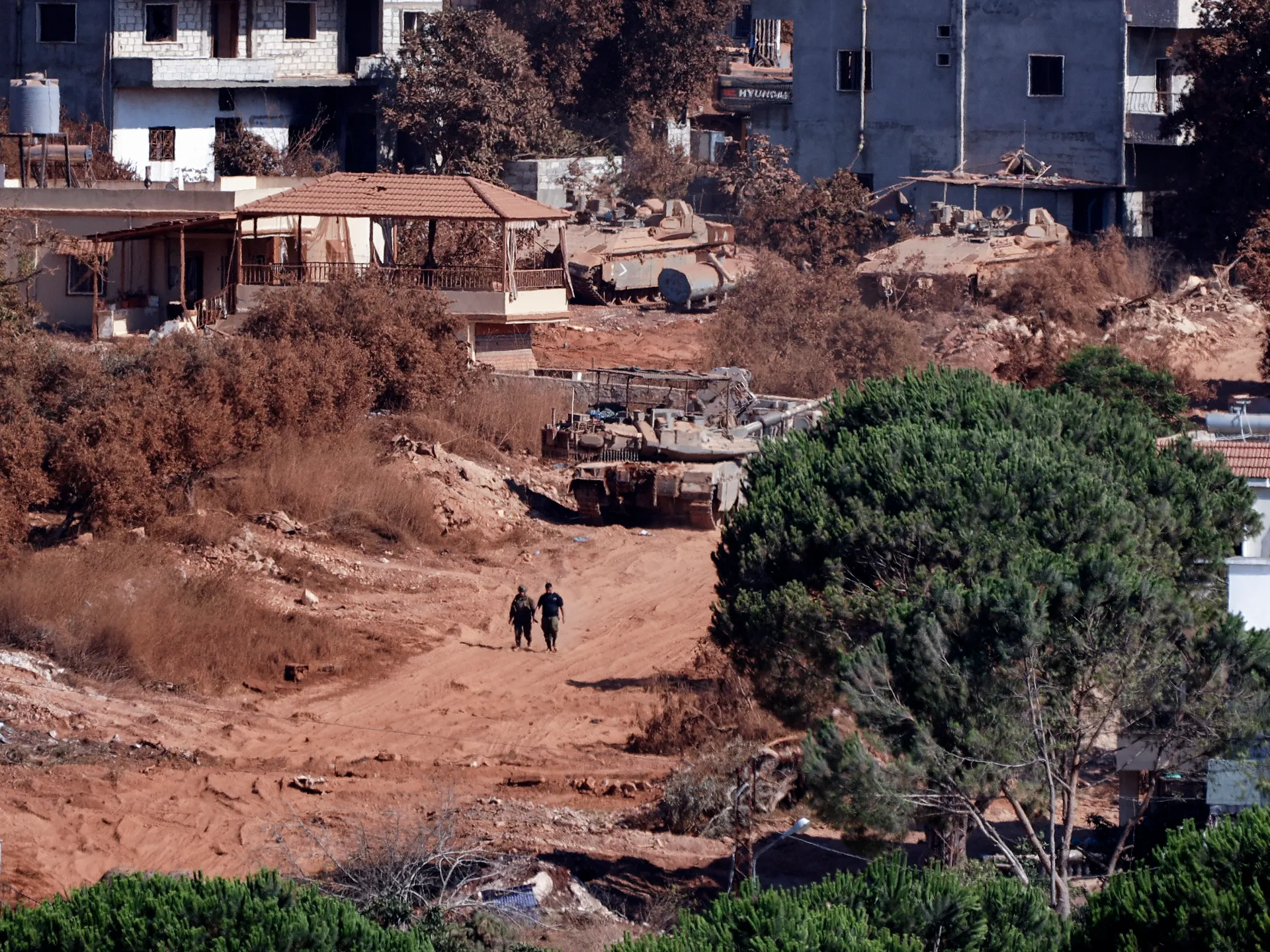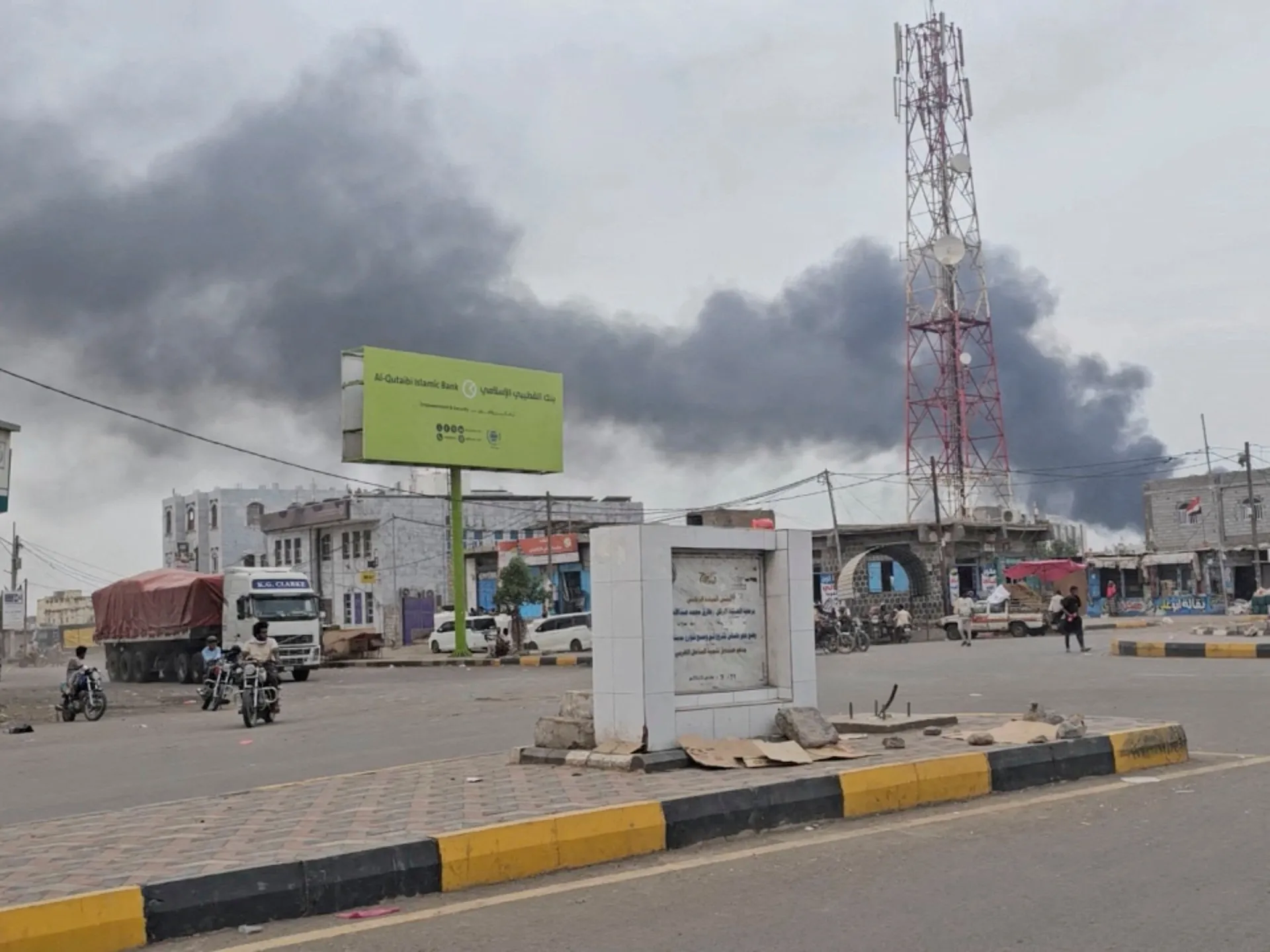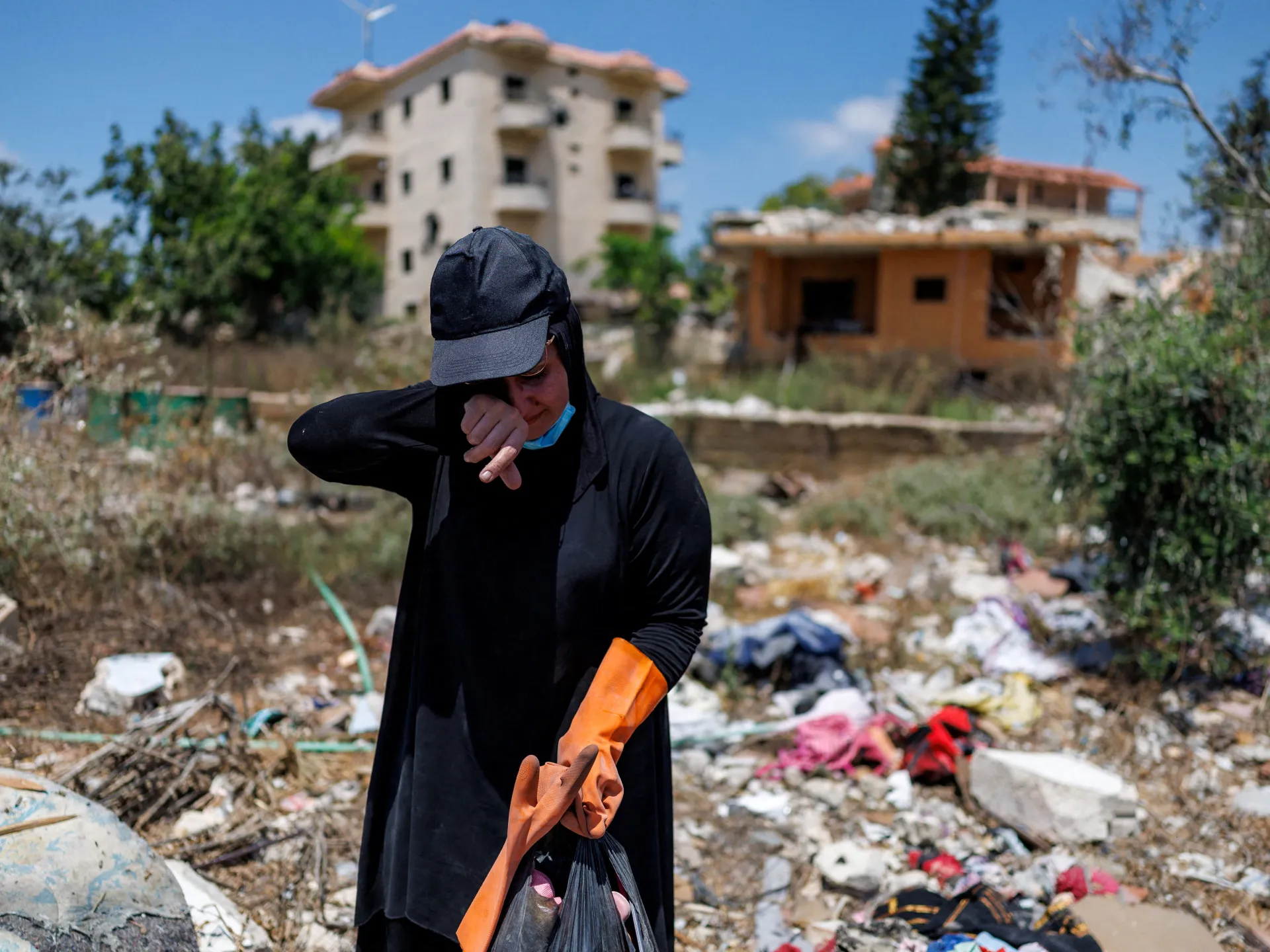

A surge in water-related conflicts has reached record levels in 2026, with infrastructure destruction in Gaza, Sudan, Iran, and Ukraine creating severe humanitarian crises.
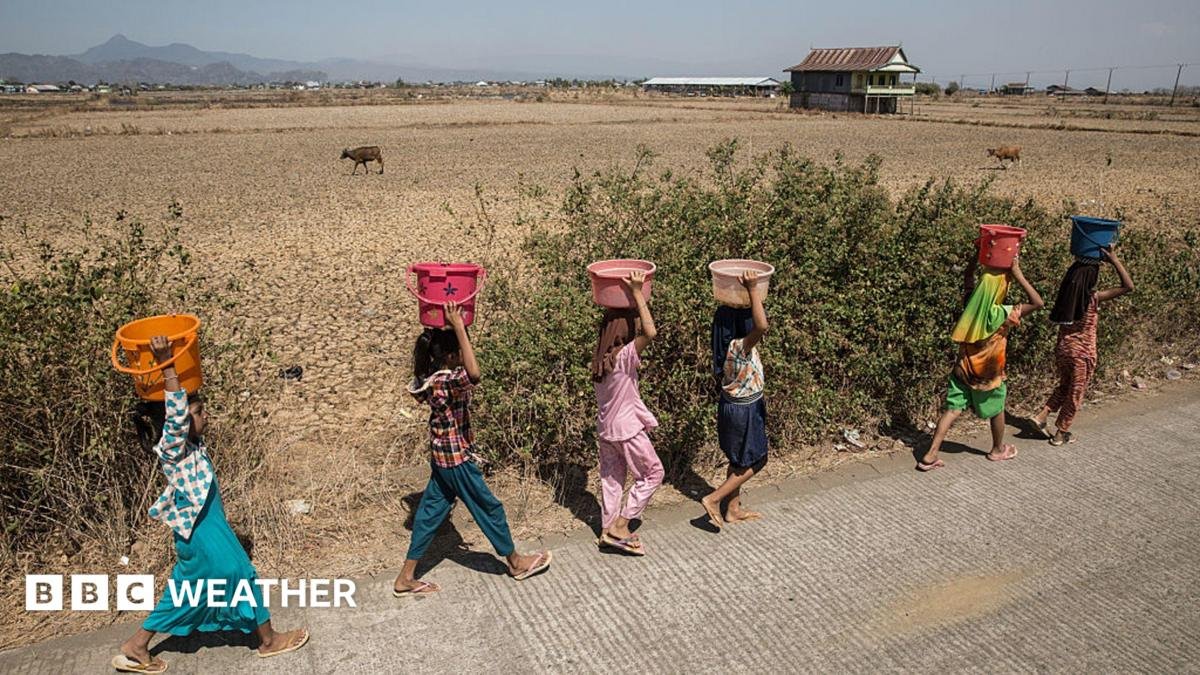
As the international community gathers in Stockholm for the annual World Water Week, the focus has shifted toward the alarming surge in conflicts centered around water resources. Recent data from the Pacific Institute, a prominent water security think tank, reveals a troubling trend: the number of water-related incidents has skyrocketed, reaching a record high of 420 in 2024. This figure represents a staggering 78 percent increase compared to the 235 incidents documented just two years prior in 2022. This upward trajectory underscores the growing intersection between geopolitical instability and the fundamental human right to clean water.
The theme of this year's conference, “Water for People and Progress,” emphasizes the urgent need for collaborative solutions to what has become a systemic global threat. Experts suggest that as climate change exacerbates water scarcity, competition for these dwindling resources is increasingly being used as a tool of war or a byproduct of military aggression. he basic necessities of life, leading to dire humanitarian consequences that ripple far beyond the immediate zones of conflict.
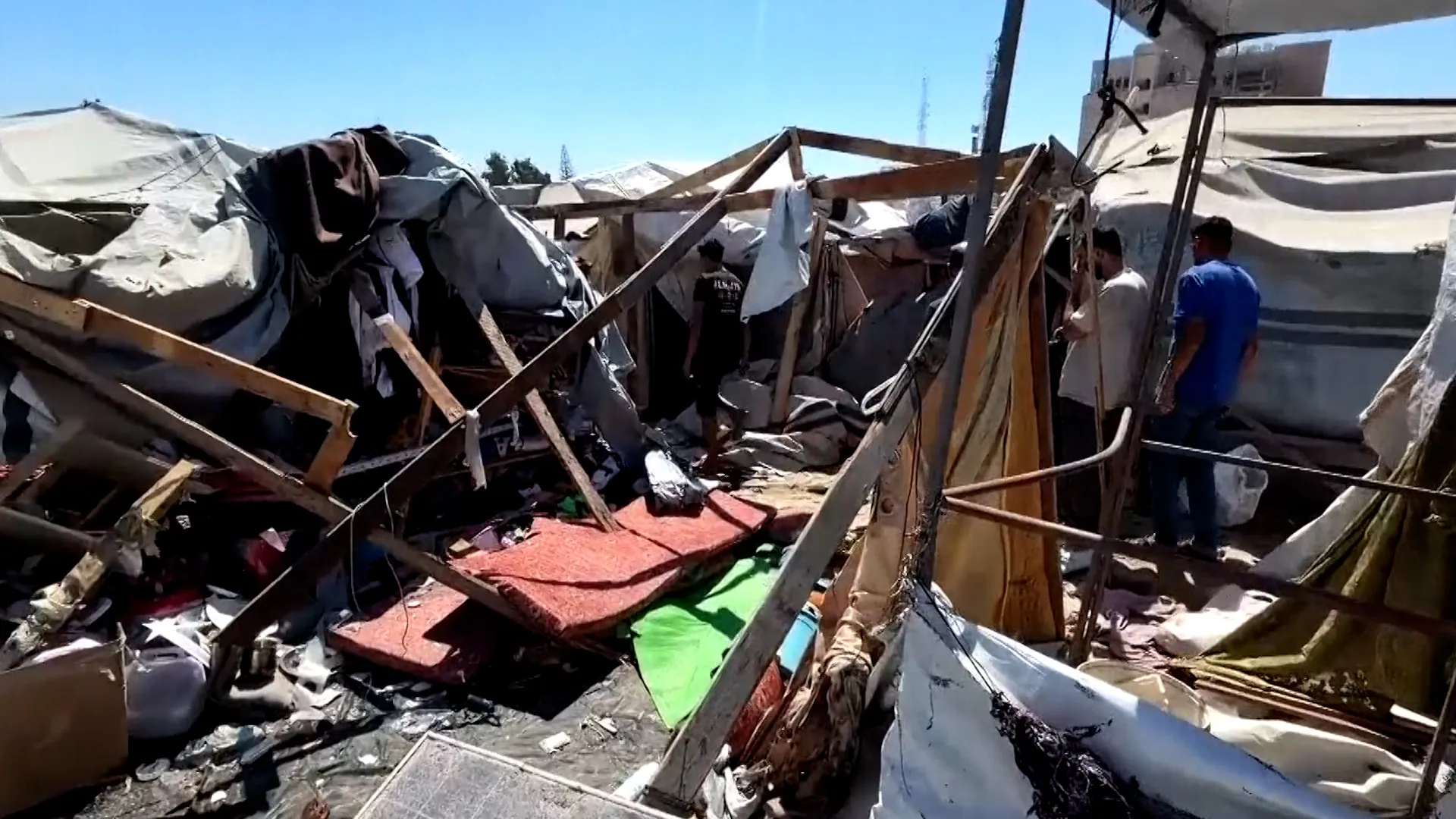
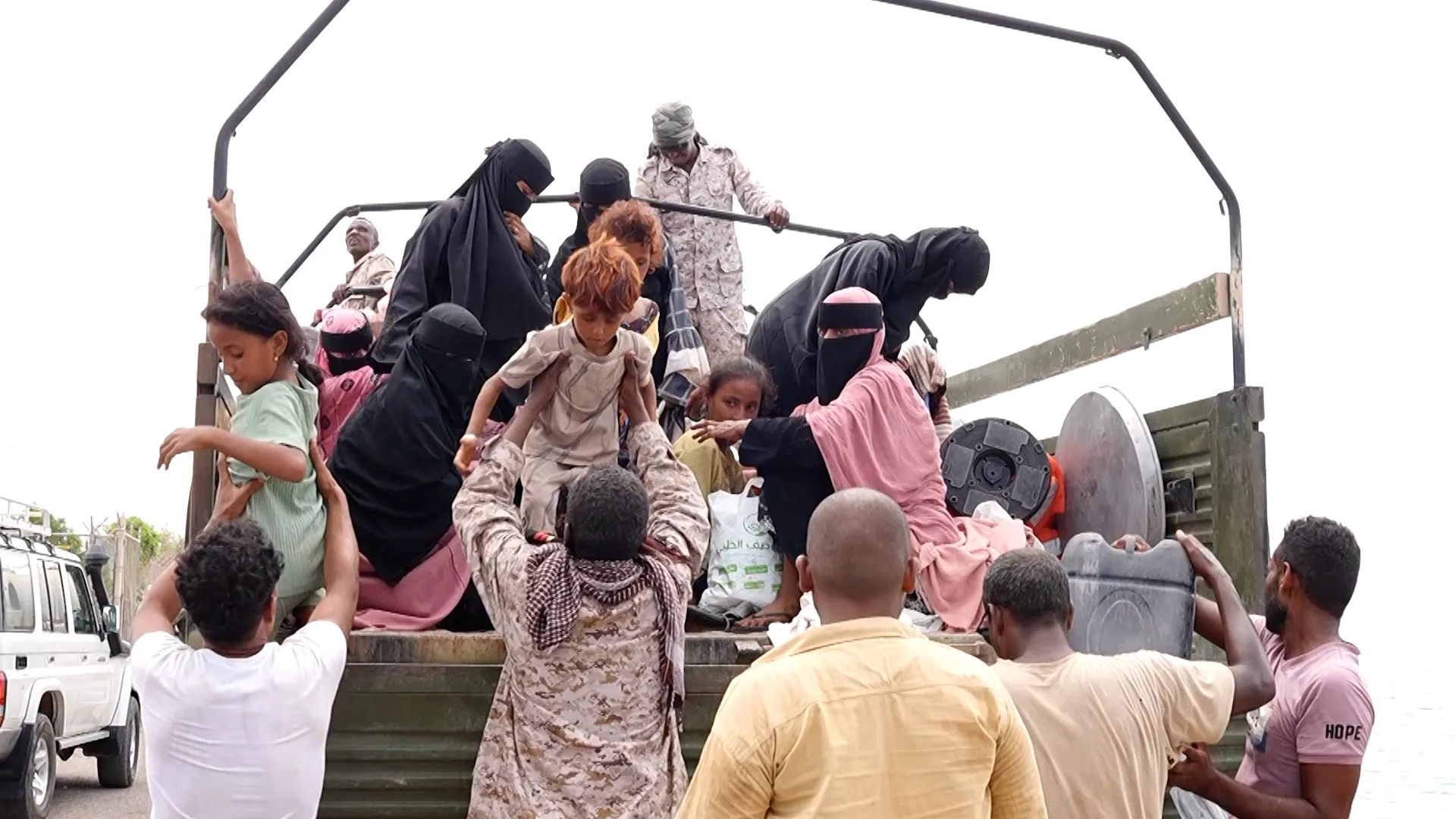
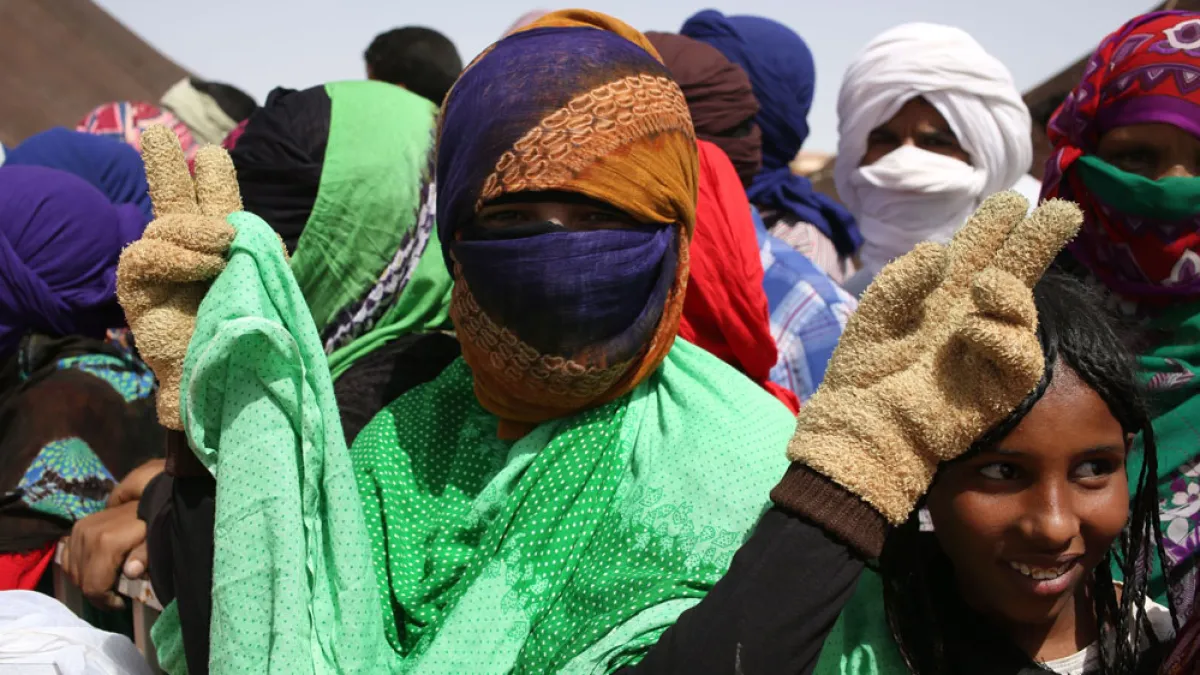
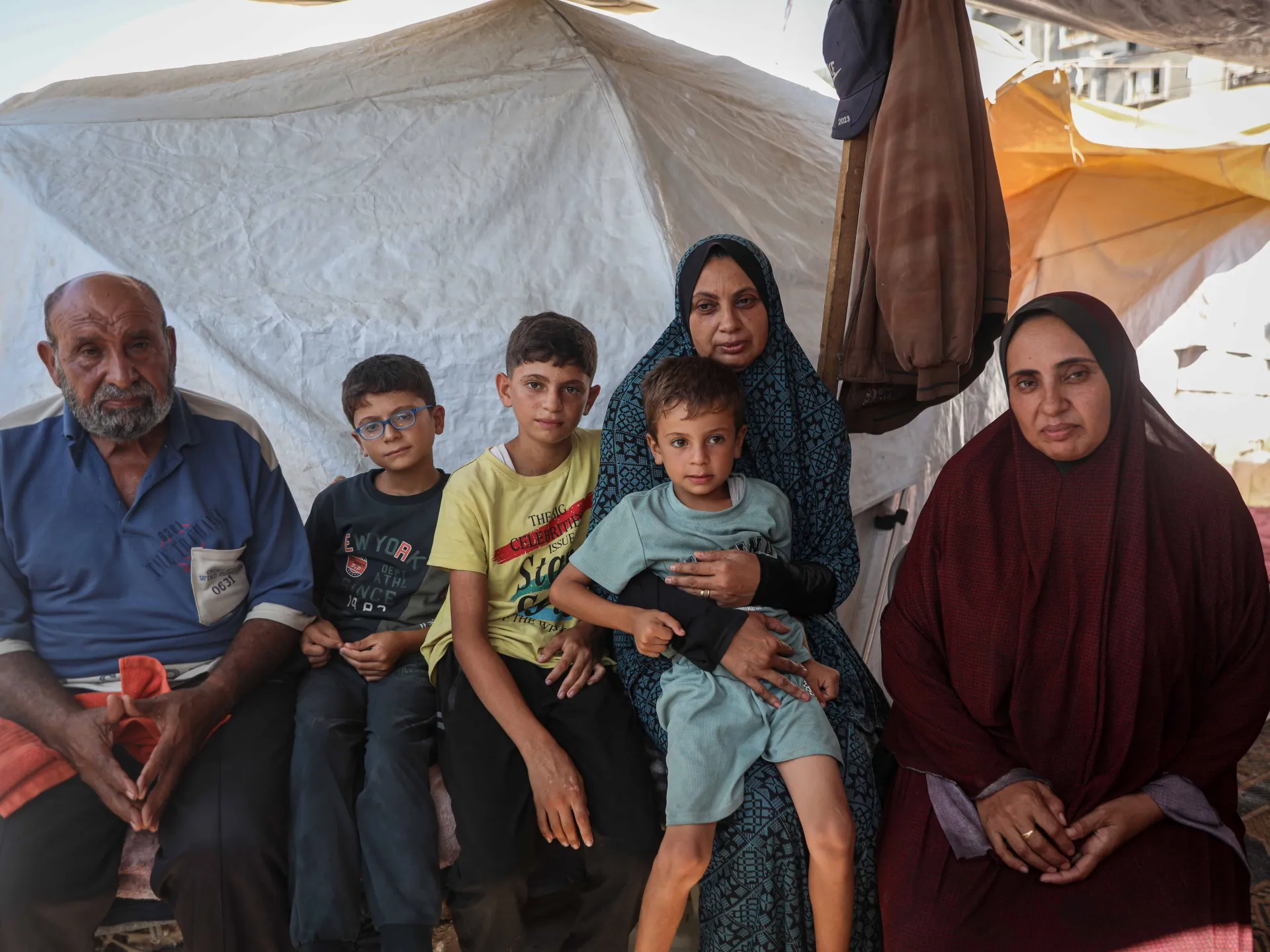
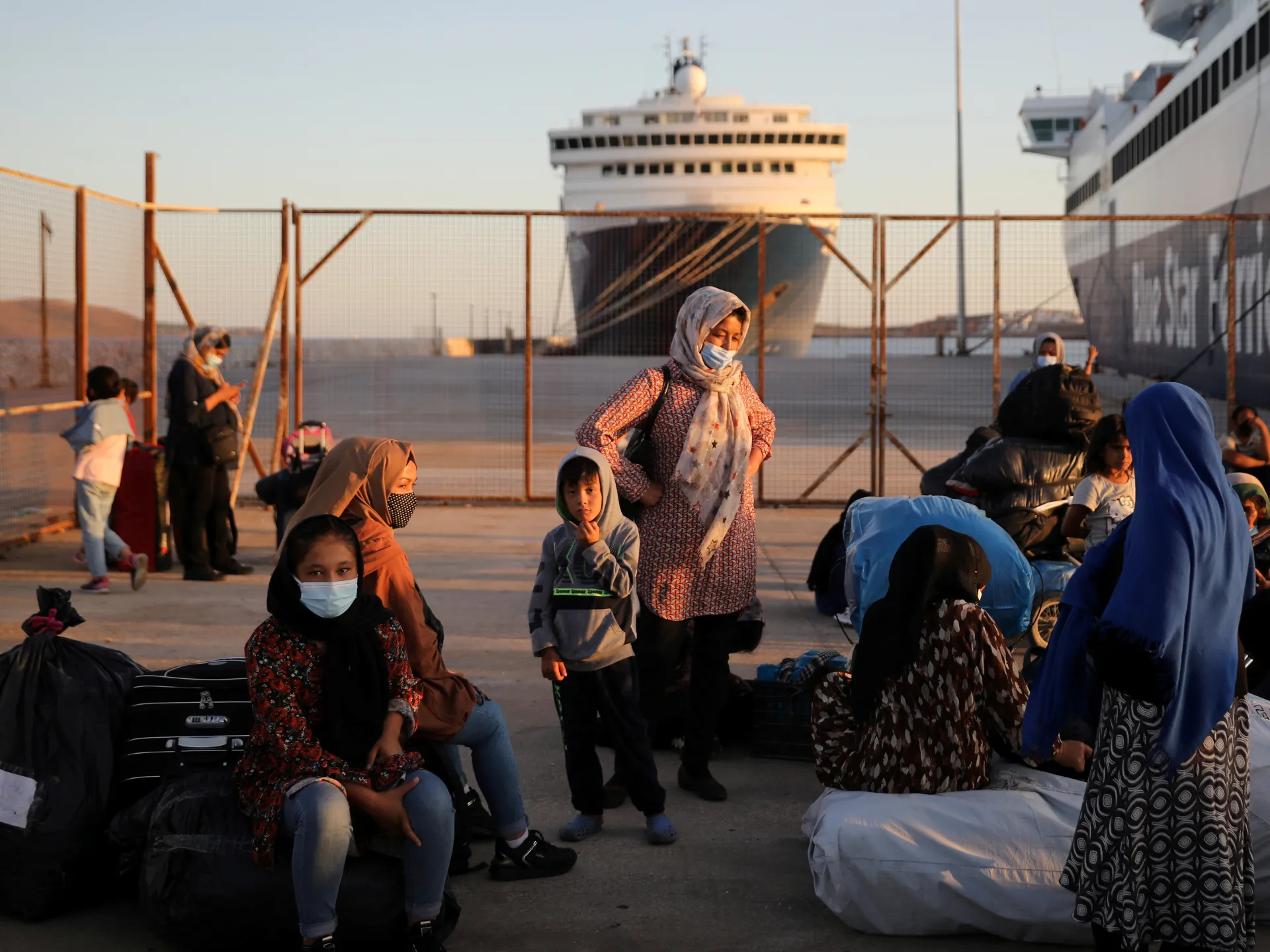
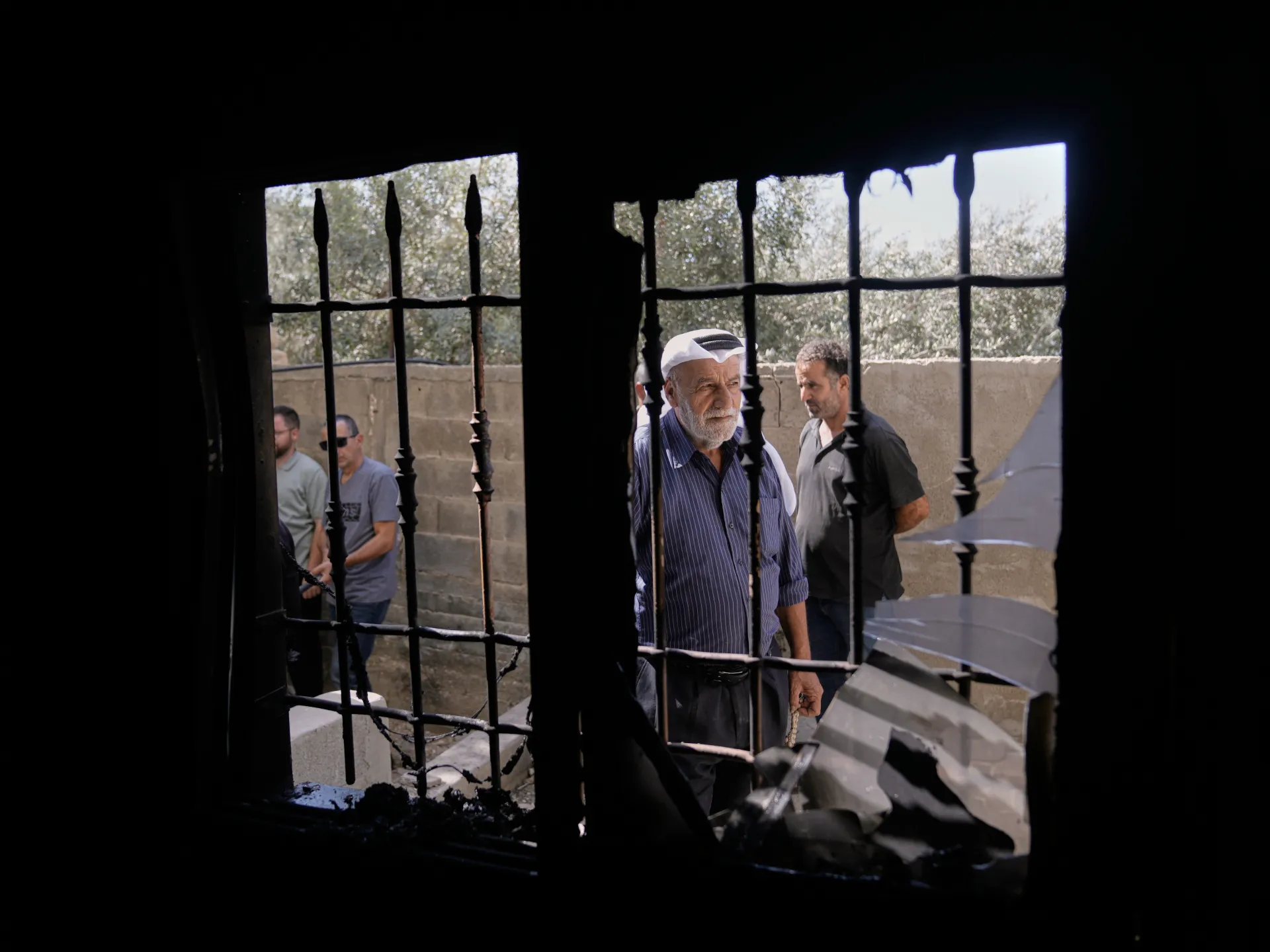
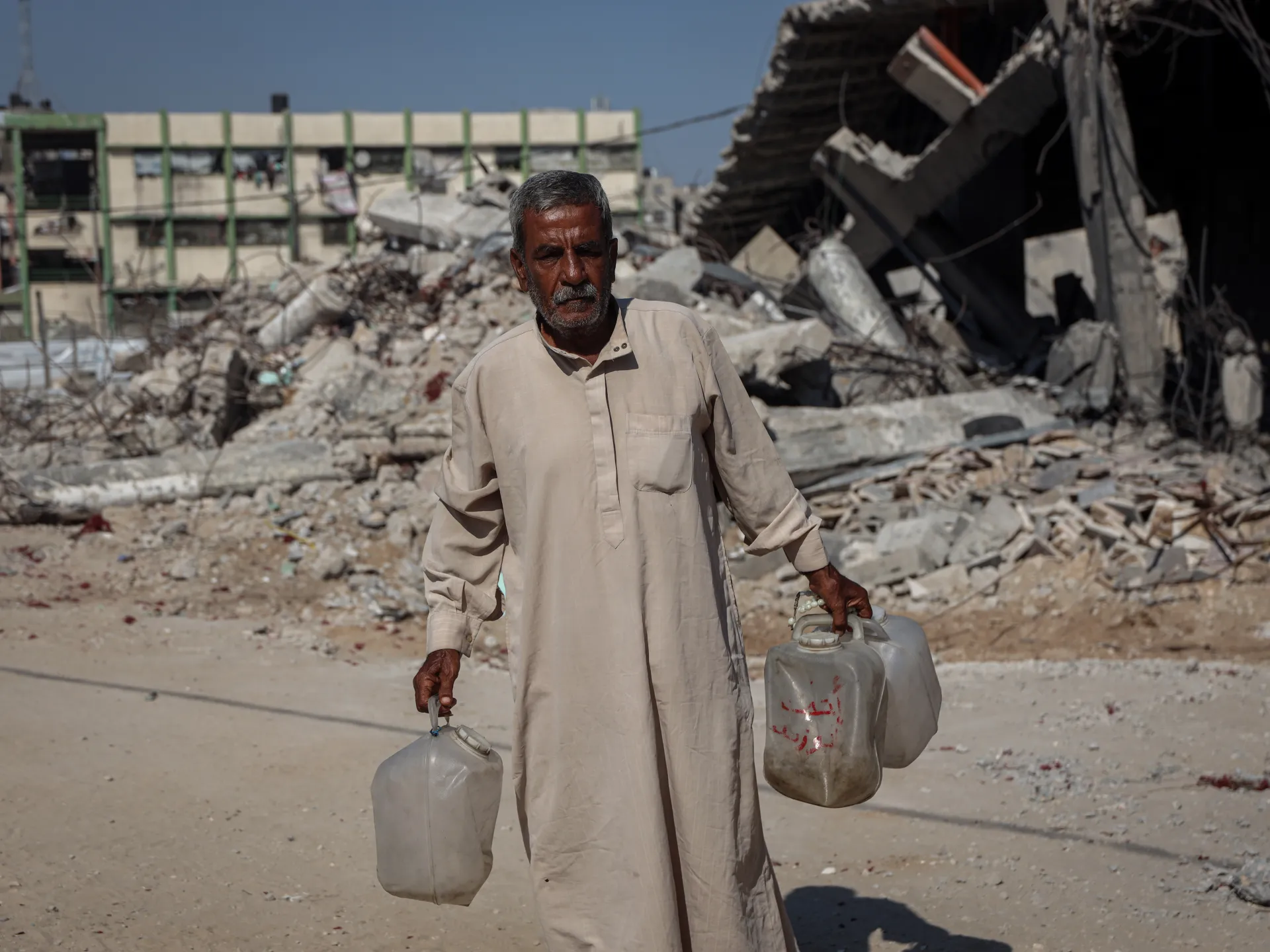
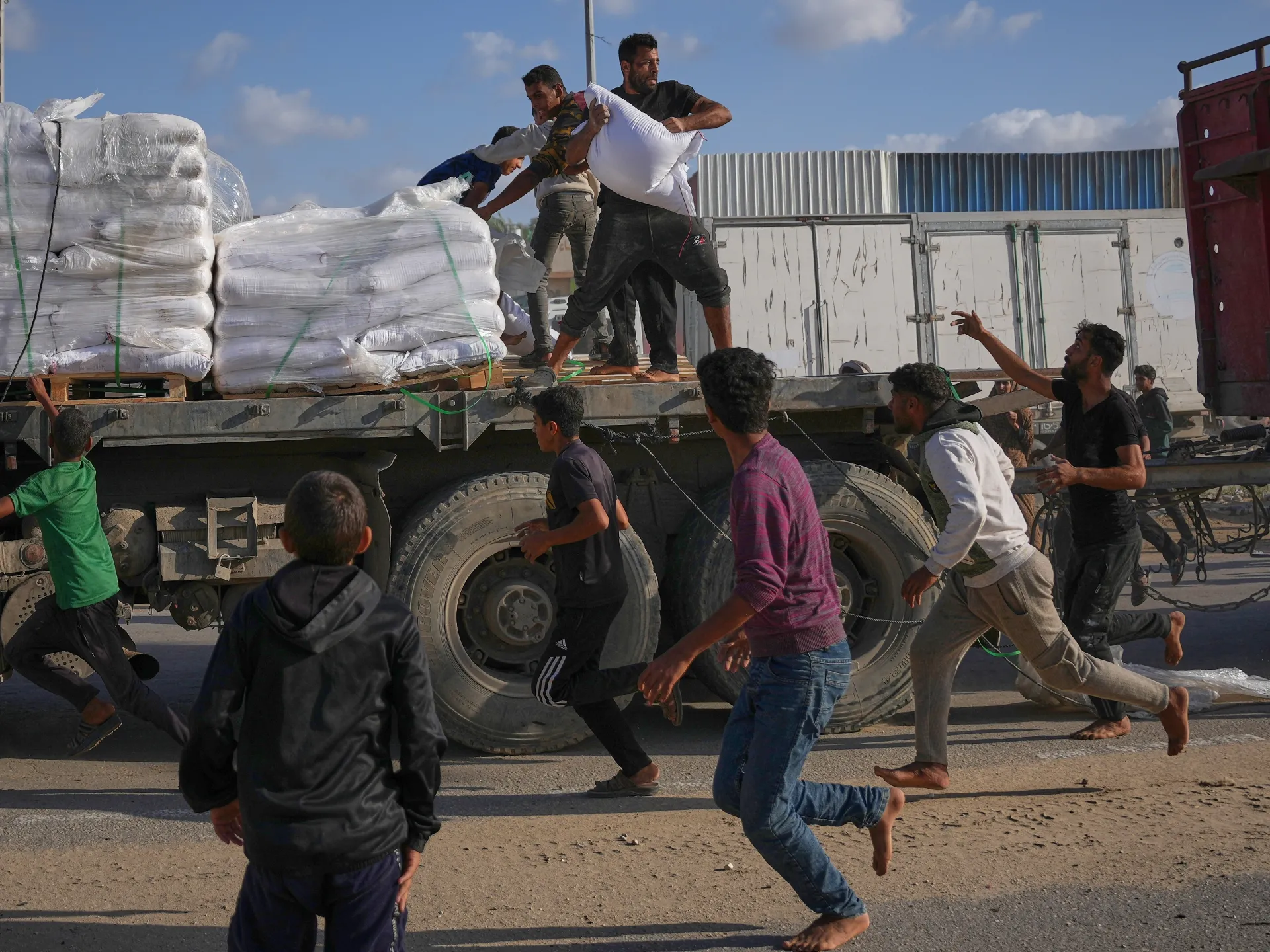
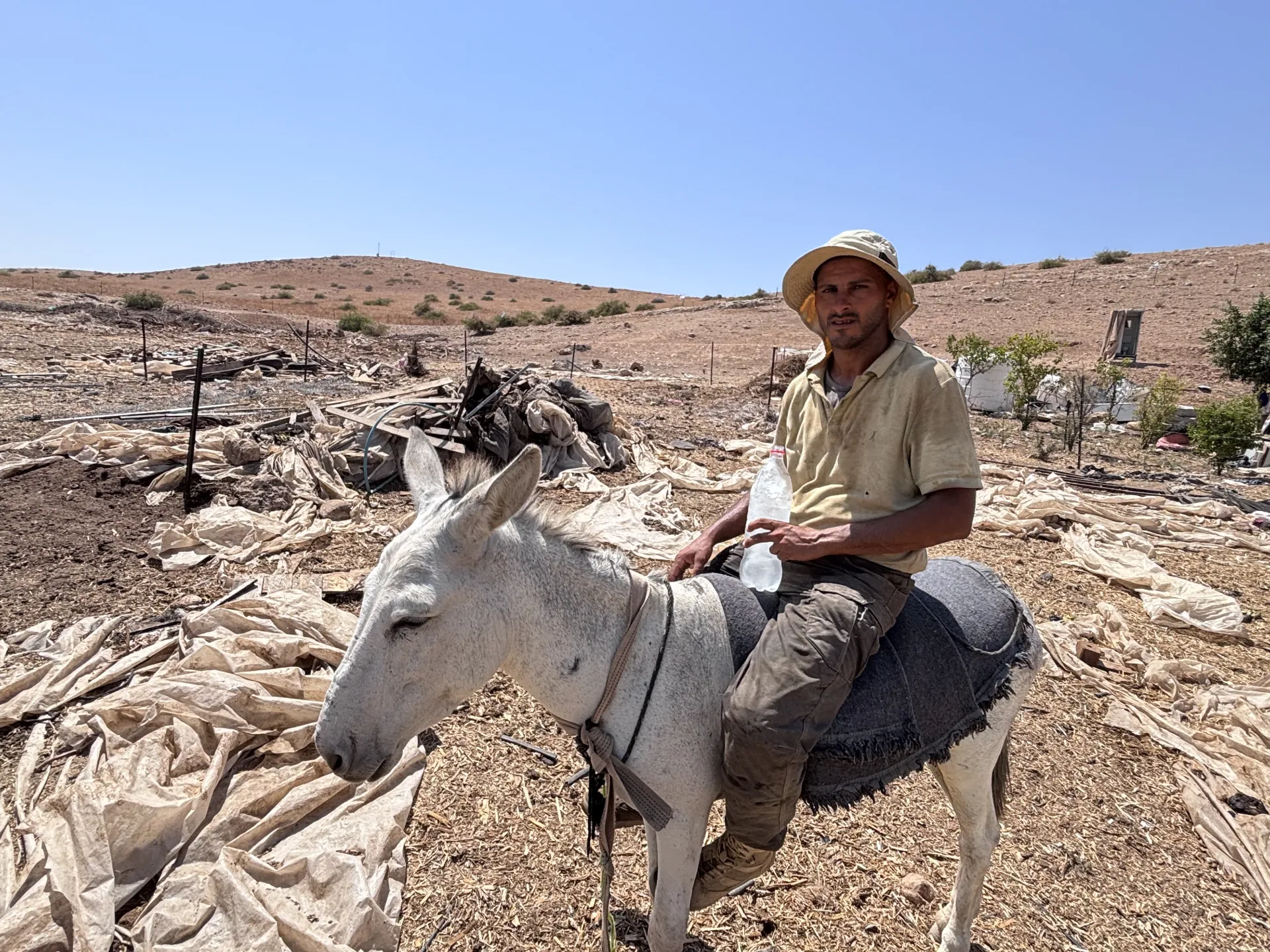
The situation in Gaza remains one of the most severe manifestations of this crisis. With nearly 90 percent of the region's water and sanitation infrastructure either damaged or completely destroyed, the local population is facing a harrowing reality. Approximately 1.9 million people remain displaced, and the vast majority struggle to secure even the minimum six liters of water required daily for basic survival. Medical organizations have reported a sharp rise in the cost of water, alongside the spread of skin diseases and diarrheal illnesses, which disproportionately affect children and expectant mothers.
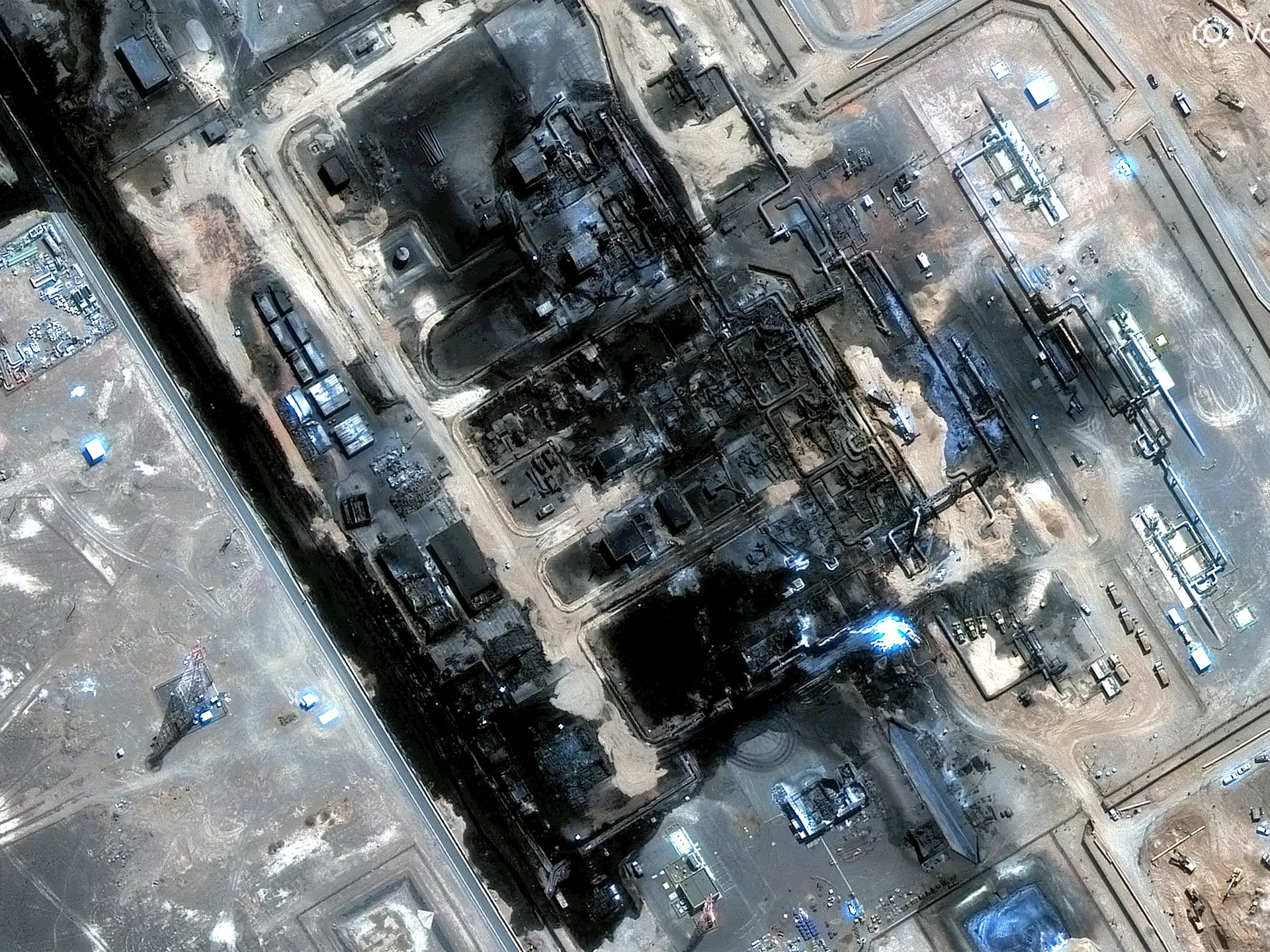
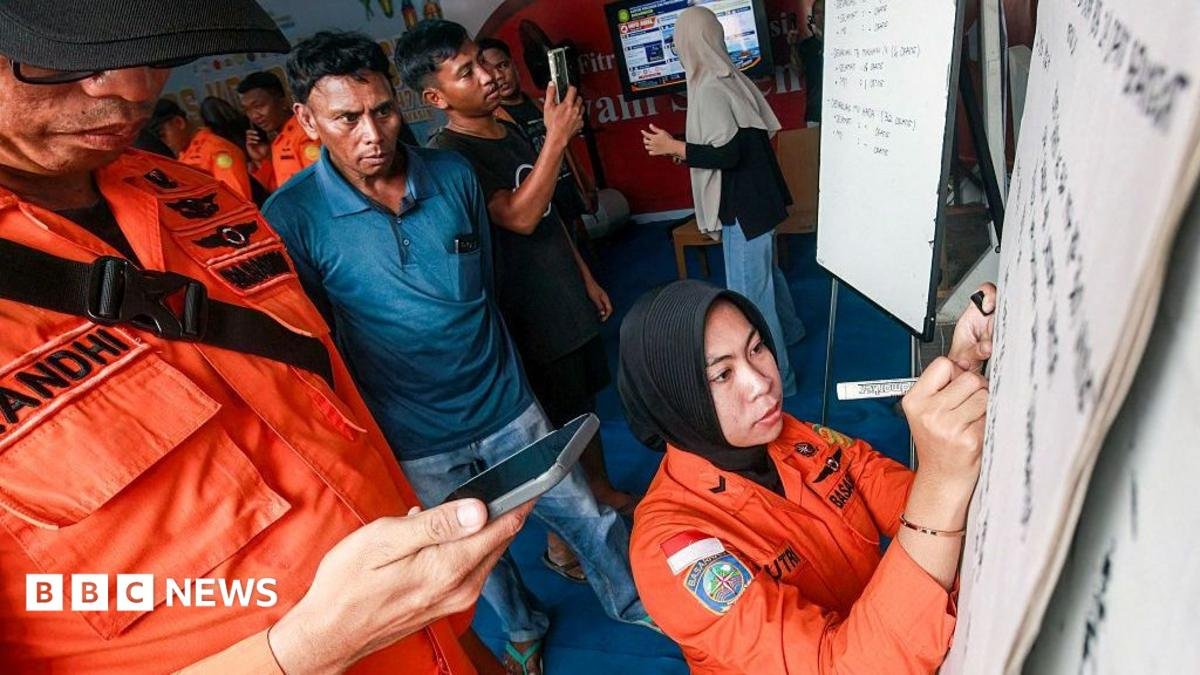
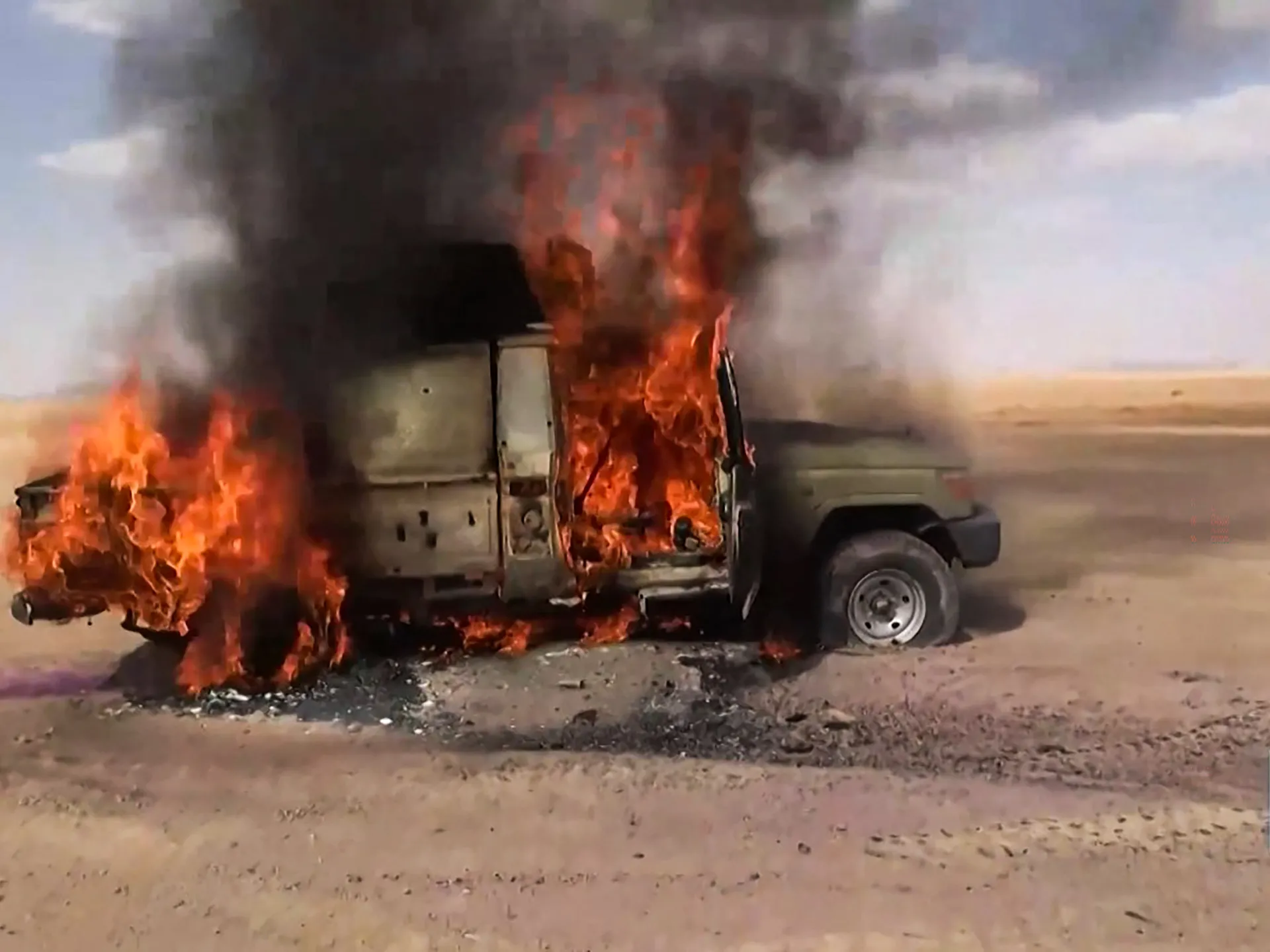
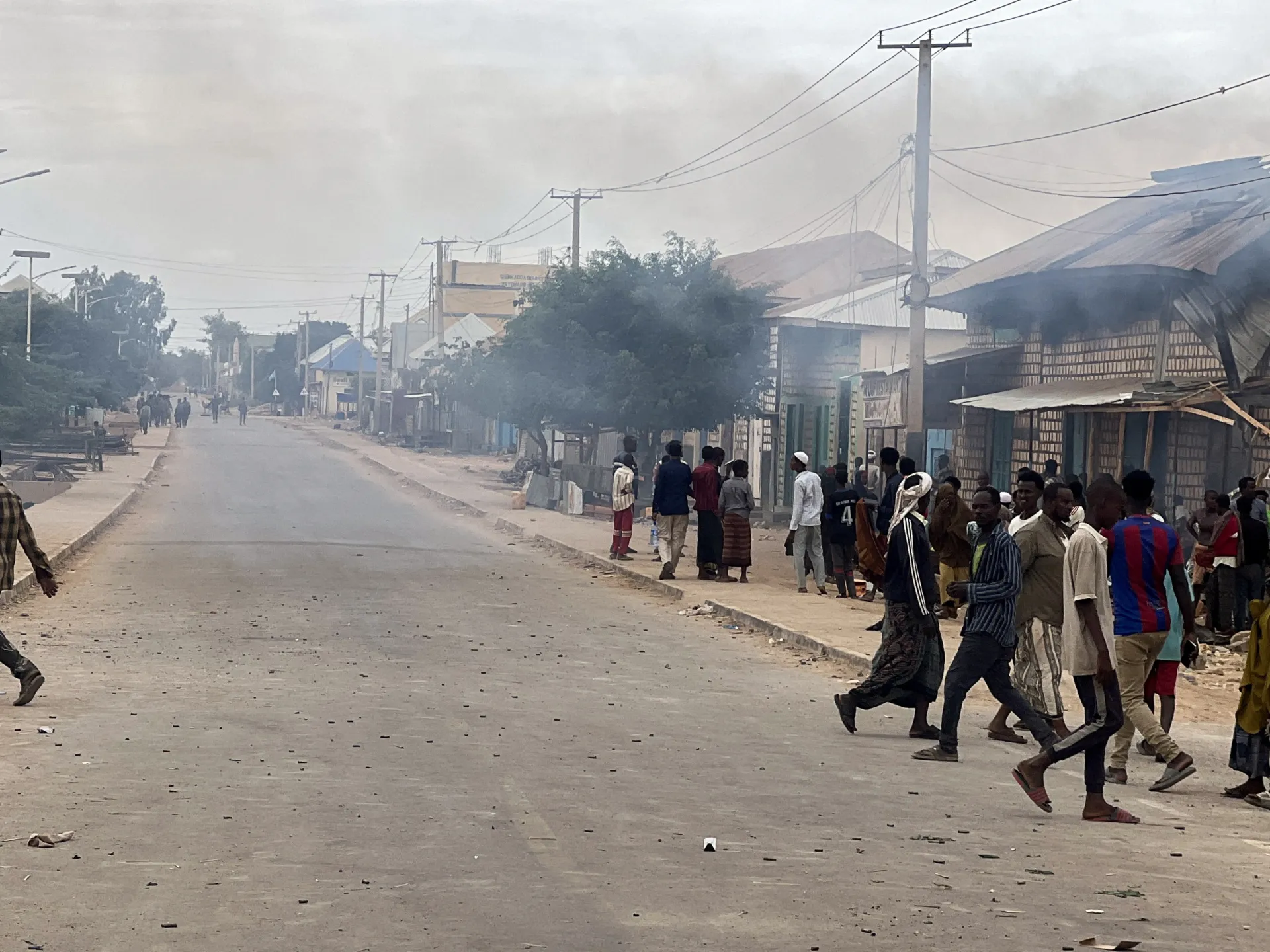
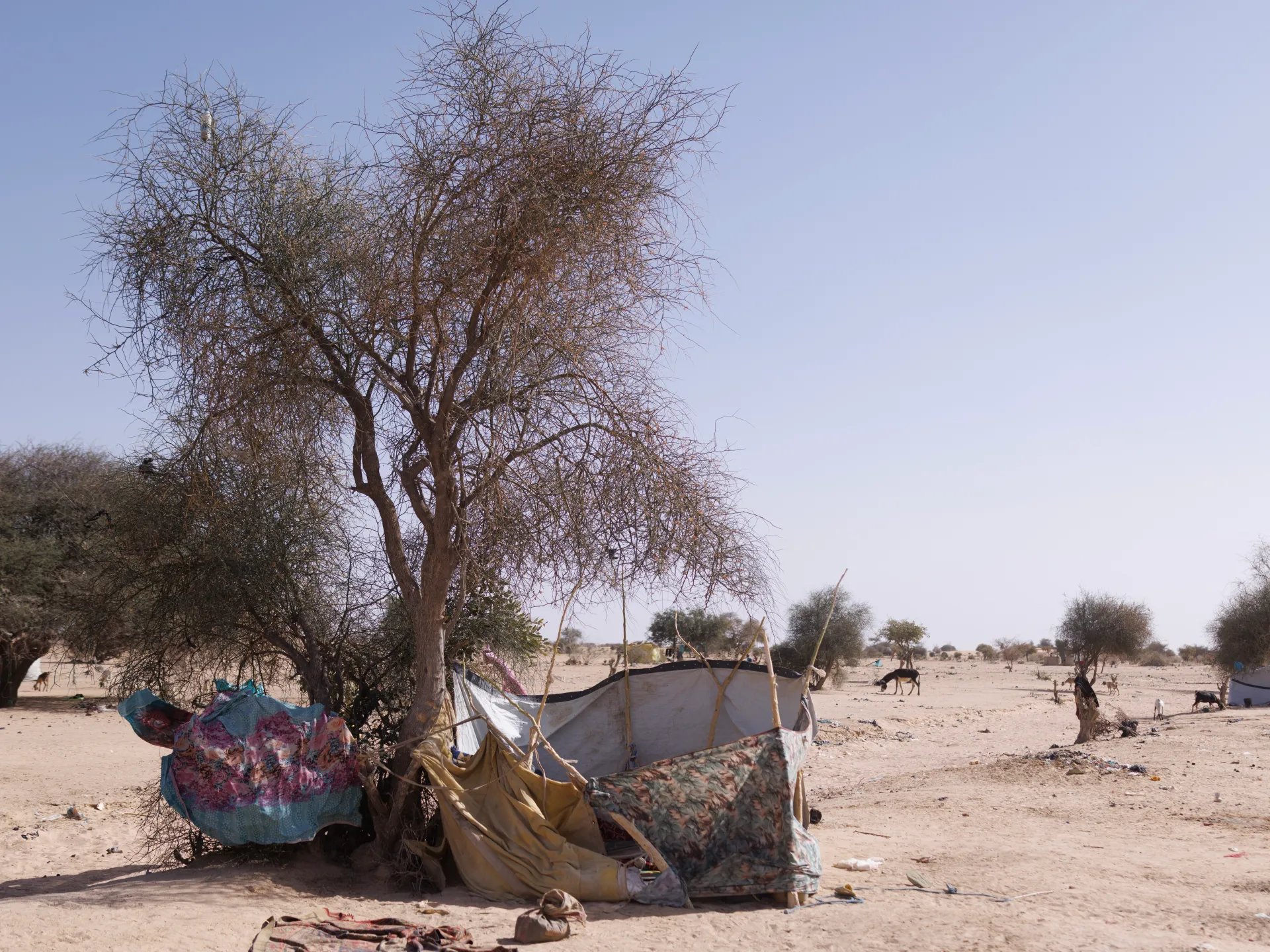
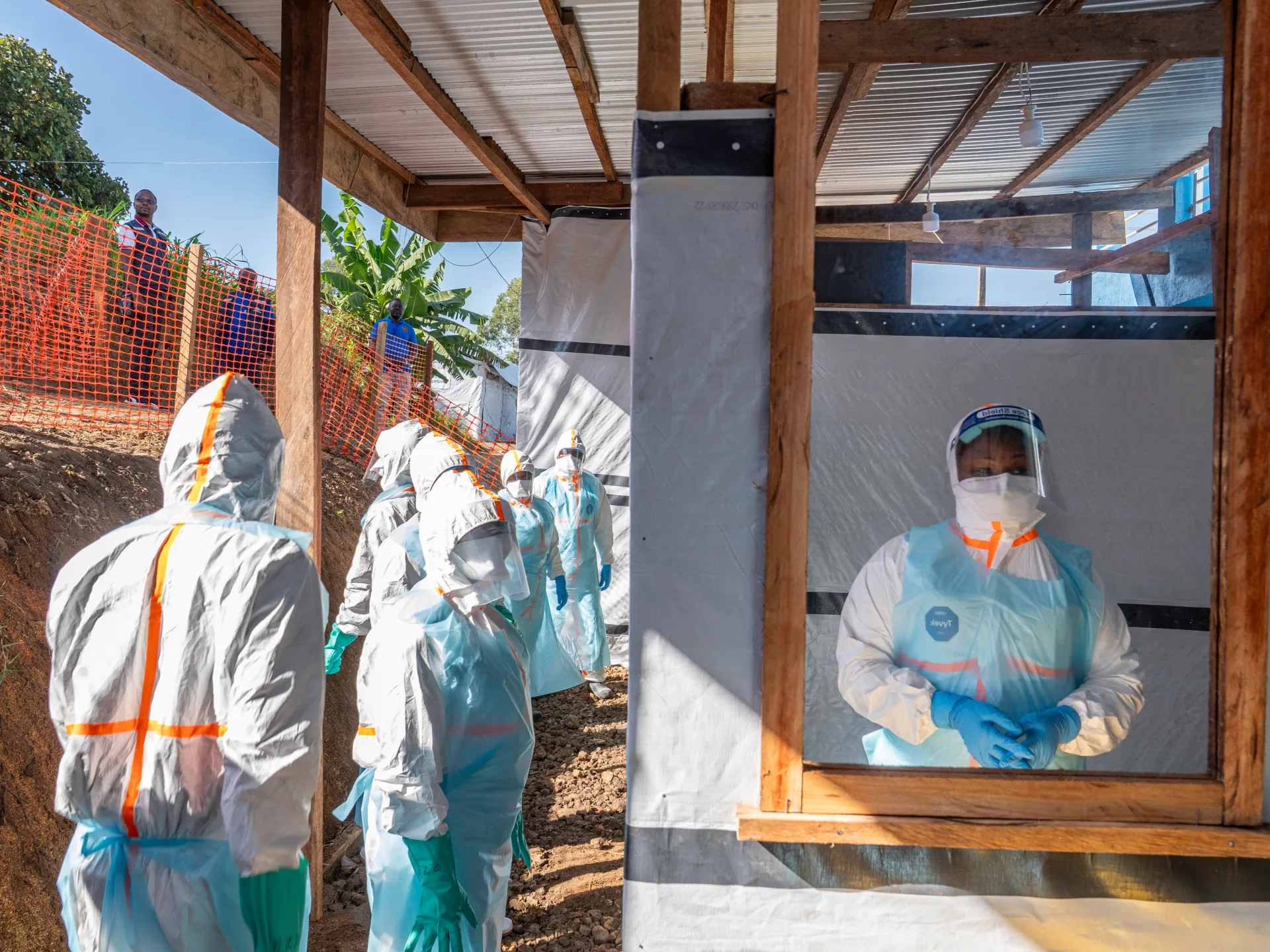
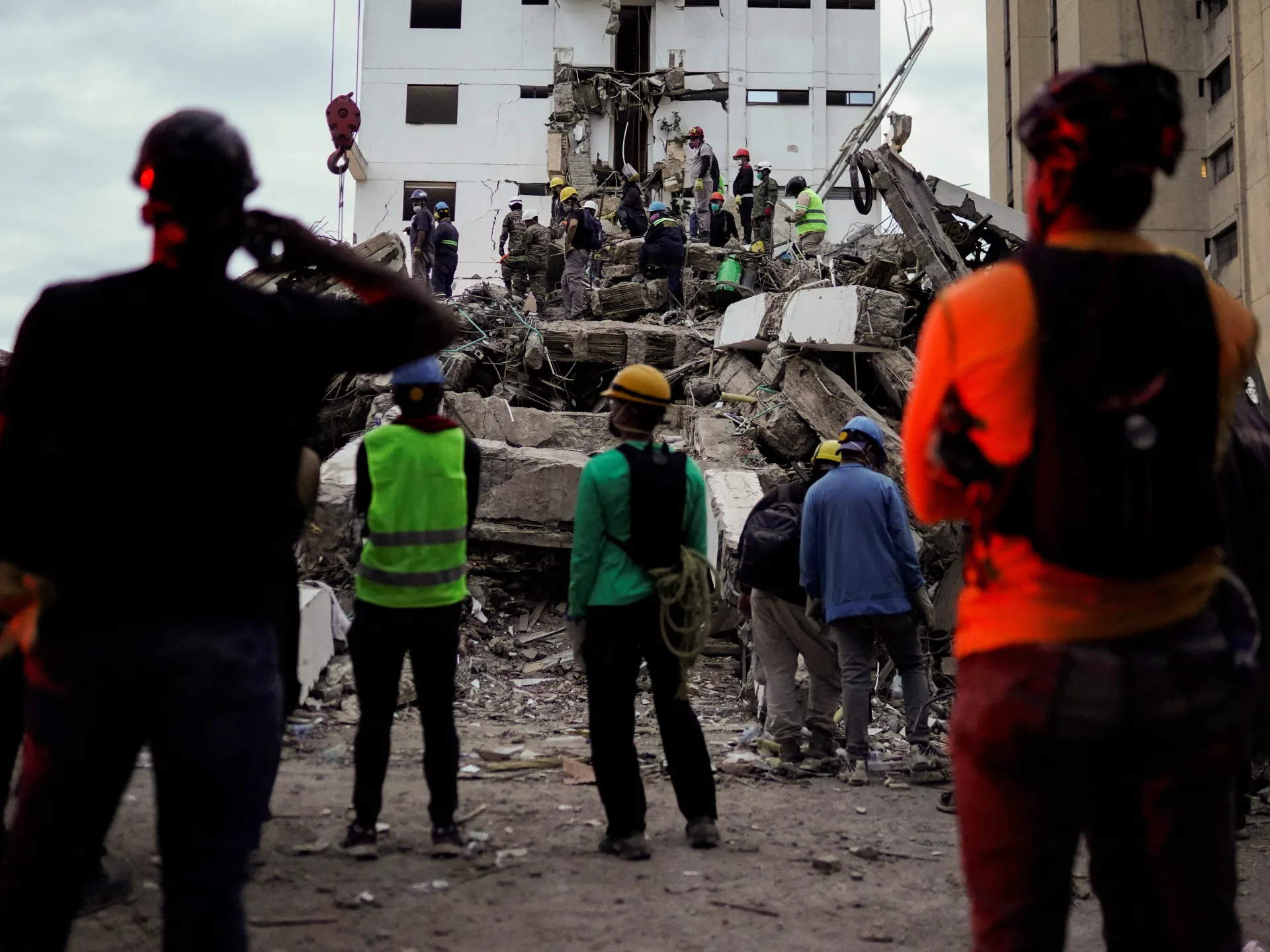
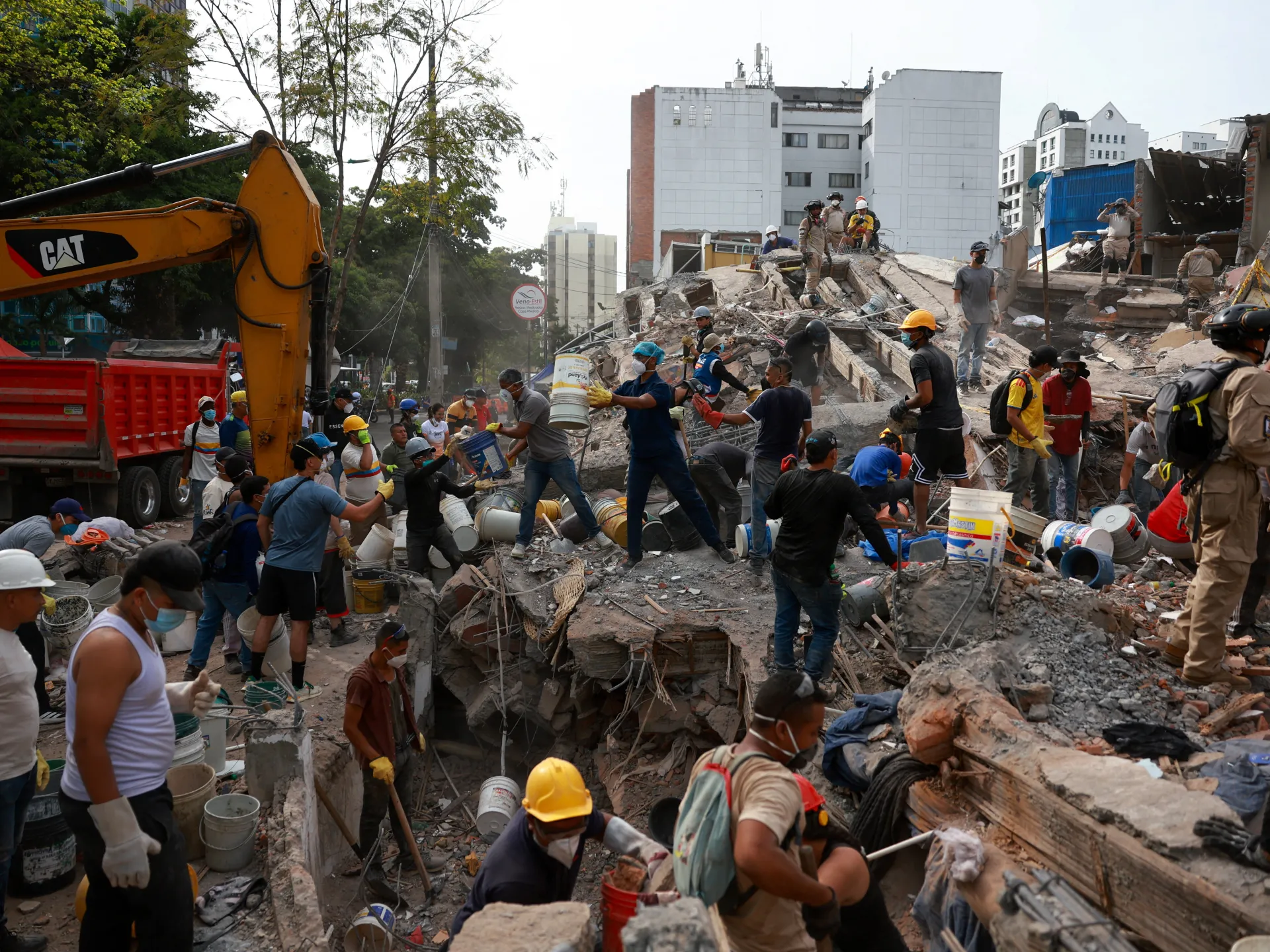
Similarly, the conflict in Sudan has spiraled into a massive humanitarian emergency. Since the outbreak of hostilities in April 2023, approximately 12 million individuals have been forced from their homes. Reports from the Geneva Academy indicate that essential infrastructure—including water treatment plants, reservoirs, and complex distribution networks—has been systematically attacked. This destruction has severely hampered the ability to provide clean water, directly contributing to widespread cholera outbreaks and pushing millions toward the brink of famine across the Darfur, Kordofan, and Blue Nile regions.
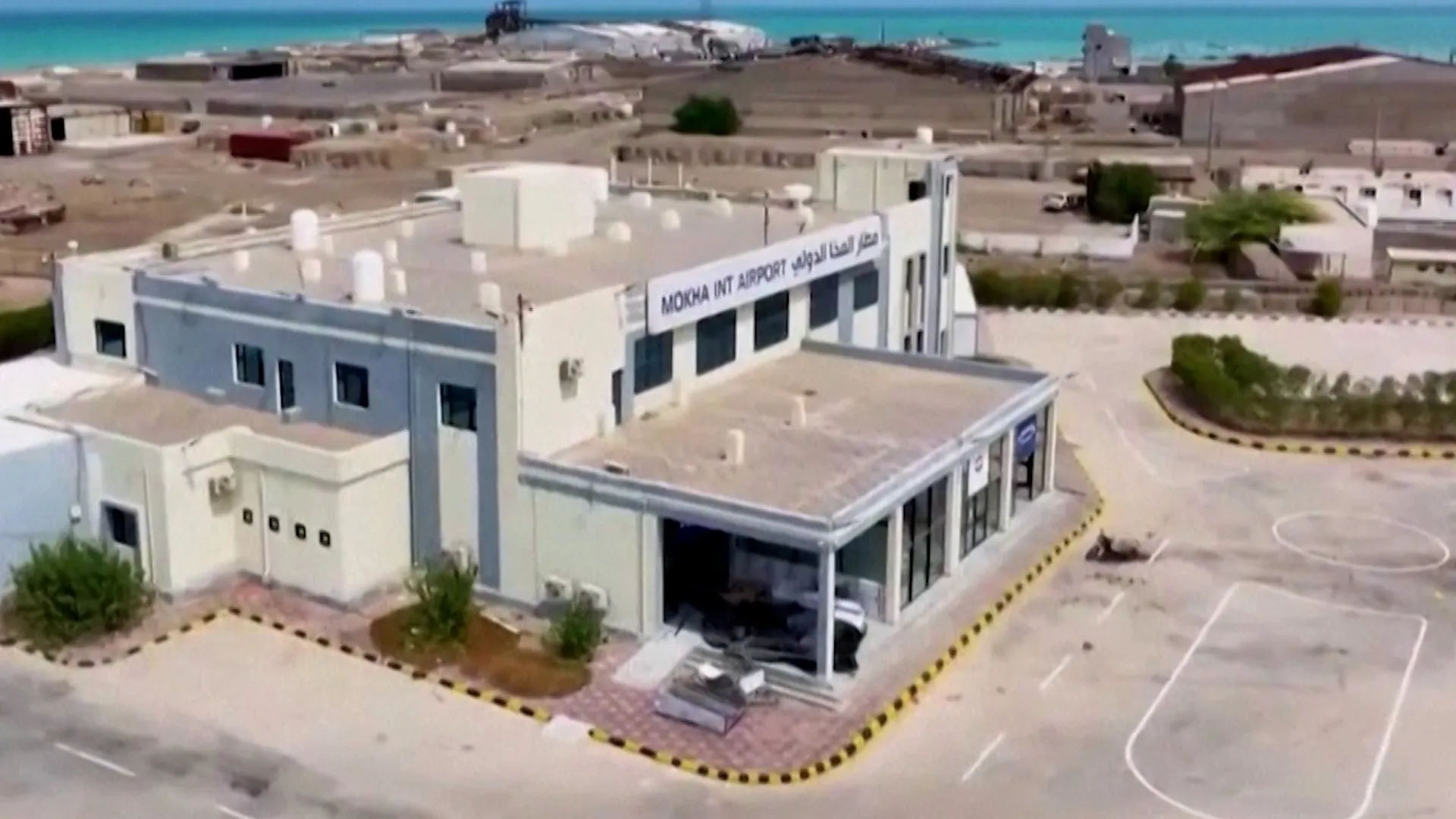
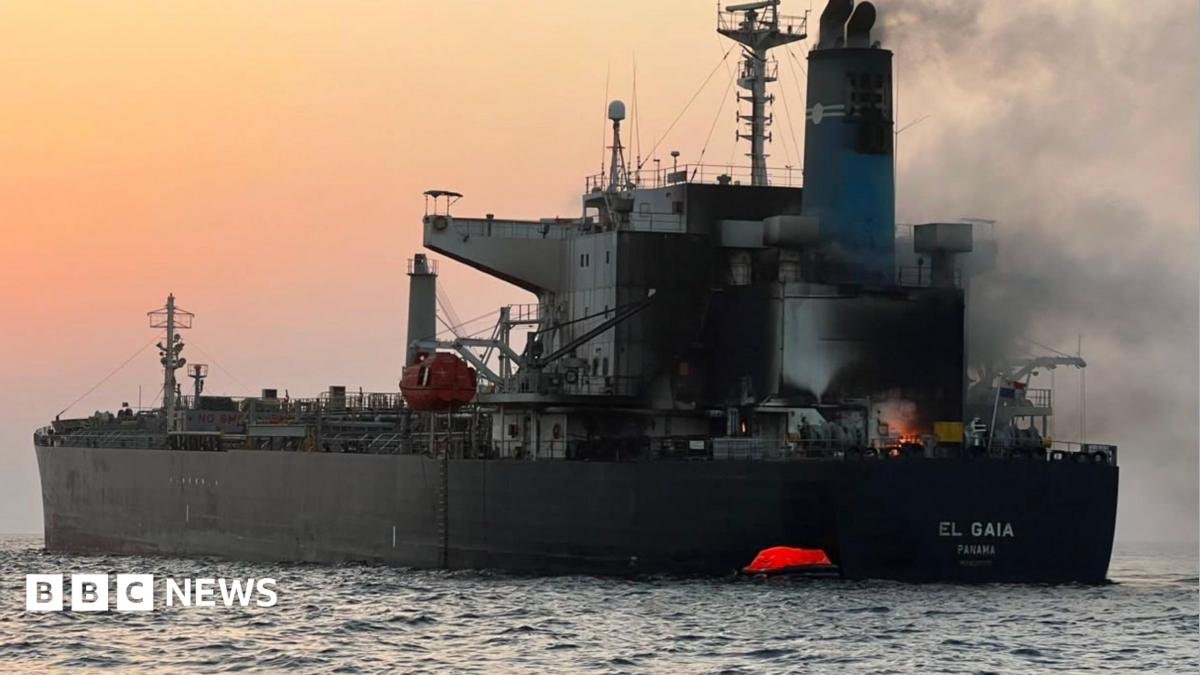
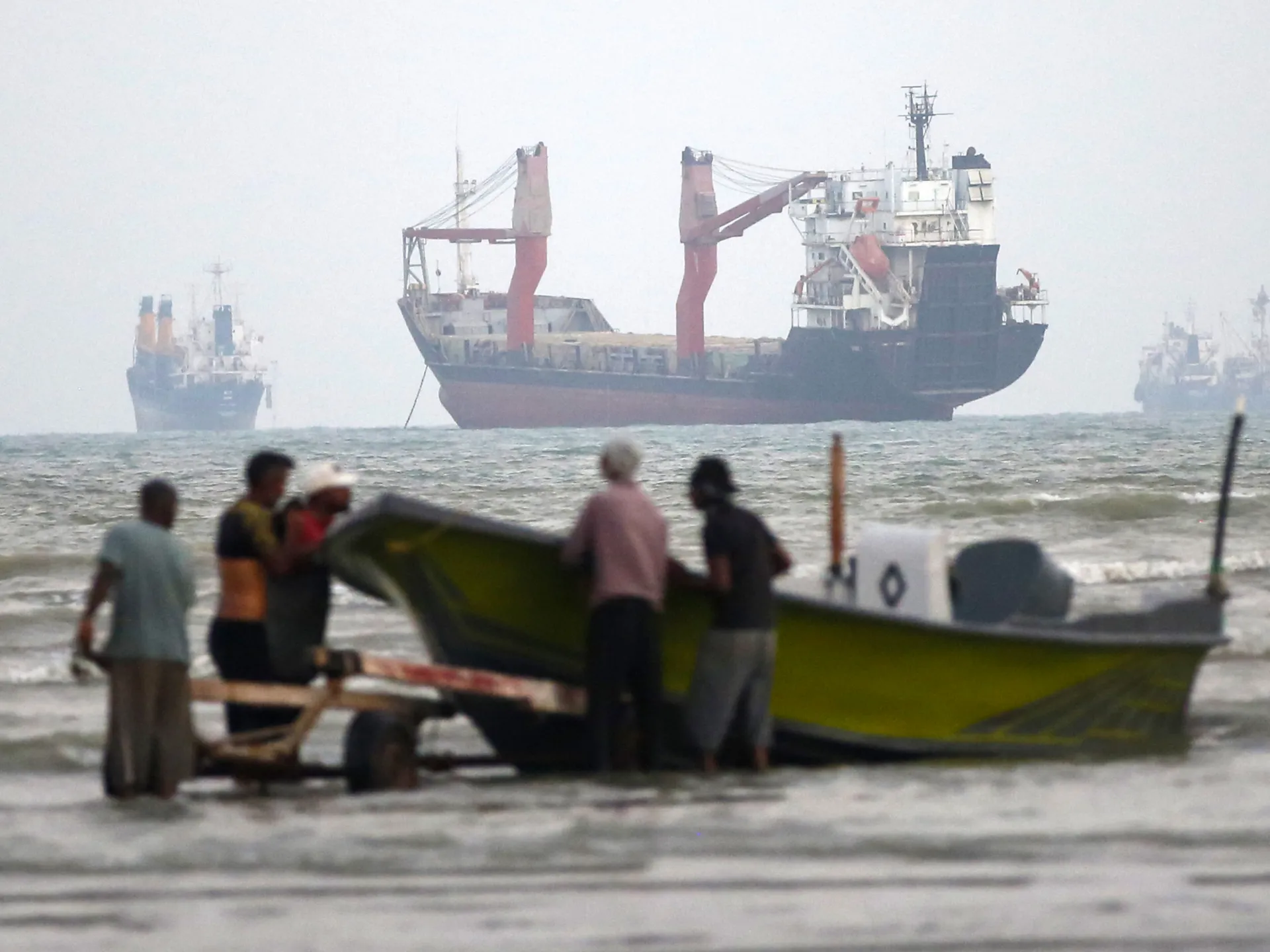
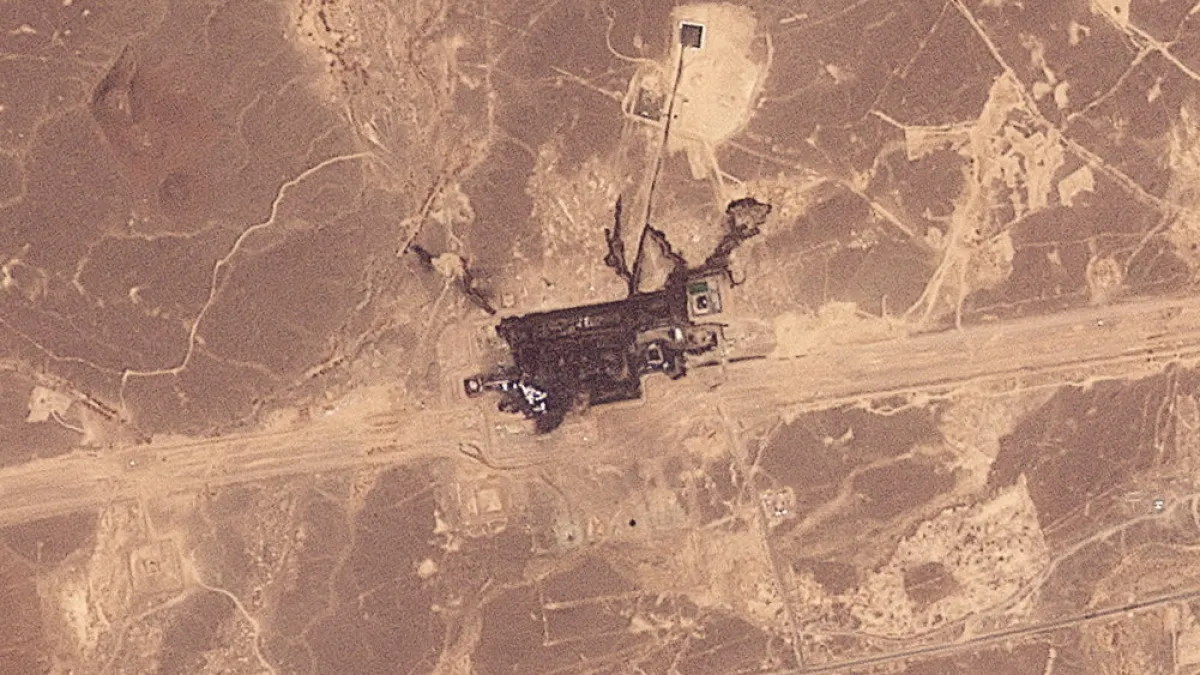
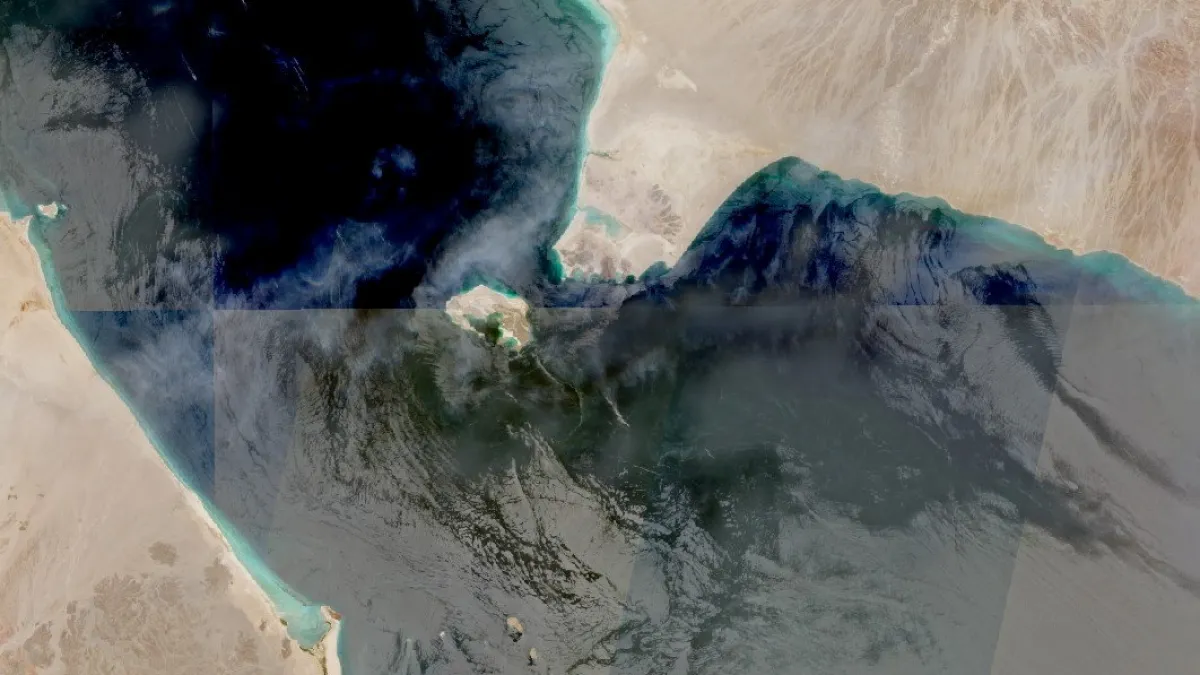
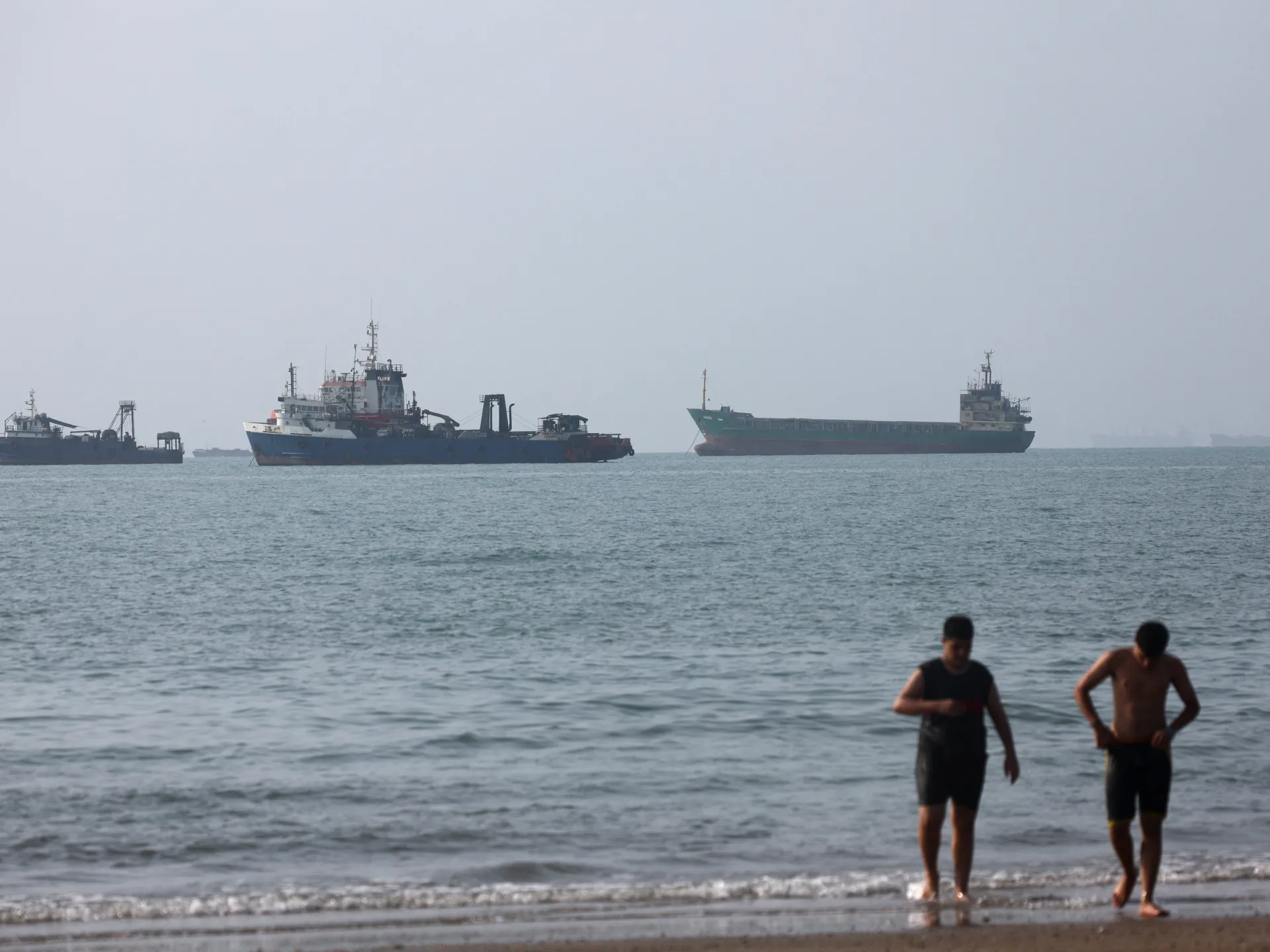
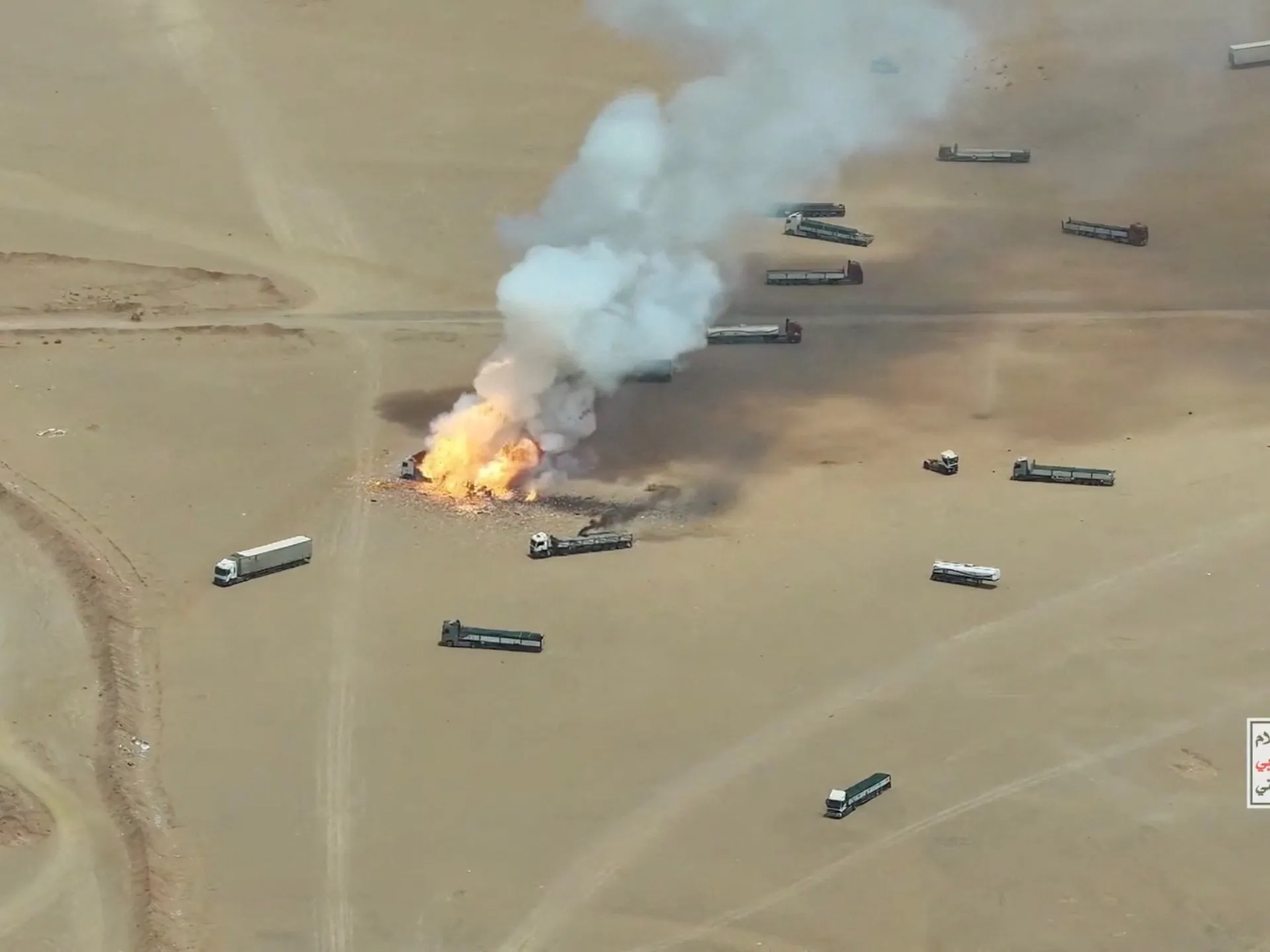
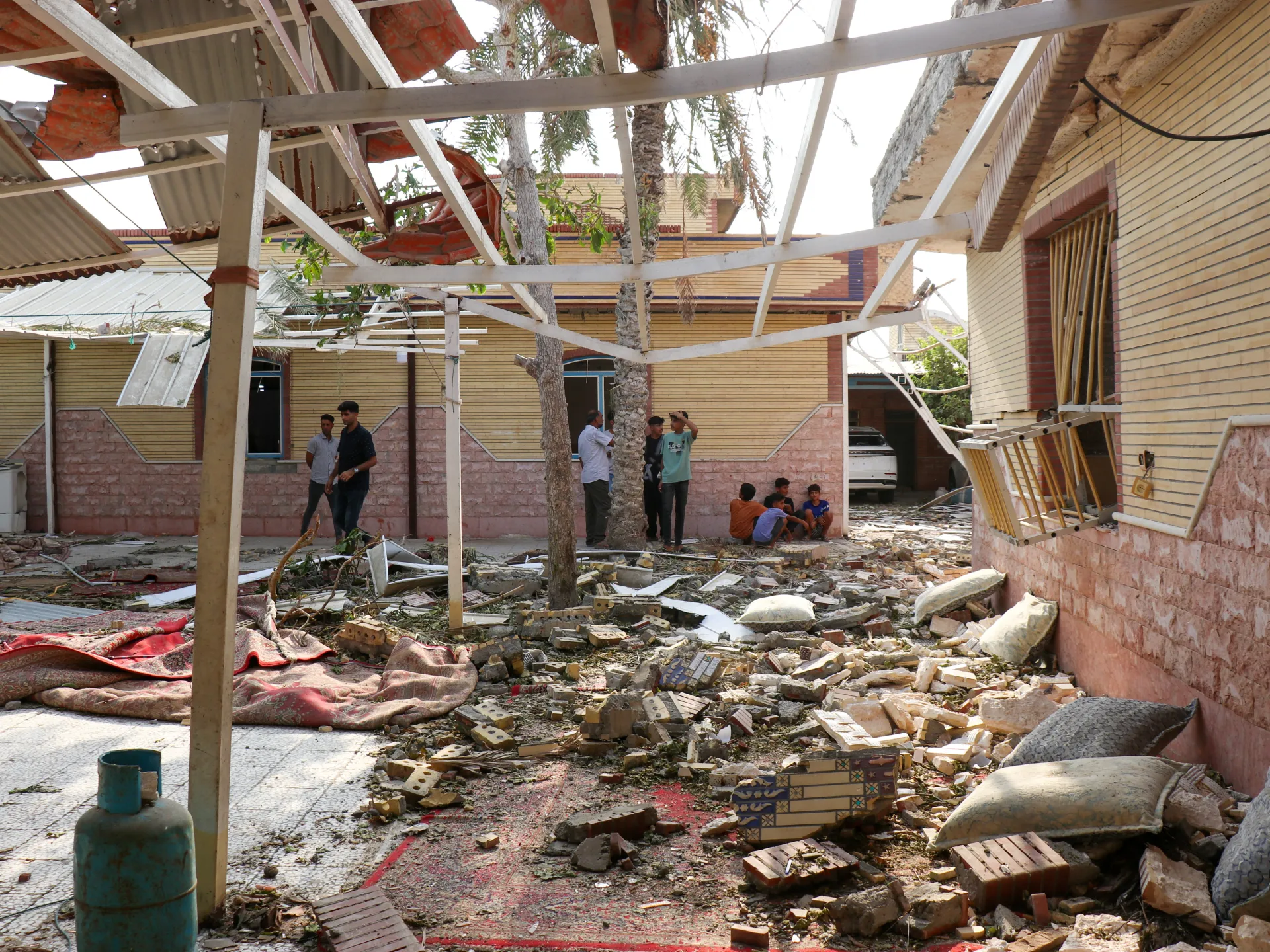
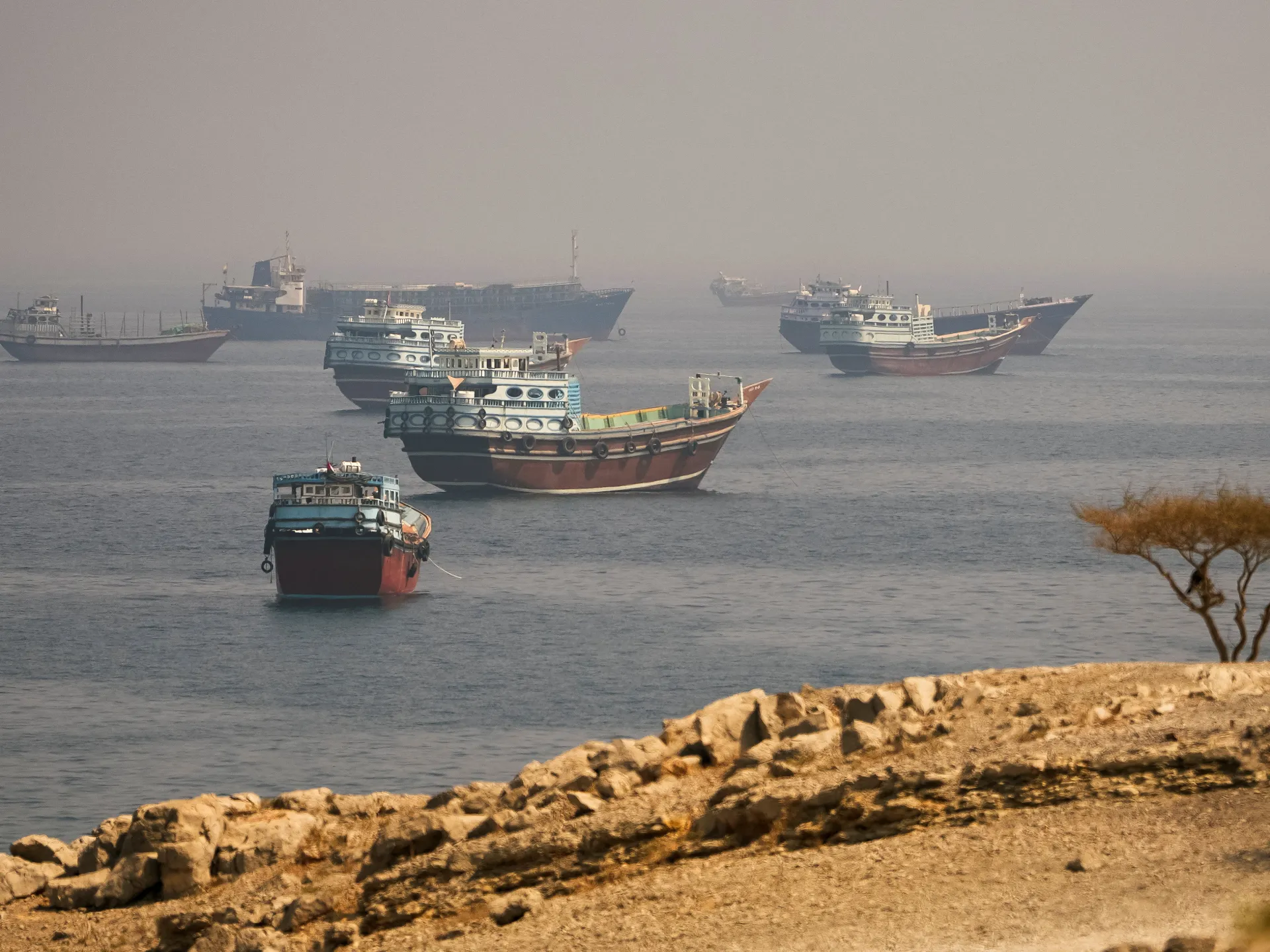
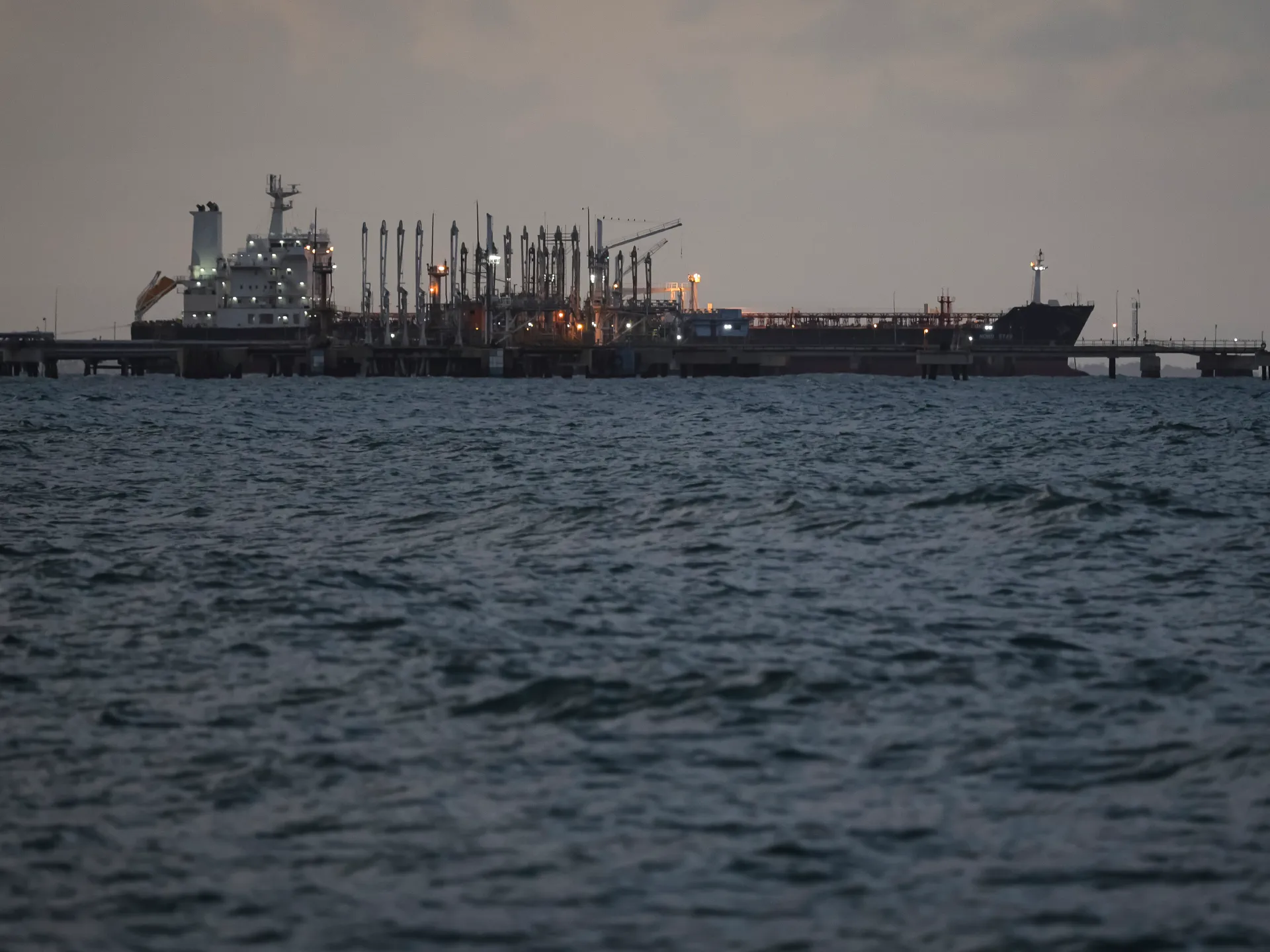
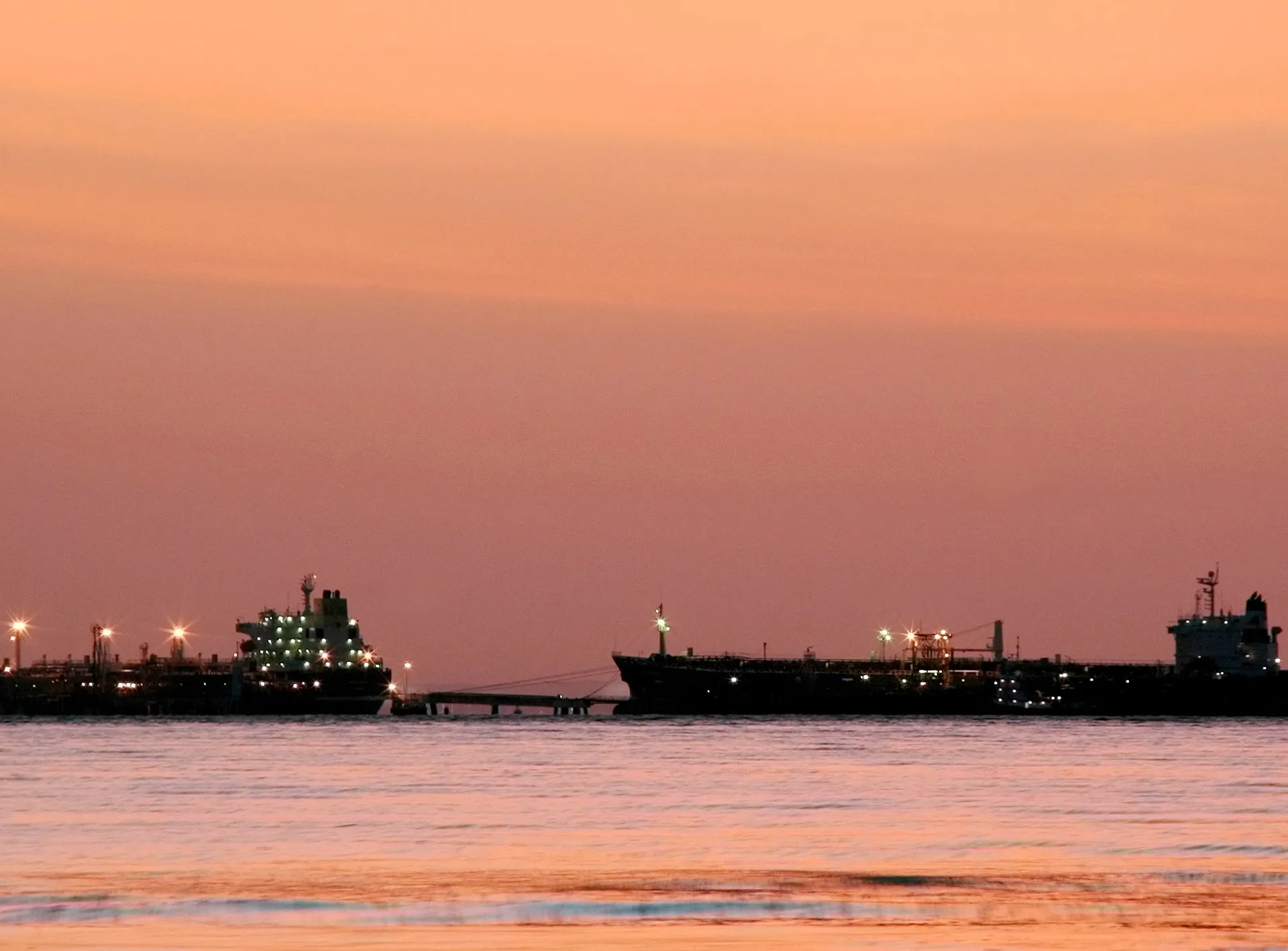
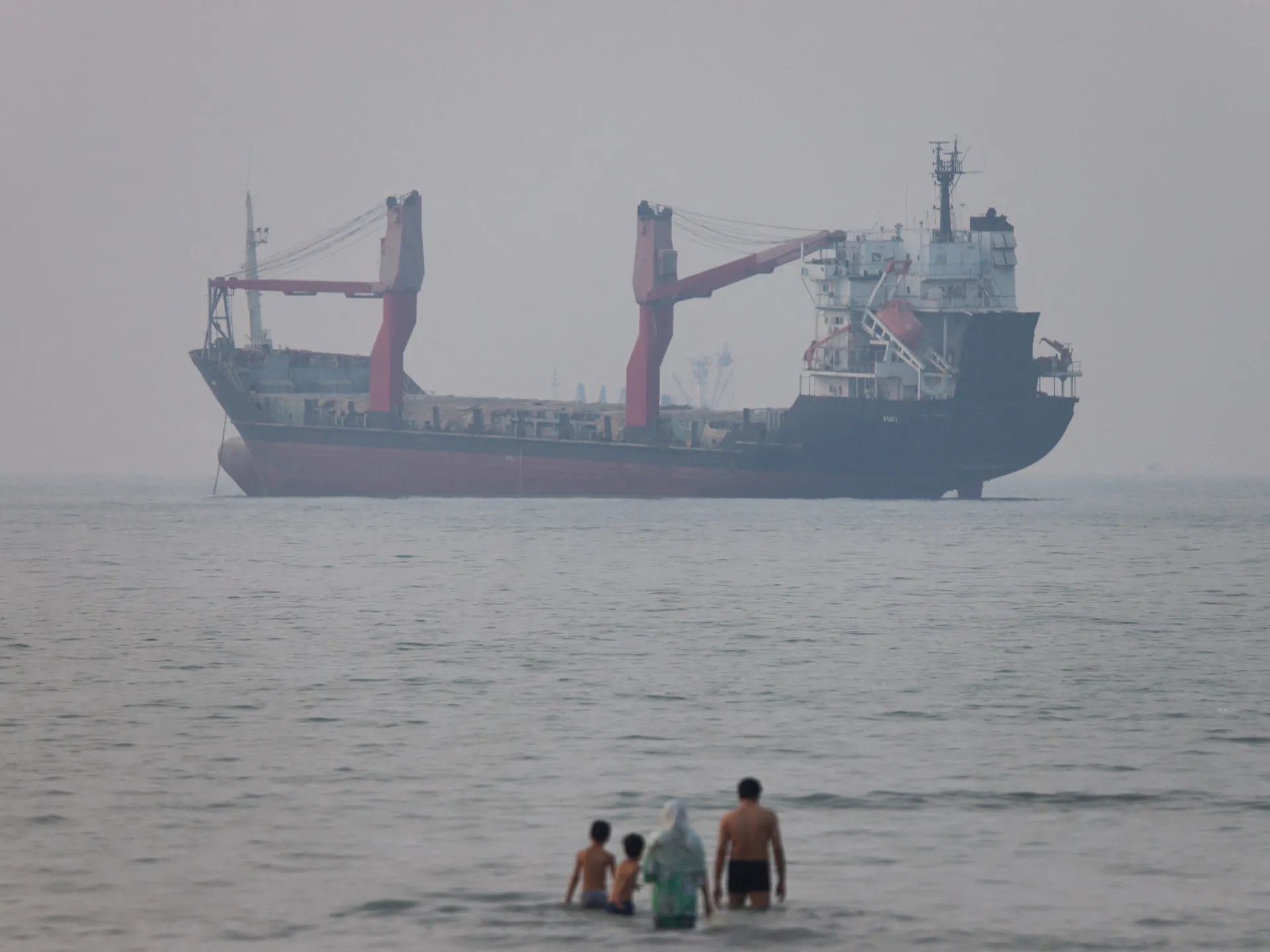
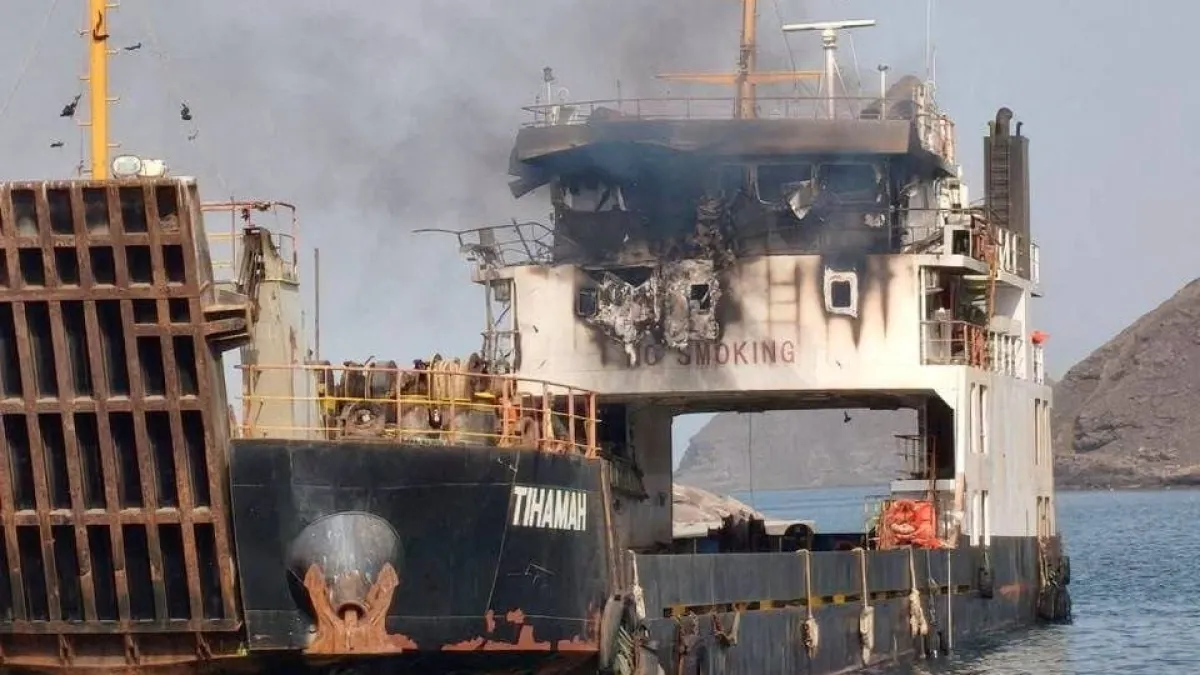
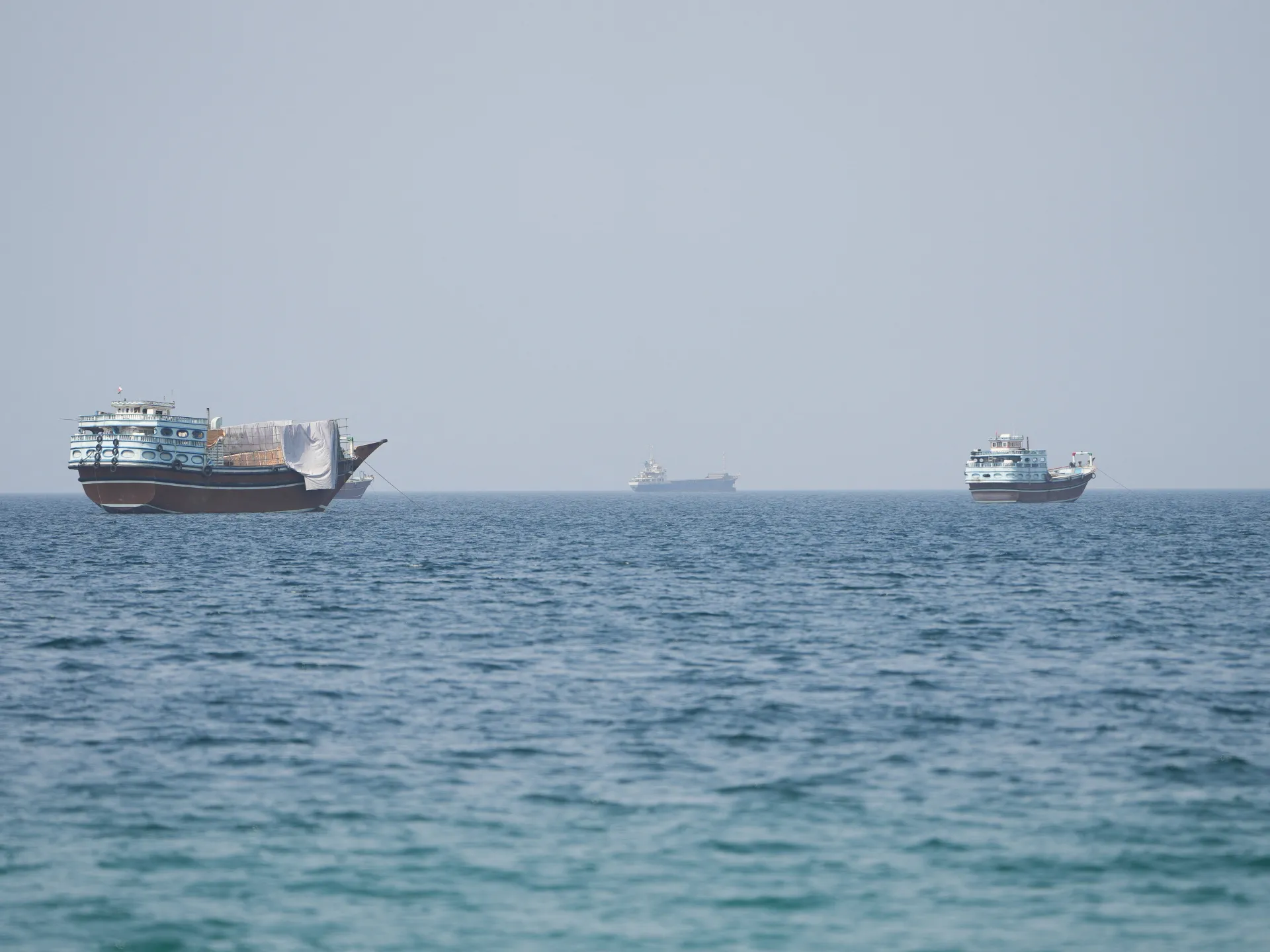
In the Middle East and the Gulf, the war involving Iran has highlighted the extreme vulnerability of modern desalination systems. Many nations in this region rely heavily on these technologies, with countries like Bahrain, Qatar, and Kuwait depending on desalination for upwards of 90 percent of their potable water supply. Recent military strikes have caused damage to these critical facilities, serving as a stark warning about the fragility of water security in an era of heightened regional tension, even when the immediate impact on supply remains localized.
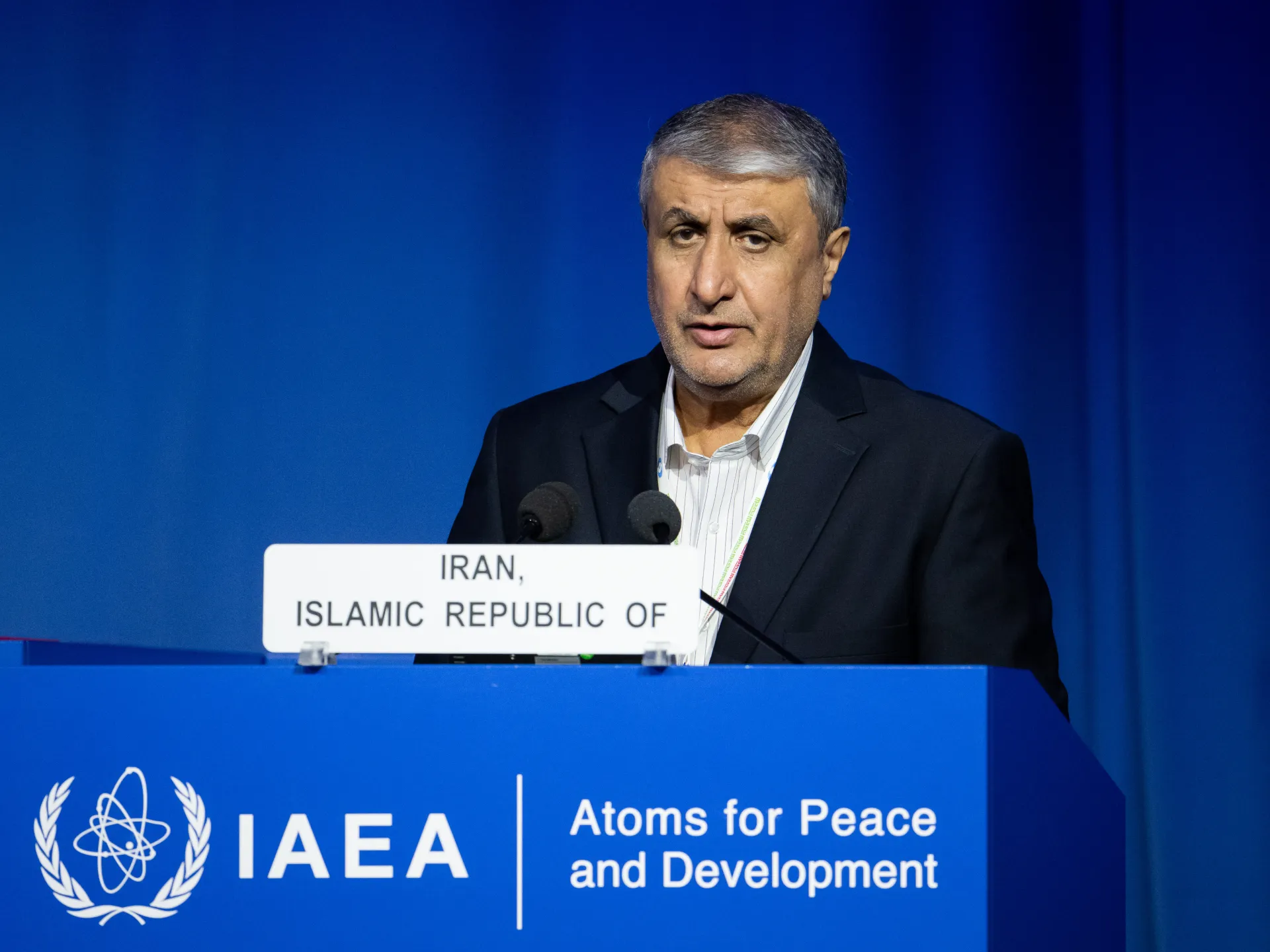
Iran itself is grappling with a dual threat: the destruction of its desalination capacity and an existing, severe ecological deficit. With reservoir levels in major urban centers like Mashhad dropping below three percent, the nation's water reserves were already critically low before the onset of recent hostilities. The loss of electricity and damaged transportation networks further complicate the repair of these vital systems, leaving millions of people in a state of chronic water insecurity that threatens to destabilize the region further.
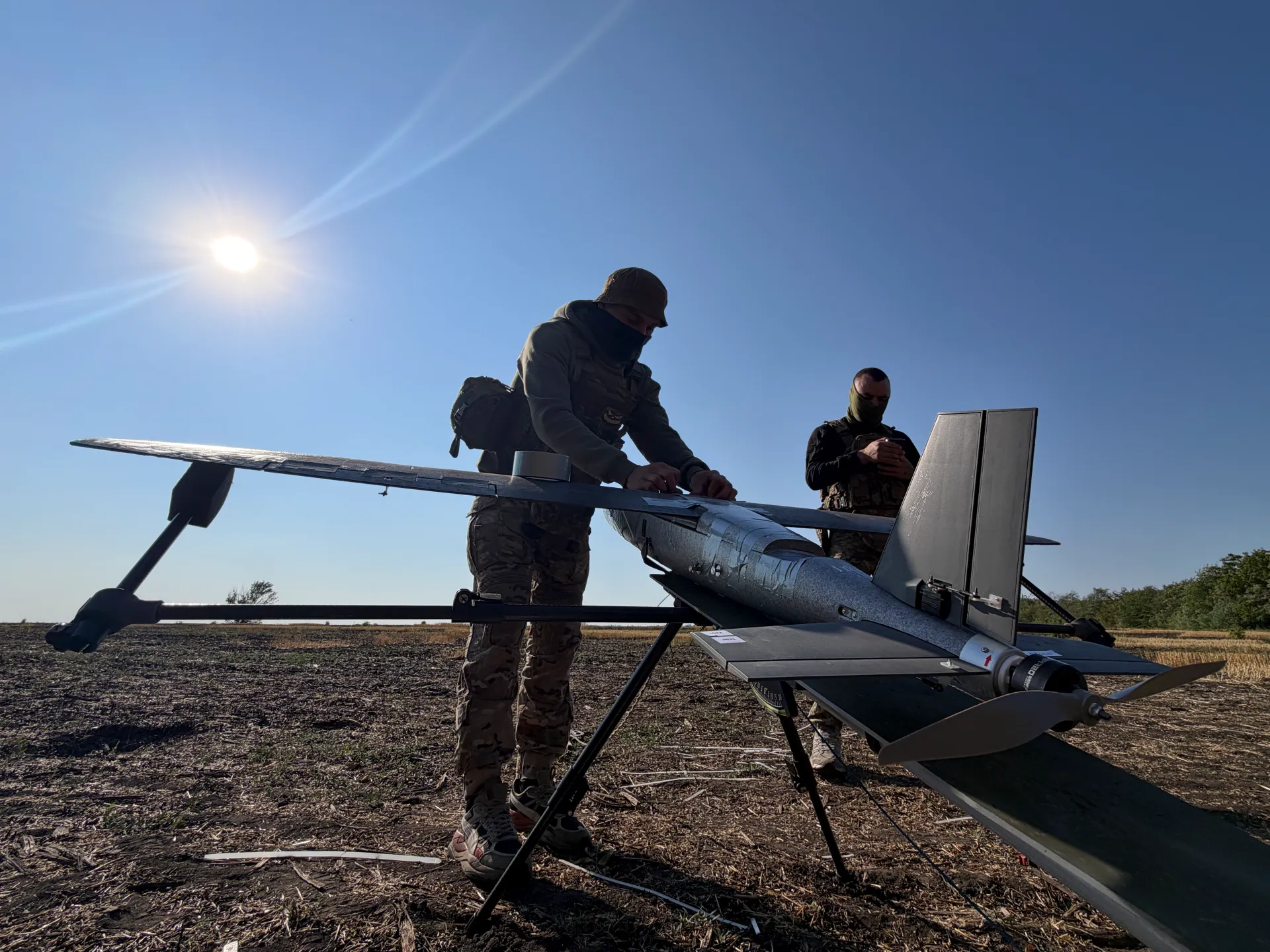
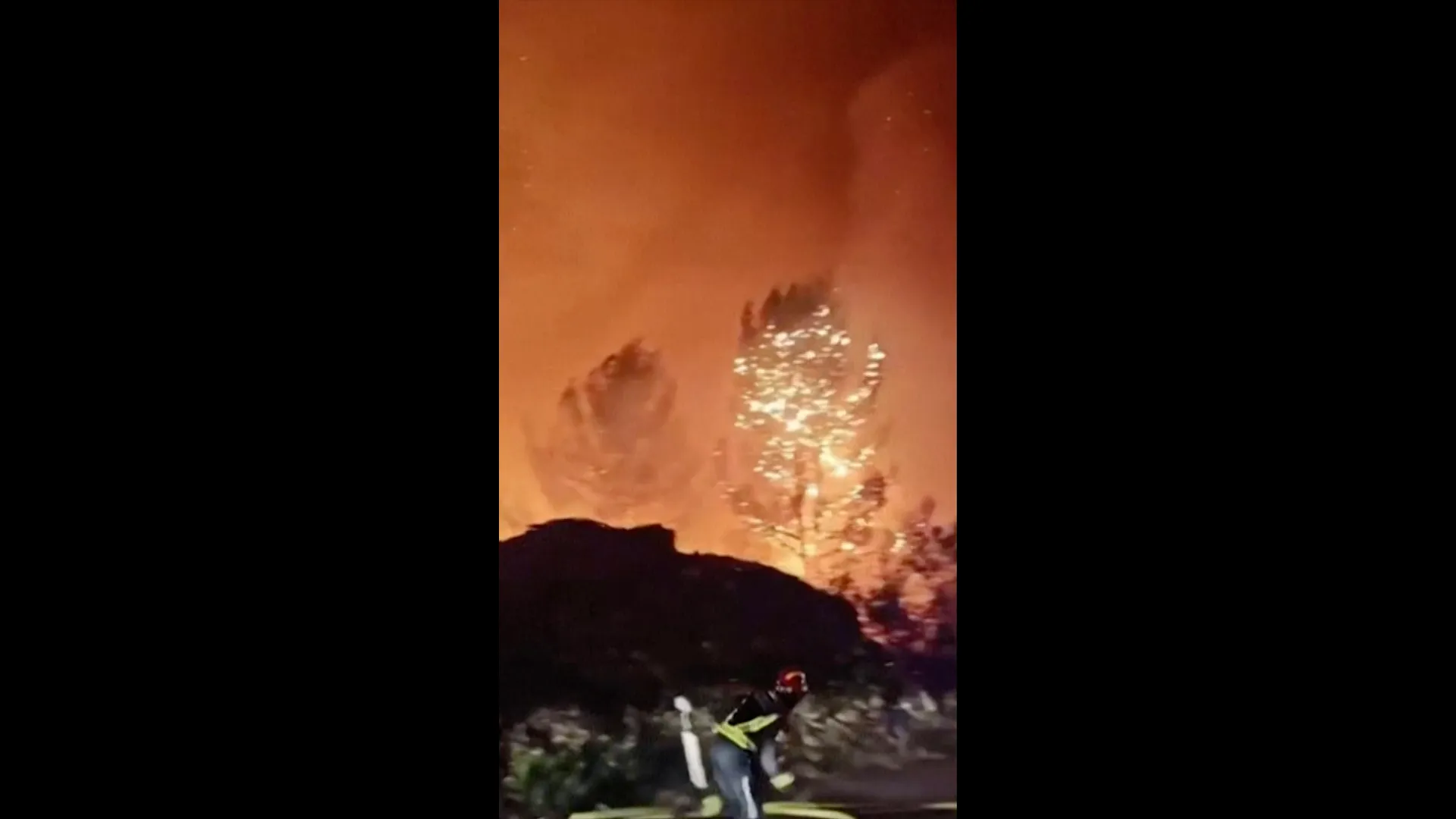
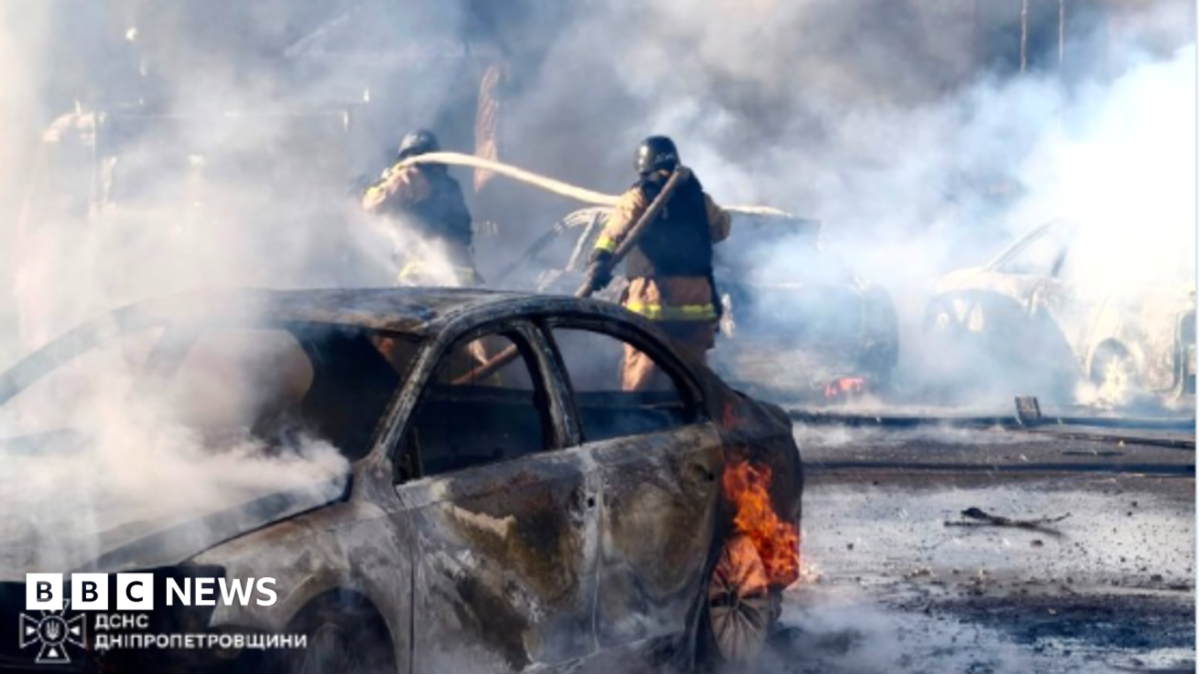
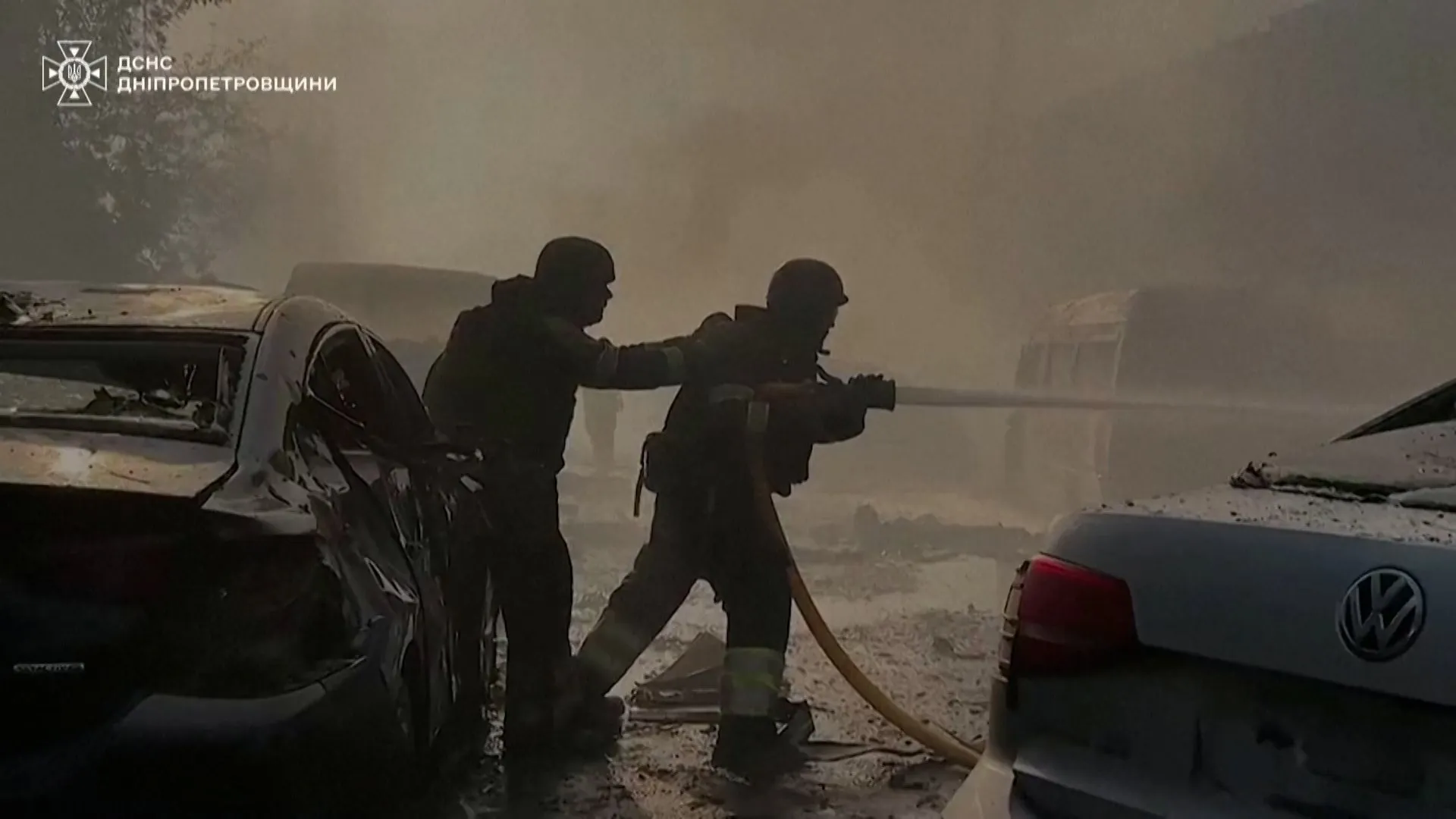
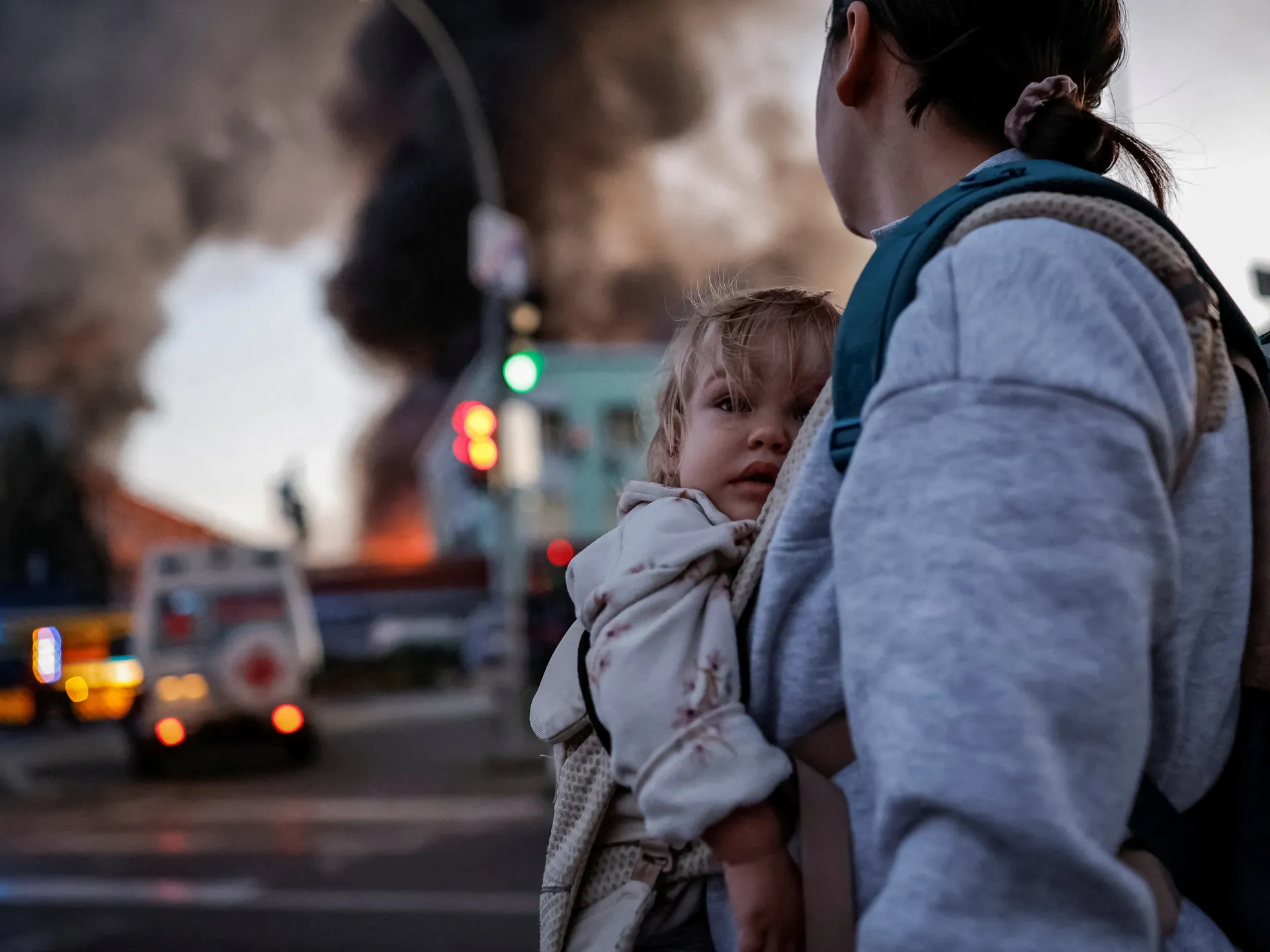
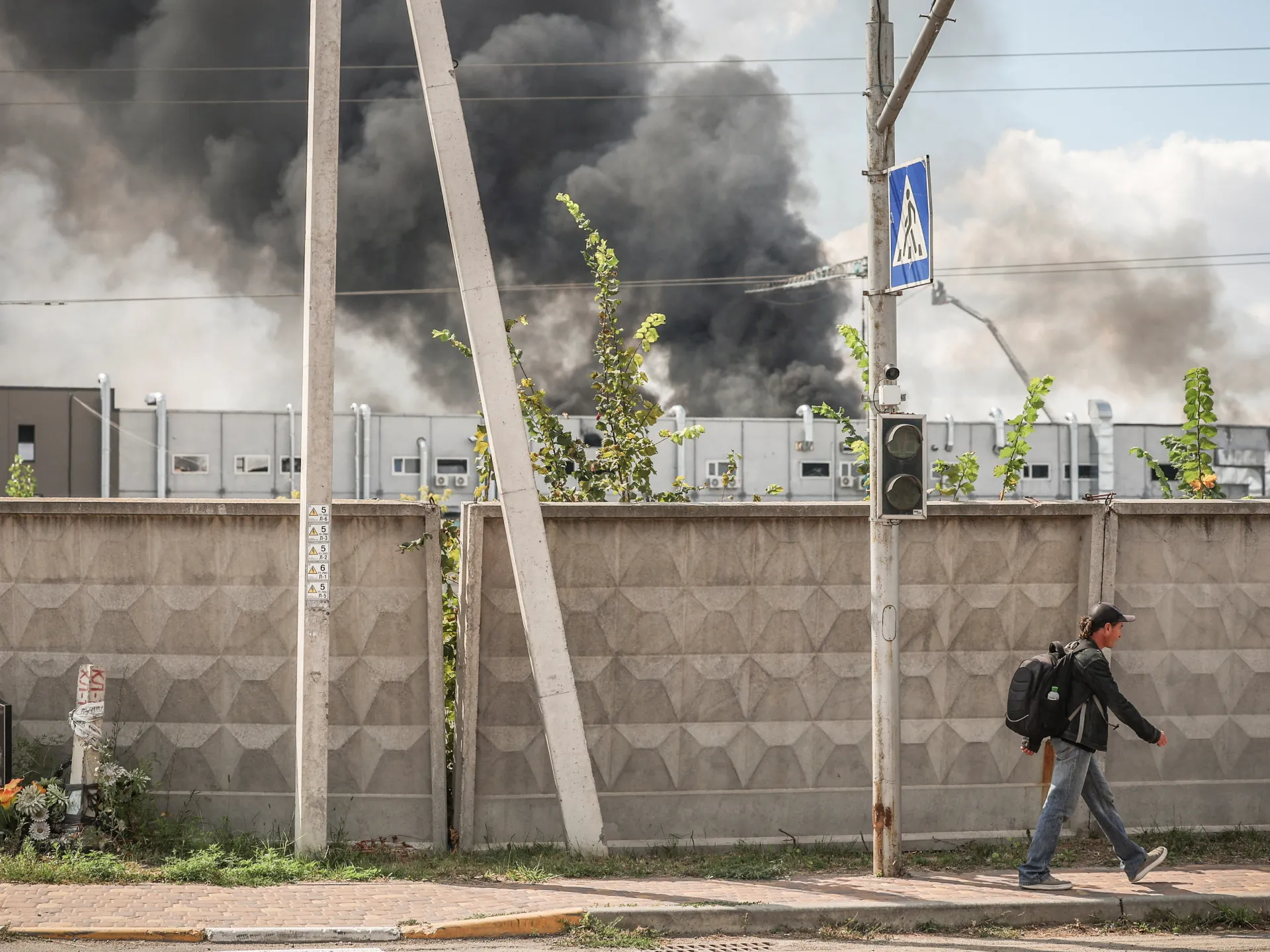
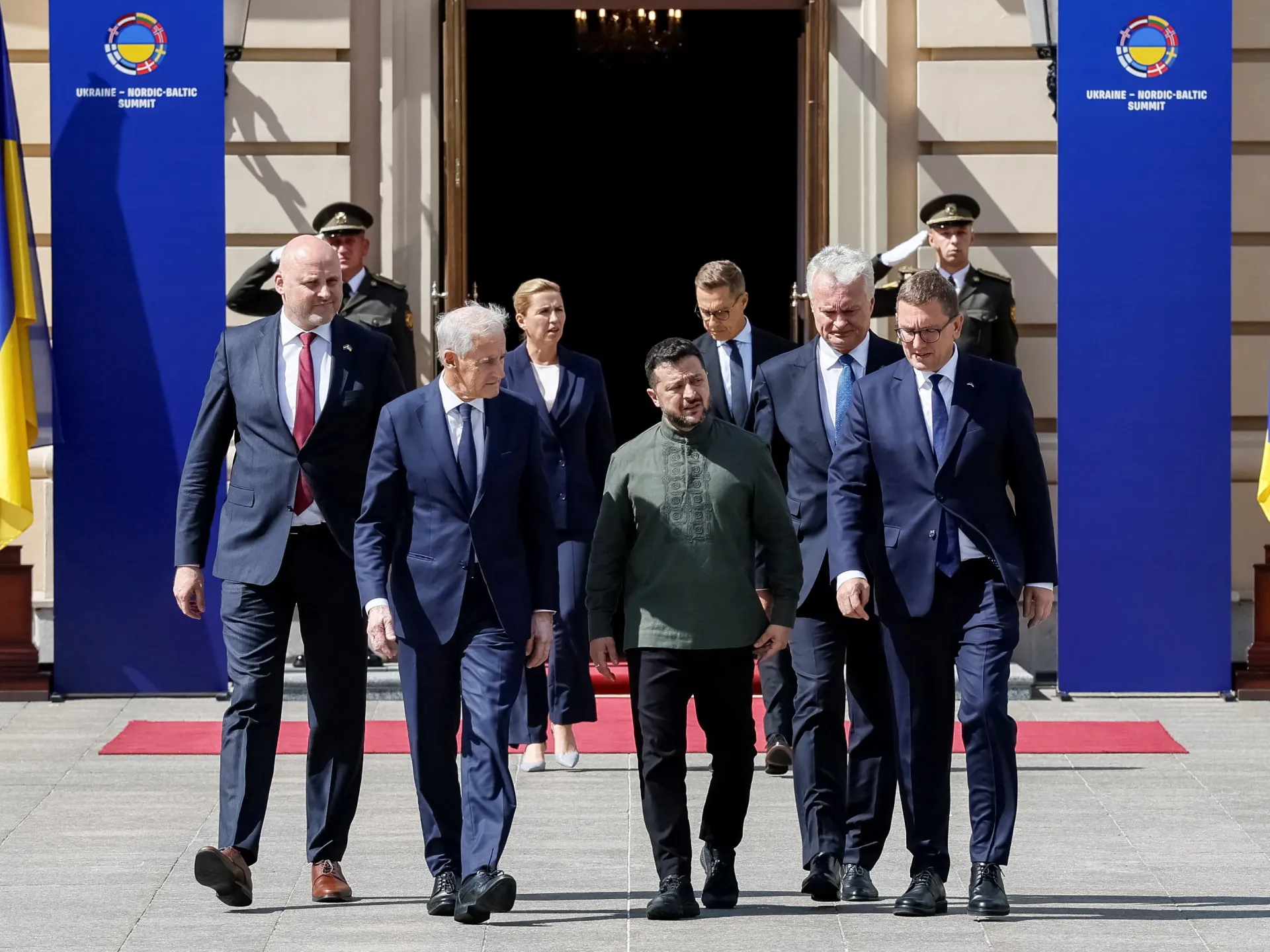
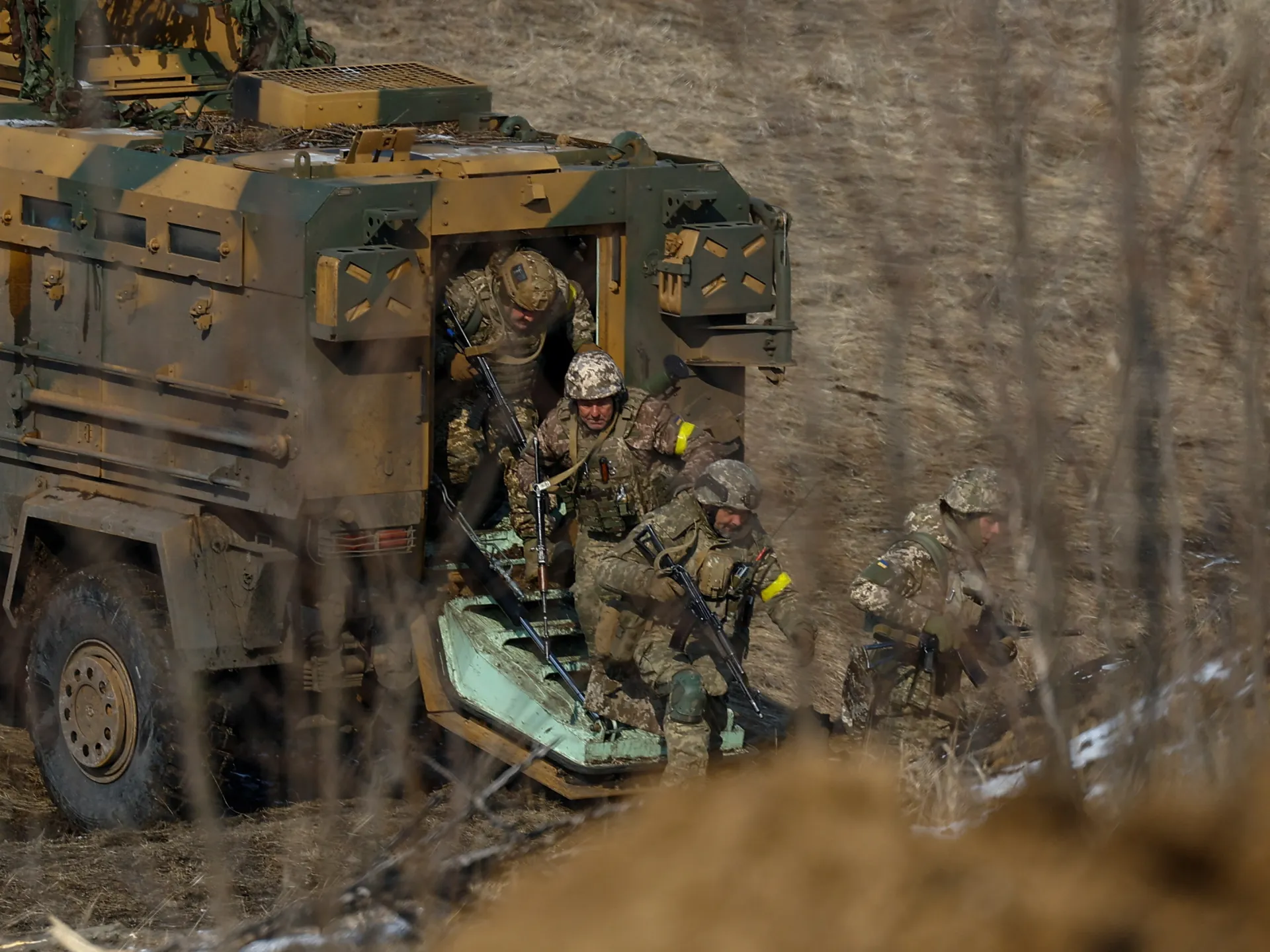
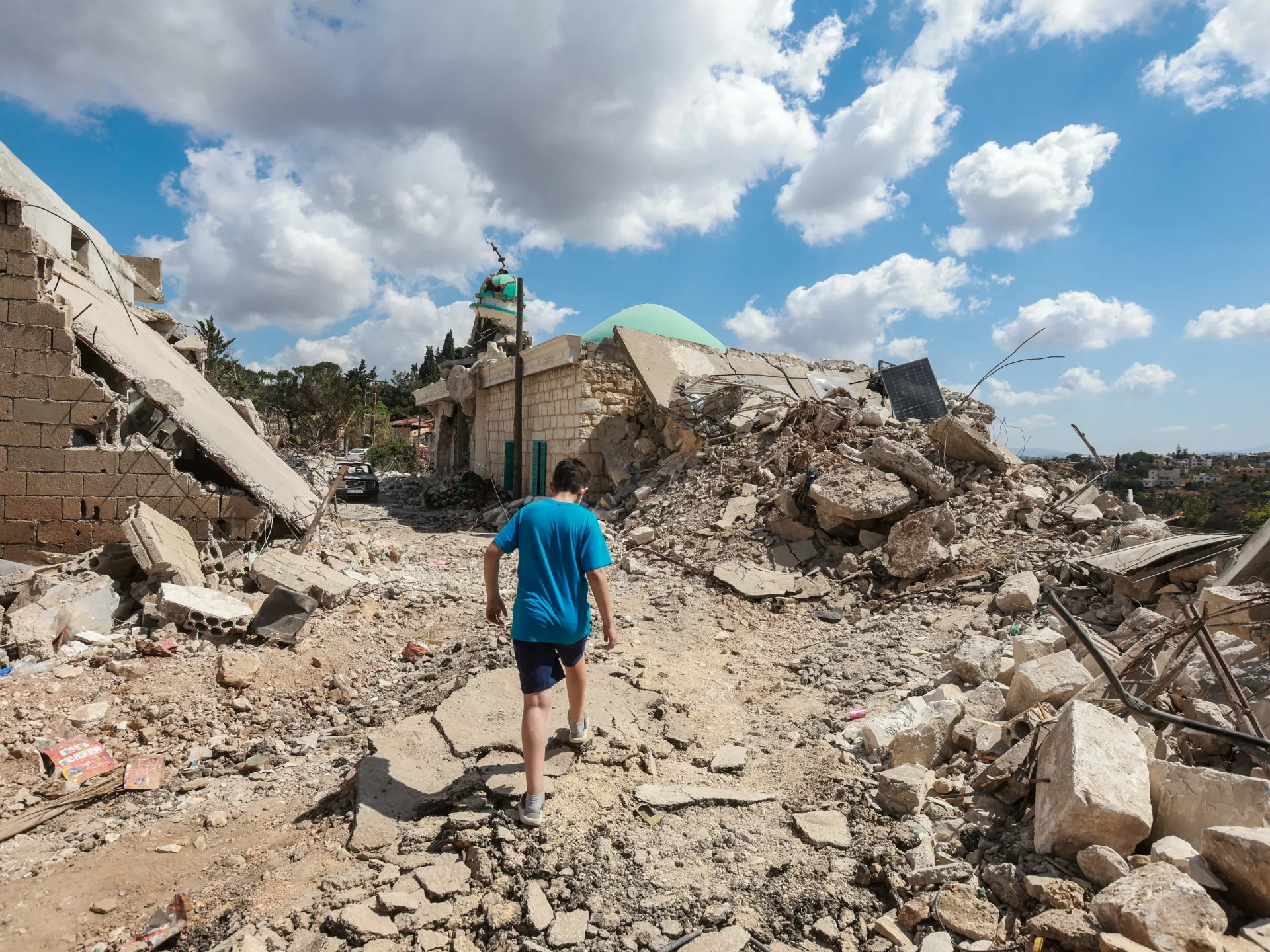
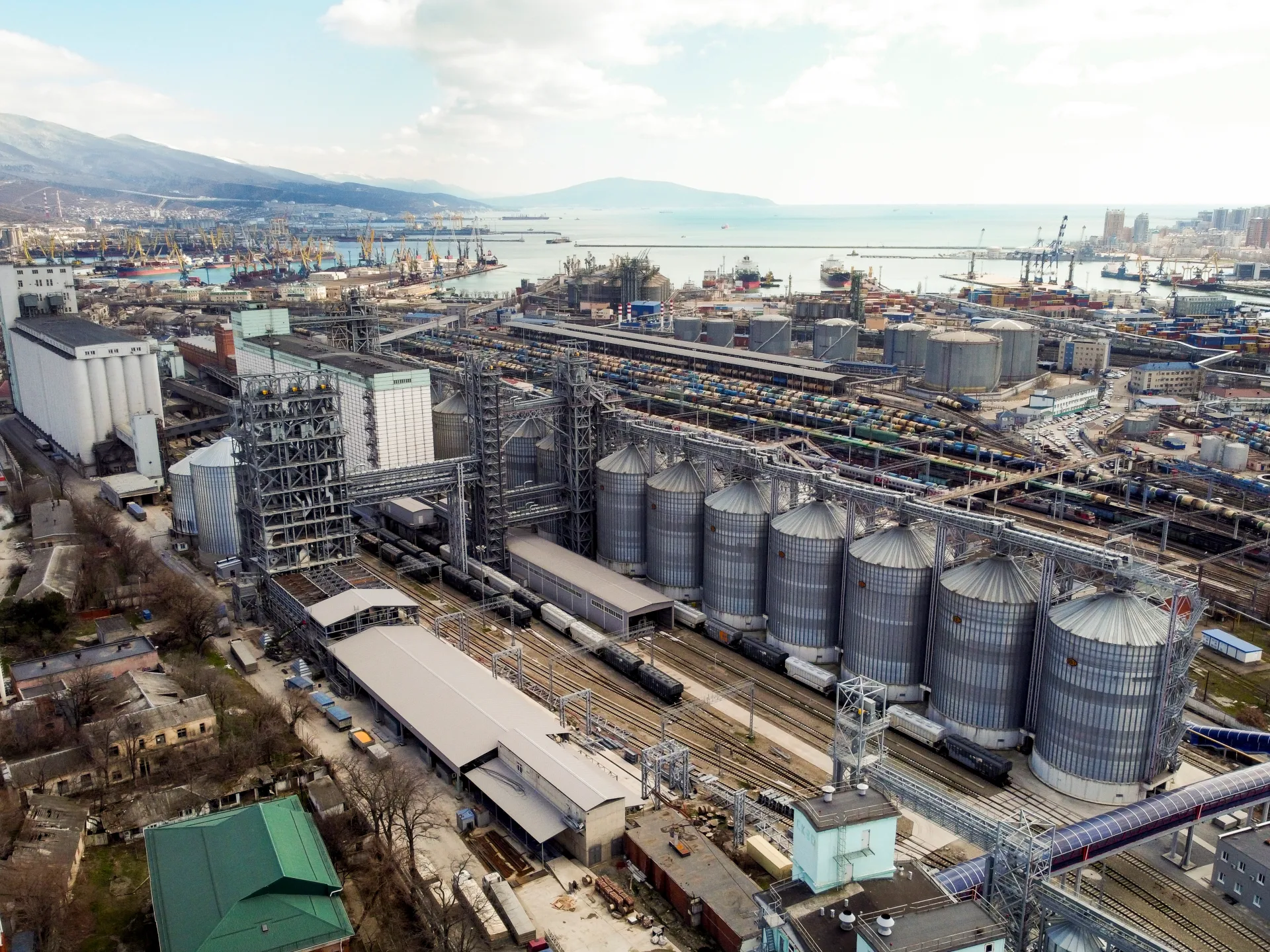
The ongoing war in Ukraine continues to have a devastating impact on the nation’s water and energy security. The destruction of vital infrastructure has left millions of residents without access to consistent, safe water supplies. International humanitarian agencies report that over 12 million people in Ukraine are currently in need of critical support. The disruption of electricity generation, which is essential for pumping water and operating sanitation plants, has meant that entire neighborhoods are frequently left without basic services.
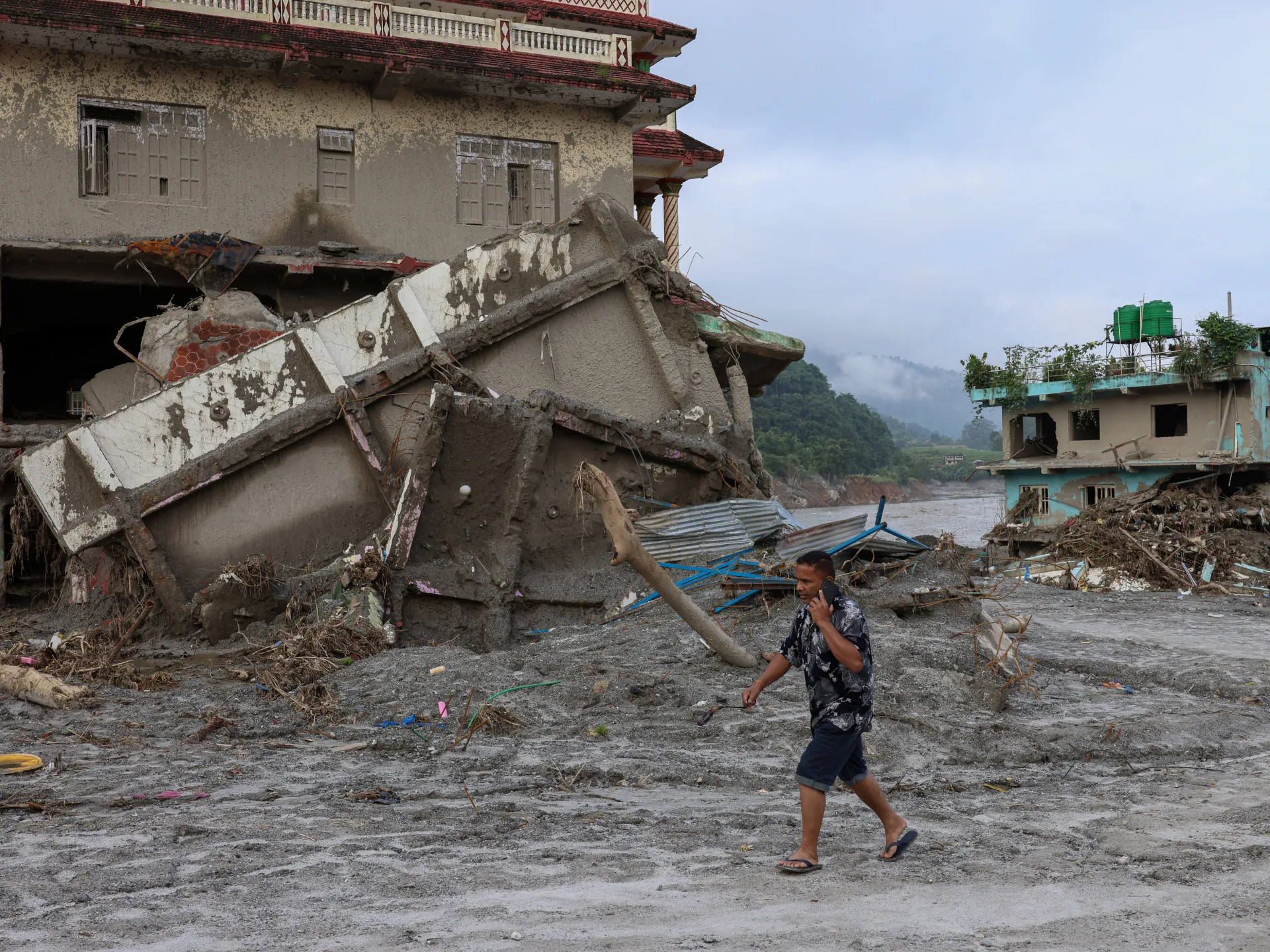
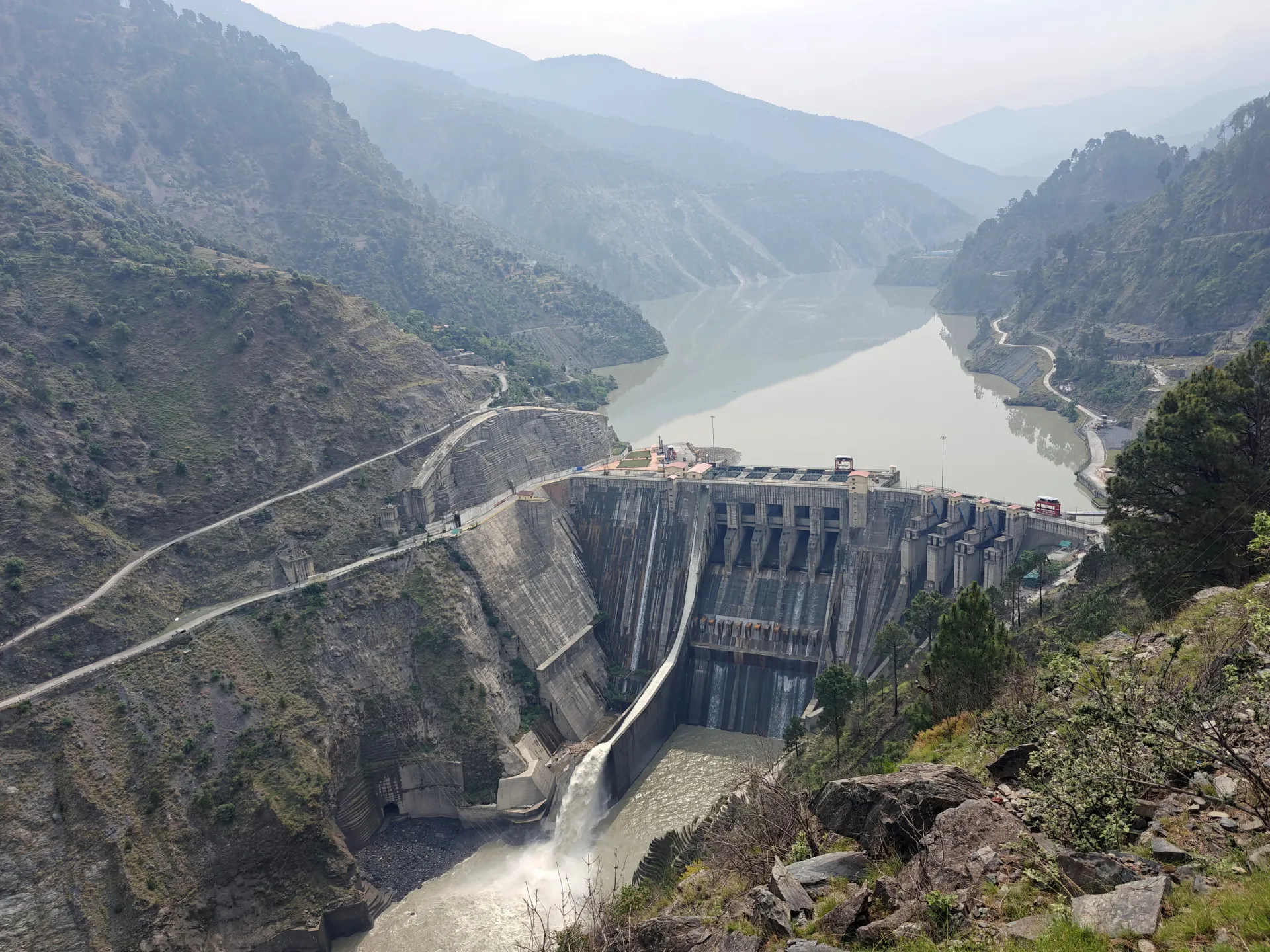
The catastrophic failure of the Kakhovka Dam in 2023 remains a primary example of how large-scale infrastructure destruction can cause long-term environmental and humanitarian damage. With millions still lacking reliable access to safe water, the crisis in Ukraine highlights a broader, global challenge: the difficulty of maintaining essential life-sustaining services in a high-intensity conflict zone. As these trends continue, the international community faces the monumental task of protecting civil water infrastructure from the ravages of modern warfare.