South Dakota Highway Patrol officers narrowly escaped injury after a bolt of lightning struck the ground just feet away during an active foot pursuit.
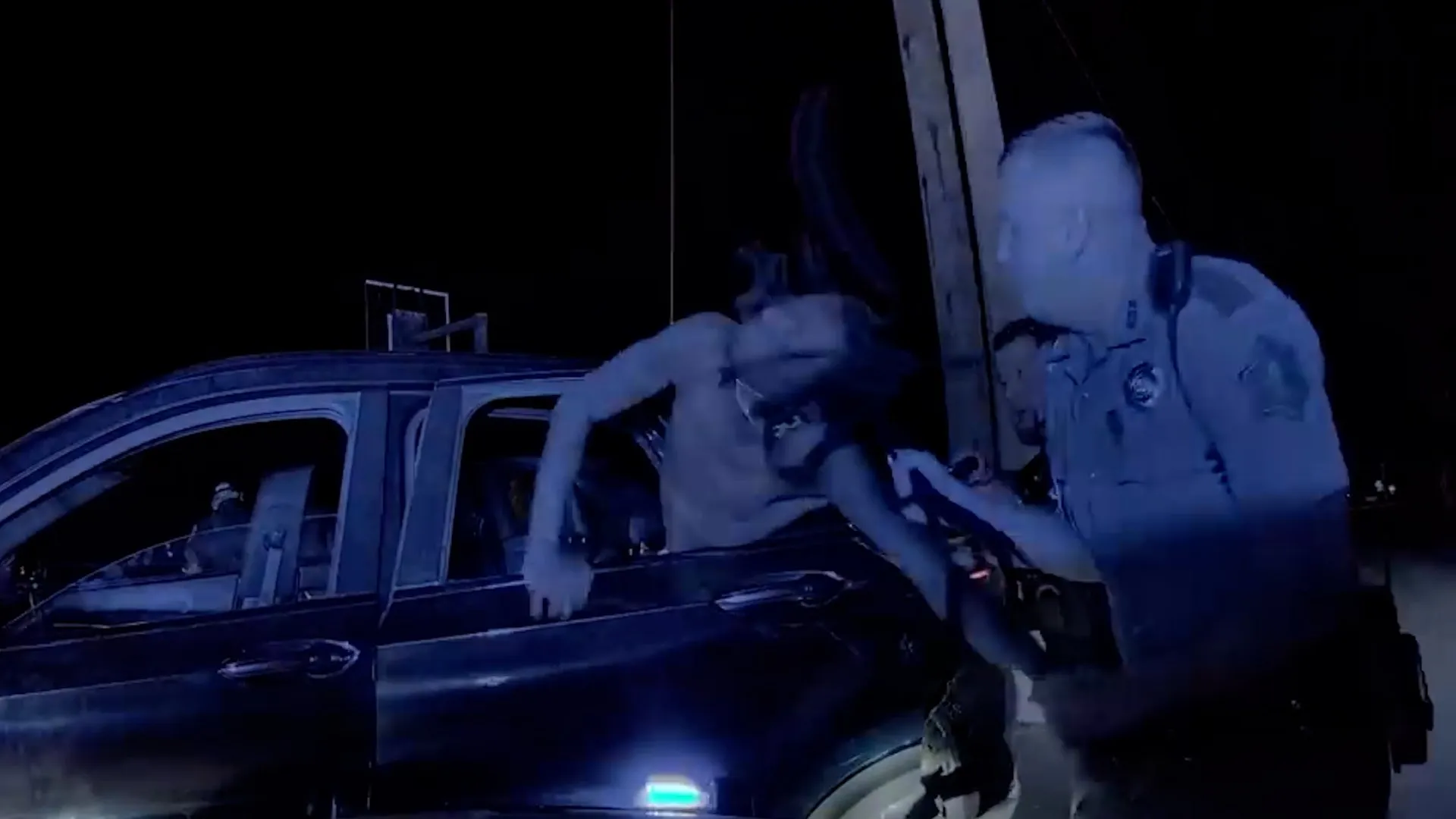
In a startling display of nature's unpredictability, members of the South Dakota Highway Patrol recently found themselves in the middle of a dangerous weather event while actively engaged in a foot pursuit. The incident, which was captured on official body-worn camera footage, highlights the extreme and unforeseen hazards that law enforcement officers face while performing their duties in the field.
As the officers navigated the terrain, the sky darkened rapidly, signaling an incoming storm front. Despite the deteriorating conditions, the pursuit continued until a sudden, massive discharge of electricity struck the ground just a few meters away from the troopers. The intensity of the flash and the proximity of the strike serve as a sobering reminder of how quickly atmospheric conditions can shift from manageable to life-threatening for first responders working outdoors.
Lightning is one of the most significant weather-related threats in the United States, particularly during the summer months. When law enforcement personnel are required to be outside, they are often exposed to open environments such as highways, fields, or rural landscapes, which offer little protection from electrical discharges. The South Dakota incident underscores the necessity for situational awareness, even when officers are focused on high-stress law enforcement objectives.
Meteorologists consistently emphasize that there is no safe place to be outside during a thunderstorm. When a storm is close enough for thunder to be heard, it is close enough to produce a lightning strike. In this specific scenario, the officers were fortunate that the strike occurred in the immediate vicinity rather than making direct contact with them or their equipment, which could have led to catastrophic injuries or fatalities.
The use of body-worn cameras has become a standard practice for law enforcement agencies across the United States. While these devices are primarily intended to provide transparency and accountability during public interactions, they also serve as vital tools for documenting the environmental challenges officers encounter during their shifts. The footage from this event provides a clear look at the sheer force of a lightning strike in an open environment.
Beyond the legal and administrative utility of these recordings, the footage serves an educational purpose. Agencies may use such clips to discuss safety protocols during extreme weather, ensuring that officers are better prepared to recognize the signs of an impending strike. ssity of public safety operations with the physical well-being of the troopers on the ground.
Following the event, the South Dakota Highway Patrol confirmed that none of the involved troopers sustained injuries. This outcome is attributed to pure luck, as the strike happened at a distance that prevented a direct electrical surge through their bodies. However, this incident may prompt a review of safety procedures regarding foot pursuits during active electrical storms. While law enforcement objectives often require urgency, the safety of personnel remains a primary concern for department leadership.
Moving forward, the focus remains on ensuring that officers are equipped with the knowledge to identify hazardous weather patterns before they escalate. Training modules often cover general physical safety, but incidents like this emphasize the need to include specific protocols for severe weather encounters. rk to mitigate the risks posed wer of nature.