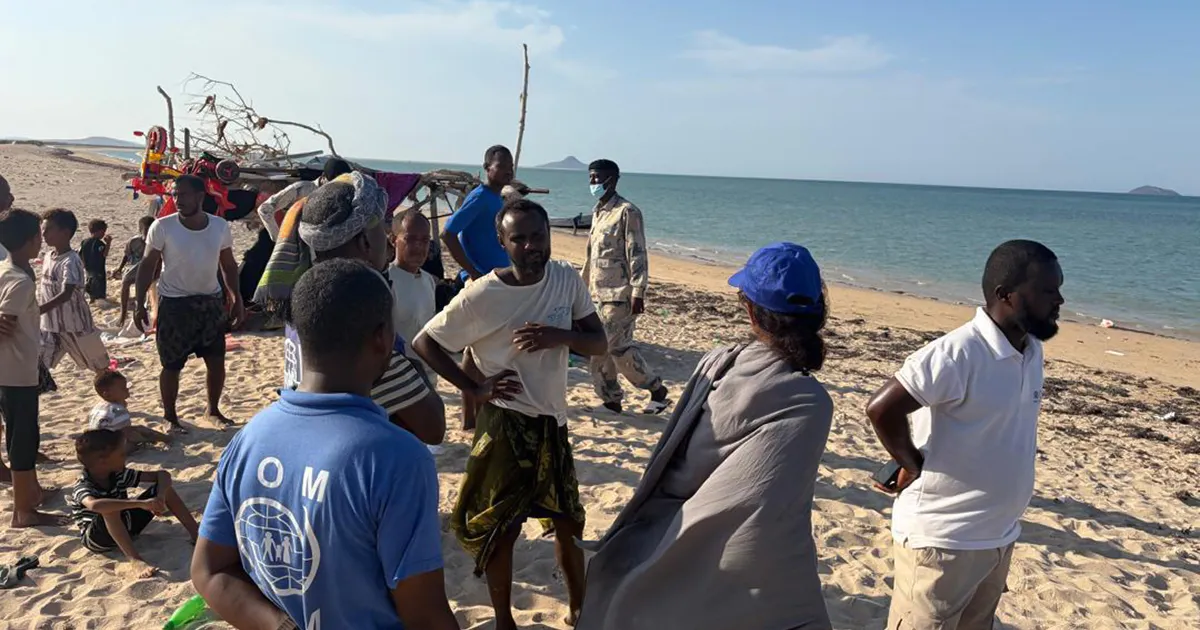
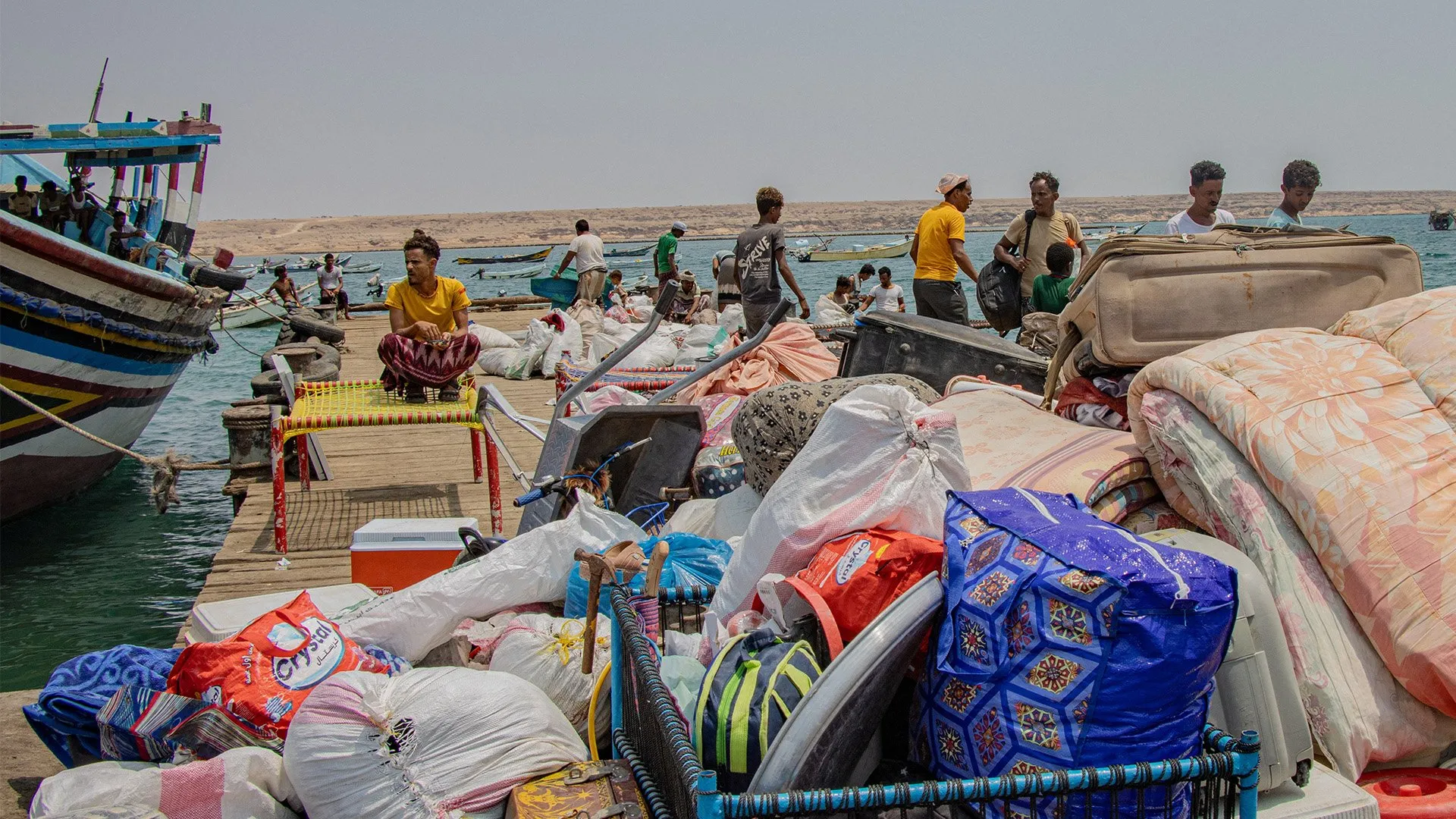
Djibouti is calling for urgent international aid as the country struggles to accommodate a massive influx of refugees fleeing the ongoing violence in Yemen.
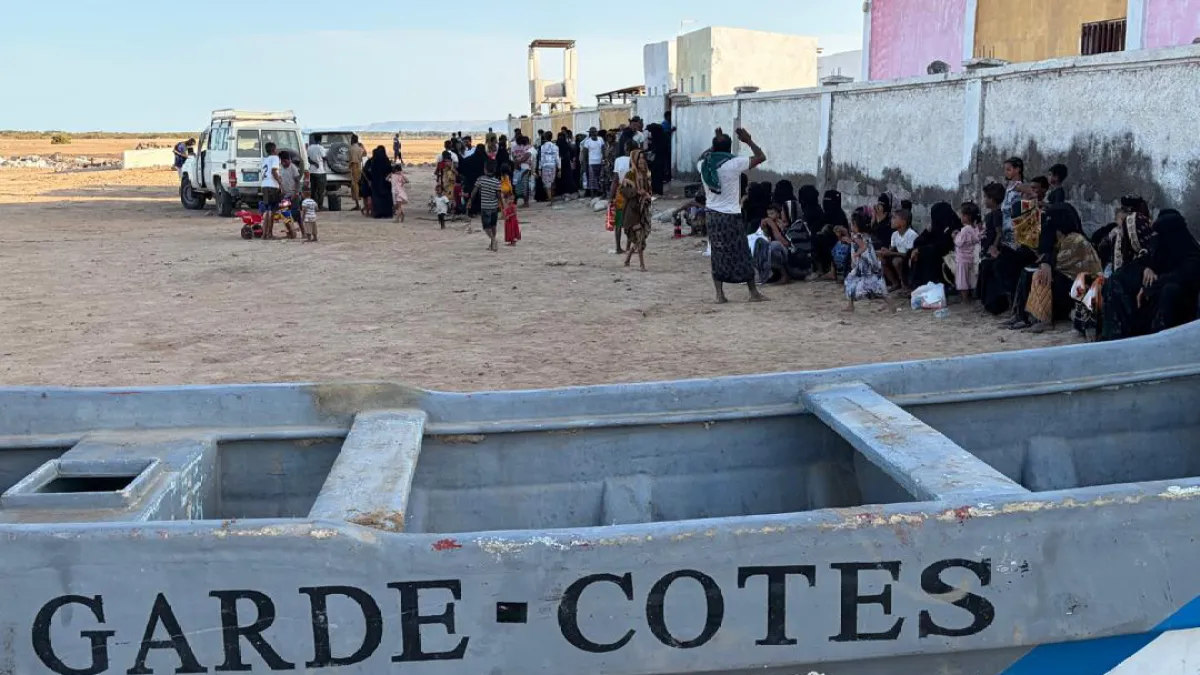
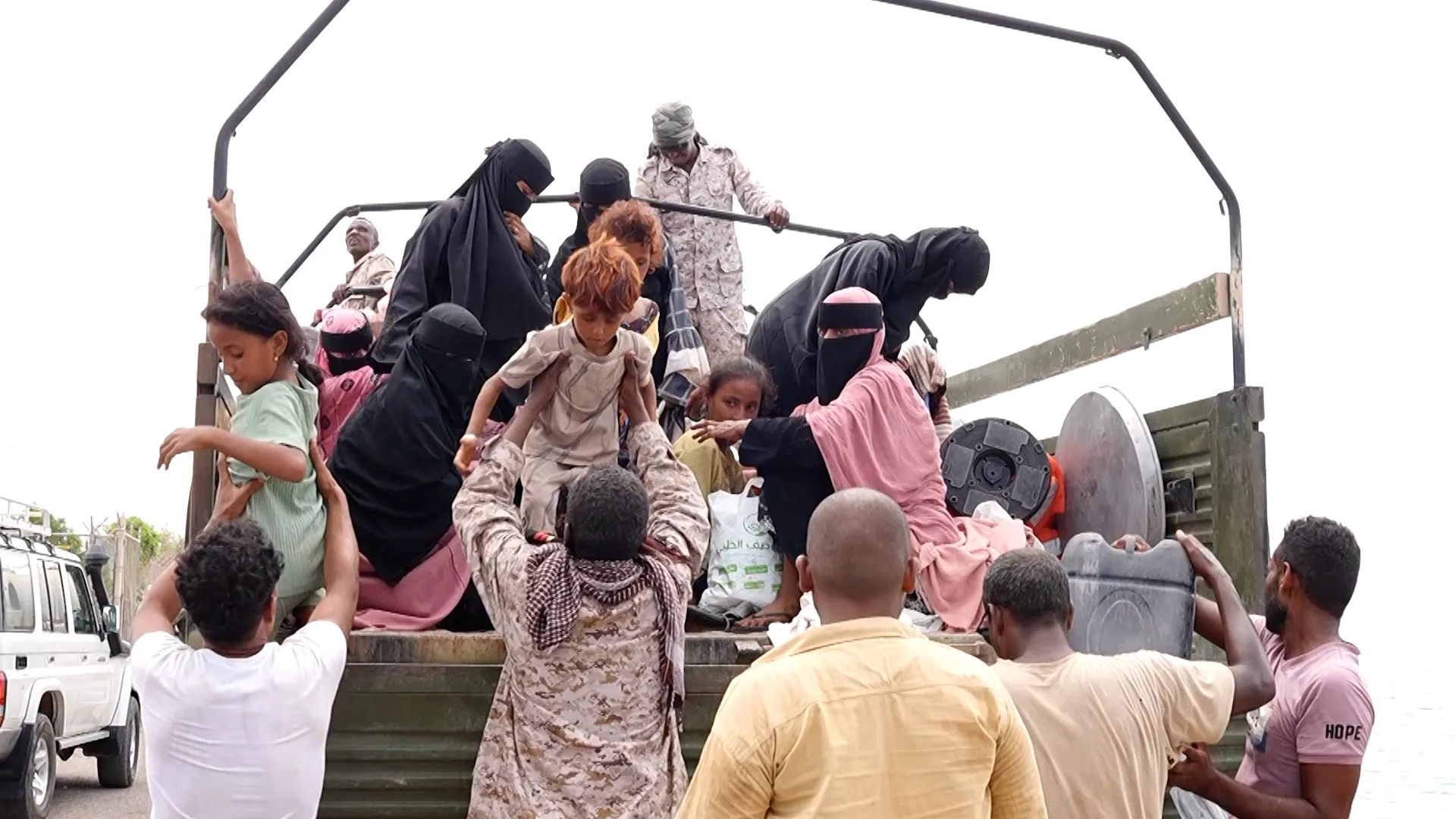
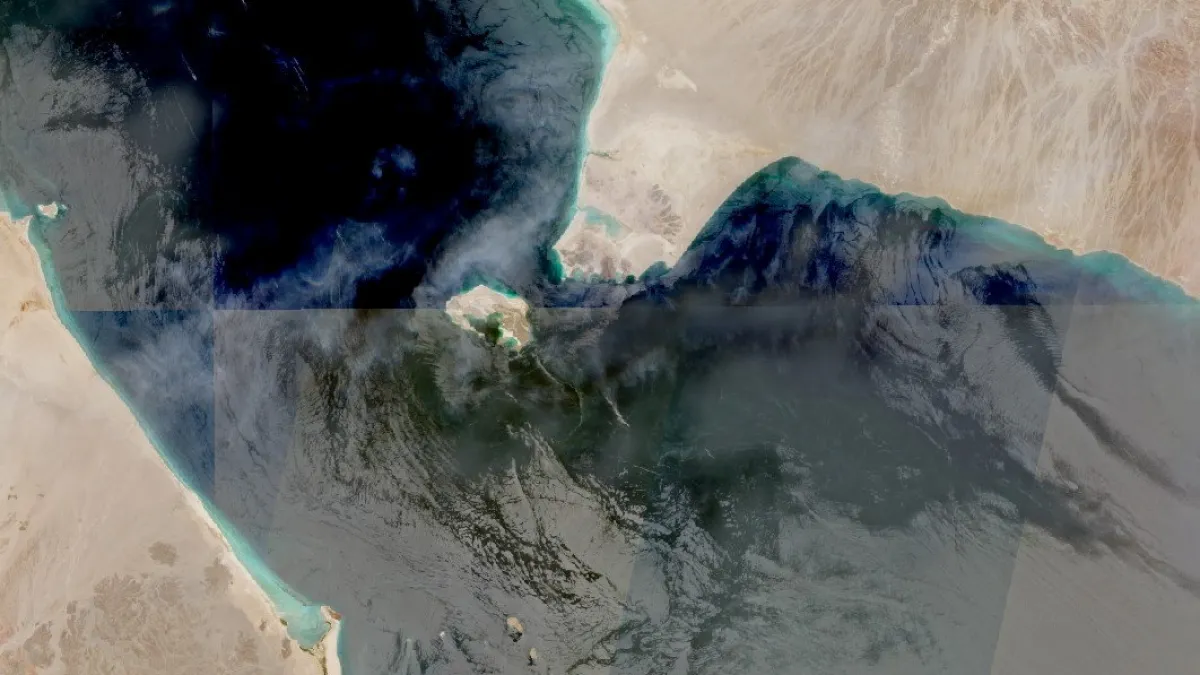
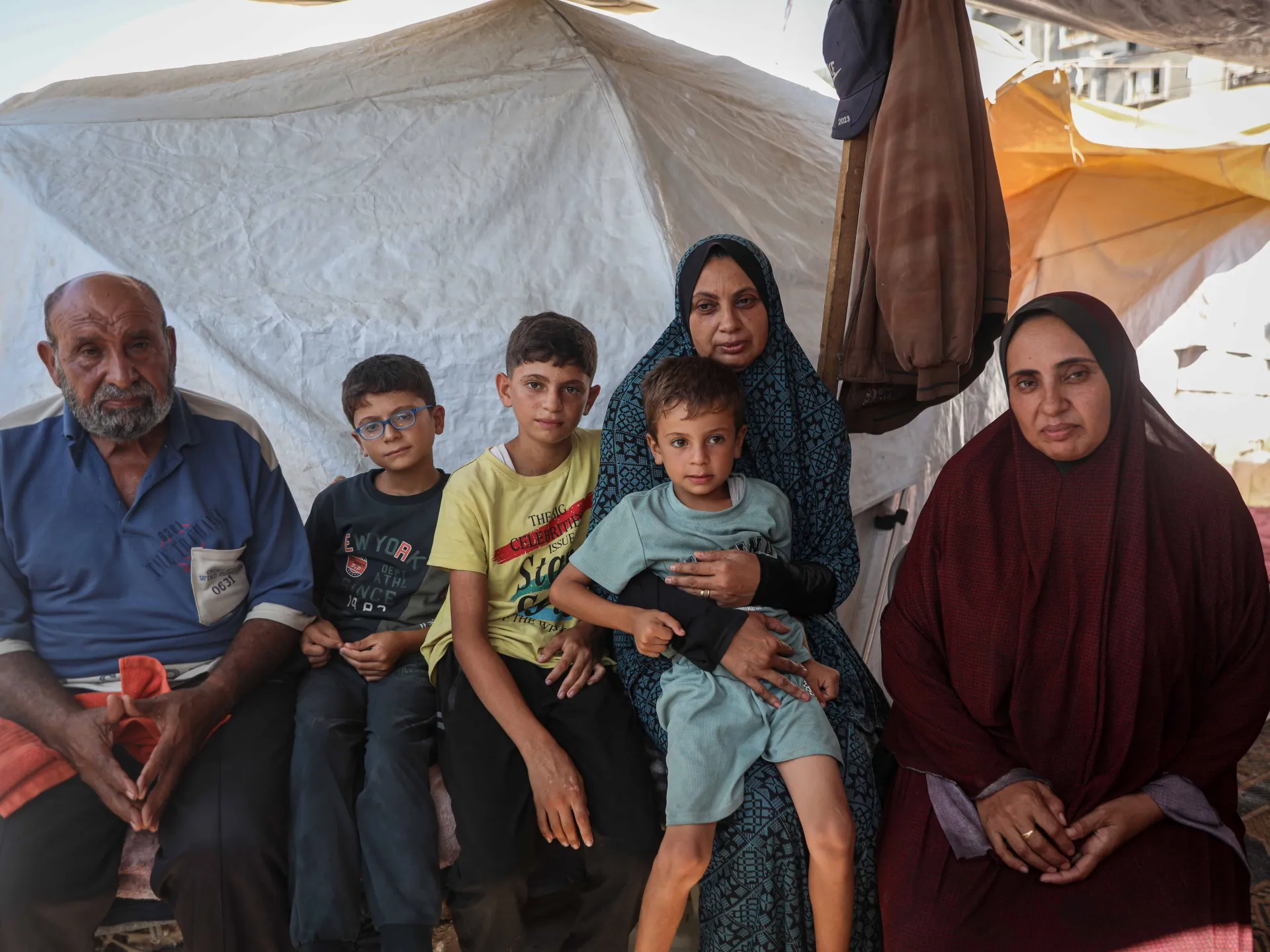
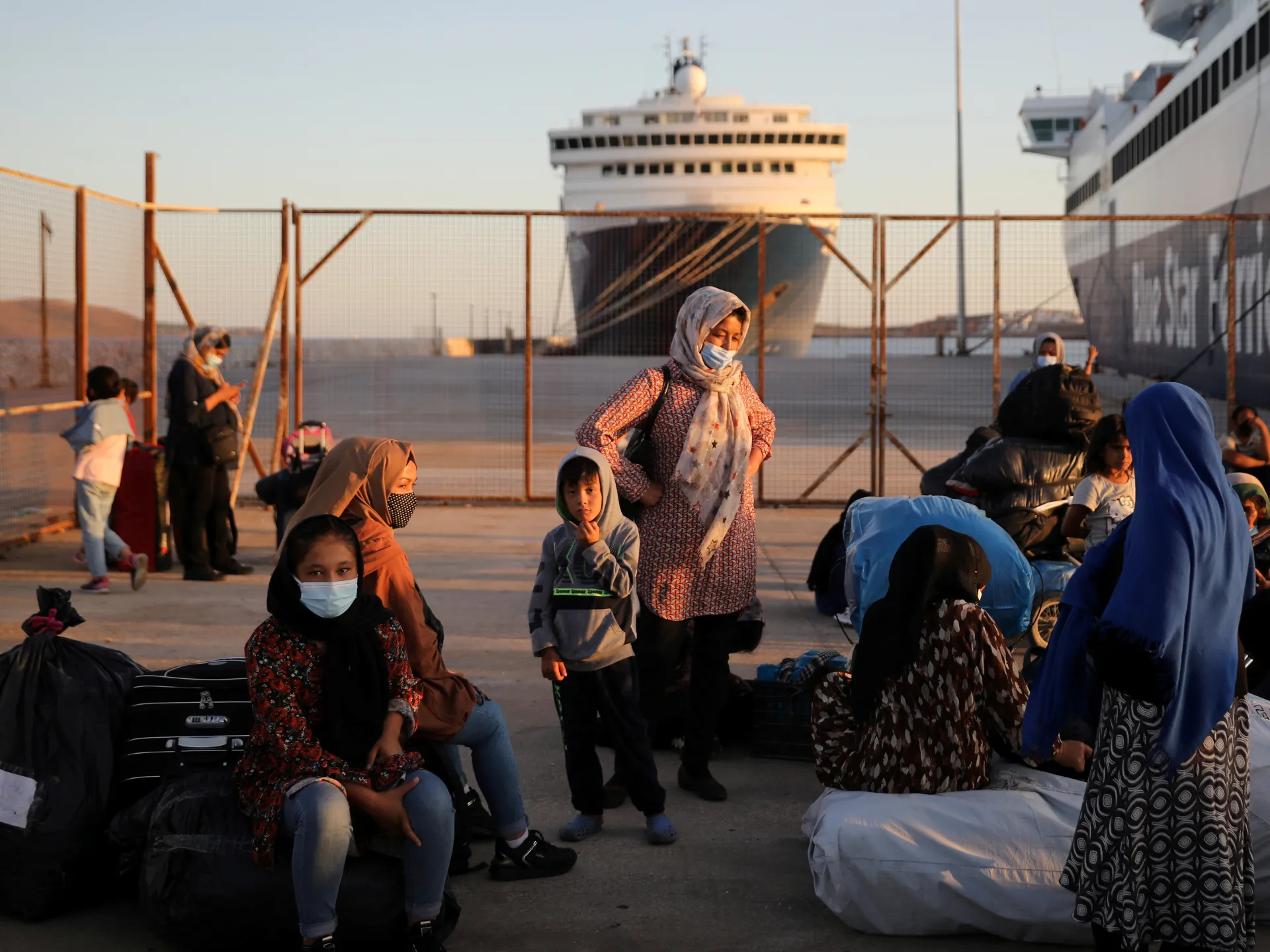
The nation of Djibouti is currently navigating a significant logistical and humanitarian challenge as it absorbs a rapidly increasing number of refugees fleeing the ongoing instability in Yemen. As the conflict across the Bab-el-Mandeb Strait shows no signs of abating, thousands of civilians have undertaken the perilous journey across the sea, seeking sanctuary on Djiboutian shores. This surge in arrivals has placed immense pressure on the country’s existing infrastructure, which was already strained
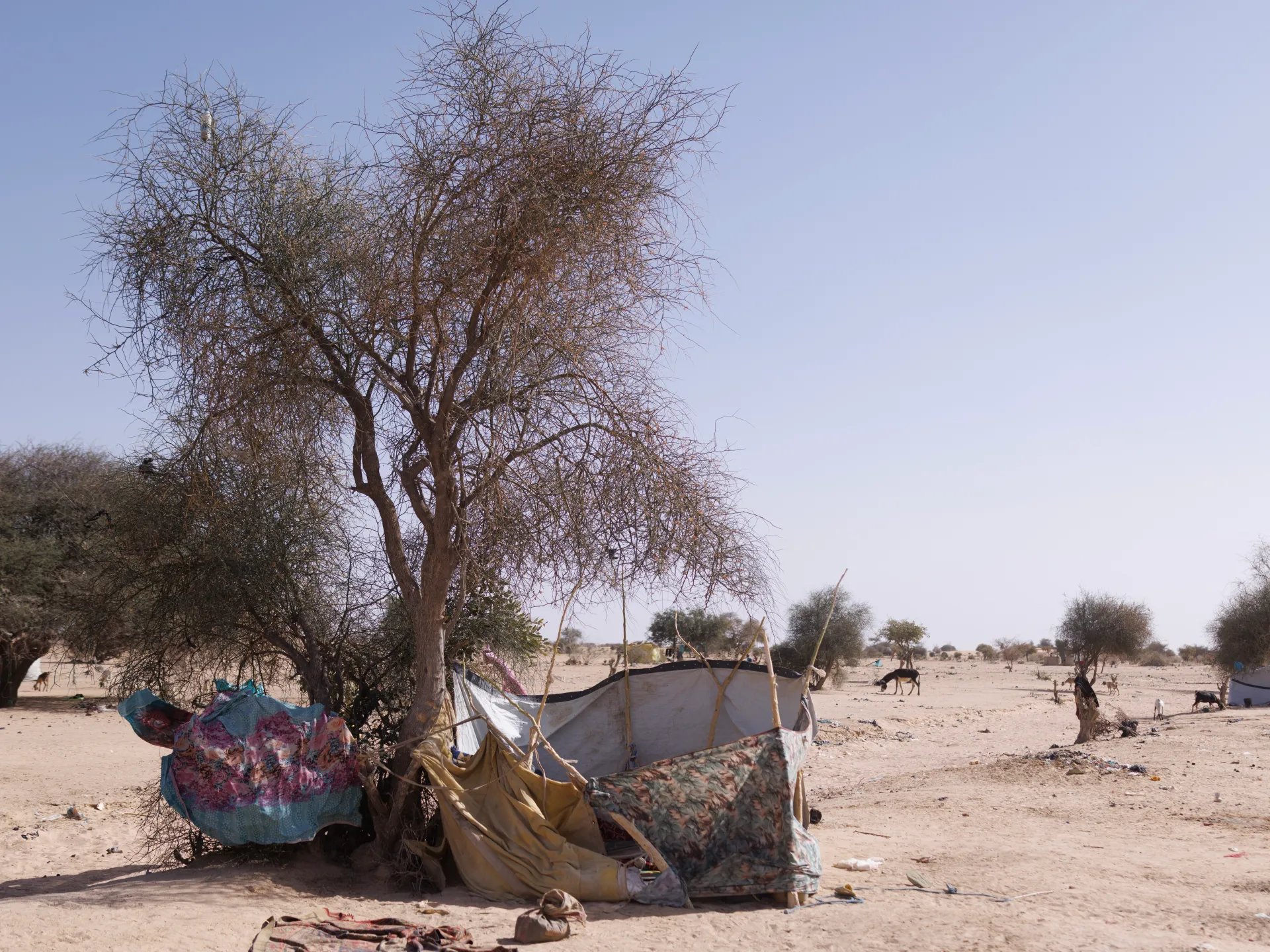
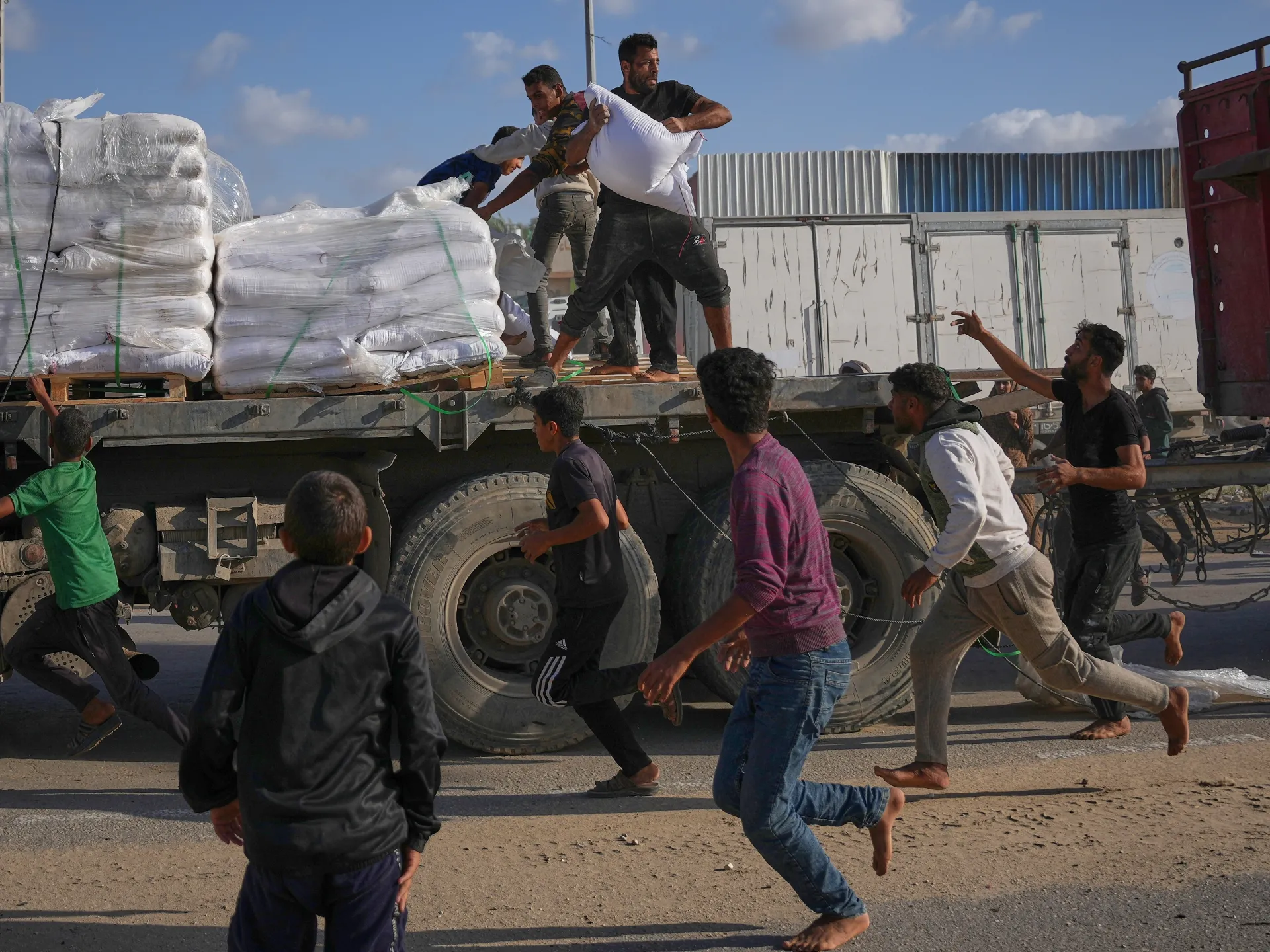
Local authorities and international observers have noted that the influx of displaced individuals is occurring at an unsustainable rate for a small nation. The refugees, often arriving with nothing but the clothes on their backs, require immediate medical attention, nutritional support, and long-term shelter. The government of Djibouti has issued a formal plea to the international community, emphasizing that the current situation requires a coordinated global response to prevent a full-scale humanitarian collapse.
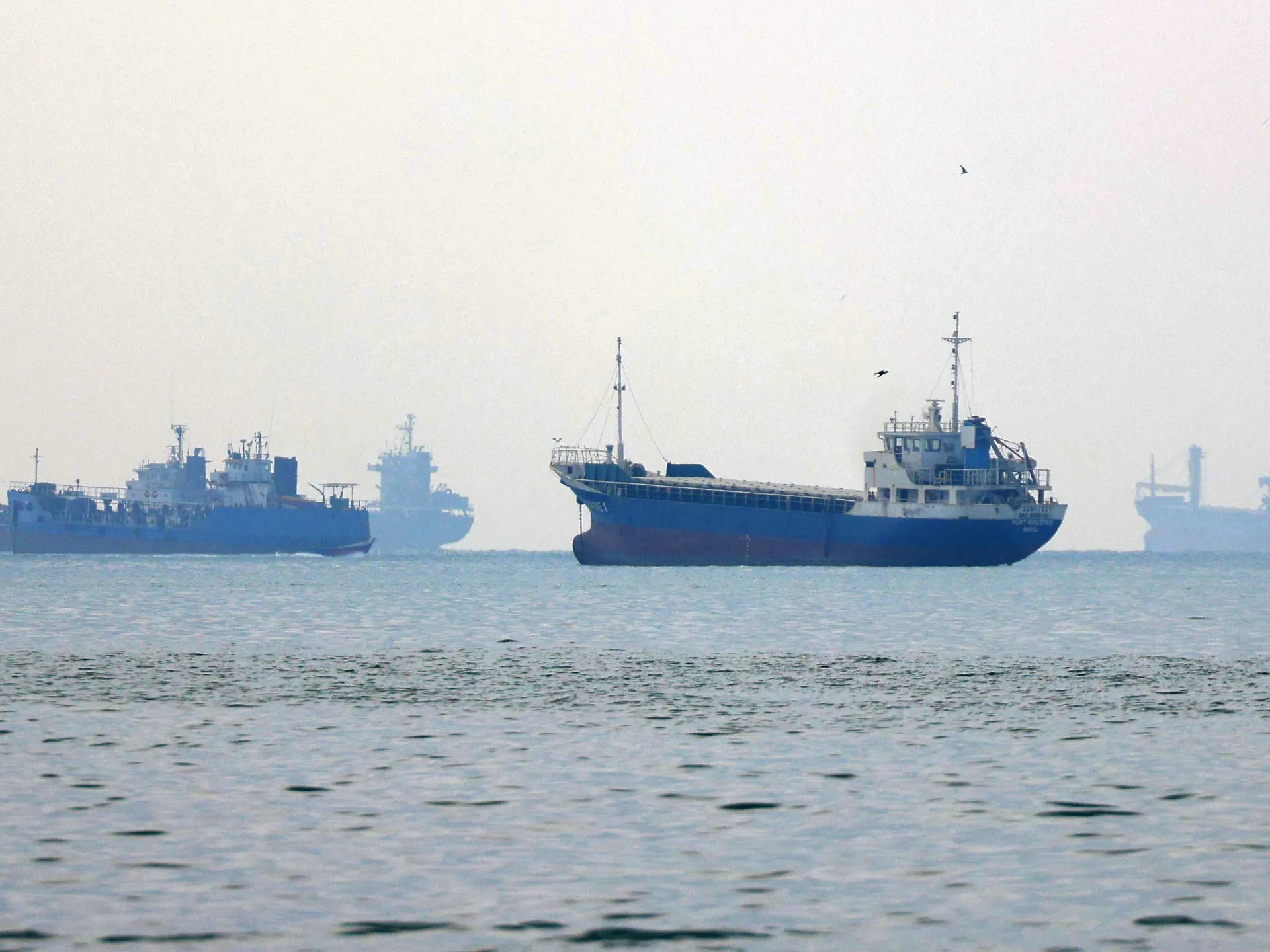
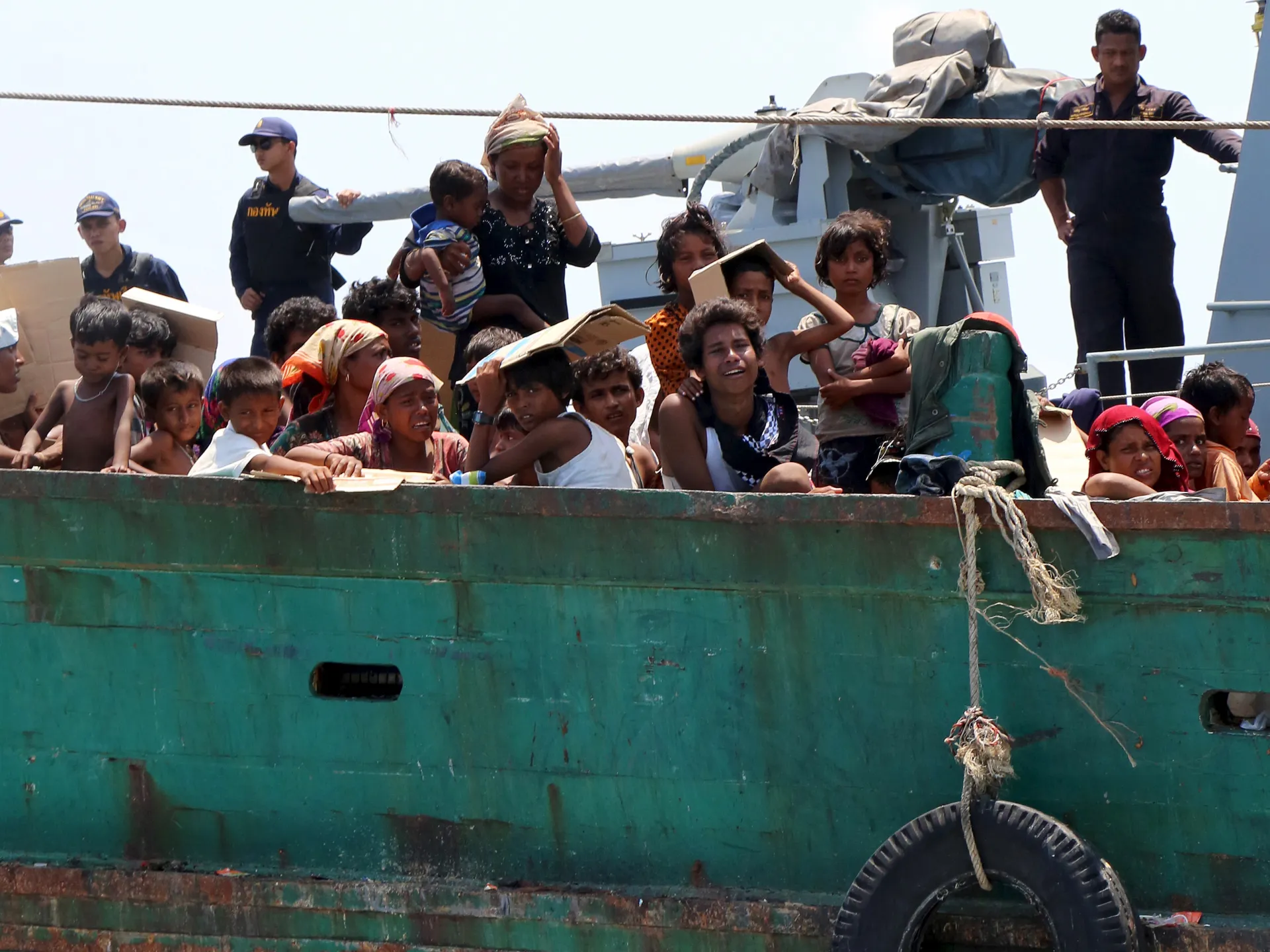
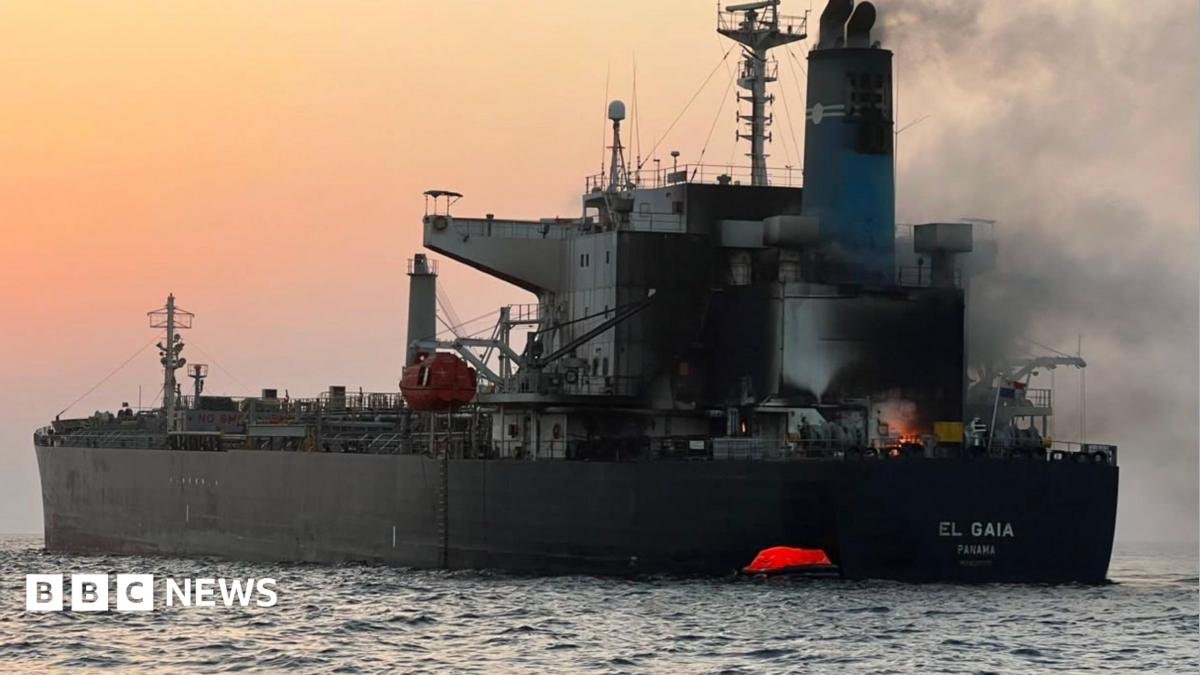
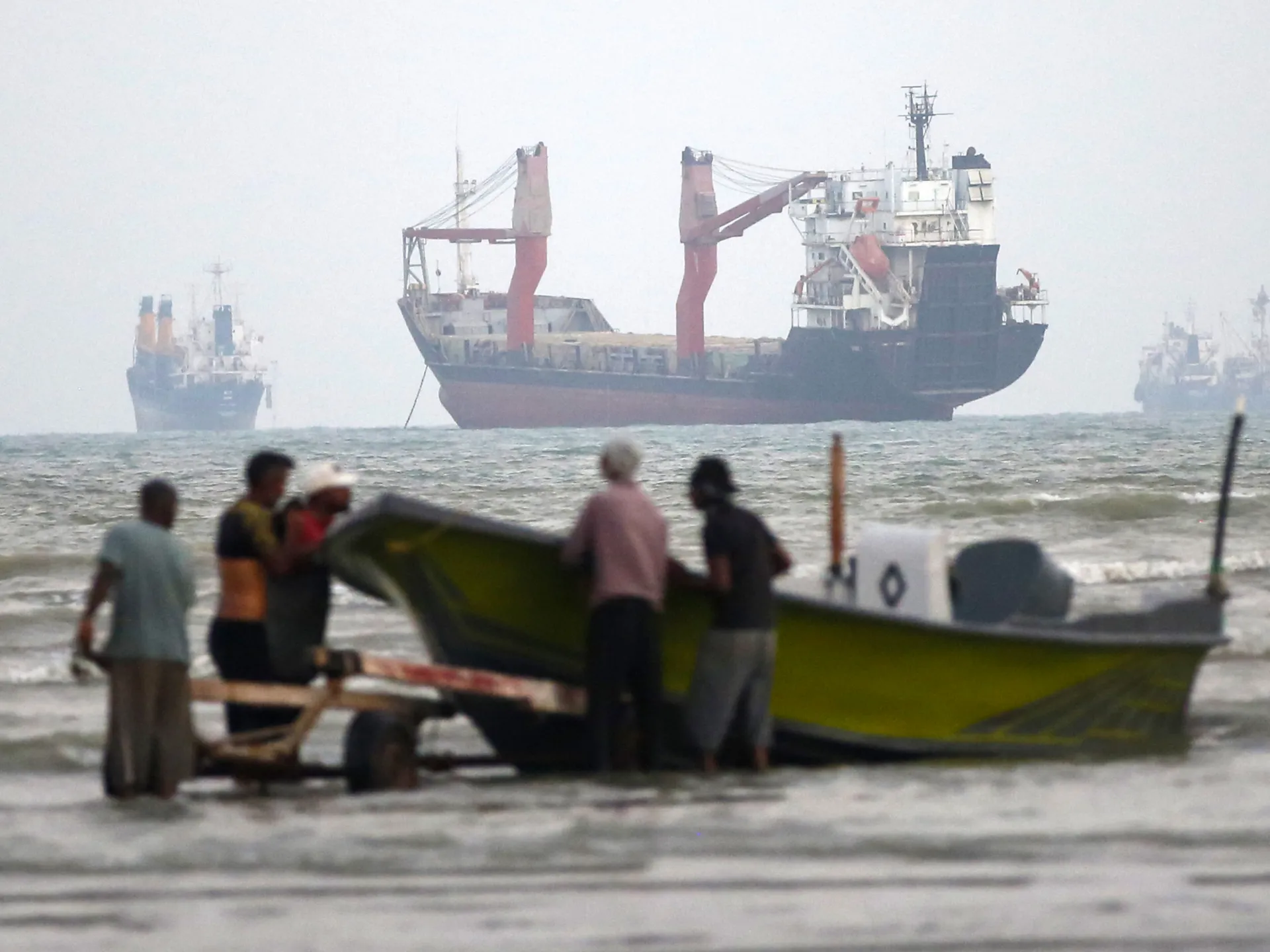
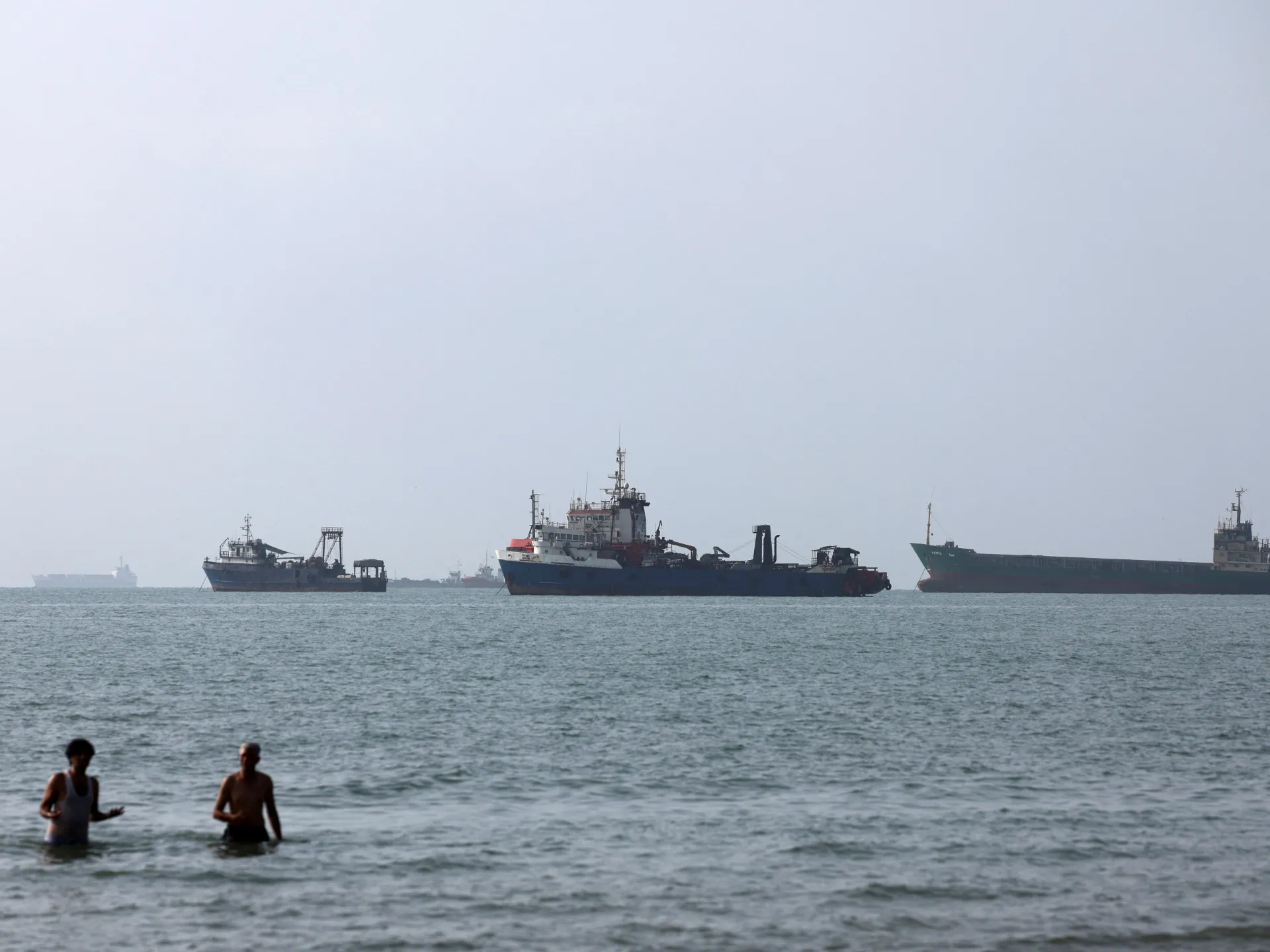
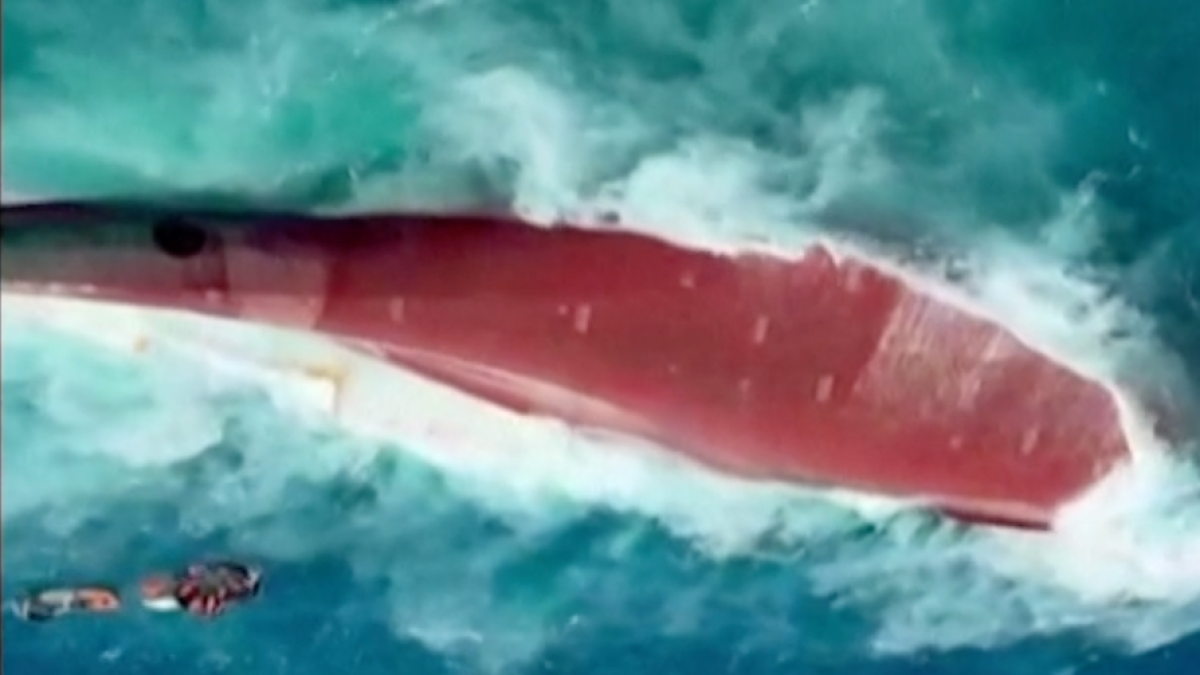
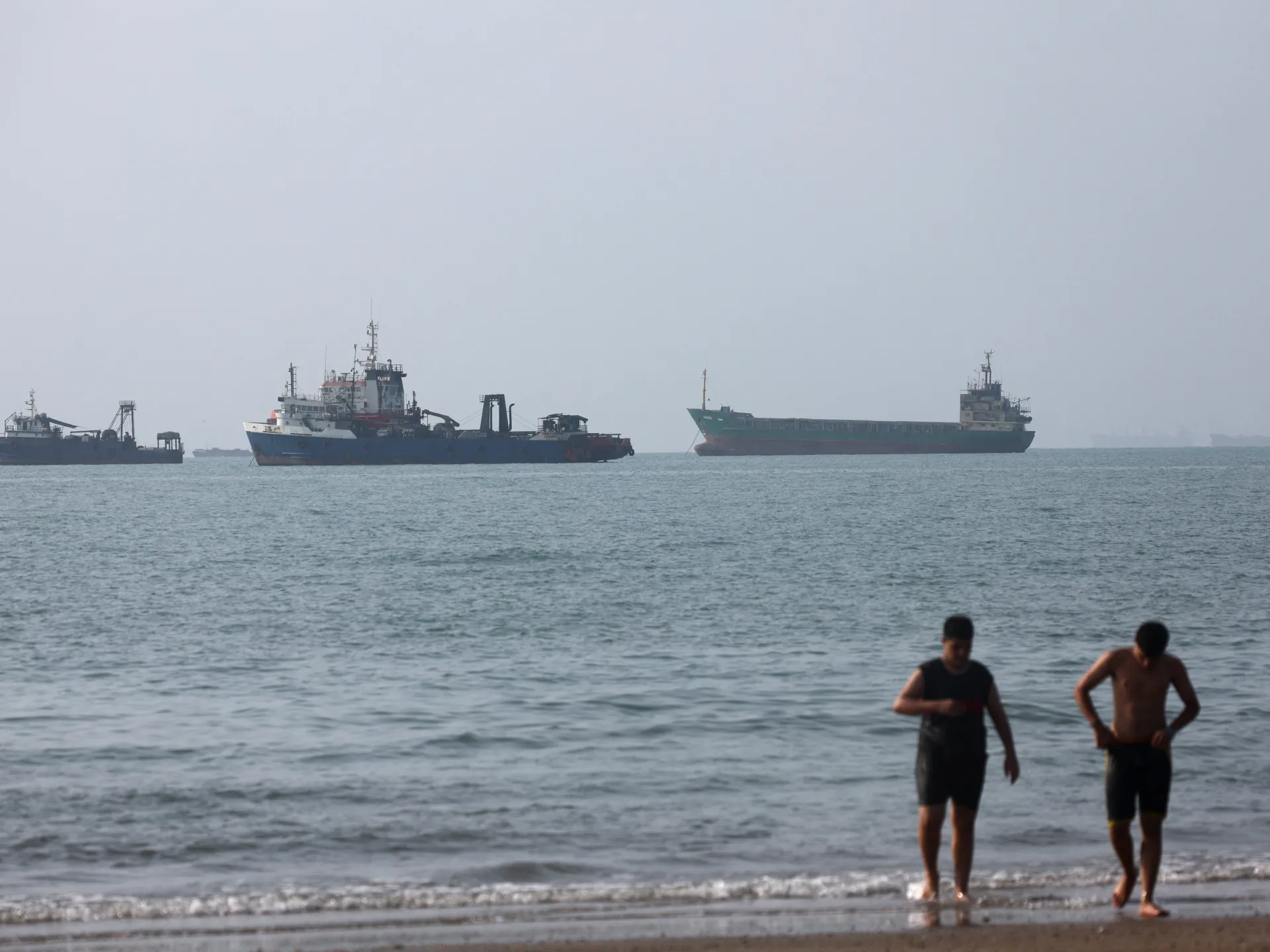
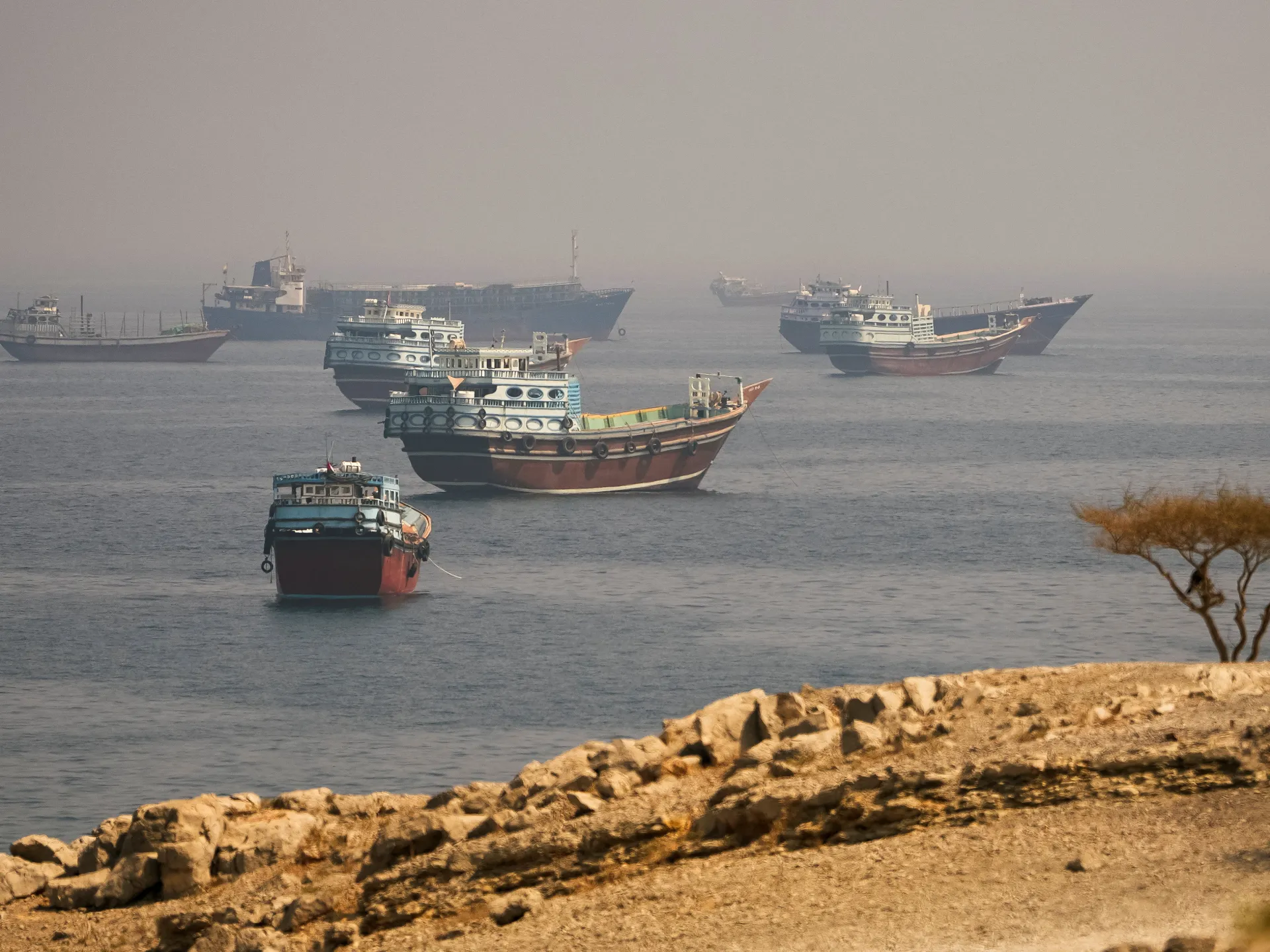
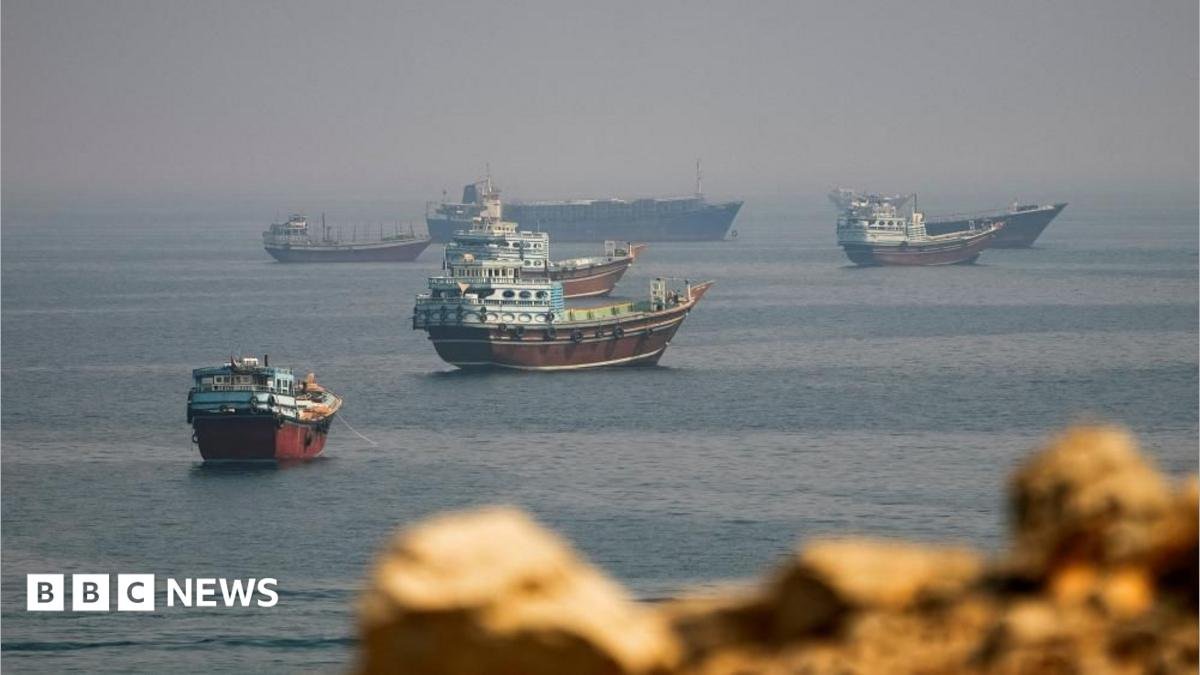
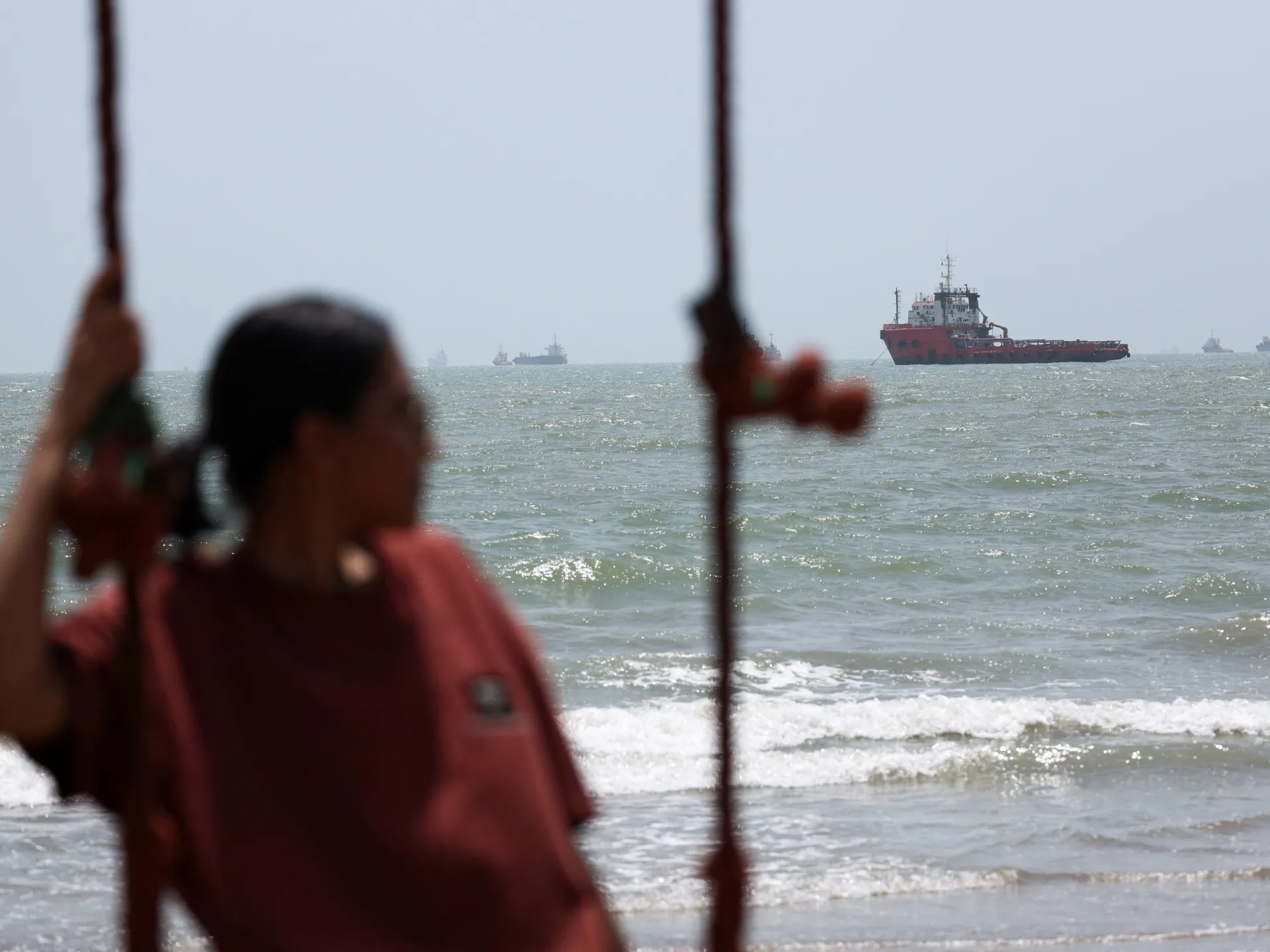
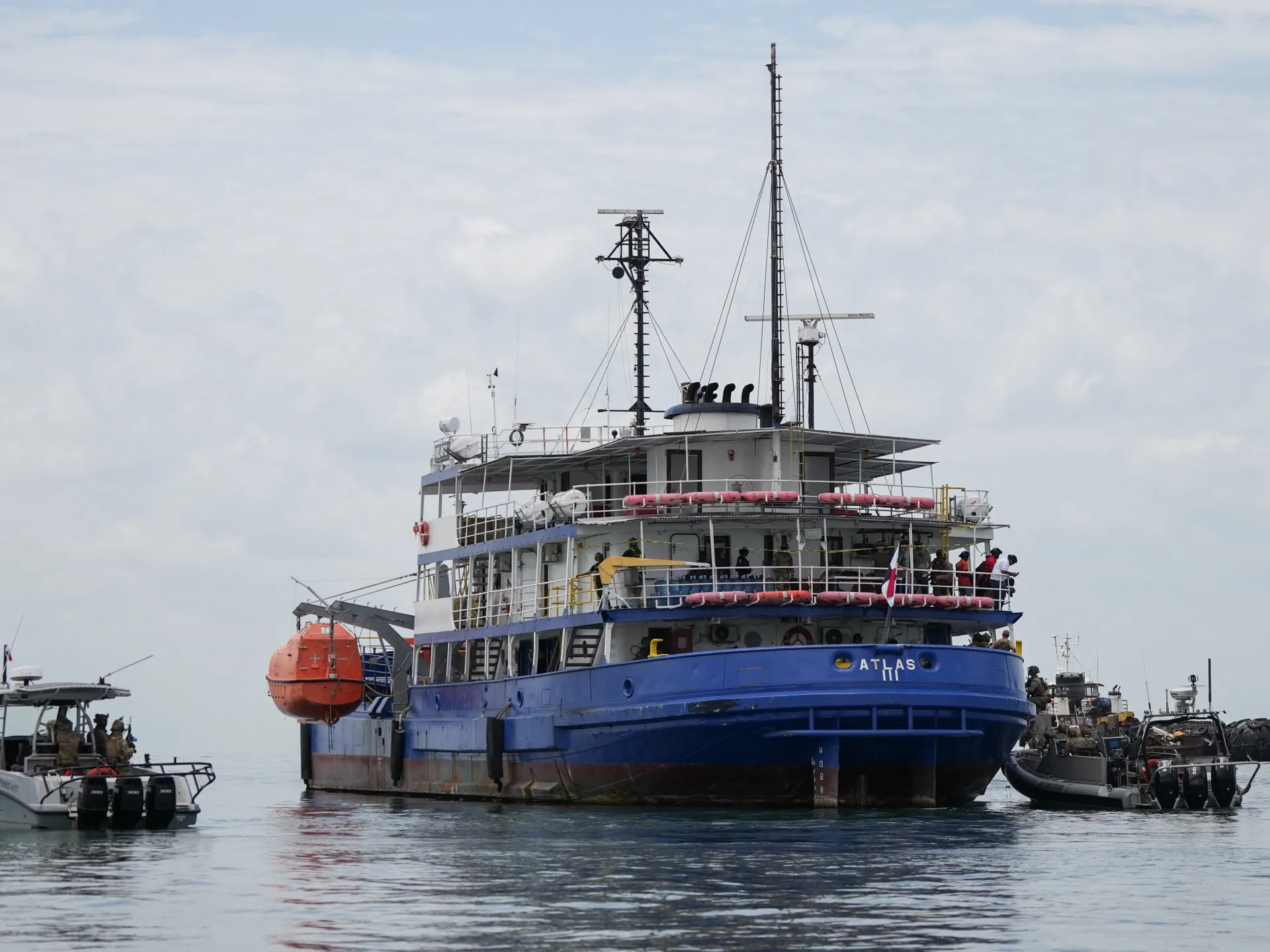
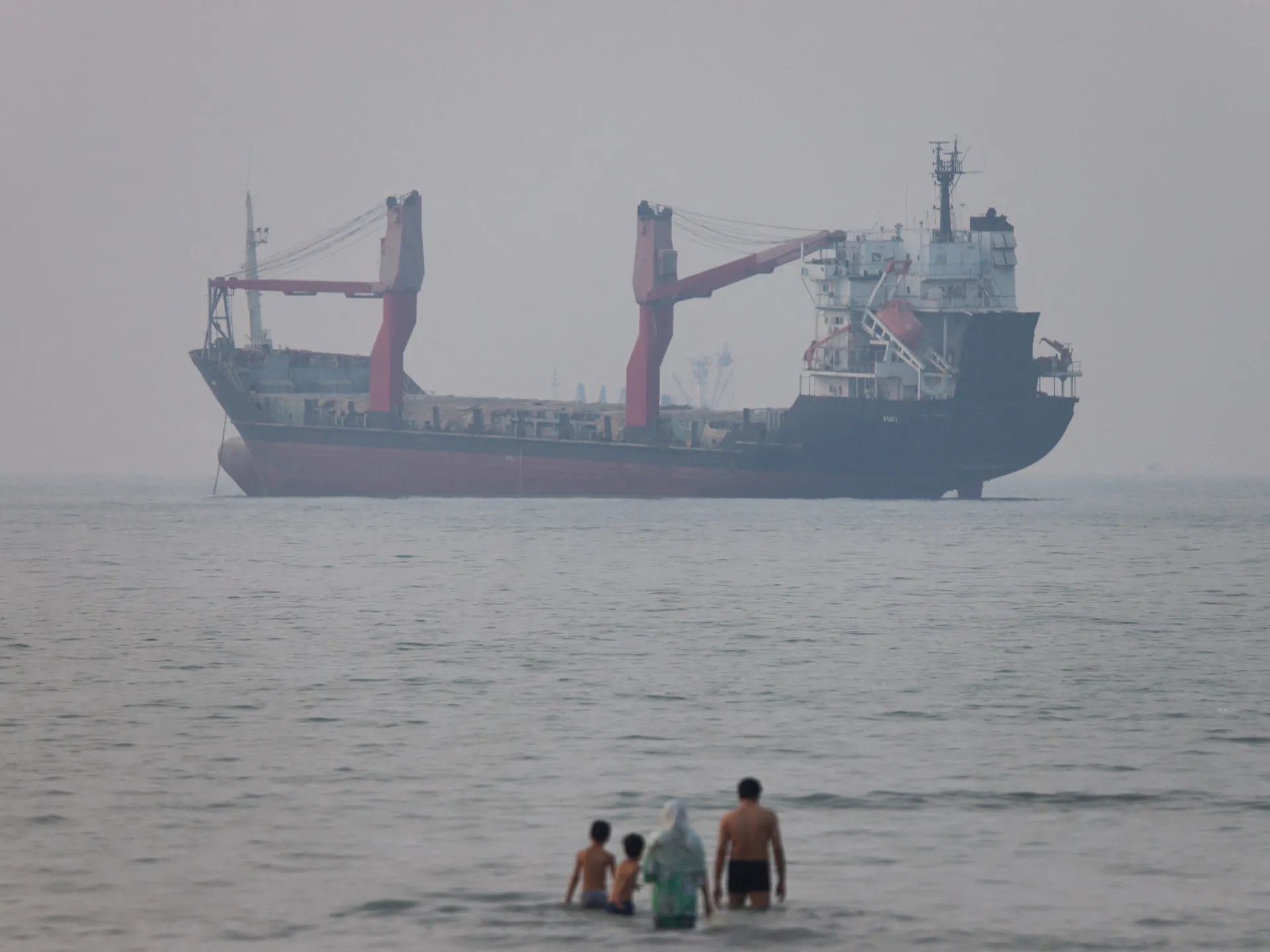
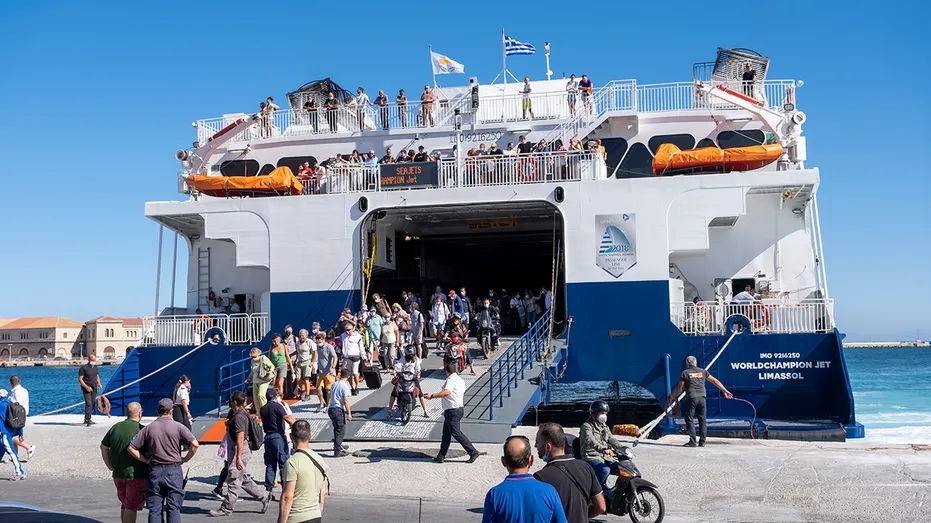
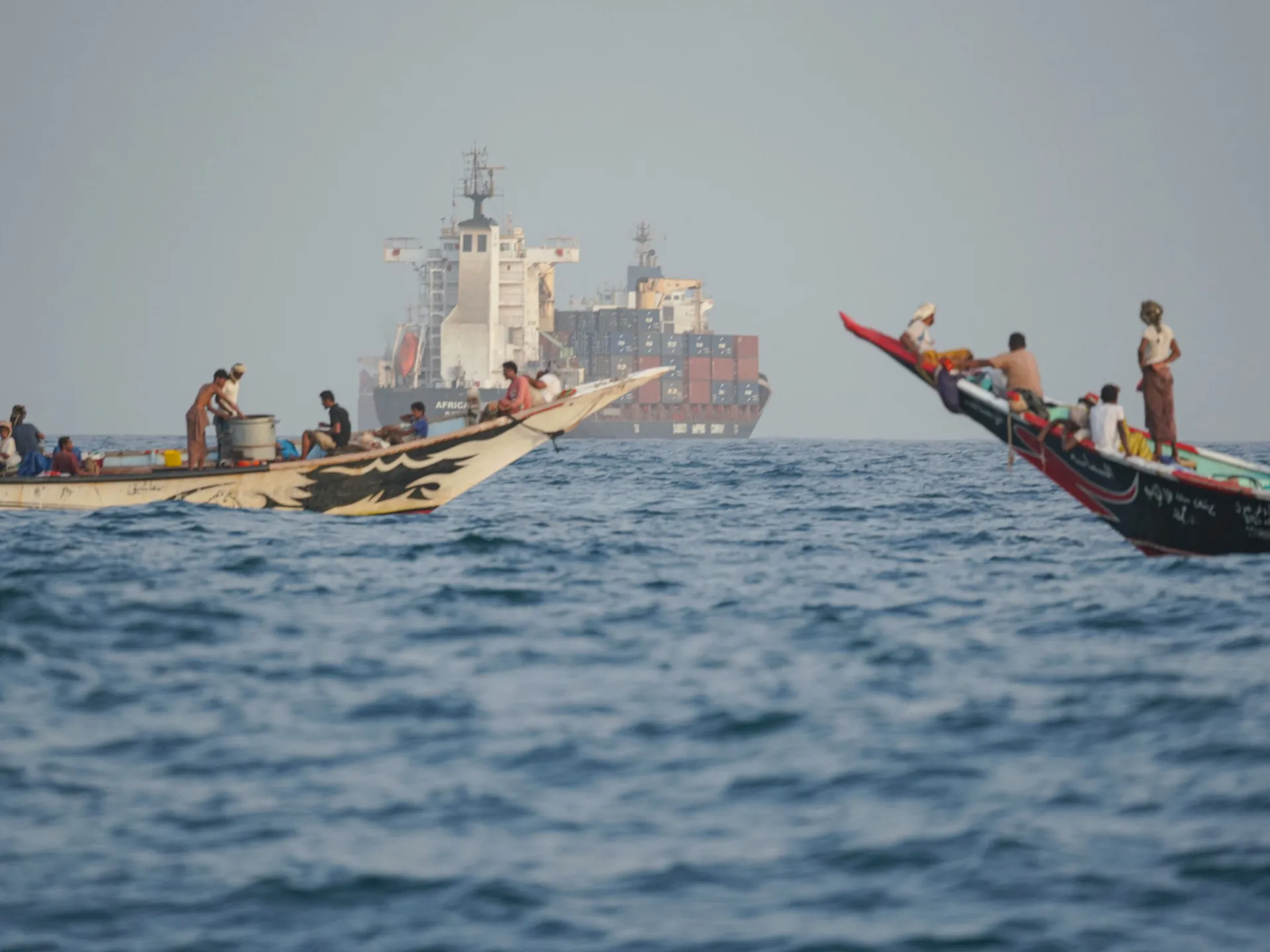
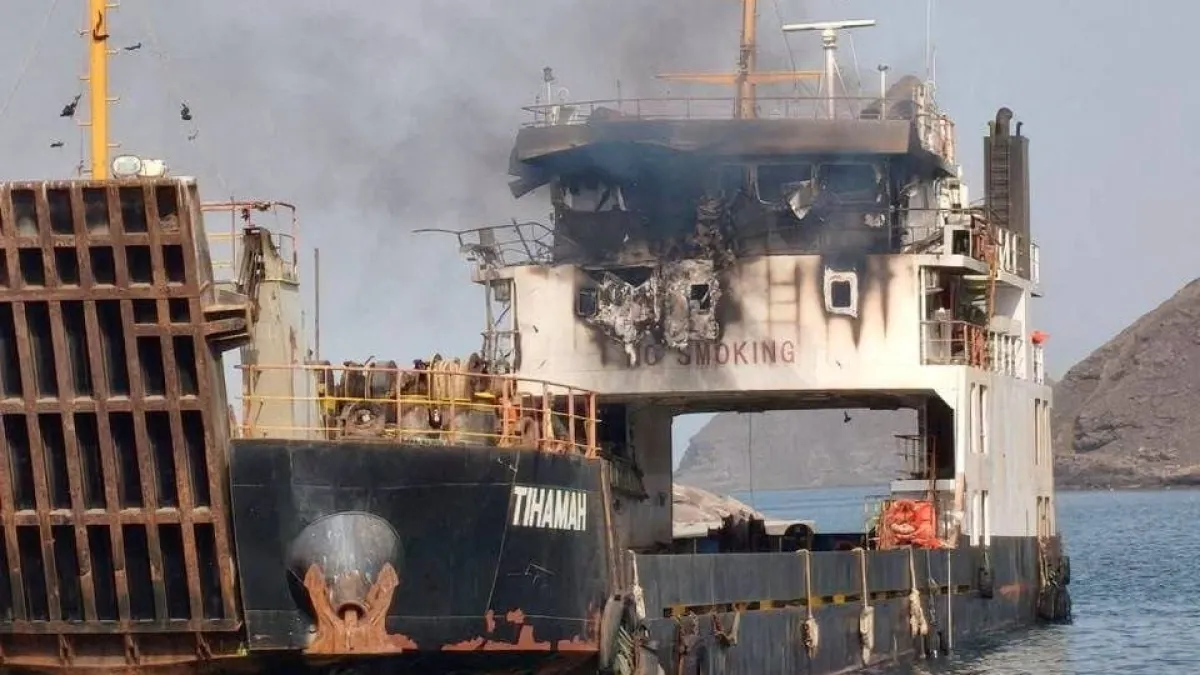
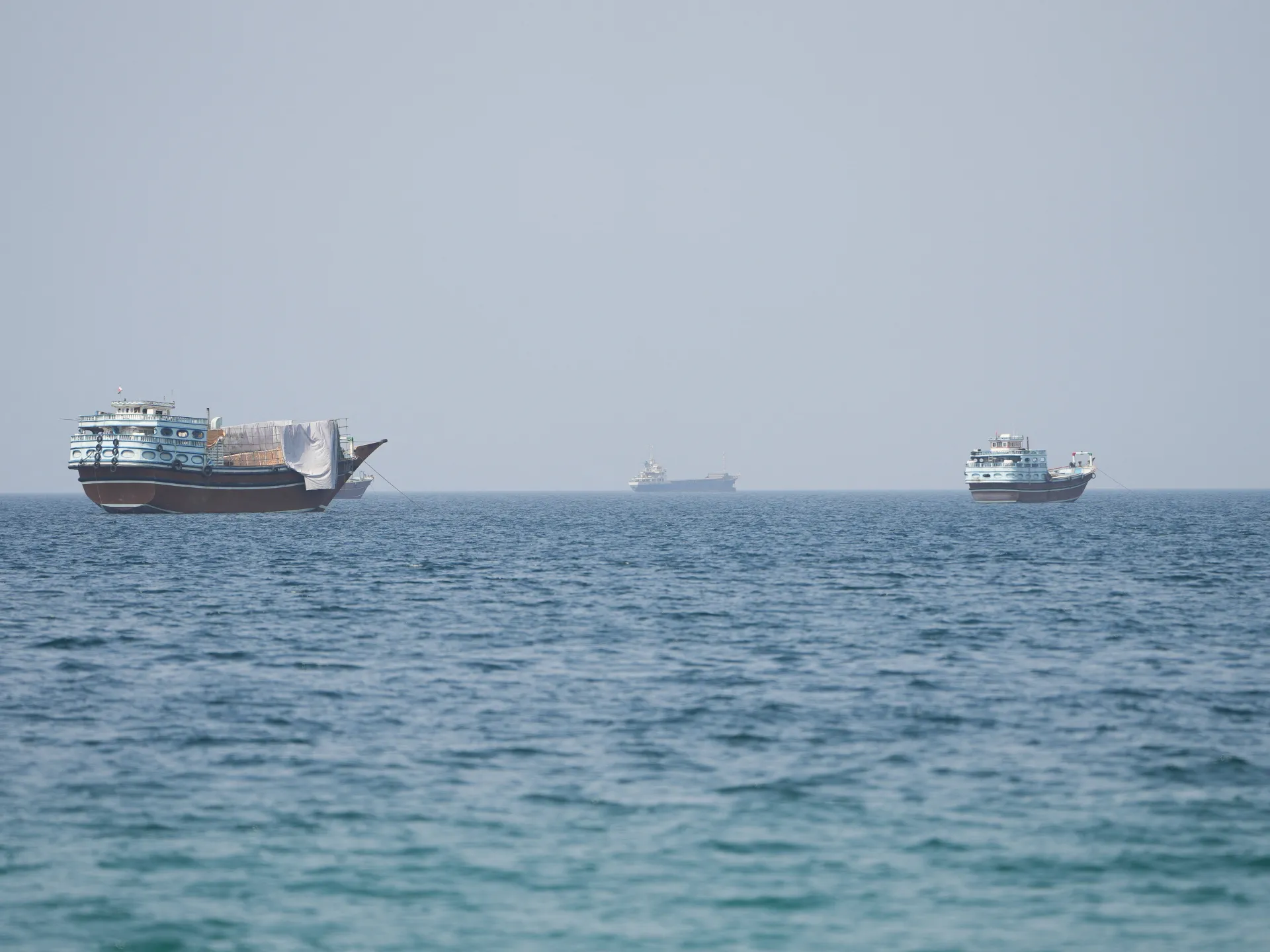
For those fleeing Yemen, the path to Djibouti is fraught with life-threatening risks. Many refugees rely on small, overcrowded vessels to navigate the turbulent waters of the Red Sea. These journeys are frequently managed ding to vessels that are ill-equipped for the unpredictable weather conditions and the length of the transit.
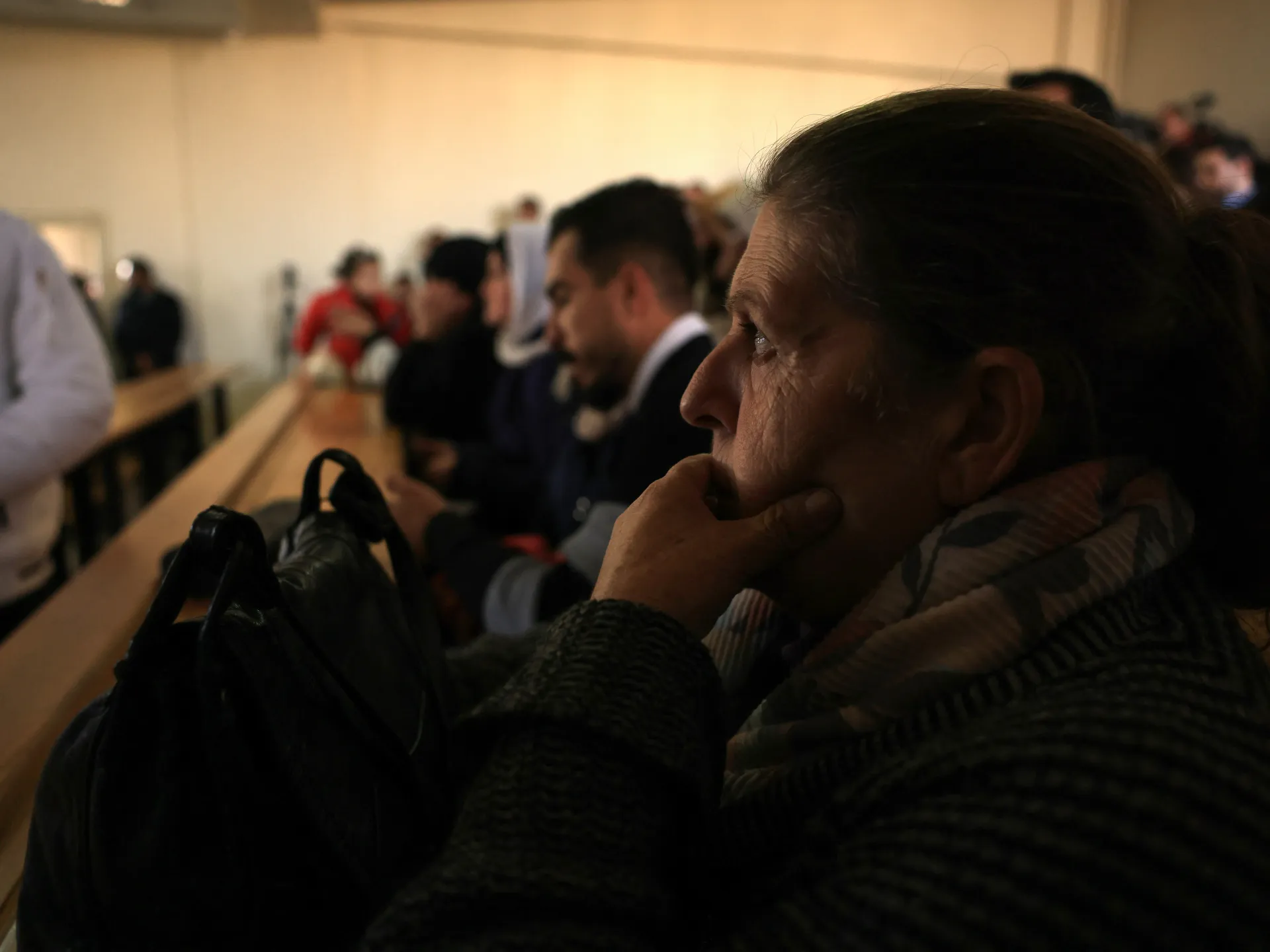
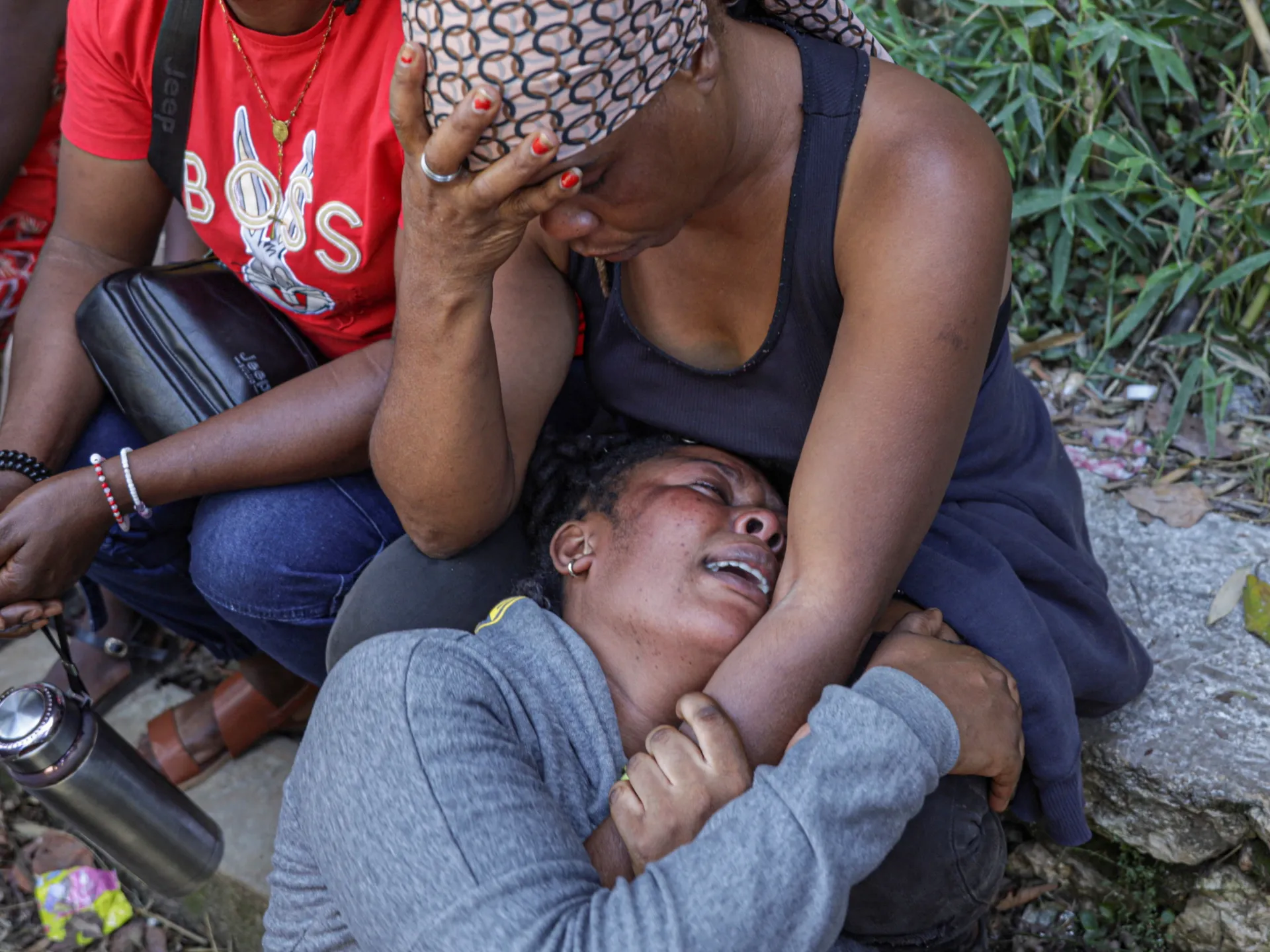
Survivors who have reached Djibouti recount harrowing experiences during their crossing, describing instances of extreme dehydration, exposure, and the constant fear of being intercepted or capsized. The psychological toll of leaving behind their homes, families, and livelihoods in a war-torn nation remains a significant concern for aid workers on the ground. Upon landing, many refugees are physically exhausted and require specialized care to recover from the trauma of their maritime escape.
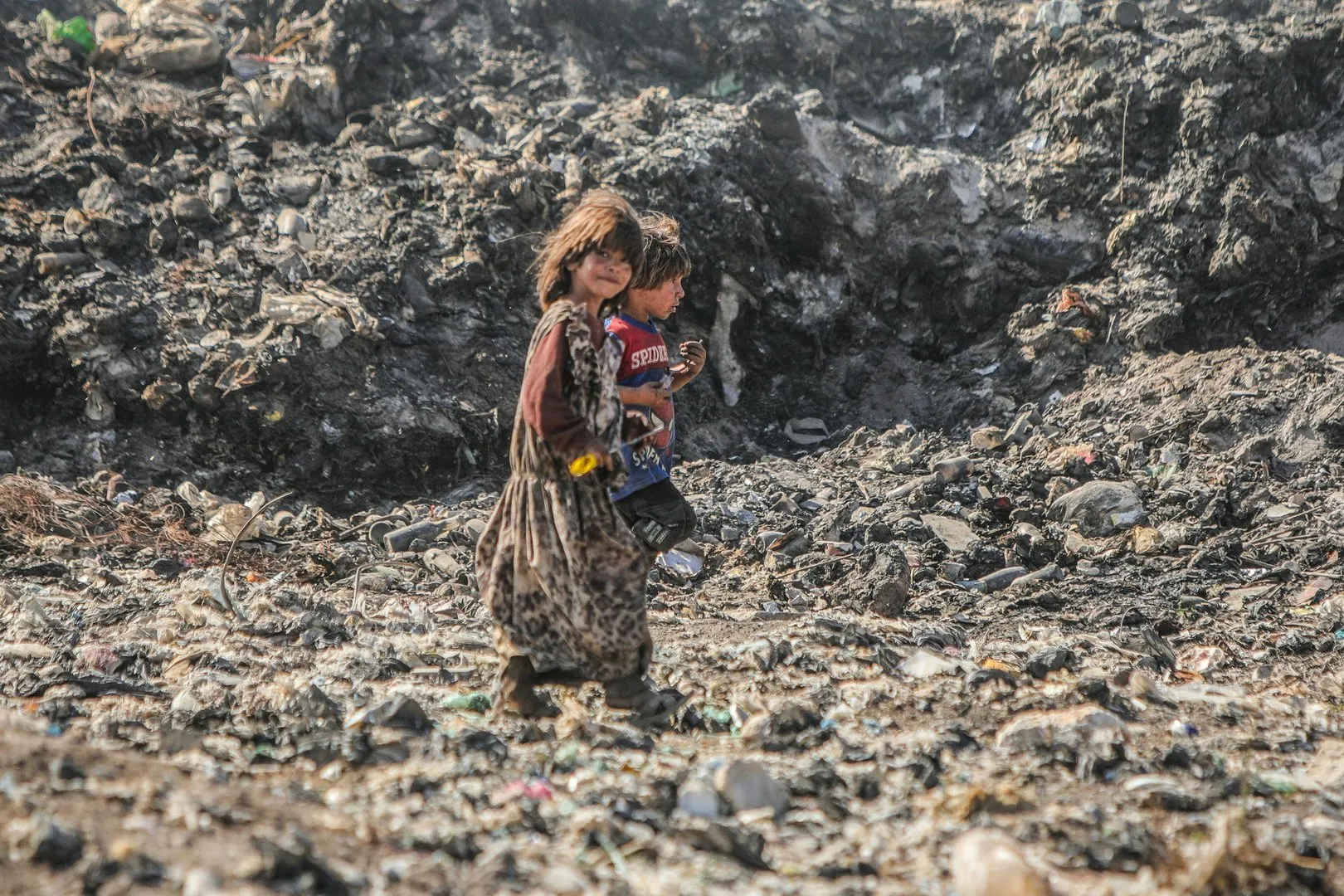
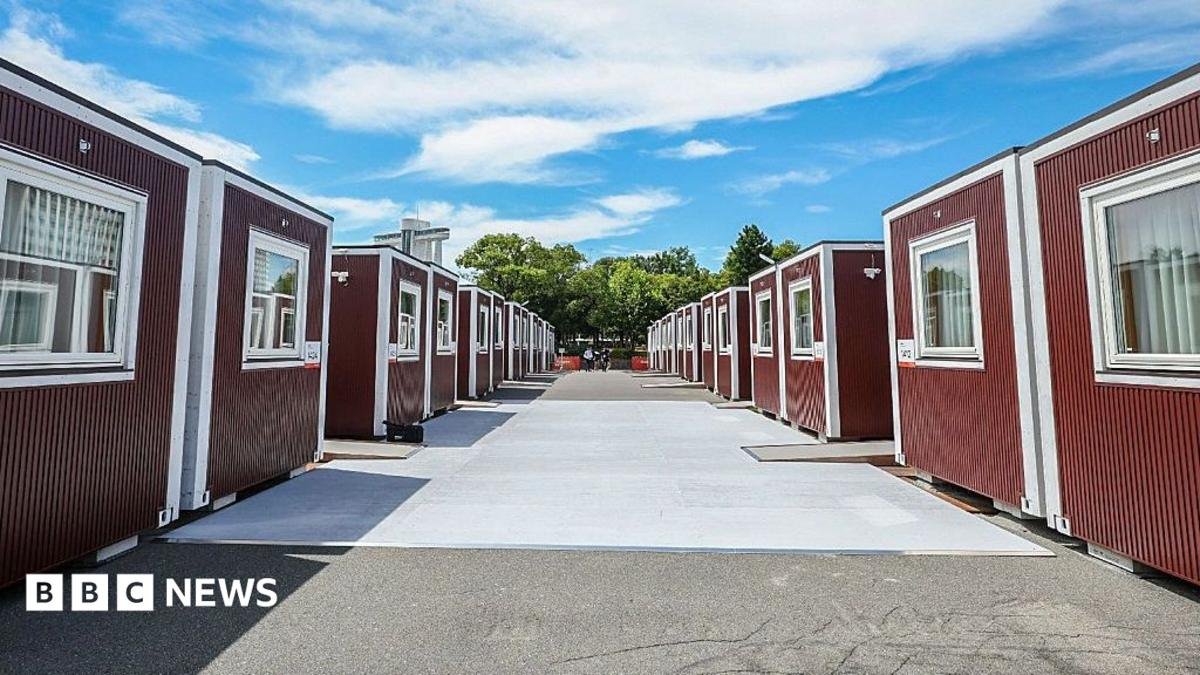
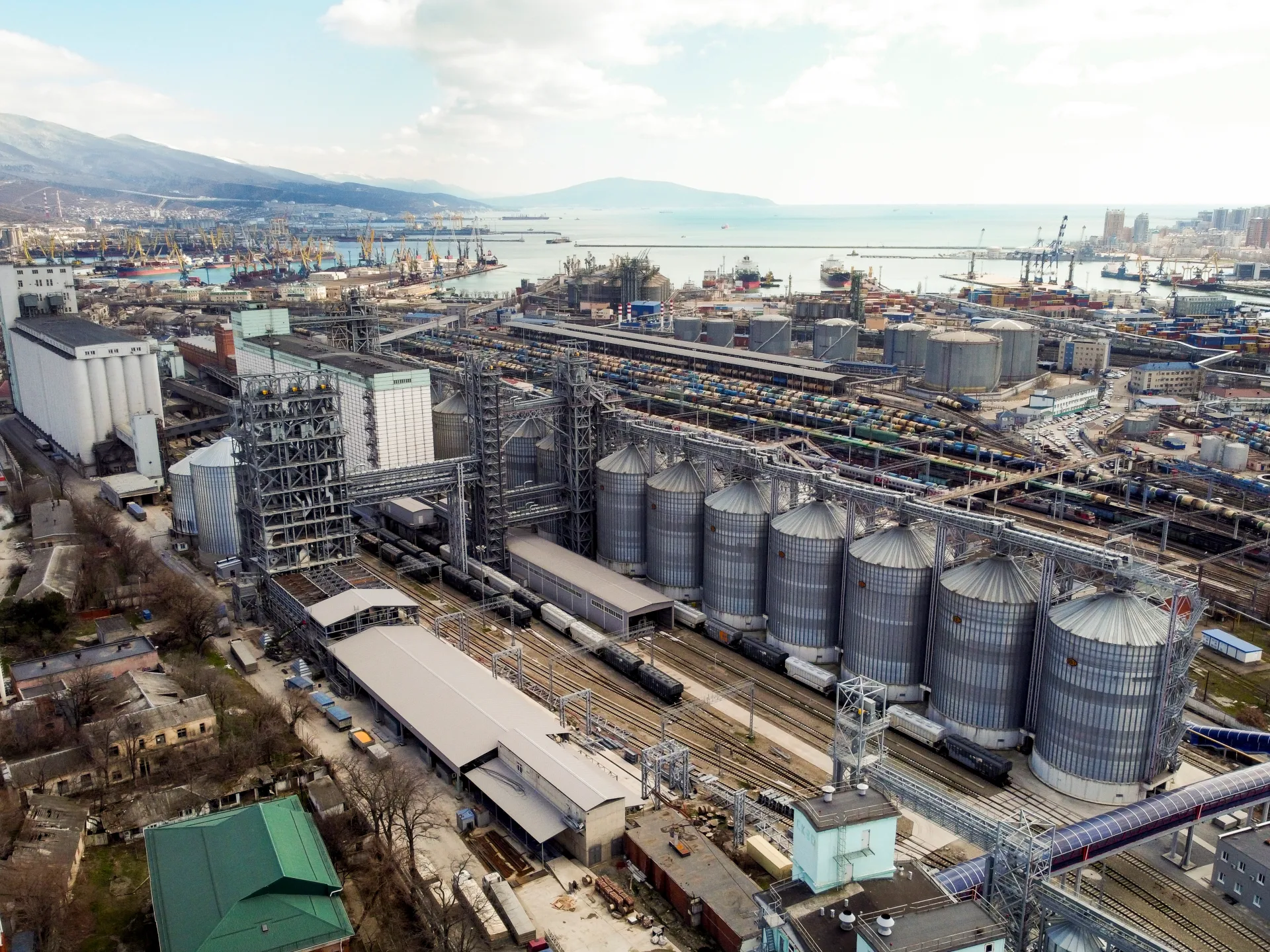
Djibouti, despite its strategic geographical location, possesses a relatively modest economy and infrastructure that is struggling to keep pace with the sudden demographic shift. The sudden arrival of thousands of people has tested the limits of local camps and refugee processing centers. Essential services, including healthcare facilities and water sanitation systems, are experiencing severe shortages as demand far outstrips the available supply.
Beyond immediate physical needs, the presence of a large refugee population creates long-term challenges for integration and administrative management. The government is tasked with maintaining public order while ensuring that the human rights of those arriving are upheld. Without significant financial and logistical support from global humanitarian organizations and donor nations, the ability of Djibouti to continue acting as a safe haven is increasingly in doubt.
The appeal issued eni conflict. While international attention often focuses on the direct theater of war, the regional repercussions—such as the mass displacement of civilians into neighboring territories—are equally devastating. The international community is being urged to provide not only monetary aid but also technical expertise and resource management support to help stabilize the situation.
Diplomatic efforts are currently underway to raise awareness of the plight of these refugees. Advocates for refugee rights emphasize that the responsibility to manage this crisis should not fall solely on the shoulders of the host nation. ramework can be established to ensure the safety and dignity of those displaced systems.