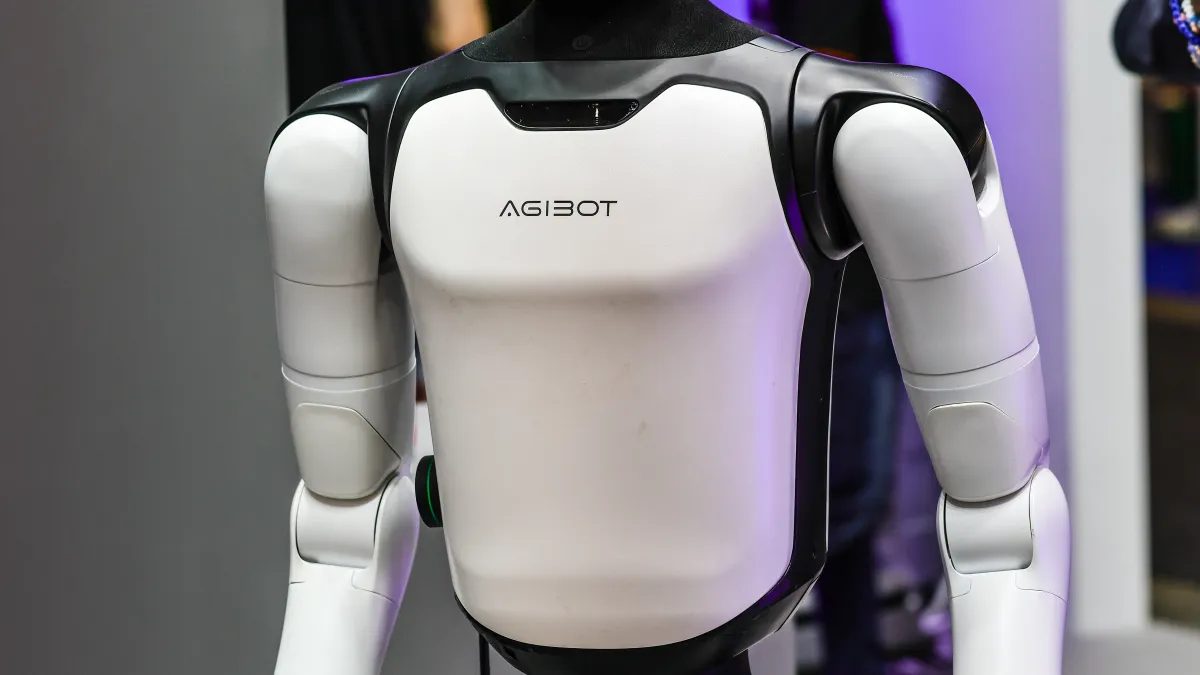
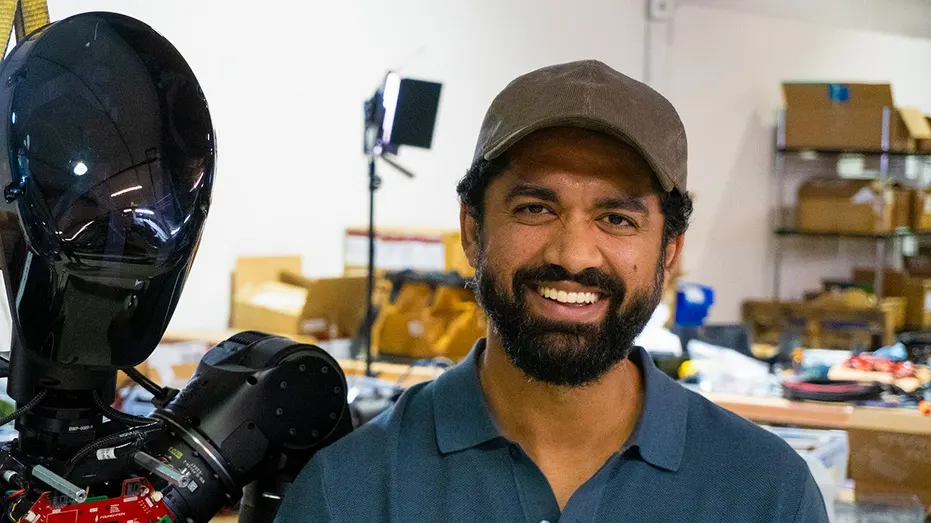
Foundation, a U.S. robotics firm, is pitching humanoid robots for autonomous border surveillance to enhance the safety and efficiency of federal agents.
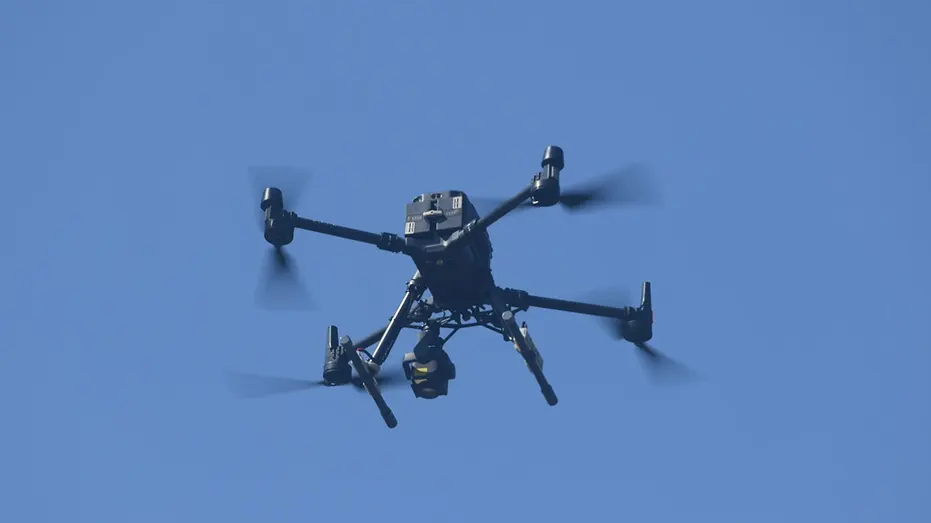
The landscape of border security could see a significant shift as robotics companies propose the integration of humanoid platforms to assist federal agents. Foundation, a U.S.-based developer of advanced robotics, has begun pitching its flagship technology to national security agencies, including the Department of Homeland Security. These robots are designed to autonomously navigate challenging environments that often impede traditional surveillance methods such as fixed watchtowers or aerial drones.
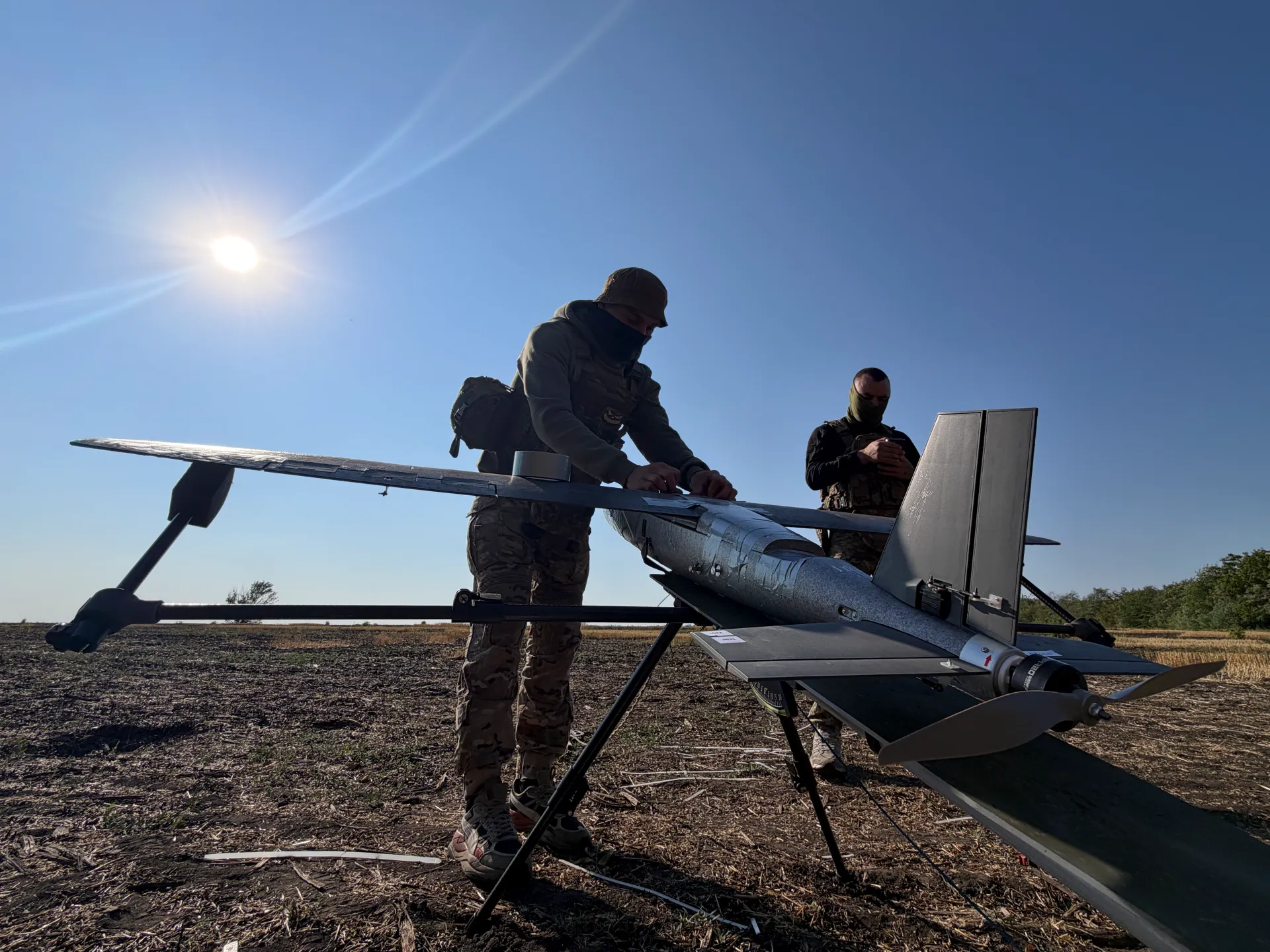
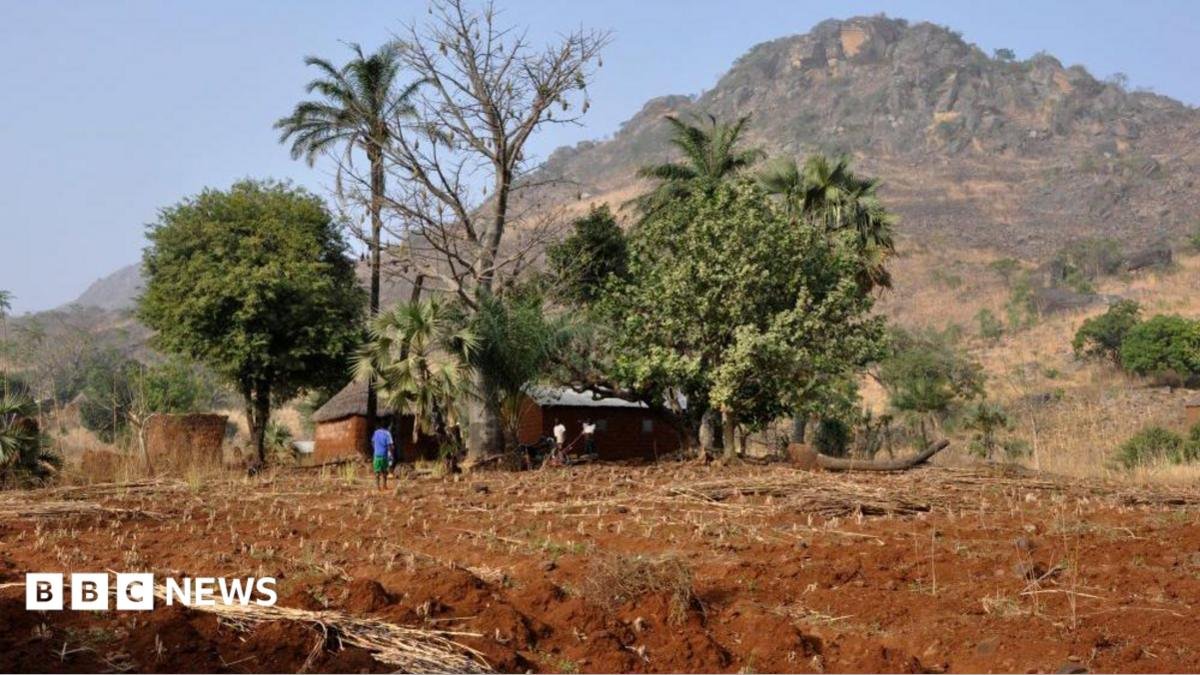
ill gaps in current border monitoring capabilities. While existing automated solutions often struggle with logistical complexities and uneven ground, humanoid platforms are being engineered to traverse rugged terrain while effectively identifying potential movement. This capability could allow for persistent, around-the-clock reconnaissance in areas where human patrol is physically demanding or hazardous.
The primary objective for these robotic units is to serve as an extension of existing border force capabilities rather than a replacement for personnel. Foundation envisions the robots conducting continuous surveillance, mapping complex environments, and flagging significant activities in real-time. This data would then be relayed to human officers, who would retain the authority to make critical enforcement decisions and determine appropriate responses to detected crossings.
Beyond standard open-terrain patrolling, the company has identified specific use cases such as the monitoring of underground tunnels. These subterranean environments are notoriously difficult to patrol safely, and the deployment of autonomous systems could mitigate risks to human officers. encies could potentially improve safety outcomes while maintaining high levels of situational awareness across expansive border regions.
Despite the ambitious scope of these proposals, the implementation of such technology remains in the early stages. The Department of Homeland Security has clarified that there are currently no formal contracts or active pilot programs involving the company's technology. Engagement remains largely at the level of ongoing dialogue and preliminary discussions regarding future applications for national security.
Engineers are also working to overcome specific environmental limitations. Current models face challenges regarding weather resistance, which is a critical factor for long-term outdoor deployment in diverse climates. The company is actively developing a second-generation model designed to be fully waterproof and dustproof, featuring a more ruggedized chassis to withstand the harsh conditions found along the border. These advancements are seen as essential steps toward moving from laboratory demonstrations to real-world field operations.
As the technology matures, the question of autonomy versus human intervention remains a central theme. While the current roadmap focuses on surveillance and reconnaissance, company leadership has expressed a willingness to explore armed configurations if requested te surrounding the use of autonomous systems in law enforcement and border protection.
As these dialogues continue, the focus remains on enhancing the efficiency of border operations. f monitoring while keeping personnel in safer, more strategic positions. Whether these humanoid units will eventually become a standard component of the federal toolkit depends on the successful completion of upcoming trials and the long-term assessment of their reliability in high-stakes environments.