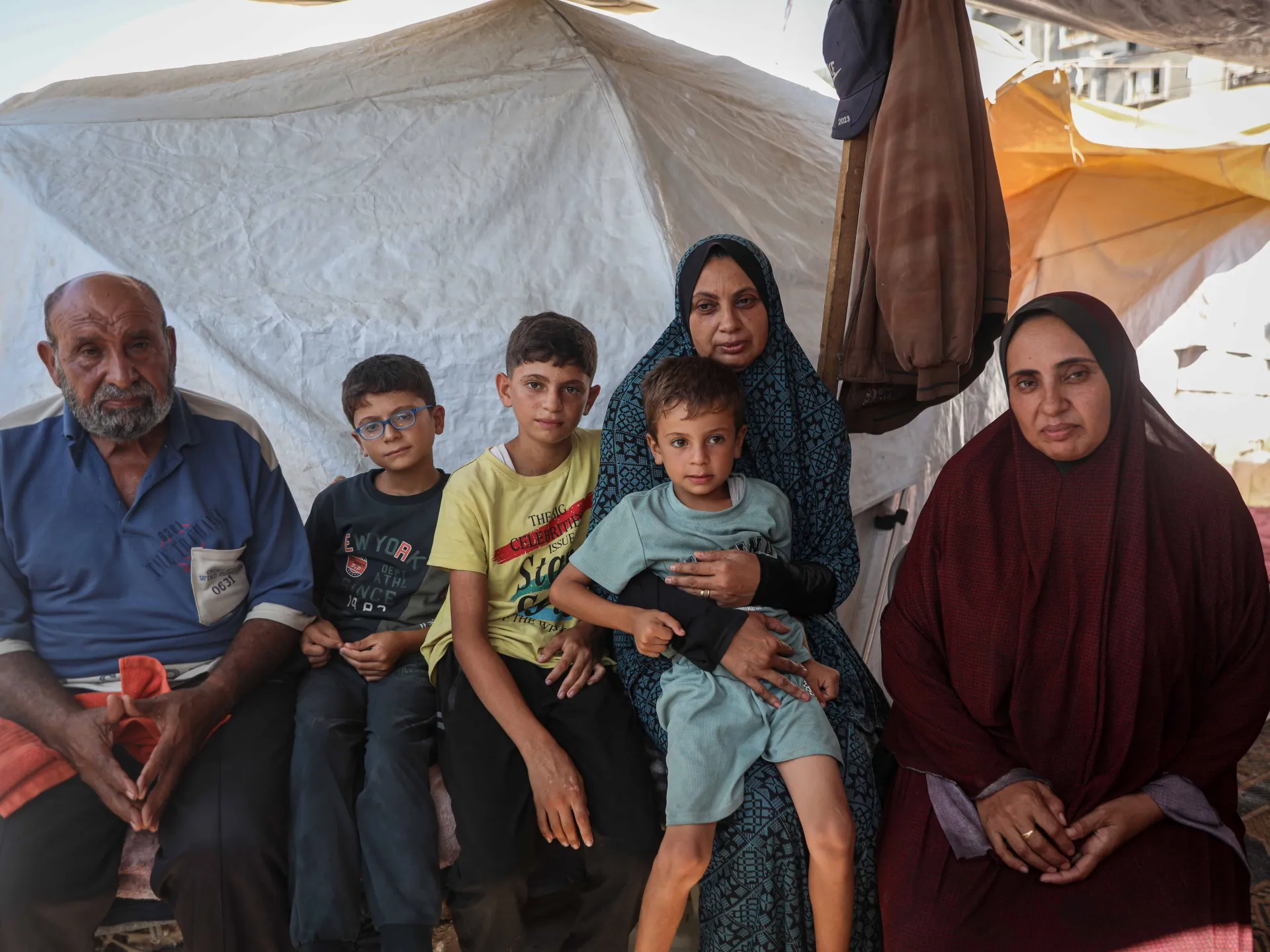
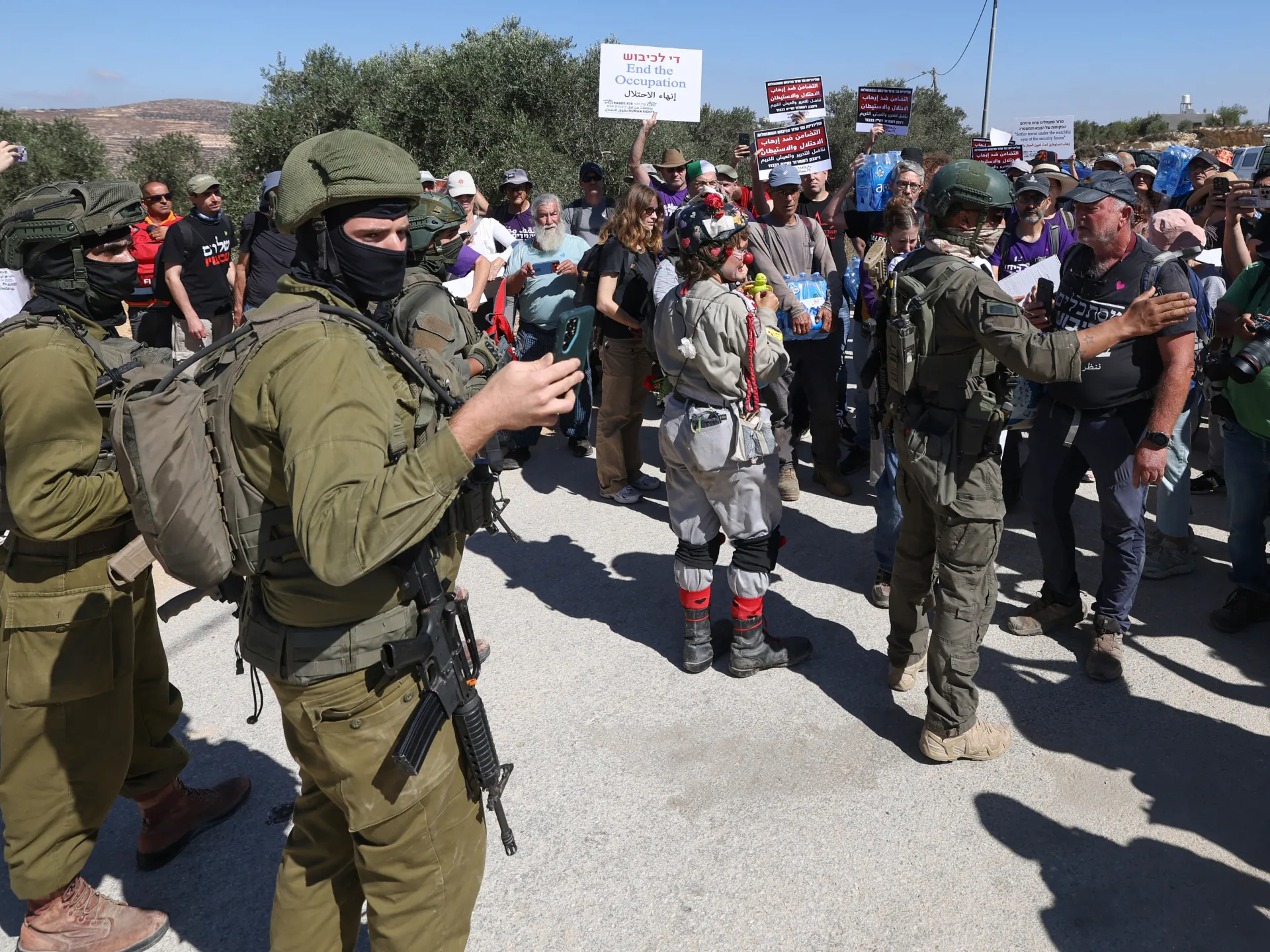
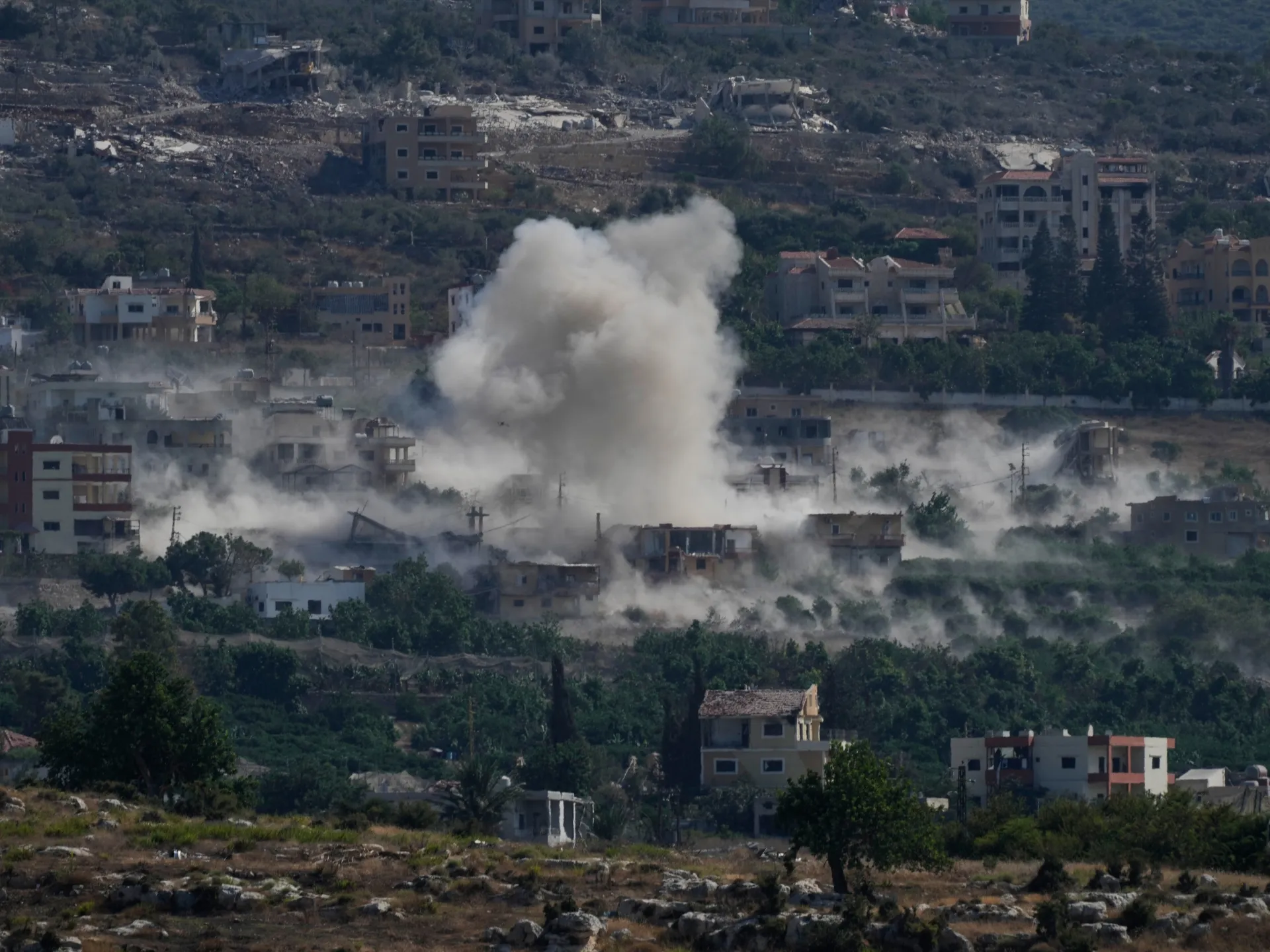
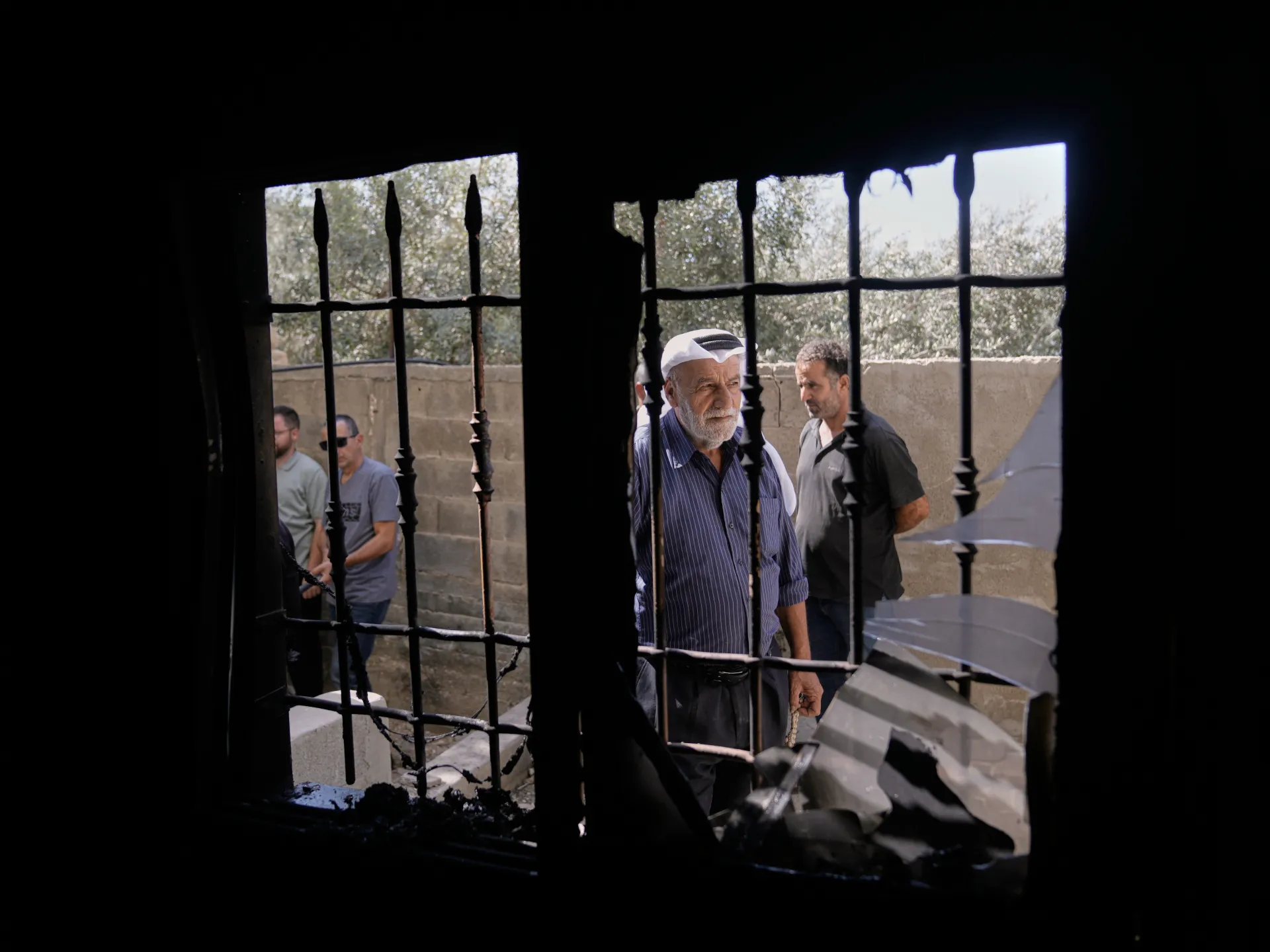
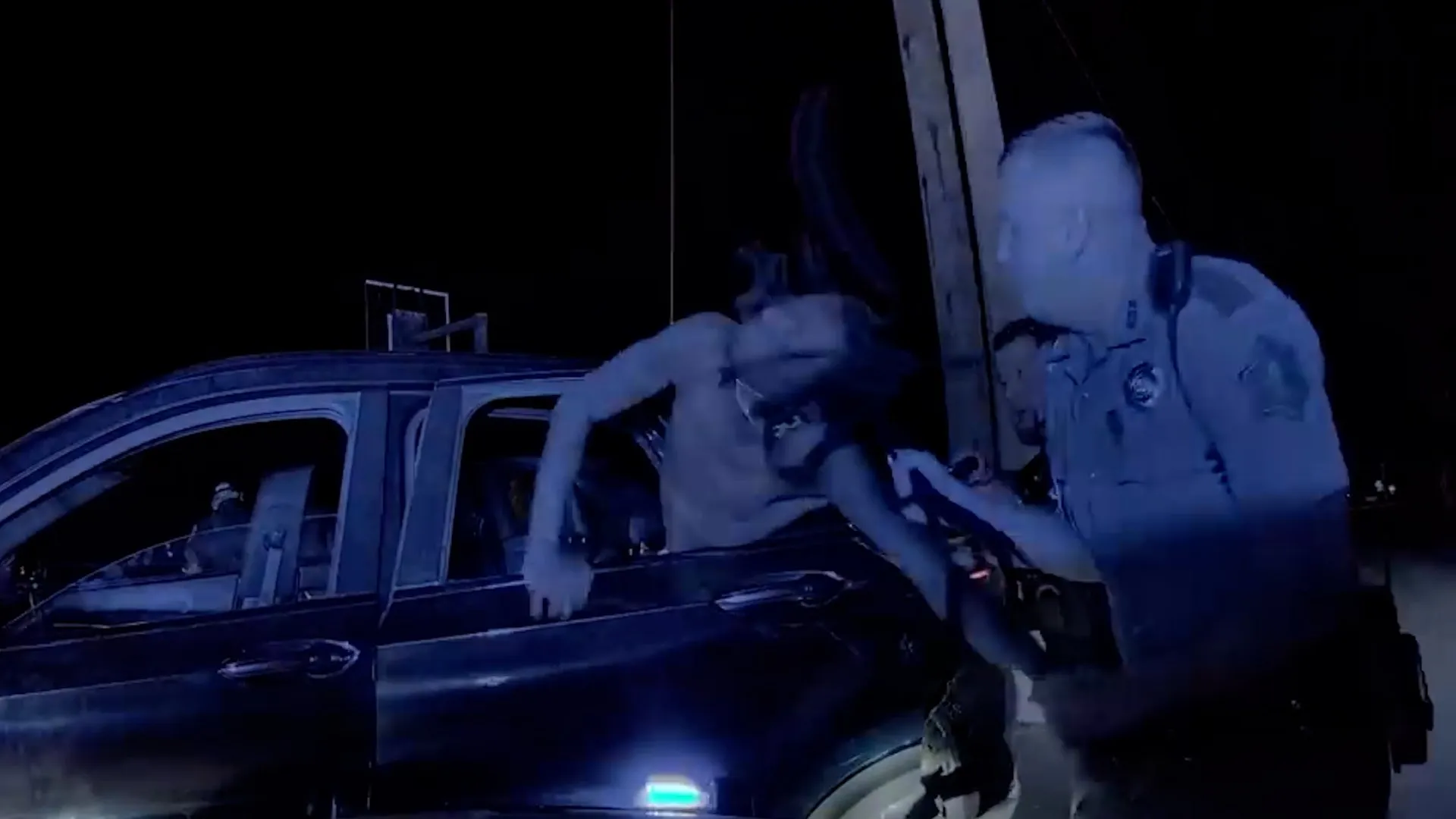
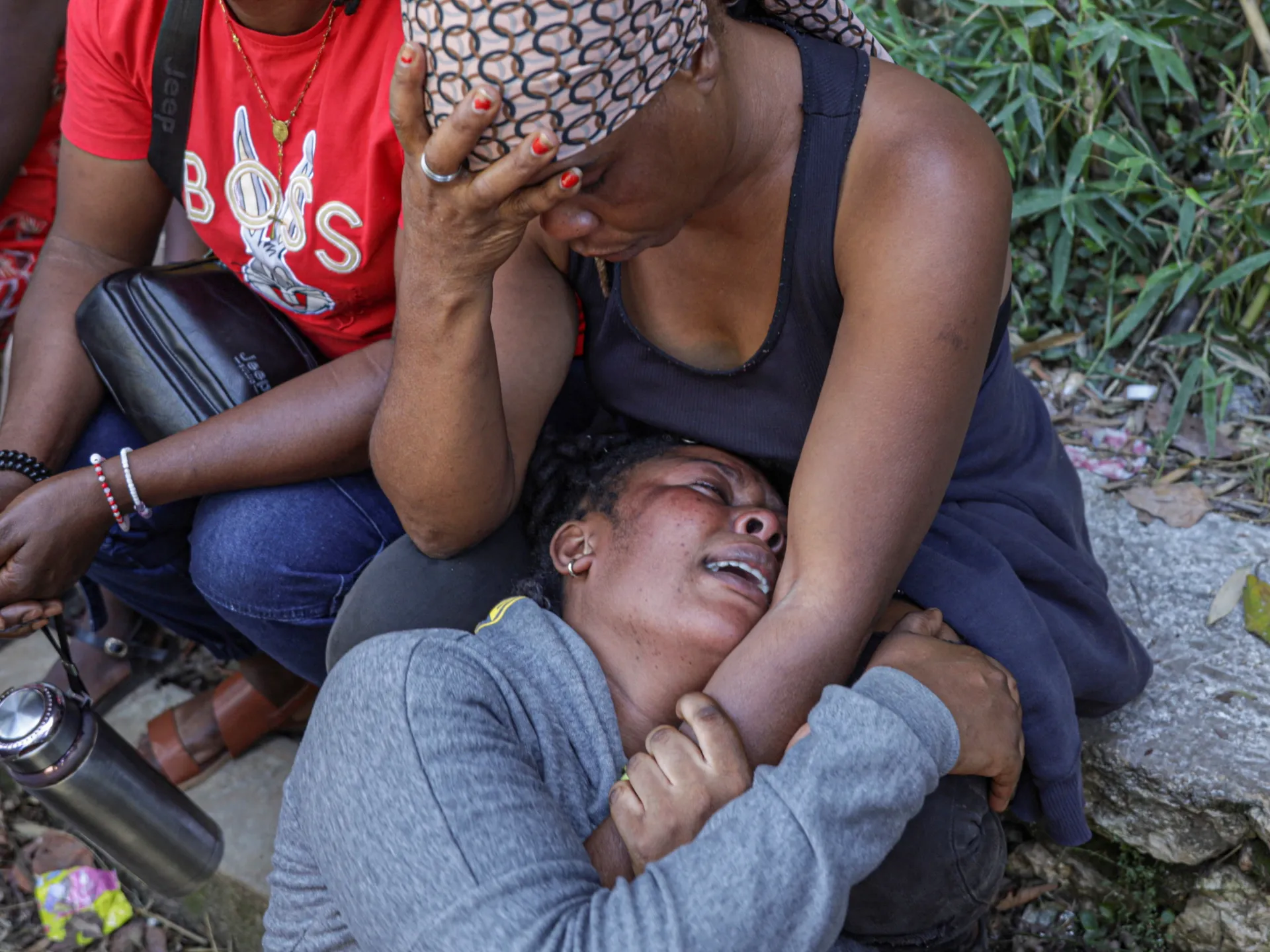
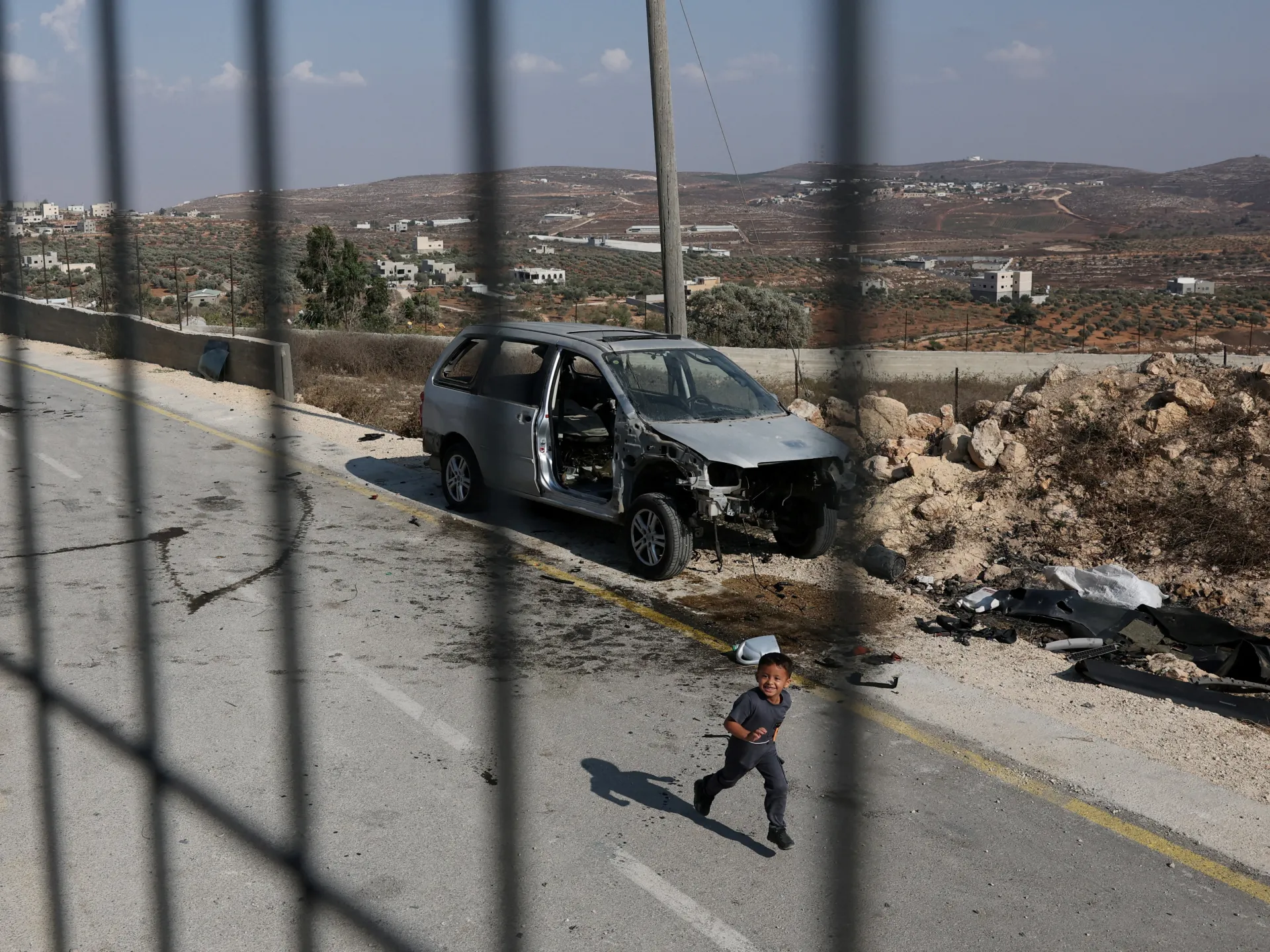
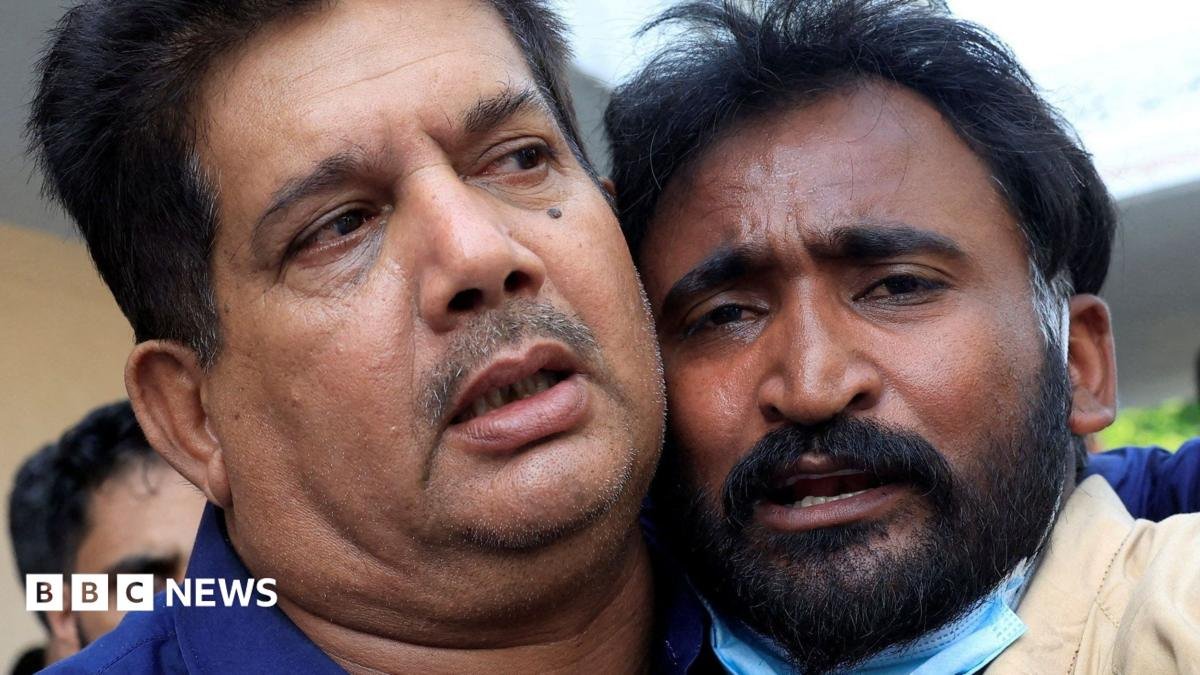
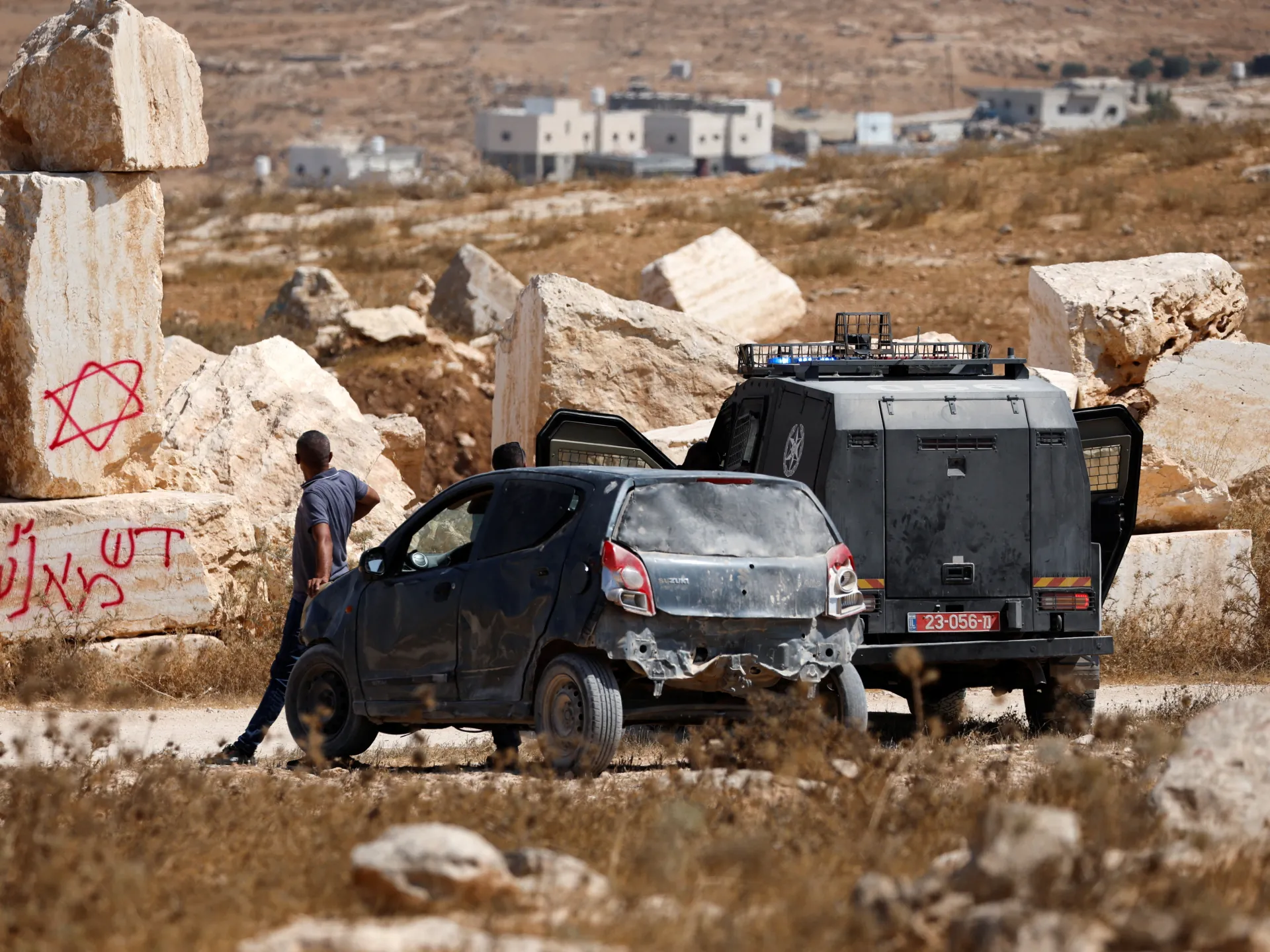
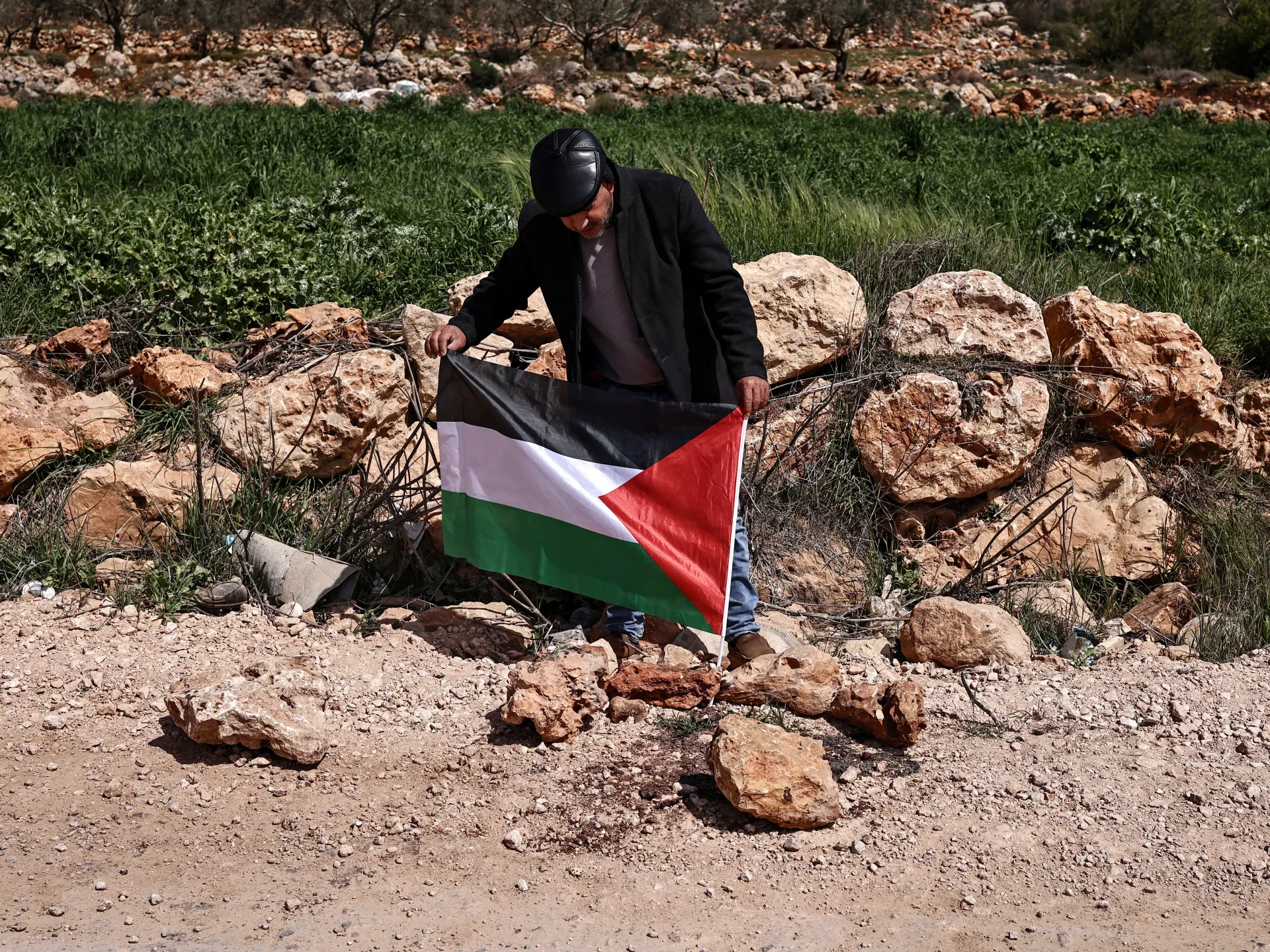
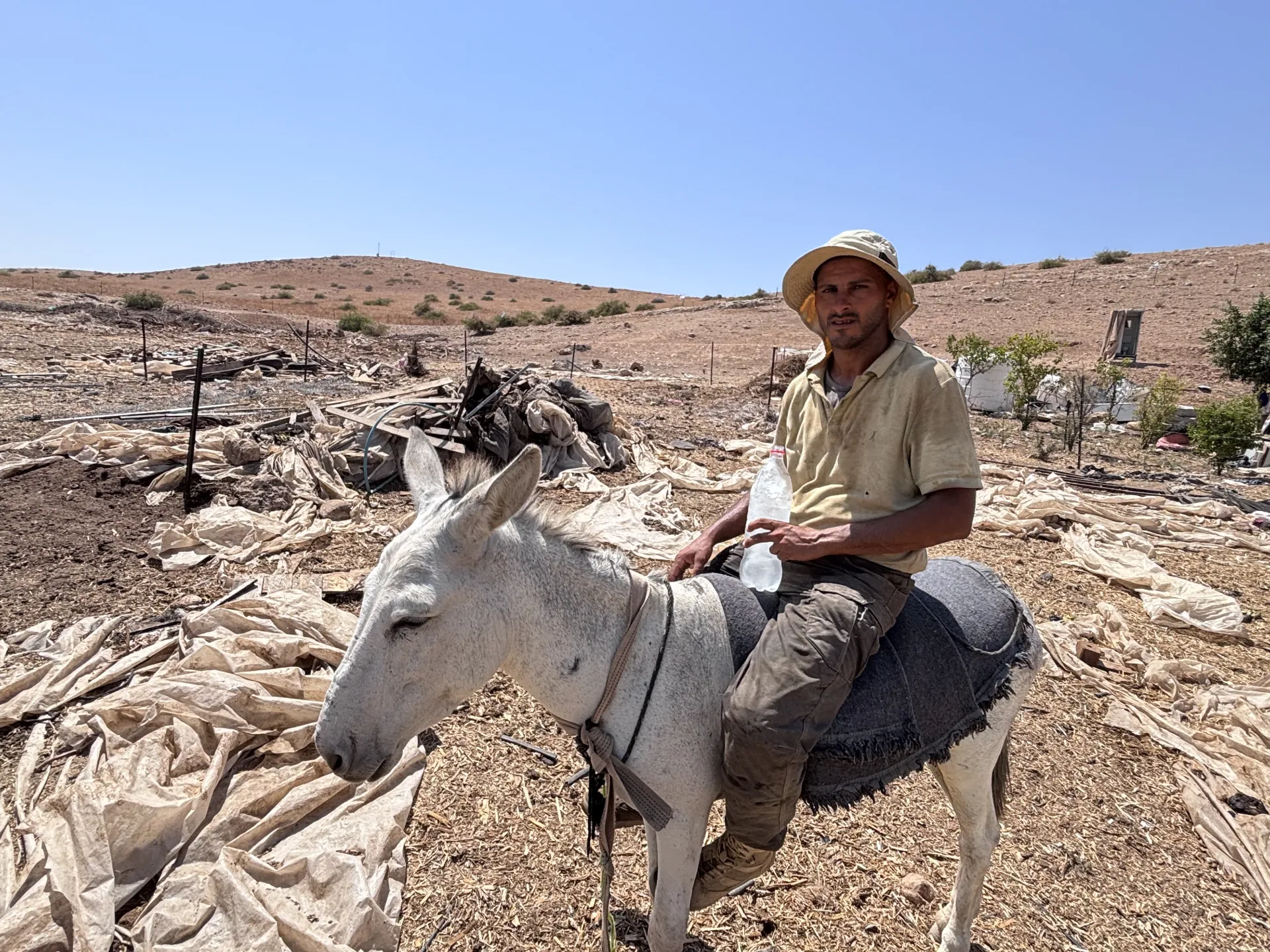
Families in the West Bank village of Qusra are trapped in their homes after being surrounded by settlers, with reports indicating a loss of water and electricity.
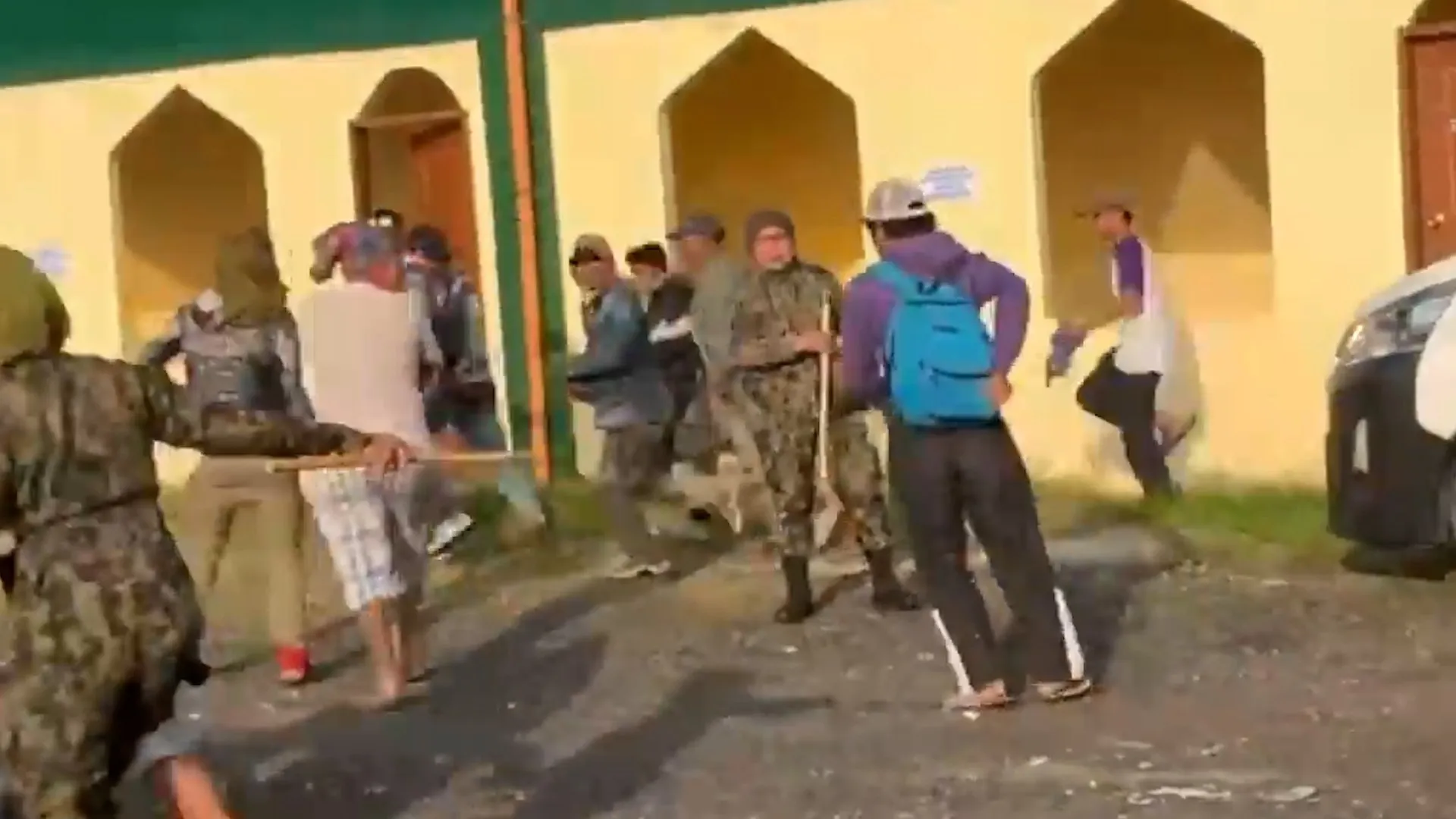
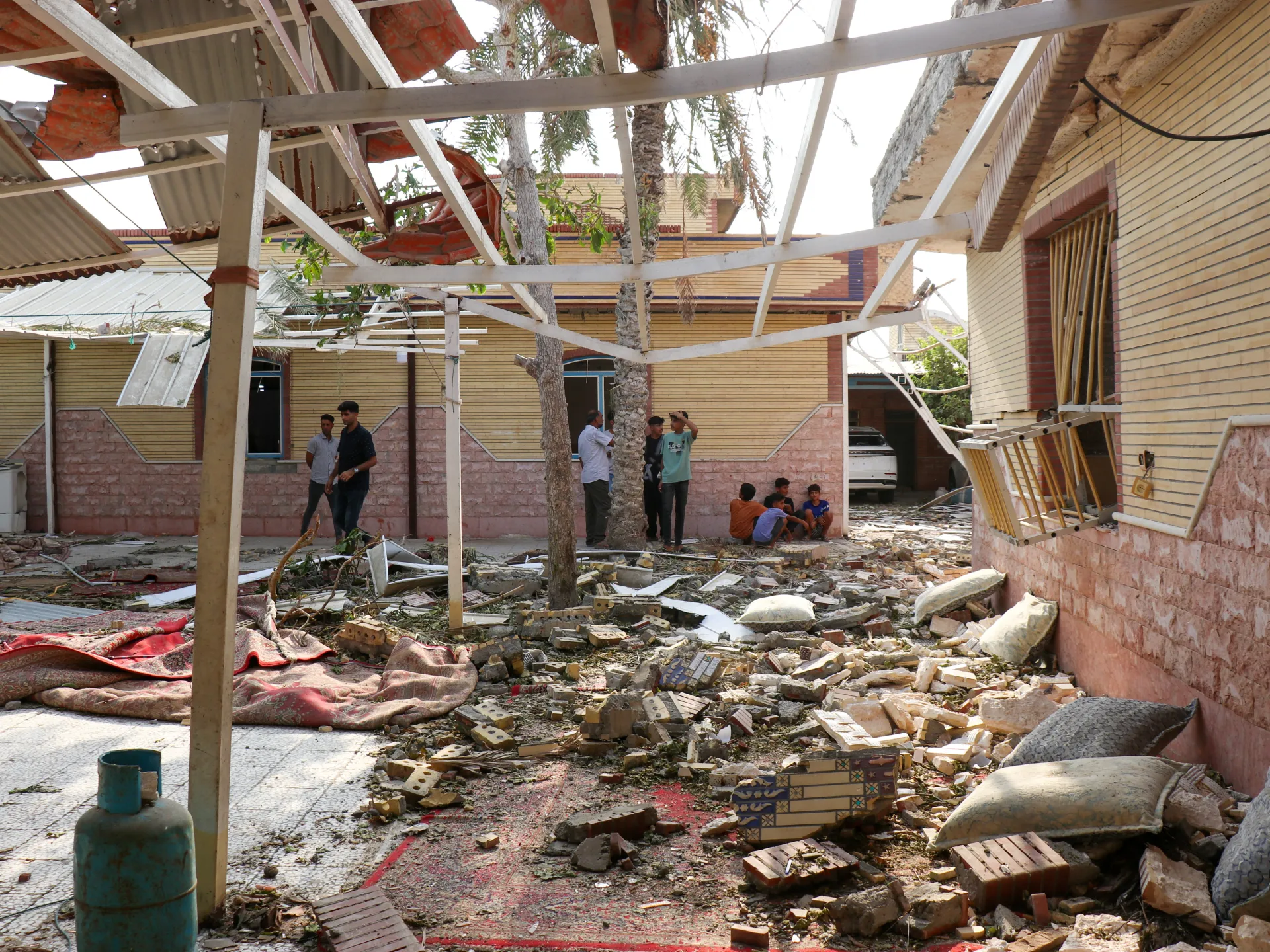
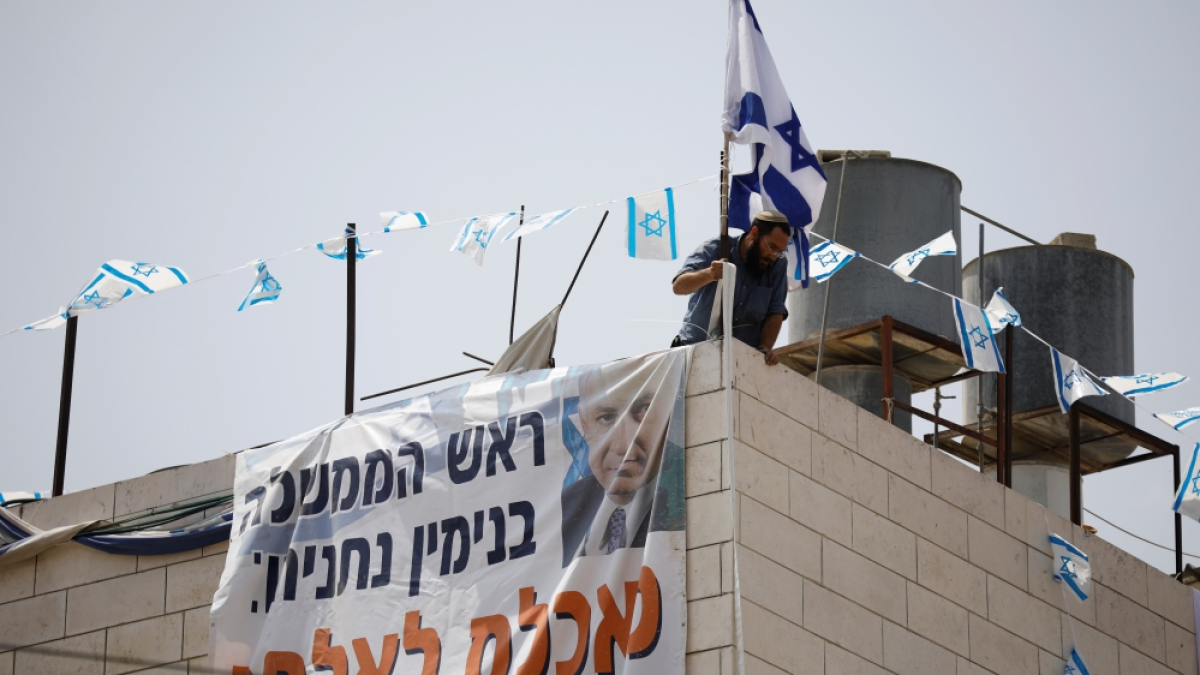
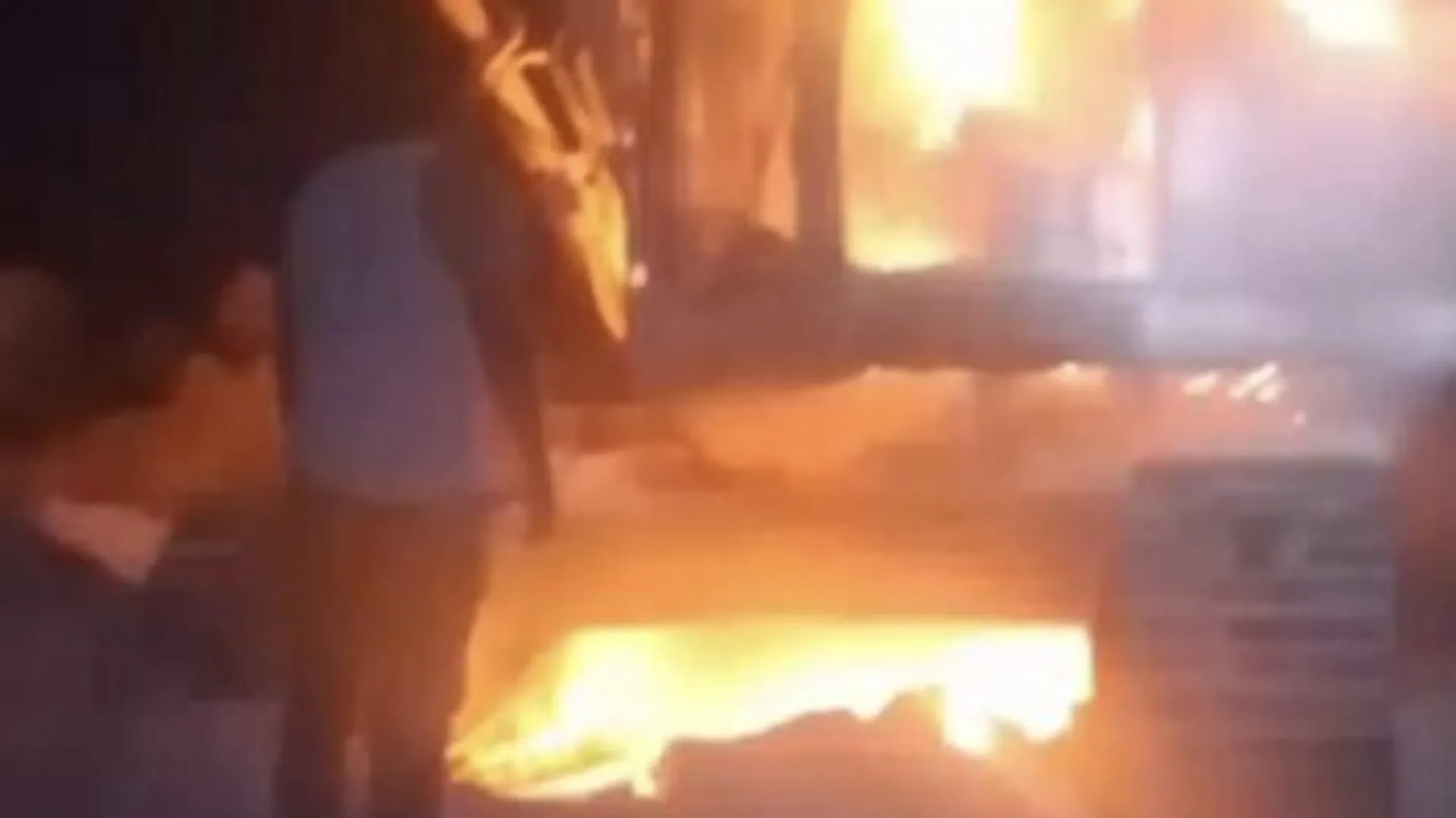
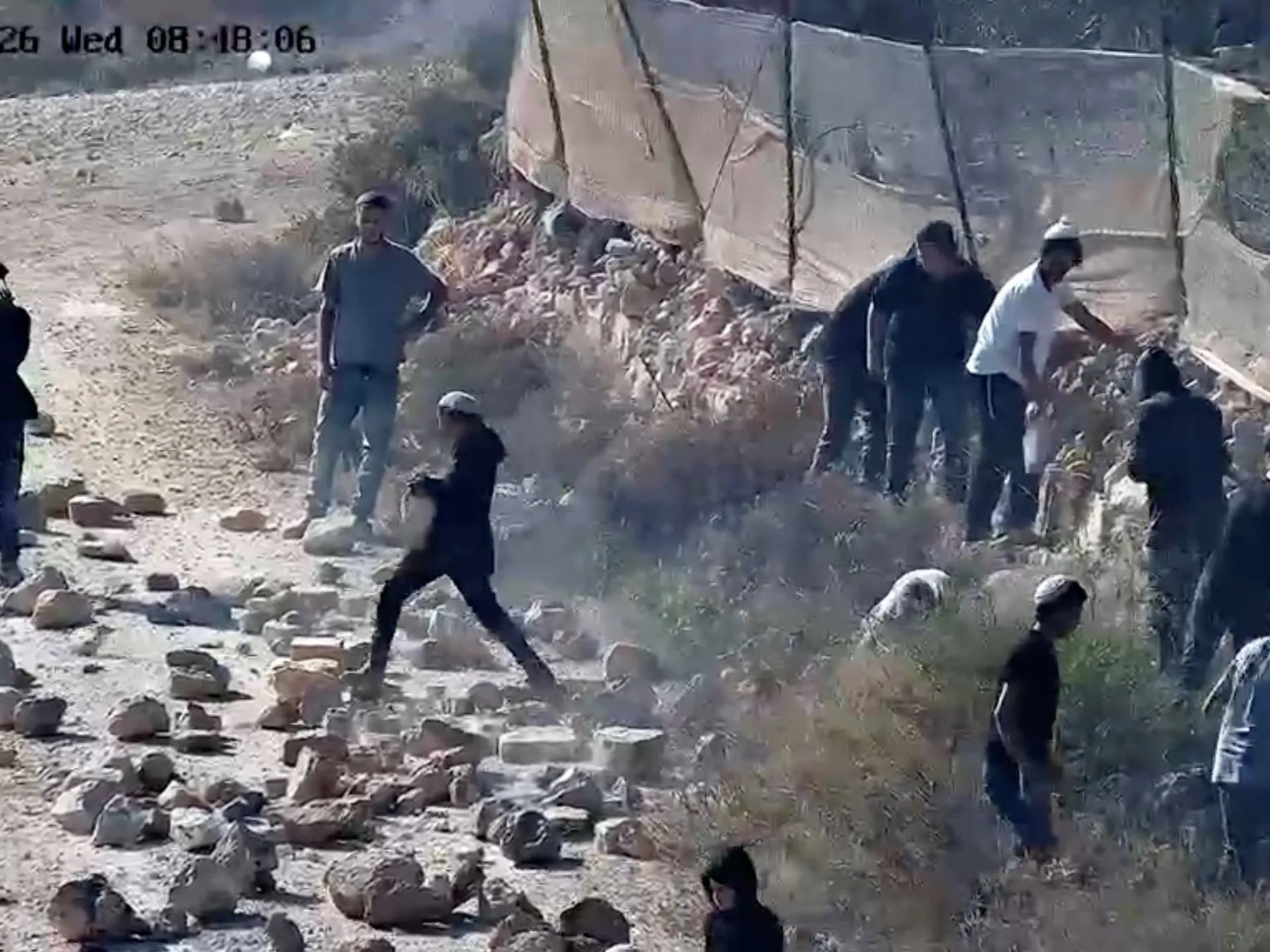
Residents in the village of Qusra, located in the occupied West Bank, are currently enduring a harrowing situation as they find themselves surrounded ian families within their own residences, creating an environment of fear and uncertainty. These reports highlight a significant escalation in localized tensions, where private homes have become the primary battleground for territorial and ideological disputes.
Witnesses from the area describe a precarious environment where mobility is severely restricted and safety is no longer guaranteed. The presence of settlers surrounding these residential structures prevents families from leaving their properties, effectively placing them under a state of house arrest. This development marks a concerning turn in the daily lives of those living in rural West Bank communities, where the proximity of settlements often leads to friction and direct confrontation.
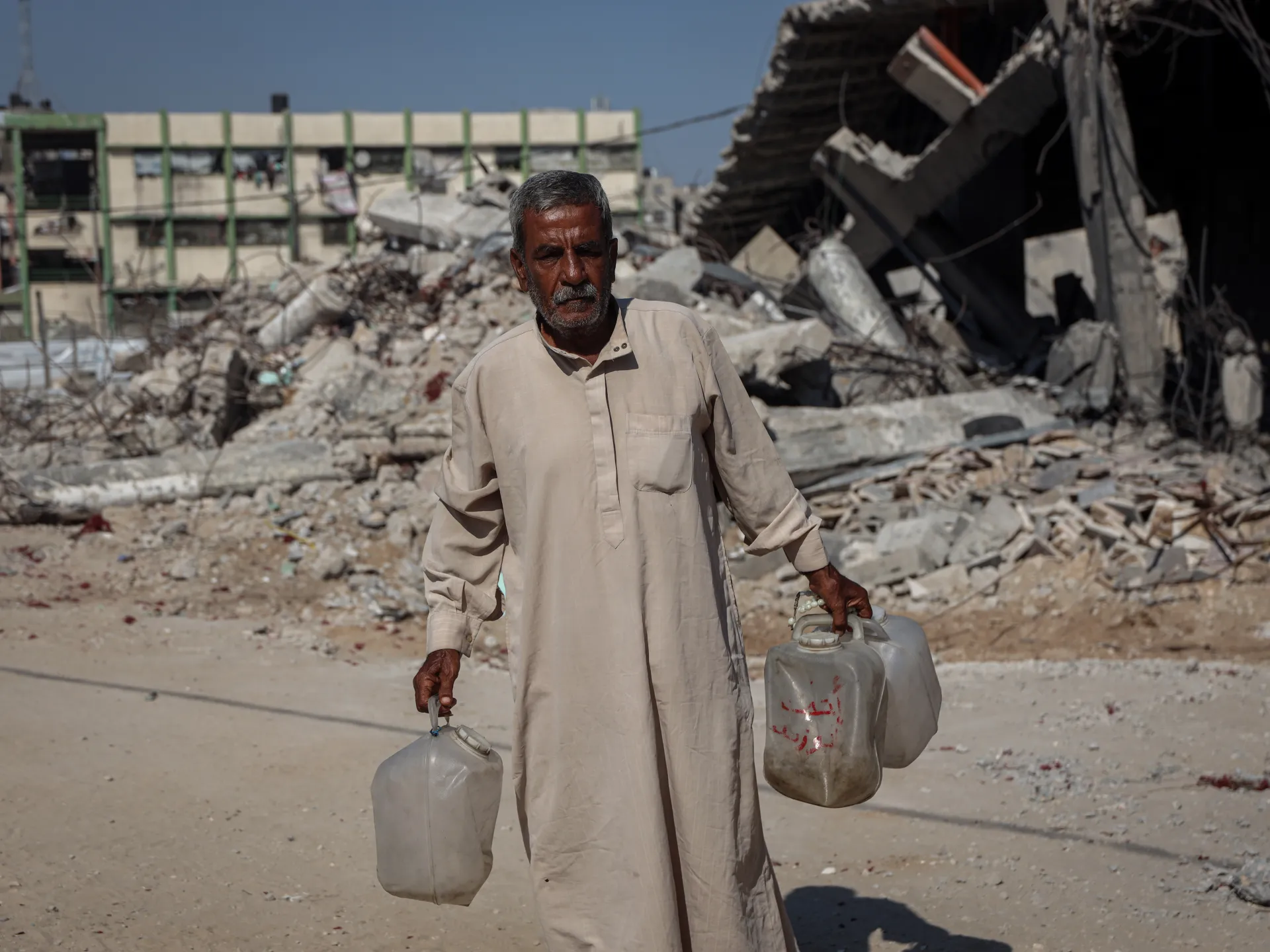
The severity of the situation is compounded round, the families besieged in Qusra have been cut off from critical infrastructure, including water and electricity. The loss of these basic utilities poses an immediate threat to the health and hygiene of the residents, particularly as they are unable to access external supplies or repair services while the blockade remains in effect.
The deprivation of water and power is a tactical move that heightens the psychological and physical strain on the affected families. Without reliable access to these services, the ability to maintain a standard level of living becomes impossible, forcing residents to rely on limited reserves. The international humanitarian community often views the targeting of civilian infrastructure as a violation of fundamental protections, yet such incidents continue to occur with alarming frequency in contested regions.
The incident in Qusra is part of a broader, long-term pattern of instability that characterizes the occupied West Bank. The region has seen a steady increase in friction between Palestinian villagers and the growing settler population. This dynamic is fueled nt outposts, which often lack official government authorization but receive varying degrees of support or protection on the ground.
As these confrontations become more frequent, the role of security forces and local authorities remains a subject of intense scrutiny. Critics argue that the lack of consistent intervention allows such sieges to persist, further destabilizing the region and eroding the prospects for peaceful coexistence. The situation in Qusra serves as a stark reminder of the vulnerability of Palestinian families who find themselves at the center of these deep-seated geopolitical conflicts.
Community leaders and human rights advocates have expressed deep concern regarding the safety of the trapped families. The focus remains on de-escalation and the immediate restoration of essential services to prevent a humanitarian crisis within the village. The isolation experienced ement of protections for civilian populations residing in high-tension zones.
As the situation unfolds, the international community continues to monitor reports from the West Bank. The events in Qusra represent a microcosm of the larger struggle for security and autonomy in the region. Without a sustainable resolution to the underlying causes of these confrontations, residents in rural villages fear that such siege tactics will continue to be deployed, leaving them to bear the brunt of an increasingly volatile environment.