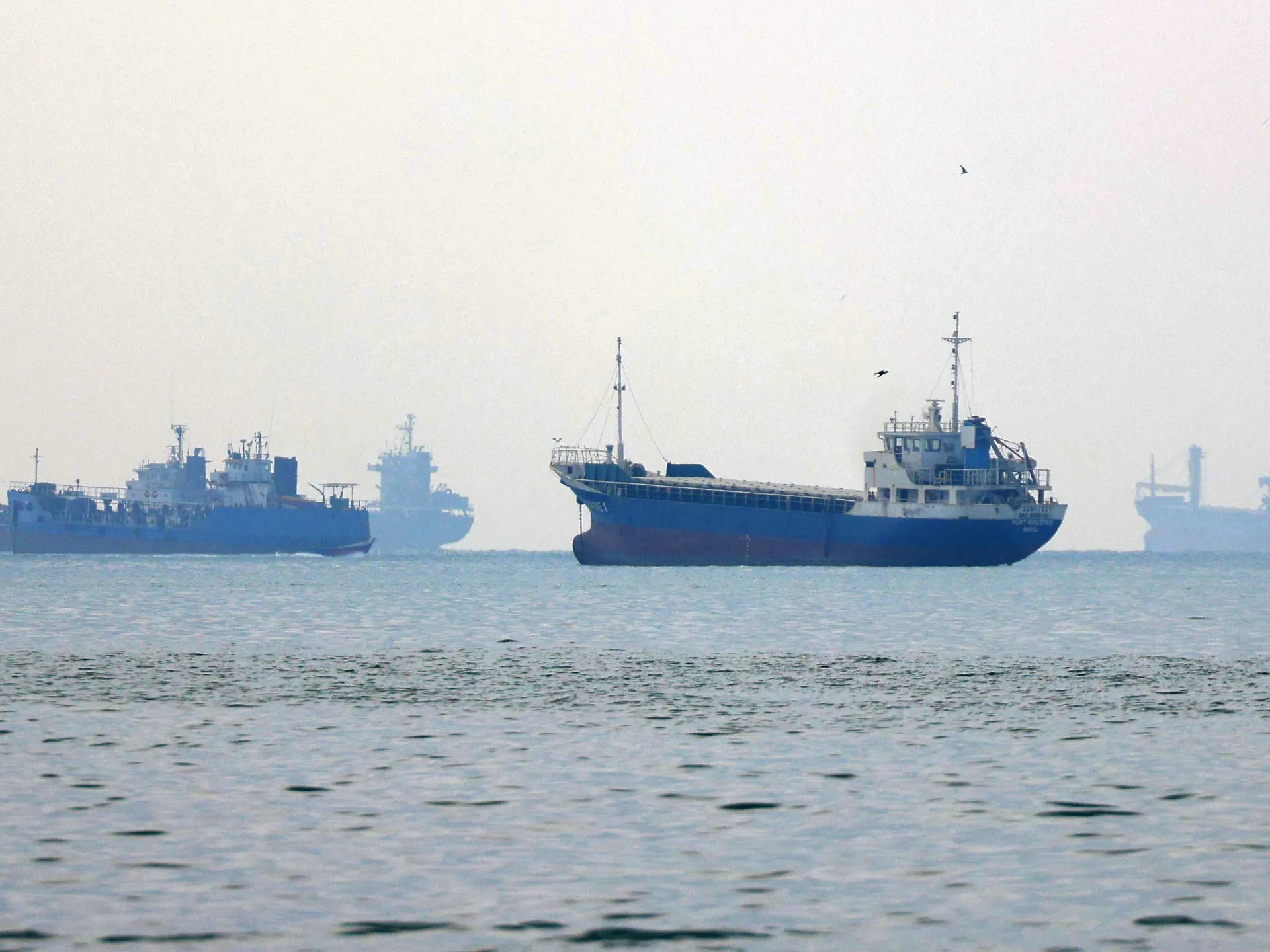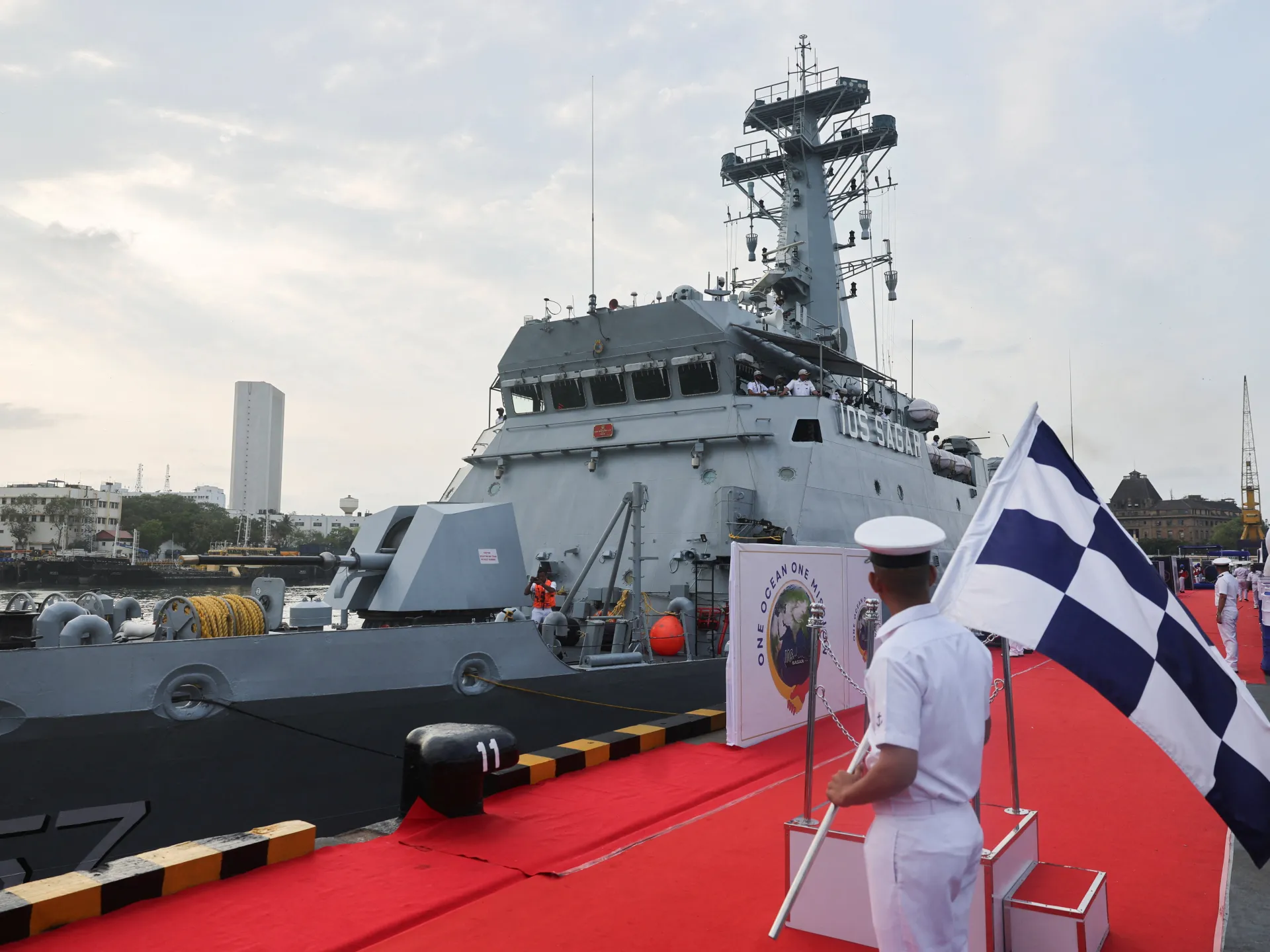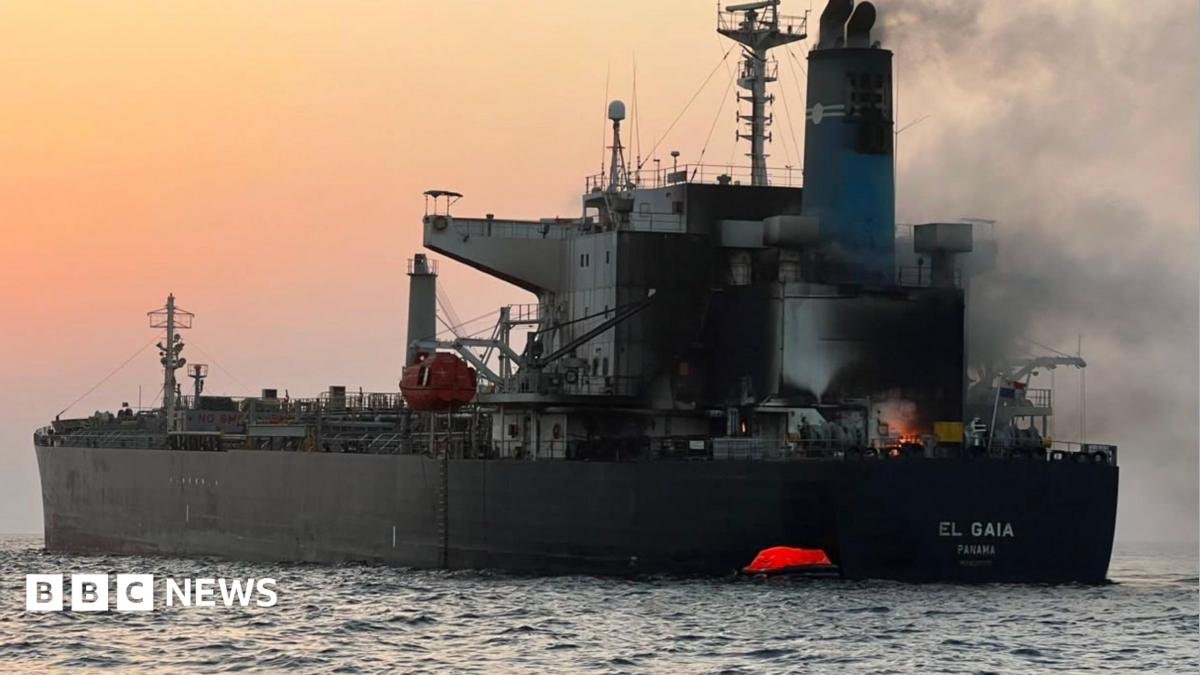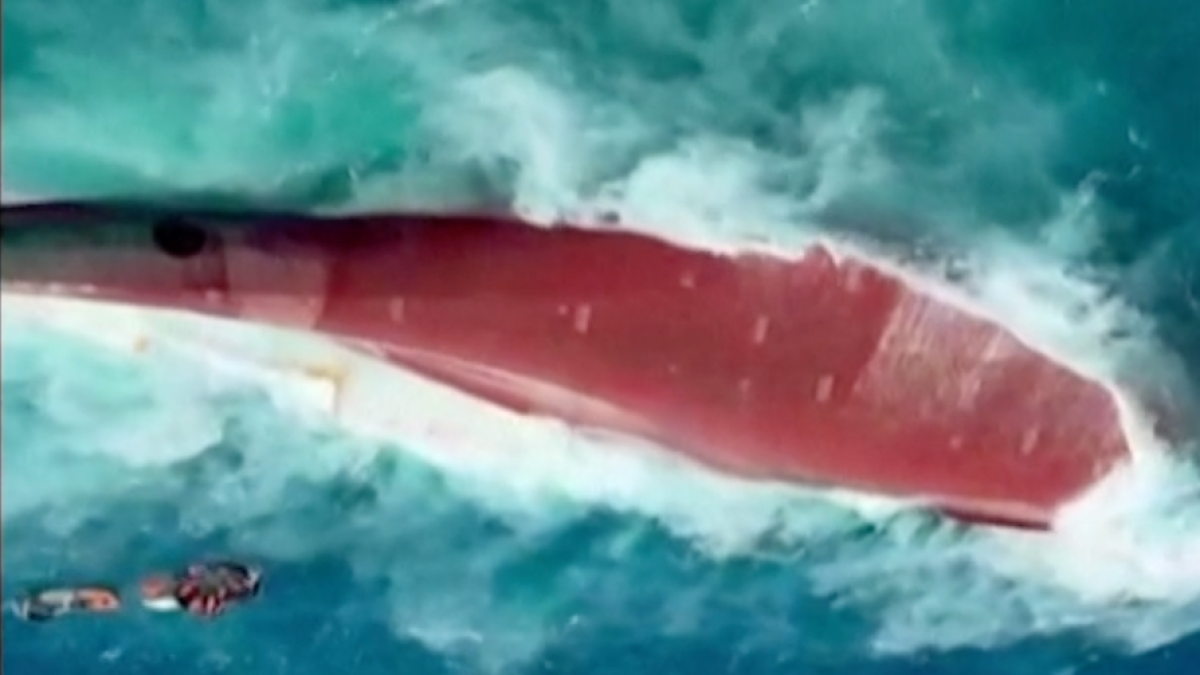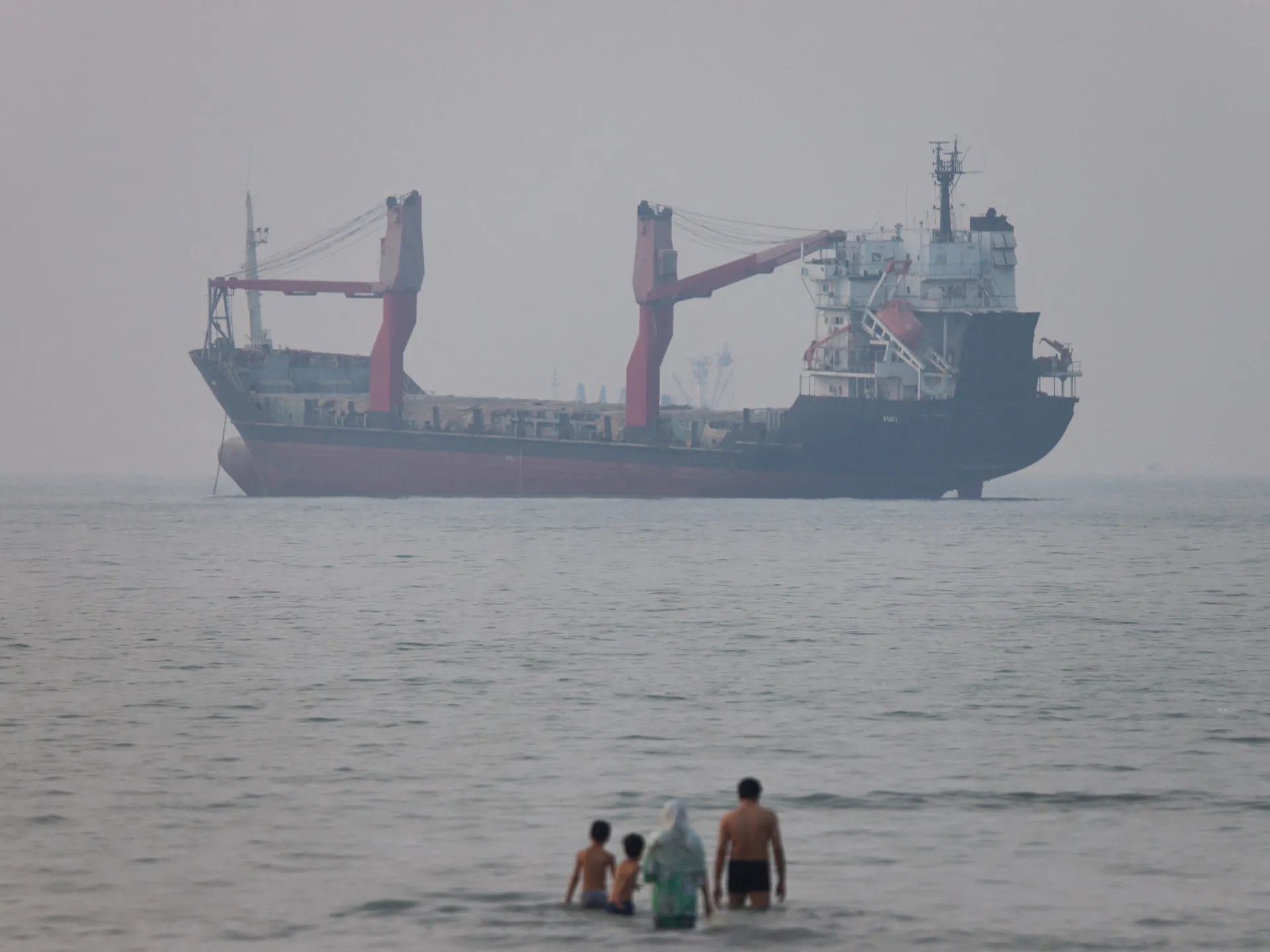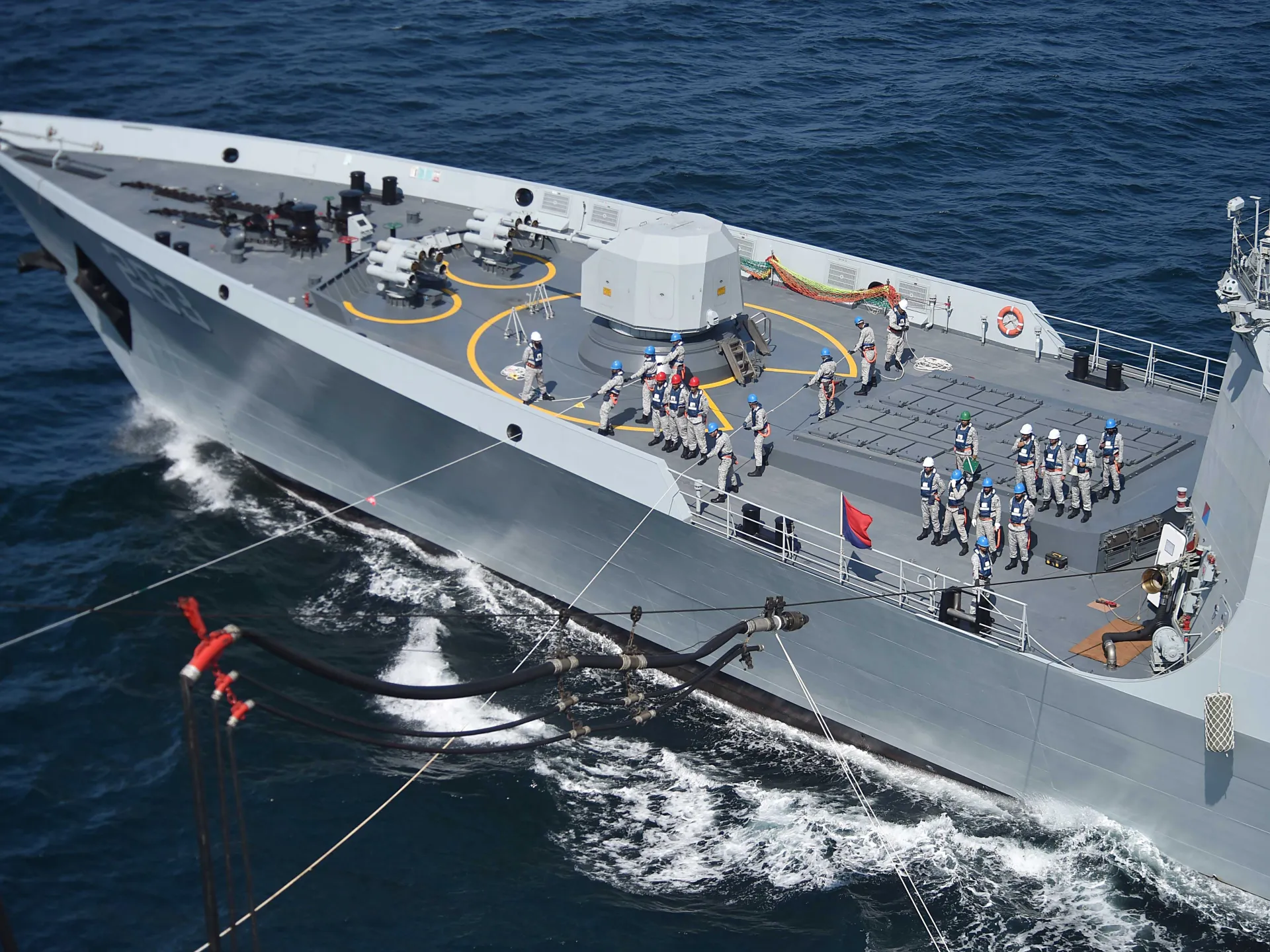
A collision between Indian and Pakistani naval ships in the Arabian Sea has prompted urgent diplomatic protests and raised fears of unintended regional escalation.
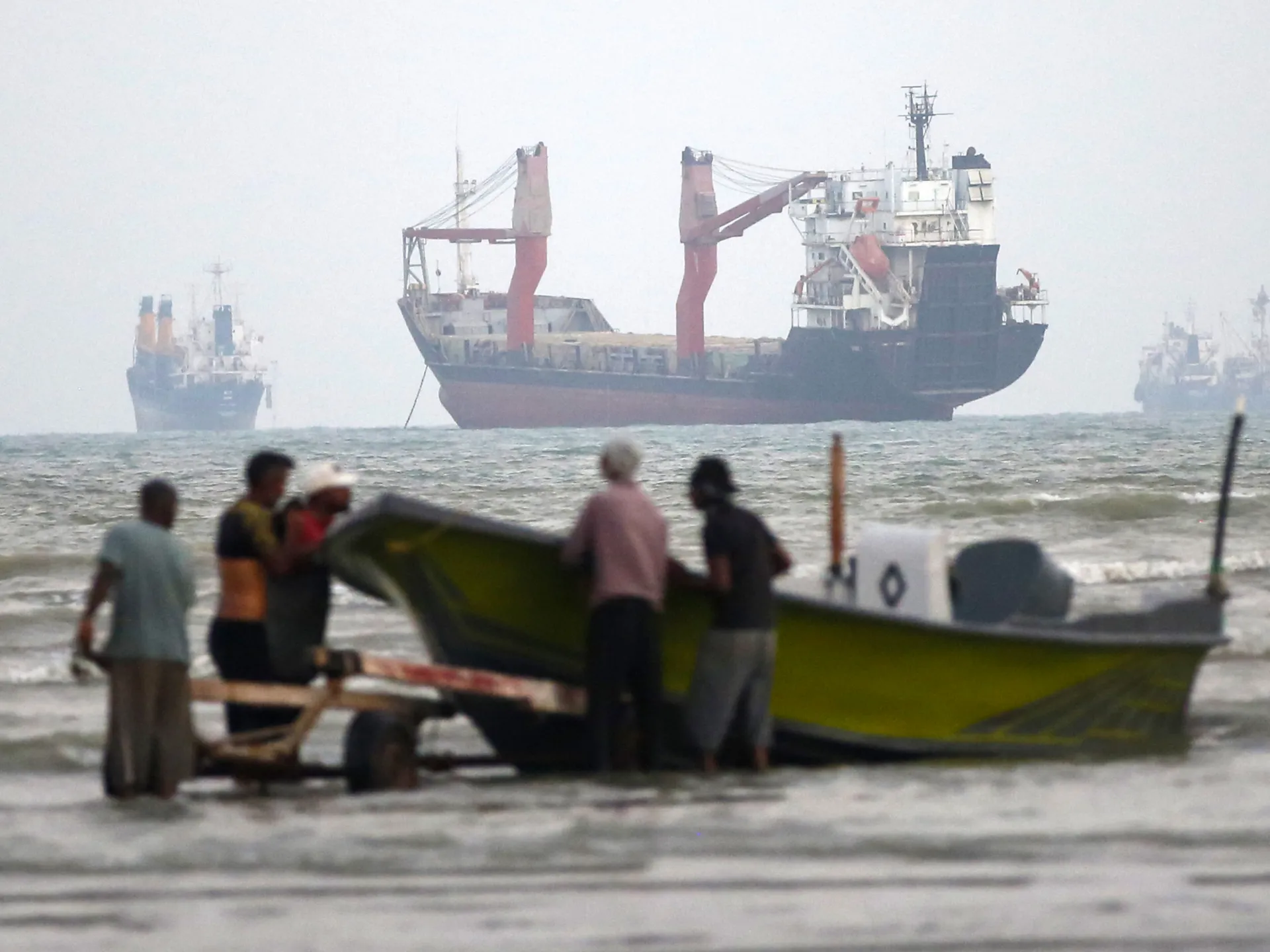
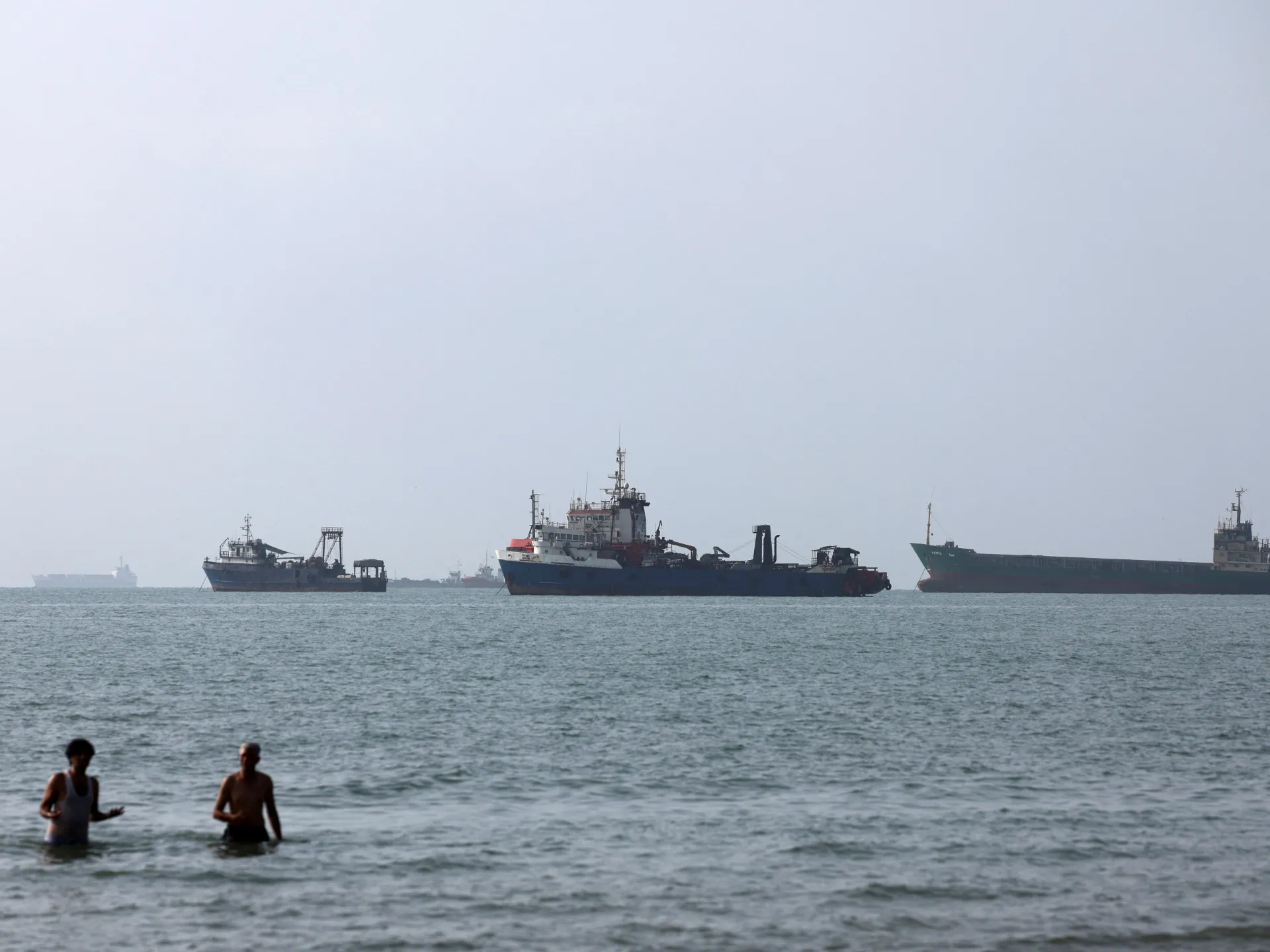
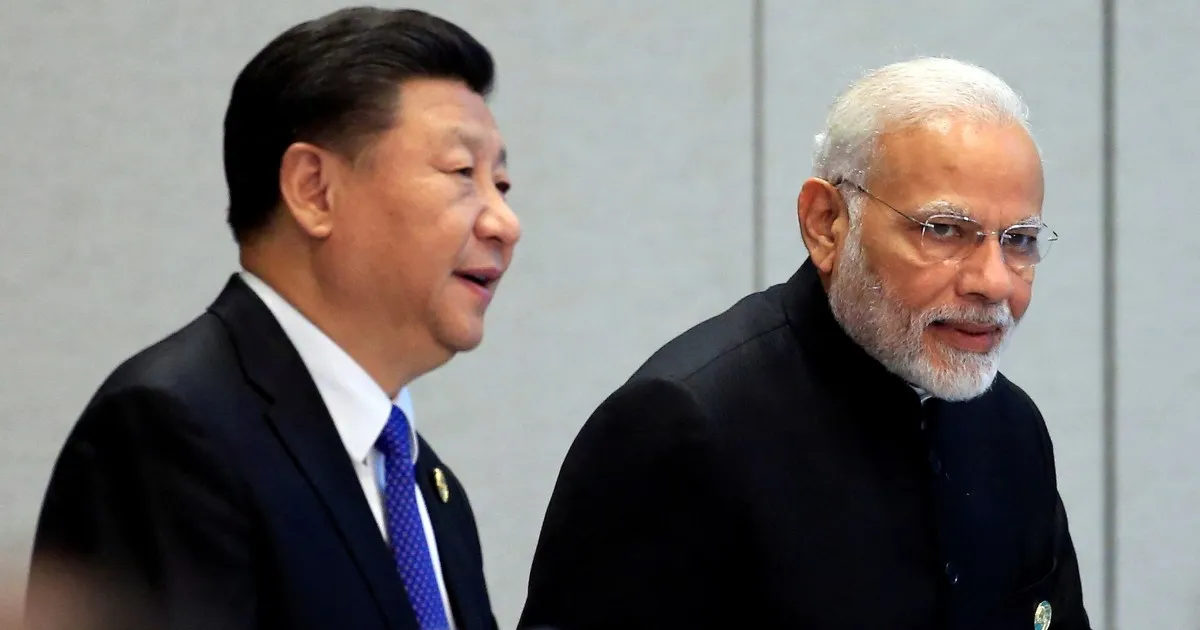
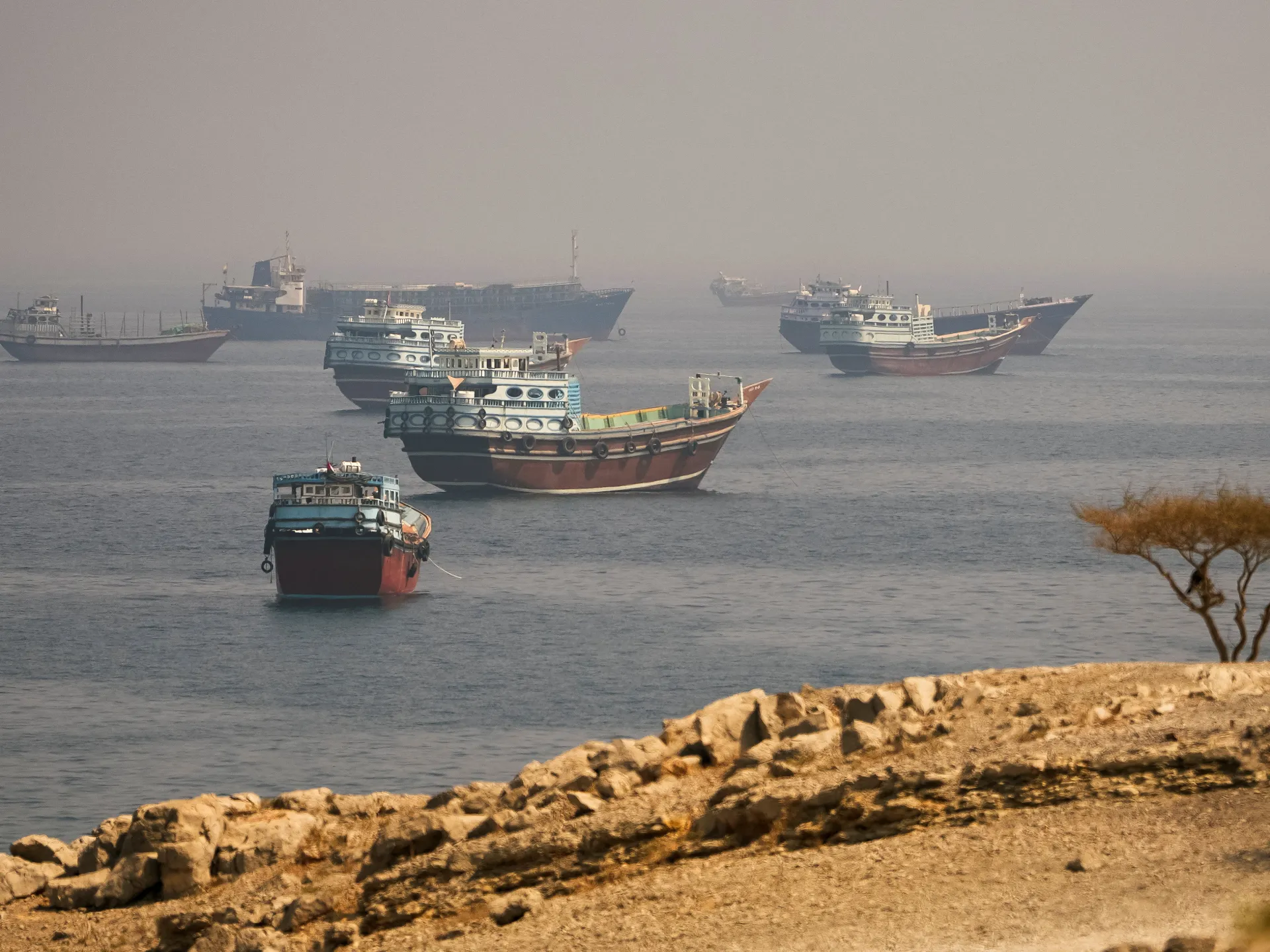
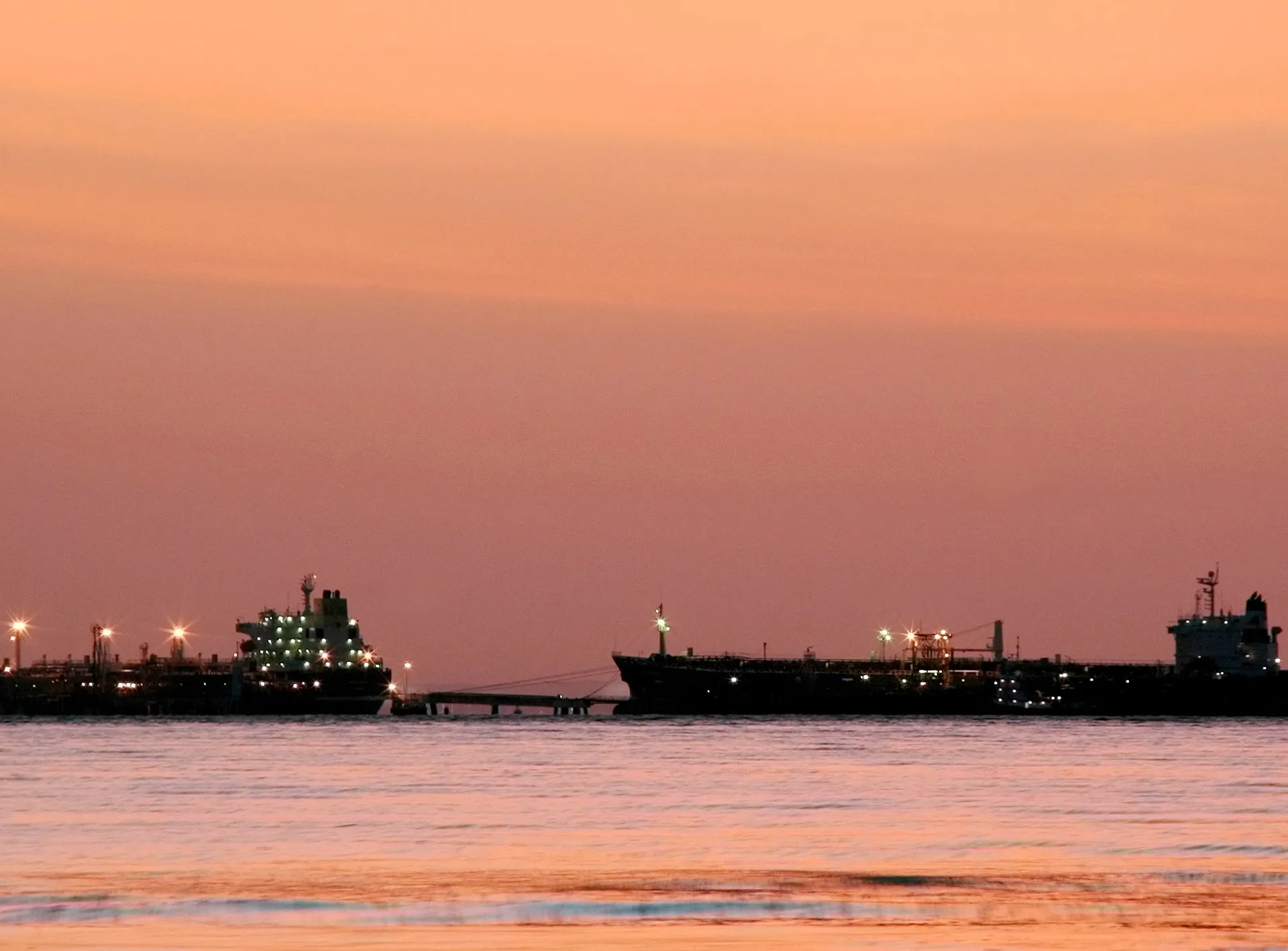
A recent collision between Indian and Pakistani naval vessels in the Arabian Sea has prompted urgent concerns regarding regional stability. The incident, which involved ships from both nations, occurred amidst a backdrop of heightened geopolitical sensitivity following a brief but intense air conflict between the two nuclear-armed neighbors in May 2025. Both Islamabad and New Delhi have responded with swift diplomatic maneuvers, summoning each other's top diplomats to lodge formal protests.
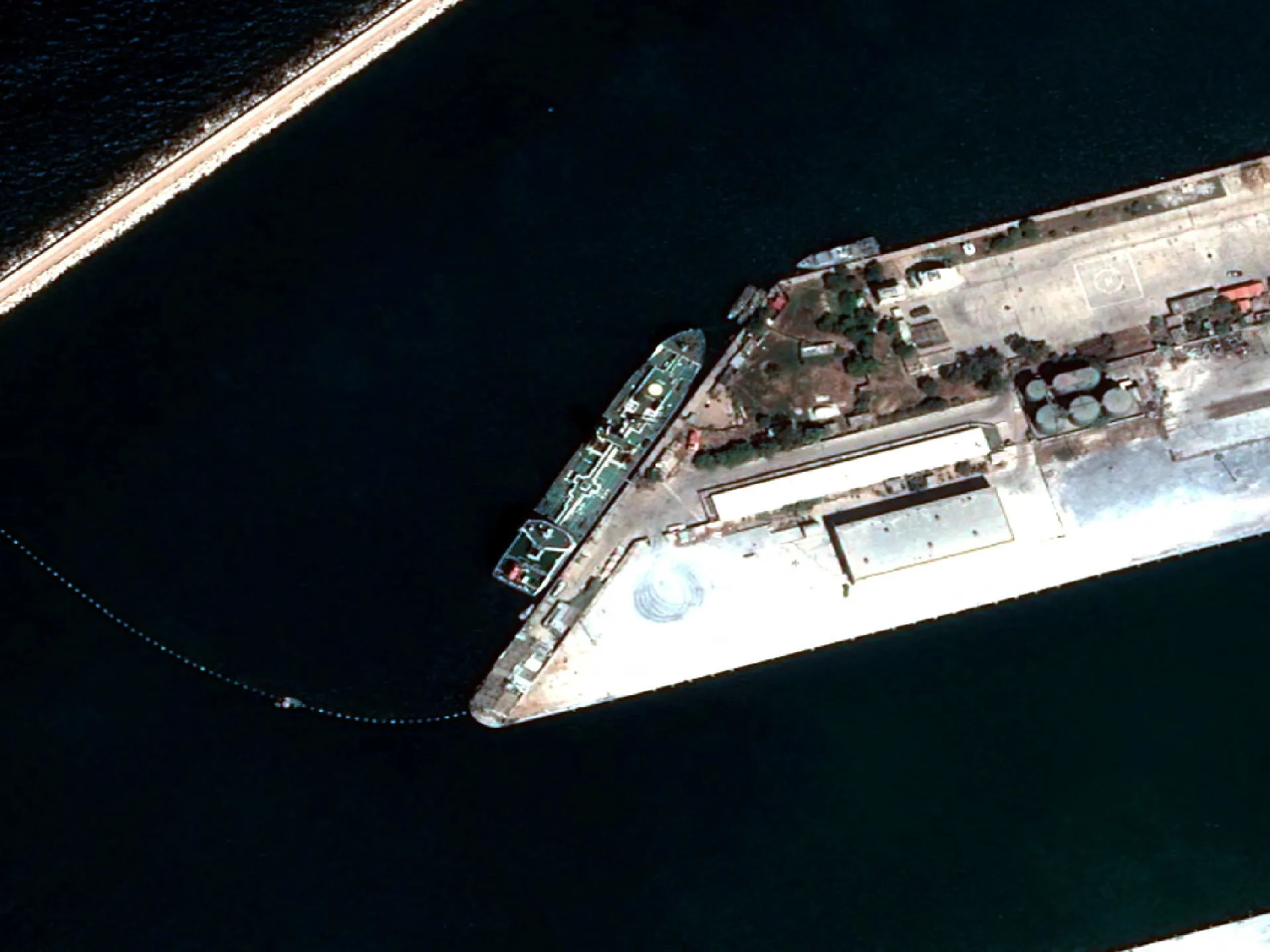
While the exact sequence of events remains shrouded in conflicting narratives, the incident marks the first direct military encounter at sea since the 2025 conflict. Neither government has provided visual evidence or independent data to substantiate their claims, leaving the international community to navigate competing accounts. This lack of transparency has exacerbated fears that a localized maritime accident could inadvertently trigger a broader military escalation, particularly given the fragile state of bilateral relations.
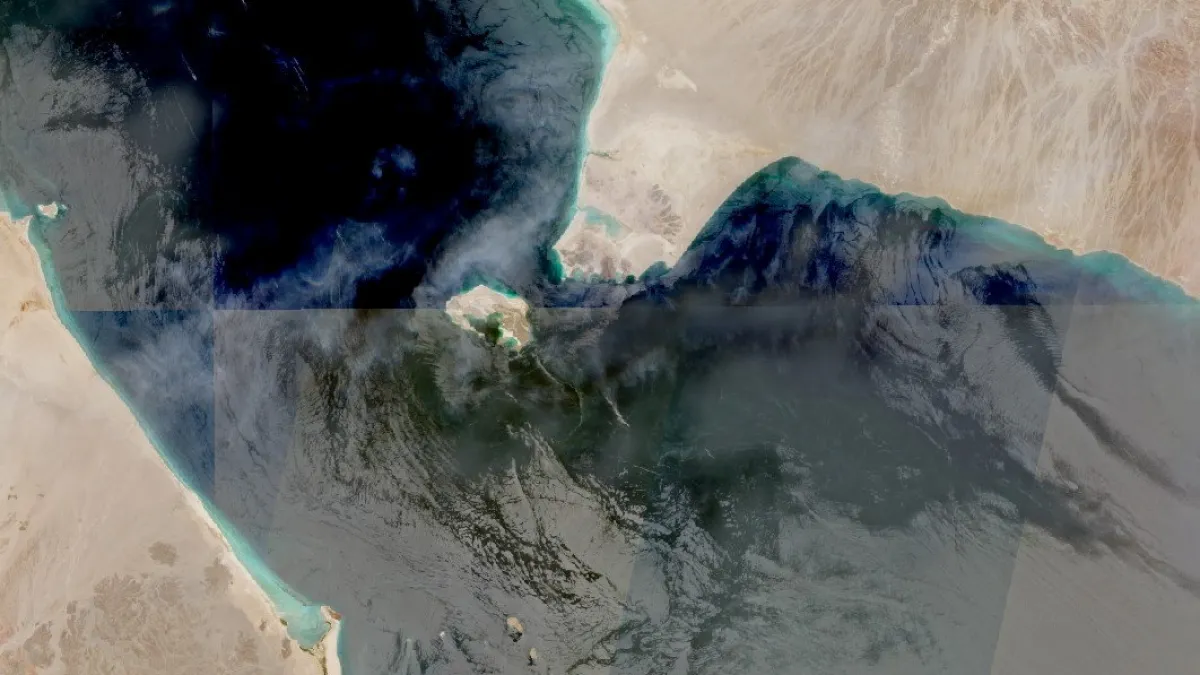
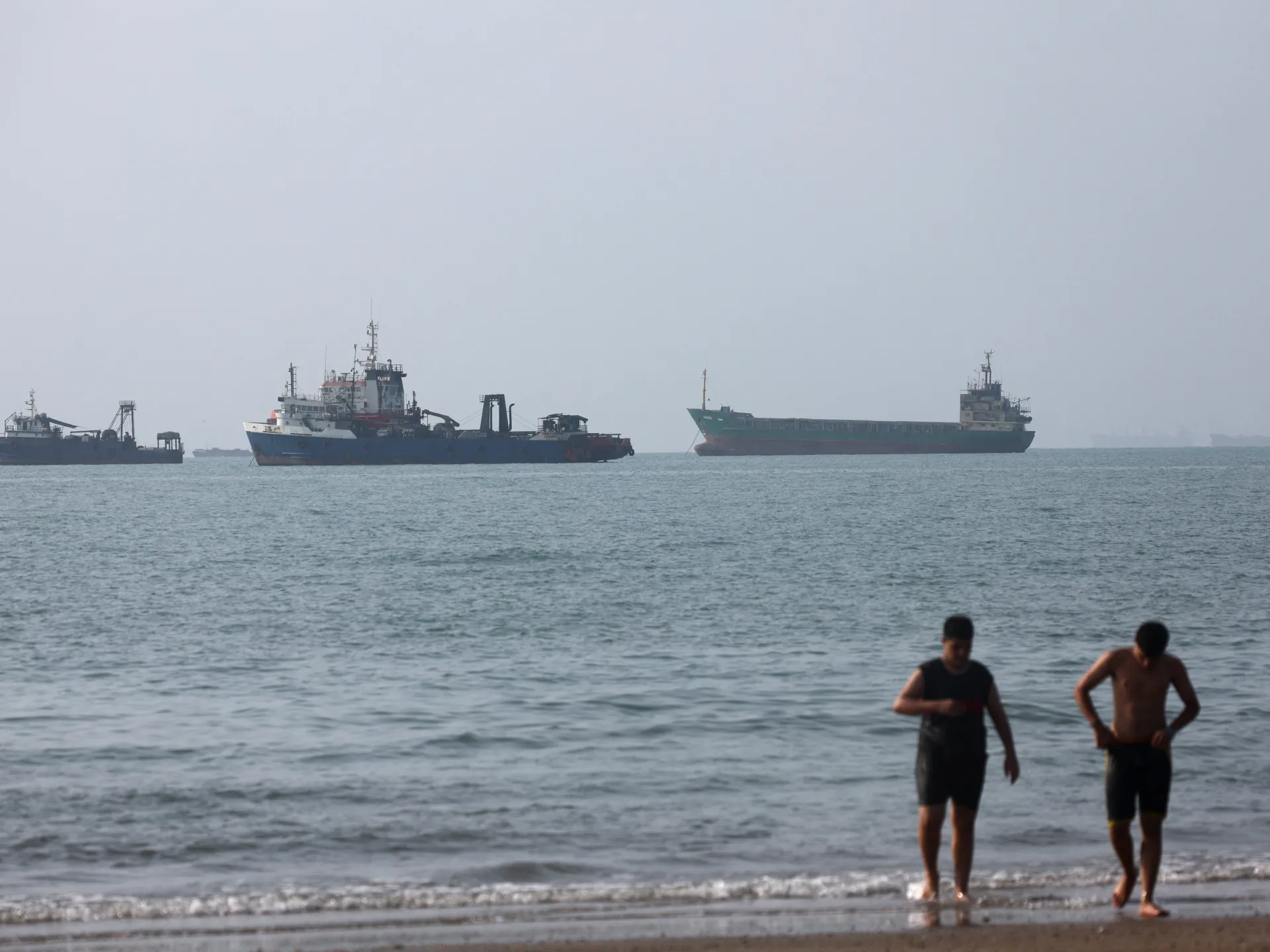
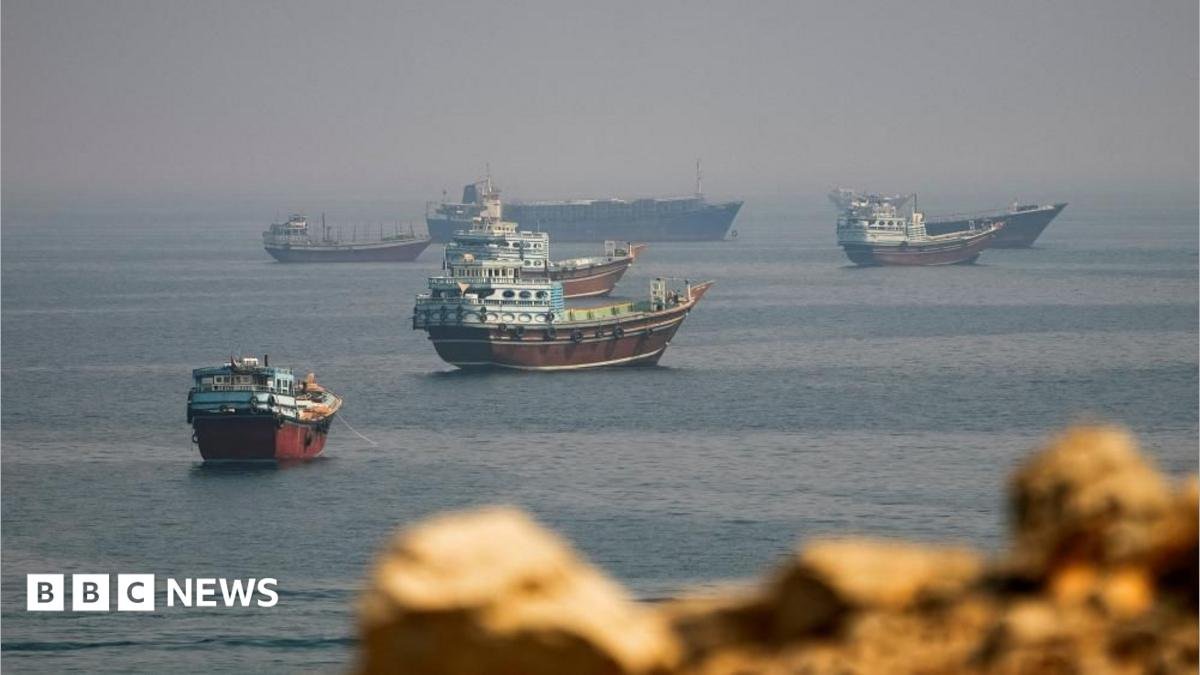
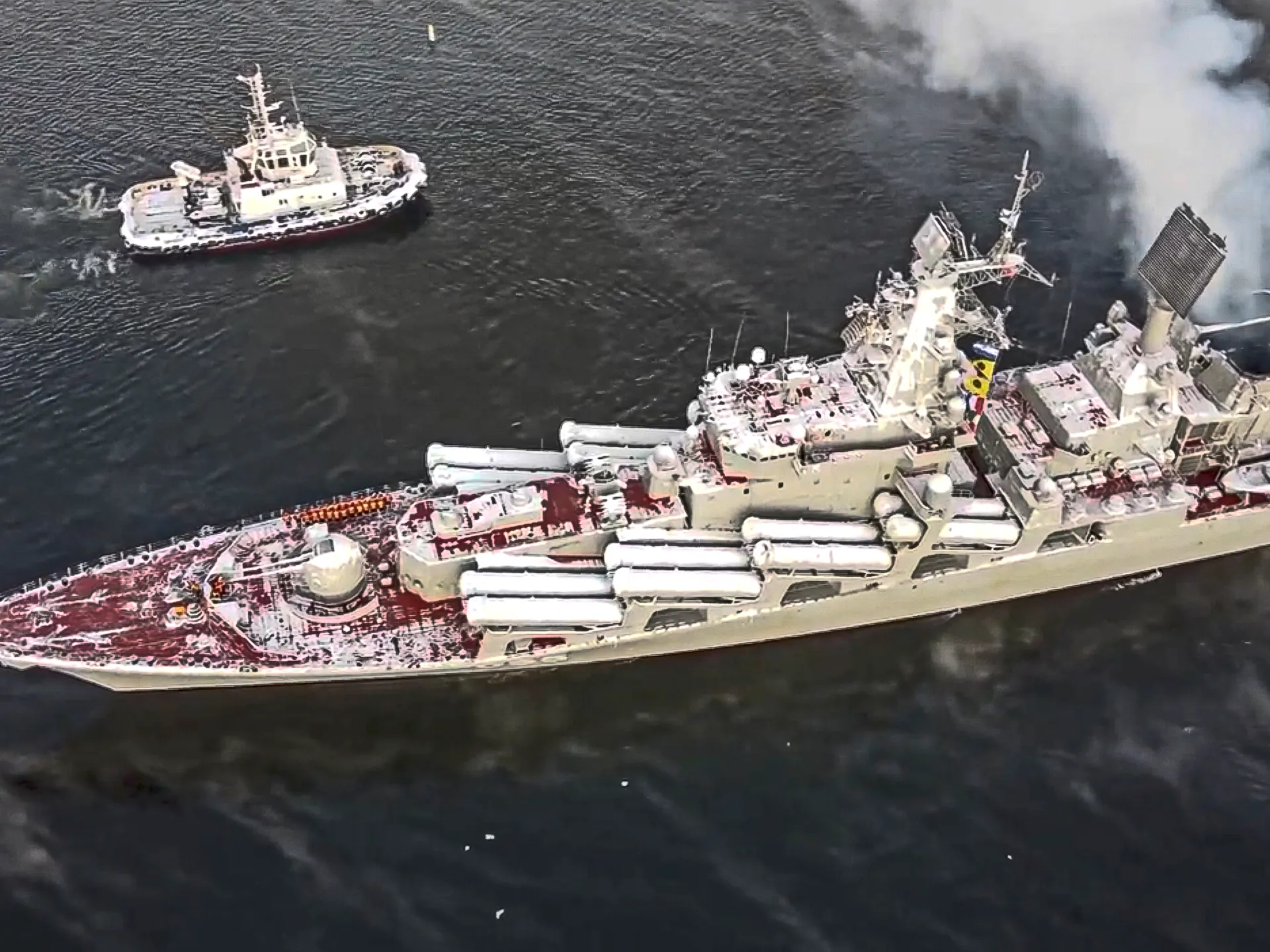
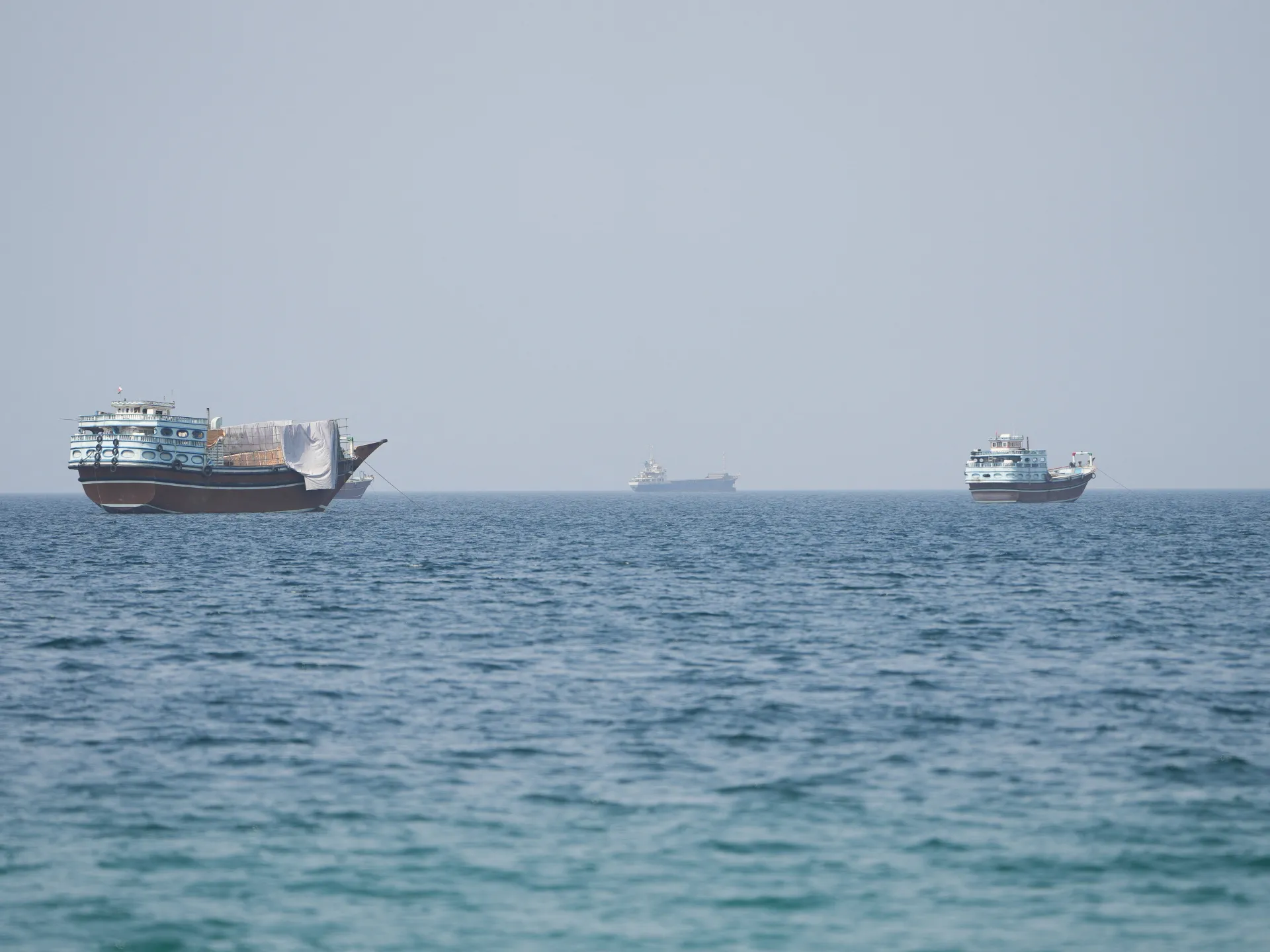
Pakistan’s Foreign Office stated that its navy was conducting the biennial SEASPARK-26 exercise within its exclusive economic zone (EEZ) when the incident occurred. According to Pakistani authorities, an Indian guided-missile destroyer, identified as the INS Kolkata, repeatedly attempted to enter the designated exercise area over several days. The situation culminated on September 15, when the Indian vessel allegedly performed an unsafe maneuver, resulting in a collision with a Pakistani offshore patrol vessel, identified as the PNS Hunain.
Conversely, Indian officials have characterized the event as a routine surveillance operation conducted in international waters. New Delhi claims that a Pakistani vessel approached their warship at high speed and executed dangerous maneuvers that led to the contact. While both nations have engaged in public posturing, the absence of an agreed-upon narrative underscores the difficulty in managing encounters in contested or high-traffic maritime zones where communication channels are limited.
Security analysts have pointed to a critical lack of robust communication protocols between the two navies. While a 1991 bilateral agreement mandates that warships maintain a distance of at least three nautical miles in international waters, the accord lacks specific maneuvering rules or a dedicated navy-to-navy hotline. This regulatory gap makes it difficult for either side to de-escalate situations once they begin to deteriorate, as there is no established procedure for immediate, high-level verification of incidents.
Experts note that the current situation is reminiscent of Cold War-era “bumping” incidents, yet with significantly higher stakes. Unlike the 2011 collision involving the PNS Babur and the INS Godavari, the current political climate is far more volatile. Public sentiment in both nations remains highly sensitized following the previous year’s hostilities, which increases the pressure on both governments to adopt firm public stances, potentially limiting the space for quiet, behind-the-scenes diplomacy.
While the immediate collision has caused alarm, some analysts suggest that the incident may not necessarily lead to sustained conflict. If the event was an isolated tactical error rather than a deliberate provocation, internal accountability measures—such as court-martial processes for captains who acted without authorization—could help mitigate further friction. However, the risk remains that such encounters could be used as a pretext for broader geopolitical posturing.
The long-term solution, according to maritime observers, lies in better demarcation of boundaries and the establishment of formal maritime incident protocols. Without clear, mutually agreed-upon rules of engagement and a functioning communication link, the possibility of future, more dangerous confrontations persists. Whether this week’s incident fades into history like previous maritime brushes or develops into a sustained crisis will depend heavily on the diplomatic tone set