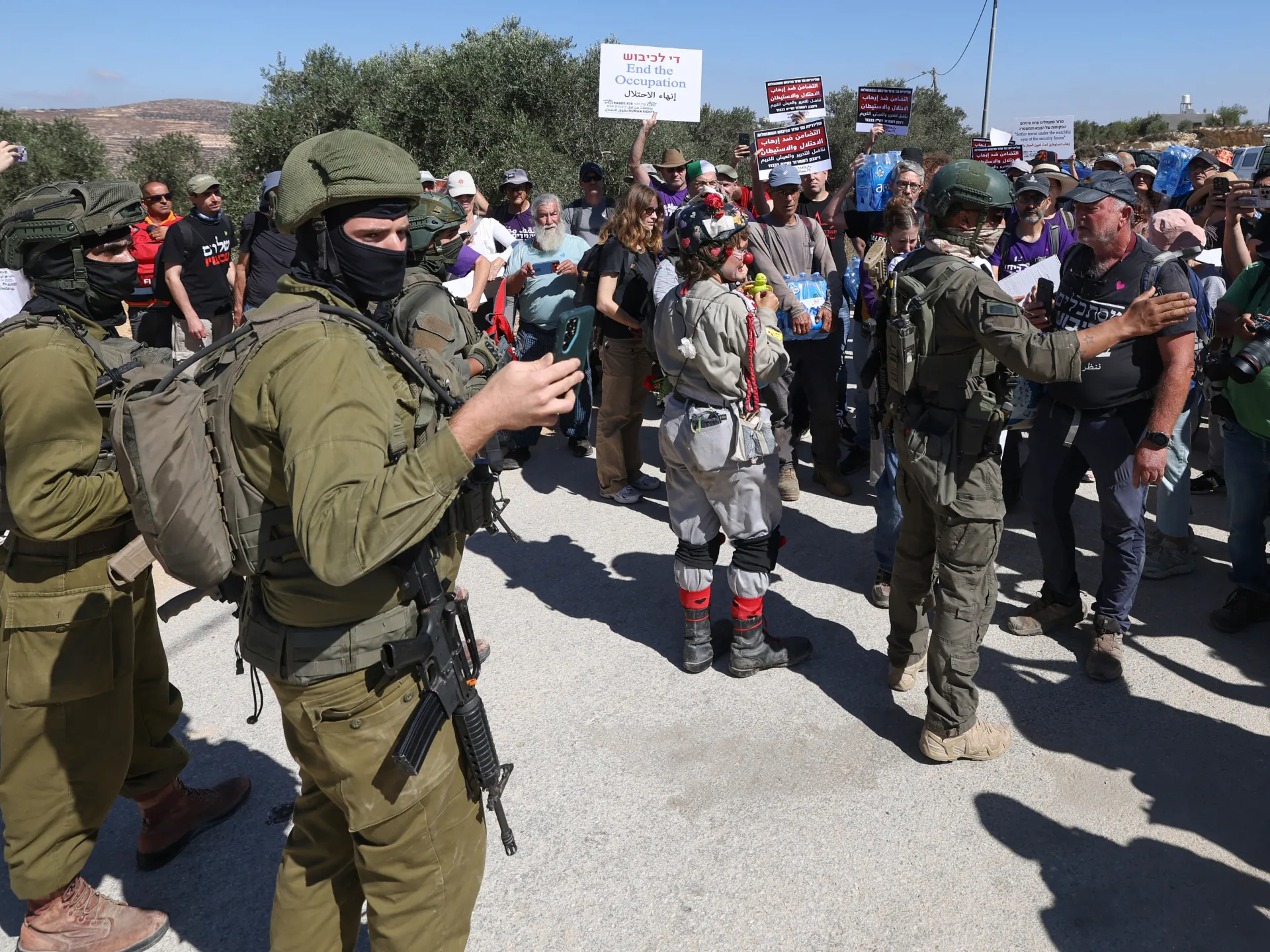
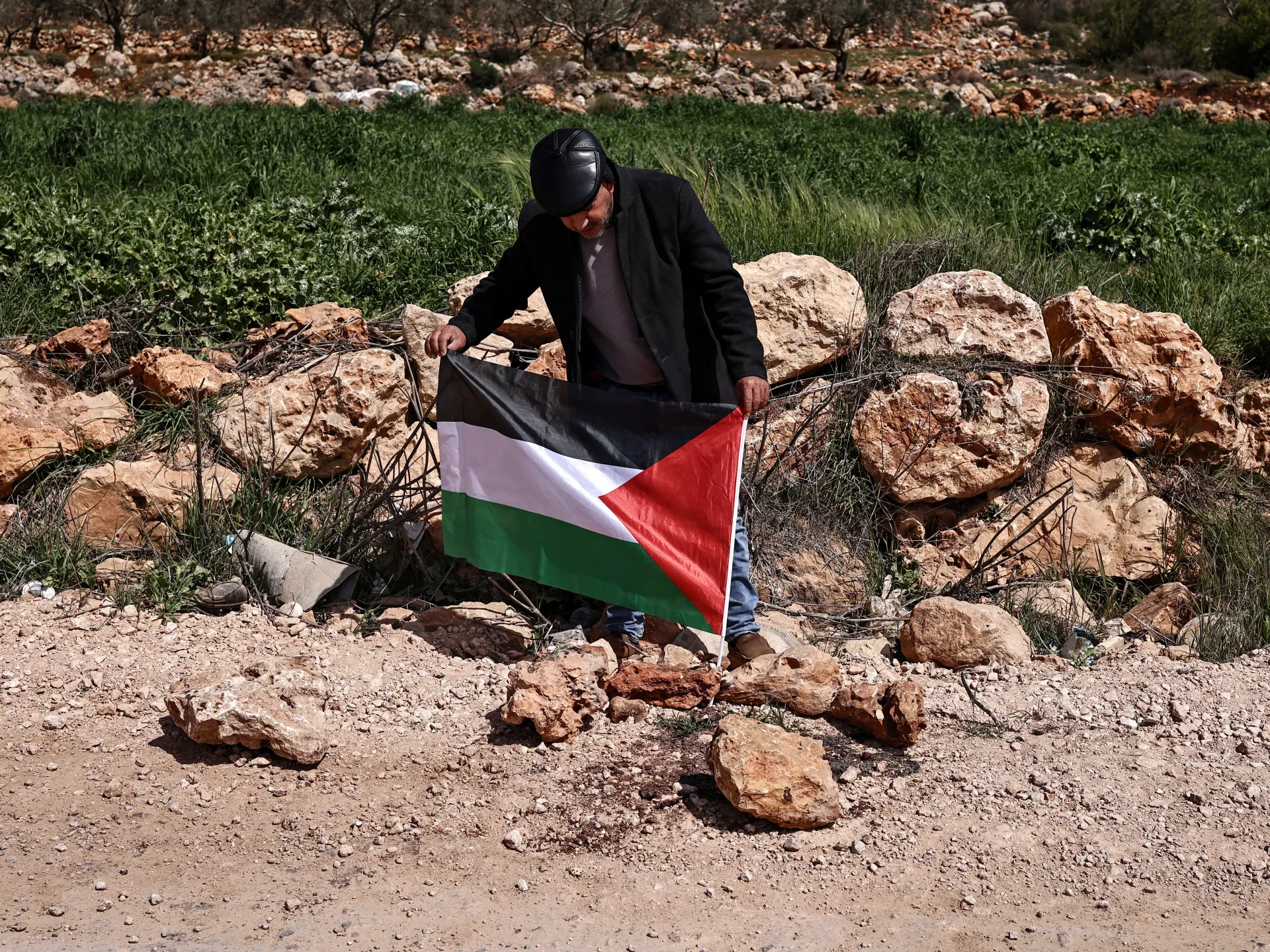
The E1 infrastructure project in the West Bank threatens to displace thousands of residents while creating a physical barrier that divides the territory.
The E1 development project represents a significant shift in regional infrastructure that aims to physically connect the Ma’ale Adumim settlement with Jerusalem. fectively creating a contiguous zone that bypasses existing Palestinian transit networks. This infrastructure project is viewed ty of a two-state solution, as it fundamentally alters the territorial integrity of the West Bank.
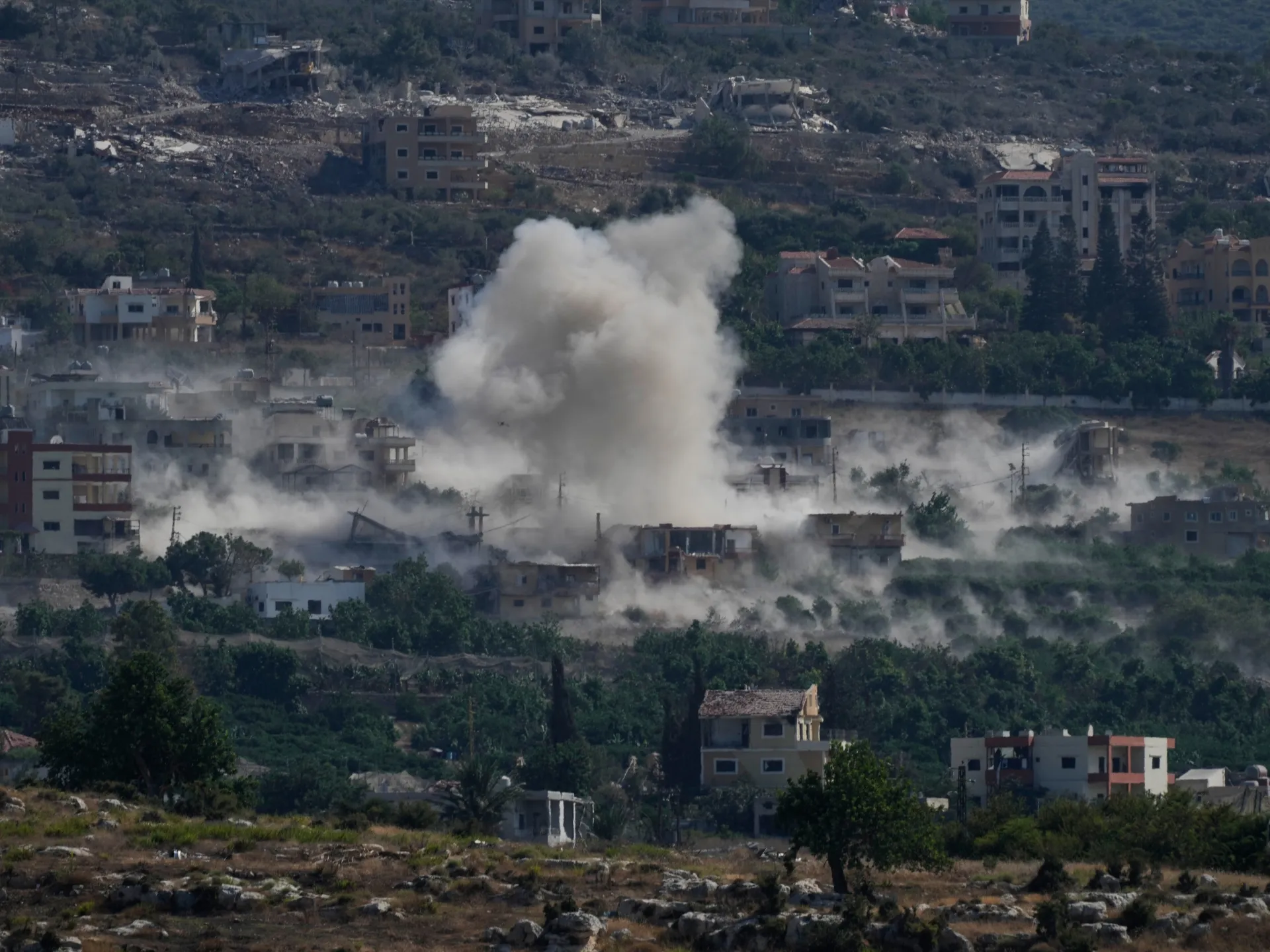
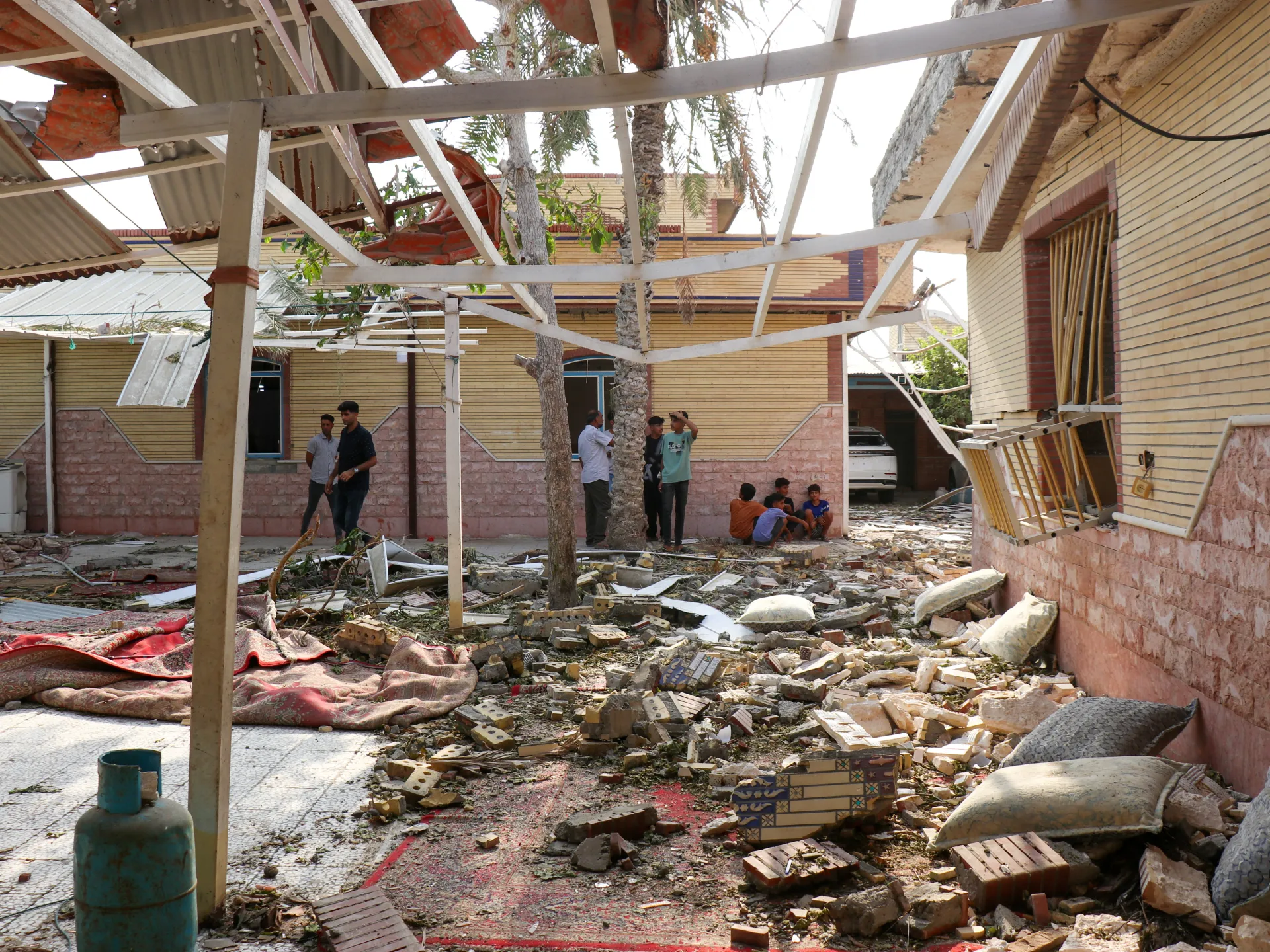
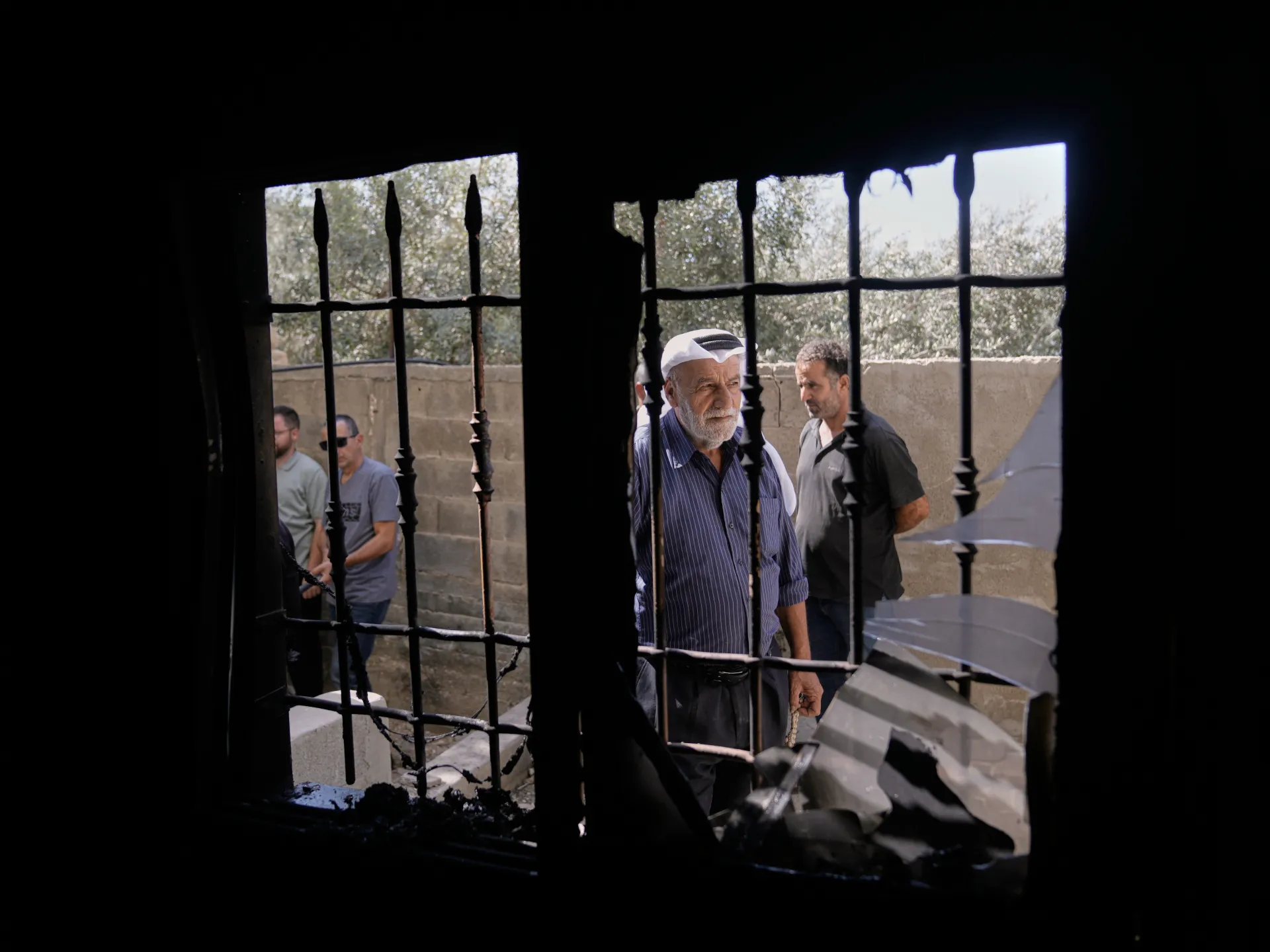
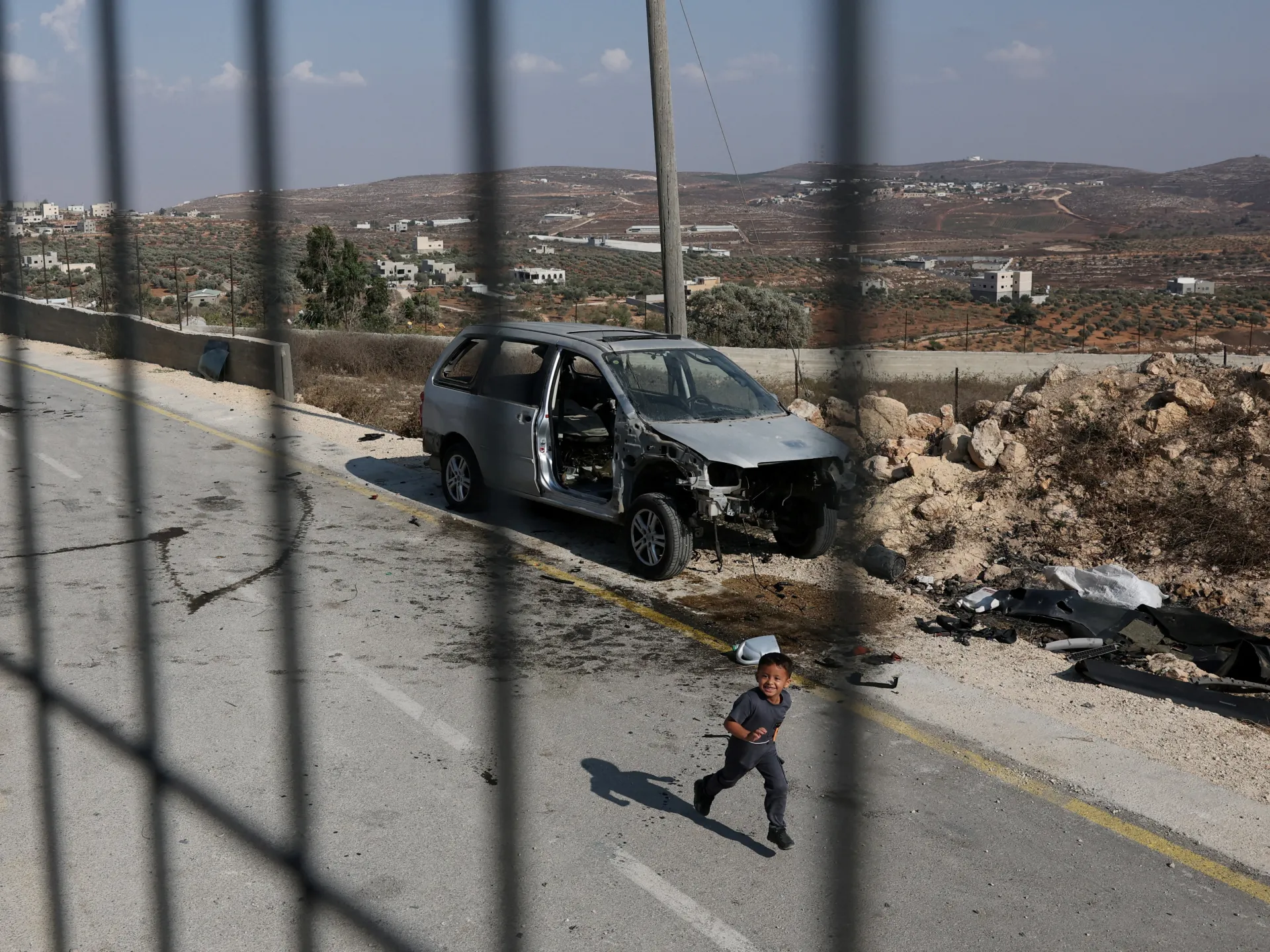
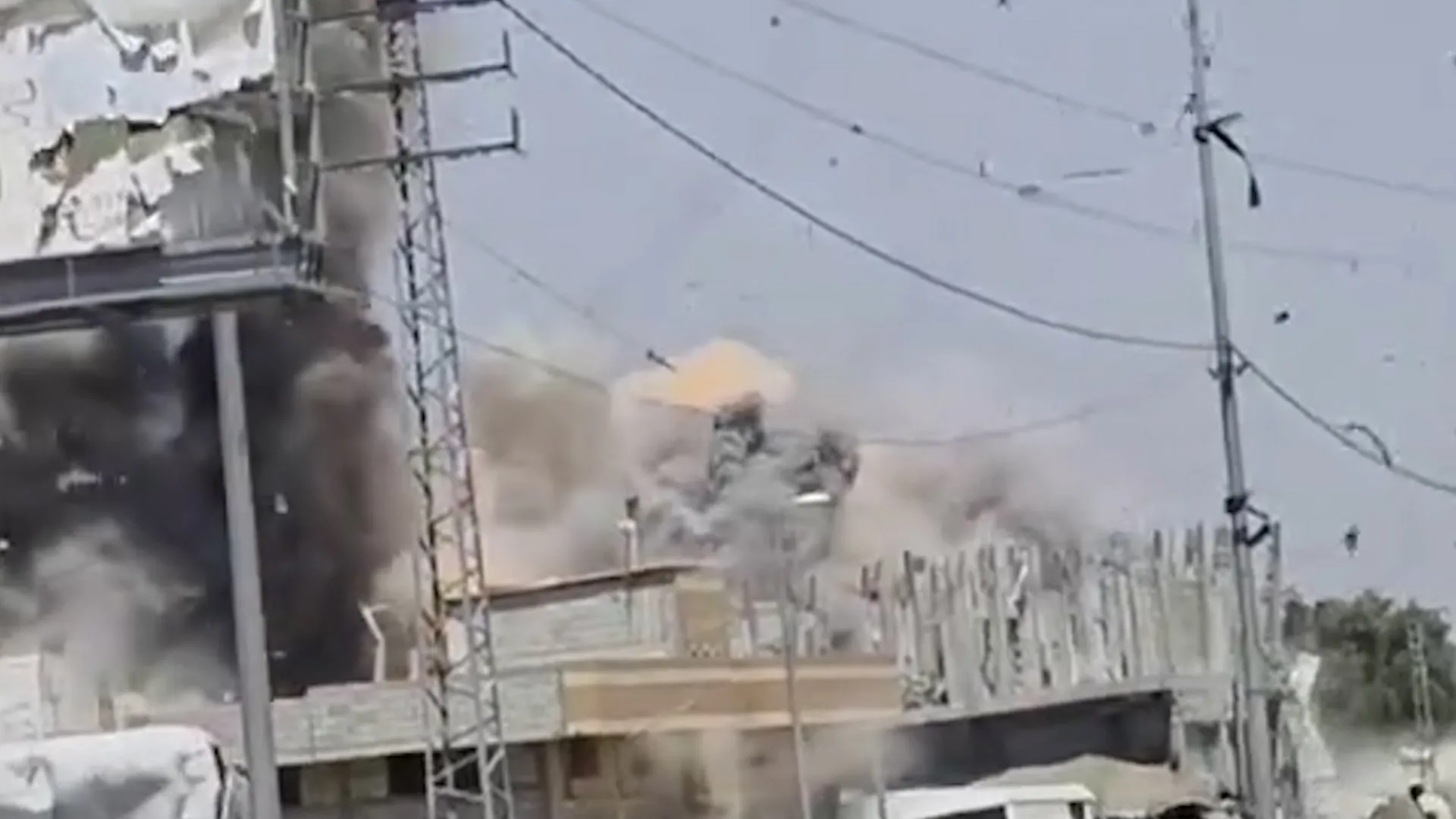
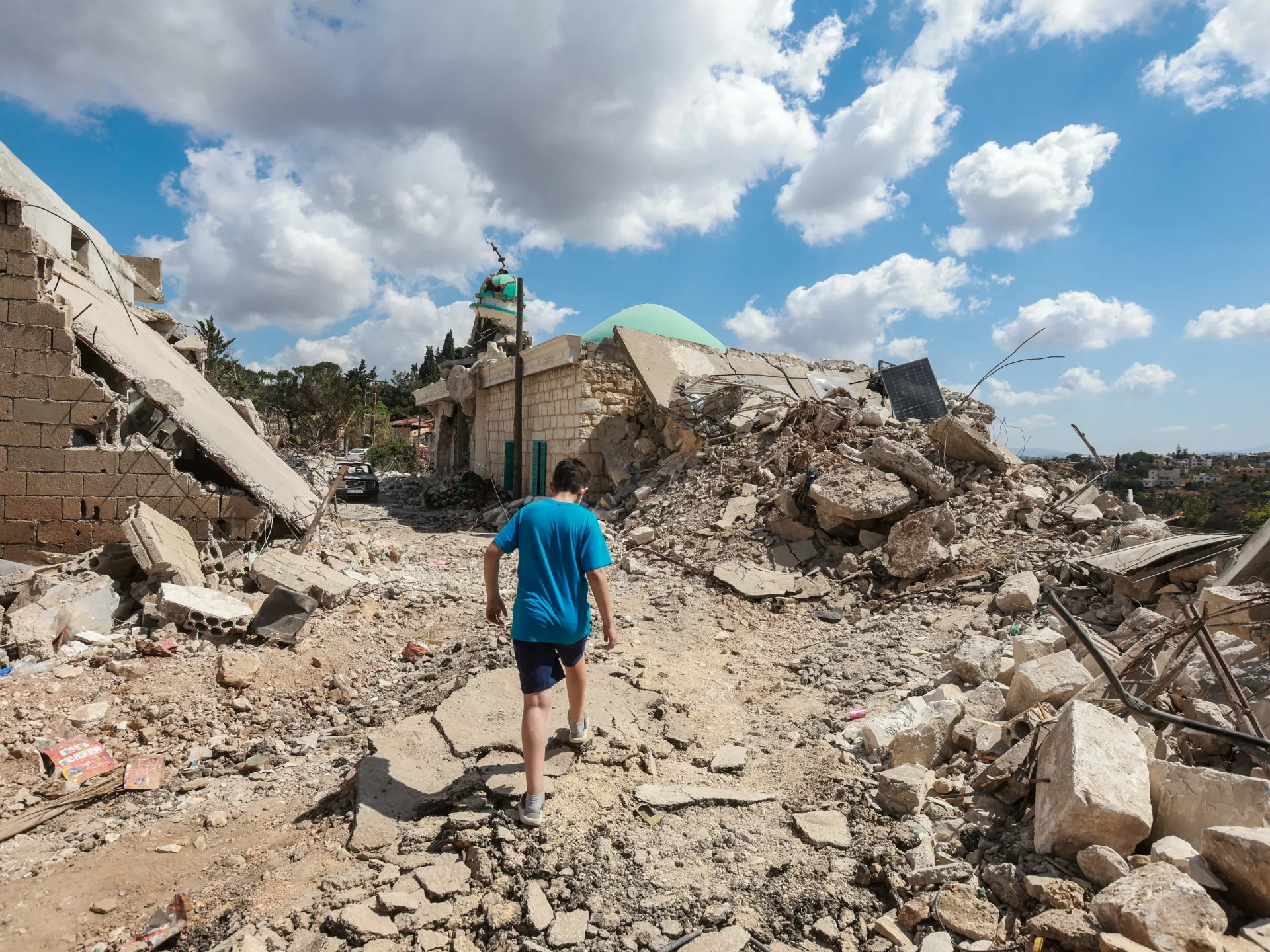
Recent developments have seen the demolition of Palestinian-owned commercial enterprises to clear space for this road network. These actions are part of a broader strategy to consolidate control over the area east of Jerusalem. project seeks to solidify a permanent Israeli presence in areas that have historically been designated for future Palestinian administration.
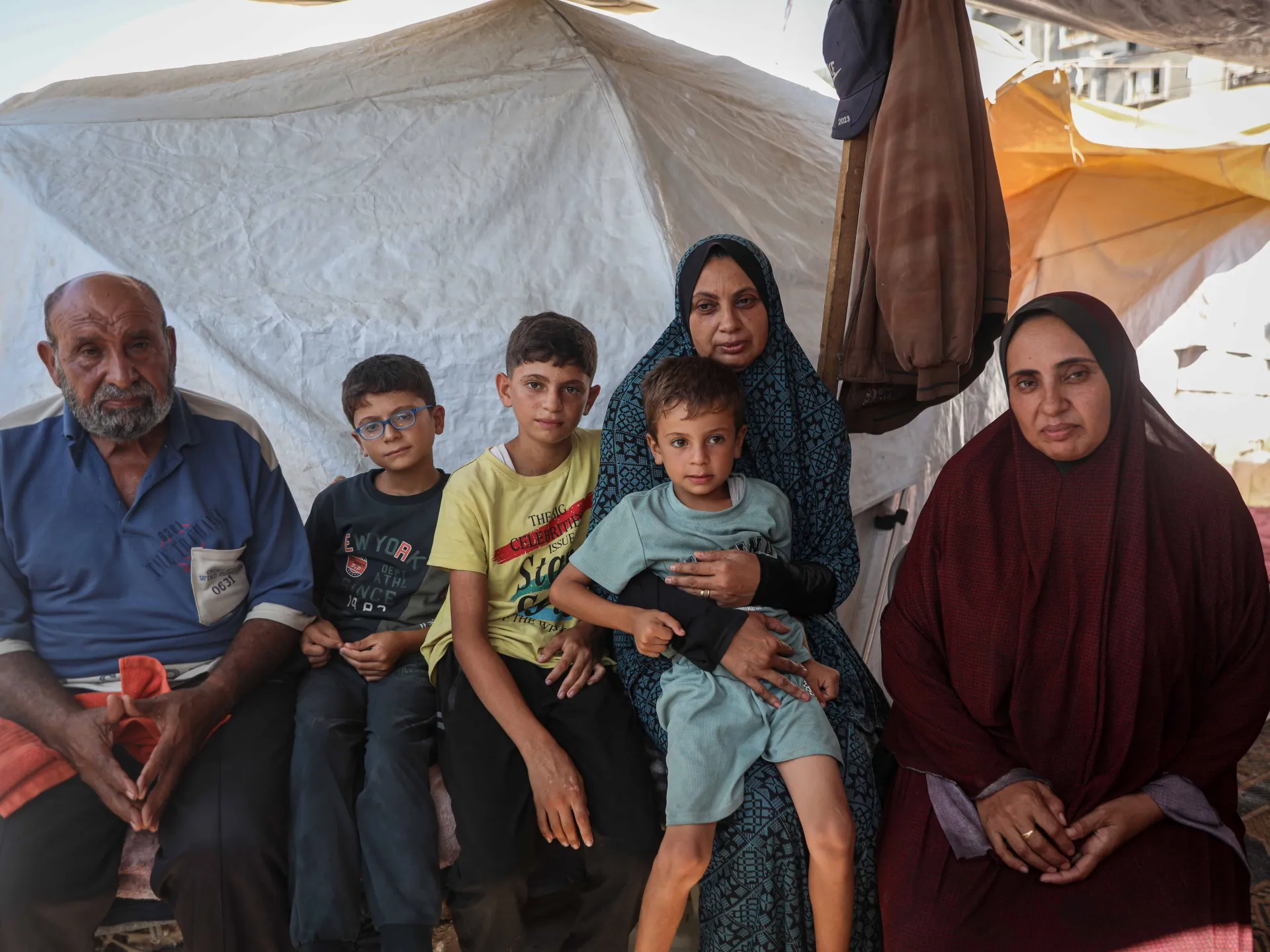
The implementation of the E1 plan carries severe consequences for the local Palestinian population residing in the affected zones. Current projections indicate that approximately 4,000 individuals face the threat of forced relocation to accommodate the expansion of residential units intended for settlers. This mass displacement would not only uproot established communities but also dismantle the social and economic infrastructure that these families have relied upon for generations.
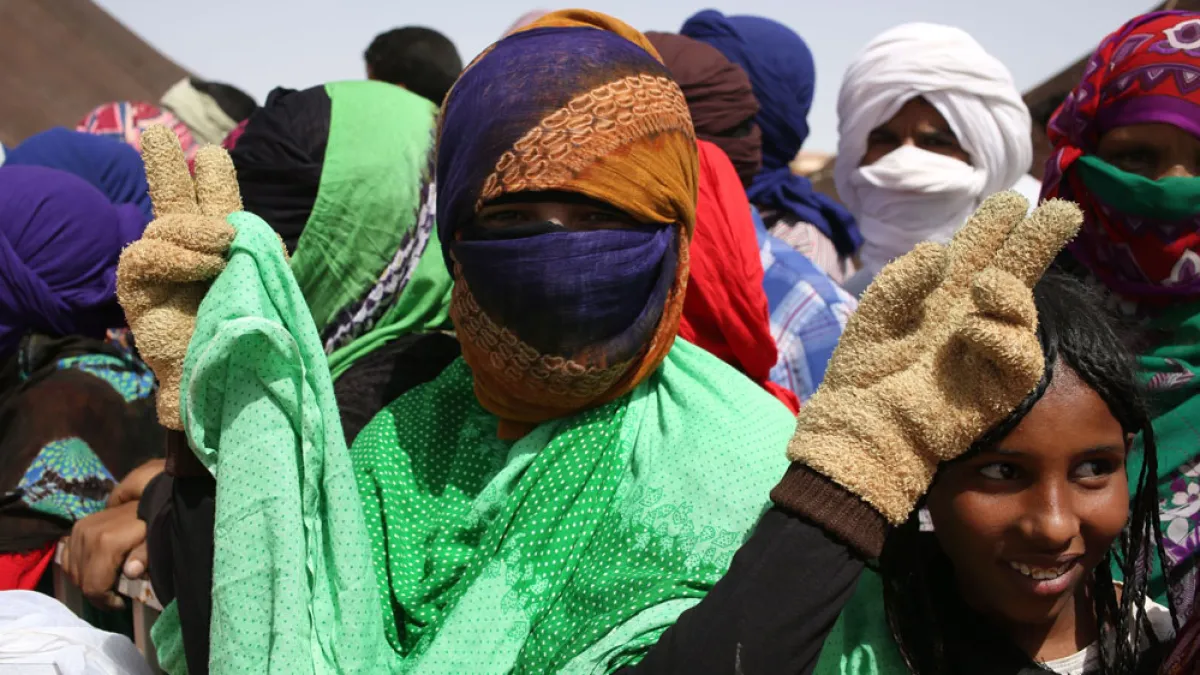
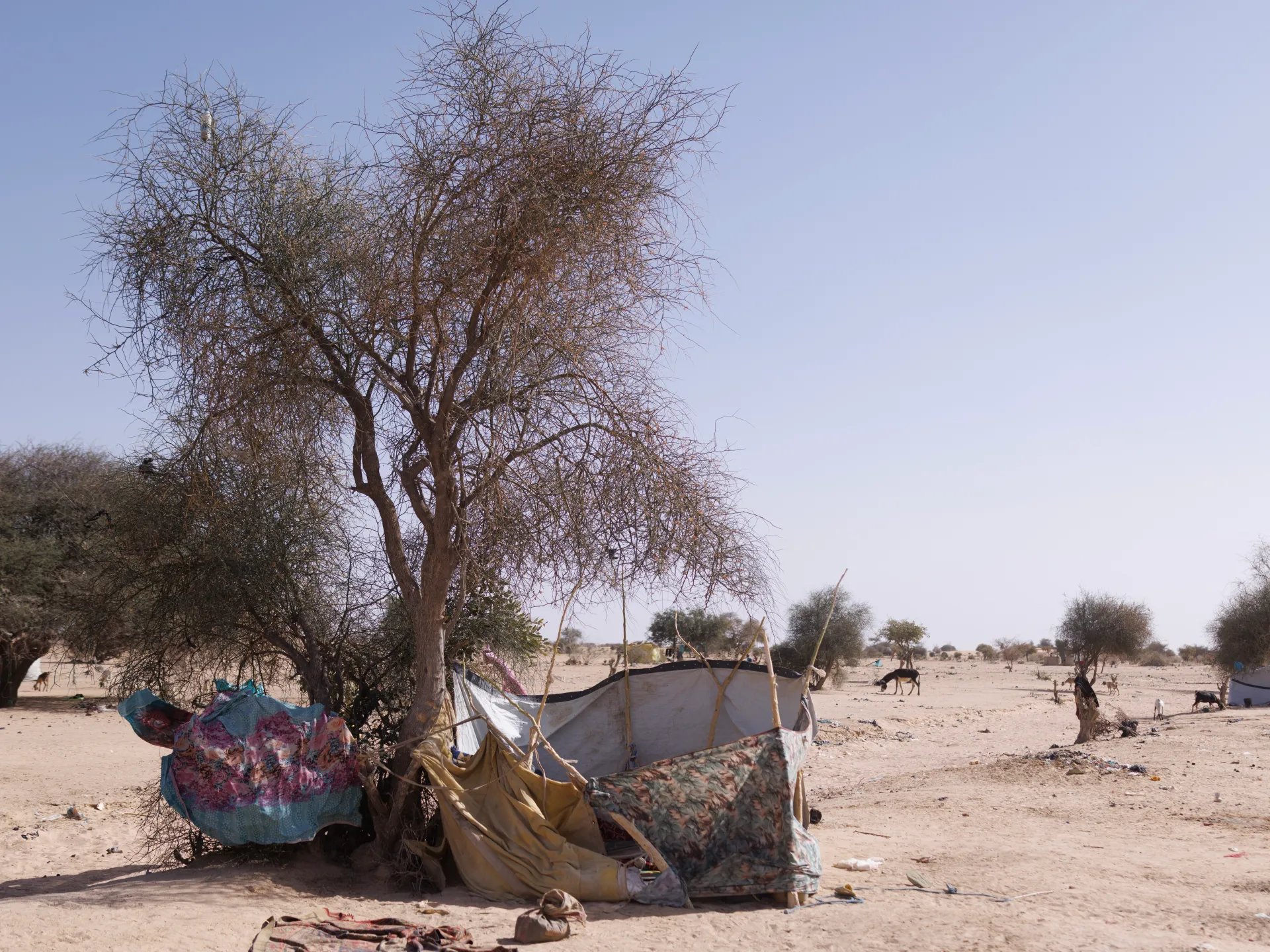
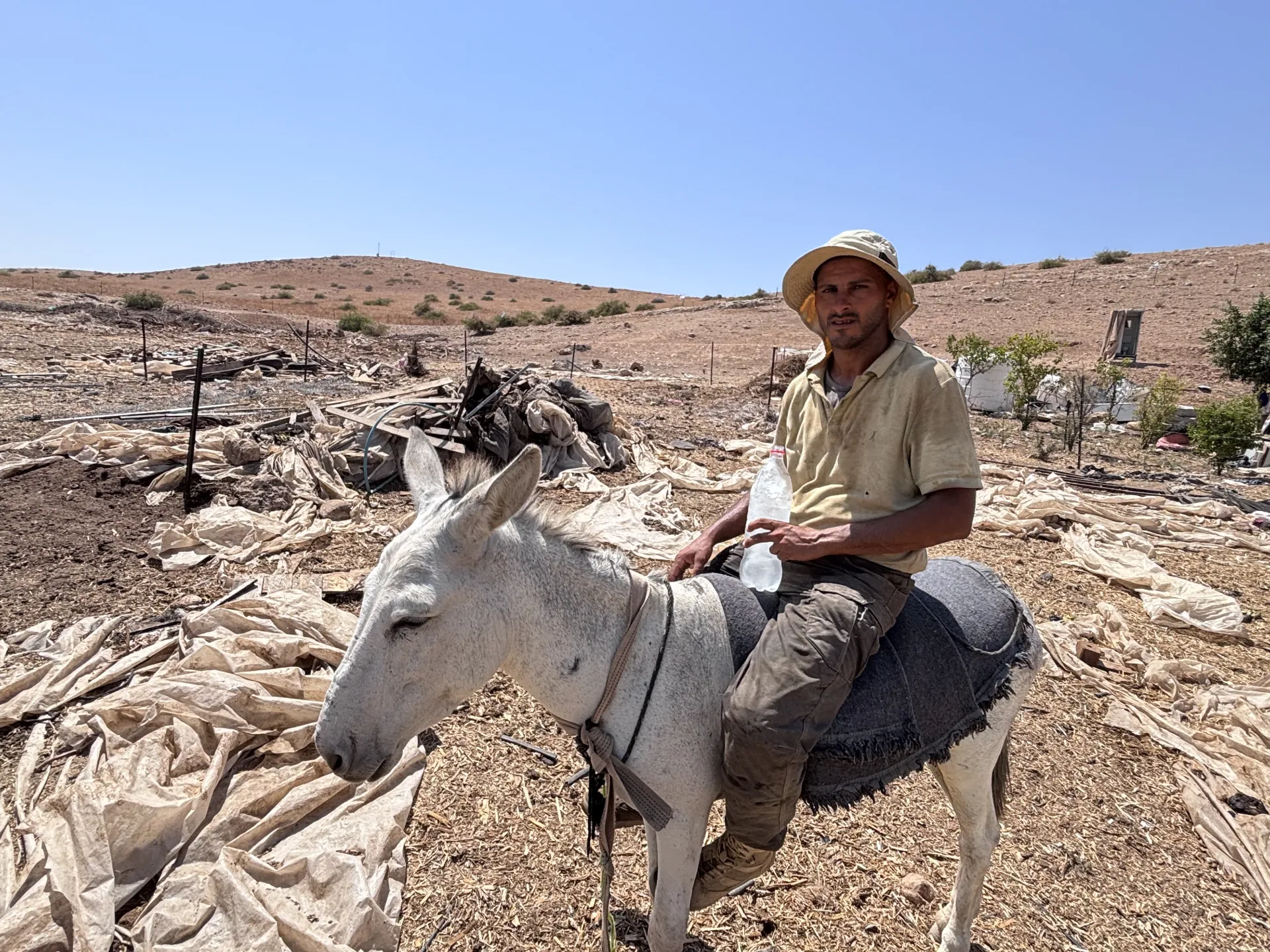
For those living in the Bedouin communities within the path of the development, the threat is existential. These communities often lack formal recognition from state authorities, making them particularly vulnerable to eviction orders and the destruction of their dwellings. The loss of access to traditional grazing lands and local markets threatens to permanently sever these populations from their livelihoods, further deepening the humanitarian crisis in the region.
Beyond the immediate displacement of residents, the E1 project serves to bifurcate the West Bank into northern and southern sectors. s Palestinian travelers to rely on secondary routes that are subject to increased security oversight and potential closure. This fragmentation limits the movement of goods and people, stifling economic growth and regional cooperation.
International observers have frequently voiced concerns that such projects undermine the possibility of a contiguous Palestinian state. The creation of Israeli-only infrastructure effectively establishes a dual-system landscape, where movement and resource allocation are dictated cape increasingly reflects the political objectives of the settlement expansion movement, making future negotiations regarding borders and land swaps significantly more complex.
The ongoing expansion of the E1 corridor underscores the tension between infrastructure development and the rights of protected populations under international law. As the physical footprint of the project expands, the likelihood of a return to the status quo ante diminishes. The integration of Ma’ale Adumim into the metropolitan sphere of Jerusalem is a strategic move that observers suggest is designed to make the current arrangement irreversible regardless of future diplomatic efforts.