

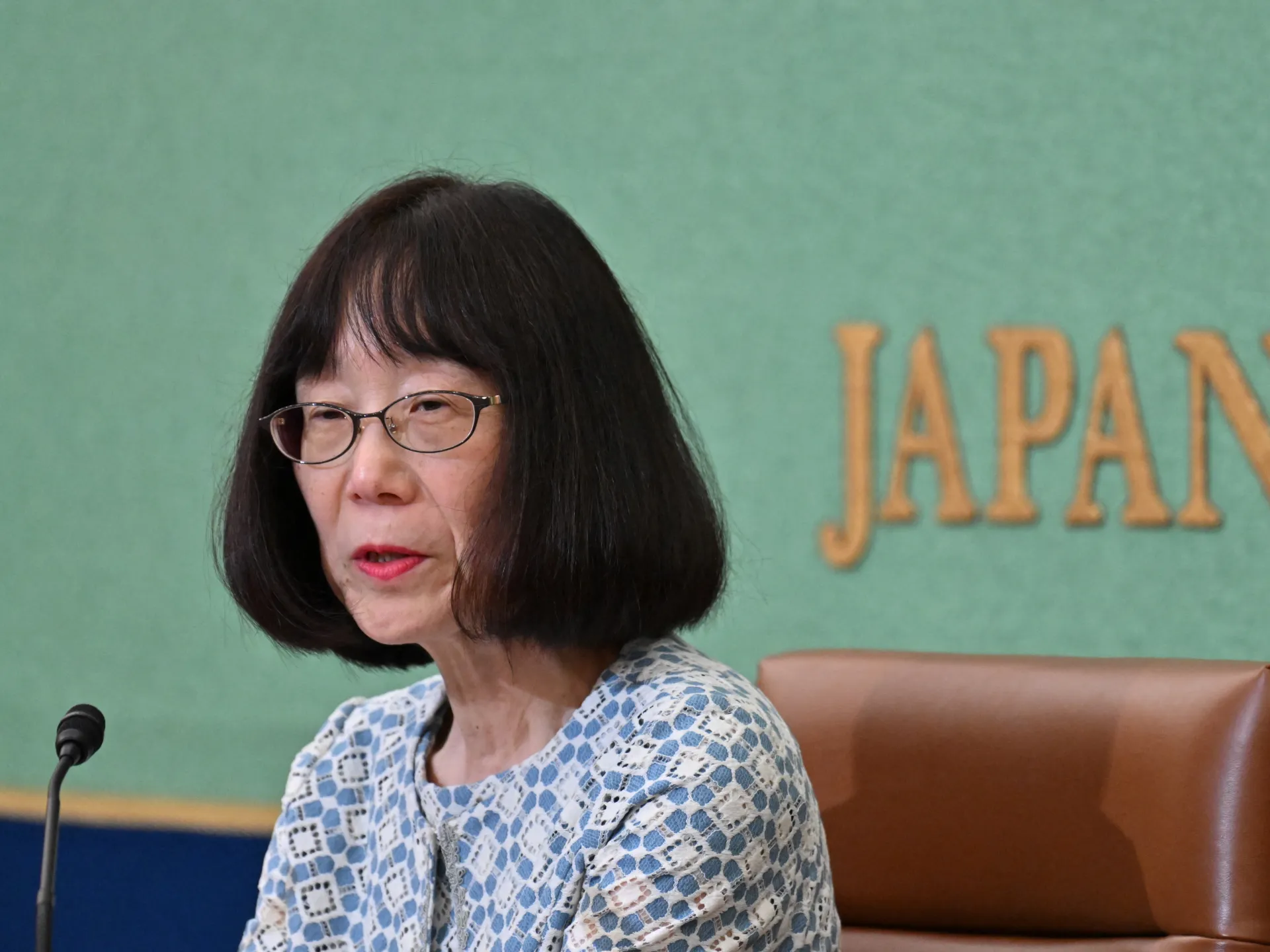
ICC President Tomoko Akane urges Japan to leverage its diplomatic ties with the US to protect the court from withdrawal campaigns and sanctions.
The International Criminal Court (ICC) is currently navigating a period of unprecedented external pressure, as the United States intensifies its campaign to encourage member nations to abandon the institution. Tomoko Akane, the president of the Hague-based court, has issued a direct appeal to Japan, the court’s largest financial contributor, to take a more assertive stance in protecting the integrity of the international judicial system. As a nation that has consistently prioritized the rule of law as a central tenet of its diplomatic strategy, Japan is viewed te.
Speaking to journalists in Tokyo, Akane emphasized that Japan’s influence is not merely financial but moral and strategic. She urged the Japanese government to act as a stabilizing force, particularly among its neighbors who are signatories to the Rome Statute. The objective is to prevent a domino effect where mounting pressure from Washington could lead to further withdrawals from the court, effectively undermining the global framework designed to prosecute the most serious crimes of concern to the international community.
The friction between the ICC and the United States has reached a boiling point following recent actions luding personal sanctions against President Akane and a high-ranking trial attorney associated with the court. These actions are part of a broader strategy intended to discredit the ICC and persuade other sovereign states to sever their ties with the tribunal.
Washington’s hostility toward the court is rooted in several controversial investigations that have crossed American geopolitical interests. The institution’s pursuit of an arrest warrant for Israeli Prime Minister Benjamin Netanyahu, a vital ally of the United States, has catalyzed this latest round of diplomatic confrontation. Furthermore, historical tensions remain regarding the court’s past inquiries into the conduct of American military personnel during operations in Afghanistan, fueling a narrative within the US government that the court is exceeding its jurisdictional authority.
The Japanese government finds itself in a delicate position, balancing its deep-seated security alliance with the United States against its long-term commitment to international justice. Prime Minister Sanae Takaichi has publicly characterized the recent sanctions as regrettable; however, this measured response has drawn sharp criticism from political opponents, human rights organizations, and even some members of her own ruling party. Critics argue that a more robust defense of the ICC is necessary to maintain Japan's credibility on the global stage.
Akane suggested that Japan possesses a unique diplomatic leverage that it has yet to fully utilize. dissuade the administration from pursuing further escalatory measures that threaten the court's survival. The situation is increasingly being framed as a litmus test for Japan’s foreign policy, with the international community watching closely to see if Tokyo will prioritize its commitment to global judicial norms over its bilateral friction with Washington.
Established in 2002, the ICC serves as a permanent court of last resort for the prosecution of genocide, crimes against humanity, and war crimes. Its survival is viewed faces an existential threat from the world’s most powerful non-member state, the role of dedicated supporters like Japan becomes increasingly significant. The outcome of this diplomatic standoff could define the future scope and efficacy of international criminal law for decades to come.
Ultimately, the call to action for Japan is clear: to move beyond passive support and become an active defender of the court. Whether Tokyo chooses to confront the US pressure directly or continues with a more cautious diplomatic approach remains to be seen. However, as Akane noted, the challenge facing the court is profound, and the actions taken institution can continue to hold perpetrators accountable on the global stage.