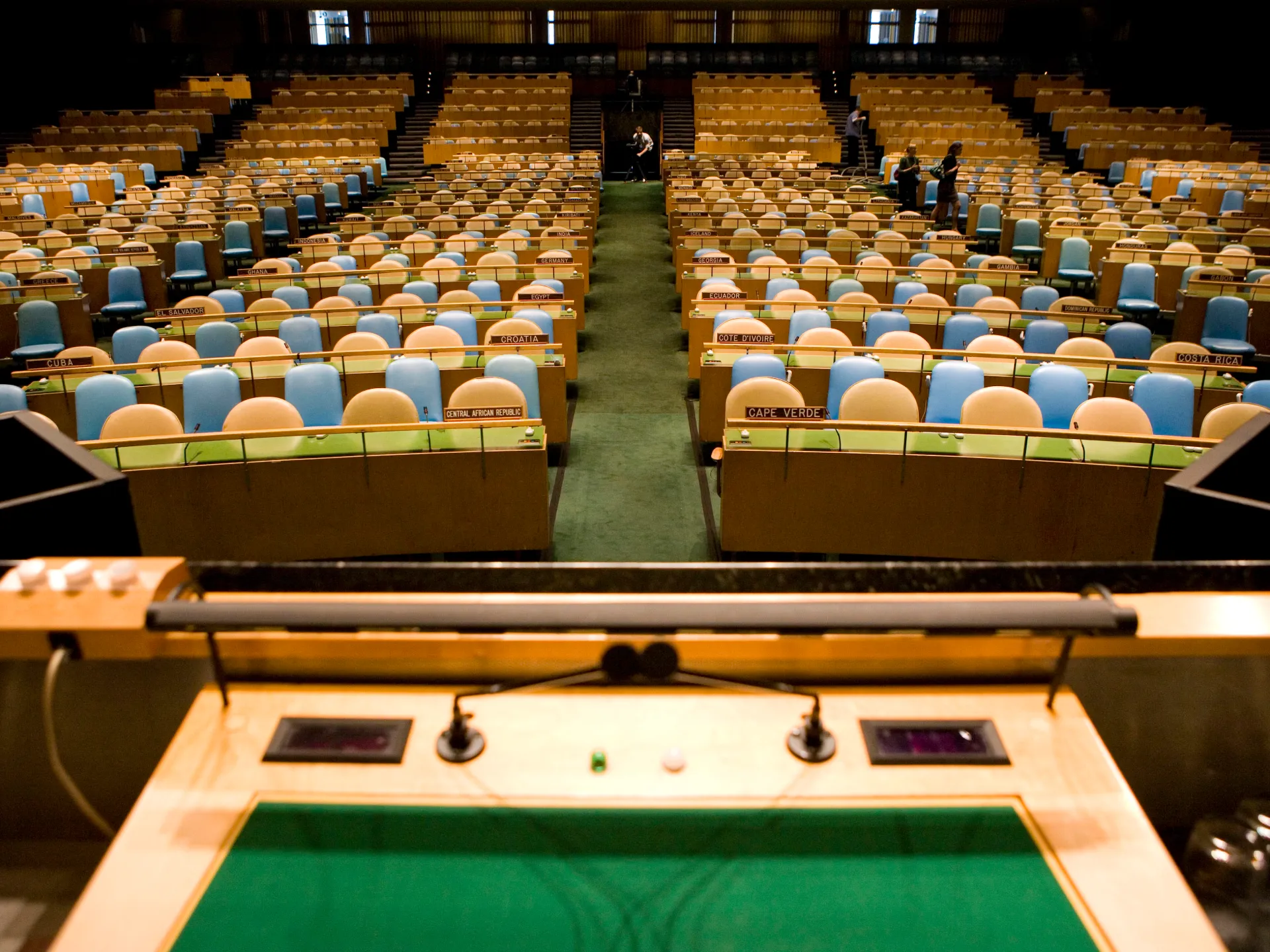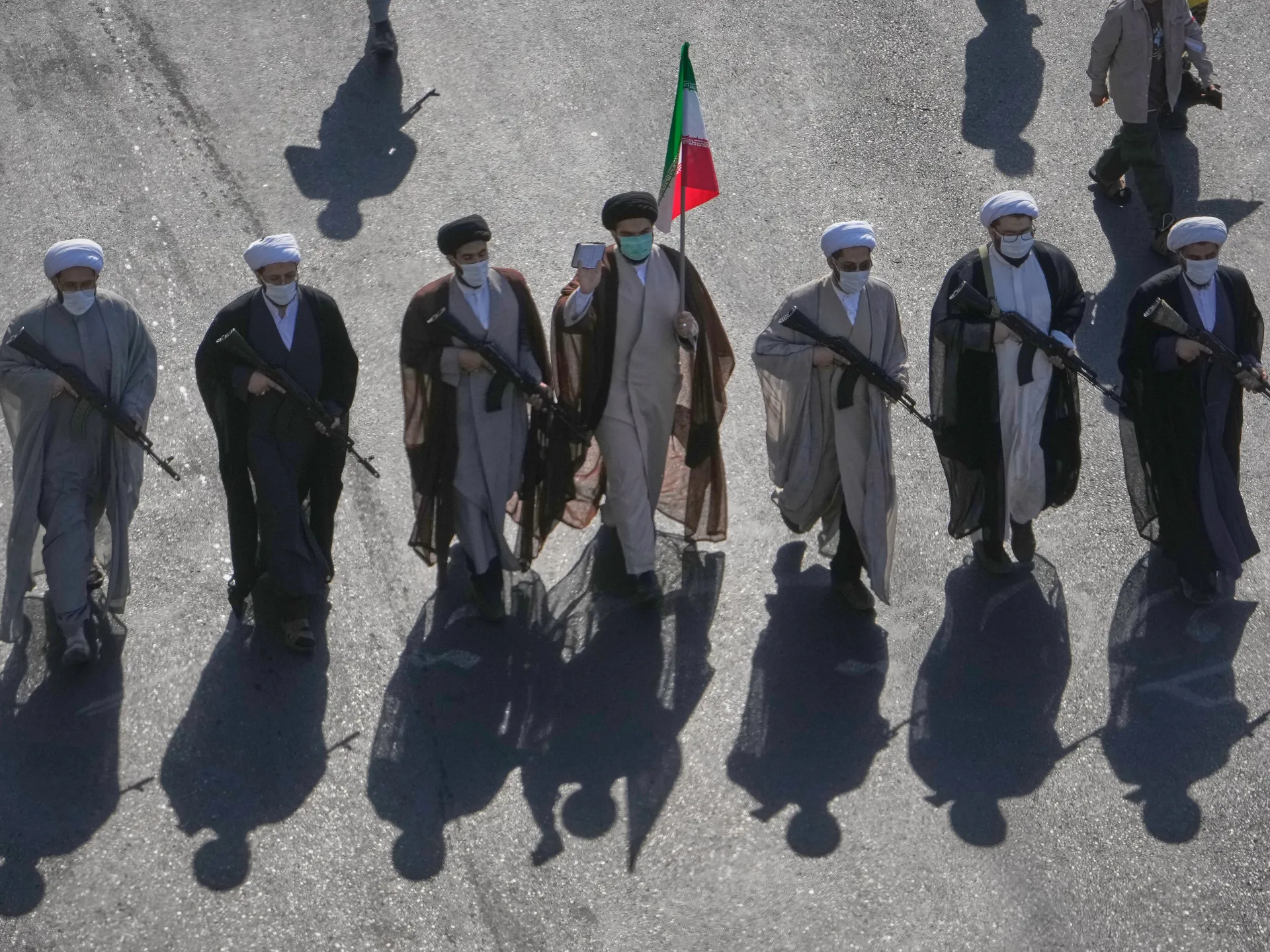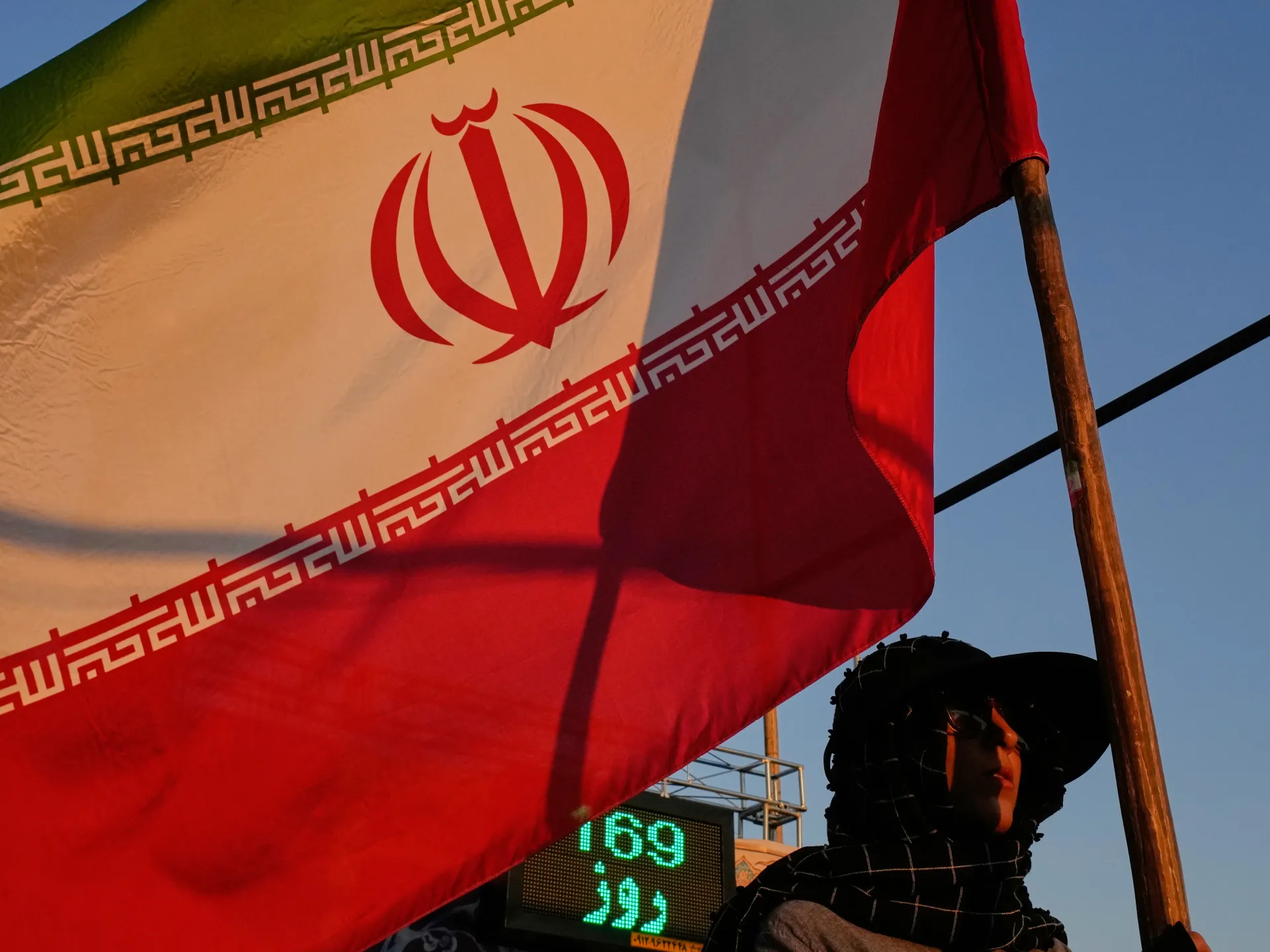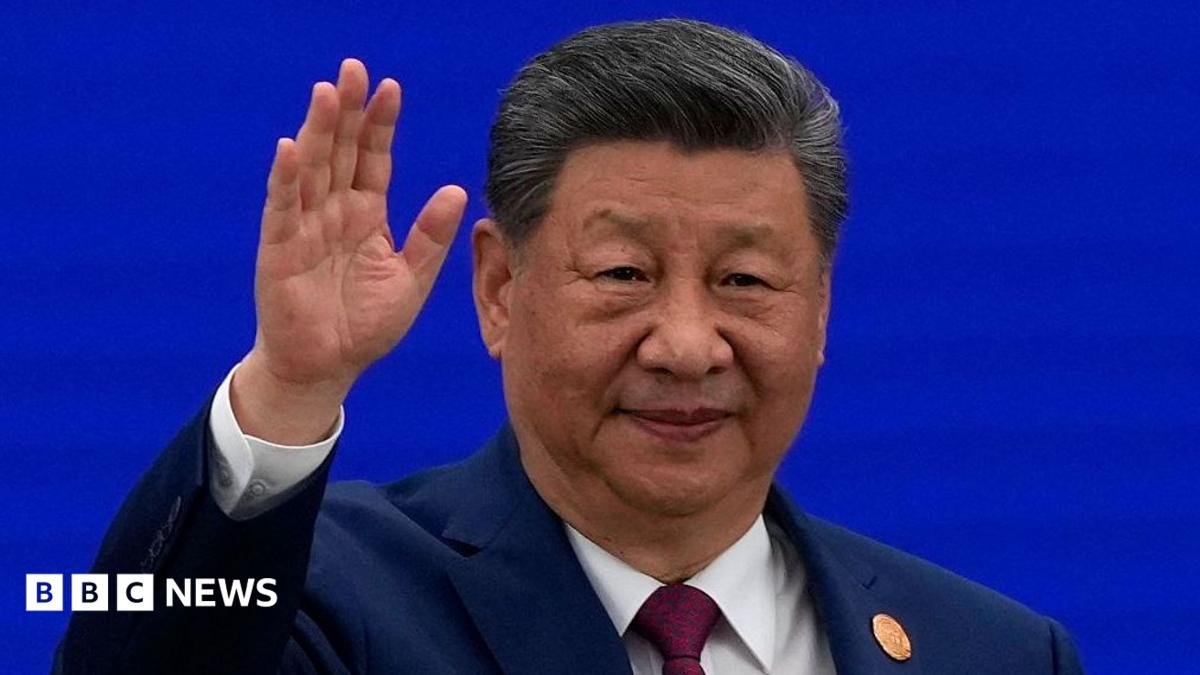
Iranian leadership arrives at the UN General Assembly facing U.S. sanctions and naval tensions, as President Pezeshkian seeks to voice grievances over the ongoing conflict.
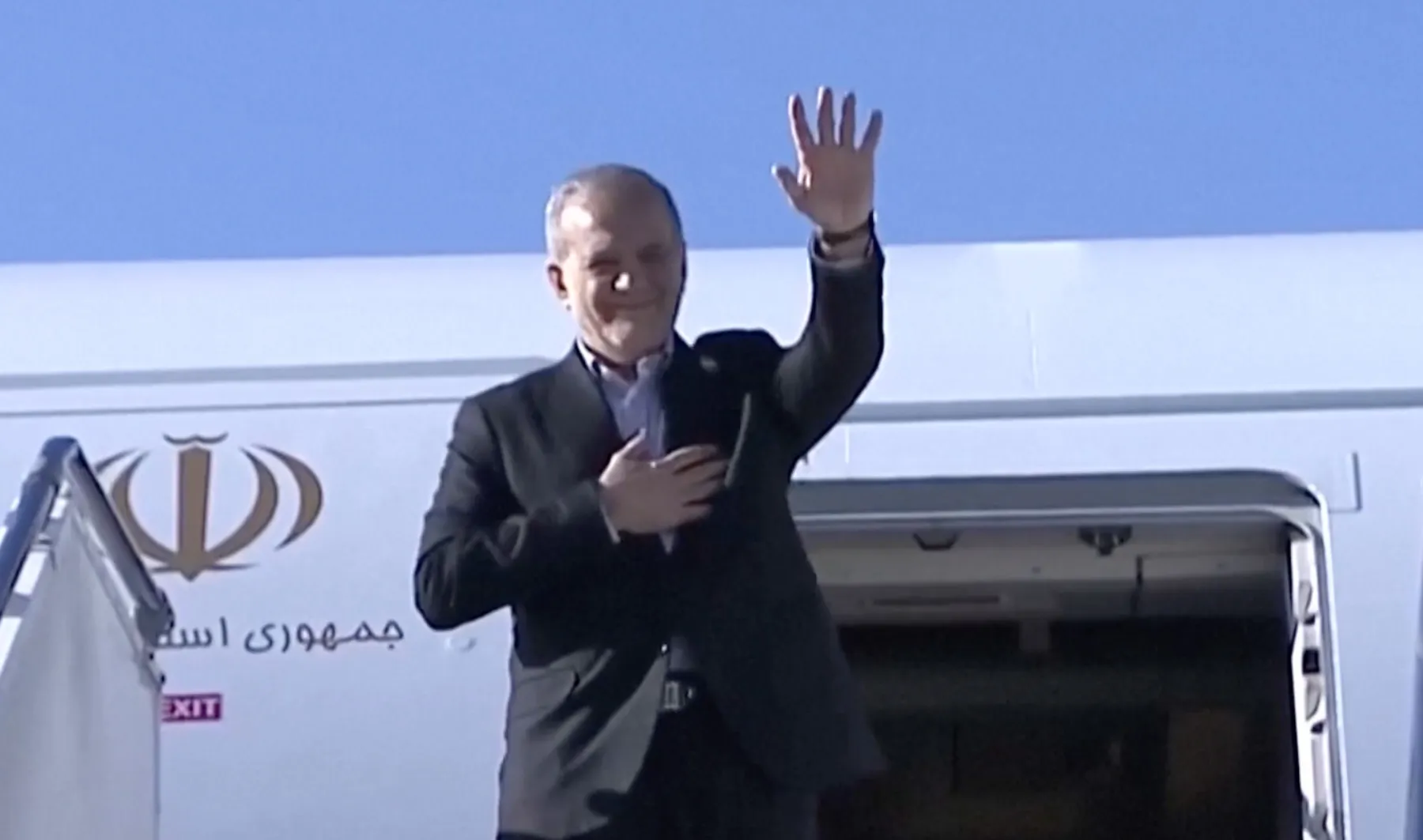
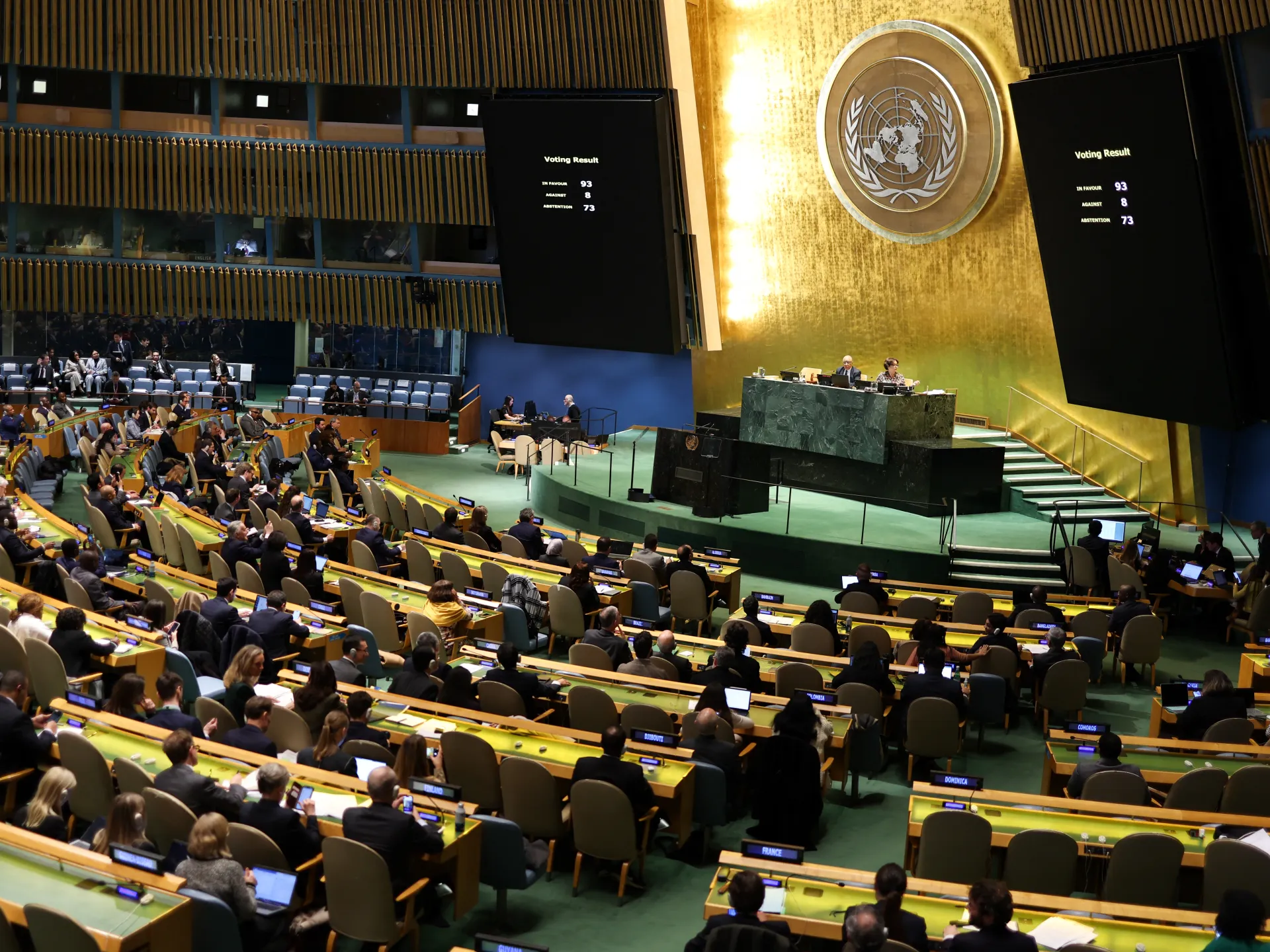
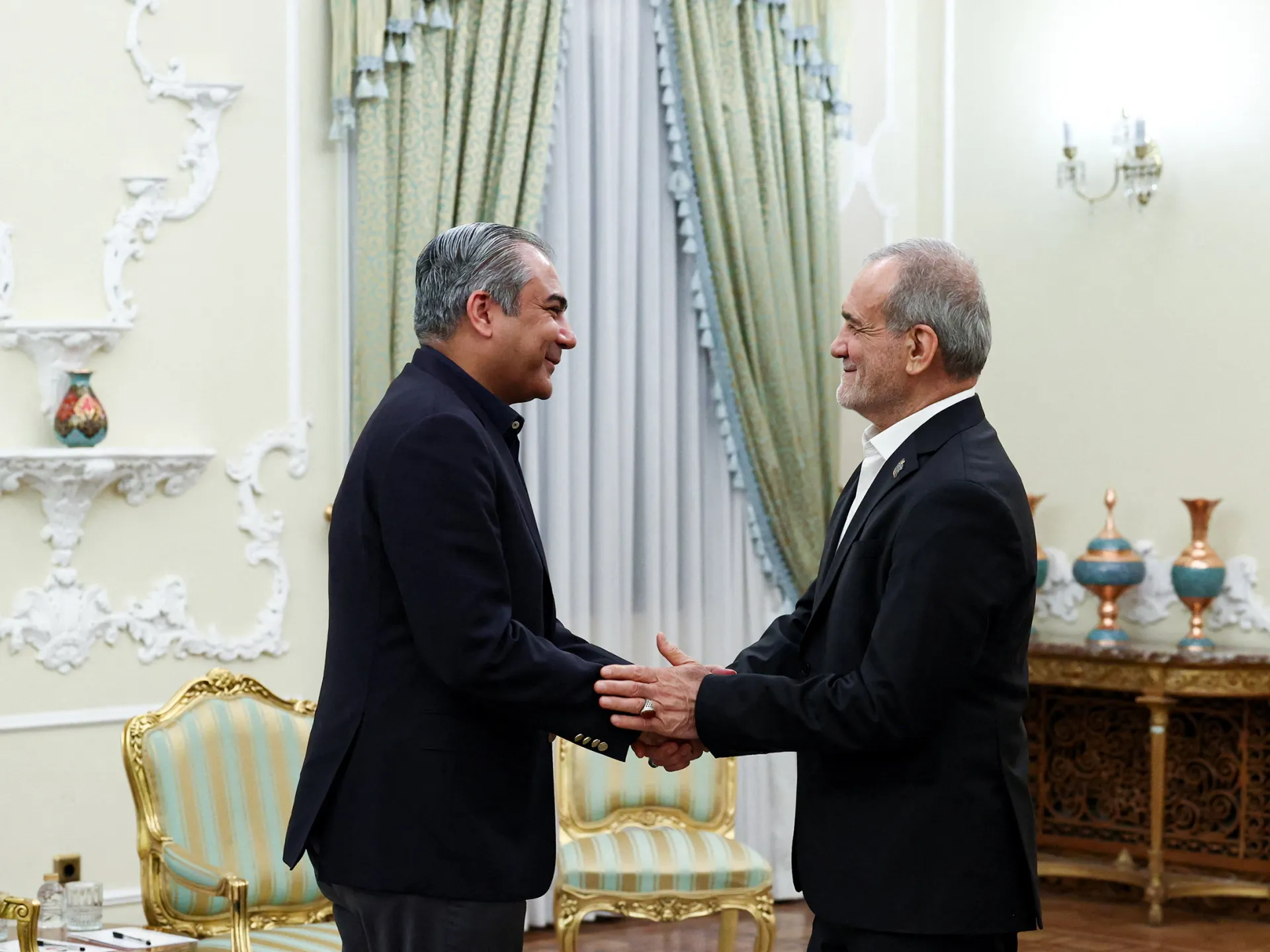
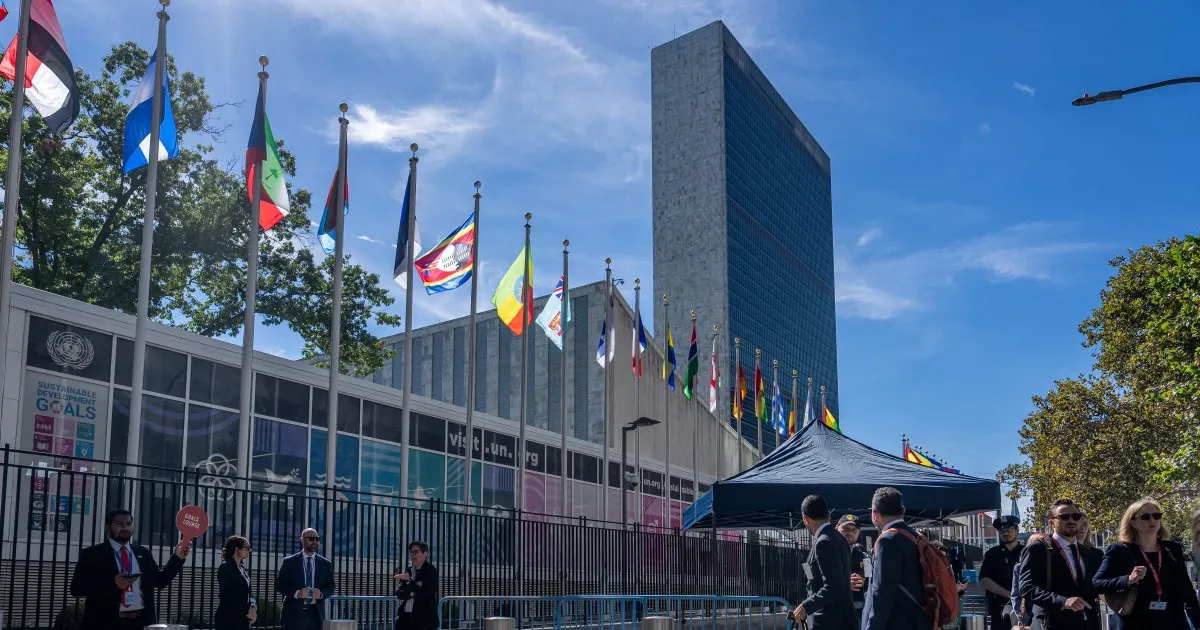
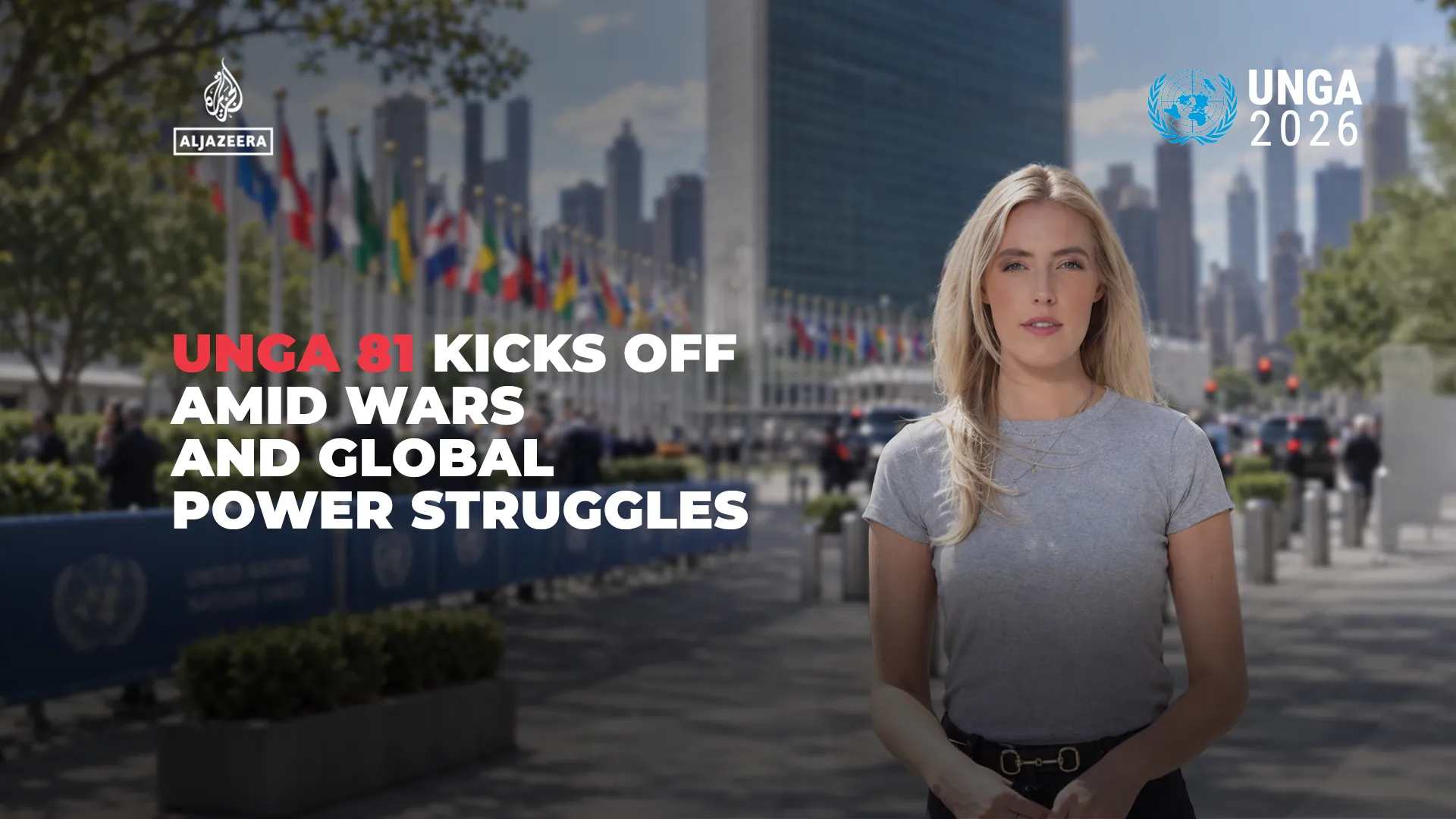
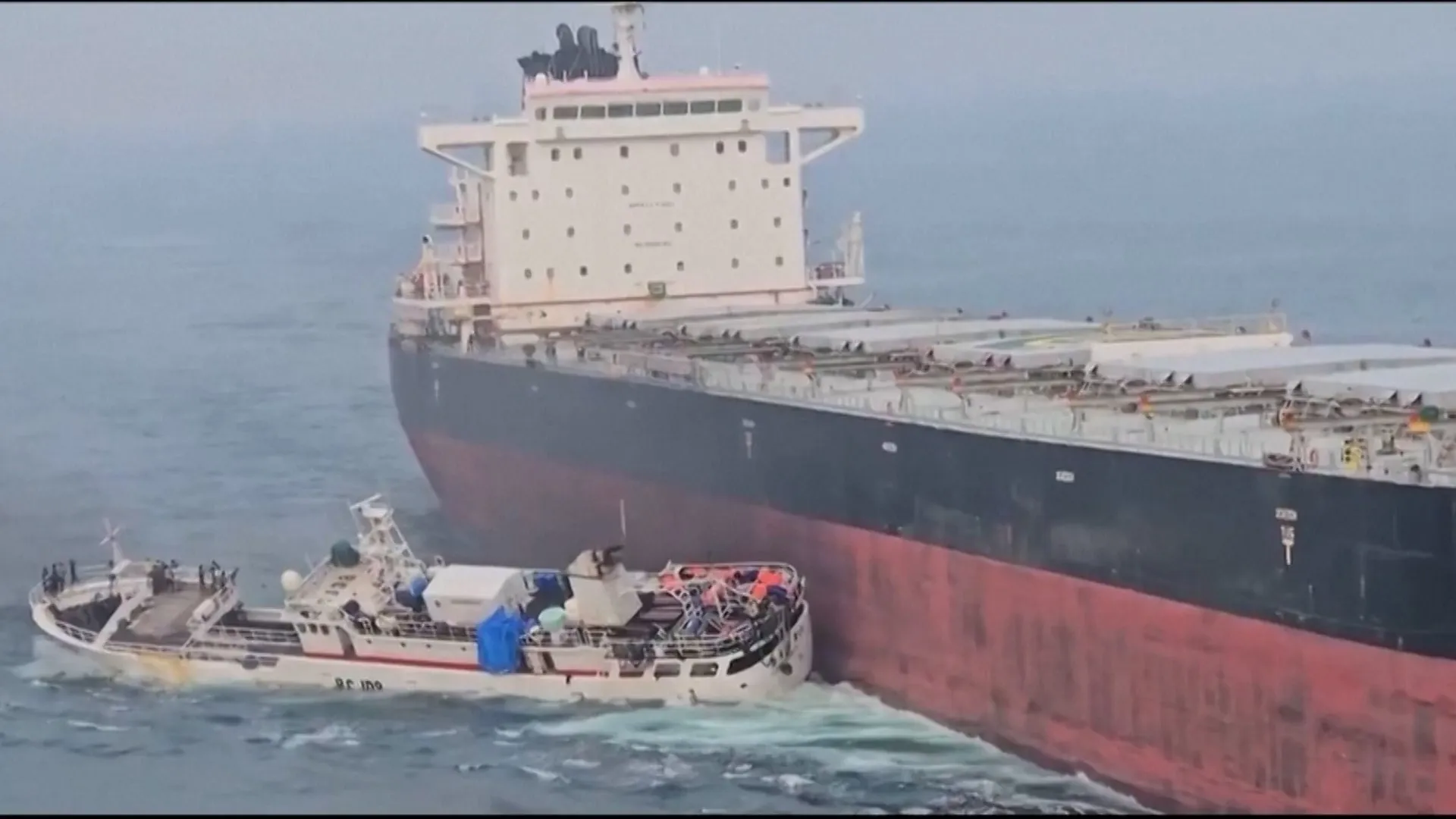
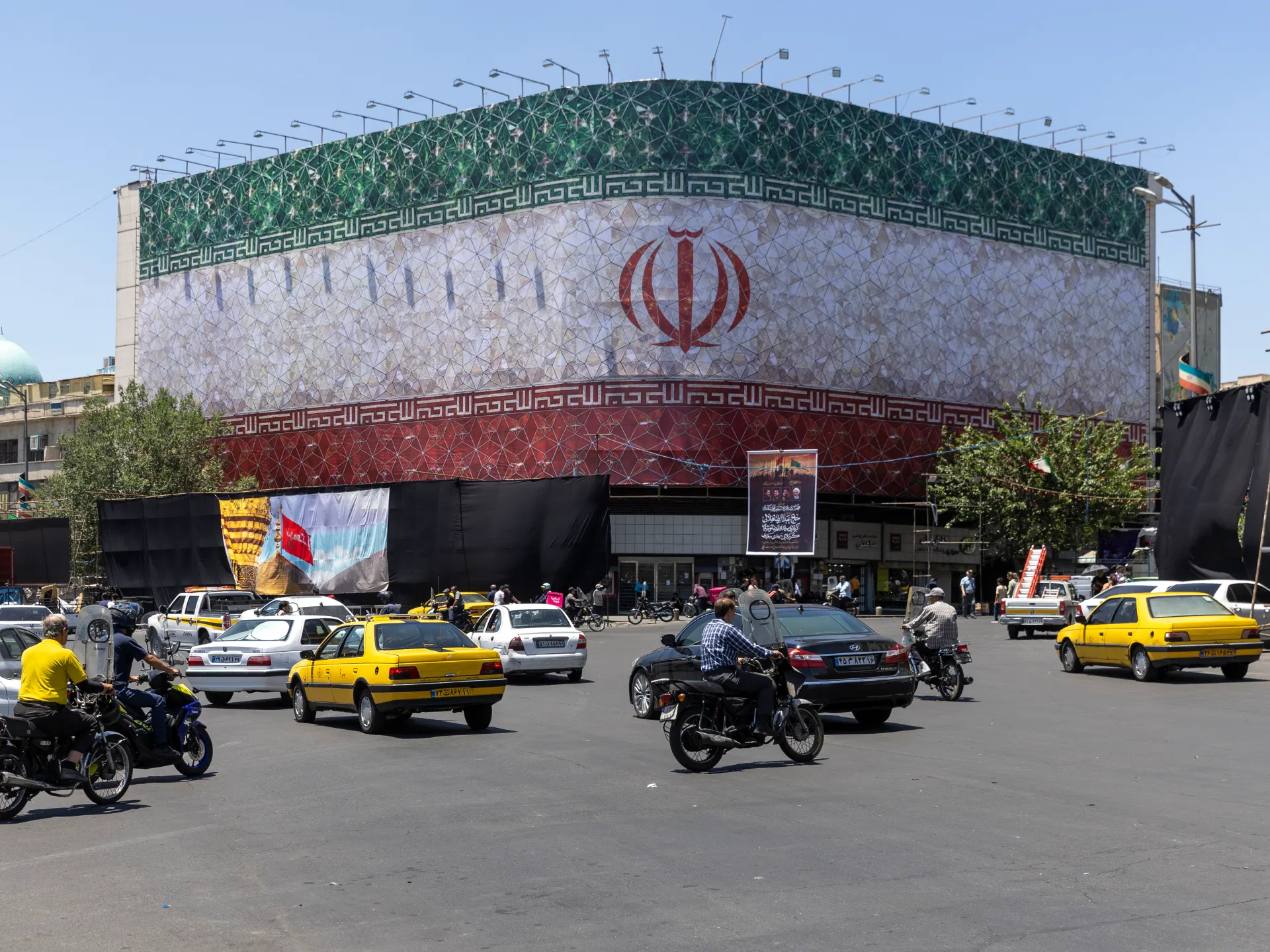
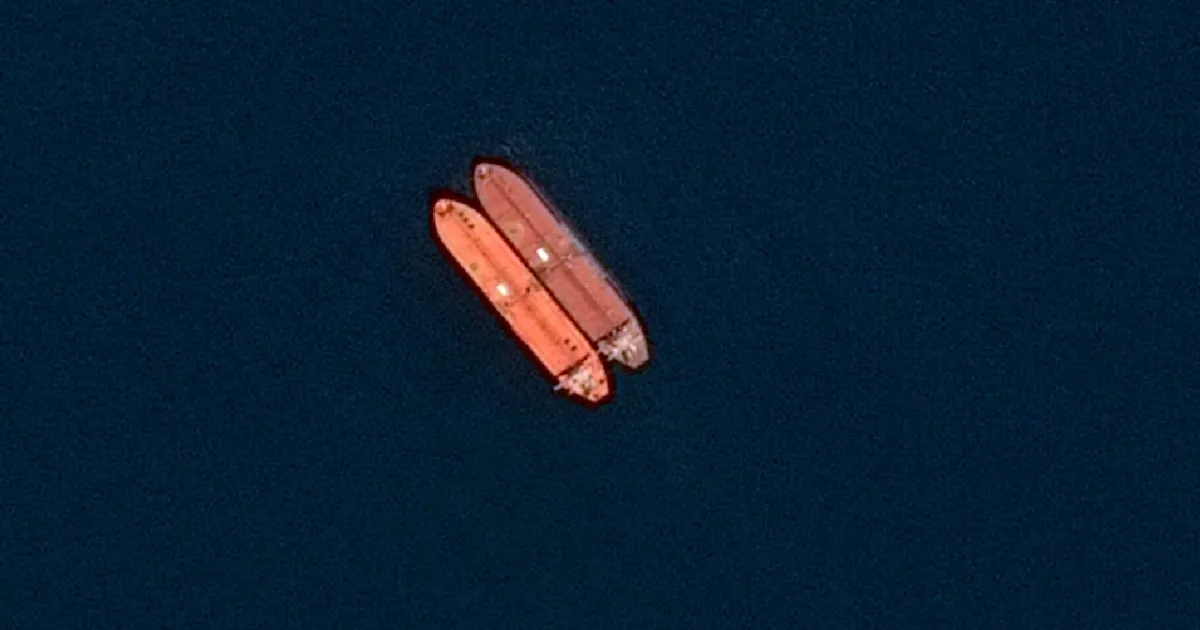
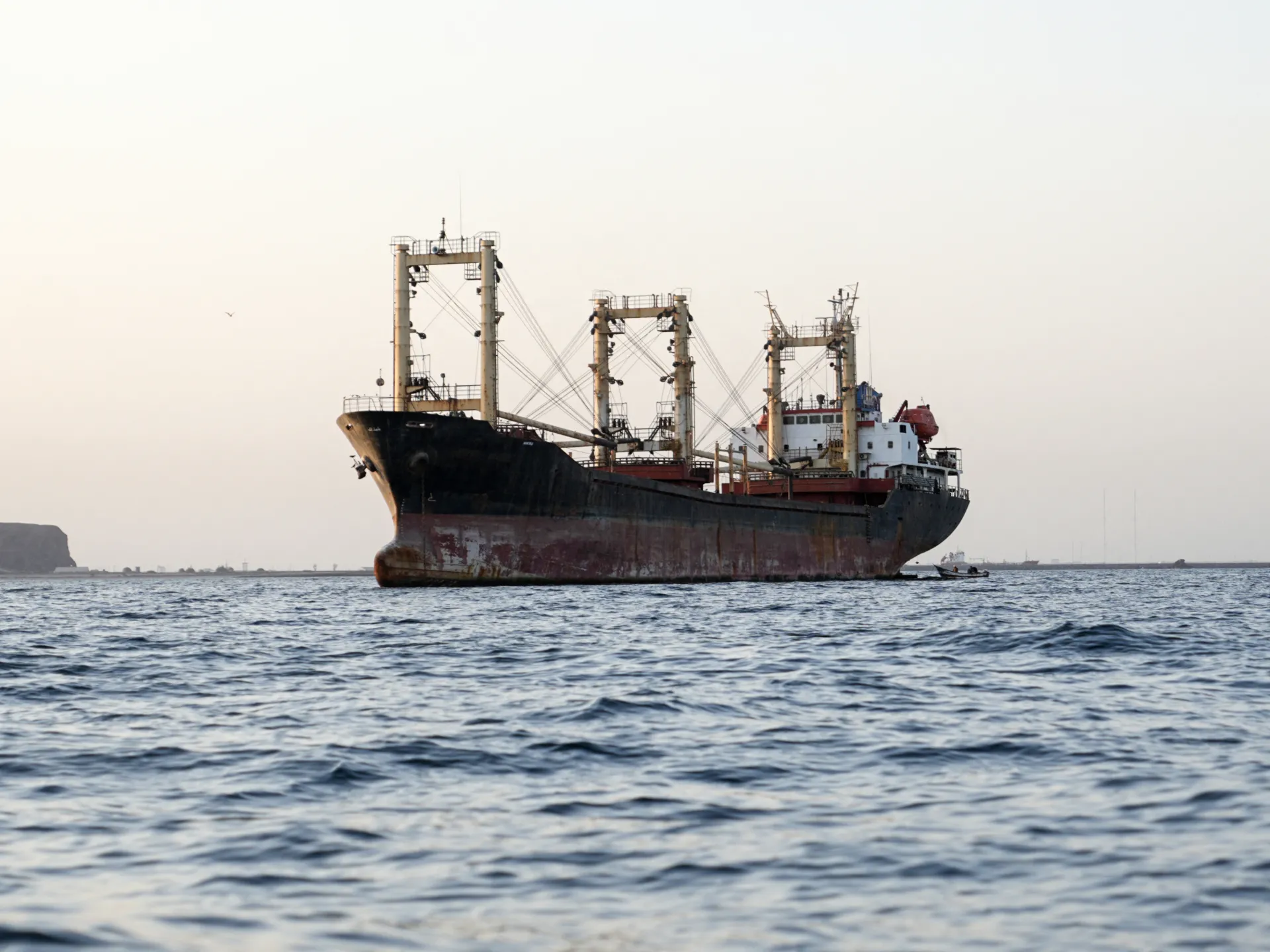
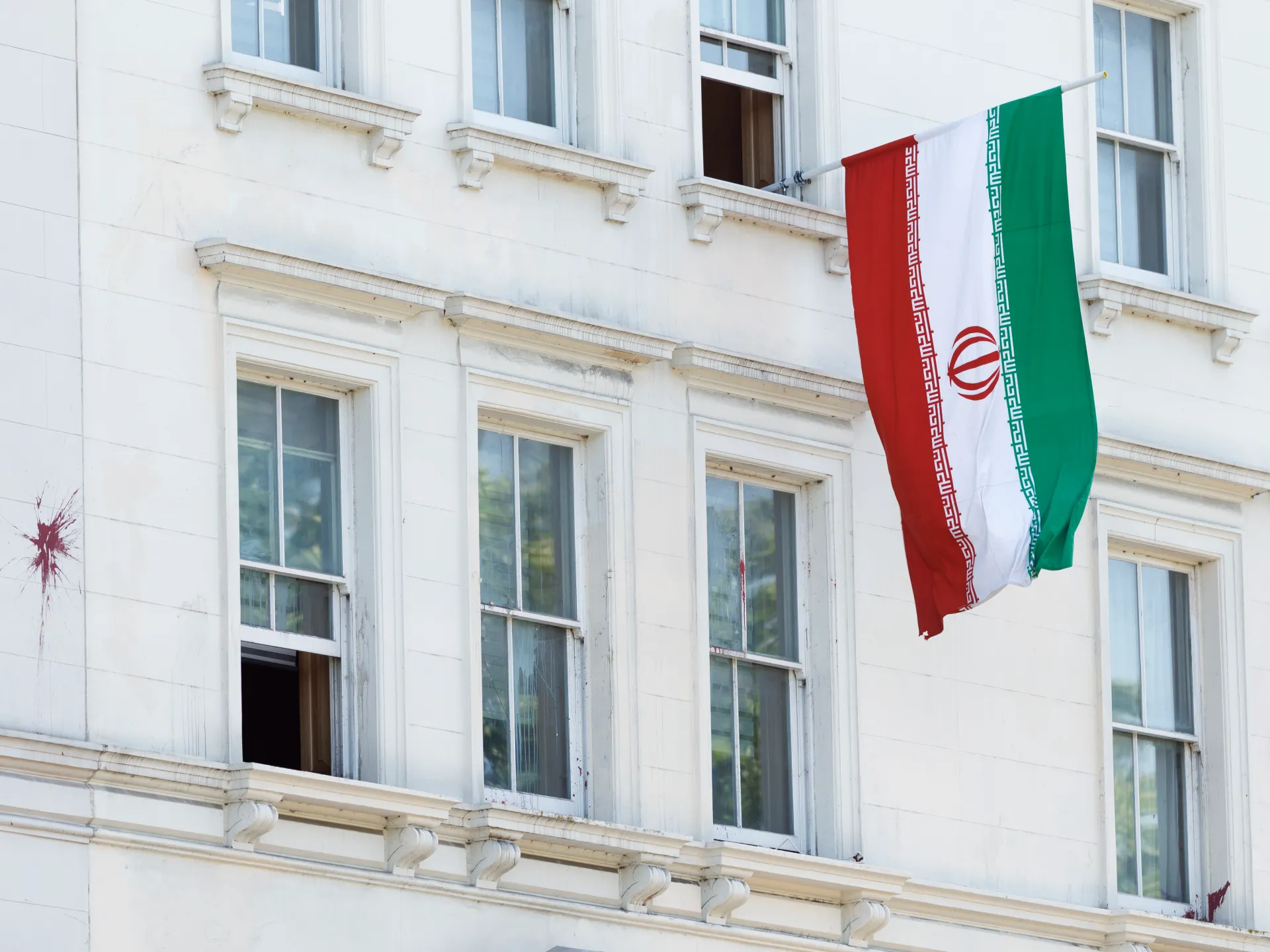
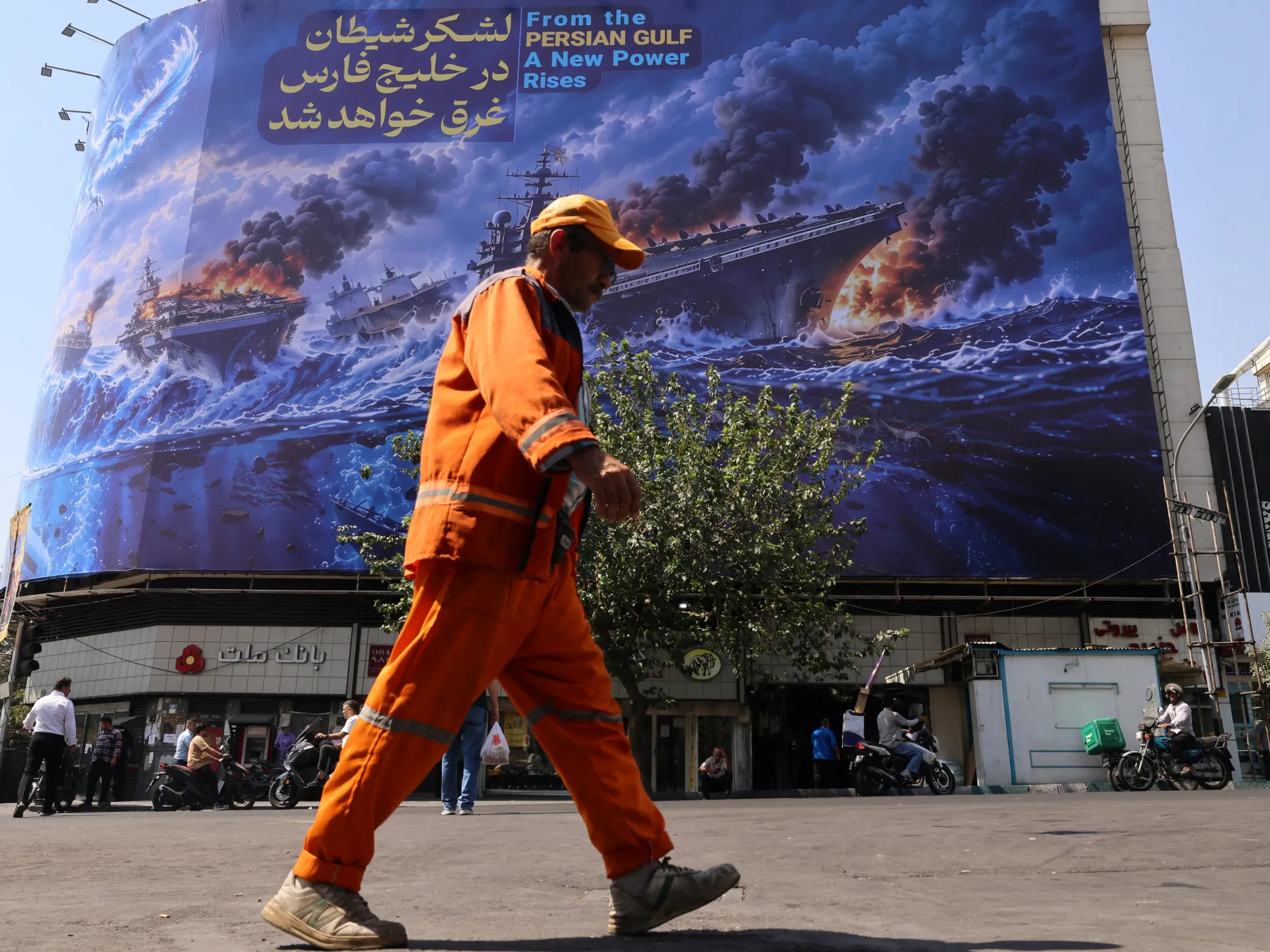
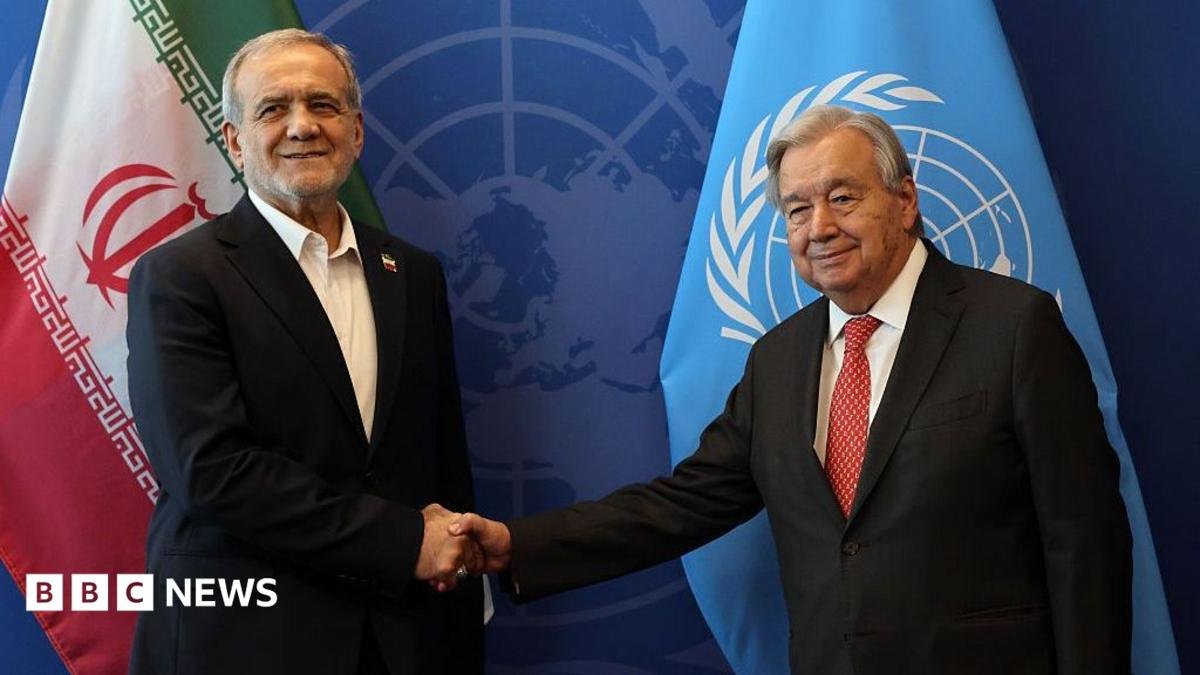
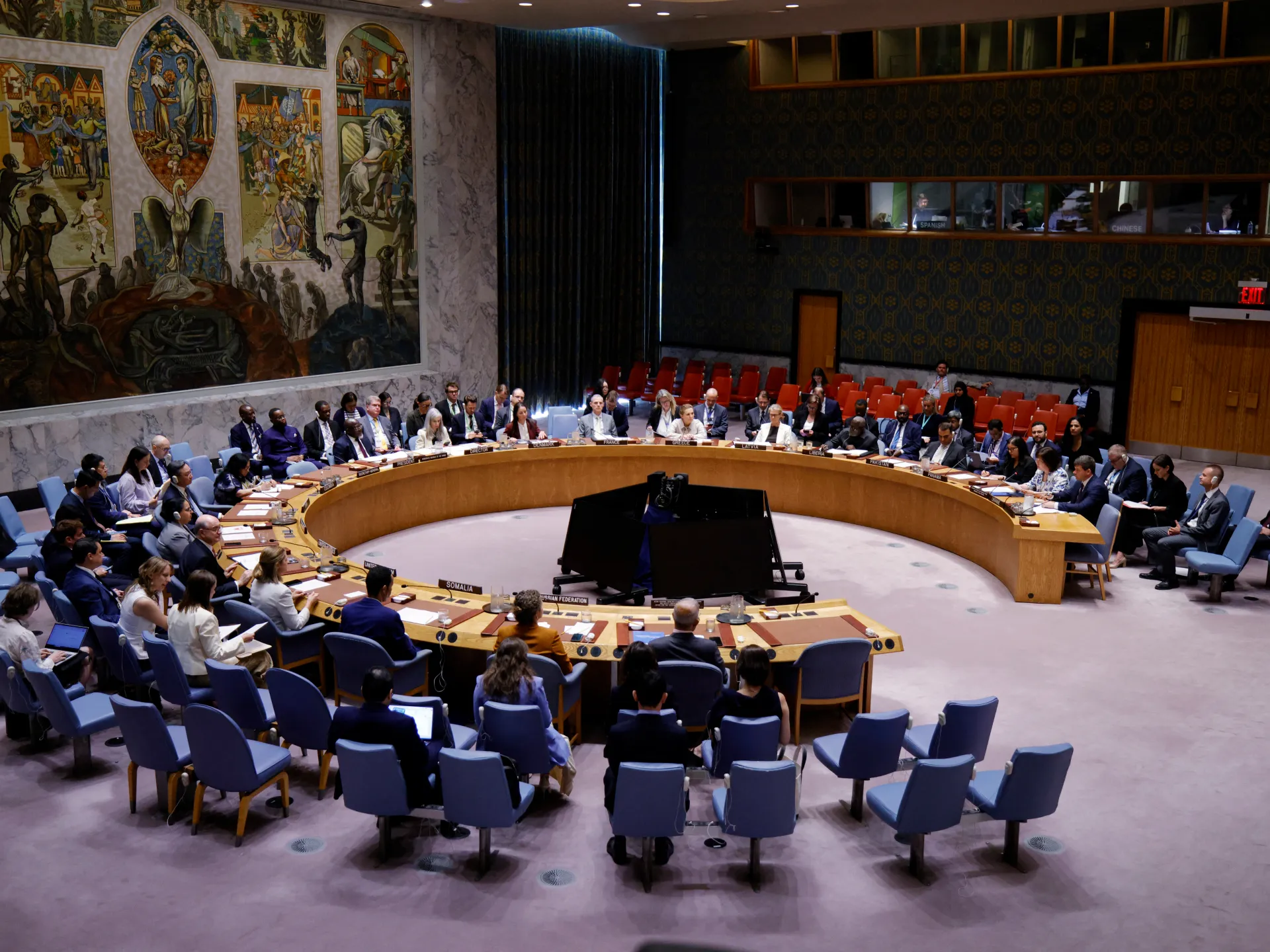
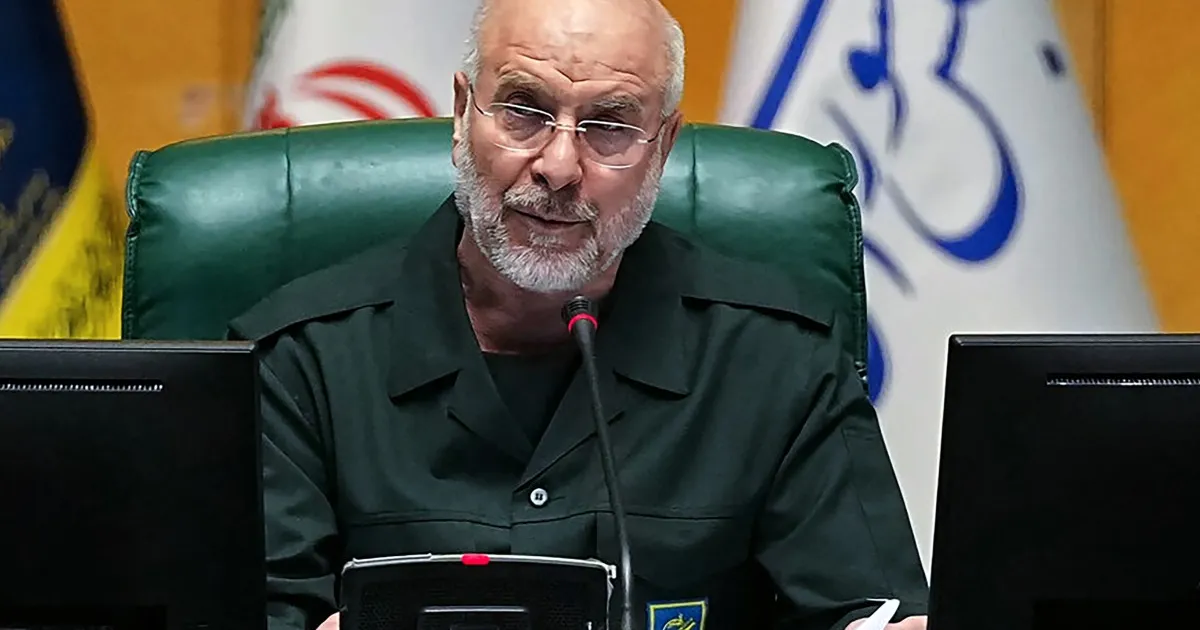
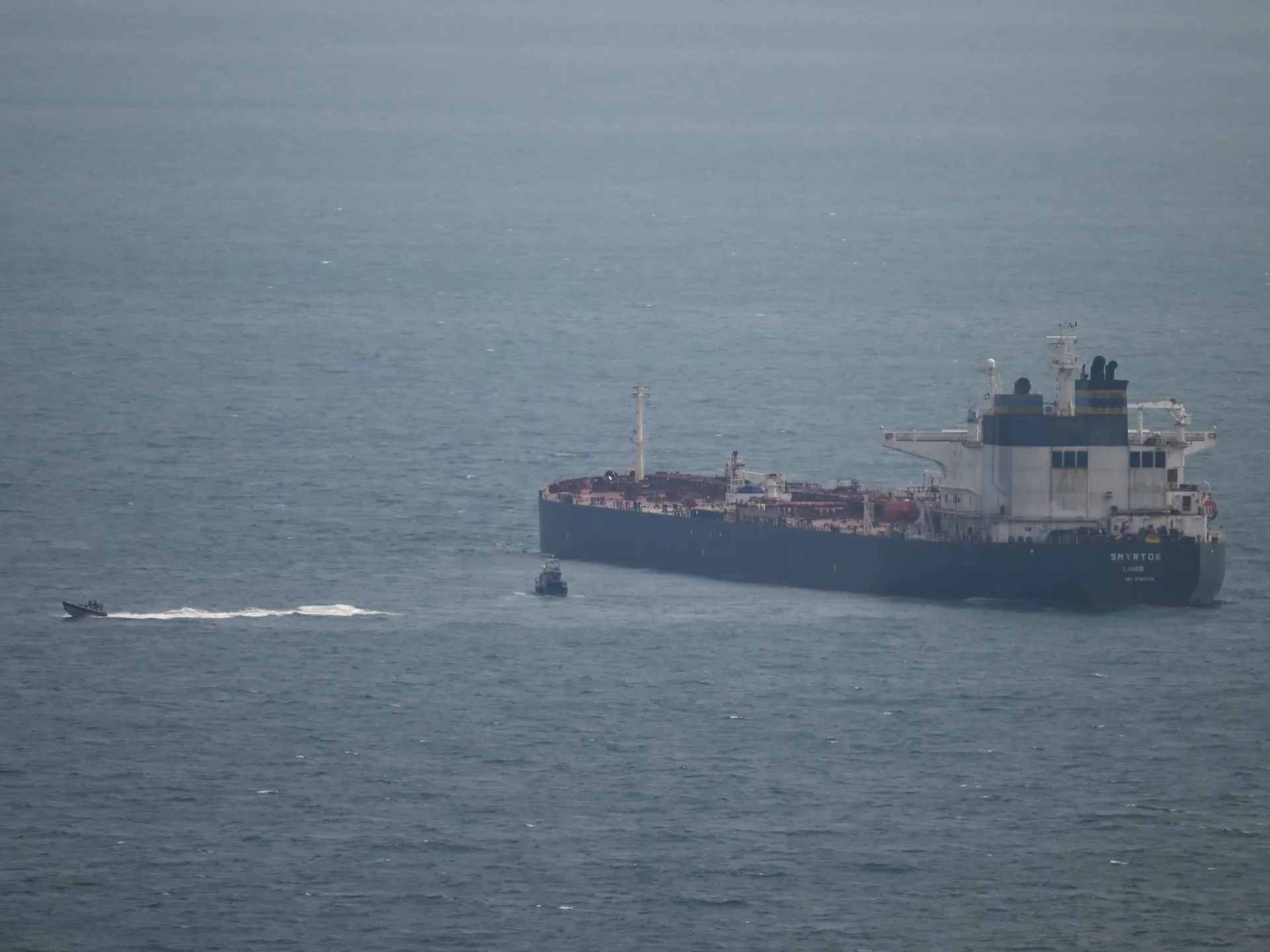
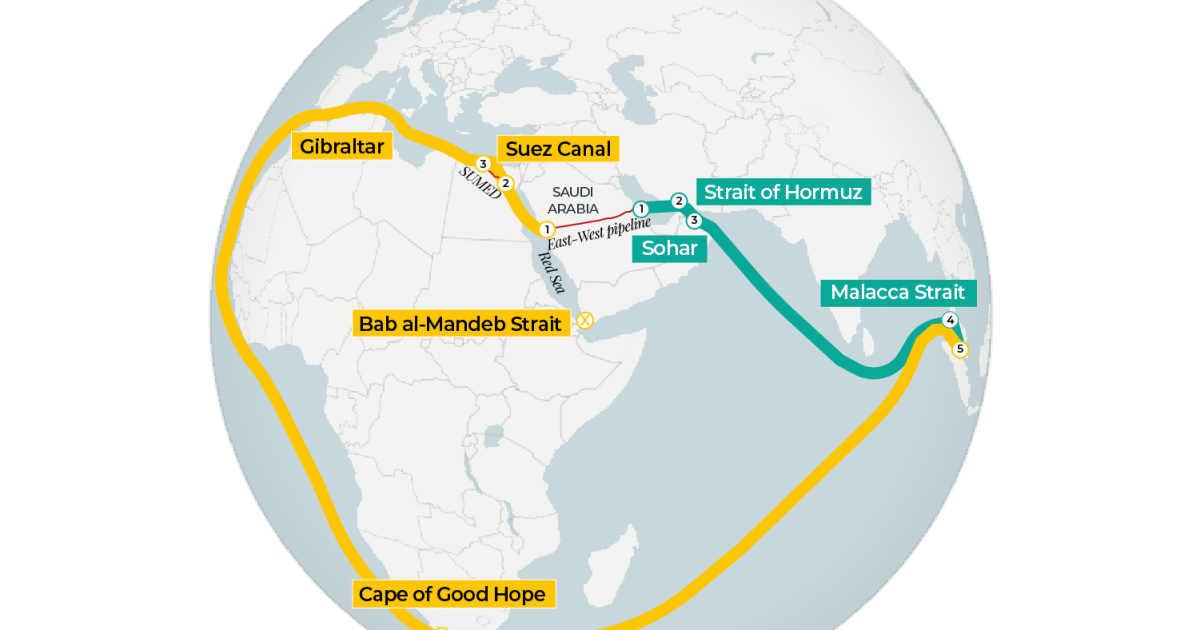
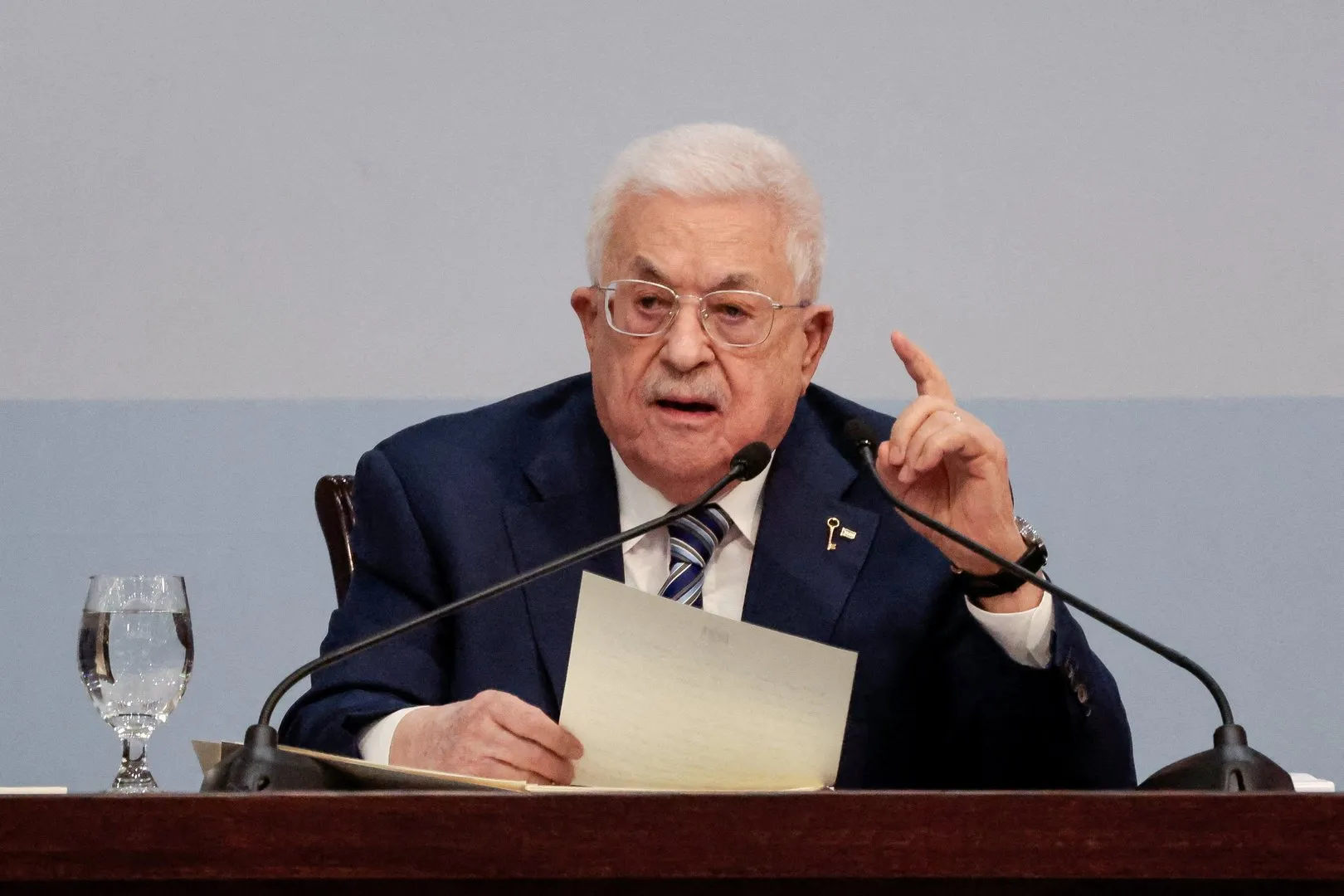
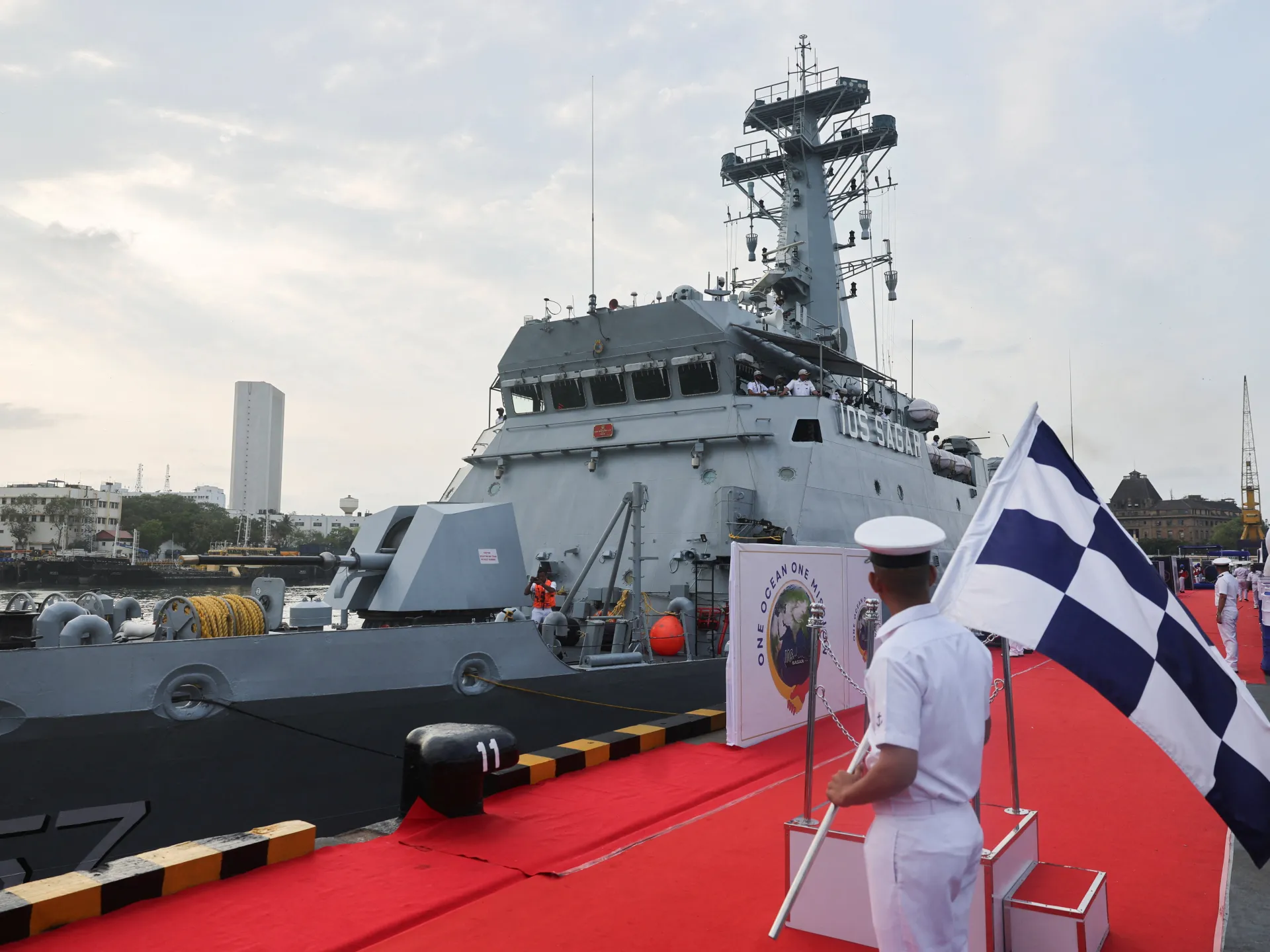
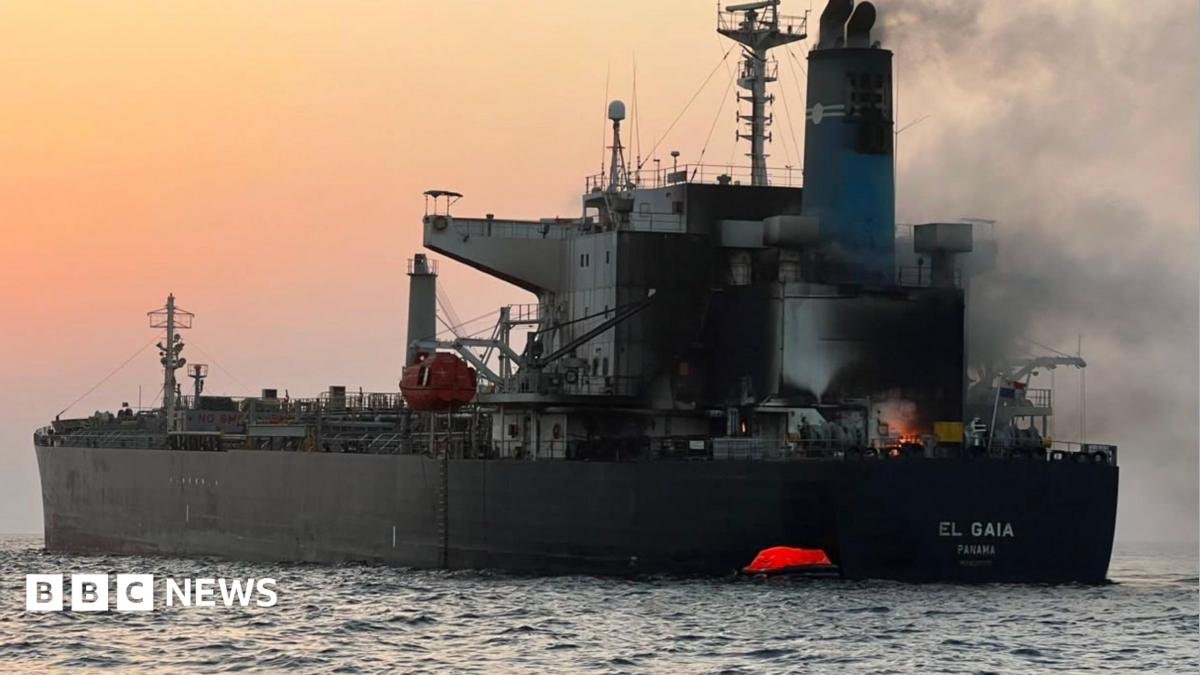
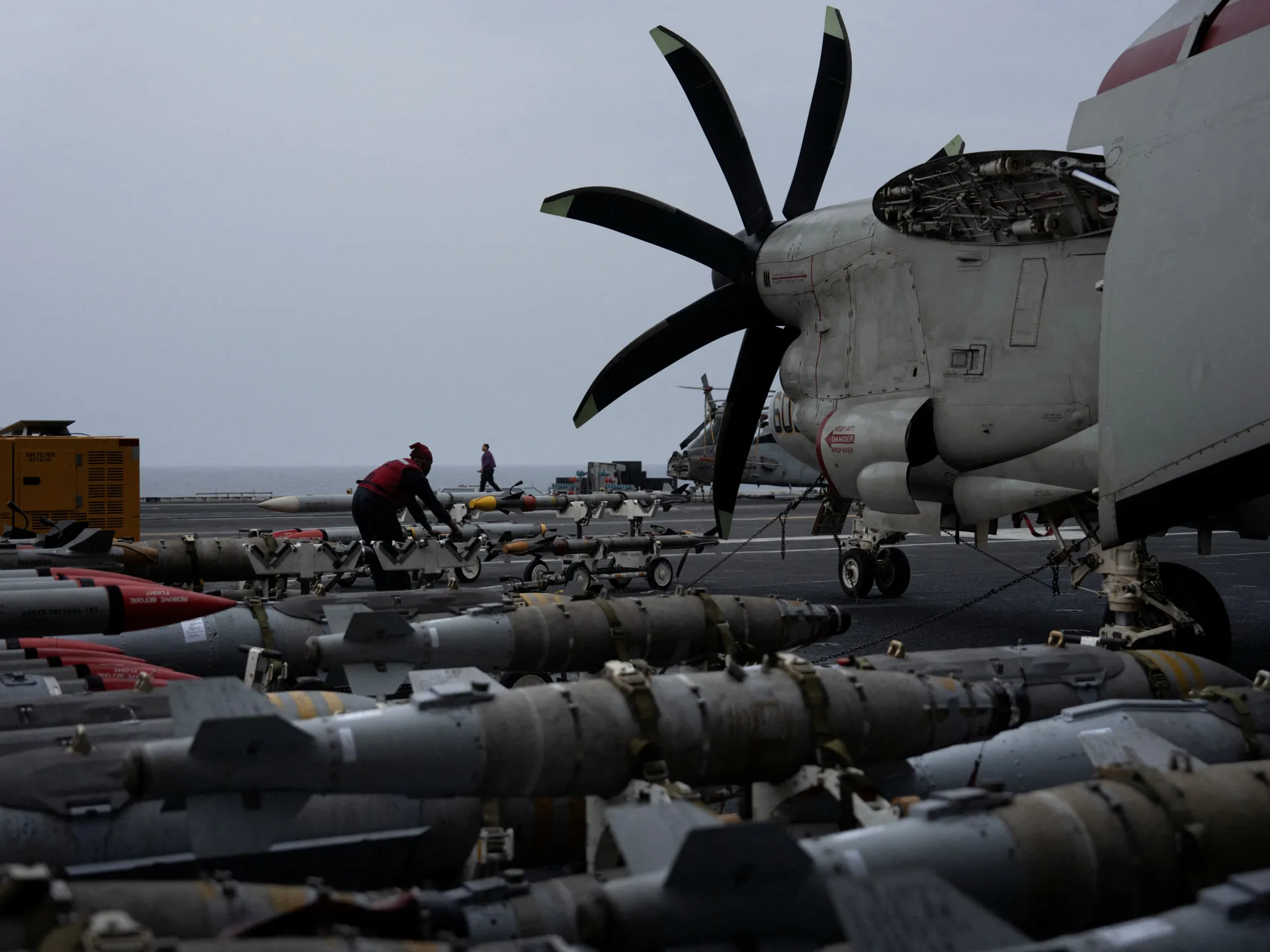
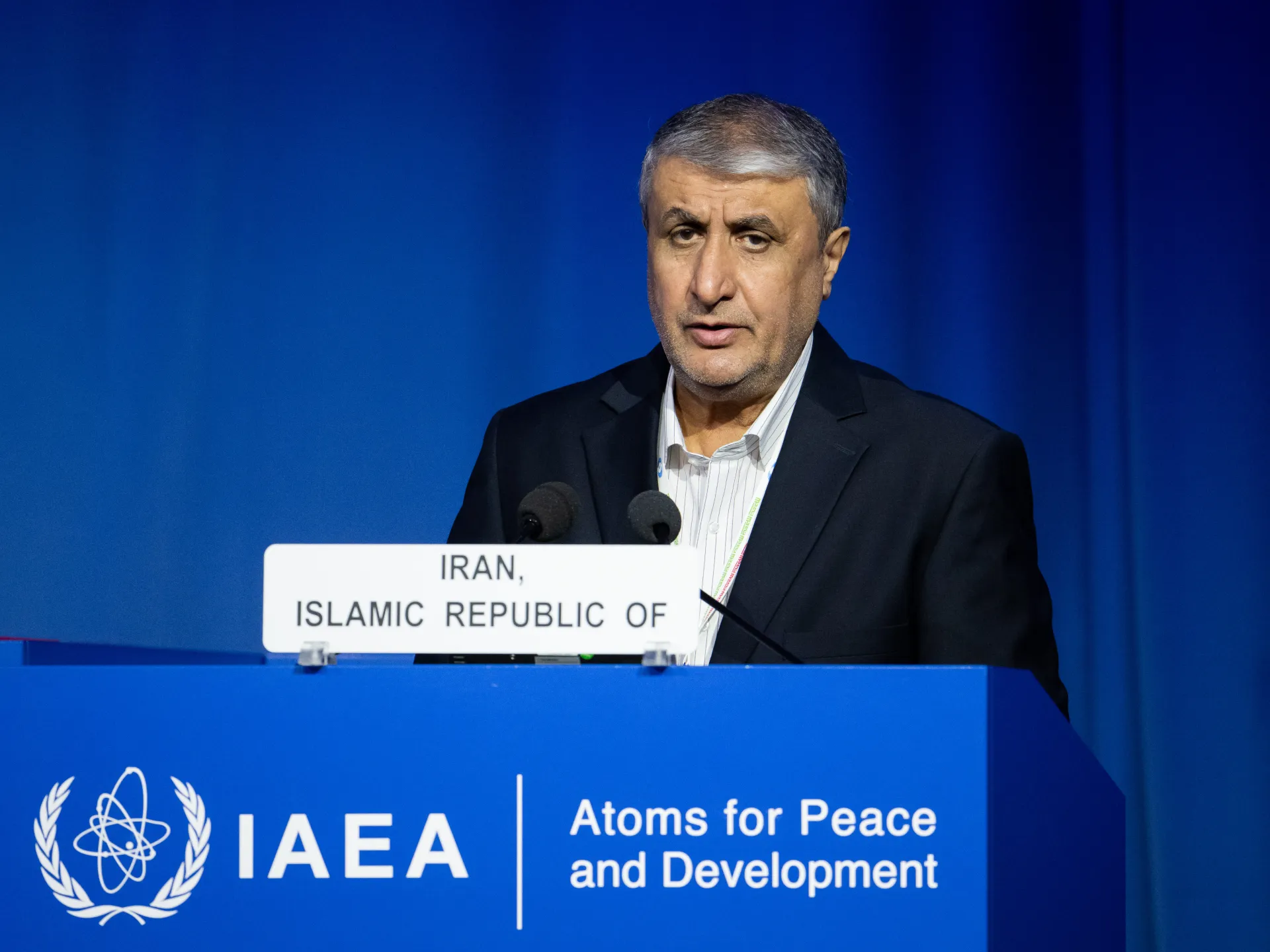
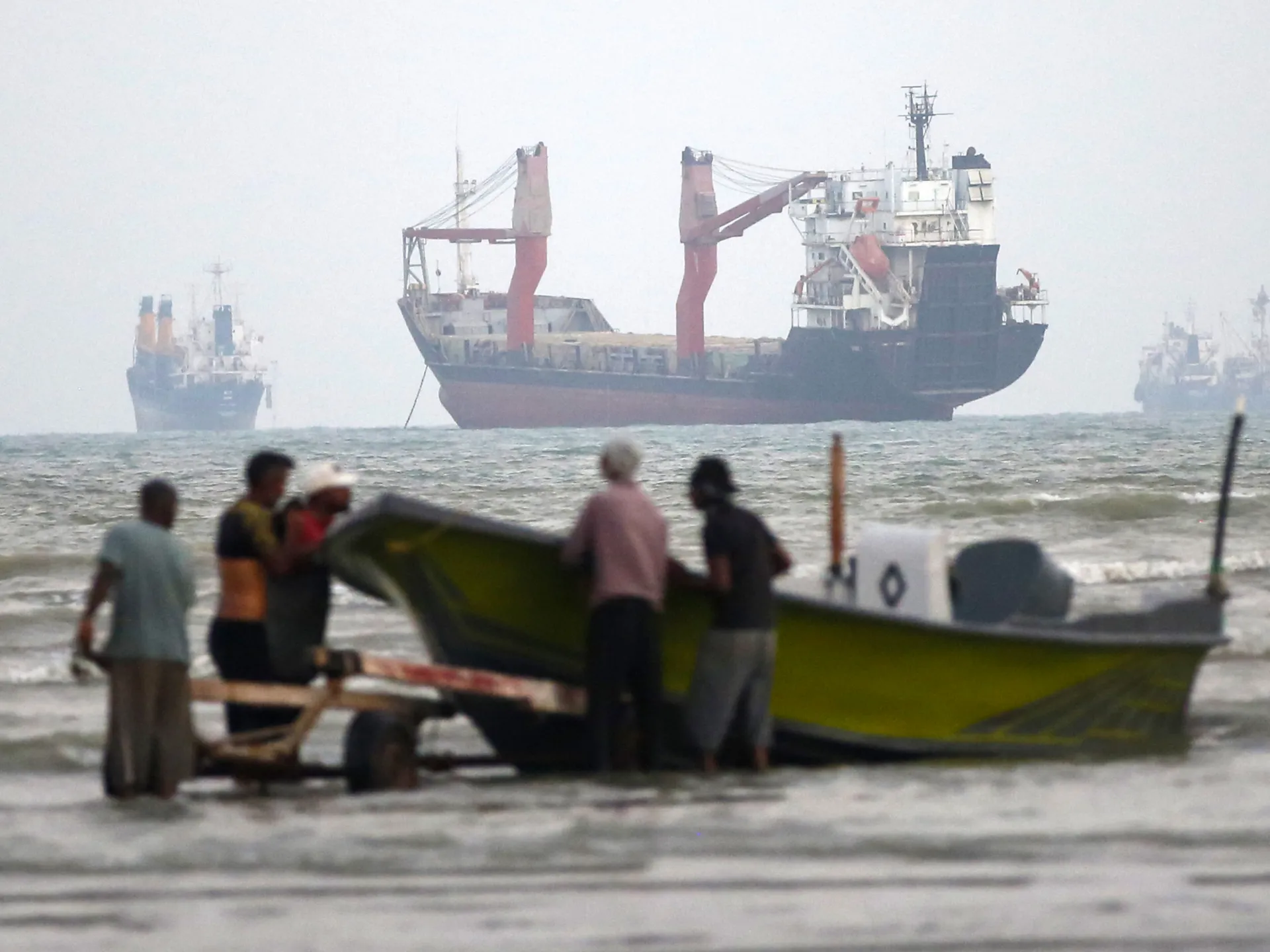
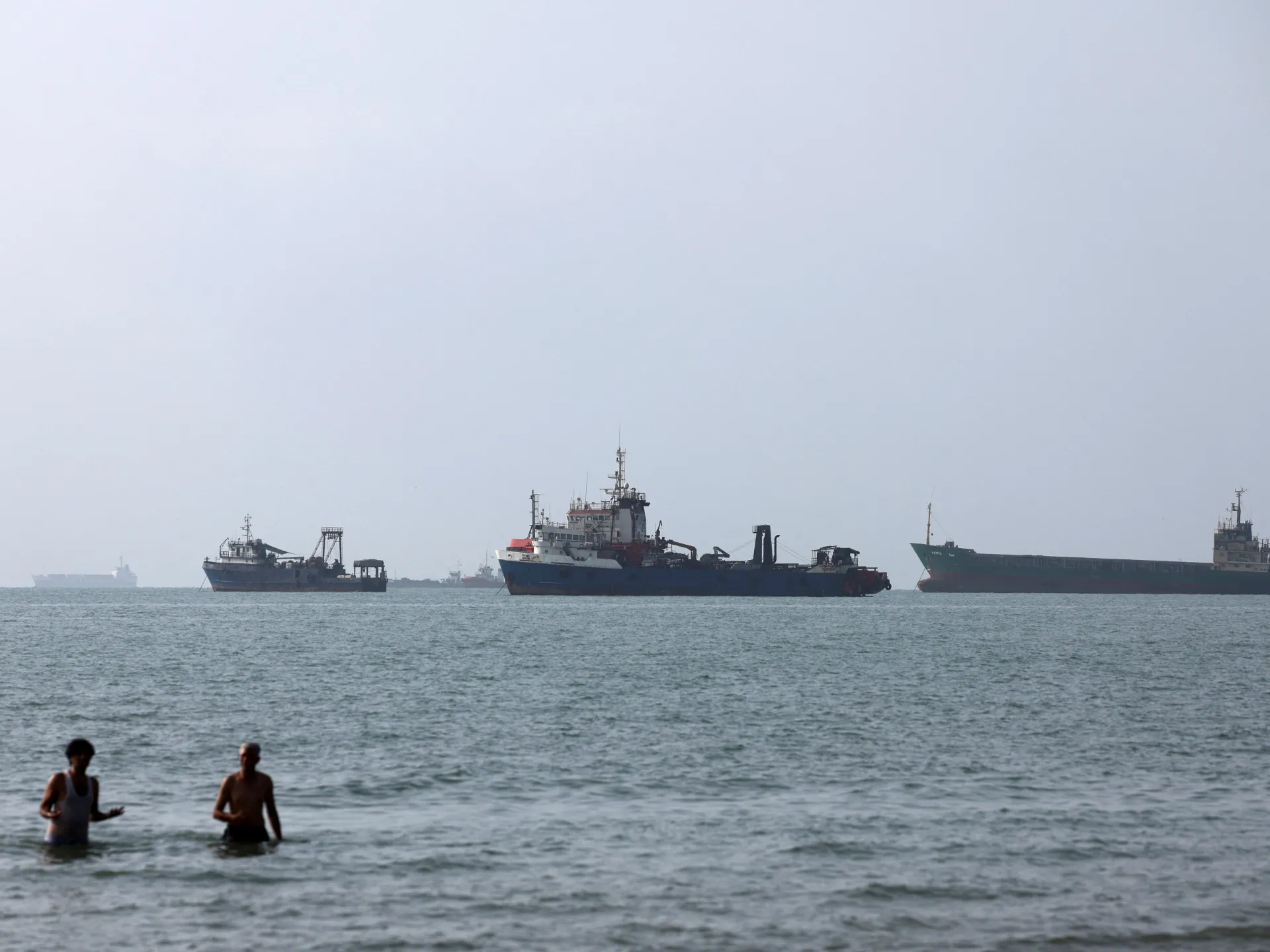
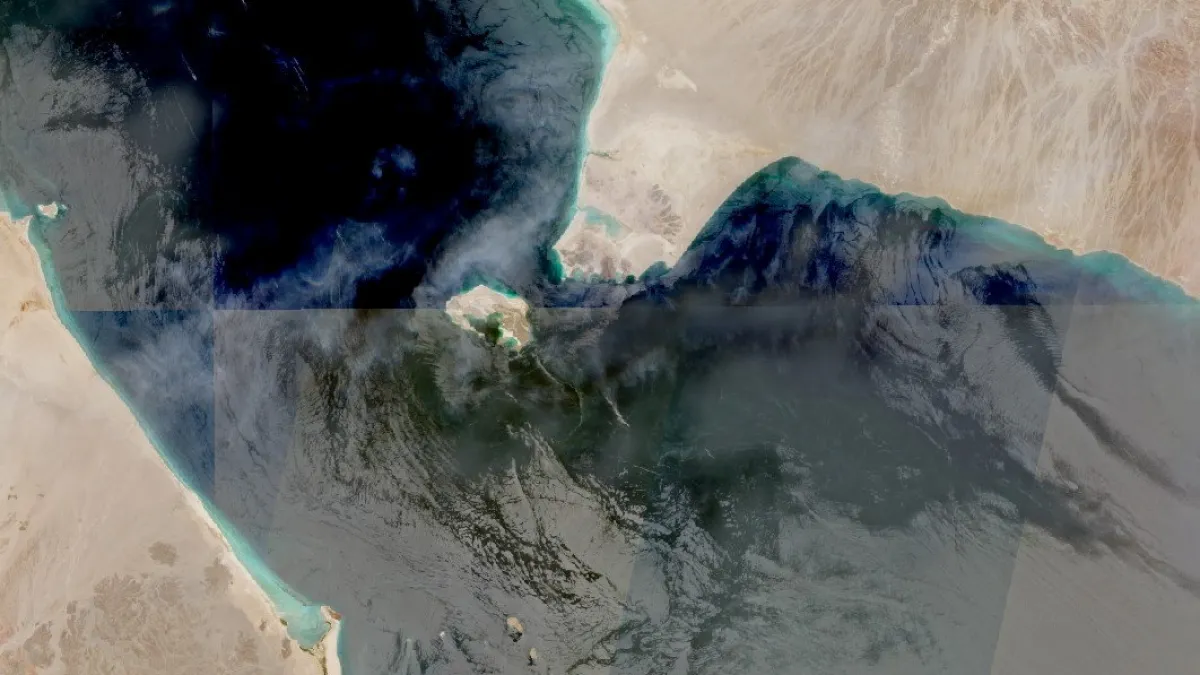
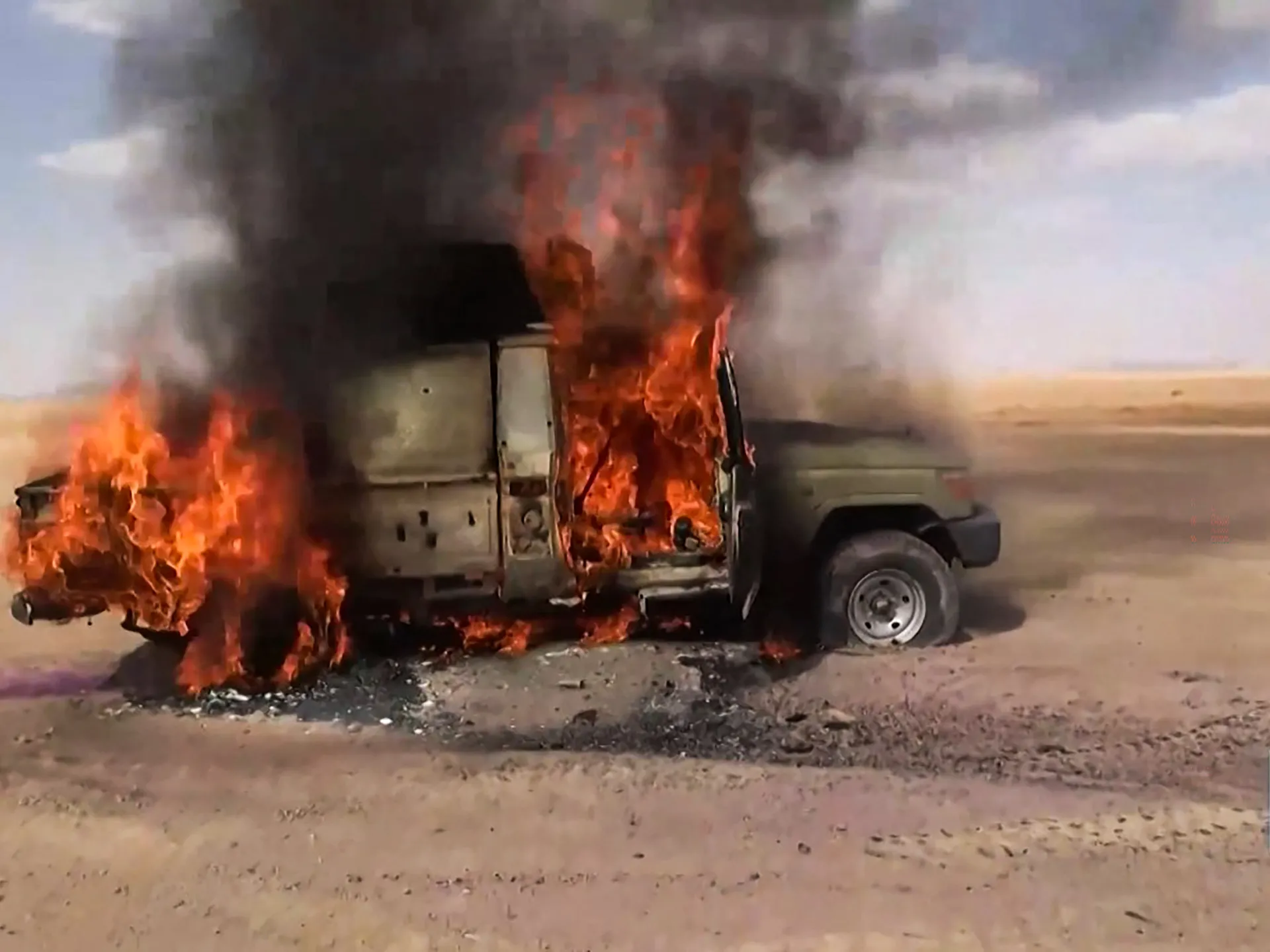
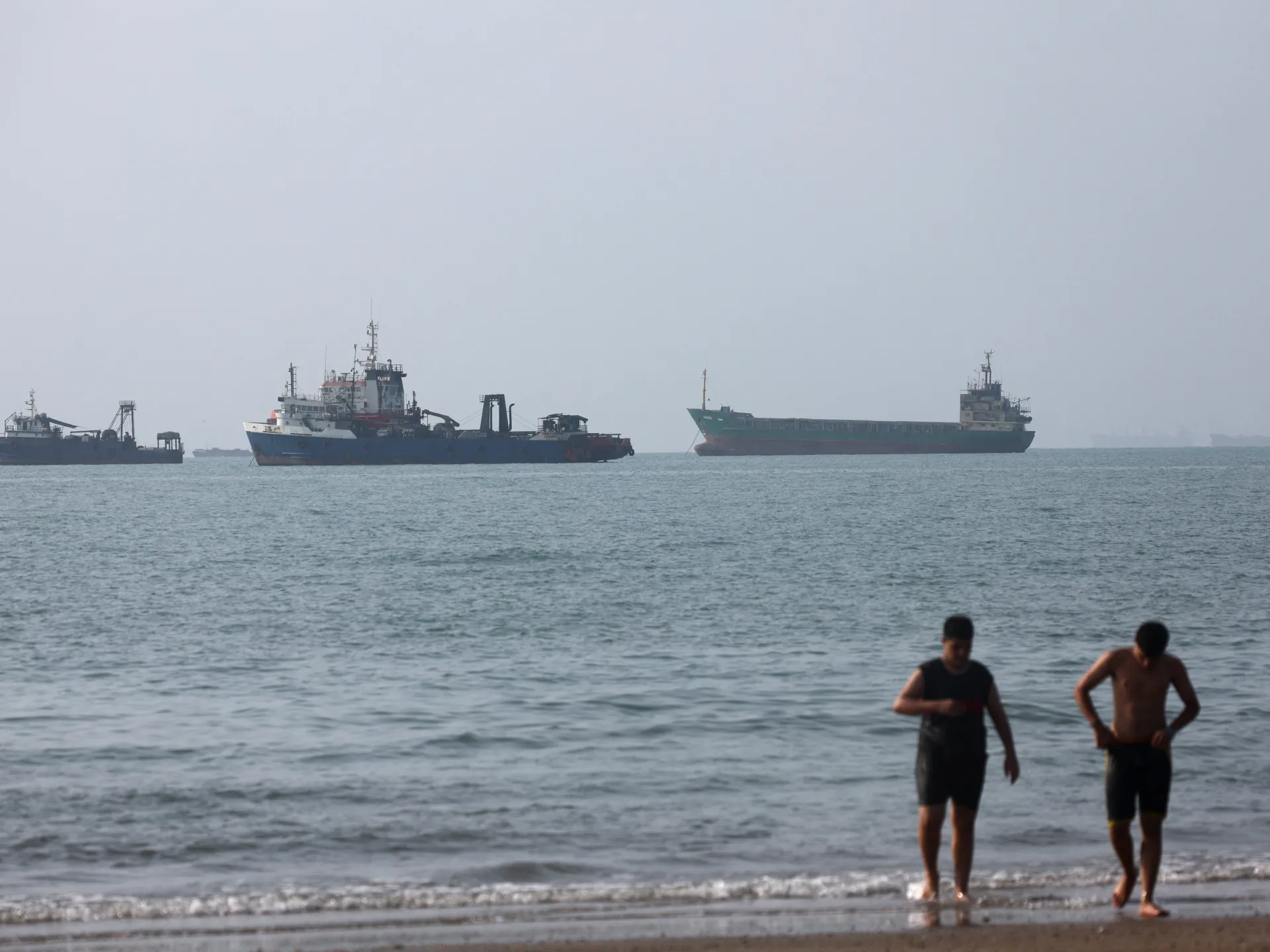
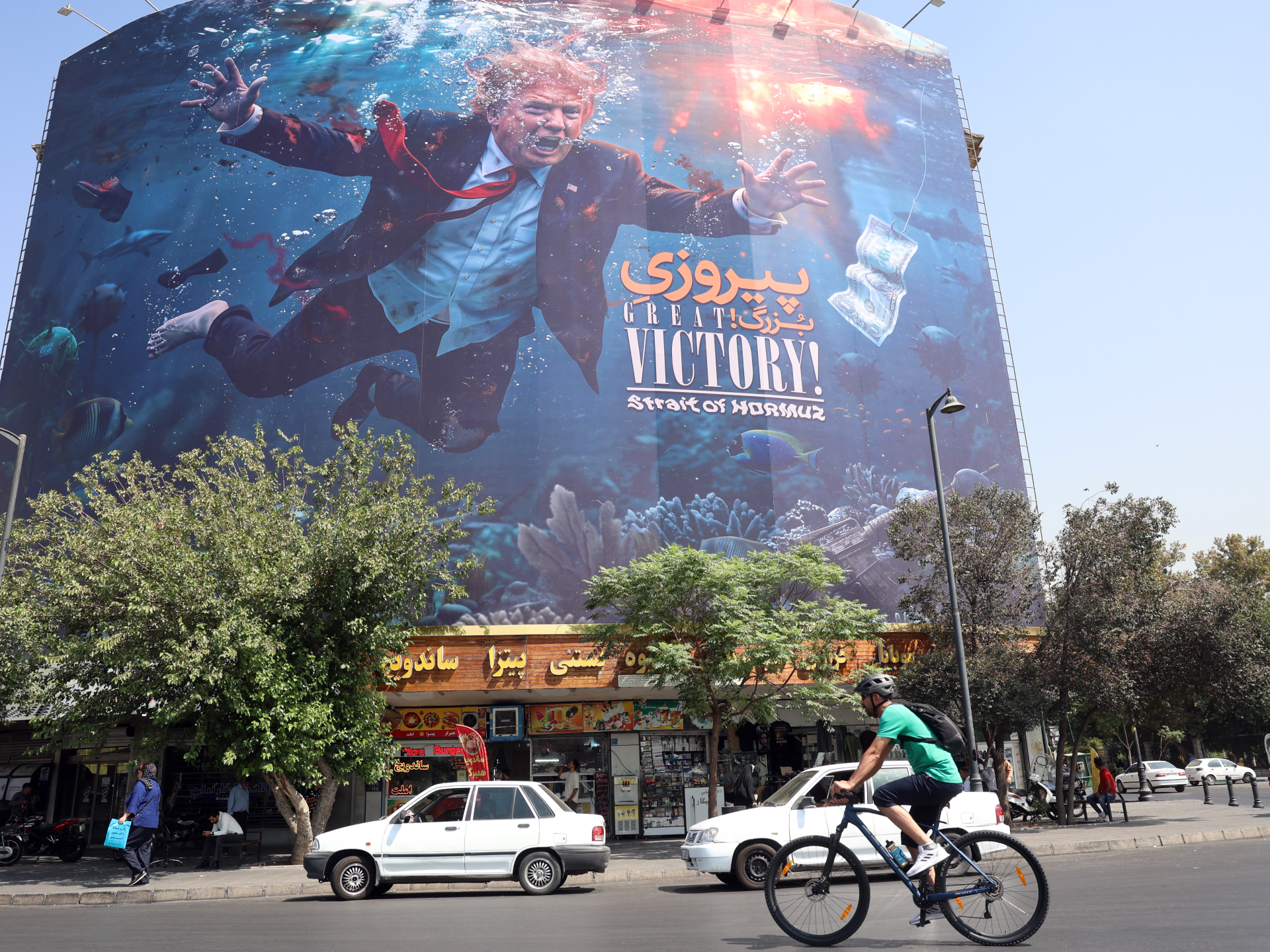
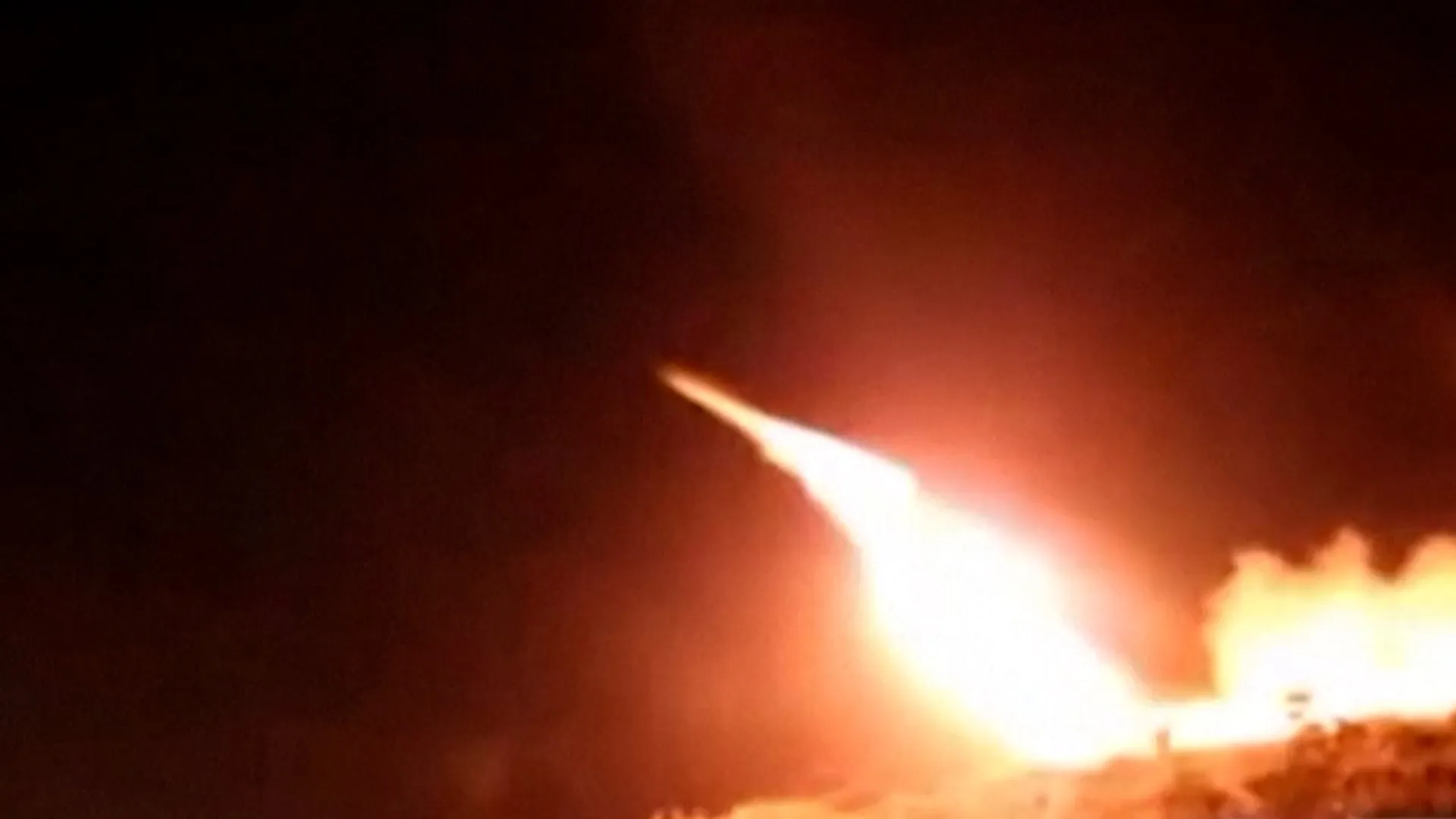
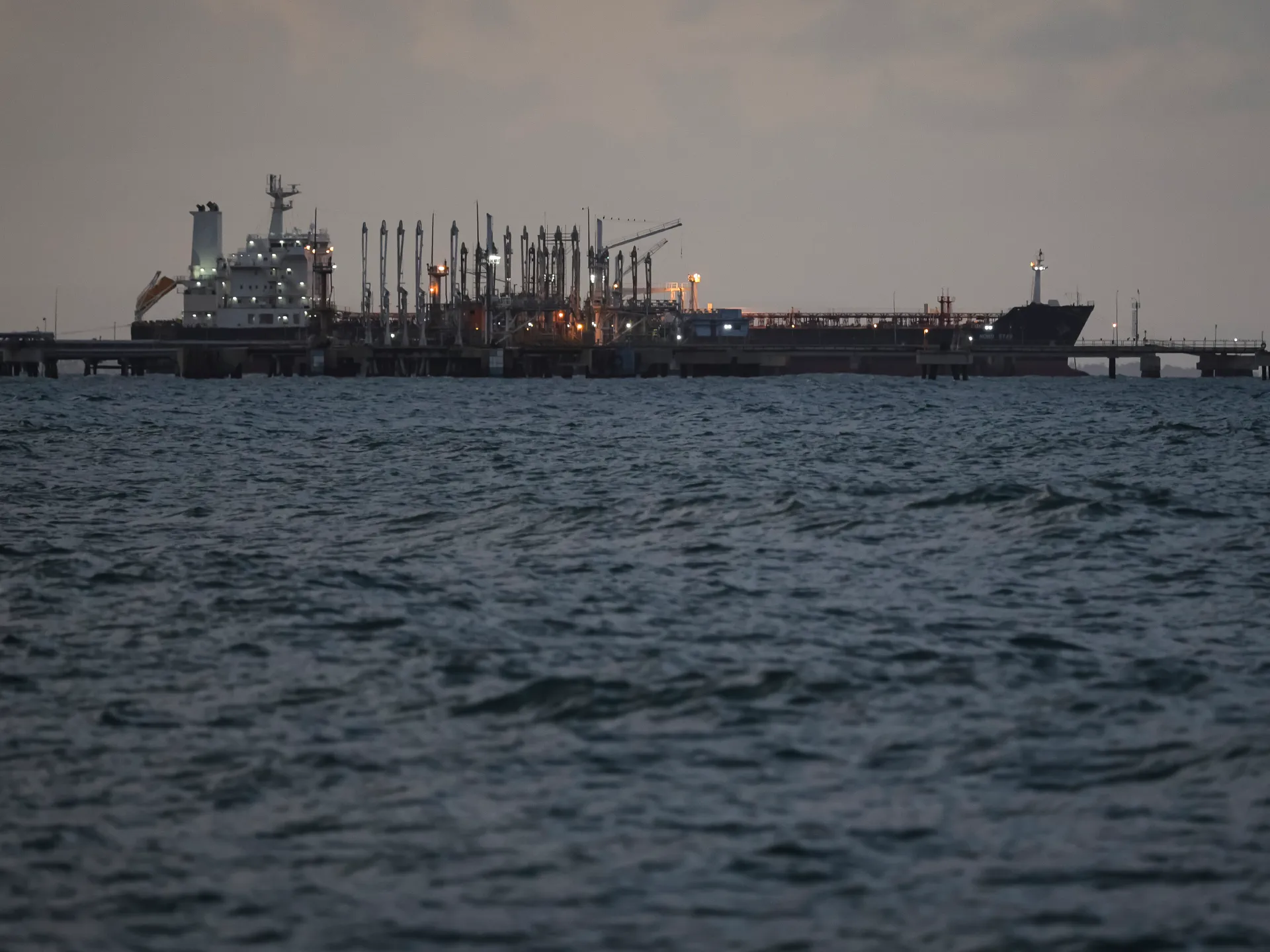
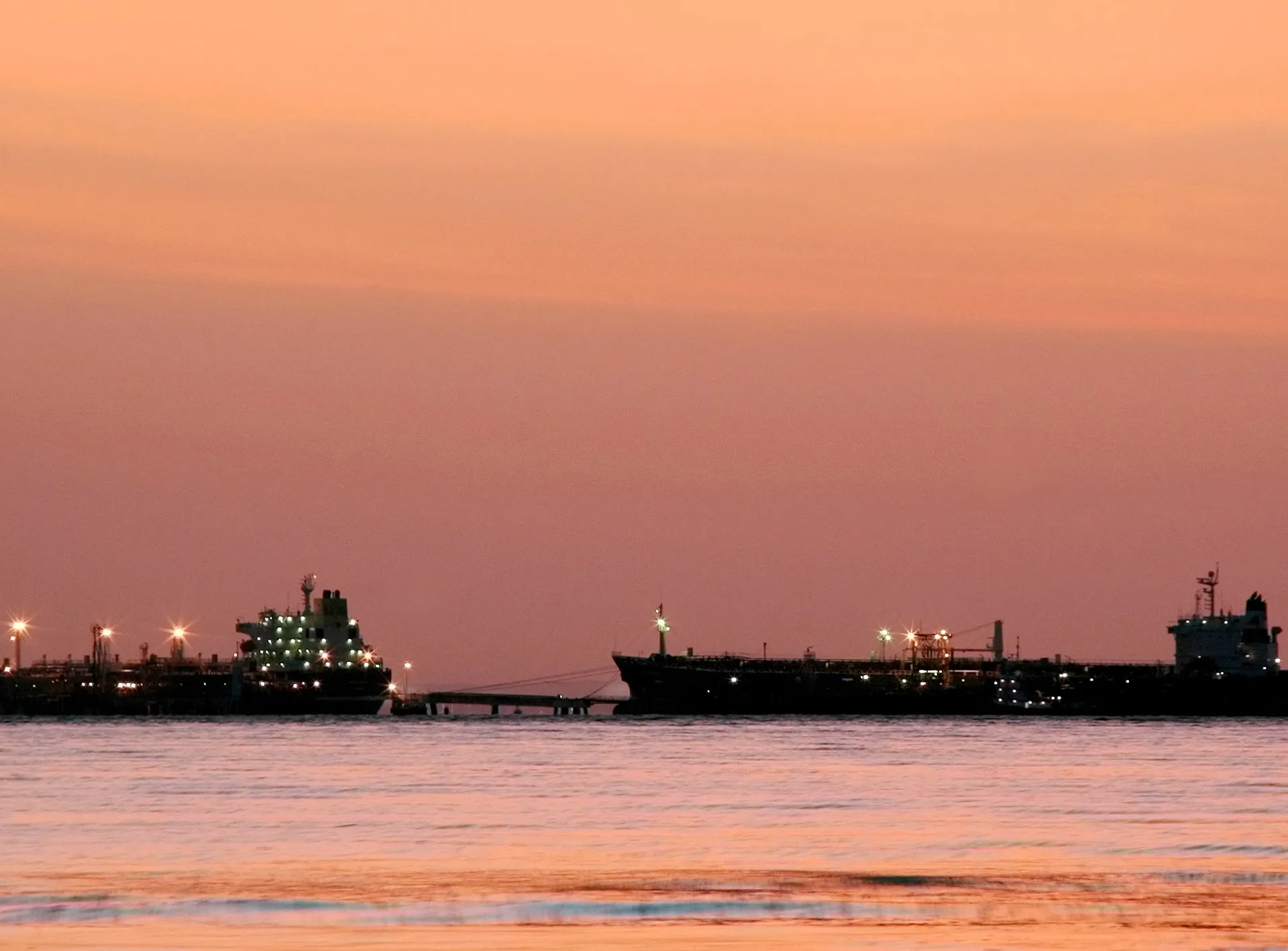
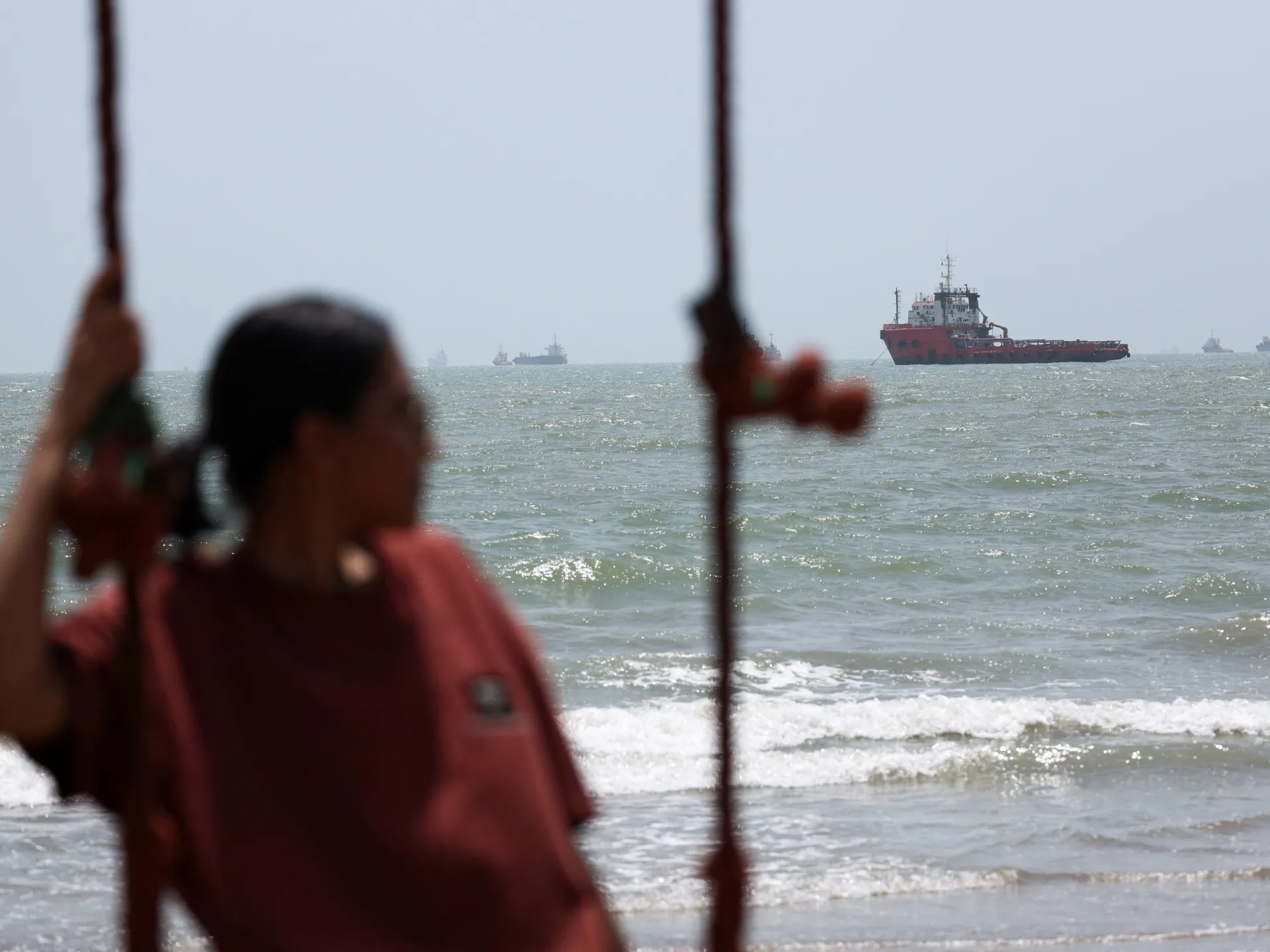
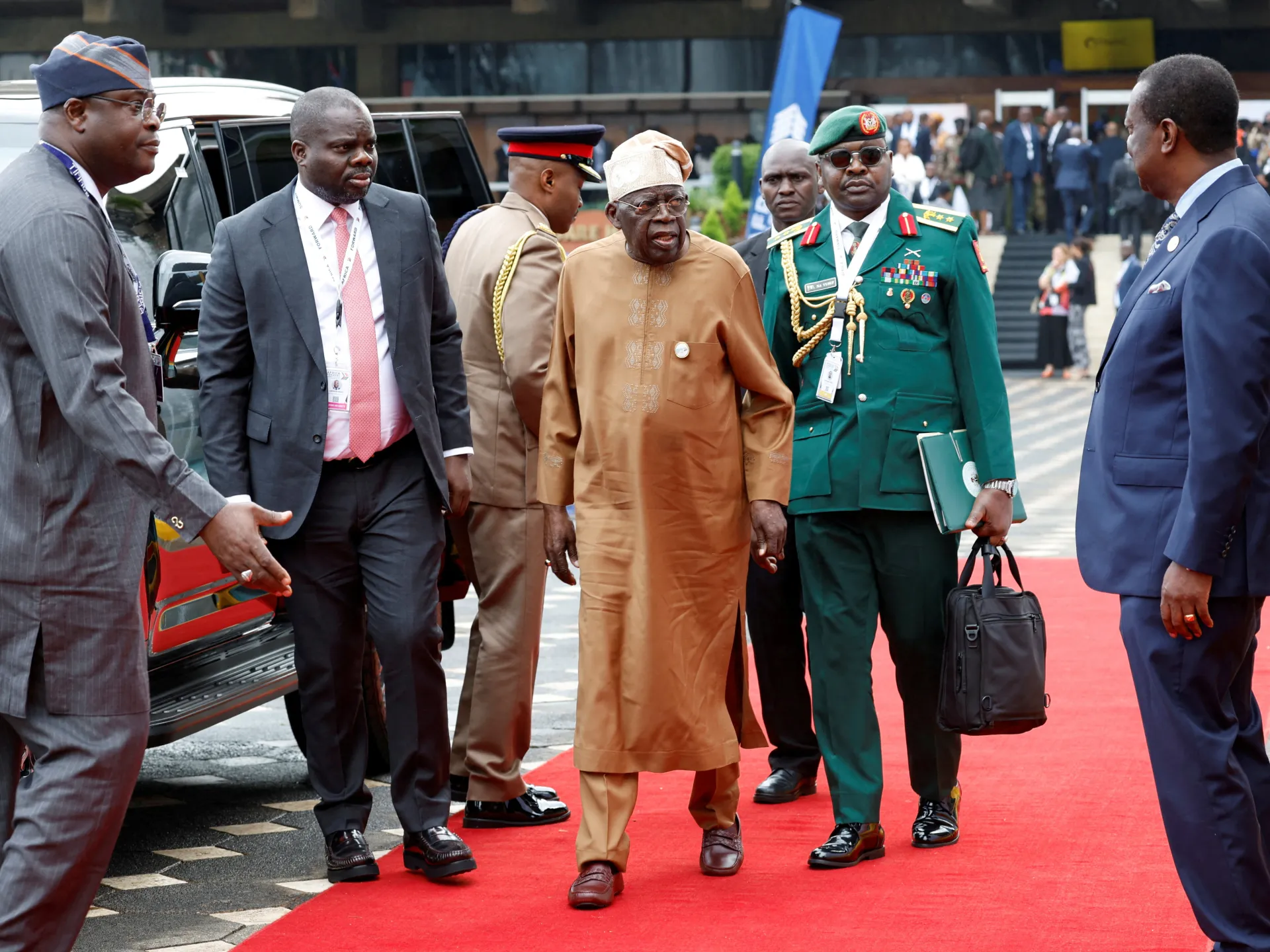
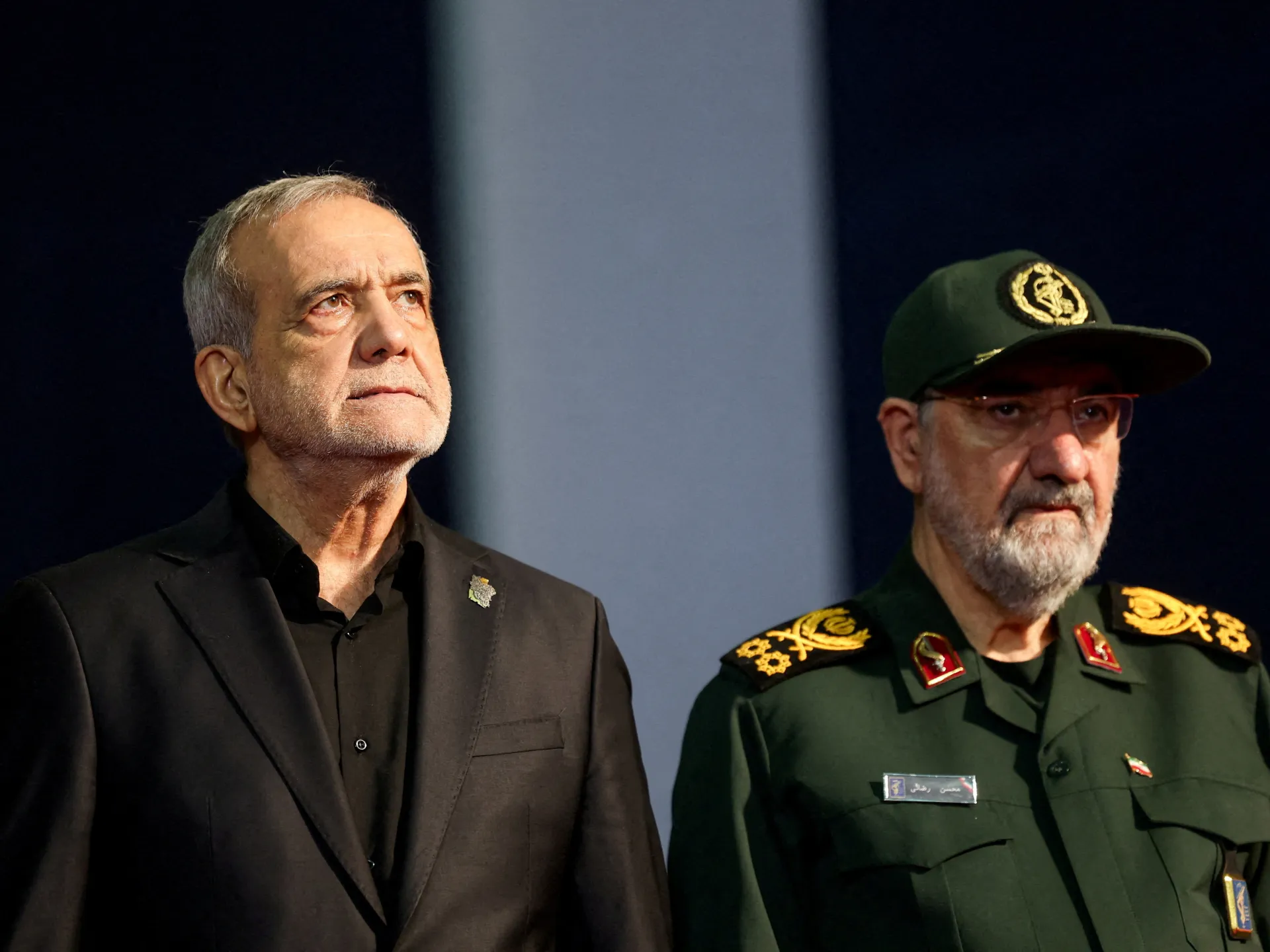
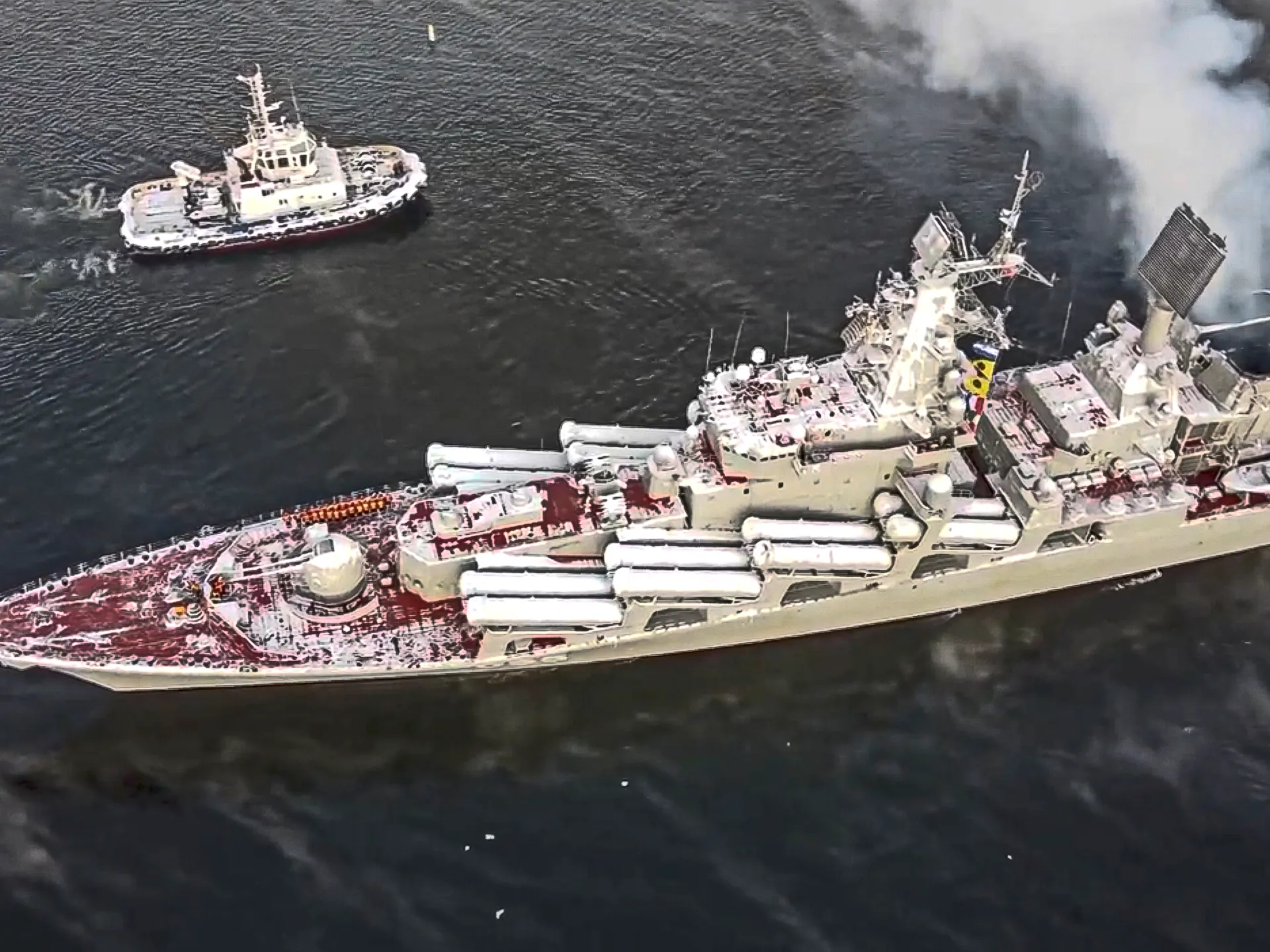
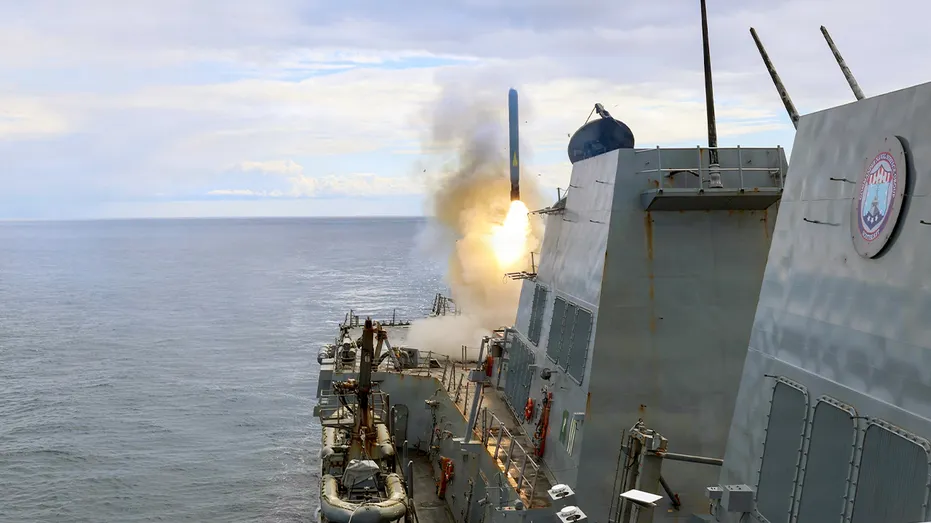
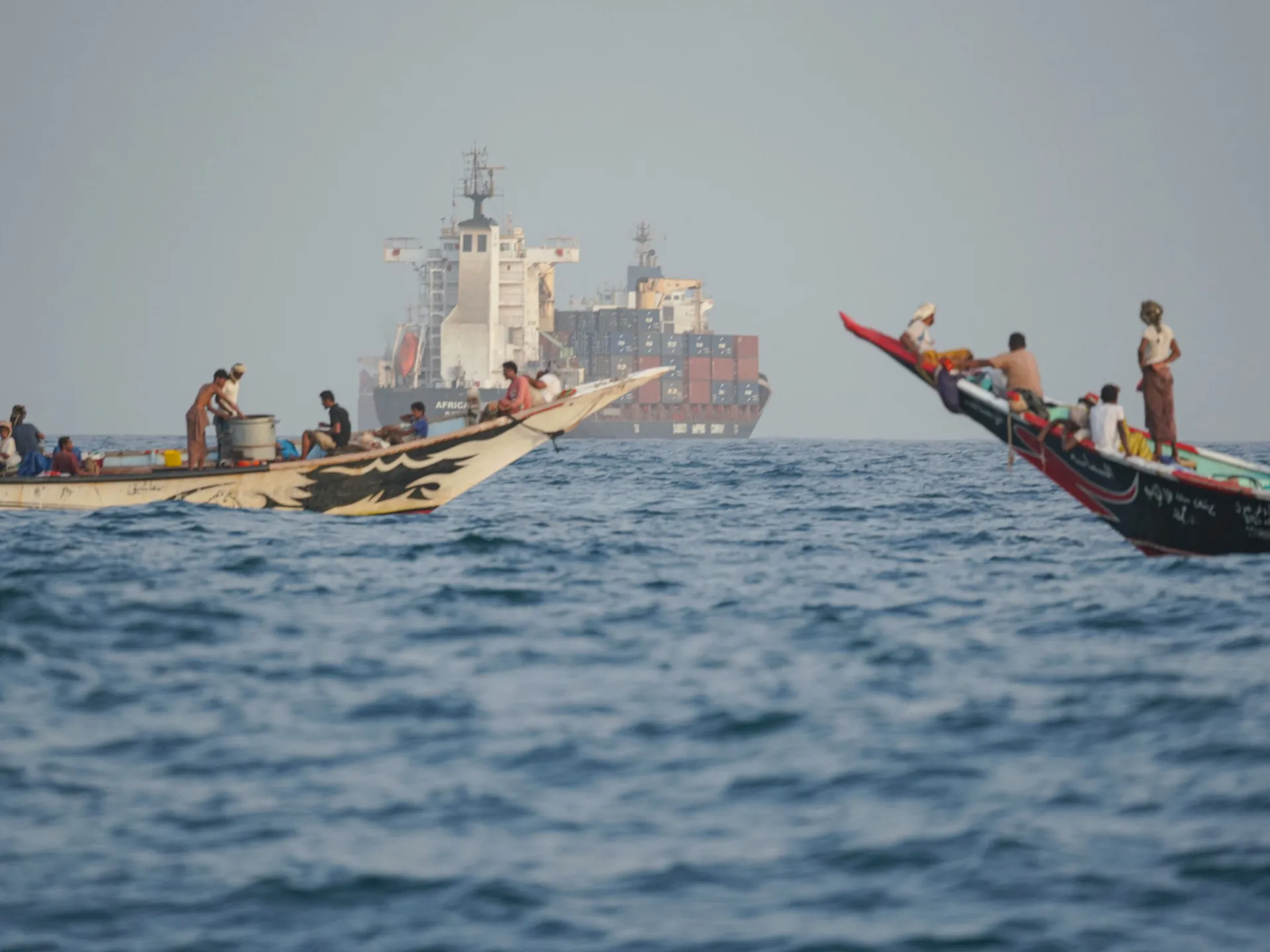
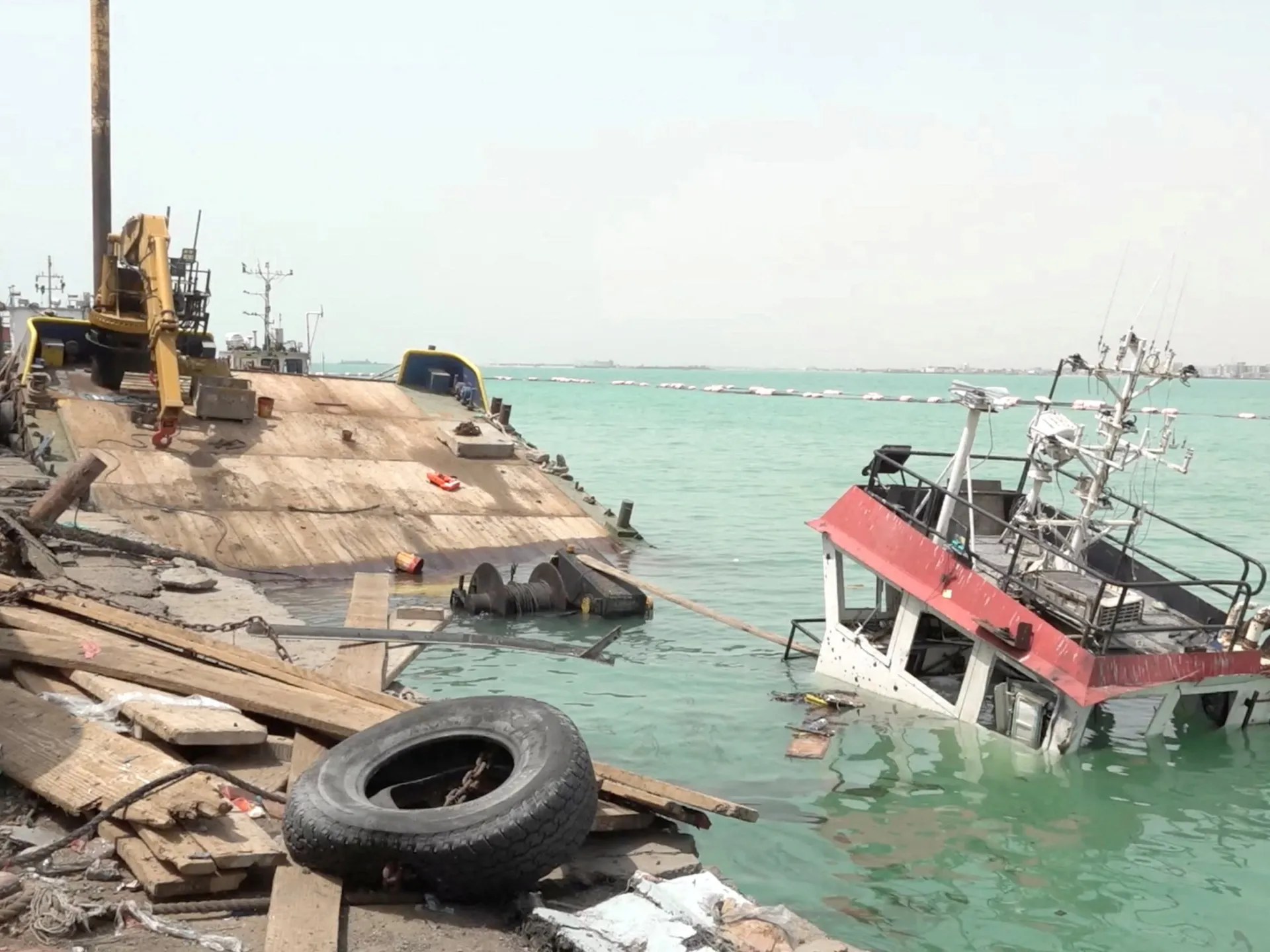
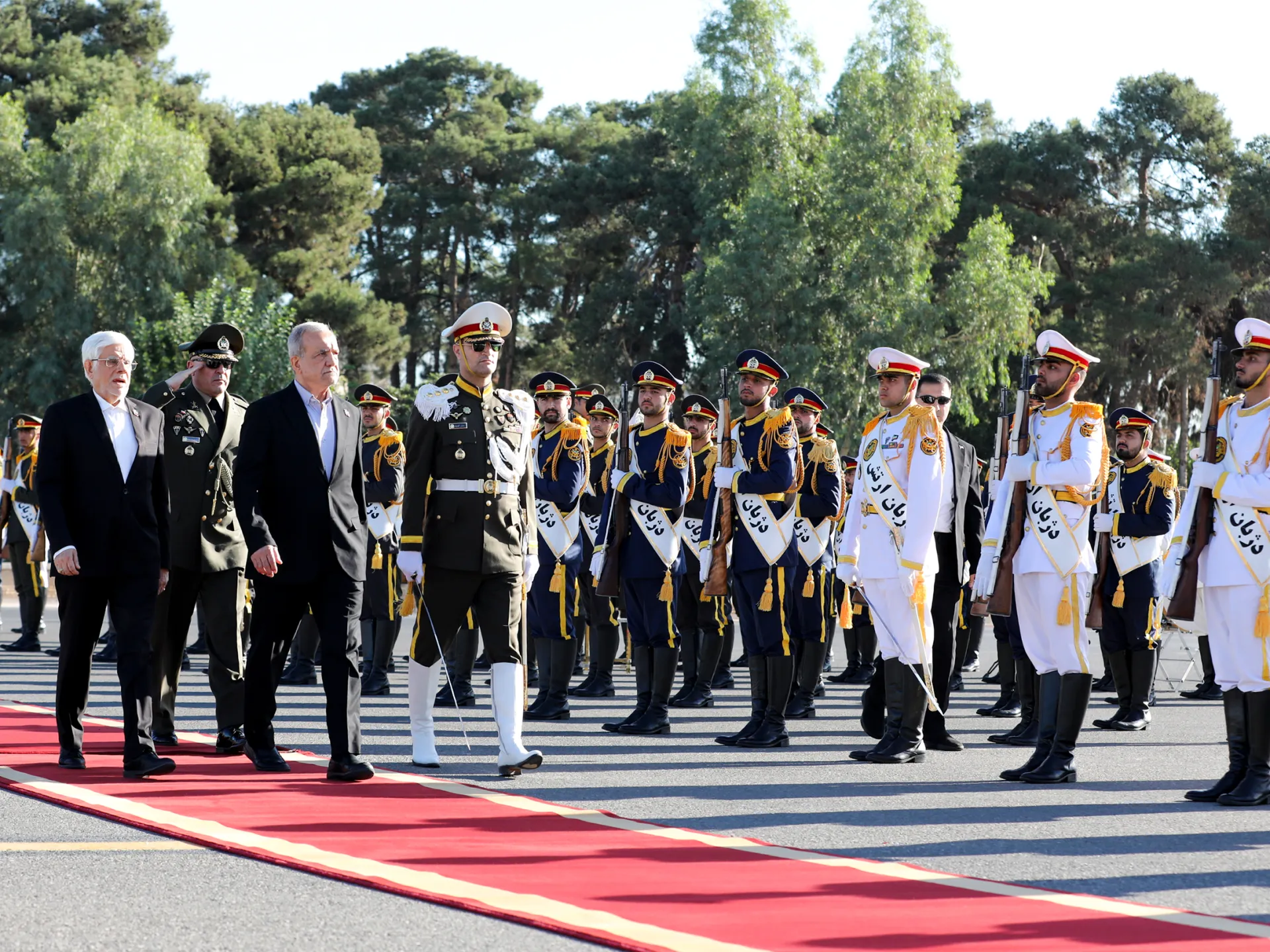
Iranian President Masoud Pezeshkian has arrived in New York to lead his nation's delegation at the United Nations General Assembly (UNGA), a high-stakes diplomatic mission occurring against the backdrop of a naval blockade in the Strait of Hormuz. While the administration in Tehran has signaled a desire to discuss pathways toward resolving the ongoing conflict, the delegation arrives under the shadow of restricted access and significant geopolitical friction.
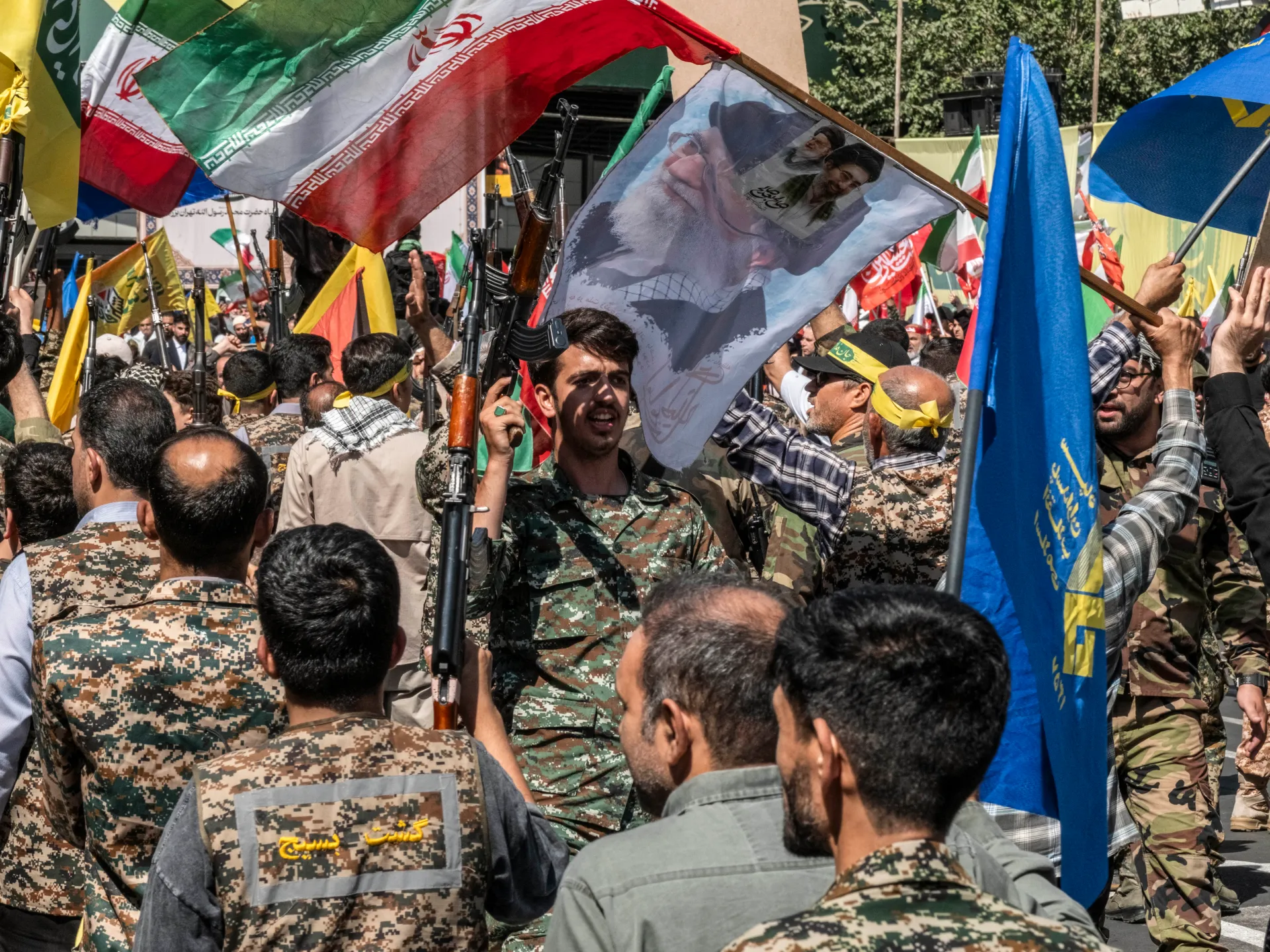
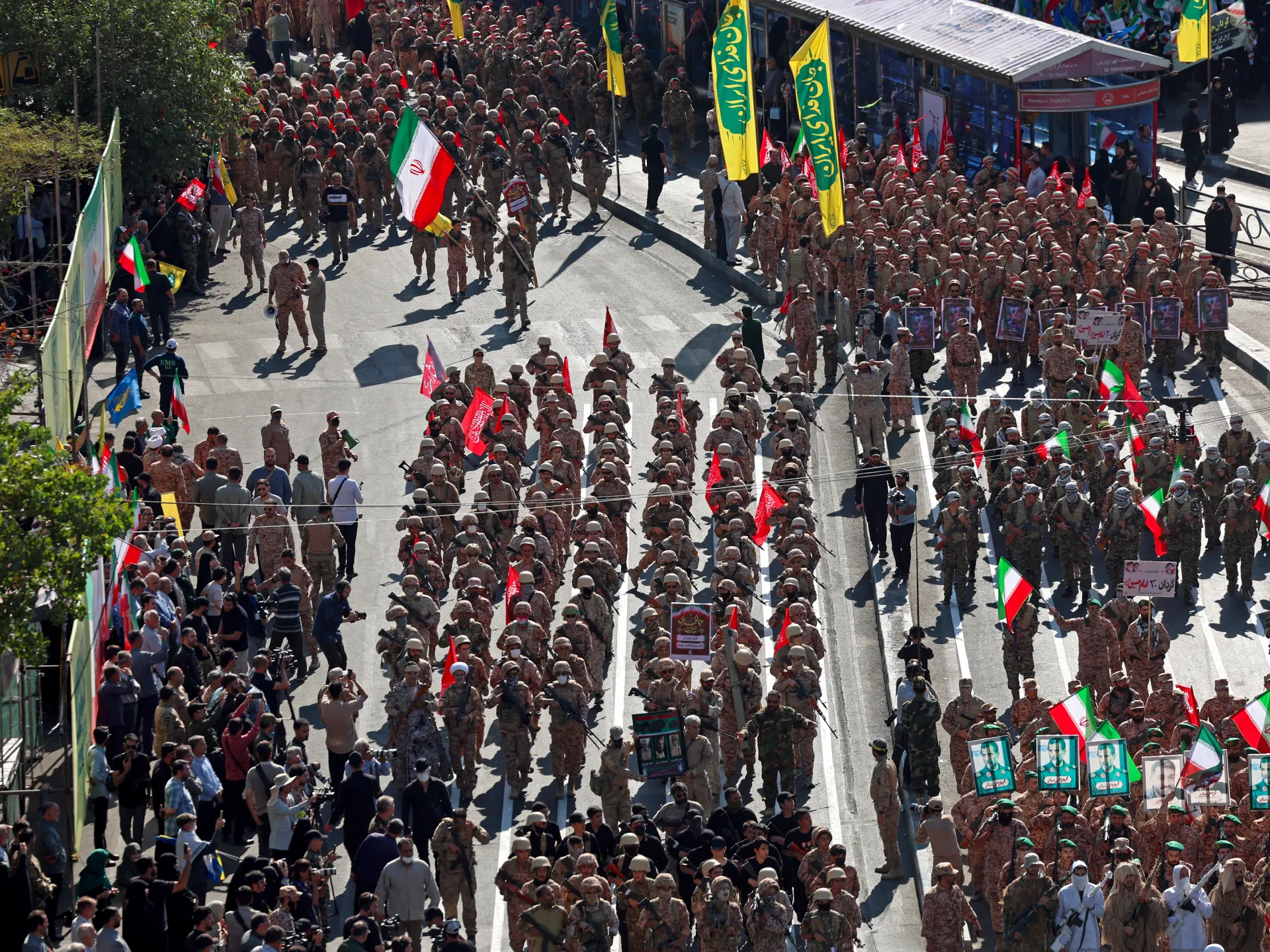
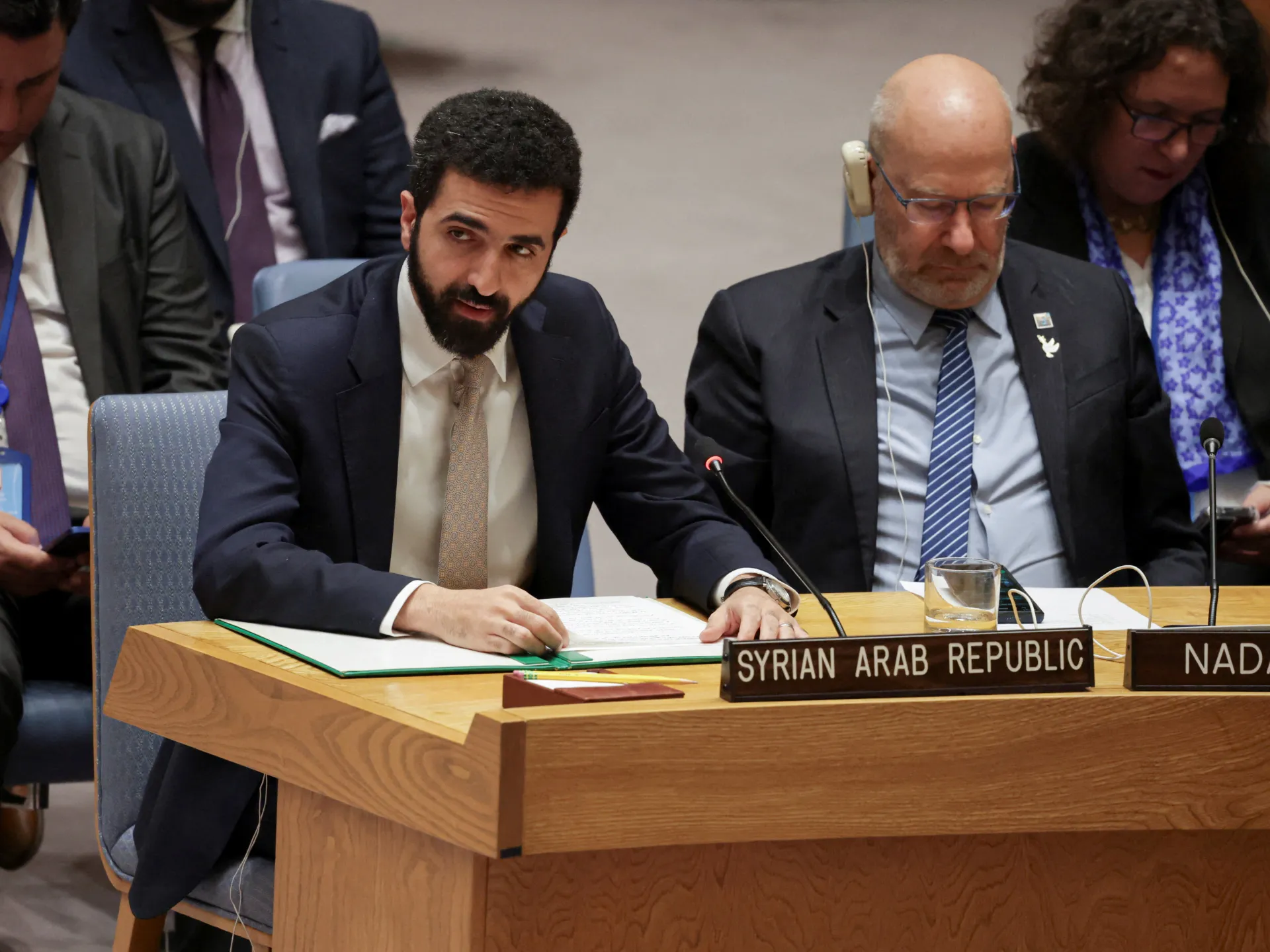
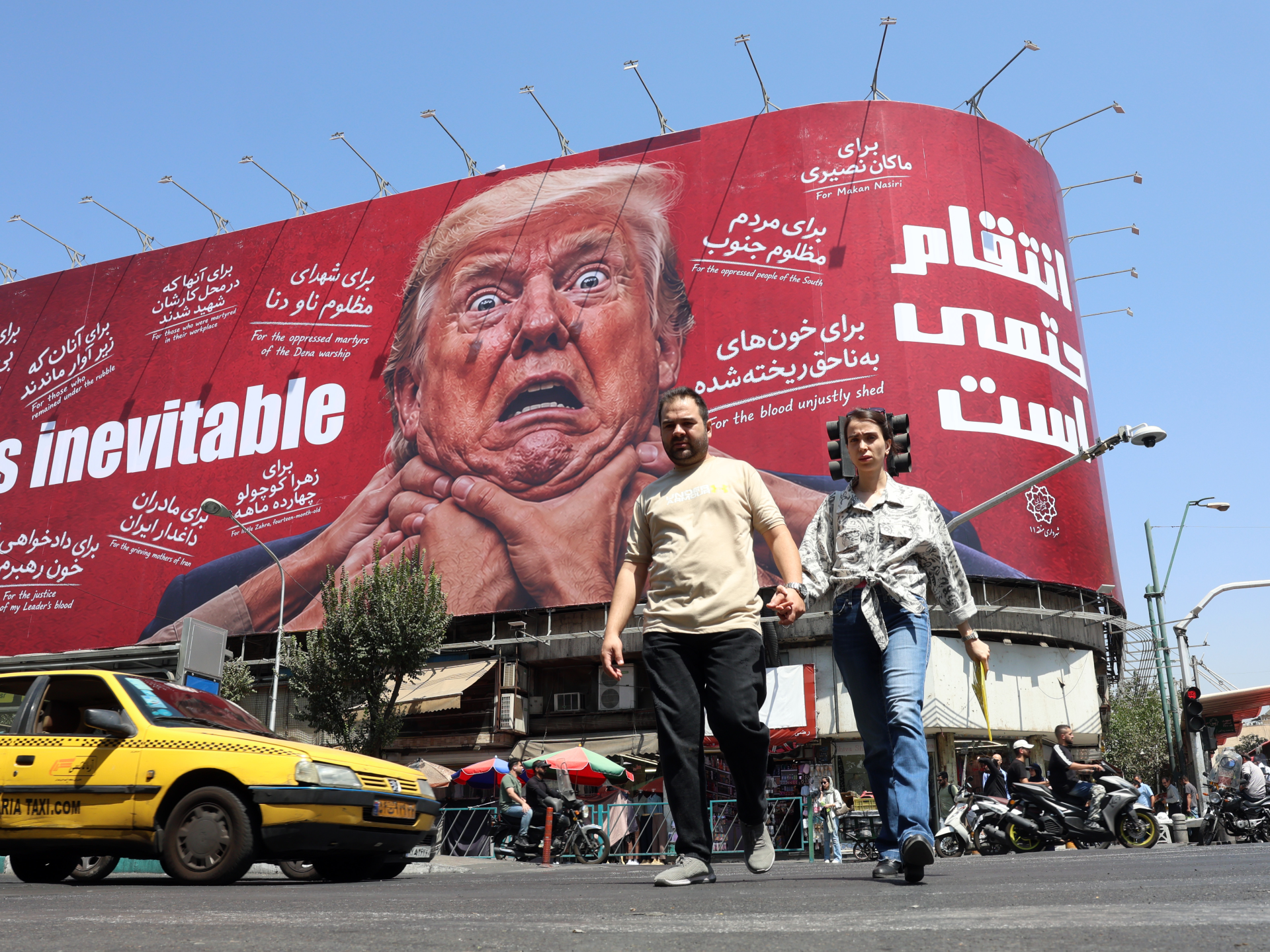
Ahead of his departure, President Pezeshkian framed the visit as an opportunity to vocalize the grievances of the Iranian people while simultaneously projecting strength. The delegation’s presence at the international forum serves as a counterpoint to what Tehran describes as a campaign of economic and military aggression tions and an increased naval presence in critical shipping lanes.
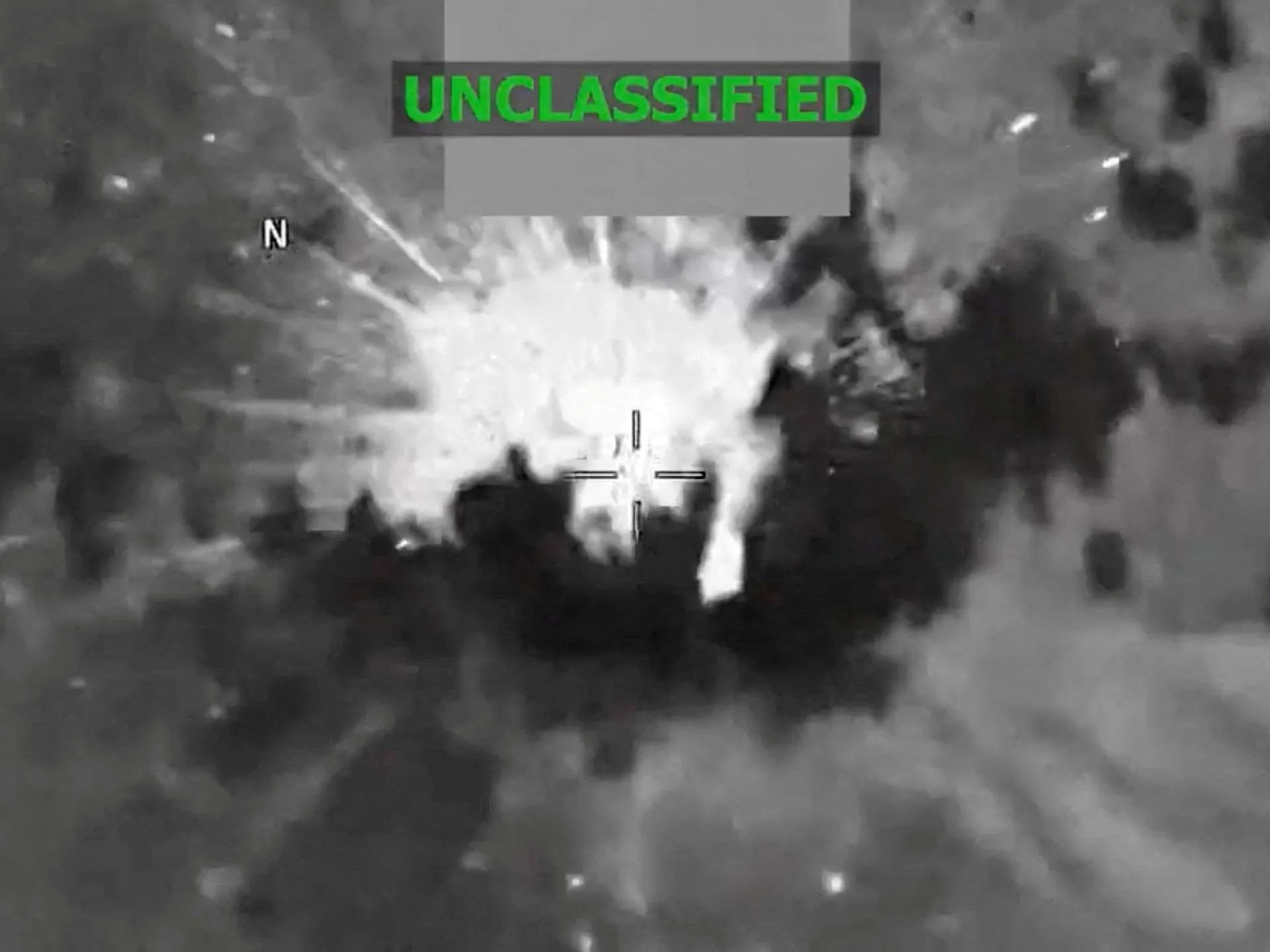
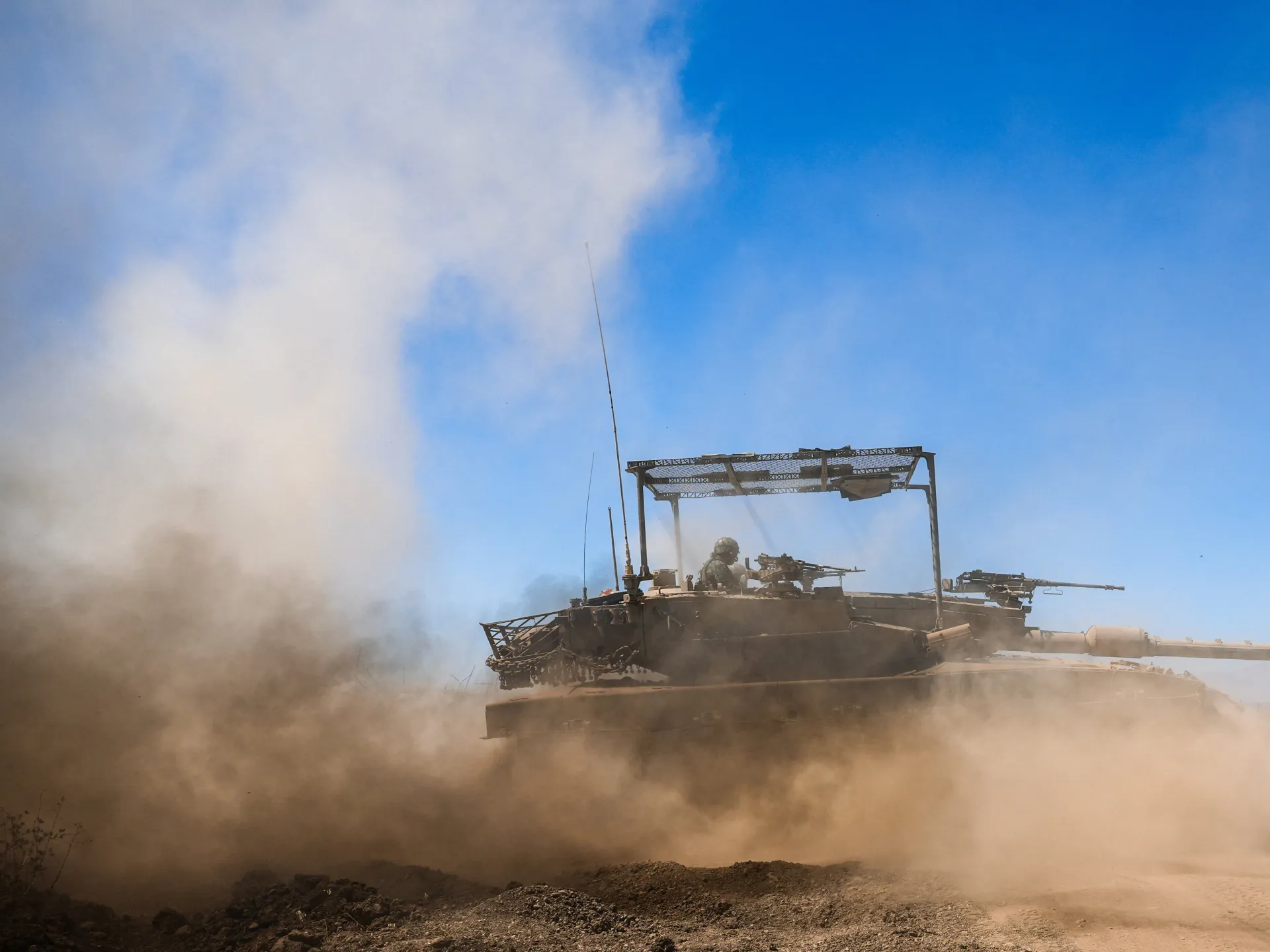
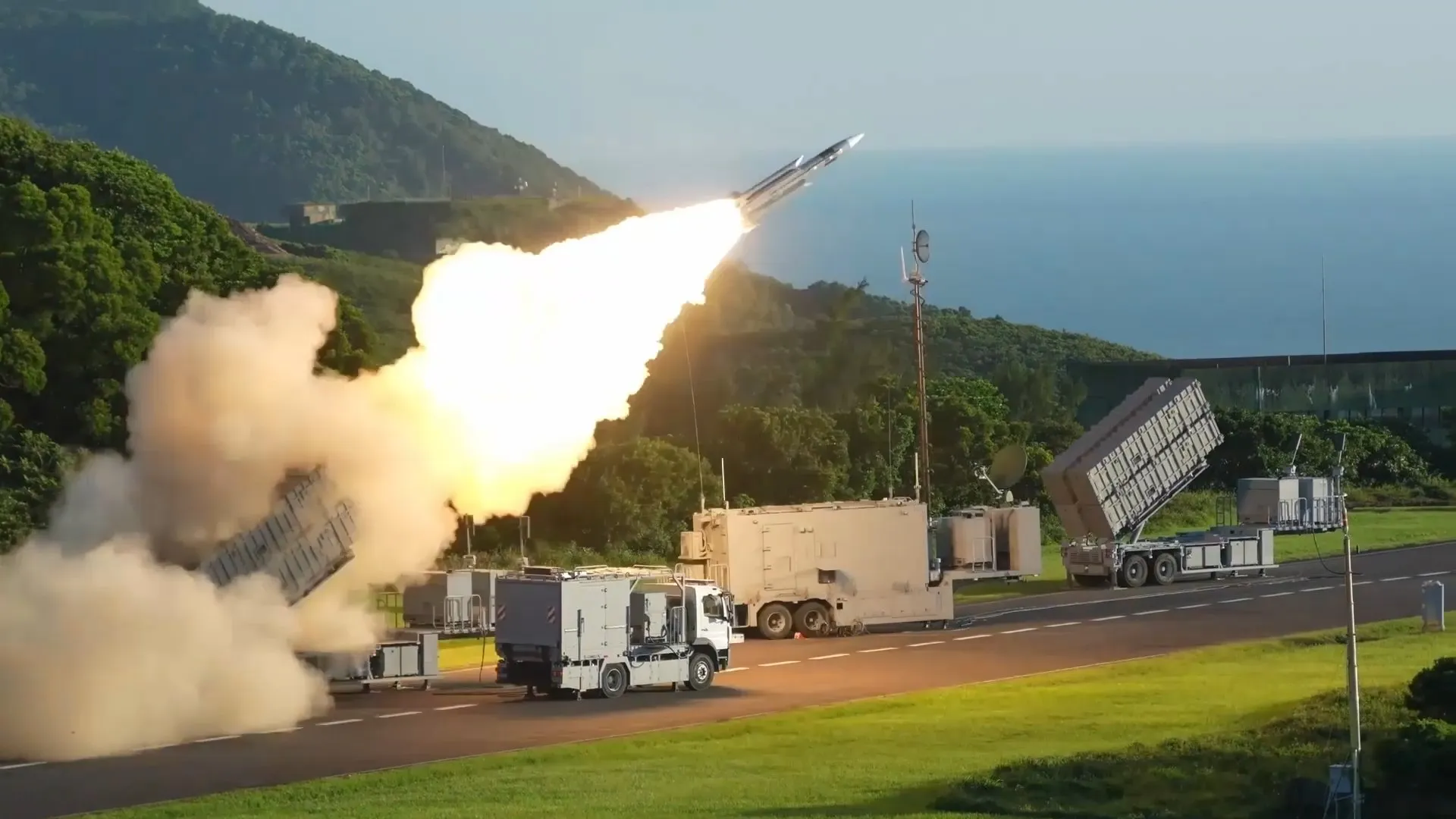
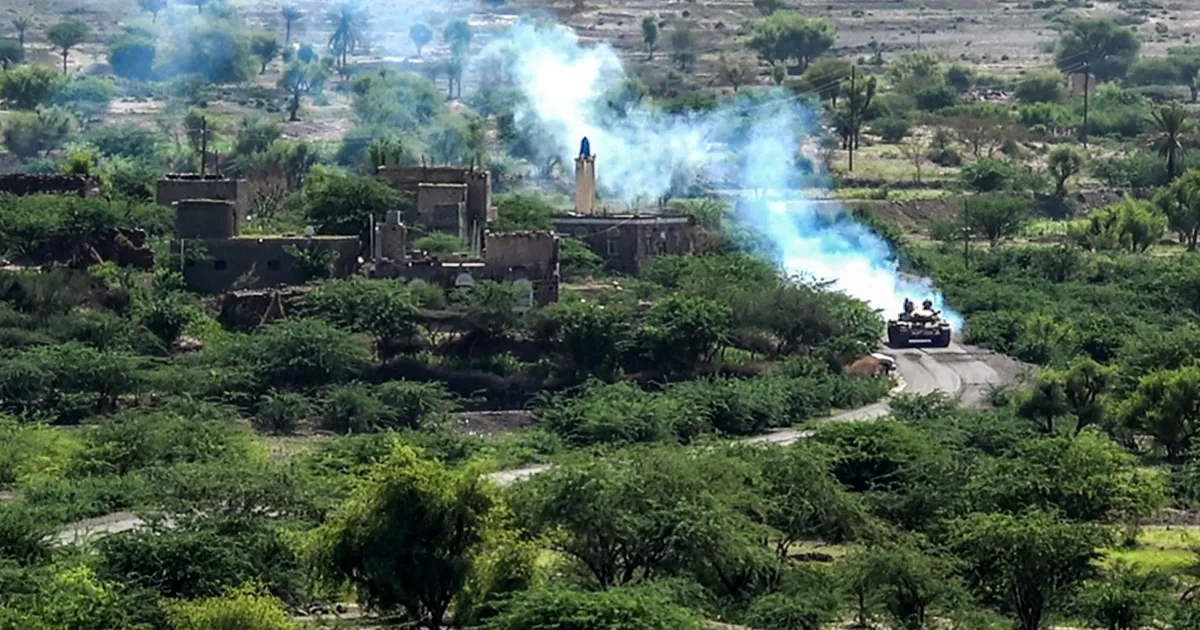
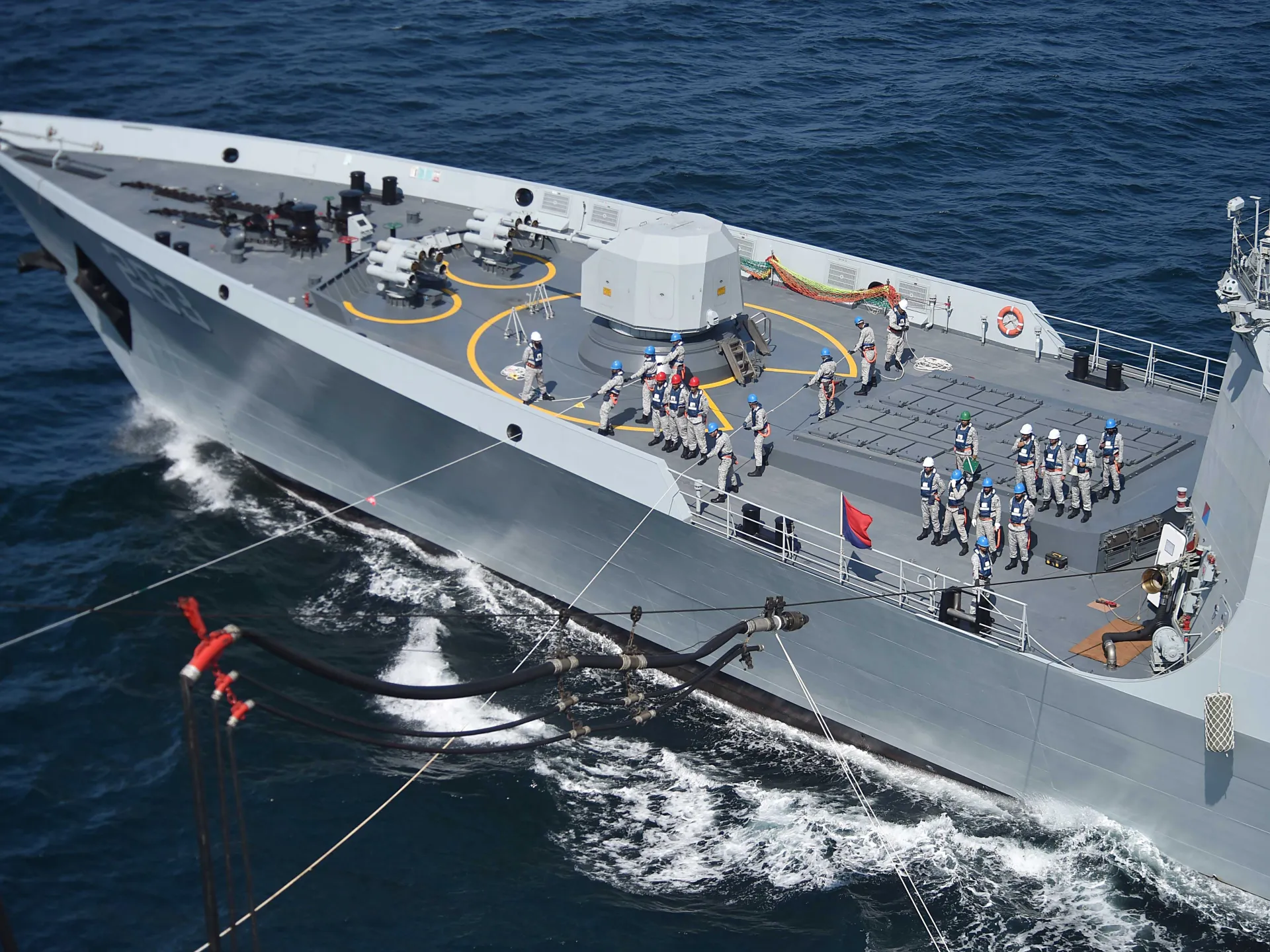
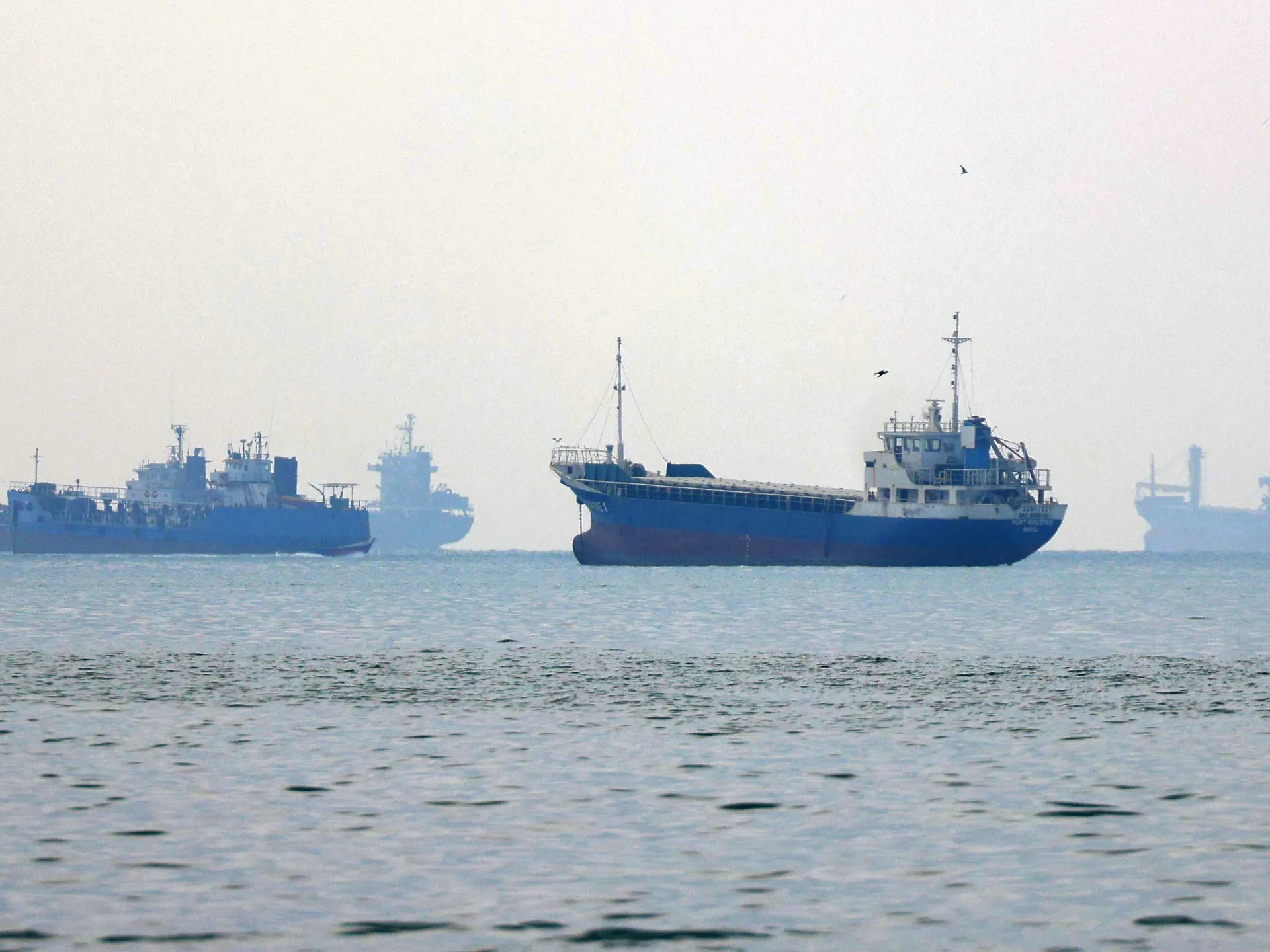
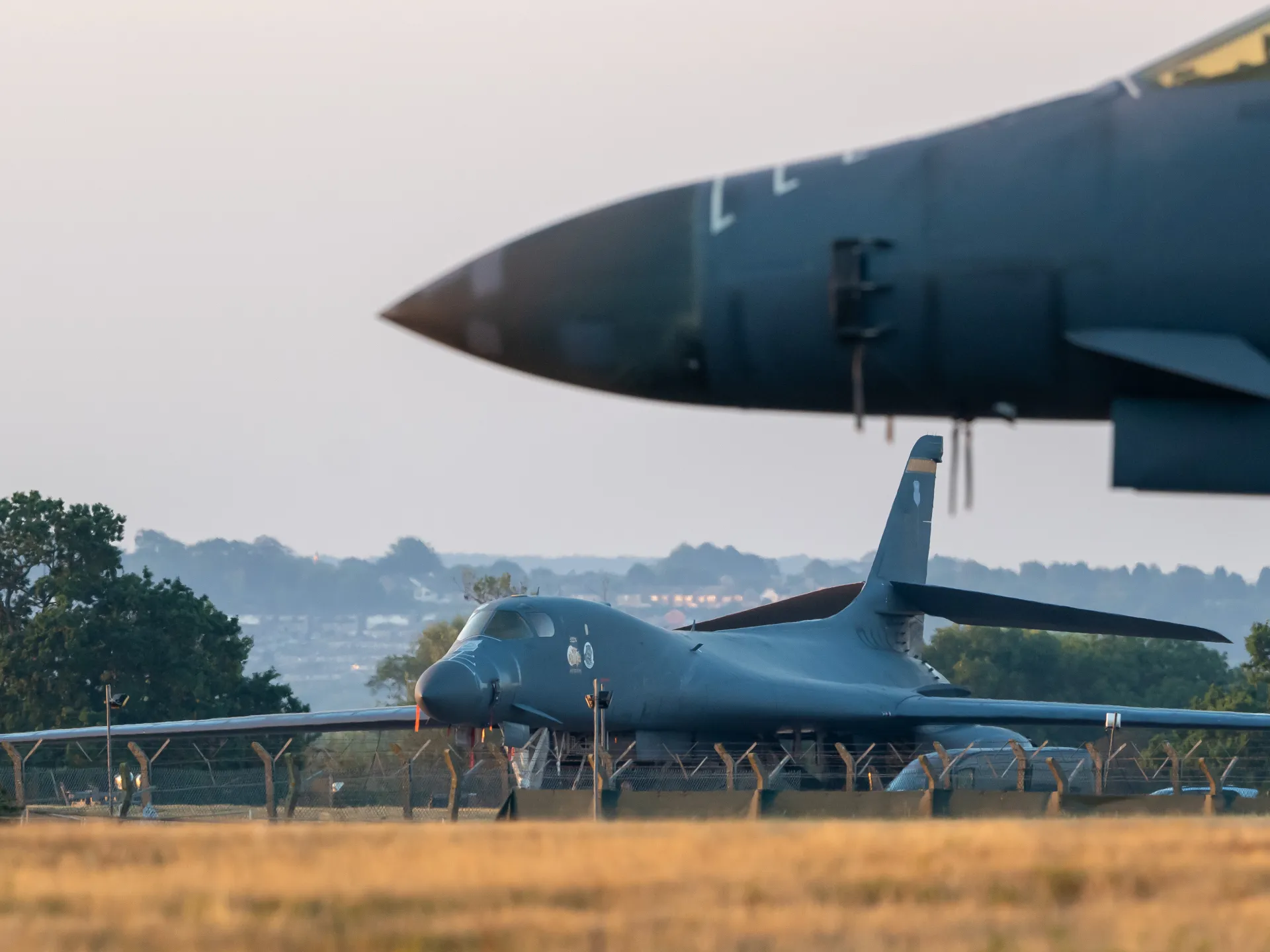
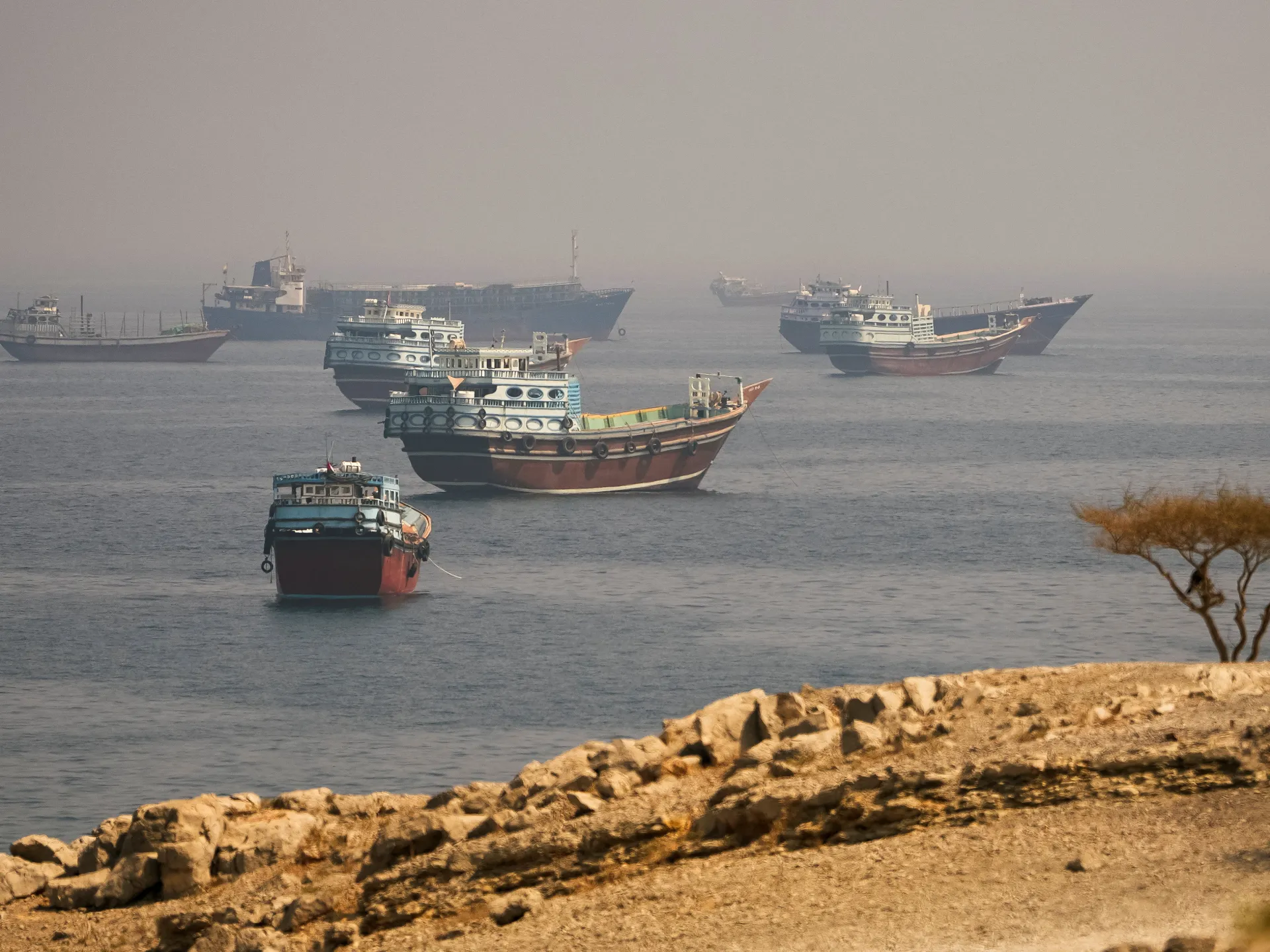
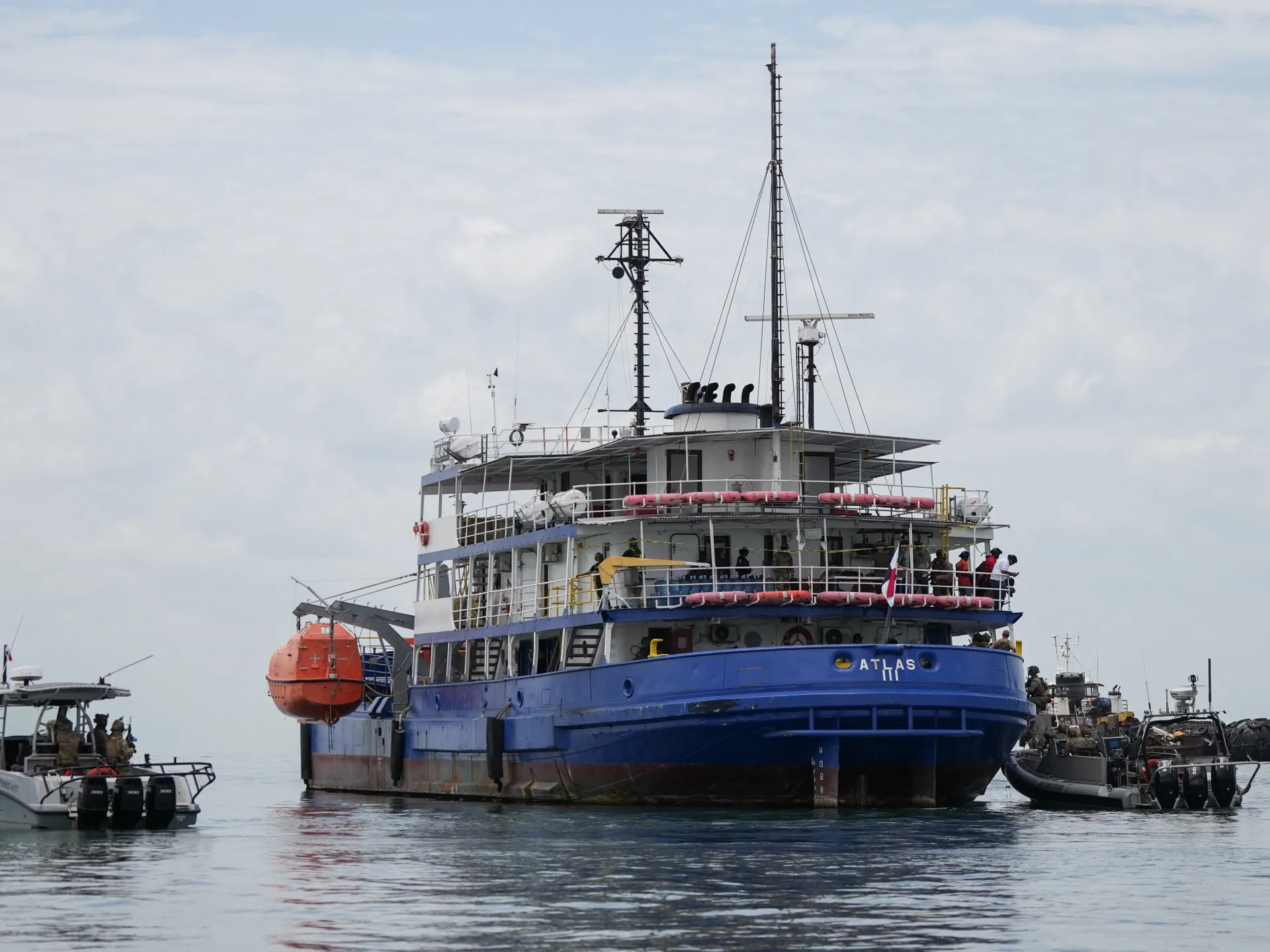
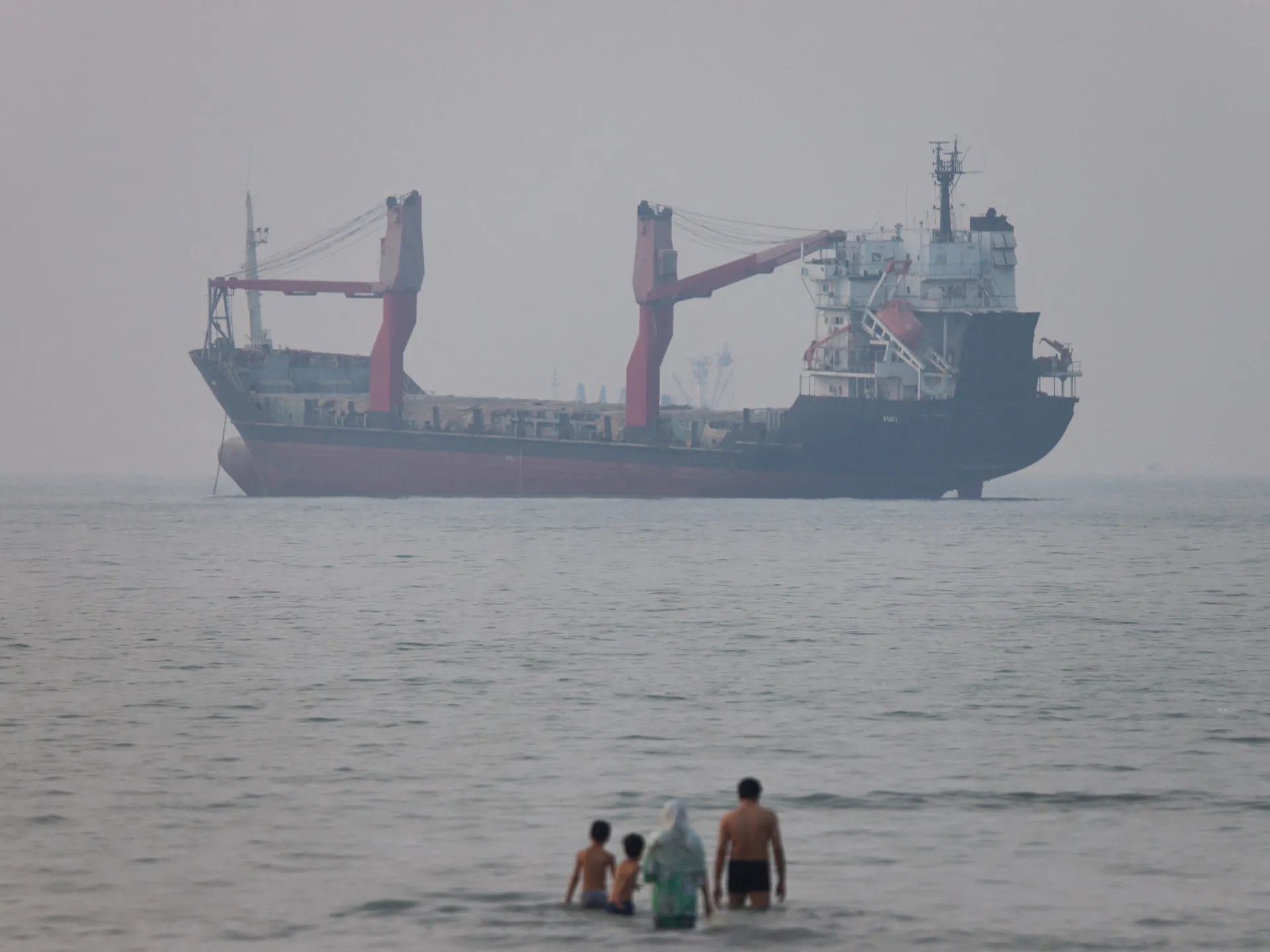
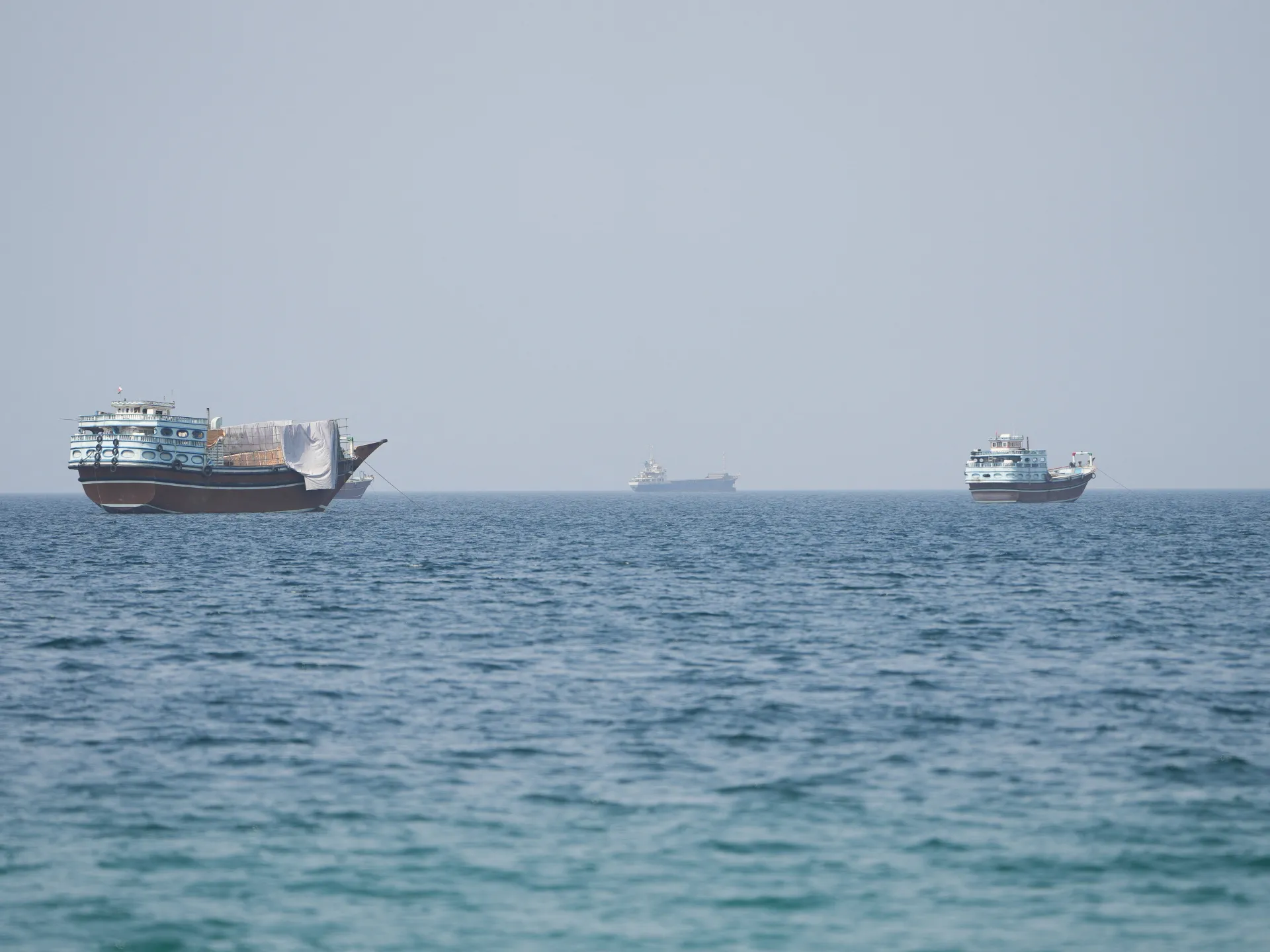
The convergence of the UNGA session and the active naval confrontation in the Strait of Hormuz elevates the stakes for global energy markets and international security. Because the Strait serves as a vital artery for global oil transit, the blockade represents more than a regional military skirmish; it is a point of failure for international diplomatic mechanisms. The Iranian delegation's public skepticism regarding the UN’s efficacy highlights a growing trend of disillusionment among middle powers toward established international institutions. If the UN fails to provide a platform for de-escalation, the vacuum may be filled thermore, the logistical restrictions placed on the Iranian media team , signaling that even the symbolic gestures of international engagement are becoming casualties of the current standoff.
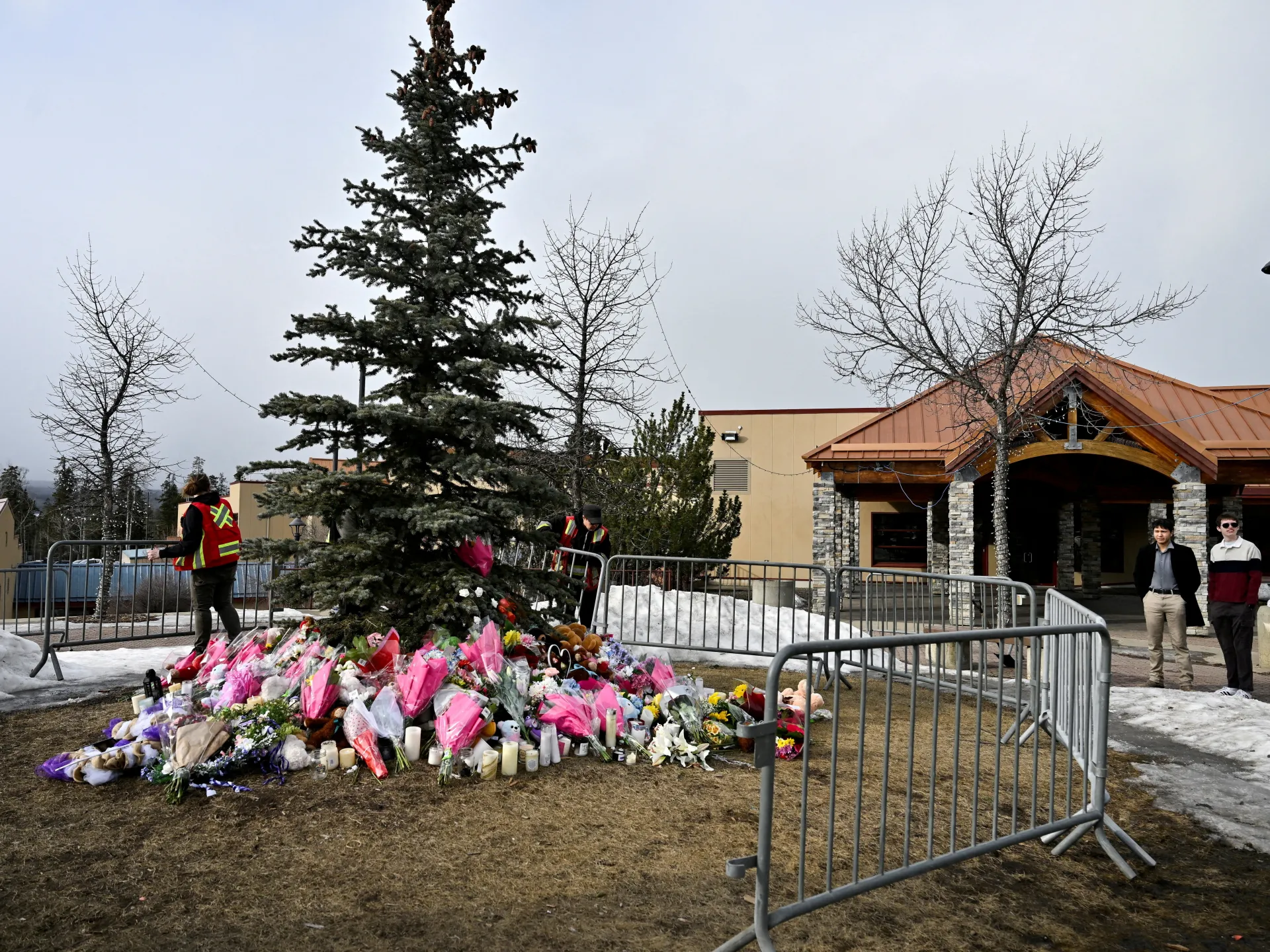
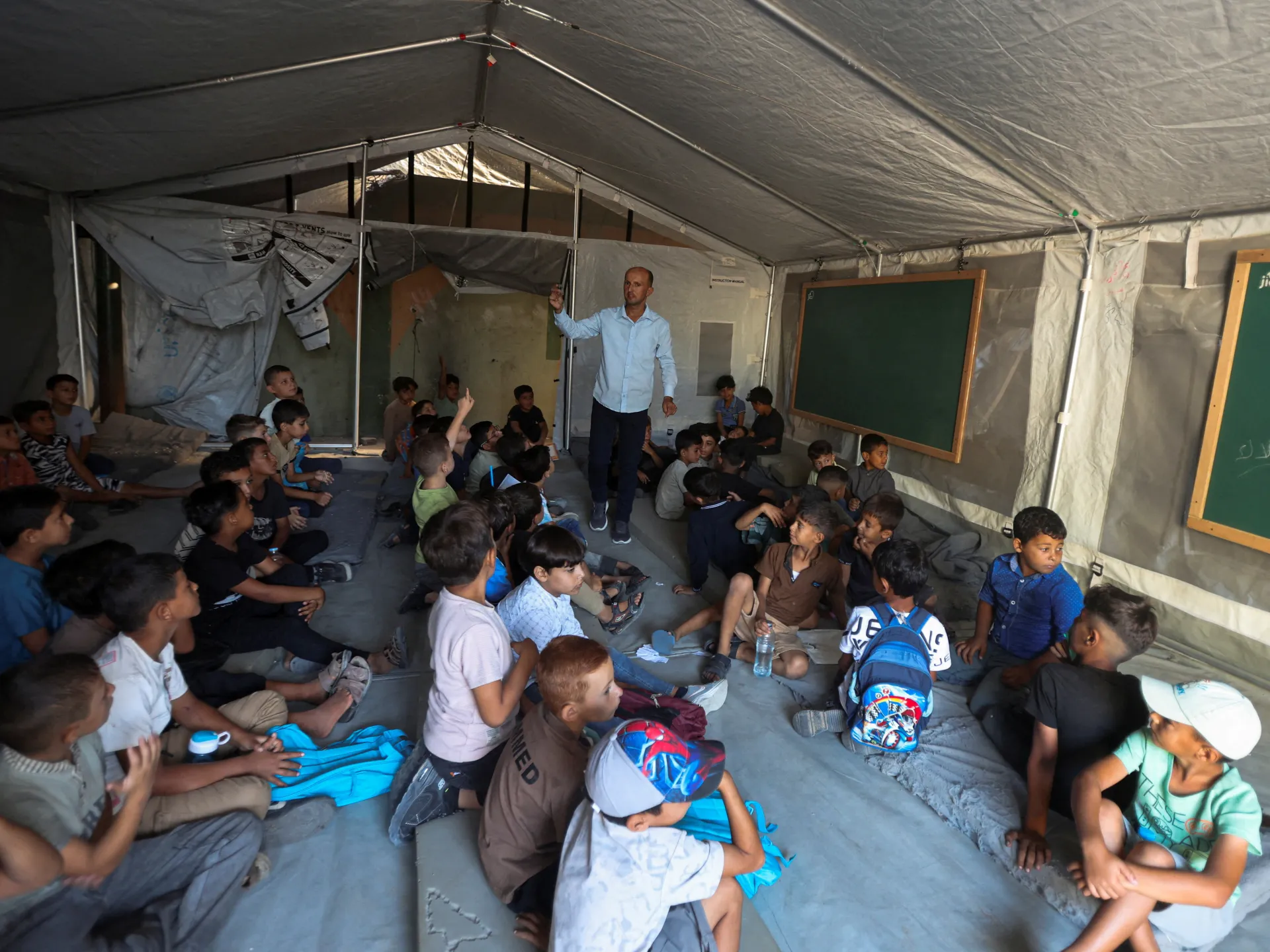
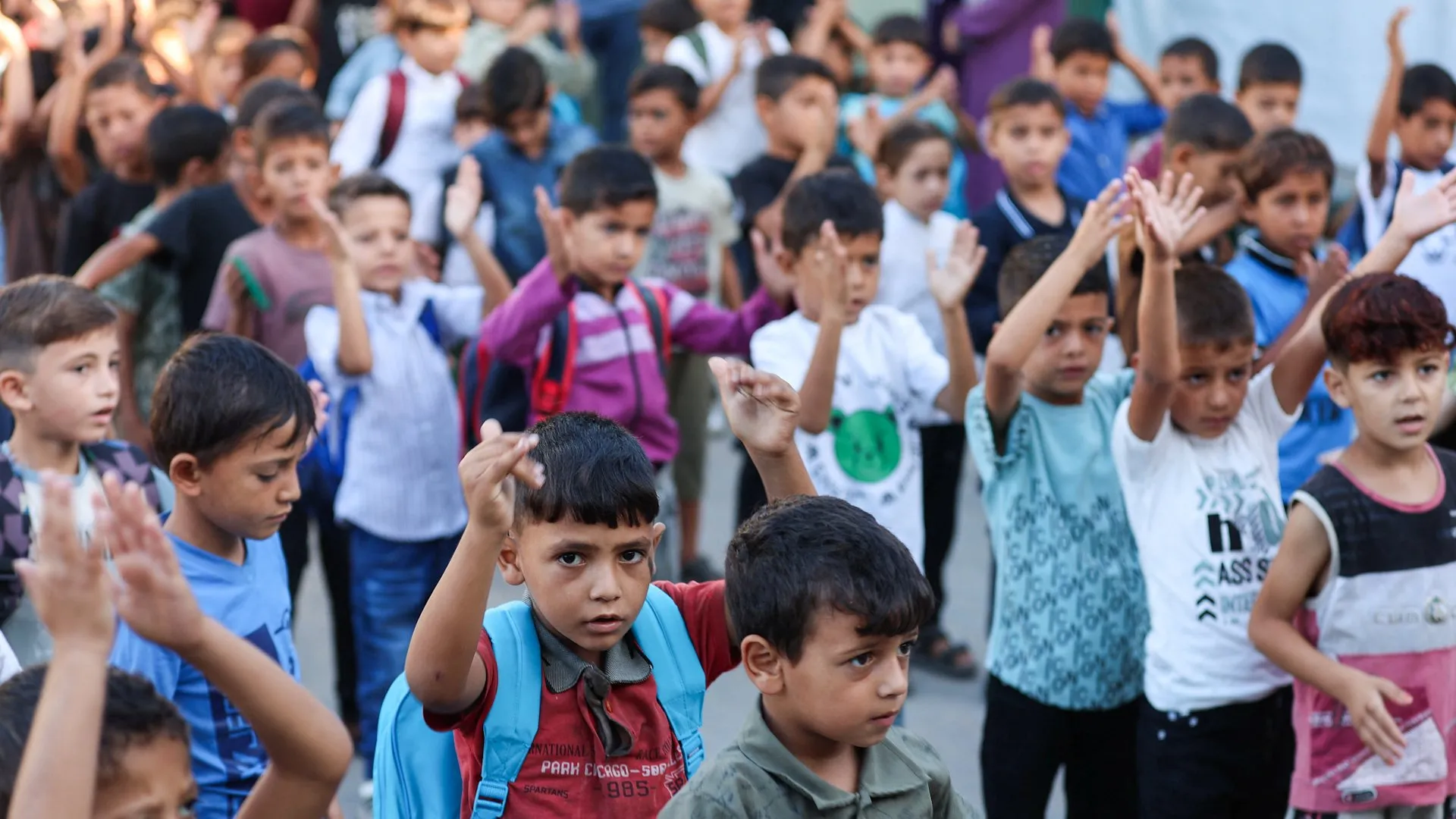
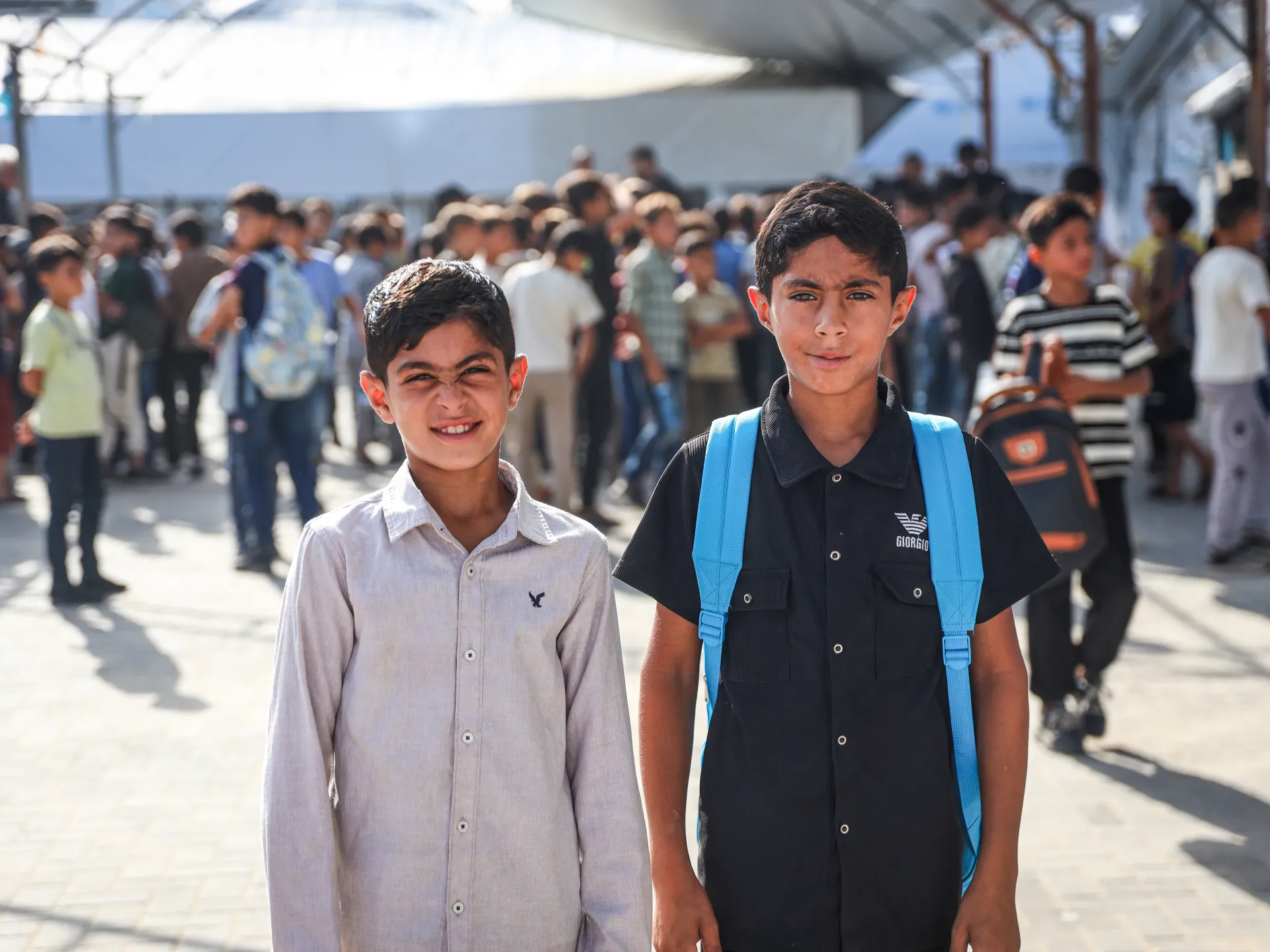
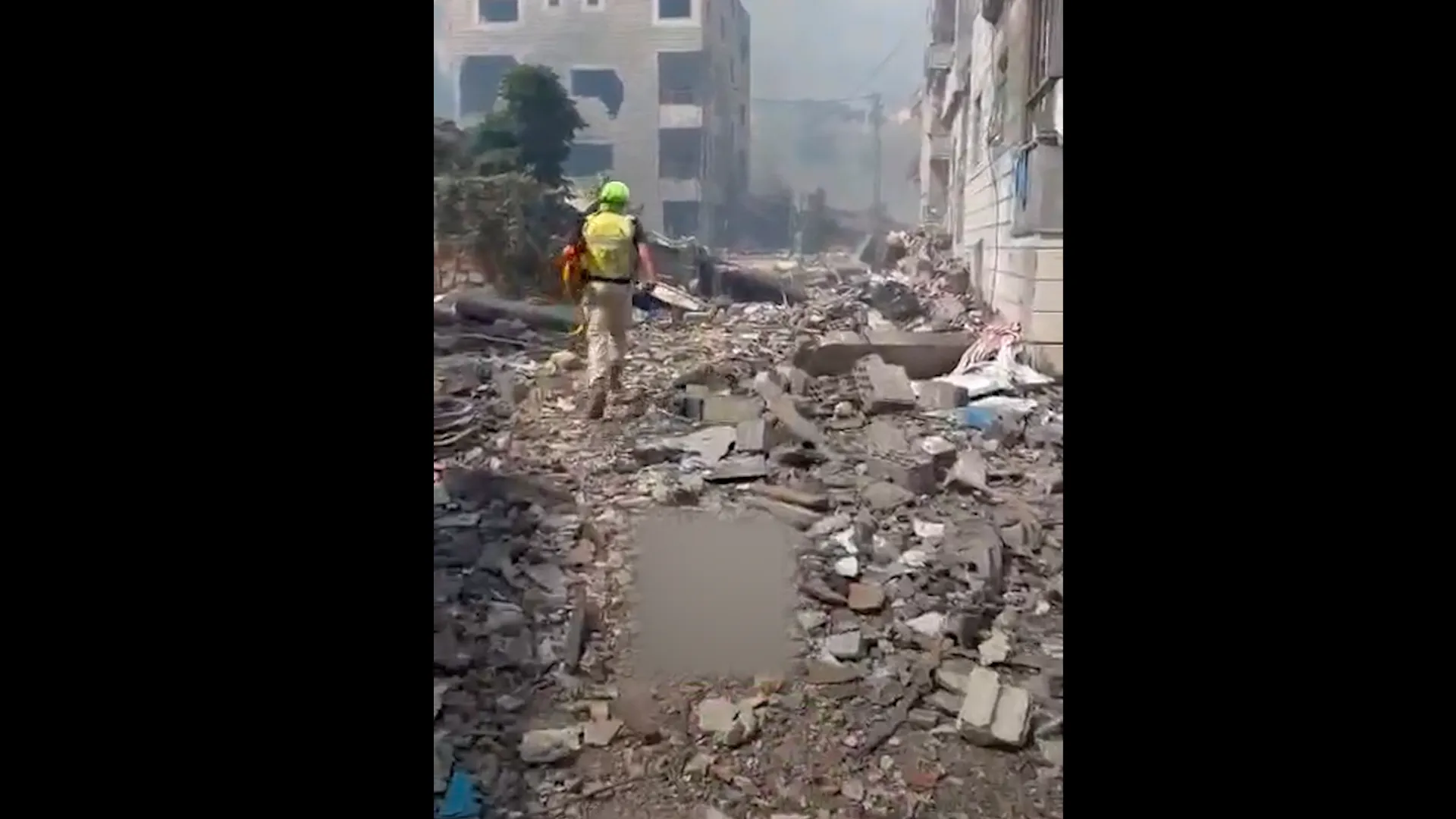
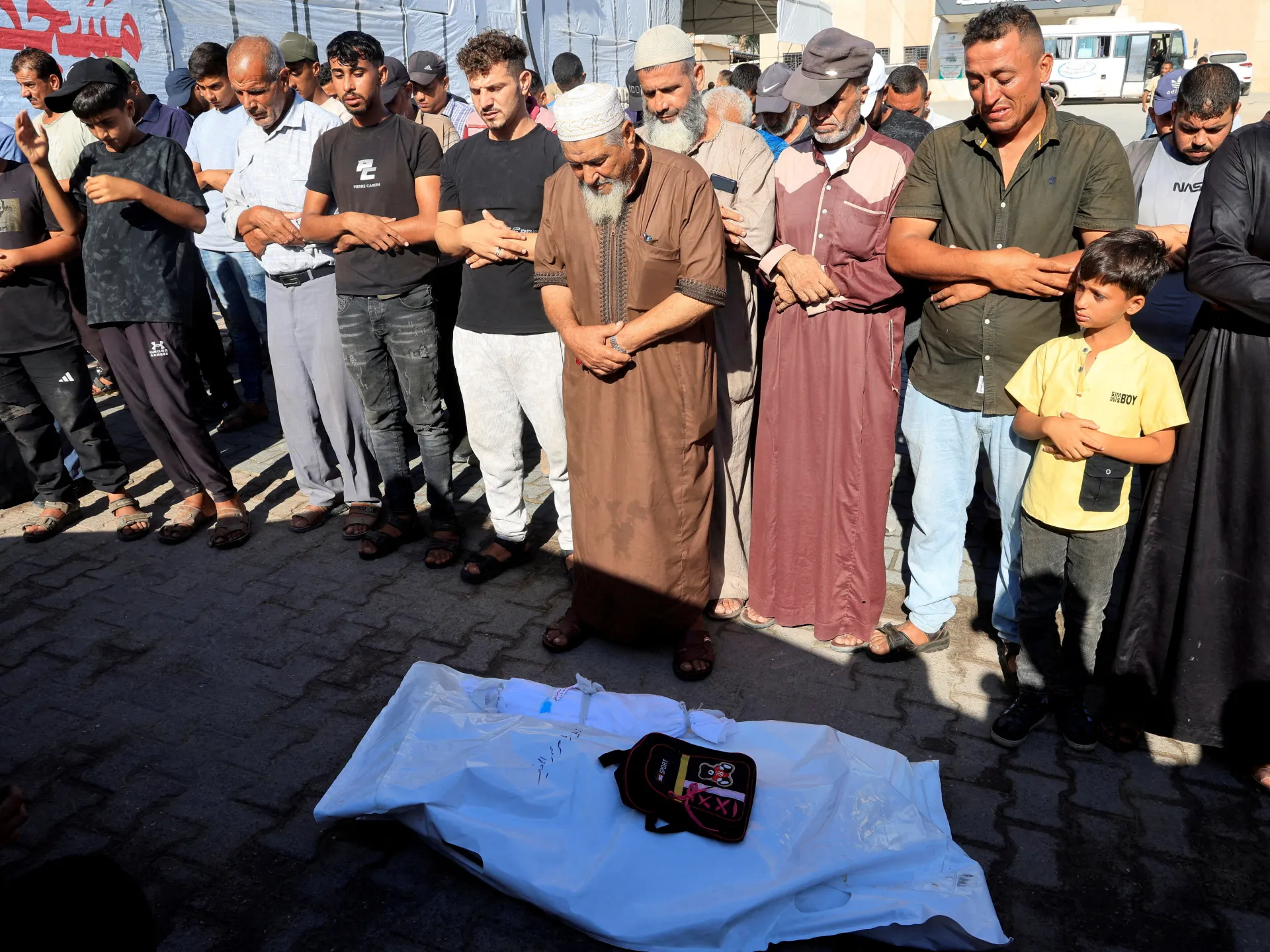
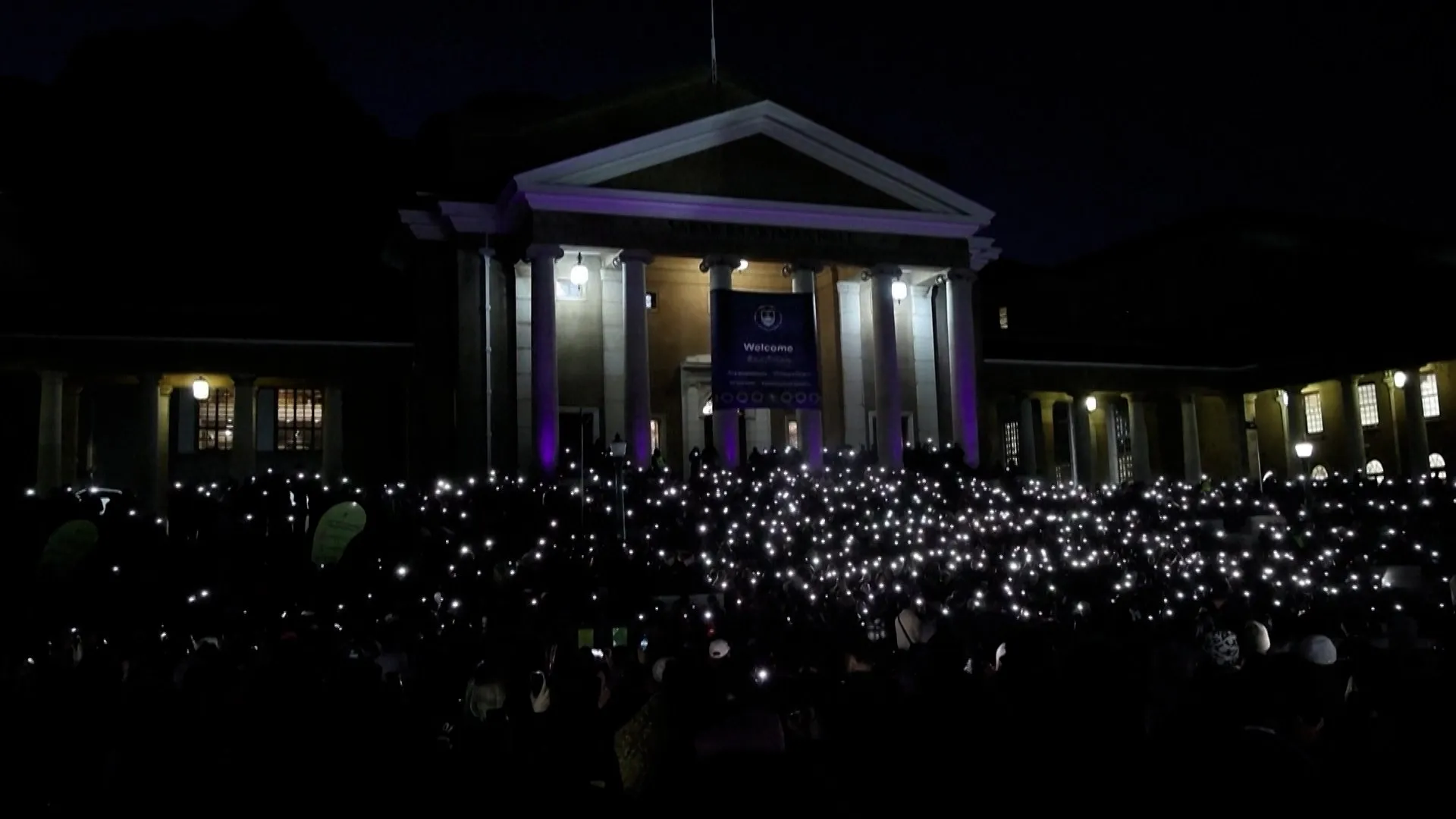
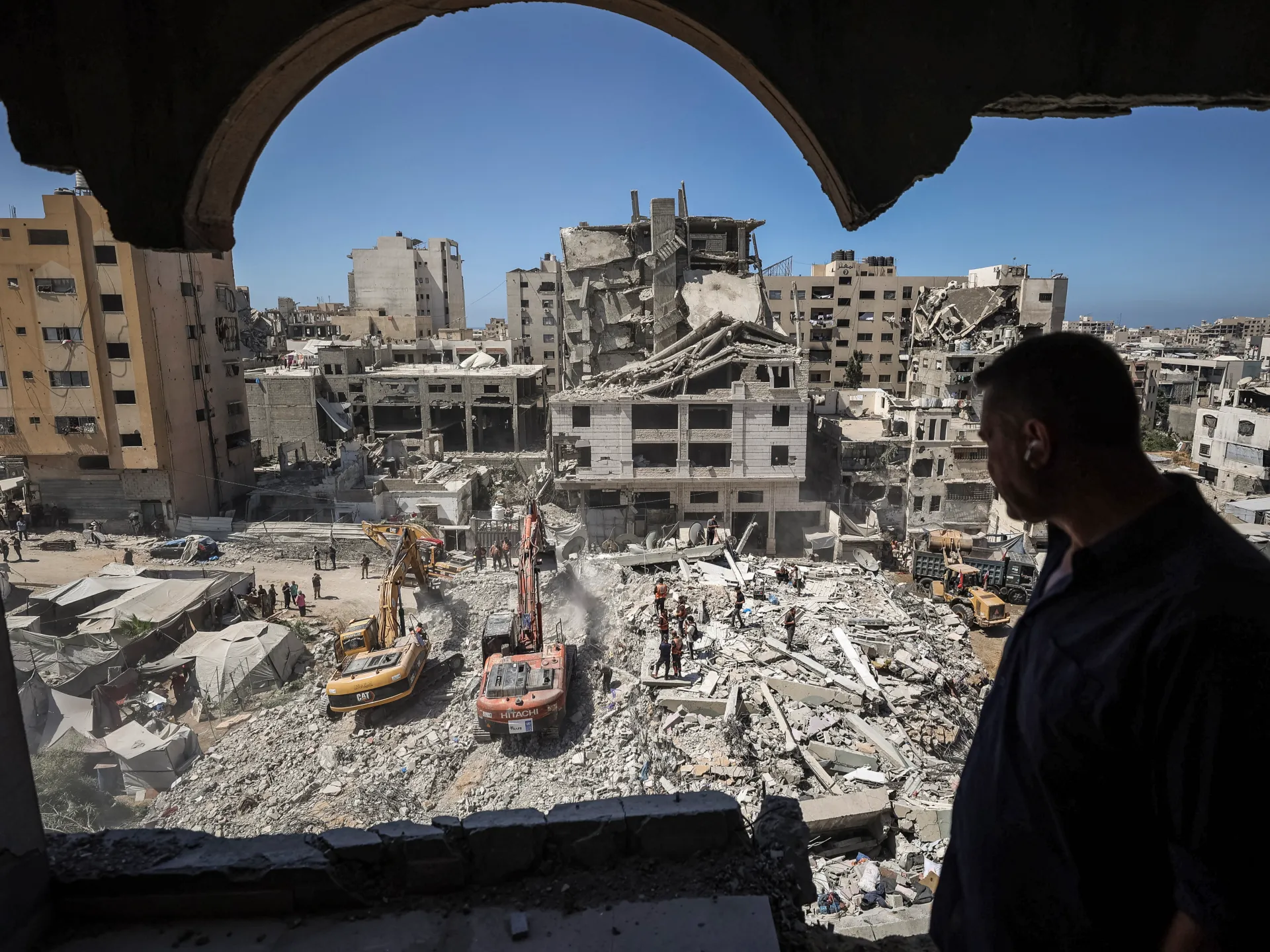
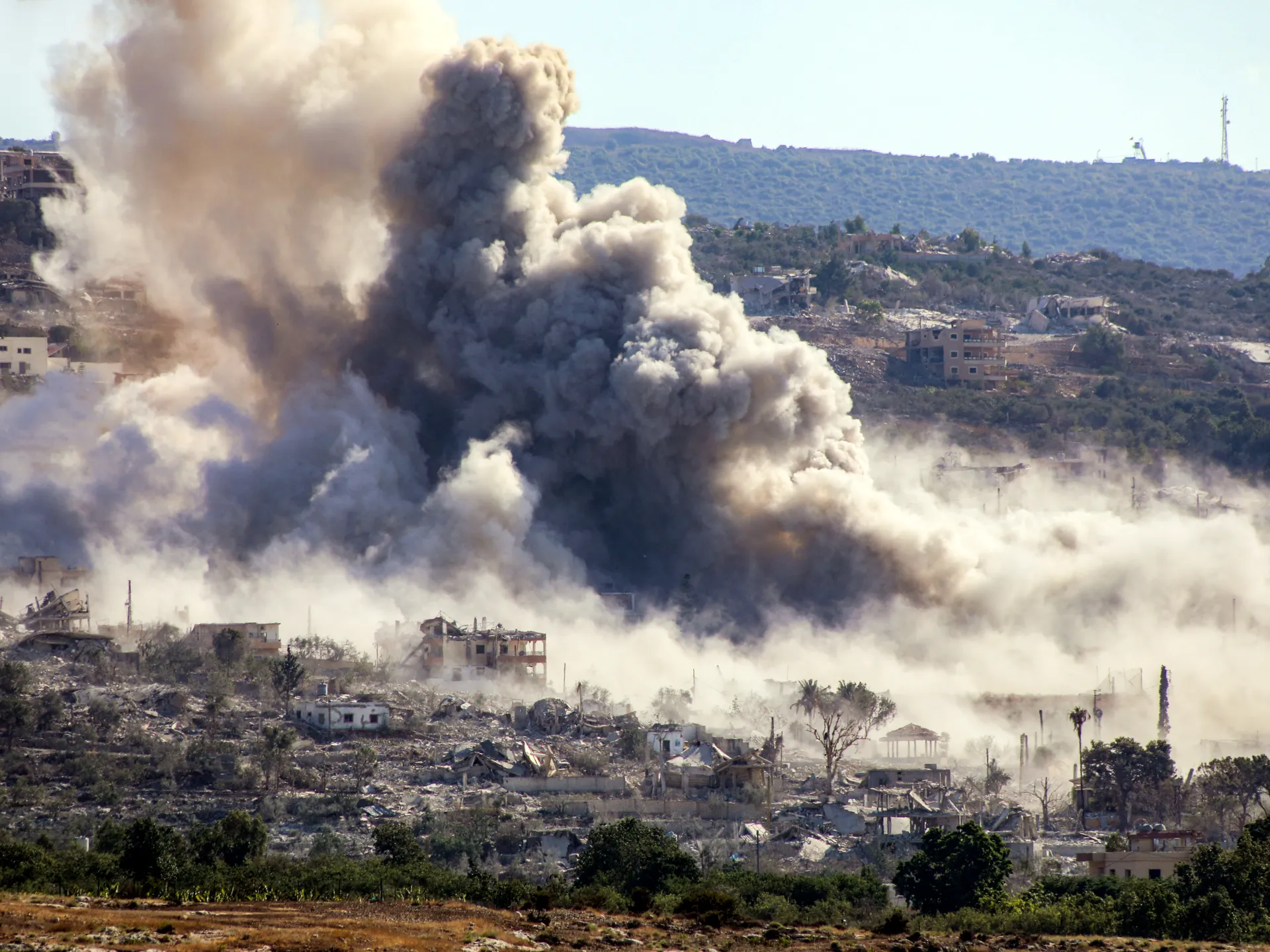
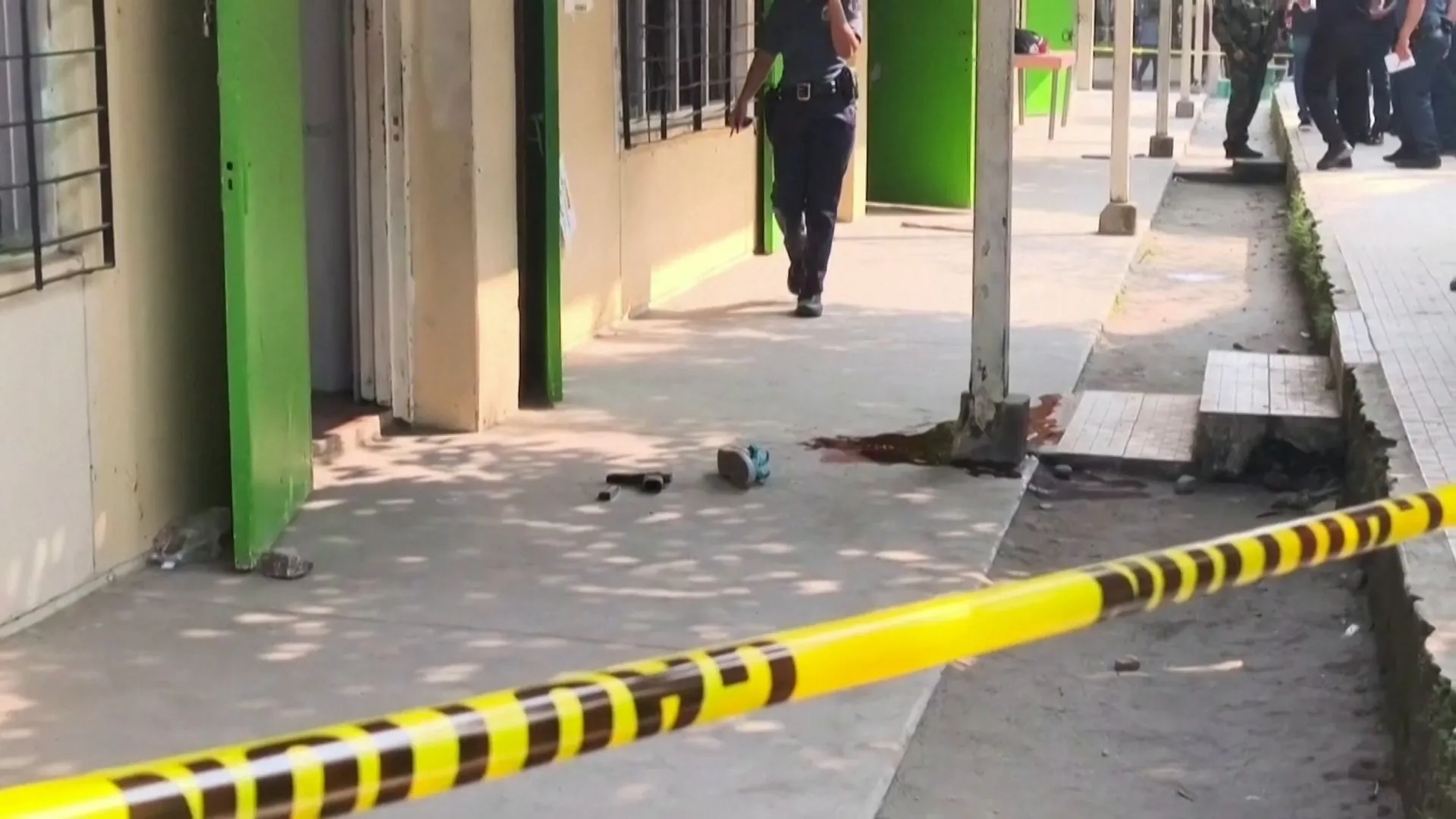
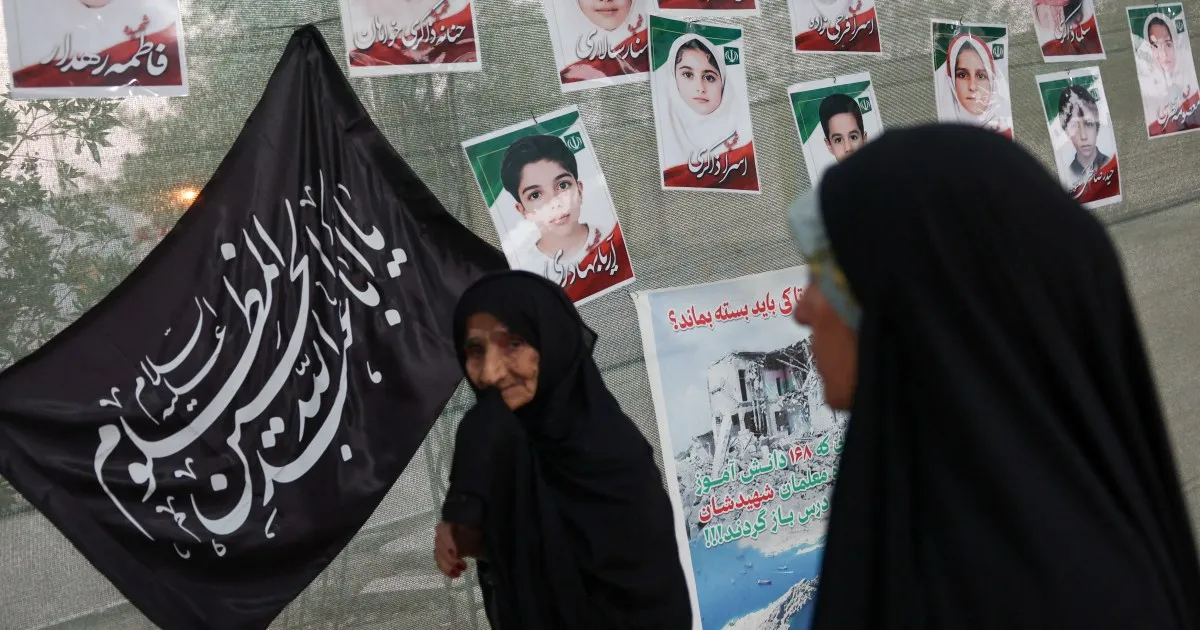
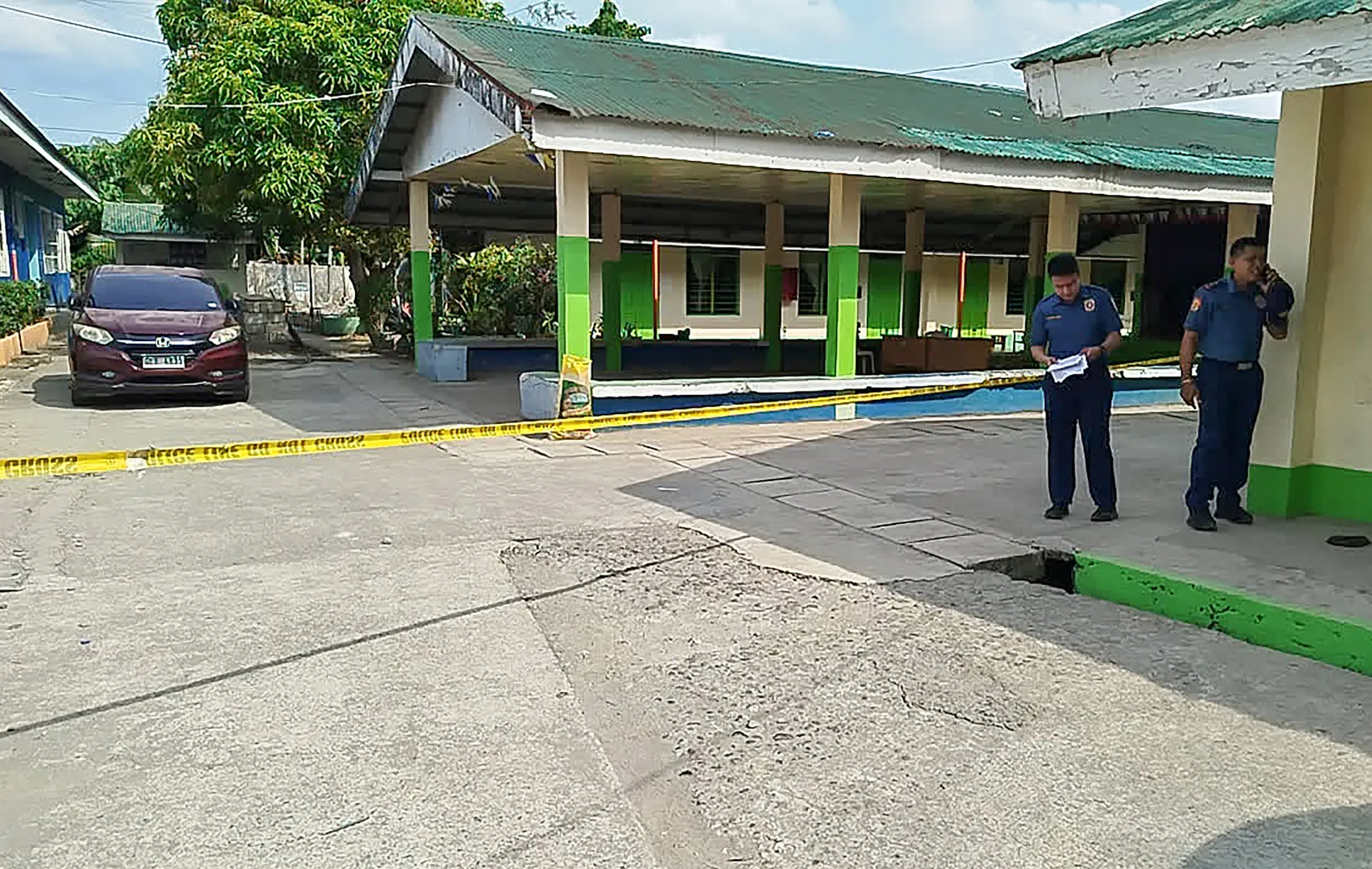
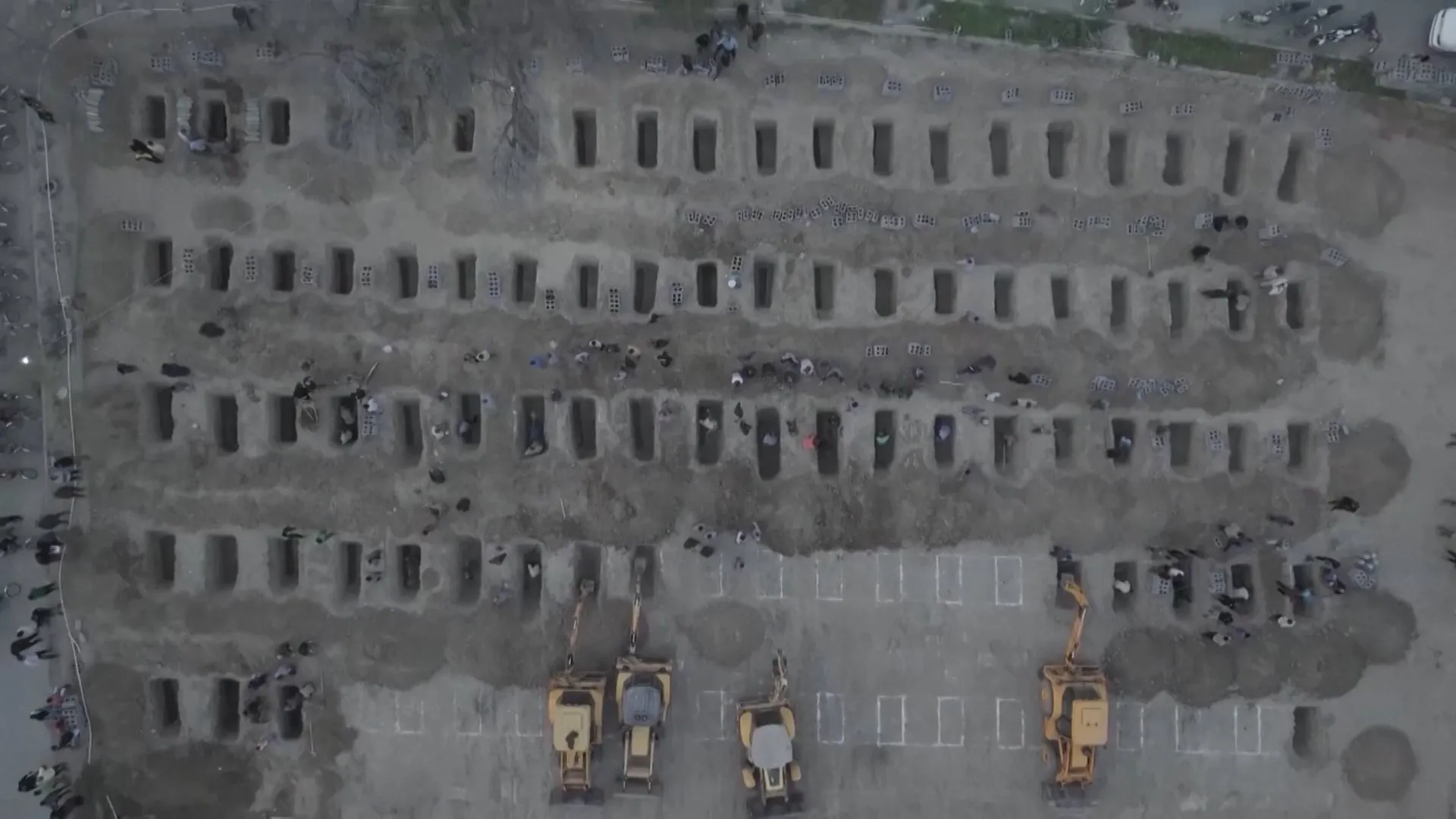
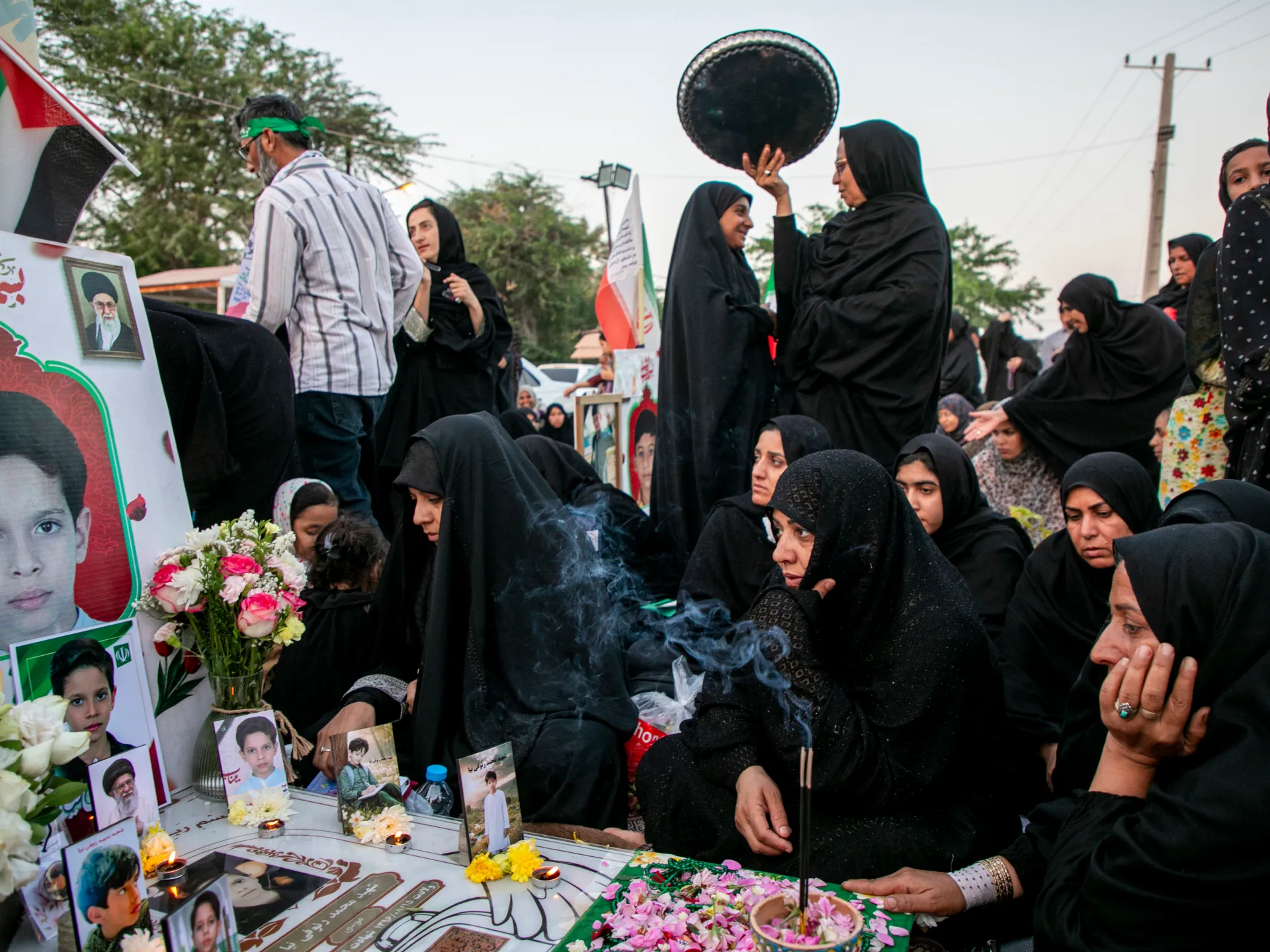
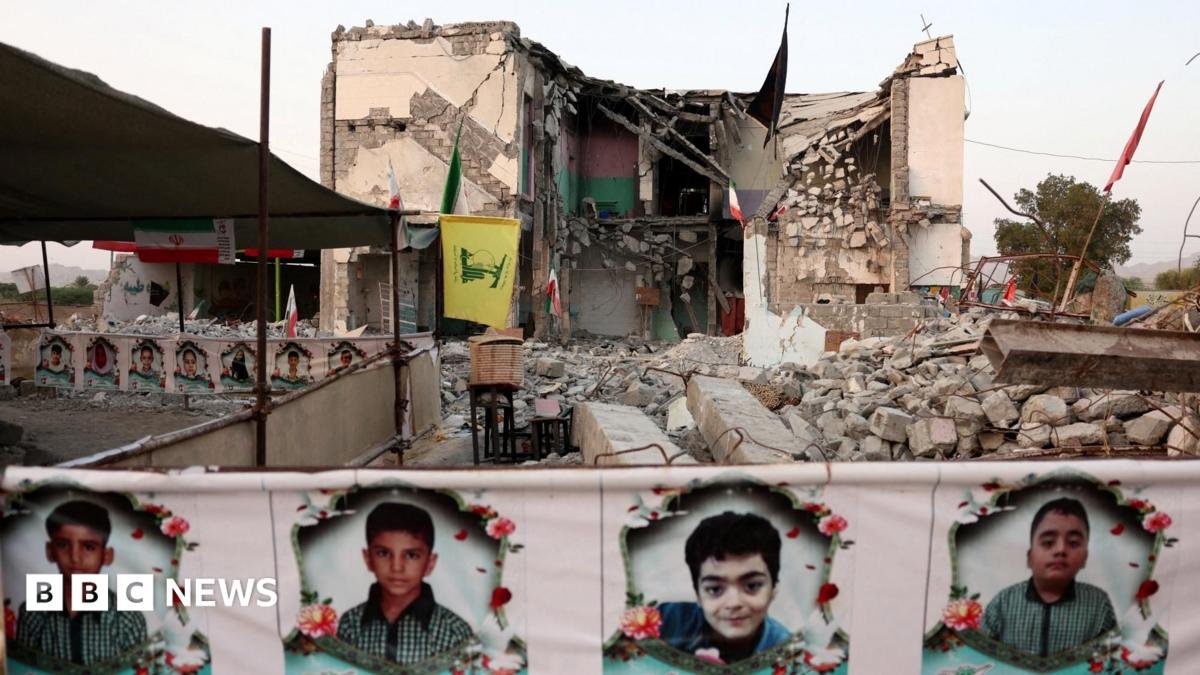
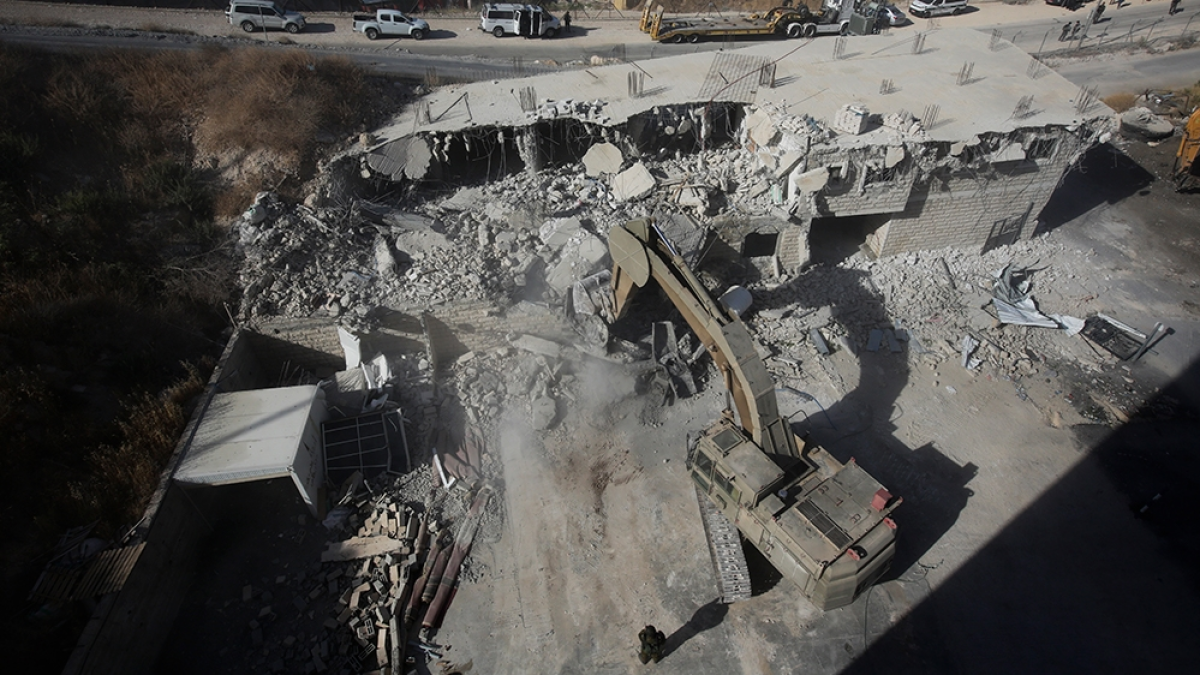
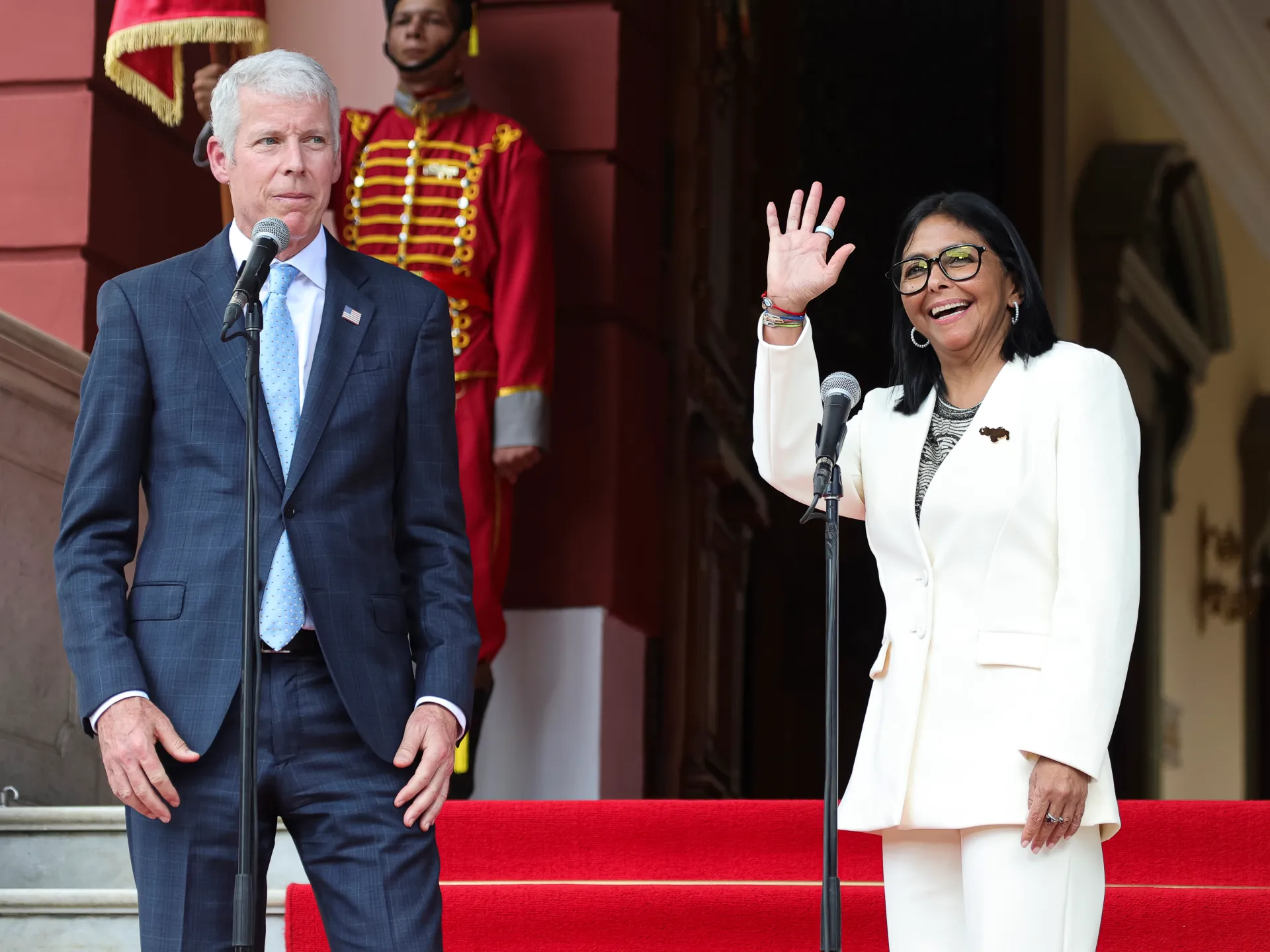
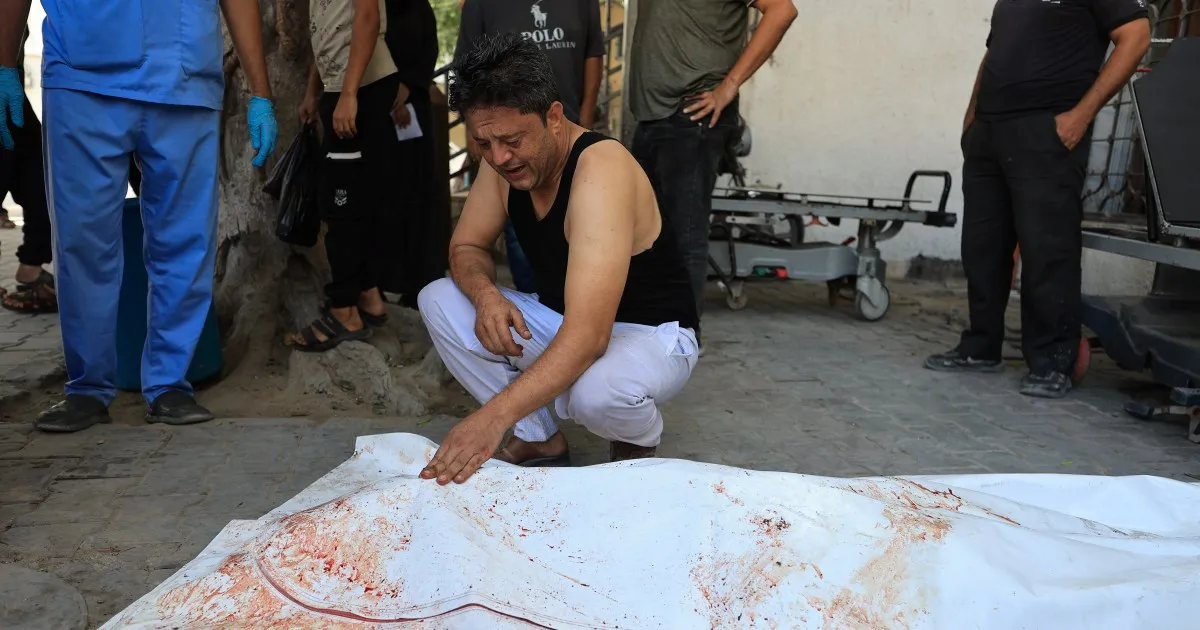
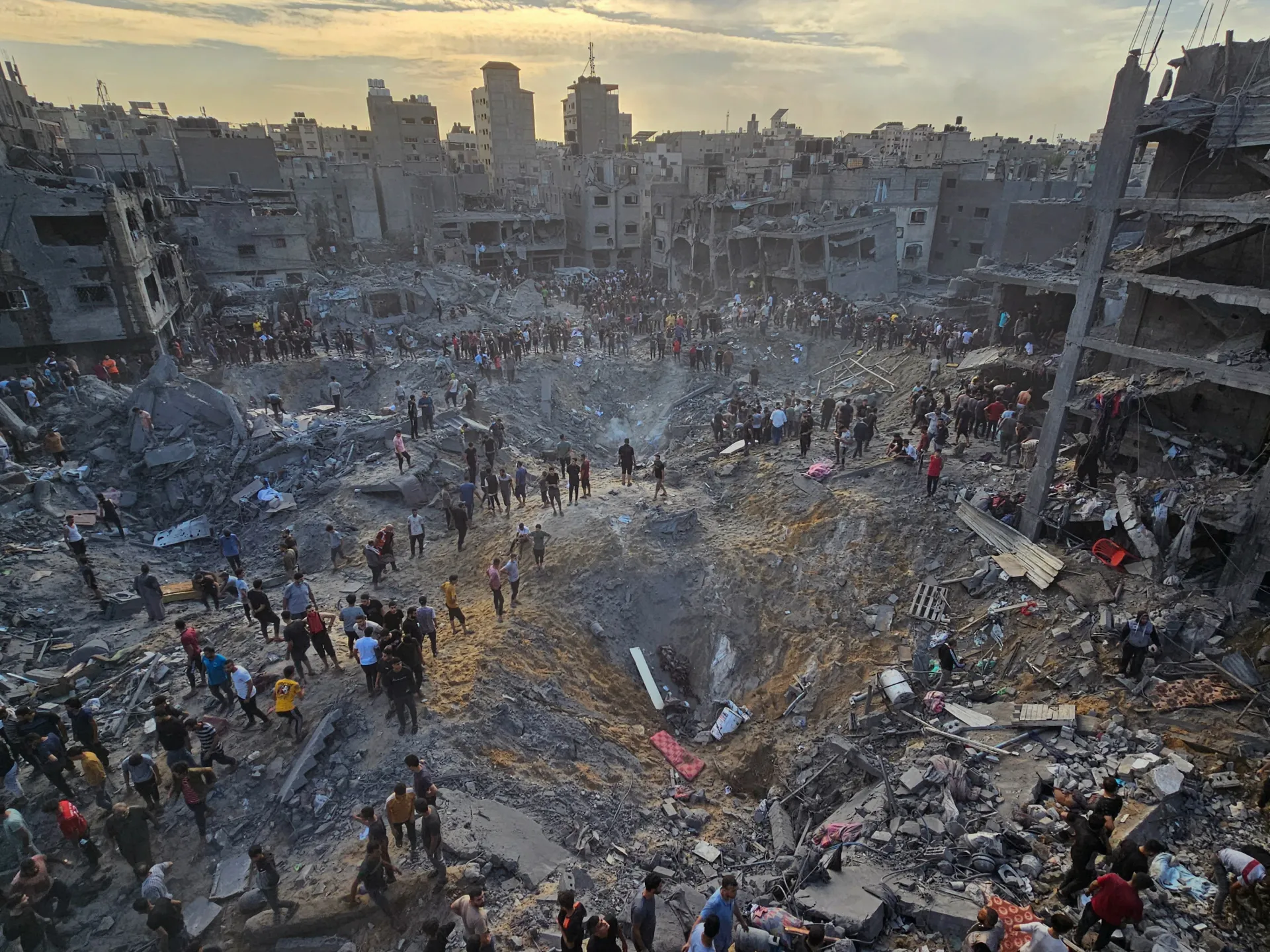
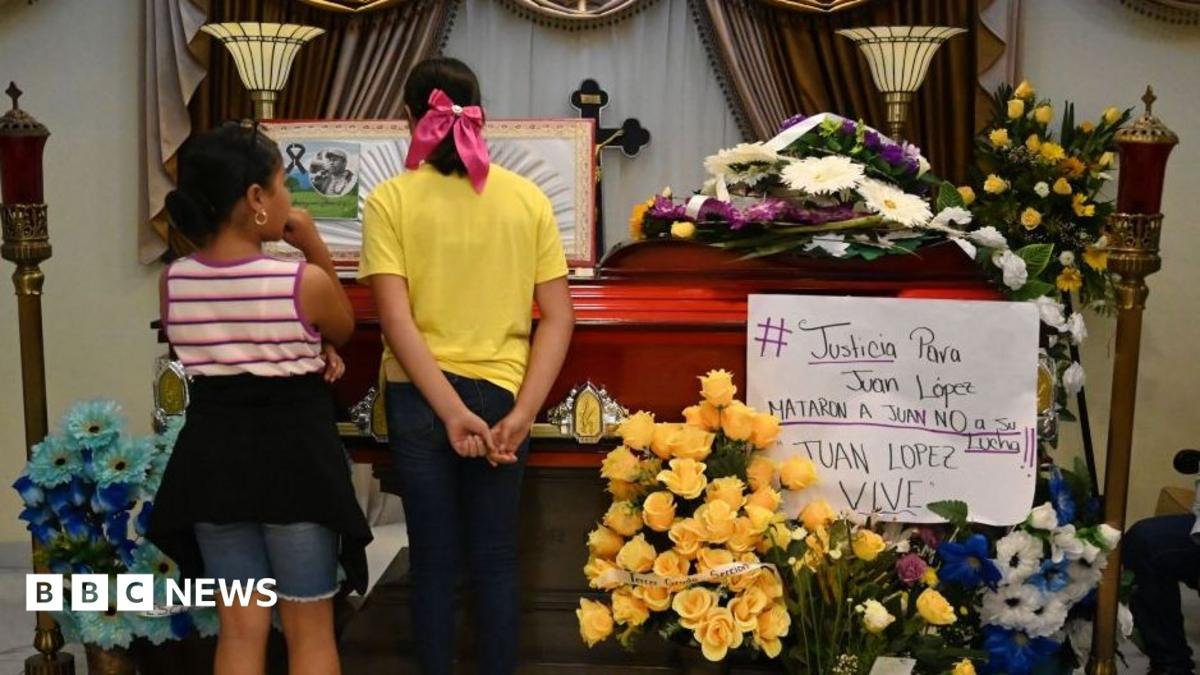
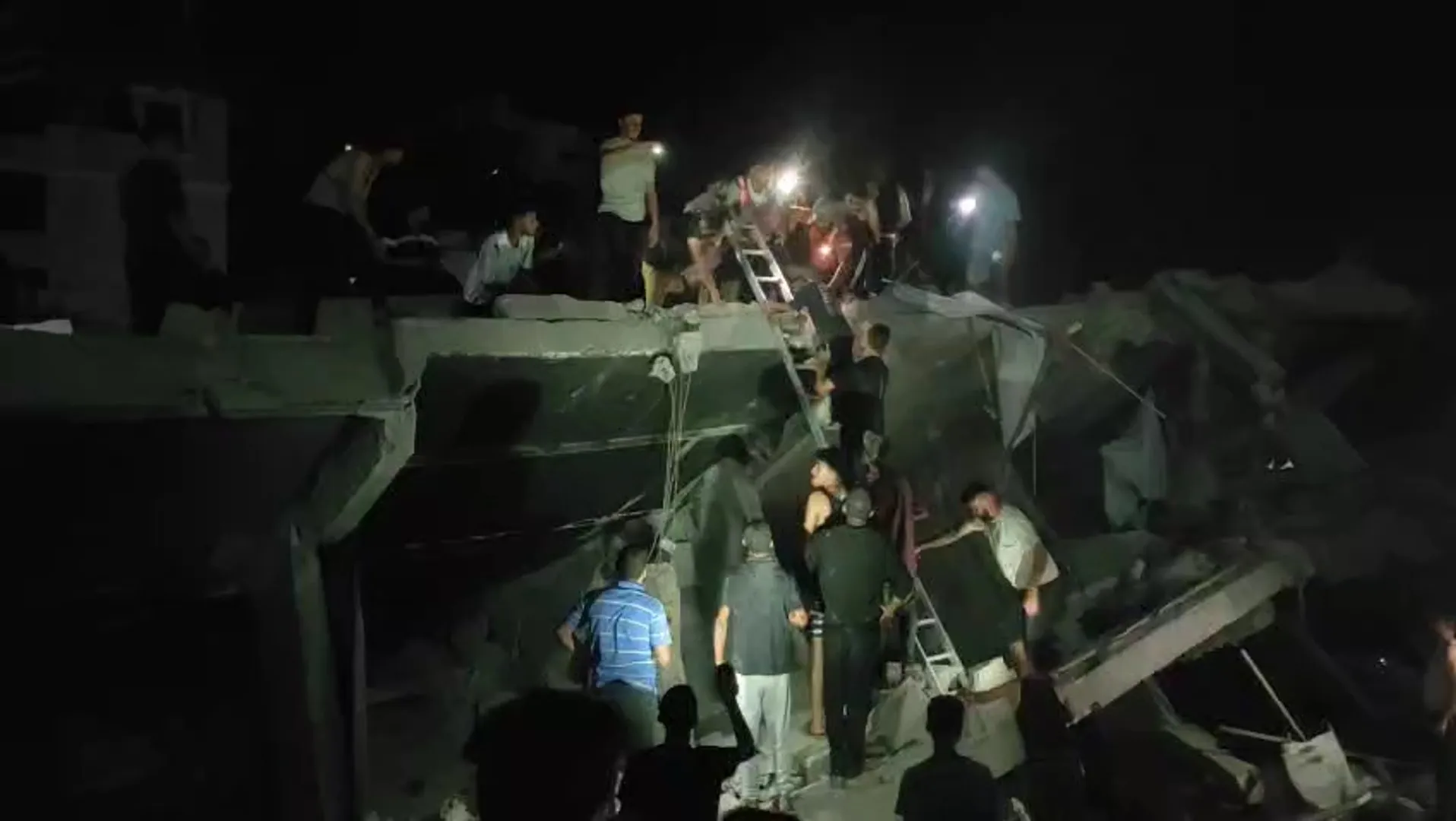
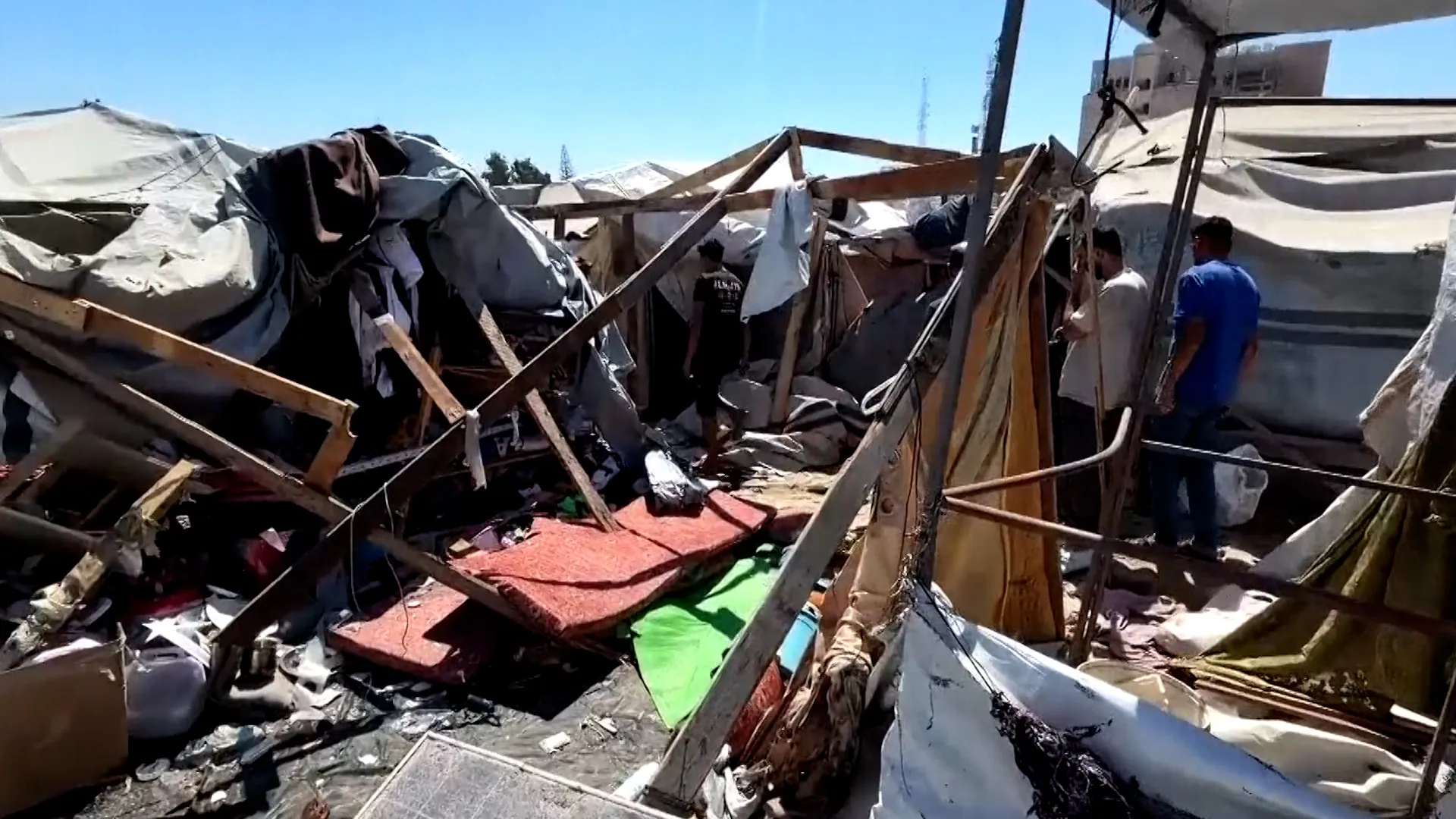
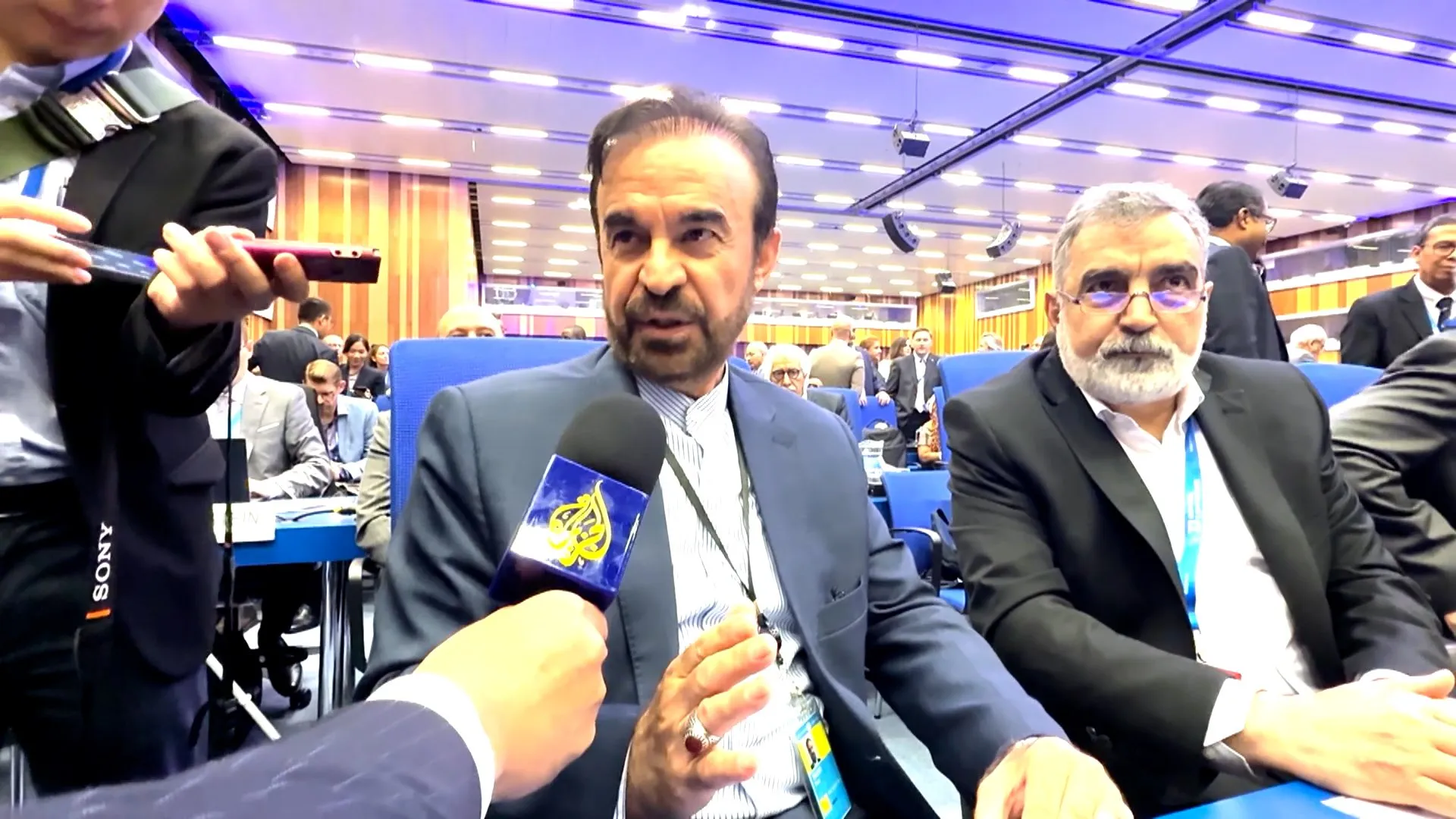
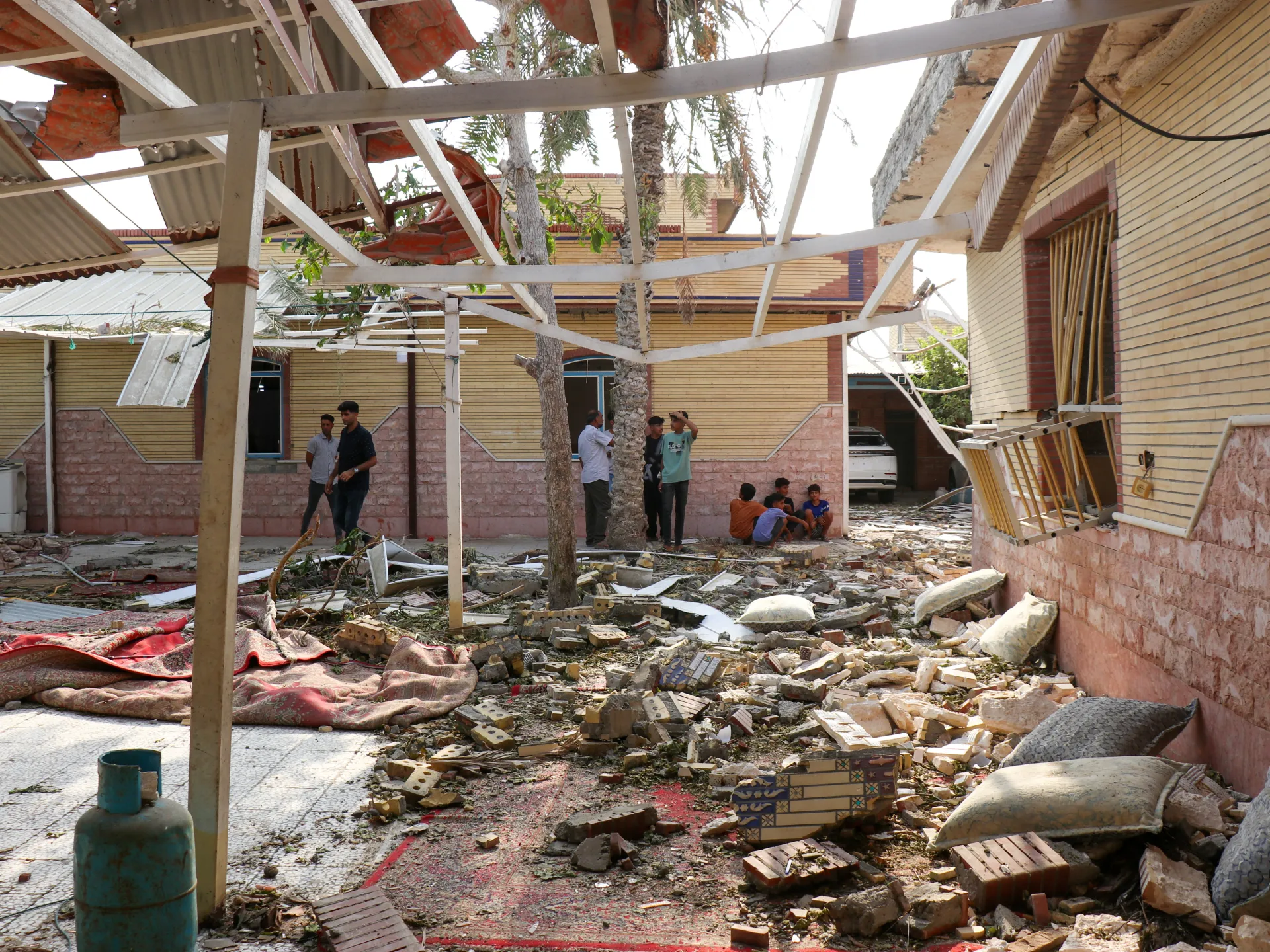
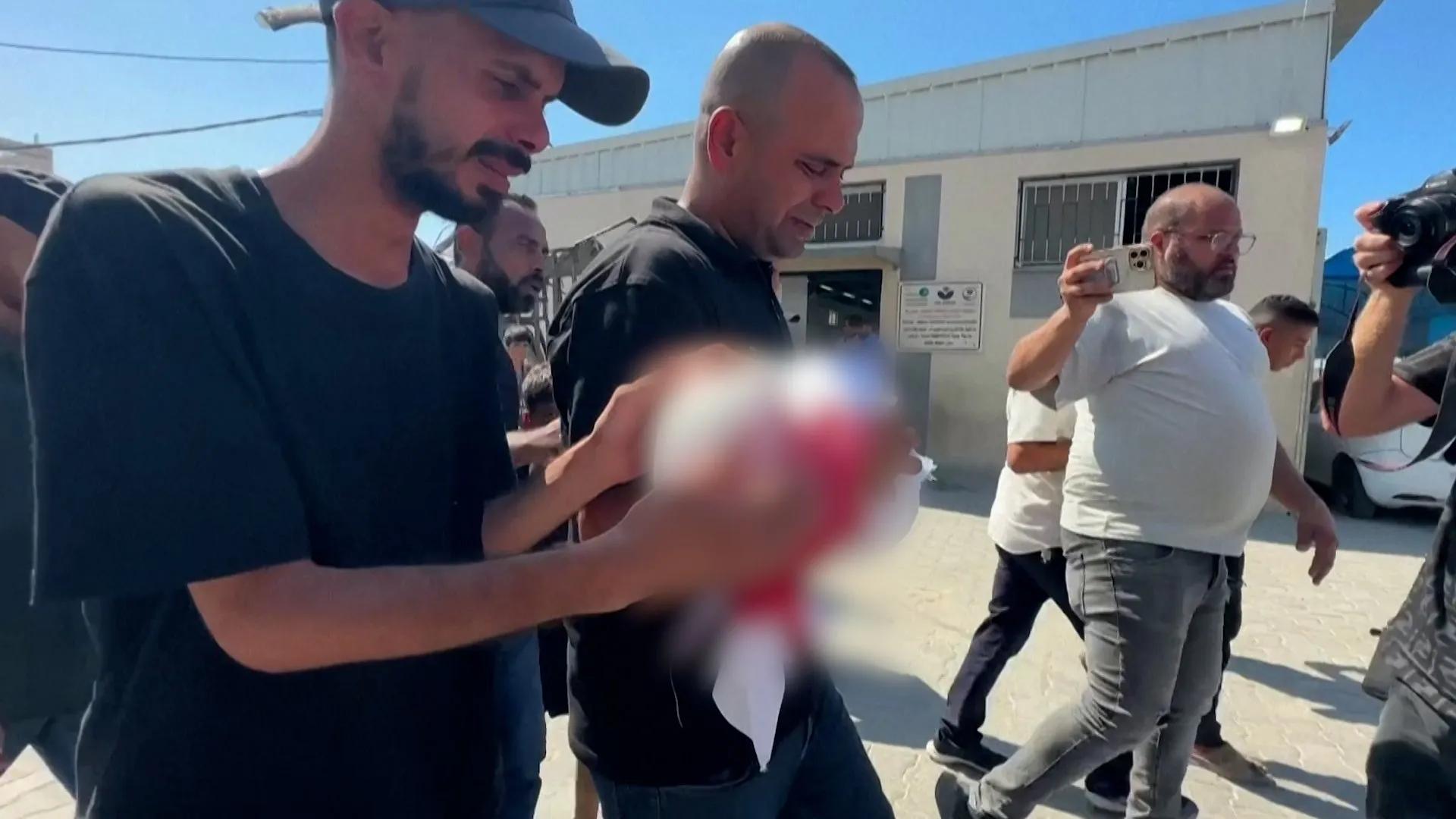
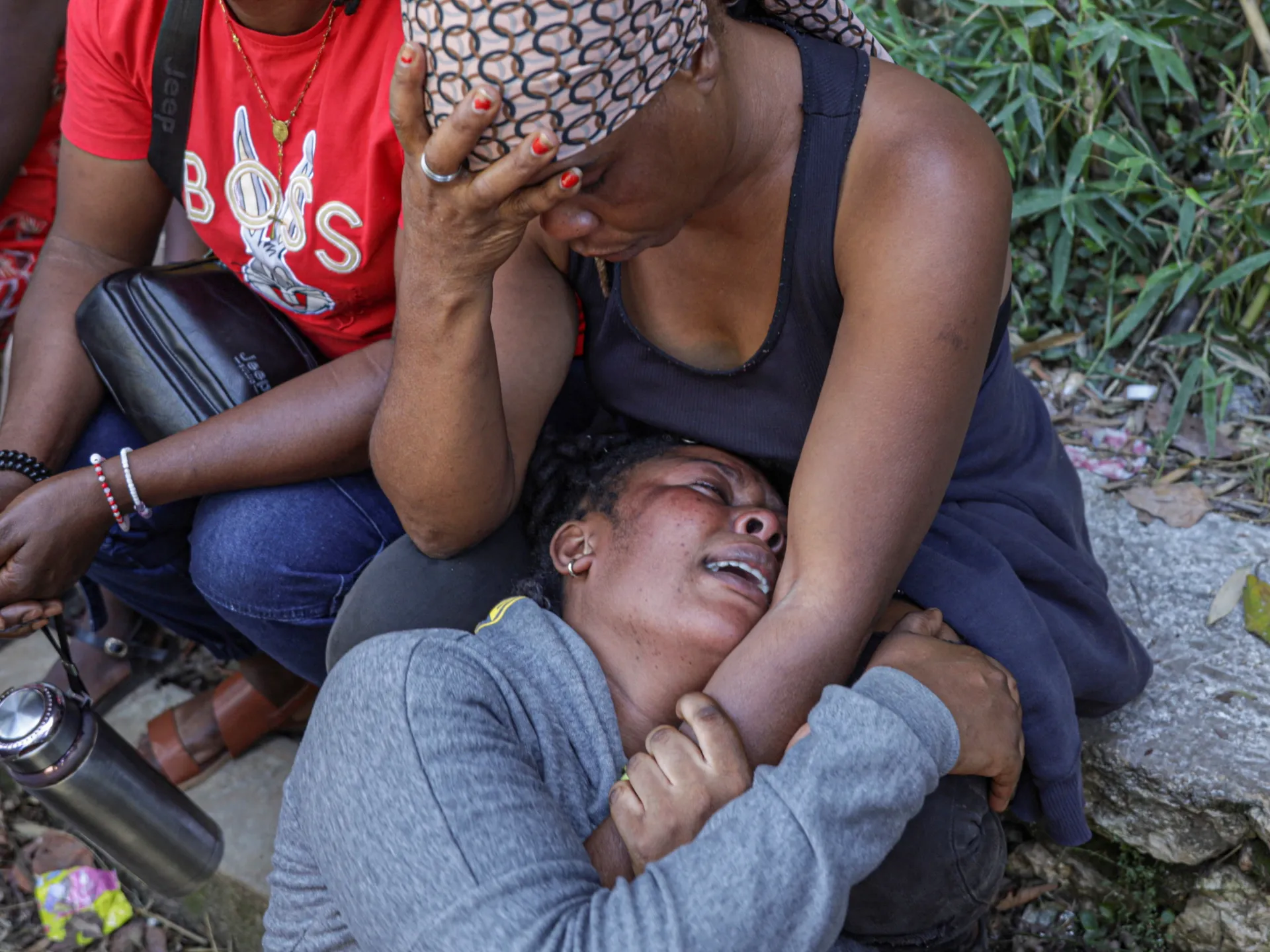
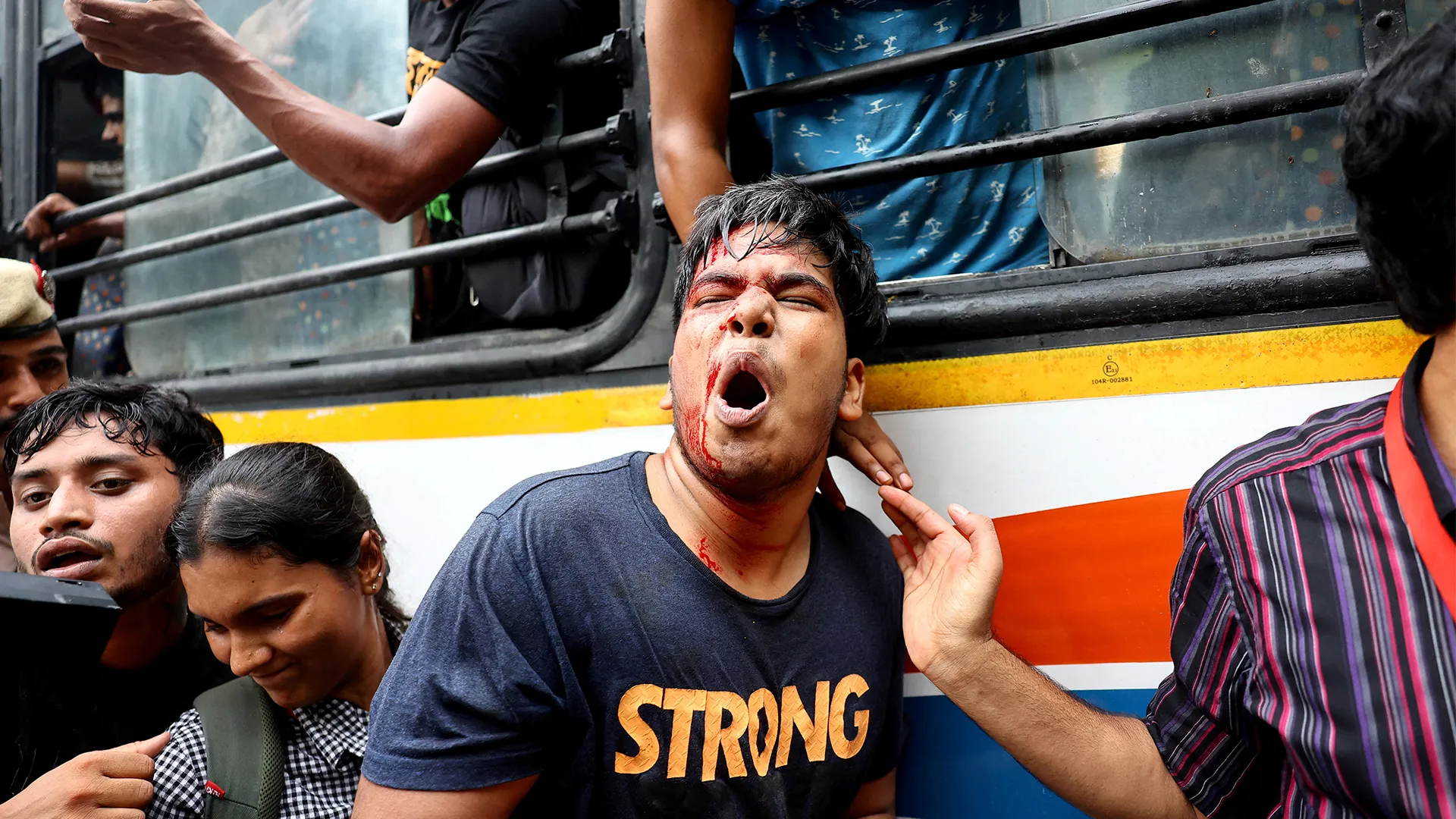
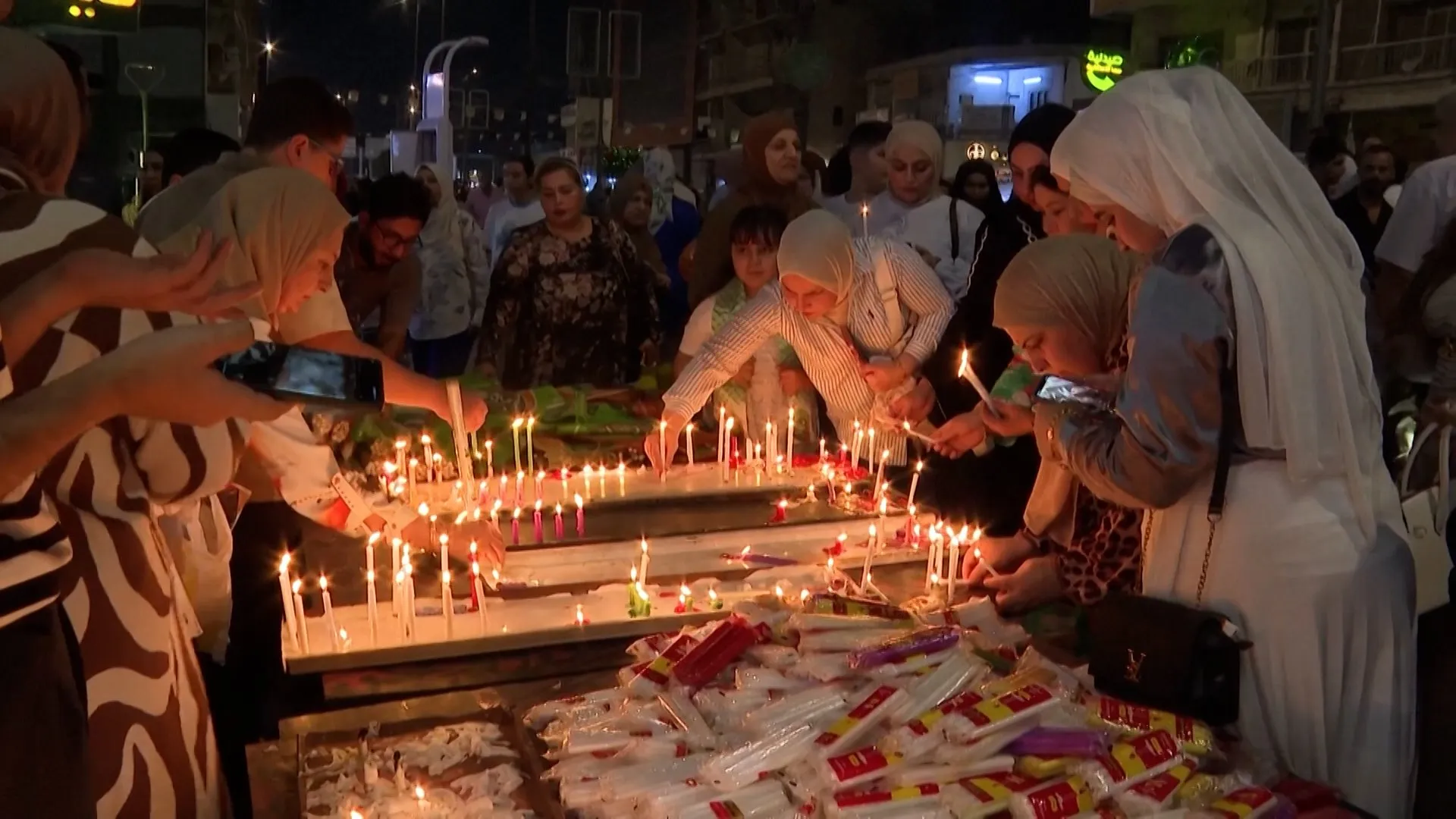
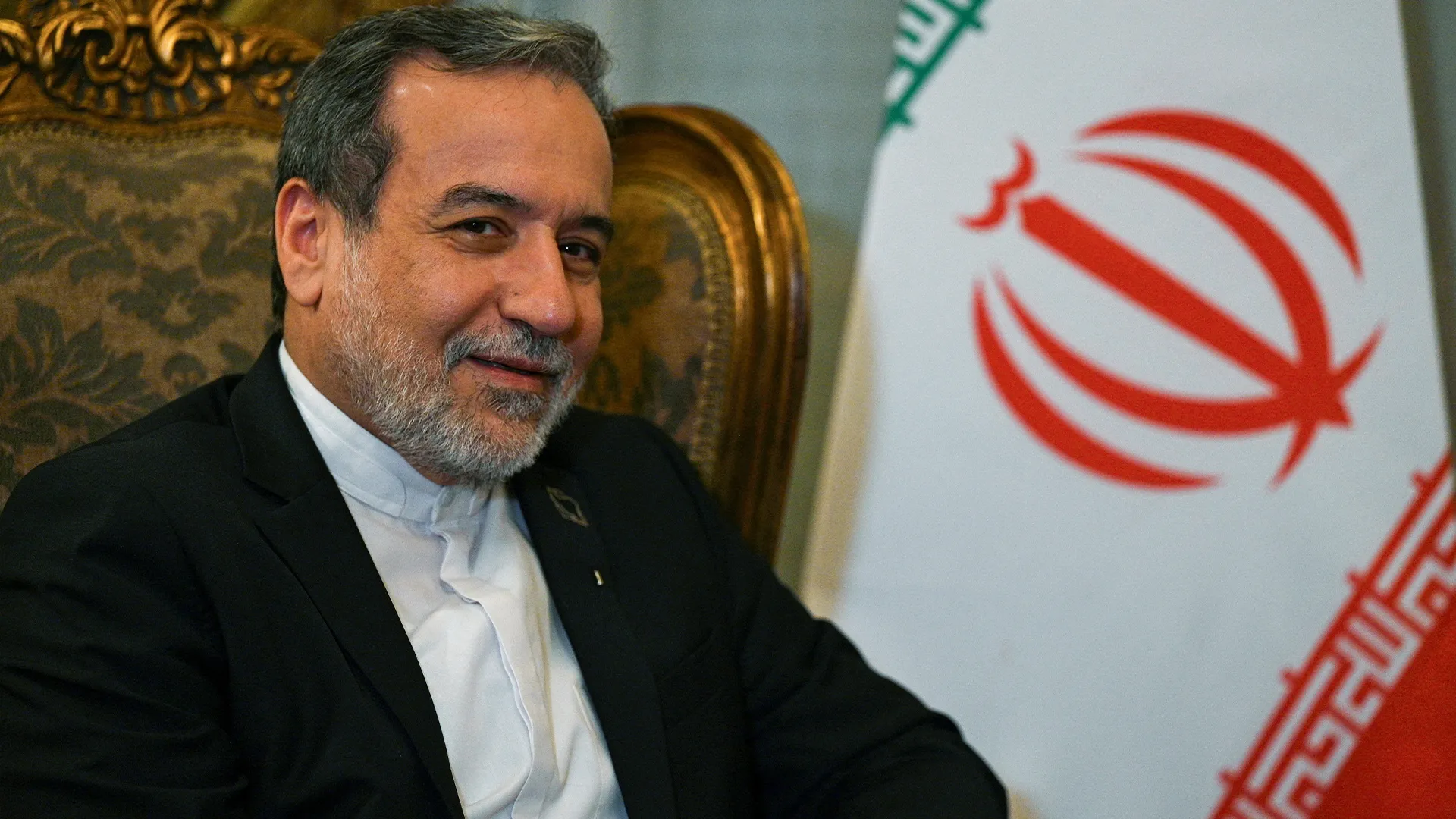
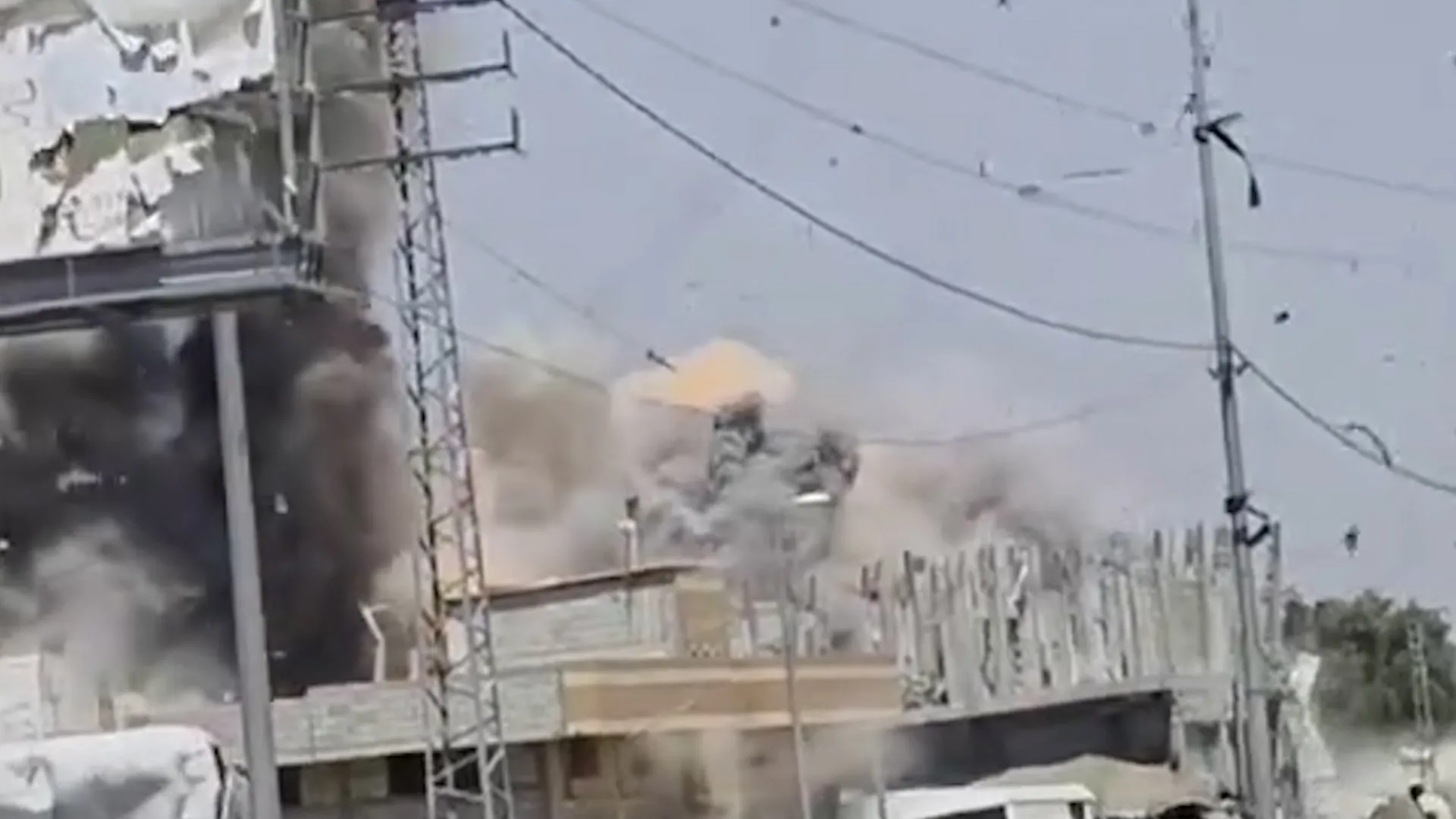
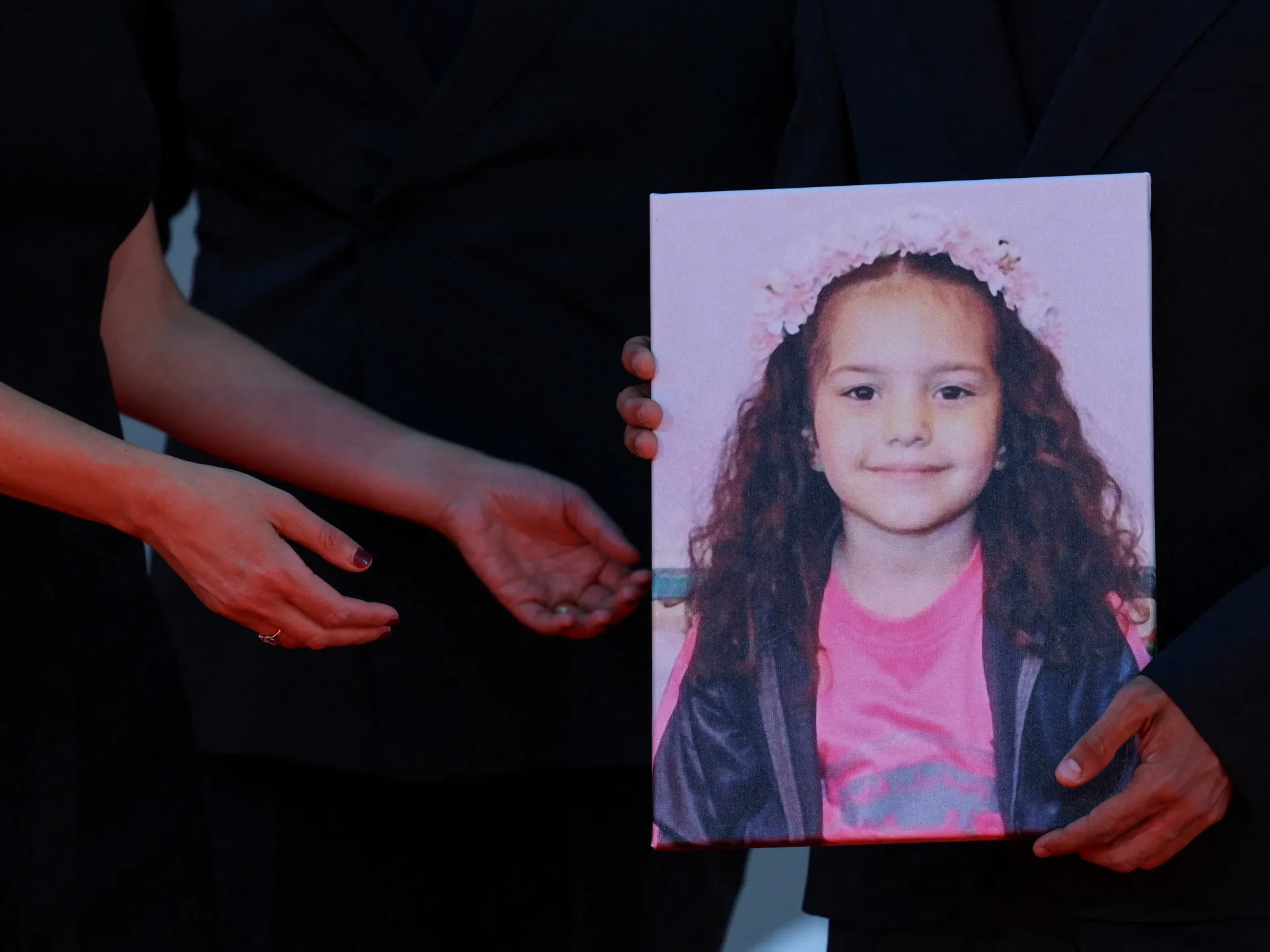
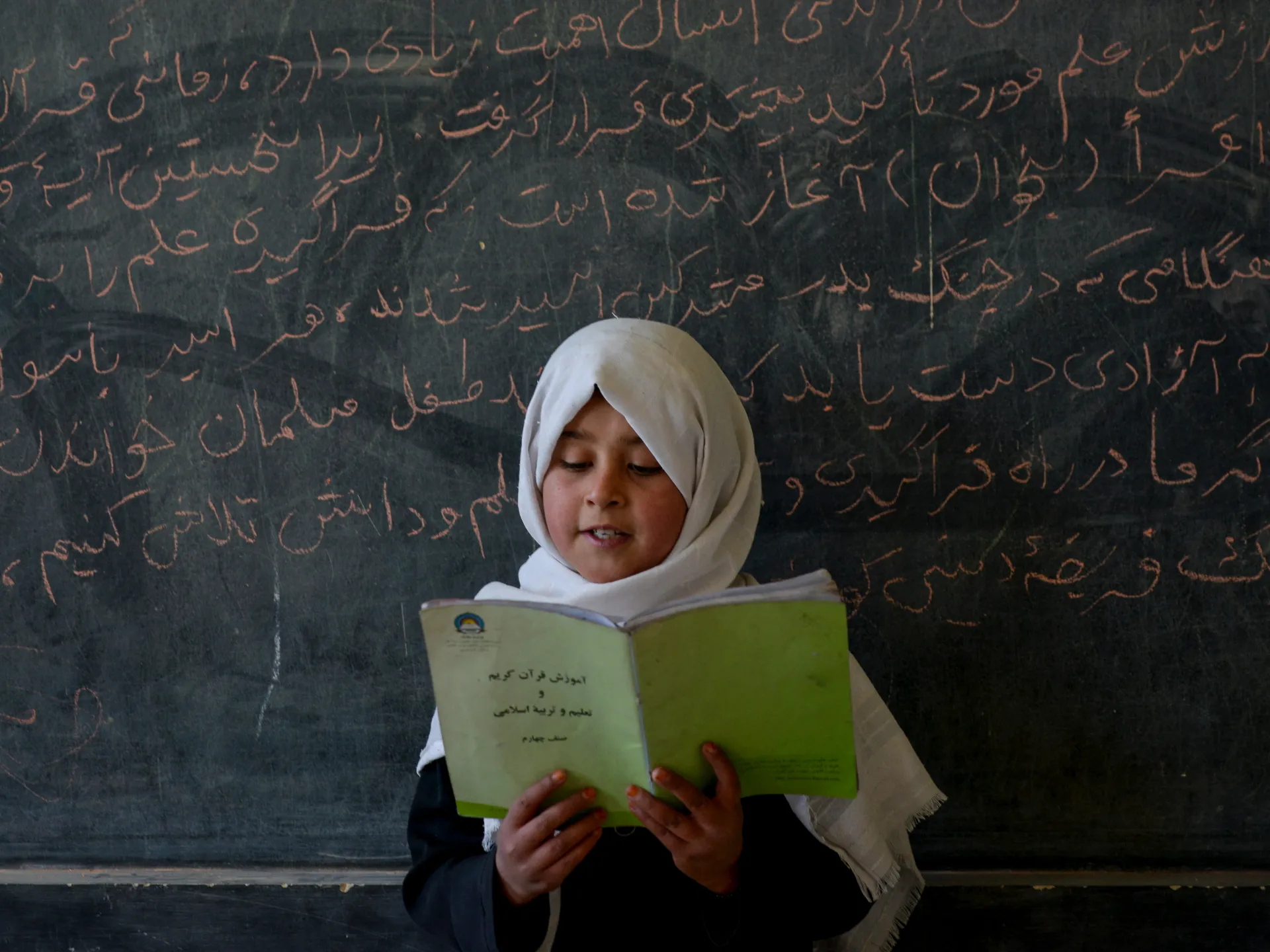
Foreign Minister Abbas Araghchi, who preceded the President in New York, has been vocal about the limitations of the UN’s current role in de-escalating hostilities. Araghchi specifically cited the recent bombing of a school in Minab as a central grievance that Tehran intends to bring before the assembly. This focus on localized casualties is intended to steer the narrative toward the humanitarian impacts of the ongoing conflict, rather than just the strategic military dimensions.
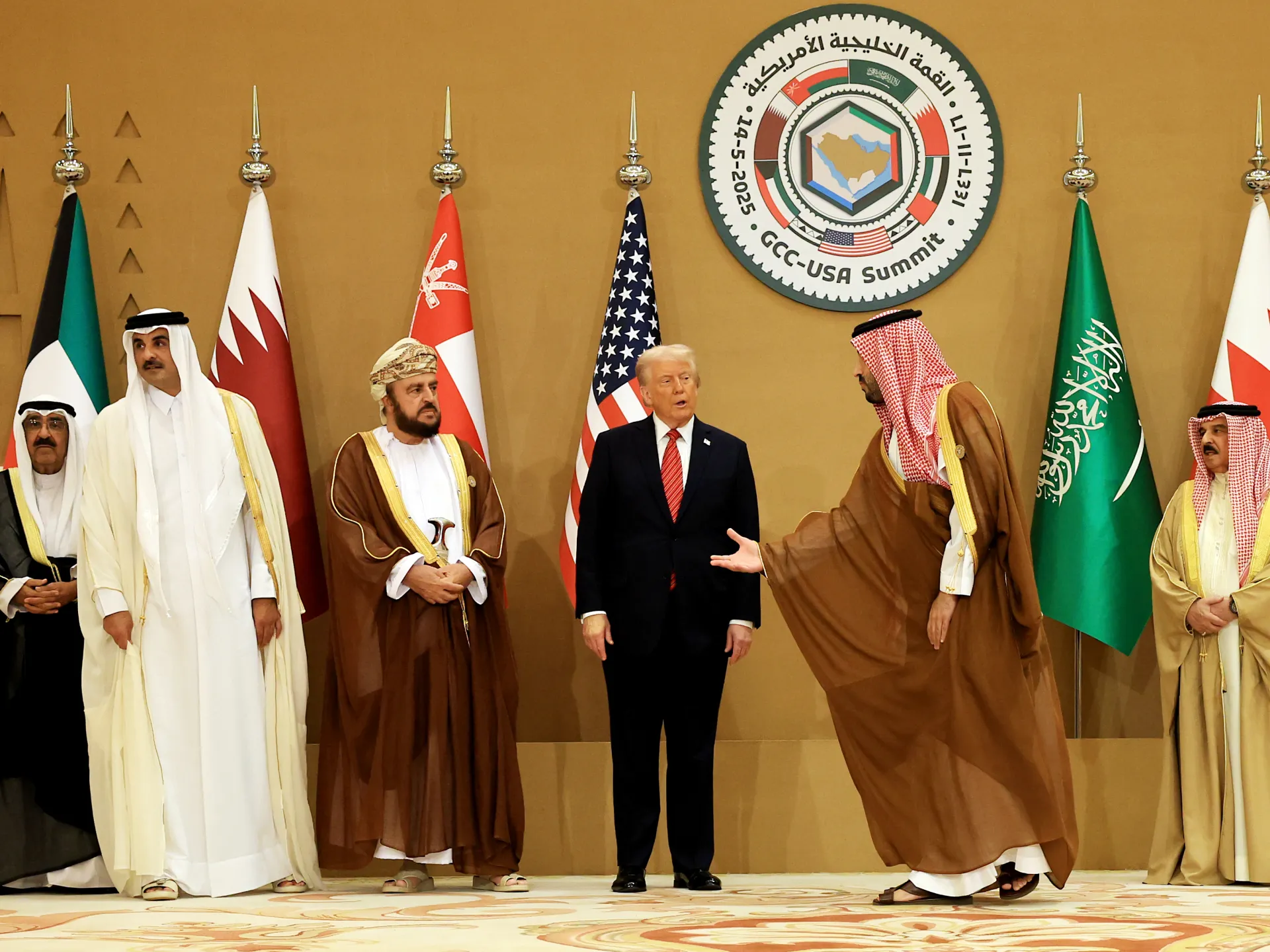
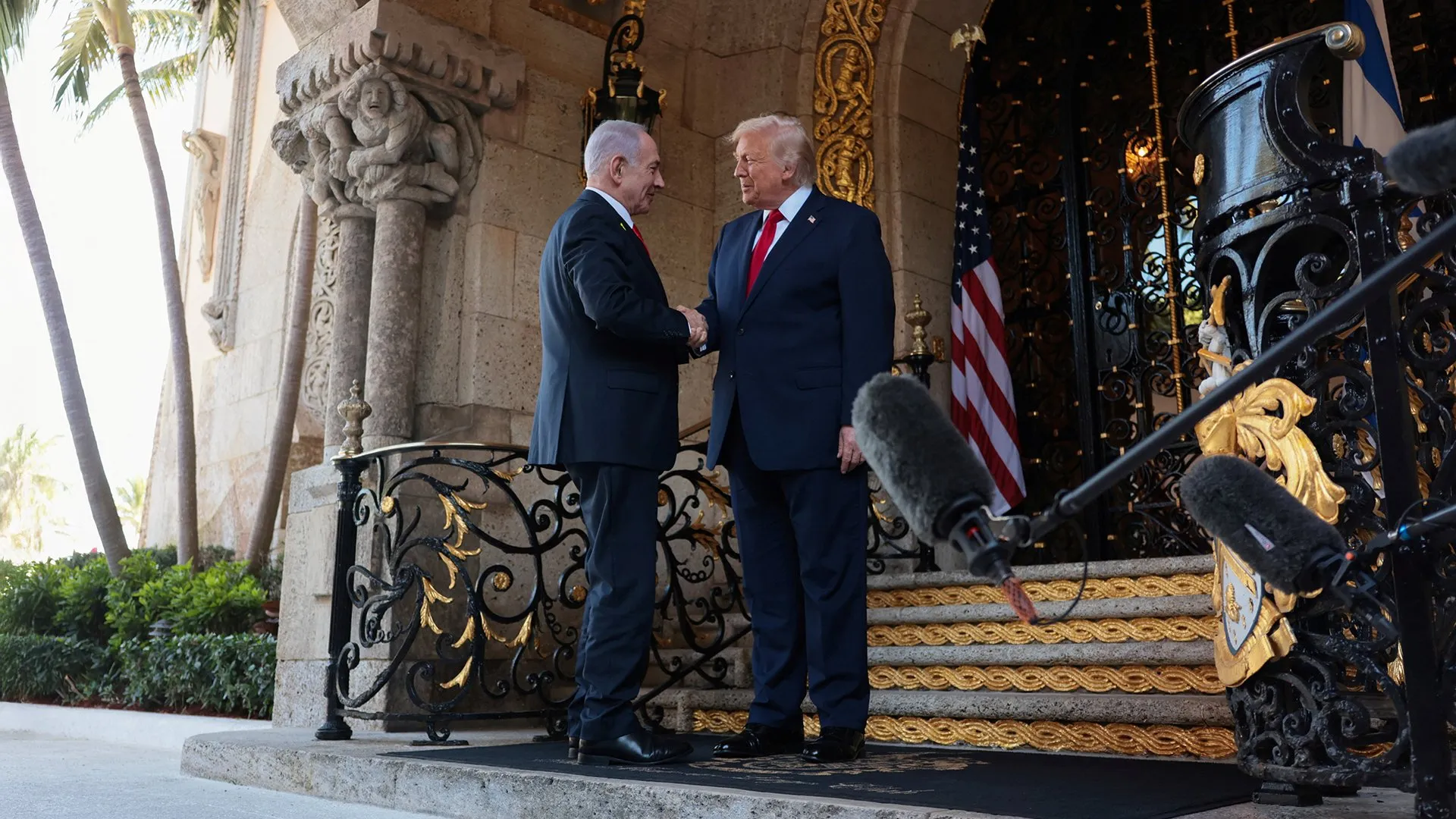
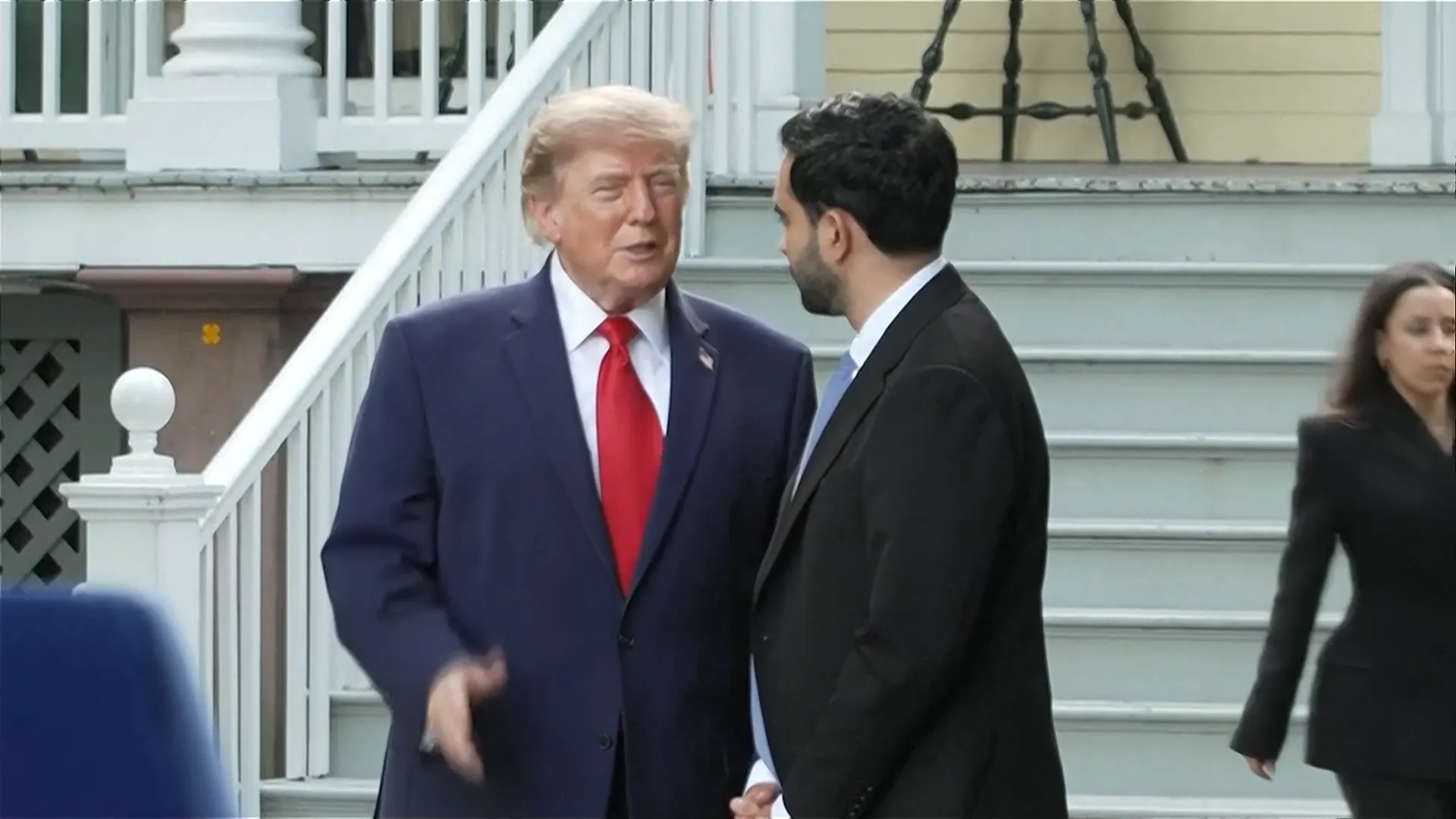
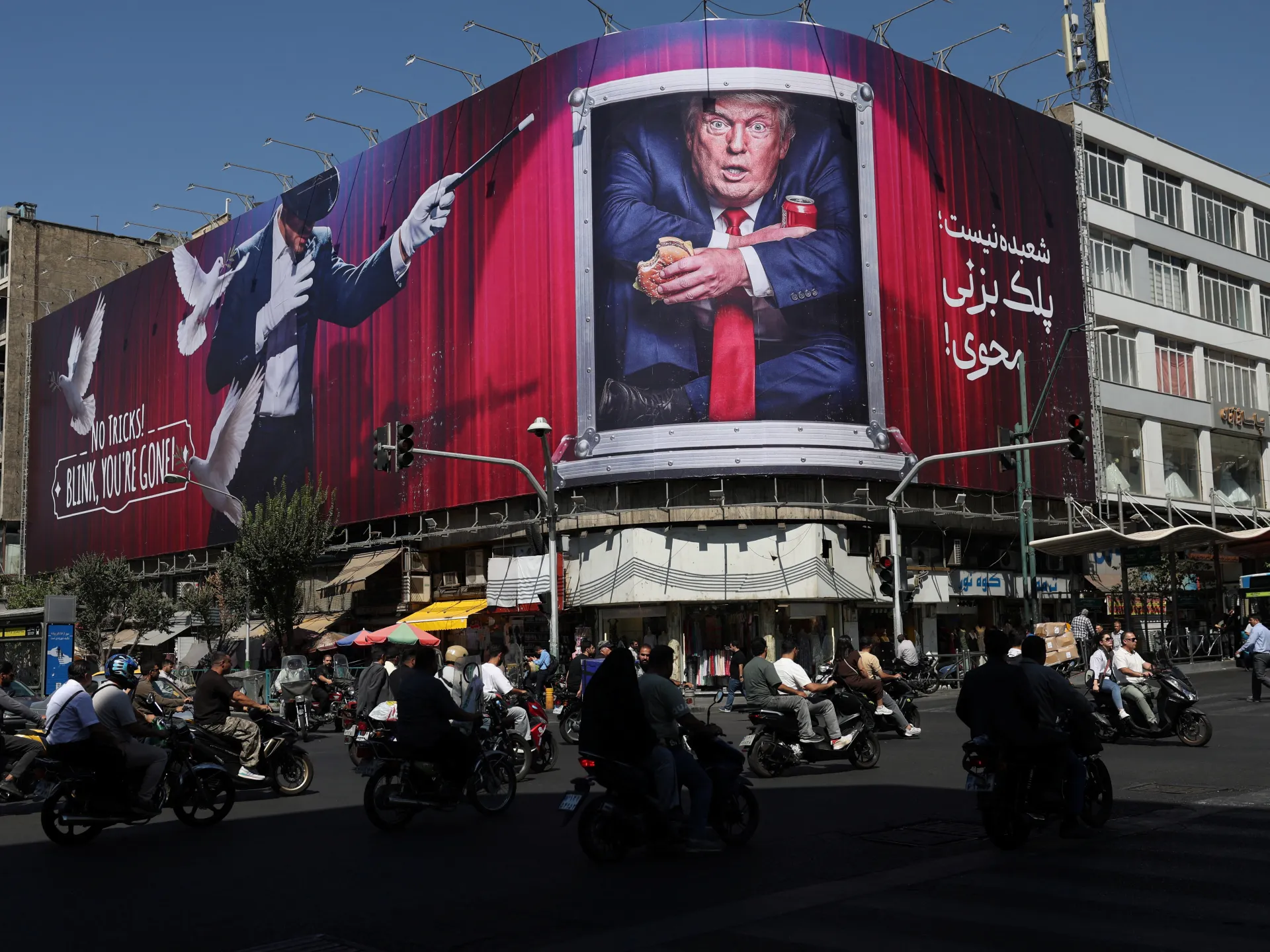
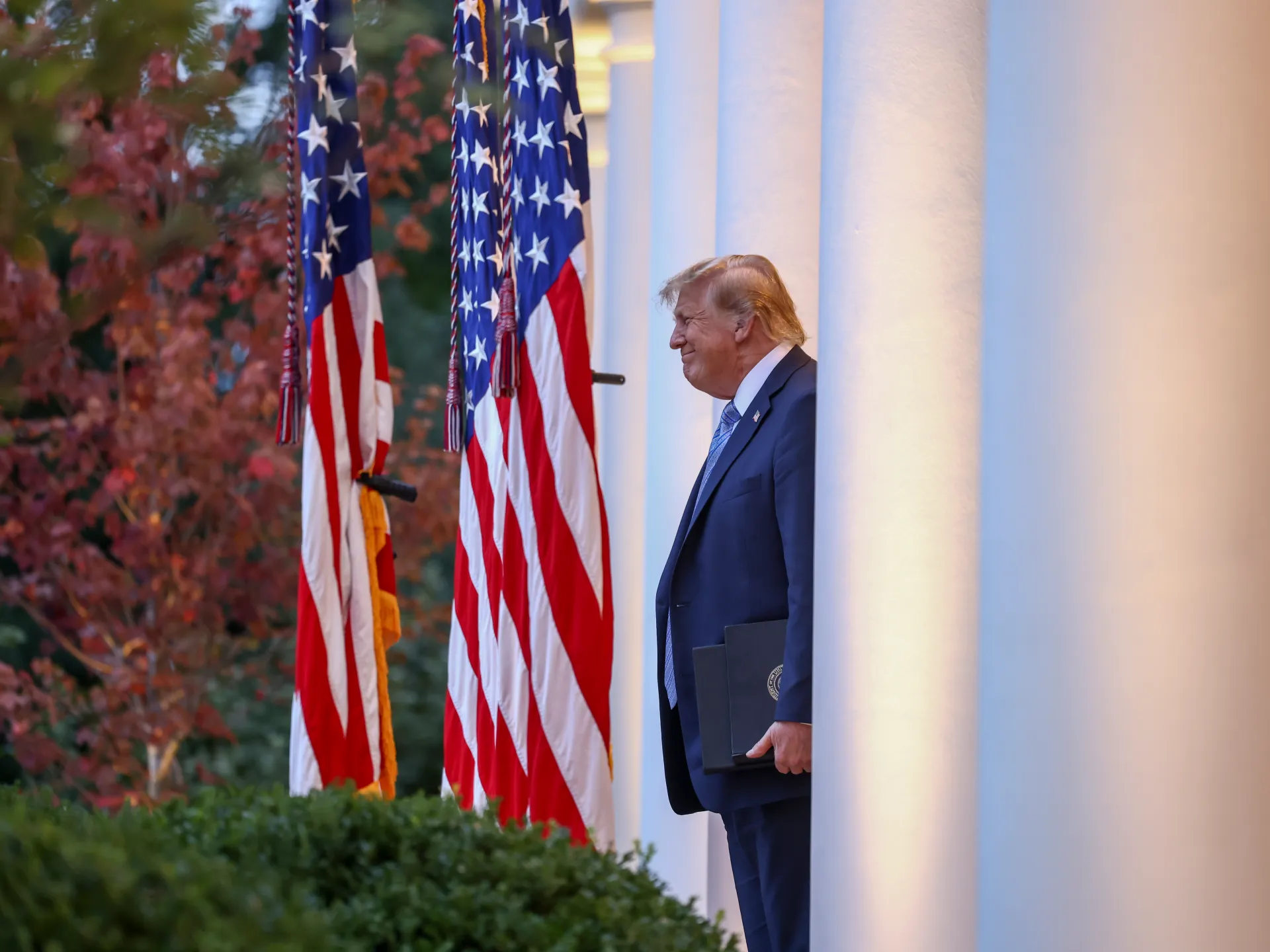
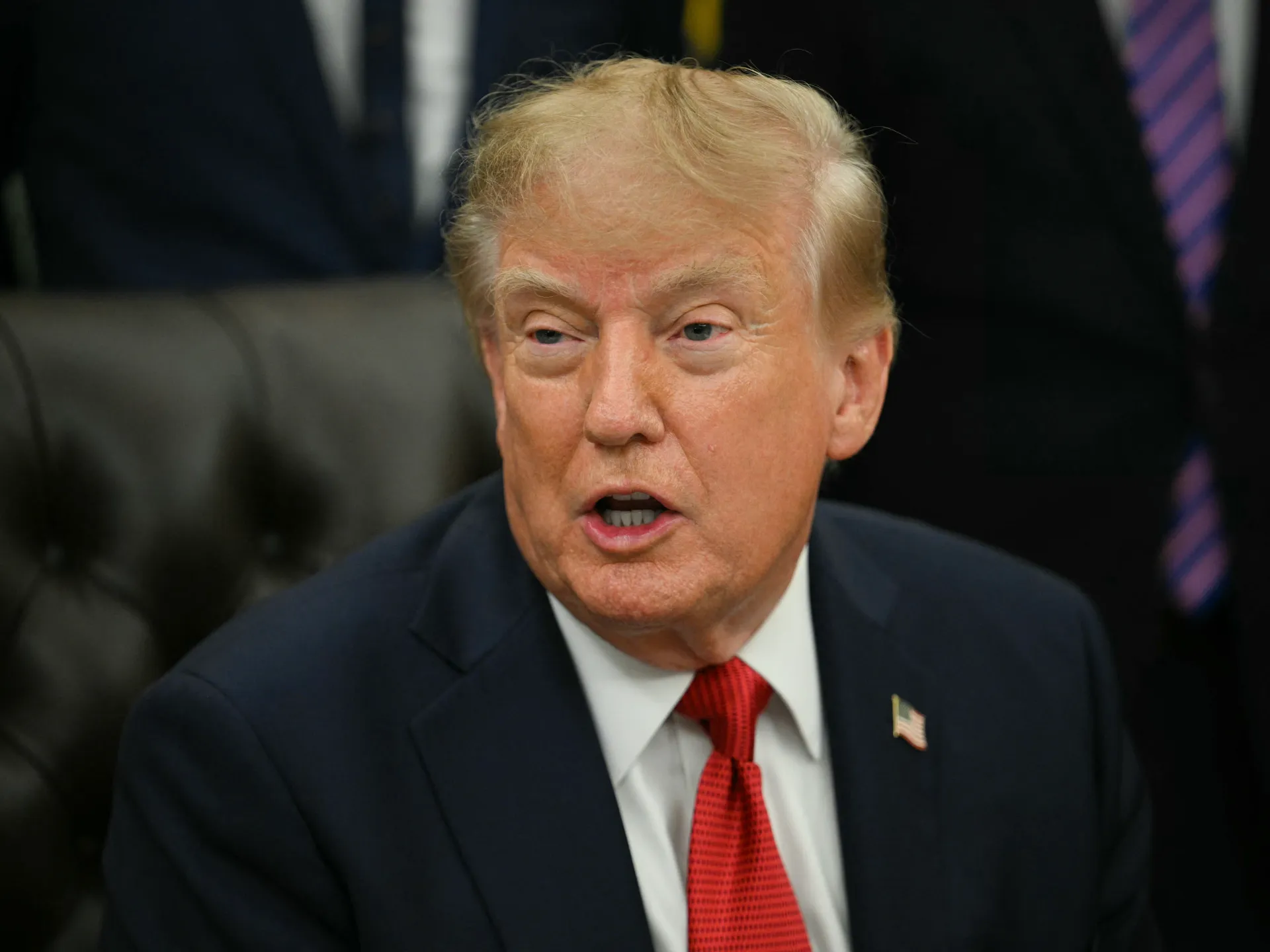
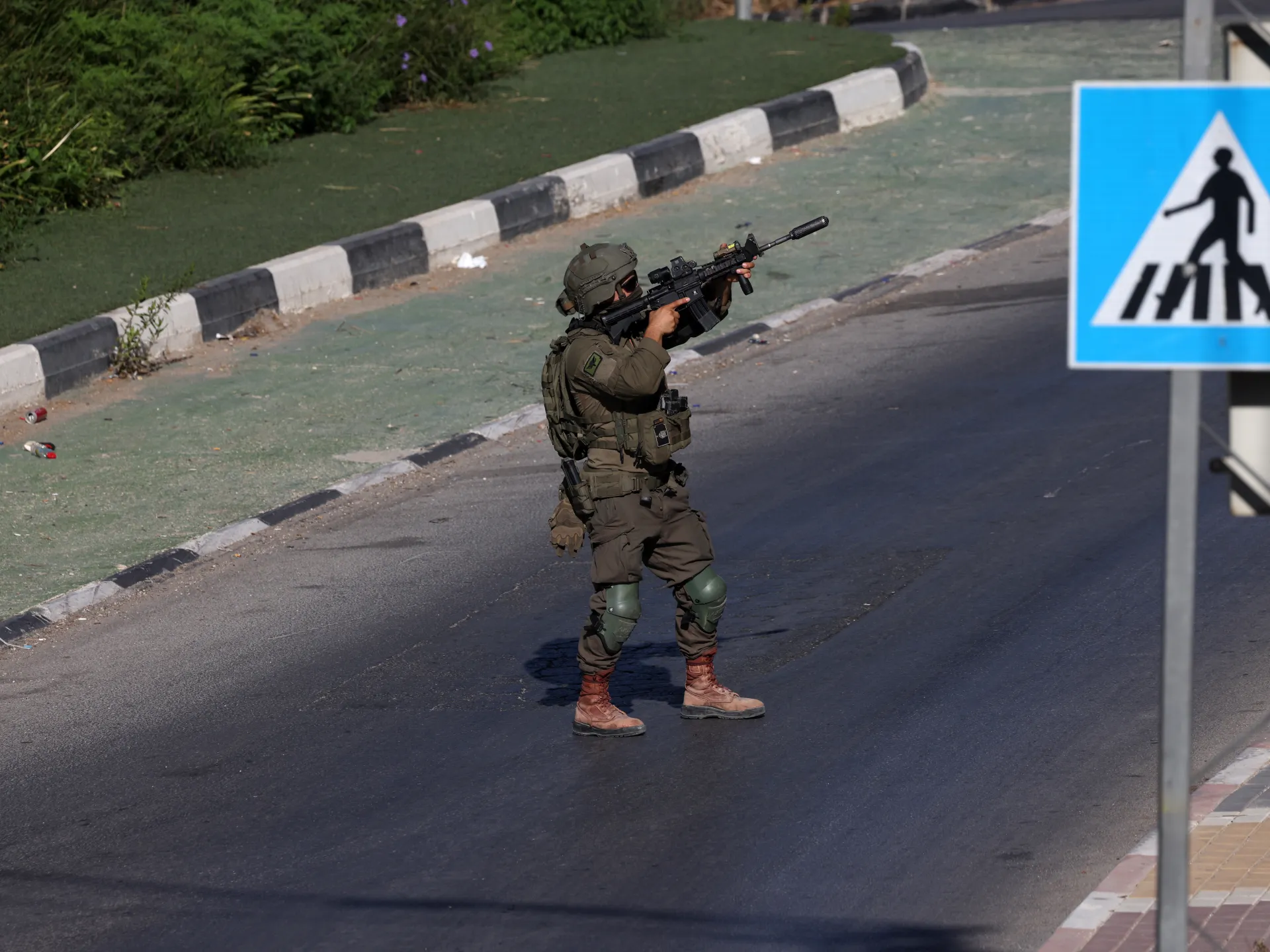
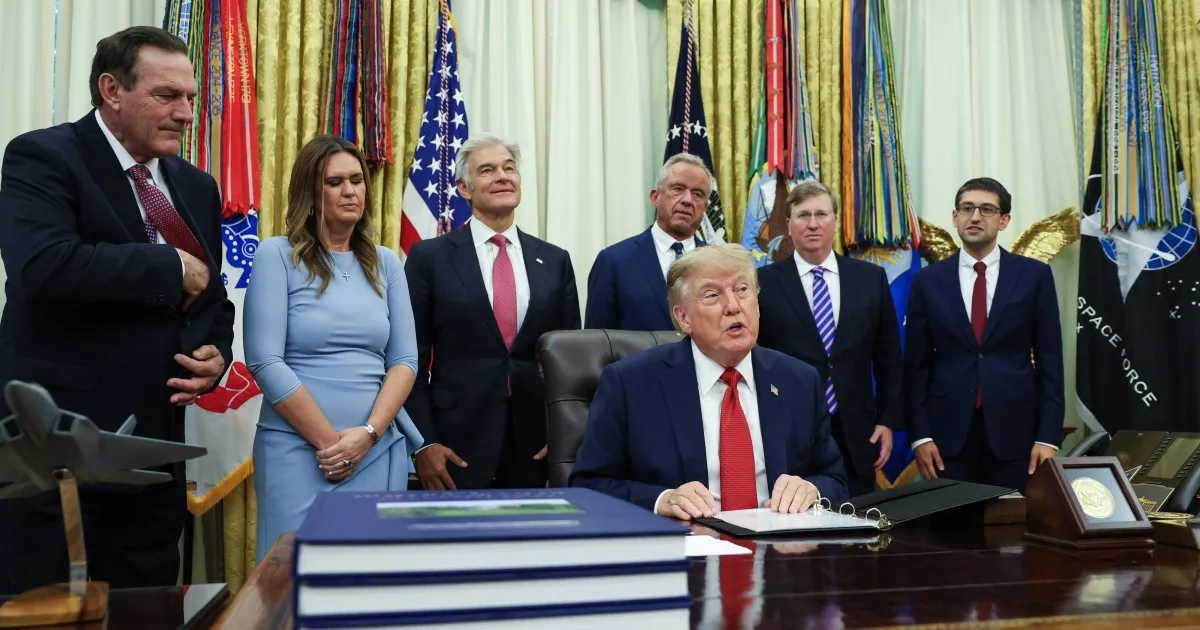
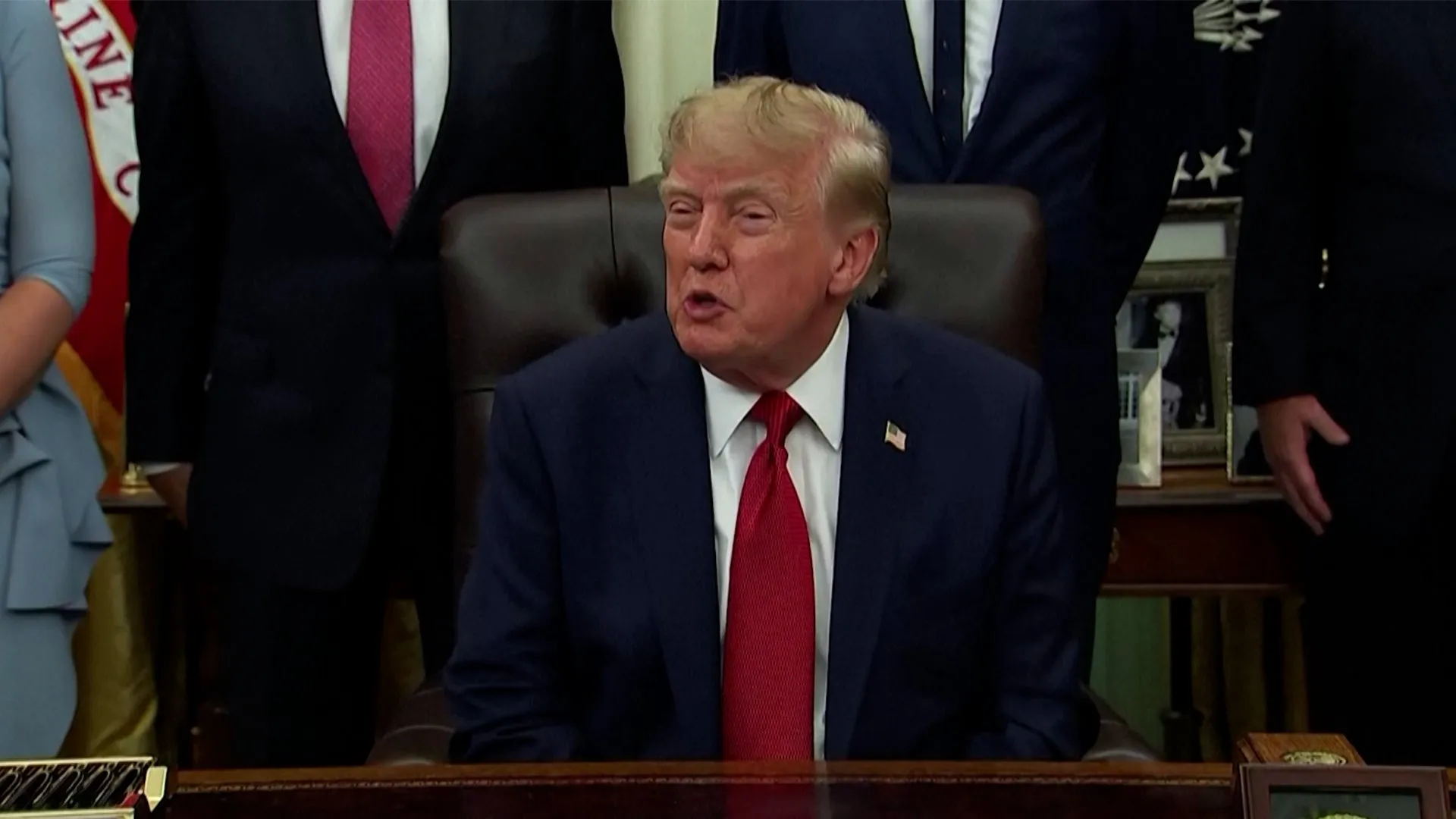
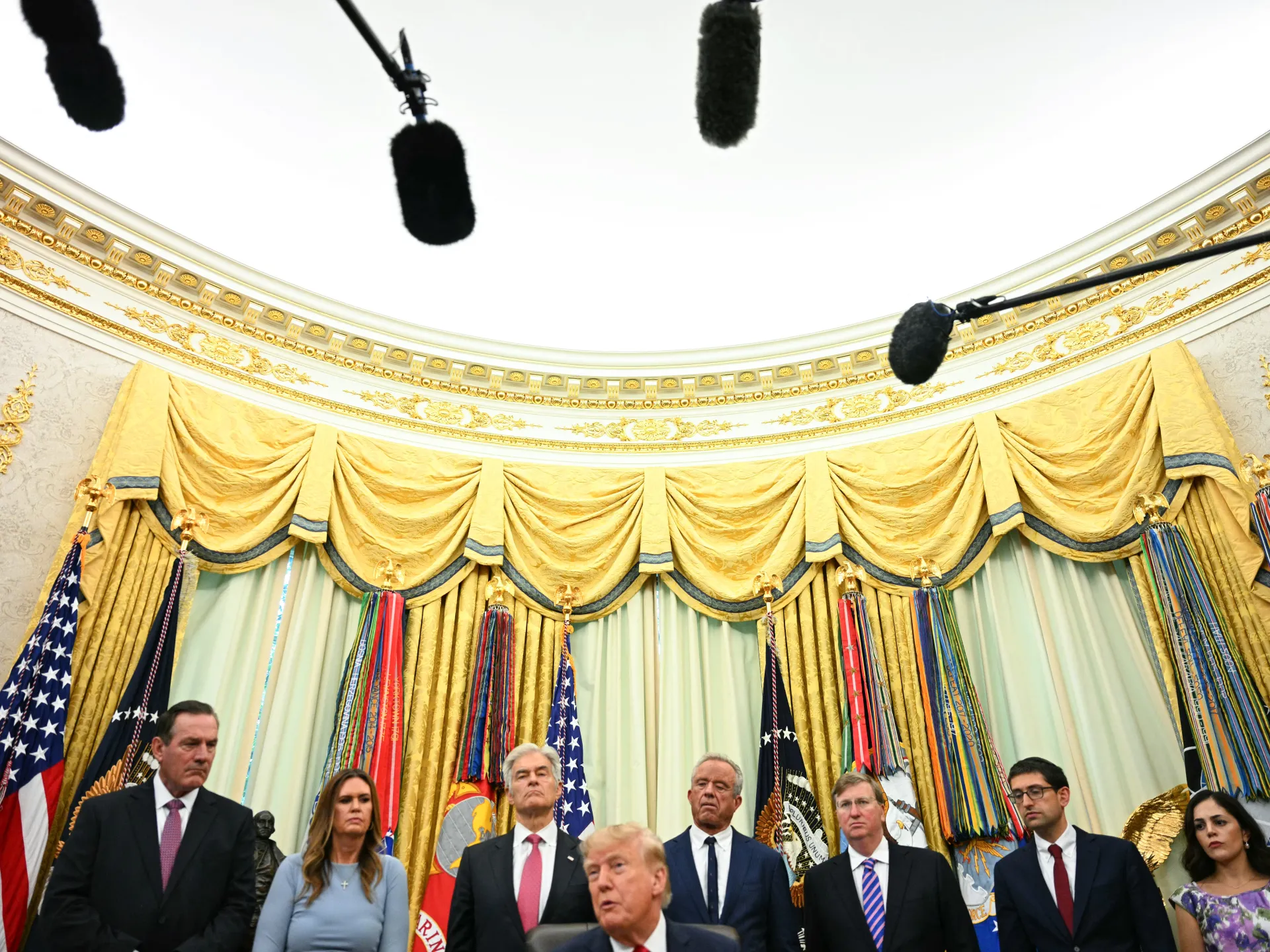
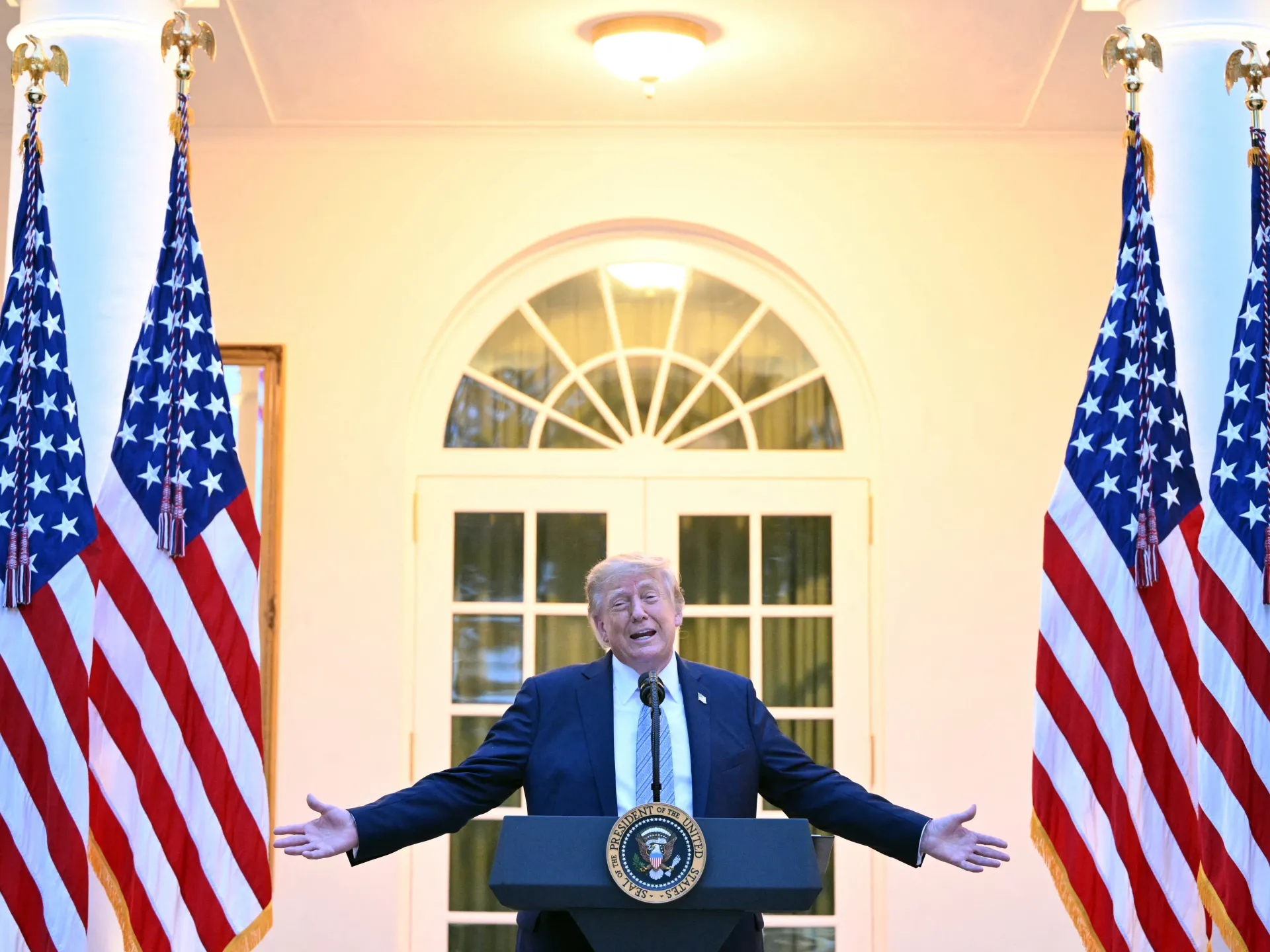
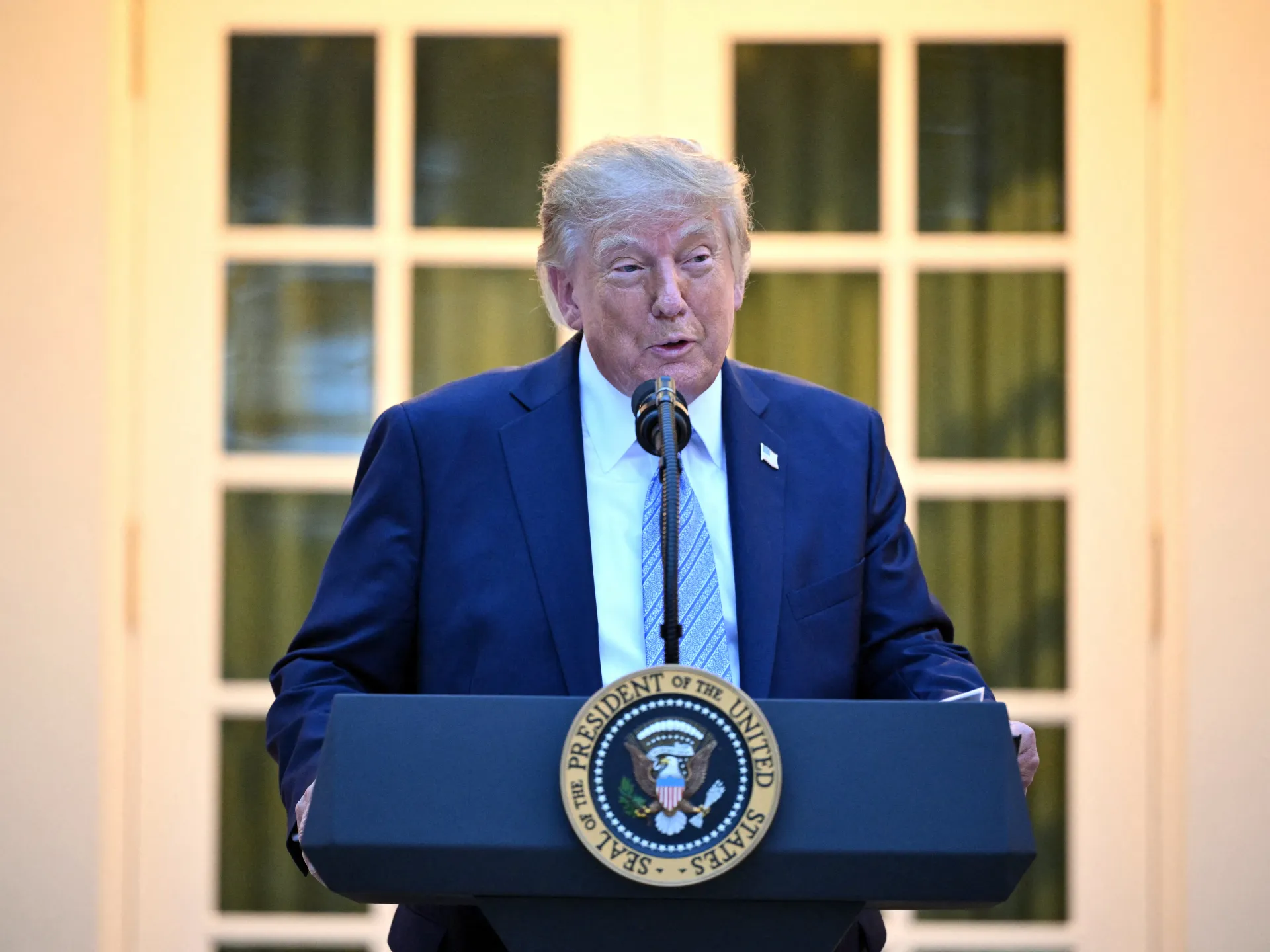
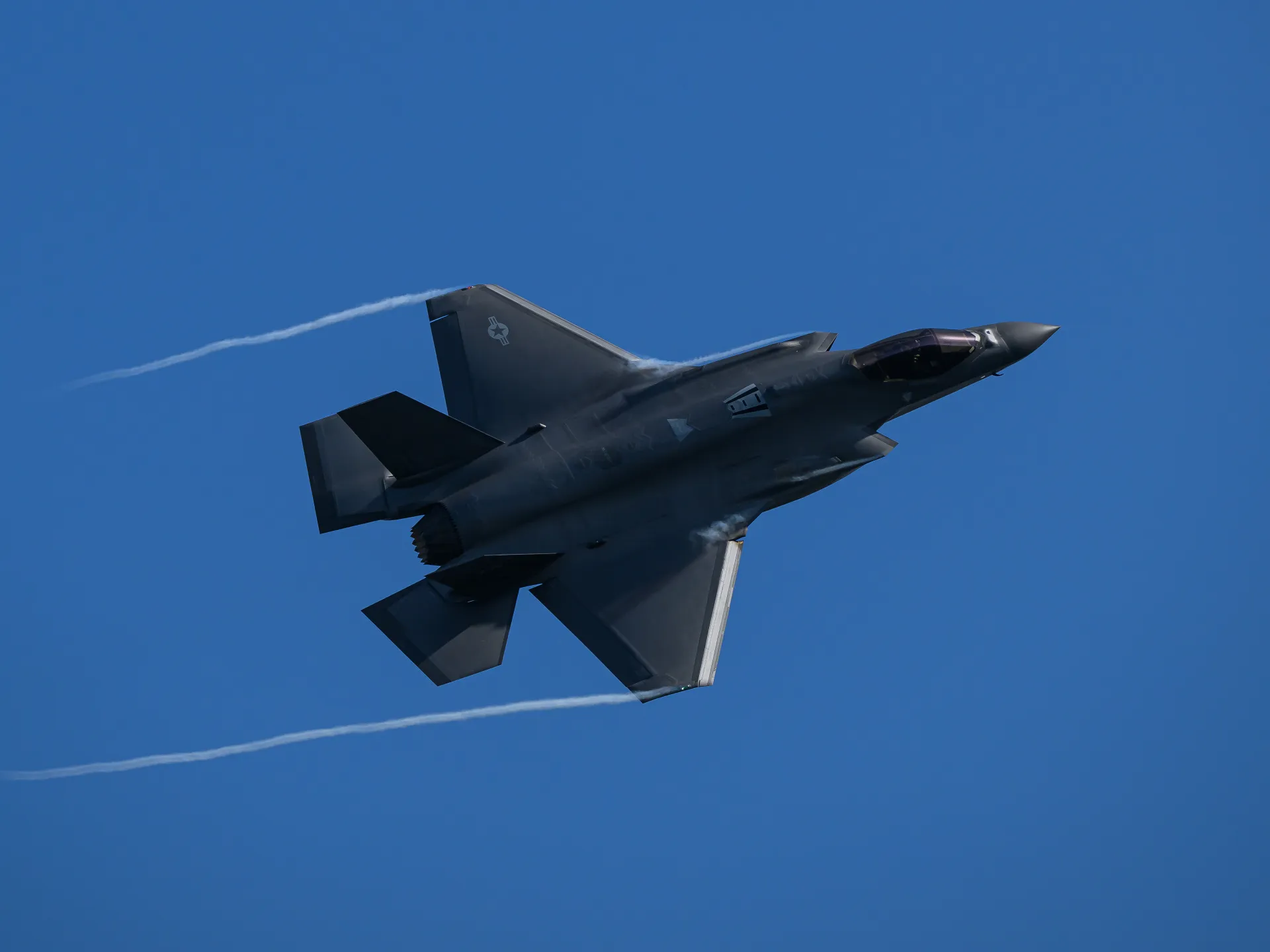
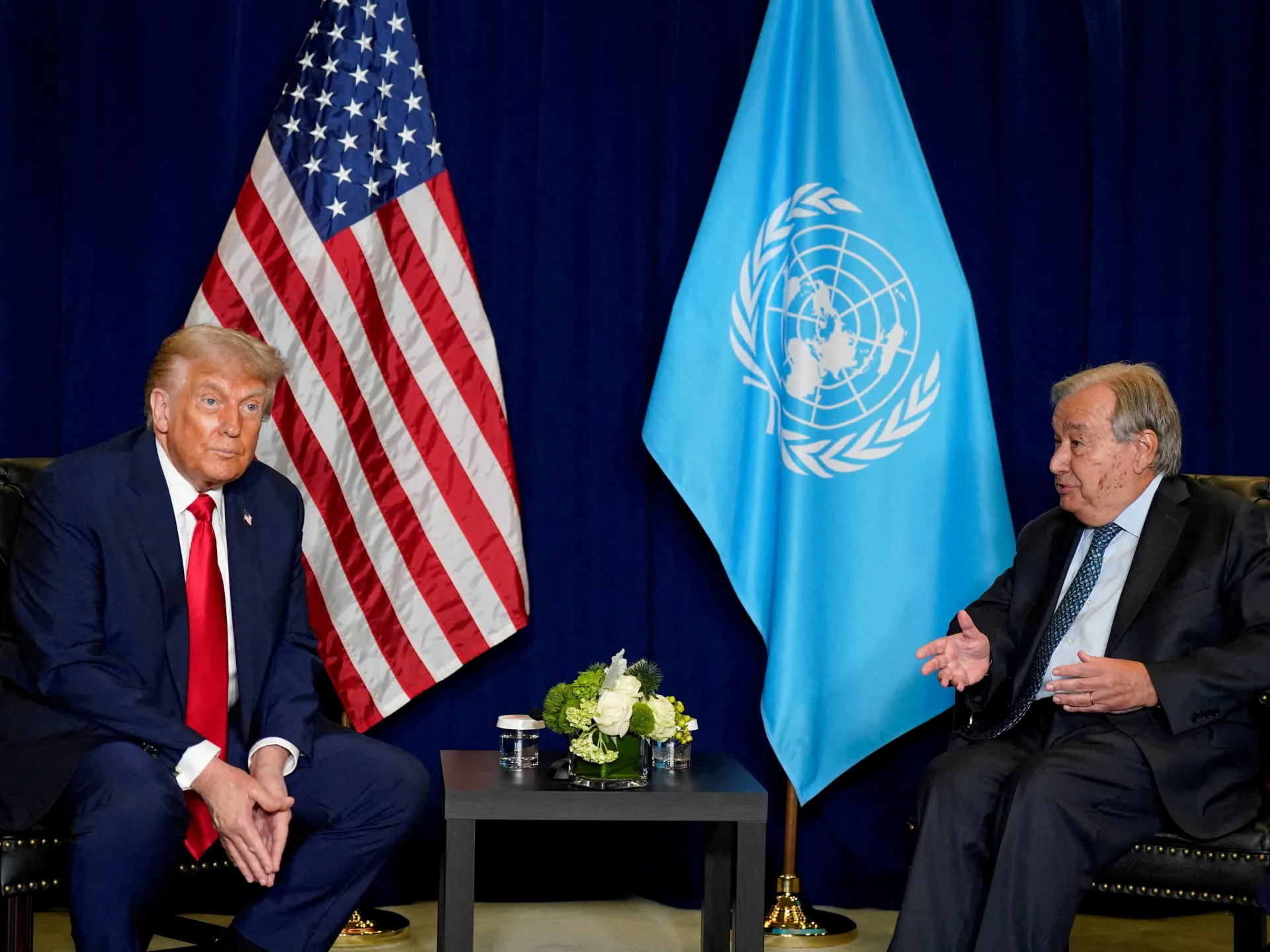
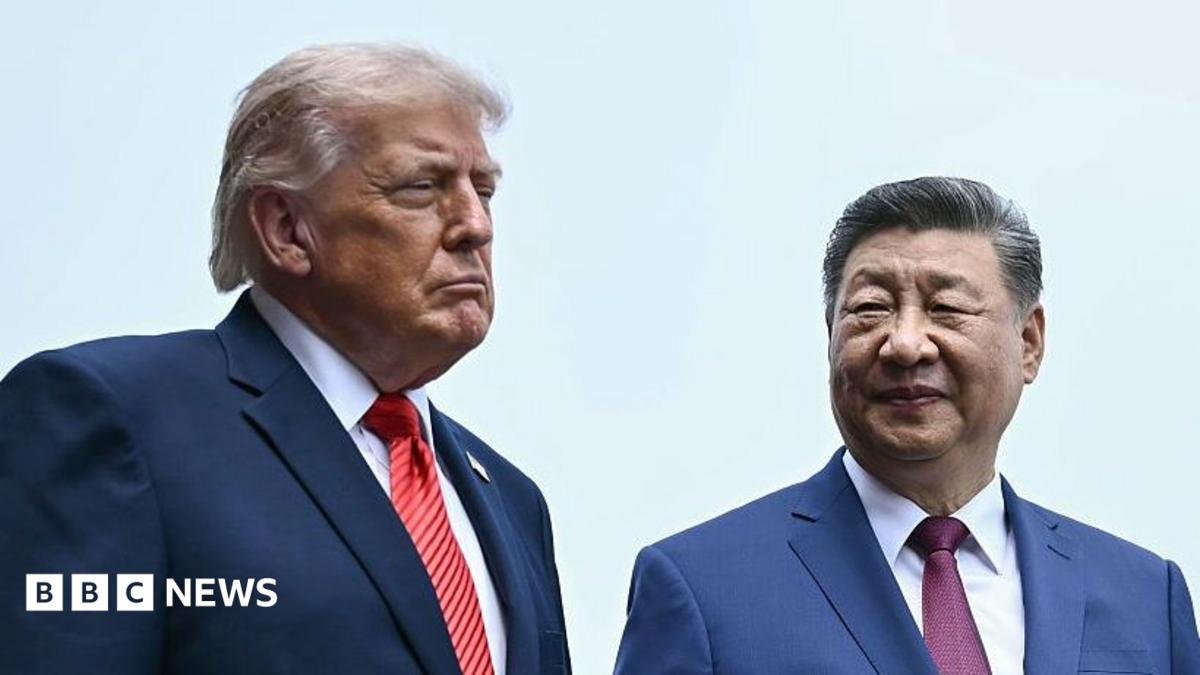
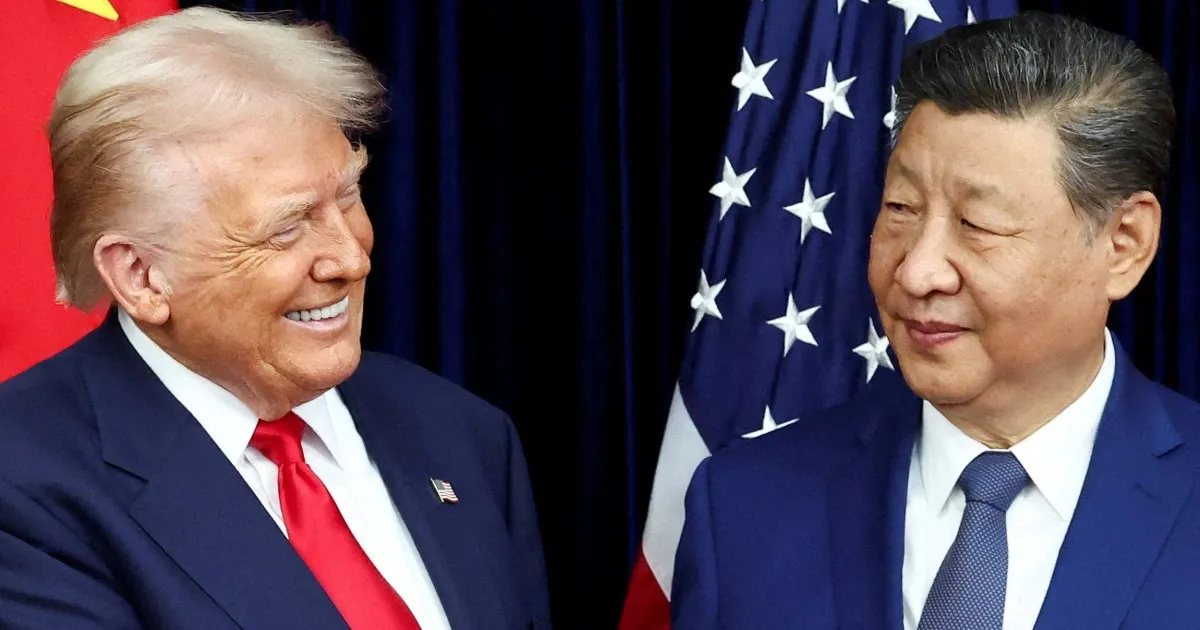
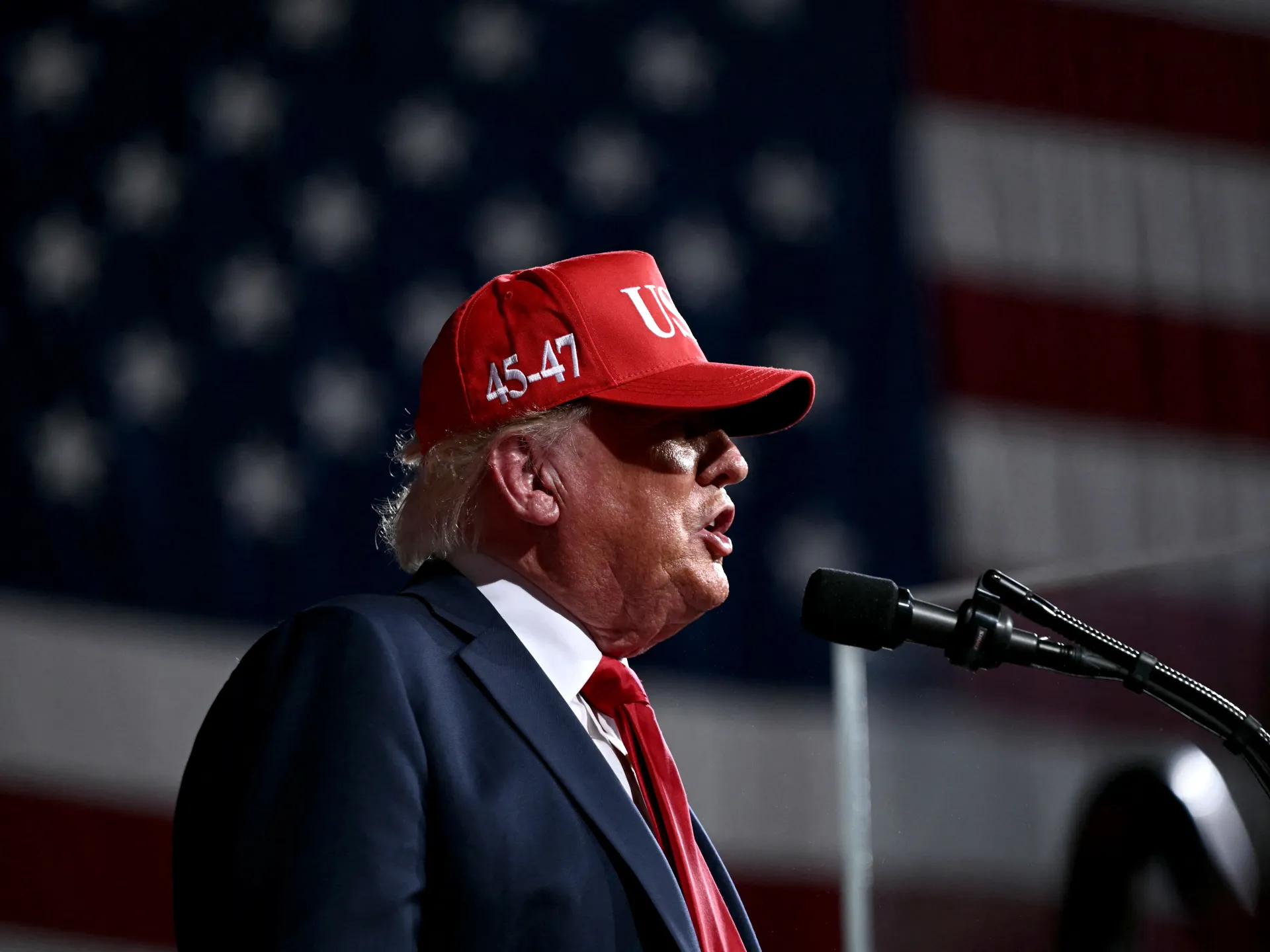
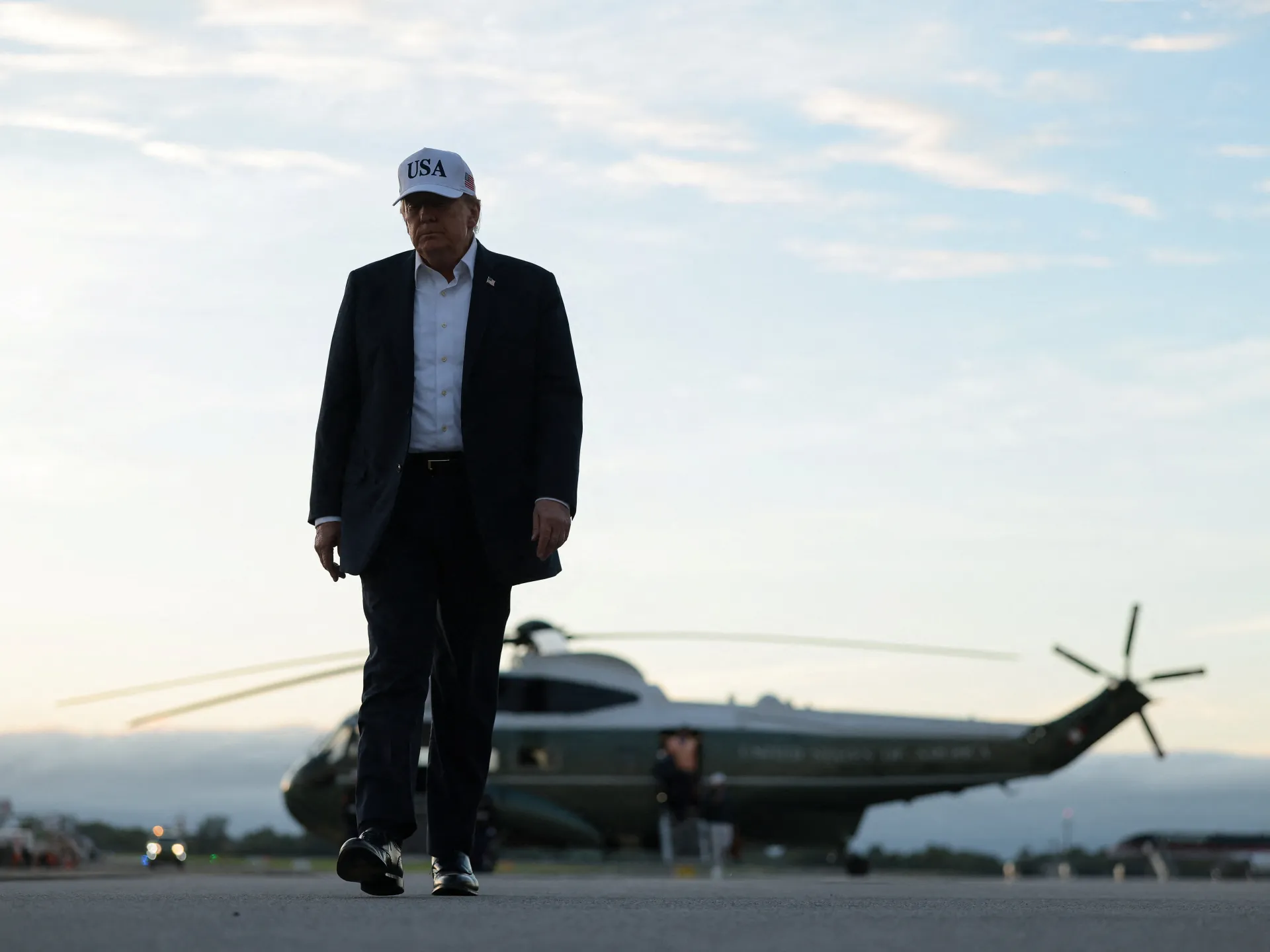
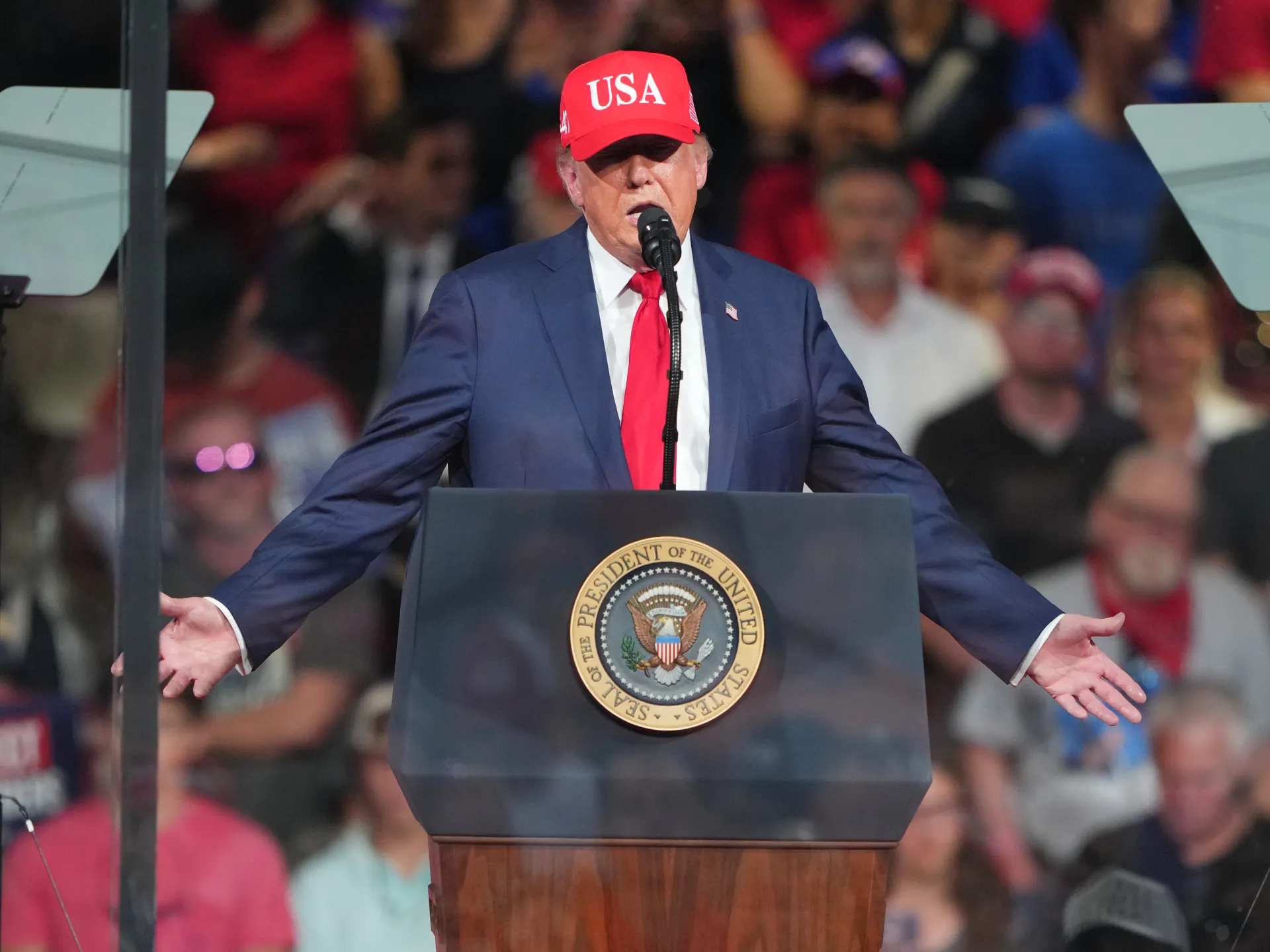
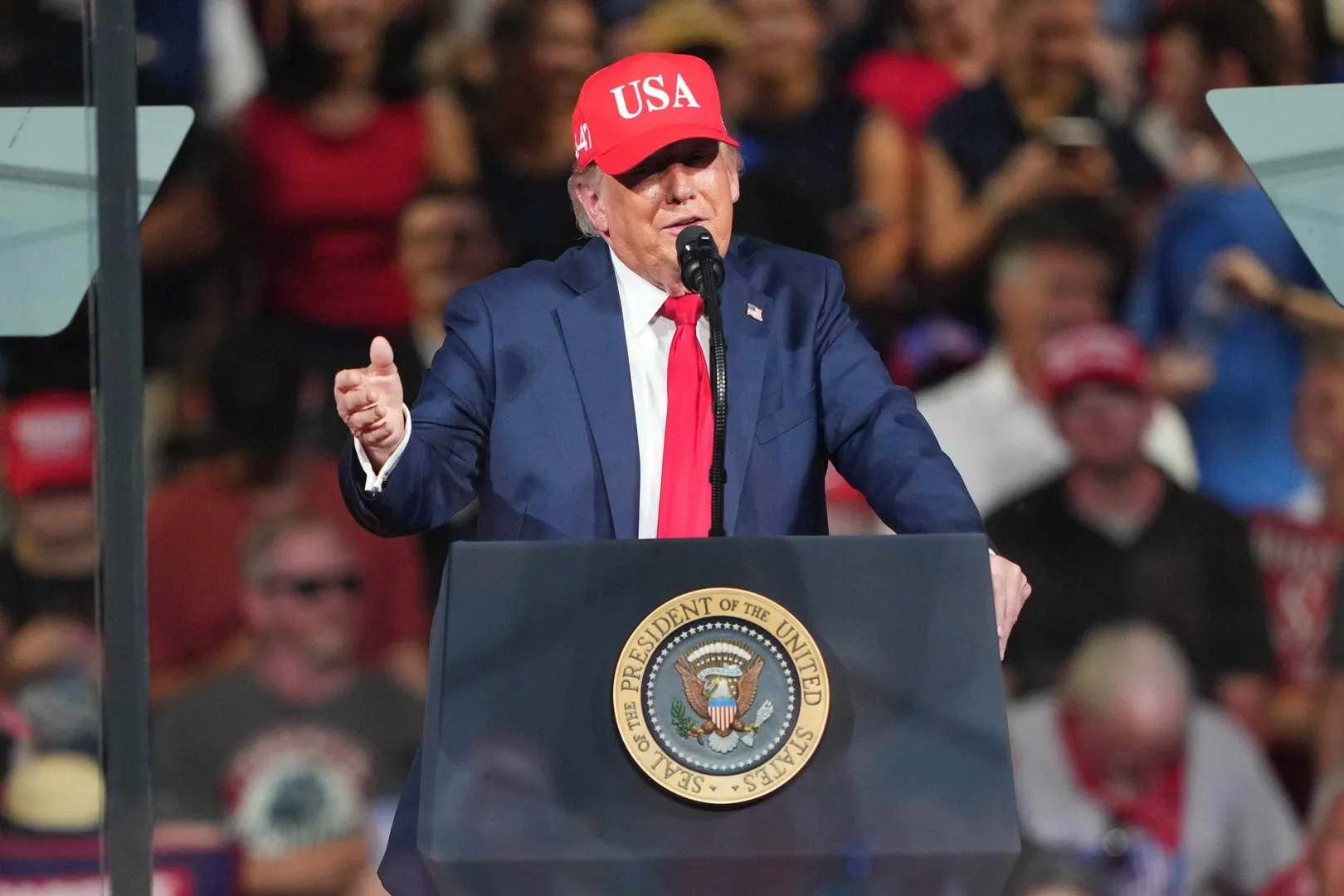
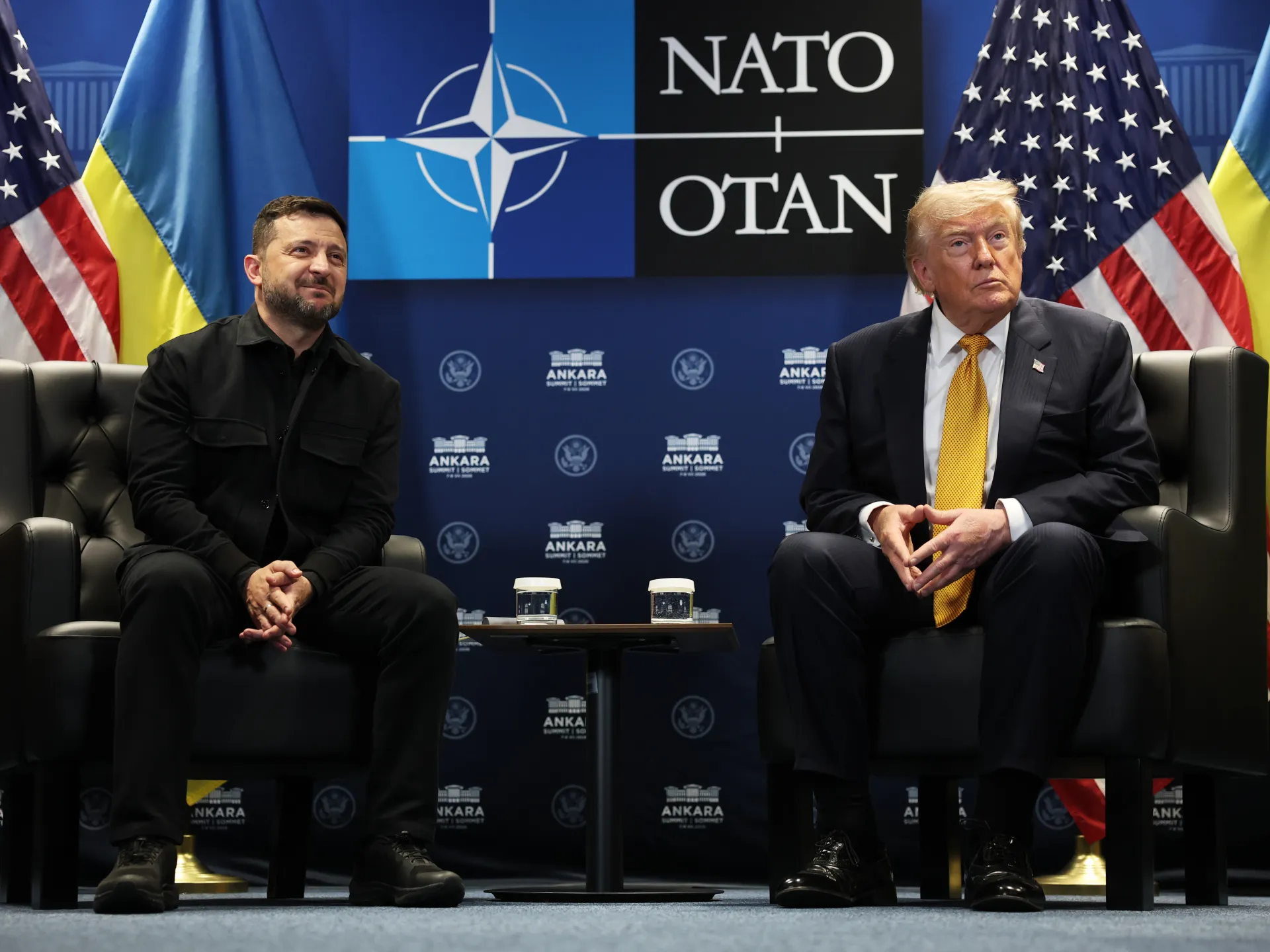
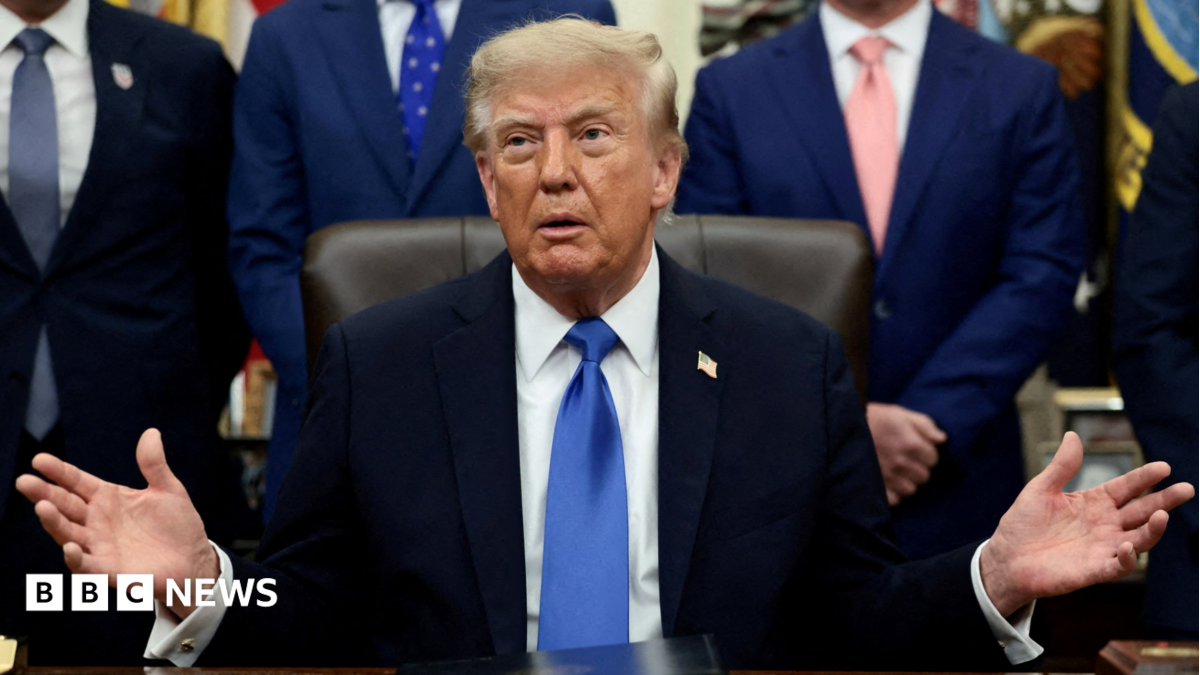
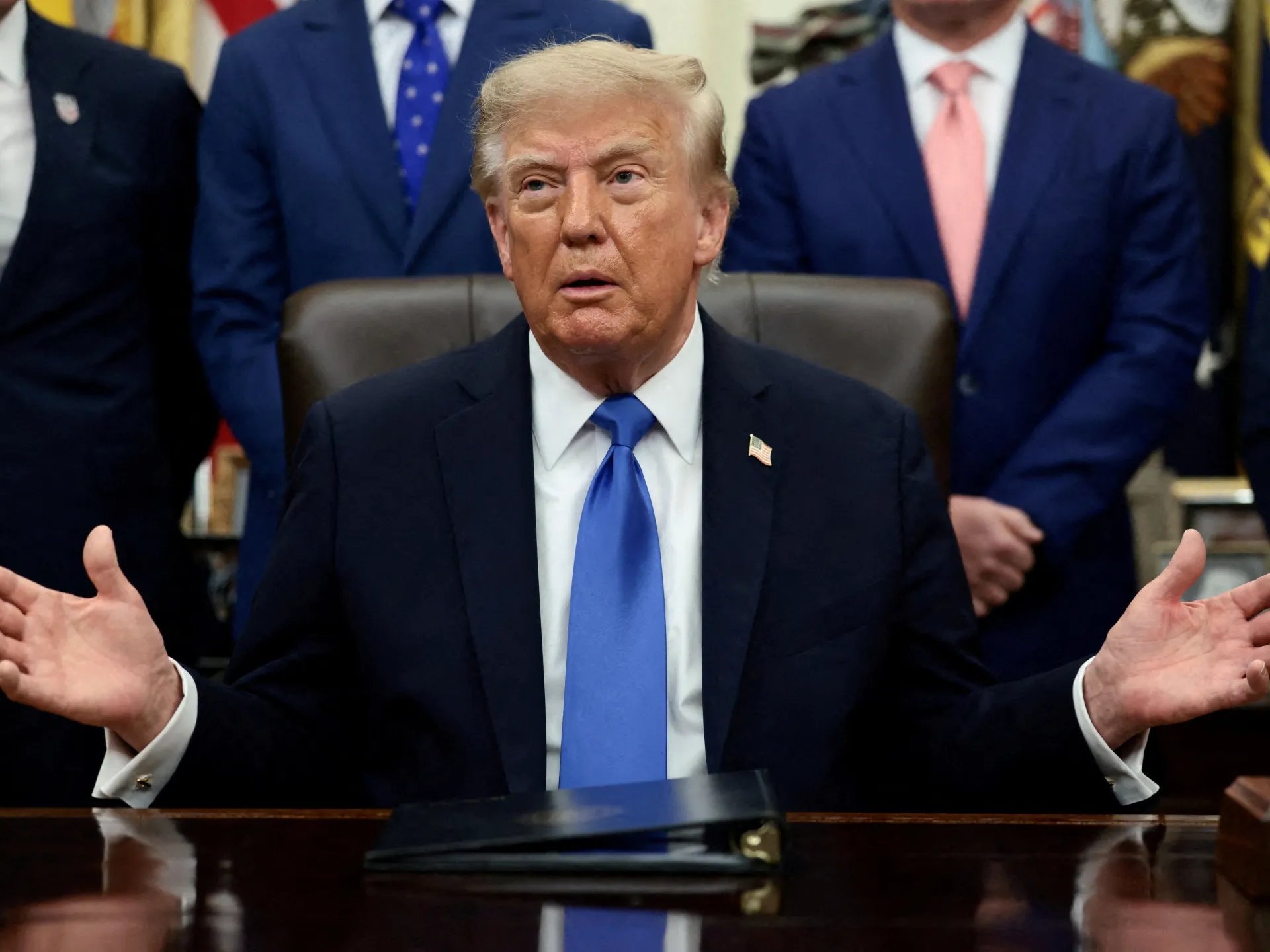
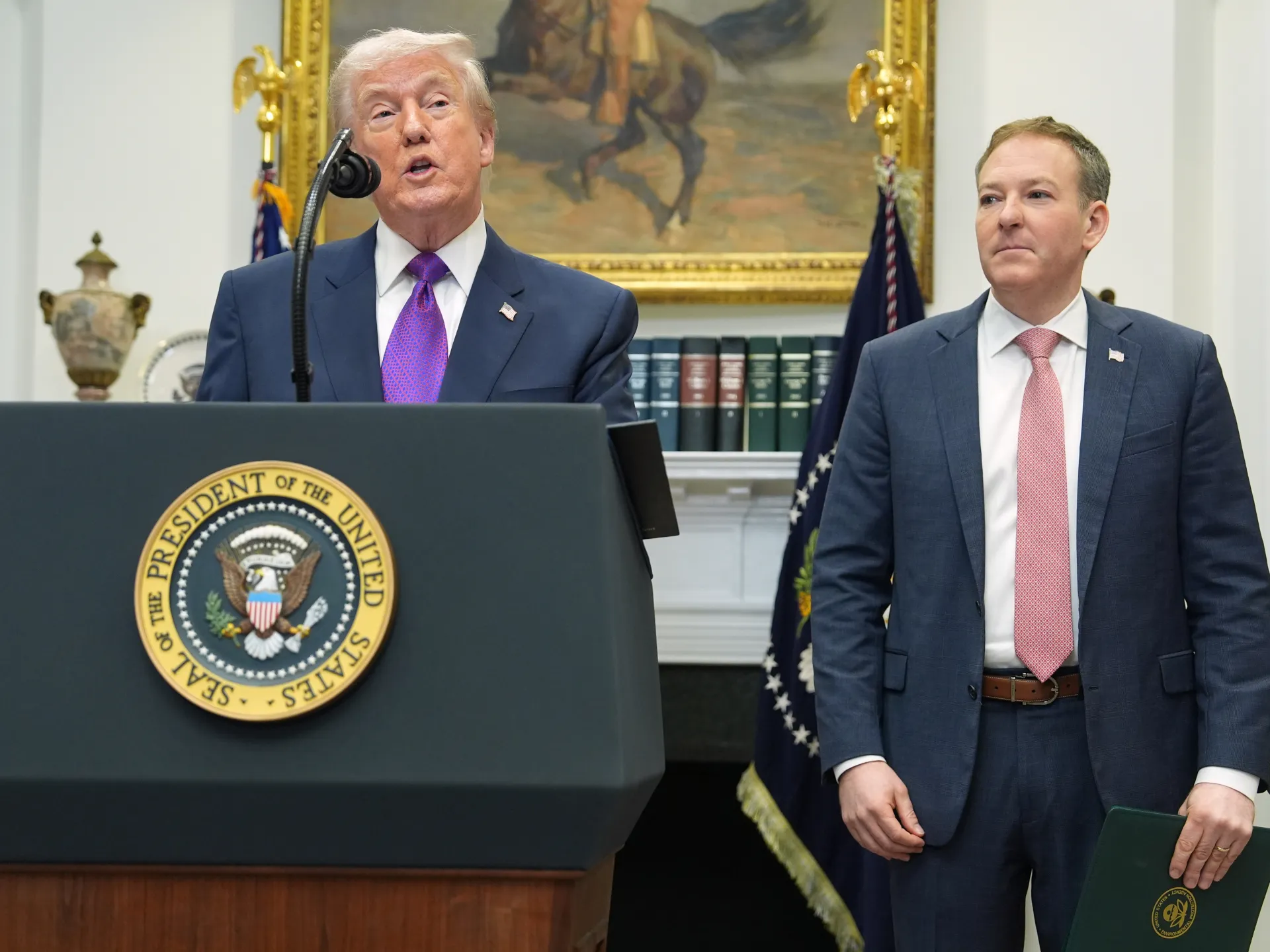
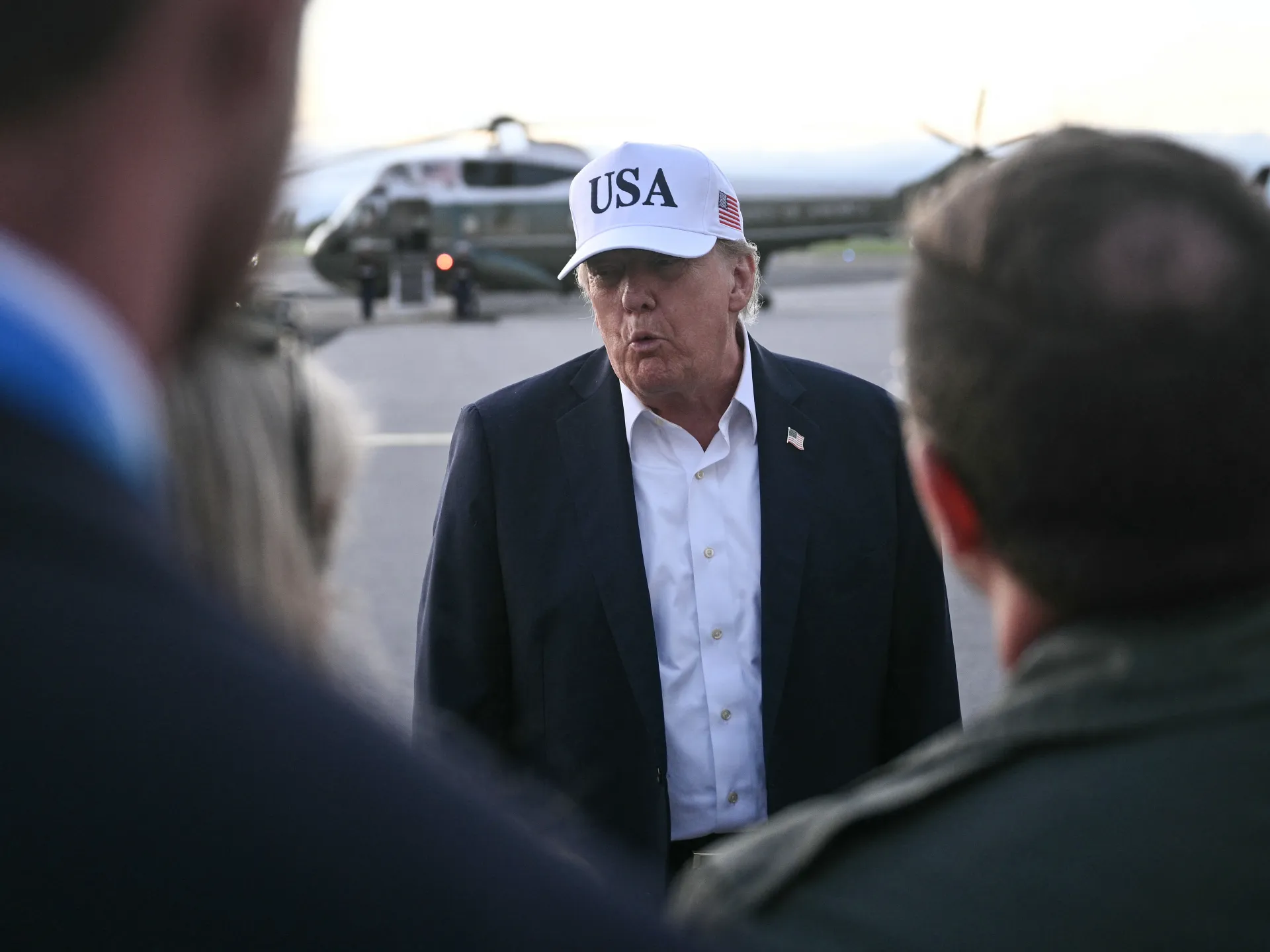
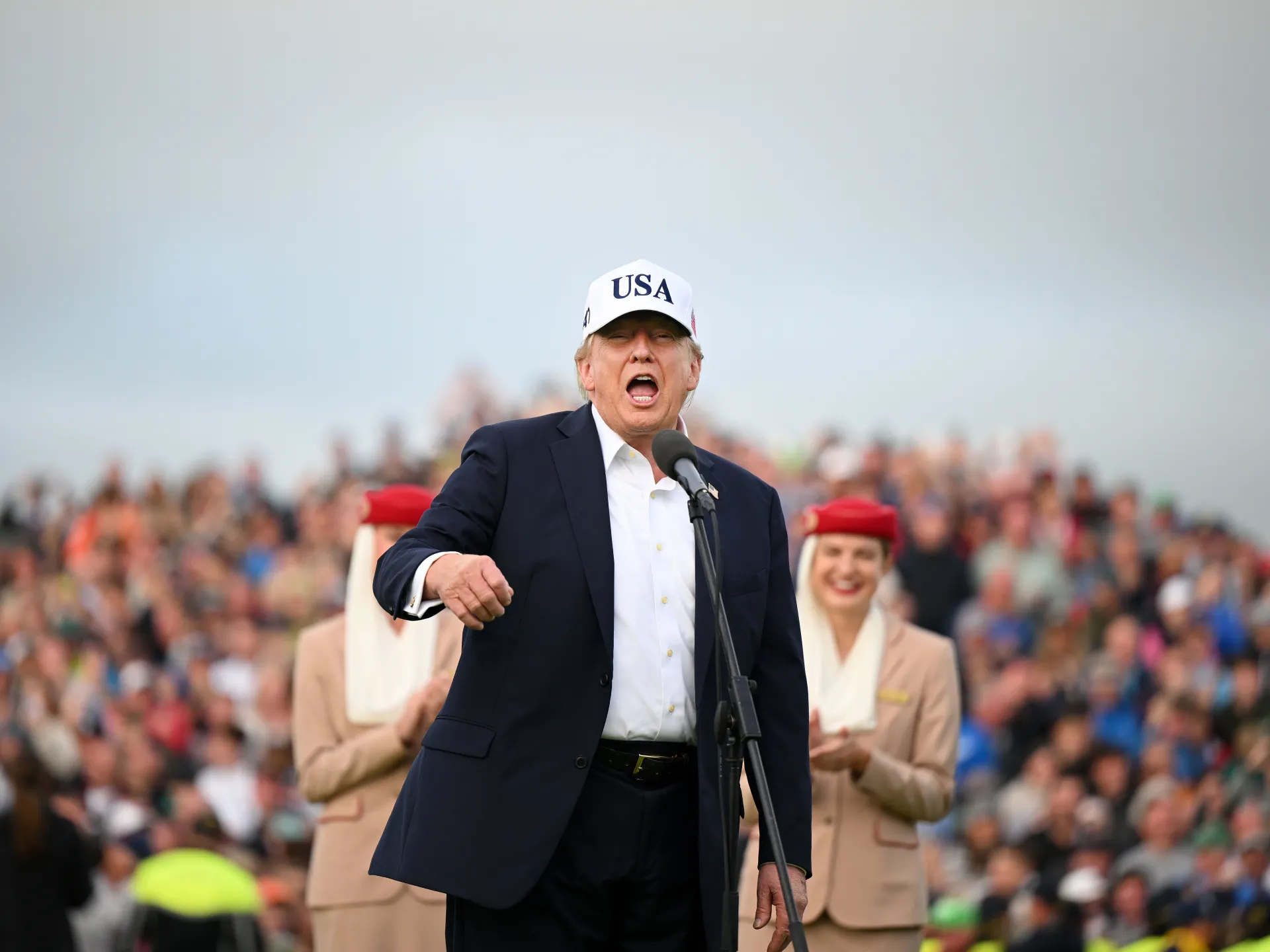
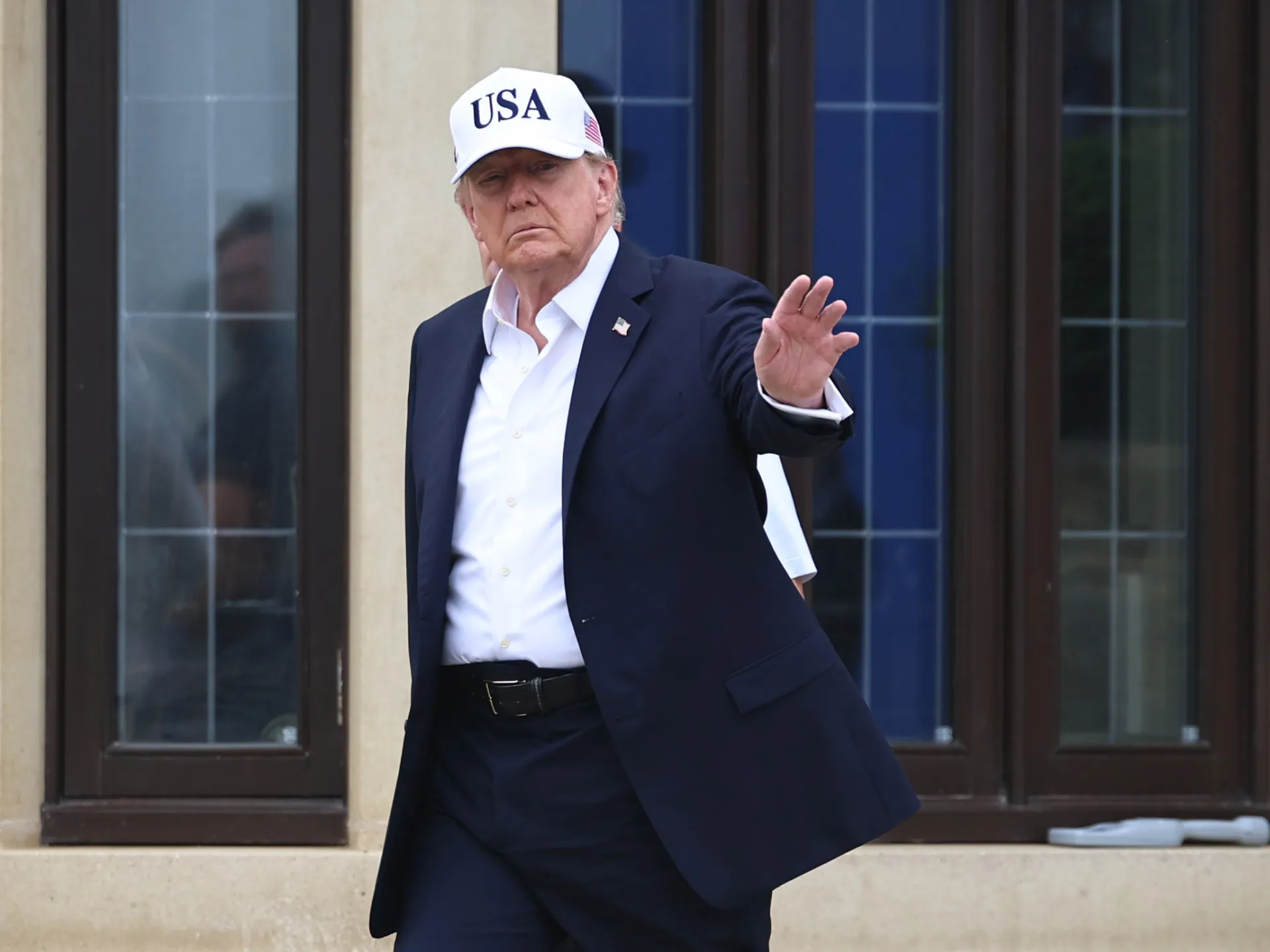
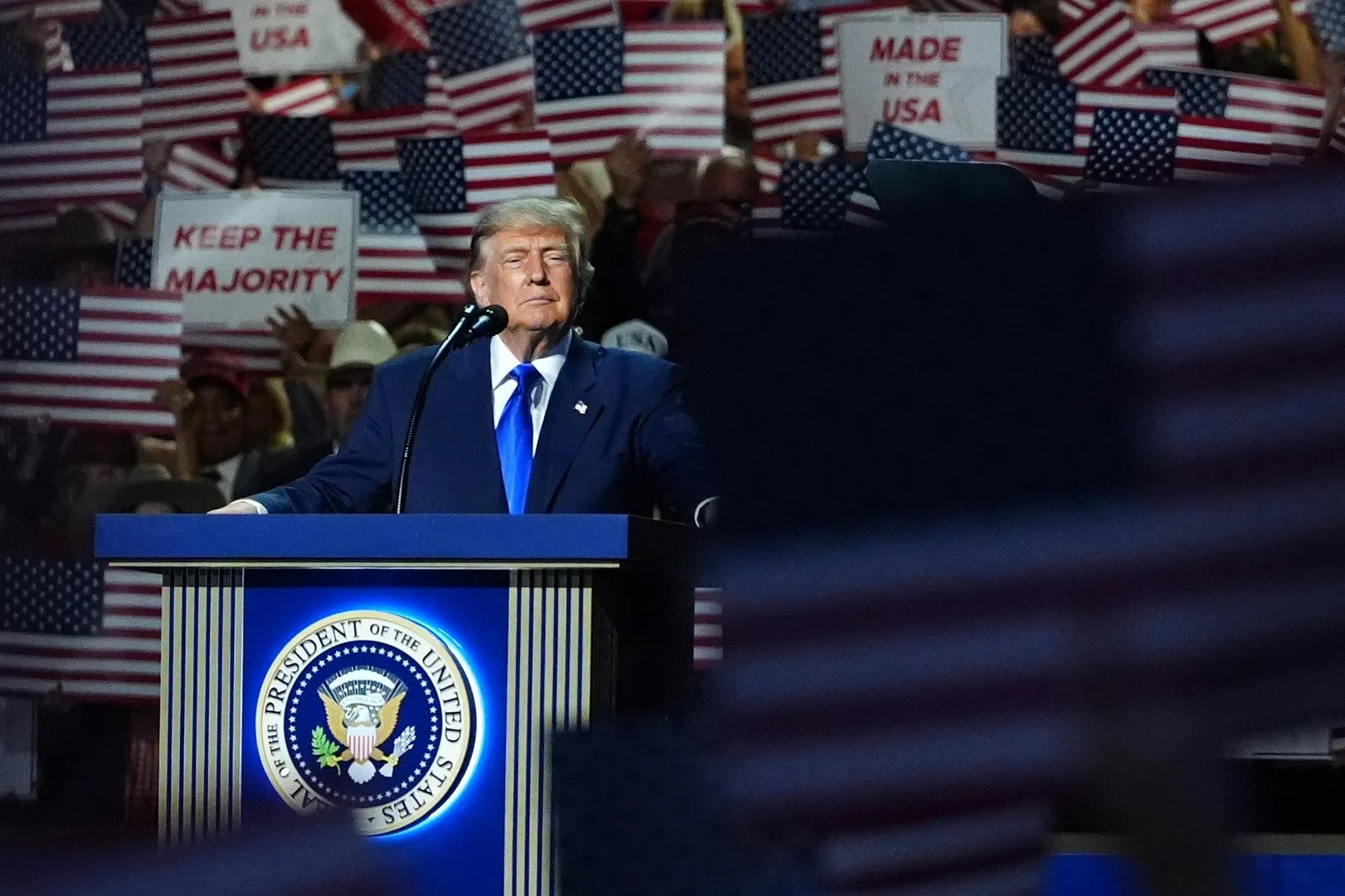
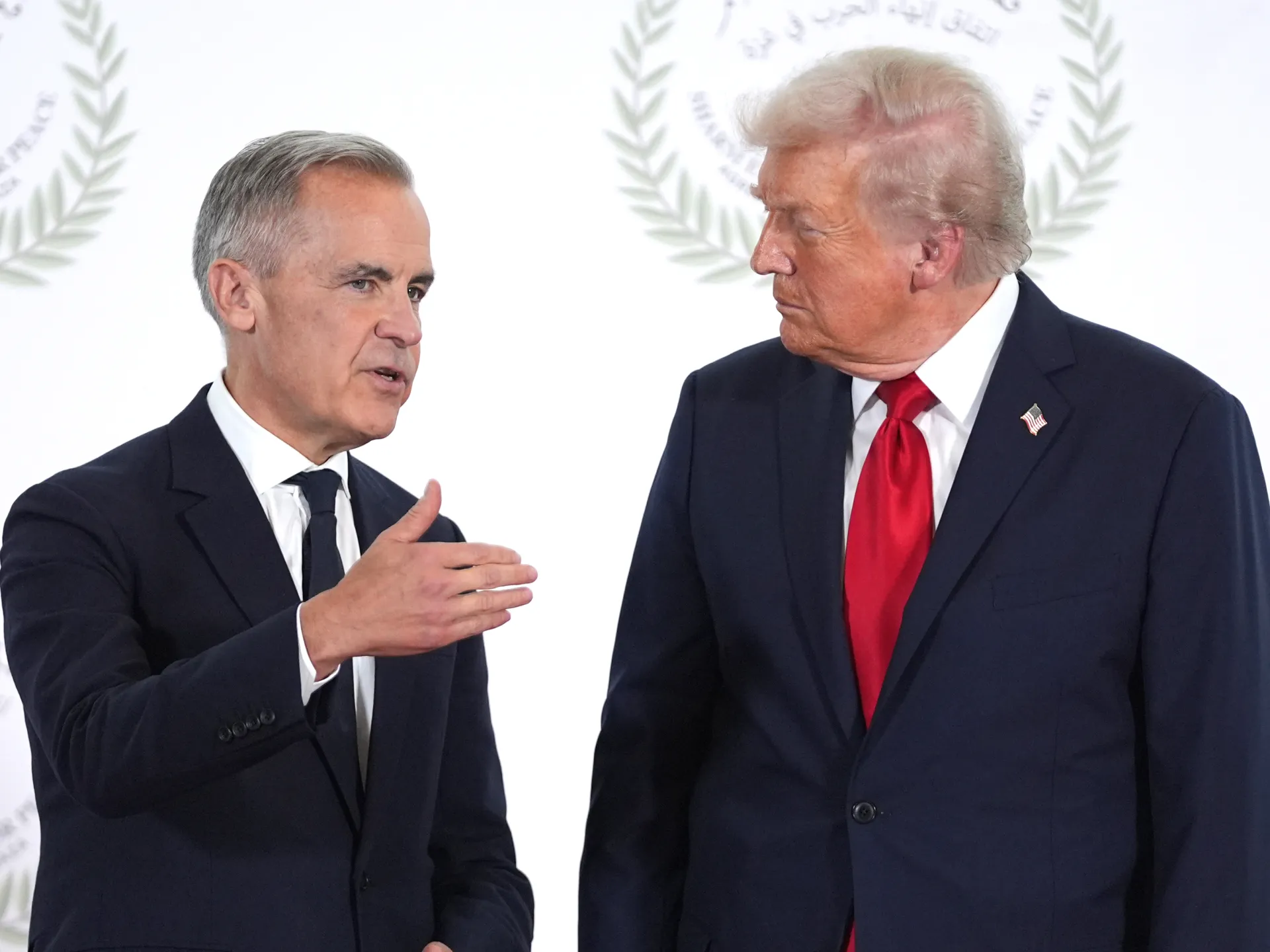
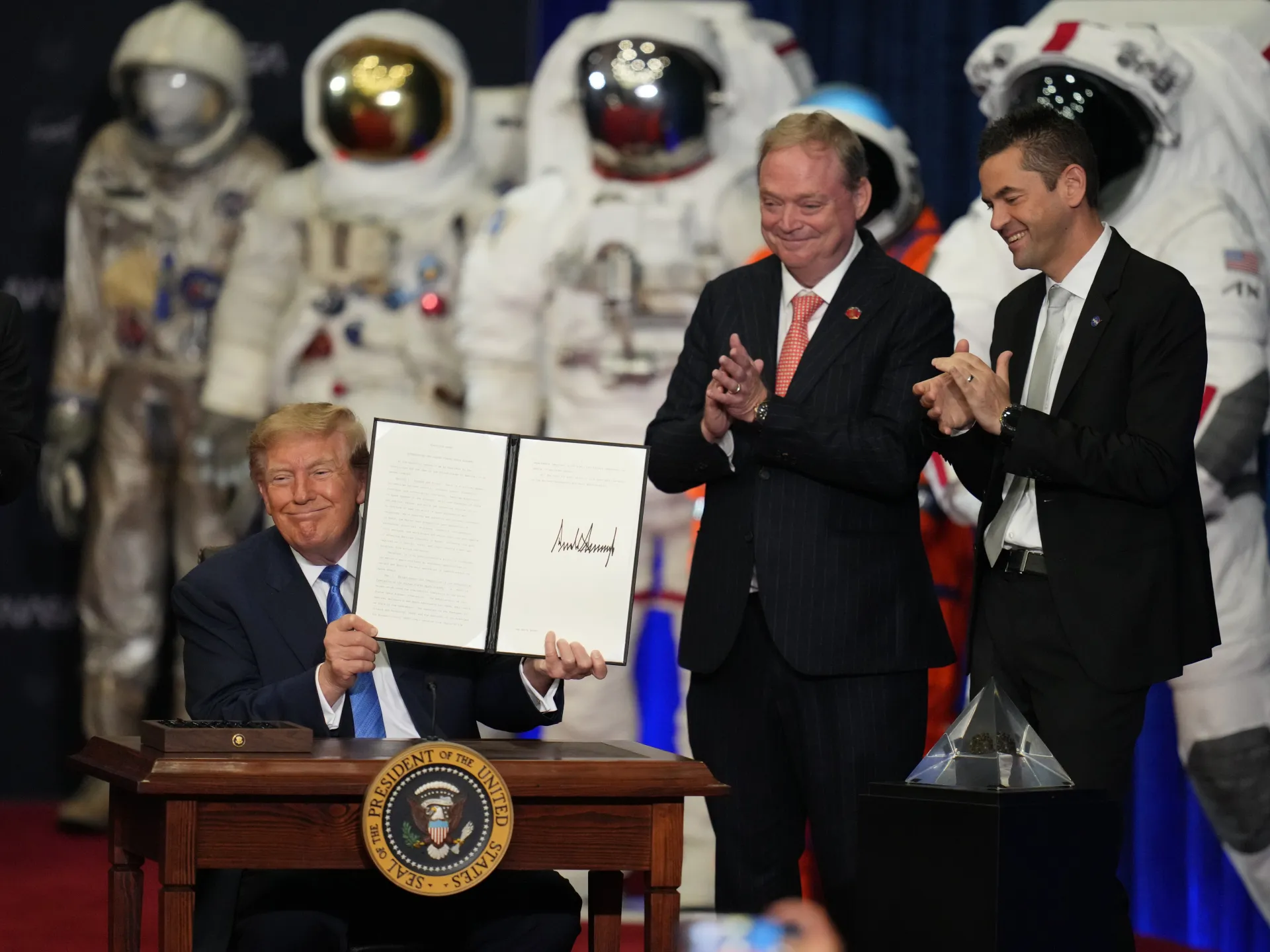
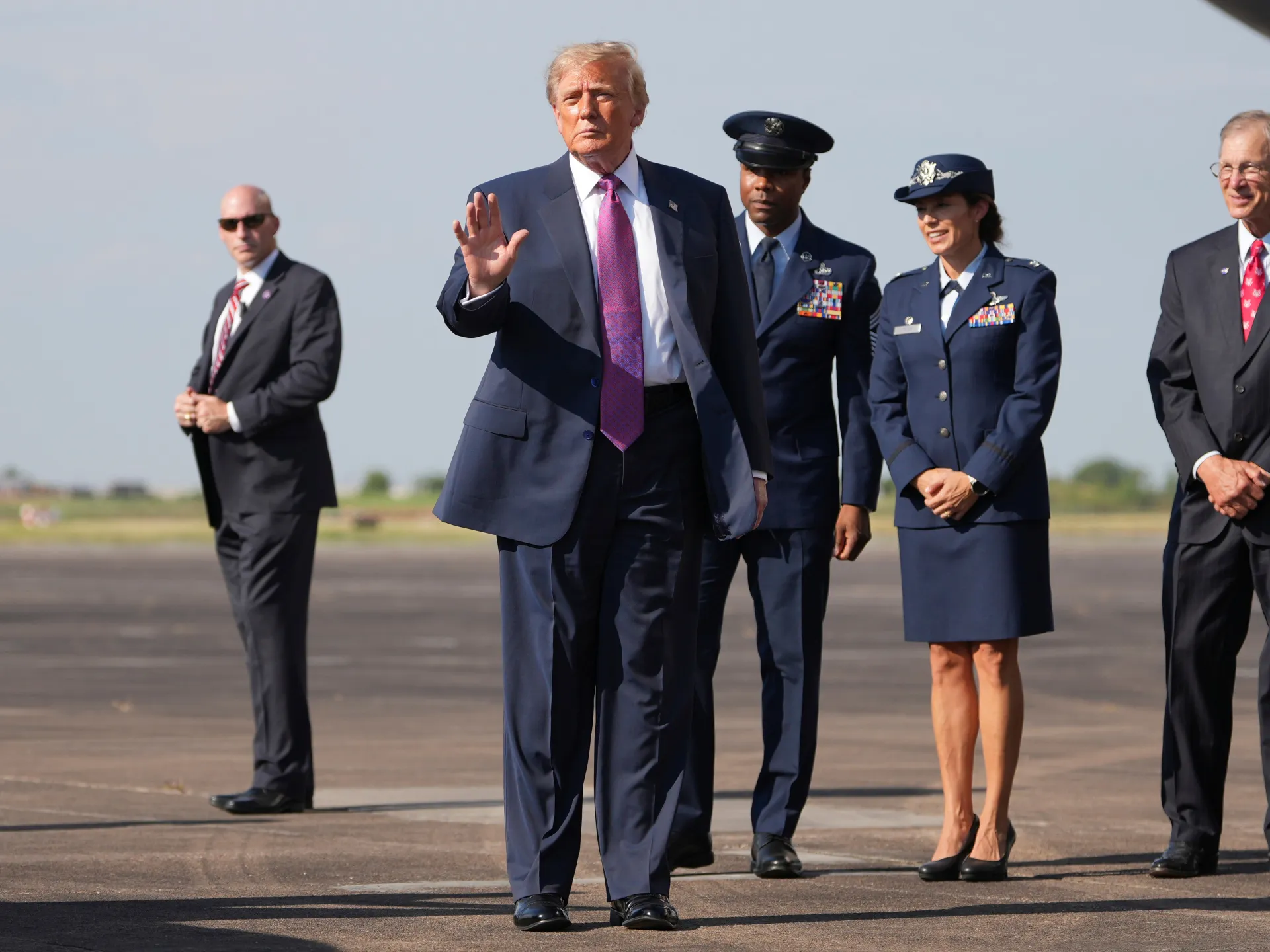
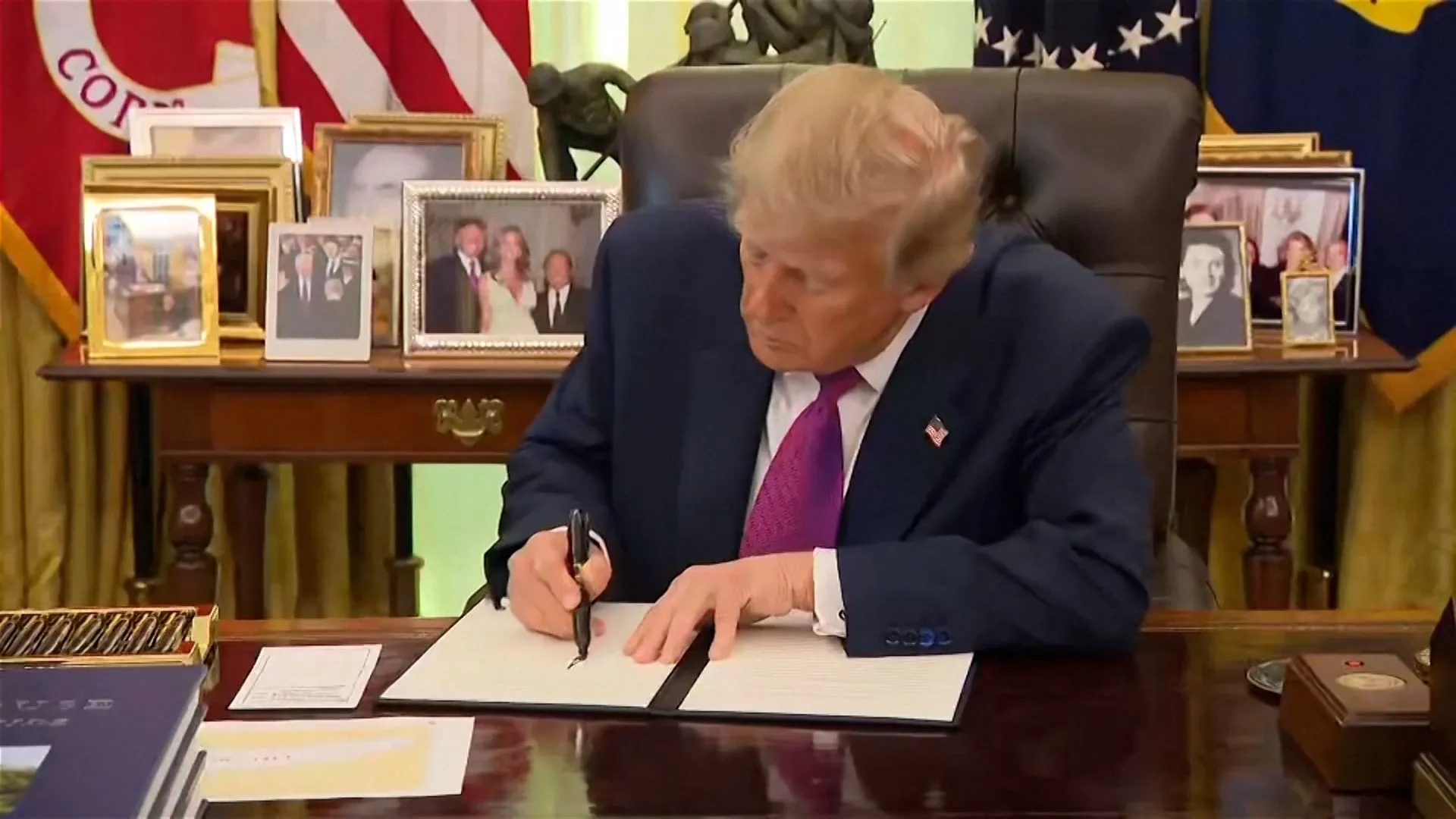
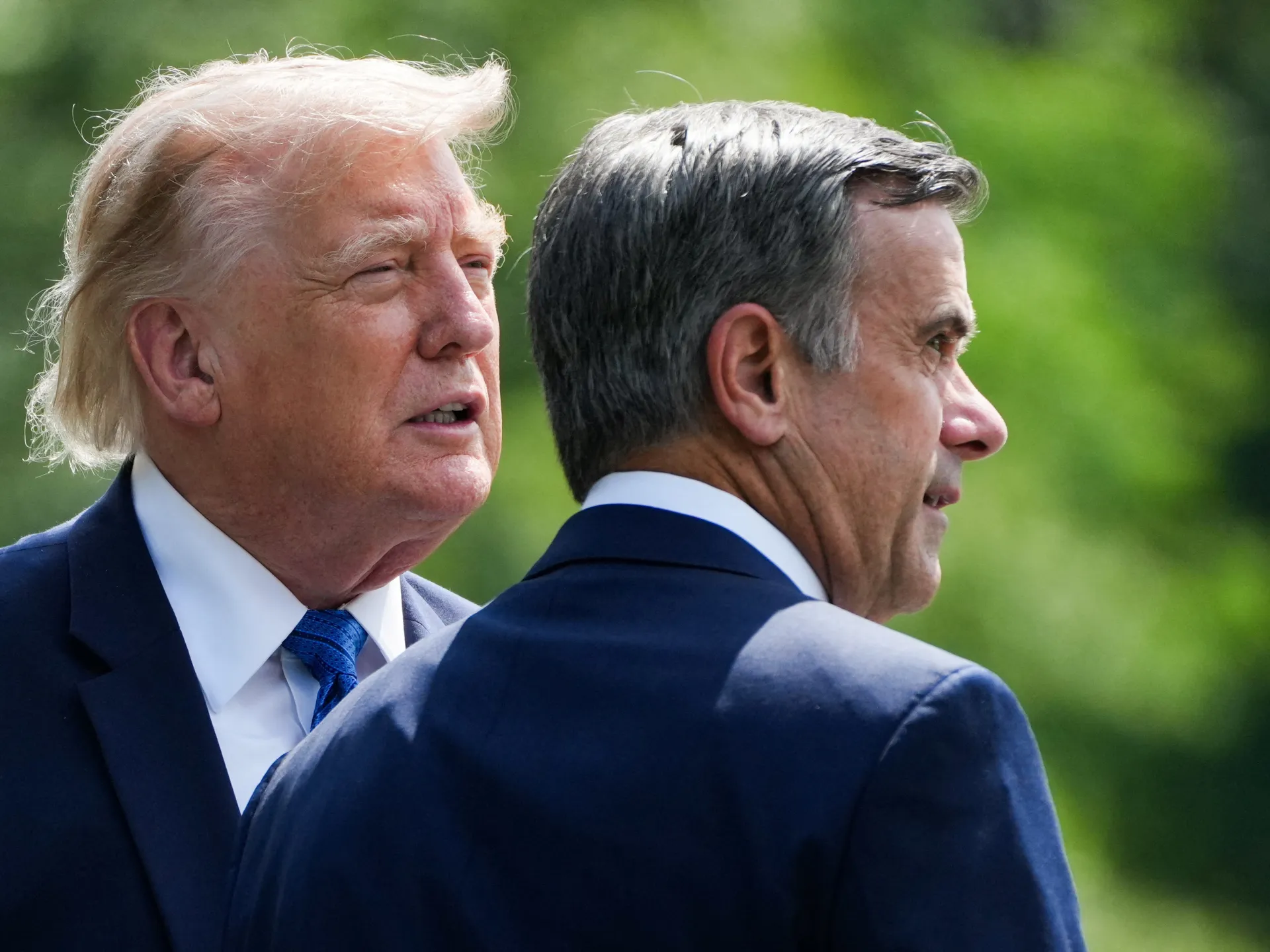
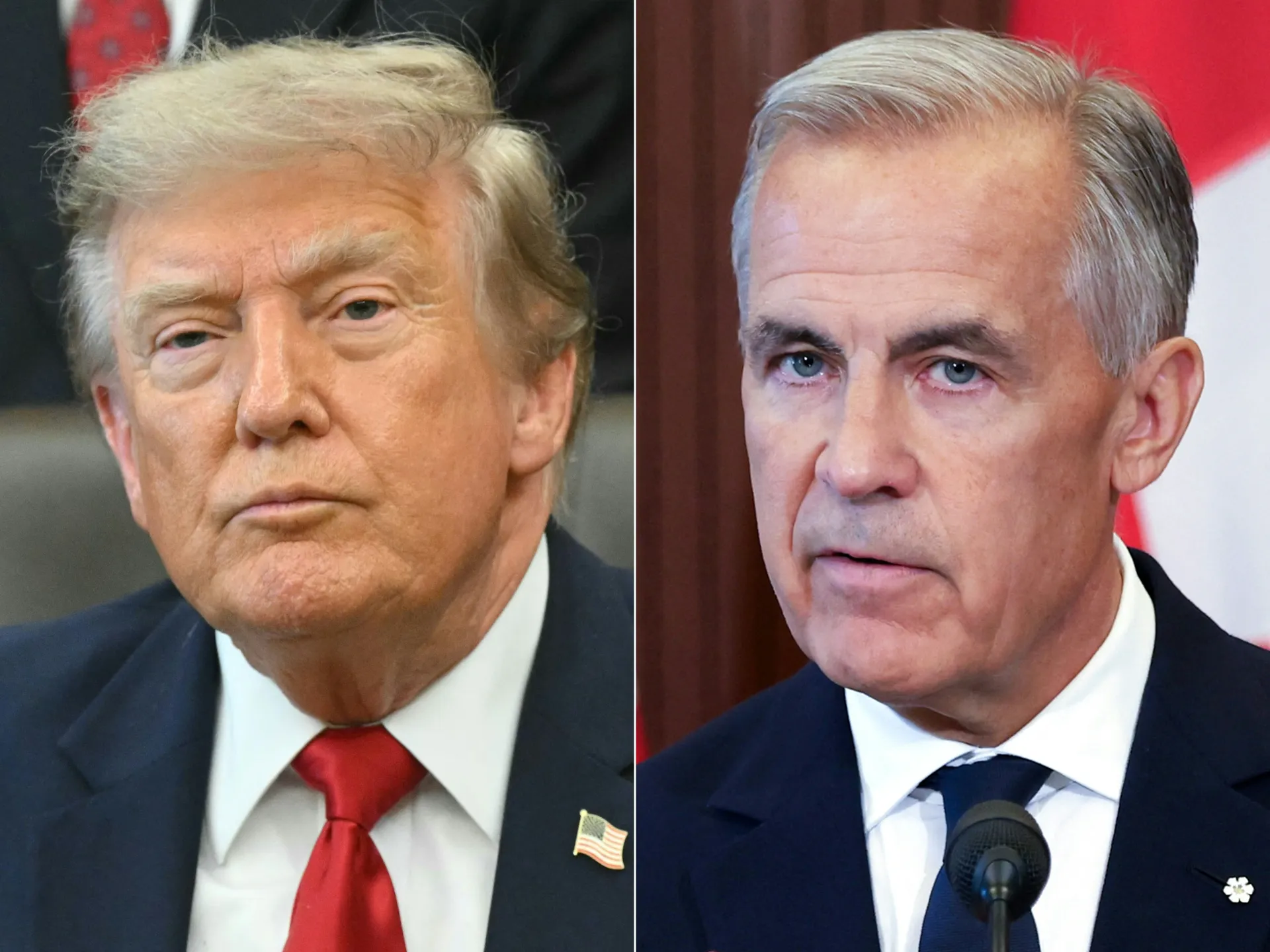
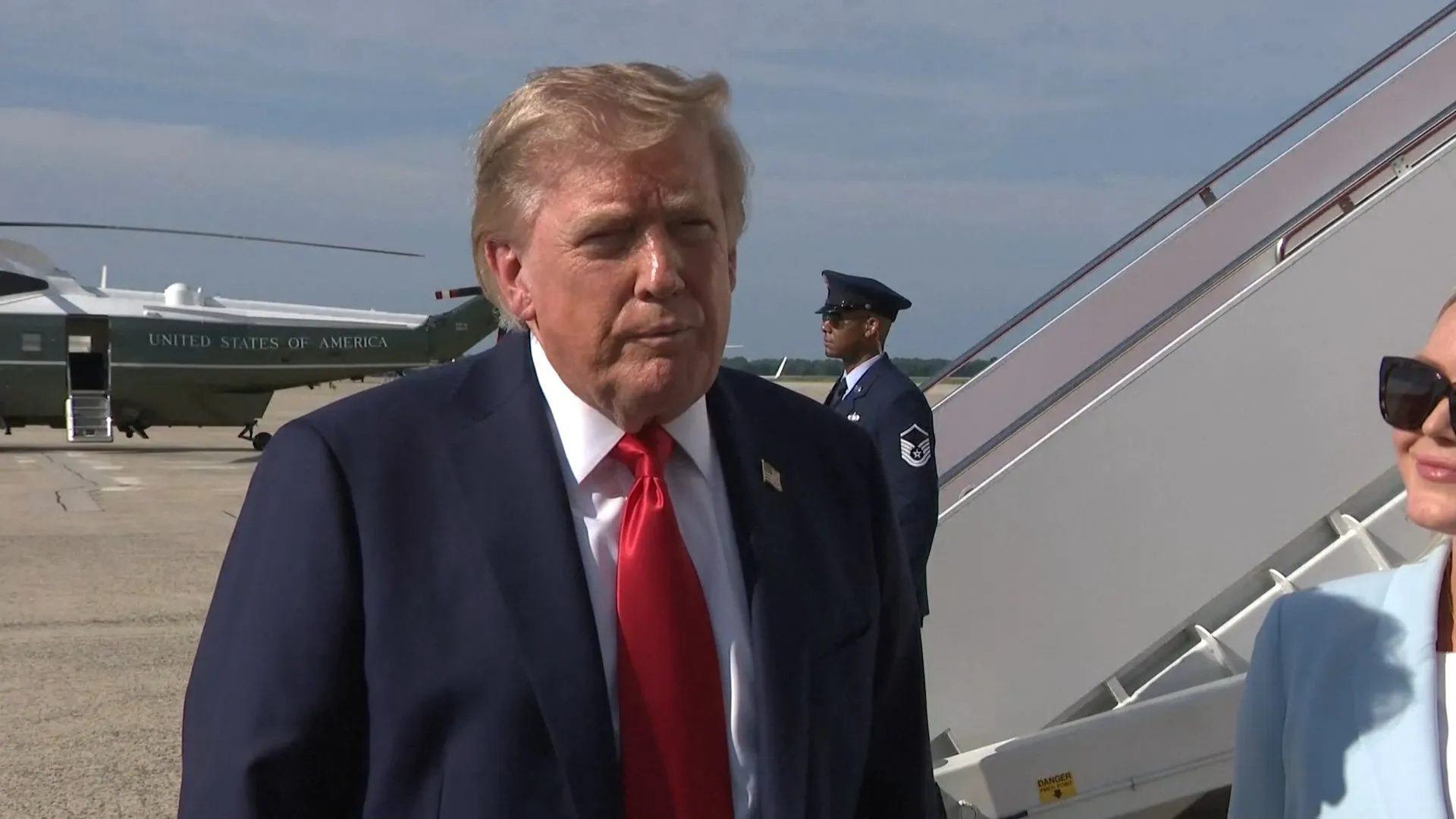
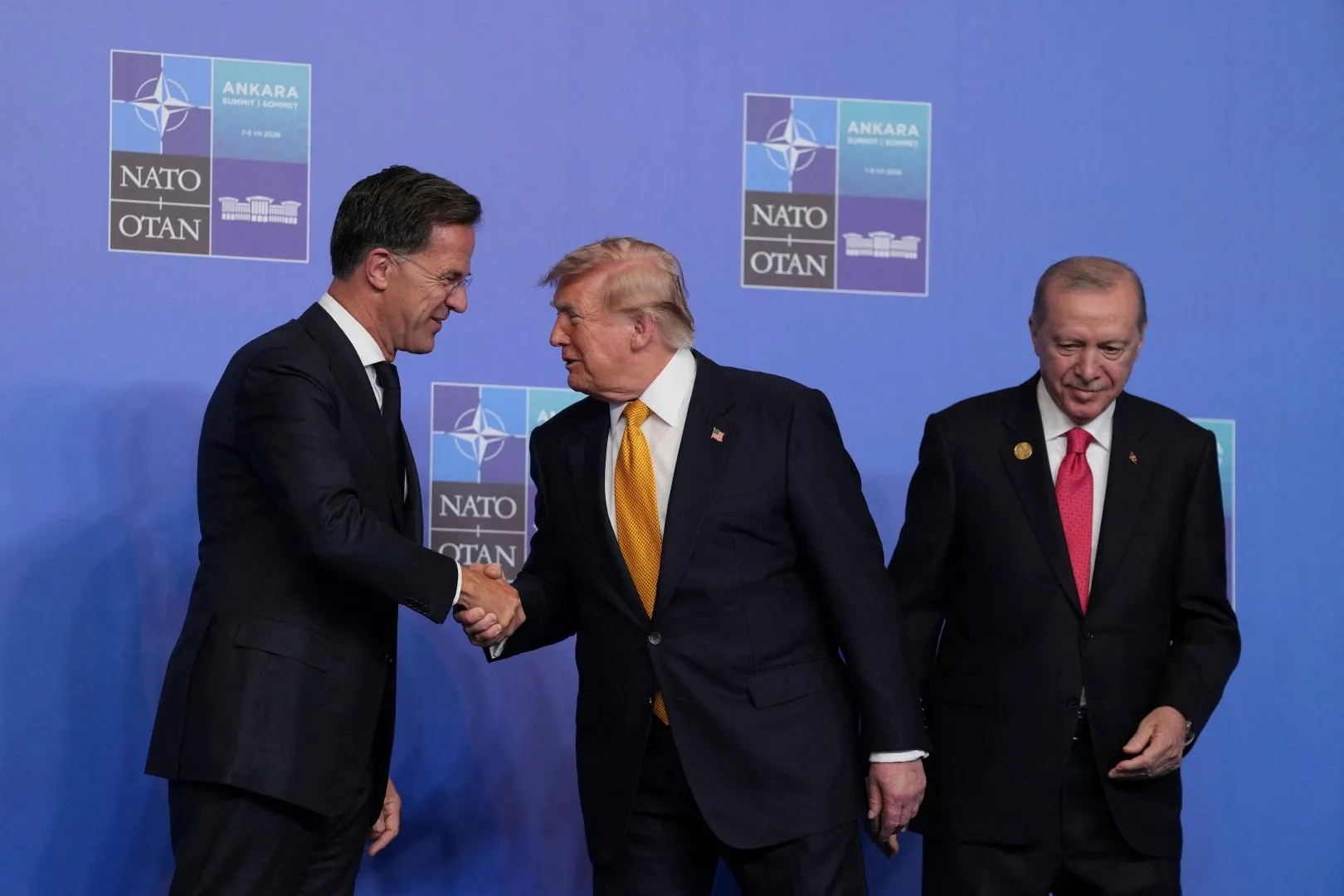
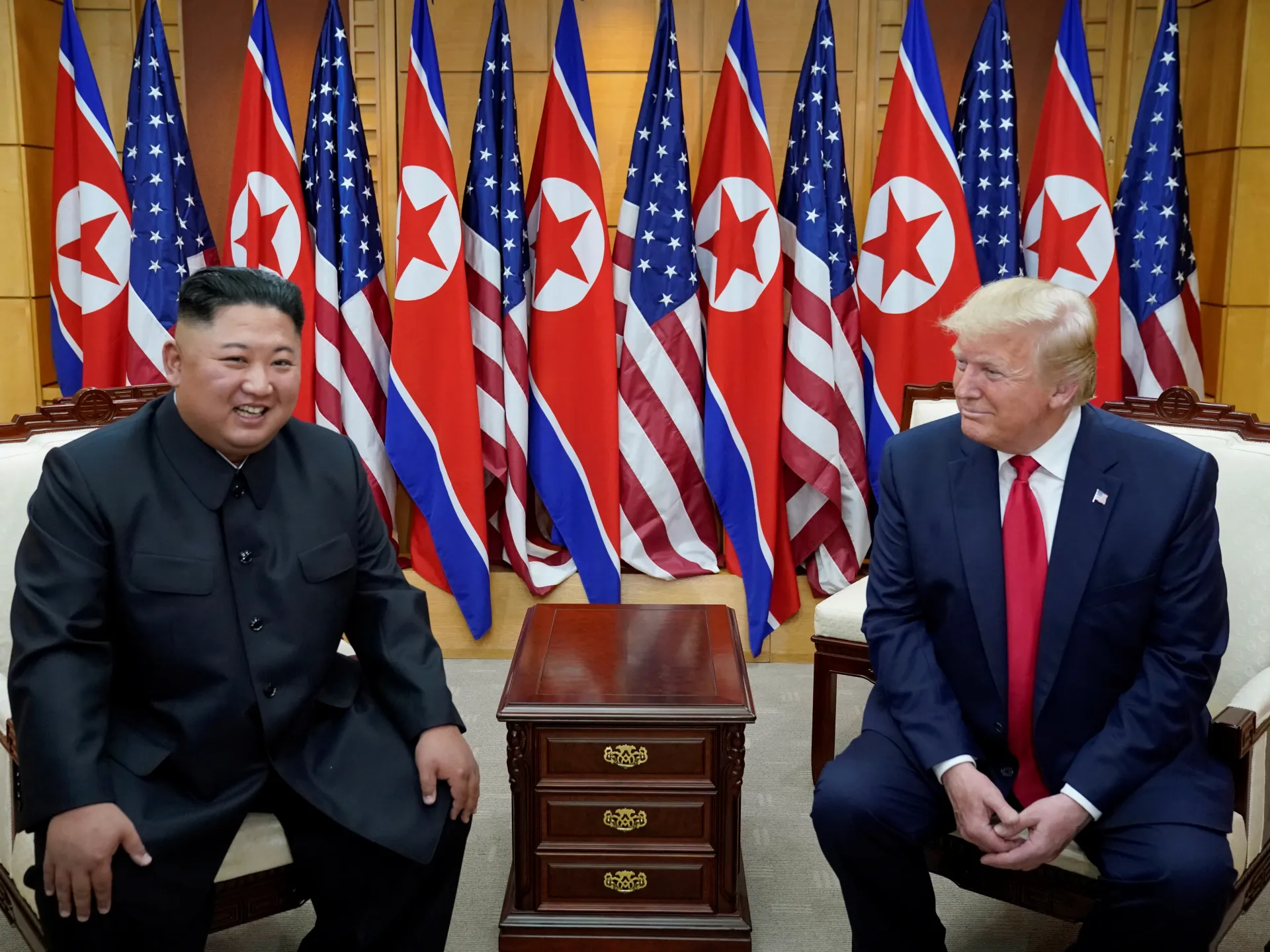
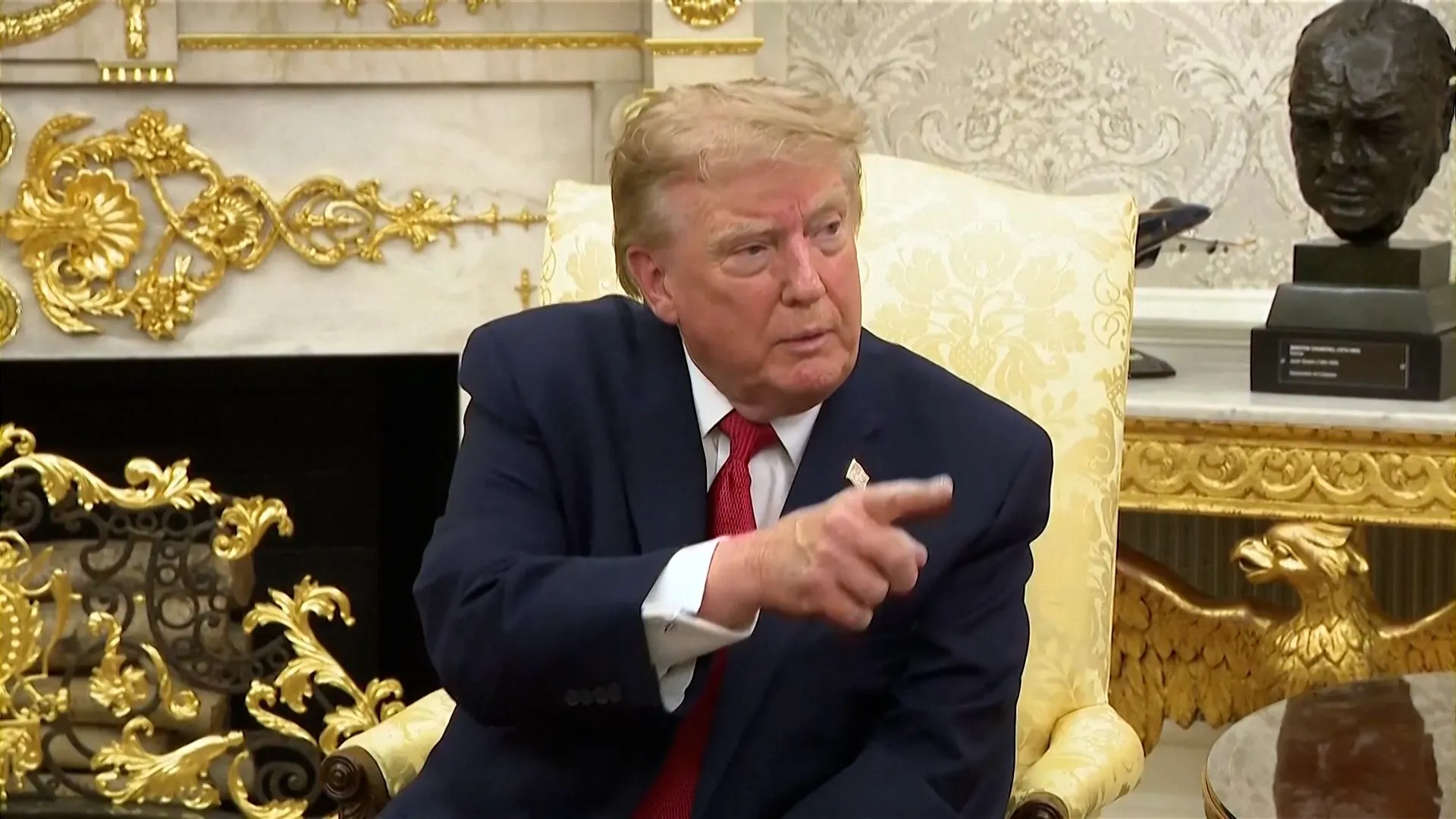
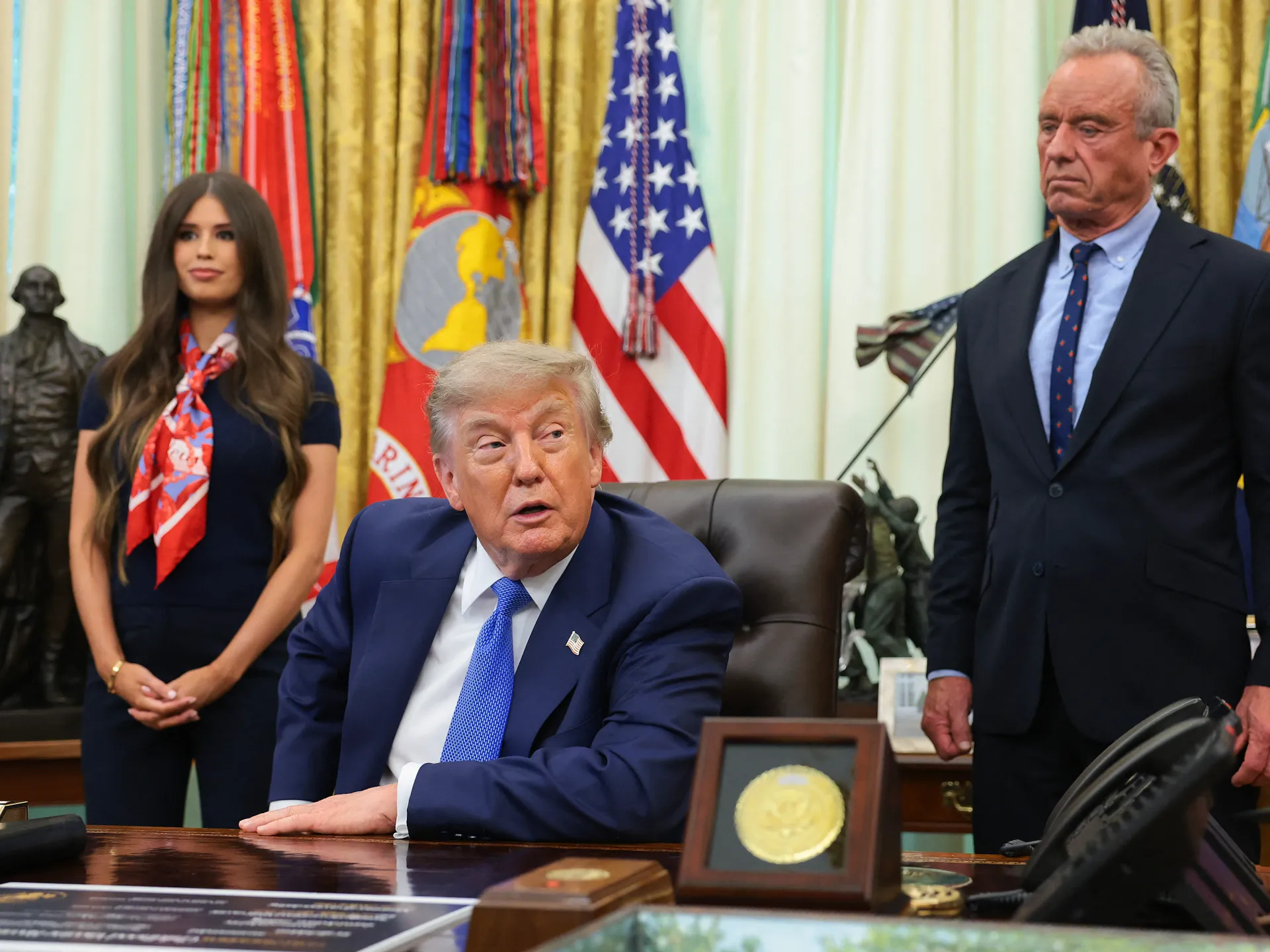
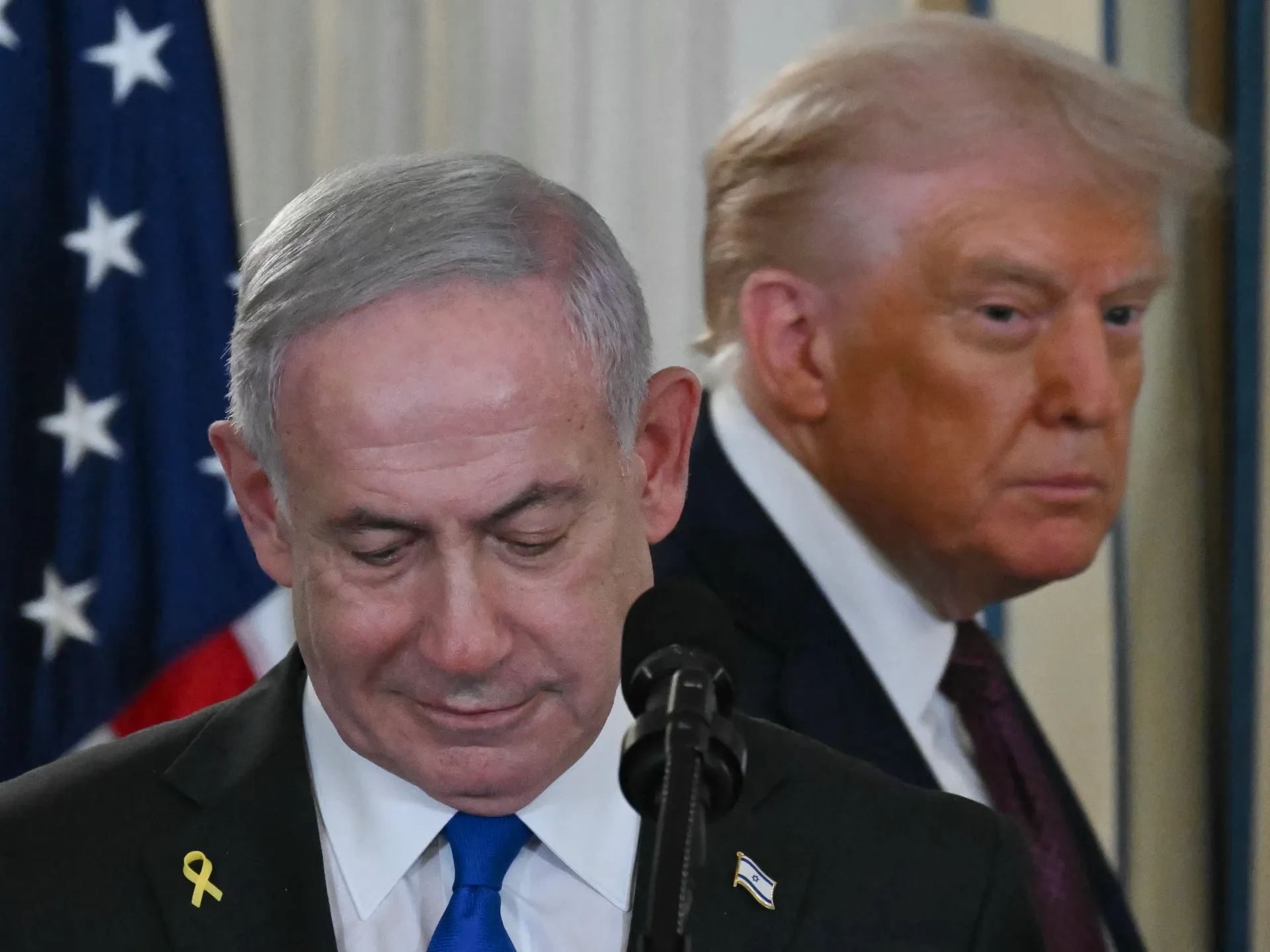
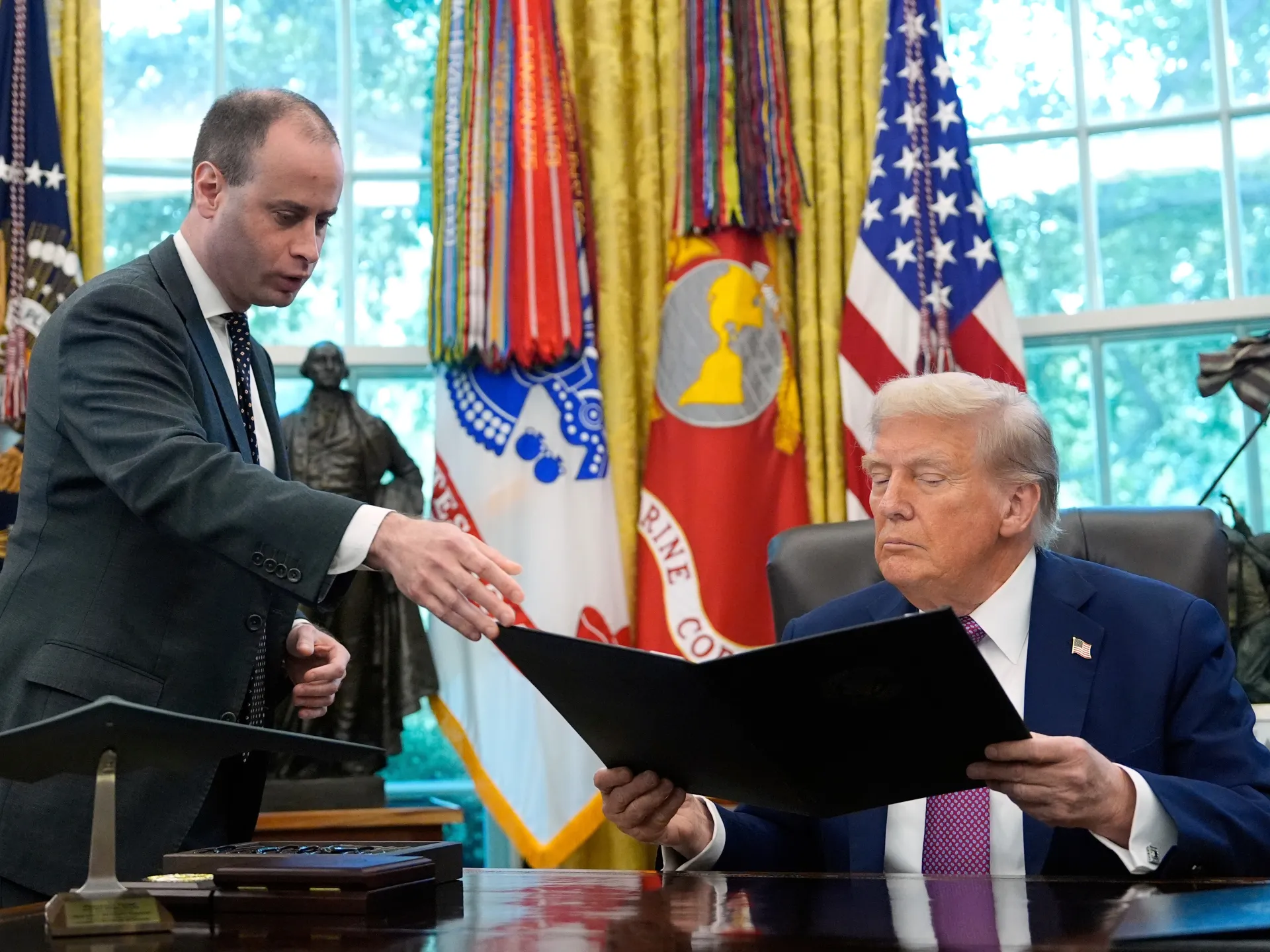
Concurrent with the UNGA proceedings, U.S. President Donald Trump is preparing to consult with leaders from Saudi Arabia, the UAE, Qatar, Oman, Kuwait, and Bahrain. These discussions are expected to shape the next phase of the U.S. approach to Iran. President Trump has publicly entertained the possibility of a new, major military assault, making these consultations with regional partners a critical variable in whether the current tension escalates into a larger war or moves toward a tenuous ceasefire.
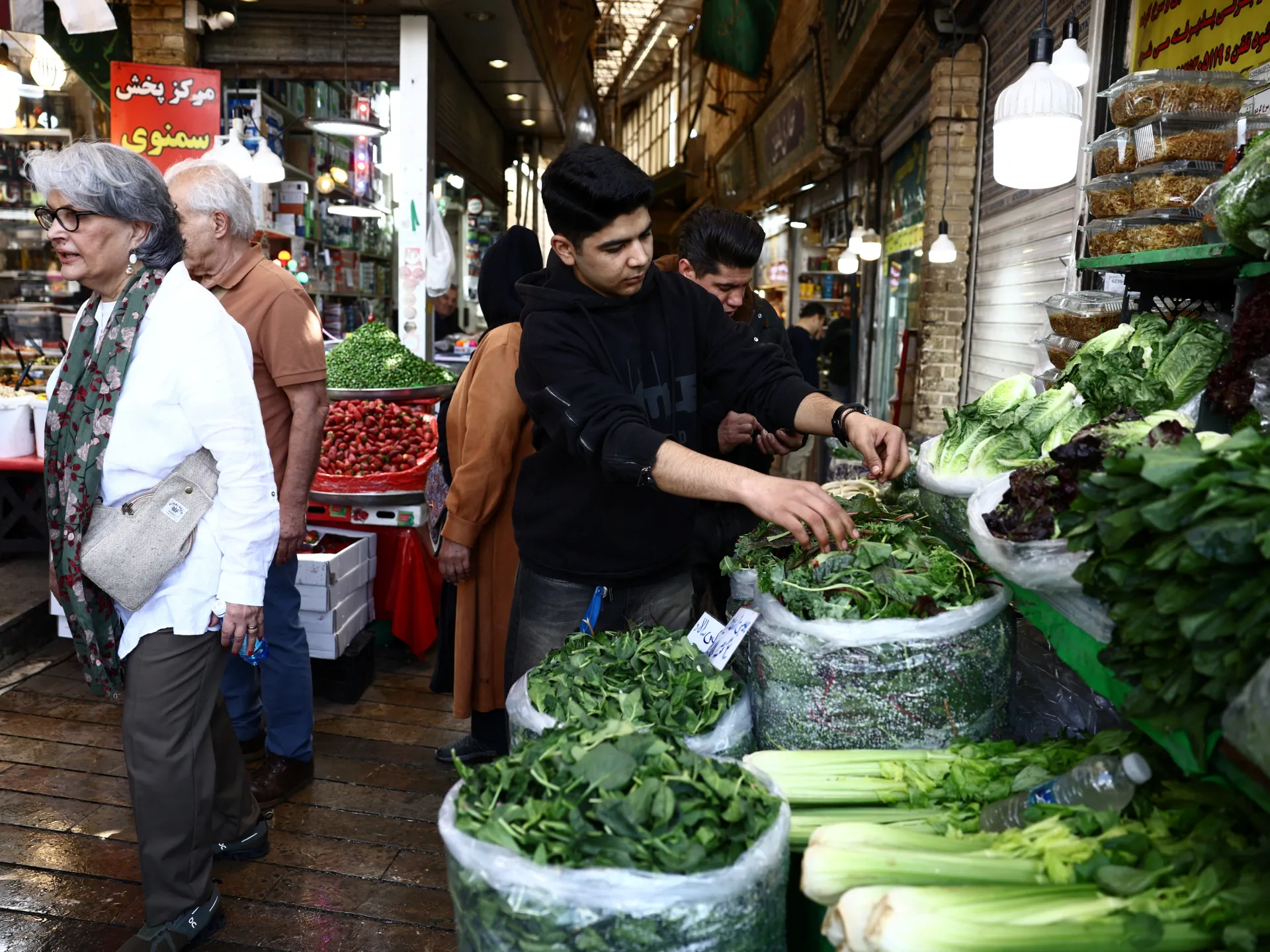
The Iranian delegation faces a uniquely constrained environment during this trip. According to the Iranian president’s office, the U.S. has denied visas to the accompanying media personnel and imposed strict movement limitations on the official delegation. Additionally, reports indicate that Iranian delegates have been barred from purchasing luxury goods, a restriction that underscores the punitive nature of the U.S.-led sanctions regime.
Despite these barriers, President Pezeshkian intends to maintain an active schedule of public-facing diplomacy. The delegation plans to engage with Iranian expatriates, various think tanks, and members of the international media. This strategy appears aimed at bypassing official diplomatic channels to speak directly to the international community, framing the Iranian position as one of resilience in the face of what they characterize as an illegitimate war.
The immediate future of the conflict will likely be determined these consultations lead to a solidified consensus on military action, the likelihood of a major escalation in the Strait of Hormuz will increase significantly. Conversely, if the UNGA session manages to foster a backchannel for dialogue, there is a narrow window for a temporary cooling of rhetoric. However, given the stated distrust of the UN shington, the diplomatic path remains fragile. The next few days in New York will serve as a barometer for whether the international community can reclaim a role in mediating this crisis or if the conflict will proceed toward a purely kinetic outcome.